
Introduction
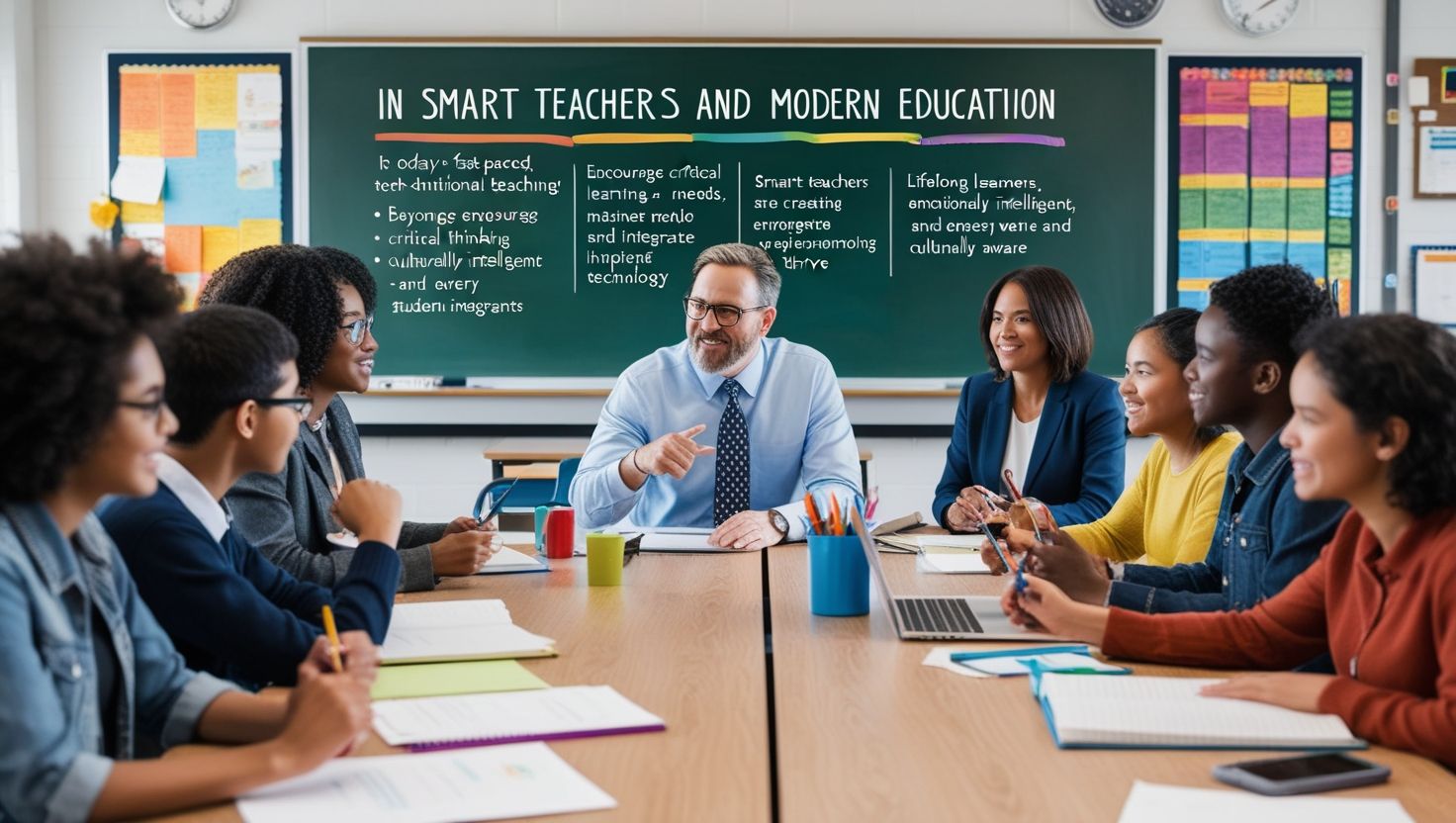
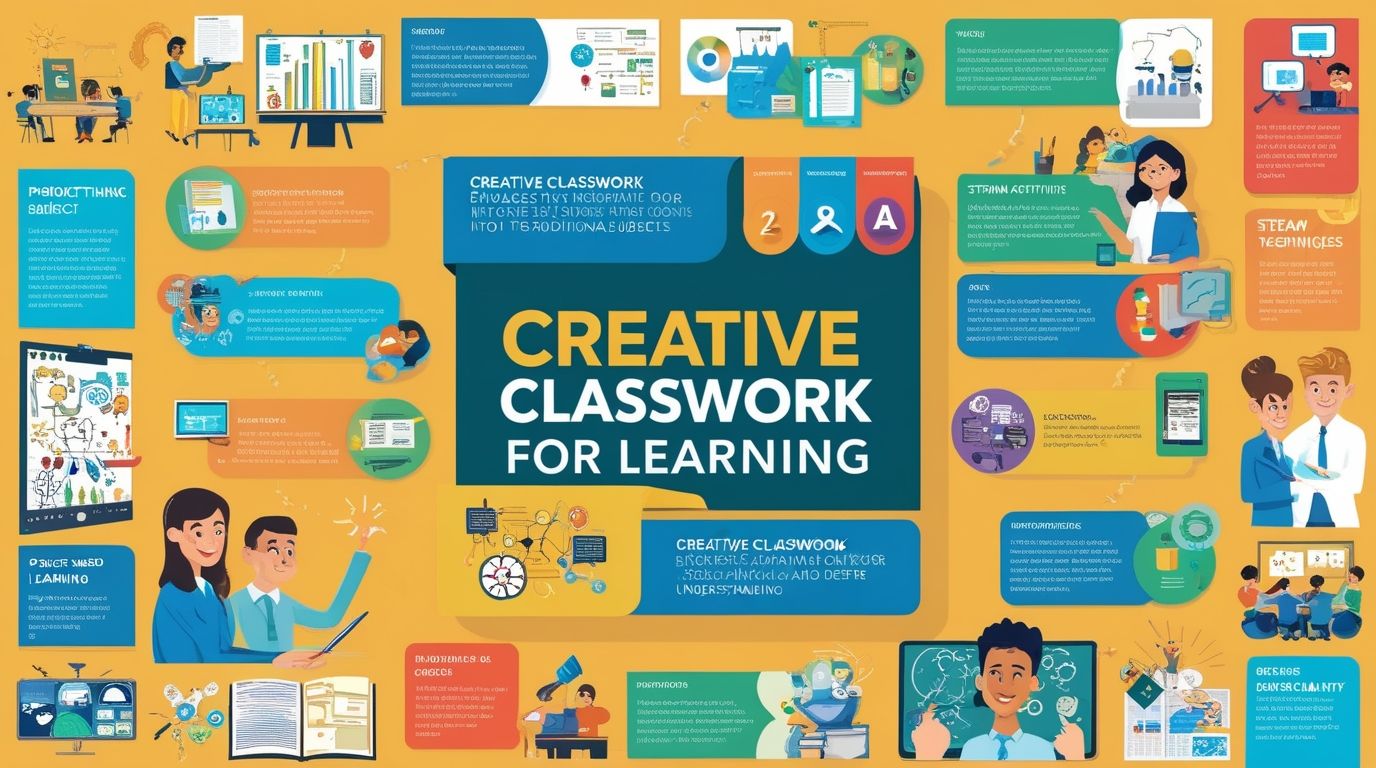
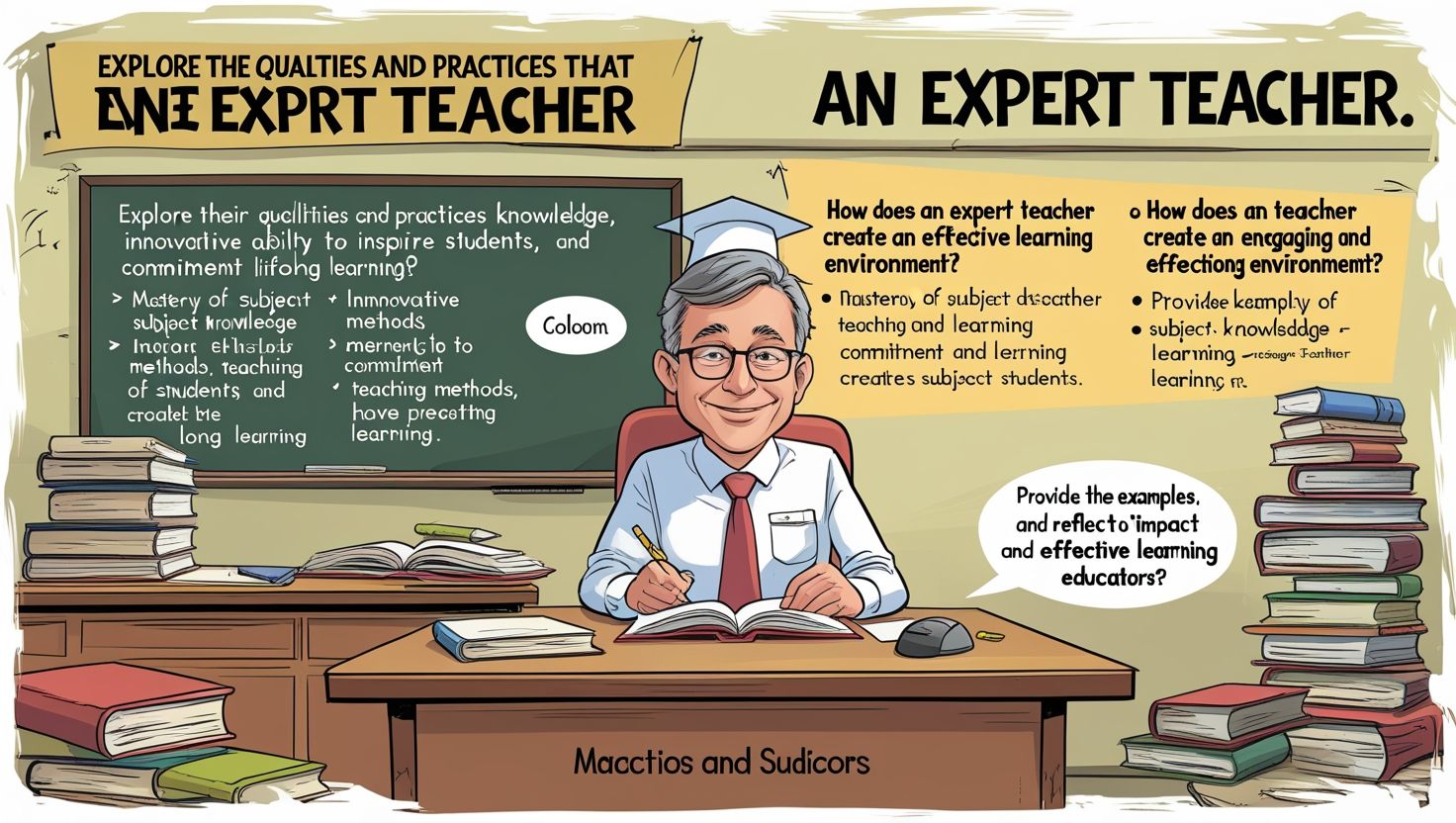
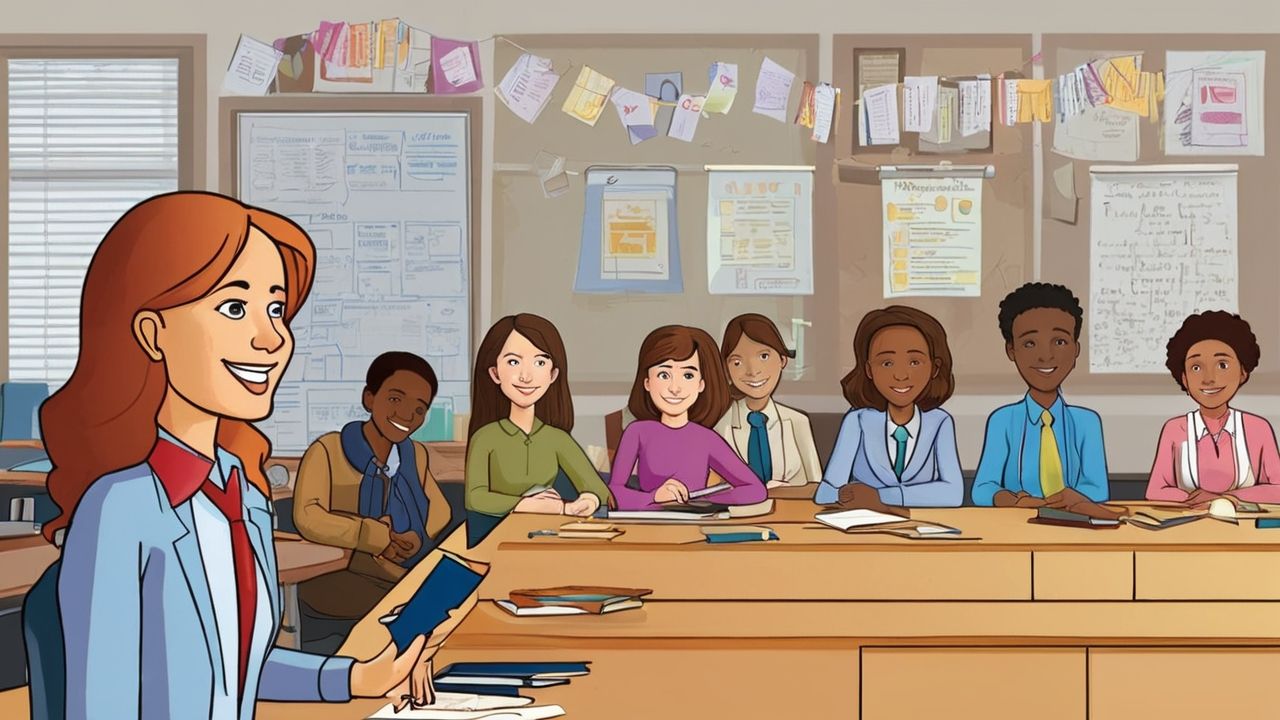
World-Class Teaching Techniques in the Classroom, In the rapidly changing landscape of education, the concept of world-class teaching has evolved far beyond traditional lecture-based instruction. Today’s classrooms—whether physical, virtual, or hybrid—demand teaching techniques that are inclusive, innovative, research-informed, and learner-centered. World-class teaching is not defined by geography or resources alone; rather, it is characterized by the quality of learning experiences teachers create and the impact those experiences have on students’ academic growth, critical thinking, creativity, and lifelong learning skills.
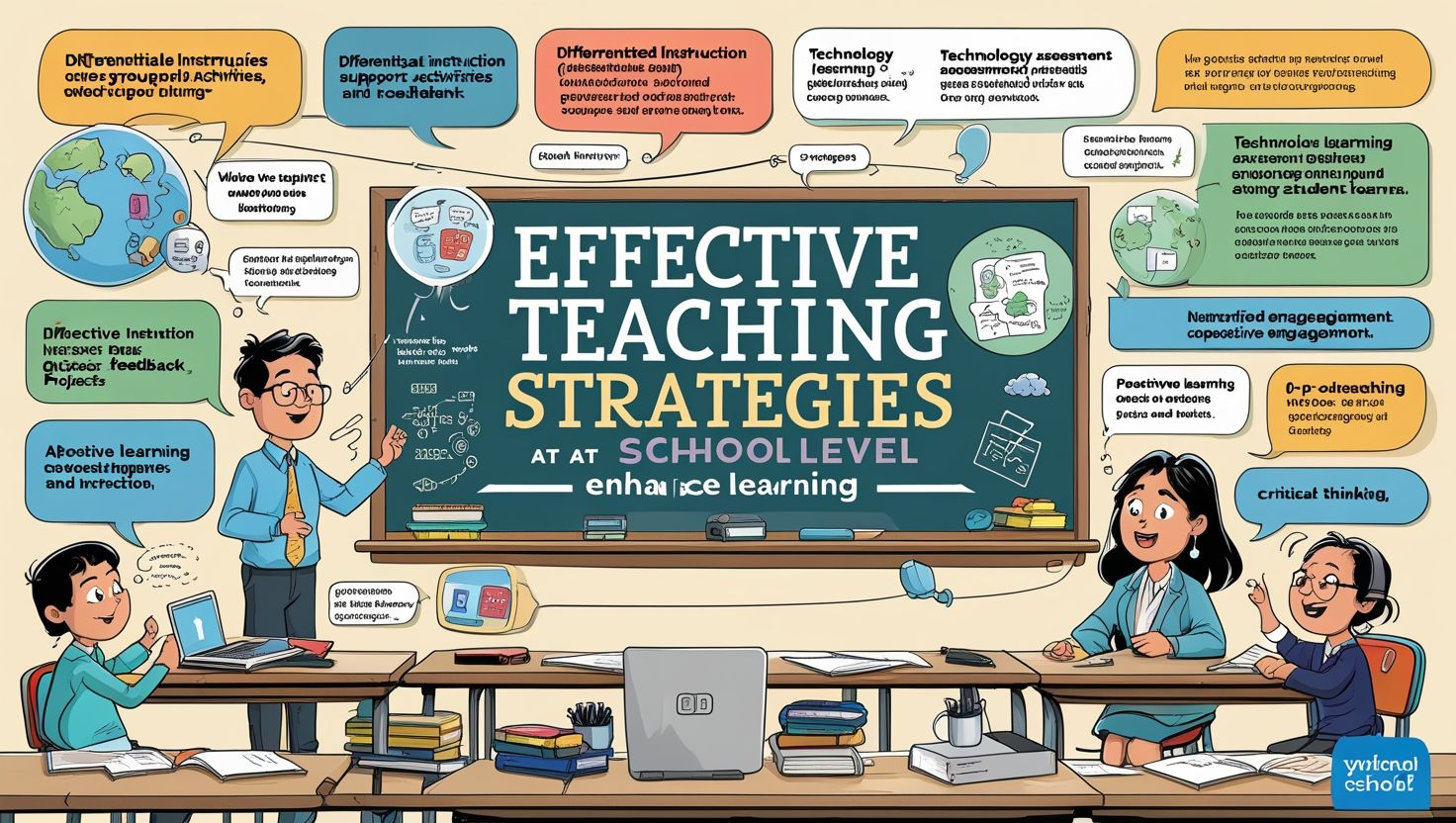
This article explores world-class teaching techniques used in effective classrooms across the globe. It examines pedagogical approaches, instructional strategies, assessment practices, and the role of technology and teacher mindset in fostering meaningful learning. Together, these elements form a comprehensive framework for excellence in classroom teaching.
1. Learner-Centered Teaching
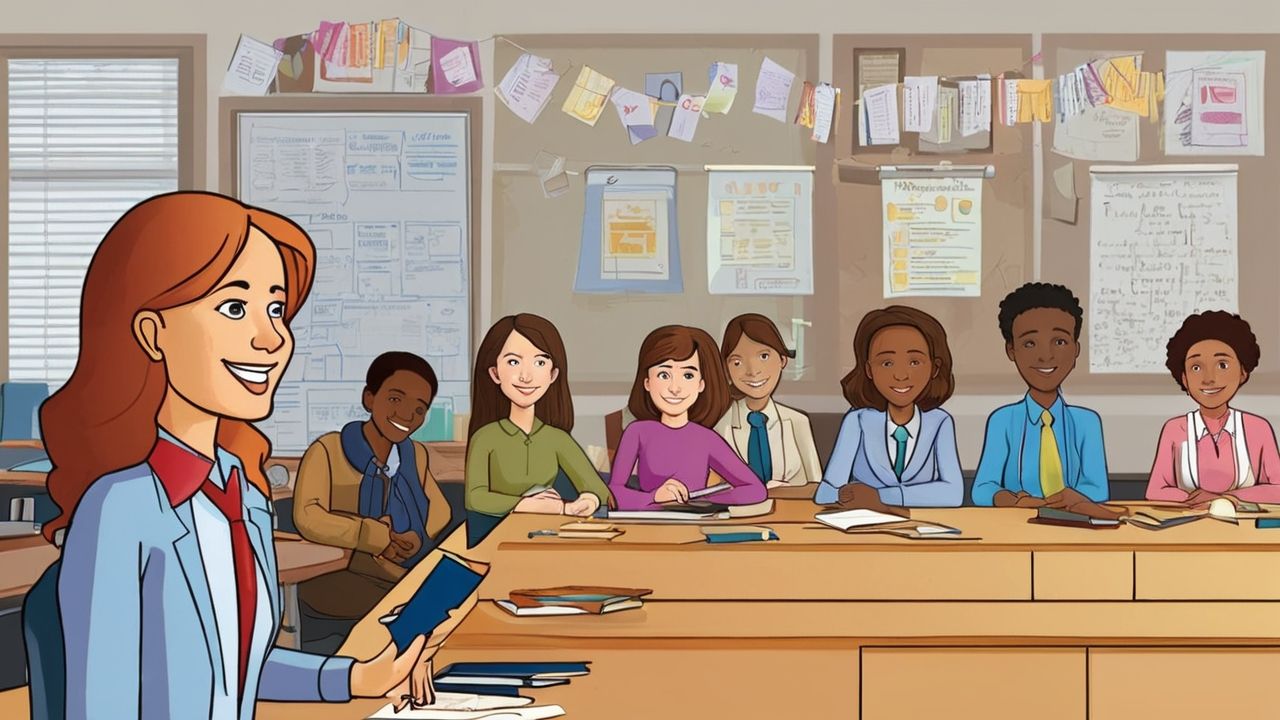
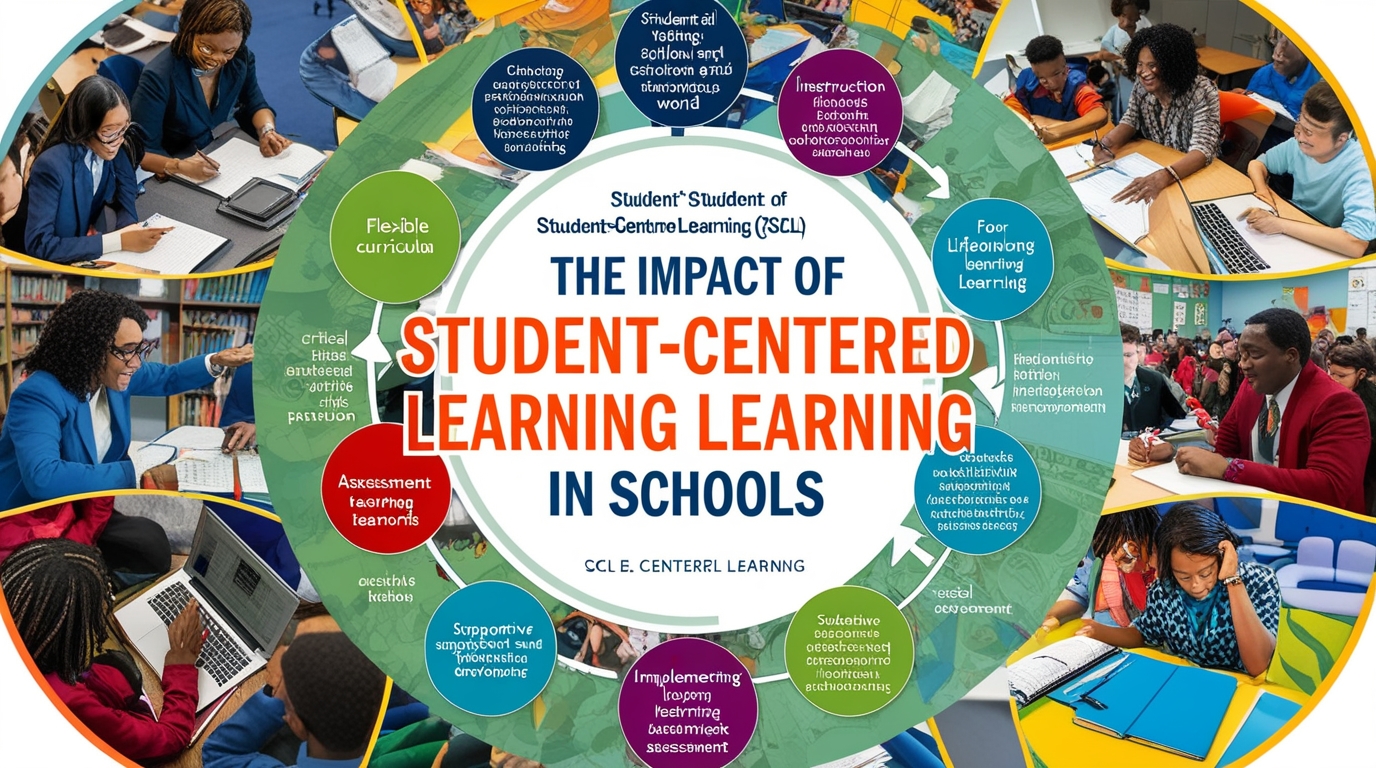
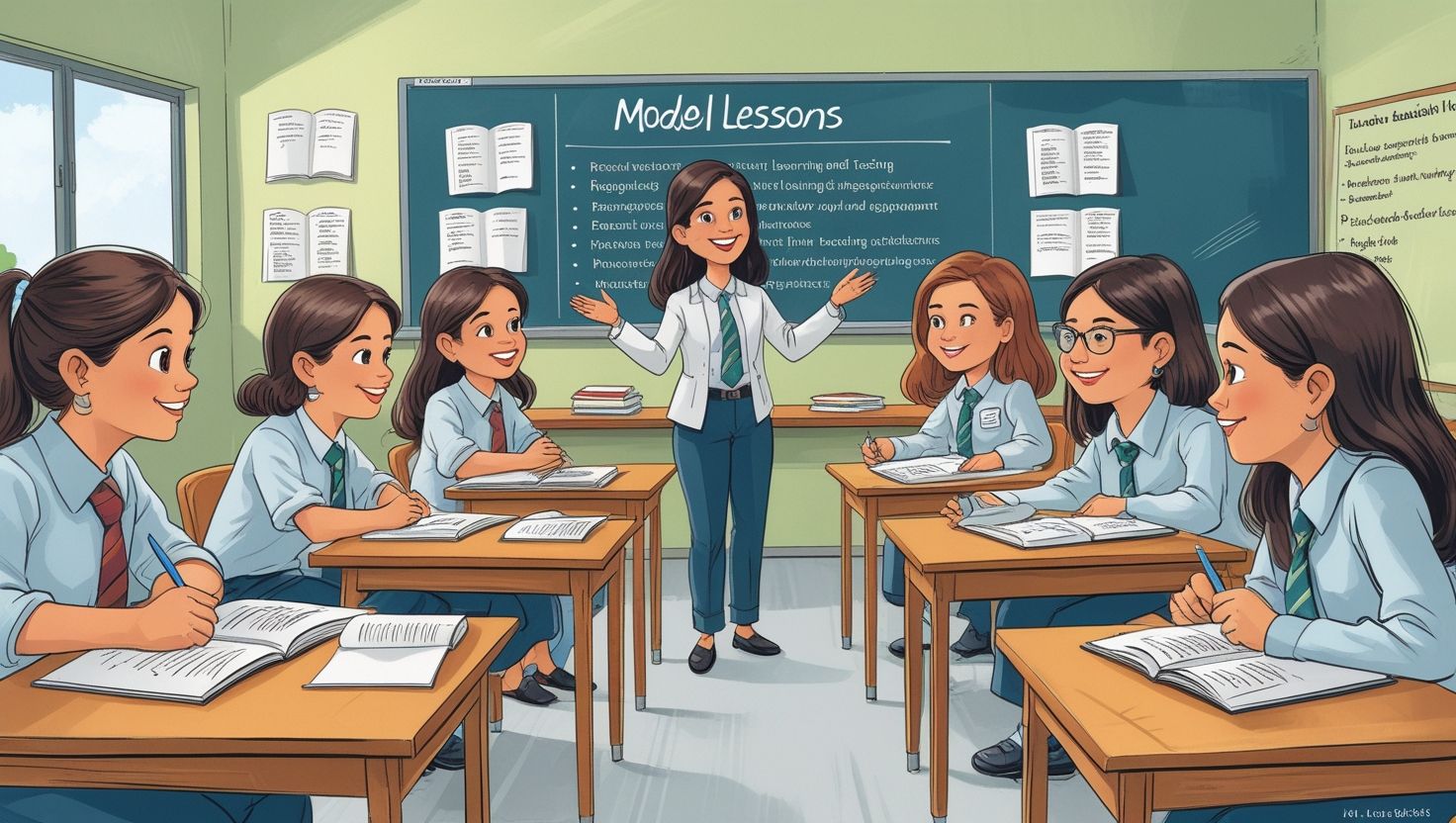
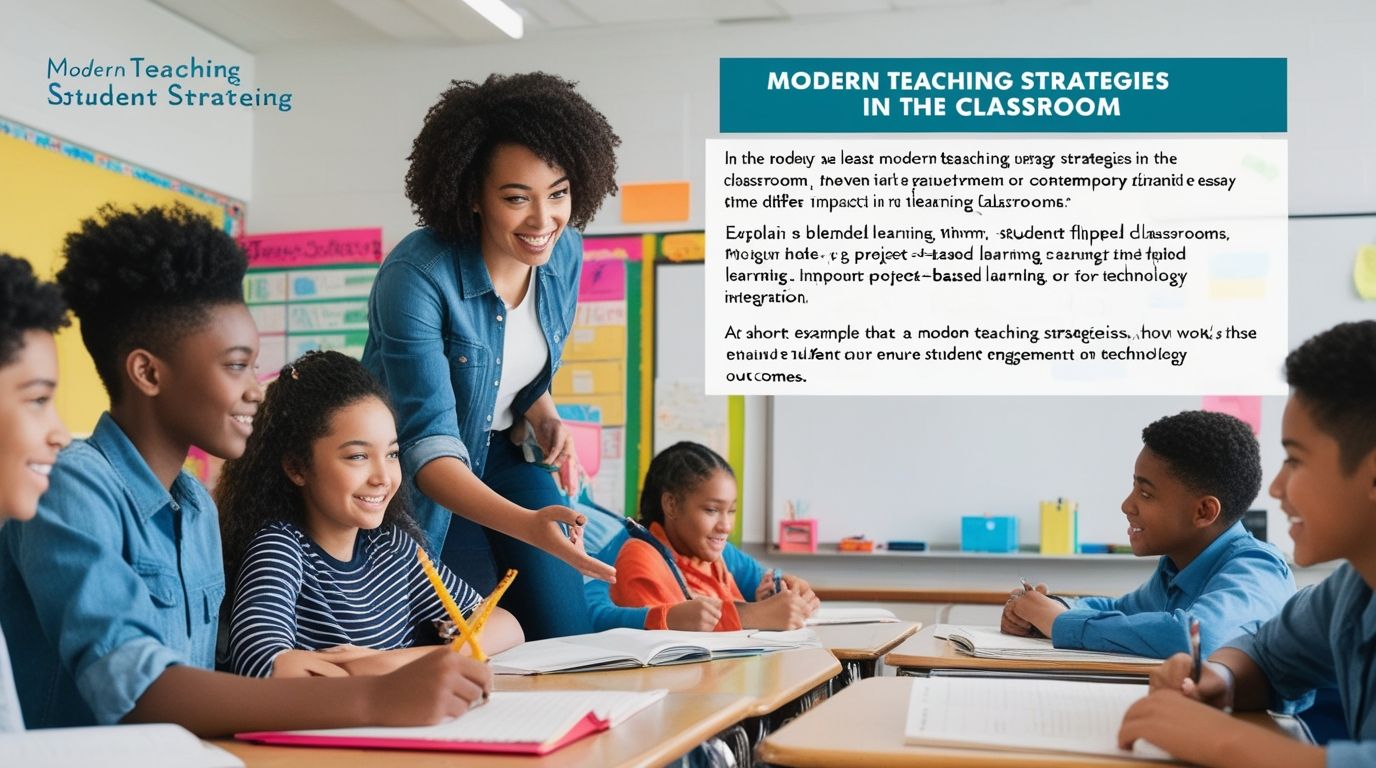
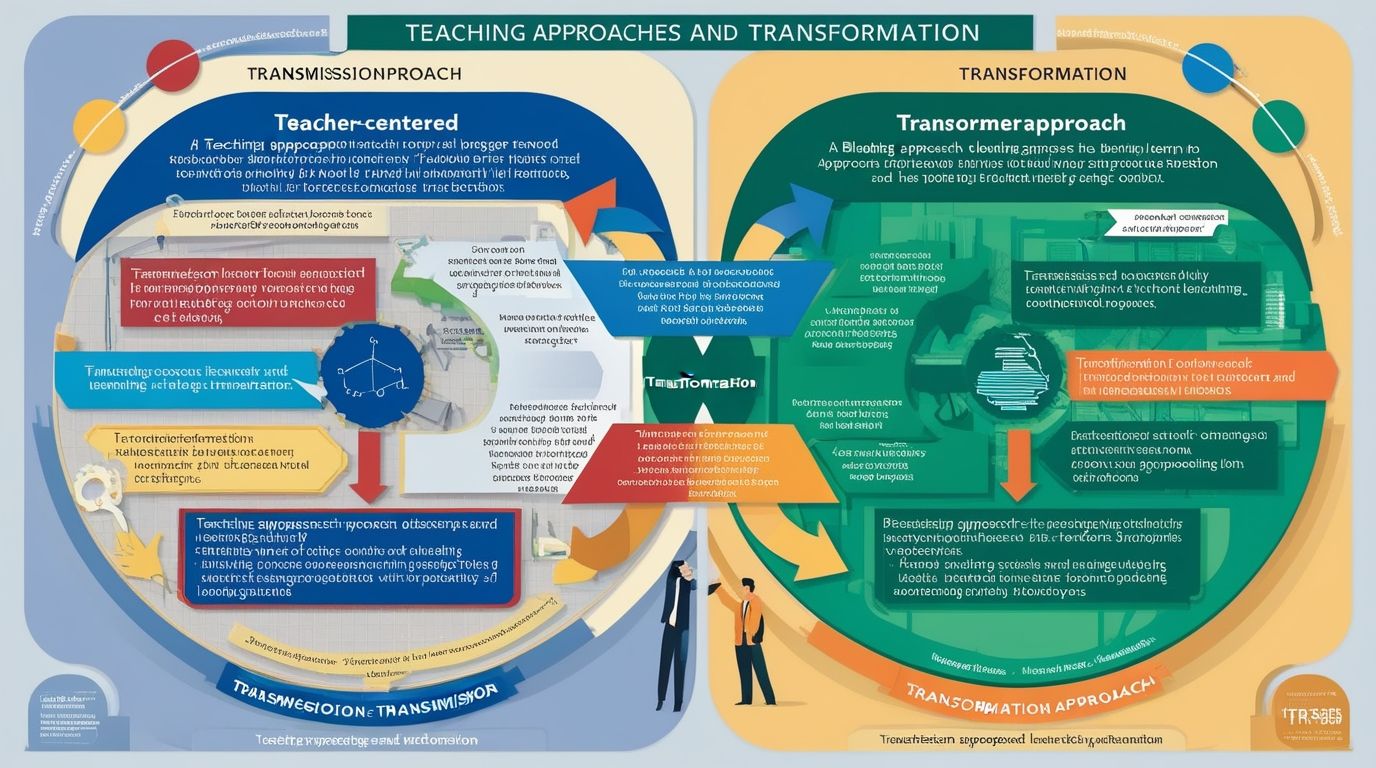
At the heart of world-class teaching is a shift from teacher-centered instruction to learner-centered learning. In learner-centered classrooms, students are active participants rather than passive recipients of information. Teachers act as facilitators, guides, and mentors who design experiences that empower students to take ownership of their learning.
Key features of learner-centered teaching include:
- Active engagement through discussion, collaboration, and inquiry
- Respect for students’ prior knowledge, interests, and learning styles
- Opportunities for choice and voice in learning tasks
By focusing on how students learn rather than how teachers teach, educators can create environments that promote deeper understanding, motivation, and autonomy.
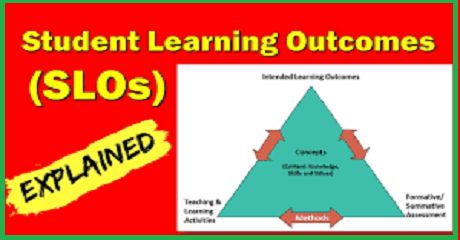
2. Clear Learning Objectives and Success Criteria
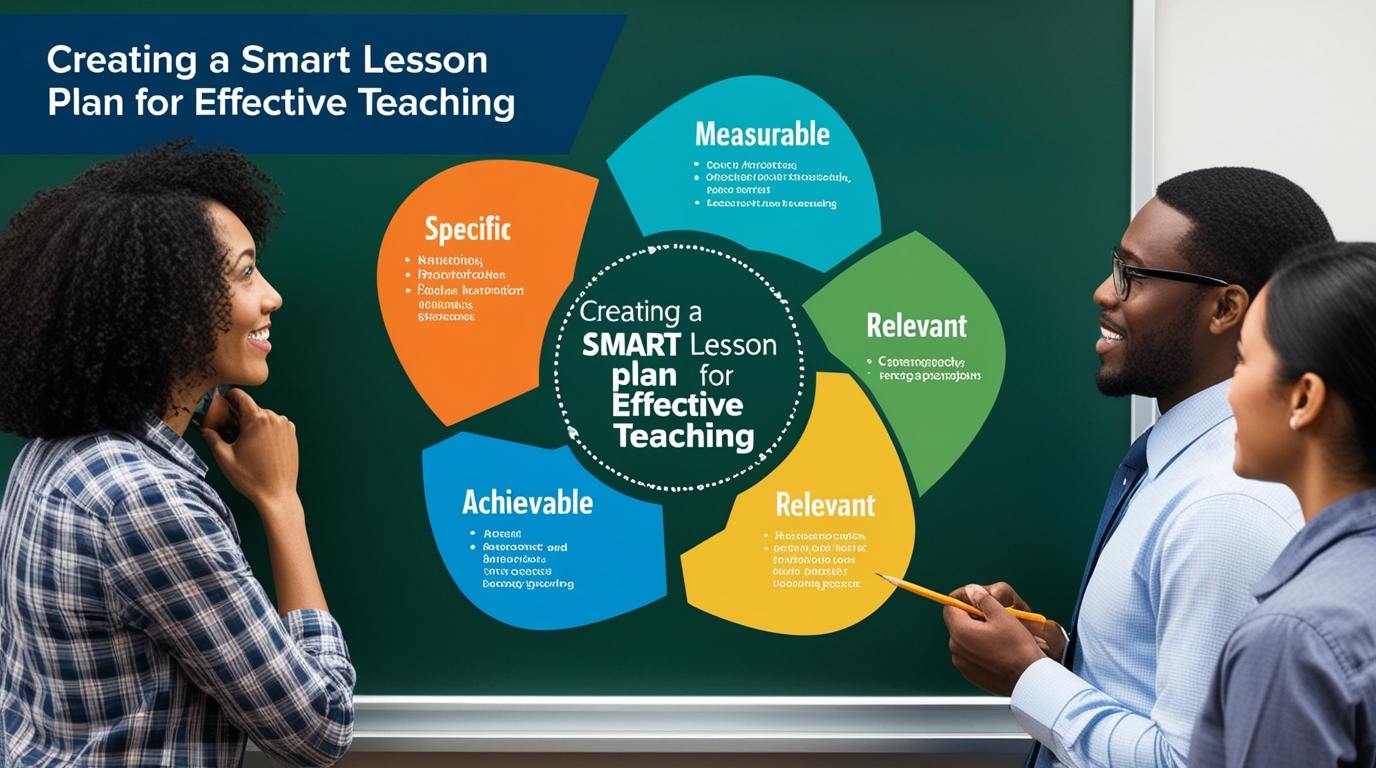
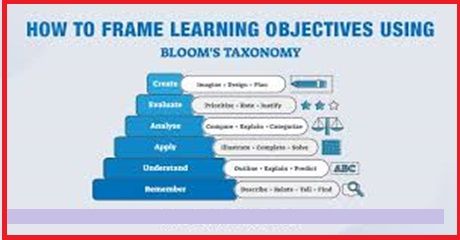
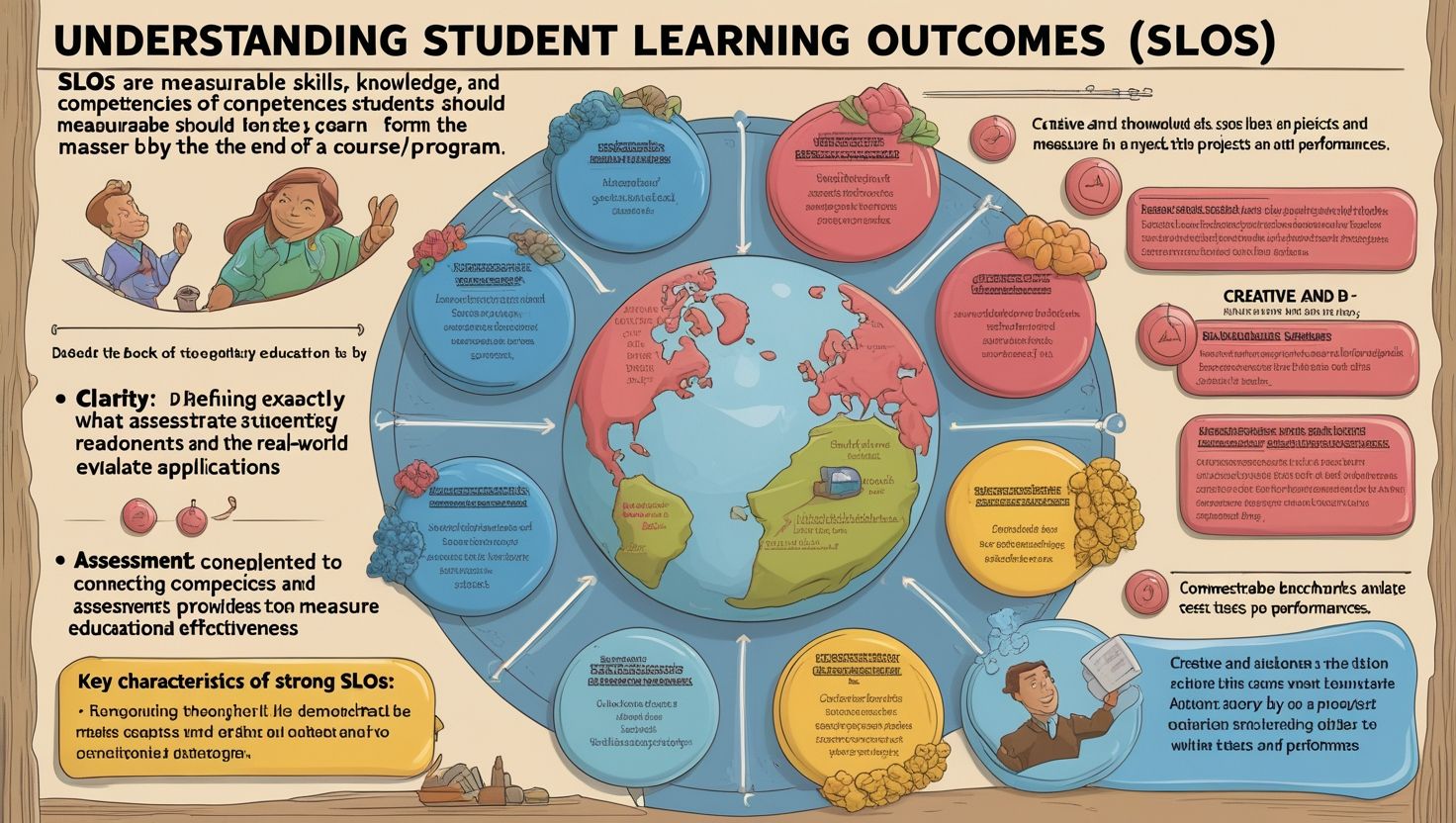
World-class teachers begin every lesson with clarity of purpose. They define clear learning objectives aligned with curriculum standards and communicate these objectives to students in understandable language. Alongside objectives, teachers establish success criteria—explicit descriptions of what quality work looks like.
This practice helps students:
- Understand what they are expected to learn
- Monitor their own progress
- Develop self-assessment and reflection skills
When students know the destination and the criteria for success, learning becomes more focused, intentional, and meaningful.
3. Active Learning Strategies
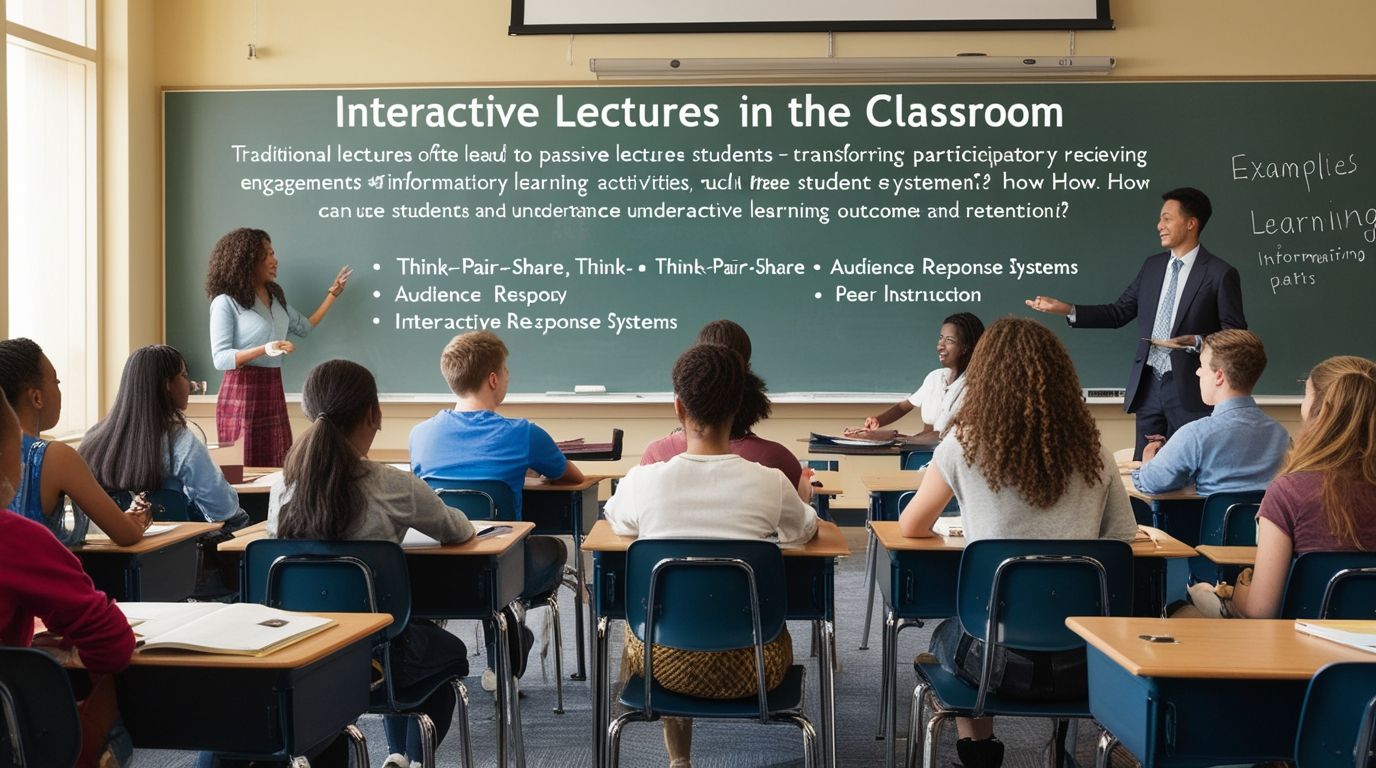
Active learning is a hallmark of high-quality teaching. Rather than listening passively, students engage cognitively, socially, and emotionally with content. Research consistently shows that active learning improves retention, comprehension, and application of knowledge.
Common active learning techniques include:
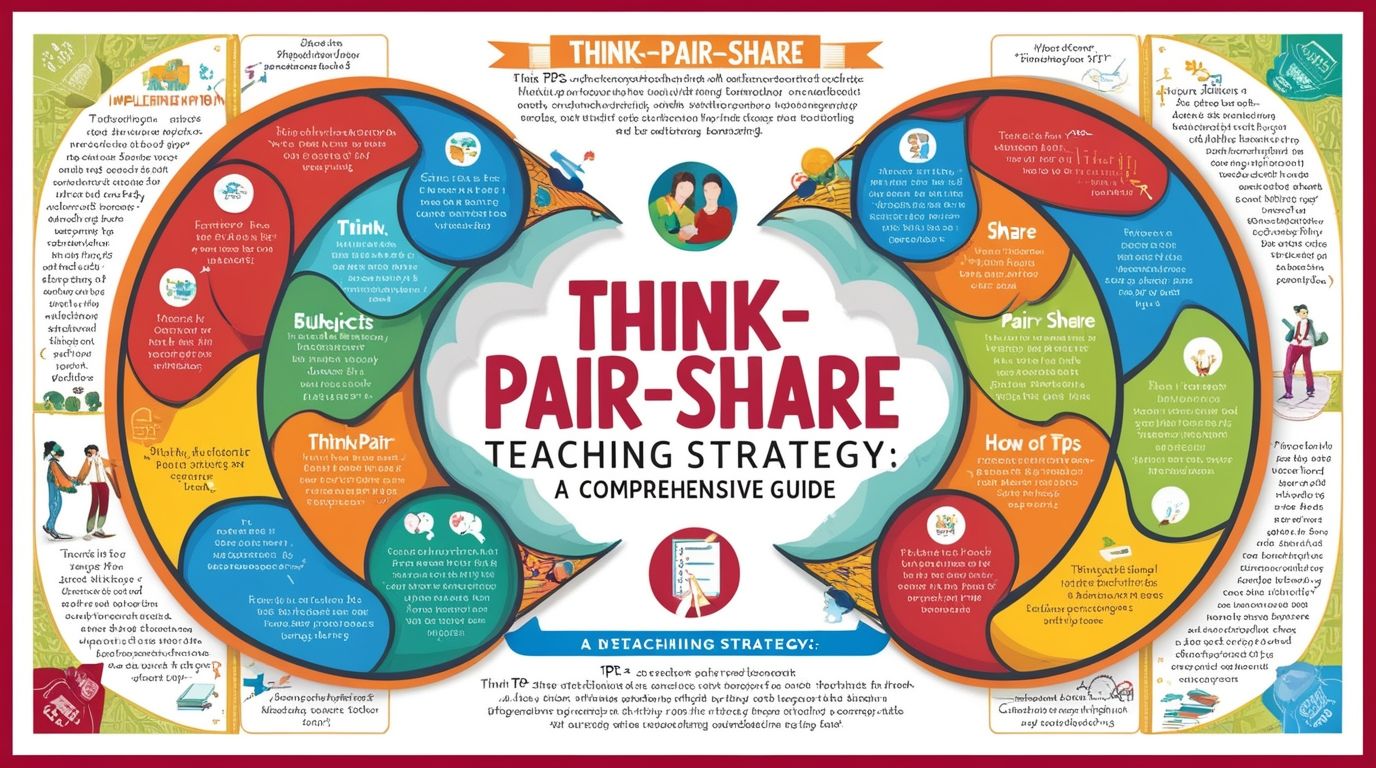
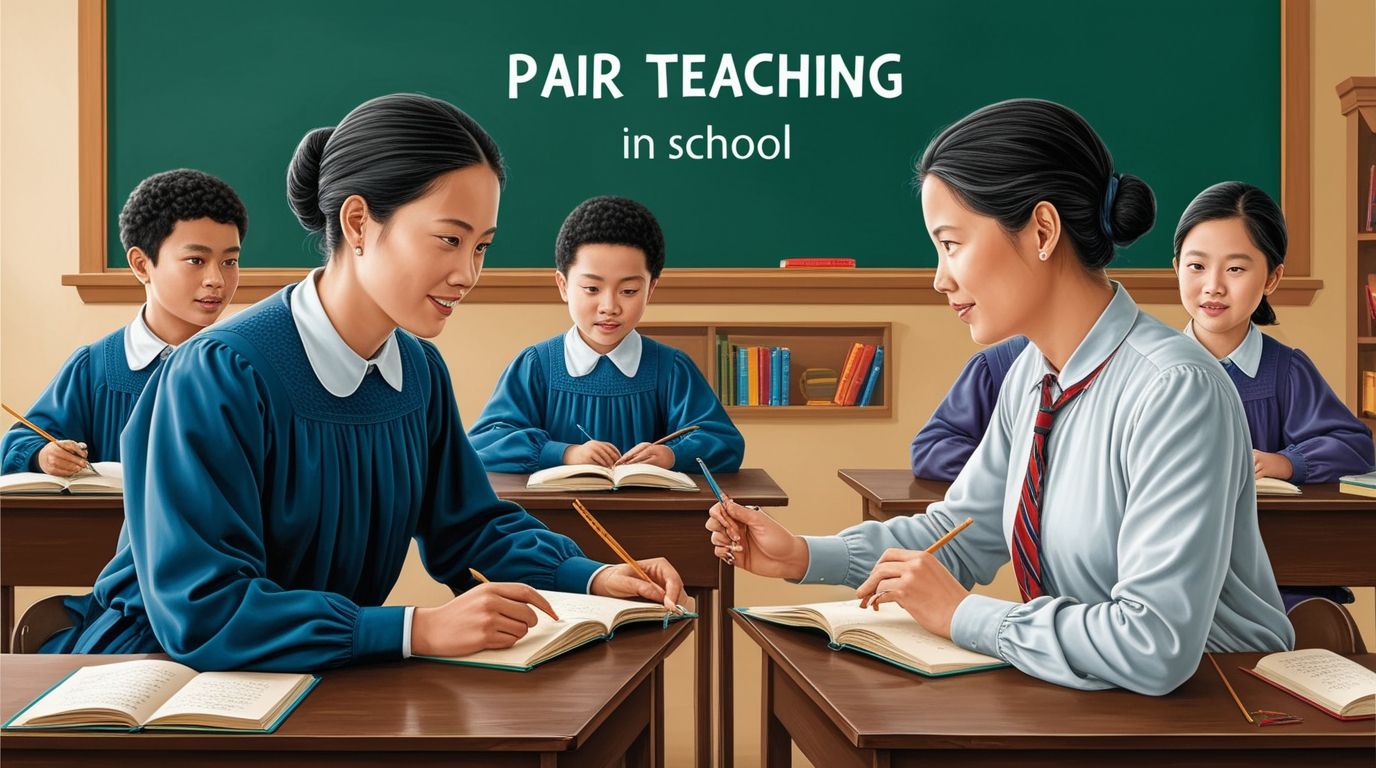
- Think-pair-share activities
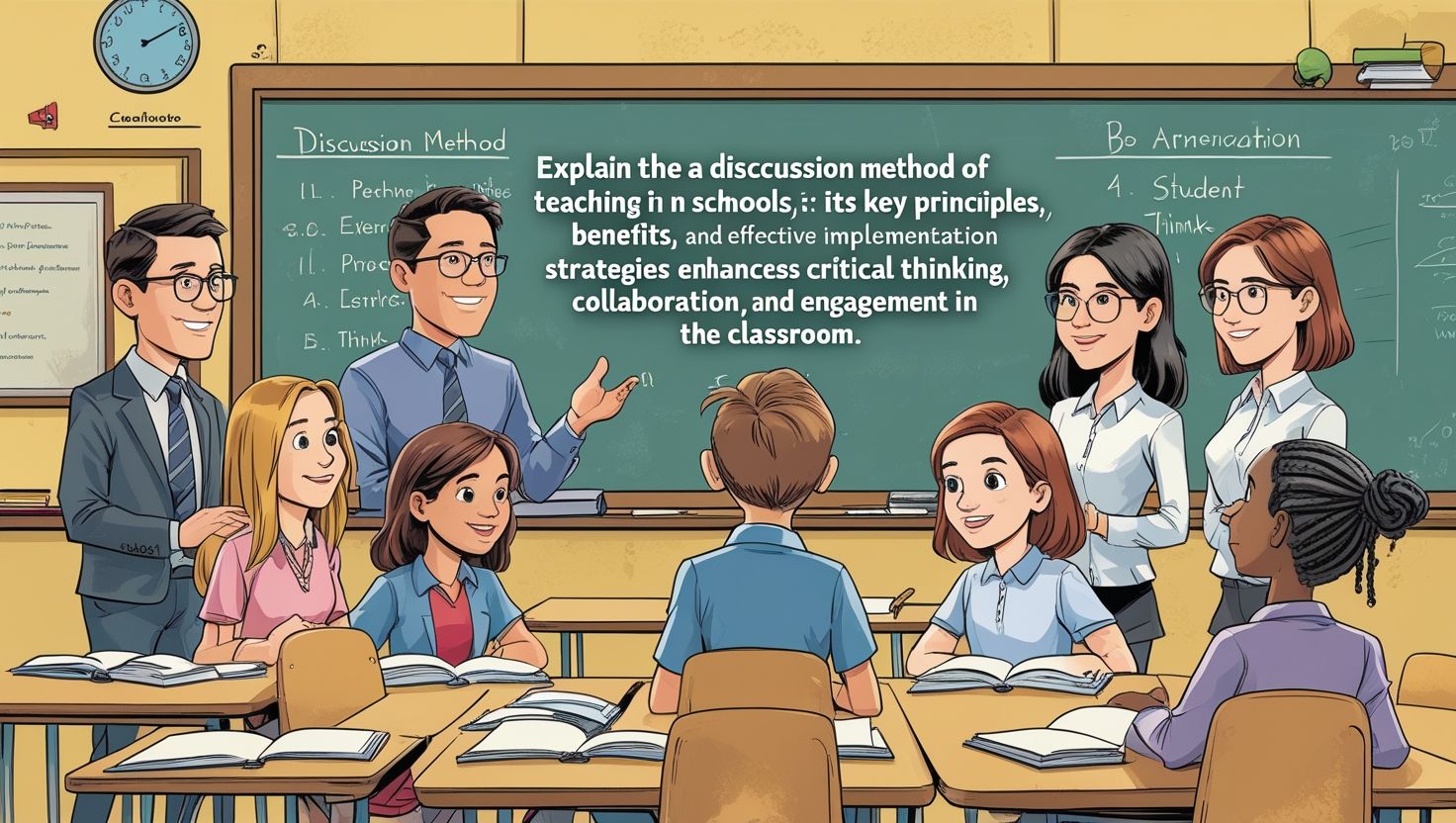
- Group discussions and debates
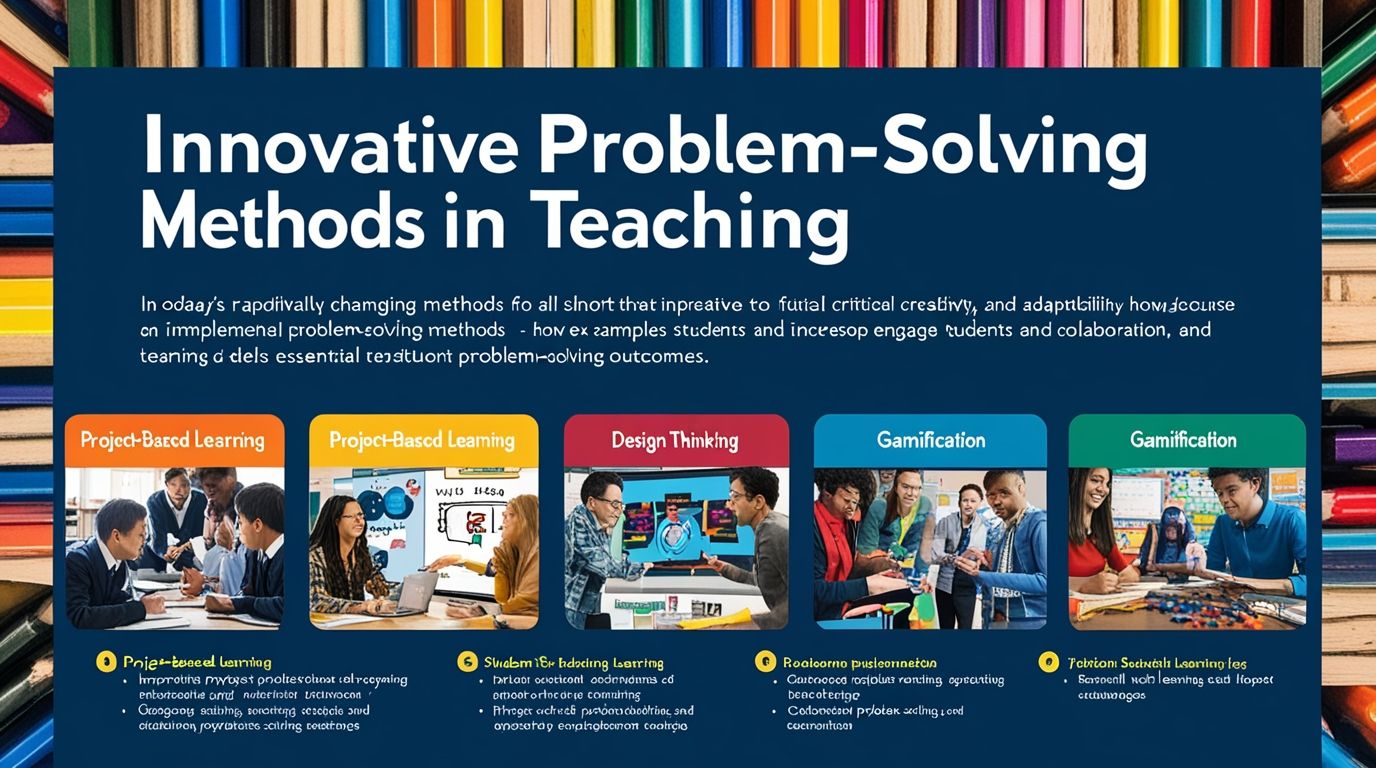
- Problem-based and project-based learning
- Case studies and simulations
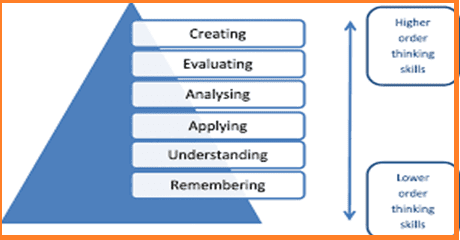
These strategies encourage students to analyze, question, apply, and create—skills essential for success in the 21st century.
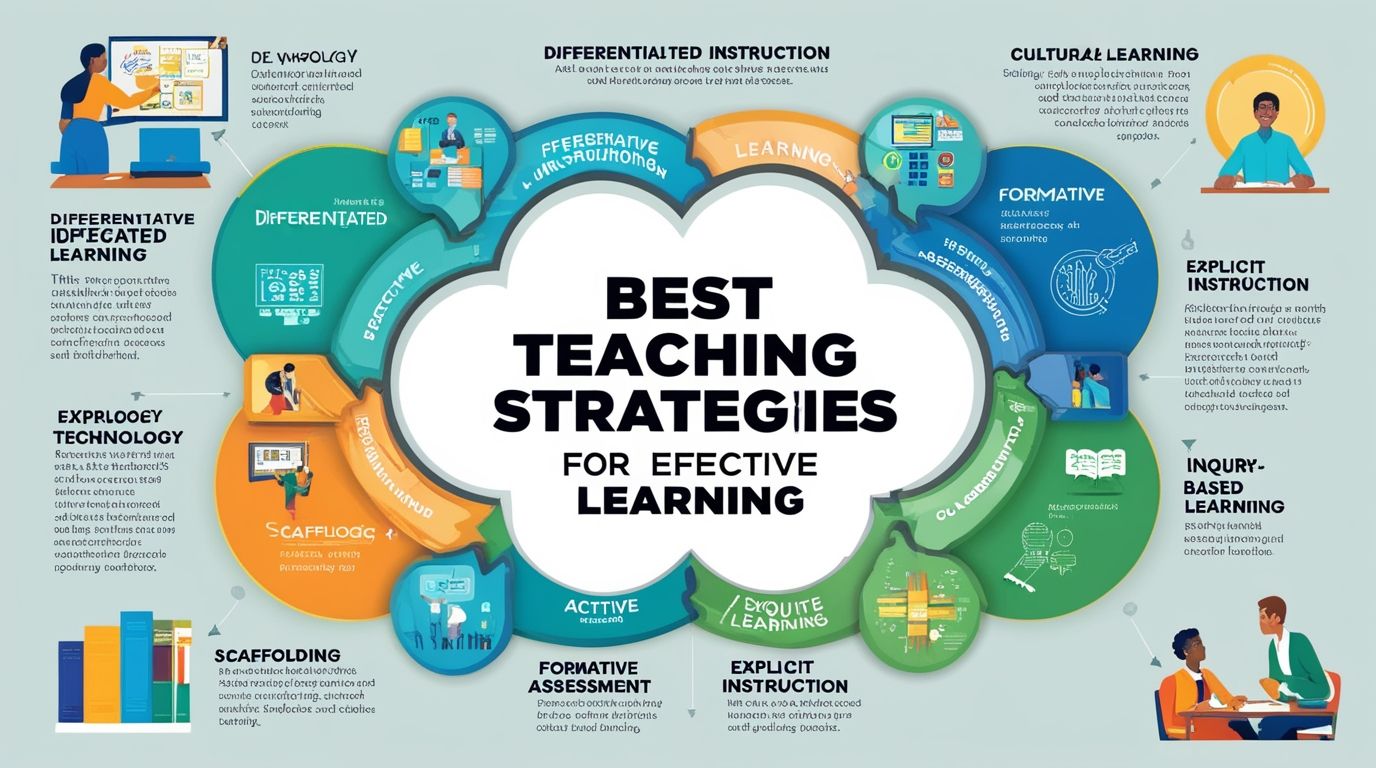
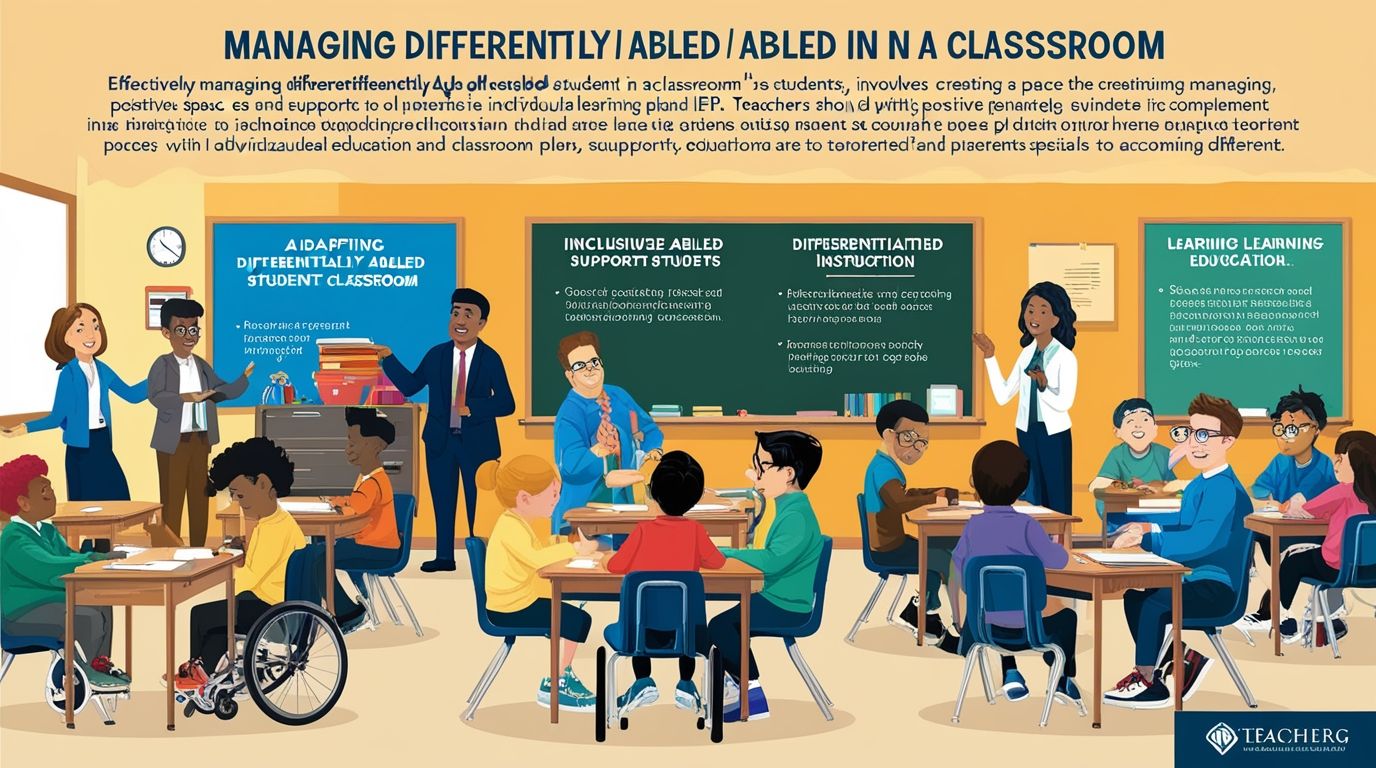
4. Differentiated Instruction
World-class classrooms recognize that learners are diverse in their abilities, backgrounds, interests, and learning preferences. Differentiated instruction involves intentionally adapting content, process, products, and learning environments to meet individual student needs.
Differentiation may include:
- Providing multiple levels of reading materials
- Offering varied task options
- Using flexible grouping strategies
- Allowing different modes of expression (written, oral, visual, digital)
By embracing differentiation, teachers ensure equity in learning and give every student the opportunity to succeed.
5. Inquiry-Based and Problem-Based Learning
Inquiry-based and problem-based learning place authentic questions and real-world problems at the center of instruction. Instead of delivering answers, teachers encourage students to ask questions, investigate, and construct knowledge collaboratively.
In these approaches, students:
- Develop critical thinking and research skills
- Learn to collaborate and communicate effectively
- Connect classroom learning to real-life contexts
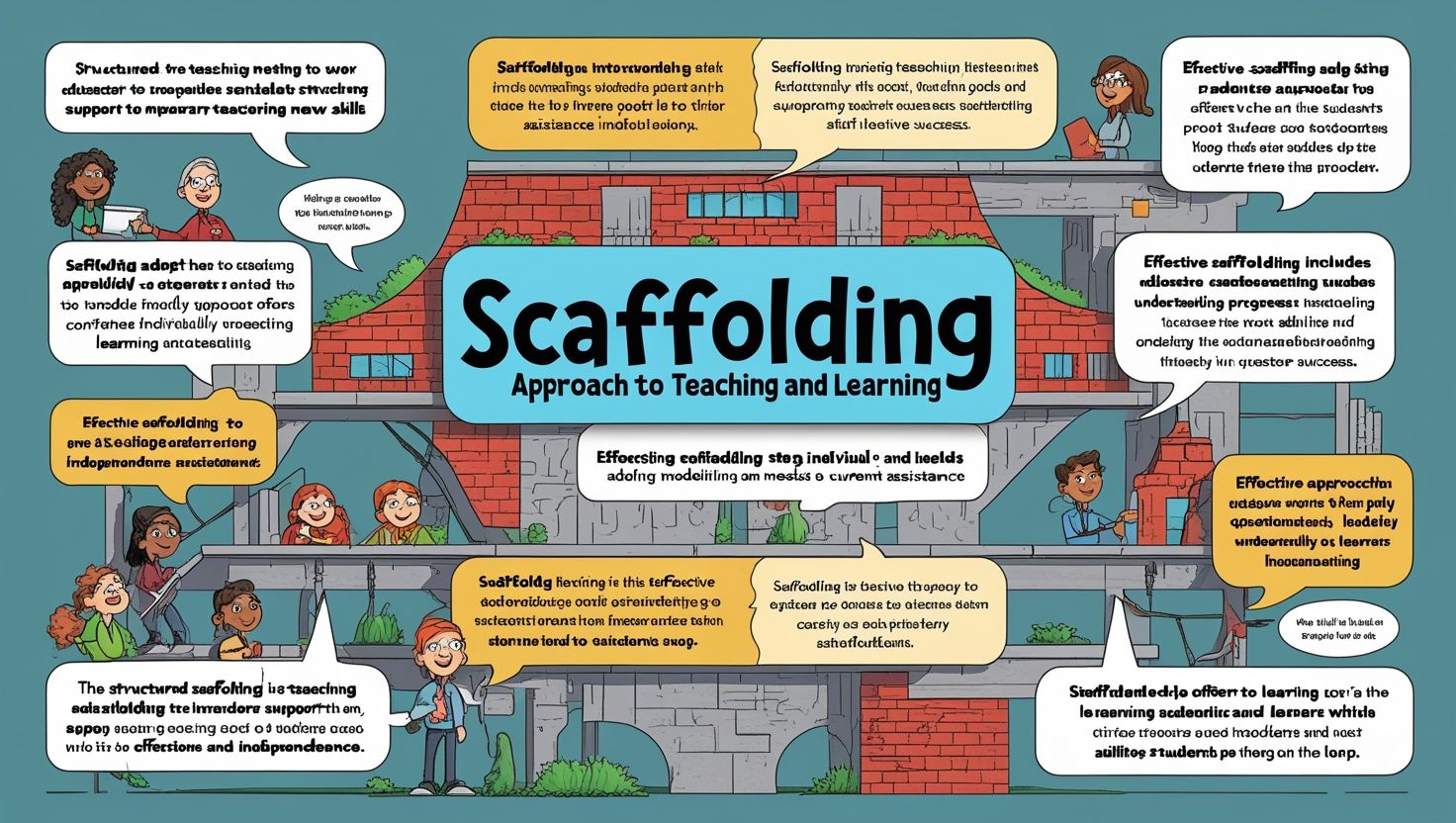
World-class teachers carefully scaffold inquiry to support students while still allowing them to explore, experiment, and discover.
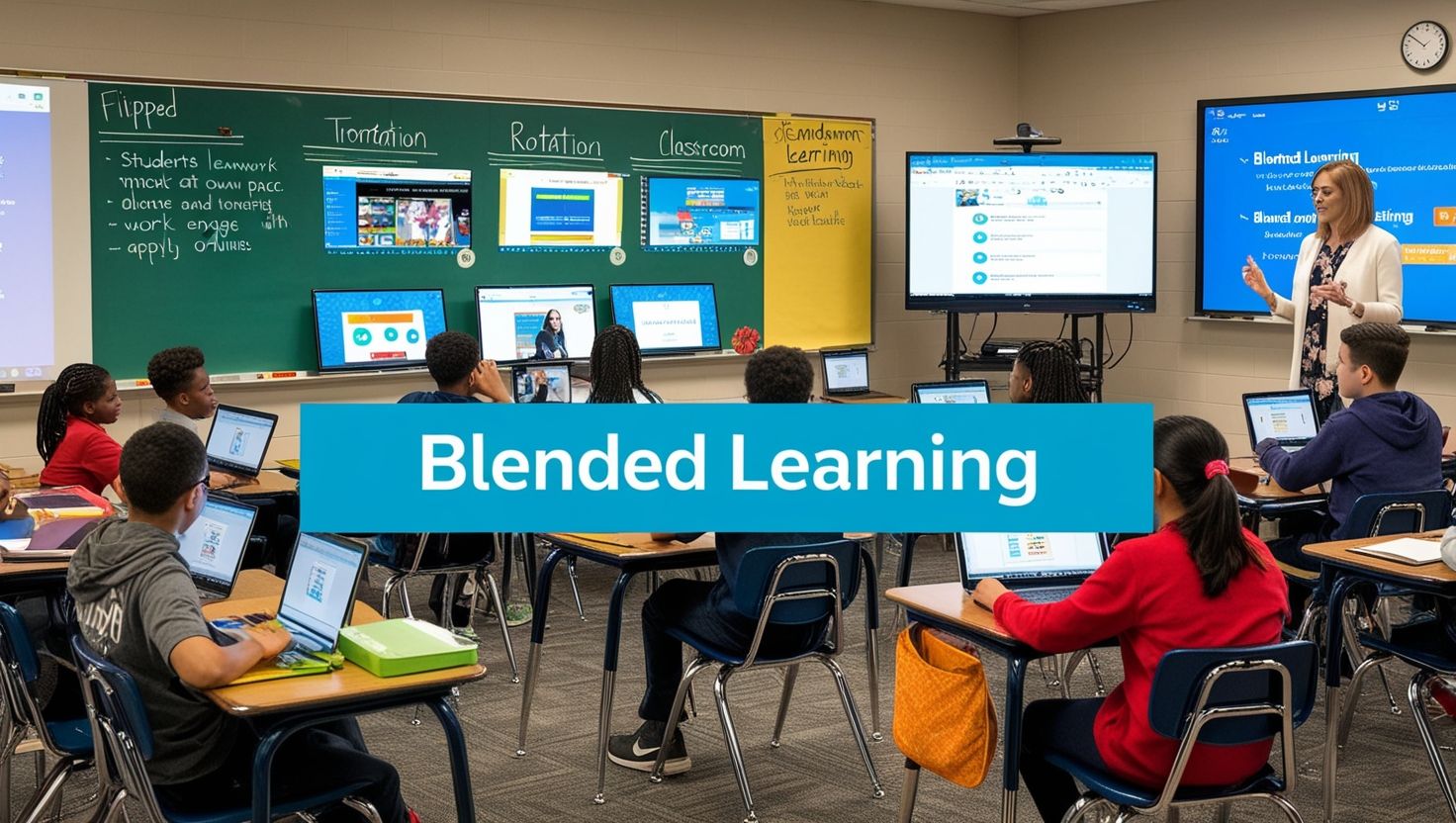
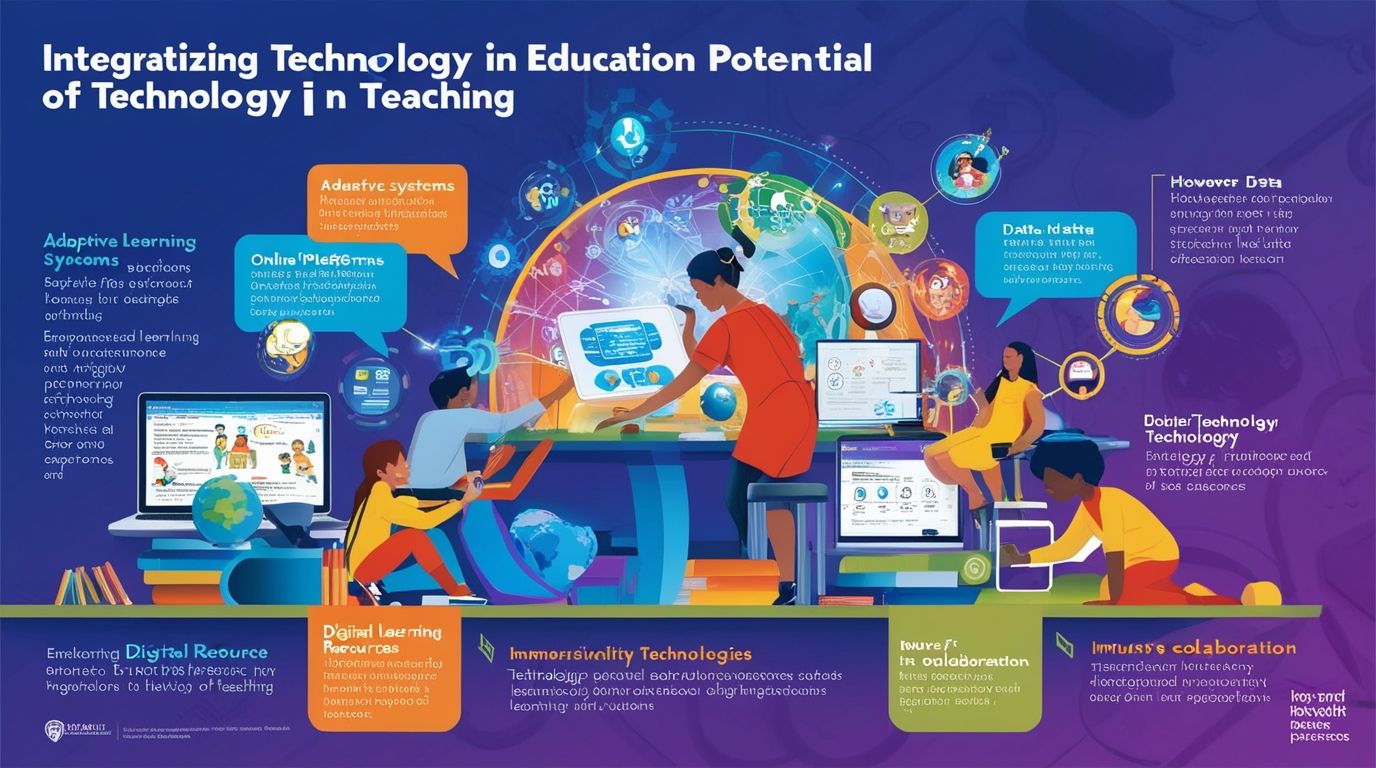
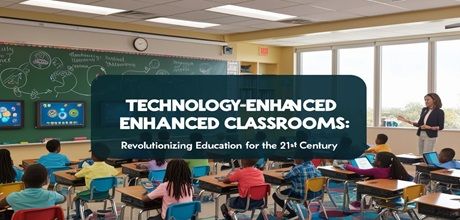
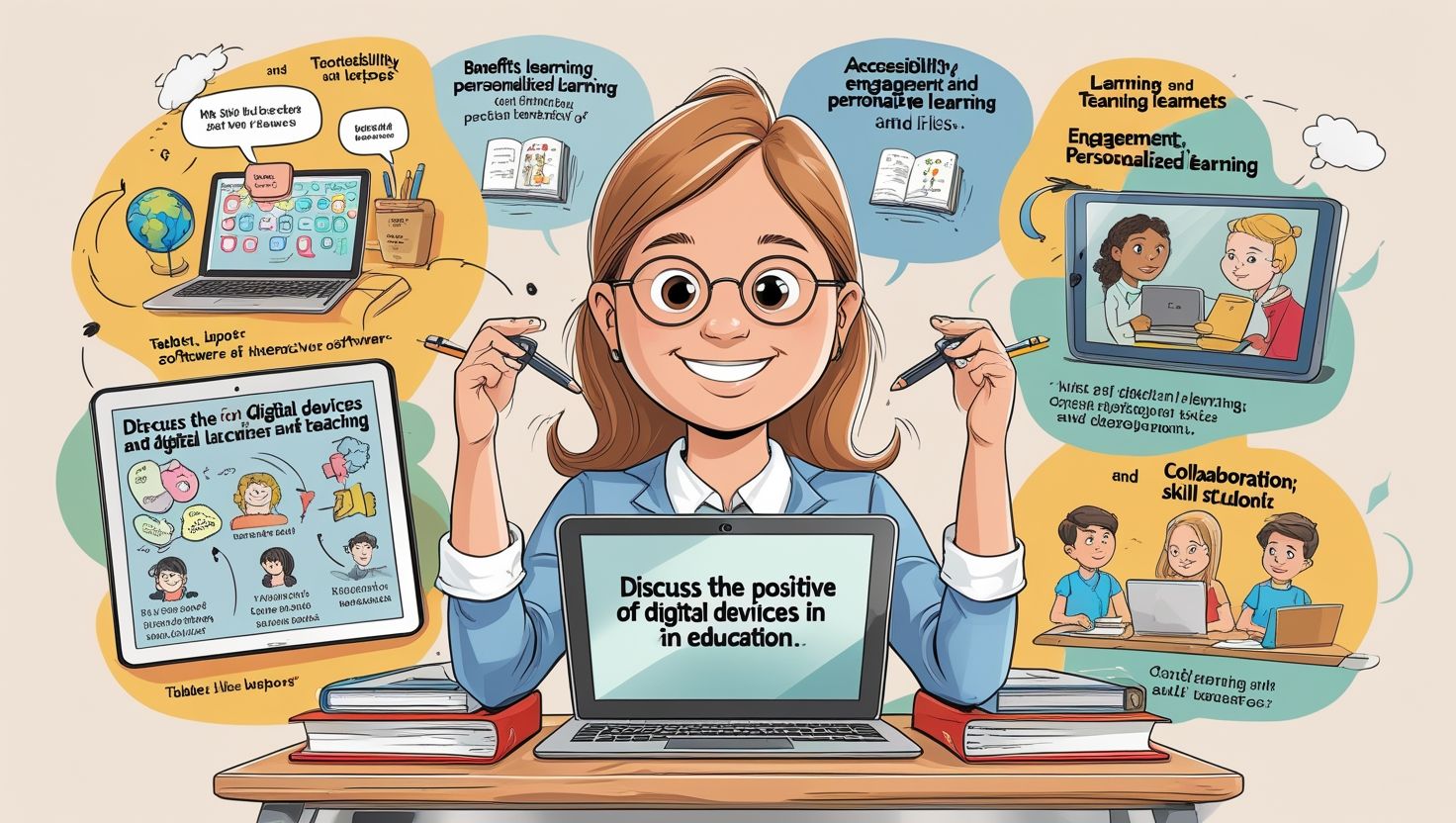
6. Effective Use of Technology
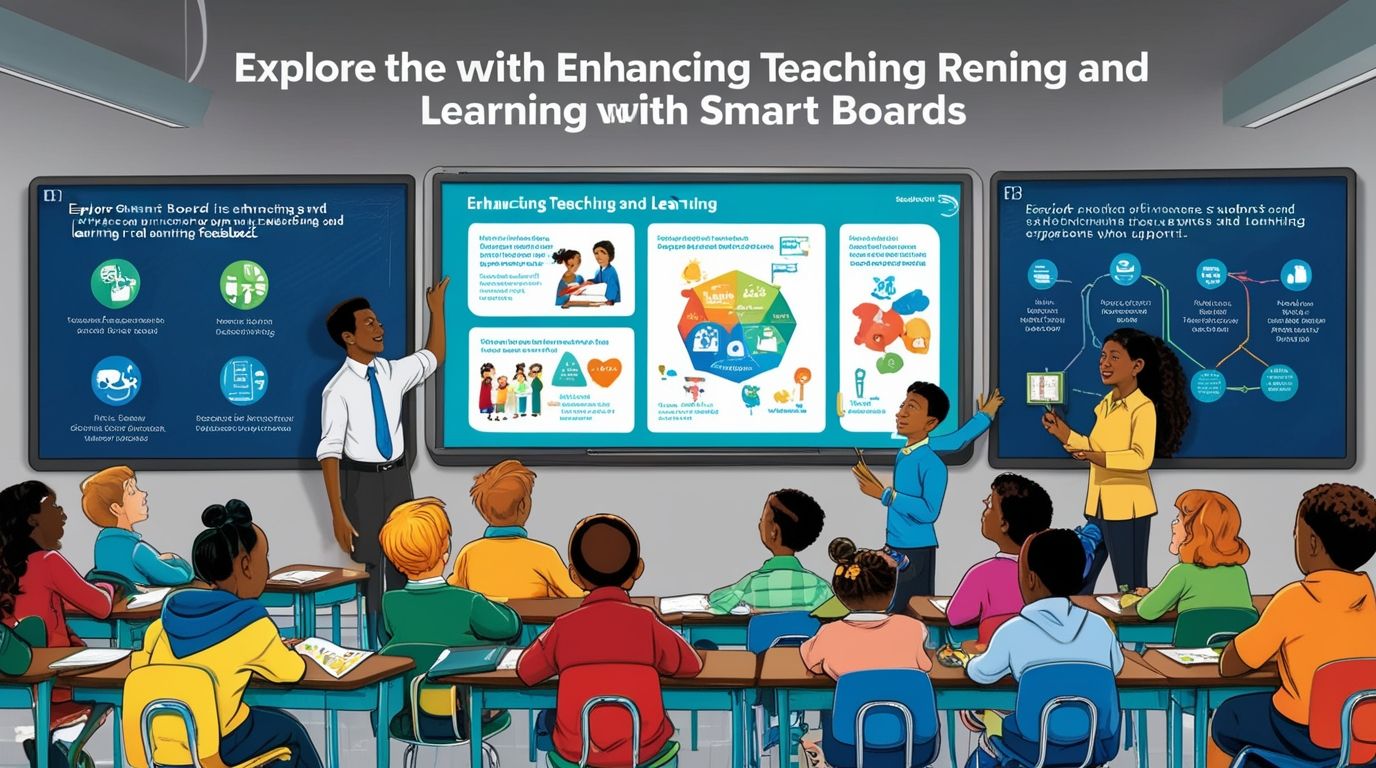
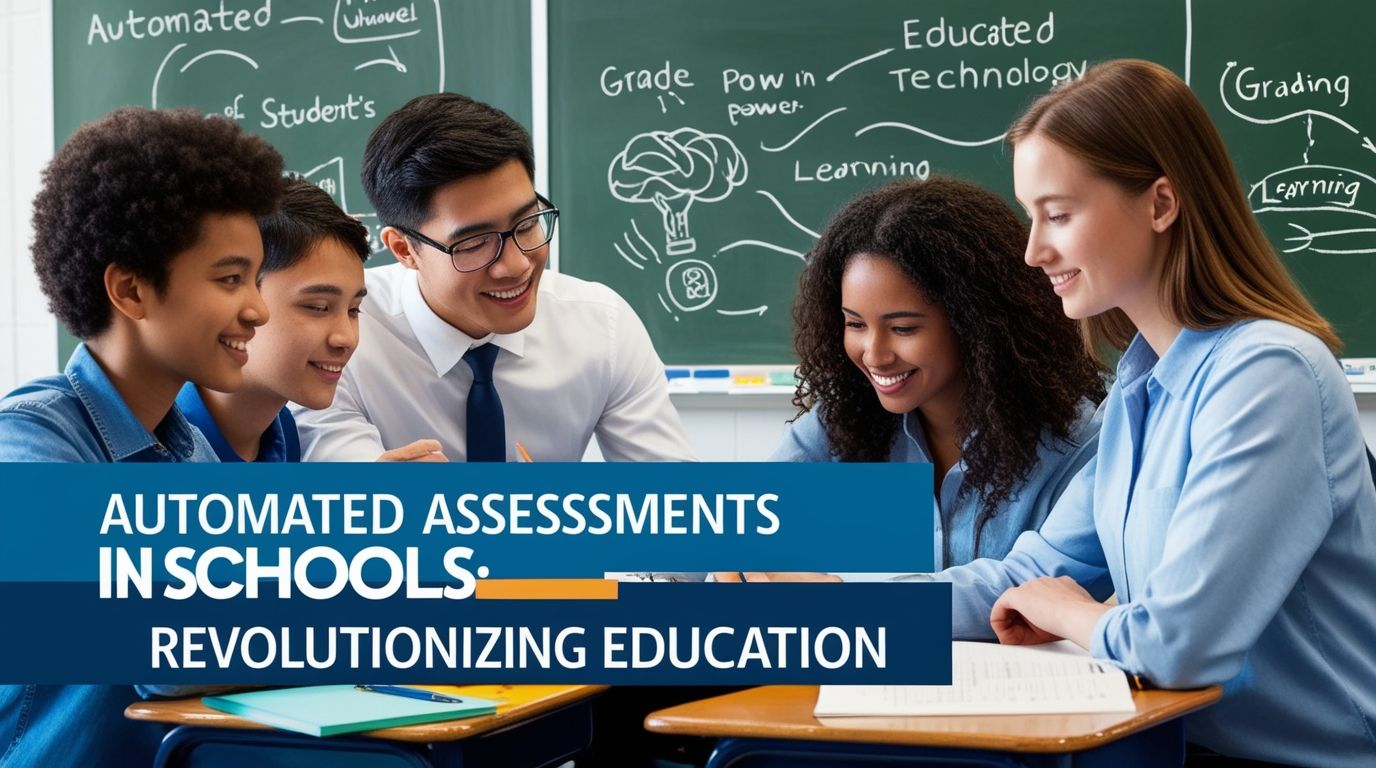
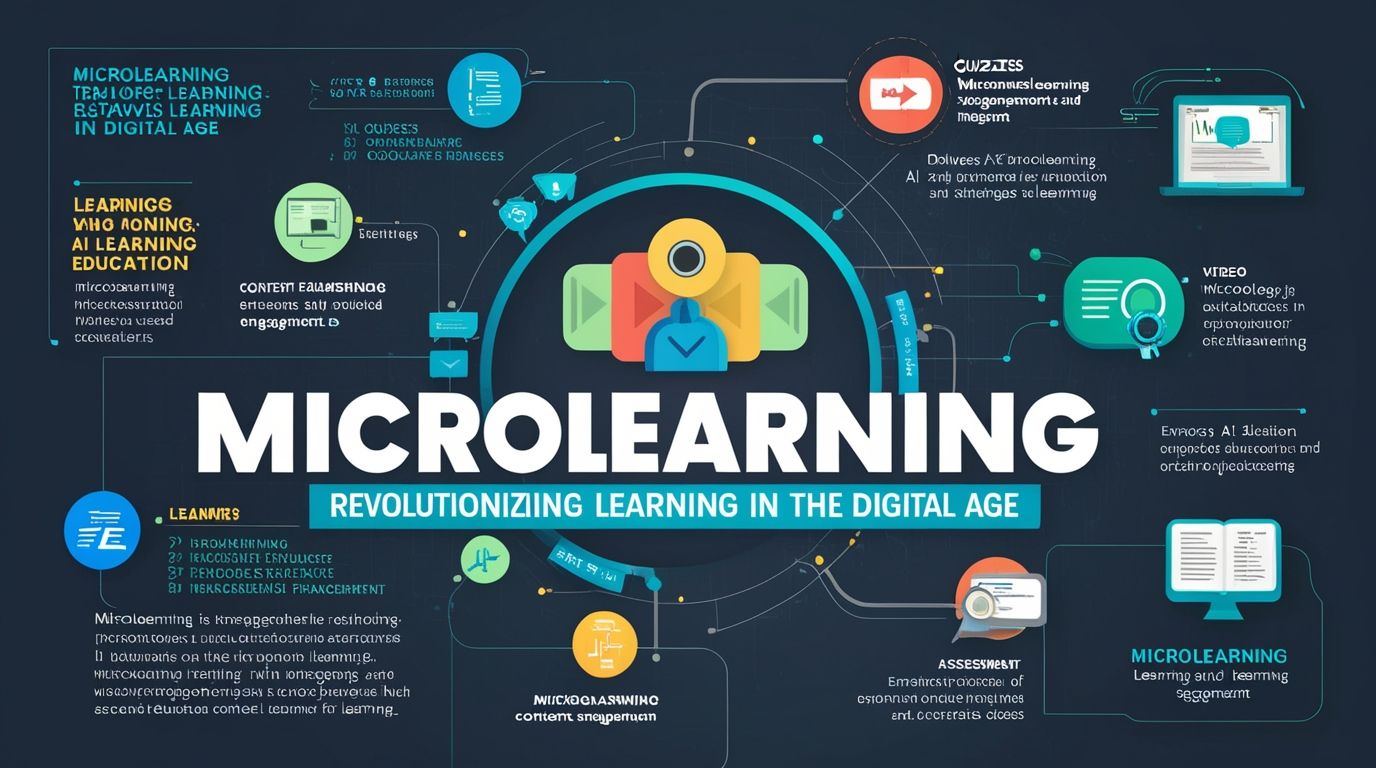
Technology, when used purposefully, enhances teaching and learning. World-class teachers integrate digital tools not as replacements for good teaching but as amplifiers of engagement, access, and creativity.
Effective classroom technology use includes:
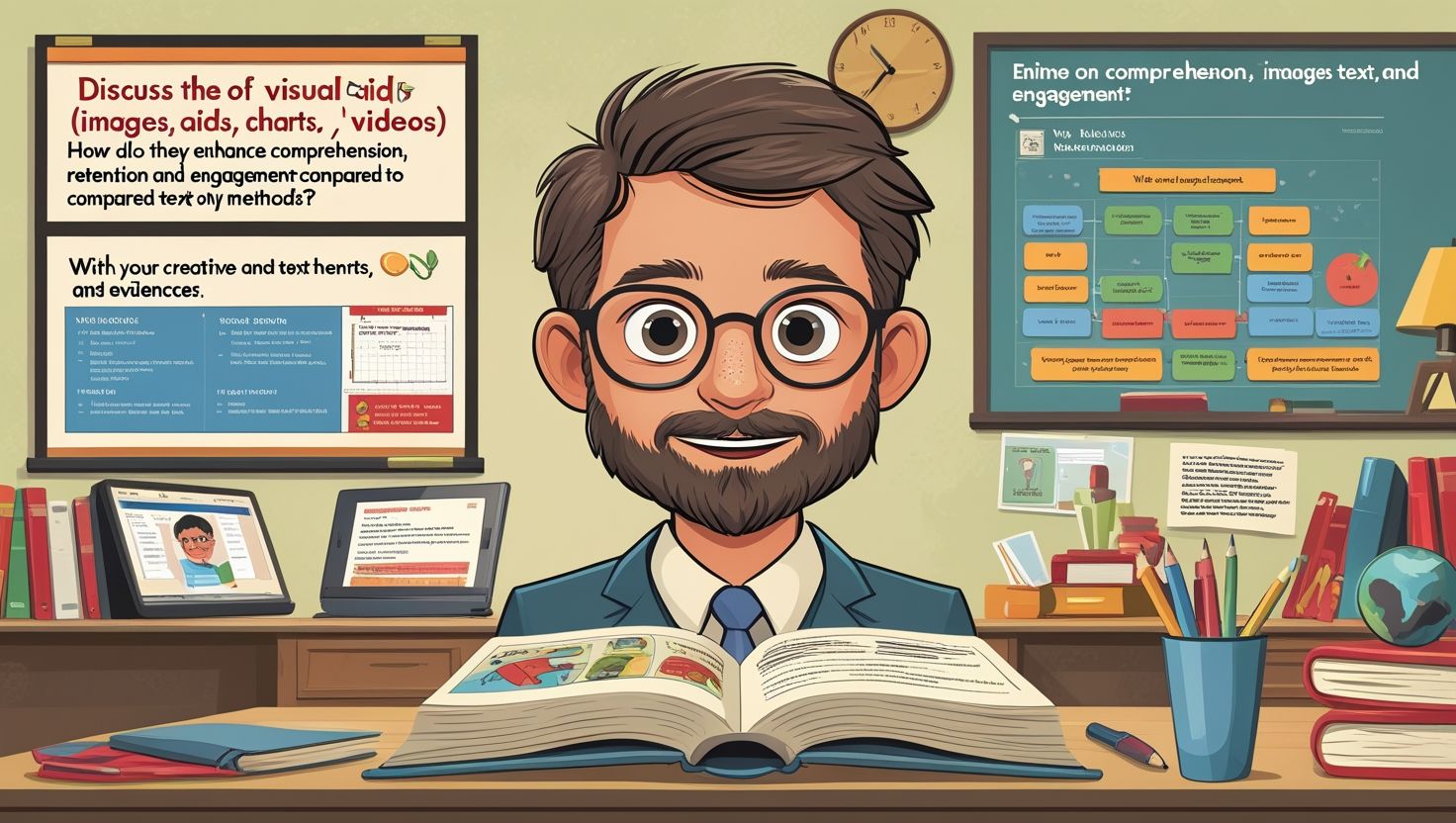
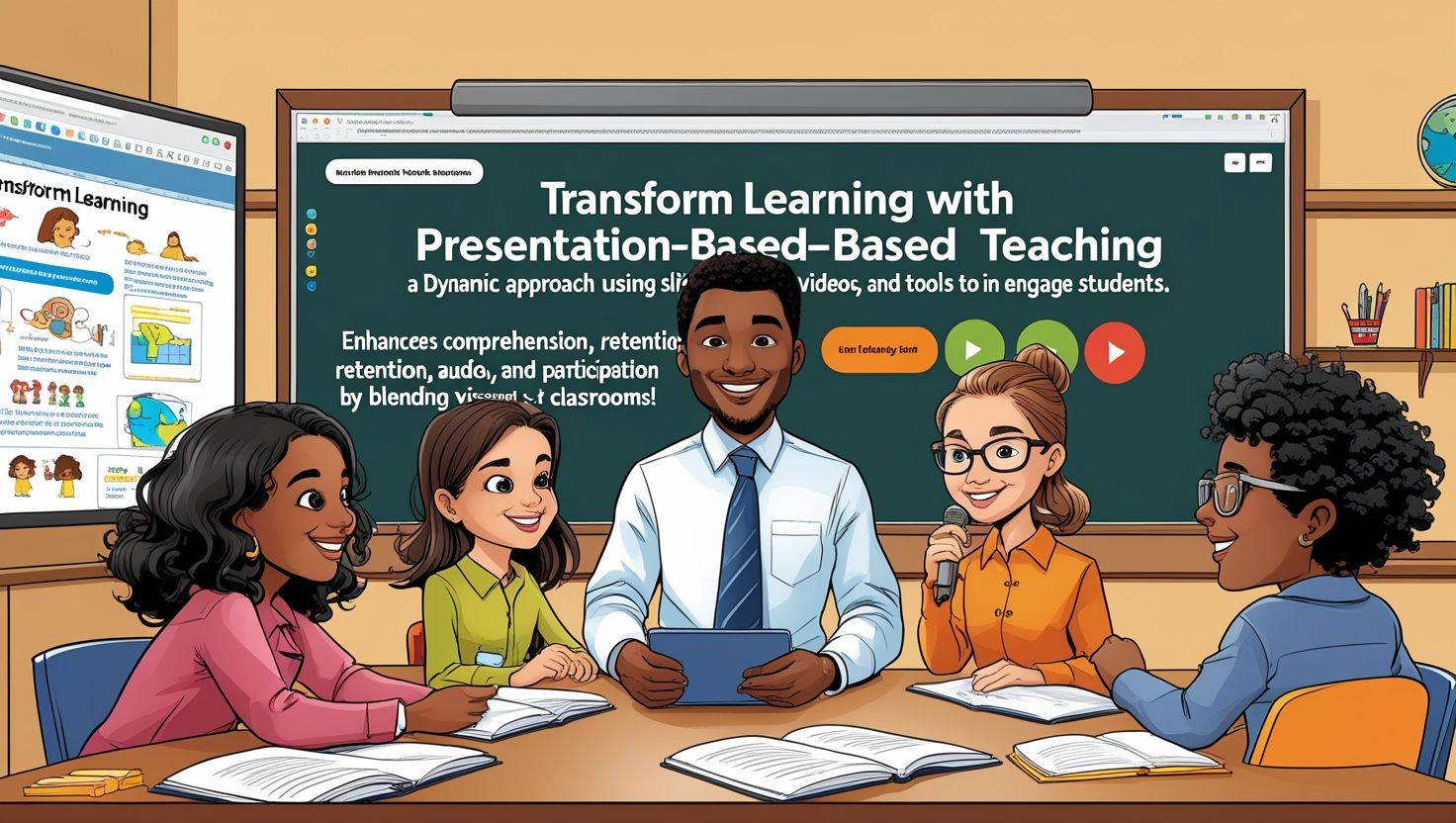
- Interactive presentations and multimedia resources
- Learning management systems for organization and feedback
- Collaborative tools such as shared documents and discussion boards
- Educational apps and simulations
Importantly, technology is chosen based on pedagogical value rather than novelty, ensuring it supports learning goals.
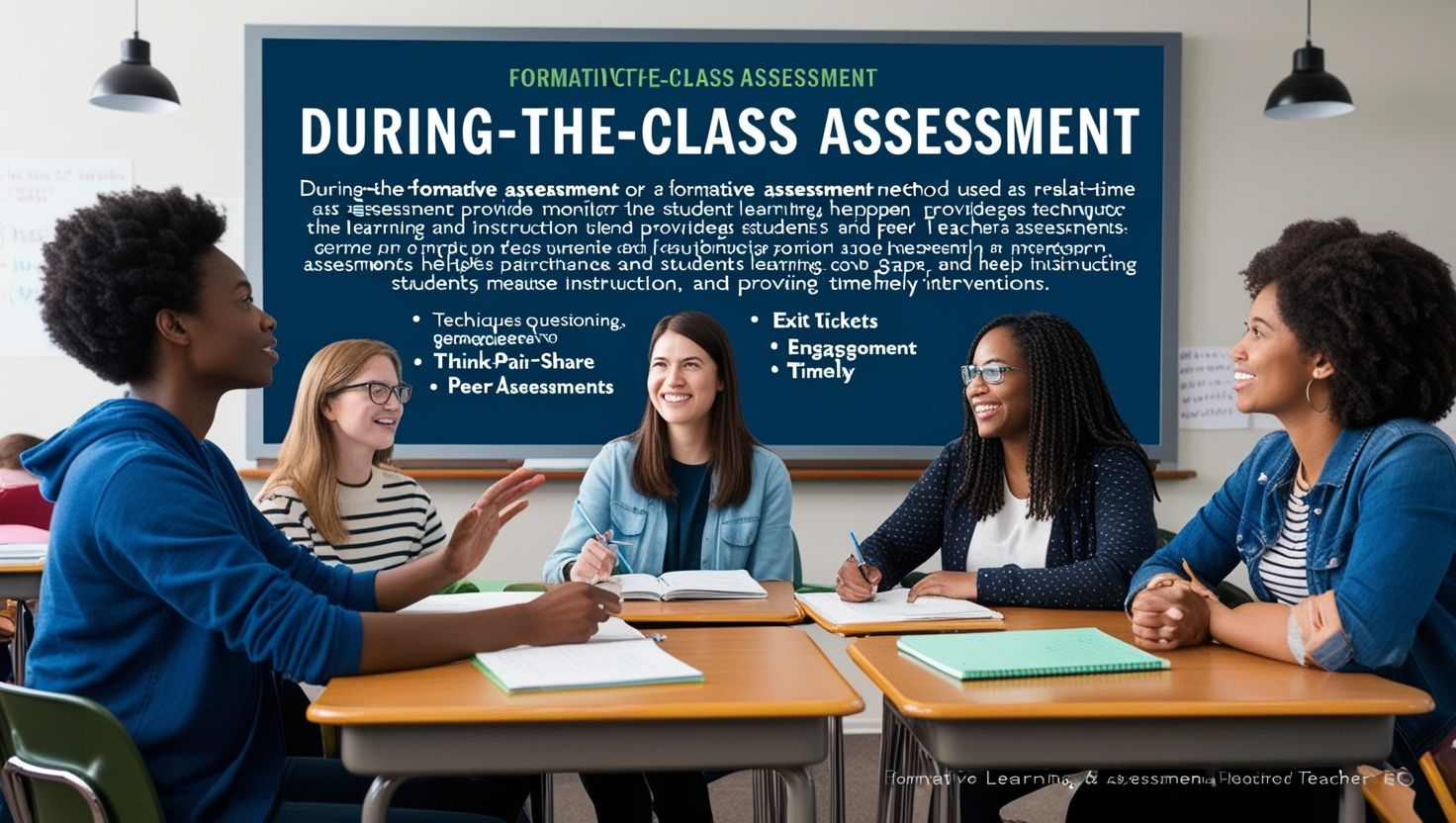
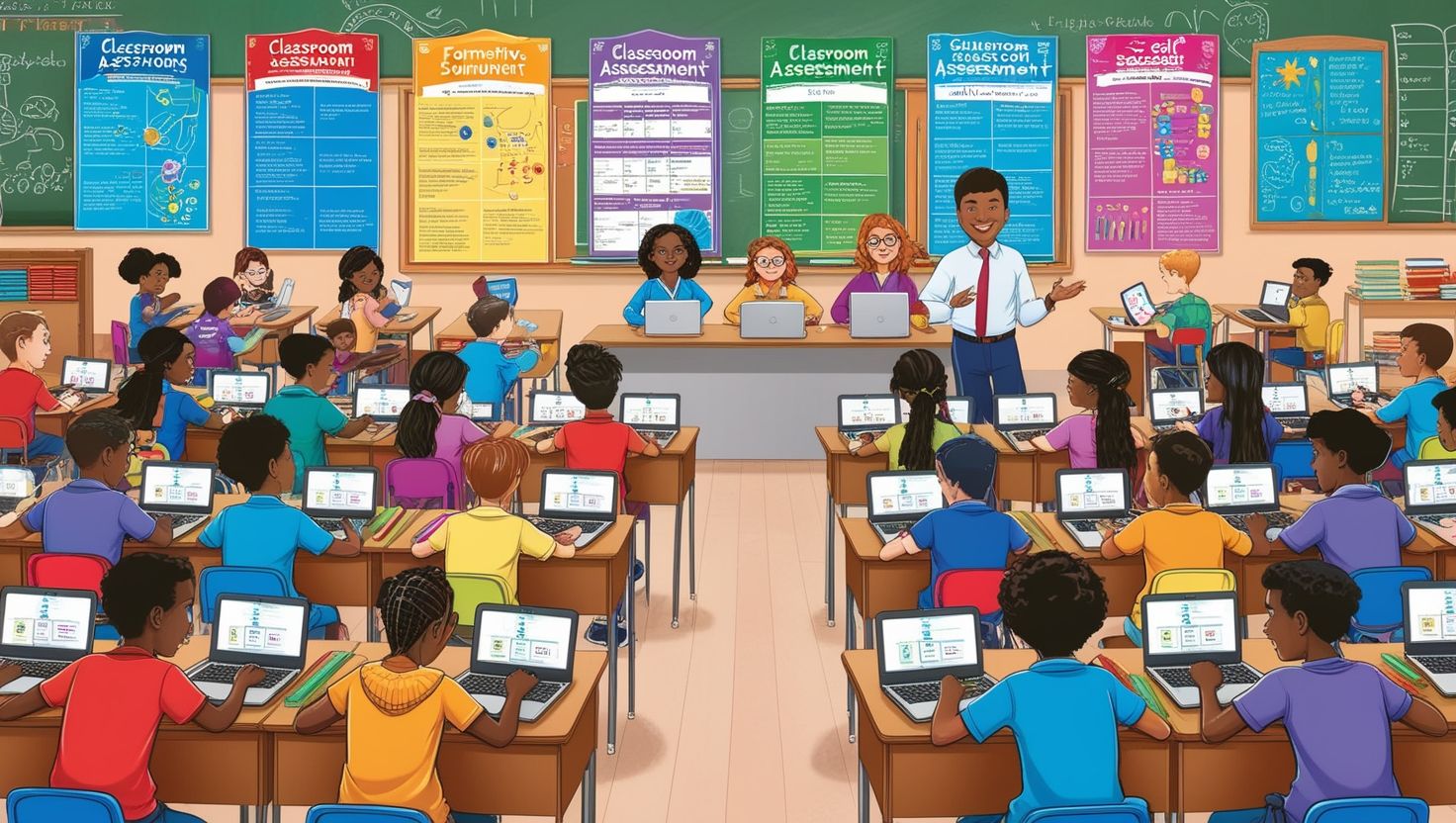
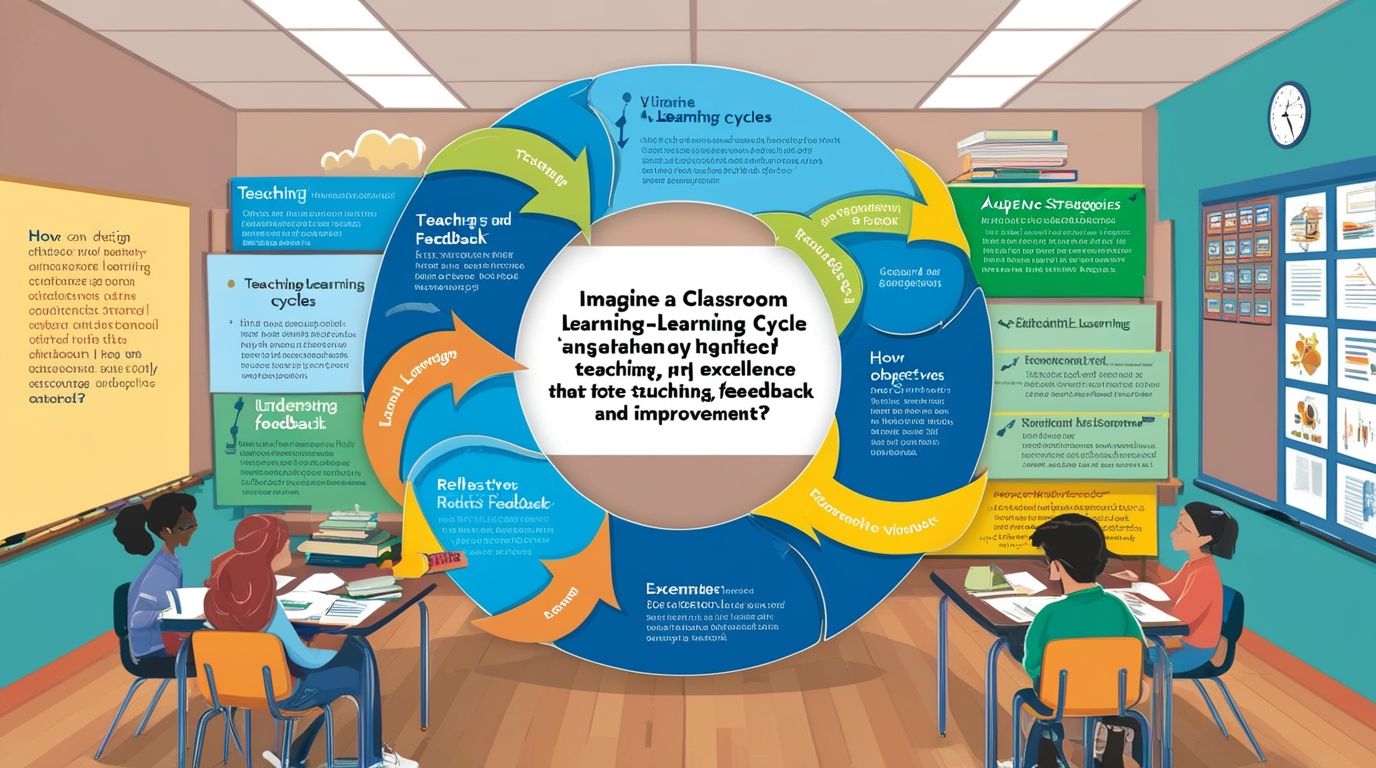
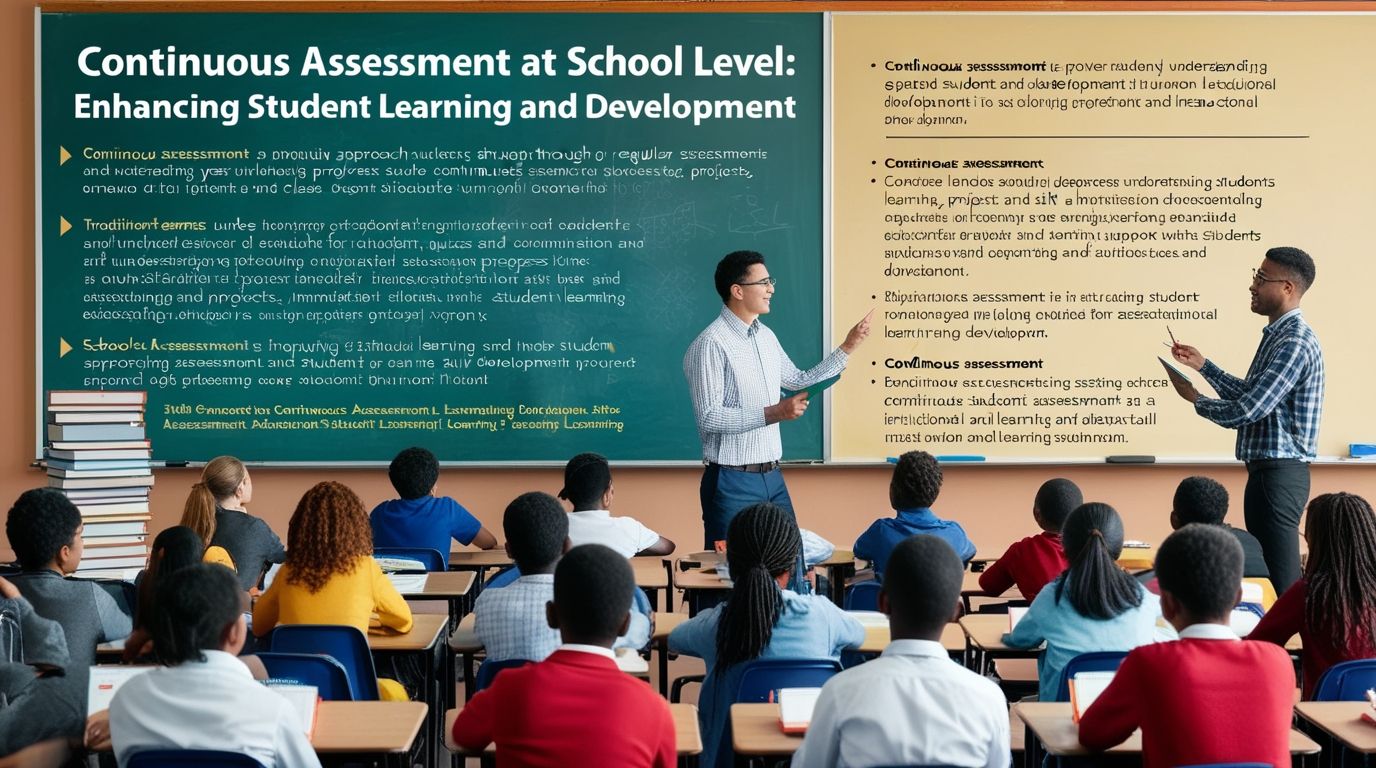
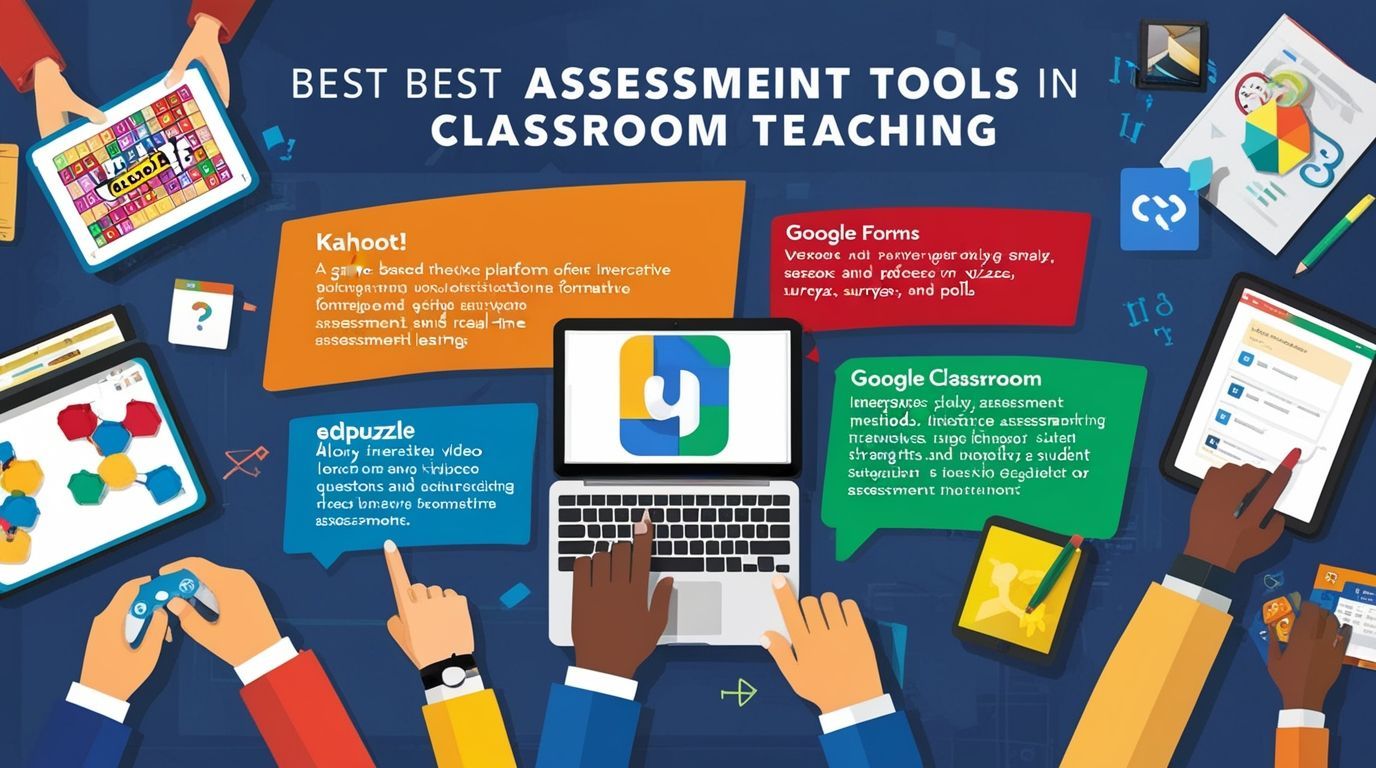
7. Formative Assessment and Feedback
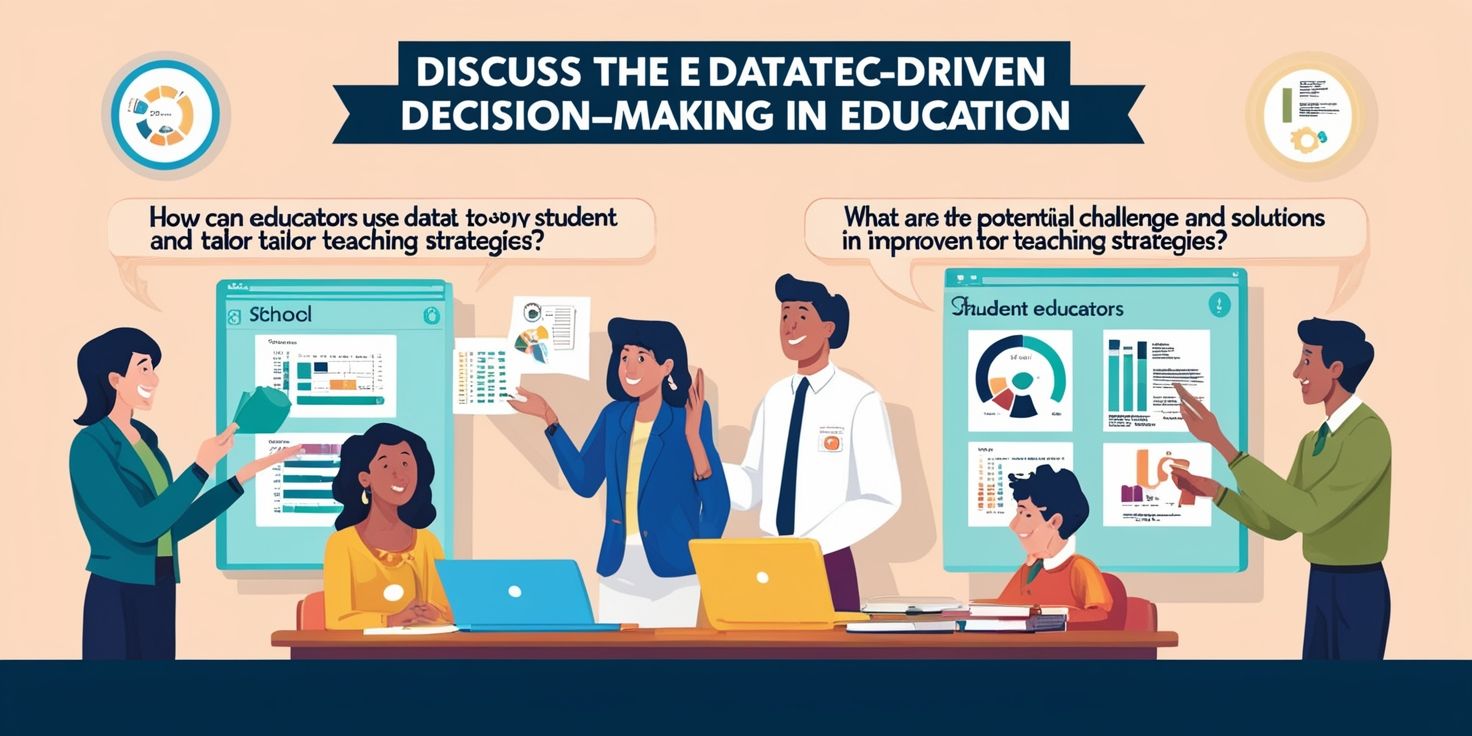
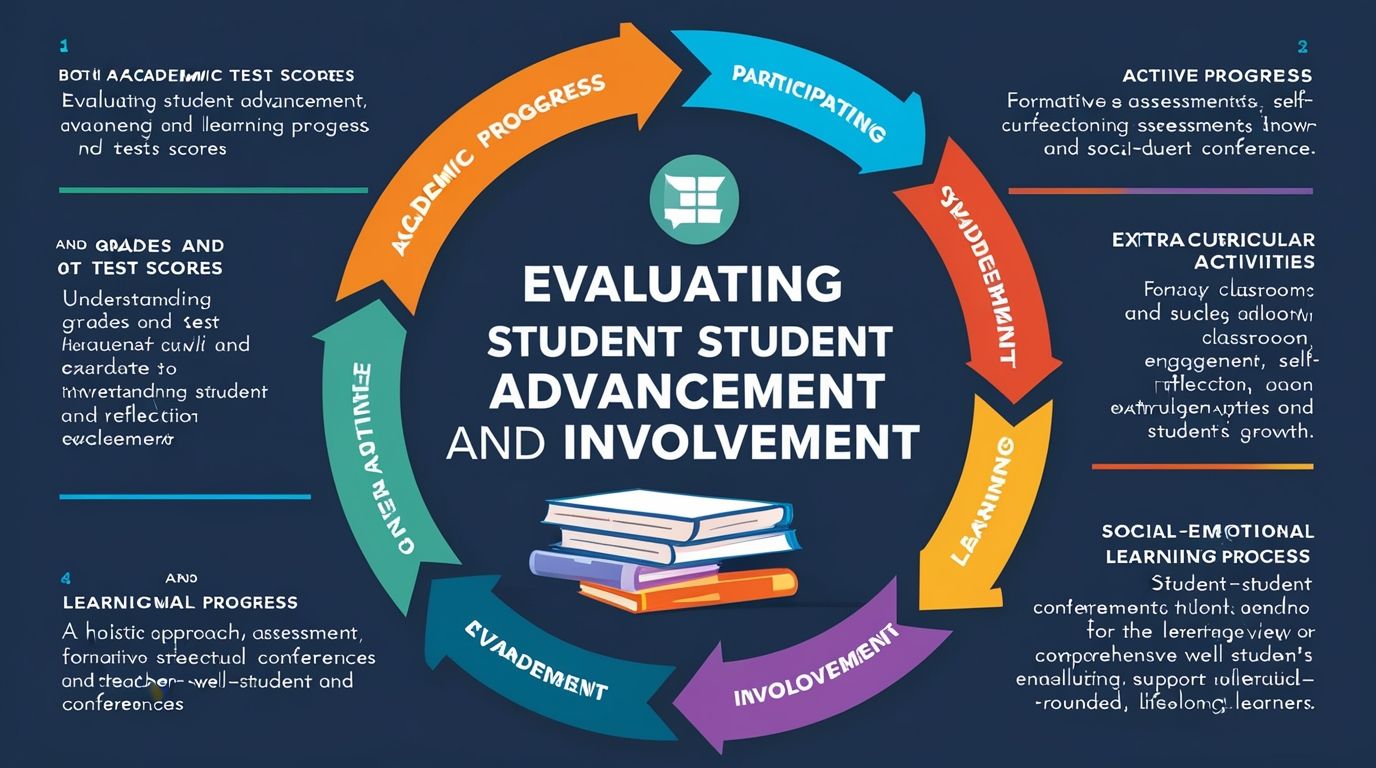
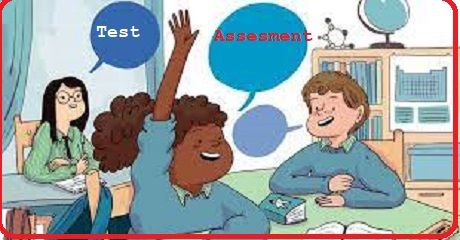
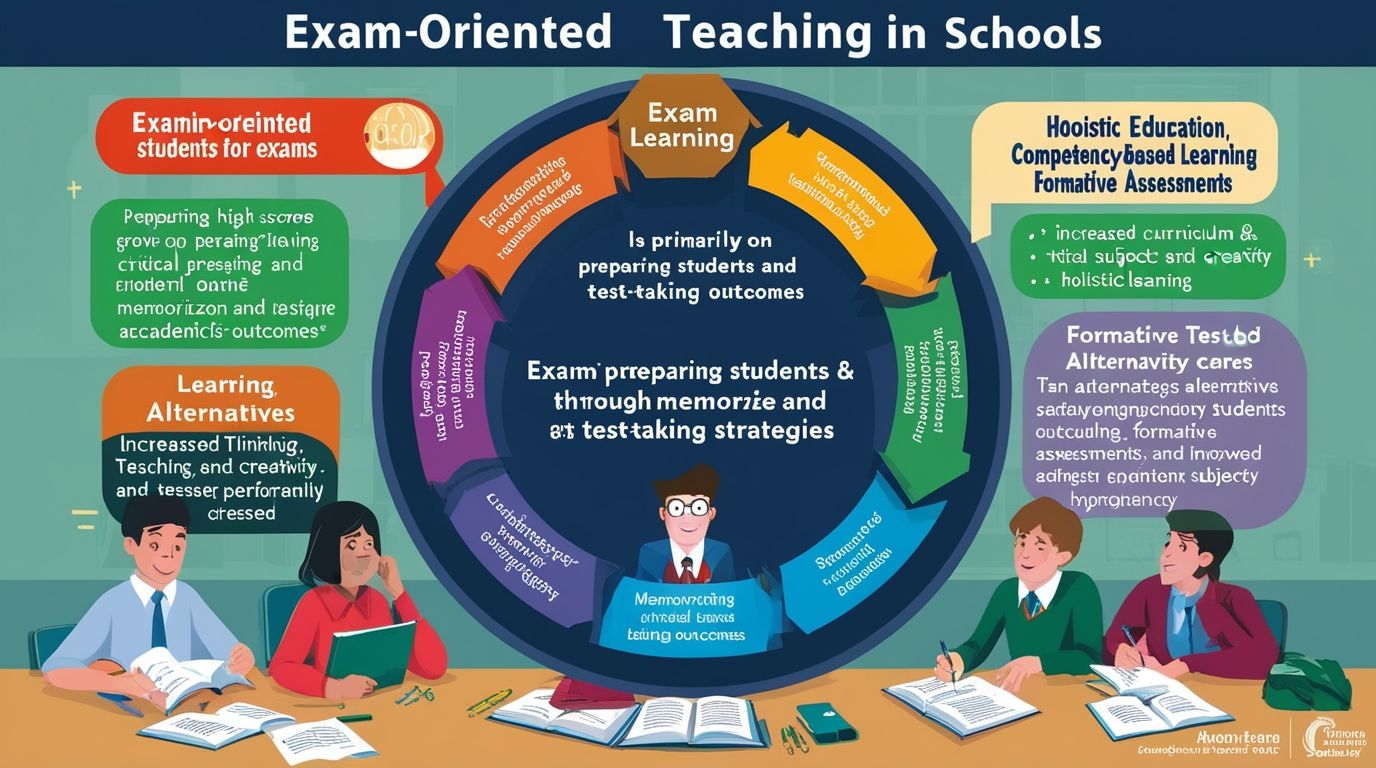
Assessment in world-class classrooms is ongoing and formative rather than limited to final exams. Teachers regularly gather evidence of student learning and use it to adjust instruction and provide timely feedback.
Effective formative assessment practices include:
- Questioning techniques that probe understanding
- Exit tickets and quick checks
- Peer and self-assessment
- Rubrics and exemplars
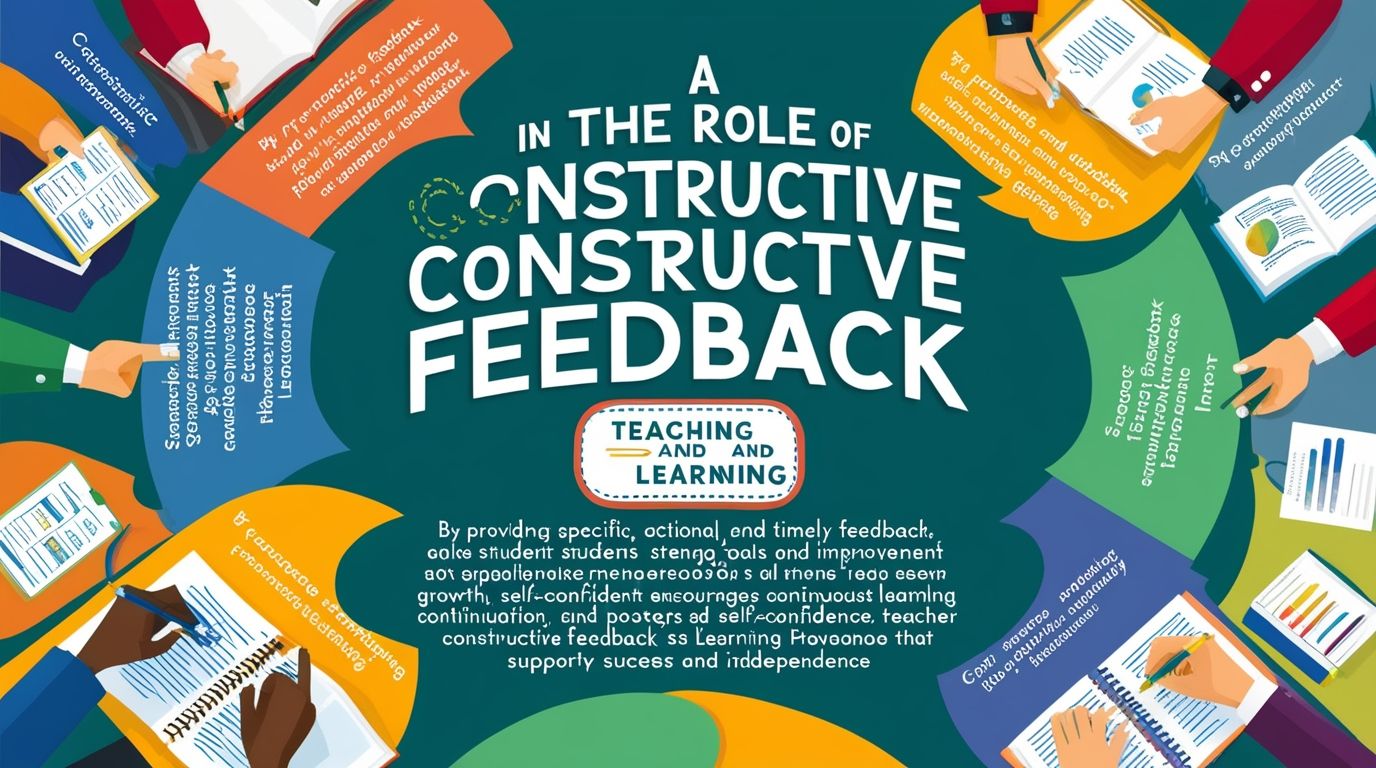
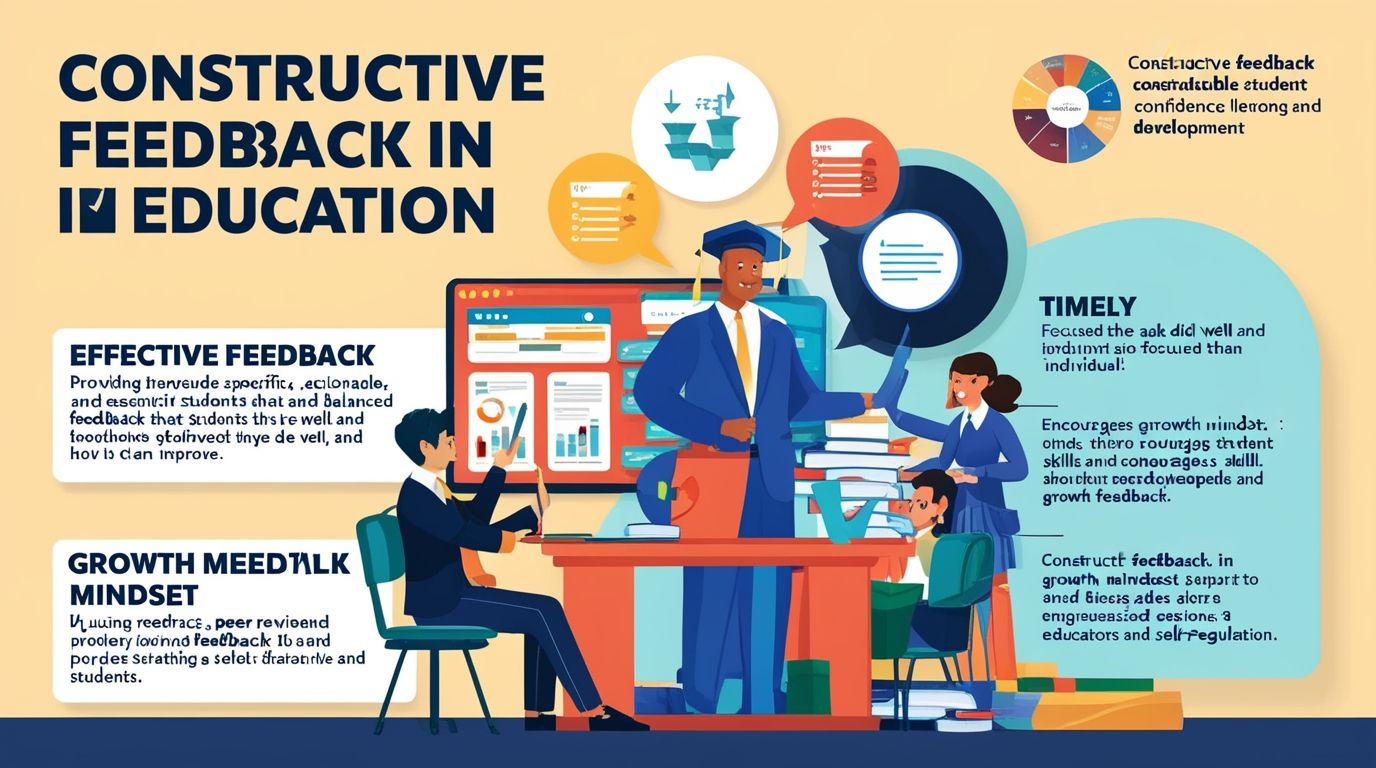
High-quality feedback is specific, constructive, and focused on improvement. It helps students understand their strengths, identify areas for growth, and take actionable next steps.
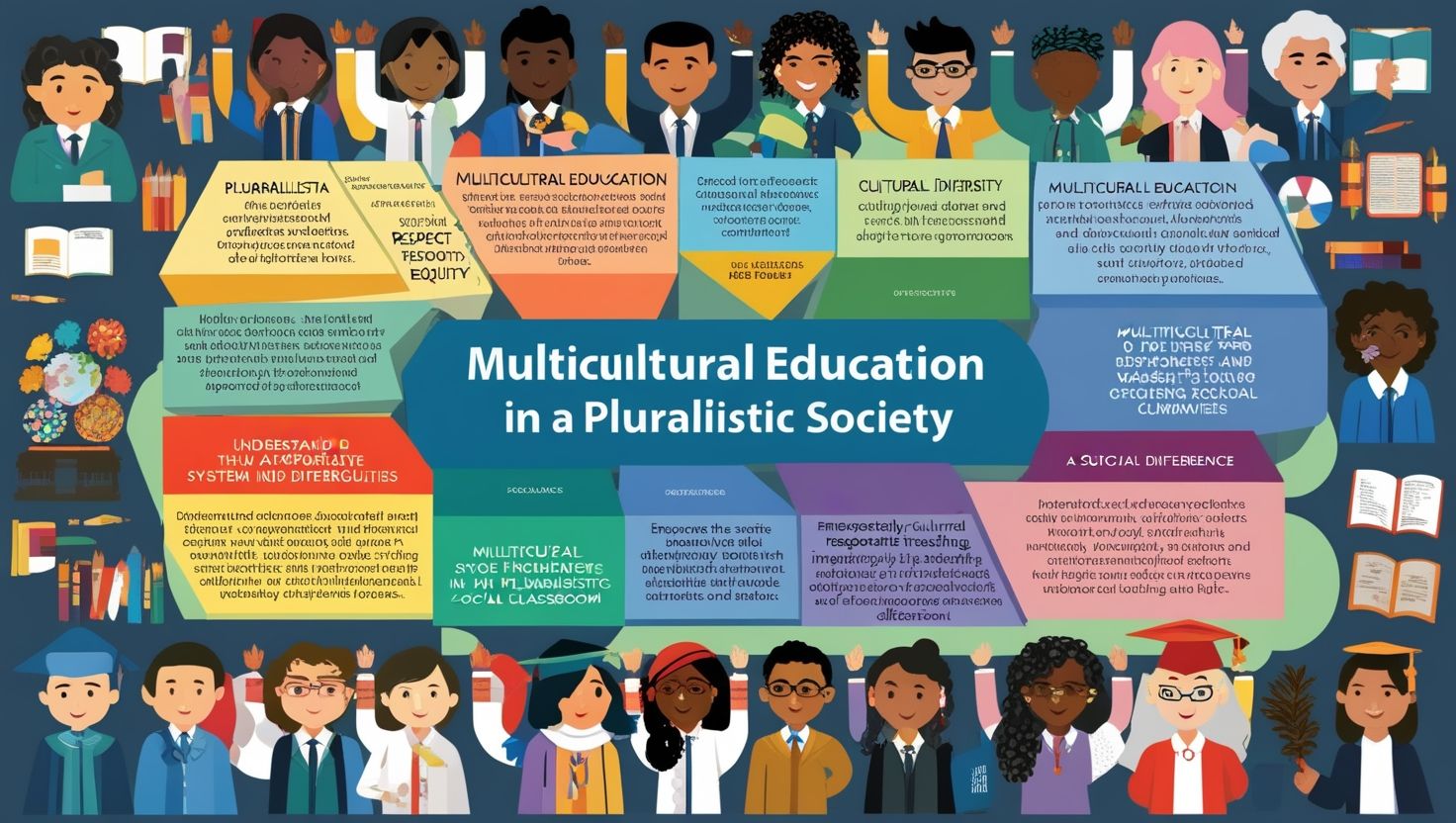
8. Inclusive and Culturally Responsive Teaching
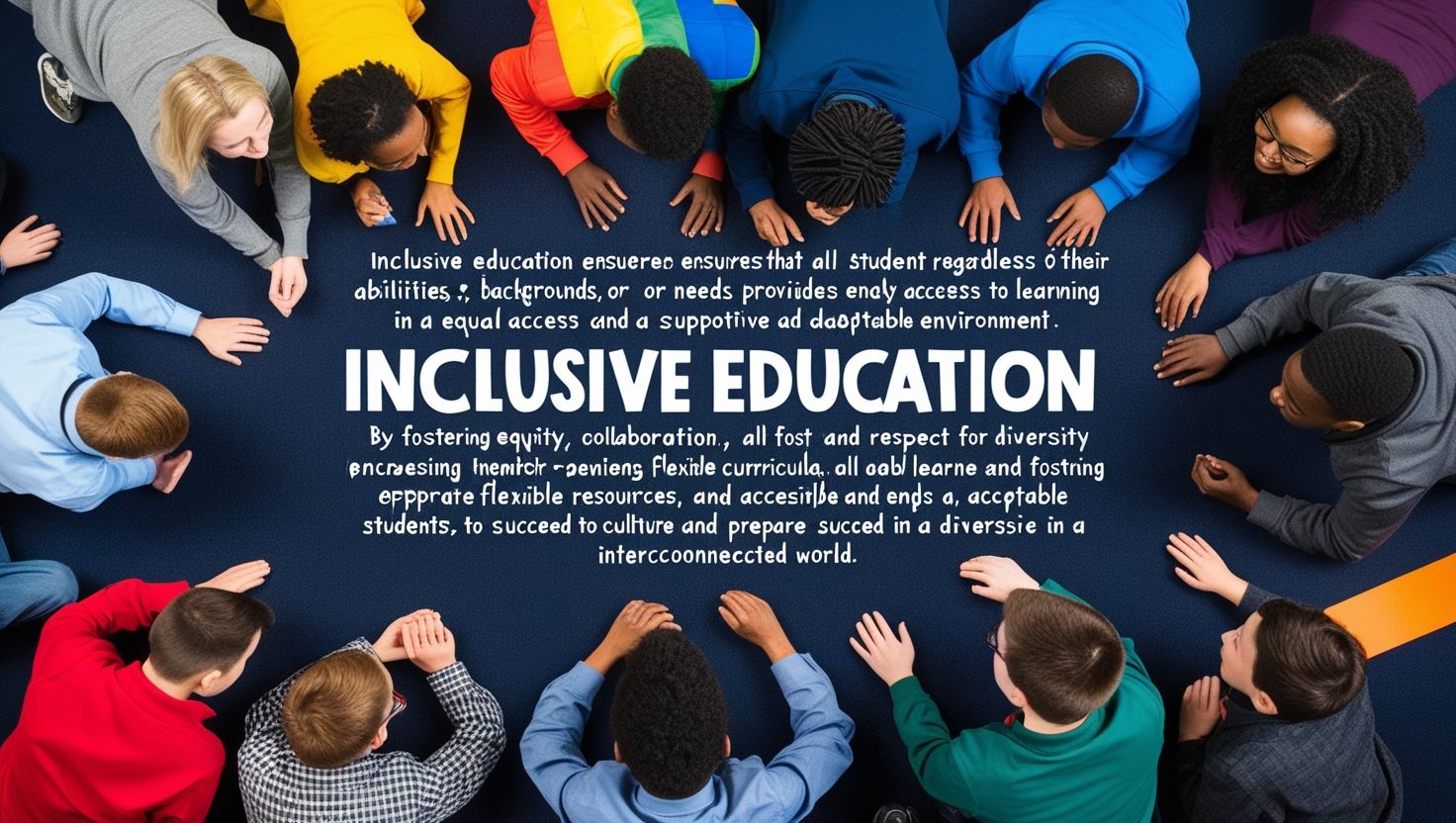
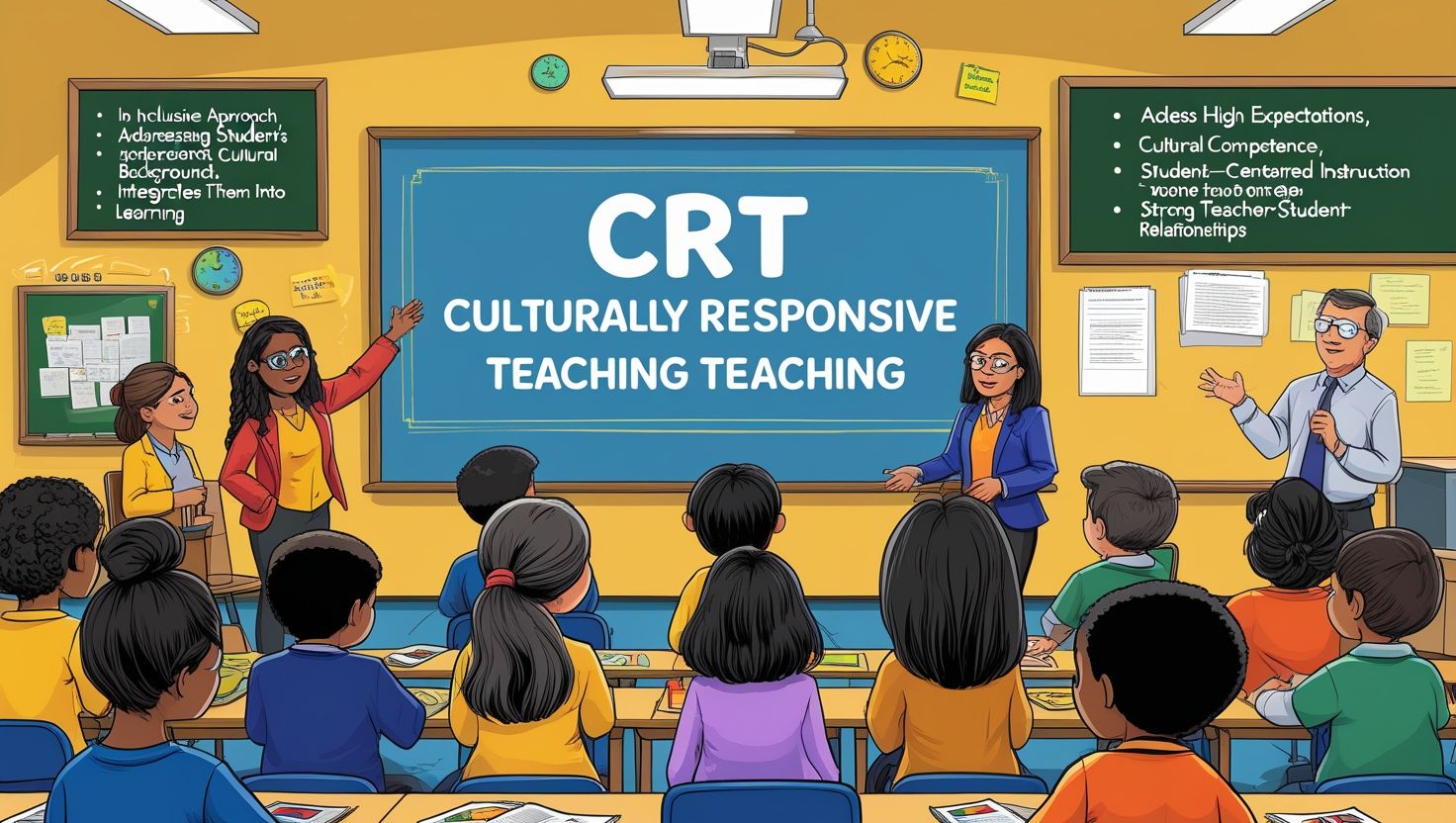
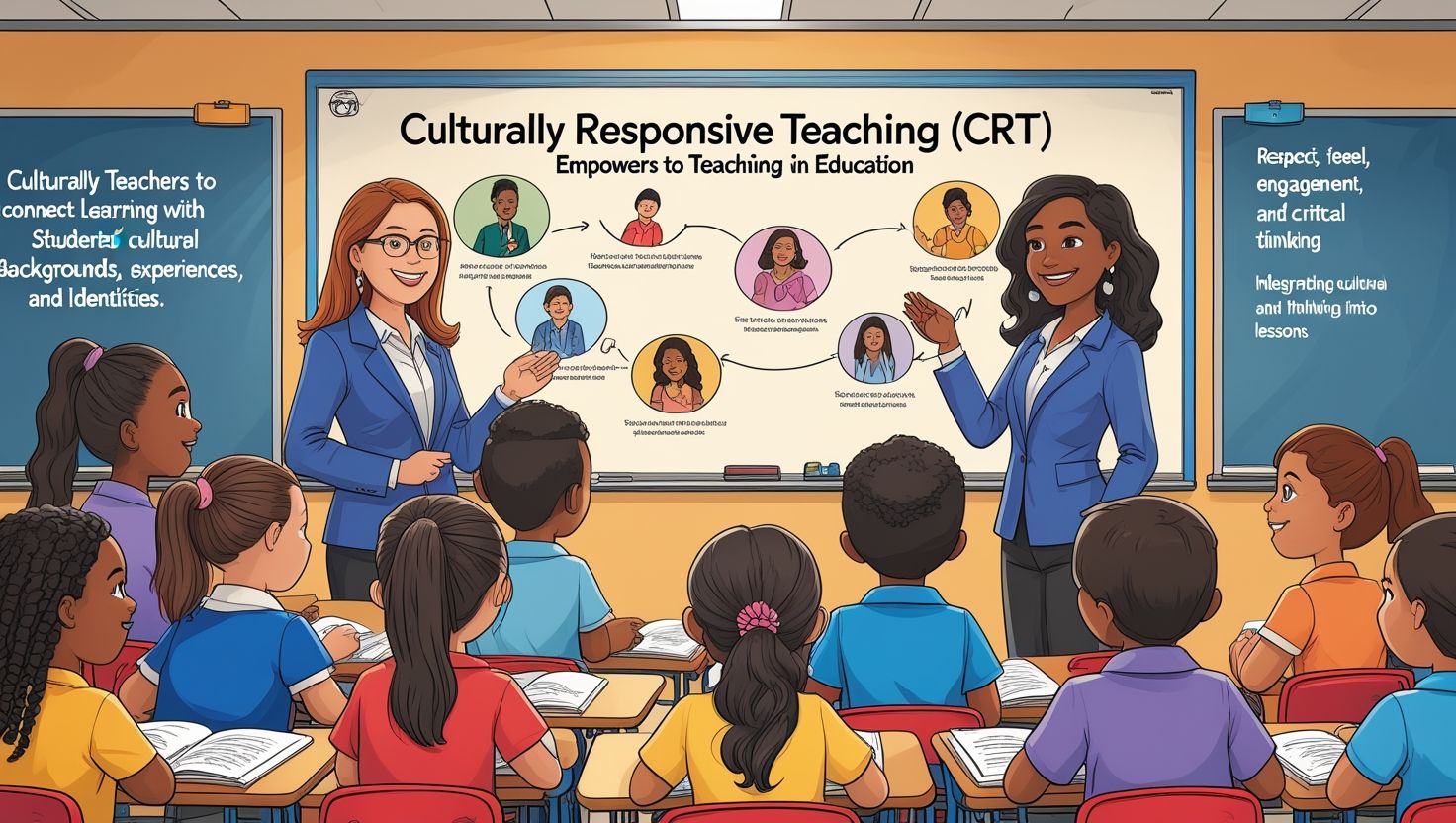
World-class teaching values diversity and inclusion. Culturally responsive teachers acknowledge students’ cultural identities and use them as assets in the learning process. They create safe, respectful environments where all students feel seen, heard, and valued.
Inclusive teaching practices include:
- Using diverse examples, texts, and perspectives
- Encouraging respectful dialogue
- Addressing bias and stereotypes
- Adapting instruction for students with special educational needs
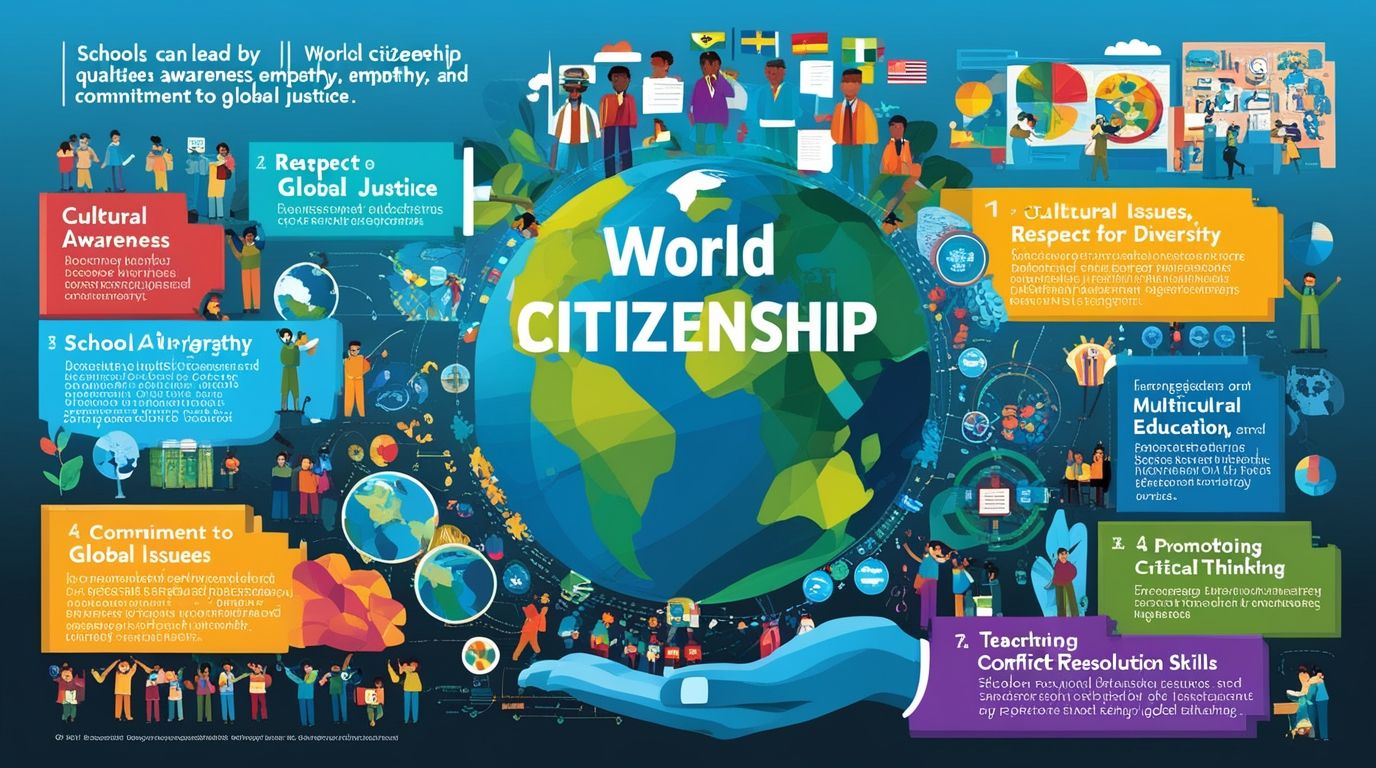
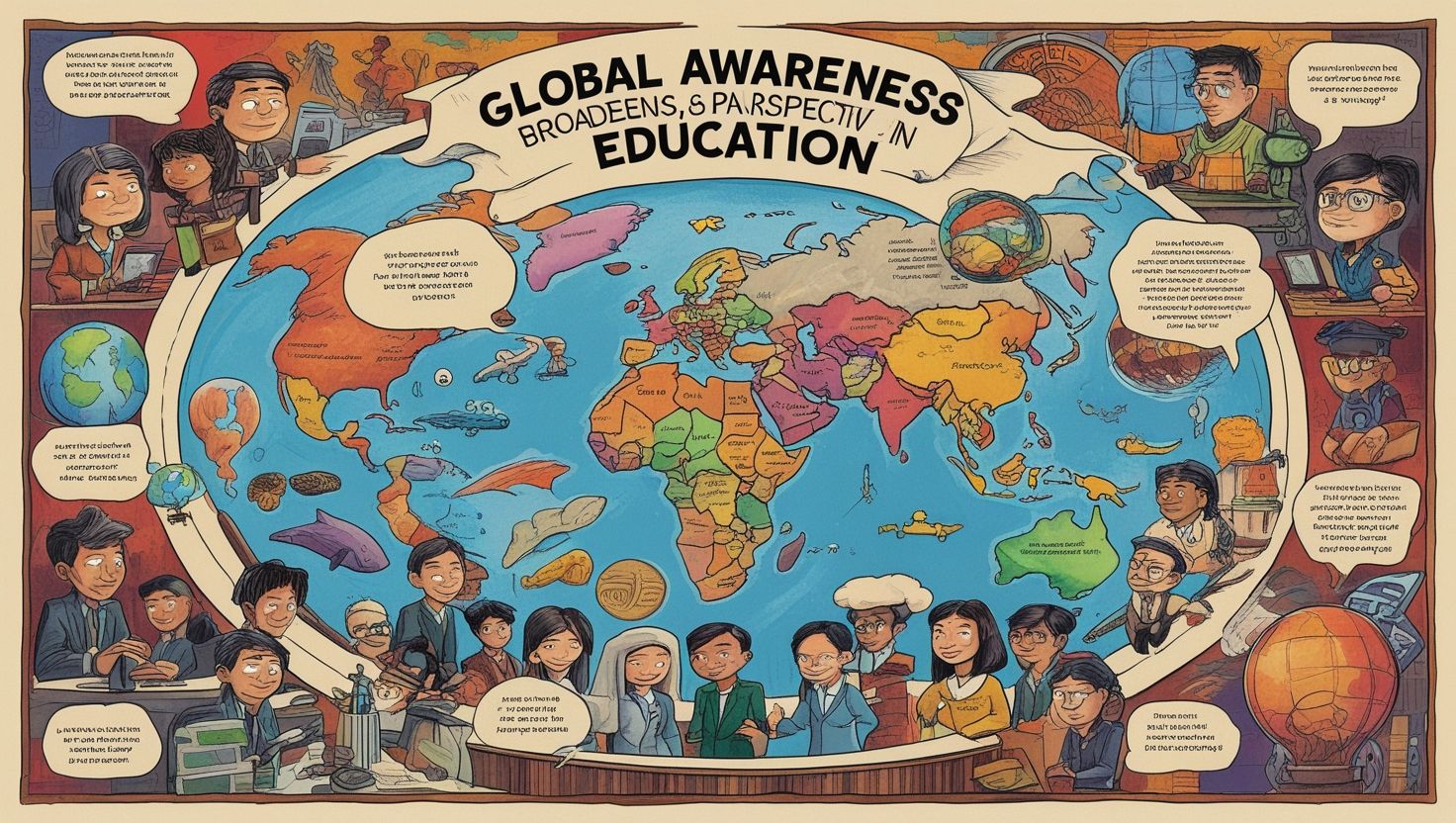
Such classrooms promote equity, empathy, and global awareness.
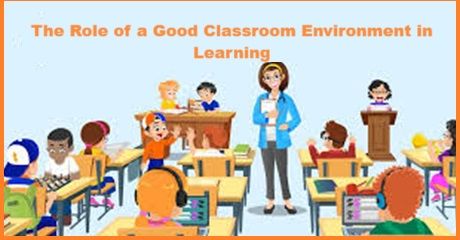
9. Classroom Management Through Relationships
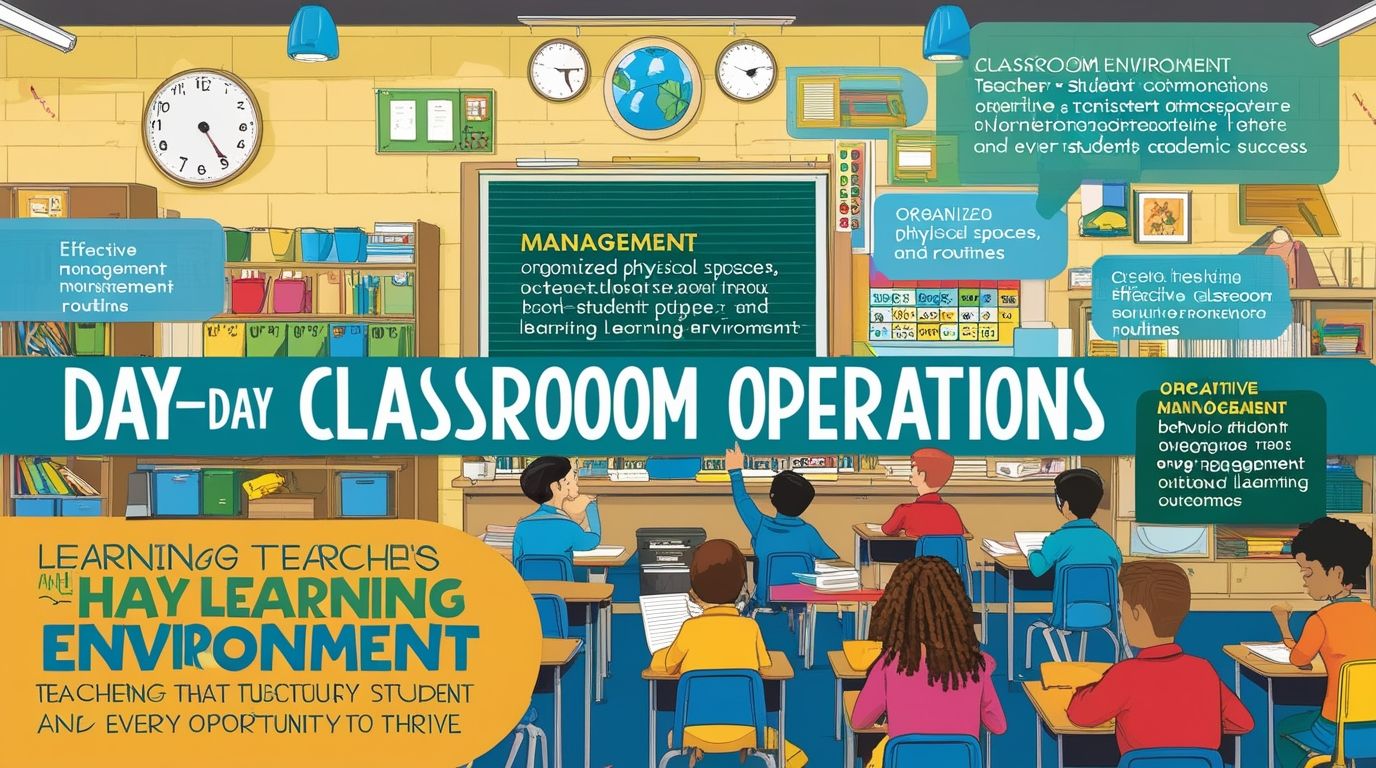
Effective classroom management in world-class classrooms is built on strong relationships rather than control or punishment. Teachers establish clear expectations, routines, and norms while fostering mutual respect and trust.
Key elements include:
- Consistent and fair rules
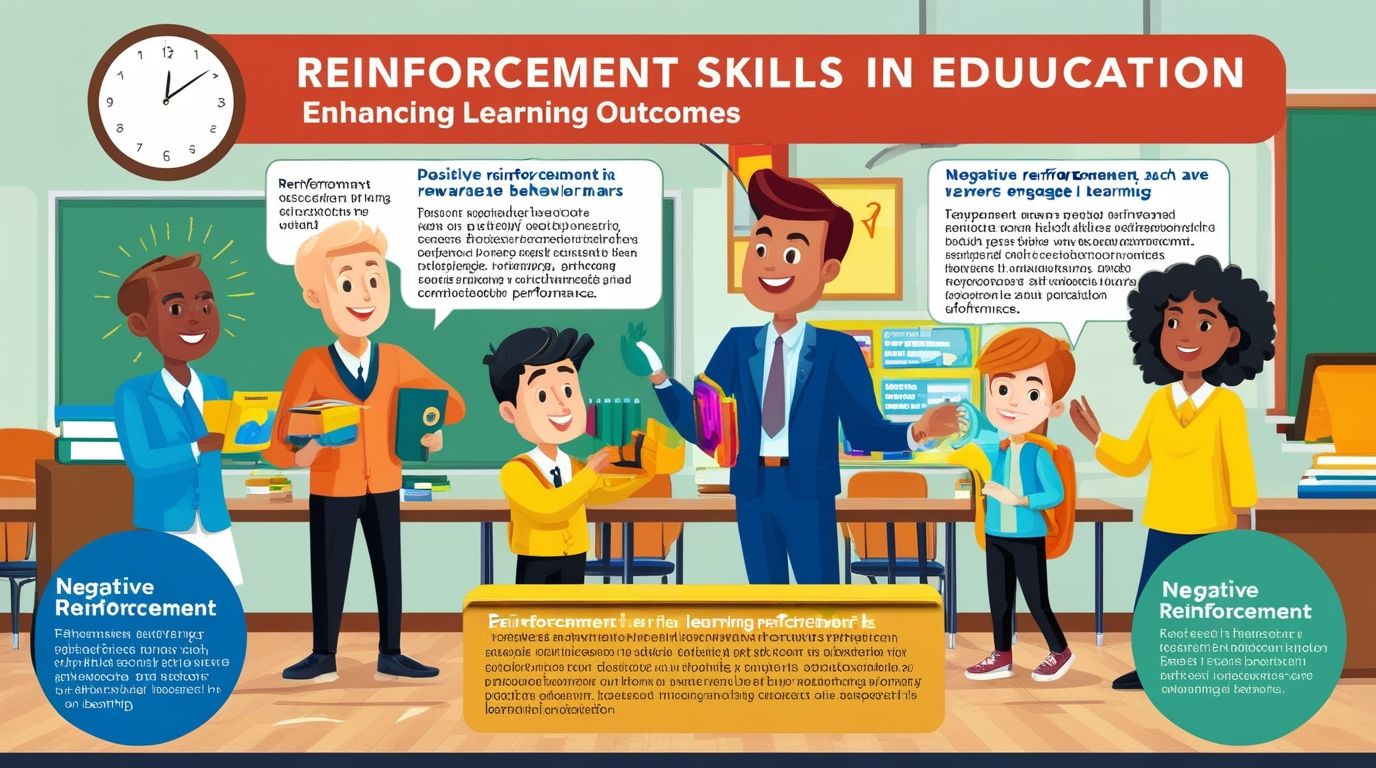
- Positive reinforcement
- Restorative practices instead of punitive measures
- Open communication
When students feel respected and supported, they are more likely to engage positively in learning.
10. Collaboration and Cooperative Learning
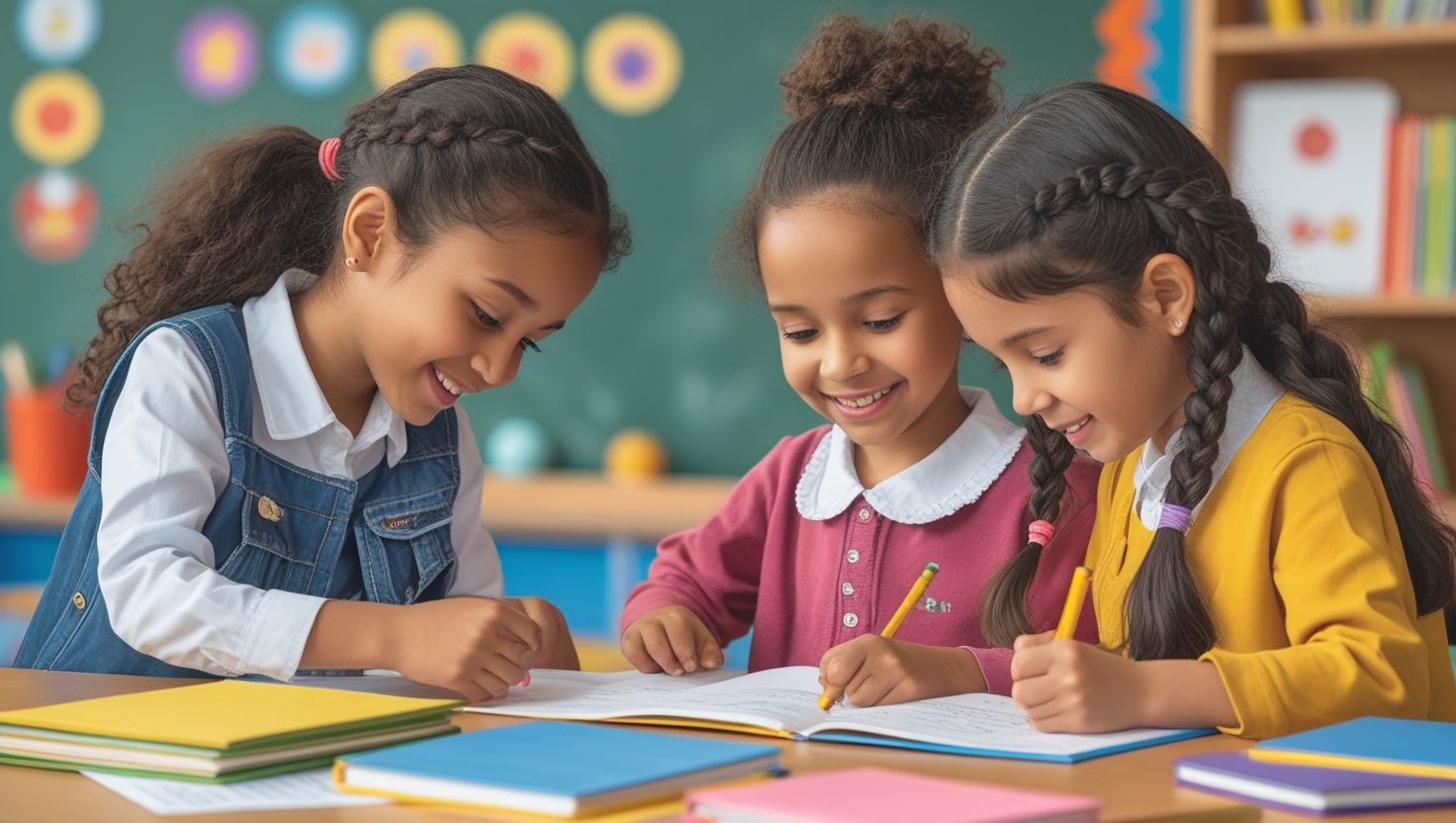
Collaboration is a critical skill in modern society, and world-class teachers intentionally design opportunities for students to work together. Cooperative learning structures promote shared responsibility, accountability, and social skills.
Effective collaborative learning involves:
- Clearly defined roles and goals
- Structured group tasks
- Reflection on group processes
Through collaboration, students learn not only academic content but also teamwork, leadership, and conflict resolution.
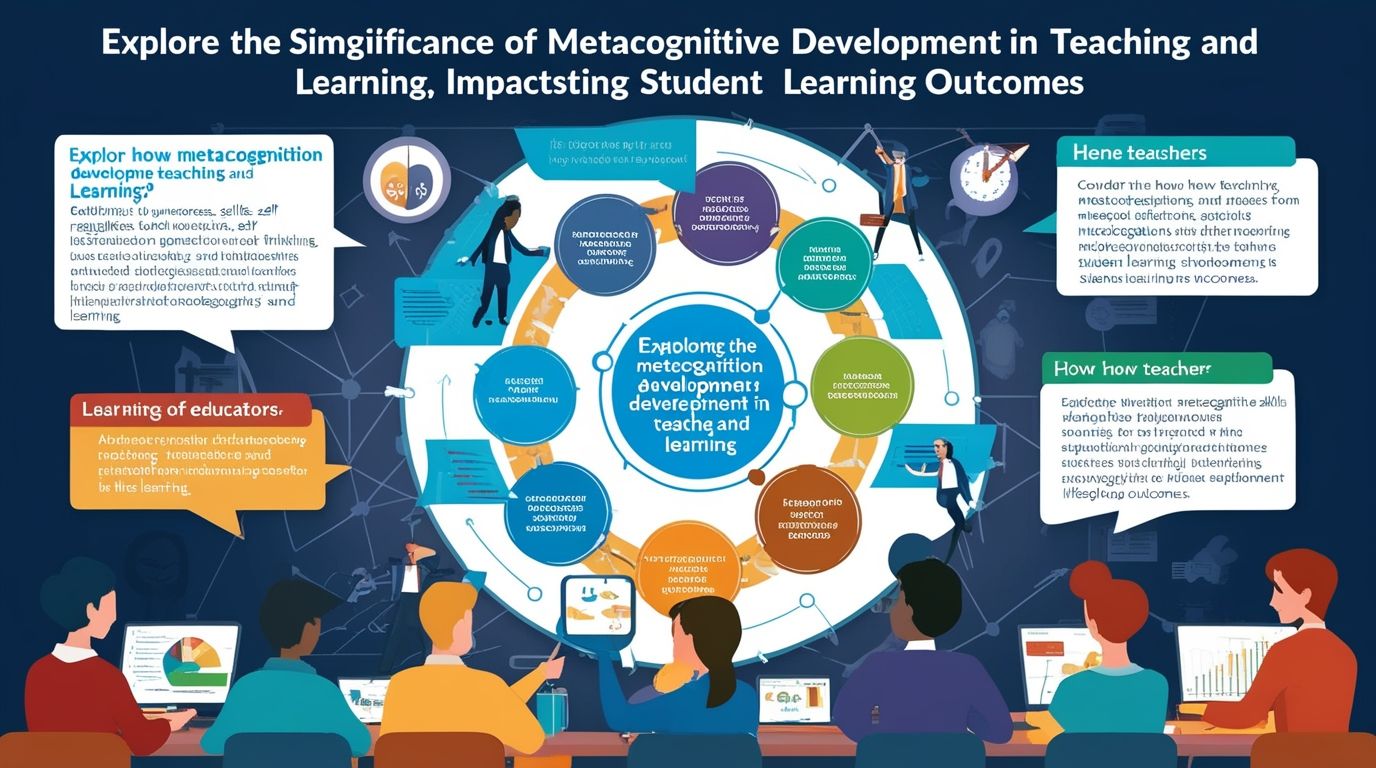
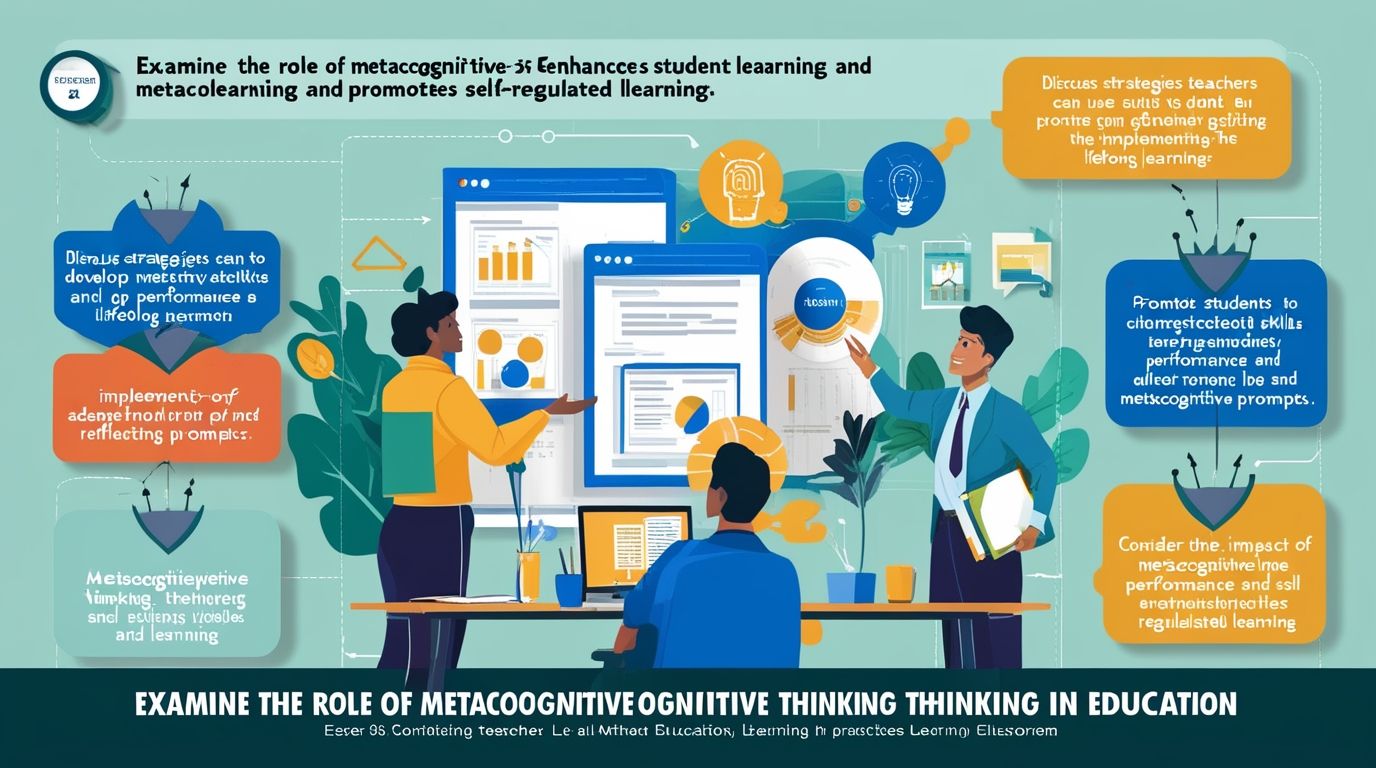
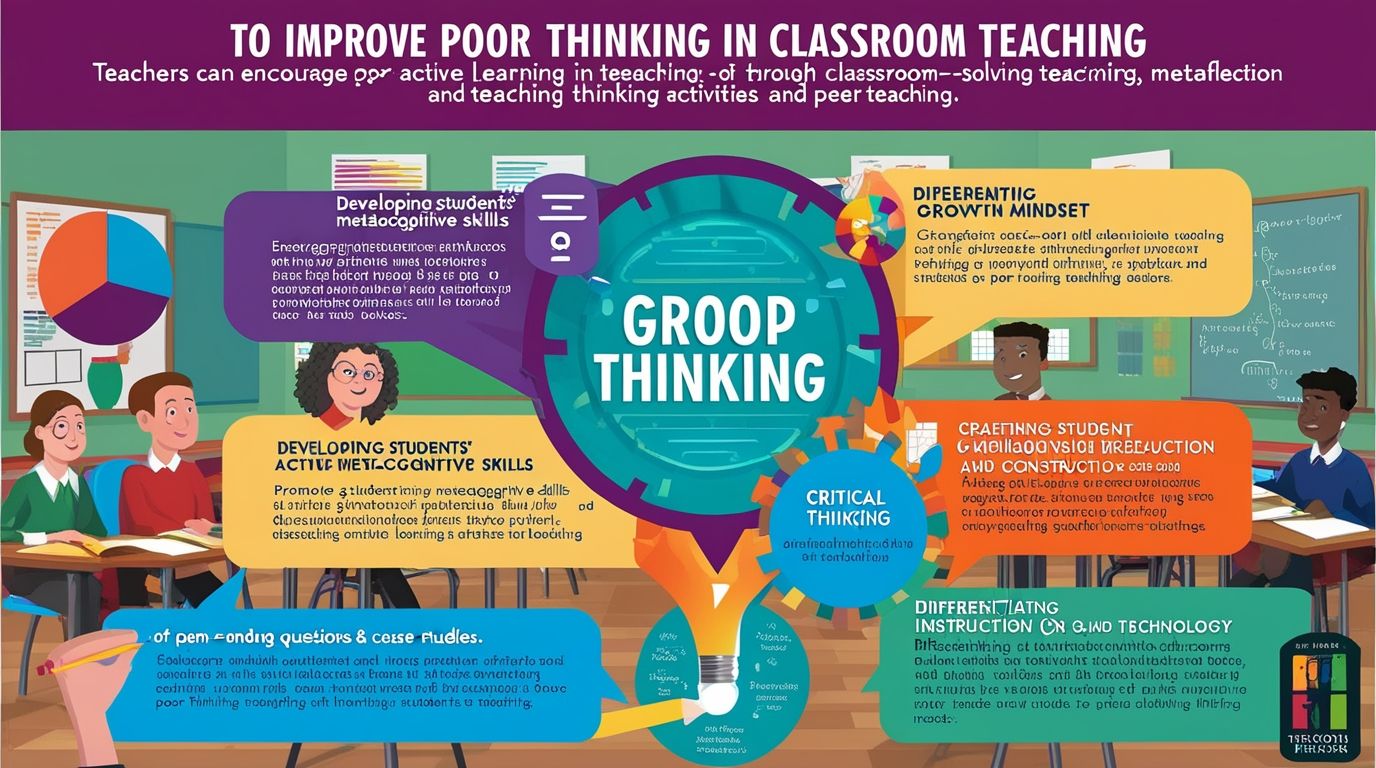
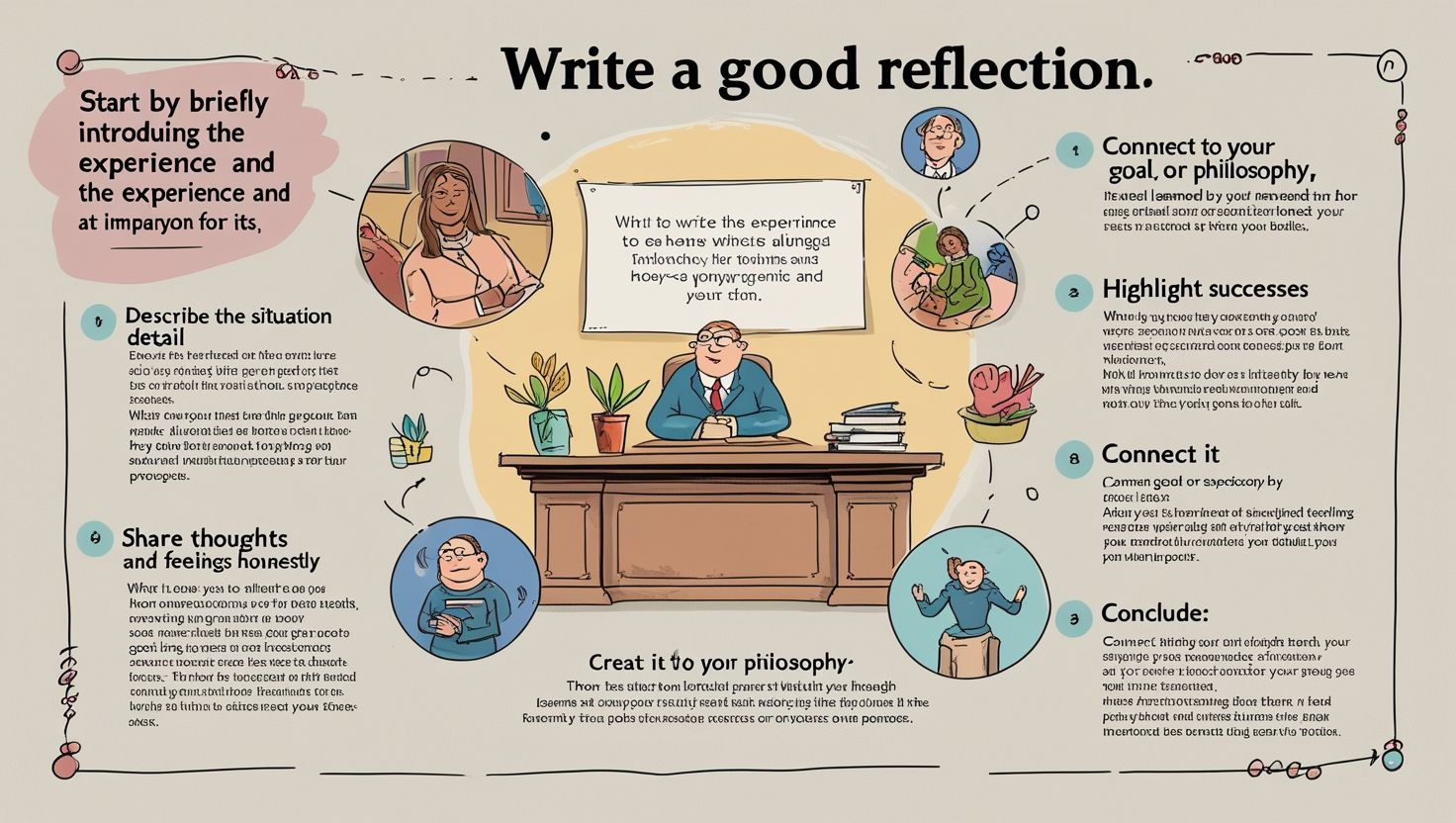
11. Metacognition and Reflective Practice
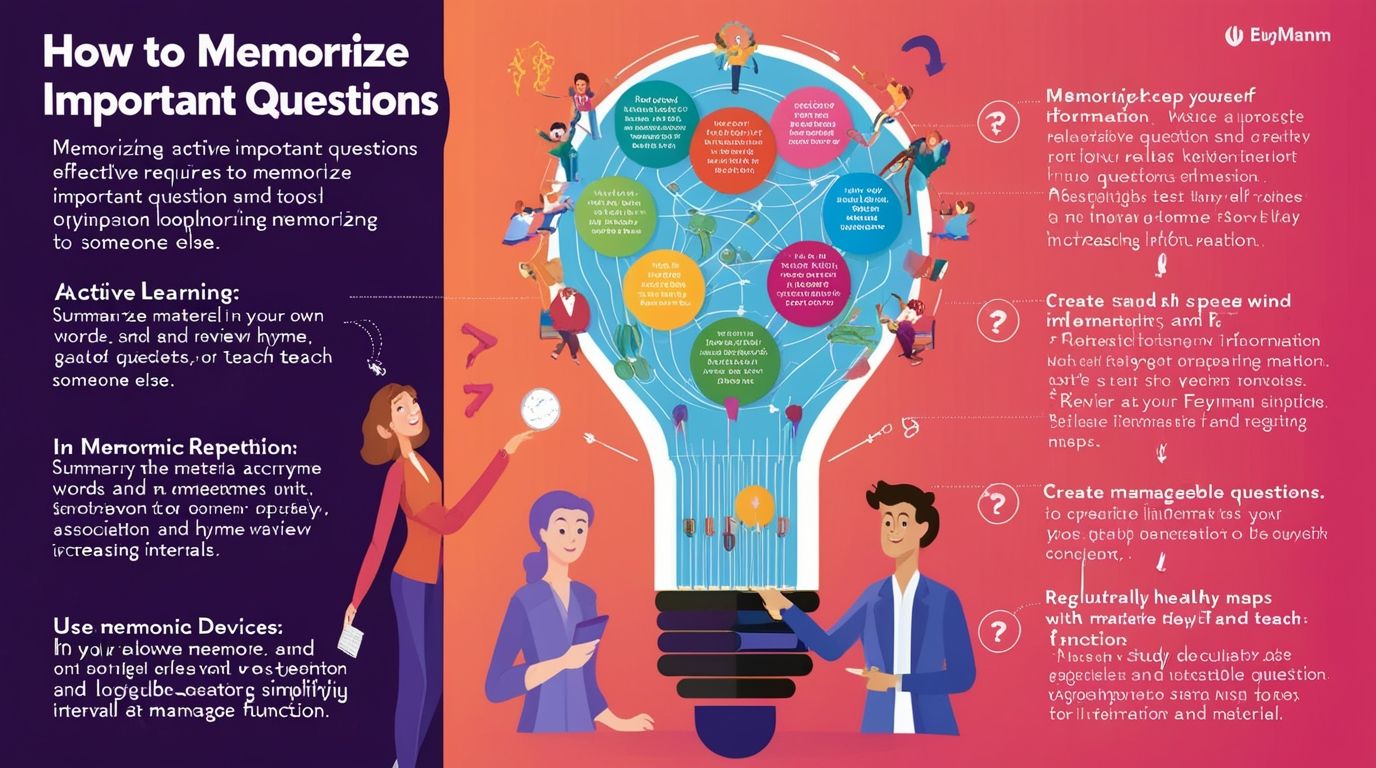
World-class teaching encourages students to think about their own thinking. Metacognitive strategies help learners plan, monitor, and evaluate their learning processes.
Teachers promote metacognition by:
- Asking reflective questions
- Modeling thinking aloud
- Encouraging learning journals
- Teaching goal-setting strategies
These practices foster independent learners who can adapt and improve over time.
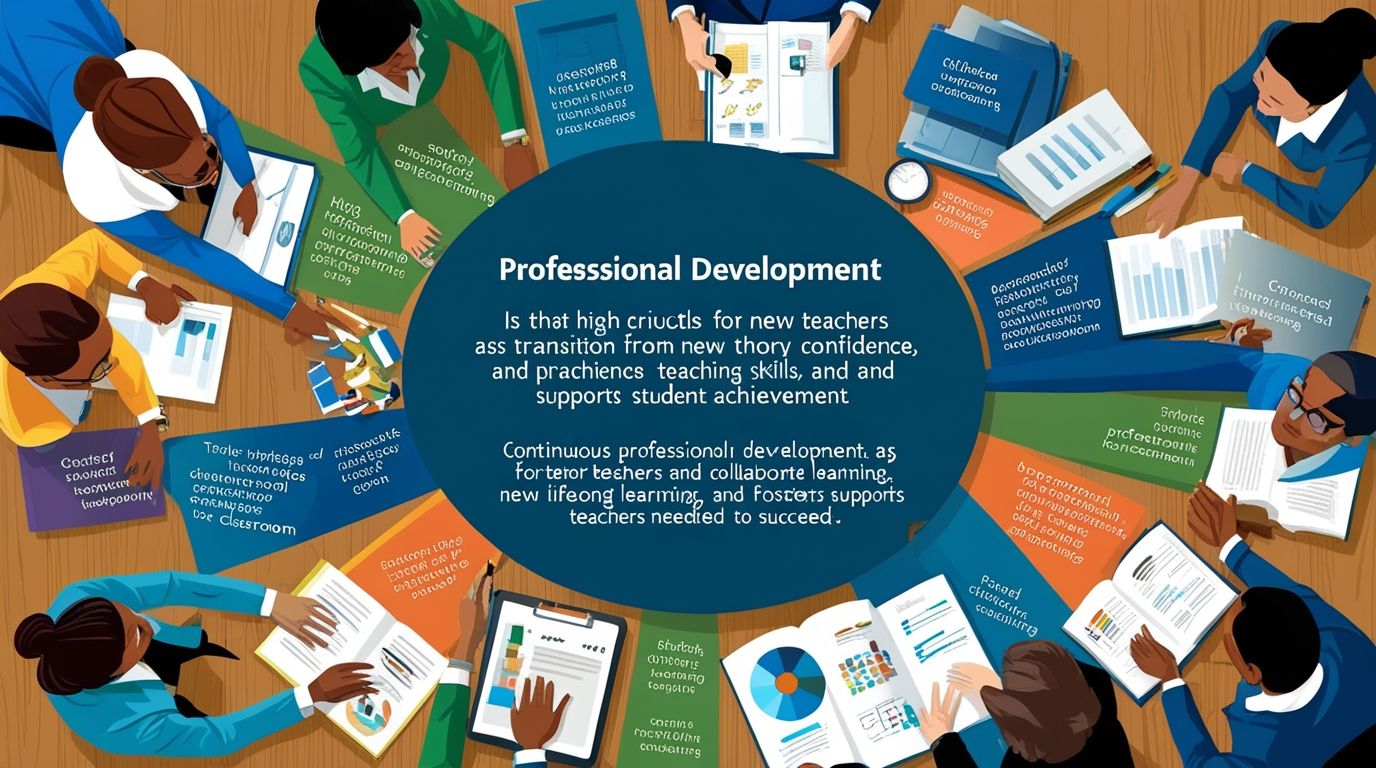
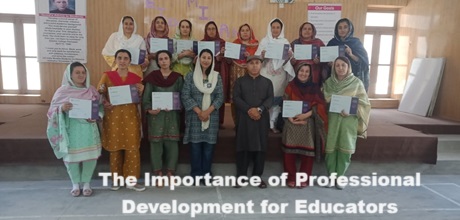
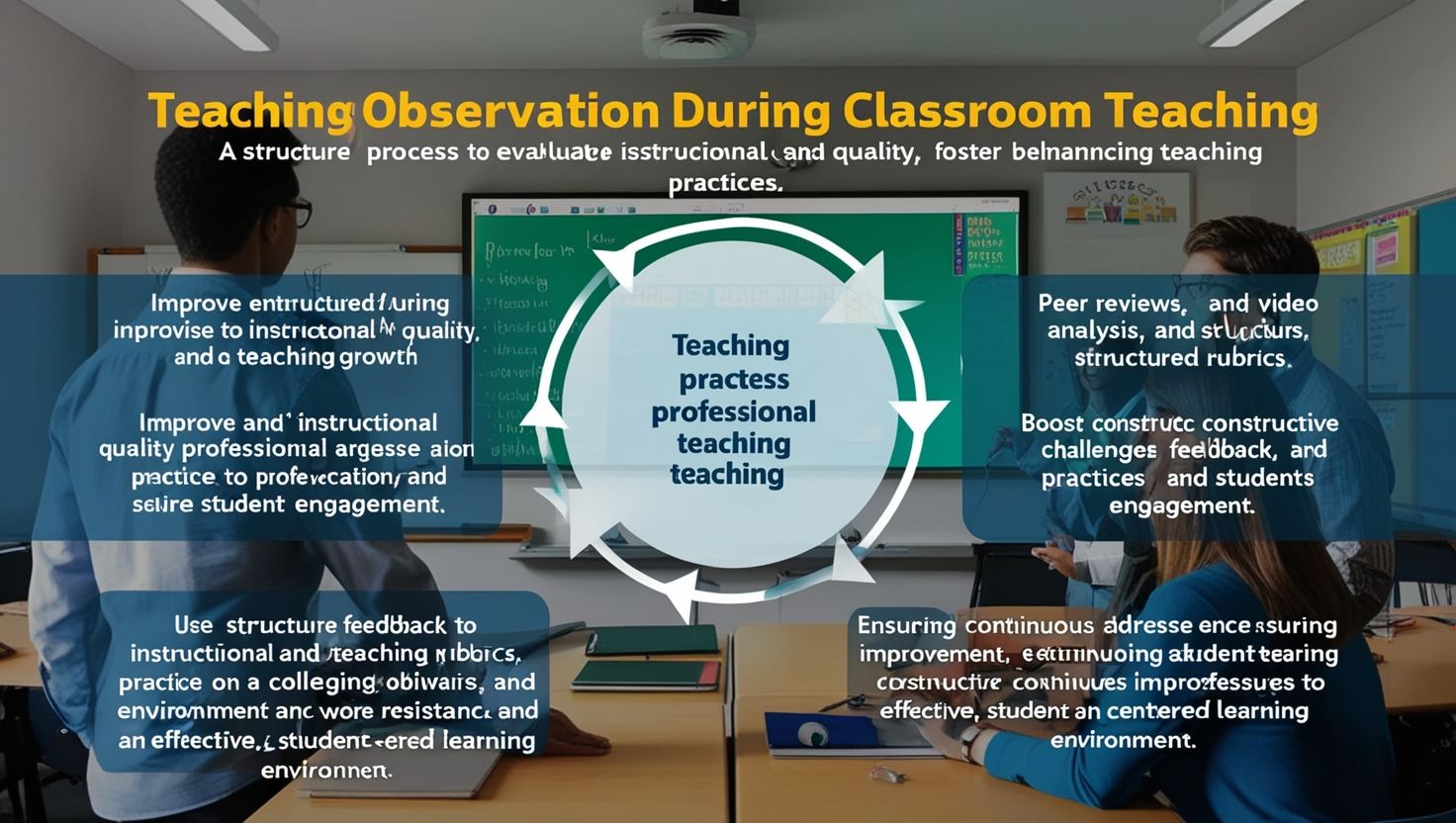
12. Professionalism and Continuous Teacher Development
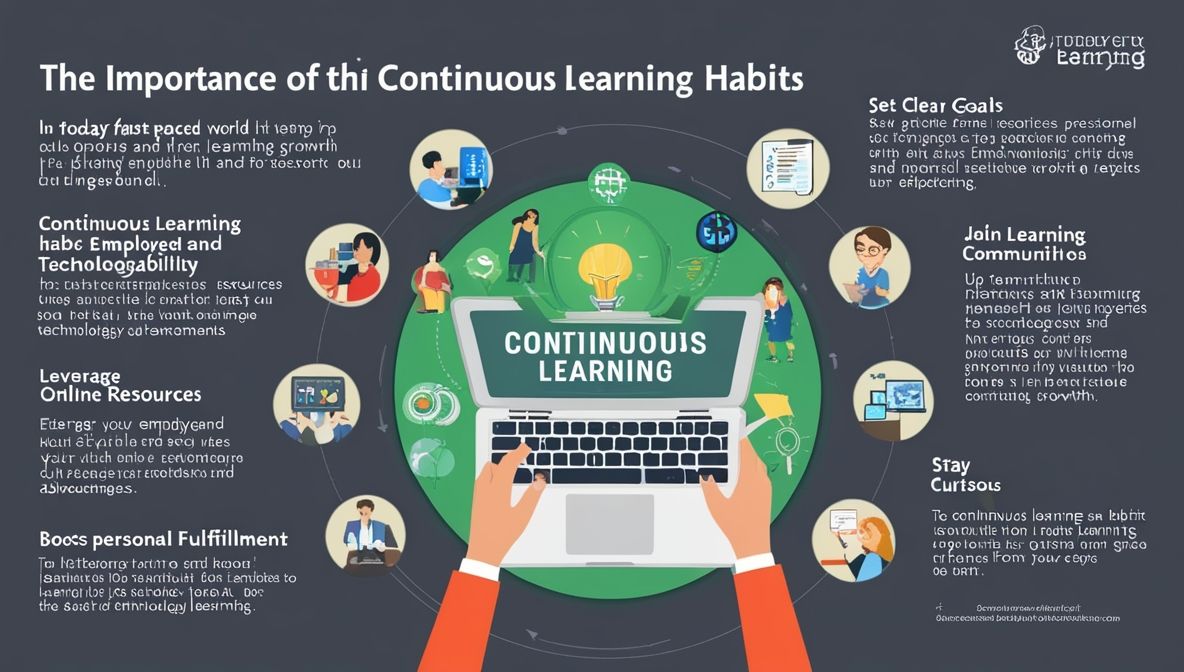
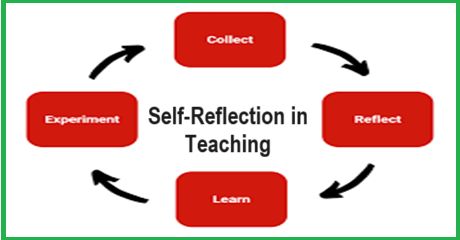
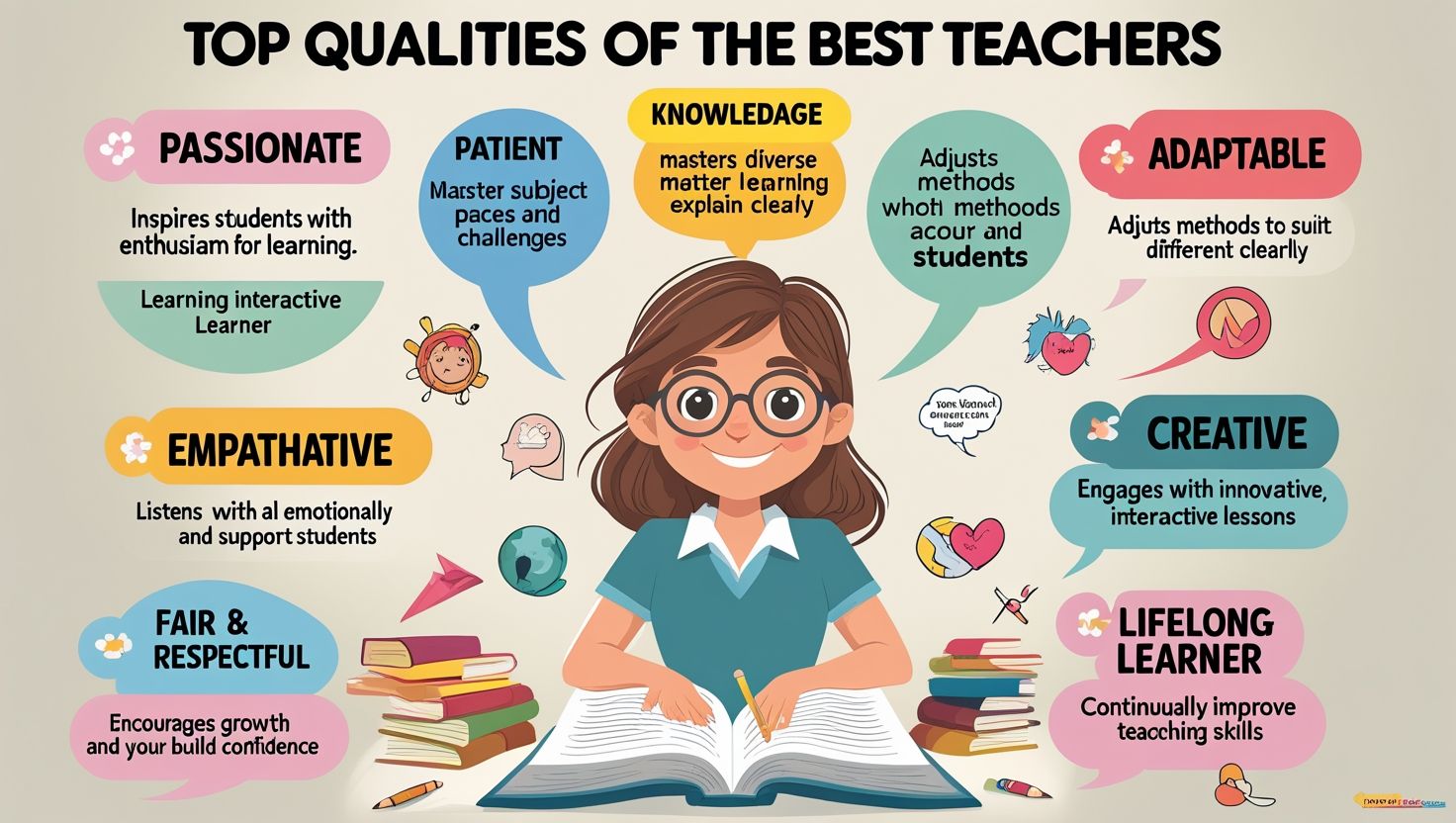
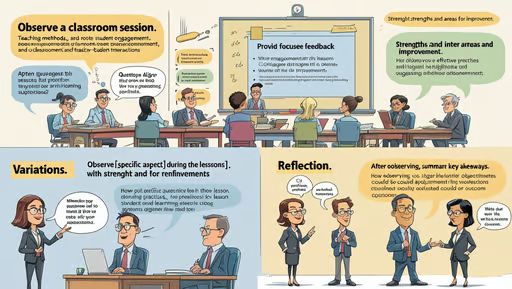
Finally, world-class teaching depends on teachers’ commitment to continuous learning. Effective educators reflect on their practice, seek feedback, collaborate with colleagues, and stay informed about educational research and innovation.
Professional growth may include:
- Participating in professional learning communities
- Attending workshops and conferences
- Engaging in action research
- Embracing reflective teaching
Teachers who model lifelong learning inspire the same mindset in their students.
Conclusion
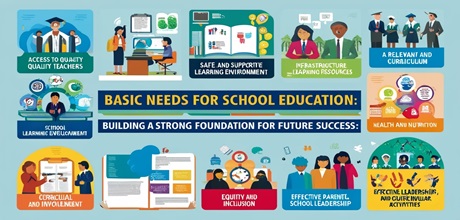
World-class teaching techniques in the classroom are grounded in a deep understanding of how students learn best. They emphasize learner-centered approaches, active engagement, inclusivity, thoughtful use of technology, and continuous assessment and reflection. While contexts and resources may vary, the principles of effective teaching remain universal.
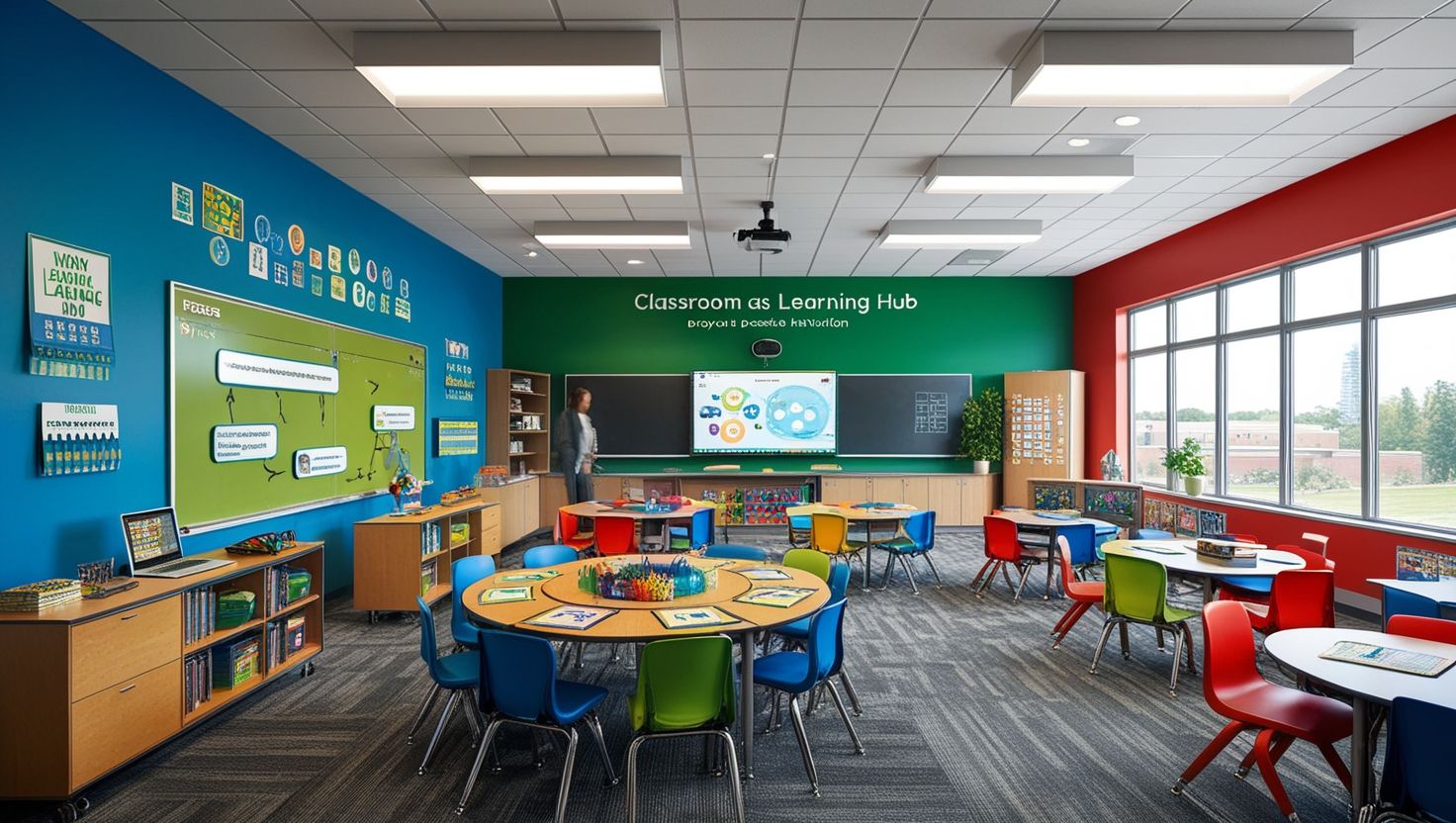
By adopting and adapting these techniques, educators can create classrooms that not only transmit knowledge but also nurture curiosity, critical thinking, creativity, and character. In doing so, they prepare students not just for academic success, but for meaningful participation in an ever-changing global society.








































































































References:
Golden Sands Casino Bewertung https://iwild-casino-50-free-spins-no-deposit.online-spielhallen.de/
References:
Bremen Glücksspiel harrahs cherokee casino north carolina
References:
Neukundenbonus Casino online casino bonus code ohne einzahlung
References:
Country club casino launceston https://usdrjobs.com/
References:
Sky ute casino https://shiftlycrew.com/