
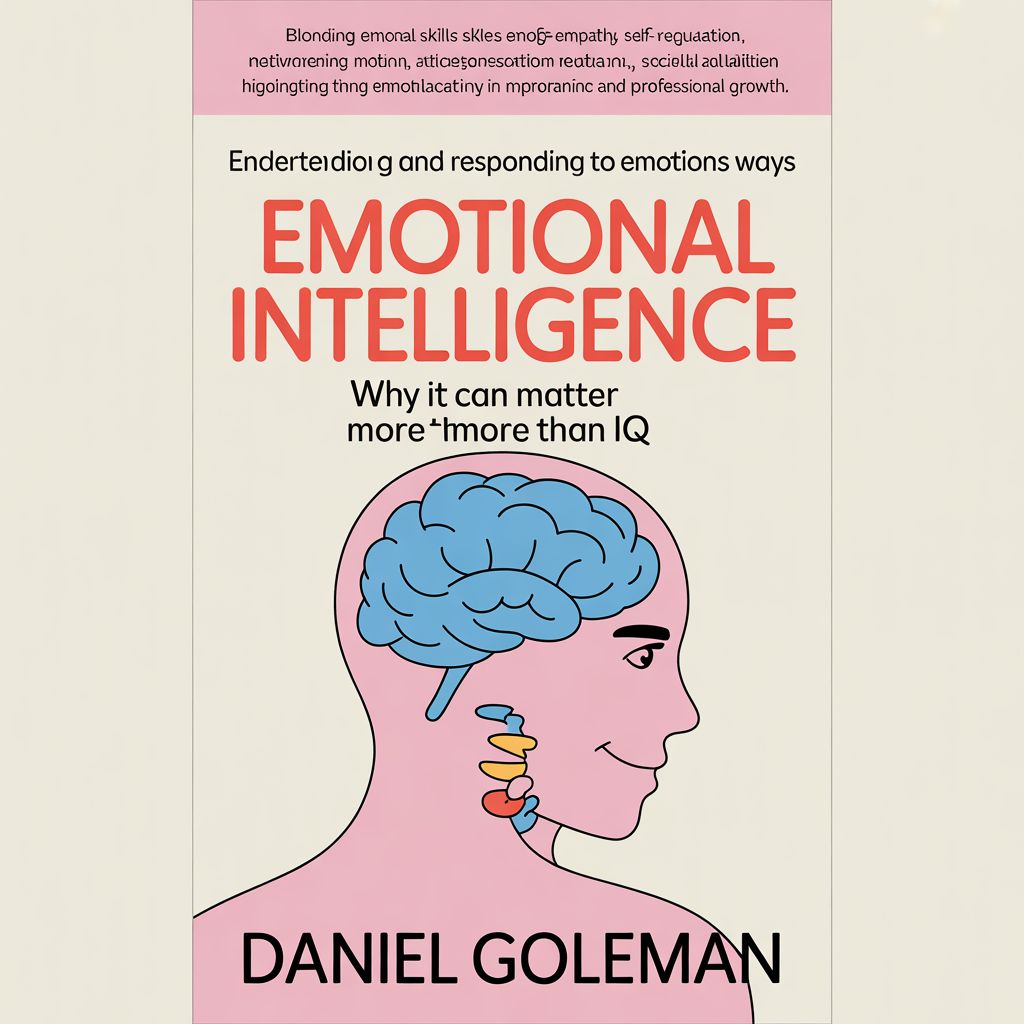
Book Review: Emotional Intelligence by Daniel Goleman, Daniel Goleman’s Emotional Intelligence: Why It Can Matter More Than IQ is a groundbreaking work that reshaped how people understand human intelligence, success, and emotional development. First published in 1995, the book challenges the long-standing belief that intelligence quotient (IQ) is the sole determinant of personal and professional achievement. Instead, Goleman introduces the concept of emotional intelligence (EI), arguing that the ability to recognize, understand, manage, and utilize emotions effectively is equally—if not more—important than cognitive intelligence. Through a combination of scientific research, psychological theory, and real-life examples, Goleman constructs a compelling argument that emotional competence plays a crucial role in shaping human behavior, relationships, and overall well-being.
Overview of the Book
Goleman structures the book into five main parts, each focusing on different aspects of emotional intelligence. The first section explores the biological foundations of emotions and explains how the human brain processes emotional responses. The second part examines the nature of emotional intelligence and its core components, such as self-awareness, emotional control, motivation, empathy, and social skills. The third section focuses on the application of emotional intelligence in relationships, workplaces, and health. The fourth part emphasizes the significance of childhood development and emotional learning, while the final section highlights the importance of emotional literacy in education and society.
The book begins with Aristotle’s famous observation that managing emotions appropriately is a difficult but essential skill. This idea sets the stage for Goleman’s central thesis: emotions are powerful forces that influence decision-making, behavior, and moral character. He argues that people often underestimate the role emotions play in shaping life outcomes, and he supports this claim through scientific research and case studies.
The Emotional Brain and Its Function
One of the most compelling parts of the book is Goleman’s explanation of the brain’s emotional architecture. He describes how emotions originate in the limbic system, particularly in a structure called the amygdala. According to Goleman, the amygdala acts as an emotional alarm system that responds quickly to threats and emotional stimuli. Sometimes, this rapid response leads to what he calls an “emotional hijacking,” where emotions overpower rational thinking.
Goleman explains that while the amygdala triggers emotional reactions, the neocortex—the thinking part of the brain—helps regulate and interpret these emotions. However, because emotional responses often occur faster than rational thought, people may react impulsively in stressful or threatening situations. By understanding this neurological process, readers gain insight into why individuals sometimes act irrationally and how emotional regulation can improve decision-making.
This scientific explanation is one of the book’s strengths because it grounds emotional intelligence in biology and neuroscience. Goleman successfully bridges the gap between psychology and science, making complex concepts accessible to general readers. His discussion of the brain’s evolution and emotional responses demonstrates that emotions are not weaknesses but essential survival mechanisms.
Core Components of Emotional Intelligence
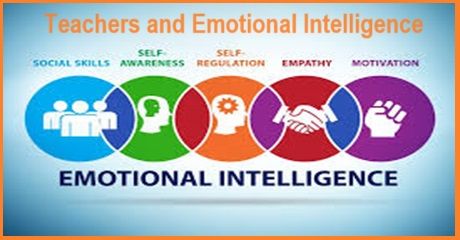
Goleman identifies five key components of emotional intelligence that are essential for personal and professional success.
The first component is self-awareness, which involves recognizing one’s emotions and understanding how they influence thoughts and behavior. Goleman emphasizes that individuals who are self-aware are better able to make thoughtful decisions and maintain emotional balance. Self-awareness serves as the foundation for all other emotional intelligence skills.
The second component is self-regulation, or the ability to control impulsive emotions and behaviors. Goleman argues that people who can manage their emotions are more adaptable, trustworthy, and capable of handling stress. He highlights how emotional control contributes to responsible decision-making and positive interpersonal relationships.
The third component is motivation, which refers to the ability to use emotions to pursue goals with persistence and enthusiasm. Goleman suggests that emotionally intelligent individuals are often driven by internal motivation rather than external rewards. They demonstrate resilience and optimism even in challenging situations.
The fourth component is empathy, the ability to understand and share the feelings of others. Goleman describes empathy as a crucial skill for building meaningful relationships and fostering compassion. He explains that empathy allows individuals to interpret social cues and respond appropriately to the emotions of others.
The final component is social skills, which involve managing relationships, communicating effectively, and resolving conflicts. Goleman emphasizes that strong social skills are essential for leadership, teamwork, and professional success.
By outlining these five components, Goleman provides readers with a clear framework for understanding emotional intelligence and its practical applications.
Emotional Intelligence in Relationships and Workplaces
Goleman demonstrates how emotional intelligence influences relationships and professional environments. He explains that emotional competence strengthens interpersonal connections by promoting empathy, communication, and conflict resolution. For example, individuals who understand their partner’s emotions are more likely to maintain healthy and supportive relationships.
In the workplace, Goleman argues that emotional intelligence is a critical factor in leadership and job performance. He explains that successful leaders are not defined solely by technical expertise or intellectual ability but by their capacity to inspire, motivate, and understand others. Leaders with high emotional intelligence create positive work environments, improve teamwork, and enhance organizational productivity.
Goleman also discusses the role of emotions in physical health. He highlights research showing that chronic stress, anger, and anxiety can contribute to serious health problems such as heart disease and weakened immune function. Conversely, emotional balance and positive social relationships can improve overall health and longevity.
Emotional Development in Childhood
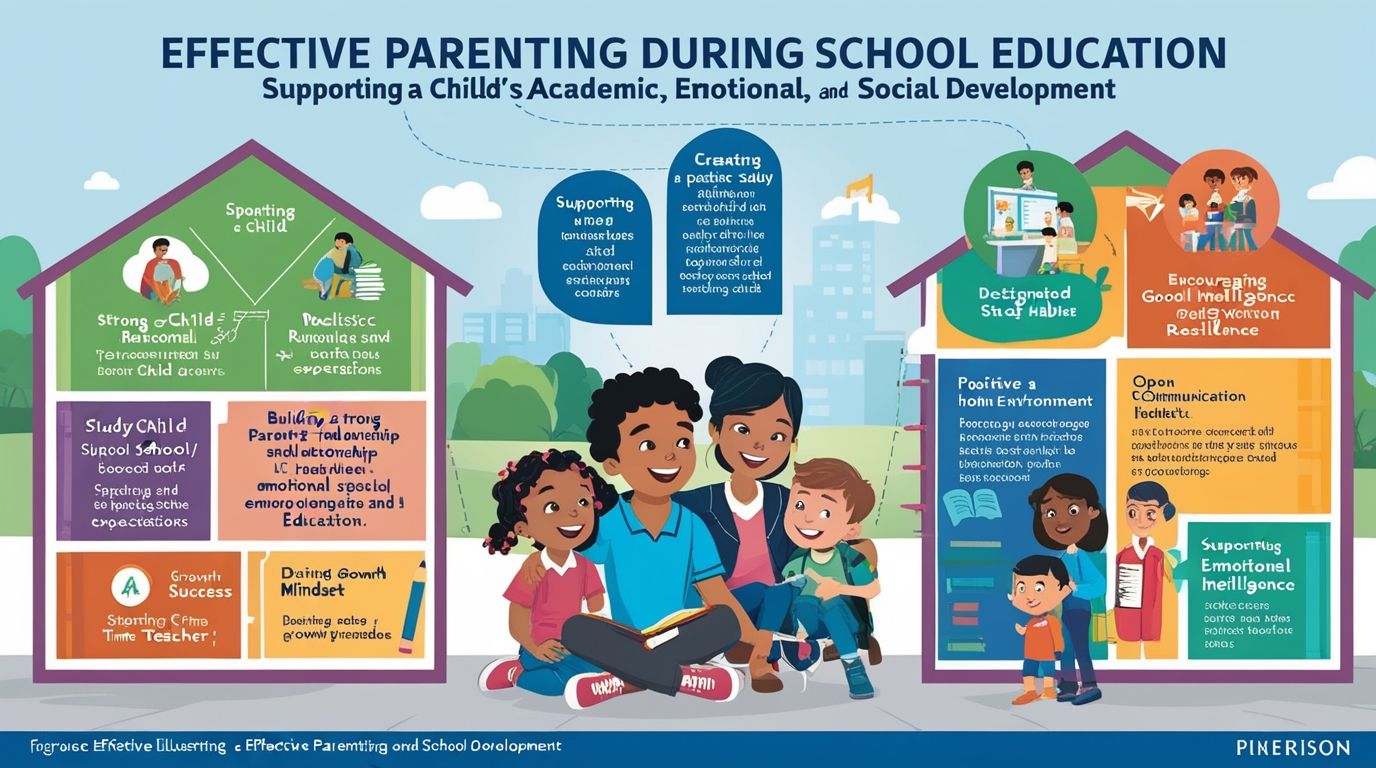
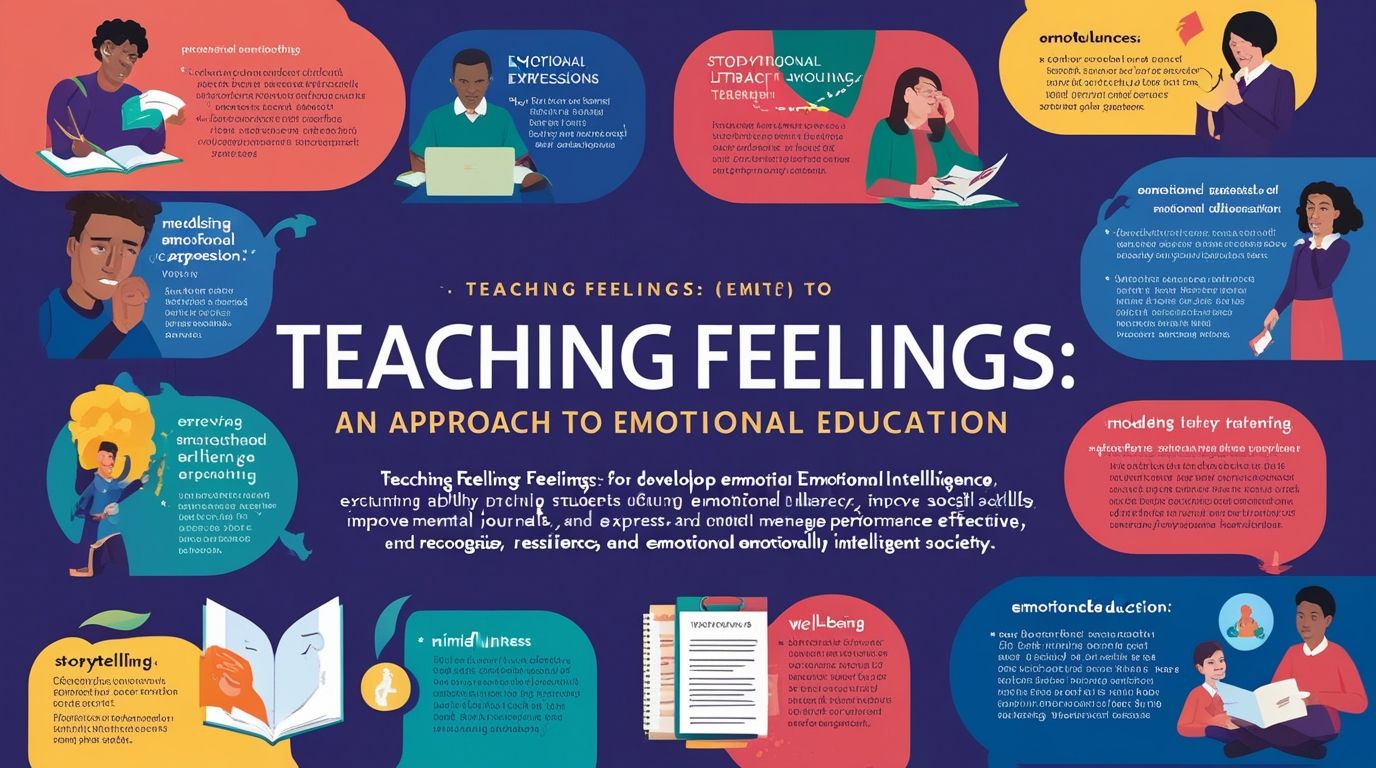
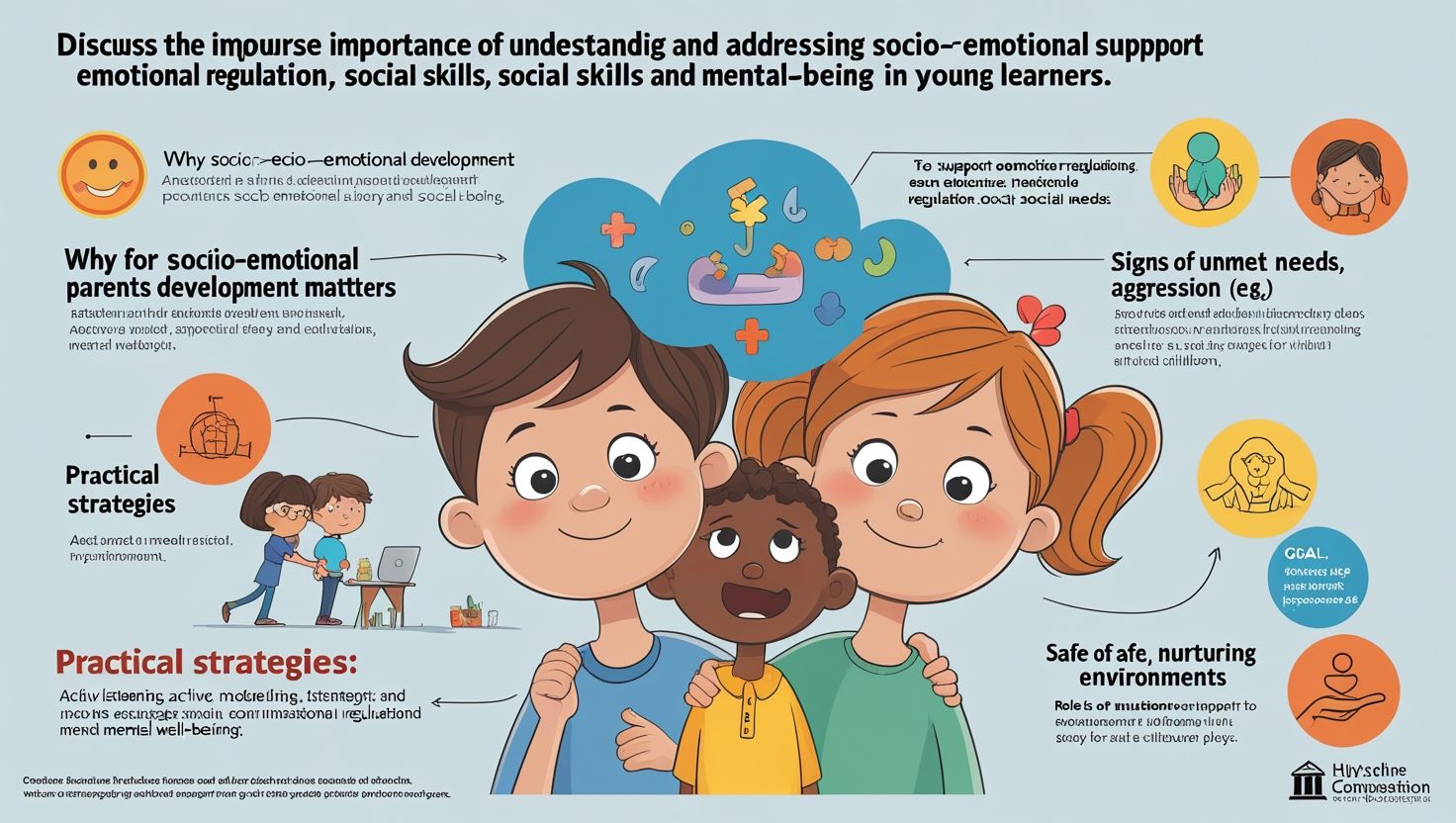
Another significant theme in the book is the importance of emotional learning during childhood. Goleman argues that emotional intelligence is not fixed at birth but can be developed through education and social experiences. He emphasizes that children learn emotional skills through family interactions, social environments, and educational systems.
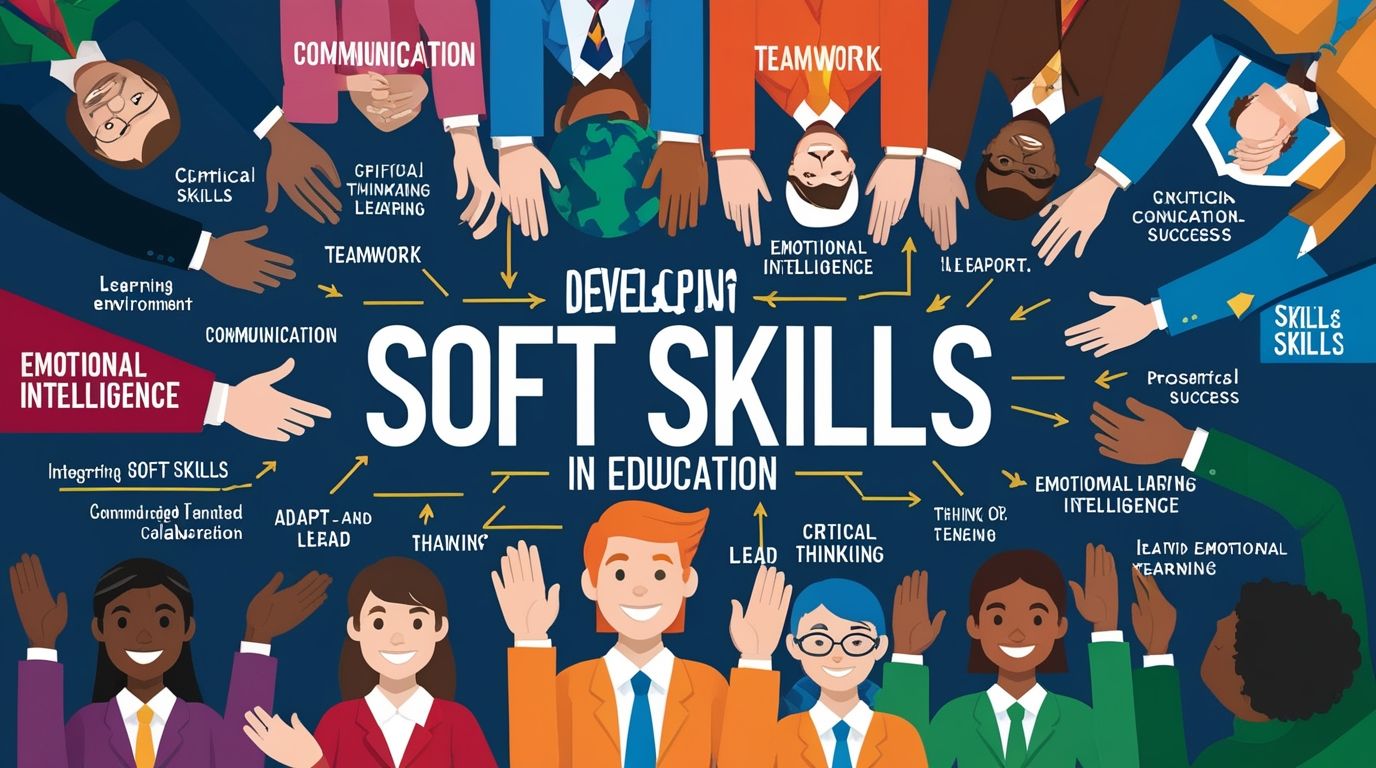
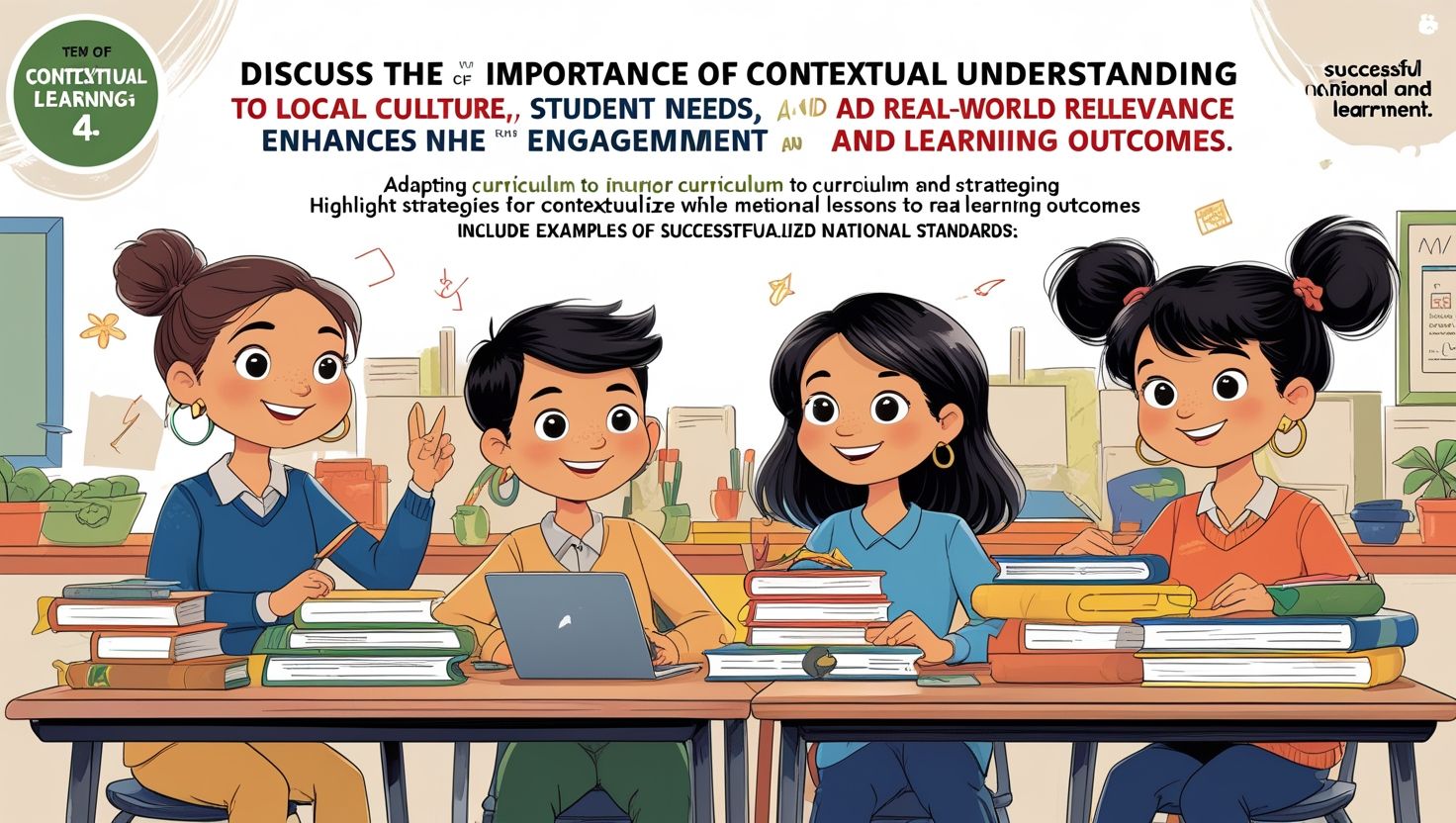
Goleman presents evidence suggesting that emotional literacy programs in schools can improve students’ behavior, academic performance, and social relationships. He advocates for educational systems that focus not only on intellectual development but also on emotional and social learning. According to Goleman, teaching children skills such as empathy, self-control, and conflict resolution can help prevent social problems such as violence, substance abuse, and depression.
Strengths of the Book
One of the book’s greatest strengths is its interdisciplinary approach. Goleman combines neuroscience, psychology, sociology, and education to create a comprehensive understanding of emotional intelligence. His use of real-life examples and case studies makes the concepts relatable and engaging for readers.
Another strength is the book’s practical relevance. Goleman not only explains what emotional intelligence is but also demonstrates how it can be applied in everyday life. His discussion of emotional skills in relationships, workplaces, and education provides valuable insights for readers seeking personal growth and professional development.
Additionally, Goleman’s writing style is clear and accessible. He successfully translates complex scientific research into language that is easy to understand without oversimplifying the concepts. This accessibility has contributed to the book’s widespread popularity and influence.
Criticism and Limitations
Despite its strengths, Emotional Intelligence has faced some criticism. Some psychologists argue that Goleman’s definition of emotional intelligence is too broad and lacks precise scientific measurement. Critics suggest that combining multiple psychological traits under one concept may weaken its academic credibility.
Another criticism is that Goleman occasionally relies on anecdotal evidence rather than rigorous scientific data. While his case studies are engaging, some readers may find them less convincing from a strictly academic perspective.
Additionally, some critics believe that Goleman overstates the importance of emotional intelligence compared to cognitive intelligence. While emotional skills are undoubtedly valuable, many experts argue that IQ still plays a significant role in academic and professional success.
However, these criticisms do not diminish the book’s overall impact. Goleman’s work sparked global interest in emotional intelligence and inspired extensive research in psychology, education, and business management.
Personal Reflection and Relevance
Emotional Intelligence remains highly relevant in modern society. In an era where technological advancement and academic competition dominate, Goleman’s message highlights the importance of emotional well-being and interpersonal skills. The book encourages readers to reflect on their emotional habits and develop healthier ways of managing stress, relationships, and decision-making.
The book is particularly valuable for educators, parents, and leaders. It emphasizes that emotional education is essential for raising socially responsible and emotionally balanced individuals. Goleman’s emphasis on empathy and compassion also promotes social harmony and ethical behavior.
Conclusion
Daniel Goleman’s Emotional Intelligence: Why It Can Matter More Than IQ is a transformative and influential book that redefines traditional views of intelligence. By exploring the biological foundations of emotions and their impact on human behavior, Goleman demonstrates that emotional competence is essential for personal success, healthy relationships, and effective leadership.
Although some critics question the scientific precision of emotional intelligence as a concept, the book’s practical insights and interdisciplinary approach make it a valuable contribution to psychology and self-development literature. Goleman successfully challenges the idea that intellectual ability alone determines success and provides readers with a framework for developing emotional awareness, empathy, and social skills.
Overall, Emotional Intelligence is an insightful and thought-provoking book that encourages readers to understand the power of emotions and harness them positively. It remains a timeless resource for anyone seeking to improve emotional well-being, strengthen relationships, and achieve personal and professional fulfillment.


























































































































































































































































































































References:
Hotels am Spielcasino jupi casino auszahlung
References:
How does betting odds work https://milegajob.com/