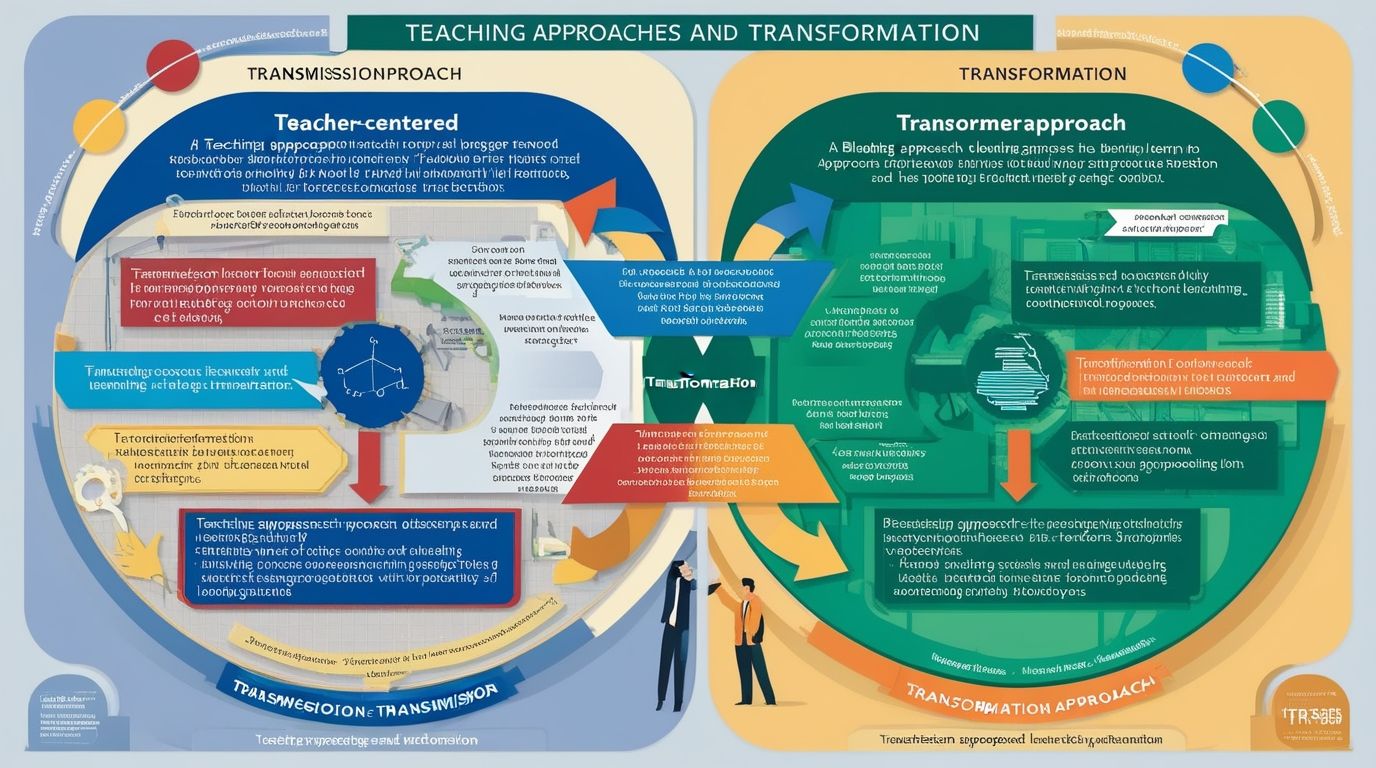
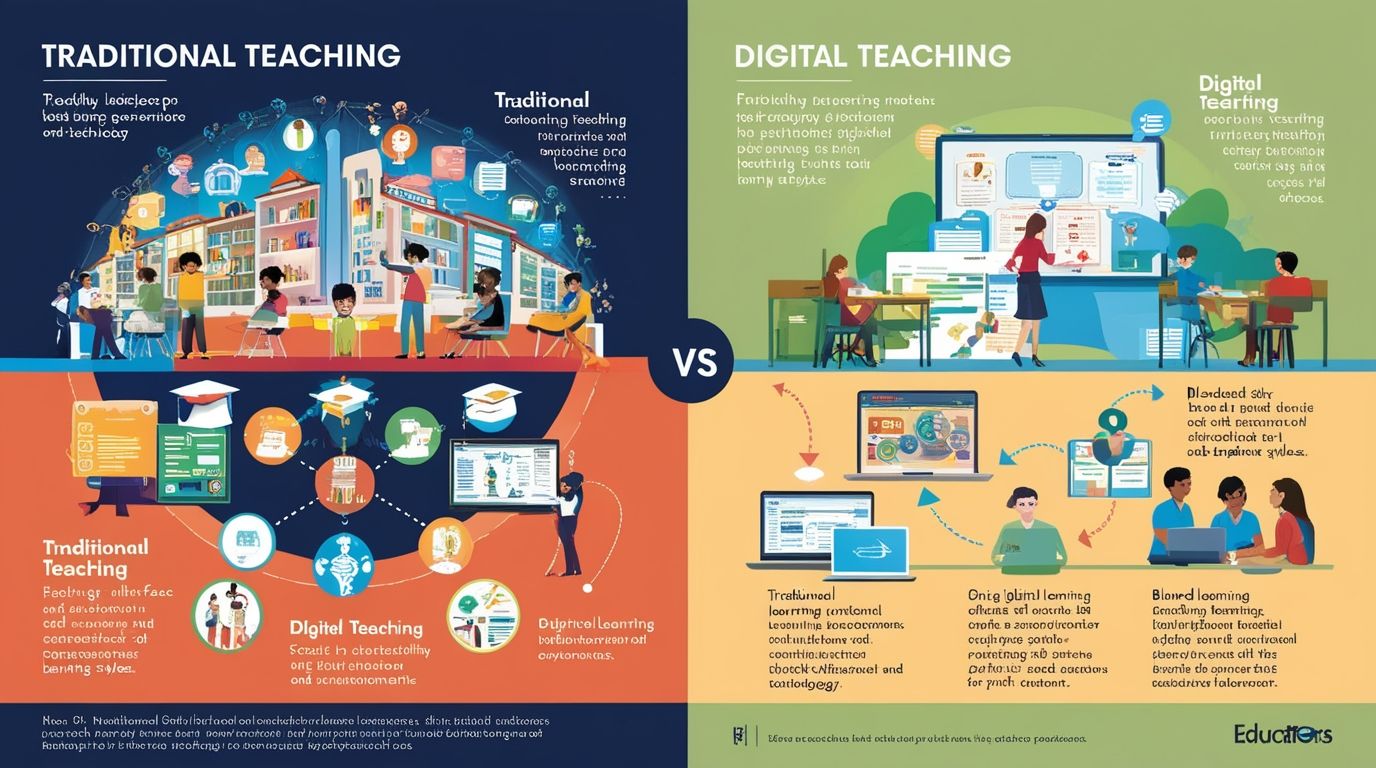
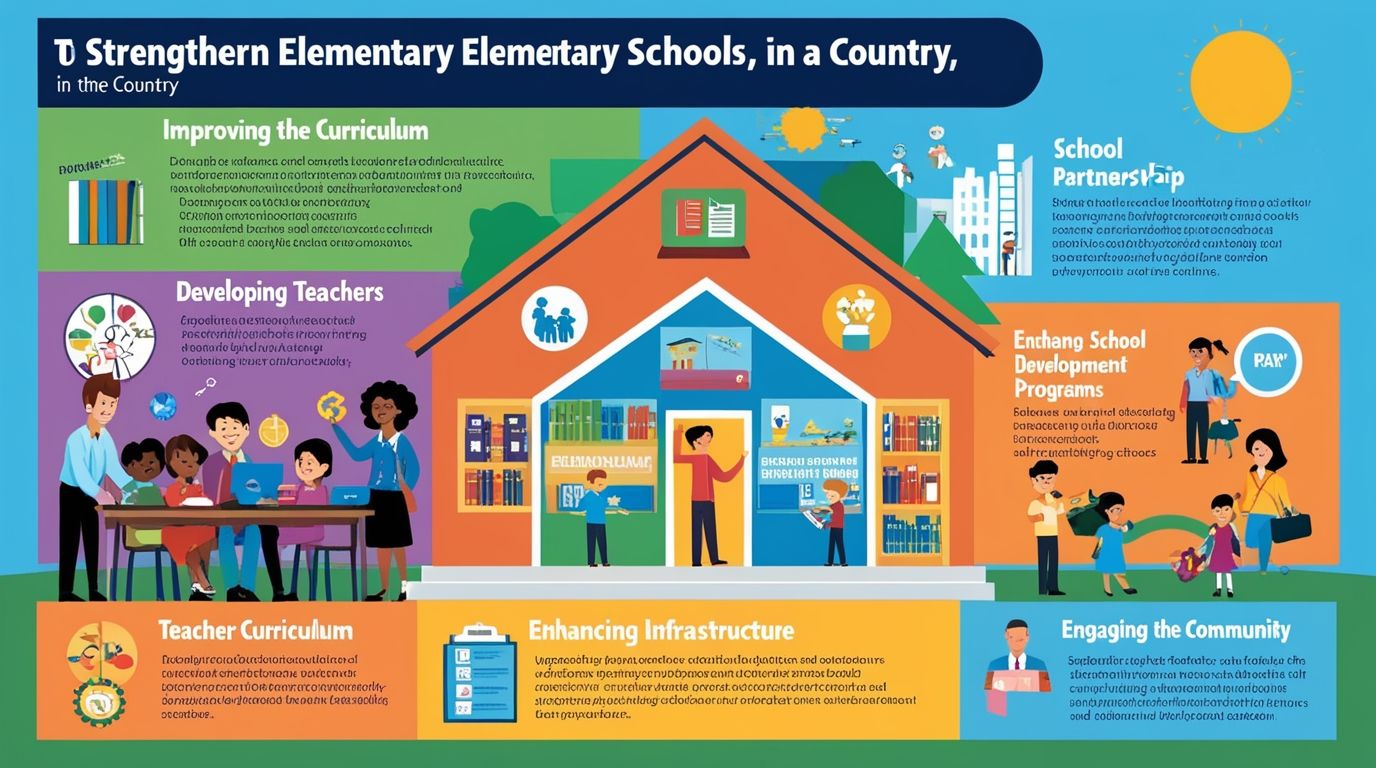
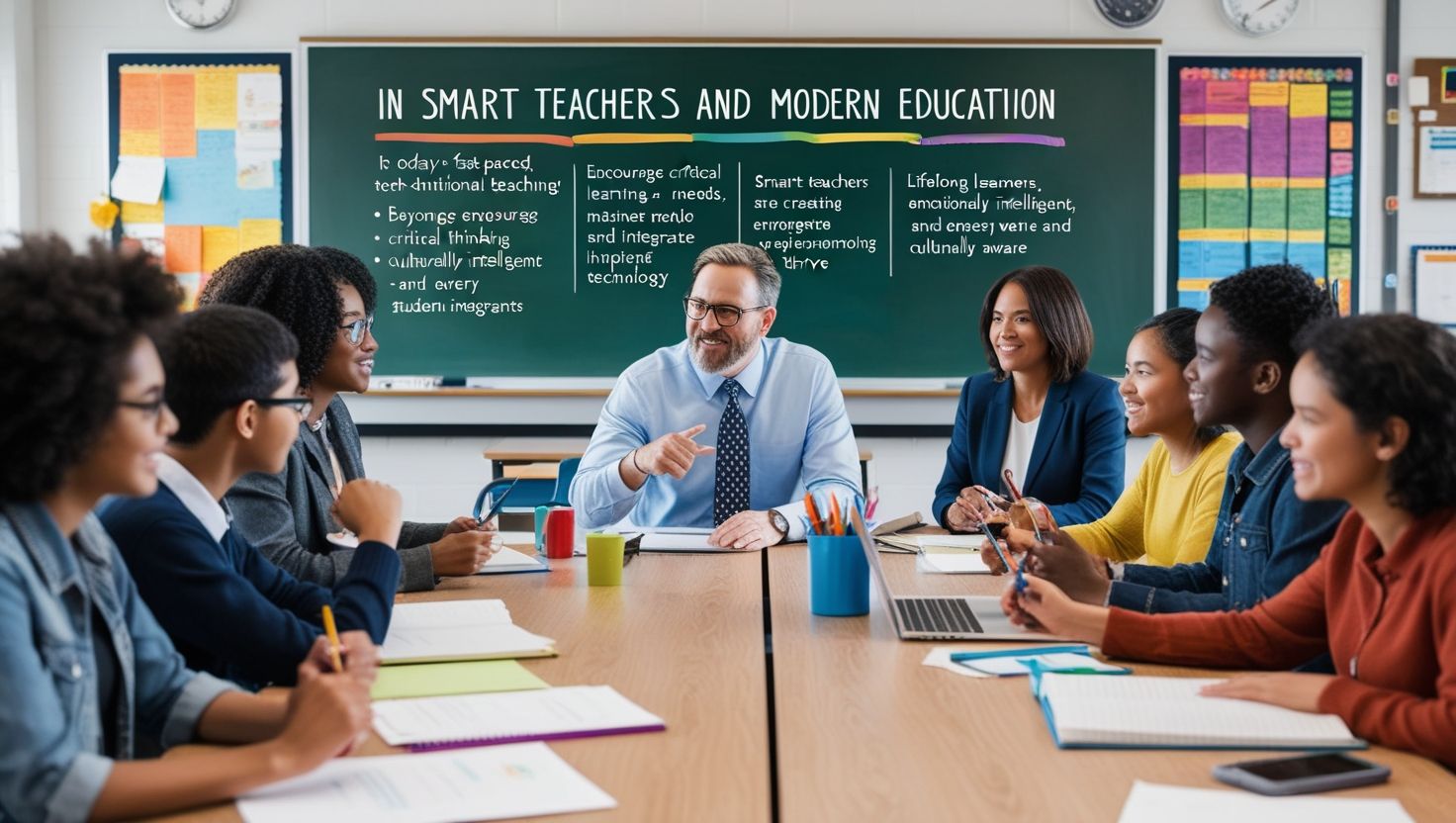
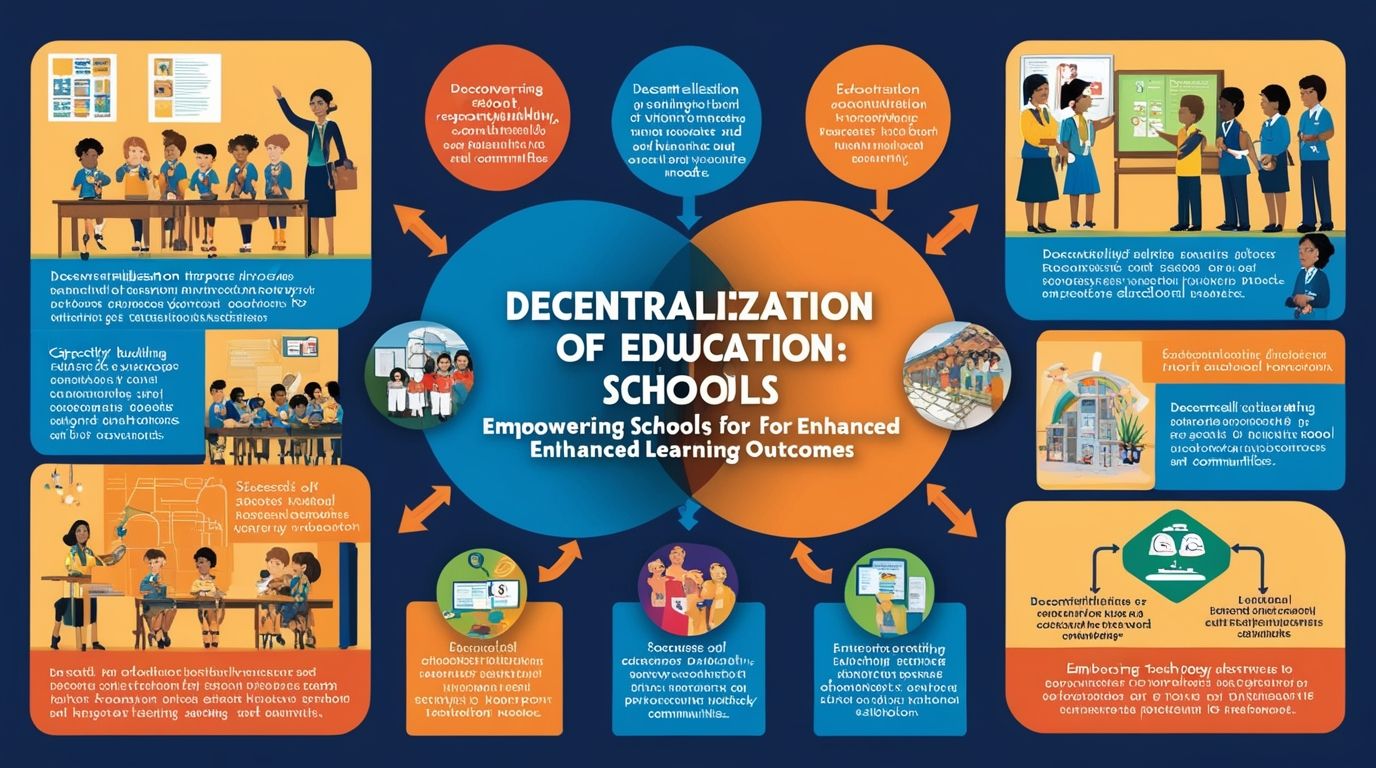
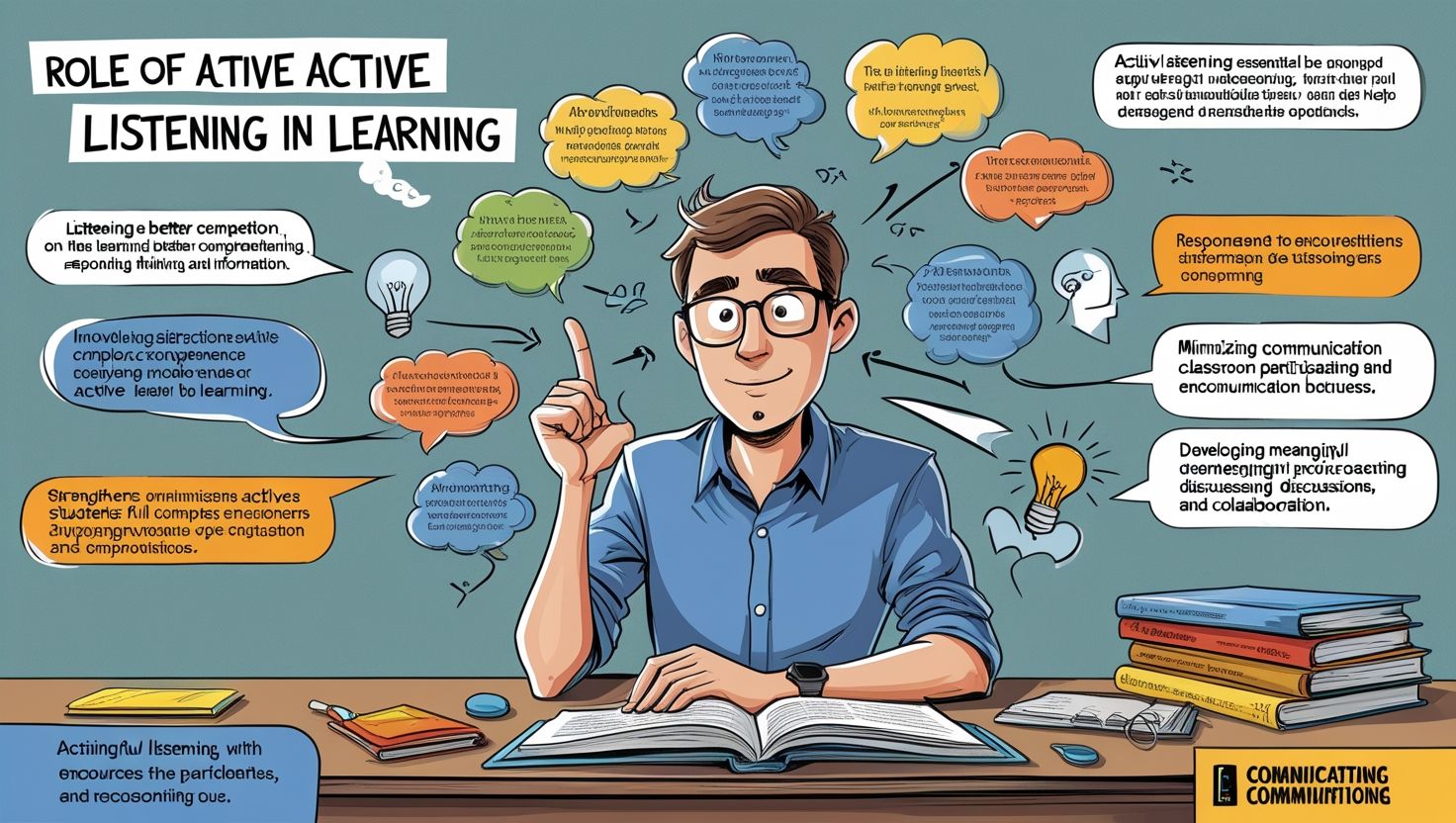
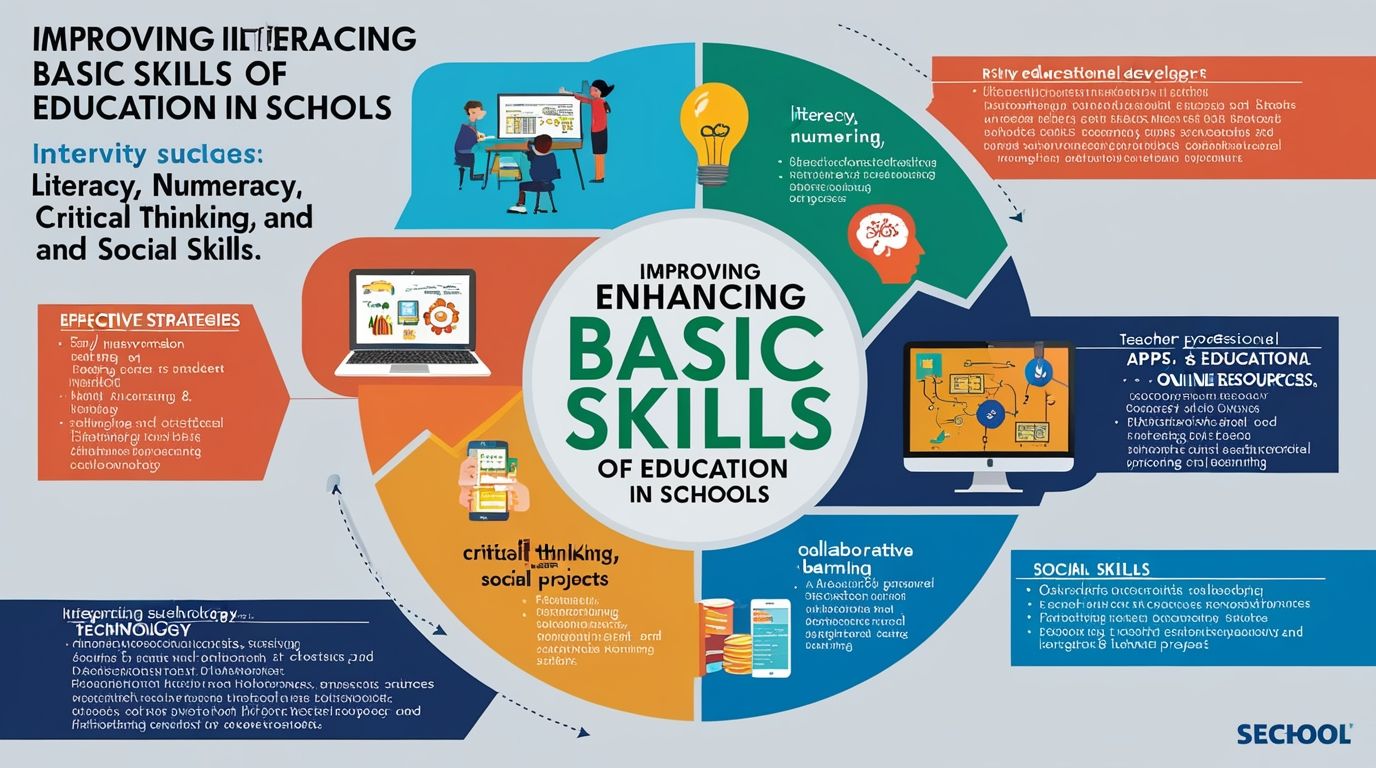
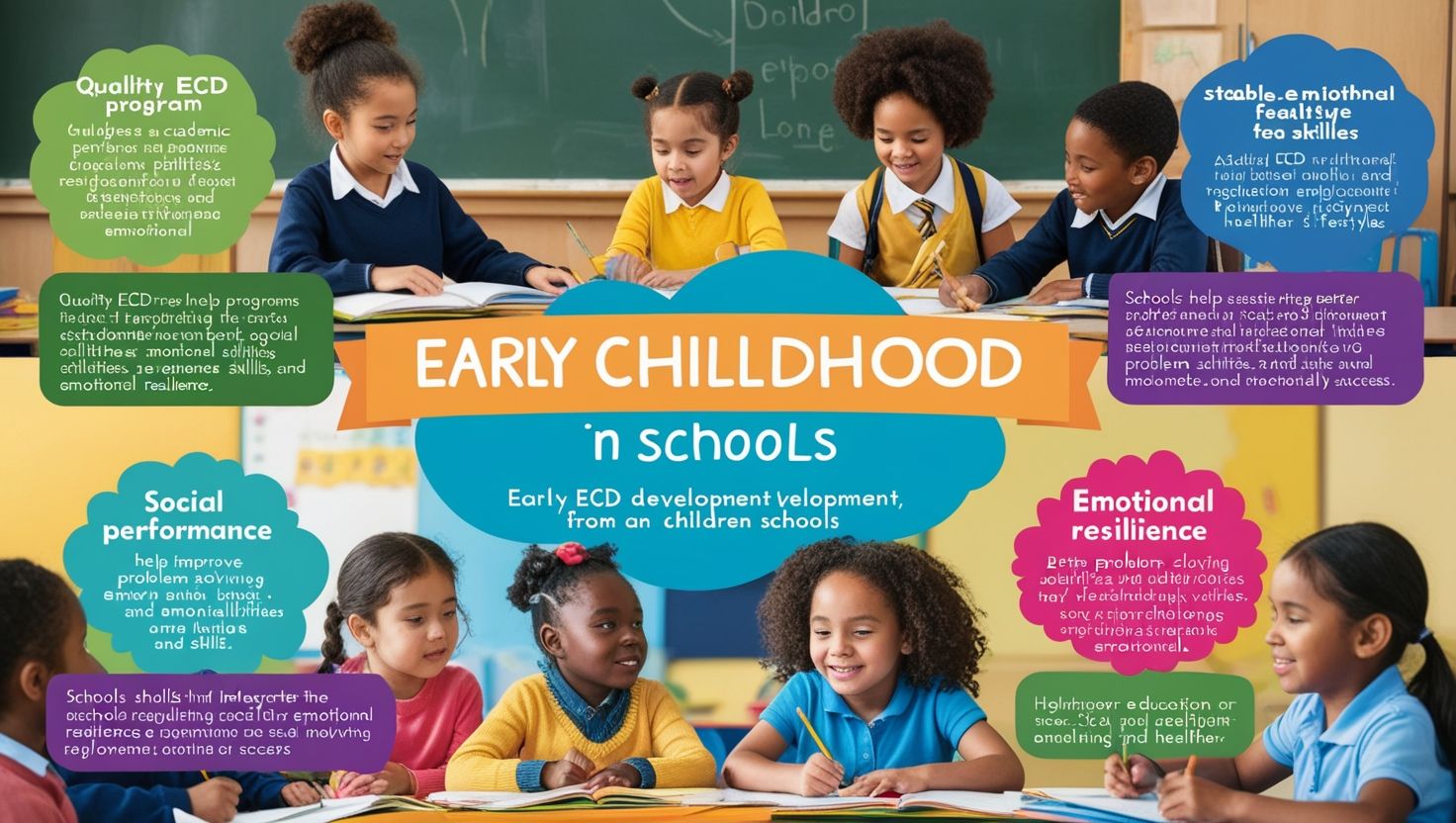
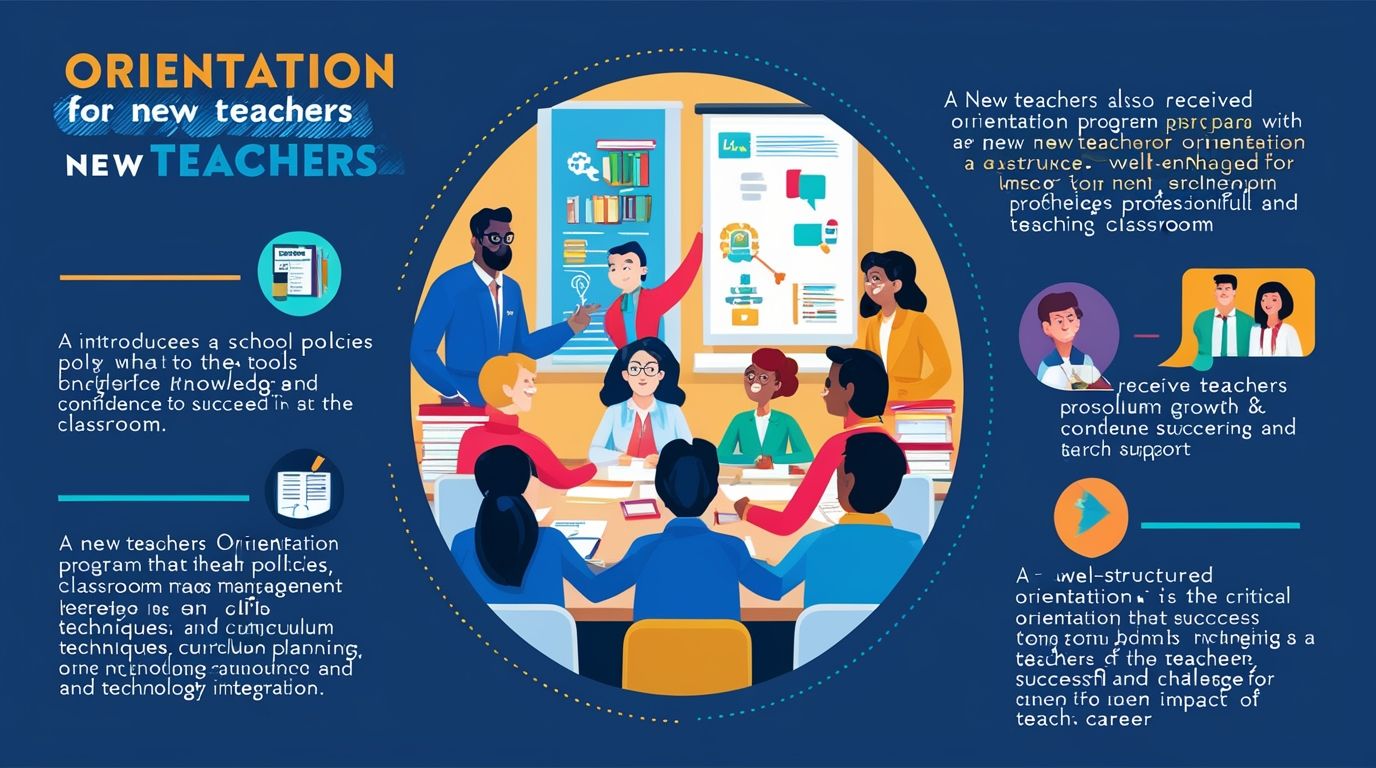
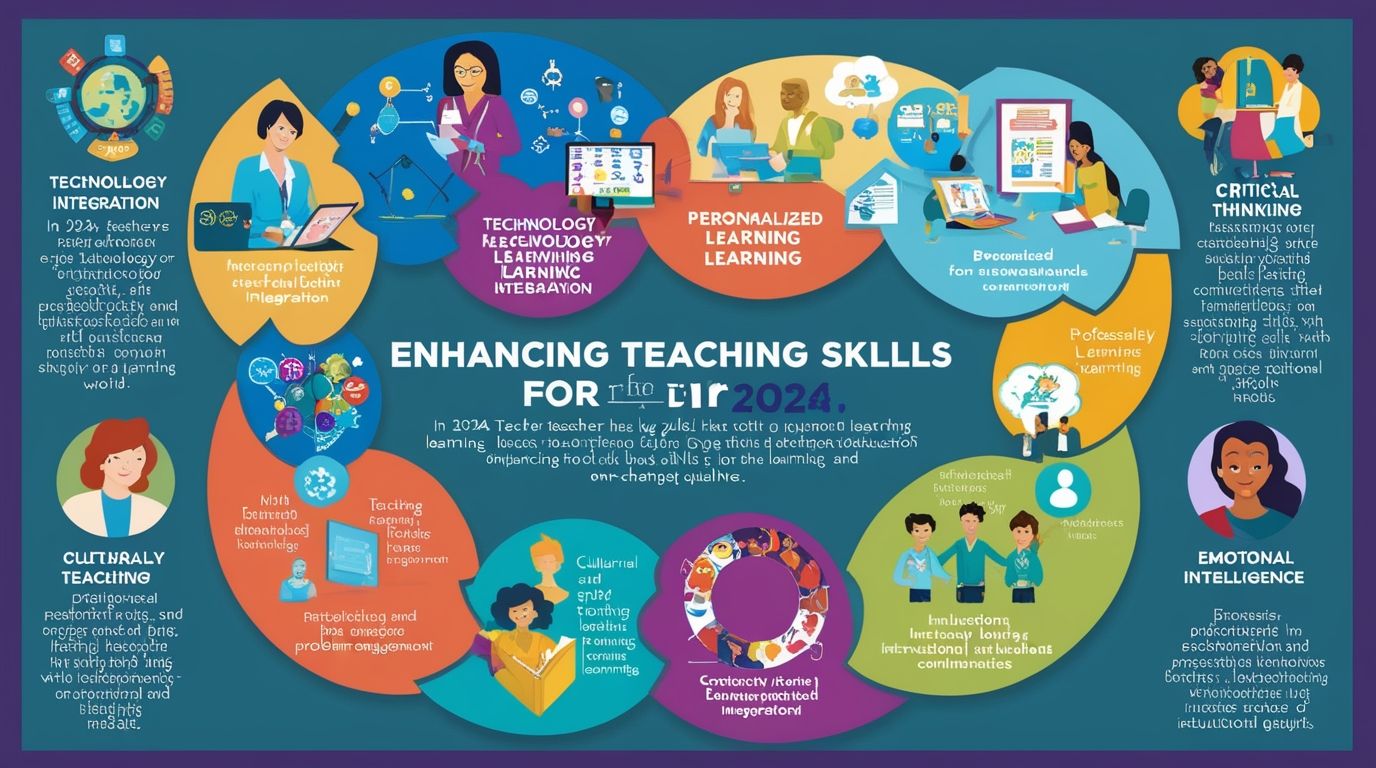
Latest Teaching Mood, The Latest Teaching Mood reflects a significant transformation in educational philosophy and classroom practice across the globe. Traditionally, teaching was dominated by lecture-based instruction and textbook-centered delivery. However, modern education has shifted toward more interactive, learner-focused, and technology-driven approaches. Consequently, the role of the teacher has evolved from information provider to facilitator and mentor. Moreover, rapid technological advancement, globalization, and changing workforce demands have accelerated this transformation. As a result, schools and universities are redesigning curricula to prepare students for complex, digital, and interconnected societies. In addition, educational research continues to emphasize adaptability, creativity, and collaboration as core competencies. Therefore, the latest teaching mood is not simply a trend but a comprehensive shift in mindset. Ultimately, it represents a dynamic, inclusive, and future-oriented approach to learning that prioritizes student engagement, innovation, and lifelong development.
Student-Centered Learning
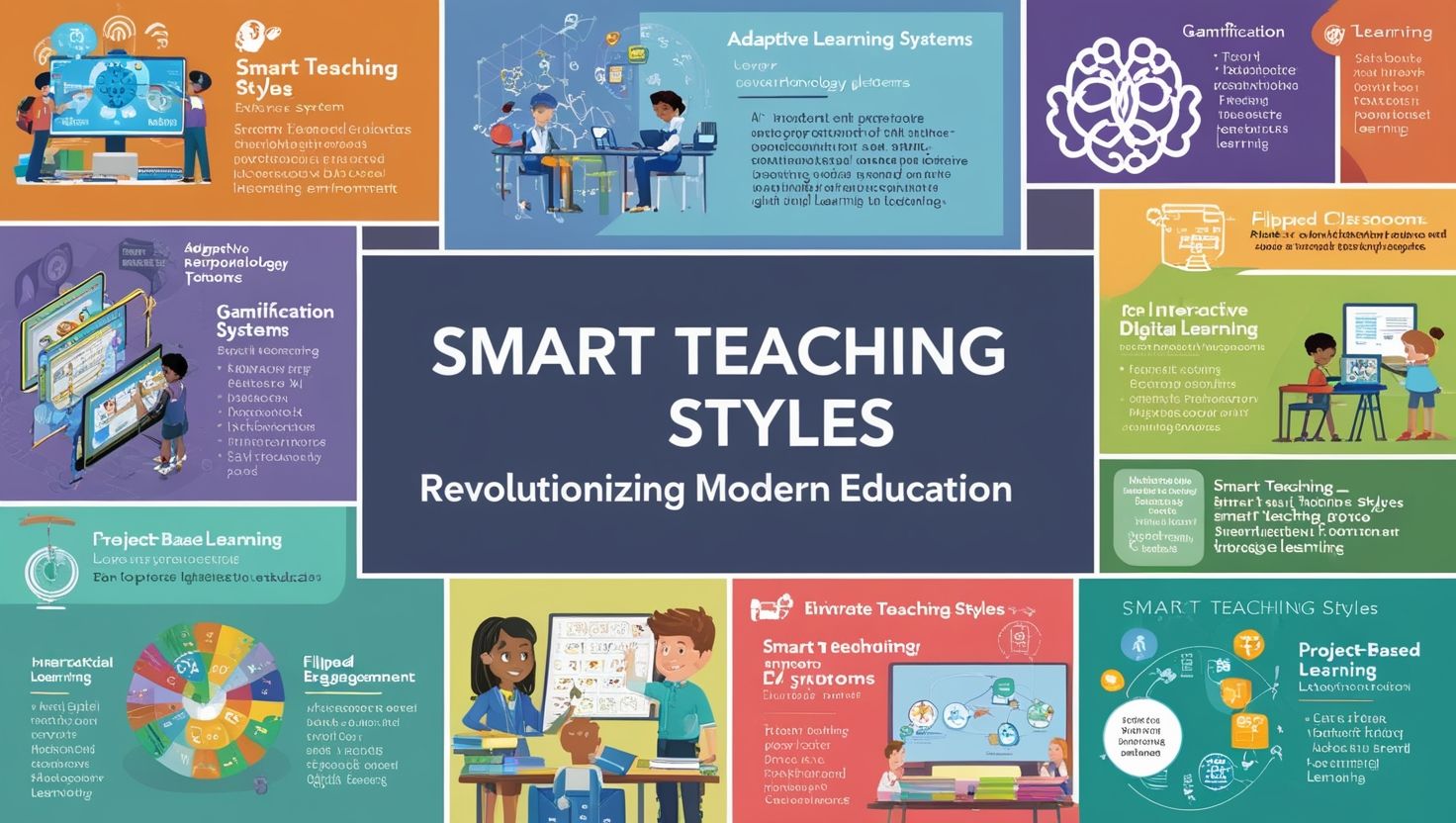
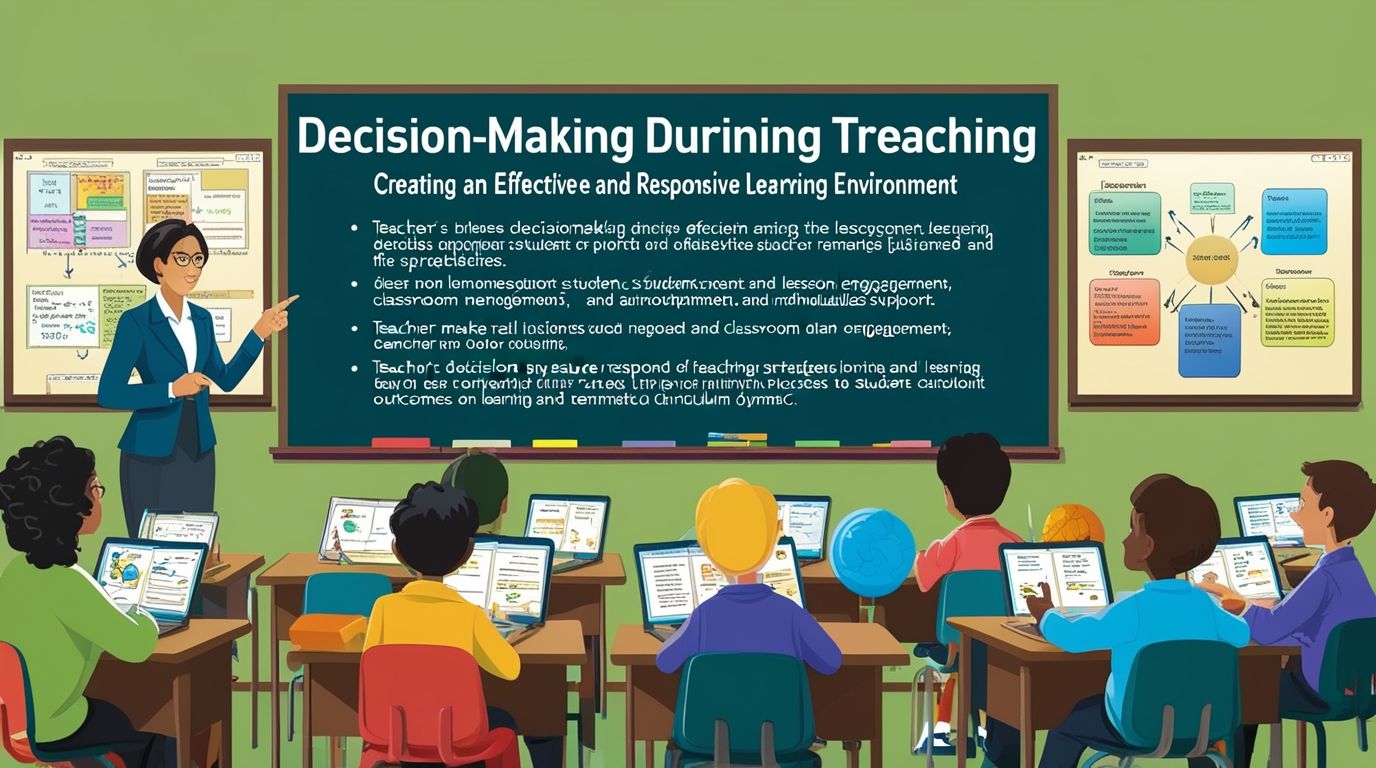
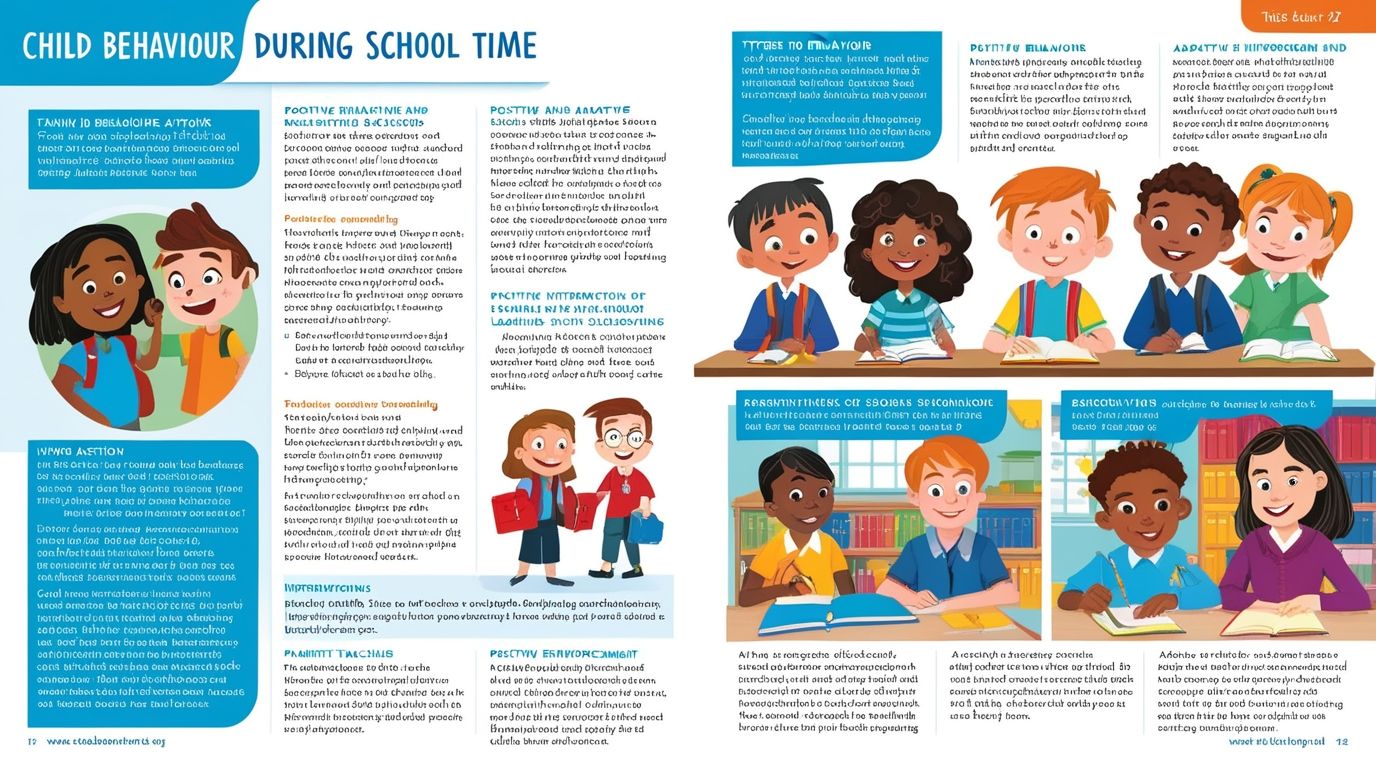
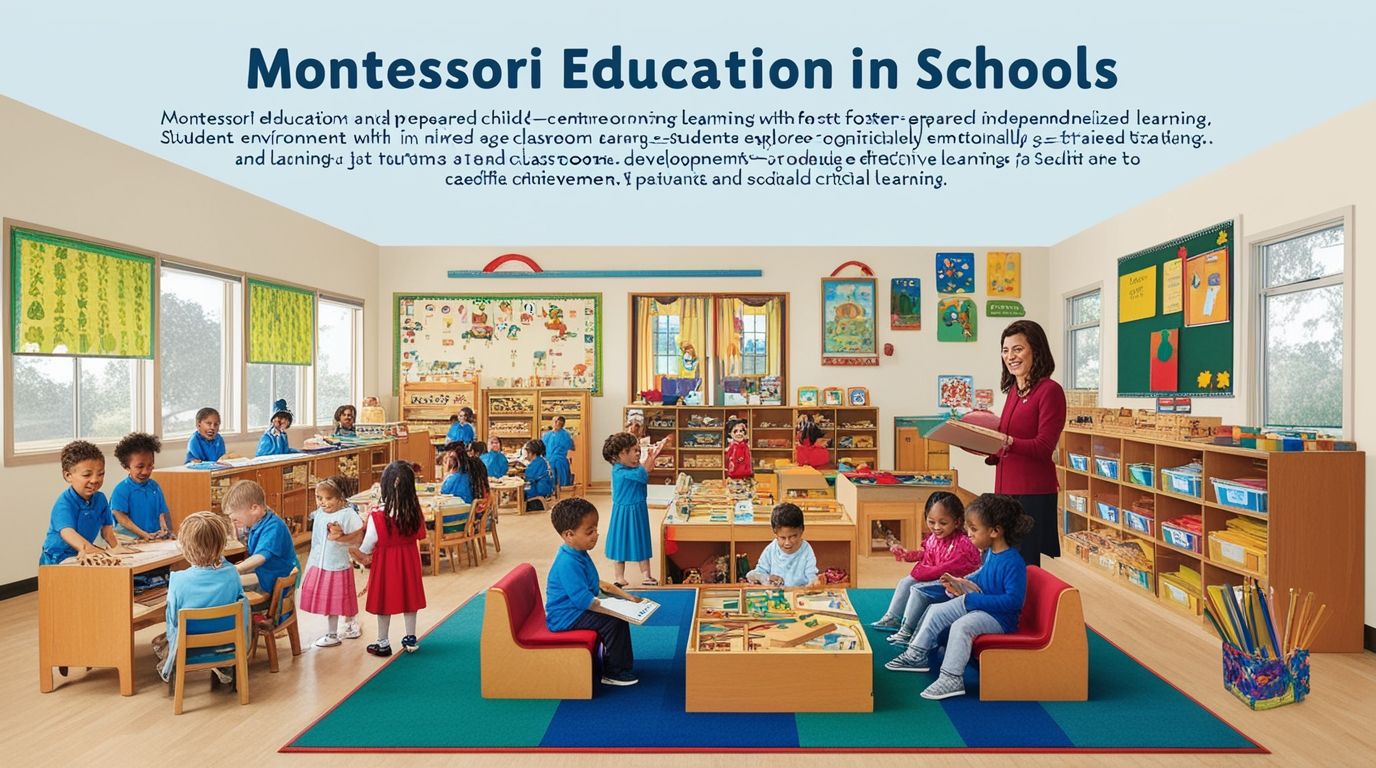
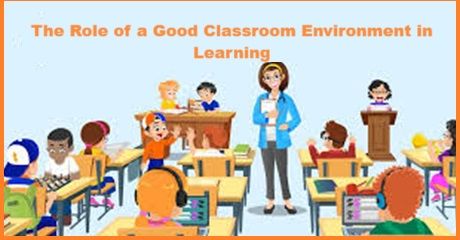
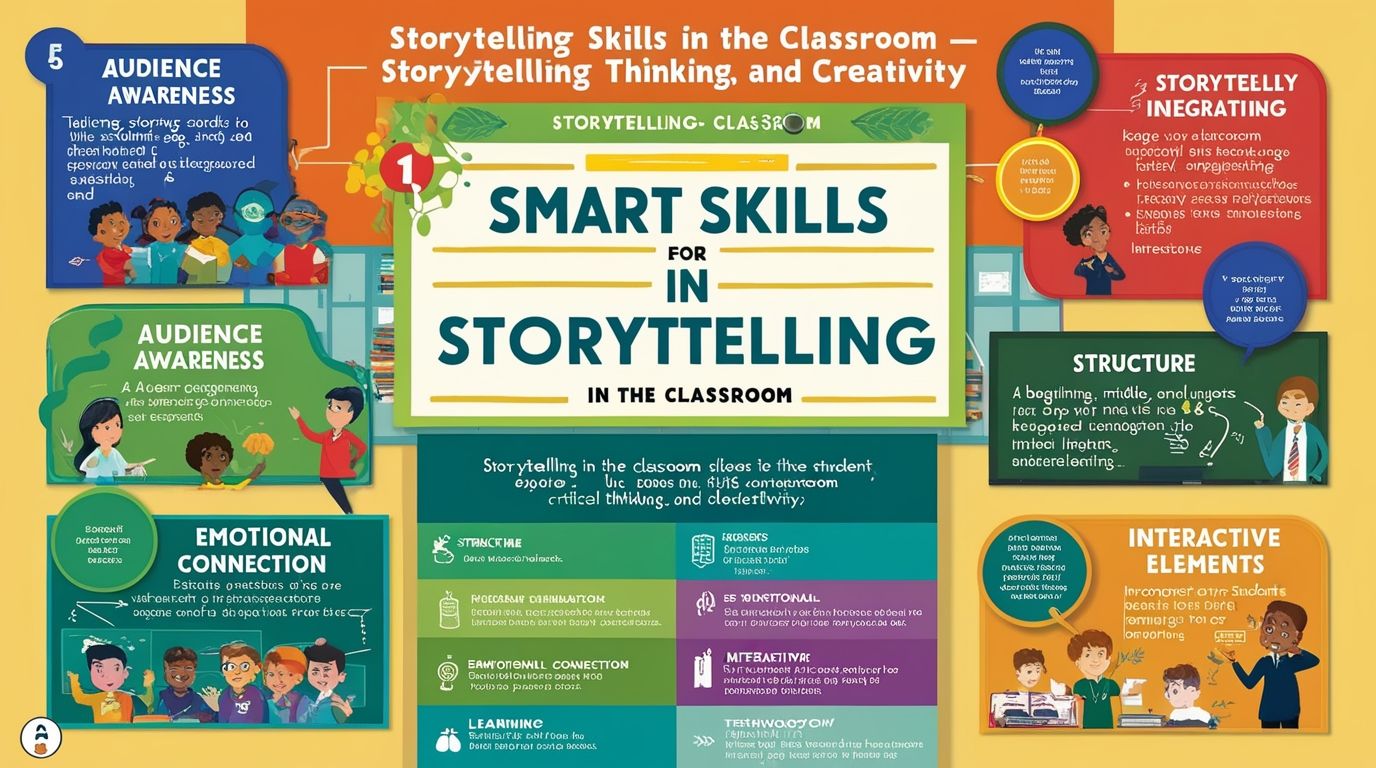
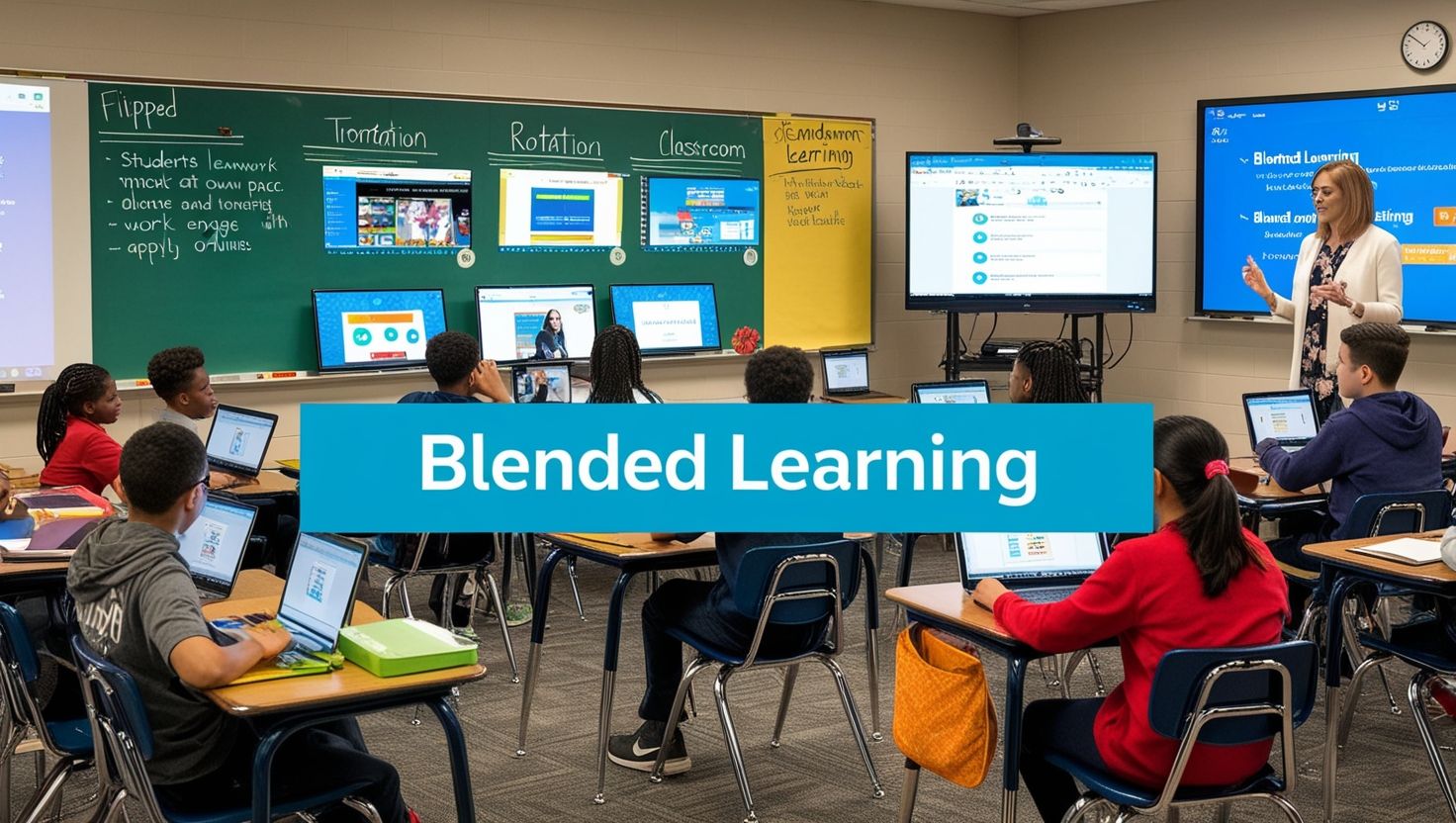
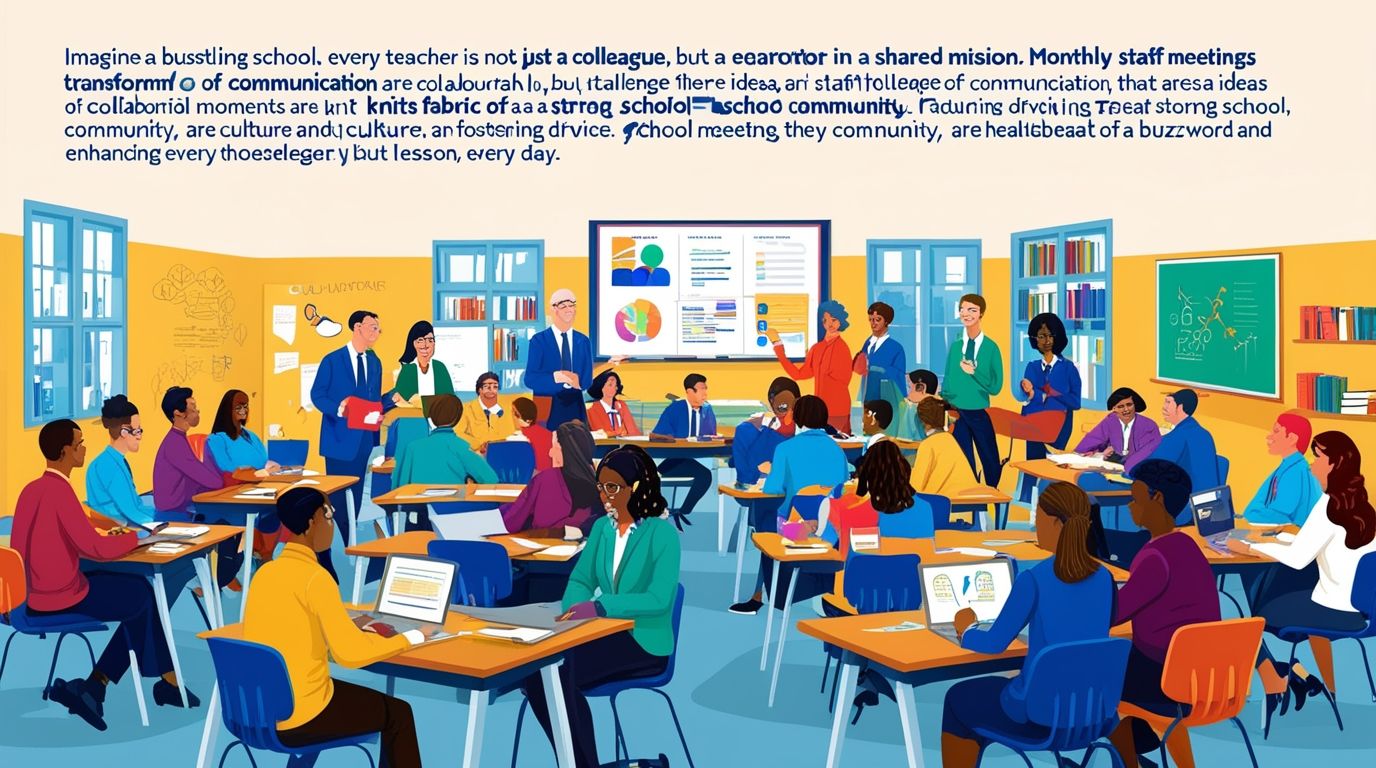
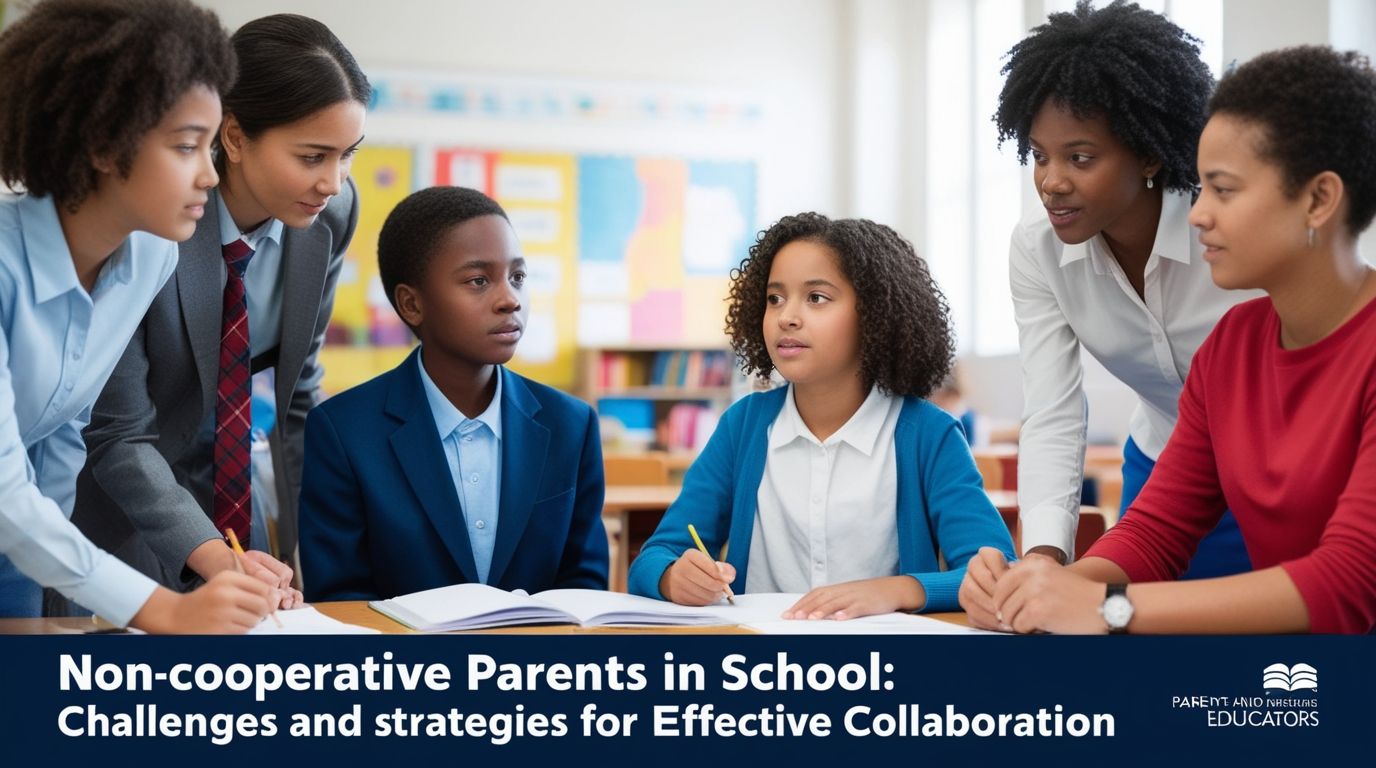
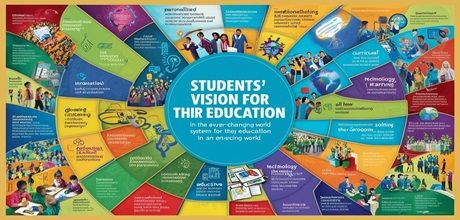
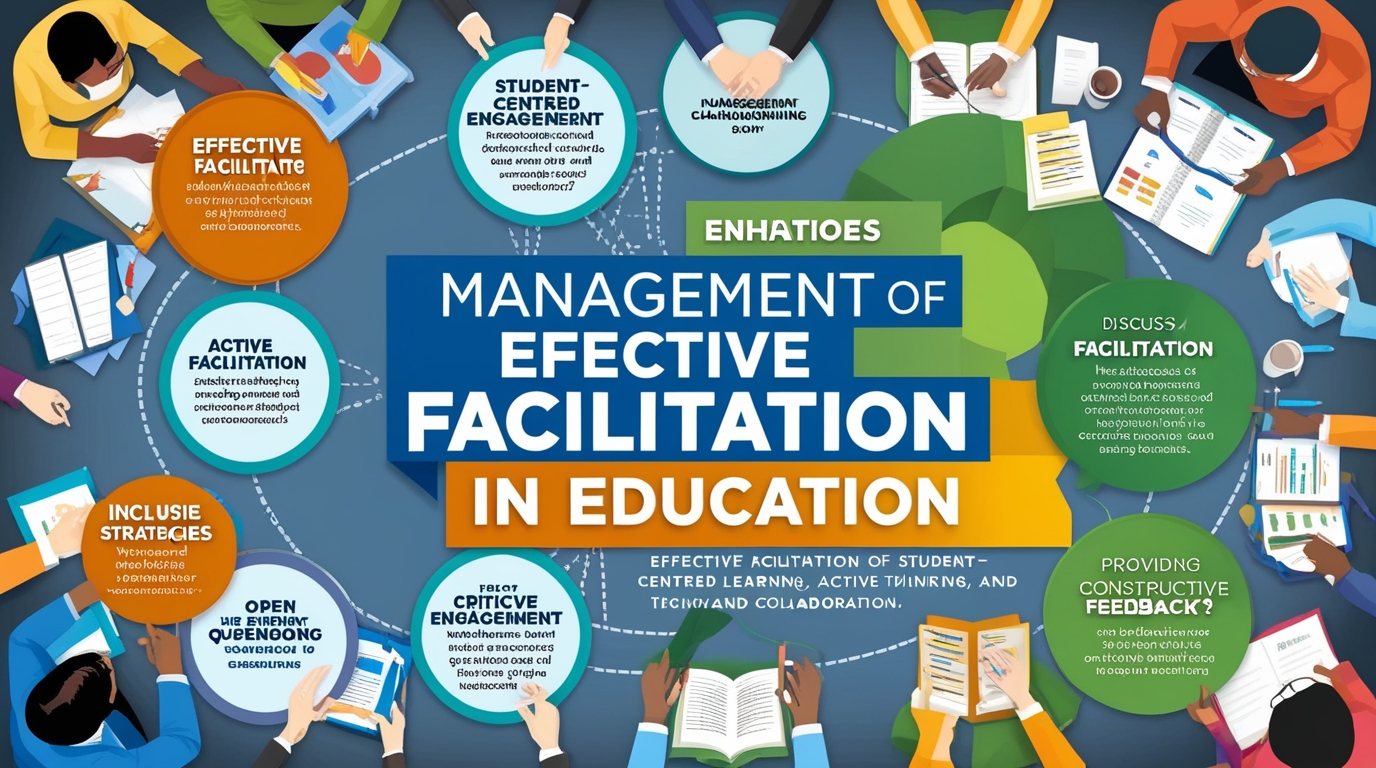
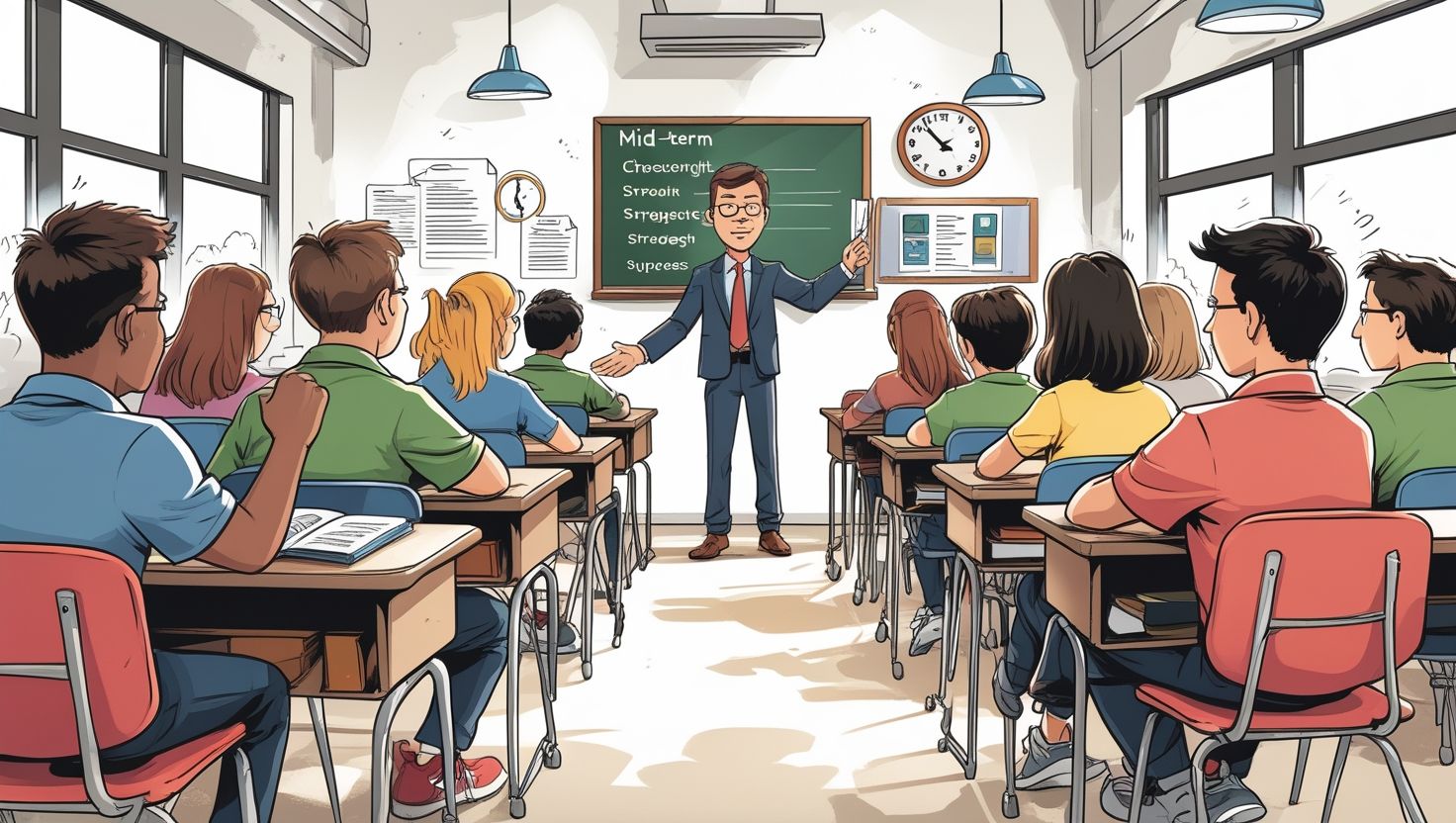
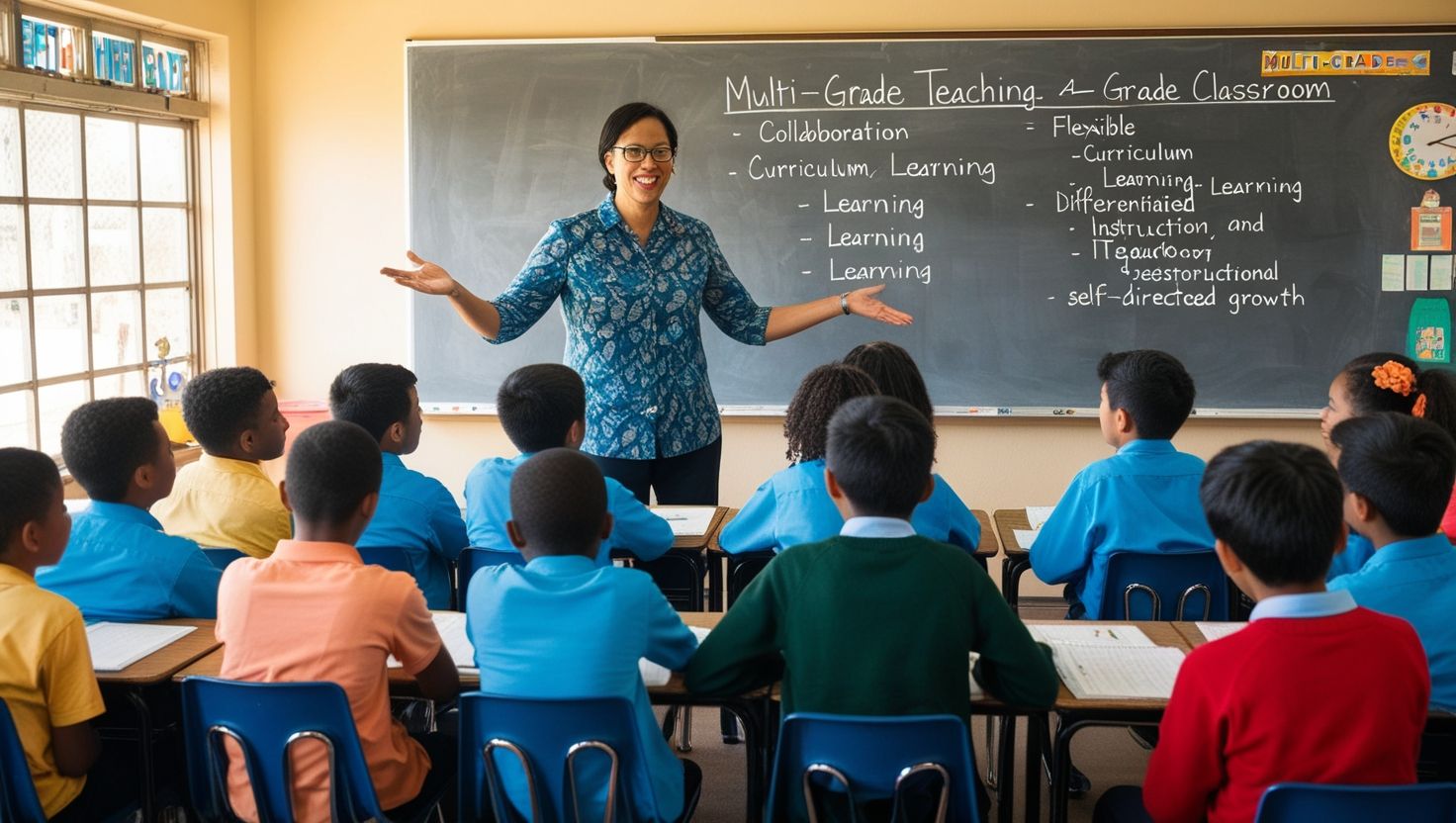
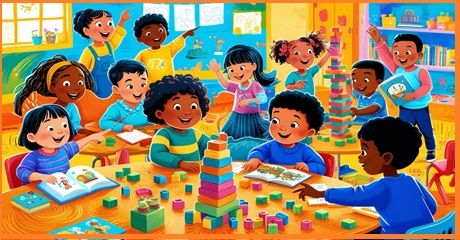
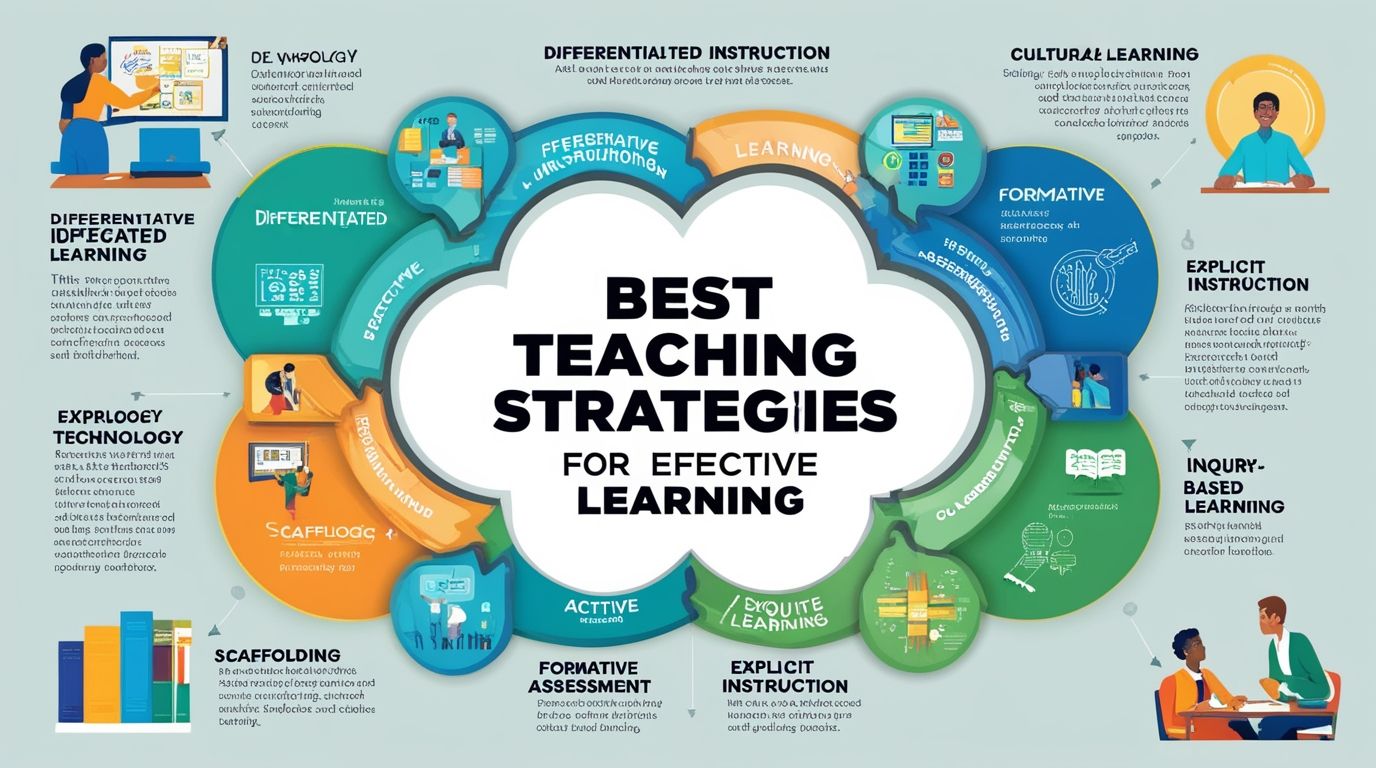
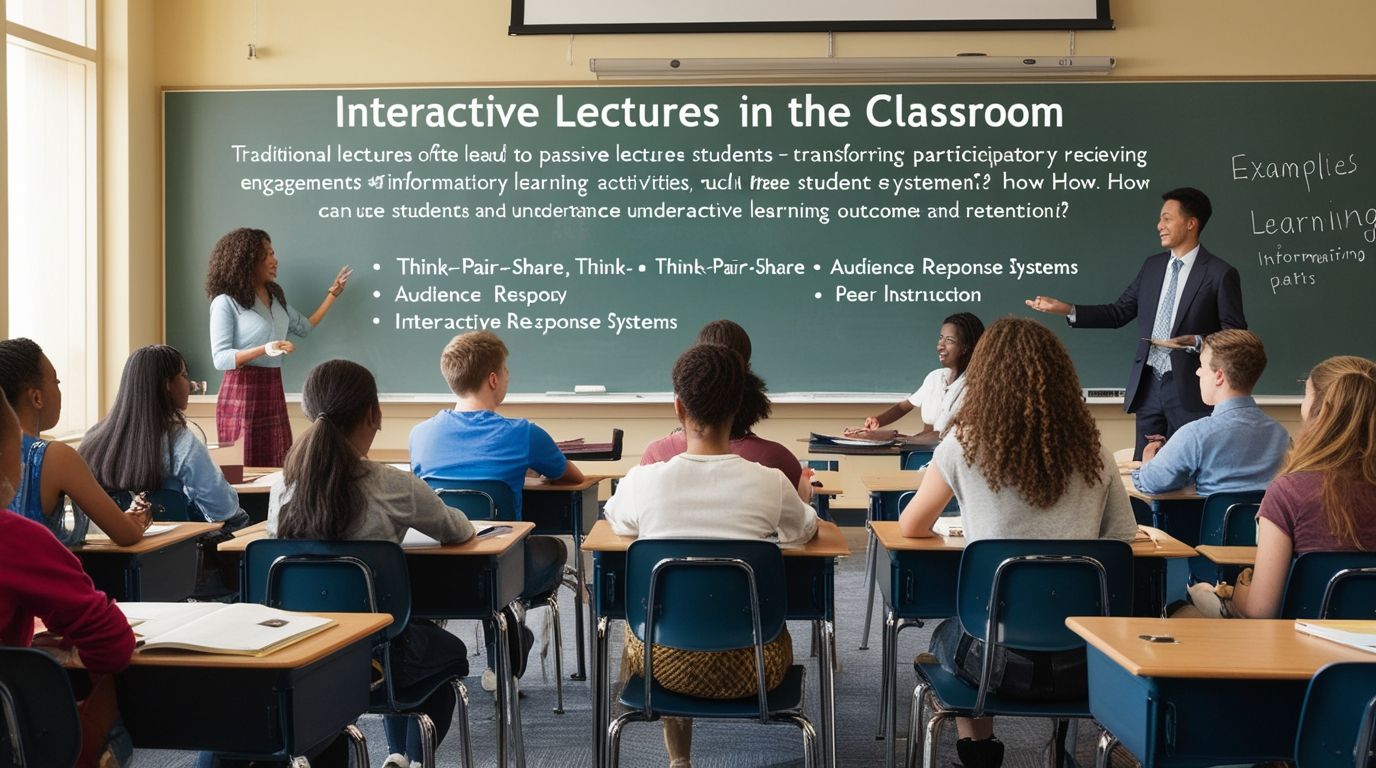
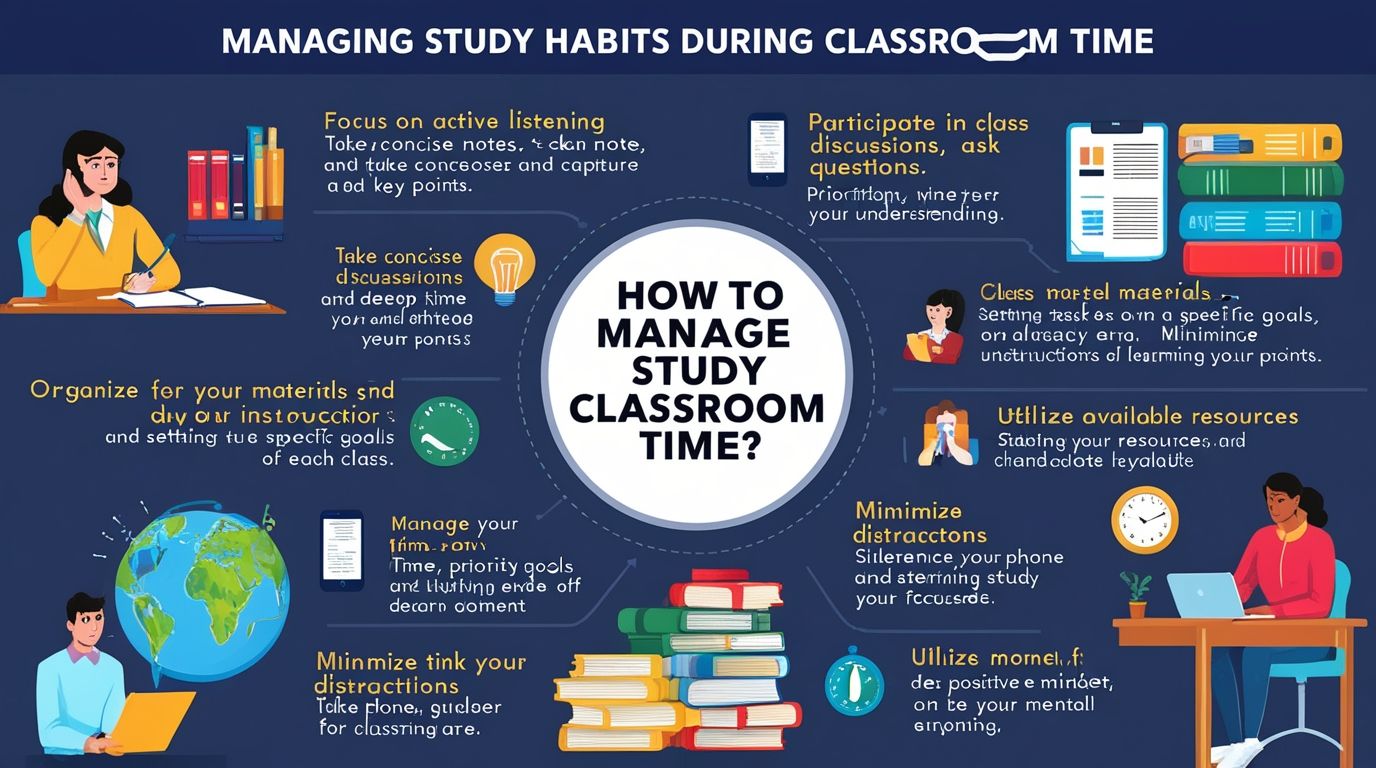
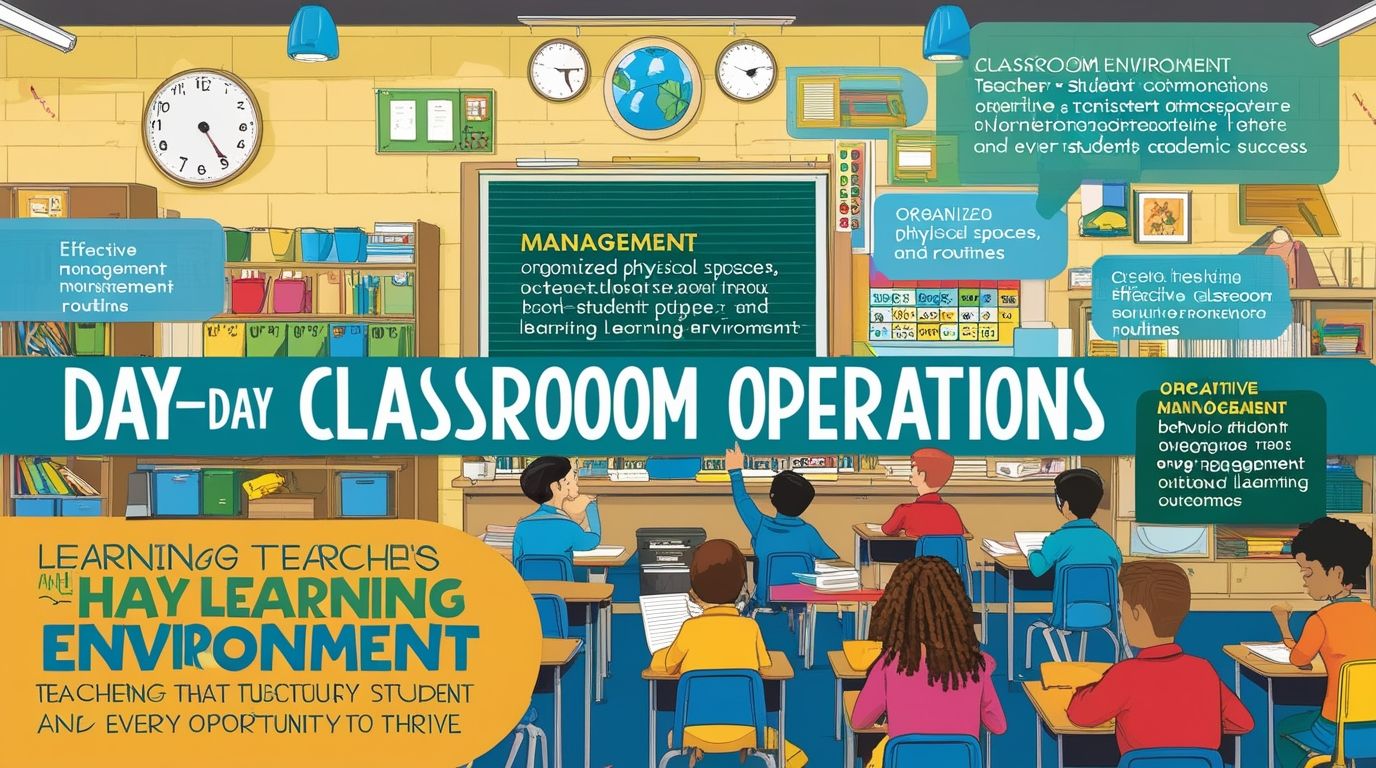
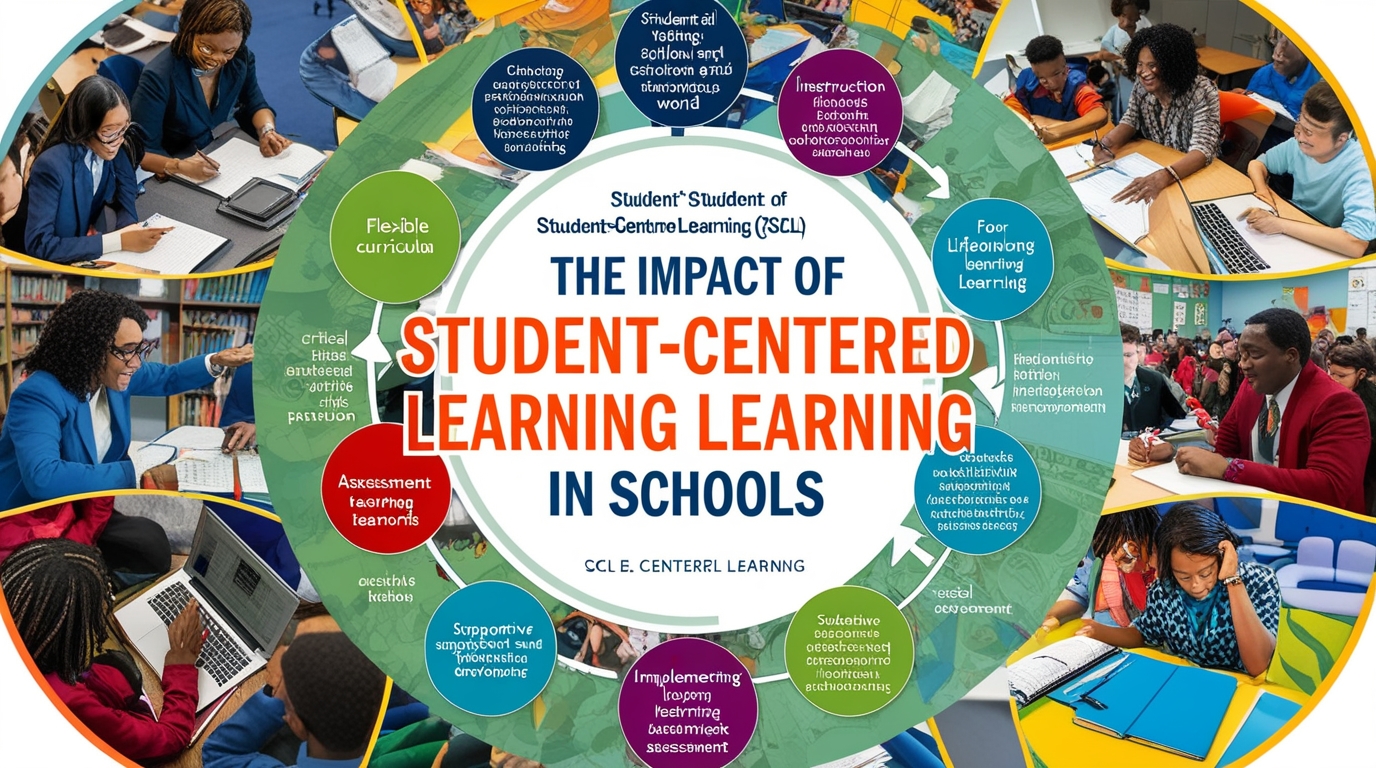
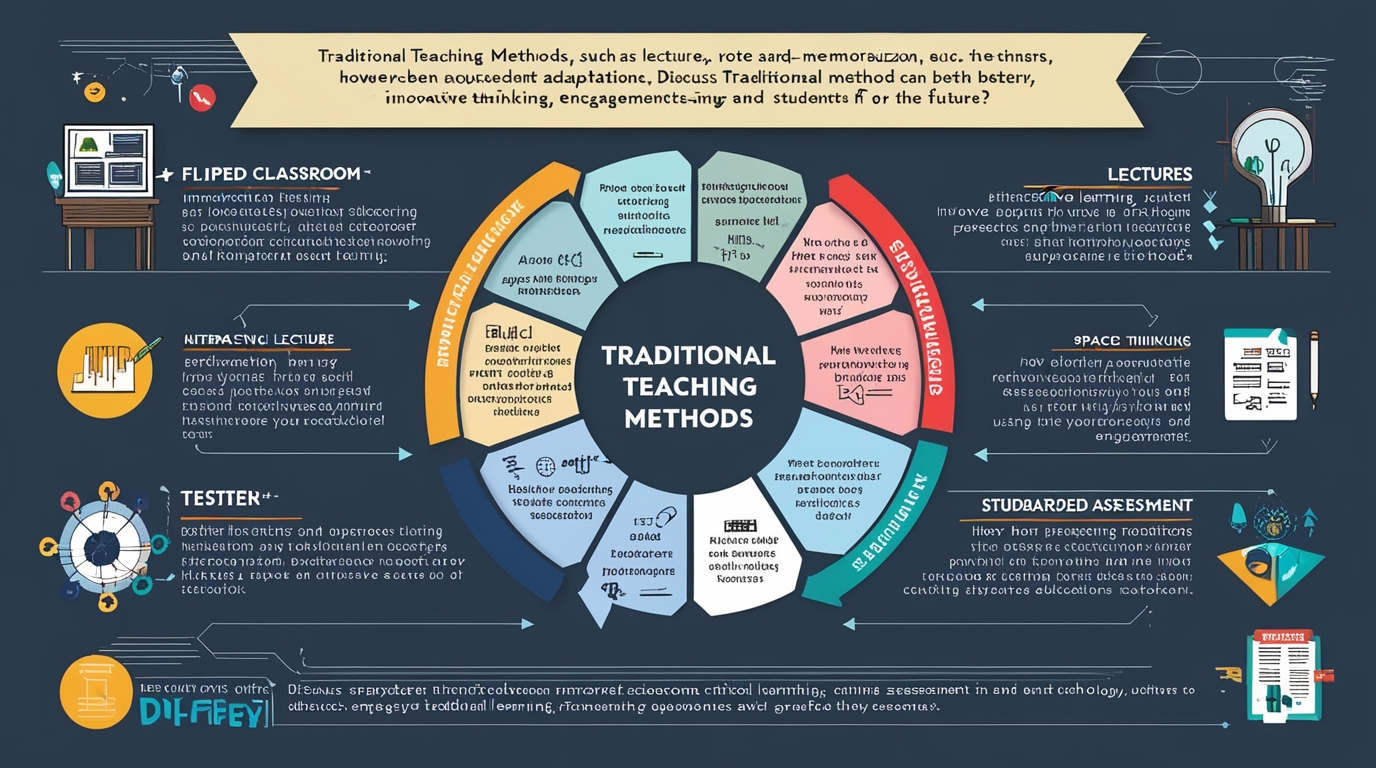
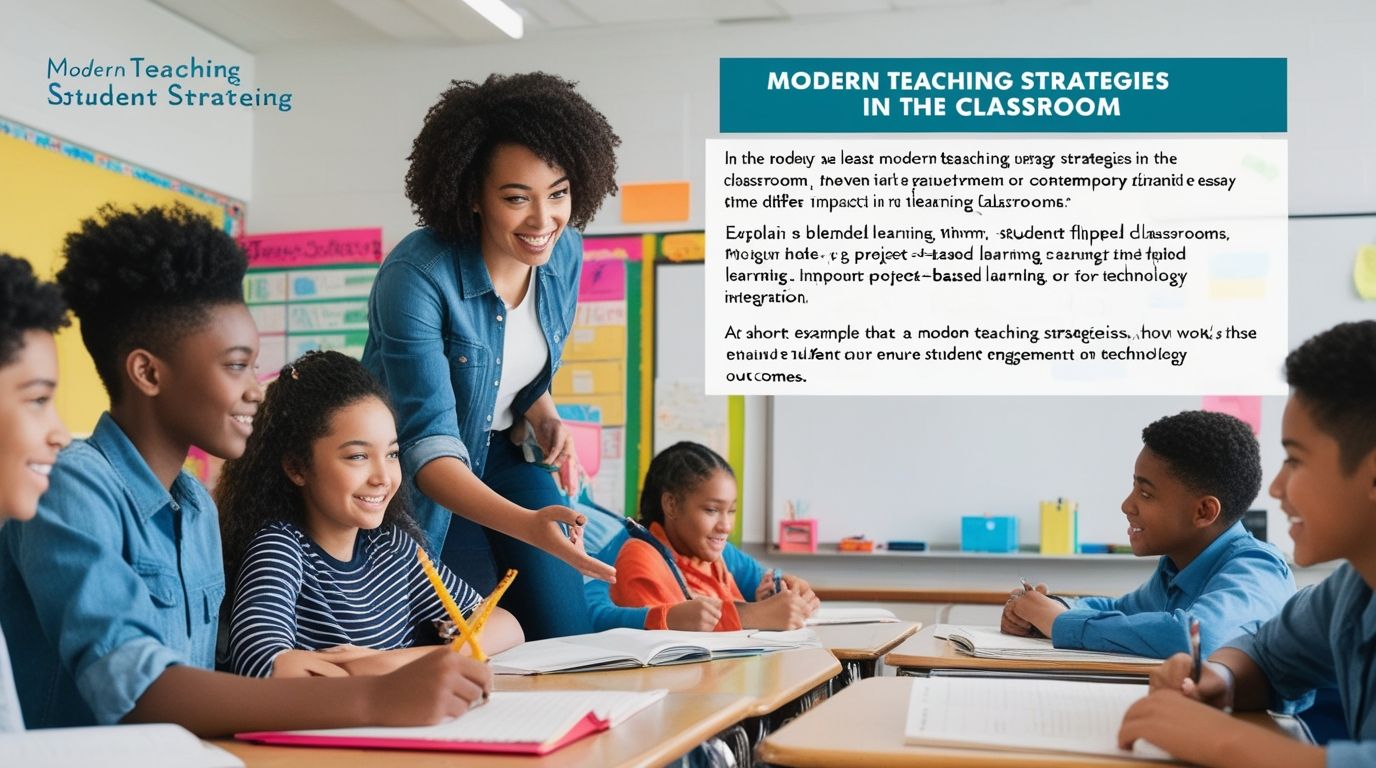
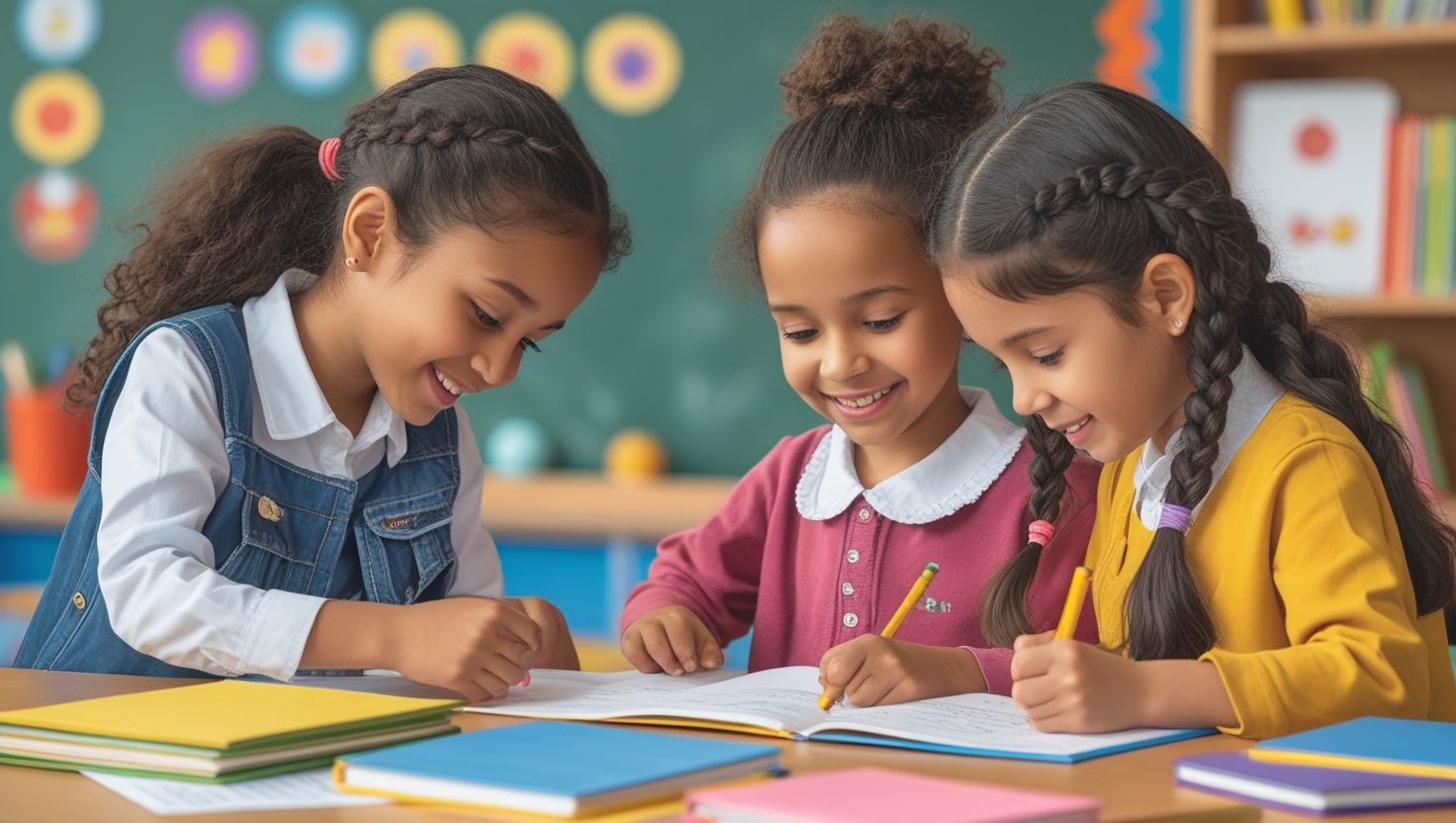
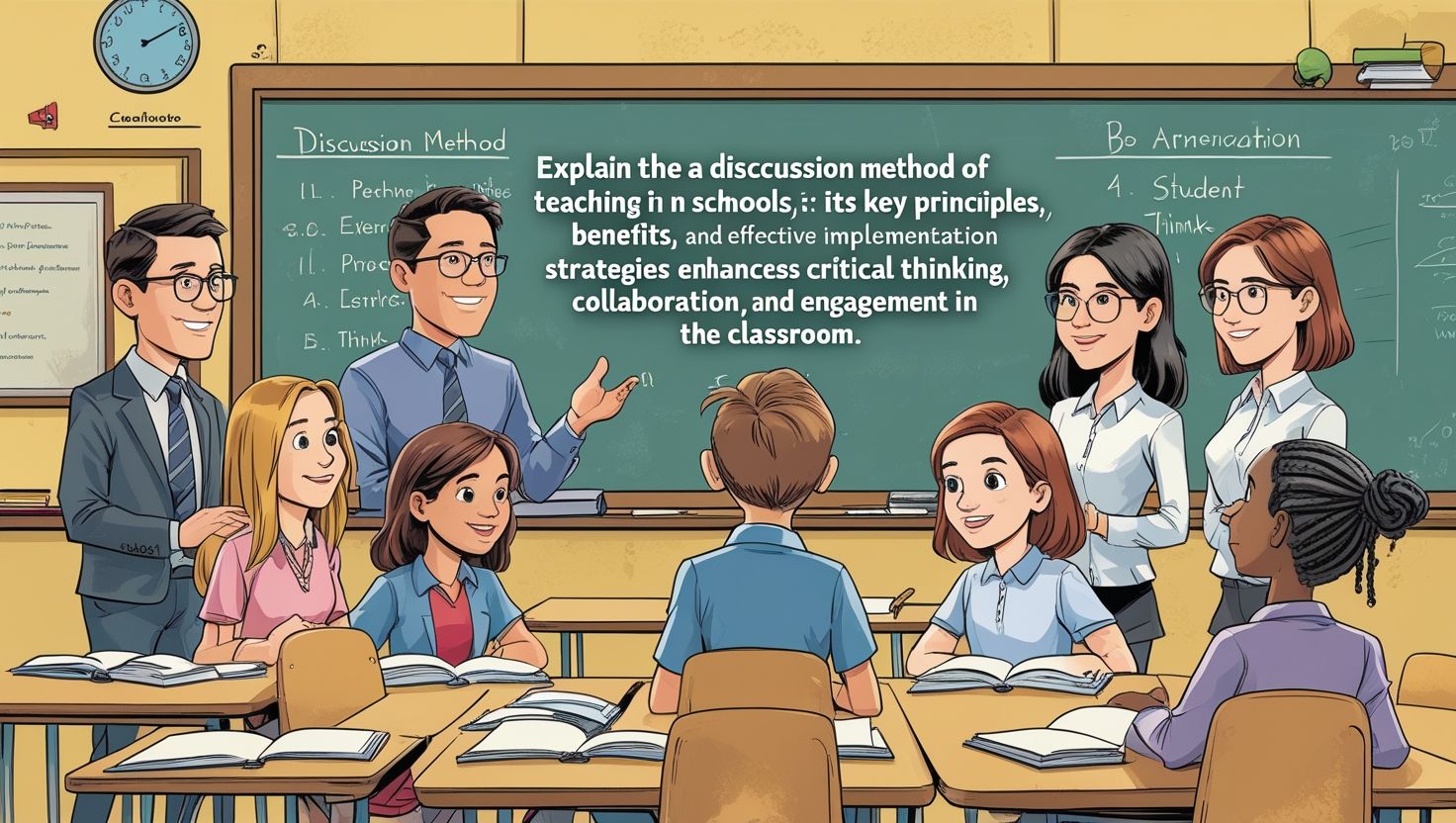
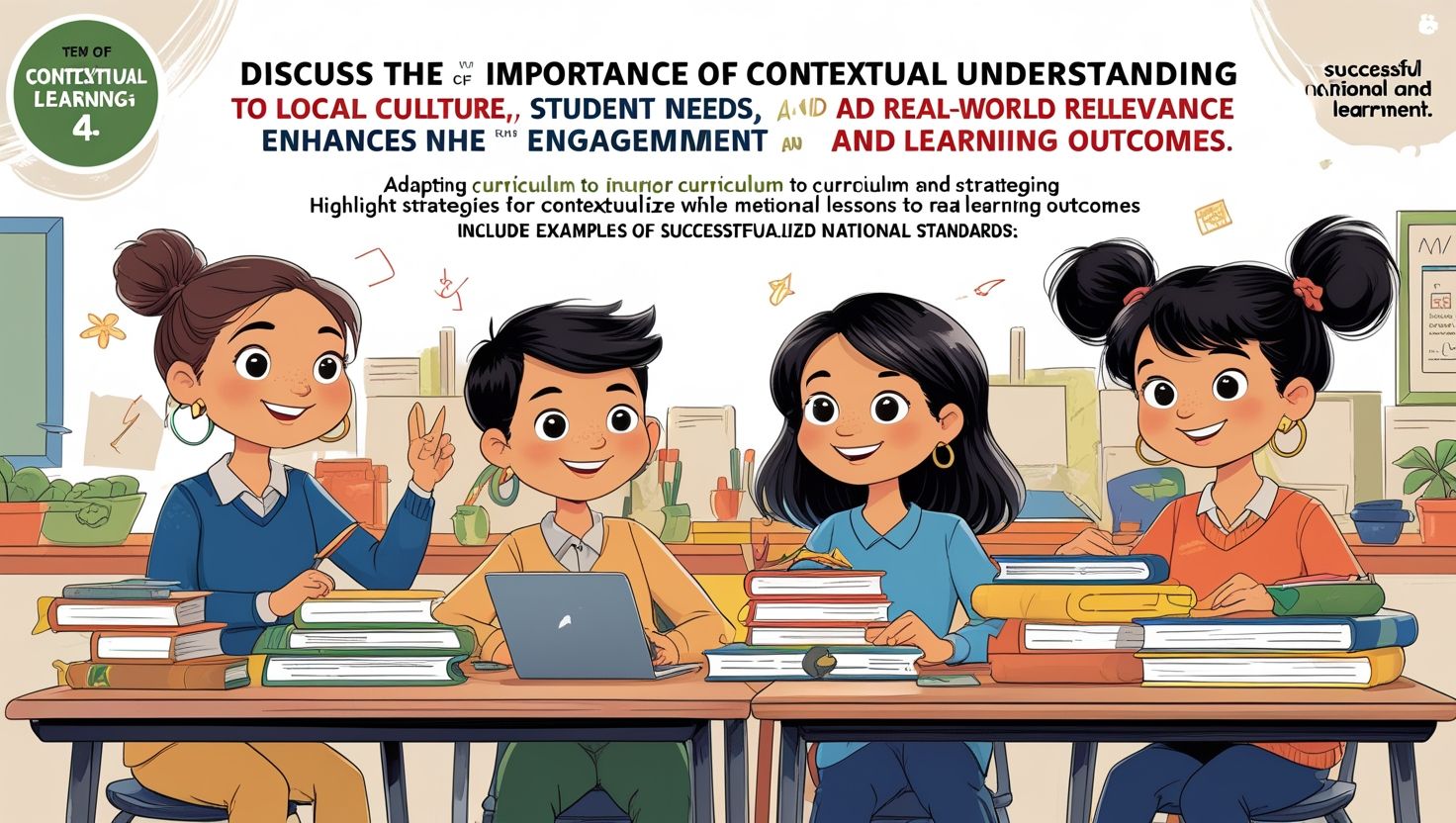
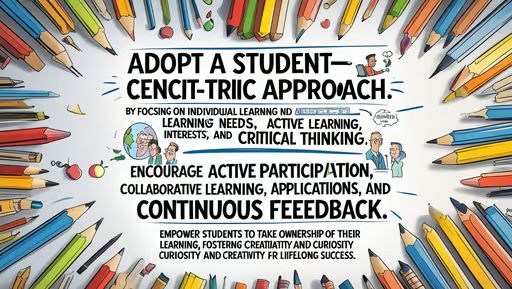
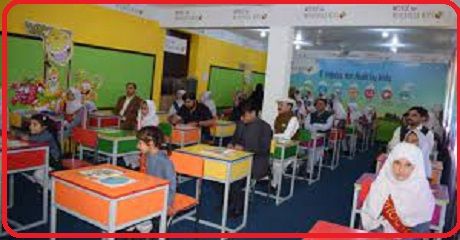
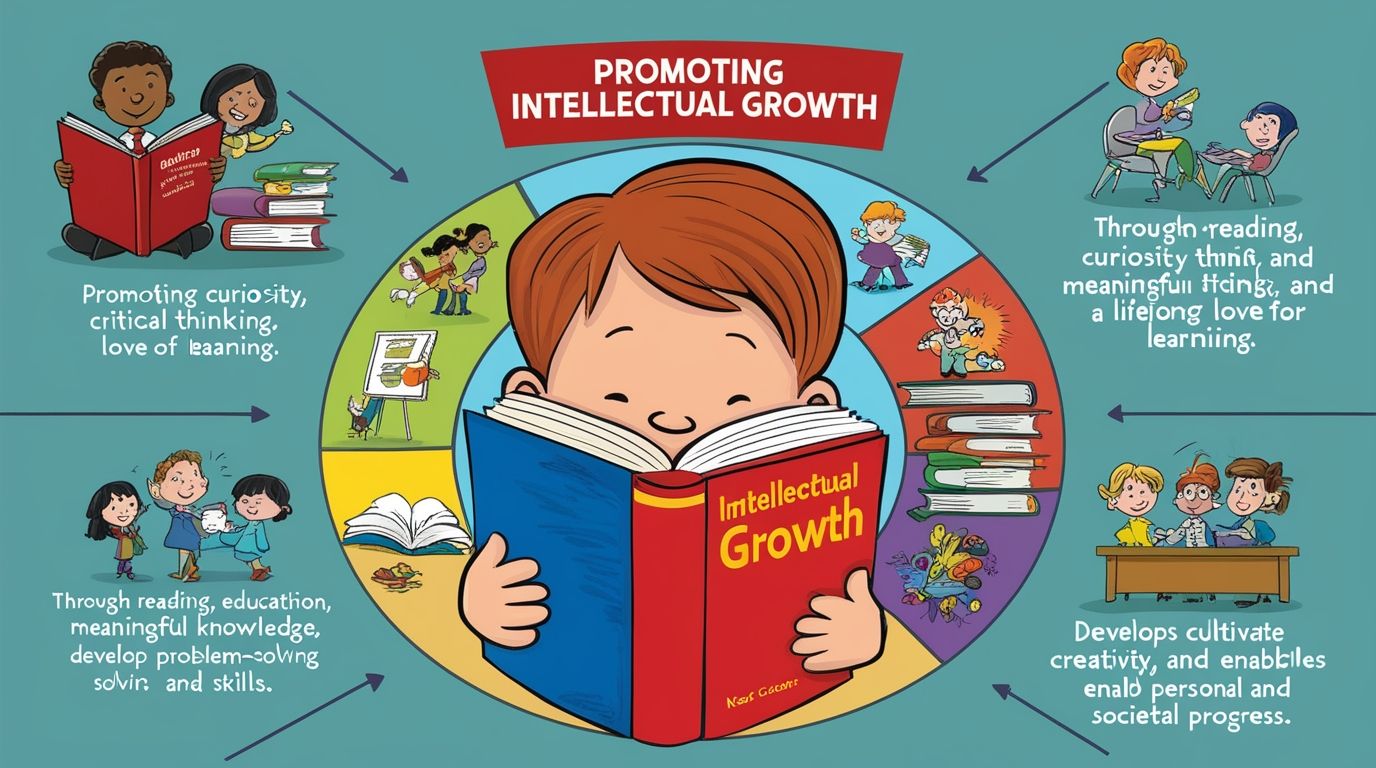
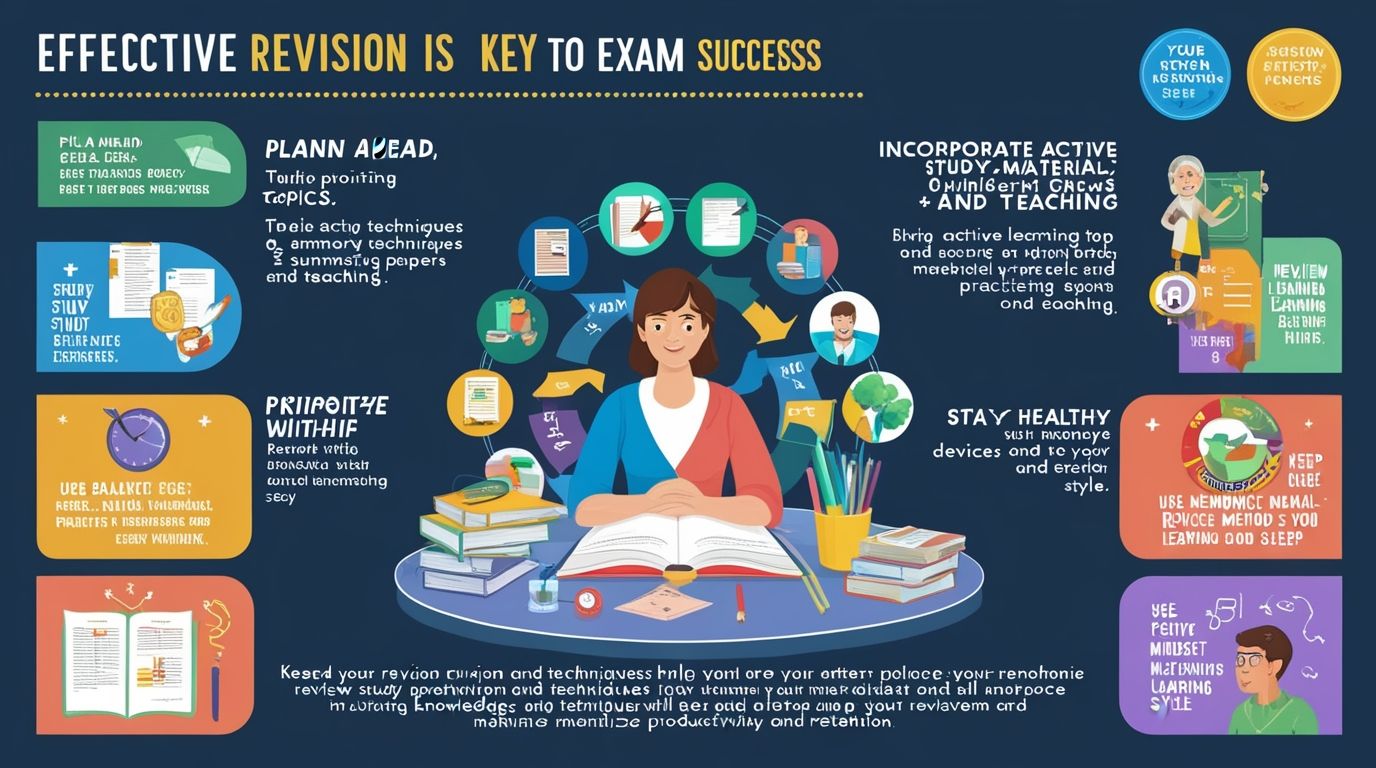
One of the most prominent aspects of the Latest Teaching Mood is the transition to student-centered learning. Previously, classrooms were structured around the teacher’s authority and control. In contrast, today’s classrooms encourage students to actively participate in their own learning journey. For example, inquiry-based learning invites students to ask questions and explore solutions independently. Similarly, flipped classrooms allow learners to review content at home and engage in discussion during class time. As a result, students develop deeper understanding and critical thinking skills.
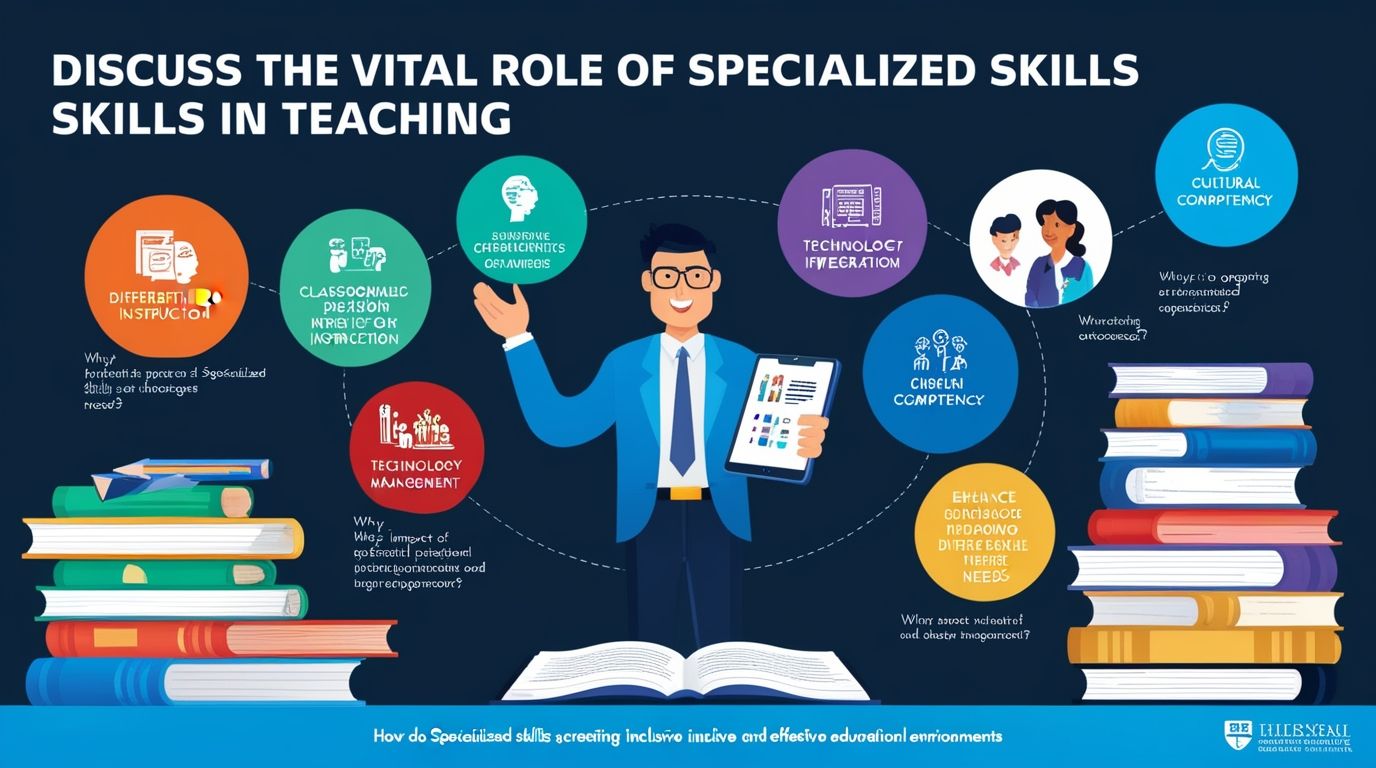
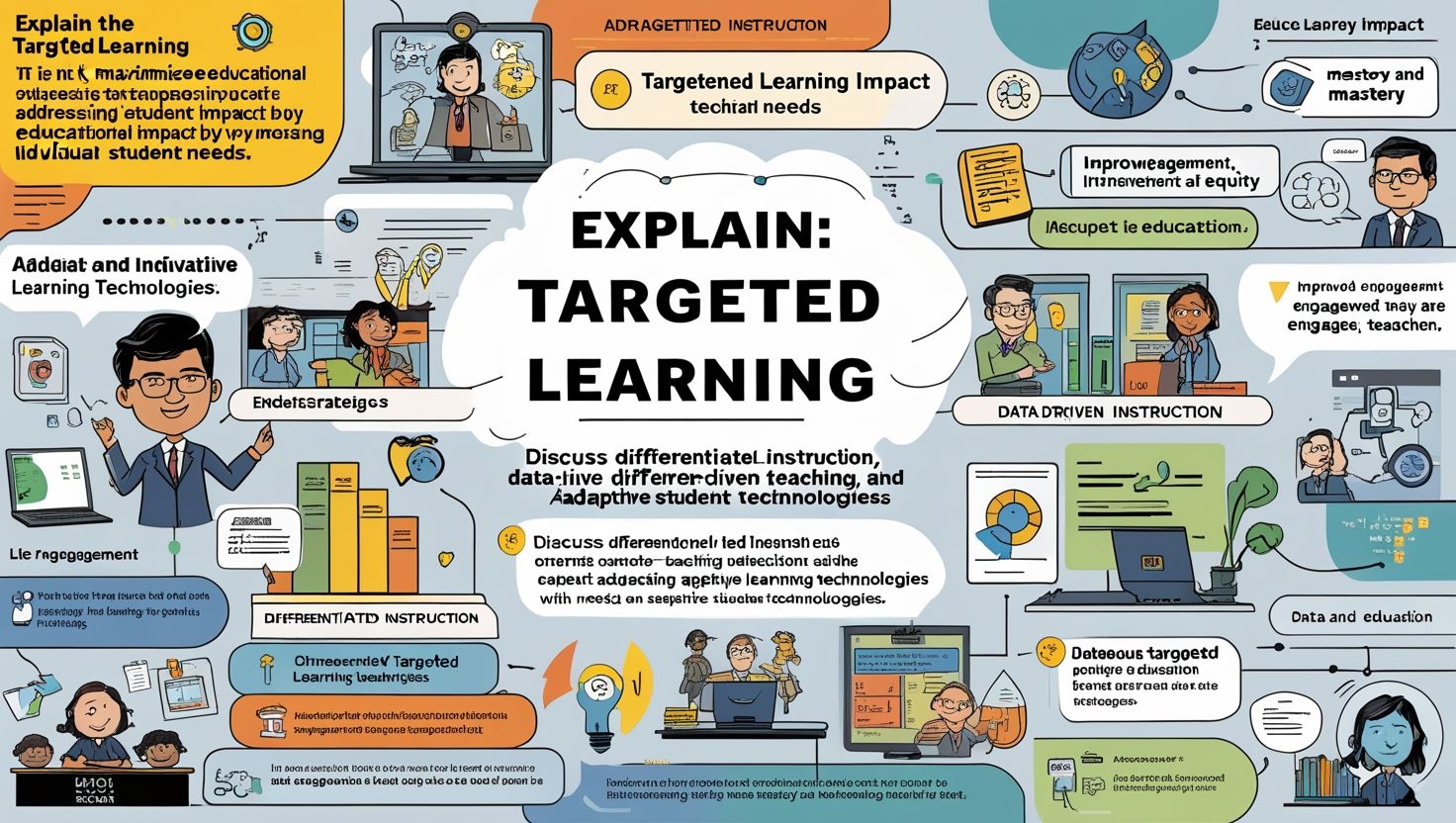
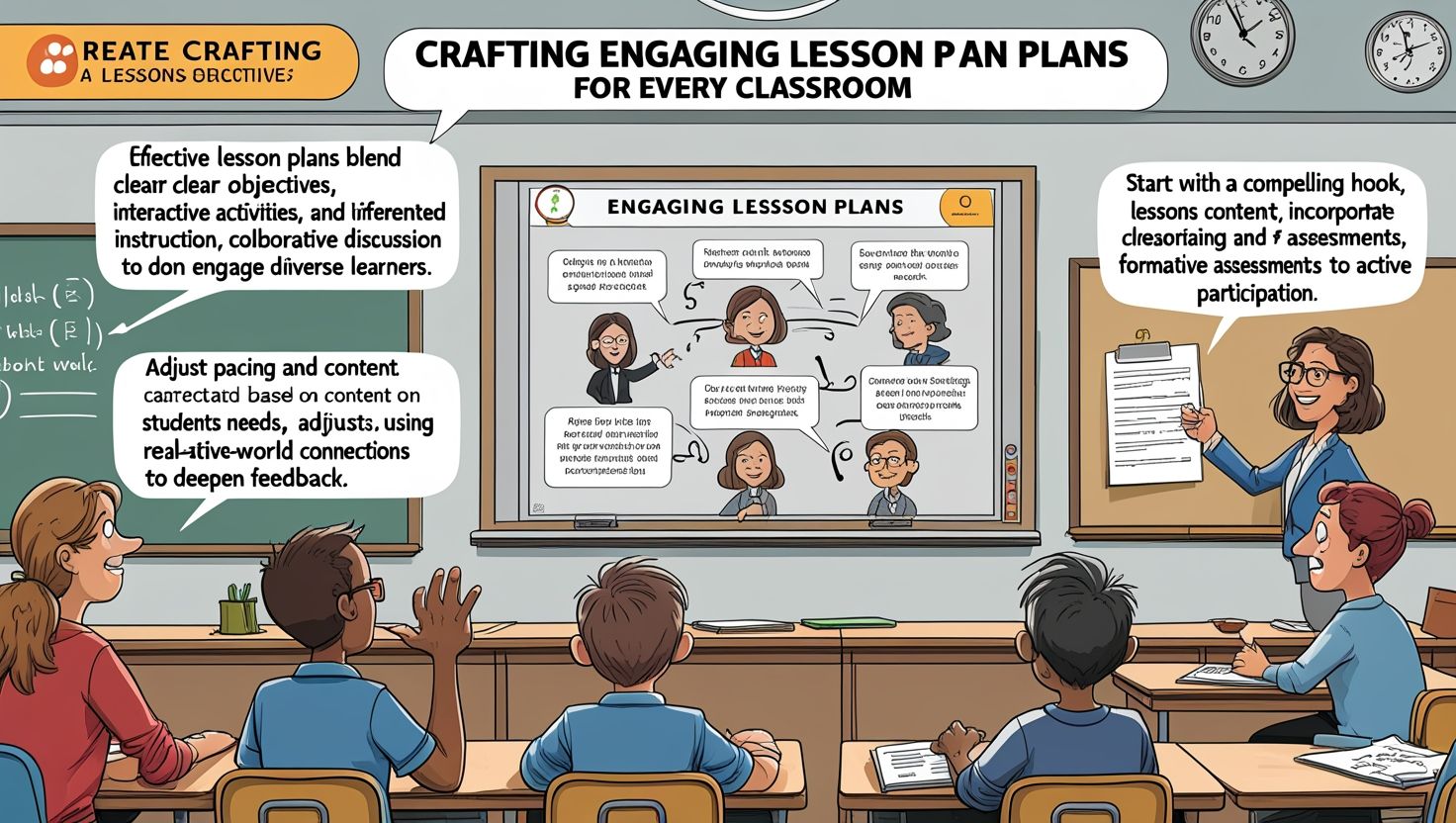
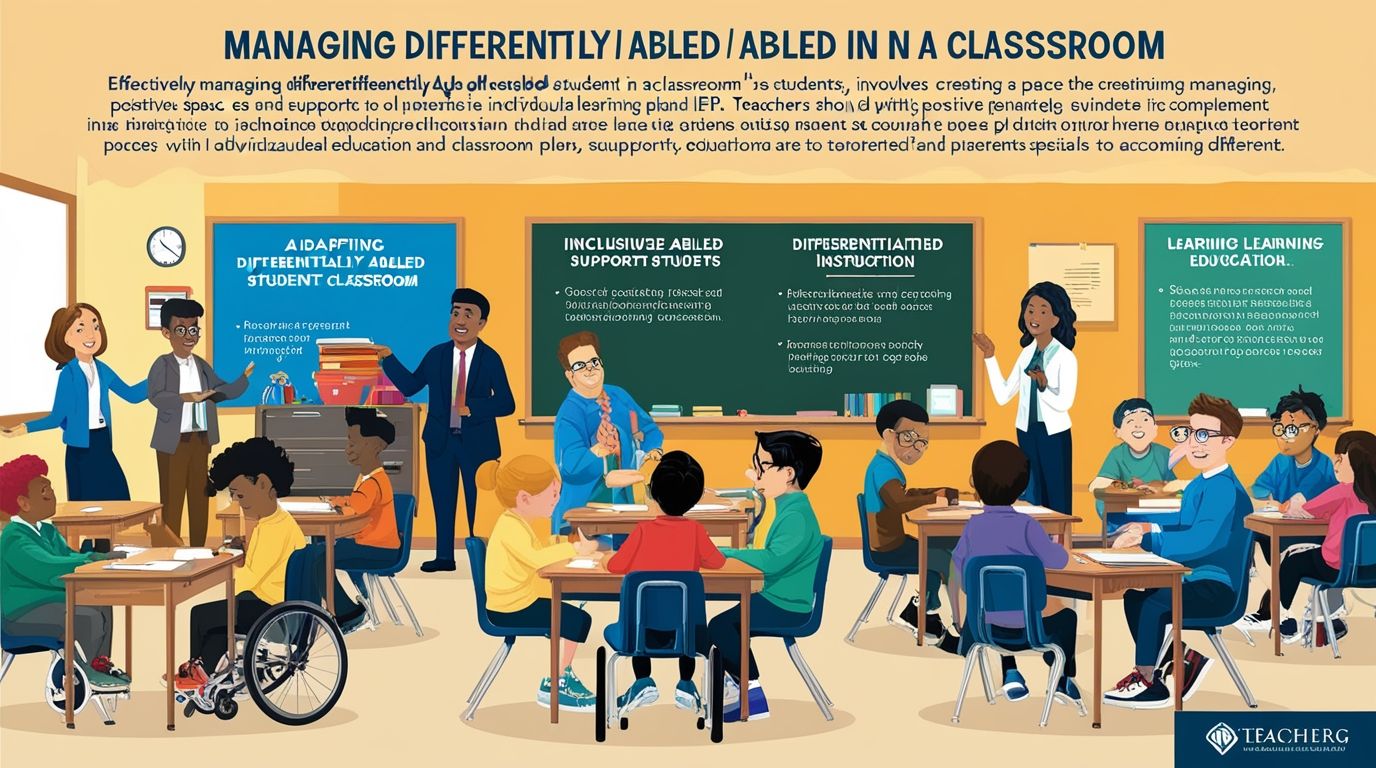
Furthermore, differentiated instruction ensures that diverse learning styles are accommodated. Therefore, teachers design activities that appeal to visual, auditory, and kinesthetic learners. In addition, collaborative group work strengthens communication and teamwork abilities. Consequently, students feel more engaged and responsible for their progress. Indeed, this shift fosters autonomy and intrinsic motivation, which are essential for lifelong learning.
Technology Integration
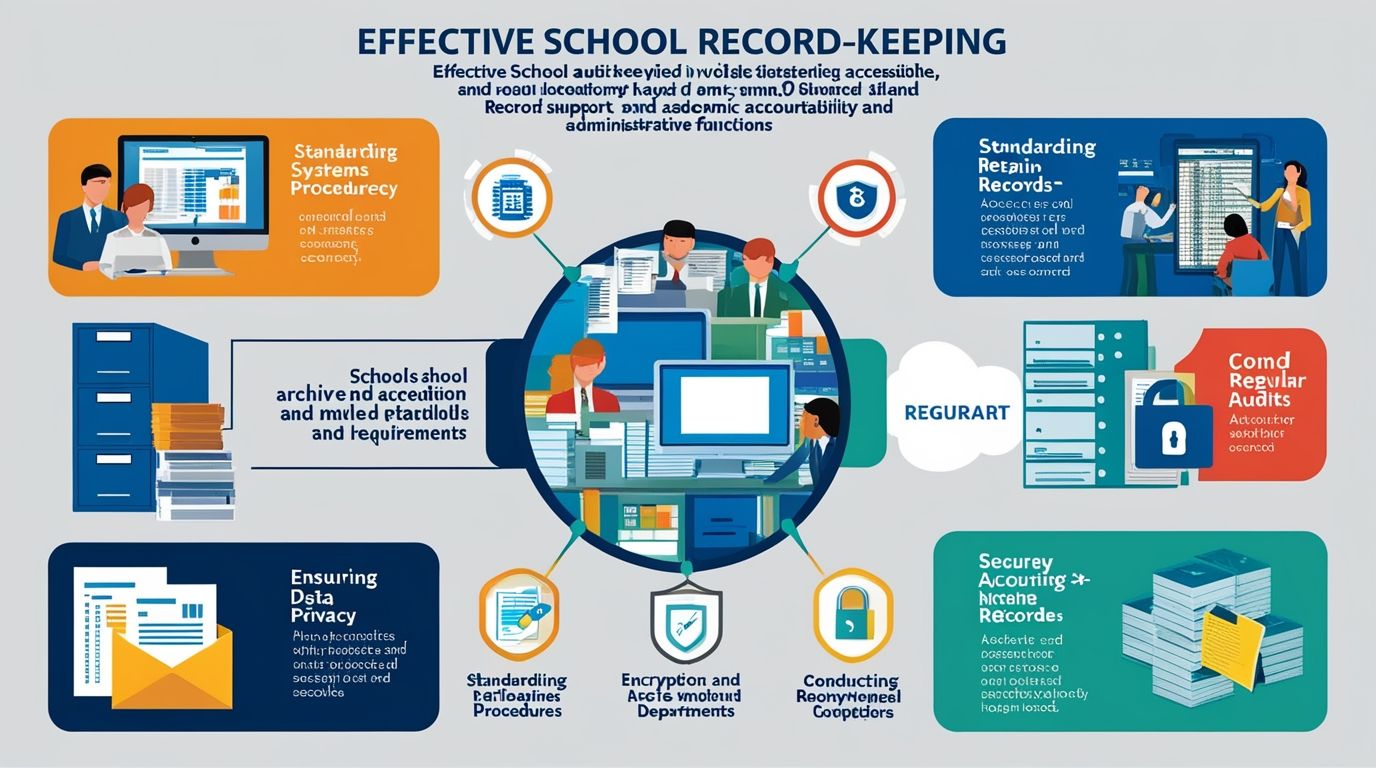
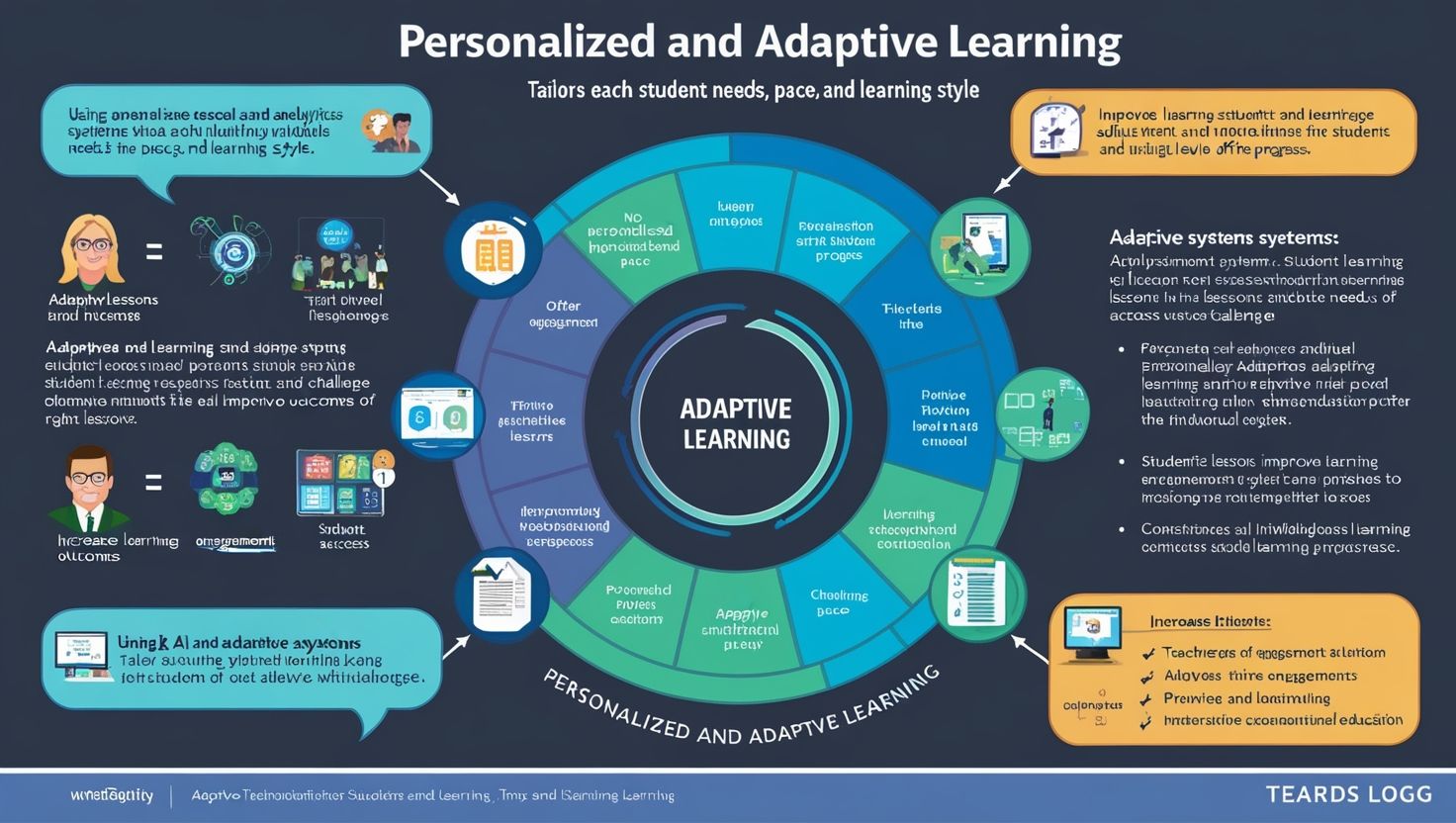
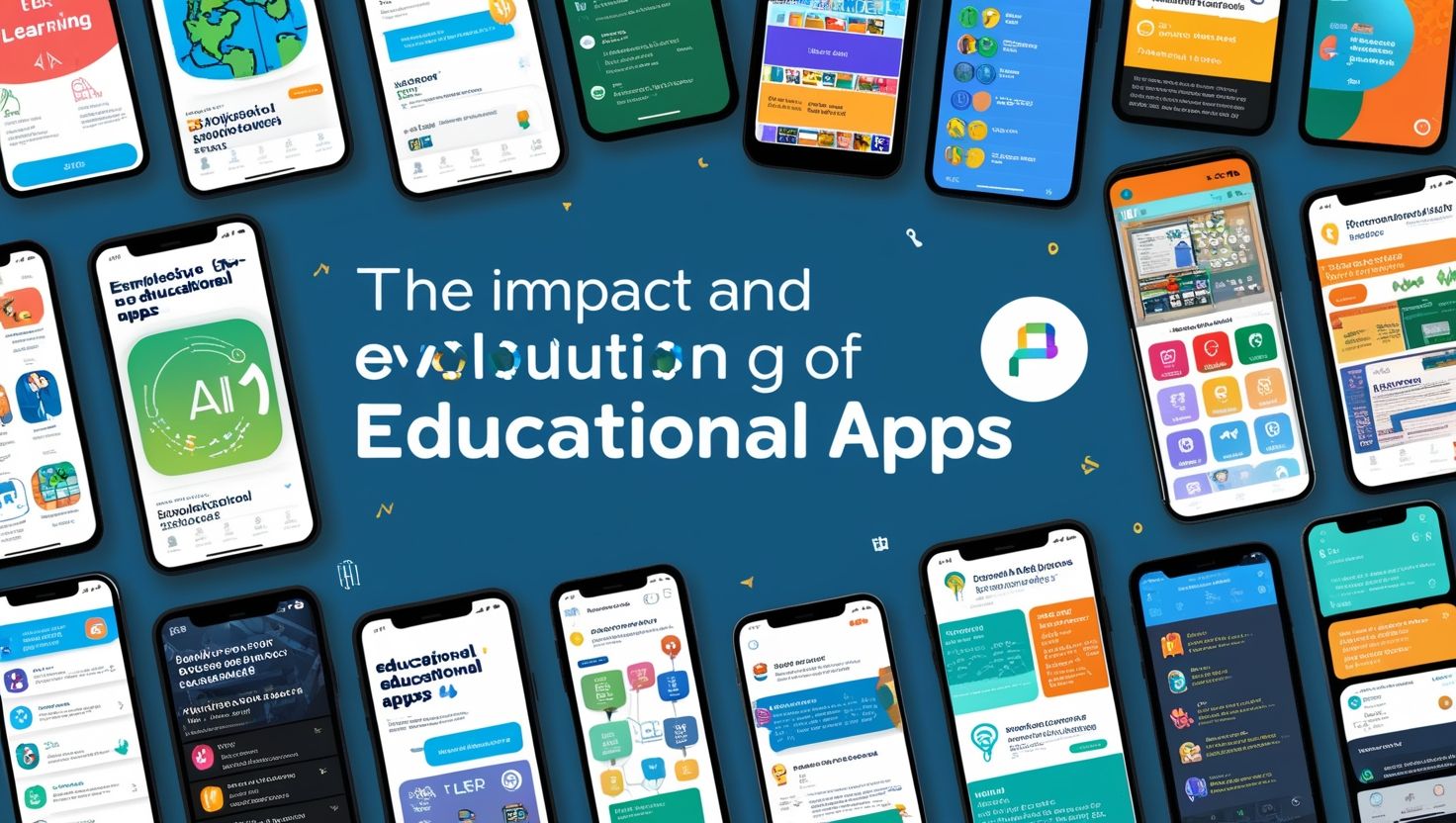
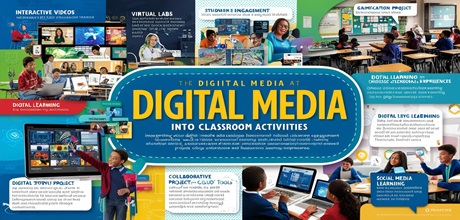
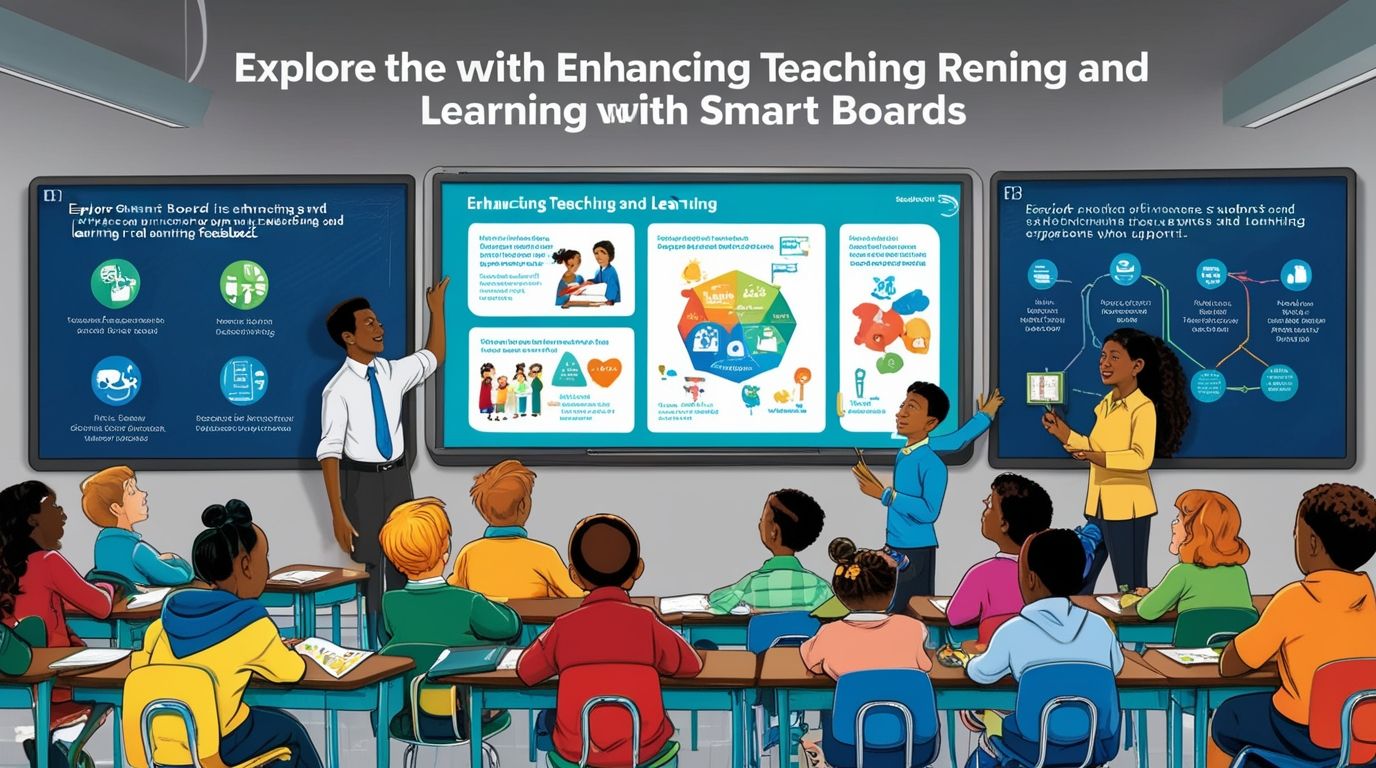
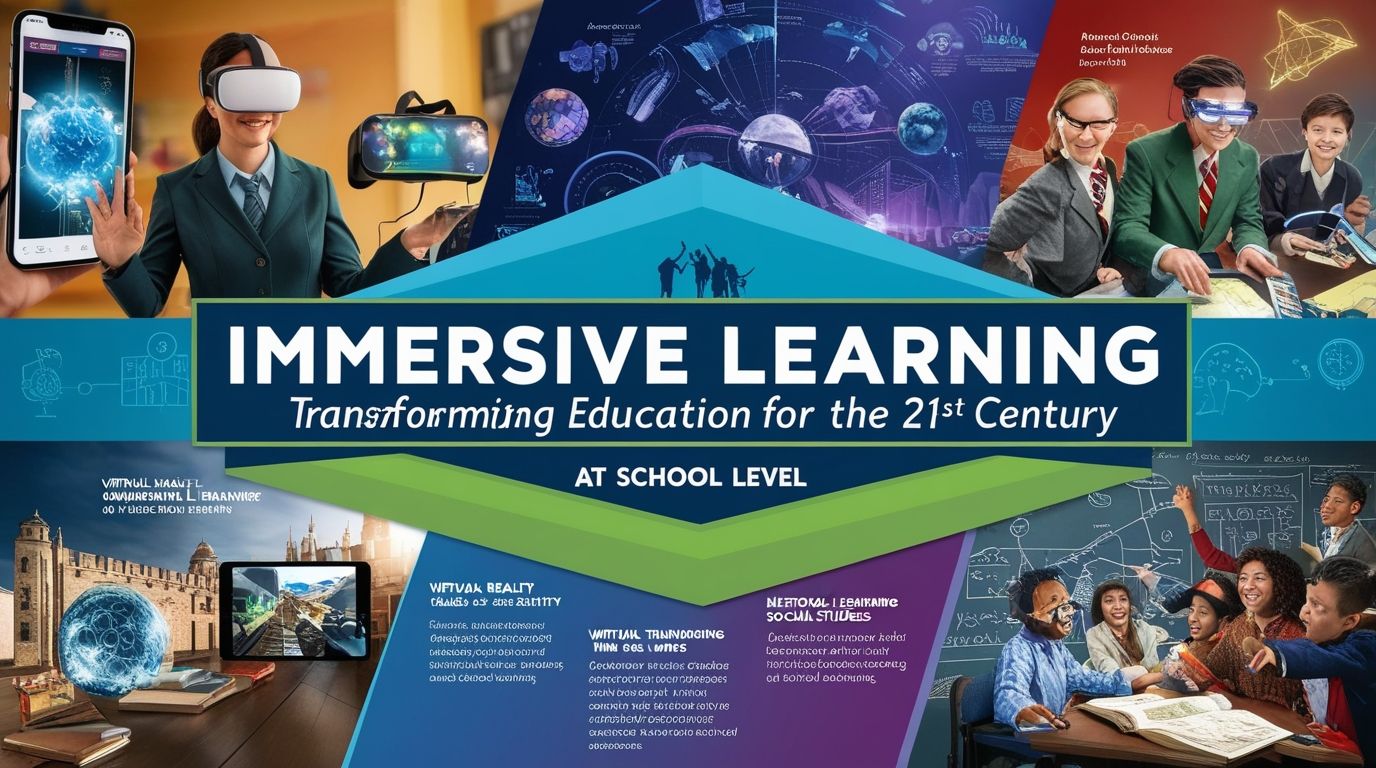
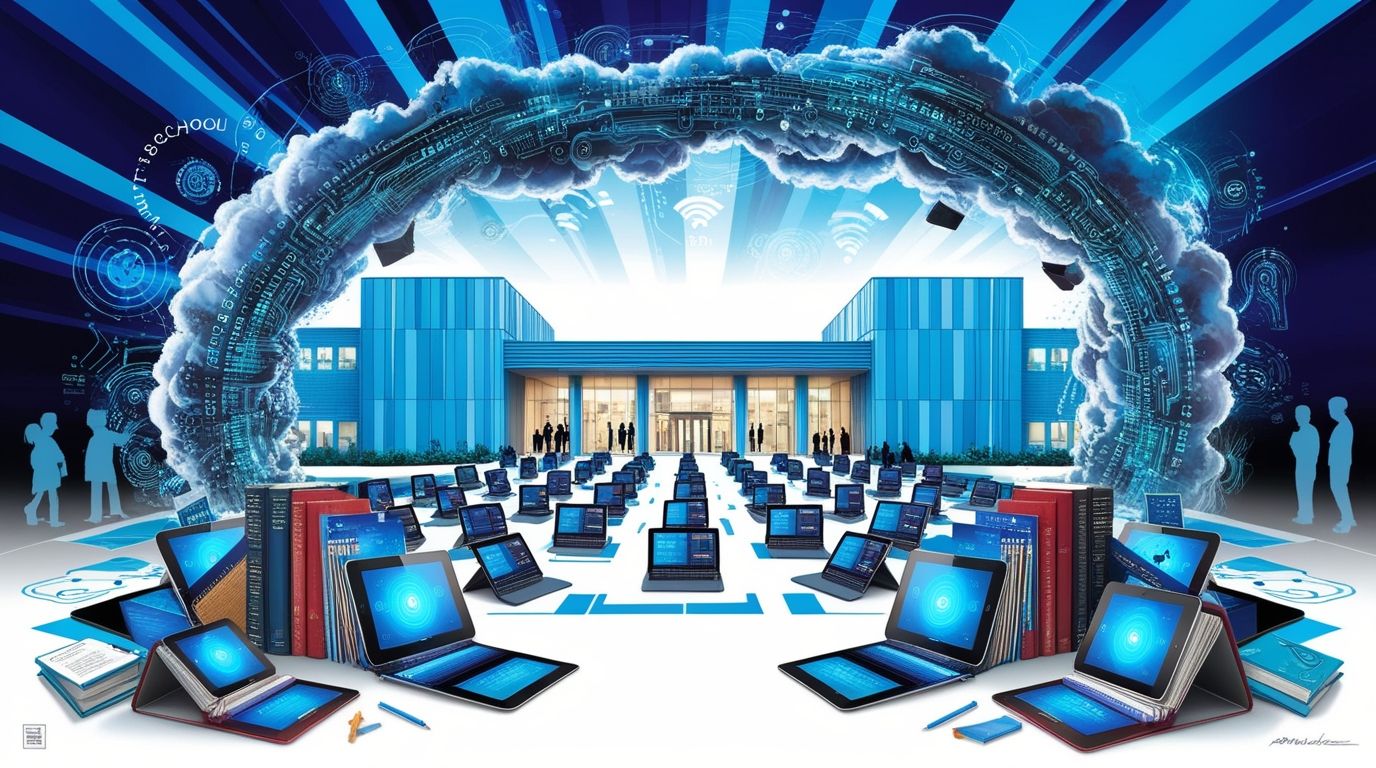
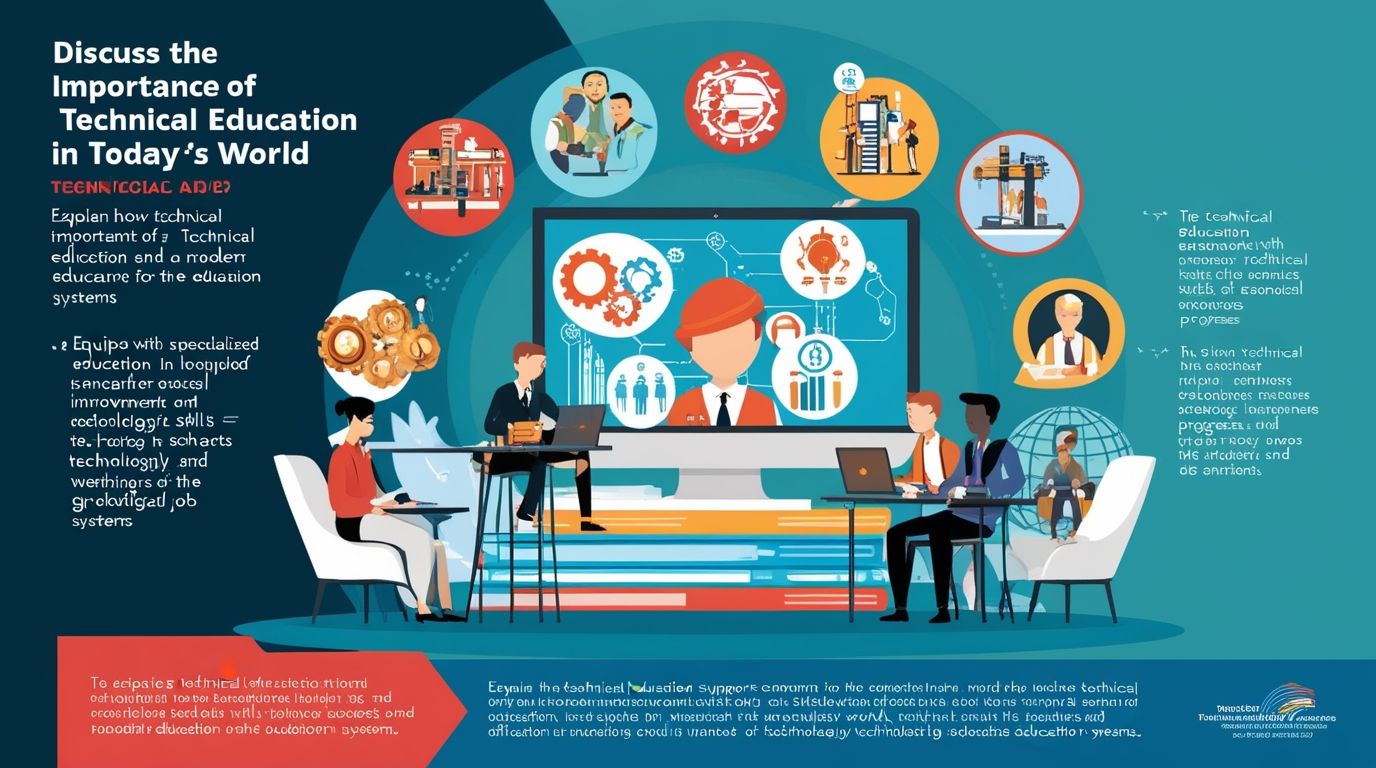
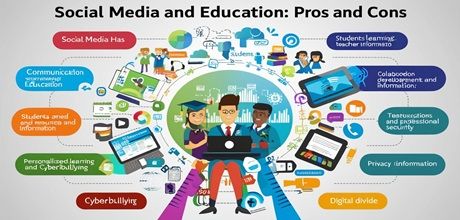
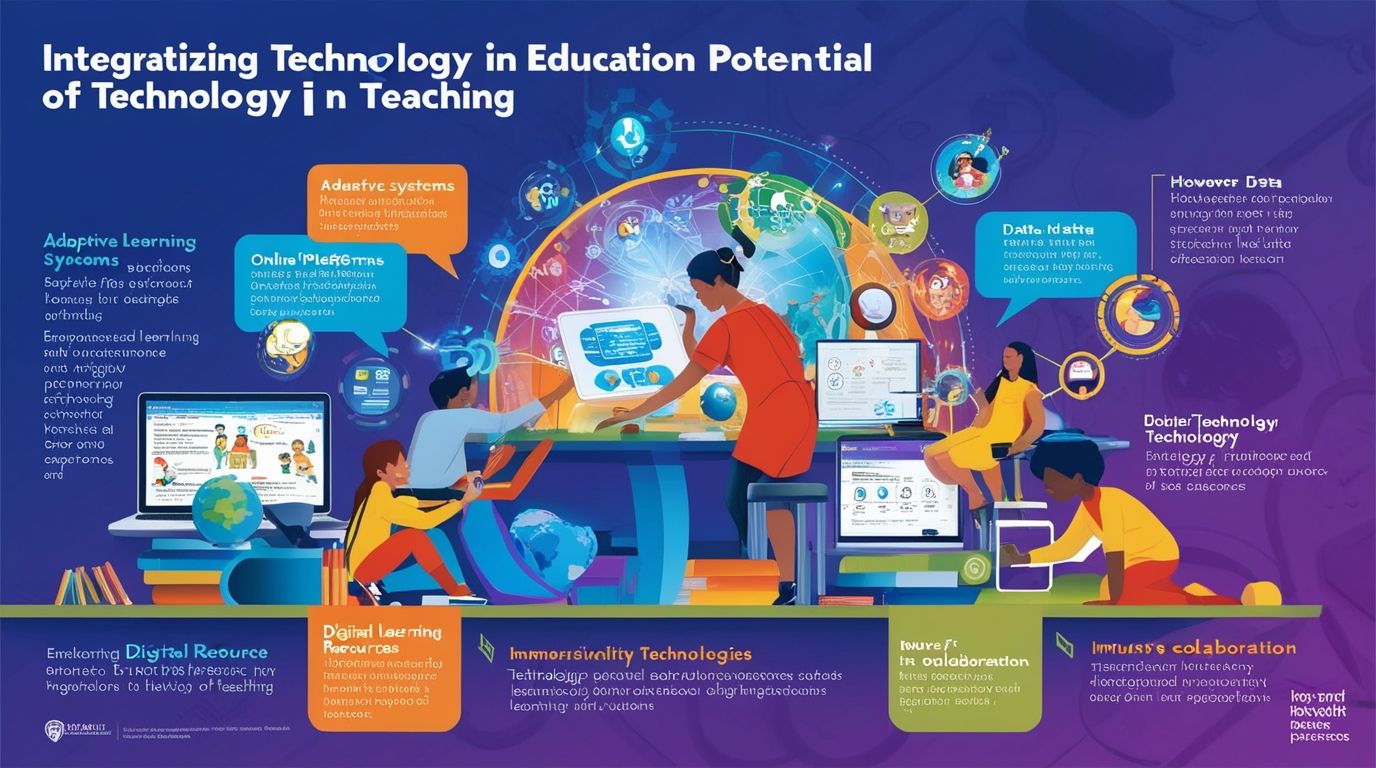
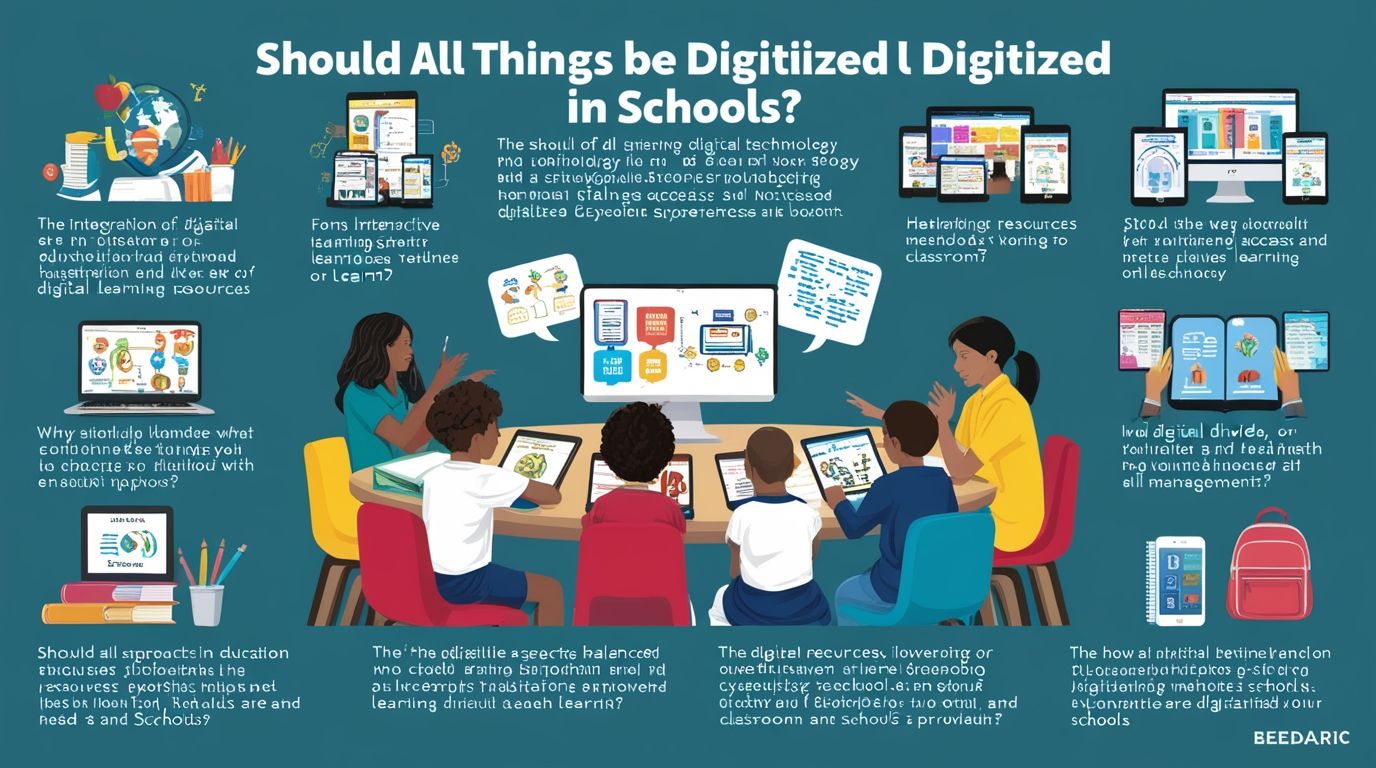
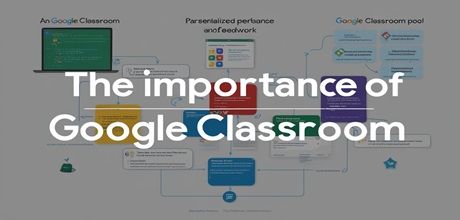
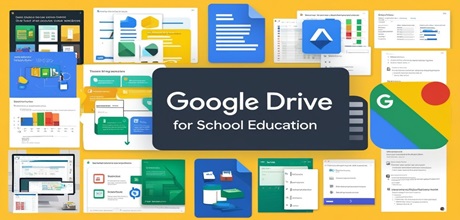
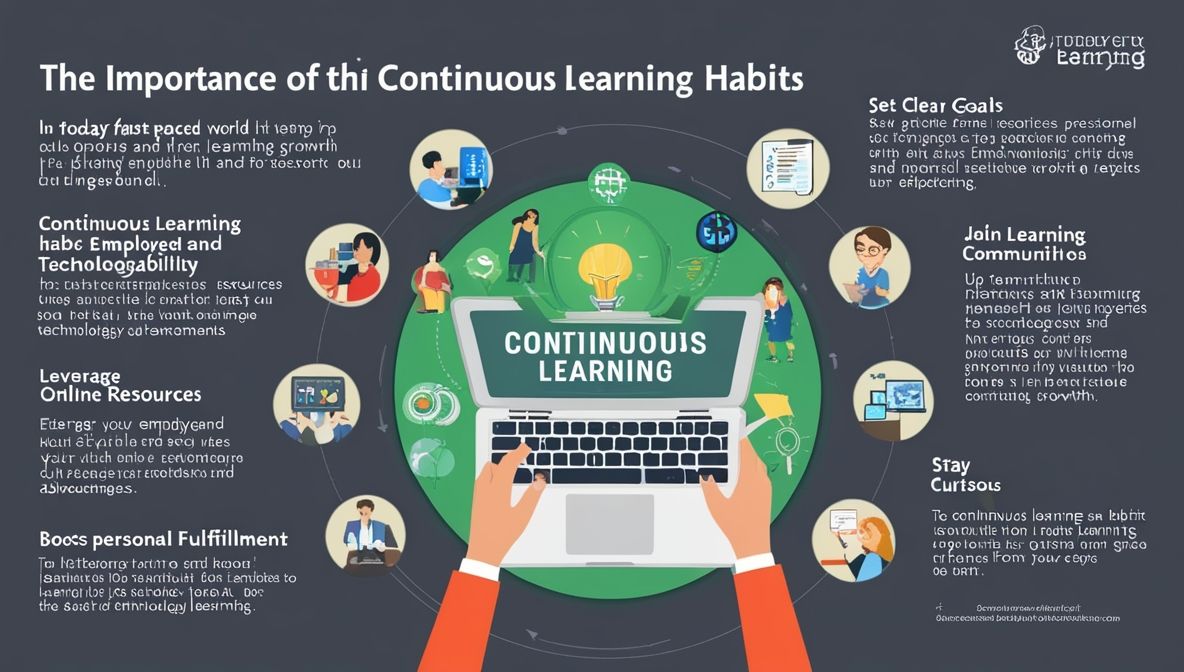
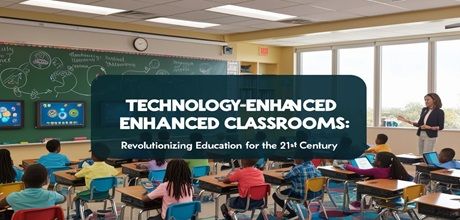
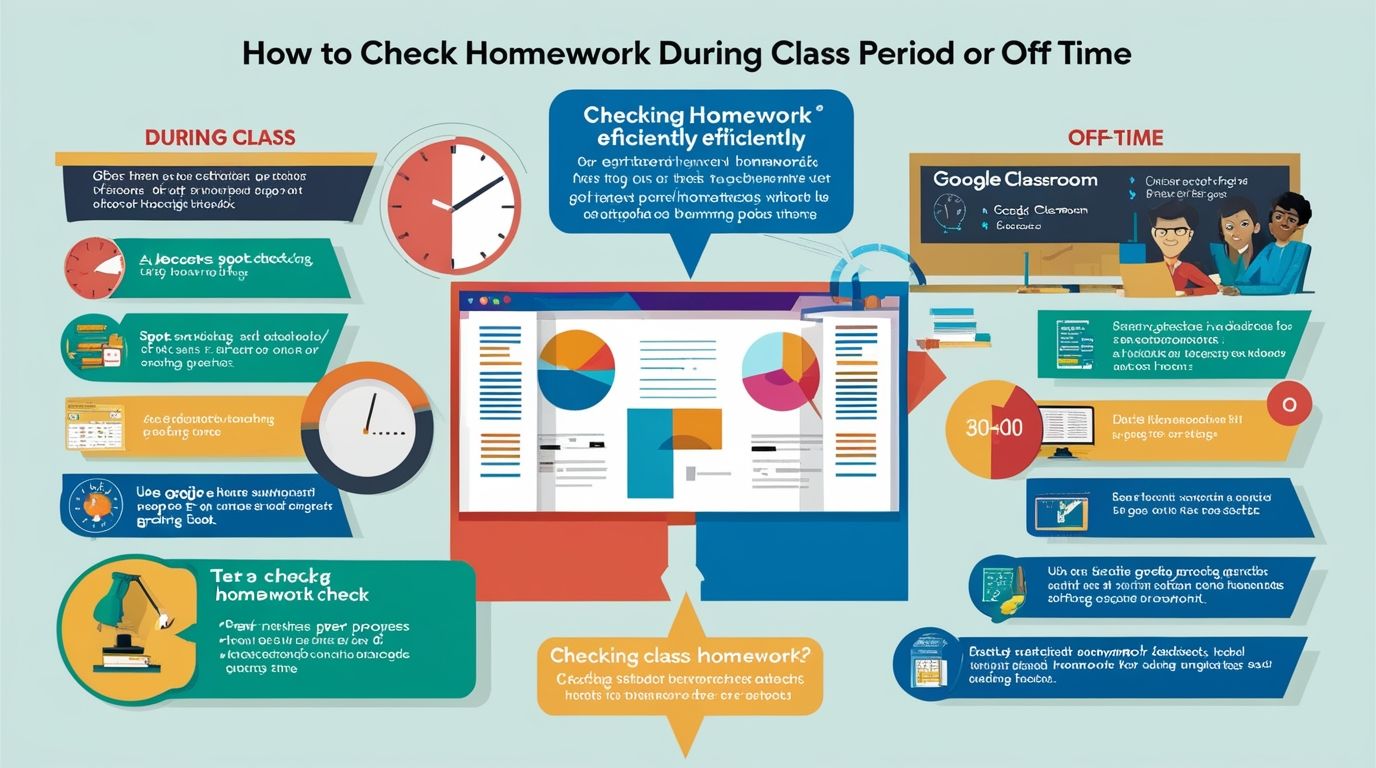
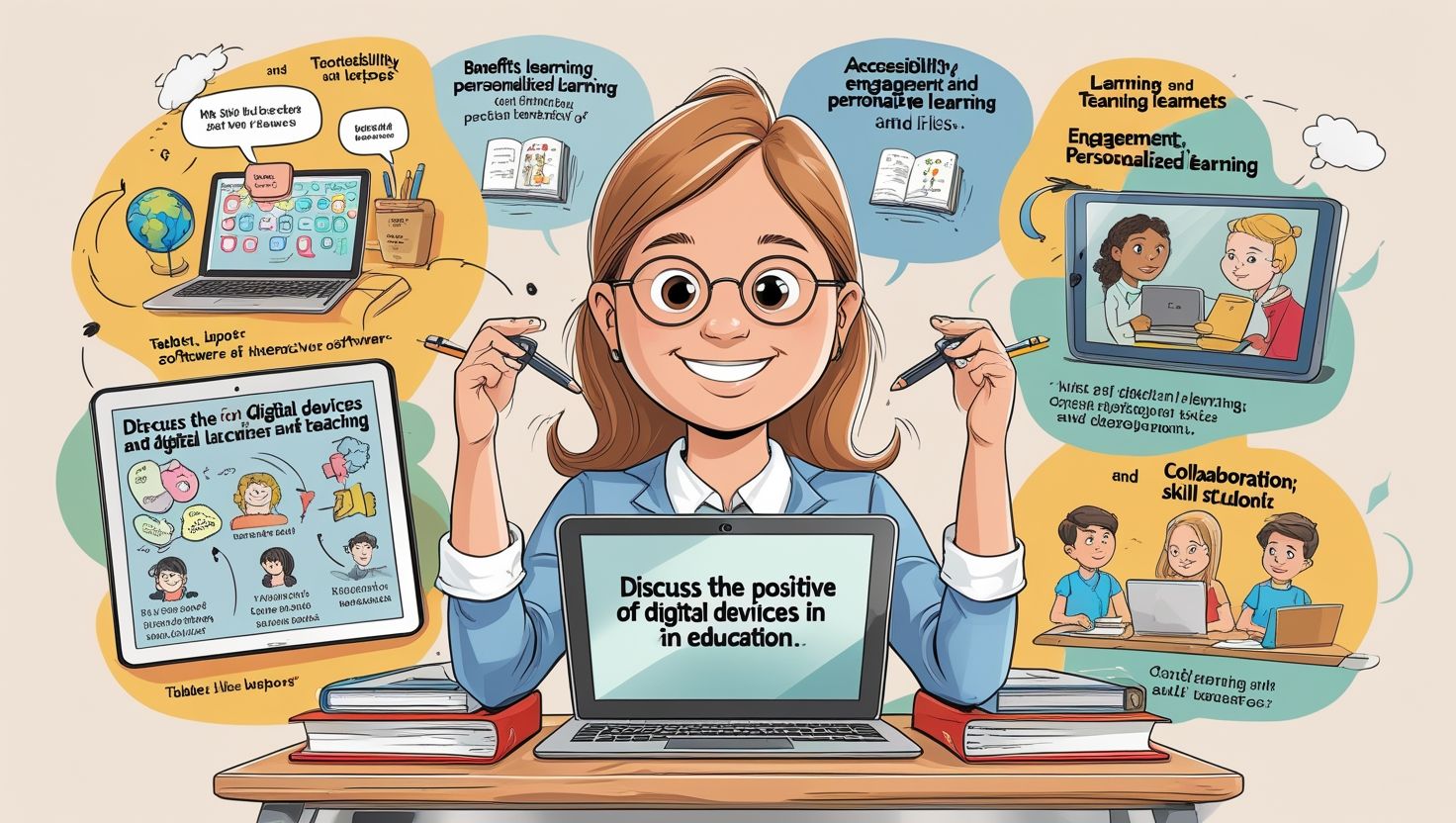
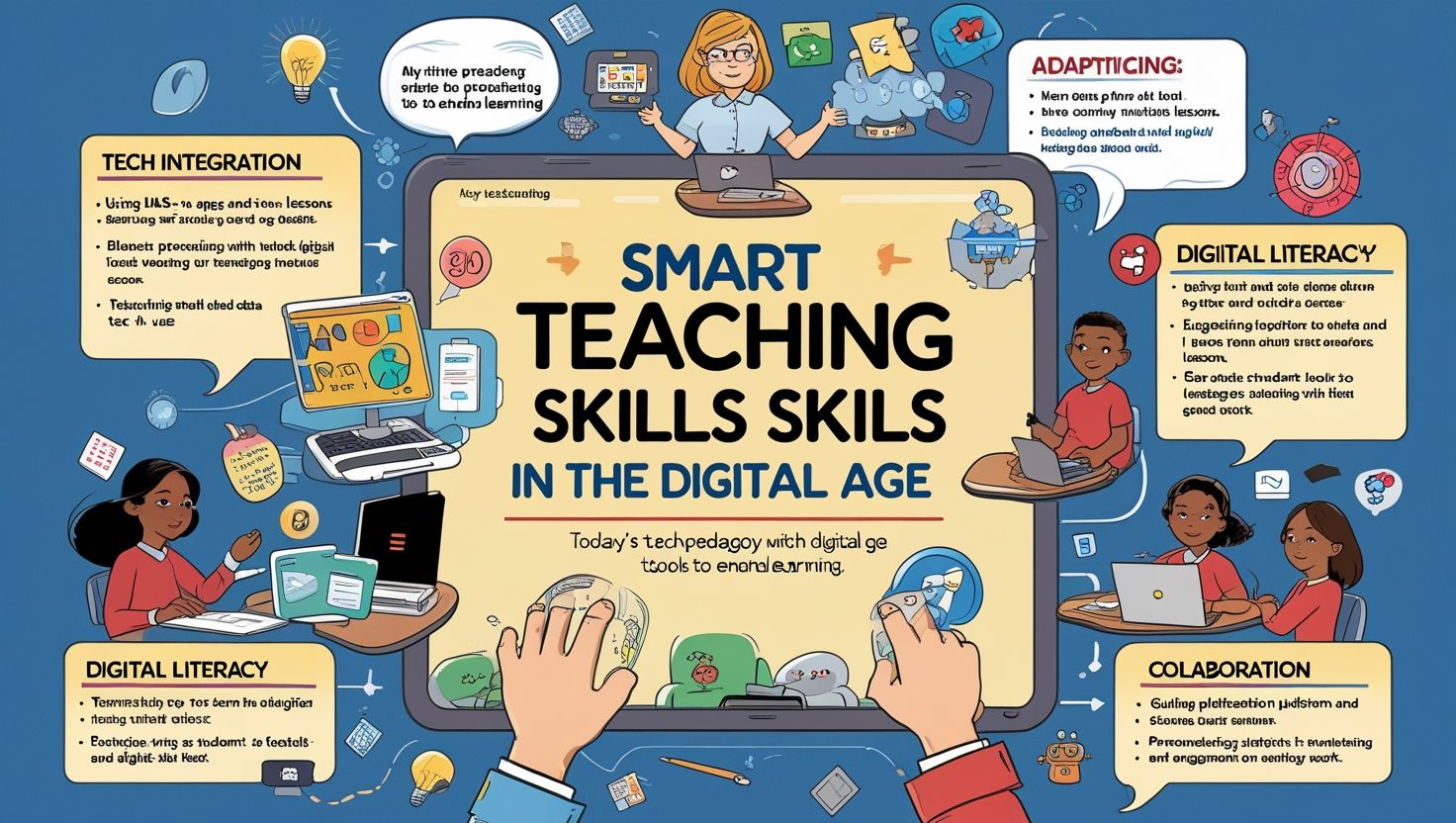
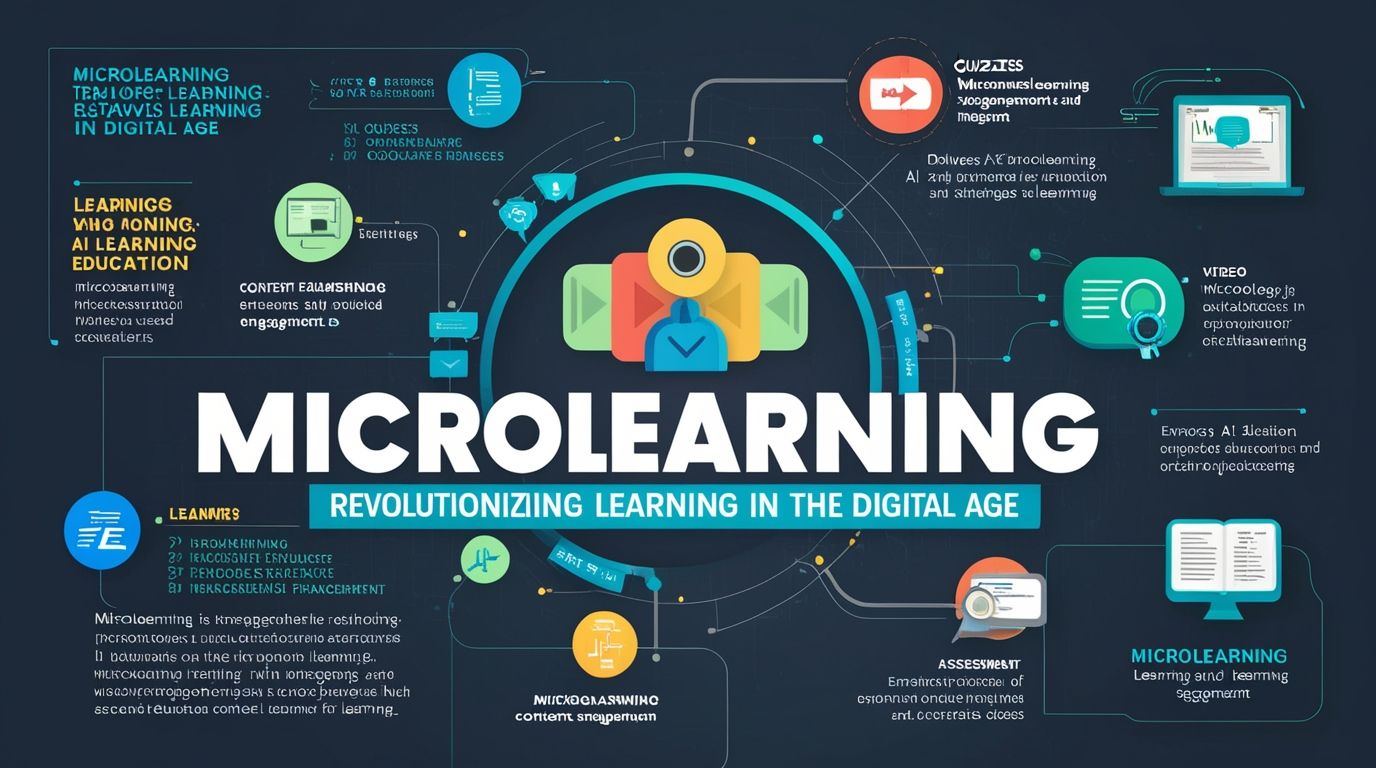
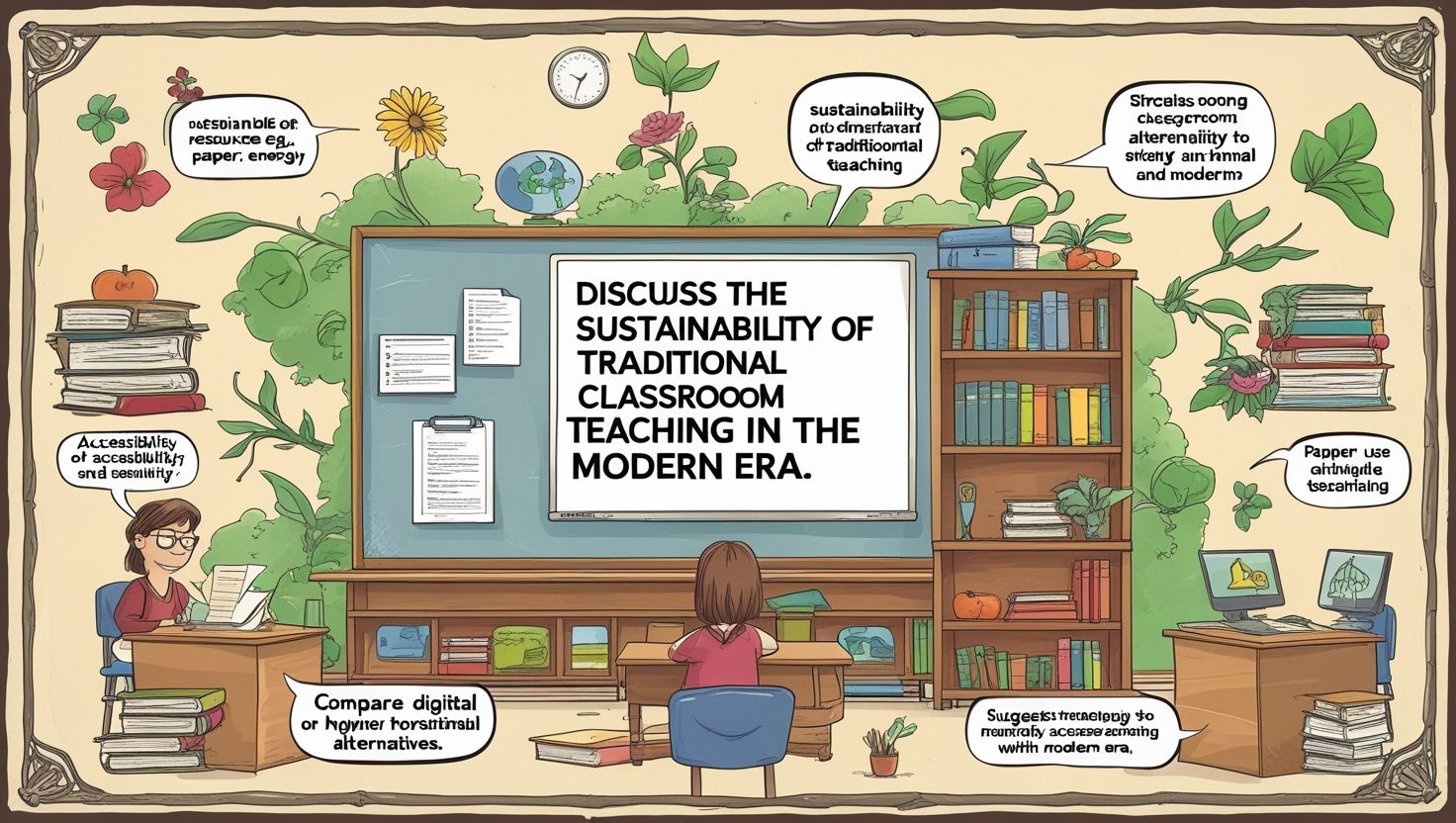
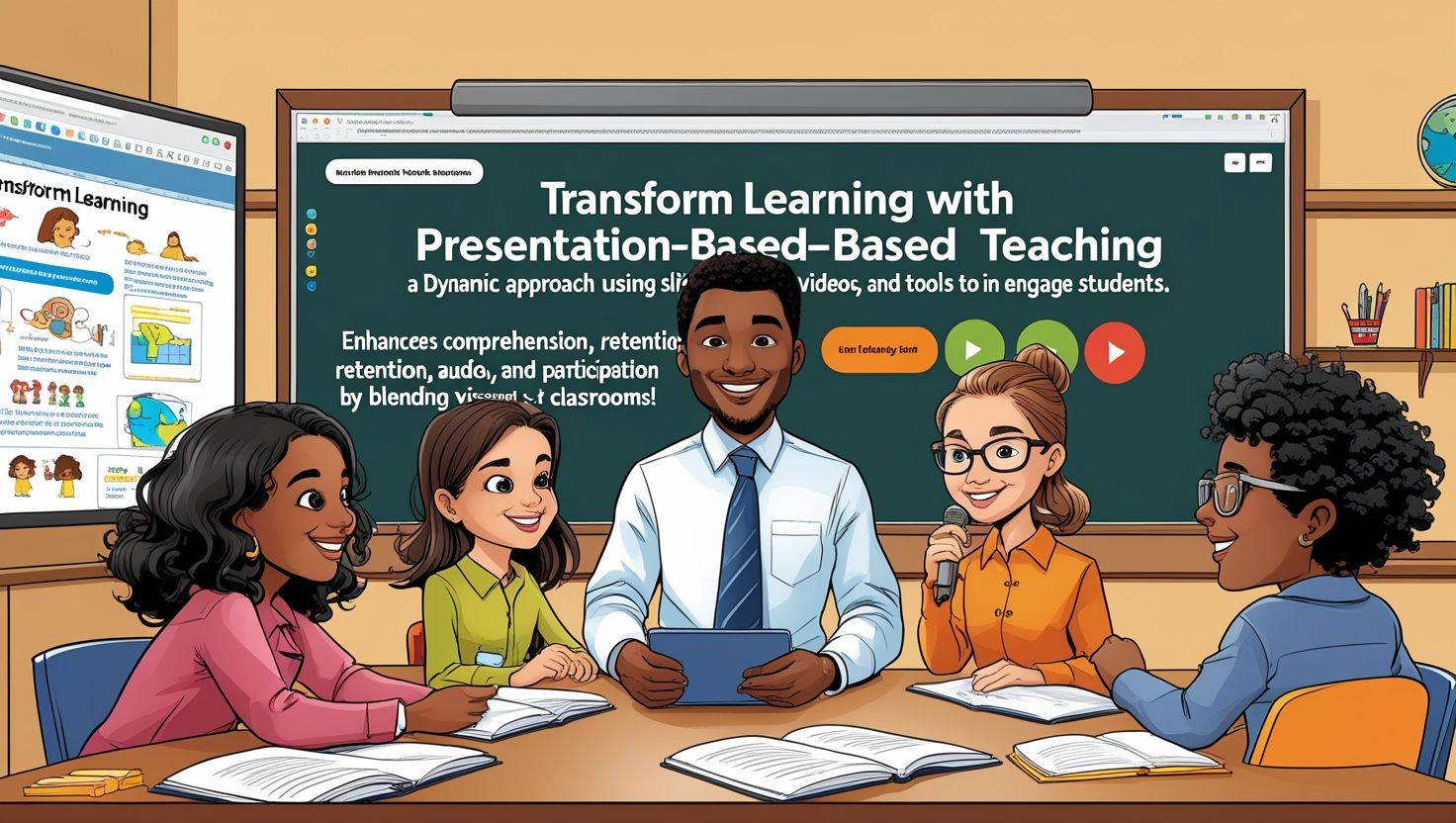
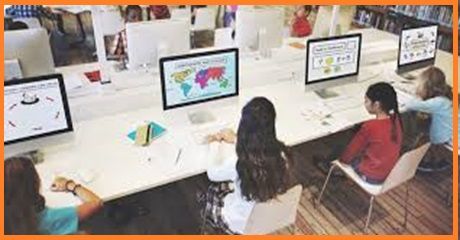
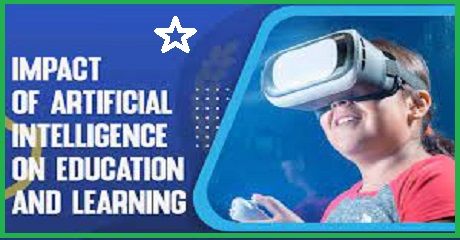
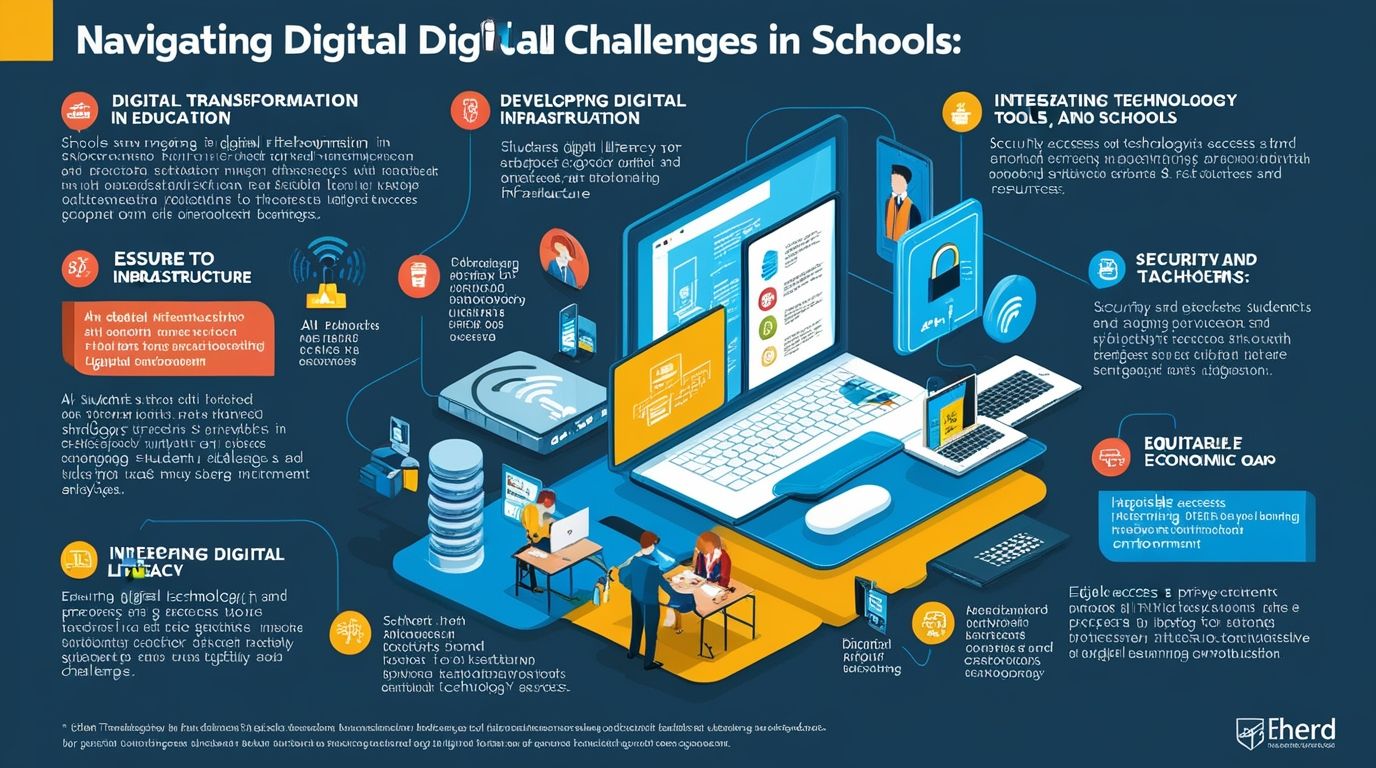
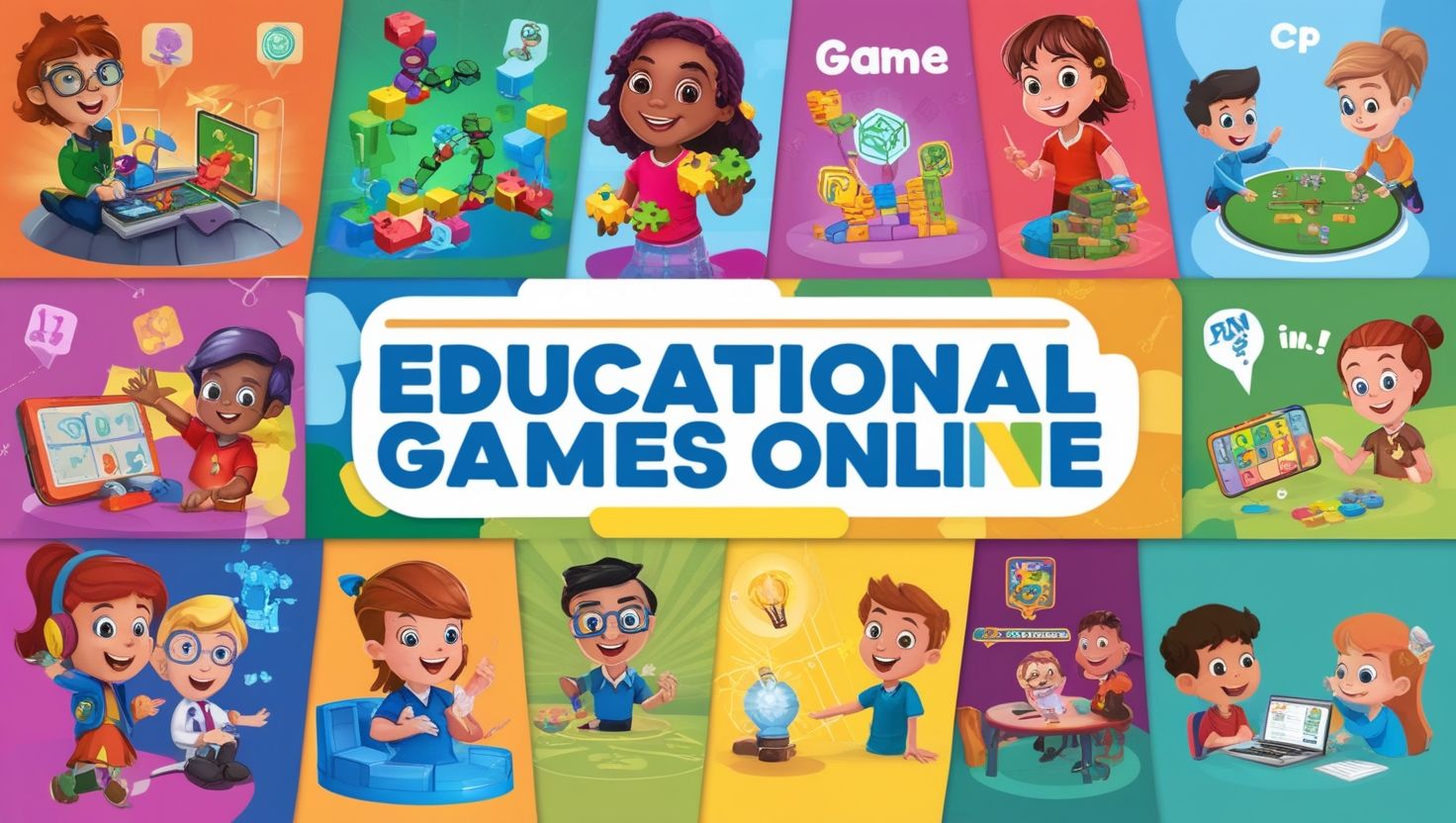
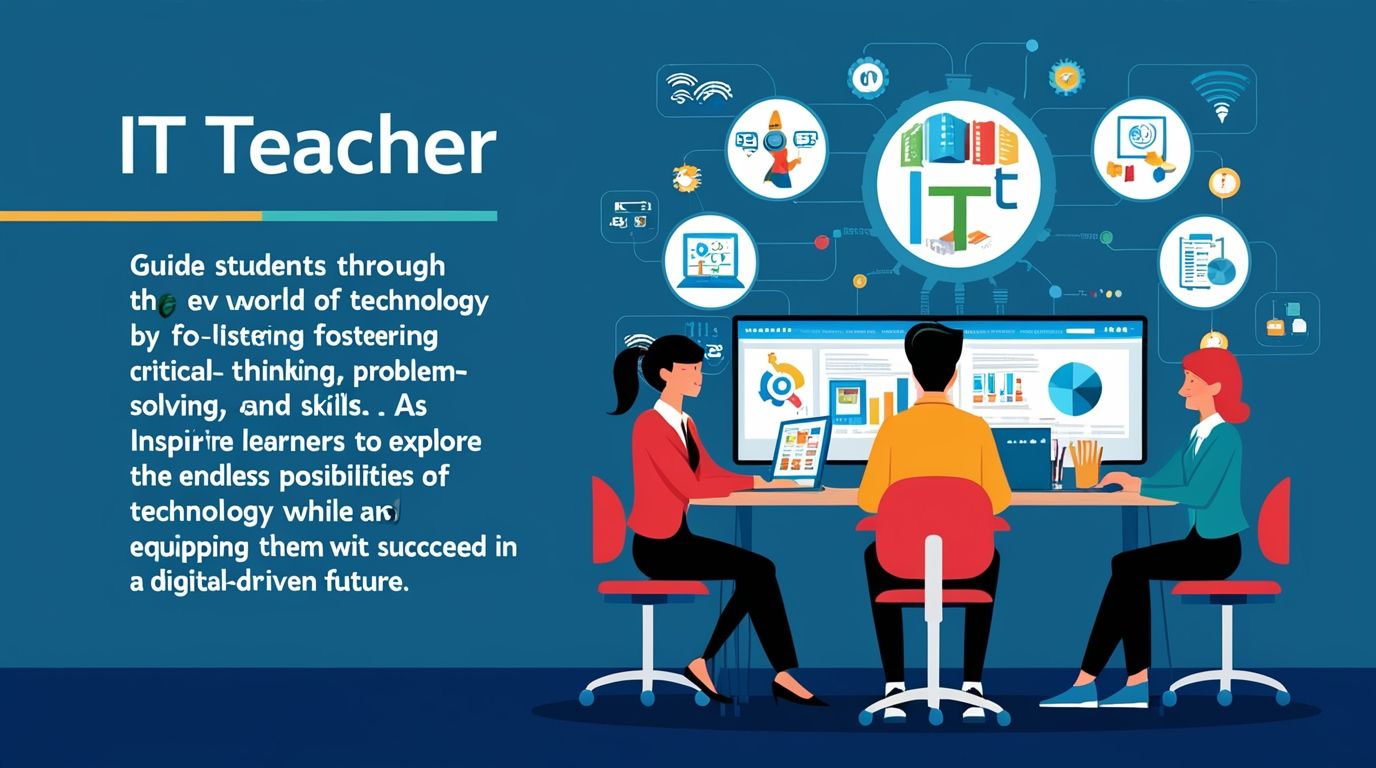
Another defining element of the Latest Teaching Mood is technology integration. Initially, technology was used as a supplementary tool; however, it has now become central to educational delivery. Platforms such as Google Classroom and Microsoft Teams enable teachers to distribute materials, track progress, and communicate effectively. Moreover, video conferencing tools like Zoom have expanded opportunities for remote and hybrid learning.
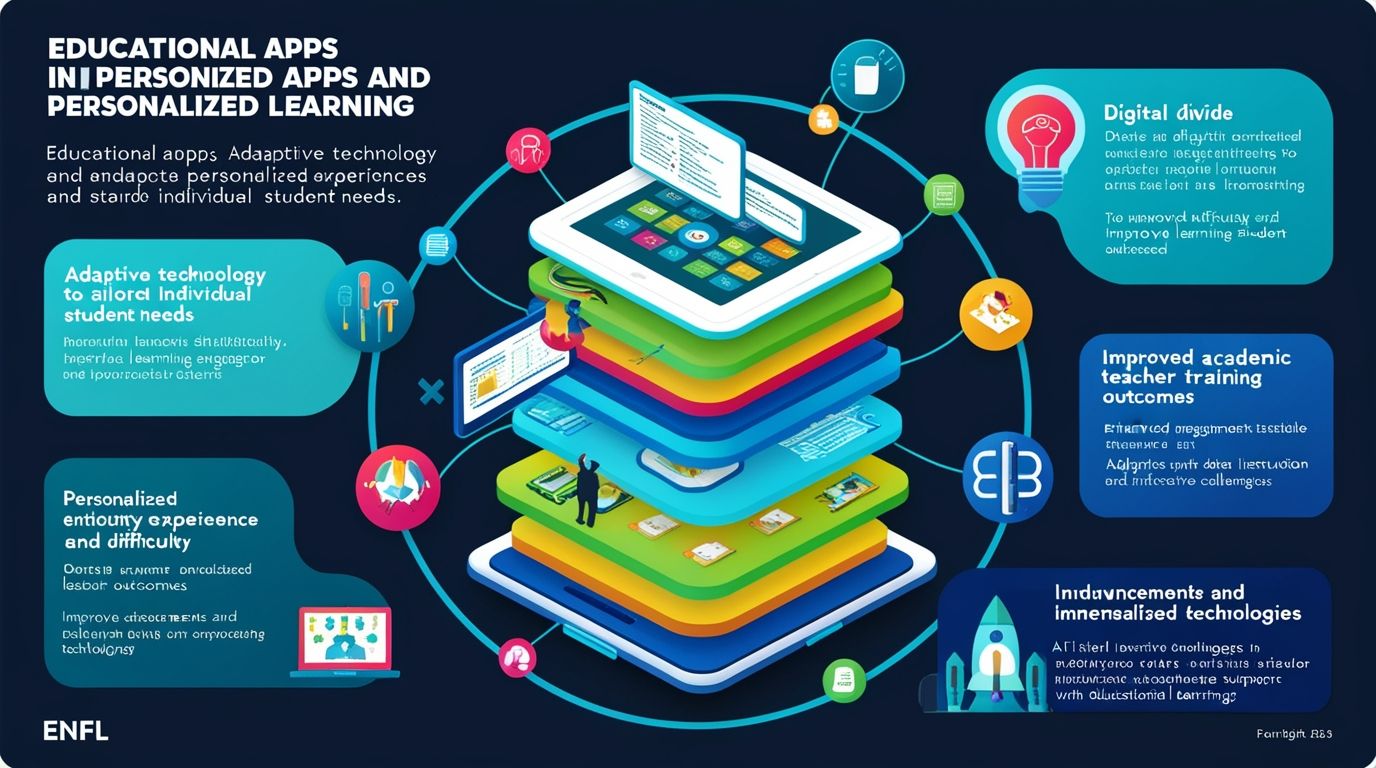
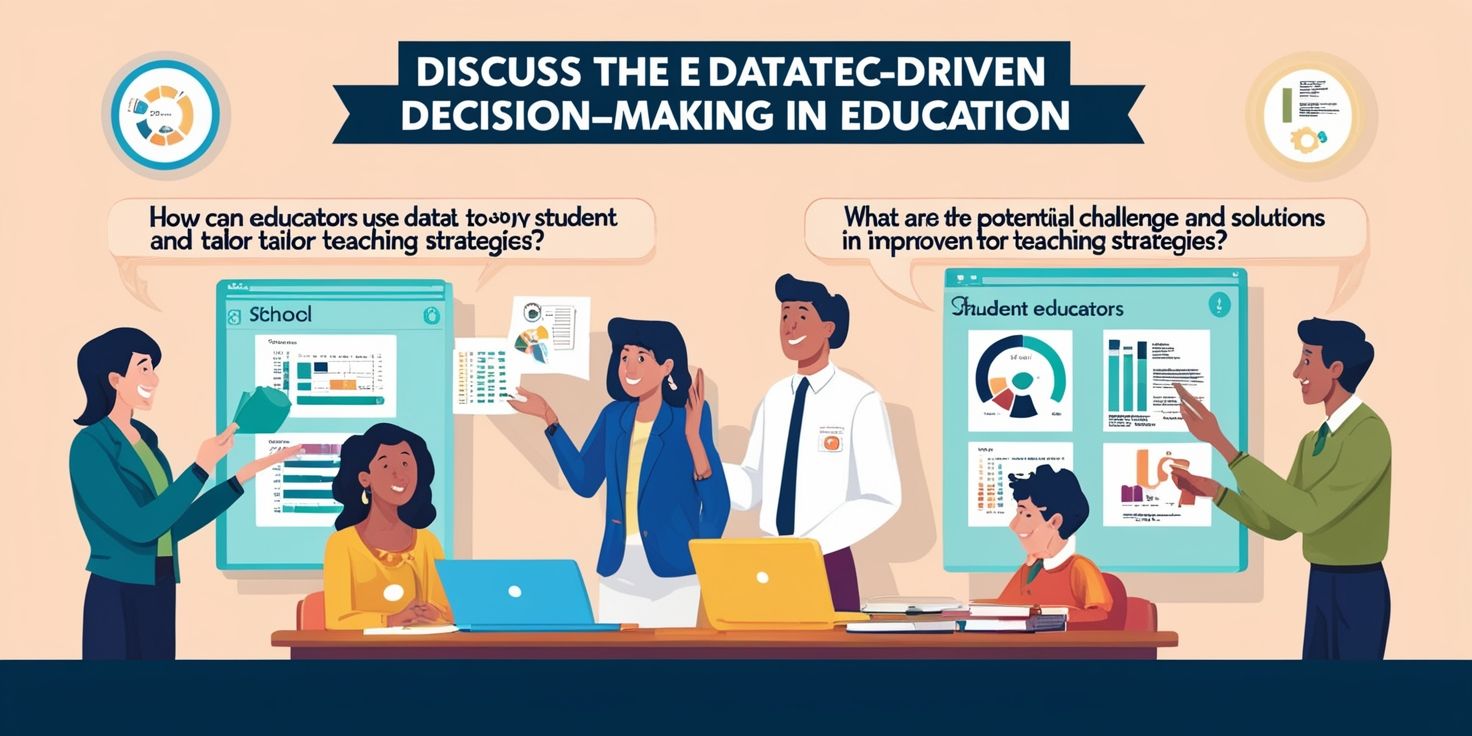
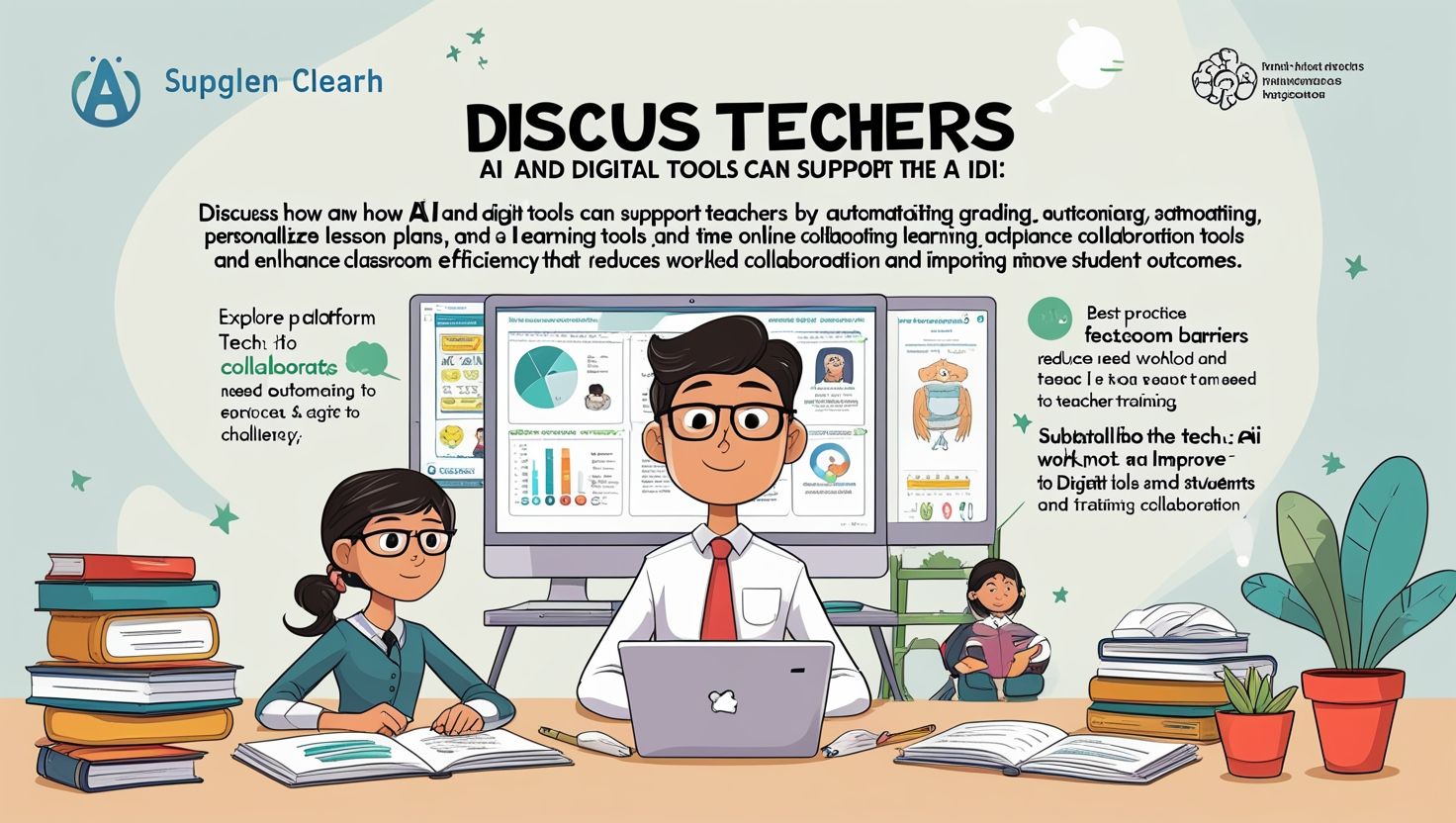
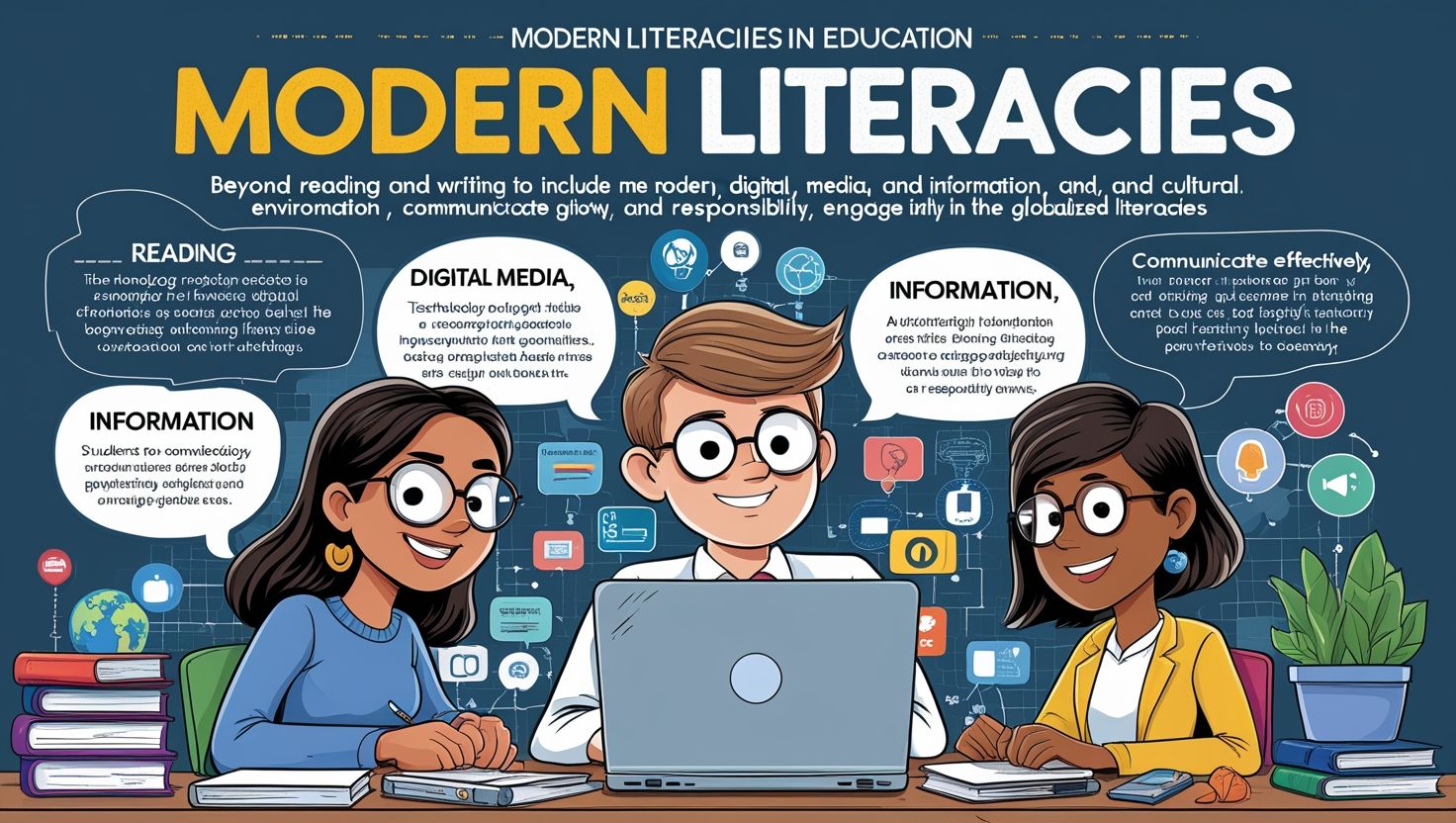
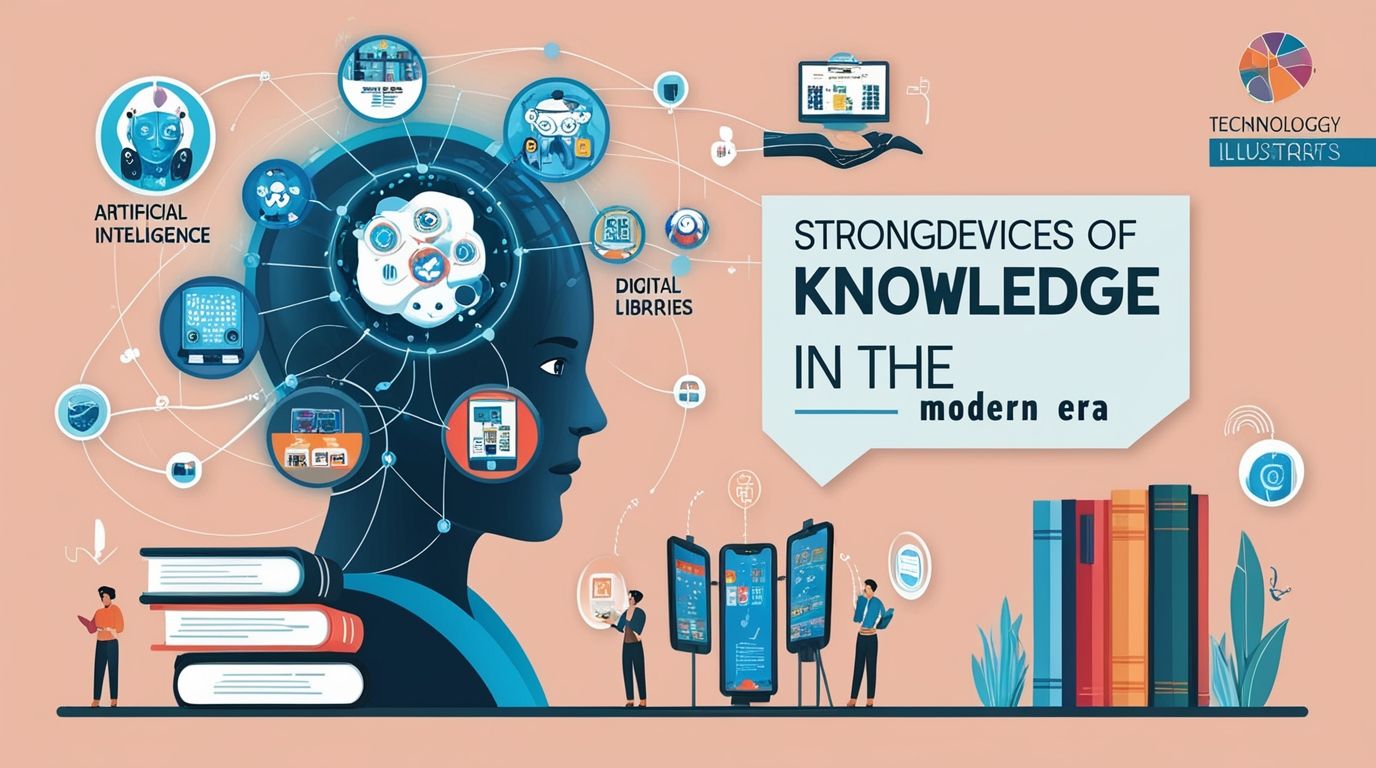
Consequently, students can access resources anytime and anywhere. In addition, artificial intelligence tools personalize learning experiences by analyzing student performance data. Therefore, learners receive customized feedback tailored to their strengths and weaknesses. At the same time, educators emphasize digital literacy to ensure responsible technology use. Thus, students learn to evaluate information critically and practice ethical online behavior. Overall, technology enhances accessibility, engagement, and flexibility in modern education.
Social-Emotional Learning (SEL)
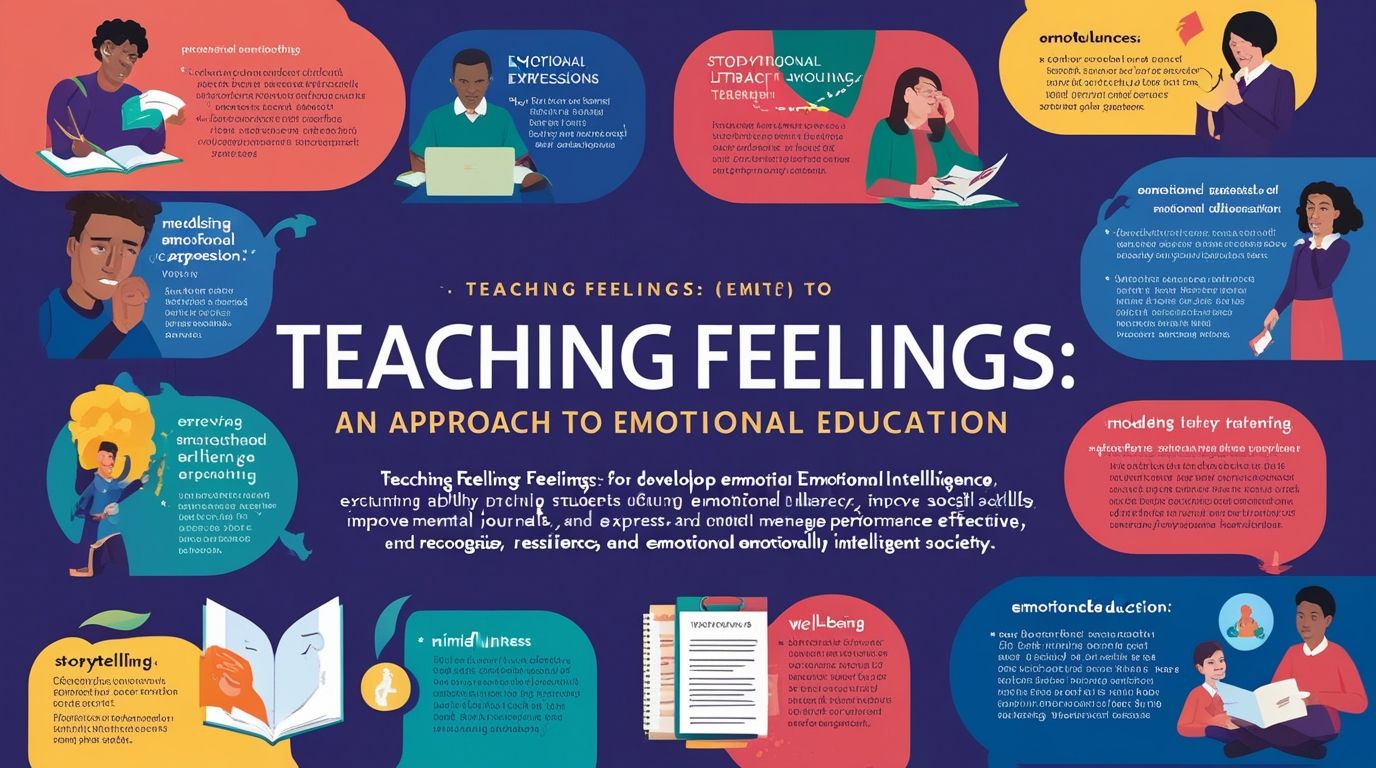
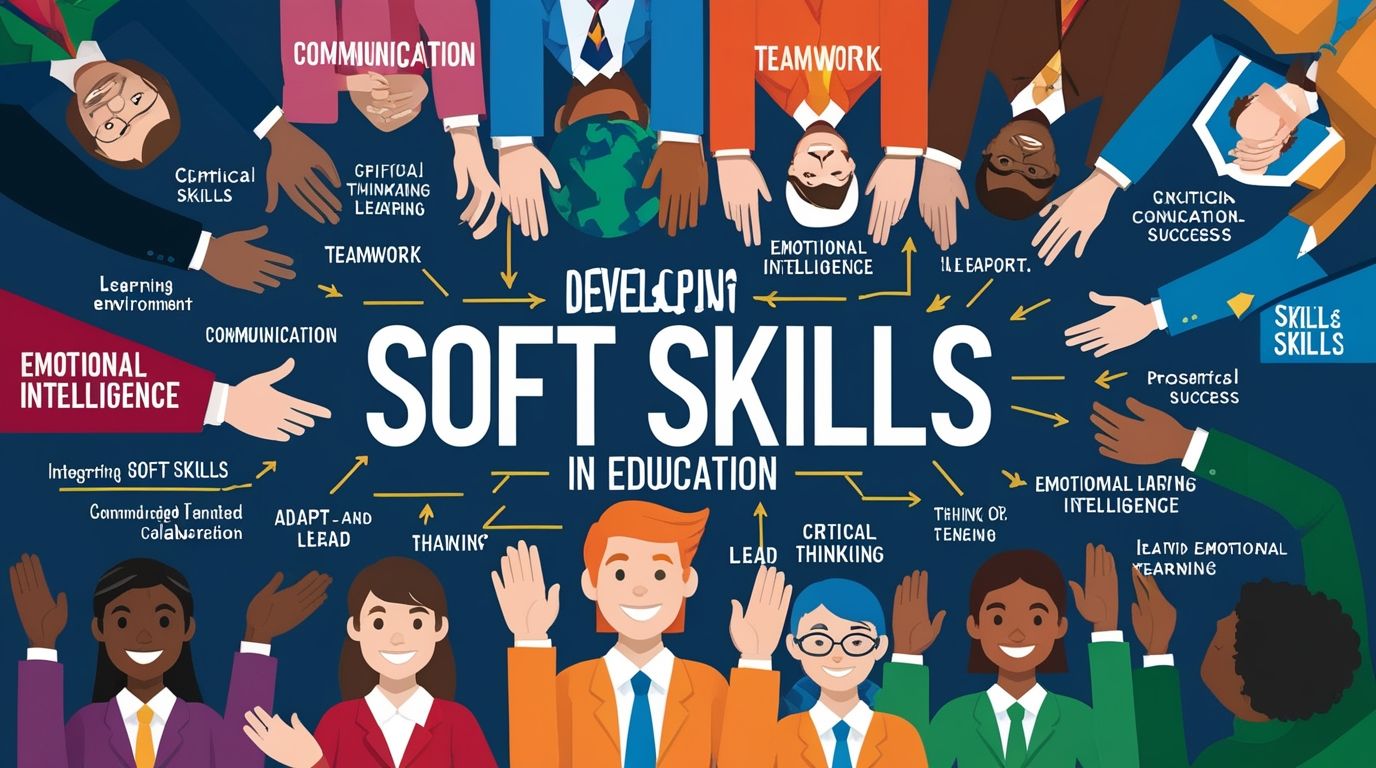
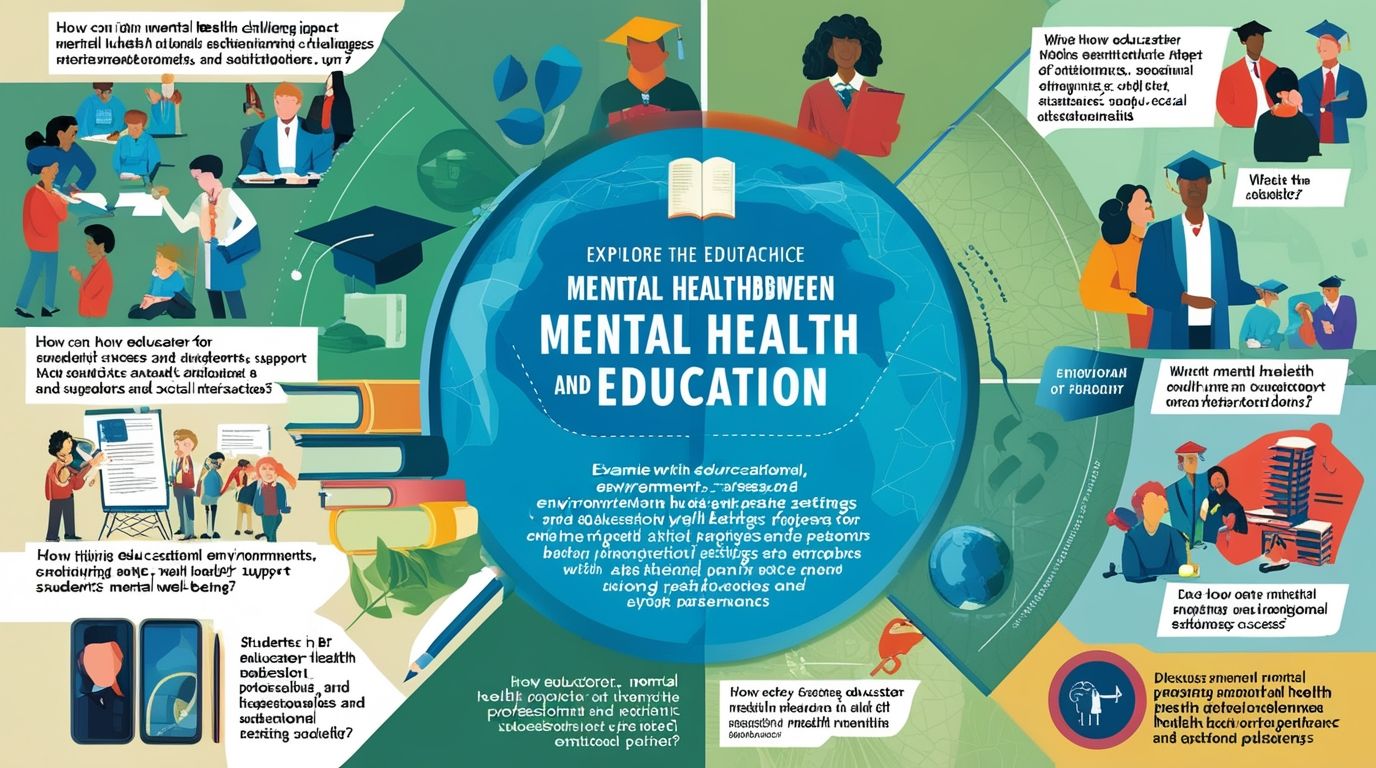
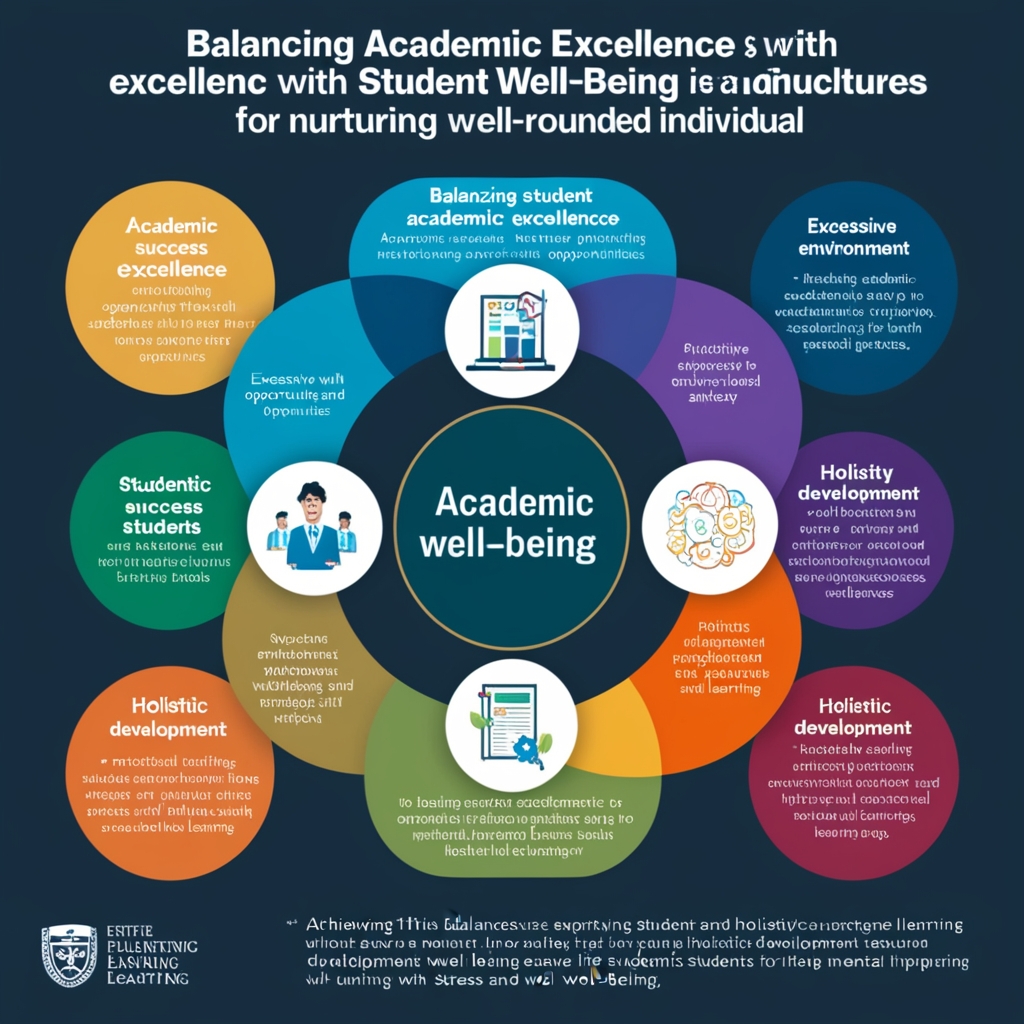
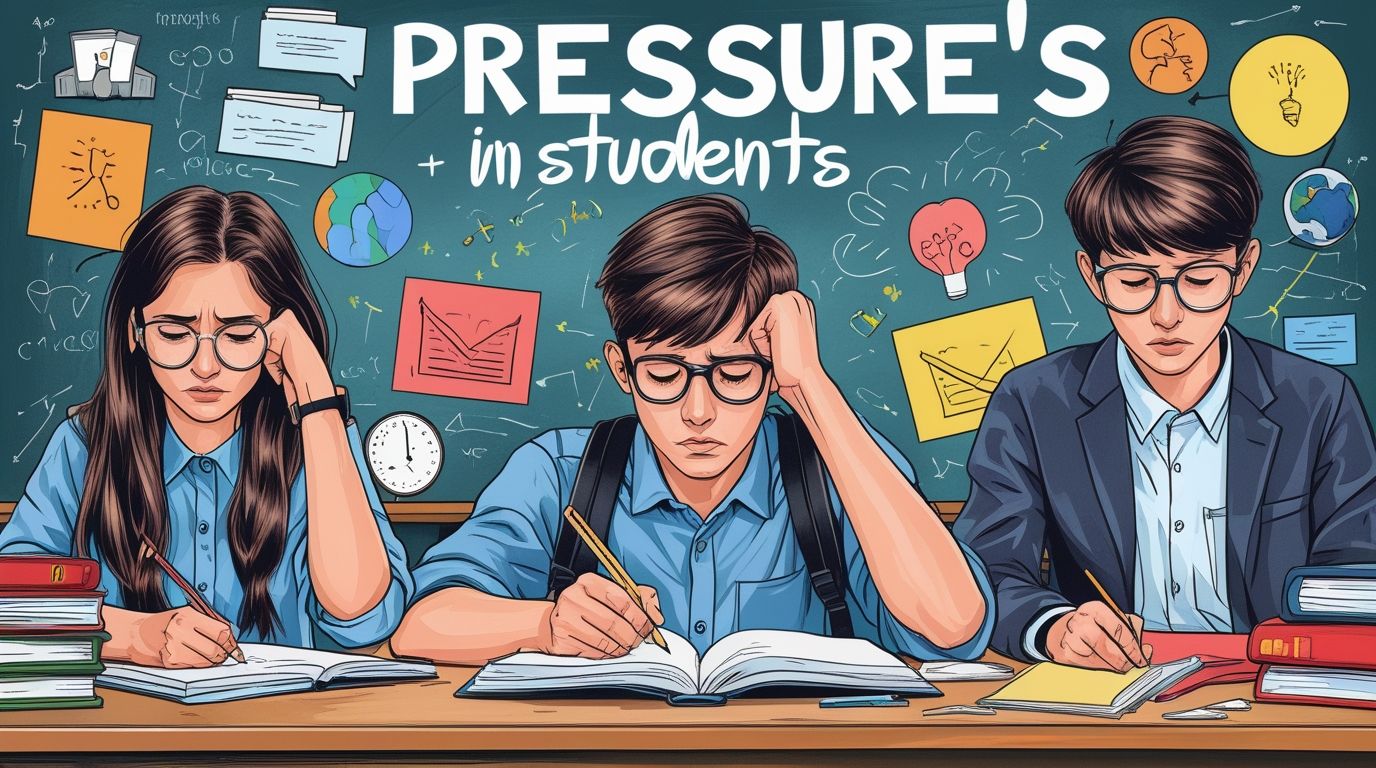
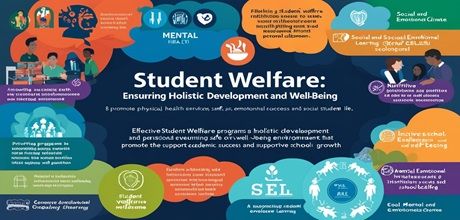
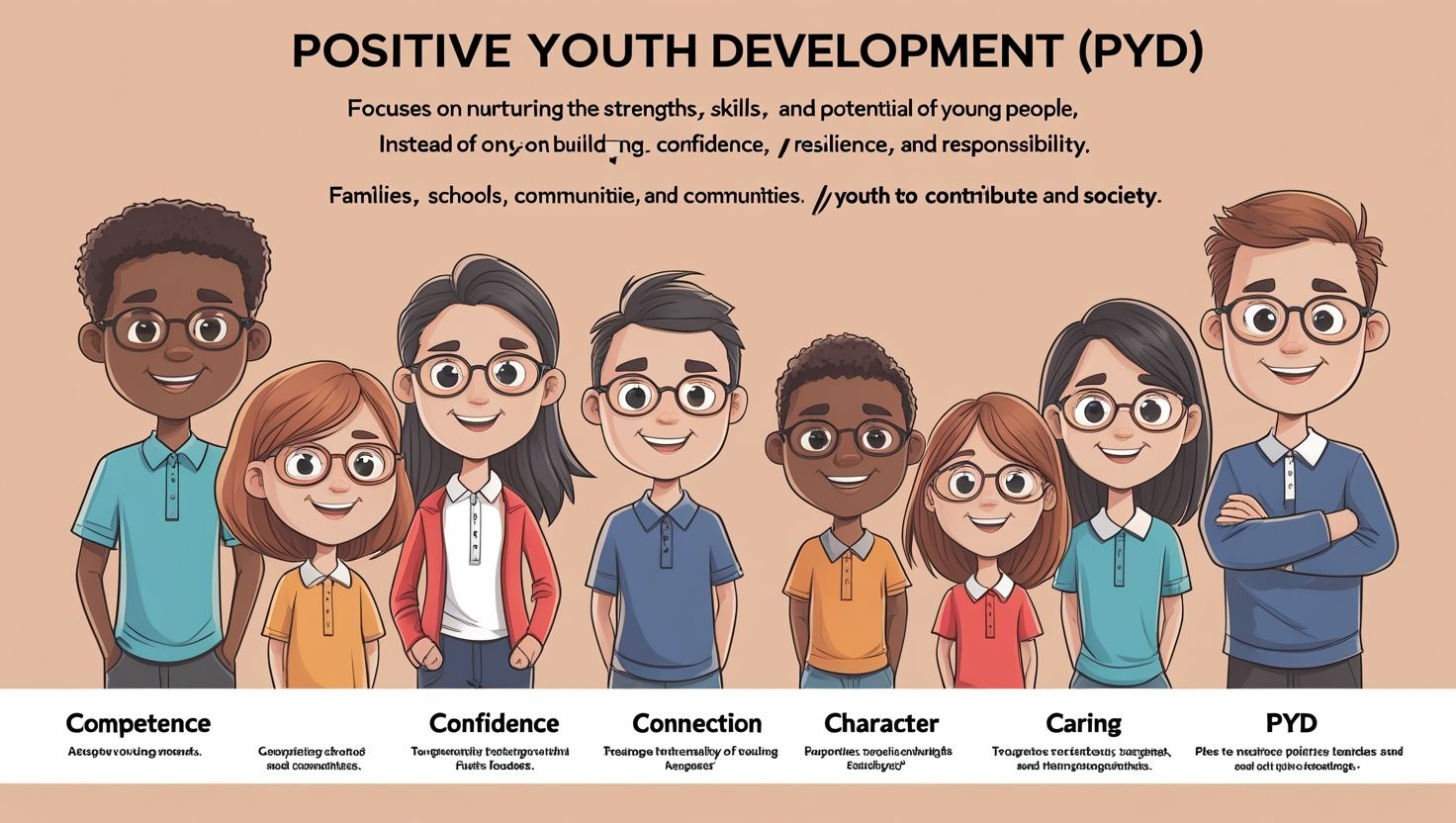
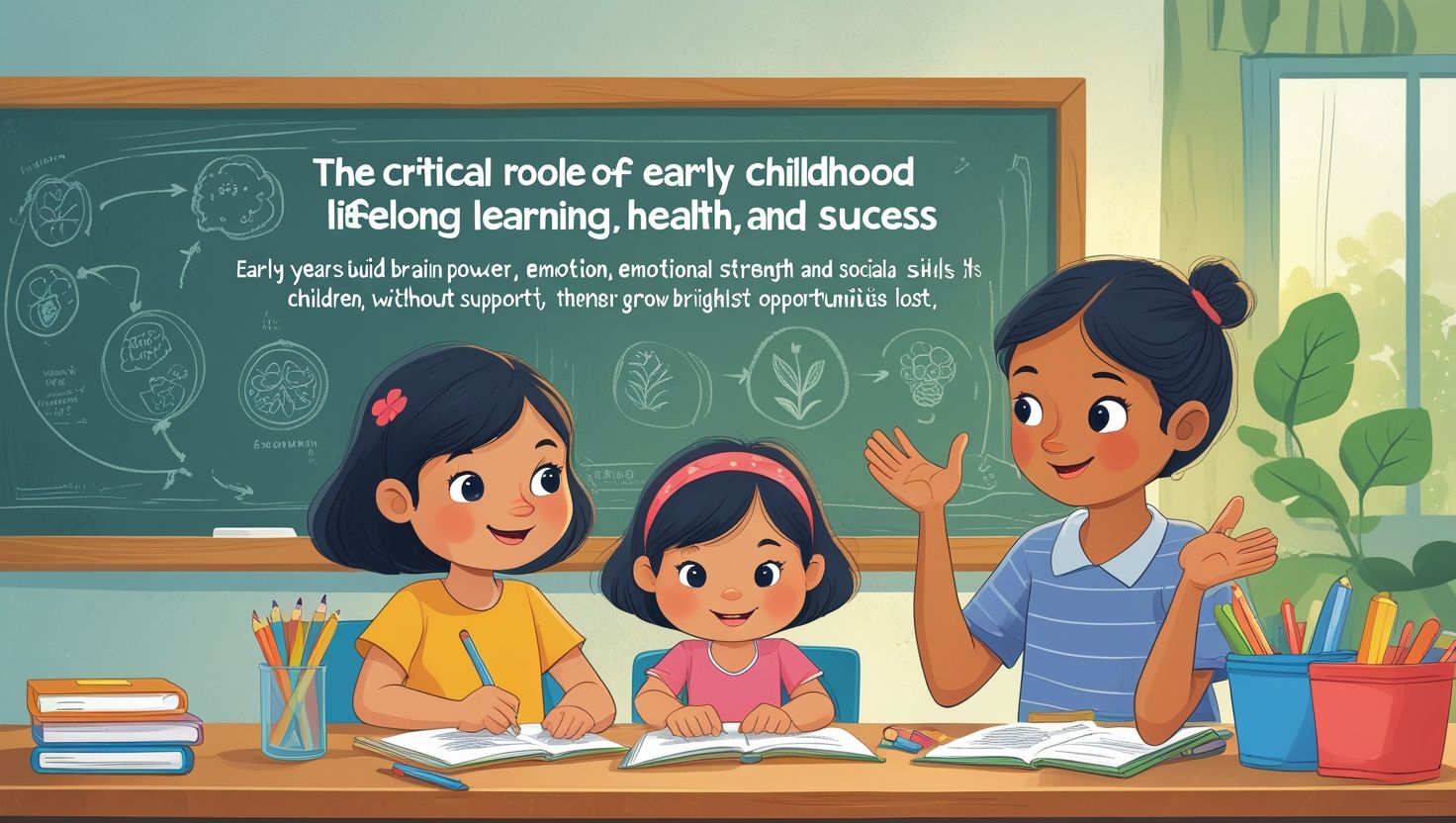
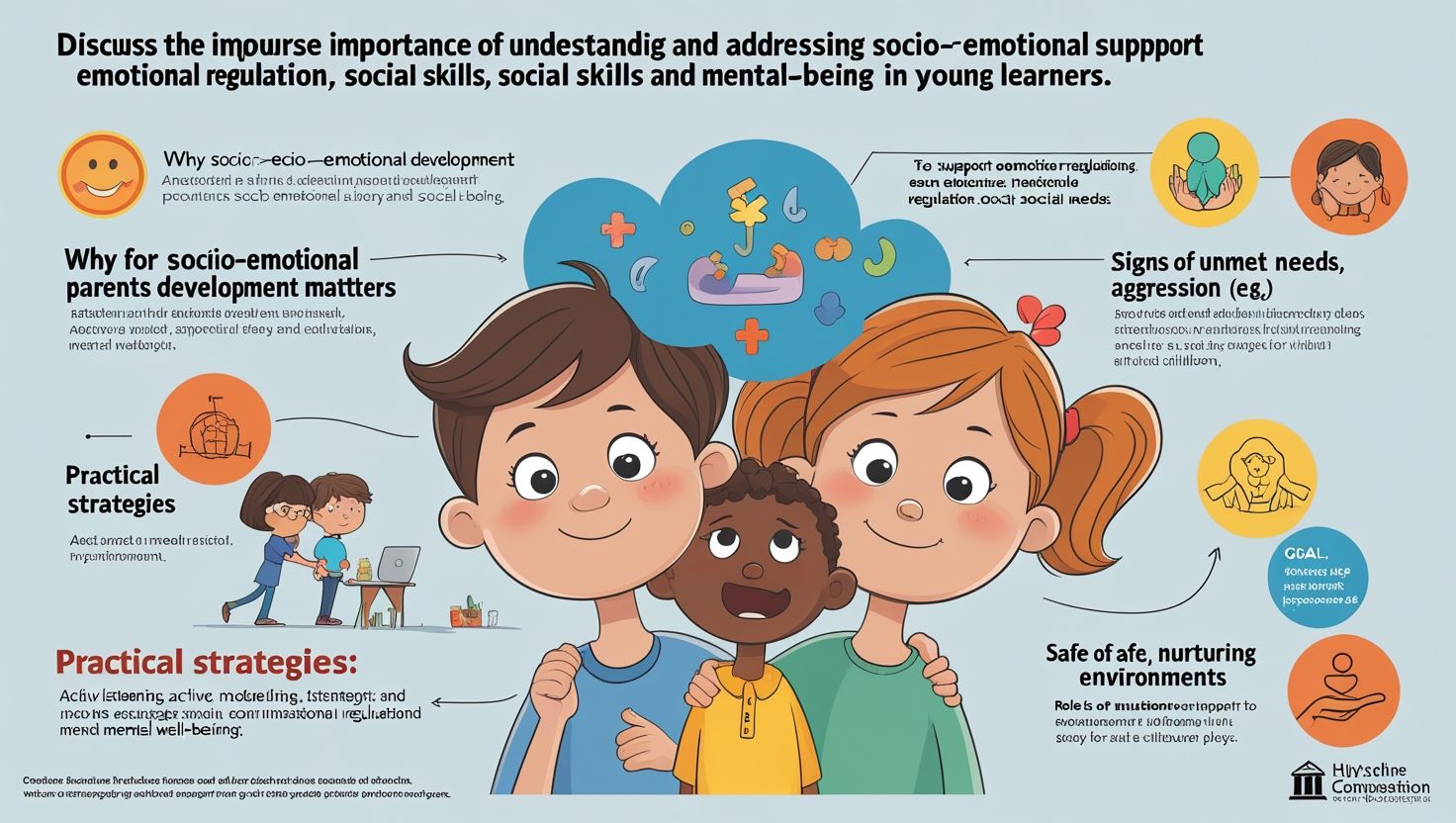
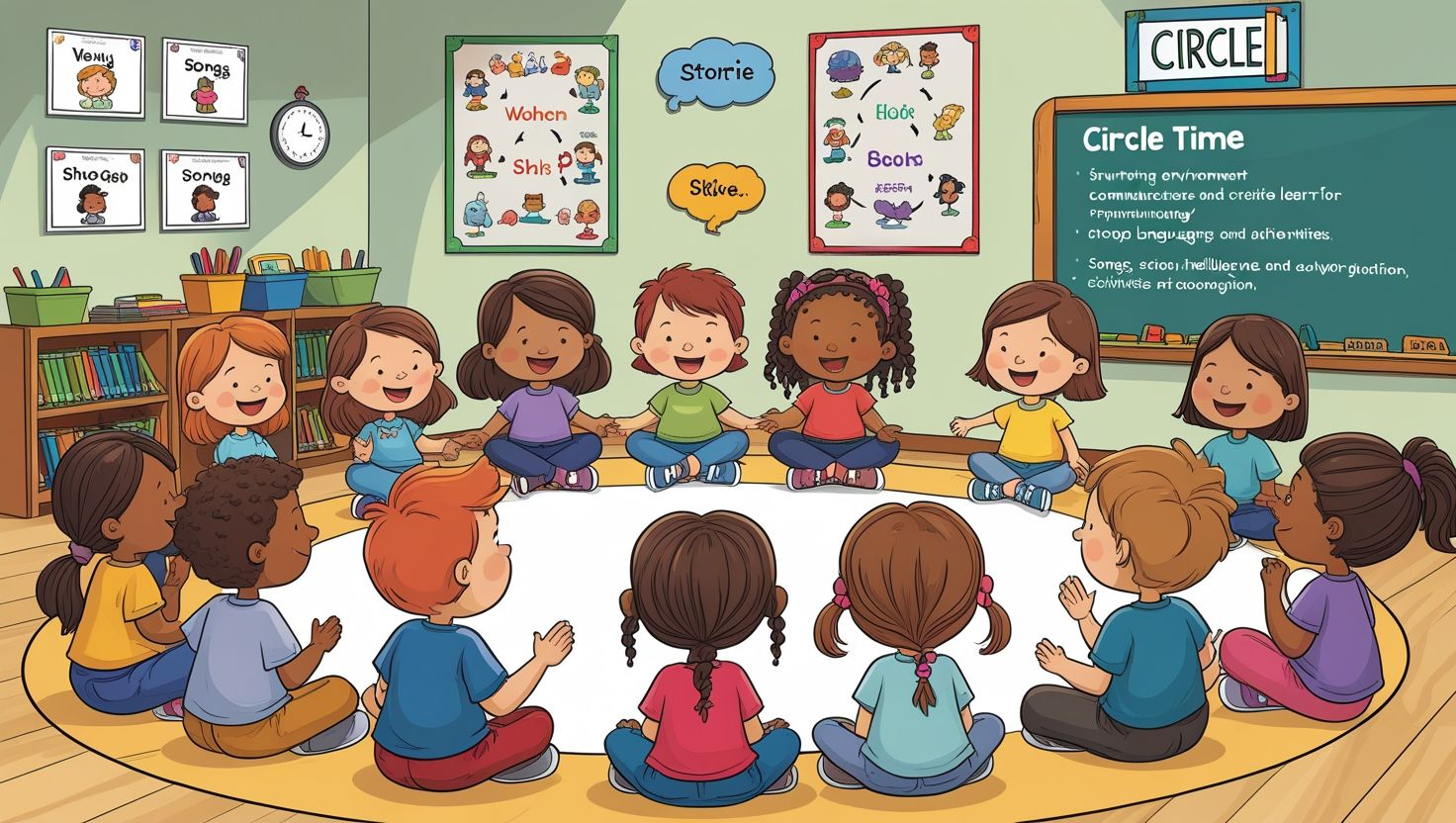
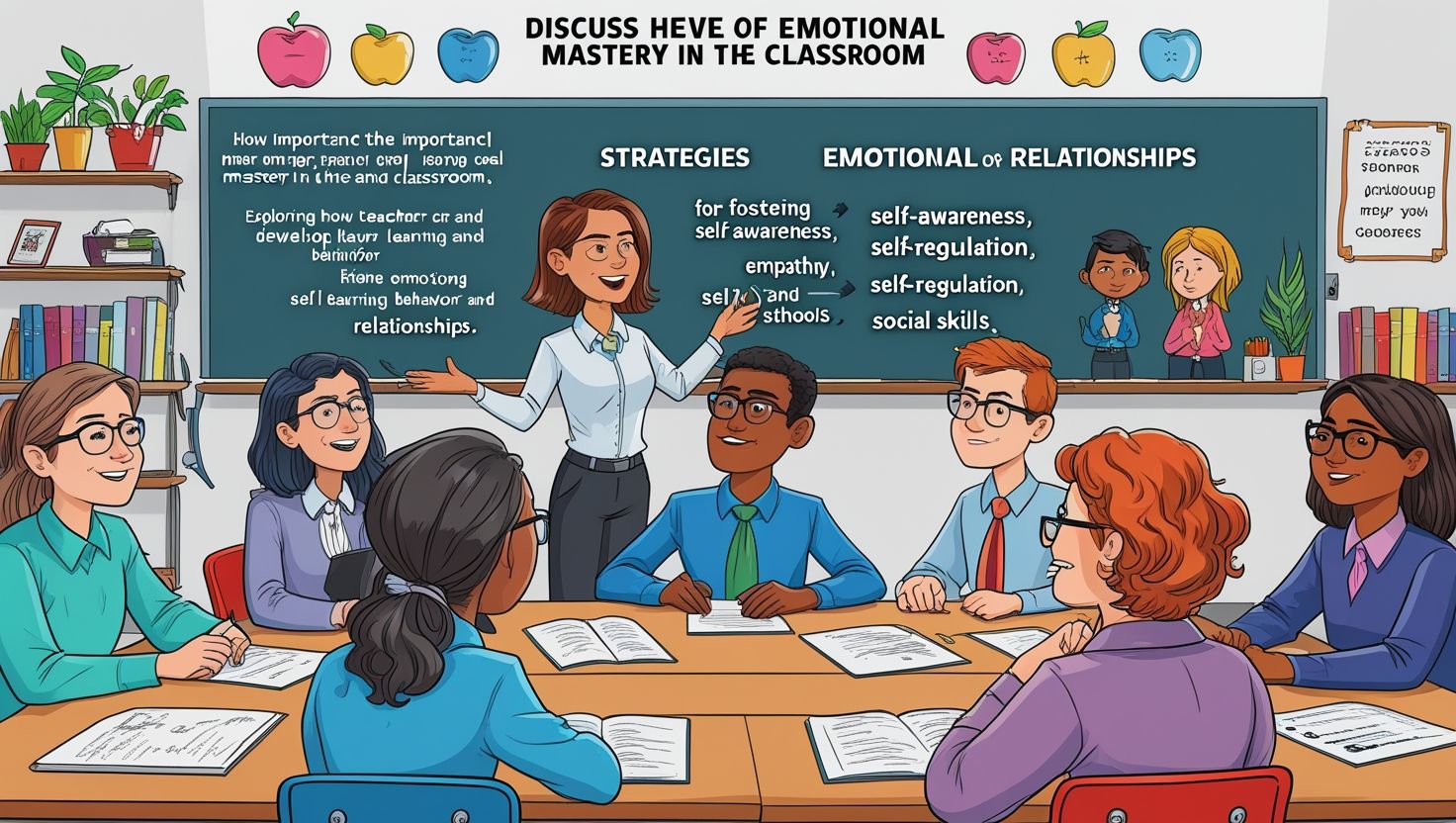
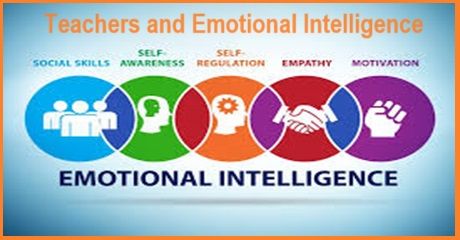
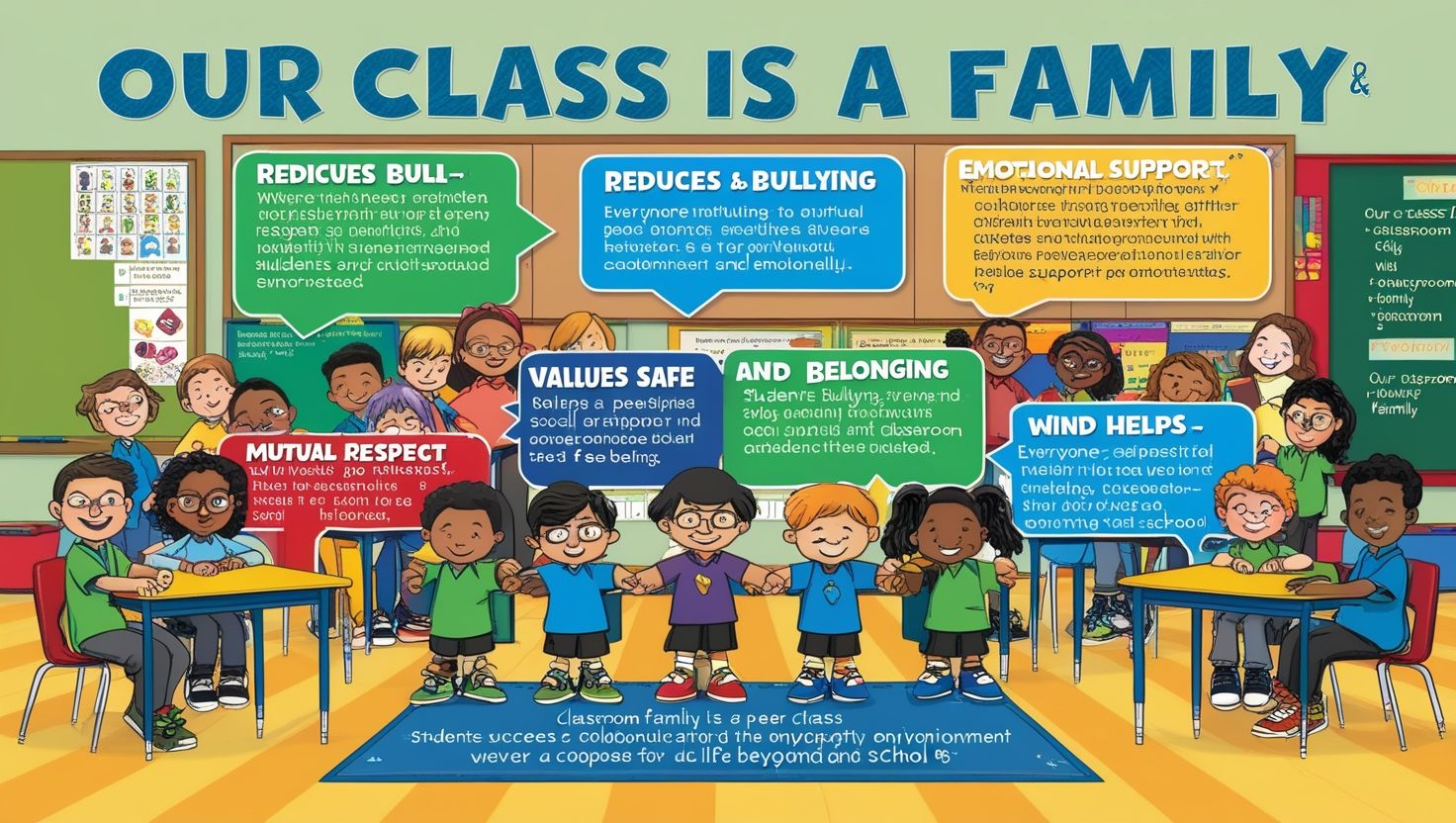
Social-Emotional Learning (SEL) is another cornerstone of the Latest Teaching Mood. Traditionally, education focused primarily on academic achievement. However, research indicates that emotional intelligence significantly influences learning outcomes. Therefore, schools now integrate SEL frameworks into daily instruction. Students practice self-awareness, empathy, and emotional regulation. For instance, reflective journaling and group discussions promote self-expression and collaboration.
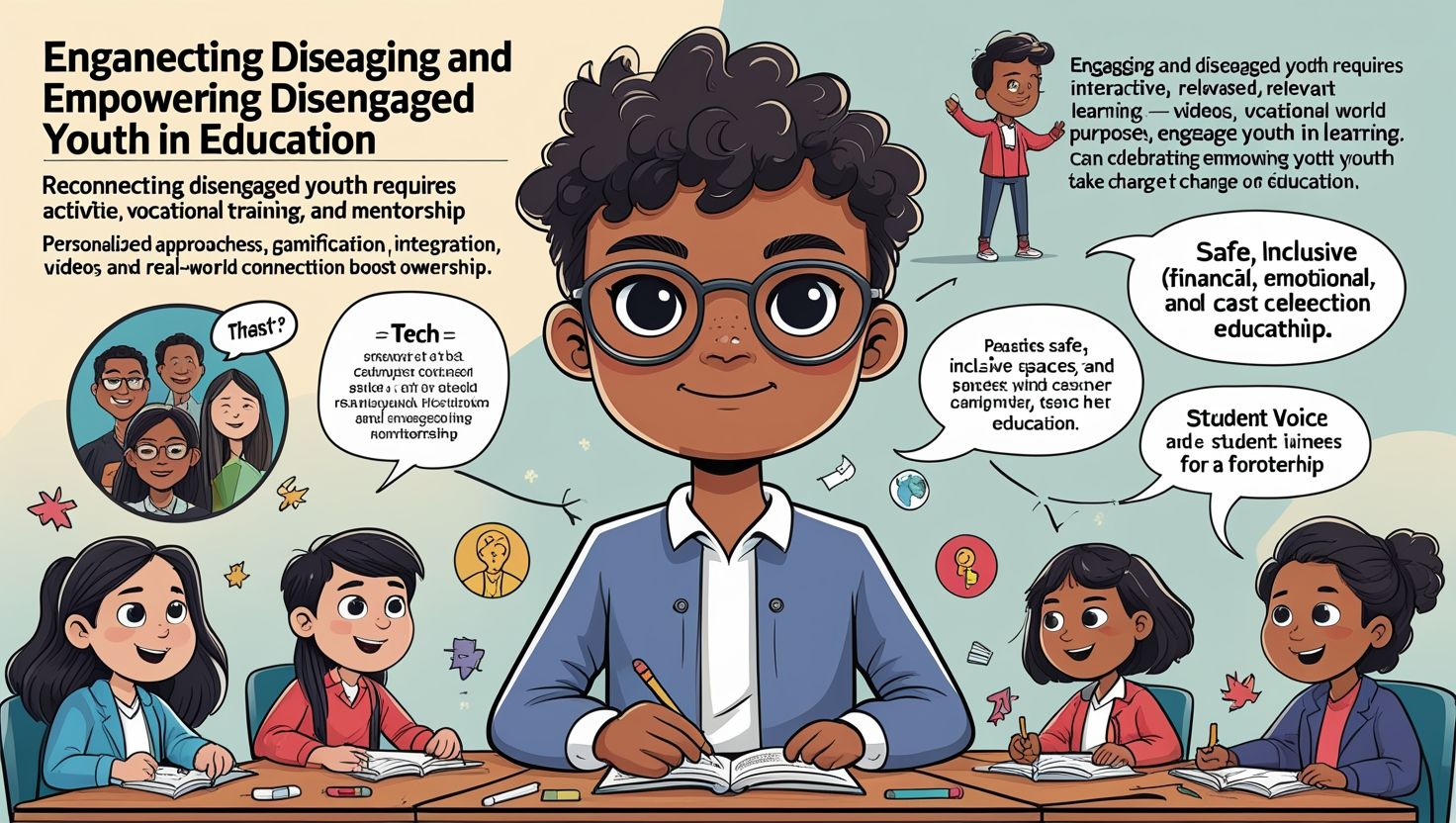
Moreover, educators recognize the importance of mental health support. Consequently, classrooms are designed to be safe and inclusive environments. In addition, teachers act as mentors who guide students not only academically but also emotionally. As a result, learners develop resilience and interpersonal skills that extend beyond the classroom. Ultimately, SEL contributes to holistic development and improved academic performance.
Inclusive and Culturally Responsive Teaching
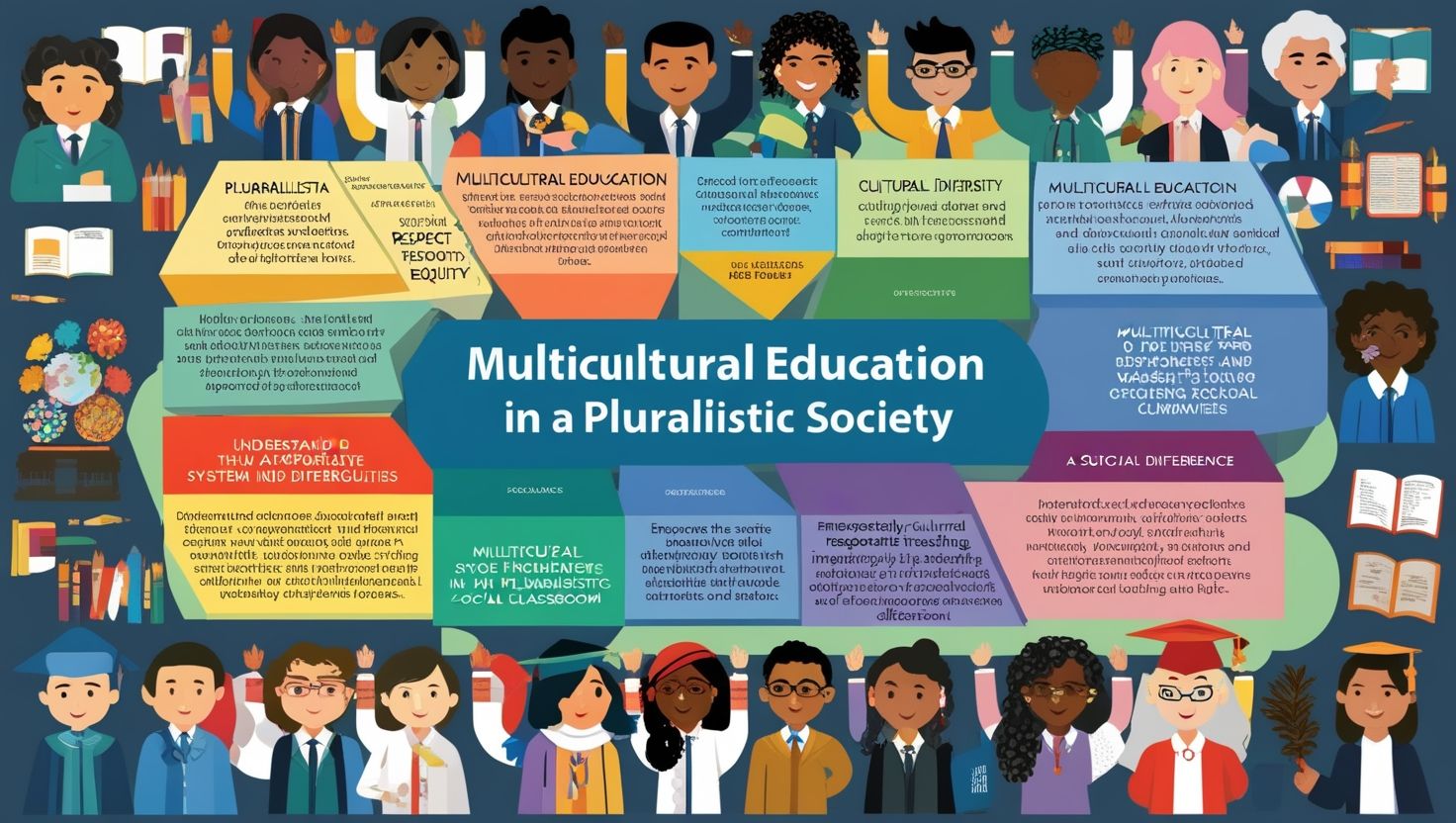
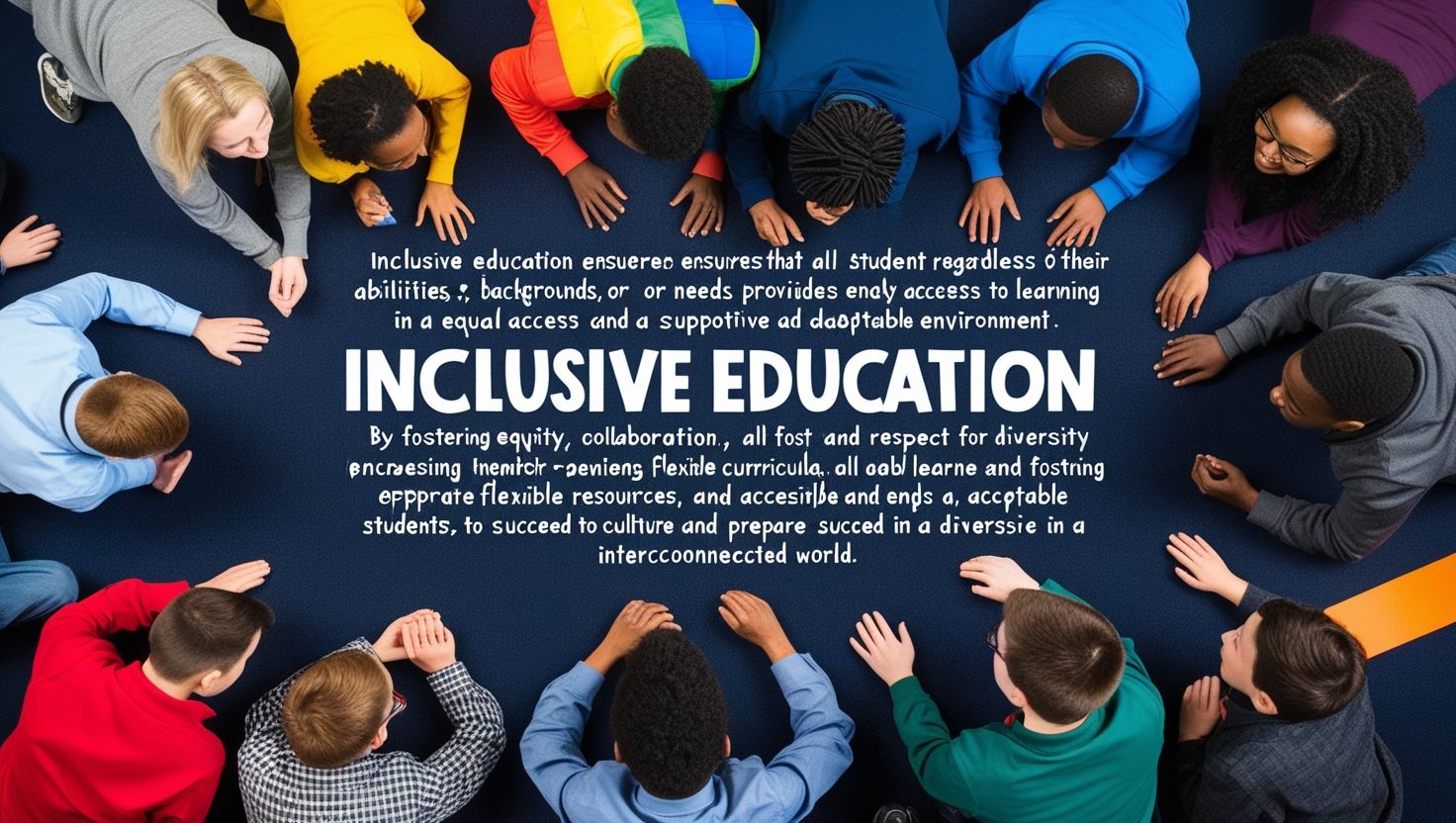
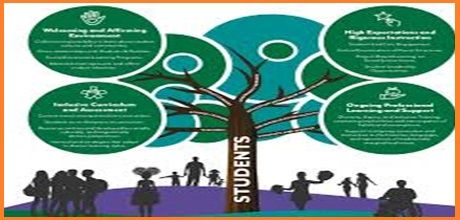
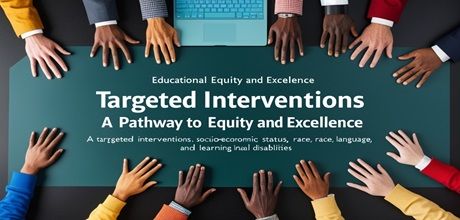
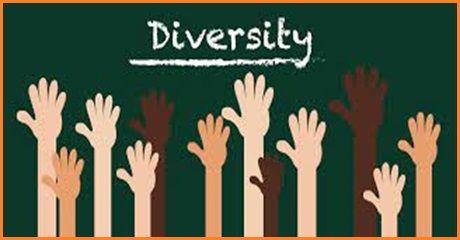
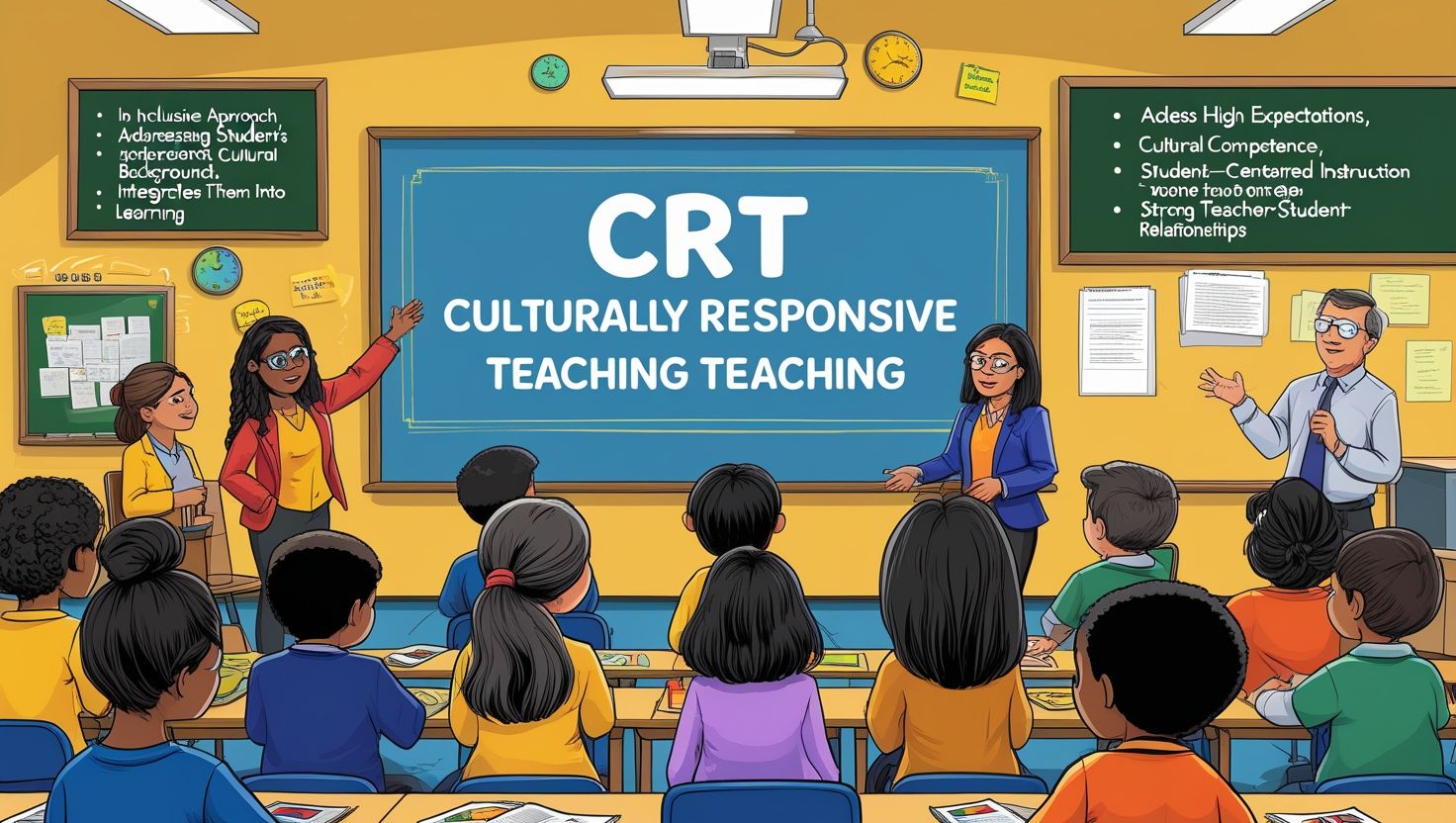
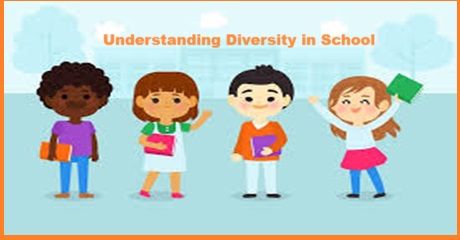
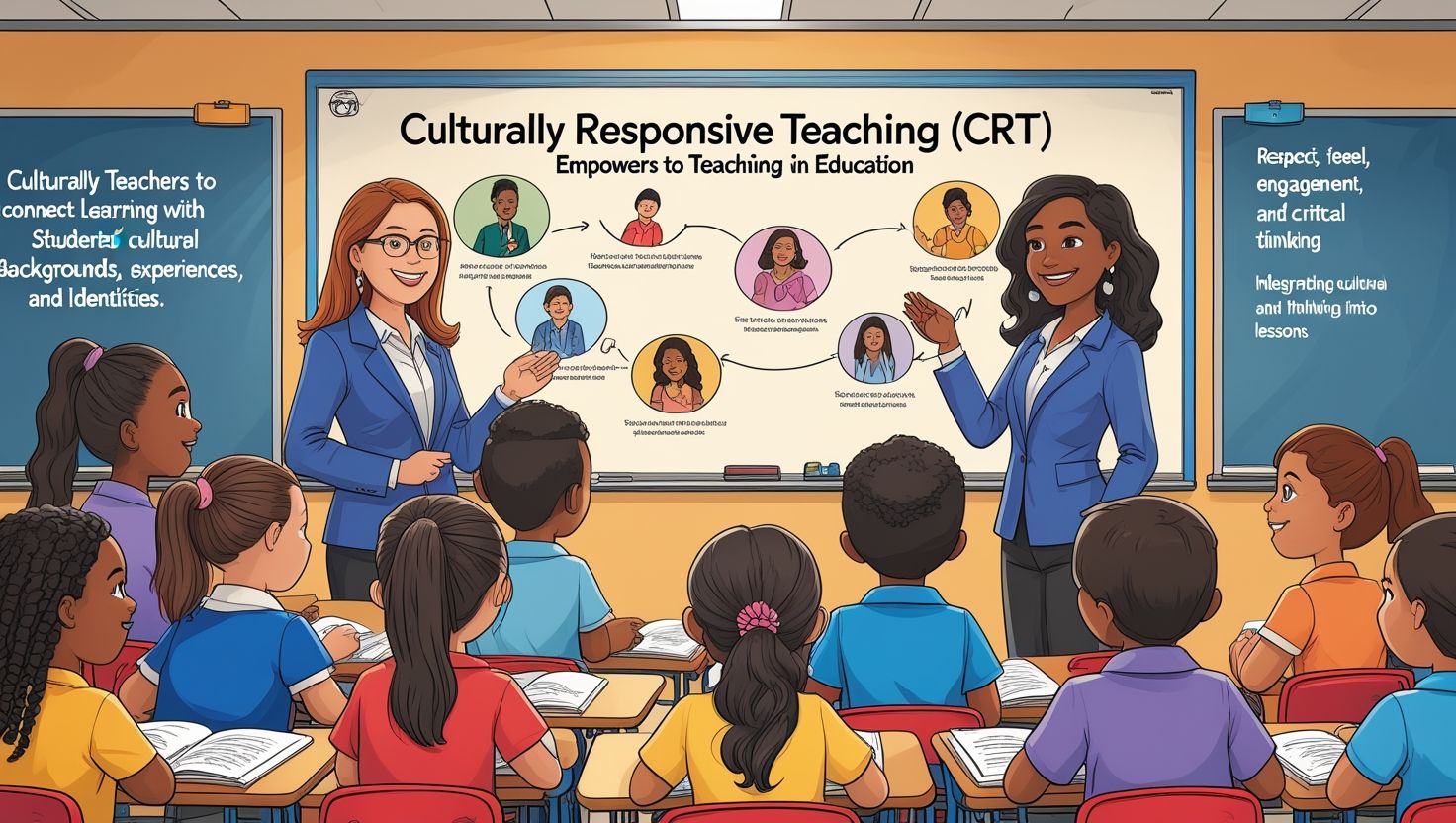
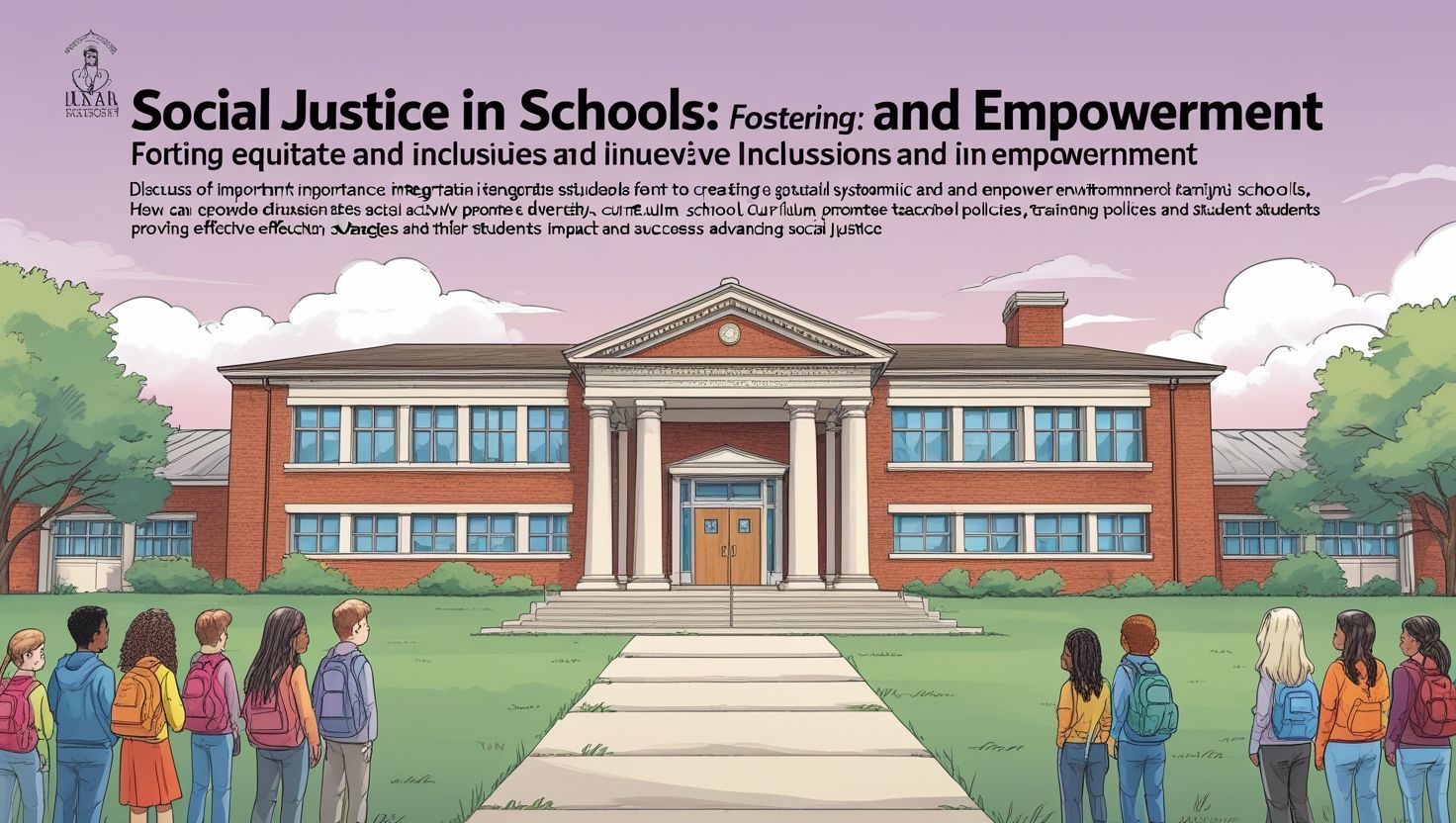
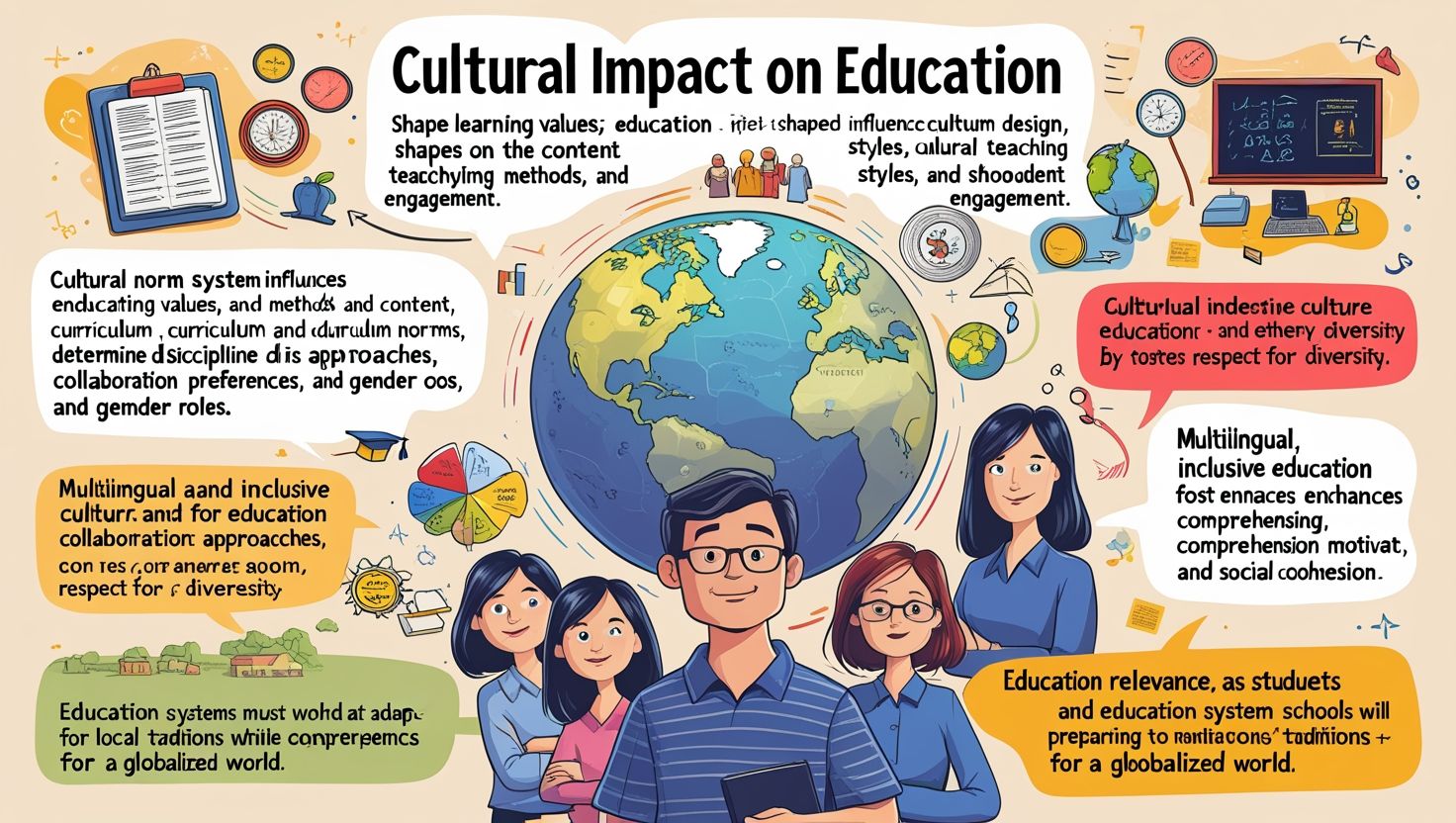
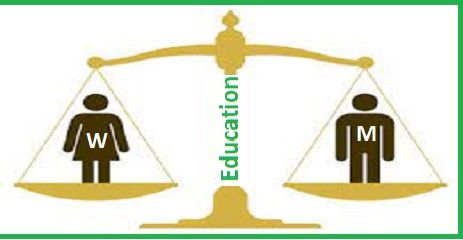
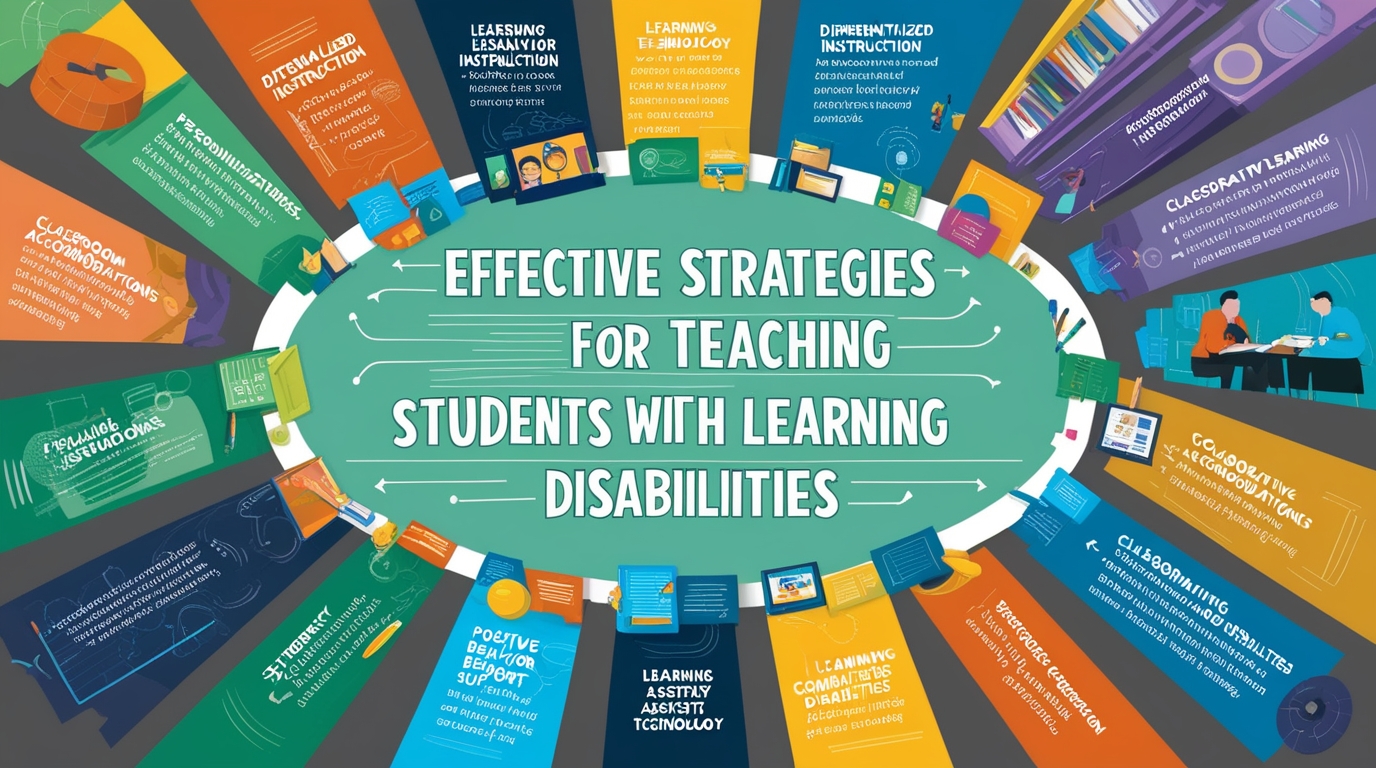
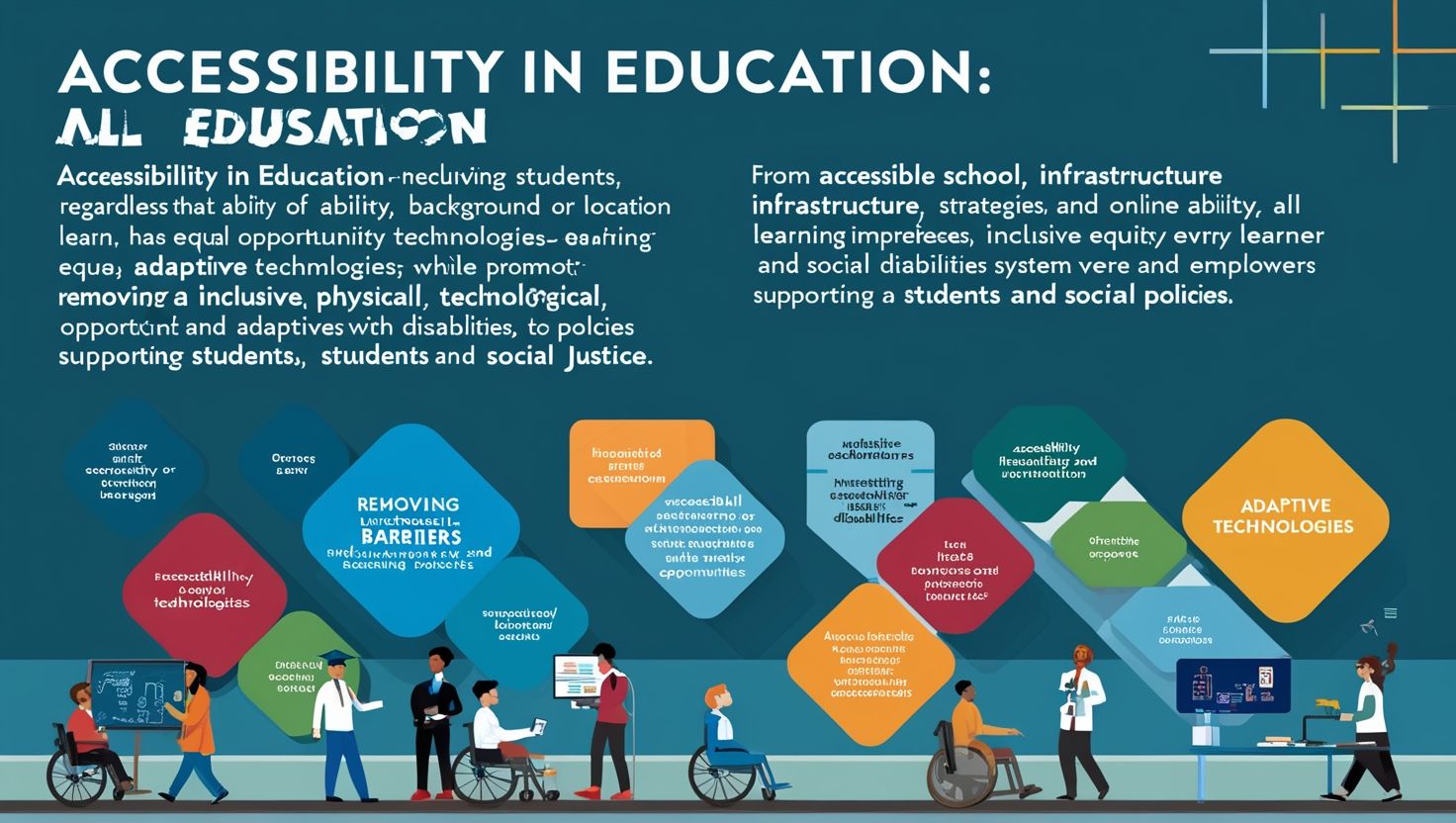
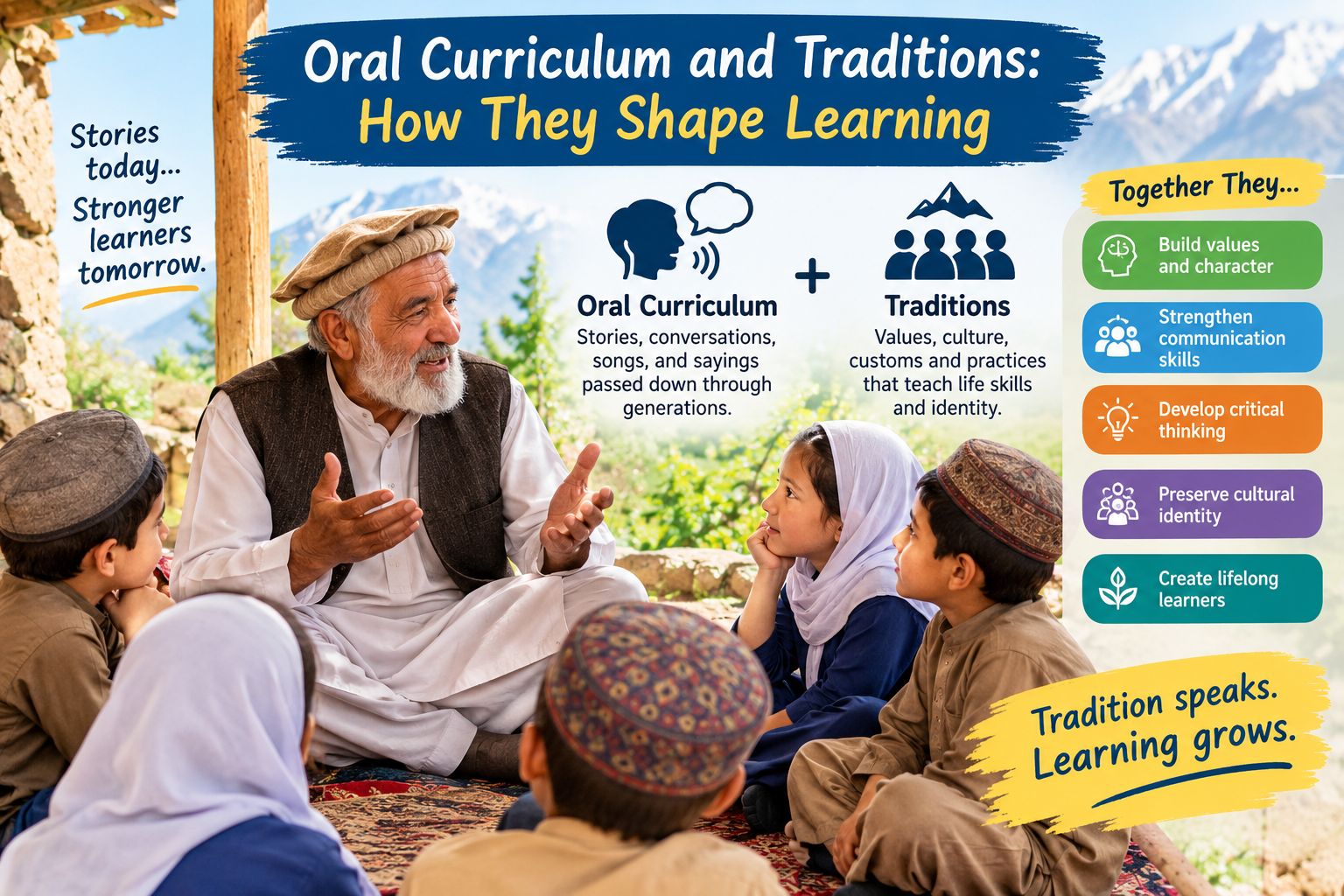
Inclusivity defines modern educational practices. In the past, marginalized perspectives were often overlooked. Today, culturally responsive teaching ensures that diverse voices are represented. For example, curricula include multicultural literature and global histories. Furthermore, universal design for learning principles provide flexible assessment options for students with varying abilities.
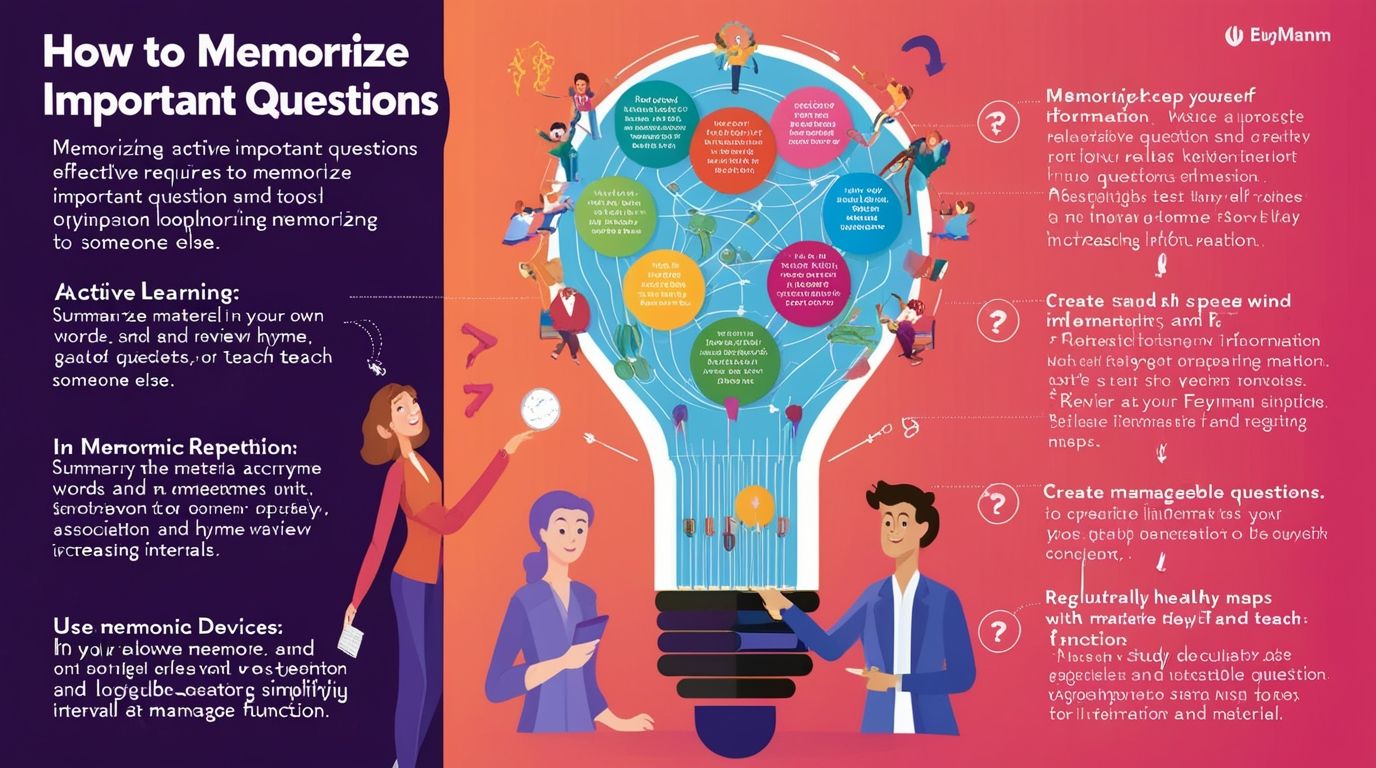
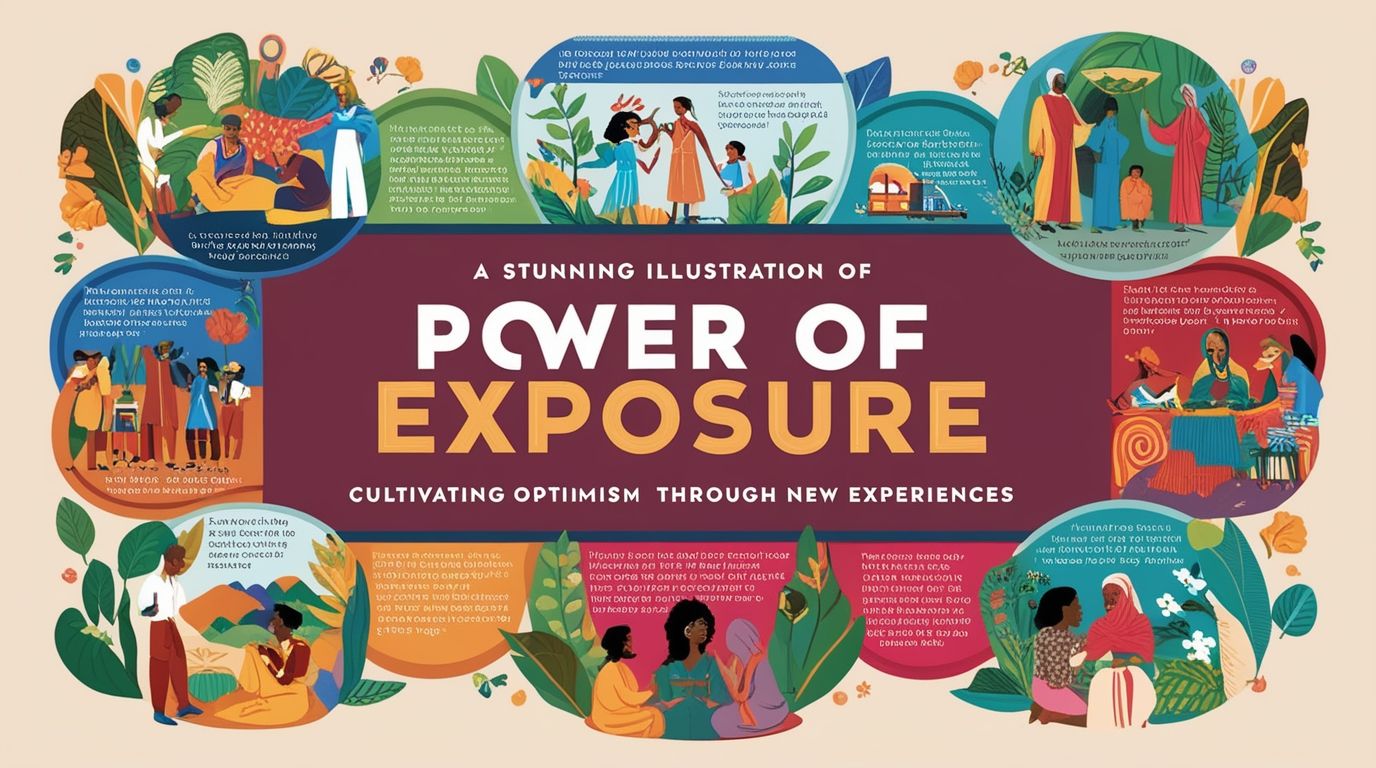
Therefore, assistive technologies and alternative evaluation methods promote equity. In addition, anti-bias training supports respectful classroom dialogue. Consequently, students develop cultural competence and global awareness. Indeed, inclusive teaching fosters empathy and mutual understanding. As a result, education becomes more equitable and empowering for all learners.
Project-Based and Experiential Learning
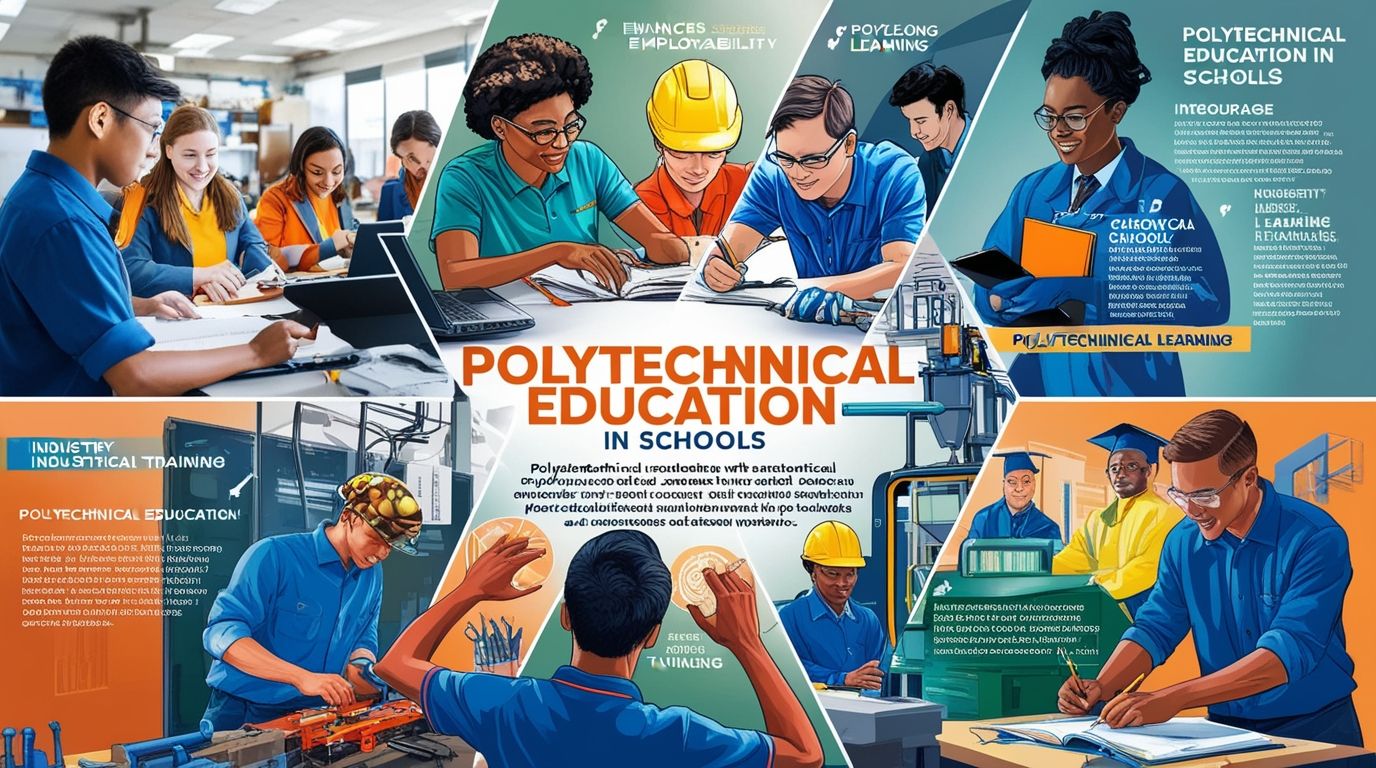
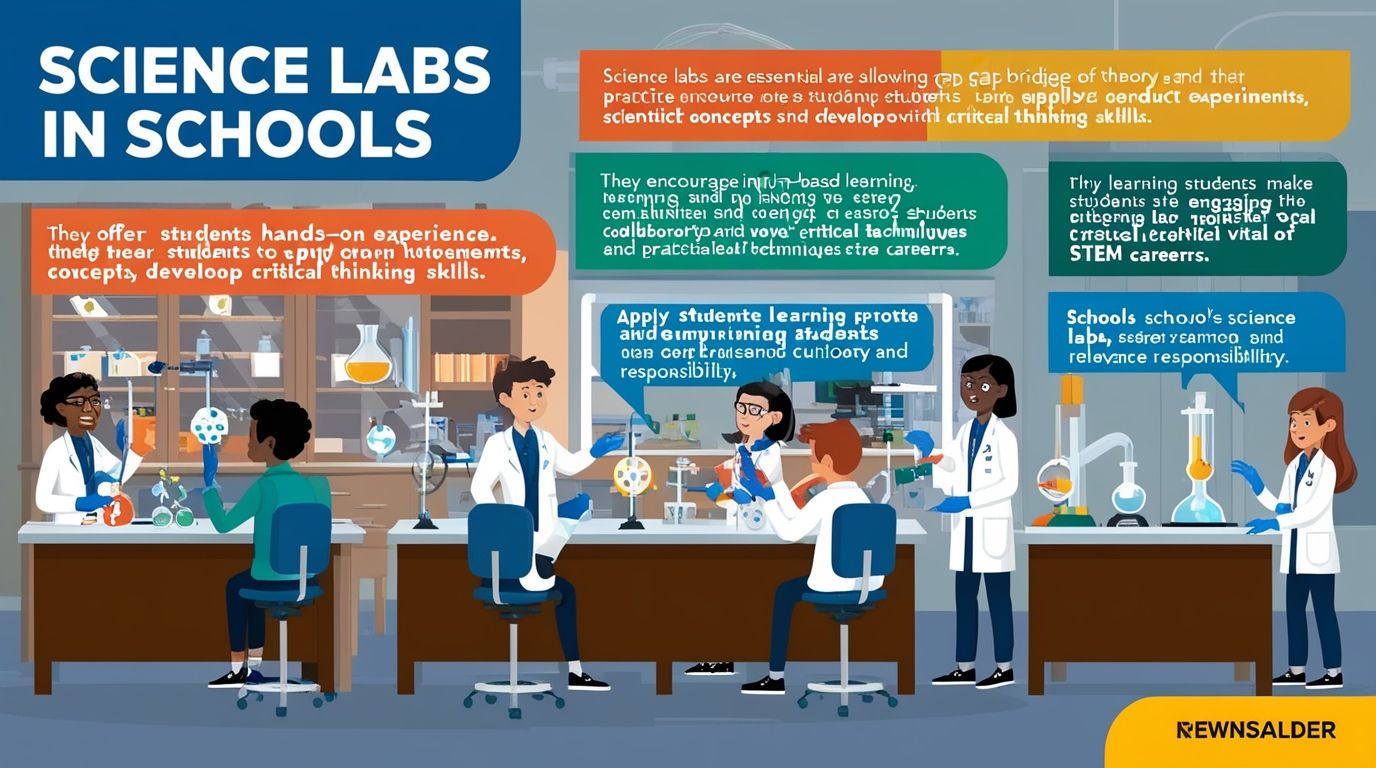
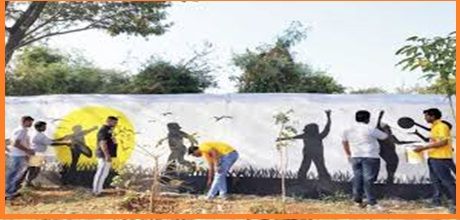
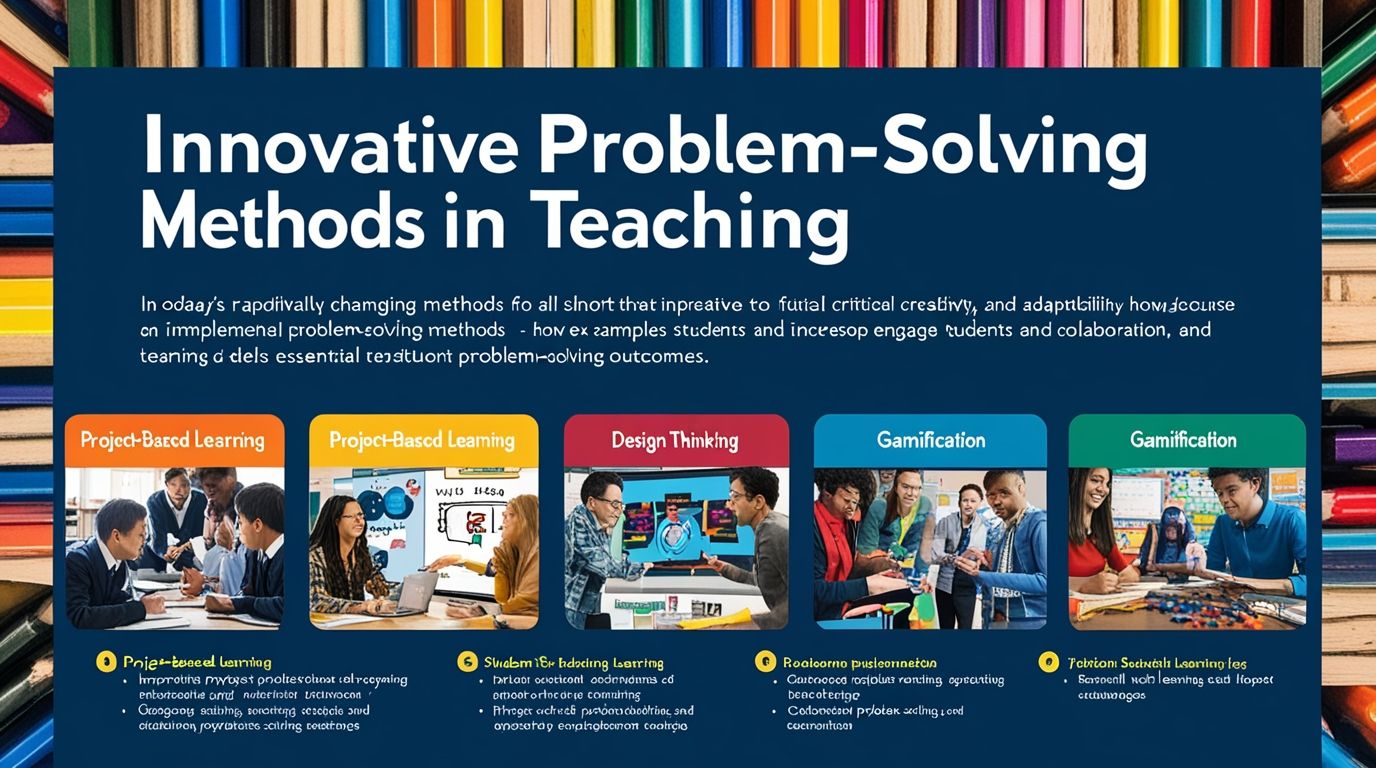
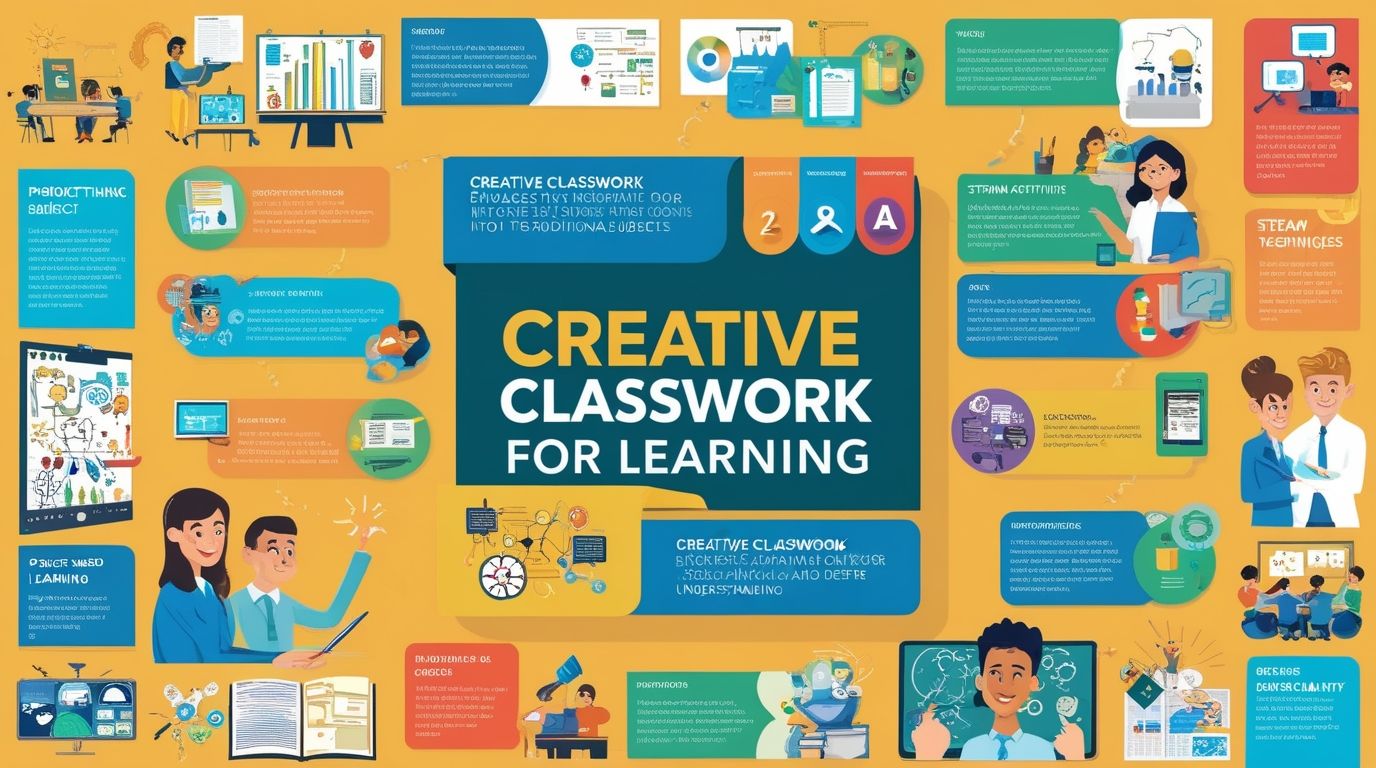
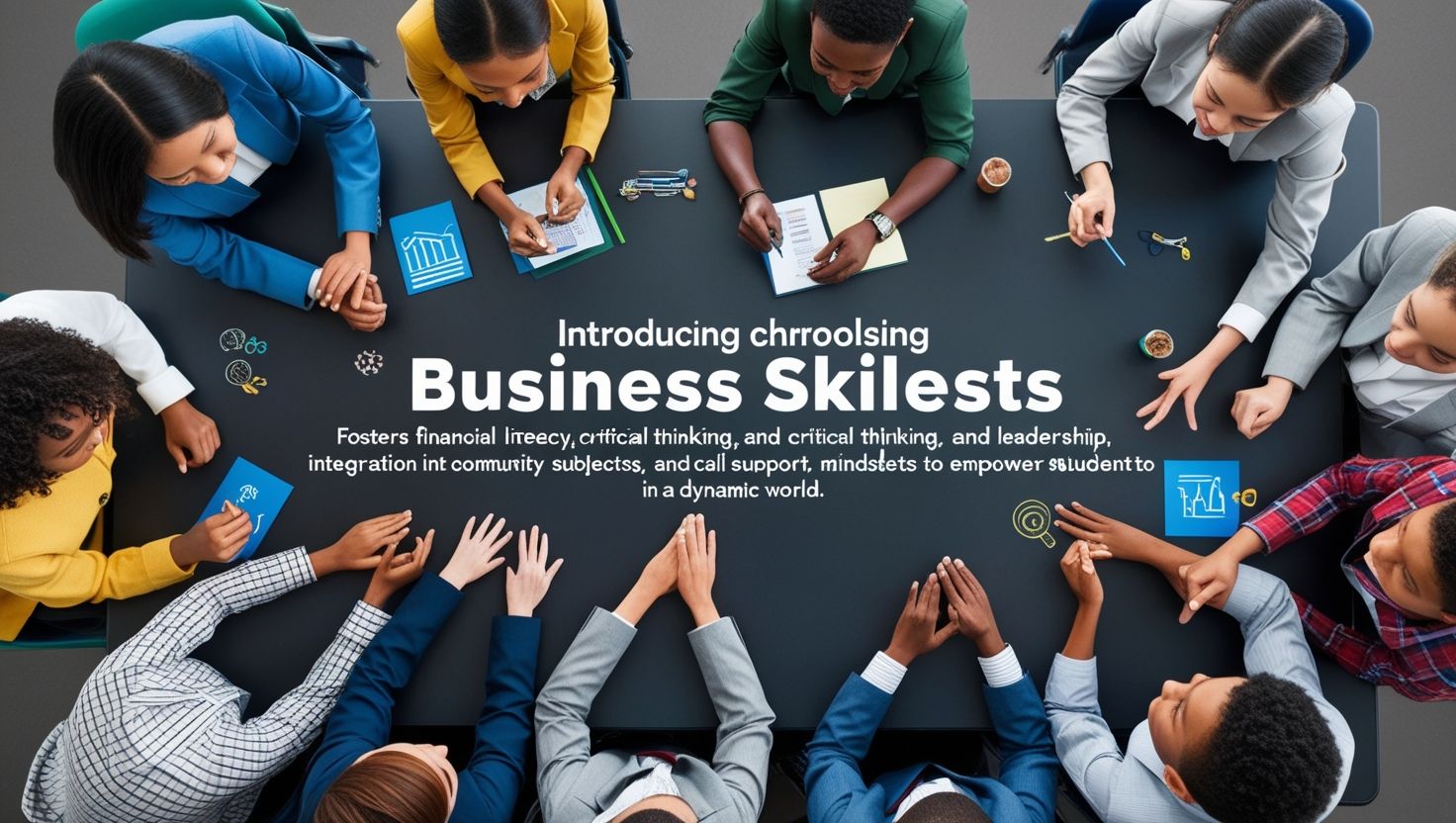
The Latest Teaching Mood strongly emphasizes project-based learning and experiential approaches. Instead of relying solely on theoretical lectures, teachers design hands-on projects. For instance, science classes may explore environmental sustainability through community initiatives. Similarly, business students might simulate entrepreneurial ventures. Consequently, students connect theory with real-world application.
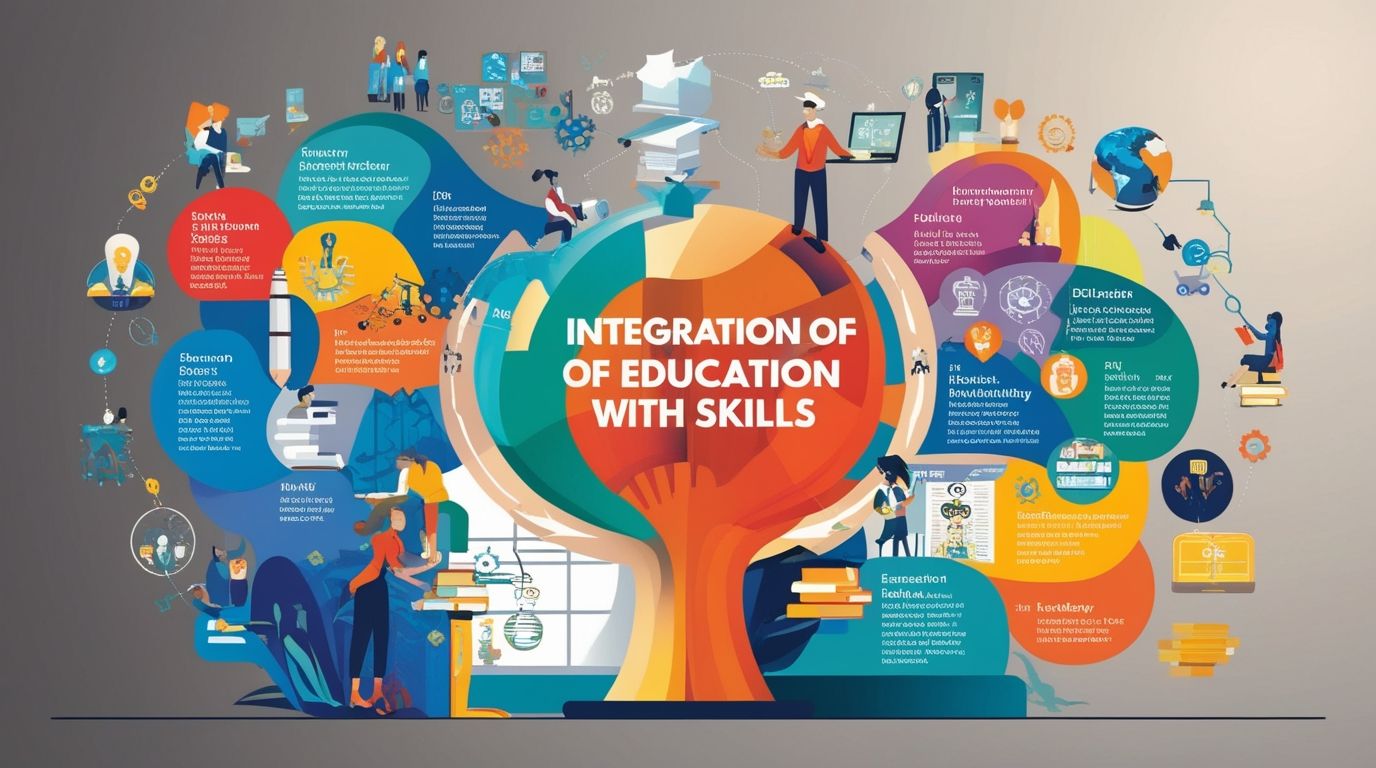
Moreover, experiential learning opportunities such as internships and service-learning enhance practical skills. Therefore, learners gain firsthand experience in professional environments. In addition, teamwork and presentation tasks build communication and leadership abilities. As a result, students graduate with both academic knowledge and workplace competencies.
Modern Assessment Practices
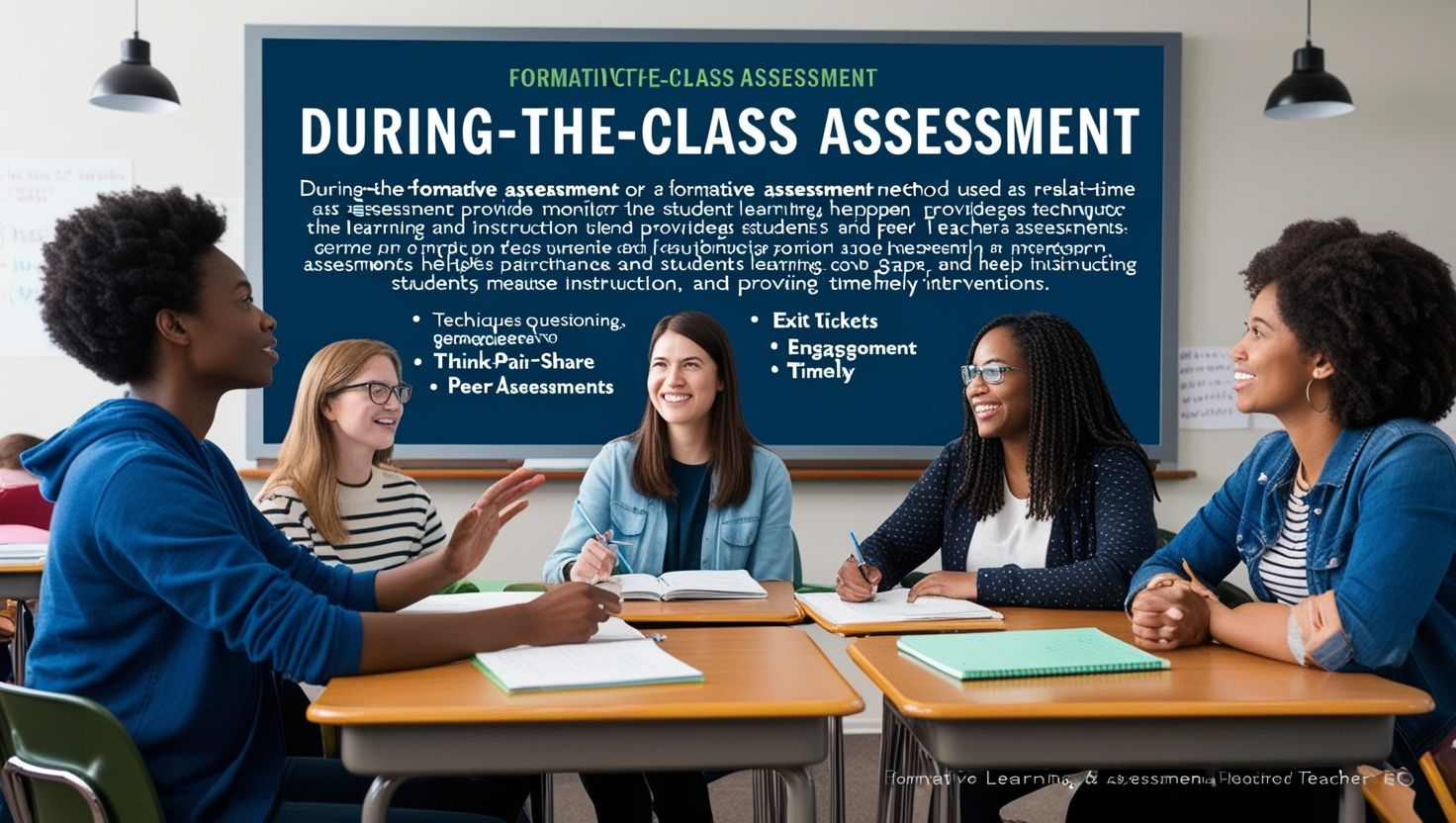
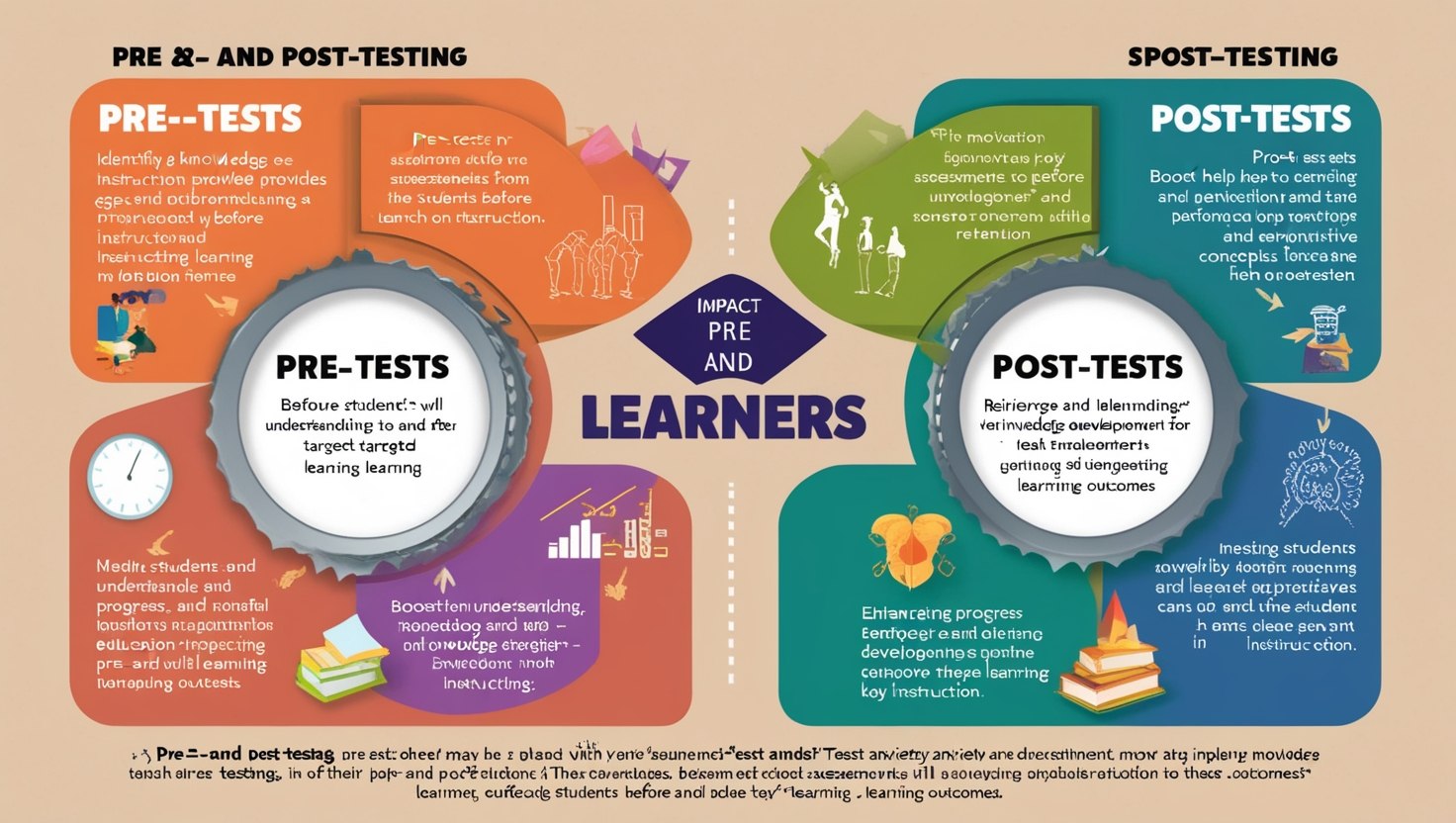
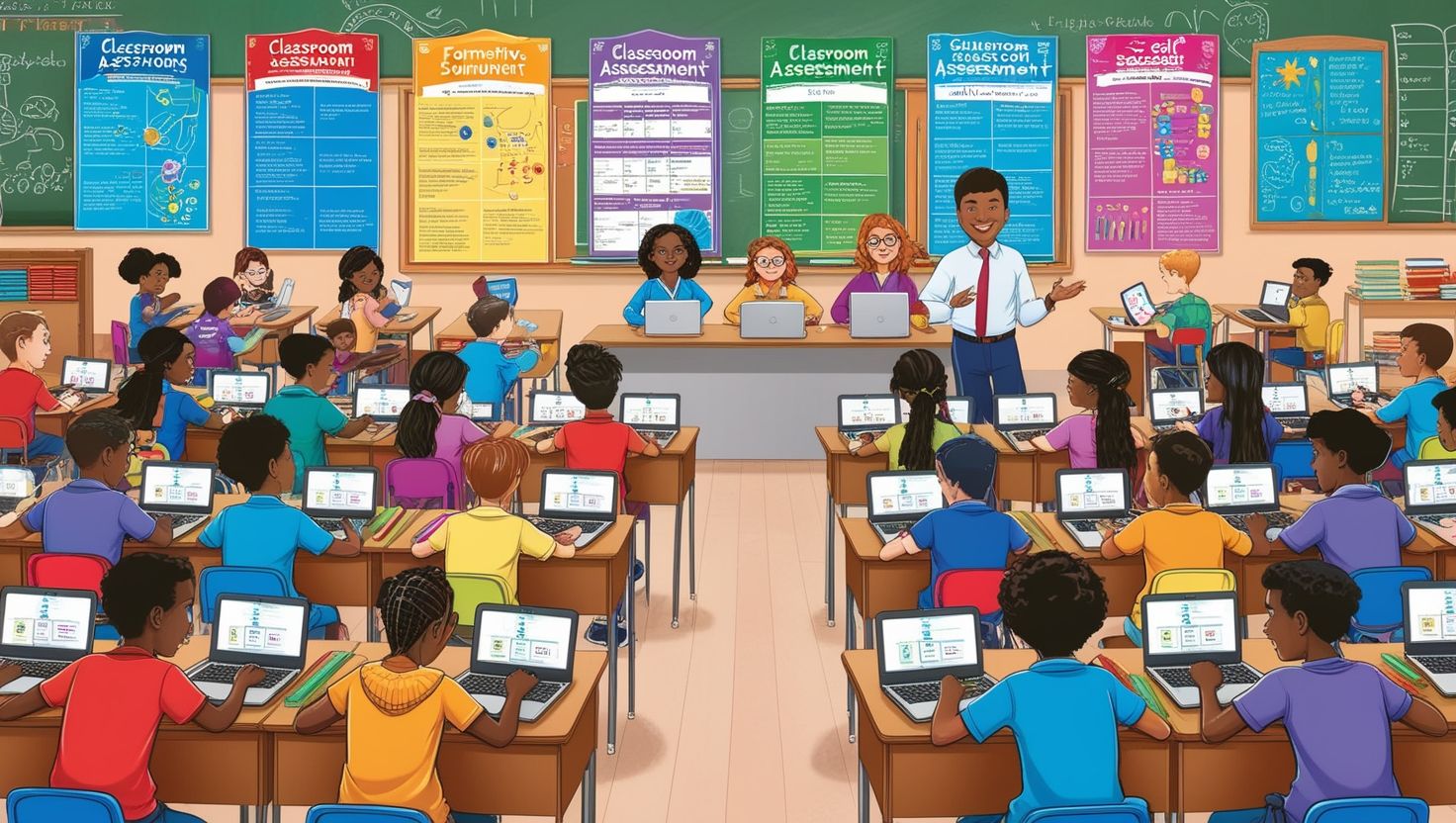
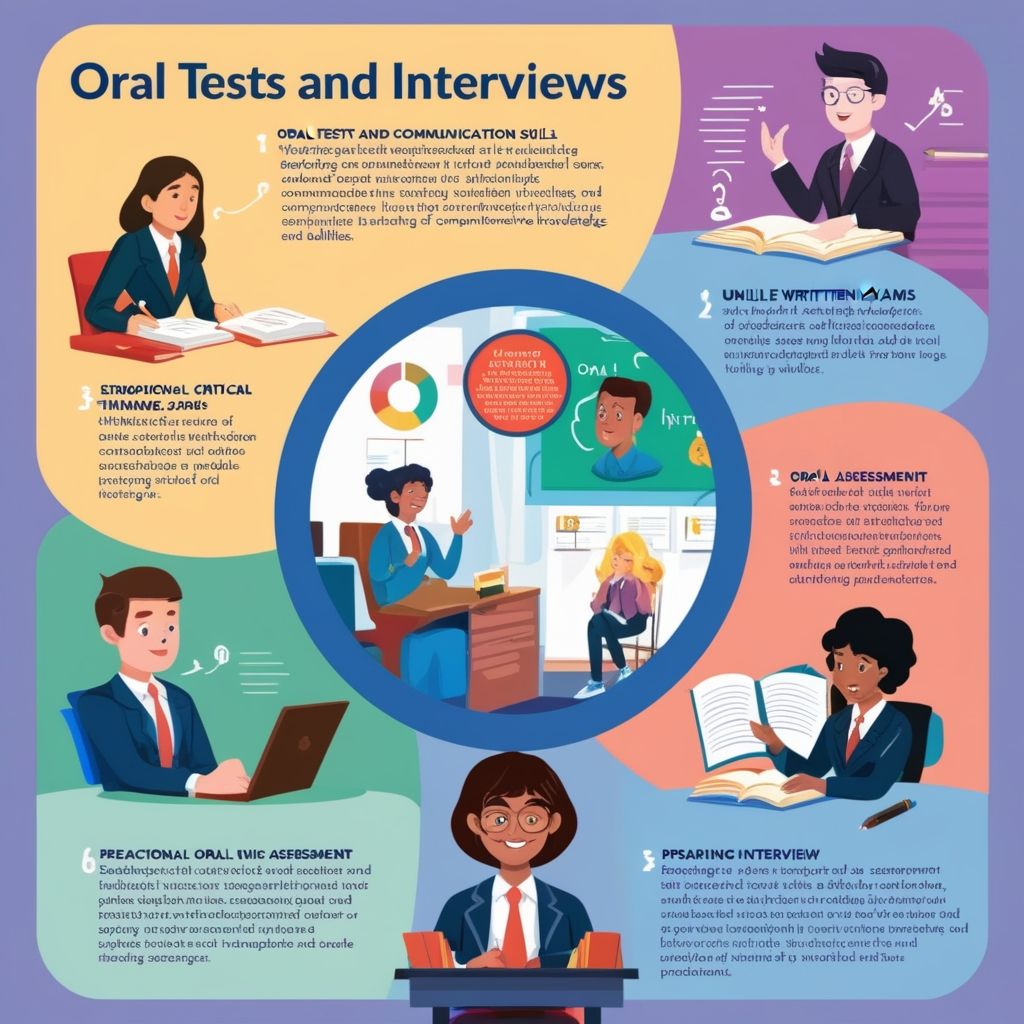
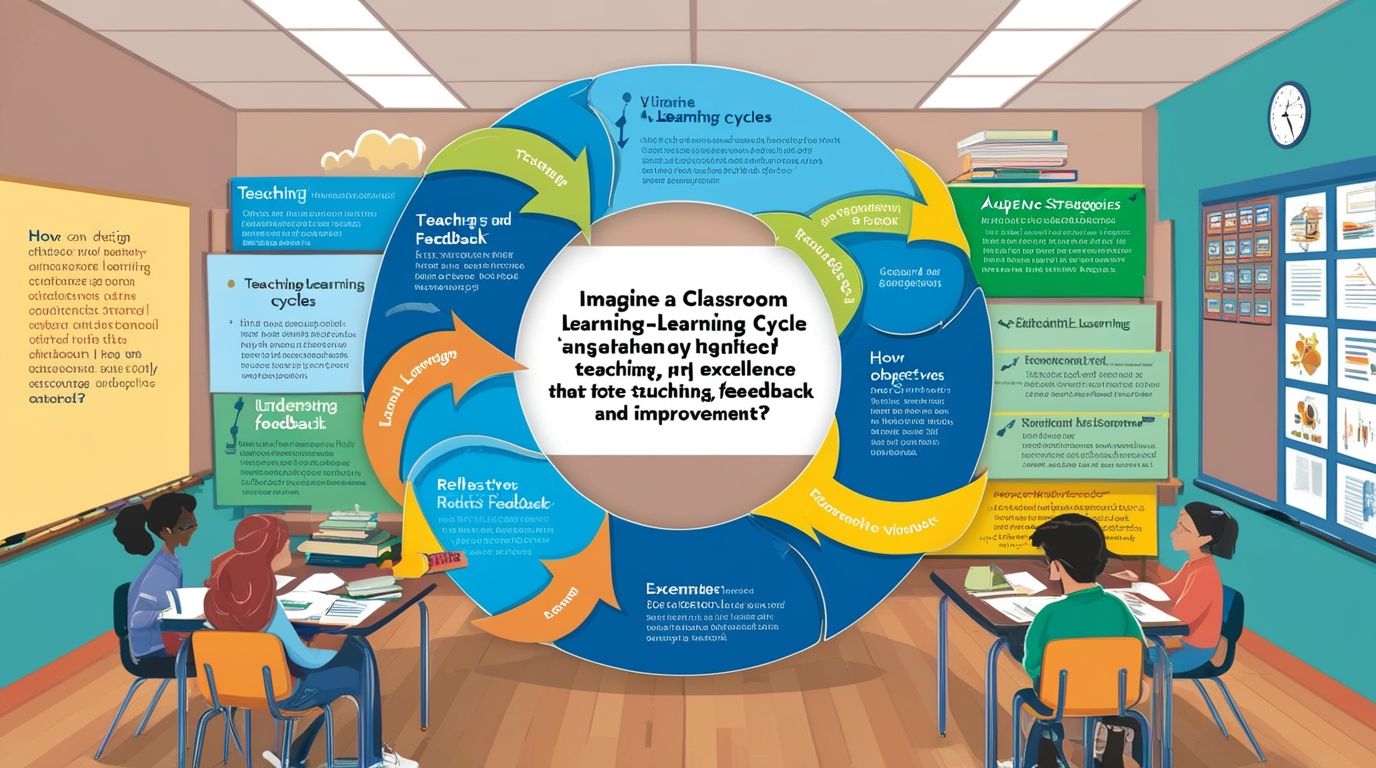
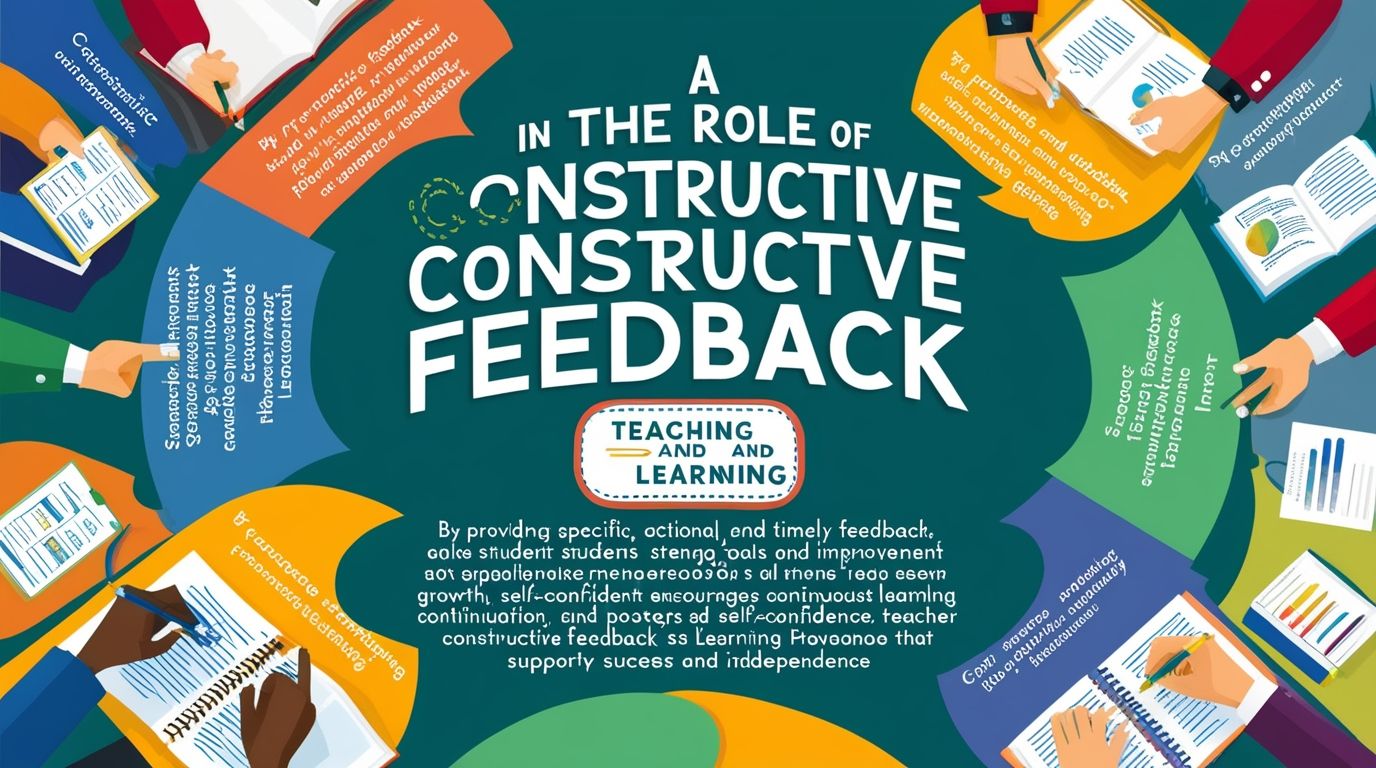
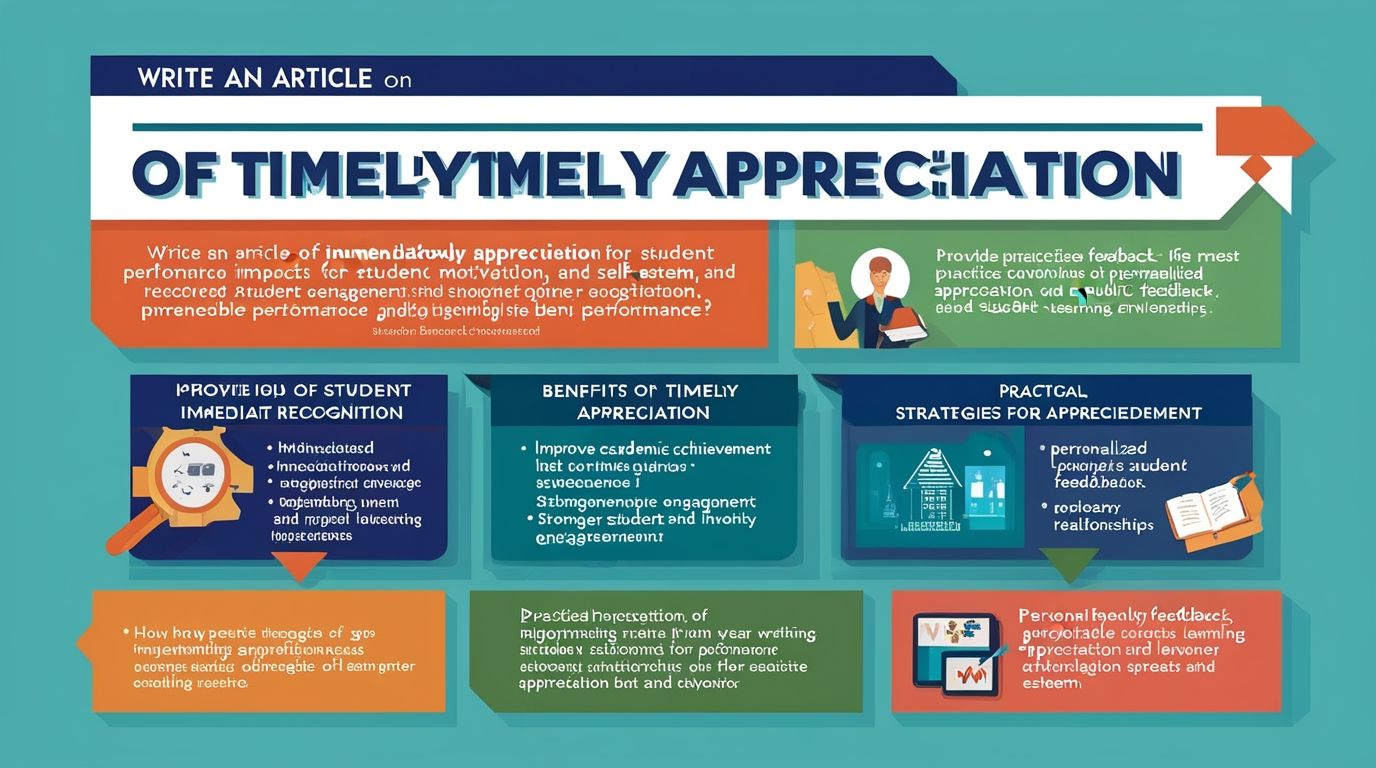
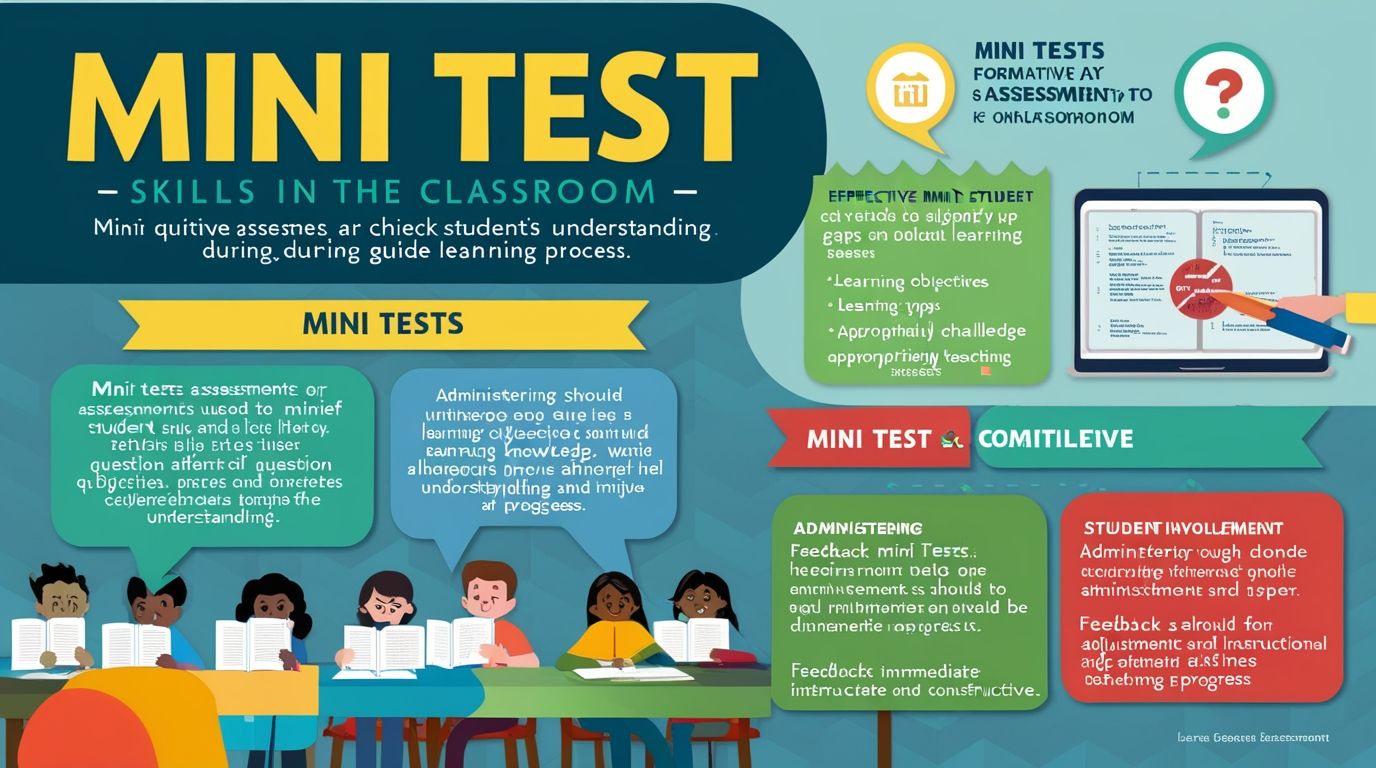
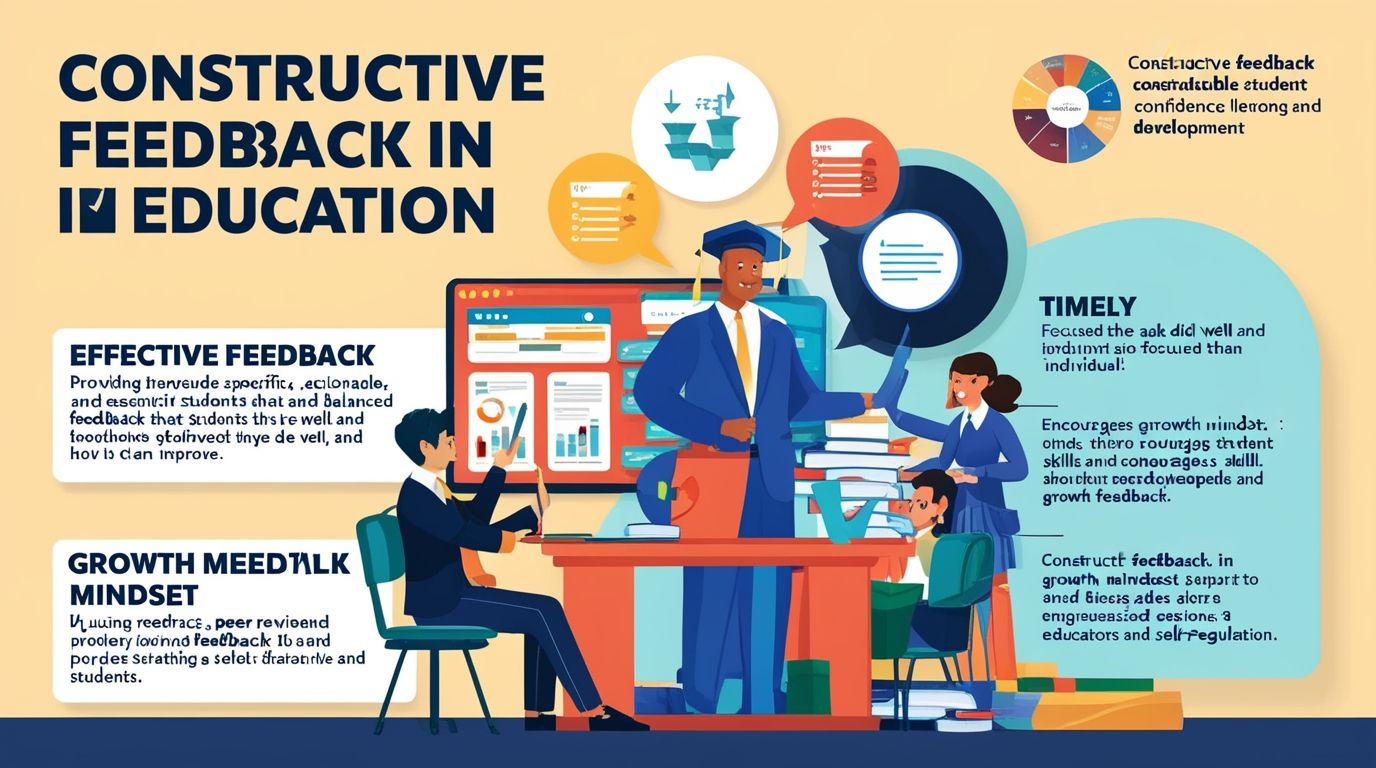
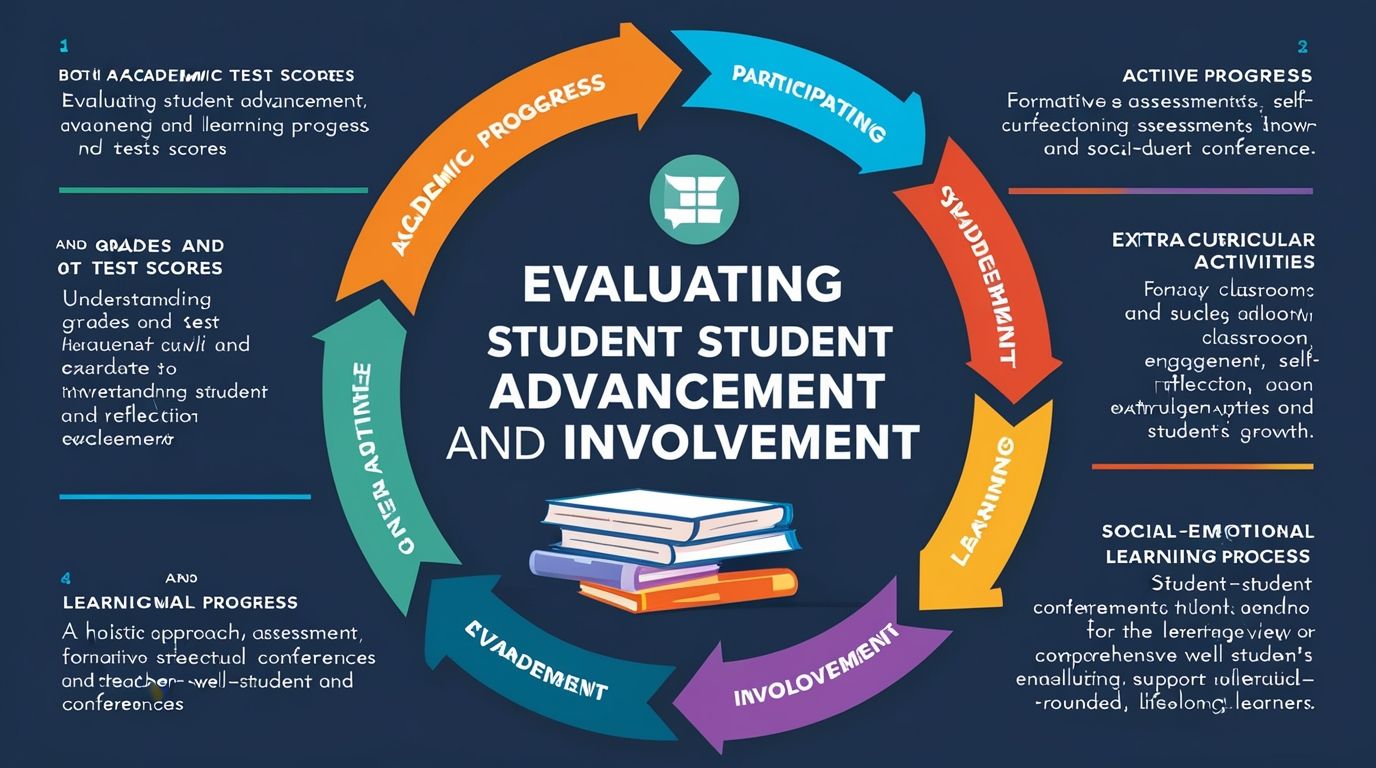
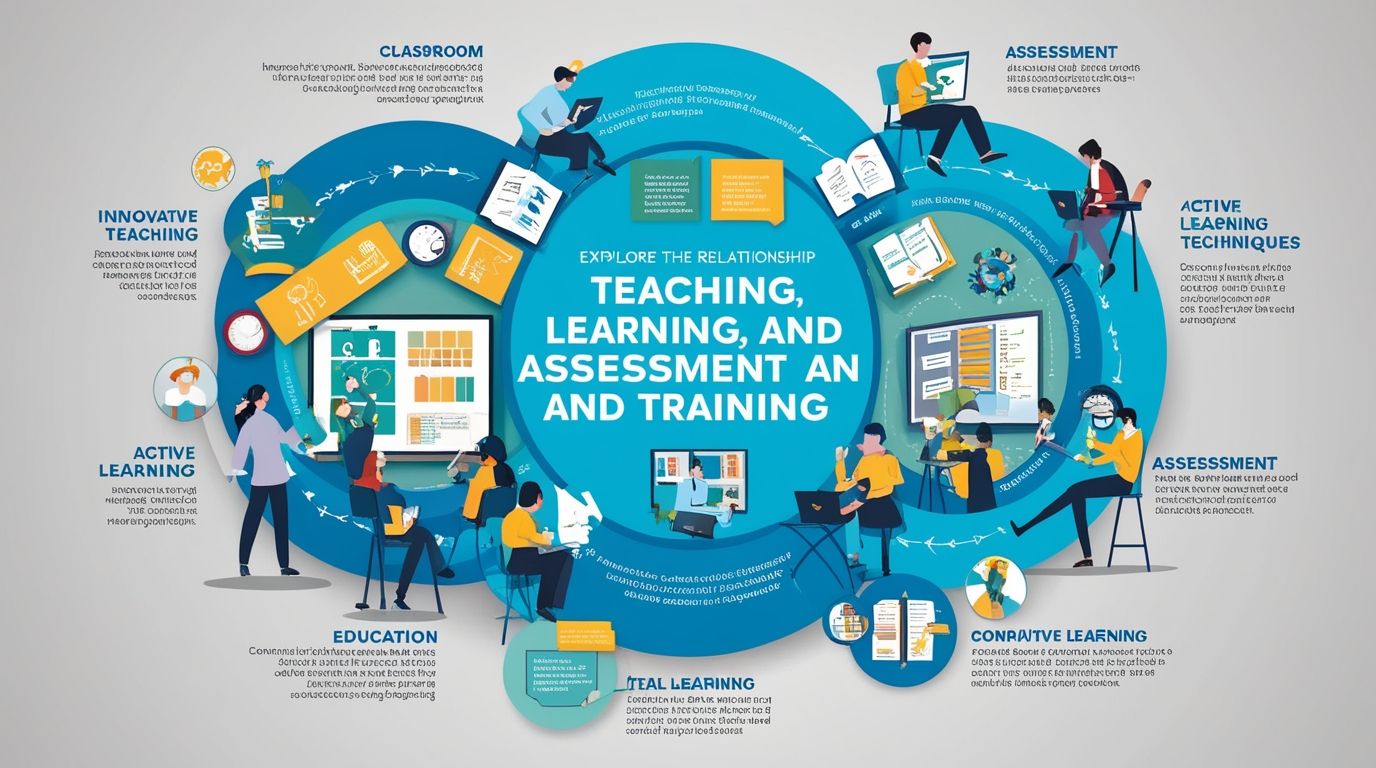
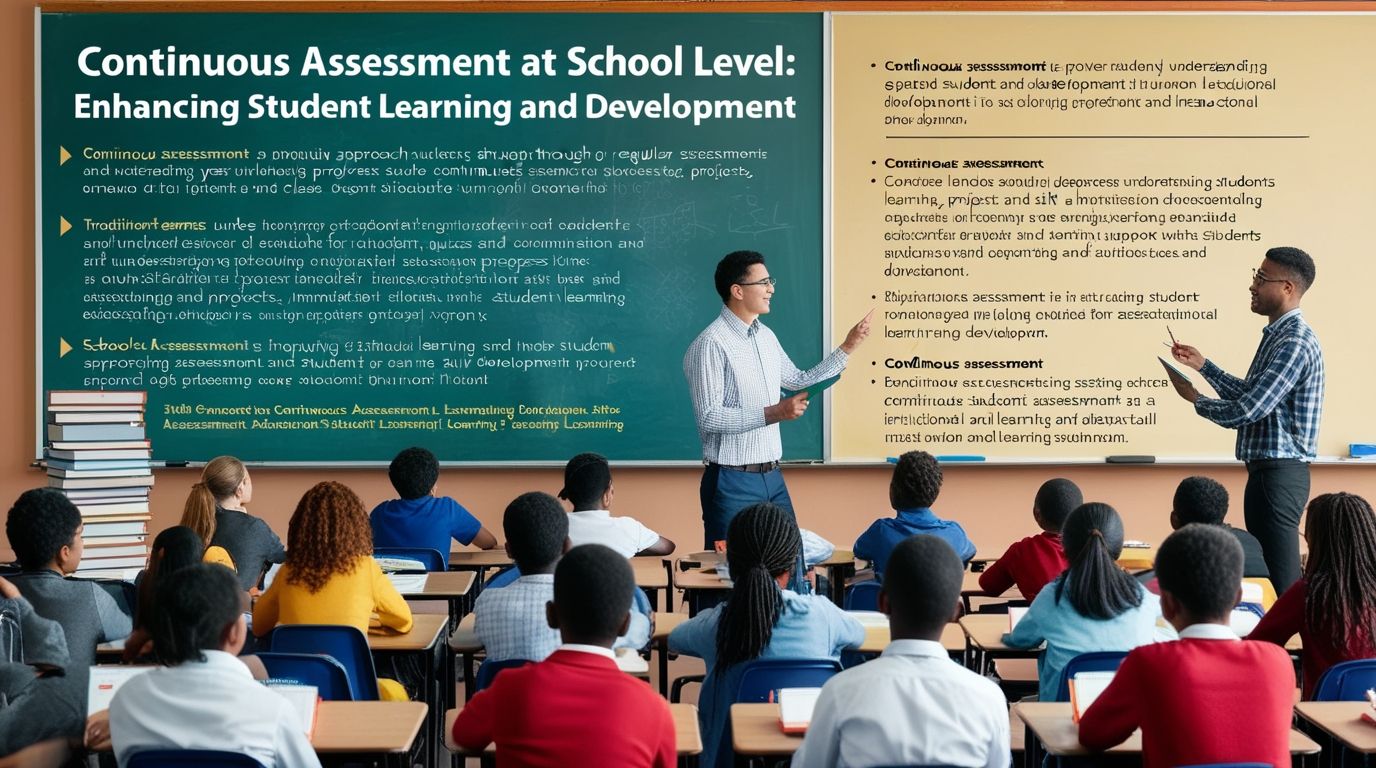
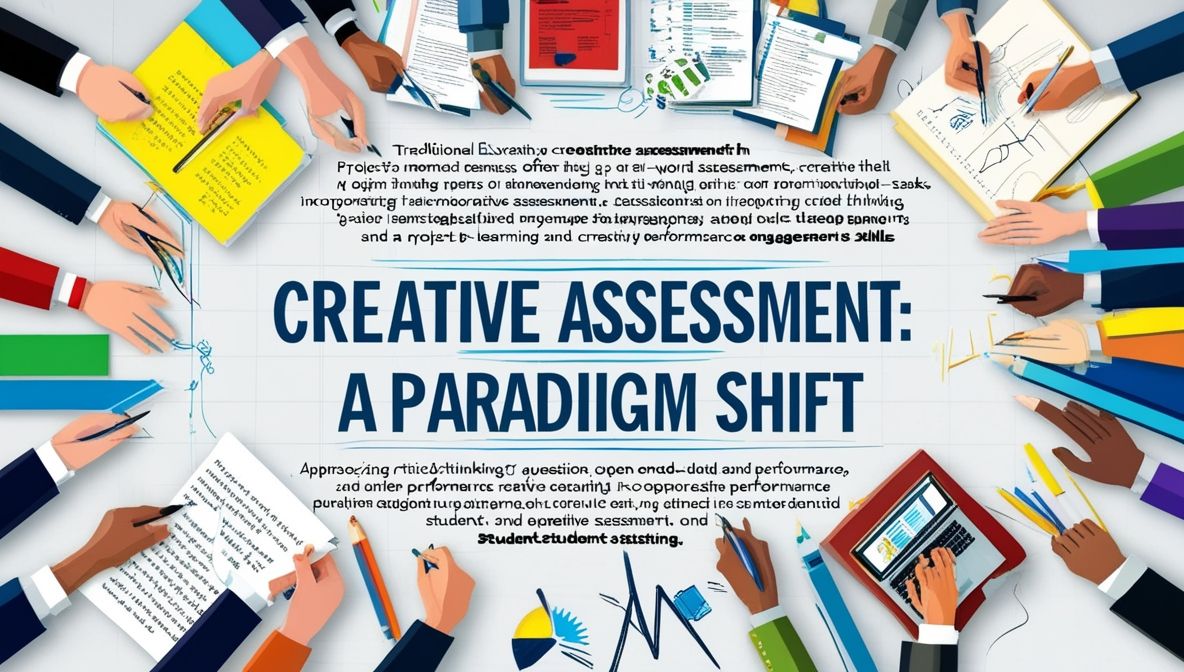
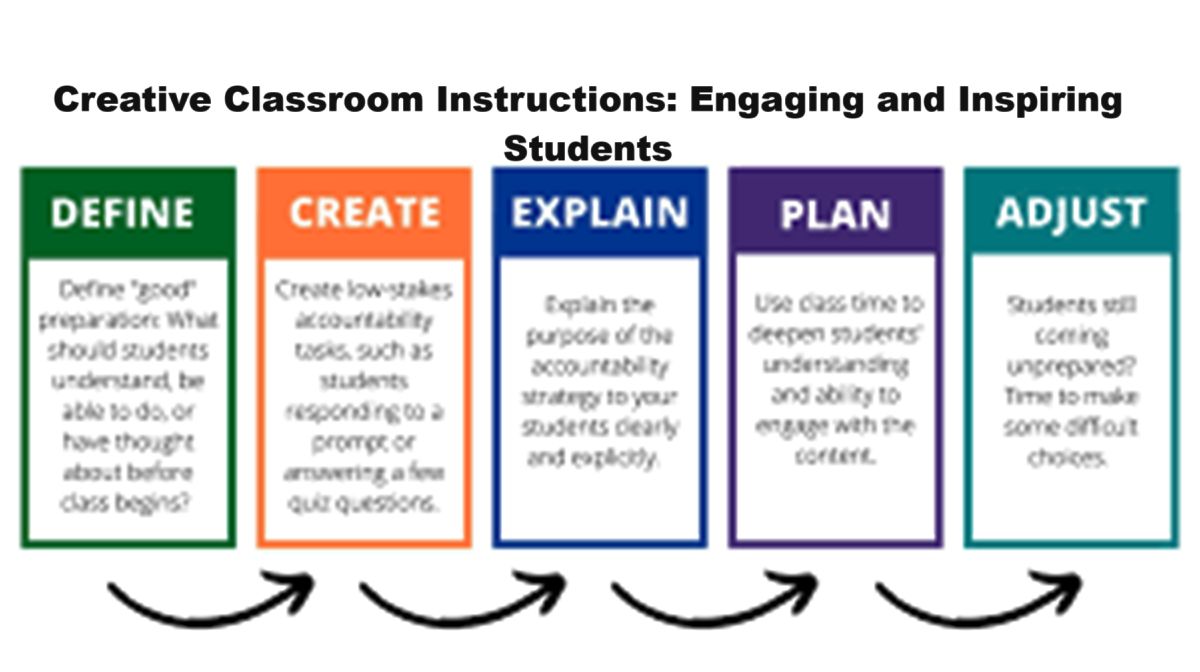
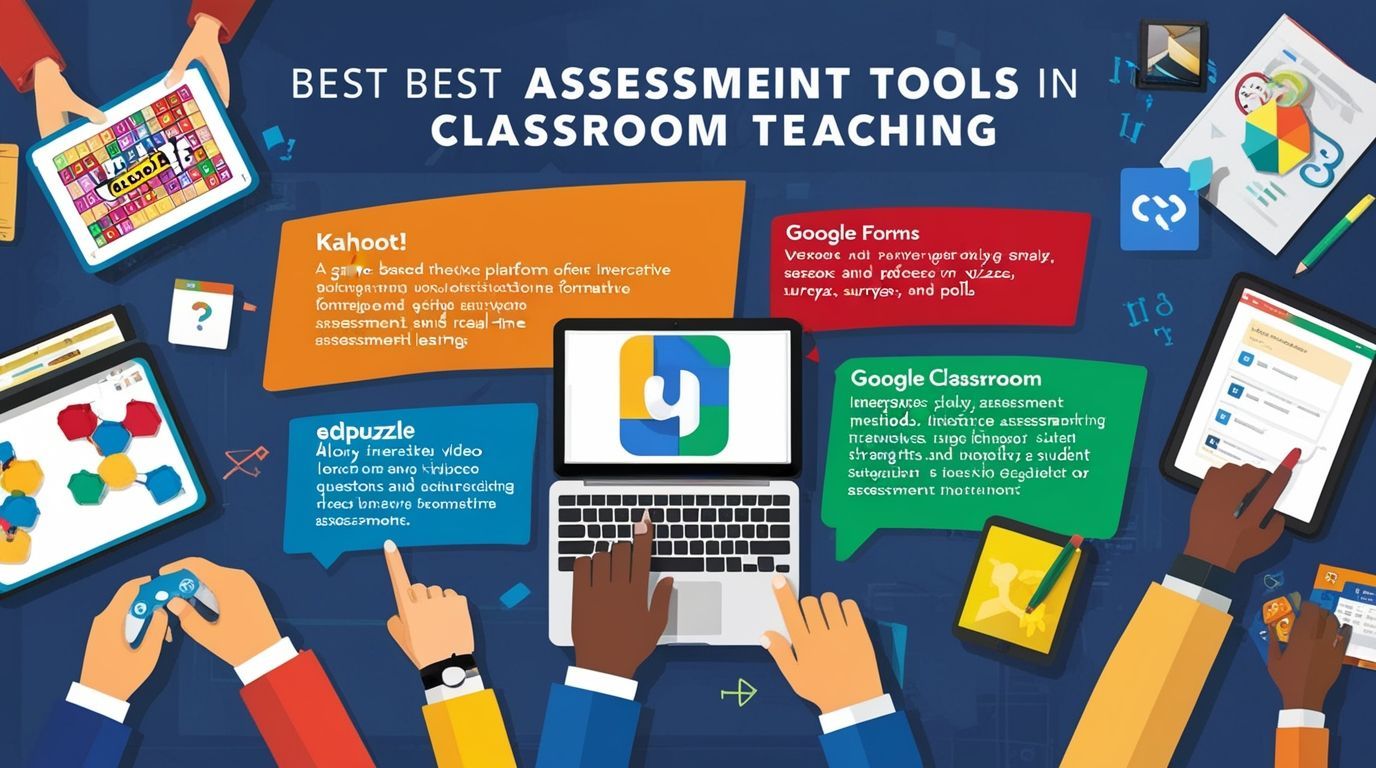
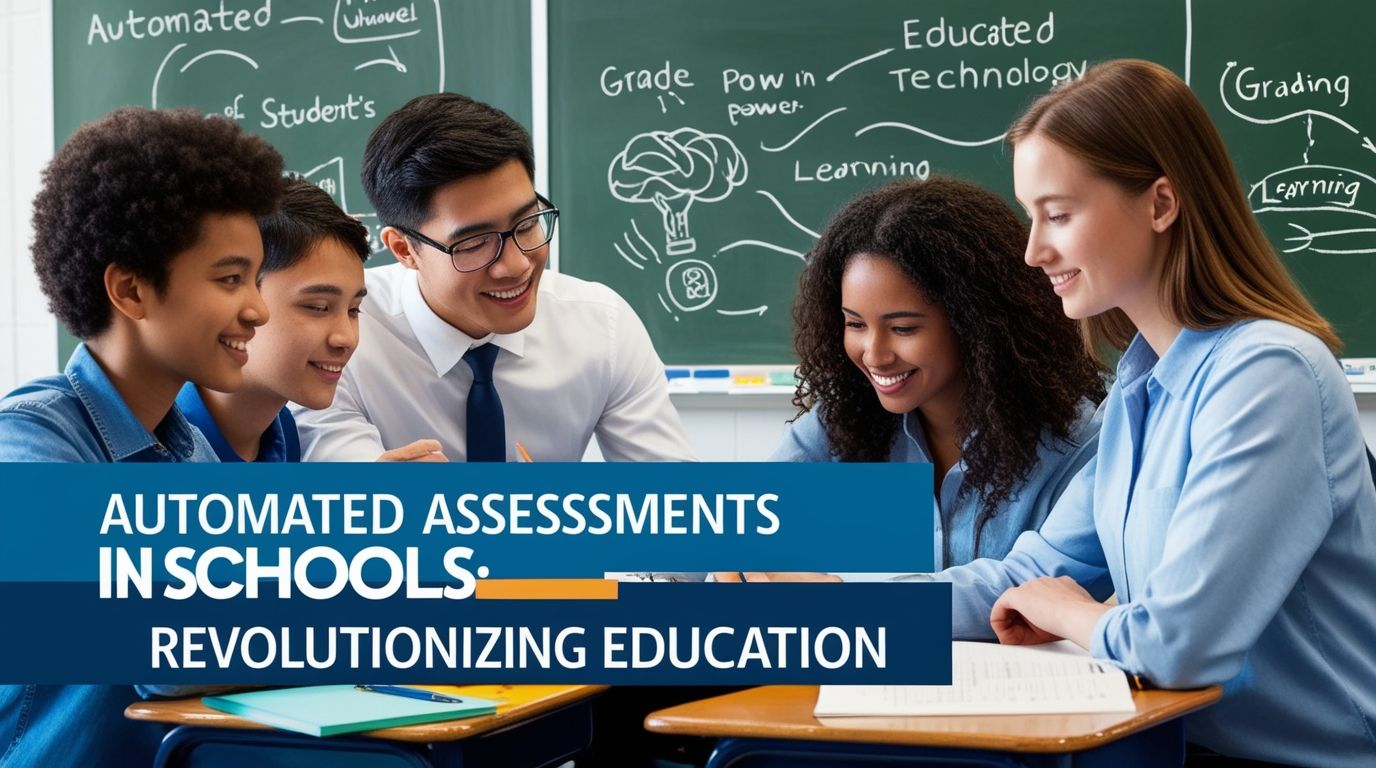
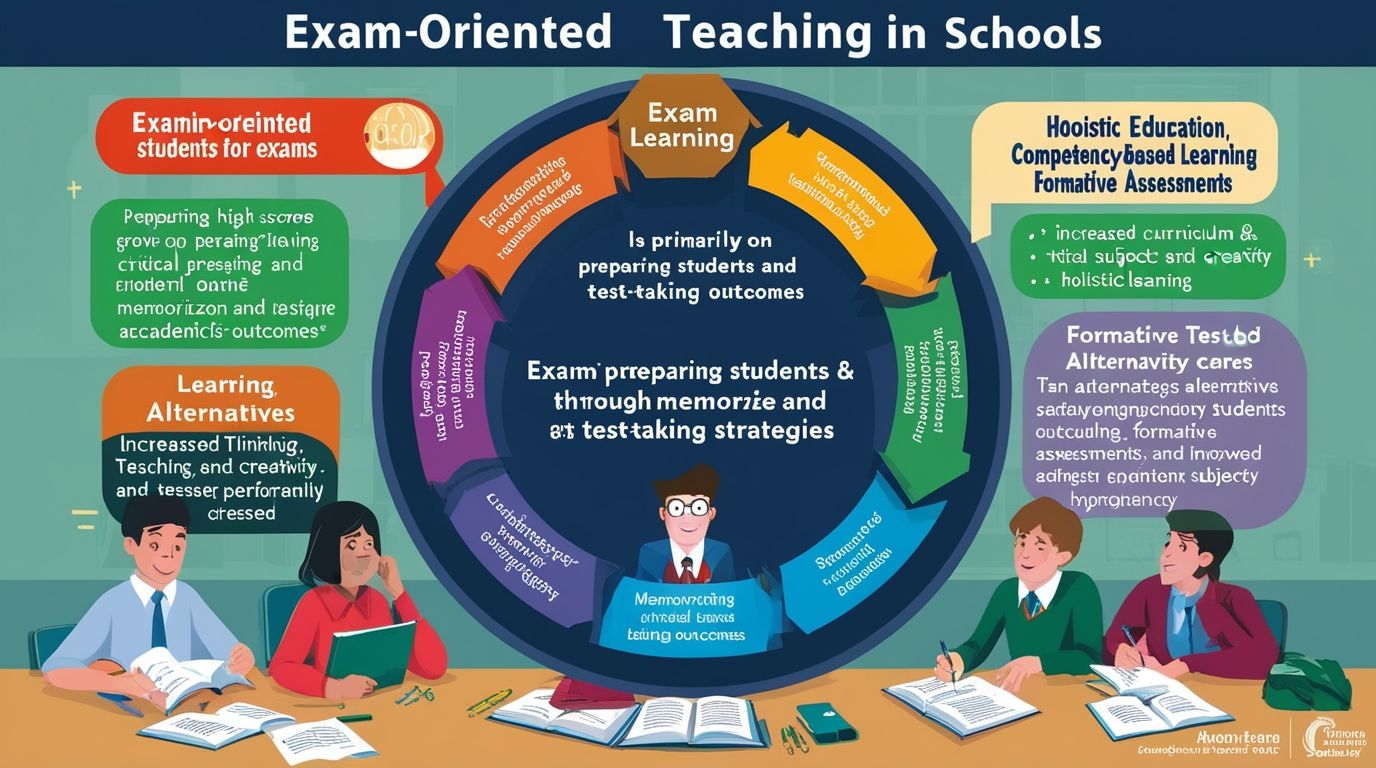
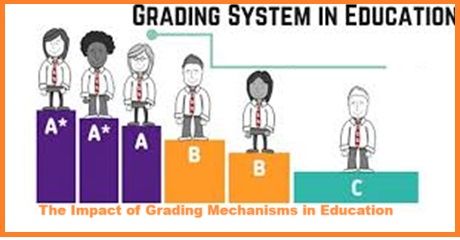
Assessment methods have also evolved significantly. Previously, standardized tests were the primary evaluation tool. However, modern education values formative assessment and continuous feedback. For example, digital portfolios and peer reviews provide ongoing insight into student progress. Consequently, assessment becomes a learning tool rather than merely a measurement system.
Furthermore, instant feedback through digital platforms encourages self-reflection. Therefore, students identify areas for improvement more effectively. In addition, competency-based assessment focuses on mastery rather than memorization. As a result, learners develop deeper understanding and practical skills.
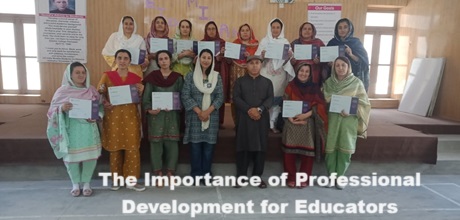
Professional Development for Educators
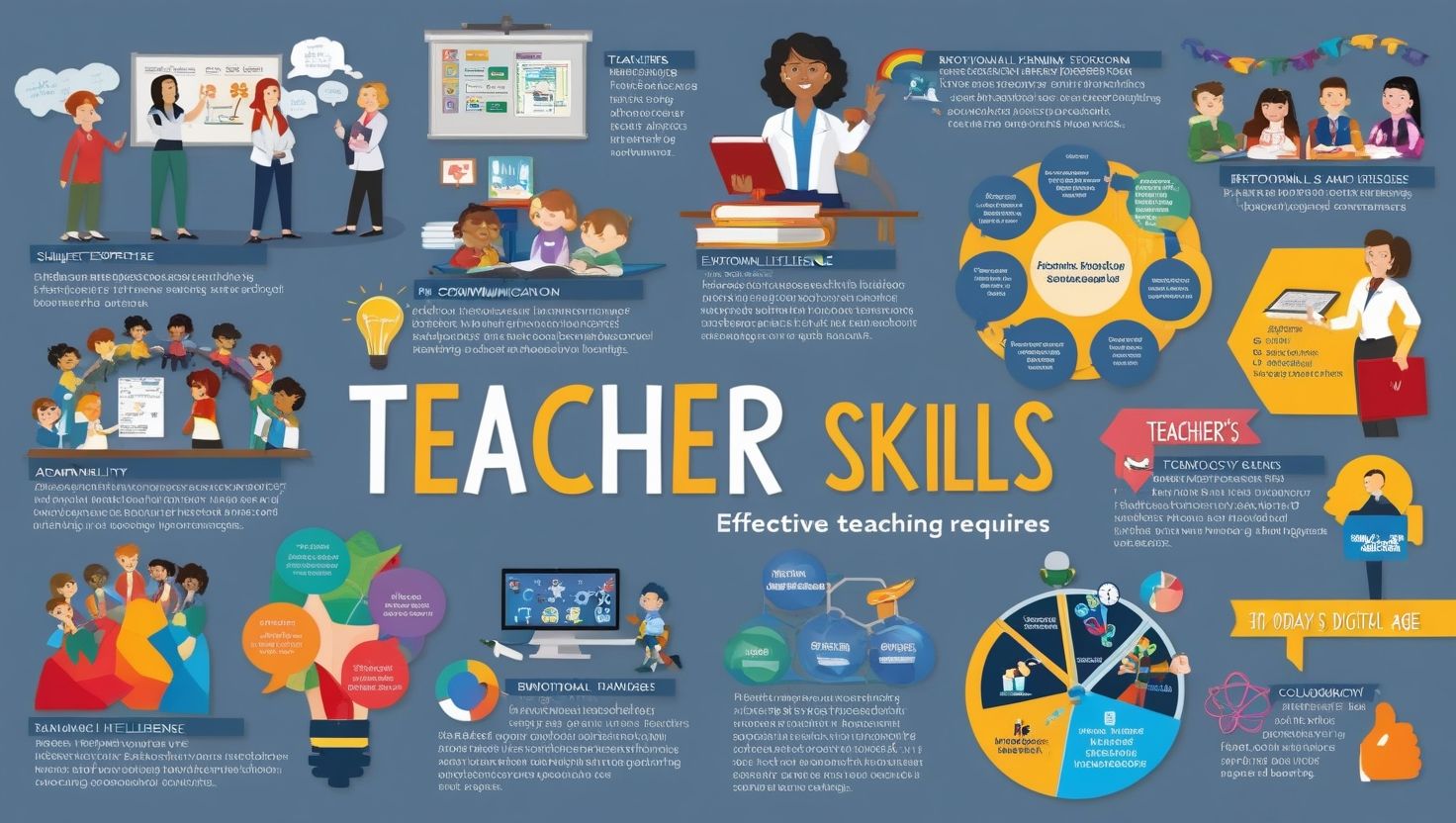
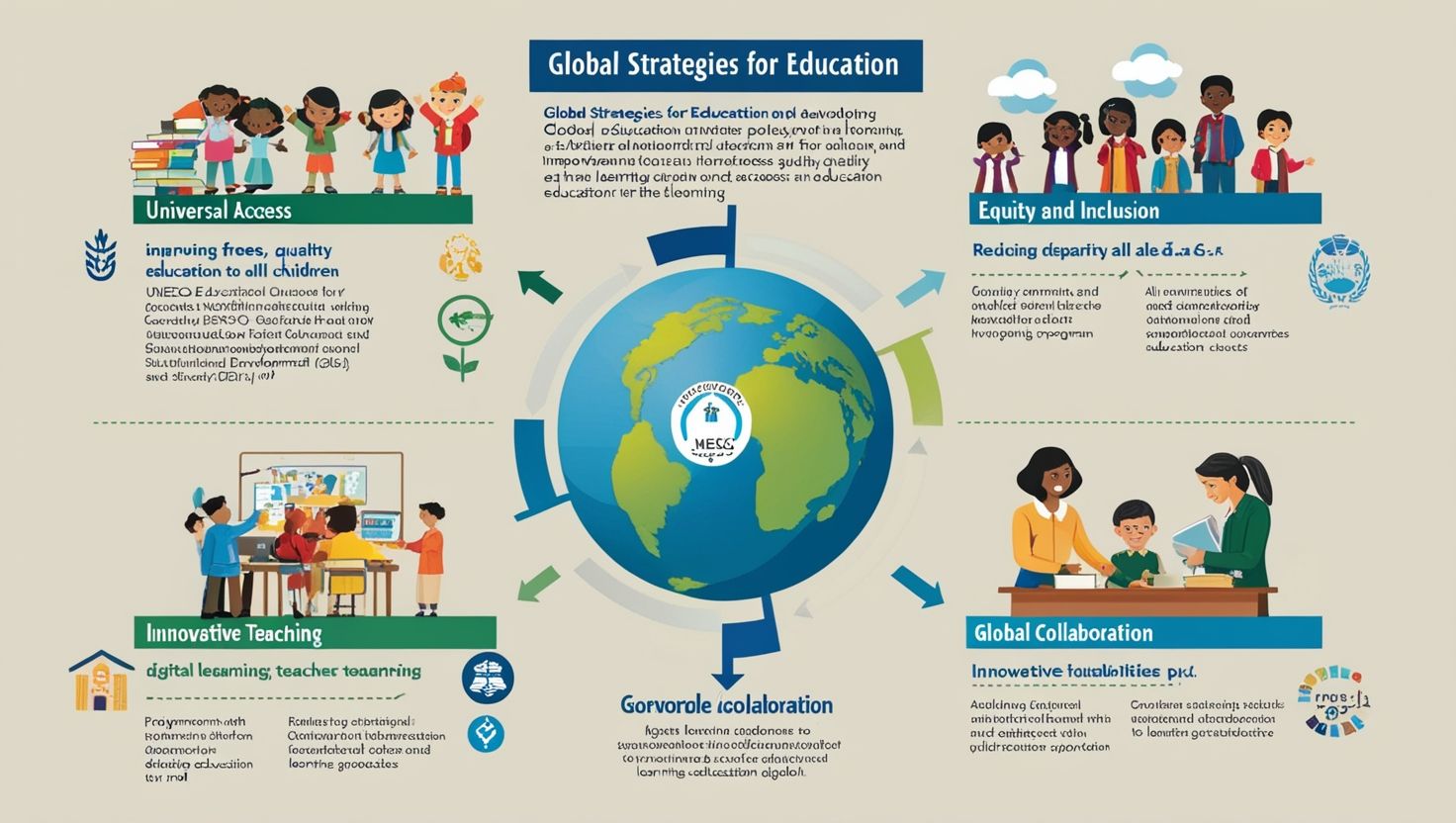
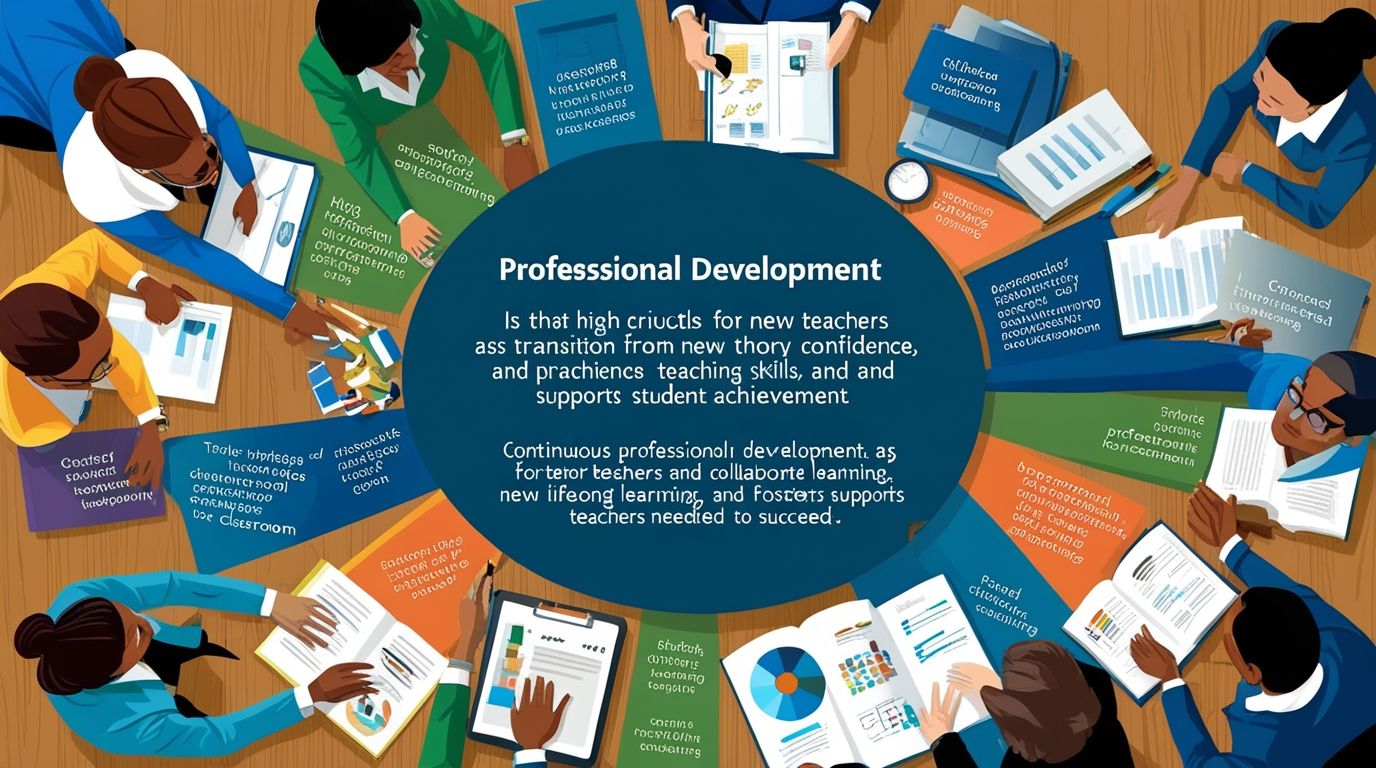
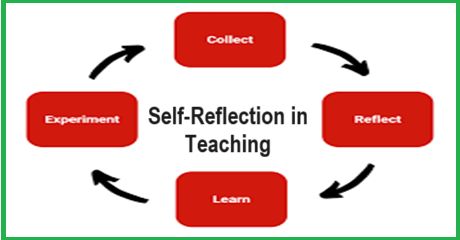
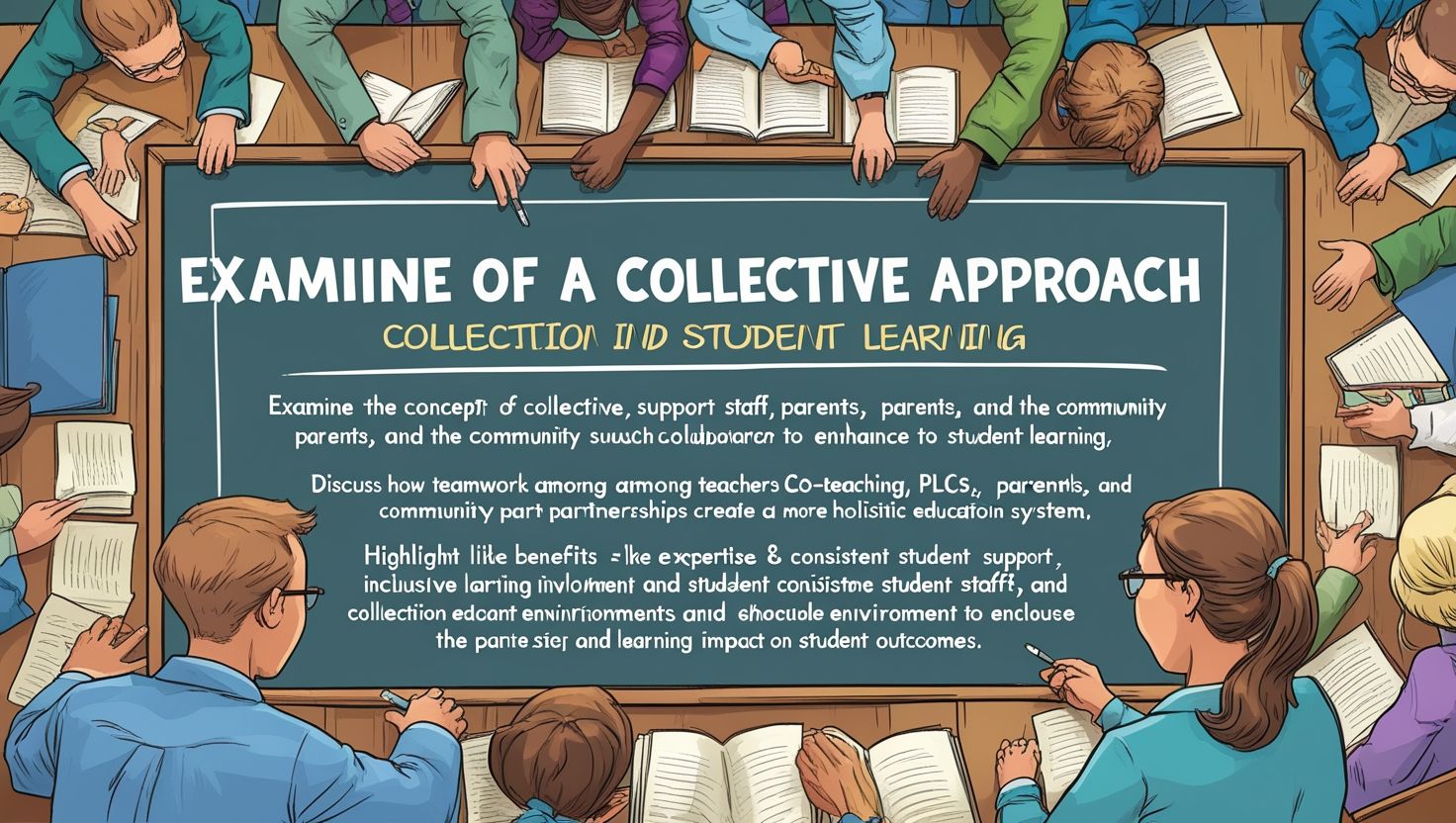
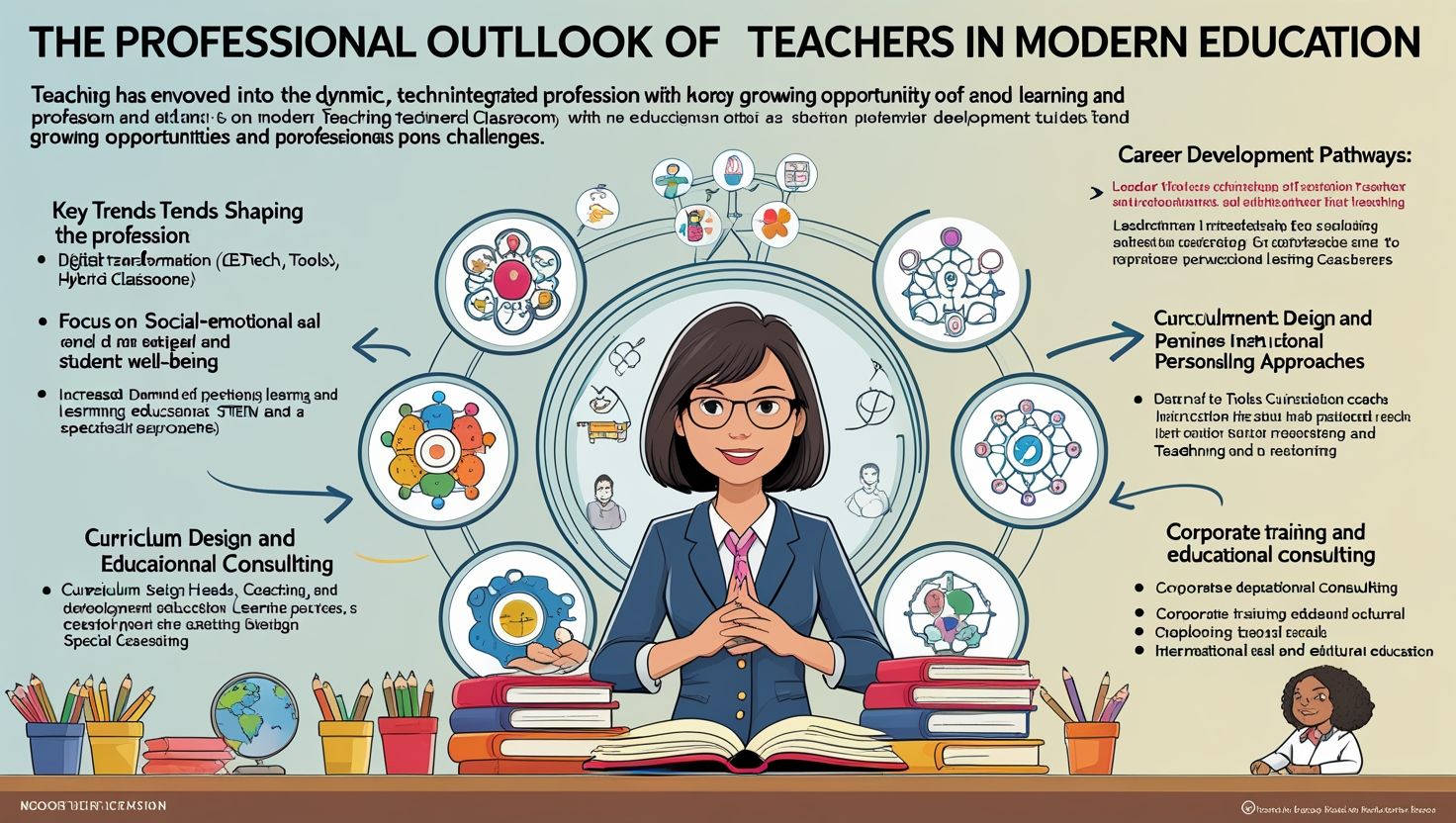
Teachers must continuously adapt to these changes. Therefore, professional development plays a crucial role in sustaining the Latest Teaching Mood. Organizations such as UNESCO promote global innovation in teacher training. Moreover, collaborative networks enable educators to share best practices.
Consequently, teachers refine instructional strategies and integrate emerging technologies. In addition, reflective practice encourages continuous improvement. As a result, educators remain responsive to evolving educational demands.
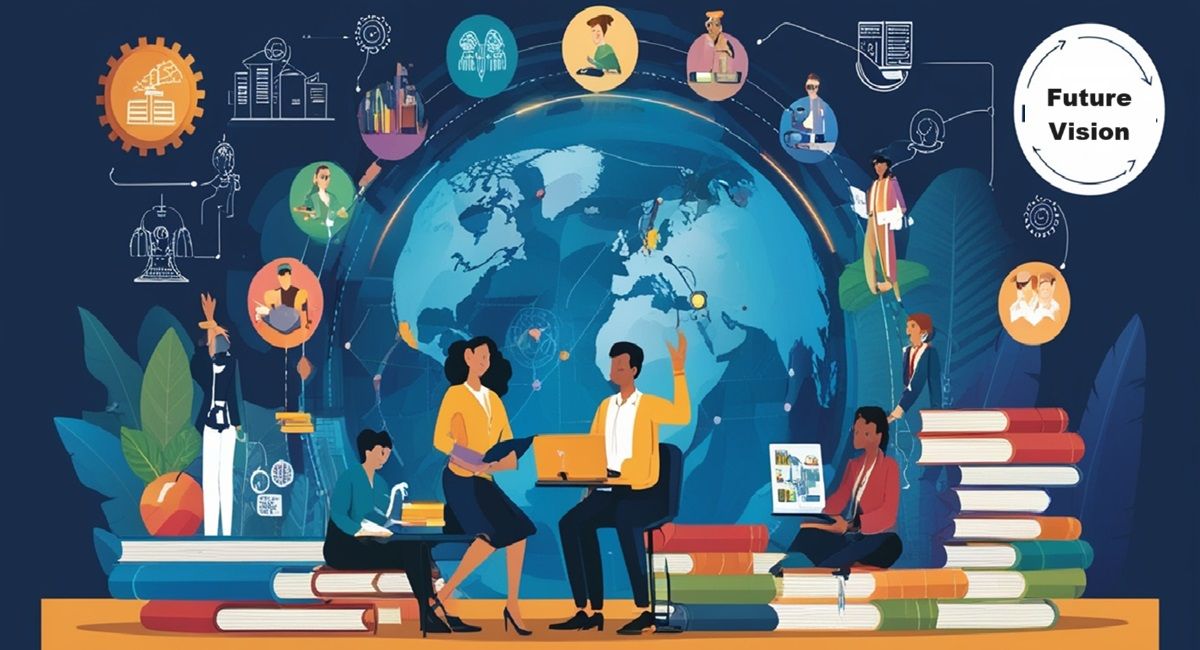
Globalization and Future Skills
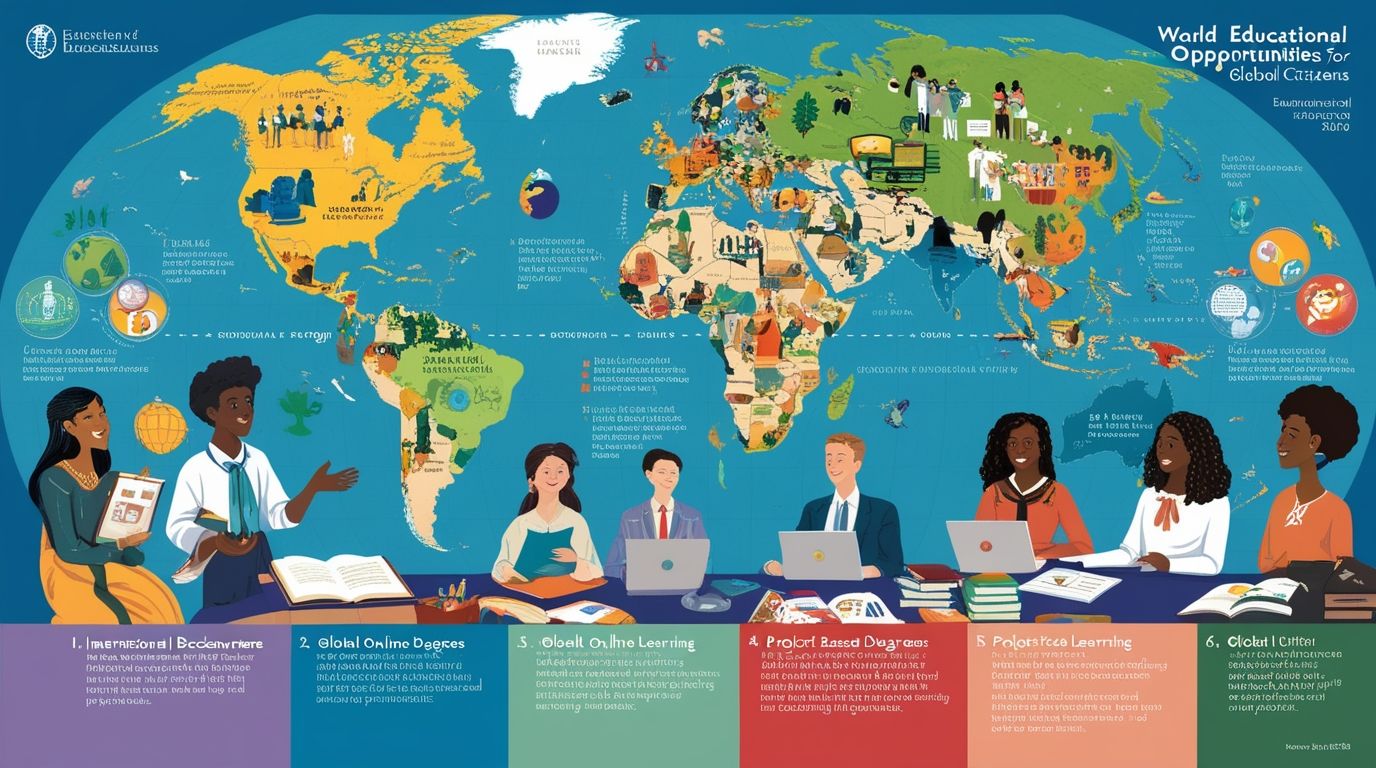
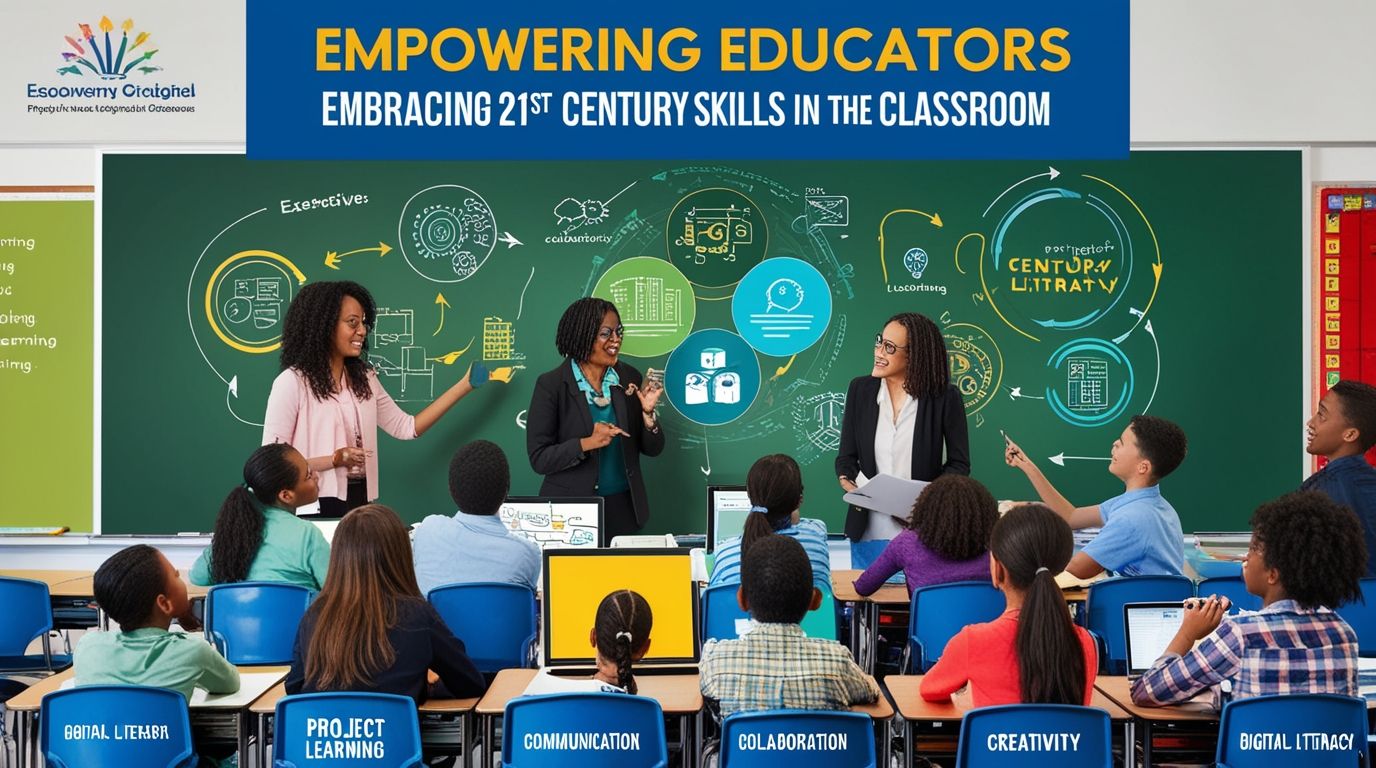
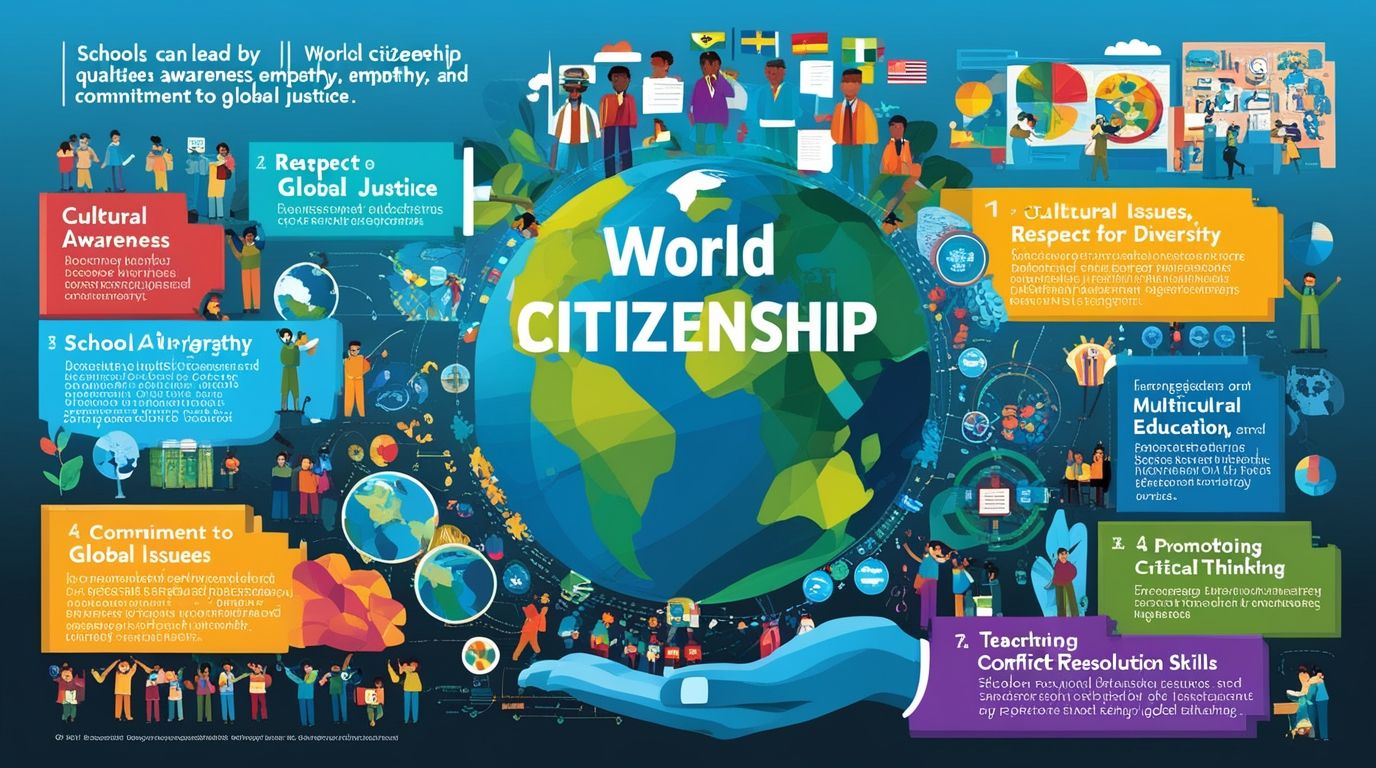
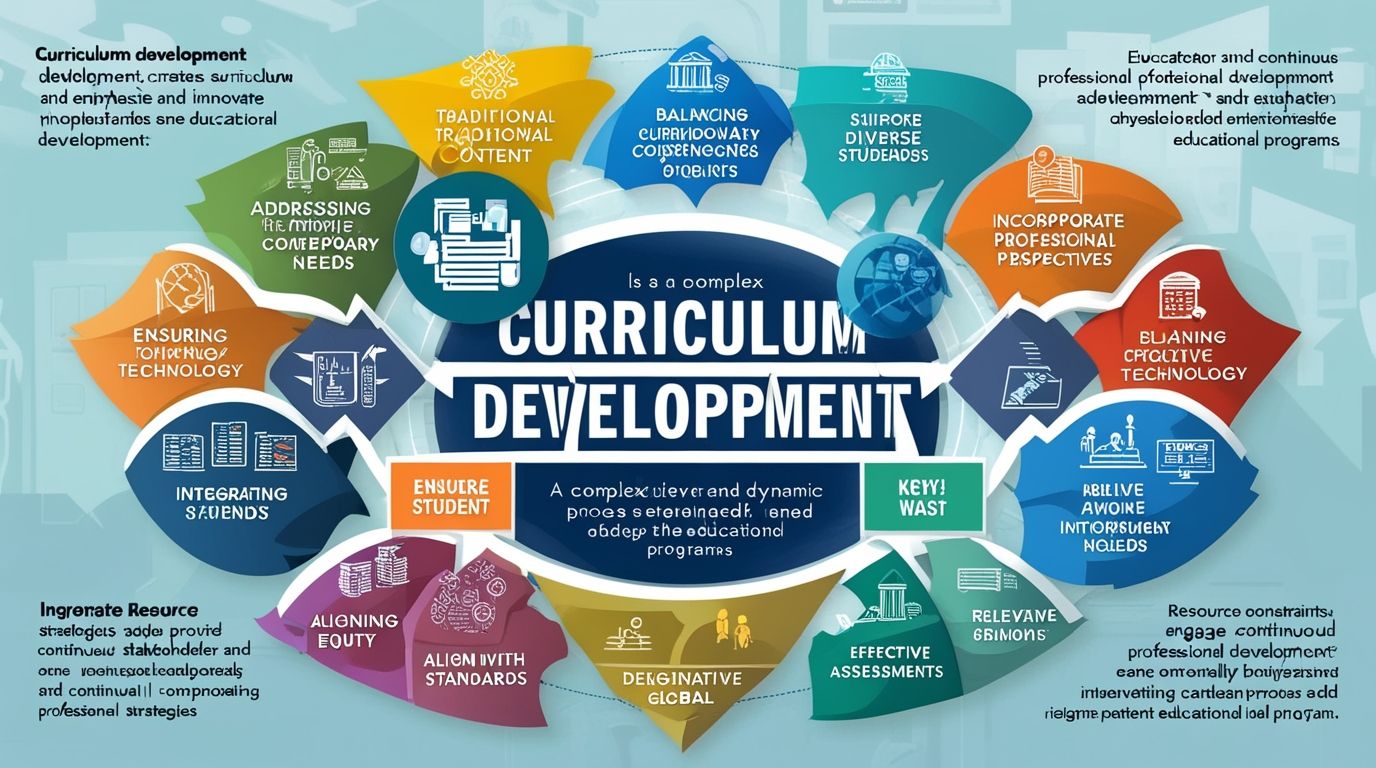
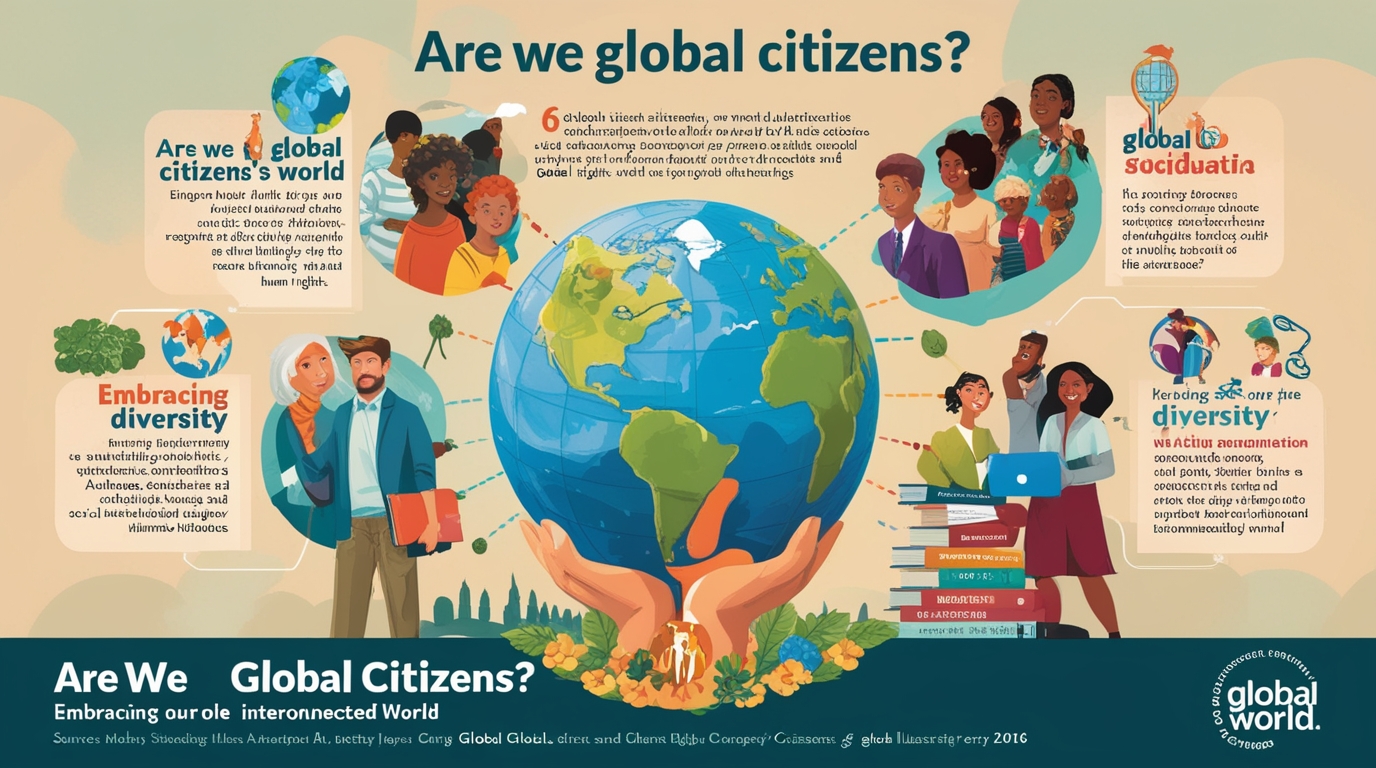
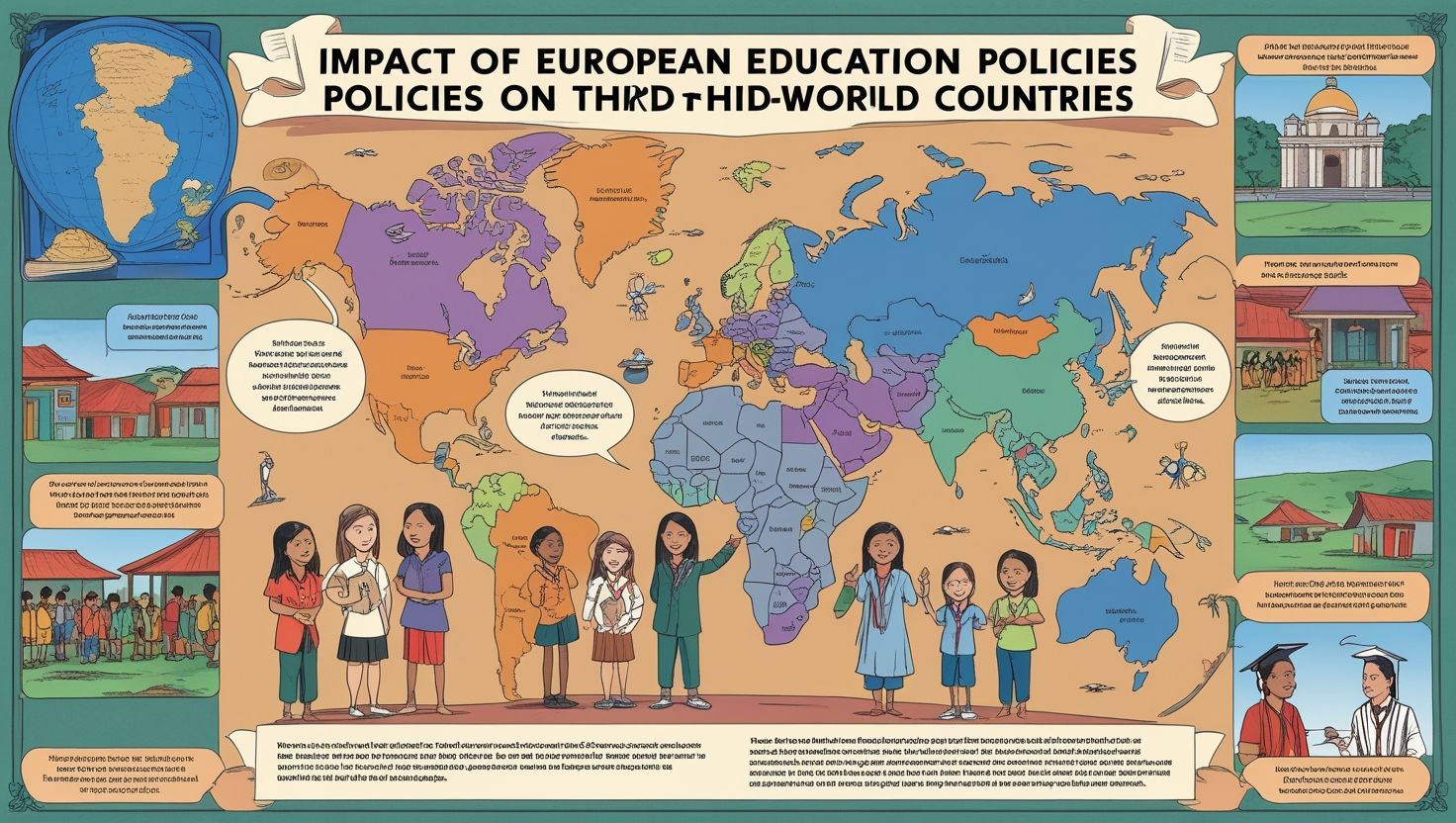
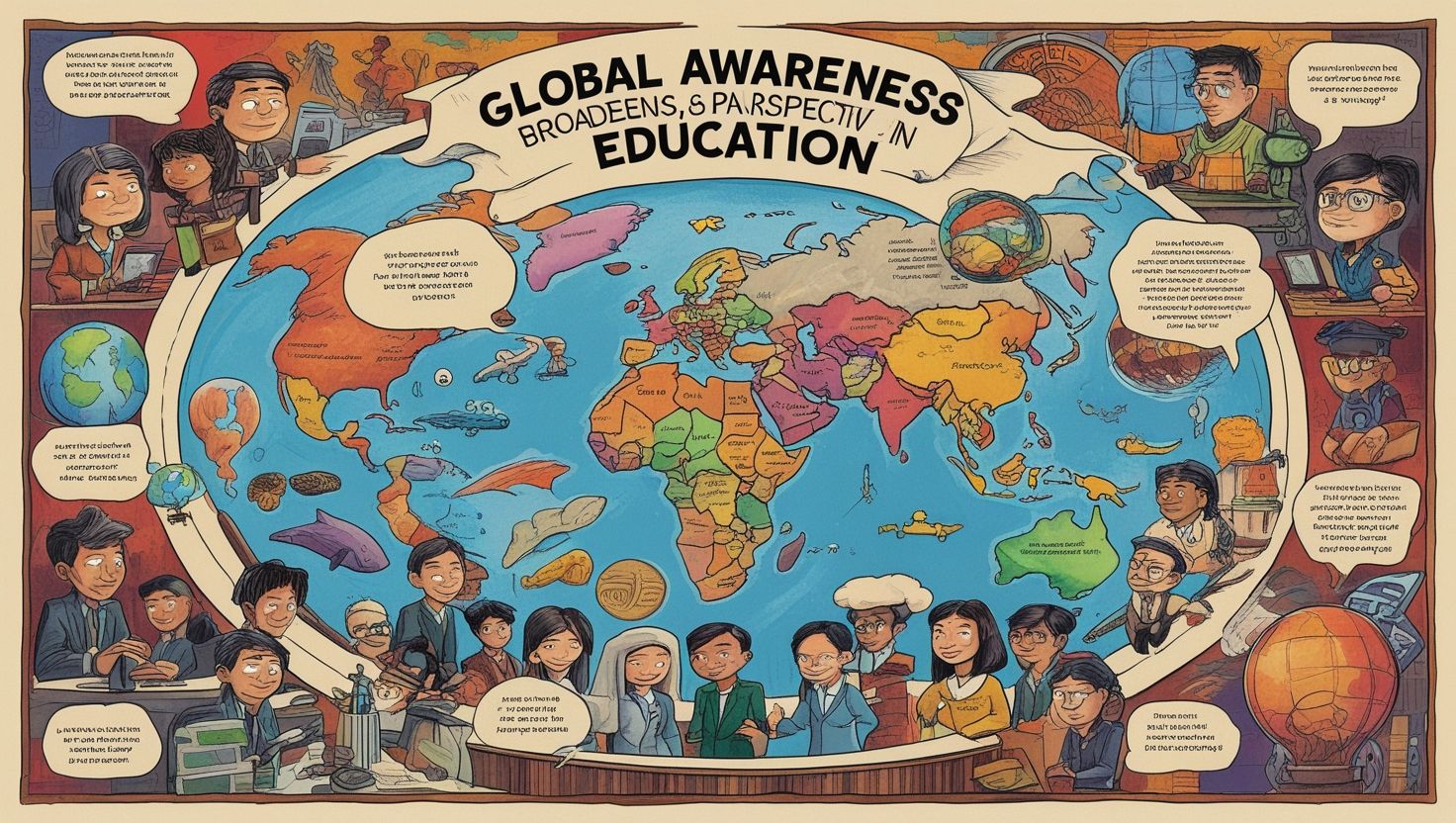
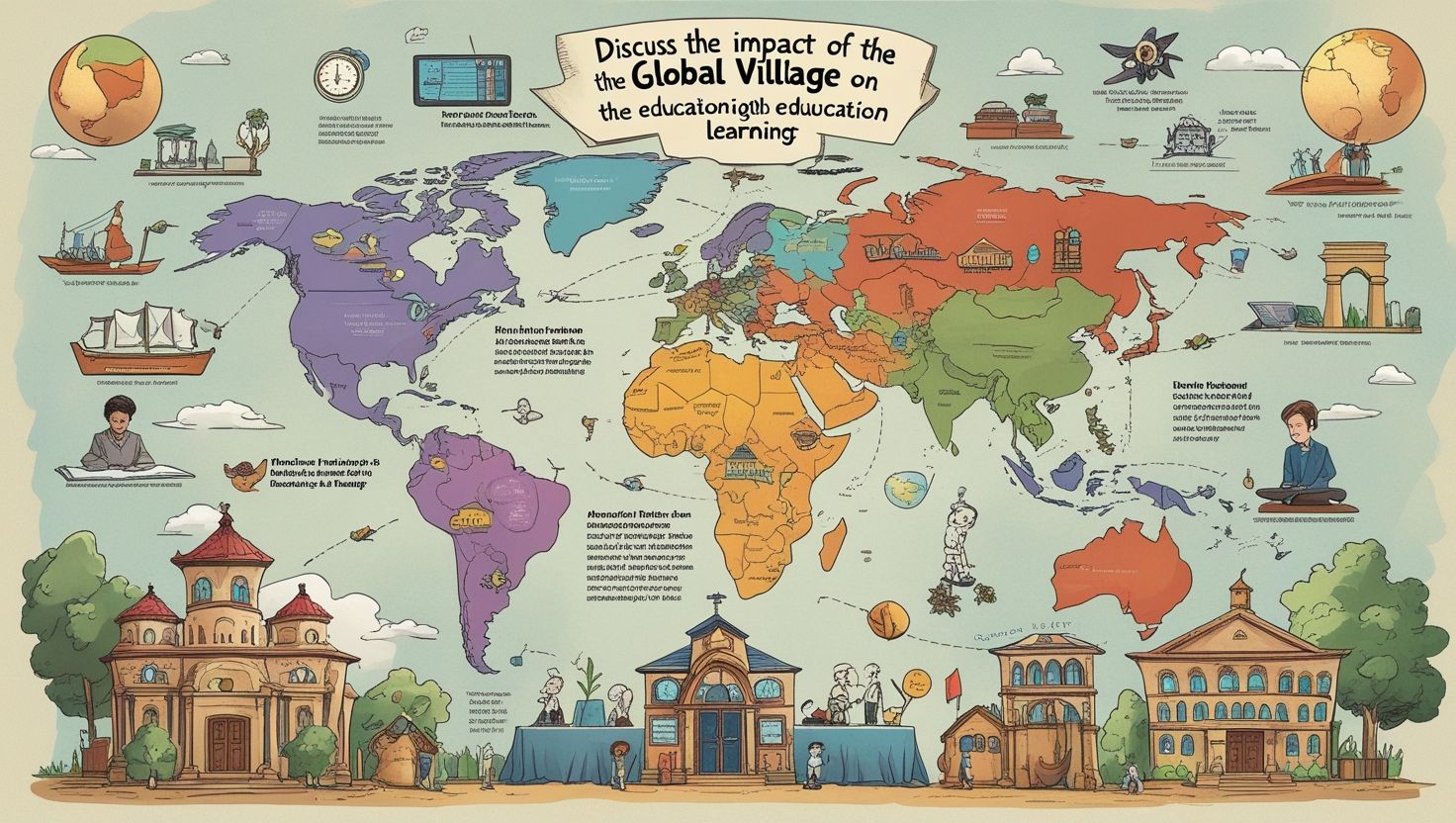
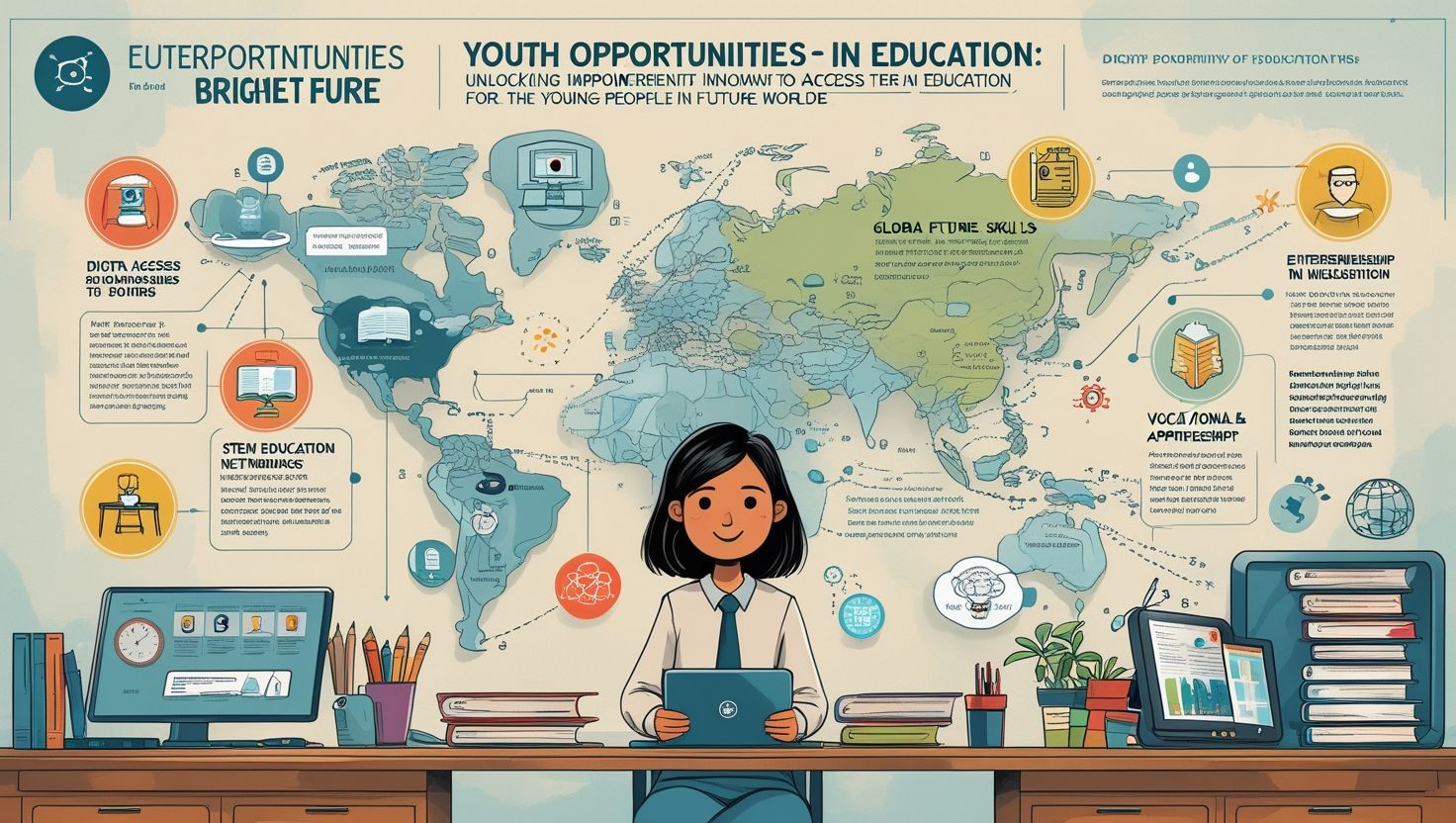
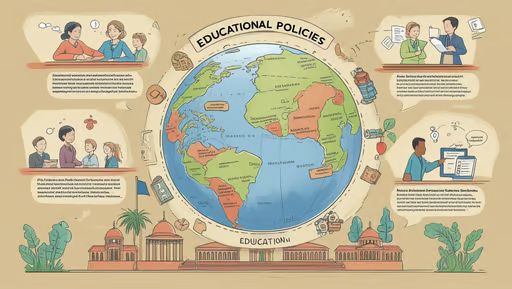
Globalization has significantly influenced educational priorities. Consequently, curricula emphasize global competence and cross-cultural collaboration. Reports by OECD highlight the importance of future-ready skills. Moreover, sustainability and digital ethics are increasingly integrated into lesson plans.
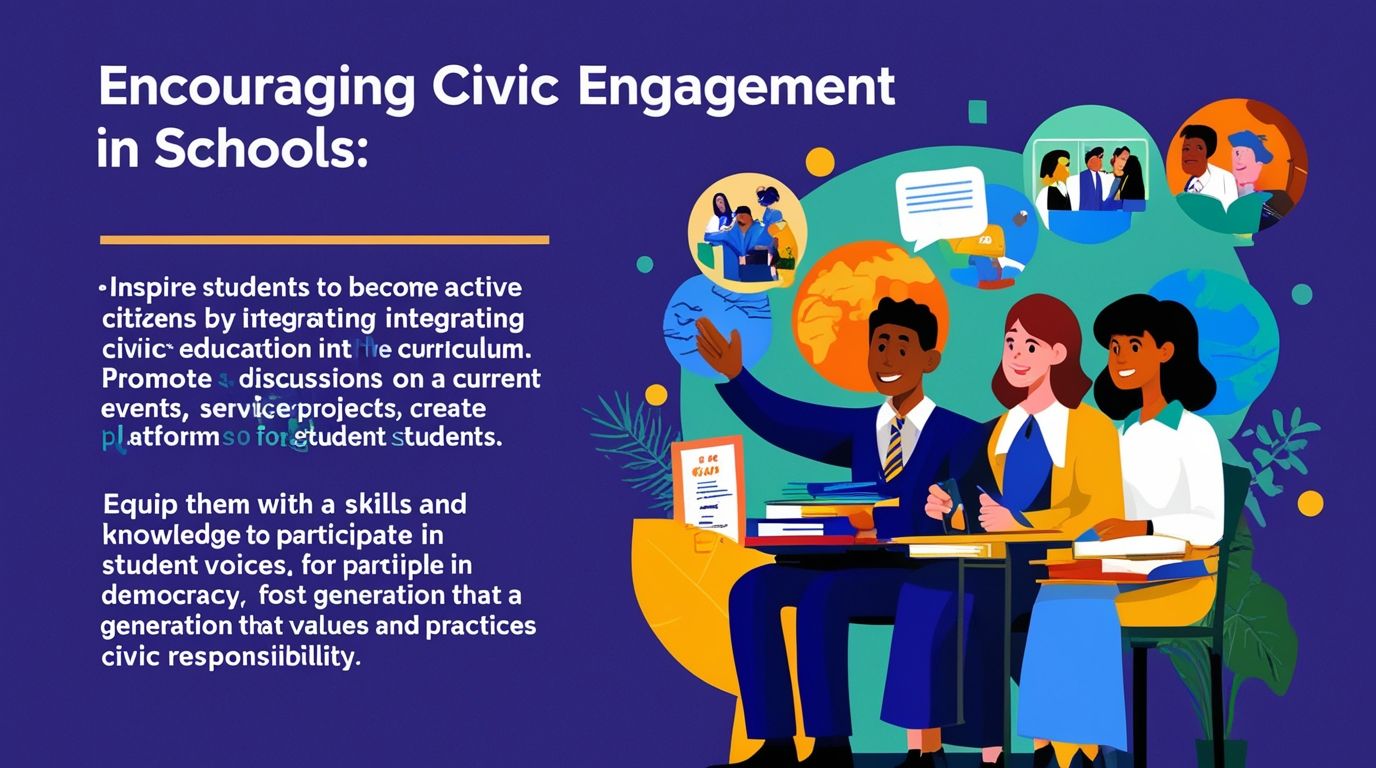
Therefore, students learn to navigate interconnected economies and societies. In addition, collaborative international projects broaden perspectives. As a result, learners become informed global citizens prepared for diverse career paths.
Challenges in Implementing the Latest Teaching Mood
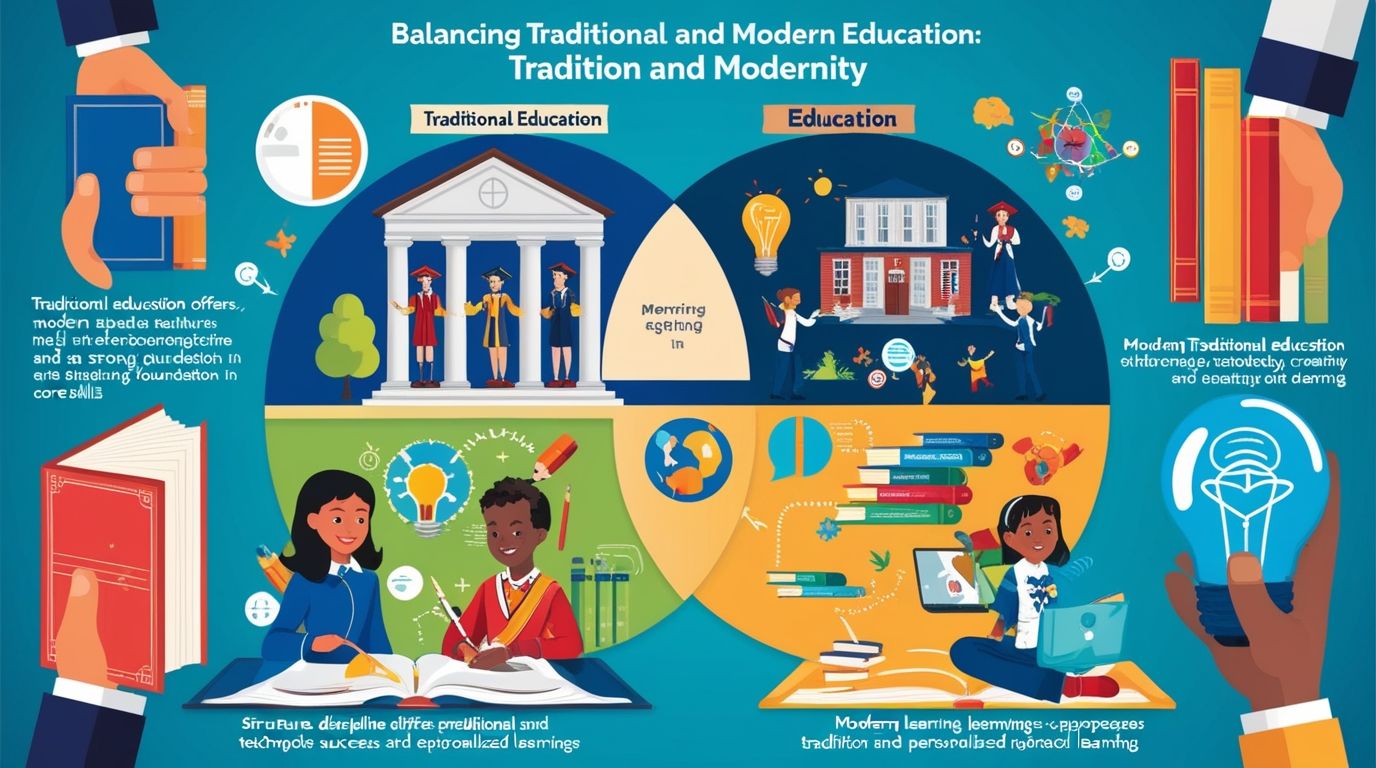
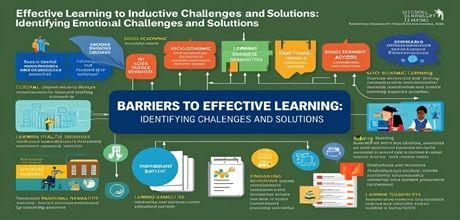
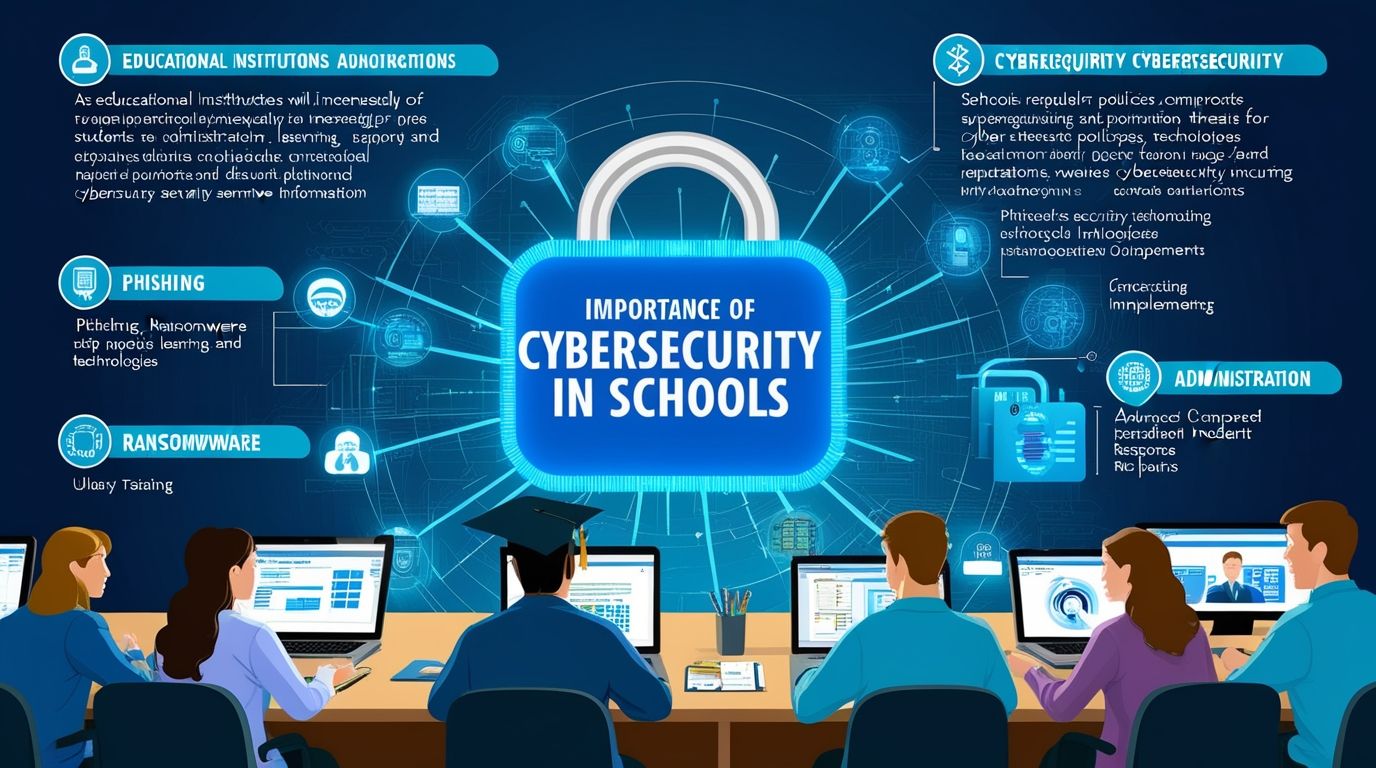
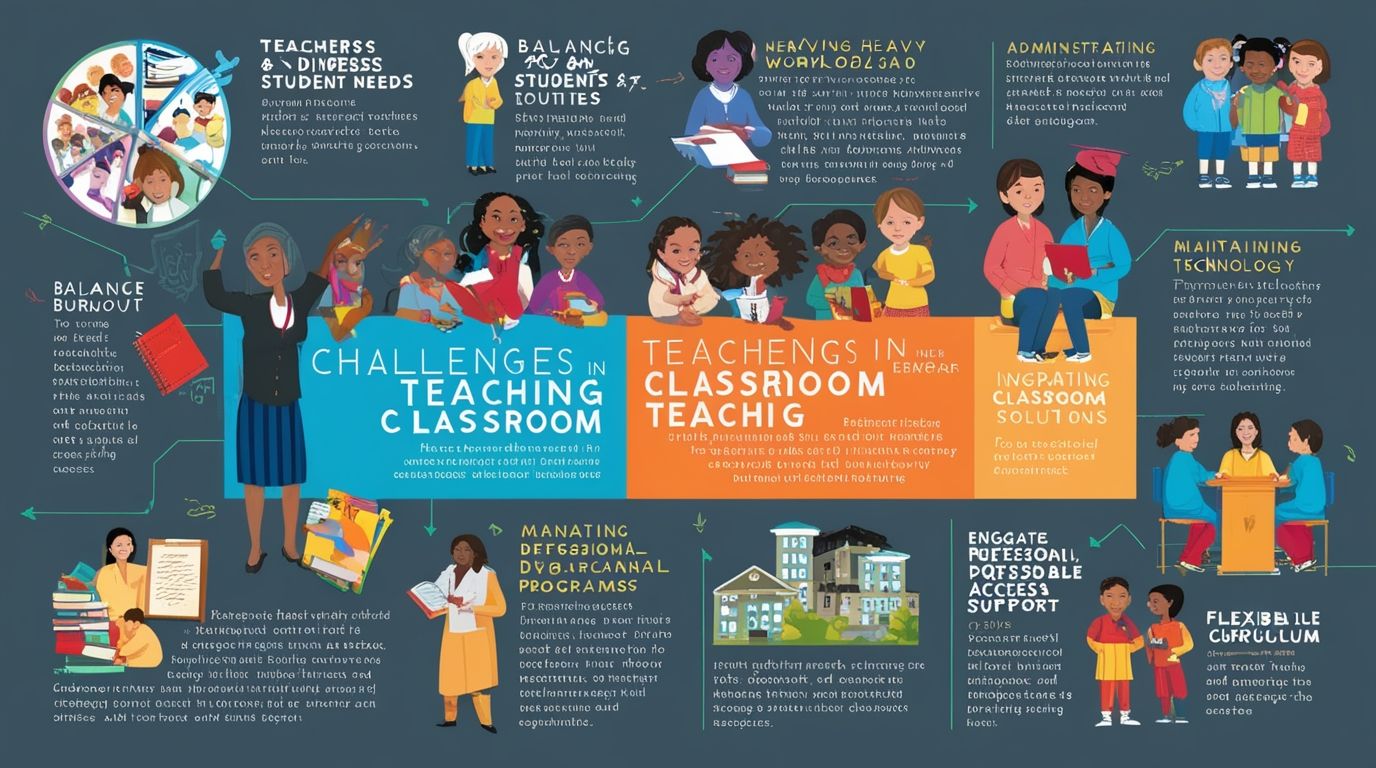
Despite its benefits, challenges remain. For example, unequal access to technology creates digital divides. Furthermore, teachers may face increased workloads while adapting to innovative strategies. Therefore, institutional support and policy reforms are essential. In addition, balancing foundational knowledge with modern skills requires thoughtful planning. Consequently, educators must maintain academic rigor while embracing innovation.
146-Word Paragraph
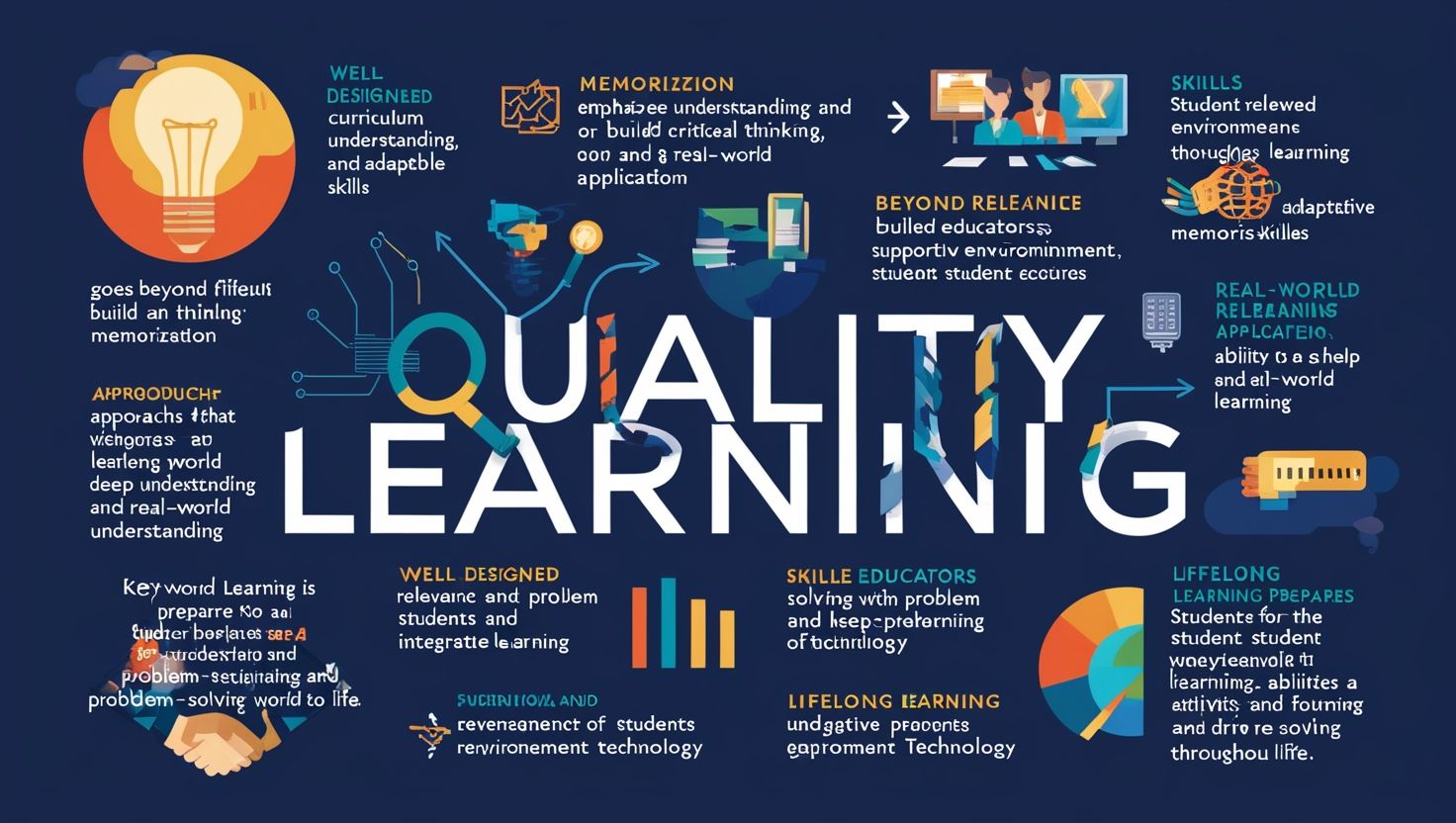
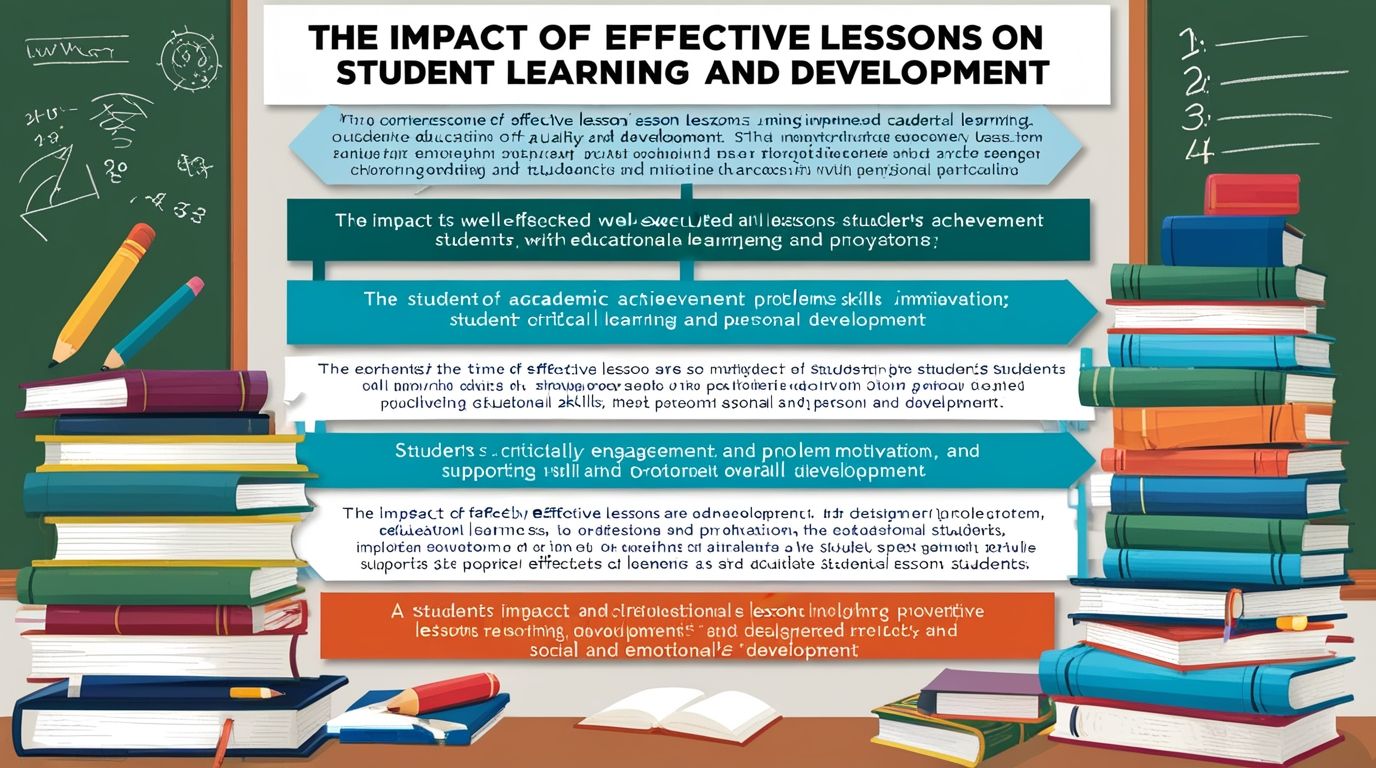
The Latest Teaching Mood represents a transformative shift in educational philosophy and practice. Initially, classrooms emphasized teacher-centered lectures and standardized testing; however, contemporary education prioritizes student engagement, inclusivity, and technology integration. Moreover, digital tools provide flexible access to learning resources, while personalized platforms support individual growth. Consequently, students receive targeted feedback and develop autonomy. In addition, social-emotional learning strengthens resilience and interpersonal skills. Furthermore, project-based and experiential methods connect academic knowledge with real-world application. Therefore, learners acquire critical thinking and collaboration skills essential for modern careers. As globalization expands, culturally responsive teaching fosters global awareness and empathy. Nevertheless, challenges such as digital inequality and teacher workload persist. Ultimately, sustainable innovation and professional development remain crucial. Thus, the modern educational approach aims to cultivate adaptable, compassionate, and lifelong learners prepared for an evolving world.
References
- UNESCO. (2021). Reimagining Our Futures Together: A New Social Contract for Education.
- OECD. (2019). Future of Education and Skills 2030.
- Durlak, J. A., et al. (2011). The impact of social-emotional learning on students’ outcomes. Child Development.
- Means, B., et al. (2014). The effectiveness of online and blended learning. Teachers College Record.