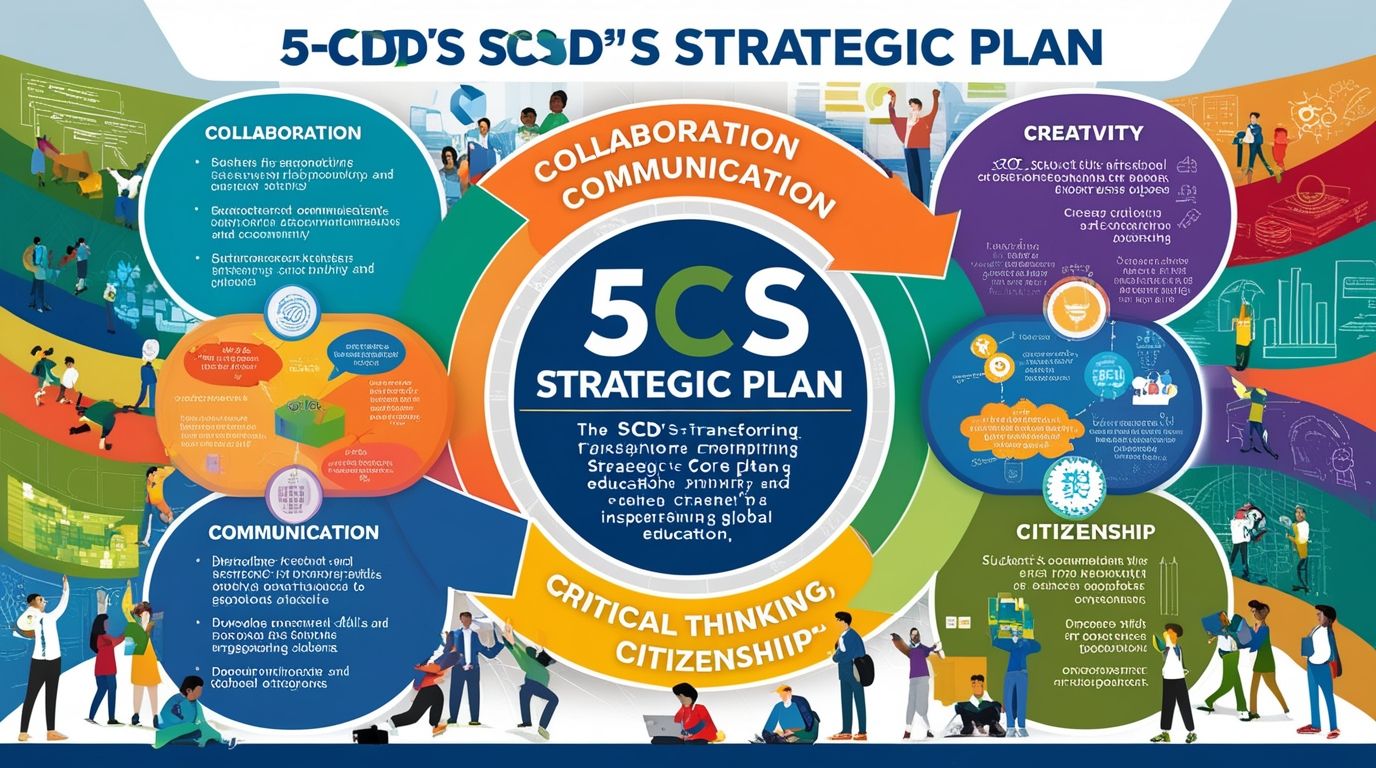
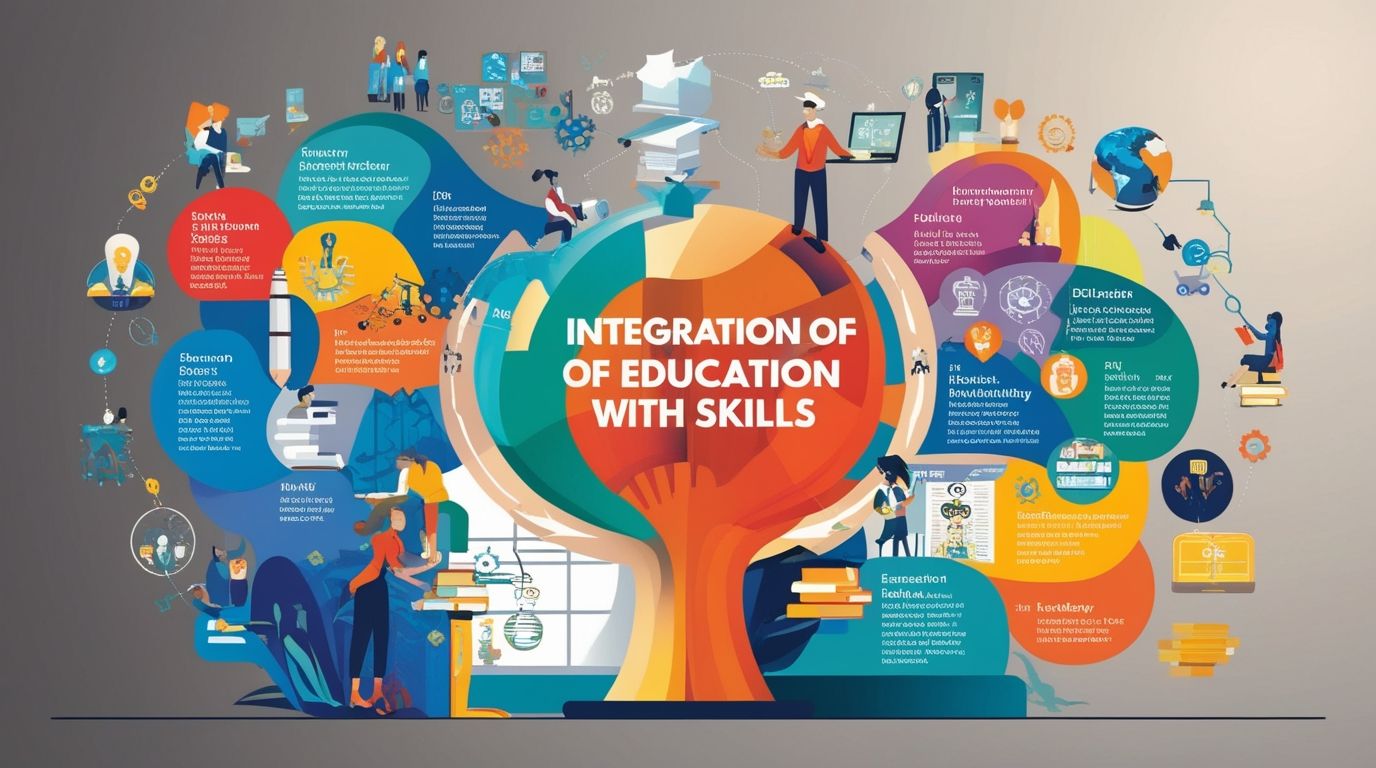
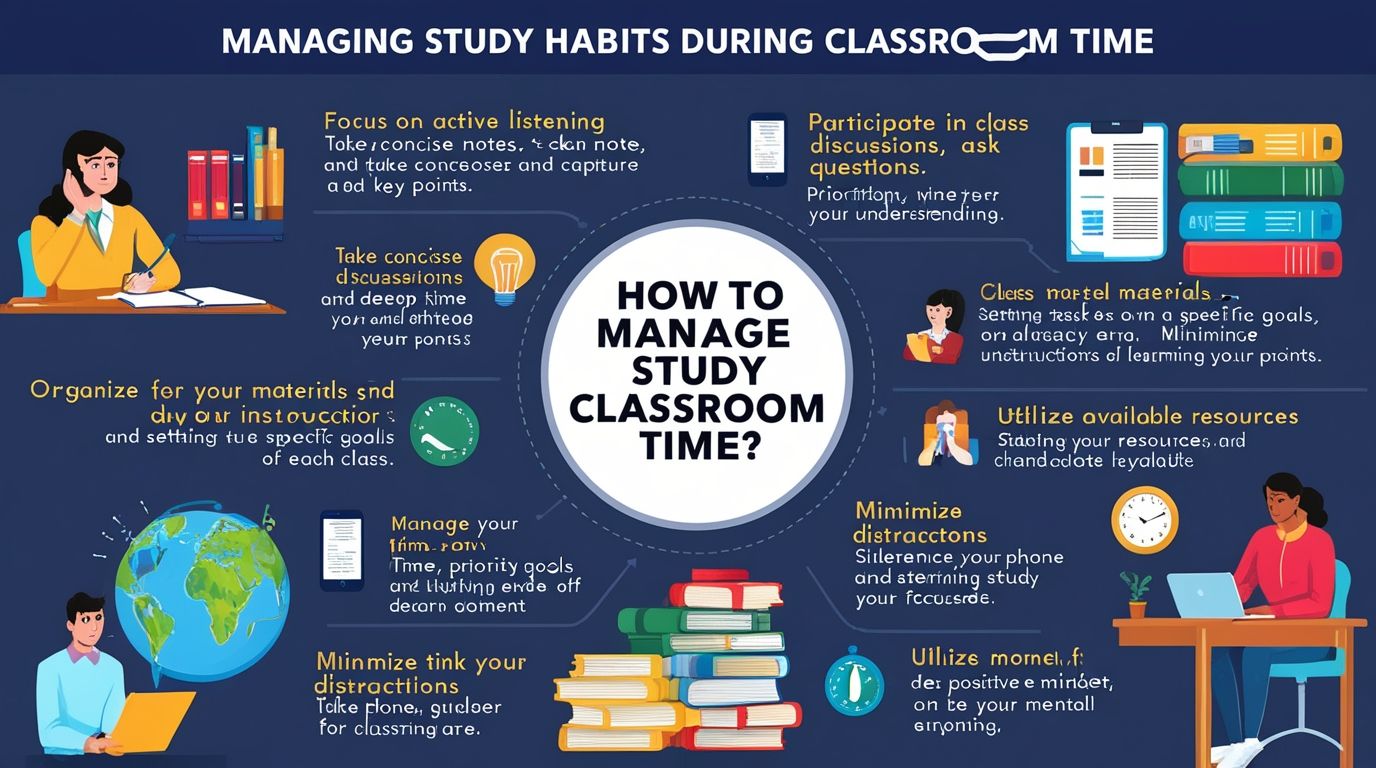
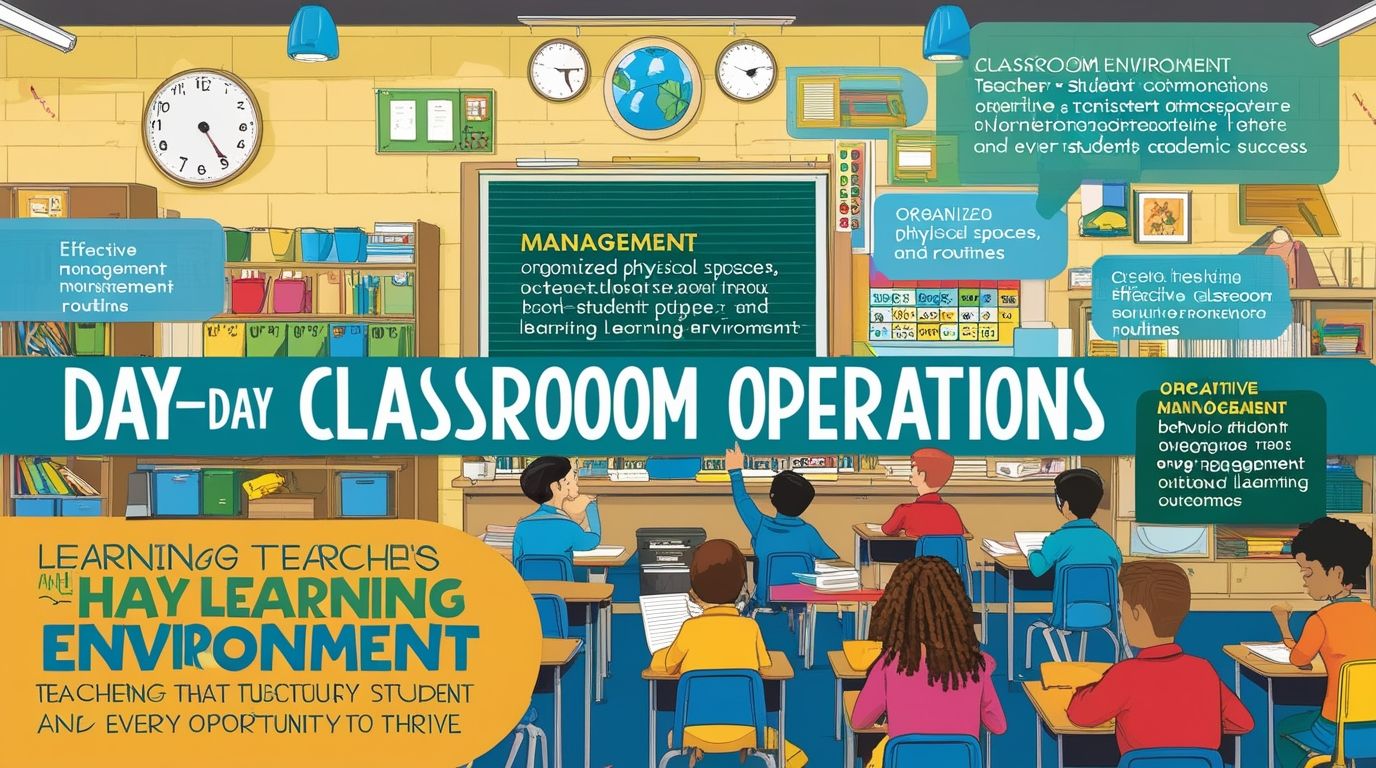
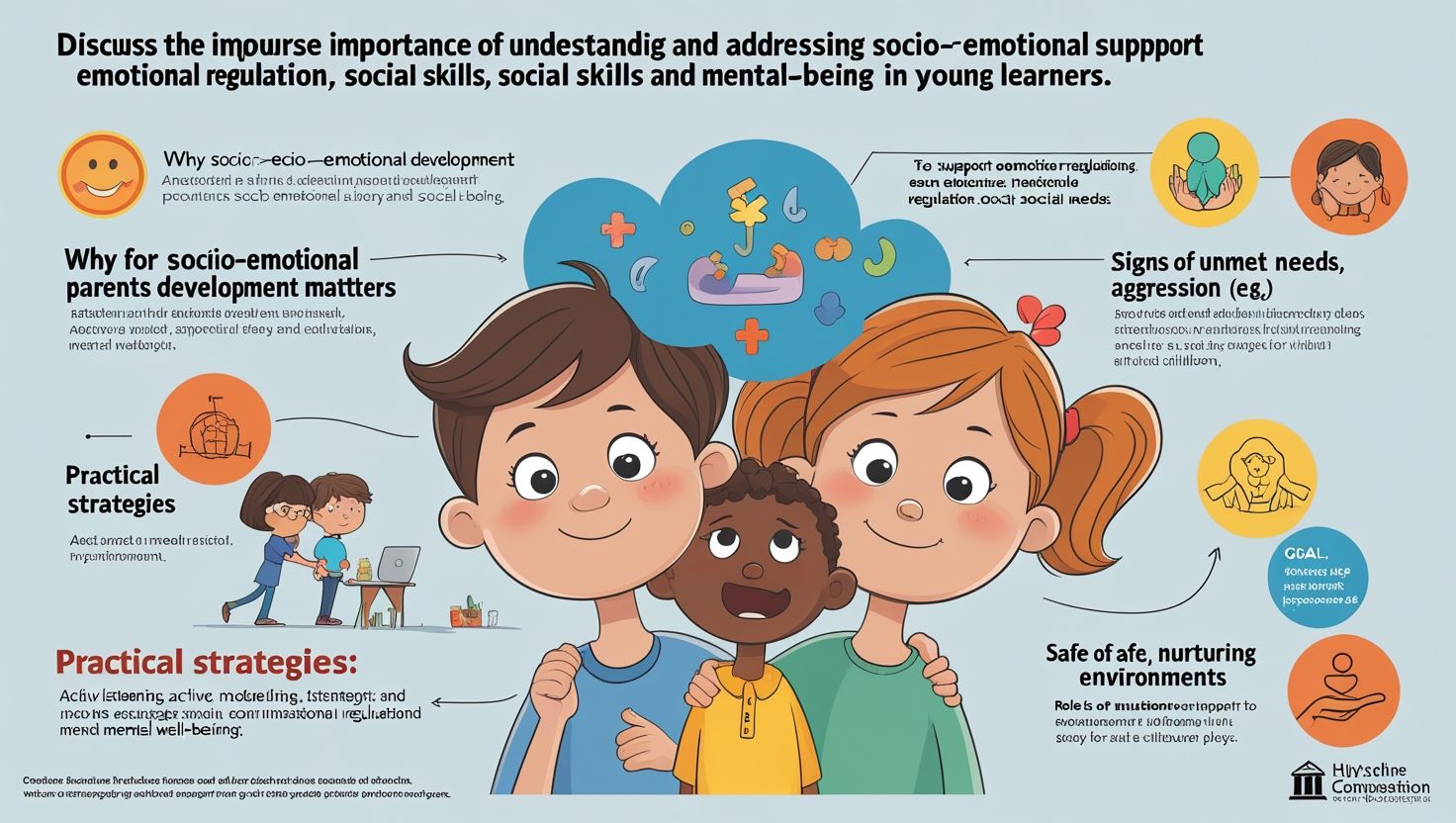
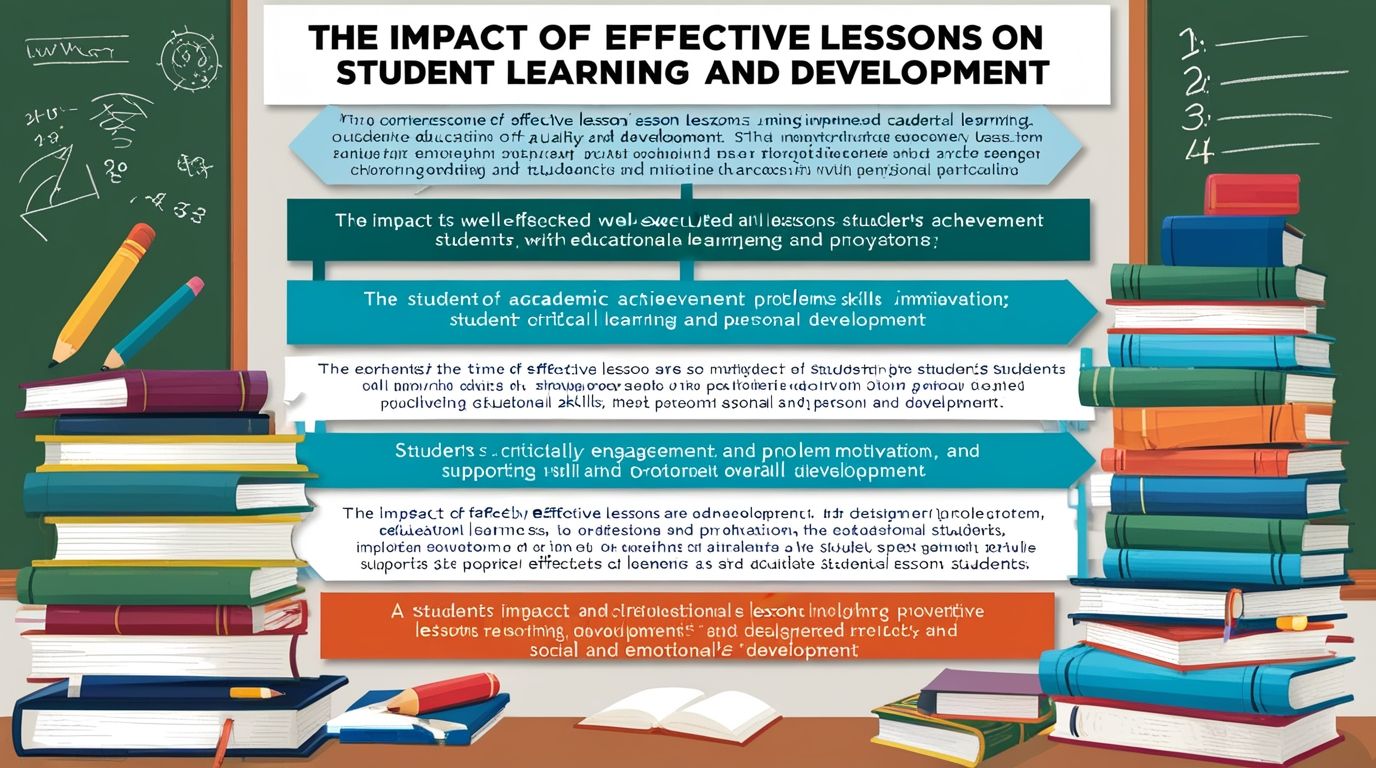
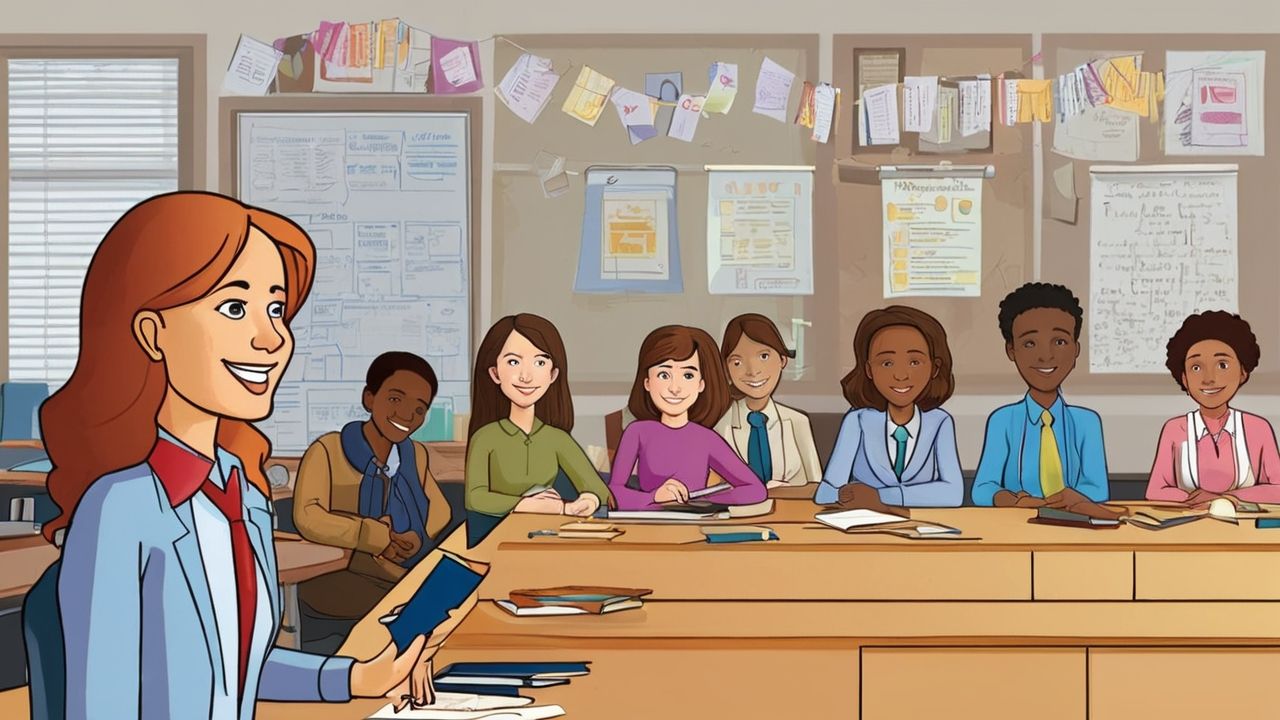
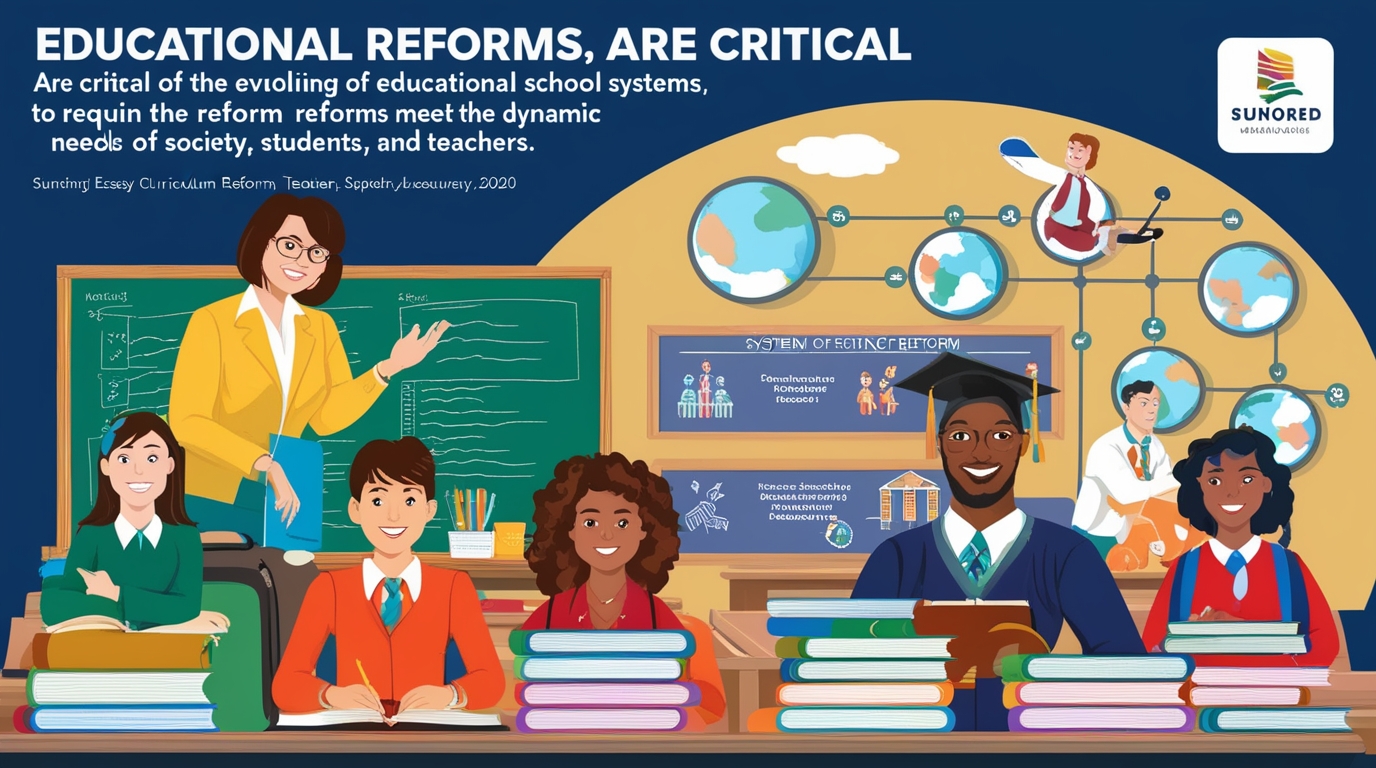
Life Skills and Teachers and Compassionate Learners, In an age marked by rapid technological change, social complexity, and global interconnection, education can no longer be confined to academic achievement alone. While literacy, numeracy, and subject knowledge remain foundational, they are not sufficient for navigating the uncertainties of modern life. Students today must also develop resilience, communication skills, ethical judgment, adaptability, and emotional intelligence—collectively known as life skills. At the heart of this holistic development stands the teacher. Teachers are not merely transmitters of information; they are mentors, facilitators, role models, and guides who shape how young people think, act, and respond to the world.
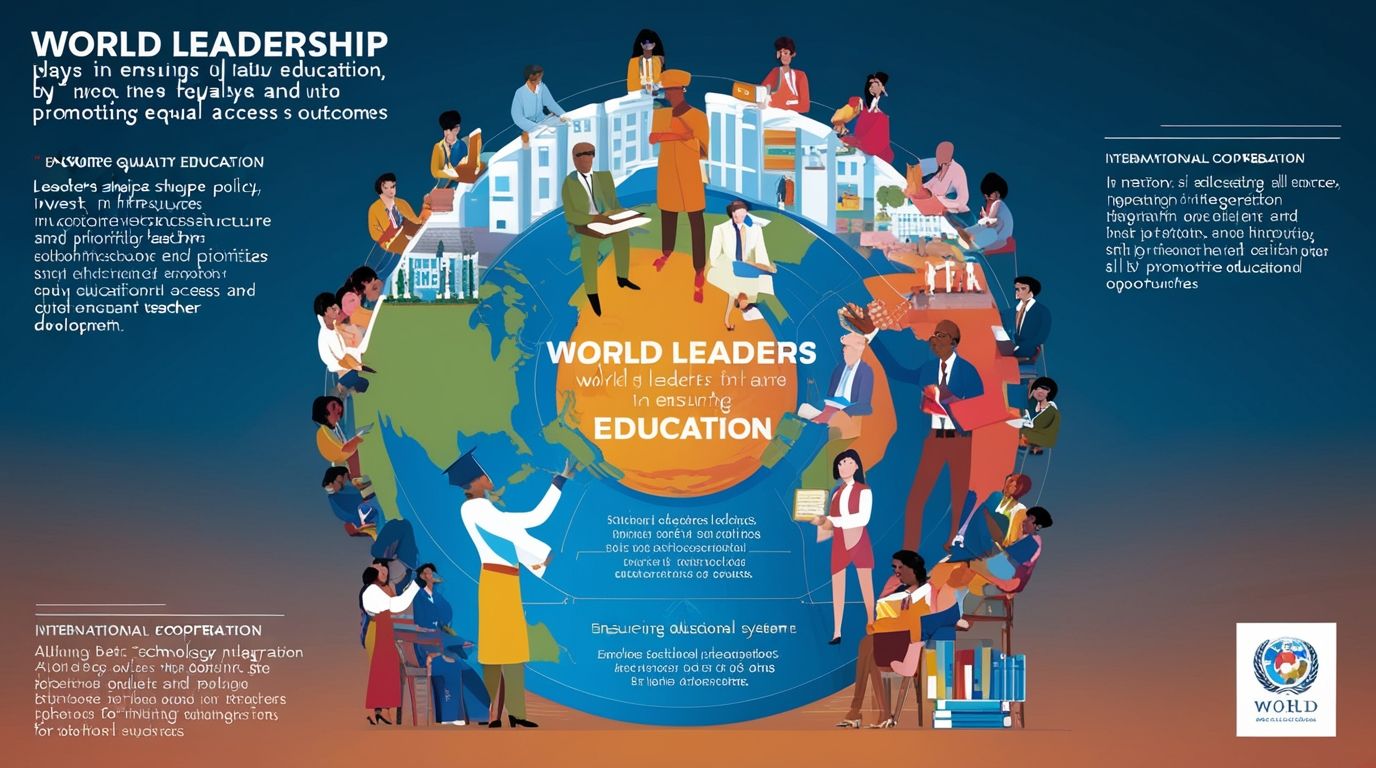
The importance of life skills has been recognized globally by organizations such as the World Health Organization and UNESCO, which emphasize that education must empower individuals to deal effectively with the demands and challenges of everyday life. Schools, therefore, become not just centers of academic instruction but environments where character, competence, and confidence are cultivated. Teachers play a critical role in translating these global visions into daily classroom realities.
Understanding Life Skills
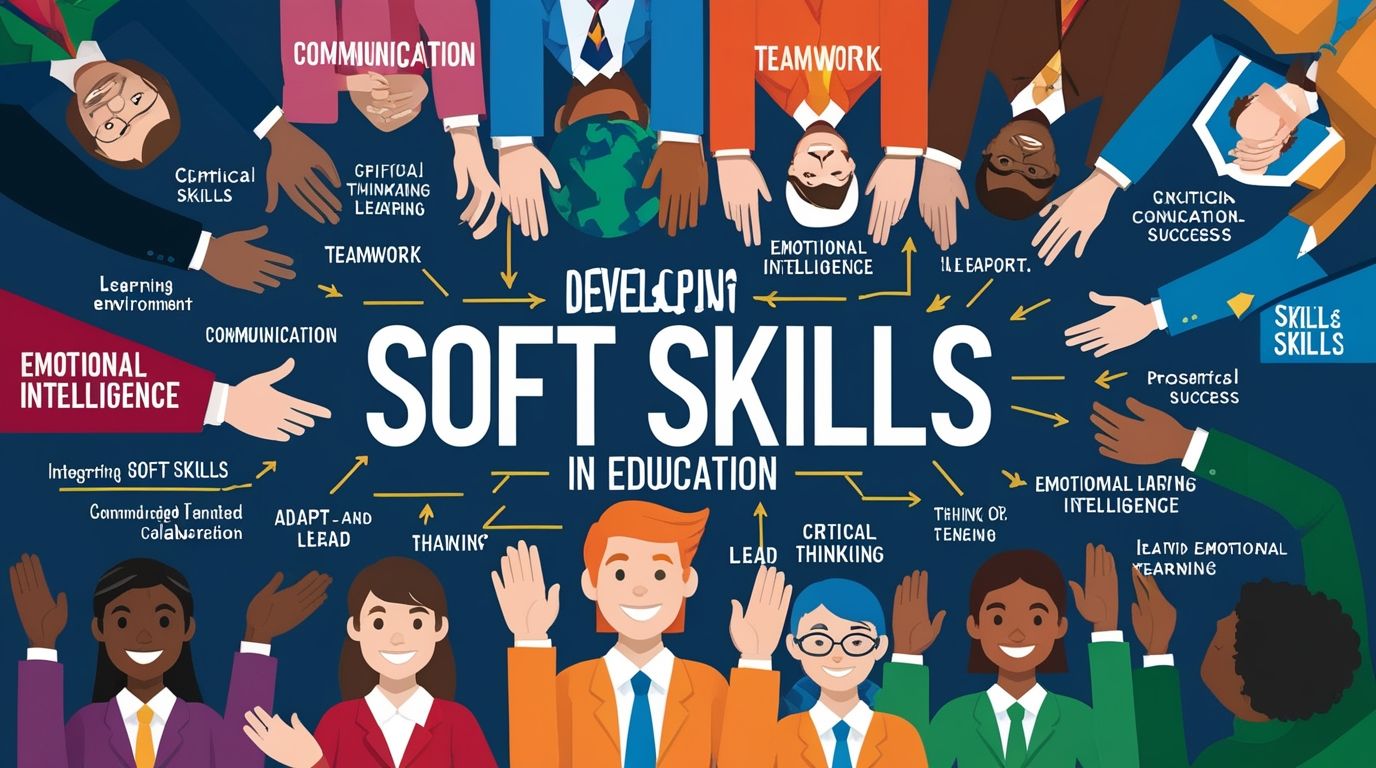
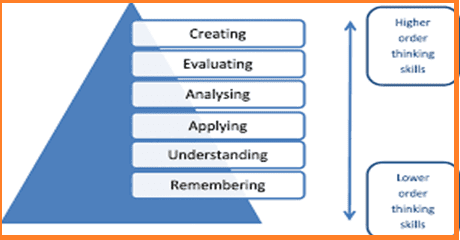
Life skills are a broad set of abilities that enable individuals to handle personal, social, and professional challenges effectively. According to the World Health Organization, life skills include critical thinking, creative thinking, decision-making, problem-solving, effective communication, interpersonal relationship skills, self-awareness, empathy, coping with emotions, and coping with stress. These skills help individuals navigate complex situations, build healthy relationships, and contribute meaningfully to society.
Life skills can be grouped into three major categories:
- Cognitive Skills – Critical thinking, problem-solving, decision-making, and creativity.
- Social Skills – Communication, teamwork, leadership, and conflict resolution.
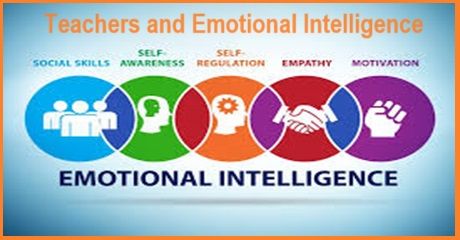
- Emotional Skills – Self-awareness, empathy, resilience, and emotional regulation.
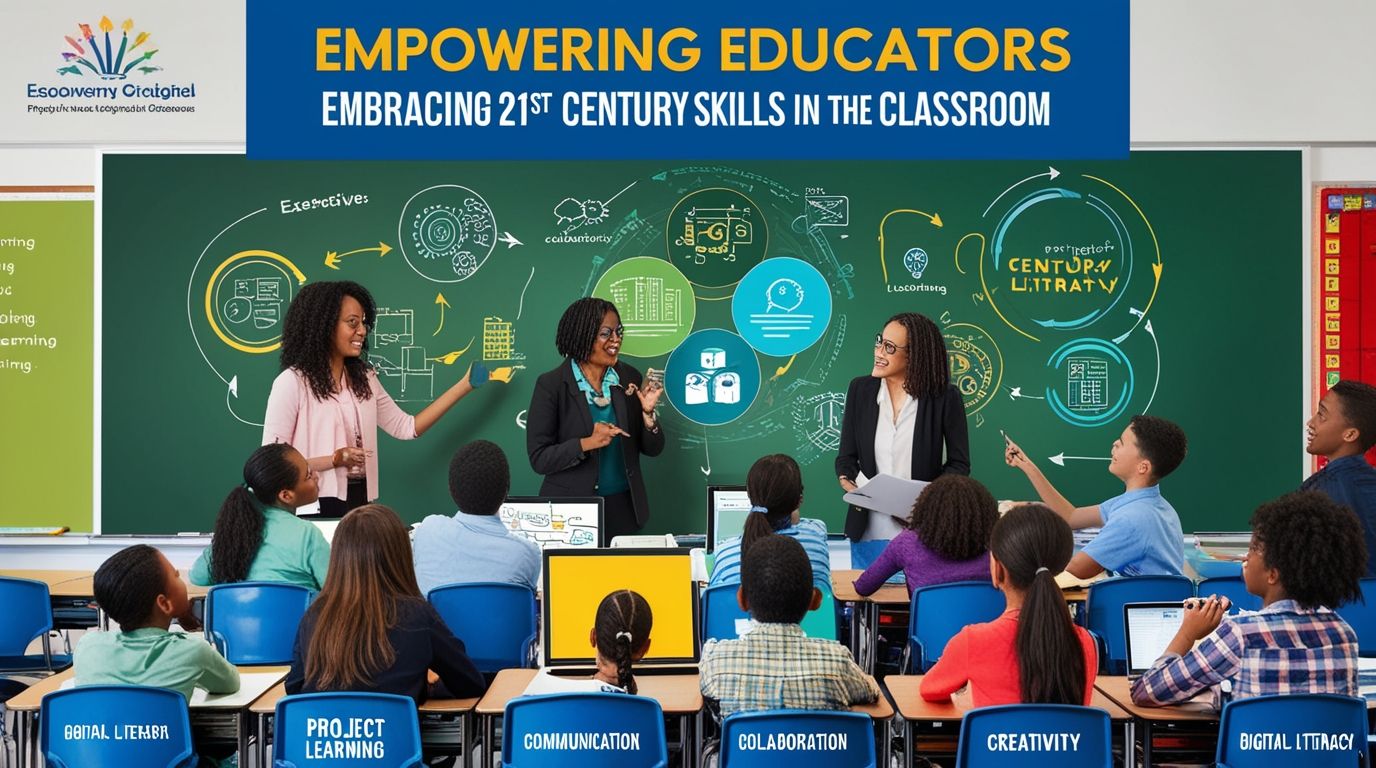
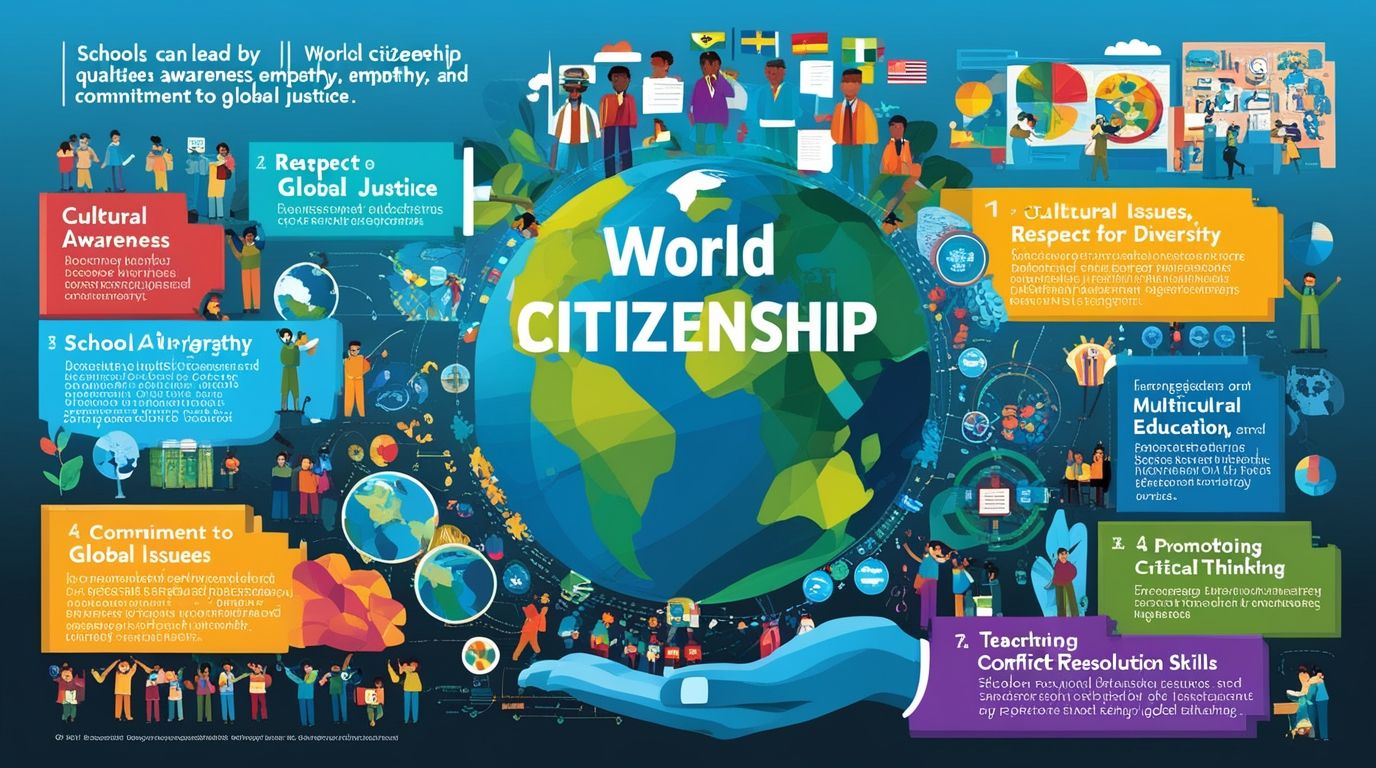
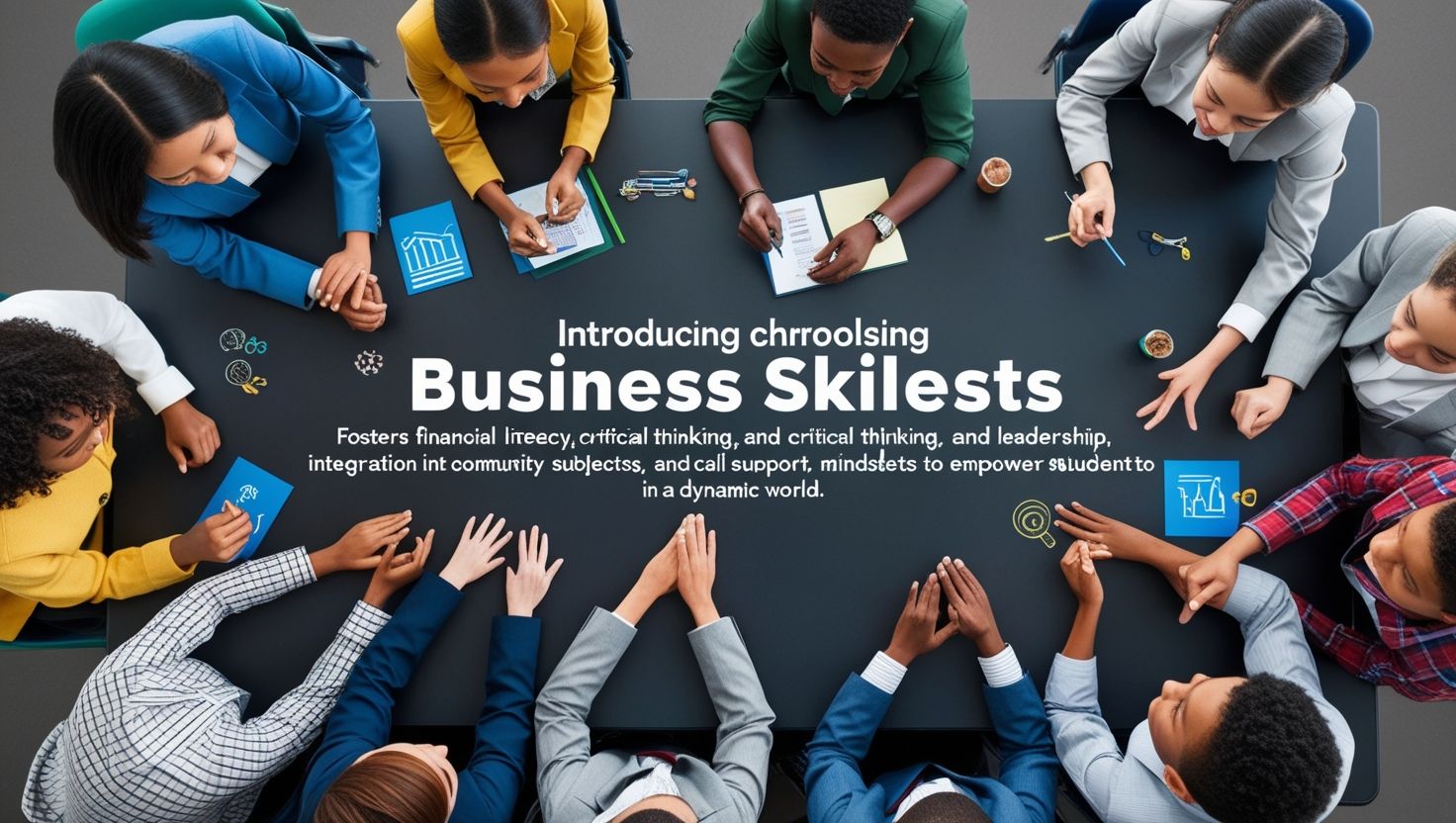
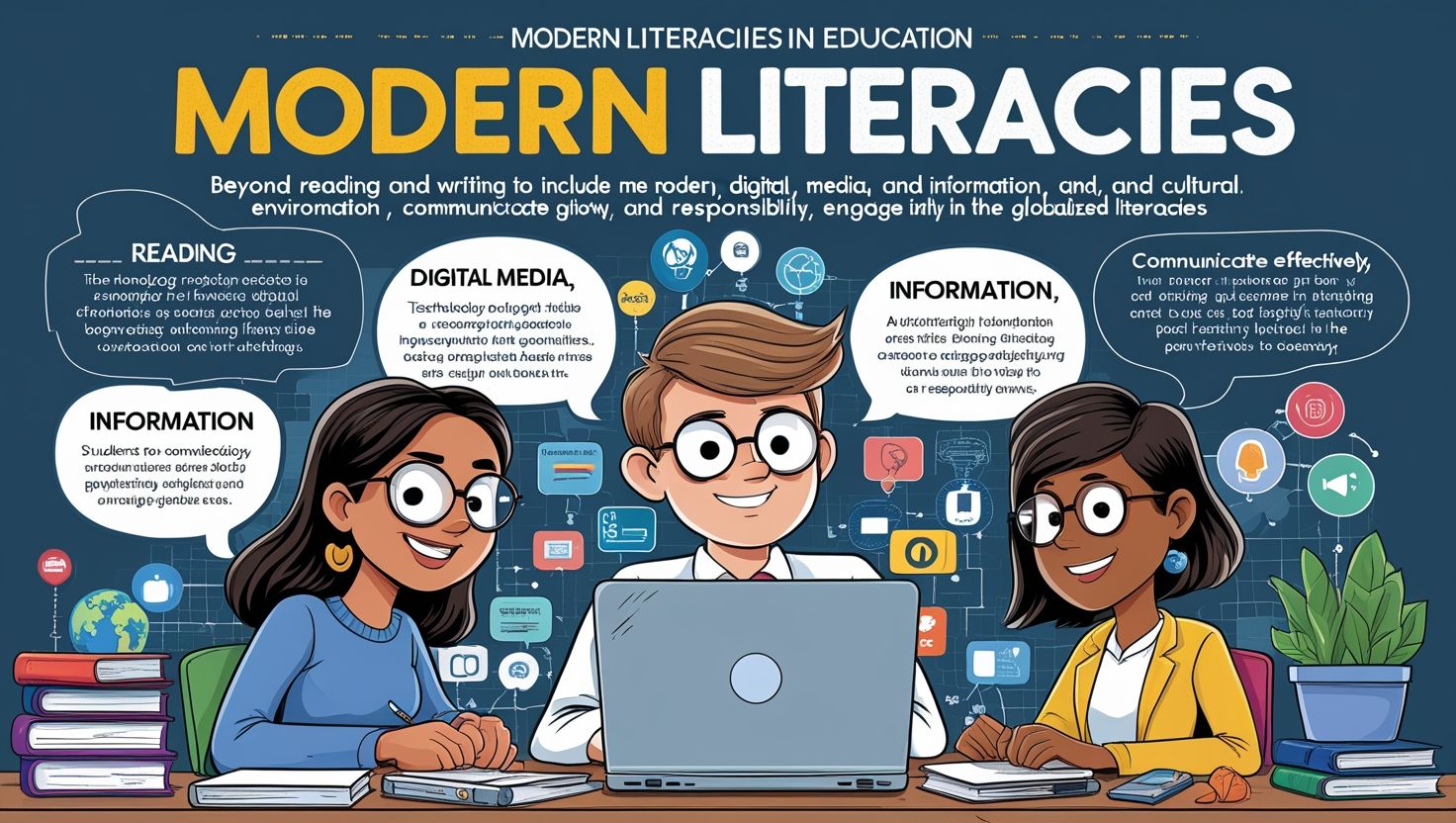
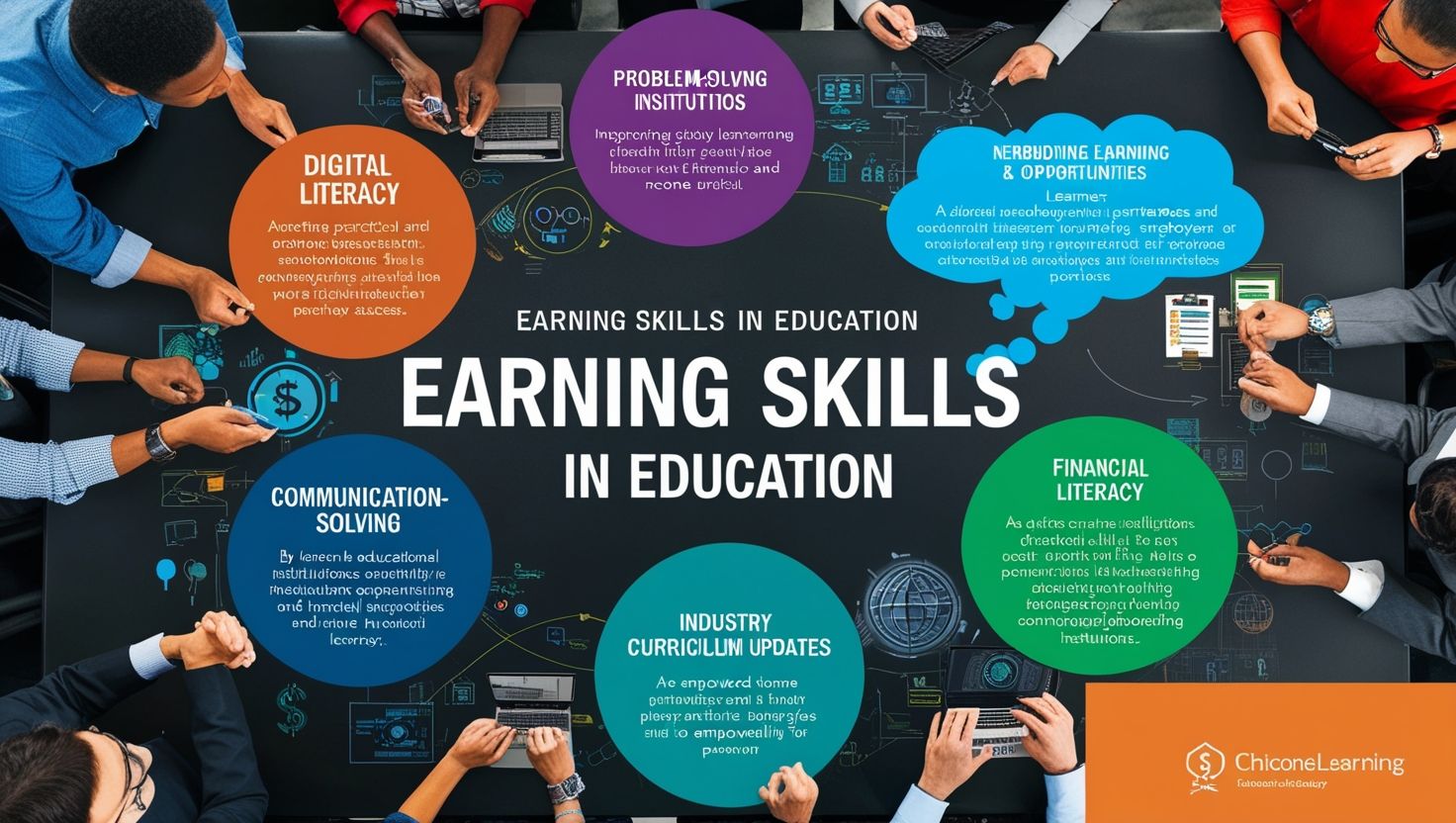
In the 21st century, additional competencies such as digital literacy, financial literacy, media awareness, and global citizenship have also become essential. However, regardless of the specific list, the underlying purpose remains the same: to equip learners with the tools they need to live responsibly and productively.
The Evolving Role of Teachers
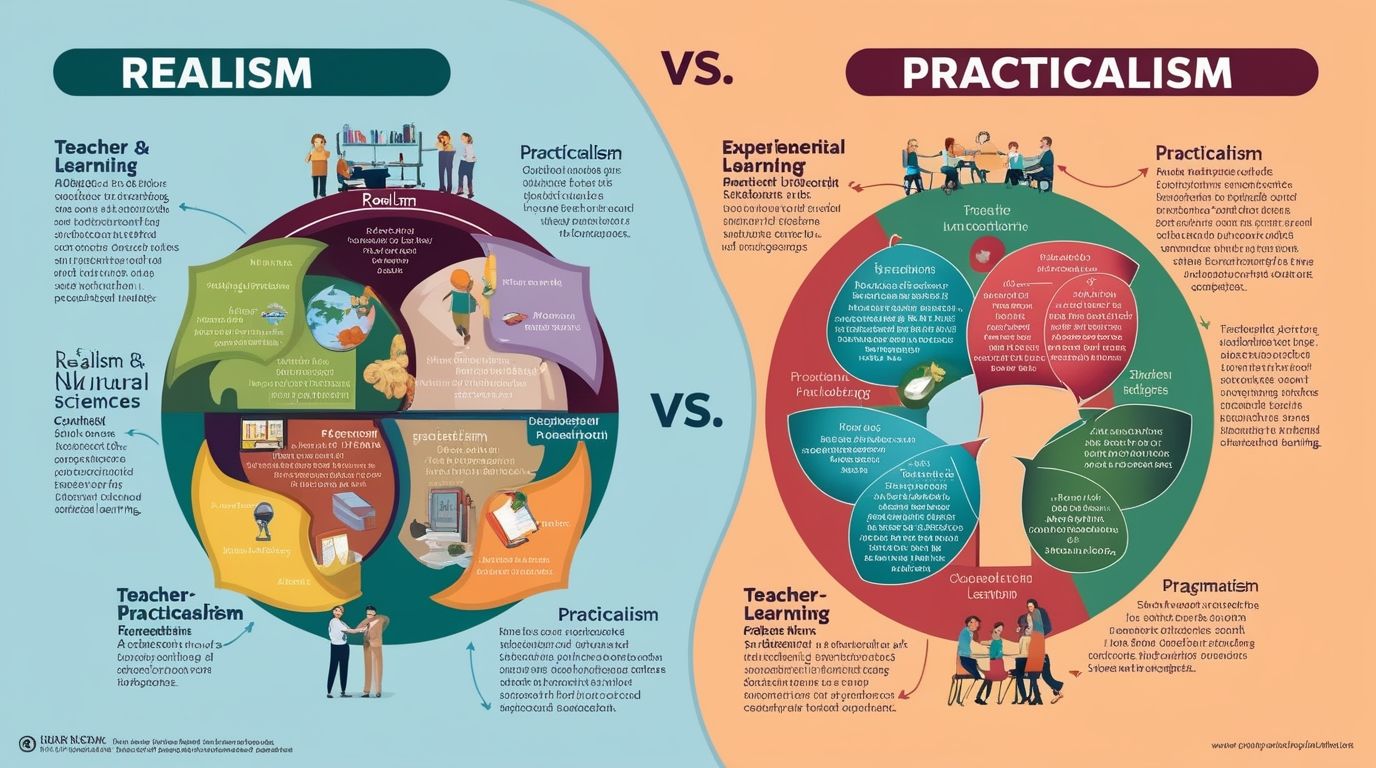
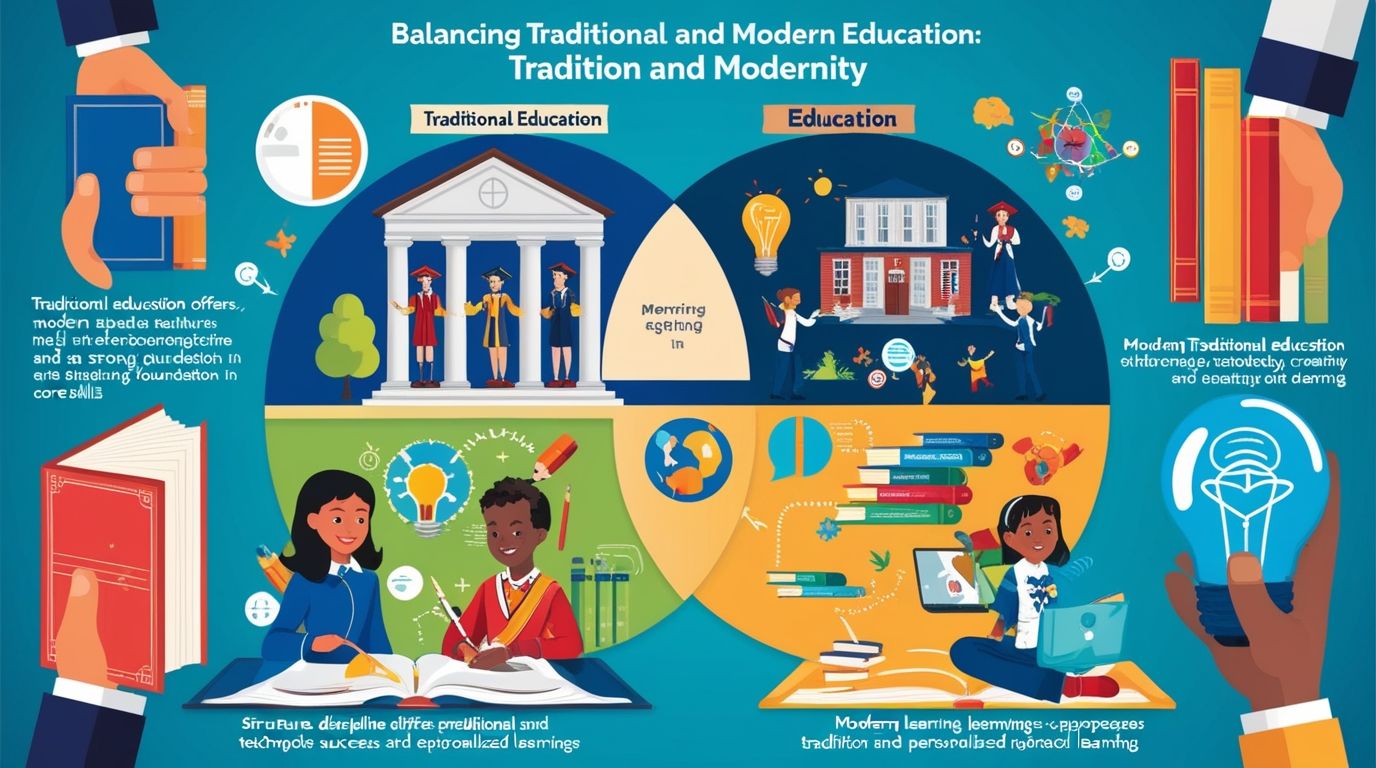
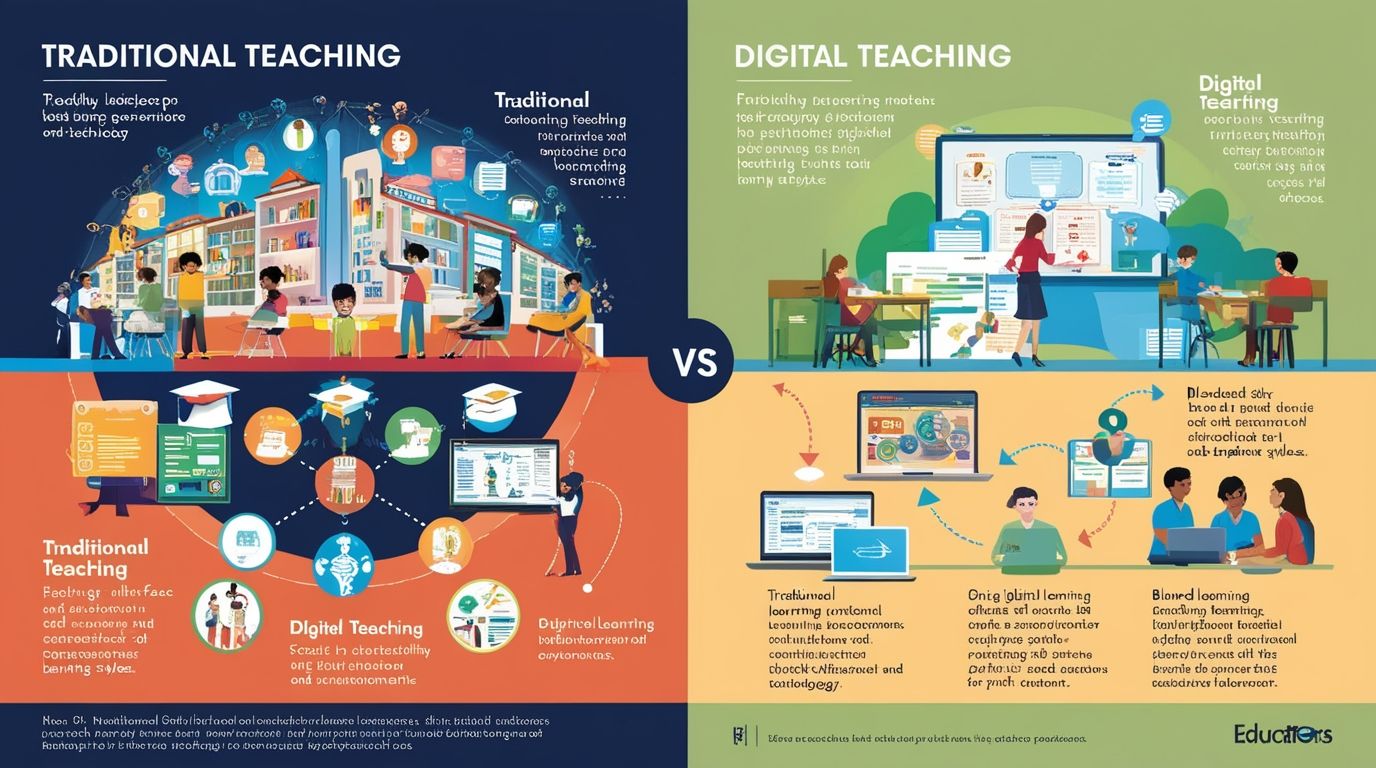
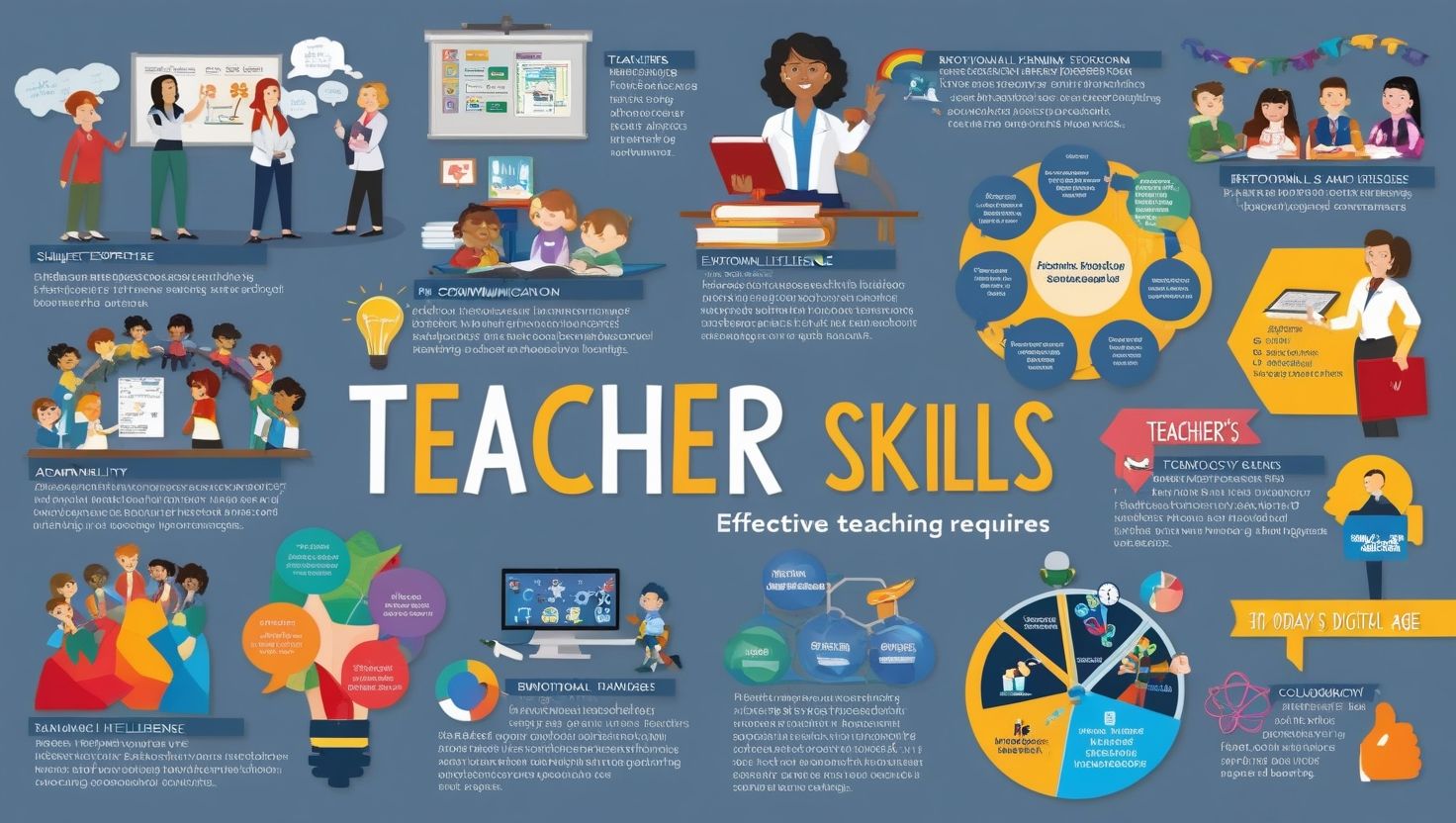
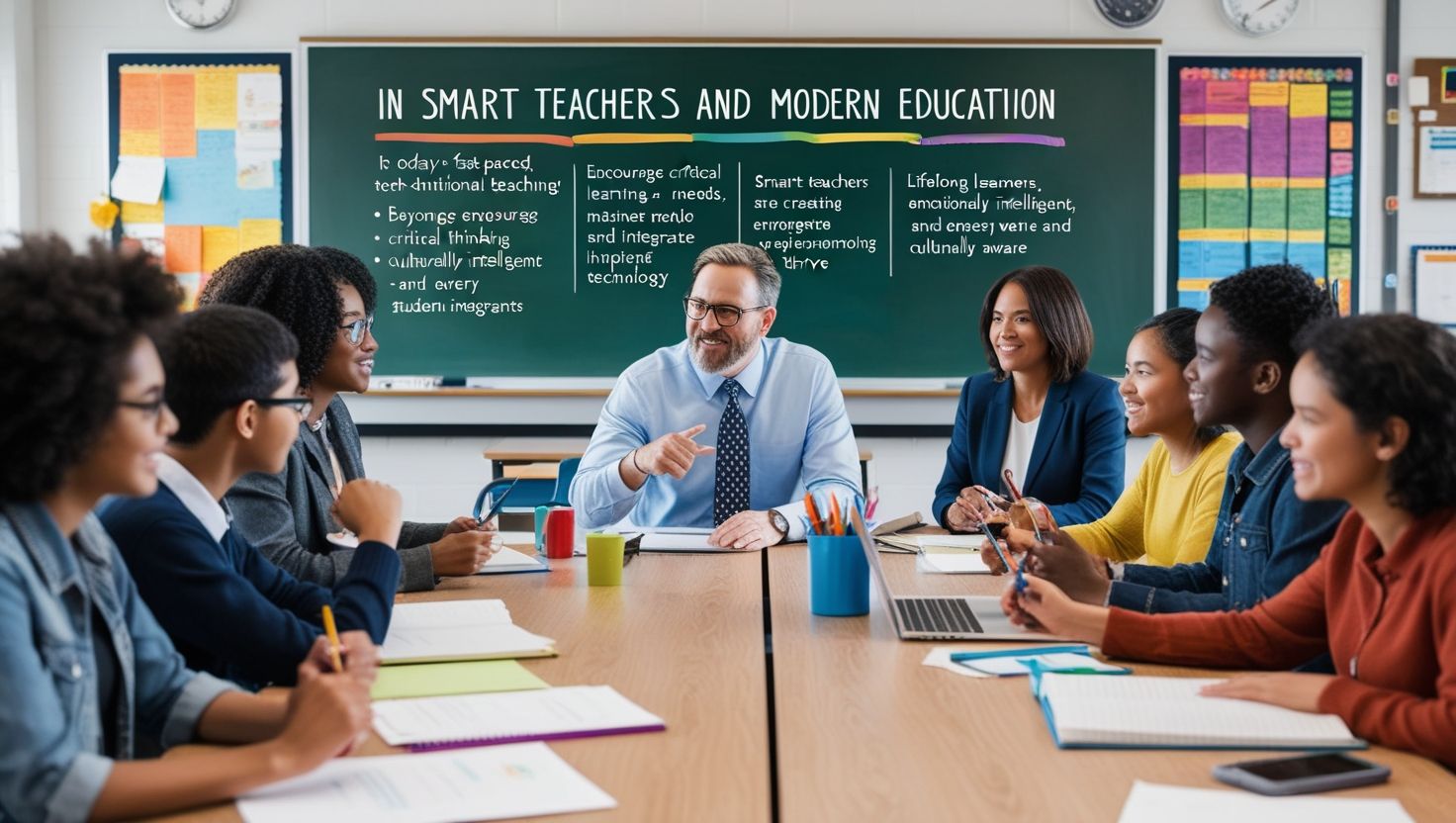
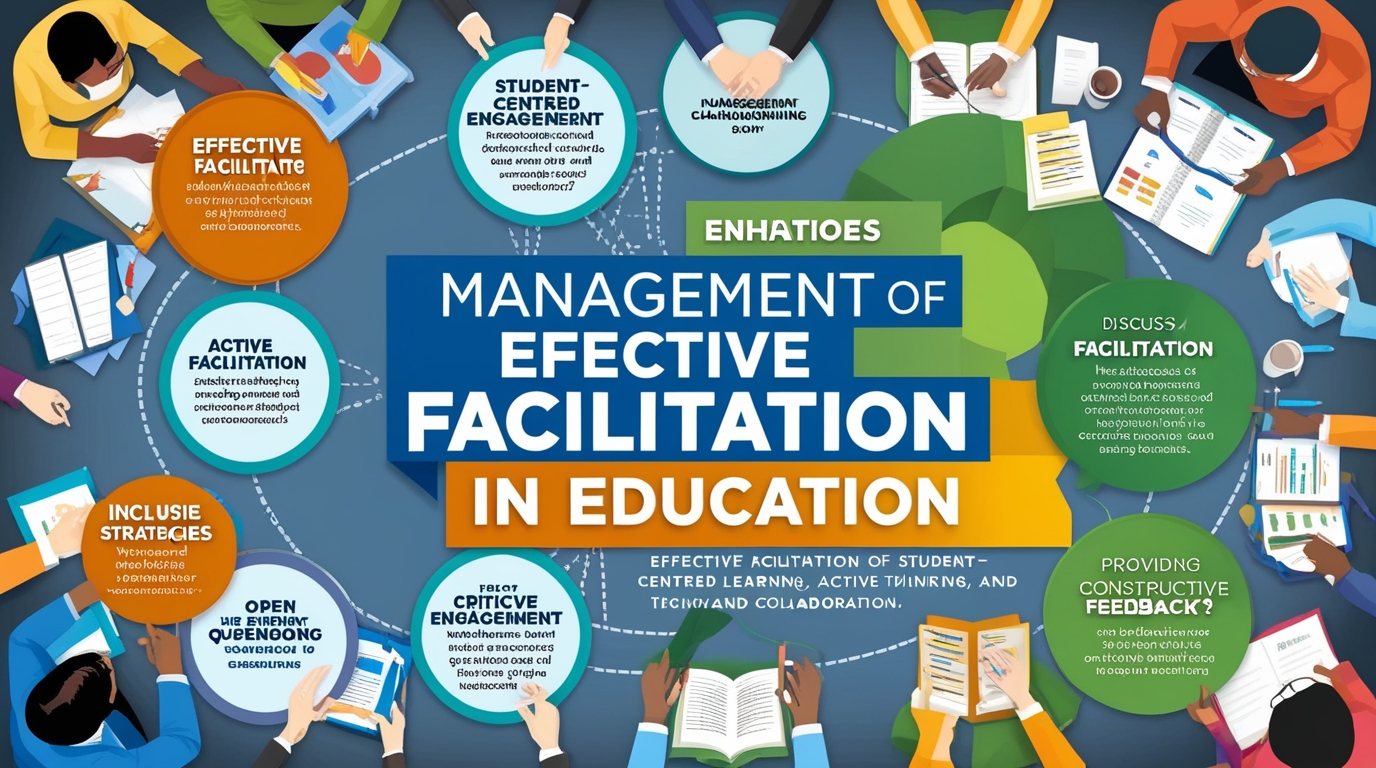
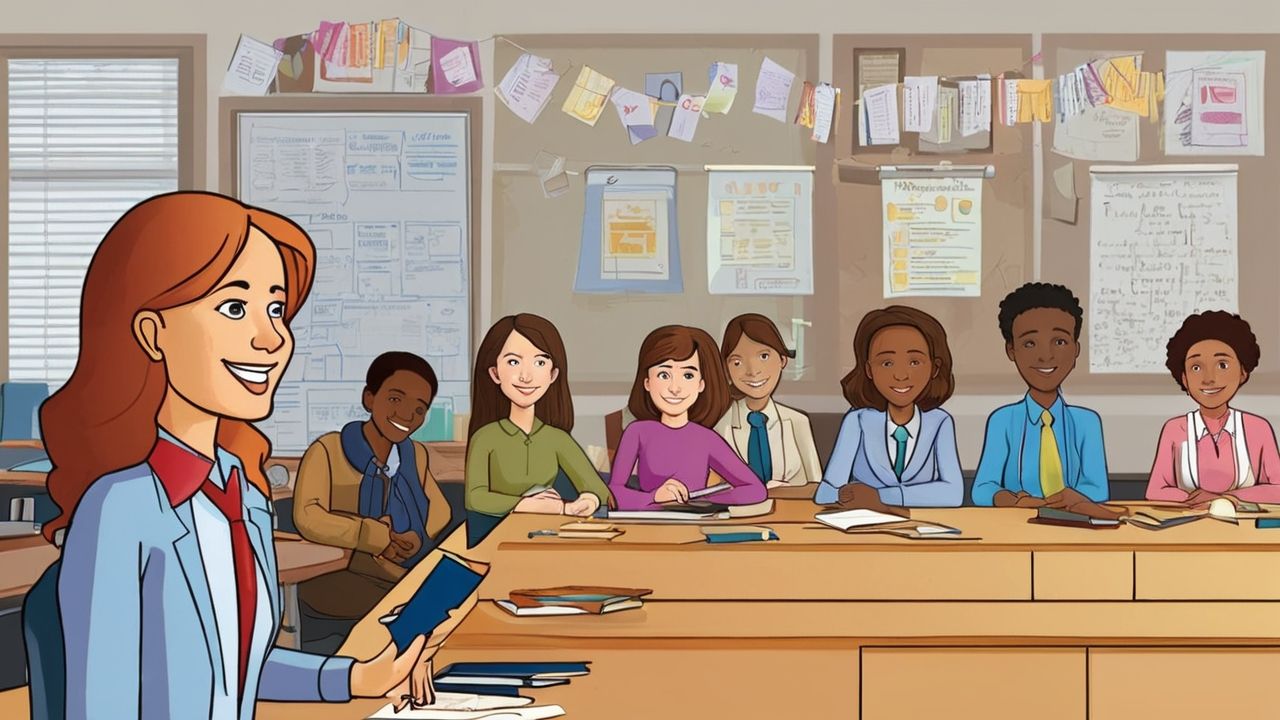
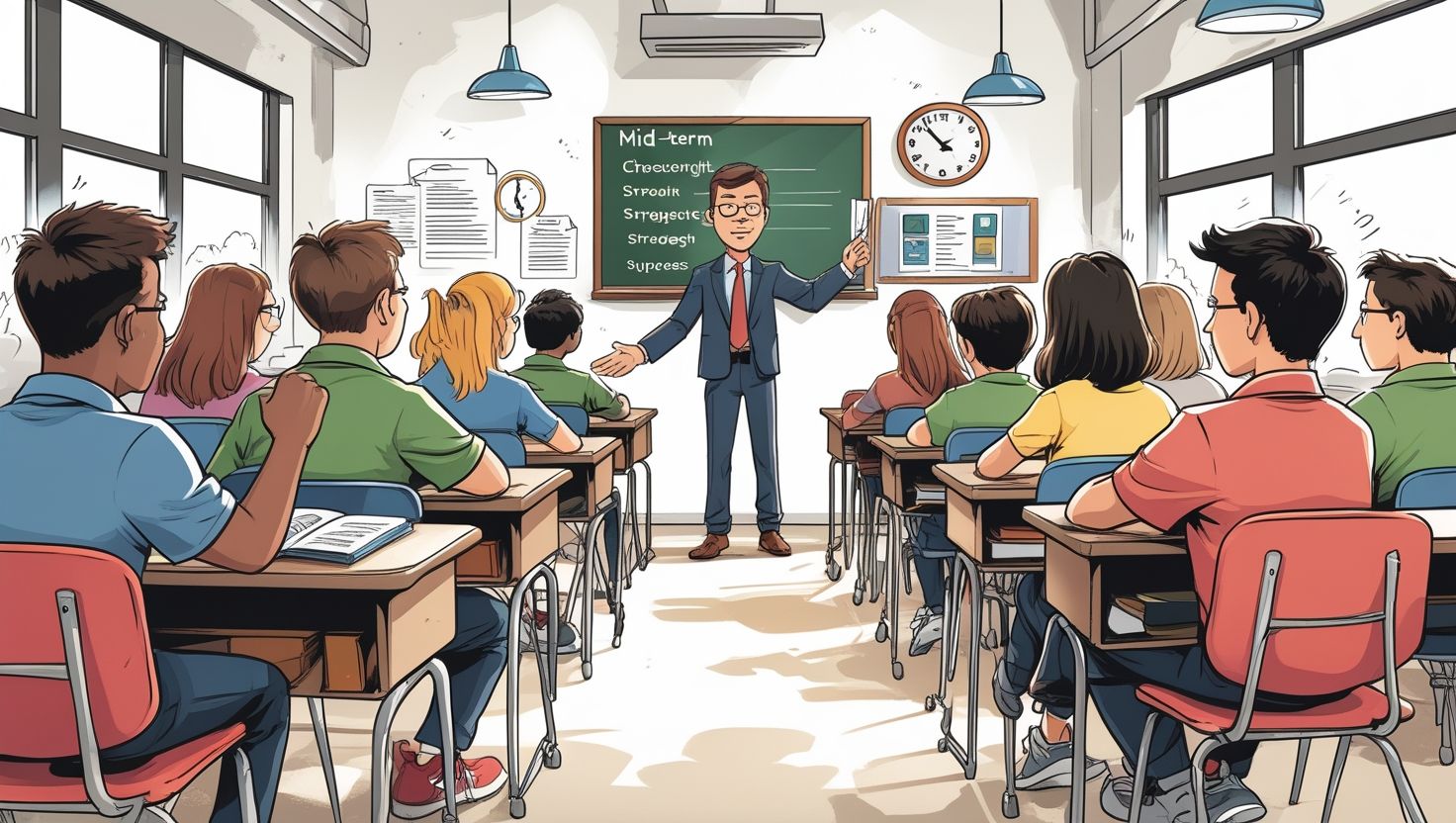
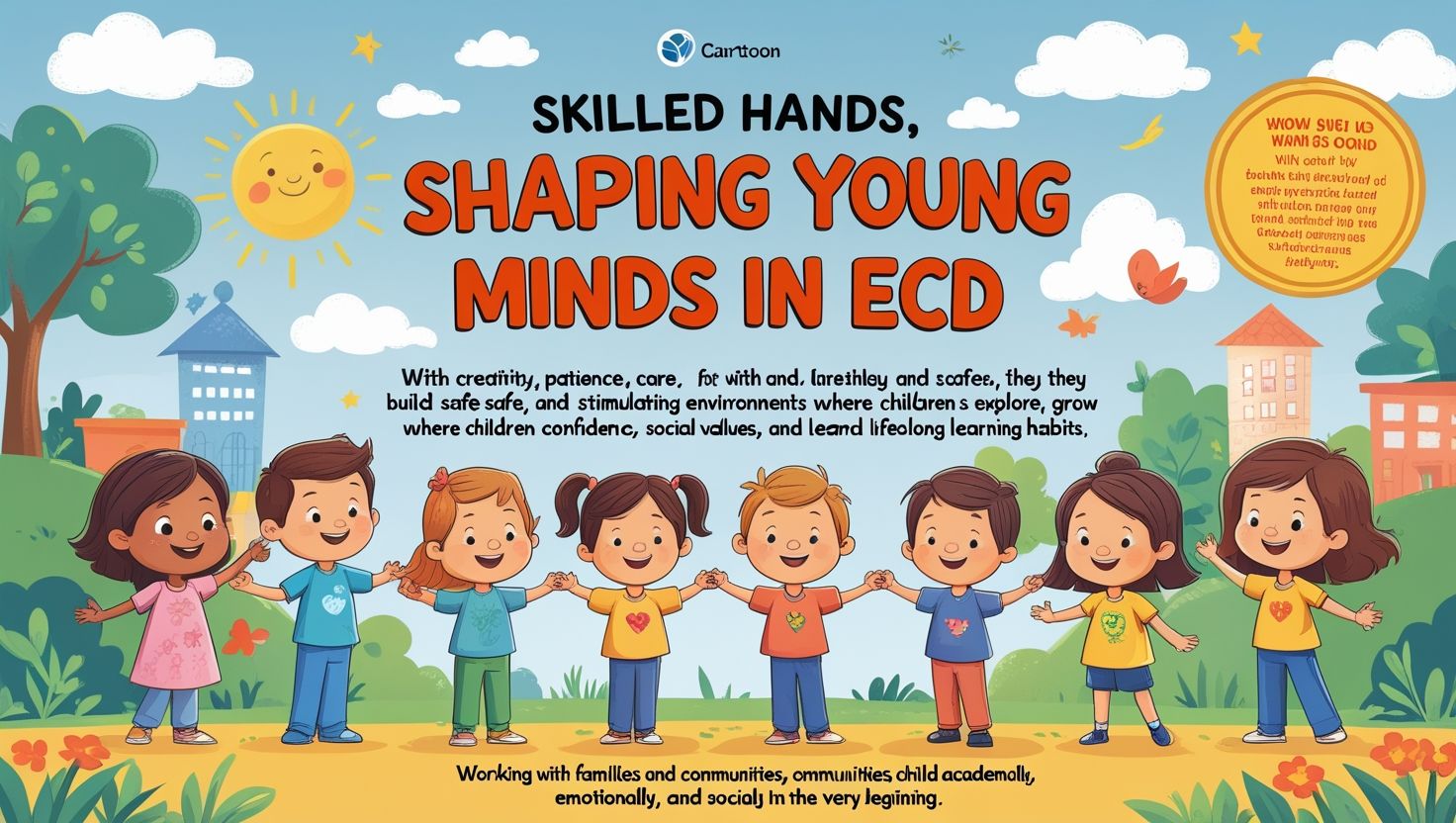
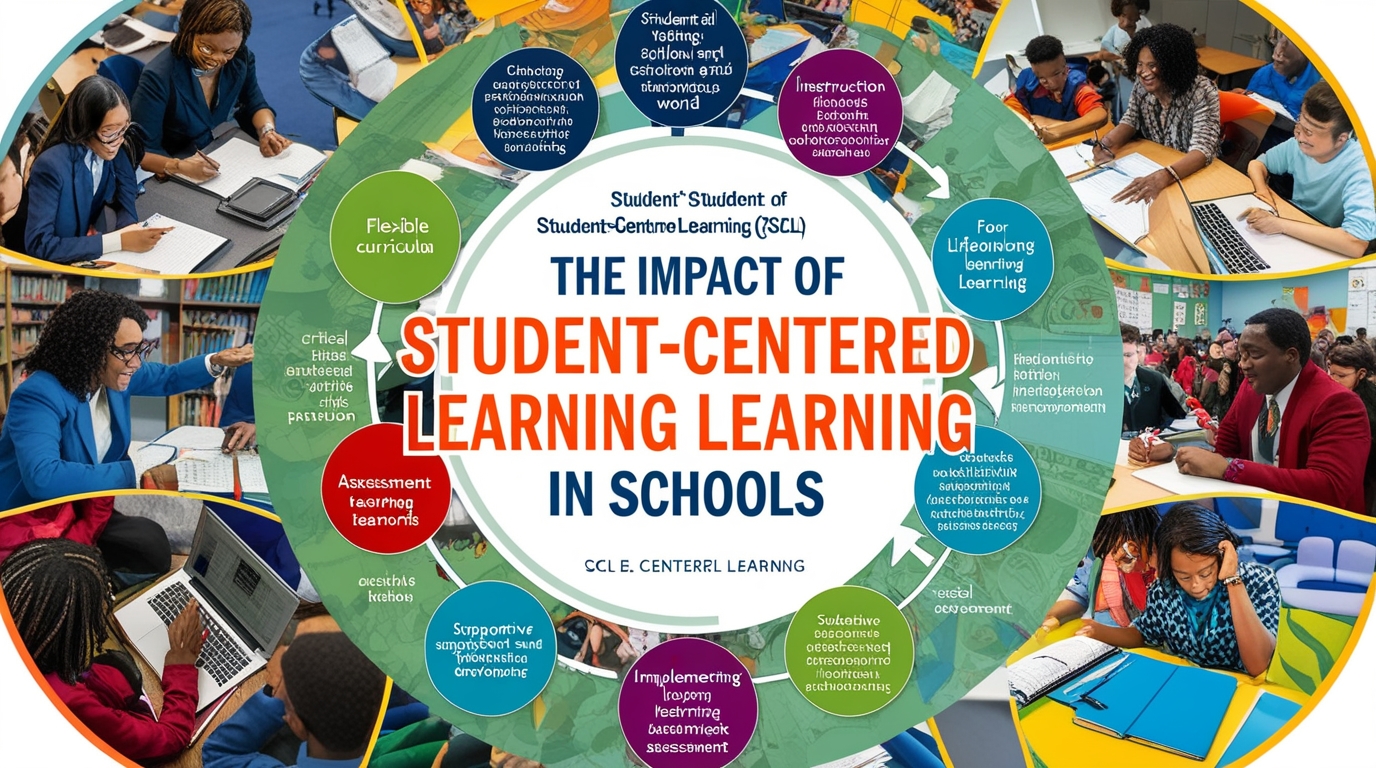
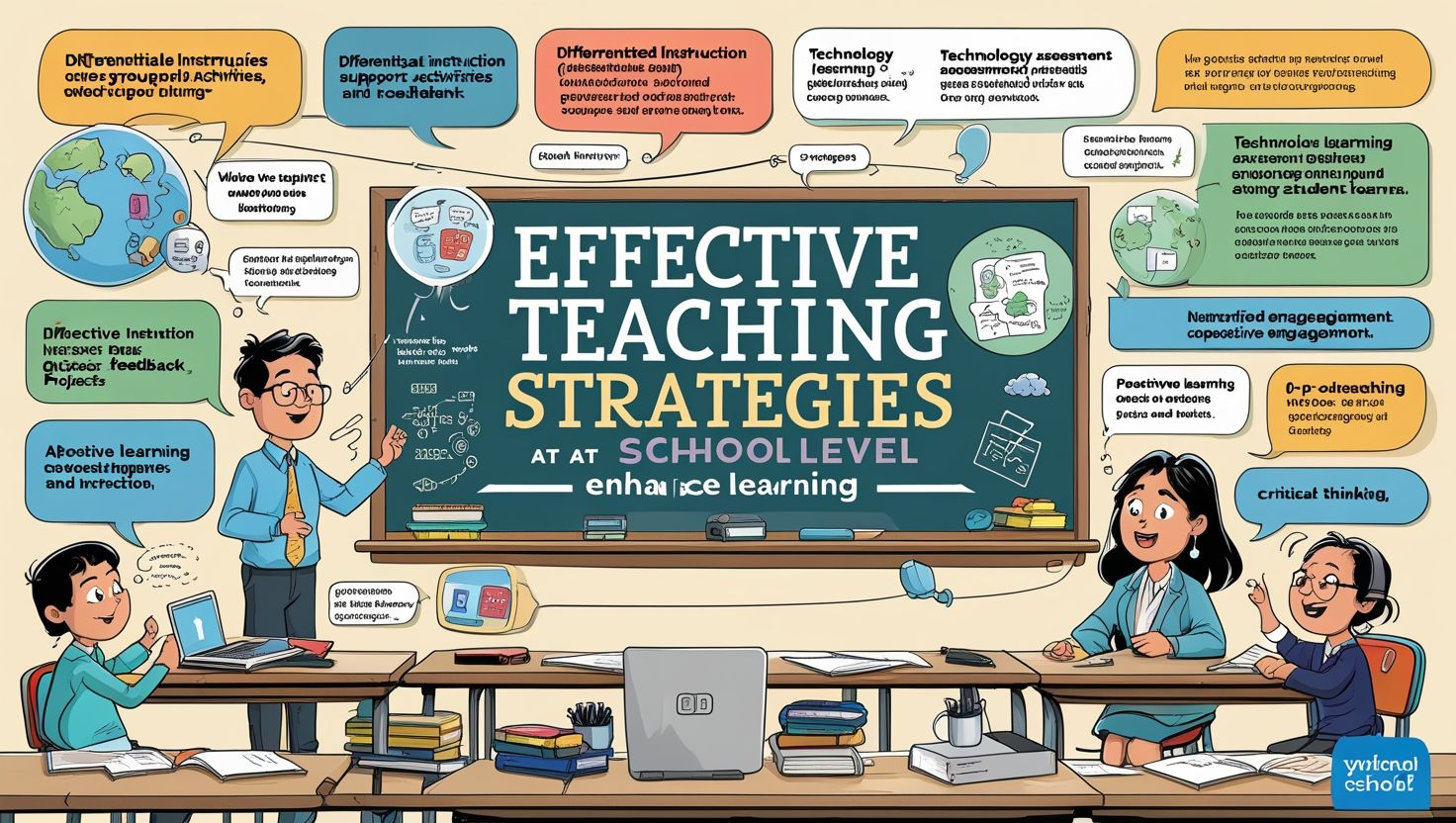
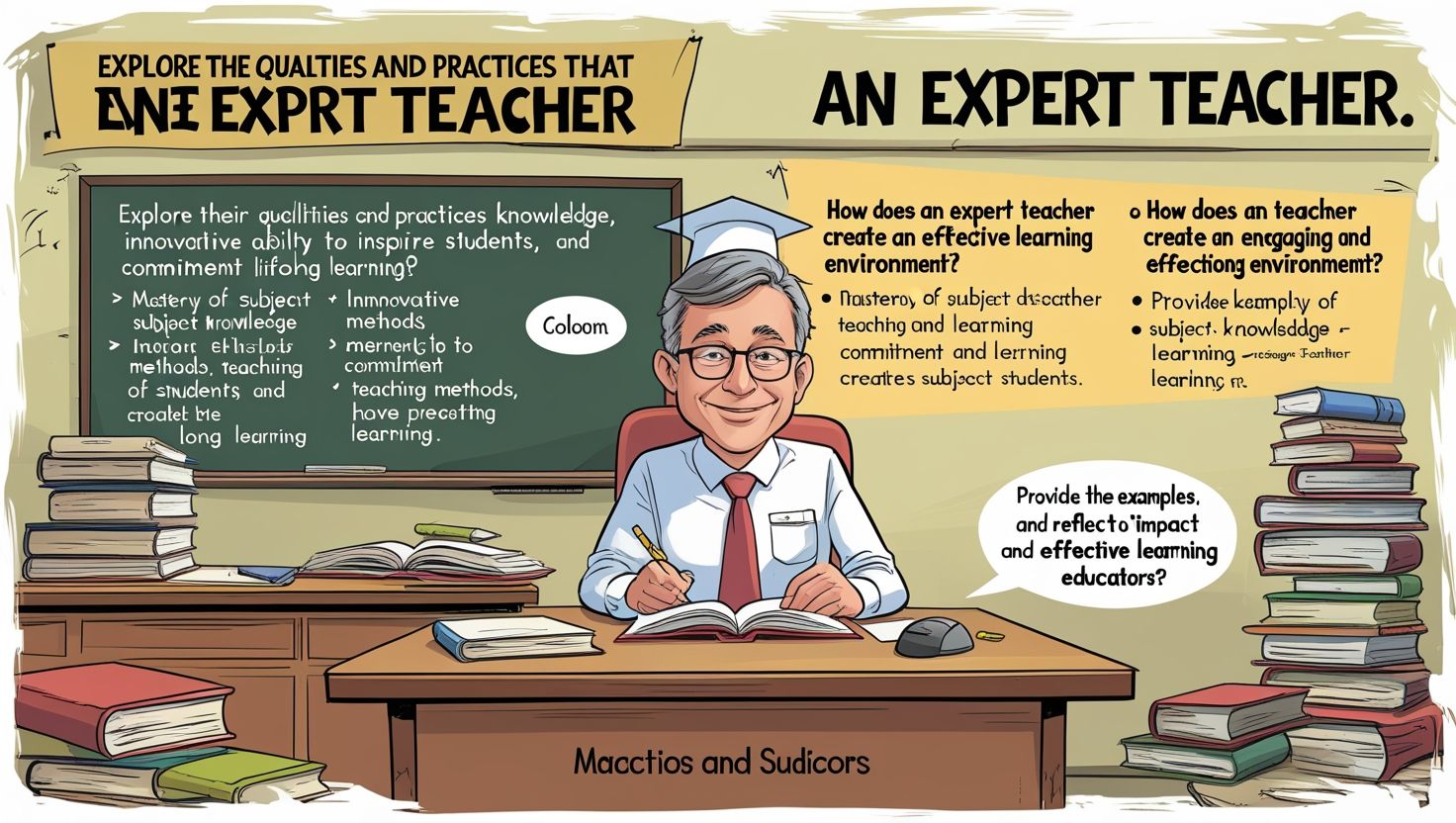
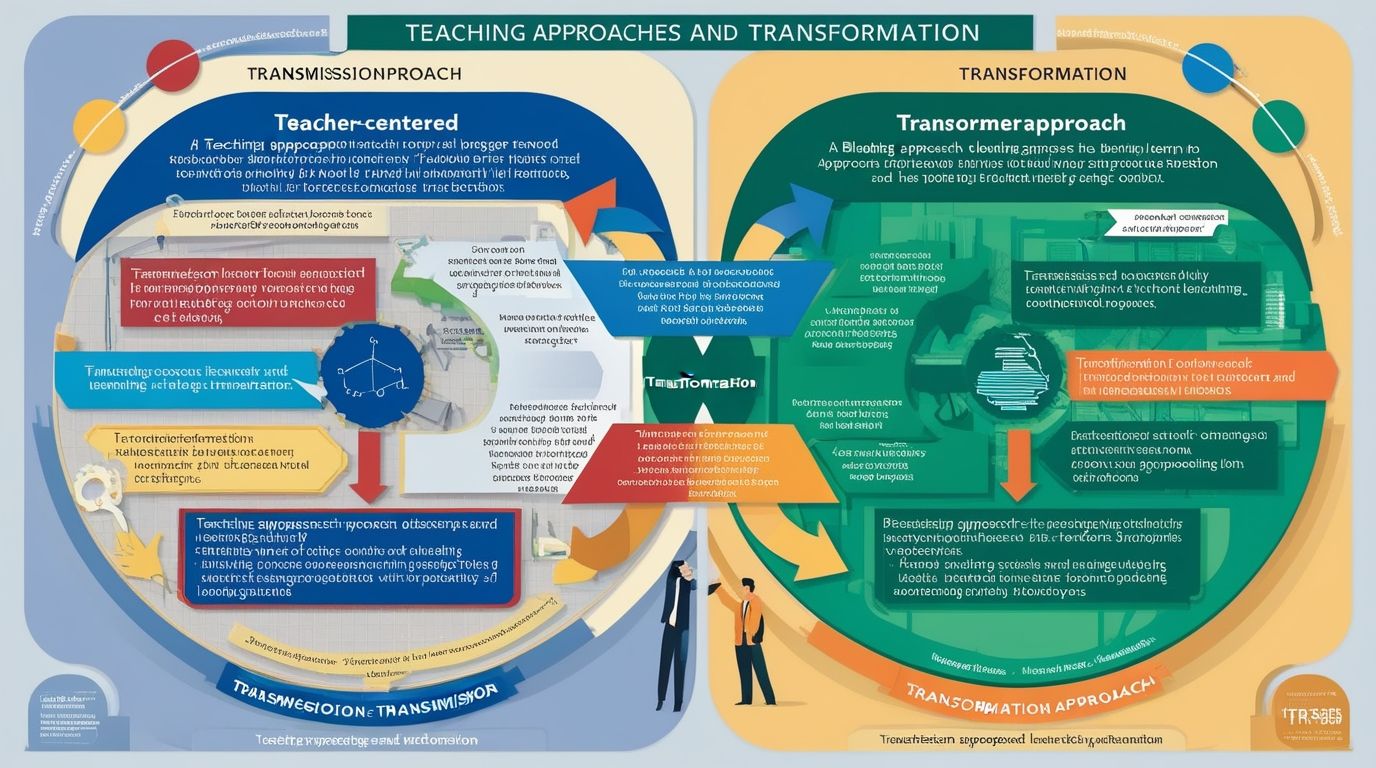
Historically, teachers were viewed primarily as authorities who delivered knowledge to passive learners. Today, the role has expanded significantly. Modern teachers are expected to facilitate active learning, encourage inquiry, foster emotional development, and prepare students for real-world challenges. This shift aligns with progressive educational philosophies advocated by thinkers like John Dewey, who argued that education should connect with life experiences and promote critical thinking rather than rote memorization.
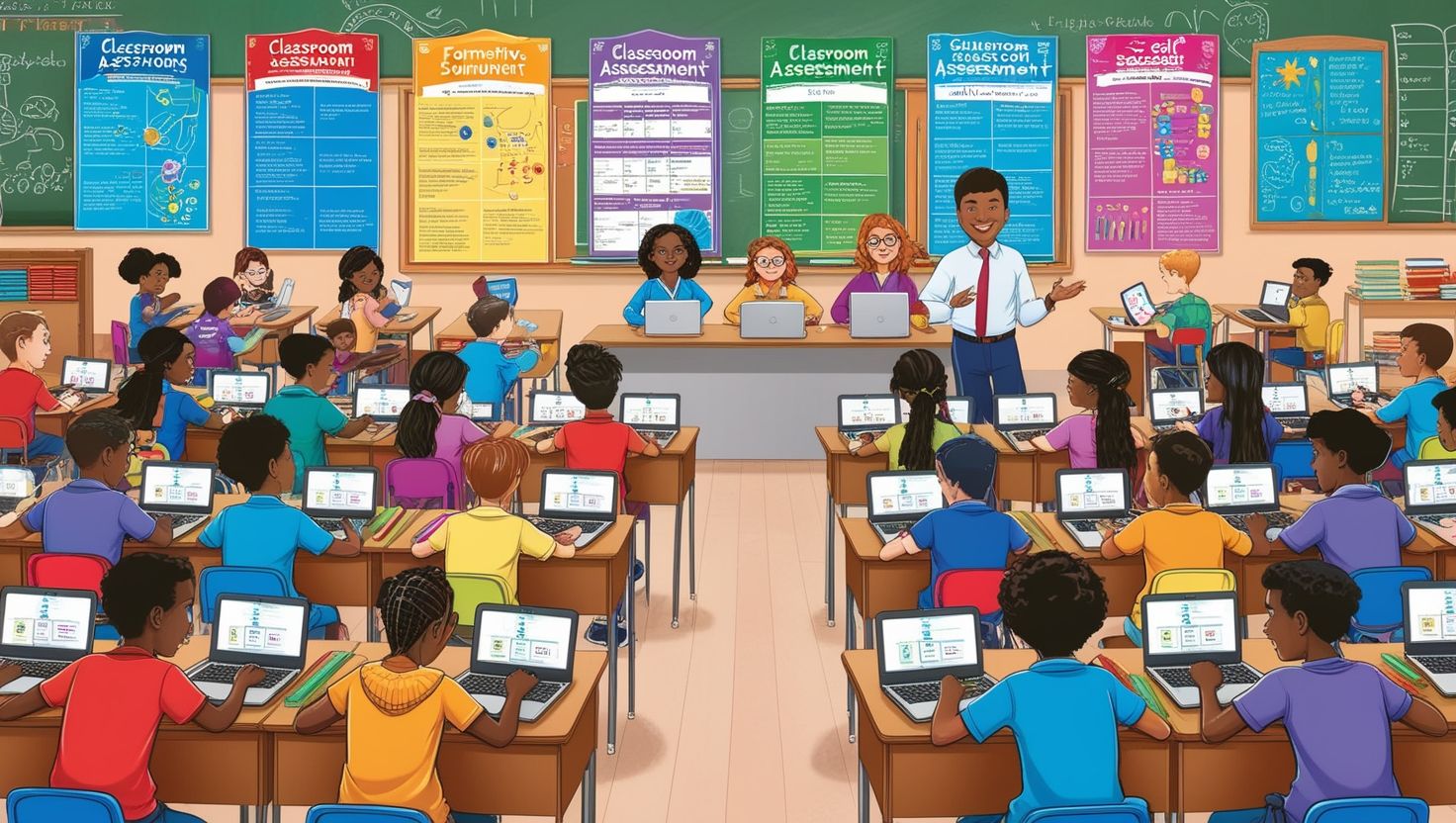
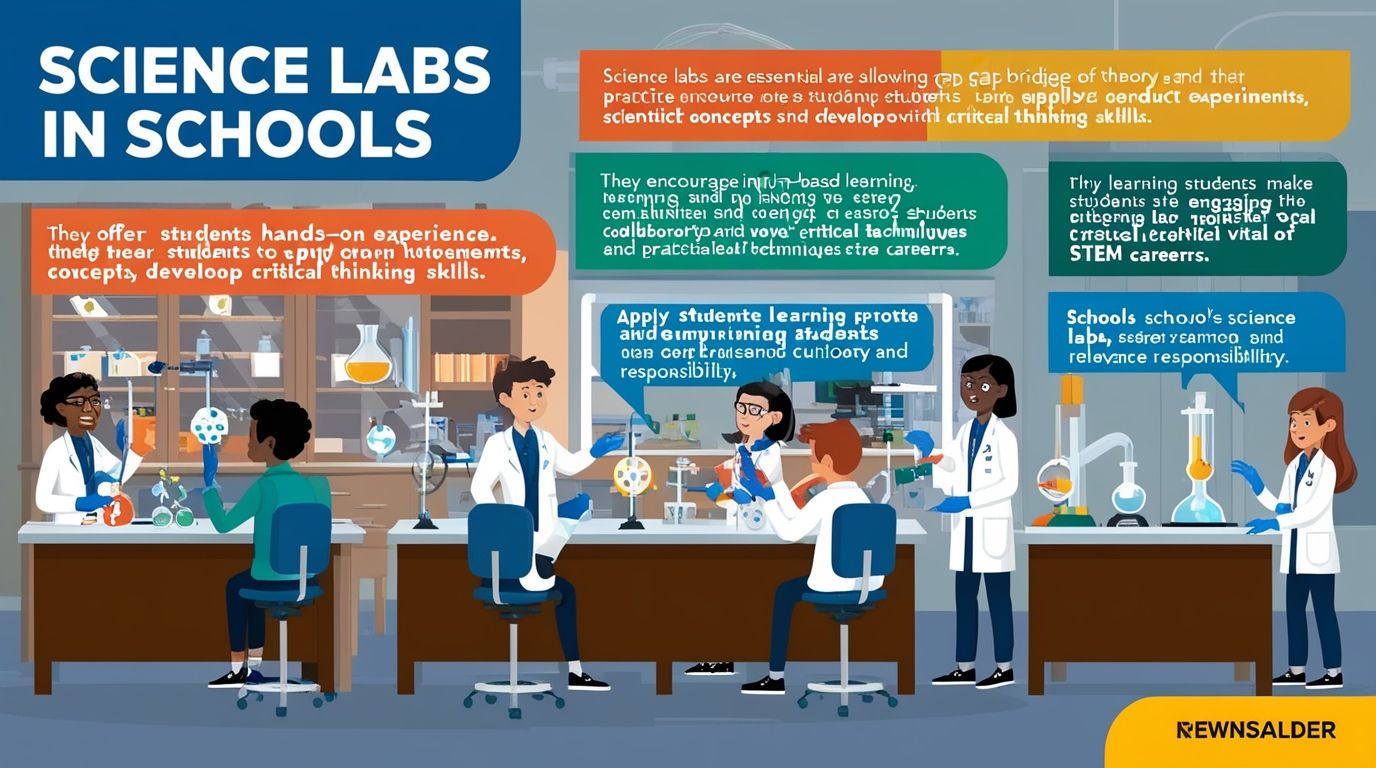
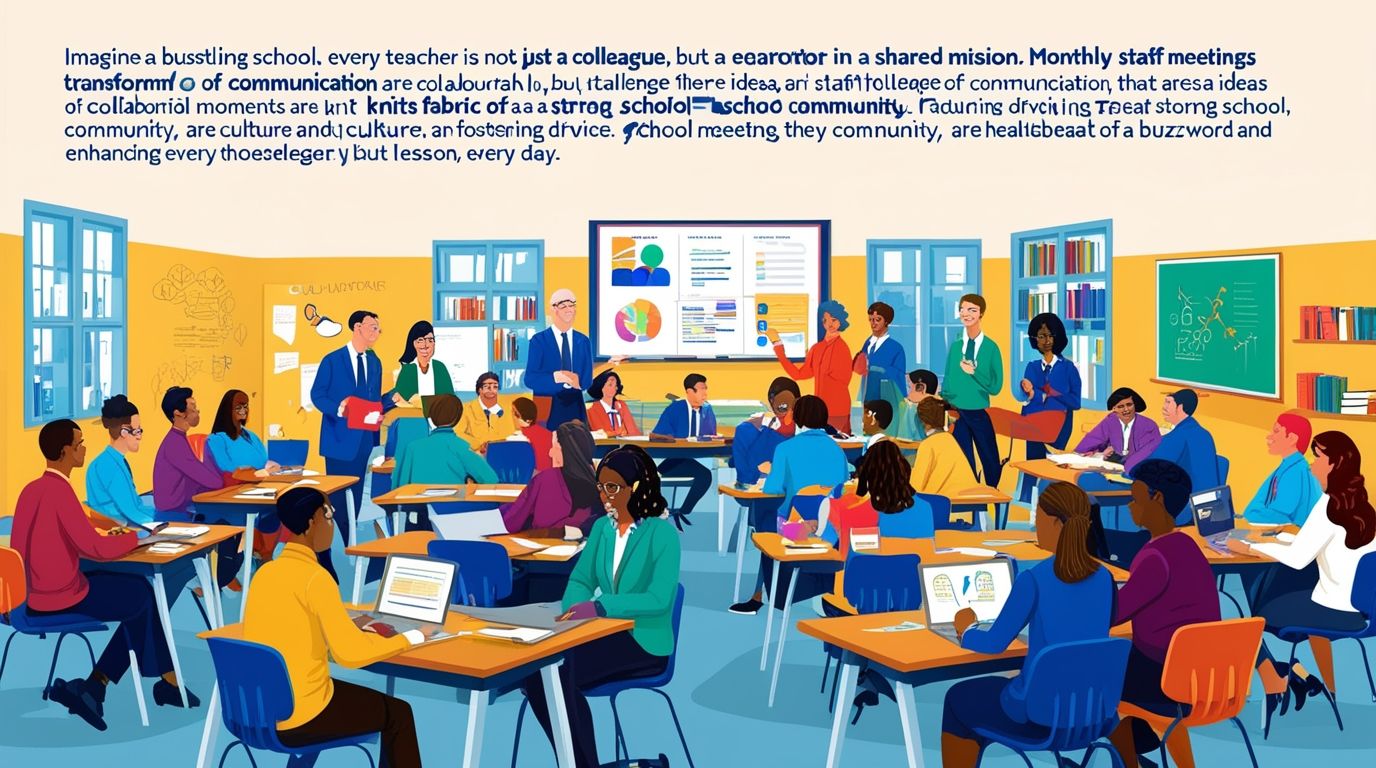
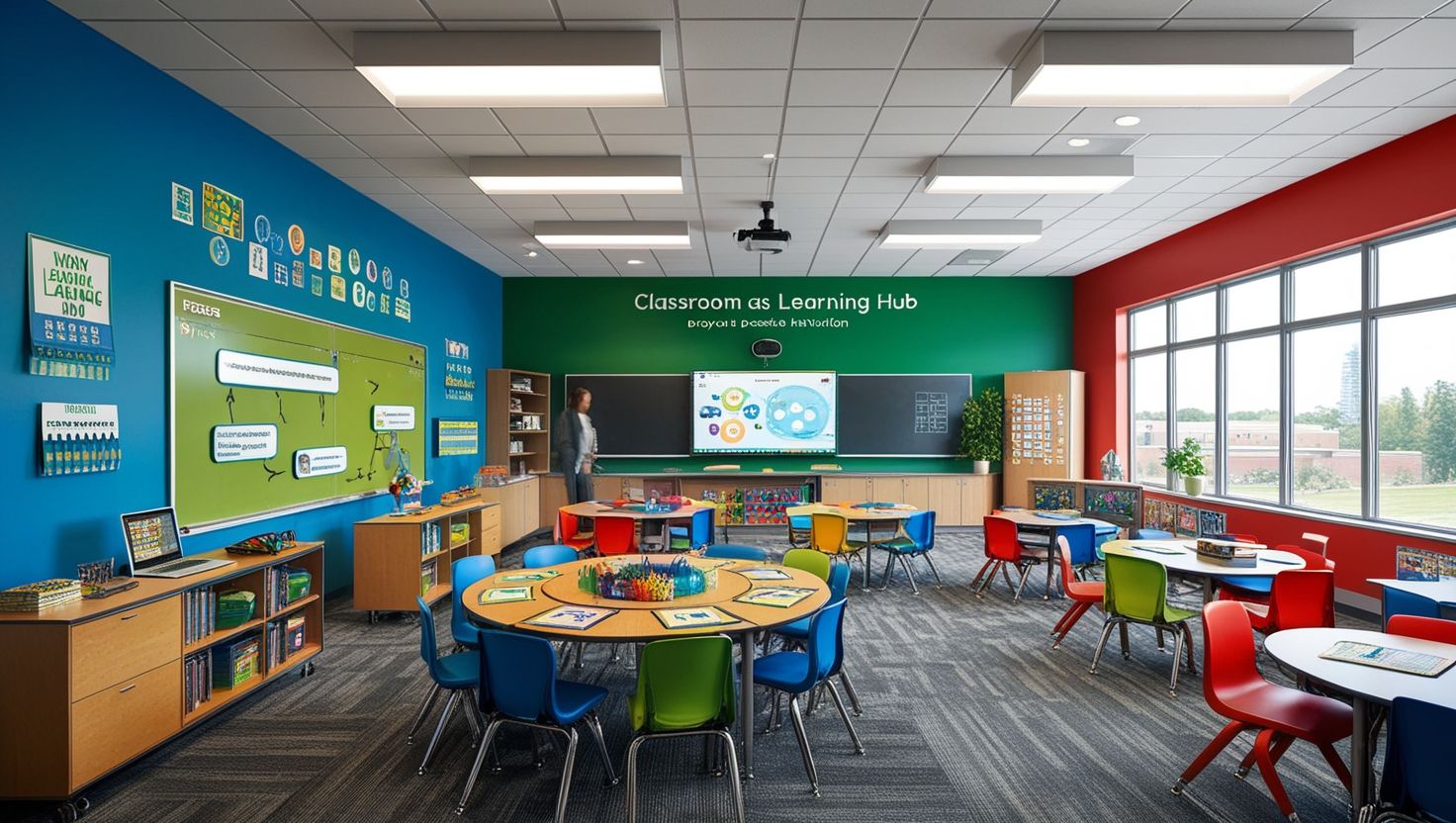
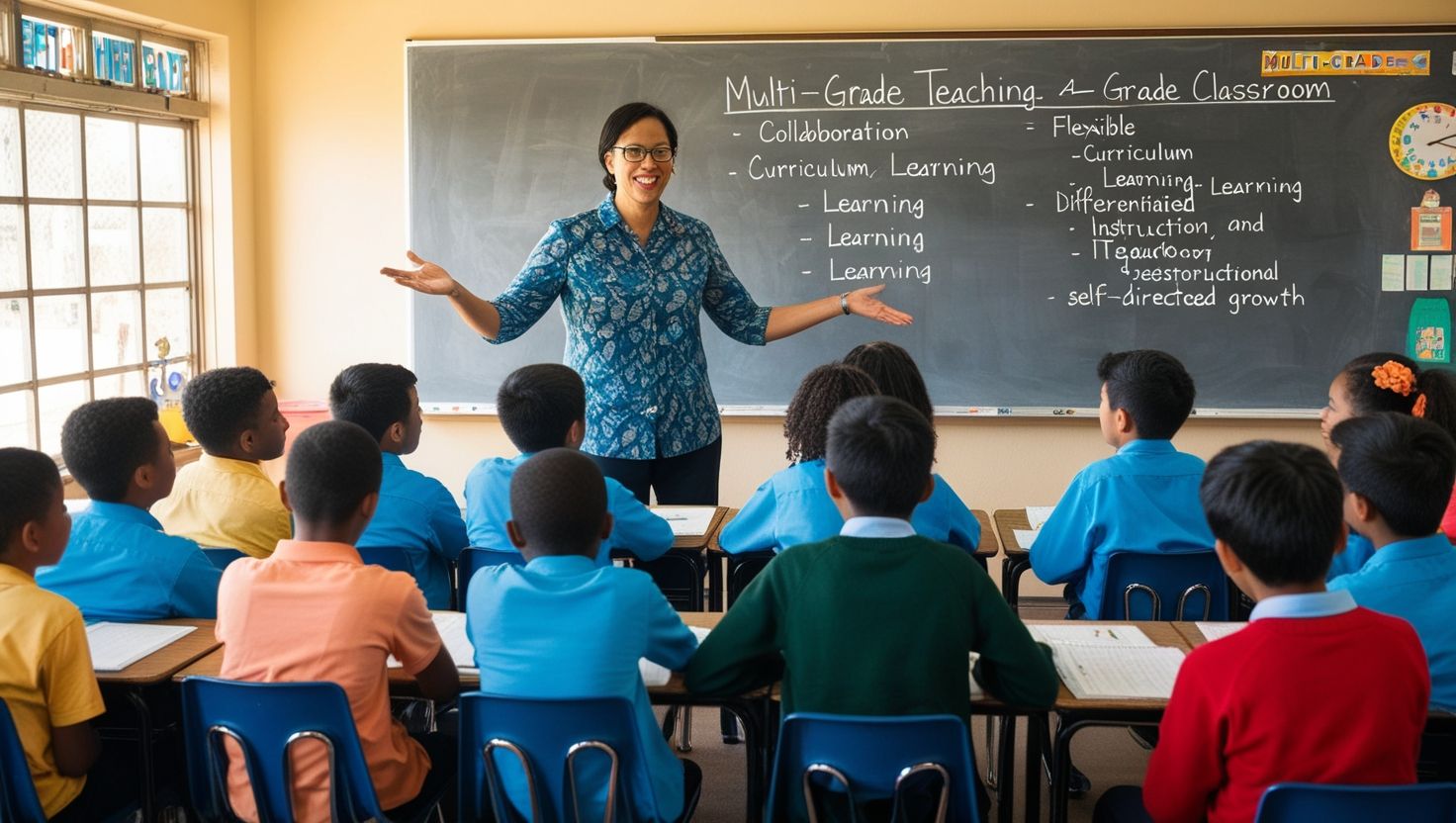
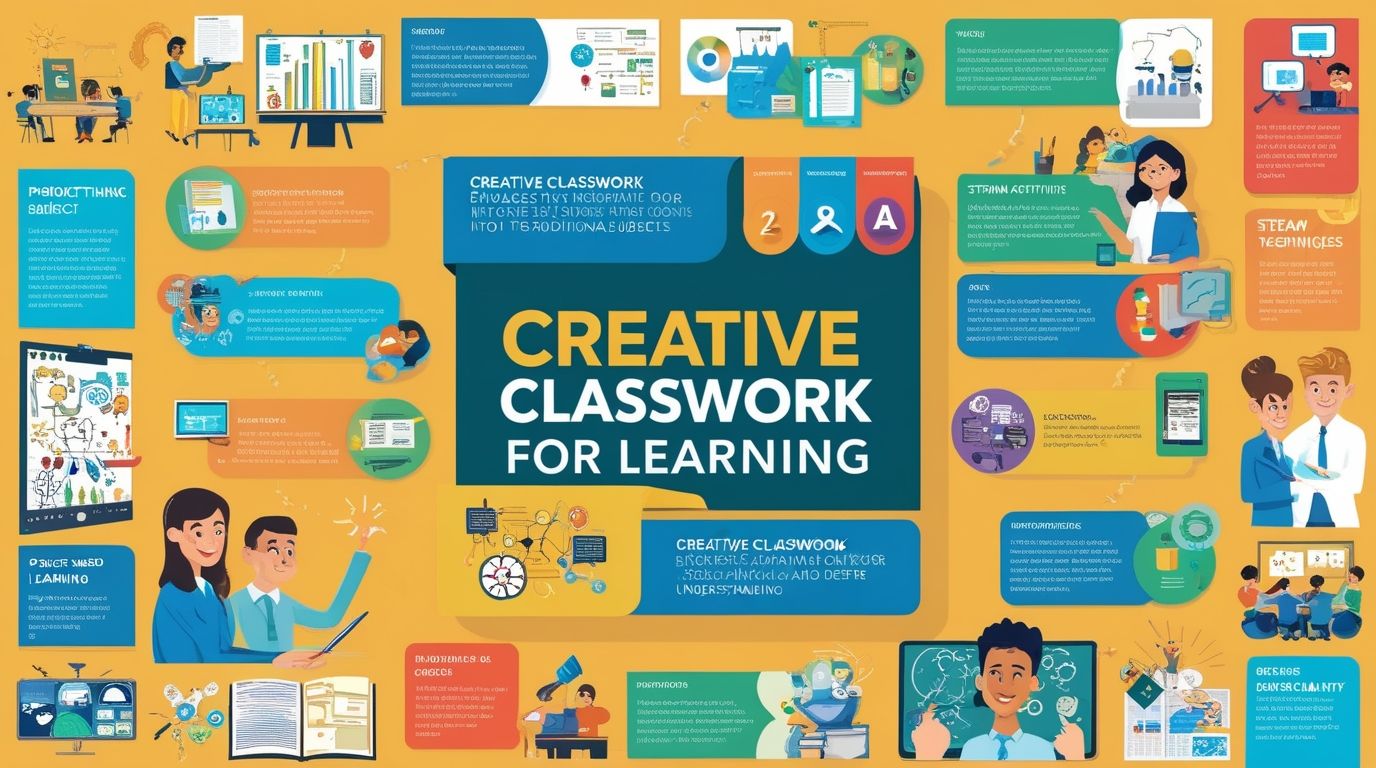
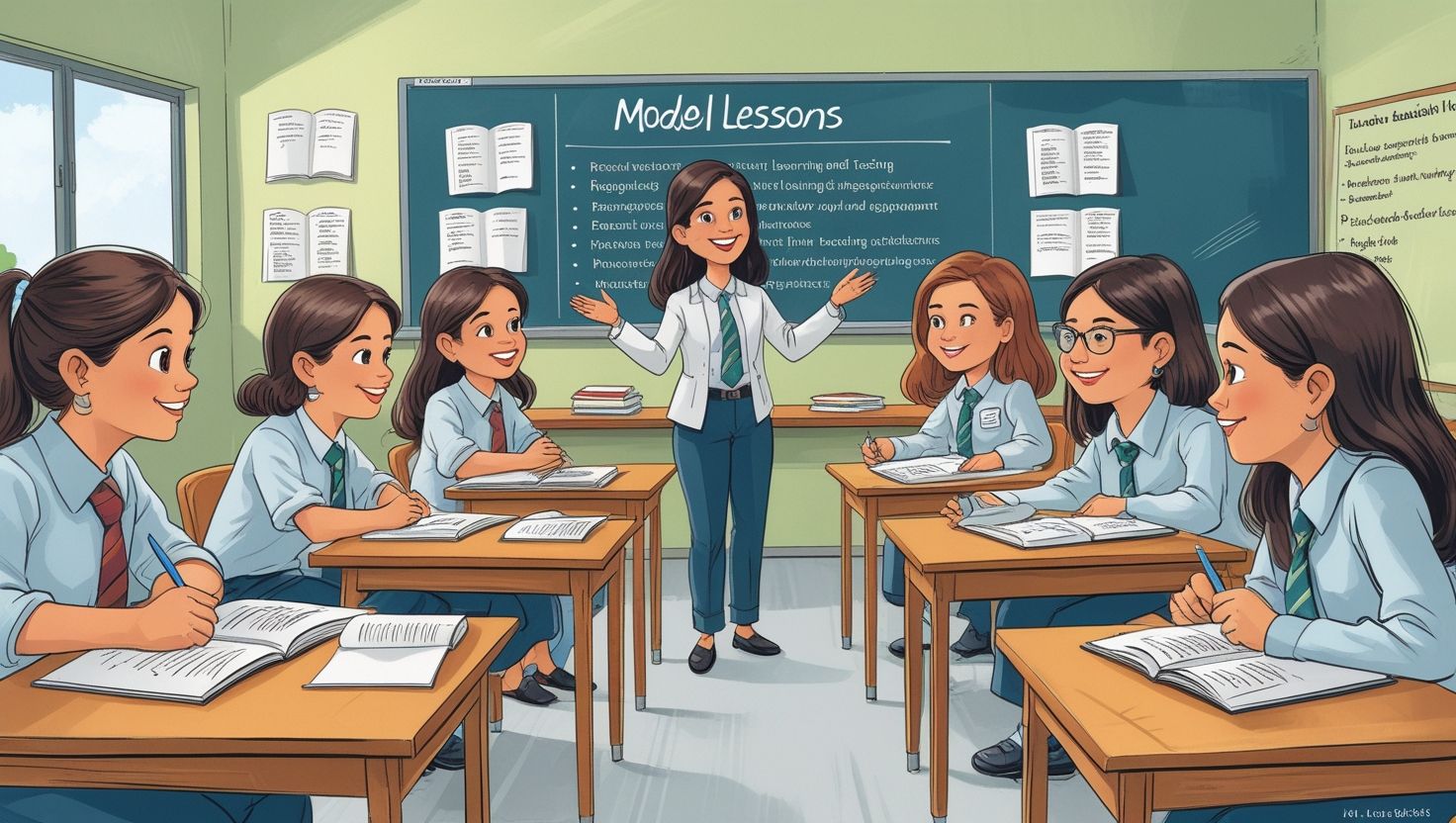
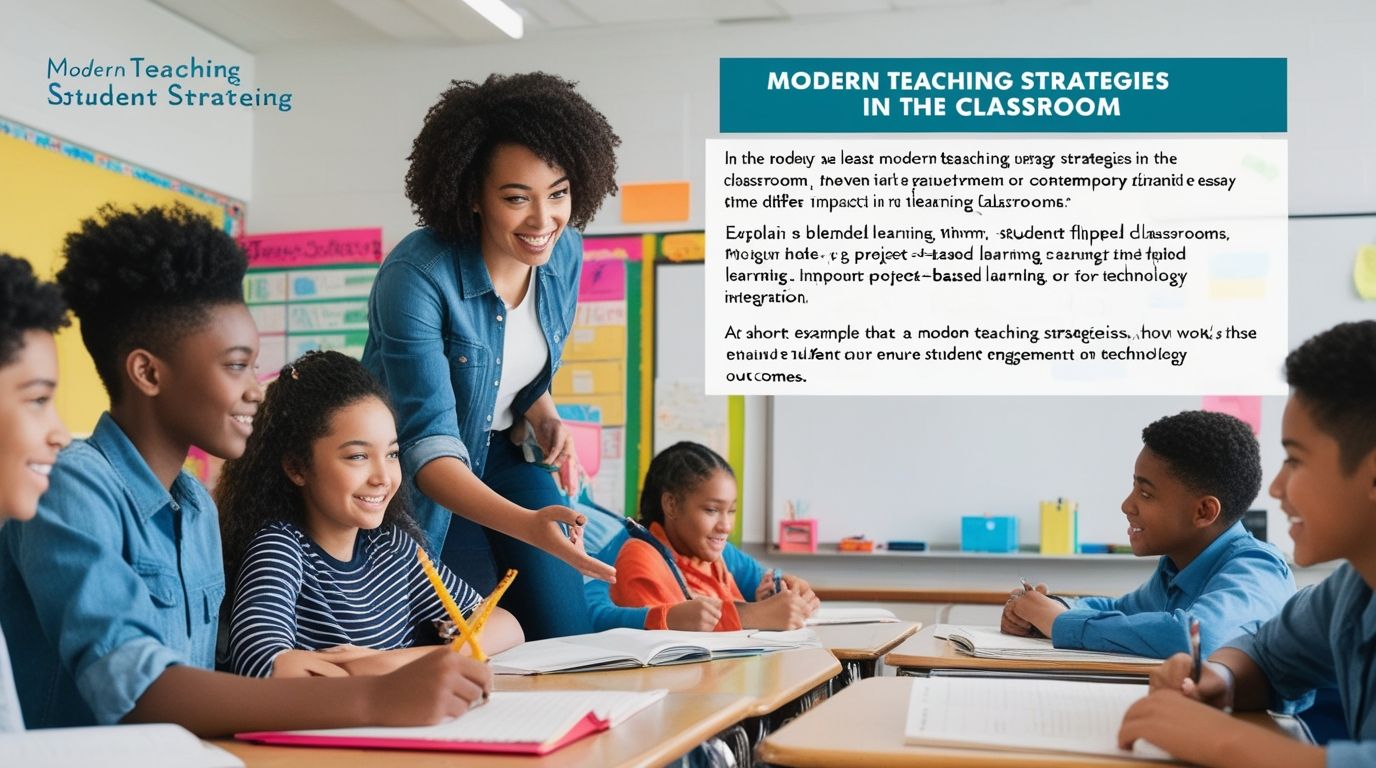
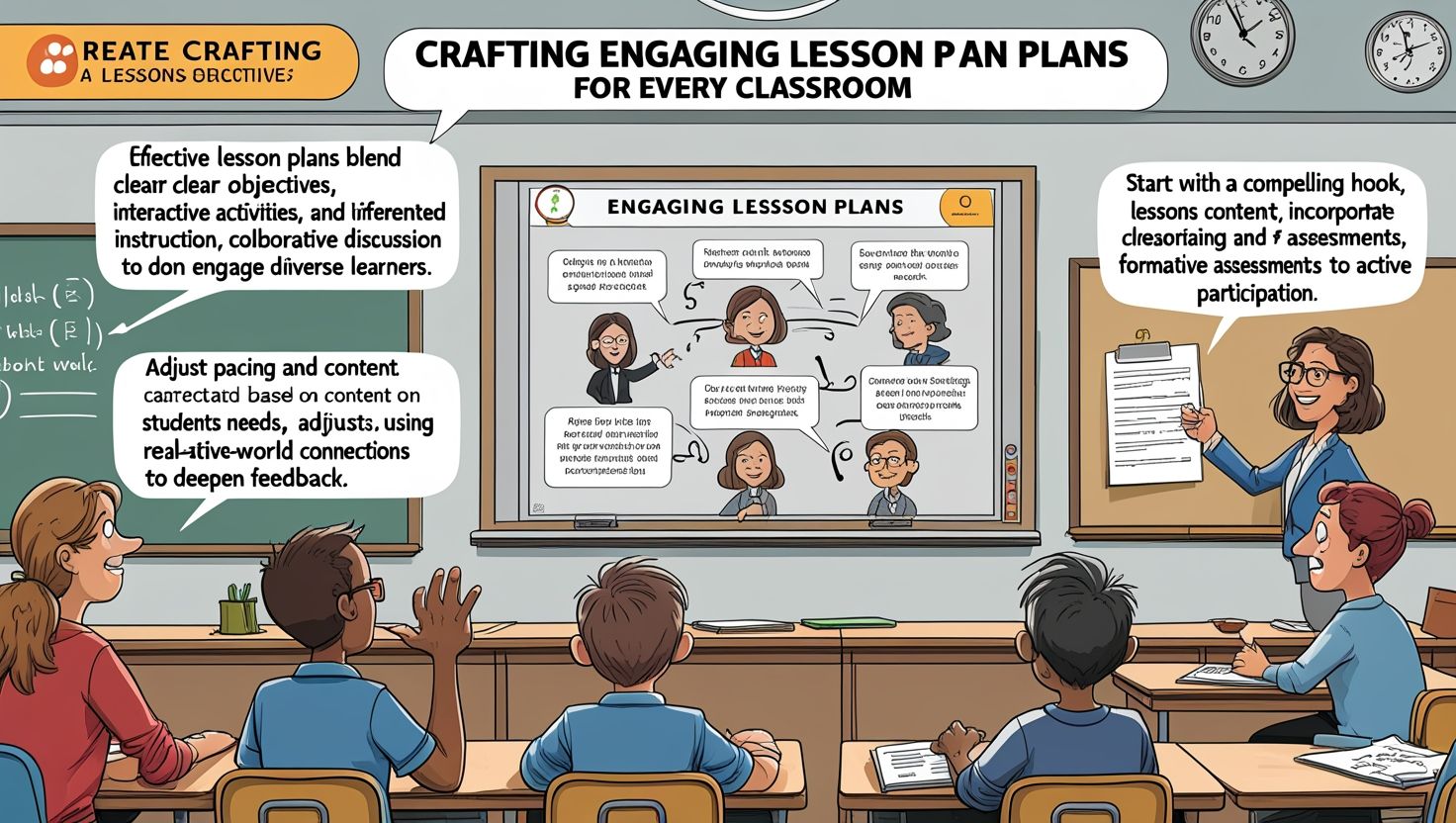
Teachers now operate at the intersection of academic instruction and personal development. They must design learning environments where life skills are not taught as isolated topics but integrated into everyday teaching. For instance, a science lesson can develop critical thinking; a group project in history can cultivate collaboration; a literature discussion can foster empathy and ethical reflection.
Teachers as Role Models
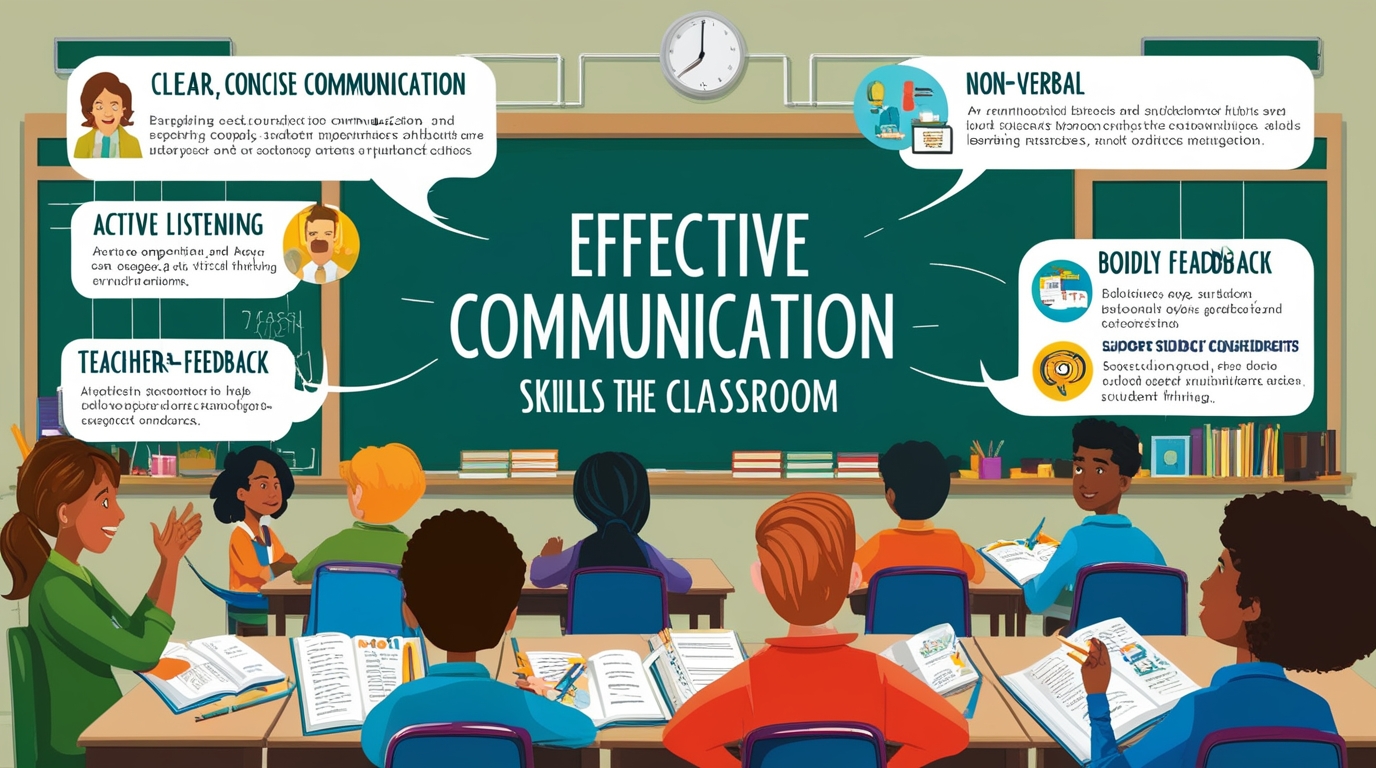
One of the most powerful ways teachers influence life skills is through modeling. Students observe how teachers handle stress, resolve conflicts, communicate ideas, and treat others. These observations often leave a deeper impact than formal lessons.
A teacher who demonstrates patience during classroom disruptions teaches emotional regulation. A teacher who listens respectfully to diverse viewpoints models inclusivity and open-mindedness. A teacher who admits mistakes and corrects them shows integrity and humility. Through everyday interactions, teachers embody the very life skills they aim to instill.
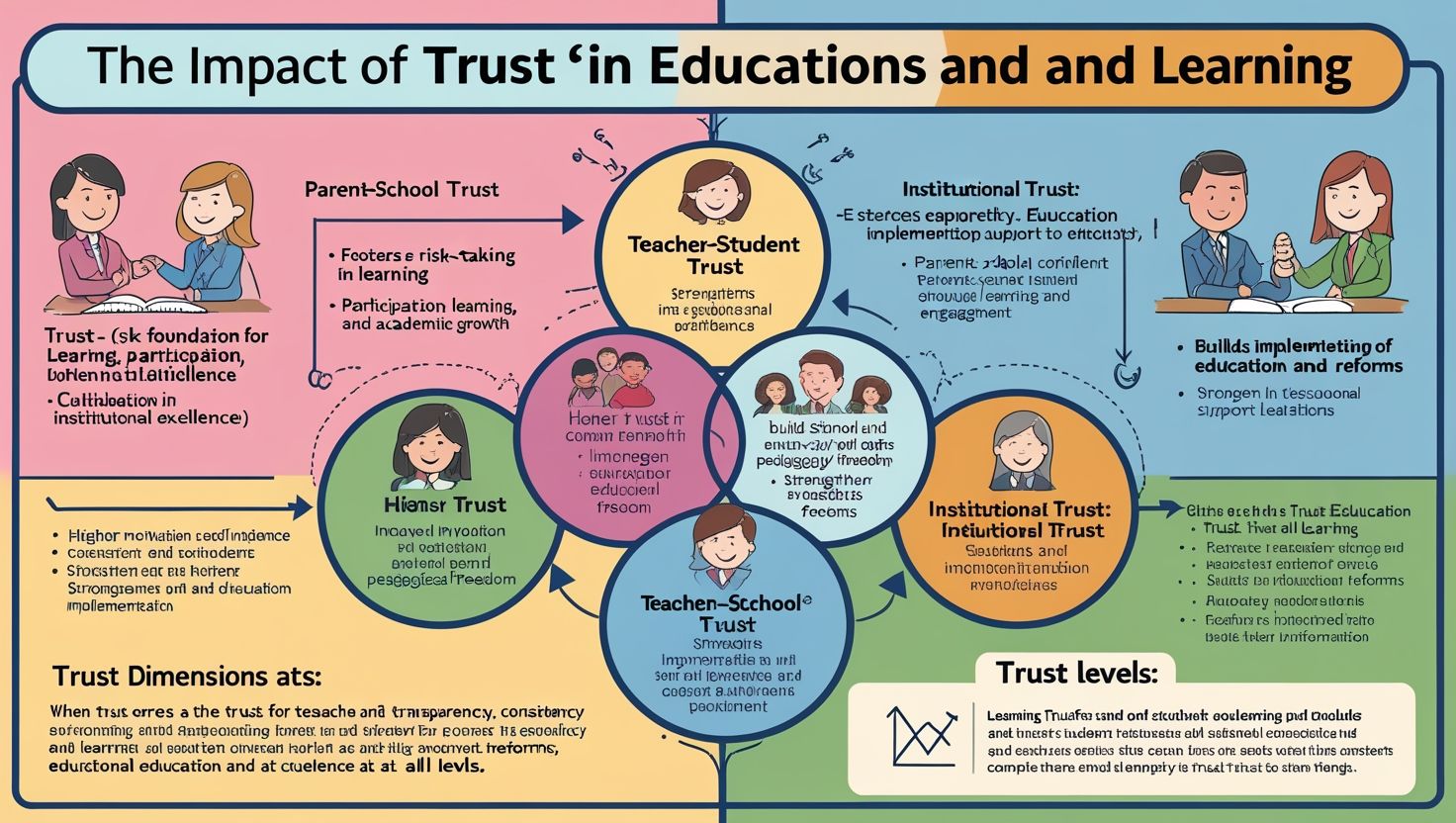
Research consistently shows that positive teacher-student relationships enhance not only academic outcomes but also social and emotional growth. When students feel respected and supported, they are more likely to develop confidence, resilience, and a growth mindset.
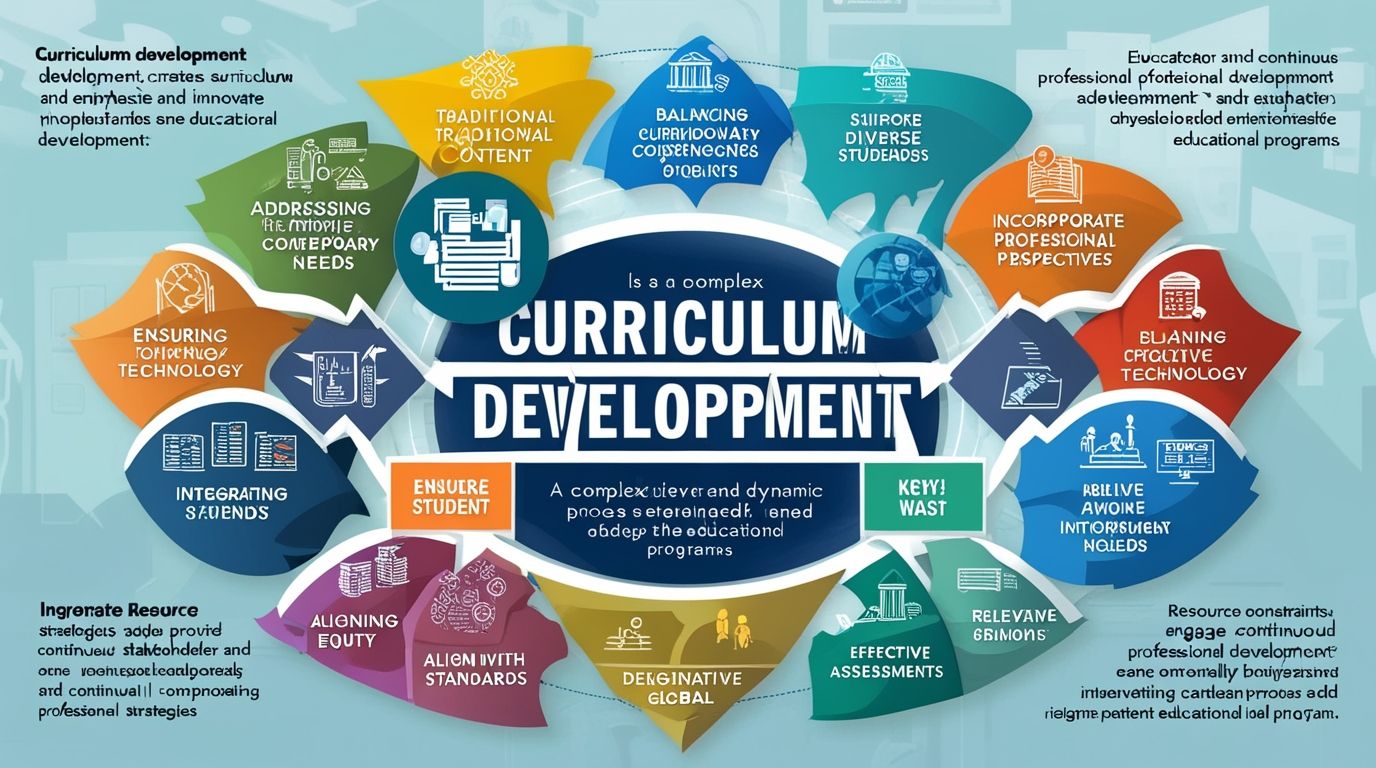
Integrating Life Skills into Curriculum
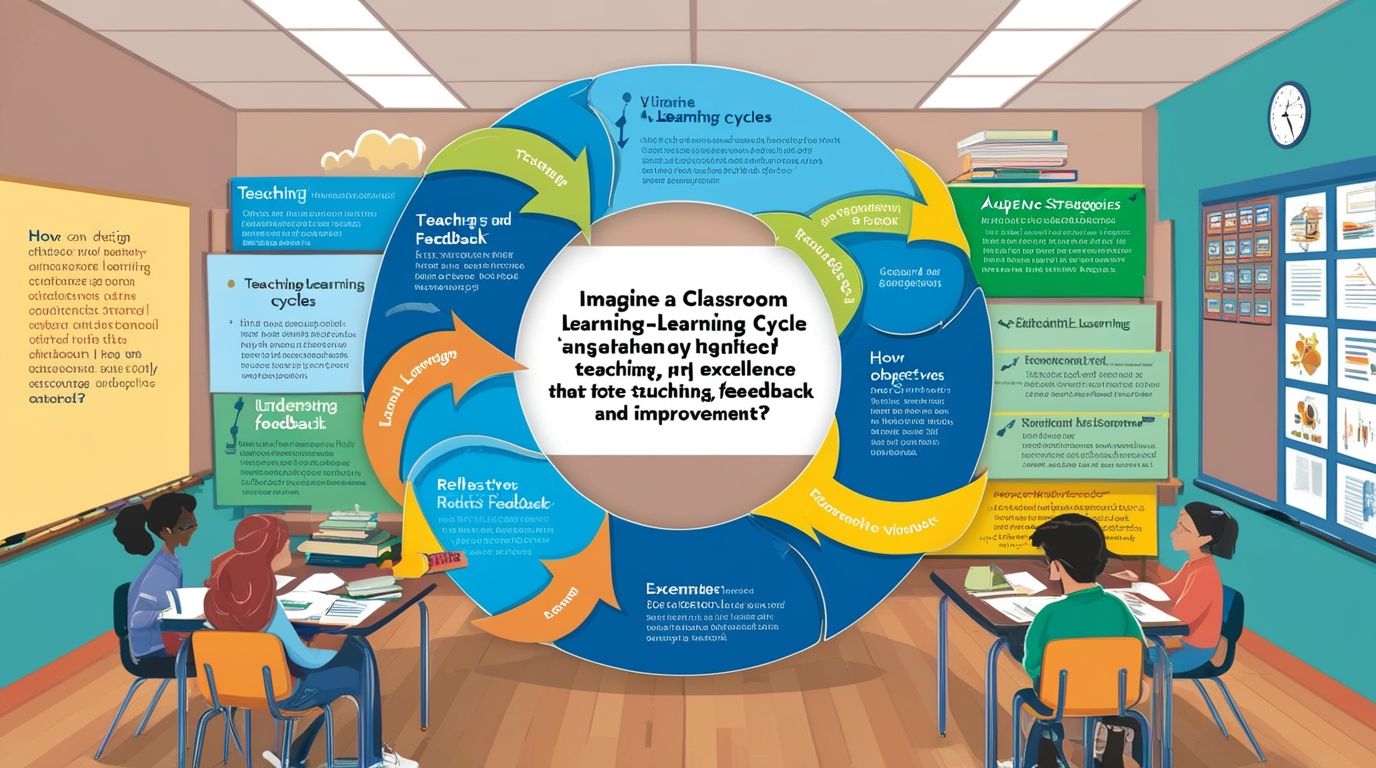
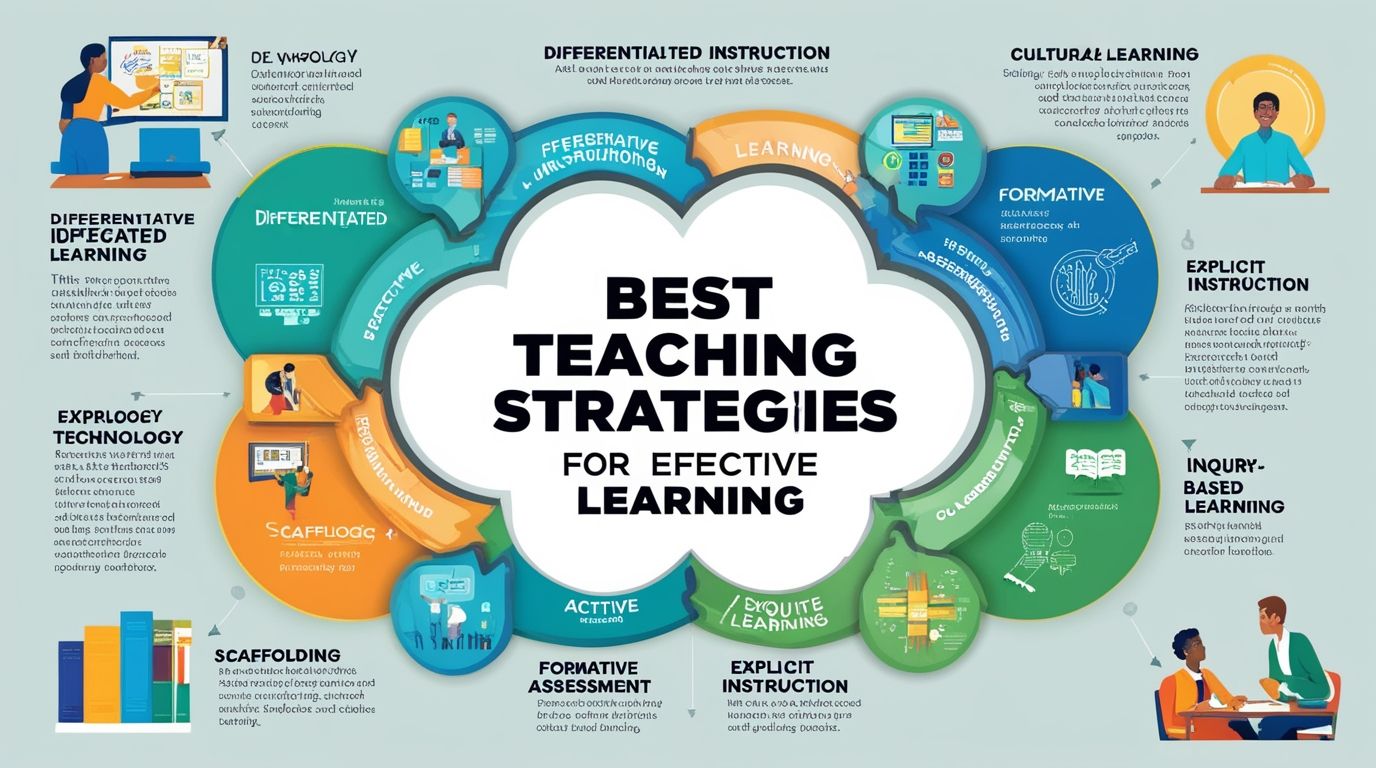
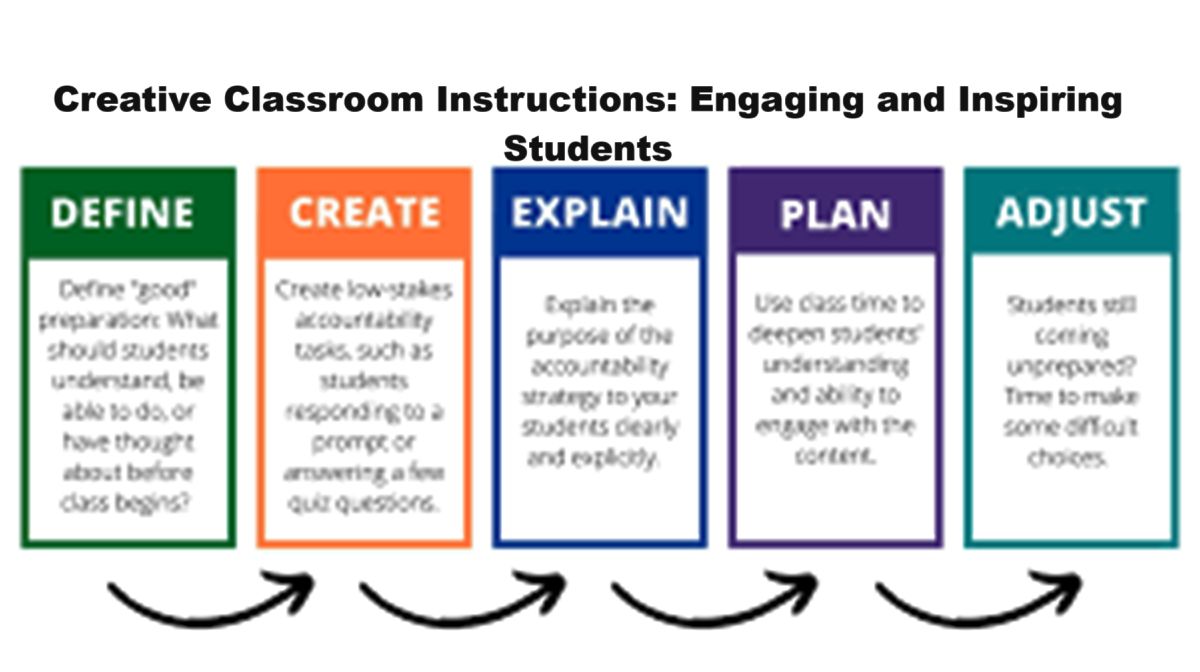
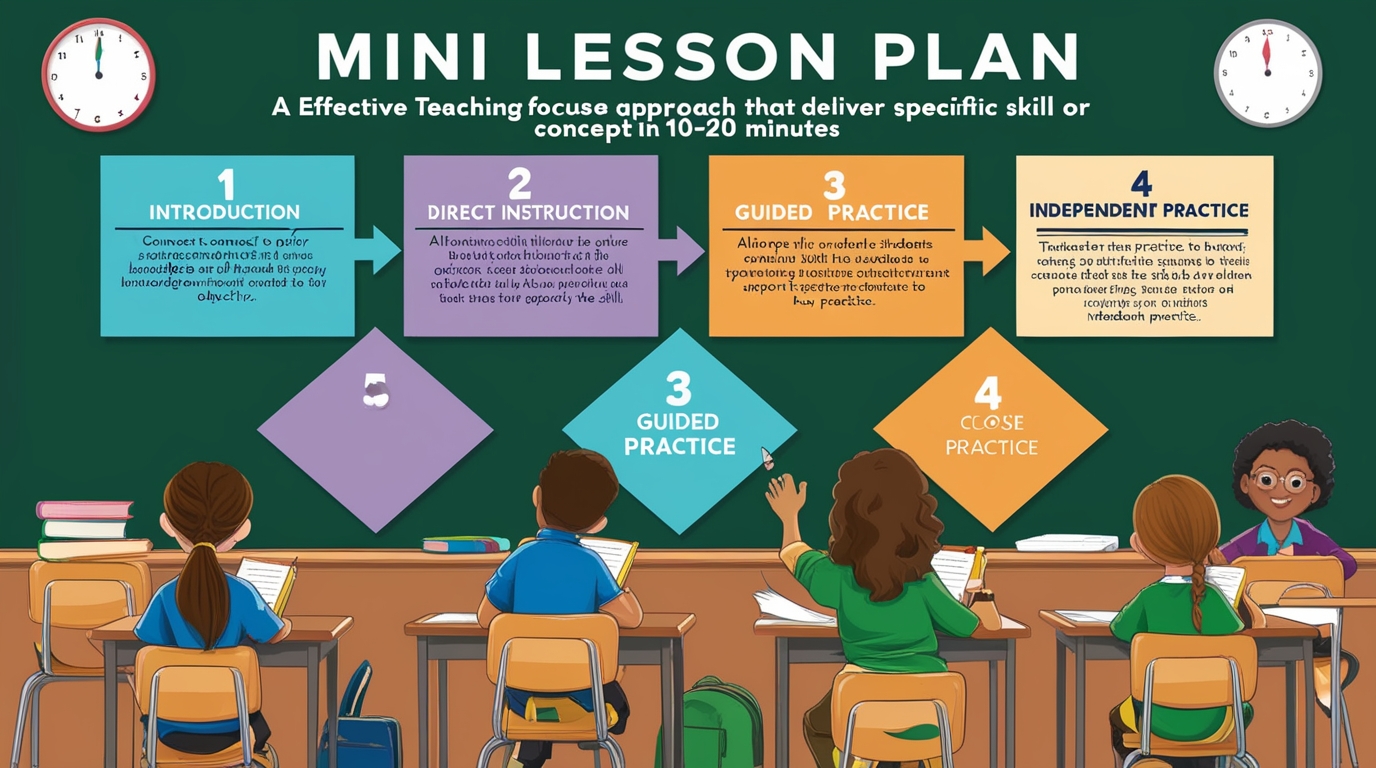
Life skills education does not necessarily require a separate subject. Instead, it can be embedded across disciplines. Teachers can incorporate life skills into their teaching strategies in several ways:
1. Collaborative Learning
Group work encourages communication, negotiation, and teamwork. Teachers can assign roles within groups—such as leader, recorder, or presenter—to help students practice responsibility and leadership.
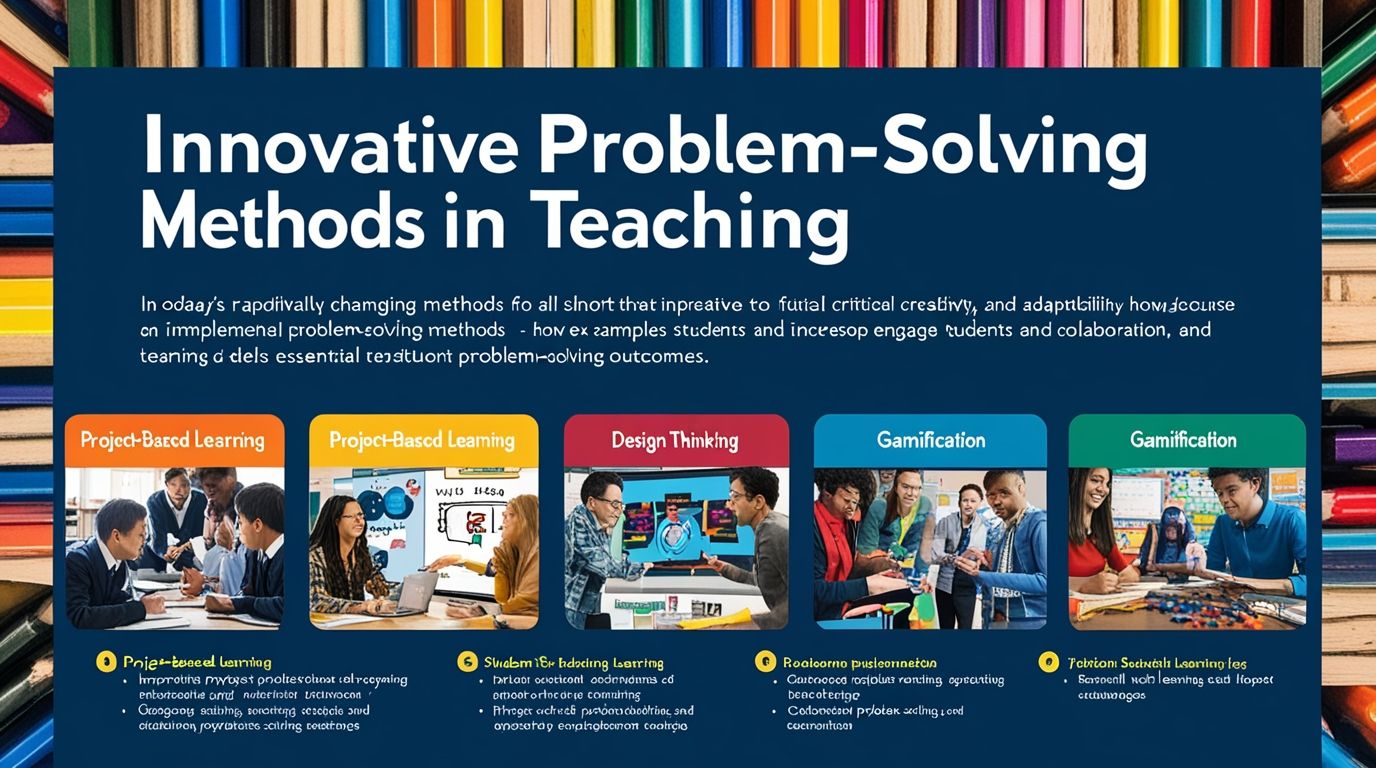
2. Project-Based Learning
Projects that address real-world problems promote critical thinking and problem-solving. For example, students might design a community awareness campaign about environmental issues, thereby learning research, planning, and public speaking skills.
3. Reflective Practices
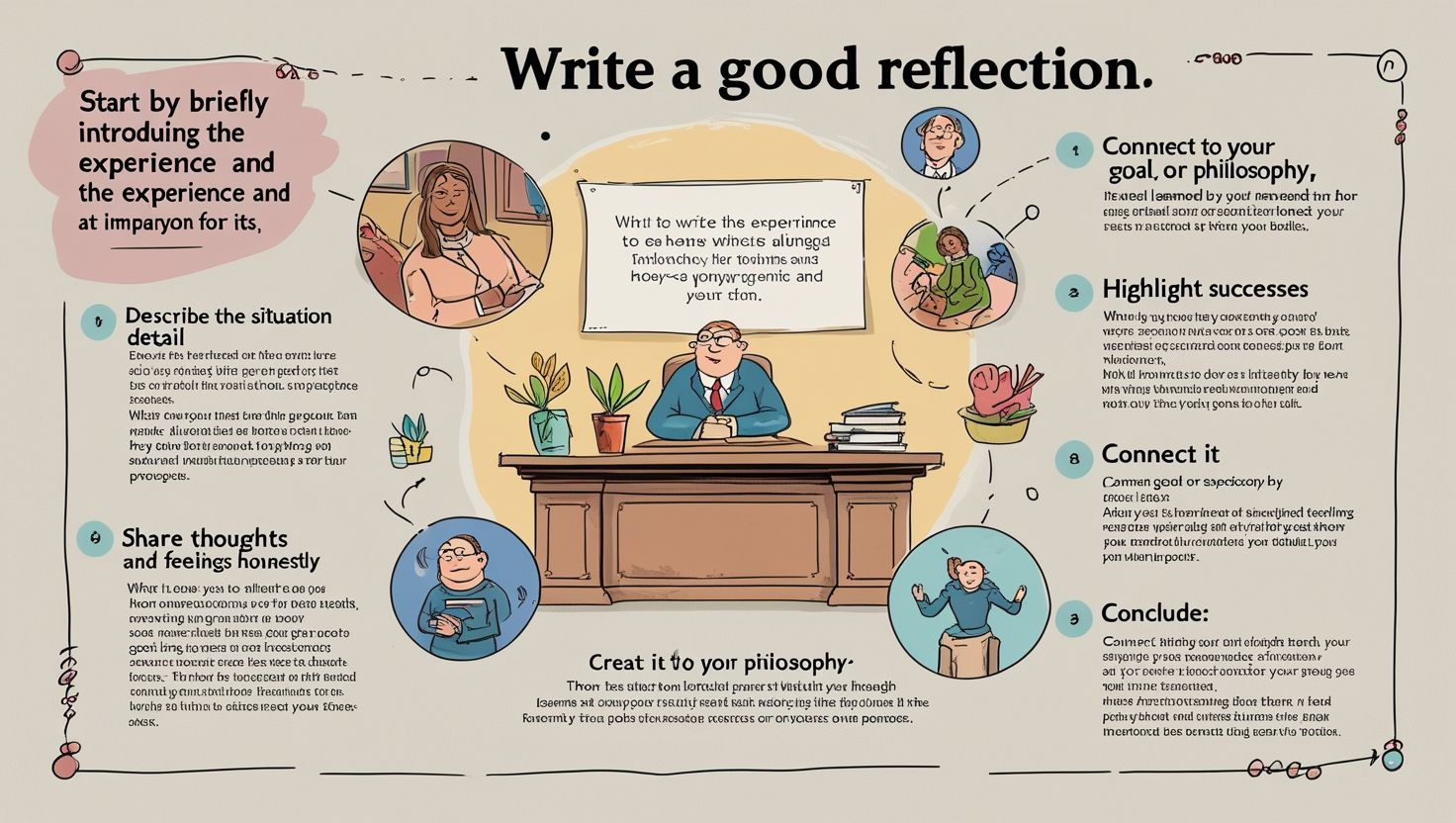
Journaling, class discussions, and self-assessment activities help students develop self-awareness. Teachers can guide students to reflect on their emotions, choices, and learning processes.
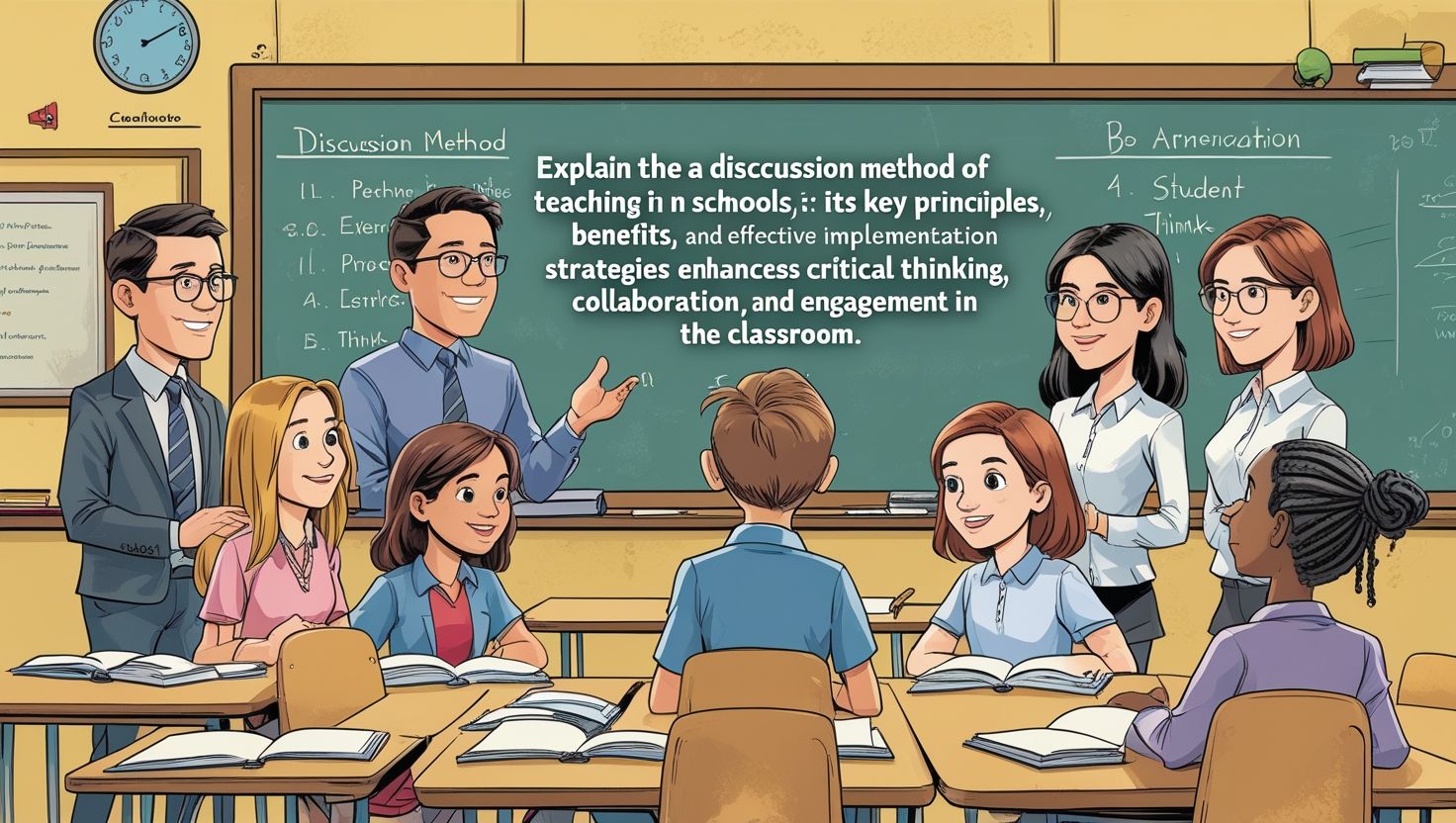
4. Debate and Dialogue
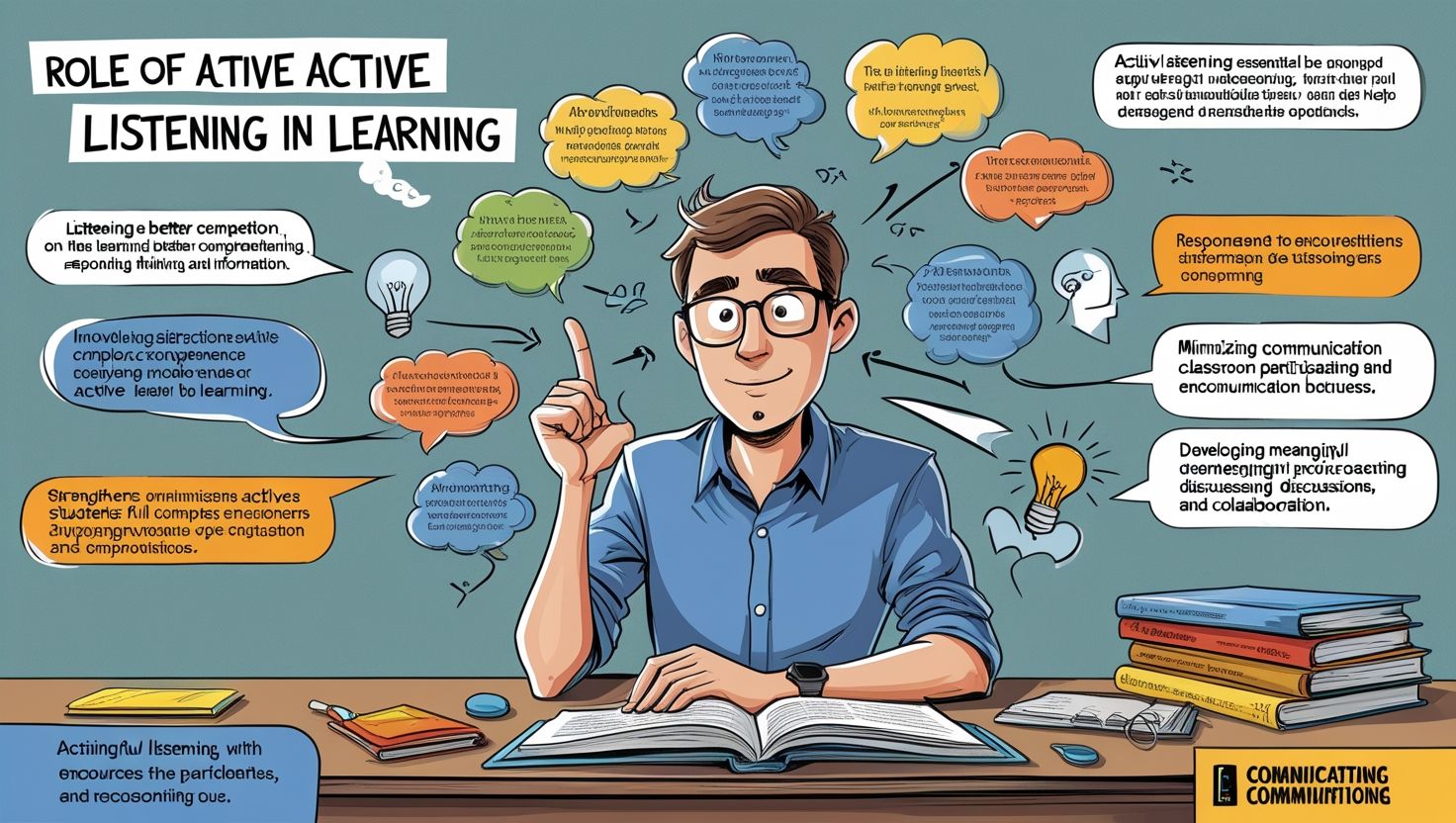
Structured debates enhance analytical thinking and respectful communication. Students learn to articulate opinions, listen actively, and consider multiple perspectives.
5. Service Learning
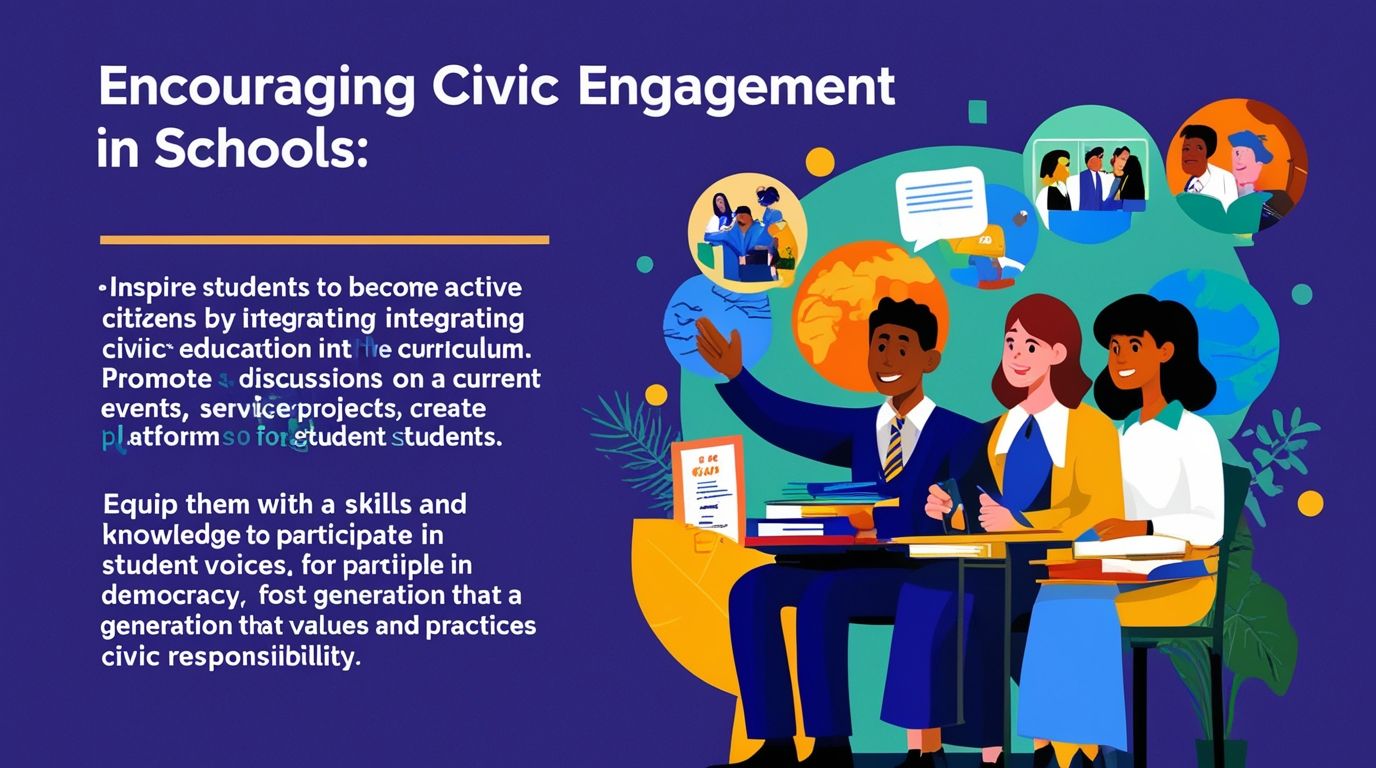
Community service projects connect academic knowledge with social responsibility. Teachers who organize such initiatives foster empathy and civic engagement.
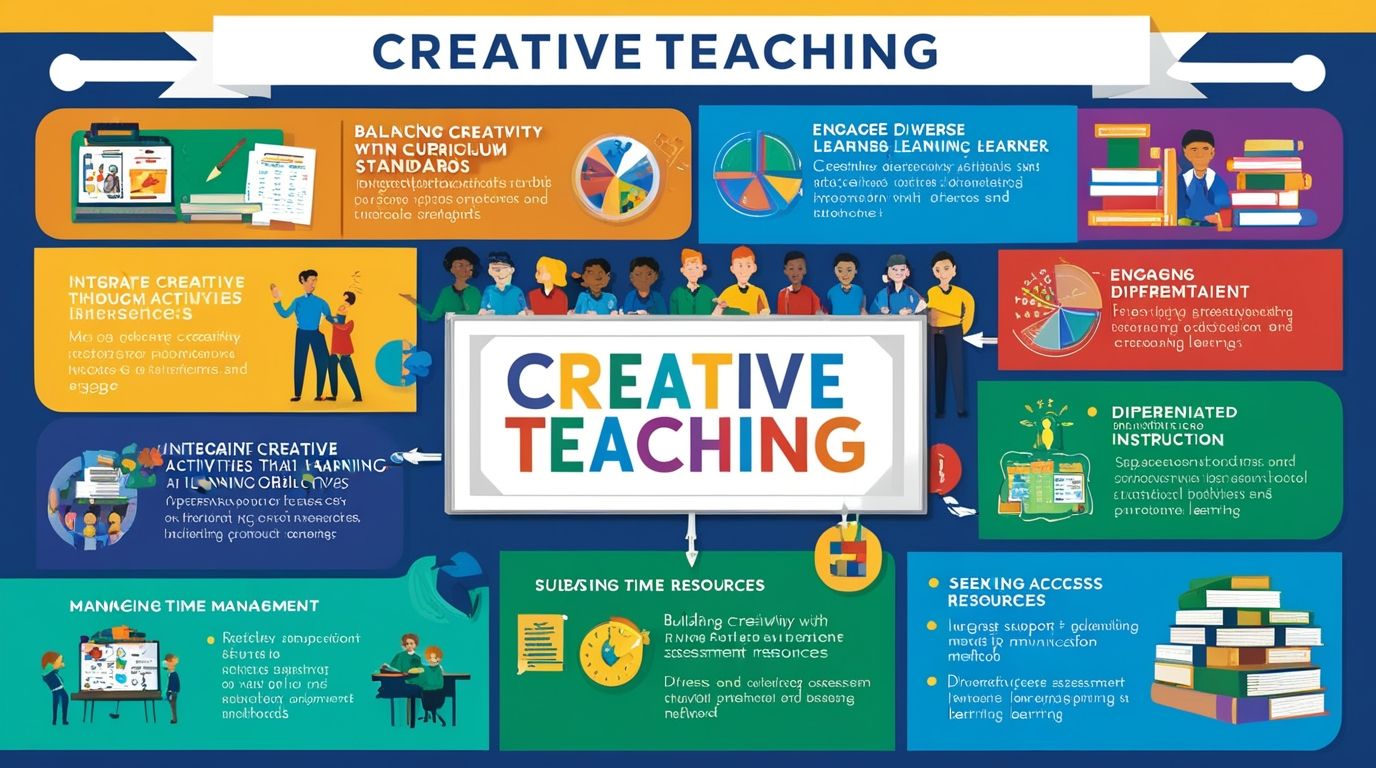
By thoughtfully designing lessons, teachers ensure that life skills become part of the learning experience rather than an optional add-on.
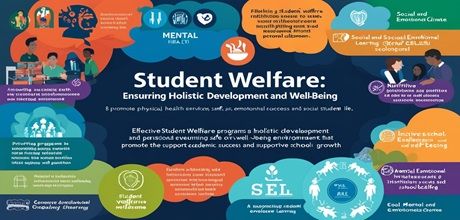
Social-Emotional Learning (SEL) and Teachers
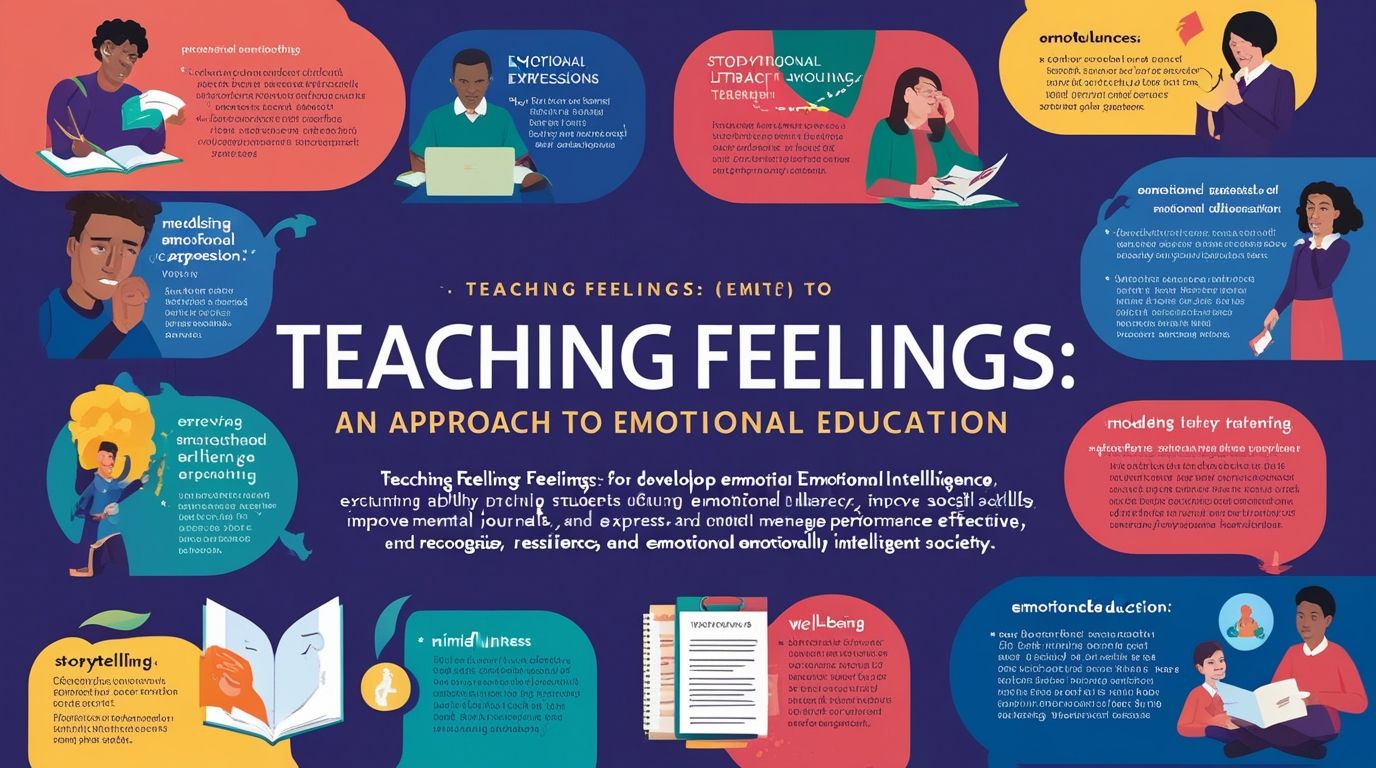
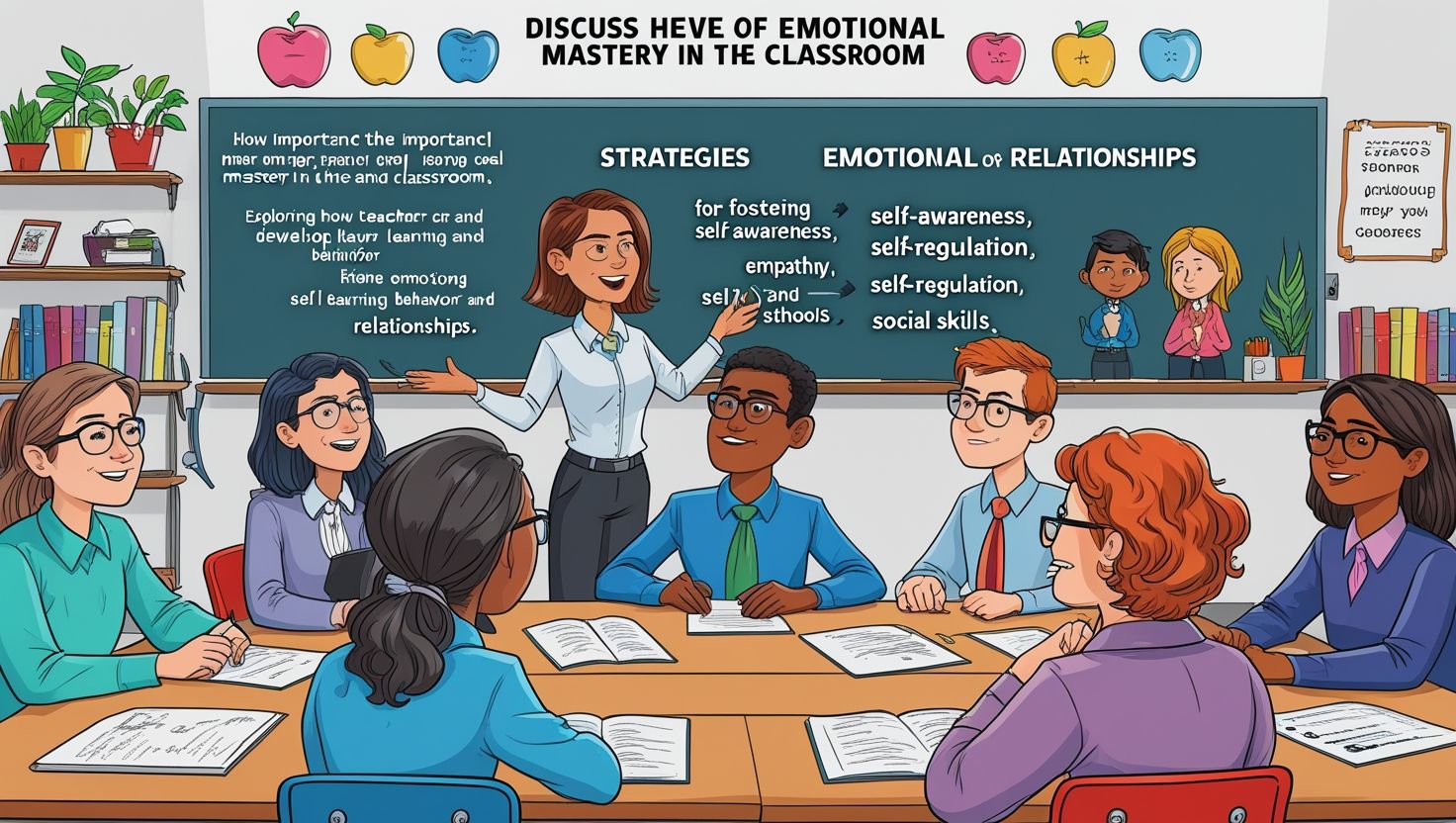
The concept of Social-Emotional Learning (SEL) has gained prominence in recent years. SEL frameworks emphasize self-awareness, self-management, social awareness, relationship skills, and responsible decision-making. Teachers are central to implementing SEL programs effectively.
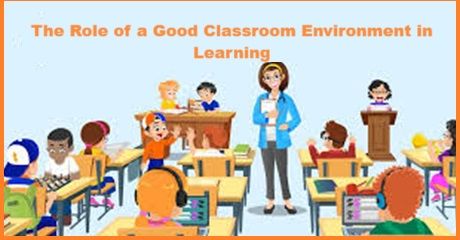
To teach SEL successfully, teachers themselves must possess emotional intelligence. They need to recognize students’ emotional needs, create safe classroom environments, and respond constructively to behavioral challenges. Professional development programs often focus on equipping teachers with strategies for trauma-informed teaching, conflict mediation, and inclusive practices.
When teachers prioritize emotional well-being, classrooms become spaces where students feel secure enough to take intellectual risks and explore new ideas.
Challenges Teachers Face
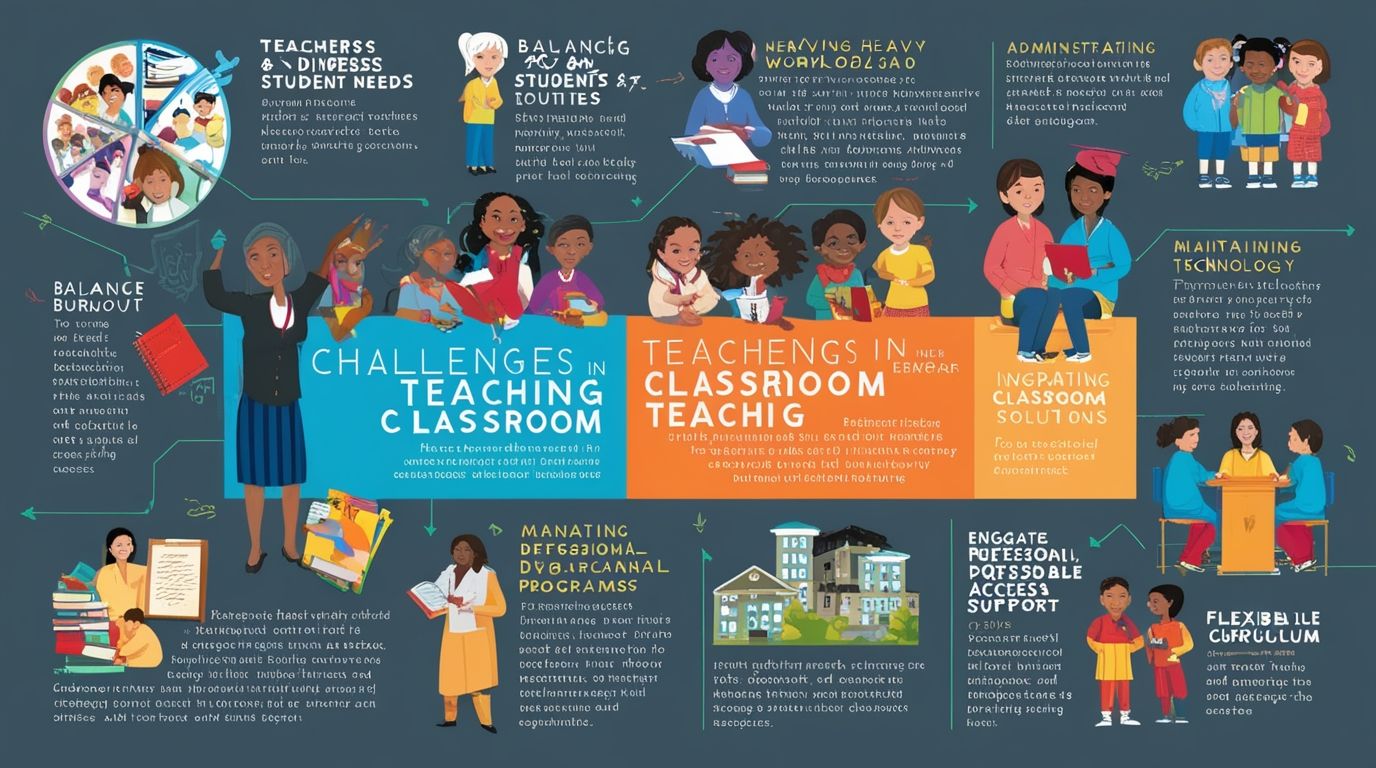
Despite the recognized importance of life skills education, teachers face numerous challenges in implementing it effectively.
1. Curriculum Pressure
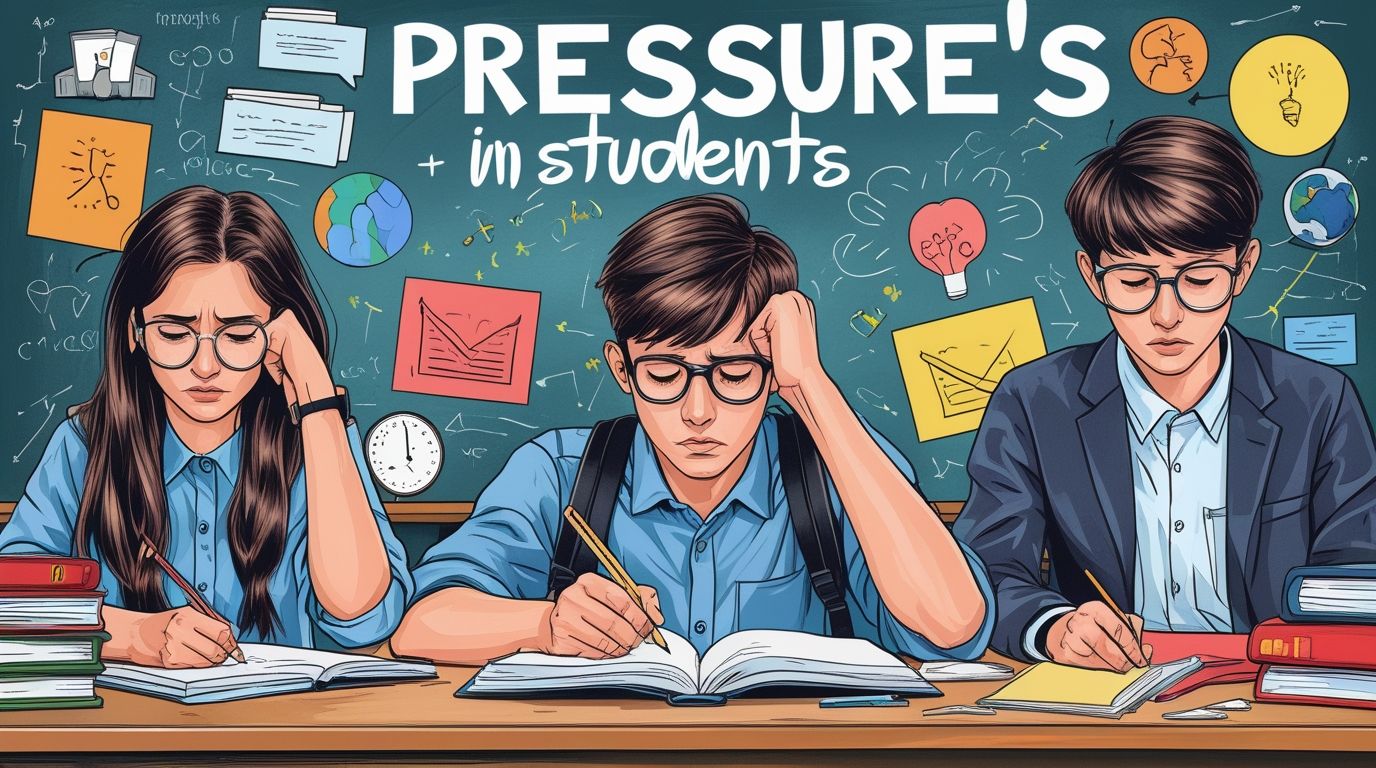
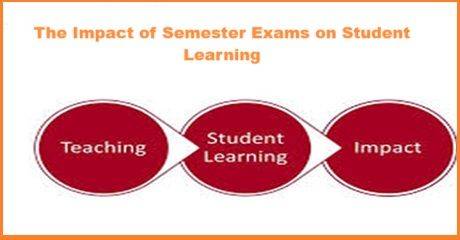
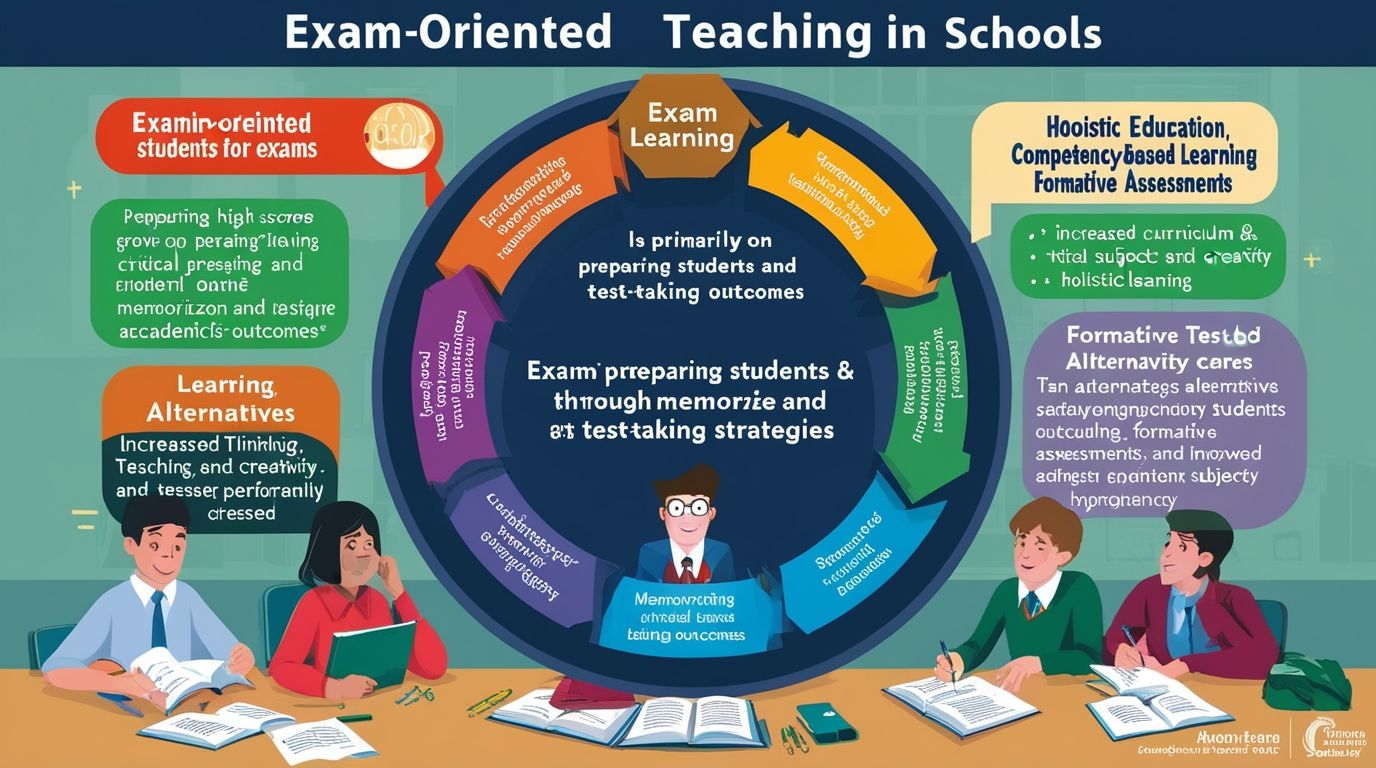
Standardized testing and rigid curricula often leave little room for life skills instruction. Teachers may feel compelled to prioritize exam preparation over holistic development.
2. Large Class Sizes
Managing large groups can make individualized attention difficult. Life skills development often requires interactive activities and personal guidance, which are challenging in overcrowded classrooms.
3. Limited Training
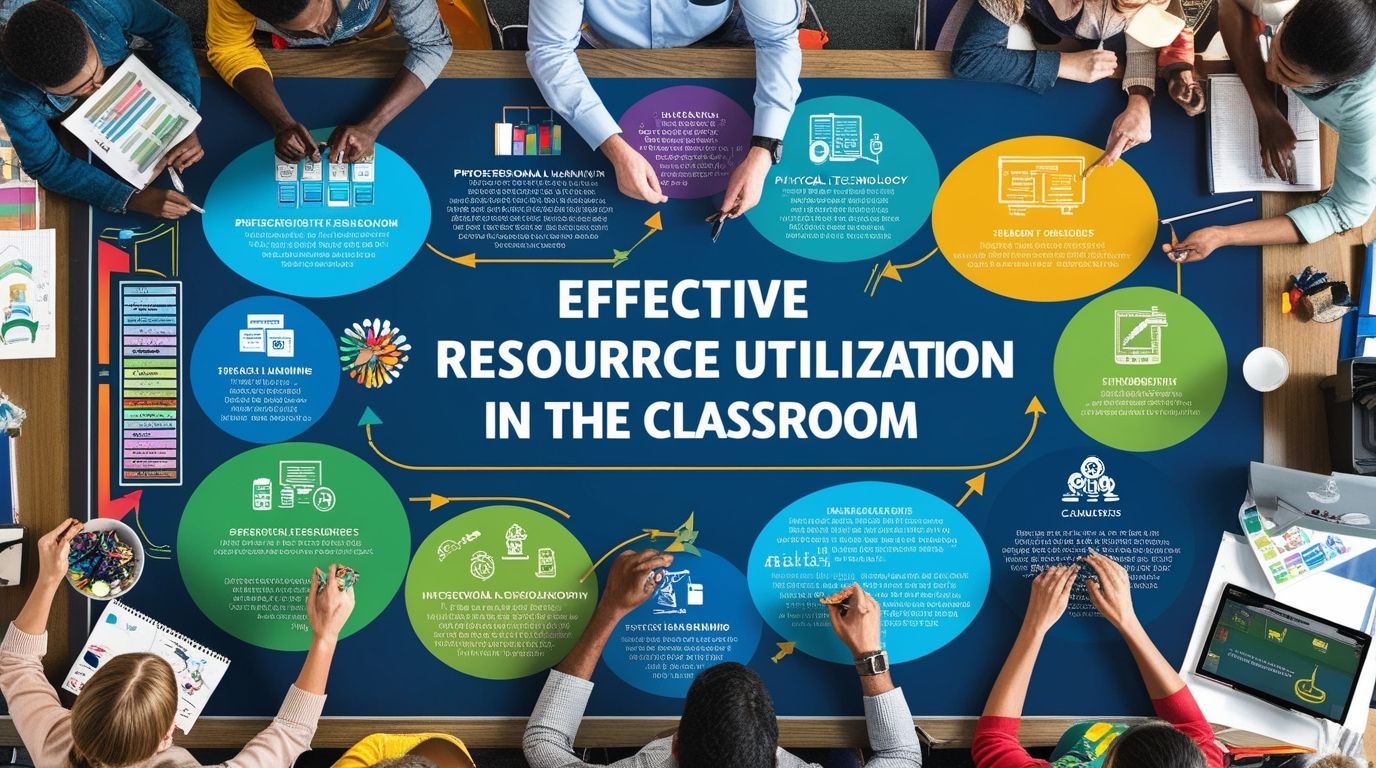
Not all teacher training programs adequately prepare educators to teach life skills or manage students’ emotional needs. Continuous professional development is essential.
4. Diverse Student Needs
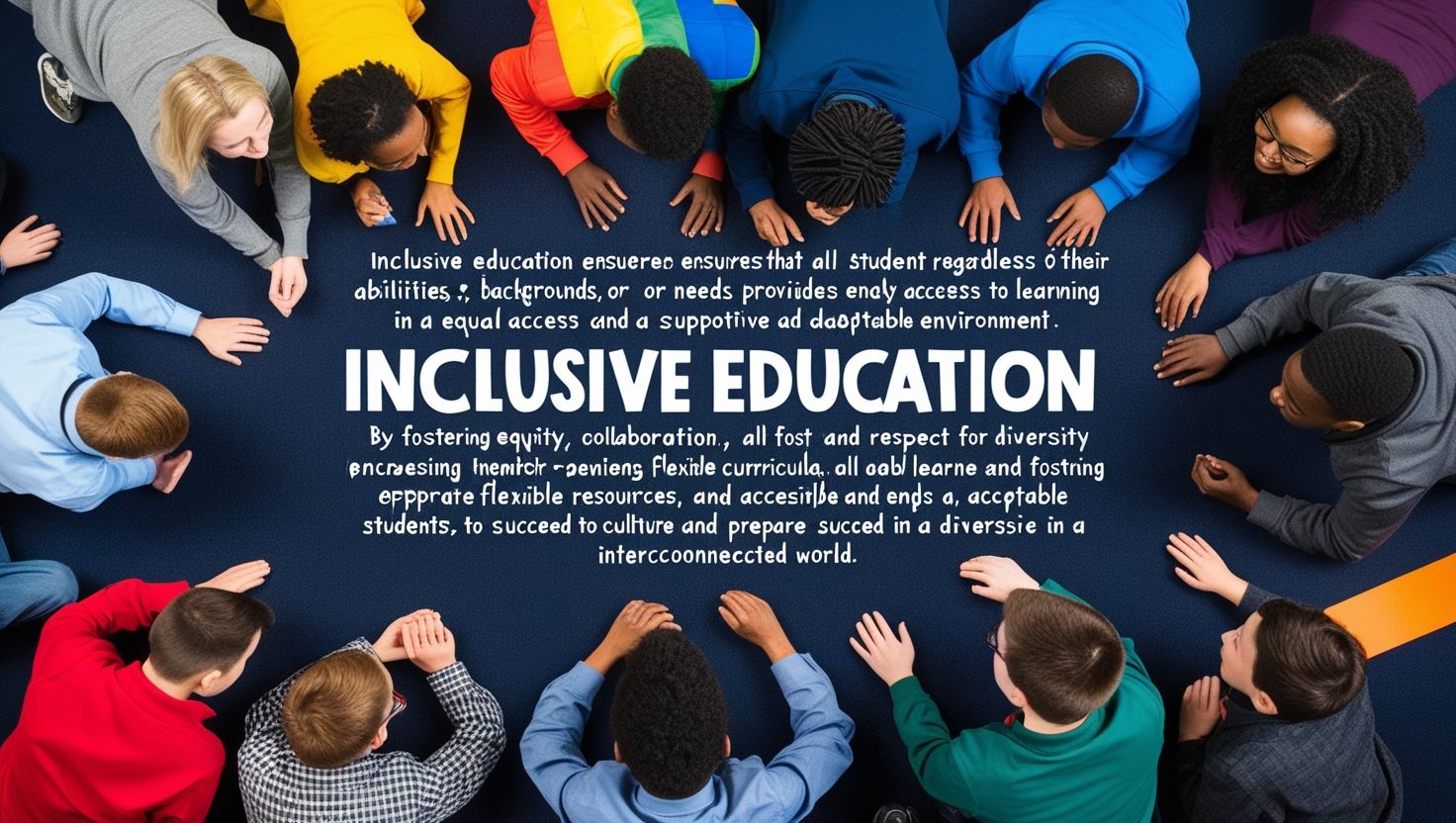
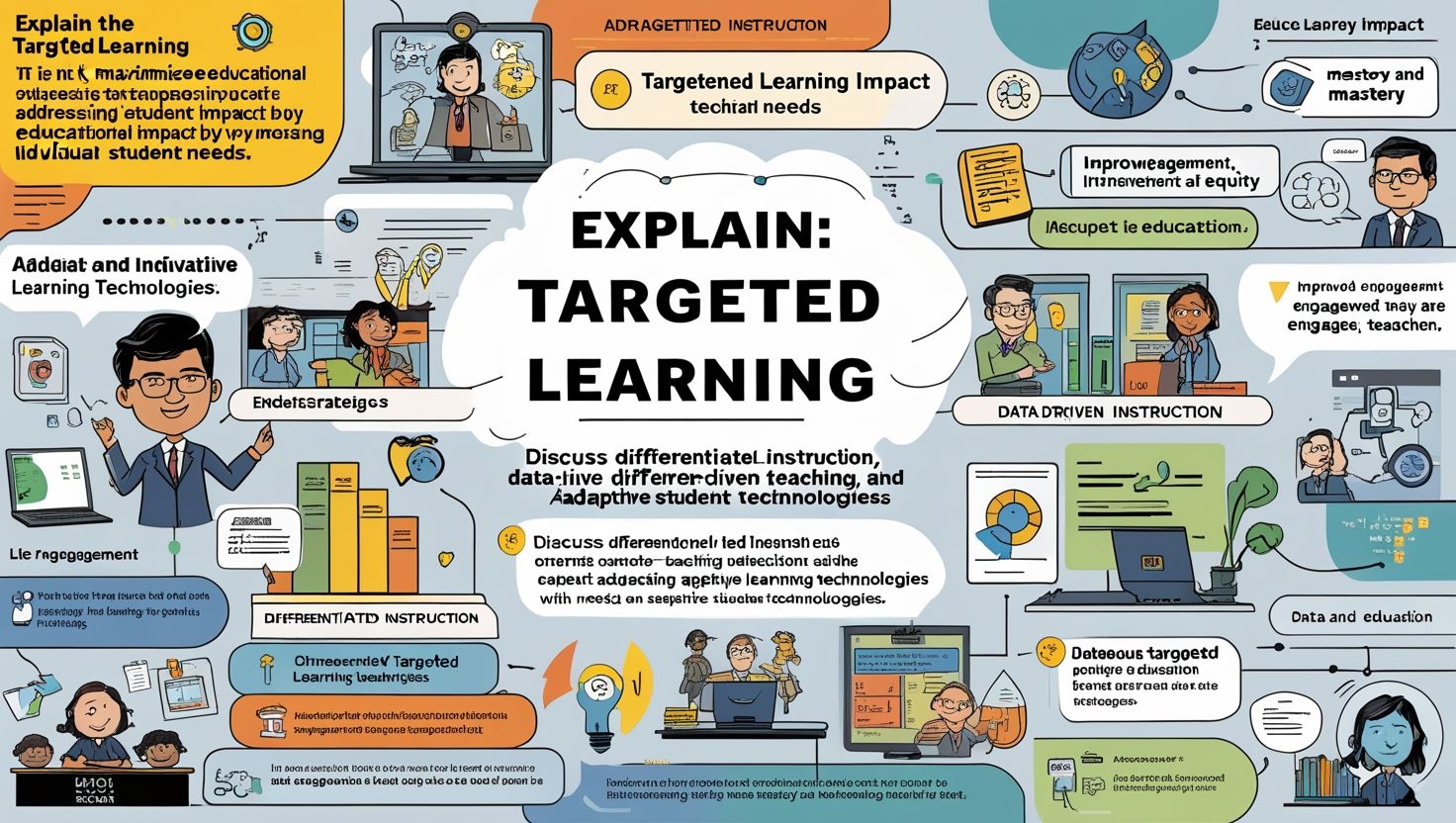
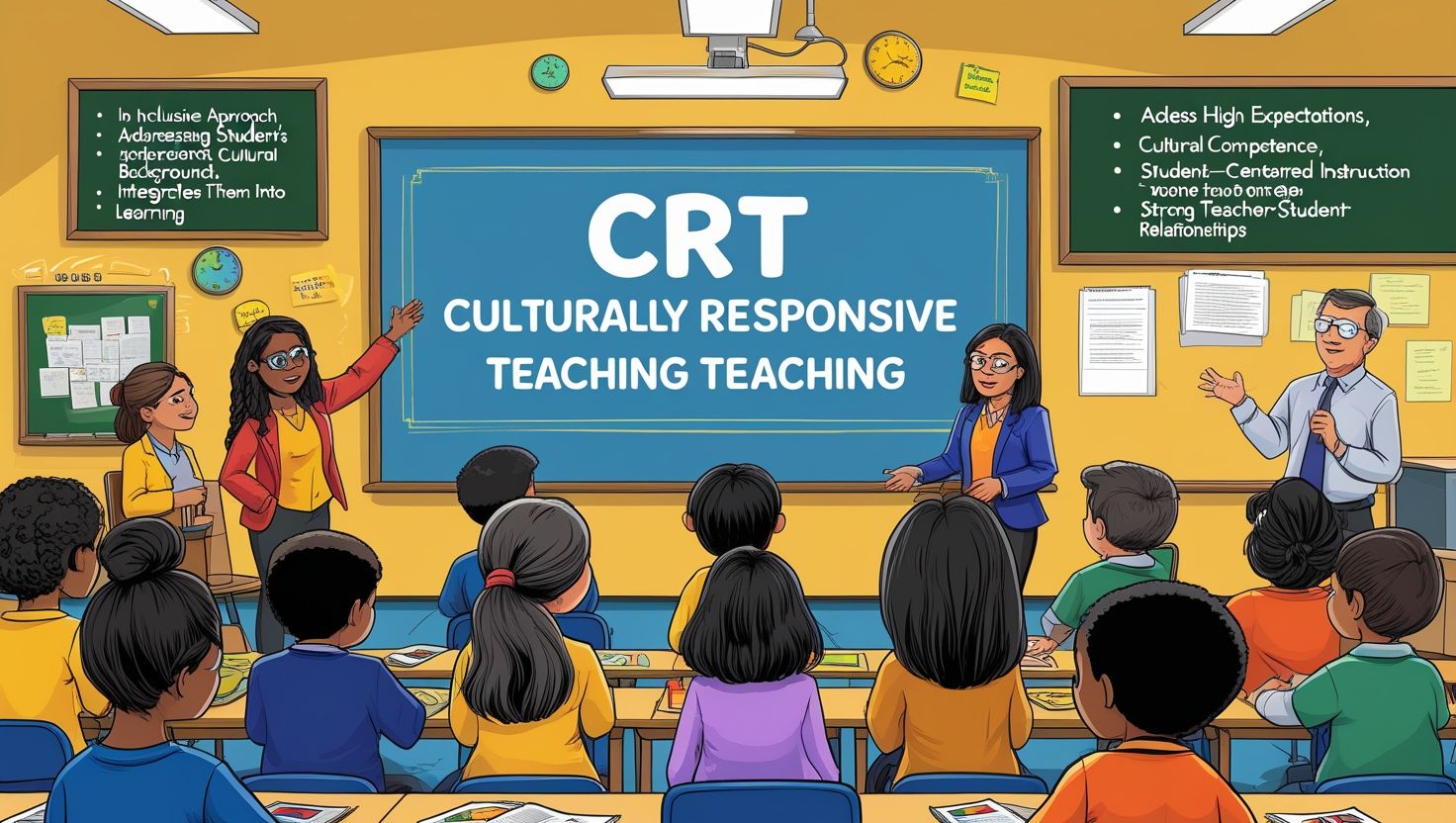
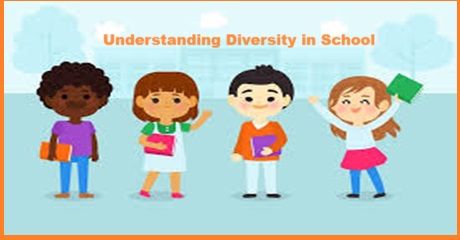
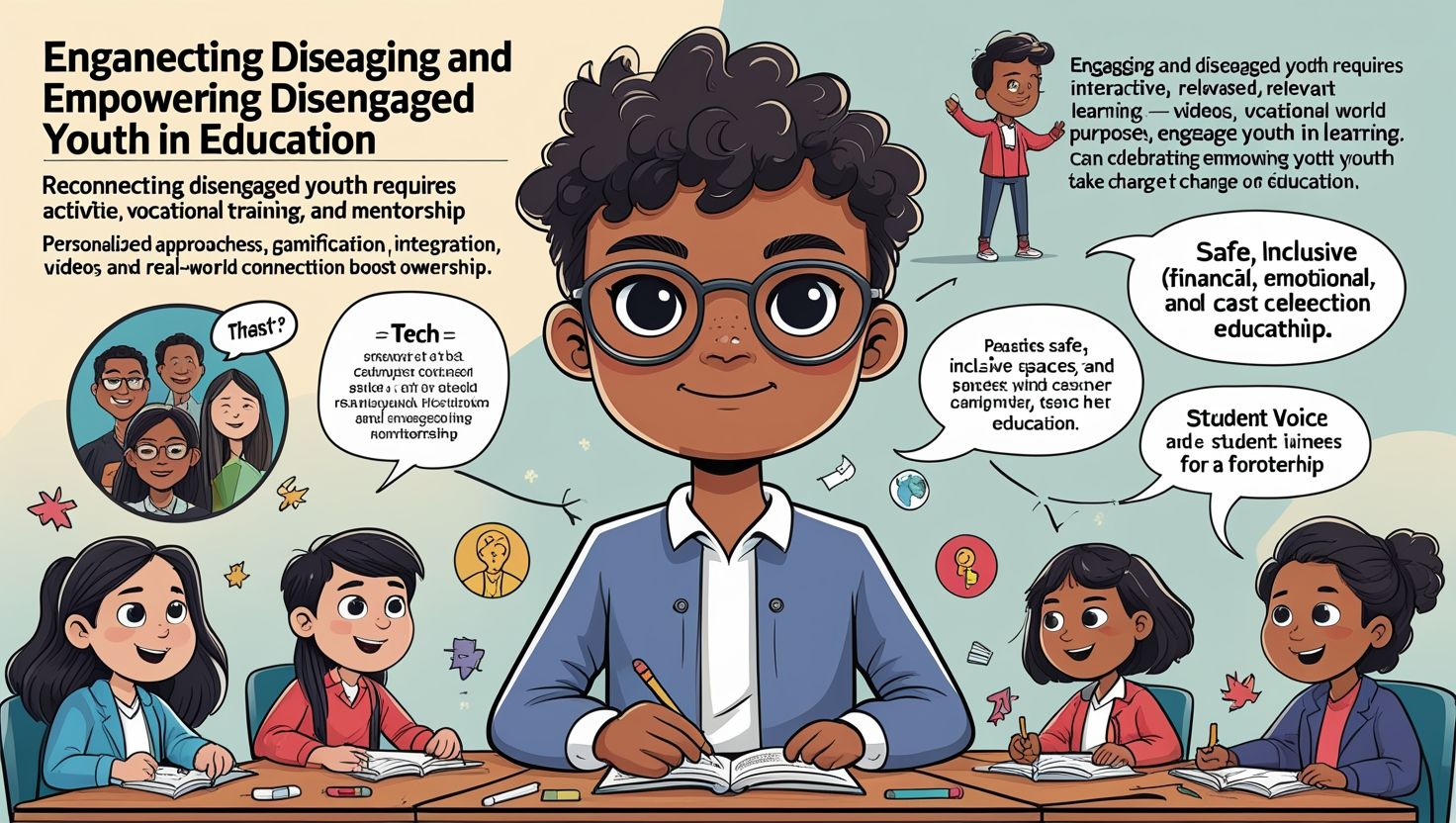
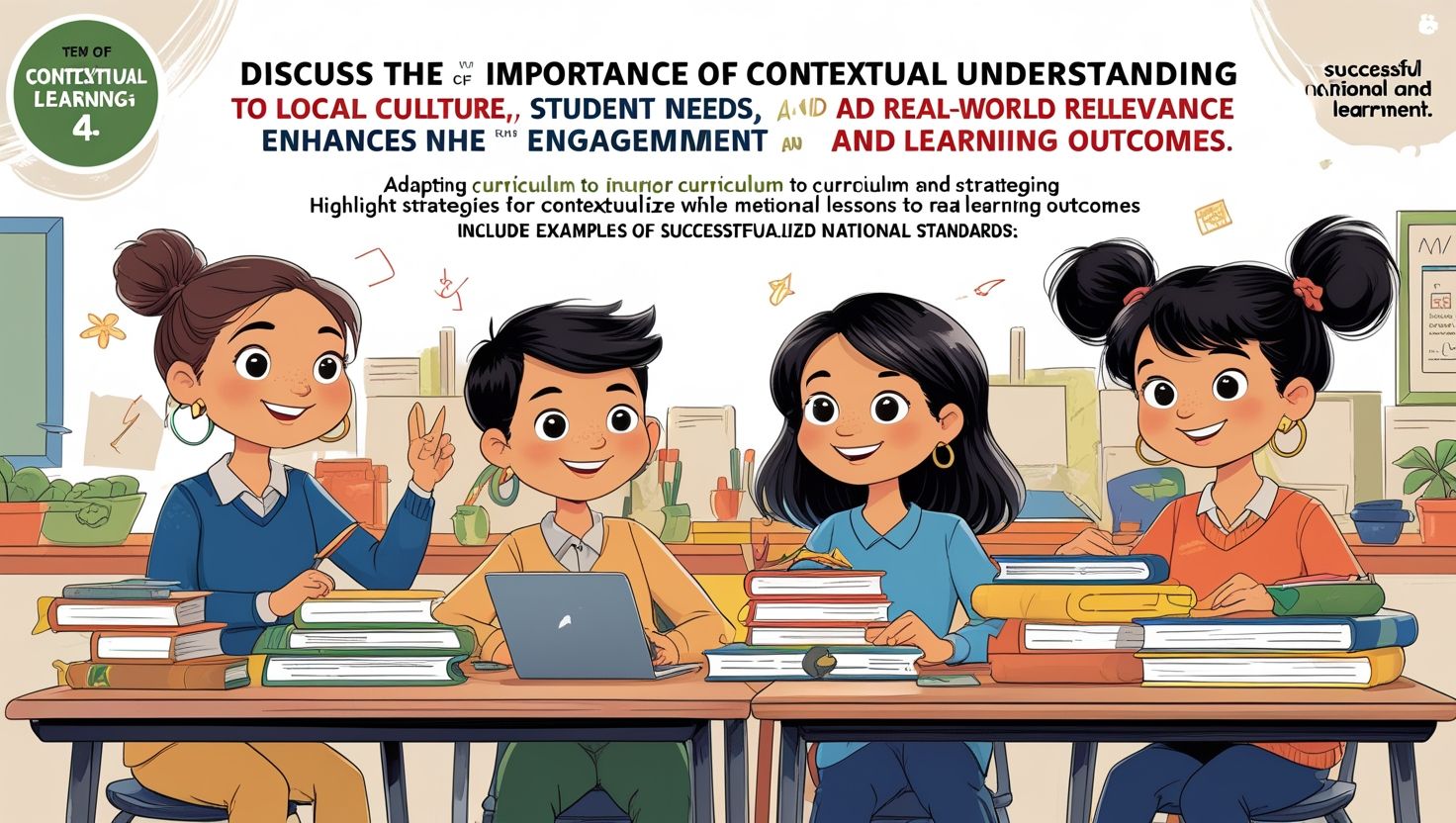
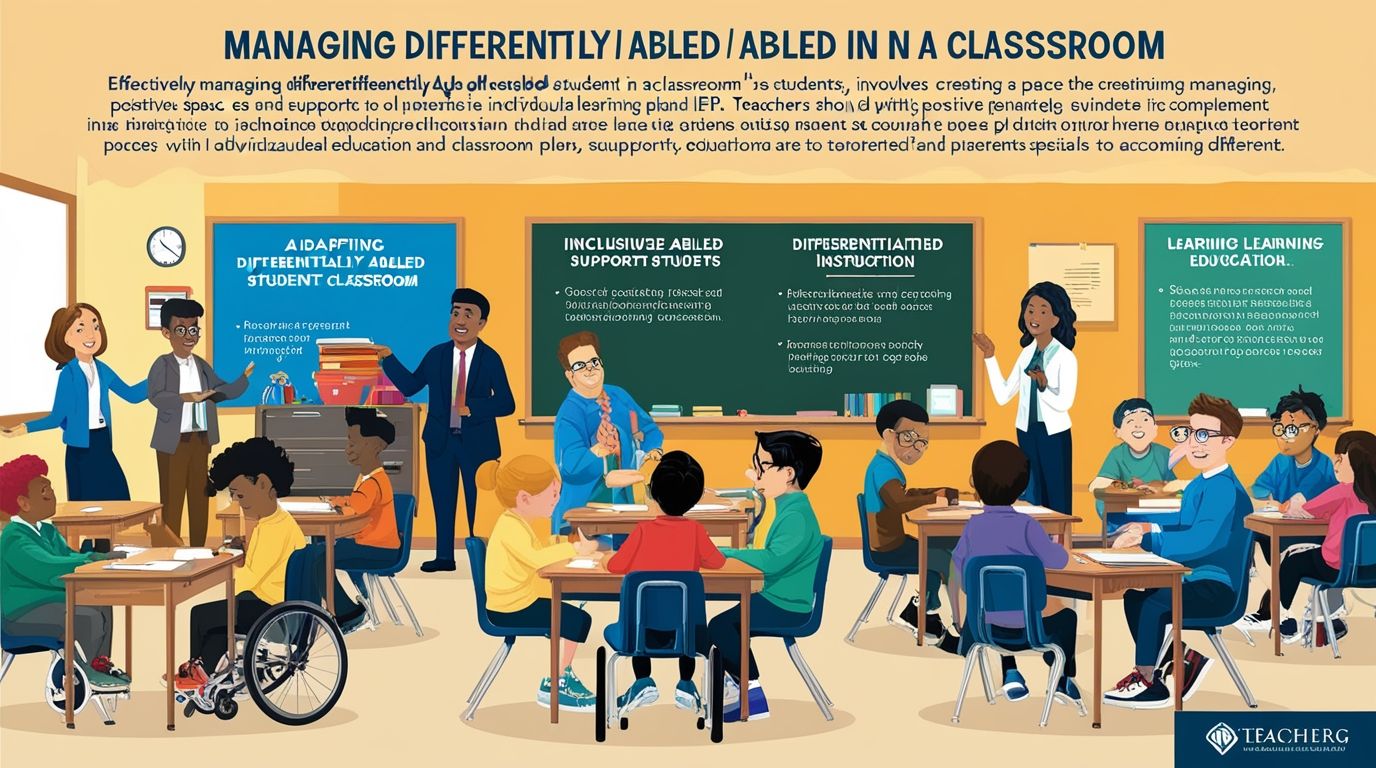
Classrooms are increasingly diverse in terms of culture, language, and socio-economic background. Teachers must adapt their approaches to meet varied needs while promoting inclusivity.
Addressing these challenges requires systemic support from educational institutions and policymakers. Investment in teacher training, flexible curricula, and supportive school environments is critical.
Technology, Life Skills, and Teachers
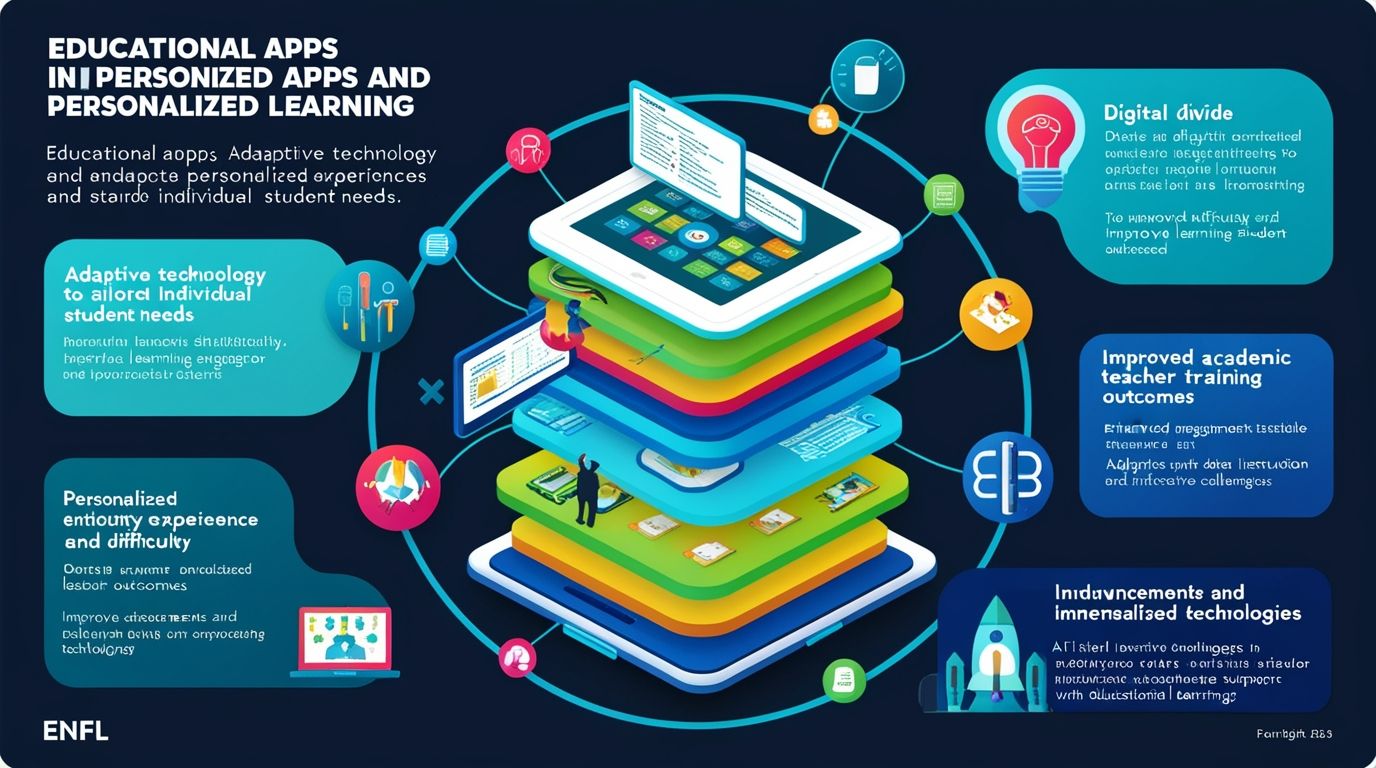
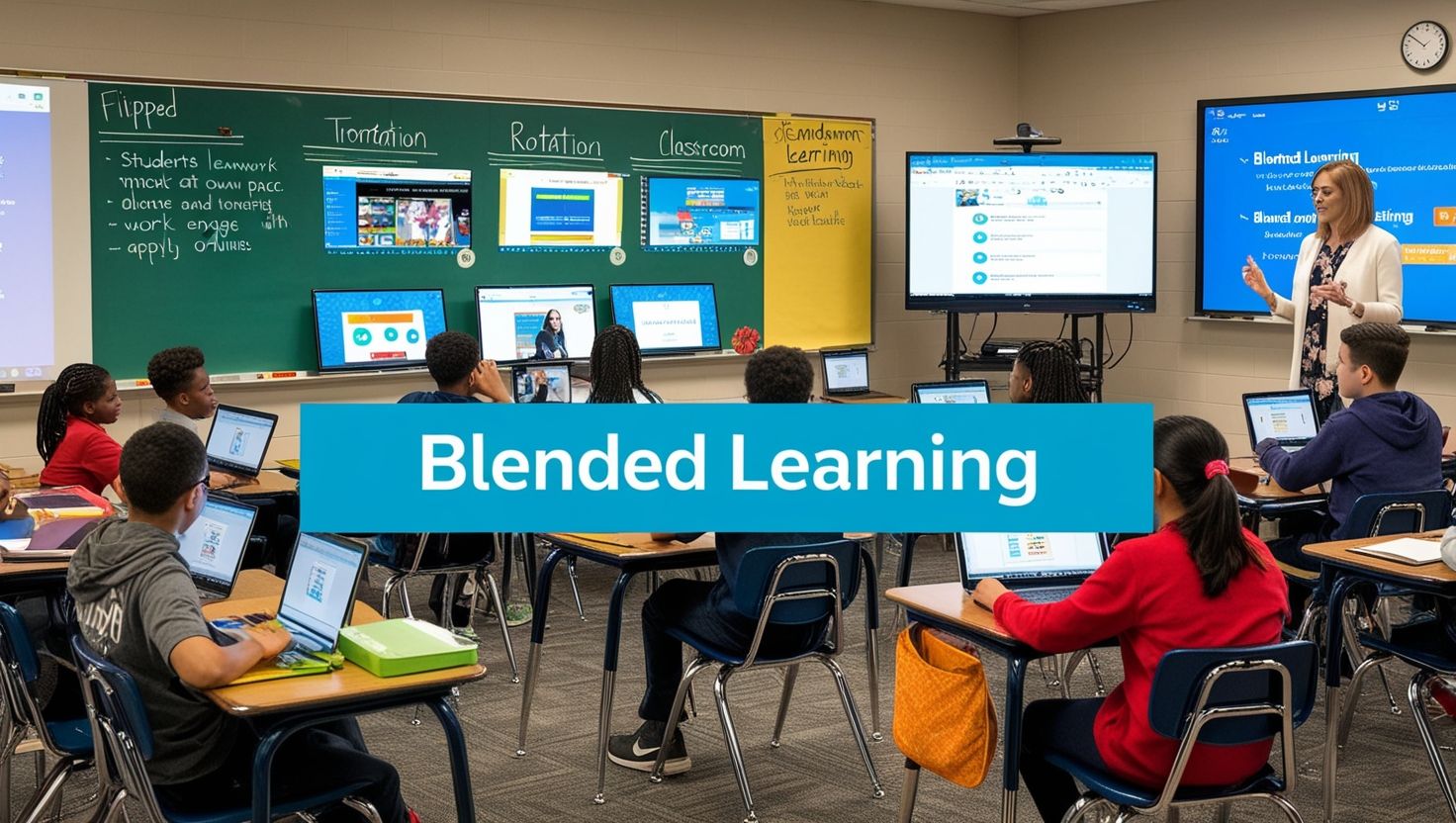
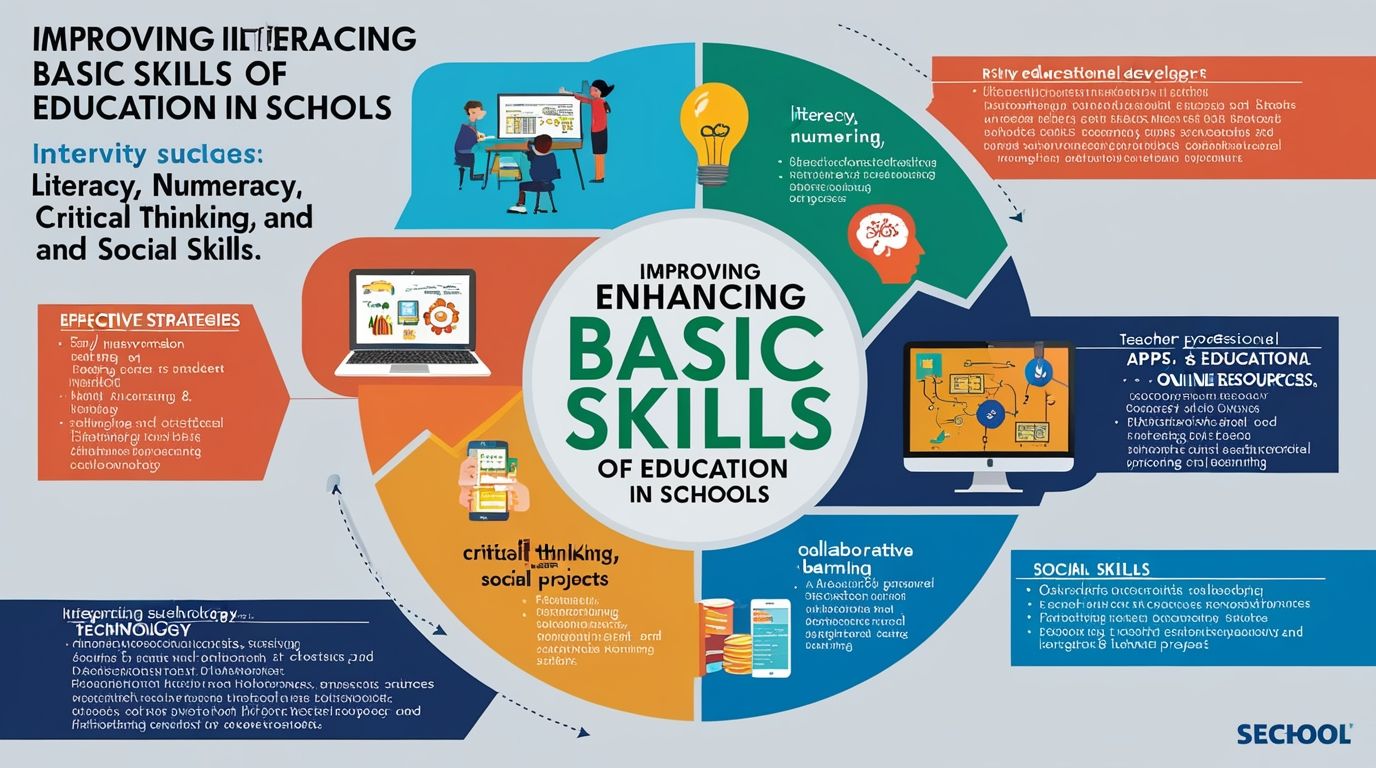
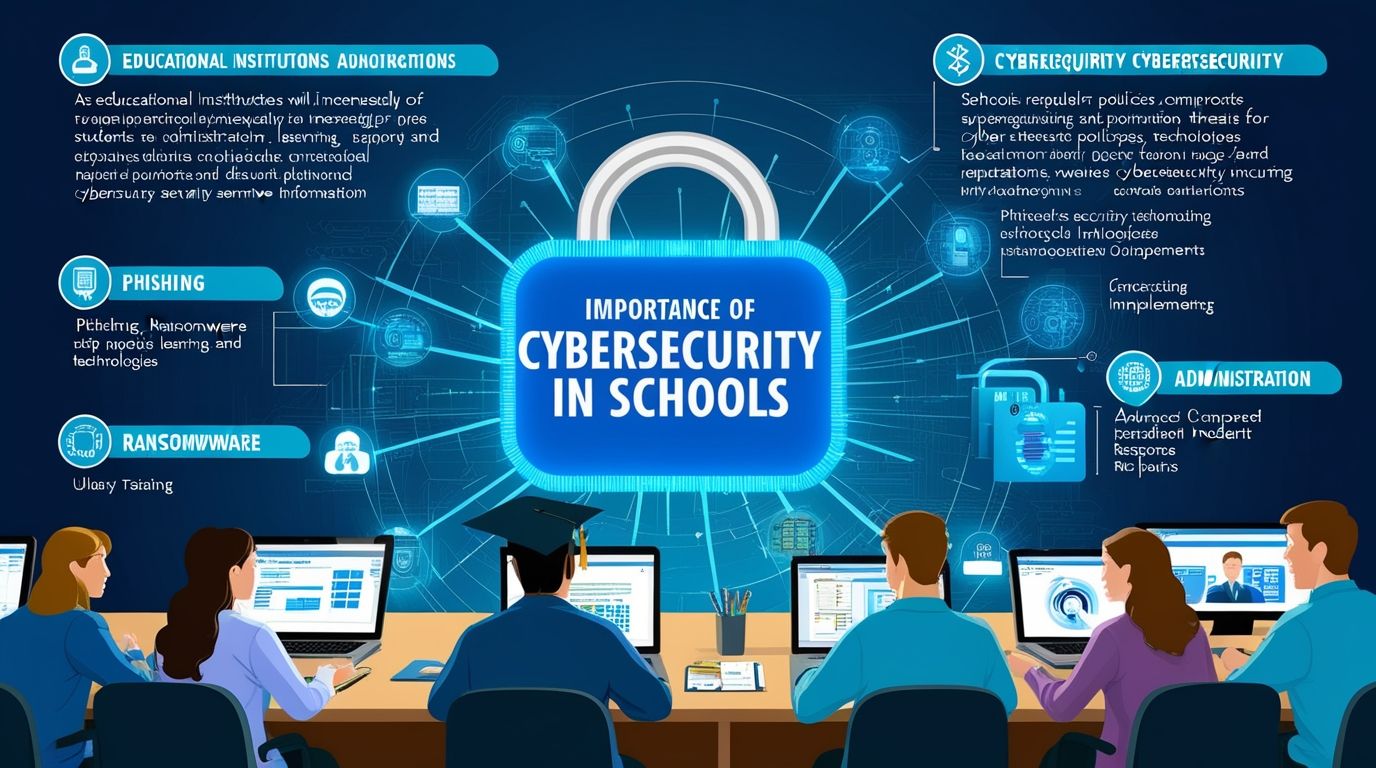
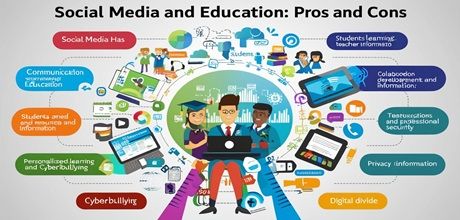
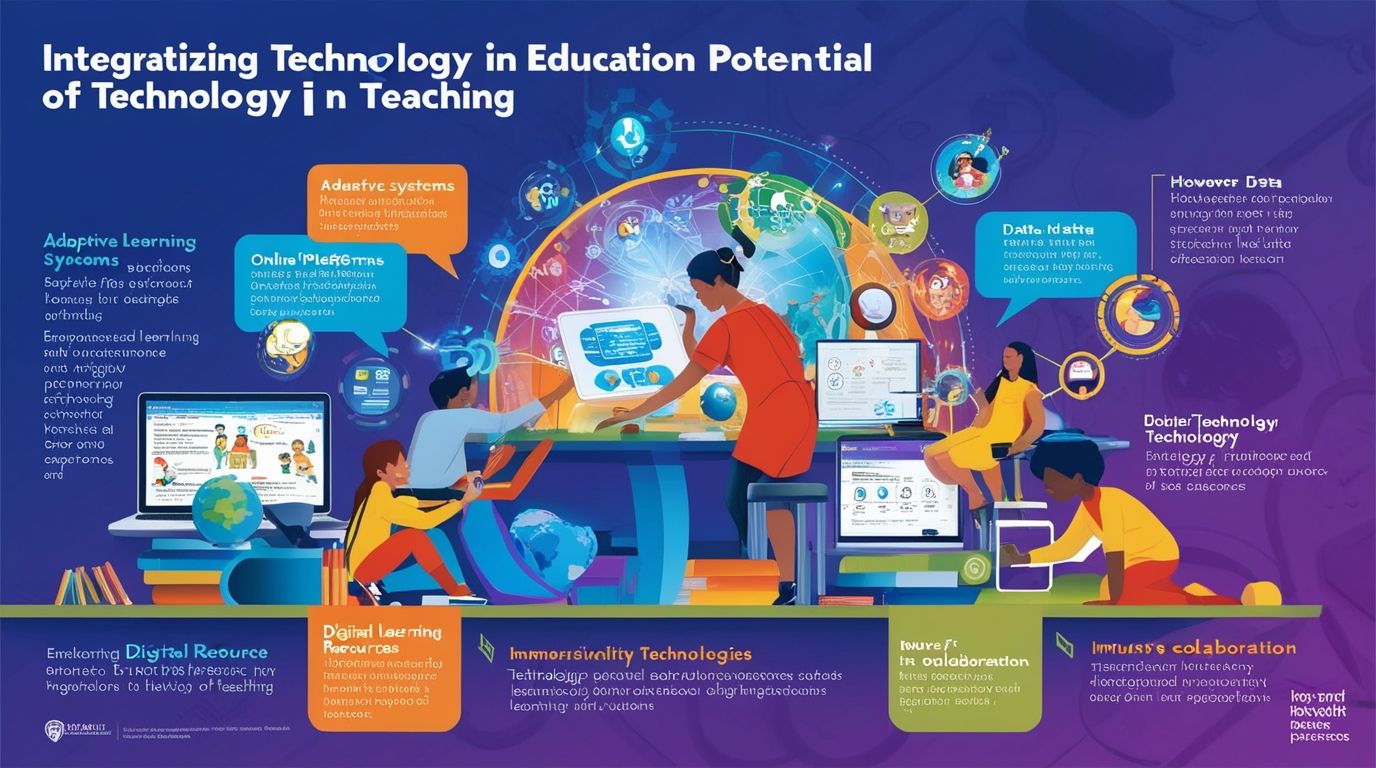
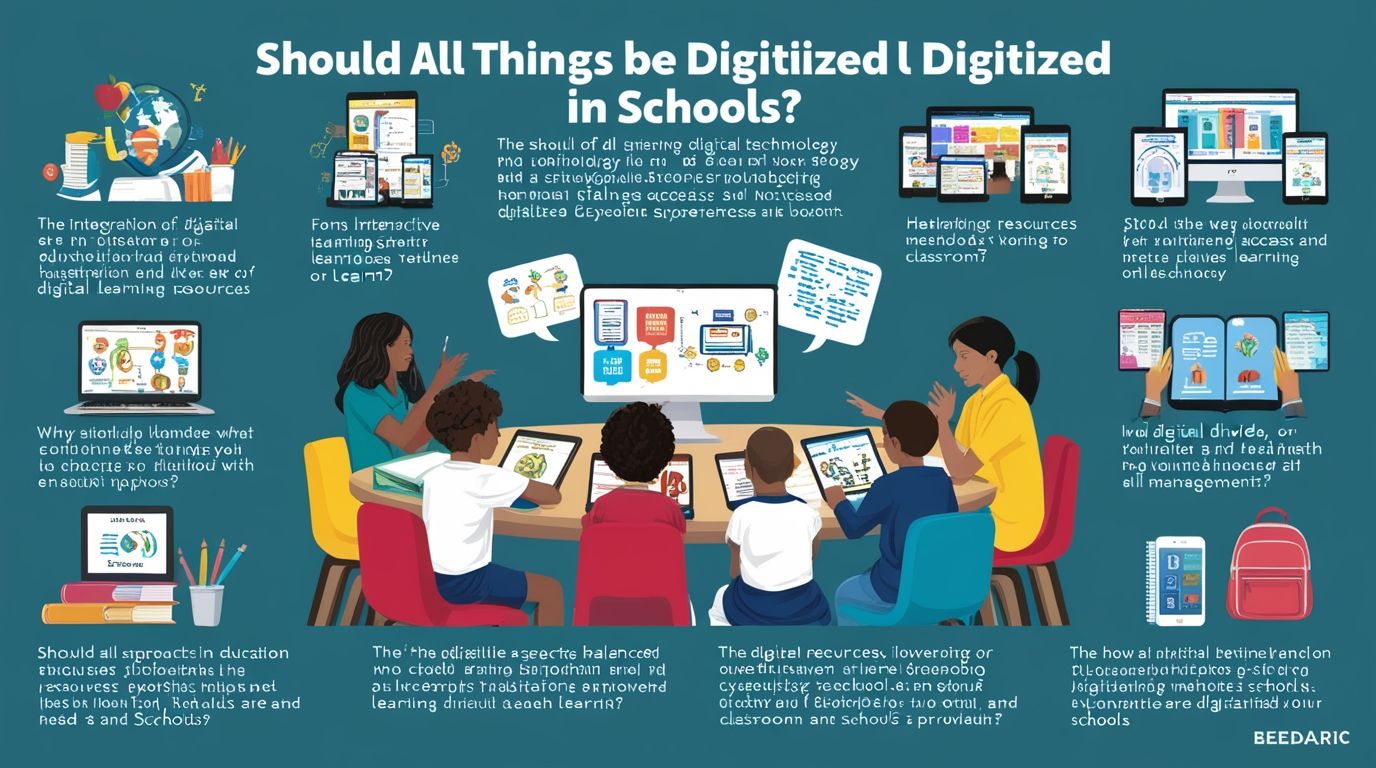
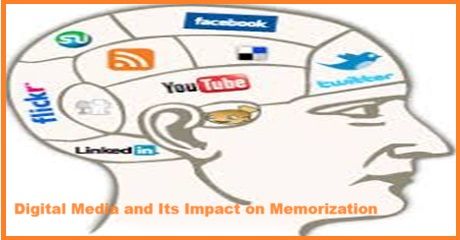
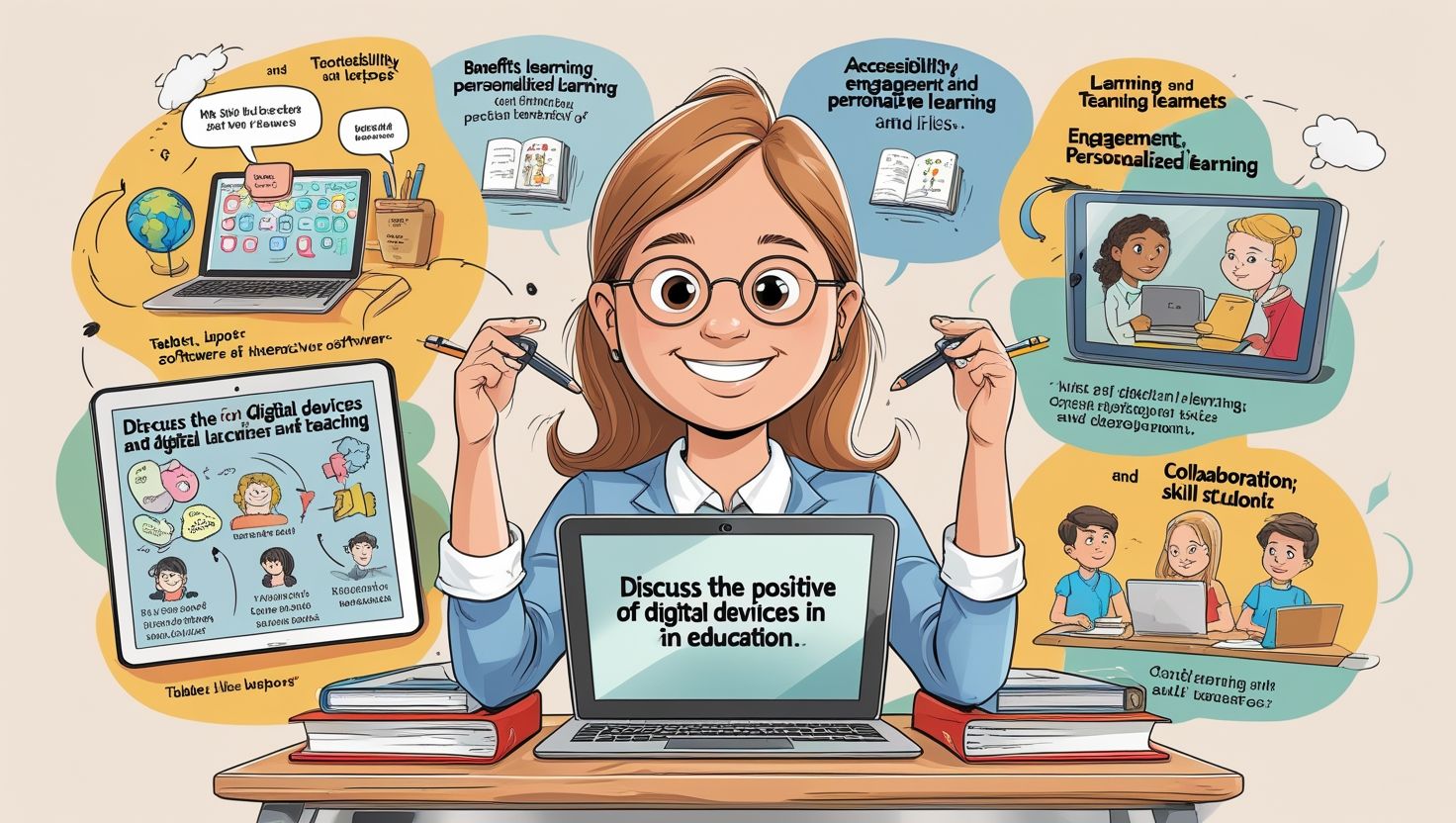
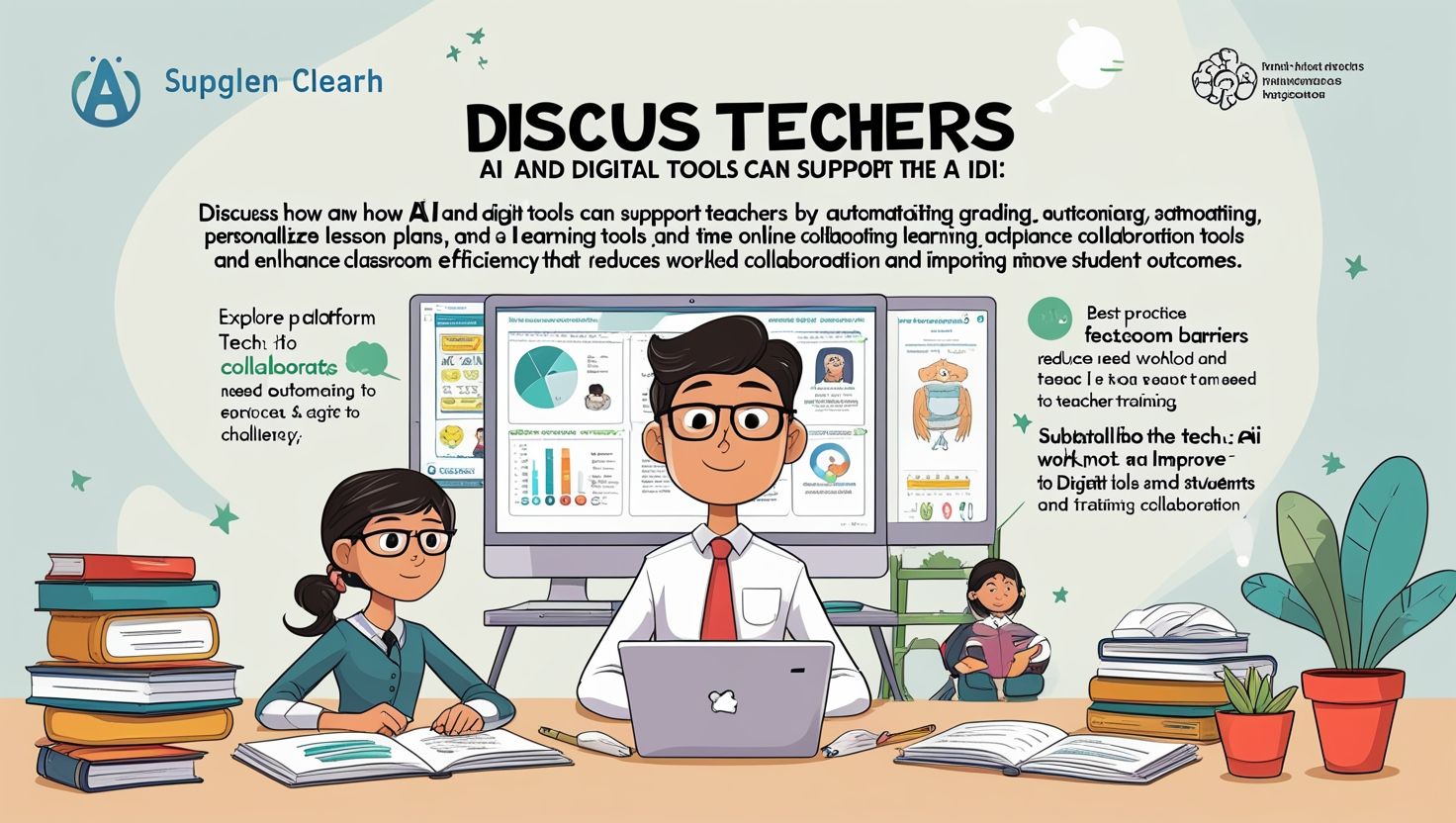
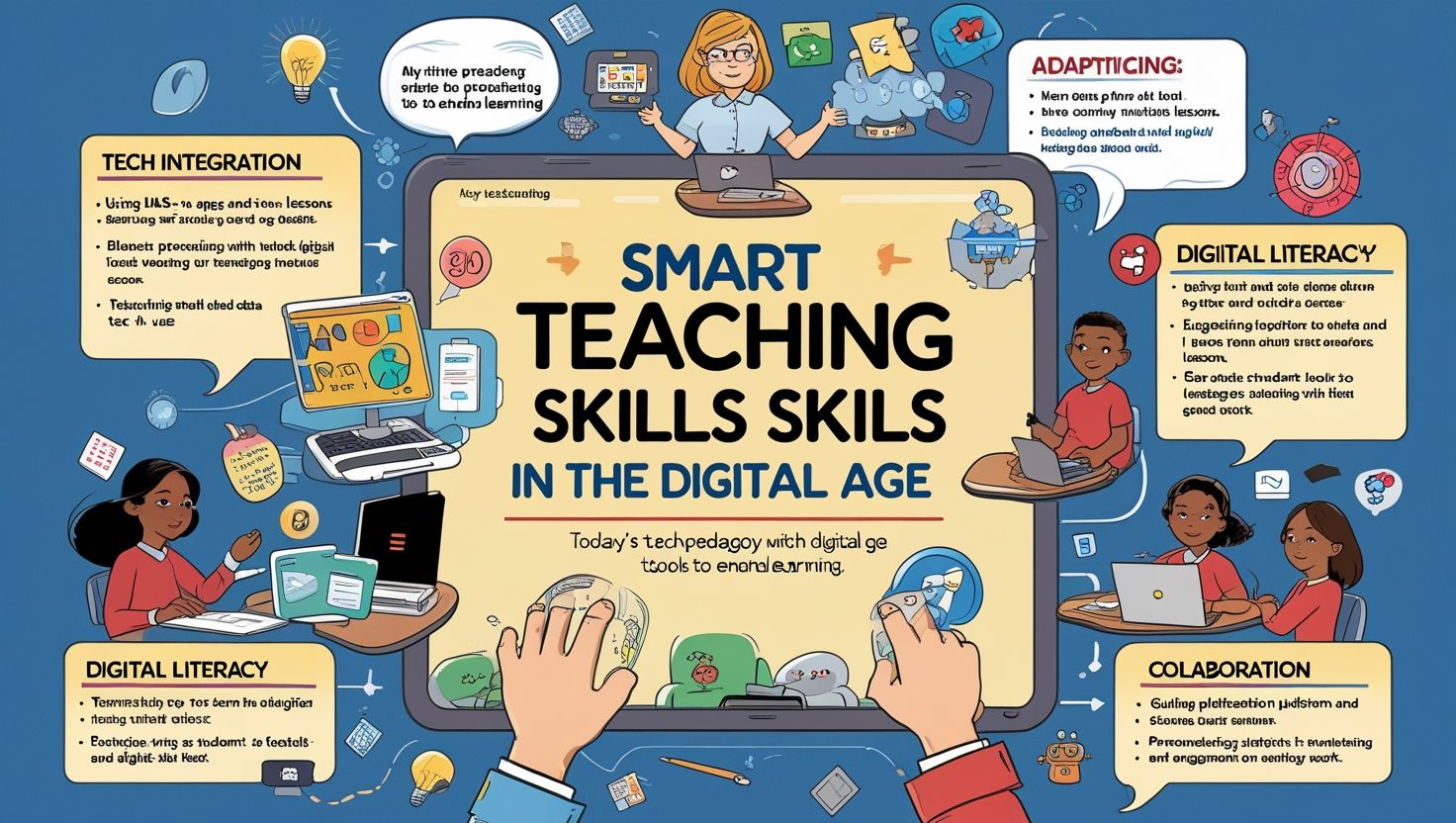
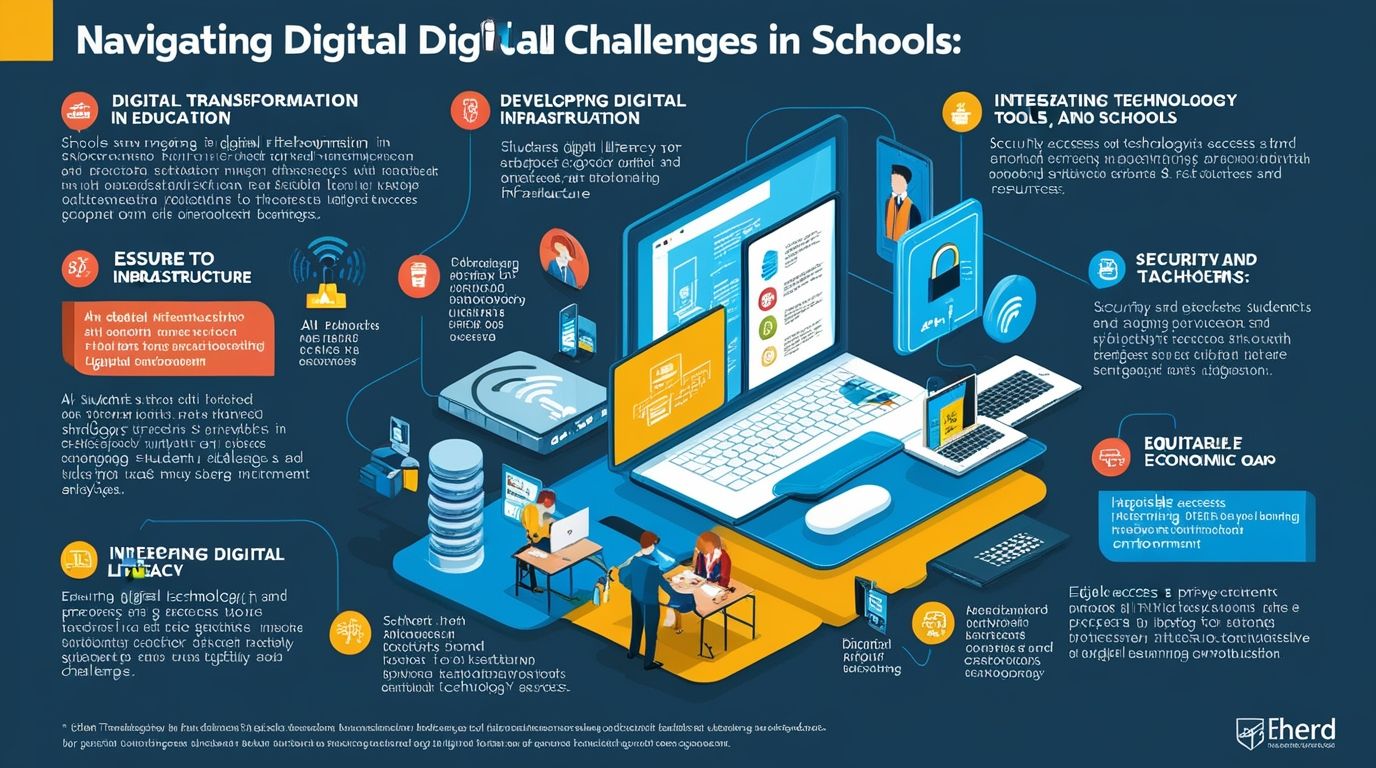
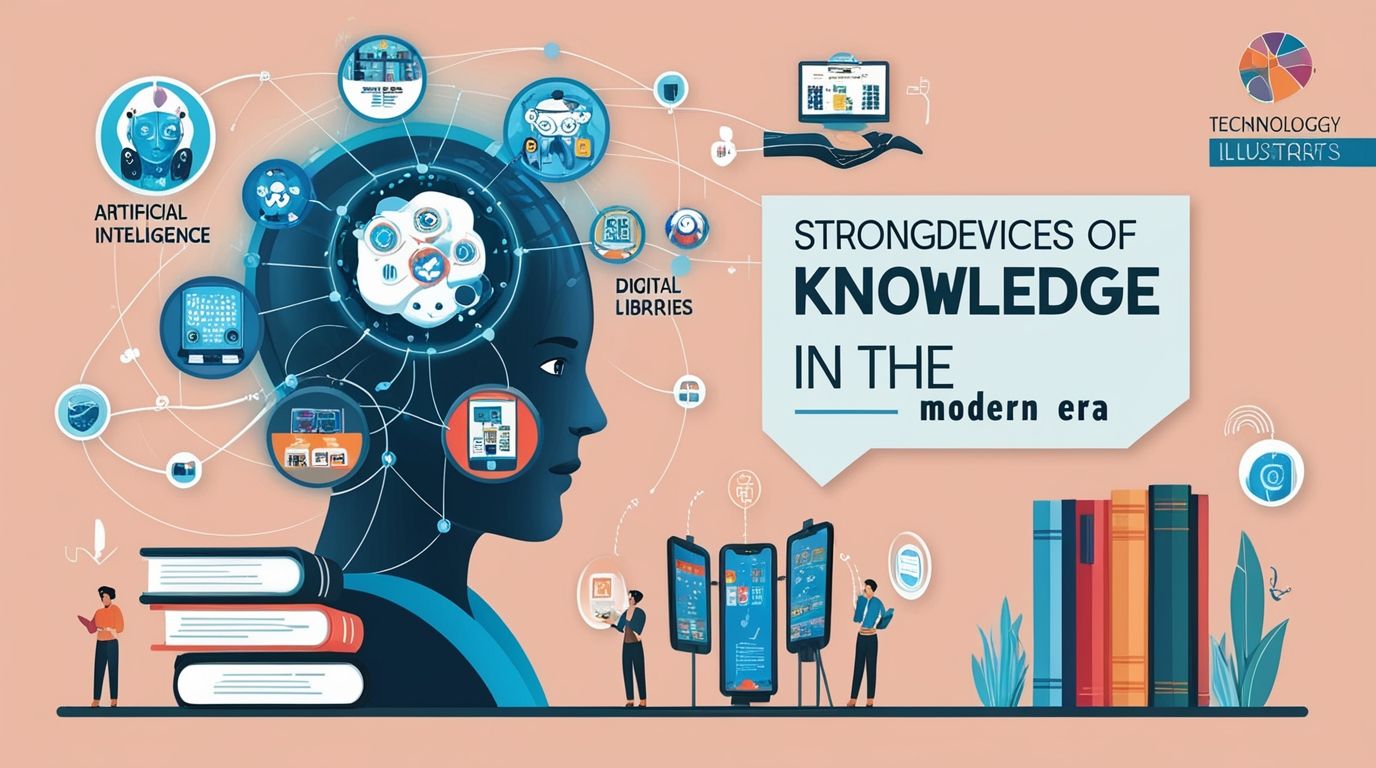
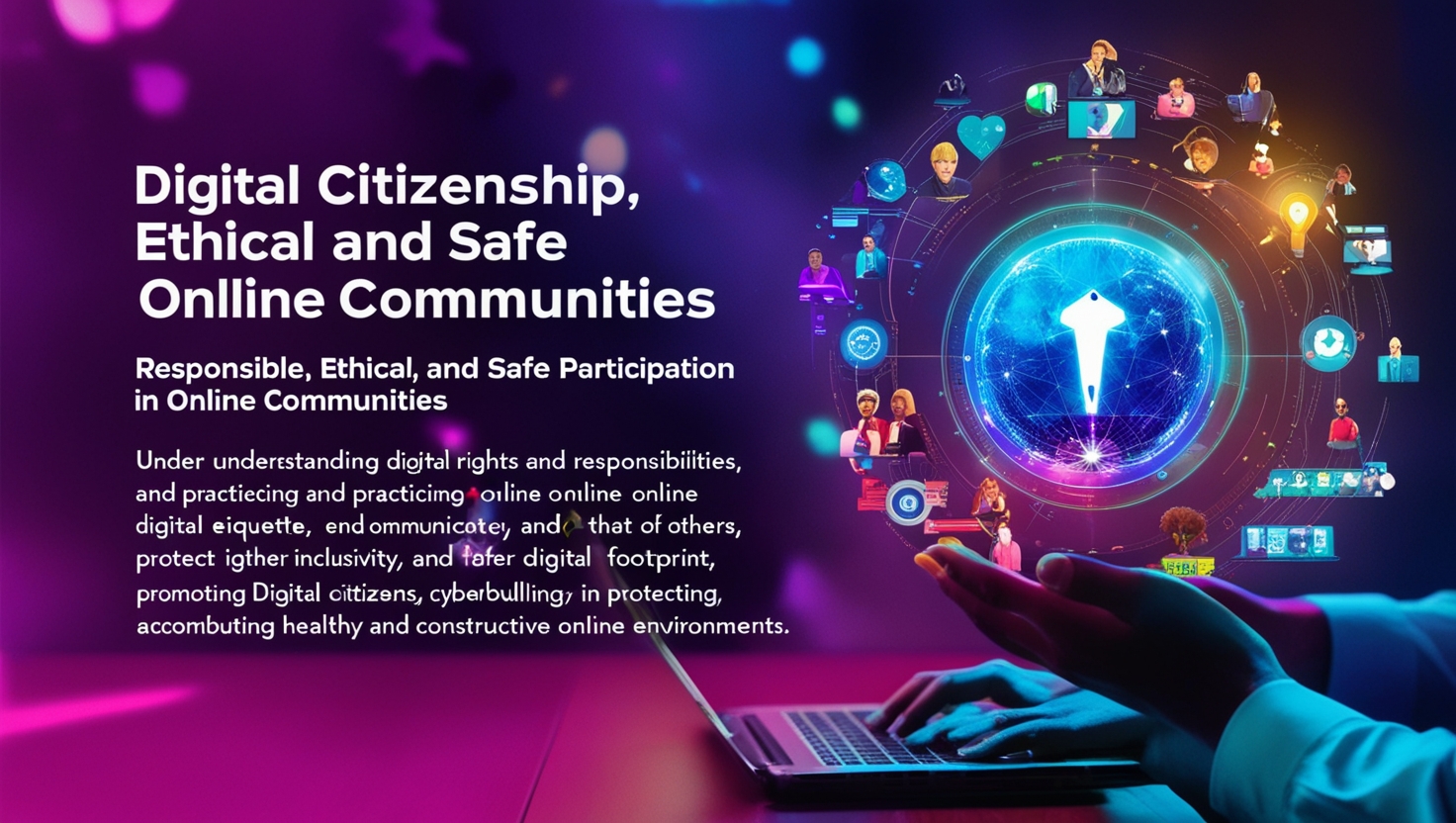
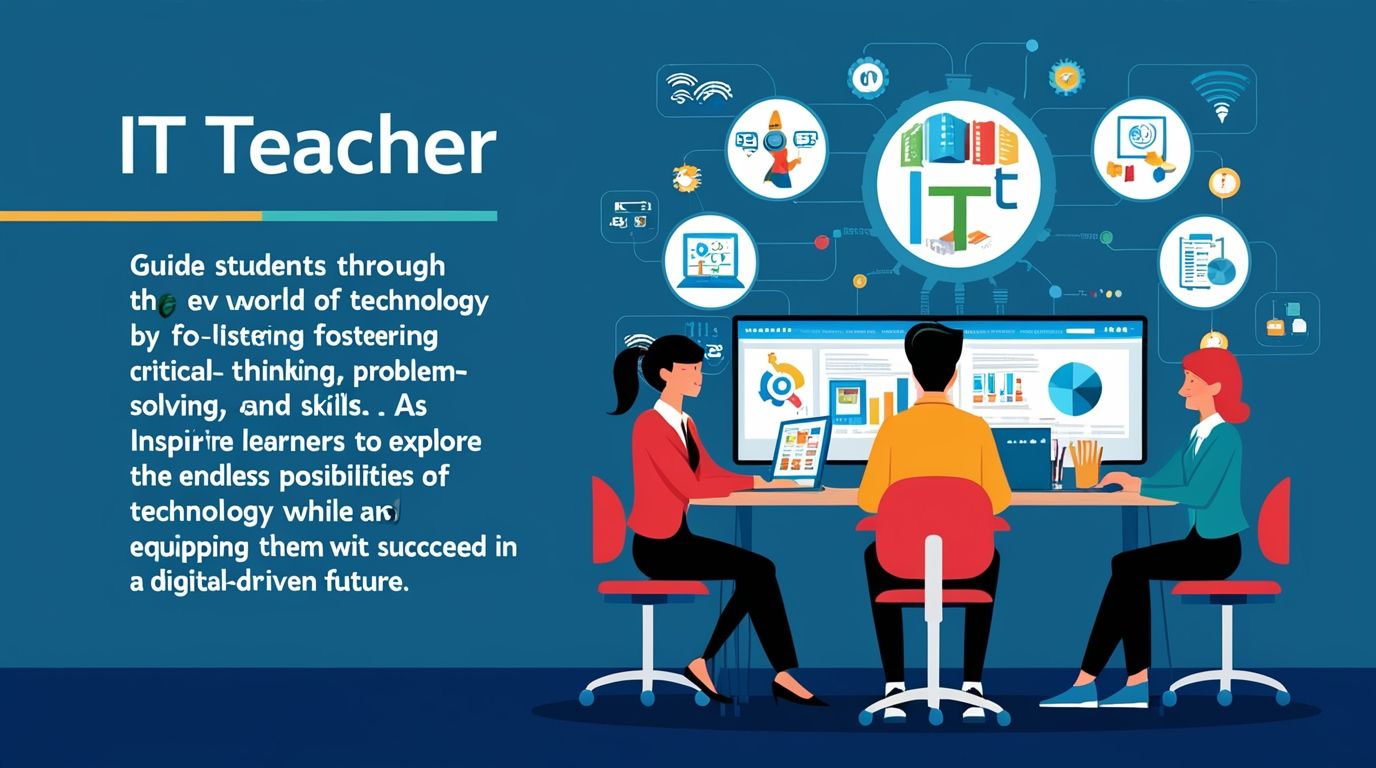
Digital technology has transformed education. While it offers unprecedented access to information, it also presents new challenges such as misinformation, cyberbullying, and digital addiction. Teachers must guide students in developing digital literacy and responsible online behavior.
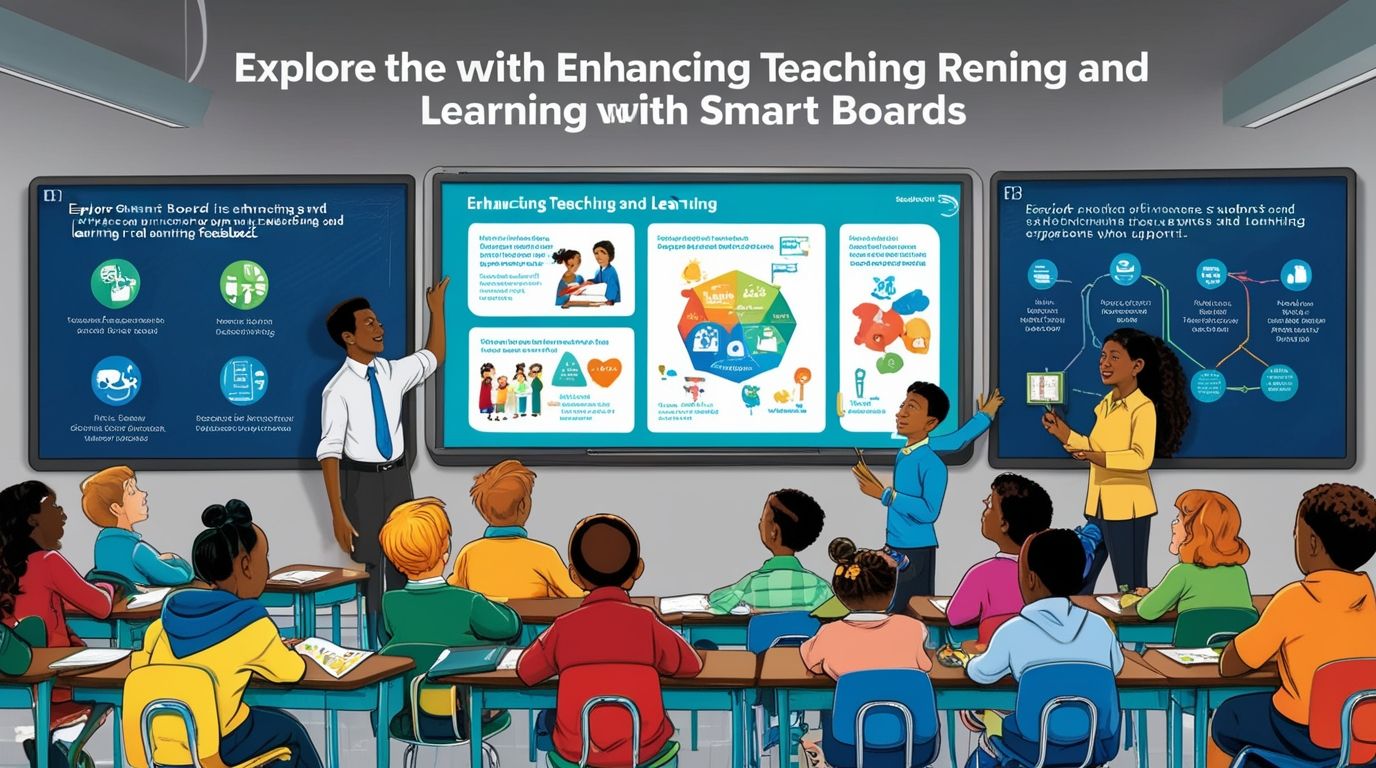
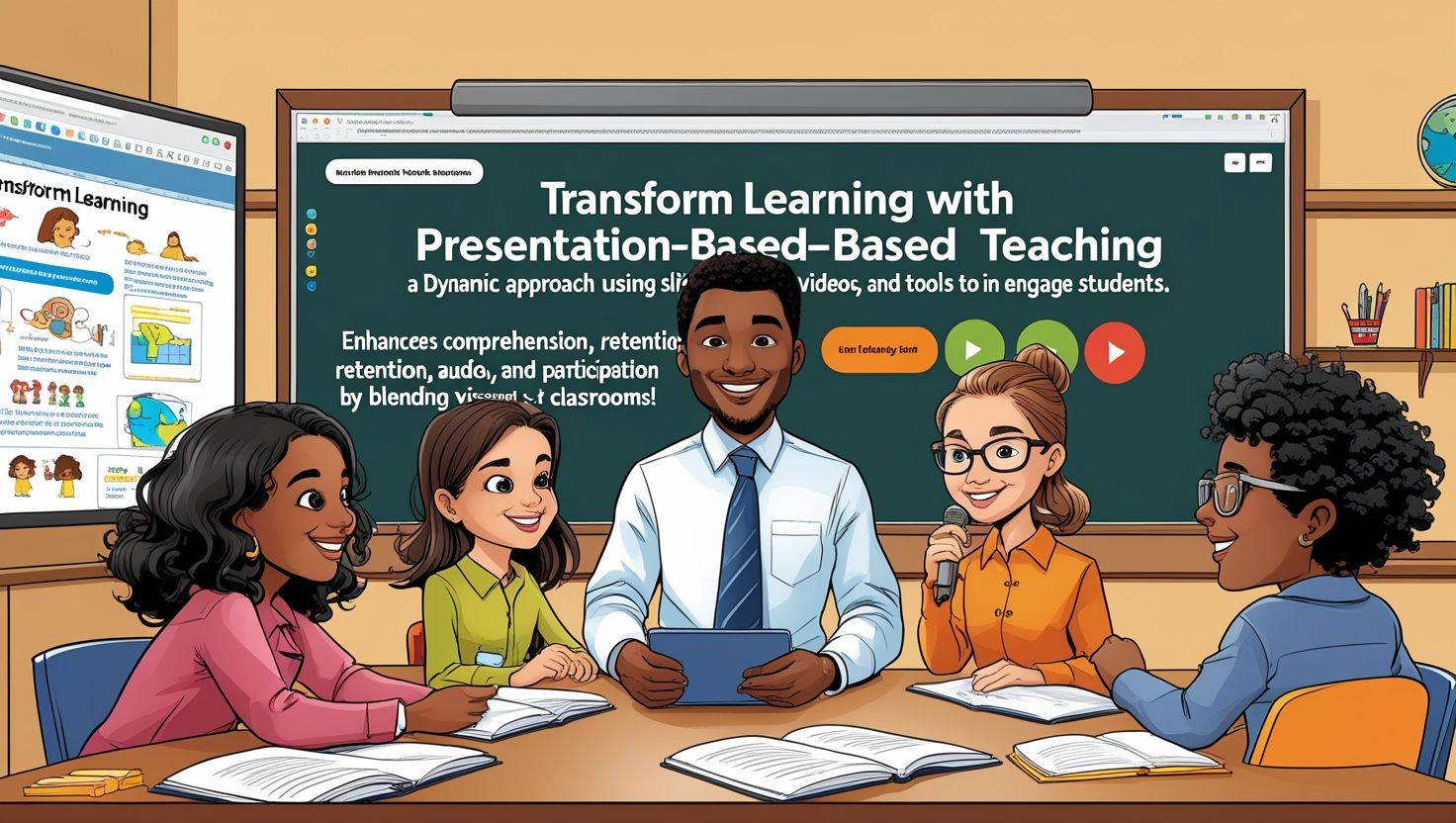
Teaching students how to evaluate sources critically, protect their privacy, and engage respectfully online is now an essential life skill. Teachers who integrate technology thoughtfully—using collaborative tools, research platforms, and creative software—can enhance both academic learning and digital competence.
However, technology should complement, not replace, human interaction. Life skills such as empathy, ethical reasoning, and interpersonal communication flourish through meaningful face-to-face engagement.
Building Resilience and Growth Mindset
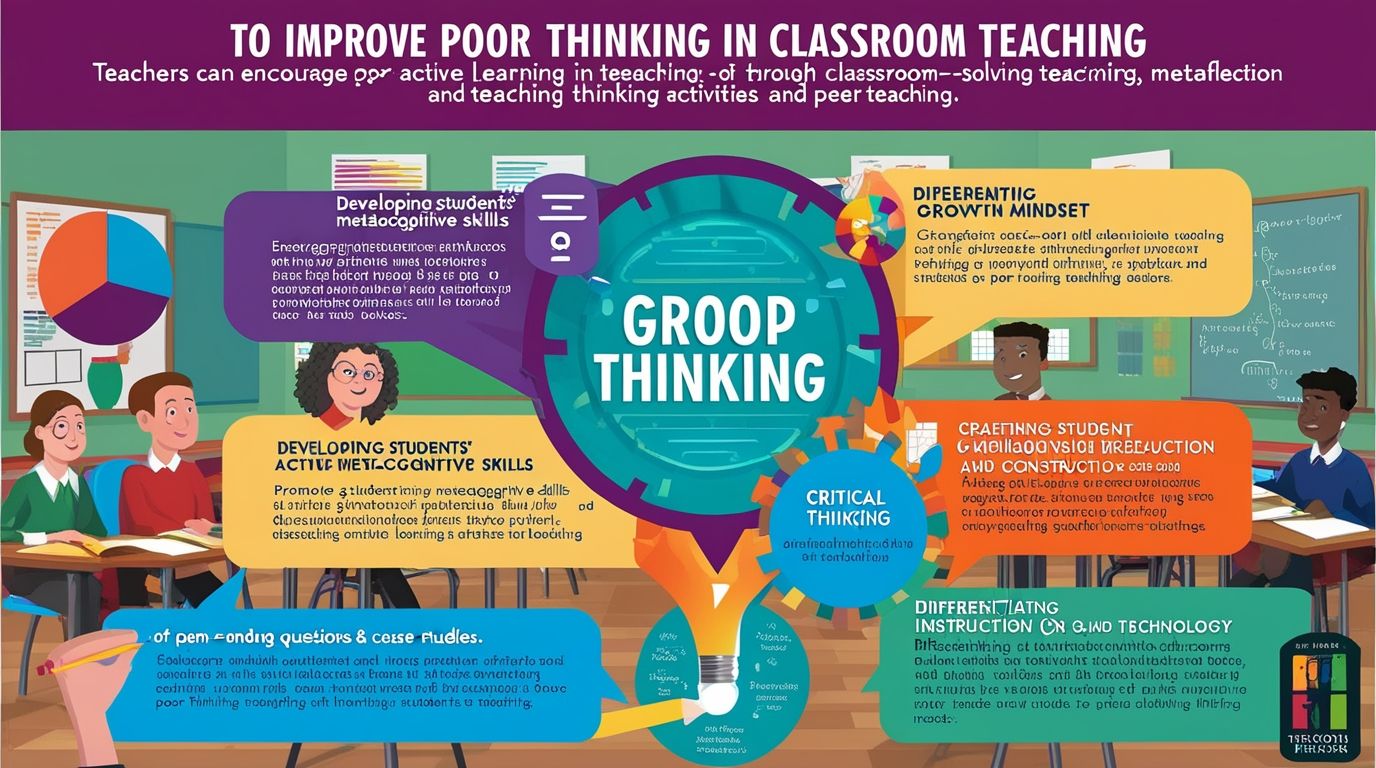
Resilience—the ability to recover from setbacks—is one of the most valuable life skills. Teachers foster resilience by encouraging a growth mindset, a concept popularized by psychologist Carol Dweck. A growth mindset emphasizes effort, persistence, and learning from mistakes rather than fixed ability.
Teachers can nurture resilience by:
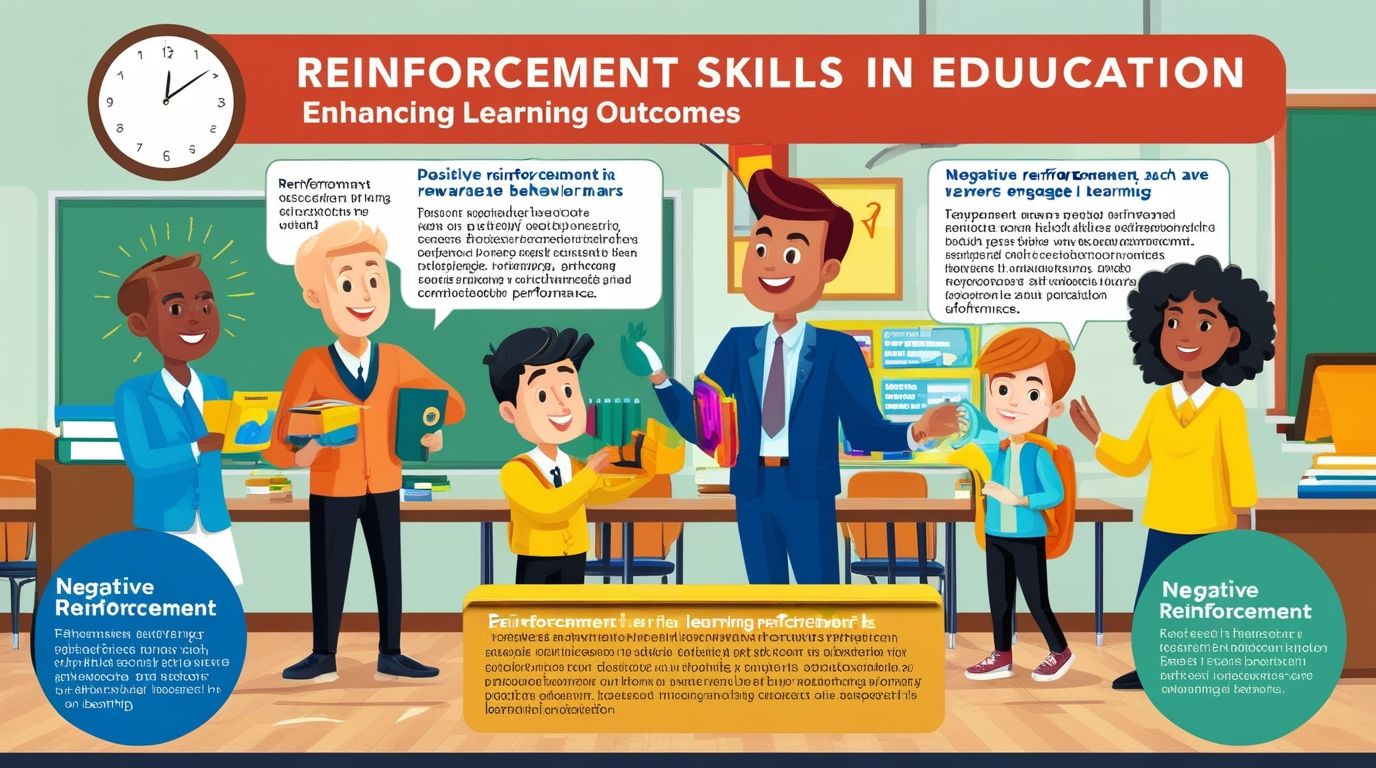
- Praising effort rather than innate talent.
- Viewing mistakes as learning opportunities.
- Setting challenging but achievable goals.
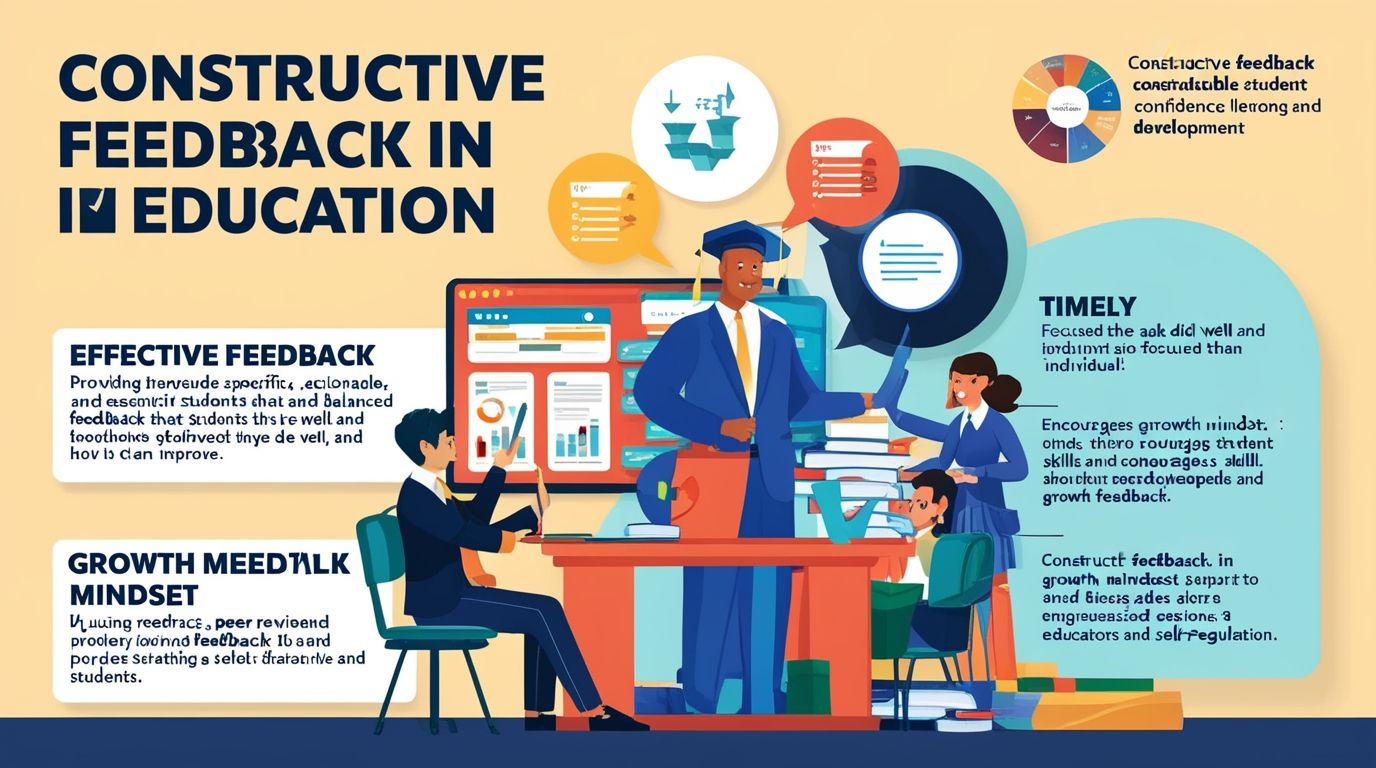
- Providing constructive feedback.
When students learn to embrace challenges and persist through difficulties, they develop confidence that extends beyond the classroom.
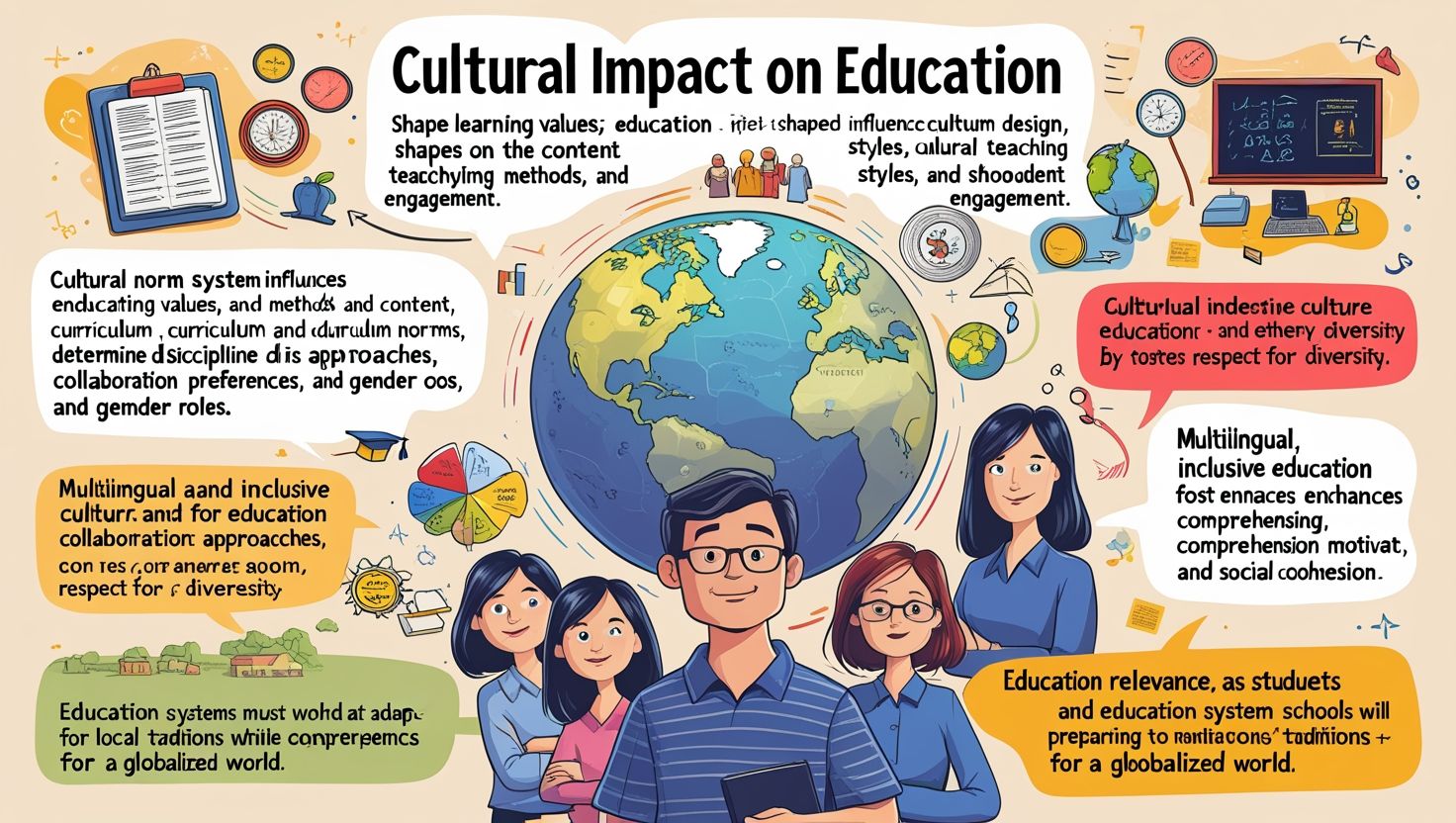
Cultural and Ethical Dimensions
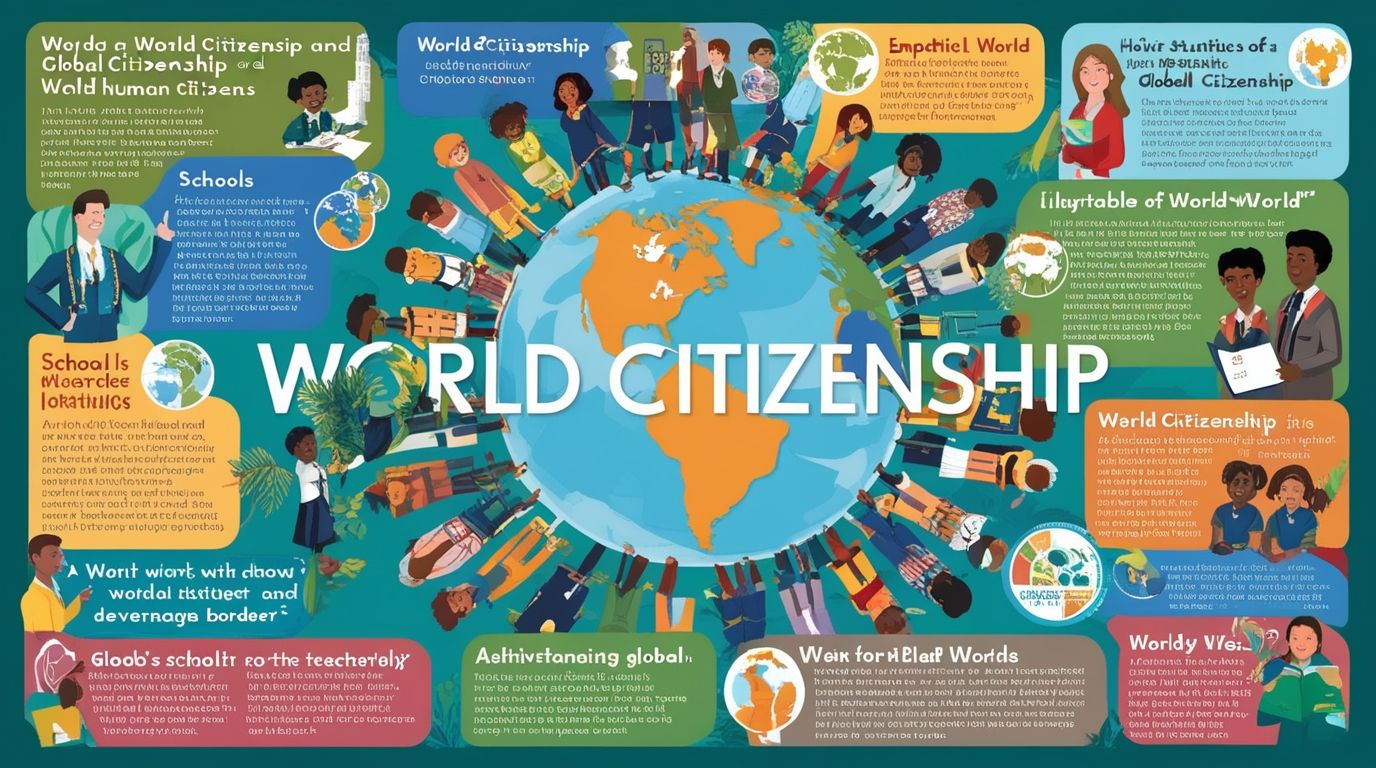
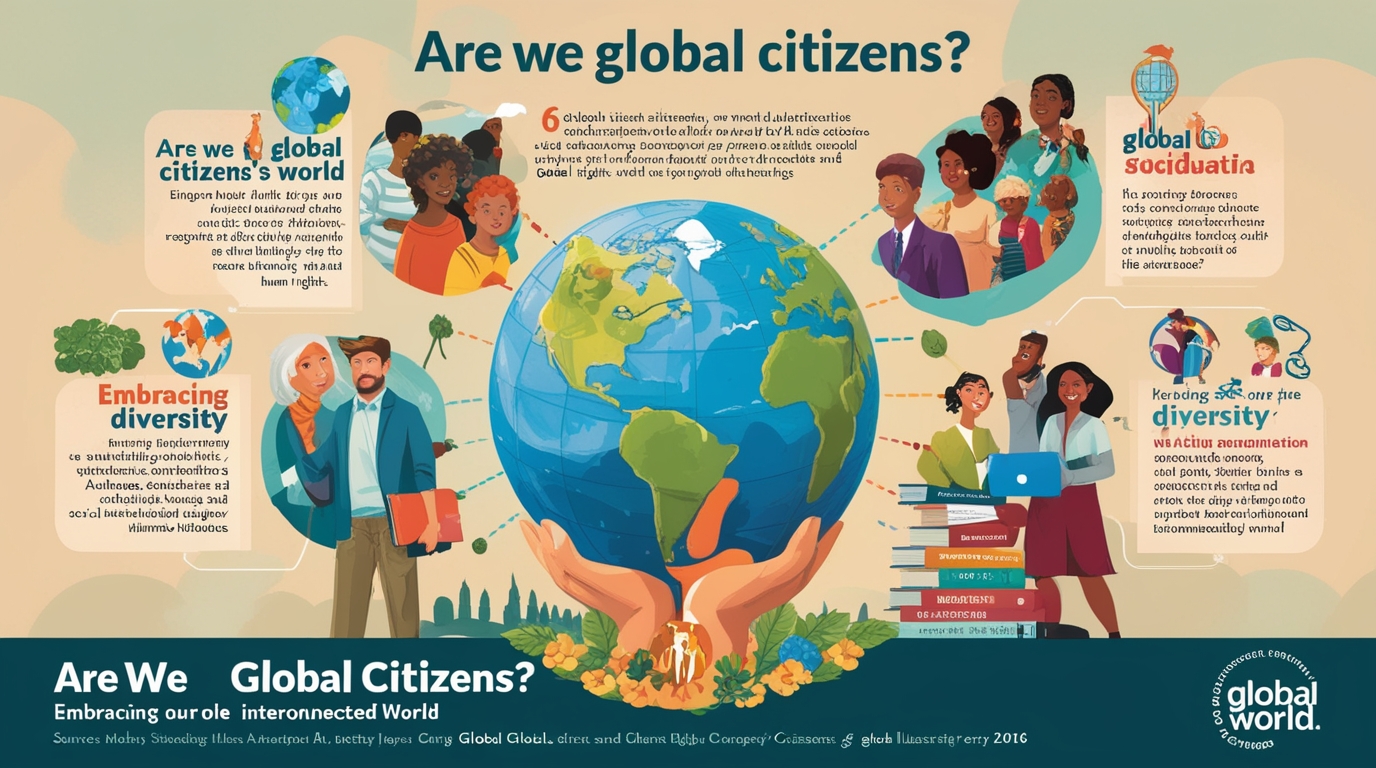
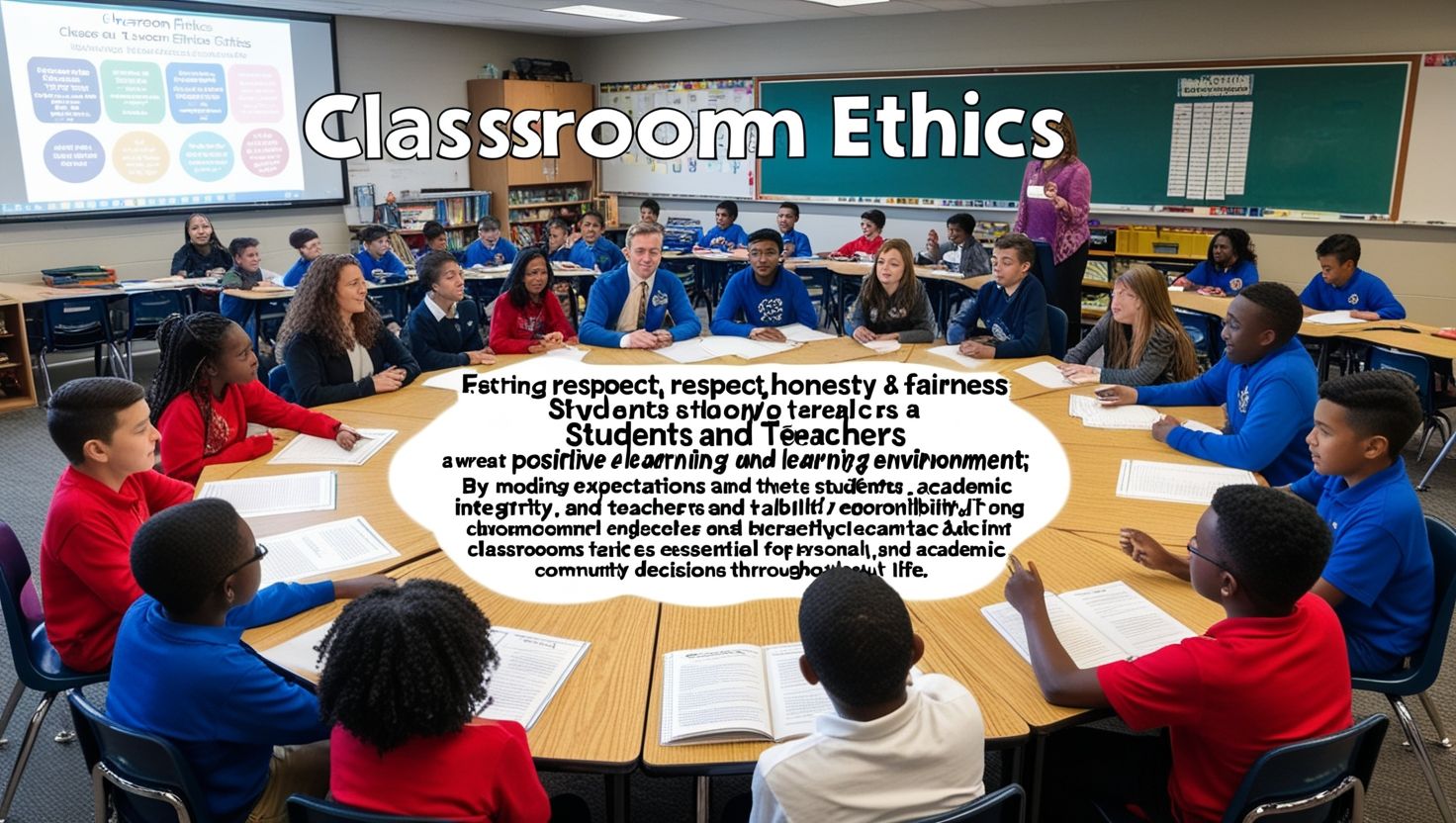
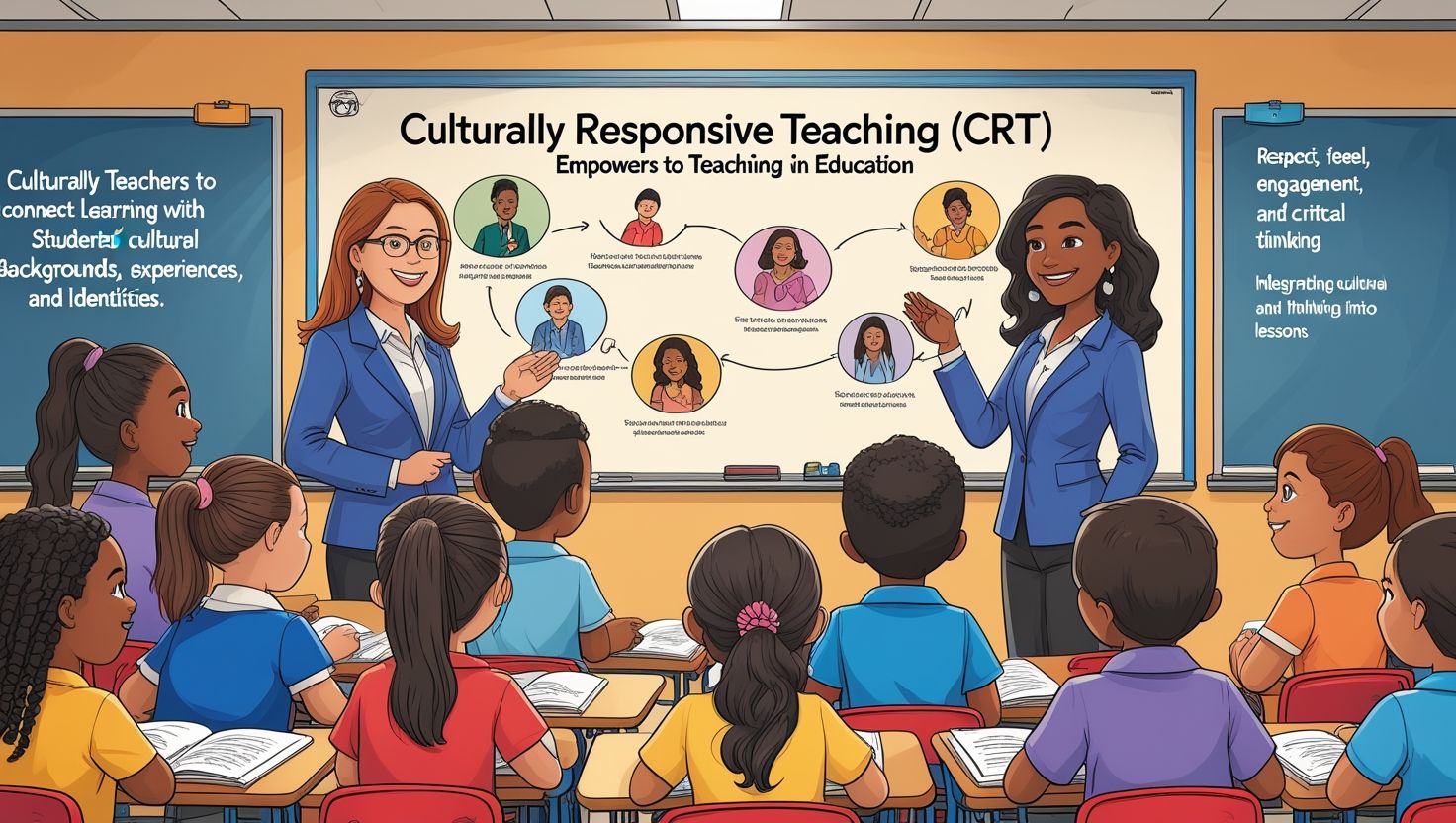
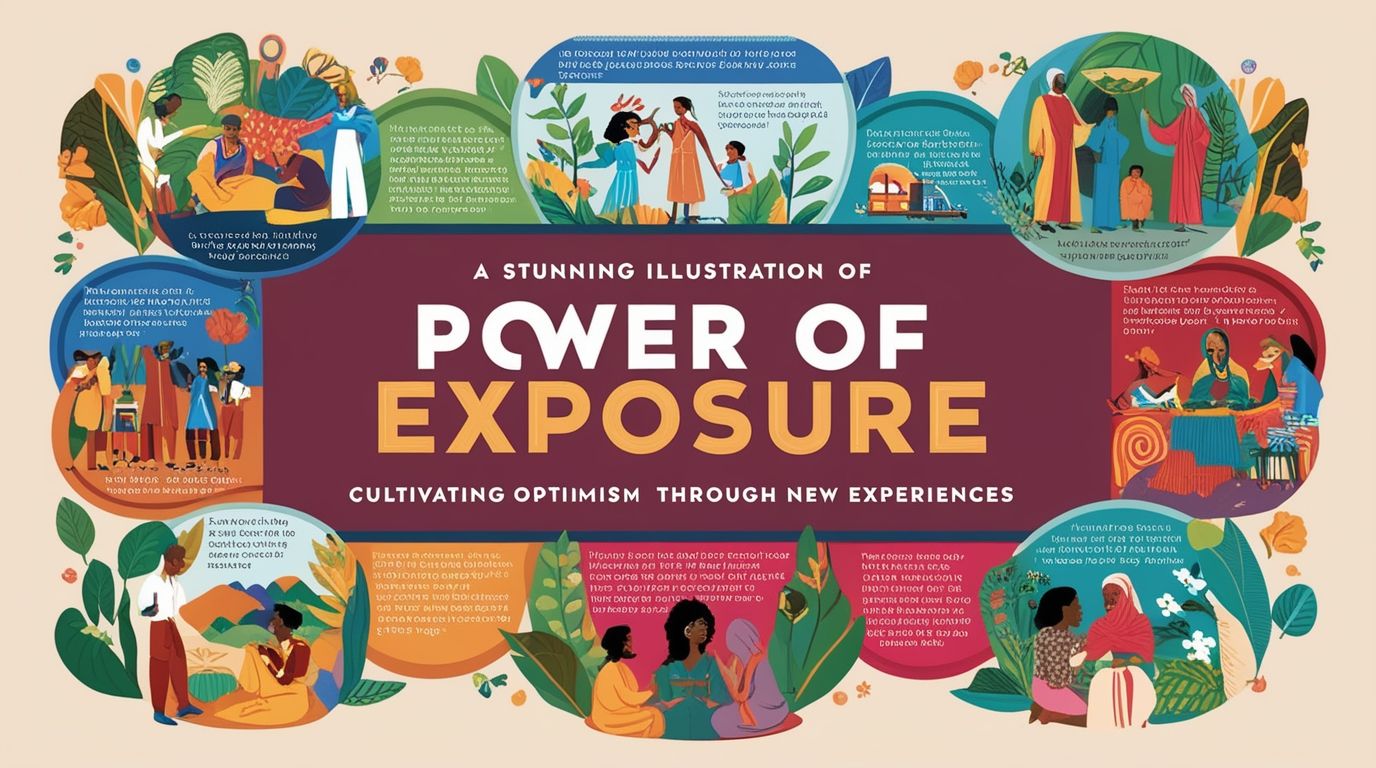
Life skills education must also address ethical values and cultural awareness. Teachers help students understand diversity, respect differences, and act with integrity. In multicultural societies, this role becomes especially significant.
Discussions about fairness, justice, and responsibility can be integrated into literature, history, and civics lessons. Teachers encourage students to examine moral dilemmas, consider consequences, and make informed decisions.
By promoting ethical reasoning and global awareness, teachers prepare students to participate responsibly in democratic societies.
Partnership with Parents and Community
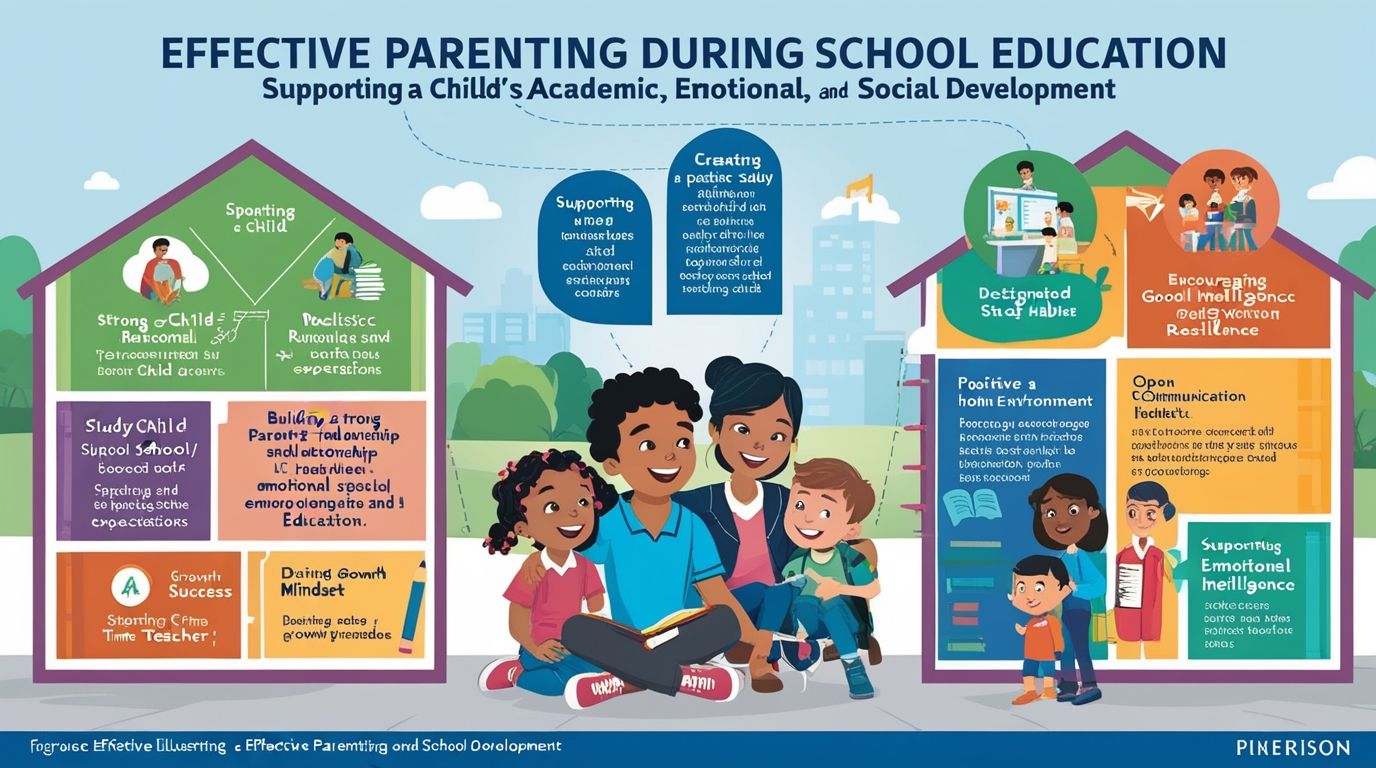
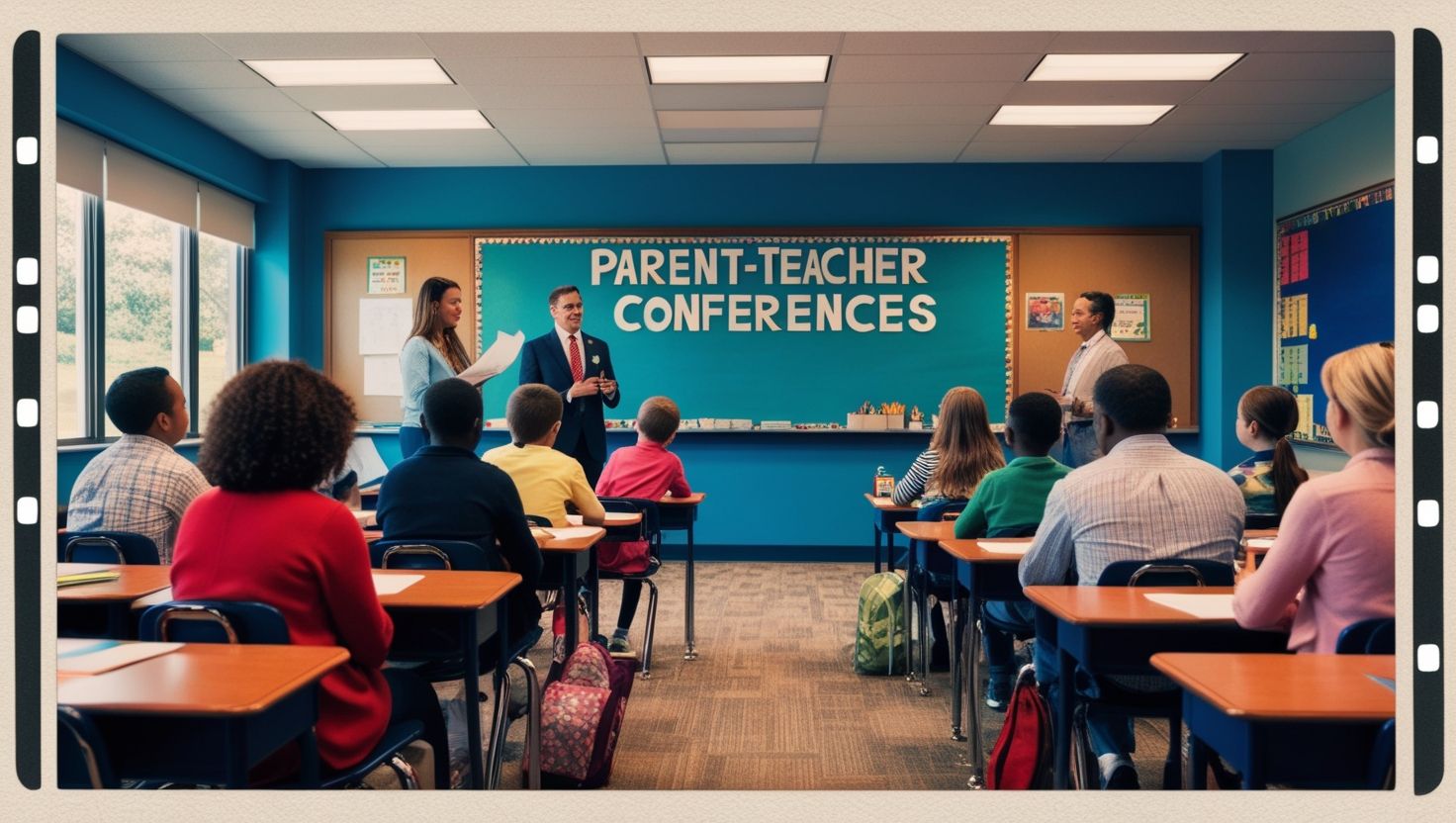
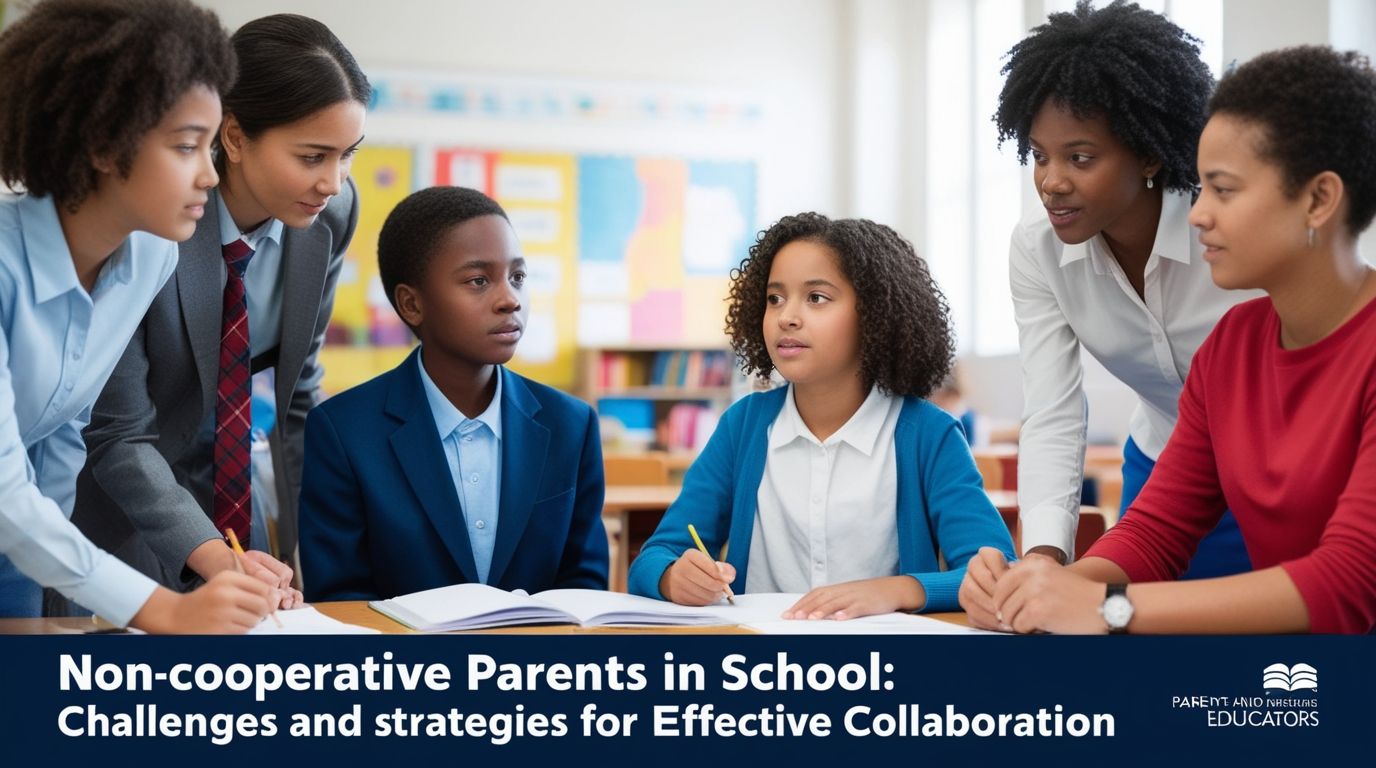
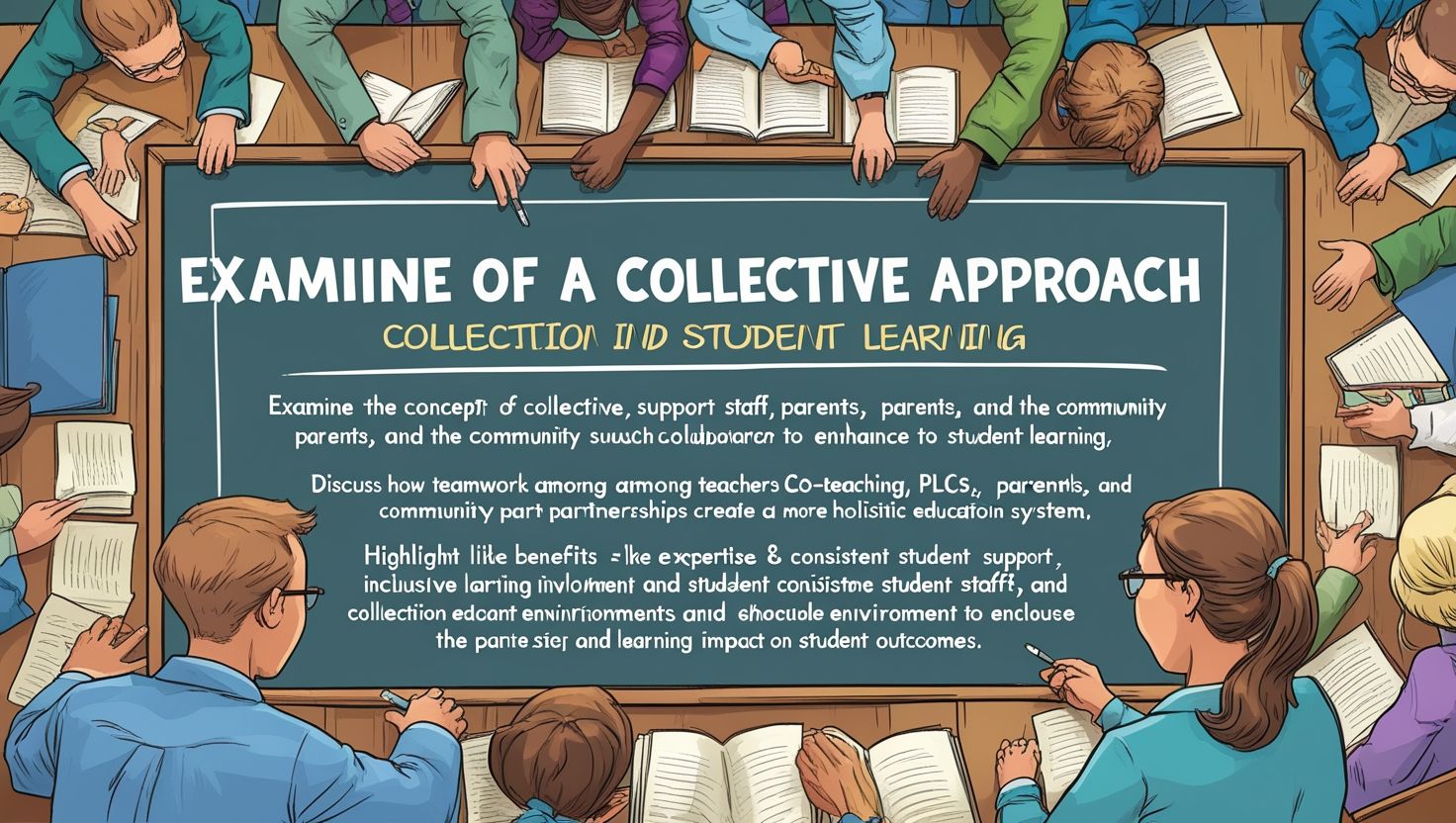
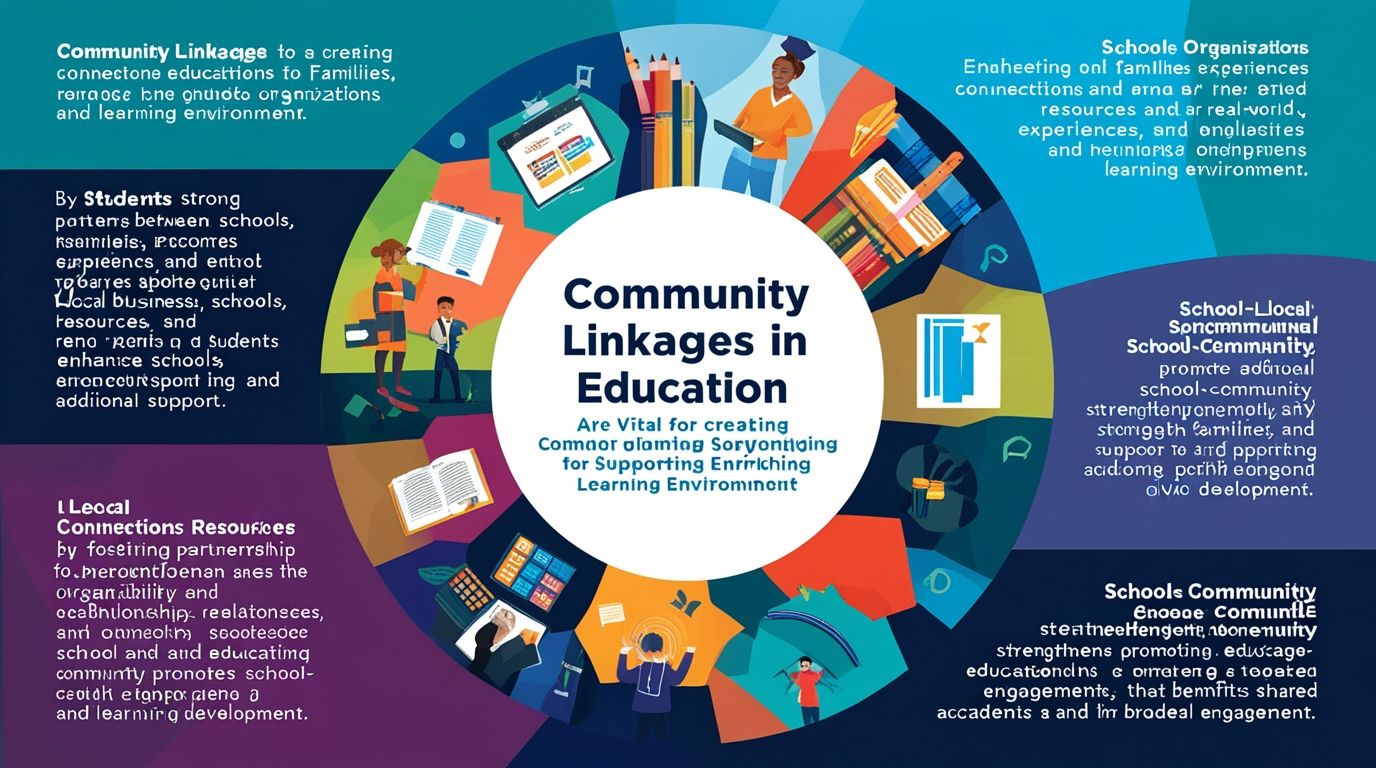
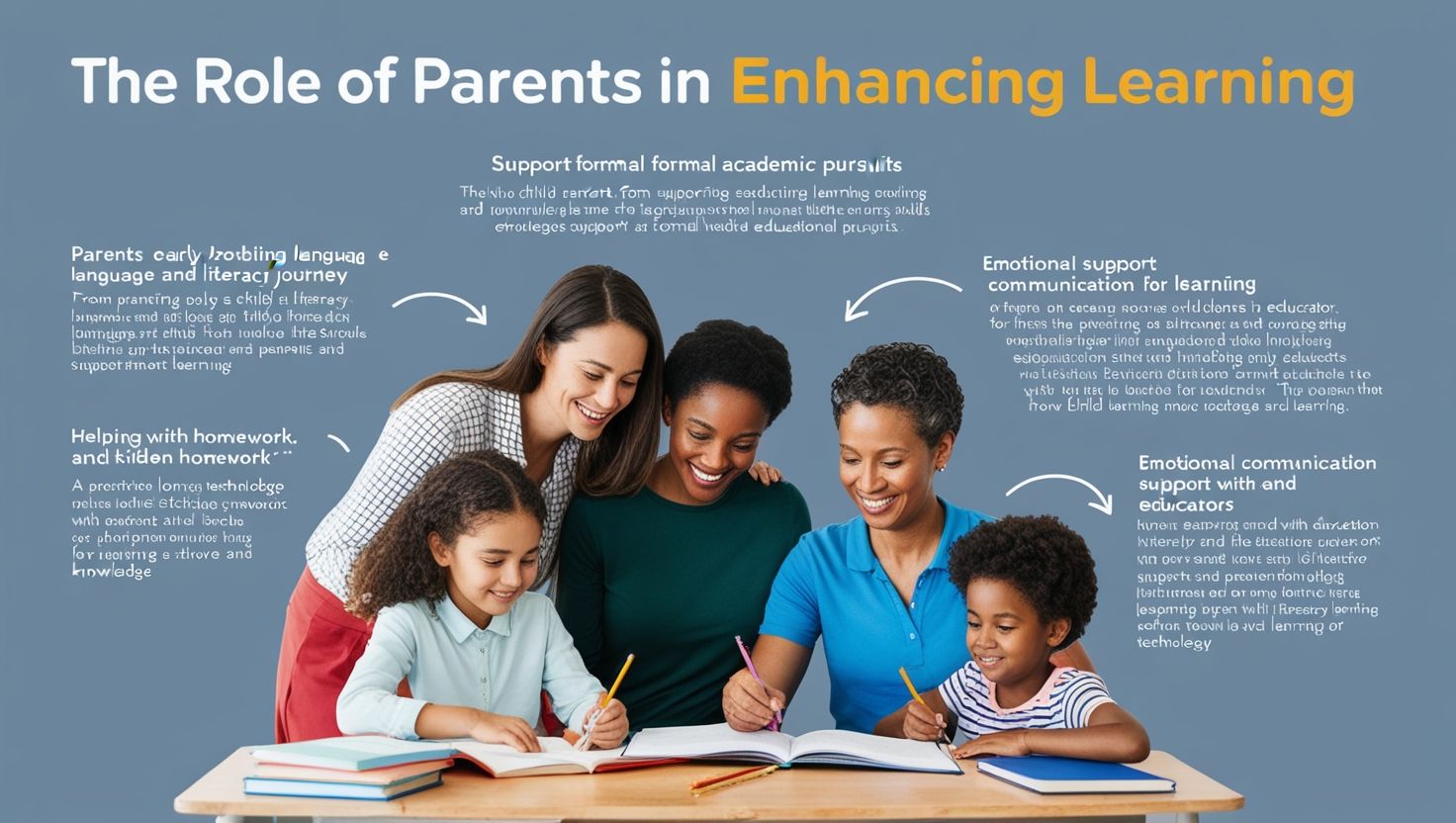
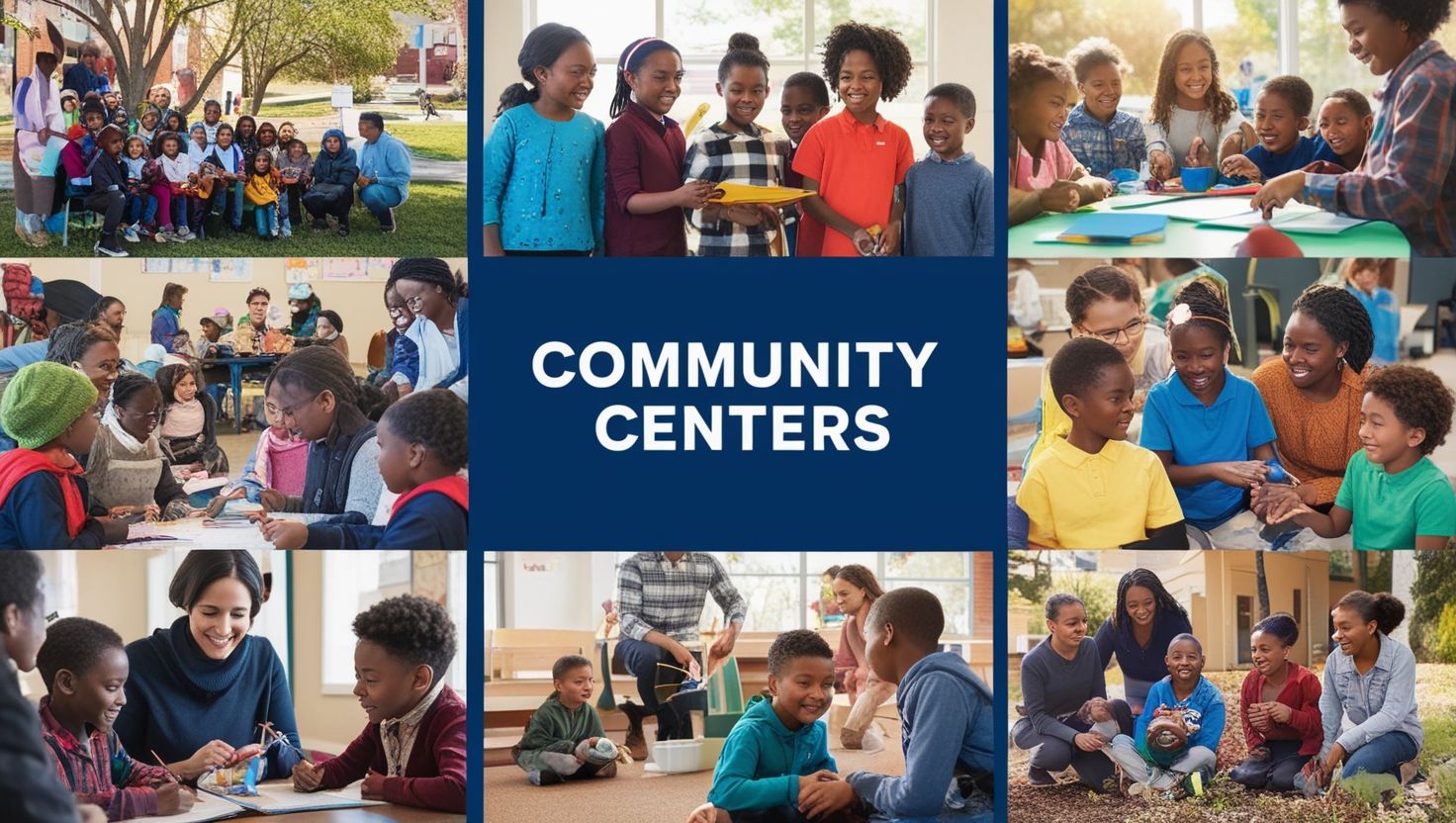
Life skills development is most effective when supported by families and communities. Teachers can collaborate with parents to reinforce positive behaviors and communication skills at home. Parent-teacher meetings, workshops, and community events create opportunities for shared understanding.
Community partnerships—such as internships, guest speakers, and service projects—expose students to real-world experiences. Teachers act as bridges between the classroom and the broader society, ensuring that learning remains relevant and practical.
The Teacher’s Self-Care and Professional Growth
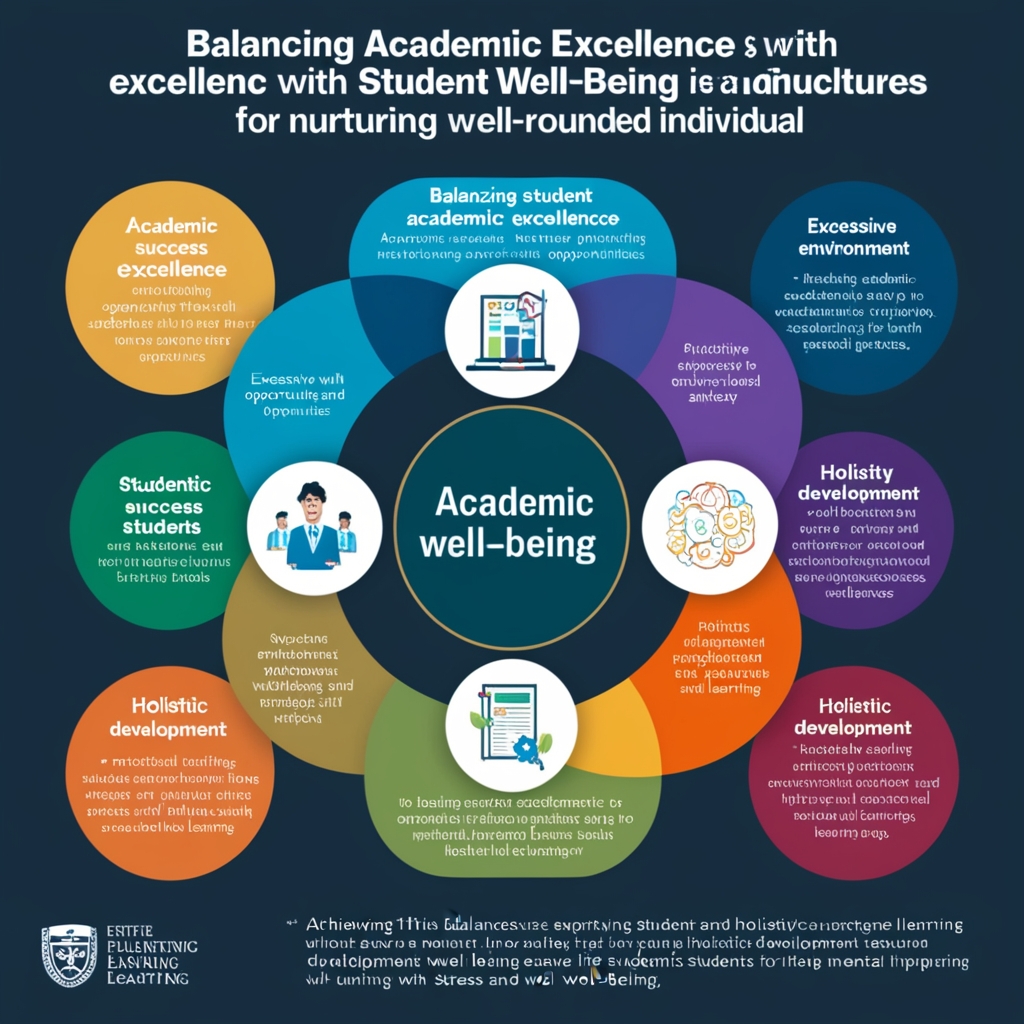
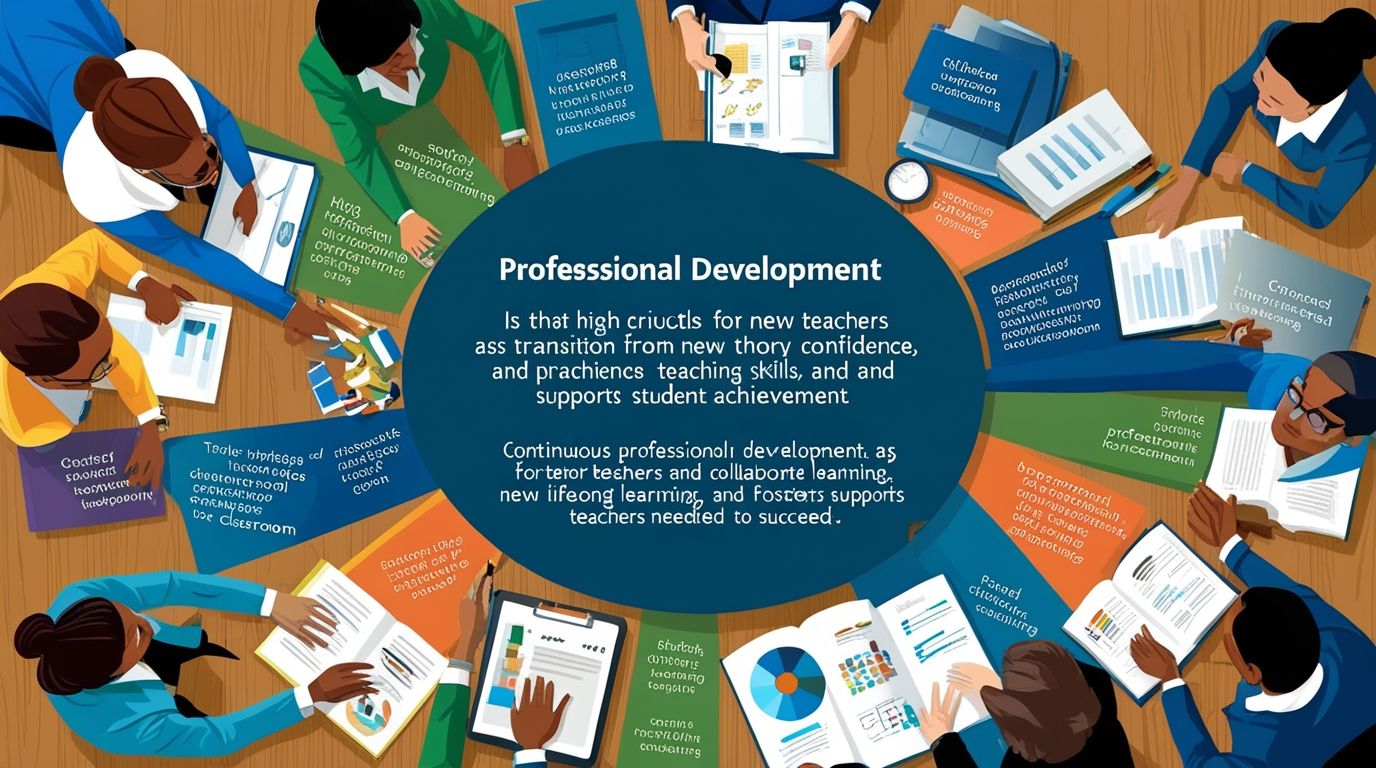
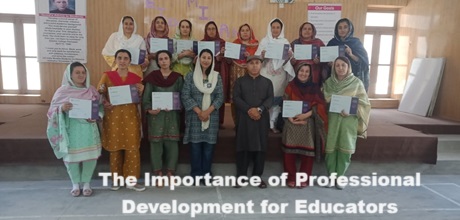
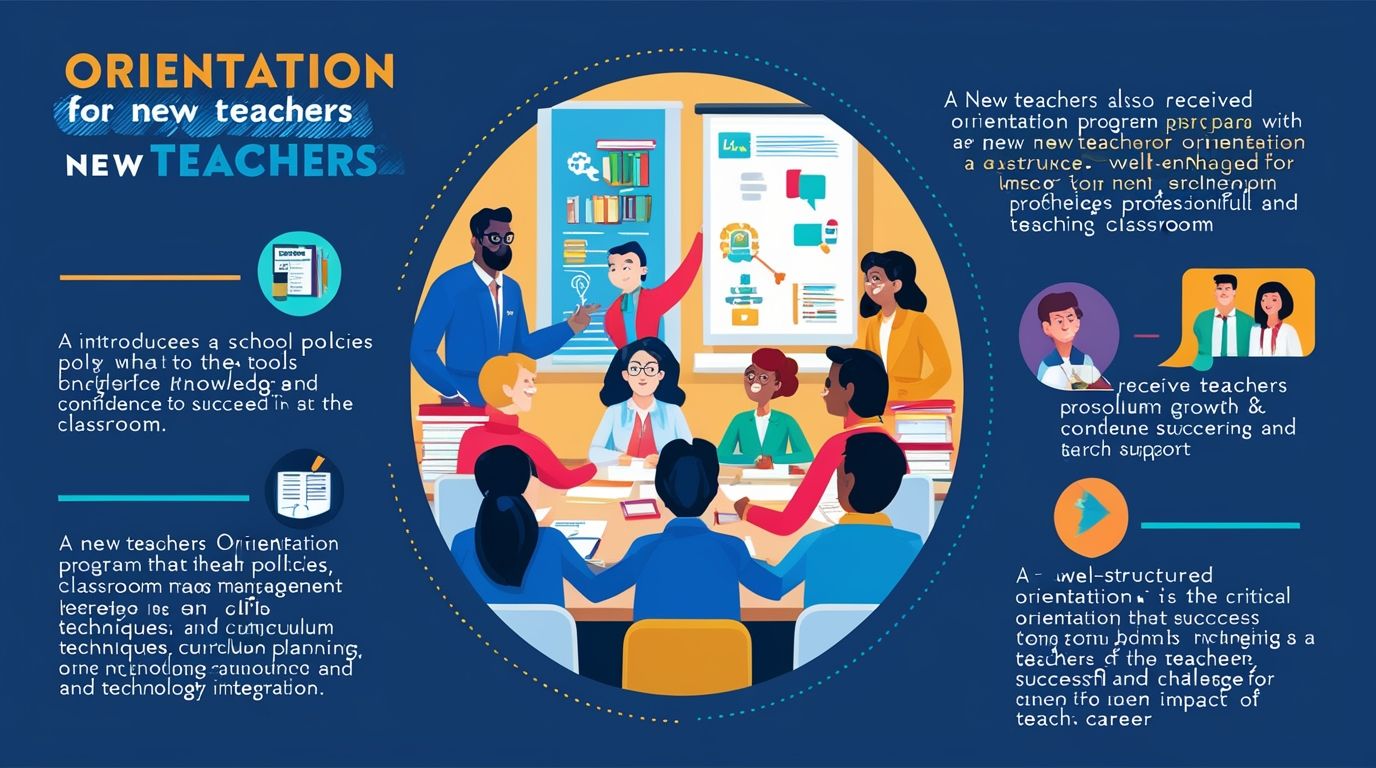
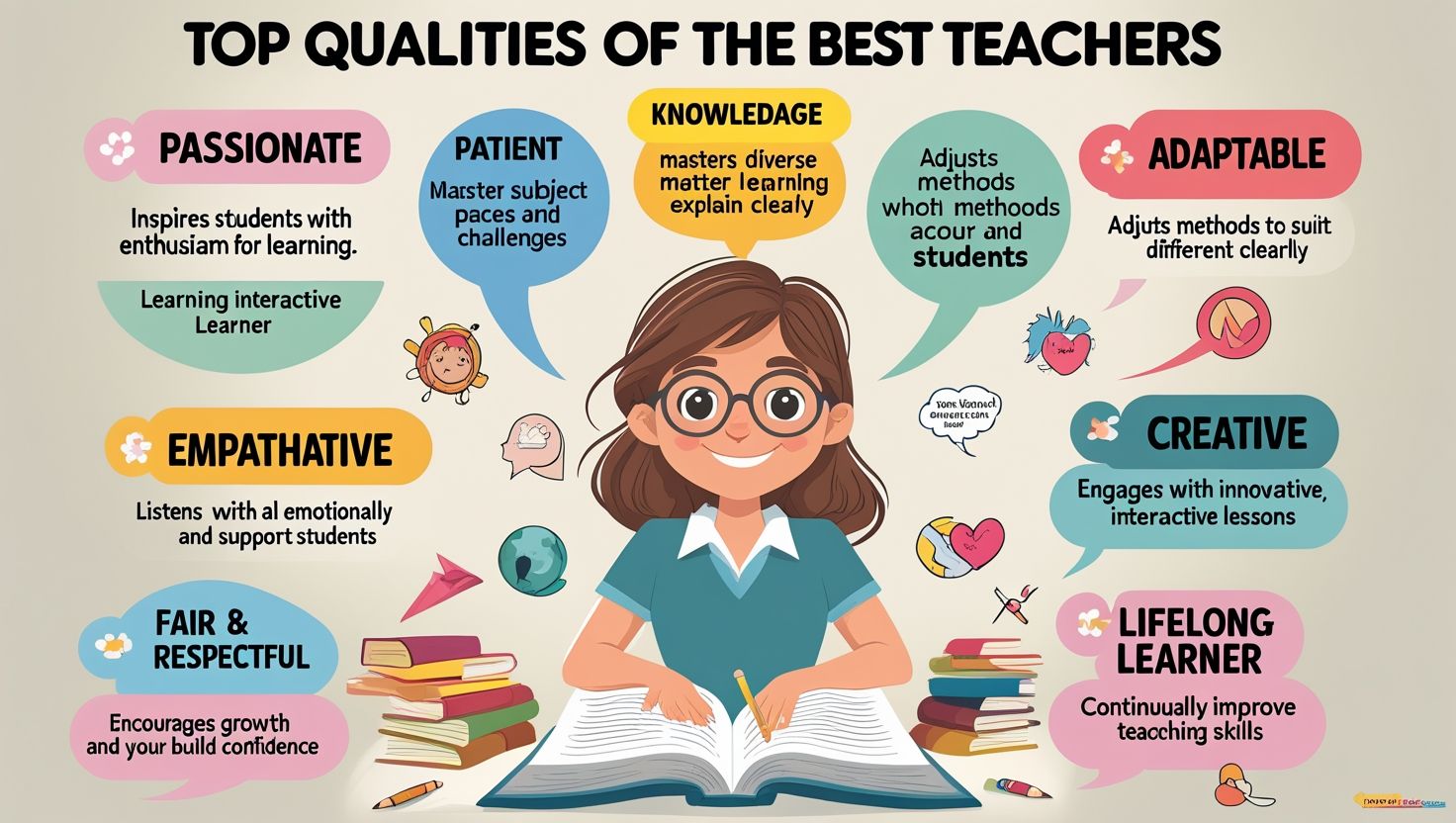
For teachers to nurture life skills in students, they must also attend to their own well-being. Teaching is emotionally demanding, and burnout can undermine effectiveness. Schools should support teachers through professional development, mentoring programs, and wellness initiatives.
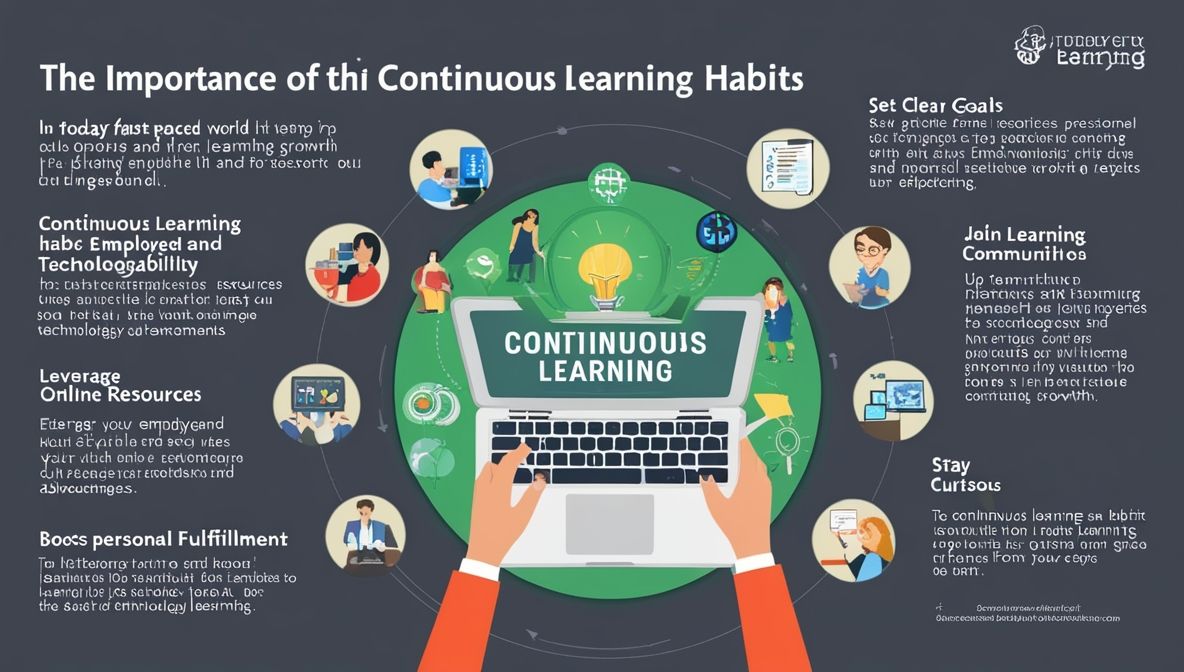
Continuous learning enables teachers to adapt to changing educational landscapes. Workshops on SEL, inclusive education, and digital literacy empower teachers to remain effective facilitators of life skills.
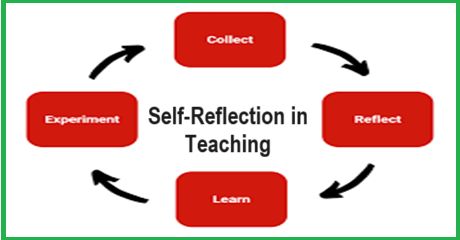
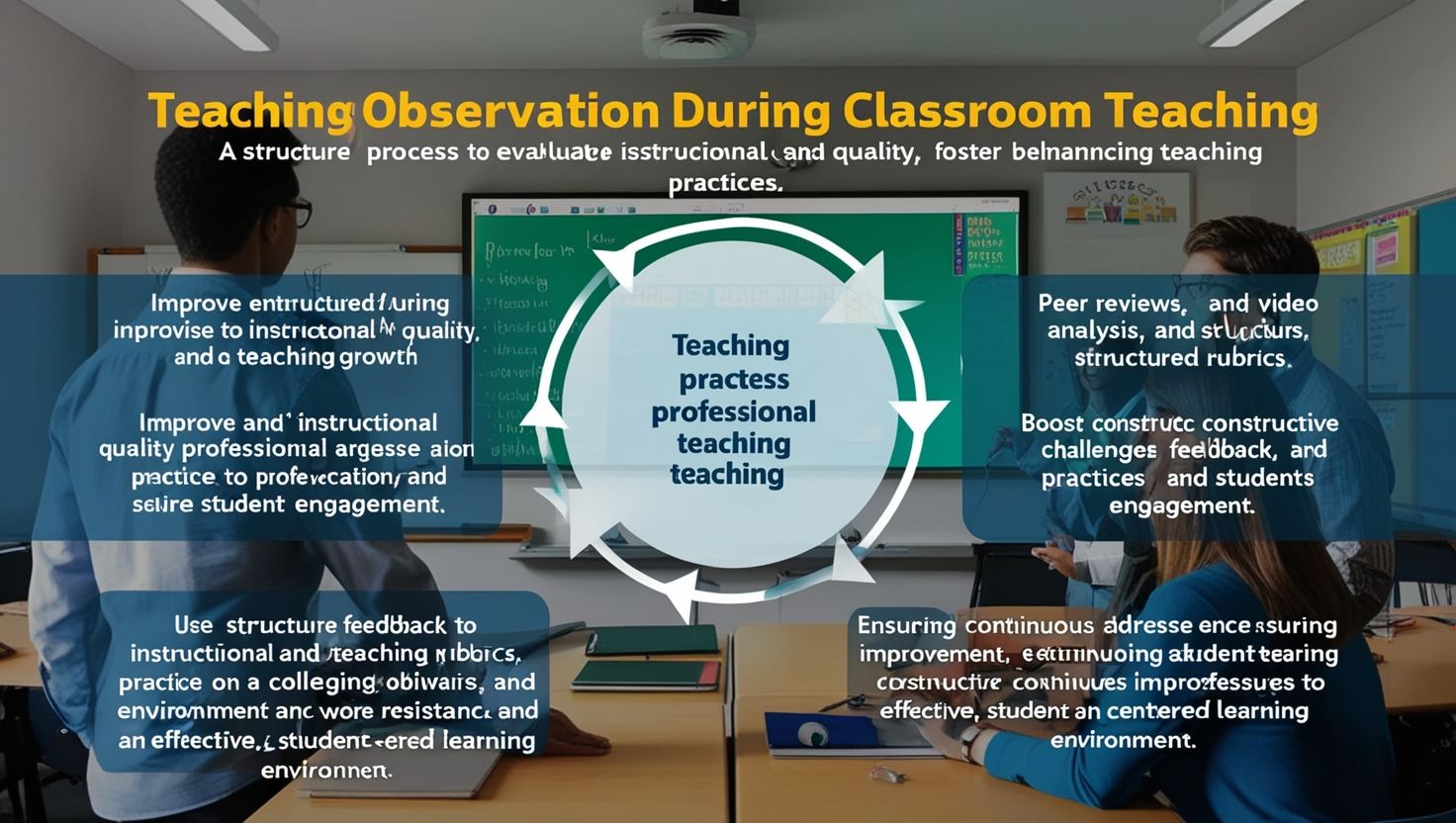
Self-reflection is equally important. Teachers who evaluate their practices, seek feedback, and remain open to growth model lifelong learning for their students.
Conclusion
Life skills education represents a shift from narrow academic instruction to holistic human development. In a world characterized by complexity and change, students must be equipped not only with knowledge but also with the capacity to think critically, communicate effectively, manage emotions, and act ethically. Teachers are central to this mission.
Through modeling, thoughtful curriculum integration, supportive relationships, and continuous professional growth, teachers cultivate environments where life skills flourish. Despite challenges such as curriculum pressure and limited resources, committed educators continue to shape resilient, empathetic, and capable individuals.
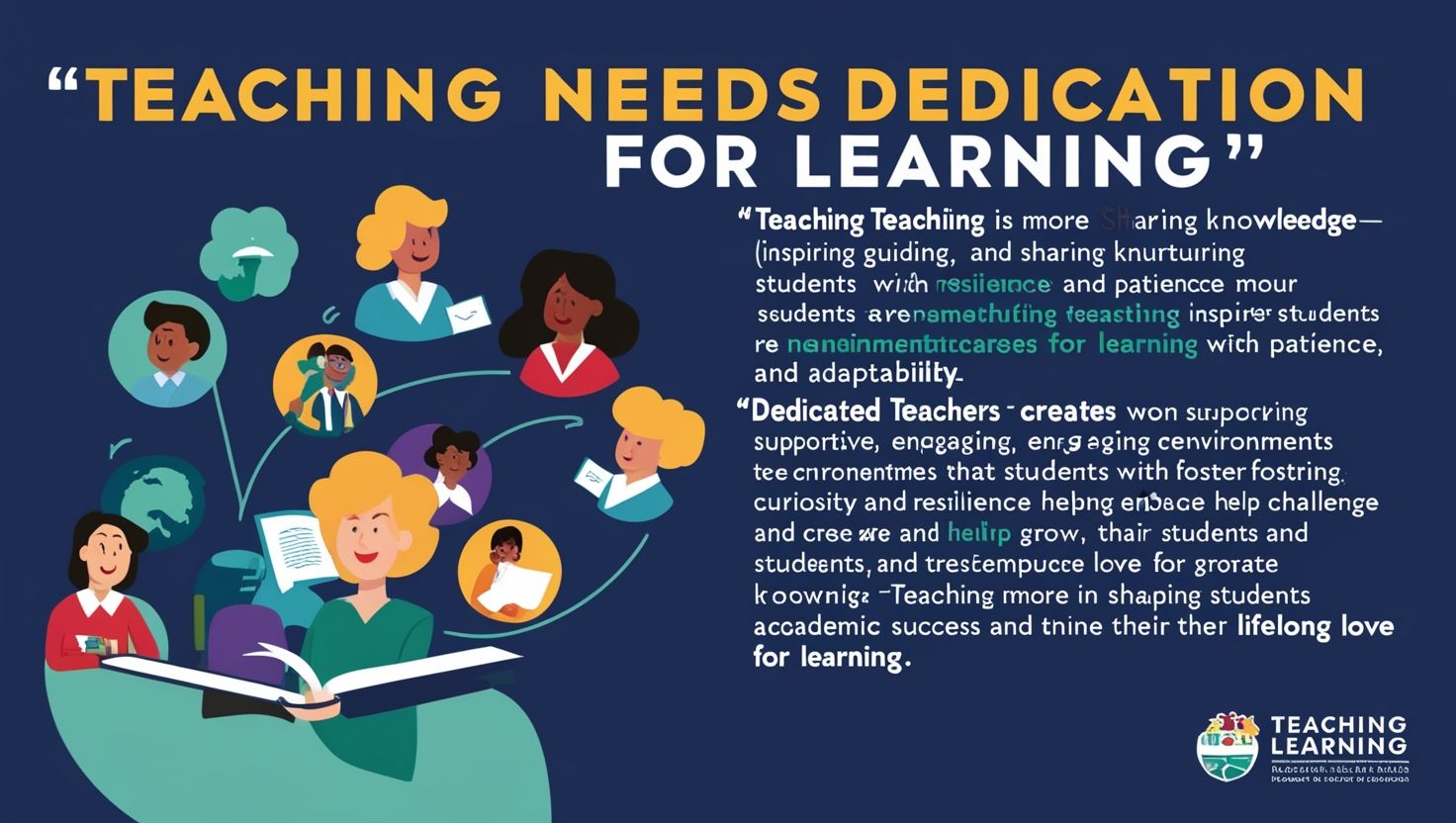
Ultimately, the success of life skills education depends not solely on policies or frameworks but on the dedication and vision of teachers. By recognizing their profound influence, societies can invest in and empower teachers to fulfill their transformative role. When teachers nurture life skills, they do more than prepare students for exams—they prepare them for life.