
Introduction
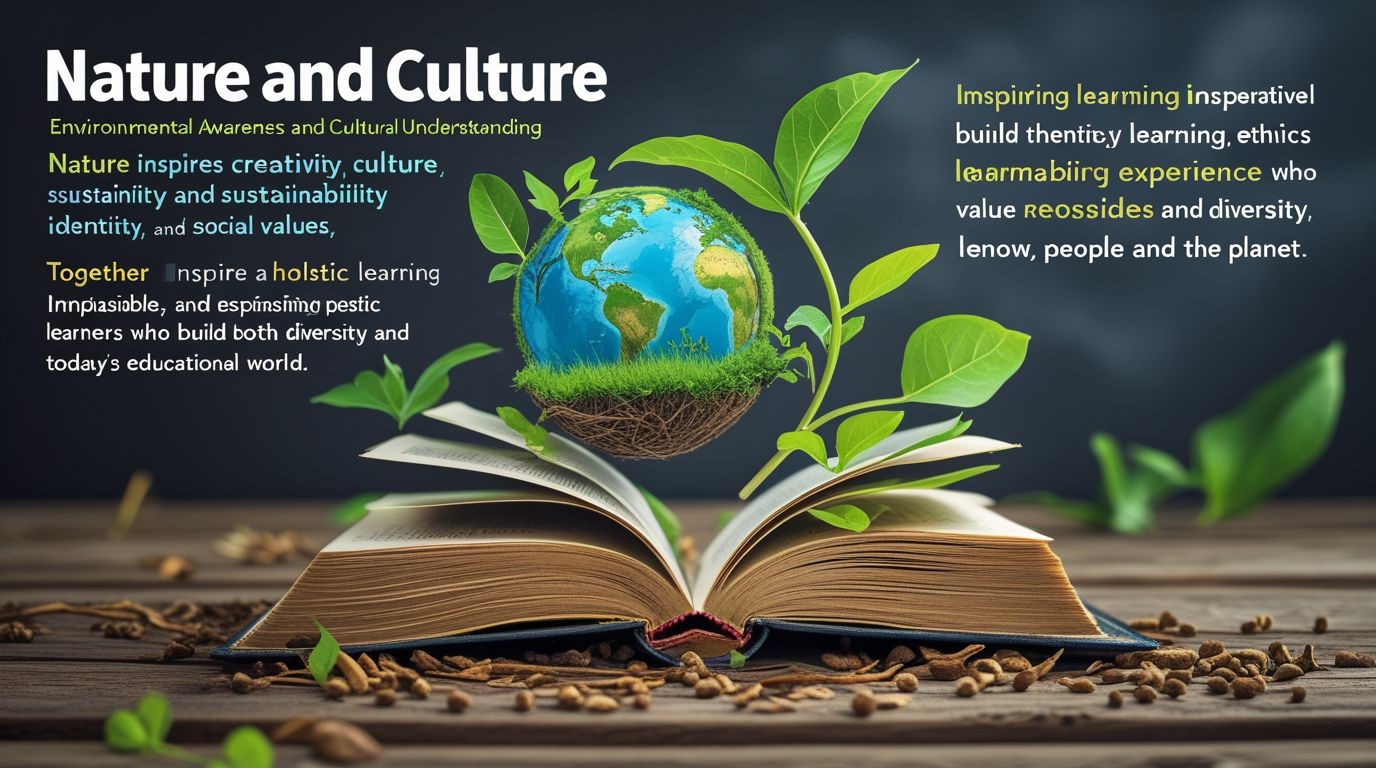
Nature and Culture Inspirations on Education, Education is deeply influenced by nature and culture, shaping how individuals learn, think, and interact. Throughout history, natural environments and cultural traditions have inspired different educational philosophies. Nature promotes observation, creativity, and environmental awareness, while culture provides values, language, and heritage. Both together create a holistic educational experience that balances intellect with emotion. This blend encourages respect for the environment and appreciation for diversity. Furthermore, education becomes a means to connect with the world around us and the societies we live in. The inspirations drawn from nature and culture continue to guide modern educational systems, making learning more meaningful and relevant. Thus, exploring their combined influence helps us understand how education evolves in response to both environmental and cultural changes.
Understanding Nature as an Educational Force
Nature has always been a powerful teacher and inspirer. The natural world offers countless lessons about balance, adaptation, and interdependence. Students who interact with nature learn through observation and experience, rather than just theory. Nature encourages curiosity, problem-solving, and creativity. It provides real-world examples that textbooks often cannot. Moreover, education inspired by nature fosters environmental awareness and sustainability. Learners develop respect for the planet and understand their role in preserving it. Outdoor education, ecological studies, and experiential learning all stem from the natural influence on education. Through nature, students gain not only knowledge but also emotional intelligence and mindfulness. Ultimately, nature-centered education nurtures a sense of wonder and responsibility that lasts a lifetime.
Cultural Roots of Educational Systems
Culture defines the way societies view knowledge and learning. Every education system is a reflection of its cultural heritage, beliefs, and social structures. From ancient civilizations to modern societies, cultural values determine what is taught, how it is taught, and why it matters. For example, traditional Asian education emphasizes discipline and respect, while Western systems often focus on individuality and inquiry. Cultural inspiration ensures that education connects learners to their identity and community. Moreover, cultural education helps preserve traditions, languages, and ethical norms. It enables intergenerational continuity and mutual respect among diverse groups. Without cultural influence, education would lose its moral and social foundation. Therefore, culture serves as a guiding compass that directs the purpose and meaning of education in every society.
Interconnection Between Nature and Culture in Education
Nature and culture are not separate influences—they work together to create balanced educational models. Cultural practices often arise from people’s interaction with their natural surroundings. For instance, agricultural societies develop educational content around weather patterns, seasons, and land management. Similarly, indigenous cultures teach wisdom through natural observation and storytelling. When education integrates both nature and culture, it becomes richer and more contextual. Students not only learn facts but also understand their roots and environment. This connection promotes global citizenship and ecological responsibility. Integrating natural and cultural inspirations prepares learners to solve real-world problems while valuing heritage. Schools that combine outdoor learning with cultural studies offer deeper insights into how humans live in harmony with their surroundings.
Environmental Education: Learning from Nature
Environmental education directly draws inspiration from nature. It teaches students how ecosystems function, why conservation matters, and how humans impact the planet. By studying nature, learners develop scientific thinking and empathy for living beings. This kind of education encourages sustainable lifestyles and responsible decision-making. Activities like tree planting, recycling projects, and nature exploration build both knowledge and compassion. Furthermore, learning in natural settings enhances mental health, reduces stress, and increases focus. Many schools worldwide now integrate outdoor classrooms to promote experiential learning. As students engage with the environment, they understand the interdependence between humans and nature. Consequently, environmental learning shapes future citizens who care for the Earth and its resources, aligning education with the principles of sustainability.
Cultural Diversity as a Learning Resource
Culture brings diversity to education, enriching it with multiple perspectives and traditions. When classrooms embrace cultural differences, they become spaces of tolerance, creativity, and cooperation. Exposure to various cultural ideas expands students’ worldview and encourages empathy. Multicultural education teaches respect for others and helps reduce prejudice. Moreover, cultural exchange programs allow learners to experience global citizenship firsthand. Festivals, languages, and art forms become tools for learning about shared human values. By integrating cultural diversity into the curriculum, educators prepare students for life in interconnected societies. They learn to celebrate both uniqueness and unity. Ultimately, cultural inspiration reminds us that education is not only about acquiring knowledge but also about understanding humanity in all its forms.
Traditional Knowledge and Indigenous Learning
Indigenous knowledge systems are powerful examples of how nature and culture shape education. Indigenous communities often rely on oral traditions, observation, and hands-on experience to pass on wisdom. They teach values like respect for nature, cooperation, and spirituality. This approach connects learners deeply with the environment and community. Modern educators now recognize the importance of reviving indigenous learning practices. Incorporating local stories, crafts, and ecological knowledge into formal curricula creates relevance and inclusivity. It bridges the gap between traditional and modern learning systems. Moreover, it ensures that valuable cultural heritage and sustainable practices are preserved for future generations. In this way, indigenous education exemplifies the harmony between natural wisdom and cultural continuity.
Nature-Inspired Pedagogies in Modern Education
Modern schools increasingly draw from nature-inspired teaching methods. Outdoor learning, experiential education, and eco-schools emphasize discovery through direct interaction with nature. These approaches enhance creativity, attention, and social skills. Nature-based pedagogy encourages teachers to use gardens, parks, and open spaces as classrooms. Students engage in inquiry, teamwork, and reflection while connecting to the environment. Furthermore, such methods align with constructivist theories, where learners build knowledge through experience. Technology can also complement nature education by simulating ecosystems or promoting virtual field trips. This blend of innovation and natural learning ensures that education stays relevant and engaging. Hence, nature-inspired education transforms traditional schooling into an active, meaningful journey toward understanding life and the planet.
Cultural Arts and Educational Expression
Art, music, and dance are vital cultural expressions that enrich education. They help students communicate emotions, ideas, and heritage. Through cultural arts education, learners explore identity and creativity simultaneously. Artistic traditions connect generations and convey social values. Moreover, engaging in cultural arts builds emotional intelligence, confidence, and collaboration skills. Schools that integrate music, crafts, or theater enhance cognitive development and cultural awareness. Art education also nurtures critical thinking, as students interpret meanings and perspectives. By celebrating local and global art forms, education becomes a living reflection of culture. It teaches appreciation for diversity and the power of expression. Therefore, cultural arts remain essential for developing well-rounded, empathetic individuals who value both creativity and tradition.
Moral and Ethical Lessons from Nature and Culture
Both nature and culture provide profound moral and ethical teachings. Nature teaches patience, resilience, and coexistence, while culture imparts social values like honesty and respect. Together, they form the foundation of character education. Observing natural harmony inspires compassion and responsibility, while cultural stories and rituals reinforce moral behavior. When integrated into education, these lessons create balanced individuals who act with integrity. Moreover, ethical awareness fosters social harmony and environmental care. Schools that include value-based education inspired by nature and culture encourage students to become responsible citizens. They learn not only to think critically but also to live kindly. Thus, combining ethical lessons from both realms creates education that is humanistic, meaningful, and transformative.
Global Education and Cultural Exchange
In today’s interconnected world, cultural exchange and global education are more important than ever. Students can learn from the traditions, art, and natural systems of other regions, promoting unity across borders. Nature and culture become bridges for understanding global challenges like climate change or cultural conflict. Exchange programs, digital learning, and collaborative projects expose learners to diverse worldviews. Moreover, global learning helps develop respect, empathy, and adaptability. When students share their cultural and environmental experiences, they realize the universality of education. It fosters peace and cooperation, essential in a globalized society. Thus, the interaction between global culture and natural awareness redefines education as a universal journey of growth and understanding.
Technology Bridging Nature and Culture in Learning
Technology plays a vital role in connecting natural and cultural education. Through documentaries, virtual tours, and digital storytelling, learners can explore ecosystems and cultural heritage from anywhere. This integration of technology enhances accessibility and engagement. Moreover, technology supports environmental simulations and cultural preservation projects. Digital platforms allow students to collaborate across cultures, fostering appreciation for diversity and nature. For example, online museums and eco-education apps make learning interactive and inclusive. However, balance is key—technology should complement, not replace, real-world experiences. By merging digital tools with nature-based and culture-driven education, schools create well-rounded learners. Technology thus becomes a bridge, linking tradition with innovation, and expanding the reach of global educational inspirations.
Challenges in Integrating Nature and Culture in Education
While the benefits are clear, integrating nature and culture into education faces several challenges. Urbanization limits access to natural environments, while globalization sometimes weakens cultural identity. Curriculum structures may prioritize technology and competition over values and environmental care. Teachers may lack training in outdoor or cultural education. Additionally, funding constraints and policy gaps hinder implementation. Overcoming these barriers requires awareness, community involvement, and policy support. Schools must collaborate with local organizations and cultural institutions. Moreover, integrating sustainability and heritage into national curricula can make a difference. By addressing these challenges, education systems can fully embrace the transformative potential of nature and culture, ensuring that learning remains rooted in humanity and environmental harmony.
Future of Education Inspired by Nature and Culture
The future of education lies in blending nature, culture, and innovation. As societies face global issues like climate change and cultural erosion, education must become the bridge toward sustainable and inclusive progress. Schools of the future will combine outdoor learning, digital technology, and cultural wisdom. Learners will develop global awareness while staying connected to their roots. Moreover, value-based and environmental education will shape ethical leaders and creative thinkers. Governments, teachers, and communities must work together to keep education human-centered. The inspirations from nature and culture will continue guiding educational reform toward balance and harmony. Ultimately, such education prepares students not only for careers but also for meaningful, responsible living.
Conclusion
In conclusion, nature and culture are timeless sources of inspiration in education. Nature nurtures curiosity, observation, and care for the planet, while culture provides identity, morality, and social connection. Together, they form the essence of human learning. Education inspired by these forces promotes harmony, sustainability, and respect for diversity. By reconnecting modern education with natural and cultural roots, societies can cultivate more compassionate, intelligent, and balanced citizens. The journey of learning, guided by nature’s wisdom and culture’s depth, ensures that education remains a force of enlightenment and unity in a rapidly changing world.
References
- UNESCO (2021). Education for Sustainable Development Goals: Learning Objectives. Paris: UNESCO Publishing.
- Dewey, J. (1938). Experience and Education. New York: Macmillan.
- Orr, D. W. (1992). Ecological Literacy: Education and the Transition to a Postmodern World. SUNY Press.
- Banks, J. A. (2019). Multicultural Education: Issues and Perspectives. Wiley.
益群网:终身分红,逆向推荐,不拉下线,也有钱赚!尖端资源,价值百万,一网打尽,瞬间拥有!多重收益,五五倍增,八级提成,后劲无穷!网址:1199.pw
Exceptional work. This is very well-researched.
I loved as much as you will receive carried out right here The sketch is attractive your authored material stylish nonetheless you command get got an impatience over that you wish be delivering the following unwell unquestionably come more formerly again since exactly the same nearly a lot often inside case you shield this hike