Abstract
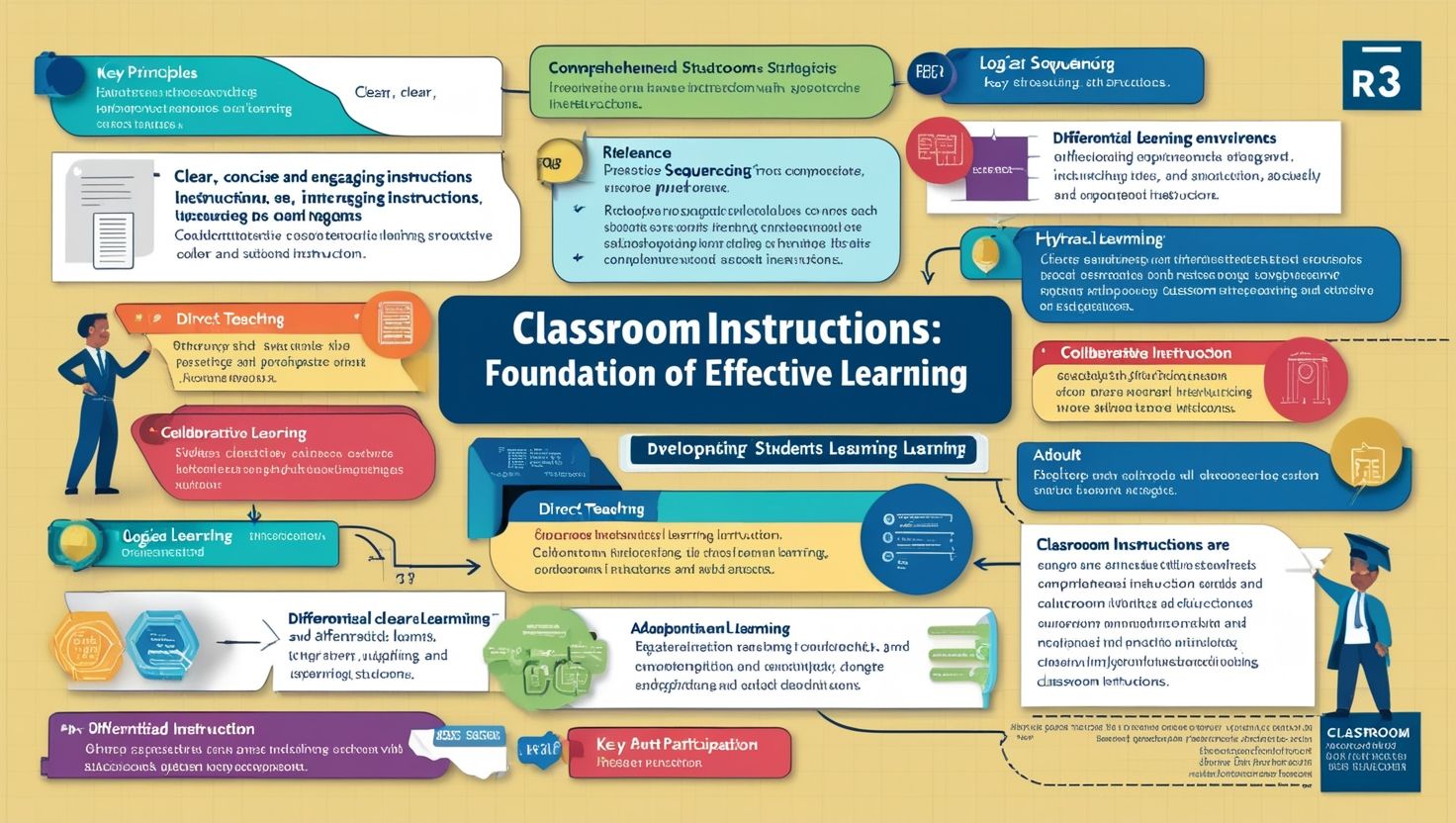
Styles of Classrooms in Education, Classroom styles are fundamental in shaping educational experiences and learning outcomes. Different classroom styles influence teaching methods, student participation, classroom management, and academic achievement. Educational institutions worldwide employ diverse classroom styles depending on curriculum goals, student needs, and available resources. This article examines the major classroom styles used in education, including traditional teacher-centered classrooms, student-centered classrooms, collaborative classrooms, inquiry-based classrooms, flipped classrooms, inclusive classrooms, Montessori classrooms, and technology-integrated classrooms. The discussion highlights their characteristics, benefits, limitations, and relevance in contemporary education. The study concludes that no single classroom style is universally effective; instead, successful educational environments often integrate multiple classroom styles to meet diverse learner needs and educational objectives.
Keywords: Classroom styles, education, teaching methods, student-centered learning, collaborative learning, classroom management
1. Introduction
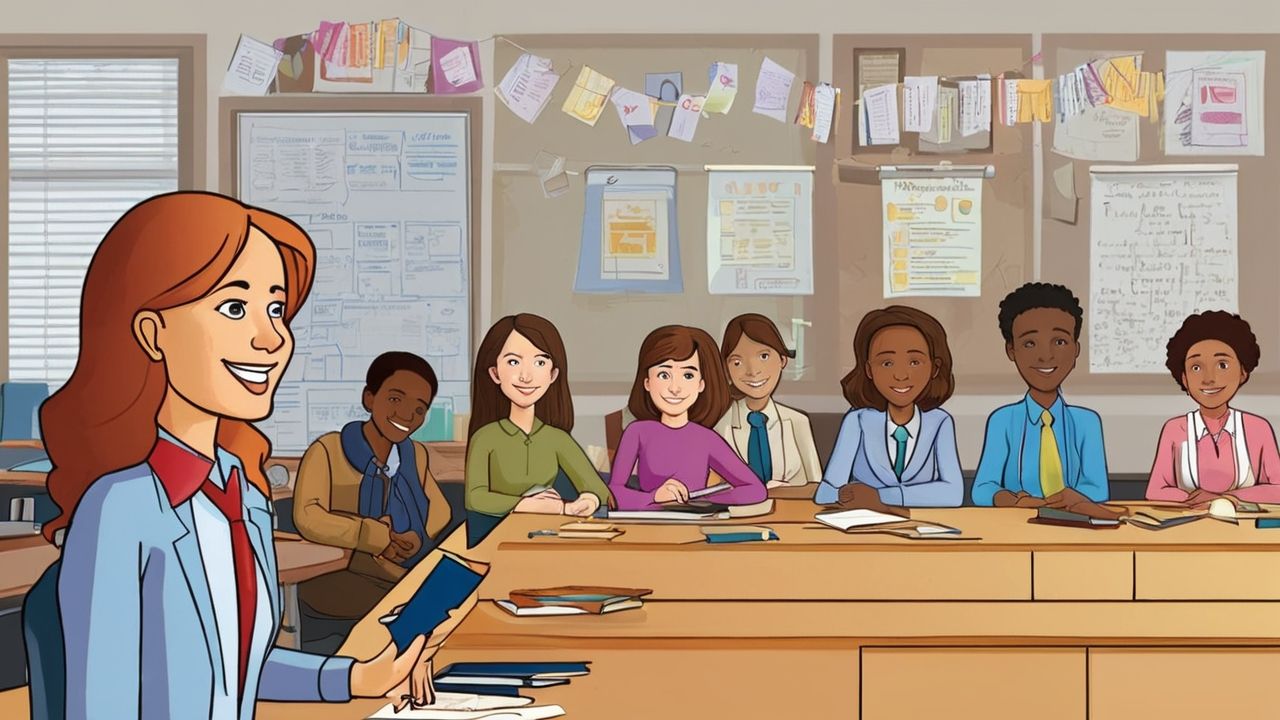
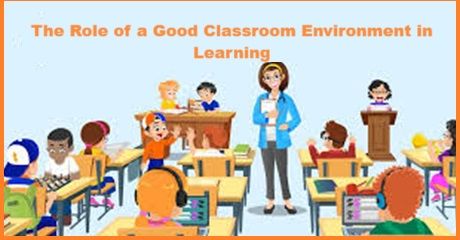
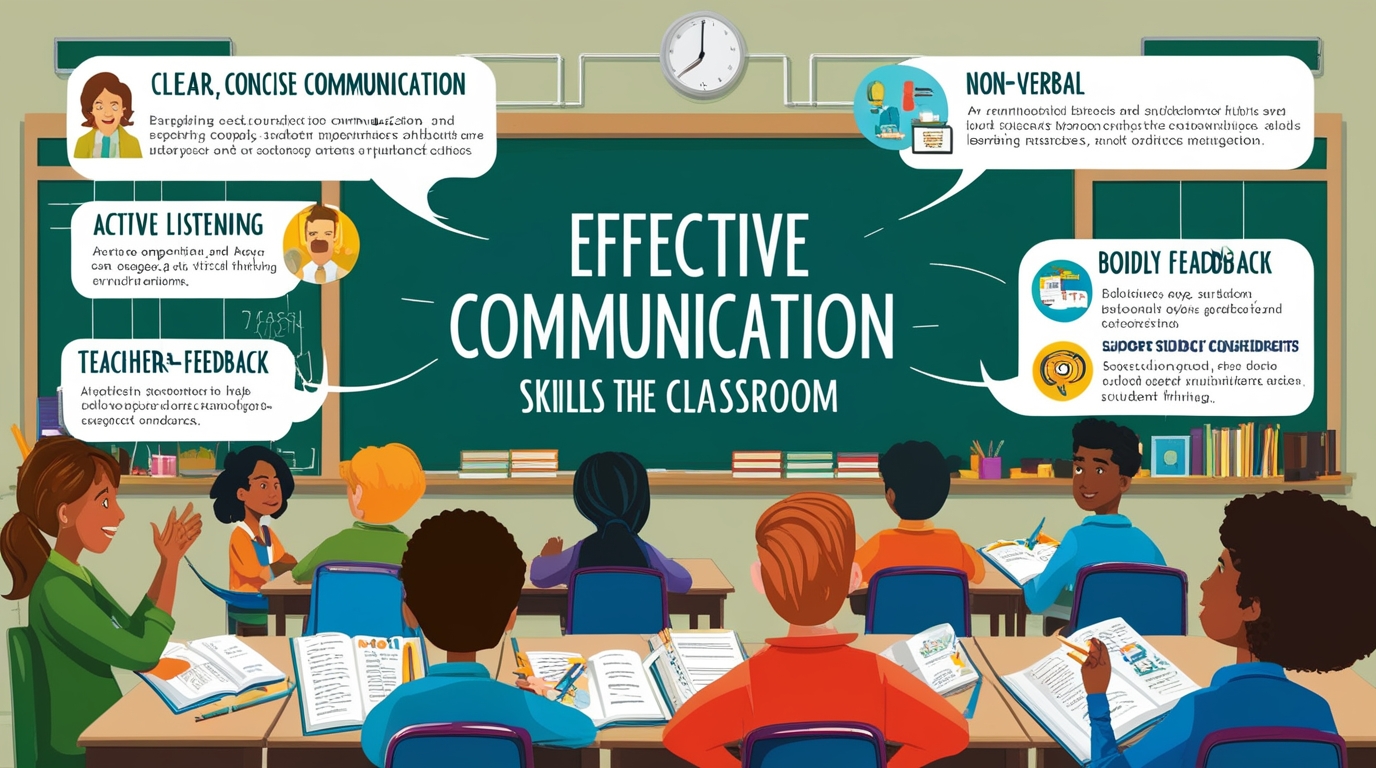
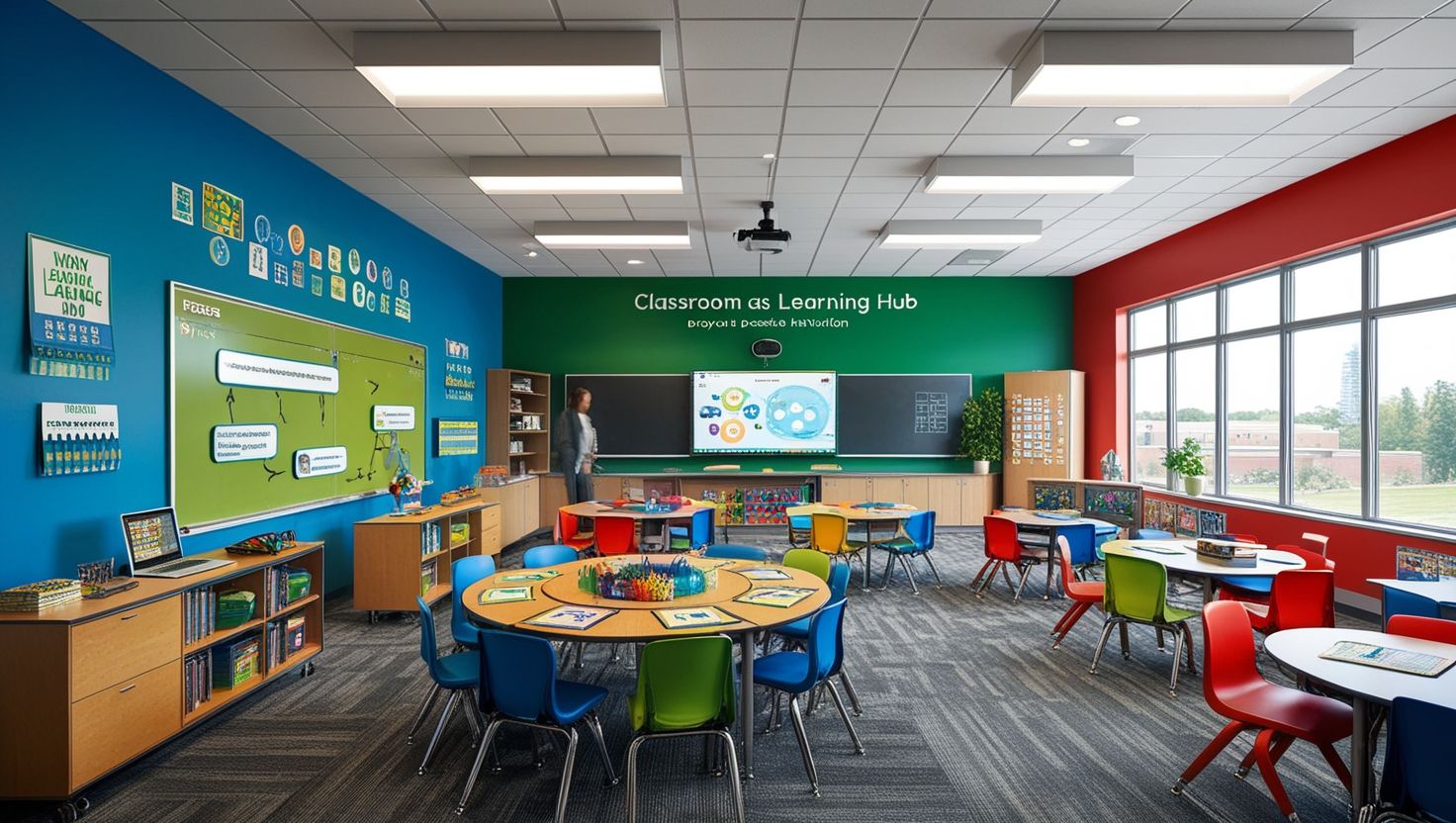
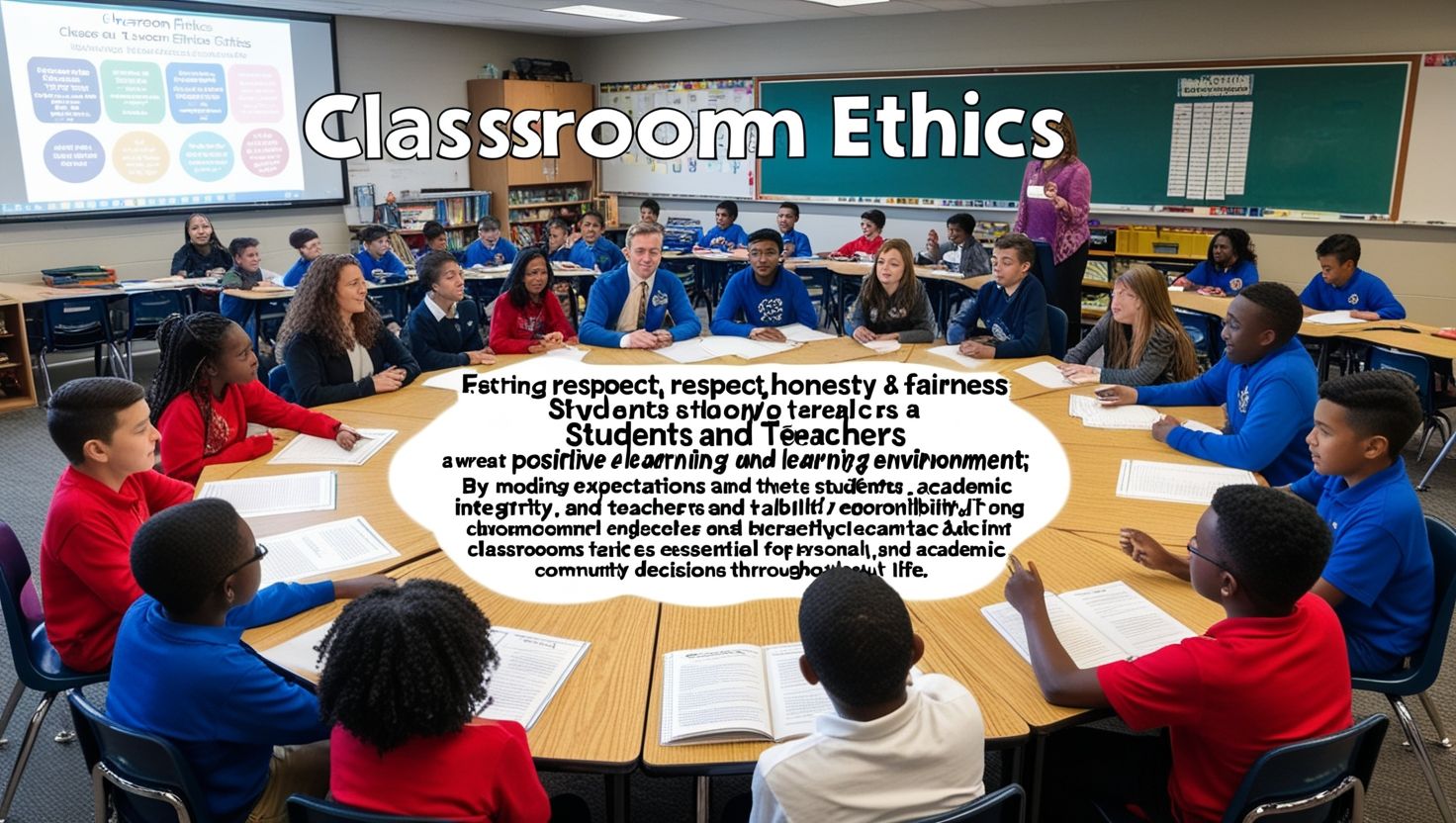
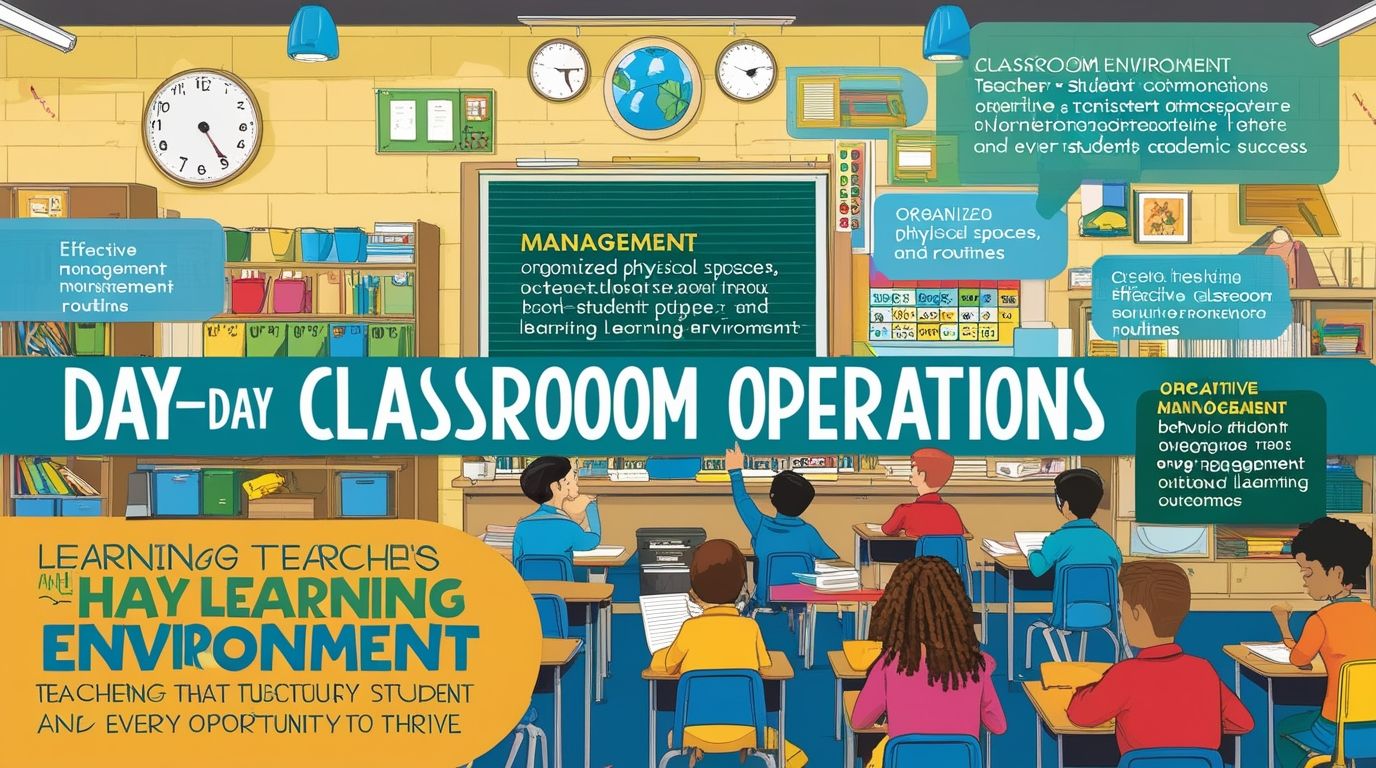
Education has evolved significantly over time, and classroom environments have transformed to reflect changes in educational philosophy, social expectations, and technological advancement. The classroom is not merely a physical space where instruction occurs; it is an interactive learning environment that shapes student engagement, behavior, and academic success.
Classroom style refers to the structural, instructional, and management approach used to organize teaching and learning activities. It influences how teachers present information, how students interact, and how learning objectives are achieved. Historically, education relied heavily on traditional teacher-centered classrooms where students passively received information. However, modern educational theories emphasize learner participation, critical thinking, and collaborative knowledge construction.
Educational researchers such as John Dewey, Lev Vygotsky, and Maria Montessori have contributed significantly to the understanding of classroom styles by promoting active learning, social interaction, and child-centered education. Today, educational institutions use varied classroom styles depending on student needs, subject matter, and instructional goals.
This article critically examines major classroom styles in education and evaluates their effectiveness in promoting quality learning.
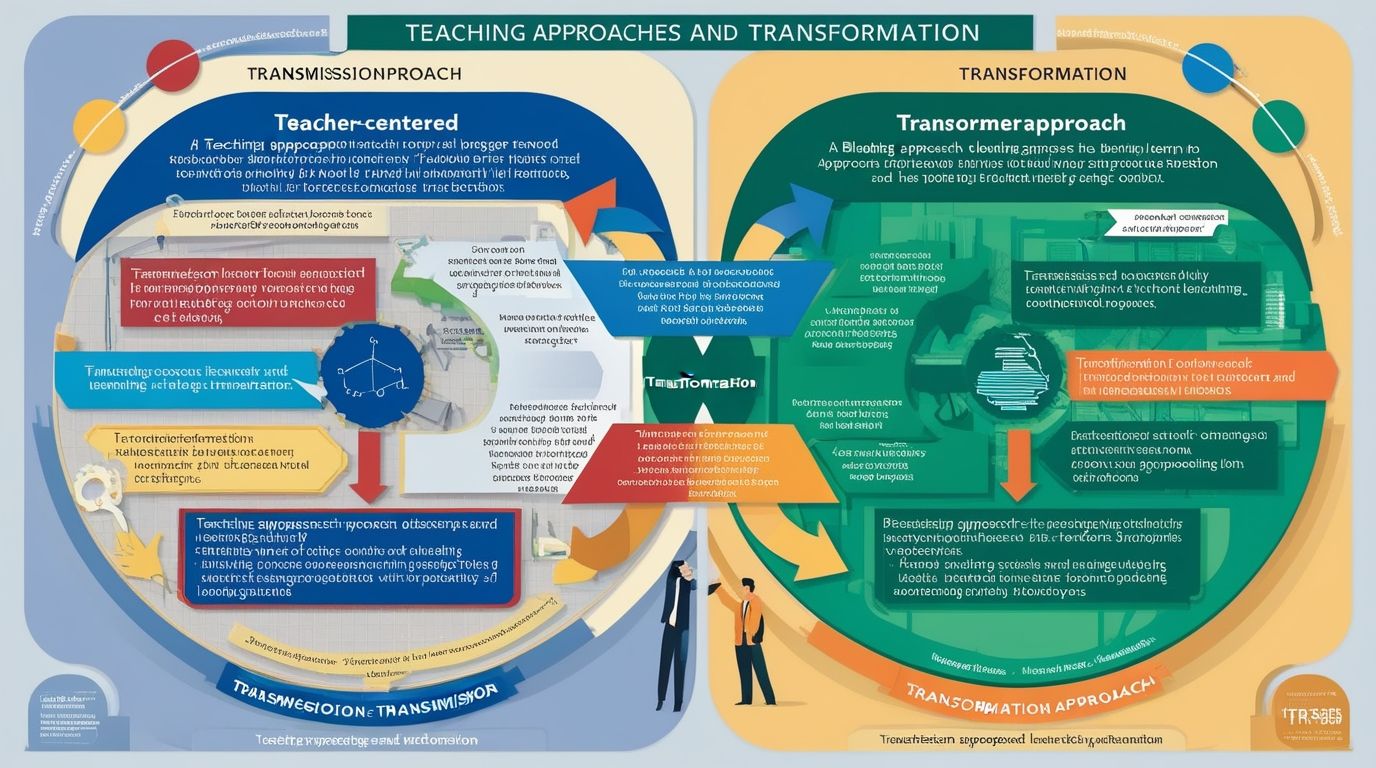
Traditional Teacher-Centered Classroom Style
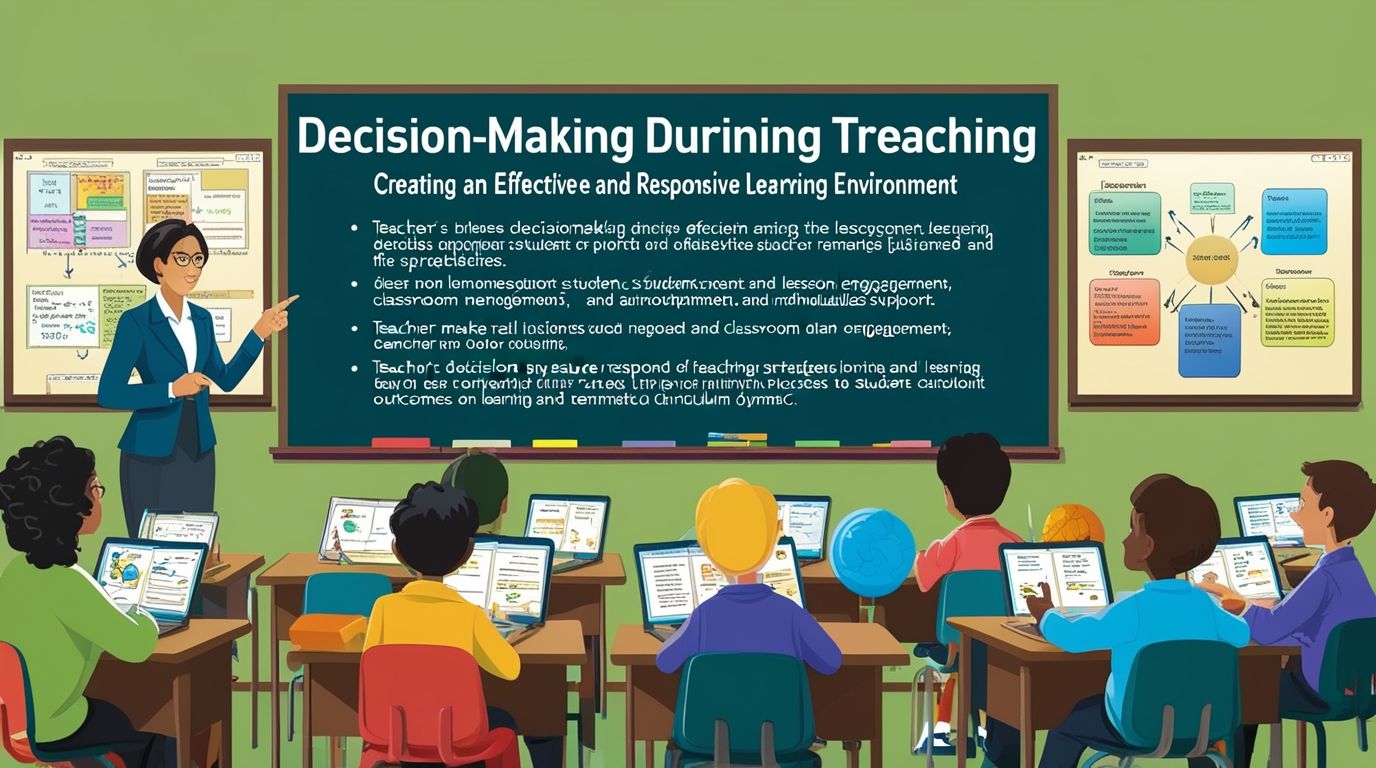
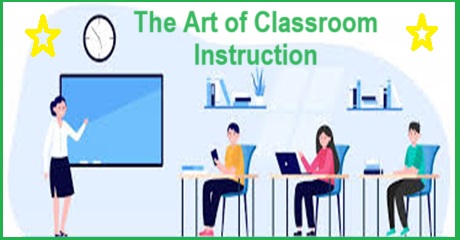
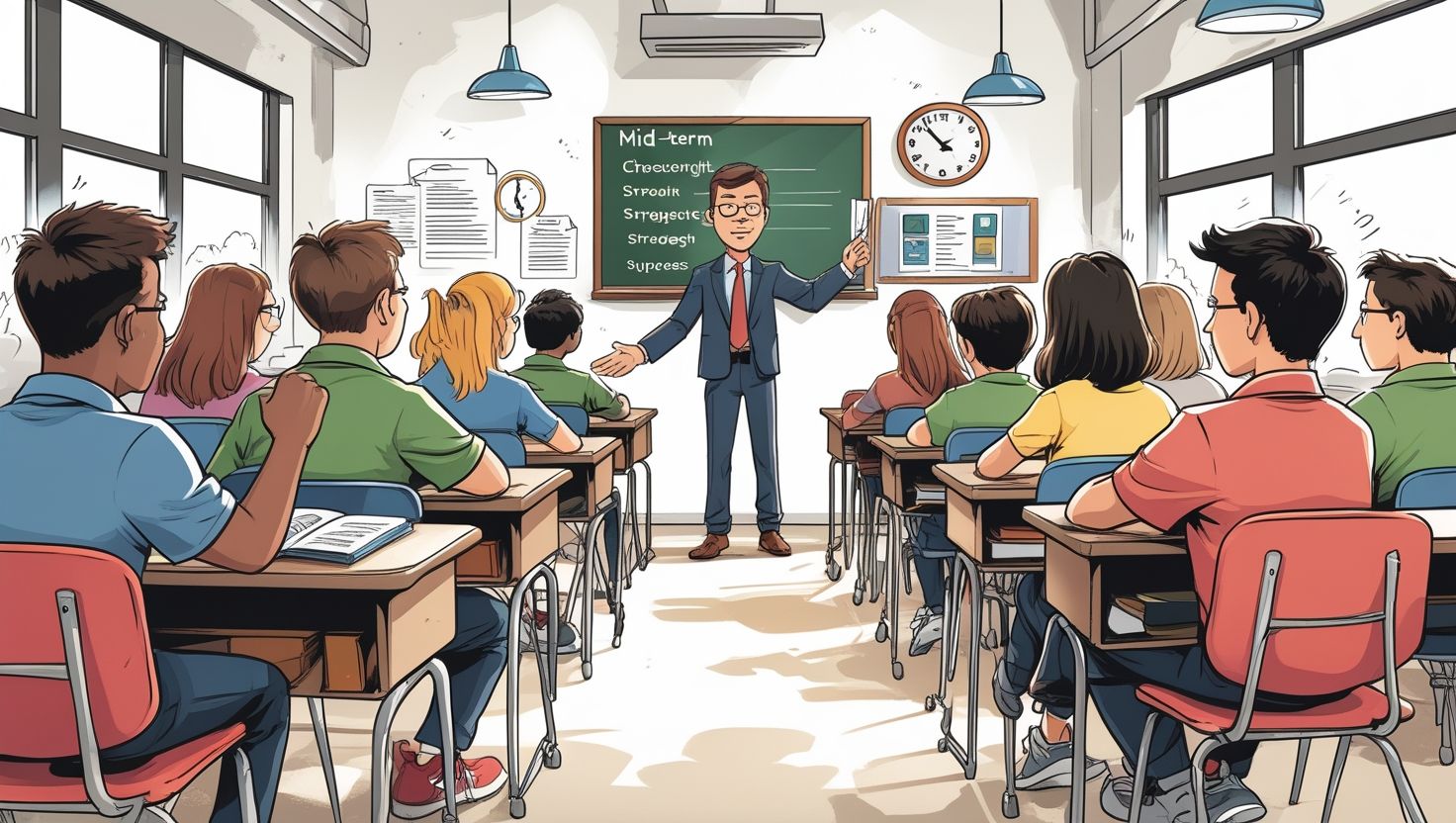
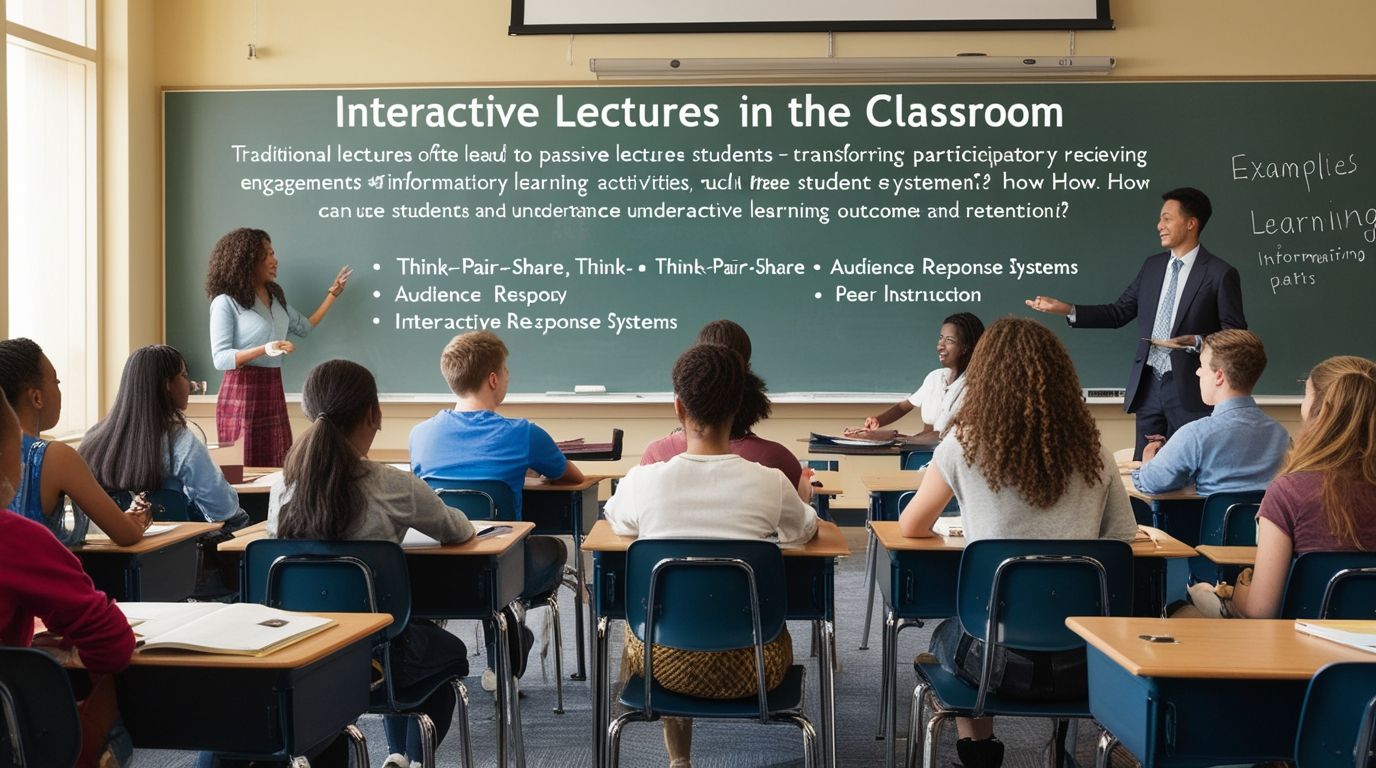
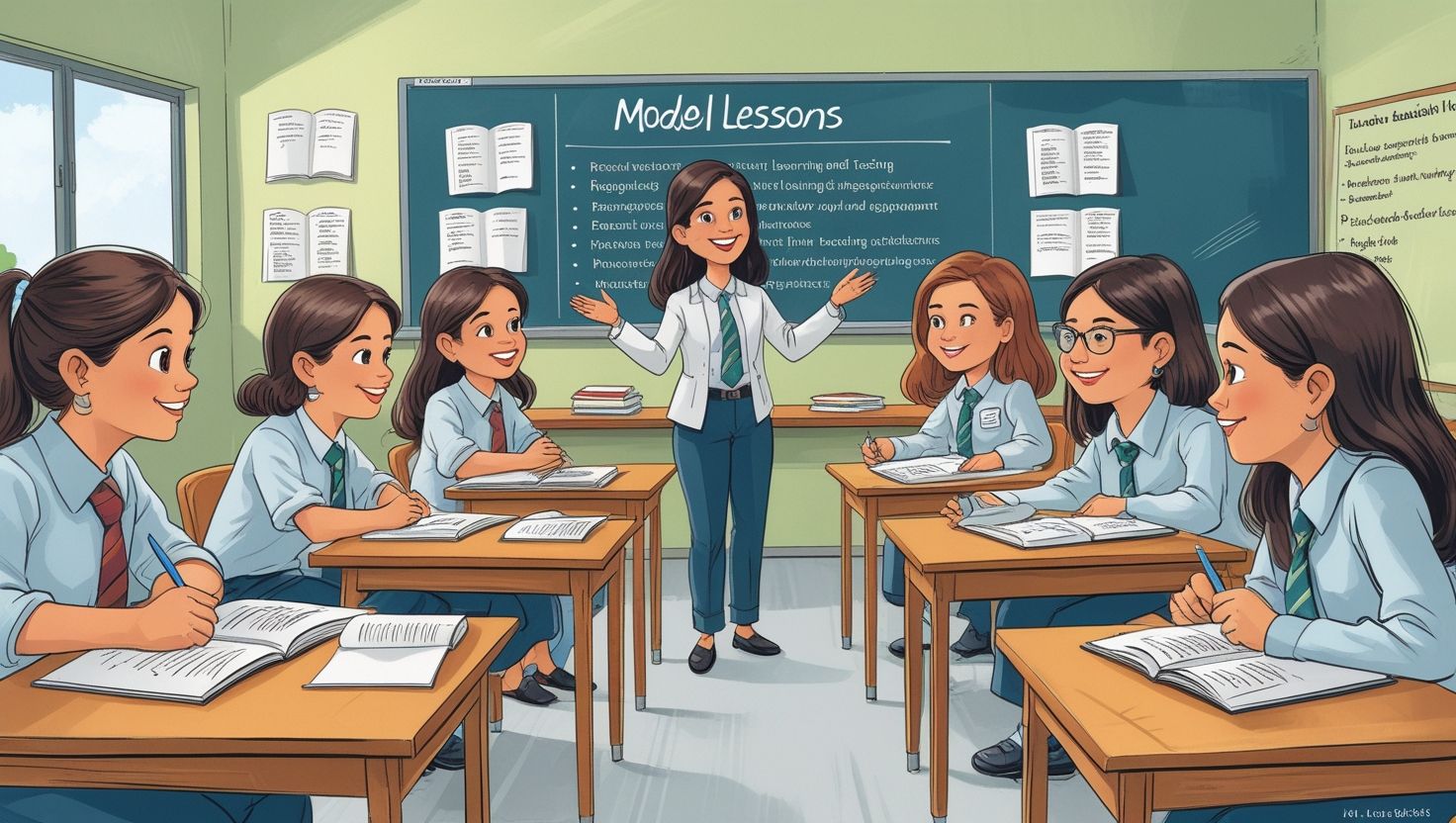
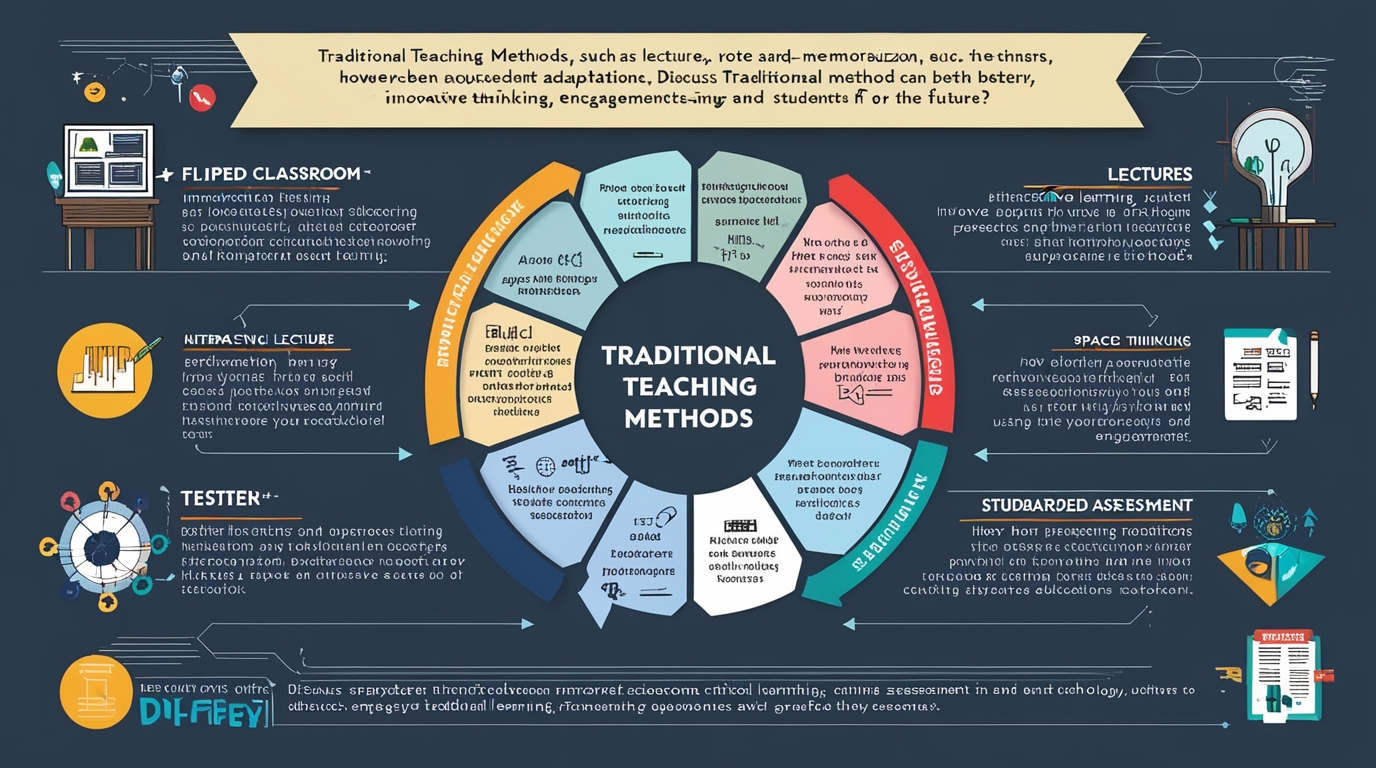
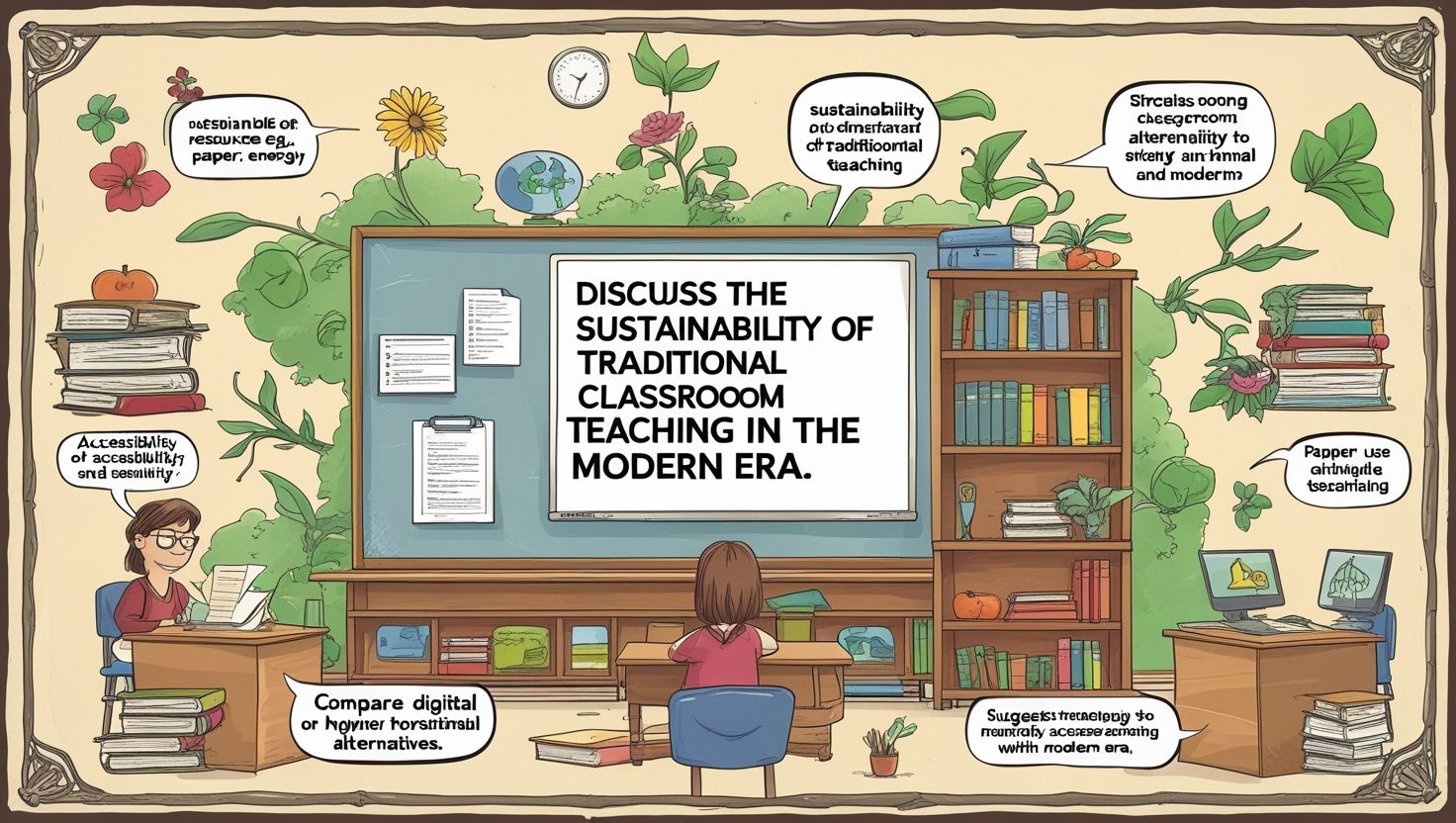
The teacher-centered classroom is one of the oldest and most common educational styles. In this model, the teacher serves as the primary authority and source of knowledge. Students are expected to listen, observe, and absorb information delivered through lectures and demonstrations.
Characteristics
- Teacher controls instruction and classroom activities
- Students are passive recipients of knowledge
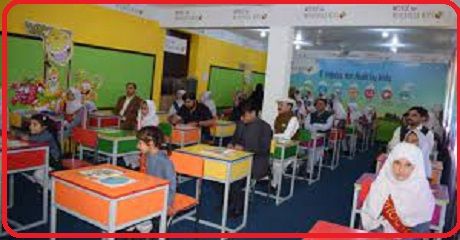
- Fixed seating arrangement in rows
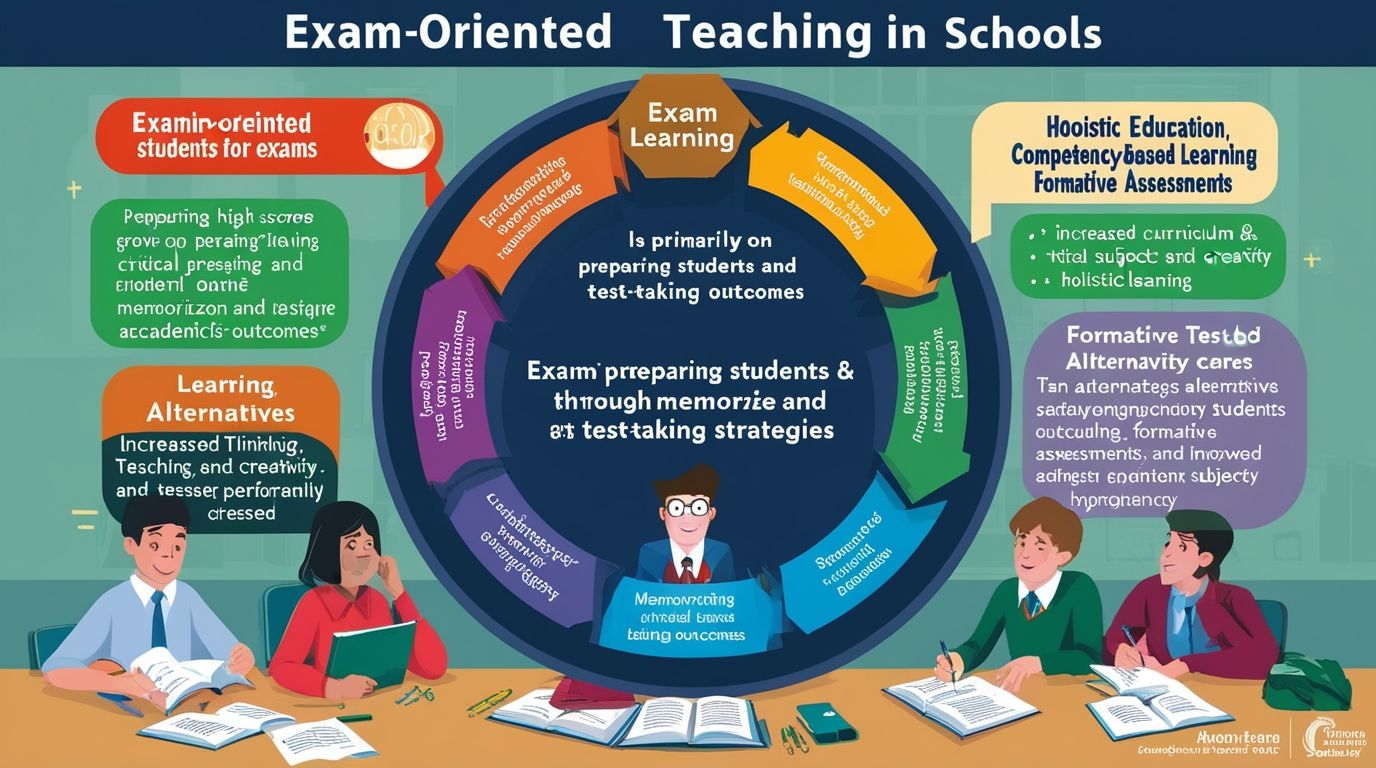
- Heavy emphasis on memorization and examinations
- Strict discipline and structured environment
Advantages
This classroom style ensures order and discipline. It allows efficient coverage of large amounts of content and works well in large classes where classroom control is essential. Subjects requiring systematic explanation, such as mathematics and theoretical sciences, often benefit from this style.
Limitations
Traditional classrooms often limit student creativity and active participation. Students may become dependent on the teacher and fail to develop independent learning skills. The focus on memorization may reduce conceptual understanding and critical thinking development.
Despite criticism, teacher-centered instruction remains valuable when structured content delivery is necessary.
Student-Centered Classroom Style
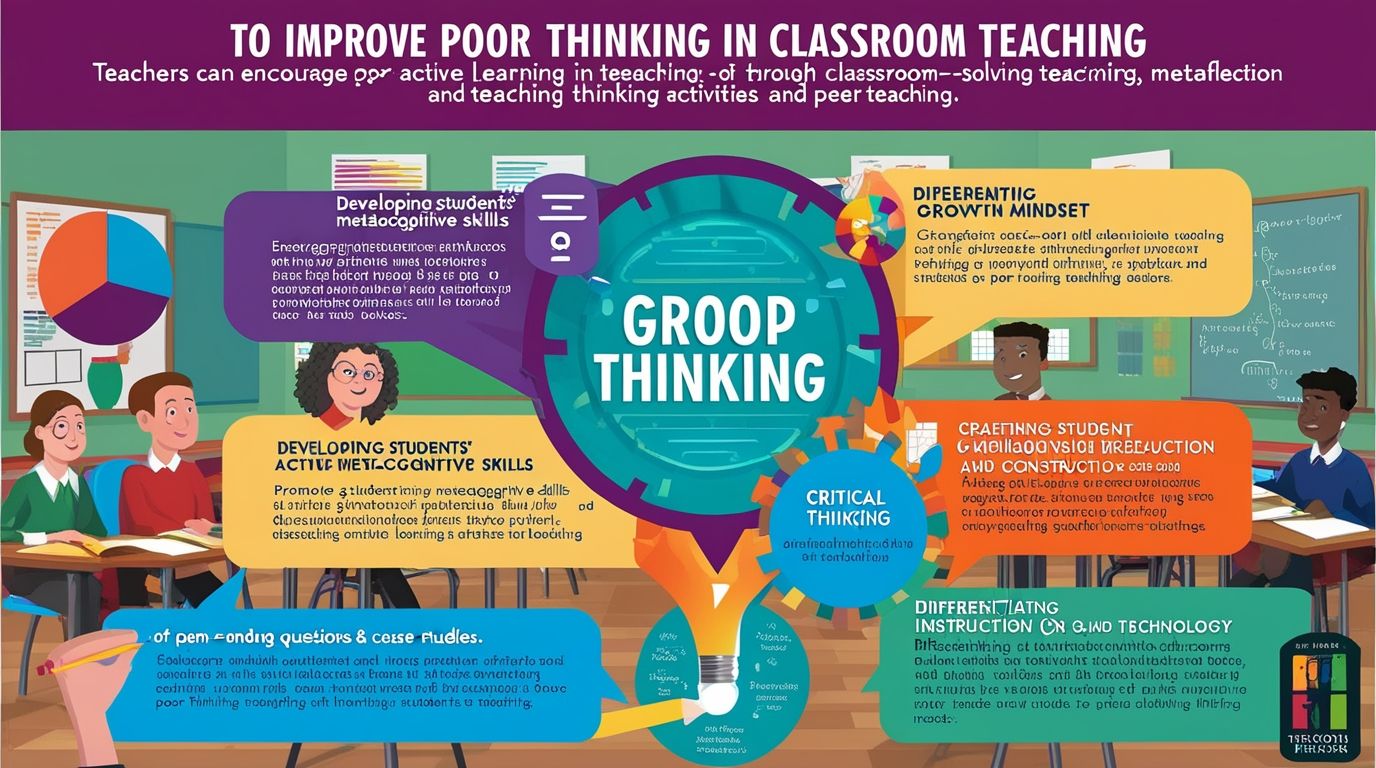
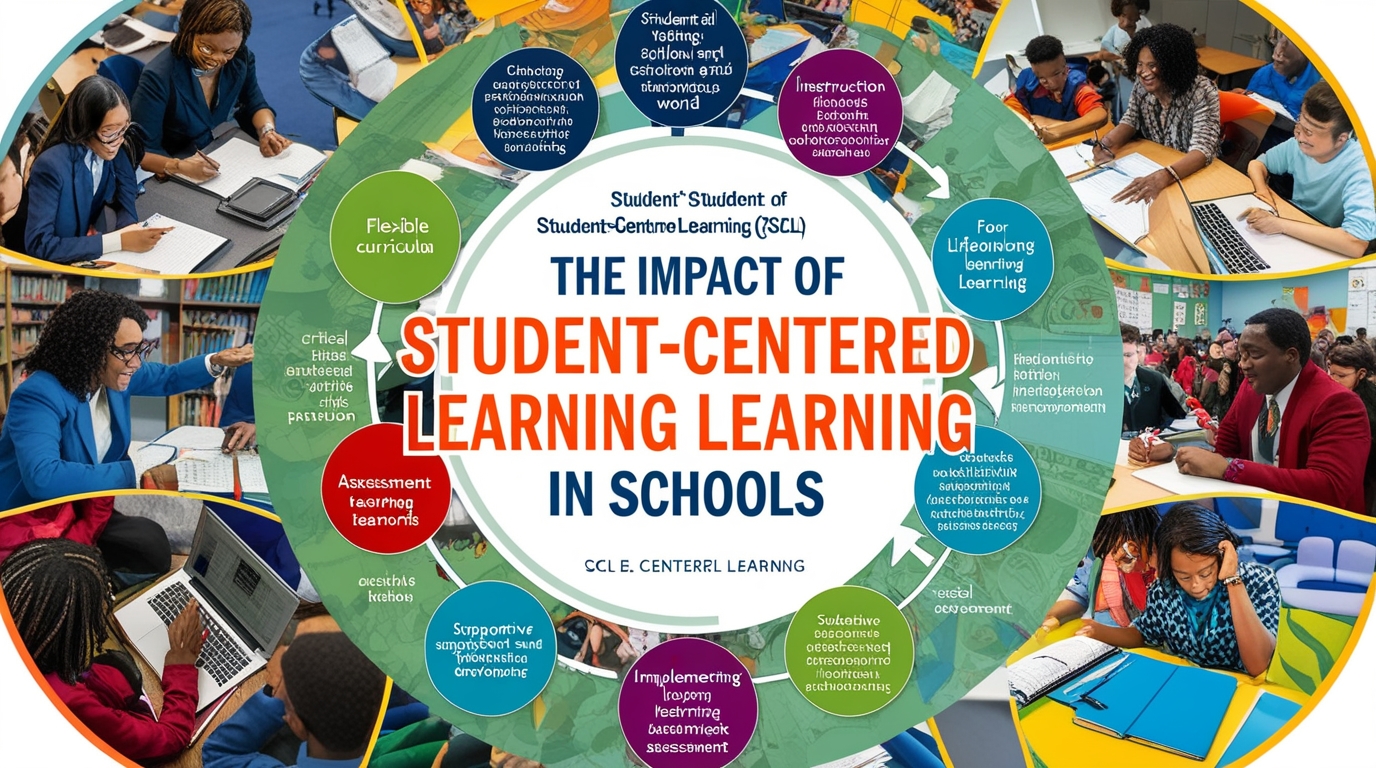
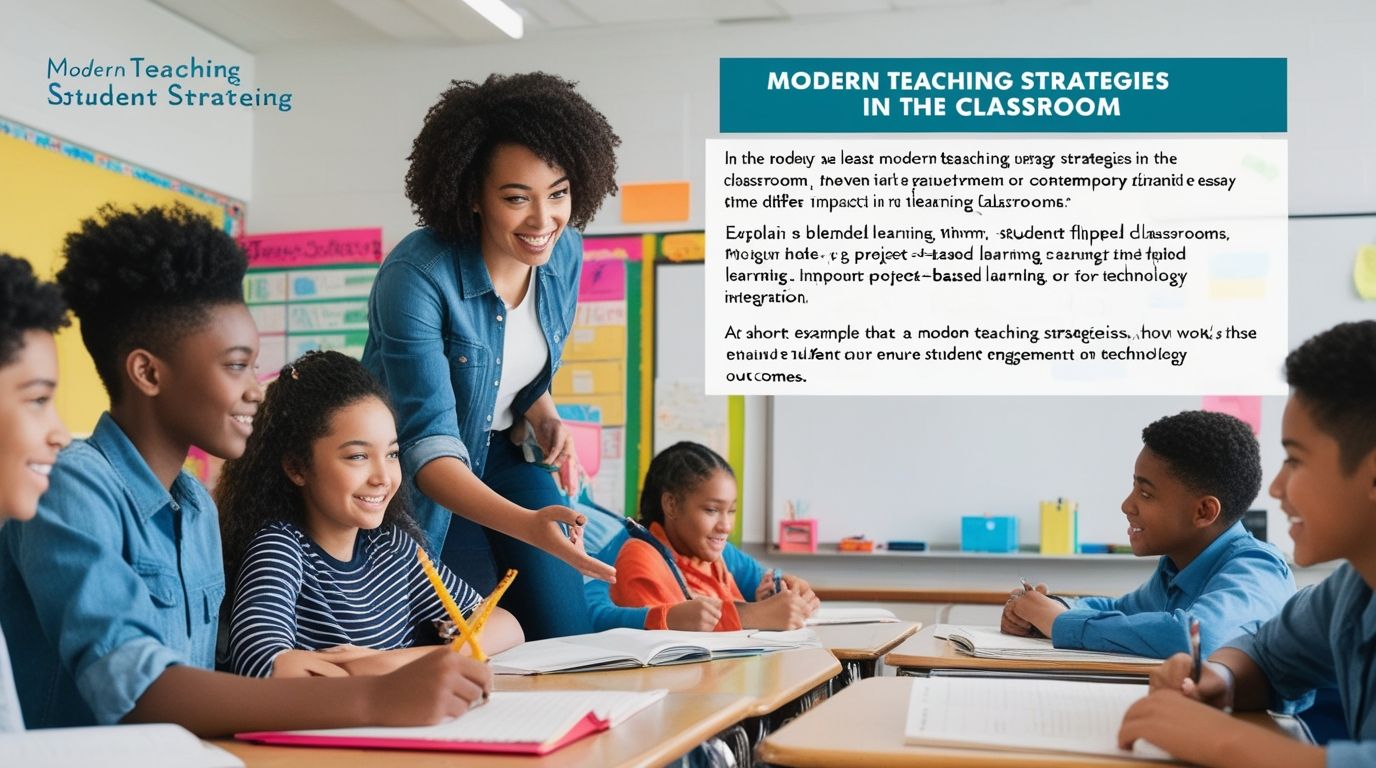
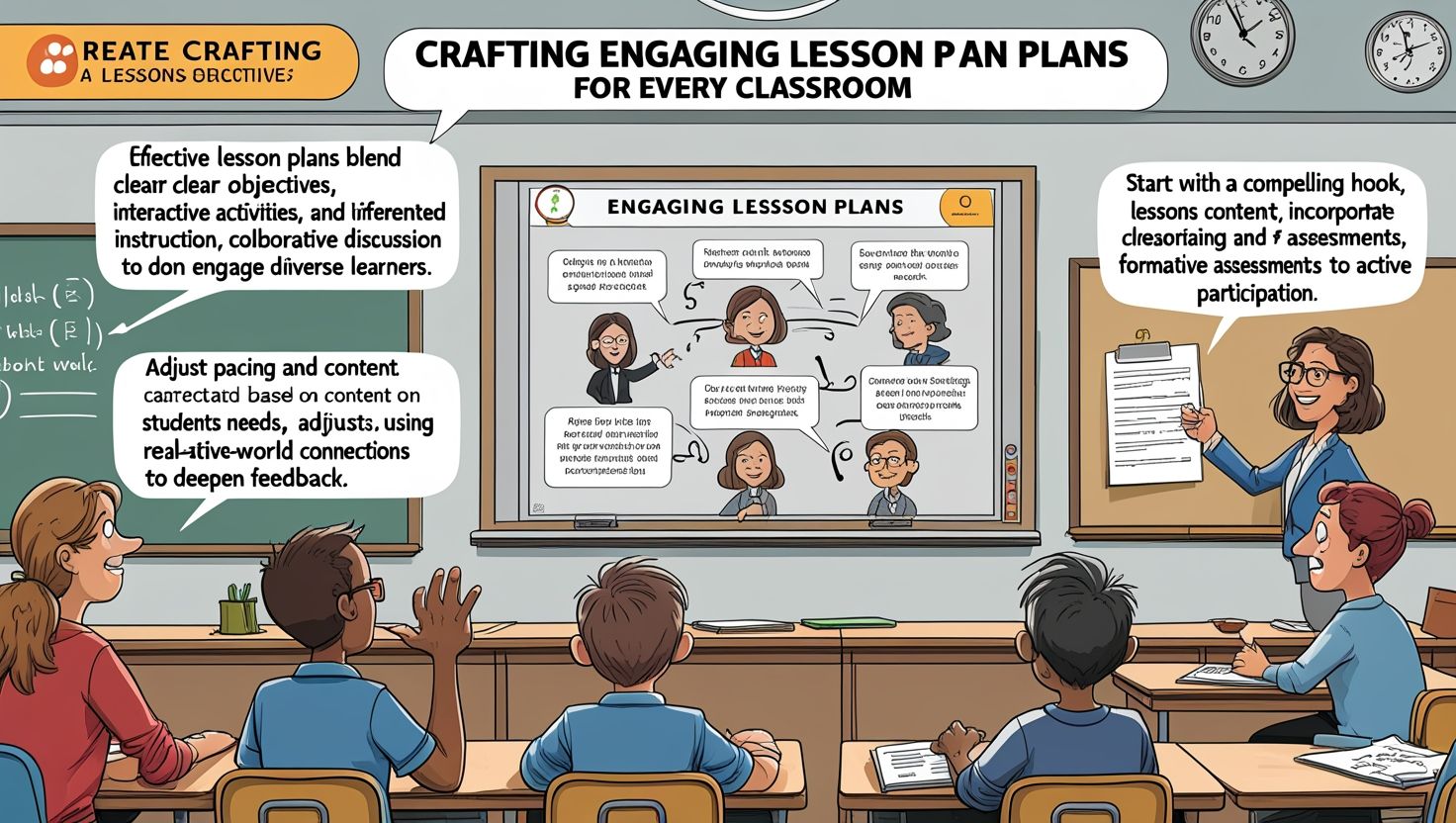
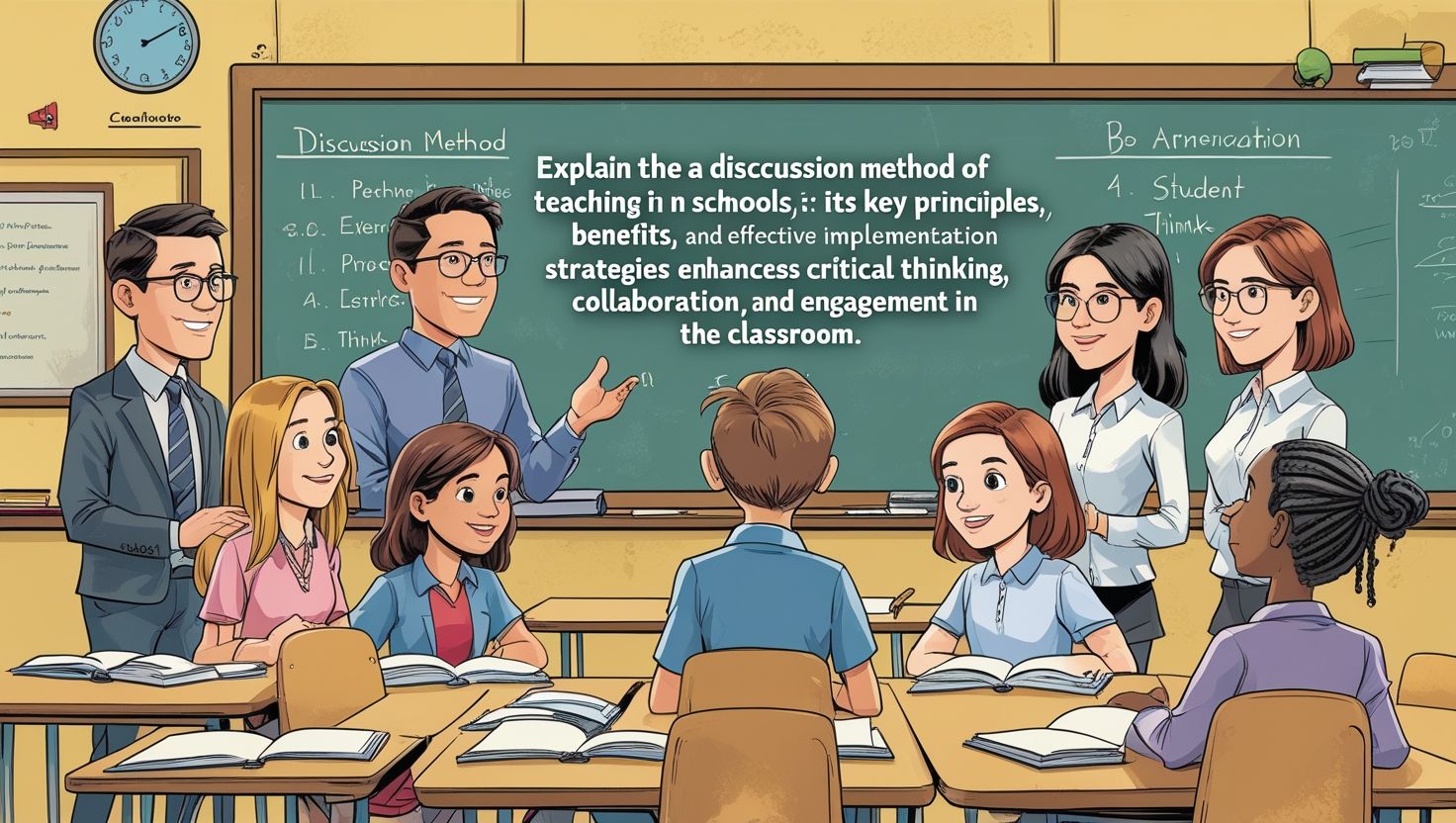
Student-centered classrooms shift the focus from teaching to learning. In this approach, students actively engage in constructing knowledge while teachers facilitate learning experiences.
Characteristics
- Active student participation
- Flexible learning activities
- Teacher acts as guide
- Problem-solving and discussion-based learning
- Focus on learner autonomy
Advantages
Student-centered learning increases motivation and engagement. It develops critical thinking, creativity, communication, and self-confidence. Students become responsible for their learning process, which improves retention and deeper understanding.
Limitations
This style requires extensive planning and highly skilled teachers. It can be difficult to manage in overcrowded classrooms or institutions with limited resources.
Modern education strongly supports student-centered approaches due to their effectiveness in developing lifelong learning skills.
Collaborative Classroom Style
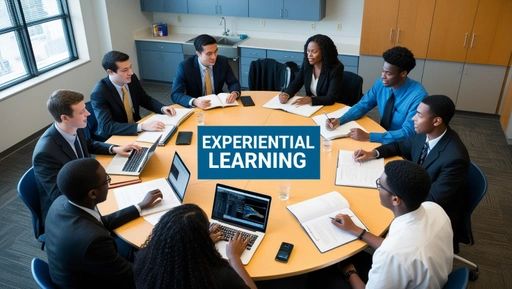
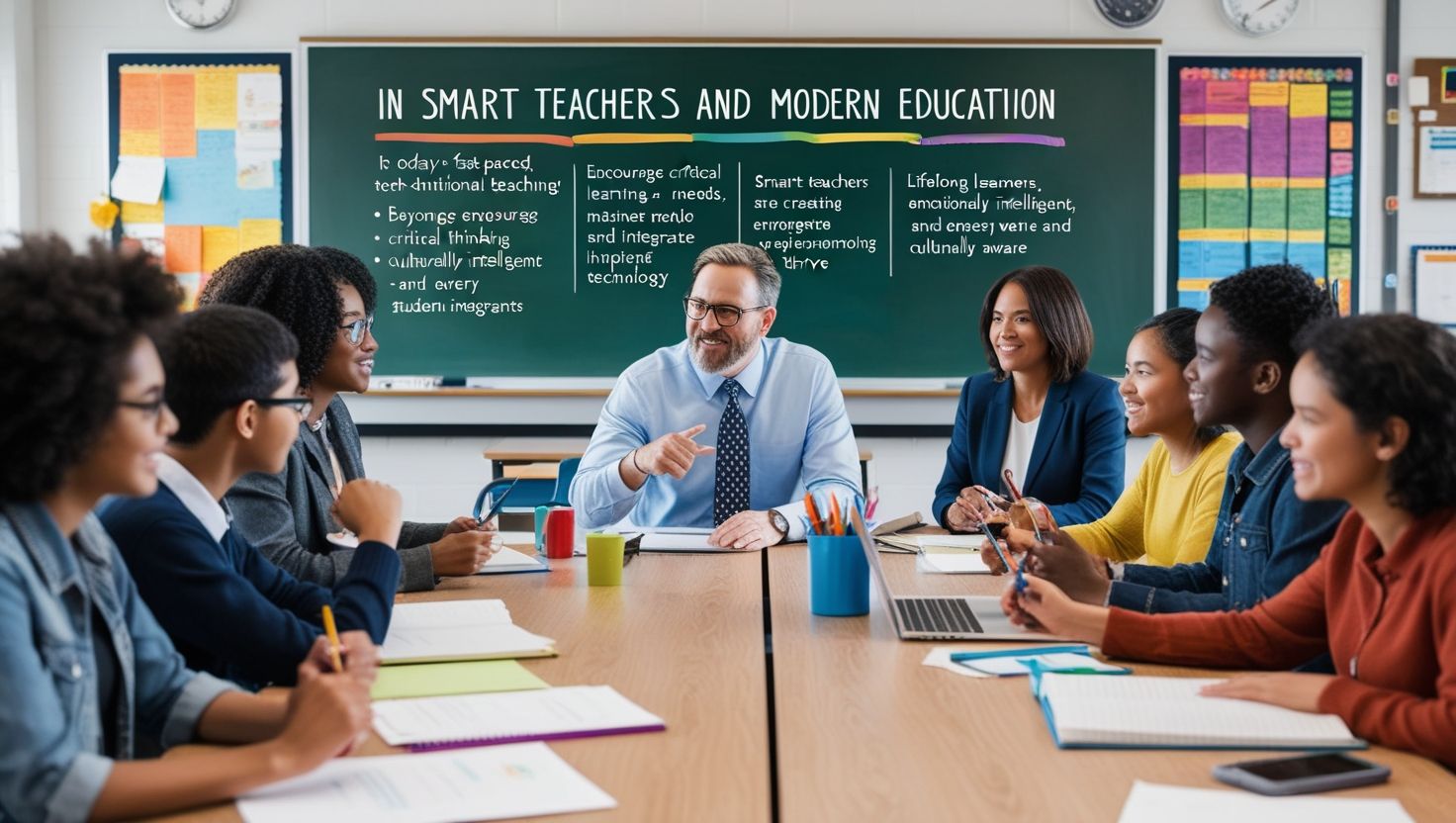
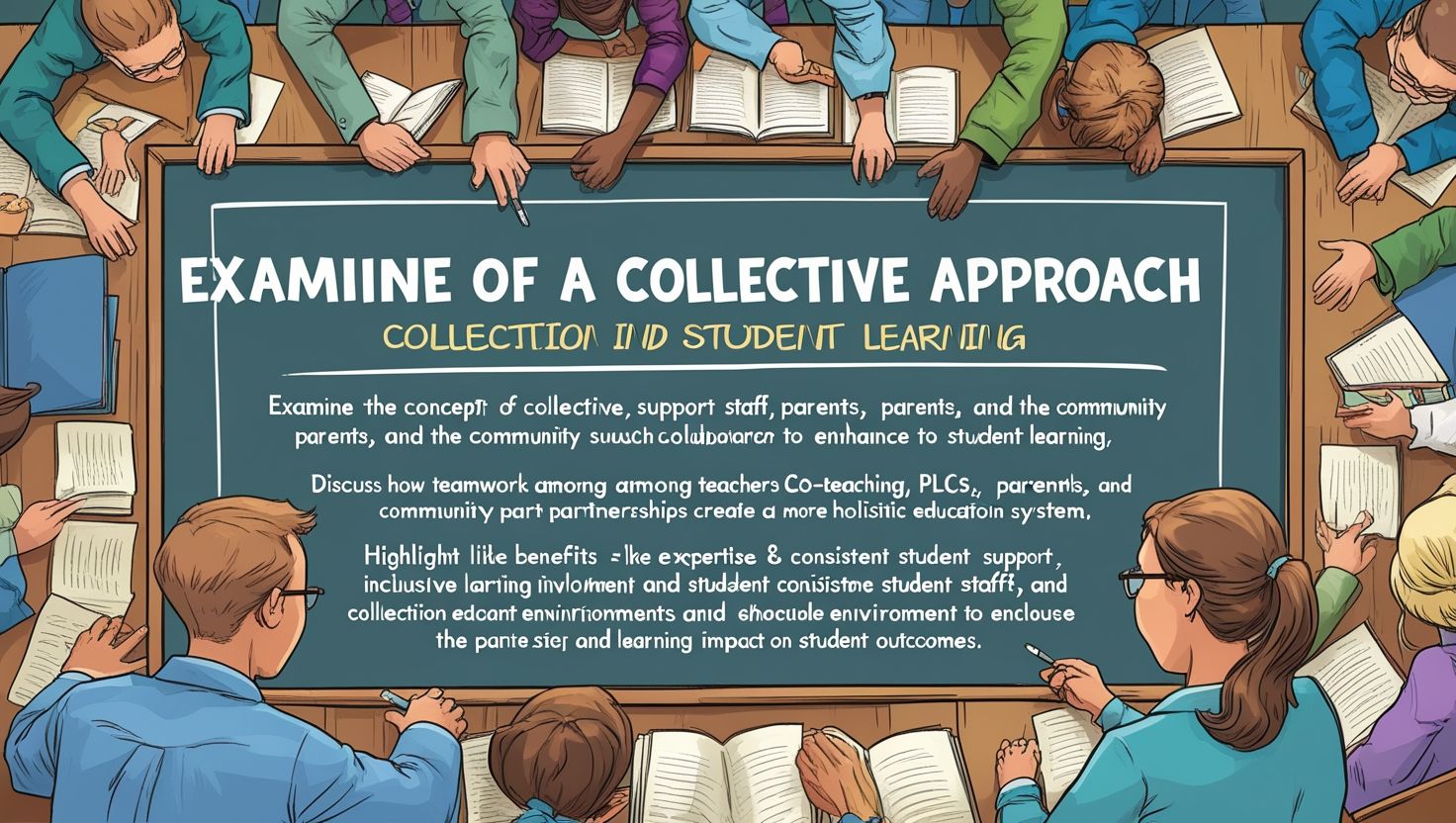
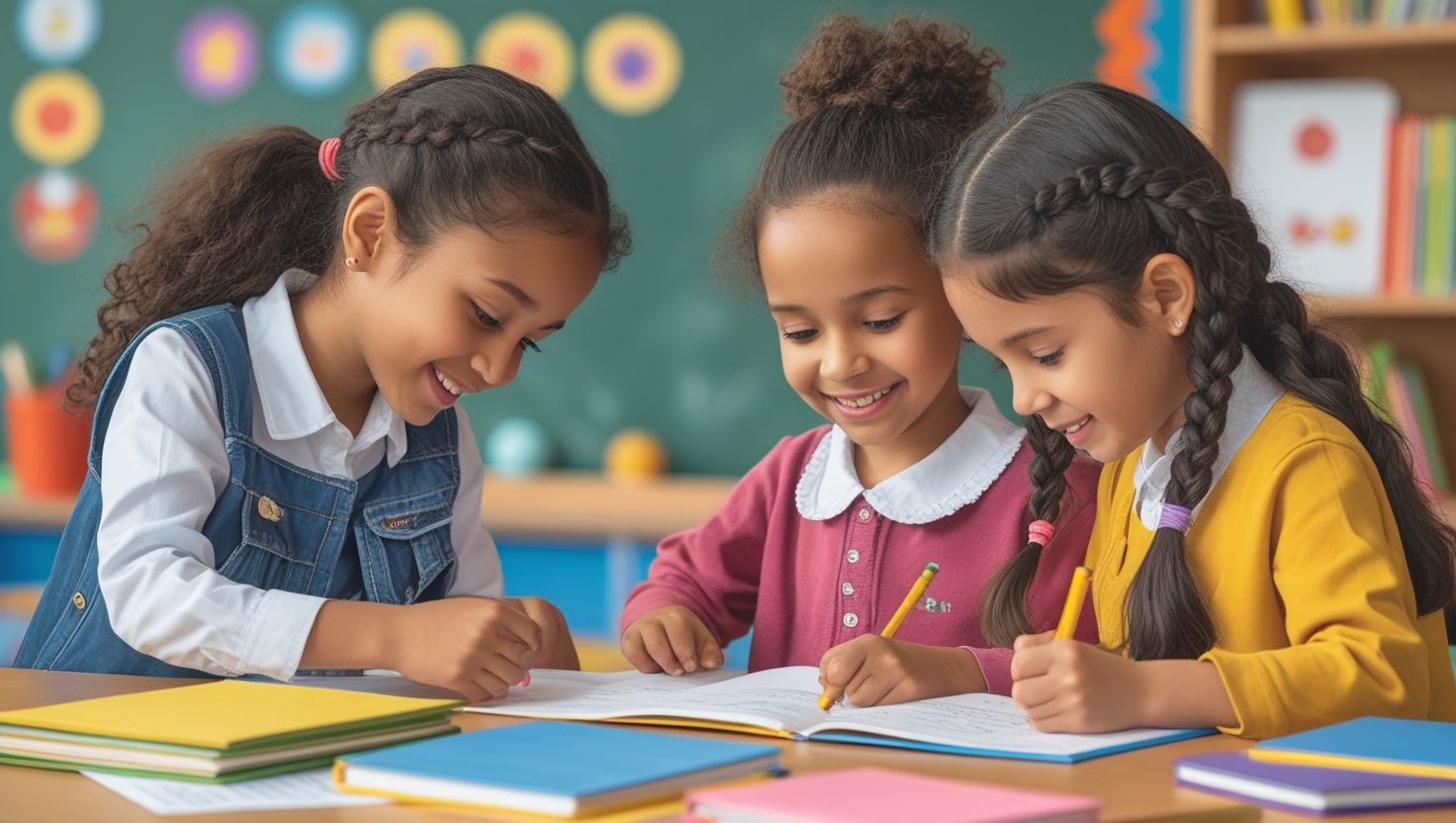
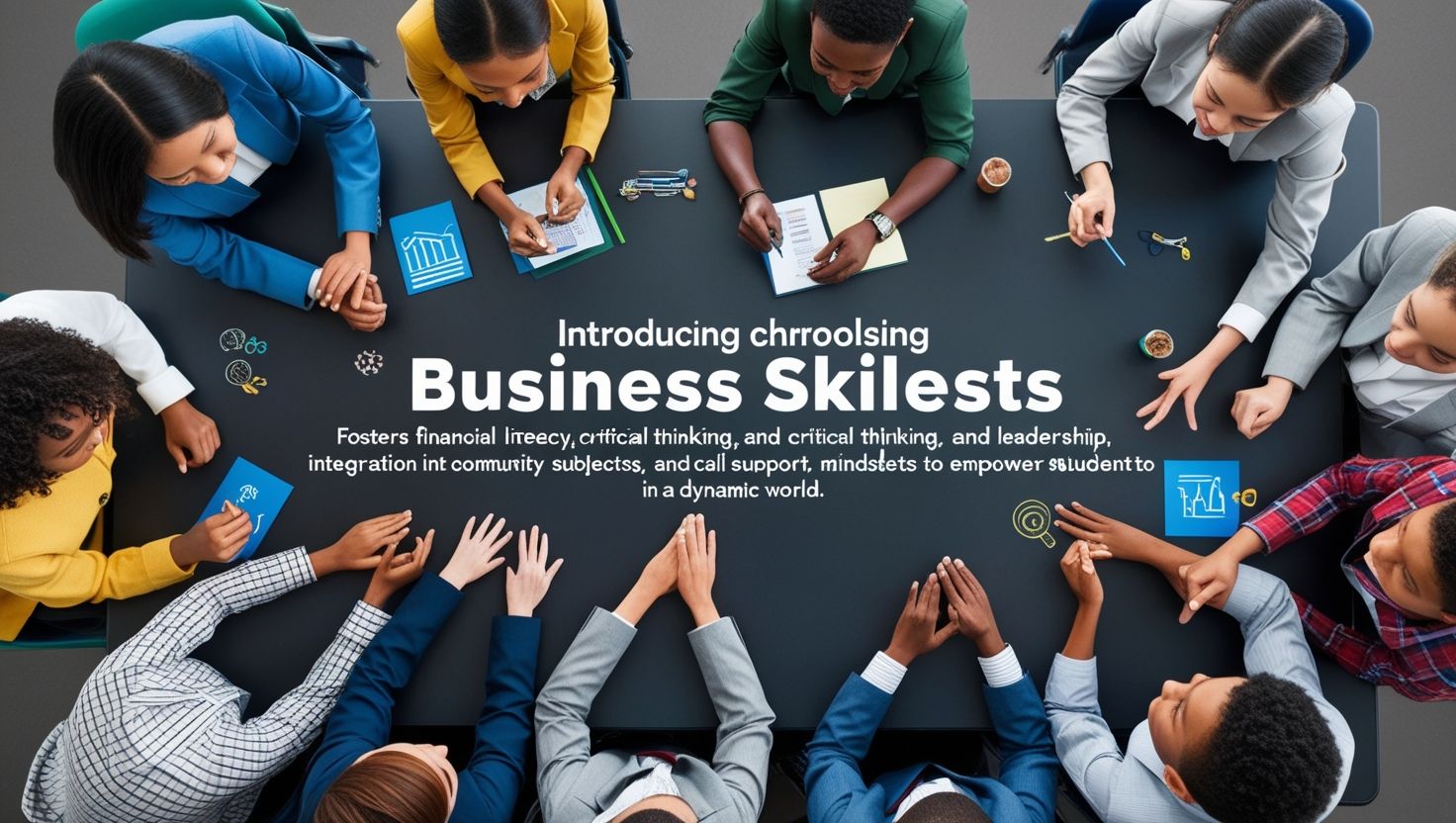
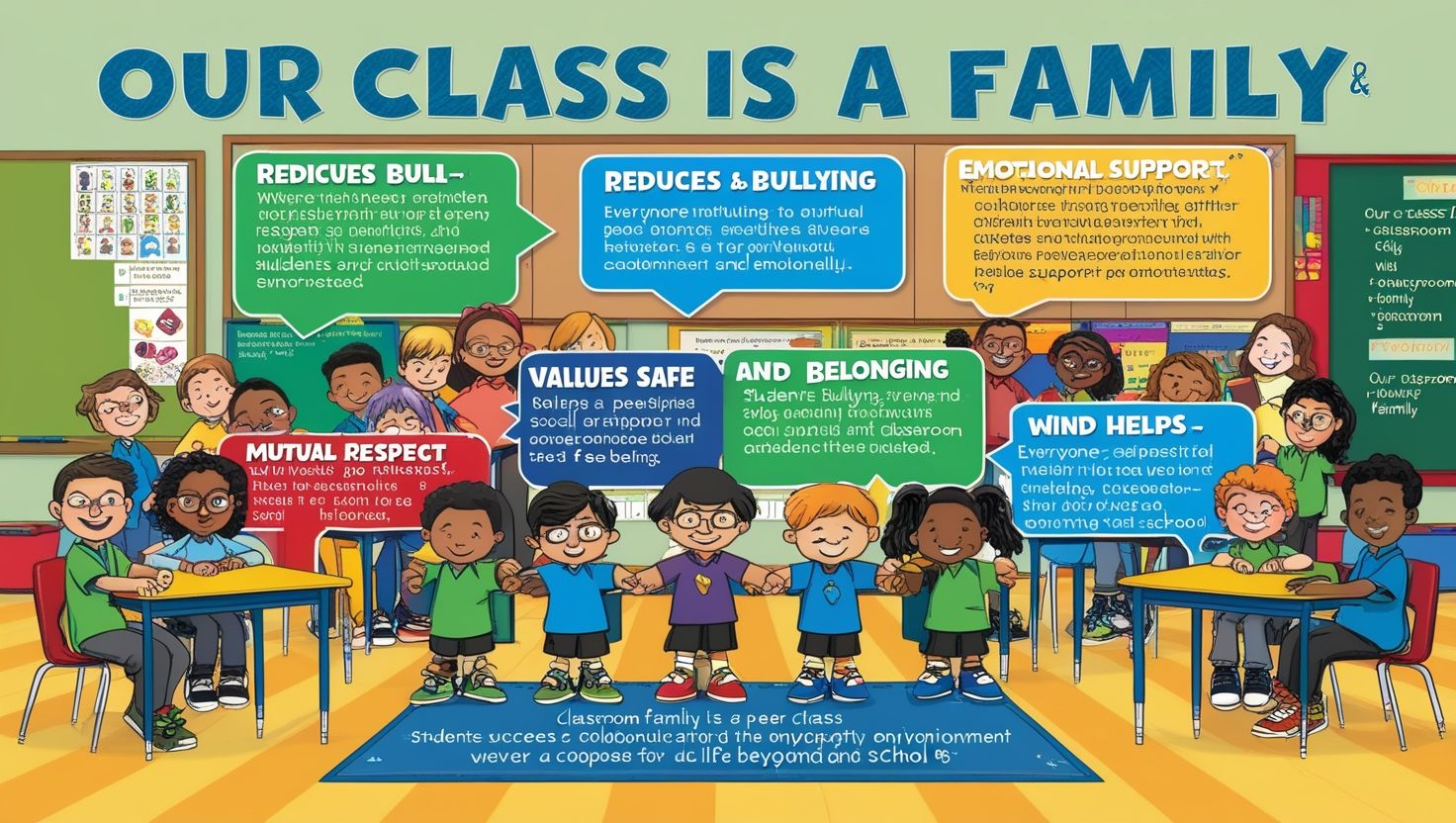
Collaborative classrooms emphasize teamwork and social learning. Students work together to solve problems, complete projects, and share ideas.
Characteristics
- Group activities and peer discussions
- Shared learning responsibility
- Cooperative problem-solving
- Teacher as facilitator
Advantages
Collaborative learning promotes communication skills, teamwork, leadership, and social development. Students learn from peers and develop interpersonal competence.
Limitations
Unequal participation may occur when some students dominate while others remain passive. Effective collaboration requires careful group formation and monitoring.
This style is highly effective in project-based learning and social science education.
Inquiry-Based Classroom Style
Inquiry-based classrooms encourage students to investigate questions and discover knowledge through exploration.
Characteristics
- Learning through questioning
- Research and experimentation
- Problem investigation
- Teacher-guided exploration
Advantages
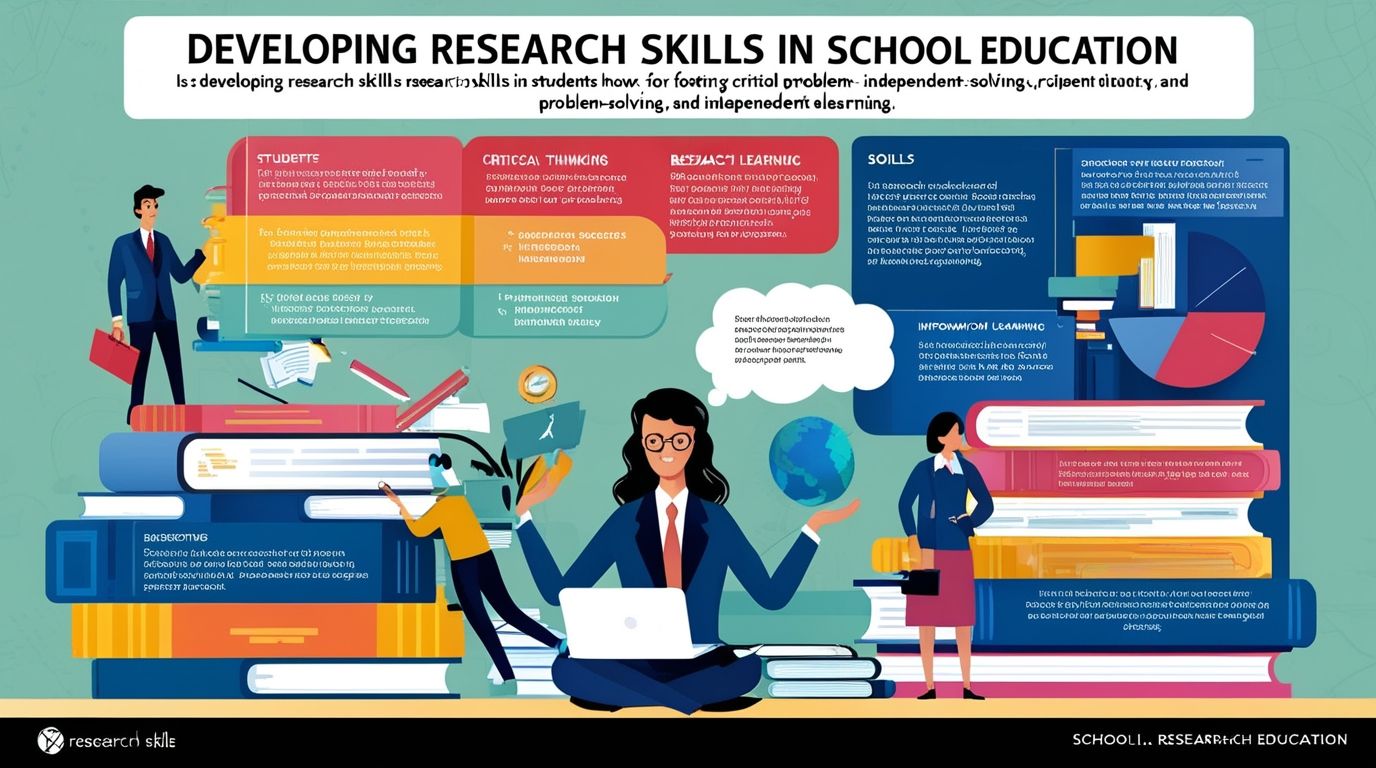
Inquiry learning develops scientific reasoning, analytical thinking, and research skills. Students become curious, motivated learners capable of independent investigation.
Limitations
This style is time-consuming and may challenge students lacking foundational knowledge. Teachers require strong facilitation skills to guide inquiry effectively.
Inquiry-based classrooms are particularly effective in science and technology education.
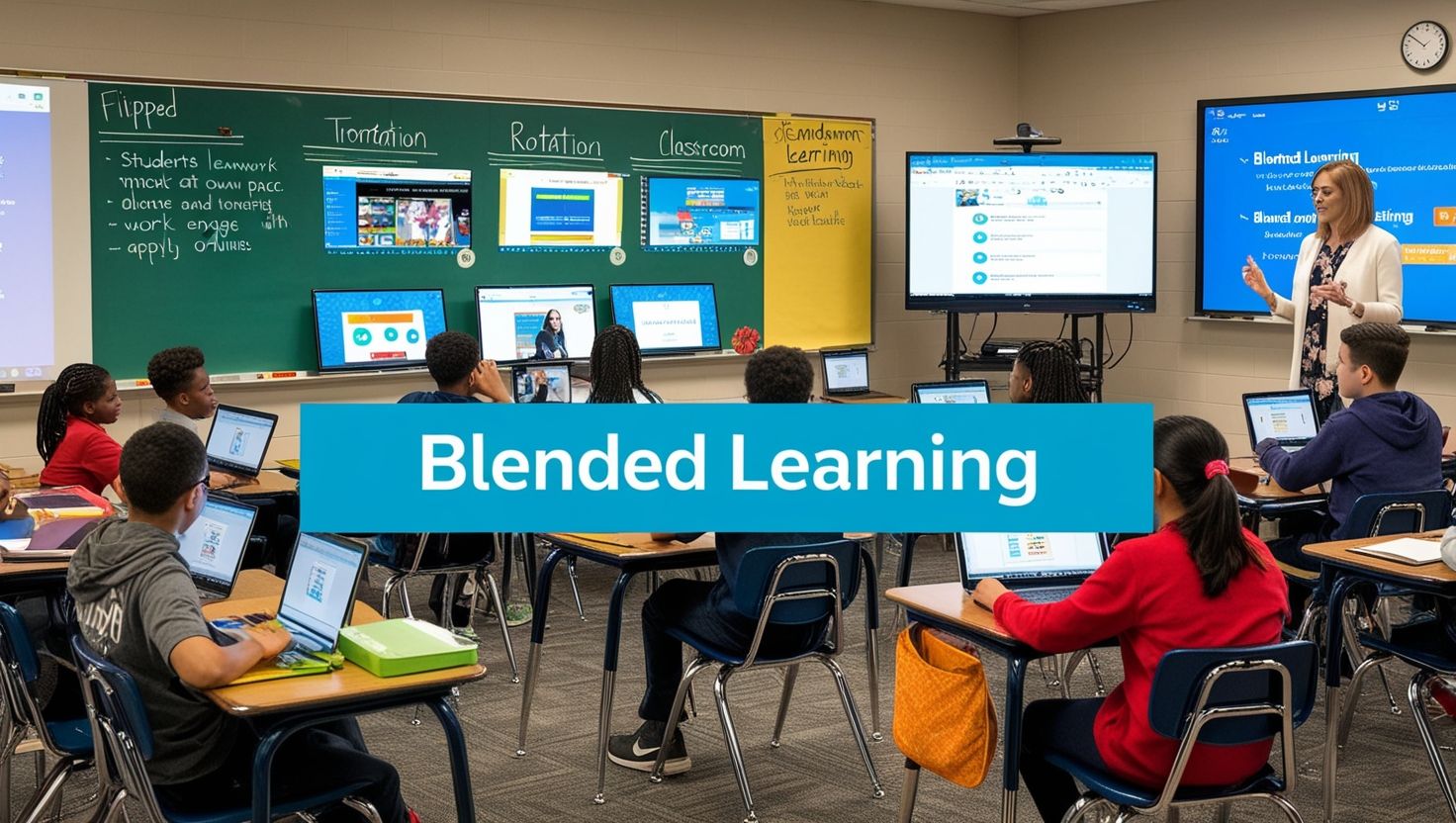
Flipped Classroom Style
The flipped classroom reverses traditional learning by delivering instructional content outside class and using classroom time for interactive activities.
Characteristics
- Video lectures and online learning at home
- Classroom practice and discussion
- Technology-supported learning
- Individualized teacher support
Advantages
Students learn at their own pace and use class time for deeper engagement. Teachers can provide personalized assistance.
Limitations
Successful implementation depends on internet access and student preparation. Learners who fail to review content beforehand may struggle during class activities.
Flipped classrooms gained popularity due to technological advancement and online education expansion.
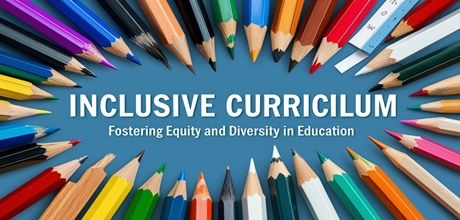
Inclusive Classroom Style
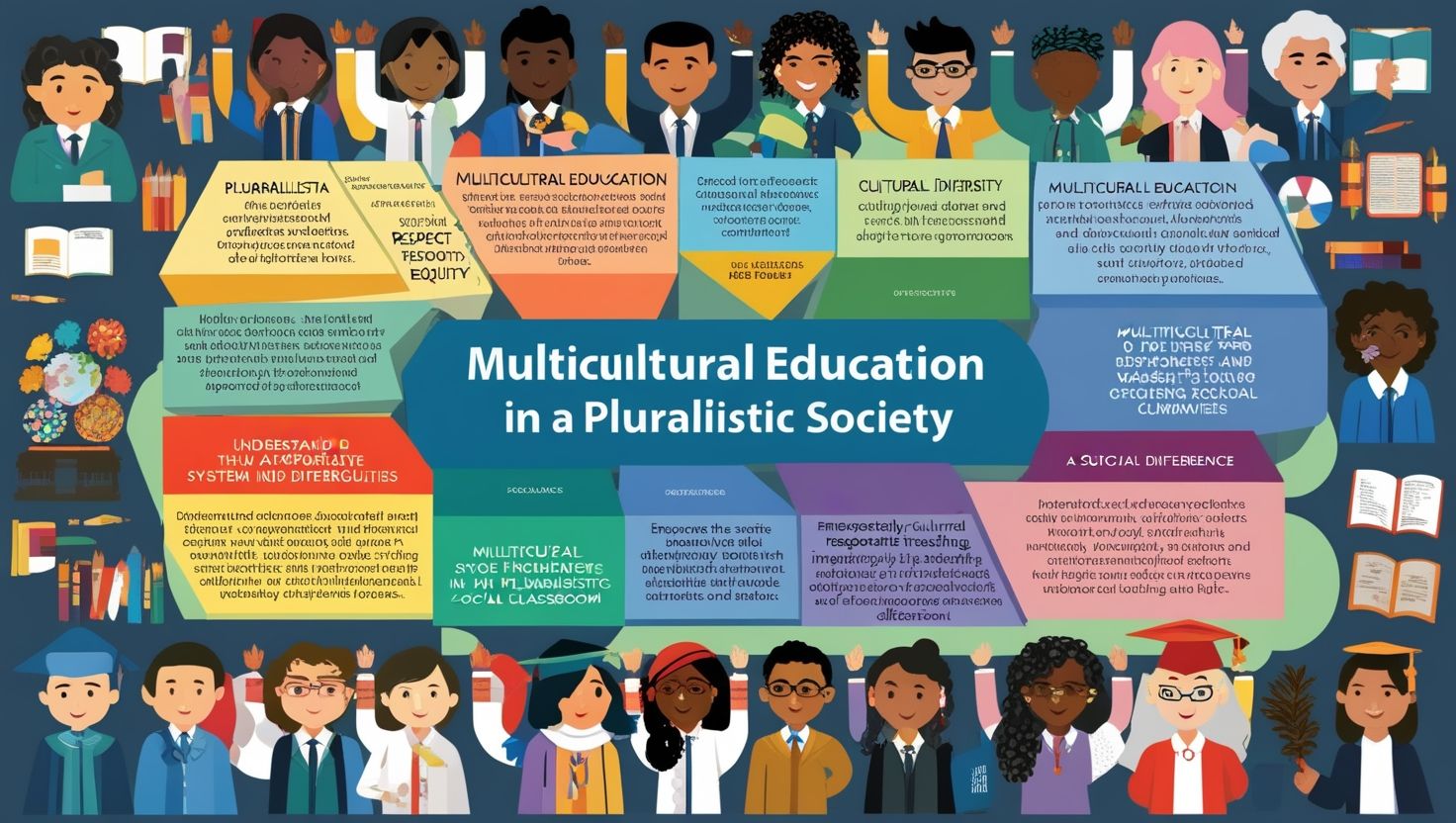
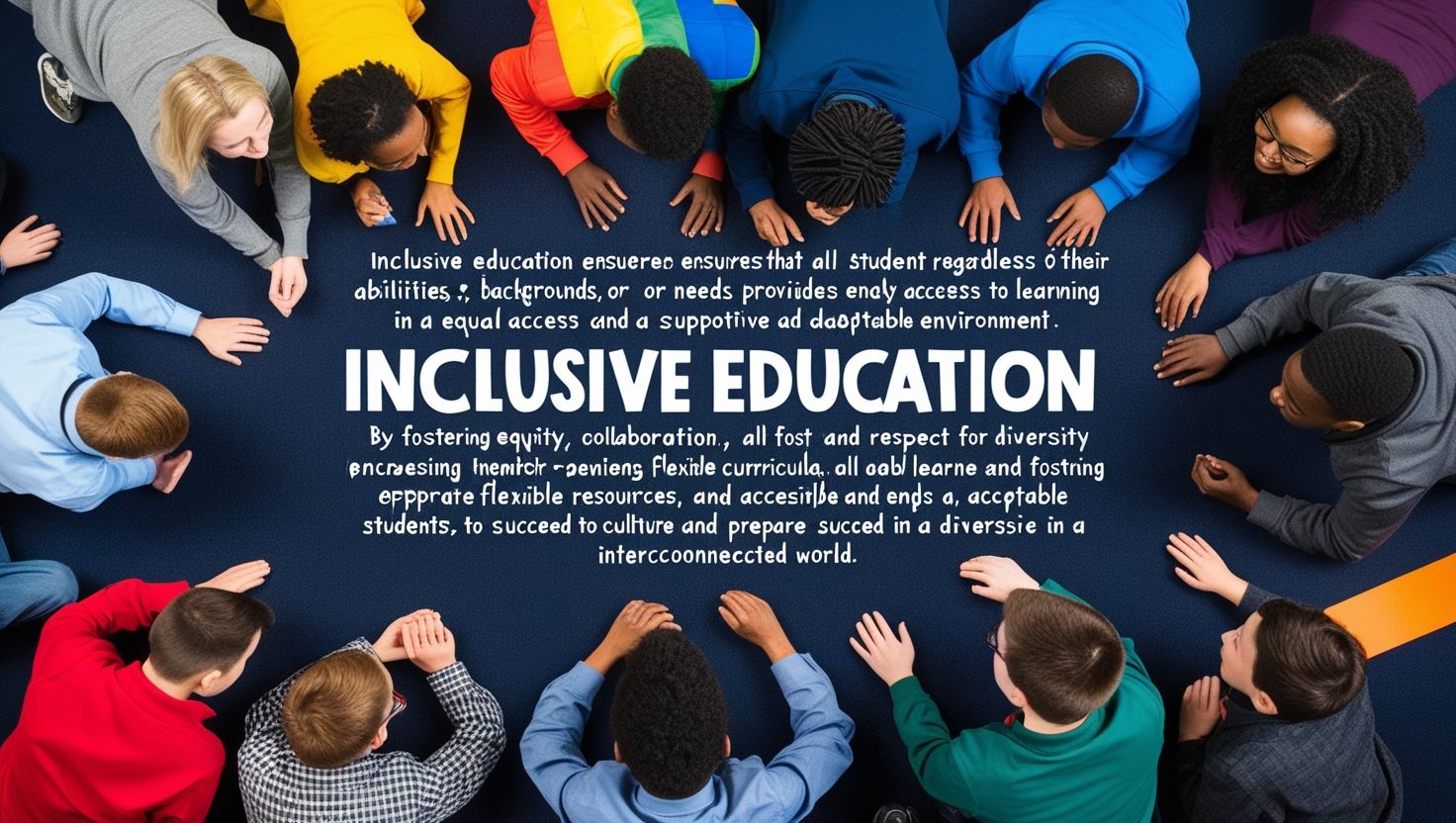
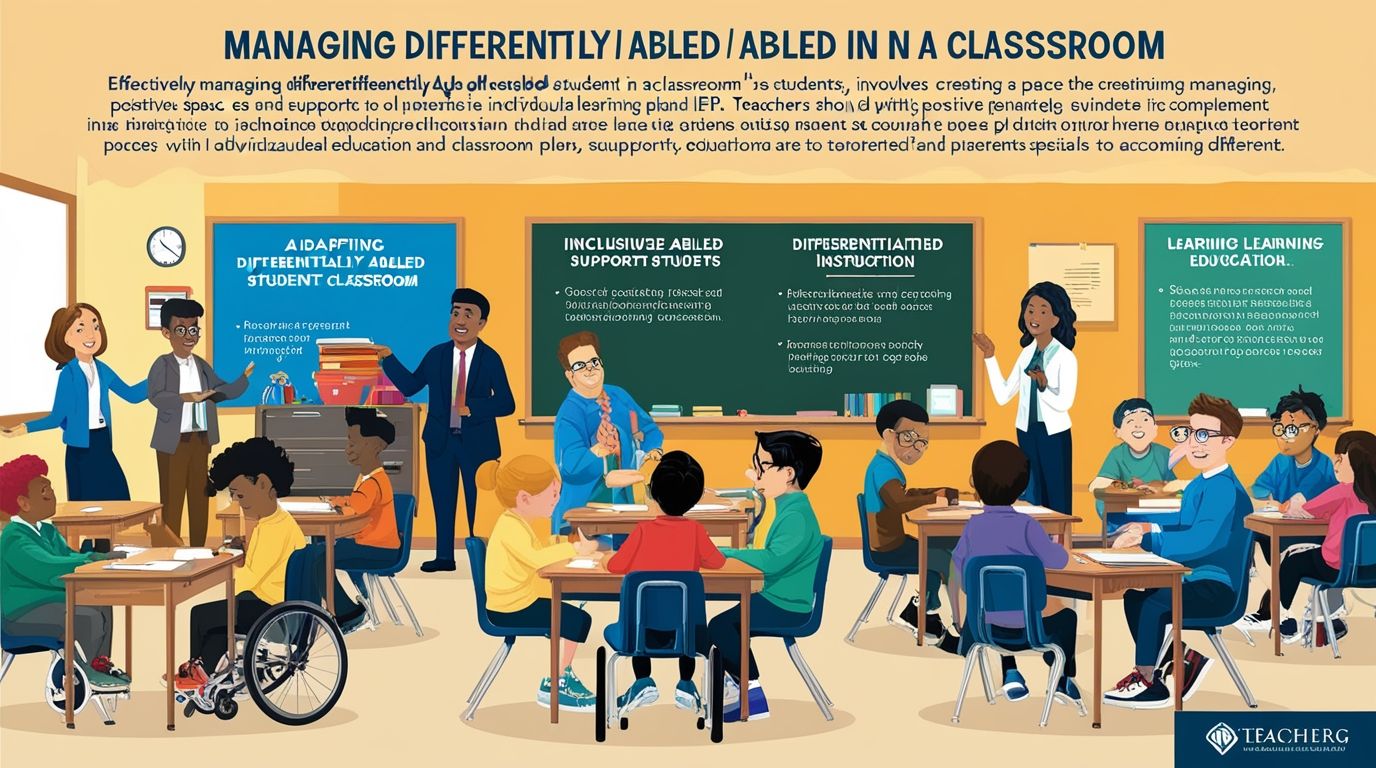
Inclusive classrooms integrate learners with diverse abilities and backgrounds within a shared educational environment.
Characteristics
- Equal participation opportunities
- Differentiated instruction
- Respect for diversity
- Supportive learning atmosphere
Advantages
Inclusive classrooms promote equality, empathy, and social integration. Students learn to appreciate diversity while receiving individualized support.
Limitations
Teachers may struggle to meet diverse needs without sufficient resources or specialized training.
Inclusive education is widely recognized as essential for equitable educational access.
Montessori Classroom Style
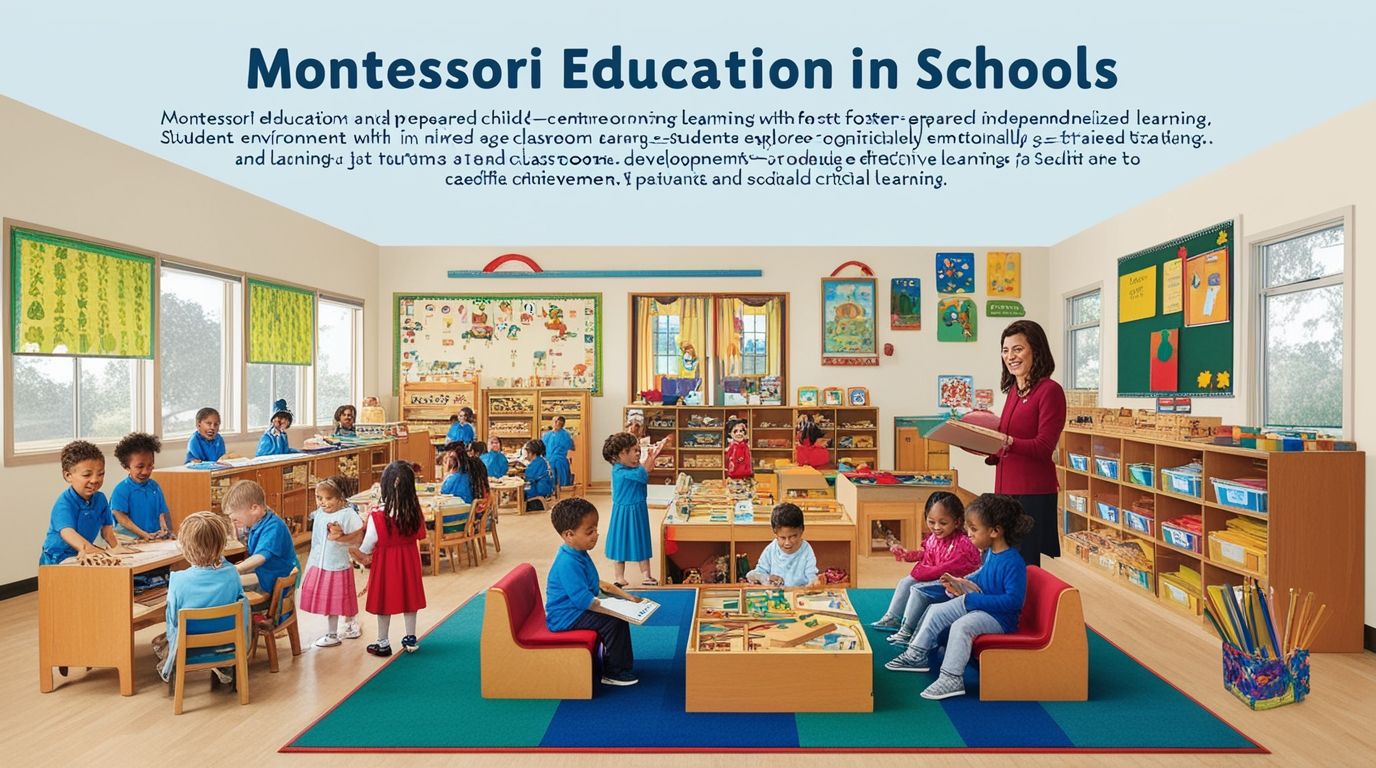
Developed by Maria Montessori, this style emphasizes independence, freedom, and self-directed learning.
Characteristics
- Child-led learning
- Mixed-age classrooms
- Hands-on learning materials
- Teacher as observer
Advantages
Montessori classrooms encourage independence, concentration, and intrinsic motivation. Students learn at their own pace.
Limitations
This style requires specialized resources and teacher training. Some critics argue that less structure may not suit all learners.
Montessori education remains influential in early childhood learning.
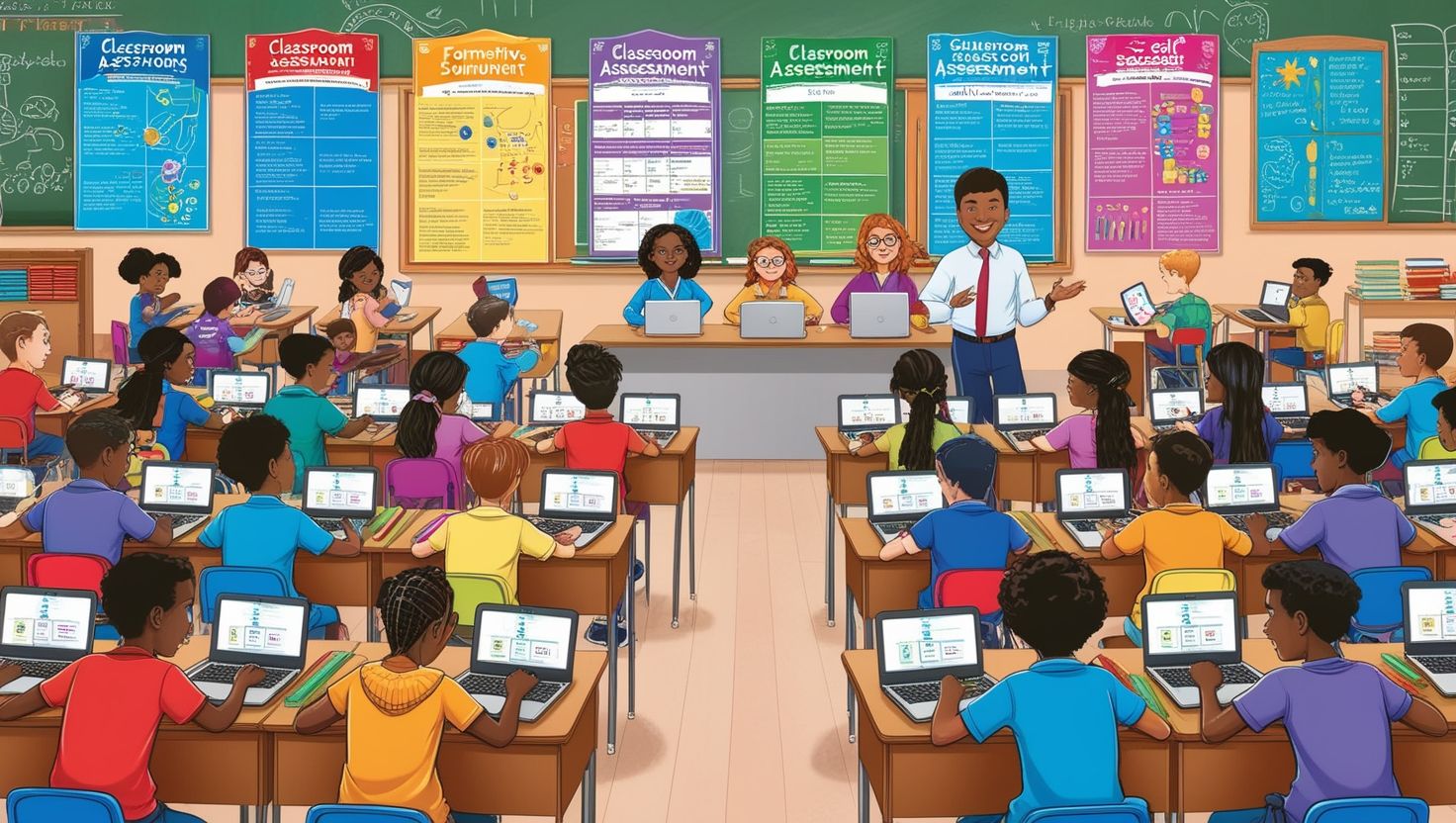
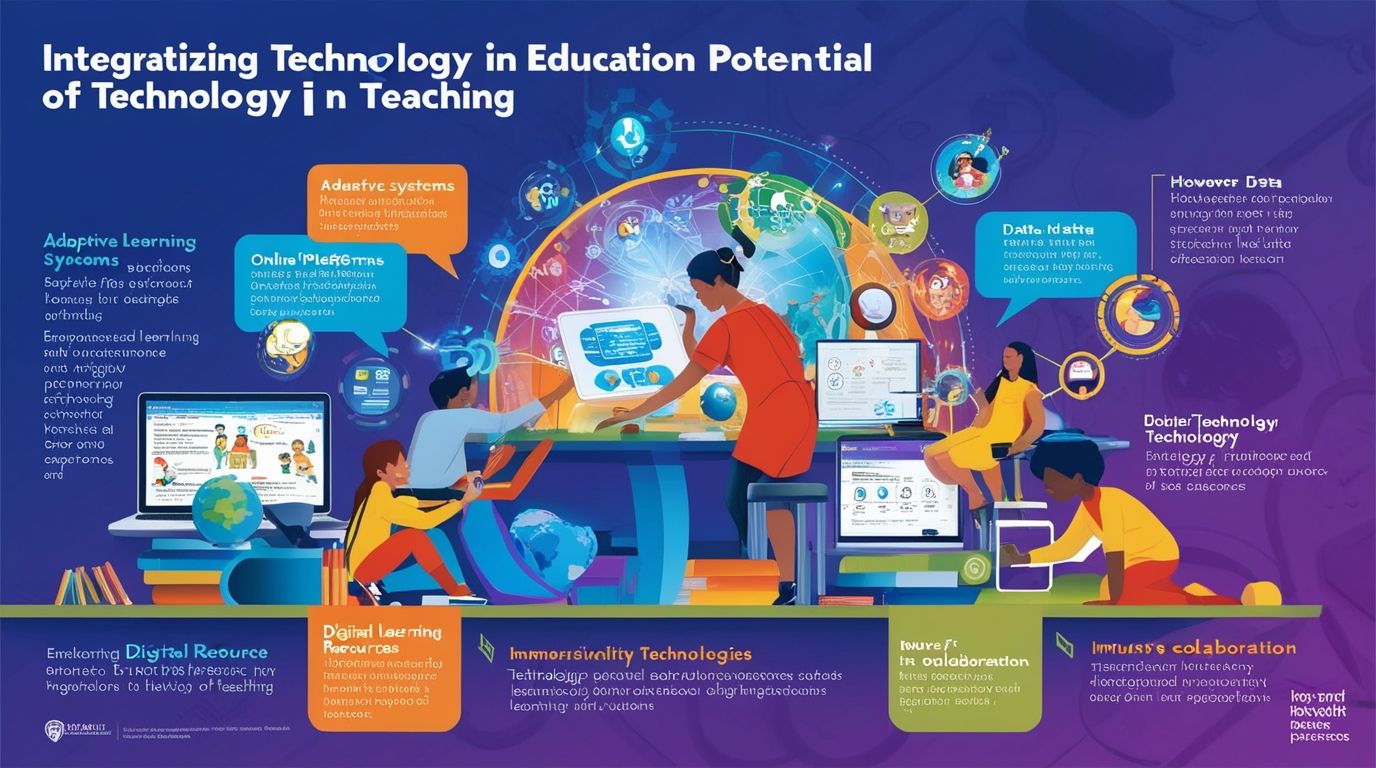
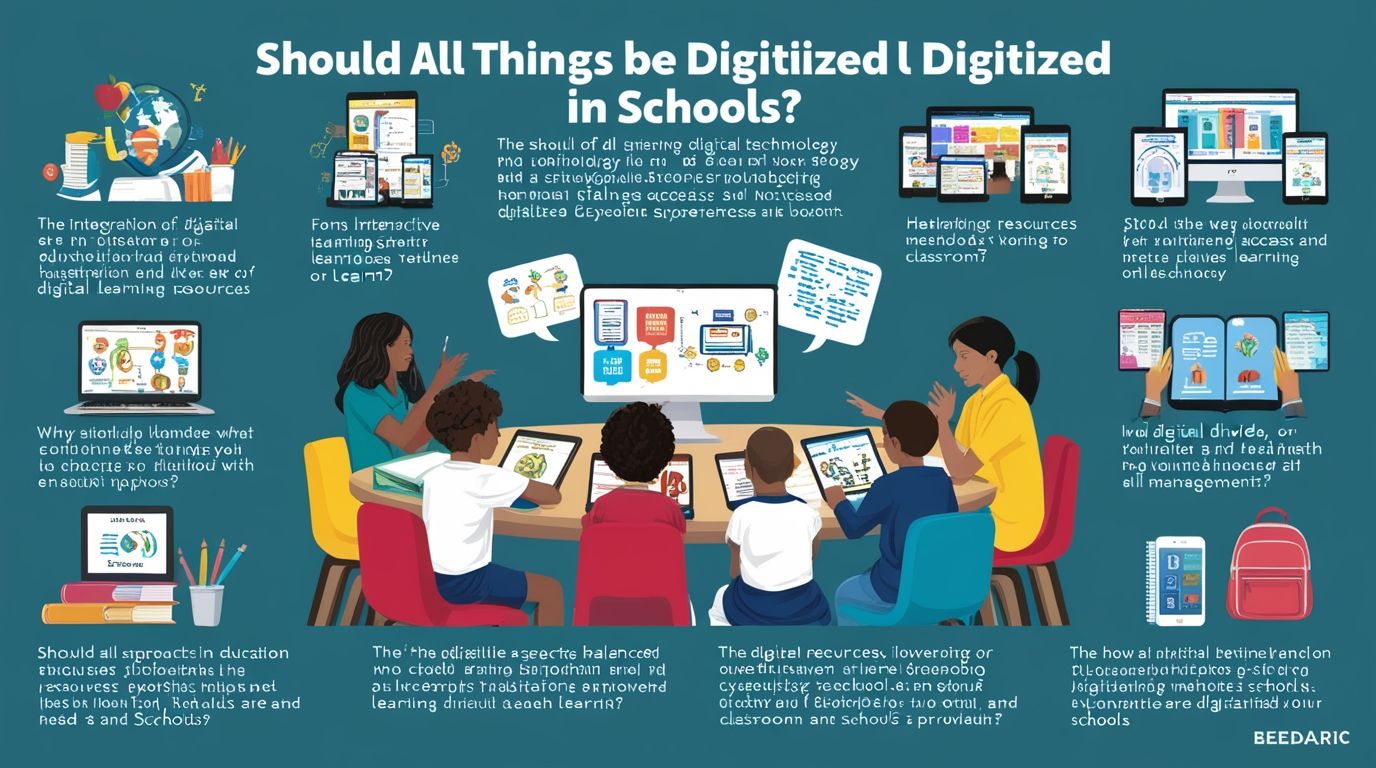
Technology-Integrated Classroom Style
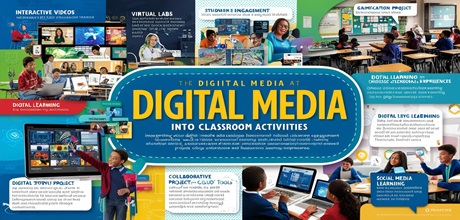
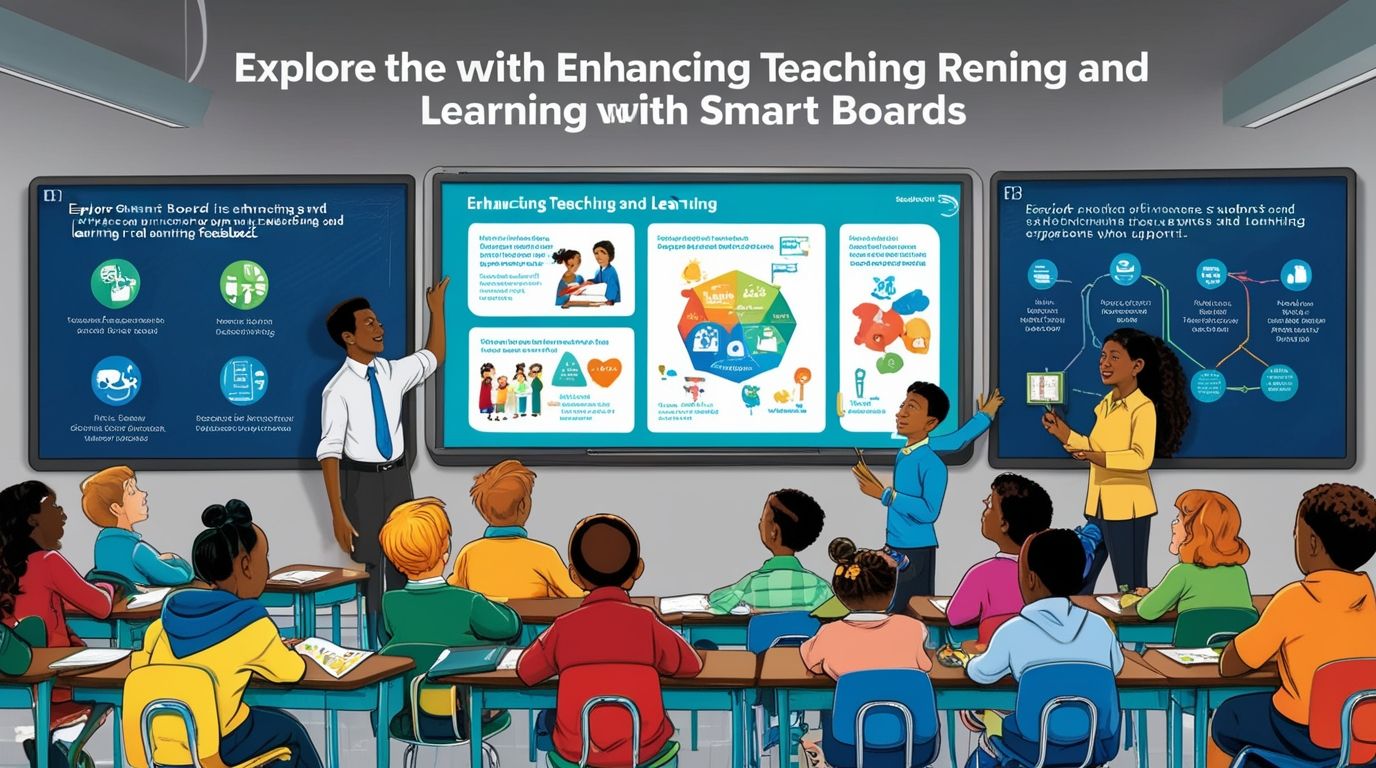
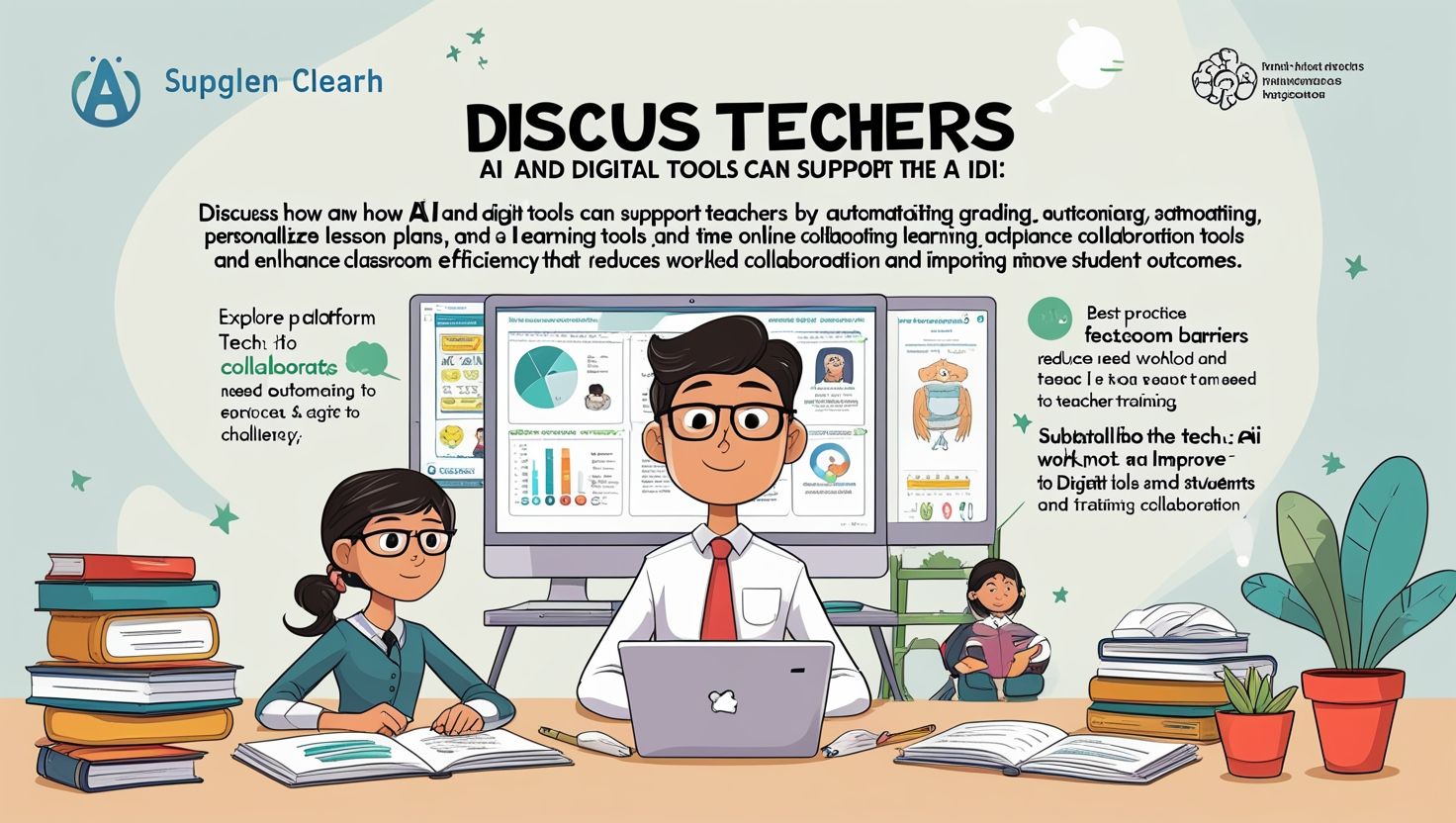
Technology-integrated classrooms use digital tools to enhance teaching and learning.
Characteristics
- Smart boards and digital devices
- Multimedia instruction
- Online collaboration
- Interactive simulations
Advantages
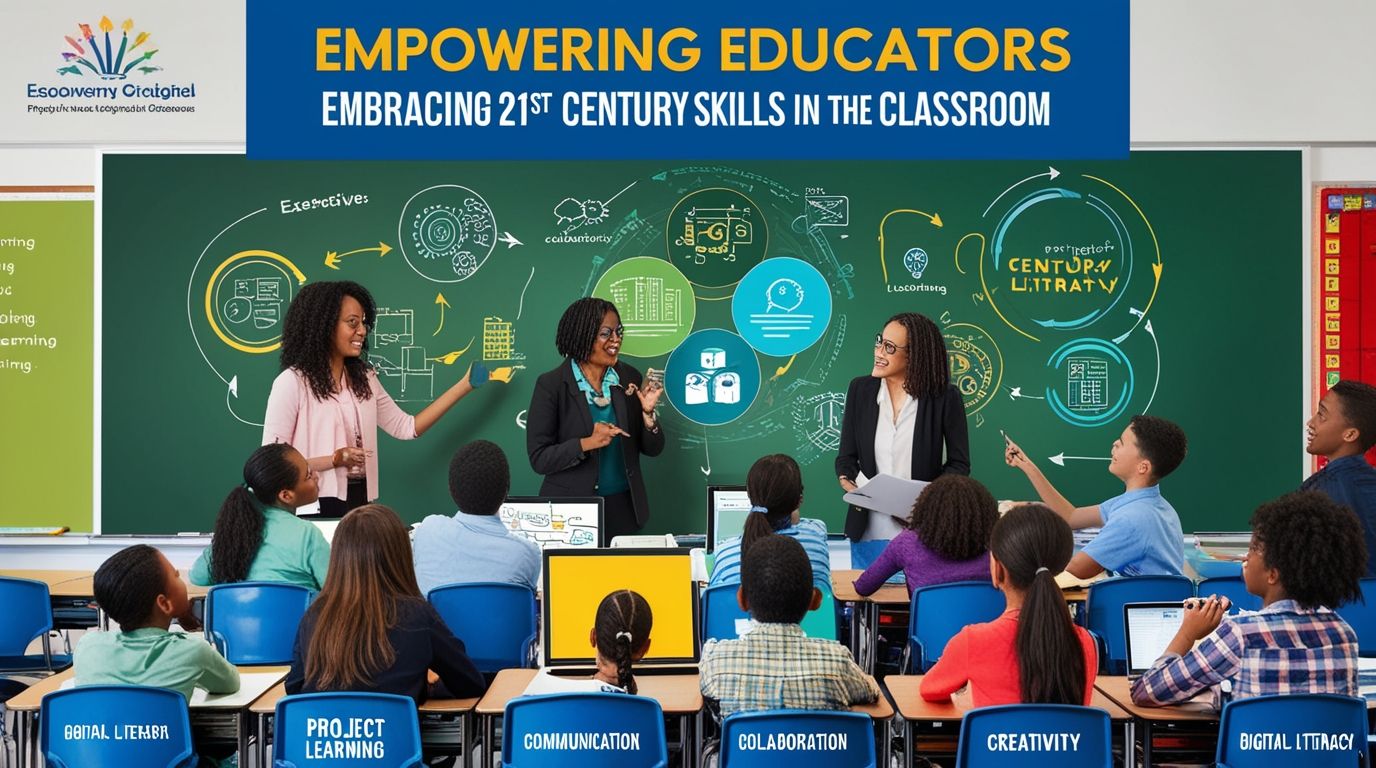
Technology increases engagement, accessibility, and personalized learning opportunities. Students gain digital literacy essential for modern society.
Limitations
Challenges include unequal technology access, technical difficulties, and potential distractions.
Effective integration requires infrastructure and teacher competence.
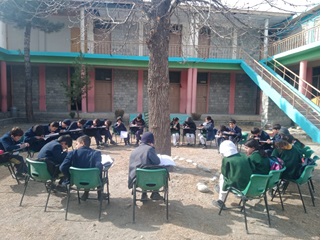
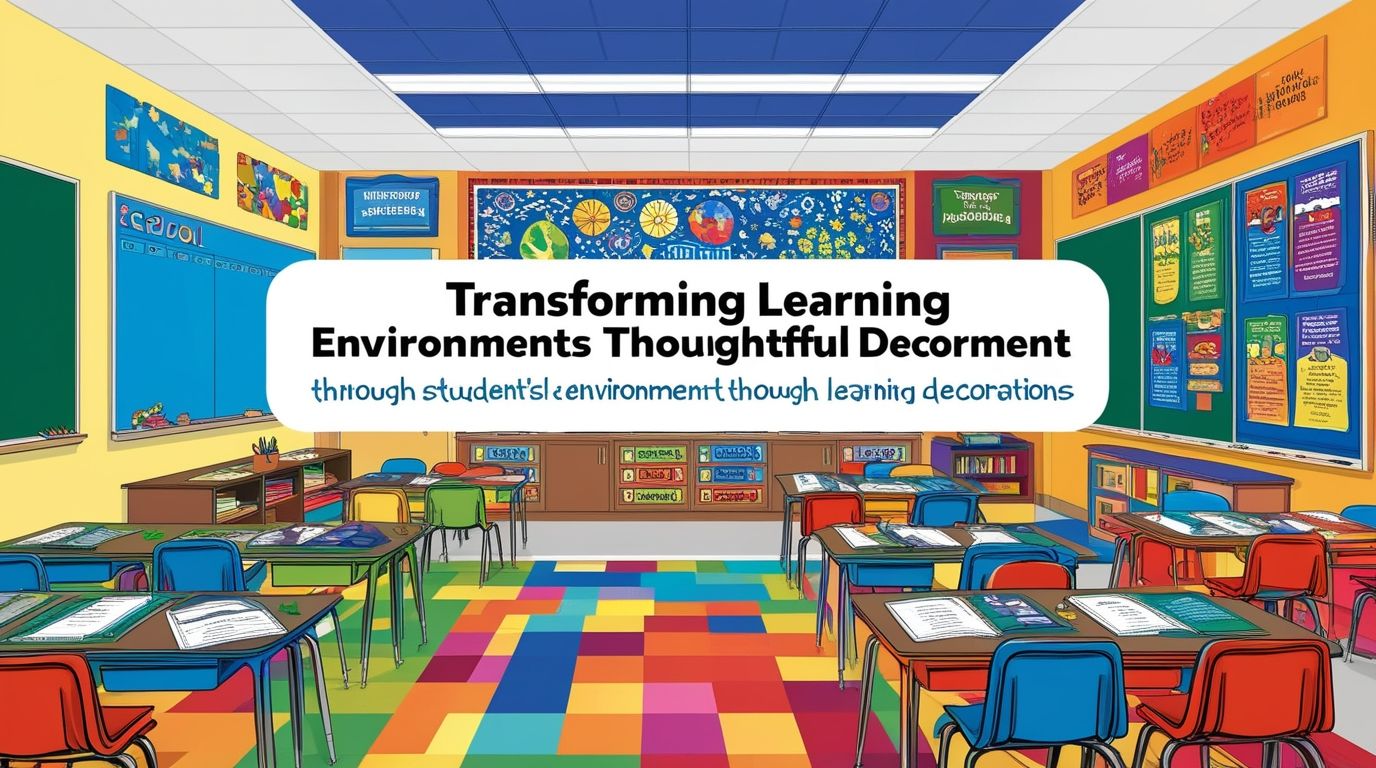
Flexible Seating Classroom Style
Flexible seating allows students to choose where and how they learn within the classroom.
Characteristics
- Non-traditional seating options
- Student mobility
- Comfortable learning environment
Advantages
Improves comfort, engagement, and concentration. Encourages student ownership of learning.
Limitations
Can create distractions if poorly managed.
Flexible seating supports learner-centered educational environments.
Comparative Analysis of Classroom Styles
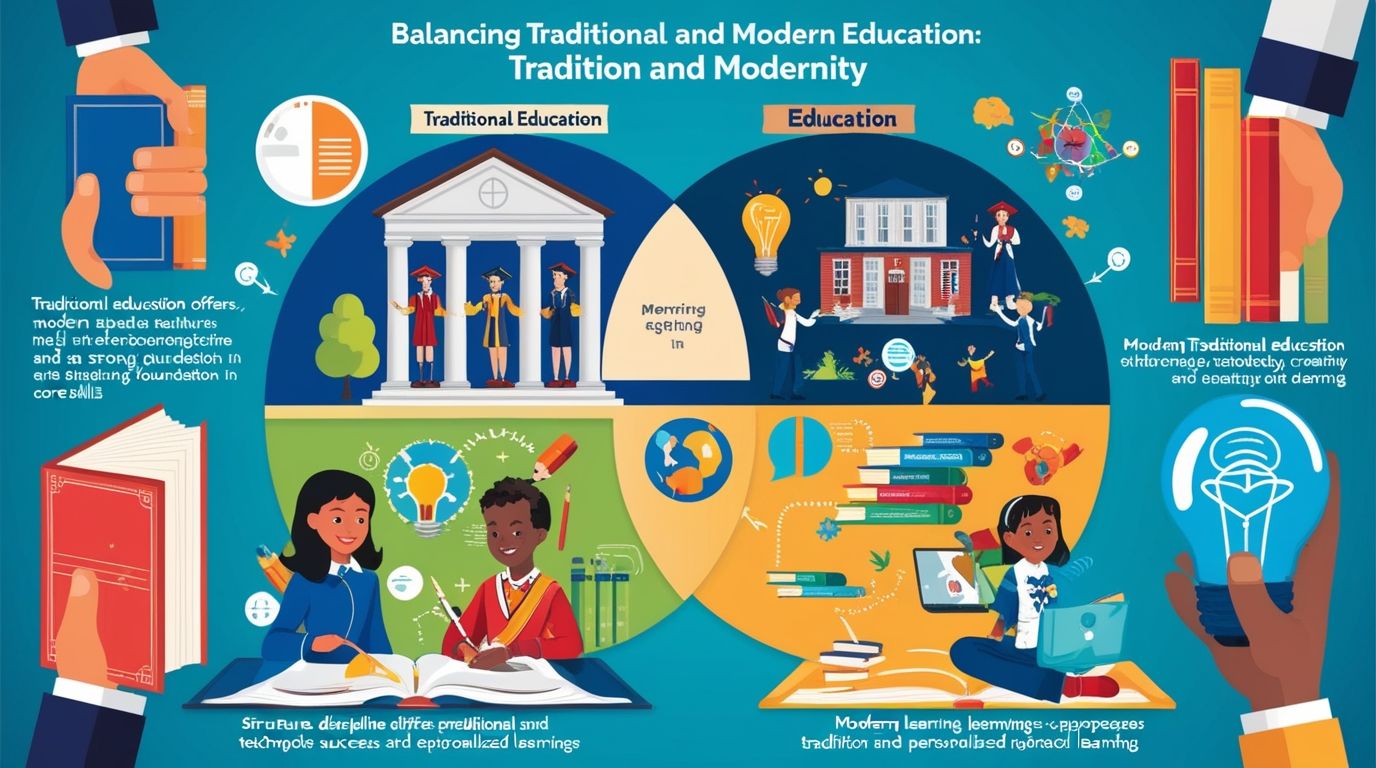
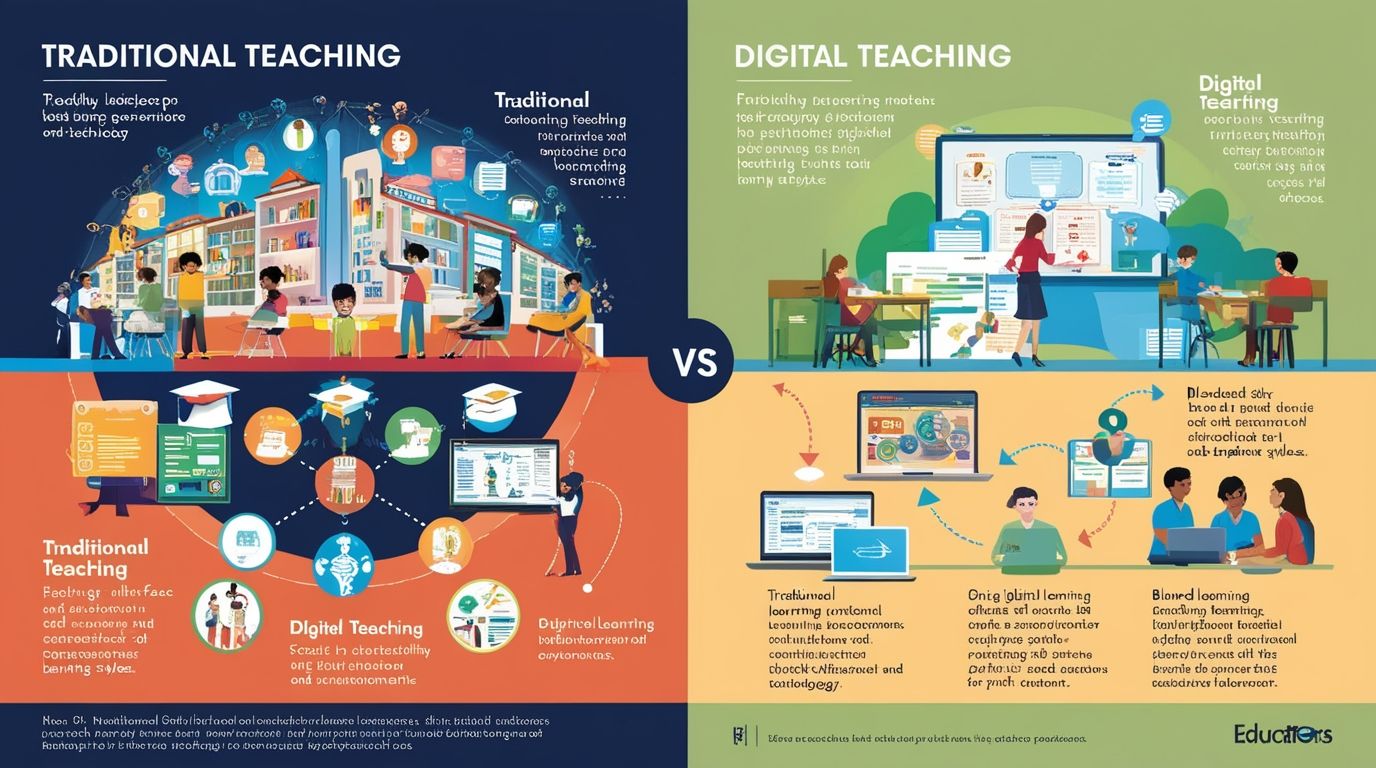
Each classroom style serves different educational purposes. Traditional classrooms provide structure and content mastery.
Student-centered classrooms promote critical thinking. Collaborative classrooms strengthen social learning.
Inquiry-based classrooms develop research skills. Flipped classrooms maximize classroom interaction.
Inclusive classrooms ensure educational equity. Montessori classrooms encourage independence.
Technology-integrated classrooms prepare digital learners. The most effective classrooms often combine elements from multiple styles.
Conclusion
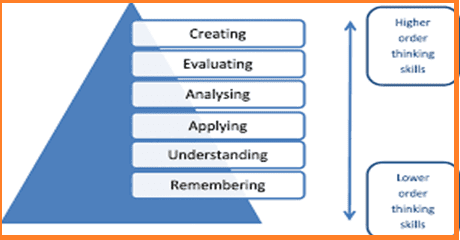
Classroom styles significantly shape educational quality and student development. Traditional teacher-centered classrooms remain valuable for structured instruction, while student-centered and collaborative approaches foster engagement and higher-order thinking. Inquiry-based, flipped, inclusive, Montessori, and technology-integrated classrooms address modern educational needs by promoting creativity, flexibility, and diversity.
No classroom style is universally superior. Educational effectiveness depends on adapting classroom environments to learner characteristics, curriculum demands, and institutional resources. Contemporary education increasingly favors blended classroom styles that combine structure with learner autonomy.
The future of education lies in flexible, inclusive, and innovative classrooms that prepare students for lifelong learning and responsible participation in society.
References
Dewey, J. (1938). Experience and Education. New York: Macmillan.
Montessori, M. (1967). The Discovery of the Child. New York: Ballantine.
Piaget, J. (1972). The Psychology of the Child. New York: Basic Books.
Vygotsky, L. S. (1978). Mind in Society. Cambridge: Harvard University Press.
Knaub, A. et al. (2016). Classroom space and educational effectiveness. International Journal of STEM Education, 3(31).
Kokkinos, C. et al. (2011). Classroom management styles and achievement. Procedia Social and Behavioral Sciences, 15, 1727–1734.
Rytivaara, A. (2011). Flexible grouping in classrooms. European Educational Research Journal, 10(1), 118–123.