
Introduction
Teachers’ Standards of Teaching in Education, Education is the foundation of social, economic, and cultural development, and teachers are the most influential agents within the educational system. The quality of education depends largely on the quality and standards of teaching practiced by teachers. Teachers’ standards of teaching refer to the professional expectations, competencies, ethical values, and instructional practices that educators are required to uphold to ensure effective teaching and learning. In a rapidly changing world marked by technological advancement, globalization, and diverse learning needs, maintaining high teaching standards has become more important than ever.
Teachers are not merely transmitters of knowledge; they are facilitators, guides, mentors, and role models. High standards of teaching help teachers meet students’ academic needs while also supporting their emotional, social, and moral development. These standards provide a framework that ensures consistency, accountability, and excellence in education. This article discusses the concept, components, importance, challenges, and future directions of teachers’ standards of teaching in education.
Meaning and Concept of Teachers’ Standards of Teaching
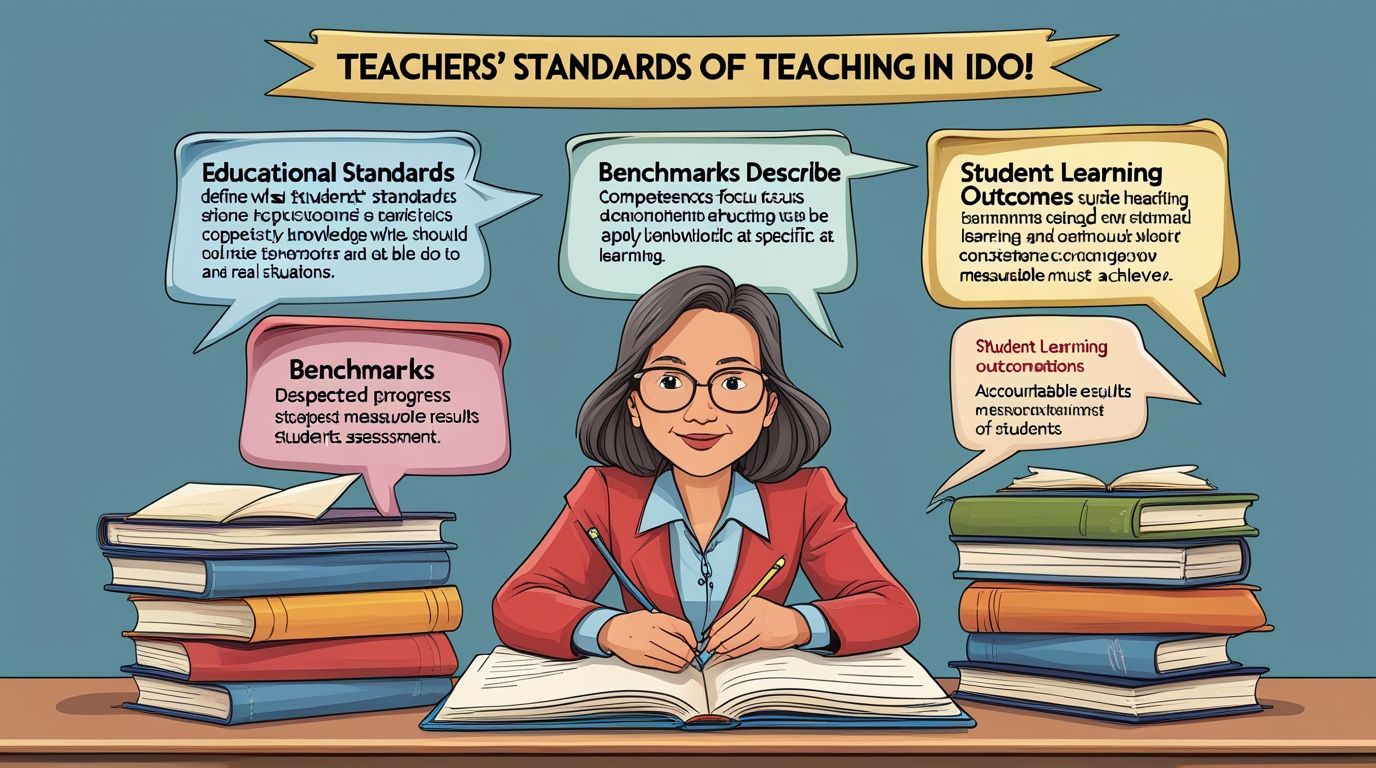
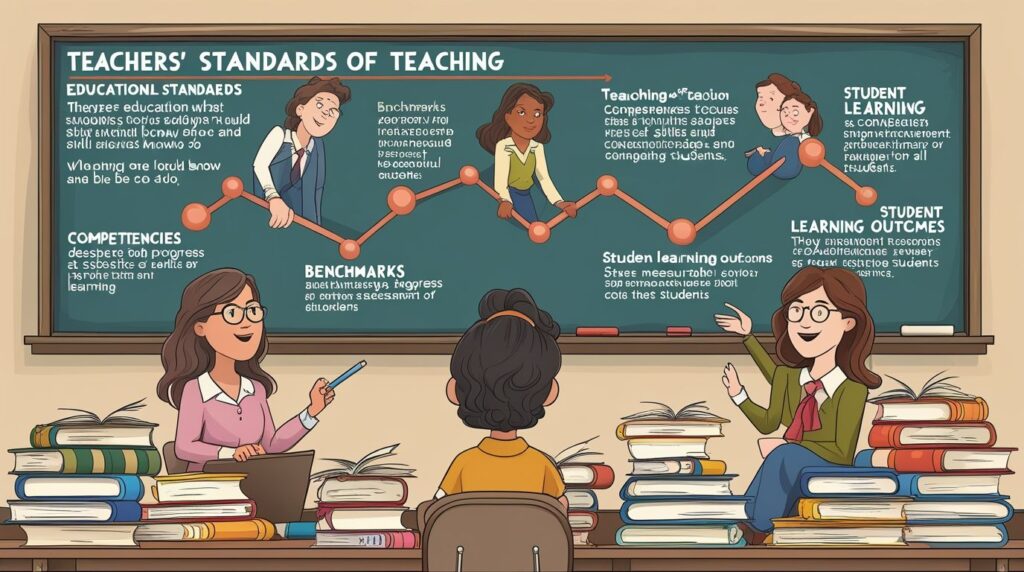
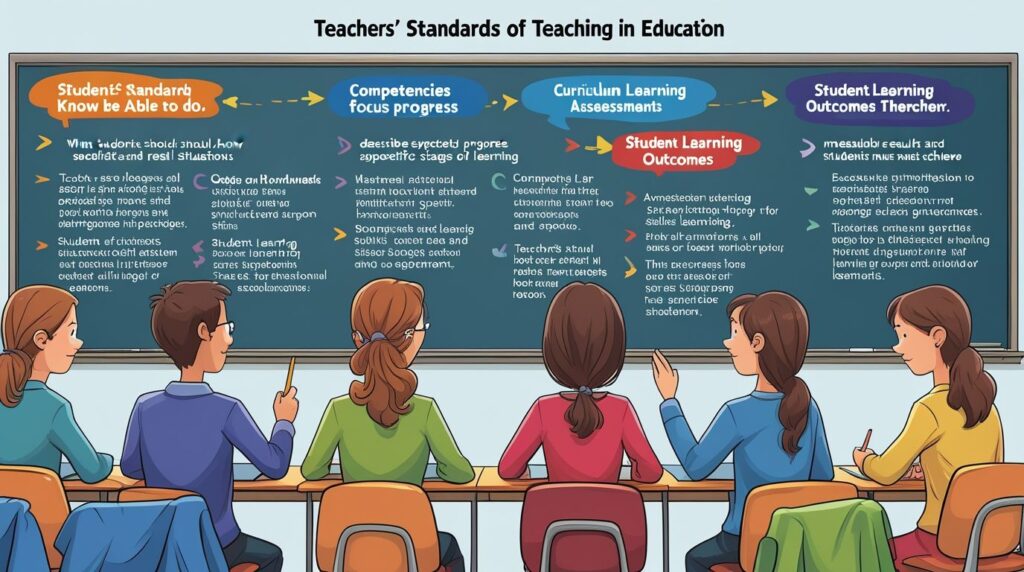
Teachers’ standards of teaching are a set of professional guidelines that describe what teachers should know, believe, and be able to do. These standards define the minimum and expected level of competence required for effective teaching. They cover various aspects such as subject knowledge, teaching skills, classroom management, assessment practices, professional conduct, and continuous professional development.
The concept of teaching standards emphasizes quality assurance in education. Teaching standards serve as benchmarks for evaluating teacher performance and guiding teacher training programs. They ensure that teachers are well-prepared to handle diverse classrooms and changing educational demands. By following these standards, teachers can deliver meaningful learning experiences and contribute positively to the education system.
Objectives of Teachers’ Standards
The main objectives of teachers’ standards of teaching include:
- To ensure quality and consistency in teaching practices
- To promote professionalism among teachers
- To improve student learning outcomes
- To guide teacher education and training programs
- To encourage self-evaluation and professional growth
- To maintain ethical conduct and accountability in education
Key Components of Teachers’ Standards of Teaching
1. Subject Knowledge and Understanding
A strong command of subject knowledge is one of the most important standards of teaching. Teachers must possess in-depth knowledge of the subjects they teach, including concepts, theories, and practical applications. Subject mastery enables teachers to explain topics clearly, answer students’ questions effectively, and relate lessons to real-life situations.
Teachers should also stay updated with recent developments in their subject areas. Continuous learning through reading, research, and professional courses is essential for maintaining high standards of subject knowledge.
2. Pedagogical Skills and Teaching Methods
Effective teaching requires the use of appropriate pedagogical skills. Teachers should understand how students learn and adapt their teaching methods accordingly. Modern teaching standards emphasize student-centered learning rather than traditional lecture-based methods.
Some important pedagogical practices include:
- Activity-based learning
- Inquiry-based learning
- Collaborative learning
- Use of teaching aids and instructional materials
Teachers should be flexible and innovative in their teaching approaches to meet the needs of different learners.
3. Classroom Management
Classroom management is a vital teaching standard that ensures a positive and disciplined learning environment. A well-managed classroom encourages student participation, reduces disruptions, and promotes mutual respect.
Effective classroom management includes:
- Establishing clear rules and expectations
- Maintaining discipline with fairness
- Encouraging positive behavior
- Creating an inclusive and supportive atmosphere
Teachers must balance authority with empathy to maintain harmony in the classroom.
4. Understanding Learners and Individual Differences
Students come from diverse backgrounds and possess different abilities, interests, and learning styles. One of the key standards of teaching is understanding these individual differences and adapting instruction accordingly.
Teachers should identify students’ strengths and weaknesses and provide appropriate support. Inclusive education practices ensure that all students, including those with need, receive equal learning opportunities.
5. Assessment and Evaluation
Assessment is an integral part of the teaching-learning process. Teachers’ standards require the use of fair, valid, and continuous assessment methods to evaluate student progress.
Types of assessment include:
- Formative assessment
- Summative assessment
- Diagnostic assessment
Effective assessment helps teachers identify learning gaps and improve instructional strategies. Feedback should be constructive and aimed at encouraging student improvement.
6. Use of Technology in Teaching
In the modern era, the integration of technology is an essential teaching standard. Teachers should be competent in using digital tools such as computers, projectors, smart boards, and online learning platforms.
Technology enhances teaching by:
- Making lessons more engaging
- Providing access to vast learning resources
- Supporting blended and online learning
Teachers must use technology responsibly and effectively to improve learning outcomes.
7. Professional Ethics and Values
Professional ethics form the moral foundation of teaching standards. Teachers must demonstrate integrity, honesty, fairness, and respect in their professional conduct.
Ethical standards include:
- Treating all students equally
- Maintaining confidentiality
- Avoiding discrimination and bias
- Acting as role models
Teachers’ ethical behavior has a strong influence on students’ character development.
8. Communication Skills
Effective communication is a crucial teaching standard. Teachers must communicate clearly with students, parents, and colleagues. Good communication helps in explaining concepts, resolving conflicts, and building positive relationships.
Both verbal and non-verbal communication skills are important for successful teaching.
9. Professional Development
Teaching is a dynamic profession that requires continuous improvement. Teachers’ standards emphasize lifelong learning and professional development.
Professional development activities include:
- Workshops and seminars
- Training programs
- Peer collaboration
- Self-reflection and research
Continuous professional growth helps teachers adapt to new educational challenges.
Importance of Teachers’ Standards of Teaching
Teachers’ standards play a crucial role in improving the overall quality of education. They ensure that teachers are competent, confident, and committed to their profession. High teaching standards lead to better student achievement and holistic development.
Some major benefits include:
- Improved teaching effectiveness
- Enhanced student engagement and learning
- Increased professional accountability
- Strengthened public trust in the education system
Standards also help policymakers and institutions design better teacher education programs.
Role of Teachers in Maintaining Teaching Standards
Teachers themselves are responsible for maintaining and improving teaching standards. They must be self-motivated, reflective, and open to feedback.
Teachers can maintain standards by:
- Regular self-evaluation
- Updating subject knowledge
- Adopting innovative teaching methods
- Building positive relationships with students
A committed teacher plays a vital role in shaping the future of learners and society.
Challenges in Maintaining Teaching Standards
Despite their importance, maintaining high teaching standards is not without challenges. Some common challenges include:
- Lack of training opportunities
- Overcrowded classrooms
- Limited teaching resources
- Heavy workload and stress
- Resistance to change
Addressing these challenges requires support from educational institutions, administrators, and government authorities.
Strategies for Improving Teachers’ Standards
To enhance teaching standards, the following strategies can be adopted:
- Regular professional development programs
- Performance evaluation and feedback
- Use of modern teaching tools
- Supportive school leadership
- Encouraging collaboration among teachers
A systematic approach is needed to ensure sustained improvement.
Teachers’ Standards in the Global Context
Globally, many countries have developed formal teaching standards to ensure educational quality. These standards focus on teacher competence, accountability, and continuous improvement. International best practices emphasize inclusive education, learner-centered teaching, and digital literacy.
Adopting global perspectives helps improve national education systems and prepares students for global citizenship.
Future of Teachers’ Standards of Teaching
The future of teaching standards will be shaped by technological advancement, changing learner needs, and global educational trends. Teachers will need to focus more on critical thinking, creativity, emotional intelligence, and digital skills.
Flexible and adaptive teaching standards will be essential to meet future educational demands.
Conclusion
Teachers’ standards of teaching are the backbone of a strong and effective education system. They provide a clear framework for professional practice and ensure quality learning for students. High teaching standards promote excellence, accountability, and ethical conduct among teachers. By continuously improving their knowledge, skills, and values, teachers can meet the challenges of modern education and contribute to the overall development of society. Strengthening teachers’ standards is not only an educational necessity but also a social responsibility.
**finessa**
Finessa is a natural supplement made to support healthy digestion, improve metabolism, and help you achieve a flatter belly.