
Introduction:
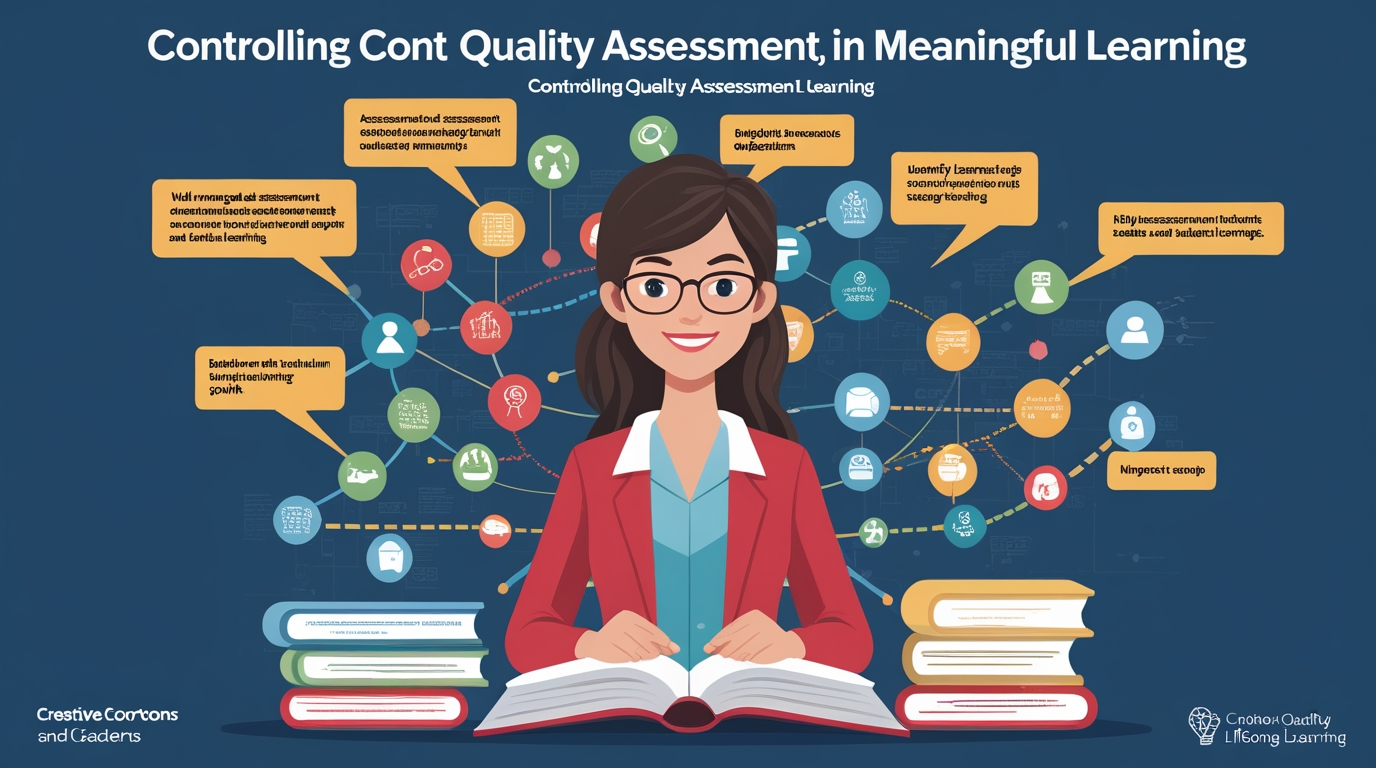
The Need to Control Quality Assessment in Education, Quality assessment is the backbone of effective education systems. It determines how well students understand concepts, apply skills, and develop critical thinking. However, without proper control mechanisms, assessment can become unfair, inconsistent, and ineffective. Therefore, controlling quality assessment in education is essential to ensure reliability, validity, and fairness. Moreover, quality-controlled assessments support meaningful learning rather than rote memorization. In addition, they guide teachers in improving instruction and help institutions maintain academic standards. When assessment quality is well managed, students feel motivated and confident. As a result, learning outcomes improve steadily. This article explains practical and systematic ways to control quality assessment in education. It follows a structured approach focusing on planning, implementation, monitoring, and improvement. Furthermore, it highlights the role of teachers, administrators, and policy makers in sustaining assessment quality.
Understanding Quality Assessment in Education
To control quality assessment, it is important to understand what quality means in assessment. Quality assessment measures learning objectives accurately and fairly. It aligns with curriculum goals and reflects real learning. In addition, quality assessment in education is valid, reliable, objective, and practical. Validity ensures the test measures what it is intended to measure. Reliability guarantees consistent results across different times and evaluators. Objectivity reduces personal bias, while practicality ensures feasibility. Moreover, quality assessment includes both formative and summative methods. It values continuous feedback rather than one-time exams. Therefore, understanding these dimensions helps educators design better assessment tools. When assessment standards are clearly defined, controlling quality becomes easier and more effective.
Setting Clear Assessment Standards and Criteria
Clear standards are the foundation of quality control in assessment. Teachers and institutions must define learning outcomes before designing assessments. These outcomes should be specific, measurable, and aligned with curriculum objectives. Furthermore, assessment criteria should be shared with students in advance. Rubrics help clarify expectations and ensure transparency. As a result, students understand how they will be evaluated. In addition, standardized criteria reduce subjectivity in marking. When all assessors follow the same benchmarks, fairness improves. Therefore, setting clear standards ensures consistency across classes and subjects. It also helps institutions monitor whether assessments meet academic requirements.
Alignment of Assessment with Curriculum Objectives
Assessment quality improves when it is closely aligned with curriculum objectives. Each test item should directly relate to what students are expected to learn. Moreover, curriculum-aligned assessment avoids irrelevant or overly difficult questions. Teachers should map assessment items to learning outcomes. This mapping ensures balanced coverage of content and skills. In addition, alignment prevents overemphasis on memorization. Instead, it encourages higher-order thinking. When assessments reflect curriculum goals, students focus on meaningful learning. Consequently, quality control becomes systematic and evidence-based.
Using a Variety of Assessment Methods
Relying on a single assessment method weakens quality control. Therefore, educators should use multiple assessment tools. These include quizzes, assignments, projects, presentations, and exams. In addition, diverse assessment methods address different learning styles. Formative assessments provide ongoing feedback, while summative assessments evaluate overall achievement. Moreover, performance-based assessments measure real-world application of knowledge. Using varied methods reduces bias and increases validity. As a result, assessment outcomes become more accurate and comprehensive. This diversity plays a key role in controlling assessment quality.
Ensuring Validity and Reliability of Assessment Tools
Validity and reliability are central to assessment quality. Valid assessments measure intended learning outcomes accurately. Reliability ensures consistent results across different conditions. Therefore, teachers must review assessment tools carefully. Piloting test items before final use improves accuracy. Moreover, item analysis helps identify weak or confusing questions. In addition, moderation among teachers enhances consistency. When assessments are both valid and reliable, quality control is strengthened. This process builds trust among students and stakeholders.
Teacher Training and Professional Development
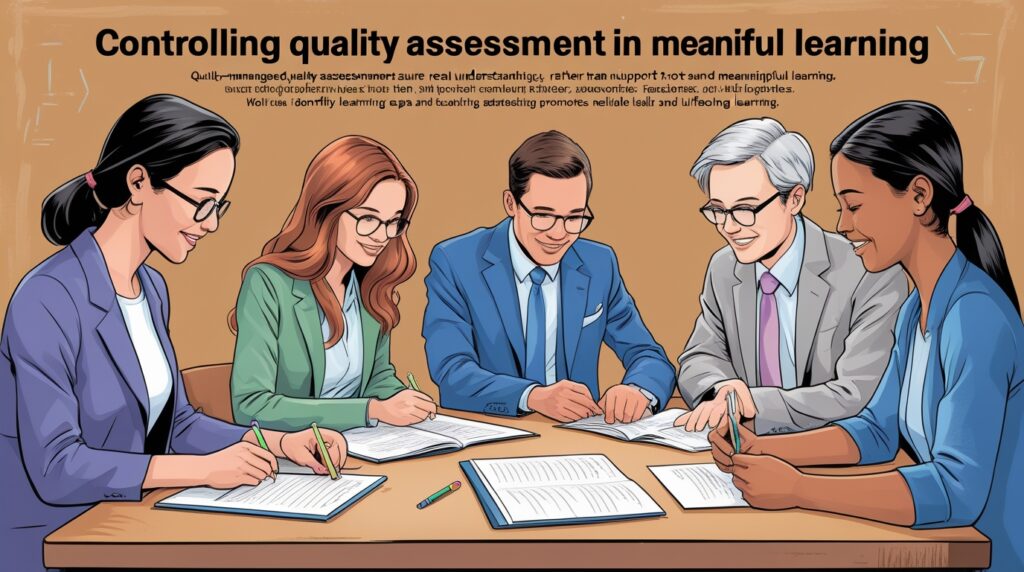
Teachers play a critical role in controlling assessment quality. Continuous professional development improves assessment literacy. Training programs should focus on test construction, rubric design, and feedback strategies. Moreover, trained teachers apply assessment principles more effectively. They avoid common errors such as ambiguous questions and biased marking. In addition, collaboration among teachers promotes shared understanding of standards. When teachers are confident assessors, assessment quality improves naturally. Therefore, investing in teacher training is essential for long-term quality control.
Moderation and Standardization of Assessment
Moderation ensures consistency in assessment practices. It involves reviewing assessment tasks and student work collectively. Through moderation, teachers compare marking standards and resolve differences. Moreover, standardized assessment procedures reduce variability. External moderation further enhances credibility. In addition, moderation helps identify gaps in assessment design. As a result, institutions maintain uniform quality across departments. Moderation is a powerful tool for controlling assessment quality.
Monitoring and Reviewing Assessment Practices
Regular monitoring is necessary to maintain assessment quality. Institutions should establish internal review systems. These systems evaluate assessment design, implementation, and outcomes. Moreover, assessment audits help identify weaknesses. Feedback from students also provides valuable insights. In addition, data analysis reveals trends in student performance. When monitoring is continuous, corrective actions can be taken promptly. Therefore, regular review strengthens quality control mechanisms.
Use of Technology in Quality Assessment Control
Technology plays an important role in controlling assessment quality. Digital tools support item banks, online testing, and automated scoring. Moreover, technology-based assessment improves efficiency and accuracy. Learning management systems track student progress over time. In addition, plagiarism detection tools ensure academic integrity. Analytics help identify inconsistencies and gaps. When used wisely, technology enhances transparency and reliability. Thus, it supports effective quality control in assessment.
Providing Constructive Feedback to Students
Feedback is a key element of quality assessment. It helps students understand their strengths and areas for improvement. Moreover, constructive feedback promotes self-reflection and motivation. Timely feedback improves learning outcomes. In addition, feedback data helps teachers refine assessment tools. When feedback is aligned with criteria, it reinforces transparency. Therefore, effective feedback contributes directly to controlling assessment quality.
Role of Leadership and Policy in Assessment Quality
Educational leadership plays a strategic role in assessment quality control. Administrators must establish clear assessment policies. These policies define standards, procedures, and accountability. Moreover, institutional leadership supports teachers through resources and training. Quality assurance units monitor compliance with assessment standards. In addition, national policies guide uniform practices. Strong leadership ensures sustainability of quality assessment systems.
Ethical Practices and Fairness in Assessment
Ethical considerations are essential for assessment quality. Assessments must be fair, inclusive, and unbiased. Moreover, ethical assessment practices respect student diversity. Accommodations should be provided where necessary. Transparency in marking builds trust. In addition, confidentiality of results must be maintained. Ethical assessment strengthens credibility and quality control.
Continuous Improvement in Assessment Systems
Quality assessment control is an ongoing process. Institutions should adopt a culture of continuous improvement. Reflection on assessment outcomes leads to better practices. Moreover, continuous improvement involves updating tools and strategies. Stakeholder feedback supports informed decisions. In addition, research-based practices enhance effectiveness. When improvement is continuous, assessment quality remains high.
Conclusion: Sustaining Quality Assessment in Education
Controlling quality assessment in education is essential for meaningful learning and academic excellence. It requires clear standards, aligned curriculum, trained teachers, and effective monitoring. Moreover, the use of diverse methods and technology enhances reliability and validity. Ethical practices and strong leadership further support quality control. When assessment systems are continuously reviewed and improved, they serve learners better. Therefore, a comprehensive and systematic approach ensures sustainable quality assessment in education.
This gave me a lot to think about. Thanks for sharing.
Tính riêng trong năm 2024, 888slot nền tảng này đã xử lý hơn 120 triệu lượt cược/tháng, trải dài trên các phân khúc như thể thao, casino live, slots và xổ số. TONY03-25