Introduction
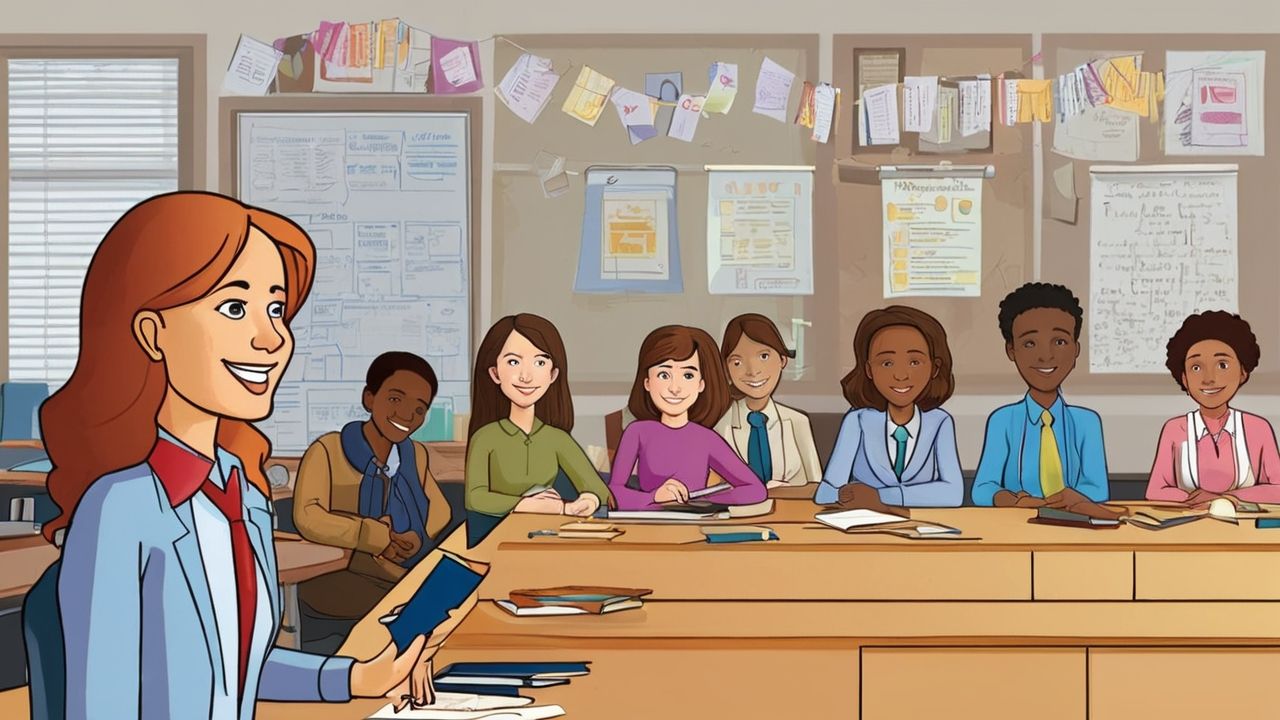
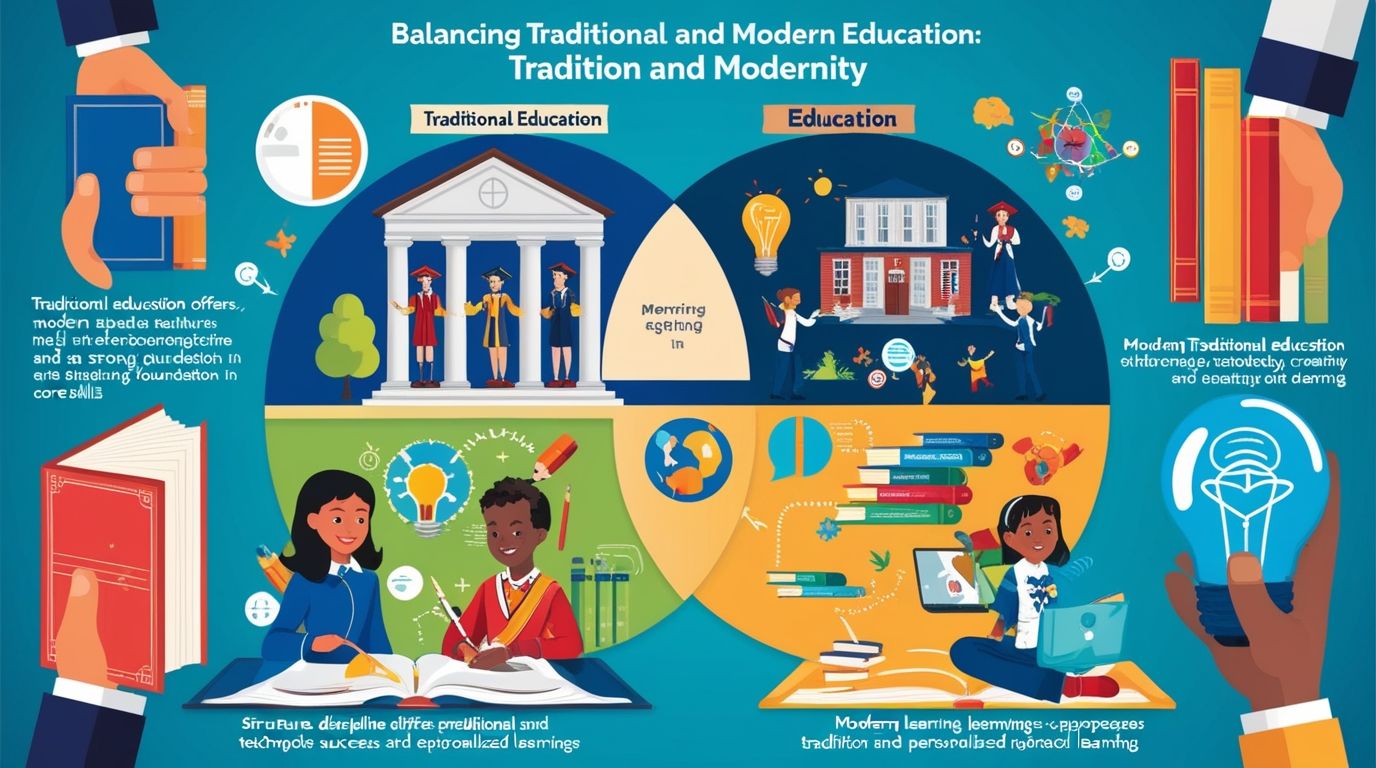
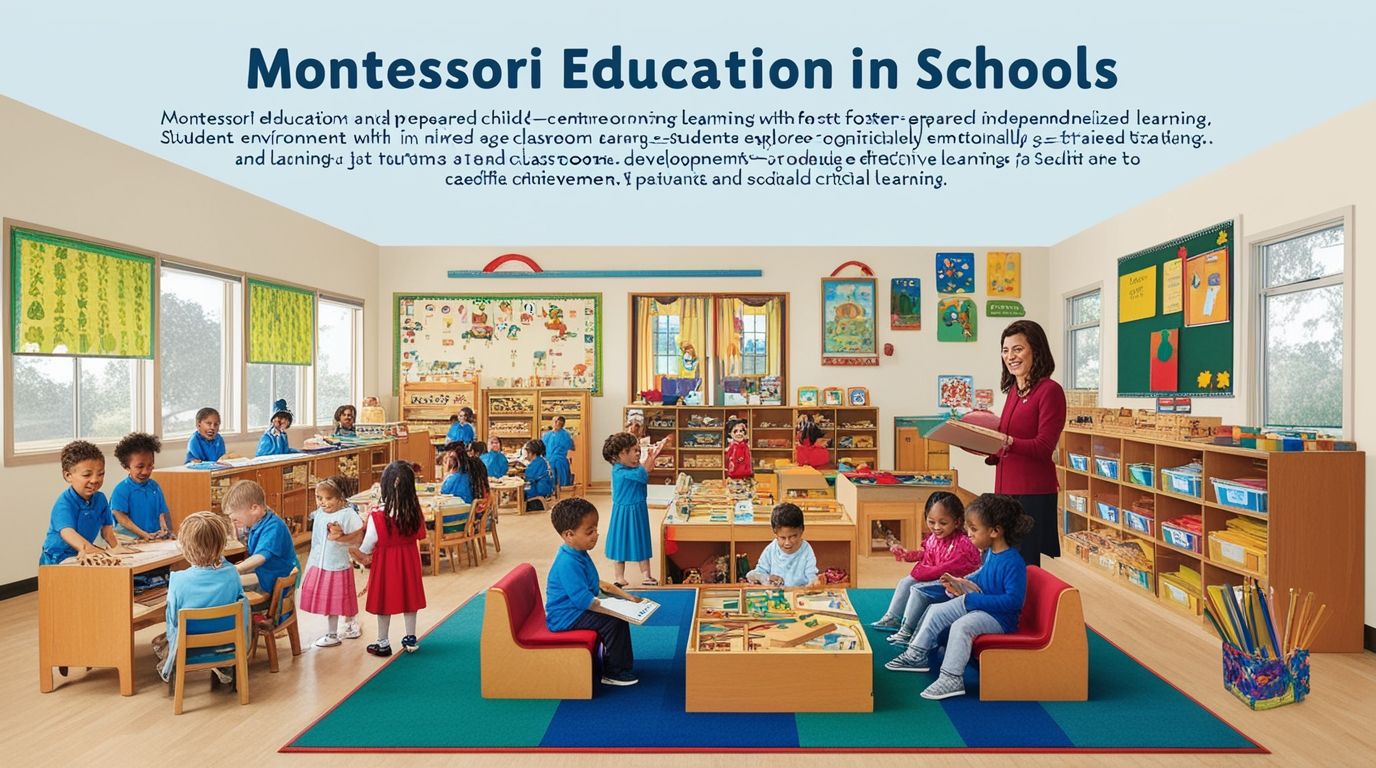
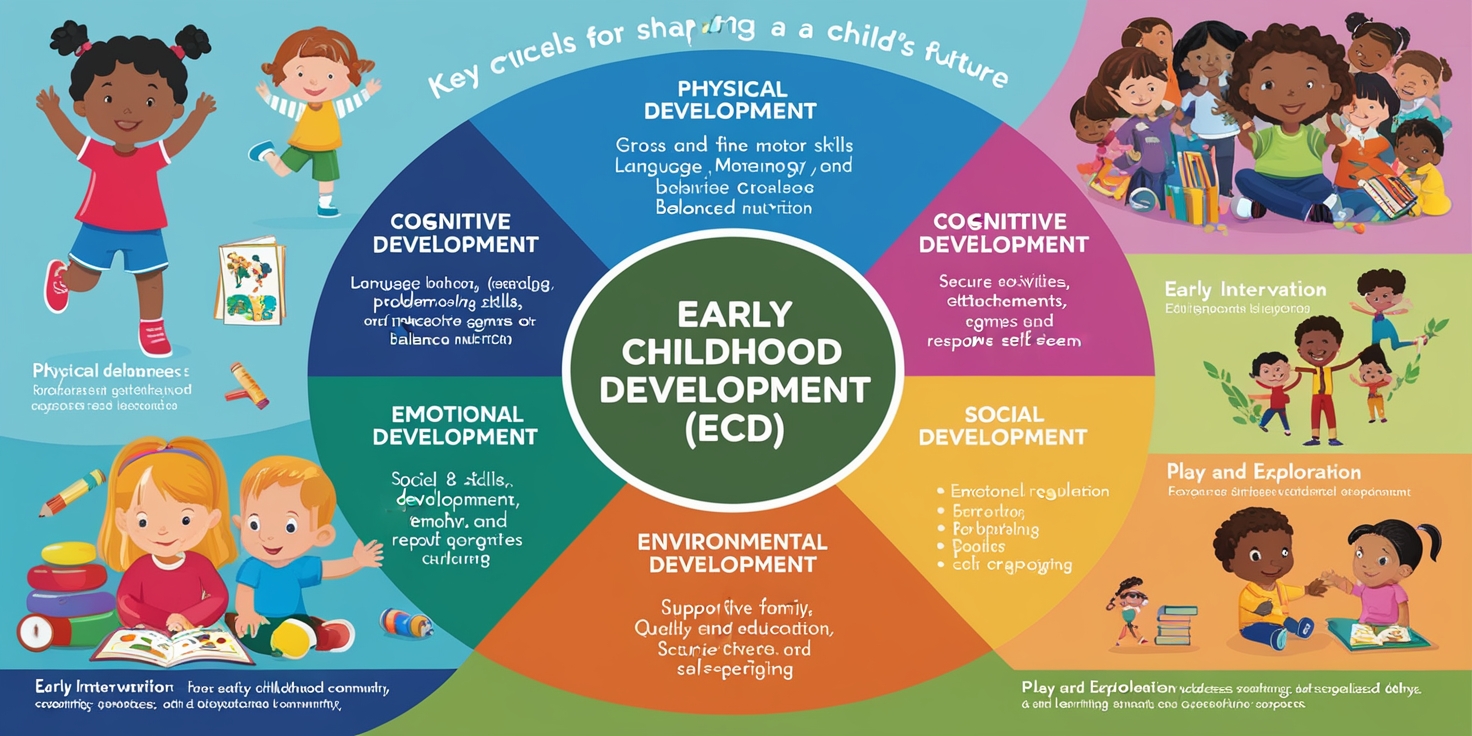
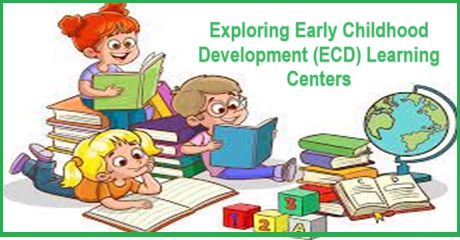
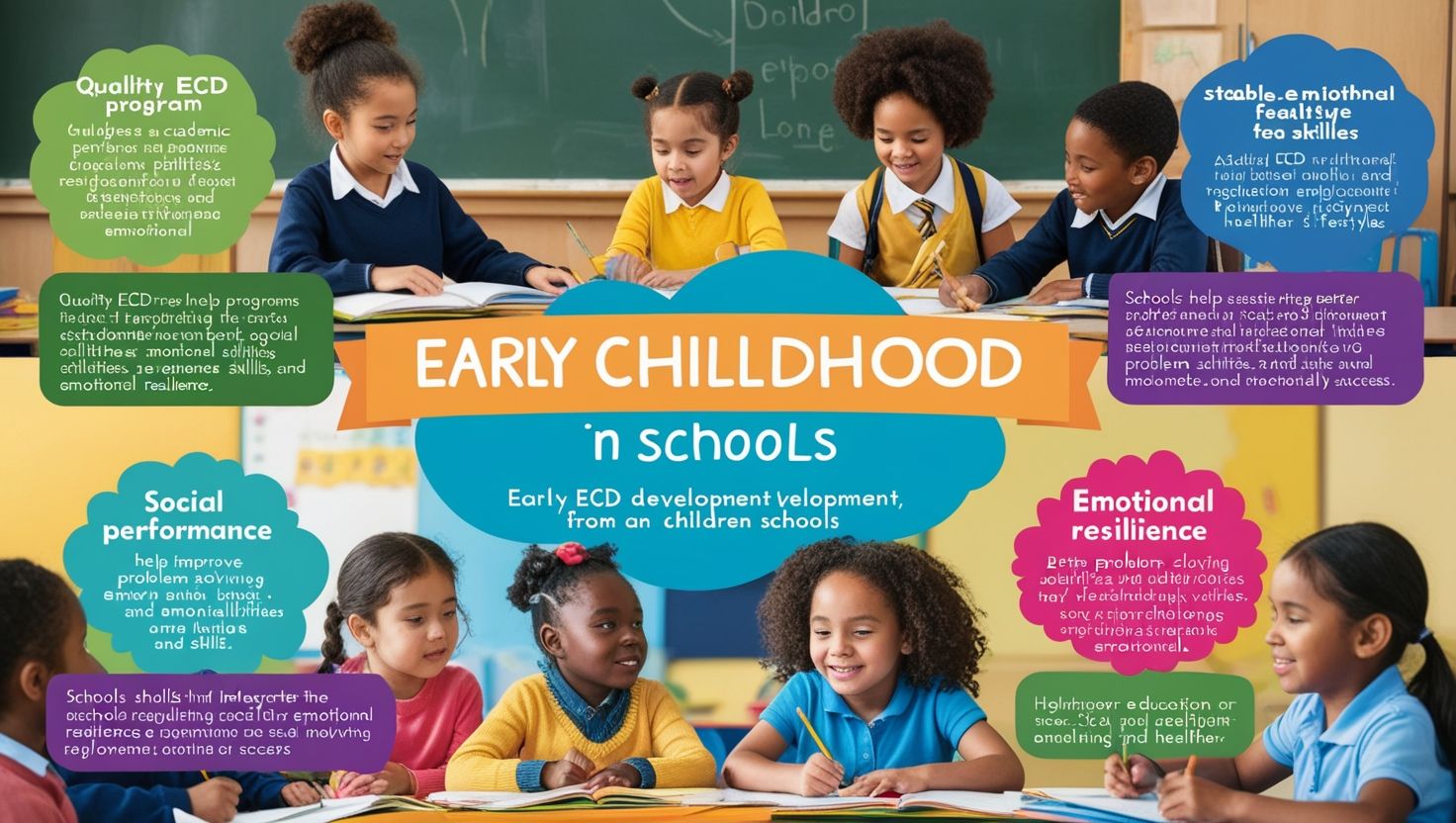
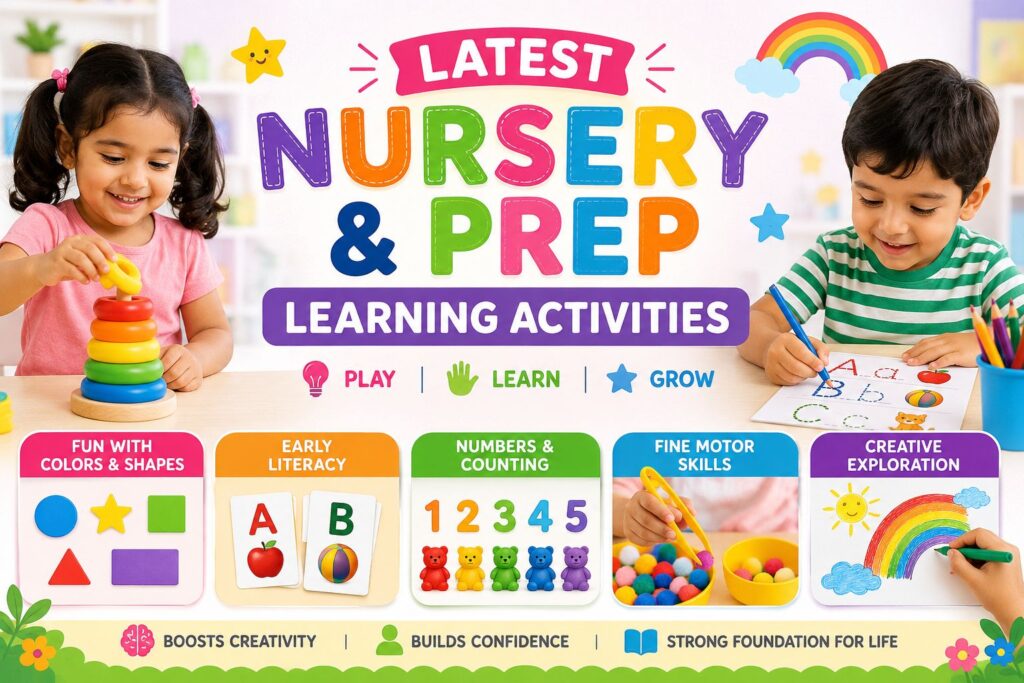
Latest Nursery and Prep Learning Activities, Early childhood education is very important. Nursery and Prep classes build the foundation for future learning. Young children learn best through play. They learn by exploring. They learn by doing activities. Modern classrooms use creative and child-centered methods. Today’s learning activities focus on skills, creativity, confidence, and curiosity. Teachers create exciting experiences for children every day. These activities help children grow mentally, physically, socially, and emotionally. This article discusses the latest Nursery and Prep learning activities used in schools today.
Learning Through Play
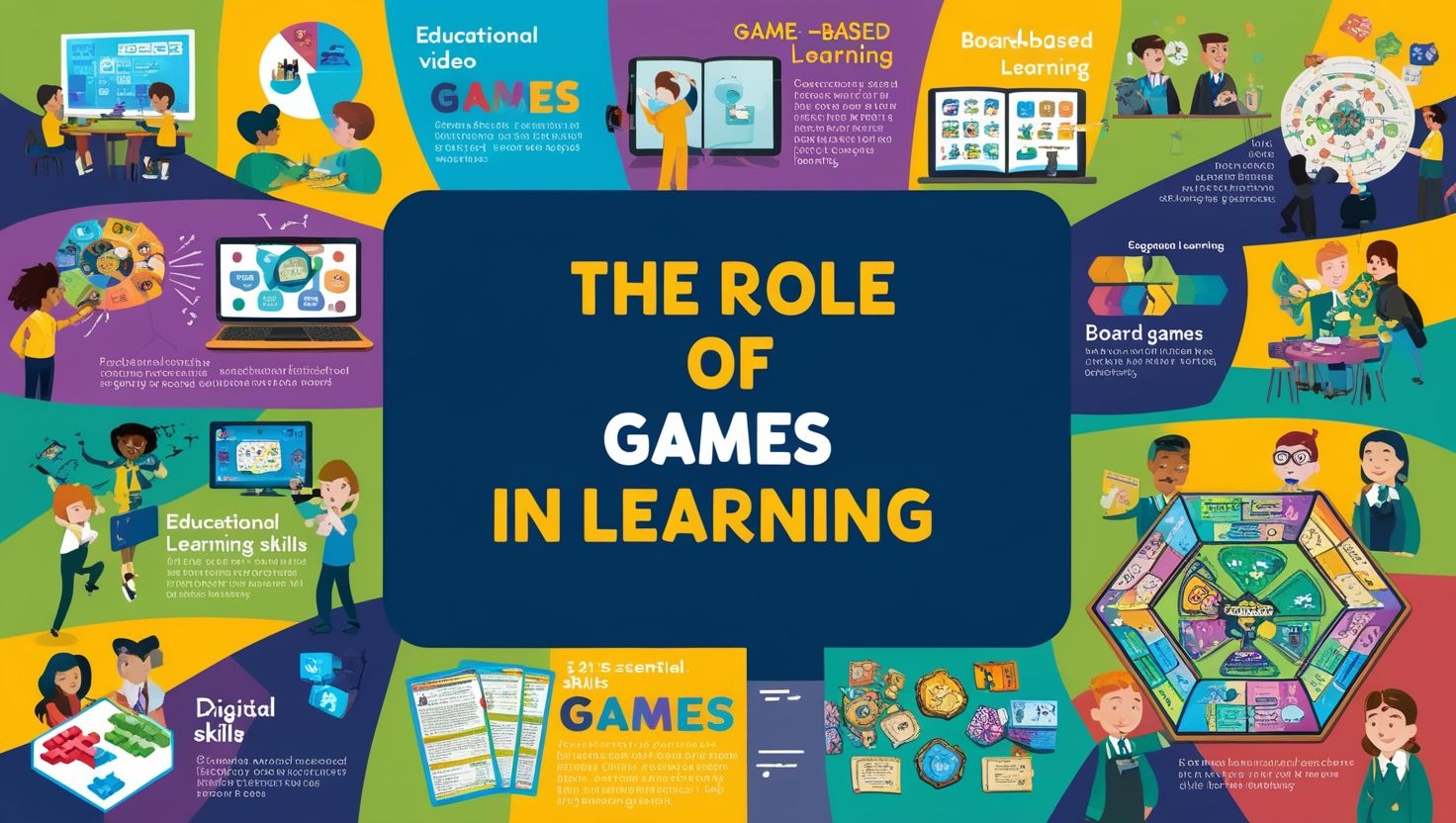
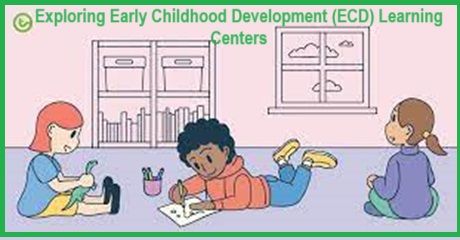
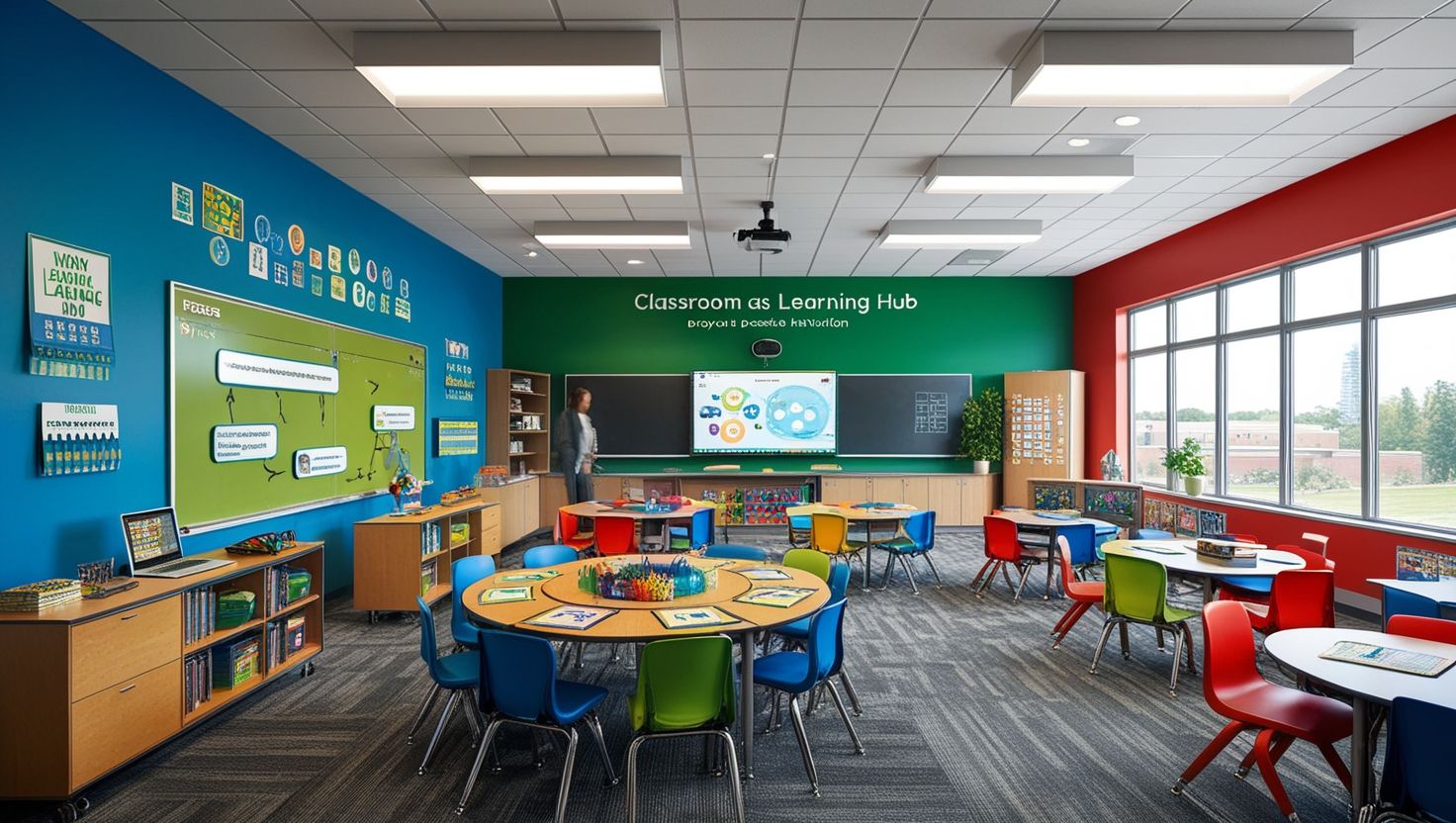
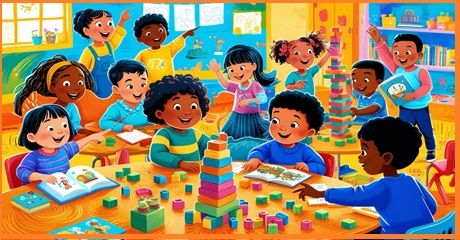
Play-based learning is one of the most effective methods. Children enjoy playing. They learn naturally during play. Teachers set up learning corners. These include blocks, puzzles, toys, and games. Children solve problems while playing. They develop thinking skills. They also improve communication skills. Play helps children become independent. It increases confidence. It makes learning enjoyable.
Storytelling Activities
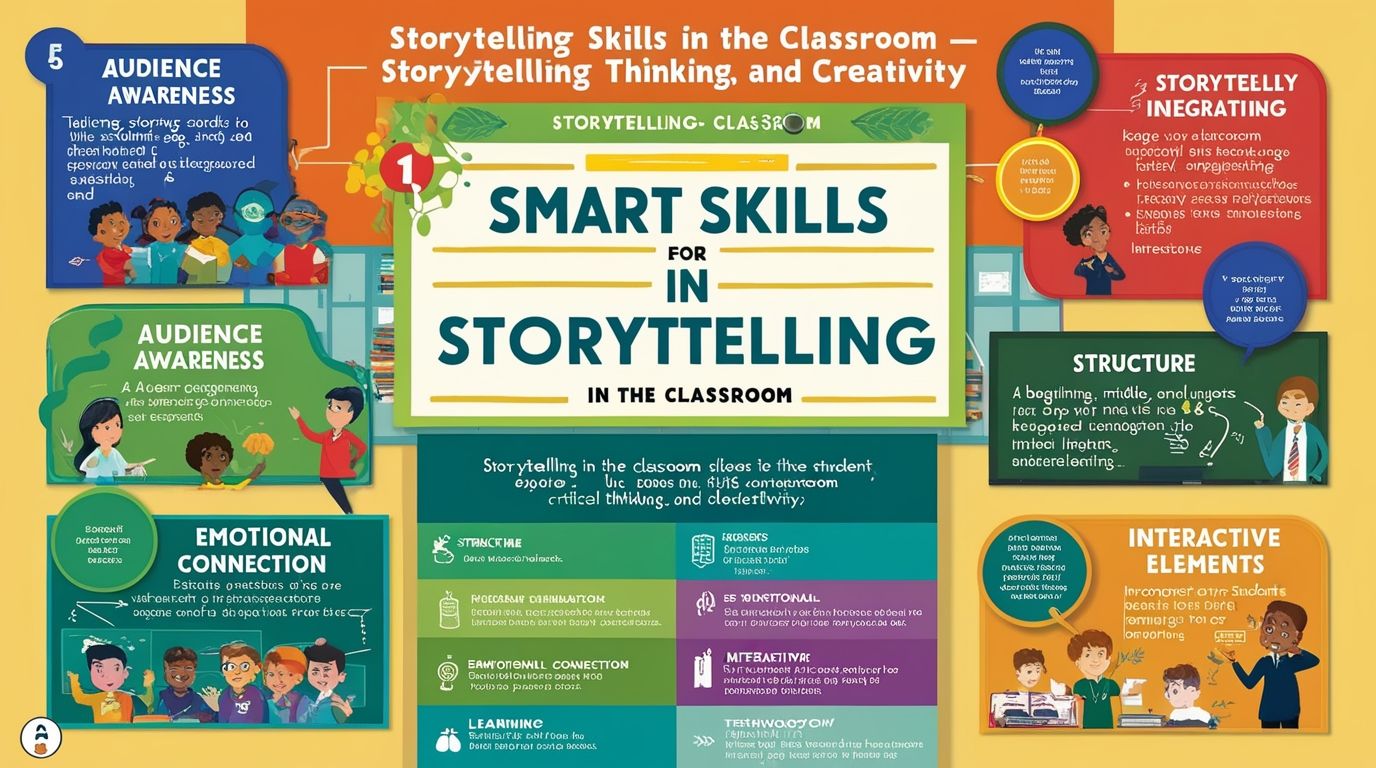
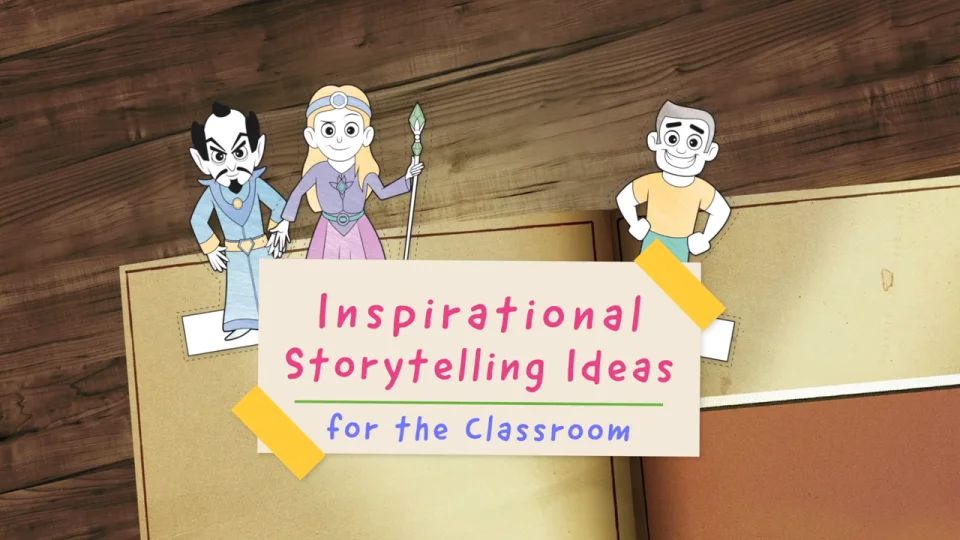
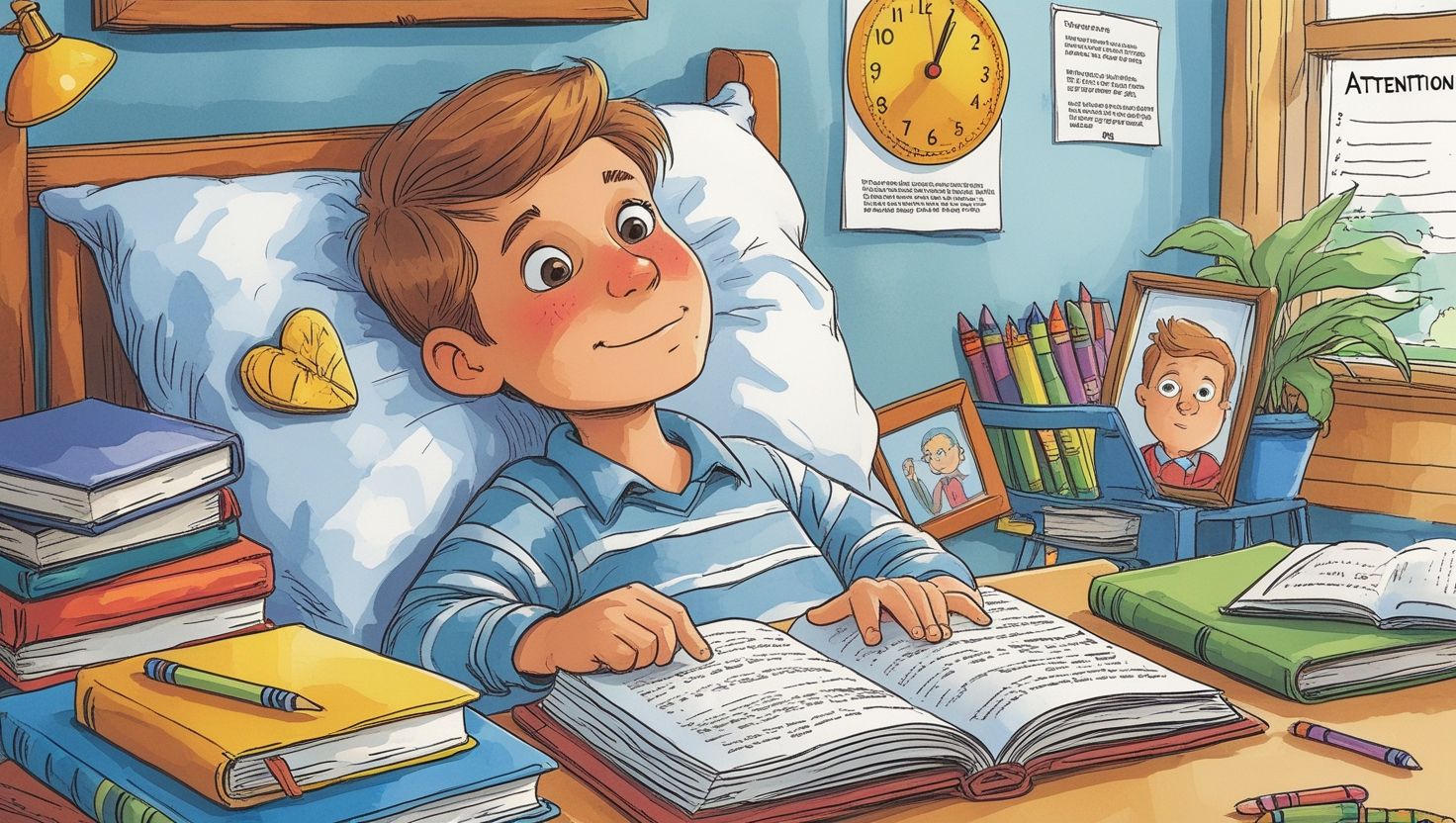
Storytelling remains a favorite activity. Children love listening to stories. Stories improve language development. Teachers use picture books. They use puppets and story cards. Sometimes they act out stories. Children learn new words. They improve listening skills. They also learn moral values. After listening, children discuss the story. They answer questions. They draw pictures about the story. This increases understanding.
Phonics Learning
Modern schools focus on phonics. Children learn letter sounds before reading full words. Teachers use songs and games. They show flashcards. They use colorful visuals. Children practice sound recognition. They blend sounds to make words. They identify beginning and ending sounds. Phonics activities make reading easier. Children become confident readers at an early age.
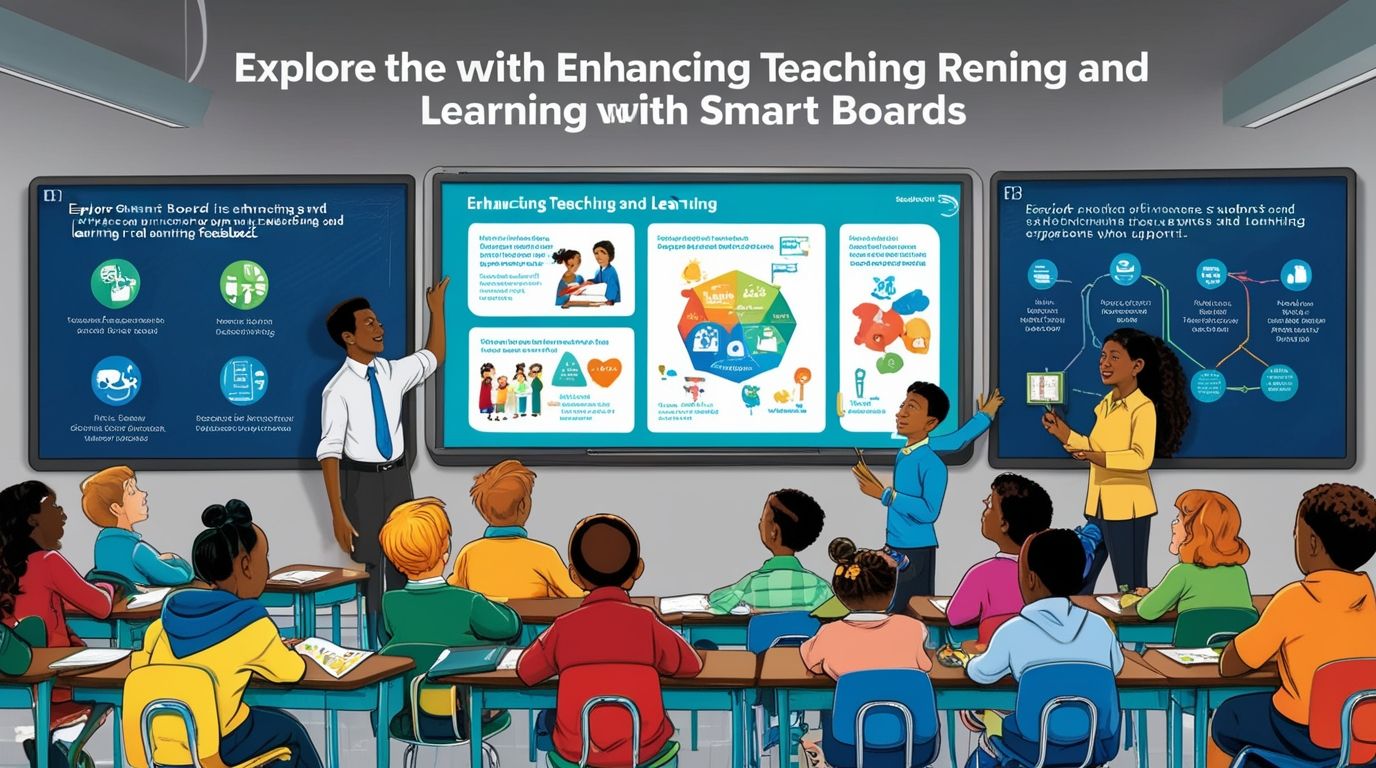
Interactive Smart Board Activities
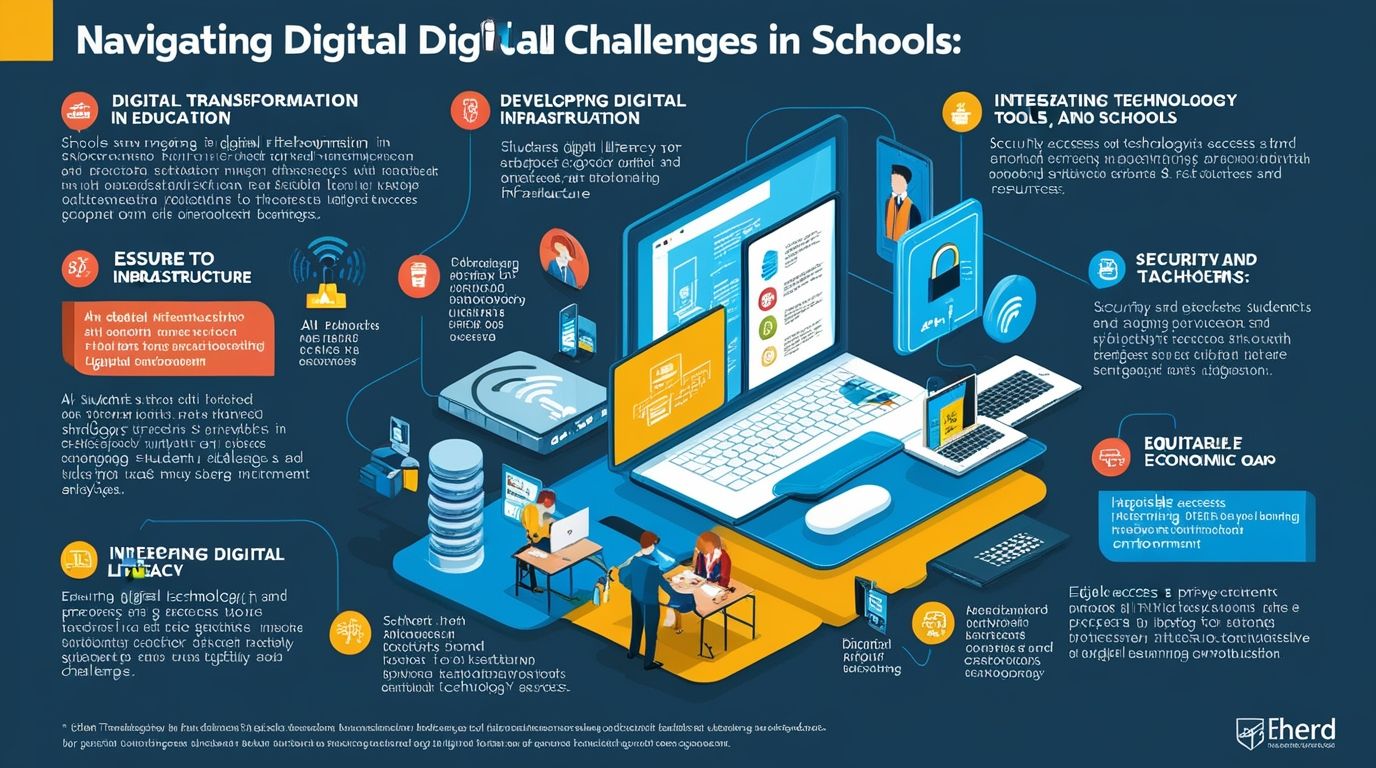
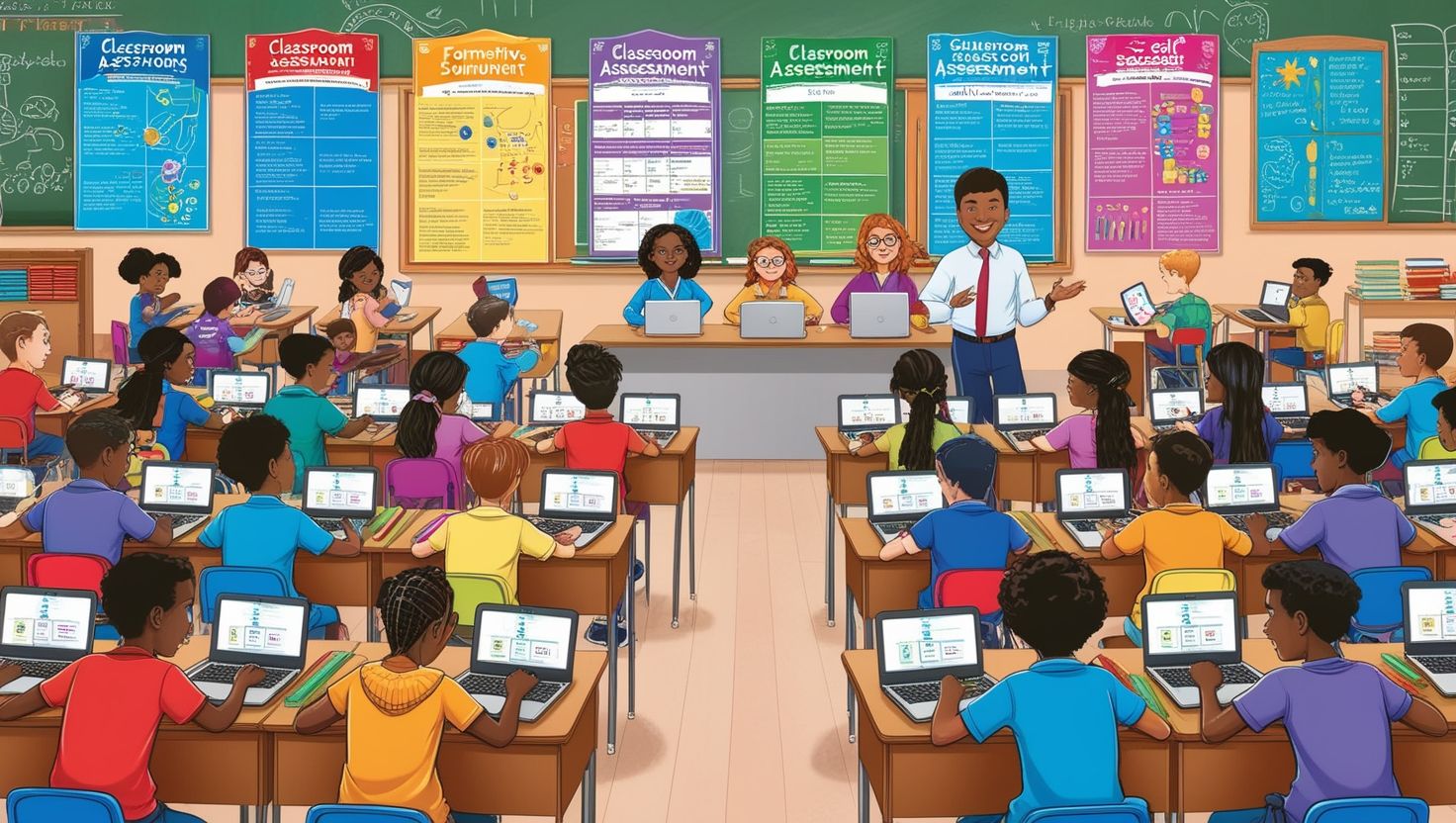
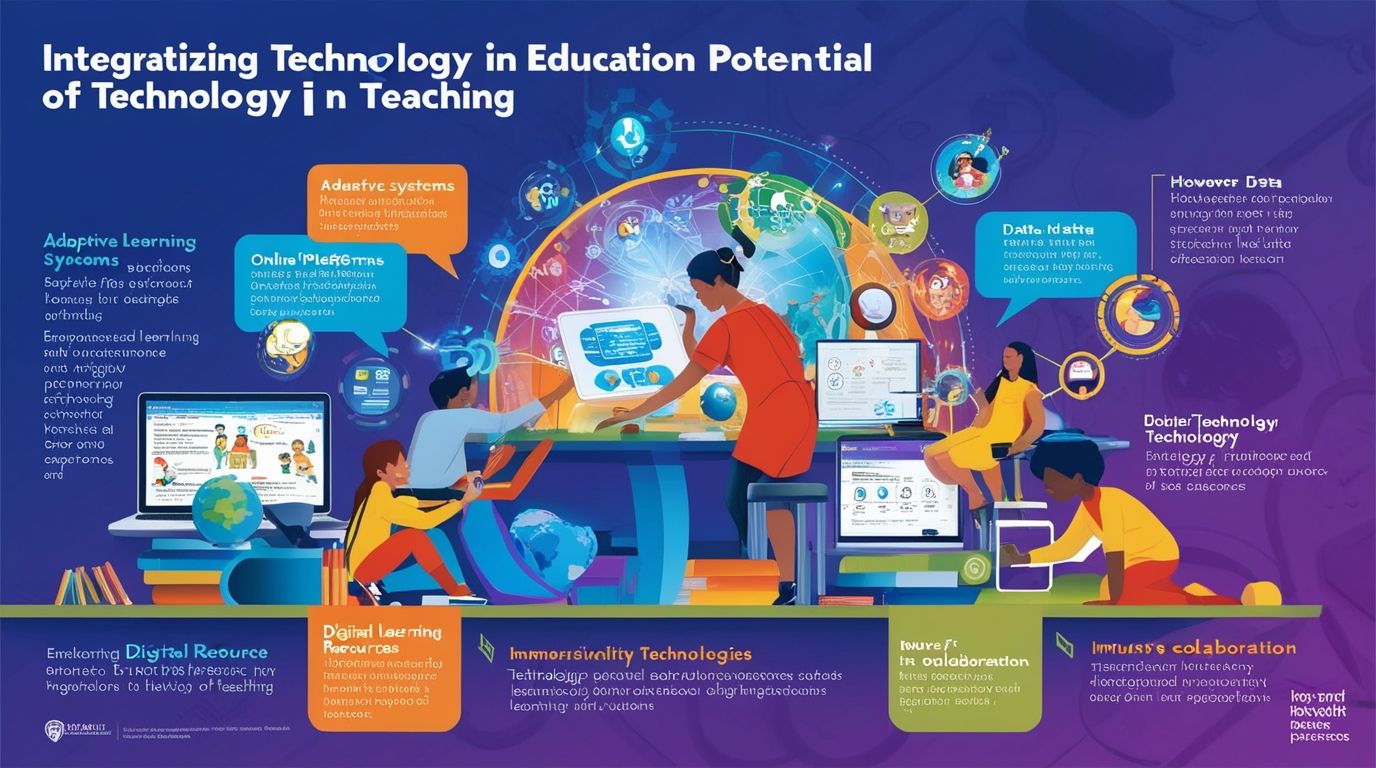
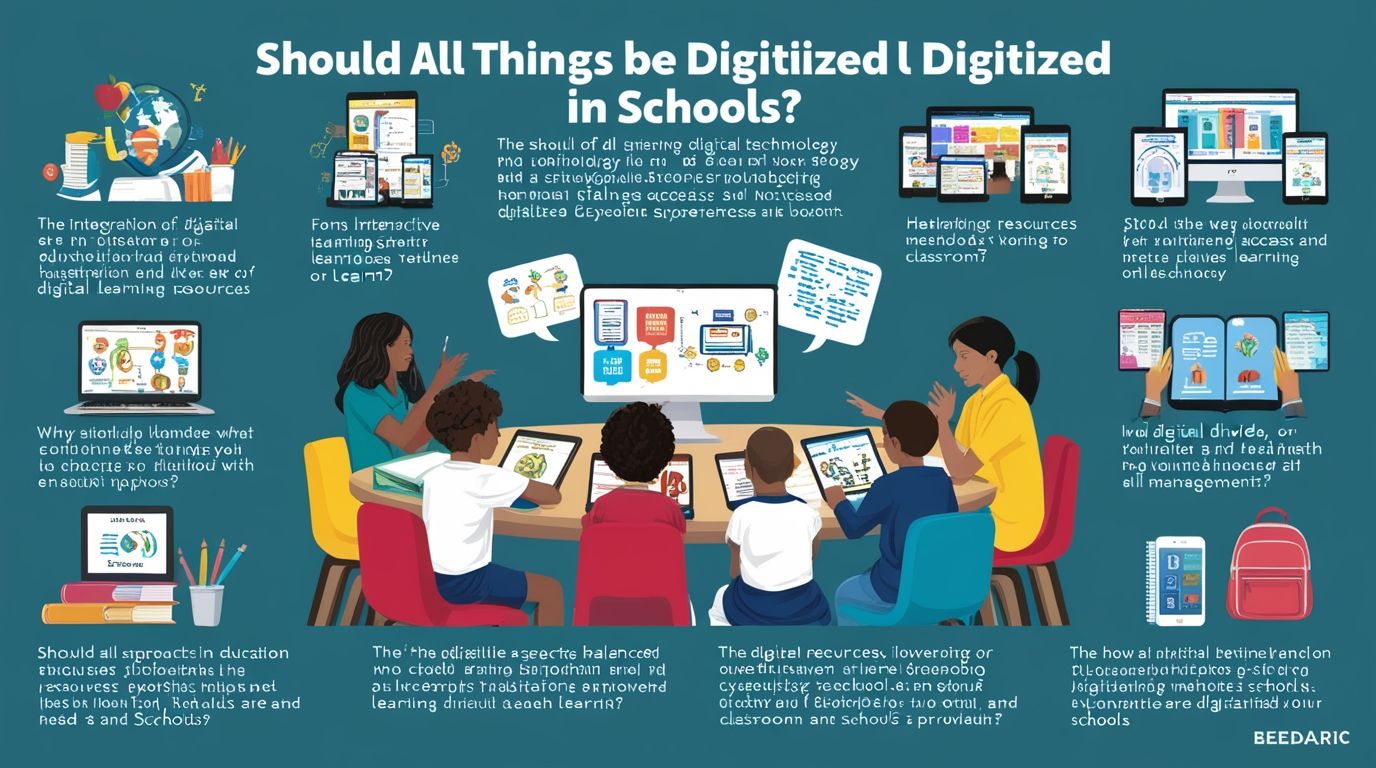
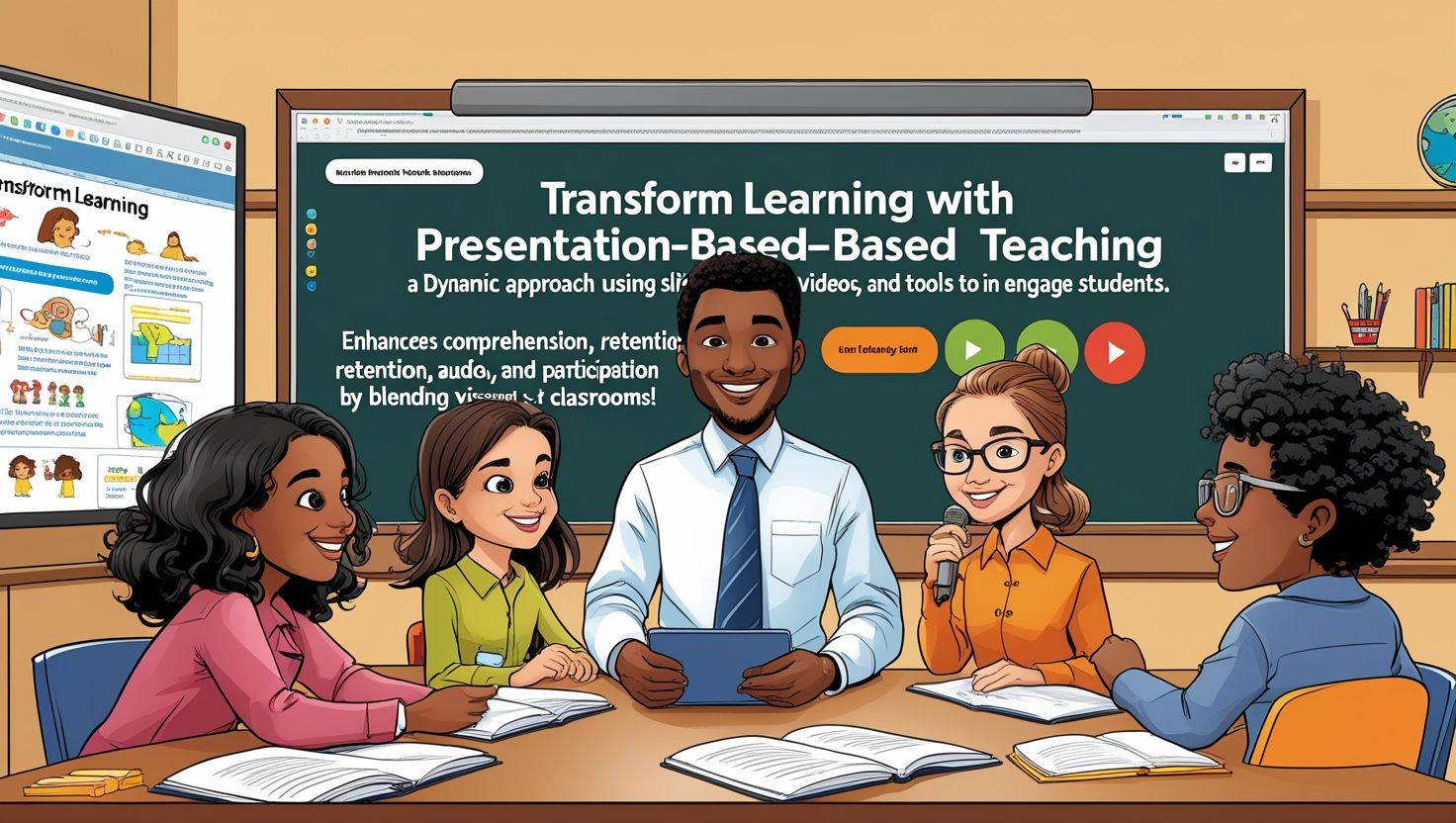
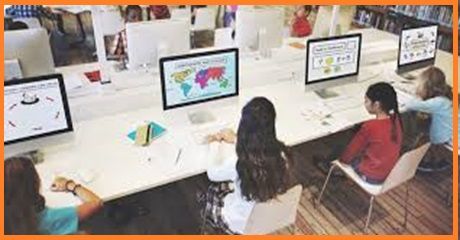
Technology is becoming common in early education. Smart boards make lessons exciting. Teachers use educational videos. They show animations and interactive games. Children touch the screen. They move objects. They answer questions. These activities improve attention. They increase participation. Children enjoy learning through technology.
Sensory Play Activities
Sensory activities are becoming more popular. They help children explore using their senses. Teachers provide sand trays, water tubs, clay, and sensory bins. Children touch different materials. They compare textures. They explore shapes and colors. Sensory play improves brain development. It strengthens fine motor skills. It also encourages creativity.
Art and Craft Activities
Art activities are important in Nursery and Prep classes. Children draw pictures. They paint using brushes. They create models with paper and clay.
Teachers encourage free expression. Children share their ideas through art. Art develops creativity. It improves hand control. It also builds confidence.
Children feel proud of their creations.
Outdoor Learning Activities
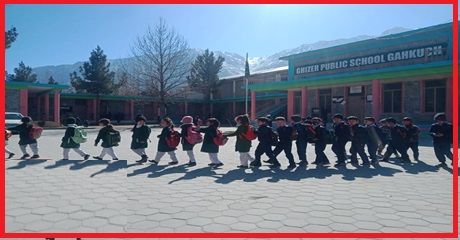
Outdoor learning is gaining importance. Fresh air and movement support healthy development. Teachers organize nature walks. Children observe plants, birds, and insects. They collect leaves and stones. They discuss what they find. Outdoor learning develops observation skills. It promotes curiosity. It also improves physical fitness.
Music and Movement Activities
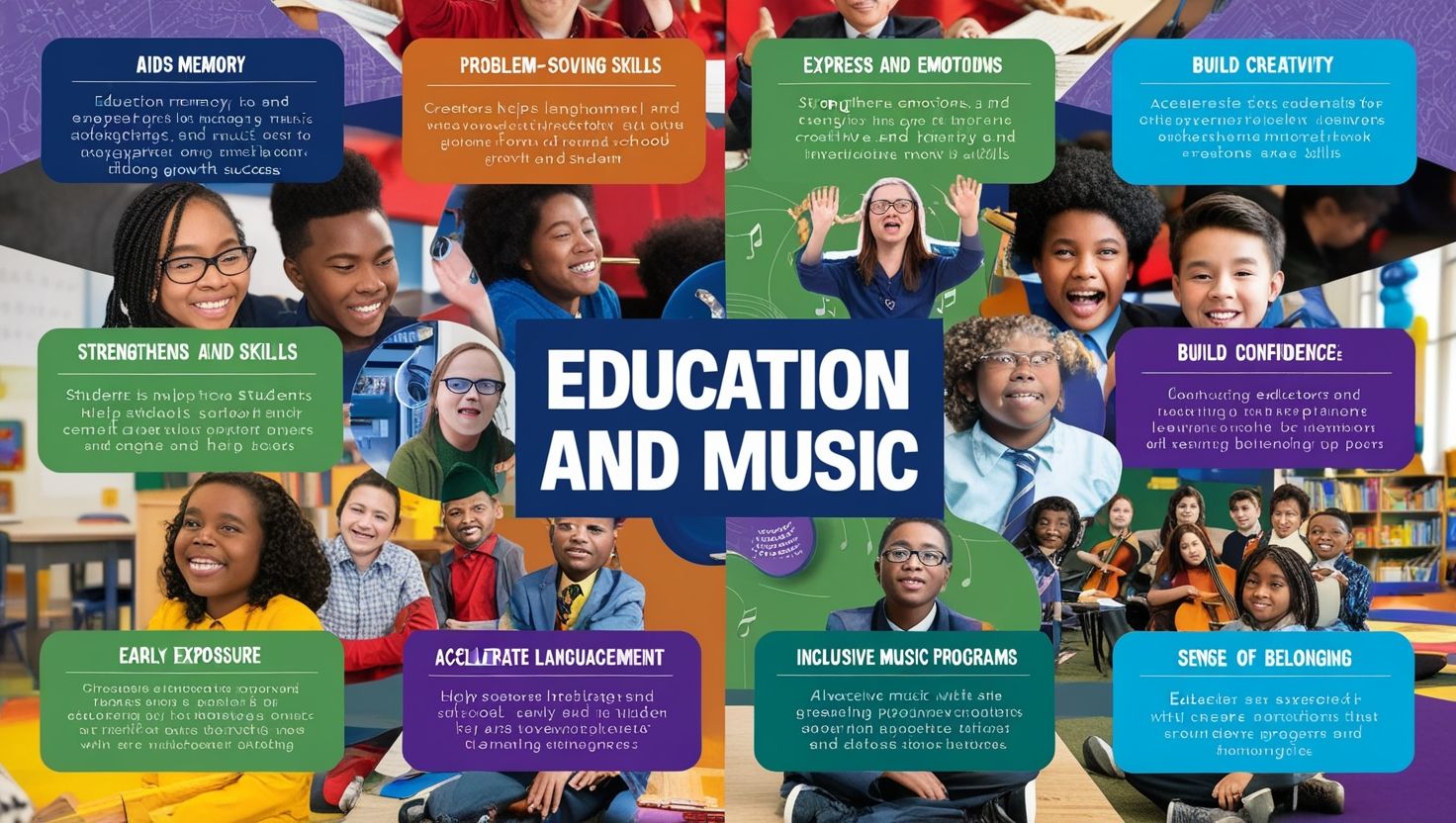
Music is a powerful learning tool. Children enjoy singing and dancing. Teachers use action songs. They introduce rhythm activities.
Children clap, jump, and move to music. Music improves memory. It develops listening skills. It also enhances coordination. Movement activities keep children active and engaged.
STEM Activities for Young Learners
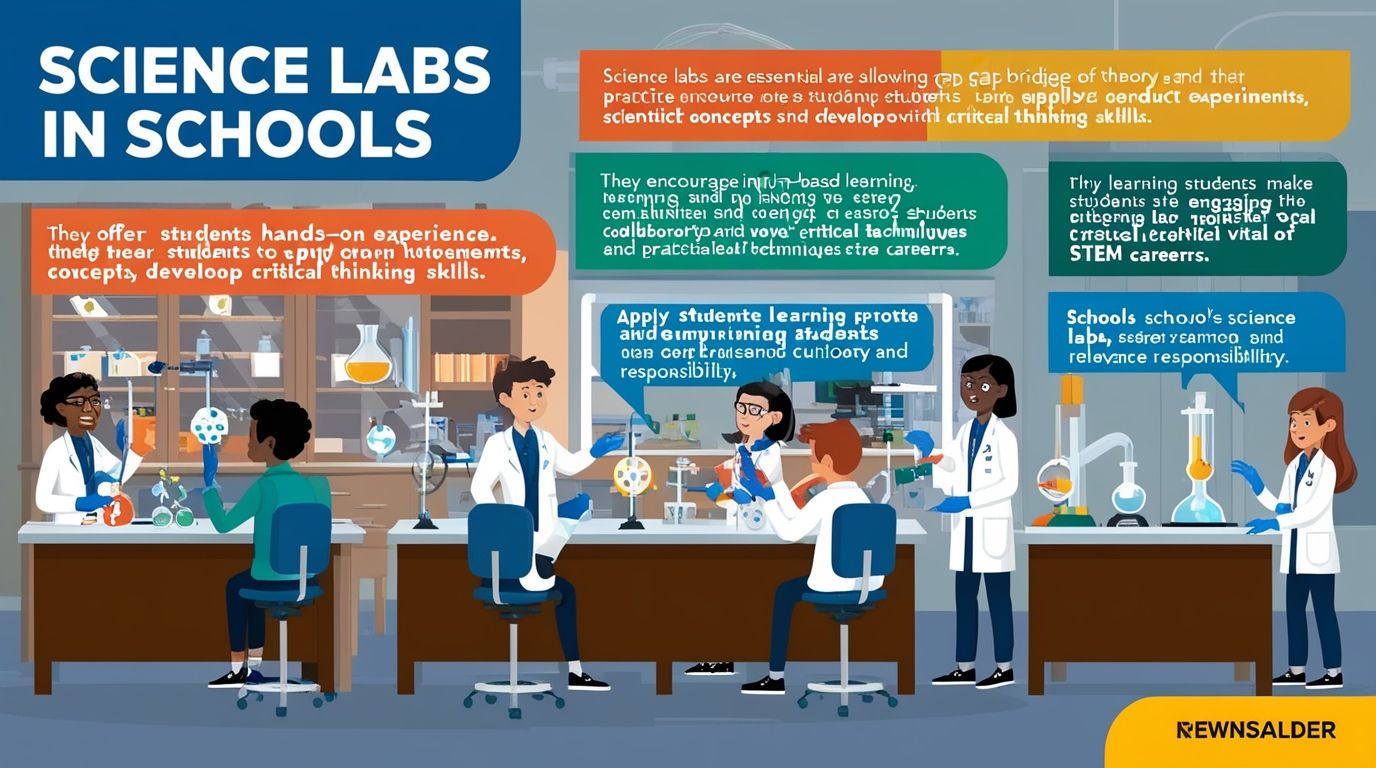
STEM stands for Science, Technology, Engineering, and Mathematics. Many Nursery and Prep schools now introduce simple STEM activities.
Children build towers with blocks. They experiment with water. They explore magnets. Teachers ask simple questions. Children predict outcomes. They test ideas. STEM activities develop problem-solving skills. They encourage critical thinking.
Counting and Number Games
Mathematics should be fun for young learners. Teachers use counting games. They use beads, buttons, and blocks. Children count objects. They sort items by color and size. They match numbers with quantities. These activities build strong mathematical foundations. Children learn through hands-on experiences.
Alphabet Treasure Hunts
Alphabet hunts are exciting learning activities. Teachers hide letters around the classroom. Children search for the letters. They identify each letter.
Sometimes they match letters with pictures. These activities improve letter recognition. They increase excitement and participation.
Role Play and Dramatic Play
Role play helps children understand the world around them. Teachers create pretend environments. These may include a shop, hospital, restaurant, or classroom. Children take different roles. They communicate with friends. Role play develops language skills. It improves imagination. It also teaches cooperation.
Fine Motor Skill Activities
Fine motor skills are essential for writing readiness. Teachers organize activities such as threading beads, cutting paper, and using tweezers.
Children strengthen hand muscles. These activities improve pencil control. They prepare children for future writing tasks.
Gross Motor Skill Activities
Gross motor activities involve large body movements. Children run, jump, climb, and balance. Teachers organize obstacle courses and physical games. These activities improve strength and coordination. They also support healthy growth and development.
Science Exploration Activities
Young children are naturally curious. Simple science activities encourage exploration. Children observe seeds growing. They watch ice melt. They mix colors. Teachers ask questions. Children share observations. Science activities promote curiosity and discovery.
Shape and Pattern Activities
Learning shapes and patterns develops logical thinking. Teachers use shape puzzles and sorting games. Children identify circles, squares, triangles, and rectangles. They create patterns using blocks and beads. These activities support early mathematical understanding.
Language Development Centers
Language-rich environments are important. Teachers create reading corners. They provide books and picture cards. Children engage in conversations. They describe pictures and events. Language centers increase vocabulary. They improve speaking skills. Children become confident communicators.
Collaborative Learning Activities
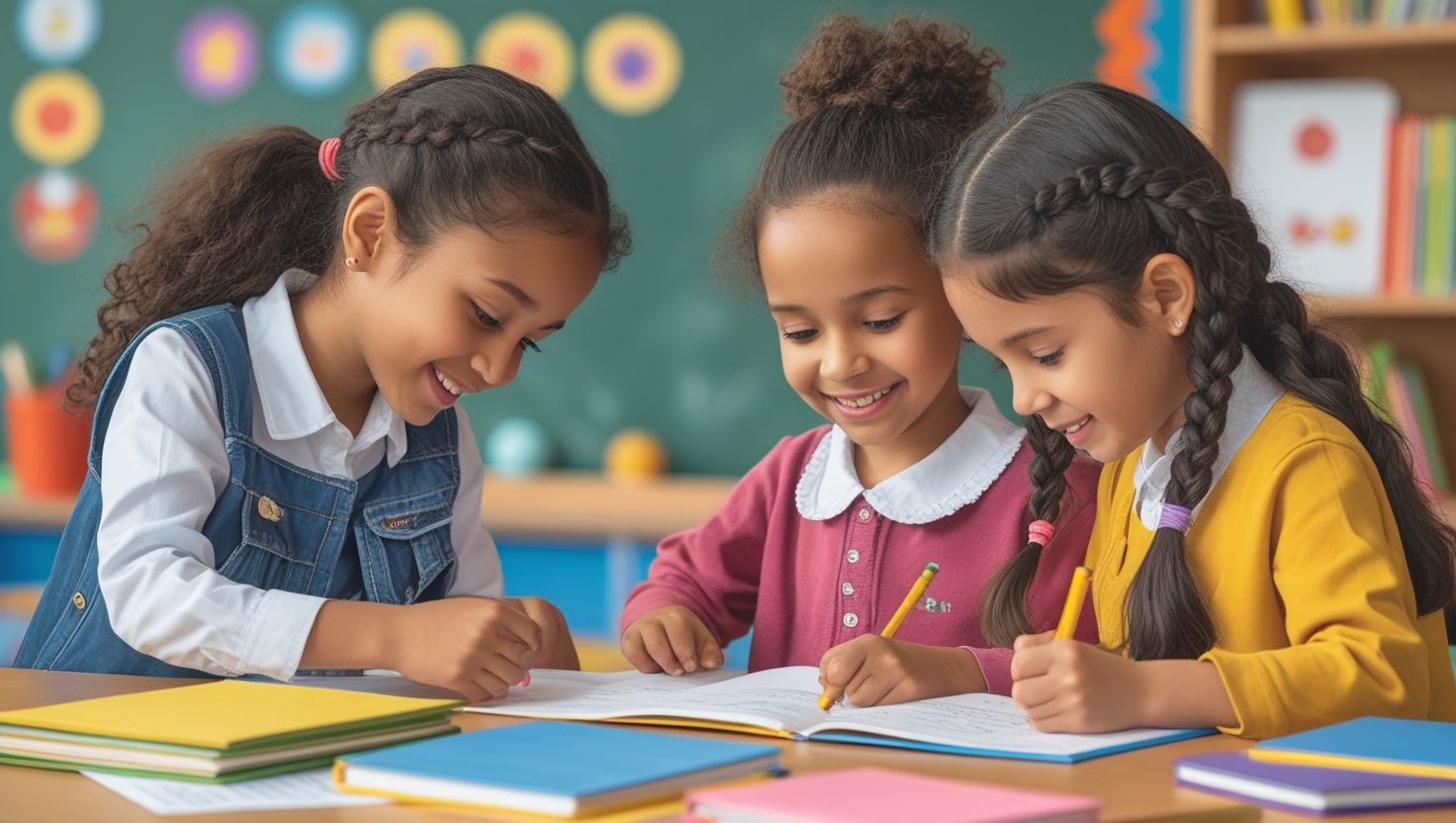
Group activities encourage teamwork. Children work together on projects and games. They share materials. They discuss ideas. Teachers guide positive interactions. Collaborative learning develops social skills. It teaches respect and cooperation.
Nature-Based Learning
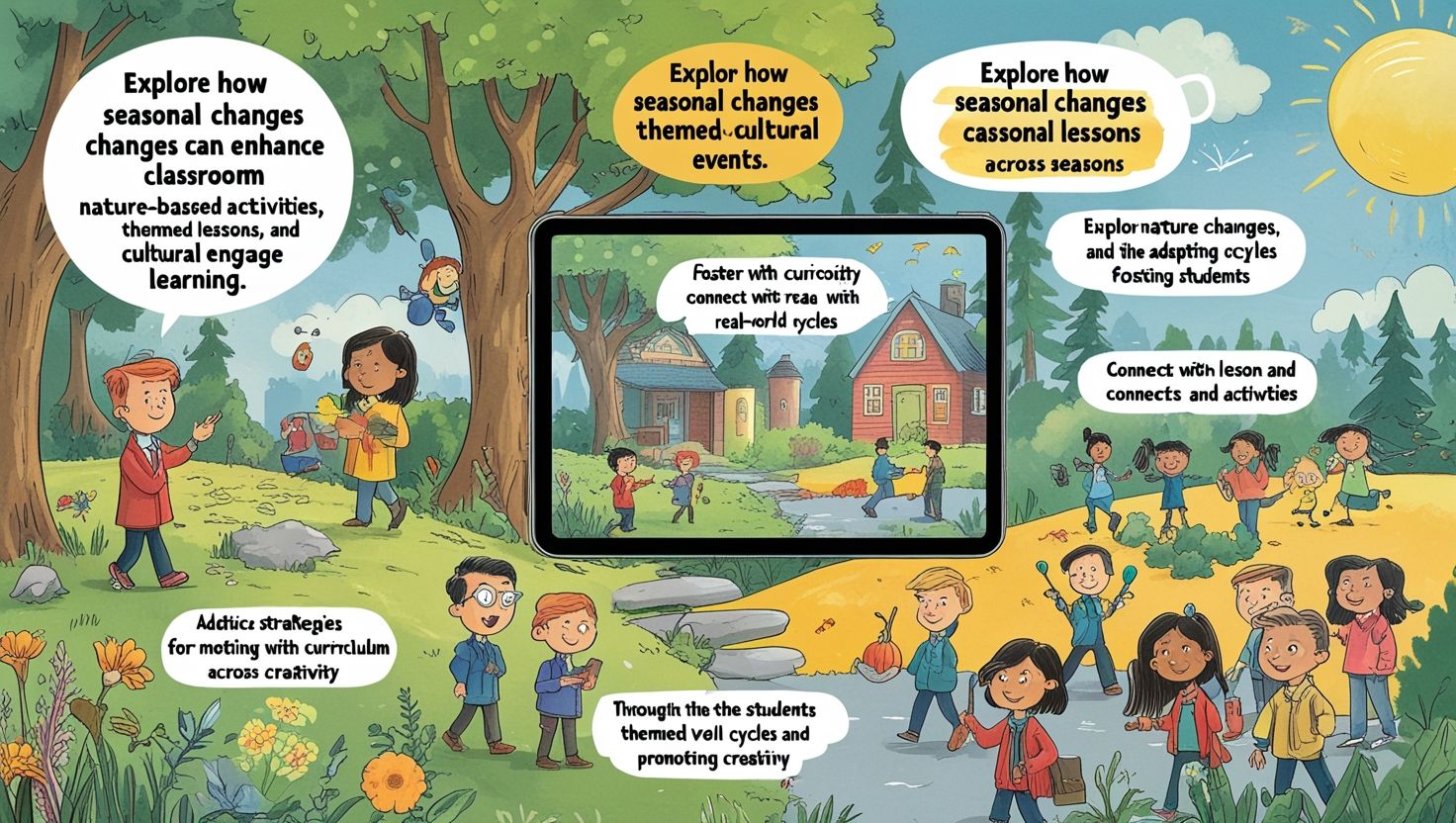
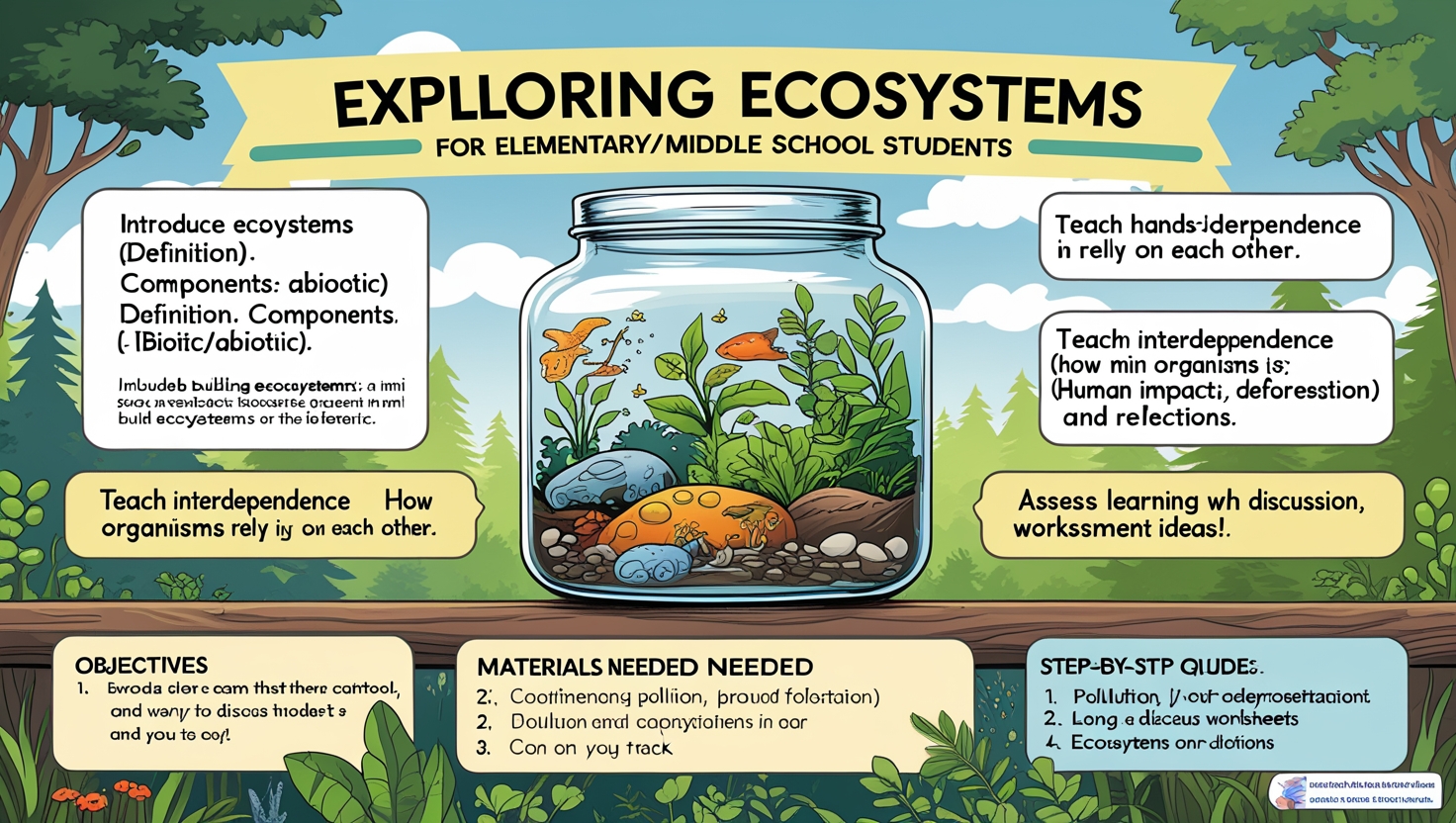
Nature-based learning is becoming a popular trend. Teachers bring natural materials into classrooms. Children explore leaves, flowers, sticks, and stones. They learn about seasons and weather. Nature activities promote environmental awareness. They also encourage observation and exploration.
Mindfulness Activities
Many schools now introduce mindfulness practices. Children learn simple breathing exercises. They participate in quiet reflection activities. Teachers use calming music and guided relaxation. Mindfulness improves concentration. It helps children manage emotions. It creates a positive classroom atmosphere.
Digital Learning Tools
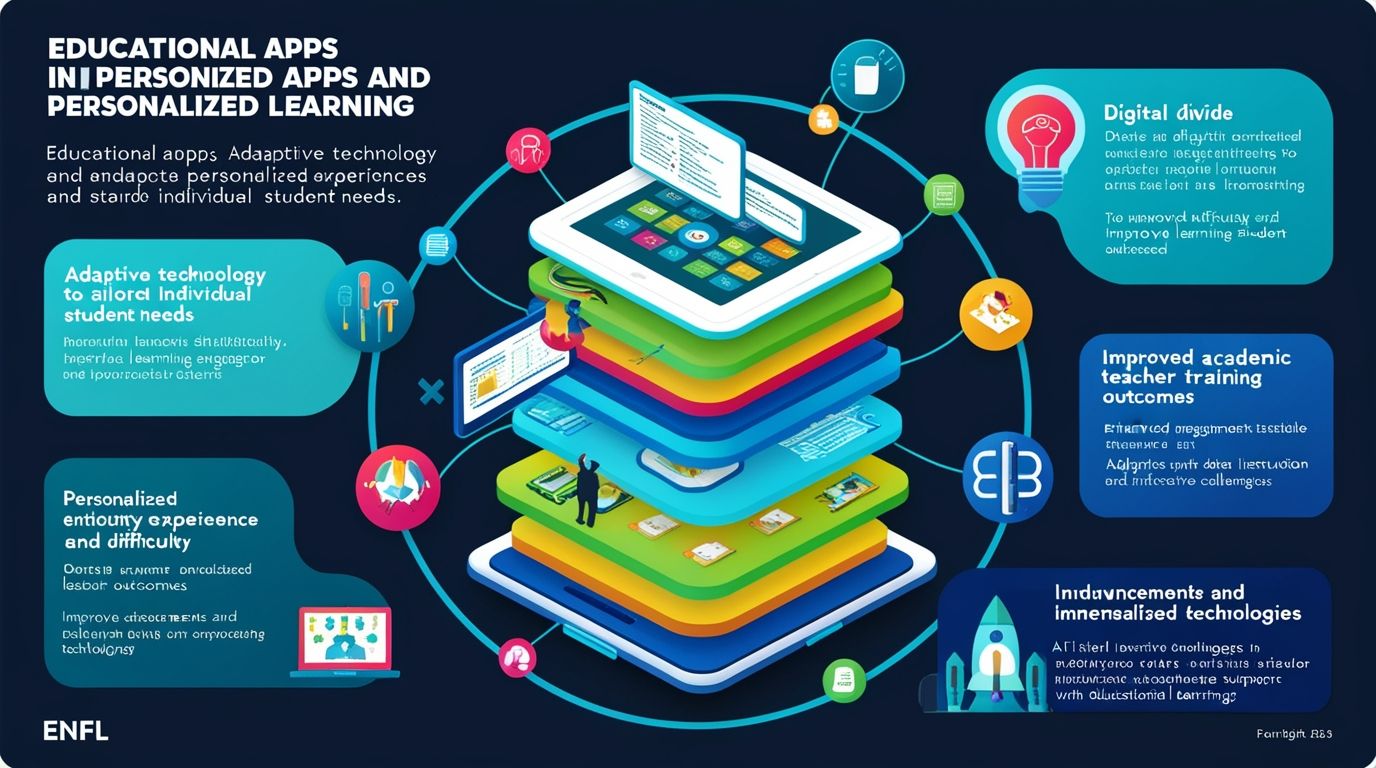
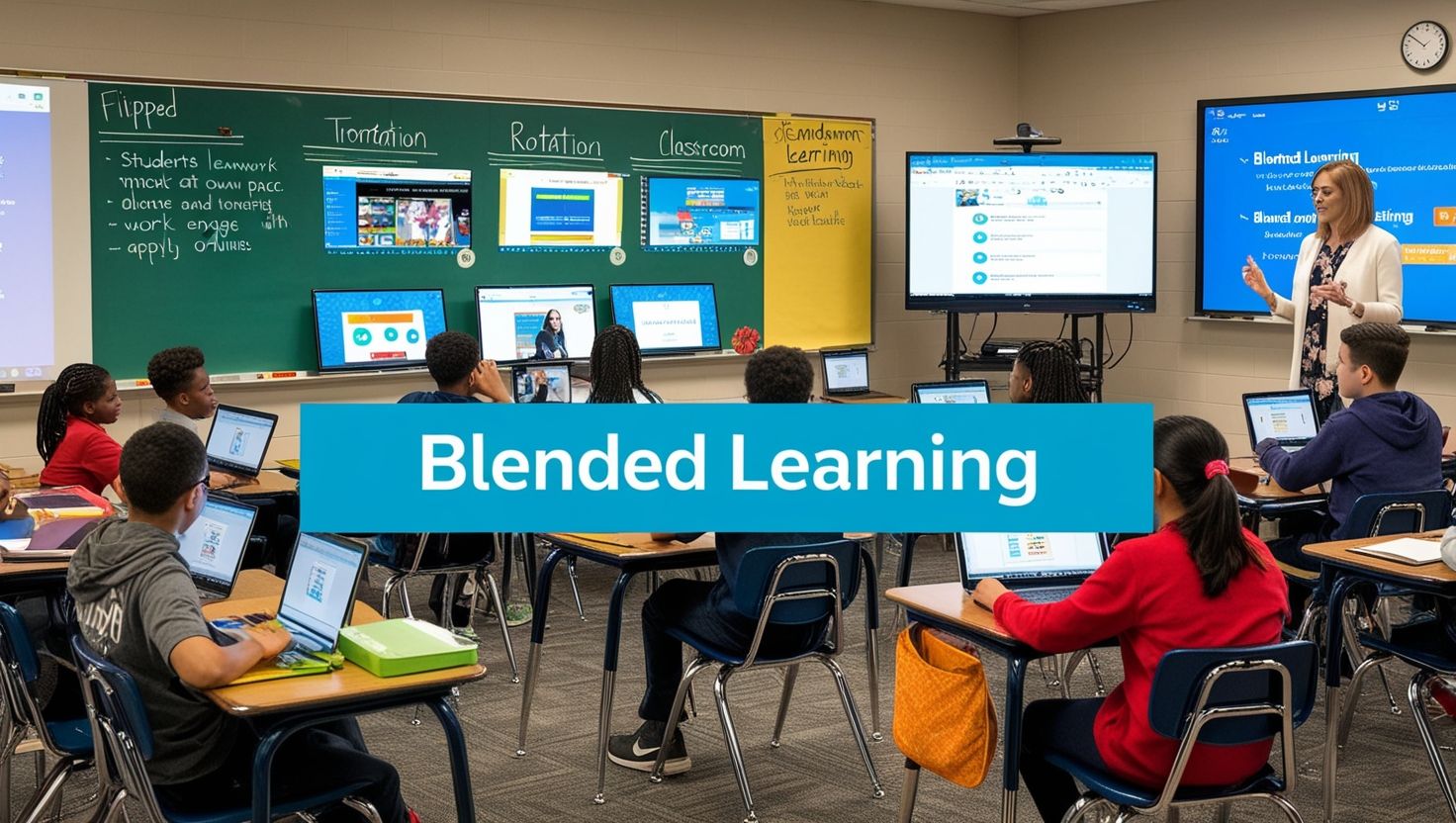
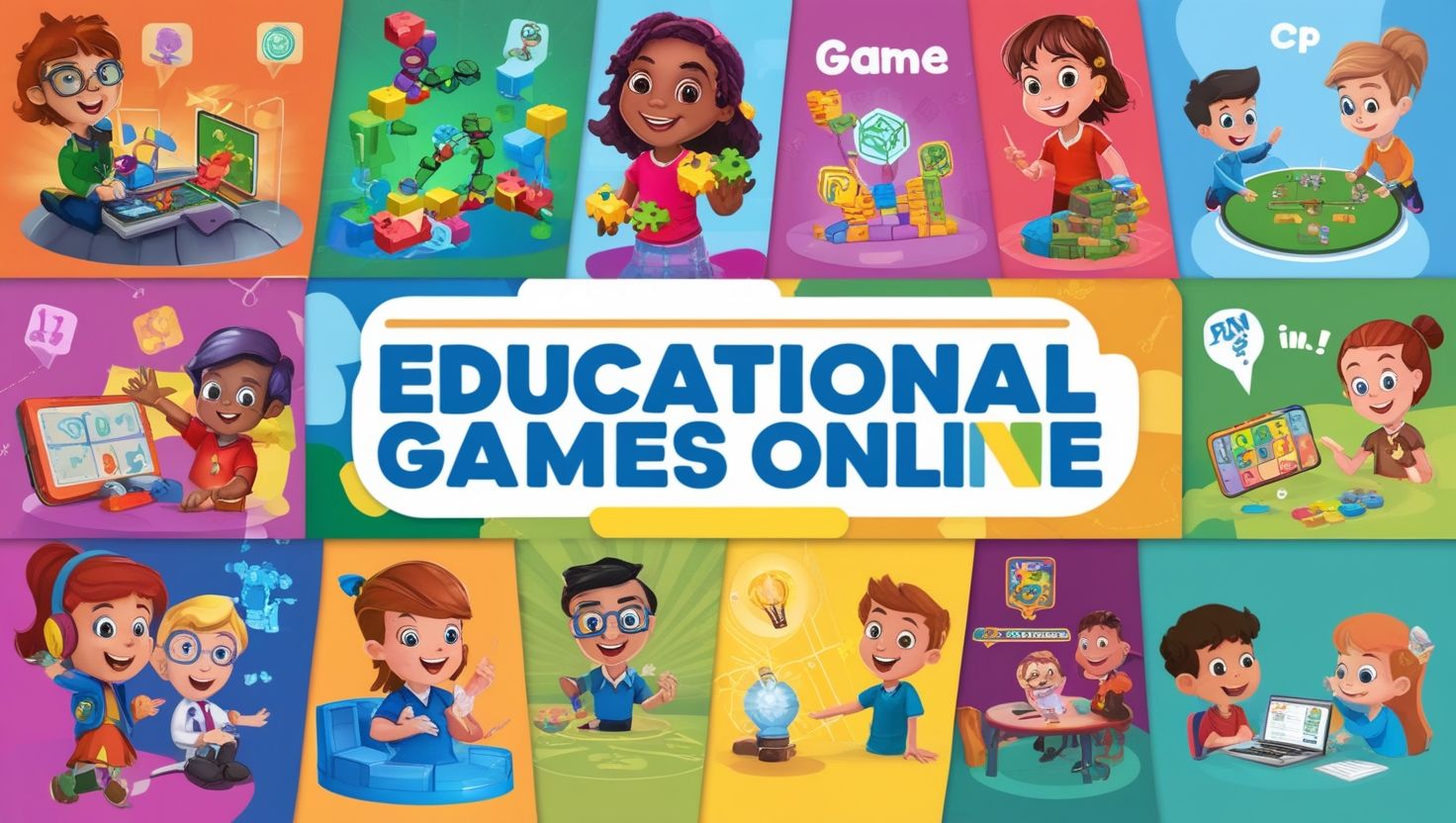
Educational apps are widely used today. Teachers select age-appropriate learning programs. Children practice letters, numbers, and shapes. Digital tools support personalized learning. They make lessons interactive and engaging. However, screen time is carefully balanced with physical activities.
Creative Thinking Activities
Creativity is an important skill for the future. Teachers encourage open-ended activities. Children build structures. They invent stories. They solve challenges. There is no single correct answer. Creative activities develop imagination and innovation.
Environmental Awareness Activities
Young children can learn about caring for the environment. Teachers introduce recycling projects. Children sort waste materials. They learn about saving water and protecting nature. These activities build responsible habits from an early age.
Social and Emotional Learning Activities
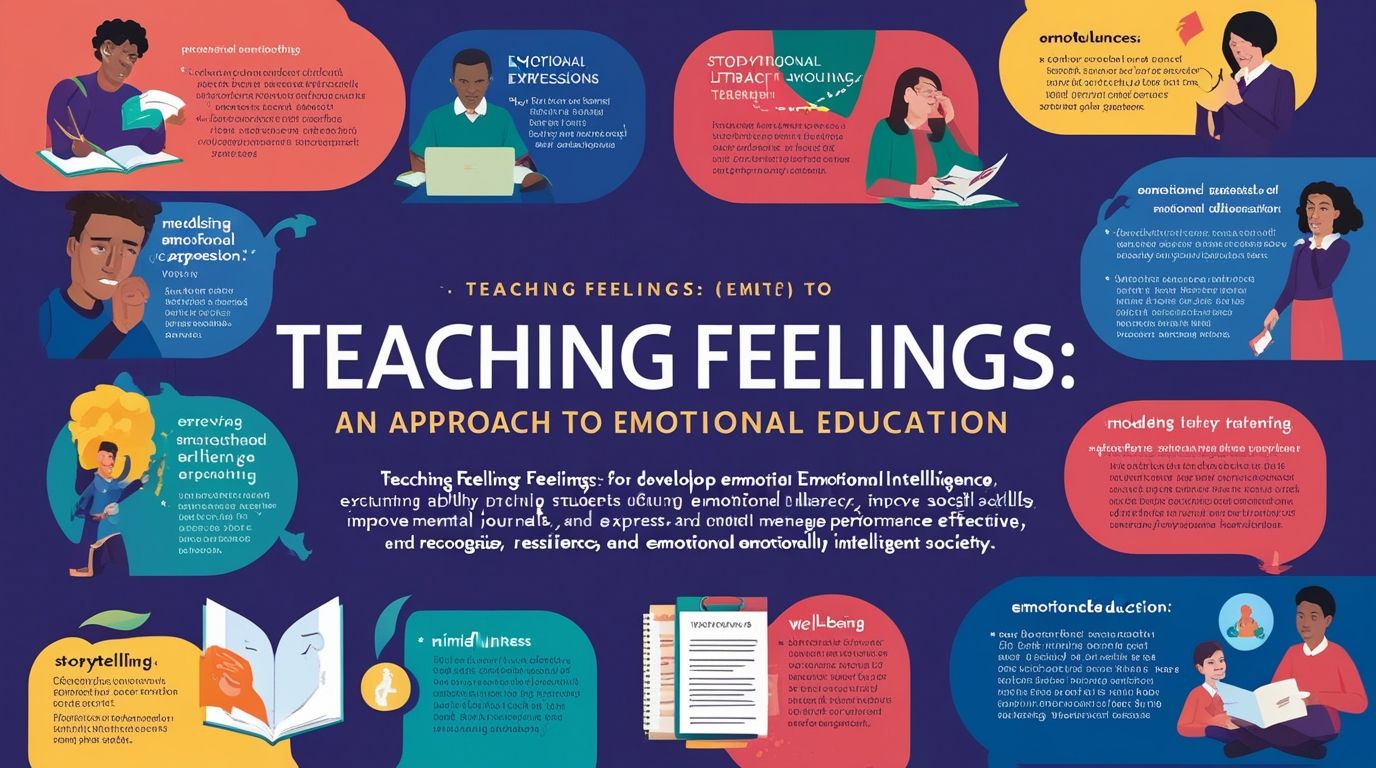
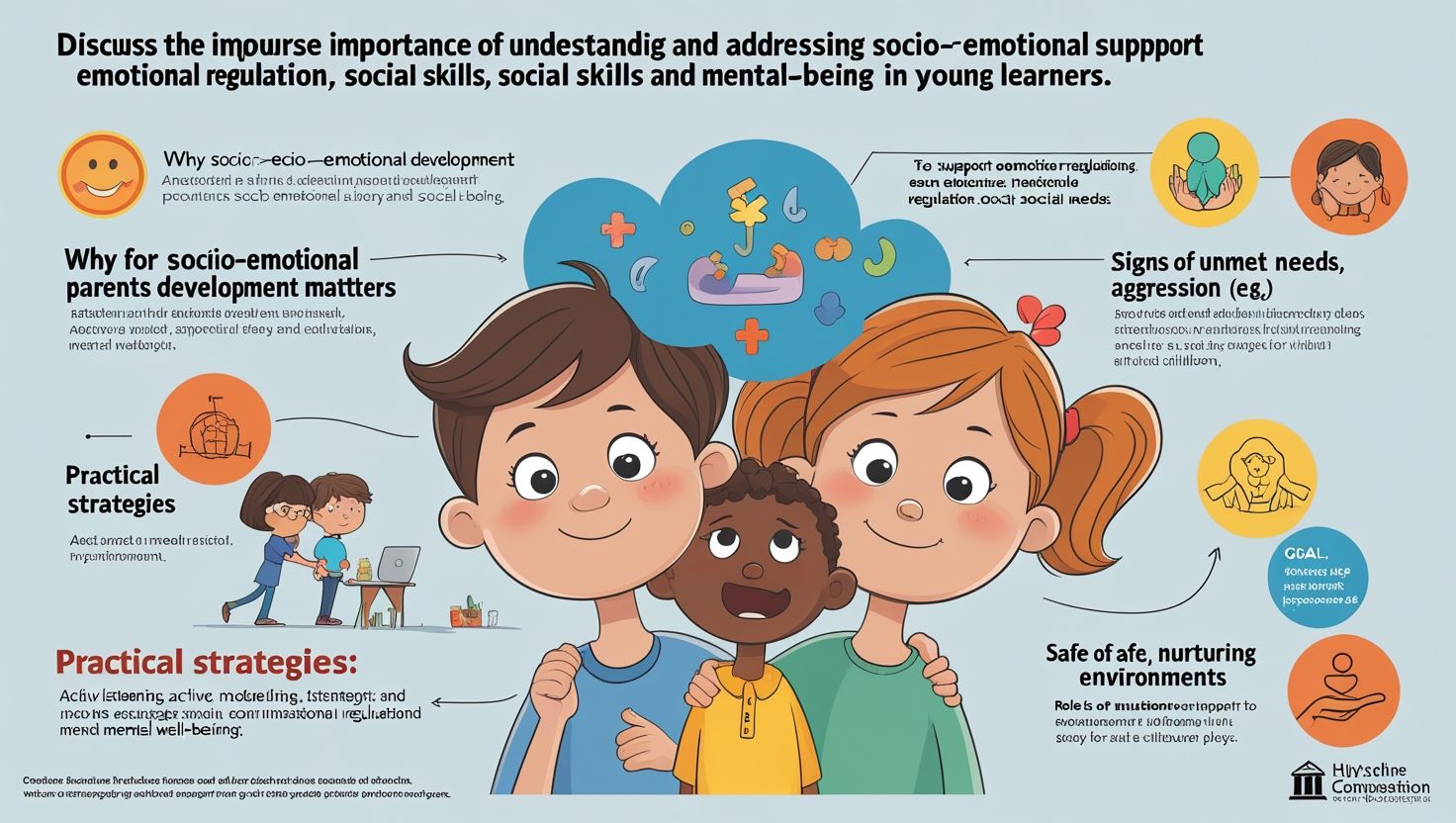
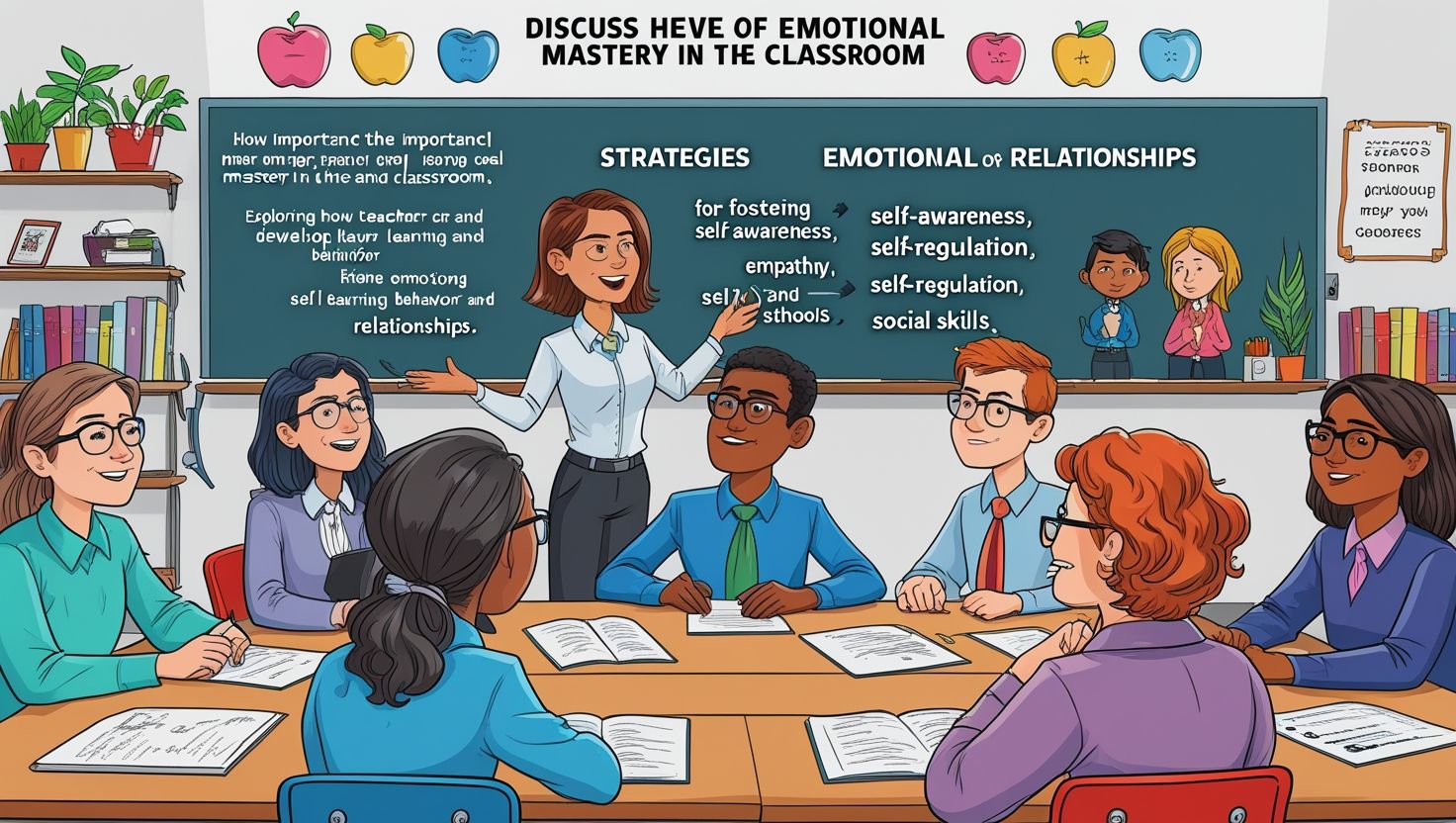
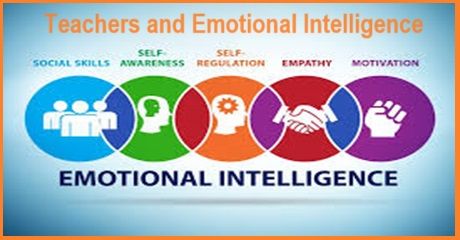
Modern education focuses on emotional development. Teachers use activities that teach kindness and empathy. Children discuss feelings. They learn to express emotions appropriately. Storybooks often support these lessons. Social and emotional learning improves relationships and behavior.
Cultural Awareness Activities
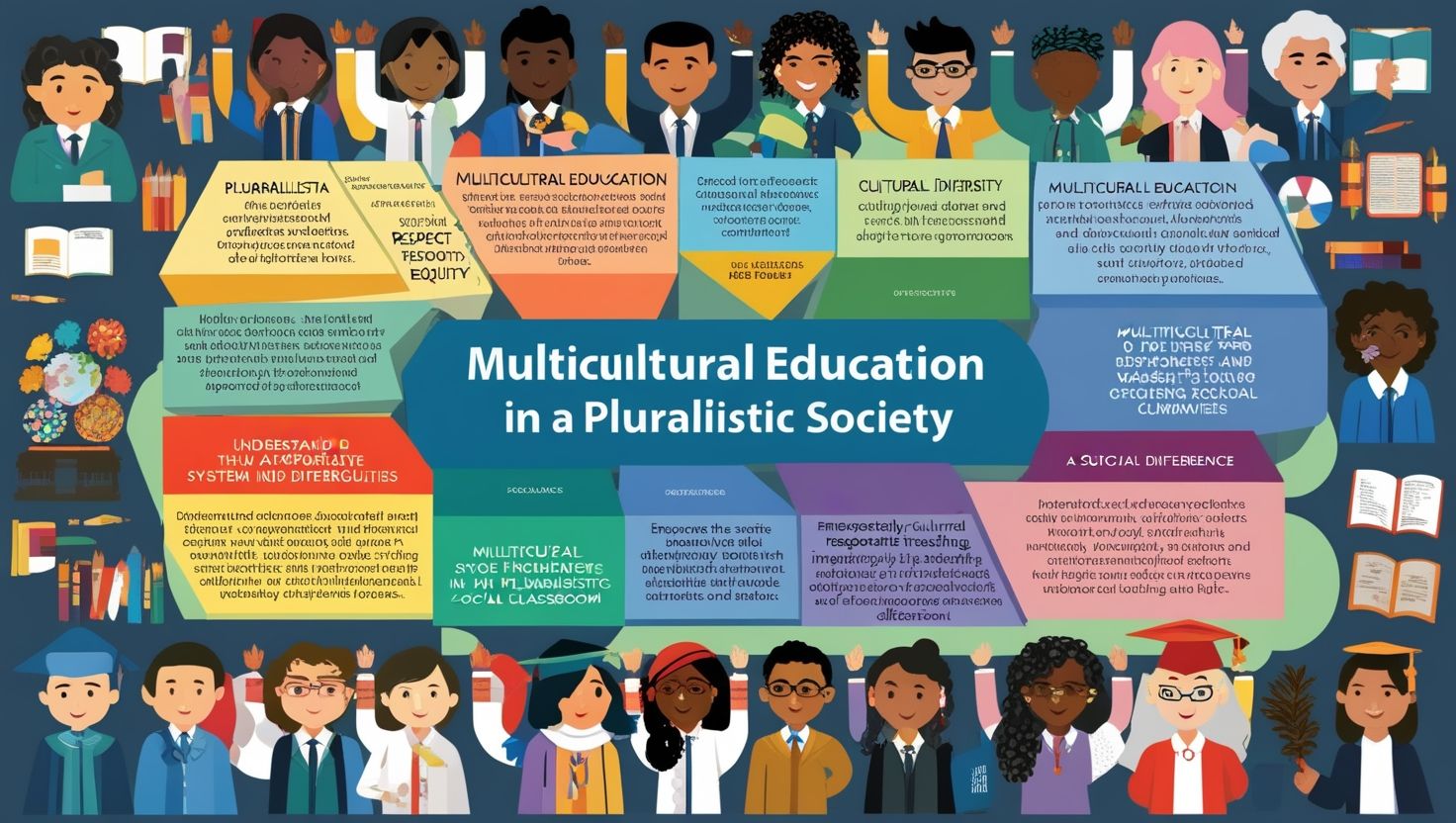
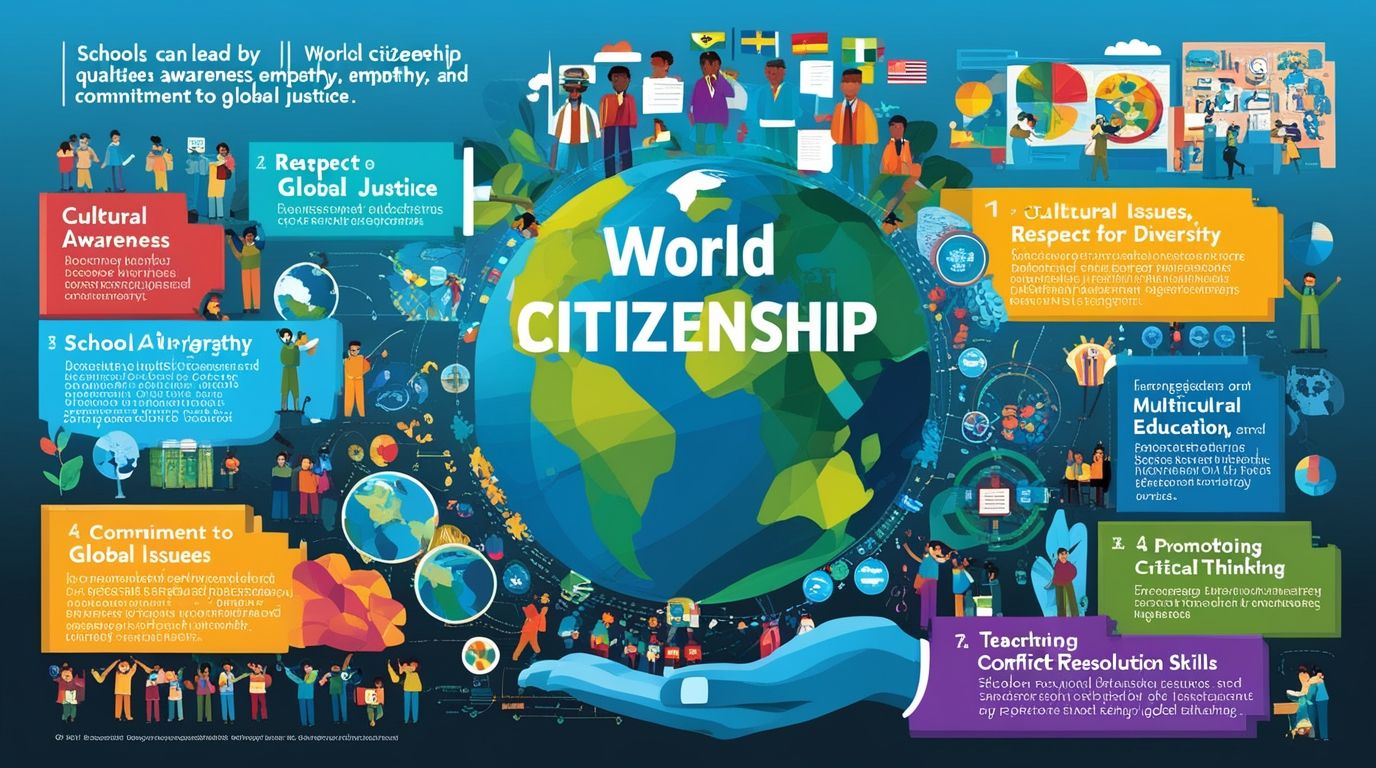
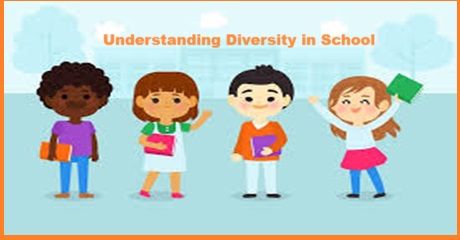
Children should learn to respect diversity. Teachers celebrate different cultures and traditions. Children explore foods, clothing, and festivals from various communities. These activities promote inclusion and understanding.
Project-Based Learning
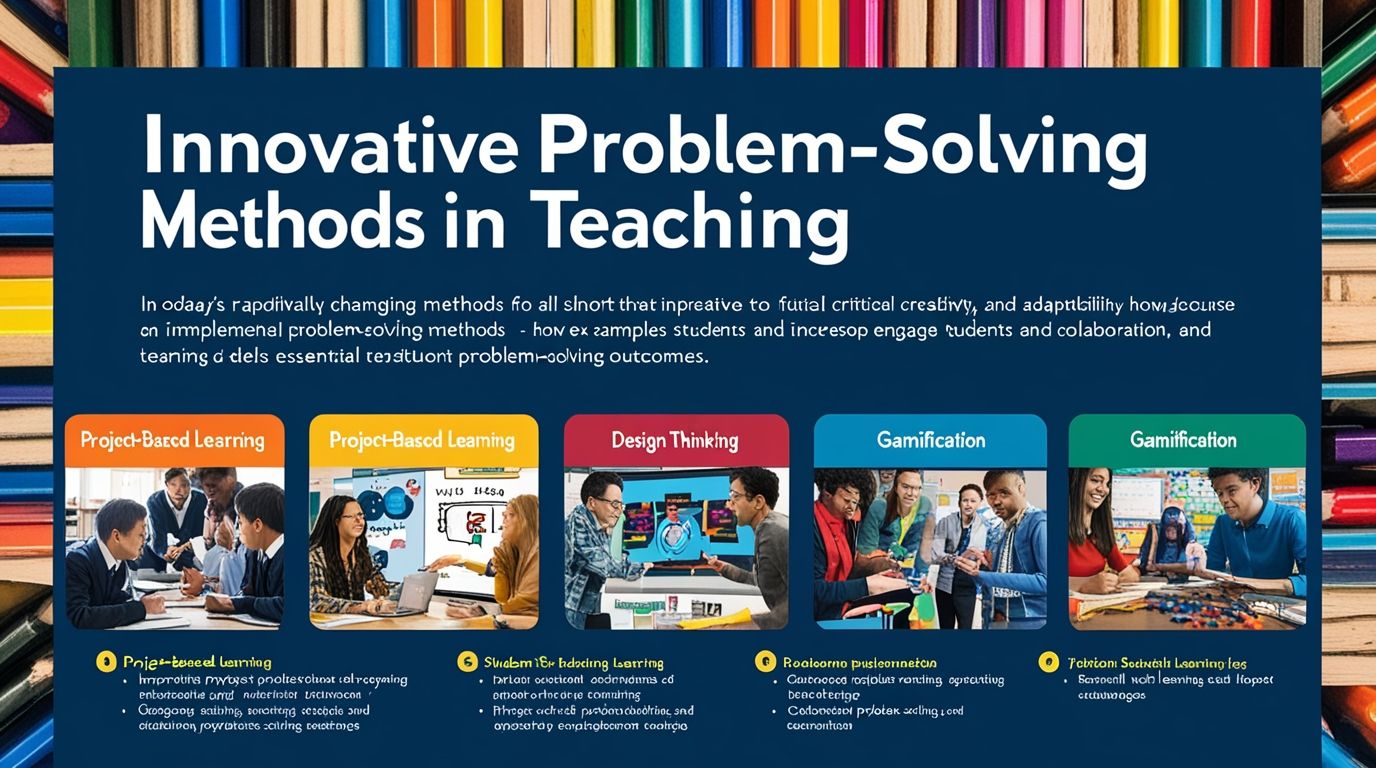
Project-based learning is becoming more common. Children explore a topic over several days. They gather information through activities and discussions. For example, they may study animals, transport, or plants. Projects encourage deeper learning and curiosity.
Classroom Gardening Activities
Many schools create small gardens. Children plant seeds and care for plants. They water flowers and vegetables. They observe growth over time. Gardening teaches responsibility. It also introduces basic science concepts.
Puppet Activities
Puppets make learning enjoyable. Teachers use puppets during storytelling and discussions. Children also create their own puppets. Puppet activities improve communication skills. They encourage imagination and participation.
Building and Construction Activities
Construction activities are excellent for problem-solving. Children use blocks, bricks, and construction sets. They design buildings and structures.
These activities develop spatial awareness. They also improve teamwork and creativity.
Inquiry-Based Learning
Inquiry-based learning encourages questioning. Teachers present interesting objects or situations. Children ask questions and explore answers. This approach develops critical thinking. It encourages active learning and discovery.
Learning Through Songs and Rhymes
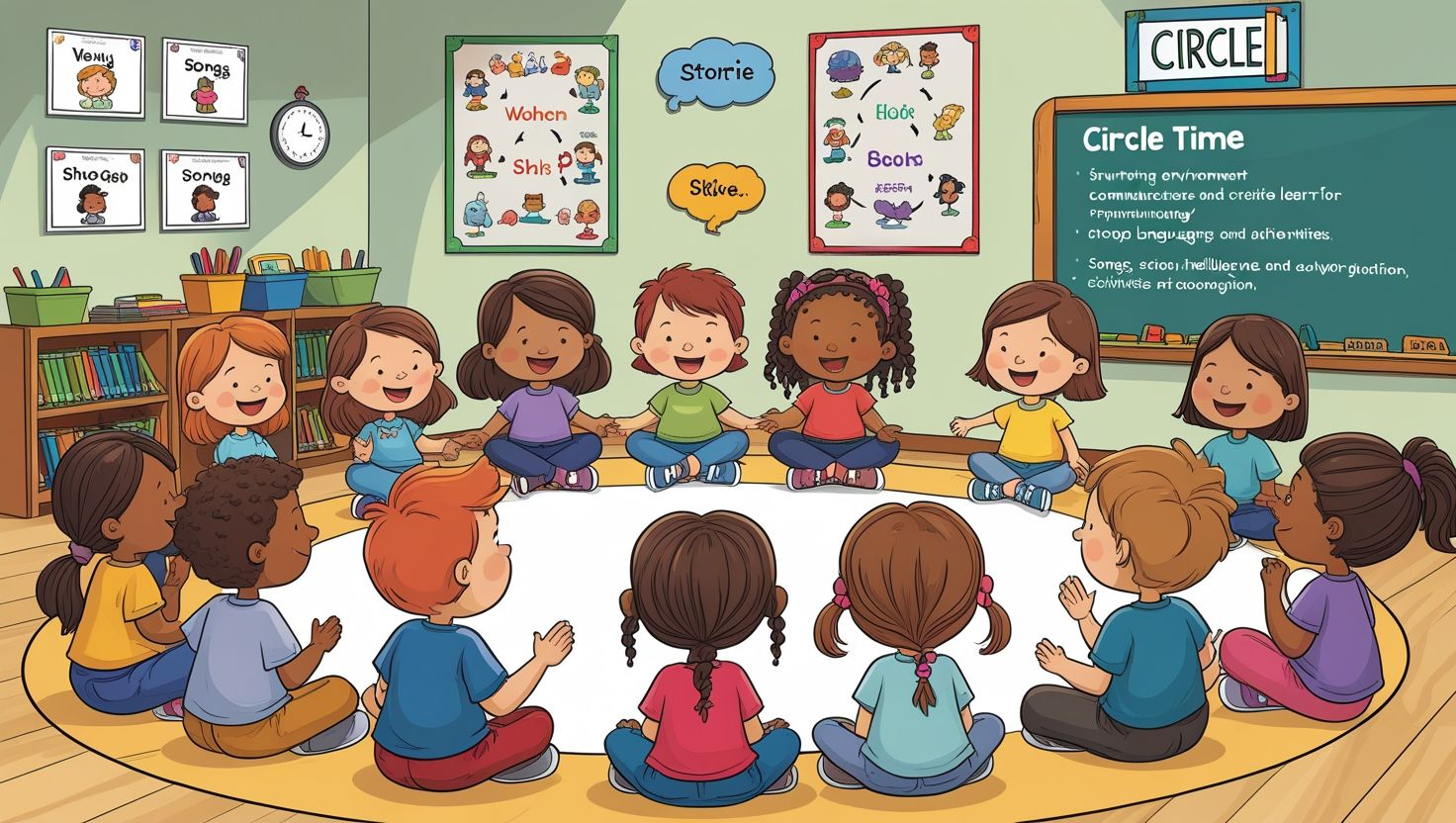
Songs and rhymes remain valuable learning tools. Children easily remember information through music. Teachers use rhymes for letters, numbers, olors, and routines. These activities improve memory and pronunciation. They also create a joyful learning environment.
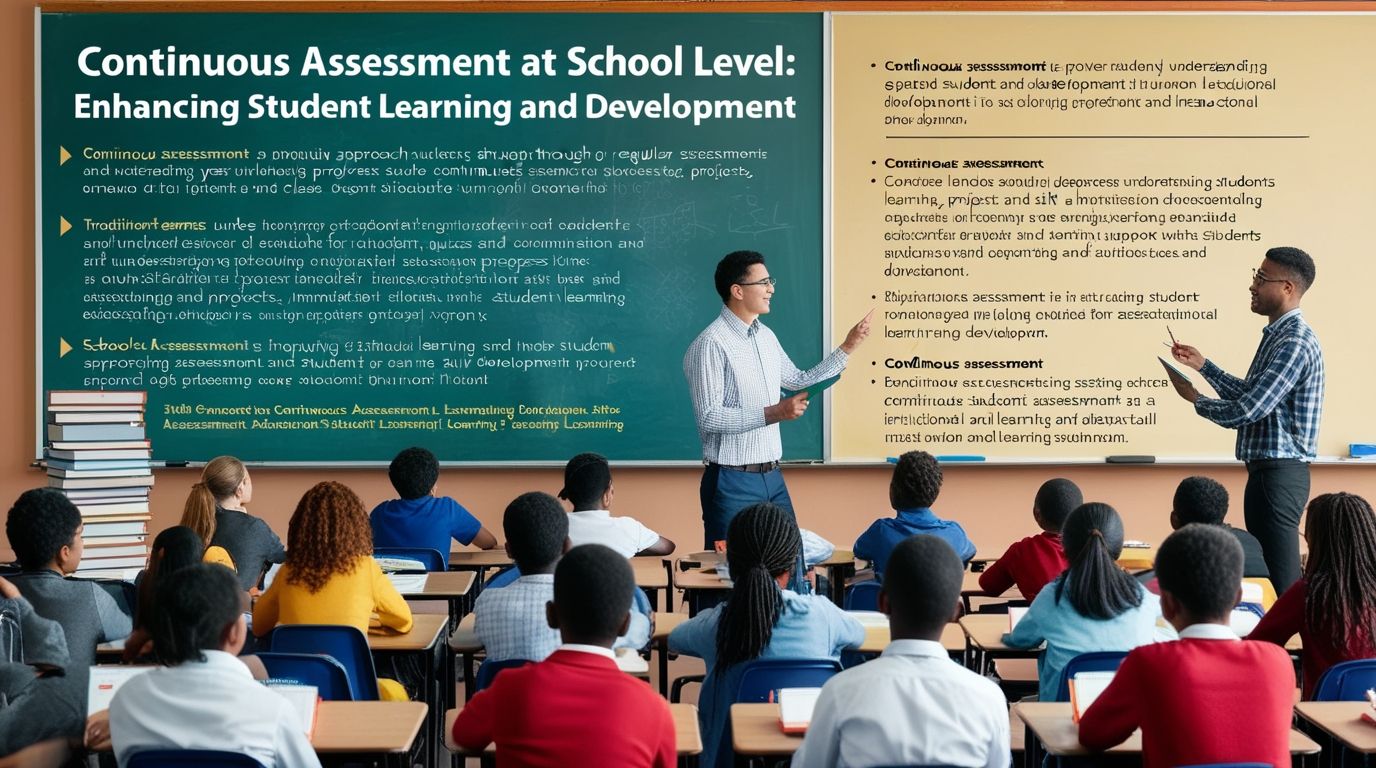
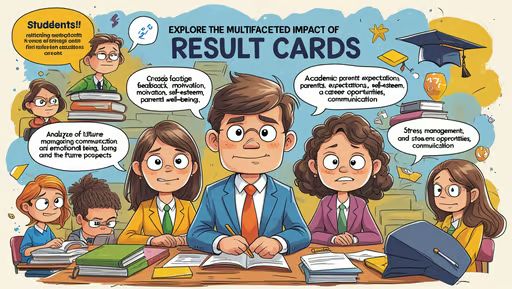
Assessment Through Observation
Modern assessment methods are child-friendly. Teachers observe children during activities. They record progress and achievements.
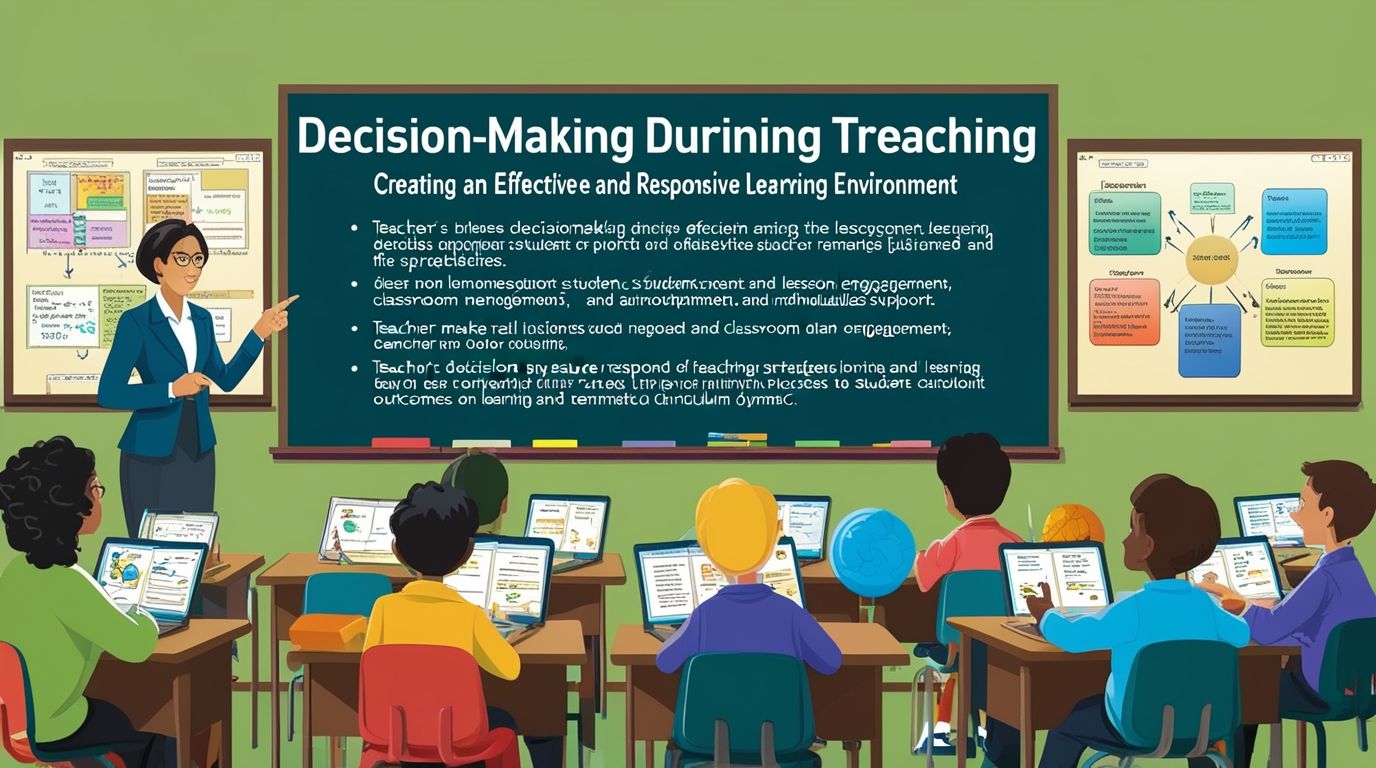
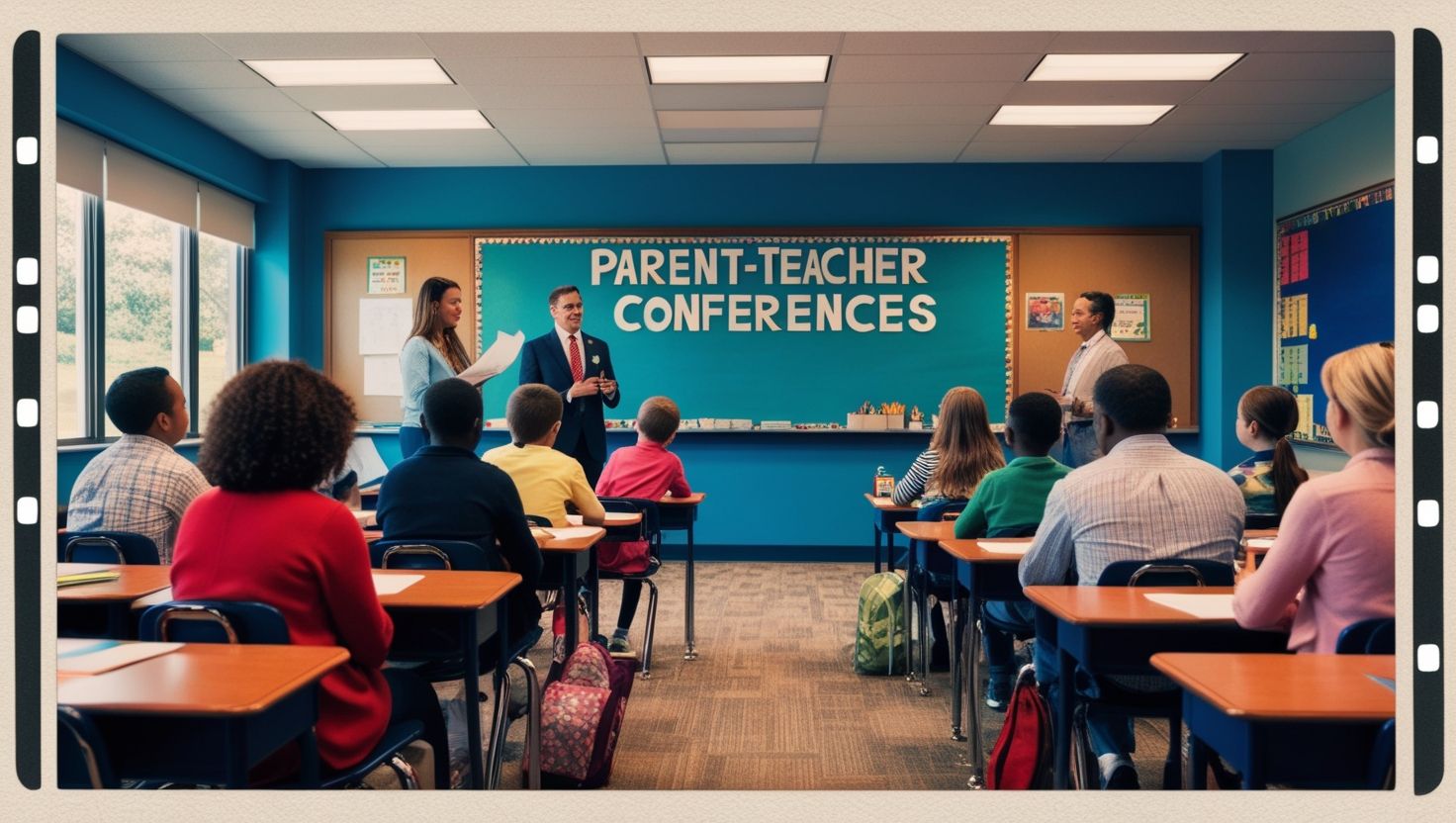
Assessment becomes part of daily learning. Children experience less pressure. Teachers gain a better understanding of individual needs.
Parent Involvement Activities
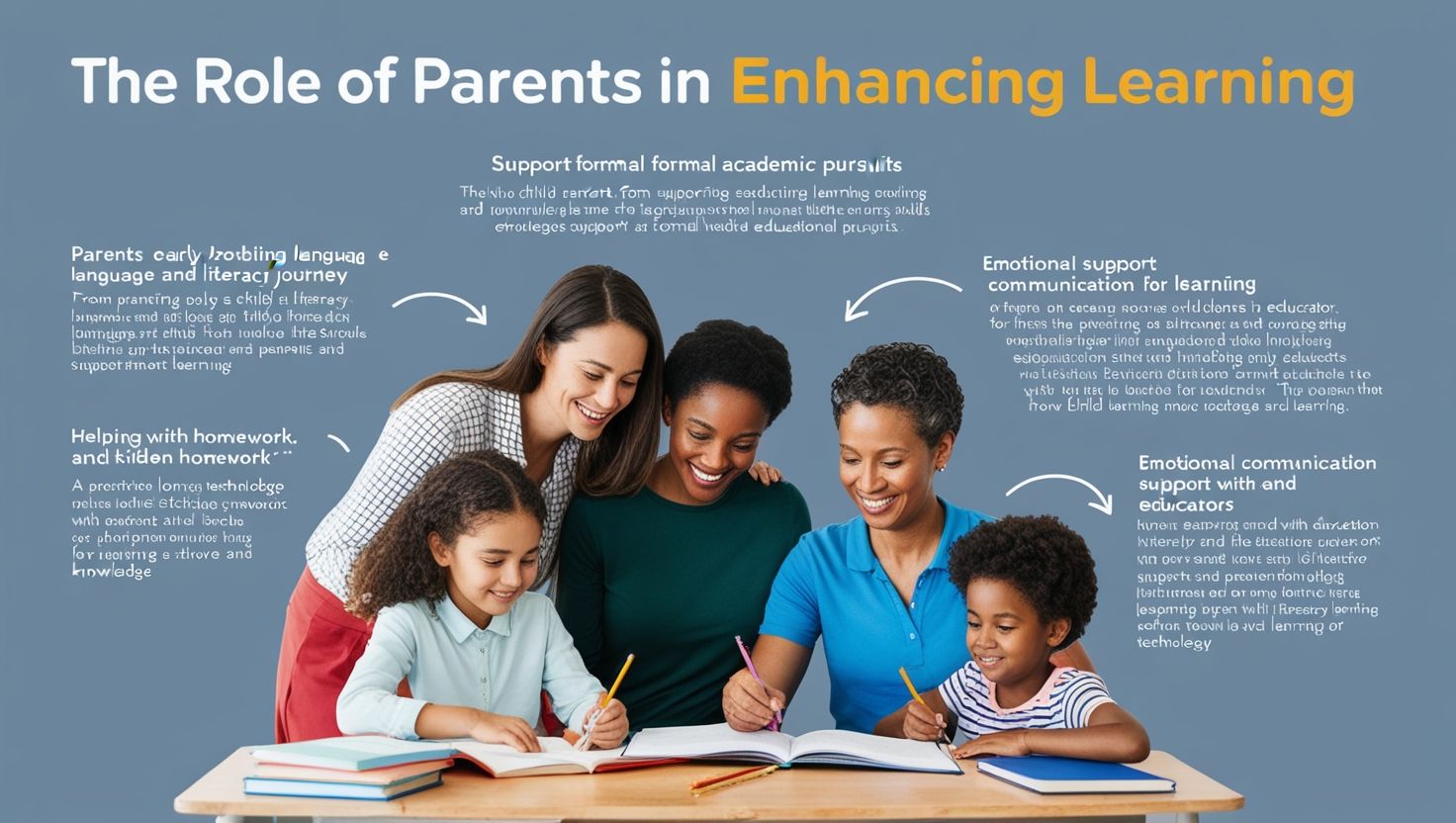
Parents play an important role in learning. Schools organize home learning activities. Parents read stories with children. They participate in creative projects. Strong school-home partnerships improve learning outcomes. Children benefit from consistent support.
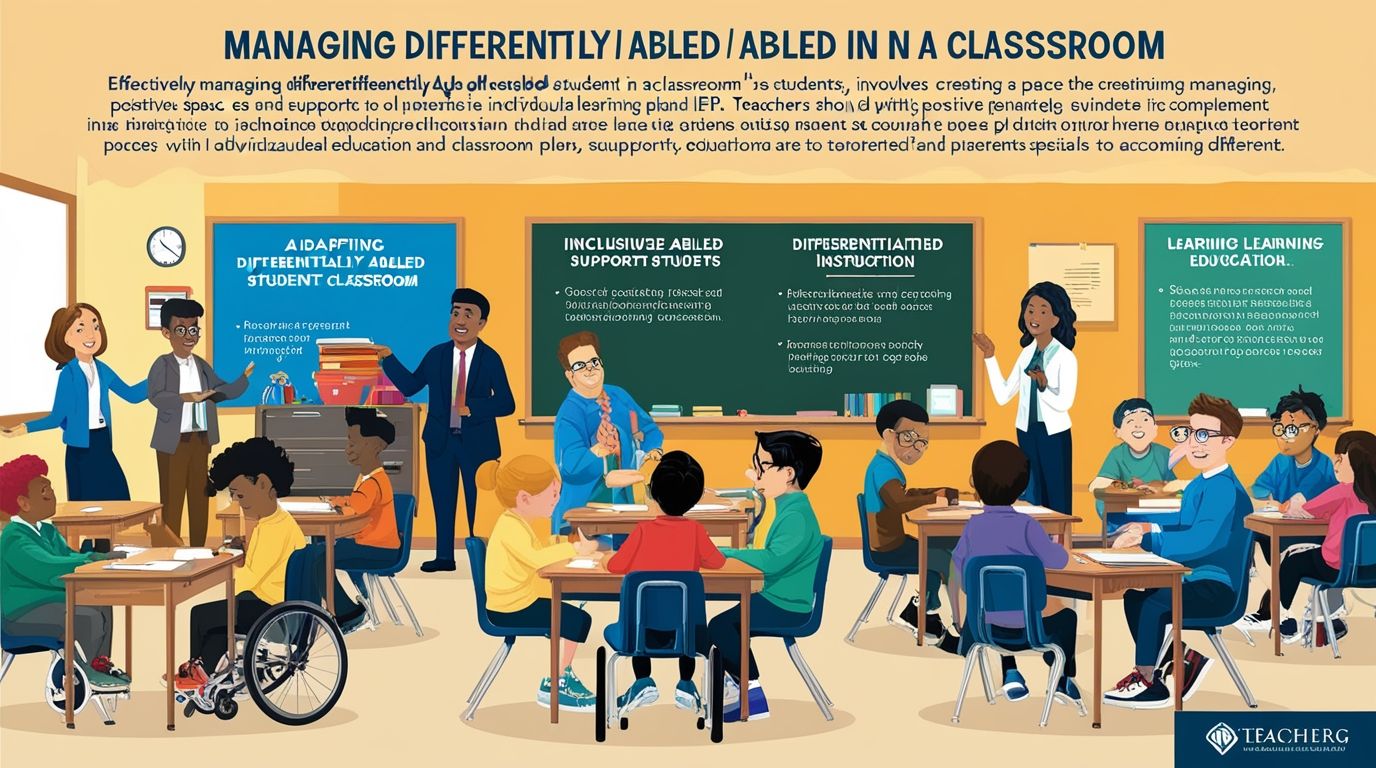
Inclusive Learning Activities
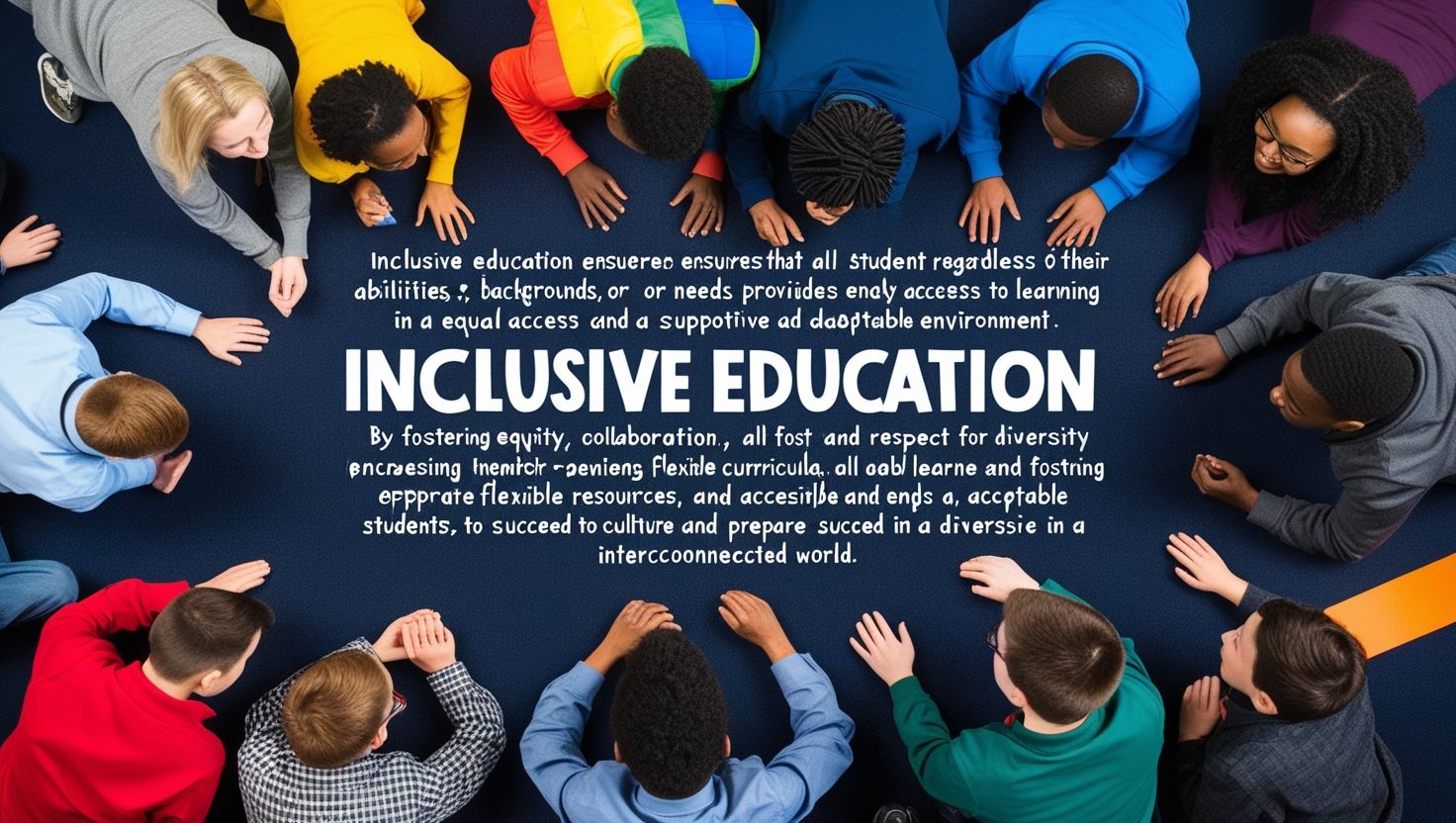
Modern classrooms welcome all learners. Teachers adapt activities to meet different needs. Every child participates in learning experiences. Inclusive practices promote equality and respect. Children learn to value diversity.
Conclusion
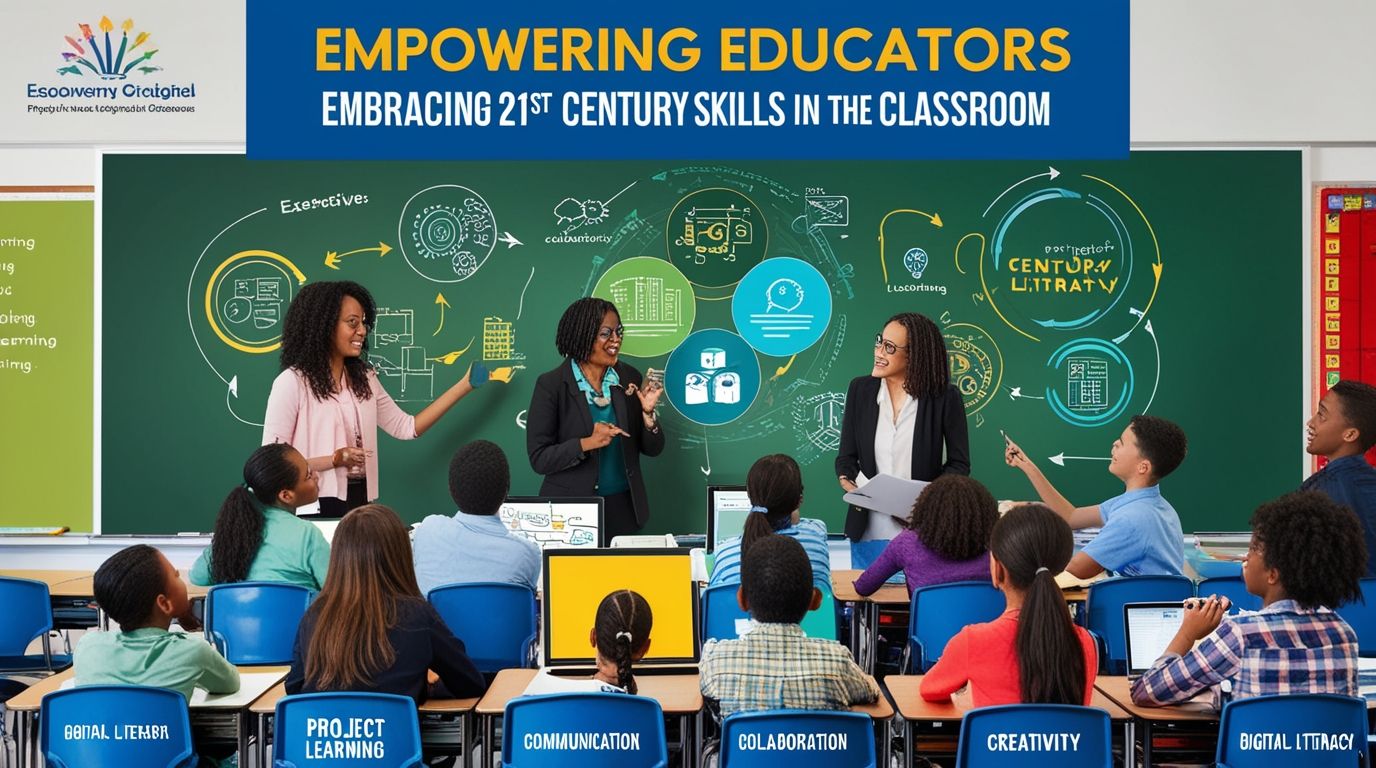
Nursery and Prep education continues to evolve. Modern learning activities focus on the whole child. They support academic growth. They also develop social, emotional, physical, and creative skills. The latest activities include play-based learning, STEM exploration, sensory play, outdoor experiences, digital learning, mindfulness, and project work. These approaches make learning meaningful and enjoyable.
Children learn best when they are active participants. They learn best when they feel safe and happy. Effective Nursery and Prep classrooms create opportunities for exploration, creativity, and discovery every day. By using these modern learning activities, teachers can build strong foundations for lifelong learning and success.