Abstract
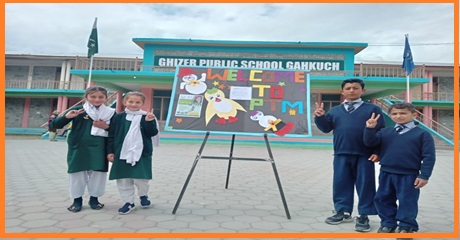
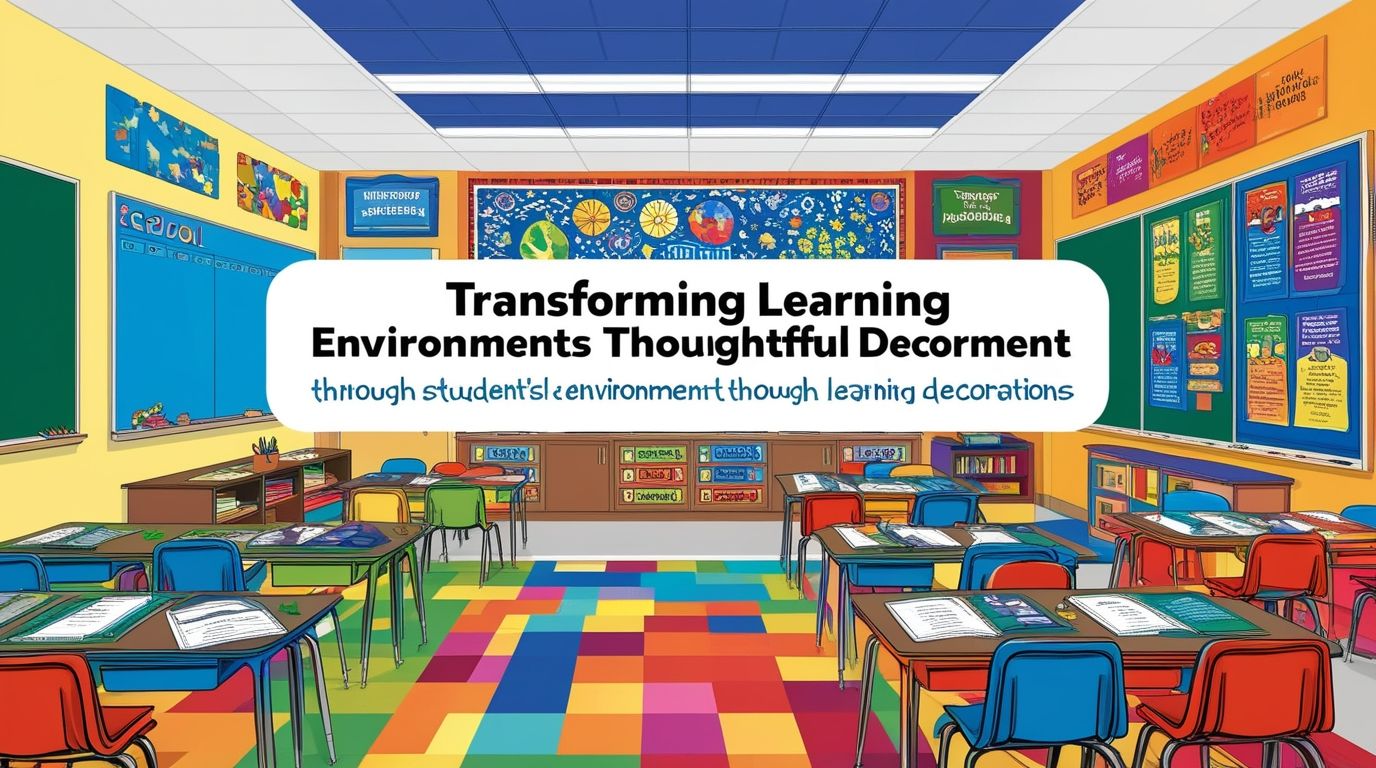
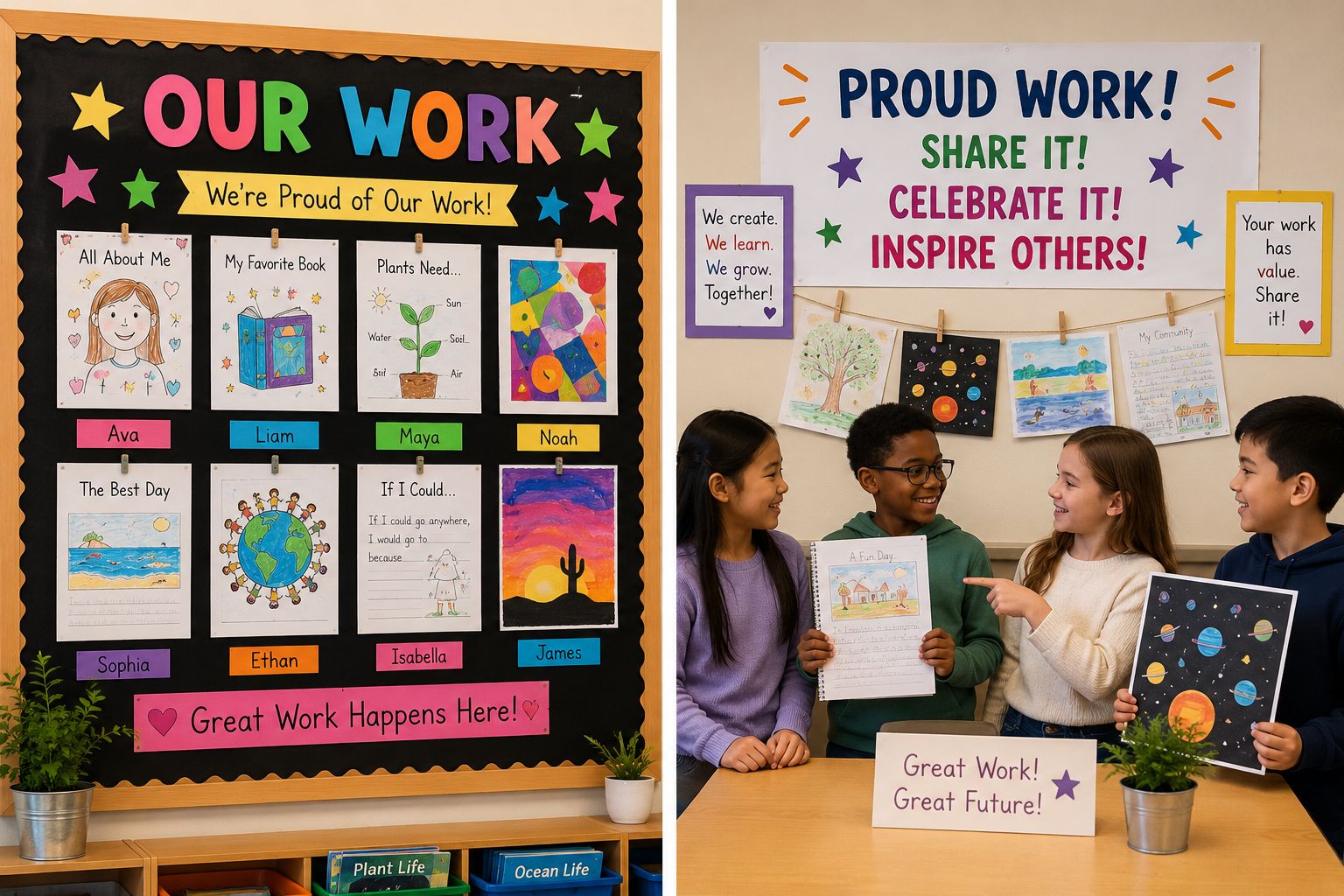
Displaying and promoting students‘ work is a fundamental instructional practice that recognizes learners’ achievements while creating an engaging and supportive learning environment. Educational research indicates that showcasing students’ work enhances motivation, promotes self-confidence, strengthens academic engagement, and fosters a positive school culture. Beyond celebrating achievement, displays provide authentic evidence of learning, encourage reflective thinking, and facilitate communication among teachers, students, parents, and the wider community. Effective displays can be physical, such as classroom bulletin boards and exhibitions, or digital, including e-portfolios, school websites, and social media platforms.
When thoughtfully designed, they emphasize learning processes rather than merely highlighting high-performing students, thereby promoting equity and inclusion. Teachers play a critical role in selecting, organizing, and presenting student work in ways that support curriculum objectives and encourage continuous improvement. School leaders further strengthen this practice by creating institutional policies that celebrate student accomplishments across academic, artistic, scientific, and co-curricular domains. This article examines the educational significance of displaying and promoting students’ work, discusses its theoretical foundations, explores practical strategies for implementation, and highlights challenges and best practices for creating meaningful learning displays. Ultimately, displaying students’ work is not simply a decorative activity but a powerful pedagogical strategy that contributes significantly to students’ academic achievement, motivation, creativity, and lifelong learning.
Keywords: student work, classroom display, motivation, assessment, school culture, student engagement, educational leadership
Introduction
Creating an effective learning environment involves more than delivering classroom instruction. It requires developing educational spaces that motivate learners, encourage participation, and celebrate academic growth. One of the most effective yet often underutilized instructional strategies is the display and promotion of students’ work. Classroom displays, exhibitions, portfolios, and digital showcases transform students’ learning experiences by making their achievements visible to peers, teachers, parents, and the broader community.
Student work includes written assignments, artwork, science projects, mathematical investigations, creative writing, research reports, models, presentations, digital media, and collaborative projects. Displaying these products communicates that students’ efforts are valued and respected. Recognition of student achievement serves as an important motivational factor that encourages learners to invest greater effort in future academic tasks.
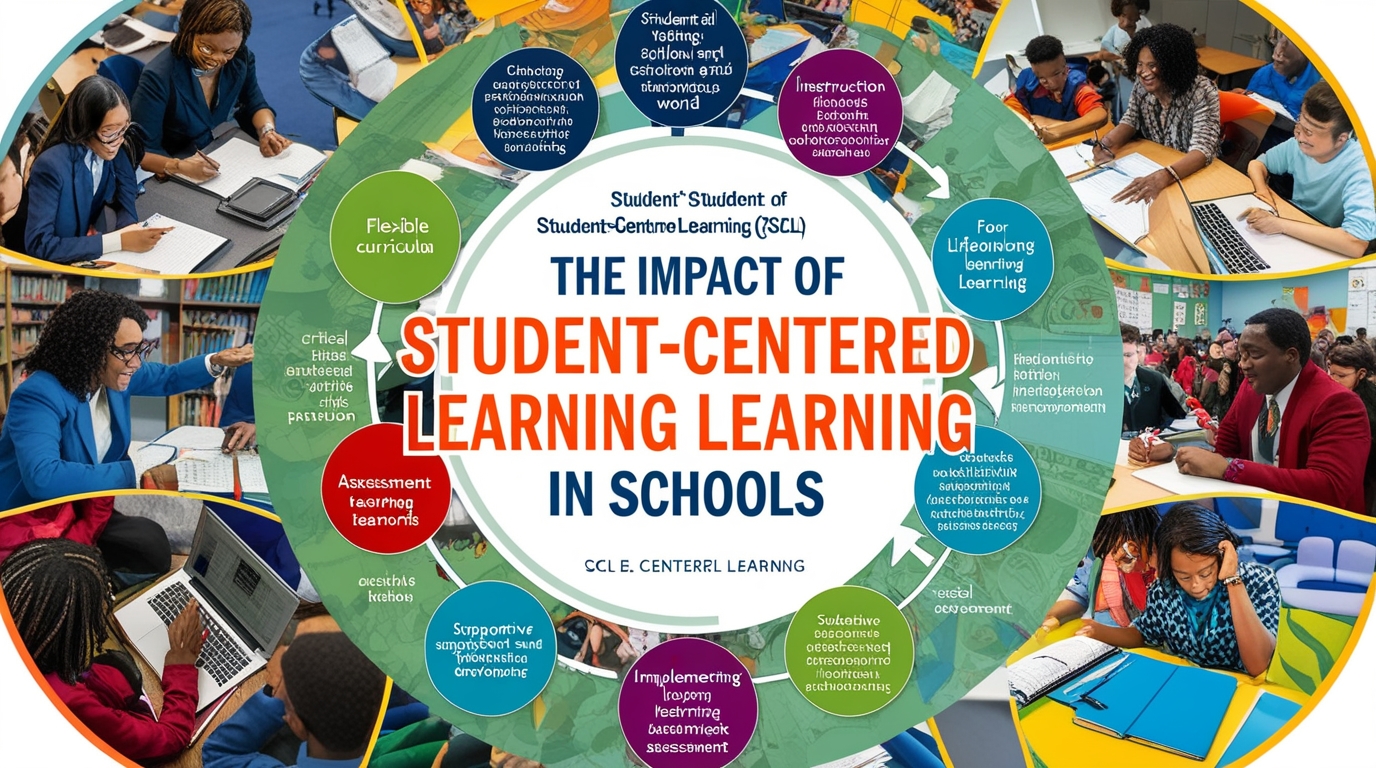
Modern educational philosophy emphasizes student-centered learning, where learners actively construct knowledge through meaningful experiences. Displaying students’ work aligns closely with this philosophy because it shifts attention from teacher-directed instruction toward student accomplishments and learning processes. Rather than focusing solely on examination scores, educators recognize creativity, problem-solving abilities, collaboration, and continuous improvement.
Research consistently demonstrates that students perform better when they know their work will be shared with authentic audiences. Public recognition increases accountability, improves attention to quality, and encourages students to reflect critically on their own learning. Furthermore, displays create opportunities for peer learning, as students observe different approaches to solving problems and expressing ideas.
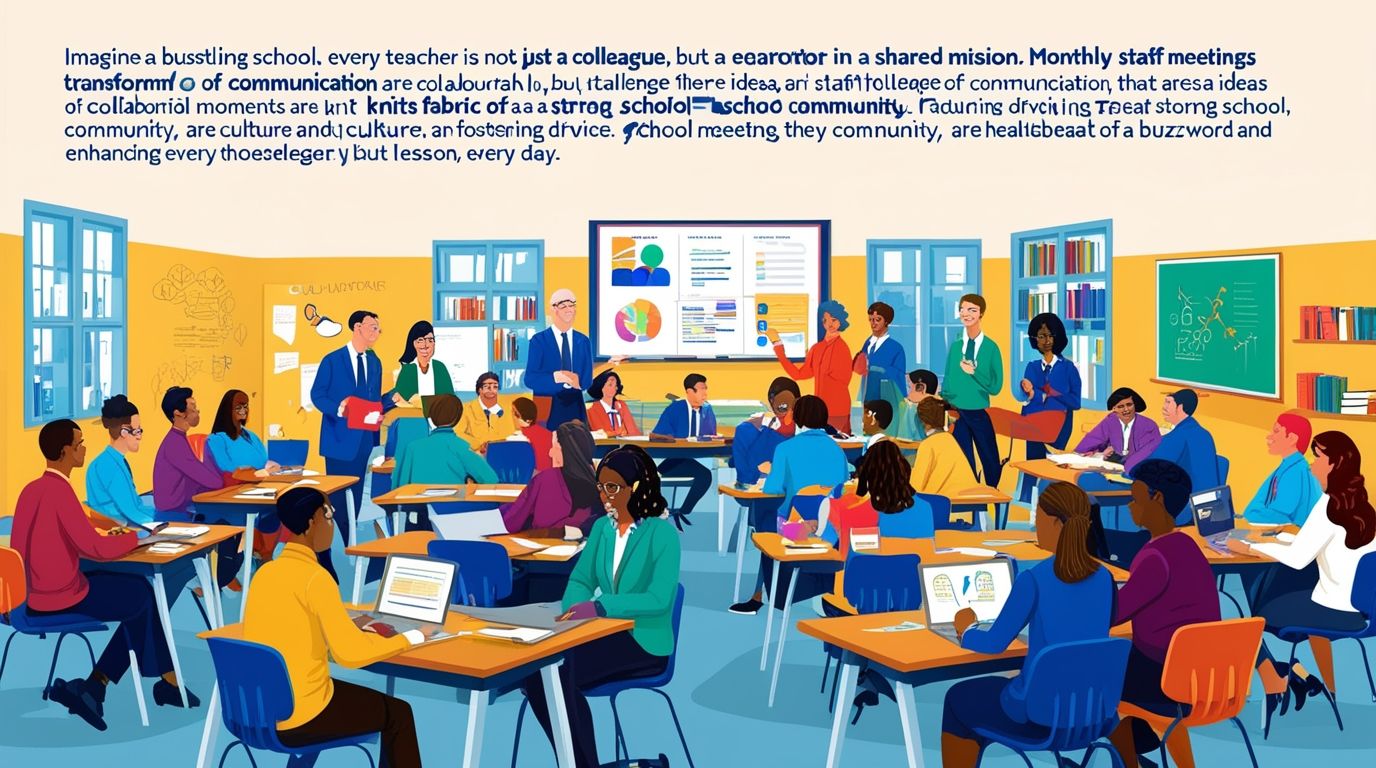
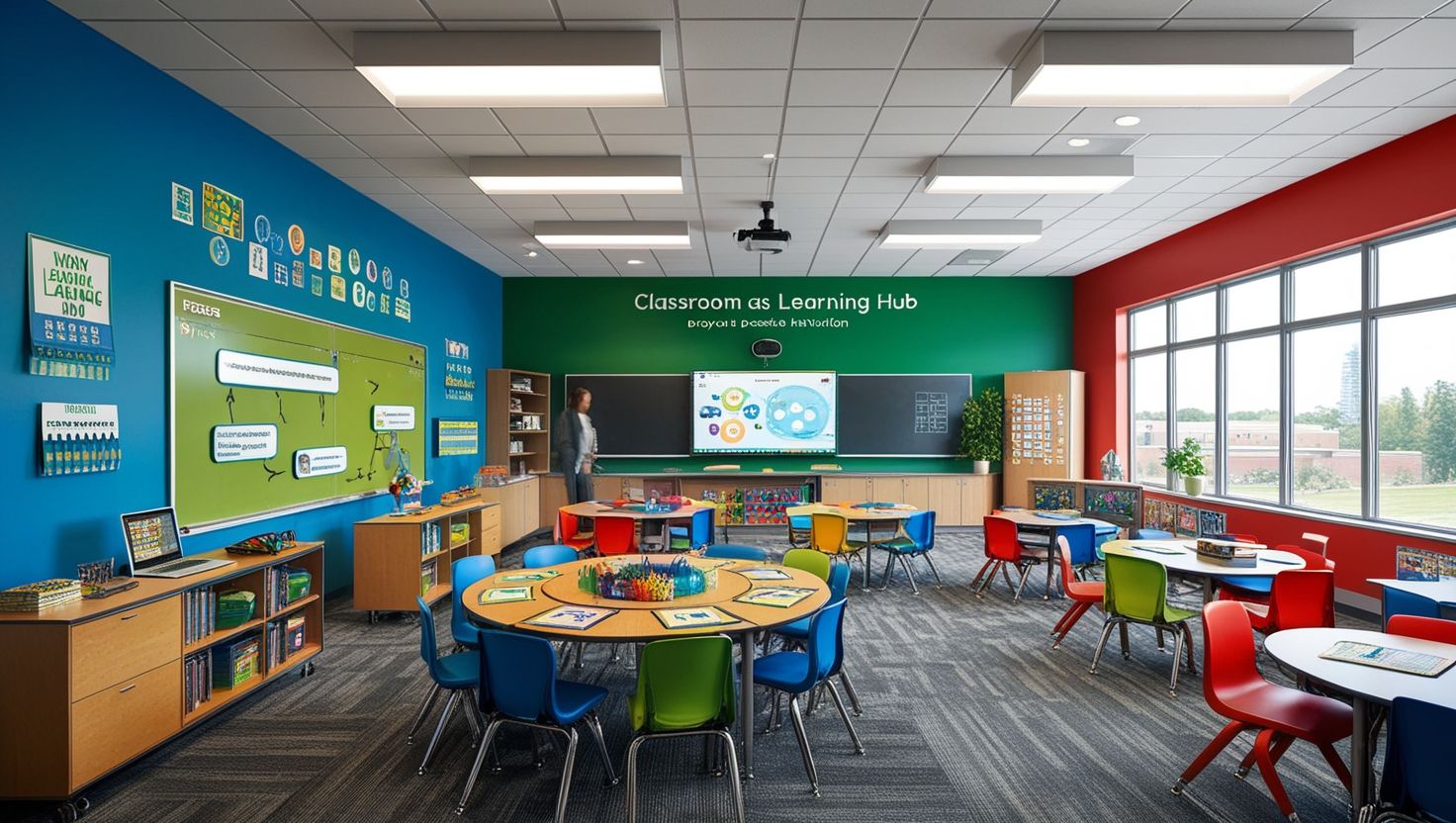
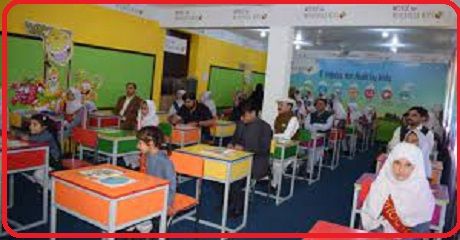
Schools also benefit from displaying student work because it contributes to a positive organizational culture. Hallways, classrooms, libraries, and common areas become vibrant learning environments where academic excellence and creativity are celebrated. Parents visiting the school gain insight into classroom activities, strengthening school-home partnerships and increasing community confidence in educational programs.
Theoretical Foundations
Several educational theories provide a strong foundation for the practice of displaying and promoting students’ work.
Constructivist Learning Theory
Constructivist theory, largely associated with Jean Piaget and Lev Vygotsky, argues that learners actively construct knowledge through experience and social interaction. According to this perspective, learning is strengthened when students reflect upon their own work and engage in discussions with others.
Displaying students’ work creates opportunities for reflection, dialogue, and collaborative learning. Students compare ideas, identify strengths and weaknesses, and build new understanding through observation and discussion. Classroom displays therefore become active learning resources rather than passive decorations.
Social Learning Theory
Albert Bandura’s Social Learning Theory emphasizes that individuals learn by observing others. When students view their classmates’ projects, presentations, and creative products, they gain new ideas, strategies, and perspectives.
This observational learning encourages healthy academic competition while promoting collaboration rather than rivalry. Students recognize that there are multiple ways to solve problems, communicate ideas, and demonstrate understanding.
Furthermore, recognition of peers’ achievements motivates learners to improve their own performance through positive role modeling.
Self-Determination Theory
Self-Determination Theory, developed by Edward Deci and Richard Ryan, identifies autonomy, competence, and relatedness as essential psychological needs for motivation.
Displaying students’ work satisfies these needs by:
- Recognizing students’ competence.
- Providing opportunities for personal choice and creativity.
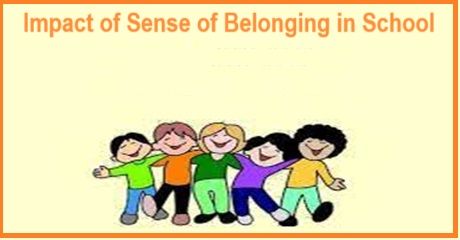
- Strengthening students’ sense of belonging within the classroom community.
As students experience success and recognition, they develop stronger intrinsic motivation and greater commitment to learning.
Growth Mindset Theory
Carol Dweck’s Growth Mindset Theory suggests that intelligence and ability develop through effort, persistence, and effective learning strategies.
Displays that emphasize drafts, revisions, reflections, and improvement communicate that learning is an ongoing process rather than a fixed measure of ability. Instead of celebrating only perfect products, teachers can showcase evidence of progress and perseverance.
Such displays encourage students to embrace challenges, learn from mistakes, and develop resilience.
Educational Benefits of Displaying Students’ Work
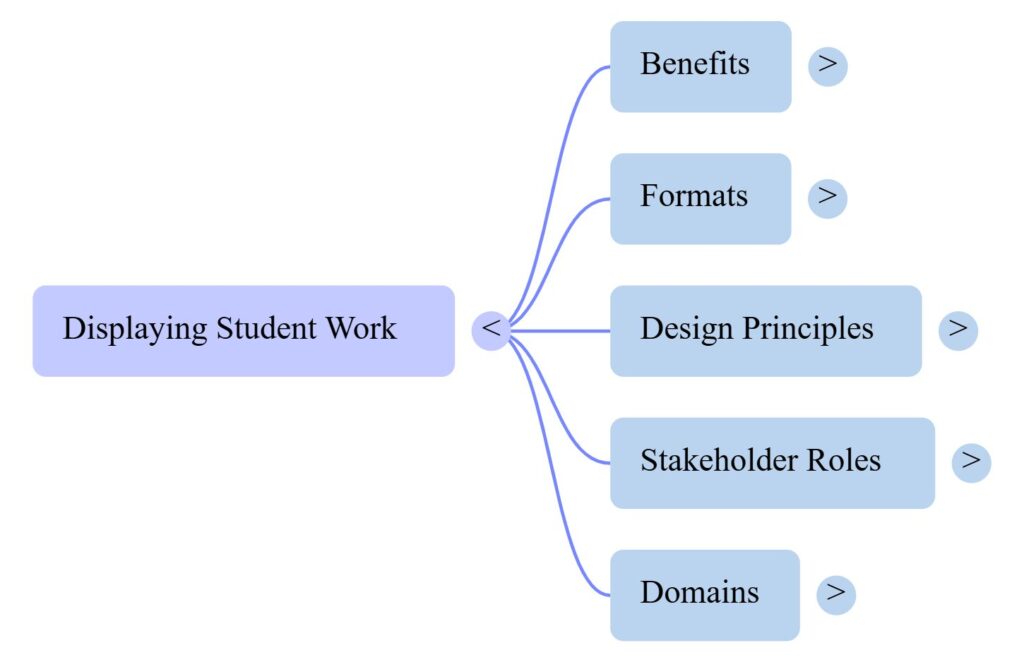
Displaying students’ work contributes to multiple dimensions of educational development.
1. Enhancing Student Motivation
Recognition is one of the strongest motivators in education. Students experience pride and satisfaction when their work is displayed publicly. This recognition reinforces positive learning behaviors and encourages continued academic effort.
Unlike external rewards such as grades alone, public appreciation emphasizes the value of meaningful learning and personal achievement.
2. Building Self-Confidence
Many students doubt their academic abilities. Seeing their work displayed alongside that of their peers validates their efforts and strengthens self-esteem.
Confident learners are more willing to participate in discussions, ask questions, and attempt challenging learning tasks. Over time, increased confidence contributes to higher academic achievement.
3. Encouraging High-Quality Work
Students generally invest greater effort when they know their work will be viewed by classmates, teachers, parents, or visitors.
This authentic audience encourages careful planning, improved organization, greater creativity, and stronger attention to detail. Students become more responsible for producing work that accurately represents their abilities.
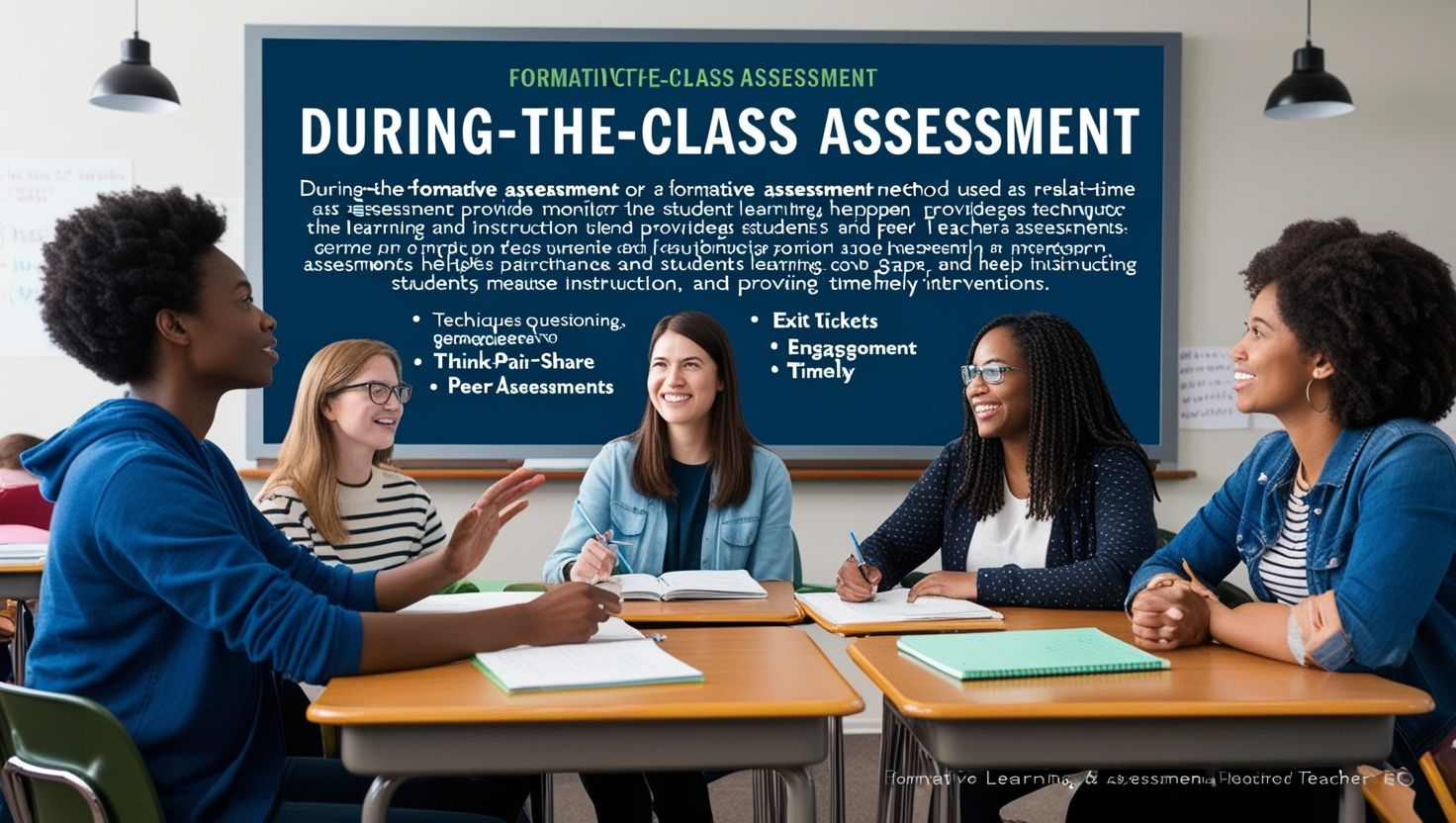
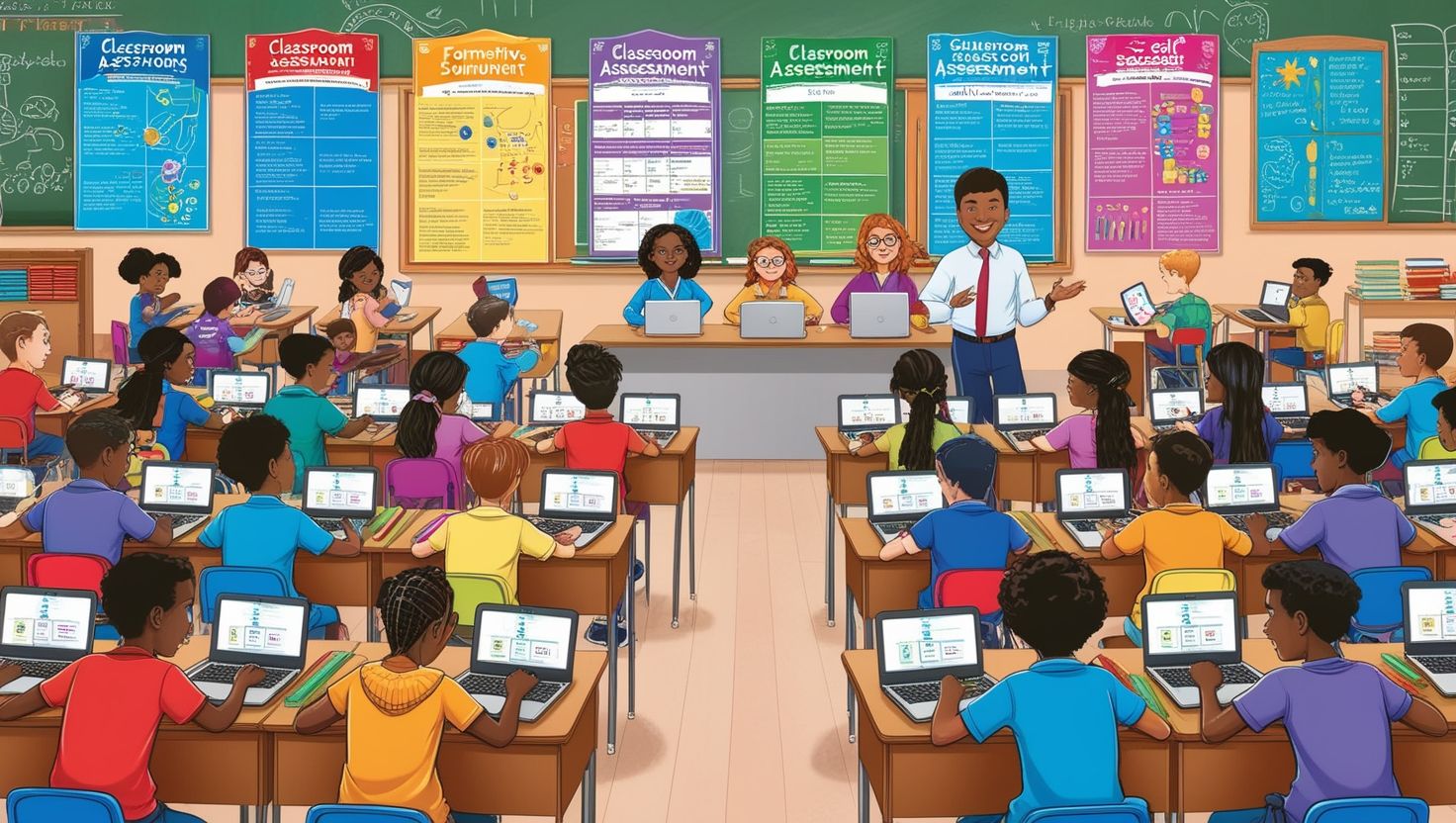
4. Supporting Formative Assessment
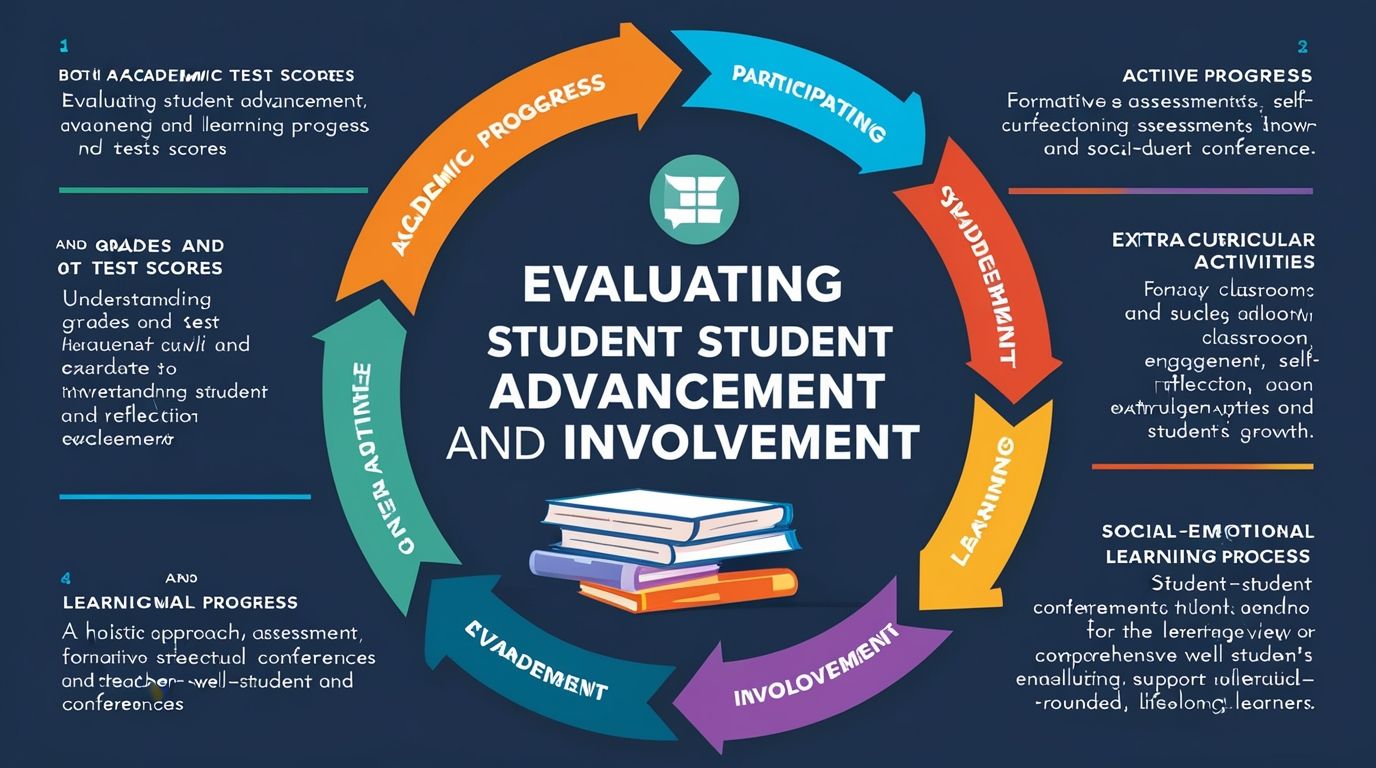
Student displays also function as valuable assessment tools. Teachers can observe patterns of understanding, identify misconceptions, and monitor individual progress over time.
Instead of relying exclusively on written examinations, educators gather authentic evidence of learning through displayed projects, investigations, artwork, and written assignments.
Displays can include reflective comments that explain learning objectives, challenges encountered, and strategies used to complete tasks. Such reflections deepen students’ metacognitive awareness while providing teachers with insights into learning processes.
Educational Benefits of Displaying Students’ Work
5. Promoting Collaboration and Peer Learning
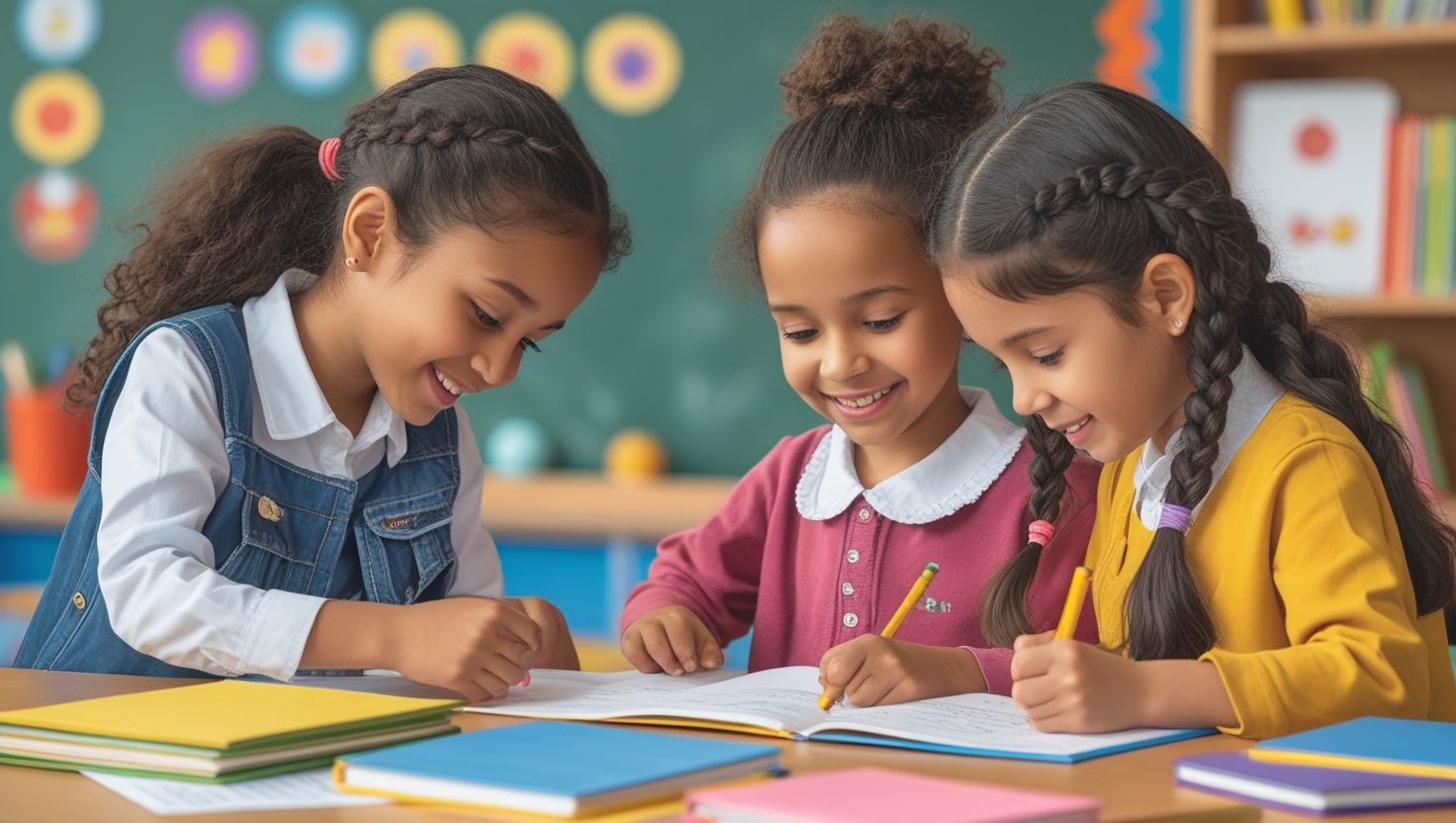
One of the most valuable outcomes of displaying students’ work is the promotion of collaborative learning. When students examine the work of their classmates, they gain exposure to diverse ideas, problem-solving approaches, and creative expressions. This process encourages discussion, constructive feedback, and the exchange of knowledge.
Peer learning is particularly effective because students often explain concepts to one another using language and examples that are easily understood by their classmates. Classroom displays become interactive learning resources where students compare methods, ask questions, and discover alternative solutions to academic problems.
Collaborative displays, such as group projects, inquiry boards, and thematic exhibitions, also foster teamwork, communication, and shared responsibility. These experiences prepare students for future academic and professional environments where collaboration is an essential skill.
6. Encouraging Reflection and Metacognition
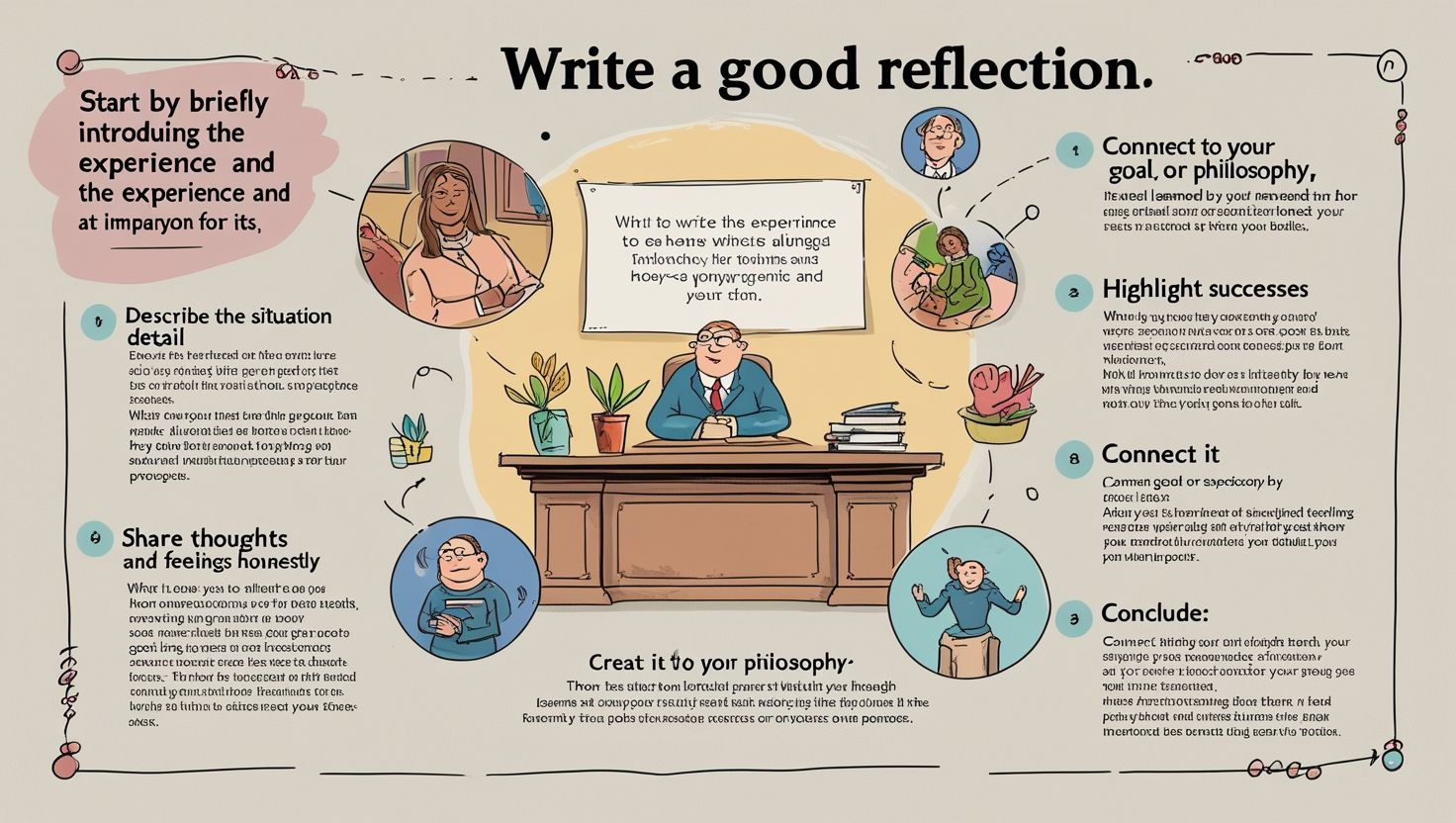
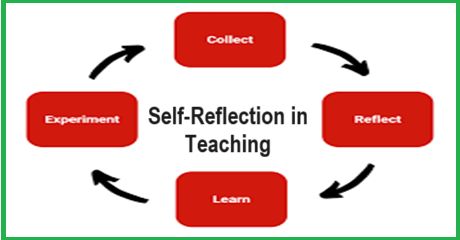
Reflection is a key component of effective learning. Students deepen their understanding when they analyze their own work, identify strengths and weaknesses, and consider ways to improve.
Teachers can encourage reflective learning by asking students to include short written statements with displayed work, addressing questions such as:
- What did I learn?
- What challenges did I encounter?
- How did I solve these challenges?
- What would I improve next time?
These reflective practices develop metacognitive skills, enabling students to become independent and self-regulated learners.
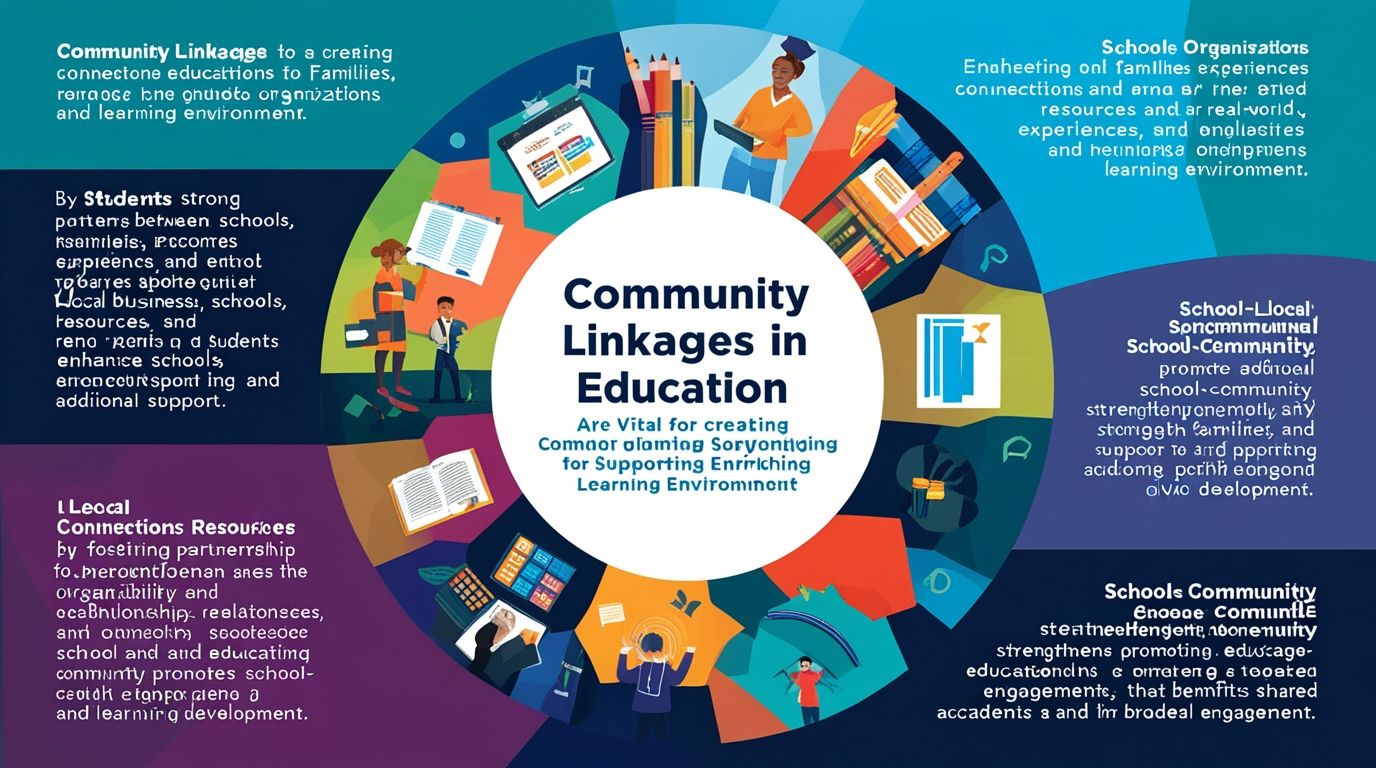
7. Strengthening School-Home Partnerships
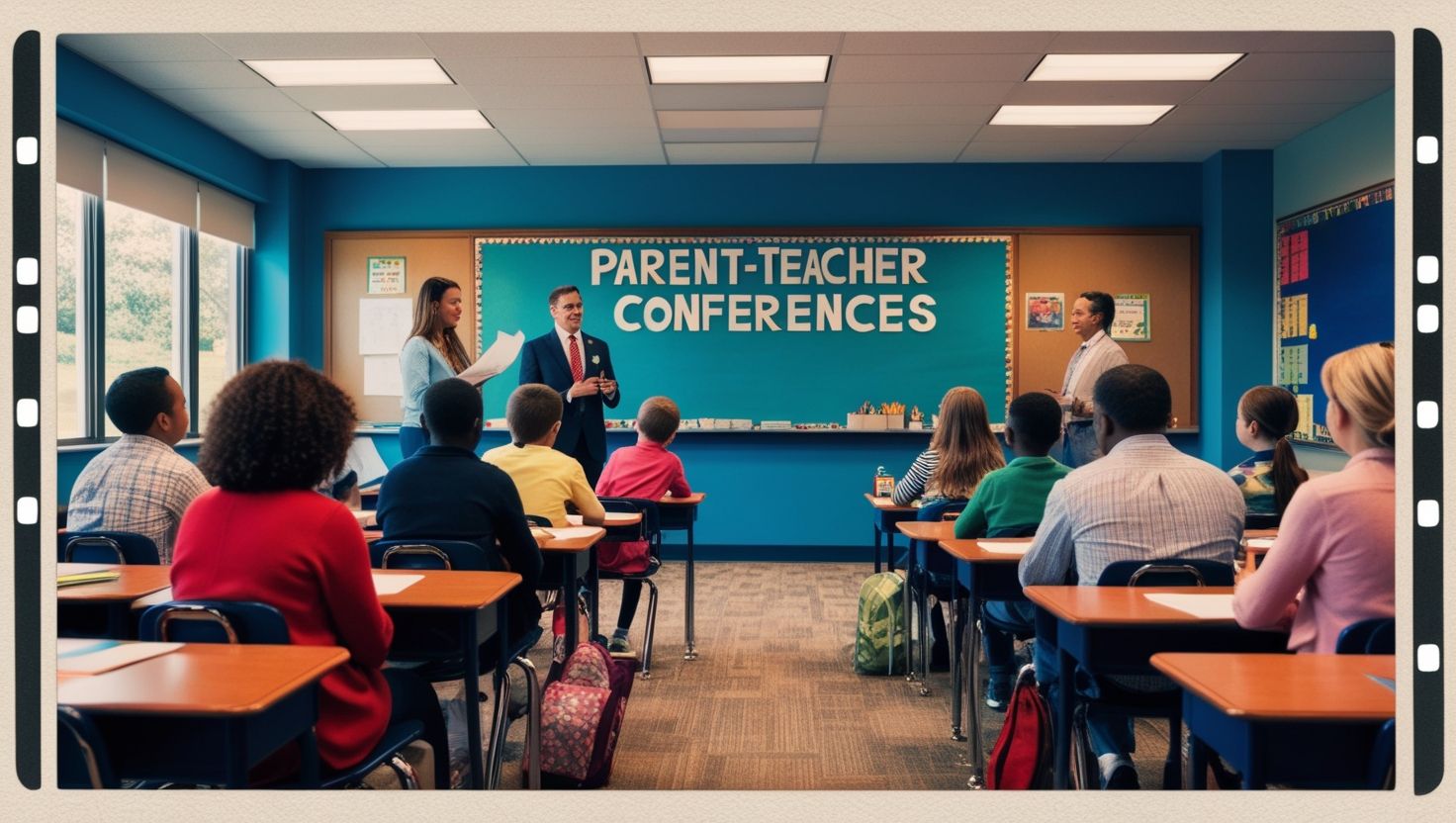
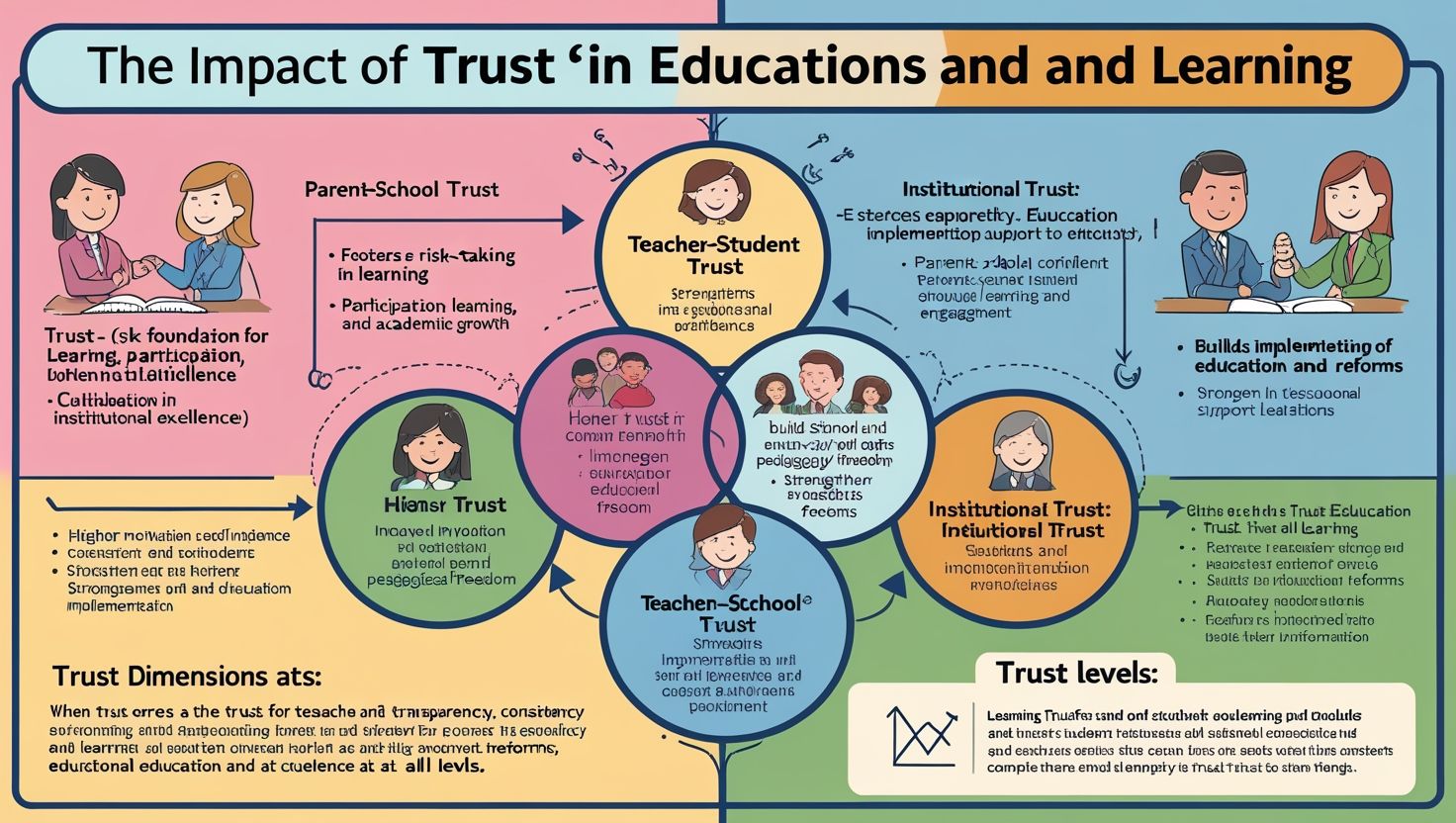
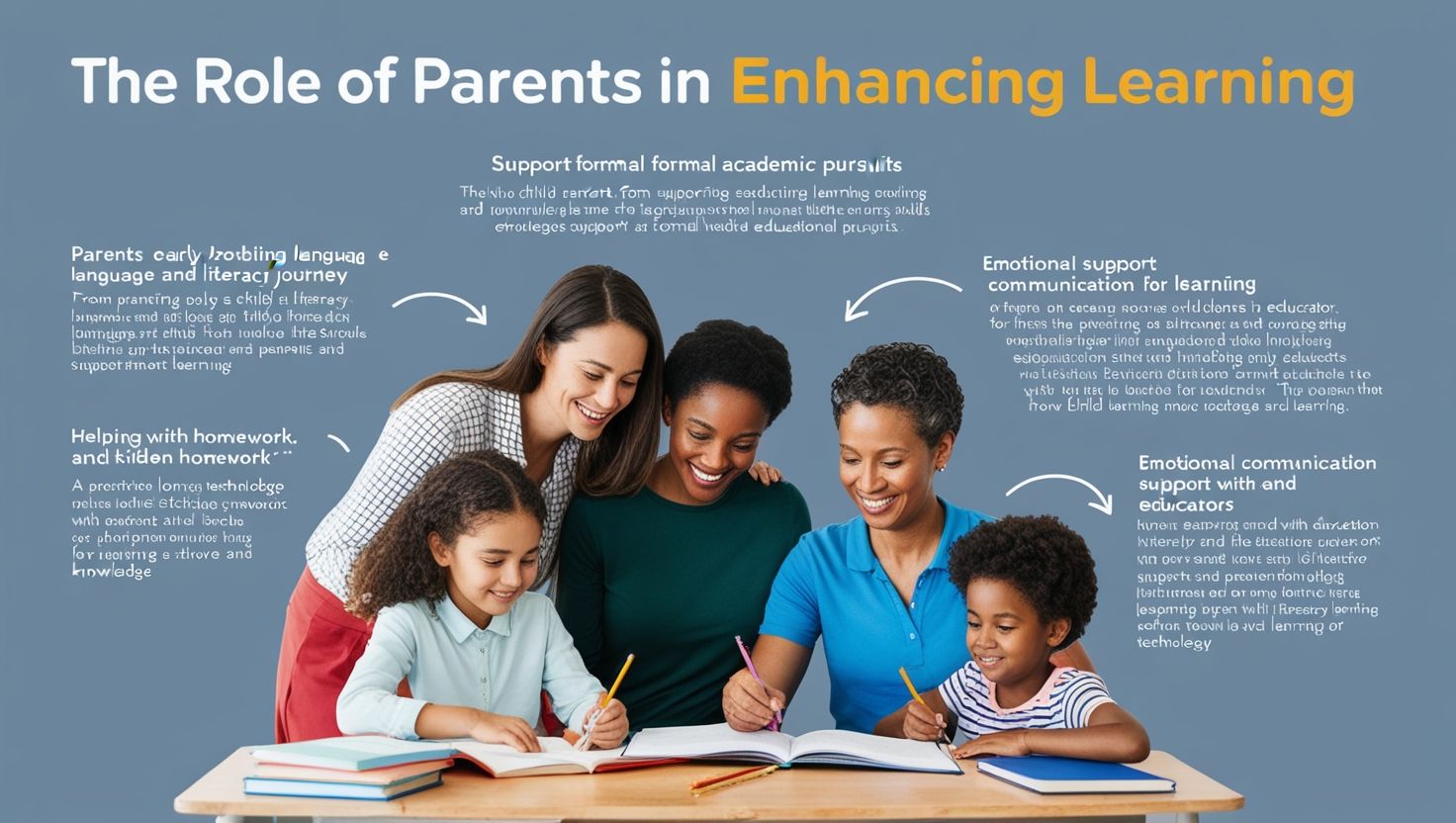
Displaying students’ work creates meaningful opportunities for parents and families to engage with their children’s education. During parent-teacher meetings, open houses, exhibitions, and school celebrations, displayed work provides tangible evidence of student learning and progress.
Parents gain a clearer understanding of curriculum objectives, classroom expectations, and their children’s achievements beyond examination scores. This transparency strengthens trust between families and schools while encouraging parents to support learning at home.
Digital portfolios further extend this partnership by allowing parents to access student work regularly, regardless of time or location.
8. Building a Positive School Culture
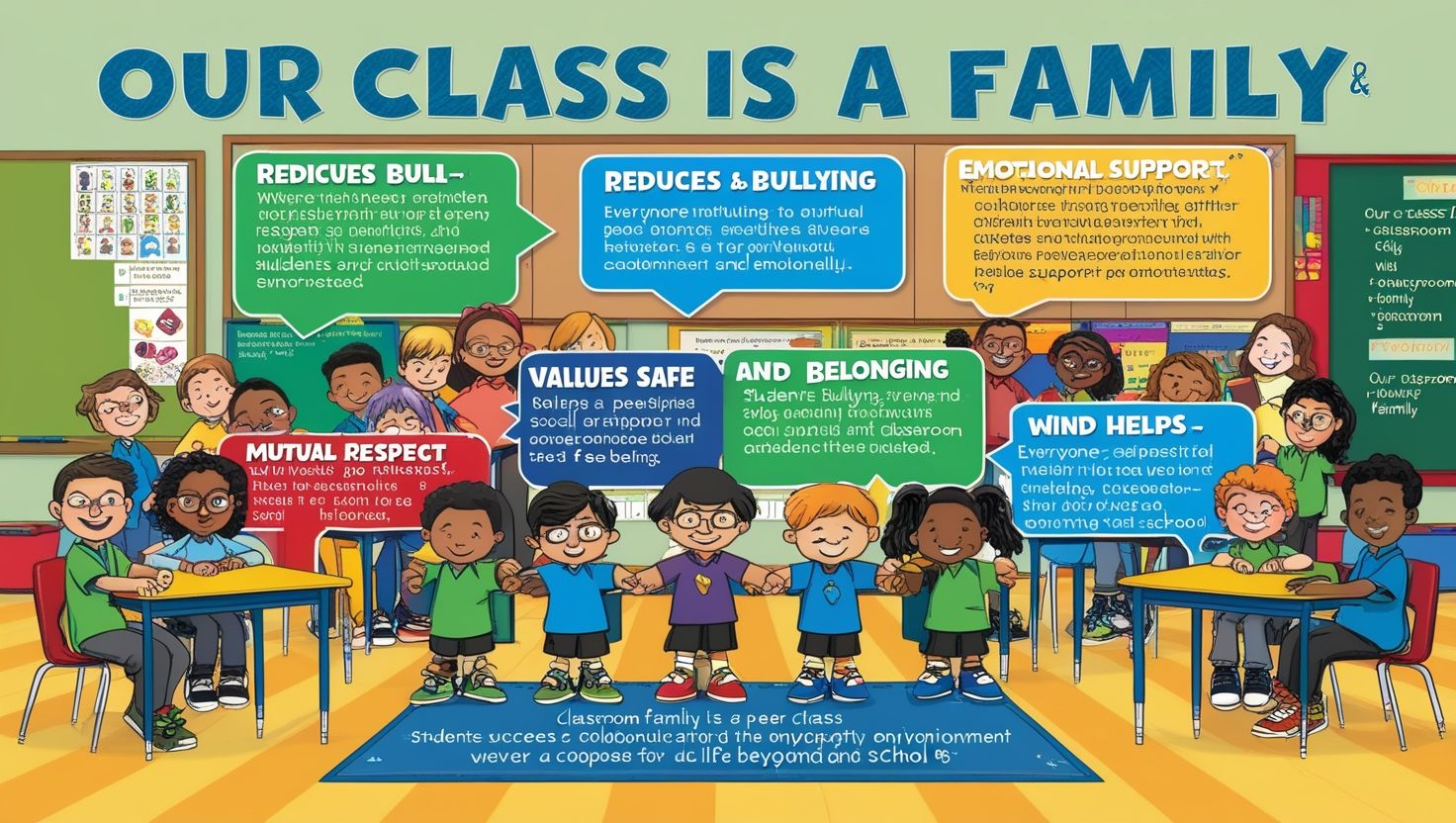
A school environment rich with student-created work reflects a culture that values learning, creativity, diversity, and achievement. Hallways, classrooms, libraries, and common areas become vibrant spaces that celebrate student voices rather than merely displaying commercial decorations.
Such an environment communicates several important messages:
- Every student has something valuable to contribute.
- Learning is visible and celebrated.
- Creativity and effort are appreciated.
- Diversity of ideas is respected.
These messages foster a sense of belonging, pride, and shared ownership within the school community.
Strategies for Effective Display and Promotion of Students’ Work
Displaying student work should be intentional and aligned with educational objectives. Effective displays require careful planning, organization, and inclusivity.
1. Align Displays with Learning Objectives
Displays should reinforce curriculum goals rather than simply decorate classroom walls. Every displayed item should demonstrate a specific learning outcome, skill, or competency.
For example:
- Language displays may showcase persuasive essays, poetry, or storytelling.
- Mathematics displays can highlight multiple strategies for solving problems.
- Science displays may present experiments, models, and inquiry investigations.
- Social studies displays can feature maps, timelines, and historical research.
- Art displays may demonstrate different techniques and creative processes.
Clearly labeled learning objectives help students and visitors understand the educational purpose of each display.
2. Celebrate All Learners
An inclusive classroom ensures that every student has opportunities to display their work. Teachers should avoid consistently selecting only the highest-achieving students.
Instead, displays should recognize:
- Academic improvement
- Creativity
- Persistence
- Collaboration
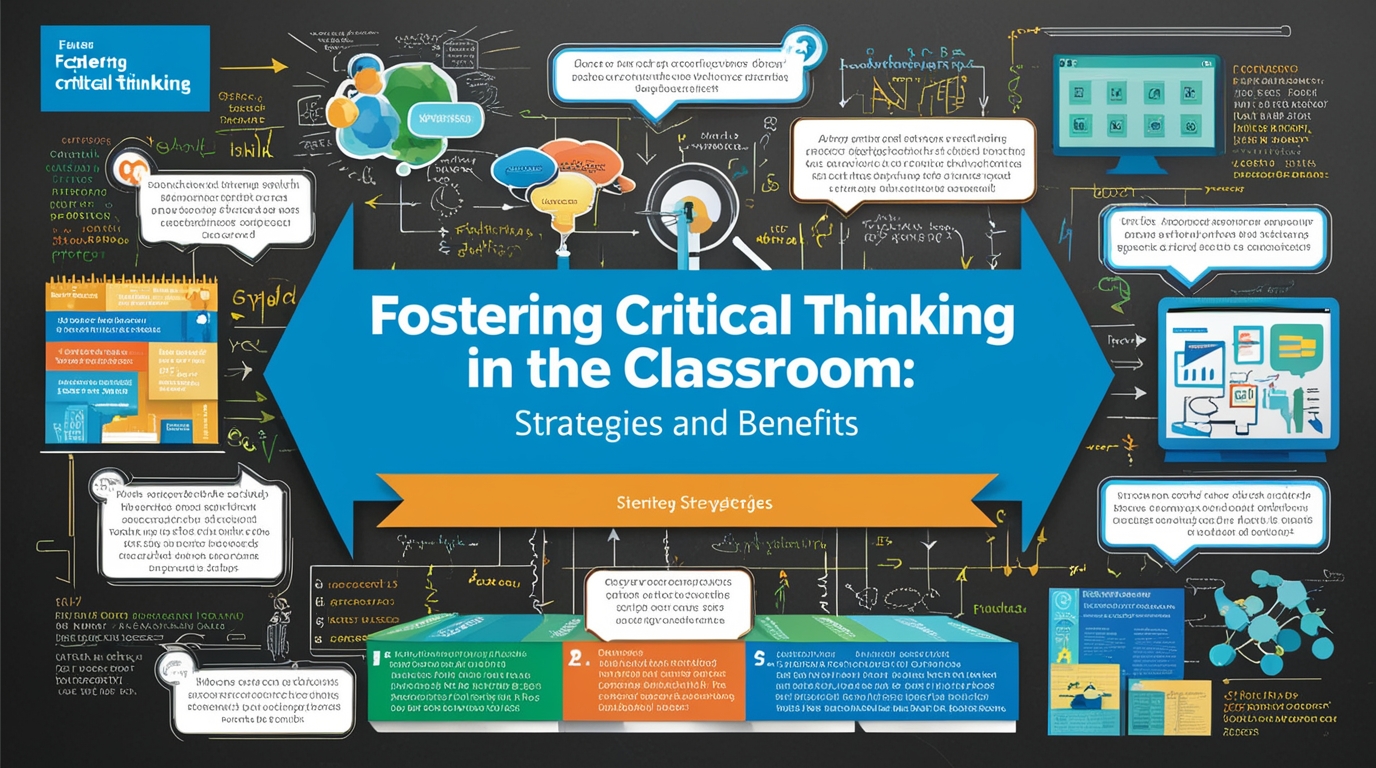
- Critical thinking
- Innovation
- Leadership
- Effort
Rotating displays regularly ensures equitable representation and reinforces the belief that every learner can succeed.
3. Display the Learning Process
Traditional displays often emphasize finished products. However, educational research suggests that showcasing the learning process is equally valuable.
Teachers can display:
- Brainstorming activities
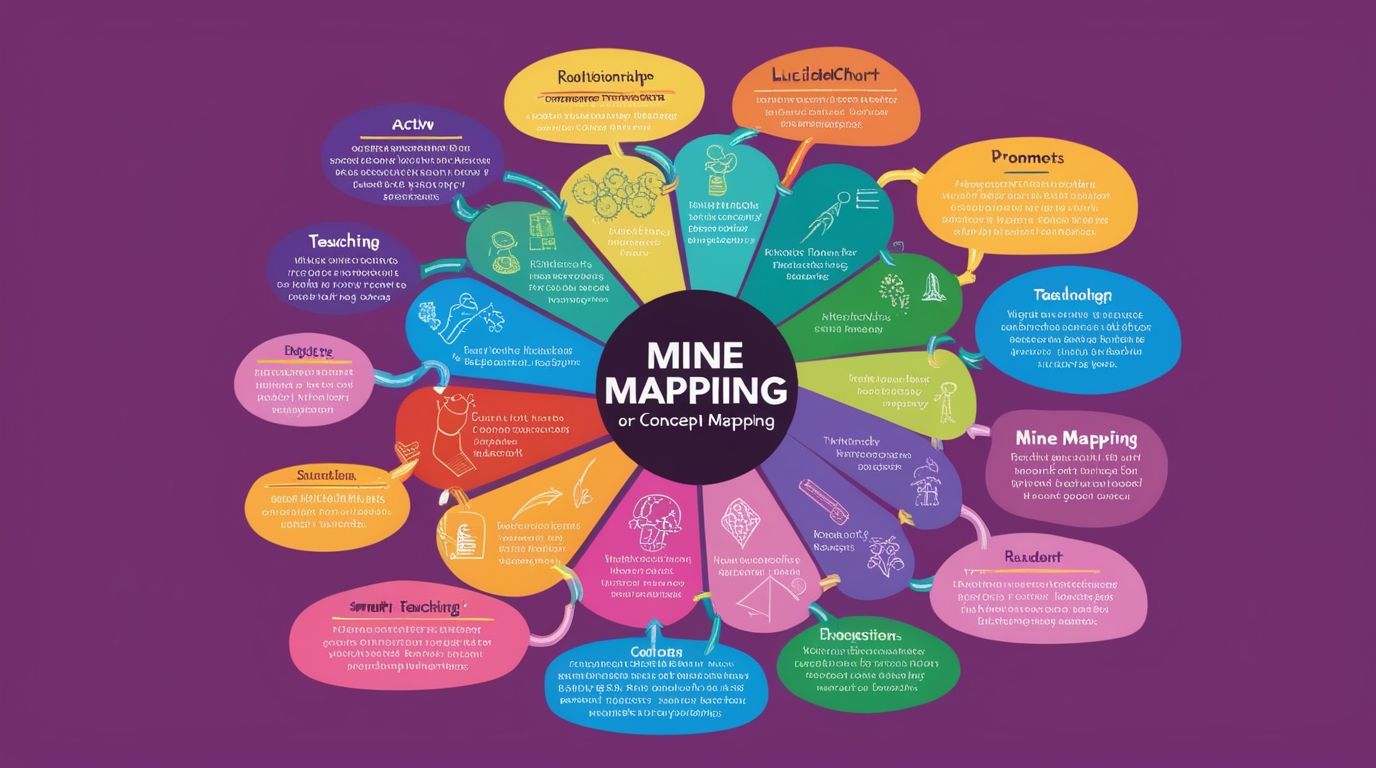
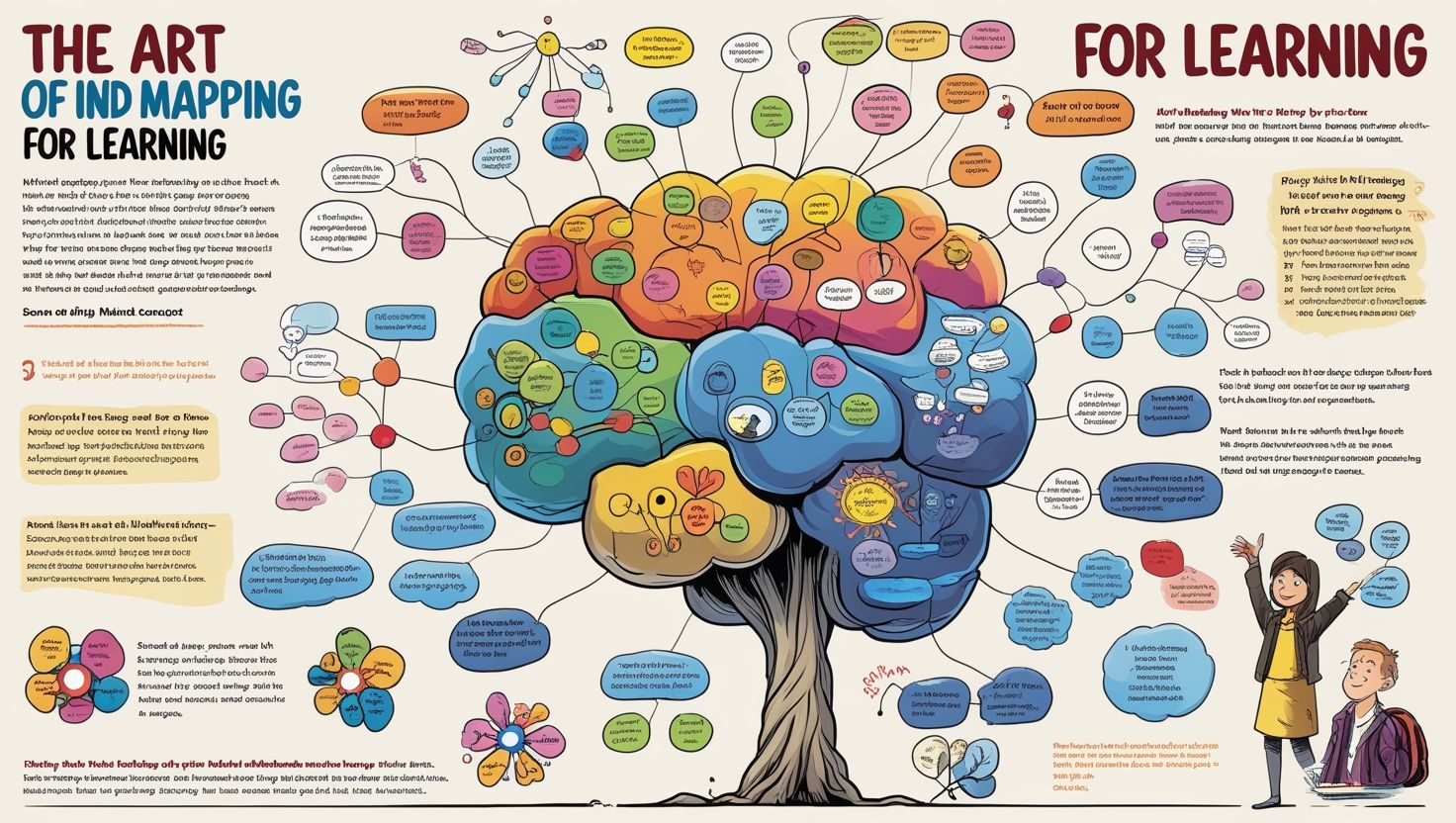
- Mind maps
- First drafts
- Teacher feedback
- Student revisions
- Reflection journals
- Research notes
- Project planning sheets
These materials illustrate that learning develops through continuous improvement rather than instant perfection.
4. Encourage Student Ownership
Students should actively participate in selecting, organizing, and explaining displayed work.
Teachers may encourage students to:
- Choose their best work.
- Write explanatory captions.
- Design display layouts.
- Organize classroom exhibitions.
- Present their projects to visitors.
Student ownership increases responsibility, confidence, and engagement.
Physical and Digital Methods of Promoting Students’ Work
Modern schools can use both traditional and technological approaches to celebrate student achievement.
Classroom Bulletin Boards
Bulletin boards remain one of the most effective methods for displaying student work. Well-designed bulletin boards create attractive learning environments while reinforcing curriculum content.
Displays should be updated regularly to maintain student interest and reflect ongoing learning.
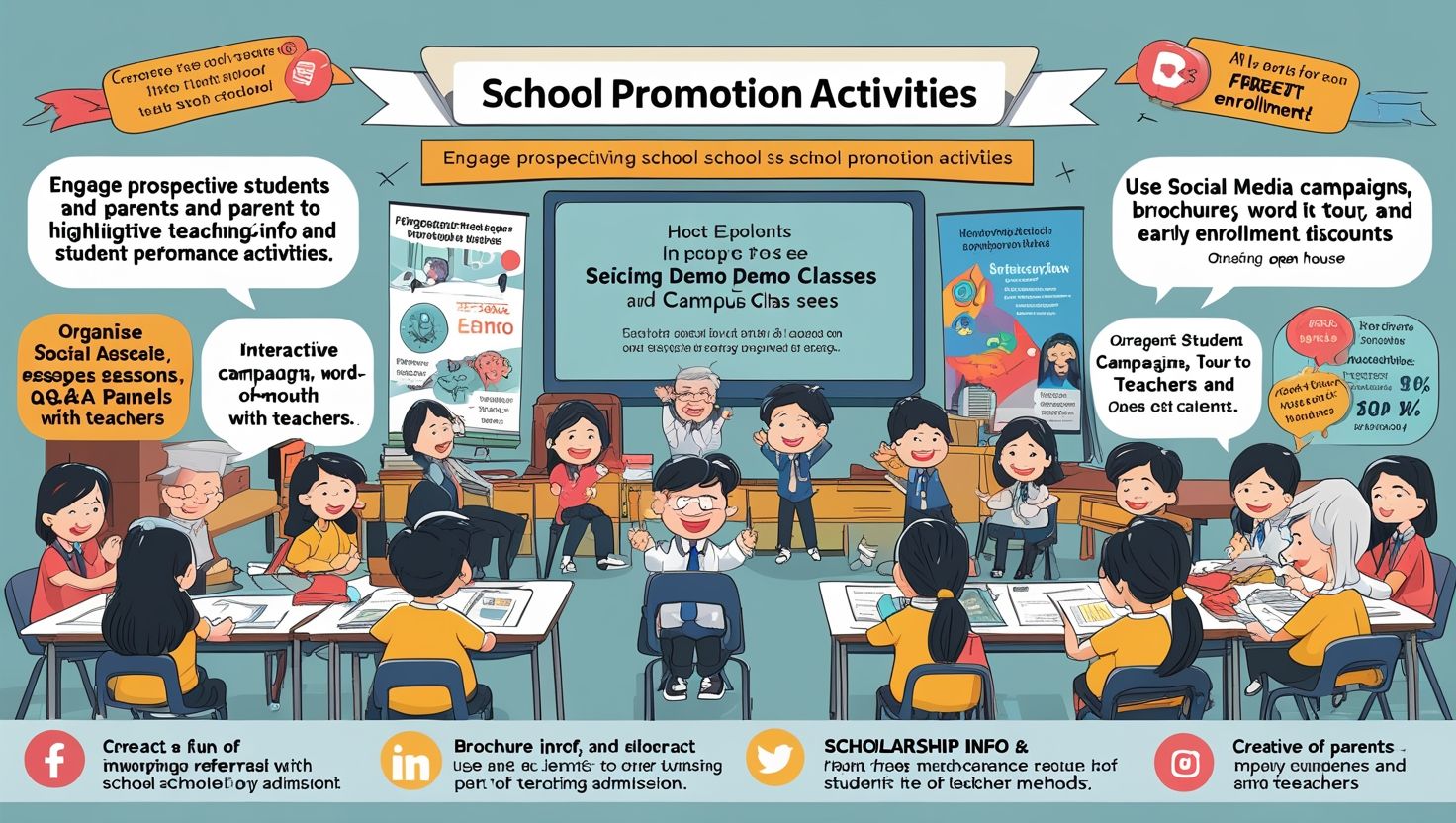
School Exhibitions and Learning Fairs
Schools can organize annual or semester-based exhibitions where students present projects, scientific investigations, artwork, and research to parents and community members.
These exhibitions develop communication skills while providing authentic audiences for student learning.
Student Portfolios
Portfolios document learning over time by collecting samples of students’ work across different subjects and grade levels.
Portfolios enable students to monitor progress, reflect on growth, and demonstrate achievement beyond standardized tests.
Digital Portfolios
Electronic portfolios provide numerous advantages, including:
- Easy storage
- Multimedia integration
- Accessibility
- Continuous updates
- Parent access
- Long-term documentation
Students can include videos, photographs, presentations, reports, artwork, and reflections within a single digital platform.
School Websites and Newsletters
Schools increasingly publish outstanding student work through official websites, newsletters, and digital magazines.
These publications celebrate achievement while strengthening communication with parents and the wider community.
Appropriate permissions and privacy guidelines should always be followed before publishing student work online.
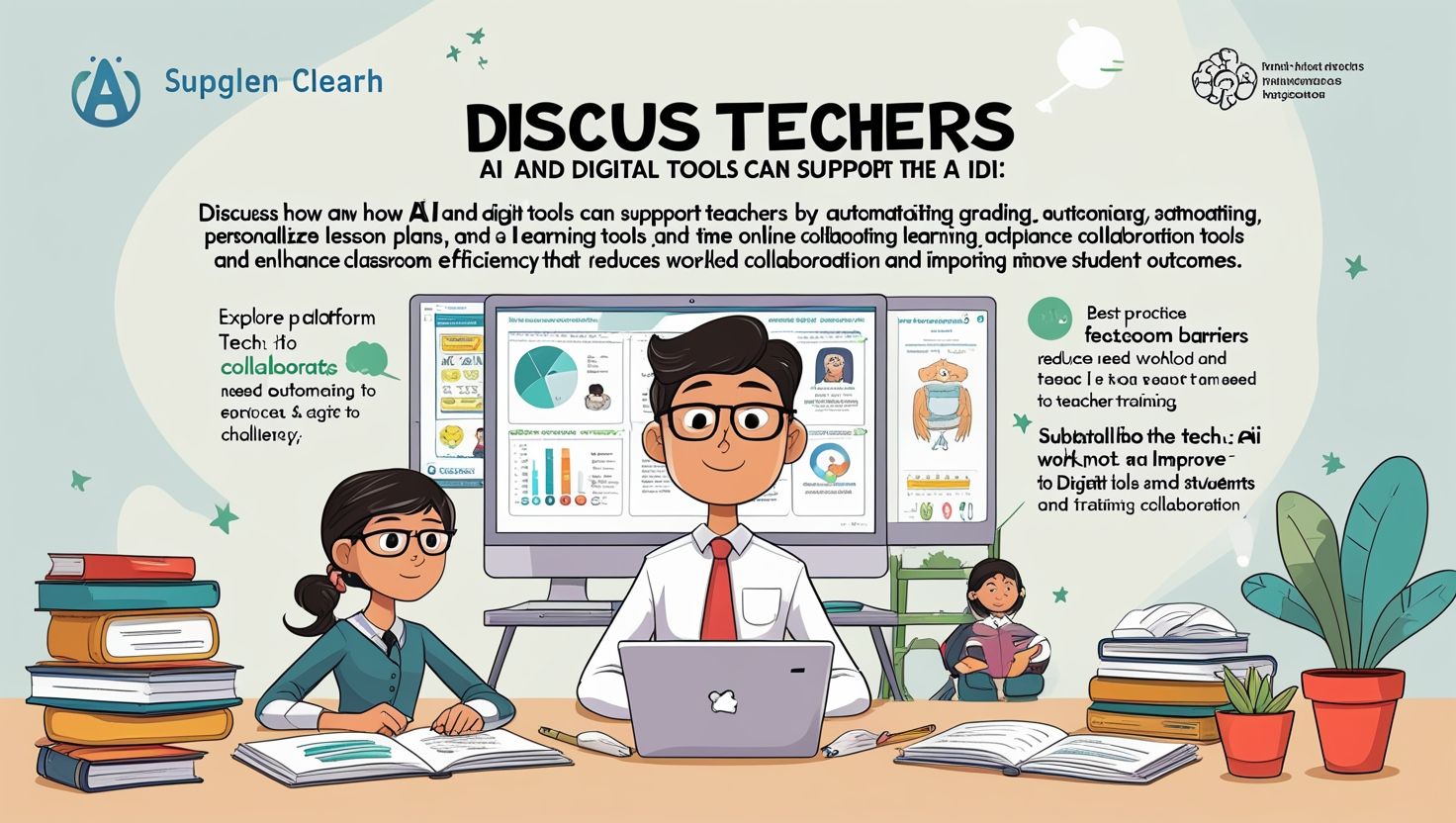
Educational Social Media
When managed responsibly, school social media accounts can effectively promote student accomplishments, classroom projects, competitions, community service, and innovative learning activities.
Teachers and administrators should ensure compliance with school policies regarding student privacy, copyright, and ethical digital communication.
The Role of Teachers
Teachers are central to the successful display and promotion of students’ work. Their responsibilities extend beyond selecting assignments for display to creating meaningful learning experiences that recognize every learner’s progress.
Effective teachers:
- Establish clear criteria for selecting work.
- Ensure fairness and inclusivity.
- Encourage creativity and originality.
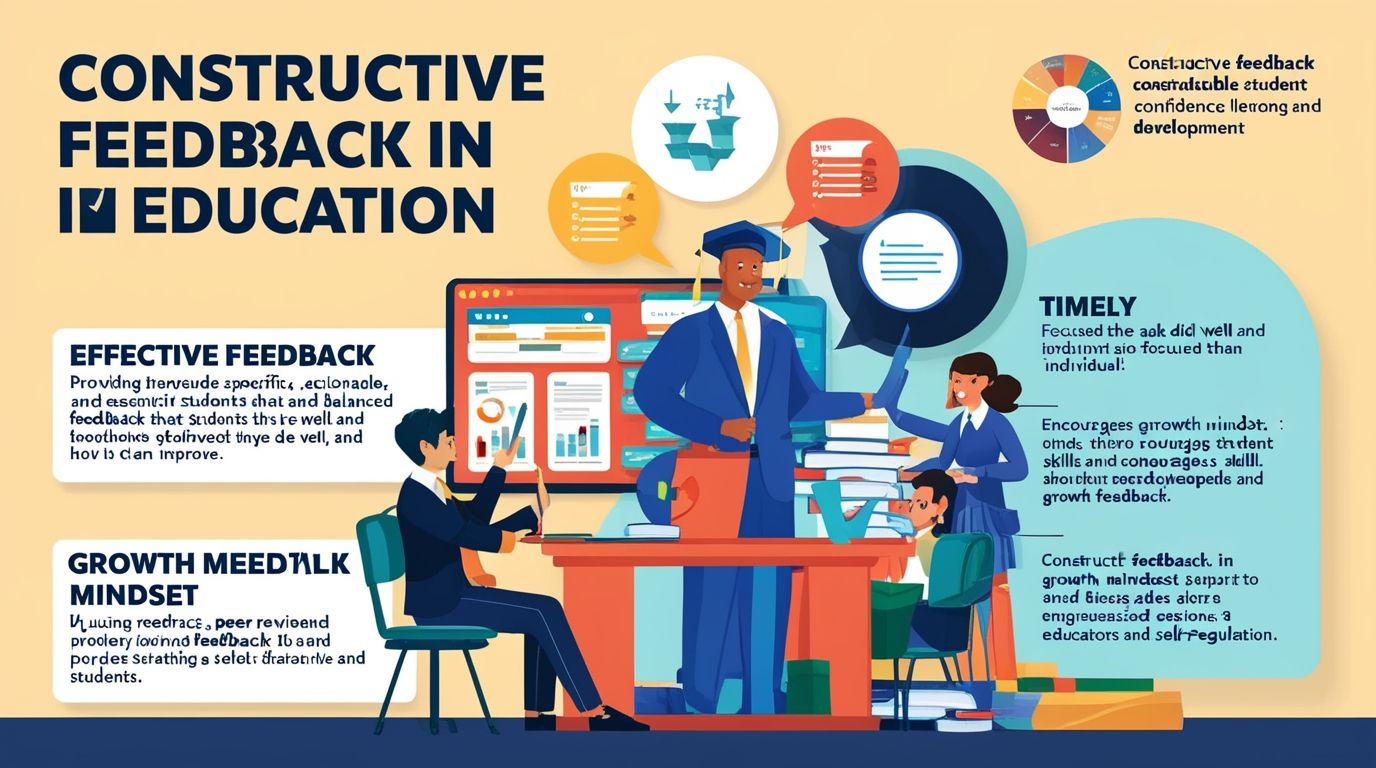
- Provide constructive feedback.
- Involve students in display decisions.
- Connect displays to curriculum outcomes.
- Regularly update classroom displays.
- Celebrate both achievement and improvement.
Teachers also serve as role models by demonstrating respect for students’ ideas and efforts. When educators genuinely value student work, learners develop greater confidence and motivation to pursue excellence.
The Role of School Leaders and Principals
While teachers are responsible for implementing classroom display practices, school leaders play a crucial role in establishing a culture where student achievement is consistently recognized and celebrated. Principals and educational leaders influence school priorities, allocate resources, and create policies that encourage the display and promotion of students’ work across all grade levels and subject areas.
One of the principal’s primary responsibilities is to develop a school-wide vision that values student learning beyond examination results. Academic success should be recognized alongside creativity, innovation, leadership, community service, artistic expression, scientific inquiry, and personal growth. Such a comprehensive approach reflects the holistic goals of contemporary education.
School leaders can support this vision by providing appropriate display spaces in classrooms, libraries, hallways, and common areas. Dedicated exhibition spaces encourage teachers to showcase high-quality student work and transform the school into a vibrant learning environment. Periodic exhibitions, science fairs, art galleries, reading festivals, and project showcases further strengthen the school’s culture of achievement.
Professional development is another essential leadership responsibility. Teachers benefit from training on effective display strategies, formative assessment, digital portfolios, and inclusive recognition practices. Workshops and collaborative planning sessions enable teachers to share successful approaches and learn from one another.
School leaders should also encourage partnerships with parents and the local community. Inviting families, community leaders, and education stakeholders to student exhibitions enhances public appreciation for students’ accomplishments and strengthens relationships between schools and communities.
Finally, principals should recognize teachers who consistently create engaging learning environments that celebrate student work. Positive reinforcement encourages innovation and contributes to continuous school improvement.
Challenges in Displaying and Promoting Students’ Work
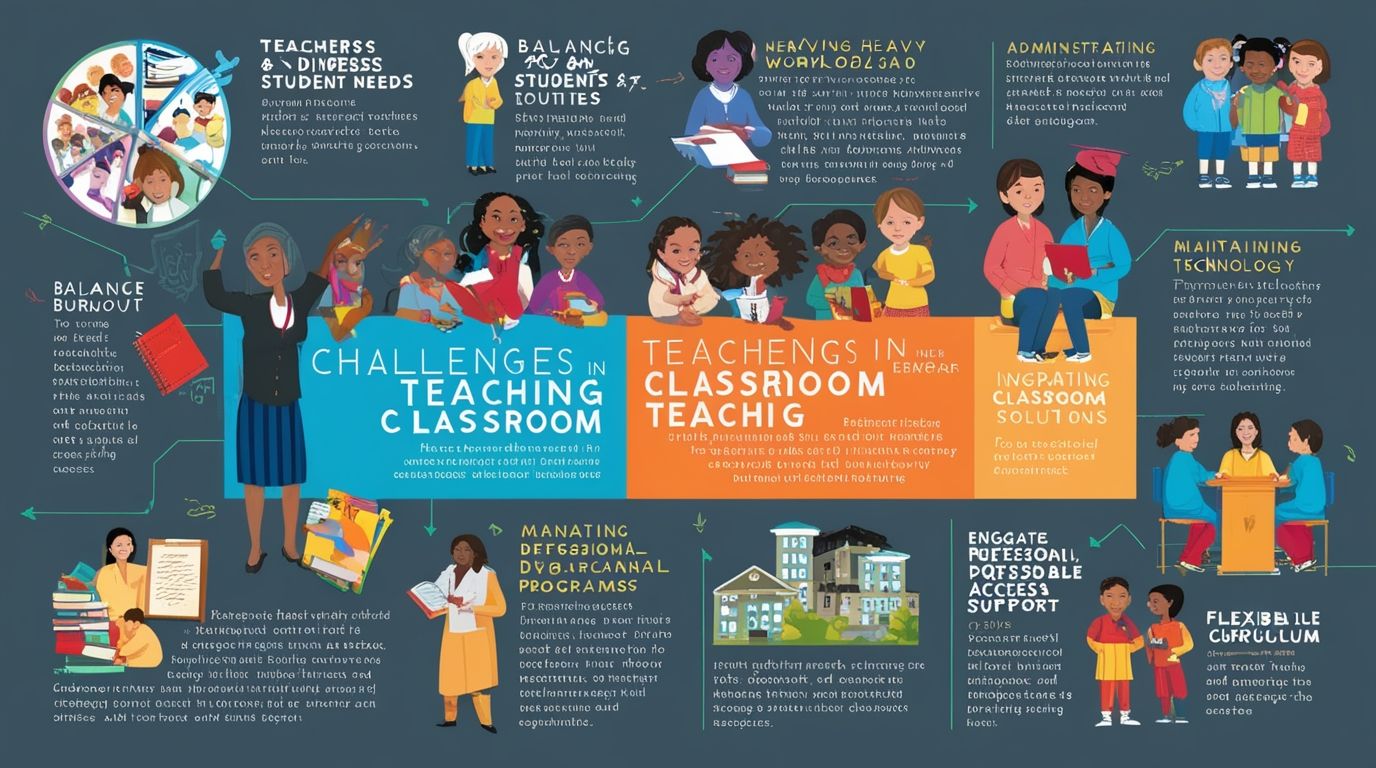
Despite its educational benefits, displaying students’ work presents several challenges that require thoughtful planning and effective leadership.
Limited Classroom Space
Many classrooms have limited wall space, making it difficult to display work from every student. Rotating displays, creating thematic exhibitions, and using digital presentation screens can help overcome this limitation.
Time Constraints
Preparing attractive and meaningful displays requires time. Teachers often face demanding schedules that leave little opportunity for organizing exhibitions. Schools can address this issue by allocating collaborative planning time or involving students in designing and maintaining displays.
Equity and Inclusion
Repeatedly displaying the work of only high-achieving students may discourage others and create perceptions of favoritism. Inclusive display practices should recognize diverse strengths, including creativity, perseverance, improvement, teamwork, leadership, and innovation. Rotating displays ensures that all students experience recognition.
Maintaining Quality
Displays should represent meaningful learning rather than simply filling empty wall space. Teachers should select work that aligns with curriculum objectives and demonstrates authentic learning. Clear captions explaining the purpose of displayed work help visitors understand its educational value.
Privacy and Ethical Considerations
When sharing student work publicly, especially online, schools must protect students’ privacy and comply with institutional policies regarding consent and copyright. Personal information should be limited, and parental permission should be obtained before publishing identifiable student work or photographs on digital platforms.
Best Practices for Displaying and Promoting Students’ Work
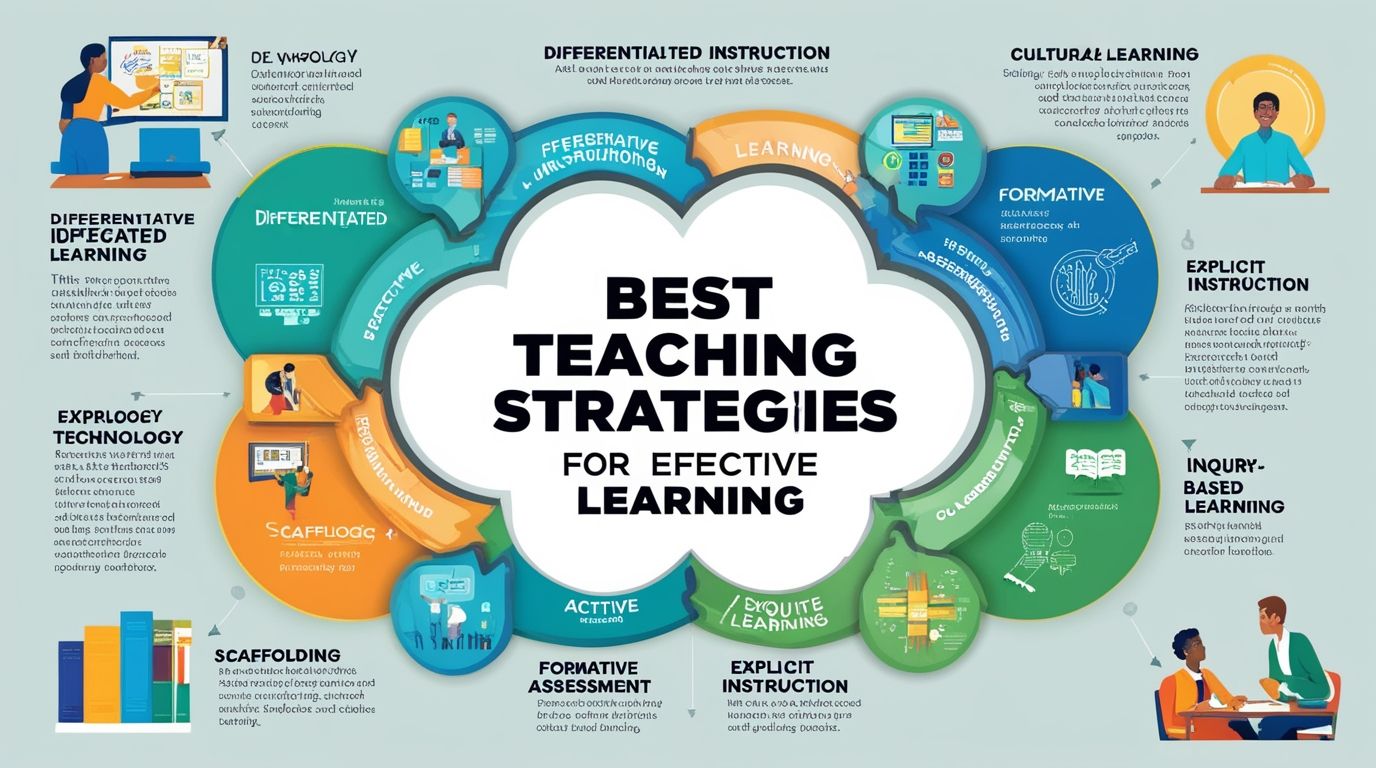
Educational research and classroom experience suggest several best practices that maximize the effectiveness of student displays.
- Align displays with curriculum objectives and learning outcomes.
- Rotate displays regularly to ensure equitable participation.
- Showcase learning processes as well as finished products.
- Include reflective statements that explain students’ thinking and learning.
- Celebrate academic achievement alongside creativity, collaboration, and personal growth.
- Use both physical and digital platforms to reach wider audiences.
- Involve students in selecting, organizing, and presenting their work.
- Ensure displays are visually attractive, organized, and accessible.
- Provide constructive teacher feedback that encourages continuous improvement.
- Protect students’ privacy by following ethical and institutional guidelines.
When these practices are consistently implemented, classroom displays become powerful instructional tools that enhance engagement, promote reflection, and foster a positive school climate.
Conclusion
Displaying and promoting students’ work is far more than a decorative classroom practice; it is an evidence-based instructional strategy that enhances teaching, learning, and school culture. By making learning visible, educators recognize students’ efforts, celebrate achievement, and encourage continuous improvement. Student displays provide authentic opportunities for reflection, collaboration, and communication while strengthening motivation and self-confidence.
Grounded in constructivist, social learning, self-determination, and growth mindset theories, the practice supports cognitive, social, and emotional development. It transforms classrooms into interactive learning environments where students actively engage with ideas, learn from one another, and develop a sense of ownership over their educational experiences.
Challenges such as limited classroom space, time constraints, equity concerns, and privacy issues can be effectively addressed through thoughtful planning, inclusive practices, and adherence to ethical guidelines. When implemented strategically, displaying students’ work contributes to improved academic engagement, stronger school-home partnerships, enhanced self-esteem, and a positive school climate.
Ultimately, displaying and promoting students’ work reflects a commitment to learner-centered education. It communicates that every student’s voice, effort, and achievement matter, thereby fostering lifelong motivation, confidence, creativity, and a culture of continuous learning.
Questions
How can displays focus on learning processes over performance?
What are some practical strategies for digital e-portfolios?
References
Bandura, A. (1986). Social foundations of thought and action: A social cognitive theory. Prentice-Hall.
Brookhart, S. M. (2017). How to give effective feedback to your students (2nd ed.). ASCD.
Deci, E. L., & Ryan, R. M. (2000). The “what” and “why” of goal pursuits: Human needs and the self‐determination of behavior. Psychological Inquiry, 11(4), 227–268.
Dweck, C. S. (2006). Mindset: The new psychology of success. Random House.
Epstein, J. L. (2018). School, family, and community partnerships: Preparing educators and improving schools (3rd ed.). Routledge.
Hattie, J. (2023). Visible learning: The sequel. Routledge.
Marzano, R. J. (2017). The new art and science of teaching. Solution Tree Press.
Piaget, J. (1972). The psychology of the child. Basic Books.
Tomlinson, C. A. (2017). How to differentiate instruction in academically diverse classrooms (3rd ed.). ASCD.
Vygotsky, L. S. (1978). Mind in society: The development of higher psychological processes. Harvard University Press.