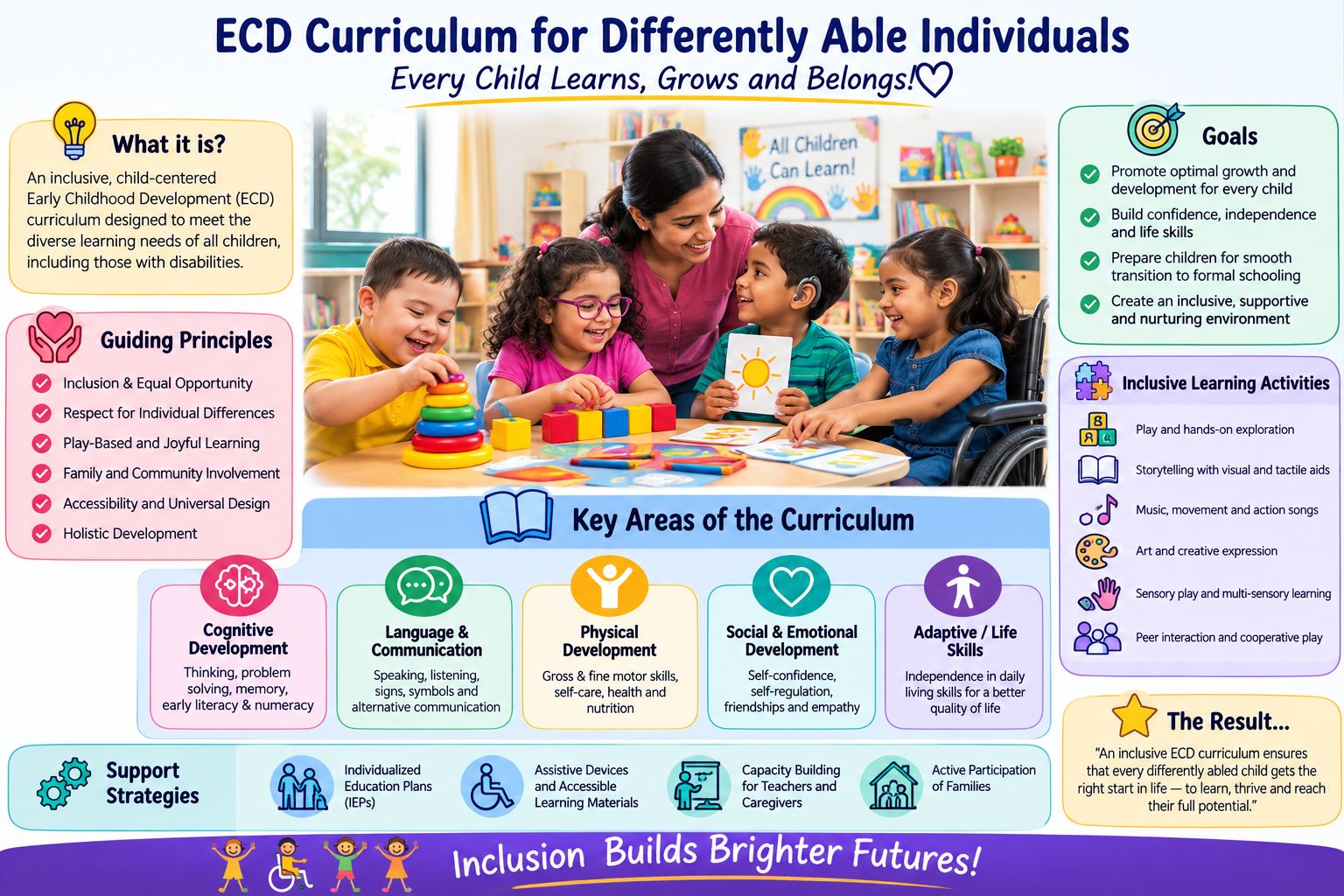
ECD Curriculum for Differently Able Individuals, Early Childhood Development (ECD) is widely recognized as the foundation of lifelong learning, and consequently, it plays an even more critical role when designed for differently able individuals. An inclusive ECD curriculum ensures that every child, regardless of physical, sensory, cognitive, or developmental differences, receives equitable access to quality early education. In this article, we will explore what an ECD curriculum for differently able individuals truly means, why it matters, and how educators, parents, and institutions can implement it effectively.
Understanding the Concept of ECD for Differently Able Individuals
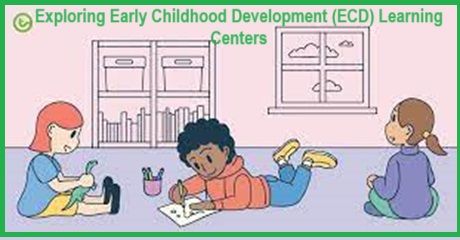
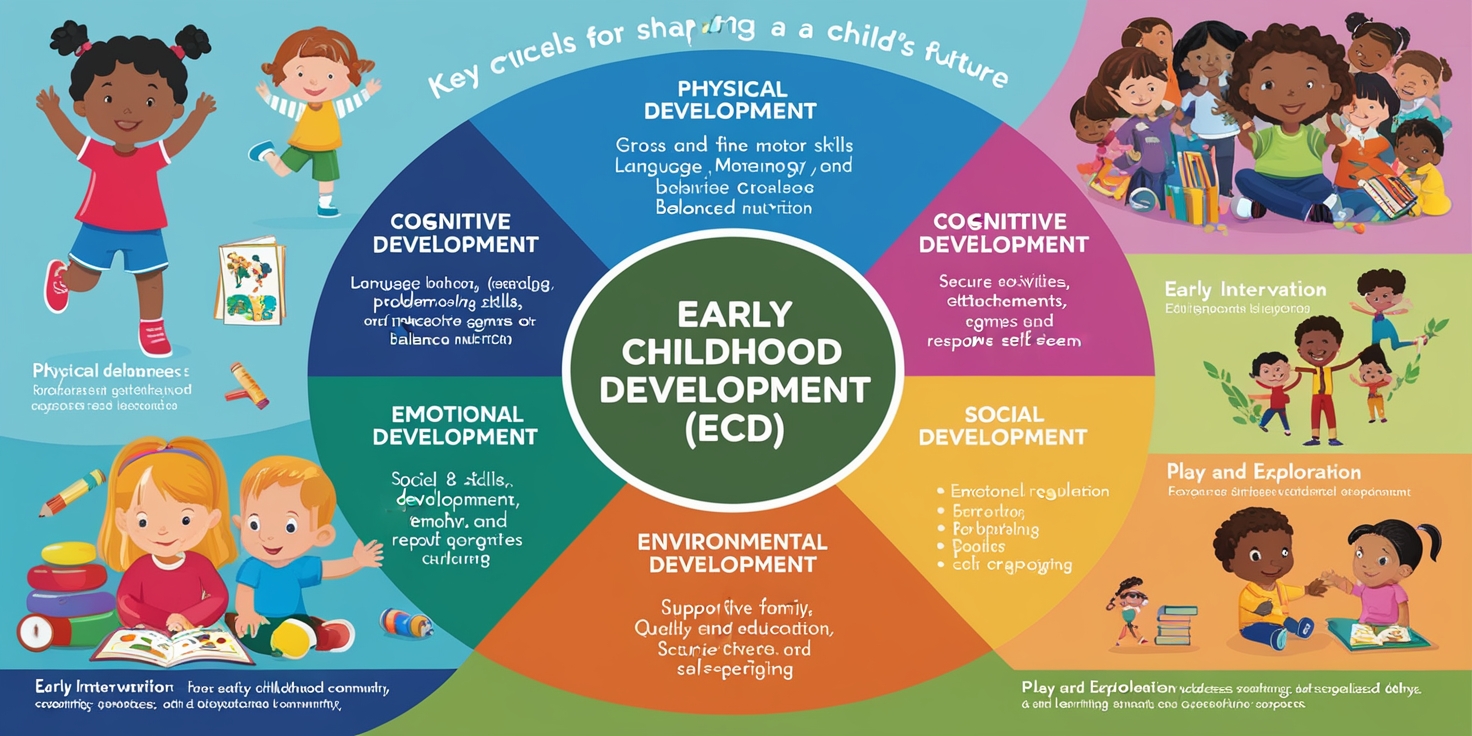
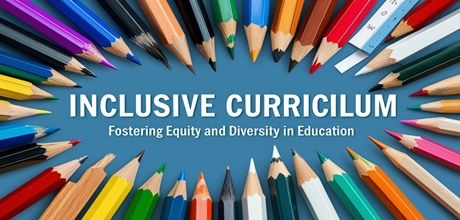
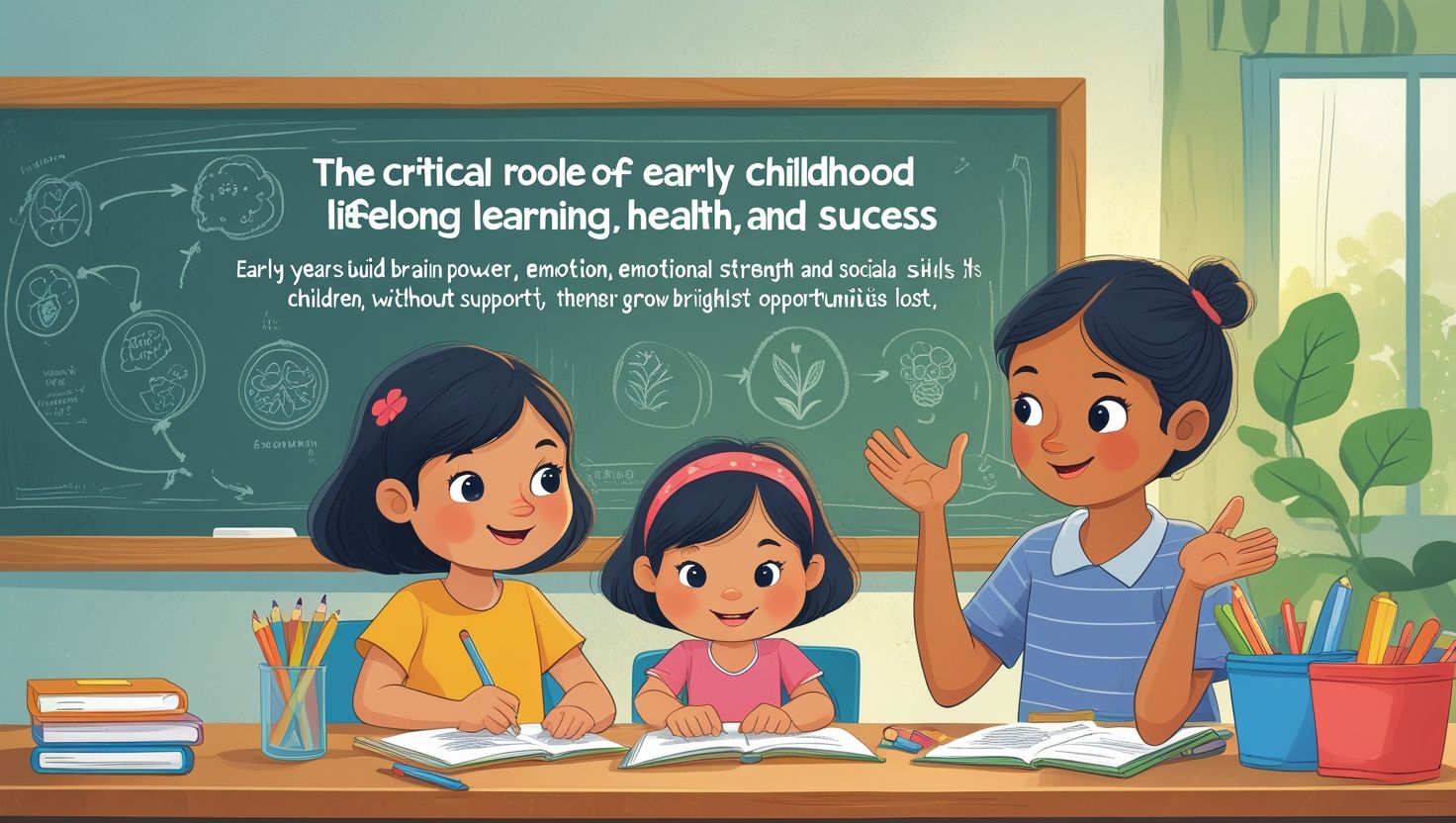
Early Childhood Development typically covers the period from birth to eight years, a phase during which the brain develops at its fastest rate. Therefore, this is particularly crucial for children with needs, since early intervention can significantly shape their cognitive, emotional, and social growth. Unlike a standard curriculum, an inclusive curriculum for differently able children is intentionally designed to accommodate diverse learning styles, physical limitations, and sensory sensitivities.
Furthermore, the term “differently able” is increasingly preferred over “disabled” because it emphasizes ability rather than limitation. Consequently, educators are encouraged to adopt a strength-based approach, focusing on what a child can do rather than what they cannot. This shift in perspective is not merely semantic; rather, it fundamentally transforms how curricula are structured, delivered, and assessed.
Why an Inclusive ECD Curriculum Matters
Undoubtedly, every child deserves access to quality education, and differently able children are no exception. However, without a tailored ECD curriculum, these children often face significant barriers to learning. As a result, many fall behind their peers—not because of a lack of ability, but because of a lack of appropriate support systems.
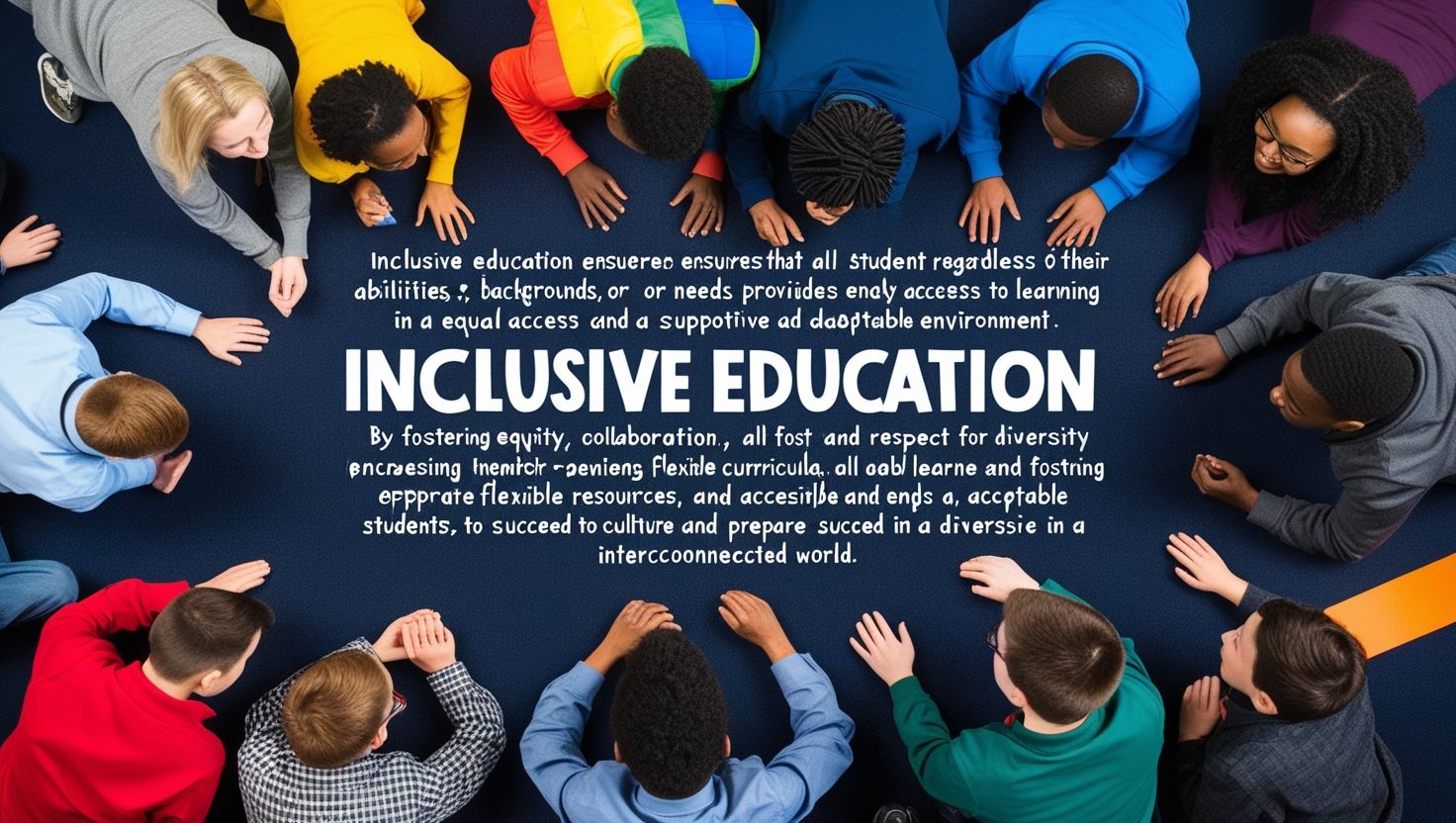
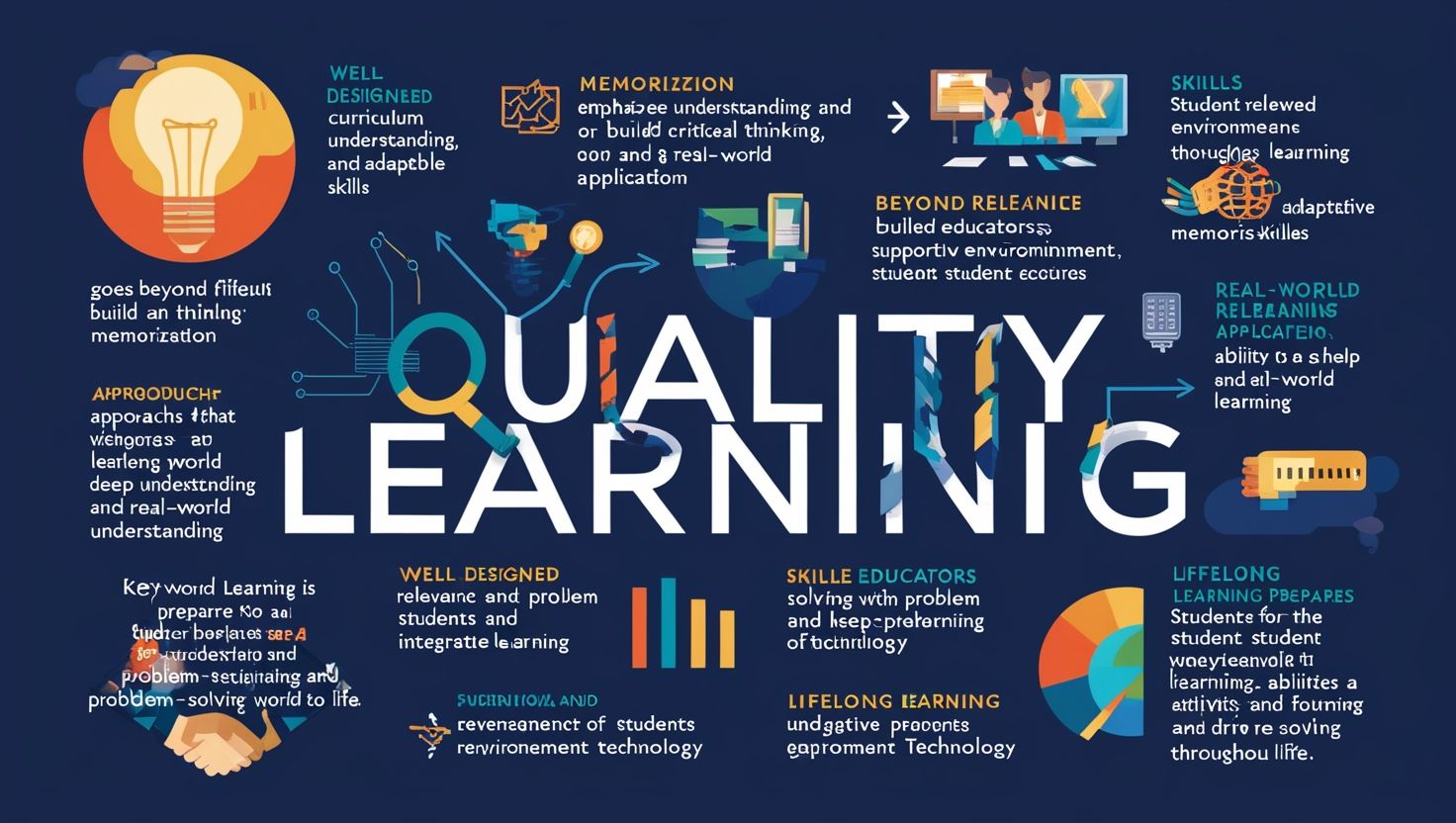
Moreover, research consistently shows that early, structured intervention improves long-term outcomes in areas such as language development, motor skills, and social integration. Therefore, investing in a well-designed special education curriculum during the early years yields substantial benefits that extend well into adulthood. In addition, inclusive education fosters empathy and acceptance among typically developing peers, thereby creating a more compassionate society overall.
Core Principles of an Effective ECD Curriculum for Differently Able Individuals
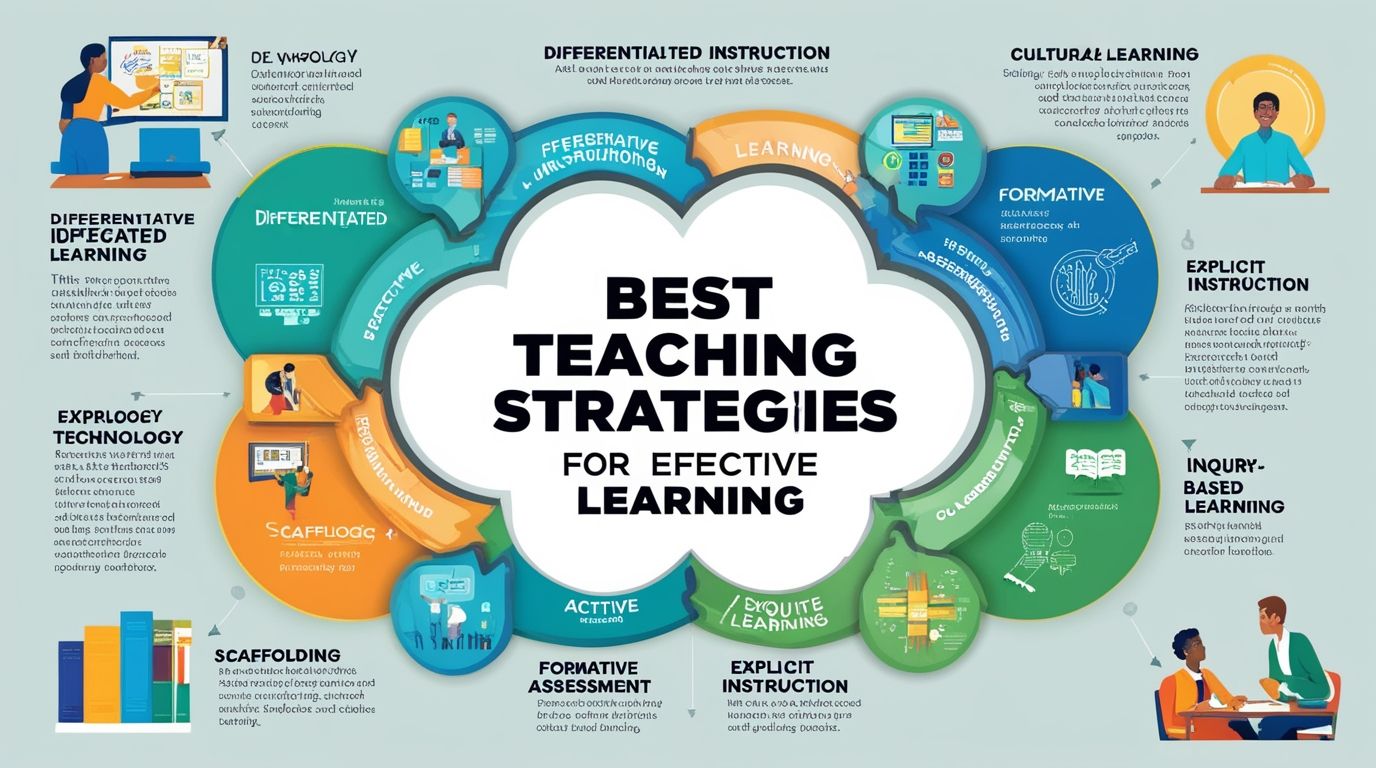
To begin with, an effective curriculum must be built on several foundational principles. These principles ensure that the educational experience is not only accessible but also meaningful and engaging for every child.
1. Individualized Learning Plans (ILPs)
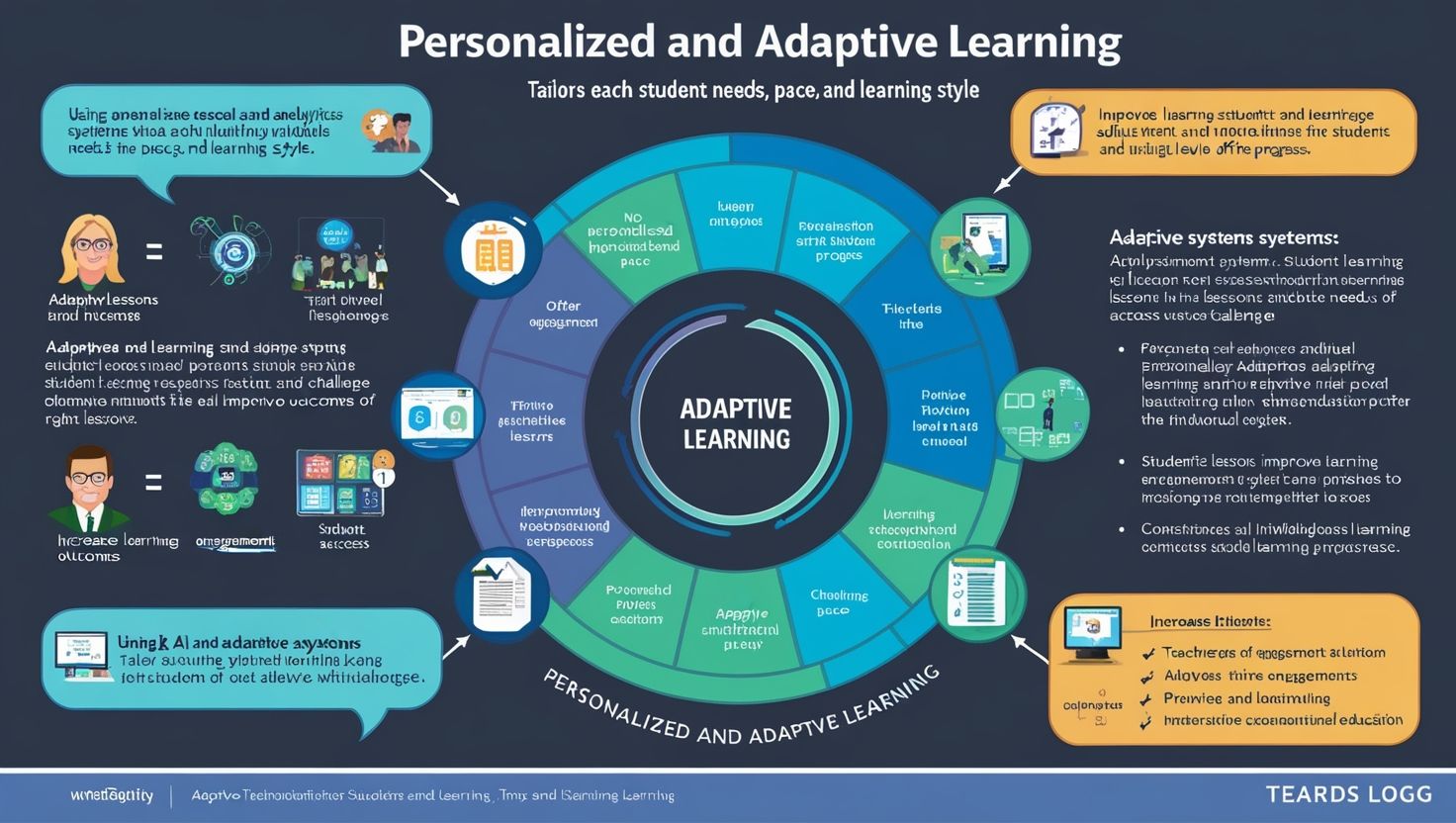
First and foremost, every differently able child requires an Individualized Learning Plan tailored to their unique strengths, challenges, and developmental pace. Since no two children are alike, a one-size-fits-all approach simply does not work. Instead, educators must assess each child’s abilities and design goals accordingly, adjusting the plan as the child progresses.
2. Multi-Sensory Teaching Methods
Additionally, multi-sensory learning techniques—which engage sight, sound, touch, and movement simultaneously—have proven highly effective for children with diverse learning needs. For instance, a child with visual impairments may benefit from tactile learning materials, while a child with auditory processing challenges may respond better to visual cues and gestures. Thus, incorporating multiple sensory channels ensures that no child is left behind due to a single-mode teaching style.
3. Play-Based and Activity-Oriented Learning
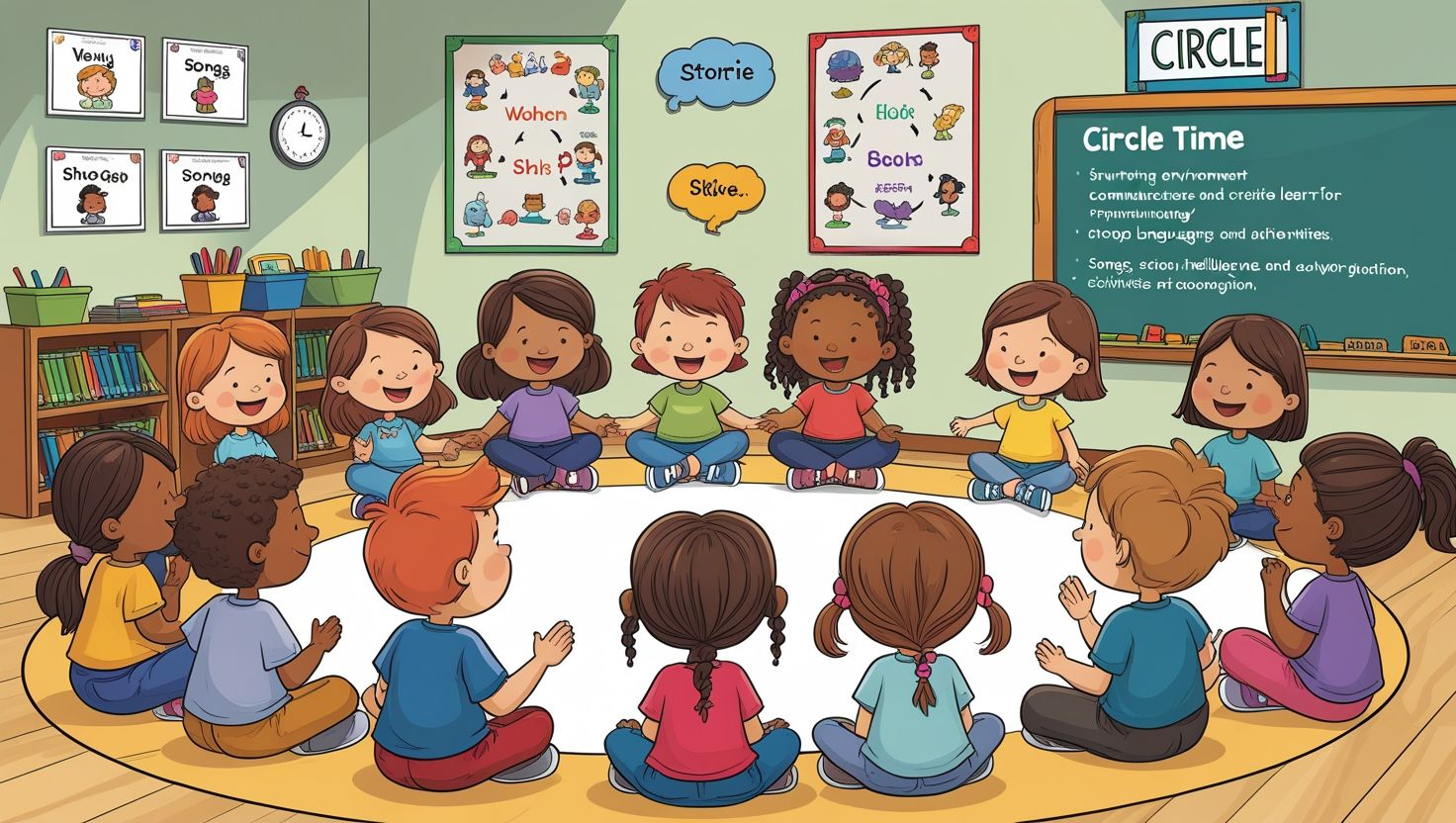
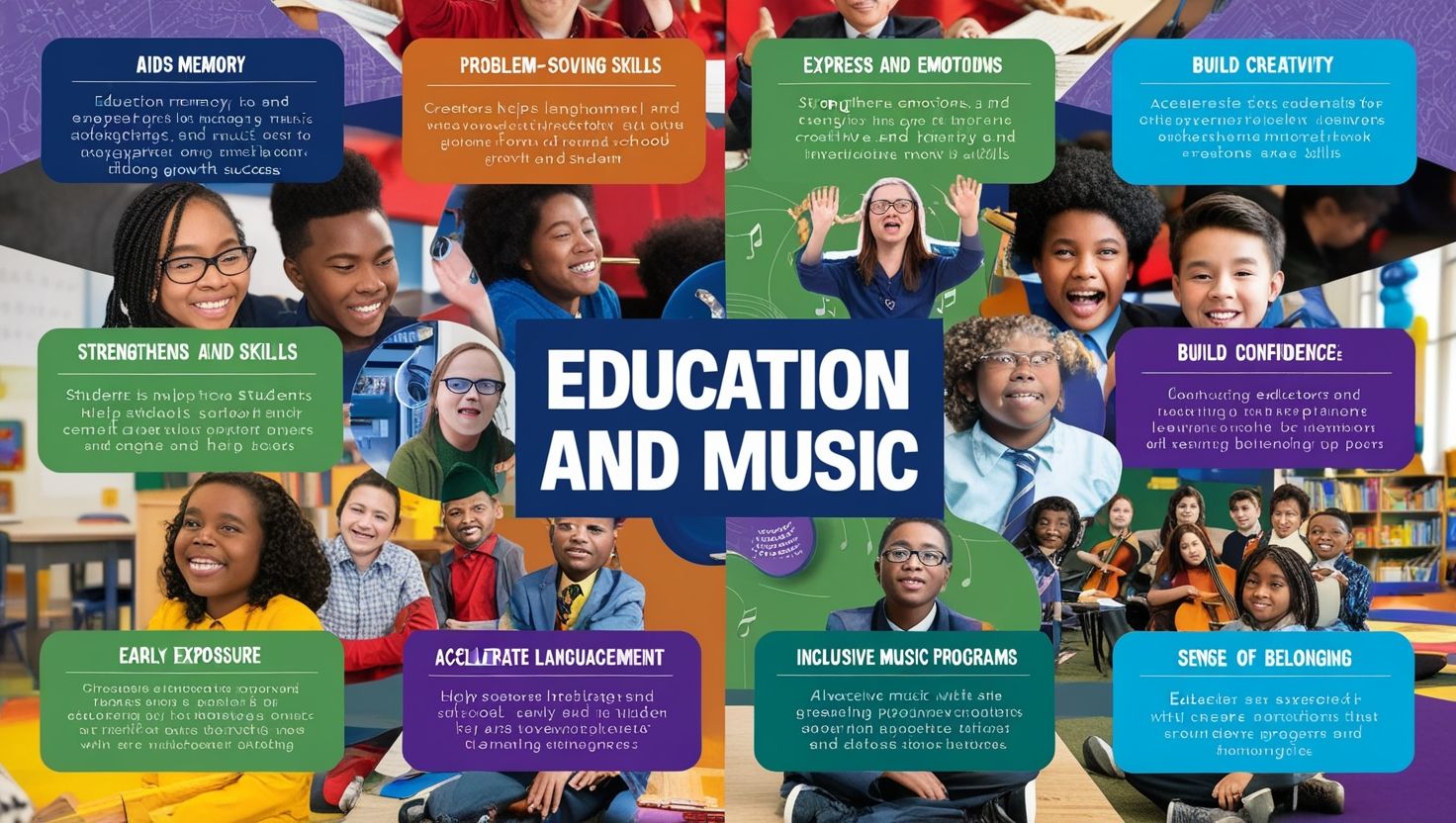
Similarly, play-based learning remains one of the most powerful tools in early childhood education. Because play is a natural and intuitive way for children to explore their environment, it becomes an ideal medium for teaching foundational skills such as problem-solving, communication, and motor coordination. Consequently, curricula should integrate structured play activities that are adaptable to varying physical and cognitive abilities.
4. Assistive Technology Integration
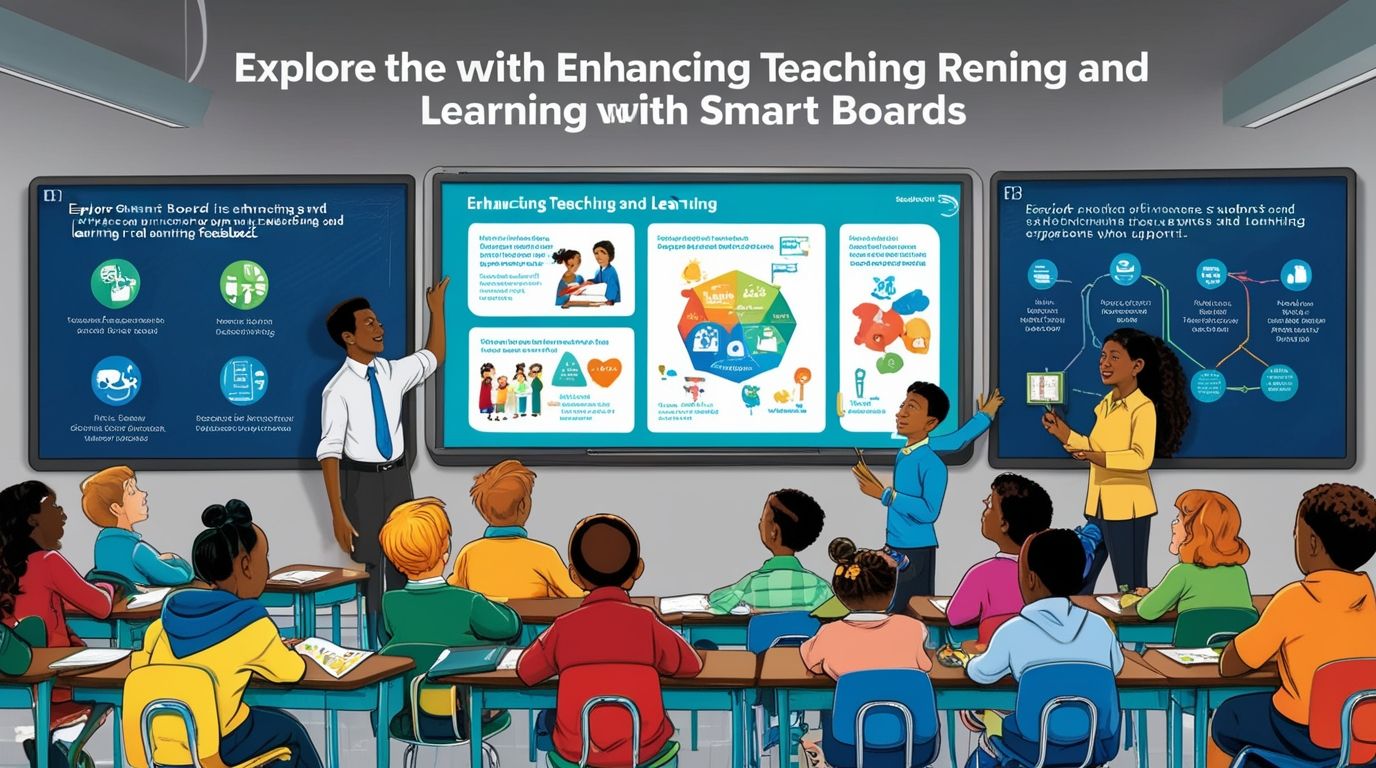
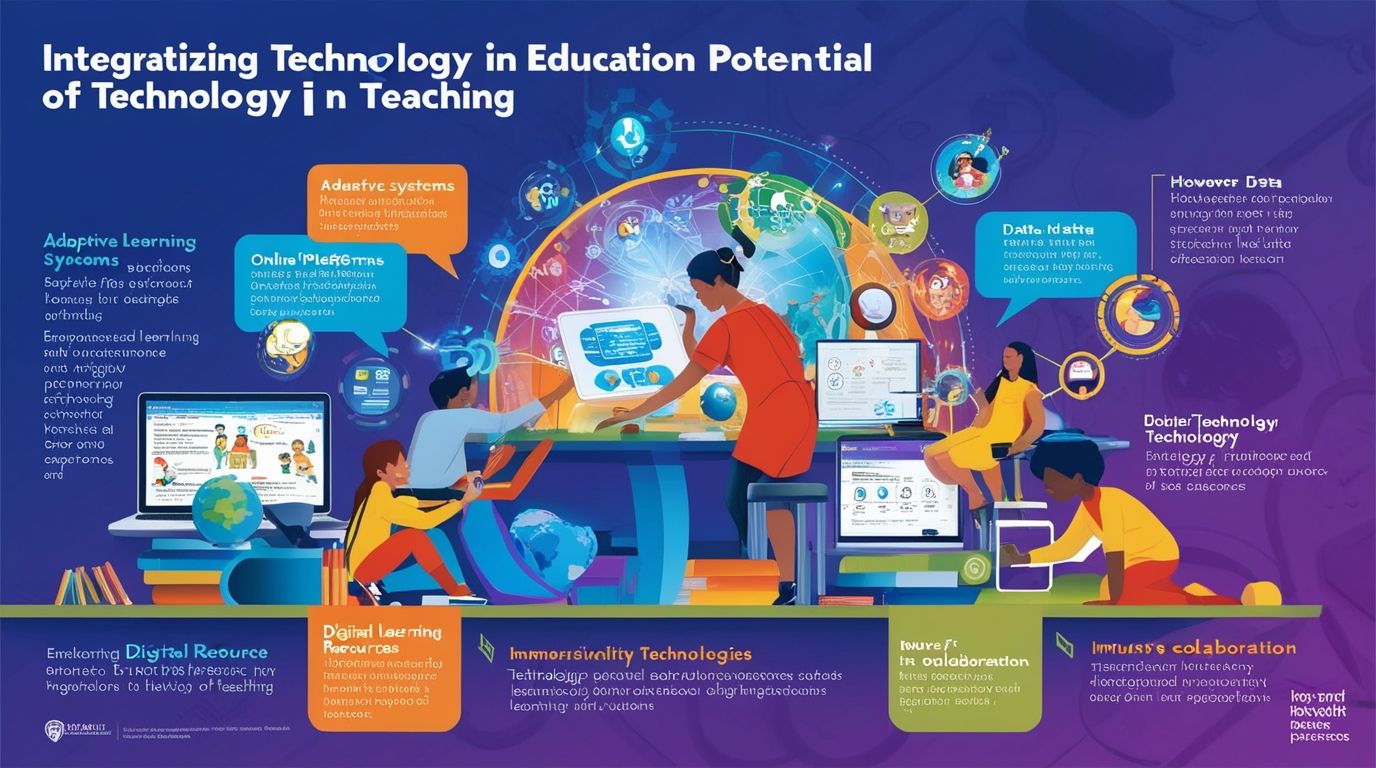
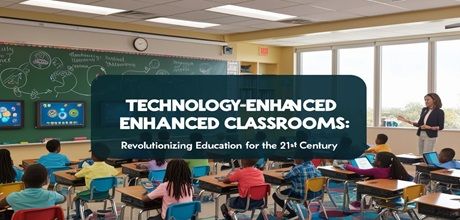
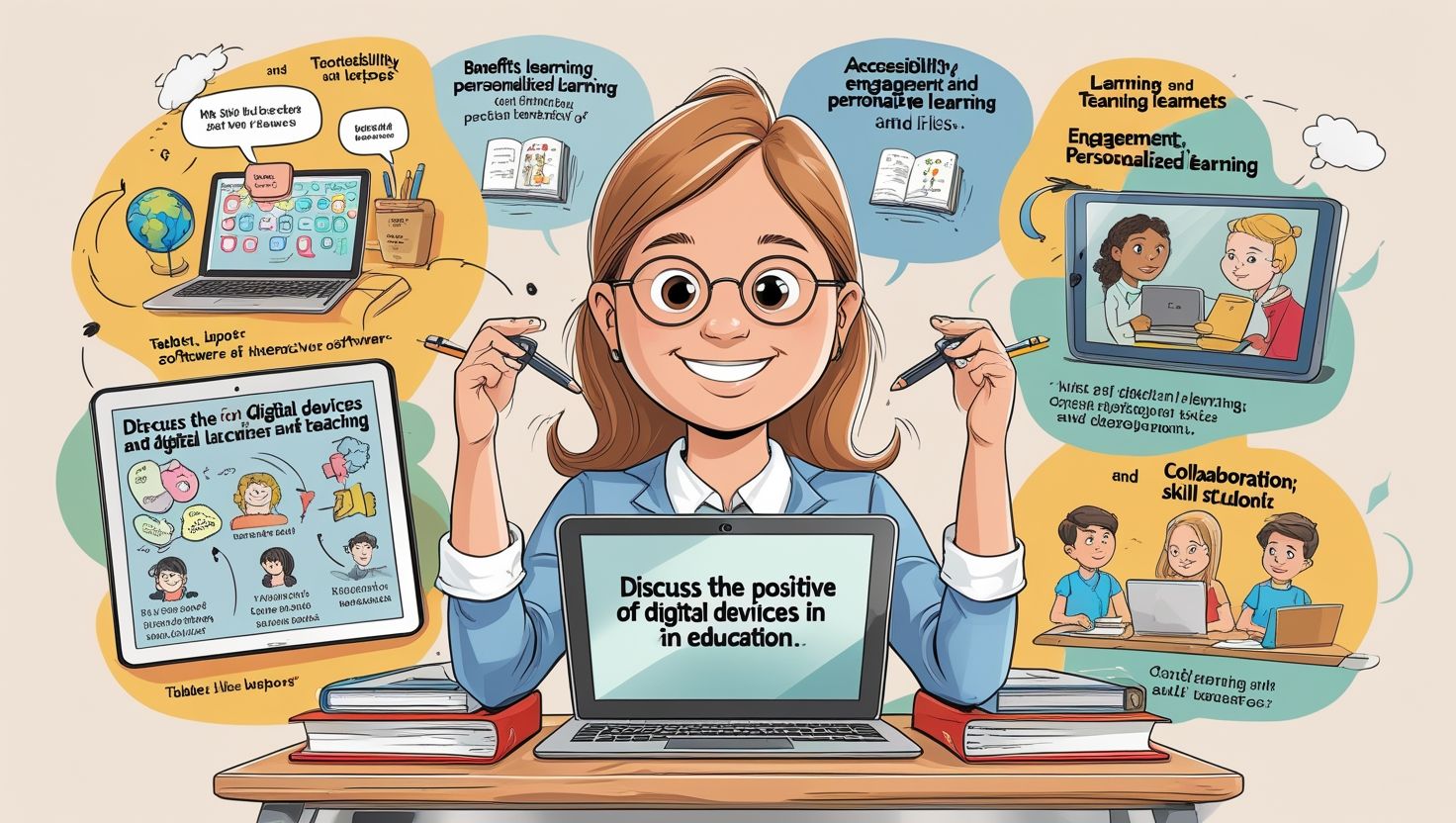
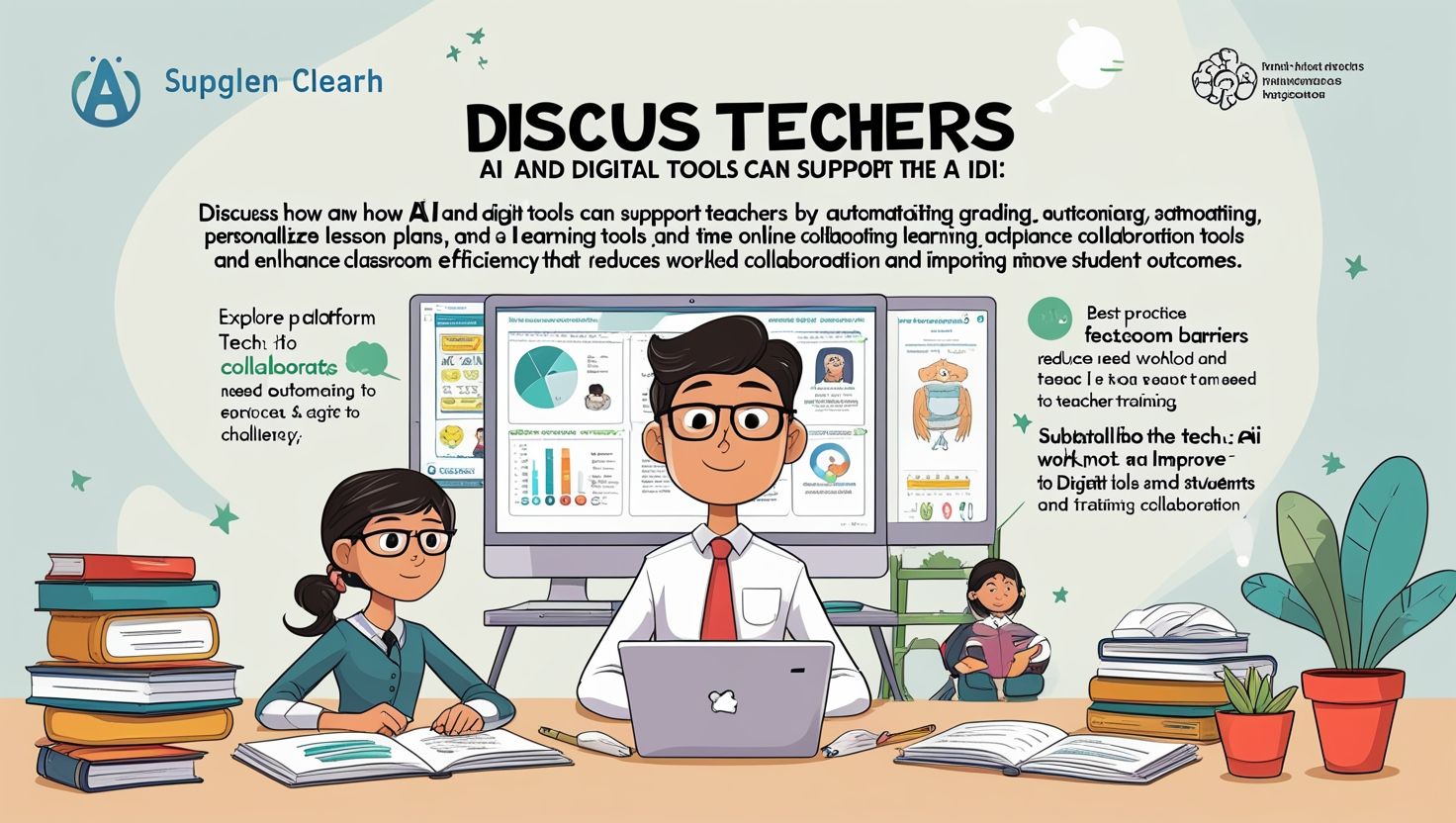
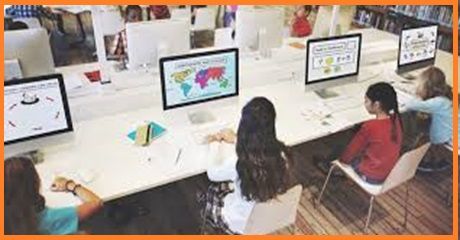
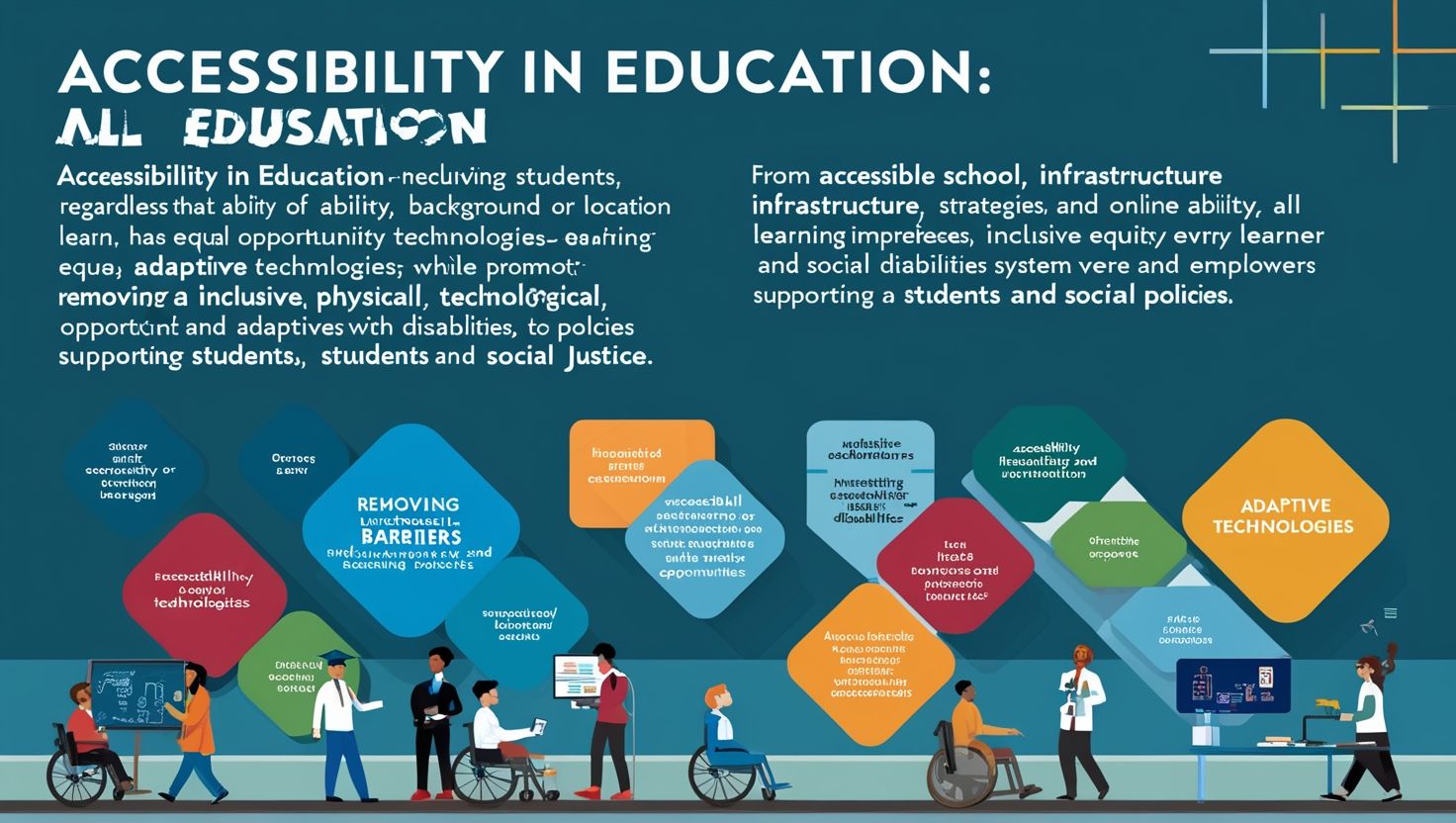
In today’s digital age, assistive technology has become indispensable in inclusive education. Tools such as speech-generating devices, adaptive keyboards, screen readers, and specialized learning apps enable differently able children to participate fully in classroom activities. As technology continues to evolve, educators must stay updated on the latest tools to ensure their curriculum remains relevant and effective.
5. Collaborative Involvement of Parents and Therapists
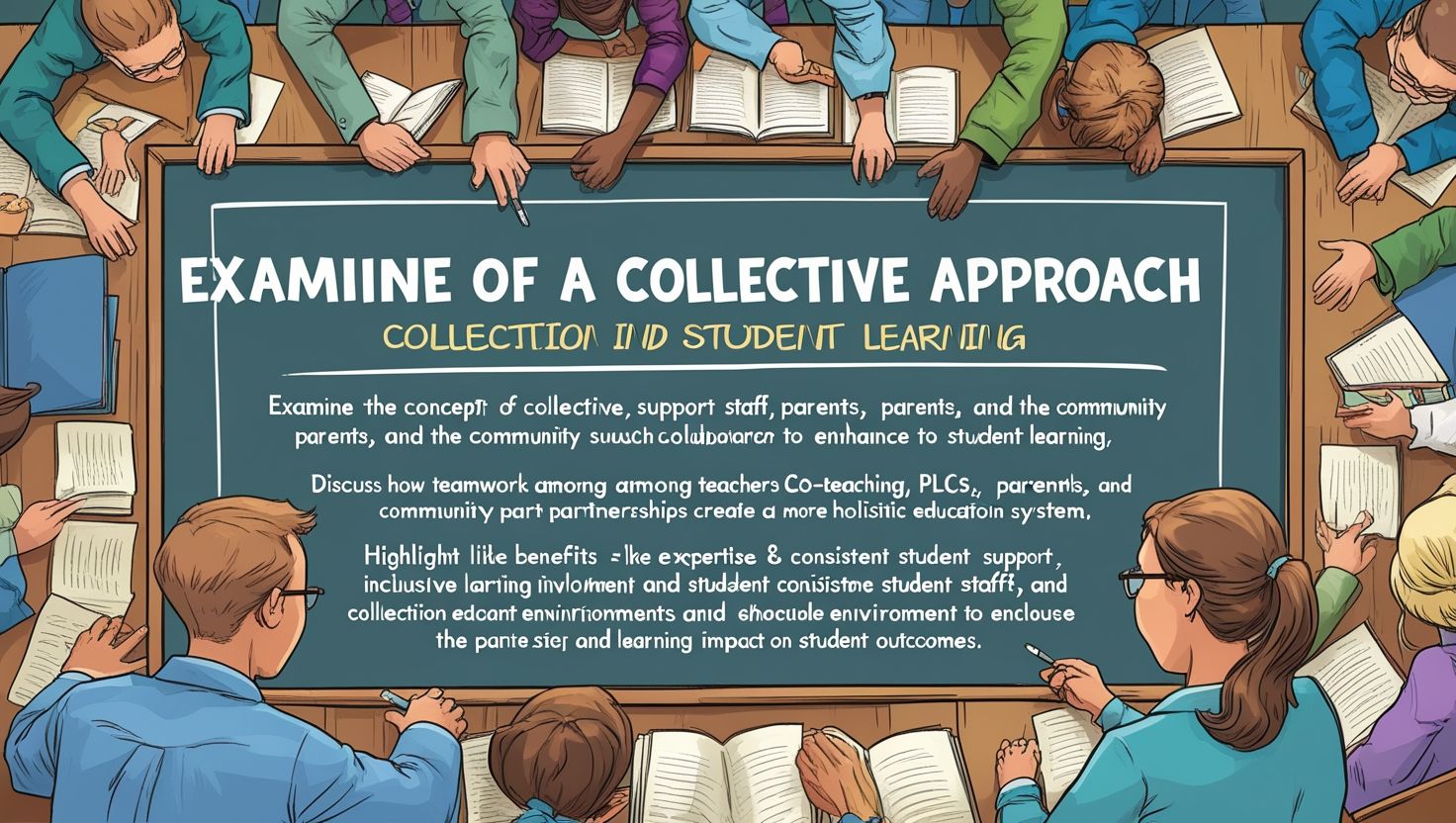
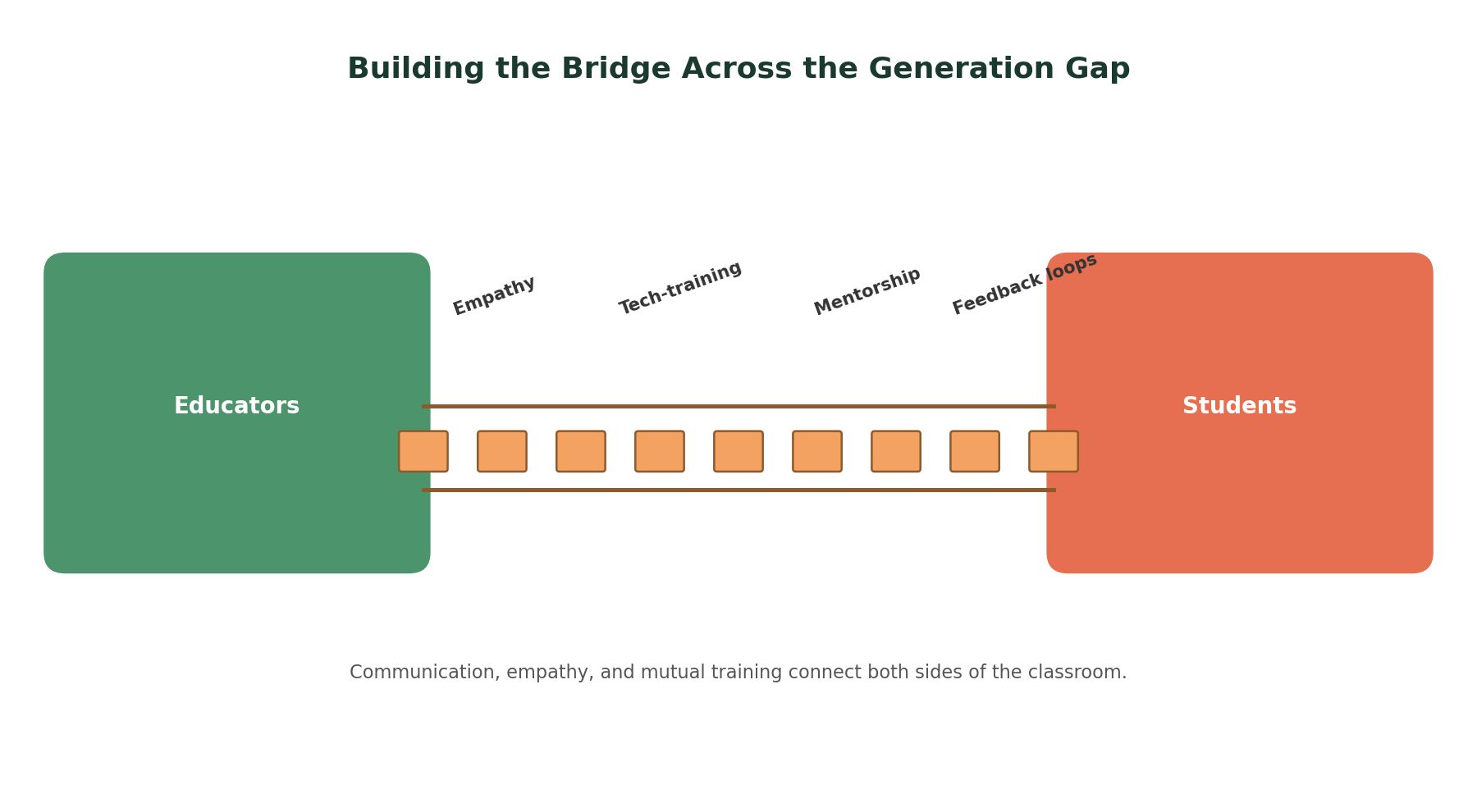
Equally important, a successful ECD curriculum cannot function in isolation. Instead, it requires active collaboration between teachers, parents, occupational therapists, speech therapists, and psychologists. Since children spend significant time both at home and in therapy settings, consistent communication between all stakeholders ensures that learning strategies are reinforced across environments.
Key Components of the Curriculum Structure
Now that we have discussed the guiding principles, let us examine the specific components that should form the backbone of an ECD curriculum for differently able individuals.
Cognitive Development
Cognitive activities should be simplified yet stimulating, focusing on skills like pattern recognition, memory retention, and basic problem-solving. Moreover, visual aids, storytelling, and repetition-based exercises can help reinforce learning without overwhelming the child.
Language and Communication Skills
Language development is often one of the most challenging areas for differently able children, particularly those with speech or hearing impairments. Therefore, curricula should incorporate augmentative and alternative communication (AAC) methods, sign language basics, and picture exchange systems to facilitate expression and comprehension.
Motor Skills Development
Fine and gross motor skills form another essential pillar. Activities such as sorting objects, threading beads, or simple obstacle courses can be adapted to suit different physical capabilities. In turn, these exercises build strength, coordination, and independence over time.
Social-Emotional Learning
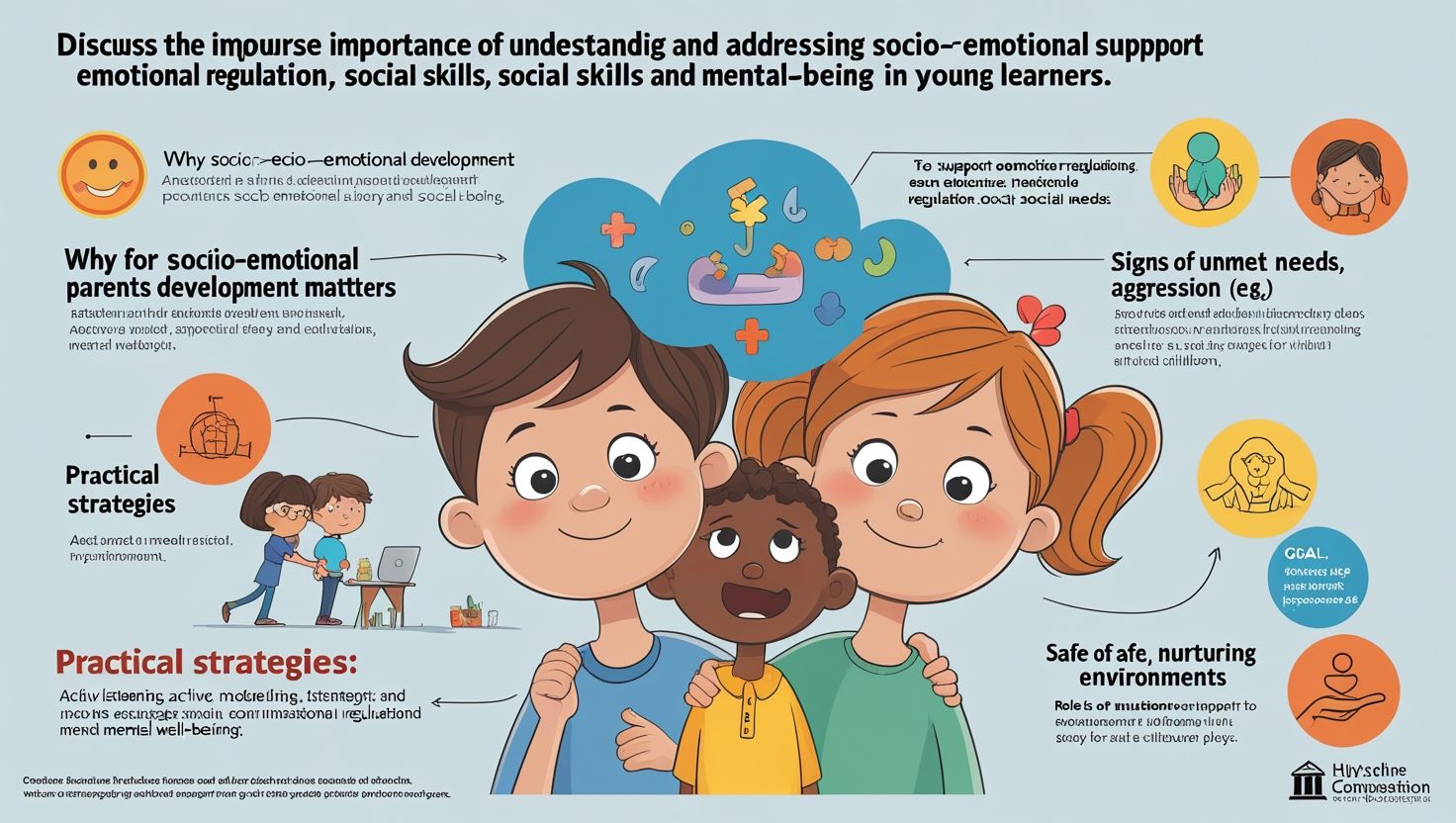
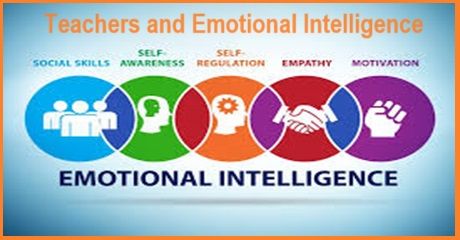
Perhaps most importantly, social-emotional learning (SEL) helps children build self-awareness, regulate emotions, and develop meaningful relationships with peers and caregivers. Since many differently able children face social exclusion, dedicated SEL components within the curriculum can significantly boost confidence and reduce feelings of isolation.
Self-Help and Life Skills
Finally, teaching basic self-help skills—such as dressing, feeding, and personal hygiene—empowers children to gain independence early on. Although these skills may take longer to develop compared to typically developing peers, consistent practice within a structured curriculum accelerates progress considerably.
Challenges in Implementing an Inclusive ECD Curriculum
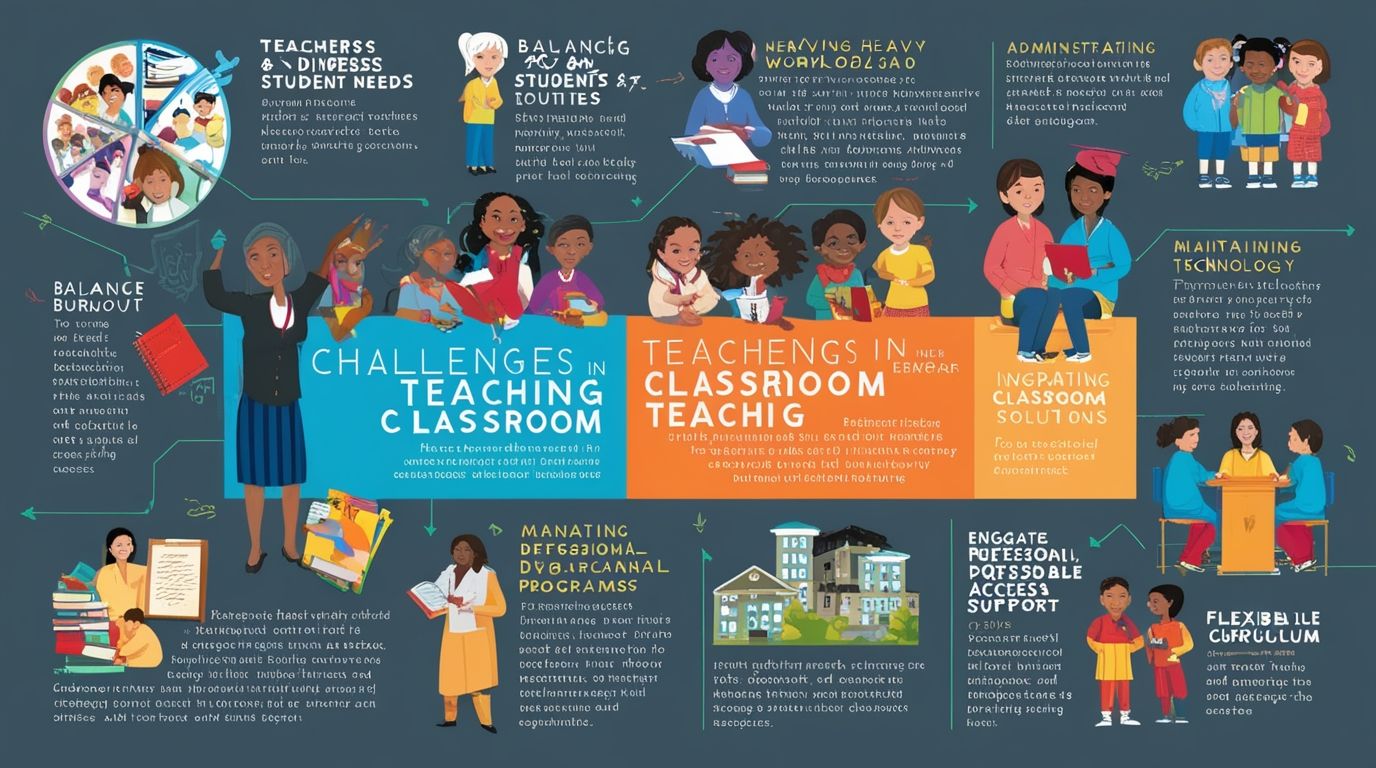
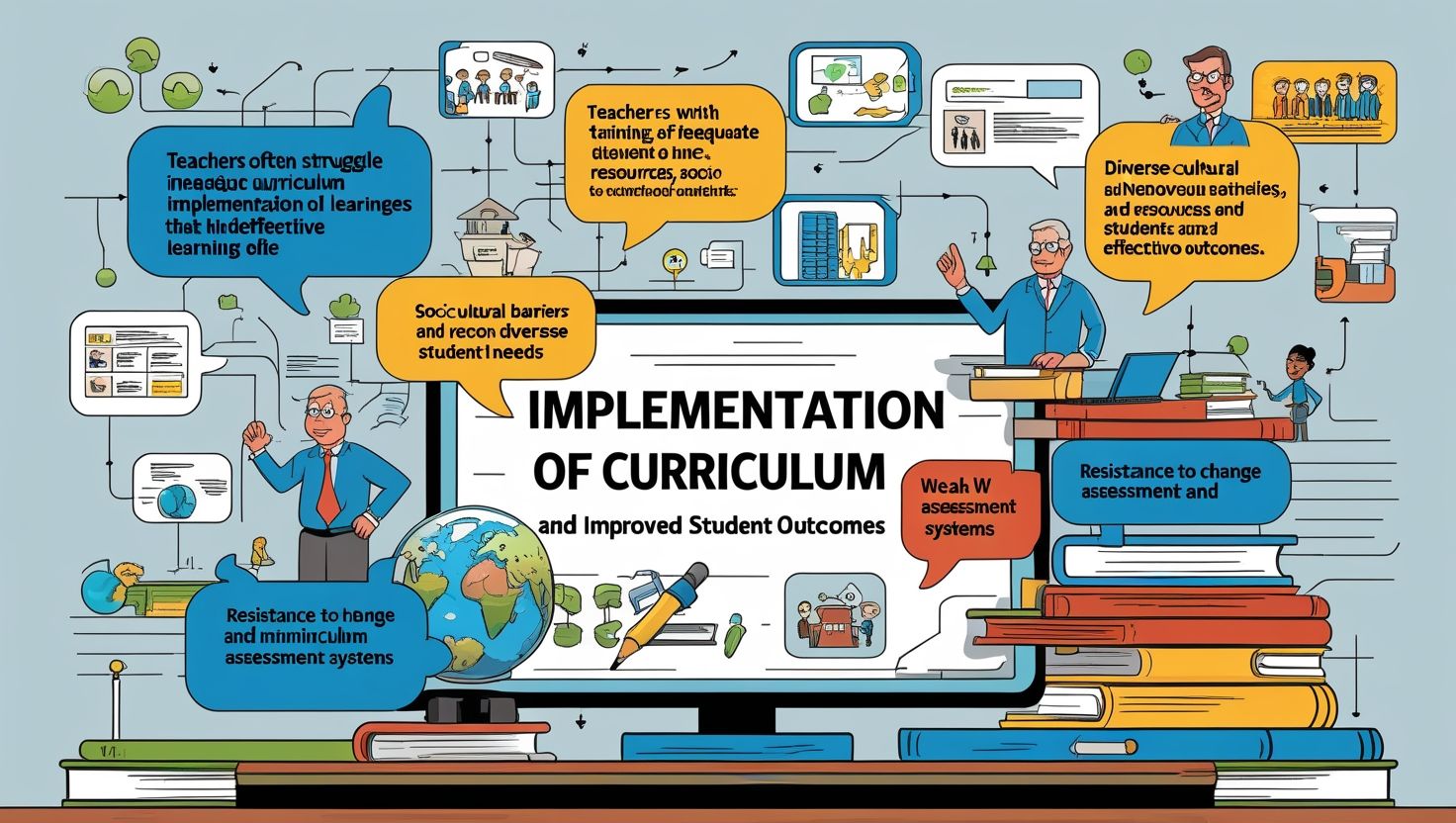
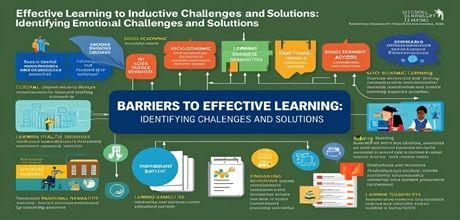
Despite its clear benefits, implementing an inclusive curriculum is not without challenges. For example, many schools lack trained special educators, adequate infrastructure, or sufficient funding to support differently able children effectively. Additionally, societal stigma and a lack of awareness often discourage parents from enrolling their children in mainstream early education programs.
Nevertheless, these challenges can be overcome through targeted teacher training, government policy support, and community awareness campaigns. Furthermore, partnerships between educational institutions and disability advocacy organizations can provide valuable resources, expertise, and funding opportunities.
Role of Teachers and Caregivers
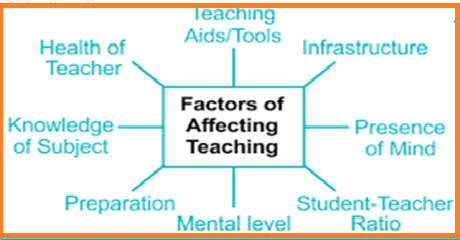
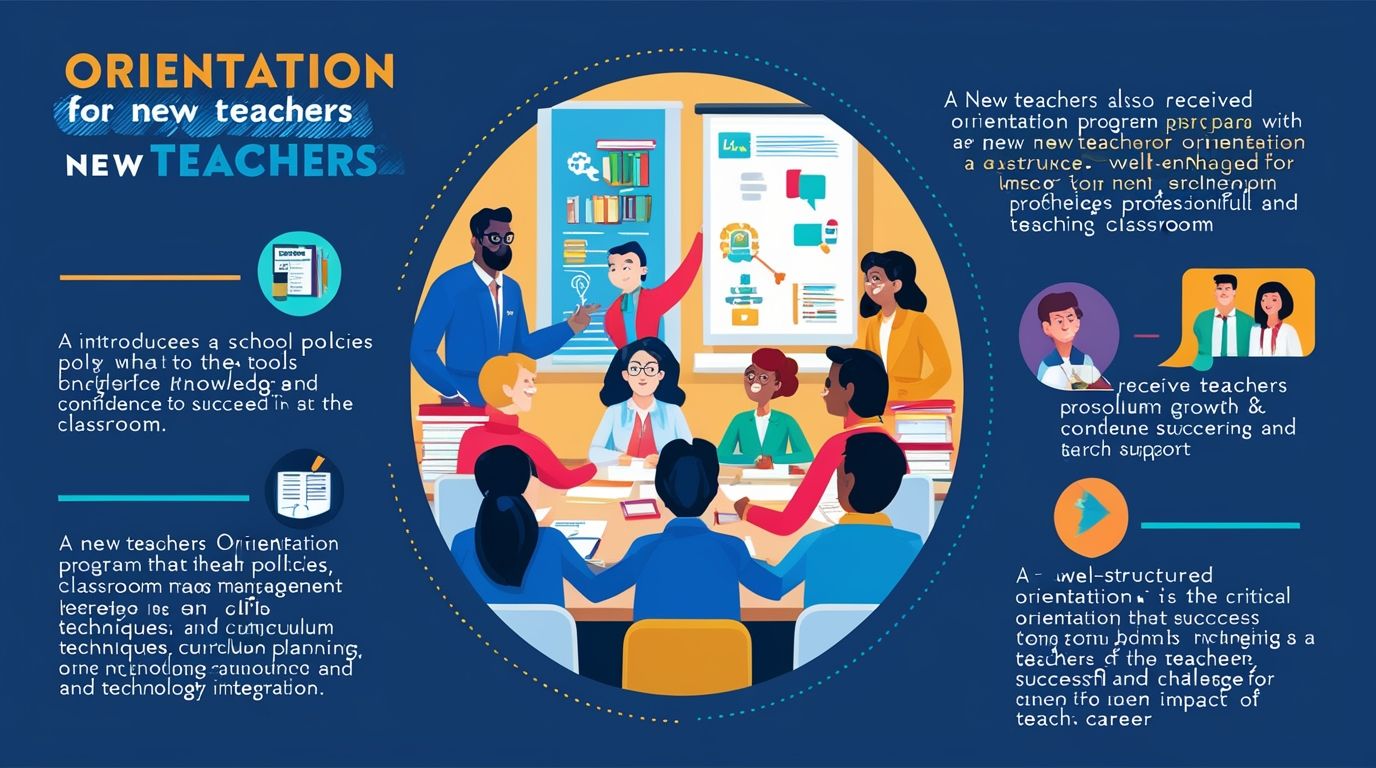
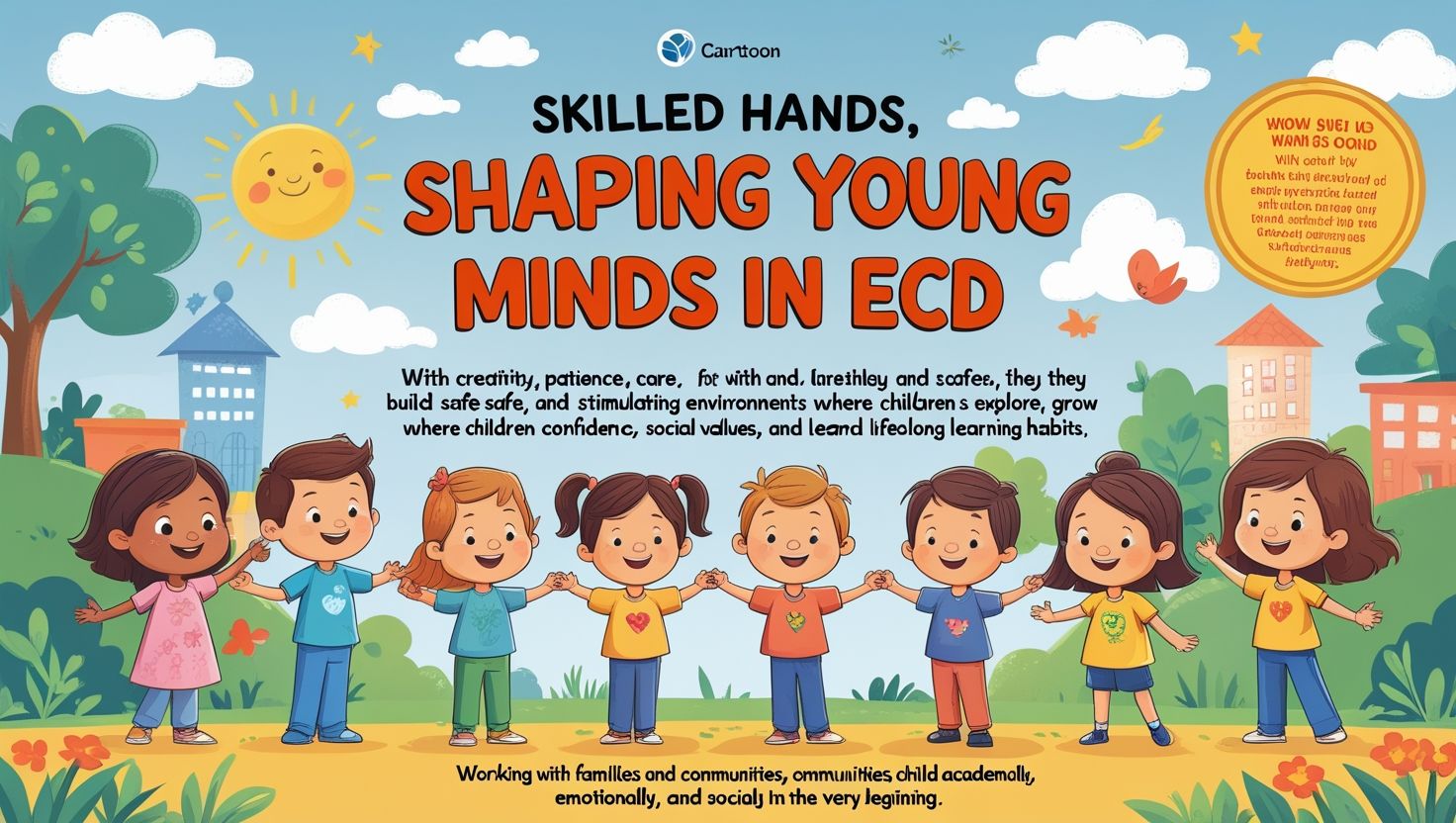
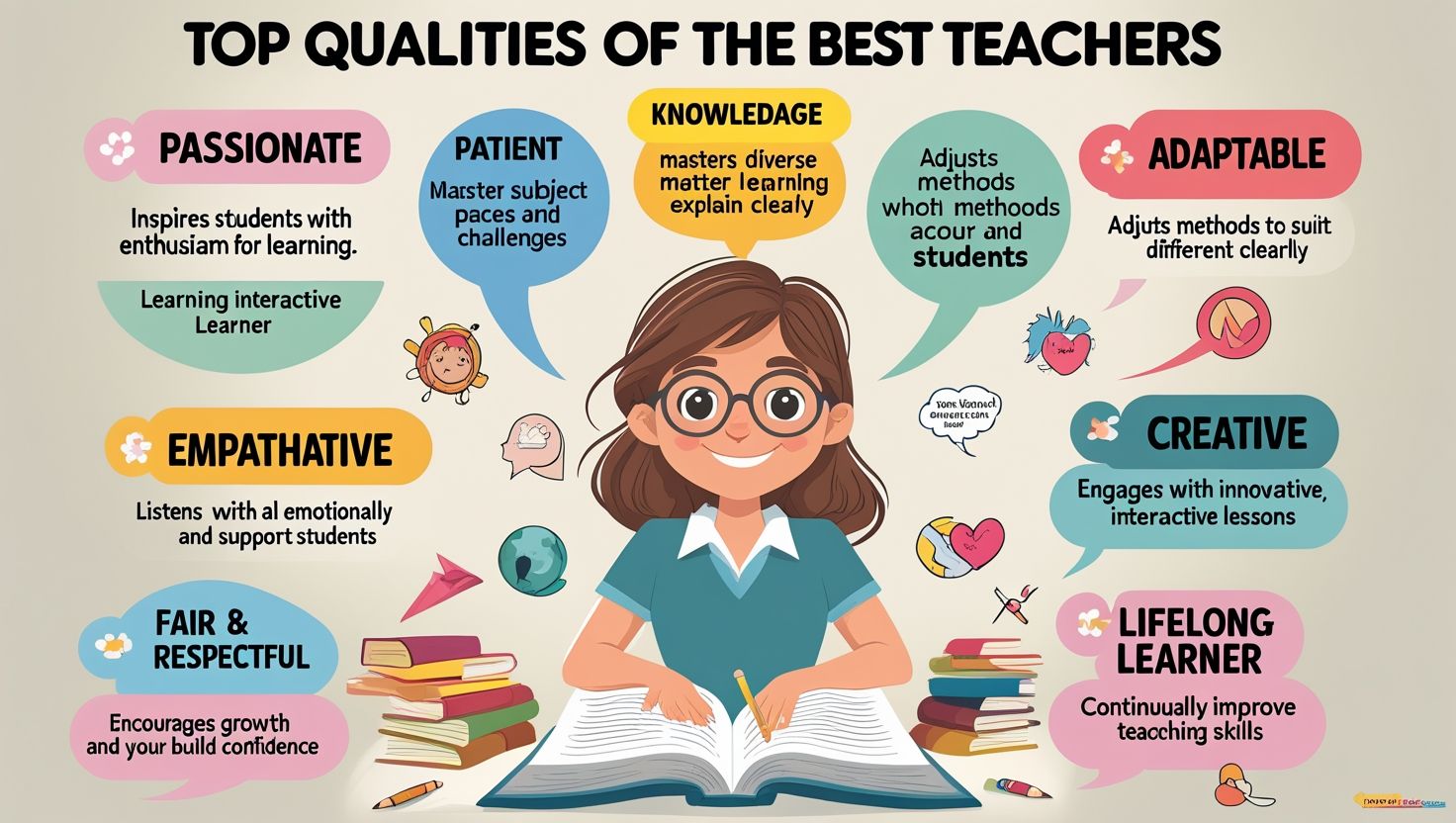
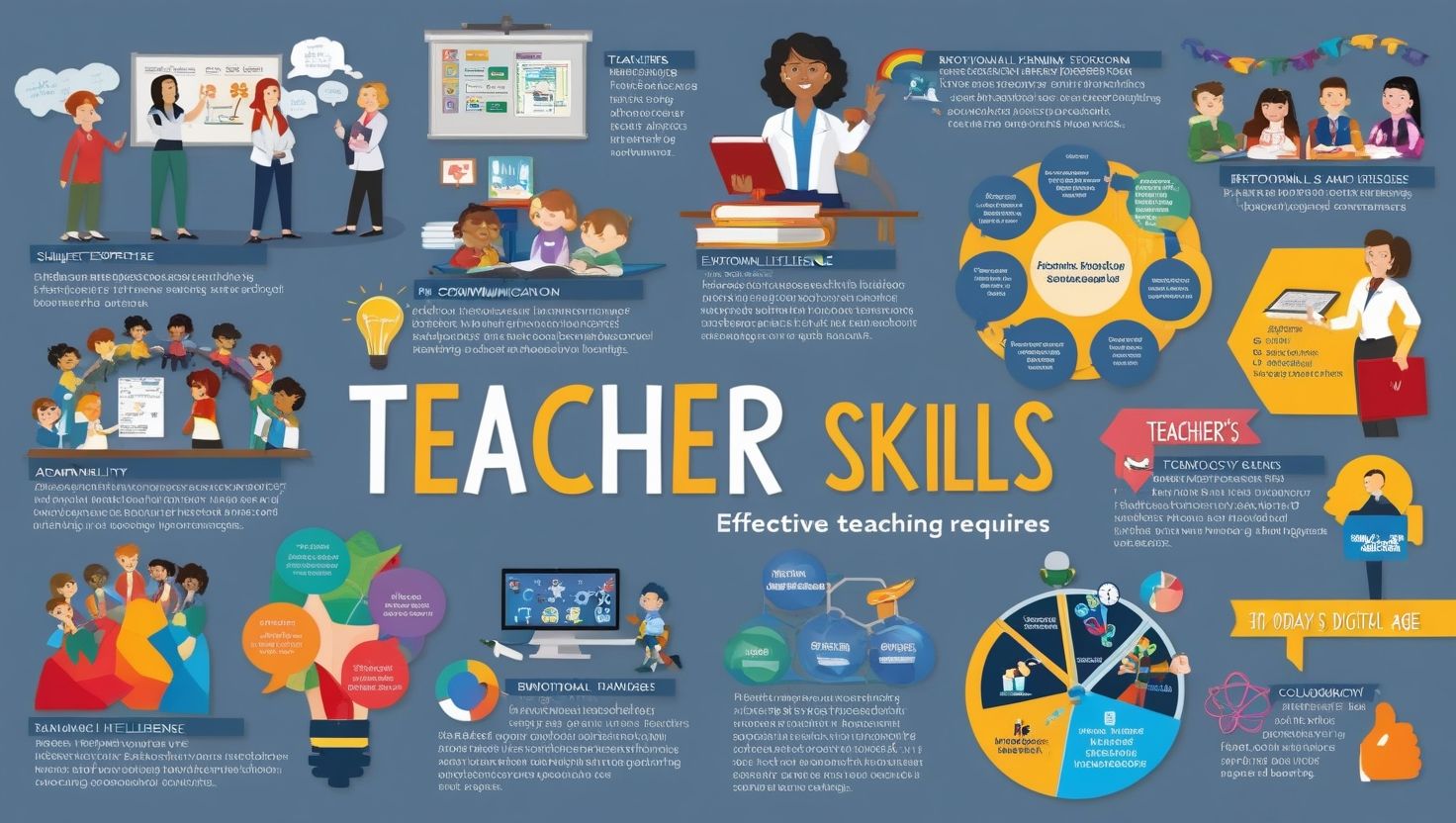
Undoubtedly, teachers and caregivers serve as the backbone of any successful ECD curriculum. Consequently, they must undergo specialized training in areas such as inclusive pedagogy, behavior management, and assistive communication techniques. Moreover, patience, empathy, and adaptability are essential traits for educators working with differently able children.
In addition, caregivers should be encouraged to celebrate small milestones, since progress for differently able children often occurs gradually. Therefore, a positive, encouraging environment—both at home and in the classroom—plays a pivotal role in sustaining motivation and engagement.
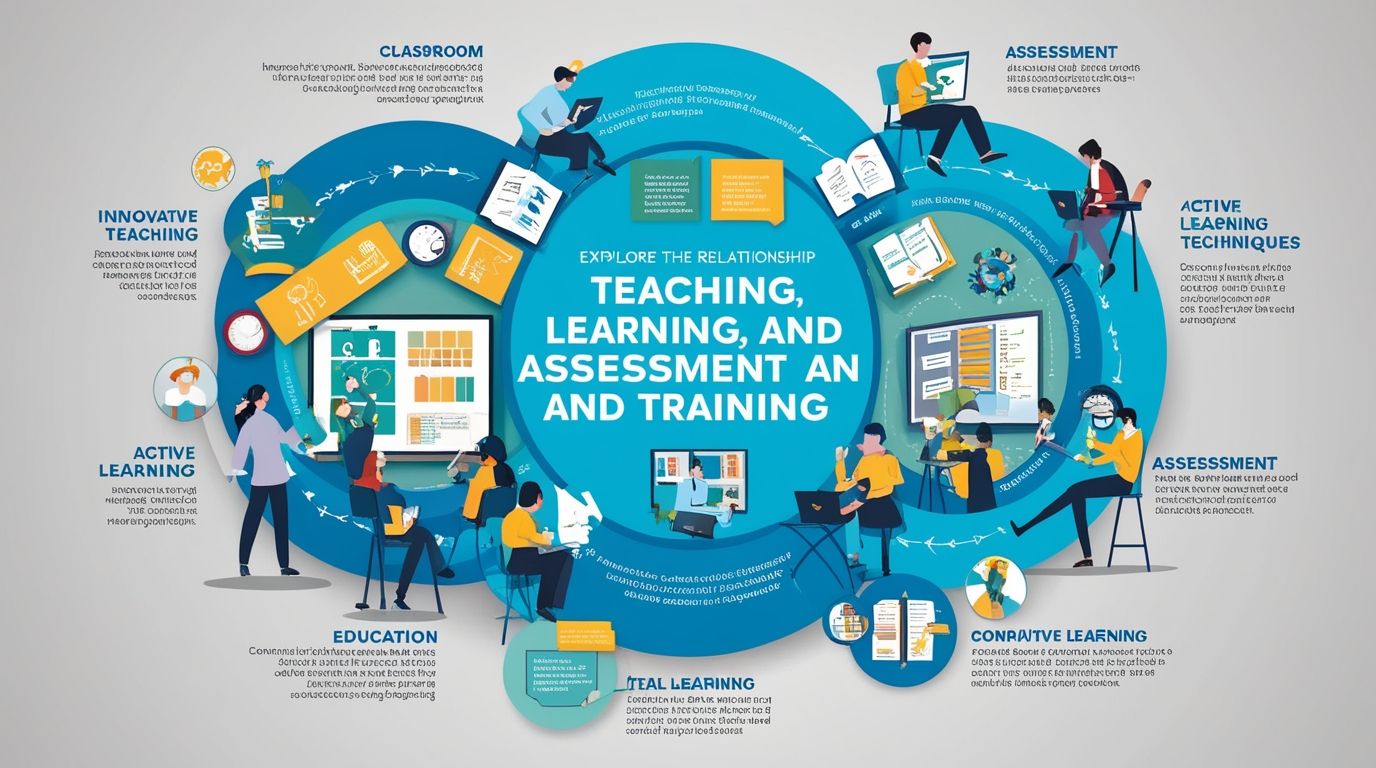
Assessment and Progress Monitoring
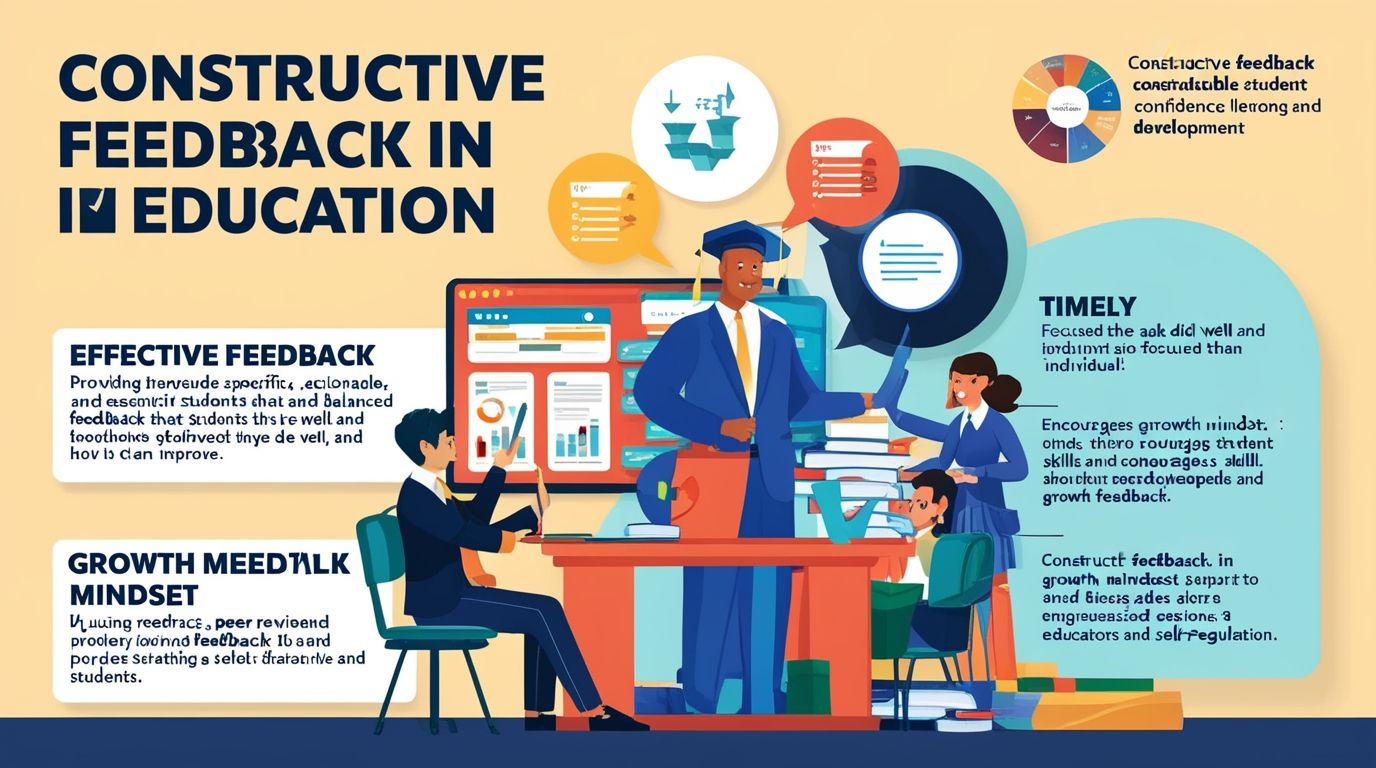
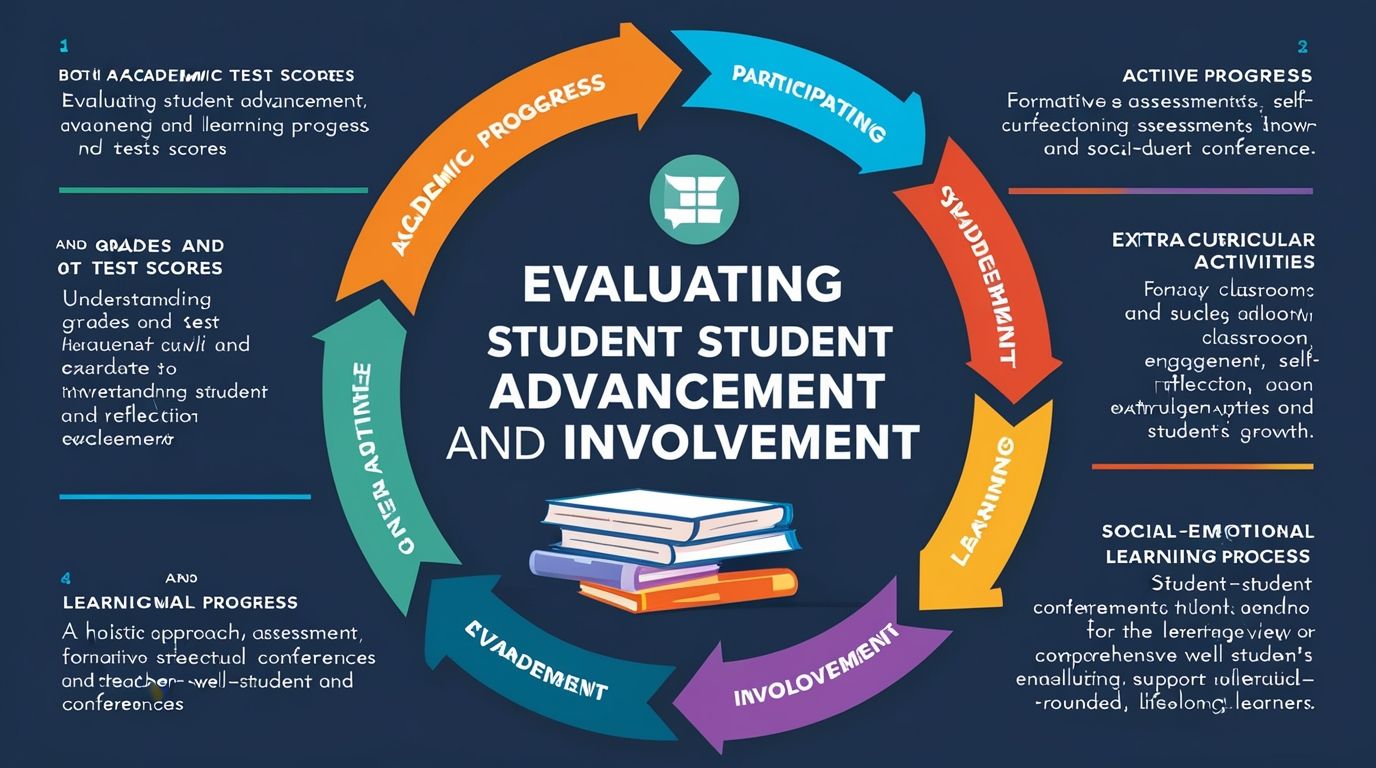
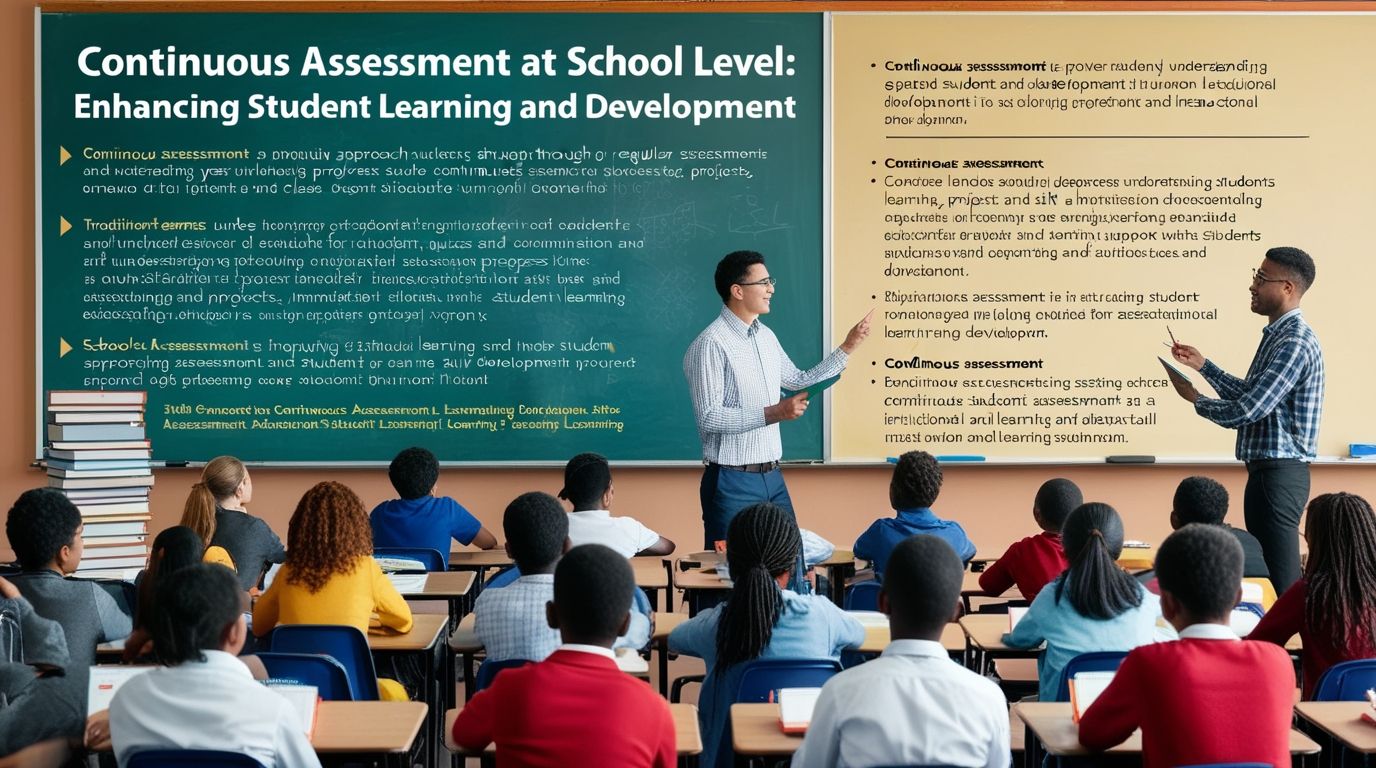
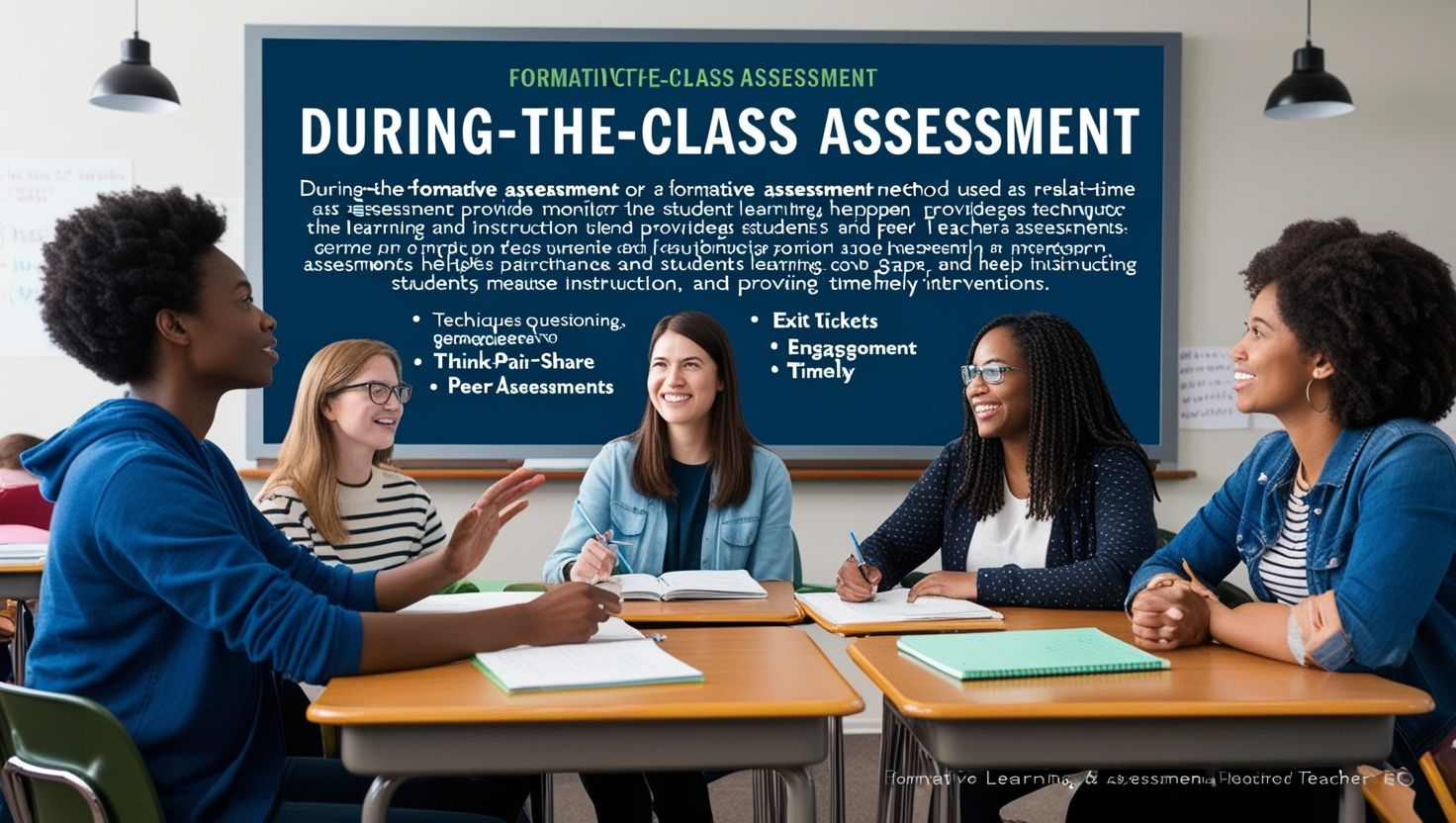
Unlike traditional assessments, evaluating differently able children requires a flexible, ongoing approach rather than standardized testing. Instead, educators should rely on observational assessments, developmental checklists, and portfolio-based evaluations to track progress over time. As a result, this method provides a more holistic and accurate picture of a child’s growth across cognitive, physical, and emotional domains.
Additionally, regular feedback loops between teachers, therapists, and parents ensure that the curriculum remains responsive to the child’s evolving needs. Consequently, adjustments can be made promptly whenever a particular strategy proves ineffective.
The Future of Inclusive ECD Curricula
Looking ahead, the future of ECD curricula for differently able individuals appears increasingly promising, largely due to advancements in technology and growing global awareness of inclusive education. For instance, artificial intelligence-powered learning tools are now being developed to personalize instruction based on real-time data about a child’s progress and preferences.
Moreover, governments and international organizations are progressively enacting policies that mandate inclusive education standards in early childhood settings. As a result, more institutions are expected to adopt comprehensive, differently-abled-friendly curricula in the coming years. Ultimately, this shift will pave the way for a more equitable and inclusive educational landscape worldwide.
Benefits of an Inclusive ECD Curriculum for the Wider Community
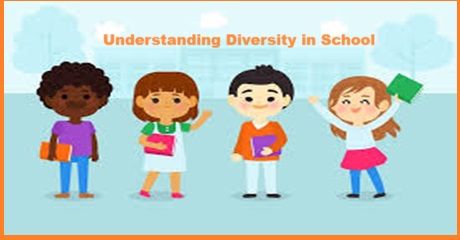
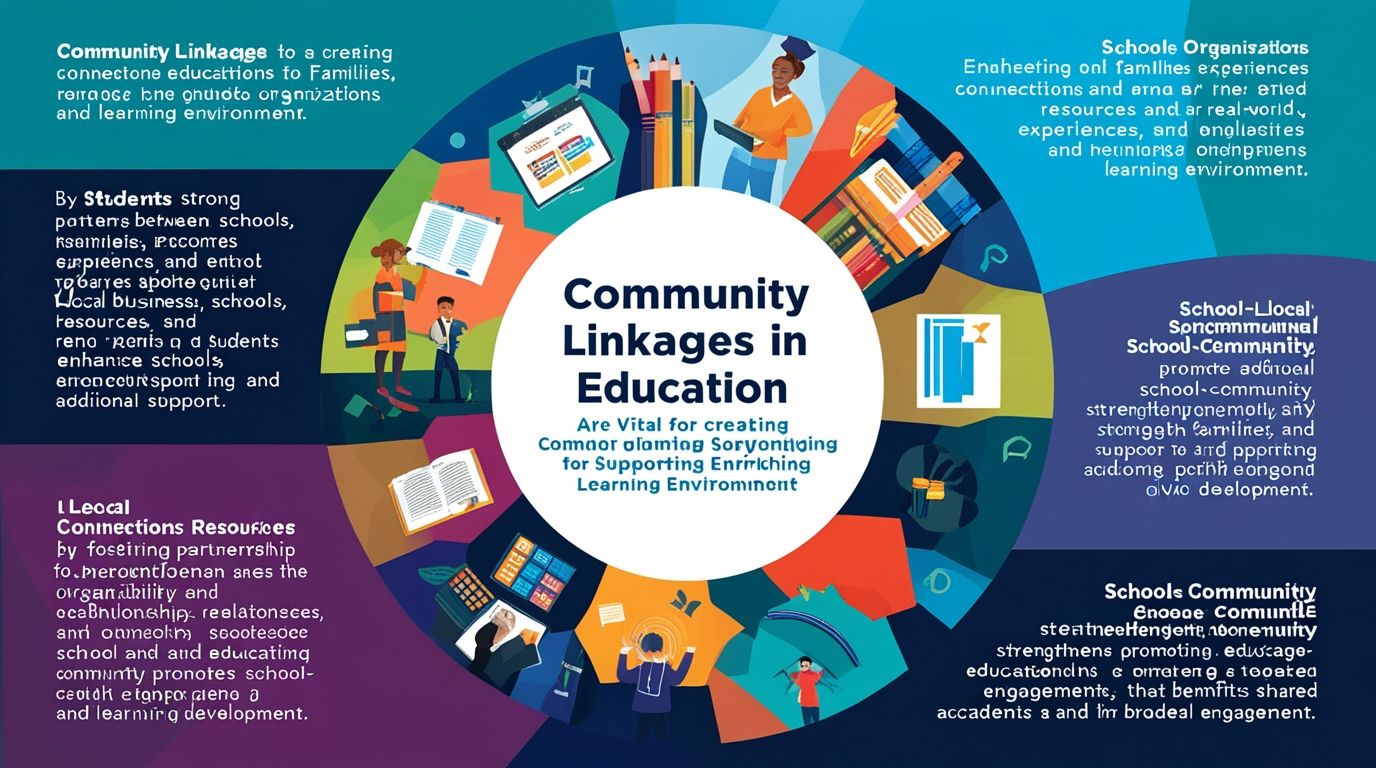
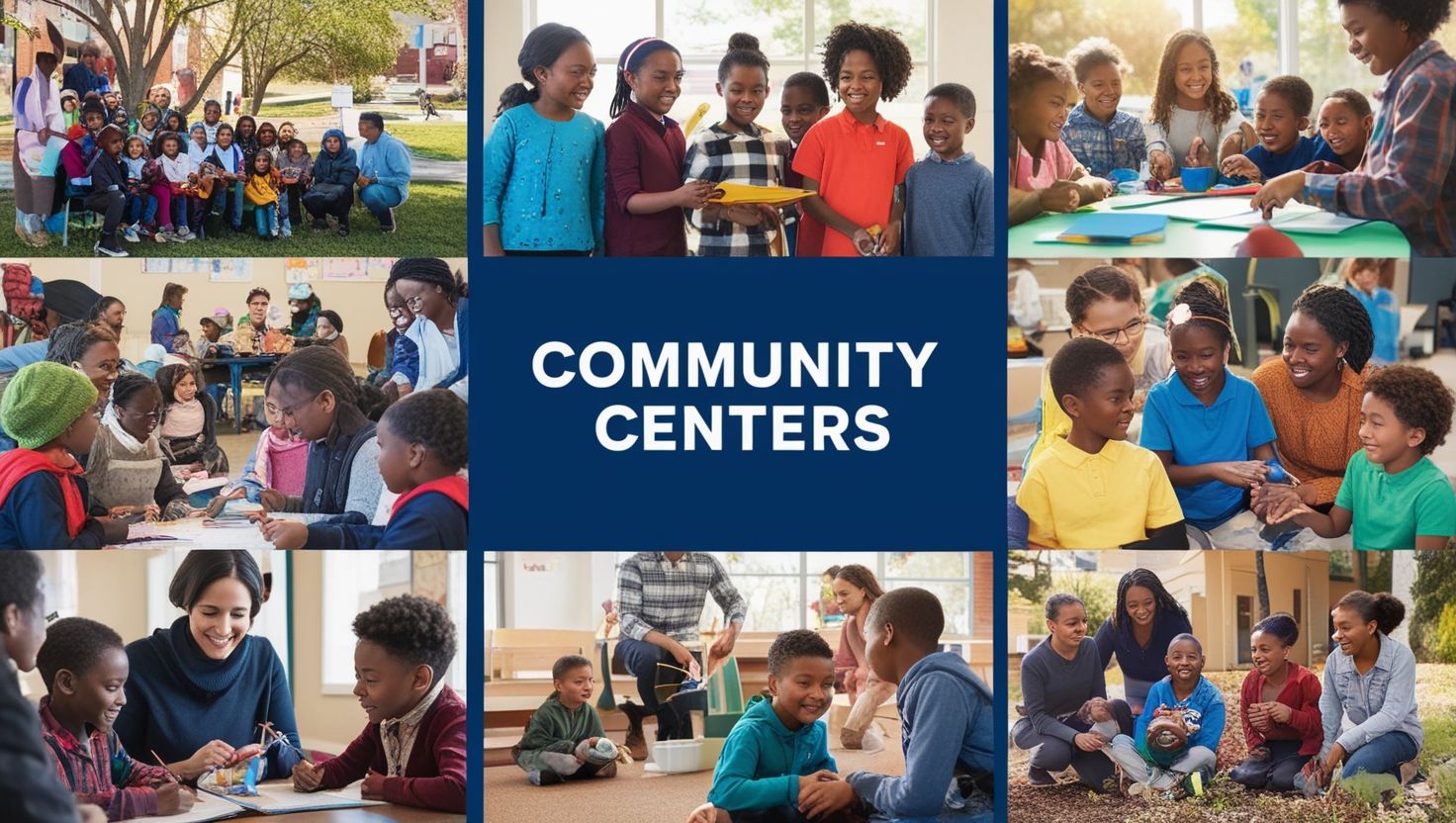
Beyond the individual child, an inclusive ECD curriculum generates ripple effects that benefit families, classrooms, and society as a whole. For instance, siblings and classmates of differently able children often develop heightened empathy, patience, and awareness from an early age. Similarly, parents gain access to structured support systems, professional guidance, and peer networks that reduce feelings of isolation.
Additionally, when schools successfully implement inclusive practices, they often see improvements in overall classroom management, since teachers become better equipped to handle diverse learning needs across the board. Consequently, the entire educational ecosystem becomes more adaptable, compassionate, and effective—not just for differently able children, but for every learner.
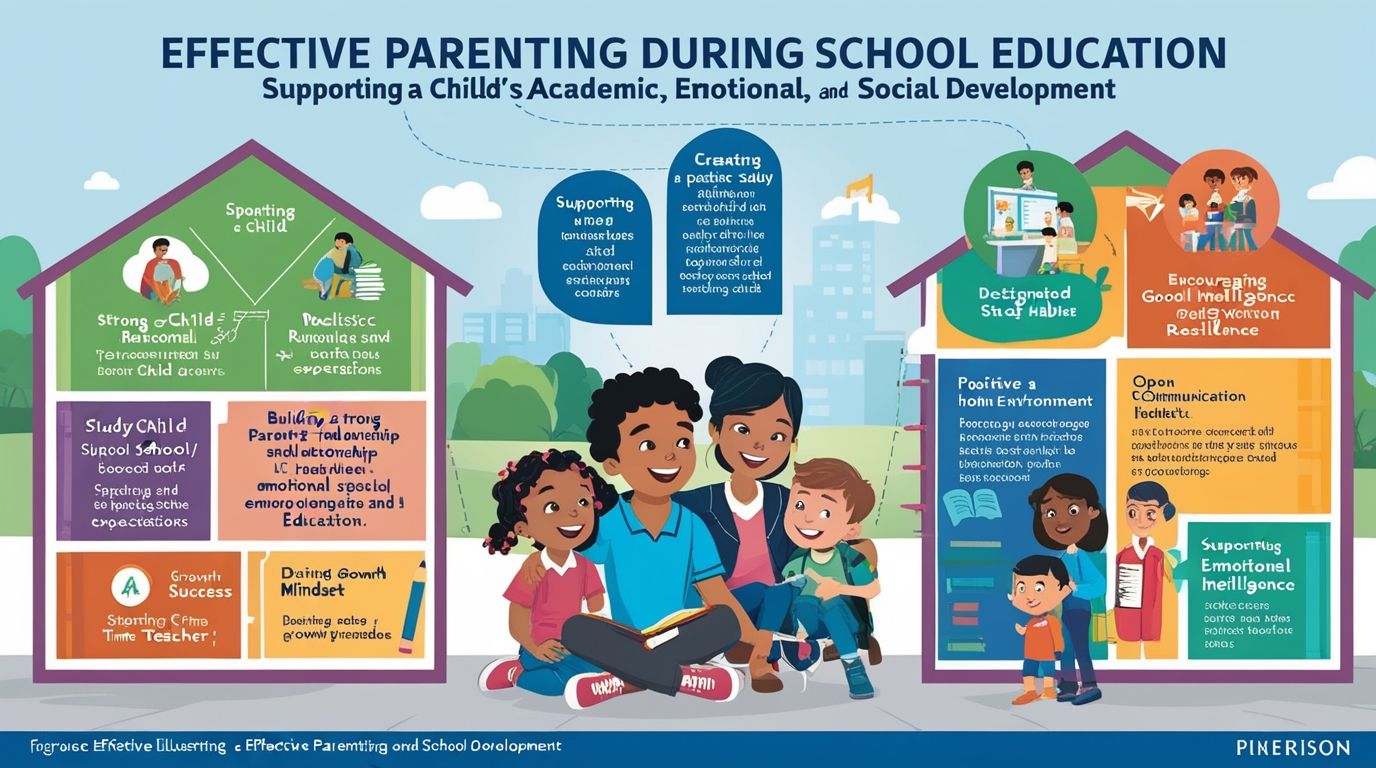
Practical Tips for Parents Supporting the Curriculum at Home
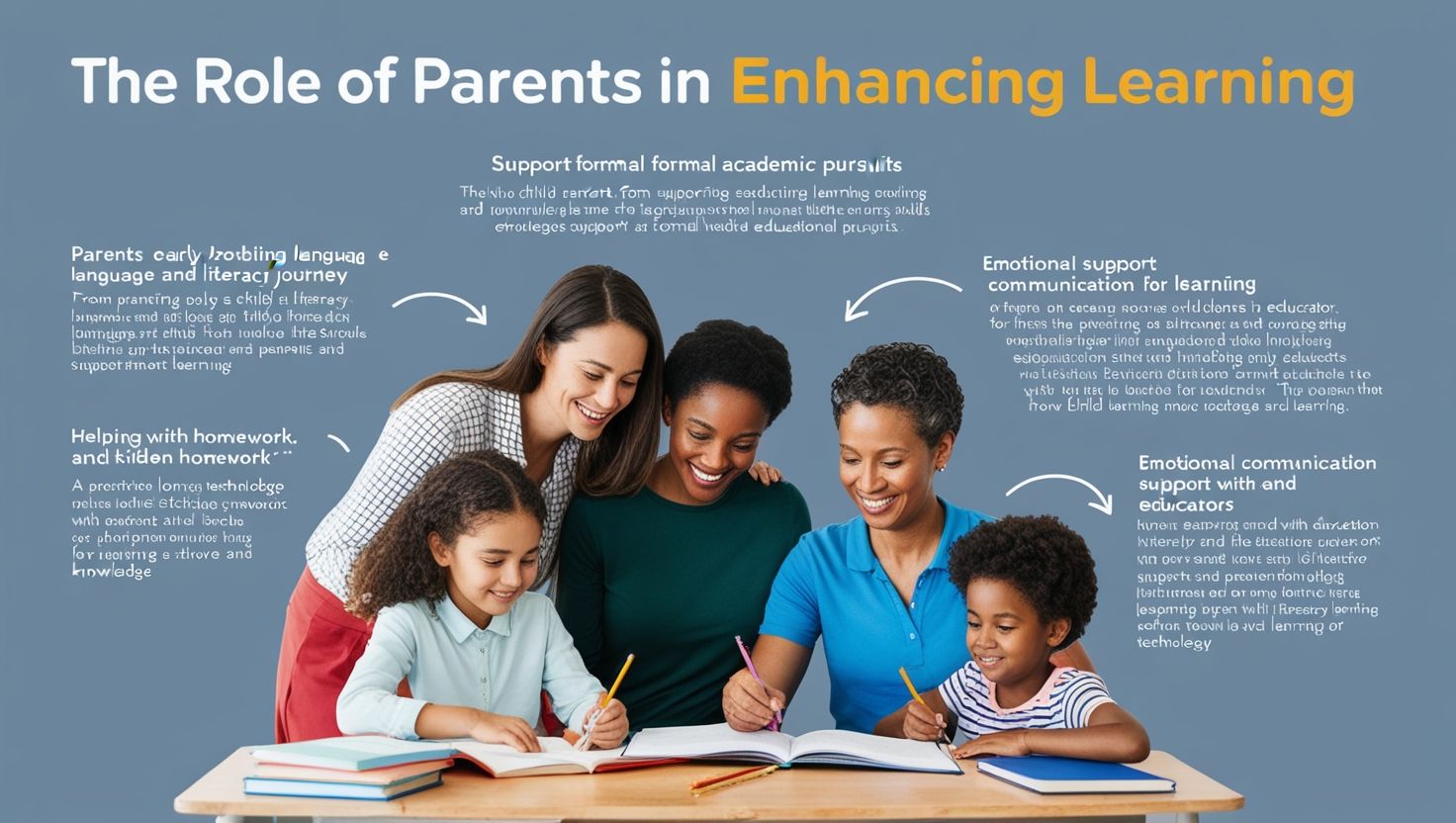
While schools play a central role, learning does not stop at the classroom door. Therefore, parents must actively reinforce the ECD curriculum at home to maximize its impact. Below are a few practical strategies:
- Maintain consistency: Repeating classroom routines and vocabulary at home helps reinforce learning and builds a sense of familiarity and security.
- Celebrate small wins: Since progress may be gradual, acknowledging even minor achievements boosts a child’s confidence and motivation.
- Communicate regularly with educators: Frequent check-ins ensure that strategies used at school align with those used at home, thereby creating a unified learning experience.
- Create a sensory-friendly environment: Reducing noise, clutter, and bright lighting can help children with sensory sensitivities feel calmer and more focused during learning activities.
- Encourage independence gradually: Allowing children to attempt self-help tasks, even if imperfectly, builds essential life skills over time.
Ultimately, when parents and educators work in tandem, children benefit from a seamless, reinforced learning experience that extends well beyond school hours.
Frequently Asked Questions (FAQs)
1. What age group does an ECD curriculum for differently able individuals typically cover? Generally, it spans from birth to eight years, aligning with the broader definition of Early Childhood Development, though specific programs may focus on narrower age brackets depending on the child’s needs.
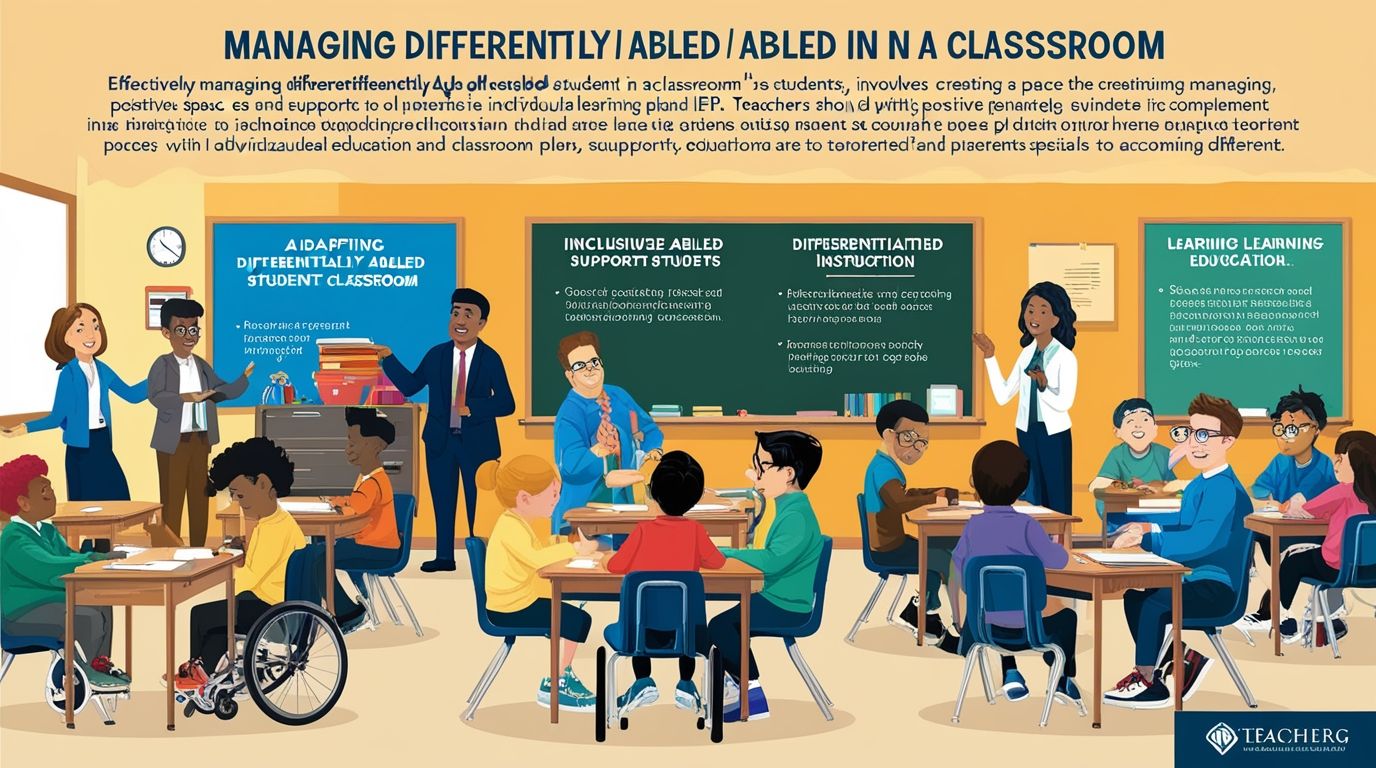
2. How is an inclusive curriculum different from a regular ECD curriculum? Unlike a standard curriculum, an inclusive one incorporates individualized learning plans, assistive technology, and multi-sensory teaching methods specifically designed to accommodate diverse abilities.
3. Can differently able children be integrated into mainstream classrooms? Yes, absolutely. With appropriate support, training, and resources, many differently able children thrive in mainstream settings alongside typically developing peers.
4. What role do therapists play in the curriculum? Therapists, including speech and occupational therapists, collaborate closely with educators to ensure that classroom strategies align with each child’s therapeutic goals.
Conclusion
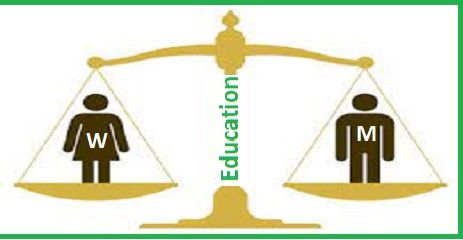
In conclusion, designing an ECD curriculum for differently able individuals is not merely a educational necessity but a moral imperative. By focusing on individualized learning plans, multi-sensory teaching, assistive technology, and strong collaboration between educators and families, we can create an environment where every child—regardless of ability—has the opportunity to thrive. Ultimately, investing in inclusive early childhood education today lays the groundwork for a more compassionate, capable, and equitable society tomorrow.