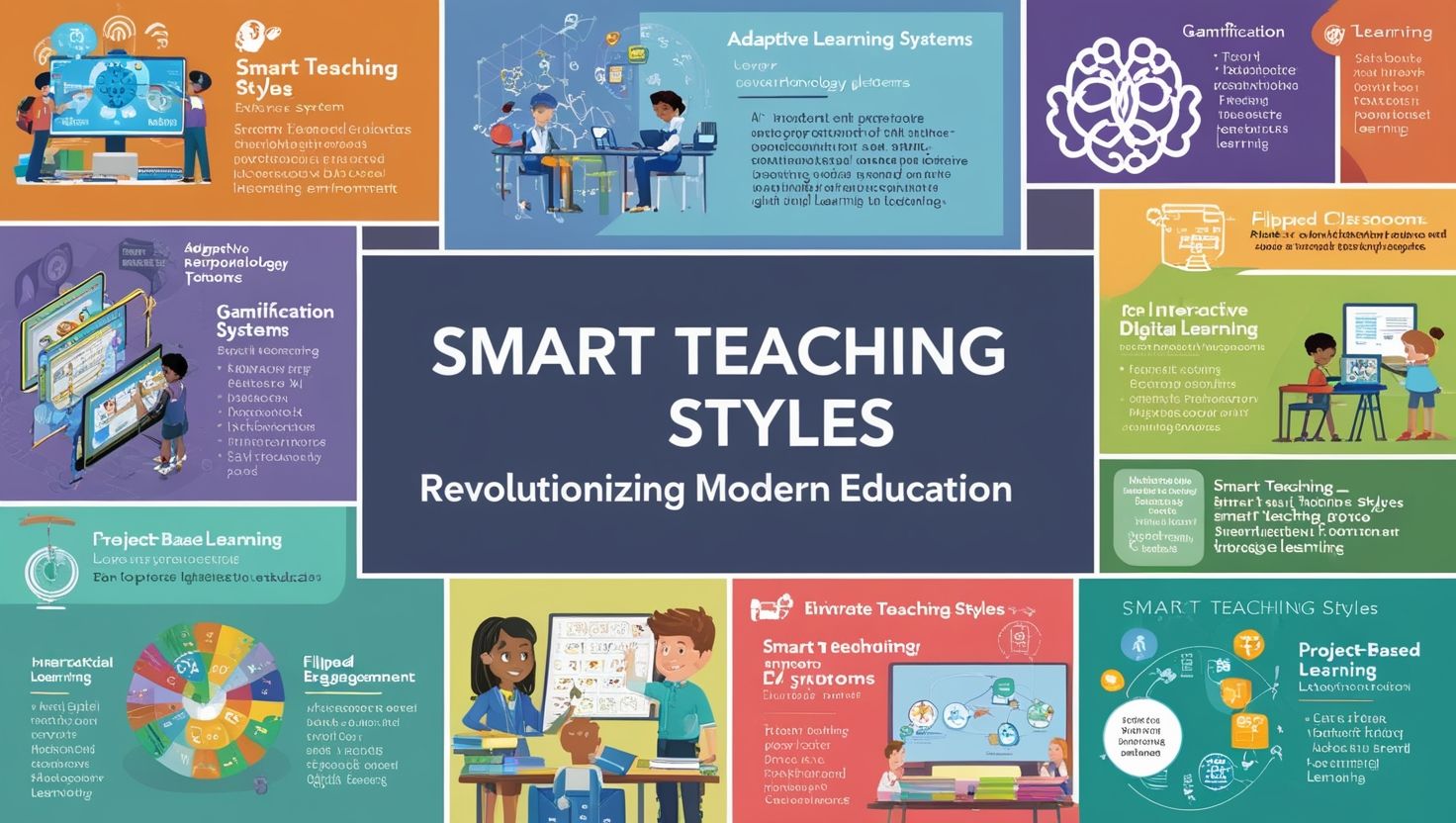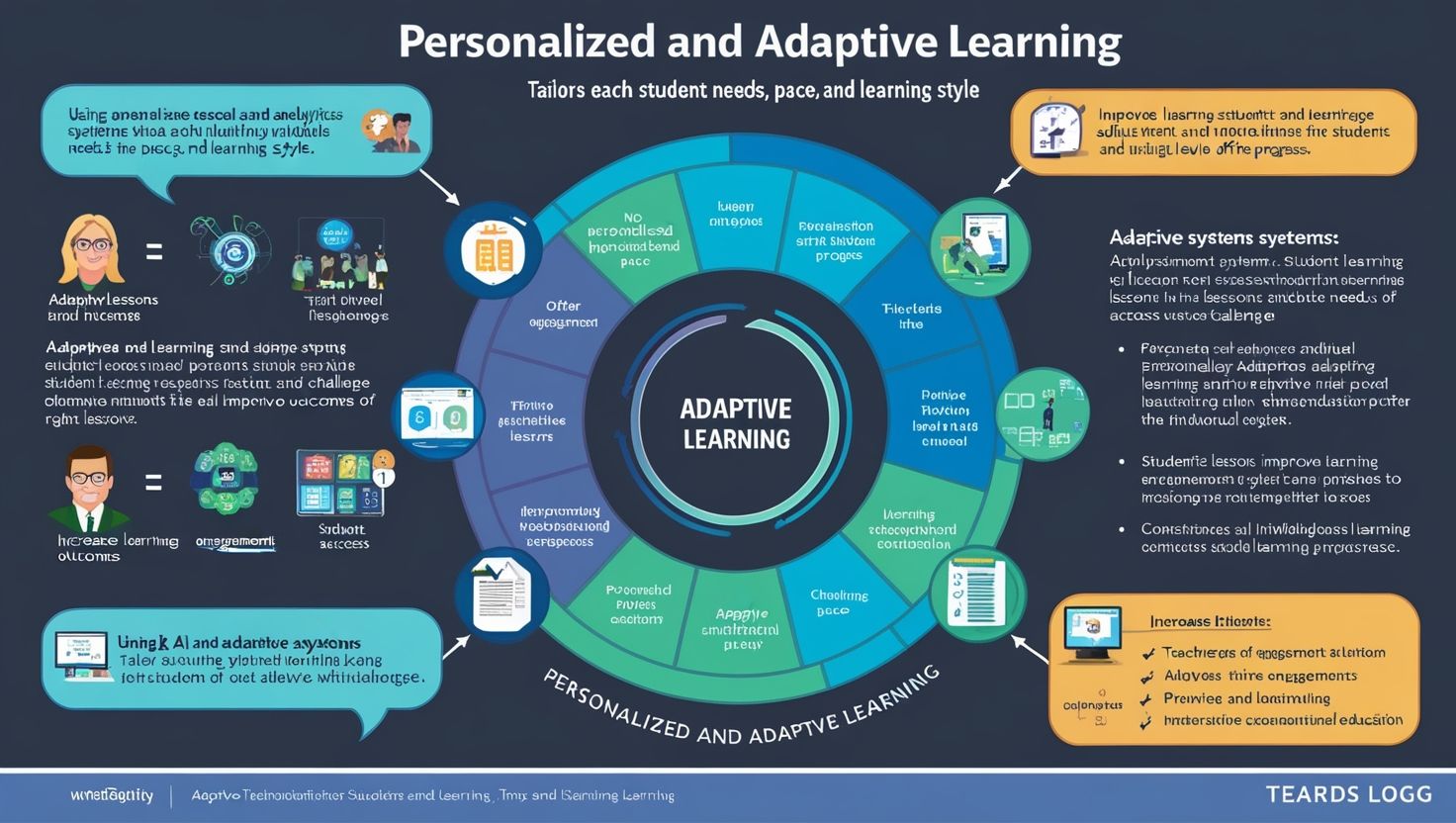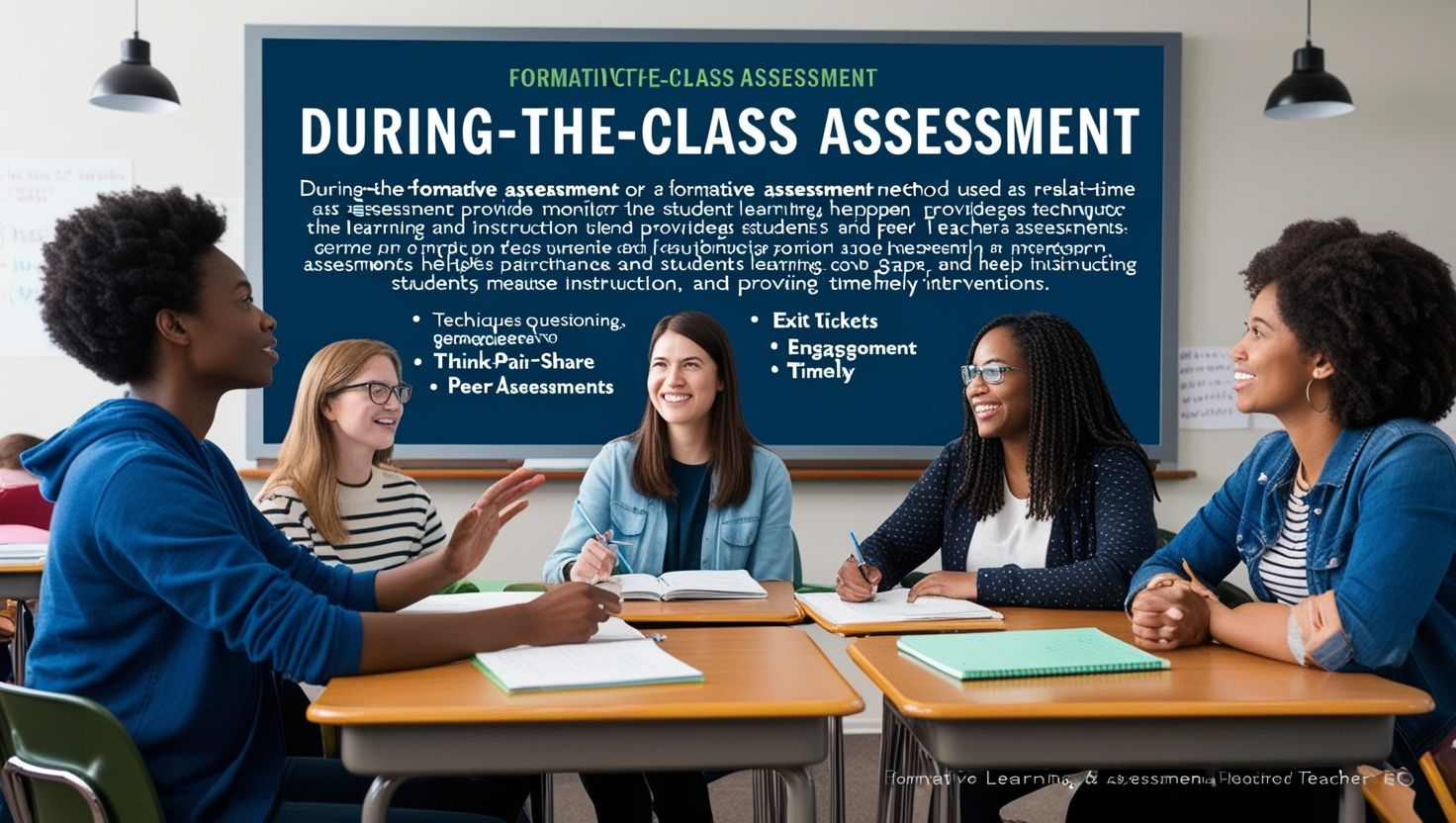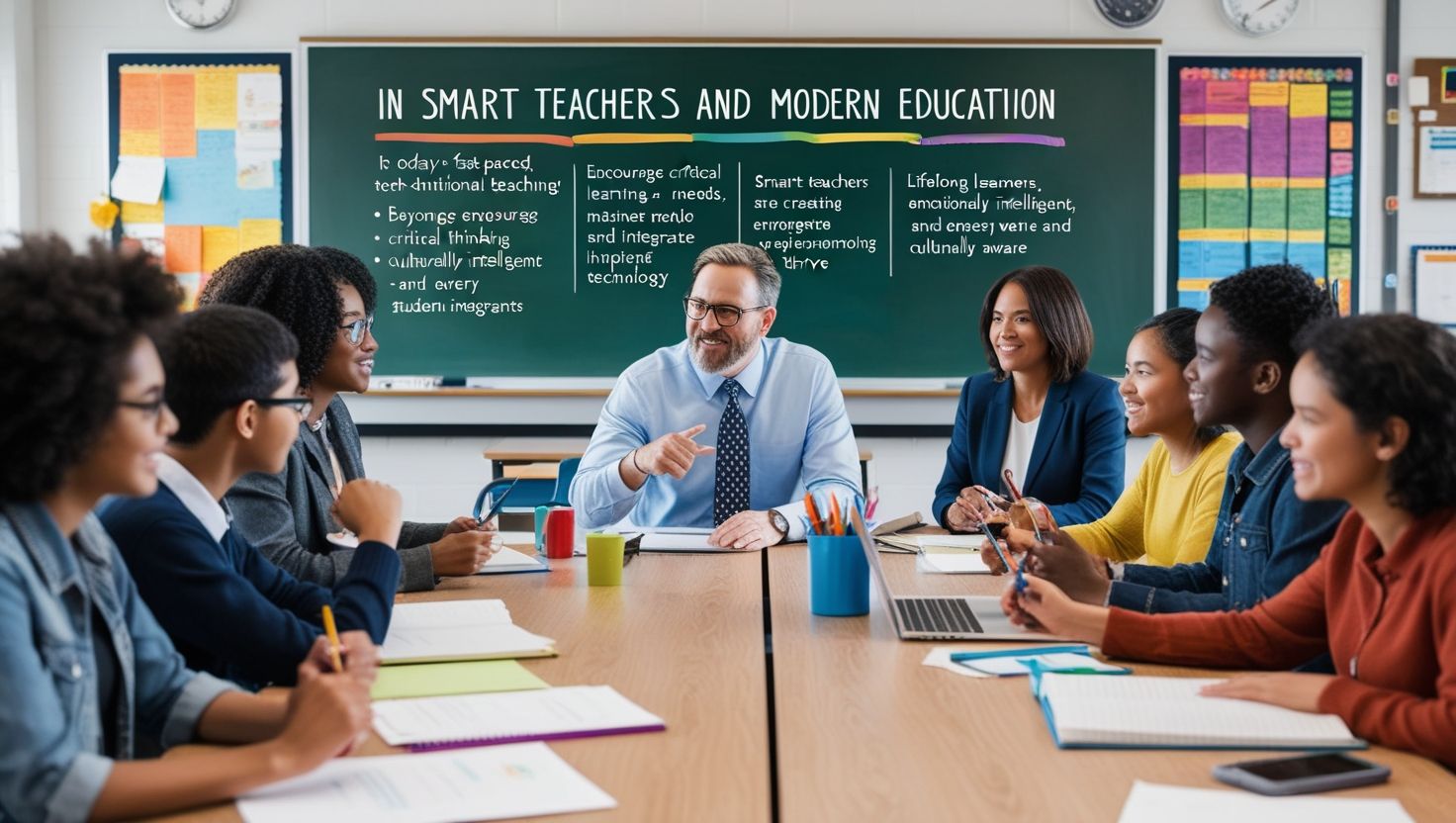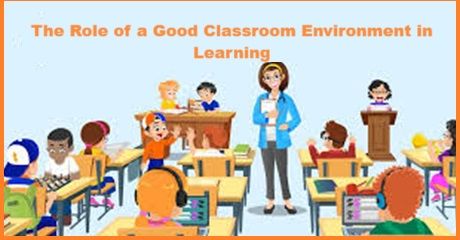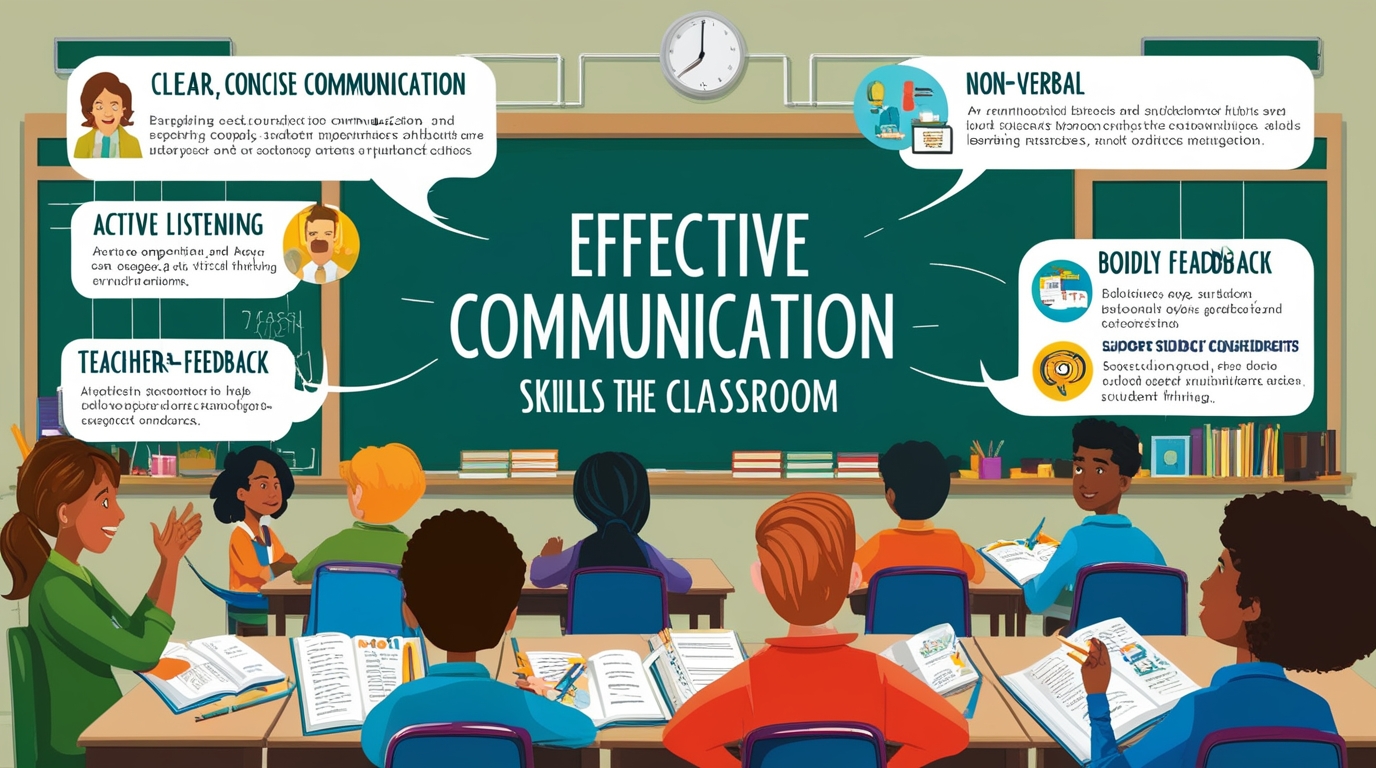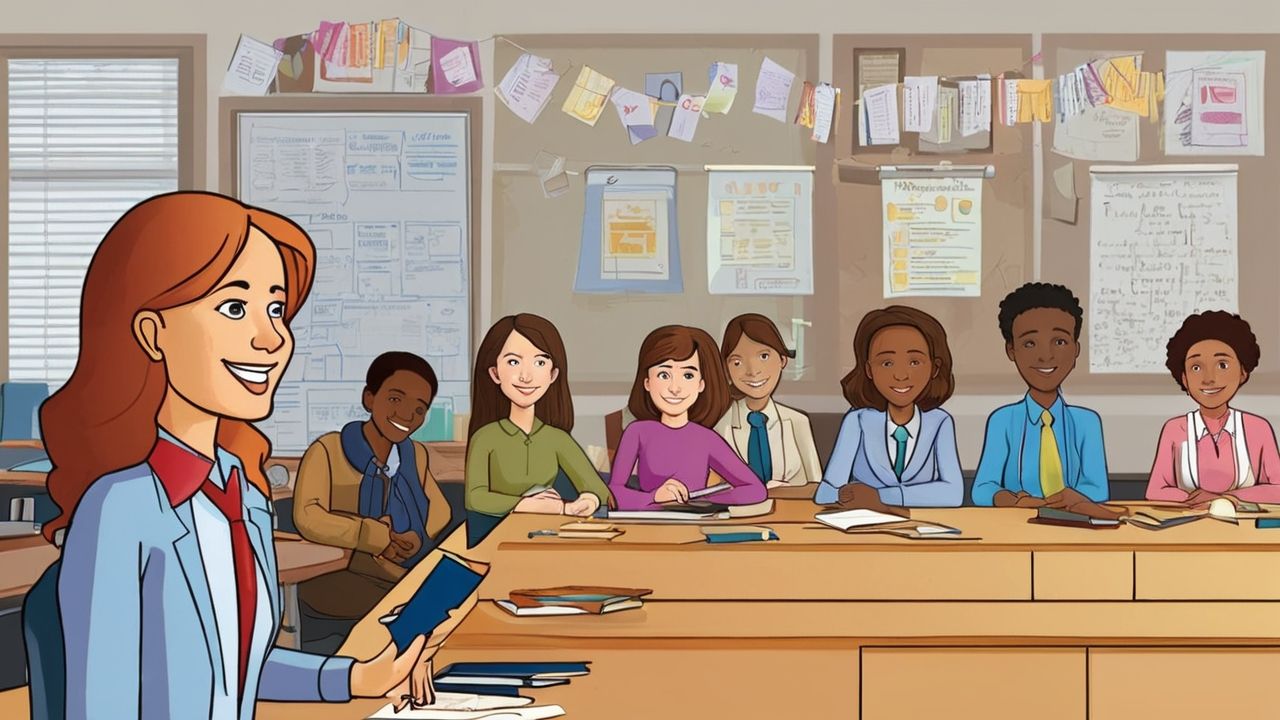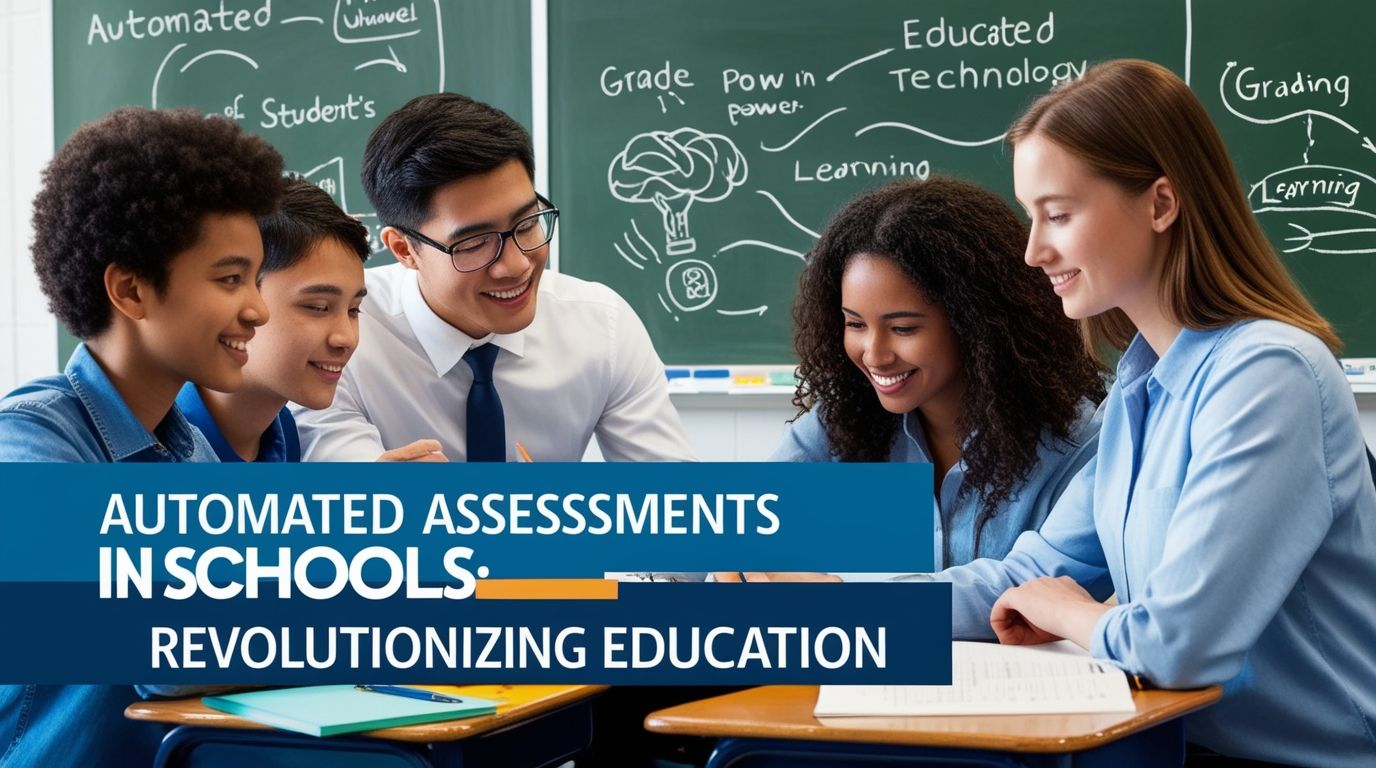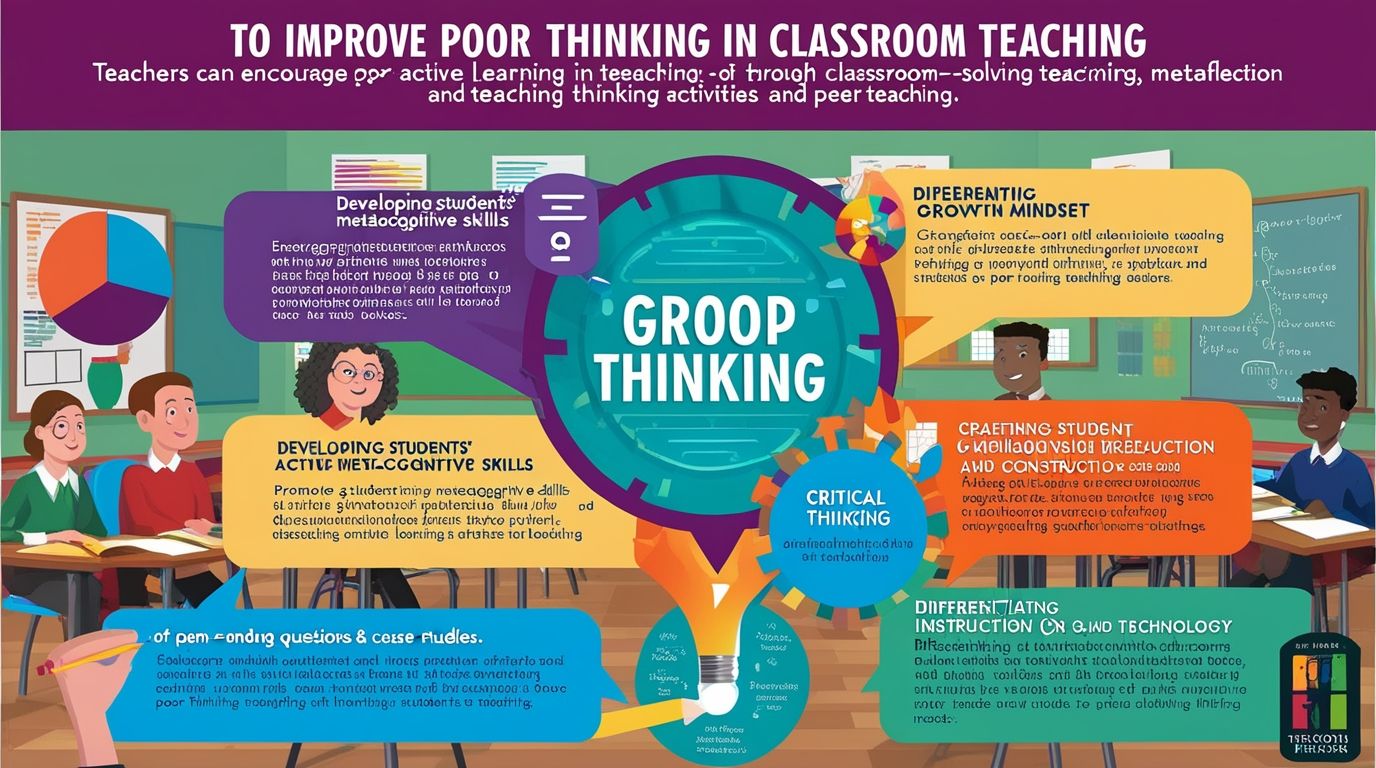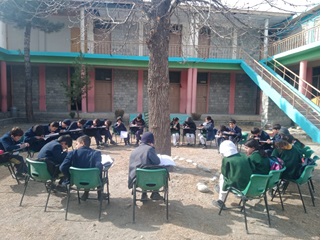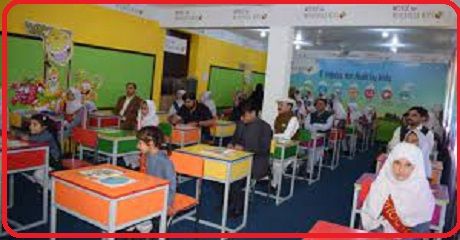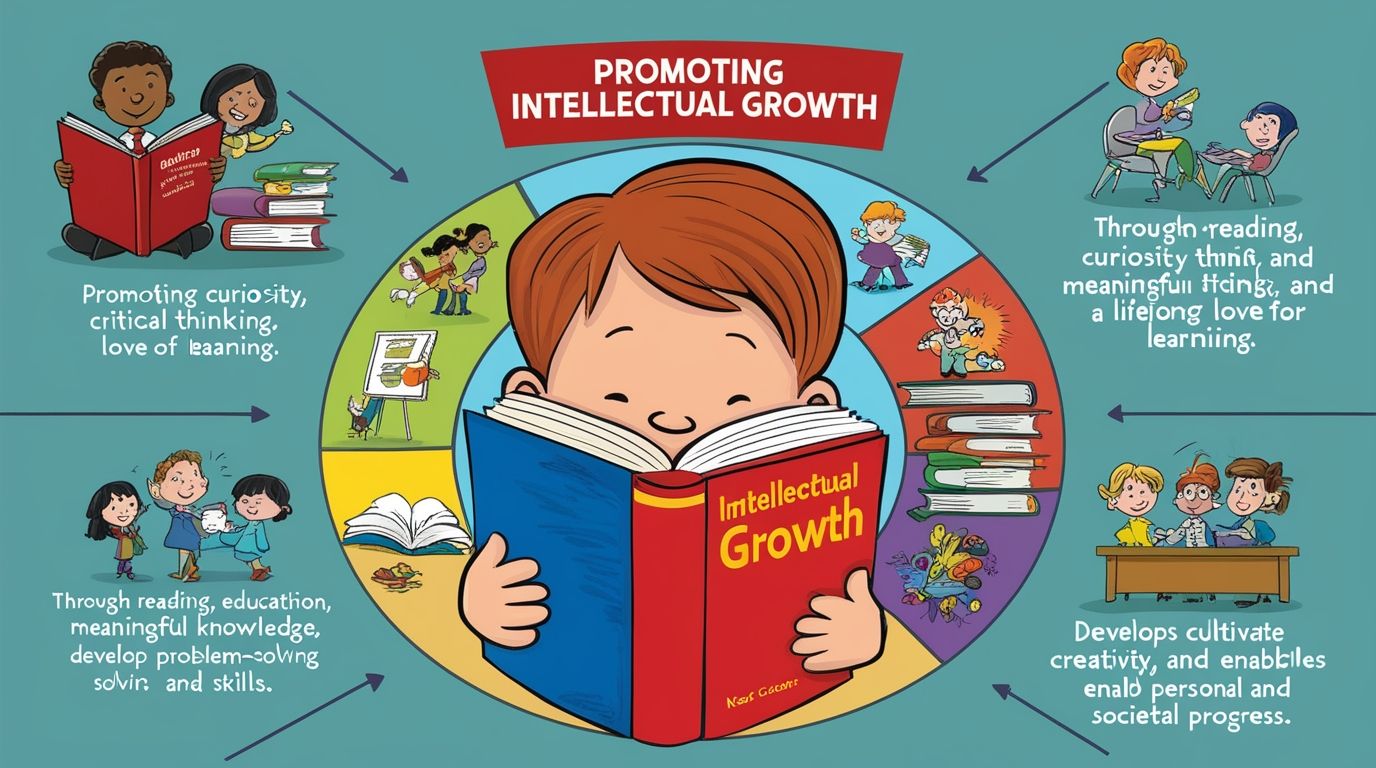
The Role of Classroom Activities in Modern Education, Education today goes far beyond textbooks and lectures. Classroom activities shape how students think, interact, and grow. Teachers now design lessons that mix theory with practice, and this shift changes how children learn every single day. When schools prioritize interactive learning, students gain more than facts — they gain skills they carry for life.
This article explores why classroom activities matter, how they support student engagement, and what strategies teachers can use to build a lively, effective learning environment.
Why Classroom Activities Matter
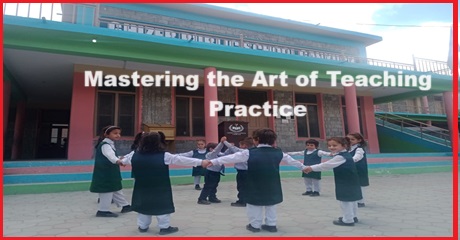
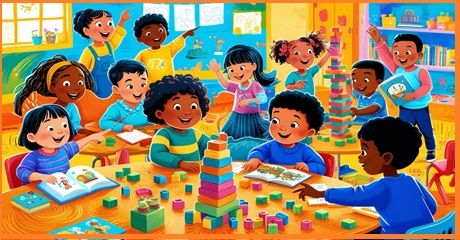
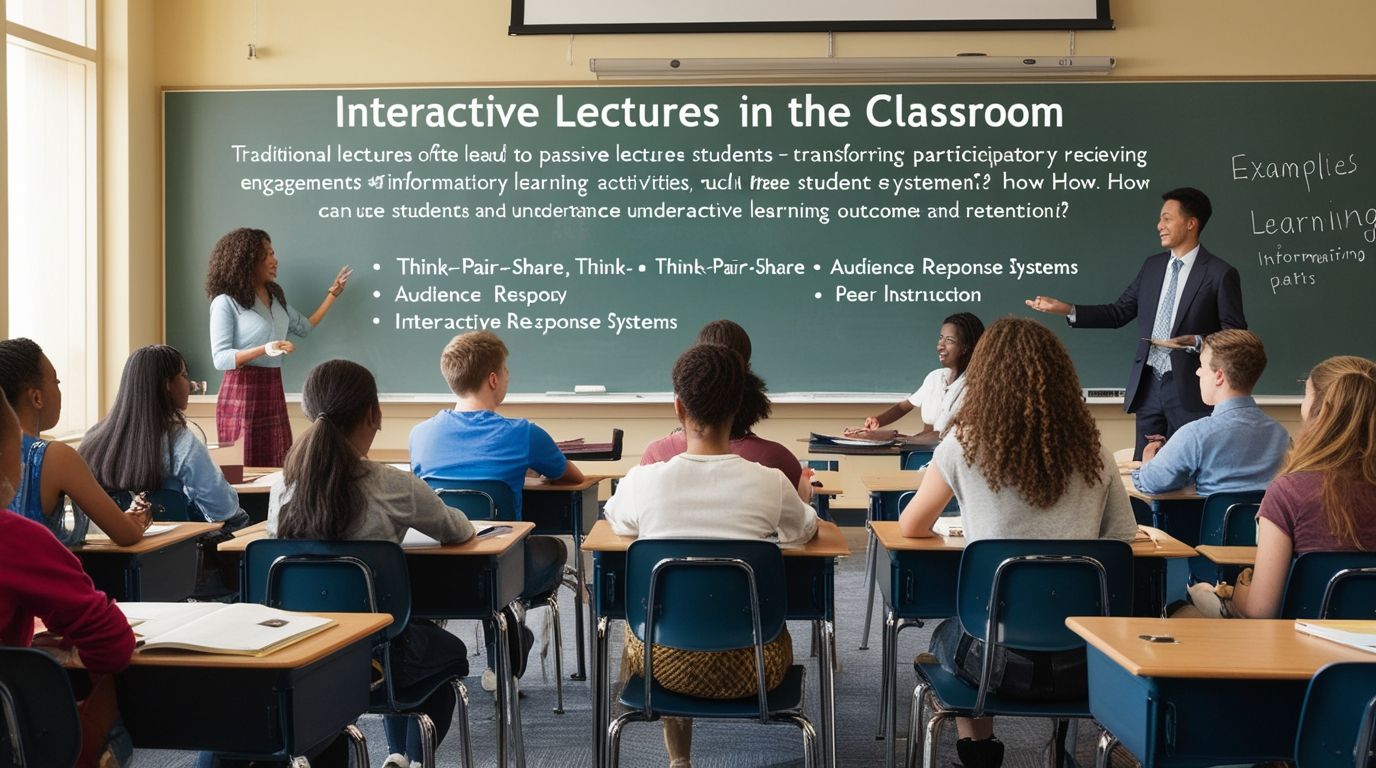
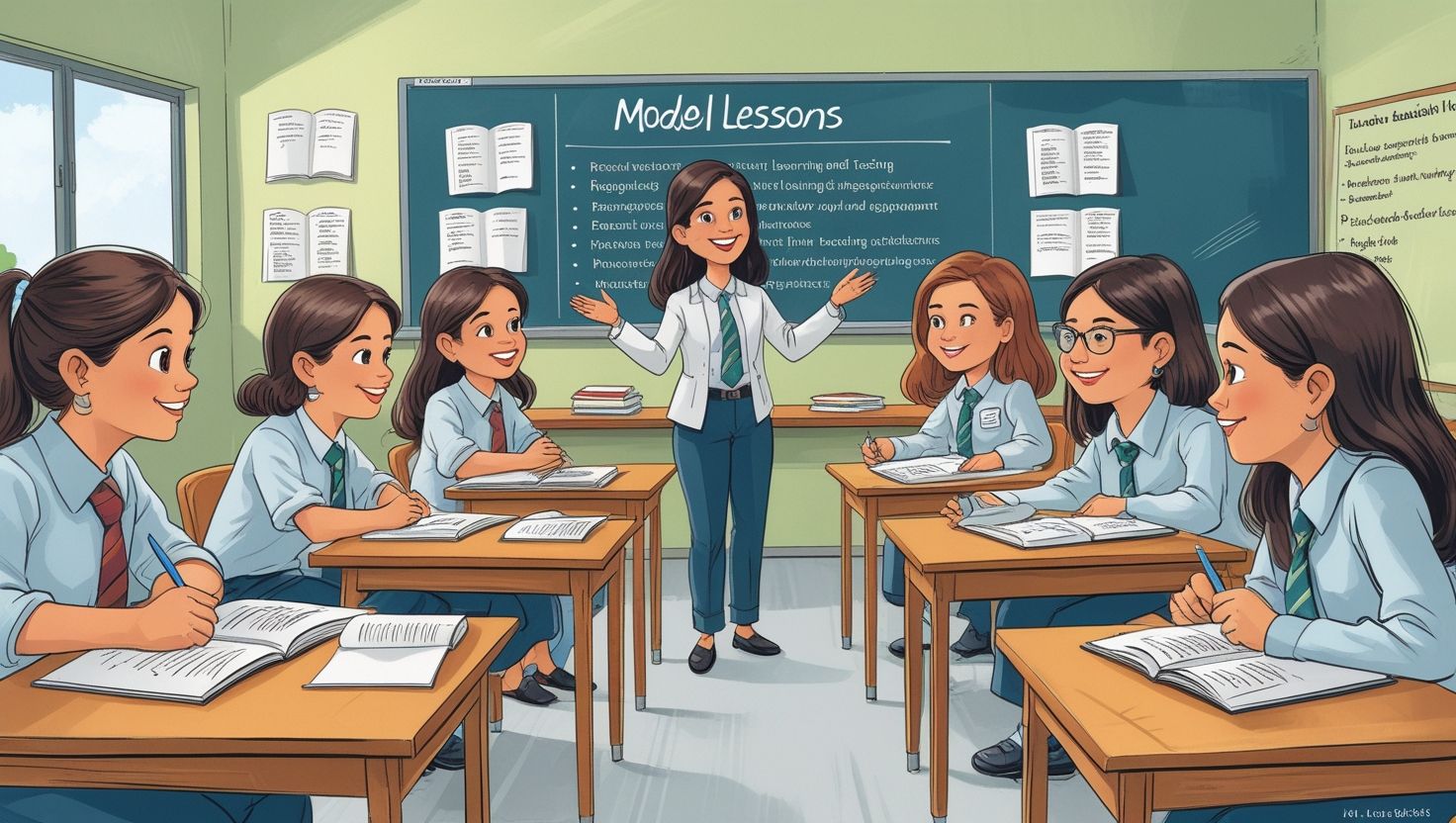
Traditional lectures often leave students passive. They sit, listen, and take notes, but they rarely apply what they hear. Classroom activities flip this model. Students participate directly, and participation drives deeper understanding.
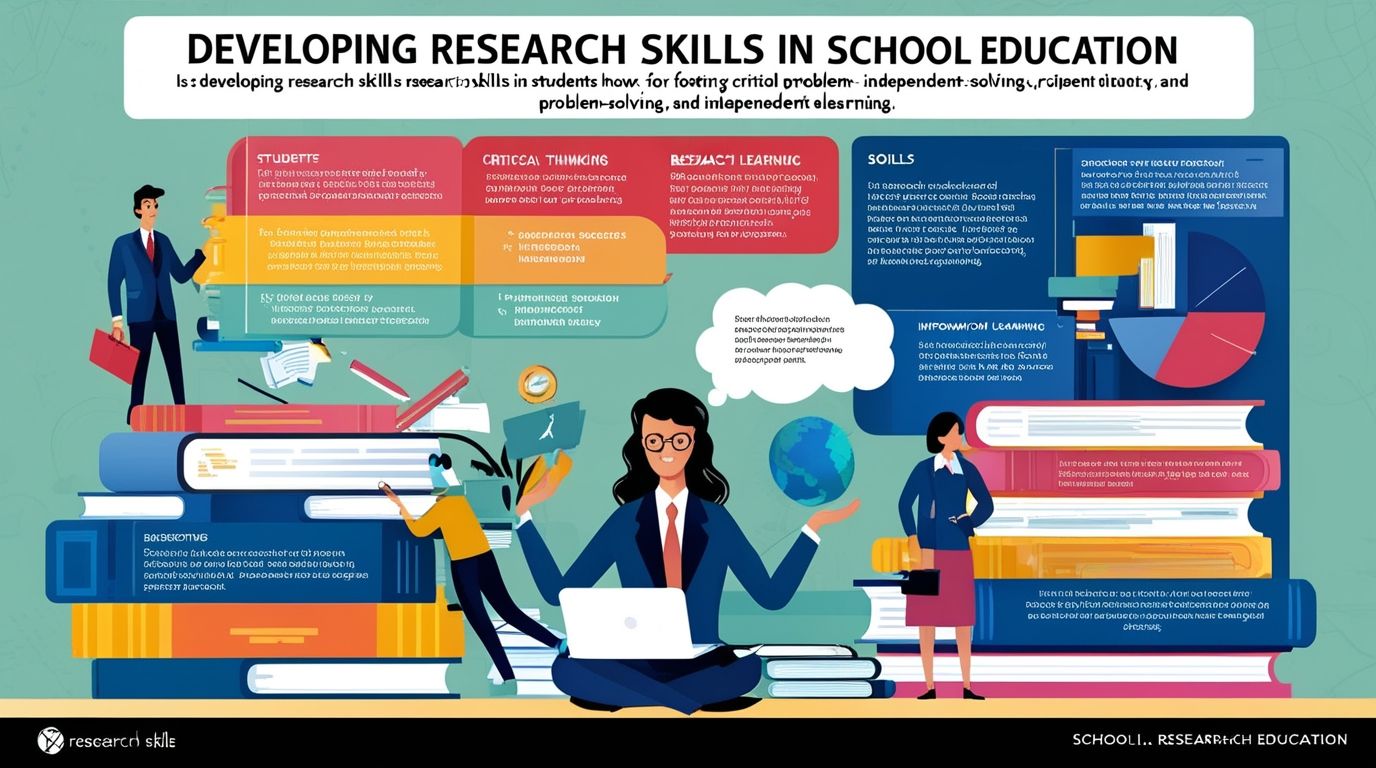
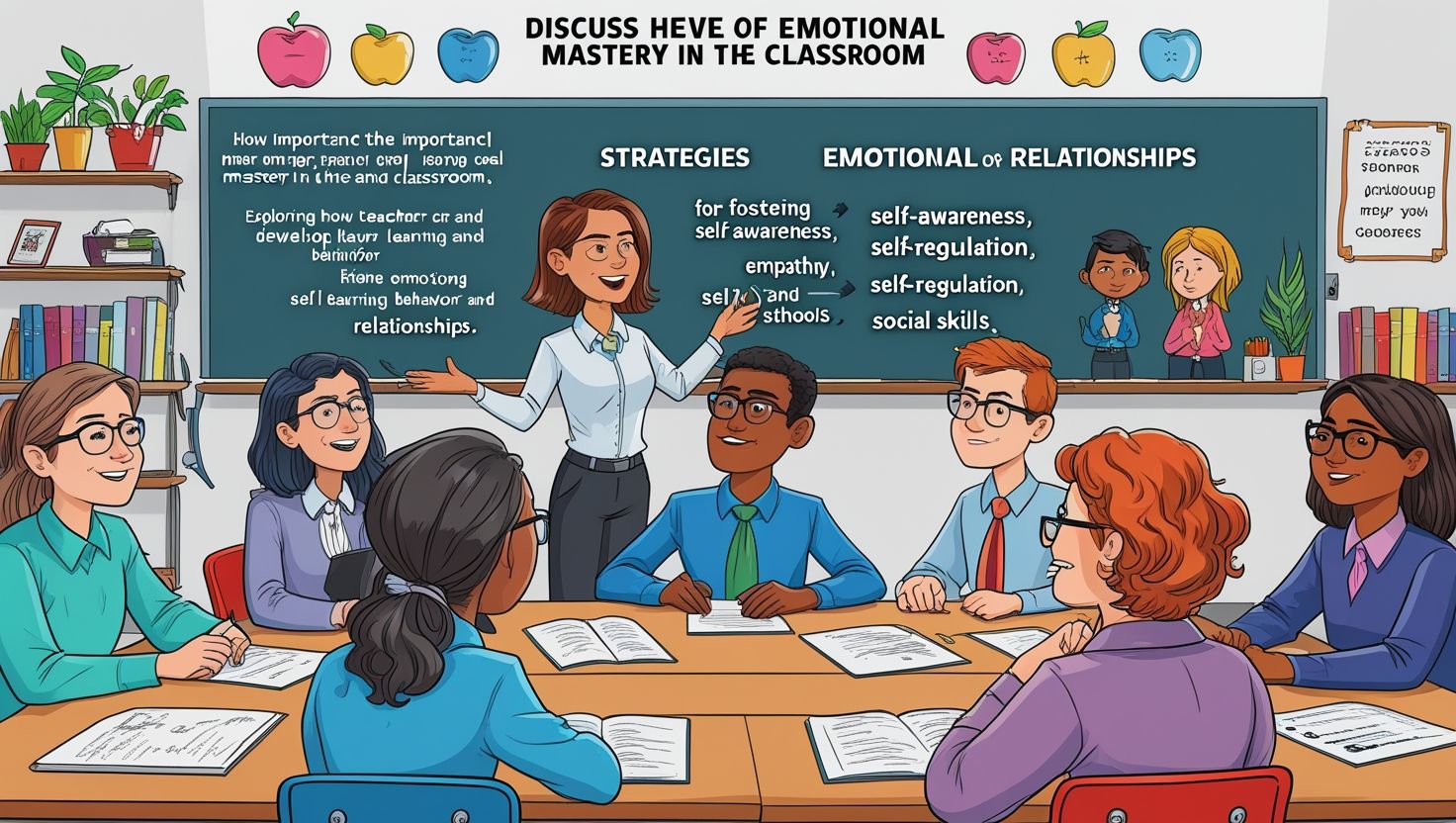
Research consistently shows that active learning improves retention rates. Students remember concepts better when they engage with them physically, verbally, or creatively. A simple group discussion, a hands-on experiment, or a role-play exercise can teach more than an hour of passive listening ever could.
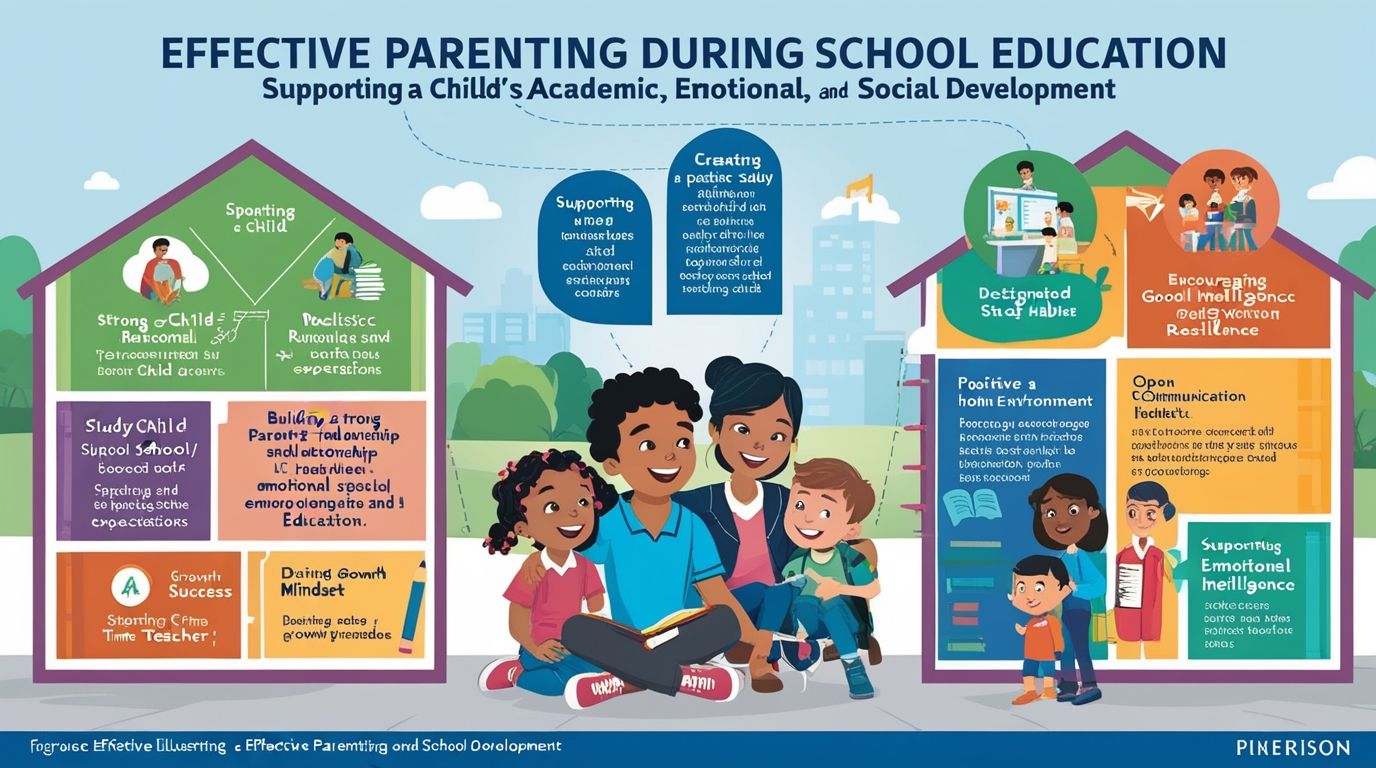
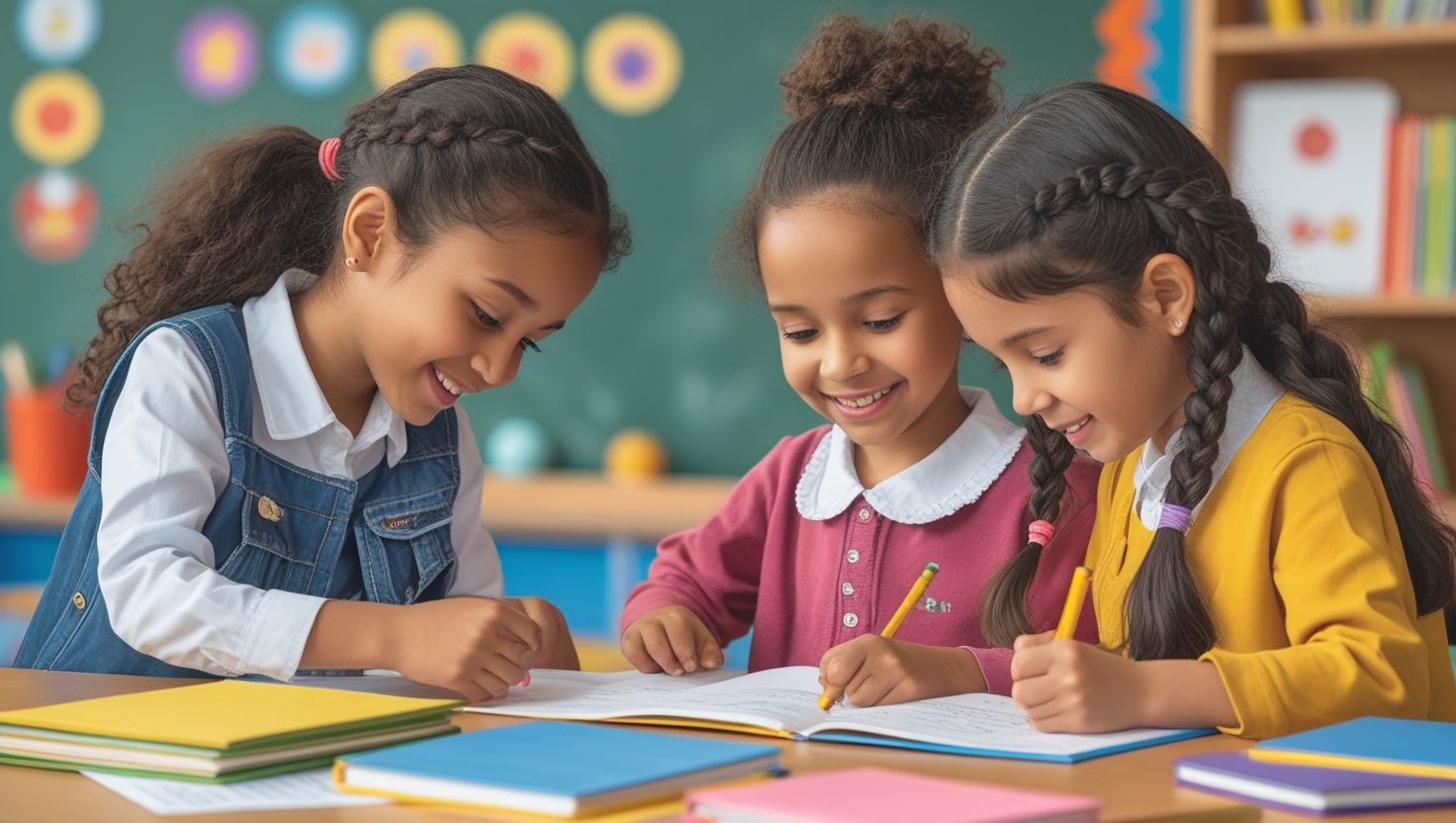
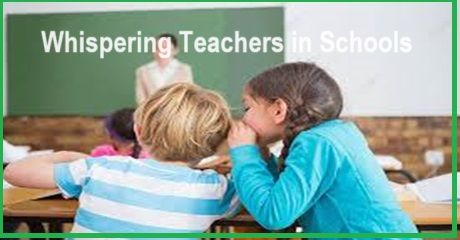
Classroom activities also build confidence. Shy students find their voice through group tasks. Quiet learners discover they can lead a discussion or solve a problem in front of peers. This growth extends beyond academics — it shapes character, communication skills, and self-esteem.
Boosting Student Engagement
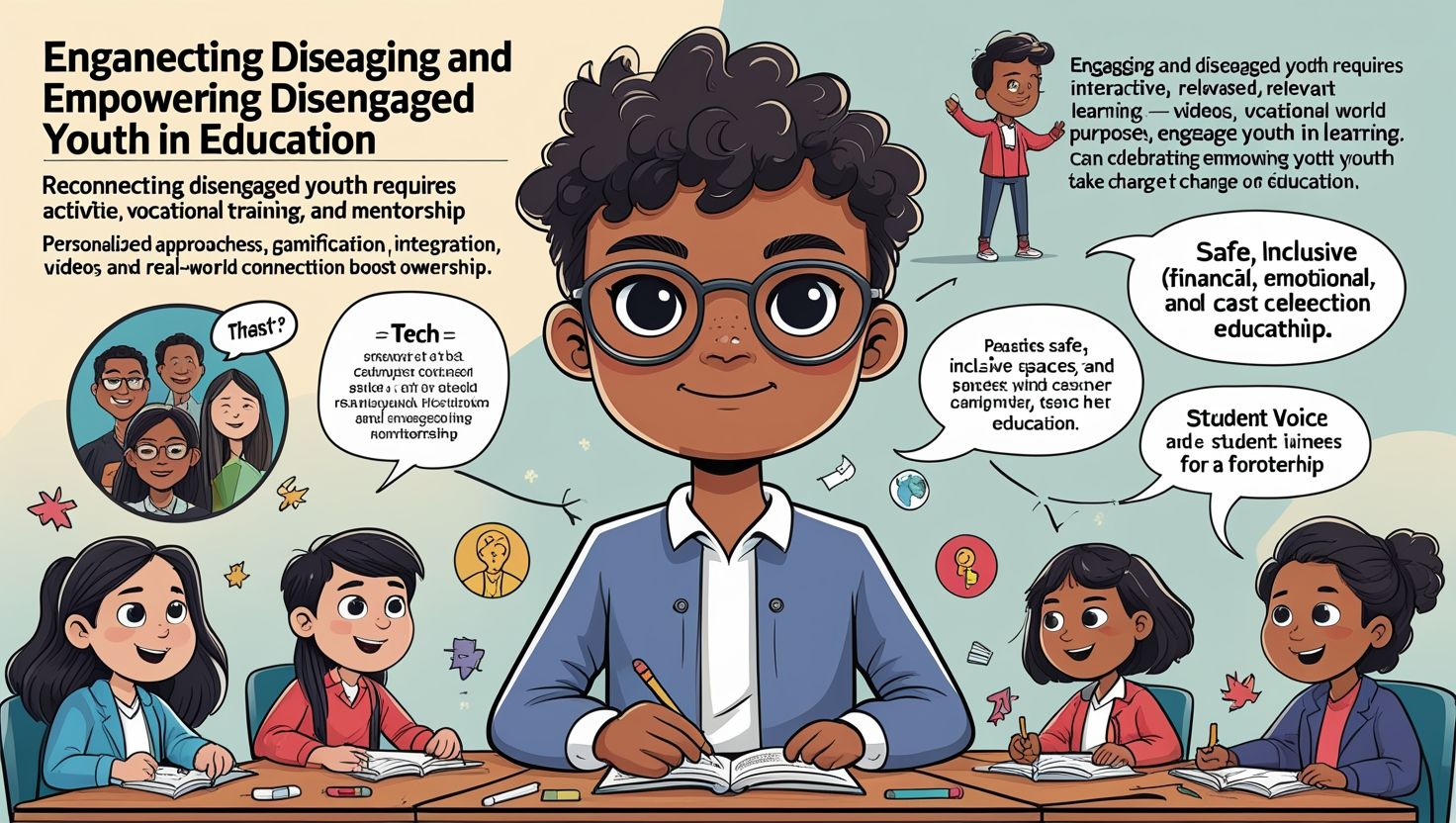
Student engagement sits at the heart of effective teaching. Engaged students ask questions, offer opinions, and connect lessons to real life. Disengaged students, on the other hand, drift into daydreams or distractions.
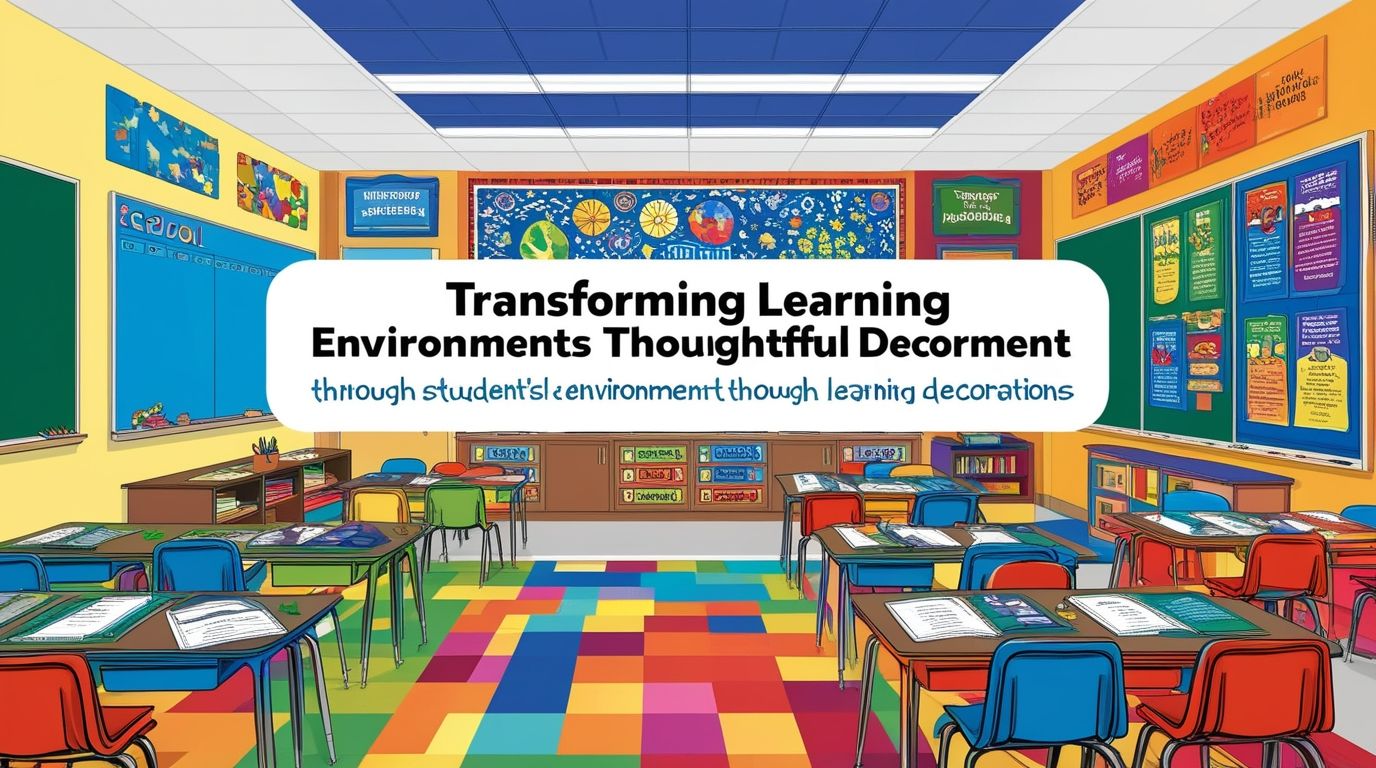
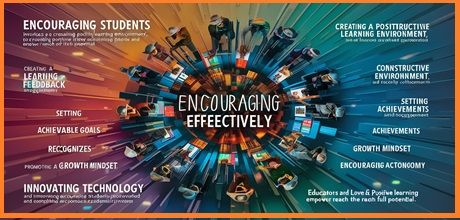
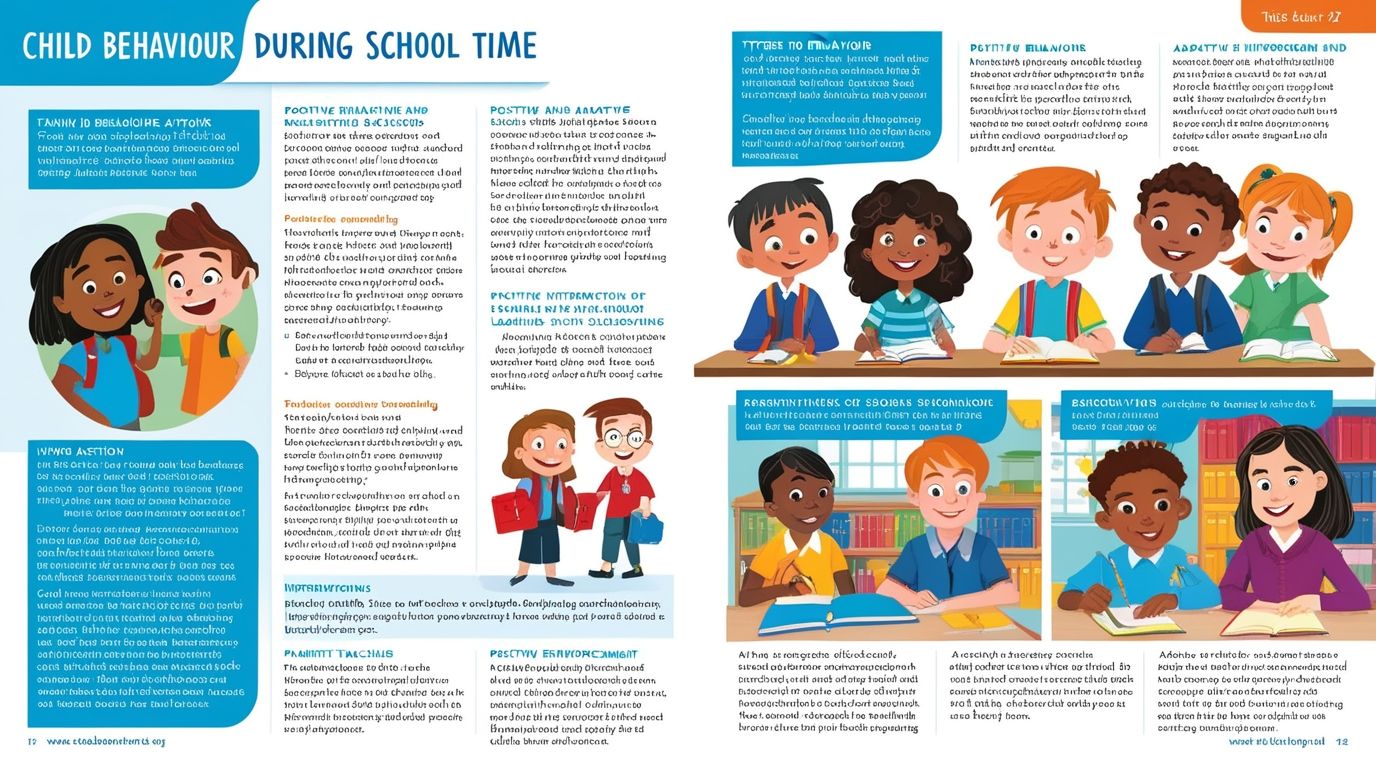
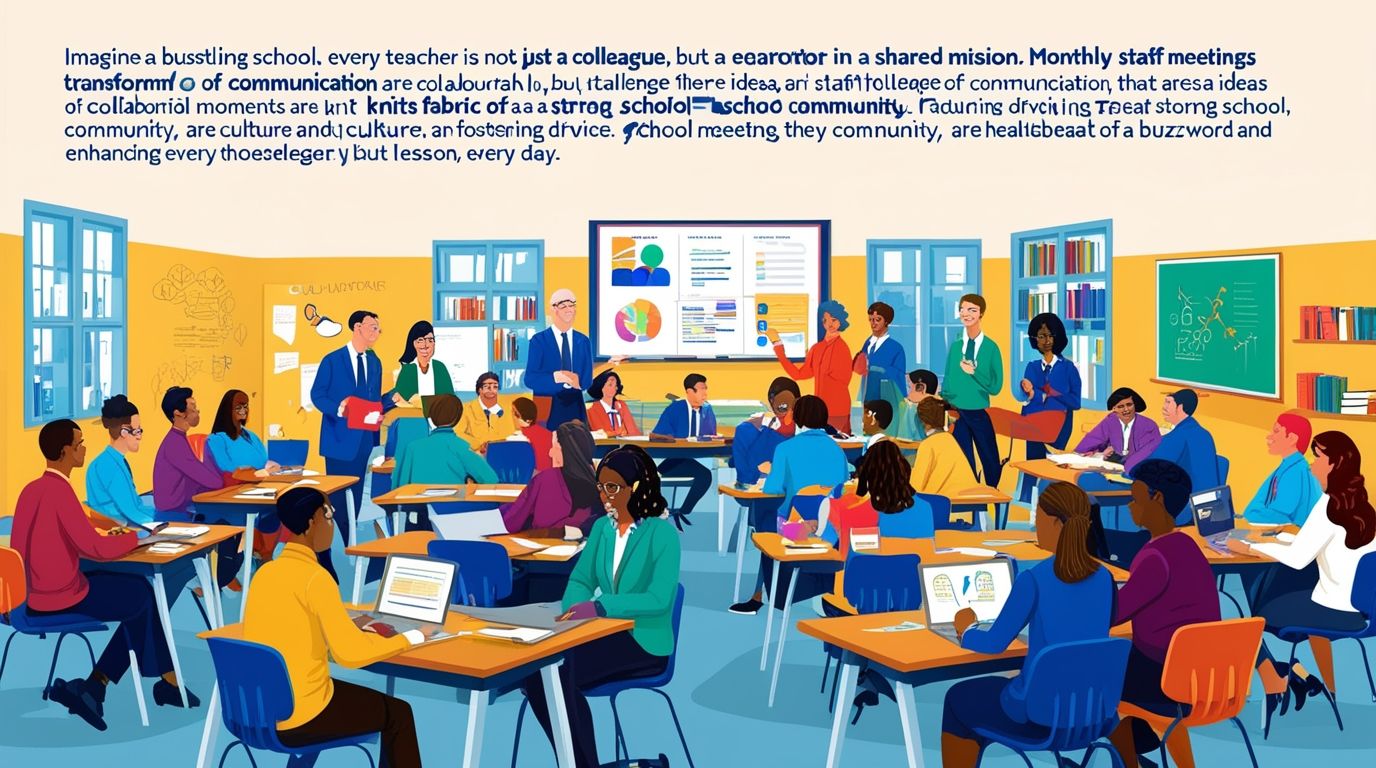
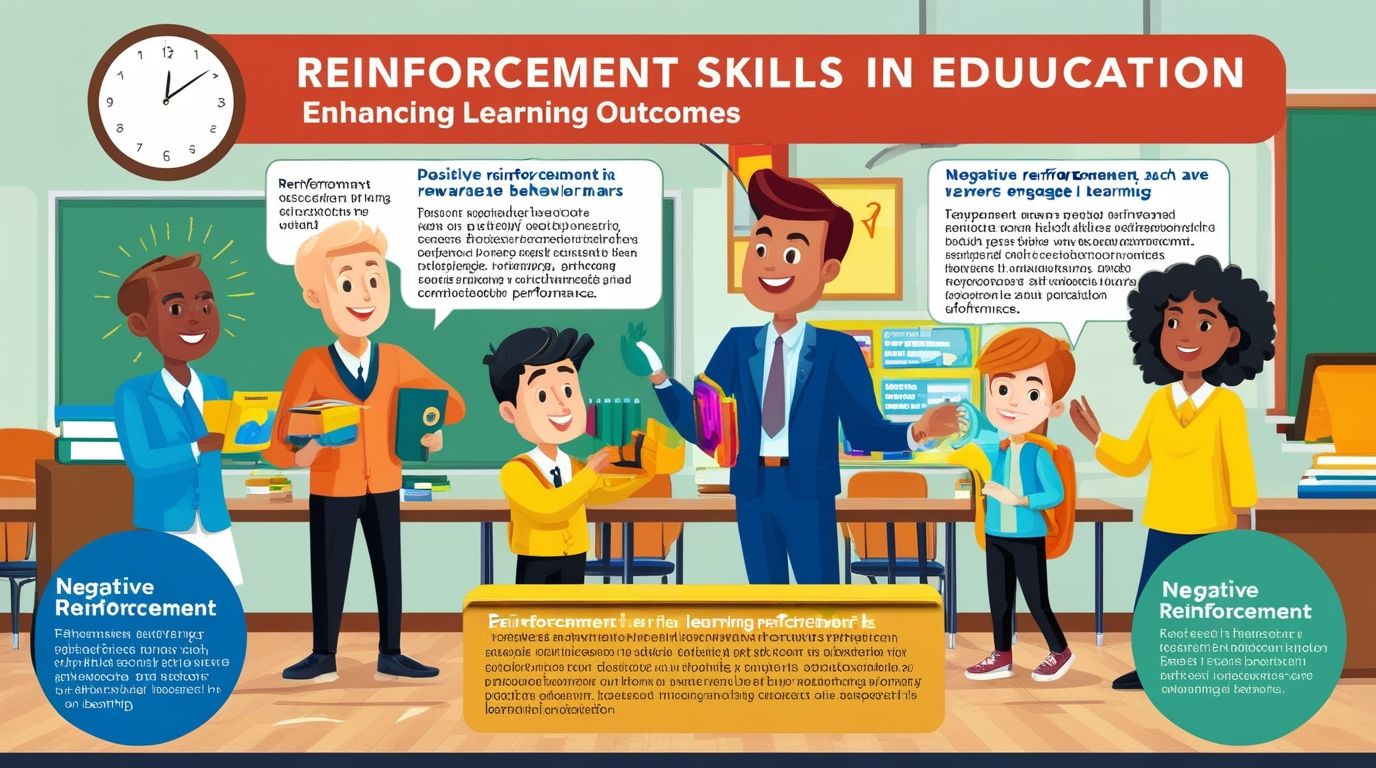
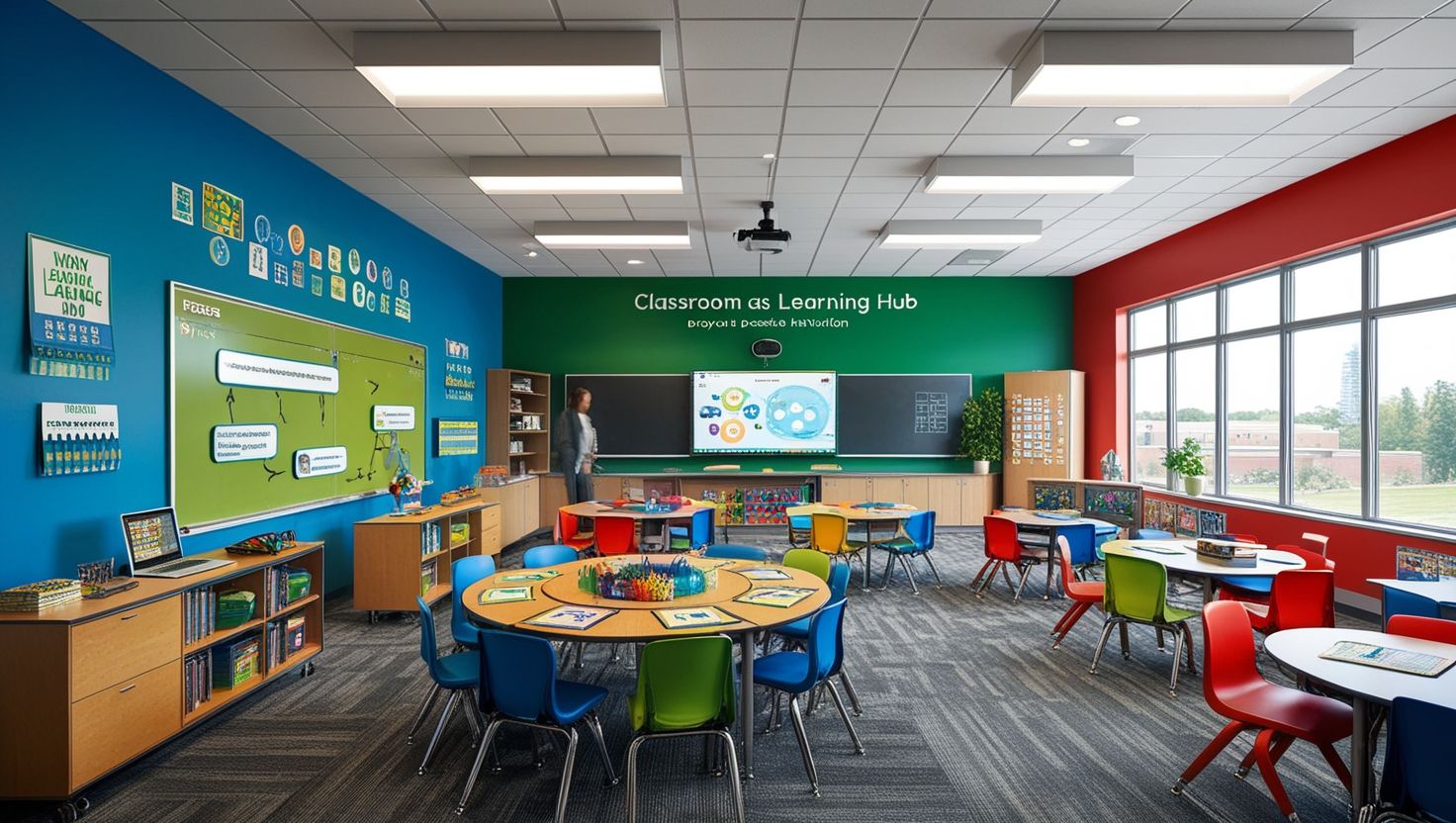
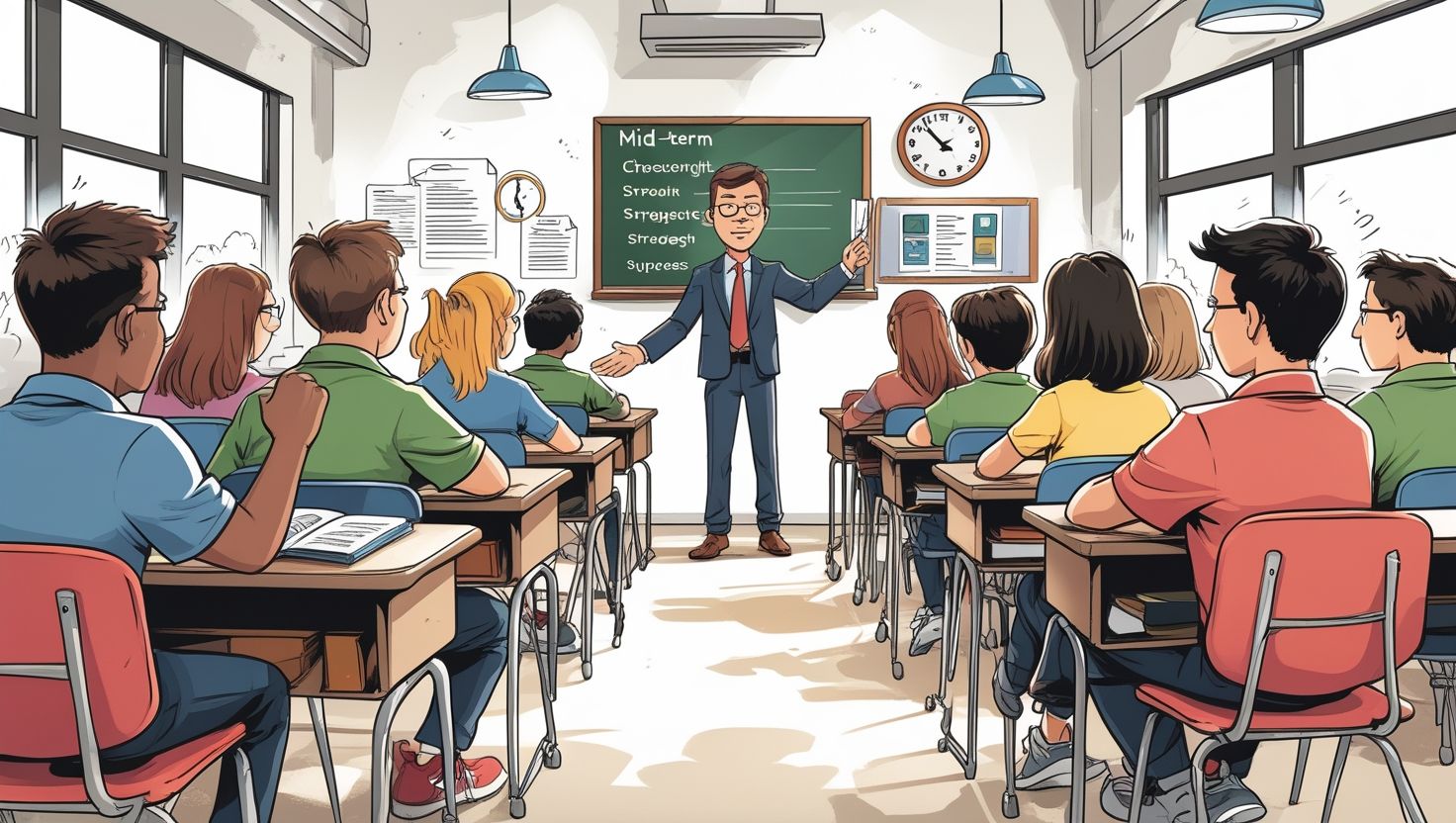
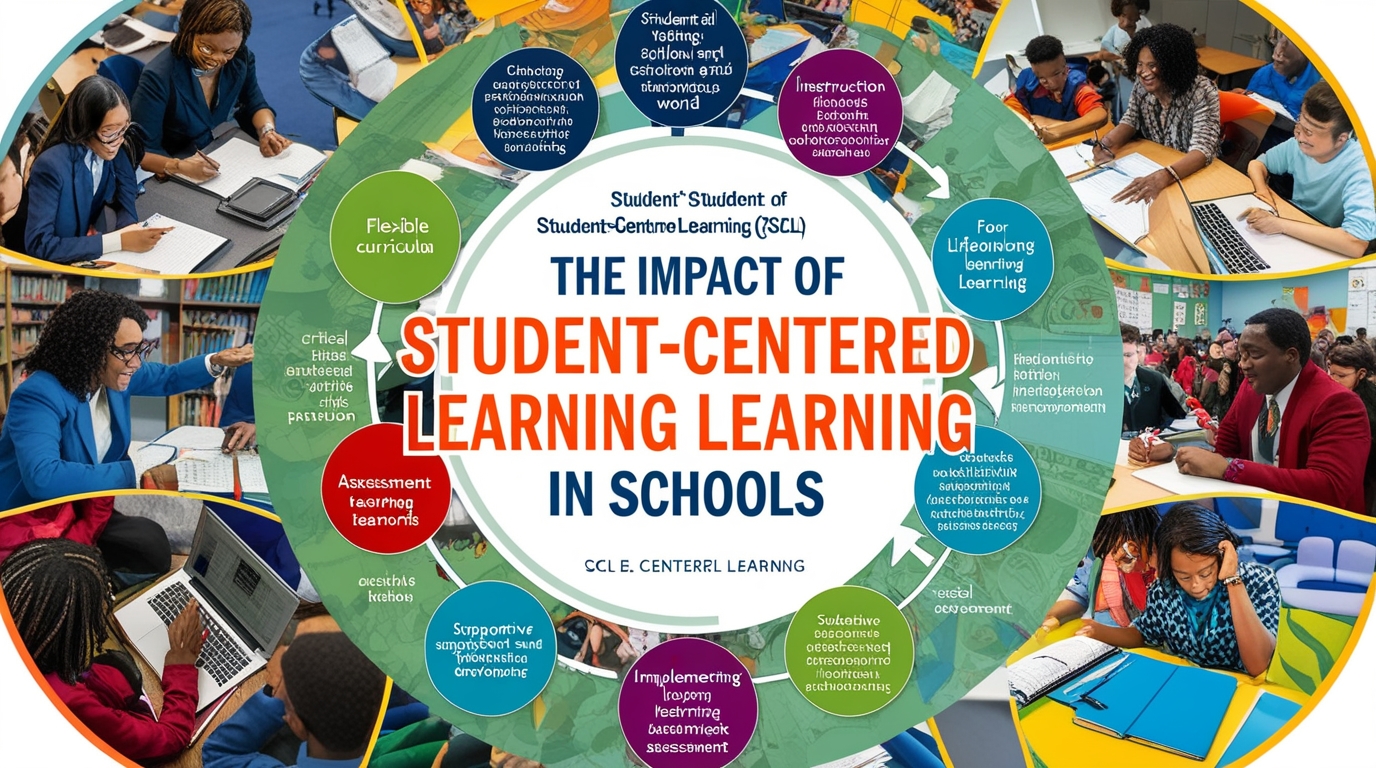
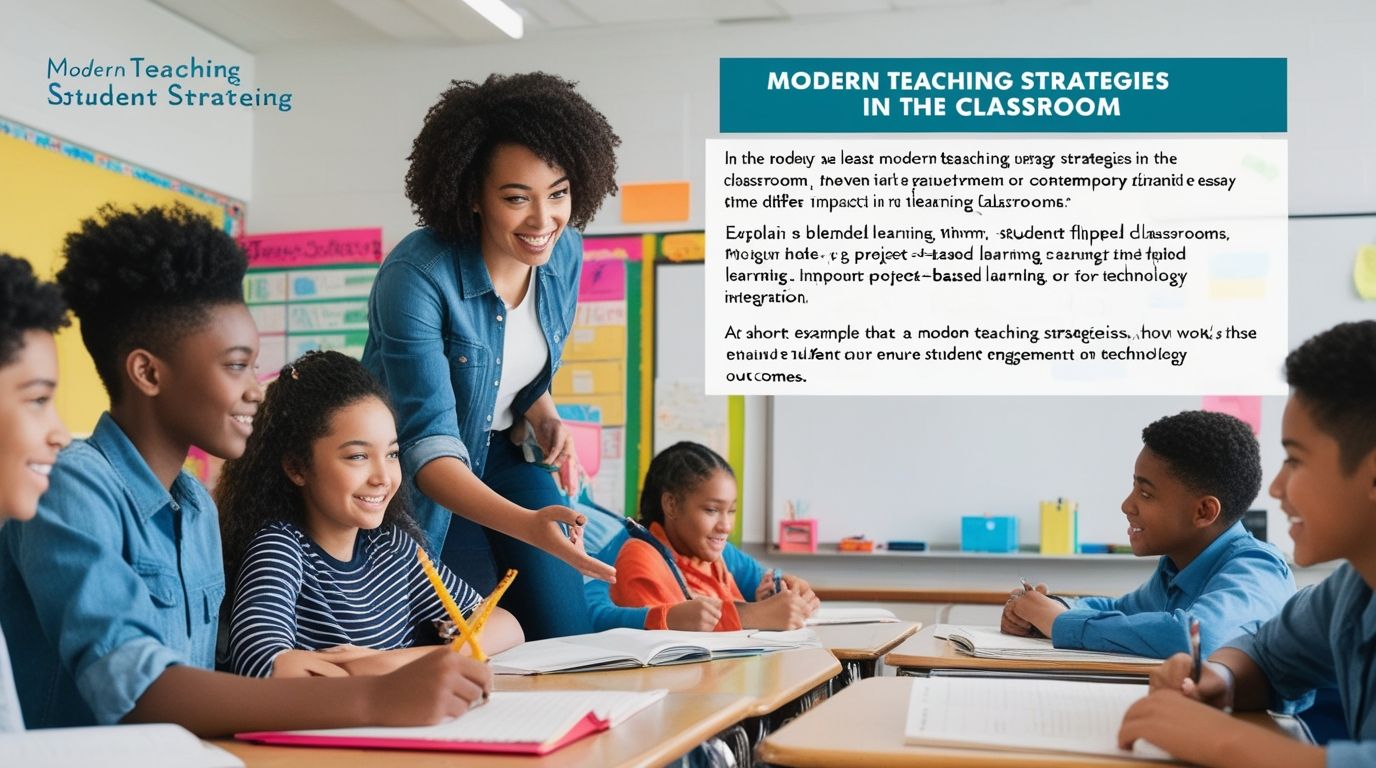
Teachers who use interactive learning techniques notice higher energy levels in their classrooms. Games, quizzes, debates, and collaborative projects turn a quiet room into a buzzing hub of ideas. This energy feeds curiosity, and curiosity feeds learning.
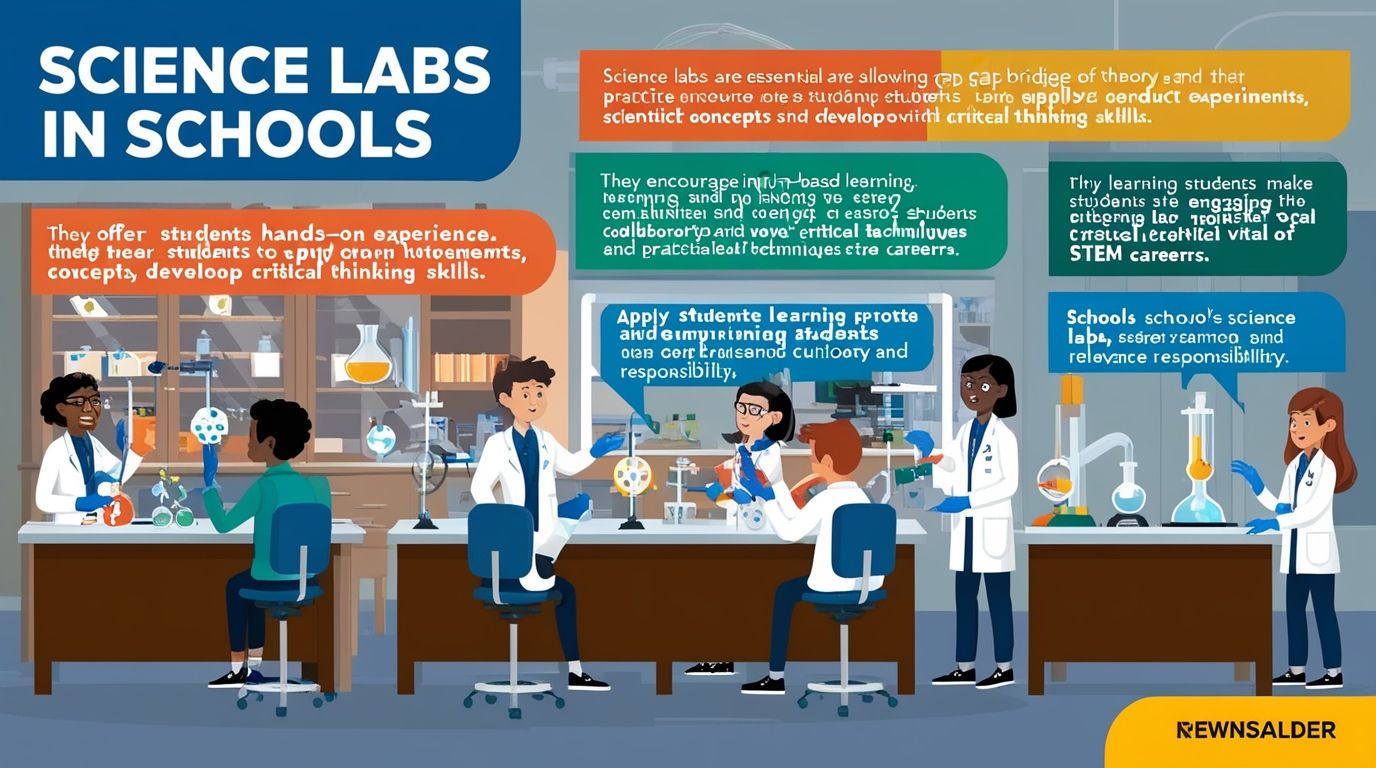
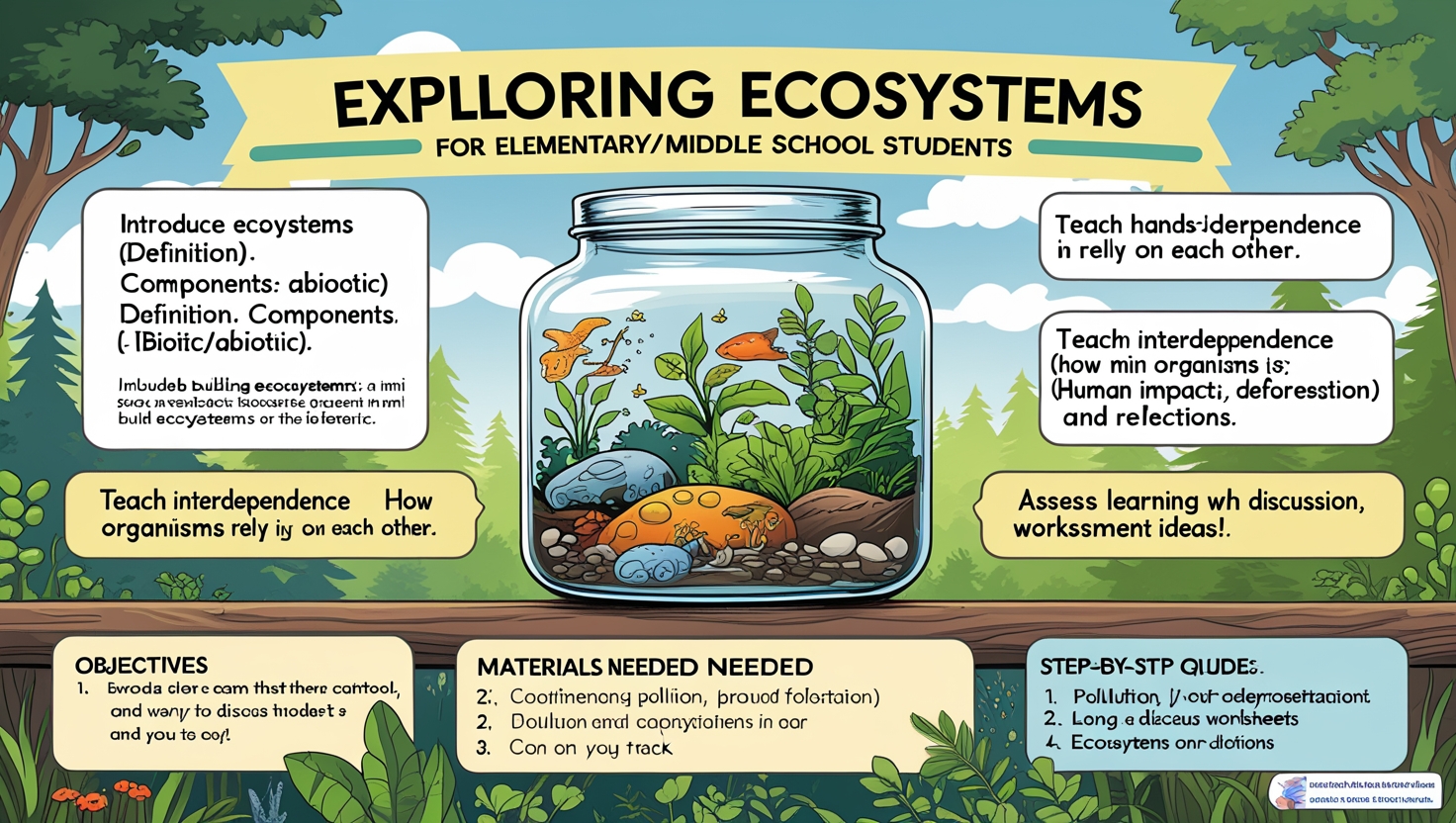
Consider a science class studying ecosystems. A lecture covers the food chain in theory. A classroom activity — building a mini terrarium or mapping a local pond — brings the same concept to life. Students see, touch, and observe the process firsthand. The lesson sticks because they lived it, not just heard it.
Types of Effective Classroom Activities
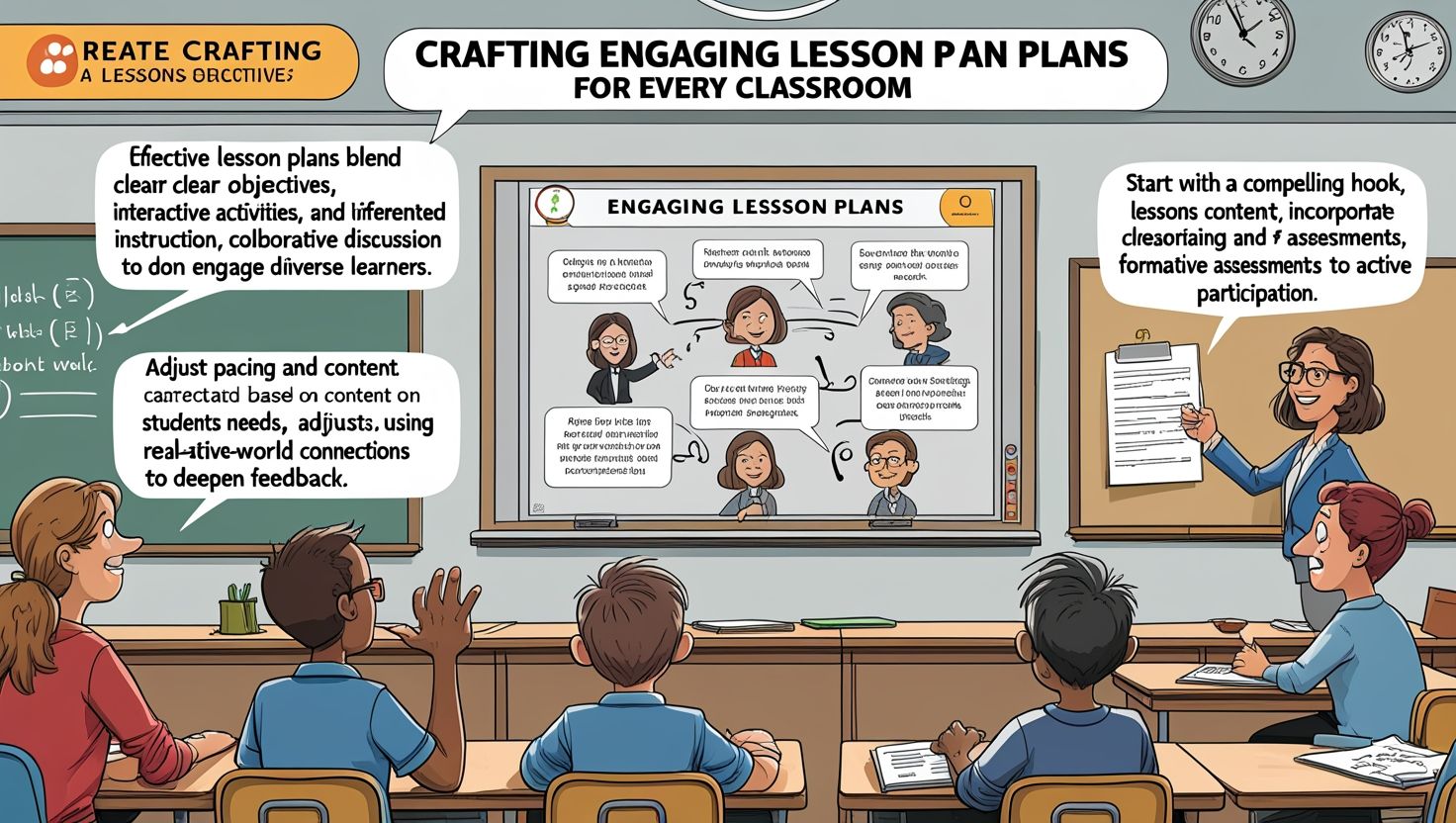
Not every activity fits every lesson. Teachers must choose wisely based on subject matter, age group, and learning goals. Below are some proven categories.
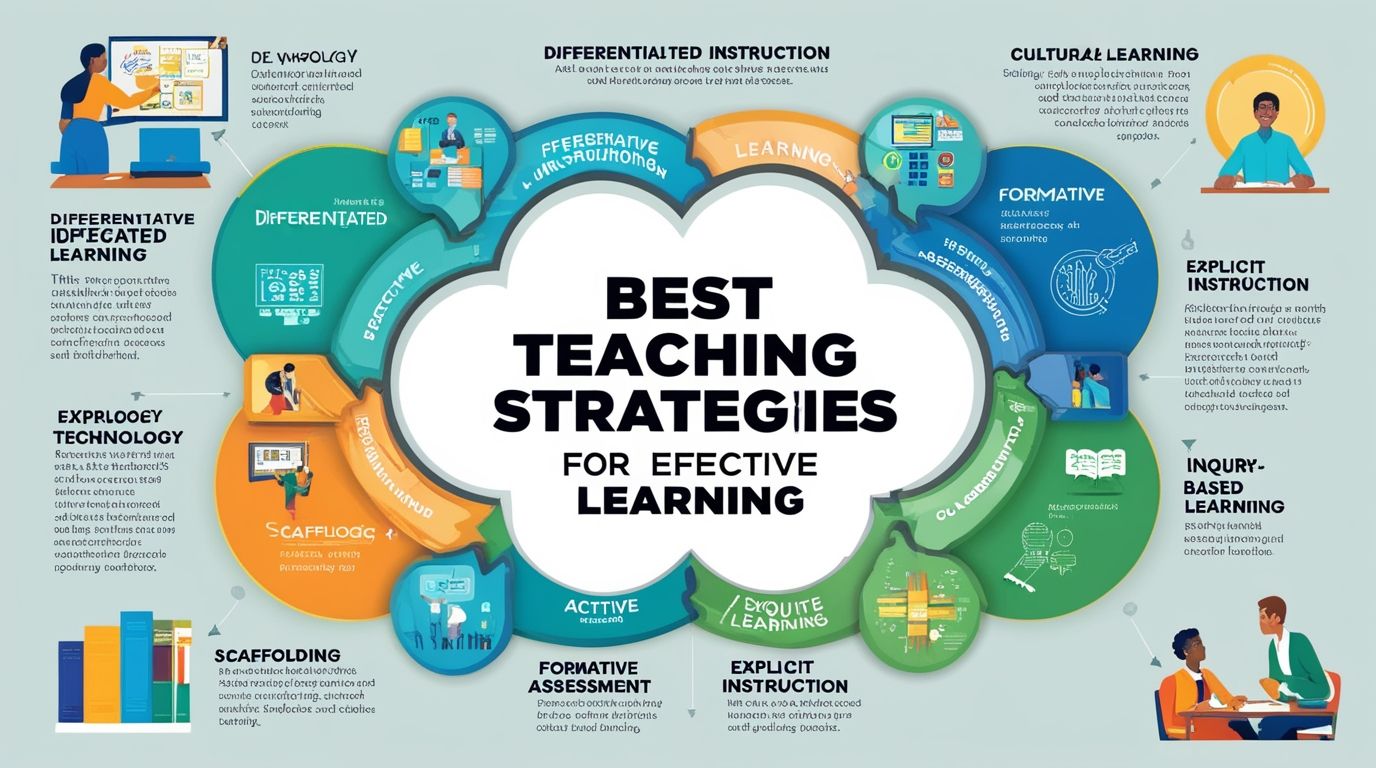
Group Discussions and Debates
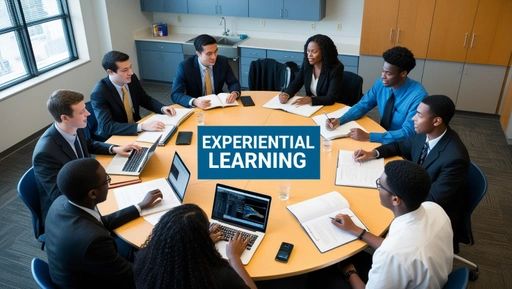
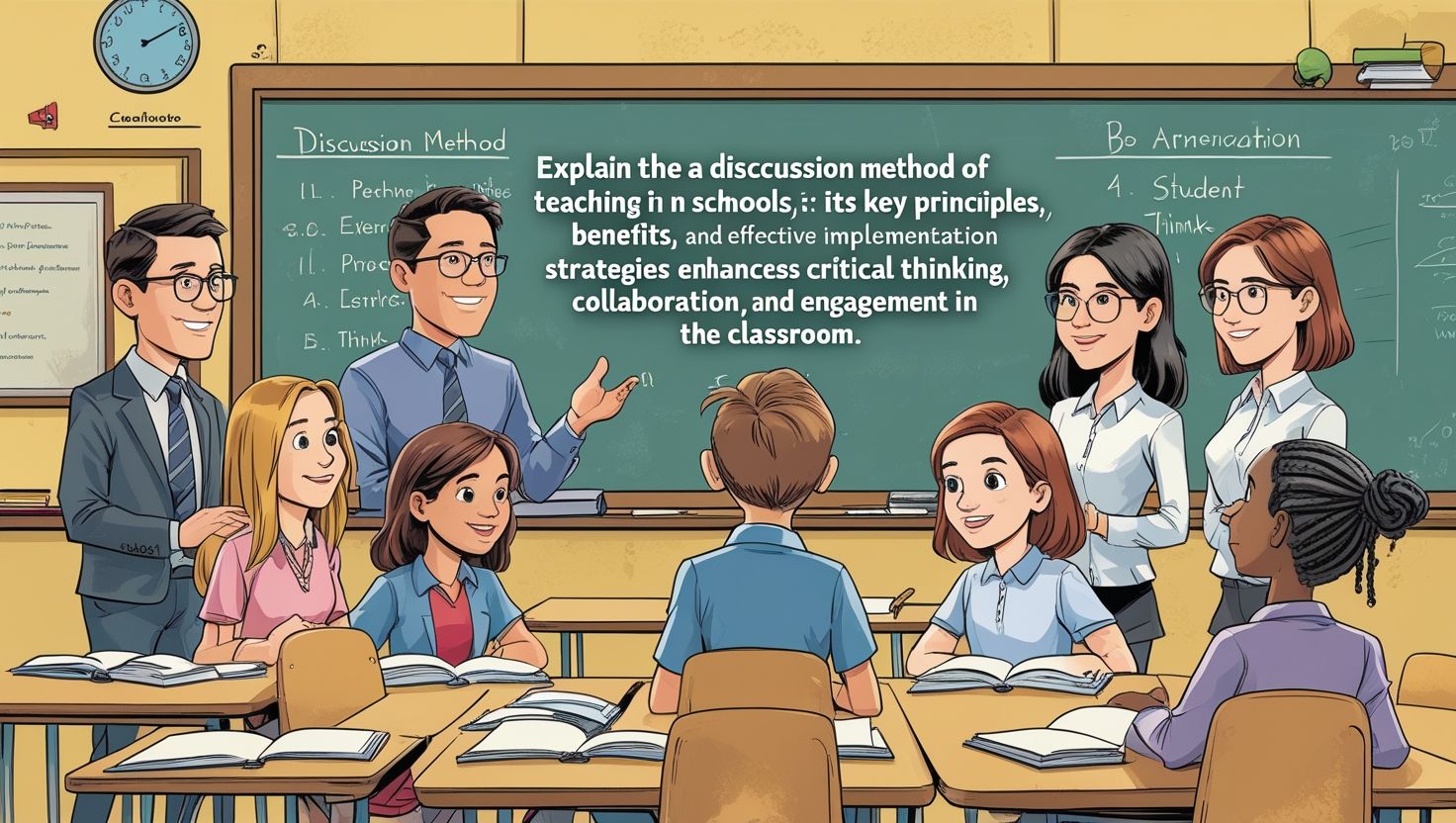
Group discussions push students to articulate their thoughts clearly. Debates take this further — students research a topic, form arguments, and defend their position against classmates. This process sharpens critical thinking skills and teaches respectful disagreement.
Hands-On Projects
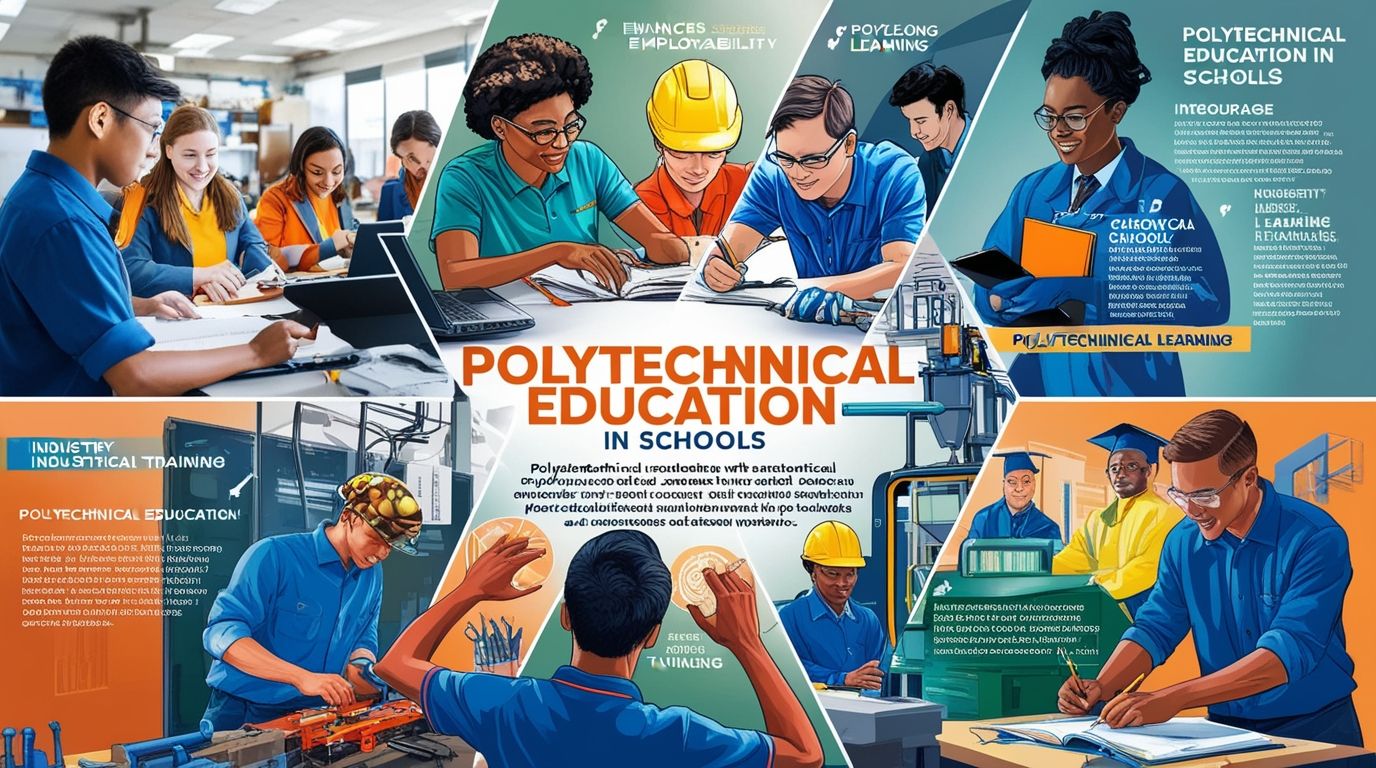
Hands-on projects give students a tangible product to show for their effort. Building a model volcano, designing a poster, or coding a simple app are examples. These tasks connect abstract concepts to real-world application, and students often remember project-based lessons long after exams fade.
Role-Playing and Simulations
Role-playing exercises let students step into someone else’s shoes. A history class might reenact a famous trial. A language class might simulate a restaurant conversation in a foreign tongue. These simulations build empathy alongside subject knowledge.
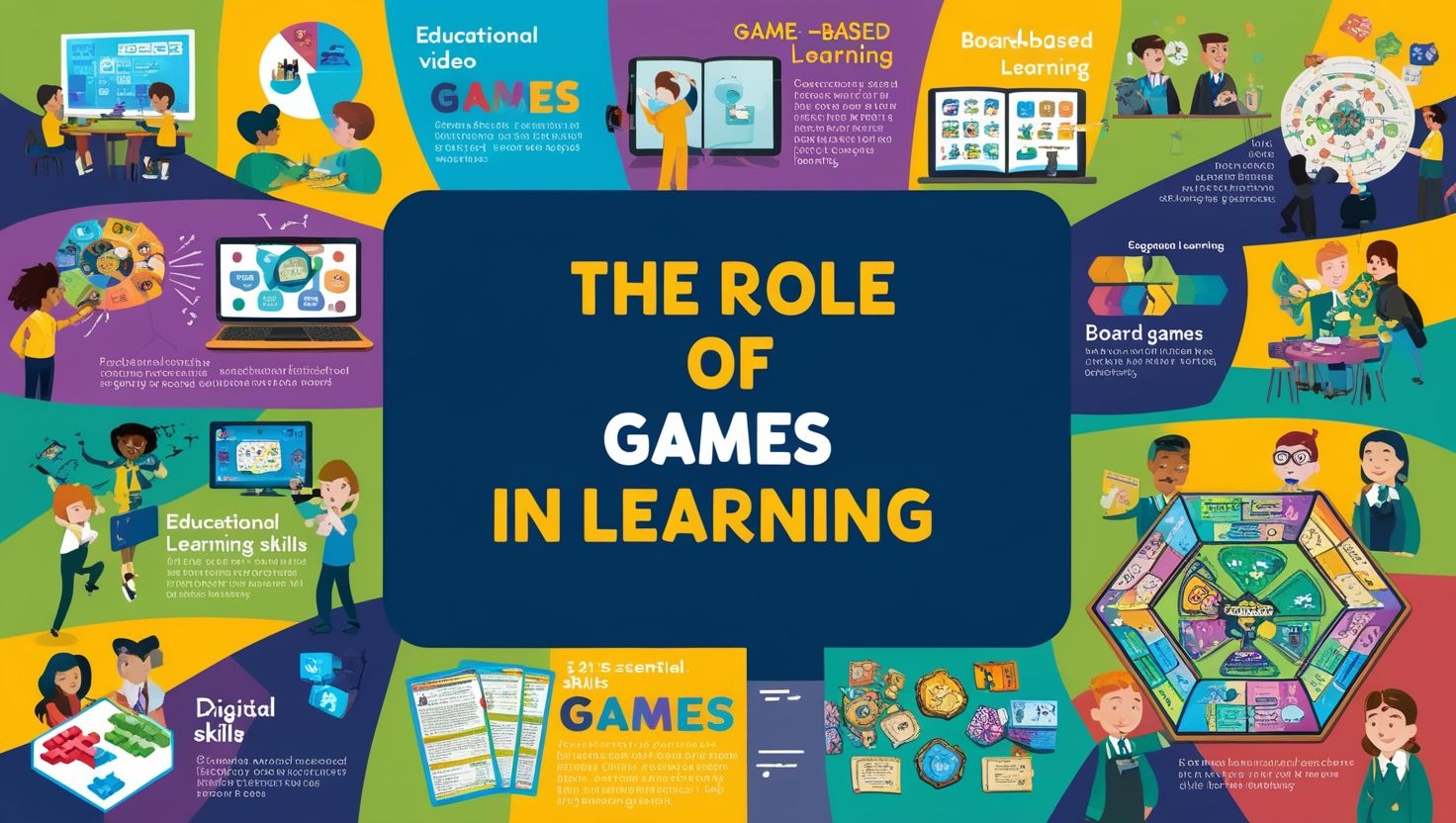
Collaborative Learning Games
Games introduce friendly competition, and competition often boosts motivation. Trivia contests, scavenger hunts, and team puzzles all count as collaborative learning tools. Points and rewards add excitement without sacrificing educational value.
Peer Teaching
Peer teaching flips the usual dynamic — students become the instructors. This method reinforces knowledge for the “teacher” while giving the “student” a fresh perspective from a classmate’s viewpoint. Peer teaching also builds leadership qualities early on.
The Link Between Classroom Activities and Academic Performance
Studies link active learning strategies to improved test scores and stronger comprehension. Students who participate in structured activities tend to outperform peers who only receive lecture-based instruction. The reason is straightforward: activities require students to process information multiple ways — visually, verbally, and physically.
Classroom activities also reduce absenteeism. Students look forward to sessions filled with variety and interaction. A predictable, monotonous routine drives boredom, while a dynamic classroom keeps attendance steady and attitudes positive.
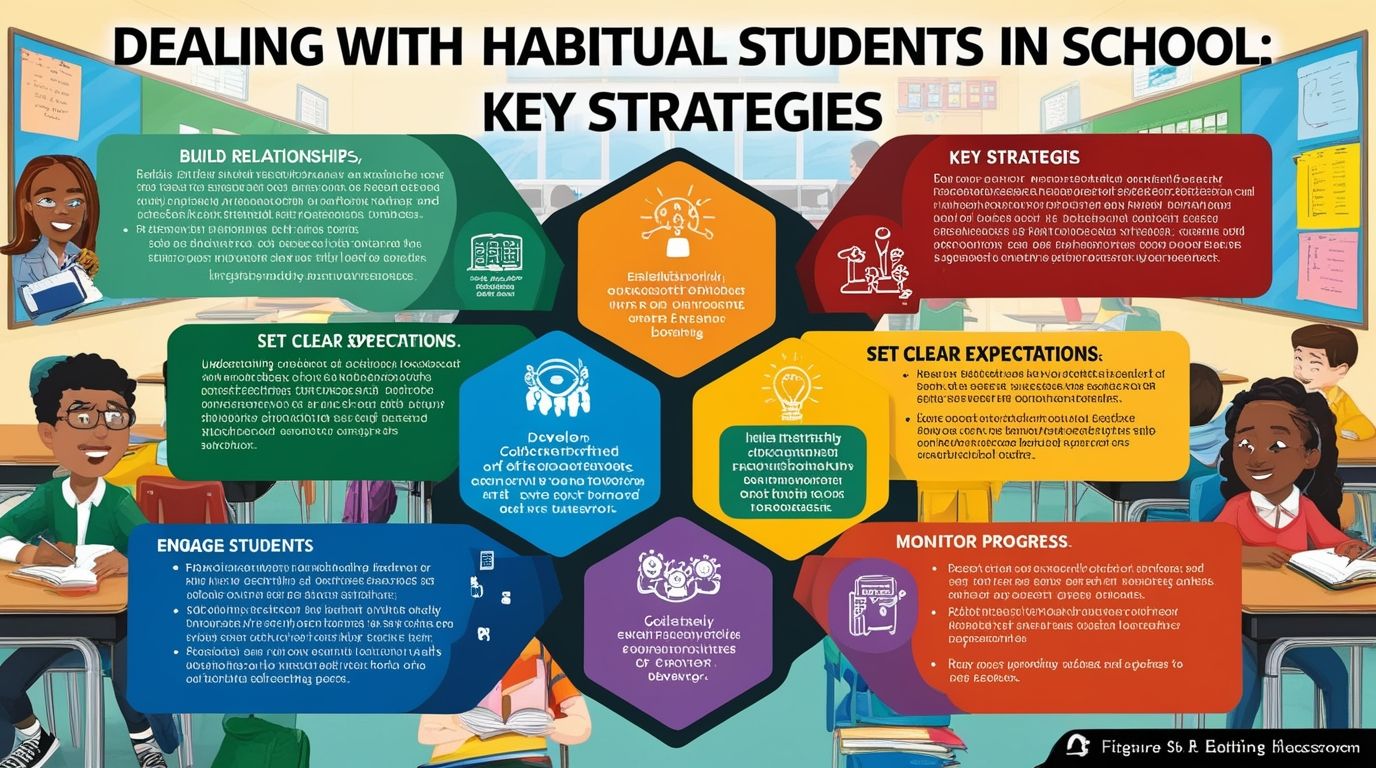
Teachers report that behavior issues decline when activities replace long stretches of passive instruction. Bored students misbehave more often. Engaged students channel their energy into the task at hand instead.
Building Social Skills Through Classroom Activities
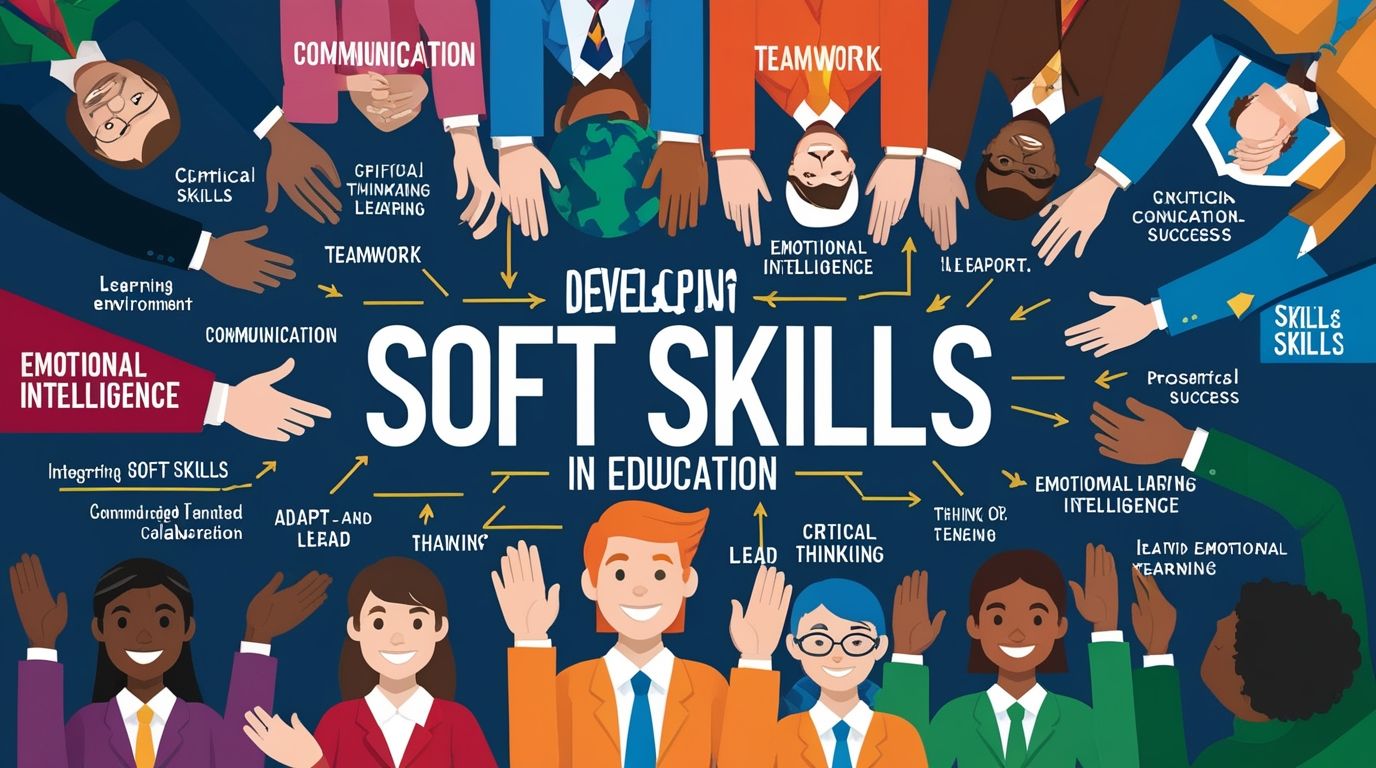
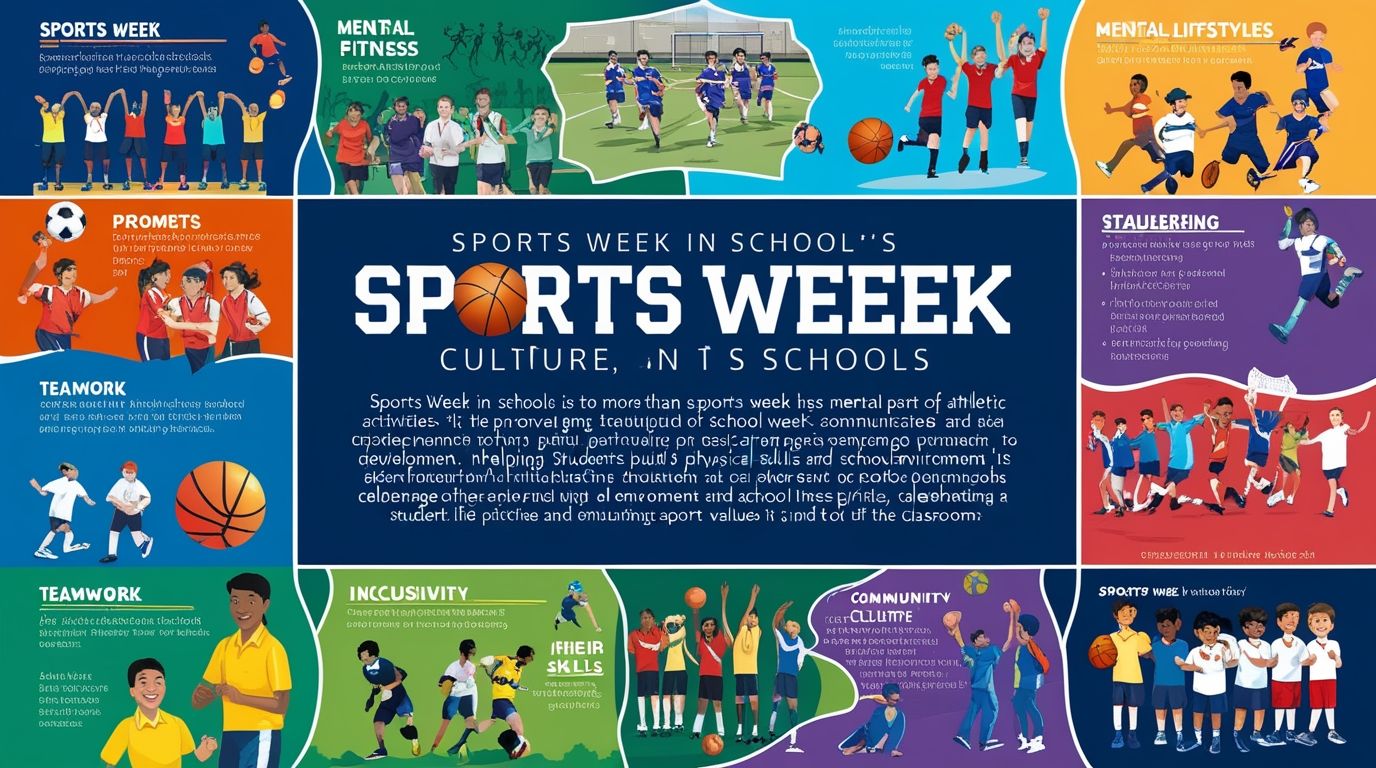
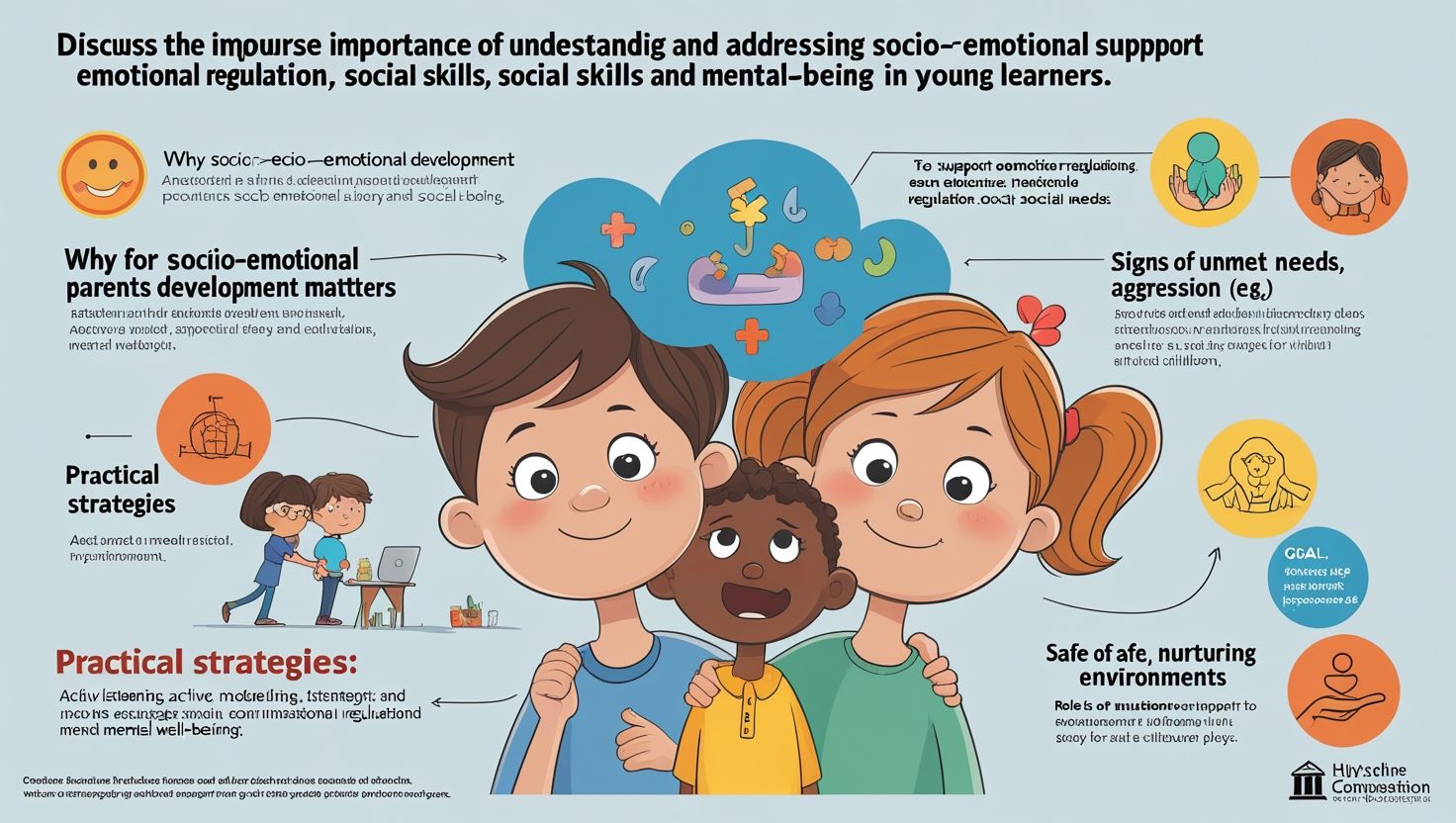
Academic growth is only part of the picture. Classroom activities teach social skills that textbooks cannot. Group projects require cooperation. Debates require listening. Team games require compromise.
Children learn to share credit, manage conflict, and support struggling teammates. These lessons prepare them for future workplaces, where collaboration matters as much as individual skill. A student who learns teamwork early carries that advantage into college, careers, and personal relationships.
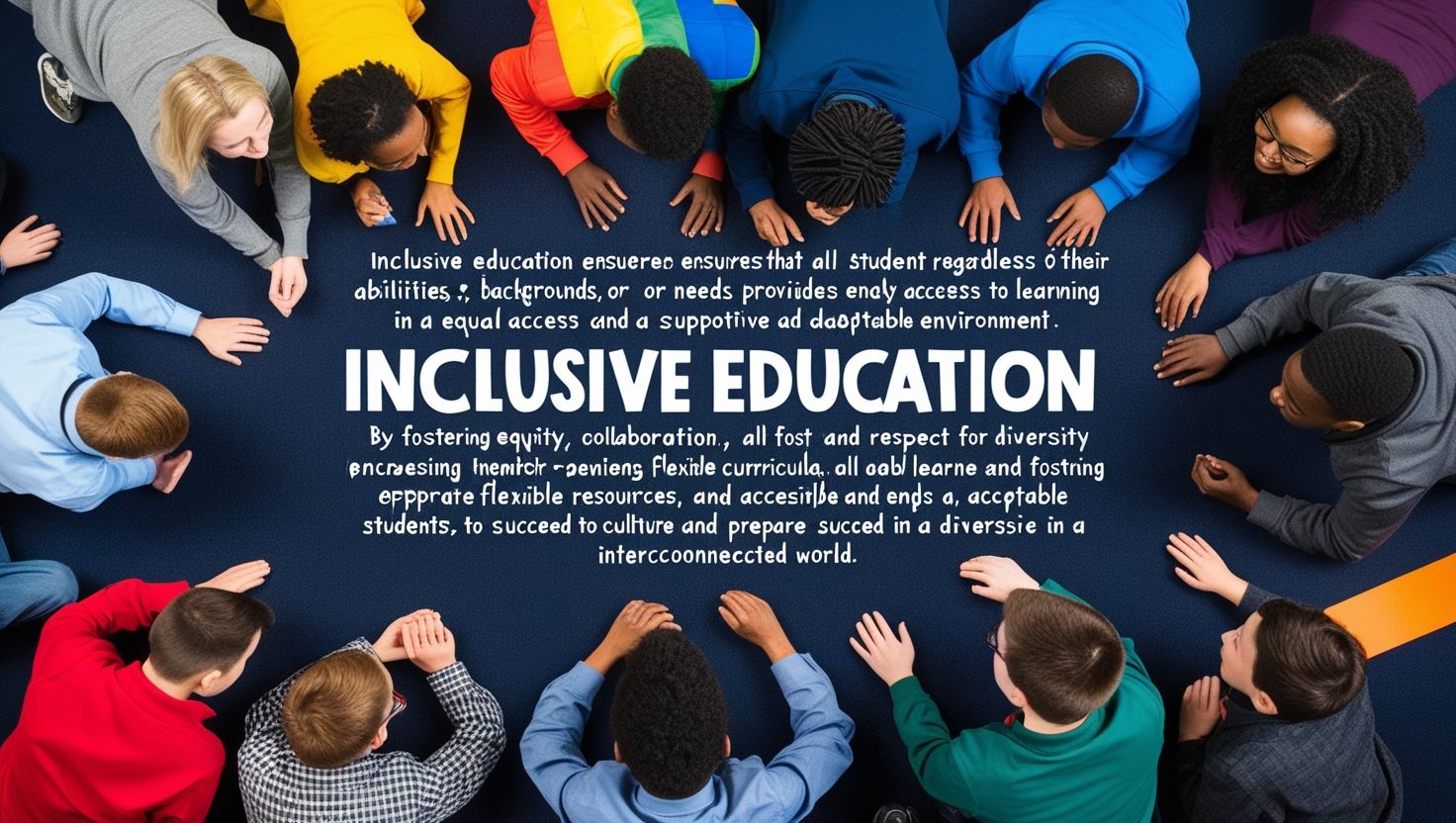
Classroom activities also expose students to diverse viewpoints. Working alongside classmates from different backgrounds broadens perspective and builds tolerance. This exposure matters in an increasingly connected, multicultural world.
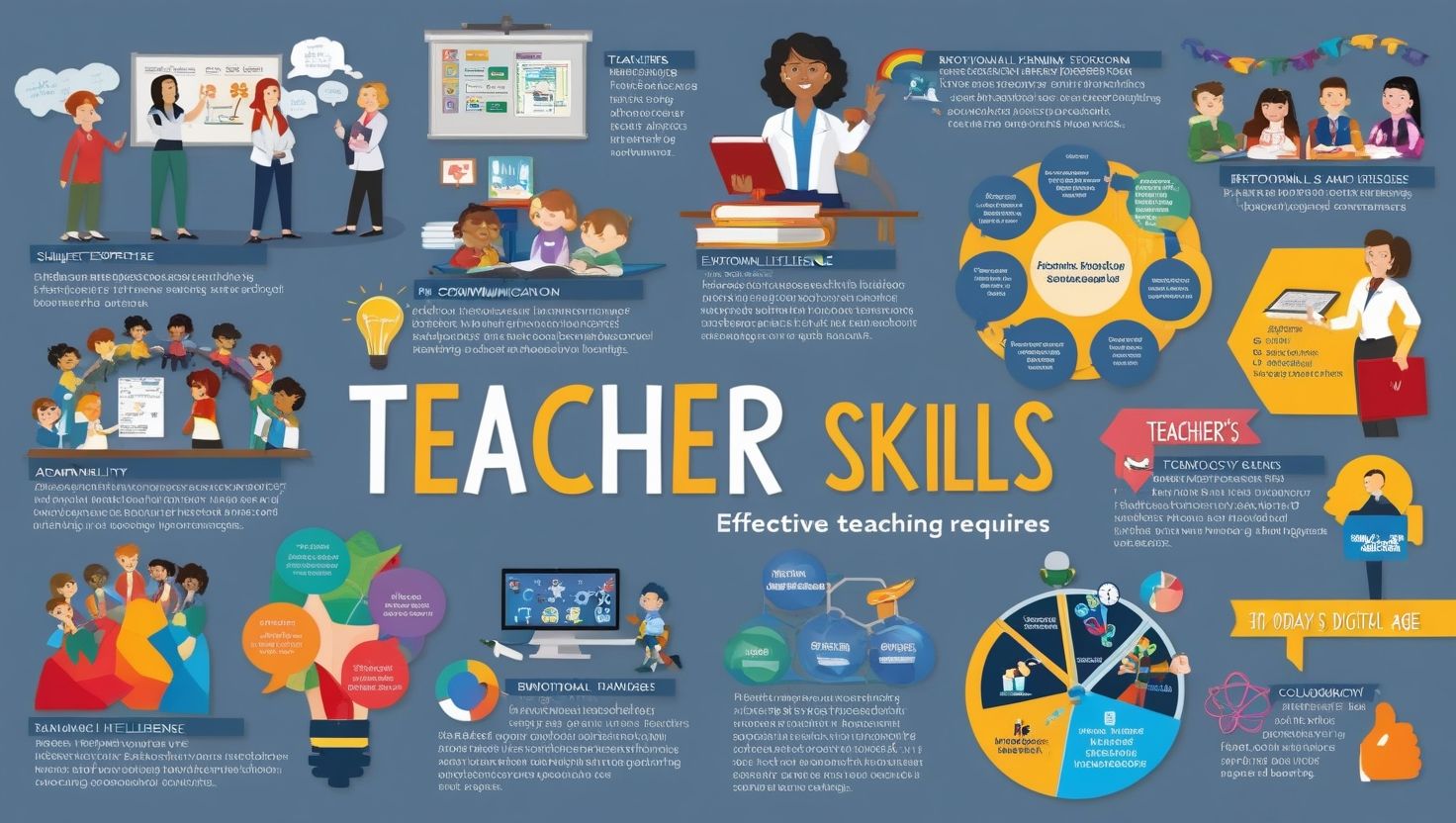
Practical Tips for Teachers
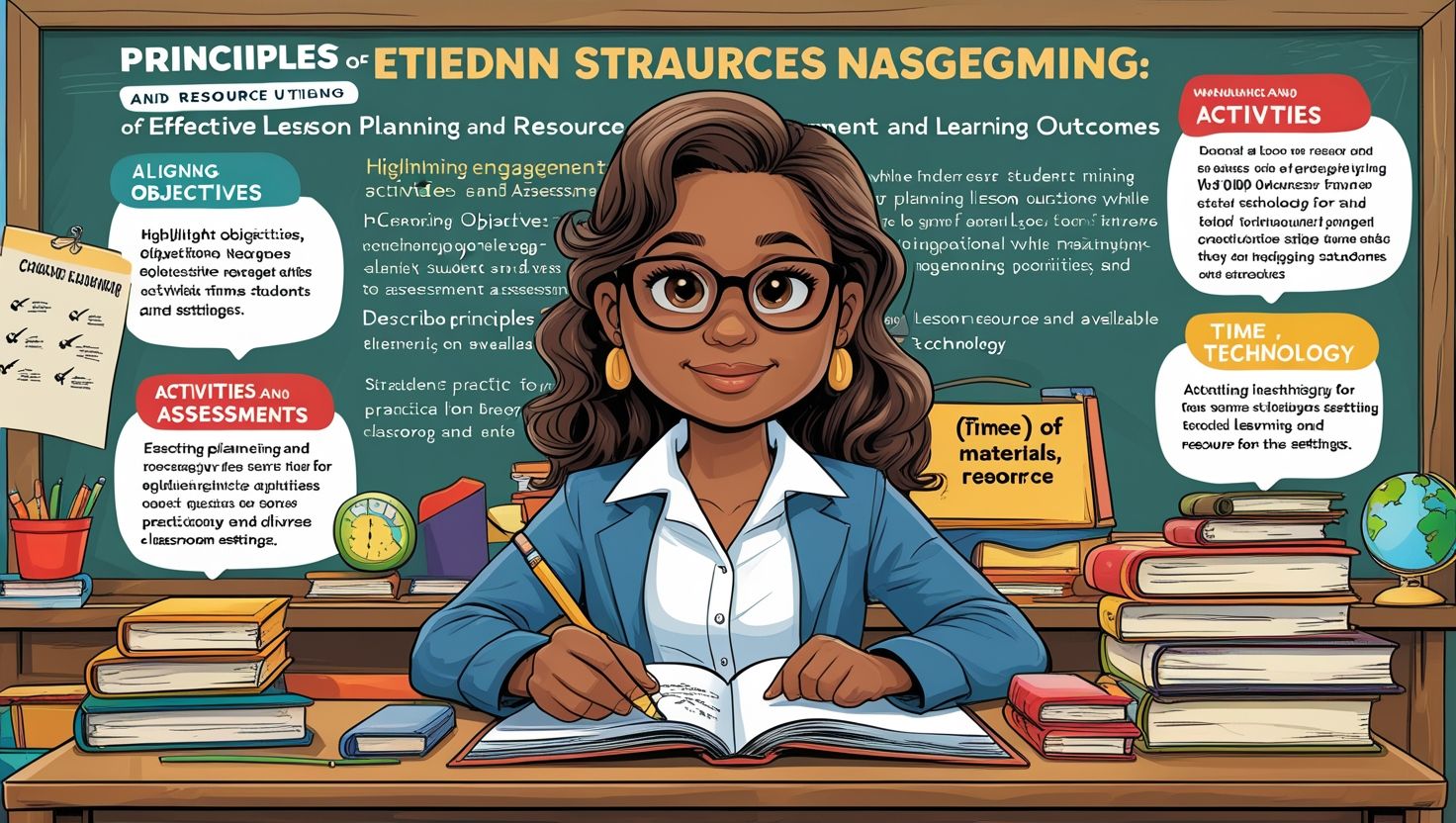
Teachers looking to enhance their lessons with classroom activities should keep a few principles in mind.
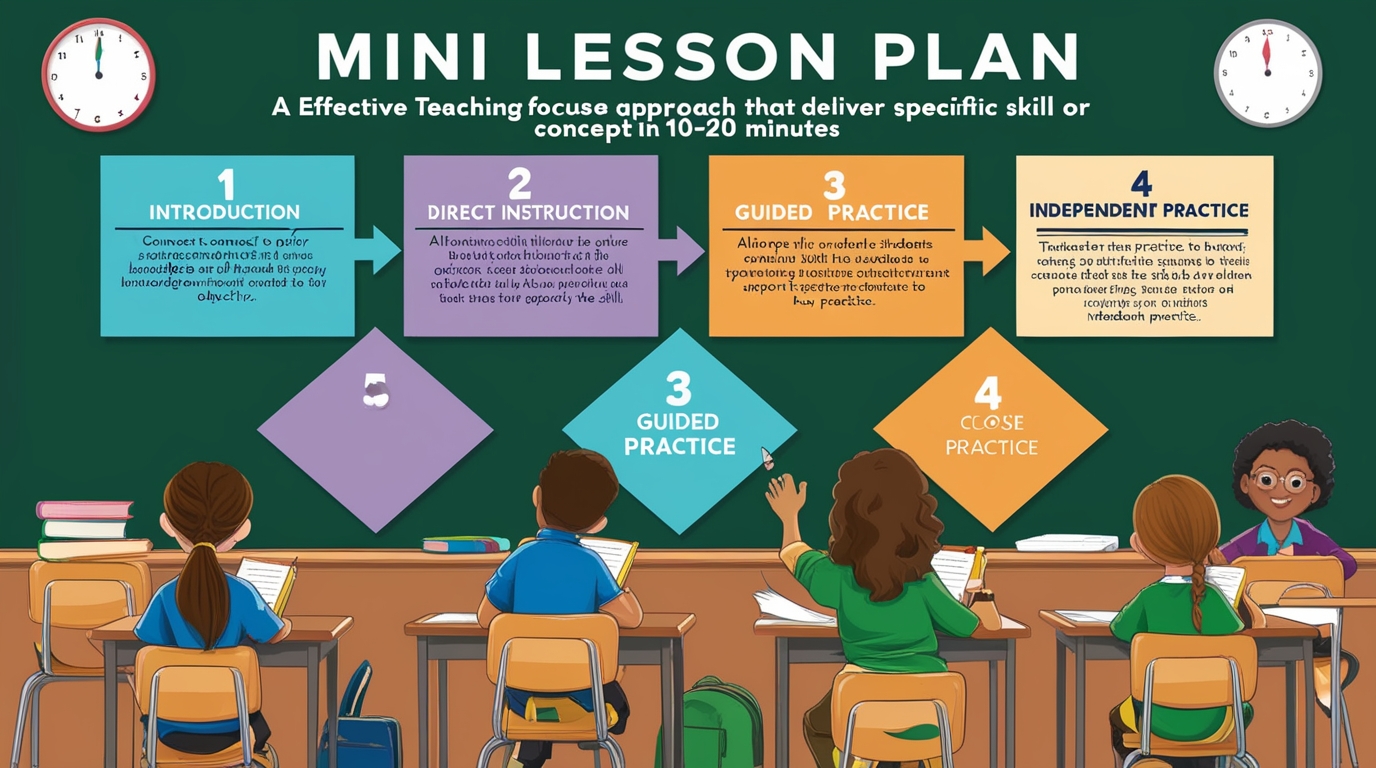
- Match the activity to the objective. Choose a task that reinforces the specific skill or concept being taught, not just something fun for its own sake.
- Keep instructions clear. Confusing directions waste time and frustrate students. Simple, step-by-step guidance keeps activities running smoothly.
- Balance structure with freedom. Too much rigidity kills creativity, while too little guidance causes chaos. Find the middle ground.
- Rotate activity types. Repeating the same format grows stale quickly. Mix discussions, projects, games, and simulations throughout the term.
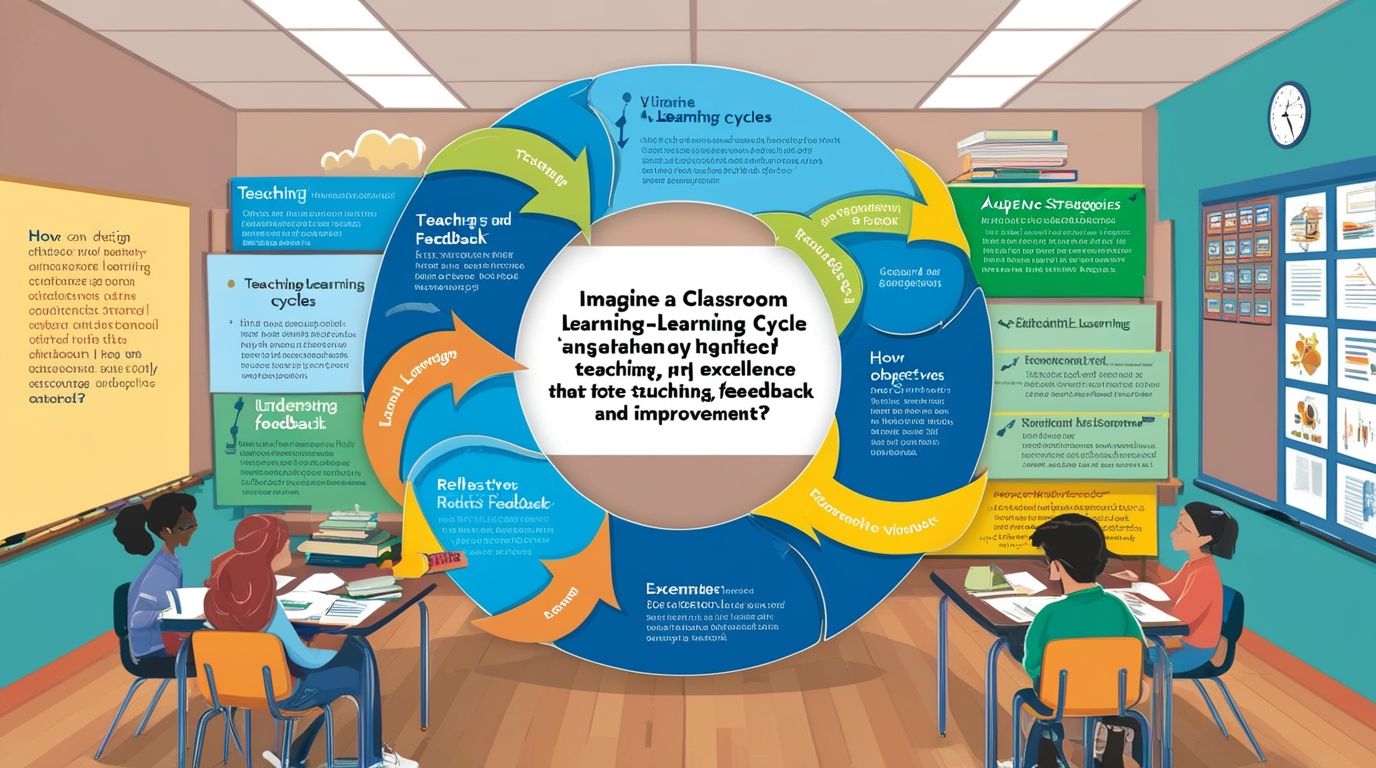
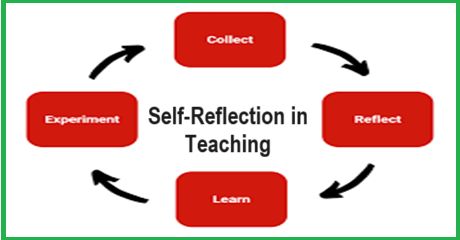
- Gather feedback. Ask students what worked and what didn’t. Their input helps refine future lessons and increases their sense of ownership over the classroom.
The Role of Technology in Classroom Activities
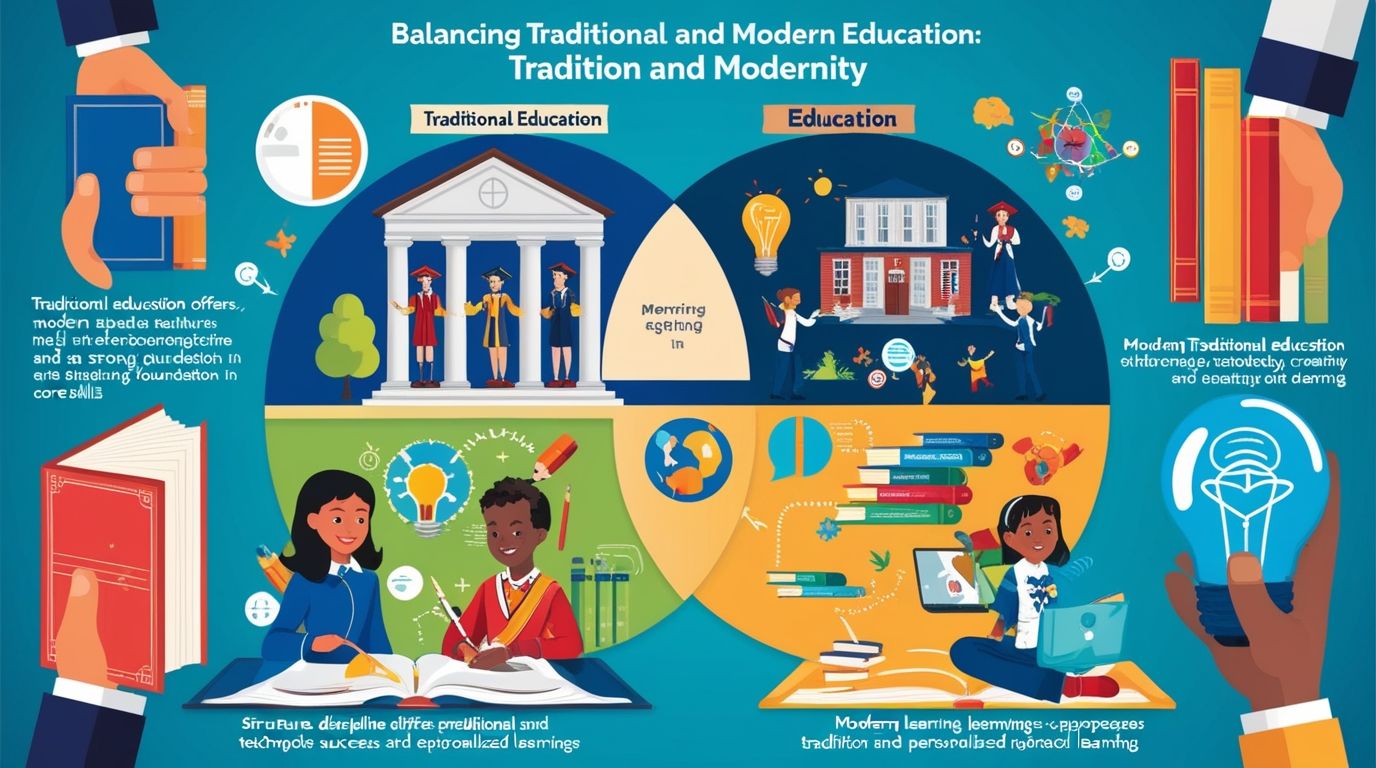
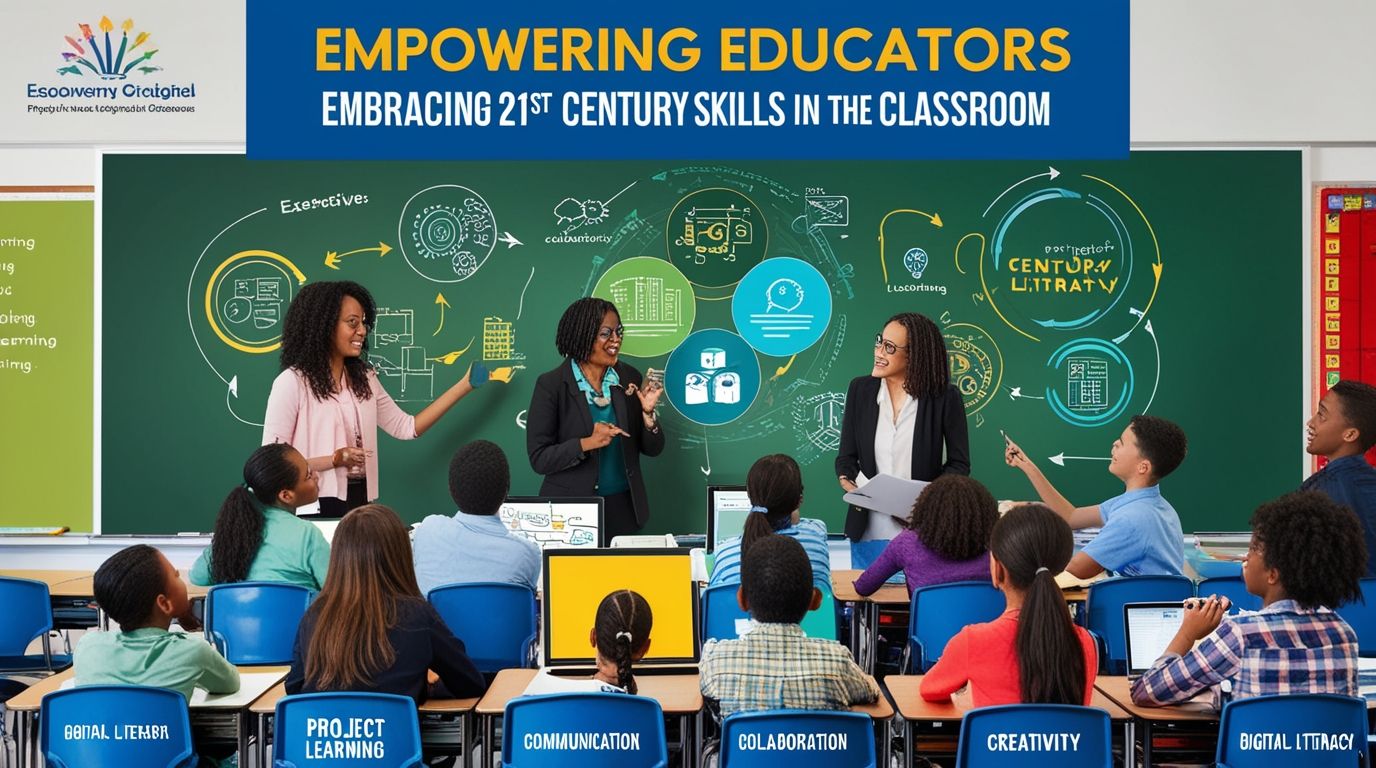
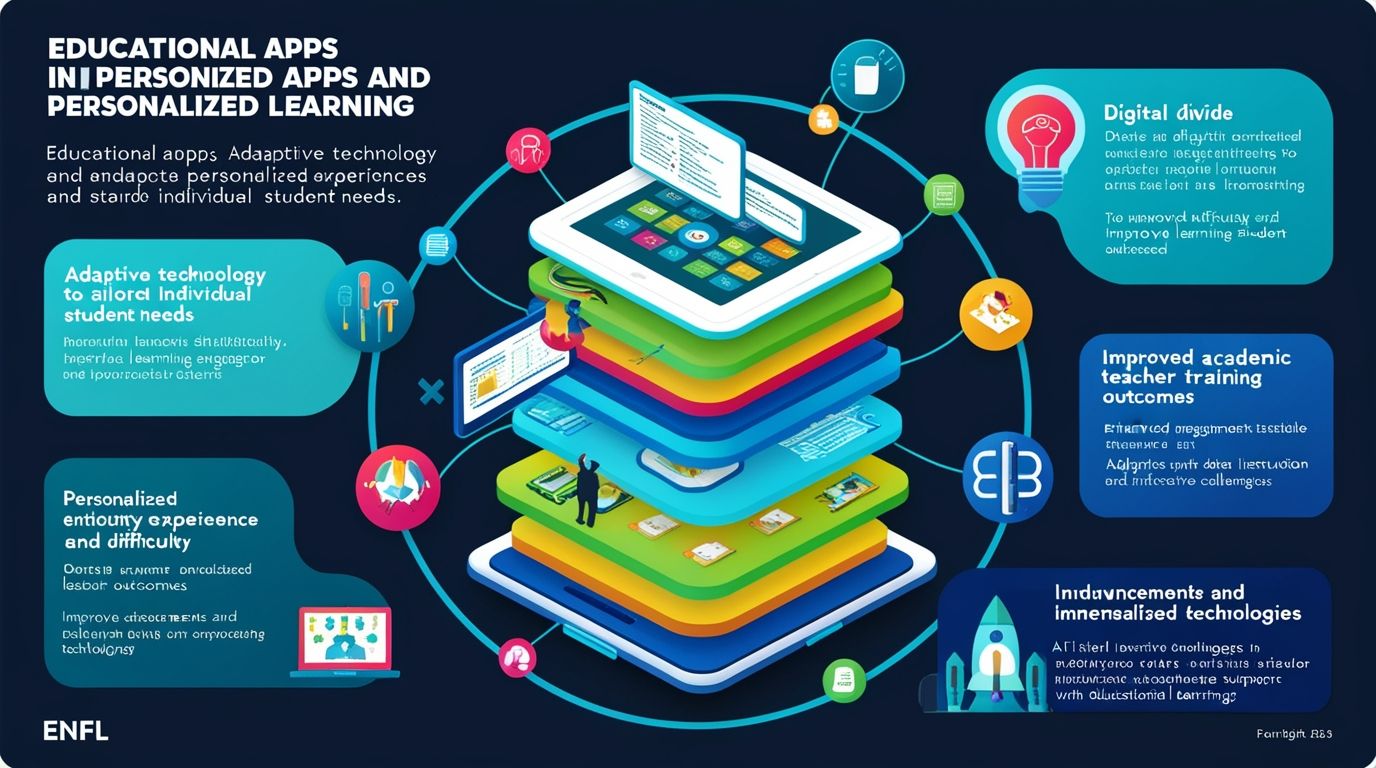
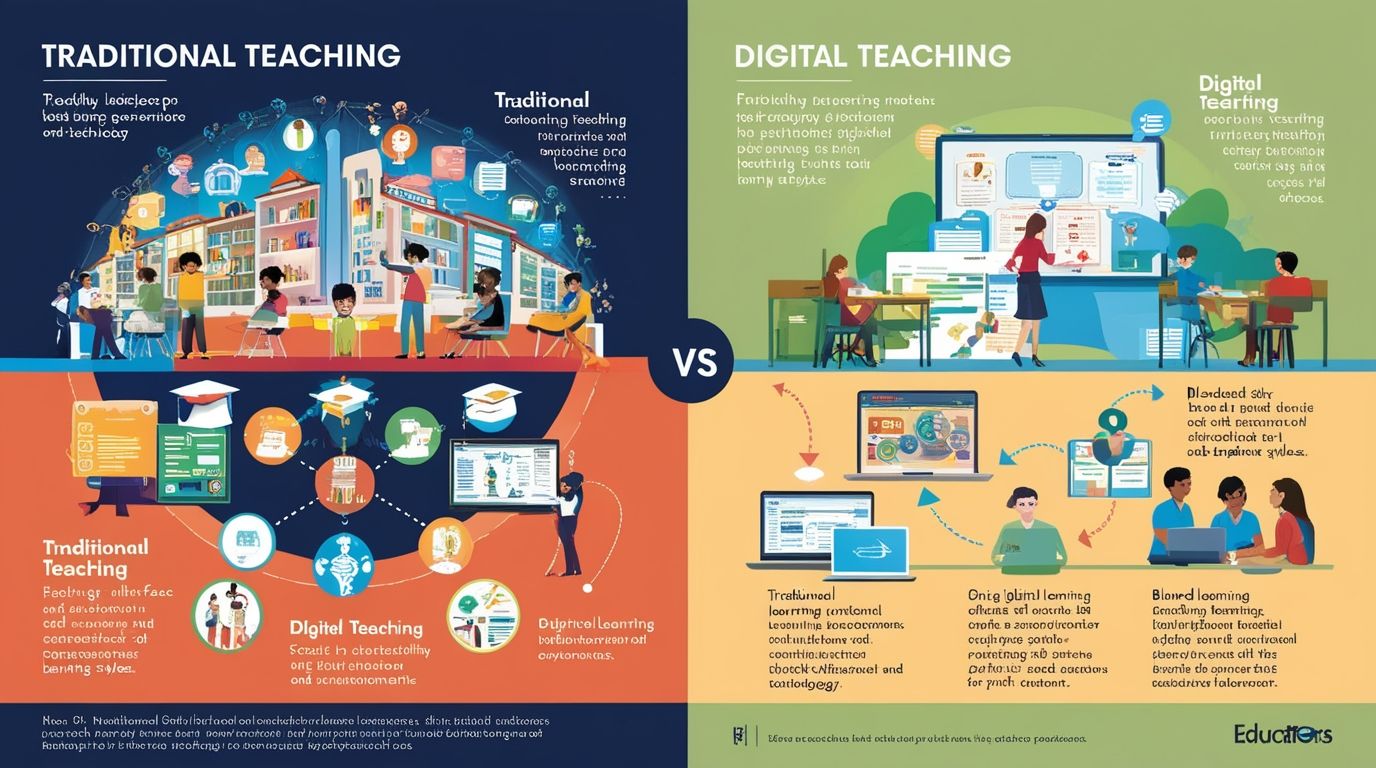
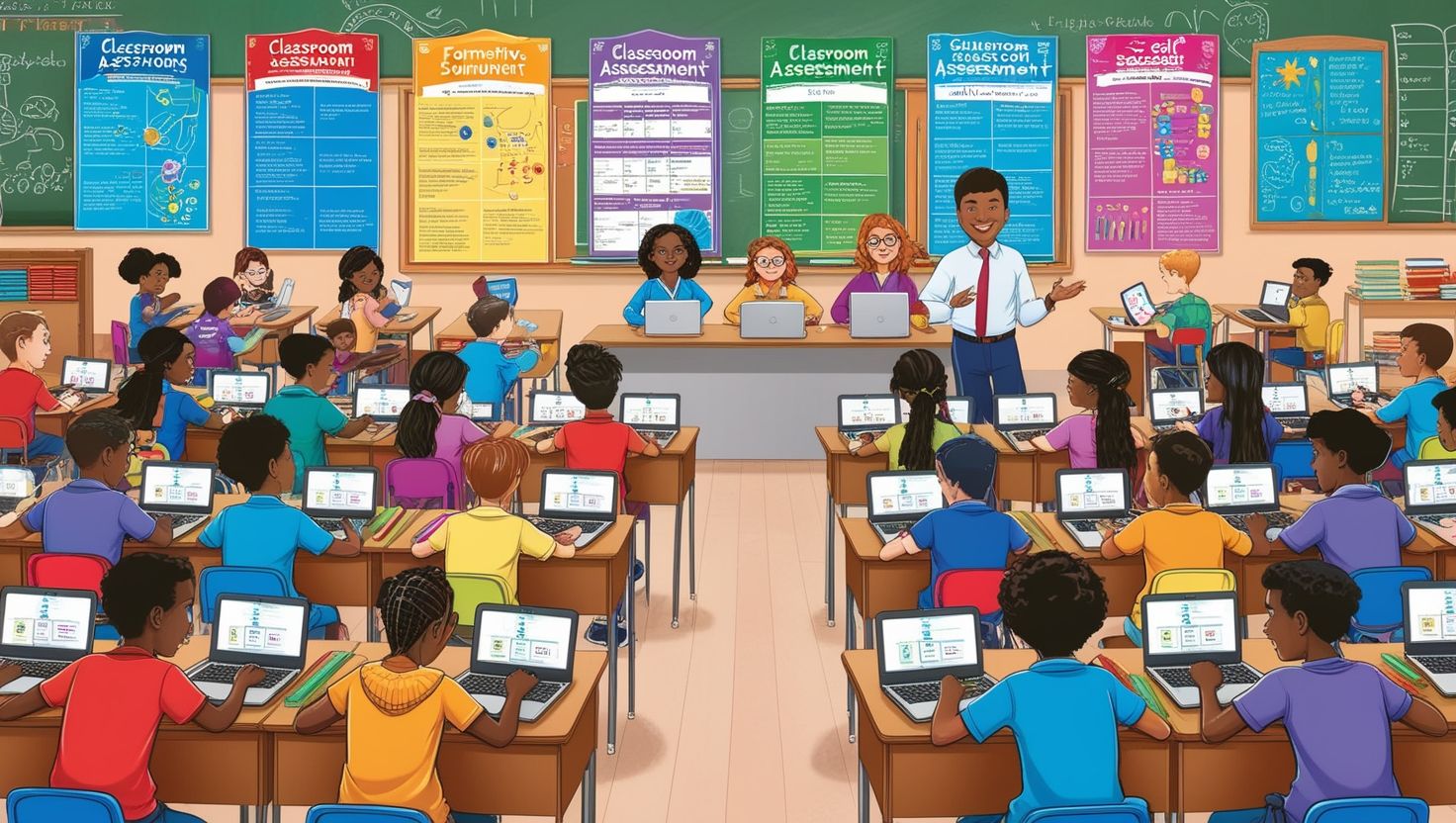
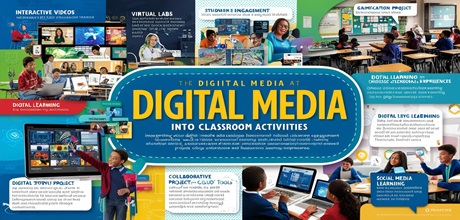
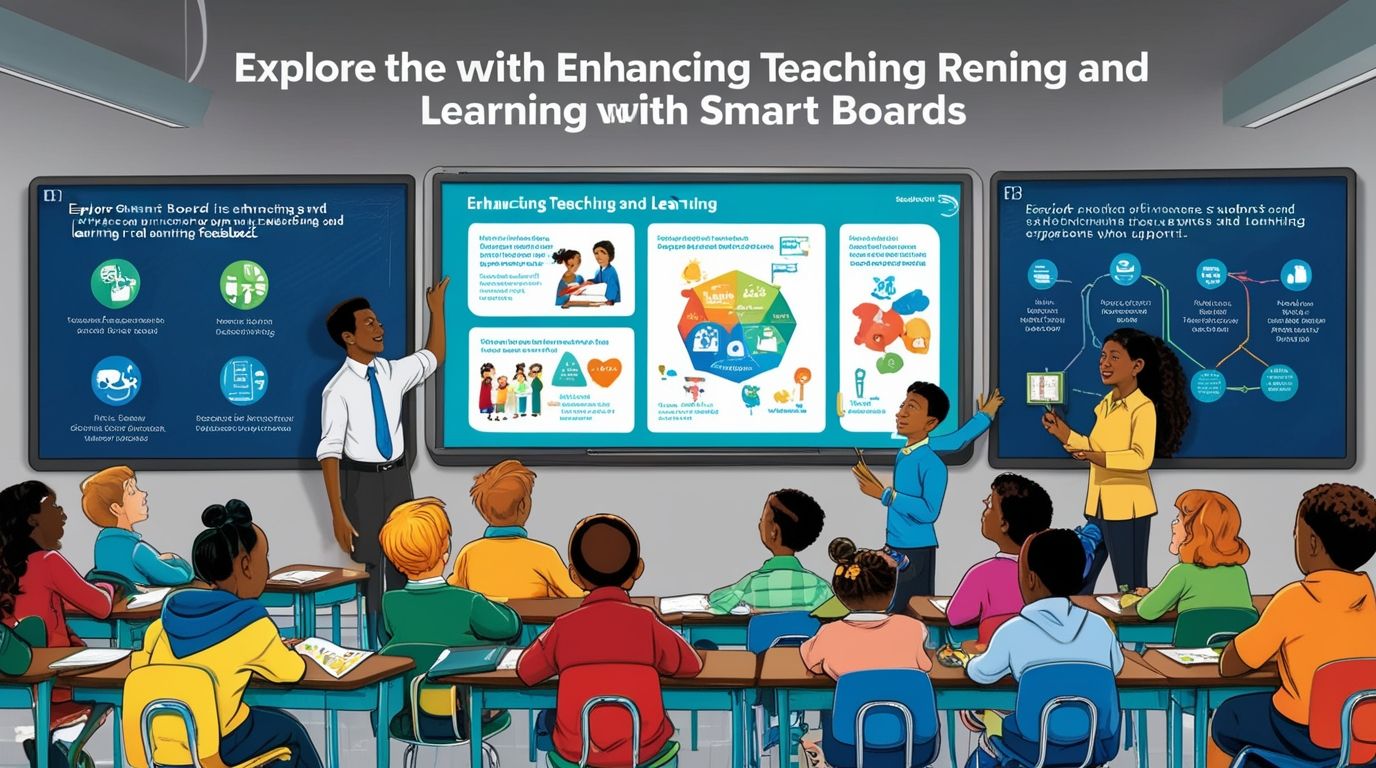
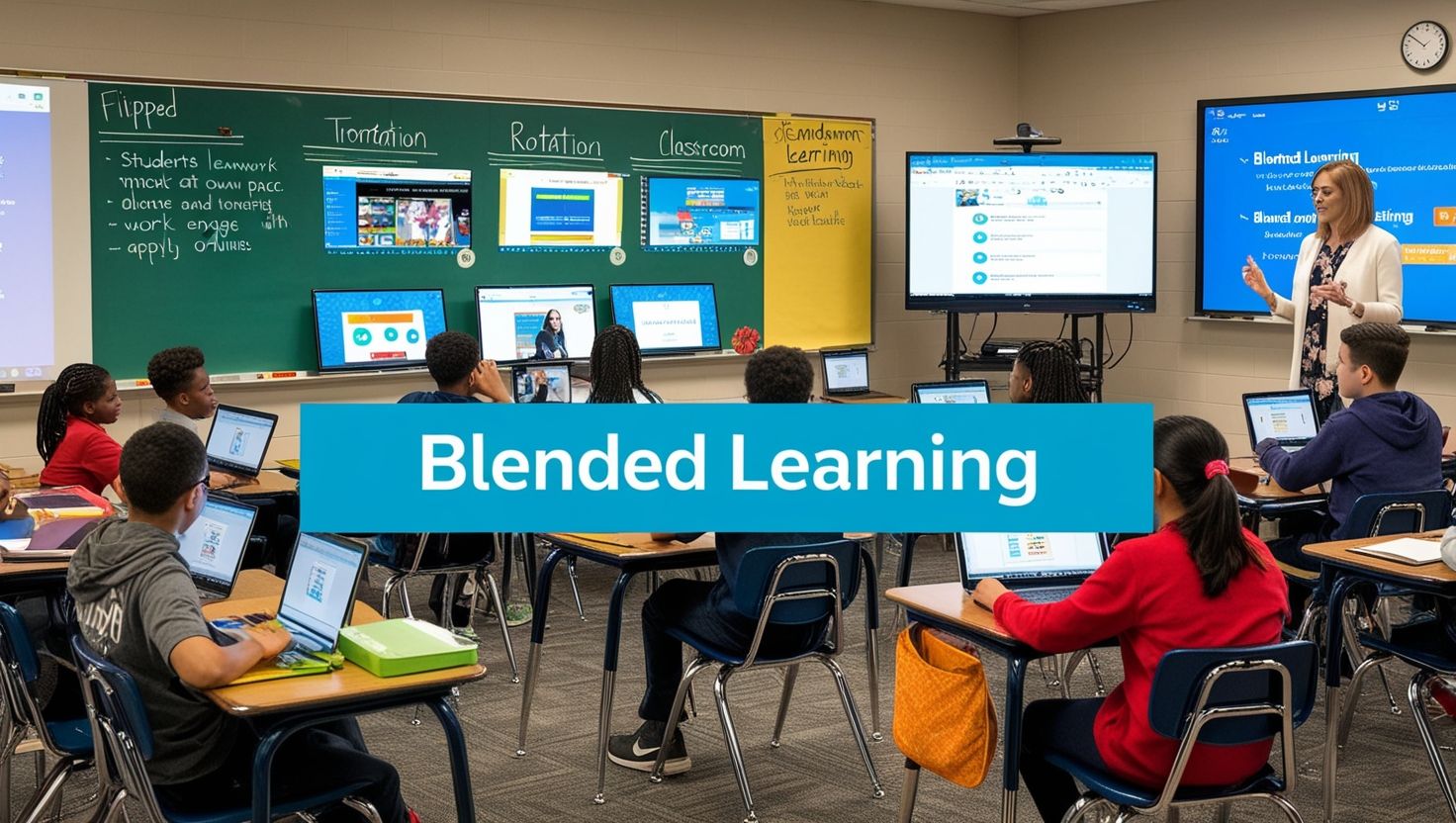
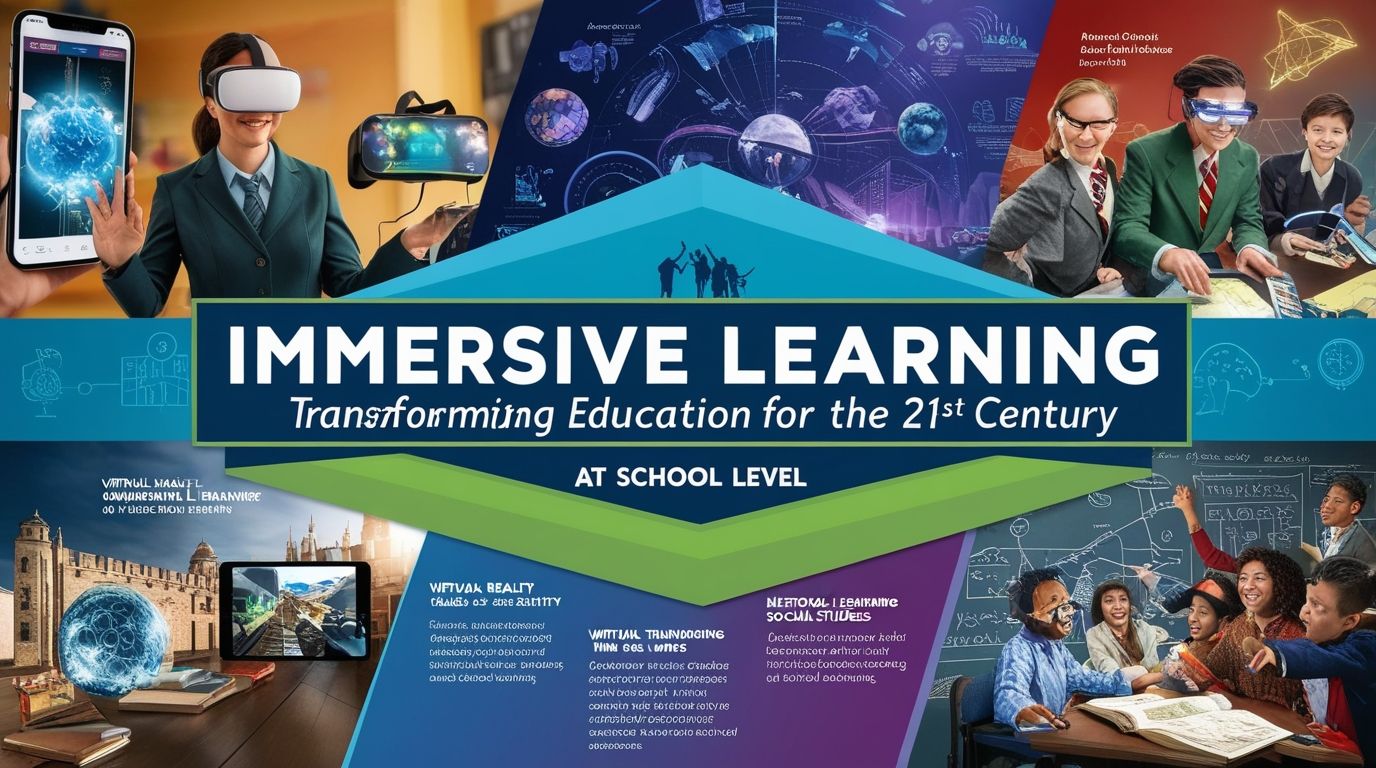
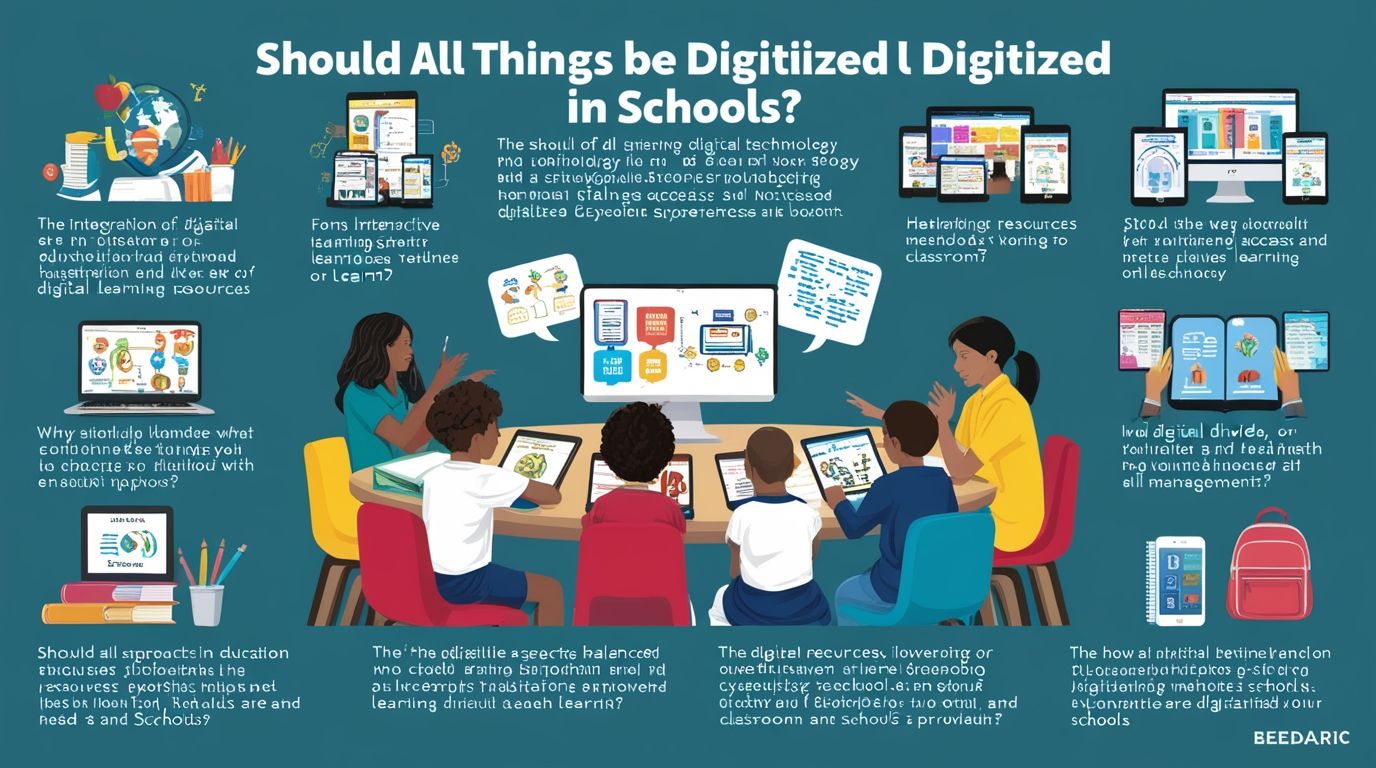
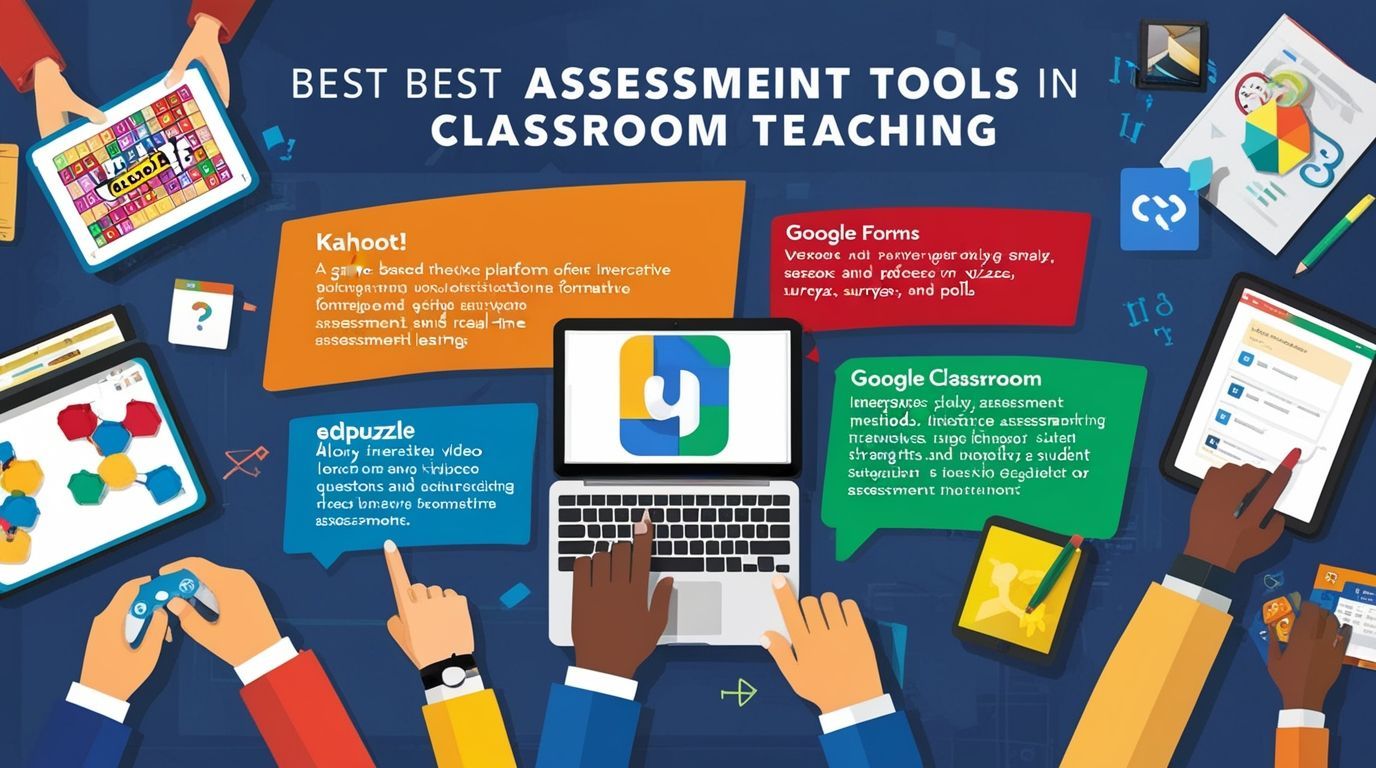
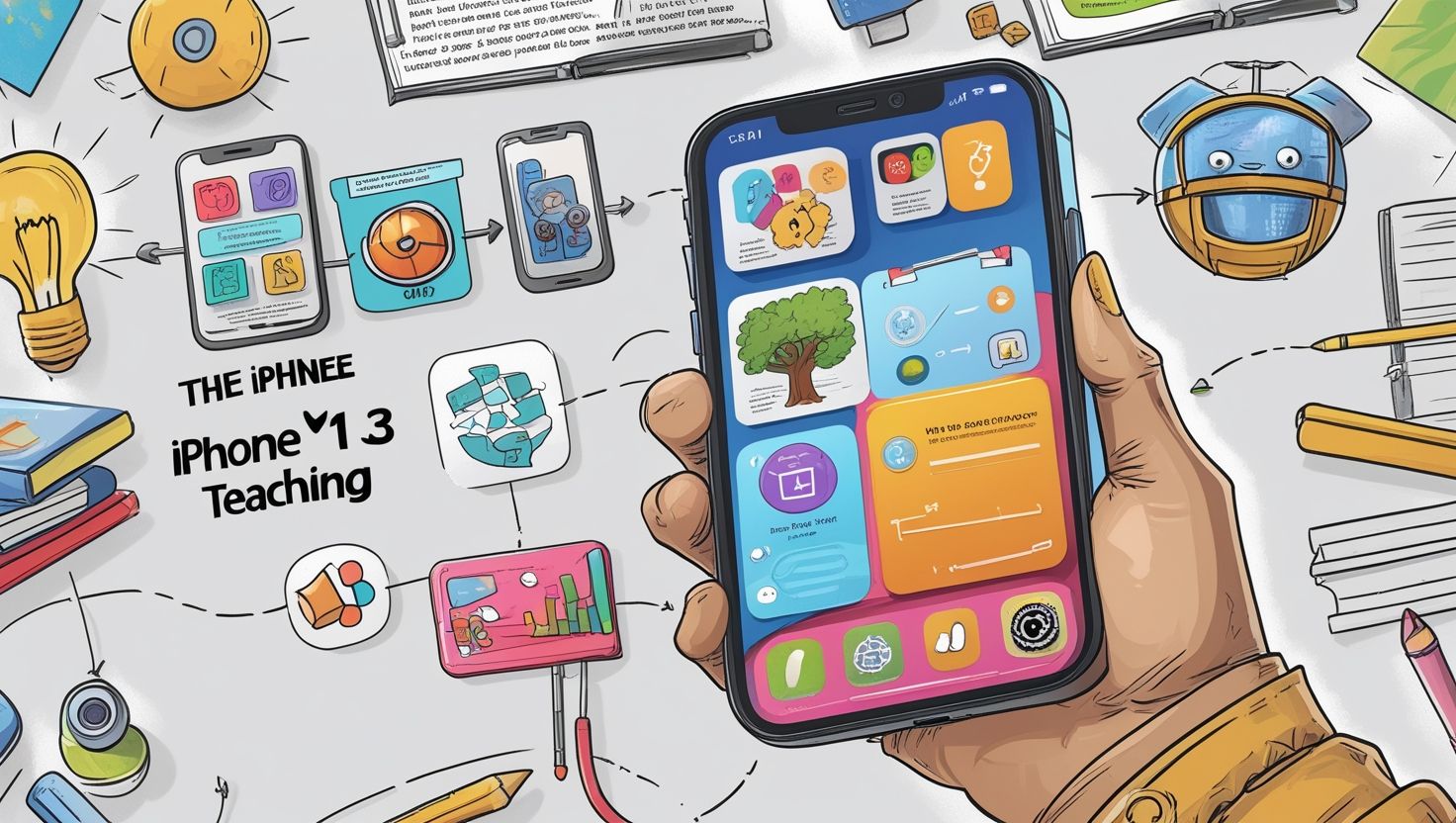
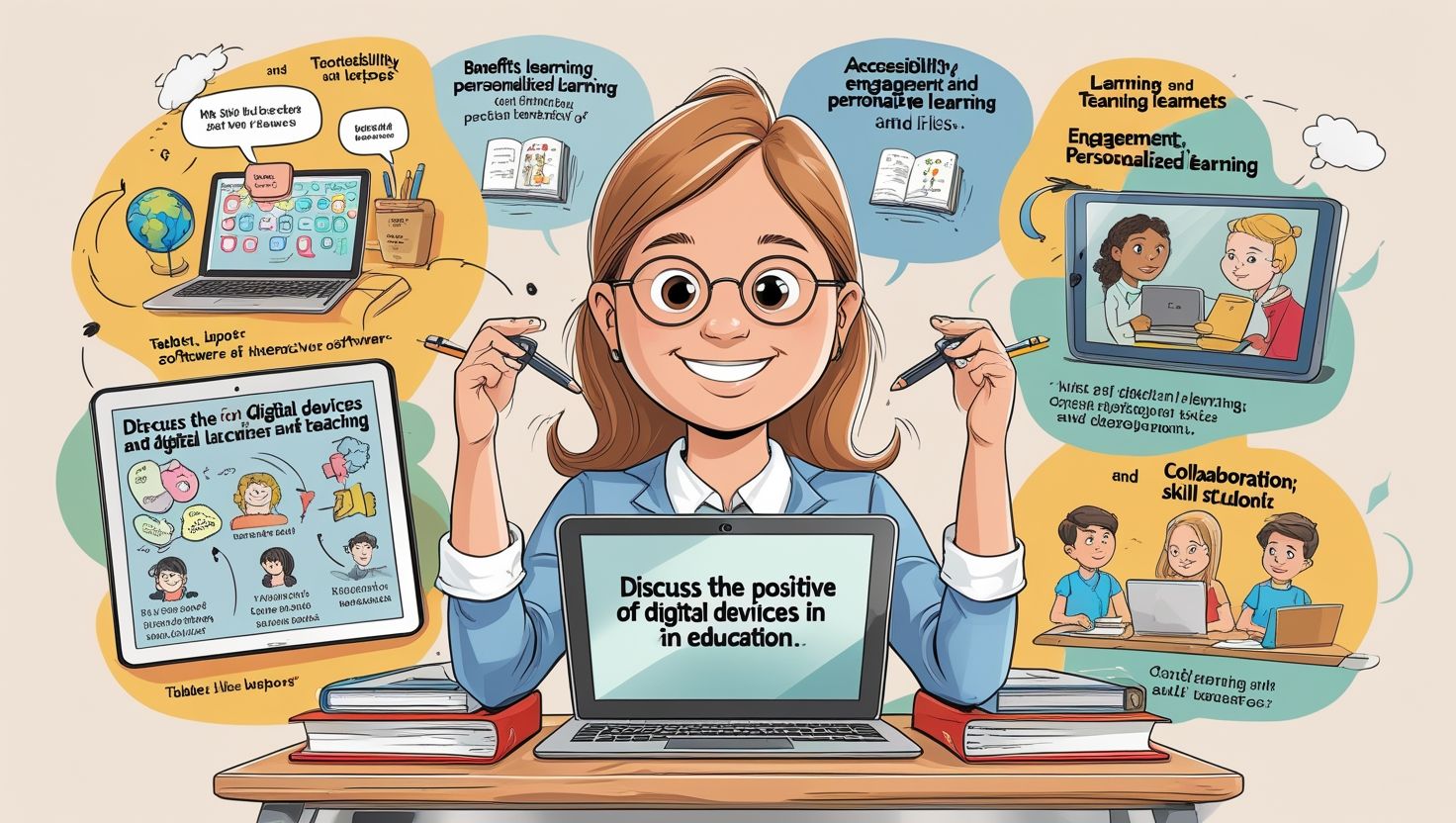
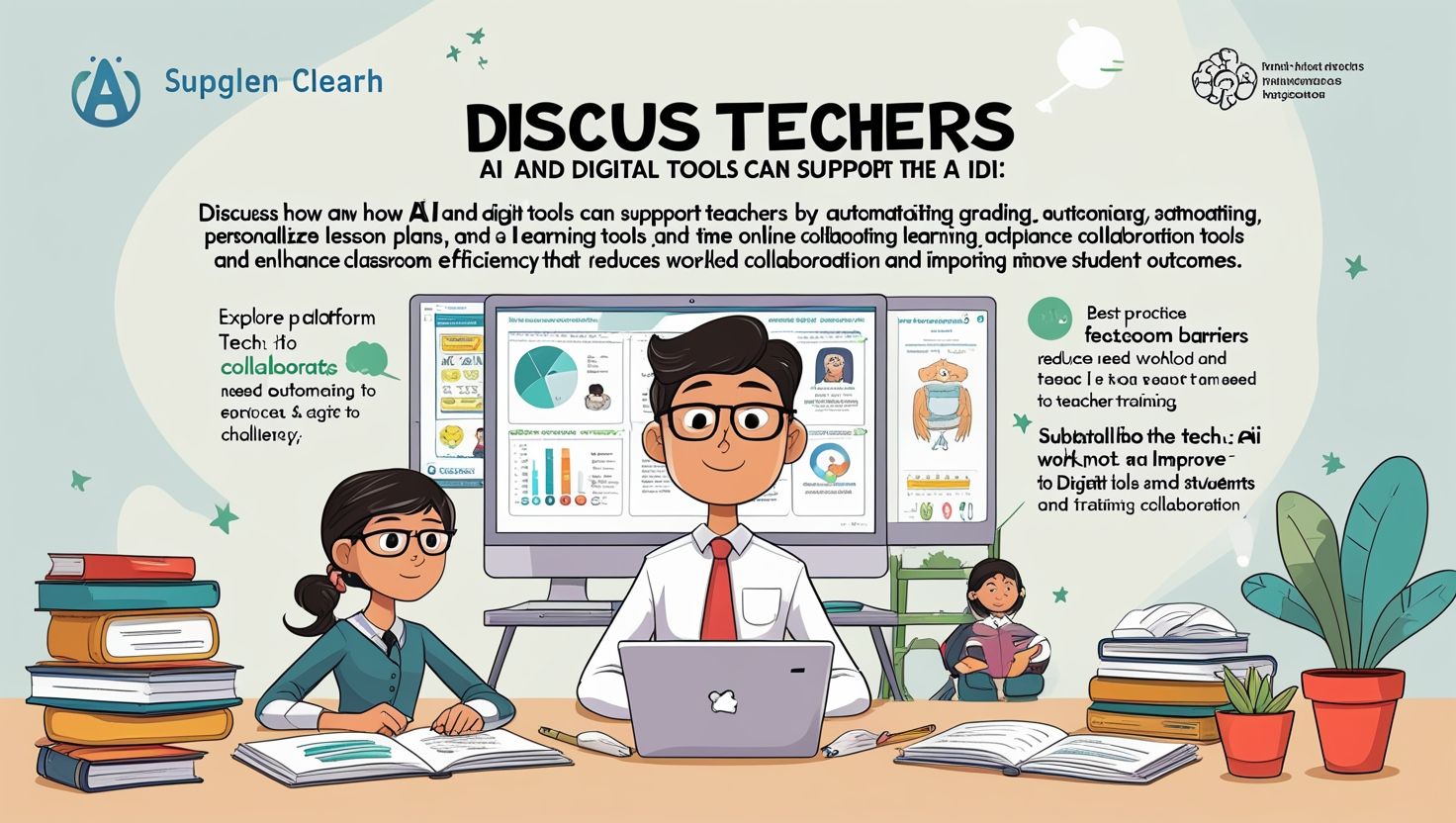
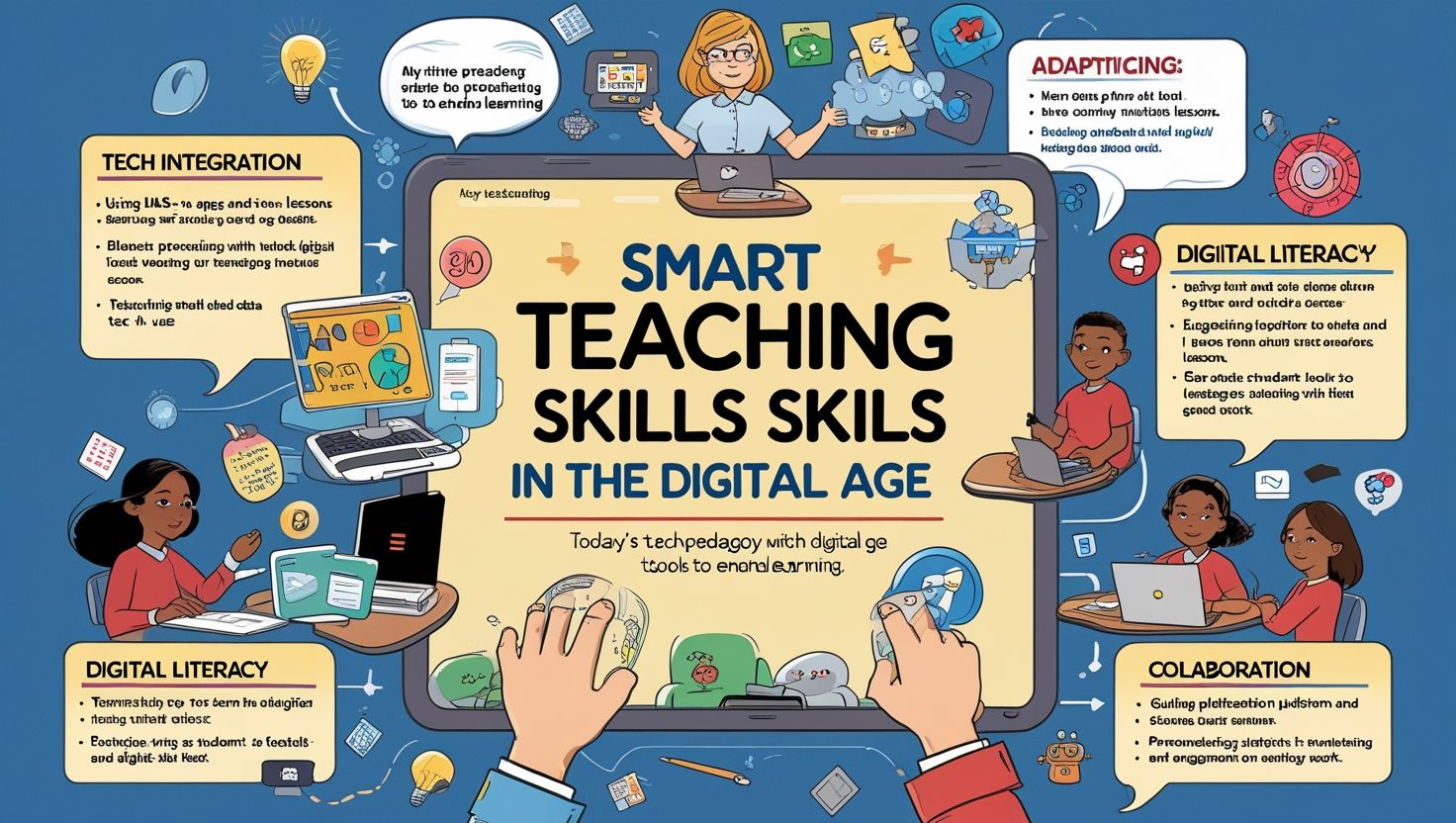
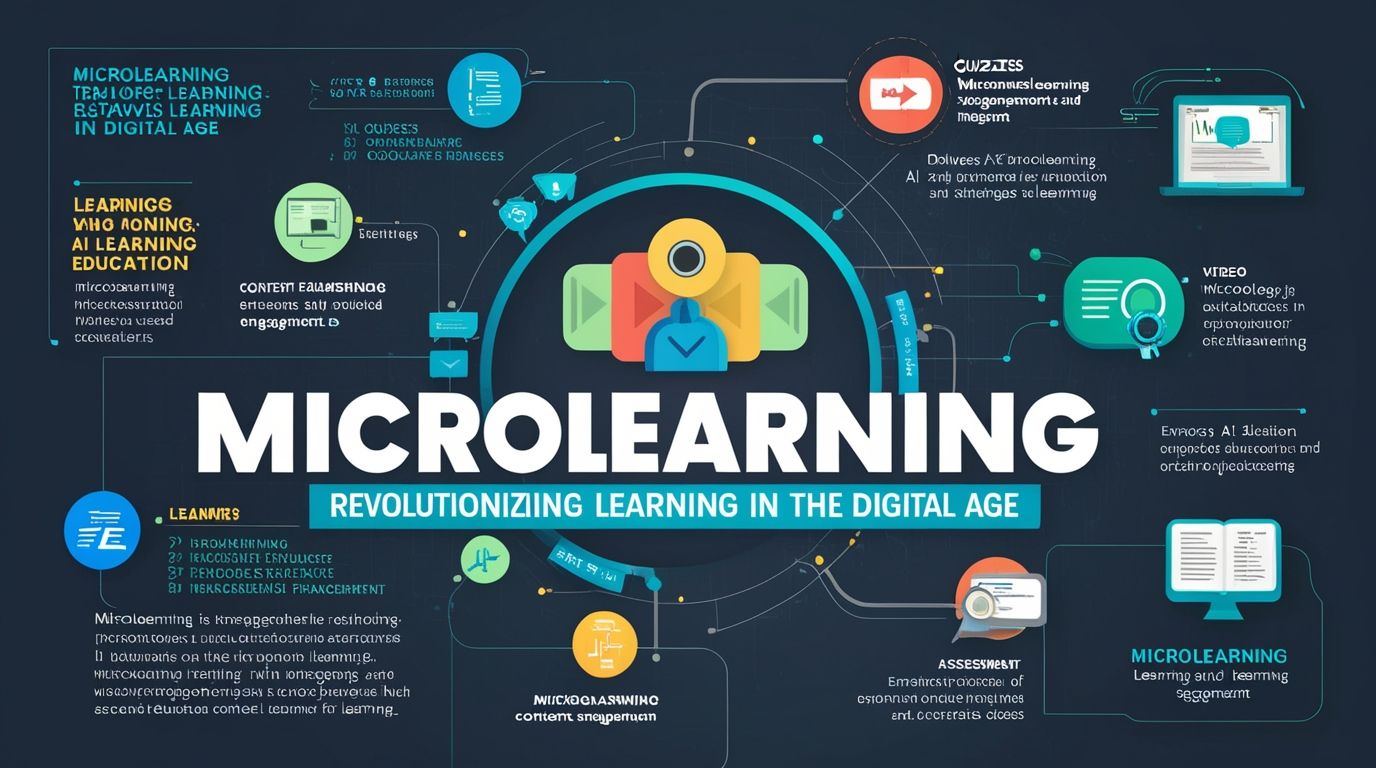
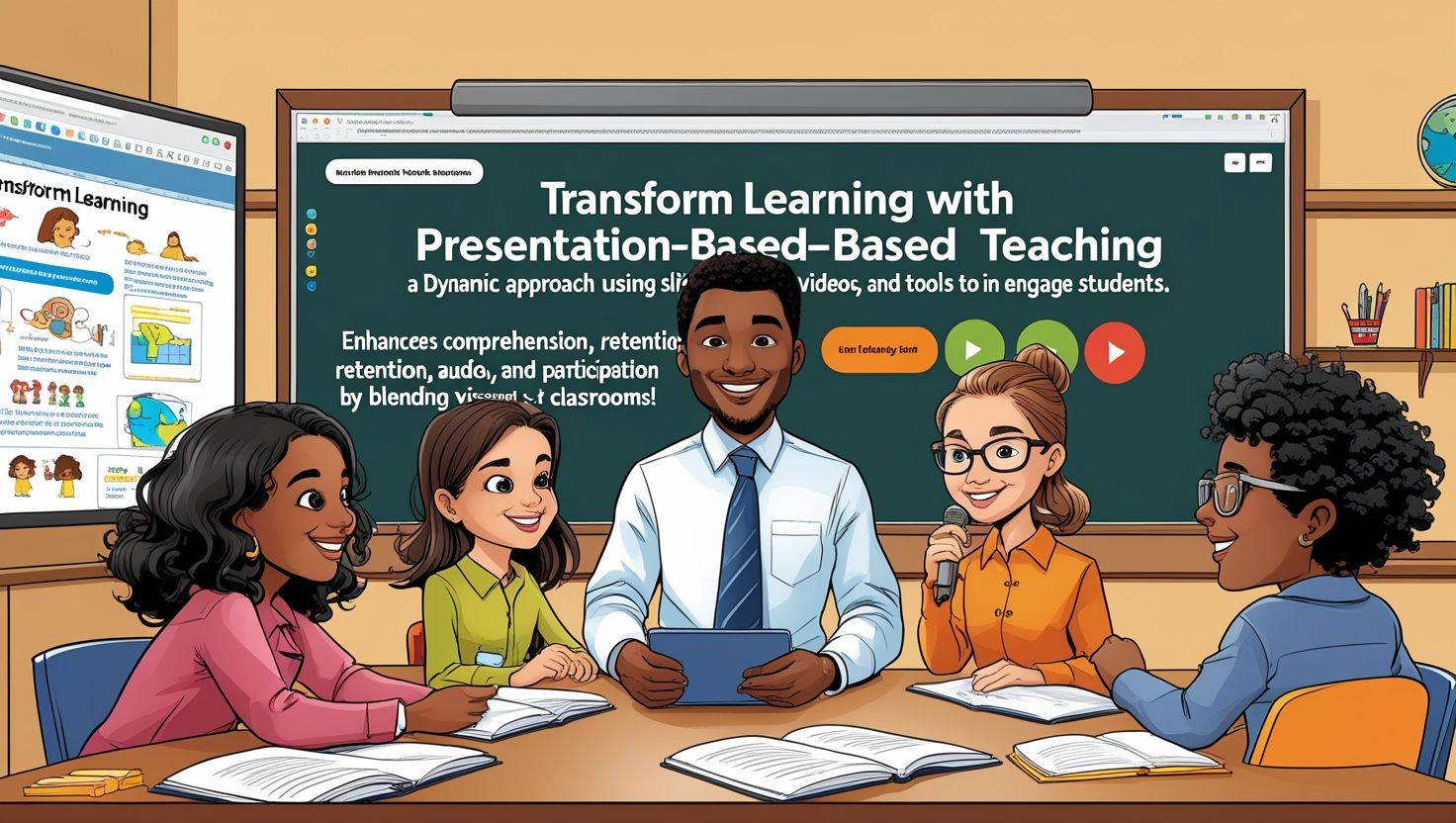
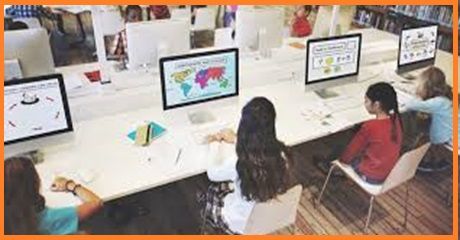
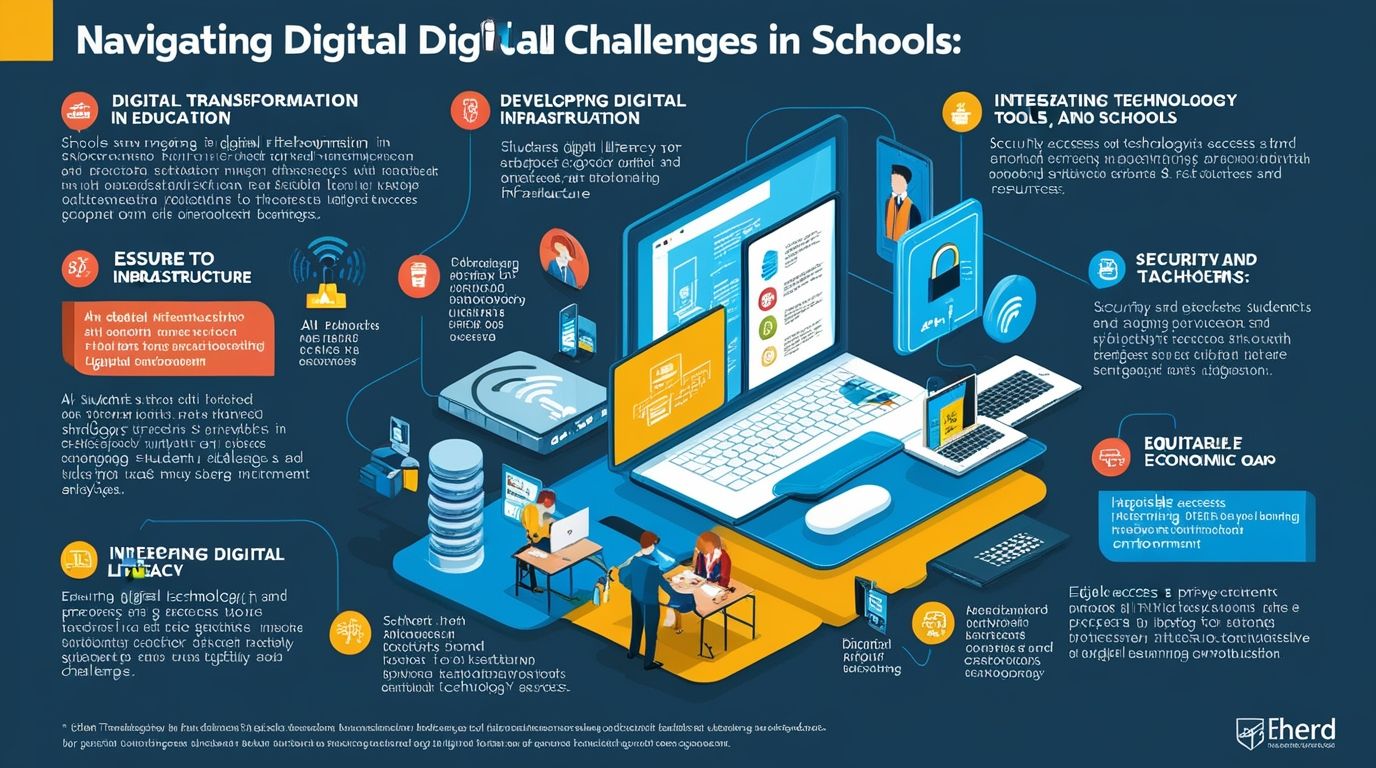
Digital tools now expand what classroom activities can achieve. Interactive whiteboards, educational apps, and online quizzes bring fresh options into the mix. Virtual simulations let students explore environments impossible to recreate physically — a volcano eruption, a historical battlefield, or the inside of a human cell.
Educational technology does not replace traditional activities; it complements them. A blended approach — combining hands-on tasks with digital resources — often produces the strongest results. Students gain comfort with technology while still practicing face-to-face collaboration skills.
Challenges Teachers Face
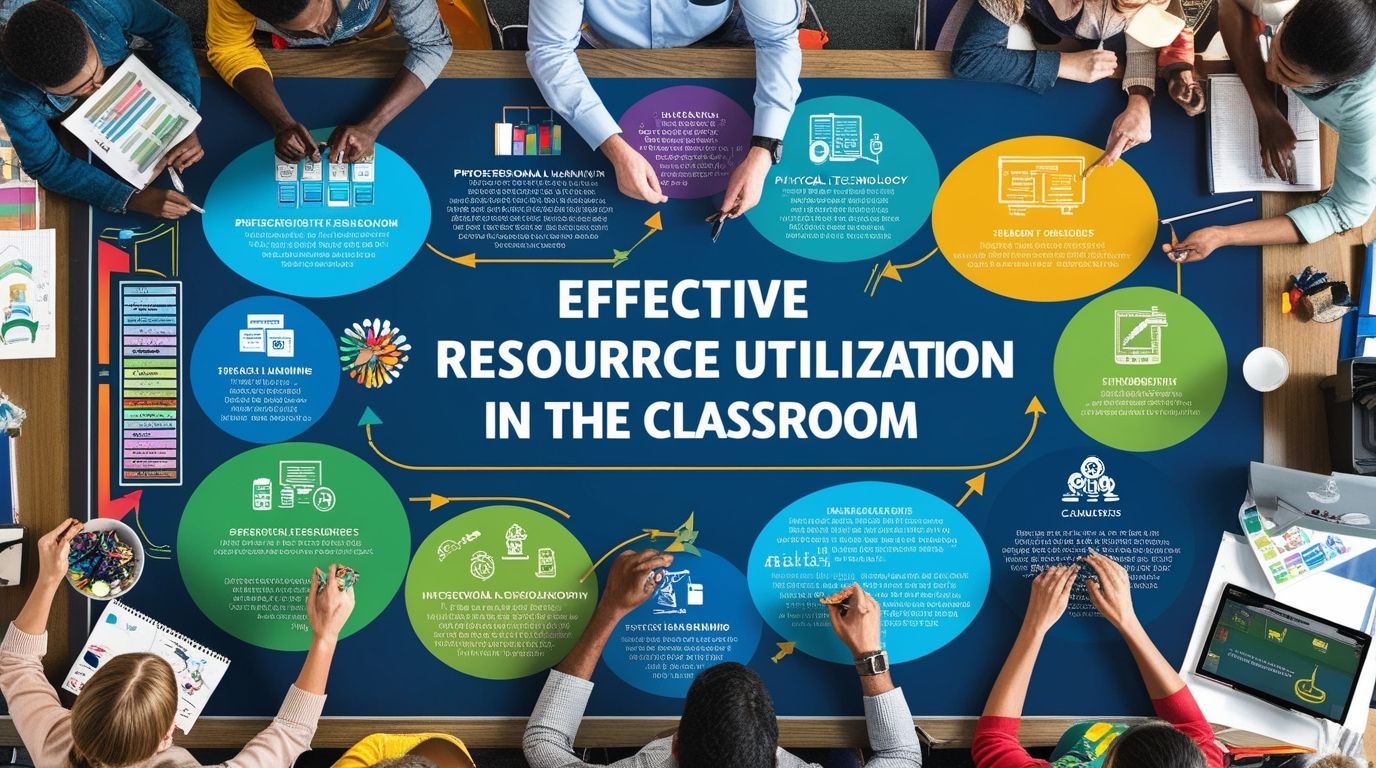
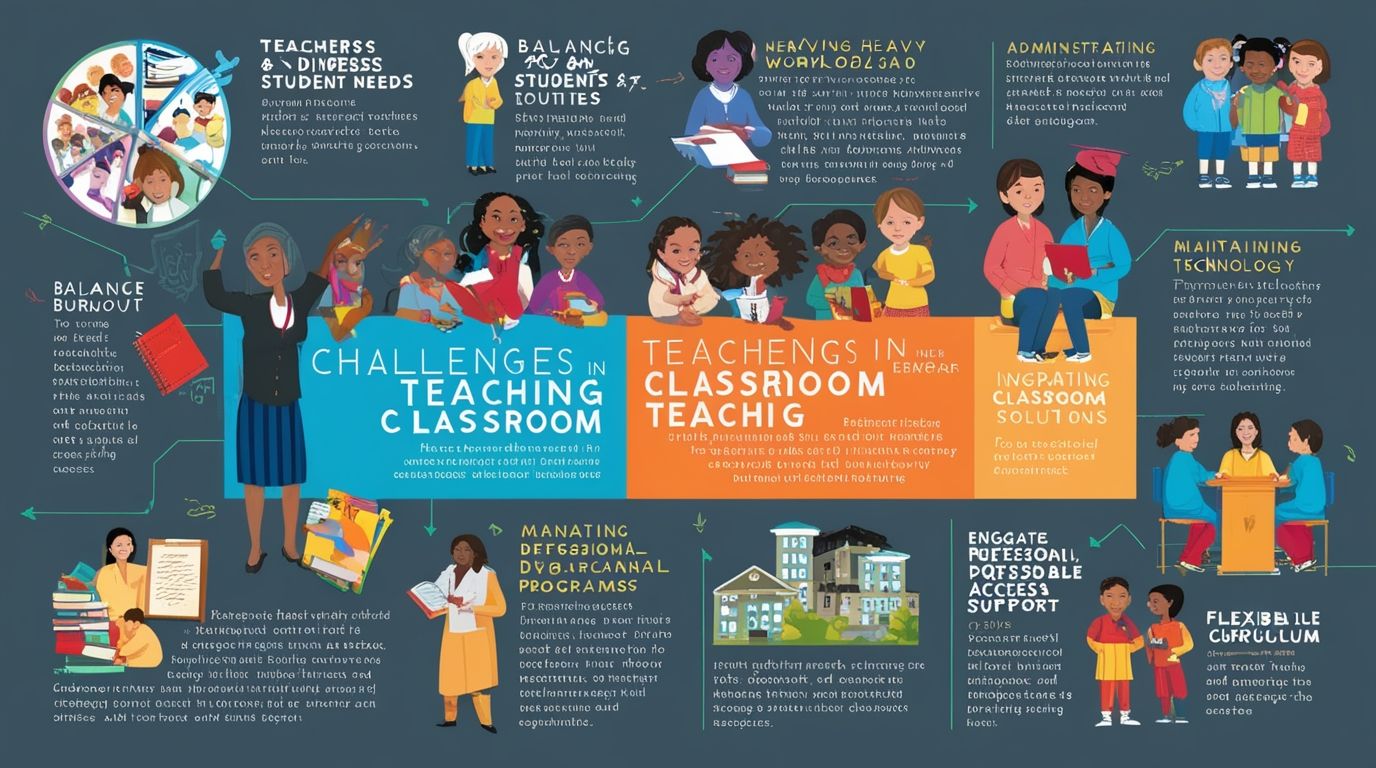
Implementing classroom activities is not without obstacles. Large class sizes make group management difficult. Limited resources restrict hands-on projects. Time constraints squeeze creative lessons into short periods.
Despite these challenges, small adjustments help. Breaking large classes into smaller groups, using low-cost materials, and planning activities in advance all ease the burden. Even five minutes of interactive work within a lecture-heavy day adds meaningful value.
Conclusion
Classroom activities play a central role in shaping well-rounded, engaged, and capable students. They transform passive listening into active participation. They build academic skills alongside social and emotional growth. Teachers who invest time in designing thoughtful, varied activities create classrooms where students want to learn, not classrooms where they merely endure the school day.
As education continues to evolve, the emphasis on interactive learning and student engagement will only grow stronger. Schools that embrace this shift prepare students not just for exams, but for life beyond the classroom walls.
Frequently Asked Questions
1. Why are classroom activities important for students? Classroom activities turn passive learning into active participation. They help students retain information better, build confidence, and develop social skills like teamwork and communication alongside academic knowledge.
2. What are some examples of effective classroom activities? Group discussions, debates, hands-on projects, role-playing exercises, and collaborative learning games all count as effective classroom activities. Each type targets different skills, from critical thinking to creativity.
3. How do classroom activities improve student engagement? Activities give students an active role in their own learning. Instead of listening passively, students participate directly, ask questions, and connect lessons to real-life situations, which naturally increases attention and interest.
4. Can technology enhance classroom activities? Yes, tools like interactive whiteboards, educational apps, and virtual simulations expand what teachers can offer. Technology works best when it complements traditional hands-on activities rather than replacing them entirely.