US-Iran Conflict Turns Into Oil Survival, The US-Iran conflict no longer plays out only on battlefields or through missile strikes. In 2026, the fight has shifted into a different arena: bank ledgers, oil tankers, and currency markets. Washington now treats economic sanctions as its primary weapon, and Tehran treats economic survival as its main objective. This shift matters for anyone tracking global oil prices, regional stability, or the future of Middle East diplomacy.
From Airstrikes to Economic Warfare
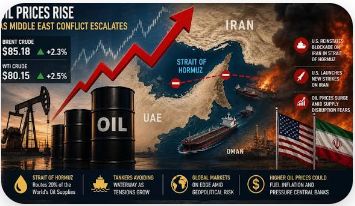
The conflict began in February 2026 when US and Israeli forces struck Iranian military and government sites, triggering missile exchanges. Th Gulf-wide strikes, and a temporary closure of the Strait of Hormuz. That phase disrupted global trade almost overnight. But months later, the battlefield has quieted while the economic pressure campaign has intensified.
In August 2026, Treasury Secretary Scott Bessent unveiled a sweeping new initiative called Operation Economic Outcast. The plan targets Iran’s oil exports, petrochemical trade, shipping networks, gold reserves, and even digital assets. Officials describe the goal bluntly: cut off every dollar reaching Tehran. The administration calls this an “economic D-Day,” a label that signals just how central financial warfare has become to US strategy.
This marks a clear pivot. Instead of relying purely on military deterrence, Washington now pairs strikes with crippling sanctions. It designed to choke Iran’s government funding at the source. The logic is simple — a government starved of oil revenue struggles to fund its military, its proxies, and its own survival.
Iran’s Economy Under Siege
Iran entered 2026 already deep in crisis. Inflation climbed past 48% in late 2025 before settling near 42% by December. That wiping out household savings and pushing basic goods out of reach for millions of families. The Iranian rial has continued to lose value, and officials in Washington openly frame the currency’s collapse as proof their strategy works.
Several forces compound this economic survival struggle:
- Oil export restrictions that cut off Iran’s largest source of foreign currency
- A shrinking shadow fleet of tankers used to move sanctioned crude
- Domestic mismanagement and corruption that predate the current conflict
- Reduced trade with key partners as countries reassess their exposure to US penalties
Everyday Iranians feel these pressures most sharply. Grocery prices rise weekly, medical supplies grow scarcer, and unemployment climbs in sectors tied to trade and manufacturing. The government in Tehran faces a dual challenge: keeping the state functional while public frustration grows louder.
The Global Ripple Effect
Iran does not sit isolated from the world economy, so this conflict pulls in trading partners across multiple continents. The US sanctions network now threatens penalties against any nation that keeps buying Iranian oil or maintaining financial ties with Tehran.
China remains Iran’s most significant economic partner. Chinese refiners continue purchasing discounted Iranian crude, and report. It indicate Chinese firms have supplied dual-use technology and intelligence support during the conflict. Washington has already sanctioned several Chinese companies over this activity, adding friction to an already tense US-China relationship.
Other regional players face harder choices. The UAE recently suspended trade and financial transactions with Iran entirely, a major shift given the historical depth of that commercial relationship. Turkey, which imports a notable share of its natural gas from Iran. It maintains billions in bilateral trade, now weighs the cost of compliance against the value of that partnership. Iraq’s dependence on Iranian electricity and gas puts it in an especially difficult position, since cutting ties could trigger its own domestic energy shortages.
India’s trade with Iran has already declined sharply in recent years, reflecting a gradual retreat that predates the current escalation. Pakistan, meanwhile, has stepped into a mediating role — recent diplomatic contact between US and Pakistani officials suggests Washington hopes regional partners can help nudge Iran back toward negotiations.
Why Washington Chose the Economic Route
Military strikes carry political risk, casualties, and the danger of uncontrolled escalation. Economic sanctions, by contrast, apply sustained pressure without deploying troops or risking American lives directly. For an administration eager to avoid a prolonged ground war, financial pressure. It offers a lower-cost path toward the same goal: forcing Iran back to the negotiating table on terms favorable to Washington.
President Trump has publicly claimed Iran is “completely collapsing,” a statement that frames the sanctions strategy as a near-total success. Yet reporting suggests a more complicated picture. Behind the public rhetoric, Trump has reportedly asked regional partners like Pakistan to help restart diplomatic talks. It indicating that outright collapse is not necessarily the administration’s actual goal. Total economic collapse in Iran could trigger regional instability, refugee flows, or a security vacuum that creates new problems rather than solving existing ones.
This tension — projecting maximum pressure while quietly seeking a negotiated off-ramp — defines the current phase of the conflict. The sanctions campaign functions less as an end in itself and more as leverage meant to bring Iran to a settlement.
Iran’s Survival Strategy
Tehran has not simply absorbed these blows without response. Iranian officials have vowed to answer the latest sanctions in what they call a “seismic manner,” though the exact meaning of that threat remains unclear. Iran’s parliament has also advanced plans tied to fees on shipping through the Strait of Hormuz, a move that would let Tehran extract revenue from the very trade route it once threatened to close.
Iran’s broader survival playbook includes:
- Leaning harder on its shadow fleet to keep exporting oil despite sanctions
- Deepening ties with China and Russia to secure alternative markets and military support
- Exploring new revenue streams, including shipping fees and gold transactions
- Managing domestic unrest through a mix of economic relief measures and security crackdowns
None of these strategies fully offsets the scale of pressure from Operation Economic Outcast, but together they represent Iran’s attempt to keep its government funded and functional through a prolonged squeeze.
What This Means for Global Markets
Investors, energy companies, and policymakers around the world now watch this economic phase of the conflict as closely as they once watched the missile exchanges. Oil markets remain sensitive to any signal about Hormuz shipping fees, tanker seizures, or new sanctions rounds. A single announcement from the Treasury Department can move crude prices within hours.
Currency markets in the region also stay on edge. The rial’s collapse offers a preview of what happens when a sanctioned economy loses access to foreign currency reserves, and other nations with fragile currencies watch Iran’s situation as a cautionary example. Meanwhile, countries caught between US pressure and existing Iranian trade relationships — Turkey, Iraq, the UAE, and others — face genuine economic trade-offs with no easy answers.
Looking Ahead
The US-Iran conflict has entered a phase where economic tools carry as much weight as military ones. Sanctions, shipping fees, currency collapse, and trade realignments now shape the outcome as much as any airstrike could. For Iran, the coming months center on economic survival: keeping the government funded, managing public anger over inflation, and finding partners willing to defy US pressure. For Washington, the challenge involves calibrating pressure high enough to force concessions without triggering the kind of collapse that destabilizes the wider region.
Whether this economic standoff leads back to the negotiating table or toward a deeper crisis remains uncertain. What seems clear is that the next chapter of this conflict will likely be written in sanctions lists and export data as much as in military briefings.
Frequently Asked Questions
1. Why has the US-Iran conflict shifted from military strikes to economic sanctions? Military action carries higher political and human costs, while sanctions apply sustained pressure without deploying troops. Washington views economic sanctions as a lower-risk method to force Iran toward negotiations after the initial airstrikes in early 2026.
2. What is Operation Economic Outcast? It is a sweeping sanctions initiative announced by Treasury Secretary Scott Bessent in August 2026. The program targets Iran’s oil exports, petrochemical trade, shipping networks, gold, and digital assets, aiming to cut off every major revenue stream reaching Tehran.
3. How are ordinary Iranians affected by these sanctions? Inflation has pushed basic goods and medical supplies out of reach for many households, and the rial’s declining value has eroded savings. Economic survival has become a daily concern for average citizens, not just for the government.
4. Which countries are most affected by US pressure over Iran trade? China, Turkey, Iraq, and the UAE face the most direct exposure due to their existing trade or energy ties with Iran. Each country now weighs the risk of US penalties against the economic cost of cutting relations with Tehran.