Introduction
Exam Learning Gap Analysis in Education: A Practical Guide for Teachers, Every teacher knows the moment. A class sits an exam, the marks come back, and a familiar pattern appears. Some students excel, others struggle, and nobody can say exactly why. The score tells you what happened. It does not tell you what to do next.
That is where learning gap analysis helps. It turns raw exam results into a clear map of what students know, what they miss, and what they need next. Schools that use it stop guessing and start teaching with precision. This guide explains what a learning gap is, how to run an analysis step by step, which tools make the work easier, and how to turn findings into action that raises achievement.
What Is a Learning Gap?
A learning gap is the distance between what a student should know at a given point and what the student actually knows. Curriculum standards define the first side of that distance. Assessment evidence shows the second.
Learning gaps take several forms:
- A knowledge gap means a student lacks a fact or concept, such as how to add fractions with unlike denominators.
- A skill gap means the student understands the idea but cannot apply it, such as solving a word problem.
- A language gap appears when a student understands the subject but struggles with the vocabulary of the exam.
- A foundational gap hides beneath the others. An early misunderstanding blocks every later topic built on it.
Small gaps grow. A student who misses a key idea in Grade 4 meets harder material in Grade 5 without the base to support it. The gap widens each term, and confidence drops with it. Early detection stops this chain before it hardens into a belief that “I am bad at this subject.”
What Is Exam Learning Gap Analysis?
Exam learning gap analysis is the systematic review of exam data to find where groups and individual students fall short of learning goals. Instead of reading a single total score, teachers break the exam into its parts: topics, skills, question types, and difficulty levels. They compare performance across those parts and look for patterns.
The method answers four questions:
- Which topics did most students miss?
- Which skills cause errors, such as recall, reasoning, or interpretation?
- Which students or groups trail the rest, and by how much?
- Why did the errors happen?
The fourth question matters most. A wrong answer can come from a misconception, a careless slip, a reading difficulty, or poor exam technique. Each cause needs a different response, and a teacher who treats them all alike wastes time.
Why Learning Gap Analysis Matters
Research backs the focus on assessment data. Black and Wiliam reviewed a large body of studies and found that using assessment to guide teaching produces substantial gains in achievement, especially for lower-attaining students. Hattie and Timperley found that feedback linked to clear goals and next steps ranks among the strongest influences on learning.
The practical benefits are easy to see:
- Targeted teaching: teachers spend time on real problems instead of reteaching whole units.
- Fairer support: the data reveals students who hide behind a healthy class average.
- Better curriculum decisions: if every class struggles with one topic, the scheme of work may need revision, not the students.
- Stronger accountability: leaders show parents and inspectors what changed and why.
- Student ownership: learners who see their own gaps can set goals and track progress.
How to Conduct Exam Learning Gap Analysis: 8 Steps
Step 1: Define the Learning Objectives
Start with the curriculum standards the exam measures. List each objective in plain language. Without this list, you cannot judge whether a gap exists.
Step 2: Map Exam Questions to Objectives
Build a table that links each question to one objective, one skill, and one difficulty level. Teachers often call this table a test blueprint or item map. Many exam boards publish one, and you can build your own in an hour.
Step 3: Collect and Organise the Data
Record each student’s marks for each question, not just the total. A spreadsheet works well. Add useful context such as attendance, language background, and prior scores. Protect student privacy by limiting access and removing names from shared reports.
Step 4: Calculate Performance by Objective
Divide the marks students earned by the marks available for each objective. A common rule labels results below 50 percent as a priority gap, 50 to 70 percent as developing, and above 70 percent as secure. Adjust these thresholds to suit your school.
Step 5: Run an Error Analysis
Read the actual wrong answers. Sort them into categories: misconception, calculation slip, misread question, incomplete answer, or blank. Blank answers often signal low confidence or time pressure rather than missing knowledge.
Step 6: Compare Groups
Look at results by class, gender, language background, and support need. Large differences between groups point to equity issues that call for a school-level response.
Step 7: Find the Root Causes
Talk to students. Ask them to explain how they solved a problem they got wrong. Five minutes of conversation often reveals what a mark scheme cannot.
Step 8: Plan and Act
Turn each finding into a specific action with an owner, a deadline, and a measure of success. The sections below show what those actions look like.
Tools and Methods for Learning Gap Analysis
Schools use a mix of simple and advanced tools, and the simple ones often work best.
- Spreadsheets: Excel and Google Sheets handle item analysis well. Conditional formatting colours weak topics red and strong topics green.
- Question level analysis (QLA): a grid lists students down the side and questions across the top. Patterns jump out at once.
- Heat maps: these visual summaries show gaps by topic and class.
- Learning management systems: many platforms report mastery by standard automatically.
- Diagnostic quizzes: short, low-stakes tests before a unit show what students already know.
- Student self-assessment: confidence ratings beside each question show where students think they stand compared with what the data shows.
Artificial intelligence tools now help spot patterns in assessment data. Teachers should still check every output against real student work.
Turning Analysis Into Action
Analysis matters only when it changes teaching. These strategies close learning gaps most reliably:
- Reteach with a different approach. If the first explanation failed, repeating it will fail again. Try a new example, a visual model, or peer explanation.
- Group students flexibly. Pull small groups for short, focused sessions on one gap, then return them to the main class.
- Use retrieval practice. Low-stakes quizzes that revisit weak topics over several weeks strengthen memory better than a single review lesson.
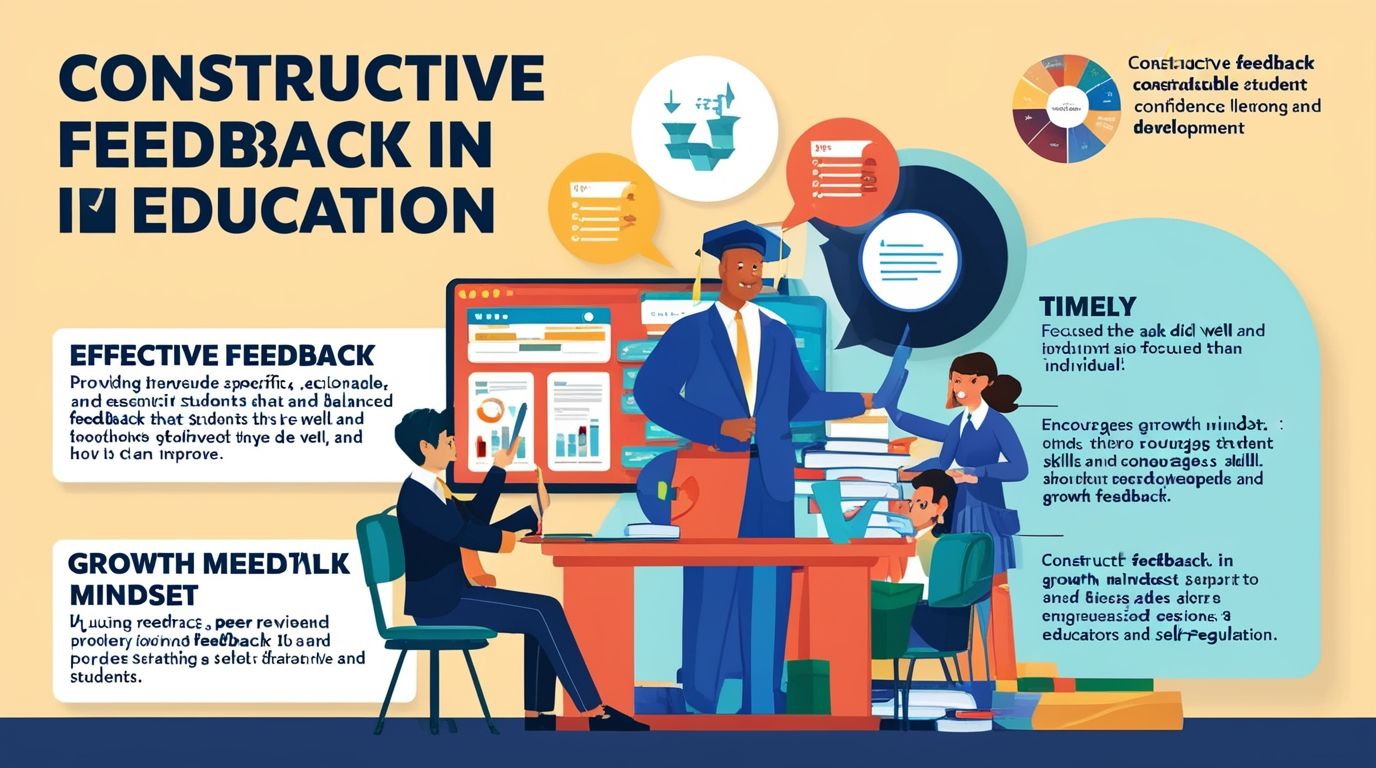
- Give feedback students can use. Tell them what they did well, what to fix, and how to fix it. Skip vague comments like “try harder.”
- Adjust the curriculum. Add time for topics most classes miss, and move faster through topics most students master.
- Involve families. Share clear, jargon-free summaries and suggest simple ways to help at home.
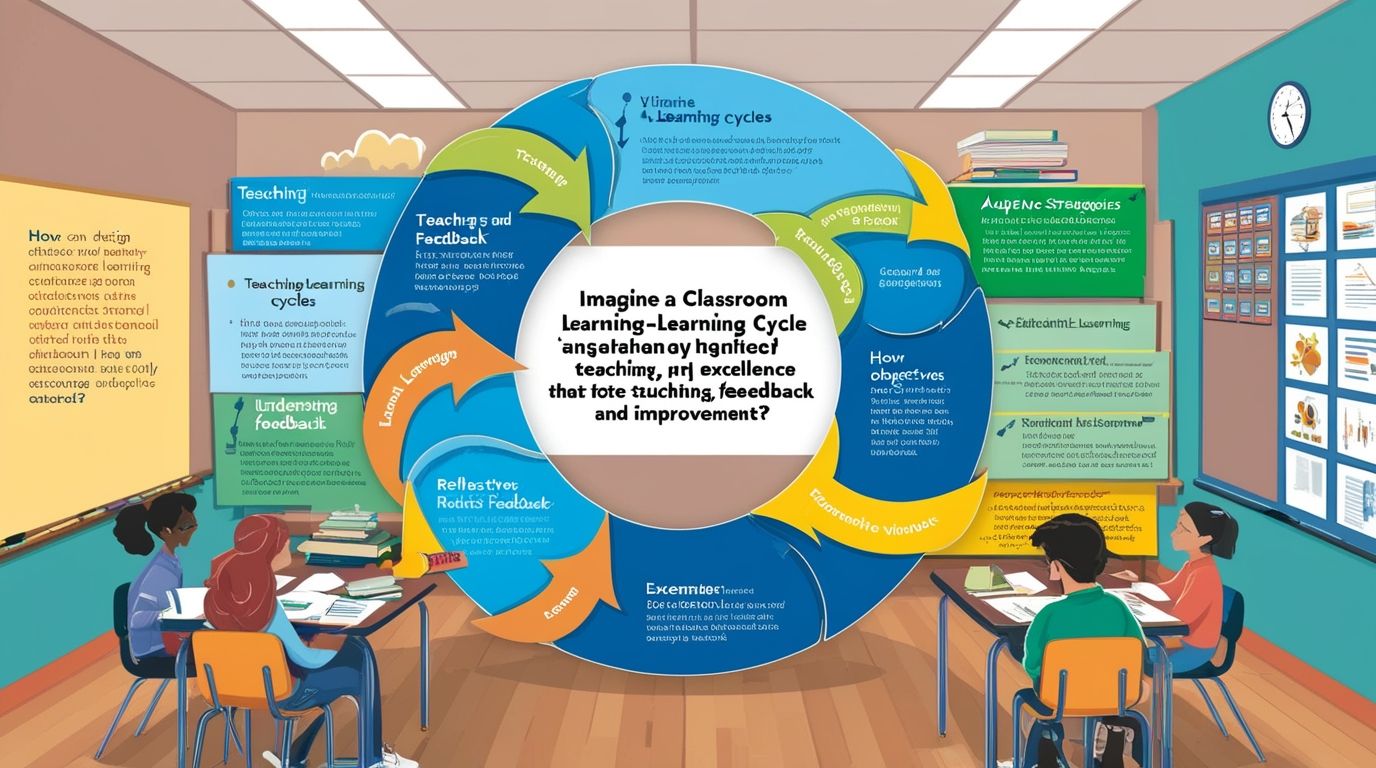
Re-assess within four to six weeks. Test the same objectives with new questions and compare the results with your baseline. If the gap has closed, move on. If it has not, return to the root causes.
Example: A Grade 8 Mathematics Exam
Consider this illustrative case. A school analyses a Grade 8 mathematics exam taken by 120 students. The average score is 62 percent, which looks acceptable. The item analysis tells a different story. Students score 81 percent on number operations and 74 percent on geometry, but only 38 percent on algebraic expressions. Error analysis shows that most students confuse like and unlike terms, and many leave proportional reasoning questions blank.
The department plans a three-week response. Teachers use algebra tiles to model terms, run weekly ten-minute retrieval quizzes, and hold lunchtime clinics for the 28 students scoring below 40 percent. A re-test shows algebra scores rising to 61 percent. The department also moves extra algebra time into the Grade 7 scheme of work so the gap does not form again.
The lesson is simple. The average hid the problem, and the question-level data exposed it.
Common Mistakes to Avoid
- Relying on total scores. Totals hide the topics where students struggle.
- Treating all errors alike. A careless slip and a deep misconception need different fixes.
- Collecting too much data. Pick three to five priority gaps and act on them.
- Ignoring the exam itself. A poorly worded question can create a gap that does not exist.
- Skipping the re-test. Without it, you never learn whether your action worked.
- Labelling students. Describe the gap, not the child.
Best Practices for Schools and Leaders
- Schedule a data meeting within one week of each exam, while memories are fresh.
- Train teachers in basic data skills so analysis does not rest on one specialist.
- Use shared templates so departments can compare results.
- Keep the focus on learning, not blame. Teachers share honest data only when they trust the process.
- Follow local data protection rules and limit access to student records.
- Celebrate gains. Public recognition of closed gaps builds momentum.
The Future of Learning Gap Analysis
Adaptive testing, real-time dashboards, and AI-assisted marking will make exam learning gap analysis faster and more detailed. The core skill stays human, though. A teacher who reads the evidence, knows the student, and chooses the next step still drives improvement.
Conclusion
Exams do more than rank students. Used well, they show exactly where learning broke down and where support will help most. Learning gap analysis gives schools a repeatable method: map the exam to the curriculum, study the data by question and by group, find the causes, act, and re-test.
Start small. Pick one exam, one subject, and one class. Run the eight steps, choose three priority gaps, and check progress in six weeks. The habit builds quickly, and students feel the difference when teaching meets their real needs.
Frequently Asked Questions
1. How often should schools run exam learning gap analysis?
Run it after every major exam, such as end-of-unit tests, mid-year exams, and final exams. Many schools also use short diagnostic quizzes every few weeks to catch problems early. The key is a fast turnaround, ideally within one week of the exam.
2. What is the difference between a learning gap and an achievement gap?
A learning gap compares a student’s current knowledge with the expected standard. An achievement gap compares the results of different student groups, such as groups defined by income, language, or school. Both matter, and learning gap analysis often reveals both at once.
3. Do teachers need advanced software to analyse exam results?
No. A spreadsheet is enough to start. Record marks by question, link each question to an objective, and calculate the percentage earned per objective. Specialised platforms save time at scale, but the thinking behind the analysis matters more than the tool.
References
- Black, P., & Wiliam, D. (1998). Assessment and classroom learning. Assessment in Education: Principles, Policy & Practice, 5(1), 7–74.
- Hattie, J., & Timperley, H. (2007). The power of feedback. Review of Educational Research, 77(1), 81–112.