Introduction
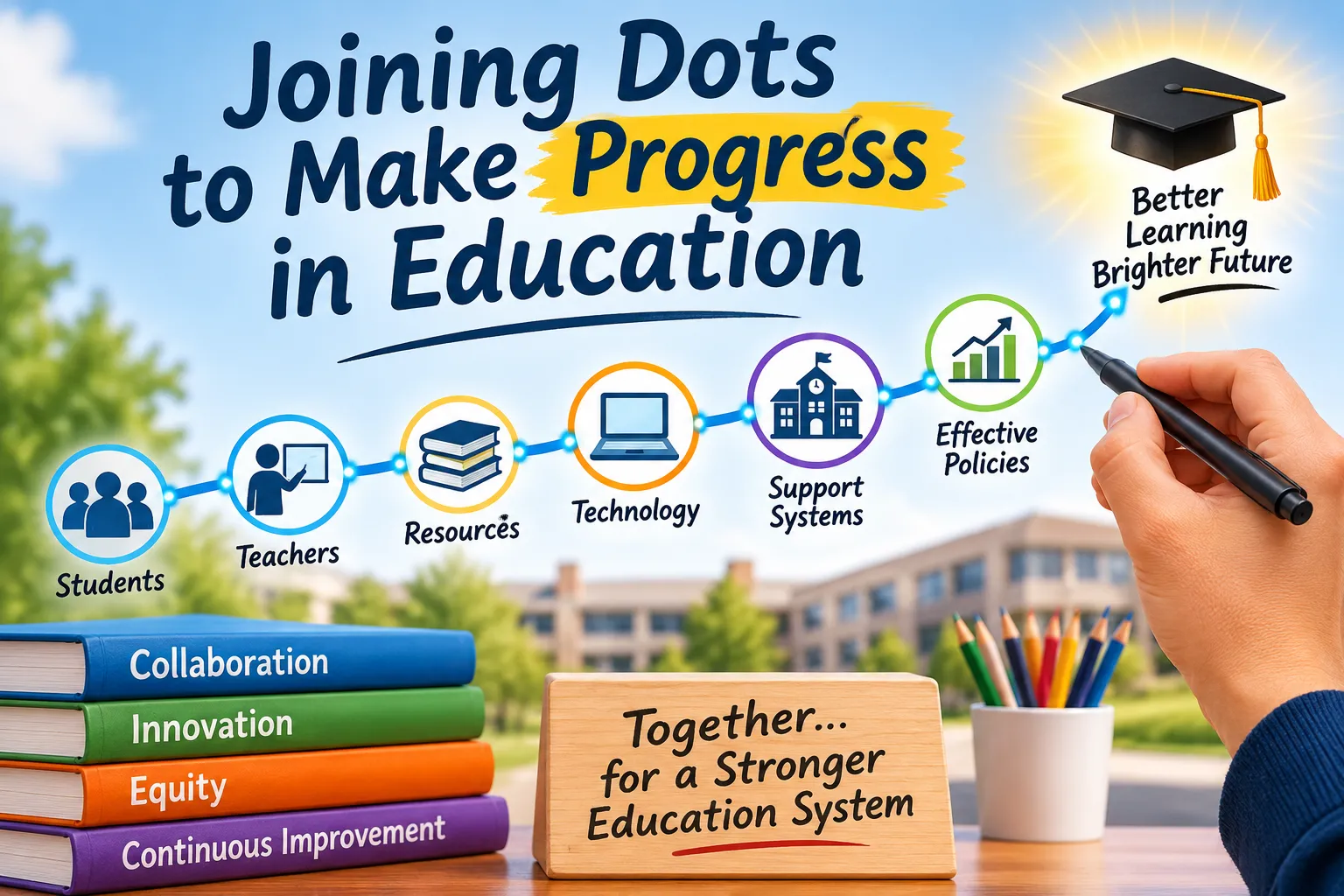
Joining Dots to Make Progress in Education, Steve Jobs once said that you cannot connect the dots looking forward, only looking backward. Teachers and school leaders face the opposite challenge every day. They must join the dots now, so students can see how each lesson, skill, and experience links to the next. When schools do this well, progress in education accelerates, and learners gain confidence, curiosity, and purpose.
This article explains what joining dots in education means, why it matters, and how schools, teachers, parents, and policymakers can put it into practice. You will find practical strategies, clear examples, and answers to common questions.
What Does Joining Dots in Education Mean?
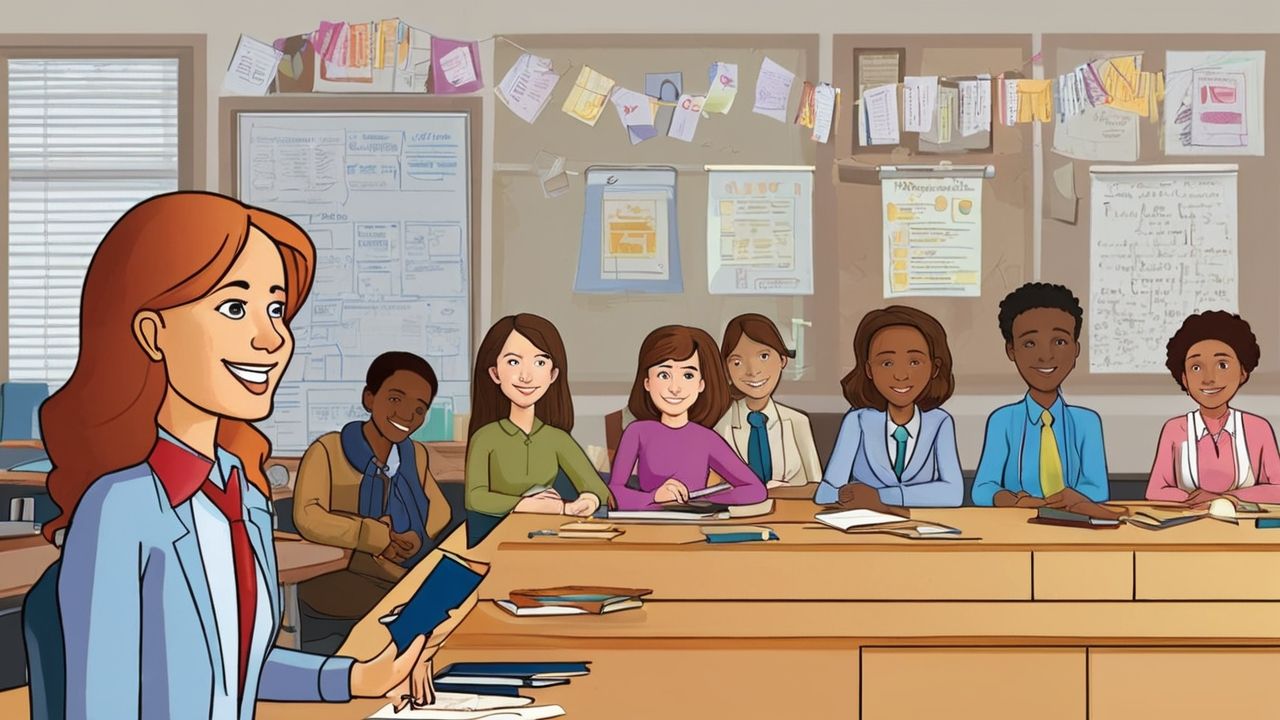
Imagine a student who studies fractions on Monday, measures ingredients in a cooking class on Wednesday, and reads a story about sharing food on Friday. Each lesson sits in its own box. The student sees three unrelated tasks, not one connected idea about parts and wholes.
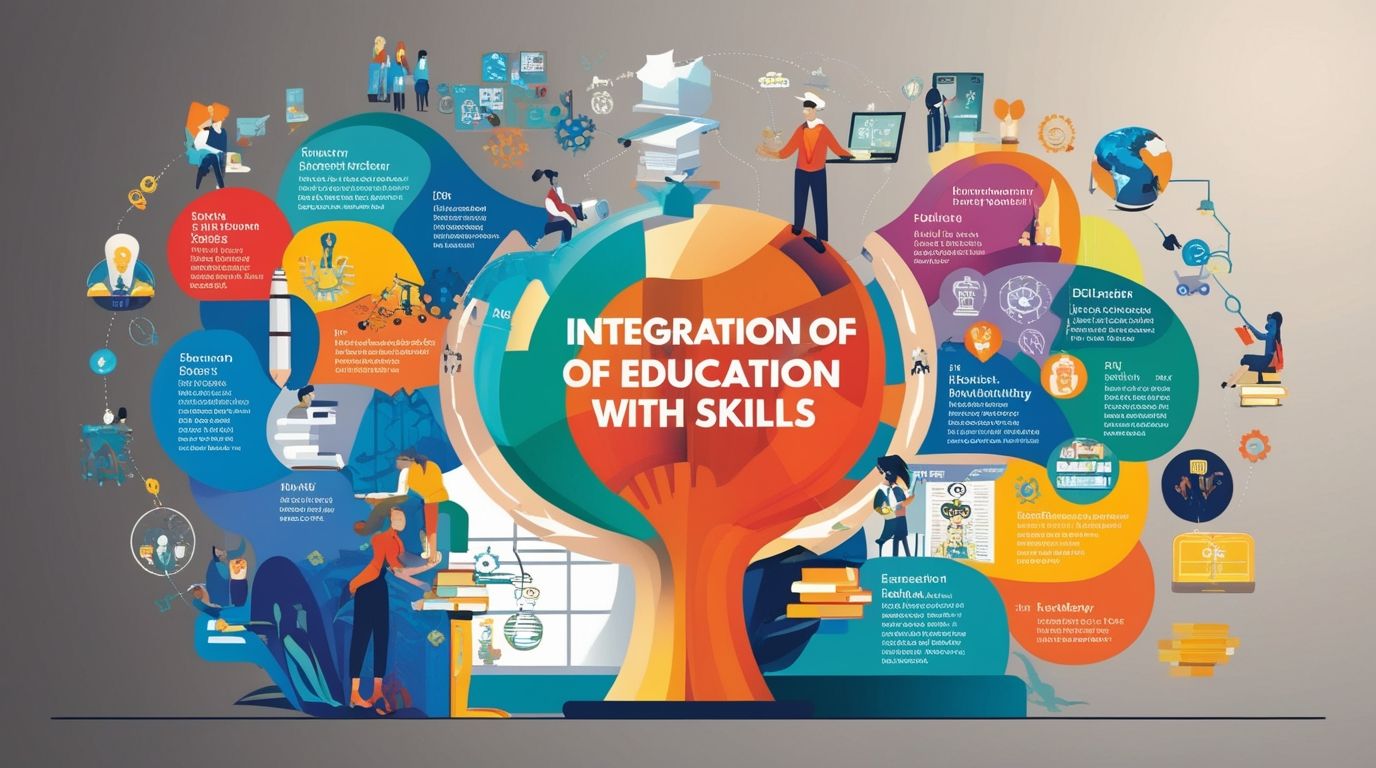
Joining dots means removing those boxes. It means helping learners notice links between topics, subjects, people, and real-world problems. Teachers who work this way ask three questions: What does the student already know? What do we want the student to learn next? How does this knowledge connect to life beyond the classroom?
The approach goes by several names: connected learning, integrated learning, and interdisciplinary teaching. Each name describes the same core belief. Knowledge sticks when learners can attach it to something they already understand.
Why Connected Learning Drives Progress in Education
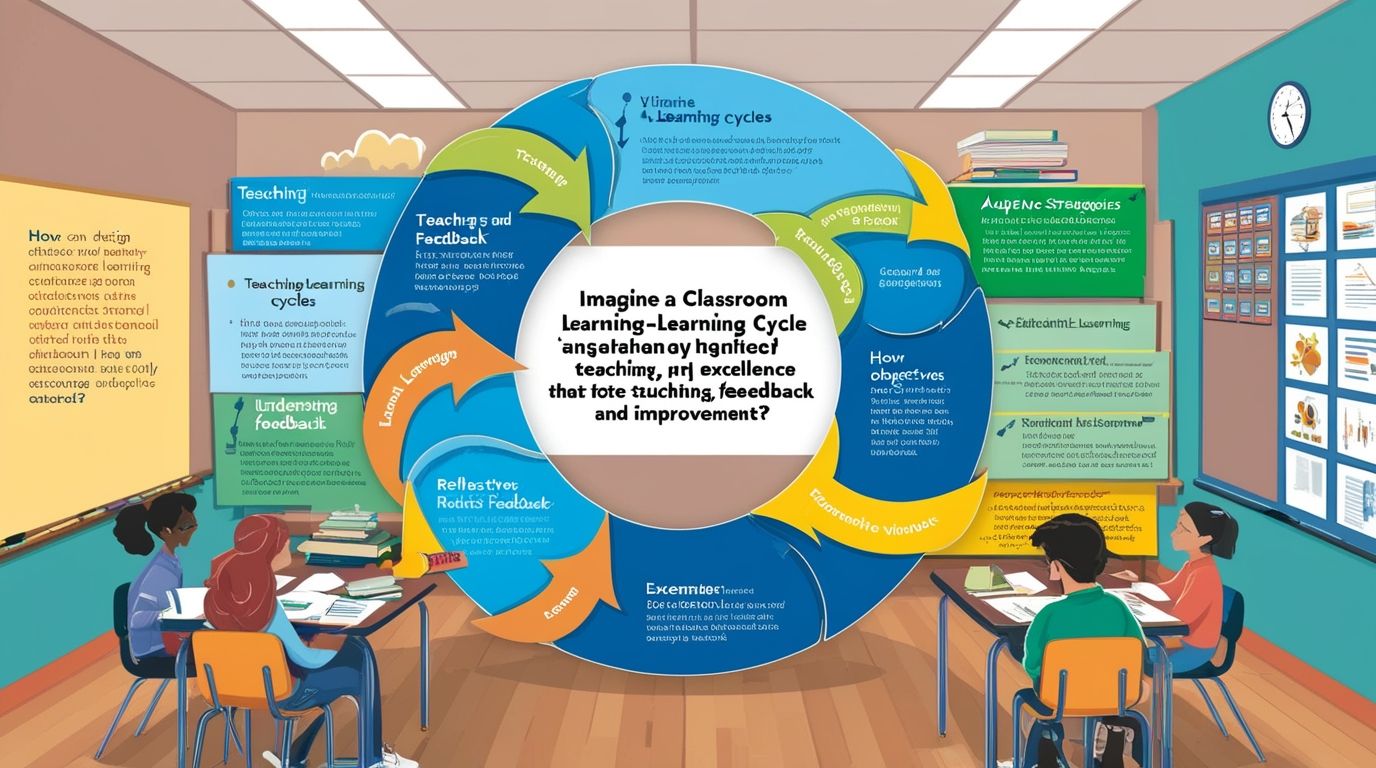
Researchers have studied how people learn for decades, and one finding appears again and again. The brain stores information in networks. A new fact that links to existing knowledge is easier to recall, easier to apply, and harder to forget.
John Hattie’s large synthesis of more than 800 studies, known as Visible Learning, shows that strategies helping students build links between ideas, such as concept mapping and teaching for transfer, produce strong gains in achievement. Students who see the whole picture learn faster than students who memorize separate facts.
Connected teaching delivers several benefits:
- Better retention. Learners remember ideas that fit into a bigger story.
- Stronger student engagement. Relevance gives students a reason to care.
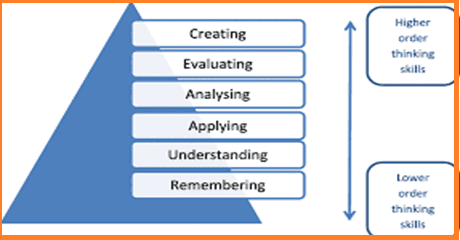
- Deeper critical thinking. Comparing ideas across subjects builds analysis and judgment.
- Improved learning outcomes. Students apply knowledge in new situations, which is what exams and employers expect.
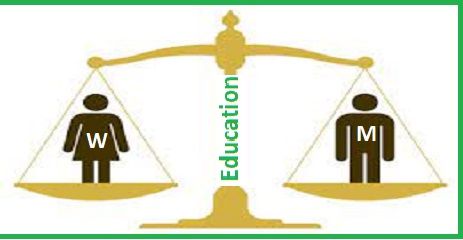
- Greater equity. Students without strong support at home gain a clear map that shows how learning fits together.
Every one of these benefits pushes progress in education forward, both for individual learners and for entire school systems.
Join the Dots Between Subjects
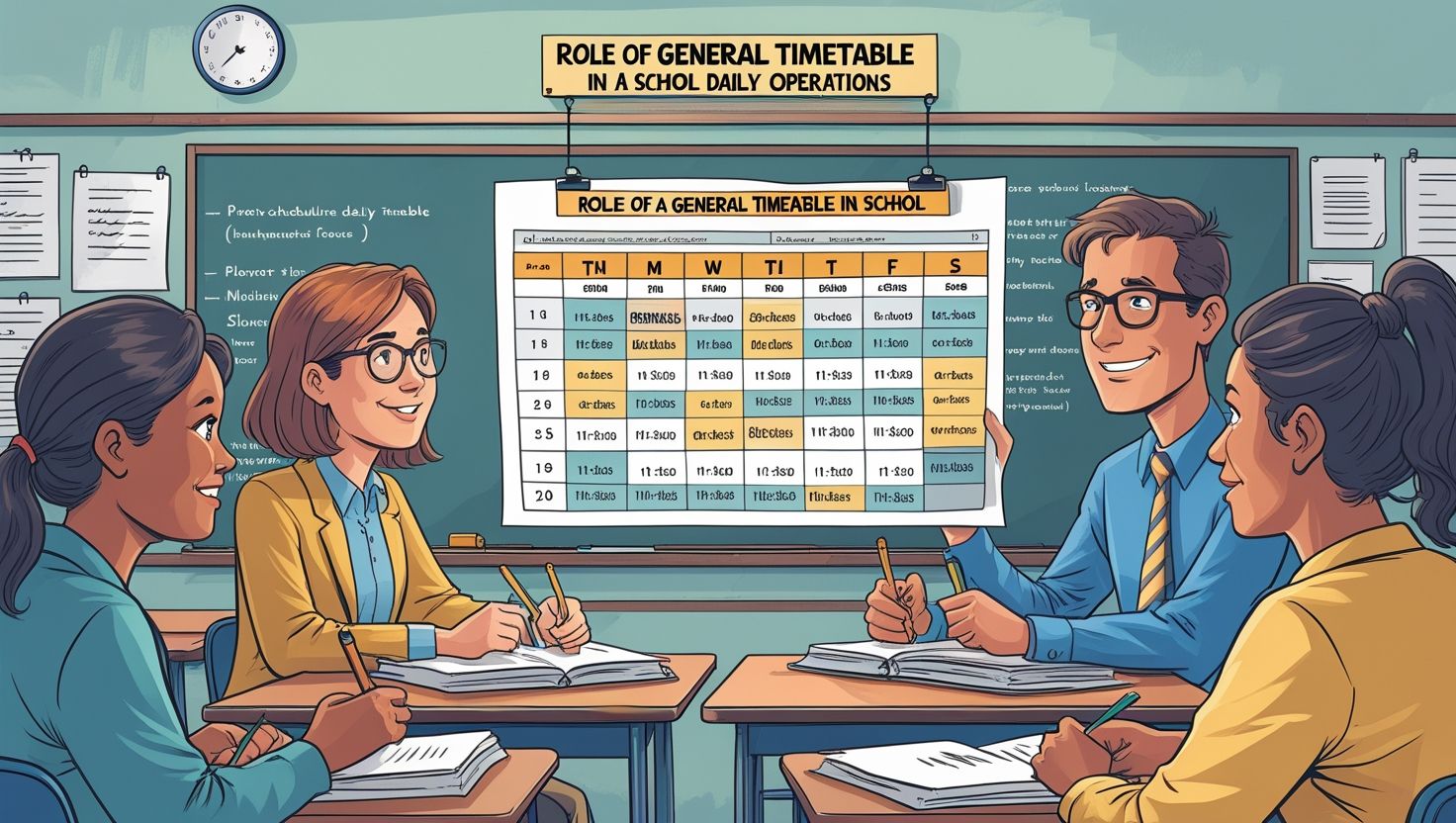
Traditional timetables slice the day into separate periods: maths, science, history, language. Real problems never arrive so neatly. Climate change needs science, economics, geography, ethics, and persuasive writing. A new bridge needs physics, budgeting, design, and community consultation.
Schools can connect subjects in several ways.
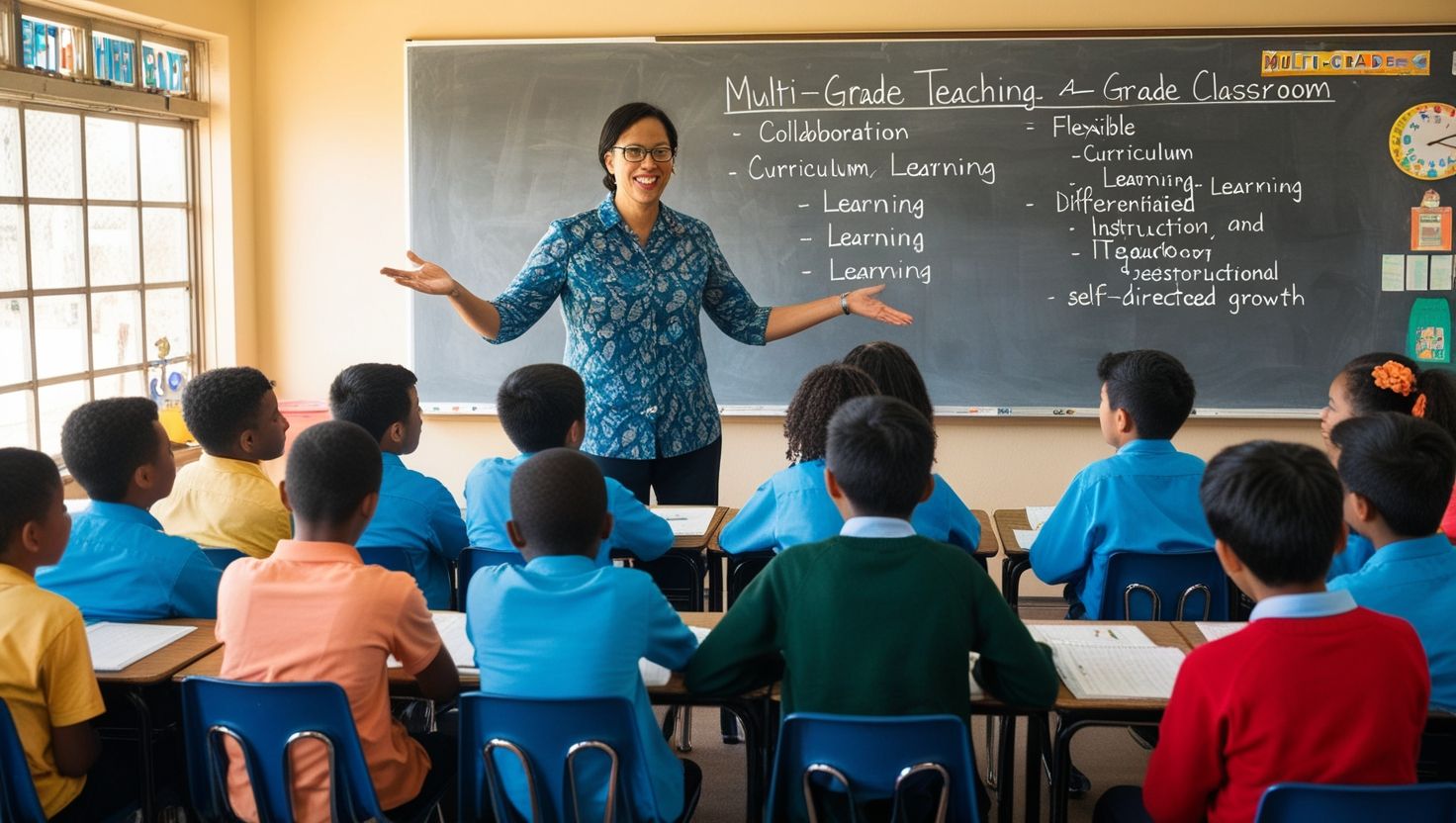
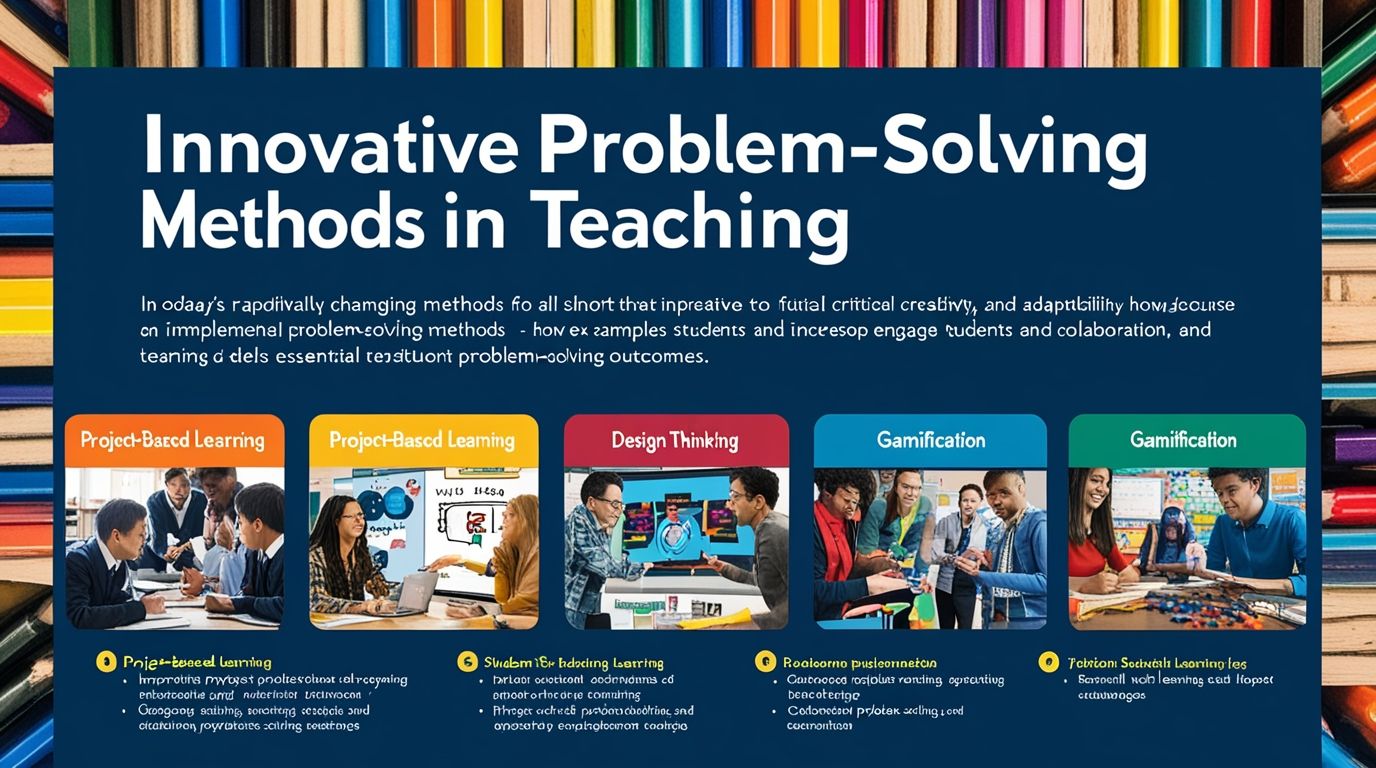
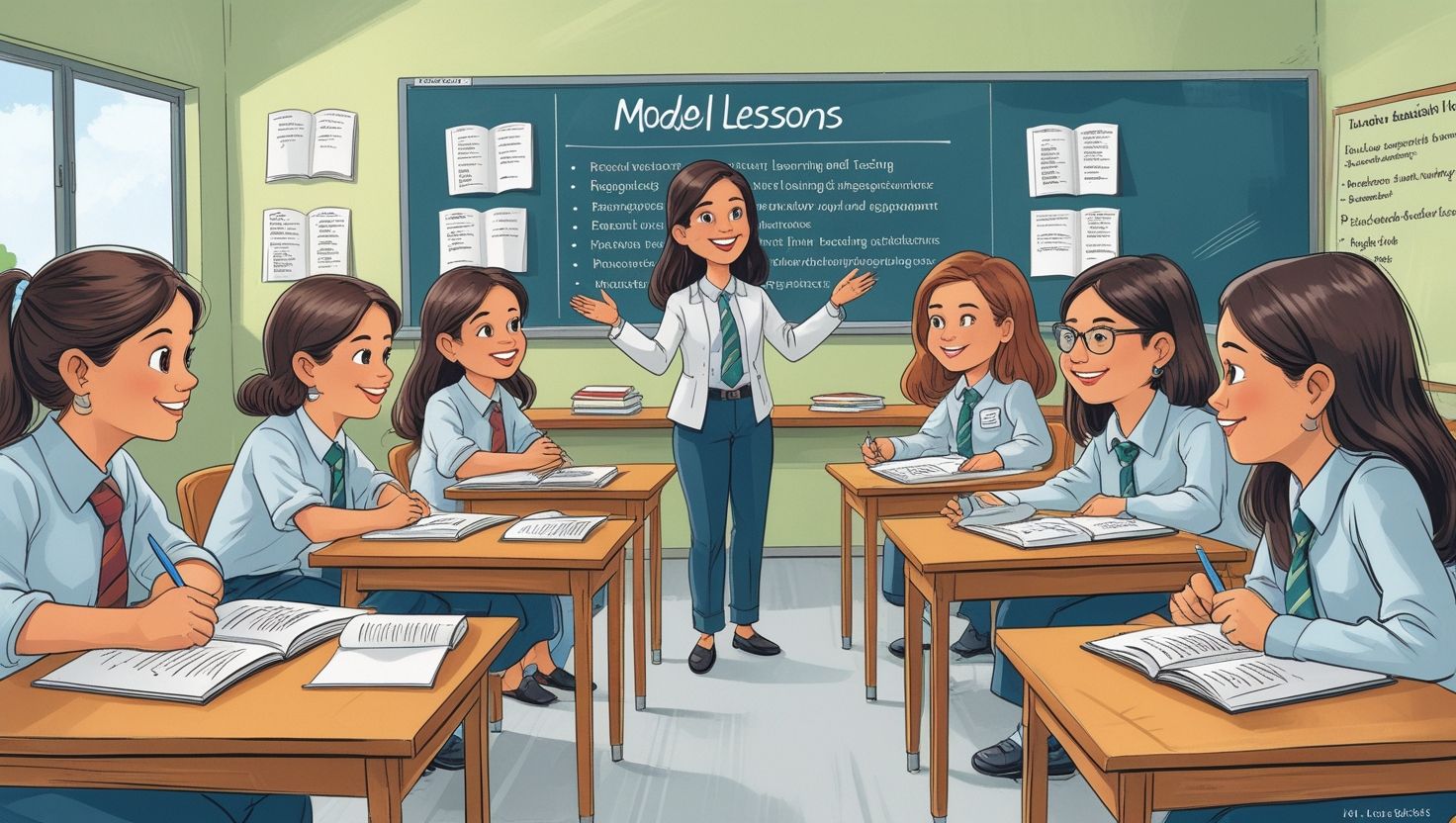
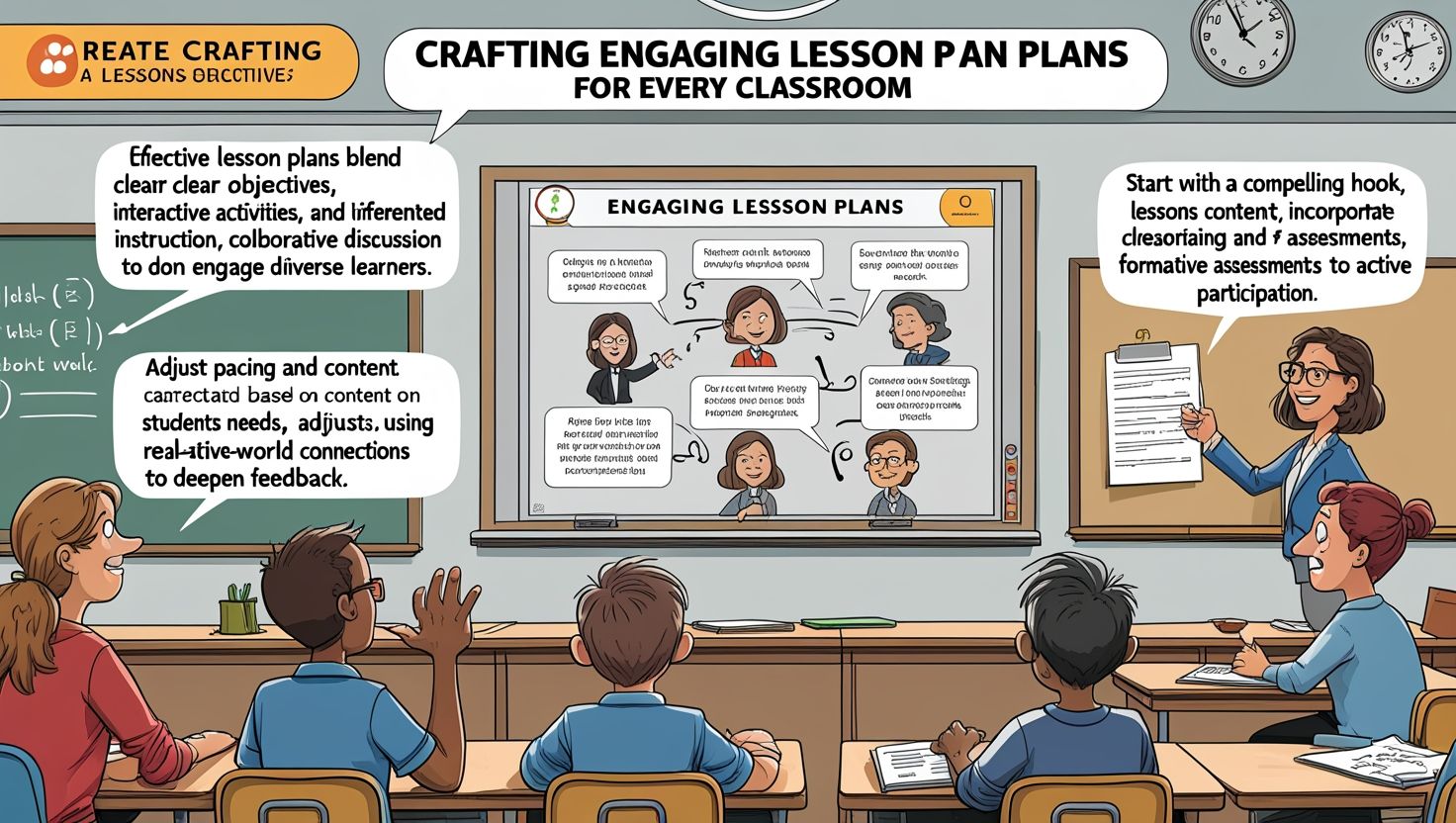
Project-based learning. Students investigate a real question over several weeks. A class might design a rainwater collection system for the school garden. They calculate volume in maths, study the water cycle in science, write a proposal in English, and present a budget in business studies.
Shared themes. Teachers across departments agree on a term-long theme such as energy or migration. Each subject explores the theme from its own angle, and students notice the same idea appearing in different forms.
Common language for skills. When every teacher uses the same words for skills such as evidence, argument, and analysis, students recognize these skills wherever they appear. A student who learns to weigh evidence in history applies the same skill in a science report.
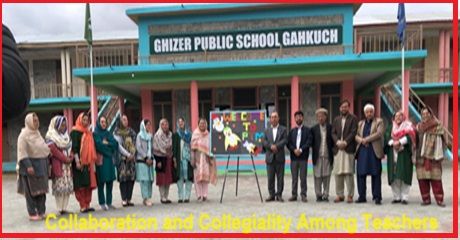
Co-planning time. Teachers need time to talk. A thirty-minute weekly meeting between a science teacher and an English teacher often produces more connected lessons than any new textbook.
Join the Dots Between Prior Knowledge and New Learning
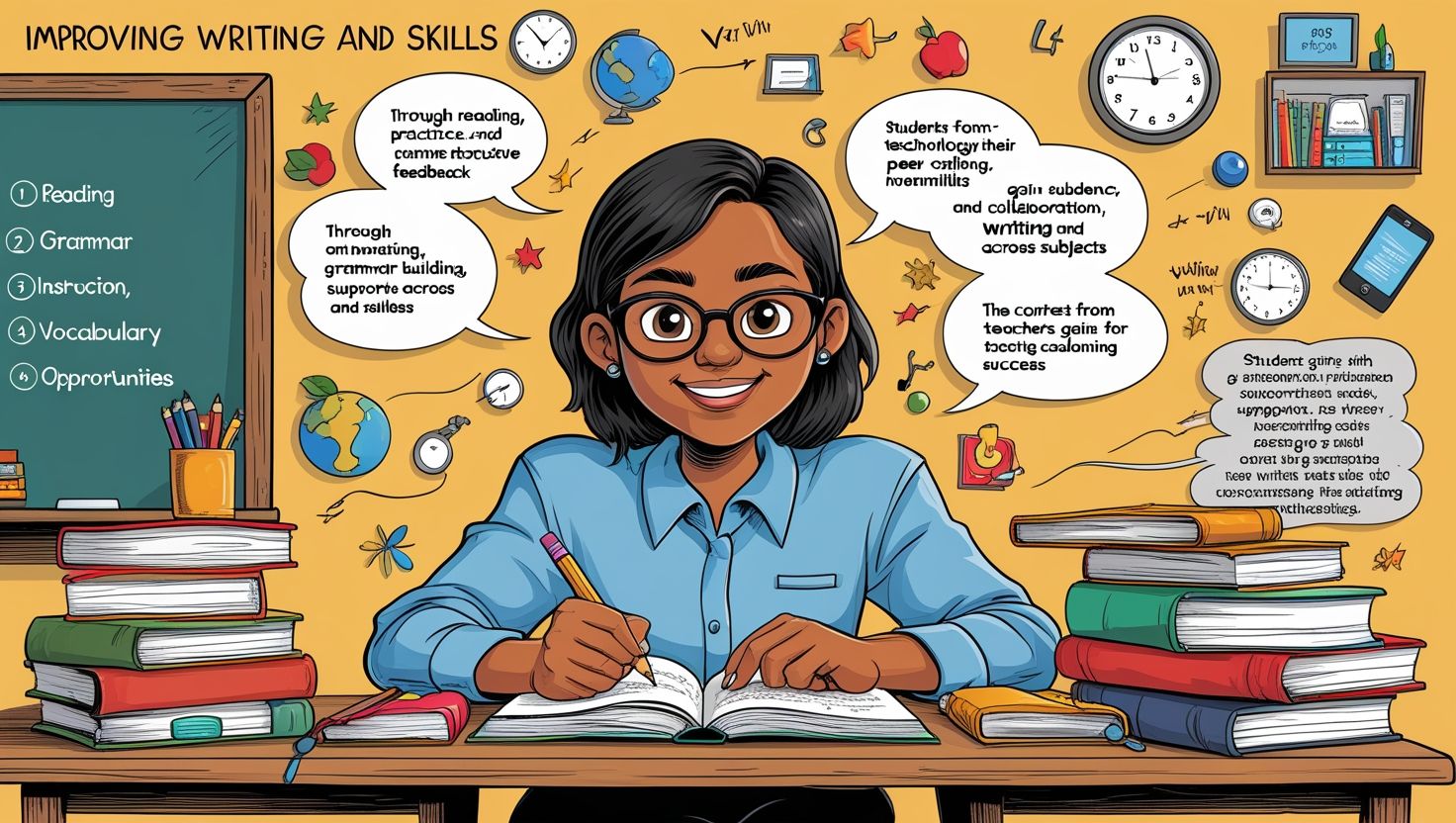
The most powerful link a teacher can build runs between what students know today and what they will learn tomorrow. Educational psychologists call this activating prior knowledge.
In How Learning Works, Susan Ambrose and her colleagues explain that students’ existing knowledge strongly shapes how they absorb new material. Accurate prior knowledge speeds learning. Gaps or misconceptions slow it down.
Teachers can build this link with simple routines:
- Open each lesson with a short retrieval task that revisits last week’s ideas.
- Ask students to predict, before the lesson starts, what they expect to happen.
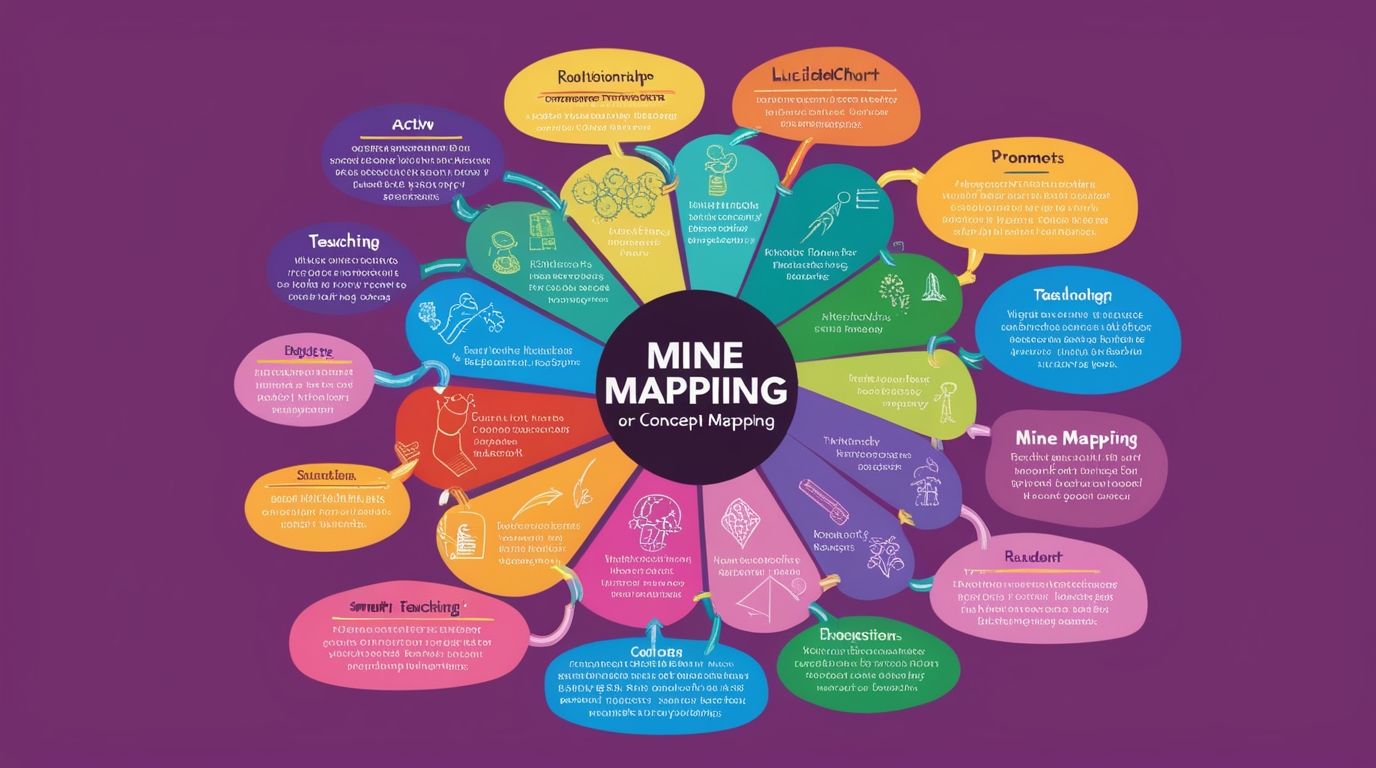
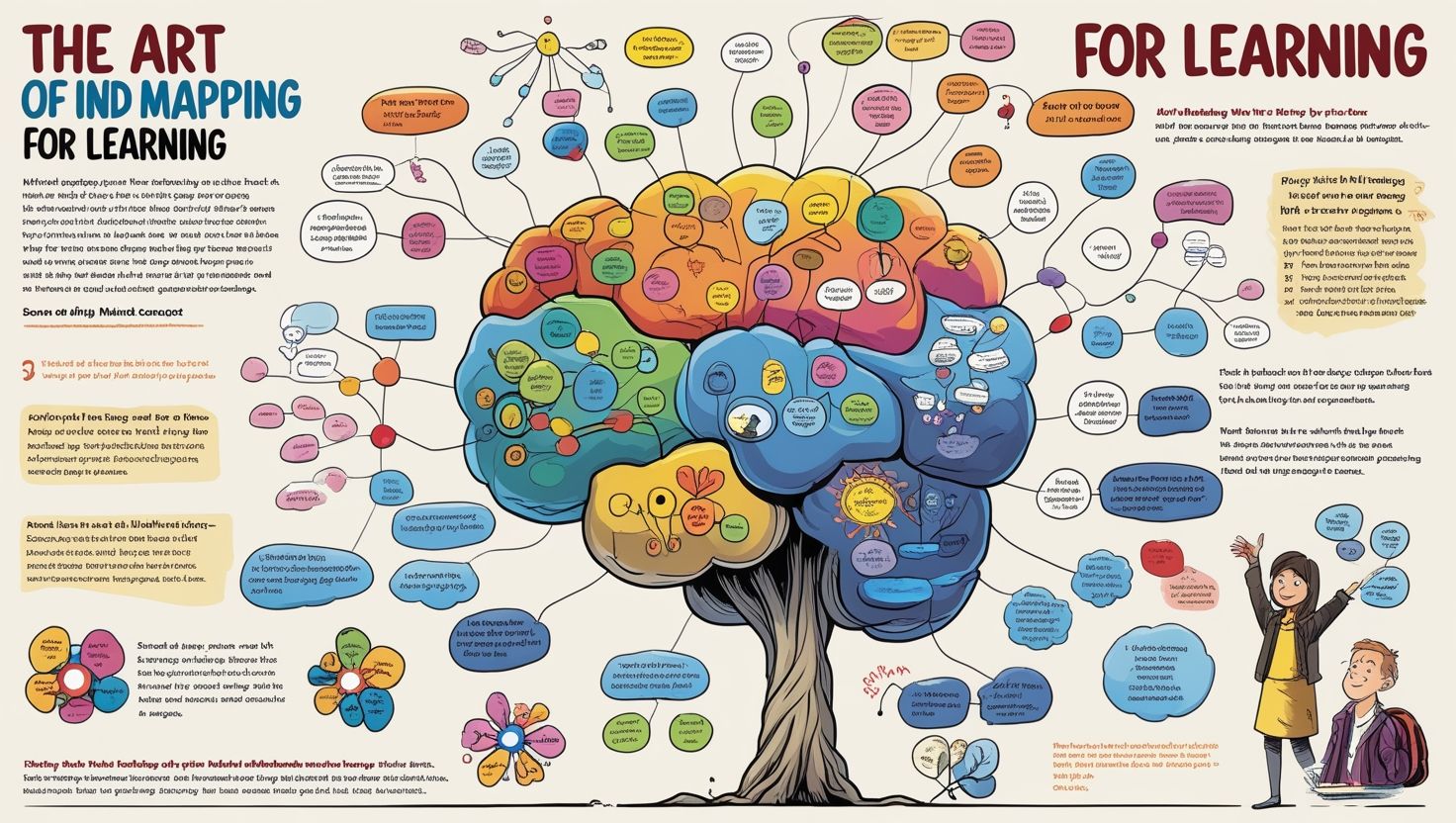
- Use concept maps so learners draw the connections they see.
- Close the lesson by asking students to link the new idea to something familiar.
These routines take only a few minutes, yet they train students to look for links on their own. Over time, the habit becomes automatic, and learners become independent thinkers.
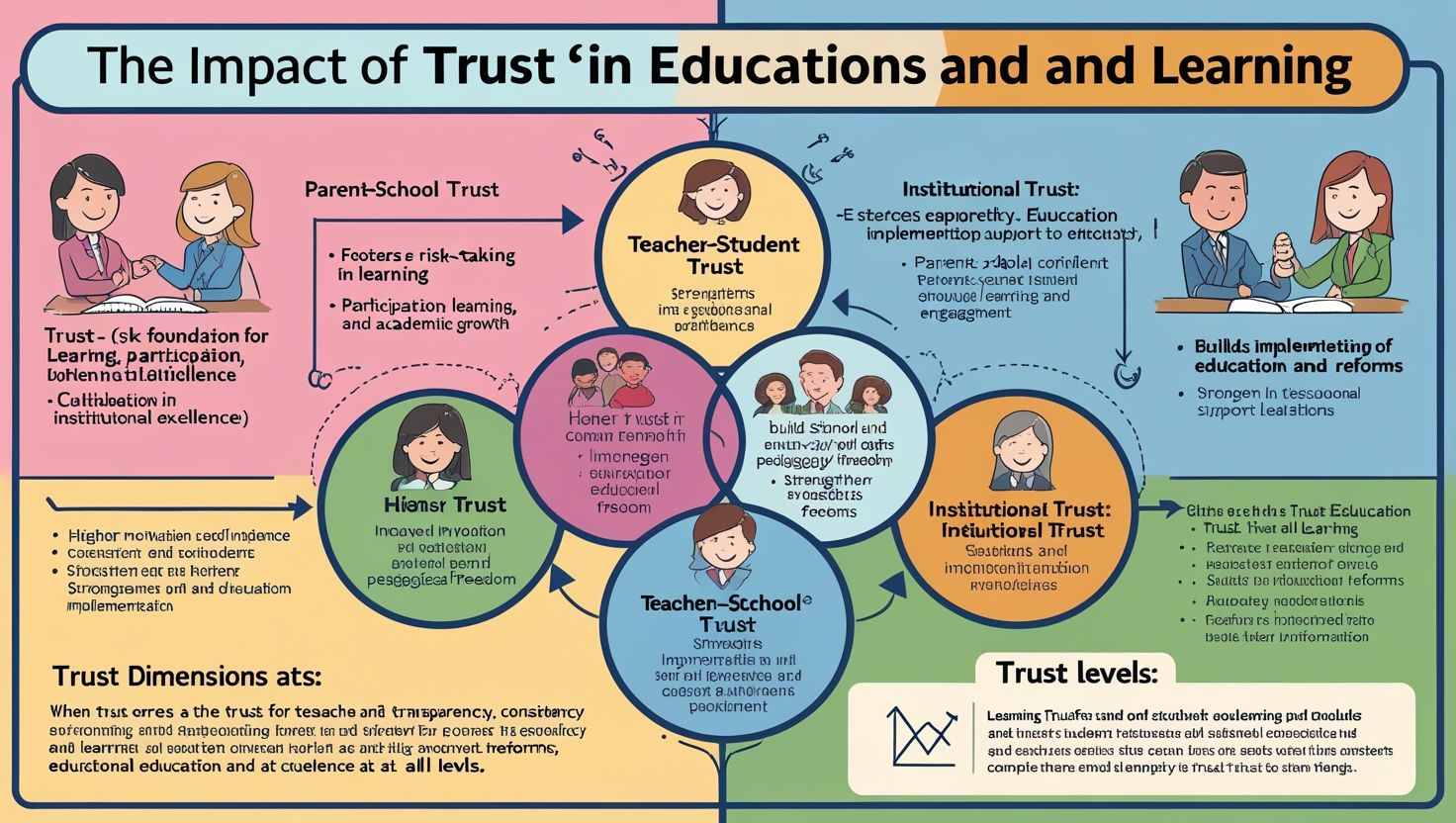
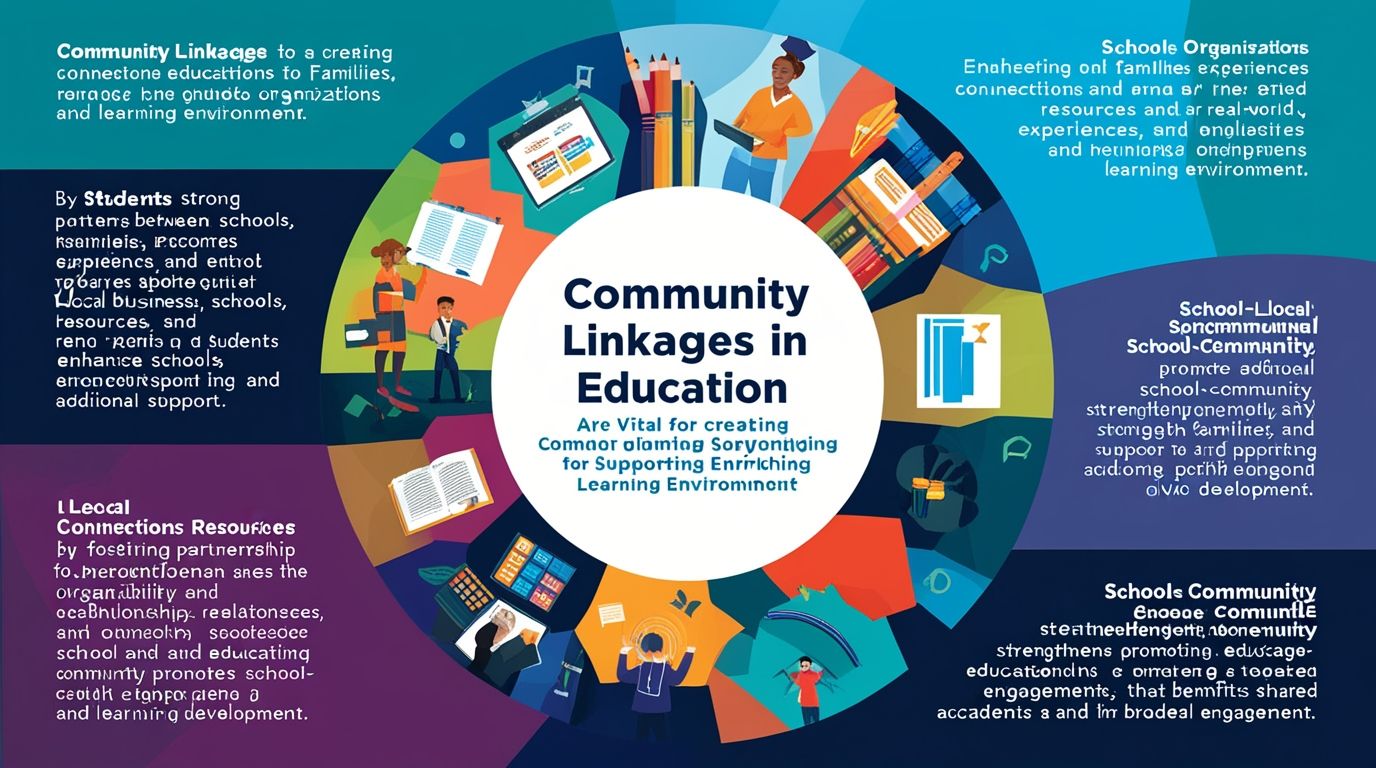
Join the Dots Between School and Home
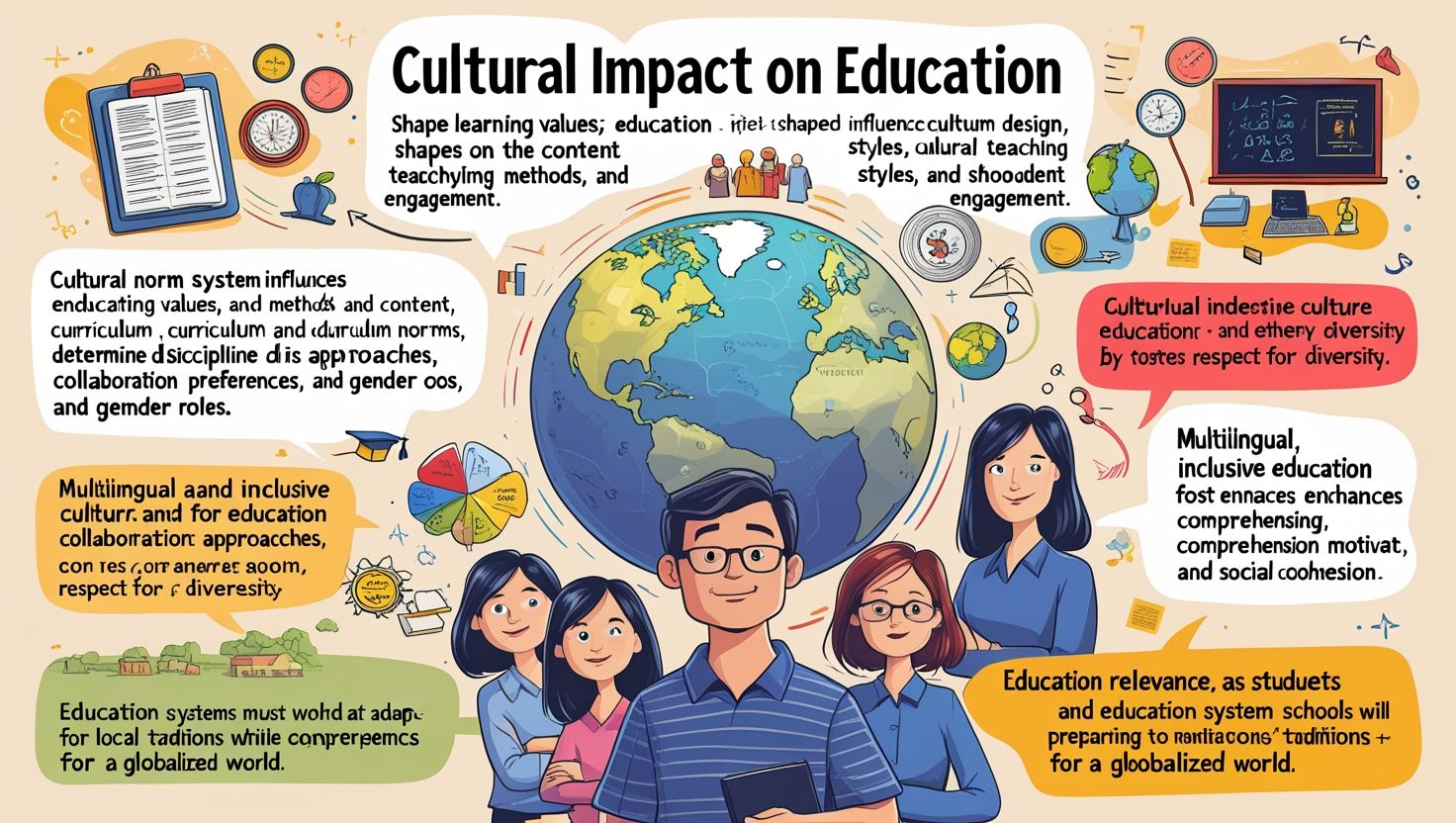
Children spend most of their waking hours outside school. Families, communities, and cultures shape what they know and how they learn. Schools that ignore this world miss a huge opportunity.
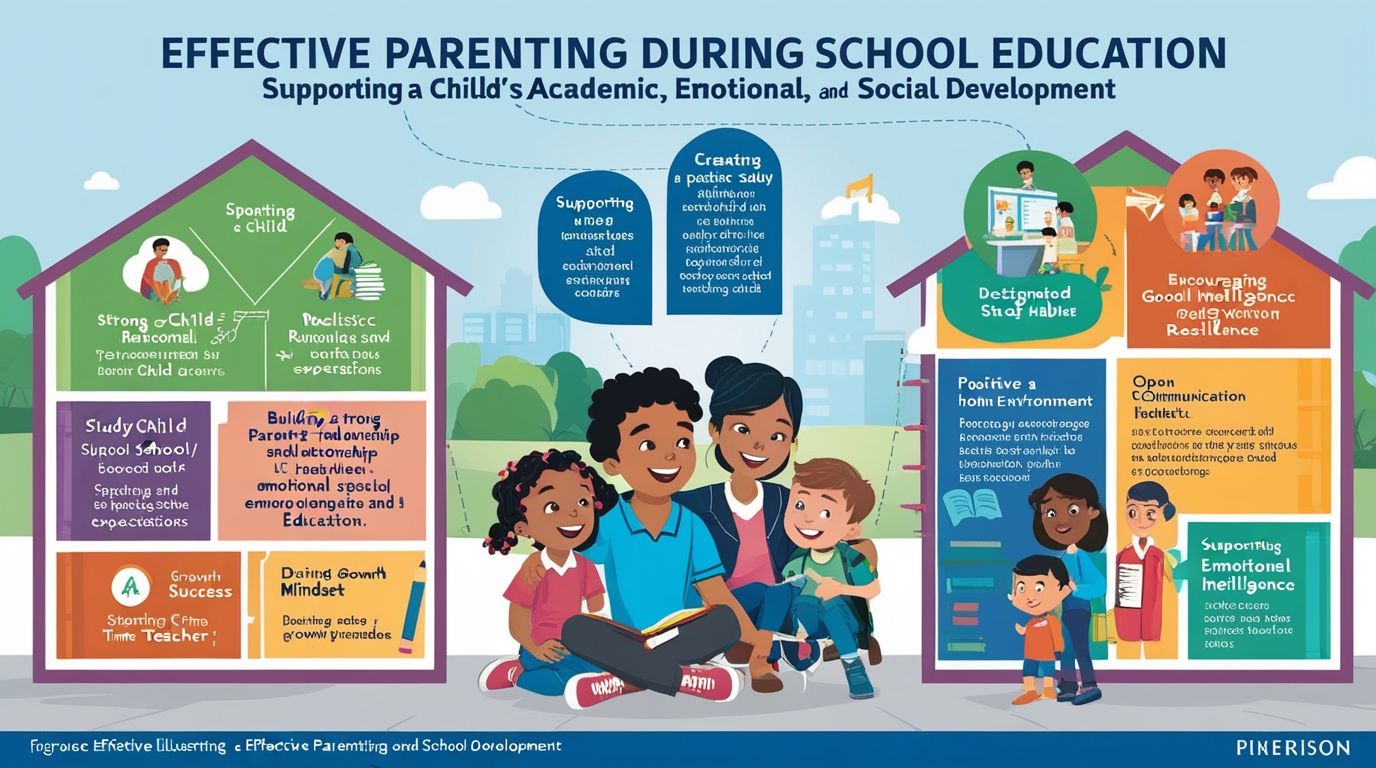
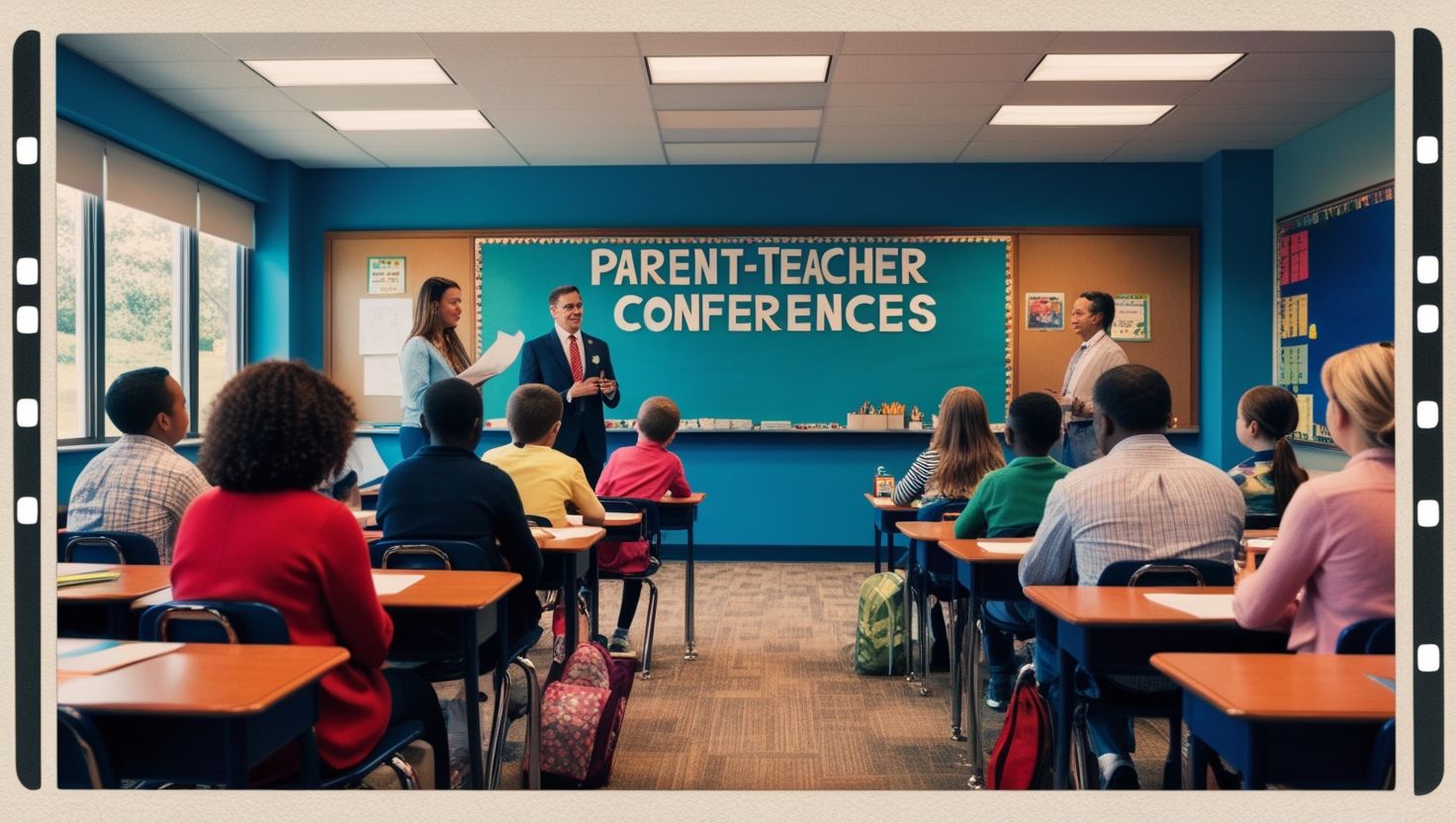
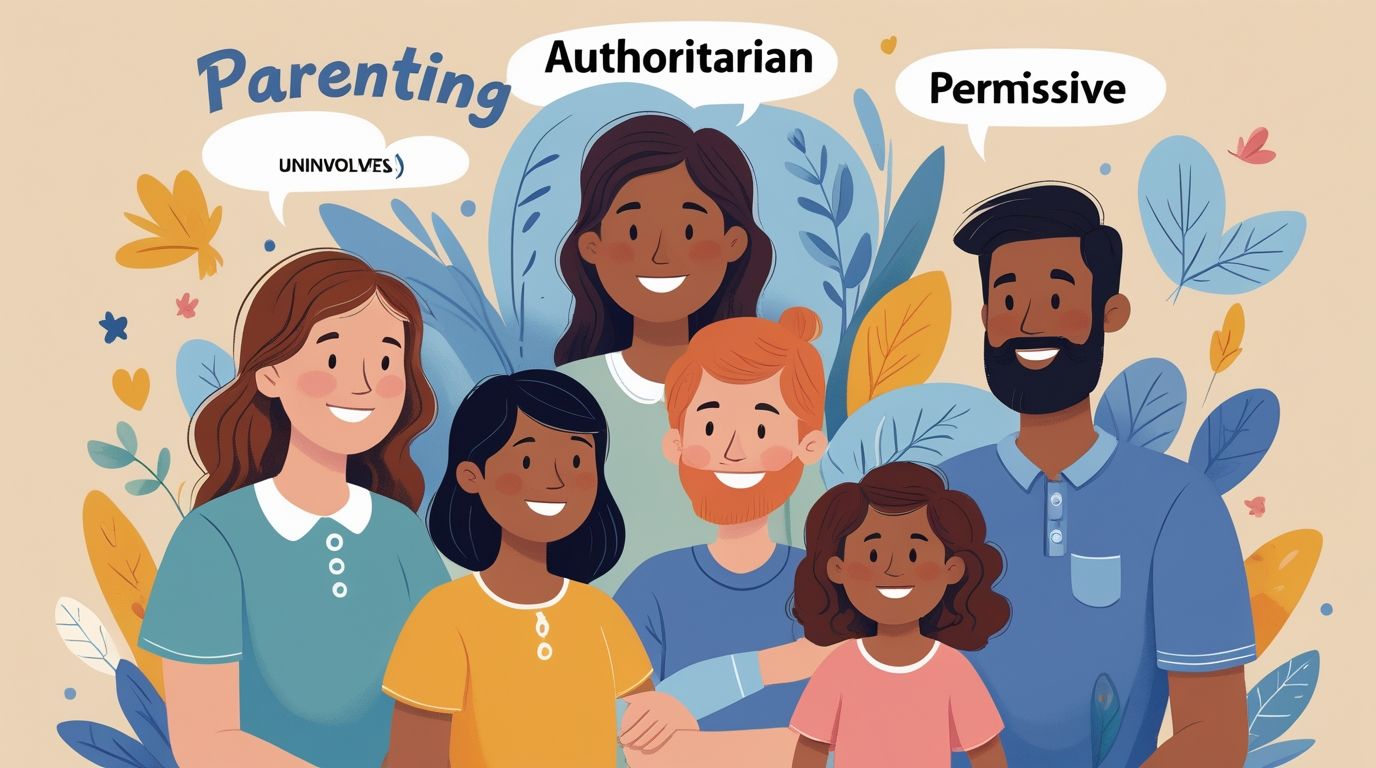
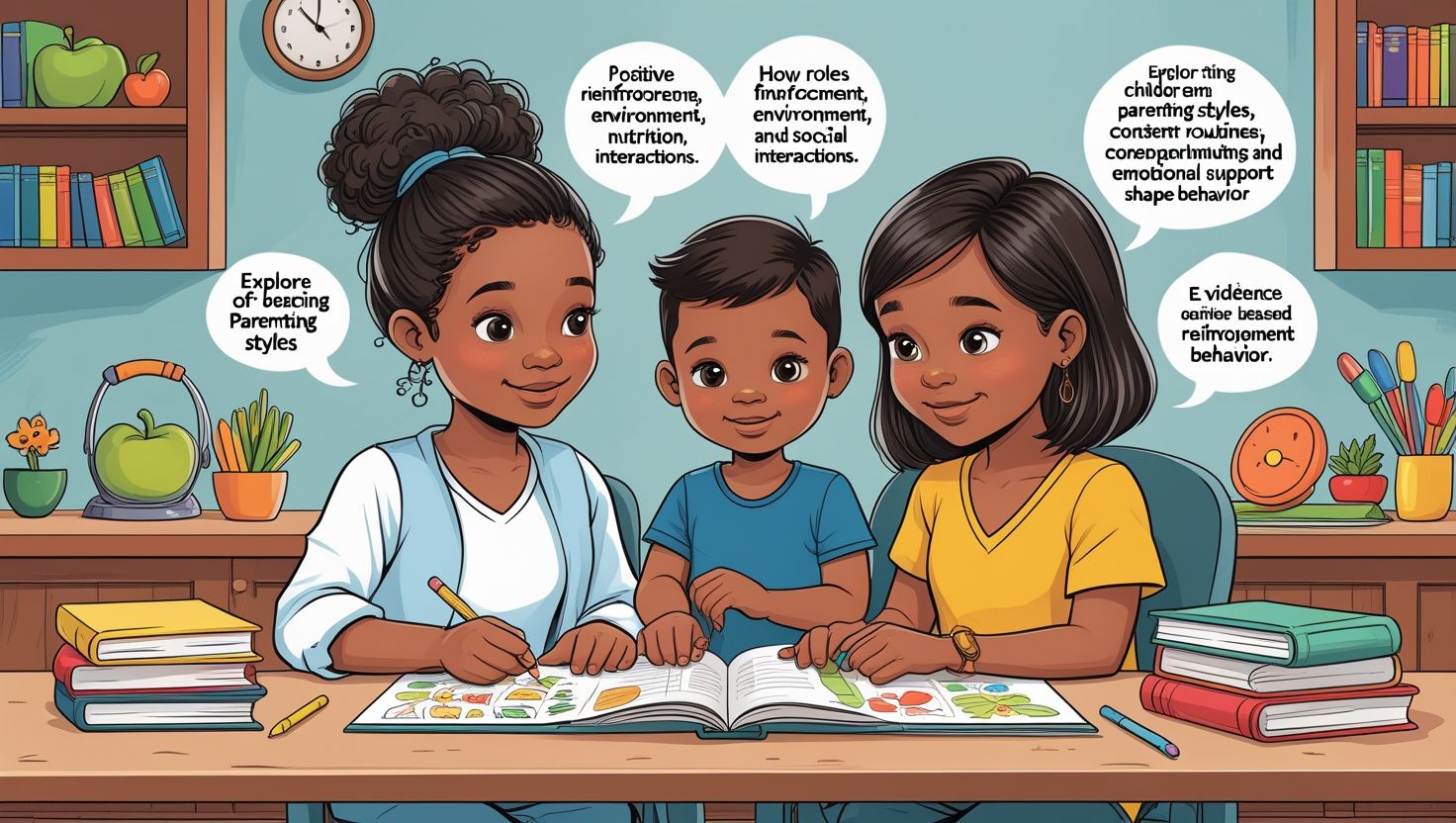
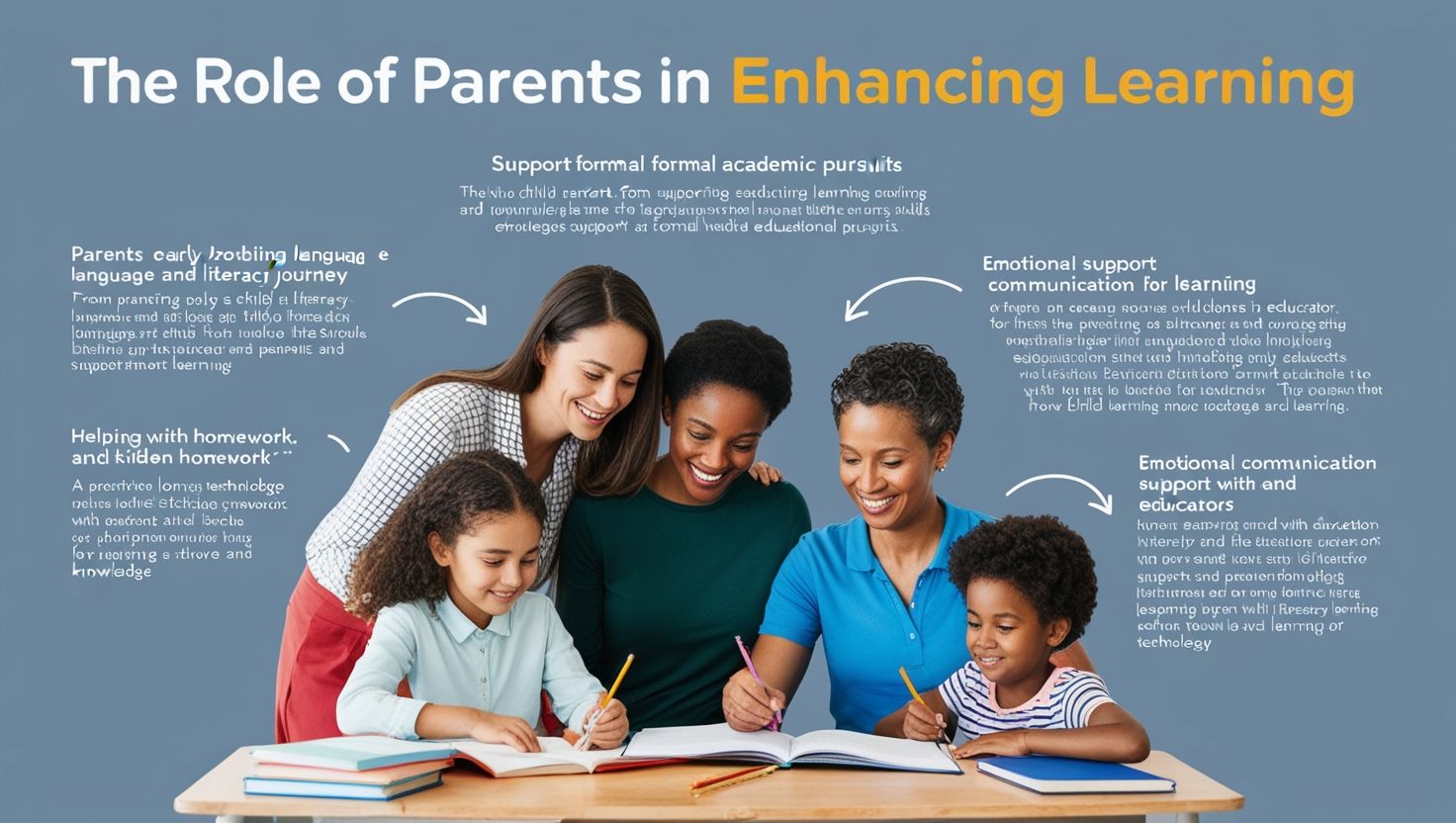
Parents and caregivers play a vital role in personalized learning. A parent who knows what the class is studying can raise the topic at dinner, point out examples on a shopping trip, or encourage a related hobby. Research on family engagement consistently links involved parents with higher attendance, better behavior, and stronger grades.
Schools can strengthen this connection in practical ways:
- Send short, jargon-free updates that explain the current topic and suggest one conversation starter.
- Invite parents to share their work skills and cultural knowledge with the class.
- Offer flexible meeting times, including evenings and video calls, so working families can take part.
- Use the languages families speak at home in letters and messages.
When home and school pull in the same direction, students feel that learning belongs to their whole life, not only to the classroom.
Join the Dots Between Teachers, Data, and Decisions
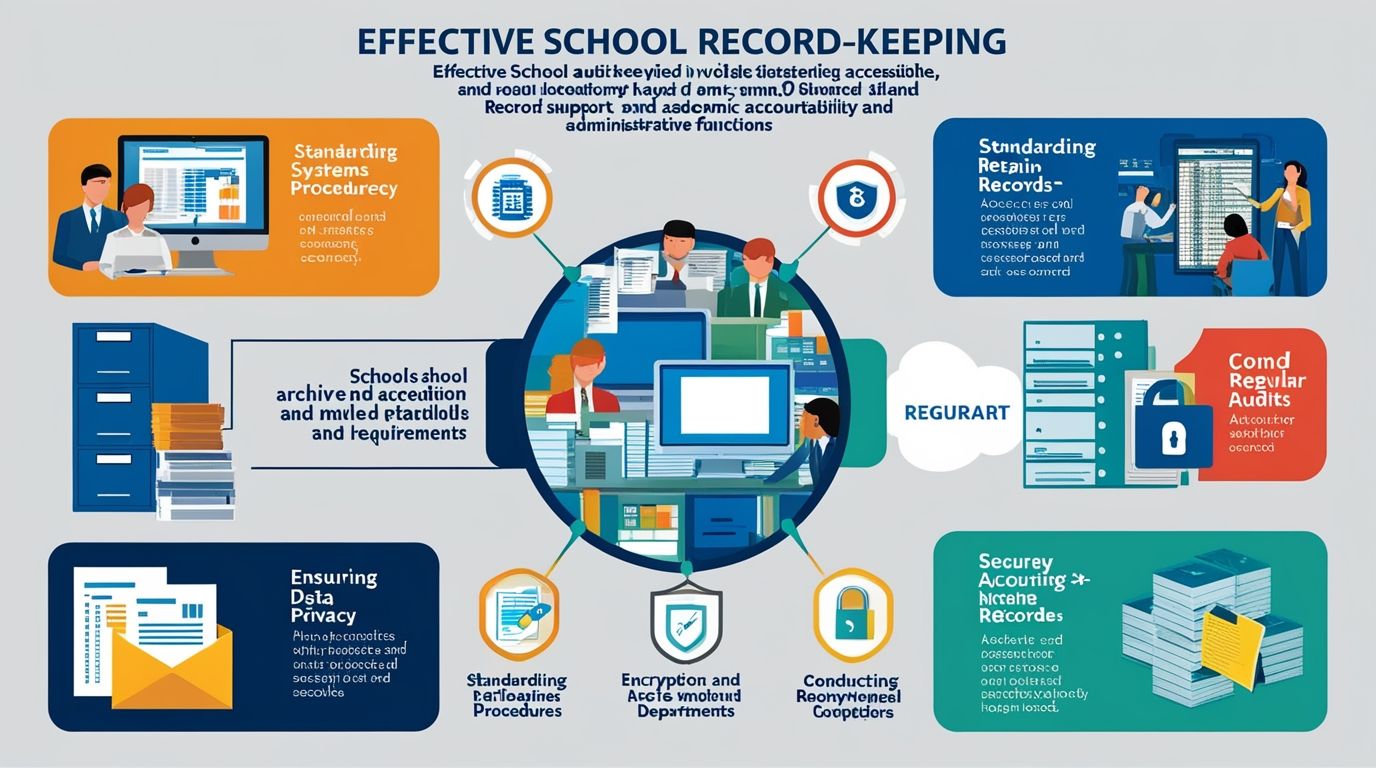
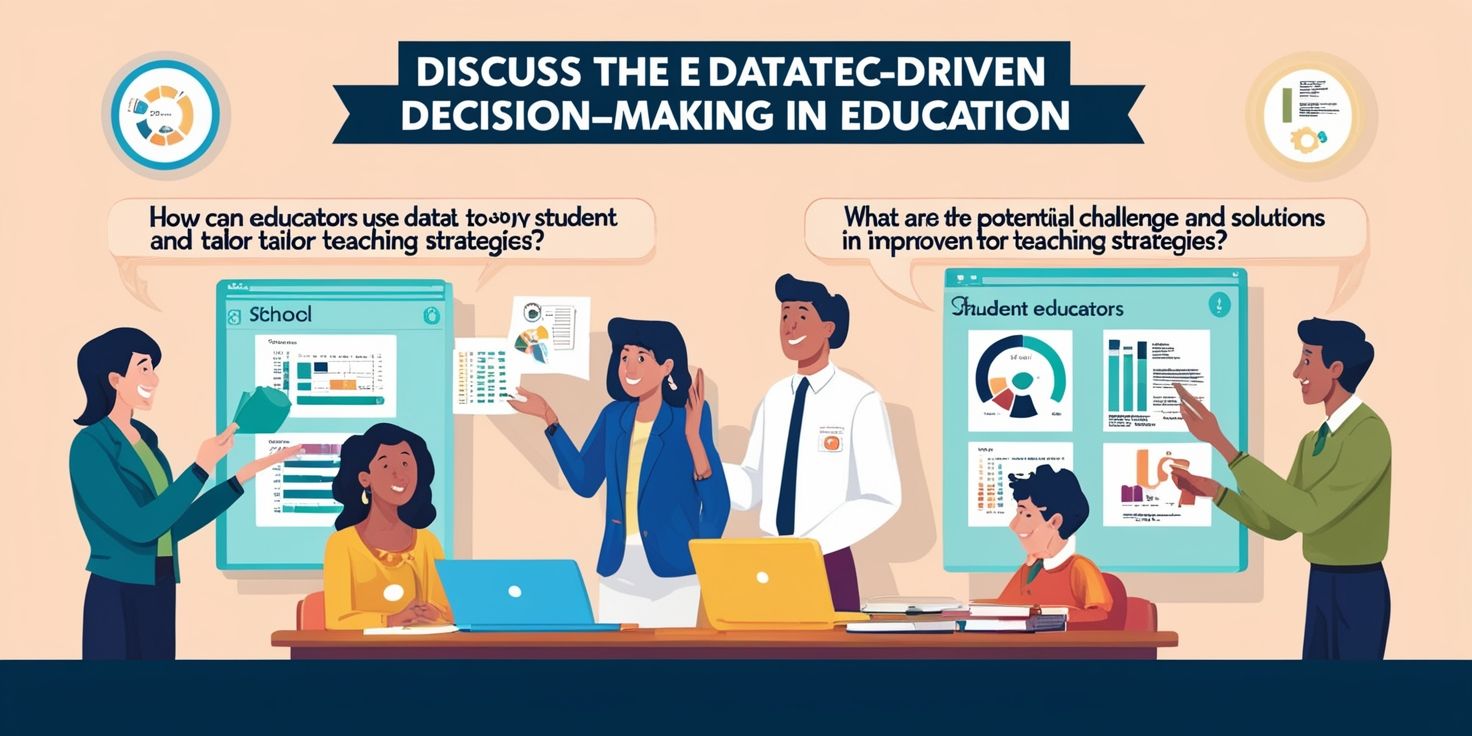
Every school collects data: attendance records, test scores, behavior logs, survey results. Most of that data sits in separate systems, and nobody sees the full picture of a child’s journey.
Schools make progress when they connect these records and use them to act. Imagine a student whose reading scores drop in October, whose attendance dips in November, and whose teacher notes a loss of confidence in December. Viewed separately, each signal looks small. Viewed together, they tell a clear story, and a teacher or counselor can step in early.
Good use of data follows a few principles:
- Keep it simple. Track a small number of meaningful measures rather than dozens of numbers.
- Share it with teachers. Educators need timely information, not annual reports.
- Focus on growth. Compare each student with their own past performance, not only with their peers.
- Protect privacy. Families must trust that schools handle information responsibly.
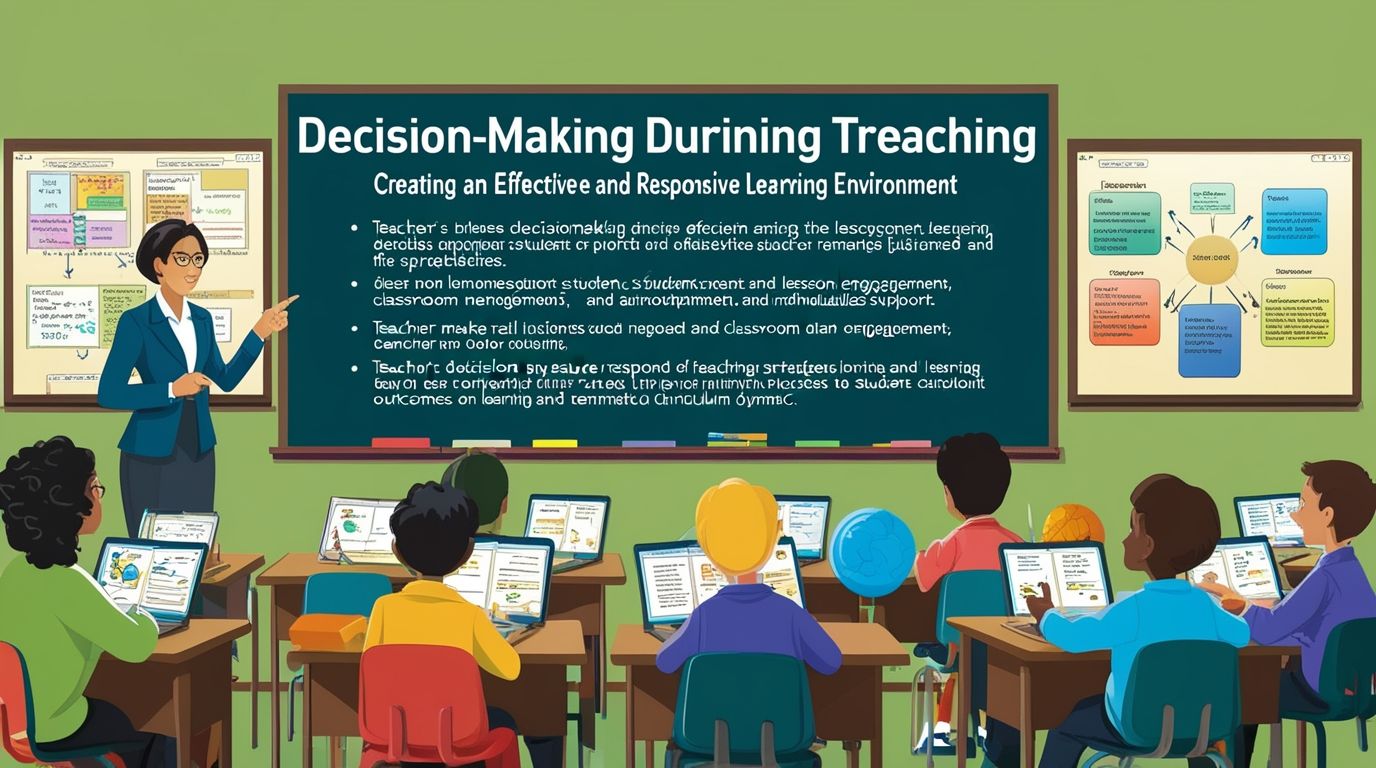
Data never replaces a teacher’s judgment. It supports a teacher’s judgment by showing patterns that busy people can miss.
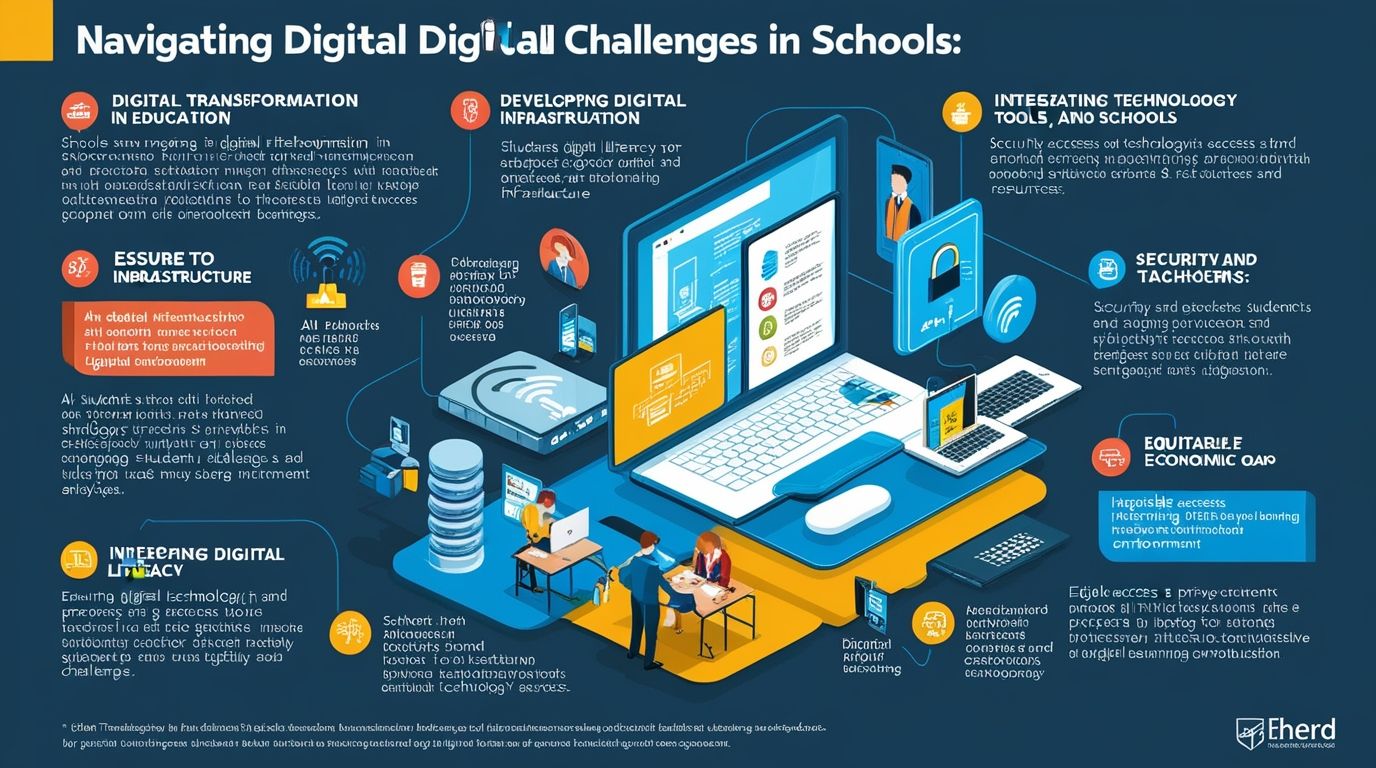
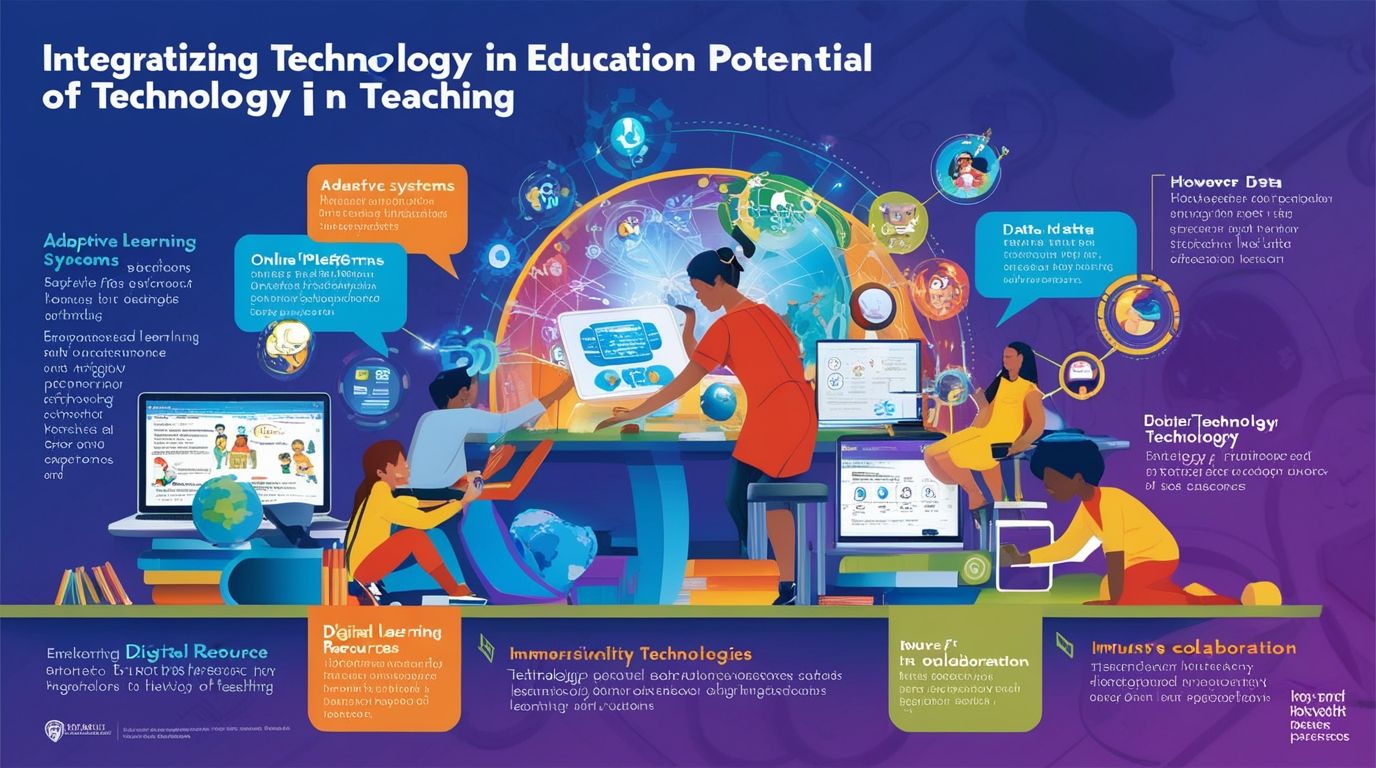
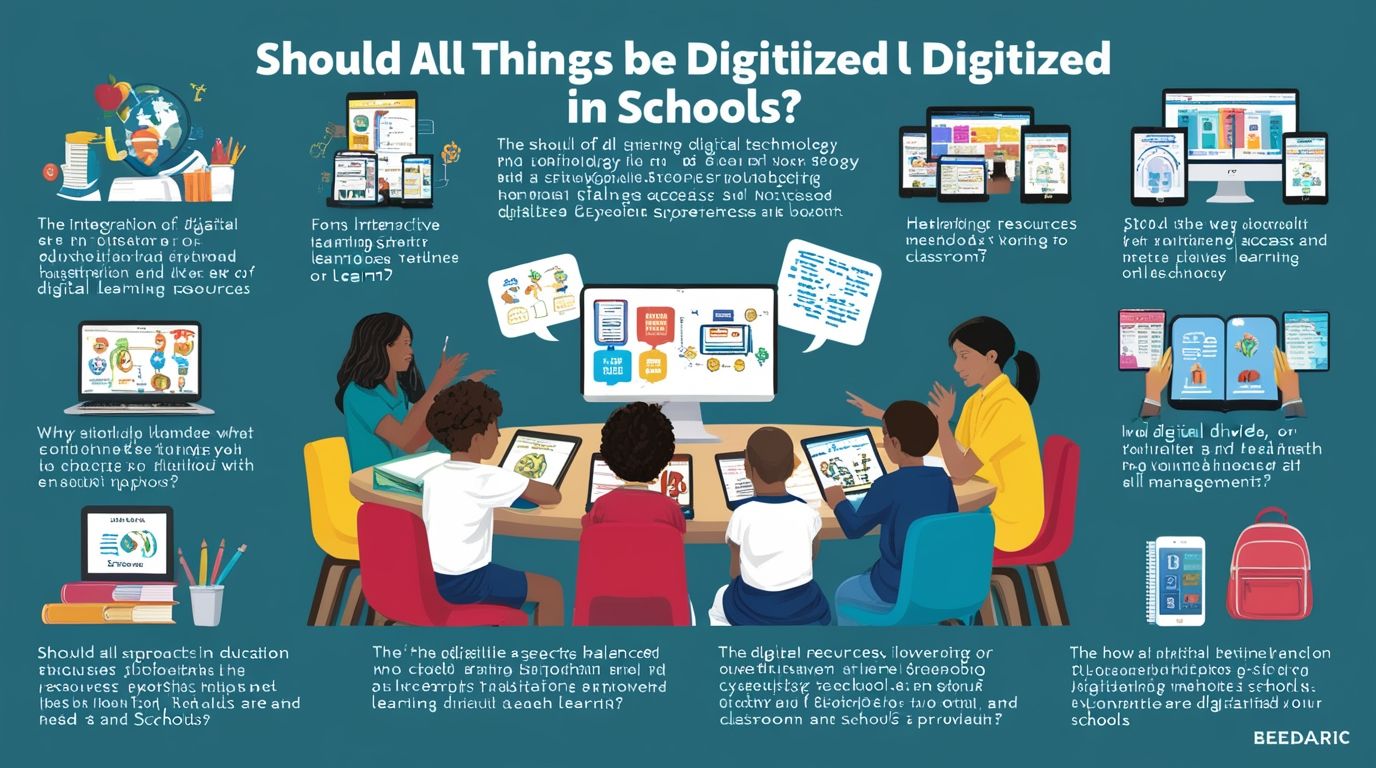
Join the Dots with Education Technology
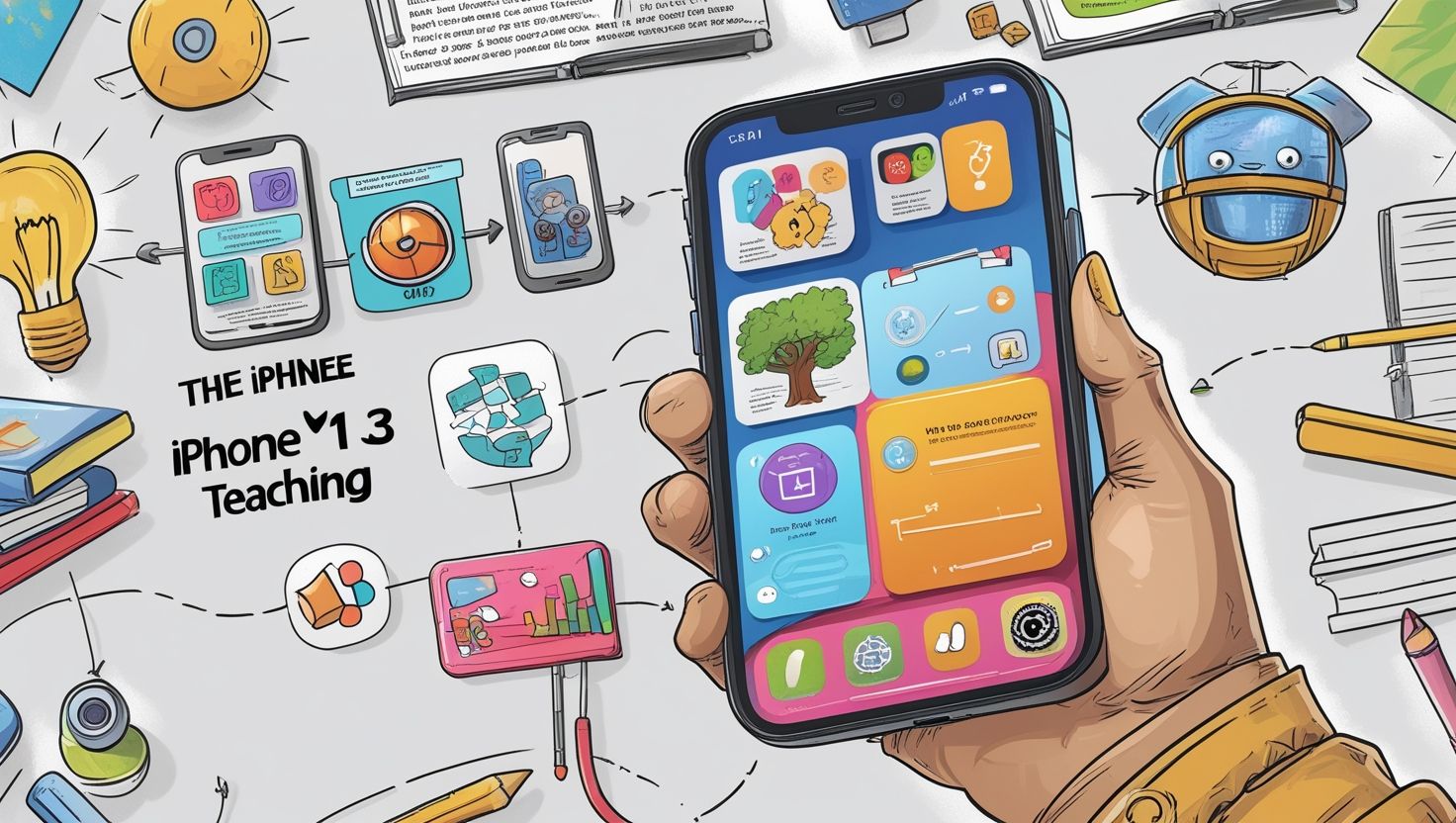
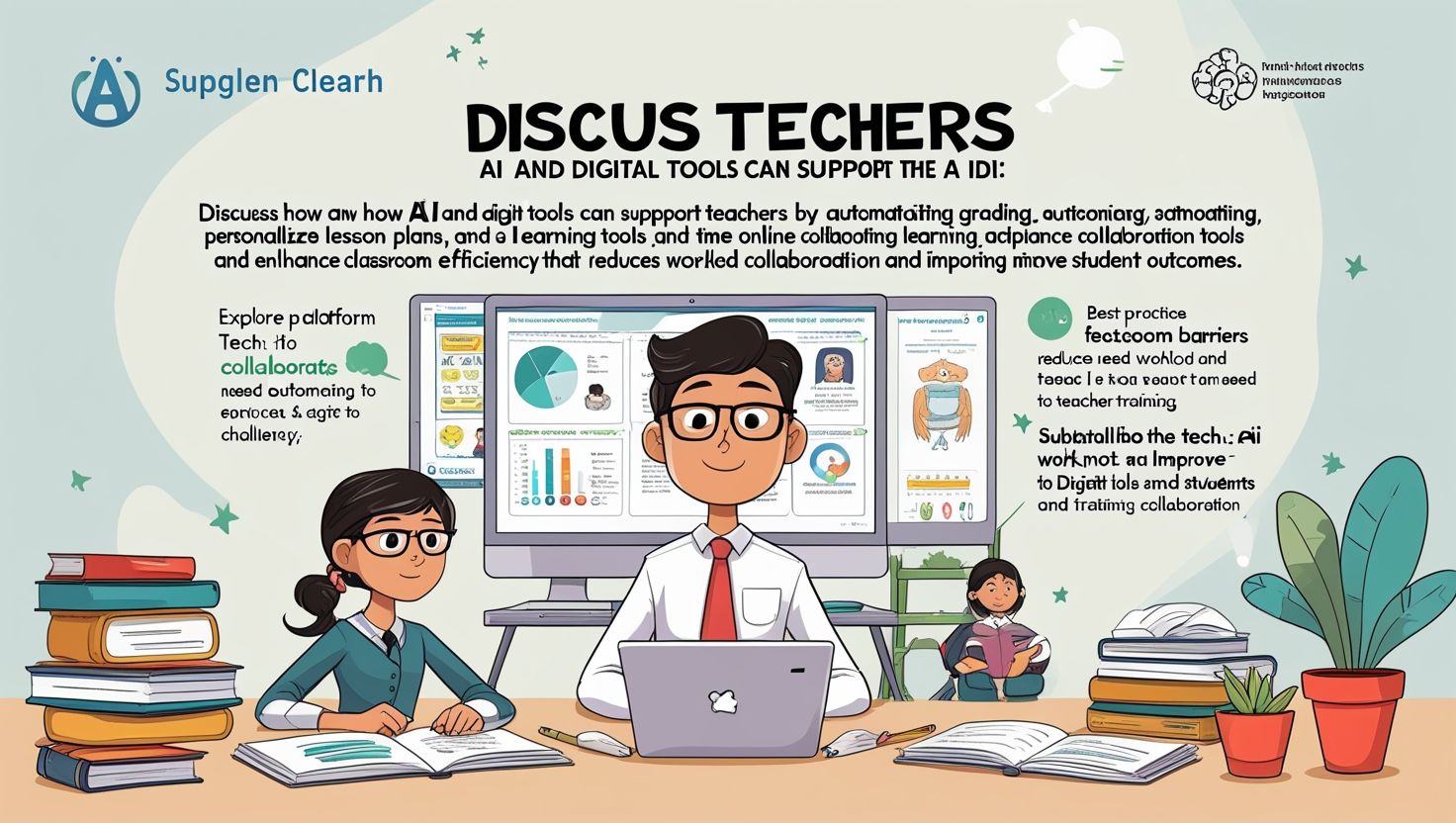
Education technology can either scatter learning across dozens of disconnected apps or tie it together. The difference lies in how schools choose and use tools.
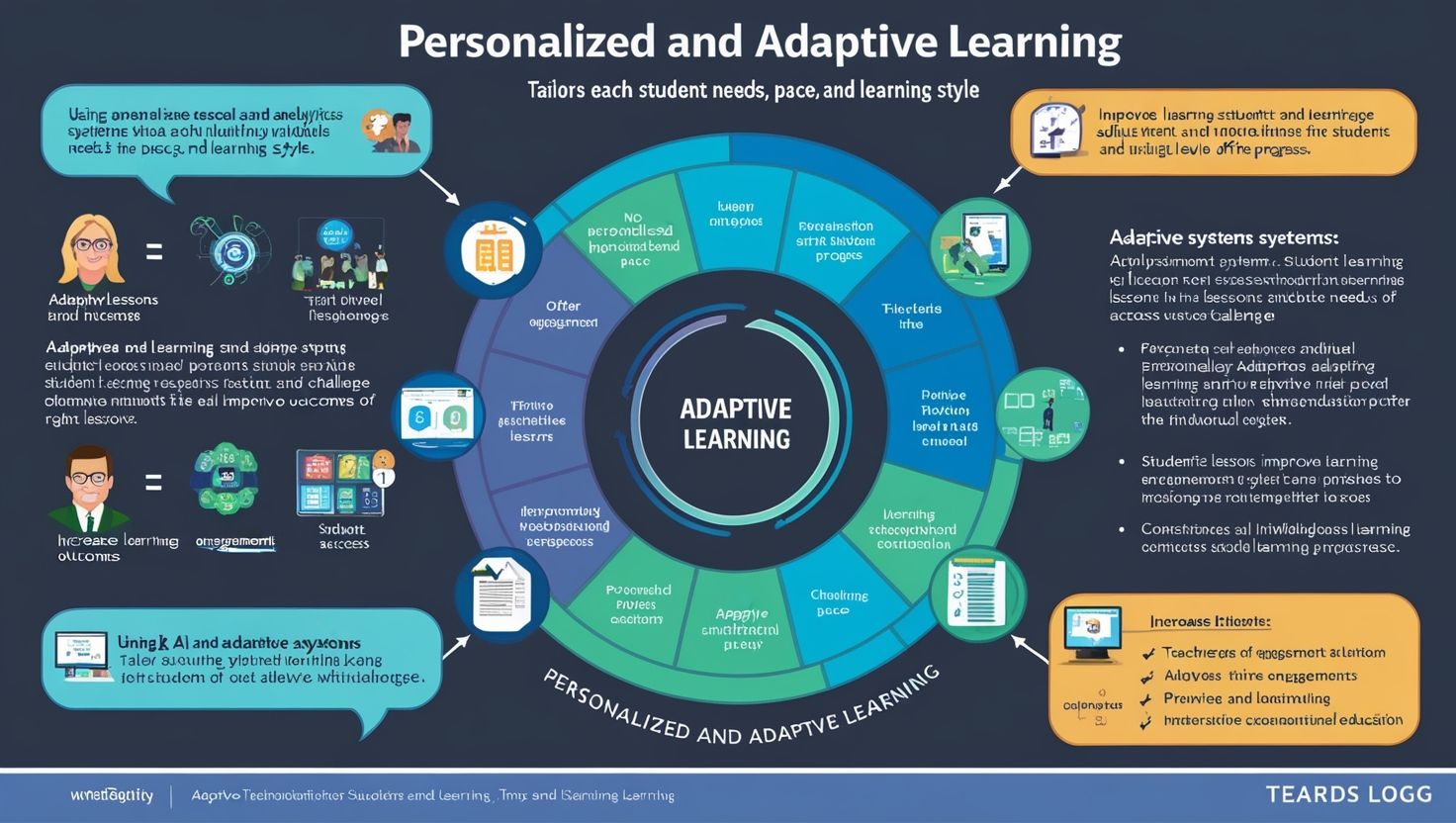
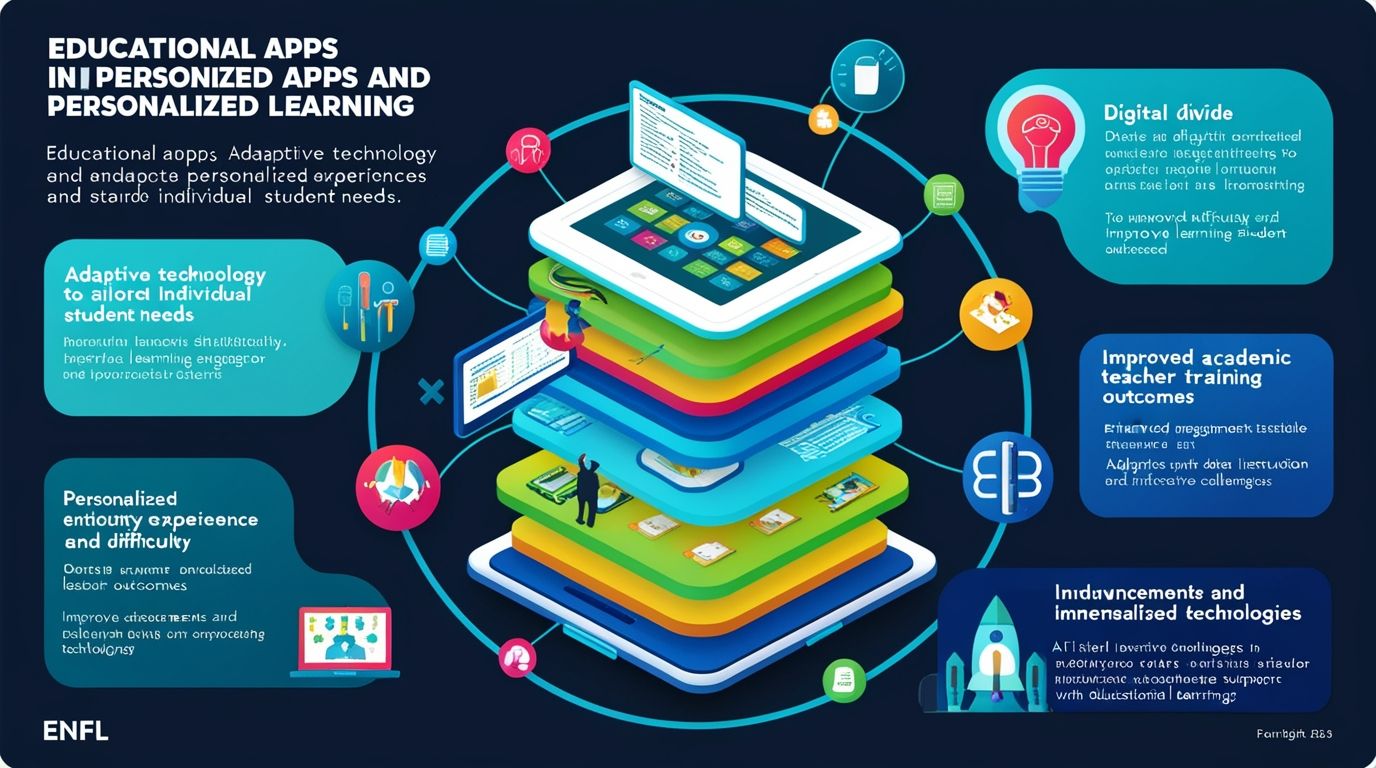
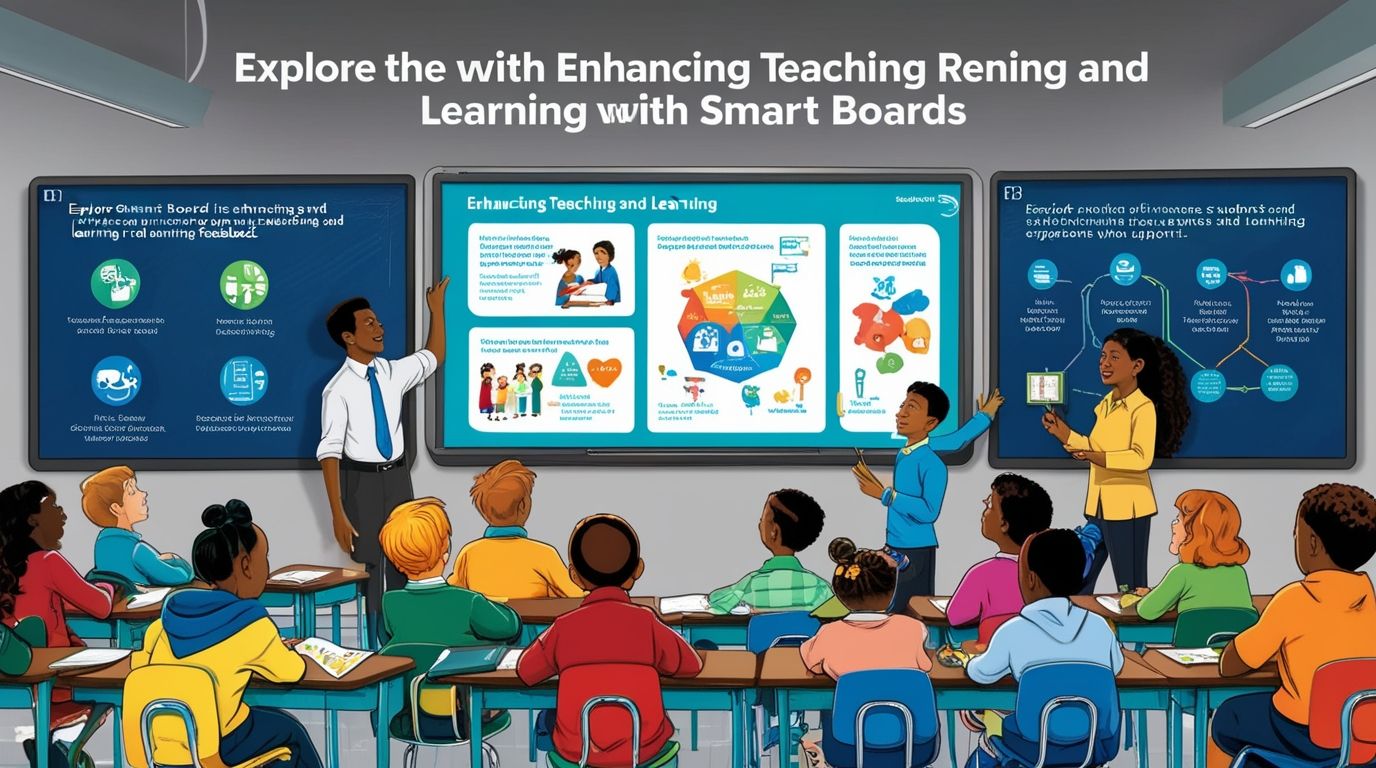
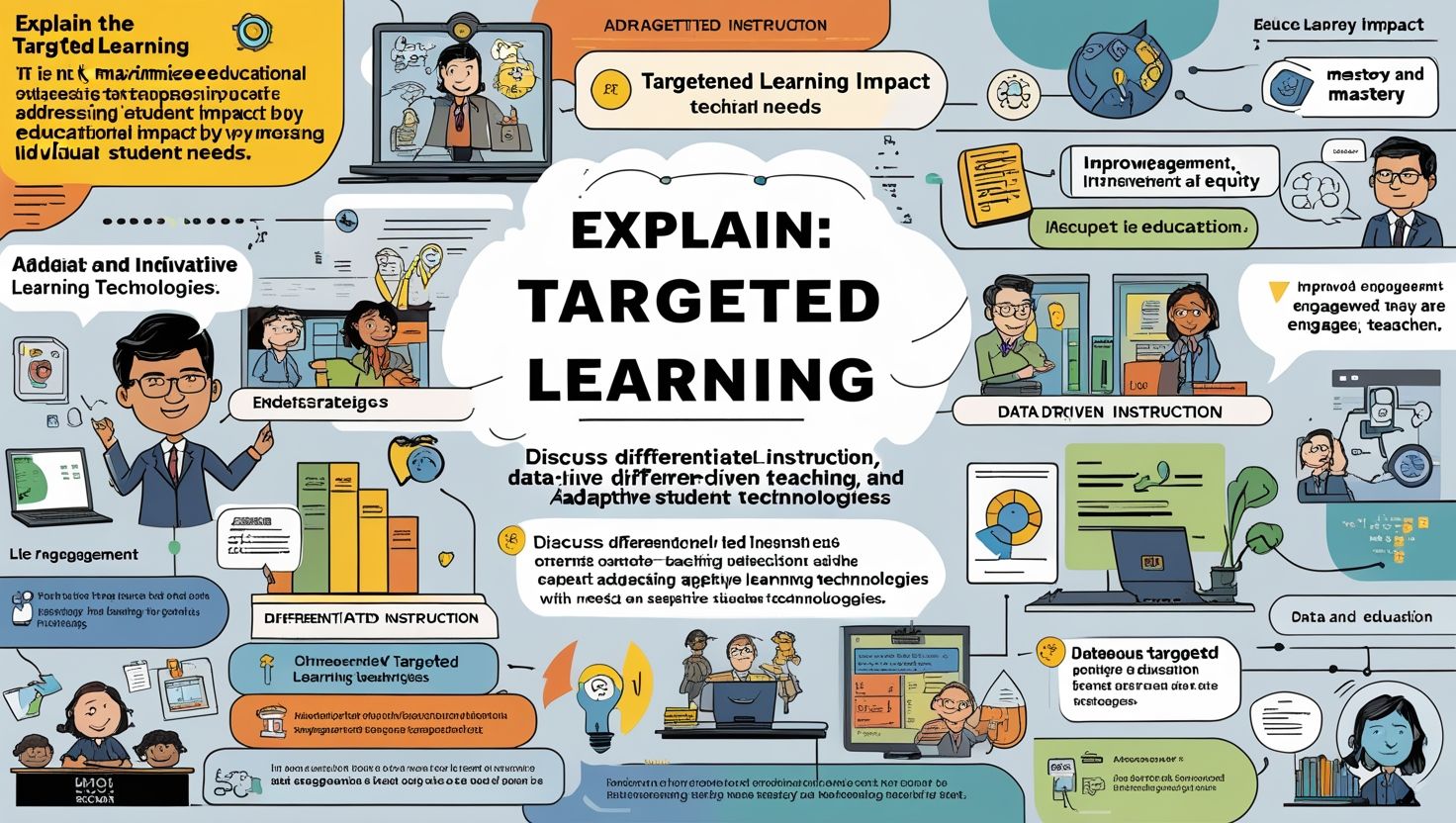
Well-chosen platforms let students keep a single digital portfolio that follows them from year to year. Teachers see earlier work, understand each learner’s strengths, and plan the next step with confidence. Adaptive software adjusts tasks to a student’s level, which supports personalized learning without extra planning time for the teacher.
Technology also connects classrooms across the world. A class in Gilgit can share a science project with a class in Nairobi, compare local weather data, and learn how climate shapes daily life in each place. Video calls, shared documents, and online forums turn distant strangers into learning partners.
Schools should ask four questions before they adopt any tool:
- Does it solve a real learning problem?
- Does it work with the systems we already use?
- Can every student access it, including those with limited internet?
- Do teachers receive proper training and support?
A tool that fails any of these tests adds clutter, not connection.
Join the Dots Between Learning and Life
Students often ask, “Why do I need to learn this?” A school that joins dots answers the question before the student asks it.
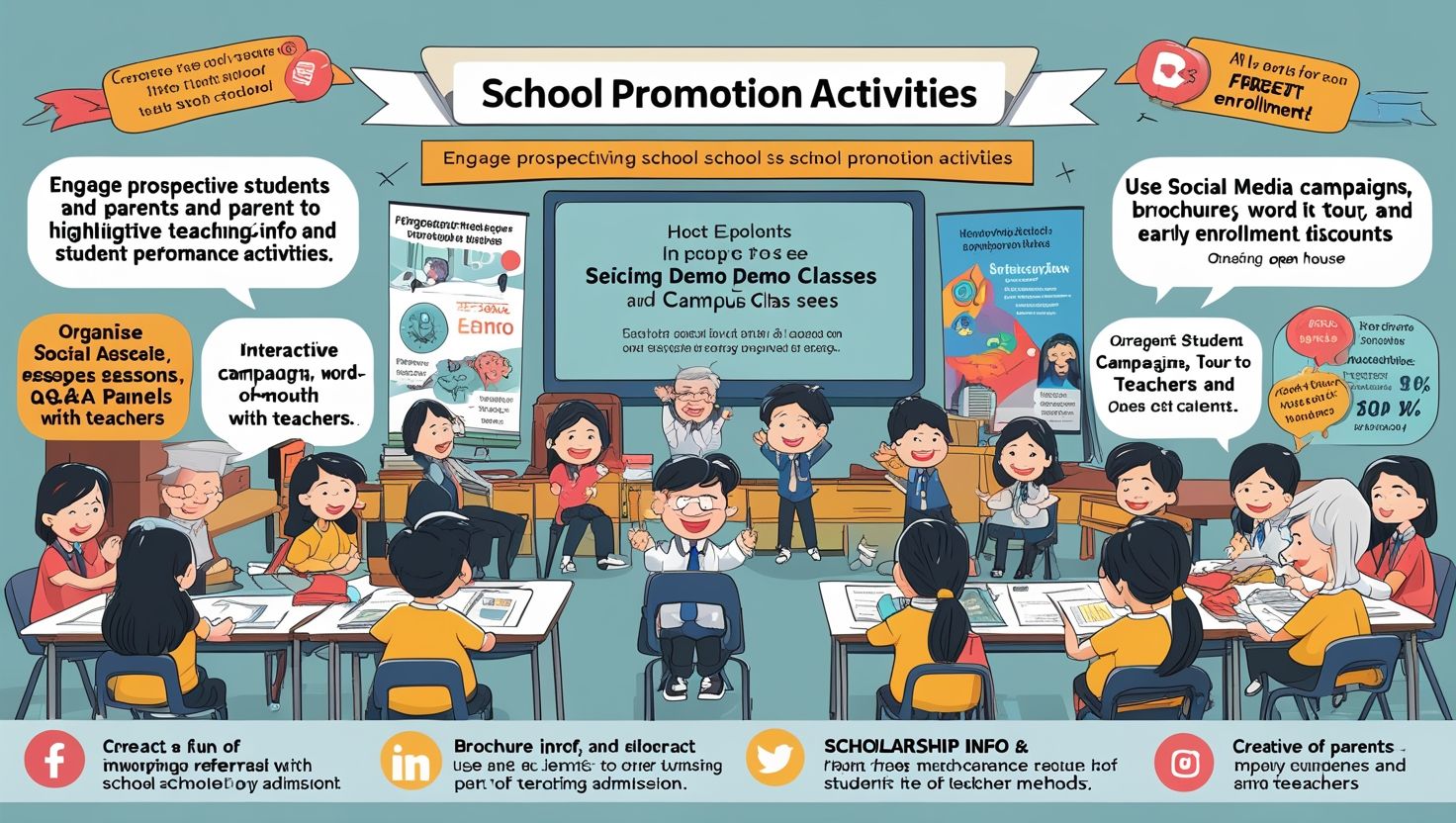
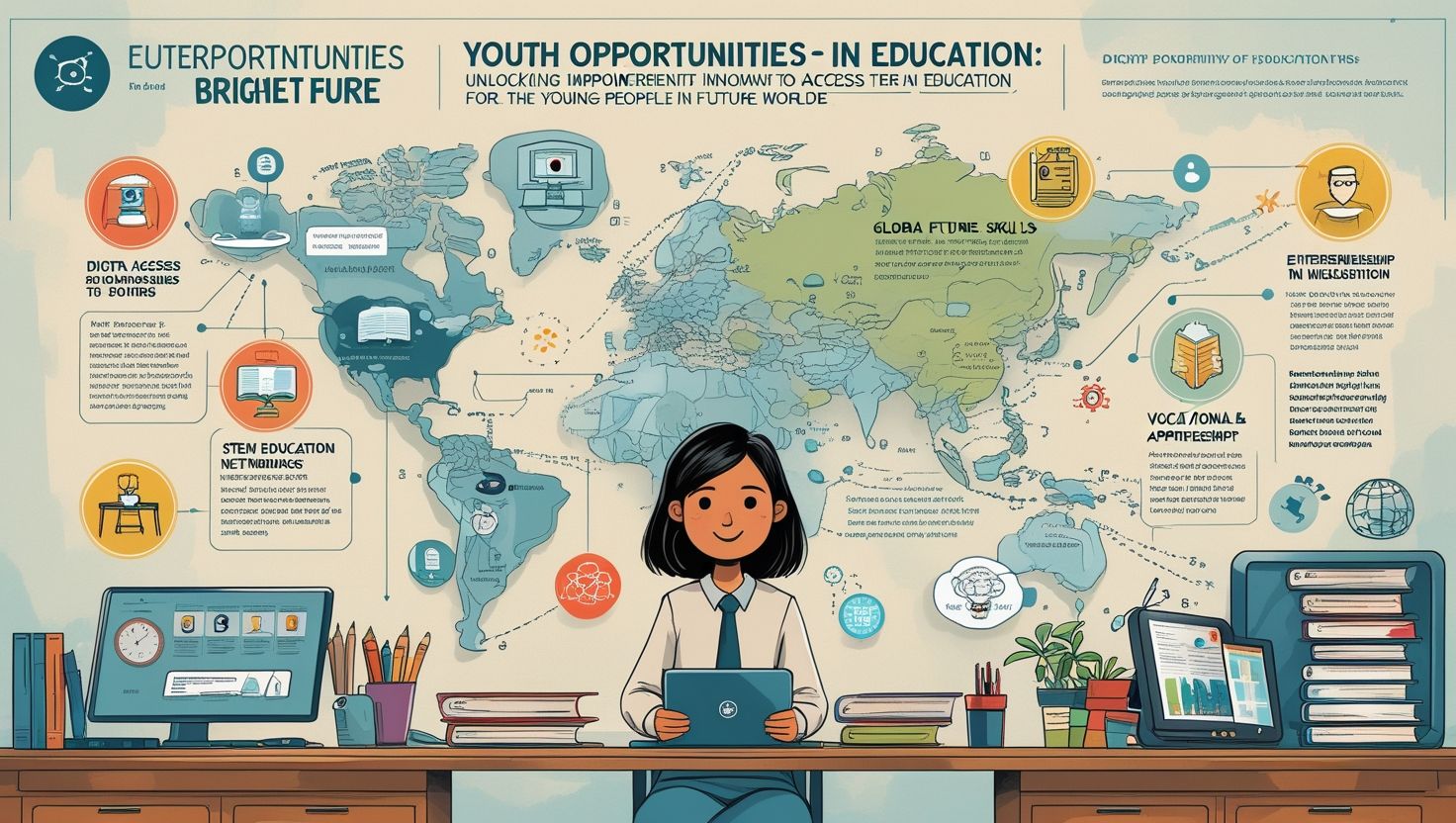
Career exploration, work experience, mentoring, and community projects show learners where their studies lead. A student who spends a day with a local engineer sees how algebra shapes a bridge. A student who volunteers at a clinic sees how biology and kindness work side by side.
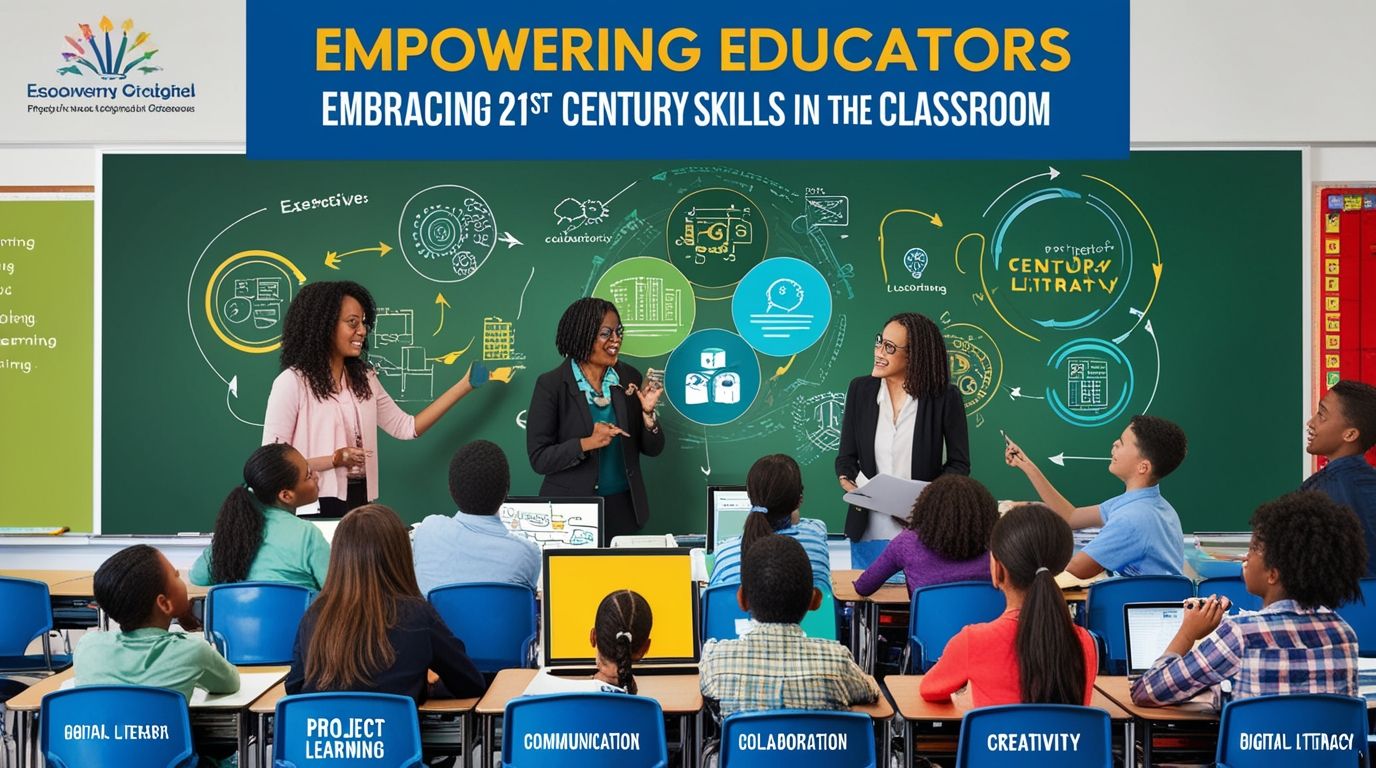
Employers say they want graduates with critical thinking, communication, teamwork, and adaptability. These skills grow when students tackle real problems that cross subject boundaries. Connected learning therefore prepares young people for work and for citizenship in a fast-changing world.
Higher education matters here too. Universities and schools that share expectations, curriculum links, and support services help students move smoothly from one stage to the next. Fewer students fall through the gaps between levels.
Common Challenges and How to Overcome Them
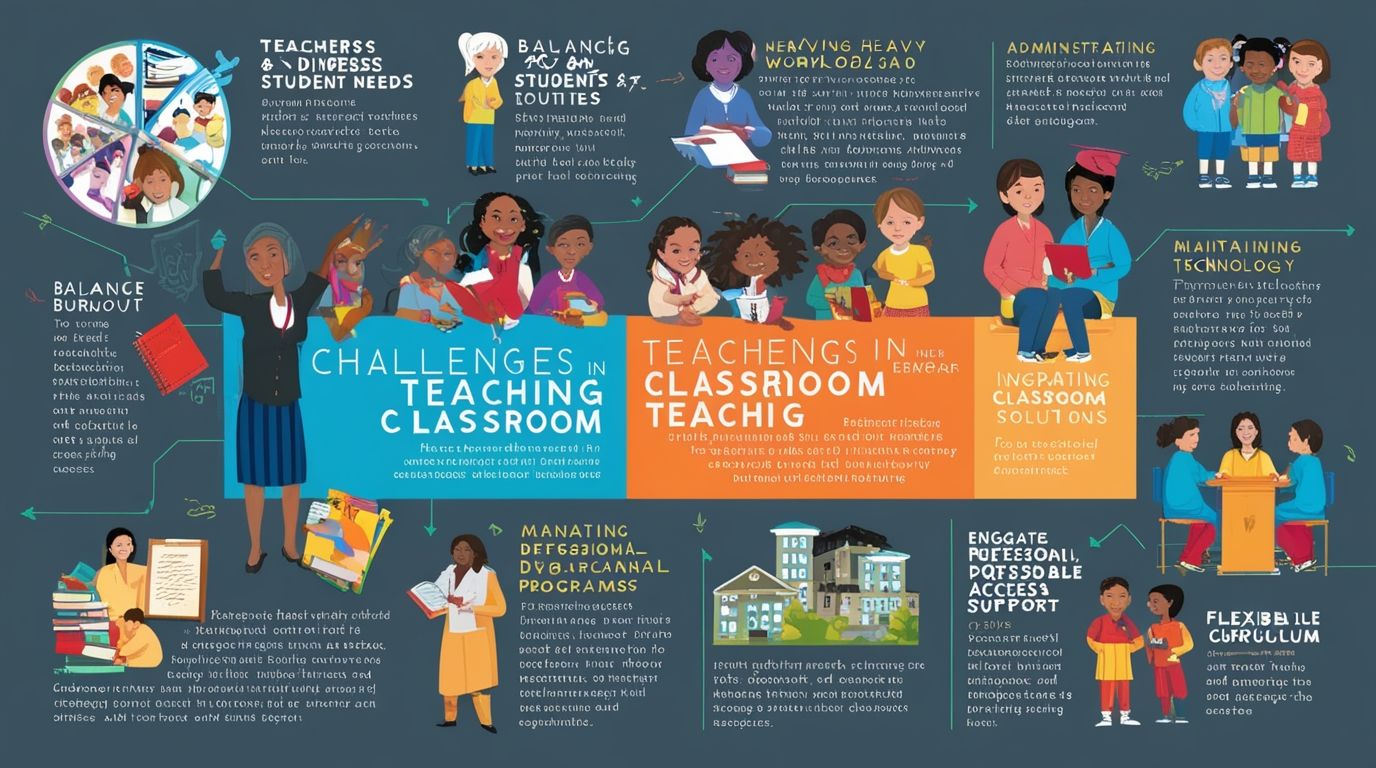
Joining dots sounds simple, but schools meet real obstacles.
Crowded curriculum. Teachers feel pressure to cover every topic. The answer is to choose depth over breadth. A few well-connected units teach more than a long list of isolated topics.
Limited time. Planning together takes hours that teachers rarely have. Leaders can protect a regular slot in the timetable and treat it as essential work.
Rigid assessment. Exams that reward memorized facts discourage connected teaching. Schools can add project work, portfolios, and oral presentations that measure understanding as well as recall.
Uneven resources. Rural and low-income schools often lack devices, books, and reliable electricity. Connection does not require expensive tools. A hand-drawn concept map, a community visit, or a shared story costs almost nothing and works well anywhere.
Resistance to change. Teachers may fear extra workload. Start small, celebrate early successes, and let teachers lead the change.
Practical Steps to Start Today
You do not need a new building or a big budget to begin. Choose one of these steps and try it this term.
- Teachers: Draw a map of one unit and mark every link to other subjects, to earlier lessons, and to daily life. Share the map with students.
- School leaders: Schedule a weekly planning session for teachers who share the same students.
- Parents: Ask your child one question each week: “How does what you learned today connect to something you already know?”
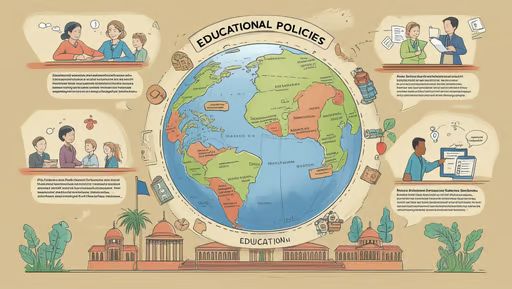
- Policymakers: Fund teacher collaboration time and design assessments that reward understanding.
- Students: Keep a notebook of connections. Write down every time two ideas from different classes meet.
Small actions build momentum. Each connection a student discovers makes the next one easier to find.
Conclusion
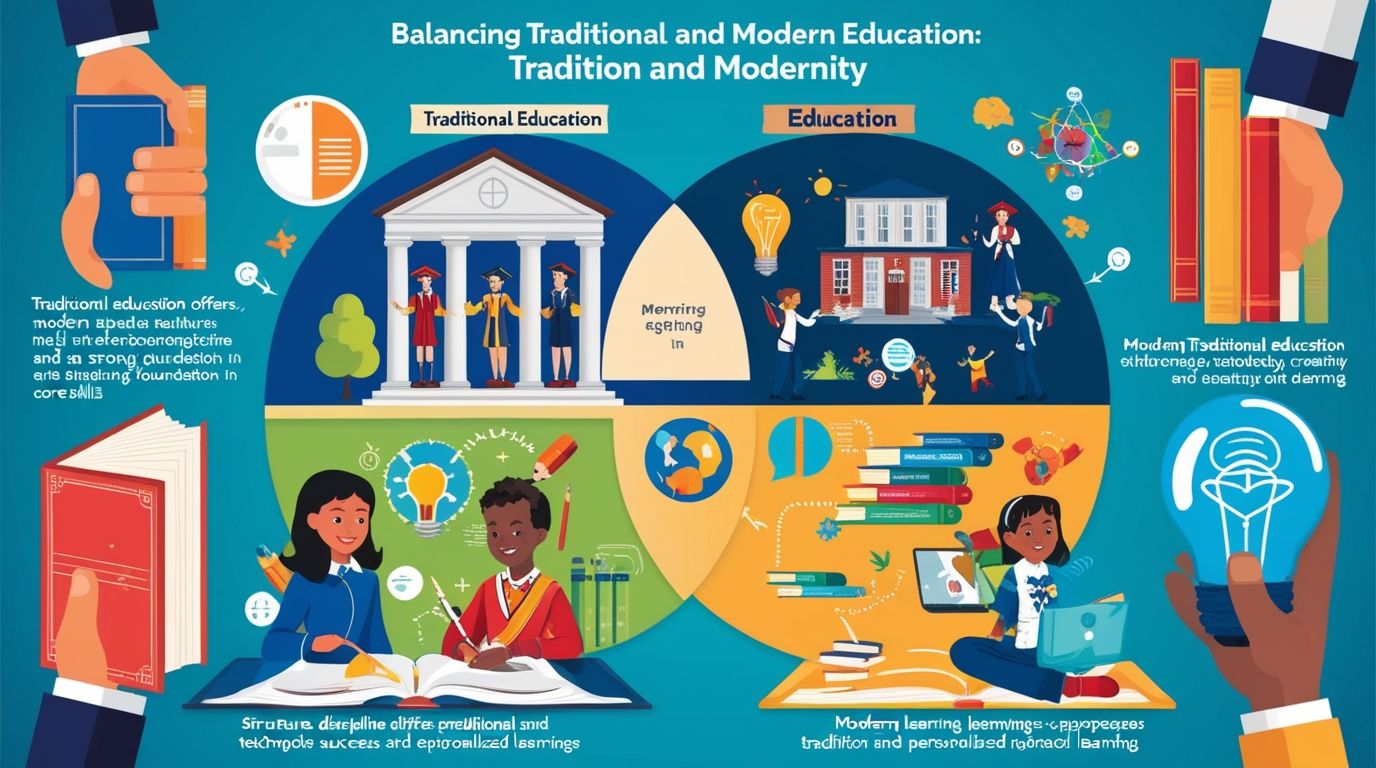
Progress in education does not come from adding more content. It comes from helping learners see how the content fits together. Joining dots across subjects, prior knowledge, home and school, data, technology, and real life turns scattered information into lasting understanding.
Every educator, parent, and leader can contribute. Start with one link, share it with a colleague, and watch student engagement and learning outcomes rise. When we connect the dots for young people, they learn to connect them for themselves, and that skill serves them for a lifetime.
Frequently Asked Questions (FAQs)
1. What does joining dots in education mean?
Joining dots in education means helping students see the links between subjects, ideas, skills, and real-life situations. Teachers build these links through shared themes, project-based learning, concept maps, and regular reflection. Students who understand how ideas connect remember more and apply knowledge more confidently.
2. How does connected learning improve student results?
Connected learning matches the way the brain stores information, in networks of related ideas. New material that attaches to existing knowledge is easier to recall and use. Research on effective teaching also shows that strategies such as concept mapping and teaching for transfer raise achievement, so schools that adopt them often see stronger learning outcomes.
3. How can parents help join the dots at home?
Parents can ask what their child is studying and link it to everyday life: cooking for fractions, a walk outside for science, family stories for history. They can also talk with teachers regularly, encourage reading, and ask open questions that invite the child to explain connections in their own words.
References
- Hattie, J. (2009). Visible Learning: A Synthesis of Over 800 Meta-Analyses Relating to Achievement. London: Routledge.
- Ambrose, S. A., Bridges, M. W., DiPietro, M., Lovett, M. C., & Norman, M. K. (2010). How Learning Works: Seven Research-Based Principles for Smart Teaching. San Francisco: Jossey-Bass.