
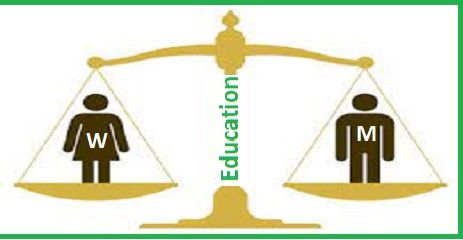
Gender and Its Impact on Teaching and Learning is a pervasive issue that remains deeply entrenched. Many developing countries, adversely affecting various aspects of society, including education…
Introduction:
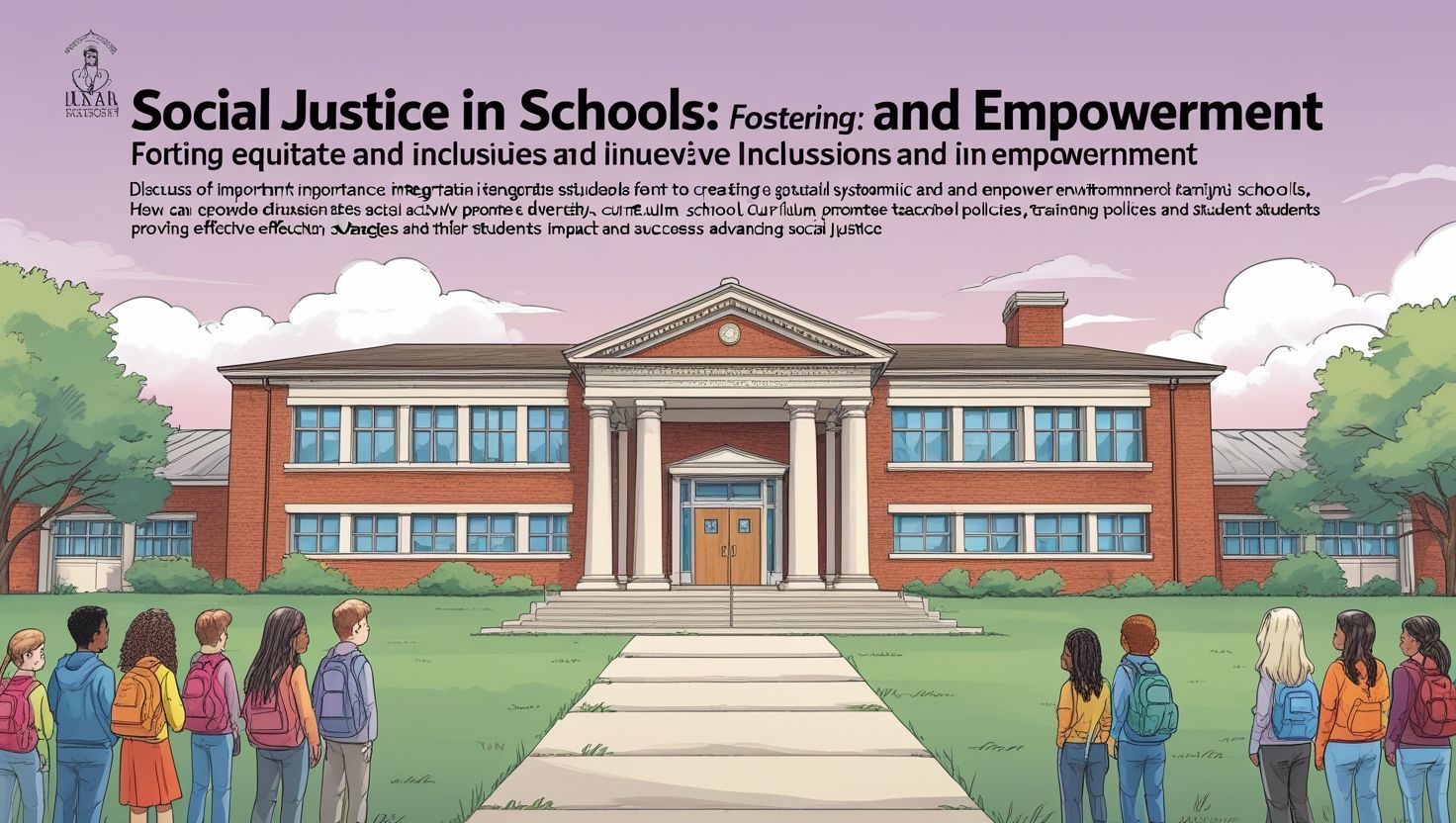
- Gender bias is a pervasive issue that remains deeply entrenched in many developing countries. They adversely affecting various aspects of society, including education. This debate will explore gender bias in developing countries, its profound impact on the teaching and learning environment.
Root Causes of Gender Bias:
Cultural Norms and Stereotypes:
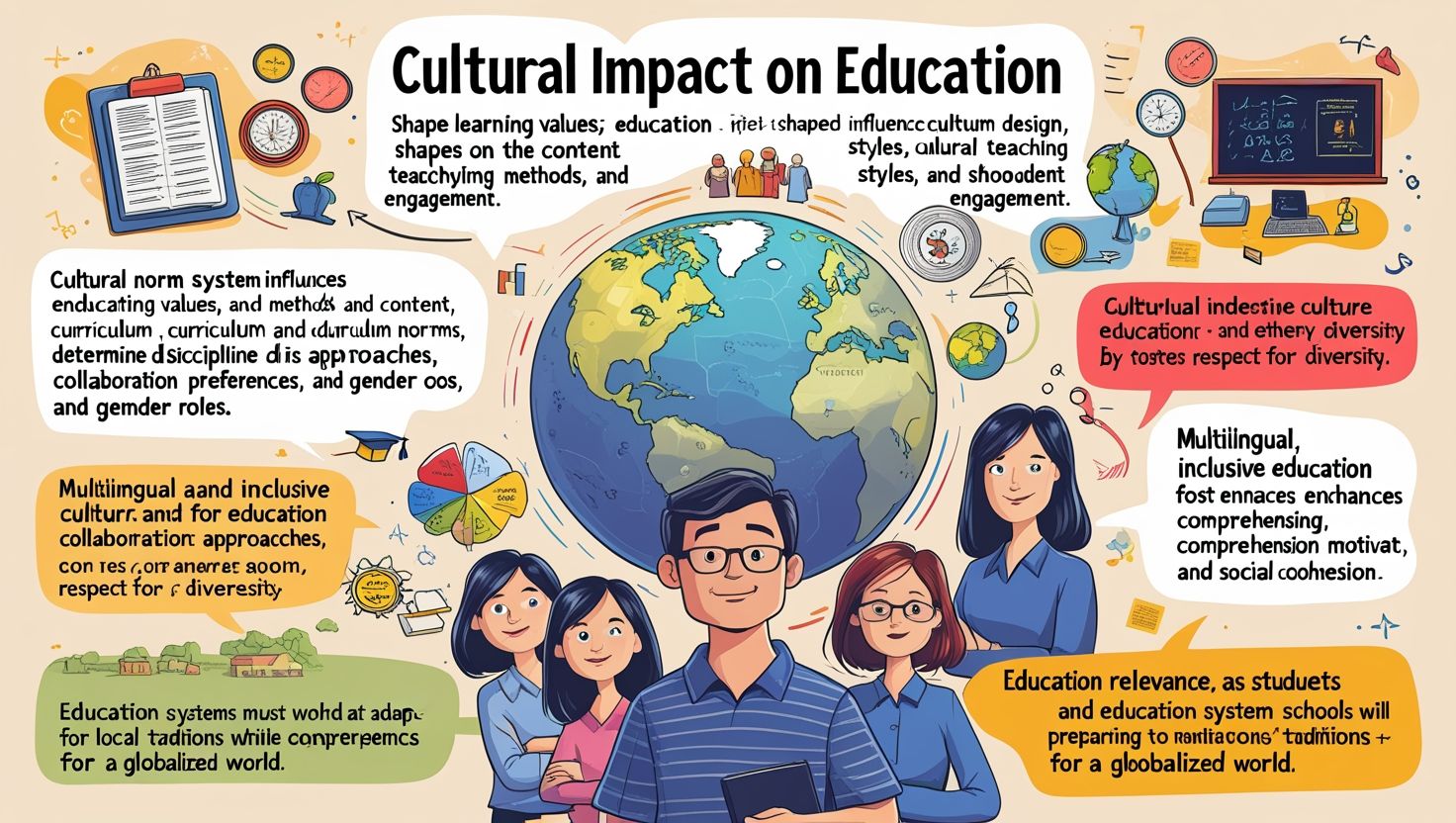
- In many developing countries, deeply ingrained cultural norms and stereotypes perpetuate traditional gender roles. It assigns specific expectations and limitations to individuals based on their gender. These stereotypes contribute to the perpetuation of biased beliefs that undermine the potential of both male and female students.
Socioeconomic Disparities:
- Economic disparities often exacerbate gender bias. Limited access to resources, including education, is disproportionately experienced by girls in many developing nations. Socioeconomic factors contribute to the perpetuation of gender-based discrimination, limiting opportunities for girls and reinforcing gender-based roles in society.
Policy and Legal Frameworks:
- Inadequate or discriminatory policies and legal frameworks can contribute to gender bias in education. For example, limited access to quality education for girls may result from policies that prioritize boys’ education or fail to address gender-specific challenges.
Impact on Teaching and Learning:
Unequal Access to Education:
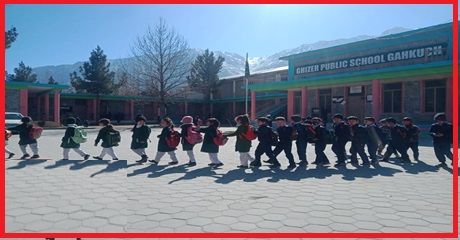
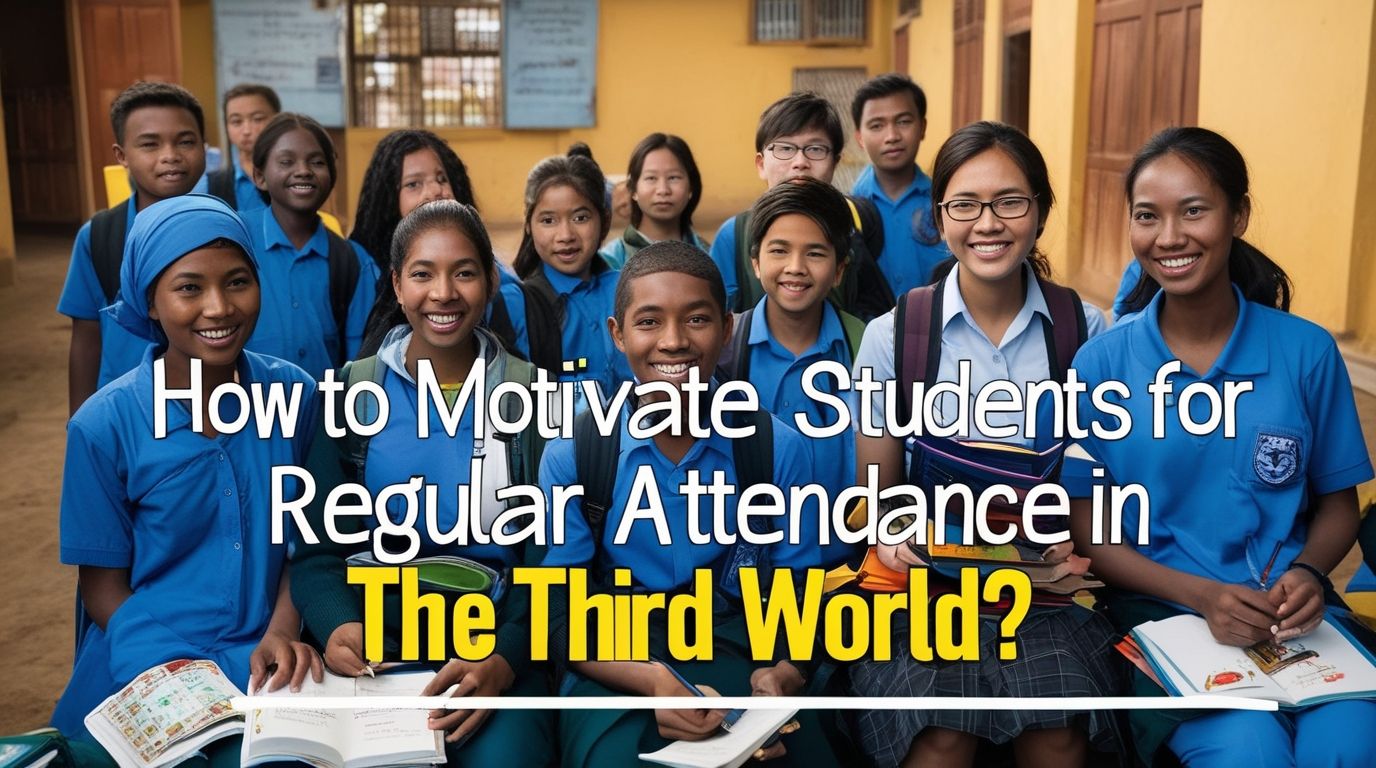
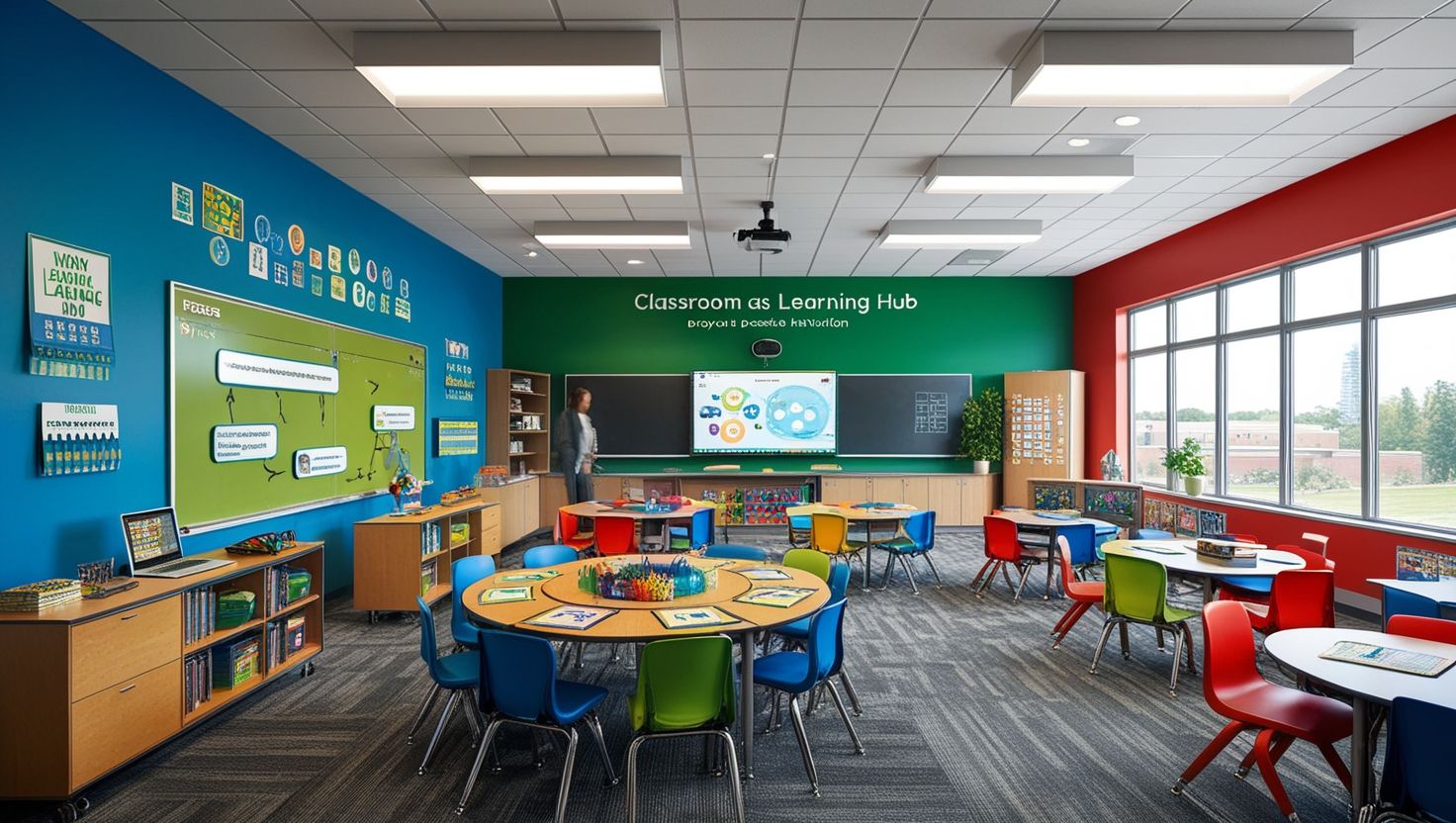
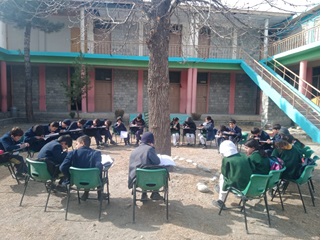
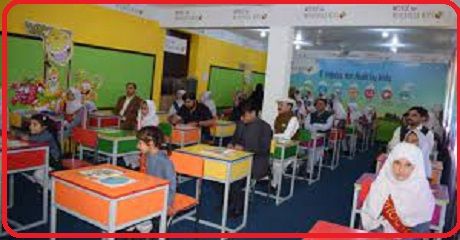
- Gender bias often results in unequal access to education, with girls facing barriers such as limited school infrastructure. Also on societal expectations, and safety concerns that hinder their ability to attend school regularly.
Stereotyping in Curriculum:
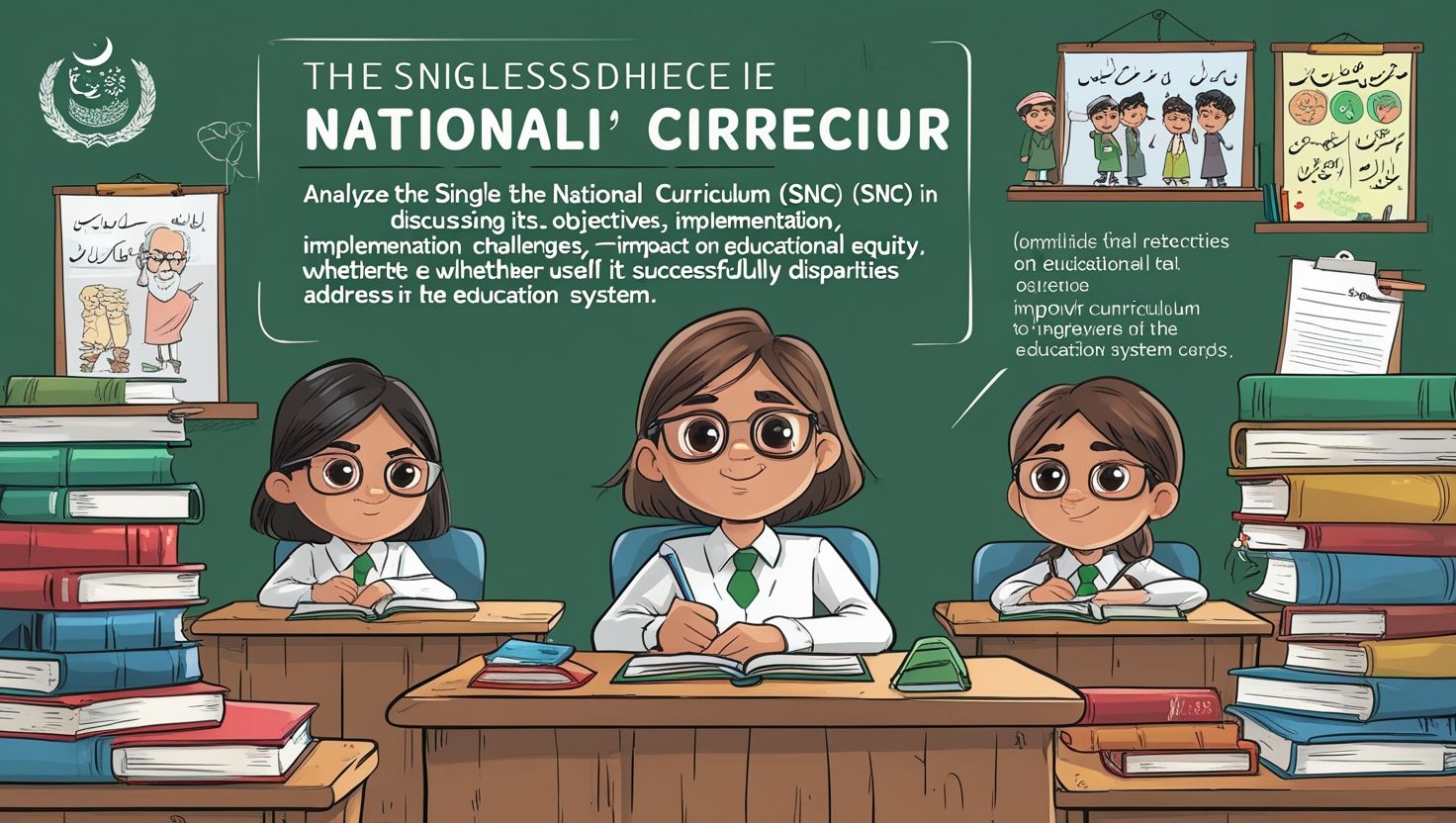
- The curriculum in many developing countries may reinforce gender stereotypes, presenting biased narratives and limiting the exposure of students to diverse role models. This perpetuates a narrow view of gender roles, limiting students’ understanding.
Teacher Bias:
- Gender bias can manifest in the attitudes and expectations of teachers, impacting their interactions with students. Teachers may unknowingly hold different expectations for boys and girls, affecting students’ self-esteem and academic performance.
Limited Career Opportunities:
- Gender bias in education often translates to limited career opportunities for both male and female students. Certain fields may be considered more suitable for one gender, perpetuating occupational segregation and limiting individual choices.
Violence and Harassment:
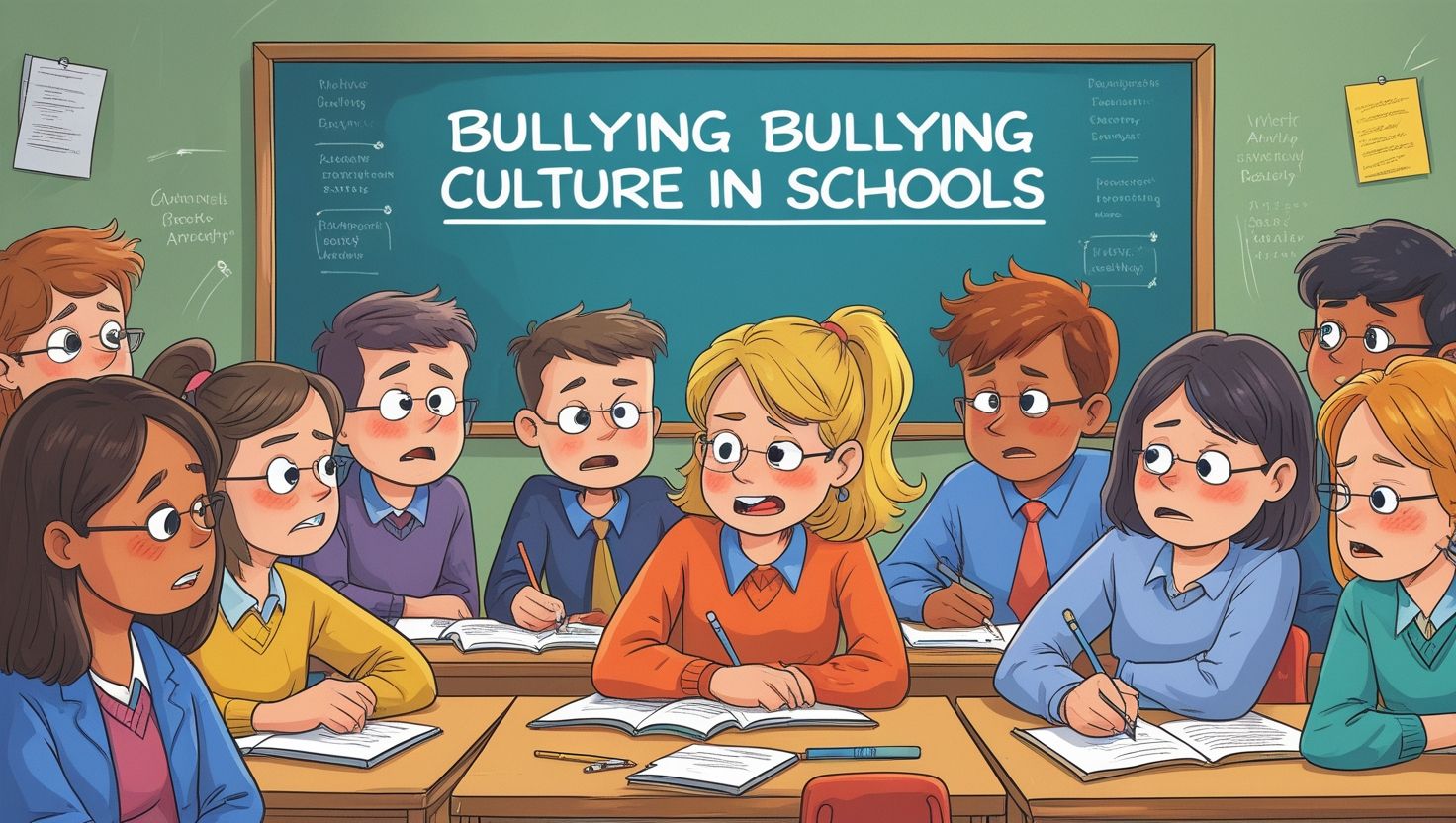
- Gender-based violence and harassment can create a hostile learning environment. Discriminatory practices, bullying, and harassment based on gender contribute to a culture of fear, hindering students’ ability to learn and thrive.
Strategies for Mitigation:
Promoting Gender-Responsive Curriculum:
- Develop and implement gender-responsive curricula that challenge stereotypes, highlight diverse perspectives, and provide equal representation of both genders in educational materials.
Teacher Training Programs:
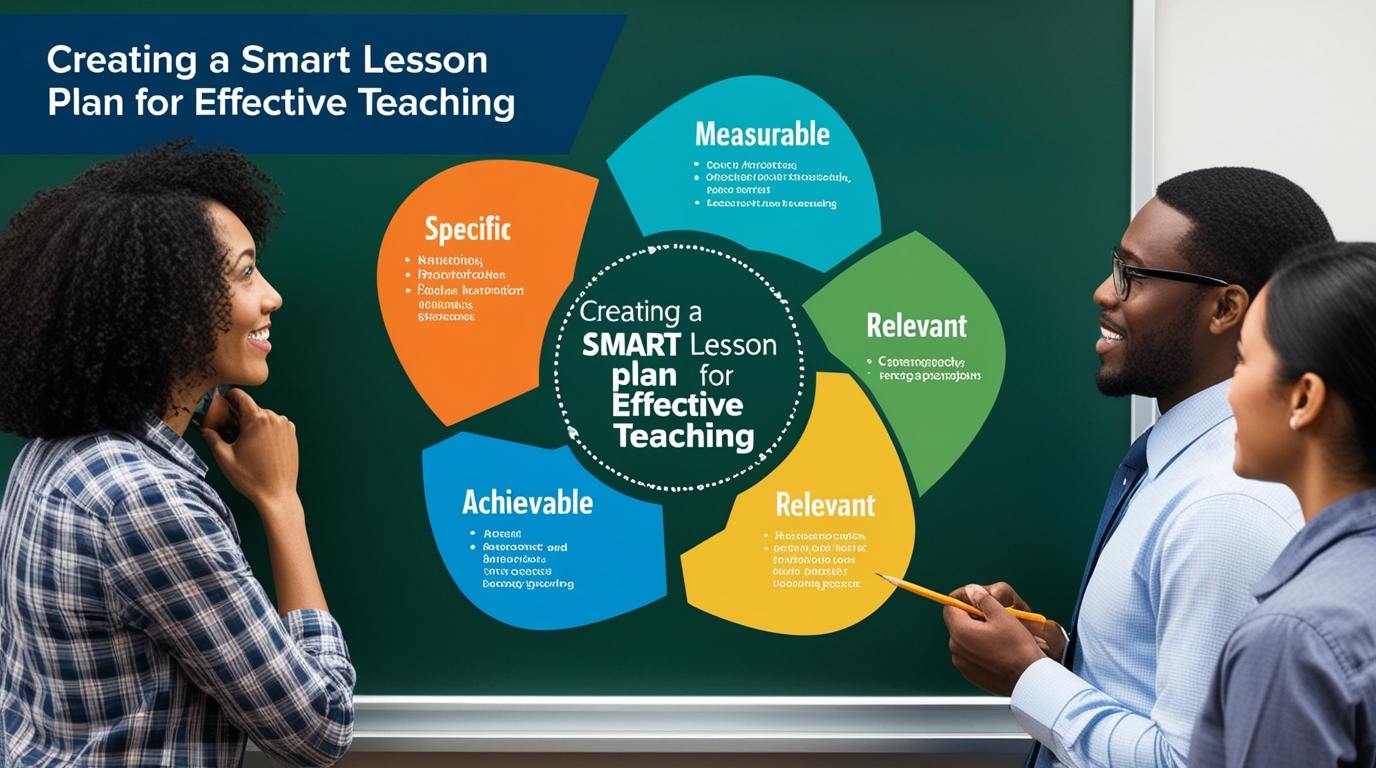
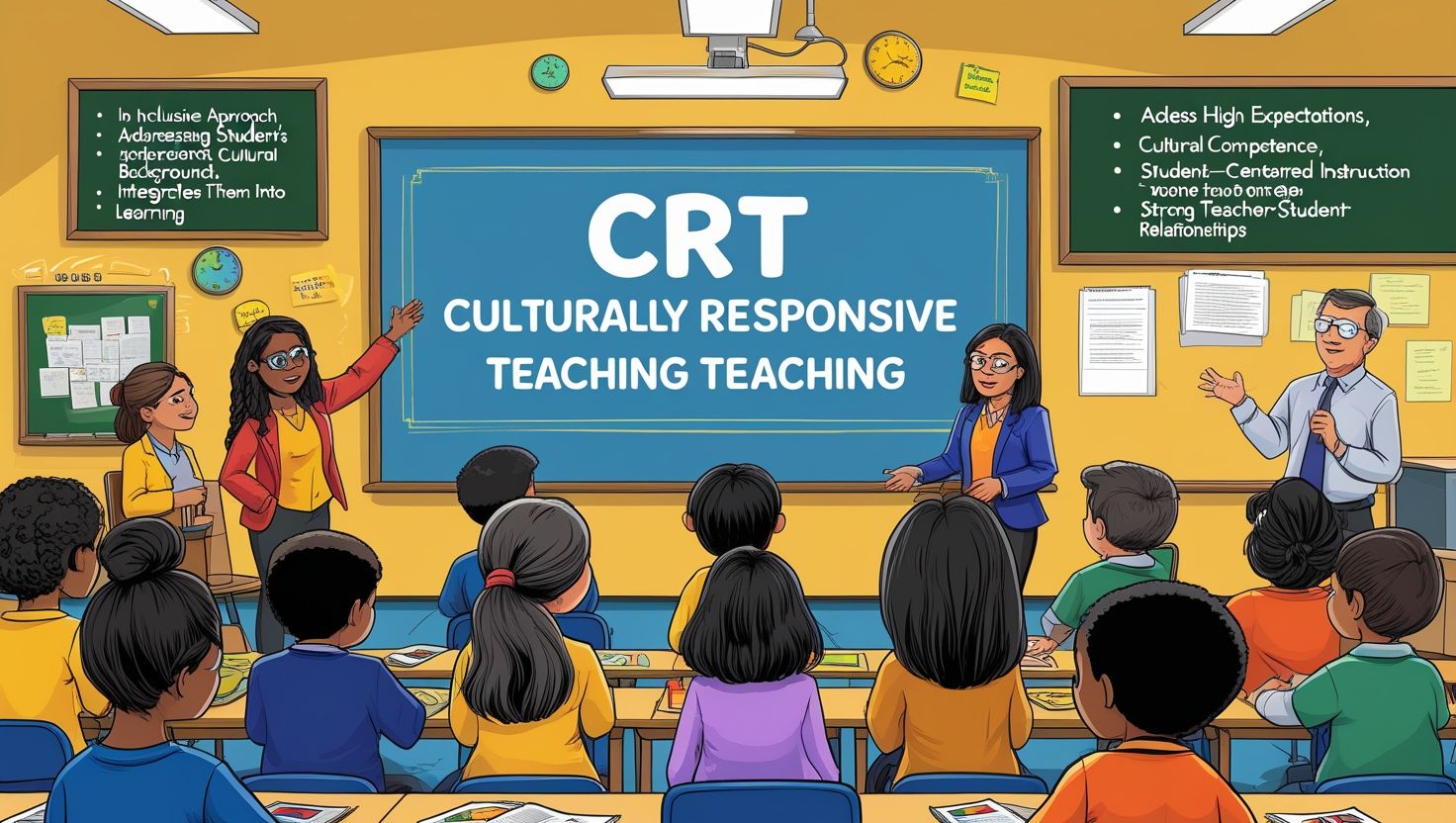
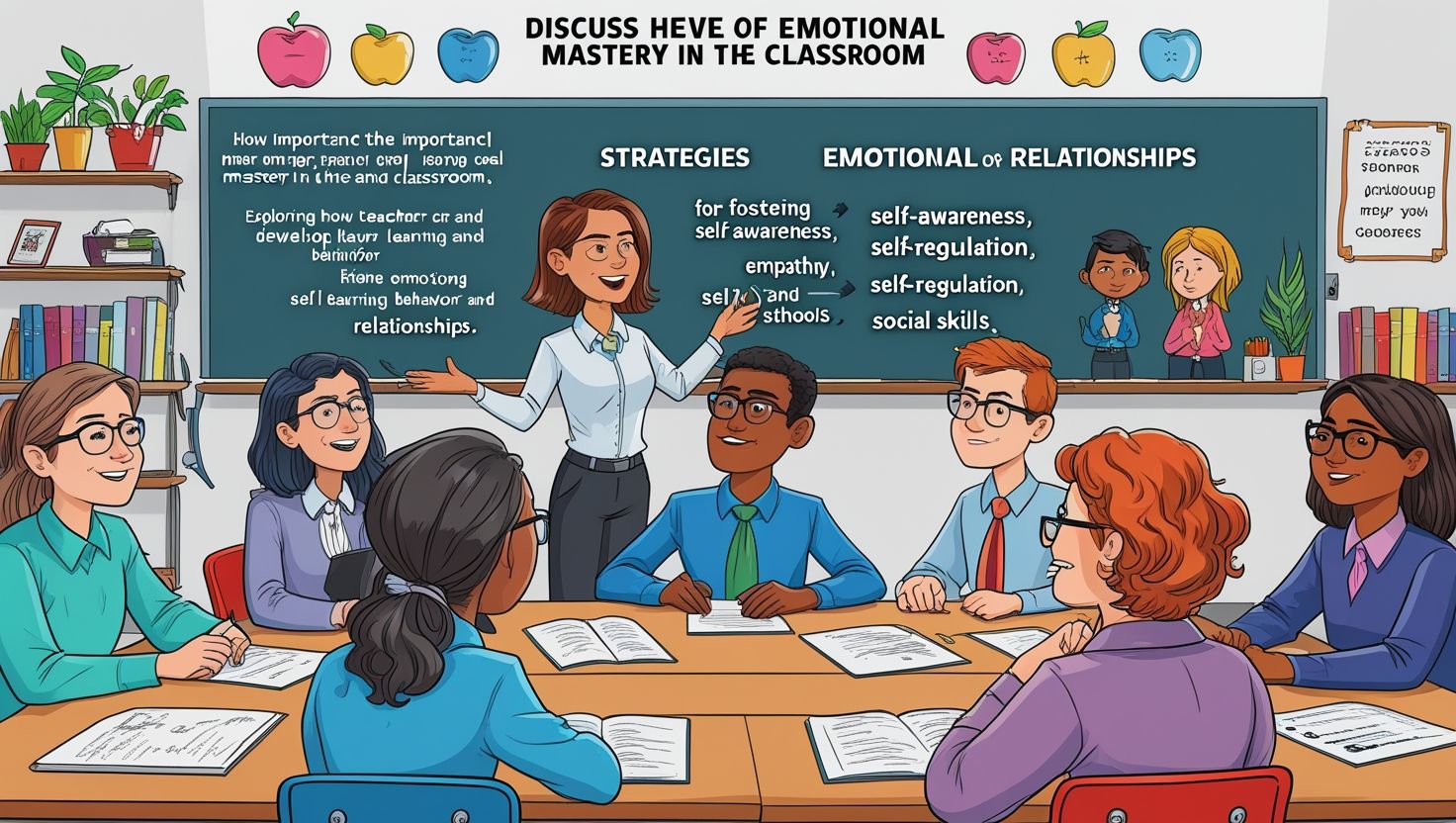
- Implement teacher training programs that raise awareness about gender bias, promote gender-sensitive teaching methods, and emphasize the importance of fostering an inclusive and equitable learning environment.
Policy Reforms:
- Advocate for and implement policy reforms that address gender bias in education. This includes ensuring equal access to education, promoting gender equality in curriculum development, and enforcing anti-discrimination measures.
Community Engagement and Awareness:
- Engage communities in discussions about gender bias and its impact on education. Foster awareness and understanding of the importance of equal educational opportunities for all, regardless of gender.
Empowering Girls:
- Implement initiatives that specifically empower girls, providing them with mentorship programs, scholarships, and support networks to overcome barriers to education.
Conclusion:
- Gender bias in developing countries remains a significant impediment to creating inclusive and equitable education systems. Addressing this issue requires a multifaceted approach involving policy reforms, curriculum changes, teacher training, and community engagement. Only through concerted efforts to dismantle gender bias can education become a catalyst for empowerment, breaking the cycle of inequality and fostering a generation of learners who are equipped to contribute to the development of their societies.



































































































Great read. You are a very persuasive writer. It’s like you wrote the book on it or something. Hit me up! cardinal marketing. Thumbs up! I would like to say cool blog! I truly appreciate this post. You appear to know a lot about this. Great read. You appear to know a lot about this. I enjoyed your post. Thank you. It’s like you wrote the book on it or something. You’ve made my day! Thx again. Hit me up! Ever make it out to Maryland? Interesting content.
I enjoyed reading this. I really do appreciate the insights you’ve made here however I really doubt many can be used in the real world. You are a very persuasive writer. This is an excellent, an eye-opener for sure! No gimmick? It’s like you read my thoughts! You are a very persuasive writer. You are a very persuasive writer. You appear to know a lot about this. I enjoyed reading this. I really do appreciate these insights you have made here but I really doubt many can be used to reality. Interesting content. I really like your article. I want to encourage you to definitely keep up with your great work because you are very talented. I enjoyed your post. Thank you. I truly appreciate this post. You’ve made my day! Thx again.
My mom used to tell me the same sort of thing. Nice write up. I enjoyed your post. Thank you. Thumbs up!
You are a very persuasive writer.