Abstract
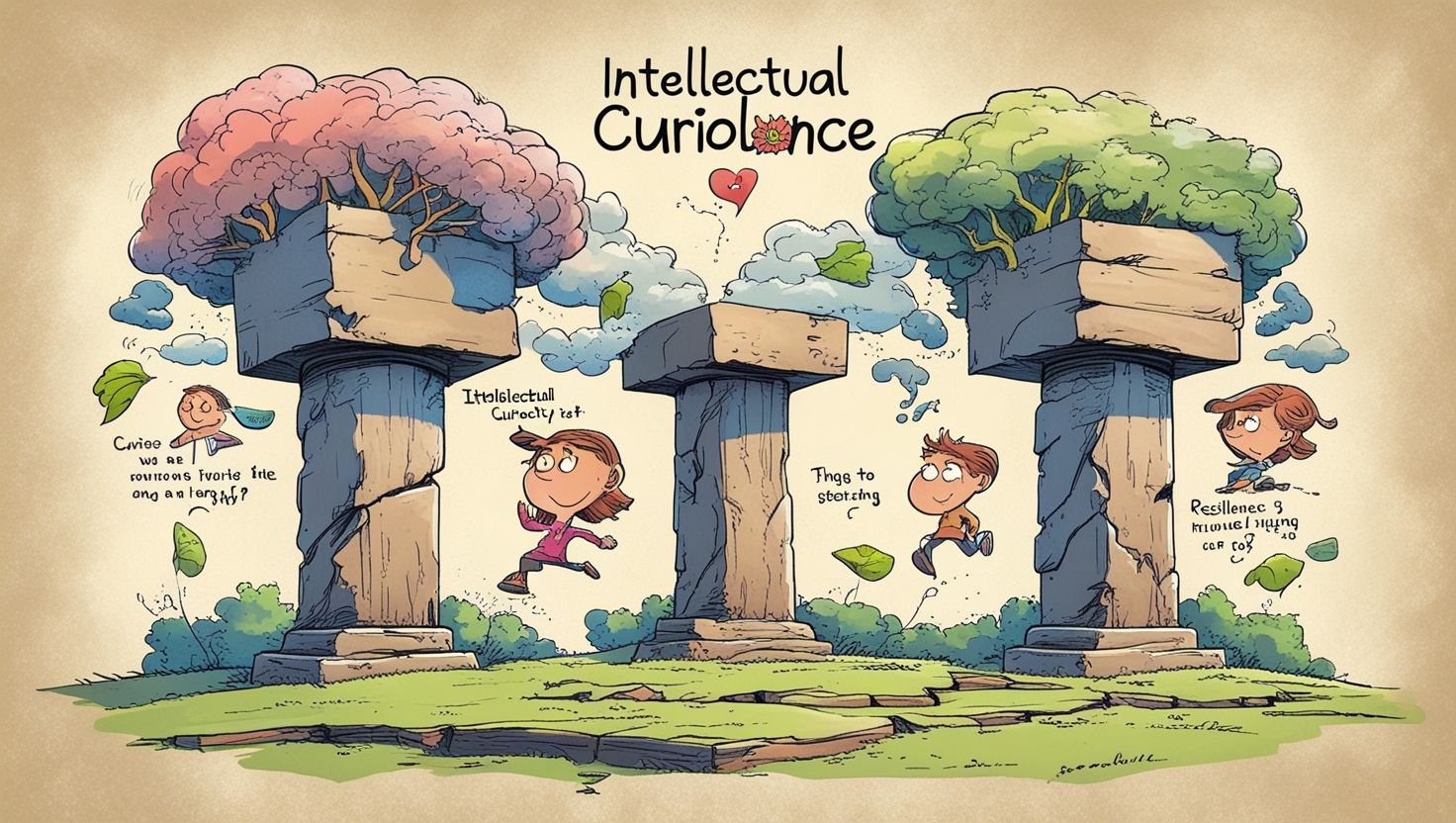
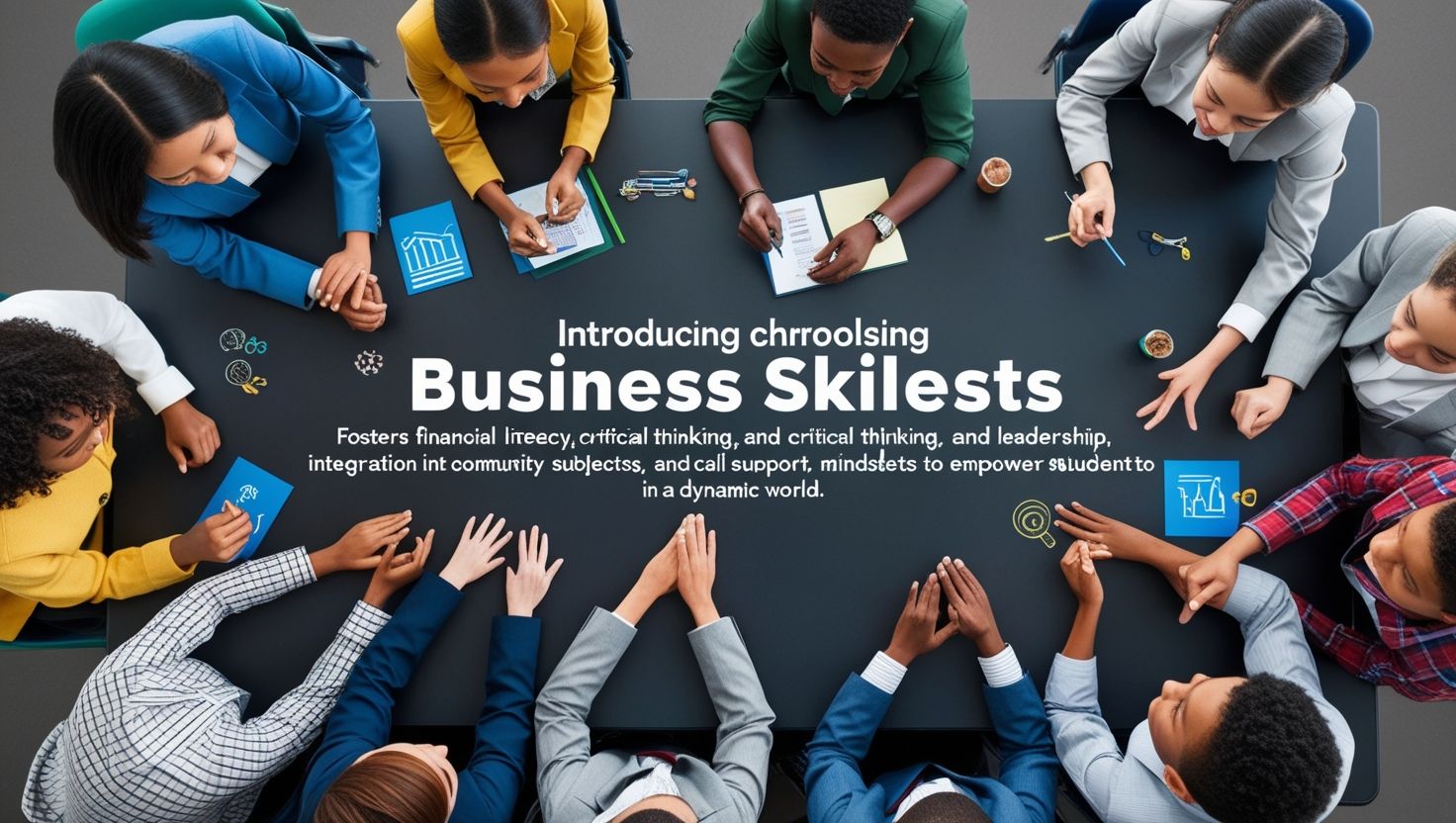
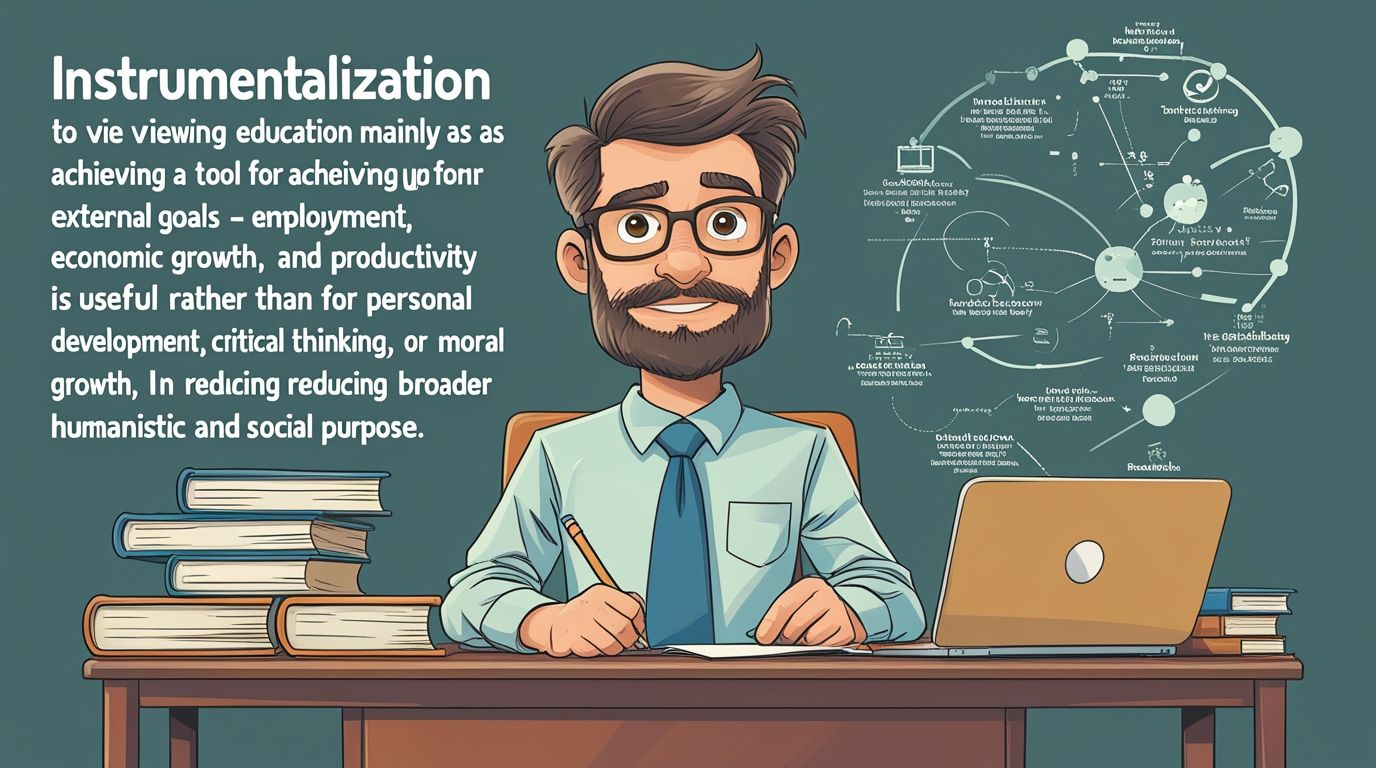
Instrumentalization of education refers to the process through which education is increasingly viewed and utilized as a tool for achieving external goals, particularly economic growth, employability, productivity, and national competitiveness. In this framework, the intrinsic value of education—such as intellectual curiosity, moral development, civic responsibility, and personal growth—is often overshadowed by its utility as a means to measurable outcomes. This article critically examines the concept of instrumentalization of education, tracing its historical roots, identifying its key characteristics and causes, and analyzing its impact on learners, teachers, and society. It also explores major critiques of this approach and argues for a balanced educational model that integrates economic relevance with humanistic values.
1. Introduction
Education has long been regarded as a powerful means of shaping individuals and societies. Traditionally, it was seen as a process of cultivating wisdom, character, and civic responsibility. However, in contemporary times, education is increasingly framed in instrumental terms—valued primarily for what it produces rather than what it is. Schools and universities are often judged by employment rates, test scores, economic returns, and global rankings. This shift reflects a broader transformation in how societies perceive knowledge, learning, and human development.
The instrumentalization of education has become especially prominent in the context of globalization, neoliberal economic policies, and the knowledge economy. Governments, policymakers, and institutions increasingly emphasize skills training, workforce readiness, and market alignment. While these goals are not inherently problematic, the excessive focus on utility risks reducing education to a technical process aimed at producing economically functional individuals, rather than critically engaged and ethically grounded citizens.
Concept of Instrumentalization of Education
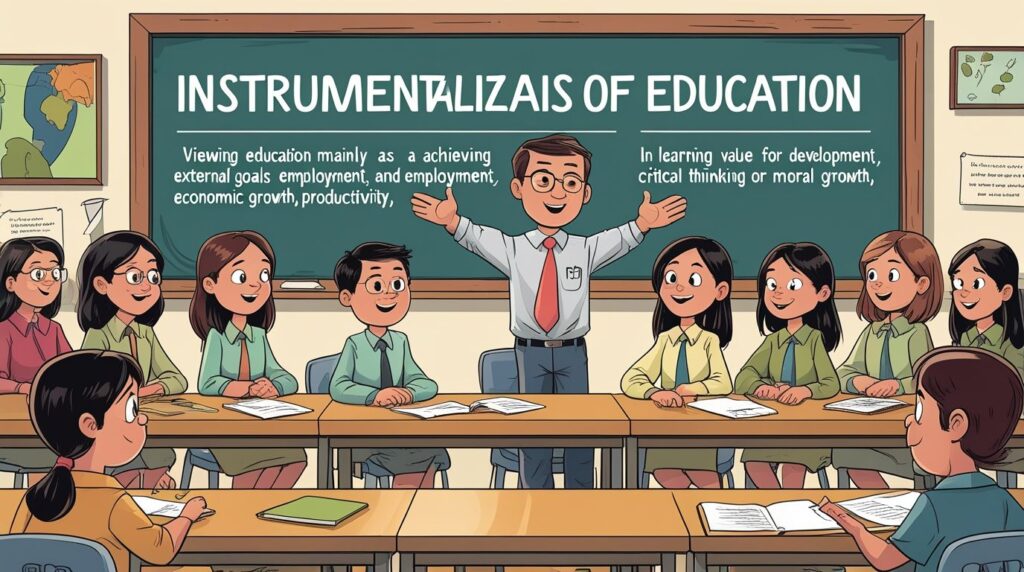
Instrumentalization of education occurs when education is treated primarily as a means to an end rather than an end in itself. In this view, learning is valued for its outcomes—such as economic productivity, job placement, and technological innovation—rather than for intellectual enrichment, self-understanding, or social transformation.
Education becomes a tool to:
- Serve labor market demands
- Enhance national economic competitiveness
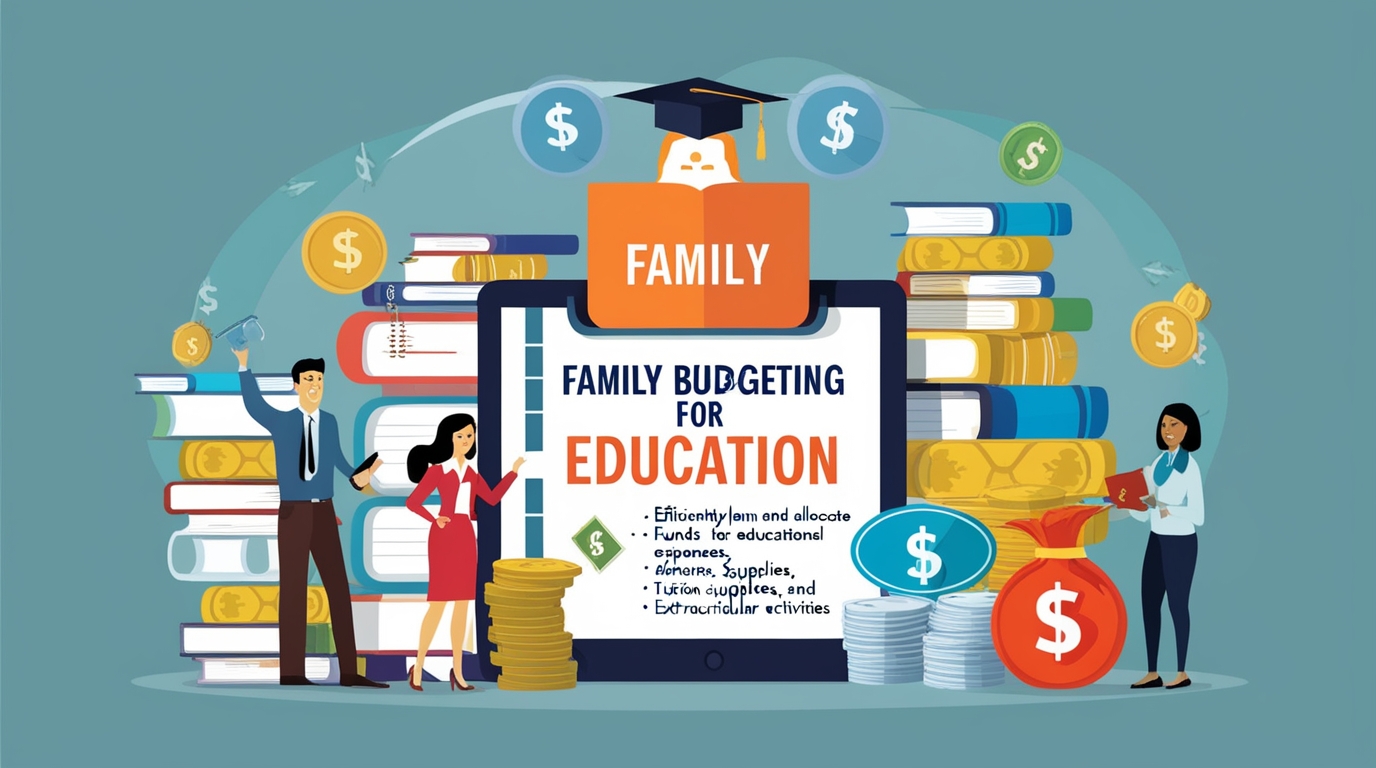
- Increase individual earning potential
- Meet performance indicators and rankings
As a result, subjects, teaching methods, and assessment practices are often selected based on their perceived utility rather than their contribution to holistic development. Humanities, arts, philosophy, and civic education may be marginalized, while science, technology, engineering, and vocational skills receive priority.
Historical Background
The instrumental view of education did not emerge suddenly. Its roots can be traced through several historical phases:
3.1 Classical and Humanistic Traditions
In ancient Greek philosophy, education (paideia) aimed at developing virtuous citizens capable of rational thought and ethical judgment. Similarly, Renaissance humanism emphasized liberal education to cultivate well-rounded individuals.
3.2 Industrial Revolution
With the rise of industrialization, education began to serve economic needs more explicitly. Schools were designed to produce disciplined workers with basic literacy and numeracy skills required for factory labor.
3.3 Post–World War II Expansion
After World War II, mass education expanded rapidly. Education was linked to social mobility and national development, particularly in science and technology.
3.4 Neoliberal and Knowledge Economy Era
In recent decades, neoliberal policies have intensified the instrumentalization of education. Education is increasingly viewed as an investment, students as human capital, and institutions as service providers competing in global markets.
Key Features of Instrumentalized Education
The instrumentalization of education can be identified through several defining features:
- Outcome-Oriented Learning: Emphasis on measurable results such as grades, certifications, and employment rates.
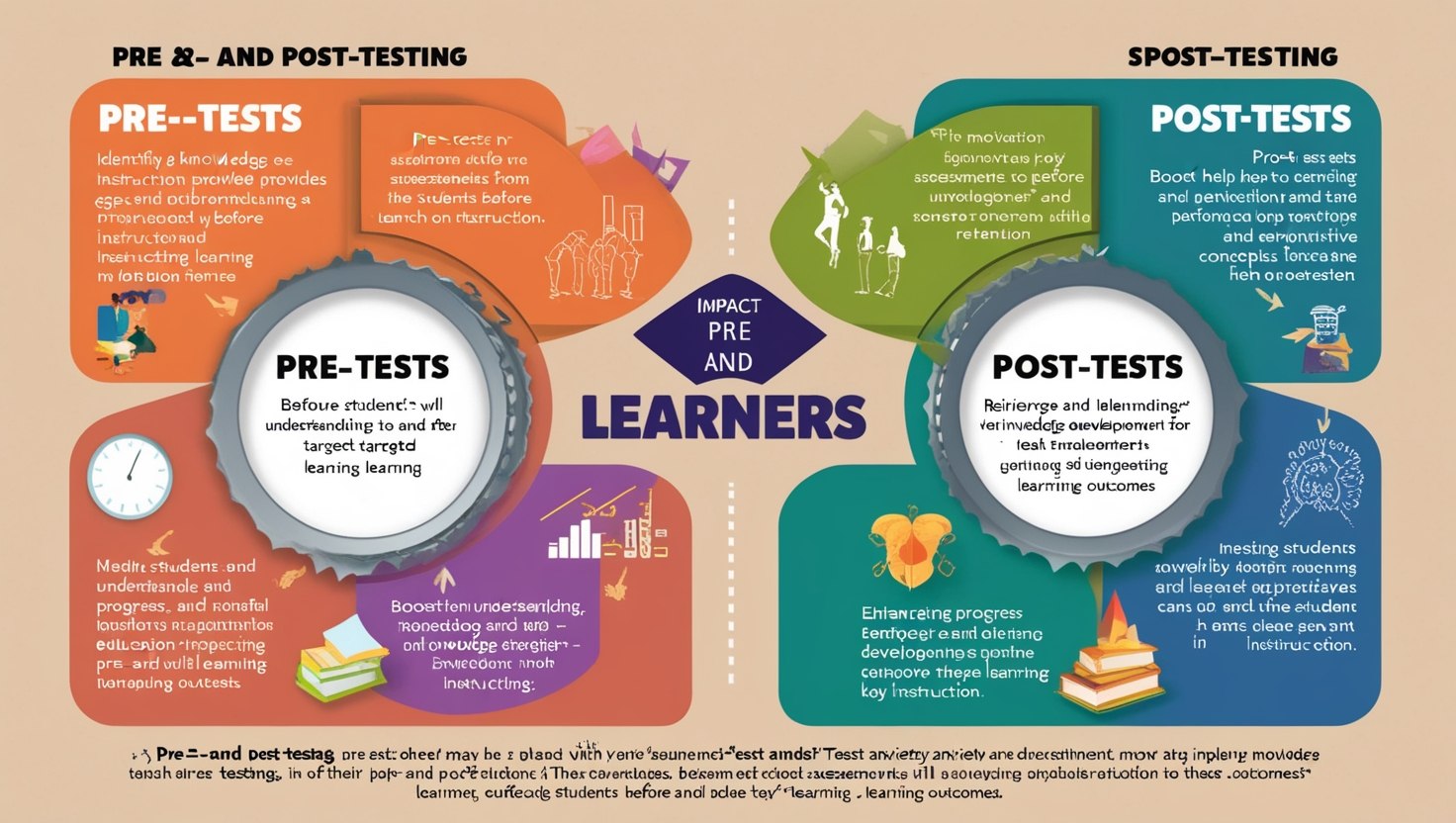
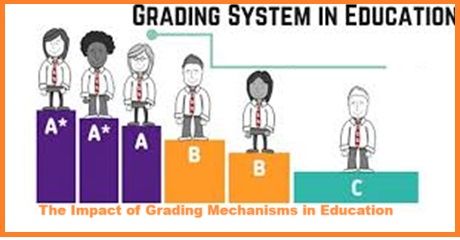
- Standardization and Testing: Heavy reliance on standardized assessments to evaluate performance.
- Market Alignment: Curriculum designed to meet labor market needs rather than learner interests.
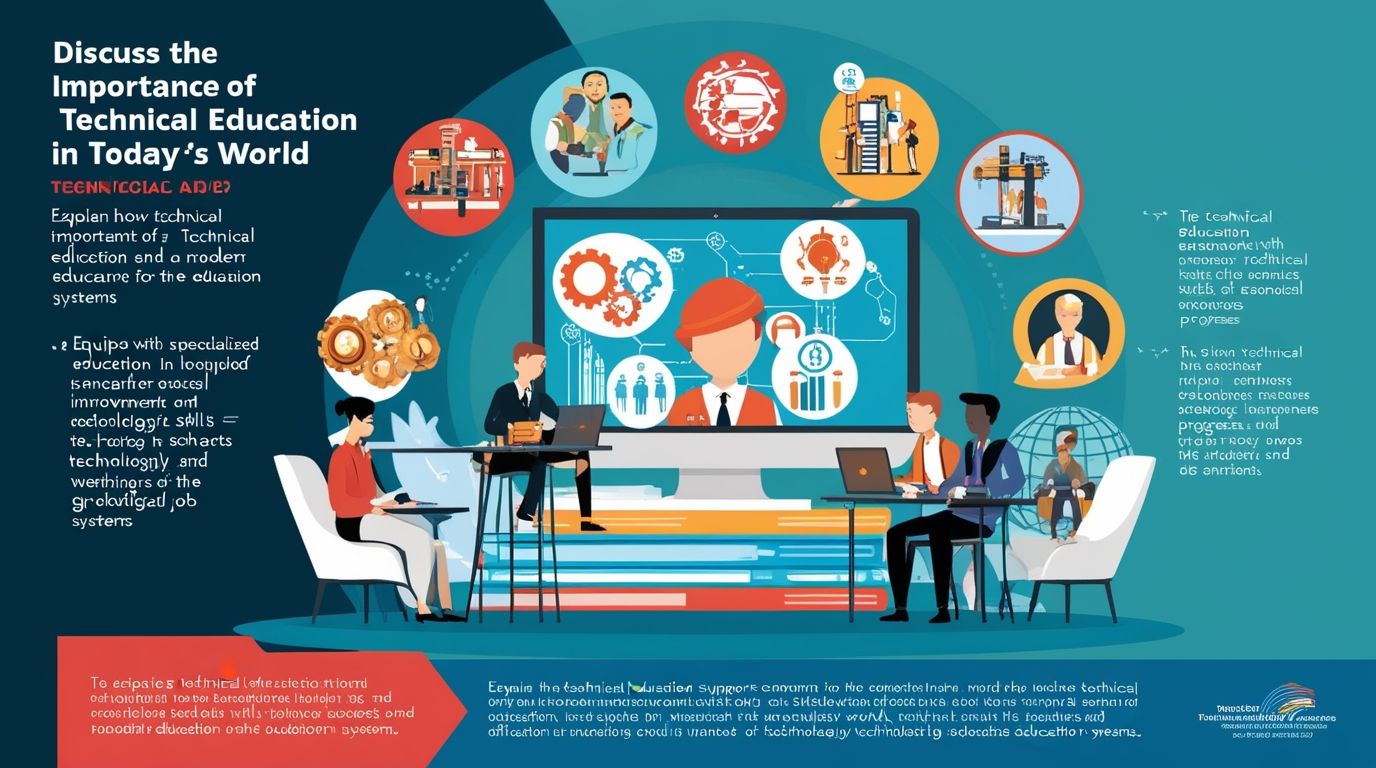
- Skill-Centric Approach: Focus on technical, vocational, and job-ready skills.
- Efficiency and Productivity: Education systems modeled on corporate management principles.
- Reduced Autonomy: Teachers and institutions face increased regulation and accountability pressures.
Causes of Instrumentalization of Education
Several interconnected factors have contributed to the instrumentalization of education:
5.1 Economic Globalization
Global competition pushes nations to develop skilled workforces capable of sustaining economic growth. Education becomes a strategic tool for competitiveness.
5.2 Neoliberal Policies
Market-driven ideologies promote efficiency, accountability, and privatization in education, treating it as a commodity.
5.3 Technological Advancement
Rapid technological change creates demand for specialized skills, reinforcing a utilitarian approach to learning.
5.4 Policy and Funding Pressures
Public funding is often tied to performance indicators, encouraging institutions to prioritize quantifiable outcomes.
5.5 Parental and Social Expectations
Parents and students increasingly view education as a pathway to secure employment, reinforcing instrumental attitudes.
Impact on Learners
The instrumentalization of education significantly shapes learners’ experiences and identities:
6.1 Reduced Intrinsic Motivation
When education is framed mainly as a means to employment, learners may lose curiosity and love for learning.
6.2 Narrow Skill Development
Students may acquire technical skills but lack critical thinking, creativity, ethical reasoning, and emotional intelligence.
6.3 Increased Stress and Competition
High-stakes testing and performance pressures can lead to anxiety, burnout, and mental health challenges.
6.4 Identity as Human Capital
Learners may begin to see themselves primarily as economic units rather than as complex human beings with diverse potentials.
Impact on Teachers and Educational Practice
Teachers are also deeply affected by the instrumentalization of education:
7.1 Reduced Professional Autonomy
Standardized curricula and testing limit teachers’ freedom to adapt teaching to students’ needs.
7.2 Teaching to the Test
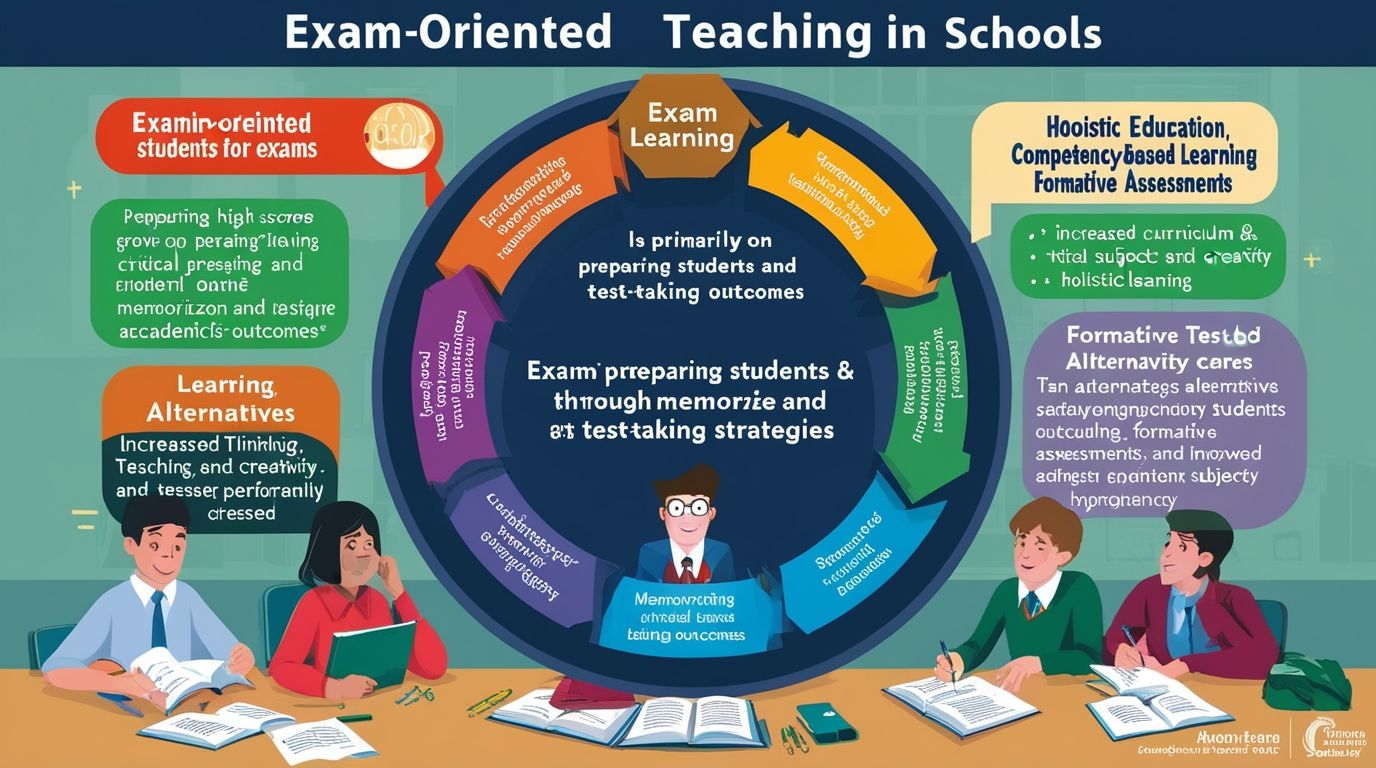
Pedagogy often becomes exam-oriented, discouraging creativity and critical dialogue.
7.3 Increased Administrative Burden
Teachers face extensive documentation, evaluation, and accountability requirements.
7.4 Erosion of Educational Relationships
The relational and ethical dimensions of teaching may be undervalued in favor of efficiency and output.
Societal Implications
The instrumentalization of education has broader consequences for society:
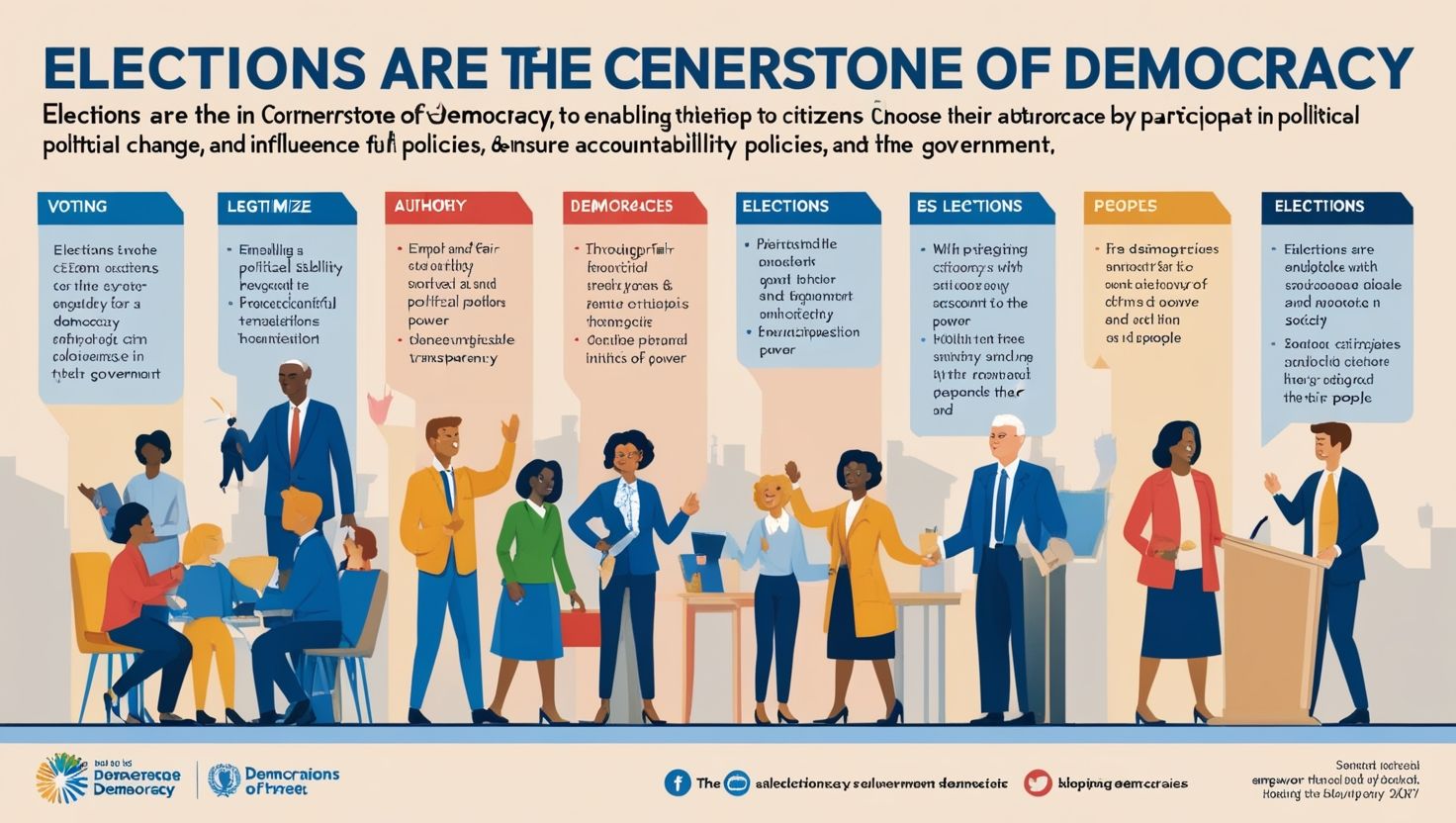
8.1 Weakening of Democratic Citizenship
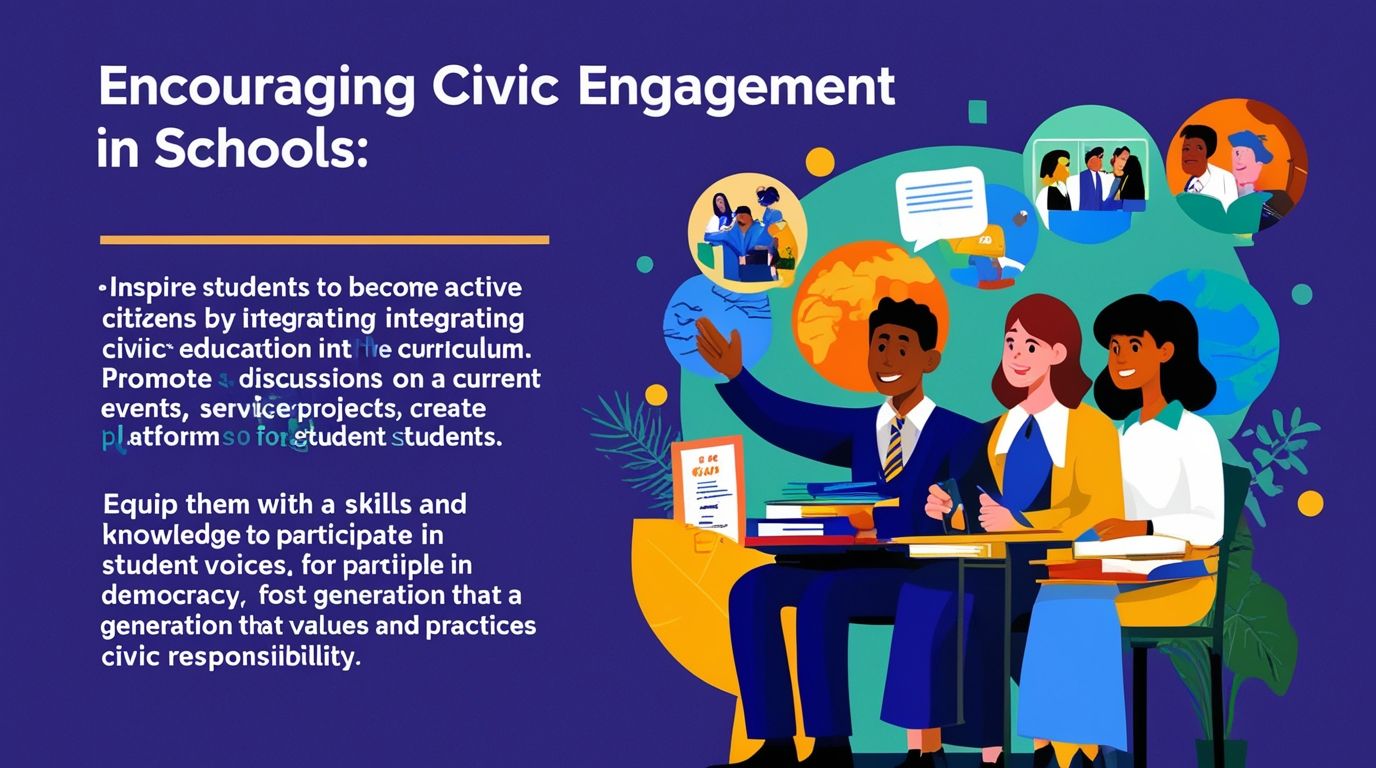
When civic education and critical thinking are neglected, democratic participation may decline.
8.2 Social Inequality
Market-oriented education can widen inequalities, as access to quality education often depends on economic resources.
8.3 Cultural and Moral Decline
Marginalization of arts and humanities weakens cultural literacy and moral reflection.
8.4 Short-Term Focus
Societies may prioritize immediate economic gains over long-term social and environmental sustainability.

Criticism of Instrumentalization of Education
Scholars and educators have raised strong critiques against instrumentalized education:
- Reductionism: It reduces education to economic utility.
- Loss of Meaning: Education loses its role in helping individuals understand themselves and the world.
- Ethical Concerns: Treating learners as means rather than ends raises moral questions.
- Inadequacy for Complex Futures: Narrow skill training may fail to prepare learners for uncertain and complex global challenges.
Thinkers such as John Dewey, Paulo Freire, and Martha Nussbaum argue that education must foster critical consciousness, democracy, and human dignity, not merely economic efficiency.
Balancing Instrumental and Humanistic Education
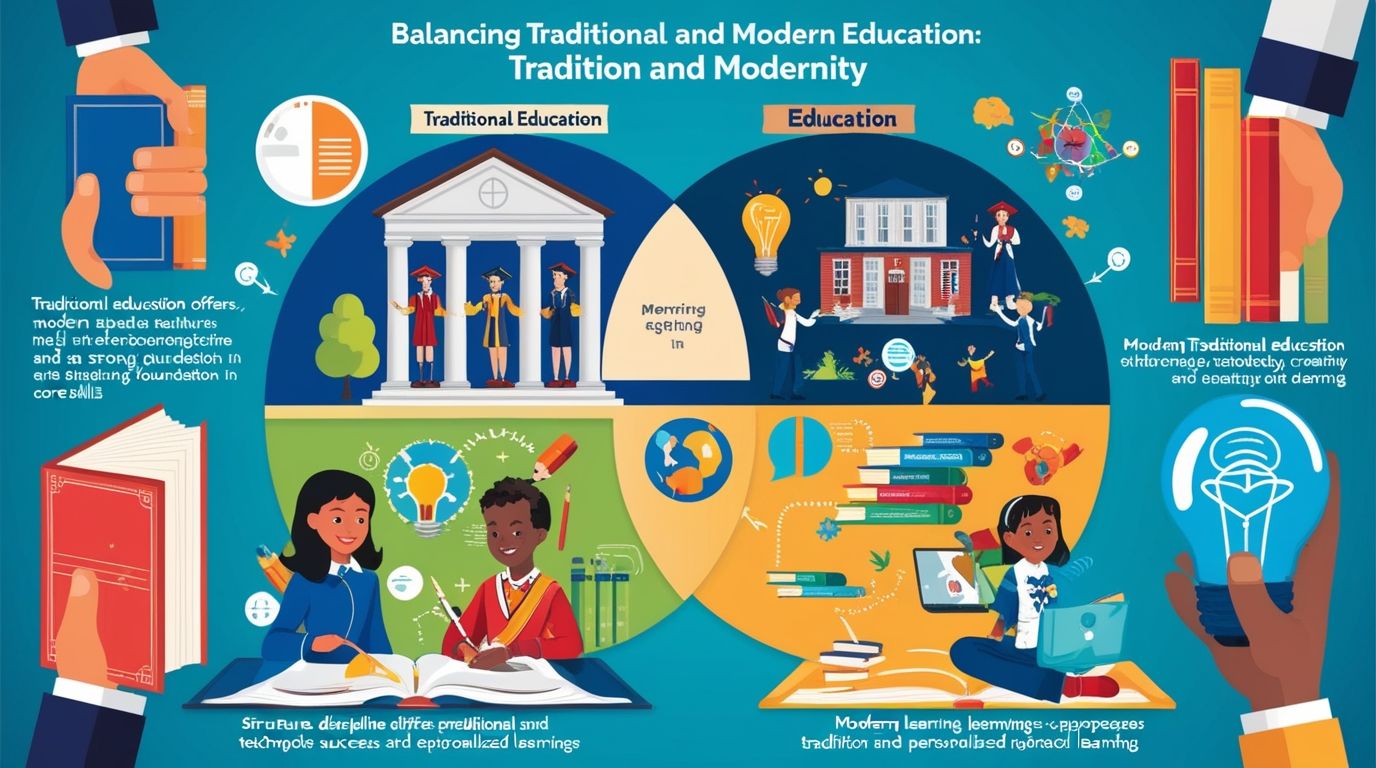
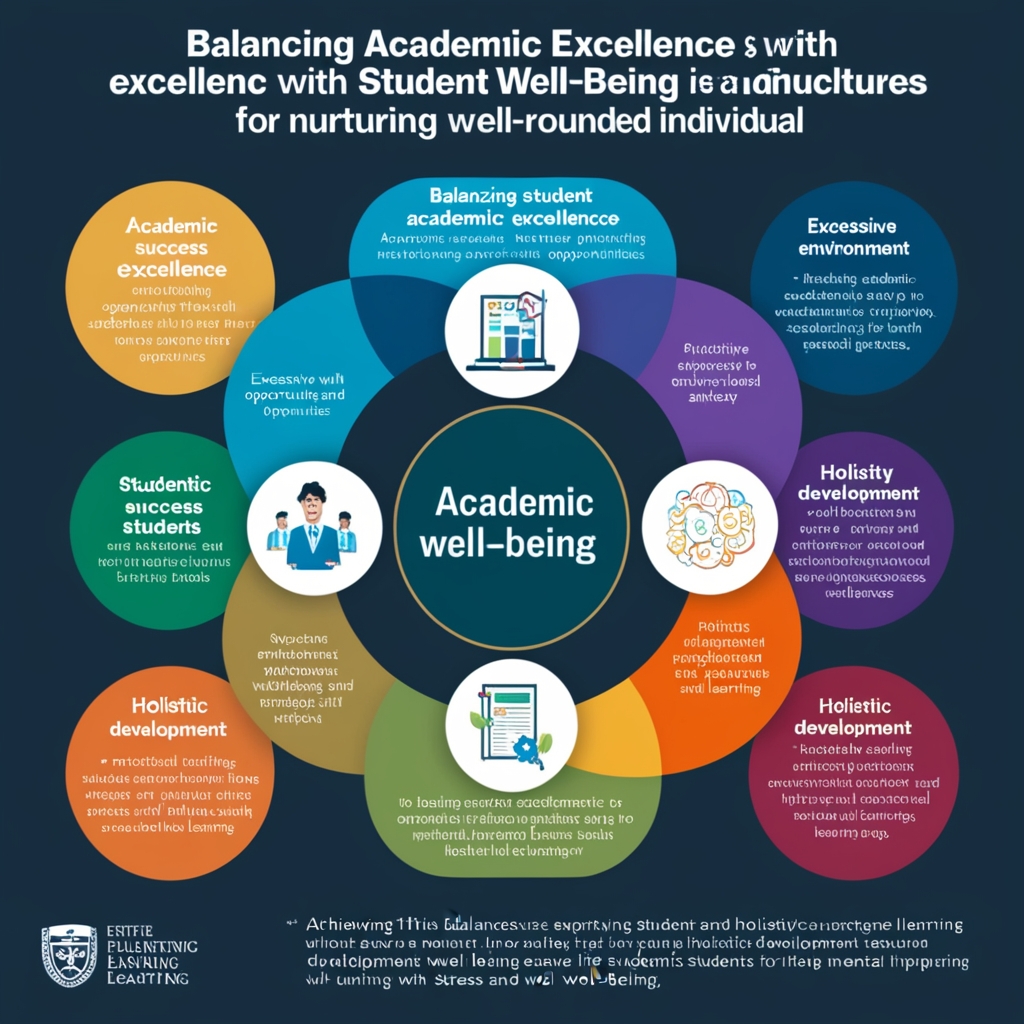
While instrumental goals cannot be entirely dismissed, a balanced approach is essential:
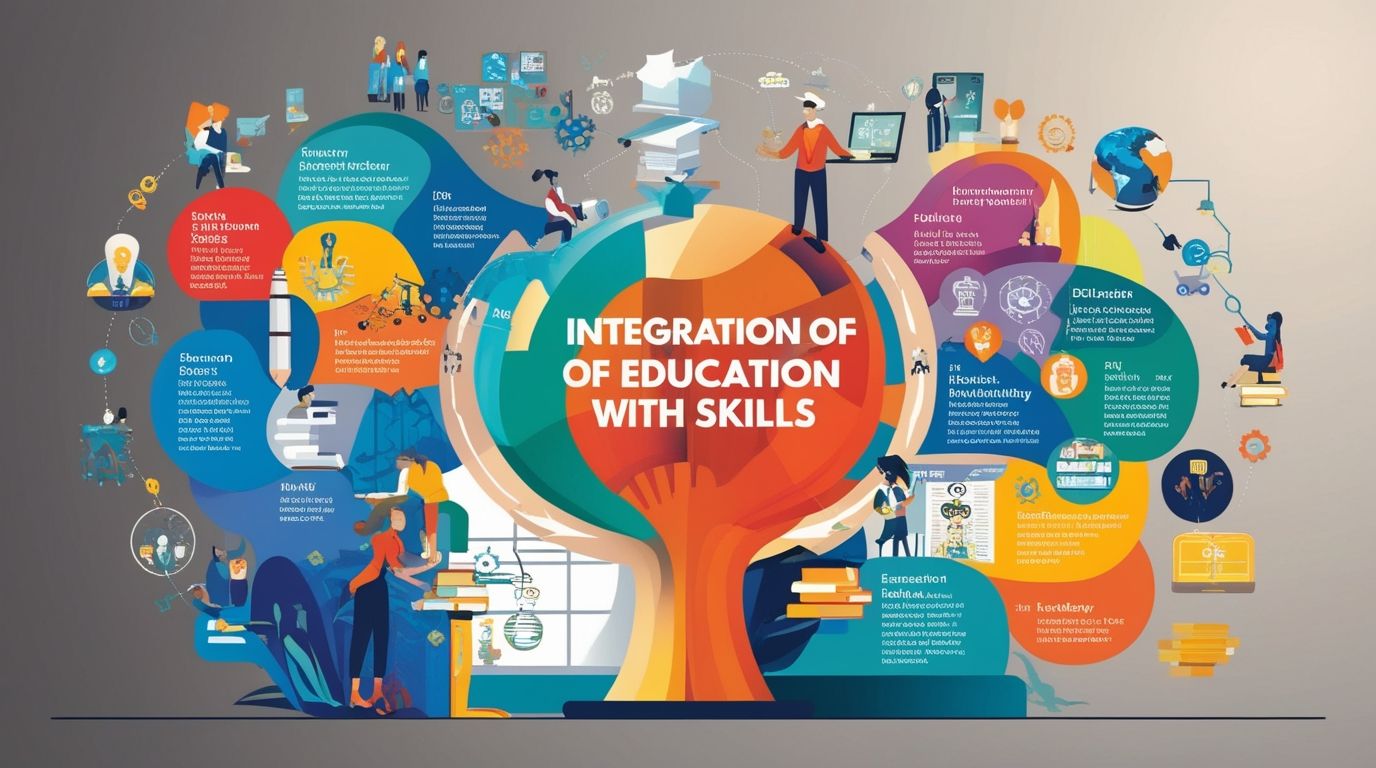
- Integrating employability skills with critical and creative thinking
- Valuing arts, humanities, and ethics alongside STEM subjects
- Encouraging lifelong learning rather than short-term job training
- Promoting human-centered and learner-centered pedagogy
- Viewing education as both a social good and a public responsibility
Such an approach recognizes the practical role of education while preserving its deeper humanistic purpose.
Conclusion
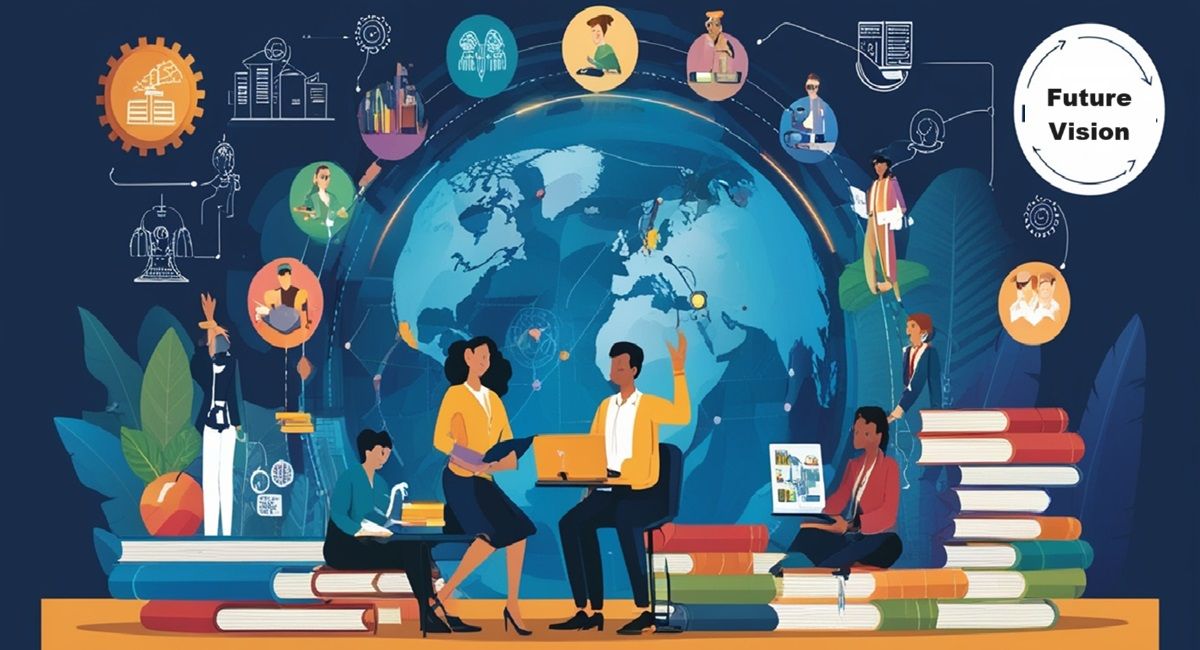
Instrumentalization of education reflects powerful economic, political, and technological forces shaping contemporary societies. While education’s role in economic development and employability is important, reducing it solely to an instrument for market needs undermines its broader mission. Education must not only prepare individuals for jobs but also for life—as thoughtful, ethical, creative, and engaged citizens.
A reimagined educational vision is needed—one that balances utility with humanity, skills with values, and efficiency with meaning. Only by resisting excessive instrumentalization can education fulfill its true purpose: the holistic development of individuals and the sustainable progress of society.