Introduction
Opportunities of 5G Internet in Pakistan, The evolution of mobile communication technologies has transformed societies across the globe, and Pakistan is no exception. From the introduction of 3G and 4G services in 2014 to the rapid expansion of mobile broadband, the country has witnessed significant digital growth. Today, Pakistan hosts over 150 million internet users, making it one of the largest digital markets in the world . With the recent launch of 5G services in 2026, the country is entering a new phase of technological advancement.
5G, the fifth generation of wireless technology, offers ultra-fast speeds, extremely low latency, and the ability to connect billions of devices simultaneously. However, the significance of 5G extends far beyond faster internet browsing. It is a transformative technology that can reshape economies, industries, governance systems, and social structures.
This article explores the vast opportunities that 5G internet presents for Pakistan, focusing on economic growth, education, healthcare, industrial development, governance, and societal transformation.
1. Economic Growth and Digital Transformation
One of the most significant opportunities of 5G in Pakistan lies in its potential to boost economic growth. Studies suggest that 5G adoption can contribute between 0.5% to 1.5% of a country’s GDP over time . For Pakistan, this translates into billions of dollars in additional economic activity.
5G enables faster data transmission, real-time communication, and efficient digital services, which are critical for modern economies. It supports emerging technologies such as artificial intelligence (AI), cloud computing, and big data analytics. These technologies, when combined with 5G, can enhance productivity across multiple sectors.
Moreover, the mobile industry is already a major contributor to Pakistan’s economy, and 5G can further strengthen this role by creating new markets and business models. For instance, digital platforms, e-commerce, fintech, and online services can expand rapidly with improved connectivity.
2. Growth of IT Industry and Freelancing
Pakistan has a rapidly growing IT sector and is among the top countries in freelancing globally. 5G technology can significantly enhance this sector by enabling seamless global connectivity.
With ultra-low latency (as low as 1 millisecond), 5G allows real-time collaboration on complex projects, including software development, virtual reality (VR), and artificial intelligence applications . Freelancers and IT professionals can work more efficiently with international clients, increasing Pakistan’s competitiveness in the global digital economy.
Additionally, startups and tech entrepreneurs can develop innovative applications such as augmented reality (AR), gaming platforms, and digital services that require high-speed internet. This can lead to job creation and increased exports in the IT sector.
3. Industrial Development and Industry 4.0
5G is a key enabler of Industry 4.0, which involves the automation and digitalization of manufacturing processes. In Pakistan, industries such as textiles, manufacturing, and logistics can benefit significantly from 5G adoption.
Smart factories powered by 5G can use sensors, robotics, and real-time data to optimize production processes. This leads to higher efficiency, reduced costs, and improved product quality. For example:
- Automated machinery can communicate in real time
- Supply chains can be monitored digitally
- Predictive maintenance can reduce downtime
Small and medium enterprises (SMEs), which contribute over 40% of Pakistan’s GDP, can also benefit from adopting 5G-enabled technologies . However, support in terms of funding and technical training will be essential to ensure widespread adoption.
4. Smart Cities and Infrastructure Development
5G technology plays a crucial role in the development of smart cities. In Pakistan, urban centers such as Islamabad, Lahore, and Karachi can leverage 5G to improve infrastructure and public services.
Smart city applications include:
- Intelligent traffic management systems
- Smart energy grids
- Waste management systems
- Surveillance and public safety systems
These systems rely on real-time data processing, which is only possible with high-speed, low-latency networks like 5G. As Pakistan invests in urban development and infrastructure, 5G can help create more efficient, sustainable, and livable cities.
5. Revolution in Healthcare (Telemedicine and e-Health)
The healthcare sector in Pakistan faces numerous challenges, including limited access to medical facilities in rural areas. 5G can help bridge this gap through telemedicine and digital healthcare solutions.
With 5G, doctors can provide remote consultations, diagnose patients, and even perform robotic surgeries with high precision. Real-time transmission of medical data allows for faster decision-making and improved patient outcomes.
Key opportunities include:
- Remote patient monitoring
- Virtual consultations
- AI-based diagnostics
- Emergency response systems
This is particularly important for rural and underserved regions, where access to quality healthcare is limited.
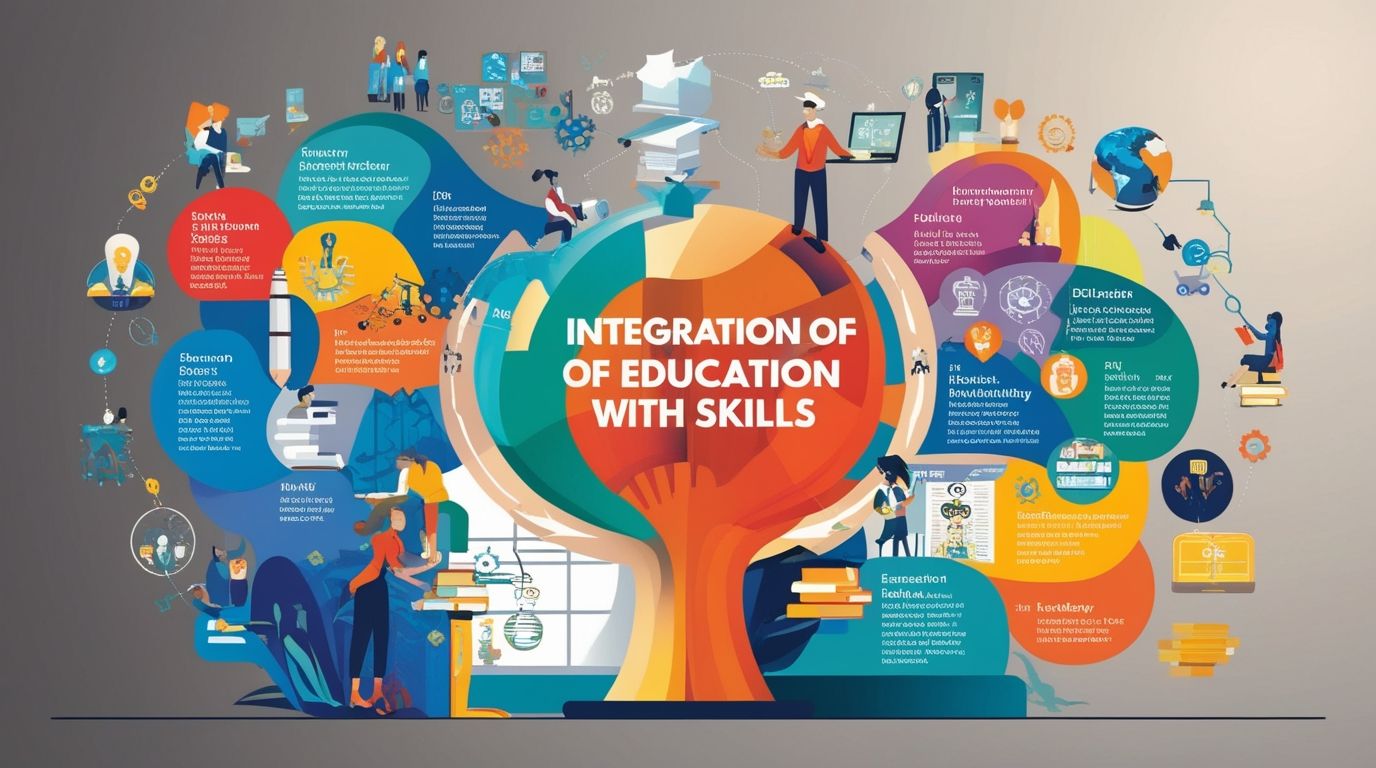
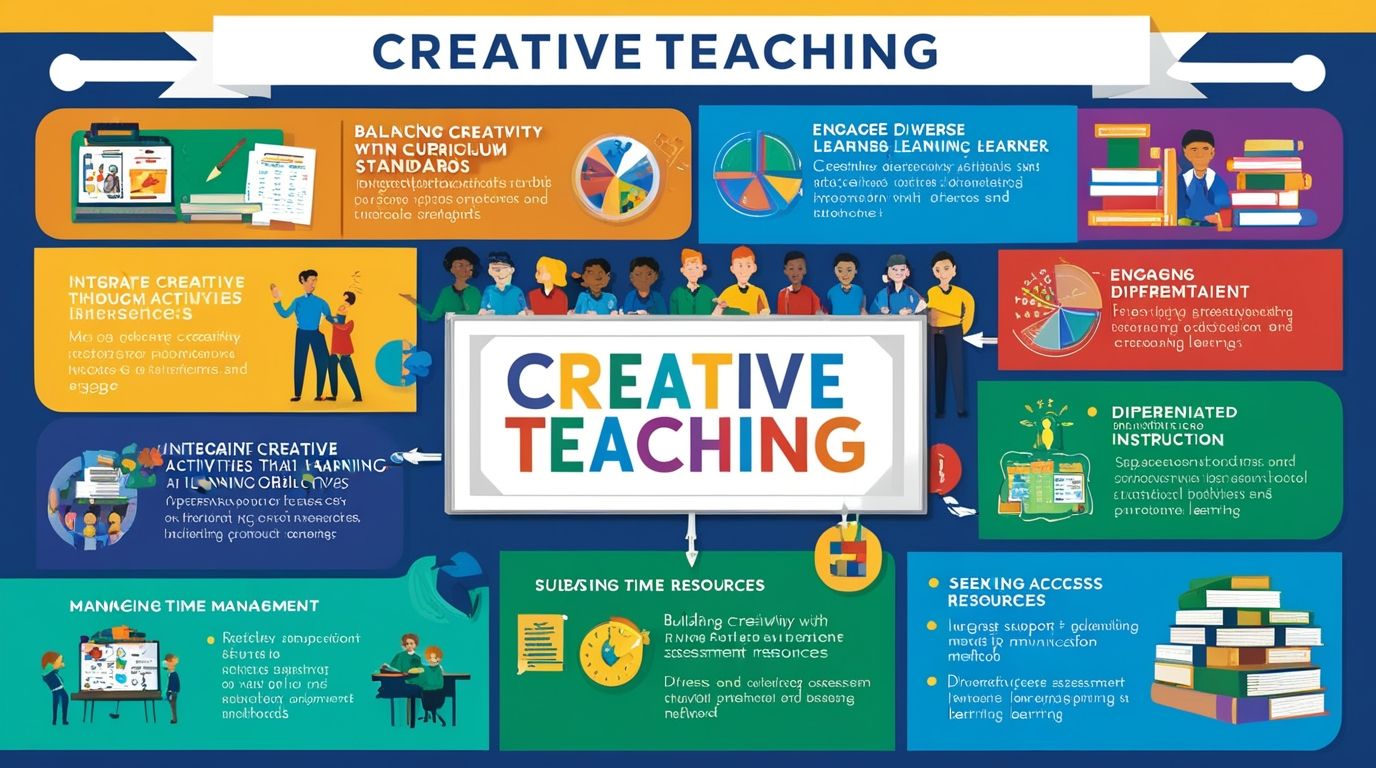
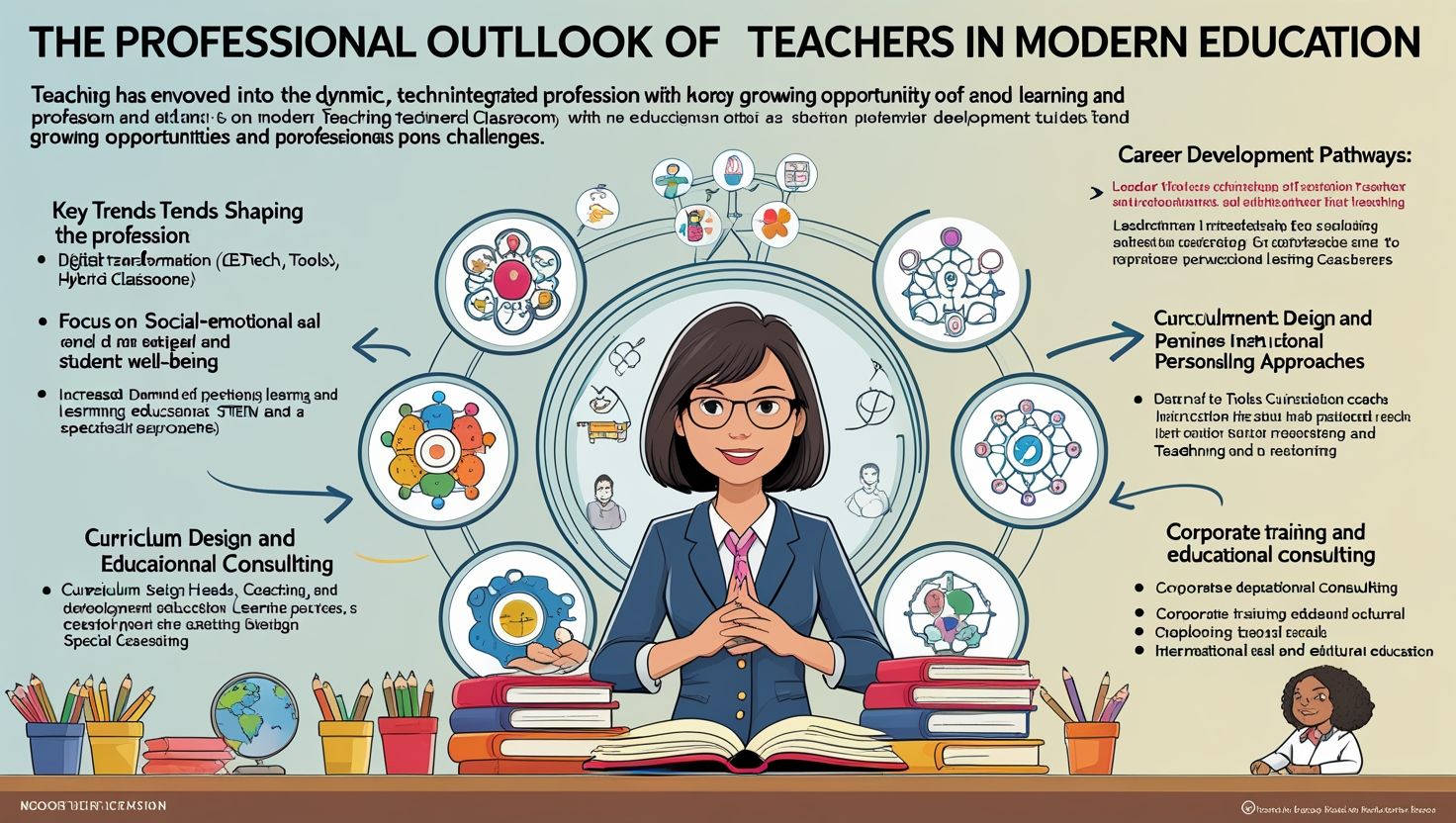
6. Transformation of Education System
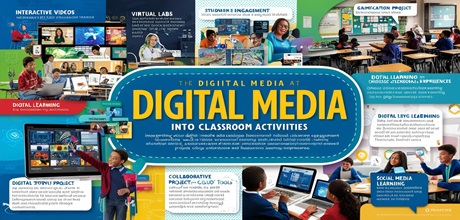
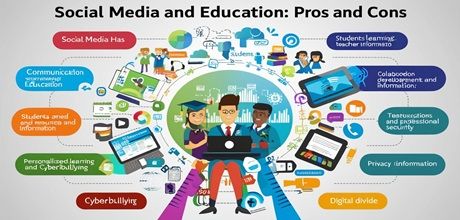
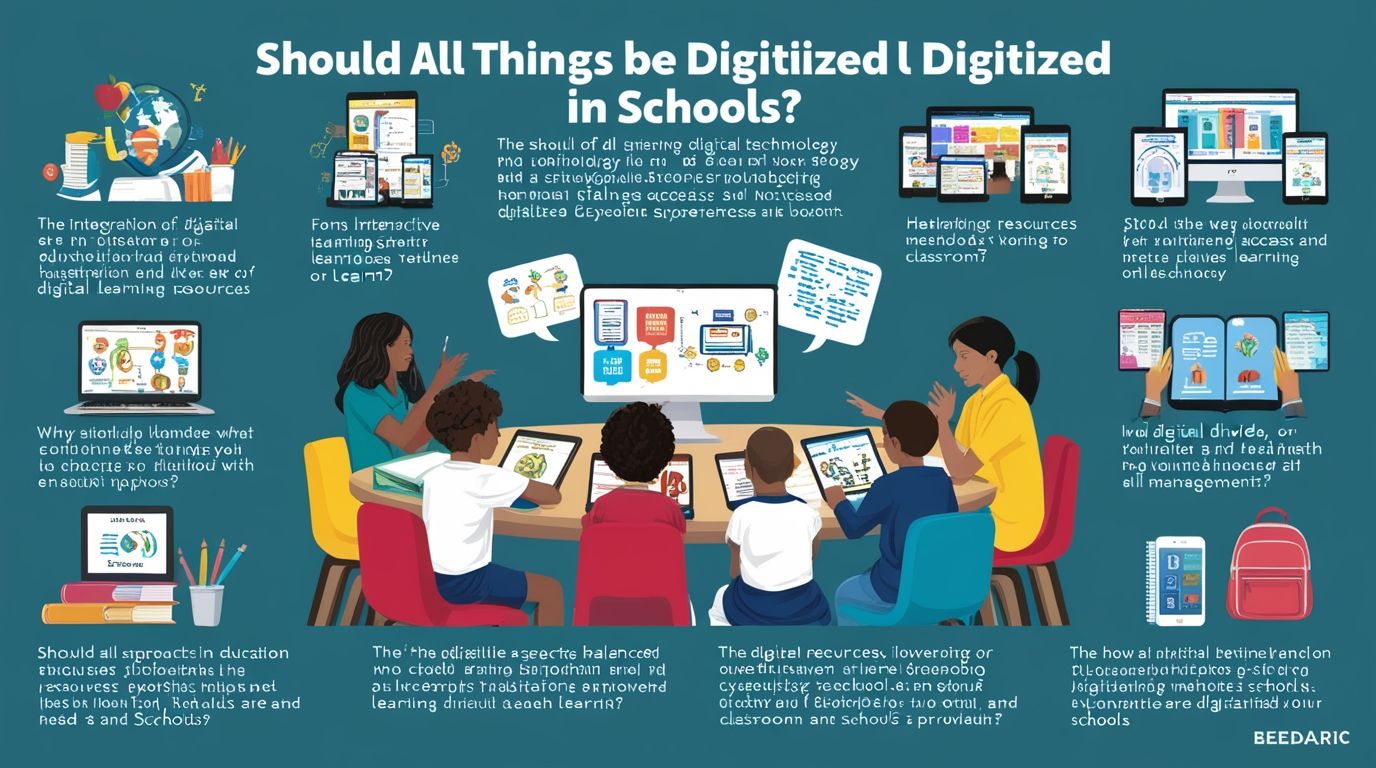
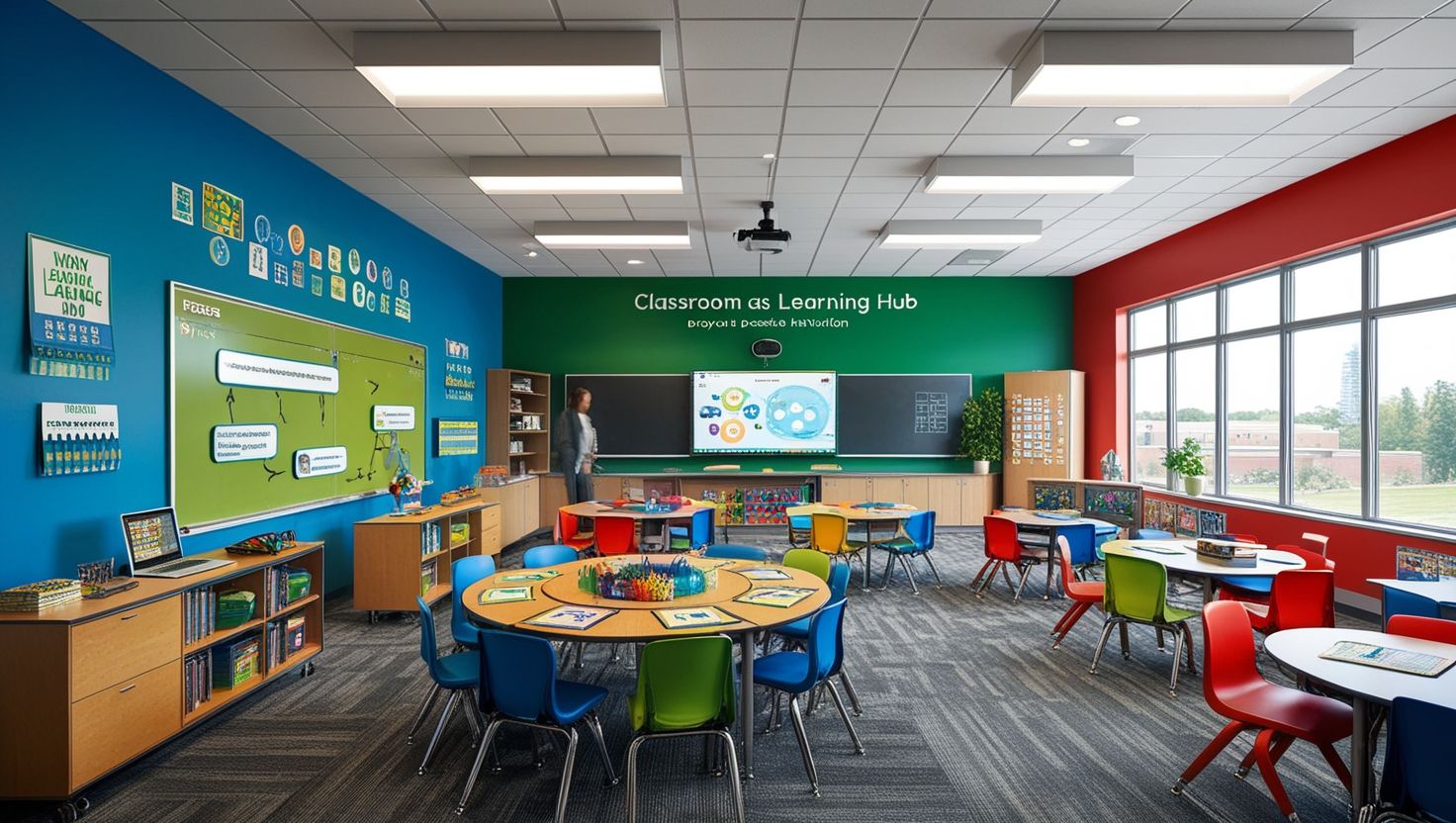
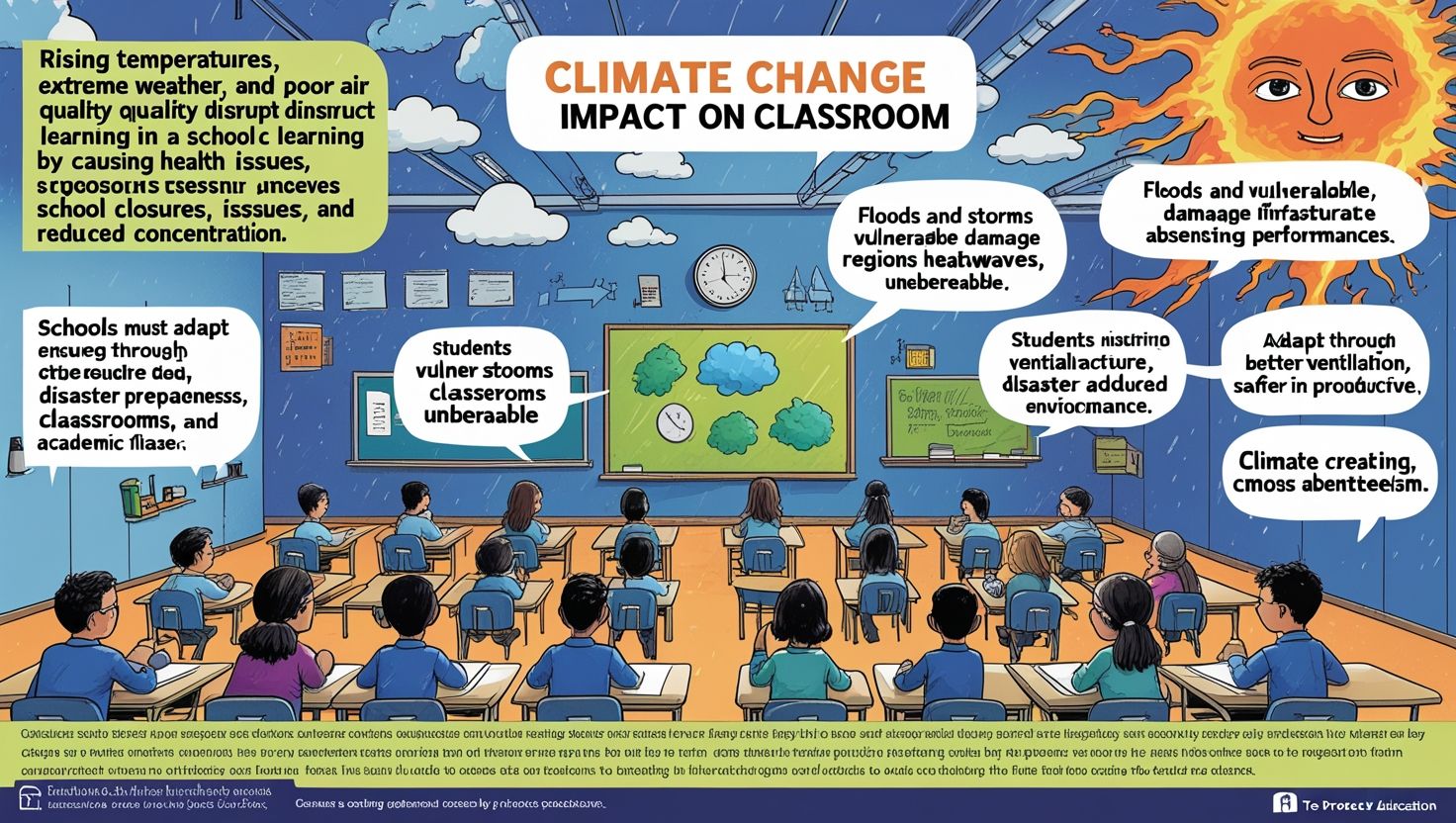
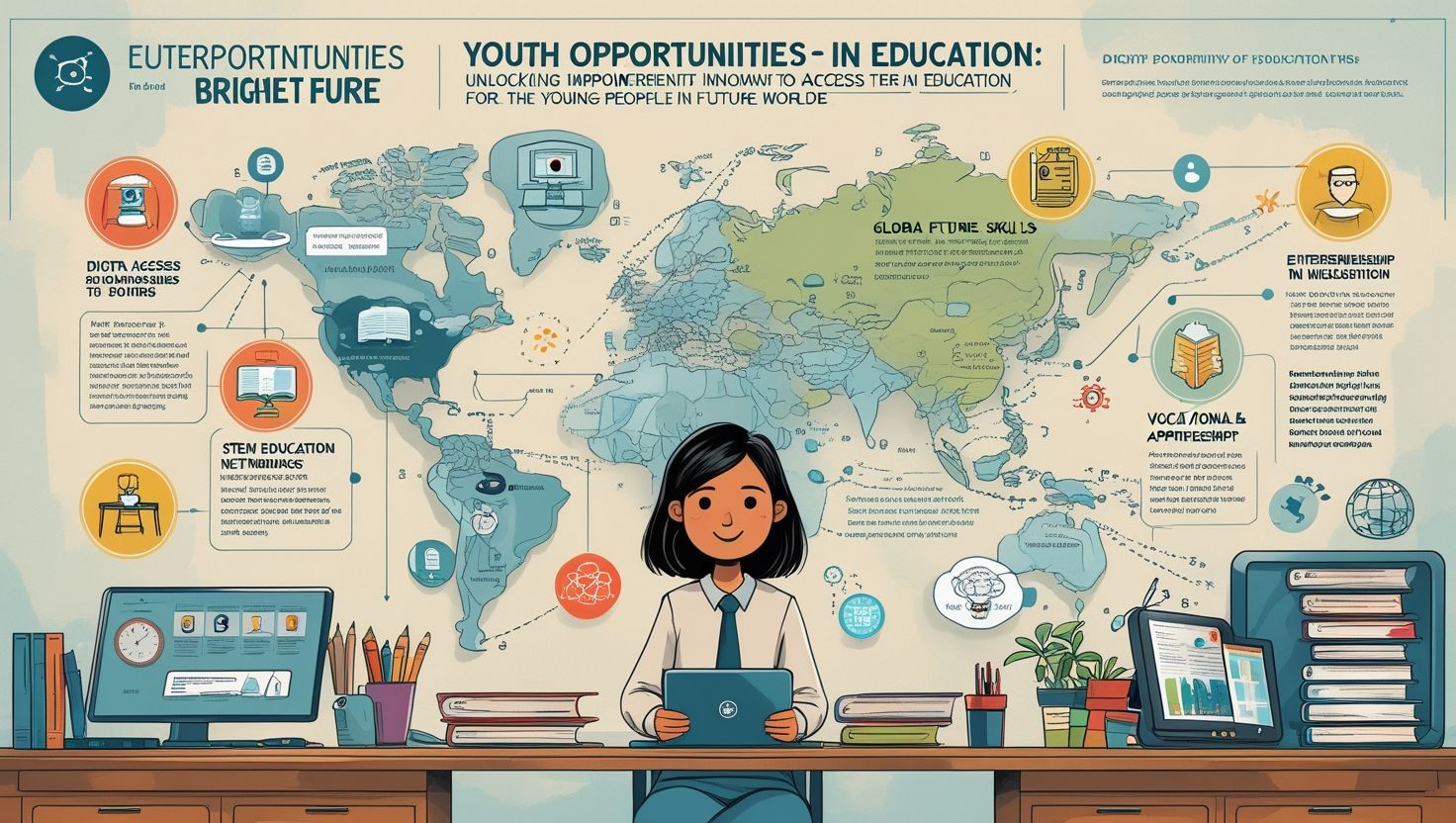
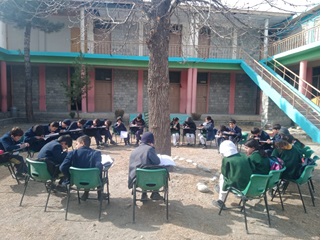
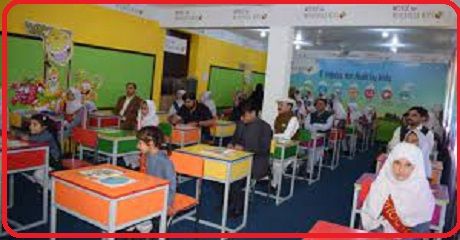
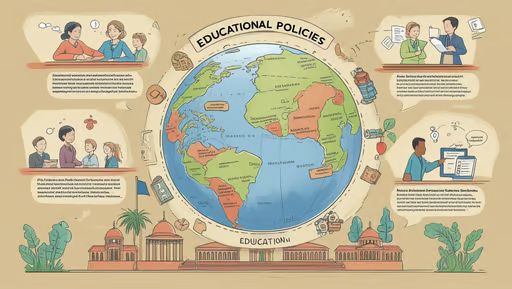
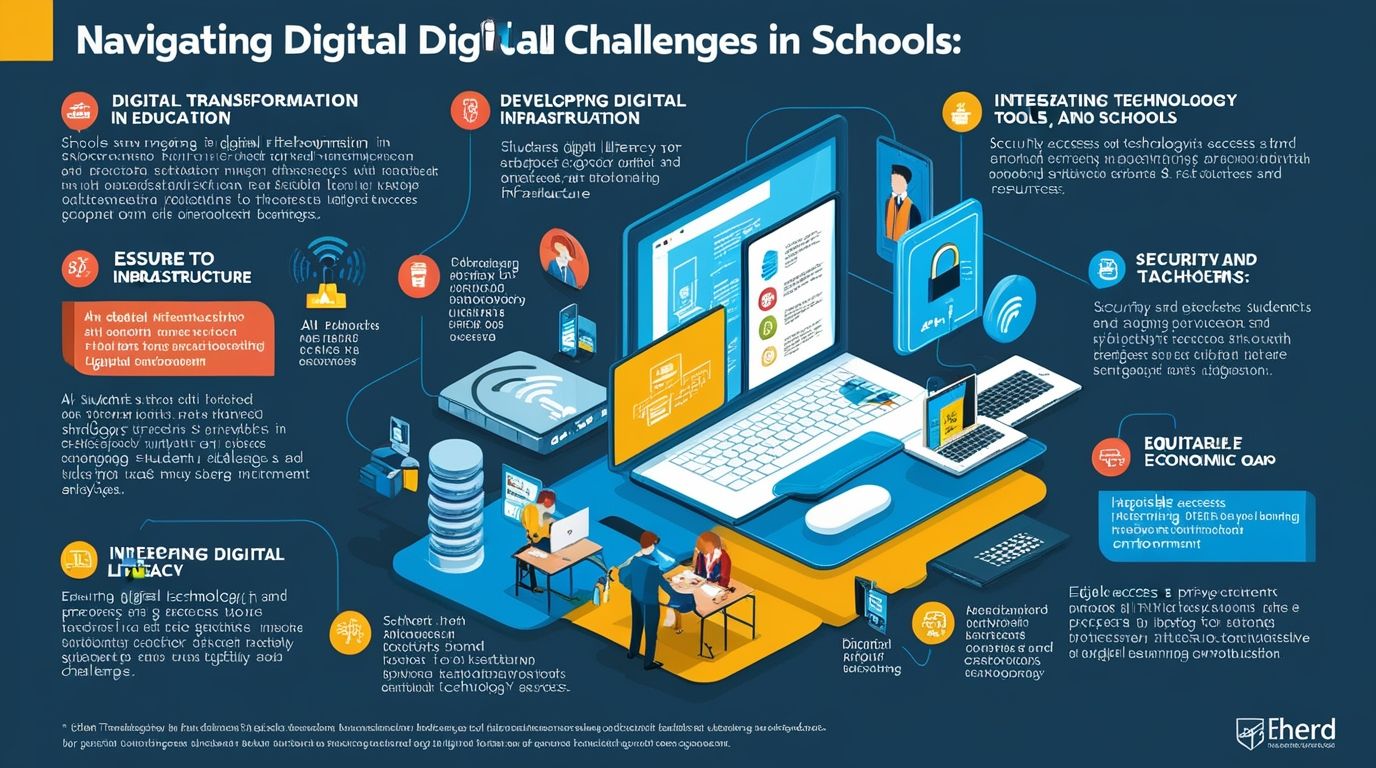
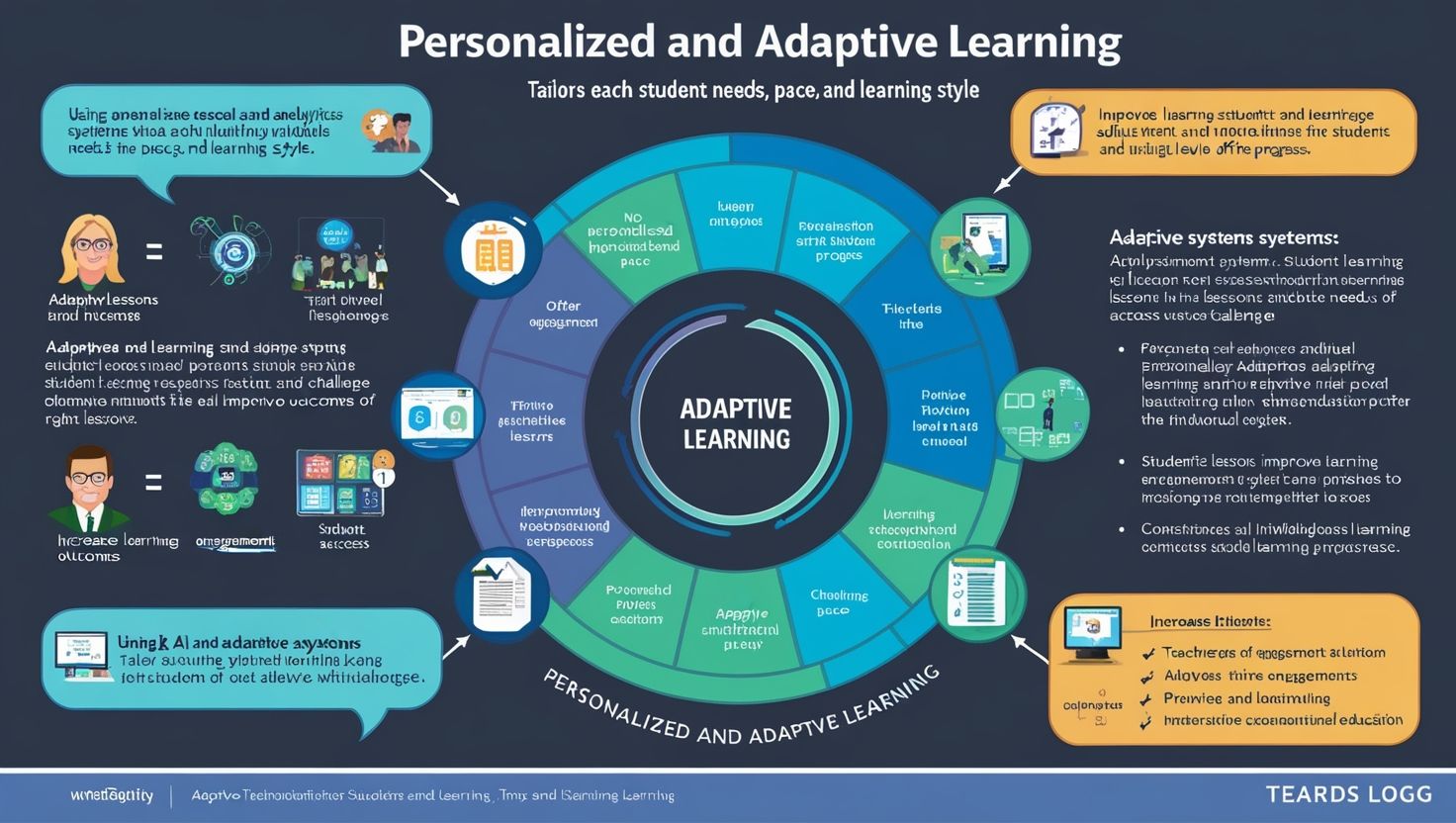
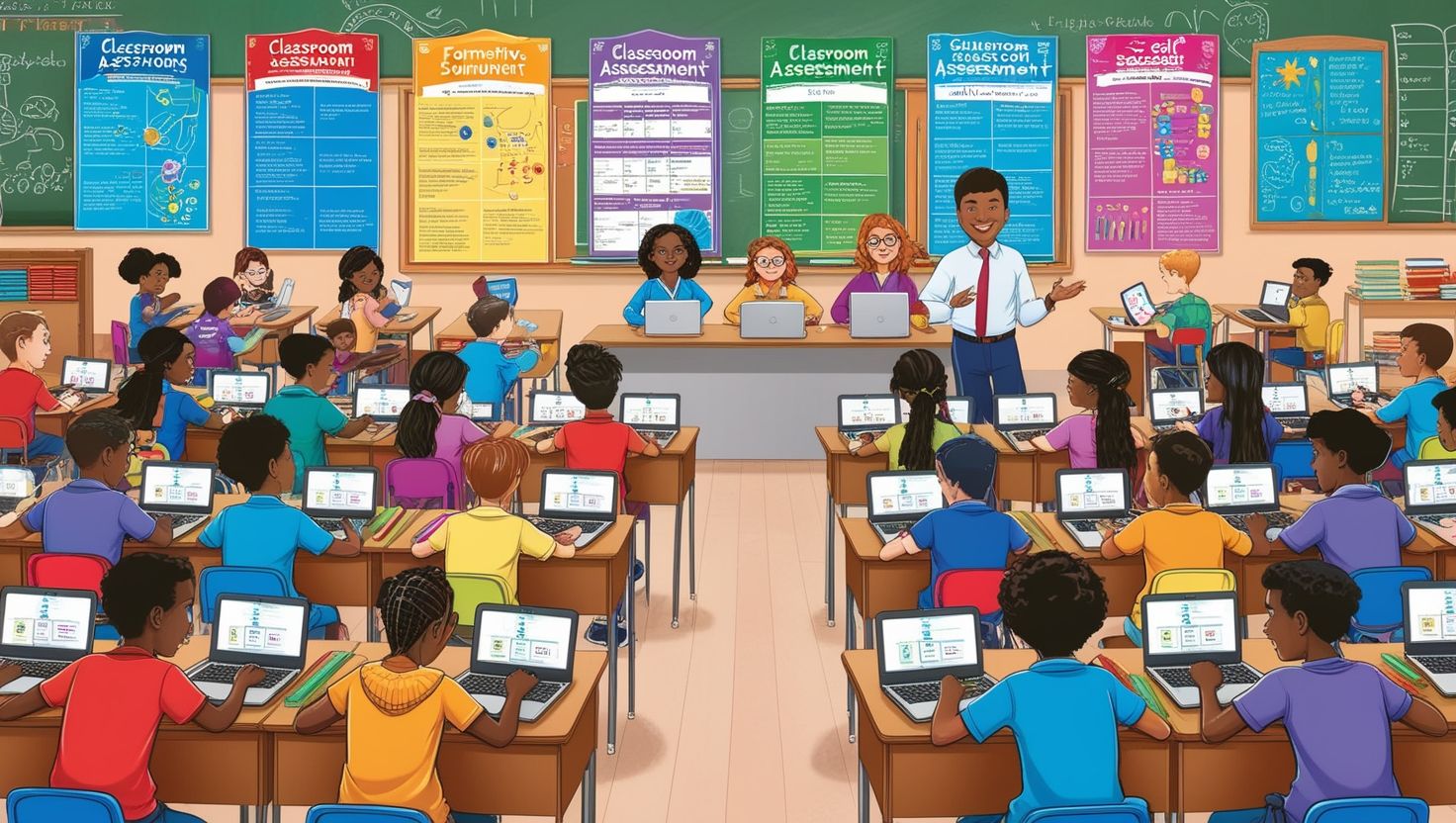
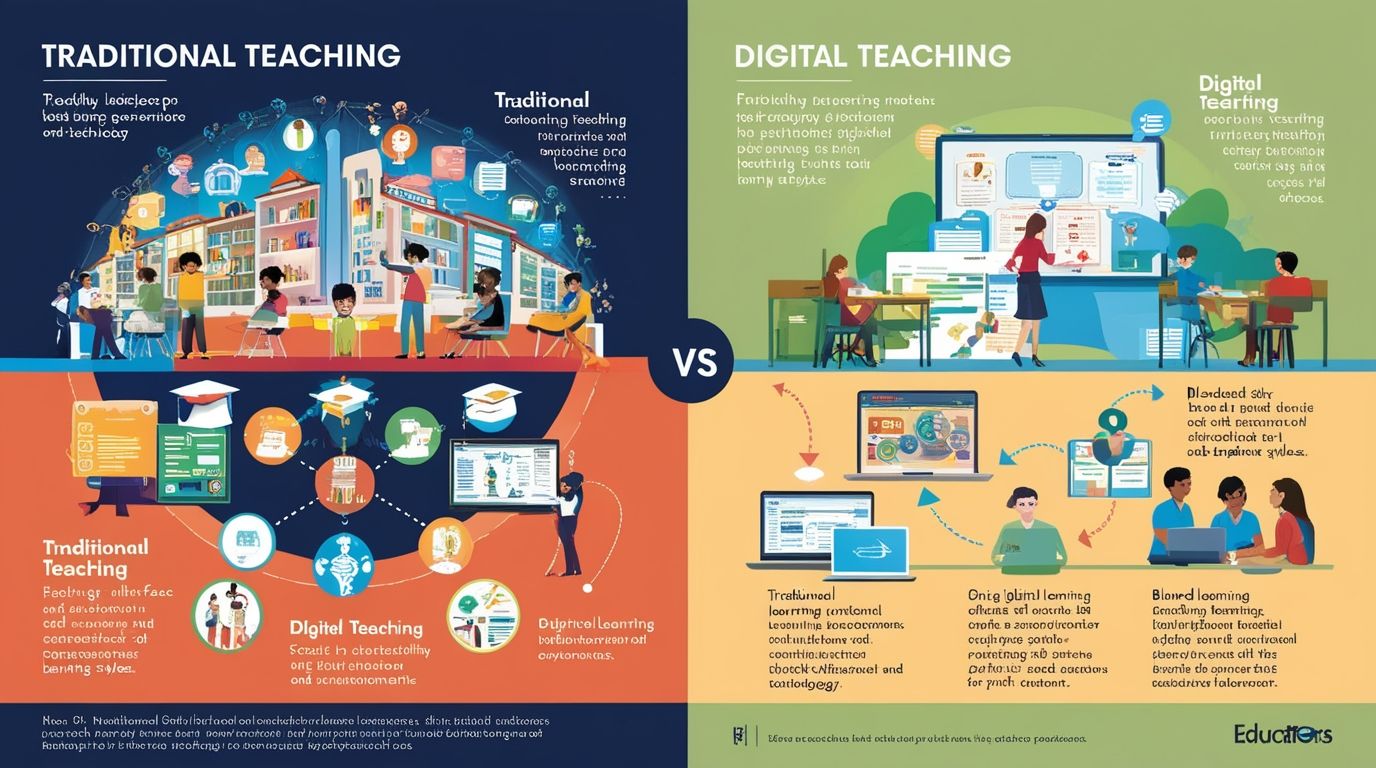
Education is one of the most critical sectors that can benefit from 5G in Pakistan. The COVID-19 pandemic highlighted the importance of digital learning, but limitations in internet speed and connectivity hindered effective implementation.
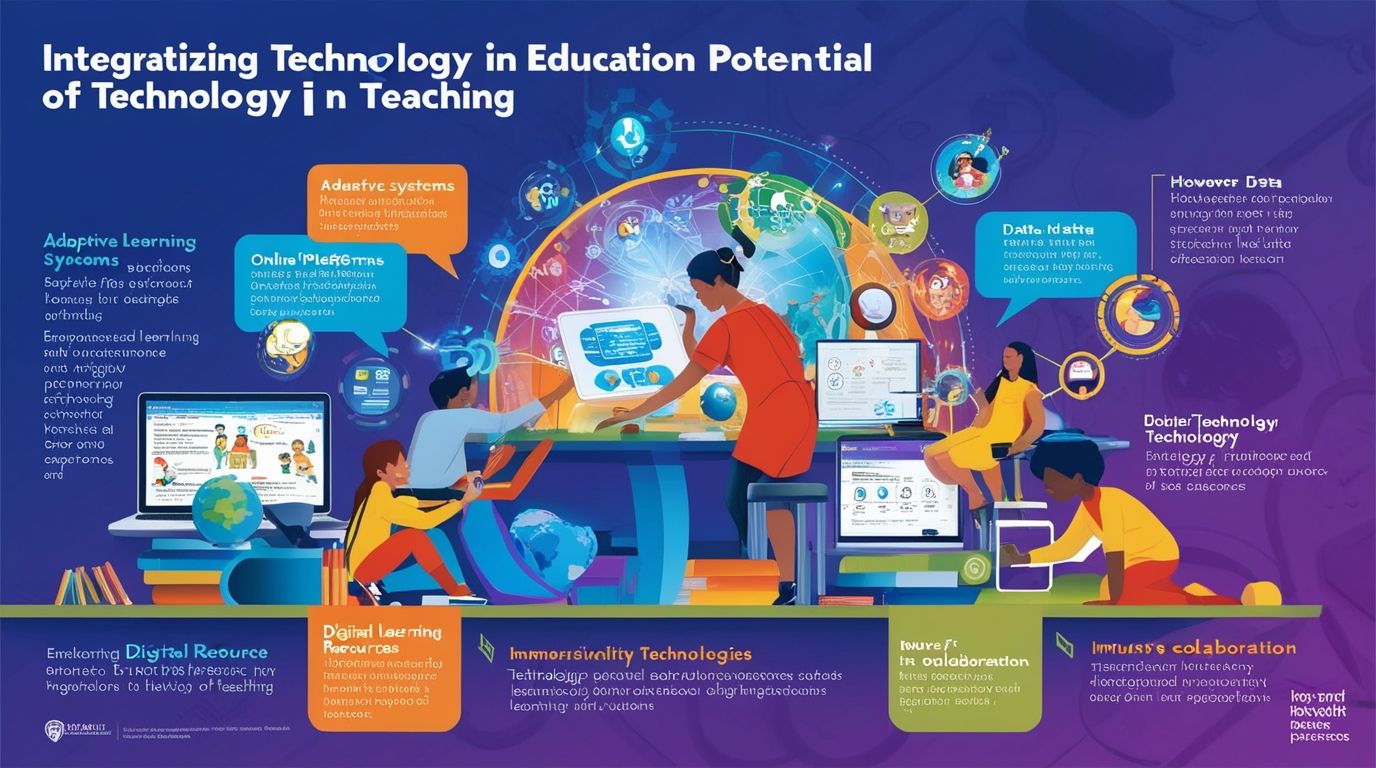
5G can revolutionize education by enabling:
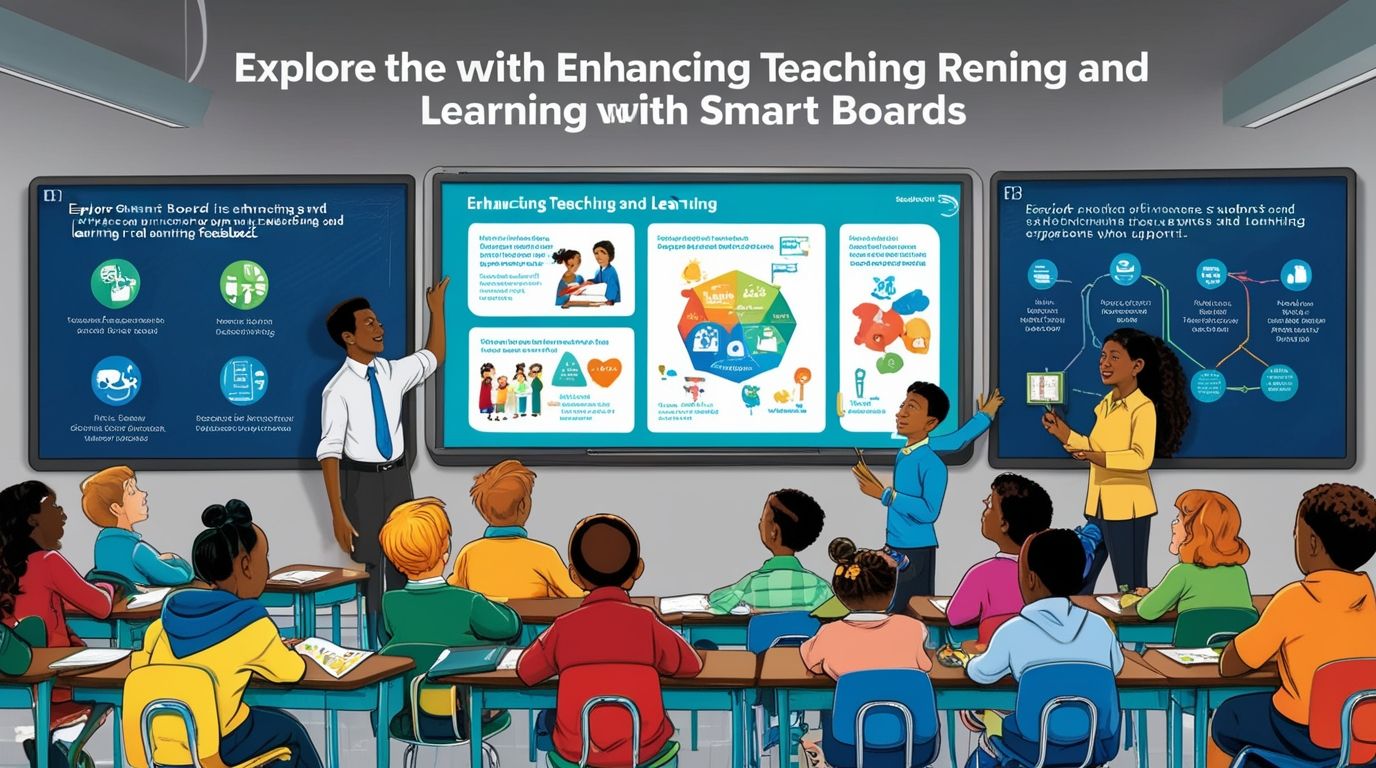
- Virtual classrooms with real-time interaction
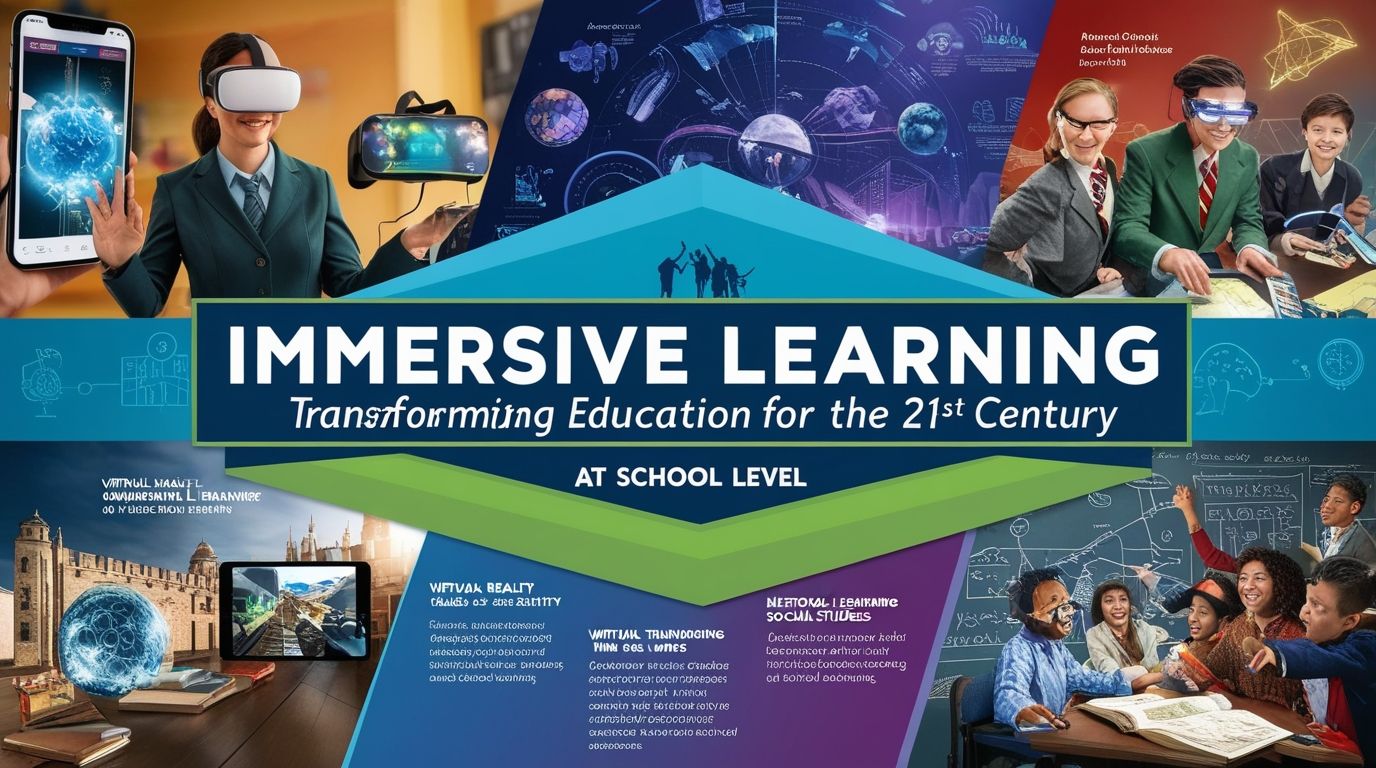
- Augmented and virtual reality-based learning
- Access to global educational resources
- Remote training and professional development
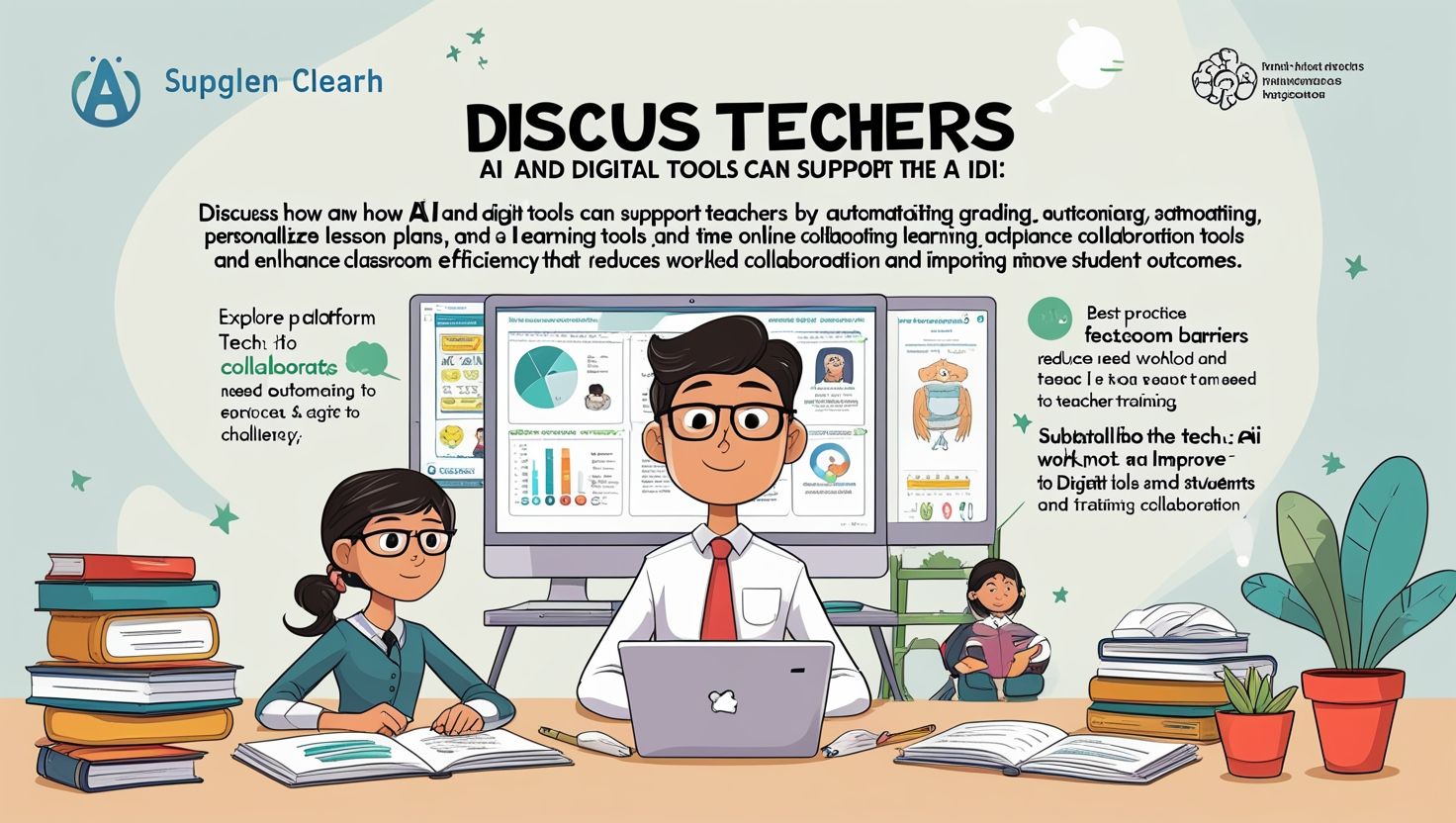
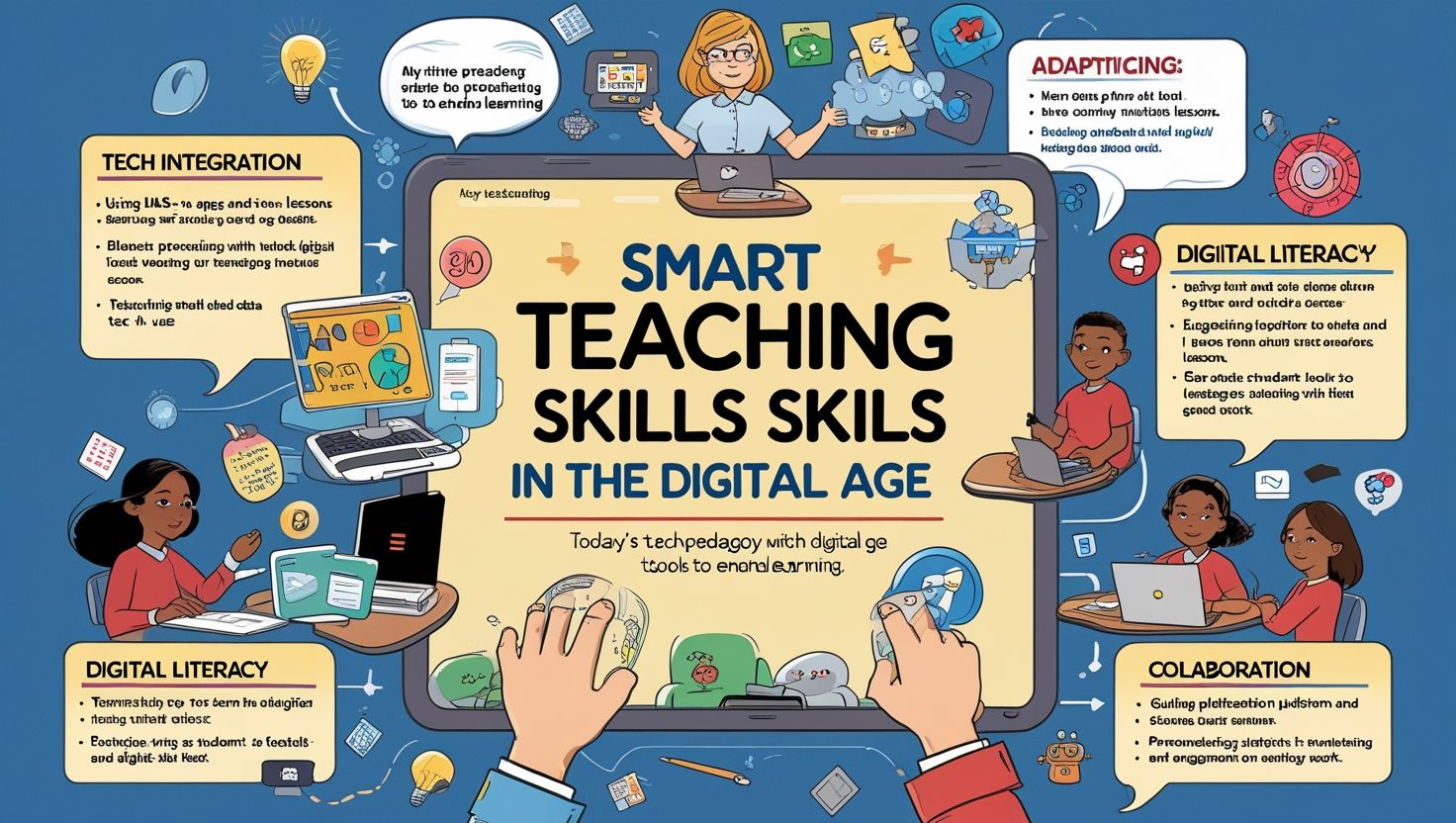
Students in remote areas can access the same quality of education as those in urban centers. Teachers can use advanced tools to enhance learning experiences, making education more engaging and effective.
7. Advancement in Agriculture (Smart Farming)
Agriculture is a vital sector of Pakistan’s economy, employing a large portion of the population. 5G can modernize agriculture through smart farming techniques.
Farmers can use IoT (Internet of Things) devices to monitor:
- Soil conditions
- Weather patterns
- Crop health
- Irrigation systems
Real-time data enables better decision-making, leading to increased productivity and reduced resource wastage. Drones and automated machinery can further enhance efficiency in farming practices.
8. E-Governance and Public Services
5G can significantly improve governance by enabling efficient digital services. Governments can use 5G networks to provide faster, transparent, and more accessible services to citizens.
Applications include:
- Online public services
- Digital identity systems
- Smart policing
- Disaster management systems
Government institutions can also adopt 5G as “anchor tenants,” creating demand for infrastructure while improving service delivery .
9. Boost to E-Commerce and Digital Payments
E-commerce and digital payment systems are growing rapidly in Pakistan. 5G can accelerate this growth by providing faster and more reliable internet connectivity.
Consumers can enjoy:
- Seamless online shopping experiences
- Faster payment processing
- Enhanced cybersecurity systems
Businesses can use data analytics to understand customer behavior and improve services. This can lead to increased economic activity and entrepreneurship.
10. Reduction of Digital Divide
Pakistan faces a significant digital divide between urban and rural areas. While cities have relatively better internet access, many rural regions still lack connectivity.
5G, combined with government initiatives such as the Universal Service Fund (USF), can help extend internet coverage to underserved areas . This can promote digital inclusion and ensure that all citizens benefit from technological advancements.
11. Innovation and Research Opportunities
5G opens new avenues for research and innovation in Pakistan. Universities, research institutions, and technology parks can leverage 5G to conduct advanced research in fields such as:
- Artificial intelligence
- Robotics
- Data science
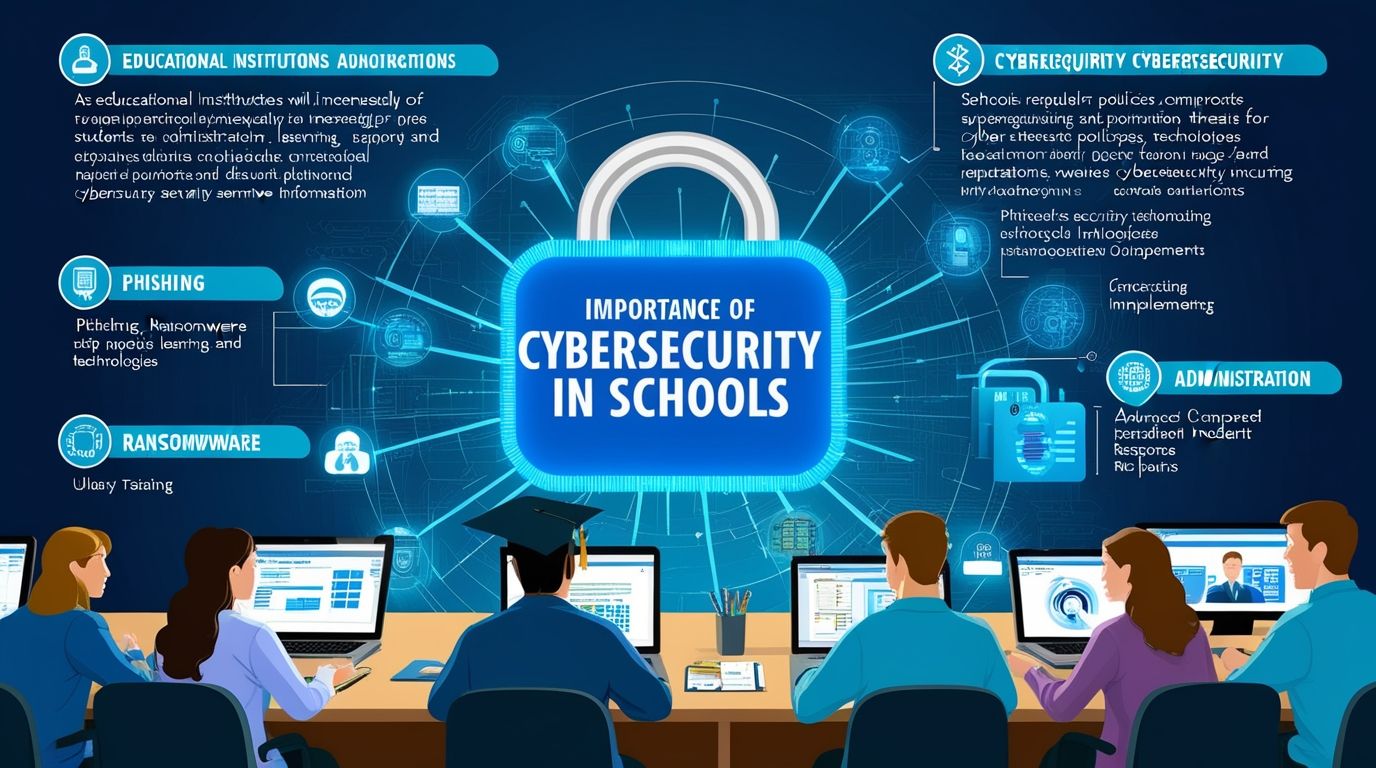
- Cybersecurity
Improved connectivity enables collaboration with international researchers and institutions, enhancing Pakistan’s position in global research networks.
12. Challenges and Considerations
While the opportunities are vast, there are challenges that must be addressed to fully realize the benefits of 5G:
- High infrastructure costs
- Limited fiber optic networks
- Regulatory and policy issues
- Low average revenue per user (ARPU) in the telecom sector
Addressing these challenges requires coordinated efforts from the government, private sector, and educational institutions.
Conclusion
The introduction of 5G internet in Pakistan marks a significant milestone in the country’s digital journey. It is not merely an upgrade in internet speed but a transformative technology that can reshape the entire socio-economic landscape.
From boosting economic growth and enhancing industrial productivity to revolutionizing education, healthcare, and governance, 5G presents immense opportunities for Pakistan. However, realizing these opportunities requires strategic planning, investment in infrastructure, and development of human capital.
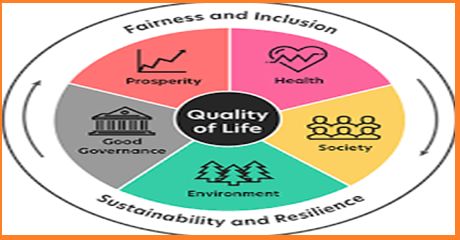
If implemented effectively, 5G can help Pakistan transition into a knowledge-based economy, improve quality of life, and strengthen its position in the global digital ecosystem.