Evolving Nature of Careers
Students’ Careers in the Modern Era, The modern era has fundamentally reshaped the concept of careers for students, transforming it from a stable, linear pathway into a dynamic and continuously evolving journey. In earlier times, students would select a profession and remain within that field for most of their lives, relying on long term stability and gradual progression. However, globalization, rapid technological advancements, and changing economic structures have disrupted this traditional model. Today’s students must prepare for careers that may not yet exist, requiring them to think beyond conventional boundaries. This shift demands flexibility, foresight, and an openness to change. Career success is no longer defined solely by job security but by adaptability and continuous growth. Students must therefore adopt a proactive approach to career planning, recognizing that lifelong learning and skill development are essential components for navigating an unpredictable yet opportunity rich professional environment.
Impact of Globalization
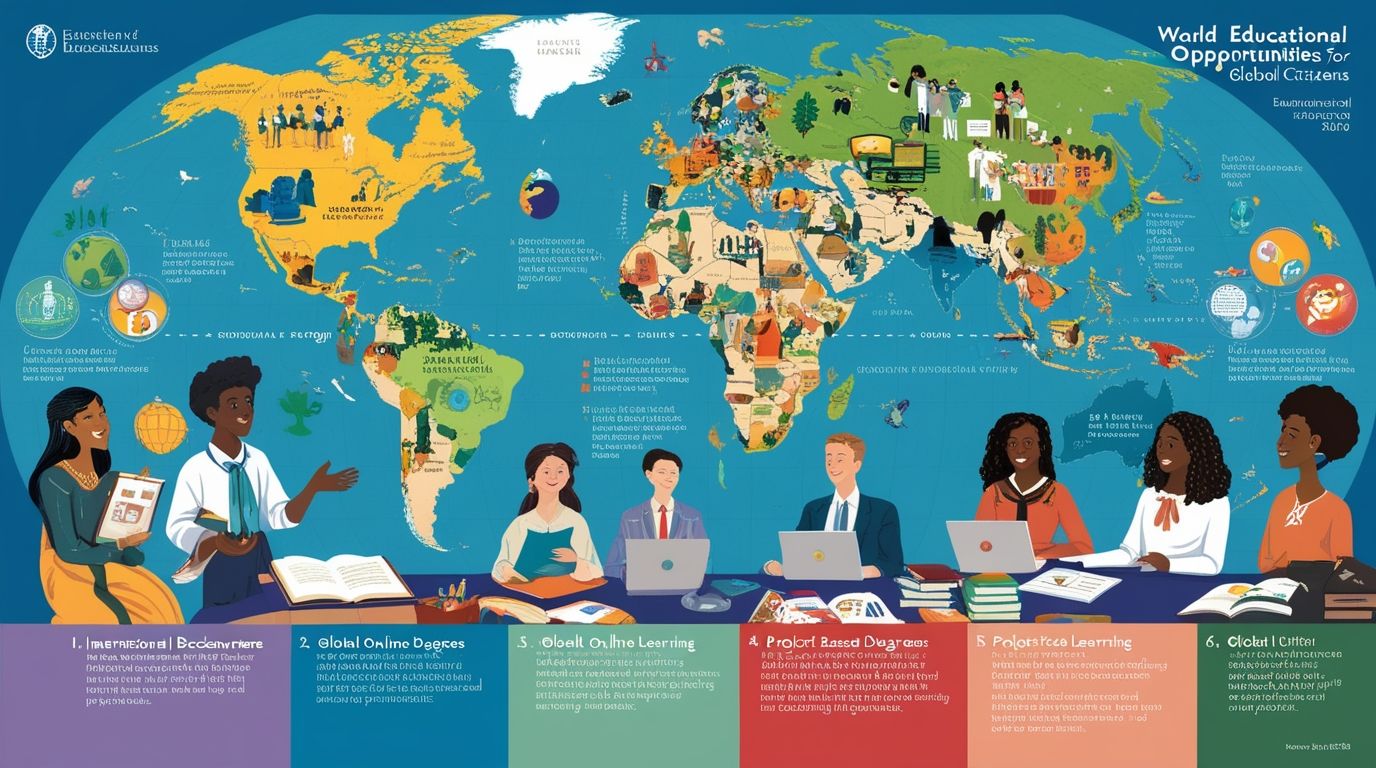
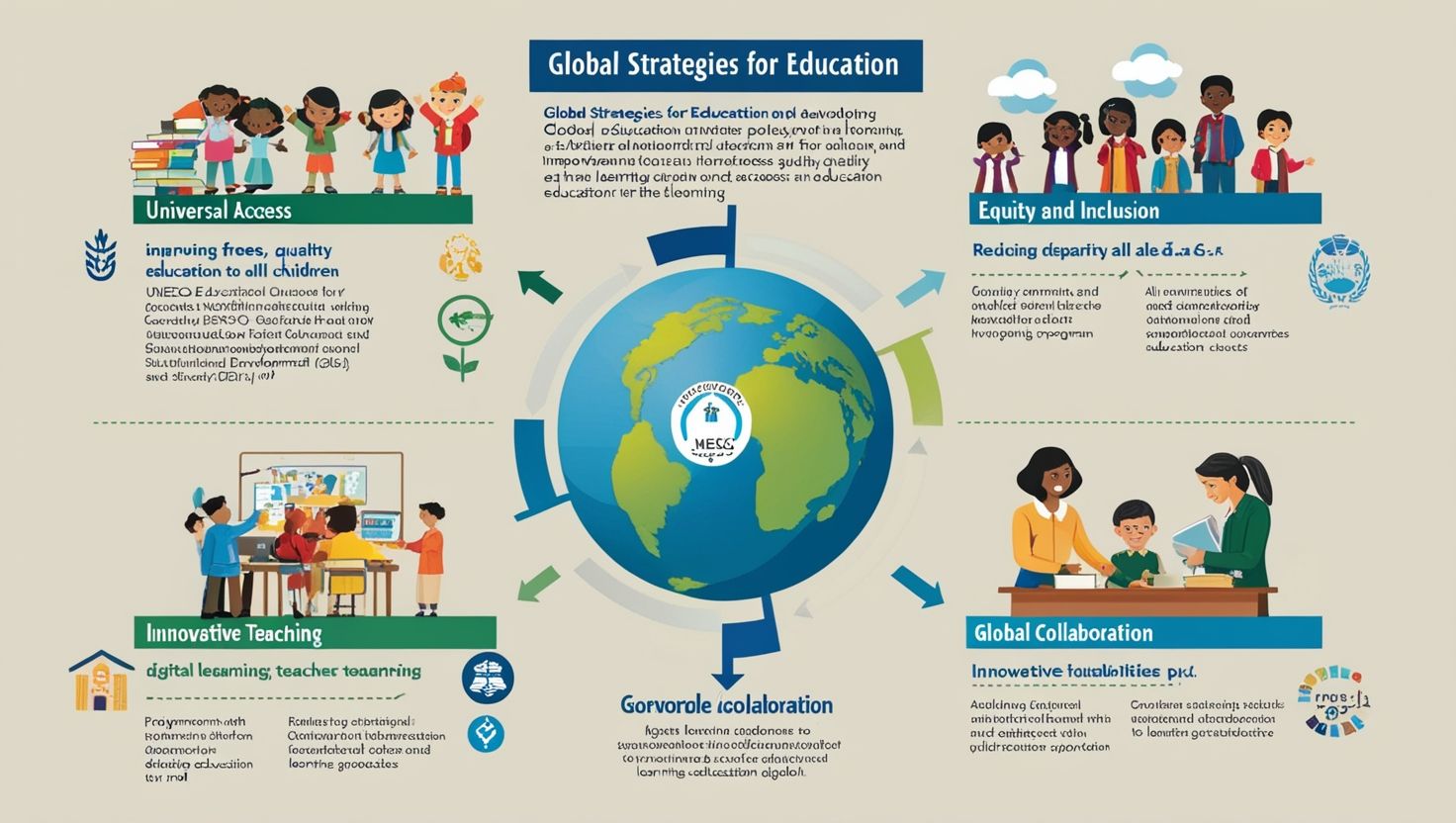
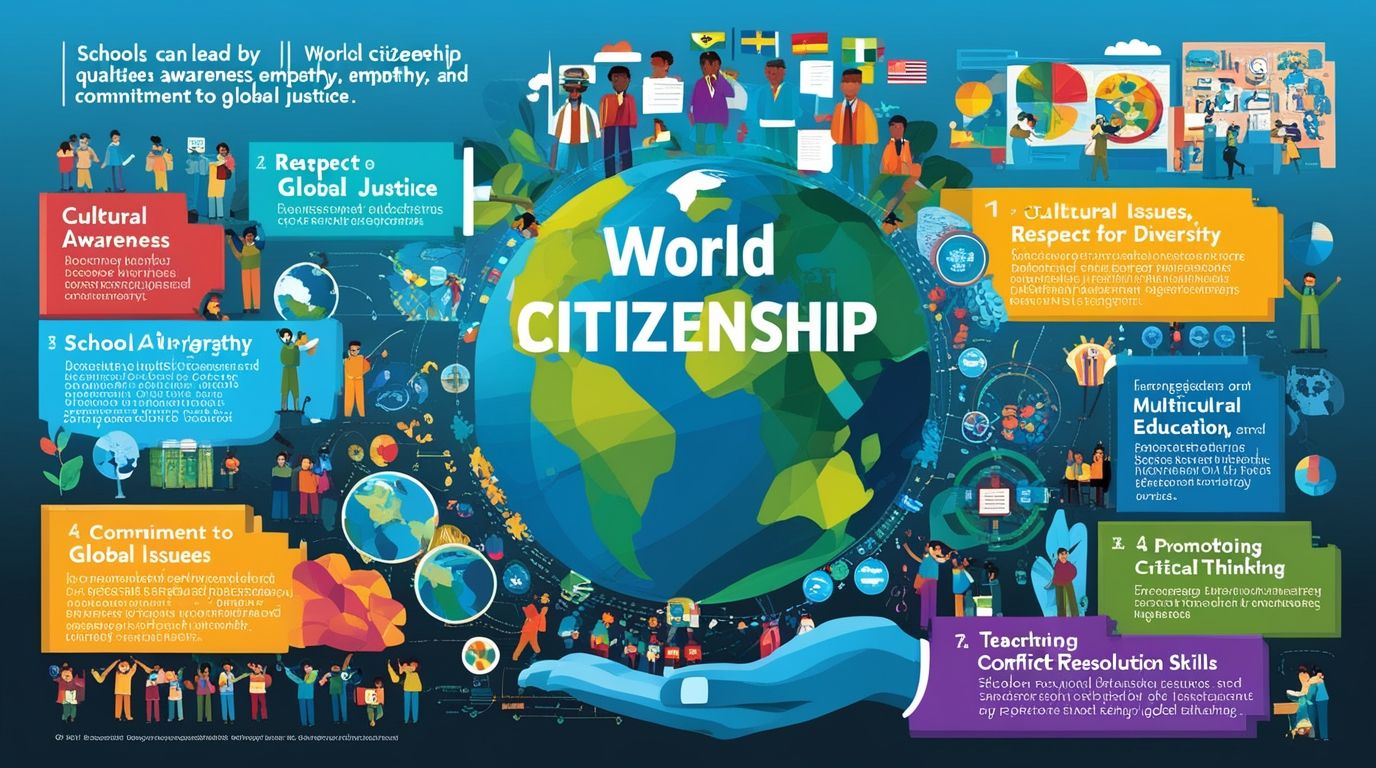
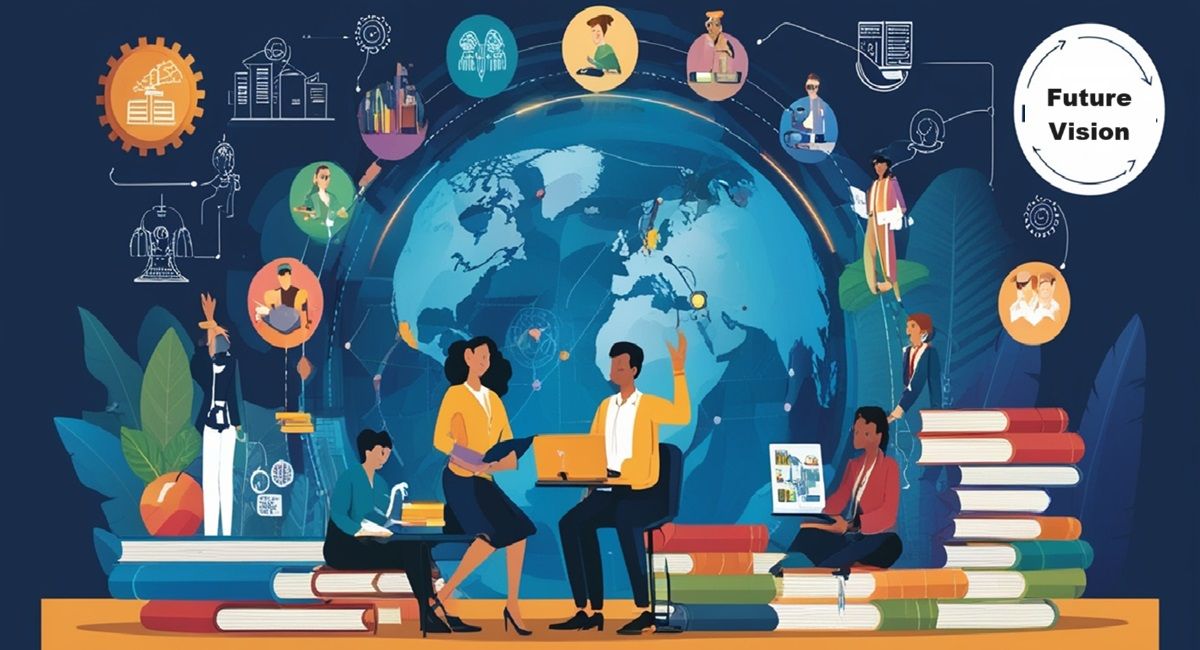
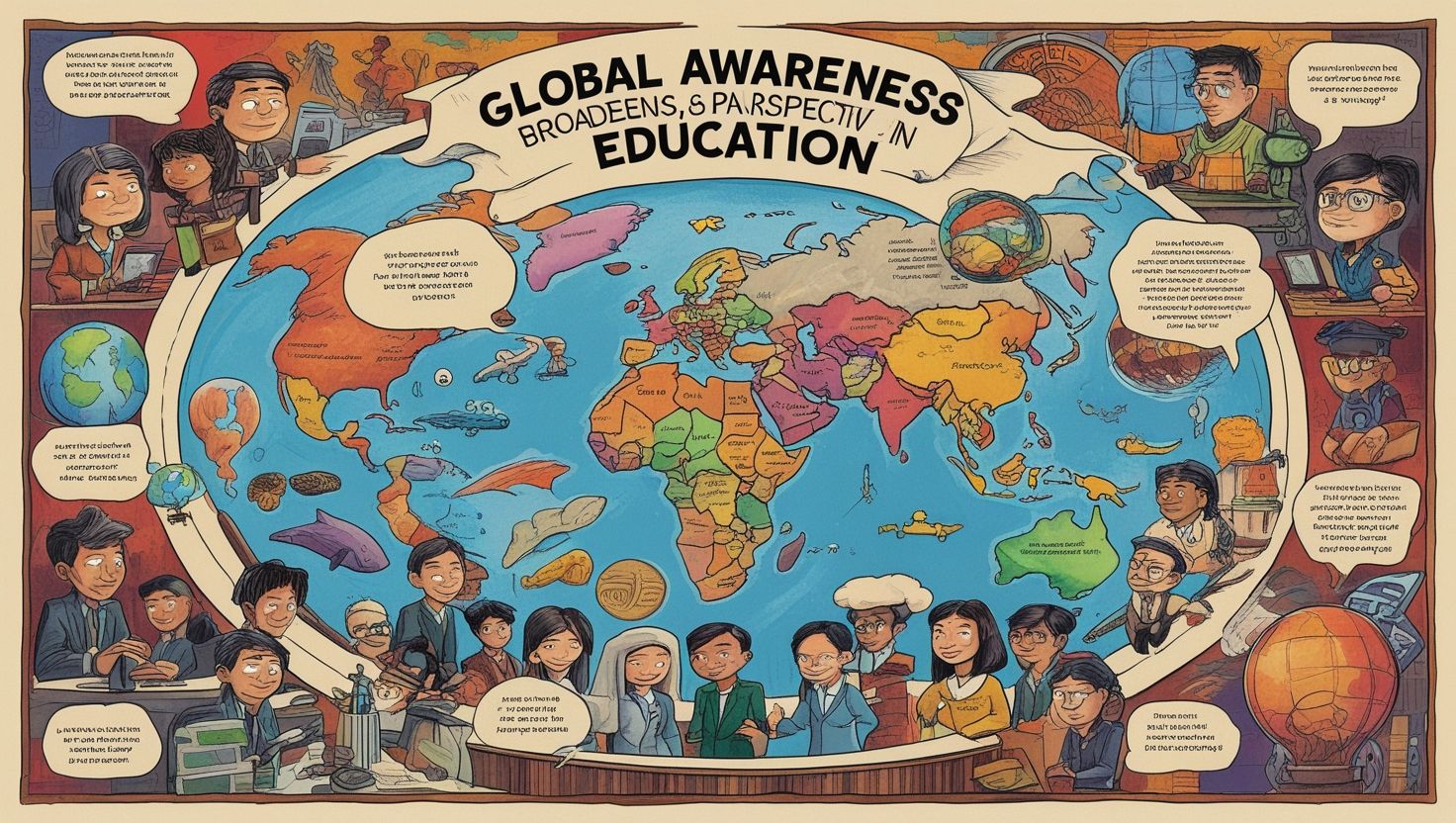
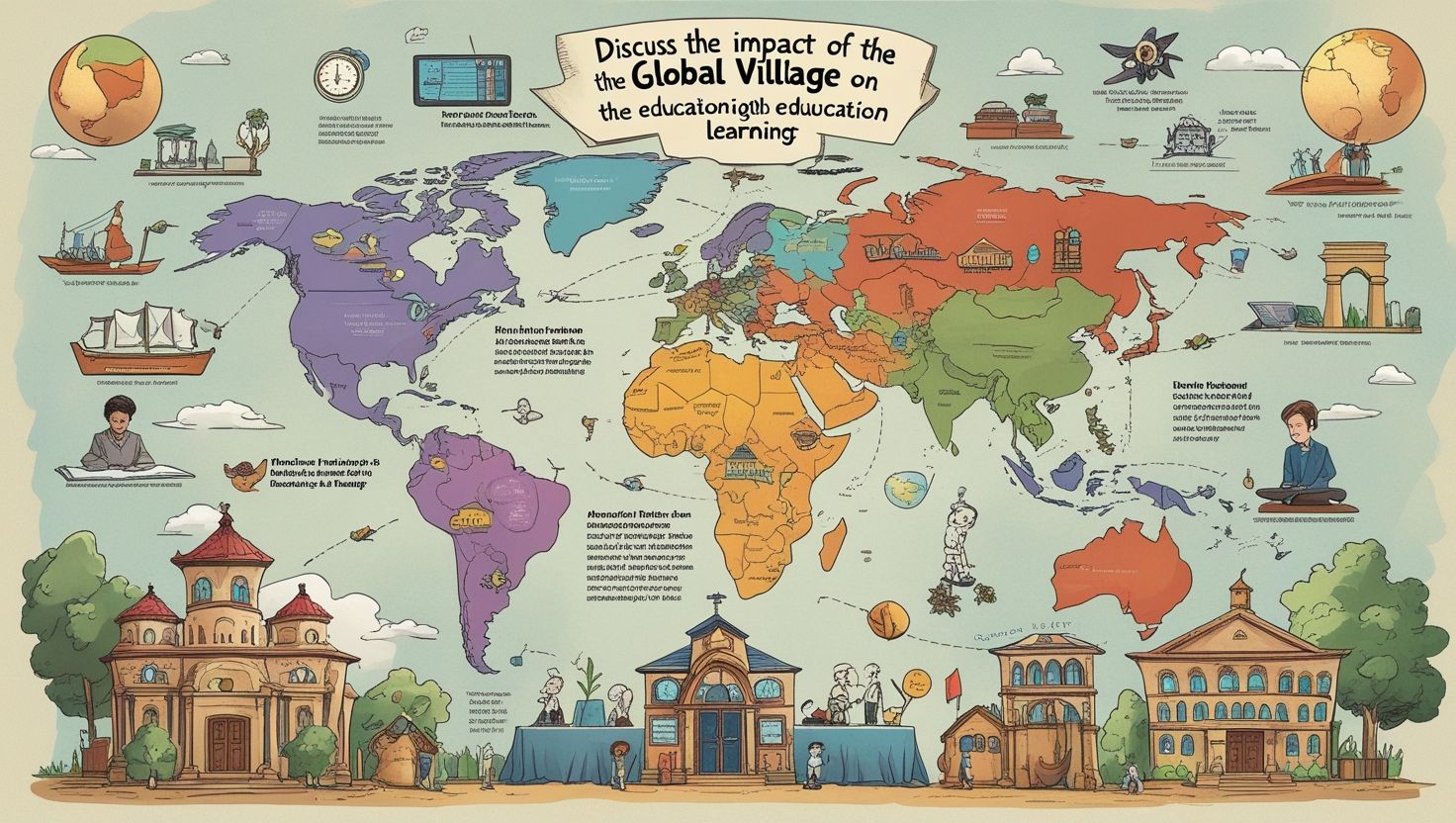
Globalization has significantly expanded the scope of career opportunities for students, enabling them to compete and collaborate on an international scale. The removal of geographical barriers has opened access to global job markets, diverse industries, and cross cultural experiences. Students today can work remotely for organizations located in different countries, gaining exposure to varied professional practices and perspectives. However, this increased accessibility also intensifies competition, as students must now differentiate themselves among a global talent pool. To succeed, they must develop intercultural competence, communication skills, and a strong understanding of global trends. Additionally, globalization has emphasized the importance of adaptability, as economic shifts in one region can influence employment opportunities worldwide. Students must remain informed and responsive to these changes, ensuring that their skills and knowledge align with international standards and expectations in an increasingly interconnected professional landscape.
Role of Technology in Career Development
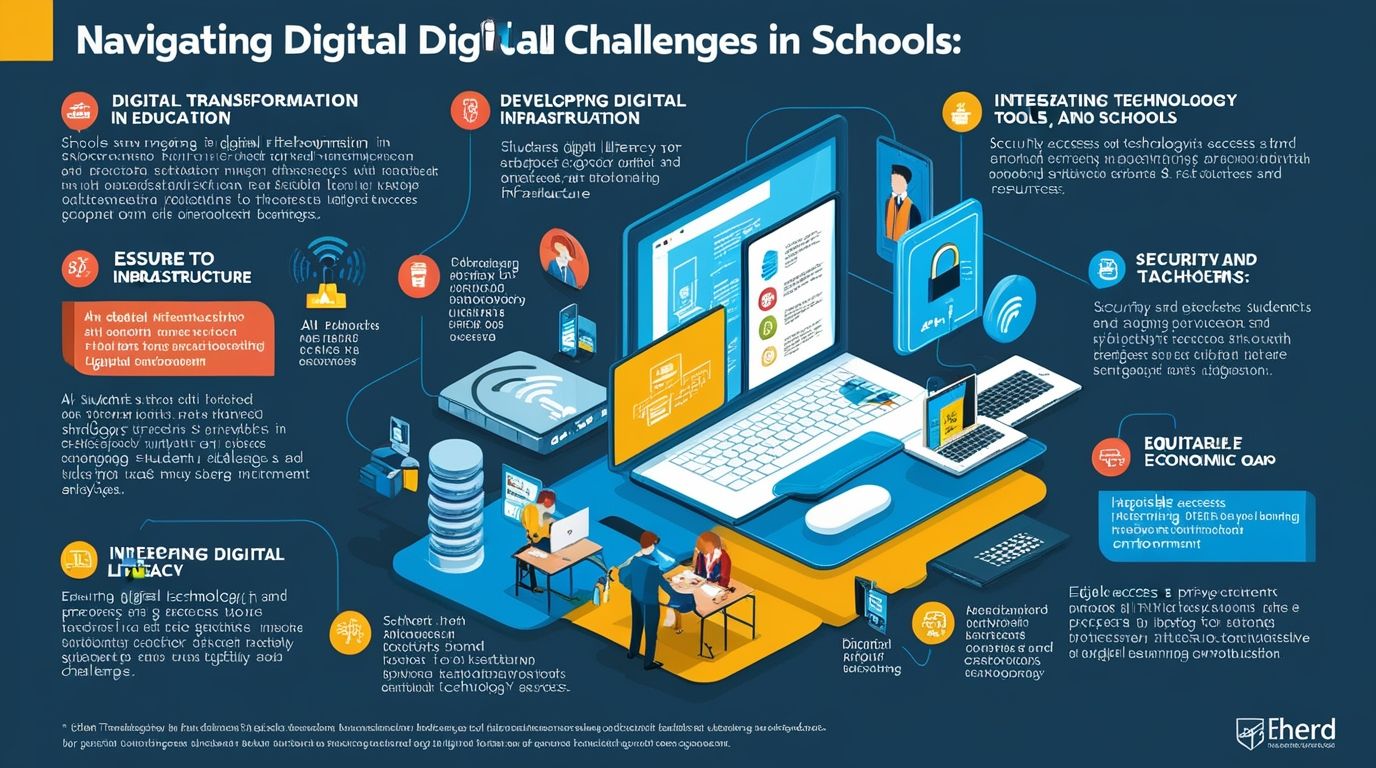
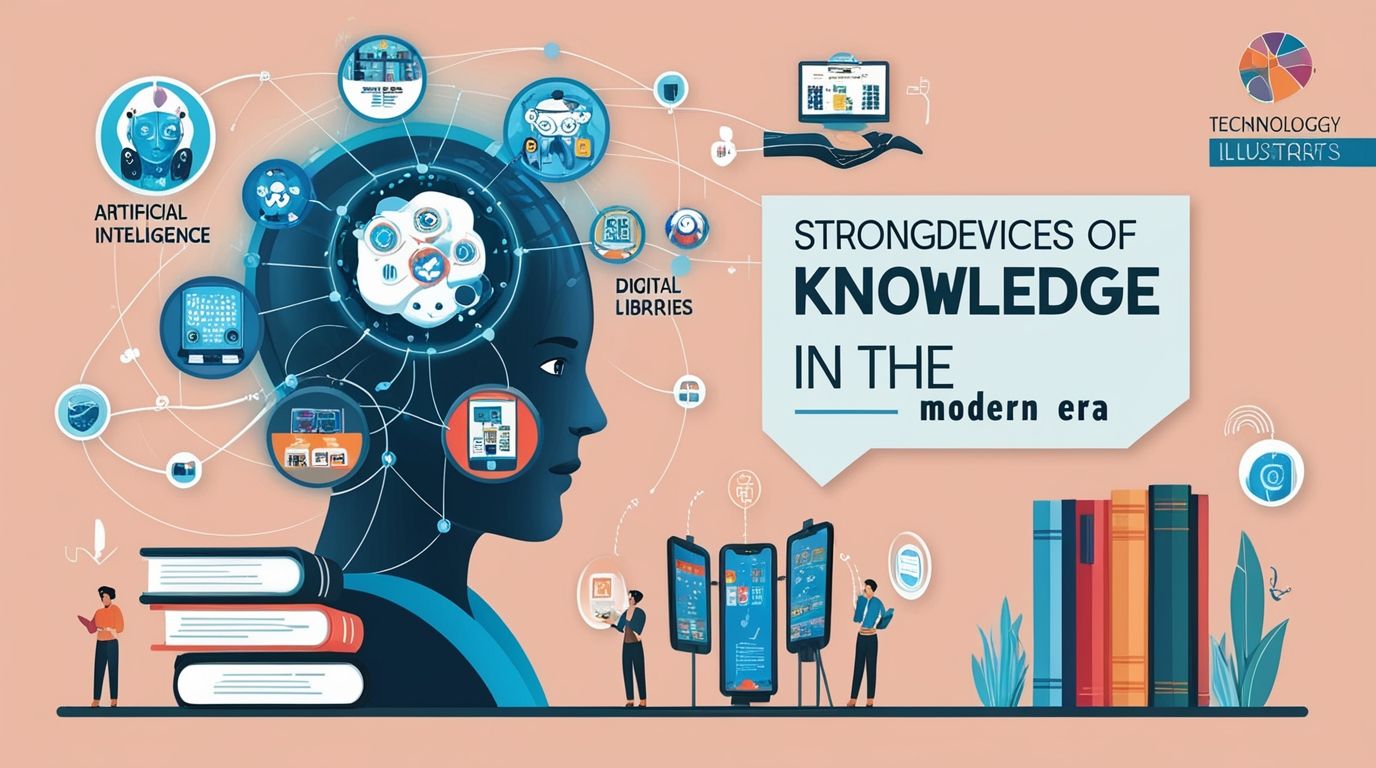
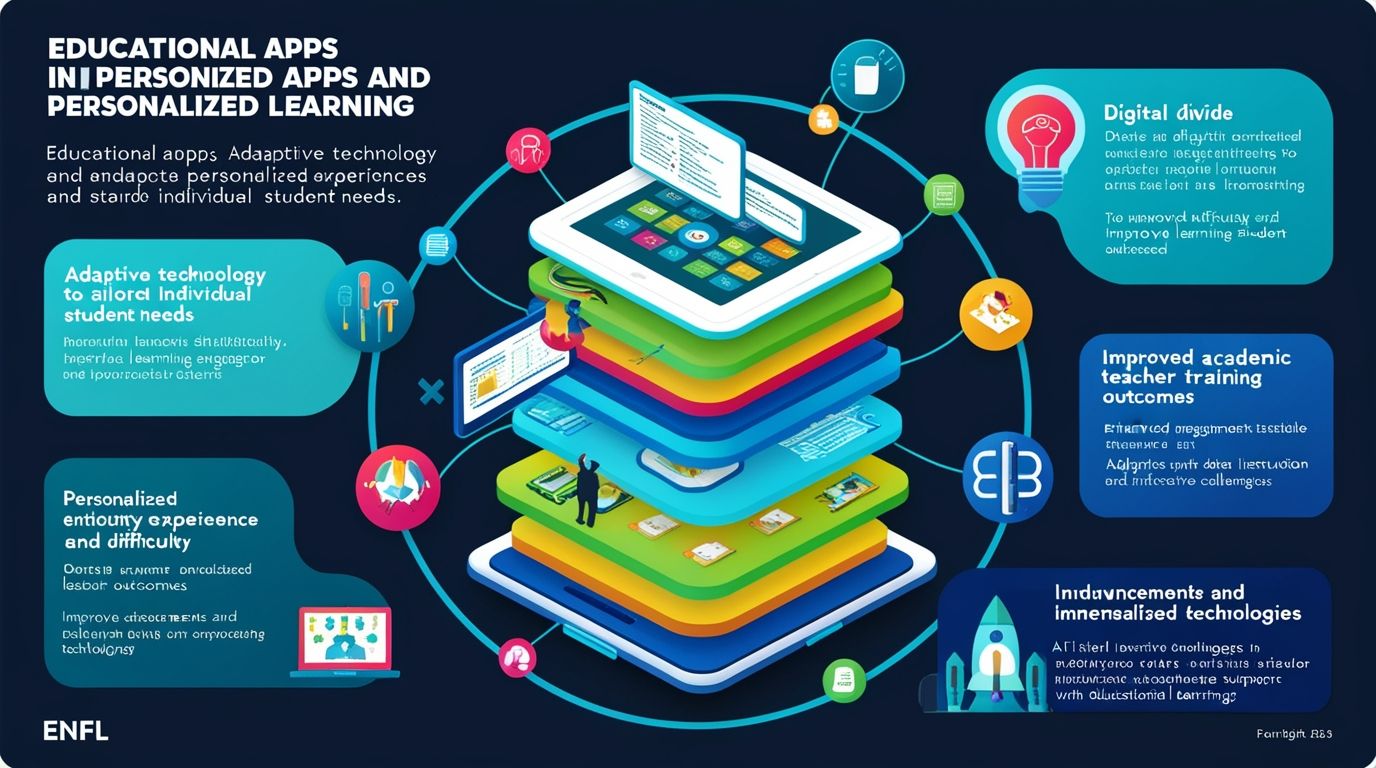
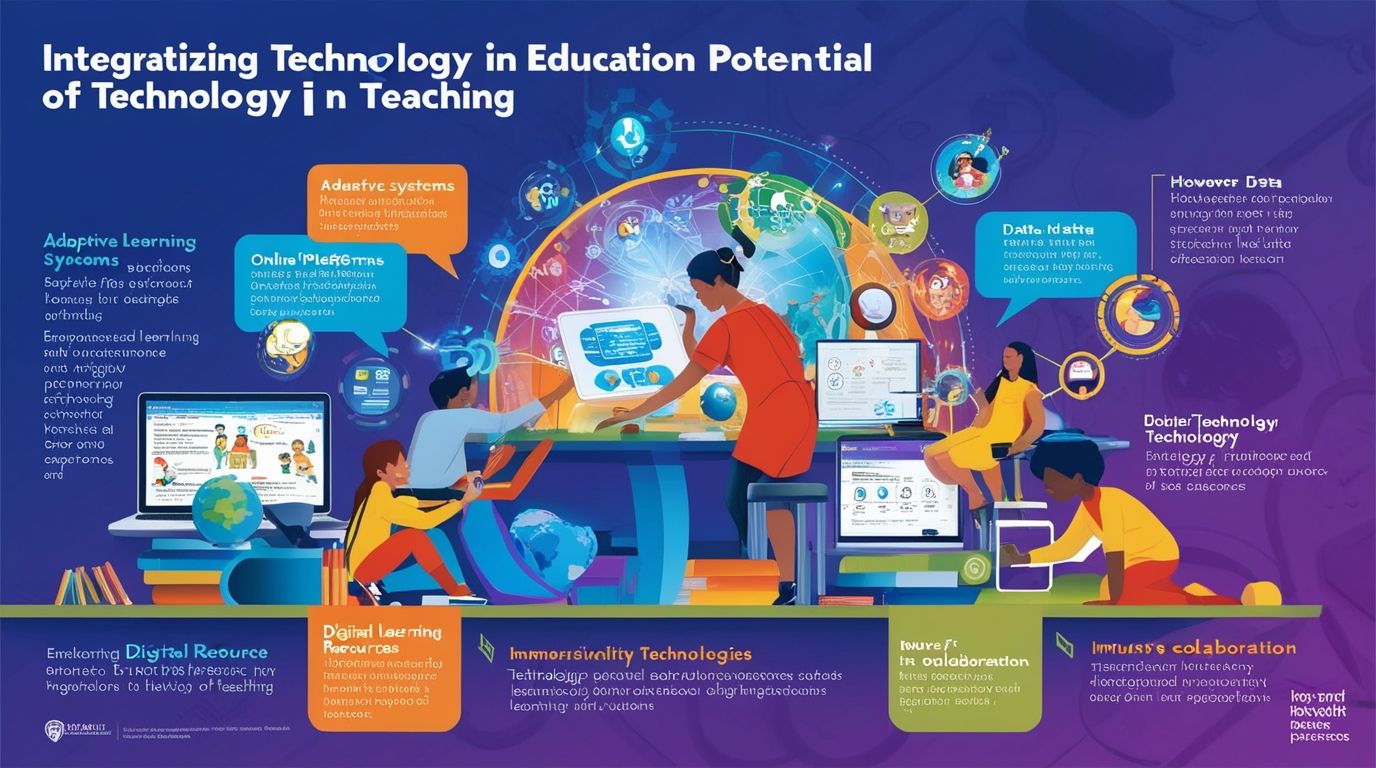
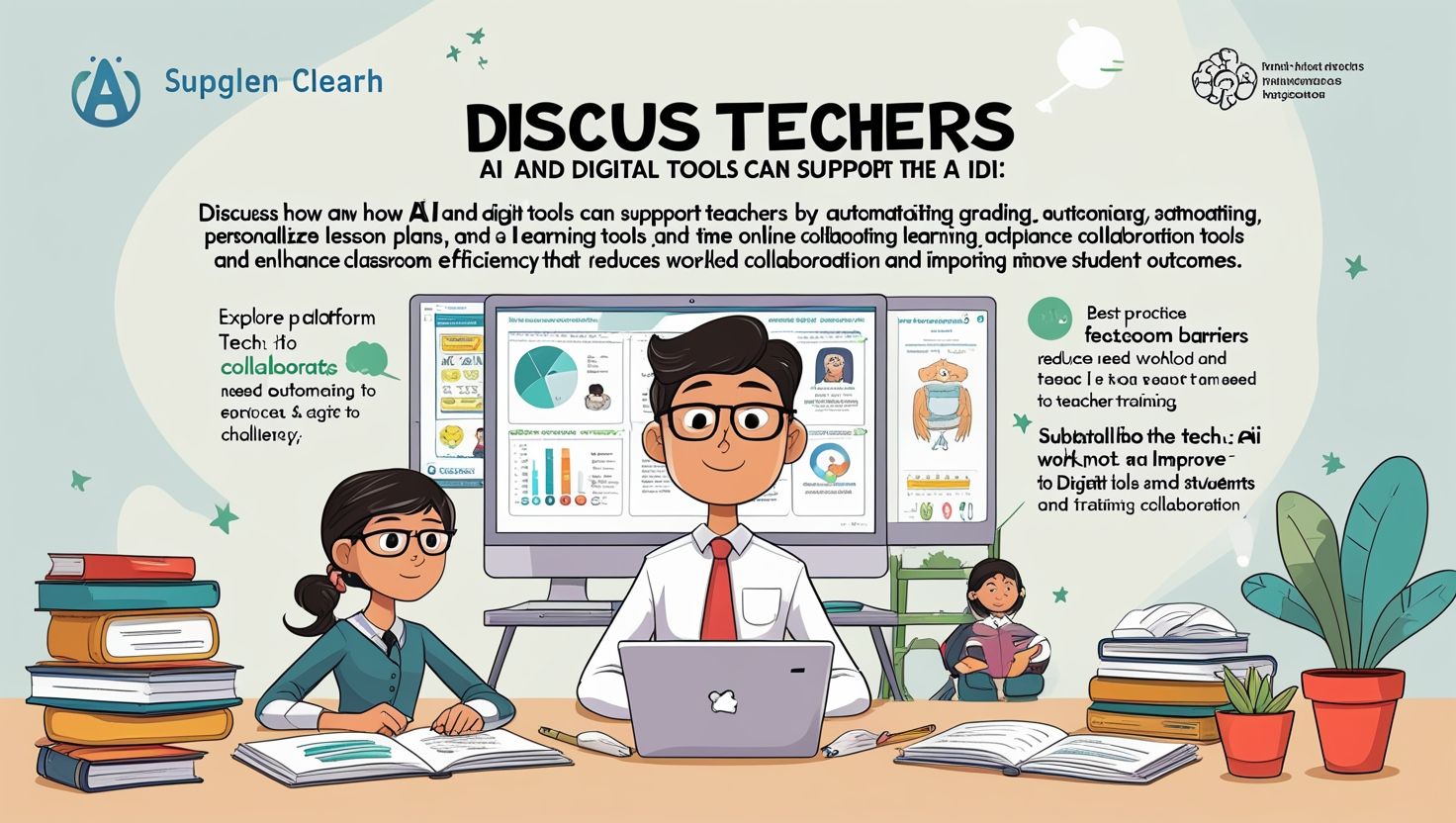
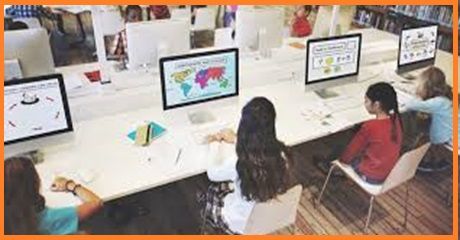
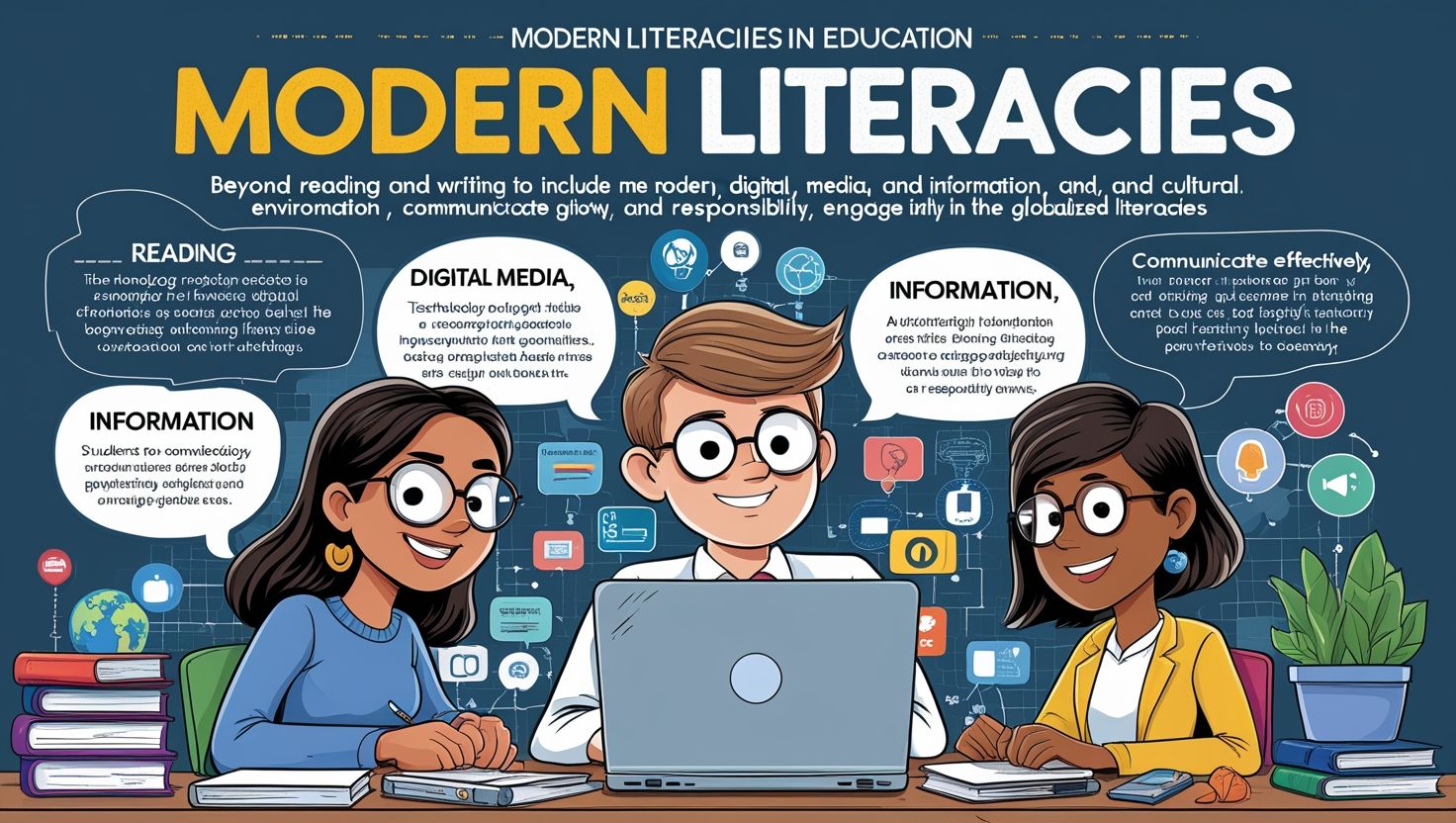
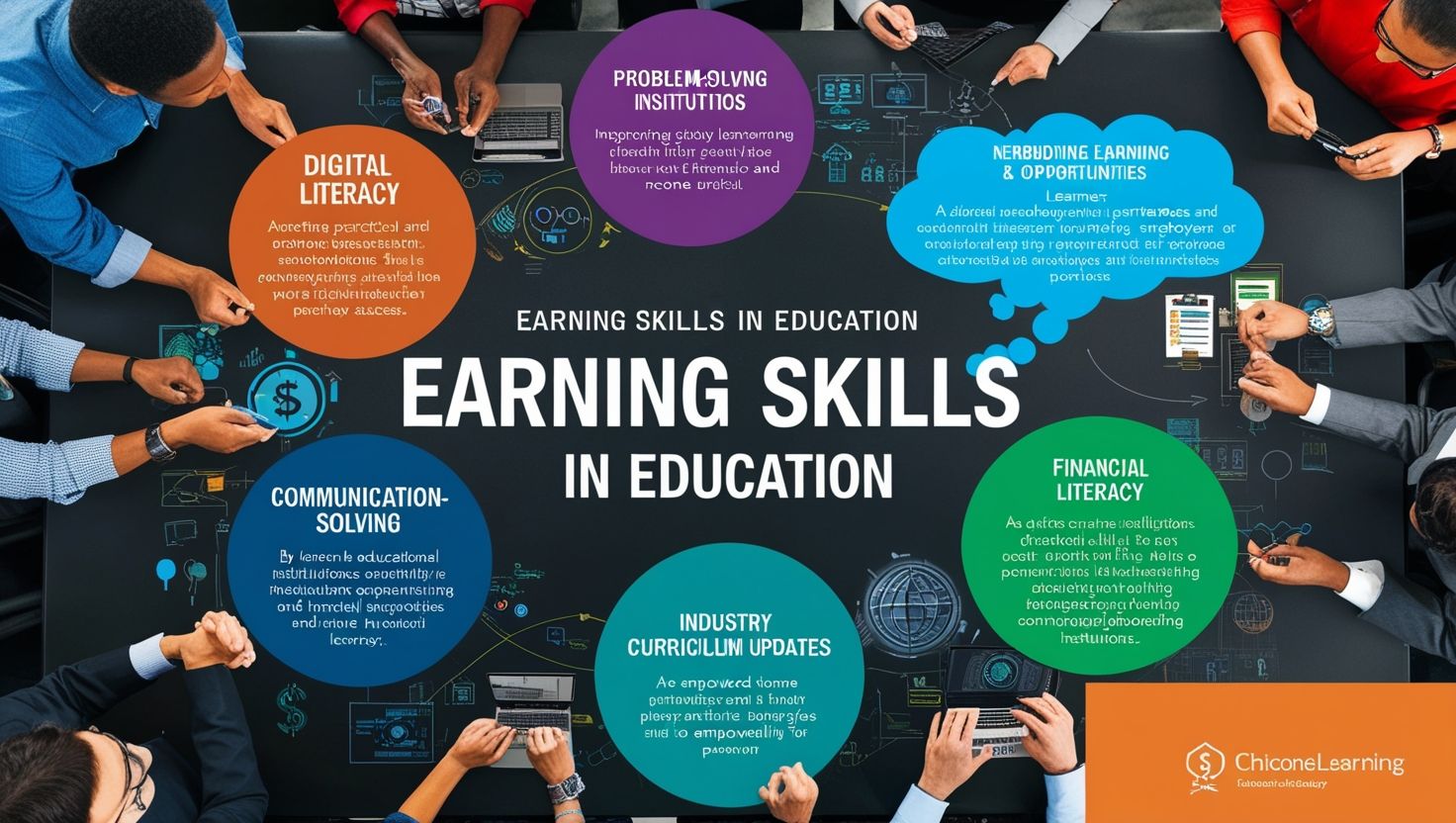
Technology plays a transformative role in shaping students’ careers, influencing how they learn, work, and connect with opportunities. Digital tools, online platforms, and virtual learning environments have made education more accessible, allowing students to acquire knowledge beyond traditional classrooms. This accessibility empowers students to pursue self directed learning, gain certifications, and develop specialized skills that enhance their employability. At the same time, advancements in artificial intelligence and automation are redefining job roles, reducing demand for routine tasks while increasing the need for analytical and creative abilities. Students must therefore embrace technology not only as a tool but as a core component of their professional identity. Digital literacy, data analysis, and technological proficiency are now essential skills across various fields. By integrating technology into their learning and career planning processes, students can position themselves effectively within a rapidly evolving job market.
Importance of Skill Development
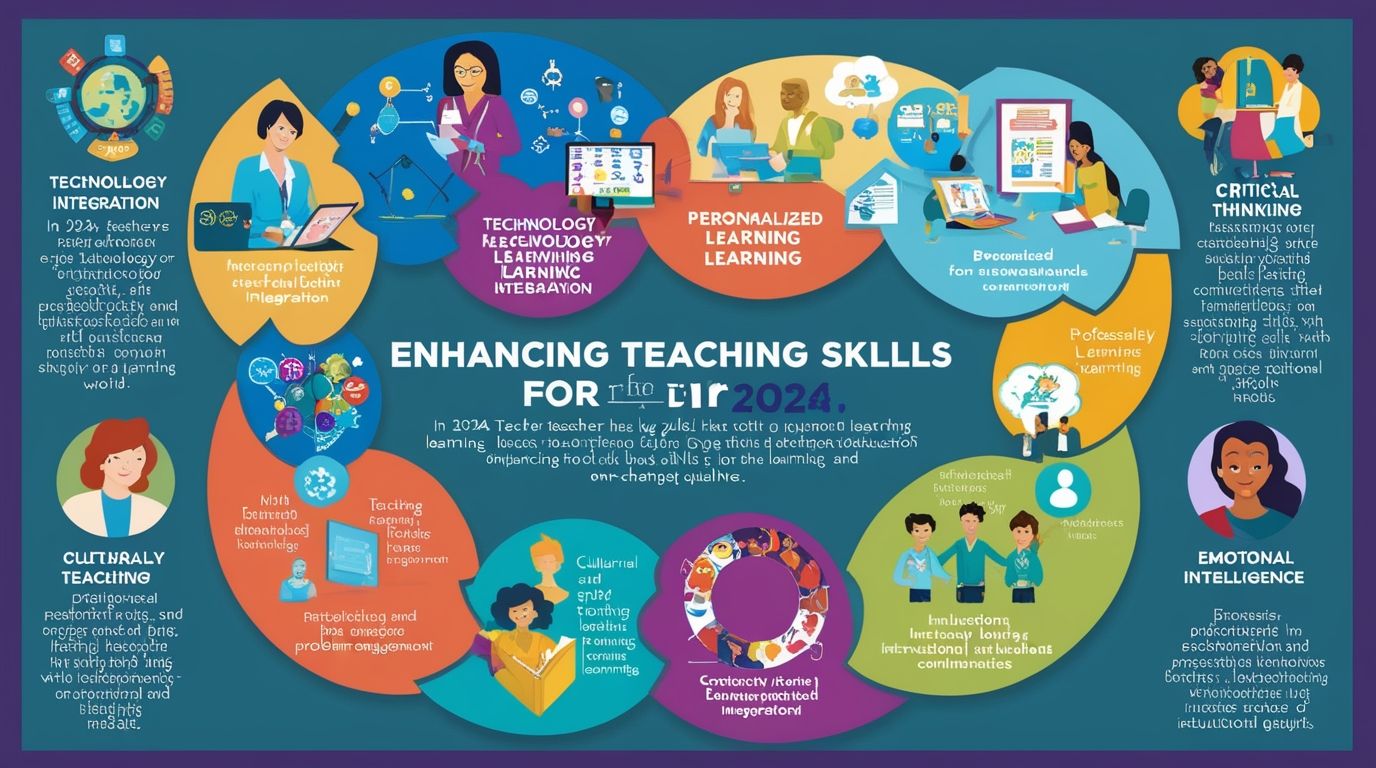
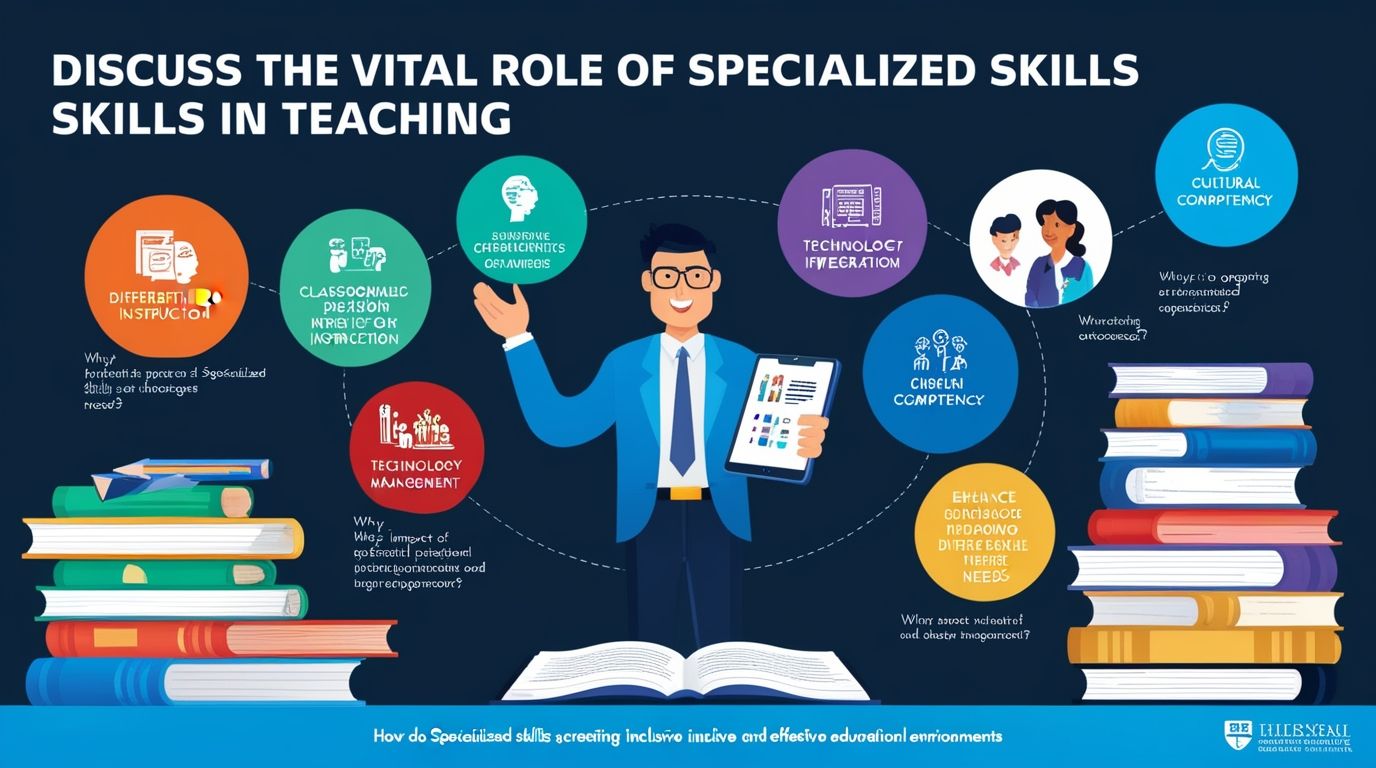
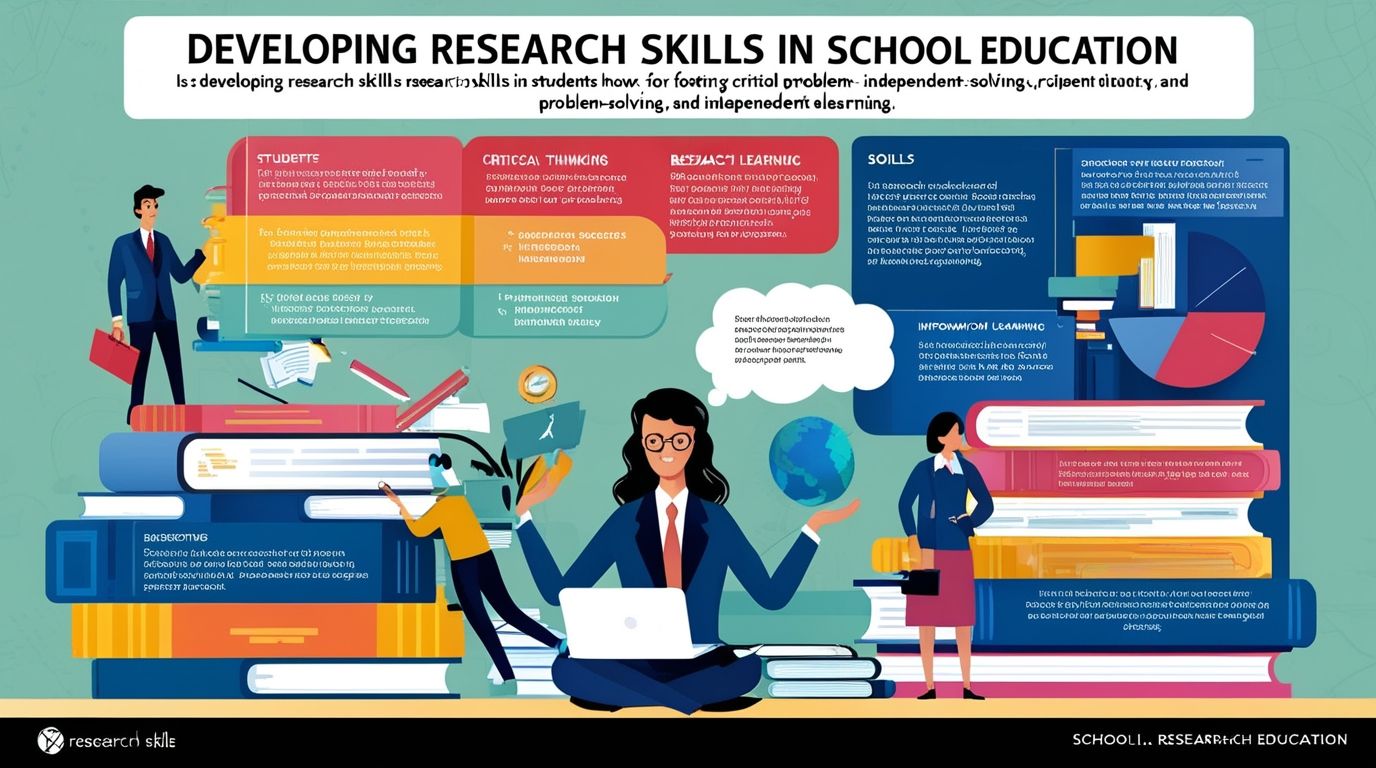
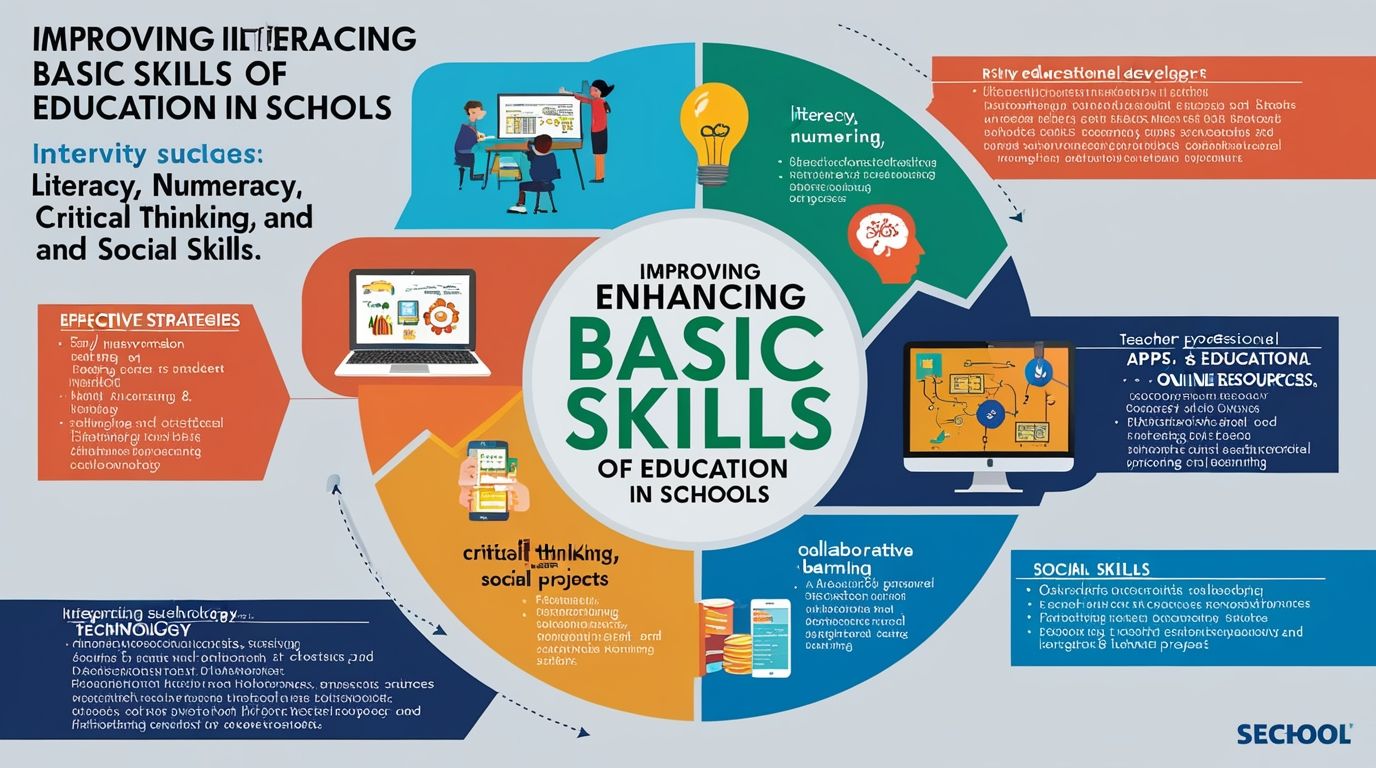
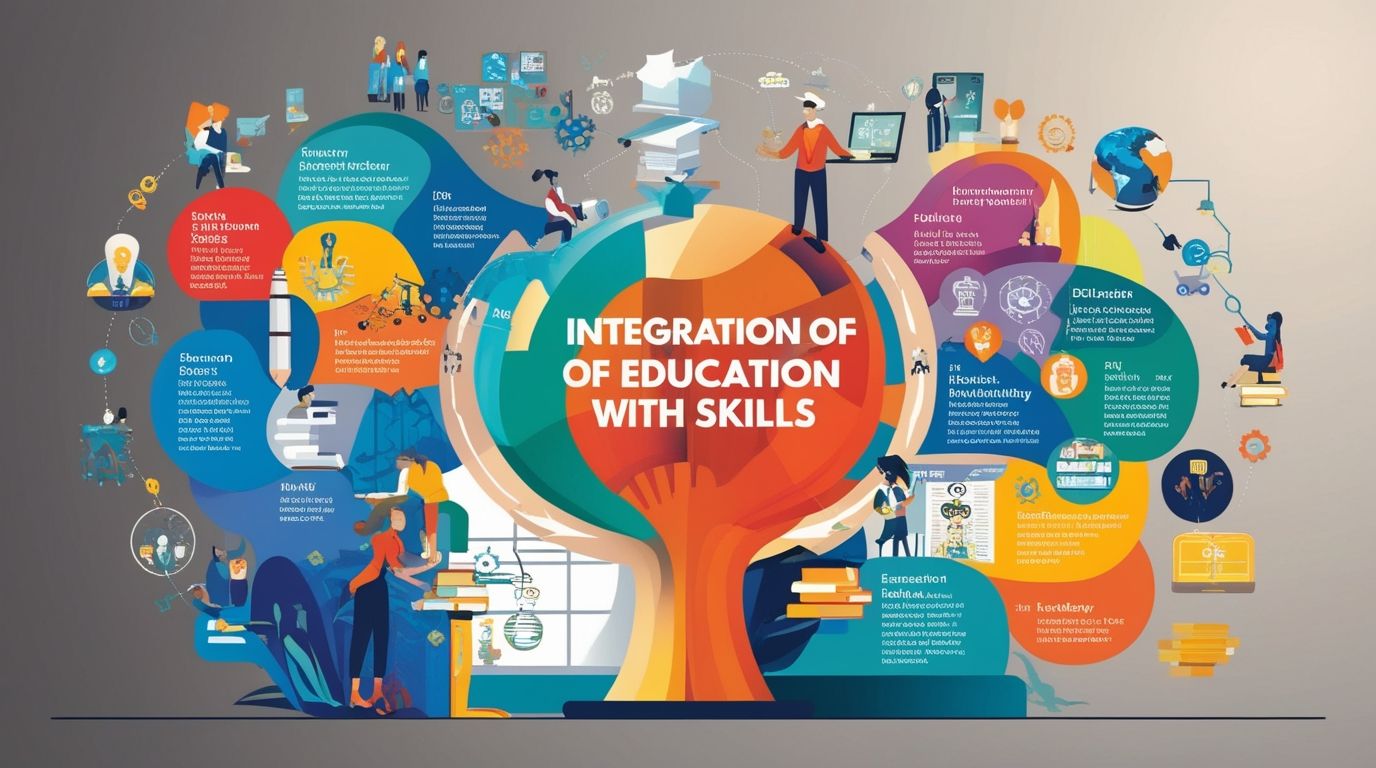
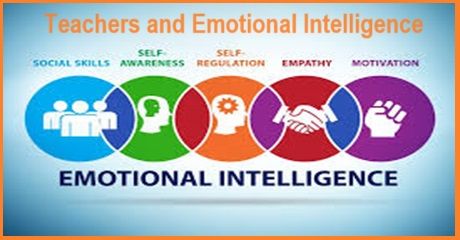
In the modern era, the emphasis on skills has become more significant than ever before, as employers increasingly prioritize competencies over formal qualifications. Students must develop a balanced combination of technical expertise and soft skills to succeed in diverse professional environments. Critical thinking enables them to analyze complex situations and make informed decisions, while problem solving skills allow them to address challenges creatively. Communication skills are equally important, facilitating collaboration and the effective exchange of ideas. Furthermore, emotional intelligence enhances interpersonal relationships and leadership potential, contributing to overall professional success. Students must also cultivate adaptability, as the ability to learn and unlearn quickly is crucial in a constantly changing world. By focusing on holistic skill development, students can enhance their employability and build a strong foundation for long term career growth, ensuring they remain relevant and competitive in the global workforce.
Emergence of New Career Fields
The rapid pace of innovation has led to the emergence of new career fields that were unimaginable in the past, offering students a wide range of opportunities. Fields such as data science, digital marketing, artificial intelligence, and environmental sustainability have gained prominence, reflecting the evolving needs of society and industry. These interdisciplinary careers often require knowledge from multiple domains, encouraging students to adopt a broader and more integrated approach to learning. As a result, traditional academic boundaries are becoming less rigid, and students are encouraged to explore diverse subjects and skill sets. This shift not only enhances creativity and innovation but also increases employability in a competitive job market. Students must remain open to exploring unconventional career paths and continuously update their knowledge to align with emerging trends, ensuring they are prepared to meet the demands of future industries.
Challenges Faced by Students
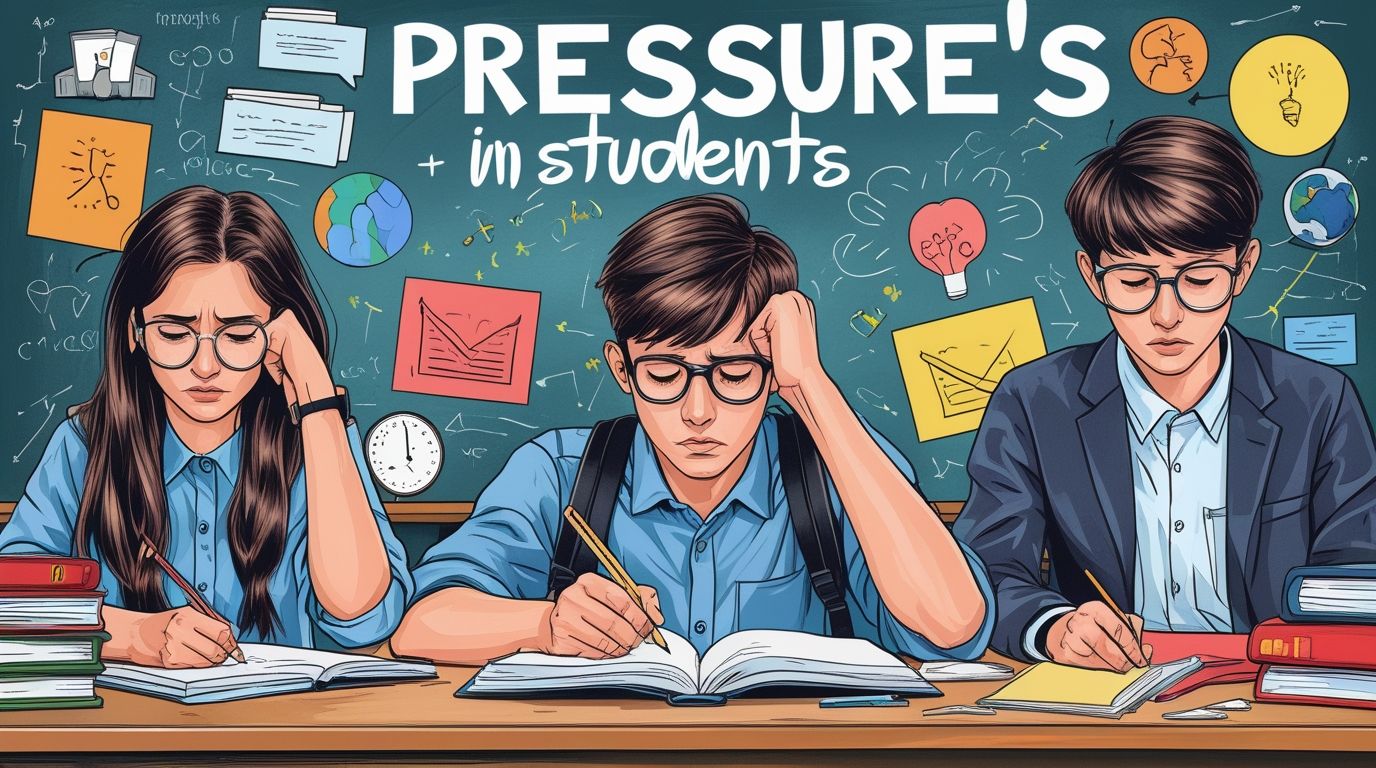
Despite the abundance of opportunities, students in the modern era face numerous challenges in shaping their careers. One of the primary difficulties is the overwhelming availability of information, which can lead to confusion and indecision. Additionally, intense competition at both local and global levels increases pressure on students to perform and excel. Economic uncertainty and rapidly changing job markets further contribute to anxiety about future employment prospects. Many students also encounter a mismatch between academic education and industry requirements, resulting in skill gaps that hinder employability. These challenges are often accompanied by mental health concerns, as students strive to meet expectations from society, family, and themselves. Addressing these issues requires a comprehensive approach that includes educational reform, effective guidance, and emotional support, enabling students to navigate their career journeys with confidence and resilience.
Importance of Career Guidance
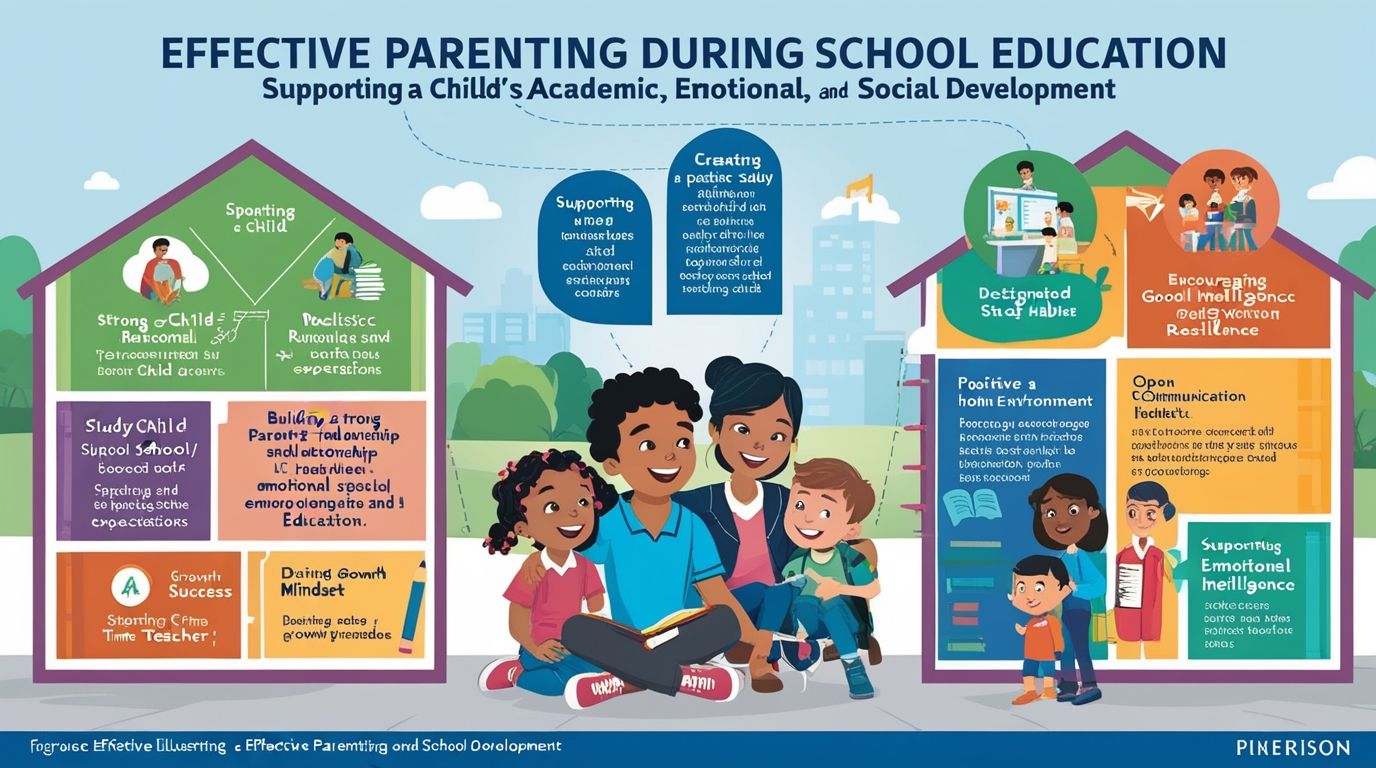
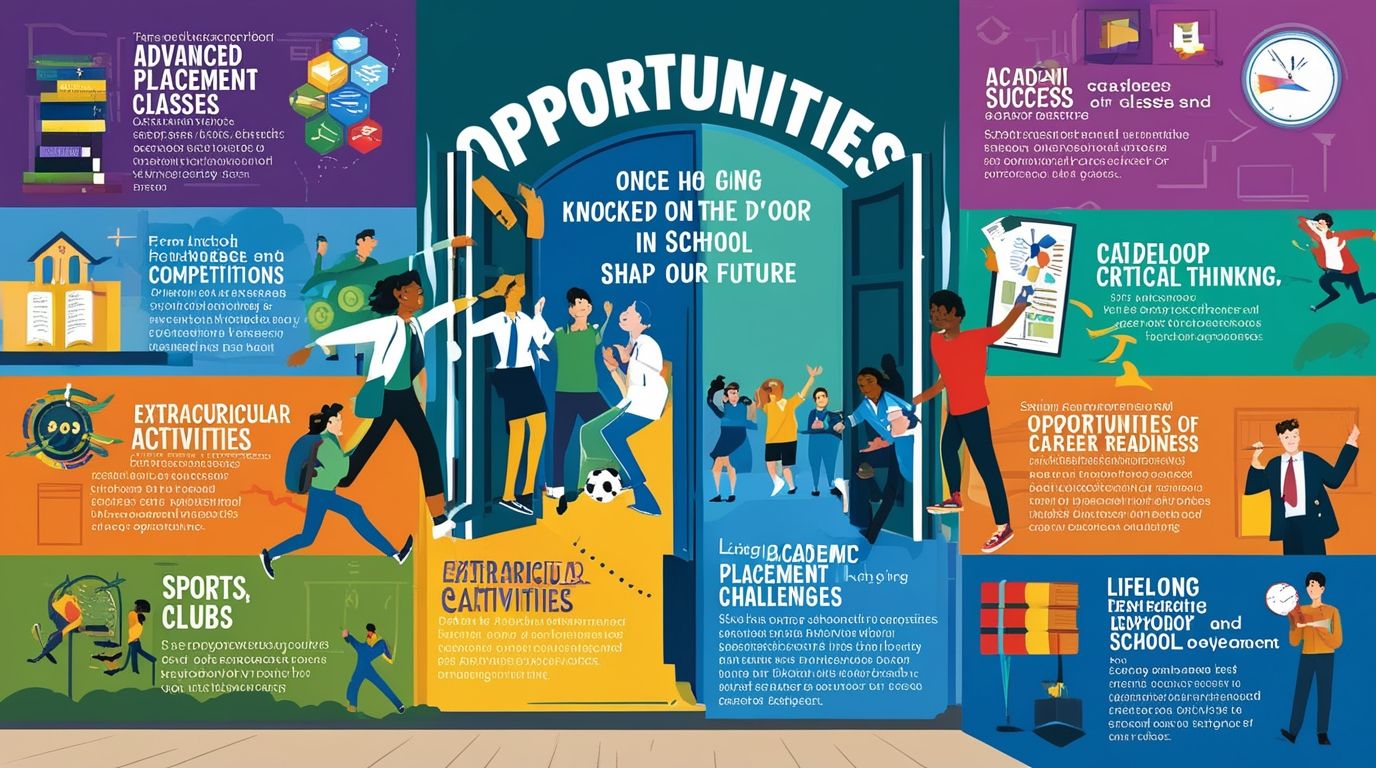
Career guidance plays a vital role in helping students make informed decisions and navigate the complexities of modern career landscapes. With numerous options available, students often struggle to identify paths that align with their interests, abilities, and values. Effective guidance provides clarity, enabling students to explore different career possibilities and understand the requirements of various professions. Educational institutions must integrate career counseling into their systems, offering mentorship programs, internships, and exposure to real world experiences. Teachers and parents also have a significant influence, as their support and encouragement can shape students’ confidence and decision making abilities. Rather than imposing traditional career choices, they should foster an environment that promotes exploration and independent thinking. By providing structured guidance and resources, stakeholders can empower students to pursue meaningful careers that align with their aspirations and contribute positively to society.
Role of Education Systems
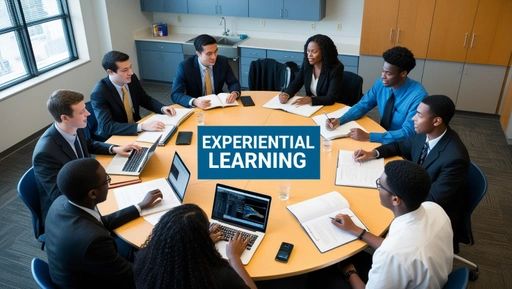
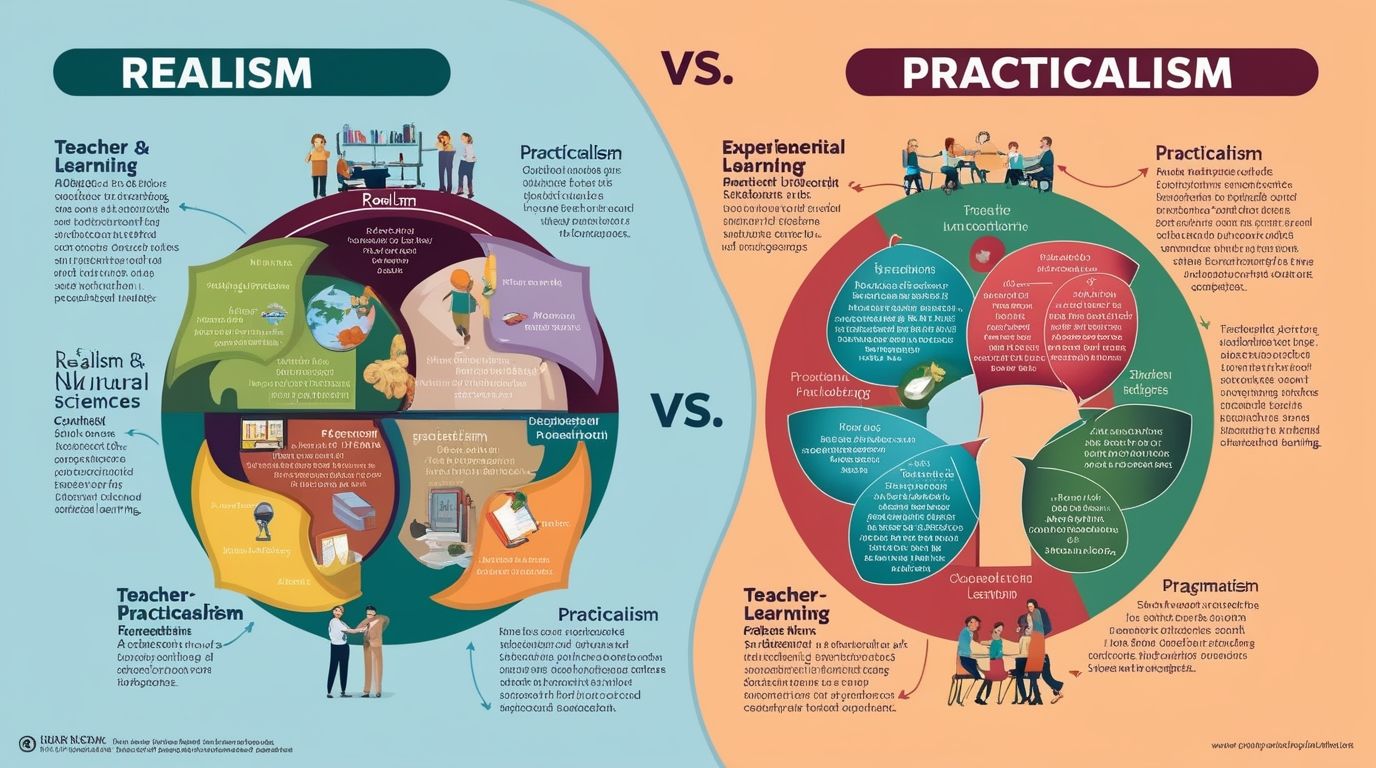
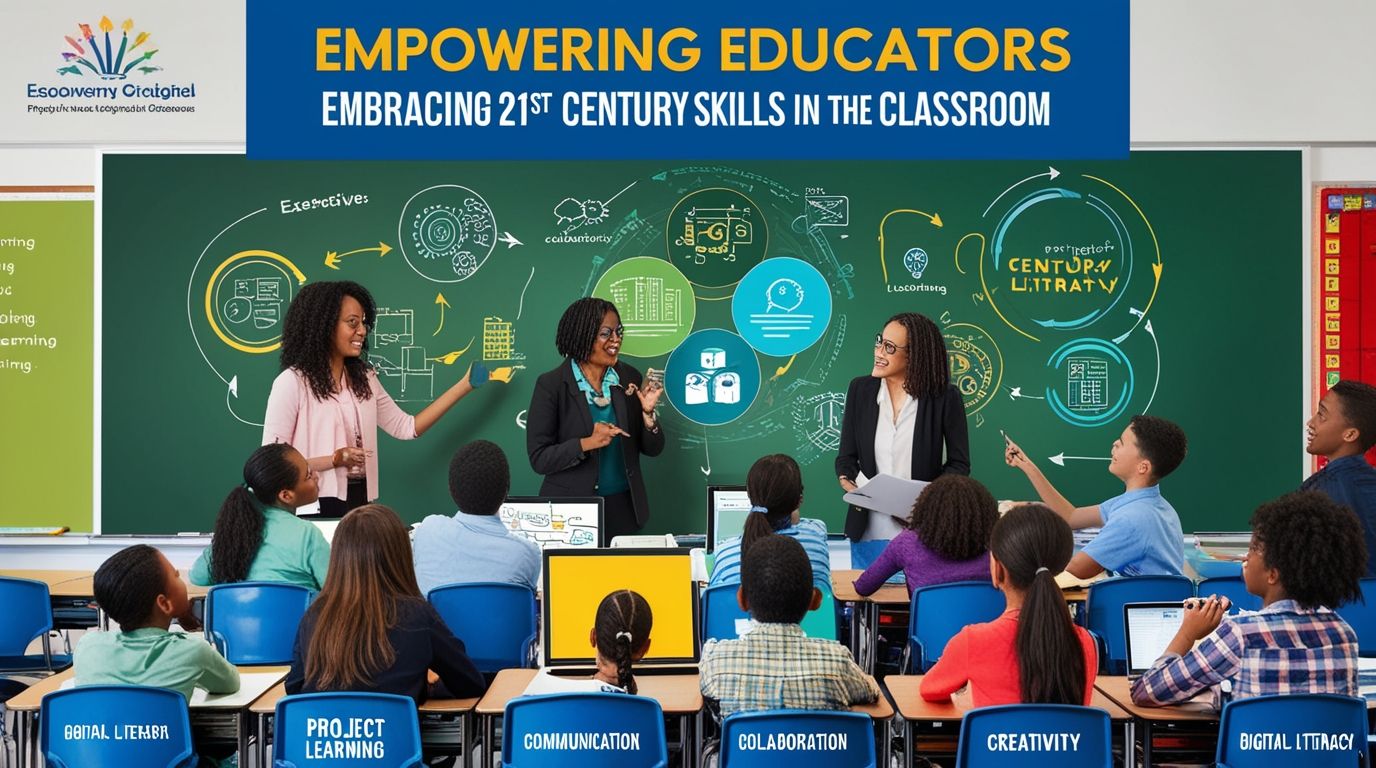
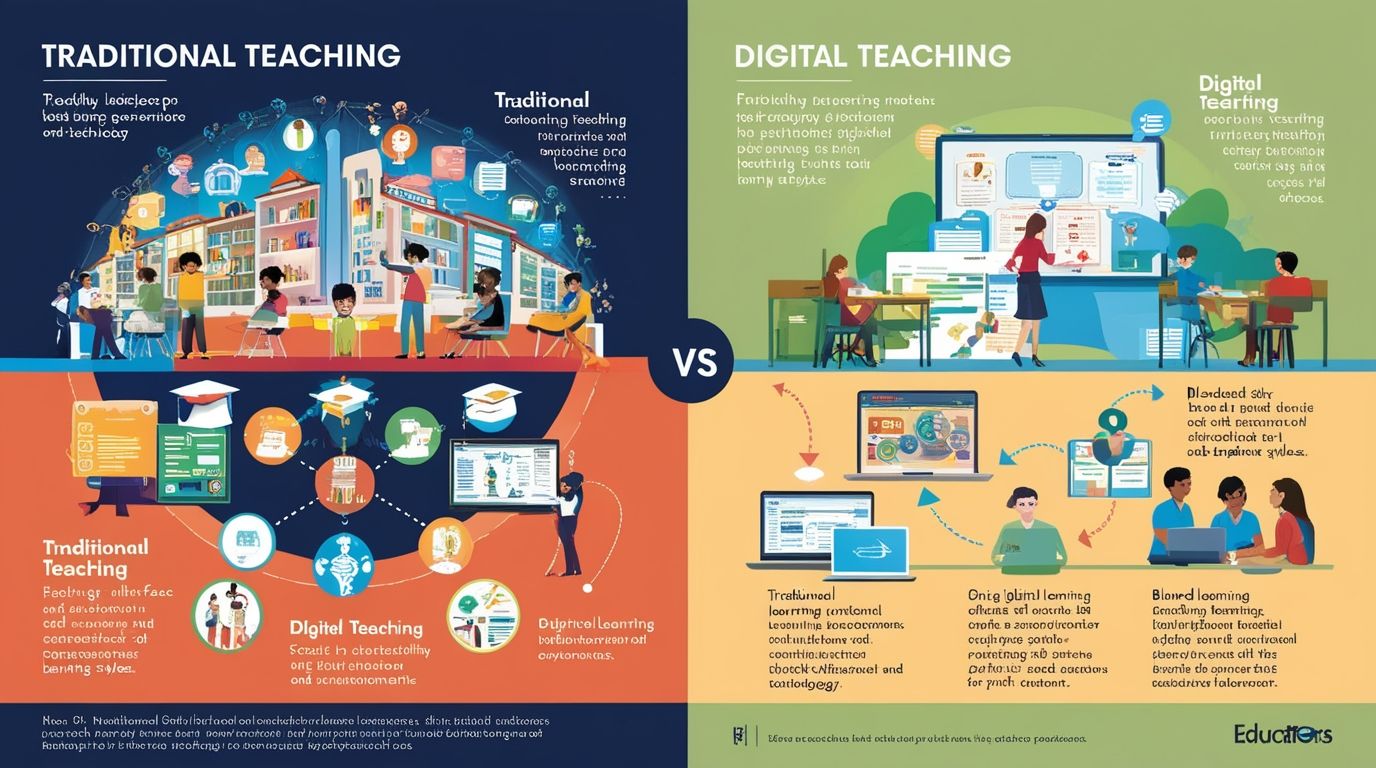
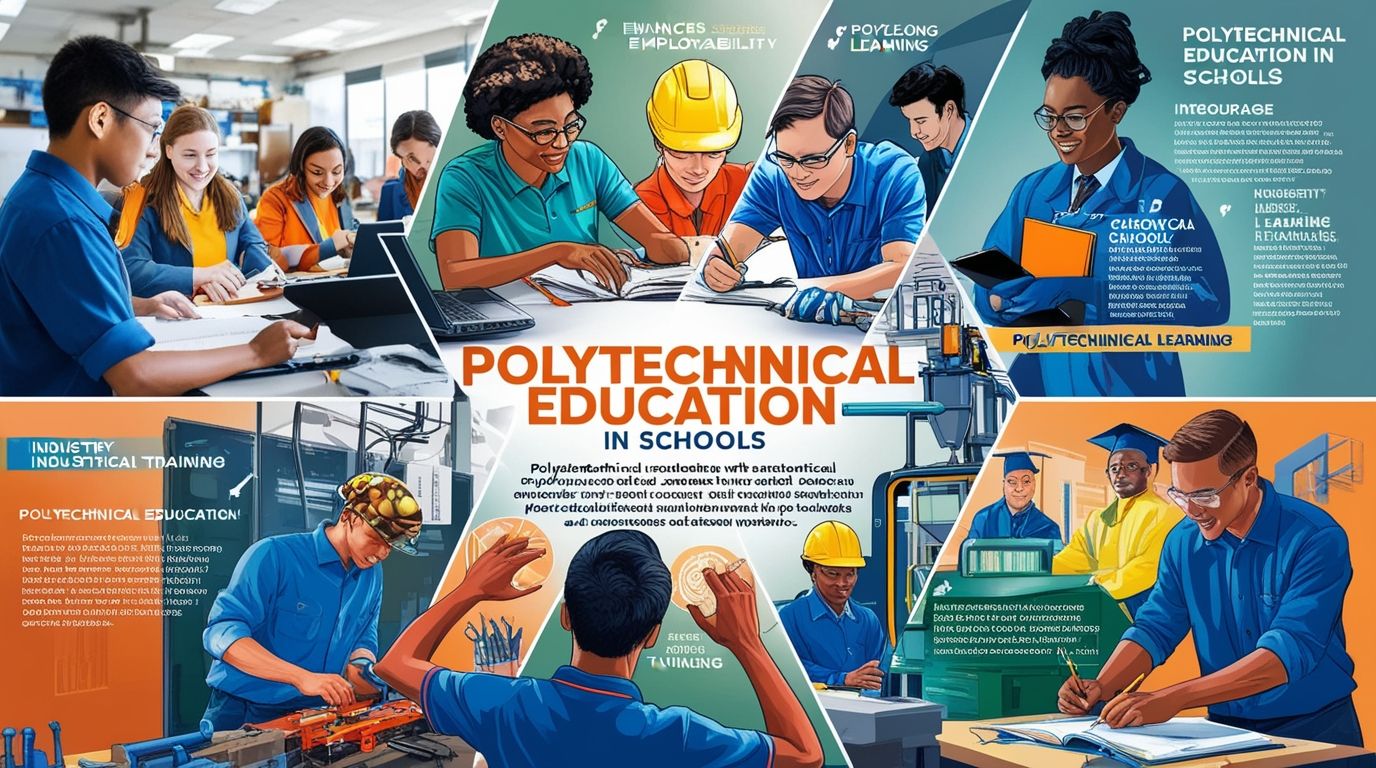
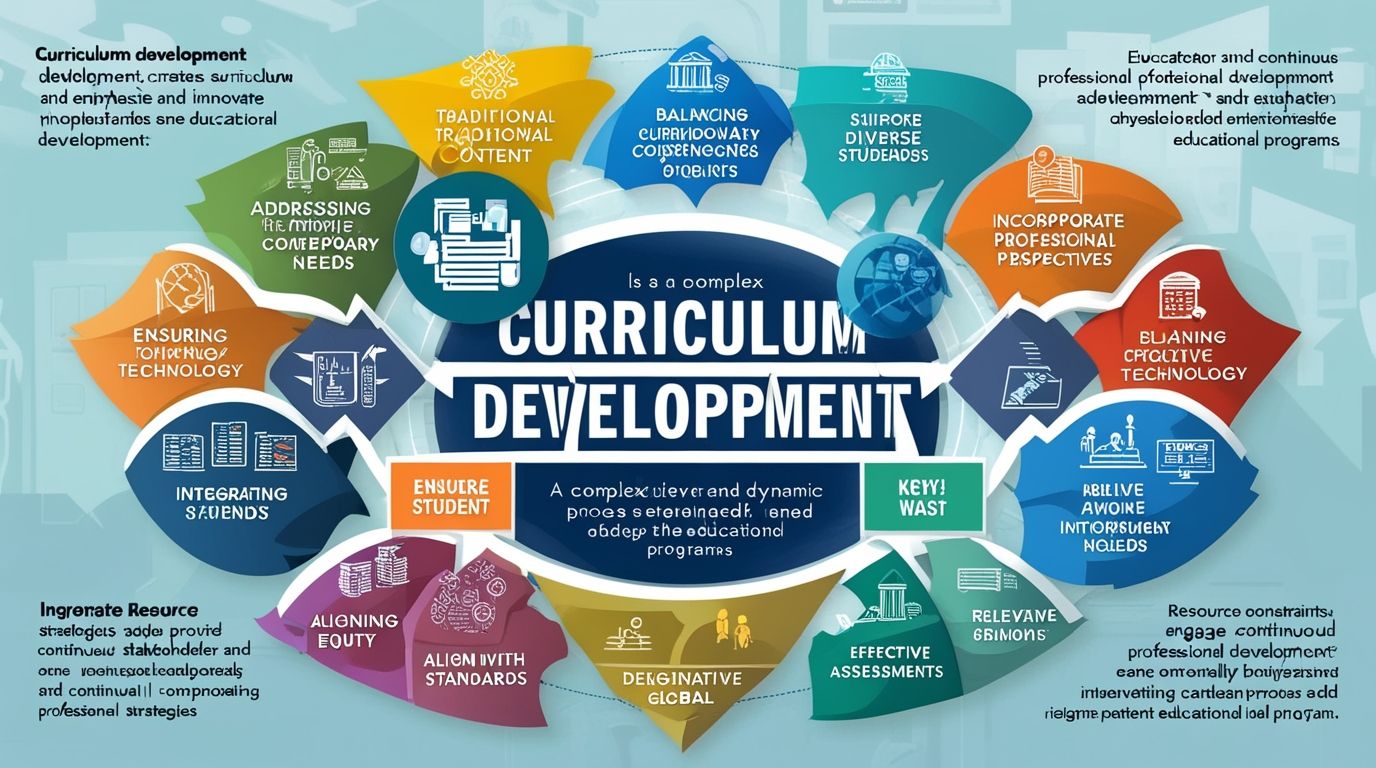
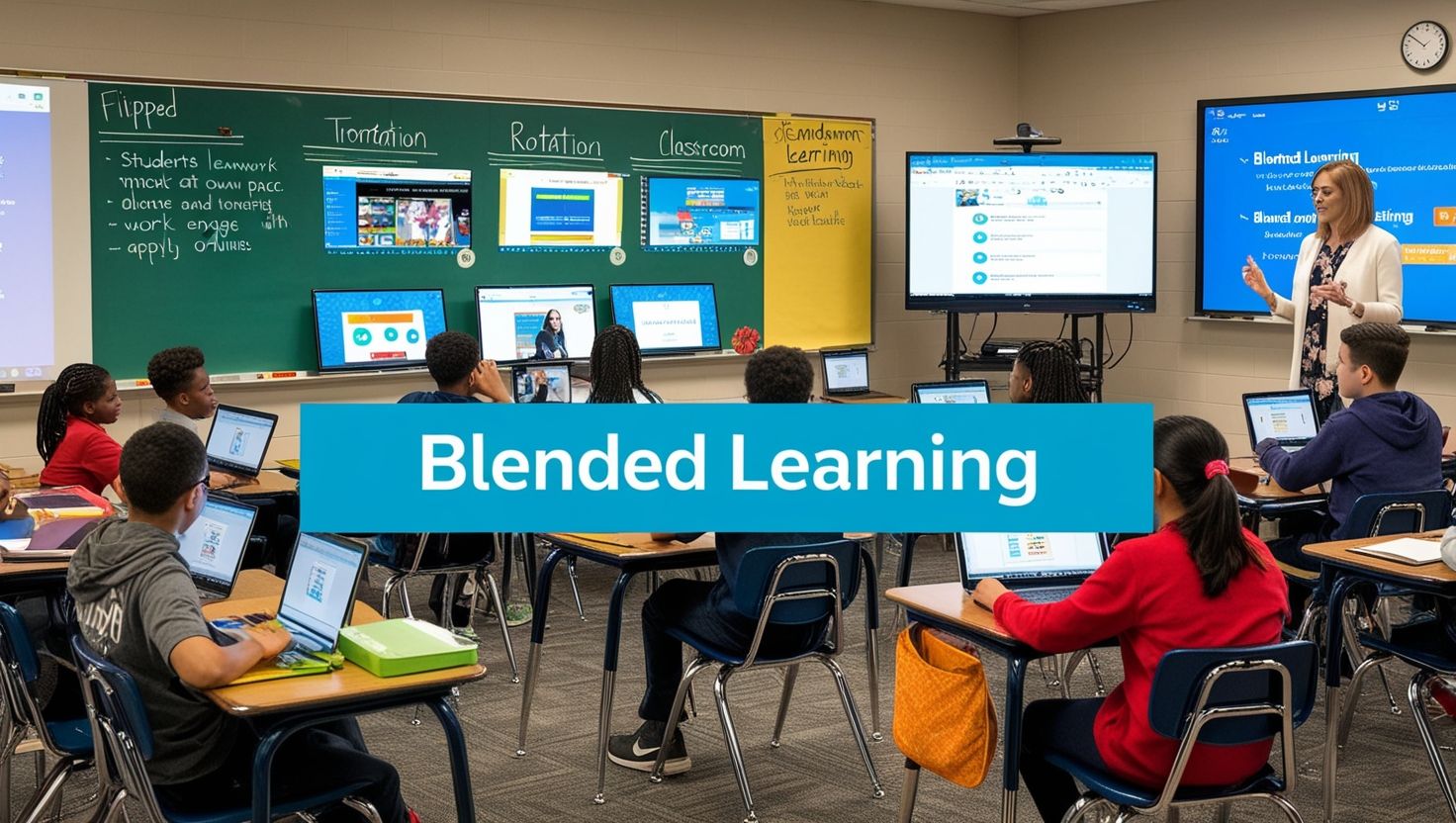
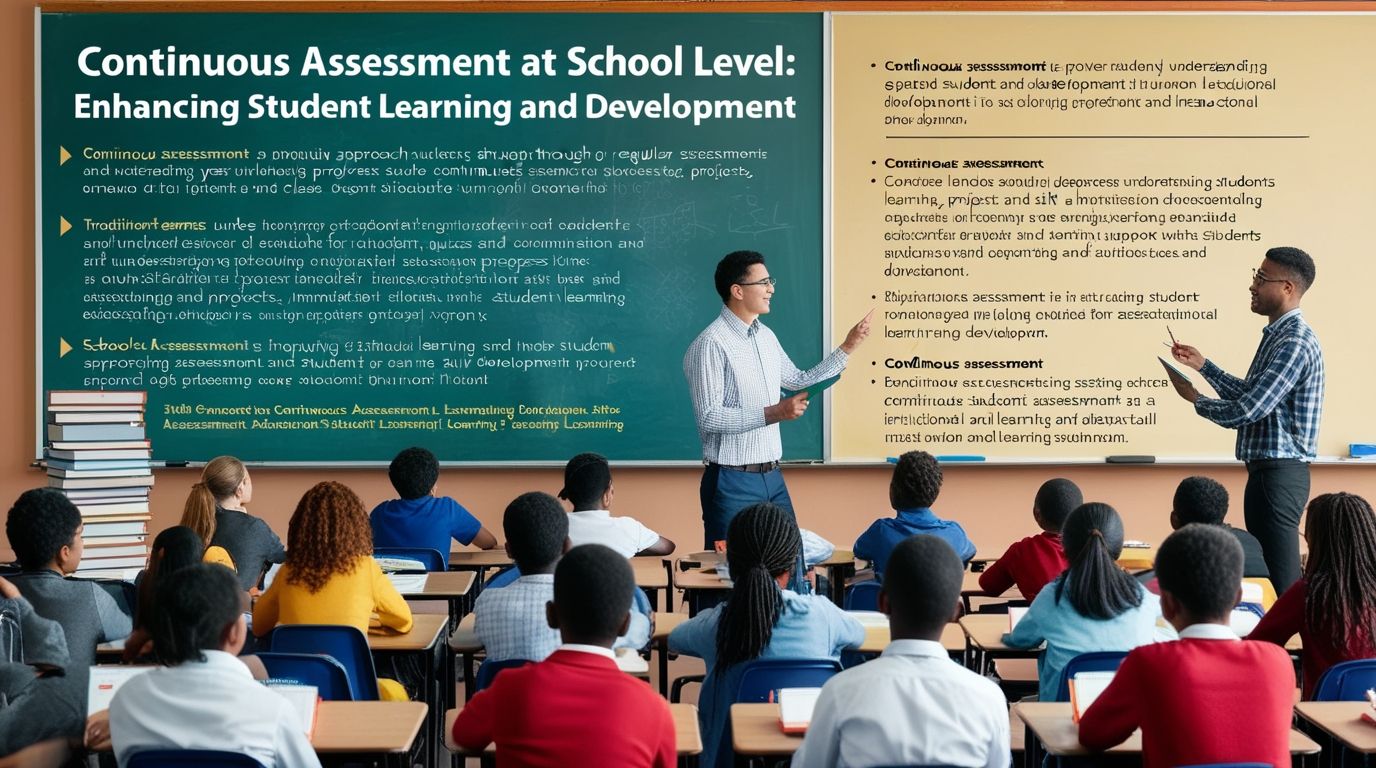
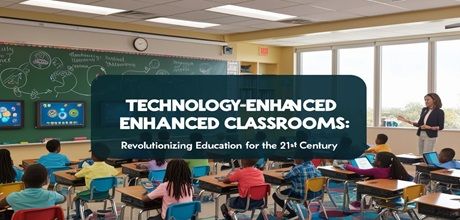
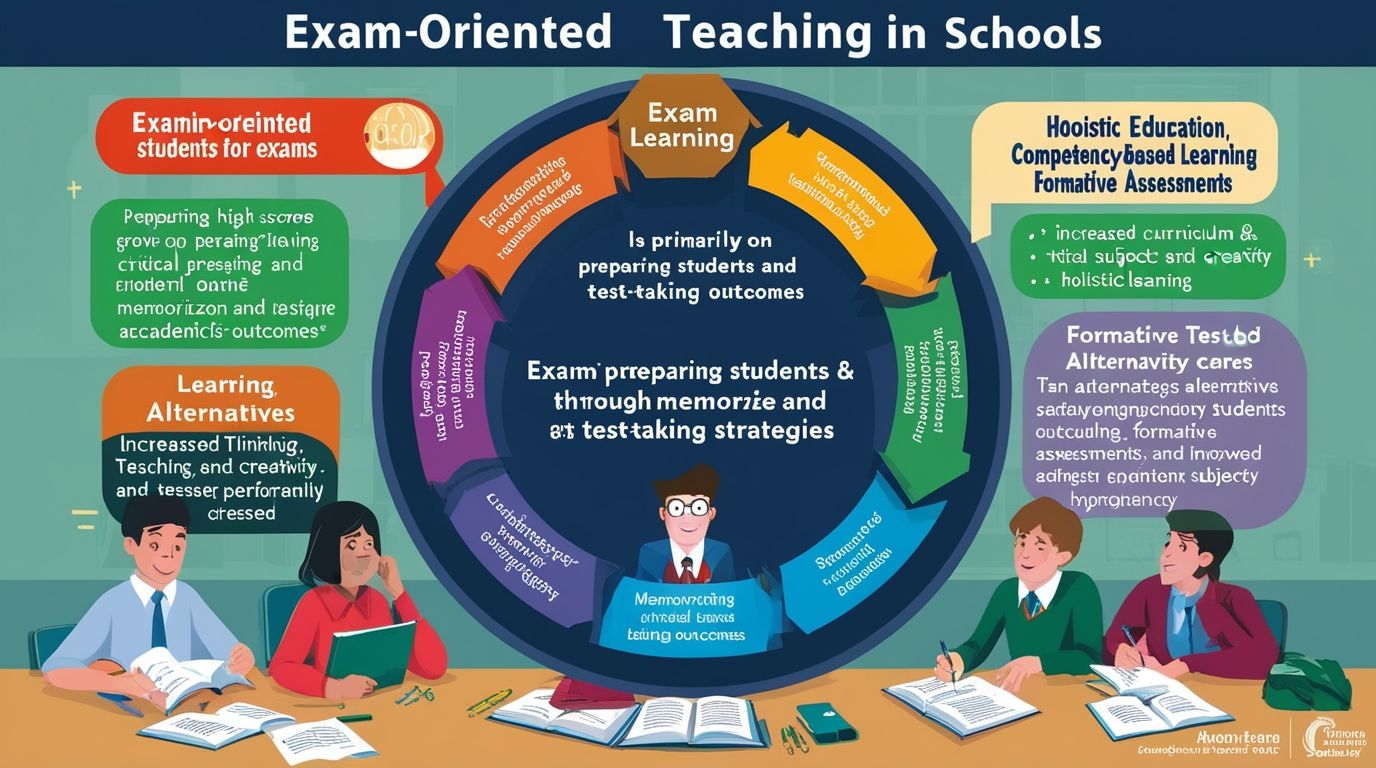
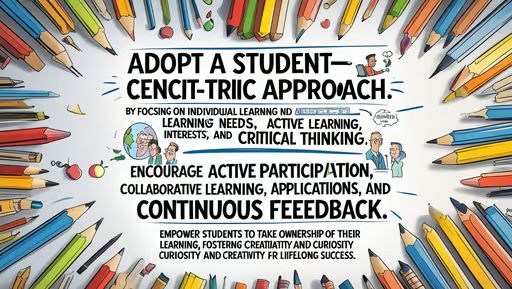
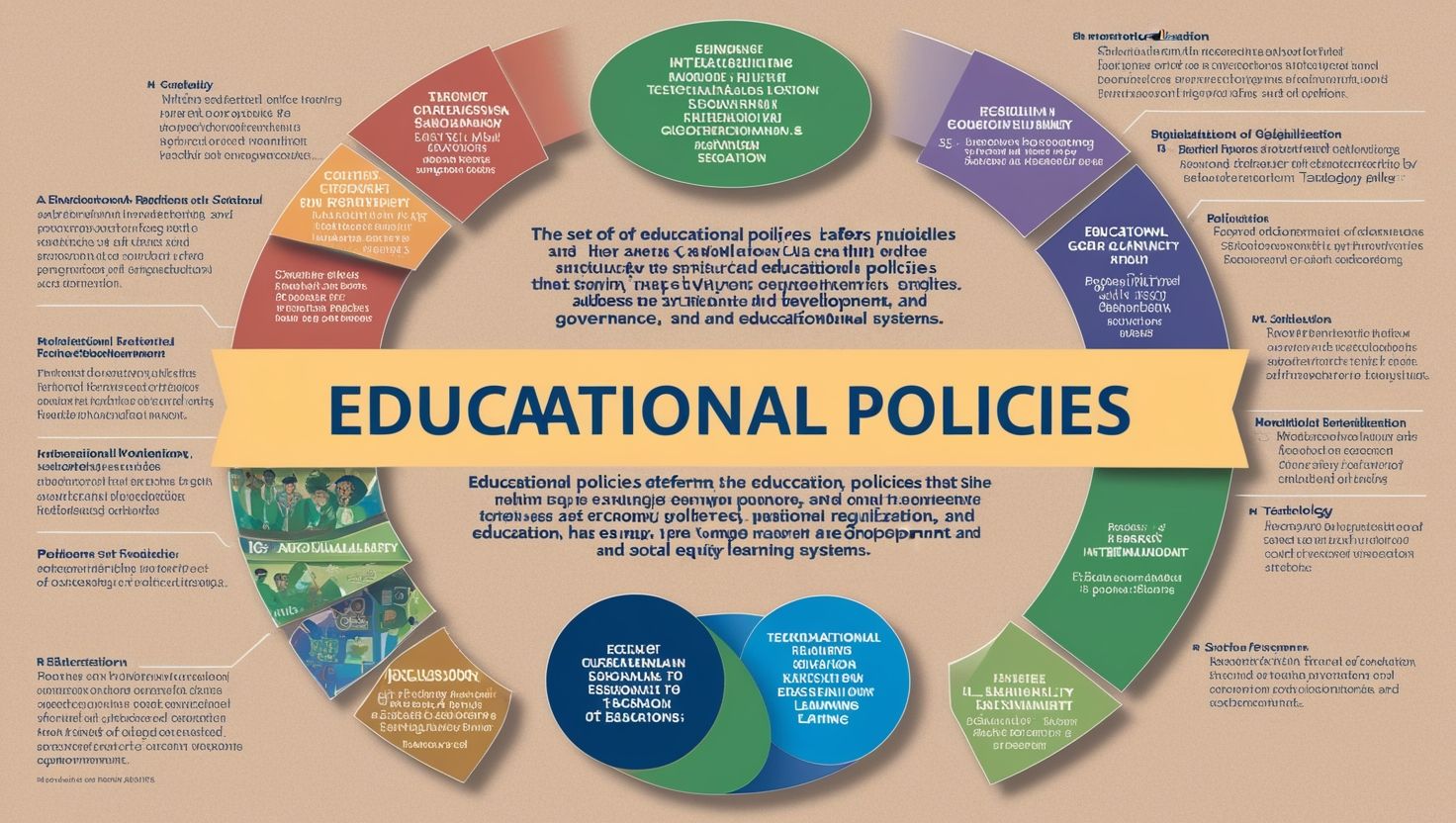
Education systems must evolve to meet the demands of the modern era, shifting from traditional approaches to more innovative and student centered models. Rote learning and standardized testing are no longer sufficient to prepare students for complex and dynamic career environments. Instead, education should focus on developing critical thinking, creativity, and practical skills that can be applied in real world contexts. Project based learning, experiential education, and collaborative activities can enhance students’ understanding and engagement. Furthermore, integrating technology into education enables students to access diverse resources and develop digital competencies. Institutions should also emphasize interdisciplinary learning, encouraging students to explore multiple fields and perspectives. By aligning curricula with industry requirements and global trends, education systems can bridge the gap between academic knowledge and professional skills, ensuring students are well prepared for future career challenges.
Entrepreneurship as a Career Option
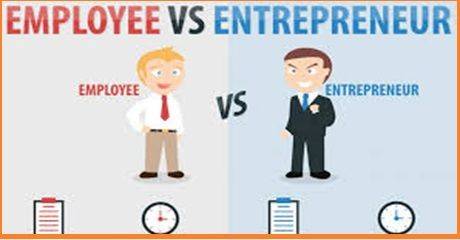
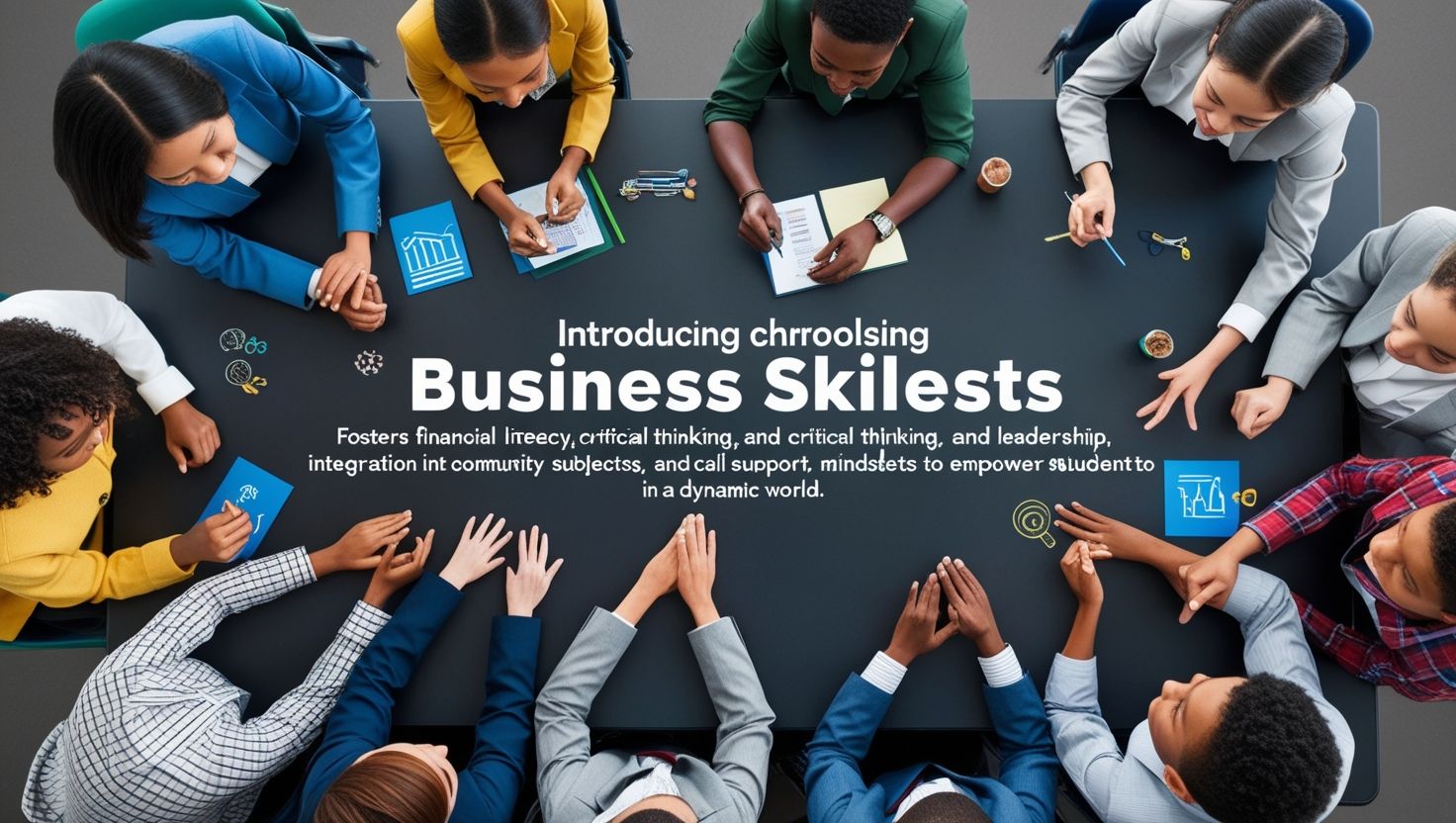
Entrepreneurship has emerged as a viable and attractive career option for students in the modern era, offering opportunities for innovation, independence, and economic contribution. With access to digital tools, online platforms, and global markets, students can transform their ideas into successful ventures. Entrepreneurship encourages creativity, problem solving, and risk taking, enabling students to address real world challenges through innovative solutions. However, it also requires resilience, strategic thinking, and financial literacy, as the journey involves uncertainty and potential setbacks. Educational institutions can play a crucial role in fostering entrepreneurial mindsets by incorporating business education, innovation labs, and startup initiatives into their programs. By encouraging students to explore entrepreneurship, society can benefit from job creation, economic growth, and the development of new technologies and services that address emerging needs.
Lifelong Learning and Adaptability
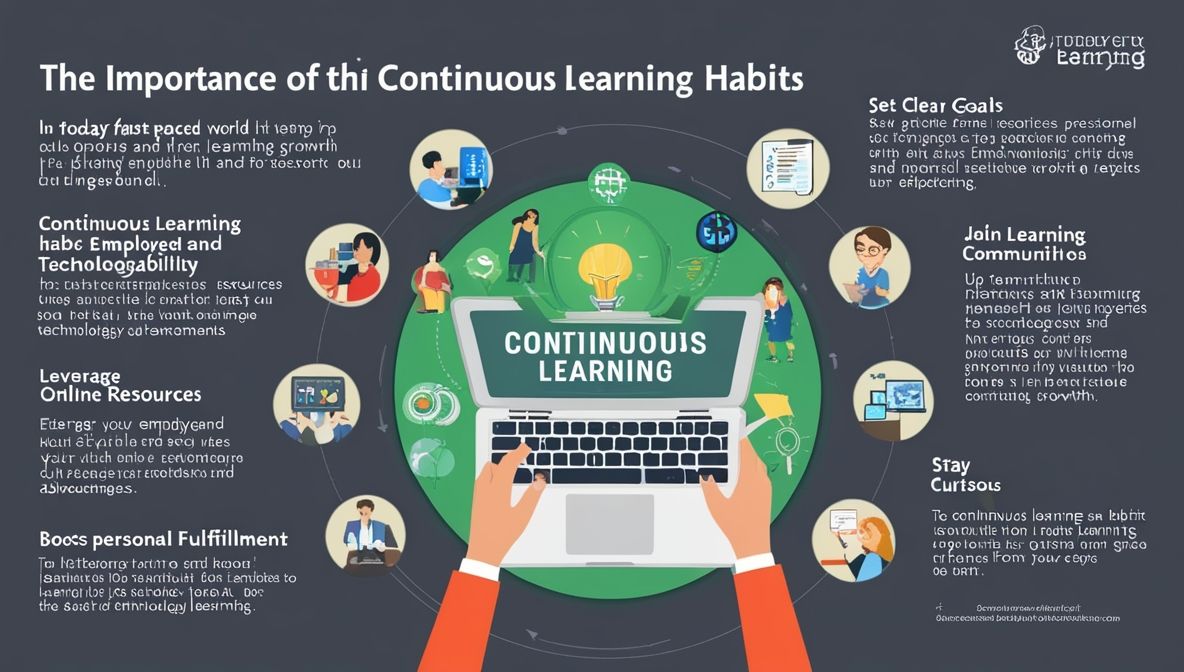
Lifelong learning has become a fundamental requirement for career success in the modern era, as rapid changes in technology and industry demand continuous skill development. Students must recognize that education does not end with formal qualifications but continues throughout their professional lives. This mindset enables them to stay updated with emerging trends, acquire new competencies, and adapt to changing circumstances. Online courses, professional certifications, and self directed learning opportunities provide accessible pathways for continuous growth. Adaptability is closely linked to lifelong learning, as it allows individuals to respond effectively to new challenges and opportunities. Students who embrace change and remain open to learning are better equipped to navigate uncertainties and achieve long term success. By cultivating a growth oriented mindset, they can maintain relevance and resilience in an ever evolving professional landscape.
Importance of Soft Skills
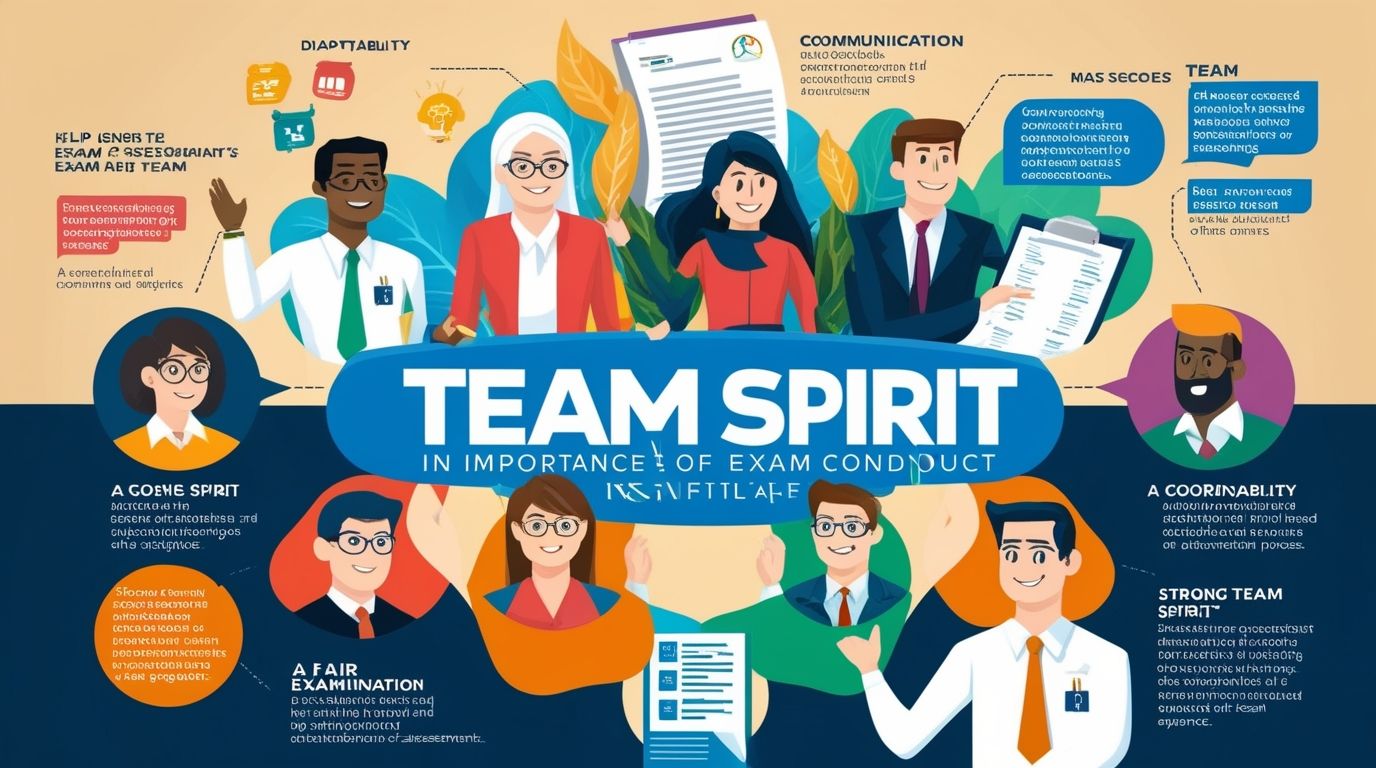
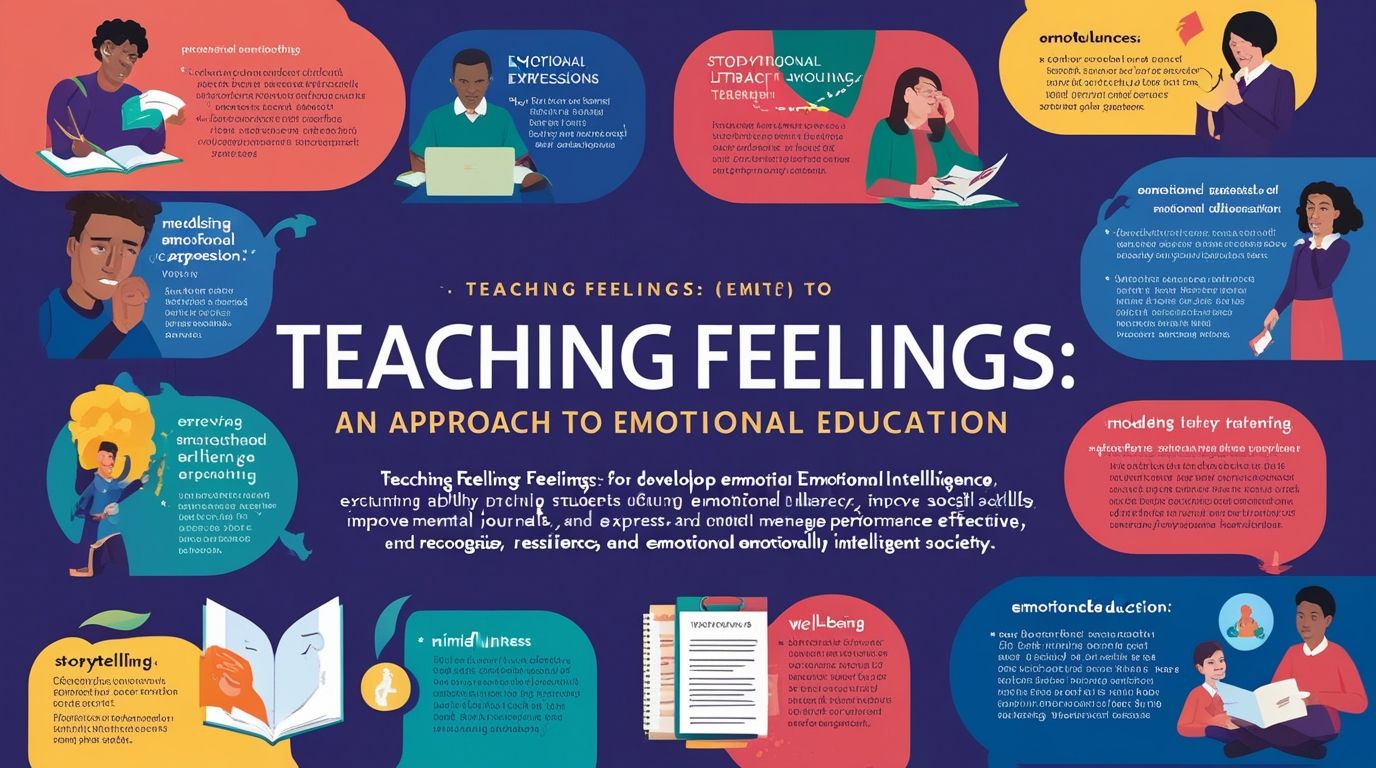
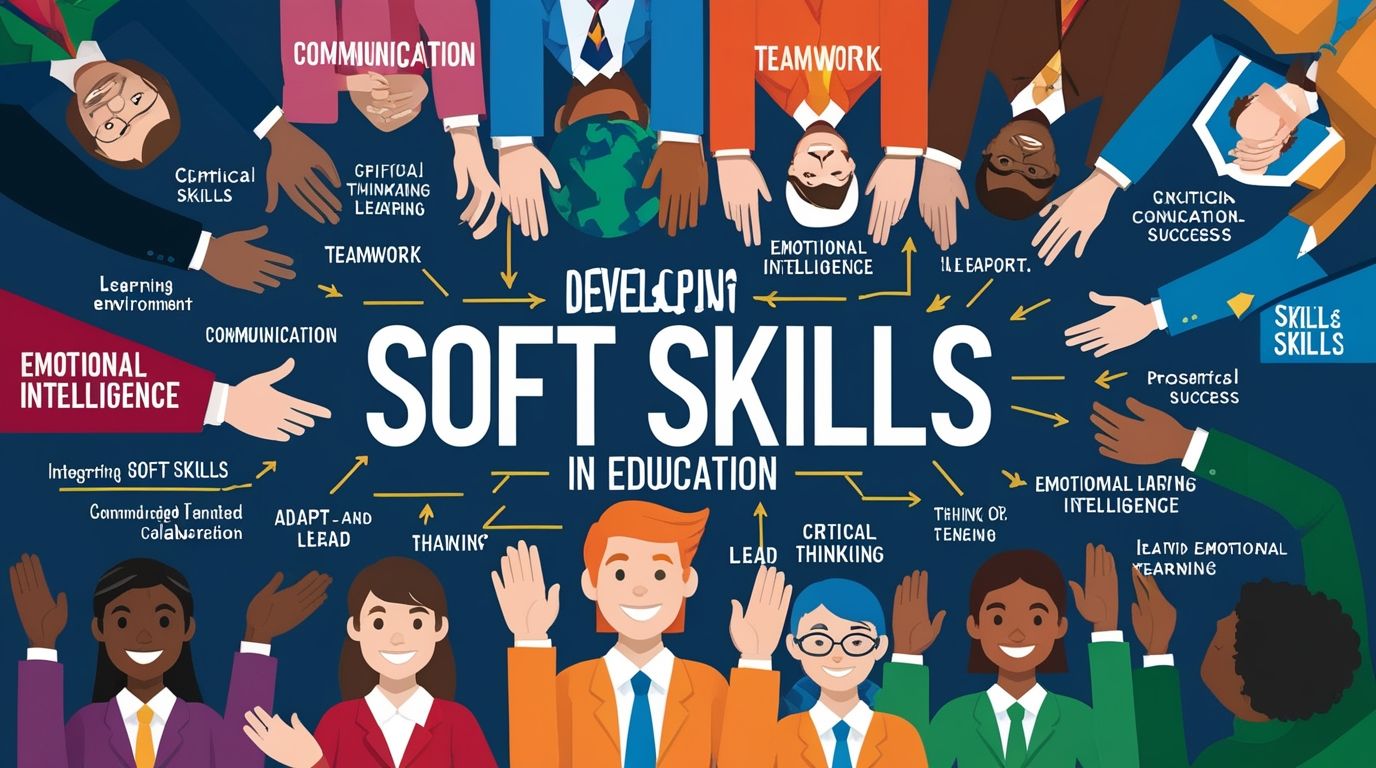
While technical knowledge is essential, soft skills play an equally important role in determining career success in the modern era. Skills such as communication, teamwork, leadership, and emotional intelligence enable students to interact effectively with others and contribute positively to organizational environments. These skills enhance collaboration, foster innovation, and improve problem solving capabilities. Employers increasingly value individuals who can work well in teams, manage conflicts, and demonstrate adaptability in diverse situations. Furthermore, strong interpersonal skills contribute to personal development and professional growth, enabling students to build meaningful relationships and networks. Educational institutions must prioritize the development of soft skills through interactive learning methods, group activities, and real world experiences. By balancing technical expertise with interpersonal competencies, students can achieve holistic development and enhance their career prospects.
Mental Health and Well Being
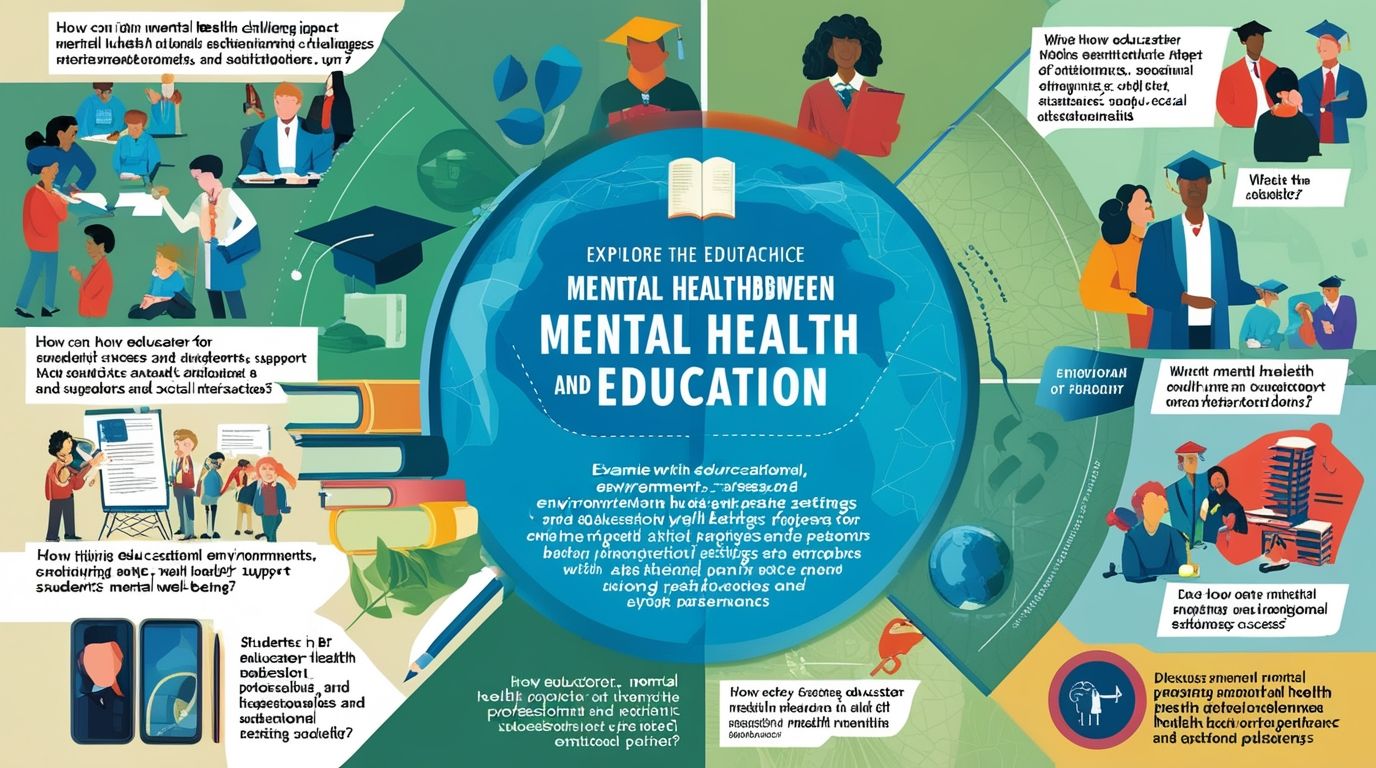
The pressures associated with modern career expectations can significantly impact students’ mental health and overall well being. The desire to succeed, combined with intense competition and uncertainty, often leads to stress, anxiety, and burnout. Students may struggle to balance academic responsibilities, career planning, and personal life, affecting their emotional stability and performance. It is essential to address these challenges by promoting mental health awareness and providing support systems within educational institutions. Counseling services, peer support groups, and stress management programs can help students cope with pressure and maintain a healthy balance. Encouraging open communication and reducing stigma around mental health issues are also critical steps. By prioritizing well being, students can develop resilience and maintain a positive outlook, enabling them to pursue their career goals effectively.
Building a Purpose Driven Career
In the modern era, many students seek careers that provide not only financial stability but also a sense of purpose and fulfillment. They aspire to contribute to society, address global challenges, and make a meaningful impact through their work. Careers in fields such as education, healthcare, environmental sustainability, and social entrepreneurship are gaining popularity among purpose driven individuals. Aligning career choices with personal values enhances motivation, satisfaction, and long term commitment. Students must reflect on their interests, passions, and ethical beliefs when making career decisions, ensuring that their professional paths resonate with their personal goals. Educational institutions and mentors can support this process by encouraging self awareness and providing opportunities for community engagement. A purpose driven approach to careers not only benefits individuals but also contributes to the overall development of society.
Conclusion
In conclusion, students’ careers in the modern era are characterized by complexity, diversity, and continuous transformation, requiring a shift from traditional career planning to adaptive and strategic approaches. Success in this environment depends on the integration of knowledge, skills, and values, enabling students to navigate challenges and seize opportunities effectively. Education systems, families, and communities must collaborate to provide guidance, resources, and support, fostering an environment that promotes growth and innovation. Students, in turn, must embrace lifelong learning, adaptability, and resilience, recognizing that their careers are dynamic journeys rather than fixed destinations. By developing a comprehensive skill set and maintaining a forward looking mindset, they can achieve professional success and personal fulfillment. Ultimately, the modern era offers immense potential for students to build meaningful careers that contribute positively to society and shape a better future.