
Introduction
Importance of Goshwara in Education and MIS, Goshwara plays a foundational role in organizing and summarizing academic and administrative records within a school’s Management Information System (MIS). In educational contexts, Goshwara refers to a consolidated register or summary sheet that captures essential data such as attendance, performance, and resource allocation. When integrated into MIS, Goshwara becomes a powerful tool for structured data management and institutional accountability. Schools that rely on systematic Goshwara practices are better positioned to track trends and identify gaps in performance. The inclusion of Goshwara in MIS ensures that fragmented data is transformed into meaningful insights, enabling administrators to make informed decisions. Ultimately, Goshwara strengthens the overall efficiency of school management by providing clarity and coherence in data handling.
Conceptual Understanding of Goshwara
The term Goshwara traditionally denotes a summarized compilation of records, often maintained manually in educational institutions. With the evolution of MIS, Goshwara has transitioned into digital formats, enhancing accessibility and usability. A well-maintained Goshwara reflects a school’s operational health, capturing critical indicators such as enrollment, attendance, and academic progress. By embedding Goshwara into MIS, schools ensure that data is not only stored but also systematically categorized and analyzed. This integration allows educators and administrators to interpret trends more effectively. Goshwara serves as a bridge between raw data and actionable knowledge, making it indispensable in modern school systems. Its conceptual clarity helps stakeholders understand the broader picture of institutional performance.
Role of Goshwara in Data Organization
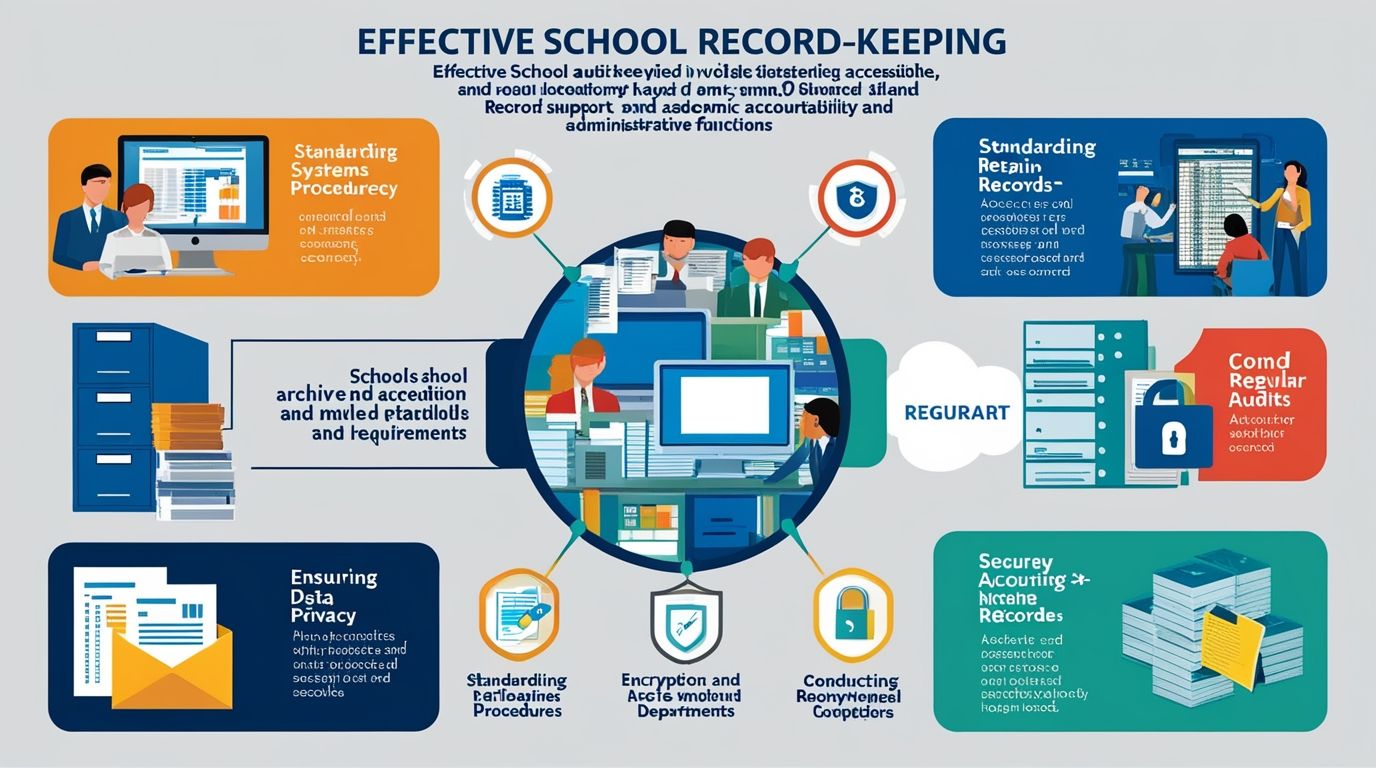
Goshwara significantly improves the organization of educational data within MIS frameworks. Schools generate vast amounts of information daily, and without a structured system like Goshwara, this data can become overwhelming. By summarizing key metrics, Goshwara ensures that essential information is easily retrievable. In MIS, Goshwara acts as a central repository where data is categorized systematically. This organization reduces redundancy and enhances data accuracy. Administrators can quickly access summarized reports, saving time and effort. Furthermore, Goshwara supports consistency in record-keeping, which is crucial for long-term planning. Its role in data organization ultimately contributes to smoother administrative processes and better decision-making in school management.
Goshwara and Decision-Making Processes
Effective decision-making in schools depends heavily on accurate and timely information, and Goshwara provides exactly that. Within MIS, Goshwara consolidates data into concise summaries that highlight key trends and patterns. This enables school leaders to make evidence-based decisions regarding curriculum planning, resource allocation, and student support. The presence of Goshwara ensures that decisions are not based on assumptions but on verified data. For example, attendance trends recorded in Goshwara can inform interventions to improve student engagement. By integrating Goshwara into MIS, schools create a culture of data-driven decision-making. This approach enhances transparency and accountability, leading to more effective management practices.
Impact of Goshwara on Academic Monitoring
Goshwara plays a critical role in monitoring student academic performance within MIS systems. By summarizing grades, assessments, and progress reports, Goshwara provides a clear overview of student achievements and challenges. Teachers can use Goshwara to identify learning gaps and tailor instructional strategies accordingly. In MIS, Goshwara enables real-time tracking of academic data, allowing for timely interventions. This continuous monitoring ensures that no student is overlooked. Additionally, Goshwara supports communication between teachers, administrators, and parents by providing reliable data. Its impact on academic monitoring is profound, as it promotes a proactive approach to education and helps maintain high standards of learning outcomes.
Goshwara in Attendance Management
Attendance is a key indicator of student engagement, and Goshwara simplifies its management within MIS. By consolidating daily attendance records, Goshwara provides a comprehensive view of student participation. Administrators can quickly identify patterns of absenteeism and take corrective measures. In MIS, Goshwara ensures that attendance data is accurately recorded and easily accessible. This reduces manual errors and enhances reliability. Moreover, Goshwara supports compliance with educational regulations that require accurate attendance reporting. Its integration into MIS allows schools to maintain consistent records and generate reports efficiently. The use of Goshwara in attendance management ultimately contributes to improved student discipline and accountability.
Enhancing Administrative Efficiency through Goshwara
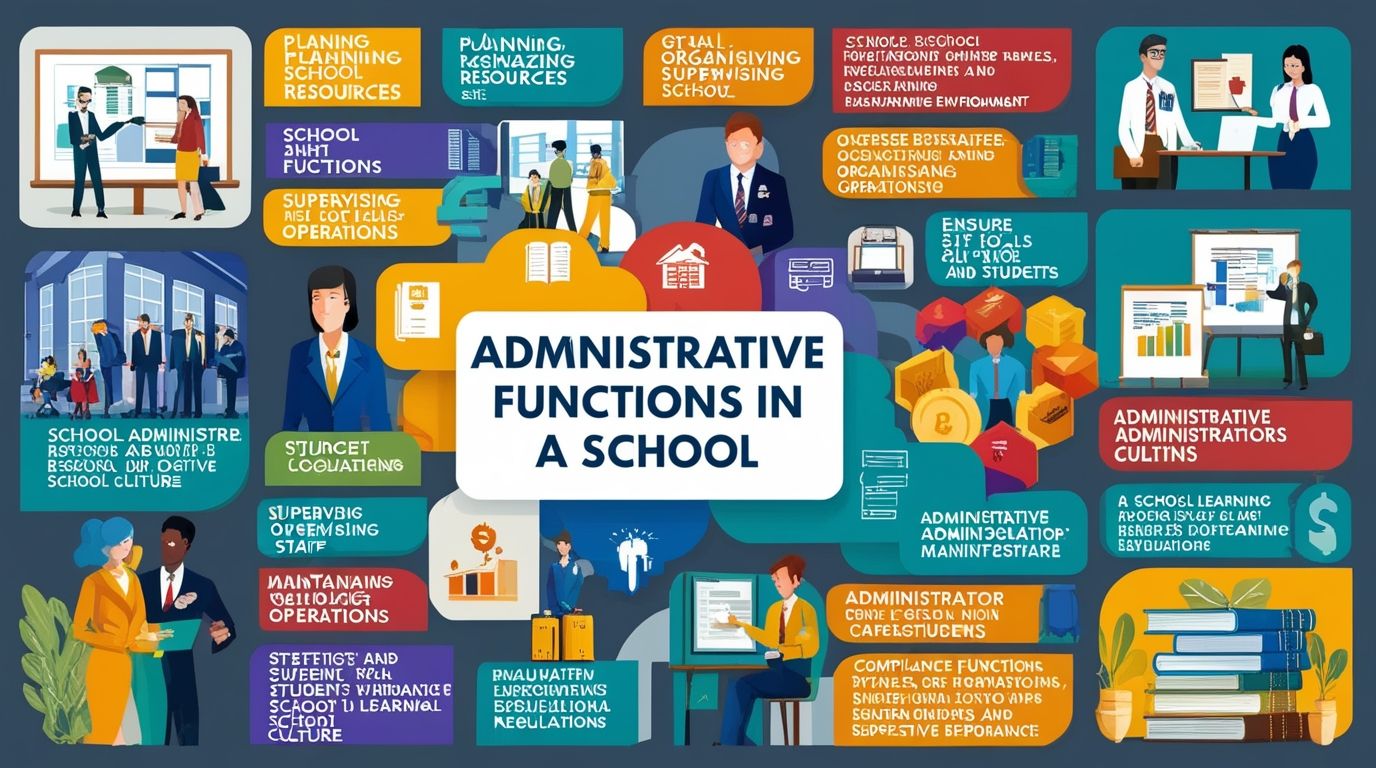
Administrative efficiency is greatly enhanced by the use of Goshwara in MIS. By summarizing complex data into manageable formats, Goshwara reduces the workload of school staff. Tasks such as report generation, data analysis, and record maintenance become more streamlined. In MIS, Goshwara acts as a central reference point, minimizing the need to sift through extensive records. This efficiency allows administrators to focus on strategic planning rather than routine data management. Furthermore, Goshwara promotes standardization in administrative processes, ensuring consistency across departments. Its role in enhancing efficiency is vital for schools aiming to optimize their operations and achieve better outcomes.
Goshwara and Resource Management
Effective resource management is essential for the smooth functioning of schools, and Goshwara contributes significantly in this area. Within MIS, Goshwara provides a clear overview of resource allocation, including staff, infrastructure, and finances. This information helps administrators identify areas where resources are underutilized or overextended. By using Goshwara, schools can make informed decisions about budgeting and resource distribution. The integration of Goshwara into MIS ensures that resource data is accurate and up-to-date. This transparency supports accountability and prevents misuse of resources. Ultimately, Goshwara enhances the efficiency and effectiveness of resource management in educational institutions.
Goshwara in Performance Evaluation
Performance evaluation of both students and staff is facilitated by Goshwara within MIS. By consolidating performance metrics, Goshwara provides a comprehensive overview of achievements and areas for improvement. Teachers can use Goshwara to assess student progress, while administrators can evaluate staff performance. In MIS, Goshwara ensures that evaluation data is systematically recorded and easily accessible. This promotes fairness and objectivity in assessments. Additionally, Goshwara supports continuous improvement by highlighting trends over time. Its role in performance evaluation is crucial for maintaining high standards in education and fostering a culture of excellence within schools.
Integration of Goshwara with Digital MIS Tools
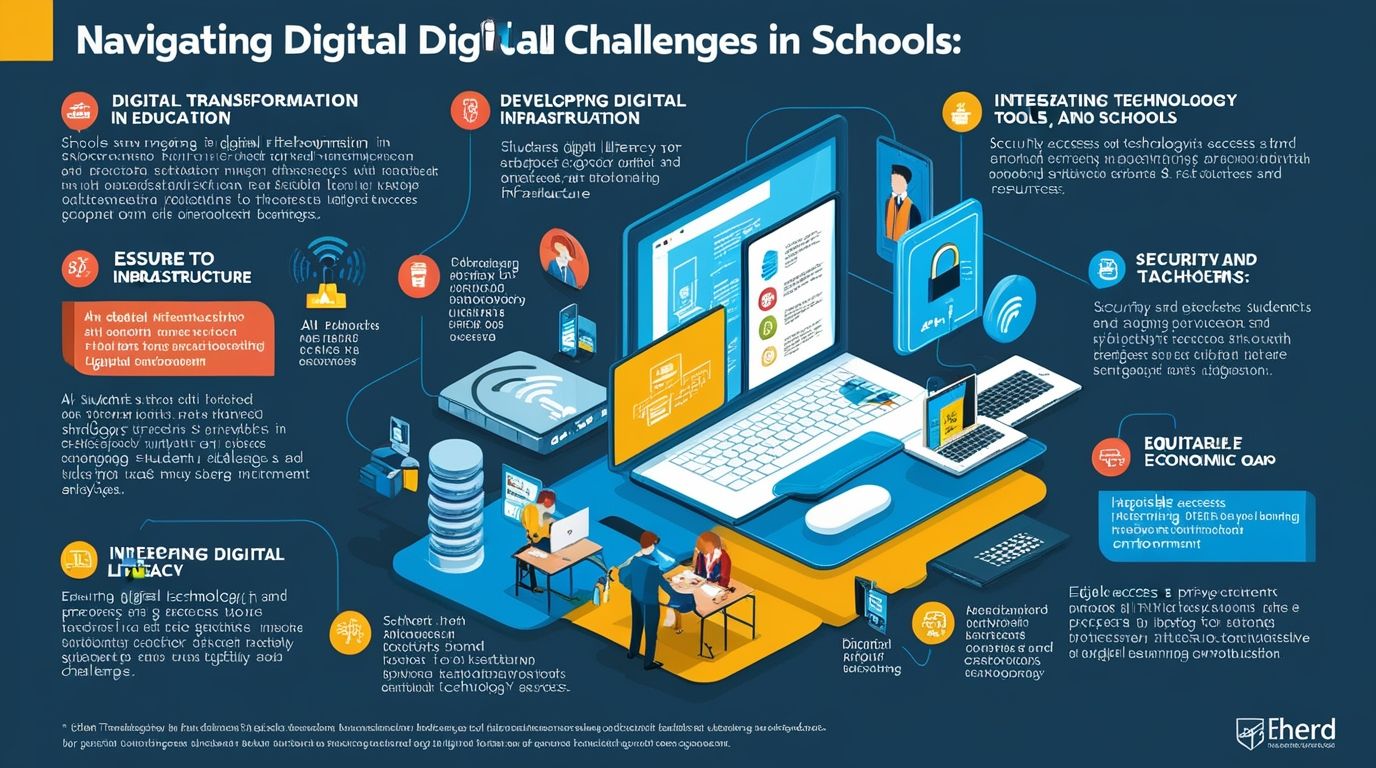
The integration of Goshwara with digital MIS tools has revolutionized school management. Modern MIS platforms allow Goshwara to be updated in real time, ensuring that data is always current. This digital transformation enhances the accuracy and reliability of records. Goshwara in MIS can be accessed remotely, enabling administrators to monitor school activities from anywhere. Furthermore, digital Goshwara supports data visualization through charts and dashboards, making analysis more intuitive. This integration also facilitates data sharing among stakeholders, improving collaboration. The adoption of digital Goshwara represents a significant advancement in educational management practices.
Challenges in Implementing Goshwara in MIS
Despite its benefits, implementing Goshwara in MIS can present challenges. Schools may face issues such as lack of technical expertise, resistance to change, and inadequate infrastructure. Ensuring the accuracy of Goshwara data requires consistent effort and training. In MIS, improper data entry can compromise the reliability of Goshwara summaries. Additionally, transitioning from manual to digital Goshwara systems may require significant investment. However, these challenges can be addressed through proper planning and capacity building. By overcoming these obstacles, schools can fully leverage the advantages of Goshwara in MIS. Addressing these challenges is essential for successful implementation.
Future Prospects of Goshwara in School Management
The future of Goshwara in school management is promising, especially with advancements in technology. Emerging tools such as artificial intelligence and data analytics can enhance the functionality of Goshwara within MIS. These innovations can provide predictive insights, helping schools anticipate challenges and plan accordingly. Goshwara is likely to become more interactive and user-friendly, further improving its utility. As schools continue to embrace digital transformation, the role of Goshwara will expand. Its integration with advanced MIS systems will enable more sophisticated data analysis and decision-making. The future prospects of Goshwara highlight its enduring relevance in education.
Conclusion on Goshwara’s Impact in MIS
Goshwara is a vital component of MIS that significantly impacts school management. By organizing, summarizing, and analyzing data, Goshwara enhances efficiency, transparency, and decision-making. Its applications in academic monitoring, attendance management, and resource allocation demonstrate its versatility. Despite implementation challenges, the benefits of Goshwara far outweigh the limitations. Schools that effectively integrate Goshwara into MIS are better equipped to achieve their educational goals. The continued evolution of technology will further strengthen the role of Goshwara in school systems. In conclusion, Goshwara is indispensable for modern educational management, providing a structured approach to data-driven decision-making.

















































































































































































































































































































































References:
HitnSpin Freispiele king billy online casino