Introduction
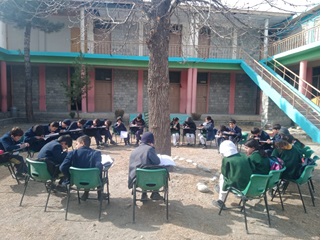
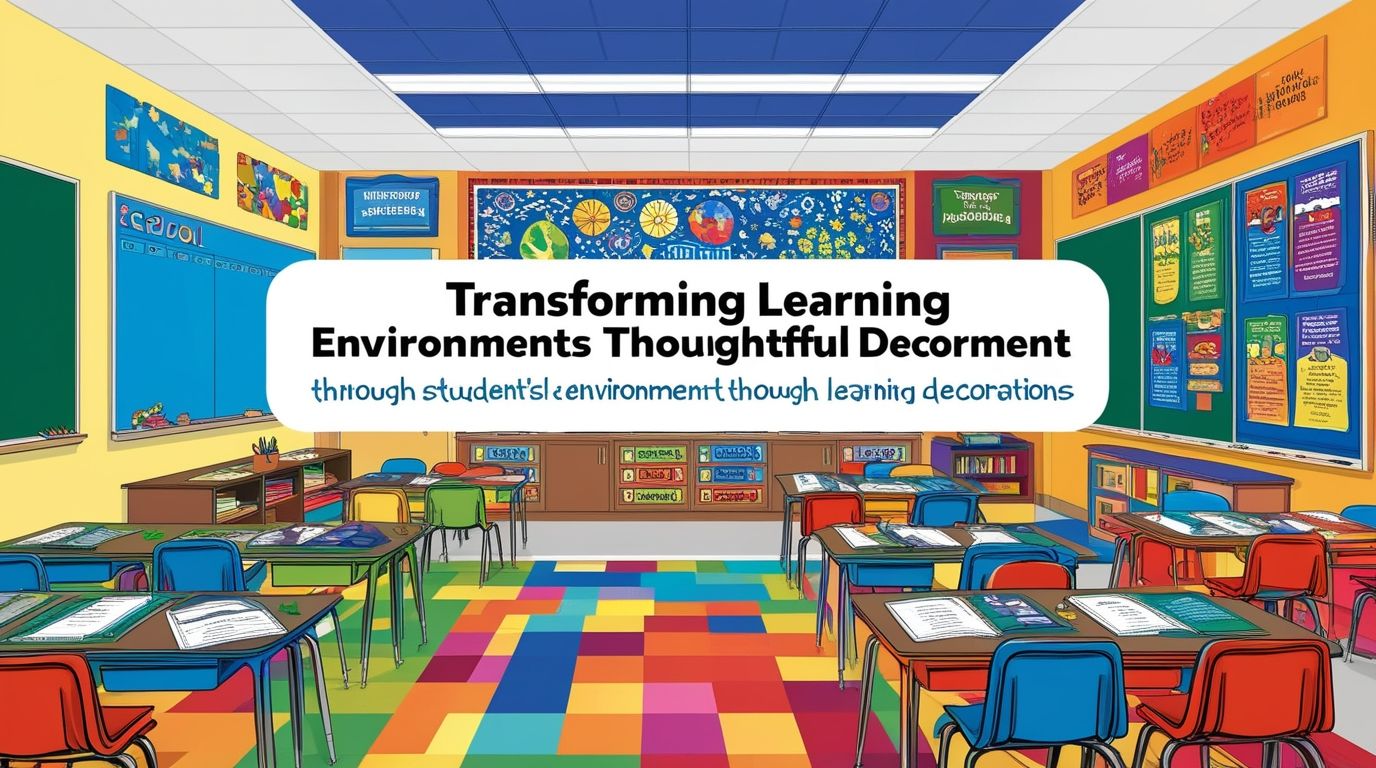
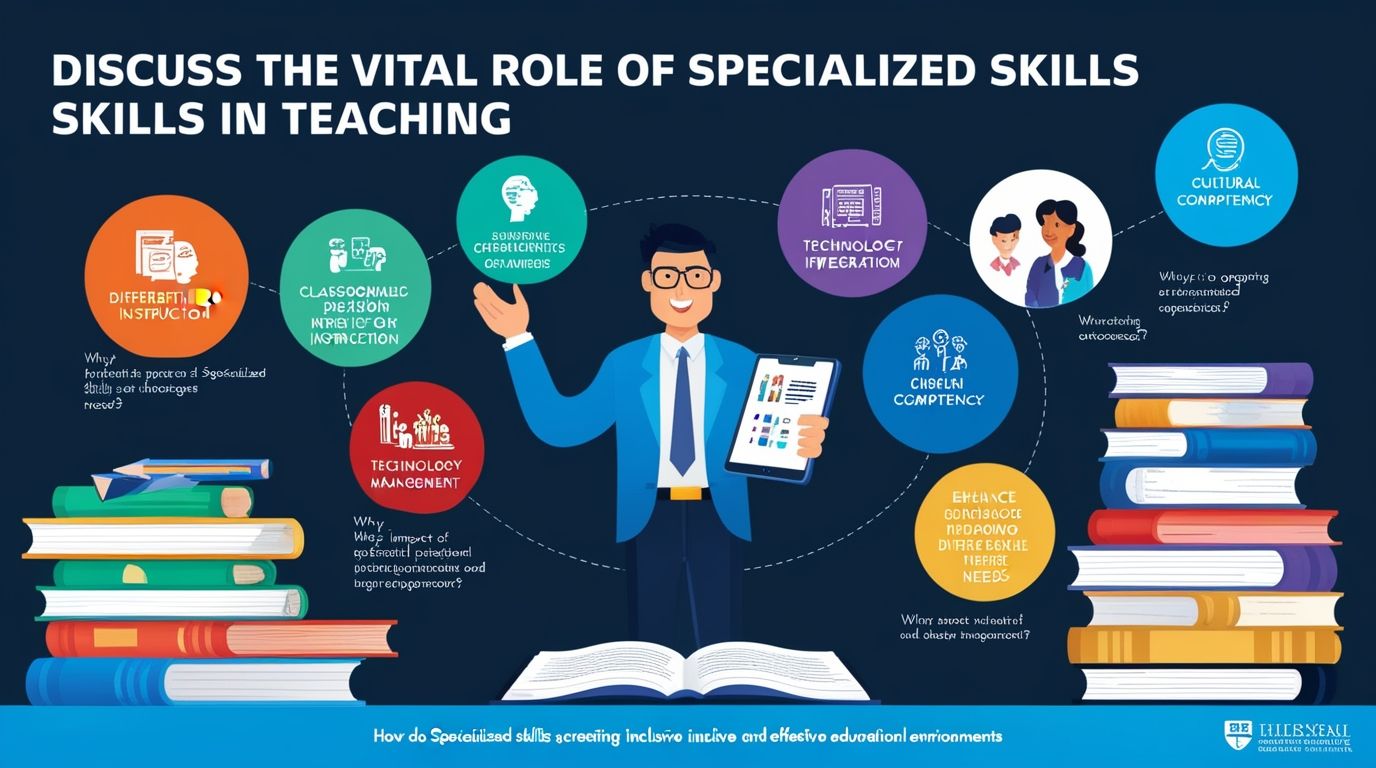
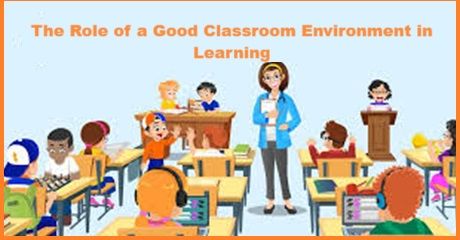
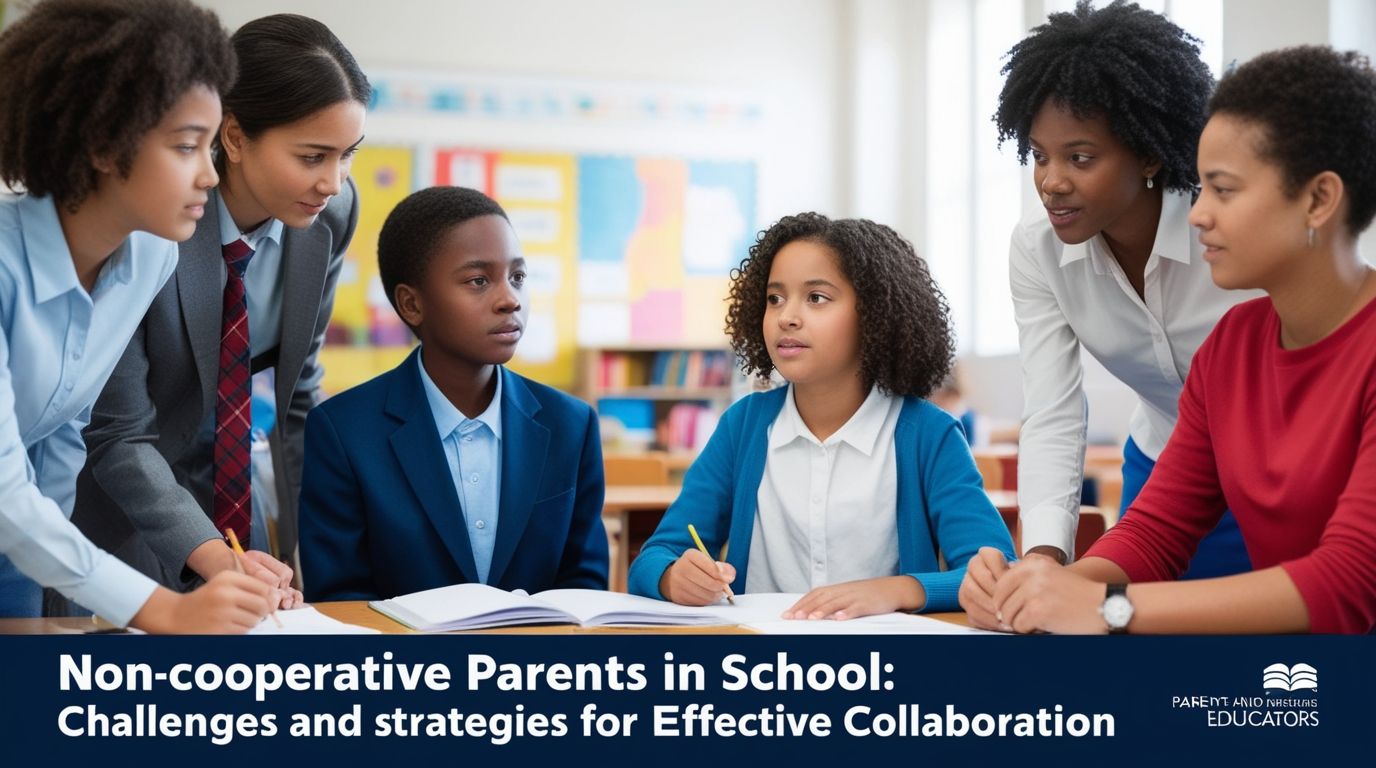
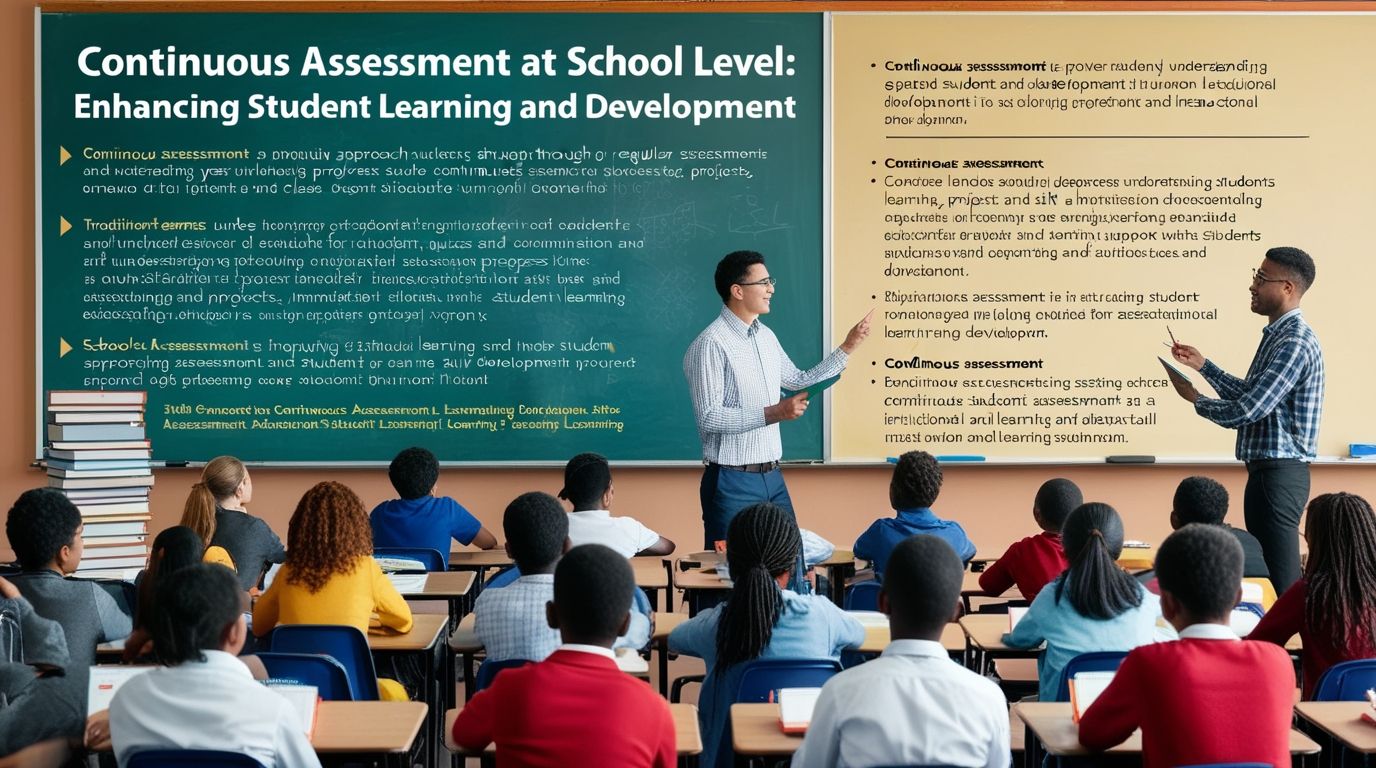
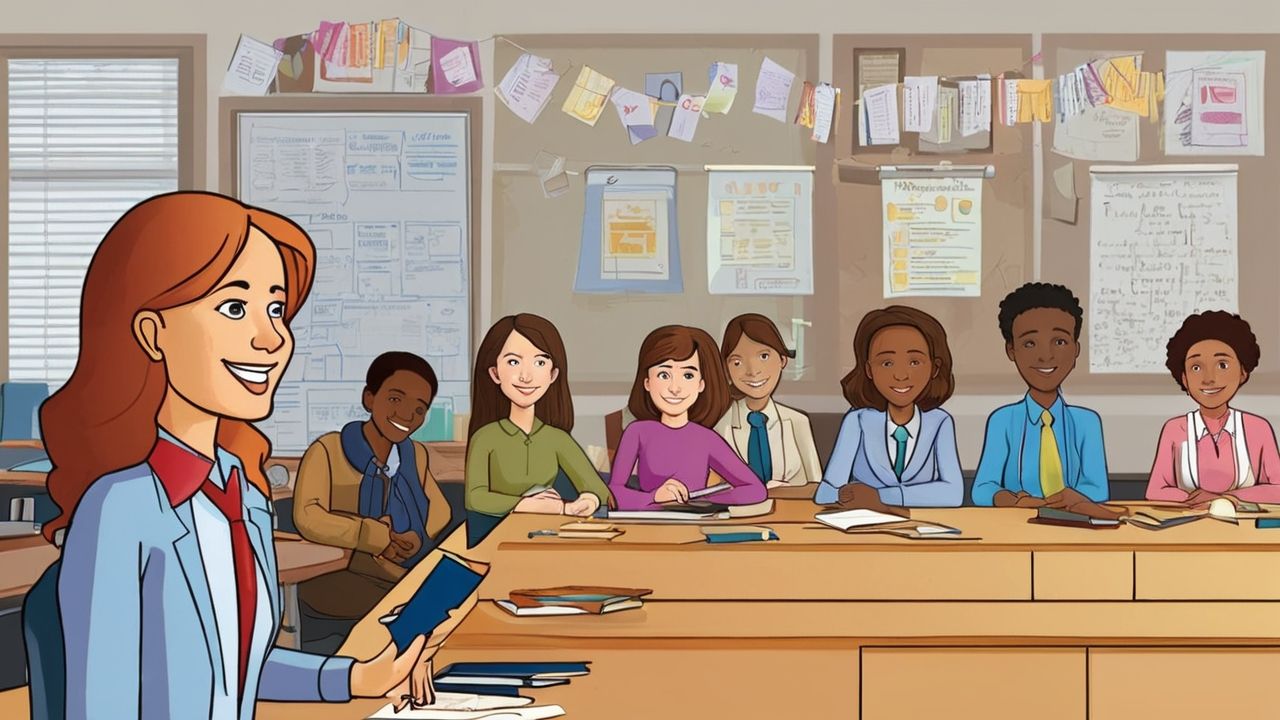
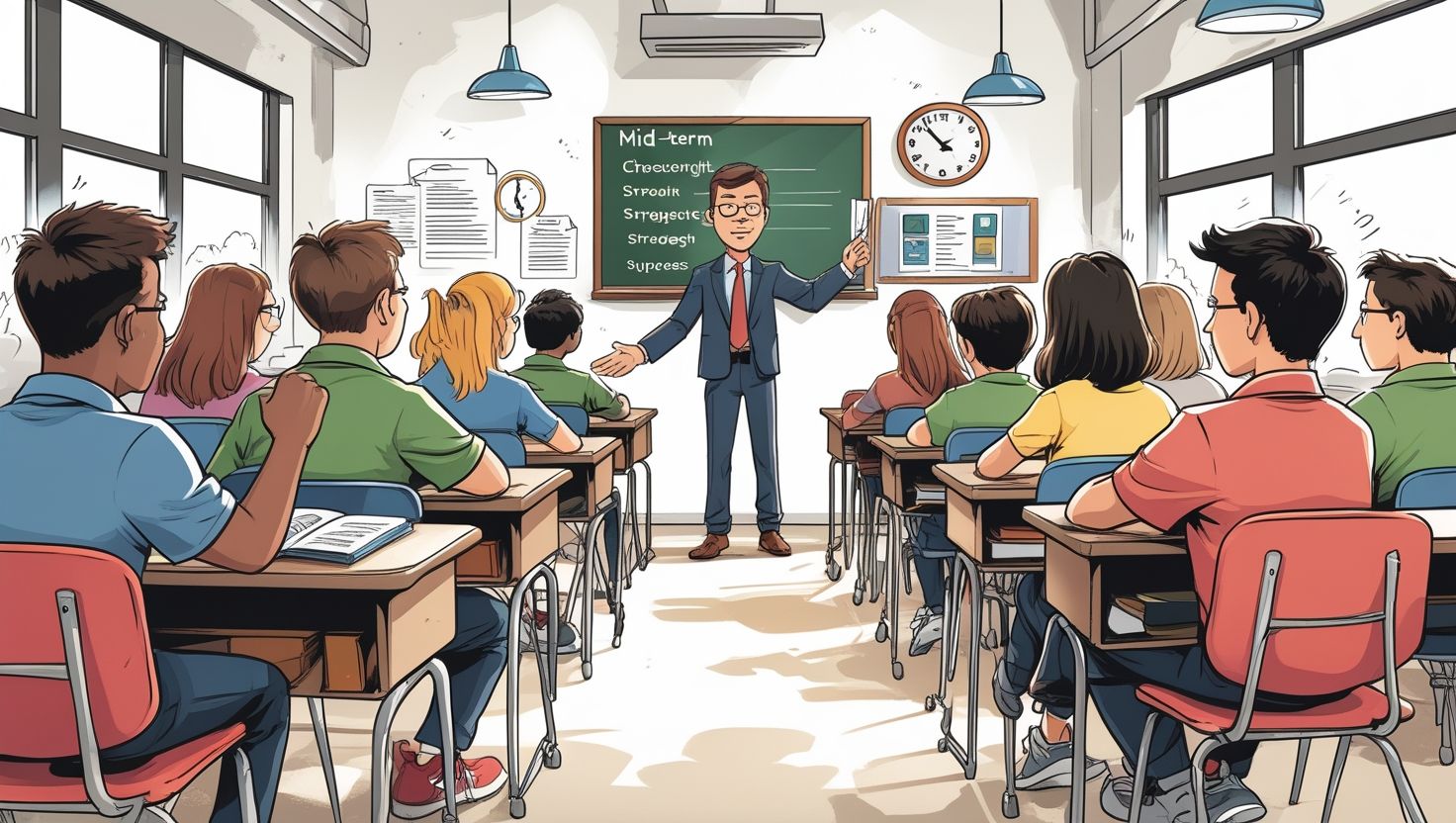
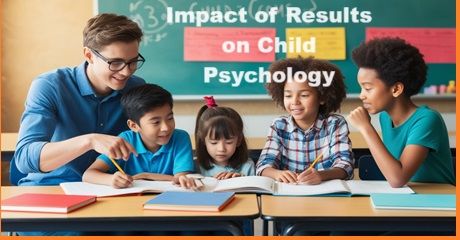
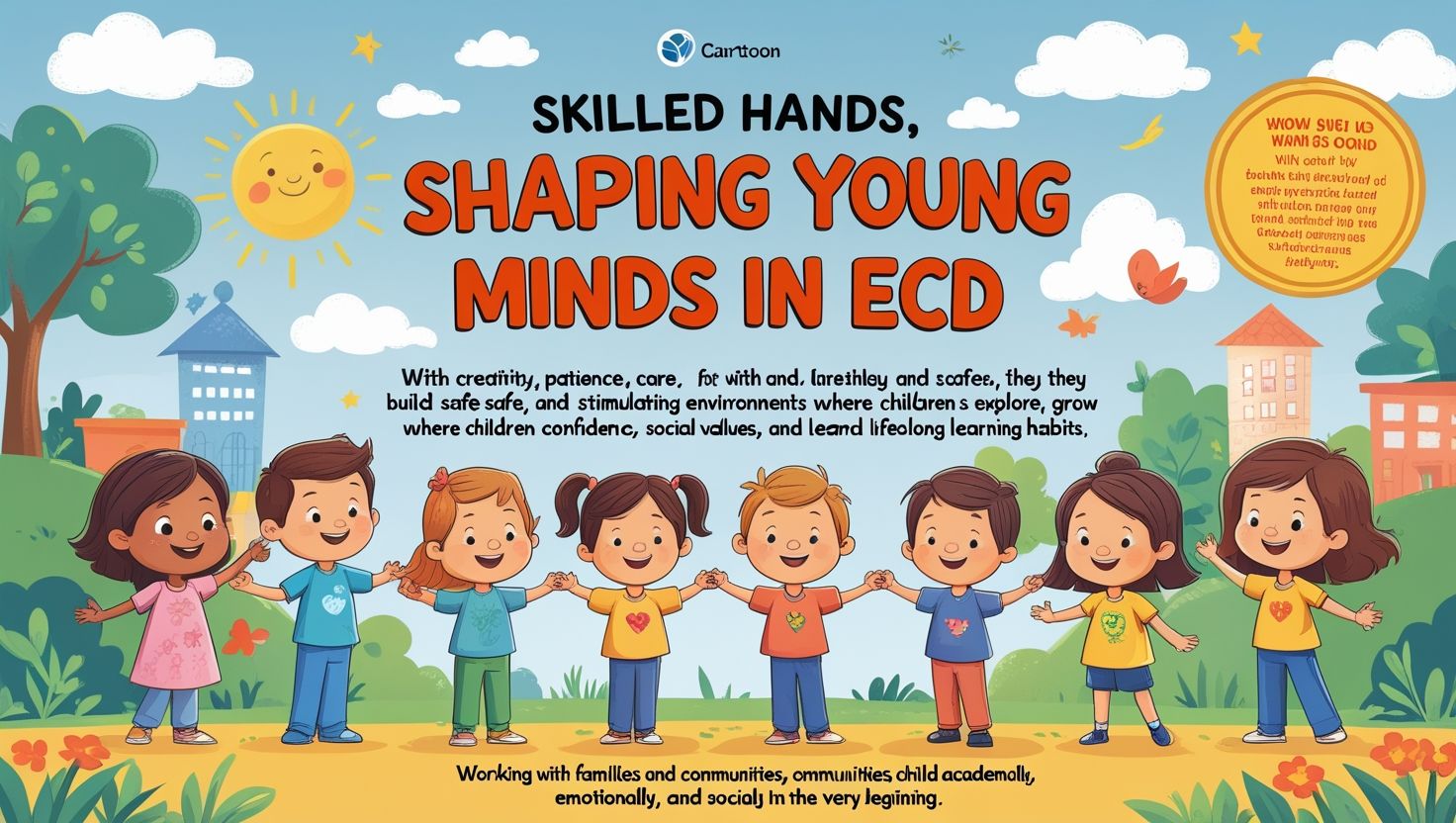
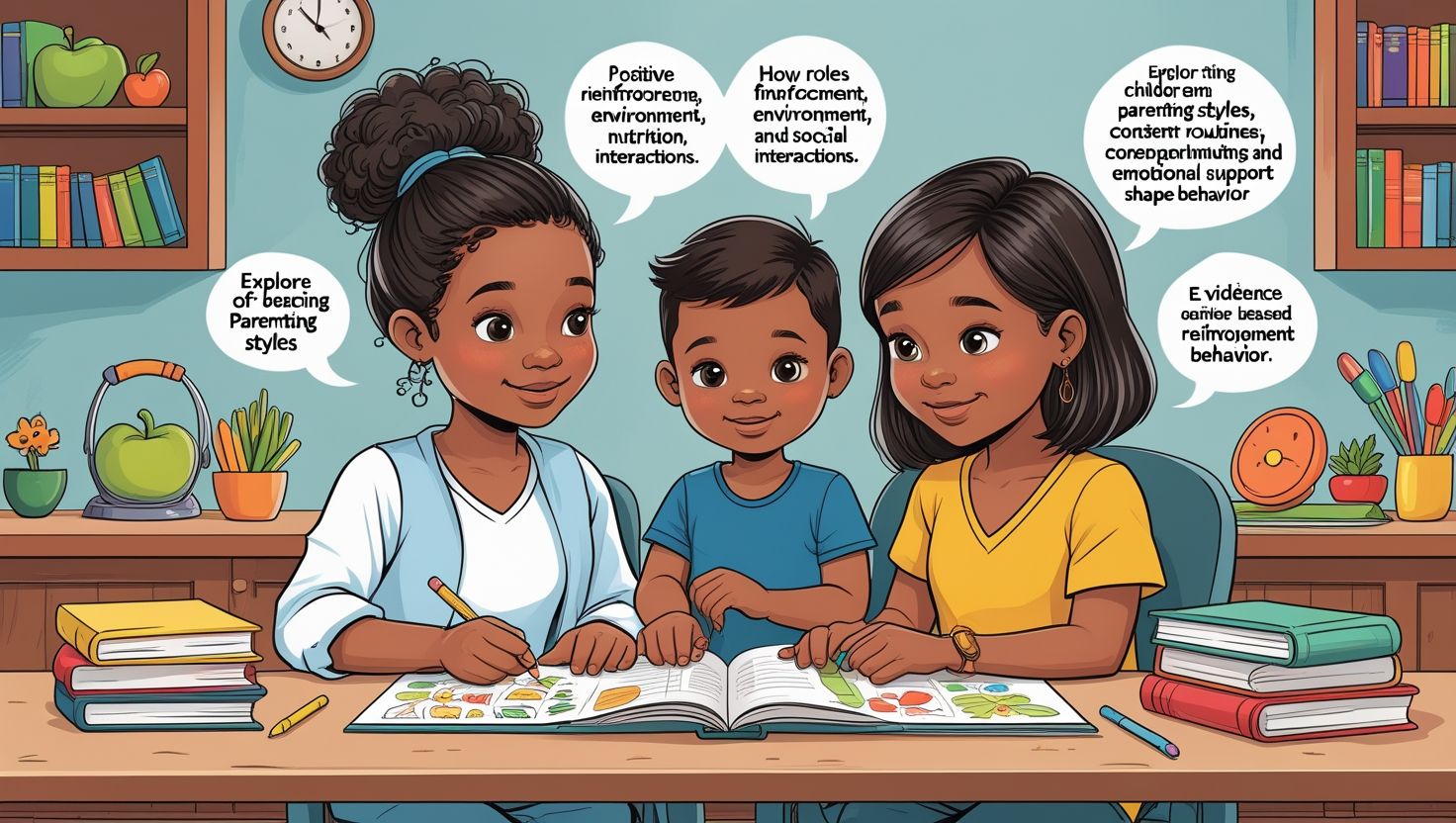
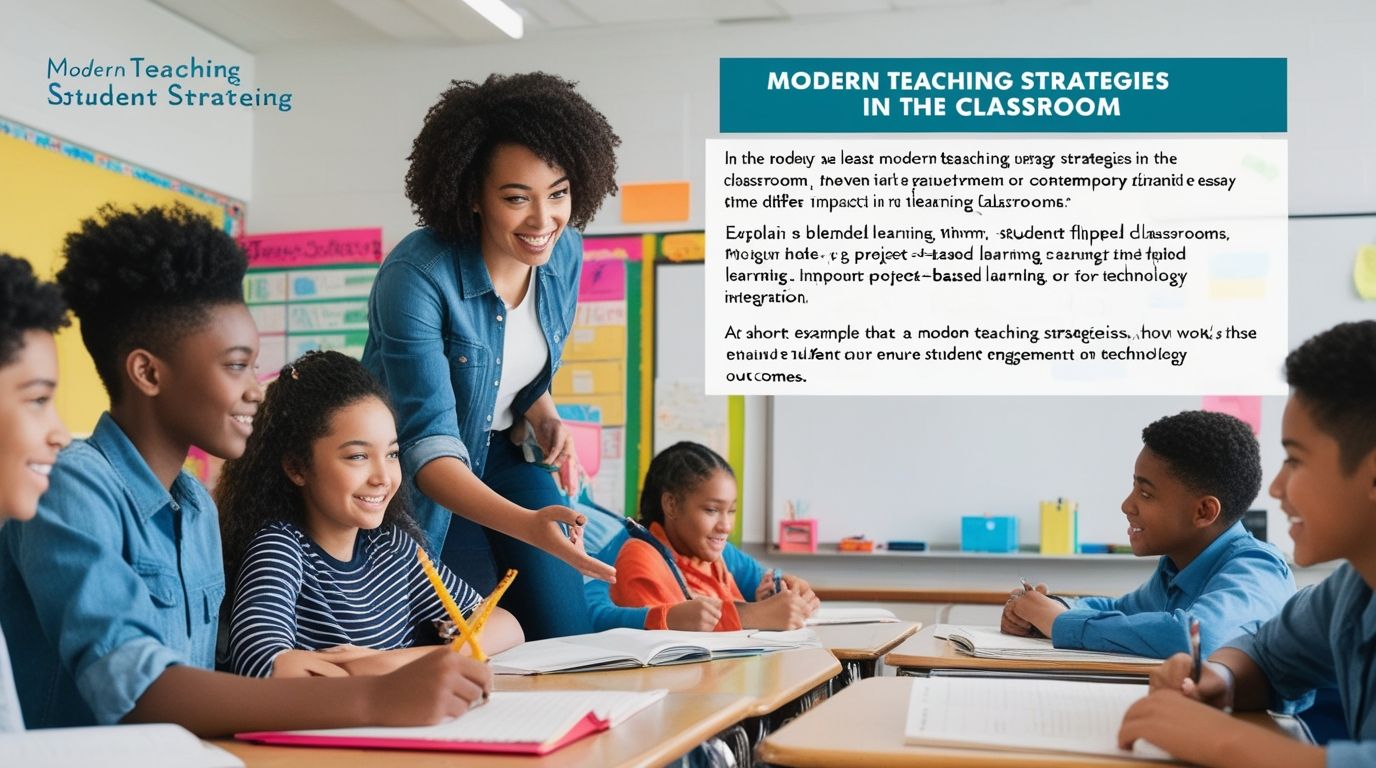
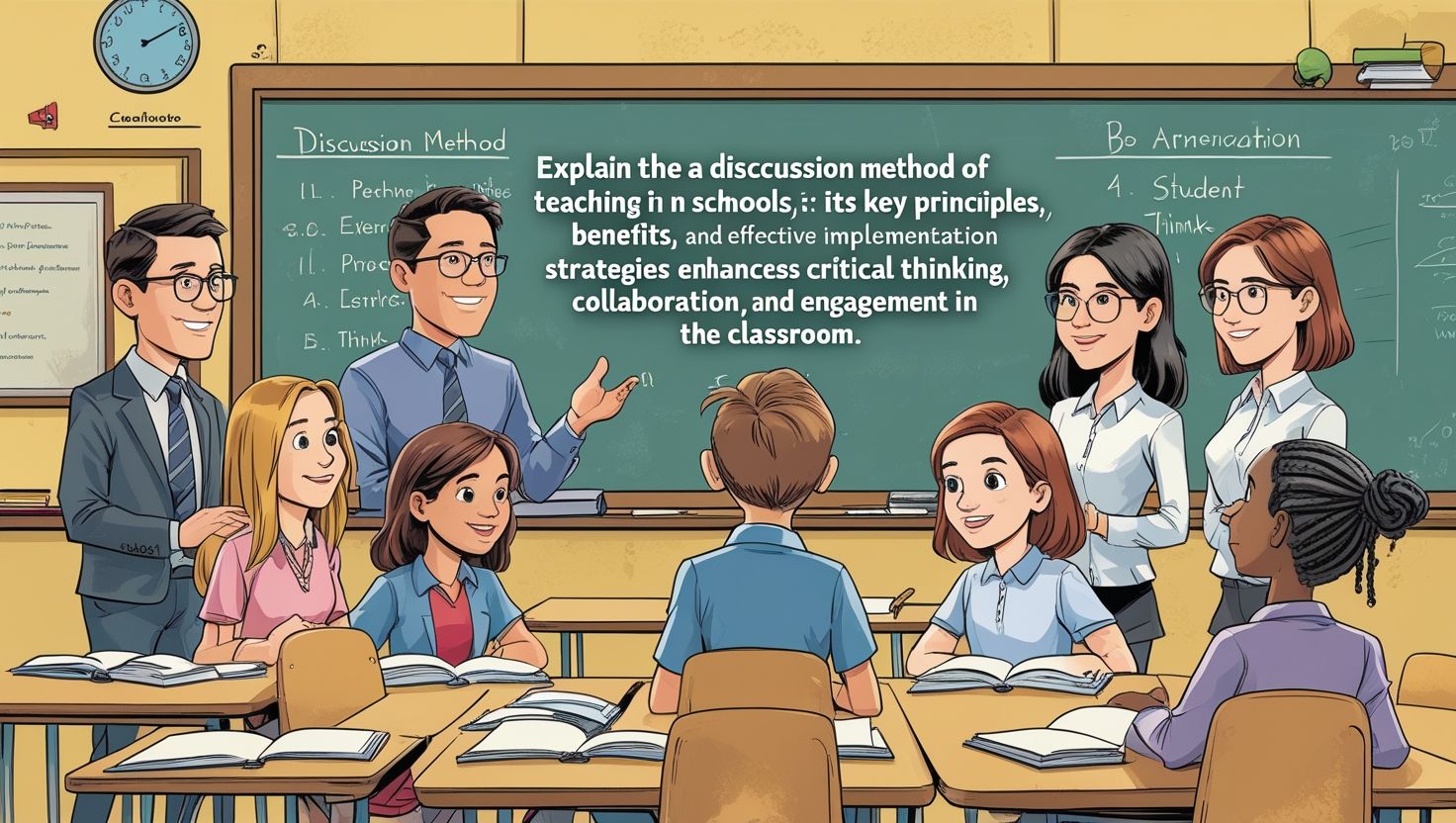
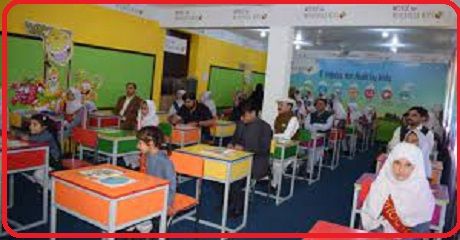
Creating Supportive Educational Environments in Classrooms, Education is not only concerned with the transmission of knowledge but also with the development of learners’ emotional, social, intellectual, and moral capacities. A classroom is more than a physical space where lessons are delivered; it is a learning community where students interact, grow, and develop their identities. The quality of the classroom environment greatly influences students’ academic achievement, motivation, behavior, confidence, and overall well-being. Therefore, creating supportive educational environments in classrooms has become one of the most important responsibilities of teachers and educational institutions.
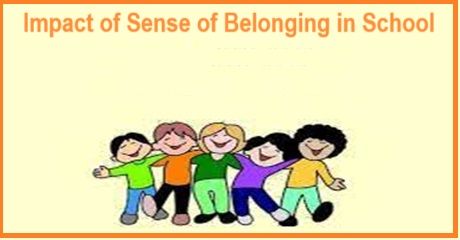
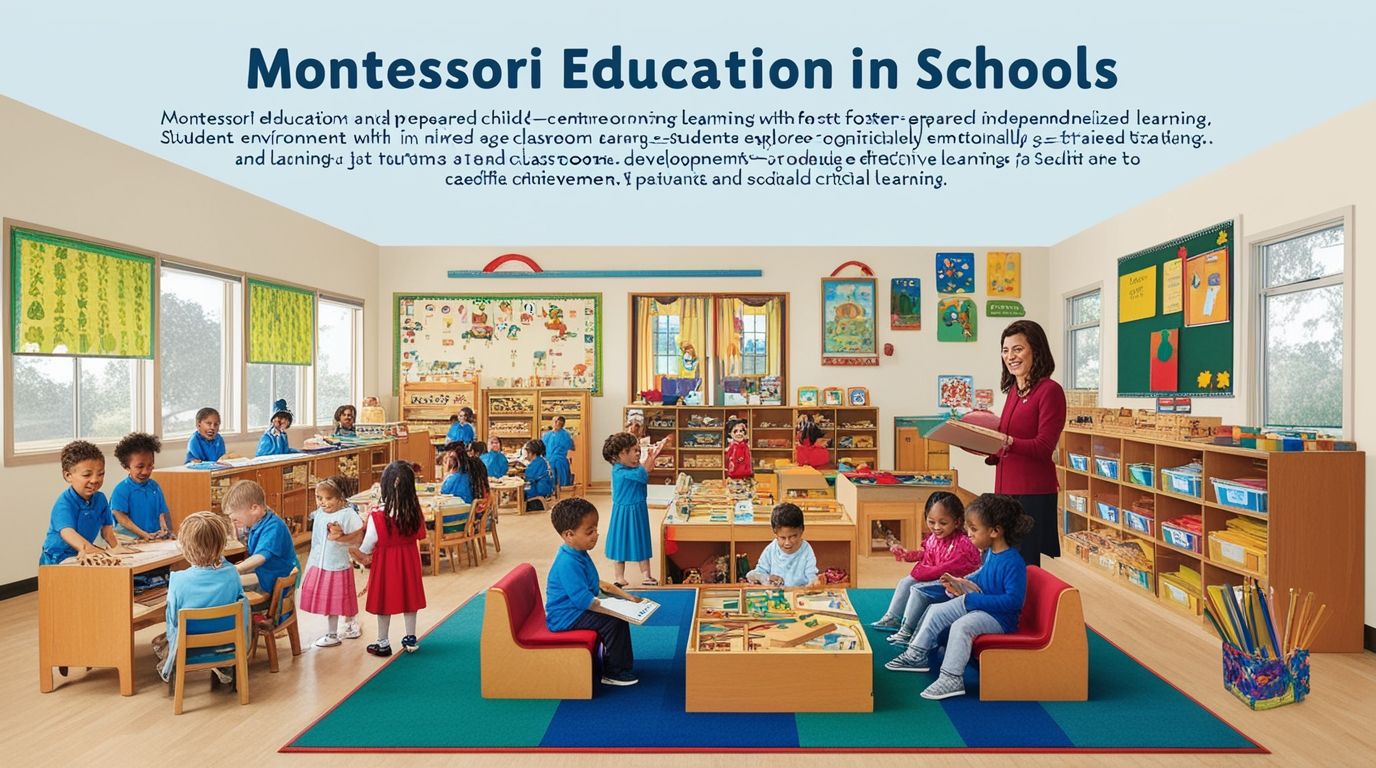
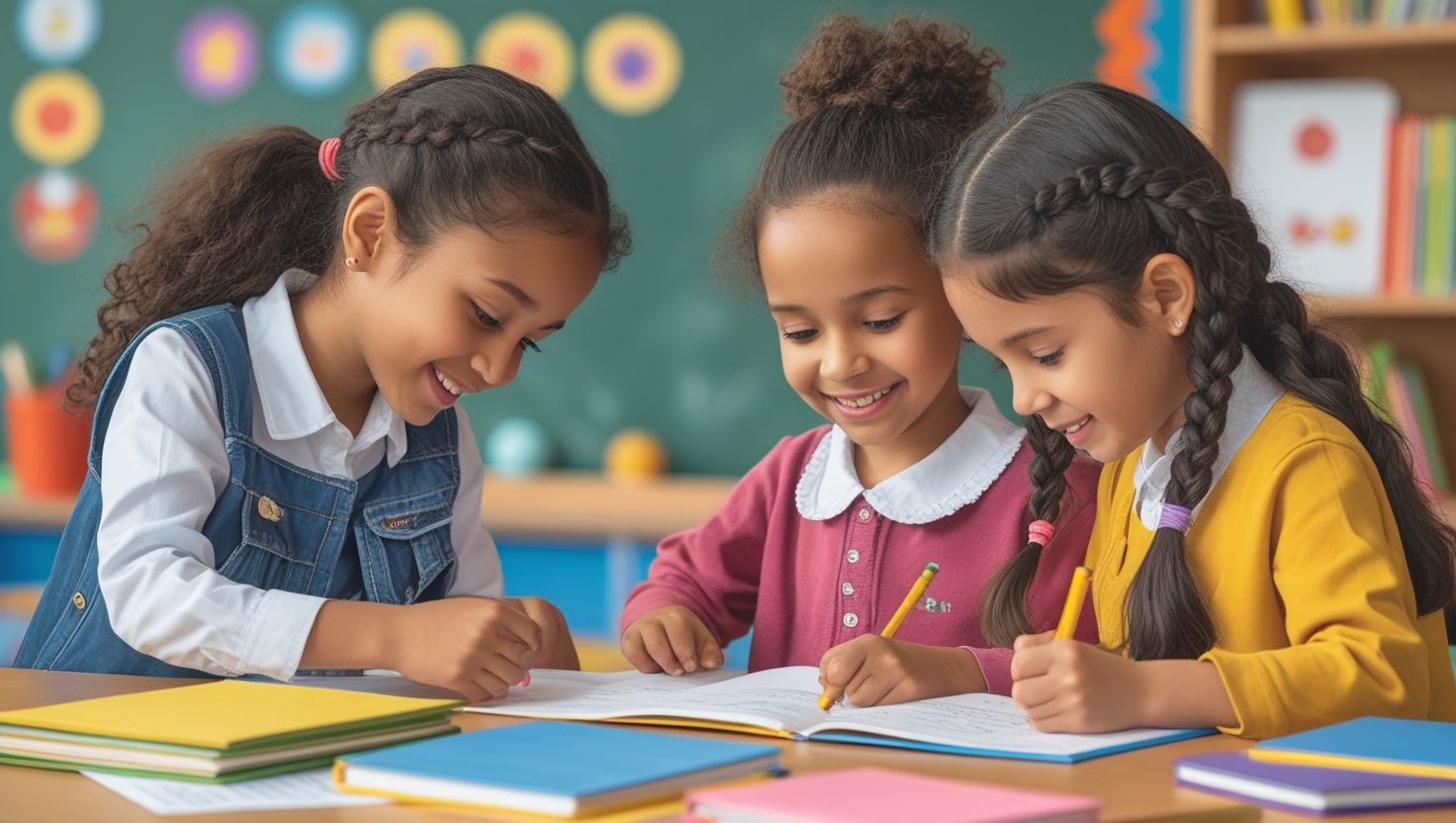
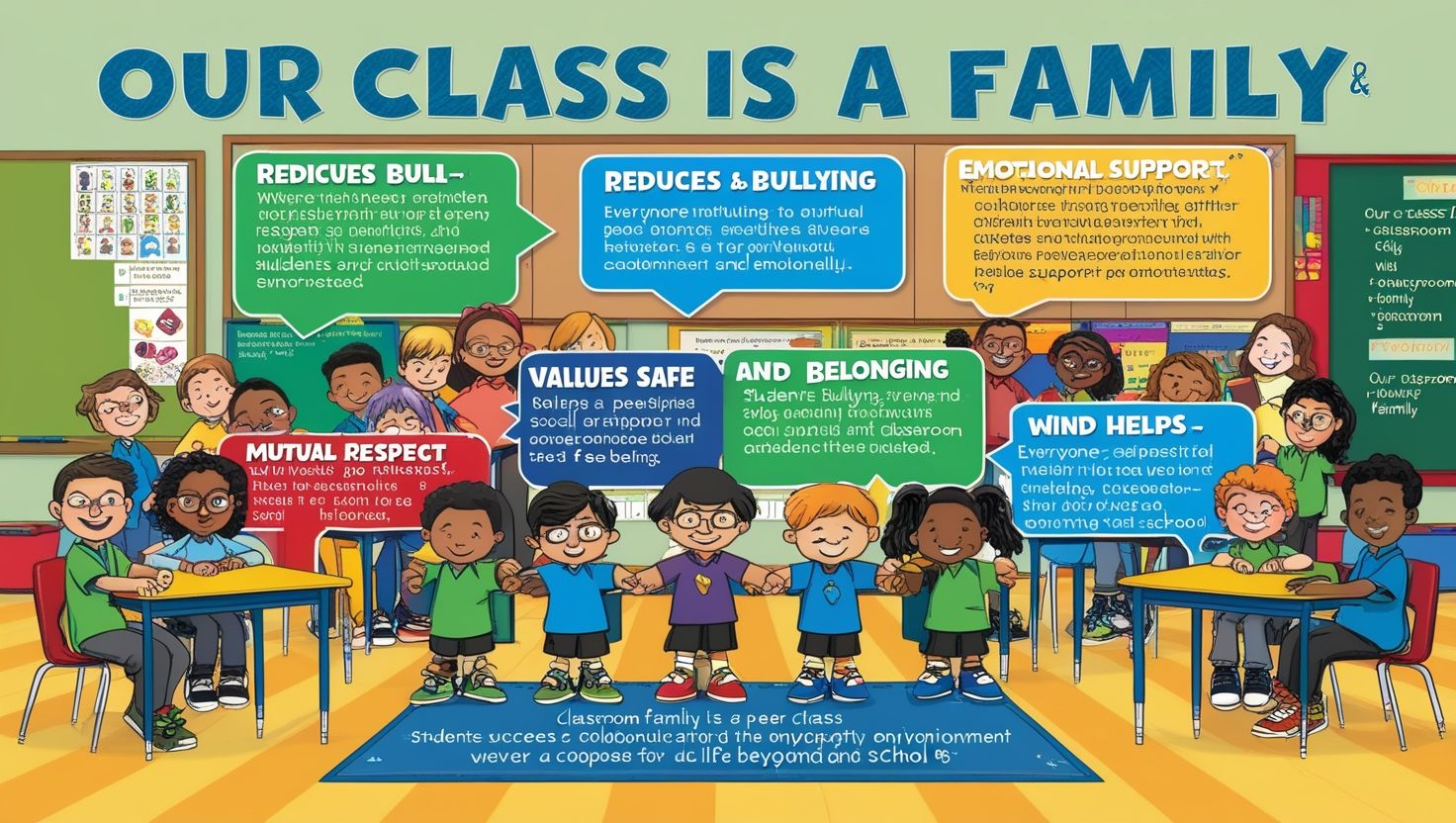
A supportive educational environment refers to a classroom atmosphere where learners feel safe, respected, valued, encouraged, and motivated to participate actively in learning. Such environments promote trust, cooperation, inclusivity, creativity, and positive relationships between teachers and students. In supportive classrooms, students are more willing to express ideas, ask questions, take academic risks, and collaborate with others without fear of embarrassment or discrimination.
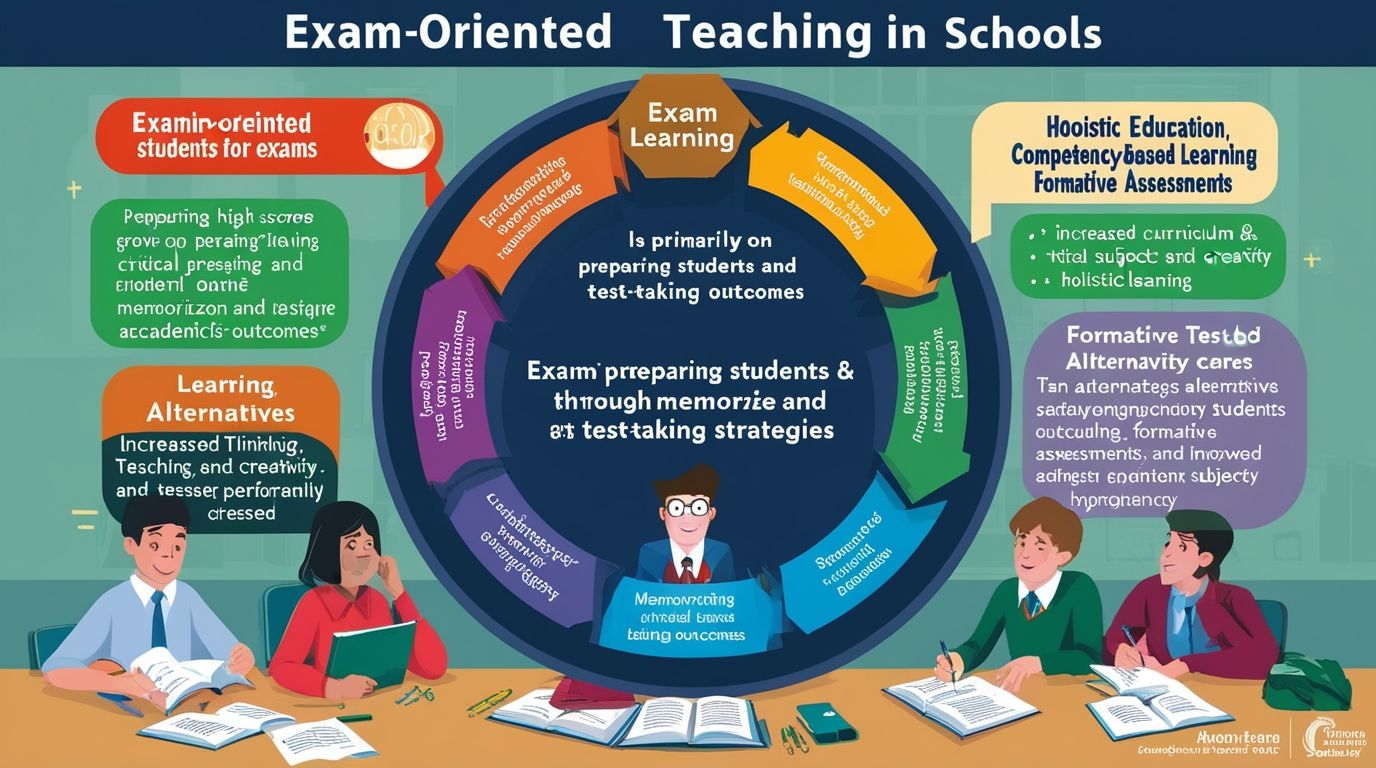
Modern educational theories emphasize learner-centered pedagogy, emotional well-being, inclusivity, and social interaction as essential elements of effective teaching and learning. Research consistently shows that positive classroom environments improve academic performance, reduce behavioral problems, and strengthen emotional development. Teachers therefore play a central role in establishing classroom cultures that support learning and human development.
This article explores the meaning, characteristics, importance, principles, strategies, challenges, and future directions related to creating supportive educational environments in classrooms.
Meaning and Concept of Supportive Educational Environments
A supportive educational environment is a learning setting that encourages academic, emotional, social, and personal development among learners. It is characterized by positive relationships, mutual respect, safety, inclusivity, collaboration, and active engagement.
Supportive classrooms are environments where students feel accepted regardless of their abilities, backgrounds, gender, language, religion, or culture. Teachers create these environments by promoting fairness, empathy, encouragement, and open communication.
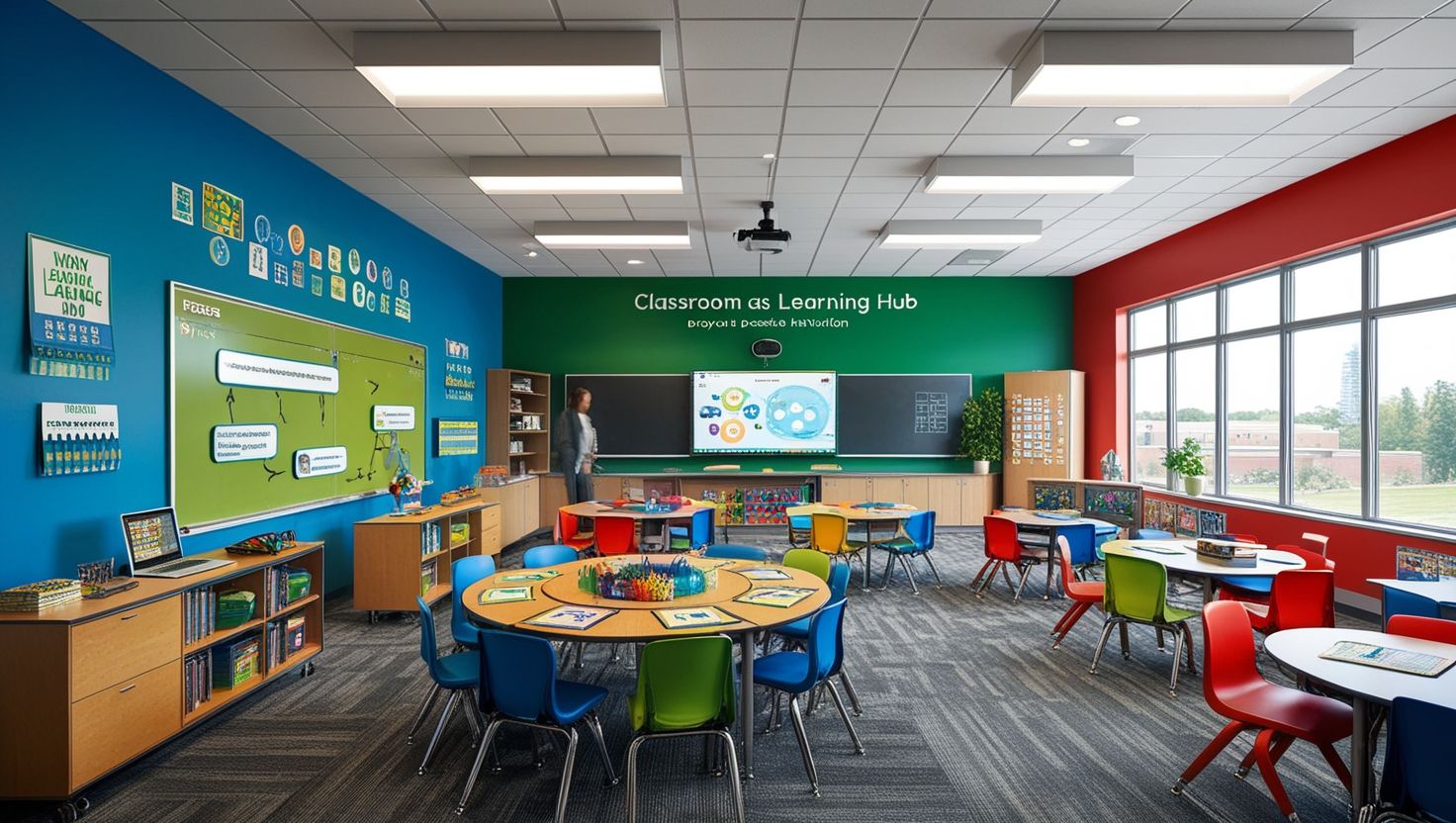
Such environments go beyond physical classroom arrangements. While clean, organized, and comfortable classrooms are important, supportive educational environments also include emotional and psychological dimensions. Students must feel emotionally secure and confident in order to participate fully in learning activities.
In learner-centered classrooms, supportive environments encourage students to become active participants in their education. Teachers act as facilitators and mentors who guide learners through meaningful interaction, discussion, reflection, and collaboration.
Importance of Supportive Classroom Environments
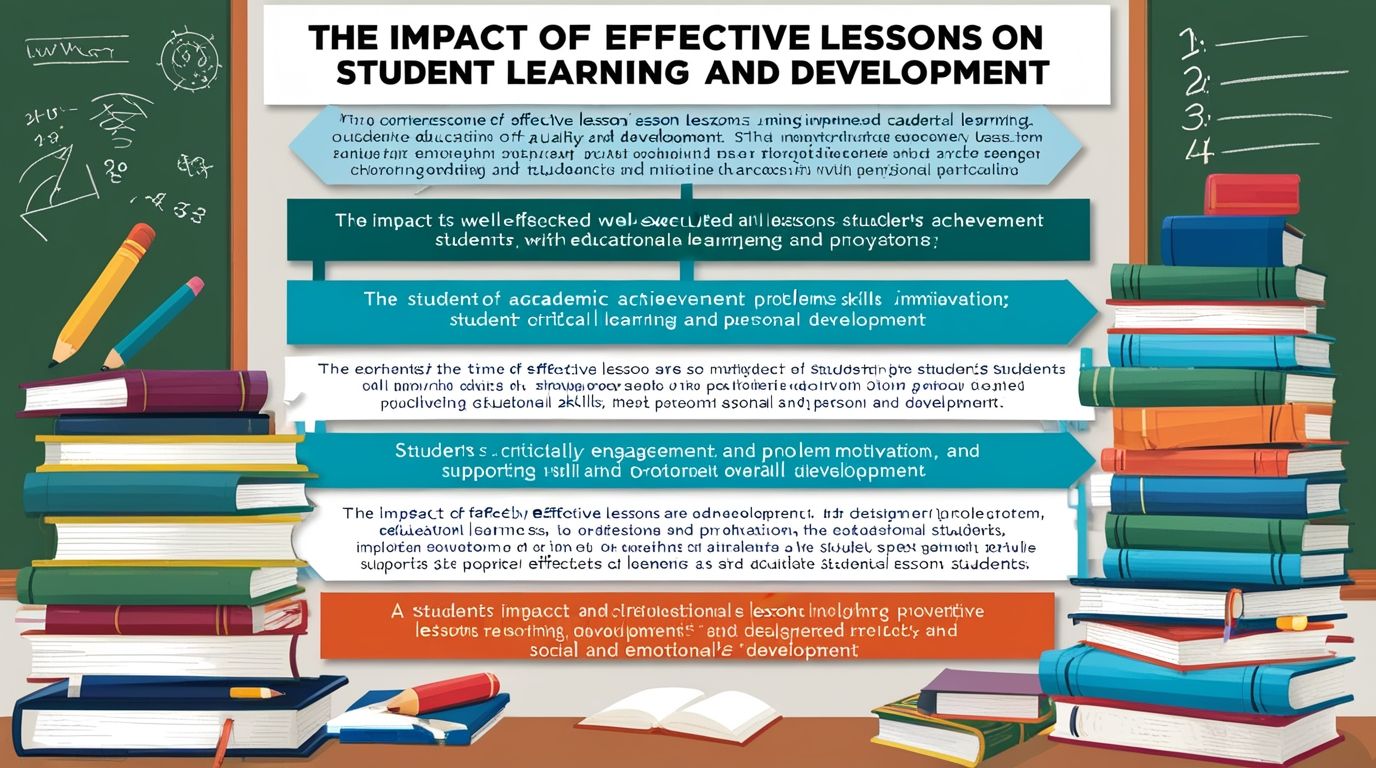
Supportive educational environments are essential because they directly influence students’ learning experiences and outcomes. One major benefit is improved academic performance. Students learn more effectively when they feel comfortable, motivated, and emotionally secure.
Positive classroom environments also increase learner engagement. Students are more likely to participate actively in discussions, group activities, and problem-solving tasks when they feel respected and encouraged.
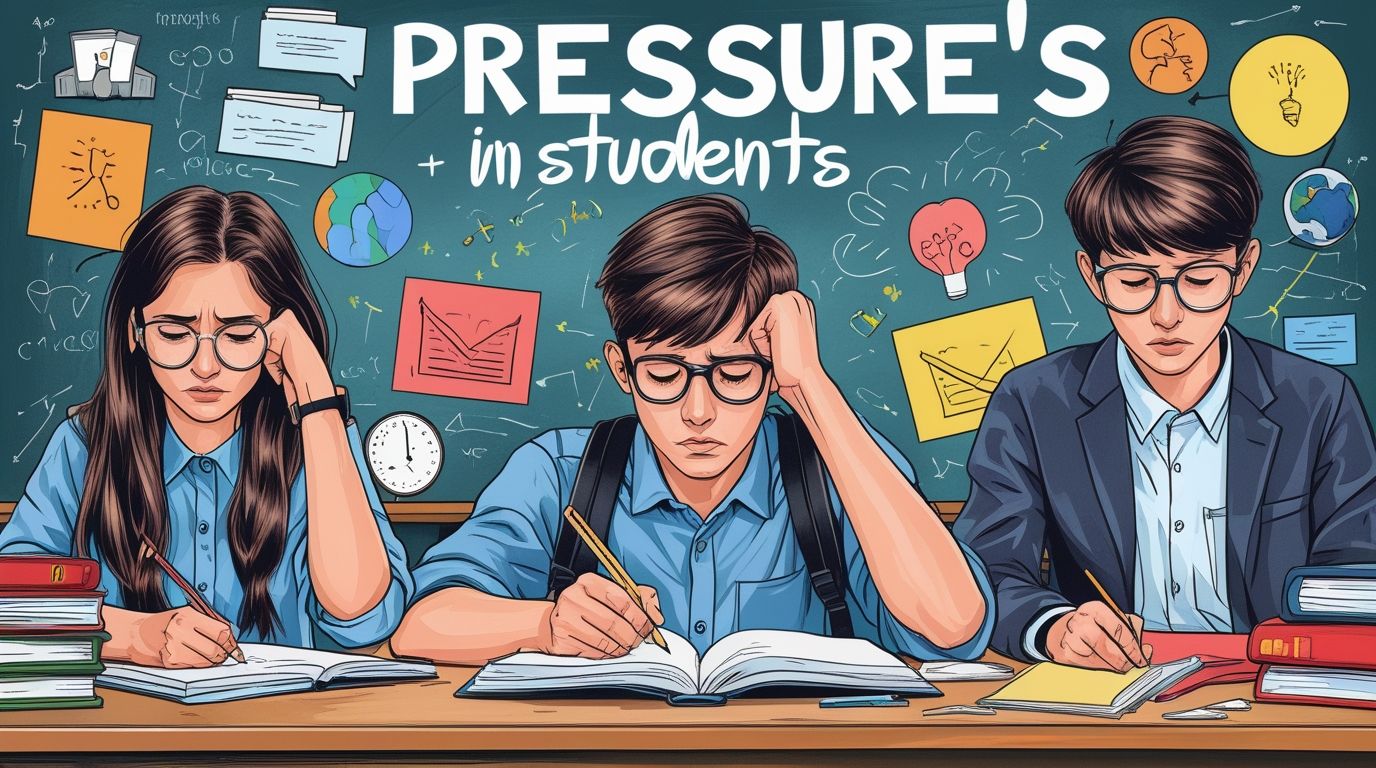
Supportive environments reduce stress, anxiety, and fear among learners. Many students struggle academically not because of lack of ability but because of emotional insecurity, fear of failure, or negative classroom experiences. Teachers who create encouraging atmospheres help learners build confidence and resilience.
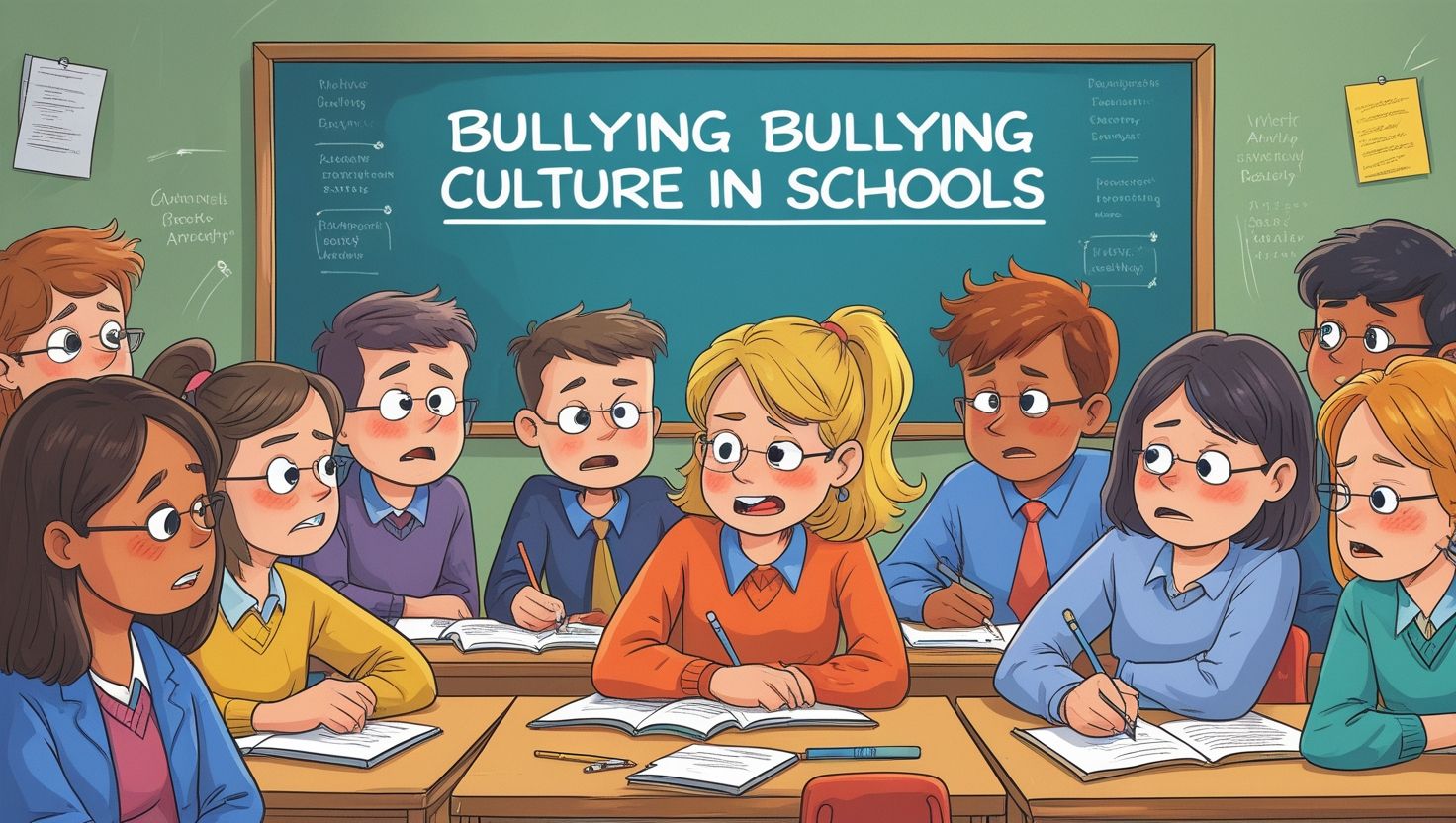
Another important benefit is improved classroom behavior. Respectful and inclusive classrooms reduce conflicts, bullying, and disruptive behavior. Students who feel valued are more likely to demonstrate cooperation, responsibility, and self-discipline.
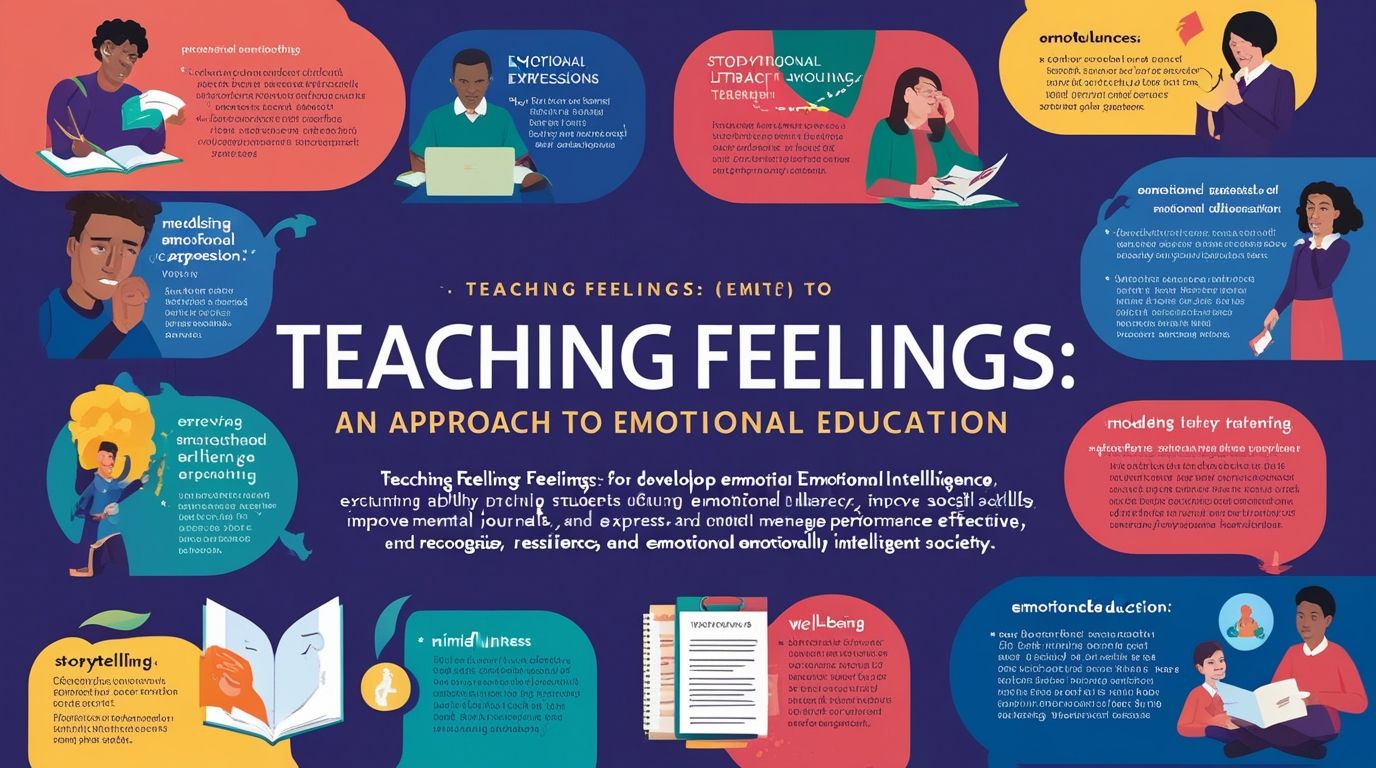
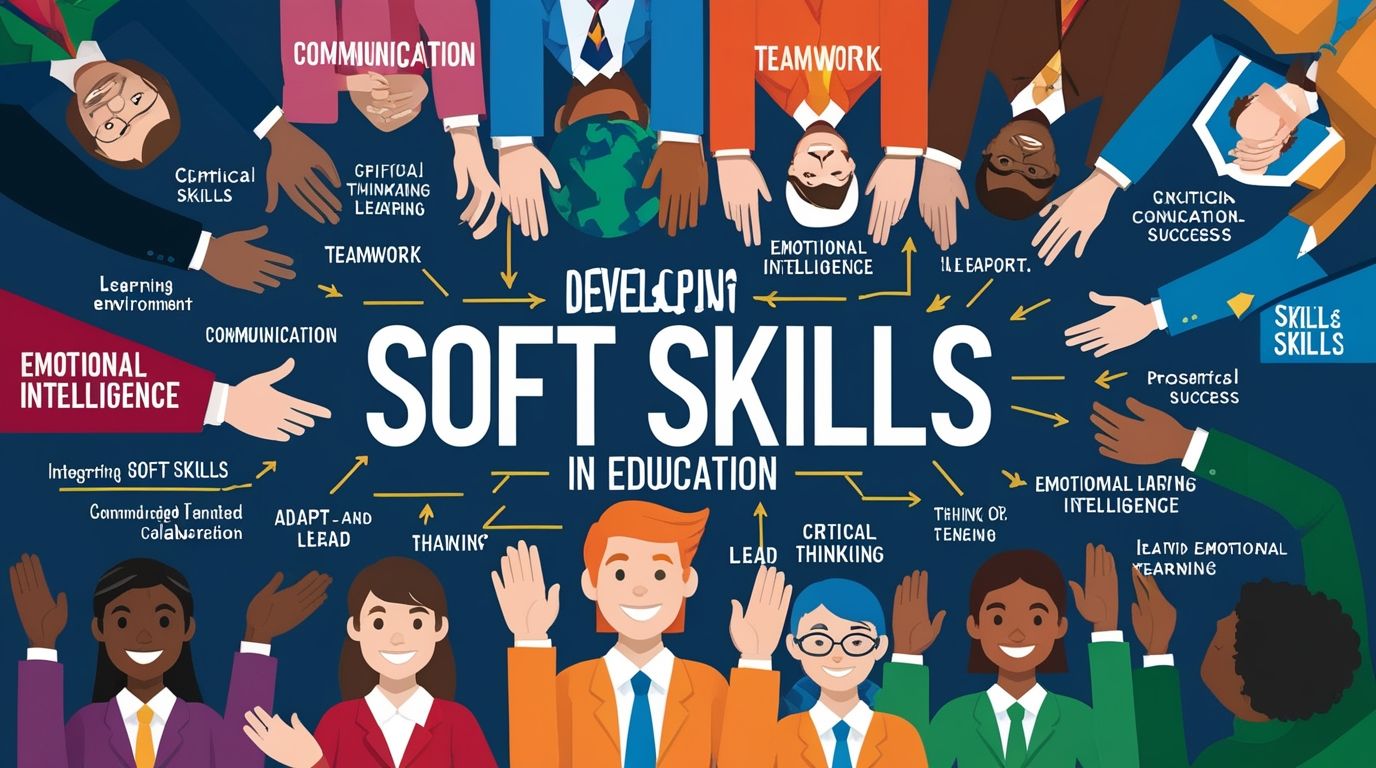
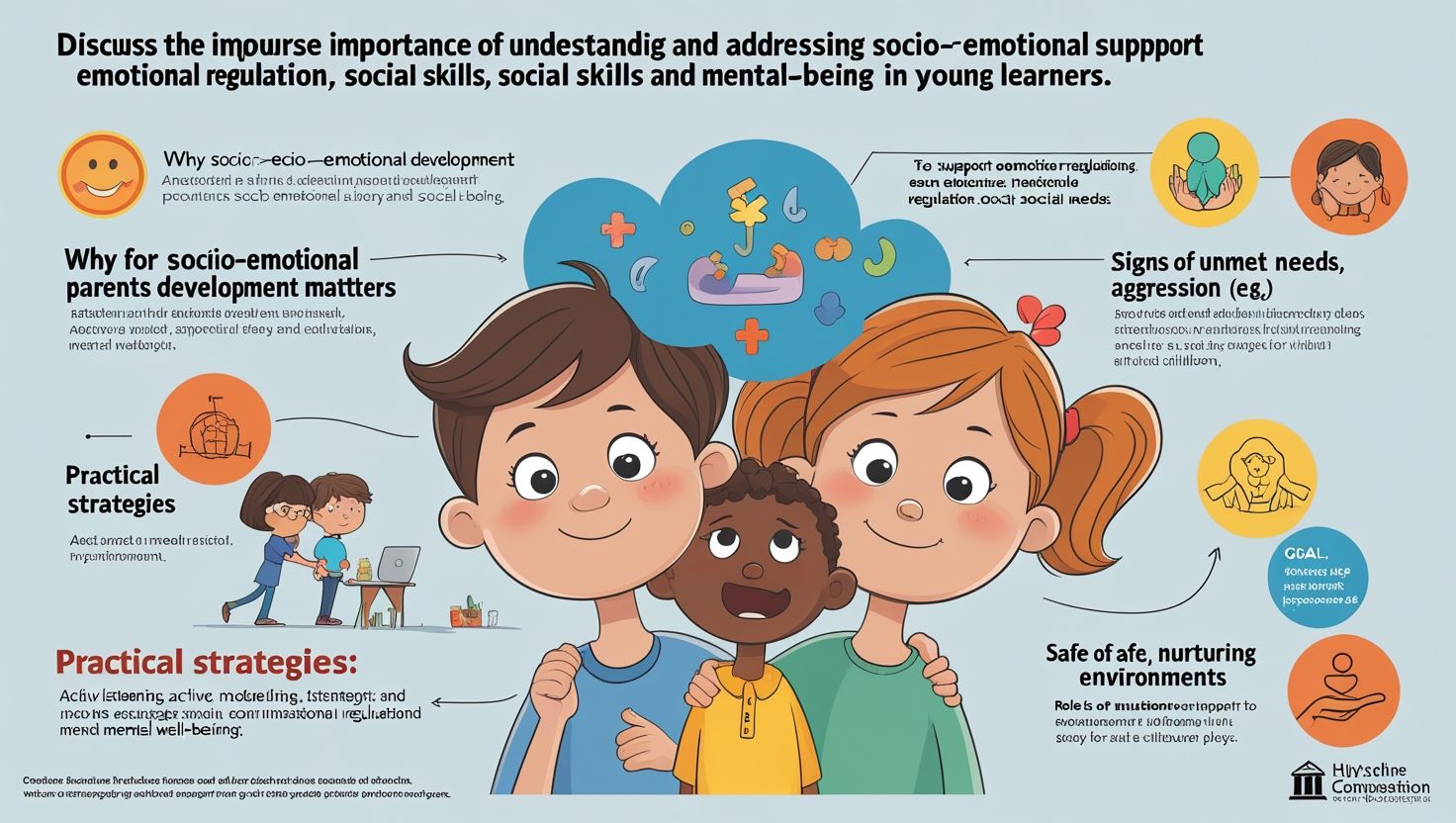
Supportive educational environments also promote social and emotional learning. Learners develop empathy, communication skills, teamwork, and emotional intelligence through positive interaction with teachers and peers.
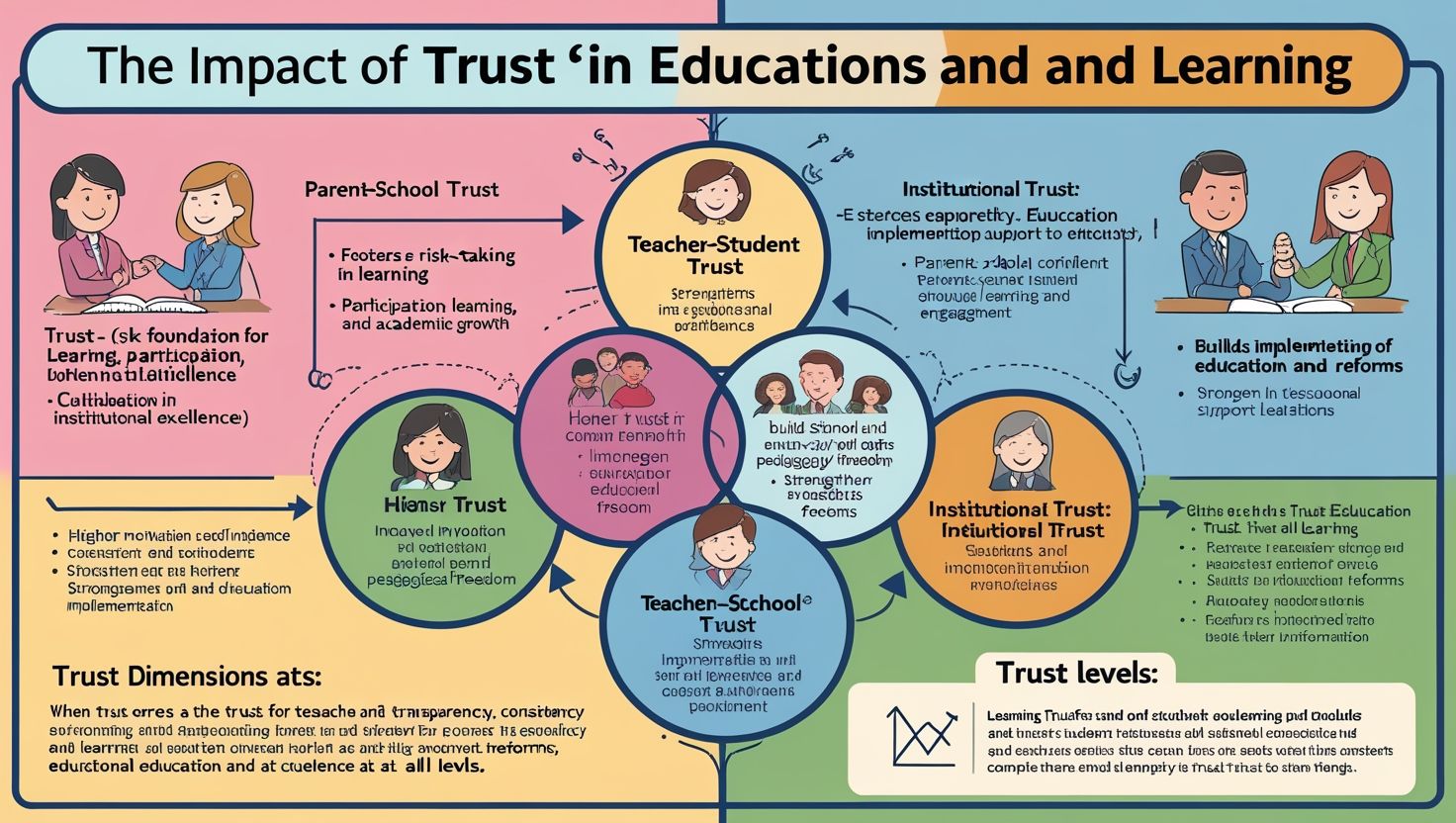
Furthermore, supportive classrooms strengthen teacher-student relationships. Positive relationships improve trust, motivation, and academic achievement. Students who feel connected to teachers are more likely to attend school regularly and engage actively in learning.
Characteristics of Supportive Educational Environments
Several important characteristics define supportive classroom environments.
Safety and Security
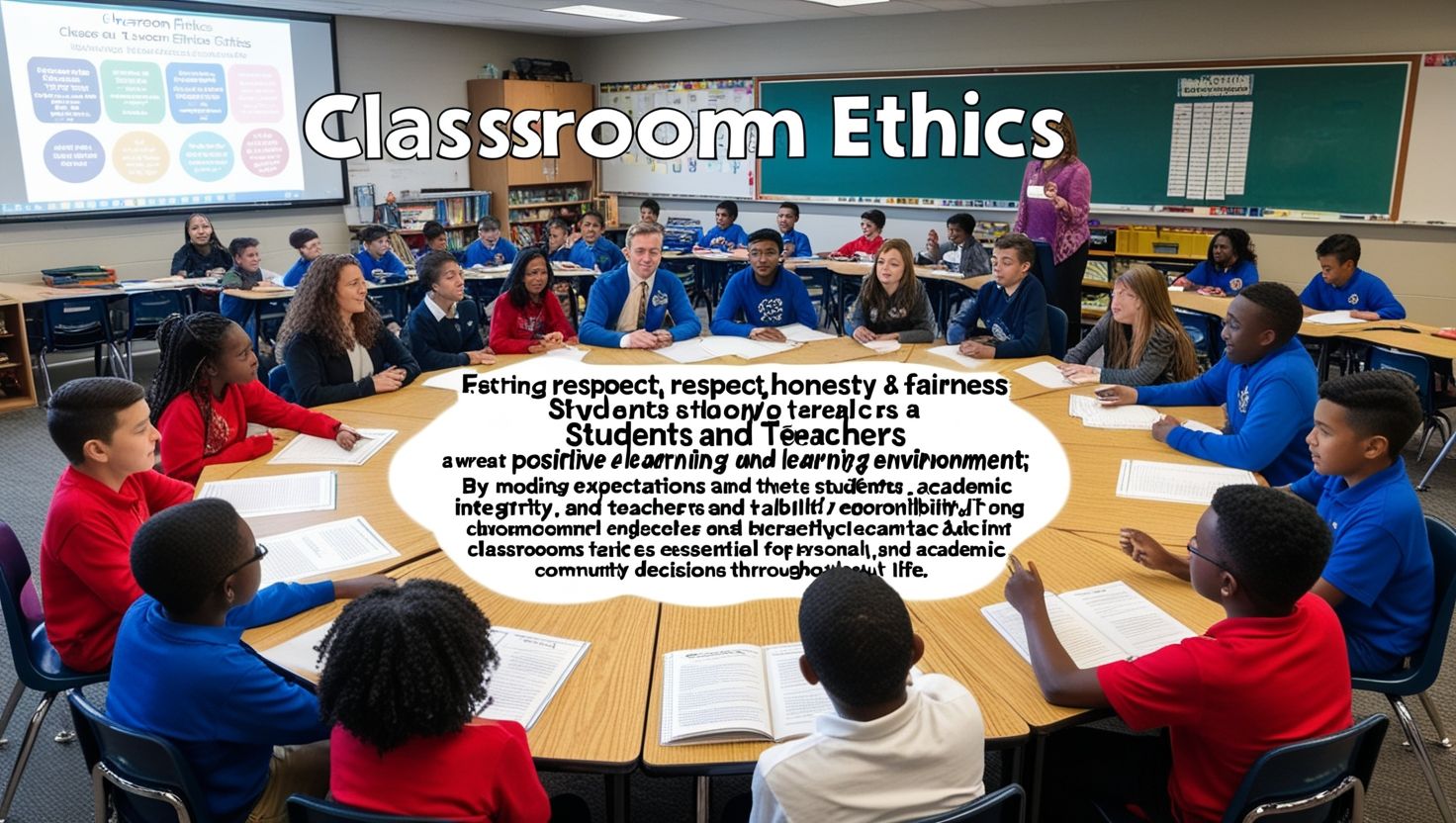
Students must feel physically and emotionally safe in classrooms. Teachers should create environments free from bullying, discrimination, humiliation, and fear. Emotional safety encourages learners to express ideas openly and participate confidently.
Respect and Inclusivity
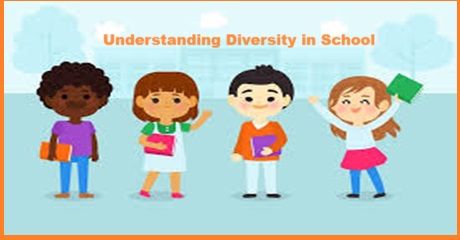
Supportive classrooms promote mutual respect among teachers and students. Diversity is valued, and all learners are treated fairly regardless of cultural, linguistic, social, or academic differences.
Positive Relationships
Strong teacher-student and peer relationships are central to supportive learning environments. Teachers demonstrate empathy, kindness, patience, and understanding, while students learn to cooperate and respect one another.
Active Participation
Students are encouraged to participate in discussions, activities, and decision-making processes. Supportive environments recognize student voice and promote learner autonomy.
Encouragement and Motivation
Teachers provide positive reinforcement, constructive feedback, and encouragement to support learner confidence and growth.
Collaboration and Teamwork
Supportive classrooms encourage cooperation rather than unhealthy competition. Group learning activities promote communication, problem-solving, and teamwork skills.
Role of Teachers in Creating Supportive Environments
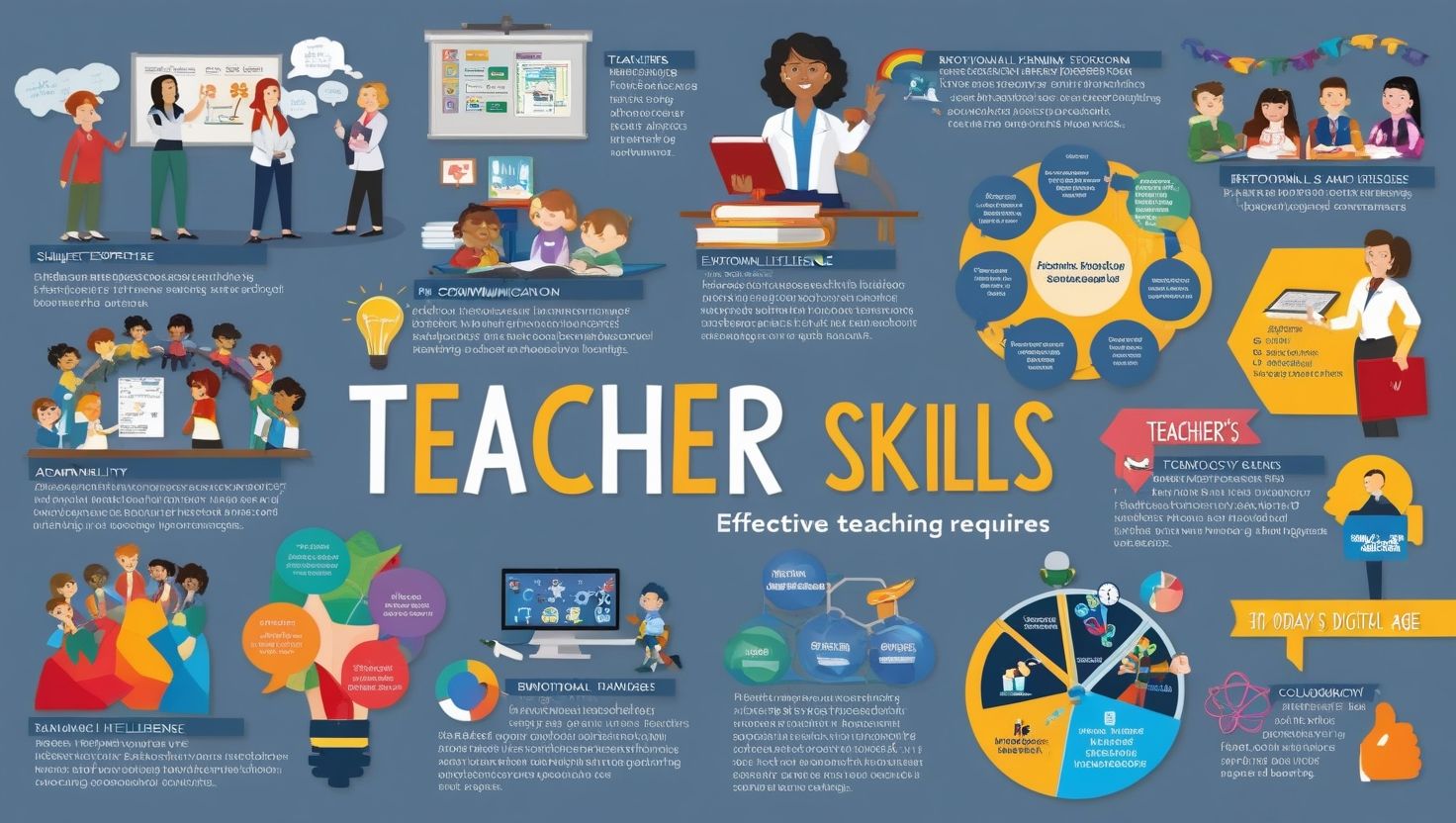
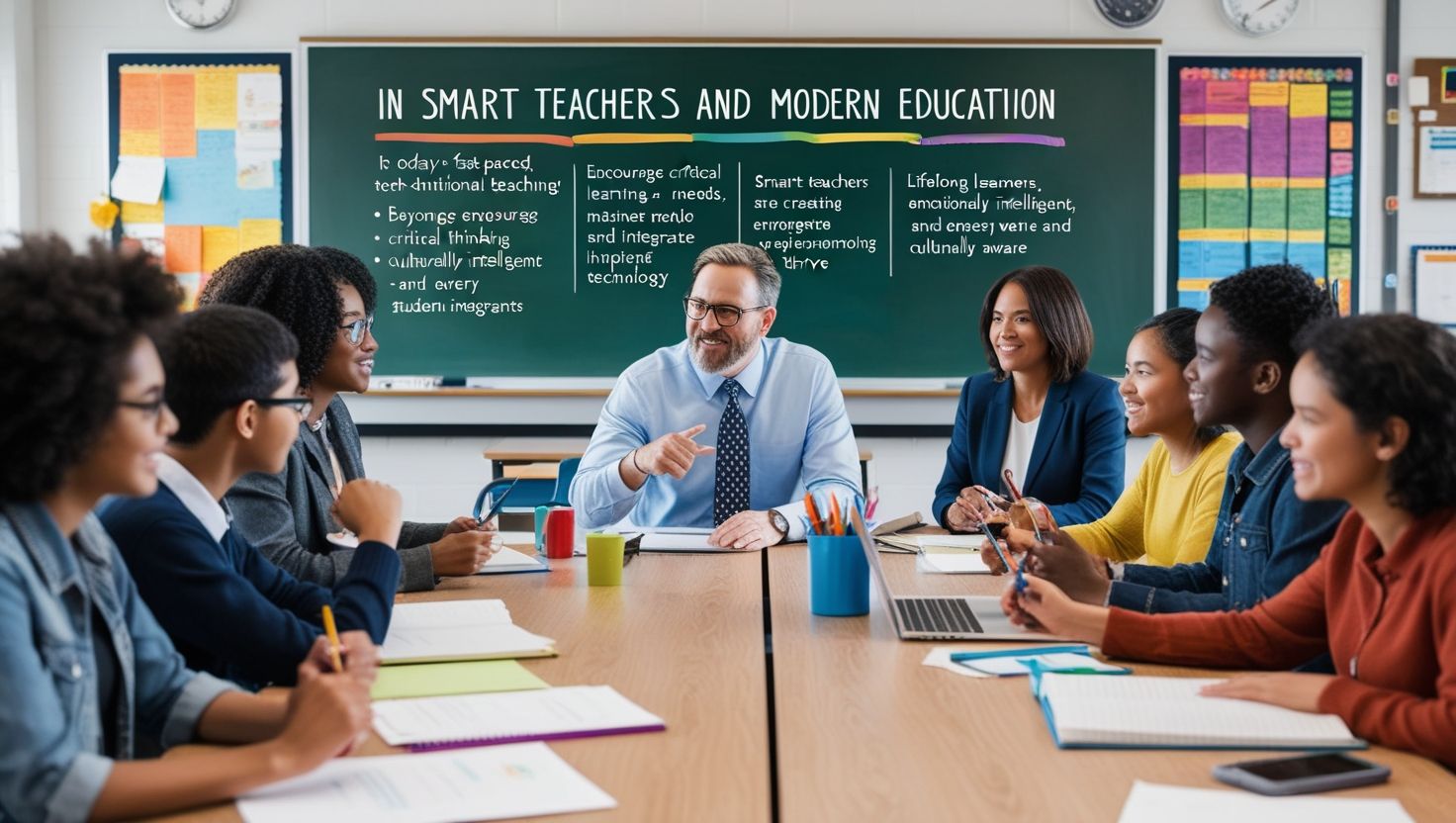
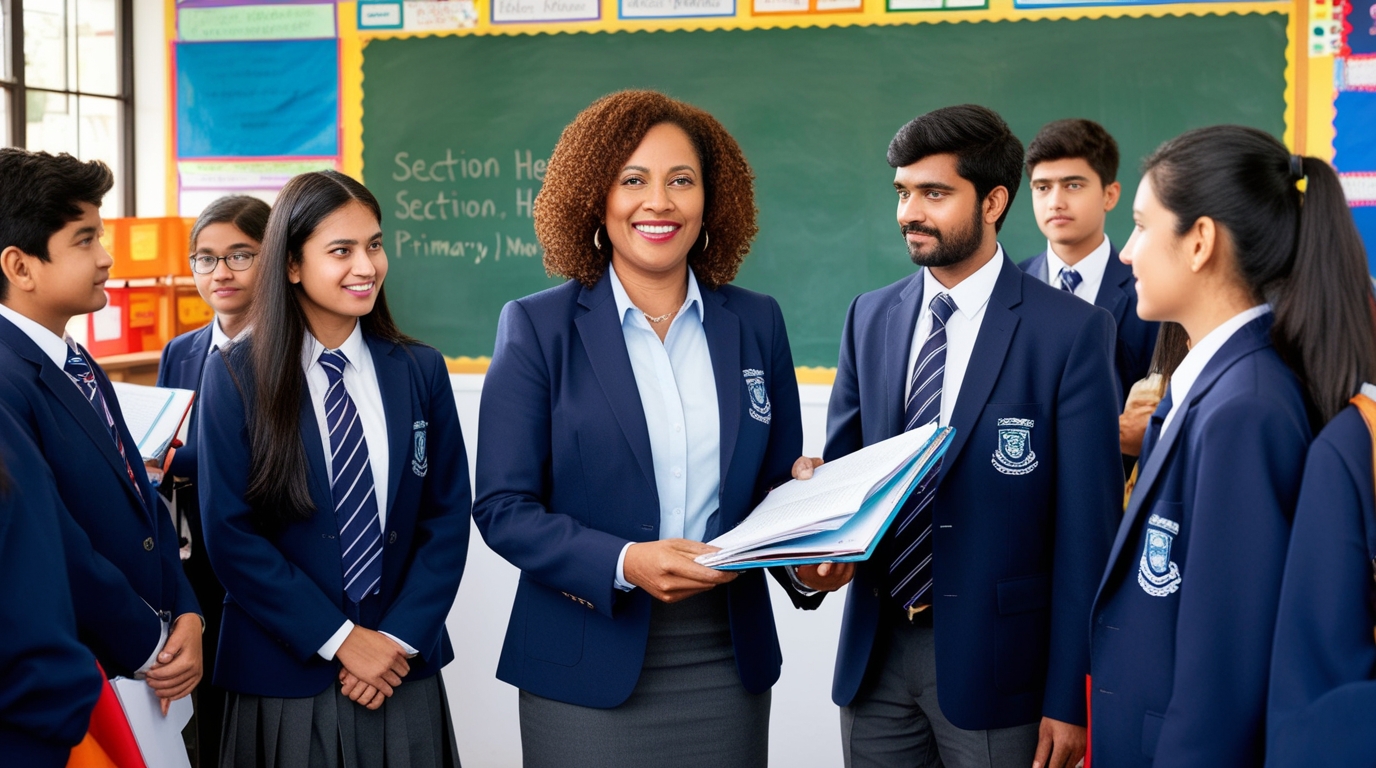
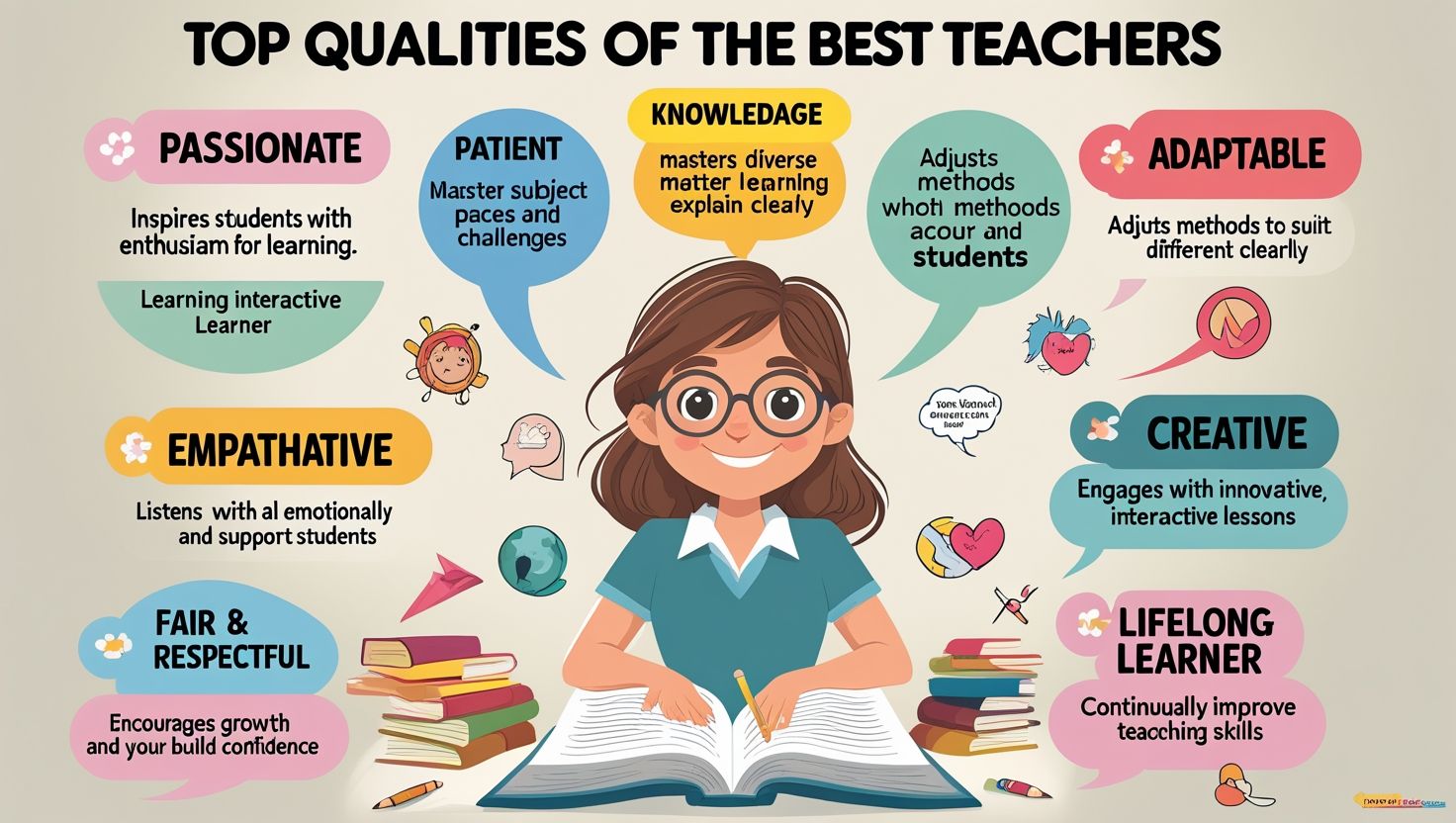
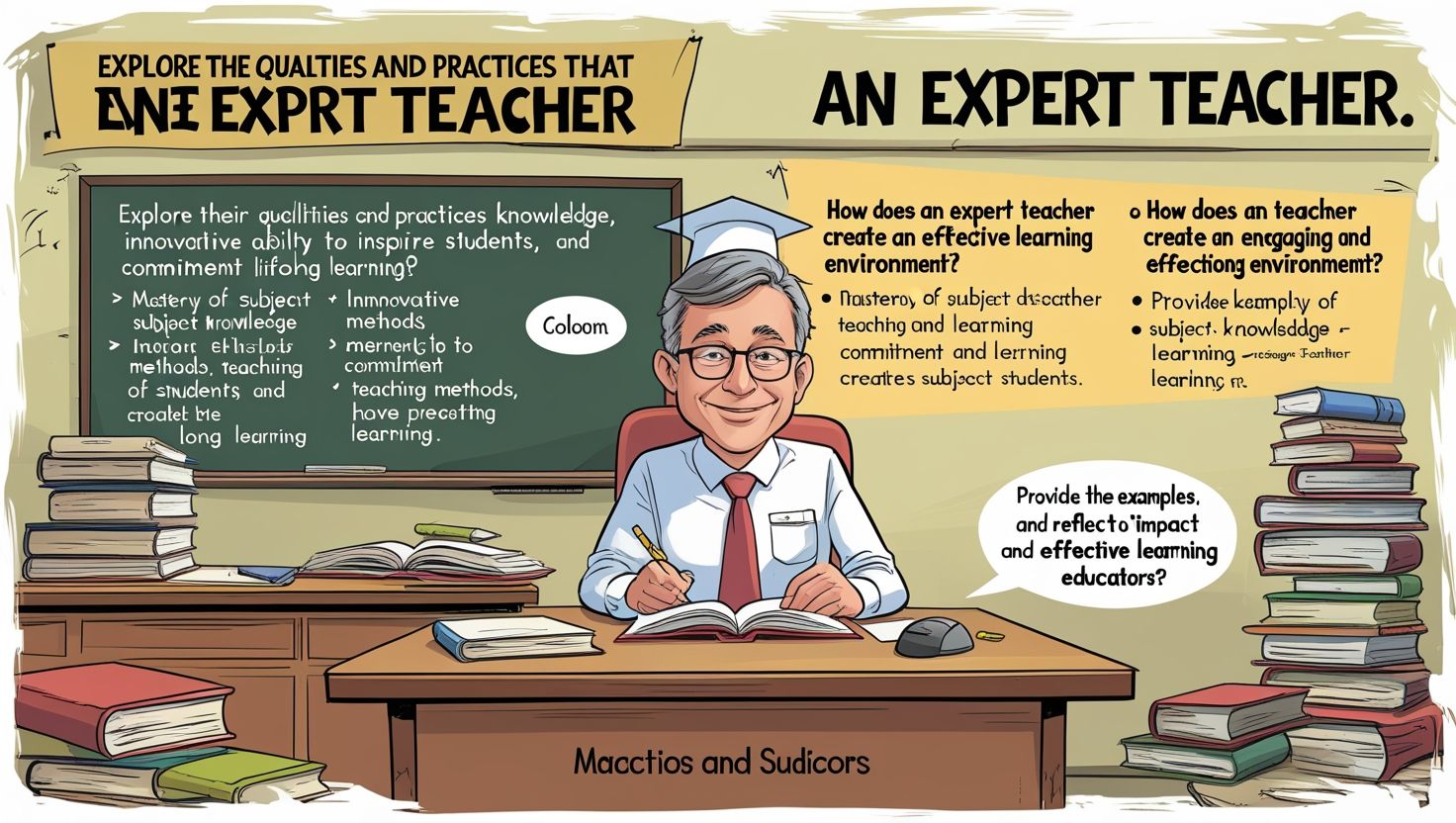
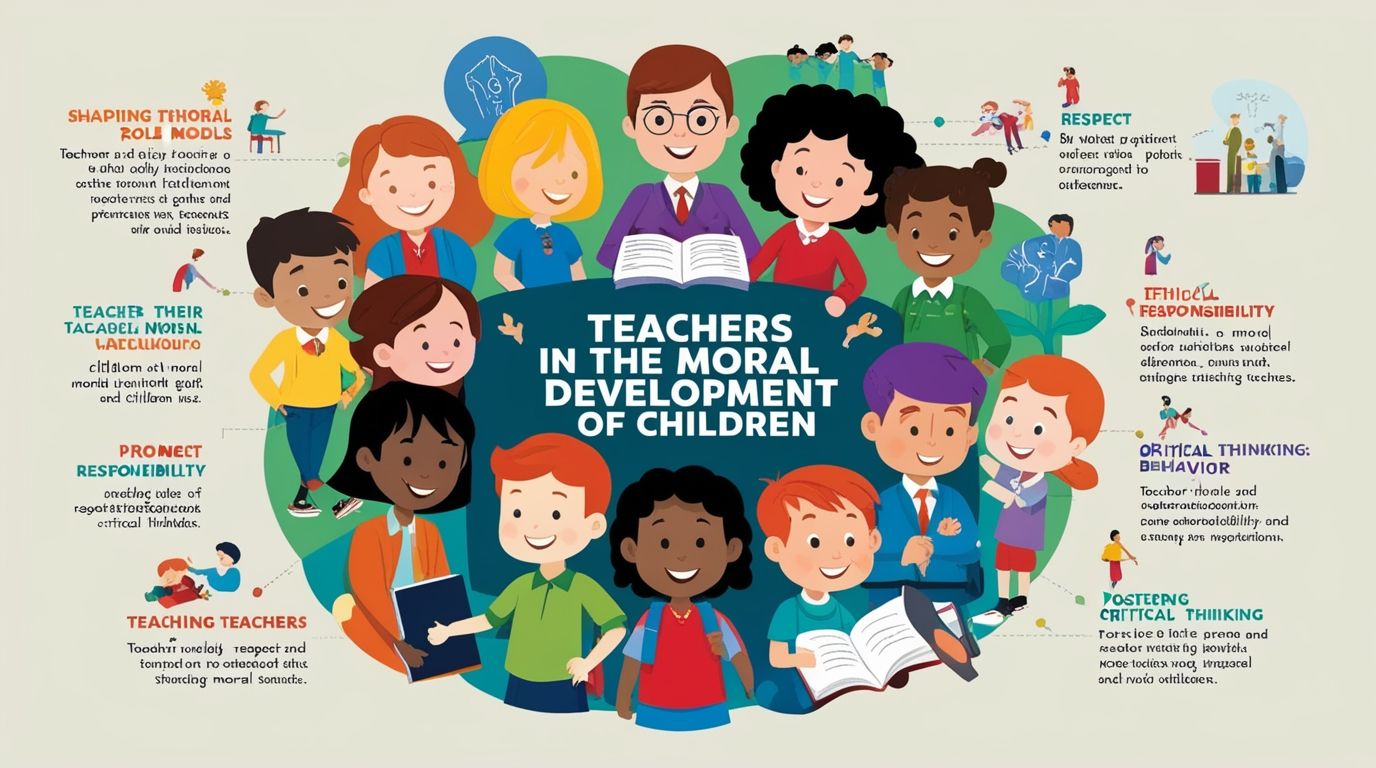
Teachers play the most significant role in establishing supportive classroom environments. Their attitudes, behaviors, communication styles, and instructional practices shape the overall classroom climate.
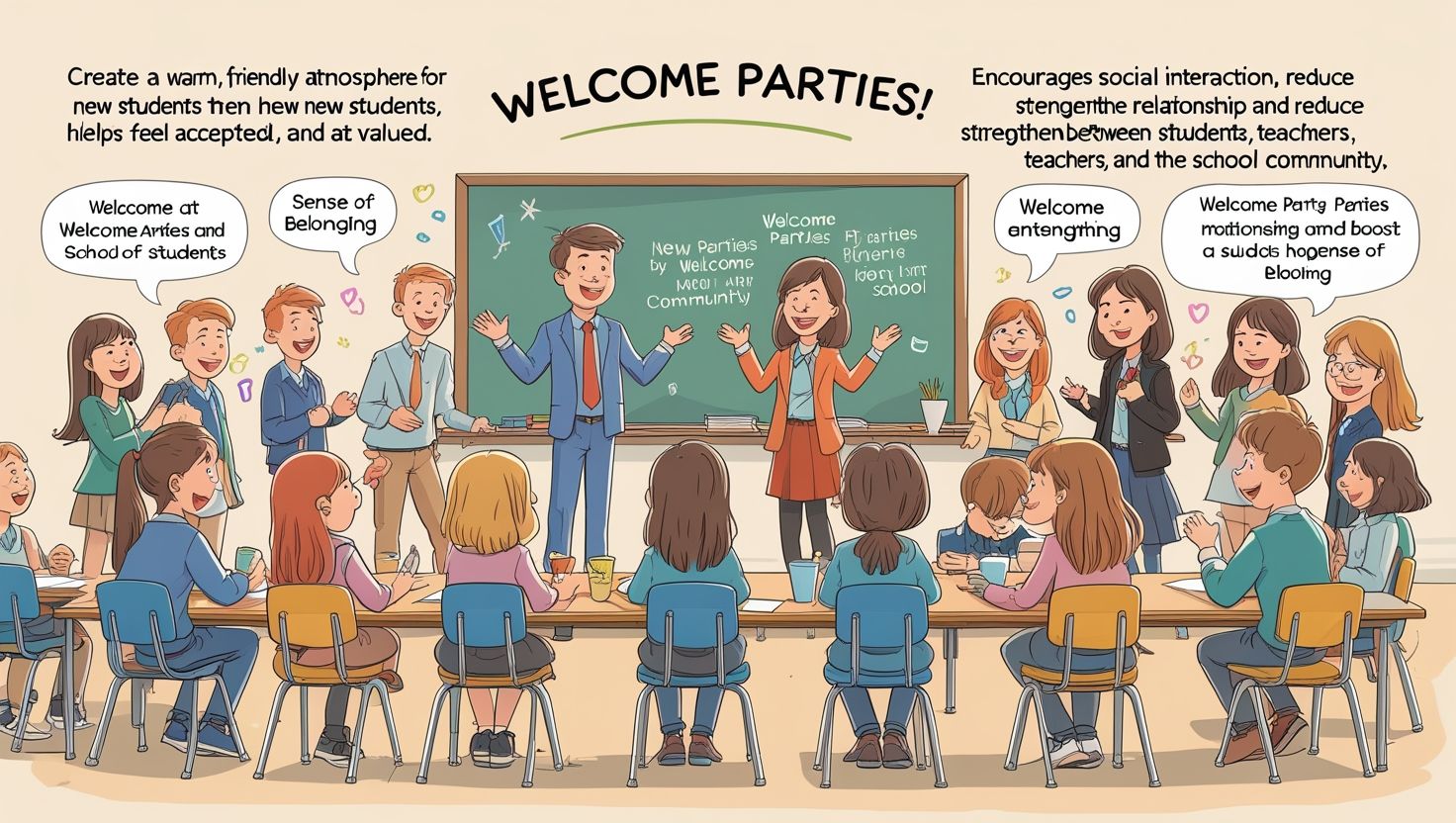
One important responsibility of teachers is building positive relationships with students. Teachers who show empathy, respect, and genuine interest in learners create trust and emotional security. Simple actions such as listening carefully, greeting students warmly, and recognizing achievements strengthen relationships.
Teachers also establish classroom expectations and routines. Clear rules, fairness, and consistency help maintain order while creating a sense of stability and security.
Communication is another key factor. Teachers should communicate respectfully and positively with learners. Encouraging language, constructive feedback, and active listening support learner confidence and participation.
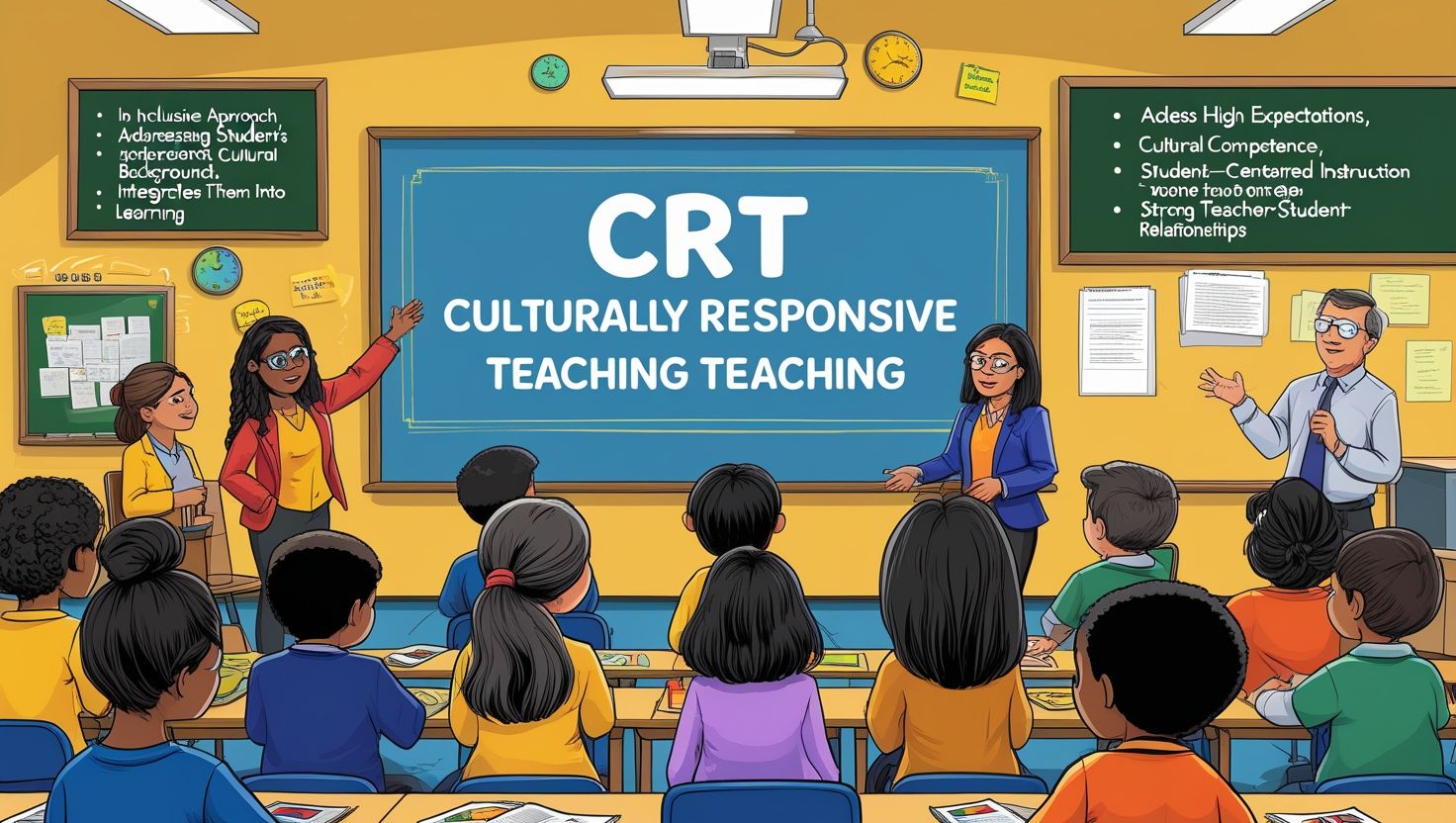
Effective teachers recognize learner diversity and adapt instruction accordingly. They use inclusive teaching strategies that accommodate different learning styles, abilities, and cultural backgrounds.
Teachers also model positive behavior. Students often imitate teachers’ attitudes and interactions. Respectful and caring teacher behavior therefore contributes to positive classroom cultures.
Learner-Centered Pedagogy and Supportive Classrooms
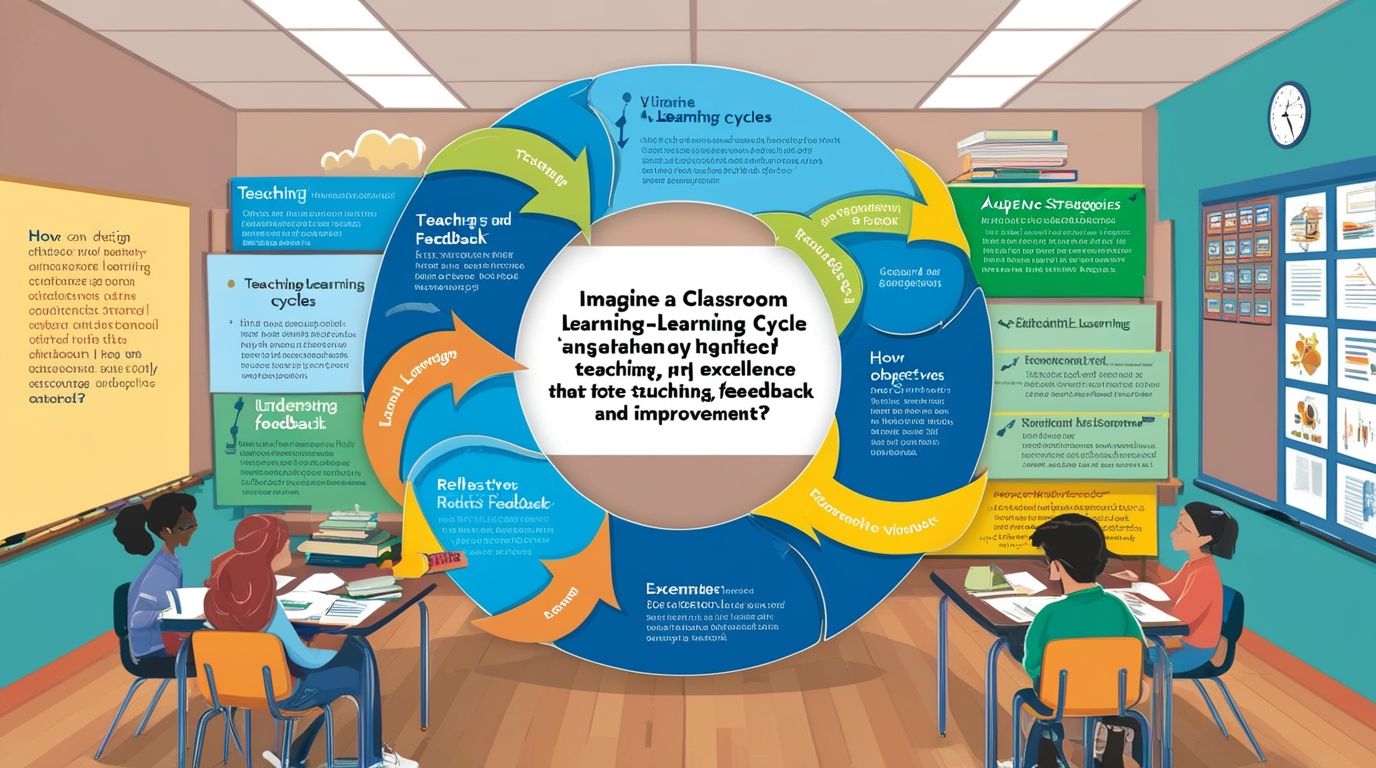
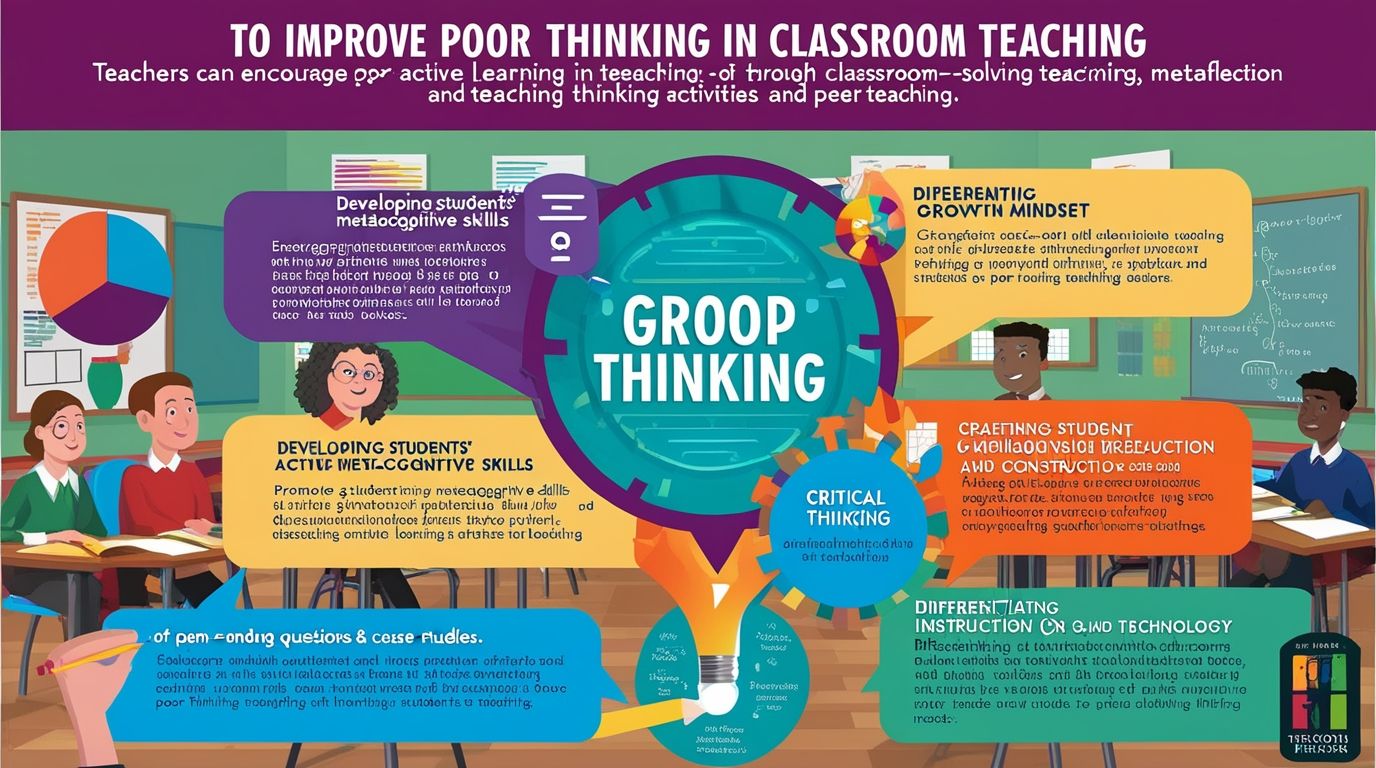
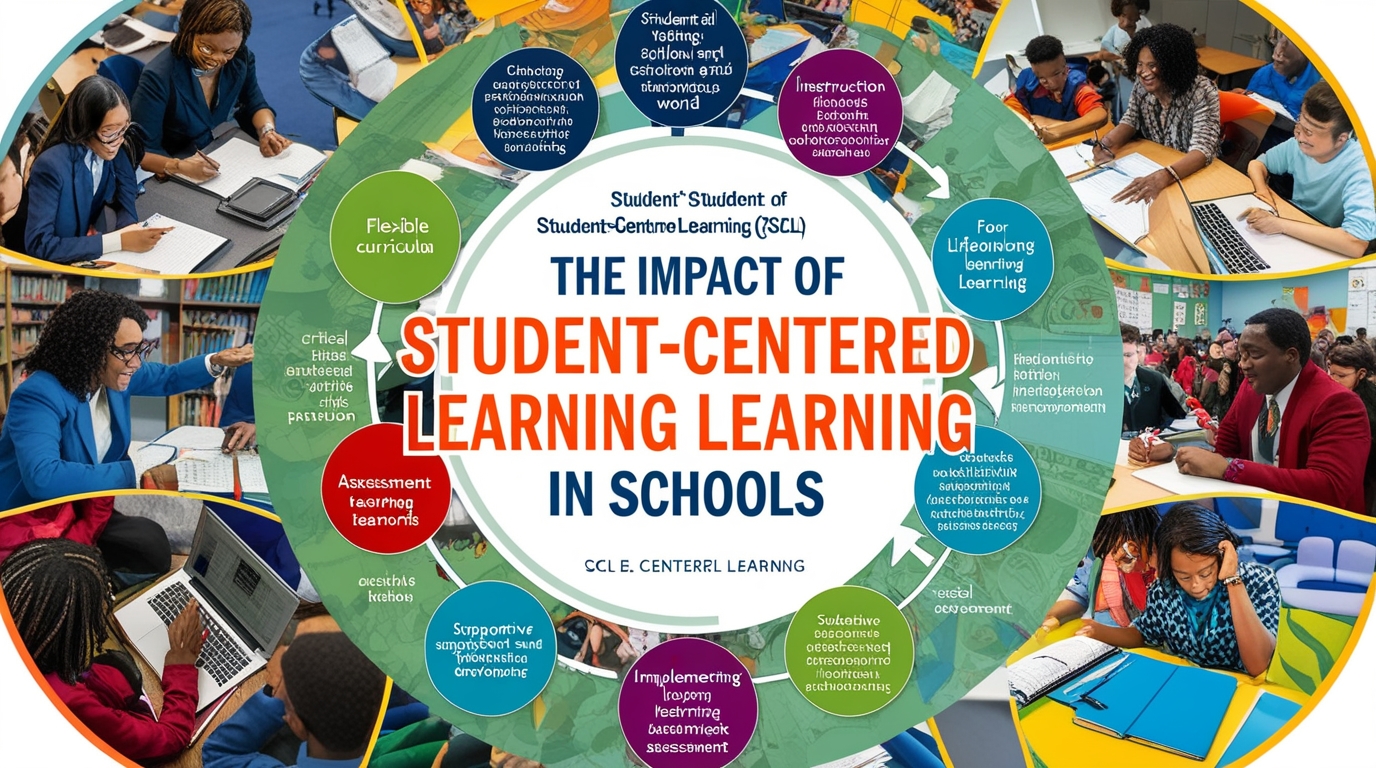
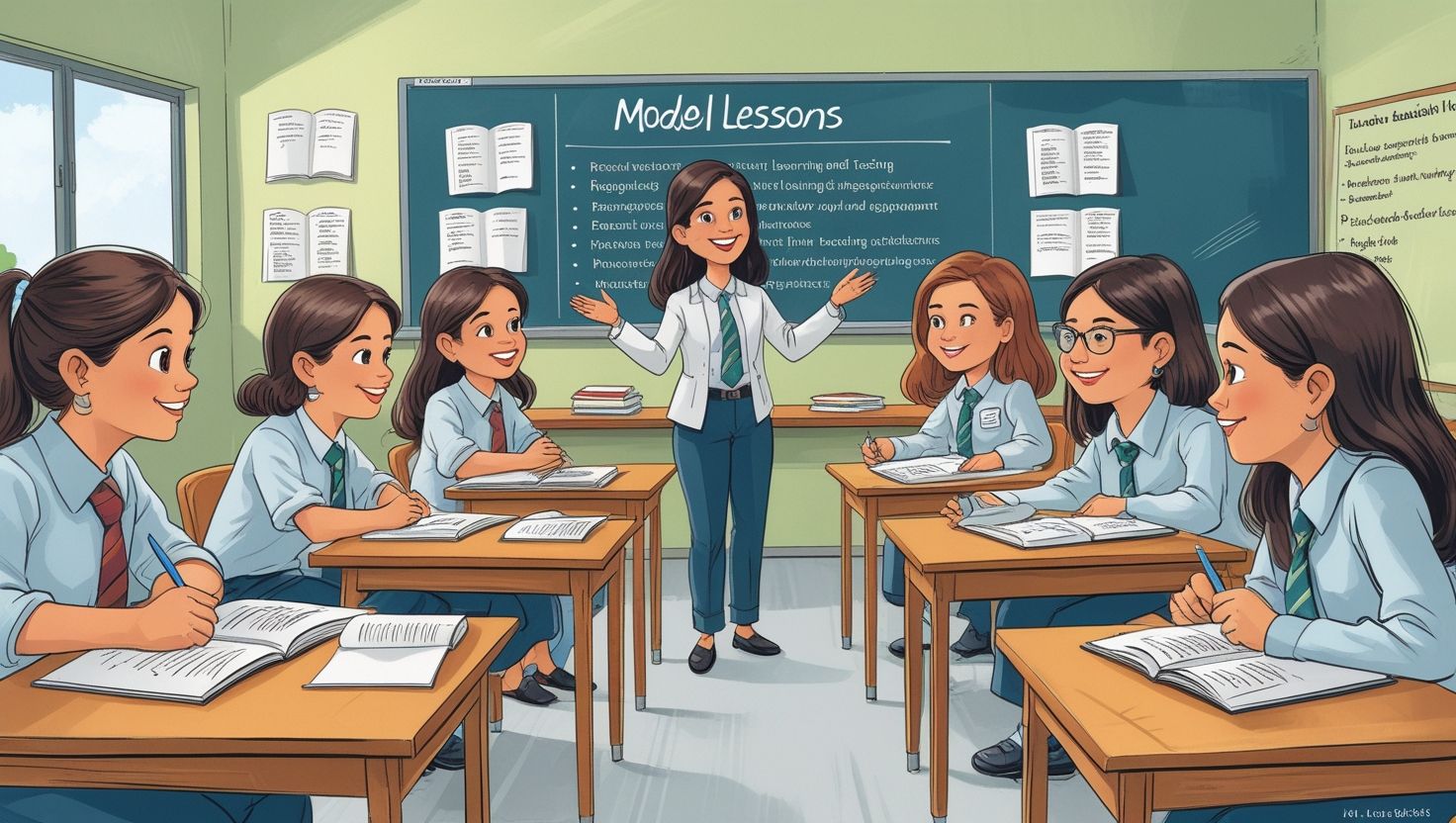
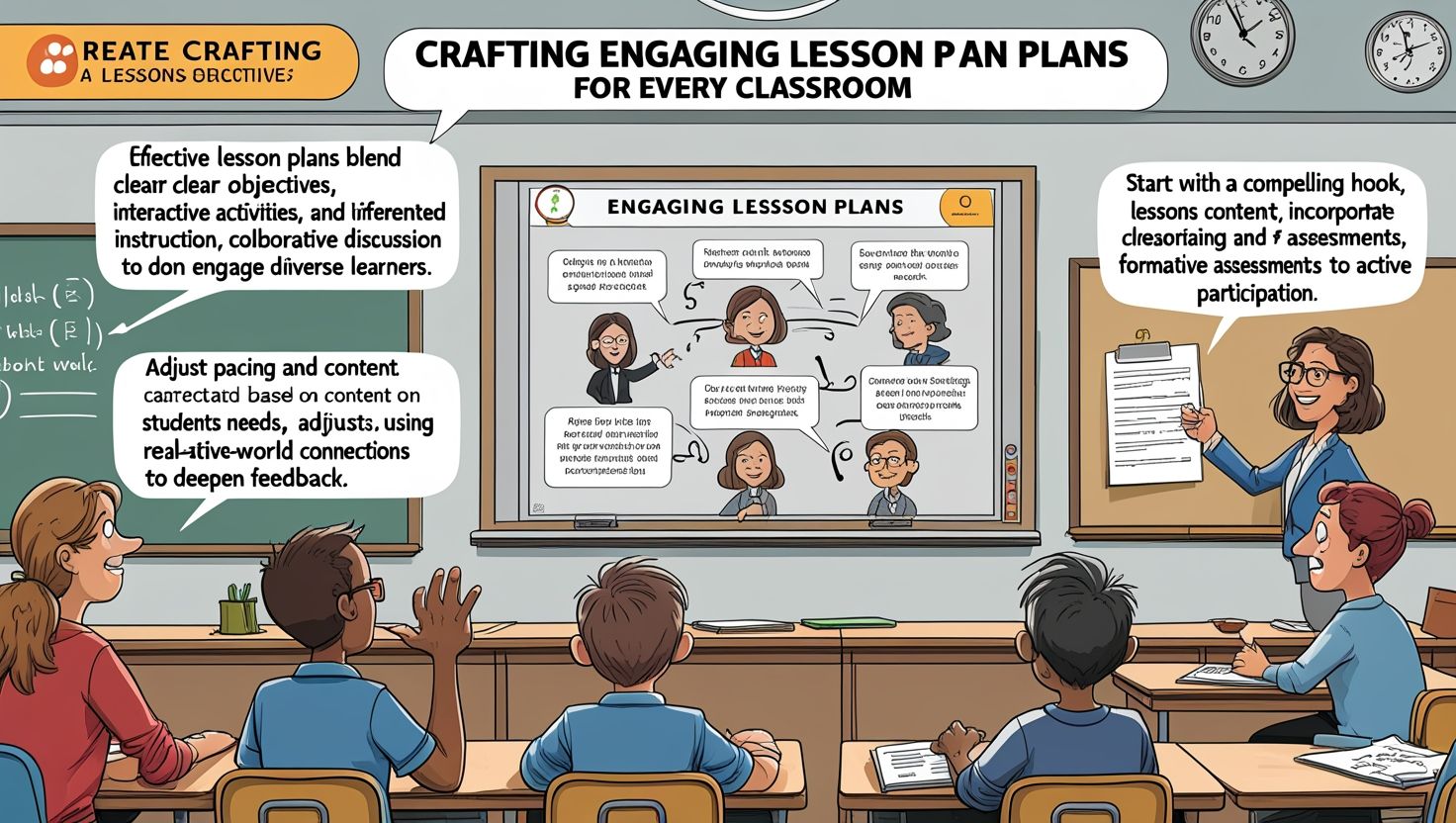
Learner-centered pedagogy strongly supports the development of supportive educational environments. In learner-centered classrooms, students are active participants rather than passive recipients of information.
Teachers encourage inquiry, collaboration, creativity, and reflection. Students are given opportunities to express opinions, ask questions, and contribute to discussions. This participation increases learner confidence and ownership of learning.
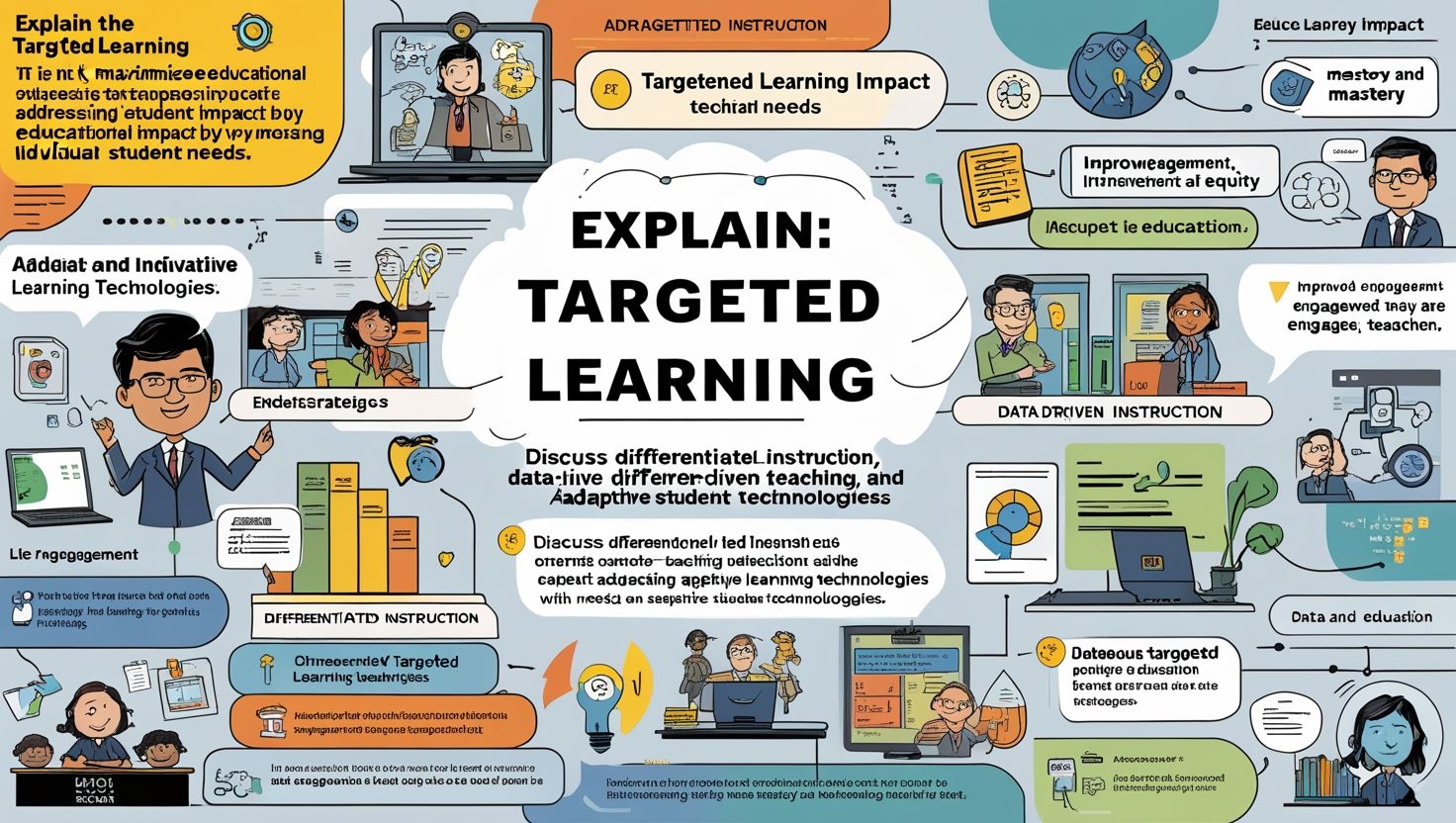
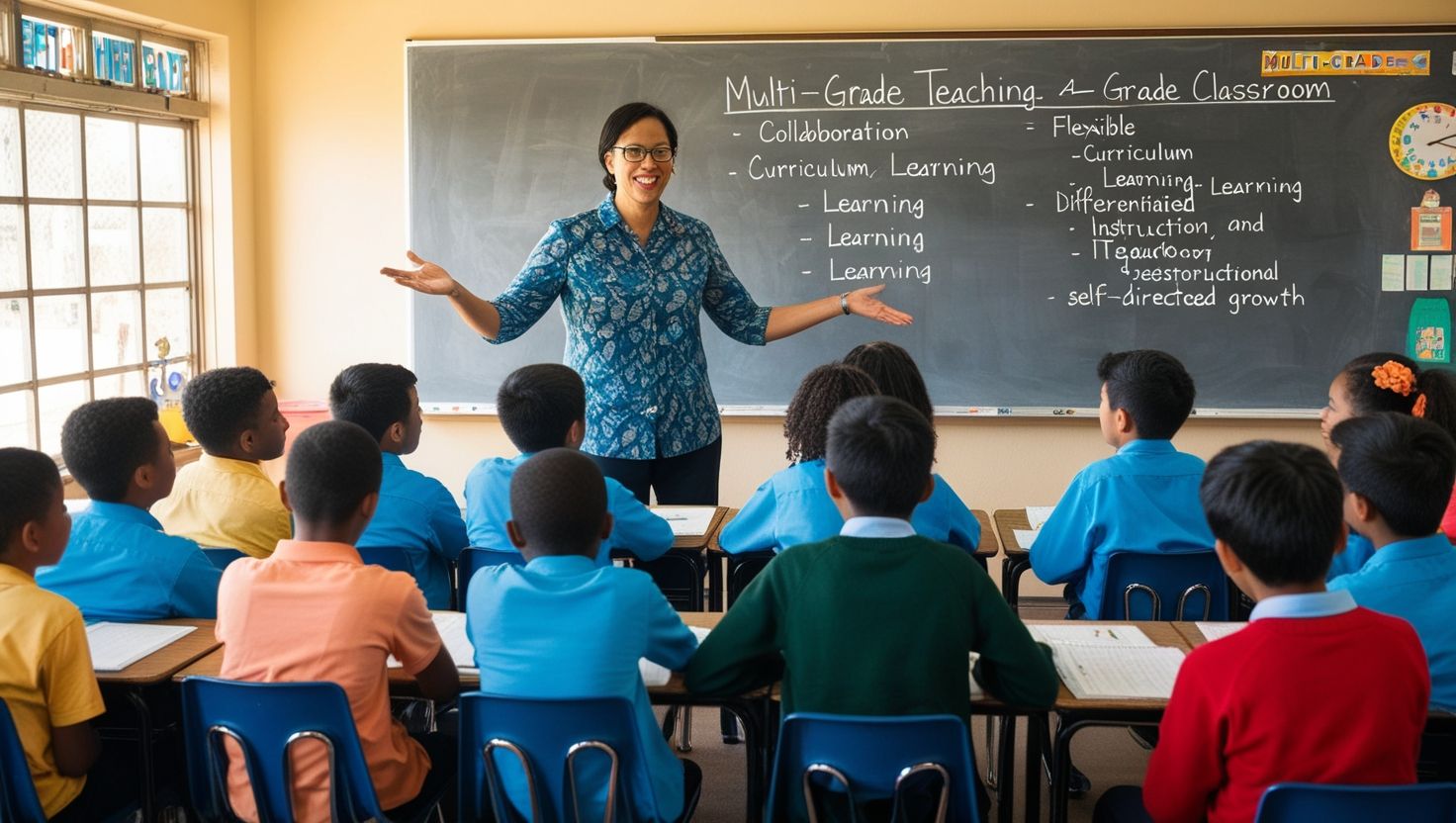
Learner-centered teaching also promotes individualized instruction. Teachers recognize that students have different abilities, interests, and learning preferences. Flexible teaching methods help ensure that all learners feel included and supported.
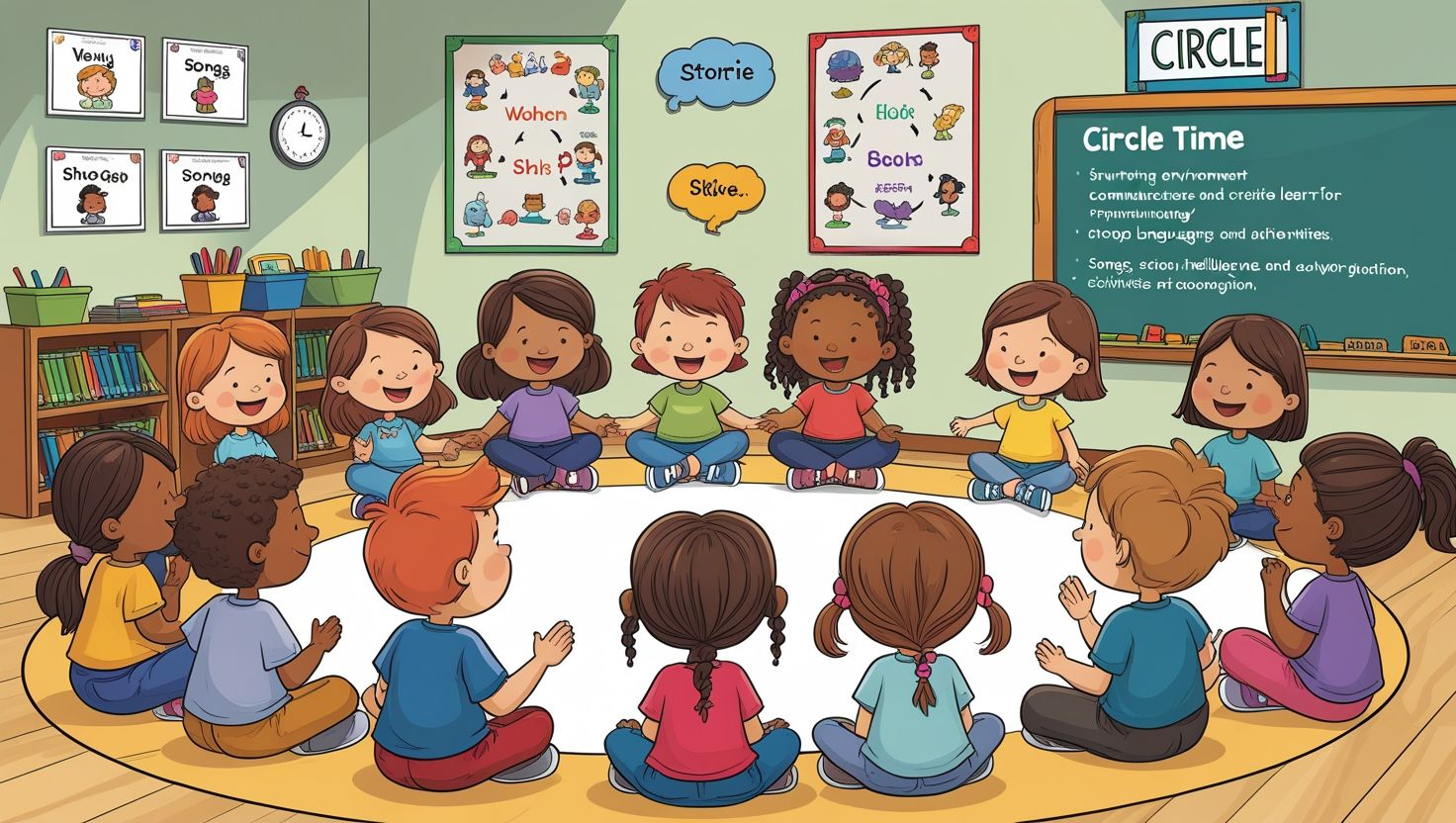
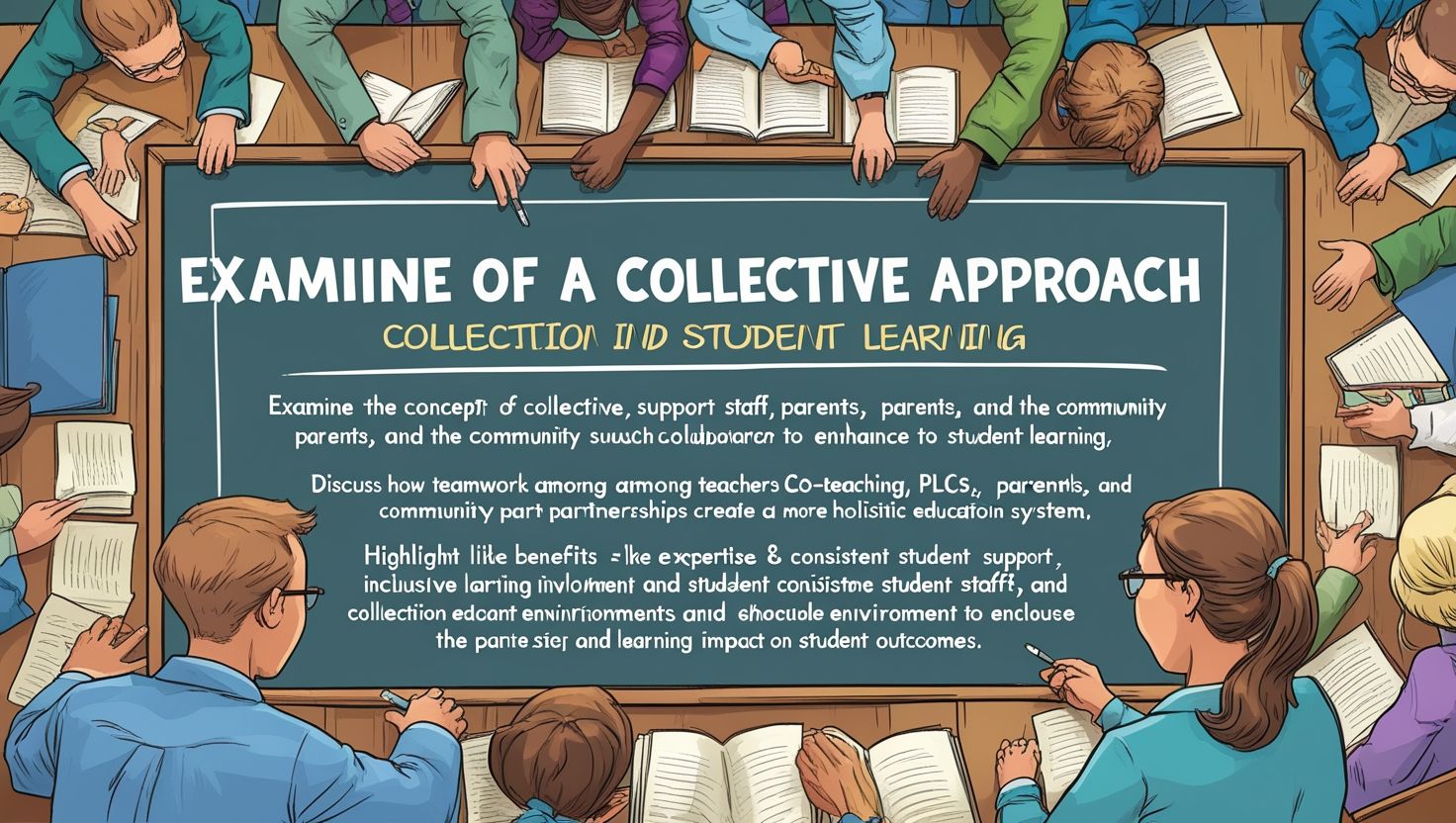
Collaborative learning activities such as group discussions, projects, and peer teaching strengthen social interaction and cooperation. Students learn to respect different perspectives and work together effectively.
Supportive learner-centered classrooms also encourage self-directed learning. Students develop independence, responsibility, and confidence through active engagement in educational processes.
Classroom Management and Supportive Learning
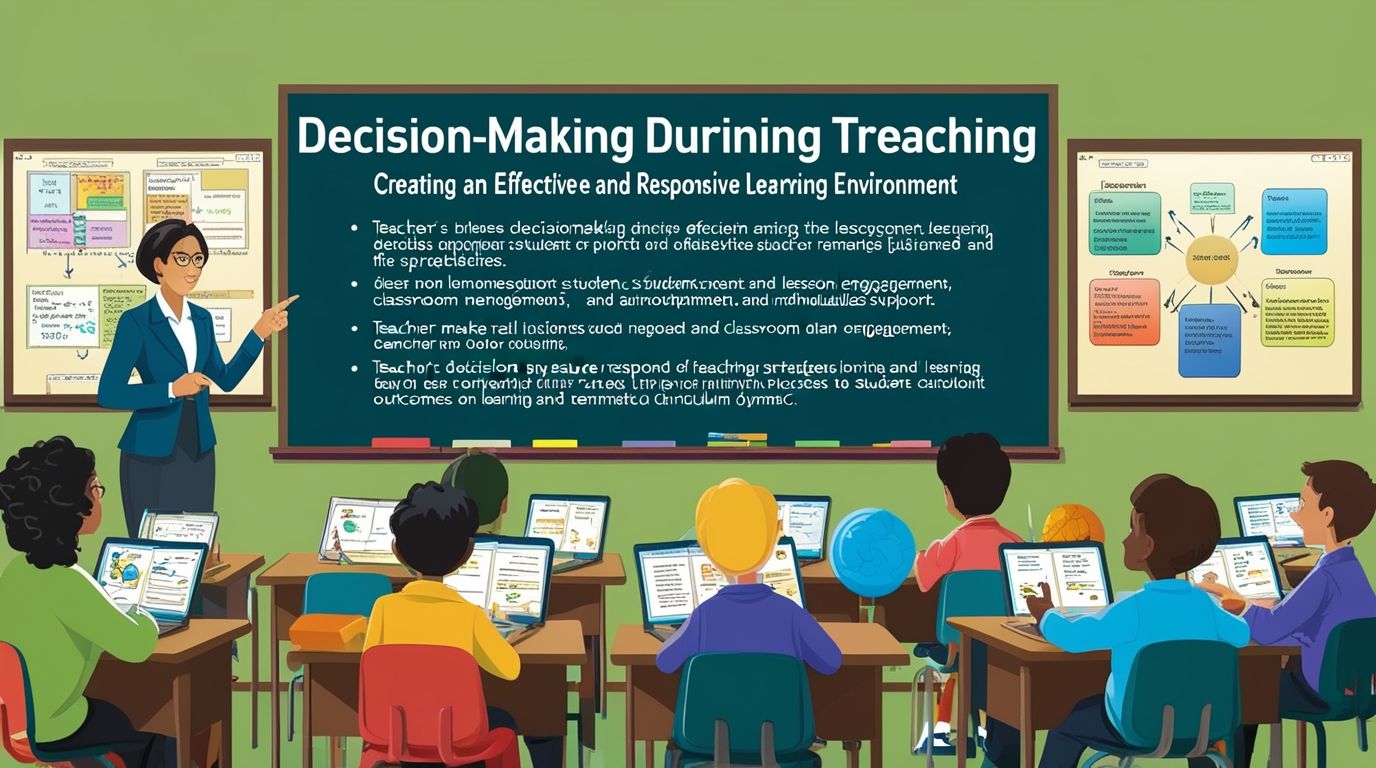
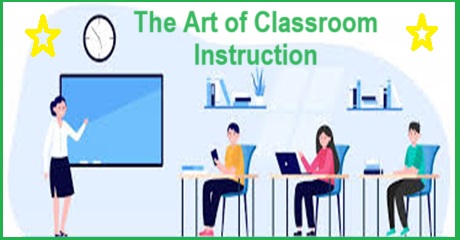
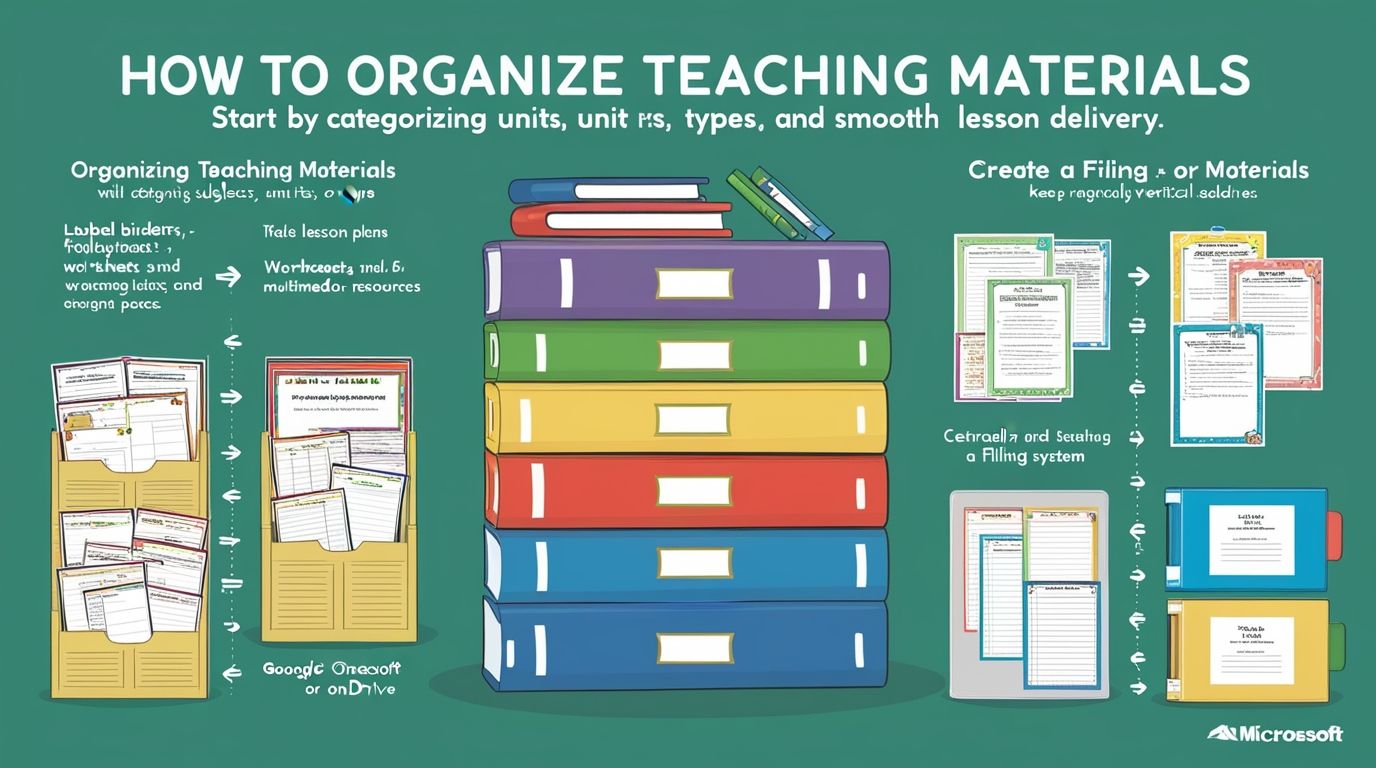
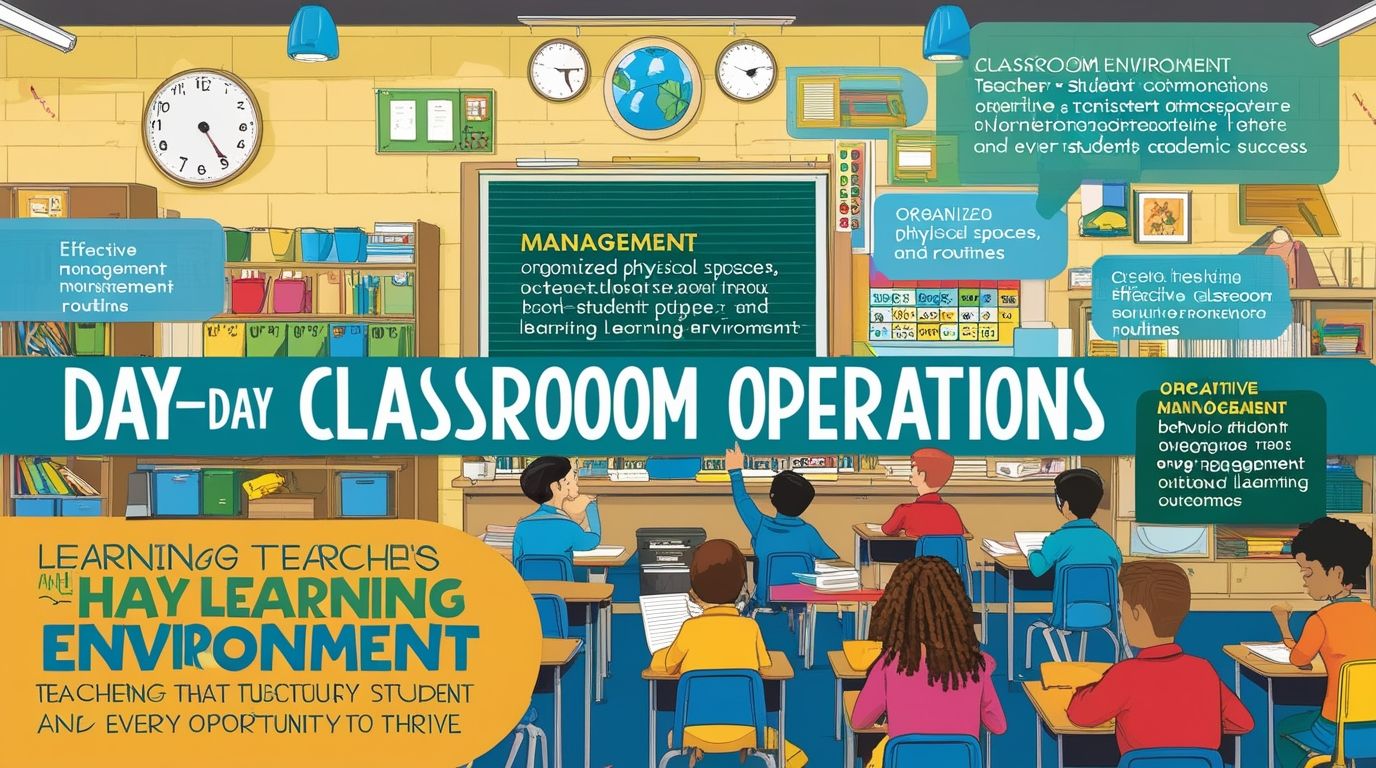
Effective classroom management is essential for supportive educational environments. Classroom management involves organizing learning activities, maintaining discipline, and creating conditions that support teaching and learning.
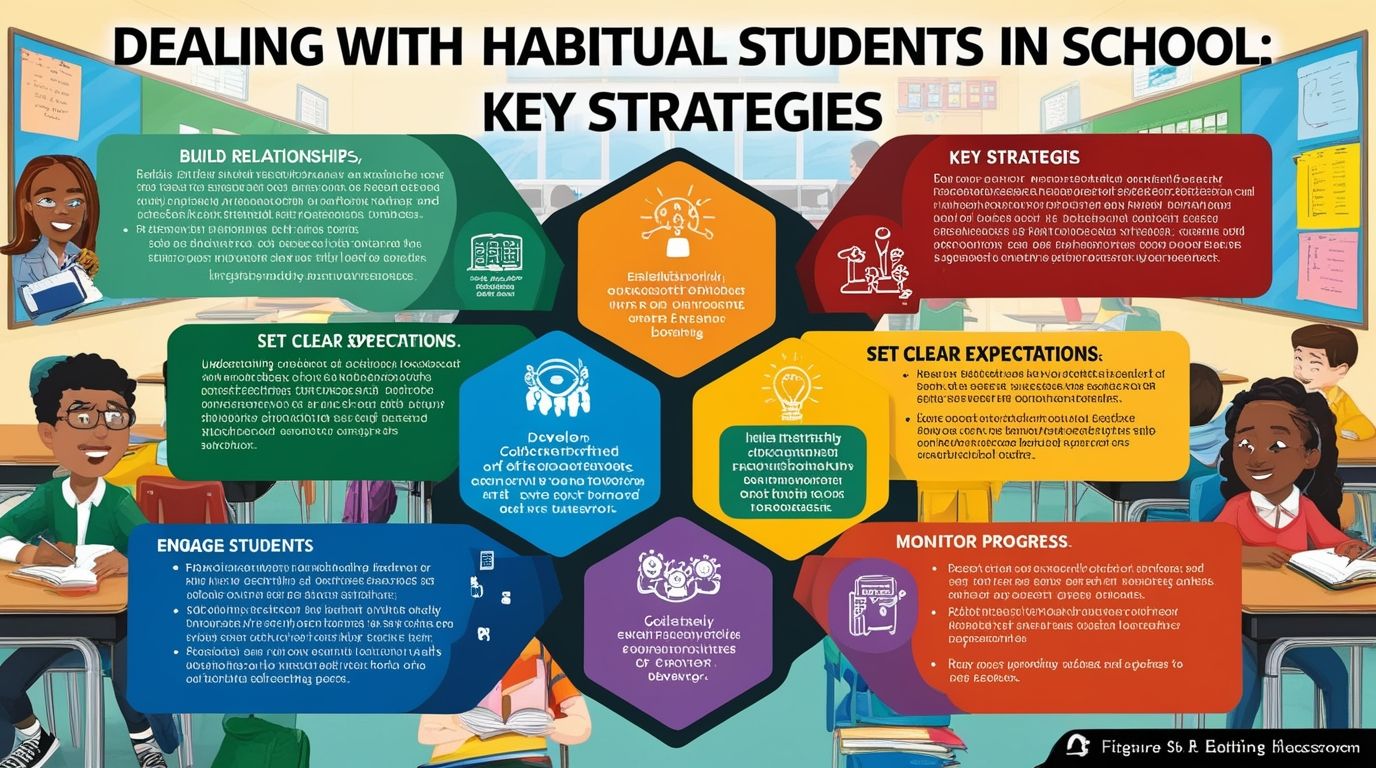
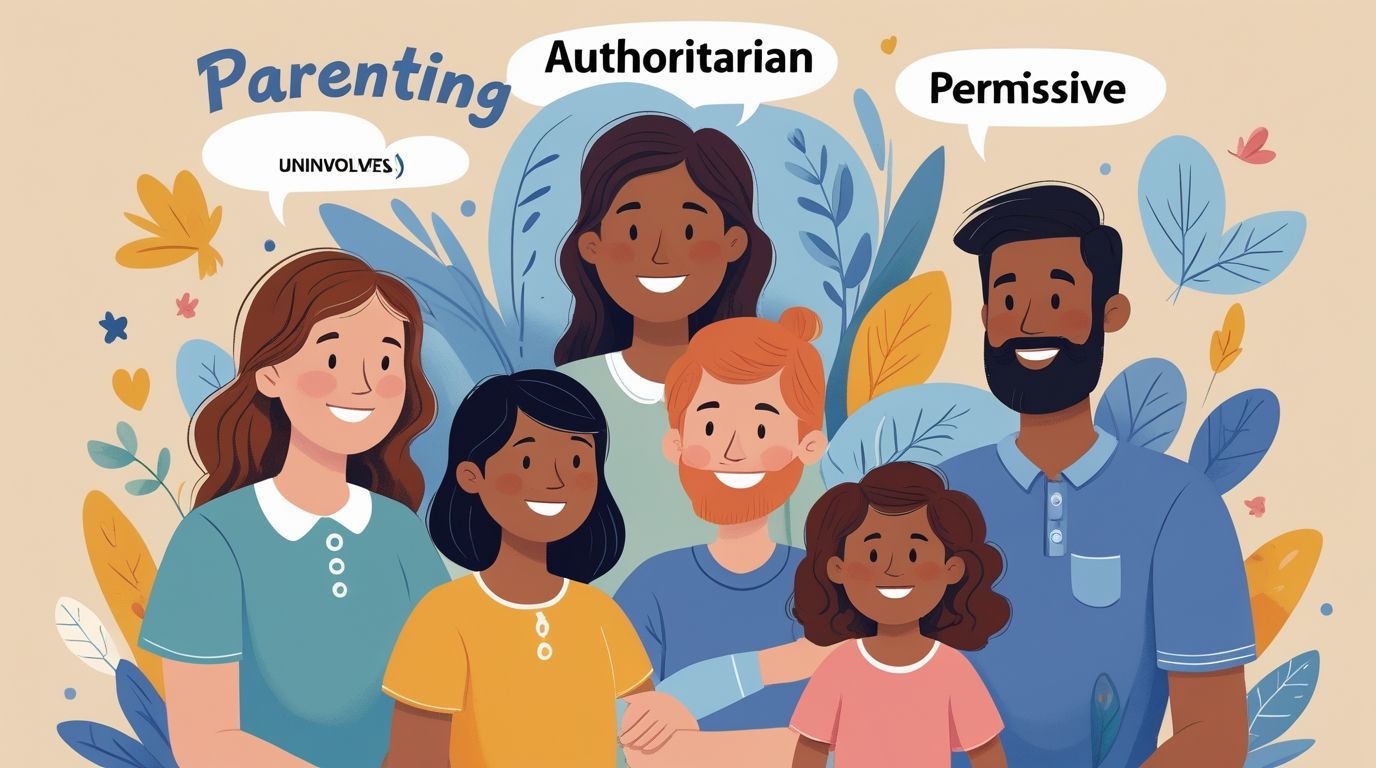
Supportive classroom management differs from authoritarian discipline approaches. Rather than relying on punishment and control, supportive management emphasizes respect, communication, fairness, and positive reinforcement.
Teachers should establish clear expectations and routines that students understand and follow consistently. Predictable classroom structures create stability and reduce confusion.
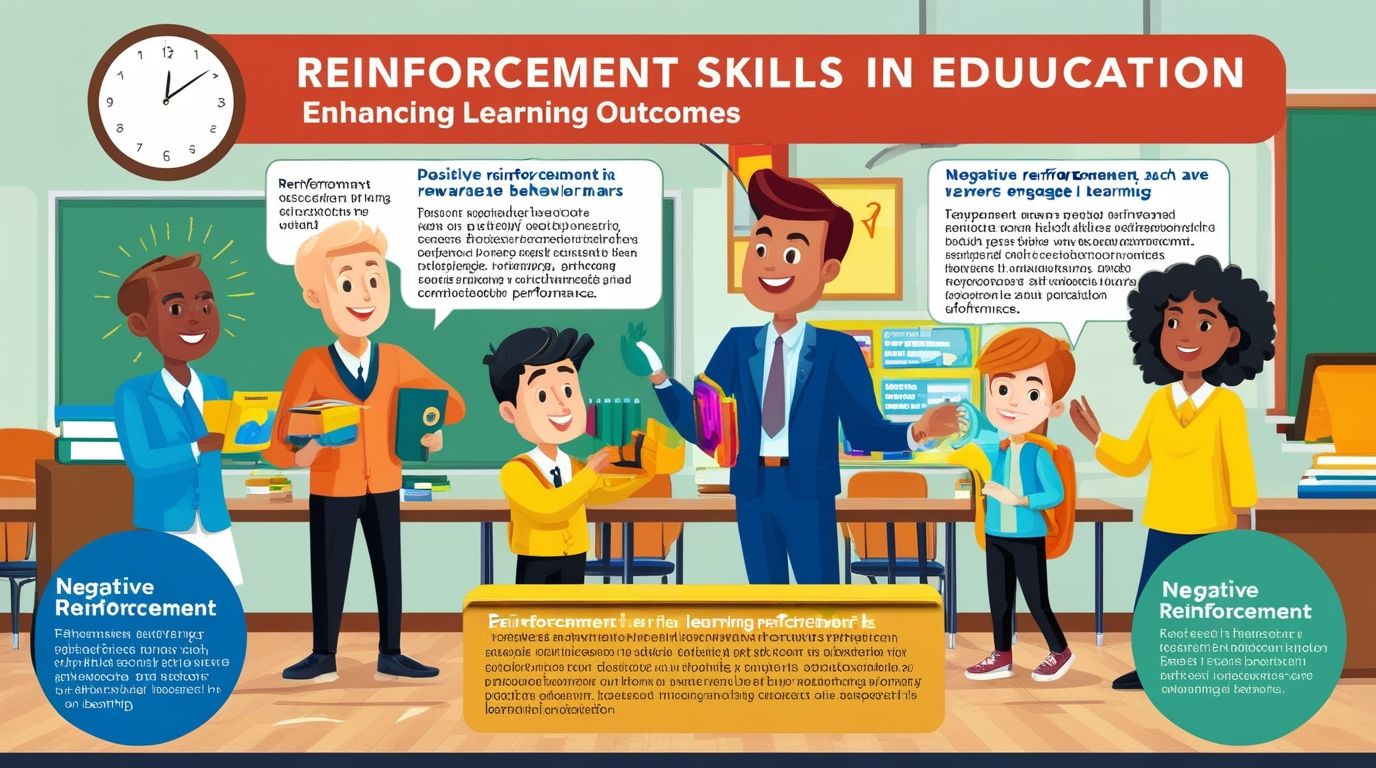
Positive reinforcement is another important strategy. Praising effort, recognizing achievements, and encouraging improvement motivate learners and strengthen positive behavior.
Conflict resolution skills are also important. Teachers should address conflicts respectfully and help students develop problem-solving and communication skills.
Student involvement in classroom decision-making further strengthens supportive environments. When learners participate in establishing classroom rules and responsibilities, they feel greater ownership and accountability.
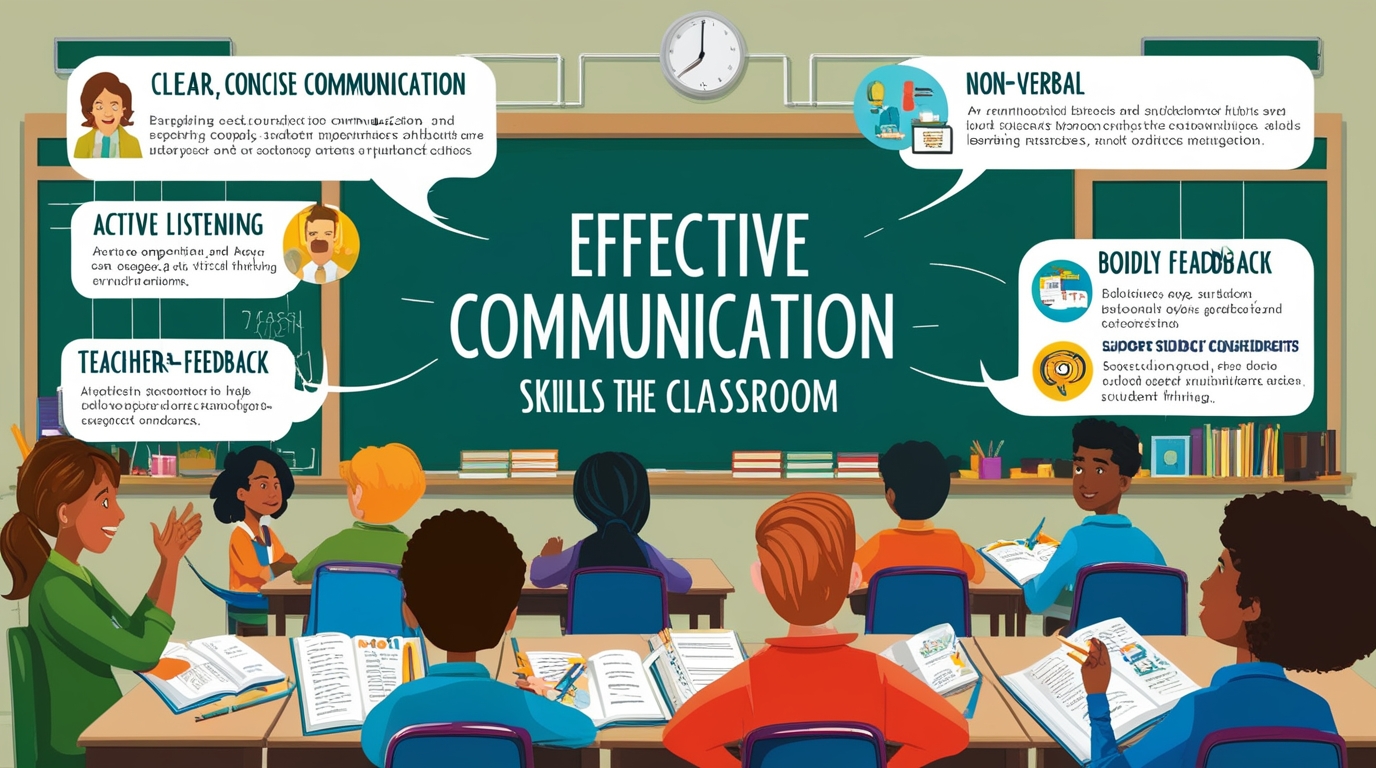
Communication in Supportive Classrooms
Communication is central to creating supportive educational environments. Effective communication strengthens understanding, trust, and collaboration between teachers and learners.
Teachers should use respectful, encouraging, and inclusive language. Positive communication helps learners feel valued and motivated.
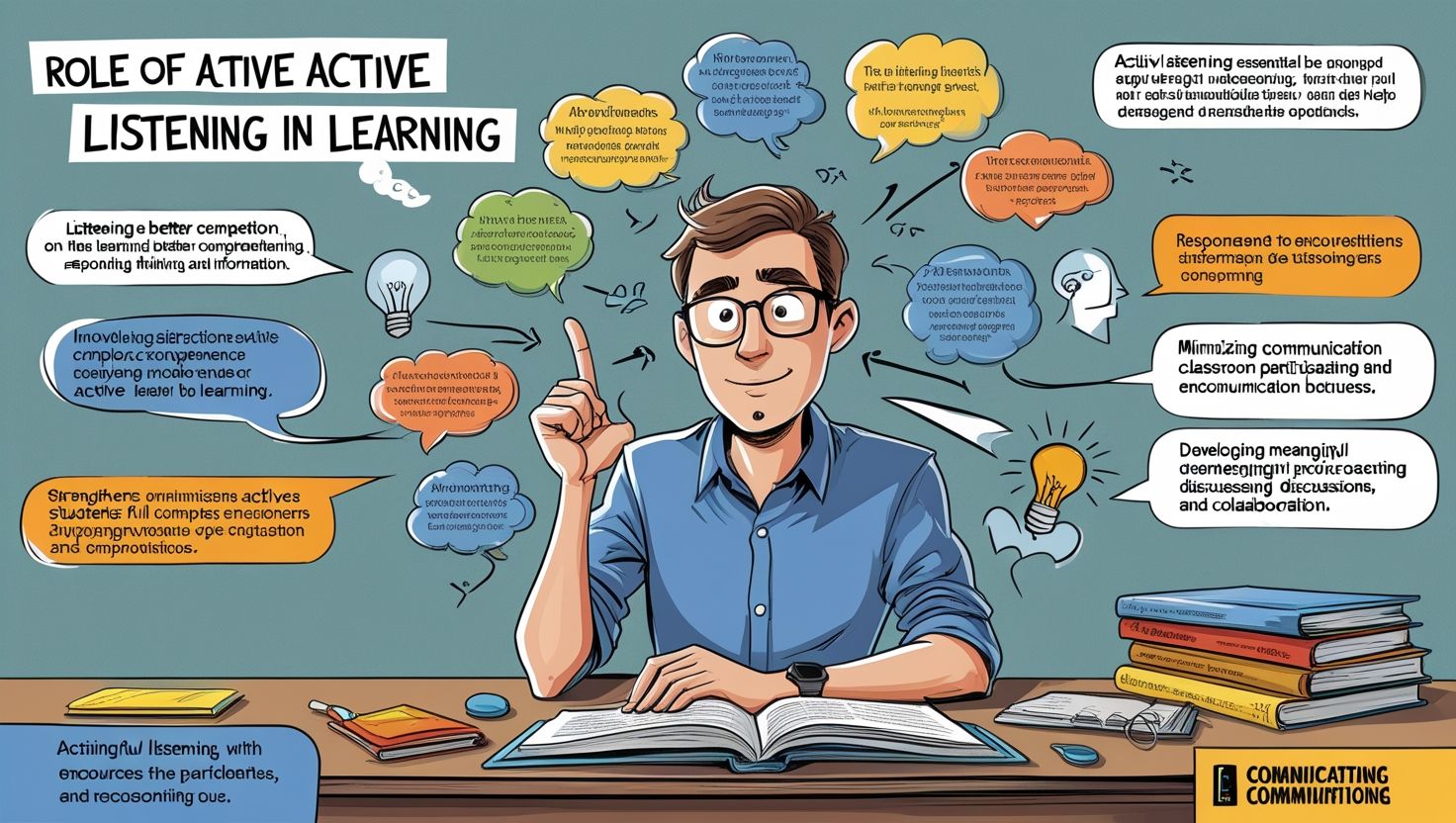
Active listening is equally important. Teachers who listen carefully to students’ concerns, ideas, and questions demonstrate respect and empathy. Listening also helps teachers identify learner needs and provide appropriate support.
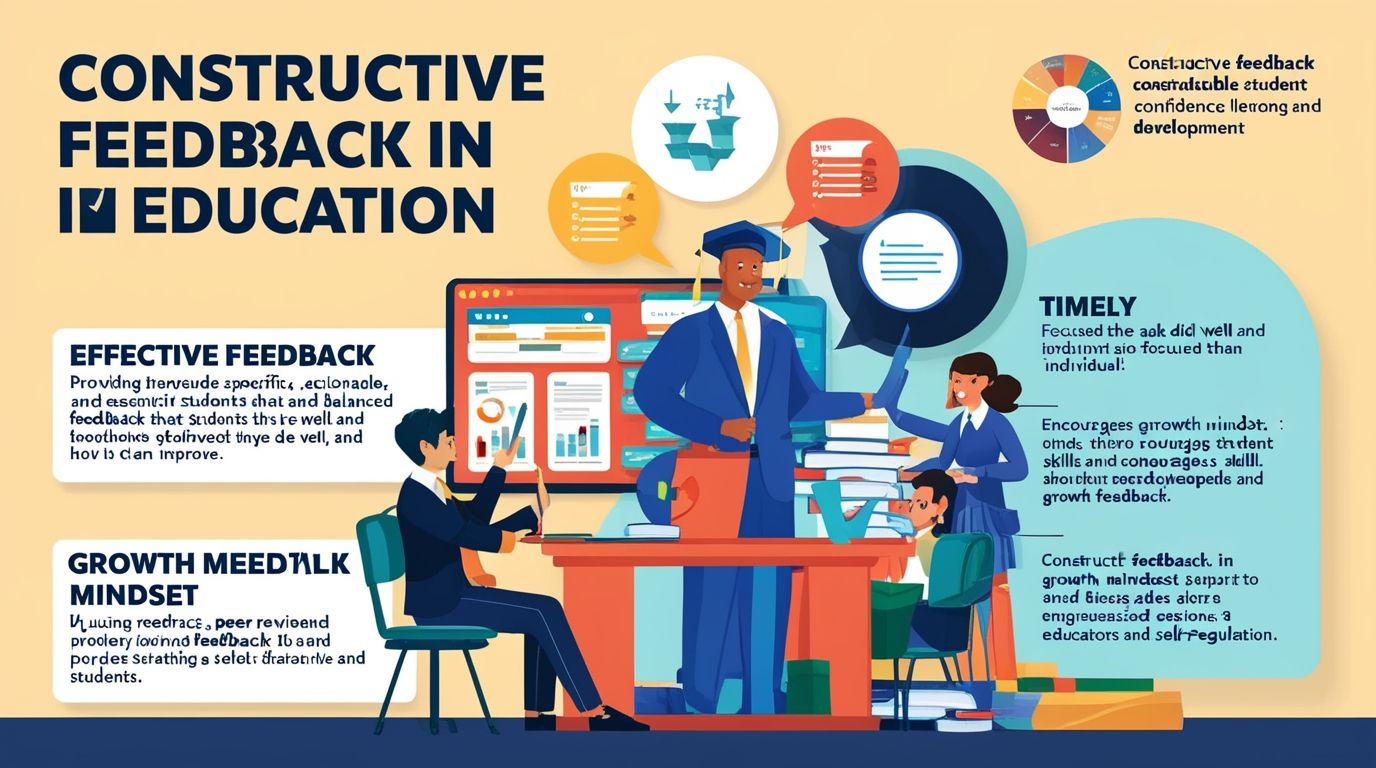
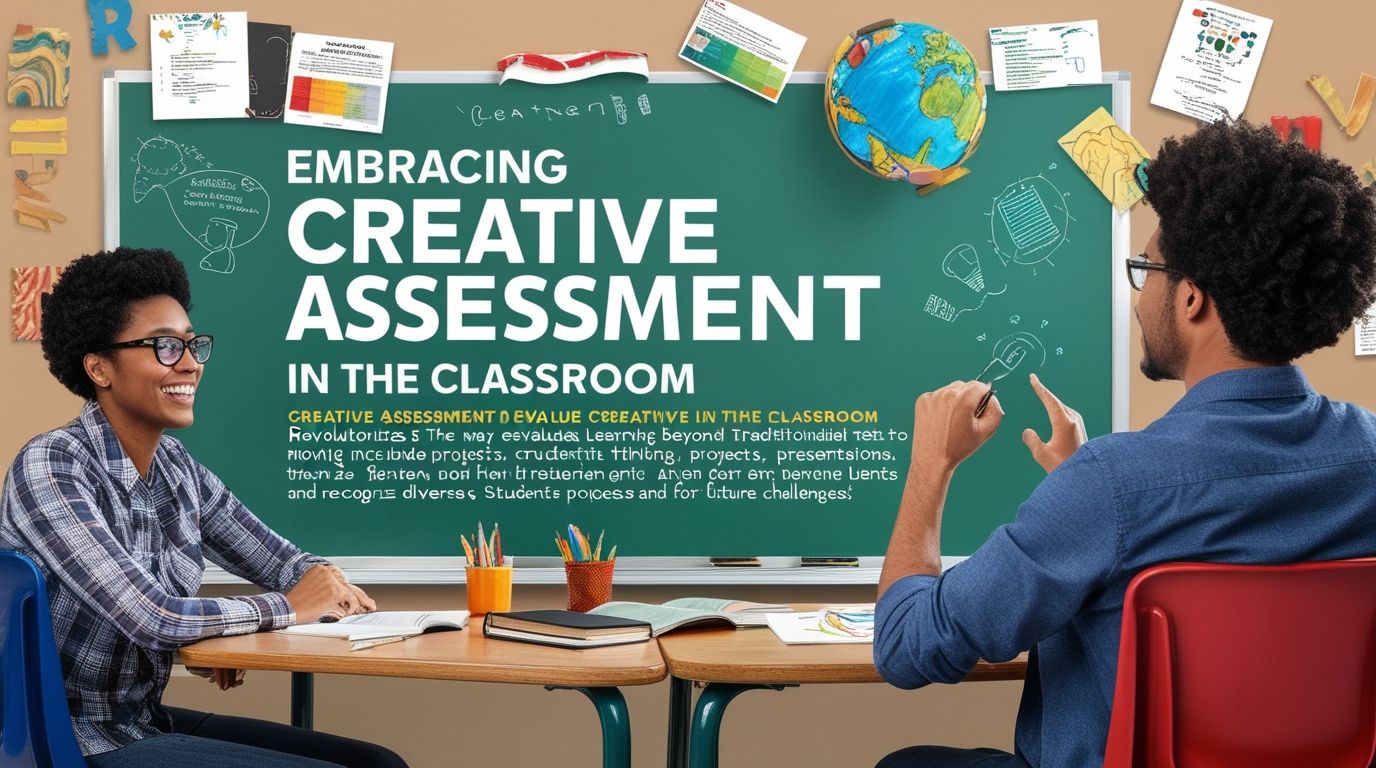
Constructive feedback promotes growth and confidence. Rather than focusing only on mistakes, supportive feedback highlights strengths and provides guidance for improvement.
Open communication encourages student participation and reduces fear of failure. Learners feel more comfortable asking questions and sharing opinions in classrooms where communication is positive and respectful.
Inclusivity and Diversity in Supportive Classrooms
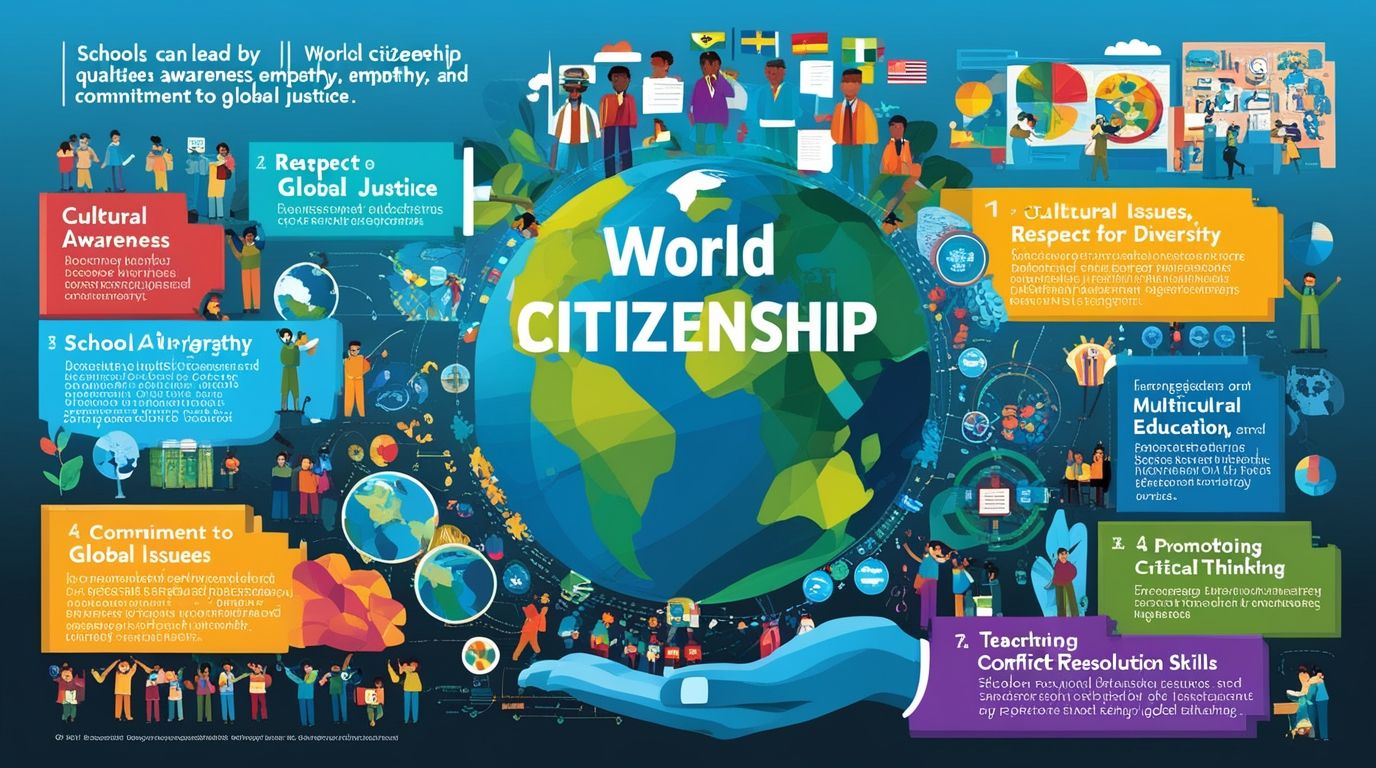
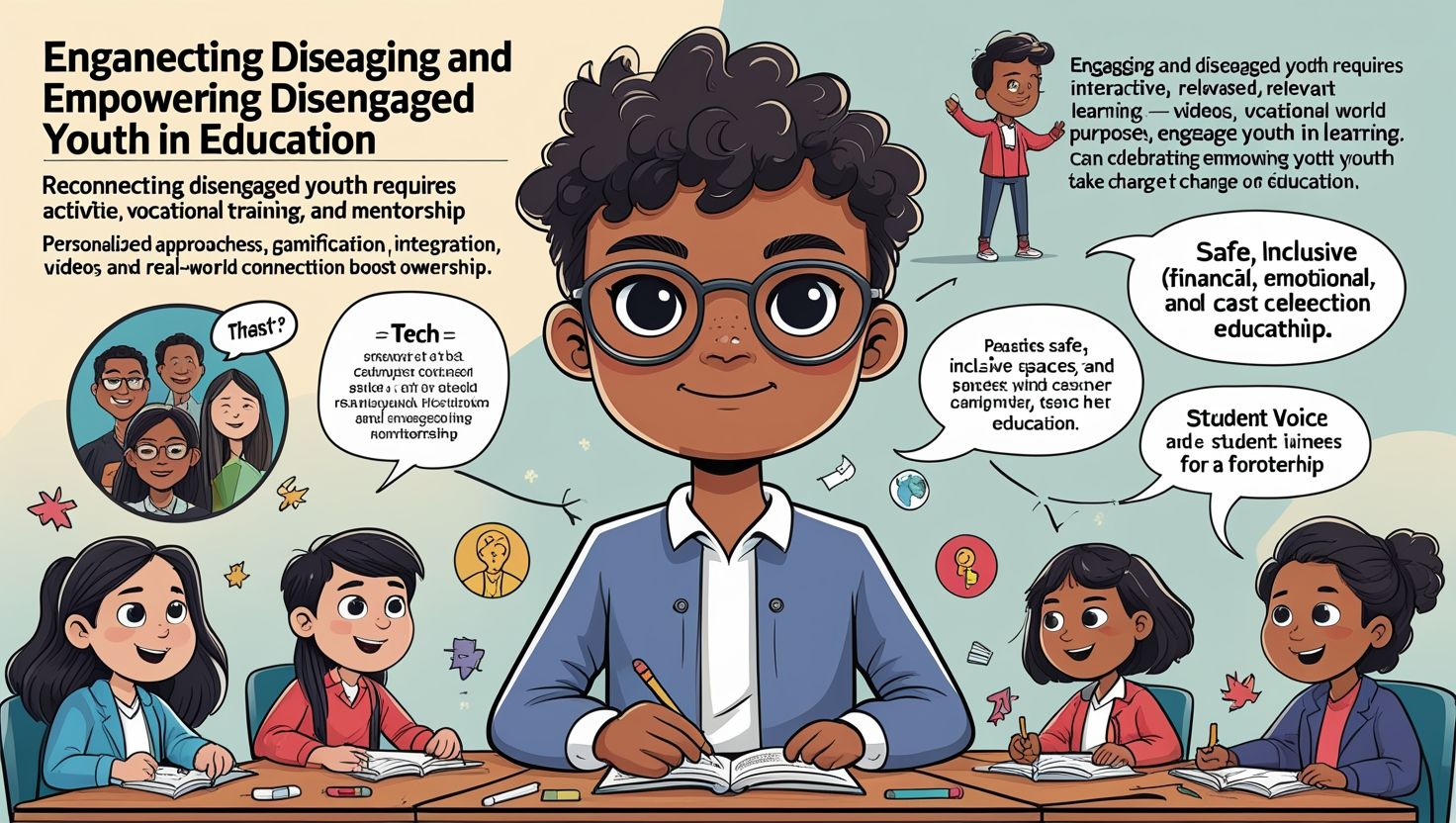
Modern classrooms are increasingly diverse in terms of culture, language, religion, ability, and socioeconomic background. Supportive educational environments must therefore promote inclusivity and equity.
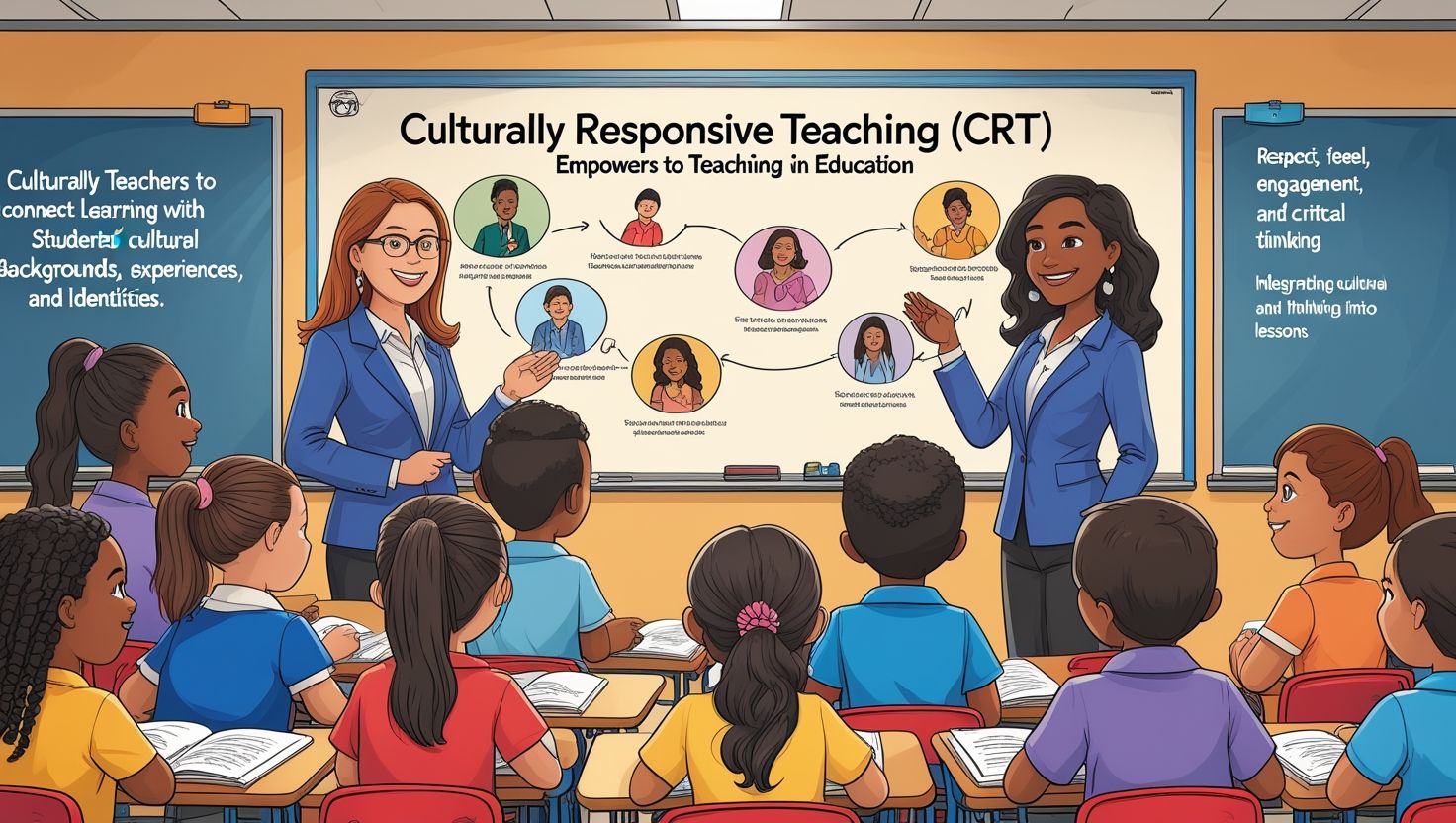
Inclusive classrooms recognize and respect learner diversity. Teachers use culturally responsive teaching methods that reflect students’ experiences and backgrounds.
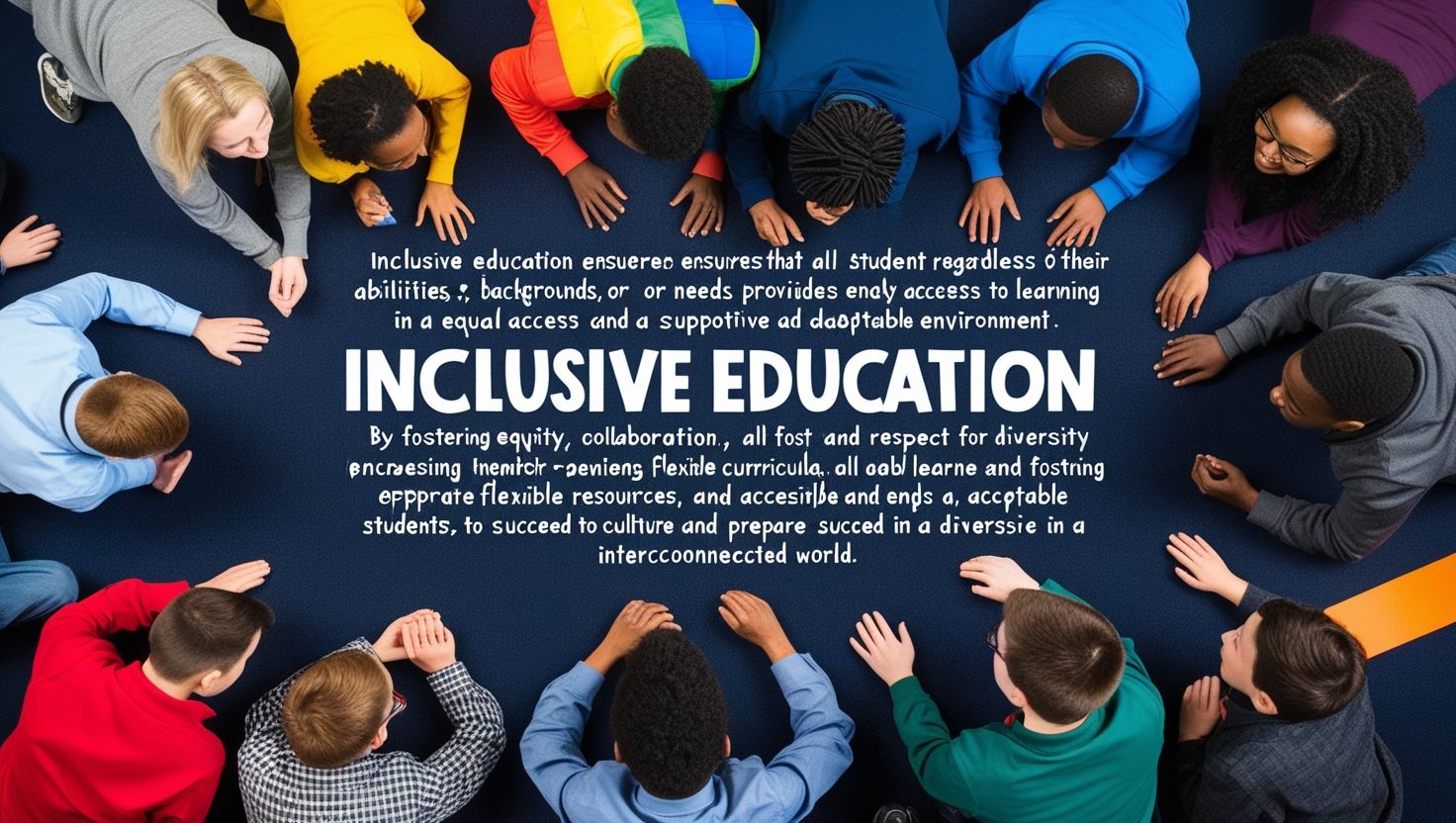
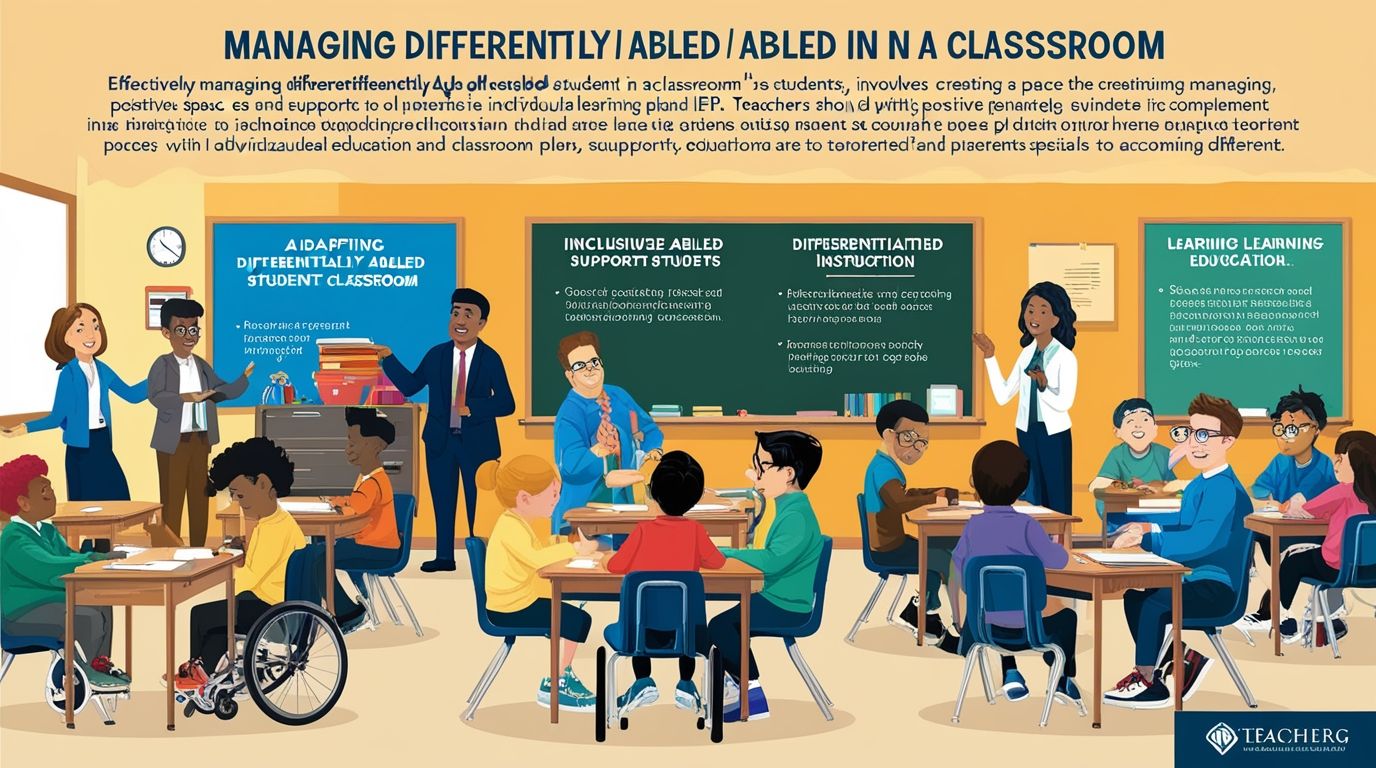
Students with disabilities or learning difficulties should receive appropriate support and accommodations. Inclusive education ensures that all learners have equal opportunities to participate and succeed.
Teachers should also challenge stereotypes, discrimination, and prejudice within classrooms. Respect for diversity strengthens social harmony and mutual understanding.
Multilingual learners may require additional language support and communication strategies. Teachers should create environments where linguistic diversity is viewed as an asset rather than a barrier.
Technology and Supportive Educational Environments
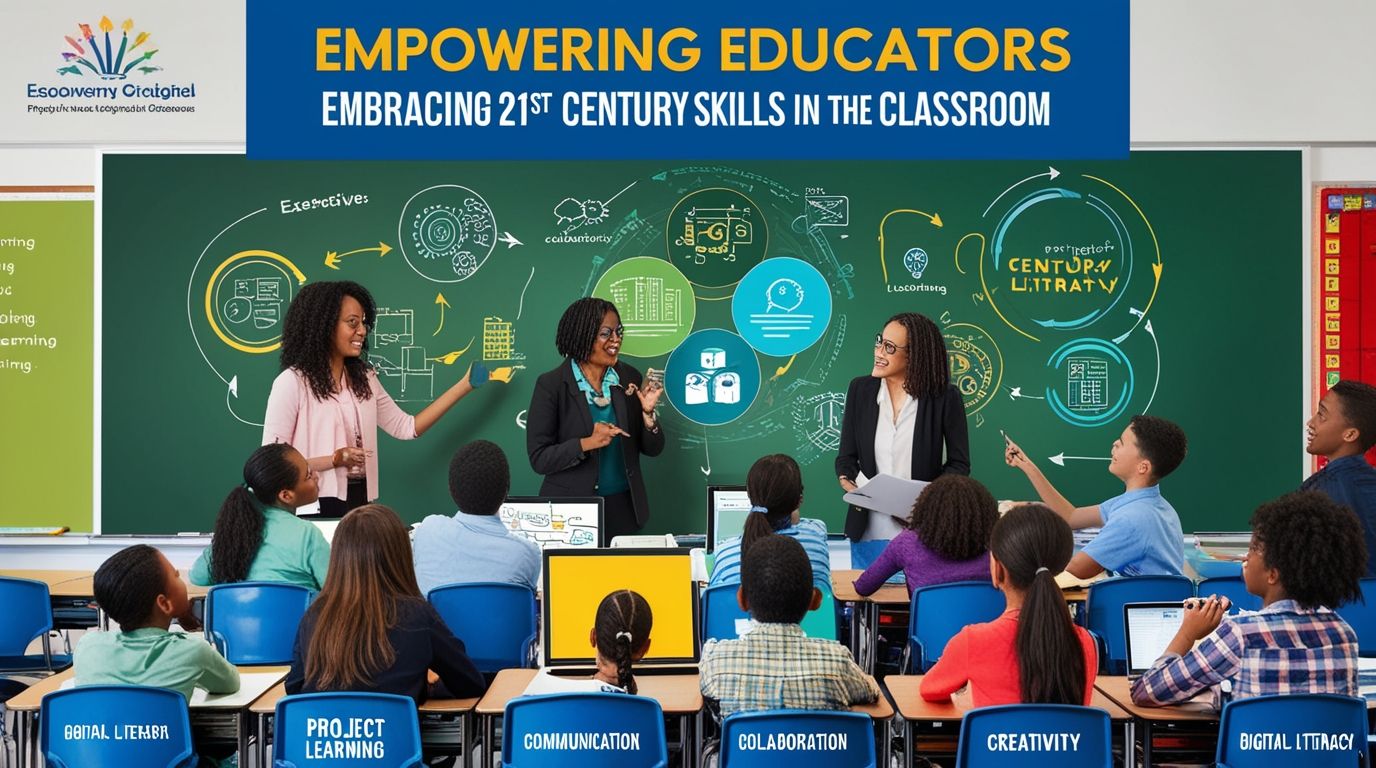
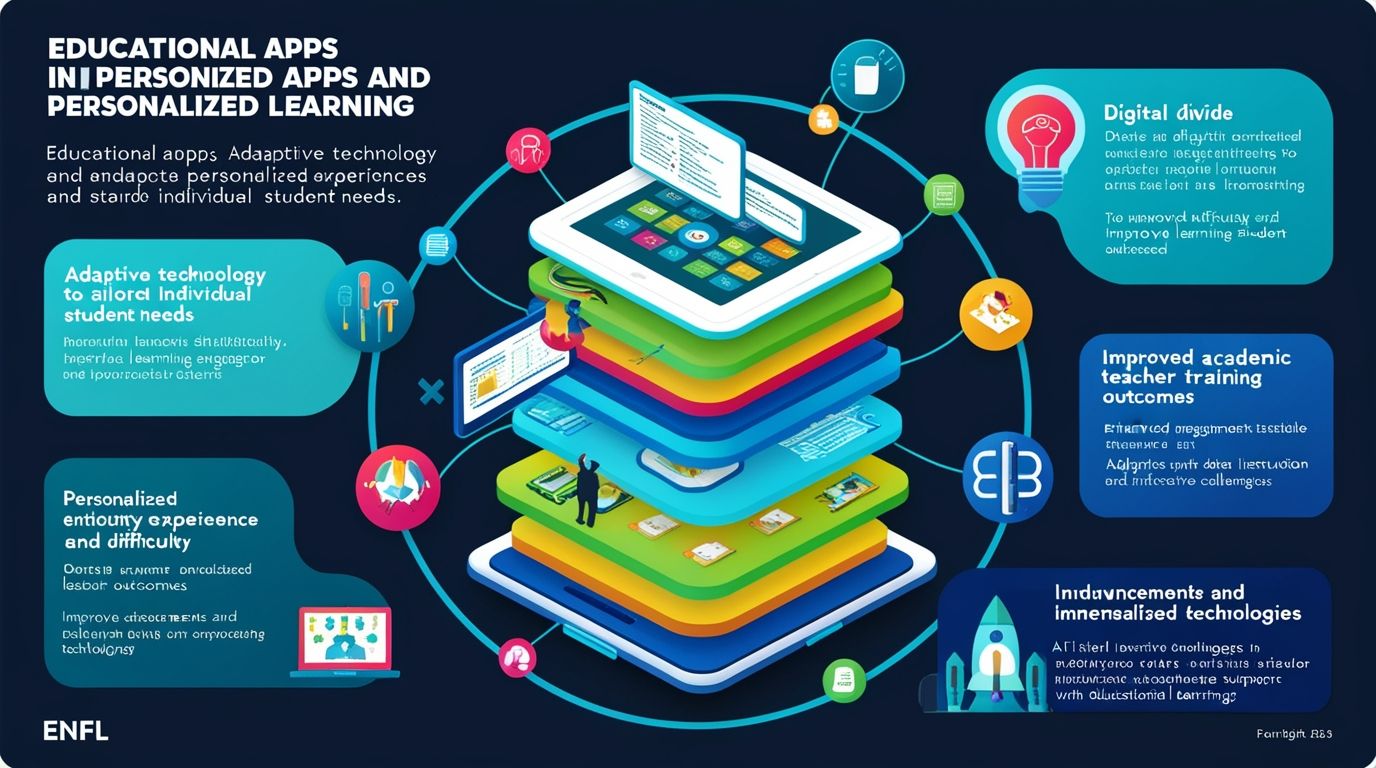
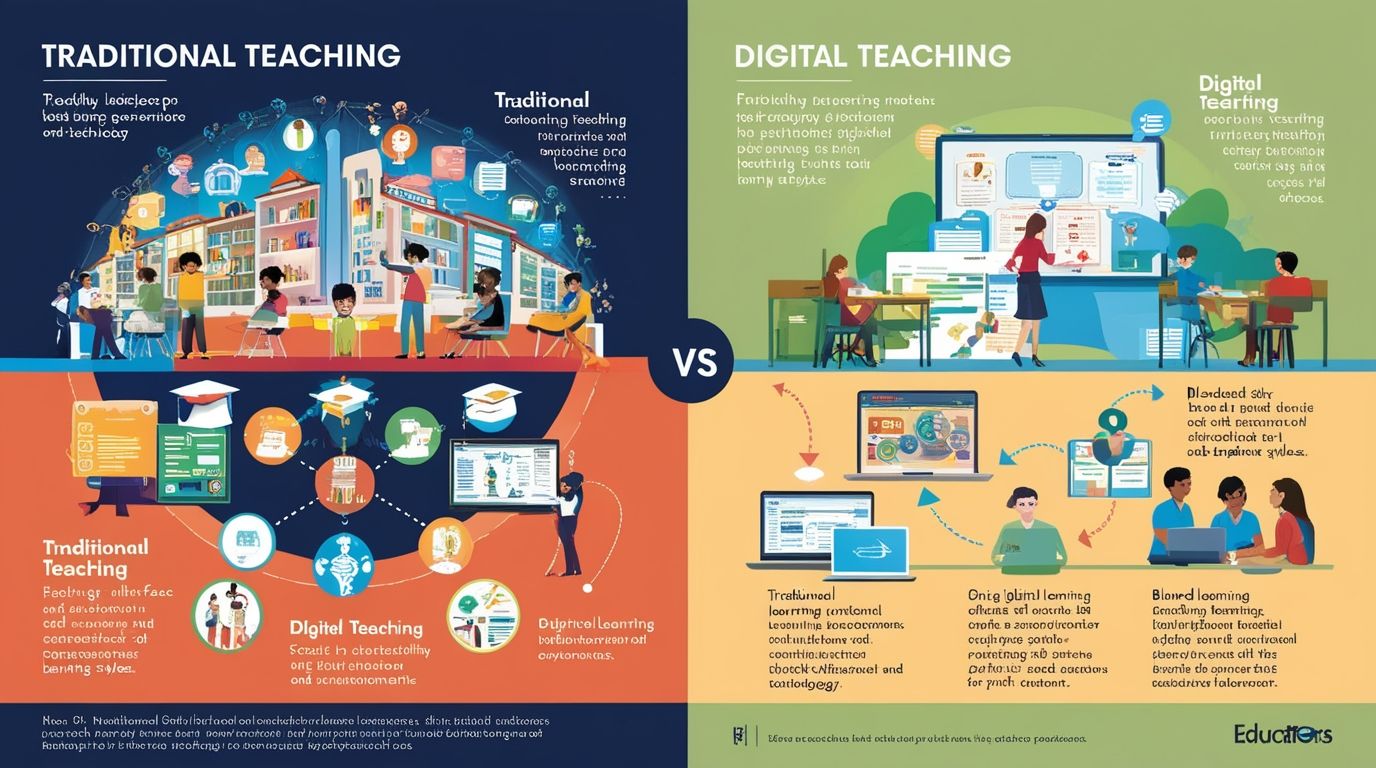
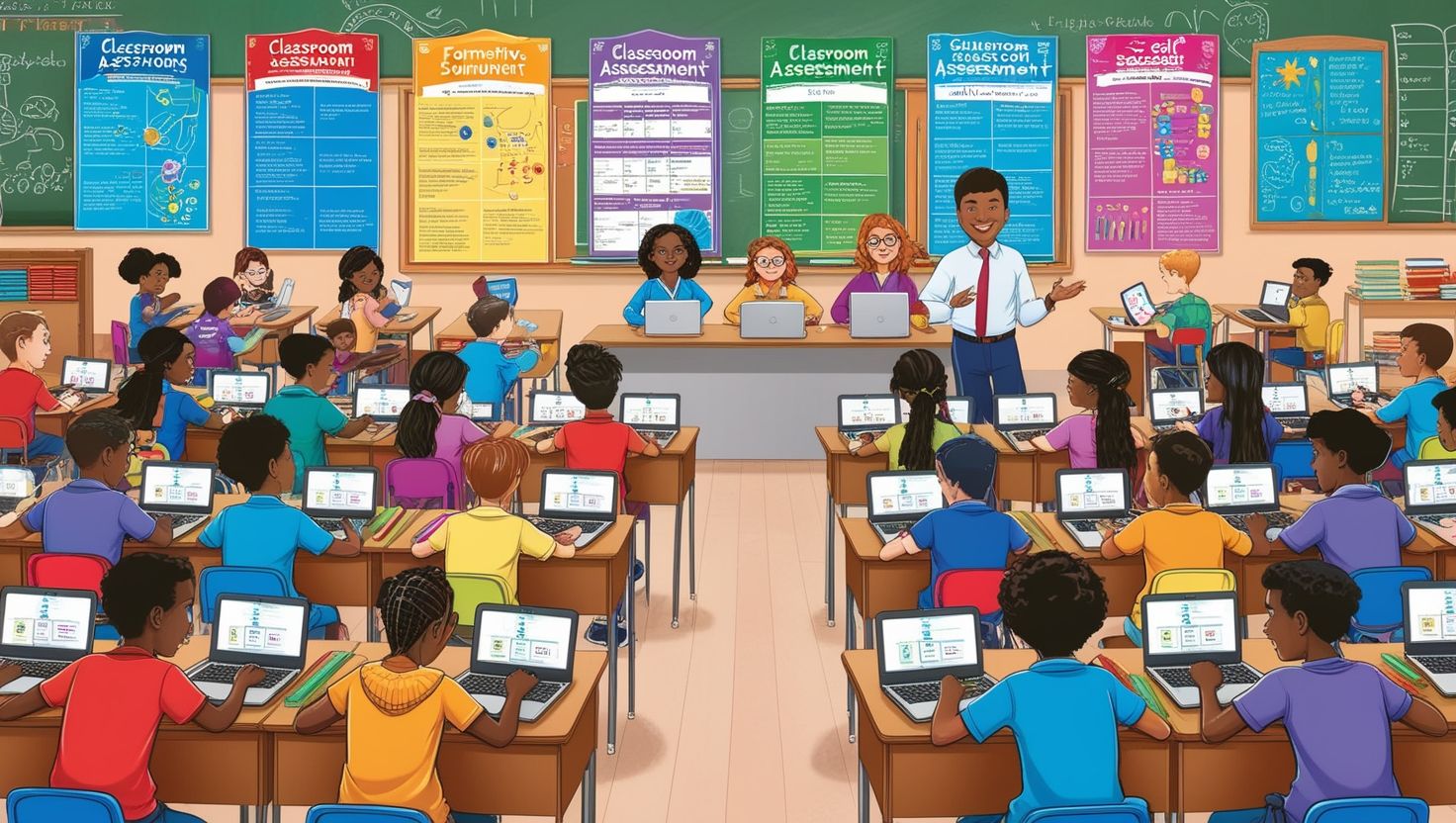
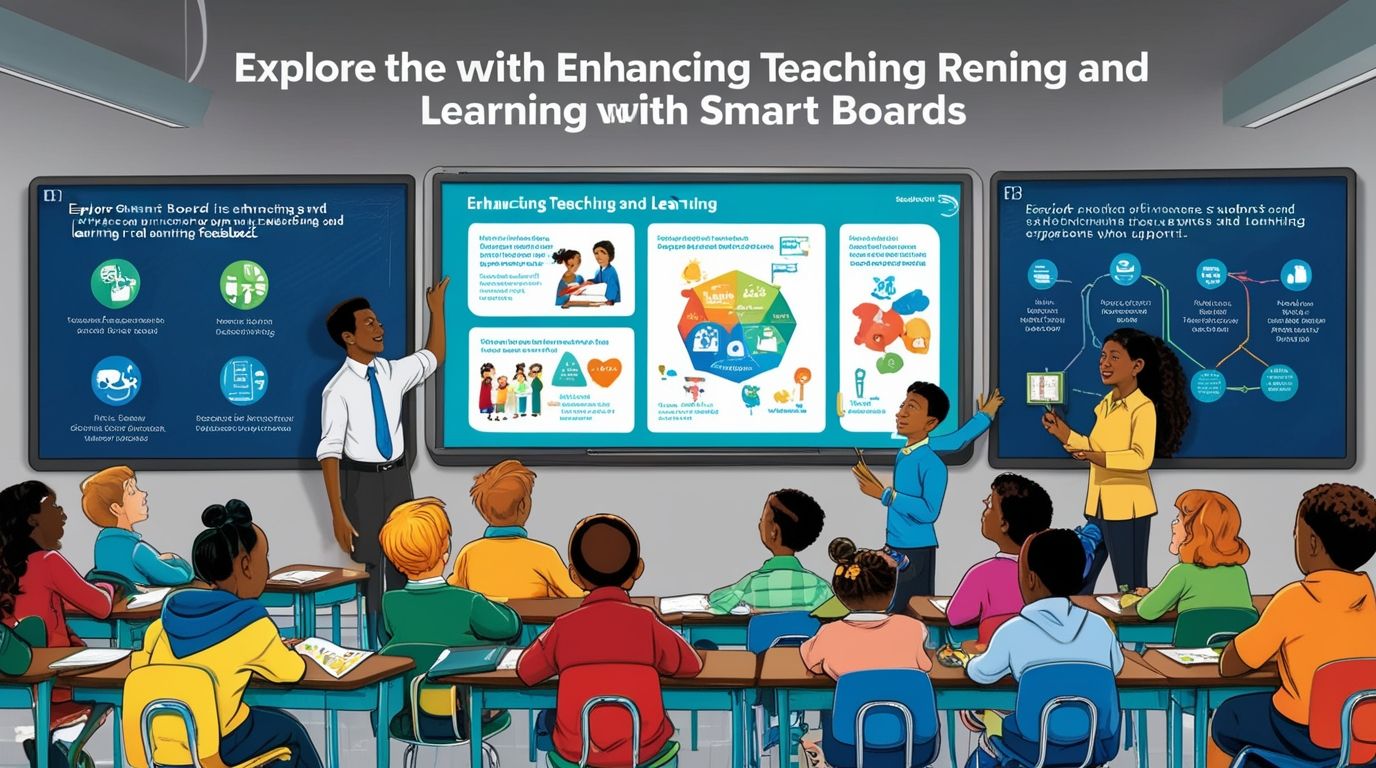
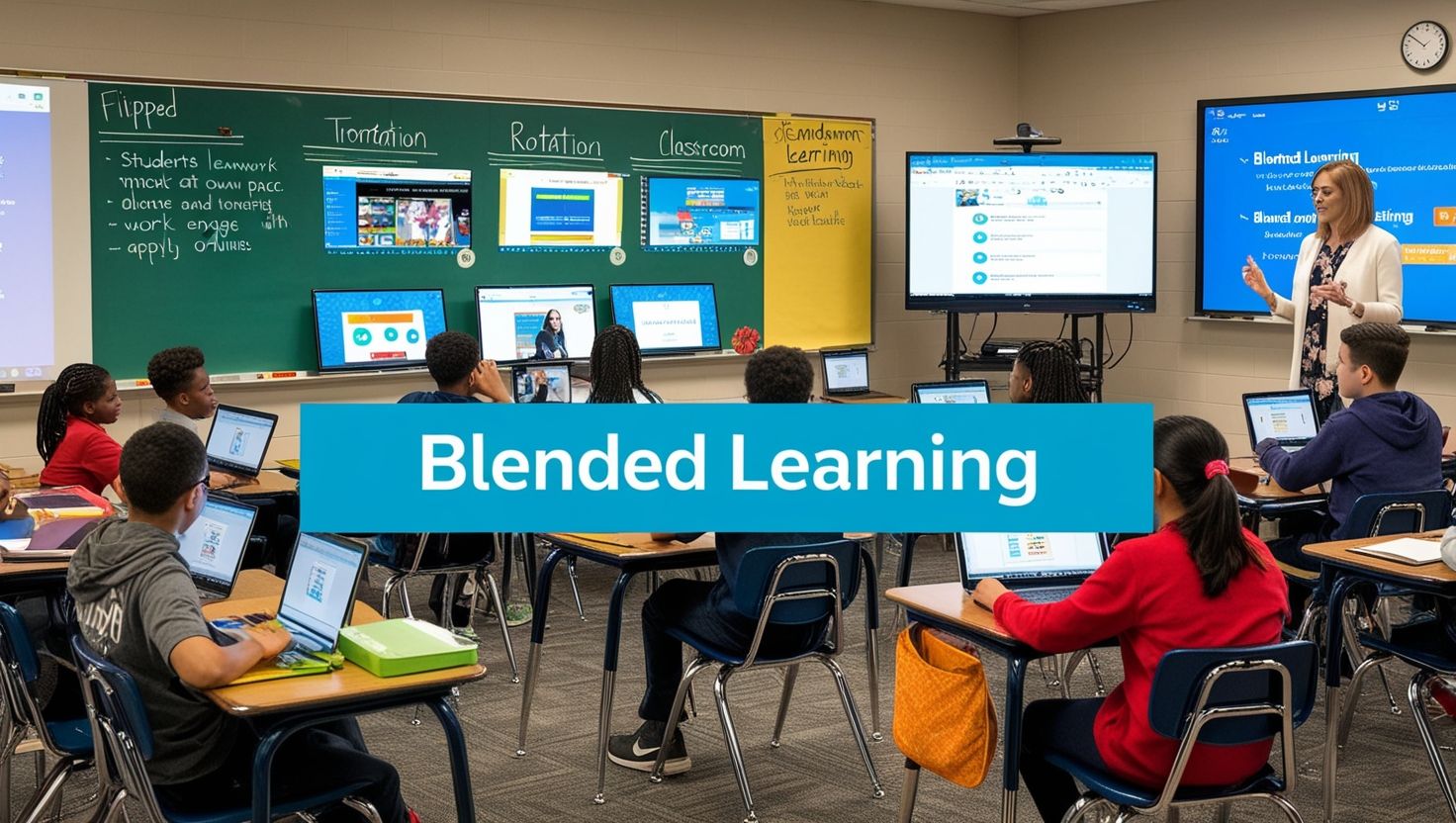
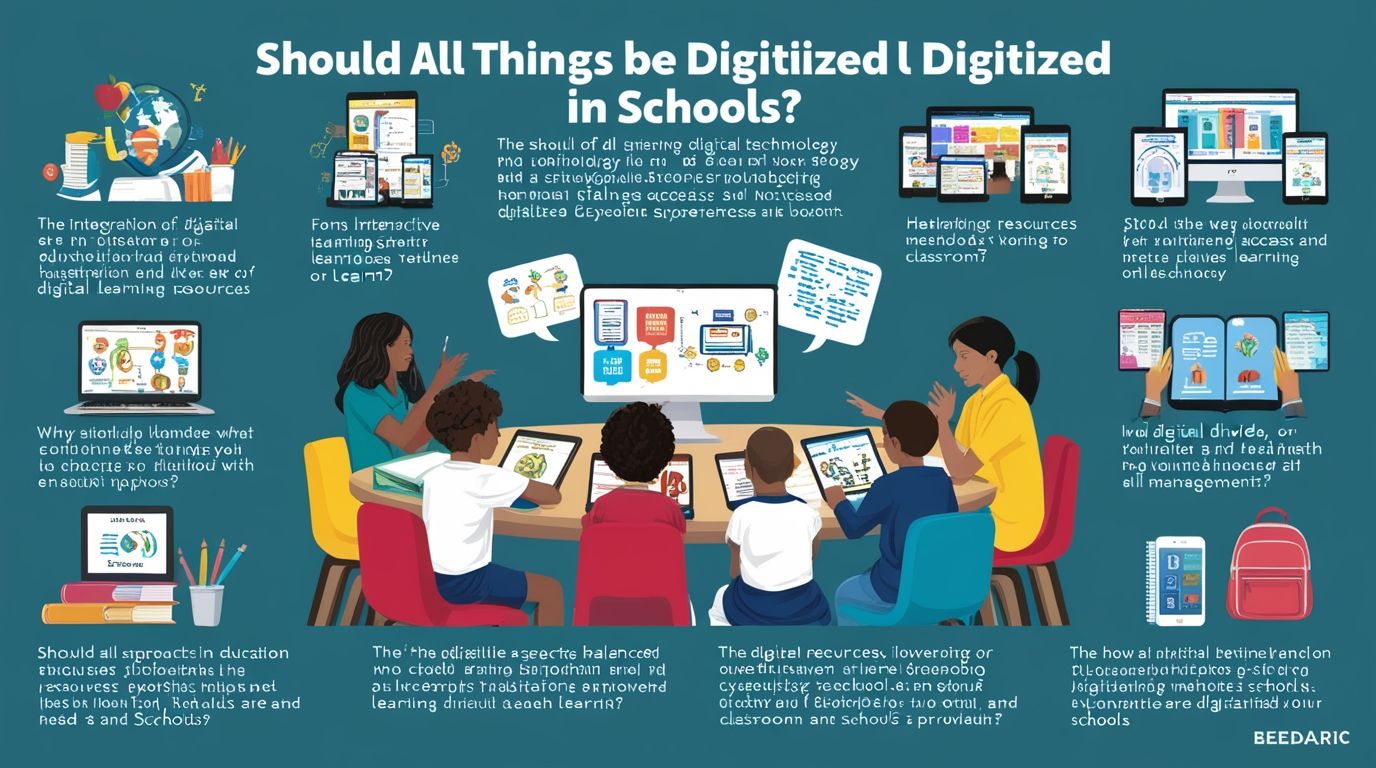
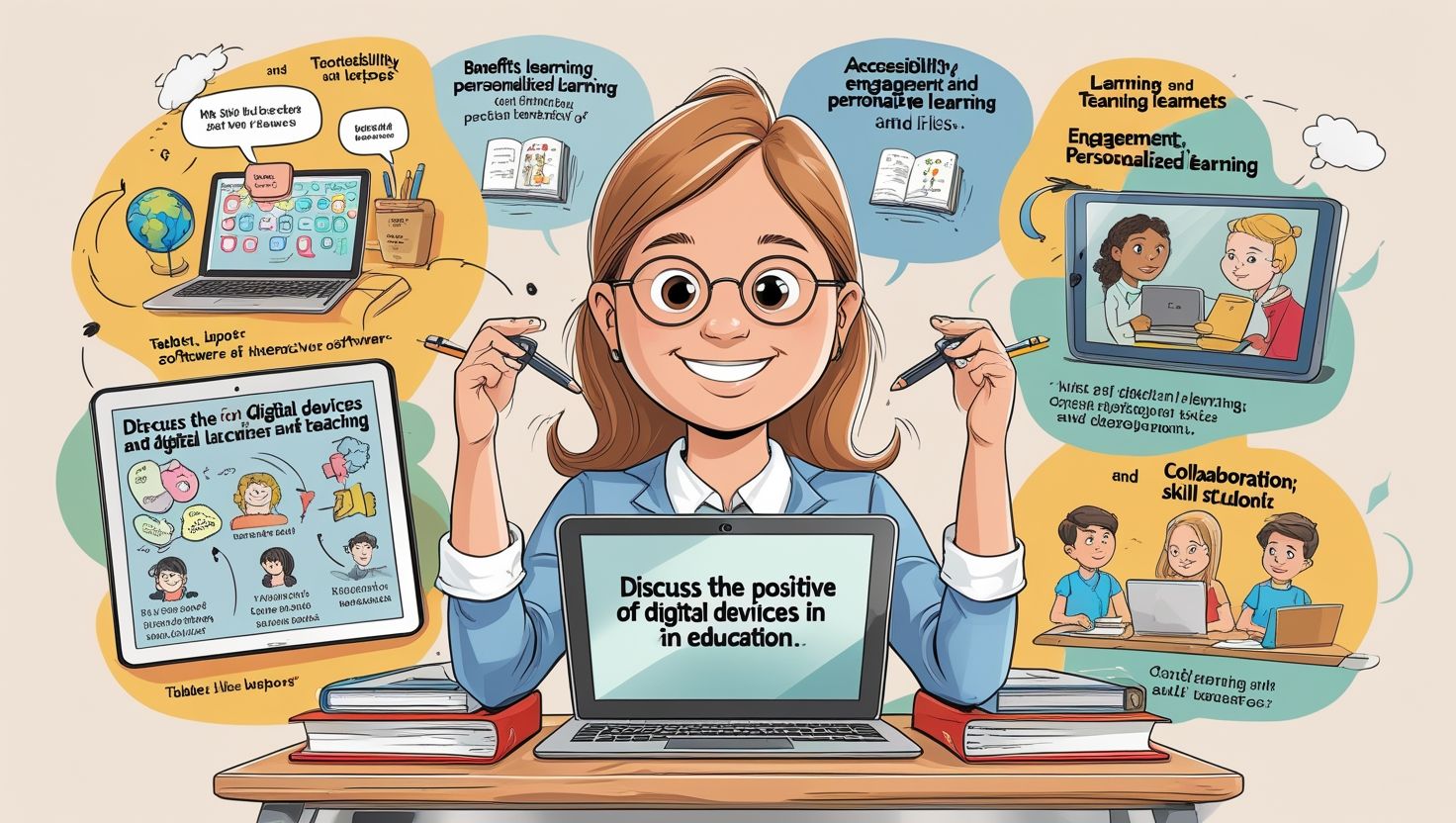
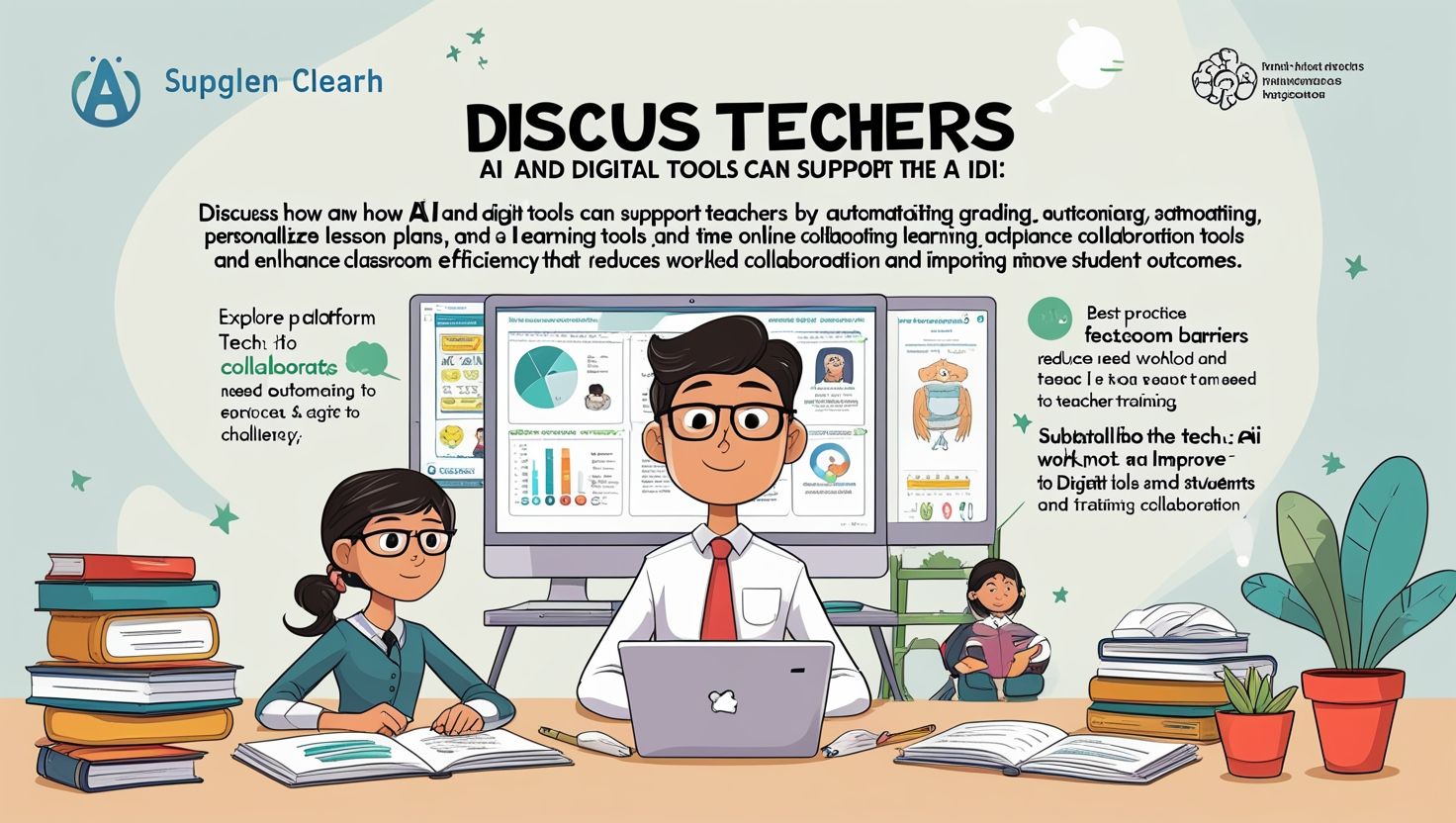
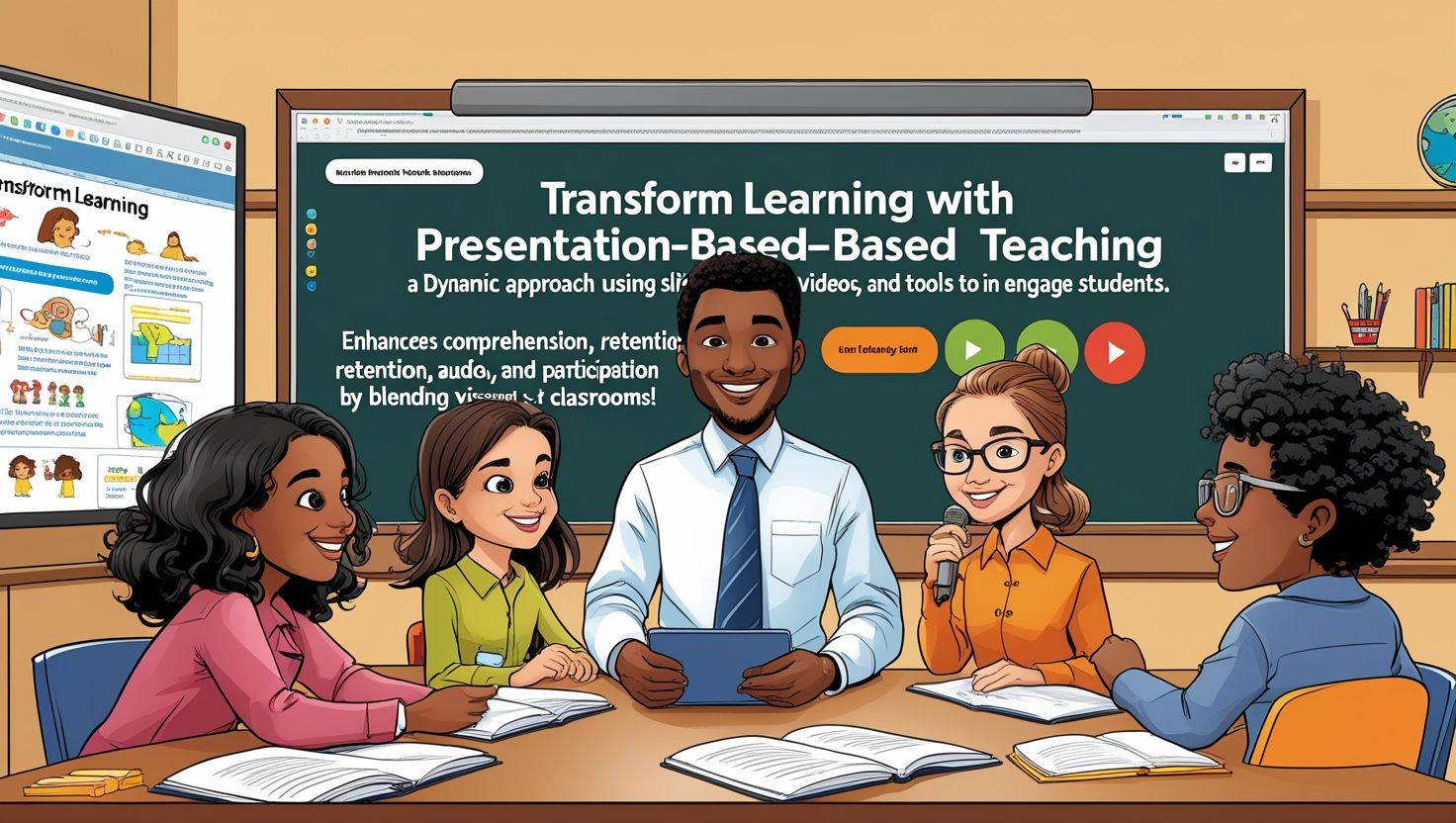
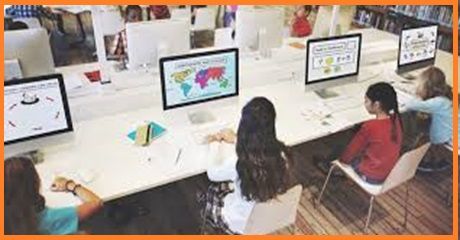
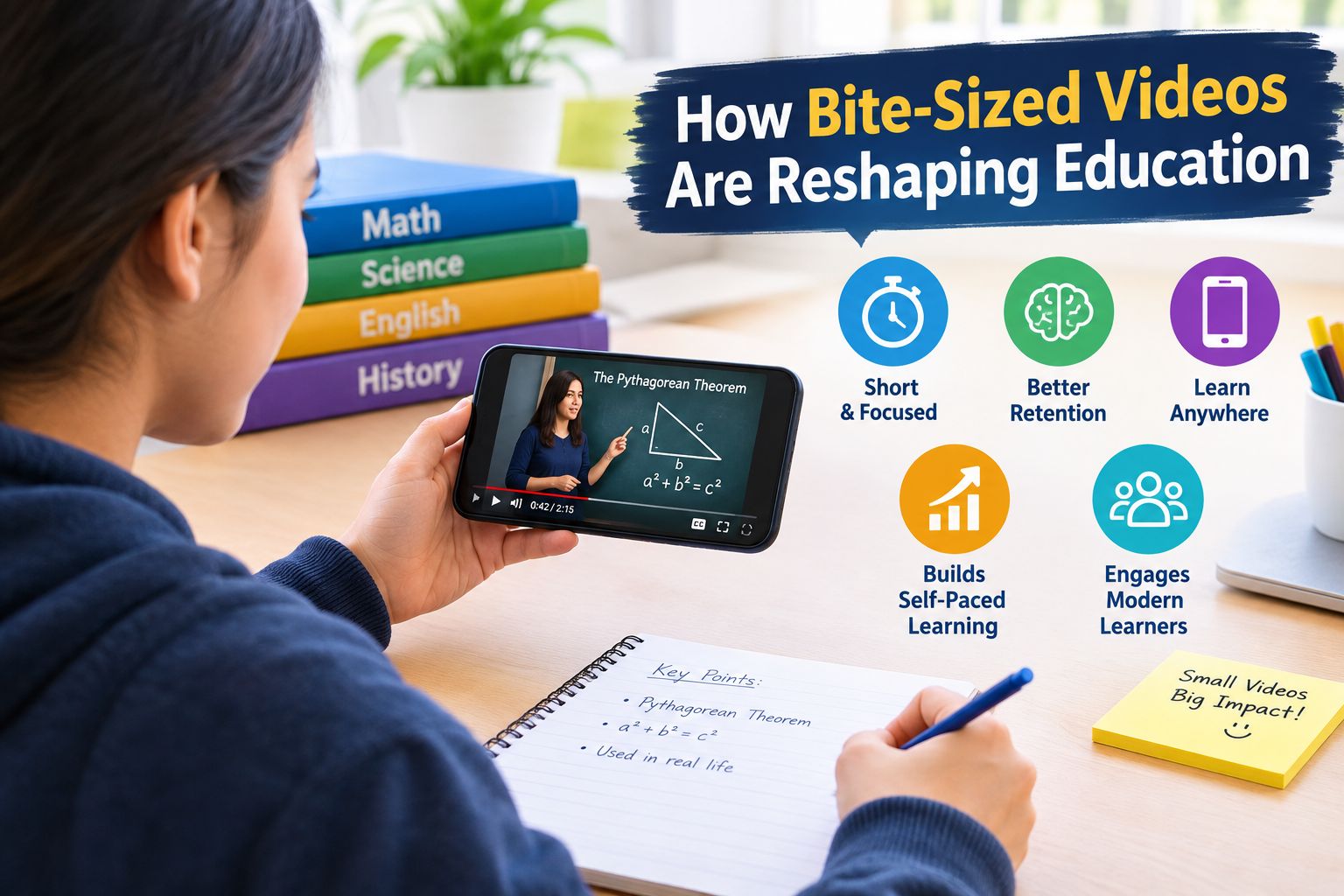
Technology has become an important component of modern classroom environments. Digital tools can enhance communication, collaboration, accessibility, and learner engagement.
Interactive technologies such as multimedia presentations, online discussions, educational software, and virtual learning platforms create flexible and engaging learning experiences.
Technology also supports personalized learning by allowing students to learn at different paces and access diverse educational resources.
Online communication platforms strengthen teacher-student interaction and feedback. Students can ask questions, share ideas, and receive support beyond classroom hours. However, technology should be used thoughtfully. Excessive screen time, digital distractions, and unequal access to technology may create challenges. Teachers must therefore balance technological integration with human interaction and emotional support.
Benefits of Supportive Educational Environments
Supportive classroom environments provide numerous educational and developmental benefits.
Improved Academic Achievement
Students perform better academically when they feel safe, motivated, and engaged in learning.
Increased Motivation and Engagement
Positive classroom climates encourage active participation and enthusiasm for learning.
Better Emotional Well-Being
Supportive environments reduce anxiety, stress, and feelings of isolation among learners.
Stronger Social Skills
Collaborative learning and respectful interaction help students develop communication, teamwork, and empathy.
Reduced Behavioral Problems
Students are less likely to engage in disruptive behavior when classrooms are respectful, organized, and supportive.
Greater Inclusivity and Equity
Supportive environments ensure that all learners feel valued and respected regardless of differences.
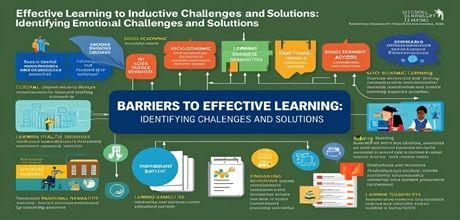
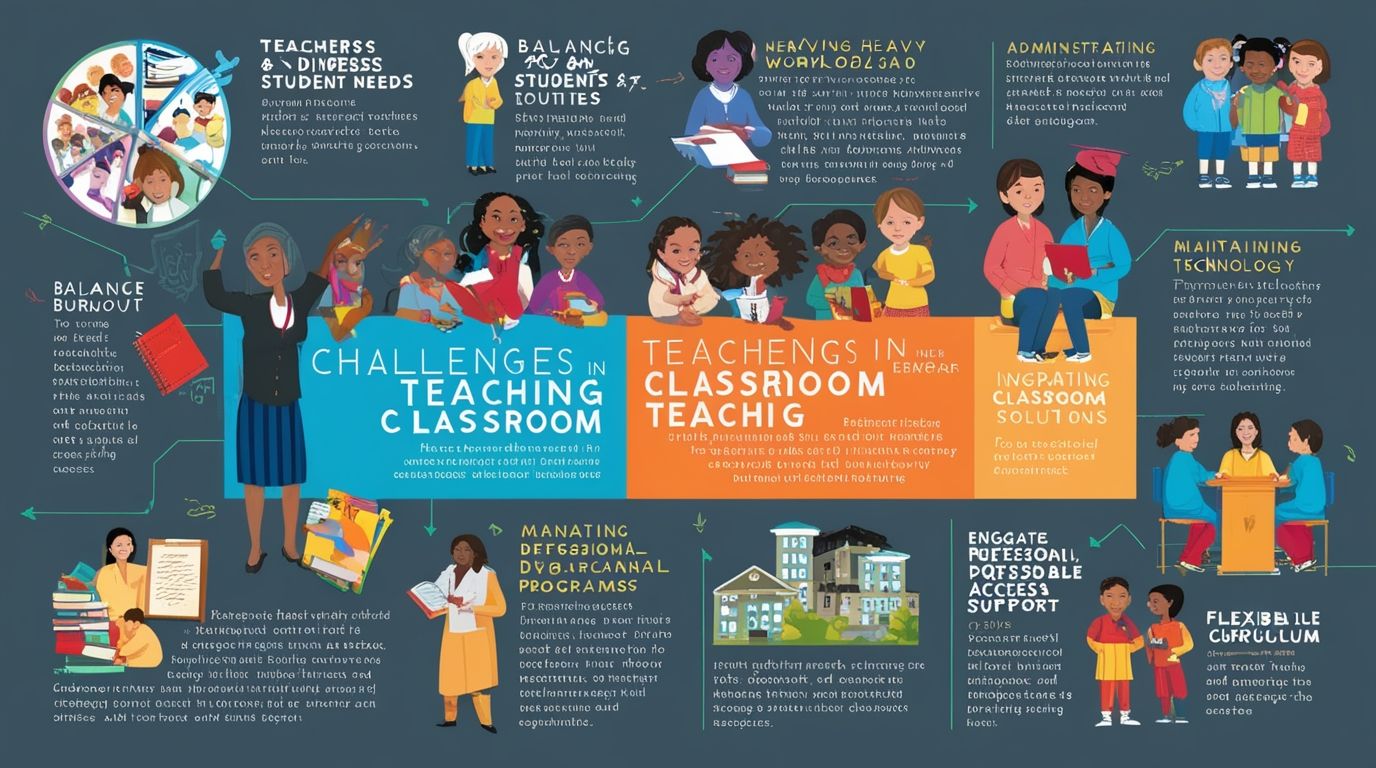
Challenges in Creating Supportive Educational Environments
Despite their importance, supportive educational environments may be difficult to establish due to various challenges.
Large Class Sizes
Overcrowded classrooms can limit individual attention and meaningful interaction between teachers and learners.
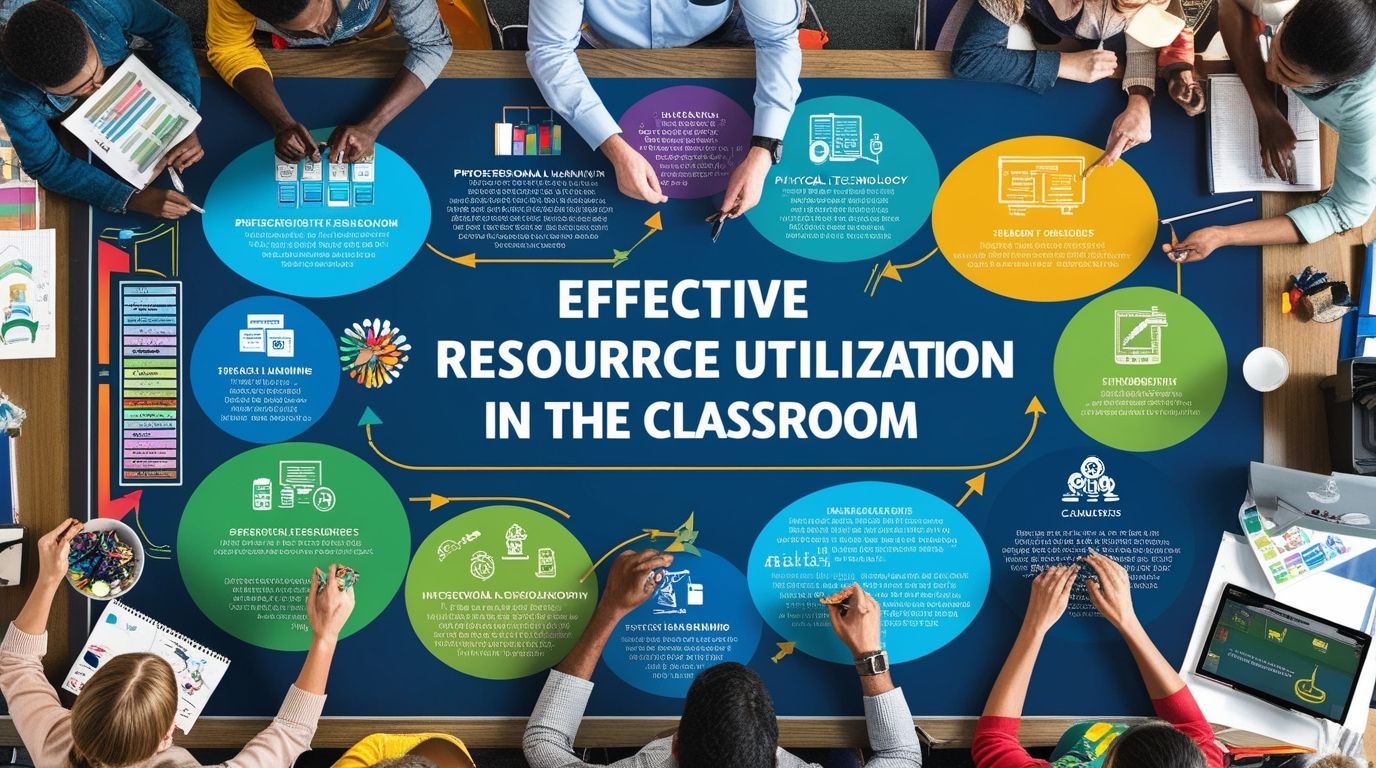
Limited Resources
Insufficient educational materials, technology, and infrastructure may hinder supportive teaching practices.
Behavioral Problems
Some classrooms face challenges related to discipline, bullying, and disruptive behavior.
Teacher Stress and Workload
Heavy workloads and professional stress may affect teachers’ ability to provide emotional support consistently.
Cultural and Language Differences
Diverse classrooms may present communication challenges that require culturally responsive teaching approaches.
Technological Inequality
Unequal access to digital resources may create educational disparities among learners.
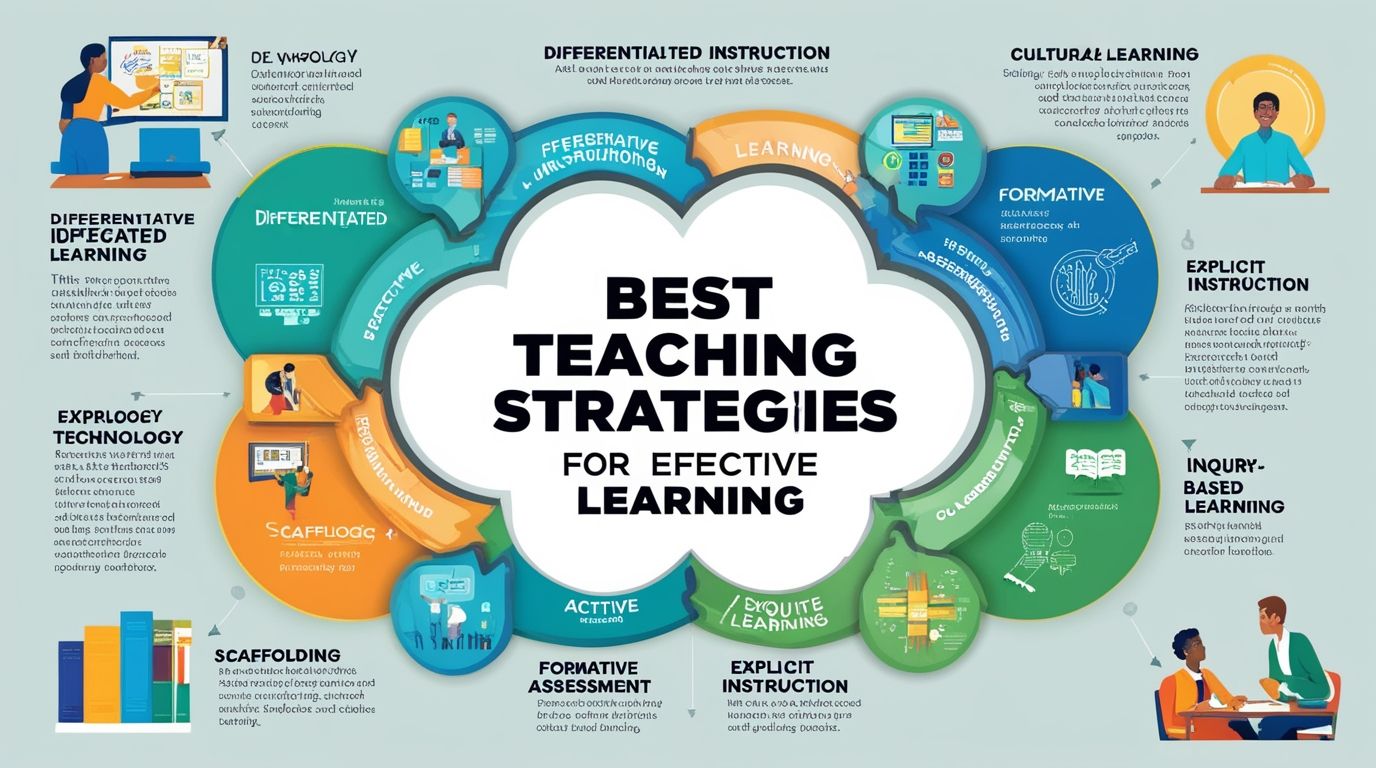
Strategies for Creating Supportive Classroom Environments
Teachers and schools can adopt several strategies to strengthen supportive educational environments.
Building Positive Relationships
Teachers should demonstrate empathy, respect, patience, and encouragement in interactions with learners.
Encouraging Student Voice
Students should have opportunities to express opinions, ask questions, and participate in classroom decisions.
Using Collaborative Learning
Group activities and teamwork strengthen cooperation and social interaction.
Providing Emotional Support
Teachers should recognize learners’ emotional needs and create caring classroom atmospheres.
Promoting Inclusivity
Inclusive teaching strategies ensure that all learners feel represented and supported.
Maintaining Effective Communication
Open, respectful, and constructive communication strengthens trust and understanding.
Integrating Technology Thoughtfully
Technology should support engagement and accessibility while maintaining human interaction.
Future Directions in Supportive Educational Environments
The future of education will likely place even greater emphasis on emotional well-being, inclusivity, and learner-centered pedagogy. Educational systems increasingly recognize the importance of mental health, social-emotional learning, and positive school climates.
Technology will continue to shape classroom environments through artificial intelligence, virtual learning, and personalized educational platforms. However, human relationships and emotional support will remain central to effective education.
Teacher training programs are also expected to focus more on emotional intelligence, inclusive teaching, communication skills, and classroom climate development. Future classrooms may become more flexible, collaborative, and culturally responsive, preparing learners for diverse and interconnected societies.
Conclusion
Creating supportive educational environments in classrooms is essential for effective teaching and meaningful learning. Supportive classrooms promote academic achievement, emotional well-being, inclusivity, collaboration, and positive relationships among learners and teachers.
Teachers play a central role in establishing these environments through respectful communication, learner-centered pedagogy, effective classroom management, and inclusive teaching practices. Supportive classrooms encourage students to participate actively, express ideas confidently, and develop critical social and emotional skills.
Although challenges such as large class sizes, limited resources, and technological inequalities remain significant, schools and educators can adopt strategies that strengthen supportive learning environments.
Ultimately, education is most effective when learners feel safe, respected, valued, and inspired. Supportive educational environments therefore remain fundamental to the development of successful, confident, and compassionate individuals in modern society.
References
- Vygotsky, L. S. Mind in Society: The Development of Higher Psychological Processes. Harvard University Press, 1978.
- Rogers, C. Freedom to Learn. Merrill Publishing Company, 1969.
- Marzano, R. J. Classroom Management That Works. ASCD, 2003.
- Pianta, R. C. Enhancing Relationships Between Children and Teachers. American Psychological Association, 1999.
- Noddings, N. The Challenge to Care in Schools: An Alternative Approach to Education. Teachers College Press, 2005.