Introduction
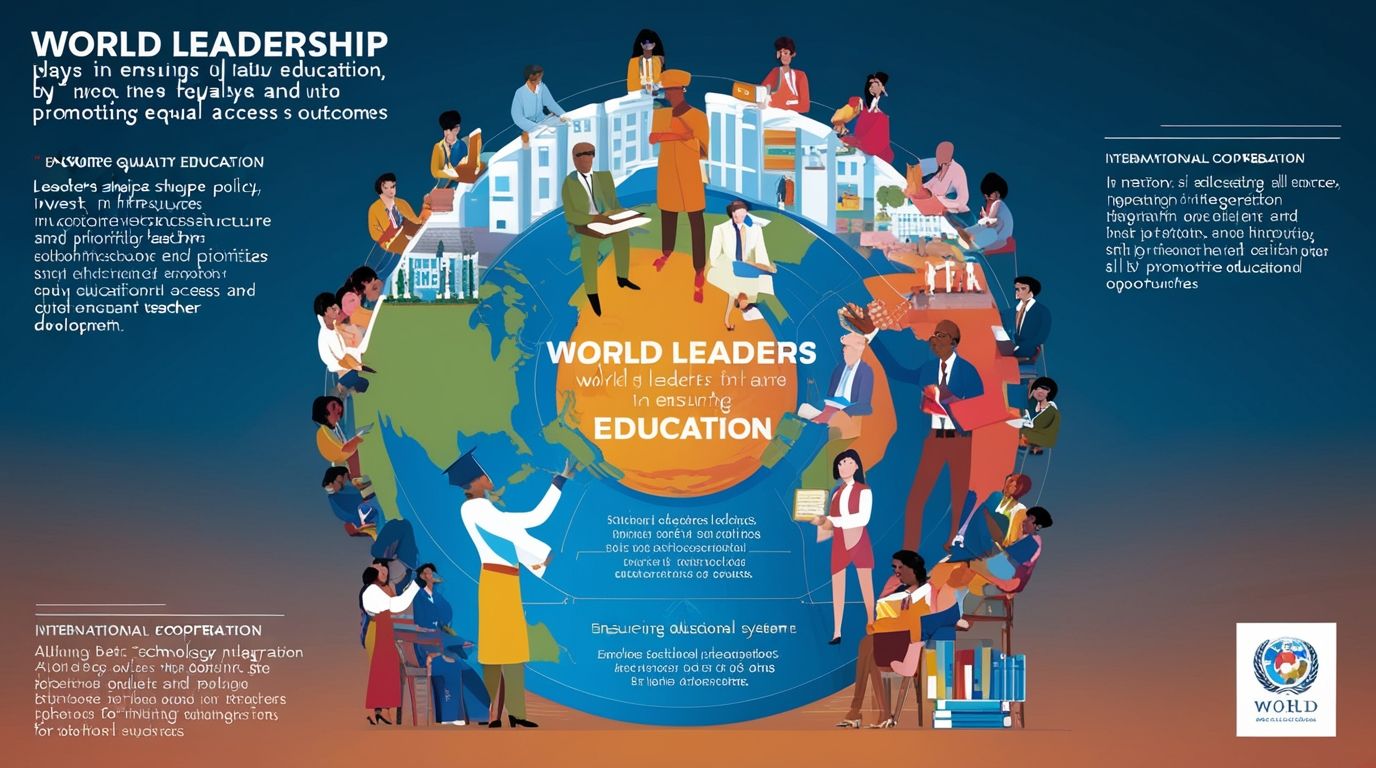
Education and Global Citizenship, Education has always been one of the strongest forces shaping human civilization. It transfers knowledge, develops skills, builds moral values, and prepares individuals to contribute positively to society. In the twenty-first century, however, education has acquired a broader and more transformative responsibility. The world has become increasingly interconnected through technology, trade, migration, environmental challenges, and global communication. Problems such as climate change, poverty, conflict, inequality, pandemics, and digital misinformation affect people across borders. As a result, modern education must prepare learners not only to become responsible citizens of their own countries but also thoughtful and active participants in the global community. This wider responsibility is reflected in the concept of global citizenship.
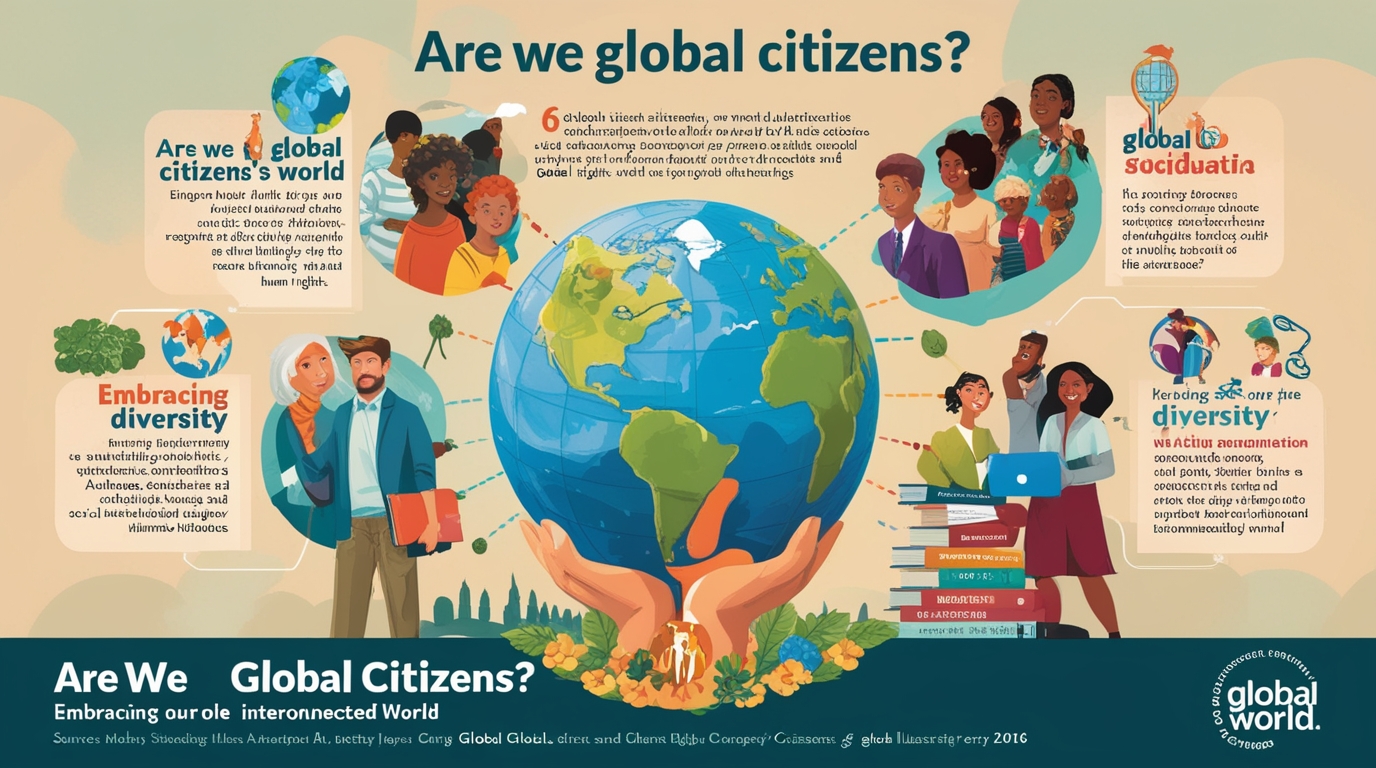
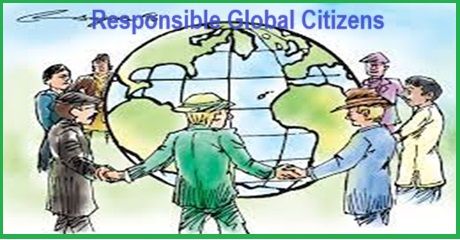
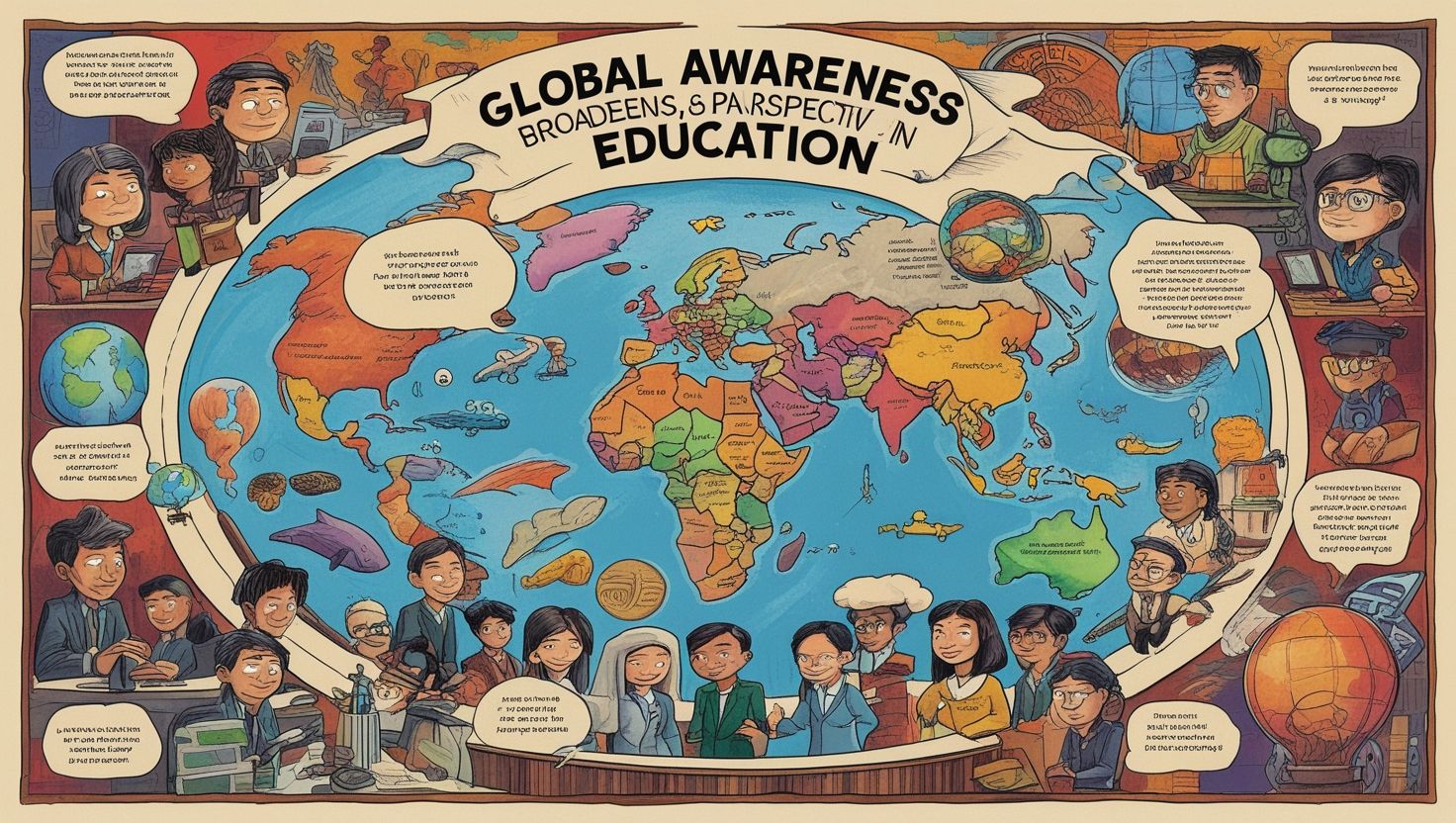
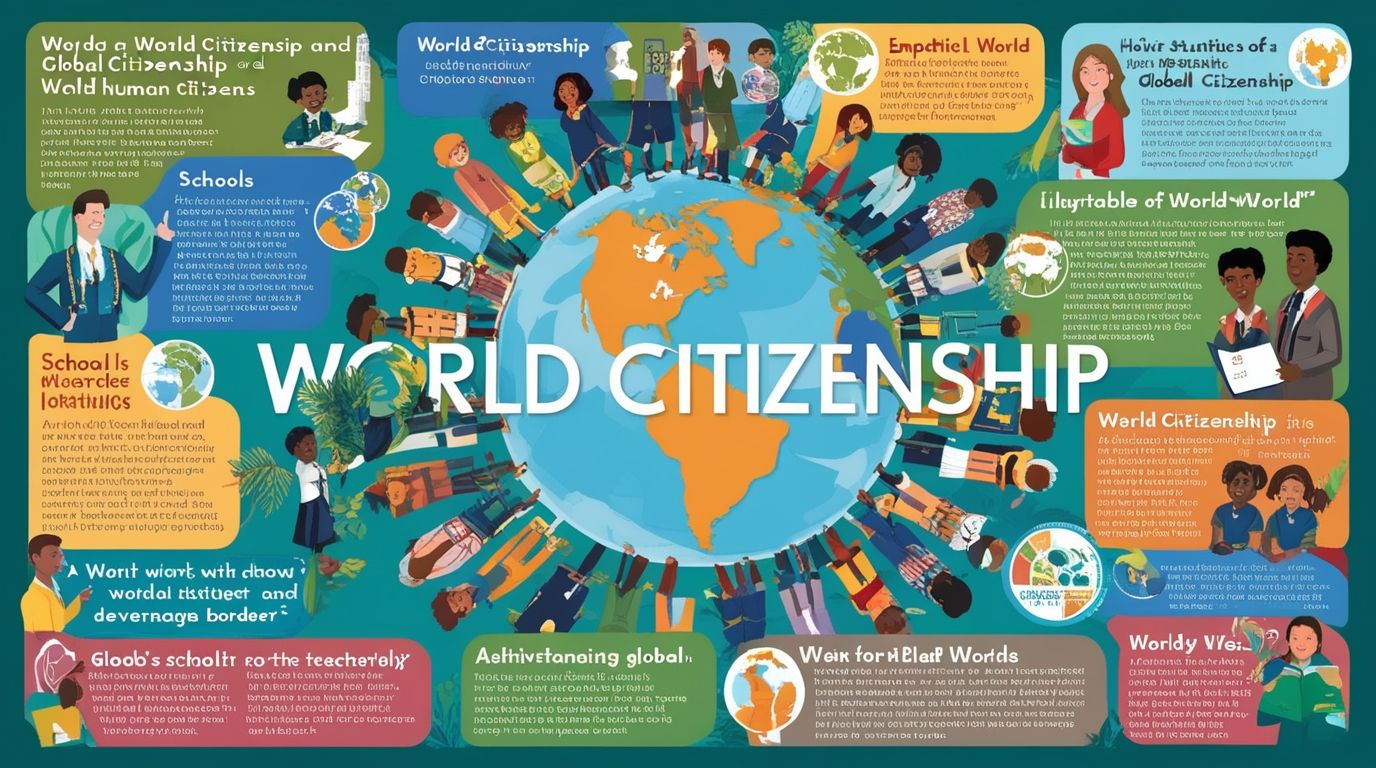
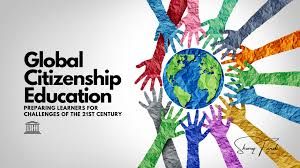
Global citizenship refers to the awareness that all human beings are interconnected and share common responsibilities toward humanity and the planet. A global citizen respects diversity, values justice and peace, promotes sustainability, protects human rights, and contributes positively to local and global communities. Education plays a central role in developing these attitudes, values, and competencies. Schools, colleges, universities, teachers, families, and educational systems are therefore expected to cultivate learners who can think critically, act ethically, and cooperate across cultures.
Education and global citizenship are deeply connected because education provides the knowledge, skills, attitudes, and opportunities necessary for people to understand the world and improve it. Through meaningful learning experiences, students can become compassionate leaders, responsible decision-makers, and constructive contributors to society. In a rapidly changing world, global citizenship education is no longer optional; it is essential for peaceful coexistence, sustainable development, and the progress of humanity.
Understanding Global Citizenship
Global citizenship does not mean abandoning national identity or cultural traditions. Rather, it means recognizing that people belong to both local and global communities. A global citizen remains loyal to his or her country while also understanding broader responsibilities toward humanity. The concept encourages people to look beyond political boundaries and work for the common good.
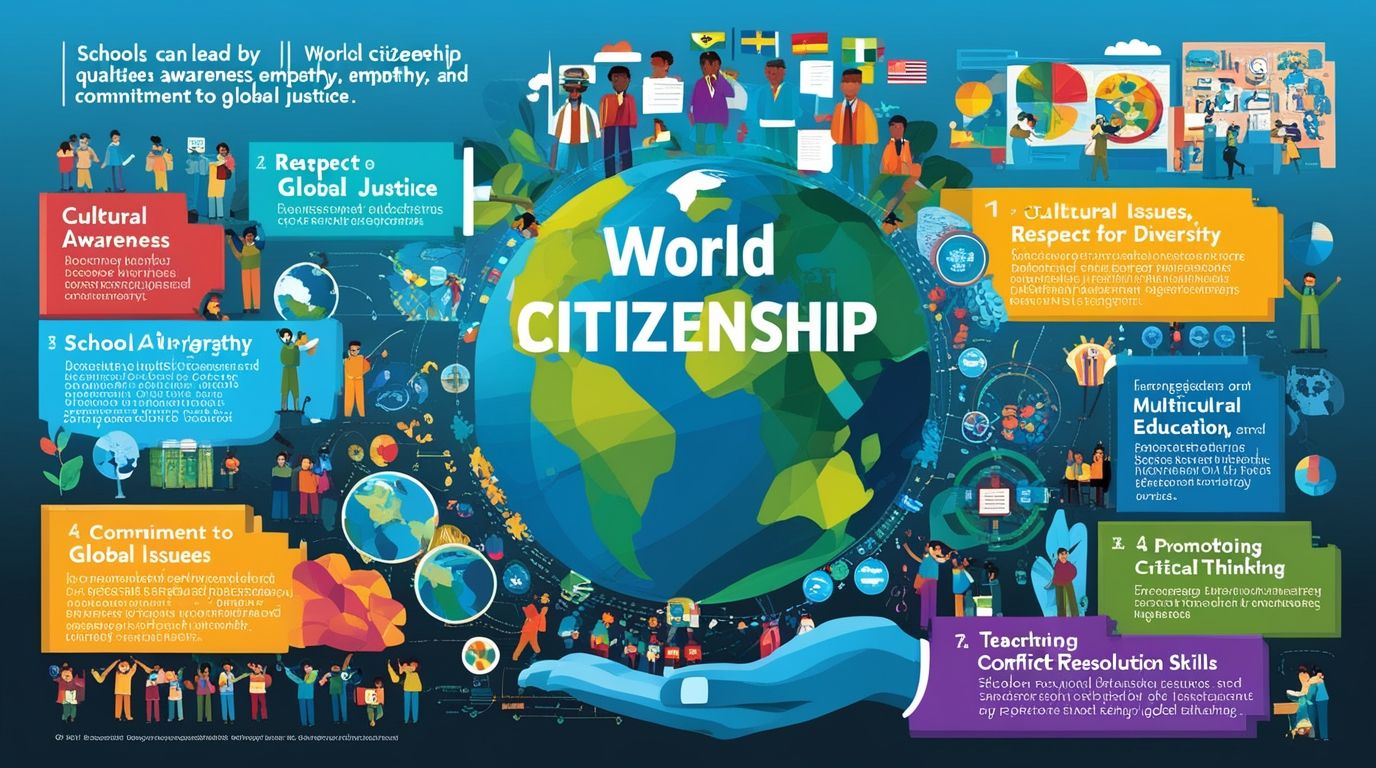
Global citizenship includes several important dimensions. The first is awareness of global issues such as environmental degradation, poverty, inequality, human rights violations, and international conflicts. The second is respect for cultural diversity and acceptance of differences in language, religion, ethnicity, and traditions. The third is social responsibility, which involves contributing positively to society through ethical behavior, volunteerism, and civic engagement. Another important aspect is sustainability, which encourages individuals to protect natural resources and promote environmentally responsible lifestyles.
Global citizenship also requires critical thinking and empathy. Citizens must be able to analyze information carefully, distinguish truth from misinformation, and understand different perspectives. Empathy allows individuals to care about the suffering and struggles of others, regardless of nationality or background. These qualities help build peaceful relationships and cooperative societies.
In today’s interconnected world, no nation can solve global problems alone. Climate change, terrorism, cybercrime, migration crises, and public health emergencies demand international cooperation. Education that promotes global citizenship prepares individuals to participate effectively in this interconnected environment.
The Role of Education in Developing Global Citizenship
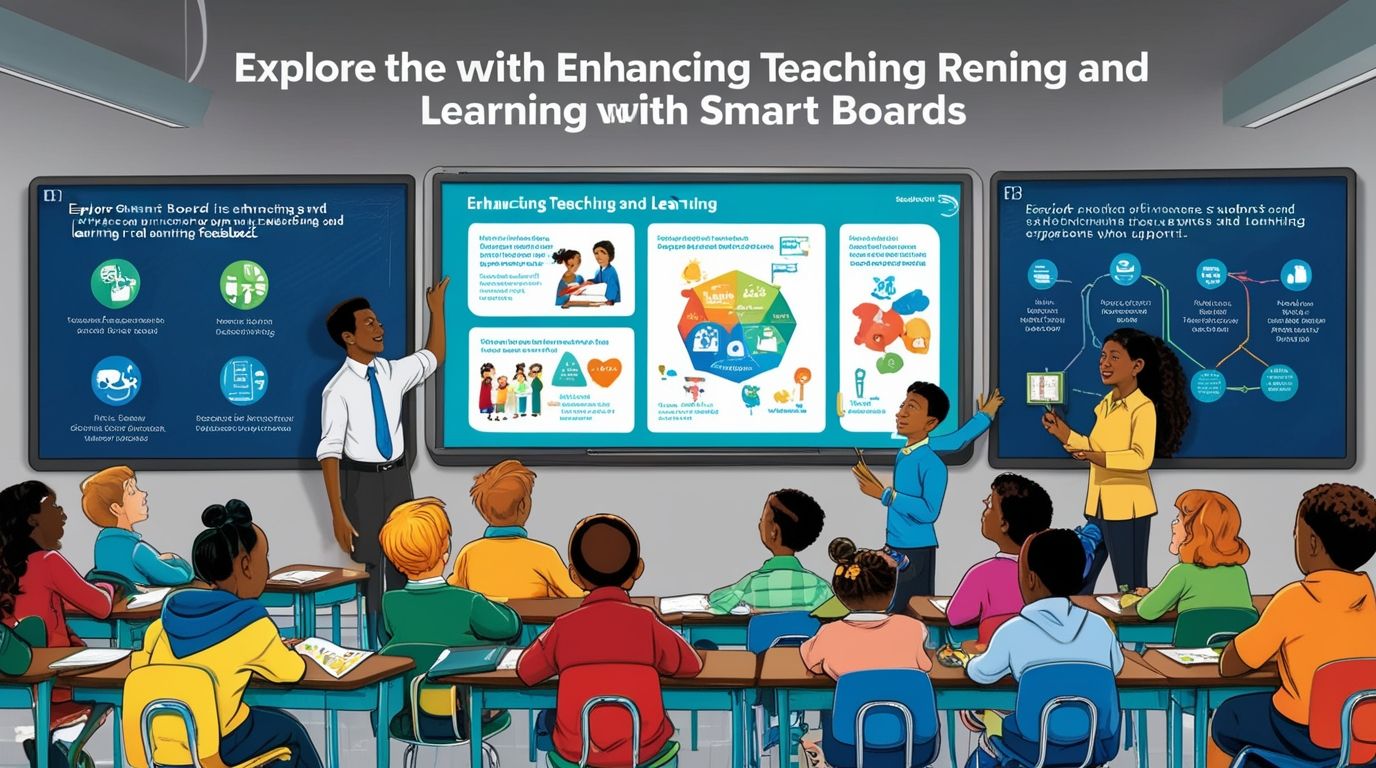
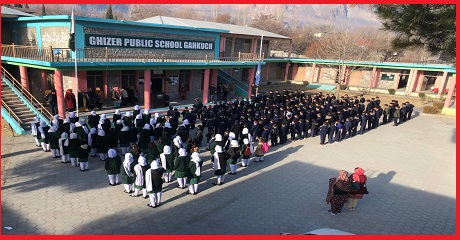
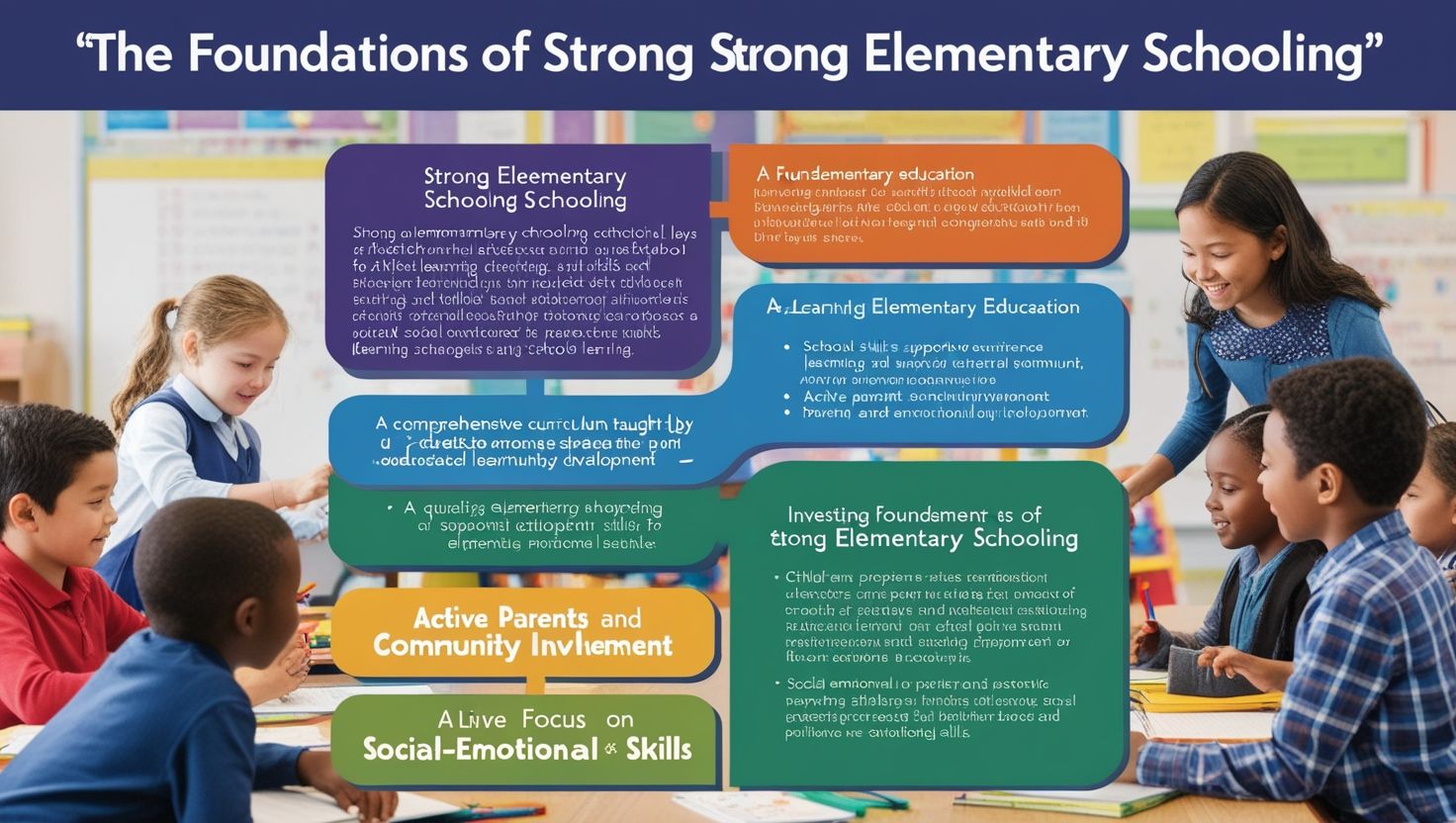
Education is the foundation upon which global citizenship is built. It shapes attitudes, influences values, and develops the intellectual and social capacities needed for responsible participation in society. Educational institutions provide structured opportunities for learners to understand themselves, others, and the world around them.
One of the primary roles of education is to develop knowledge about global issues. Students should learn about world history, geography, cultures, environmental challenges, economic systems, human rights, and international organizations. Such knowledge broadens perspectives and helps learners understand the interconnected nature of modern societies.
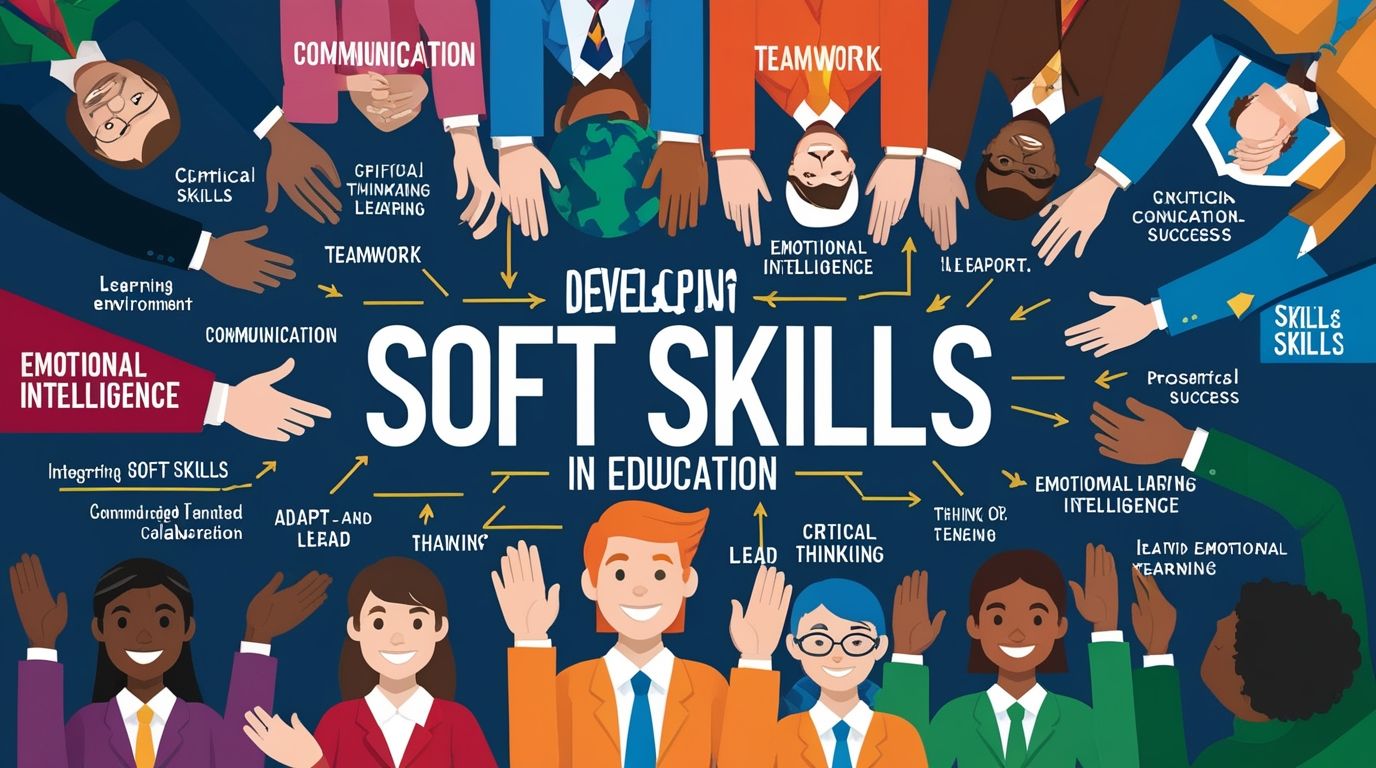
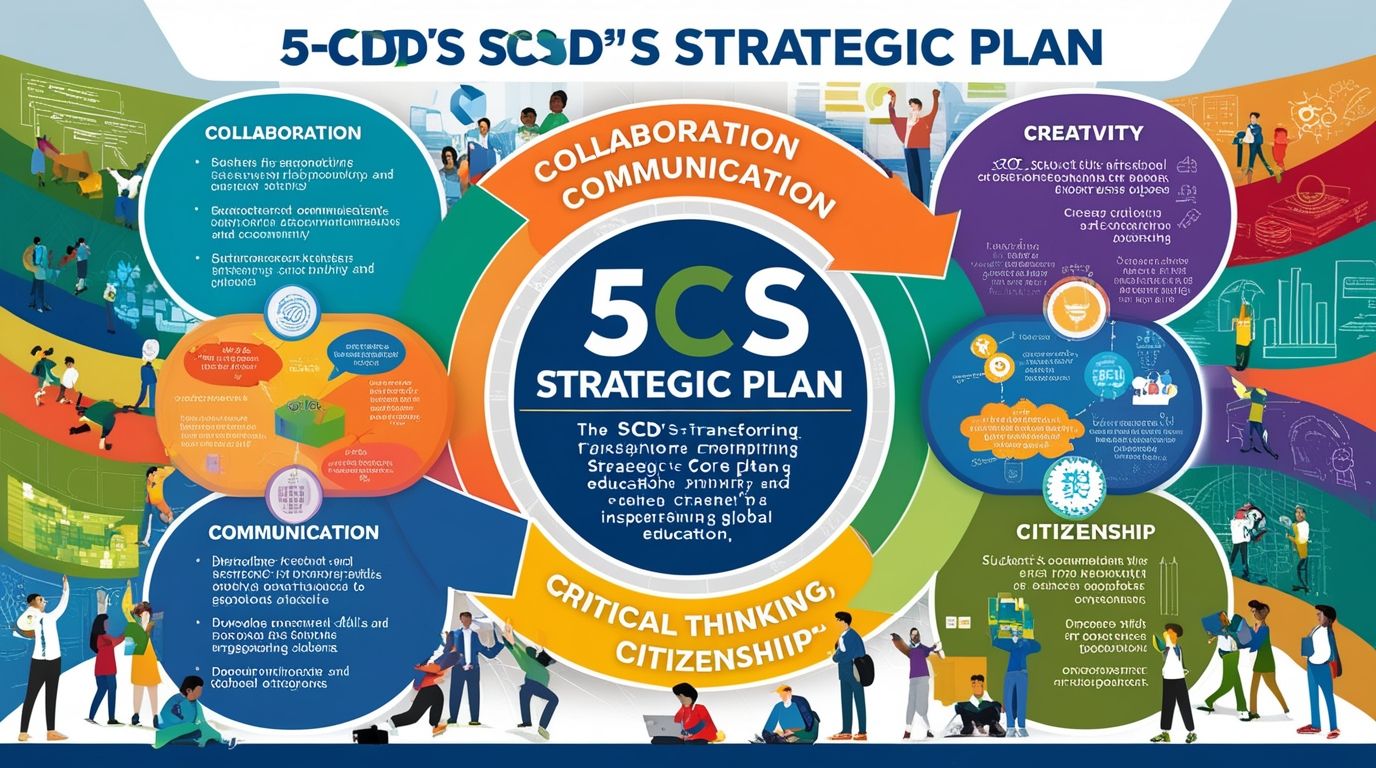
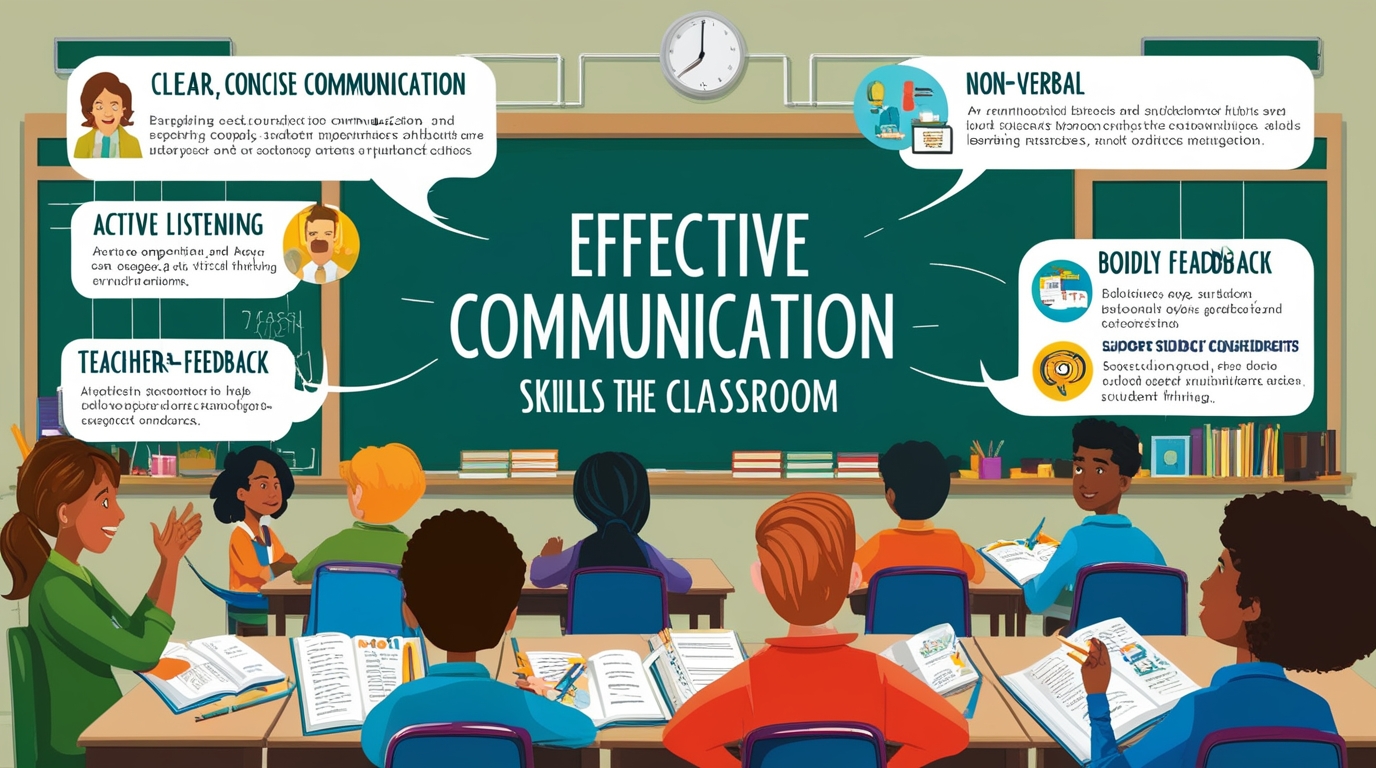
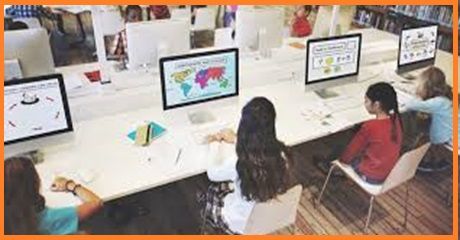
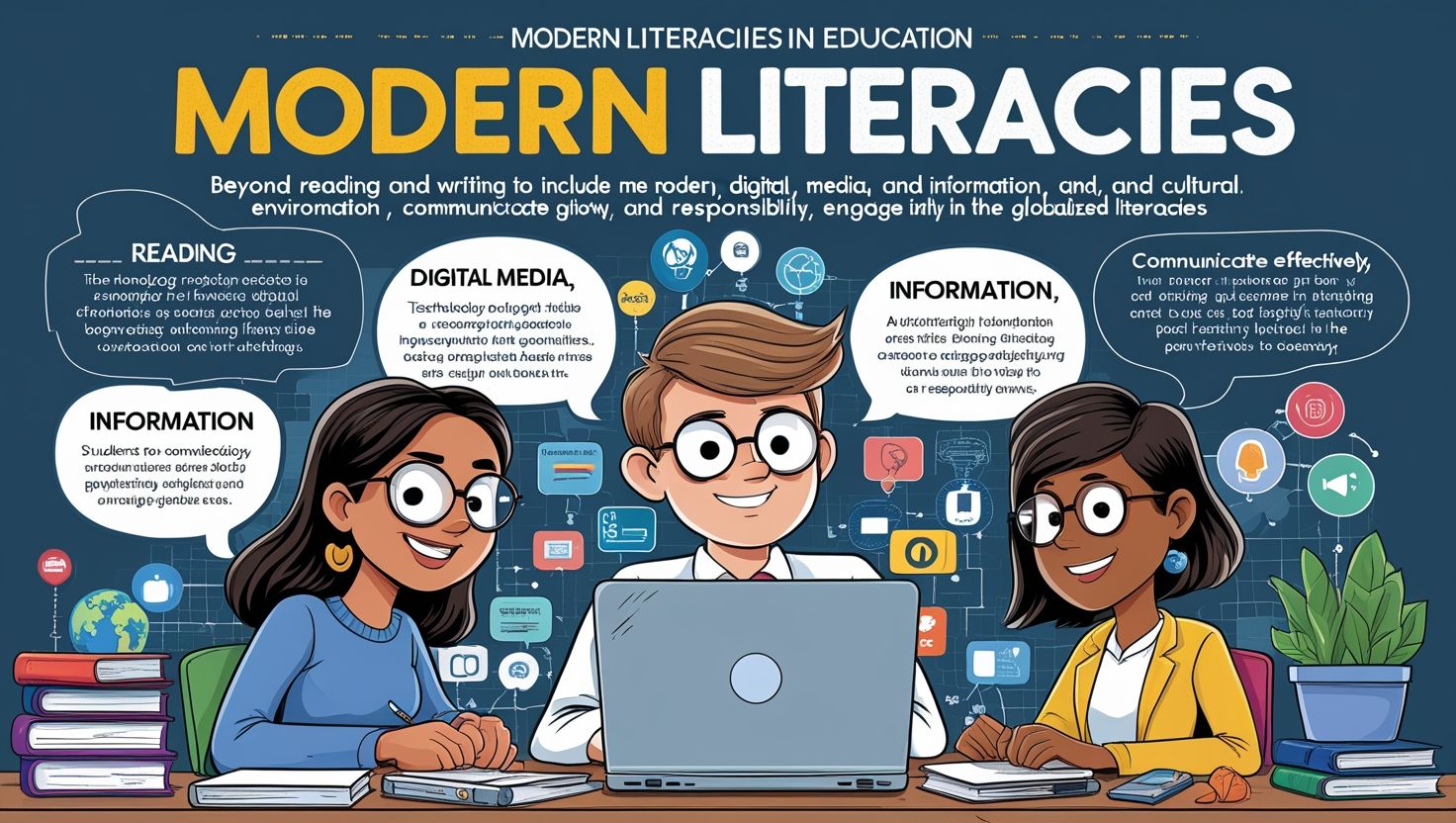
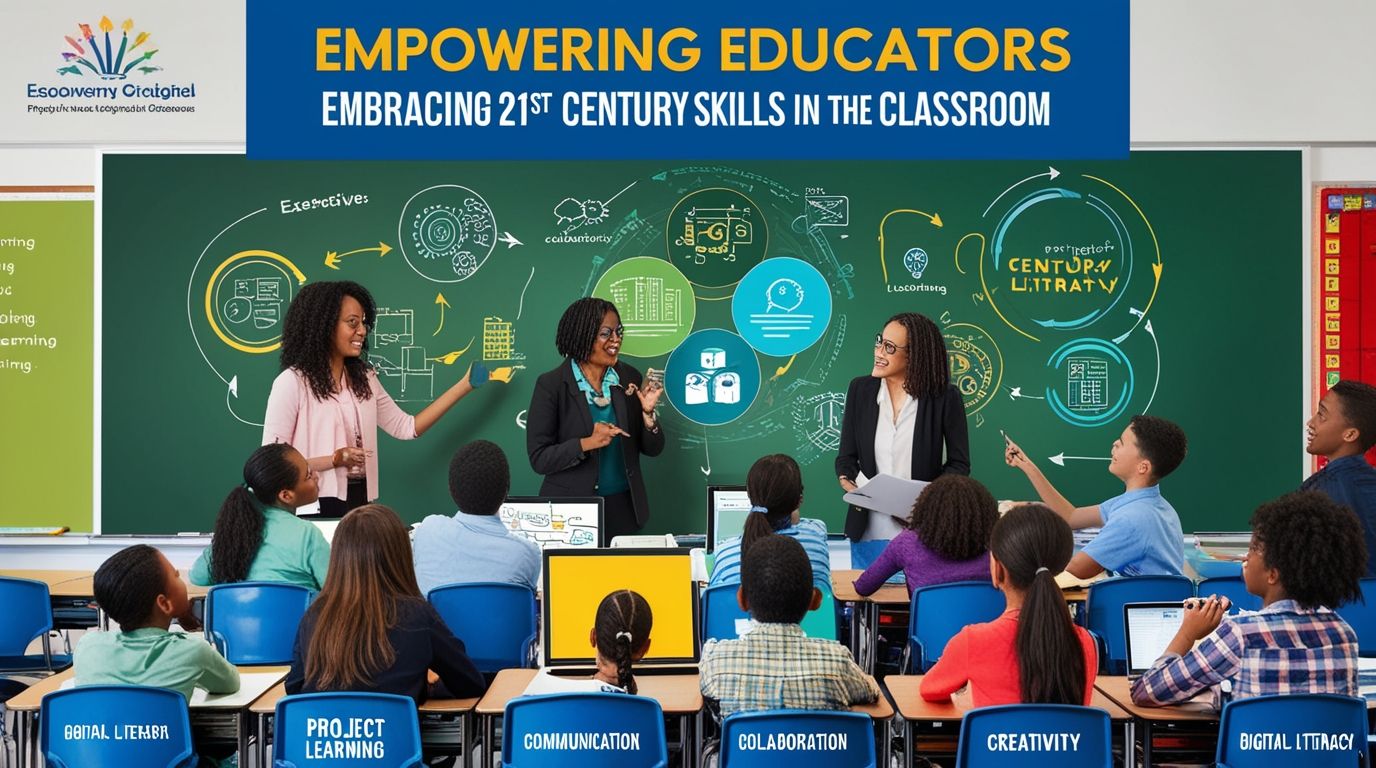
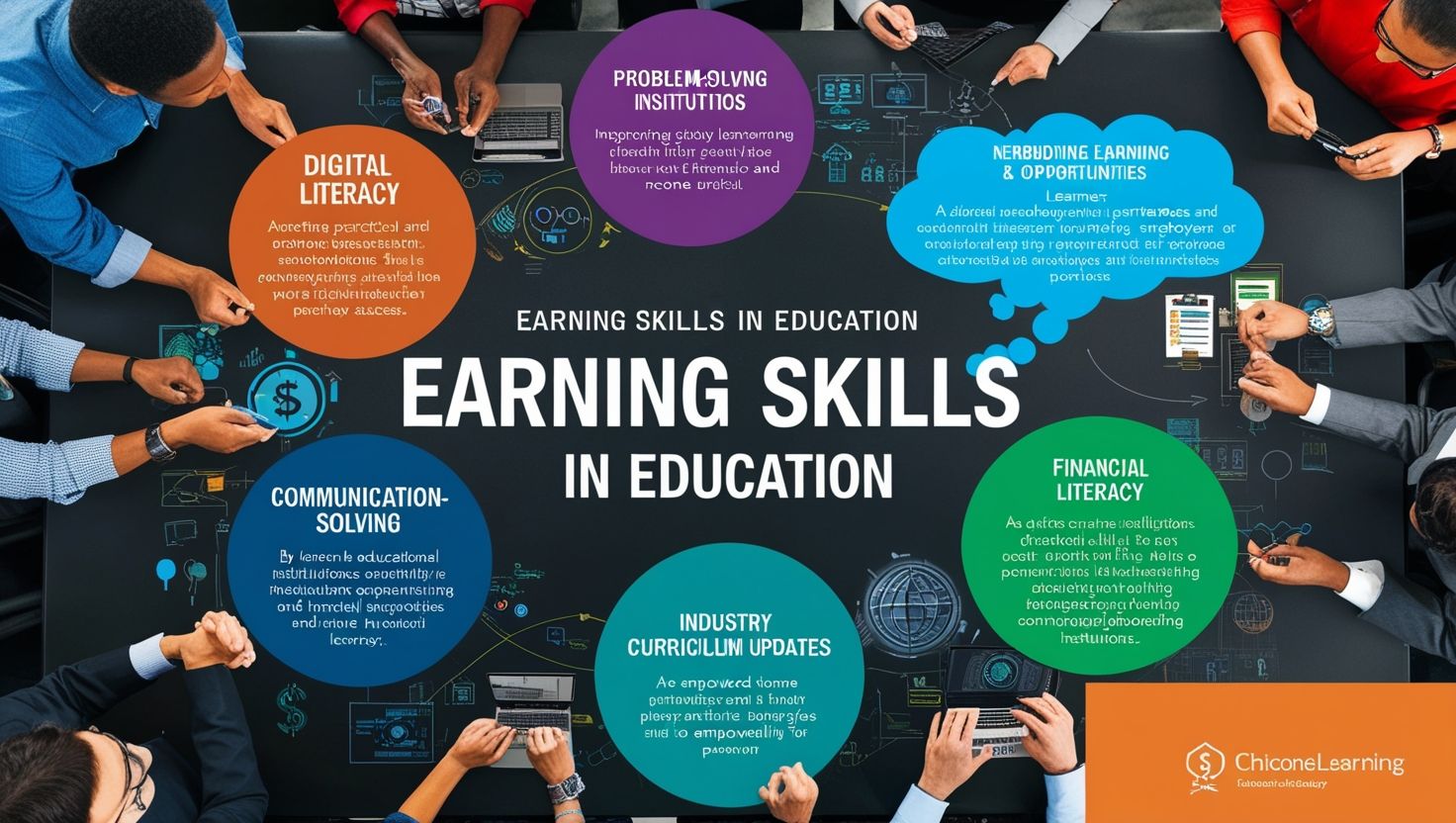
Education also develops essential skills required for global citizenship. Communication skills enable students to interact respectfully with people from diverse backgrounds. Critical thinking helps them evaluate information objectively and solve complex problems. Collaboration and teamwork encourage collective action and mutual understanding. Digital literacy allows learners to use technology responsibly in a global information society.
Equally important is the development of values and attitudes. Schools are not only places for academic learning; they are environments where students learn respect, fairness, honesty, compassion, and responsibility. Teachers influence students not merely through lessons but also through their behavior, attitudes, and interactions.
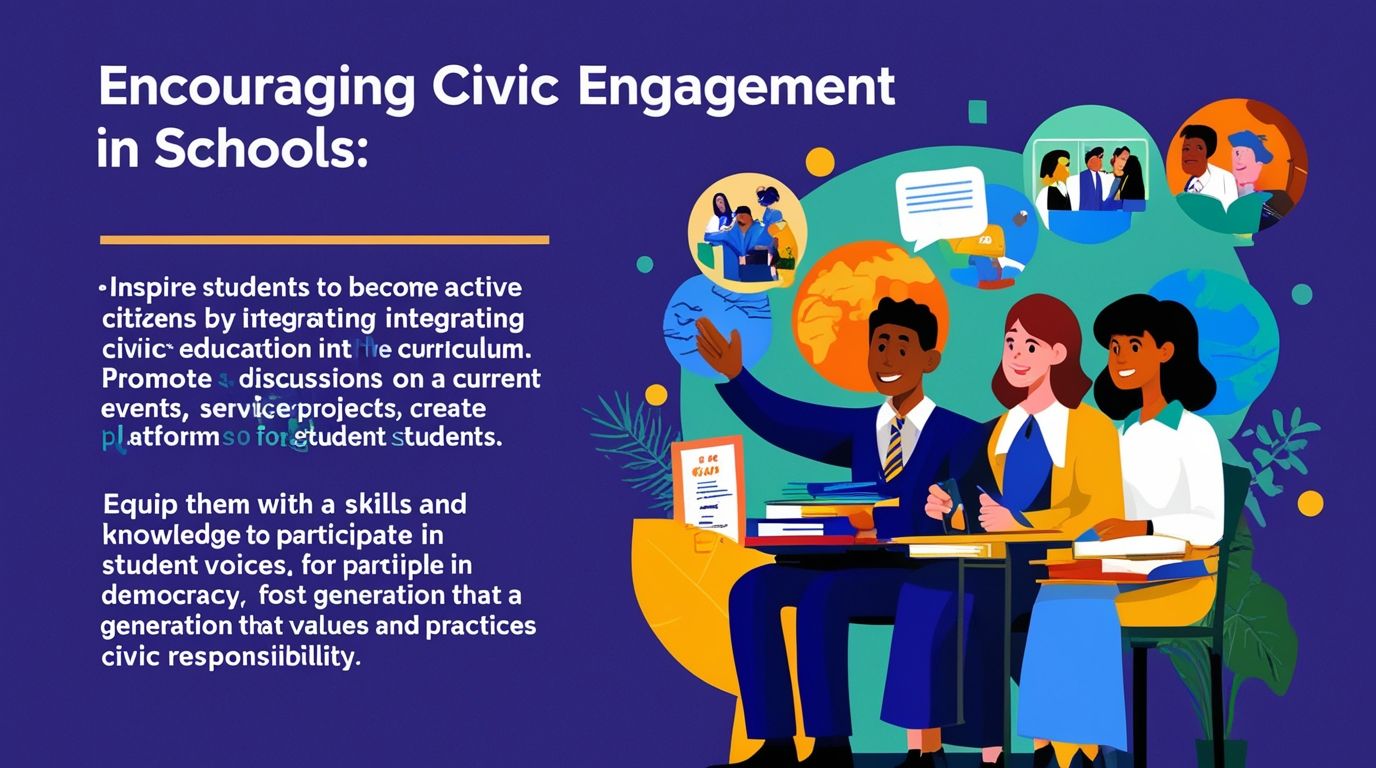
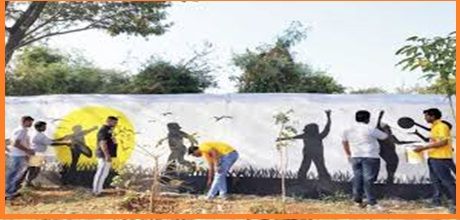
Education further promotes active participation in society. Students who engage in community service, environmental projects, debates, and social campaigns learn that citizenship involves action as well as knowledge. Through participation, learners understand that they can contribute to positive social change.
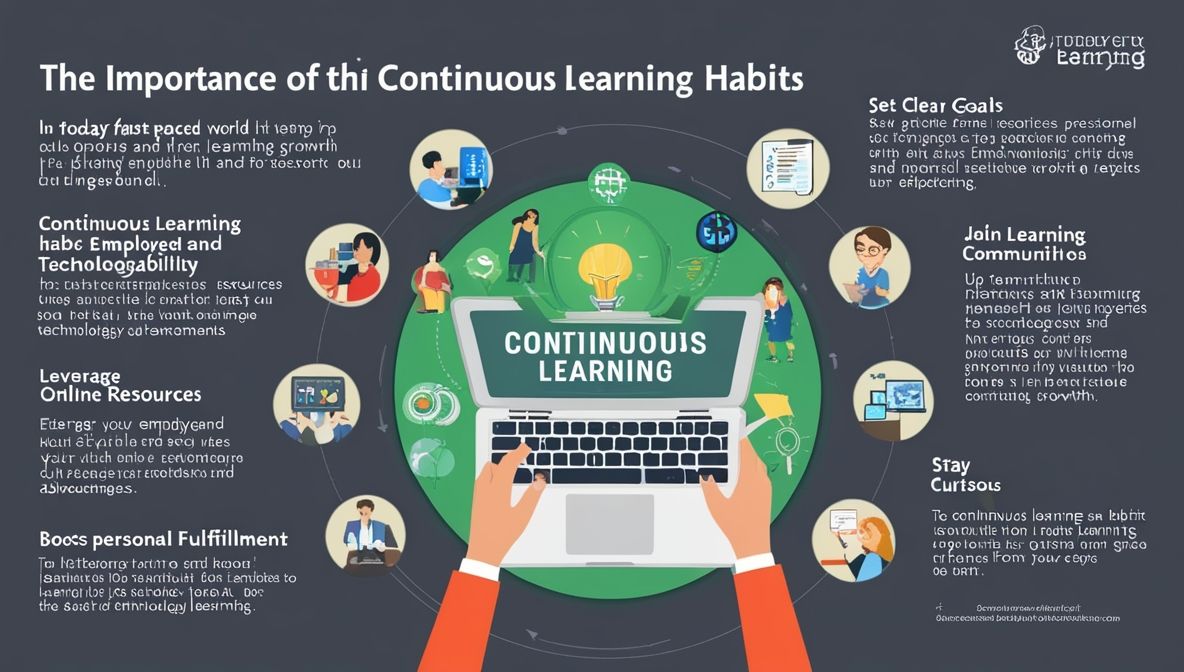
Global citizenship education encourages lifelong learning. In a rapidly changing world, individuals must continue learning throughout their lives to adapt to new challenges and opportunities. Education therefore equips learners with curiosity, flexibility, and openness to continuous personal and professional growth.
Importance of Global Citizenship Education in the Modern World
Global citizenship education has become increasingly important because the world faces challenges that require cooperation, understanding, and collective responsibility. Traditional educational models focused mainly on national development and academic achievement. While these goals remain important, modern societies also require individuals who can navigate global complexities.
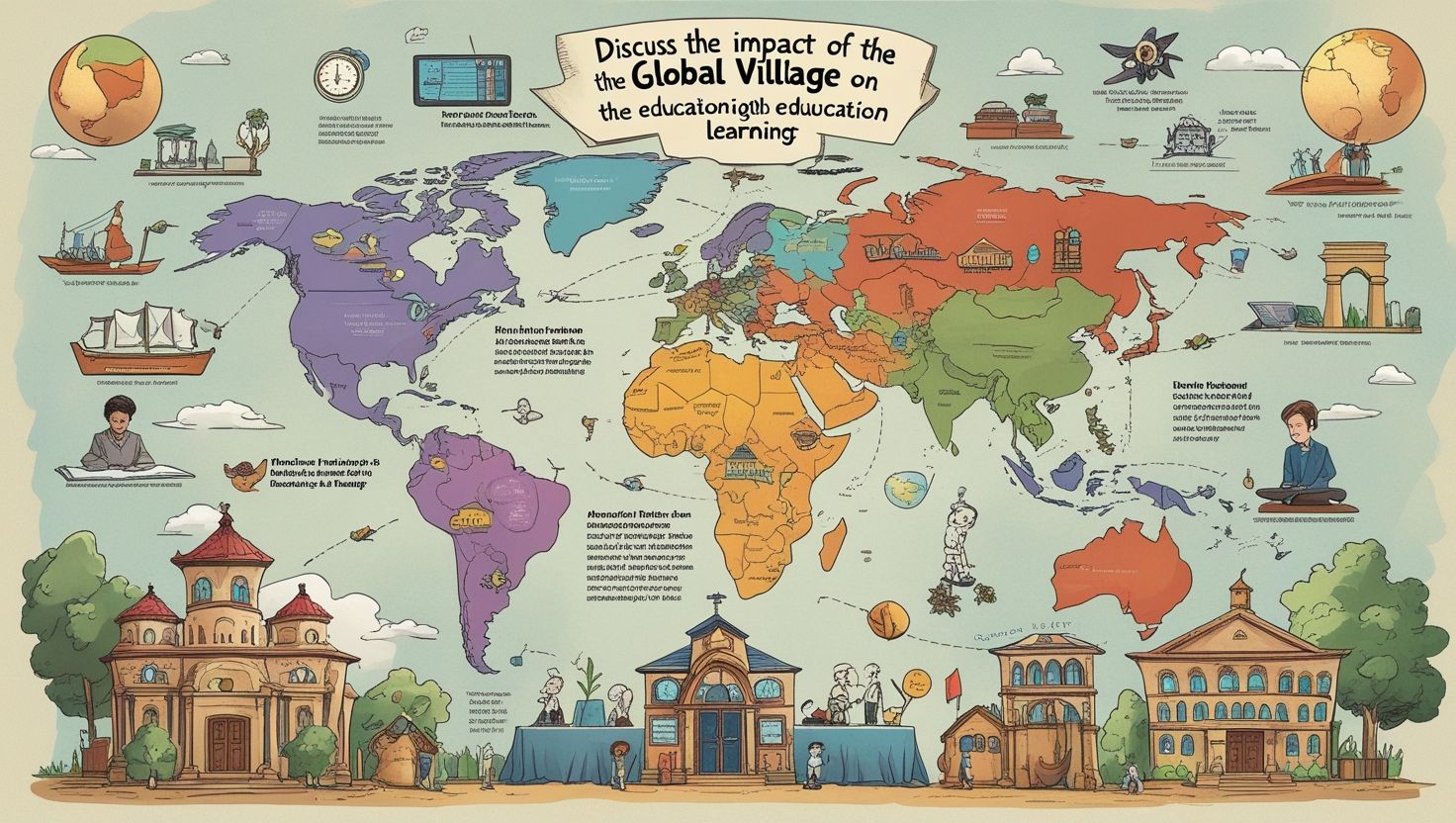
One significant reason for promoting global citizenship education is the rise of globalization. Advances in transportation, communication, and technology have connected people and economies more closely than ever before. Students interact with global cultures through the internet, social media, international trade, and migration. They need the knowledge and intercultural skills to function successfully in this interconnected environment.
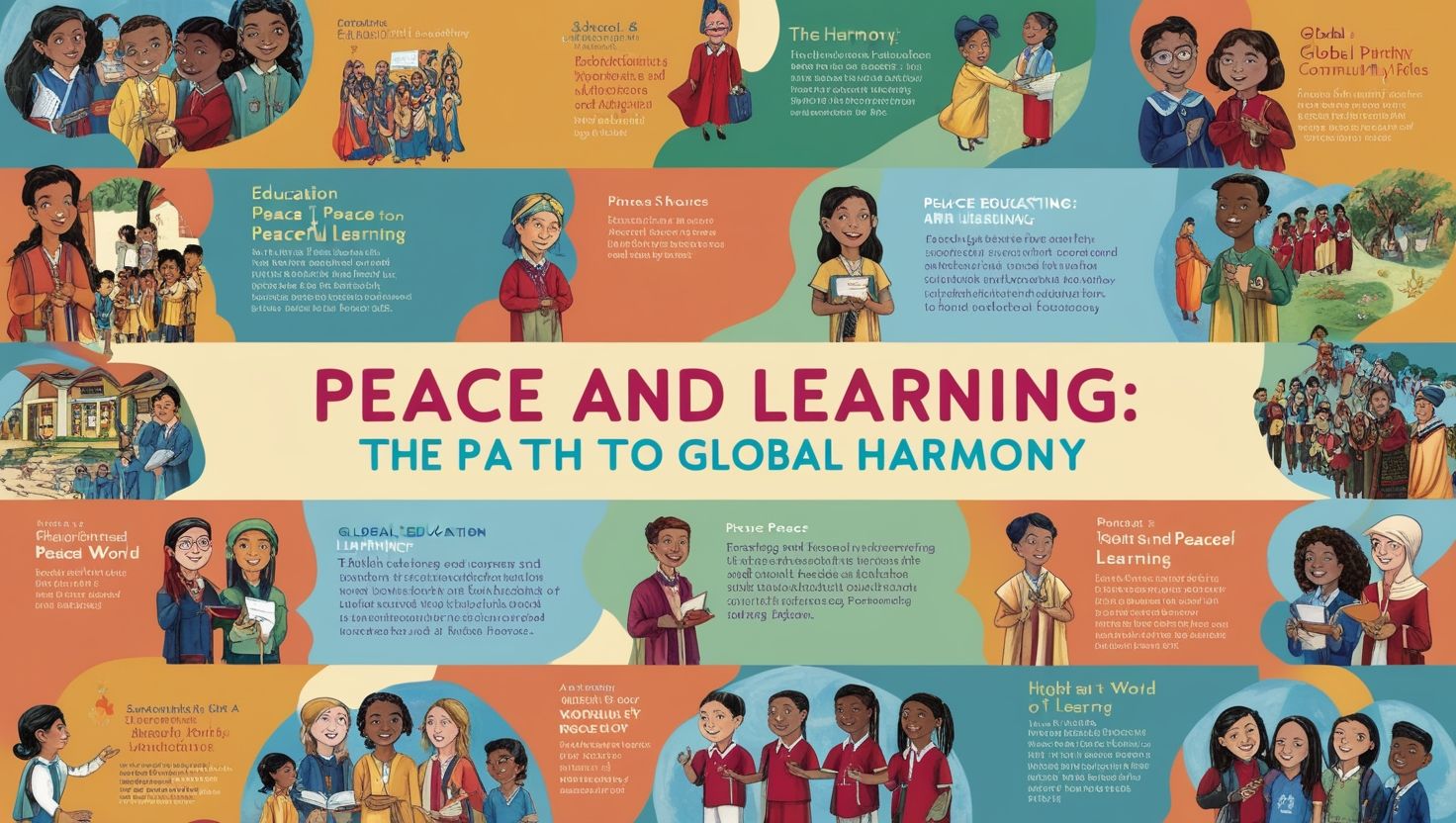
Another reason is the growing importance of peace and conflict resolution. Many societies experience violence, intolerance, discrimination, and political tensions. Education that promotes empathy, dialogue, and respect for diversity can reduce prejudice and encourage peaceful coexistence. Schools can help learners appreciate cultural differences rather than fear them.
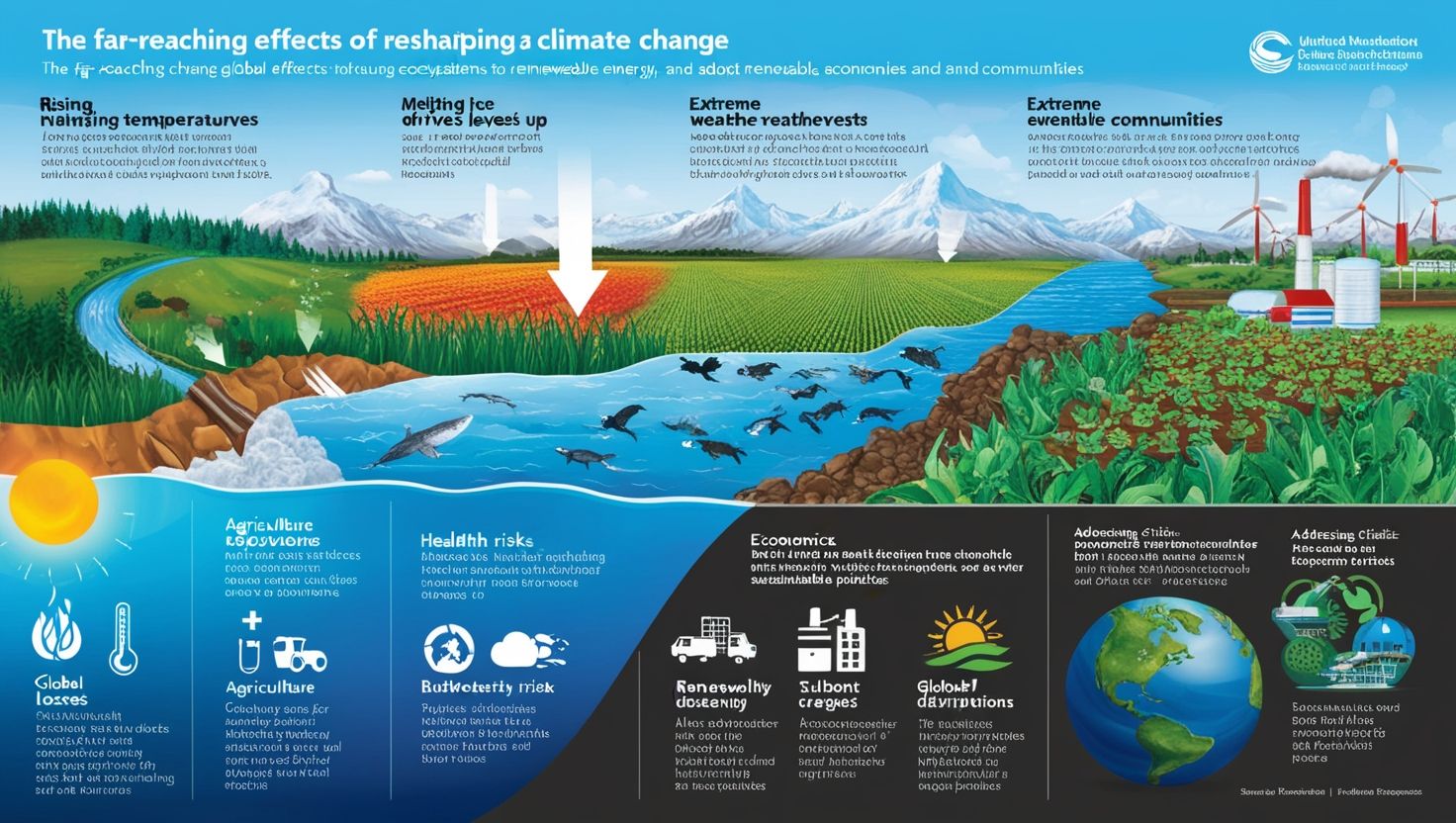
Environmental sustainability is another major concern. Climate change, pollution, deforestation, and biodiversity loss threaten the future of humanity. Global citizenship education teaches students the importance of environmental protection and sustainable living. Learners understand that environmental problems affect all countries and require shared solutions.
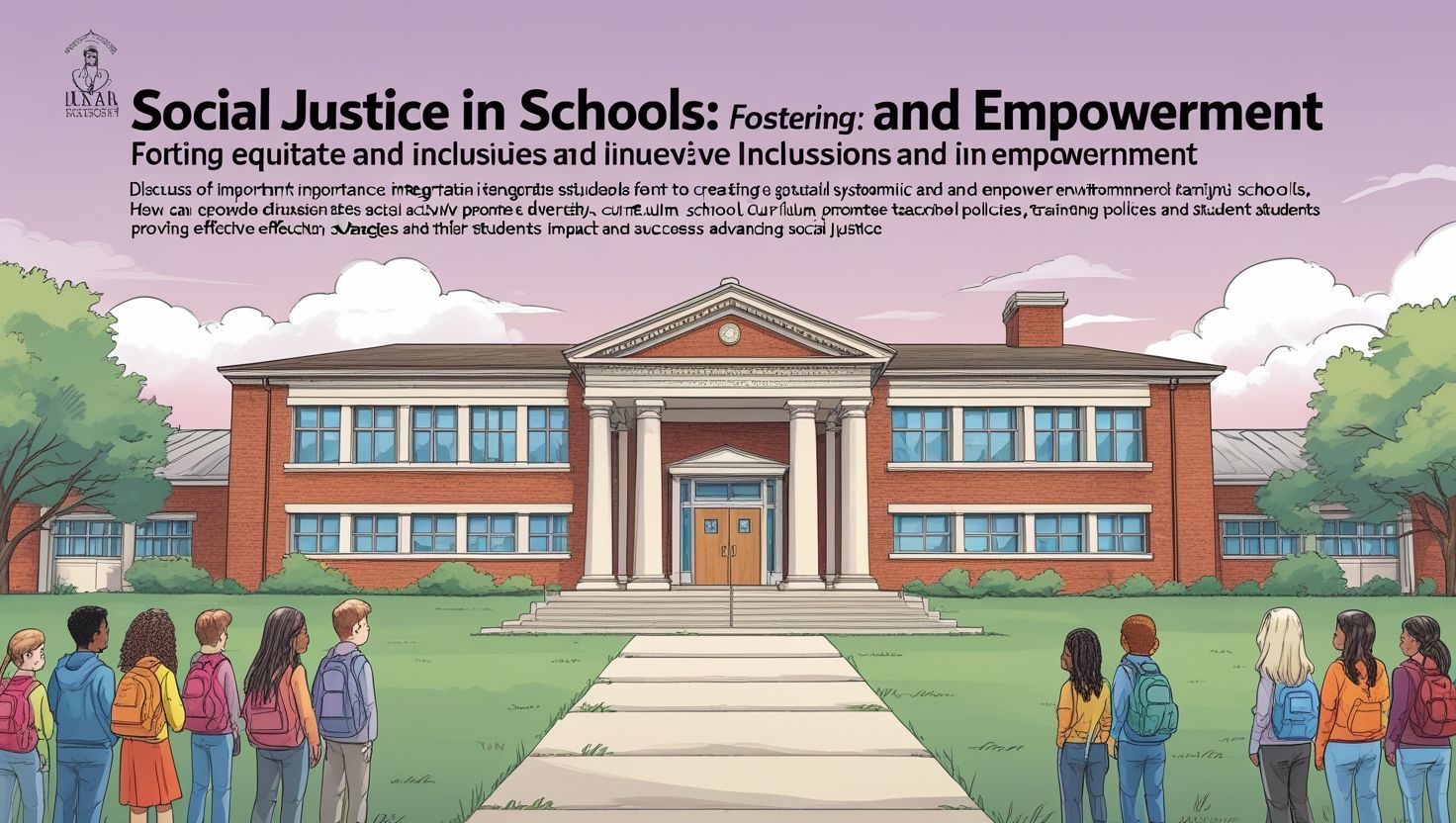
Economic inequality and social injustice also highlight the need for global citizenship. Millions of people around the world continue to face poverty, lack of education, discrimination, and limited access to healthcare. Education can create awareness about social inequalities and inspire students to support fairness, inclusion, and human dignity.
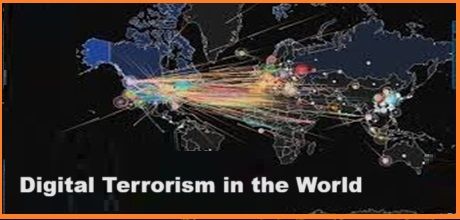
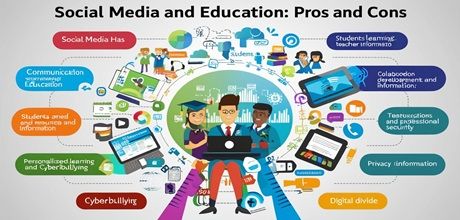
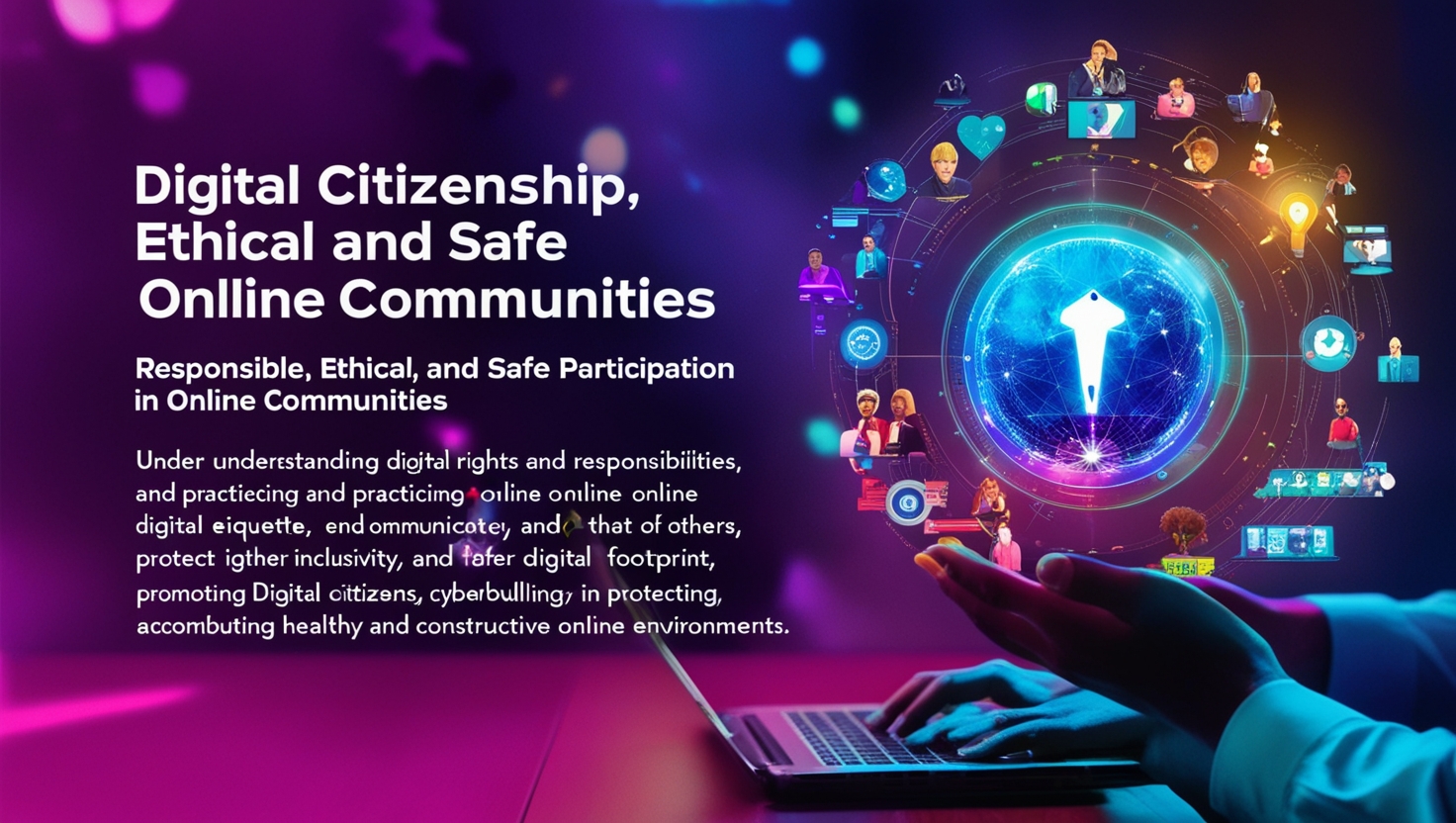
Digital technology further increases the relevance of global citizenship education. While technology creates opportunities for learning and communication, it also spreads misinformation, hate speech, and cyberbullying. Students need digital ethics, media literacy, and responsible online behavior to become constructive global citizens.
The modern workforce also values global competencies. Employers increasingly seek individuals who can communicate across cultures, adapt to diverse environments, solve problems collaboratively, and think creatively. Global citizenship education therefore contributes not only to social development but also to economic progress.
Teachers as Builders of Global Citizenship
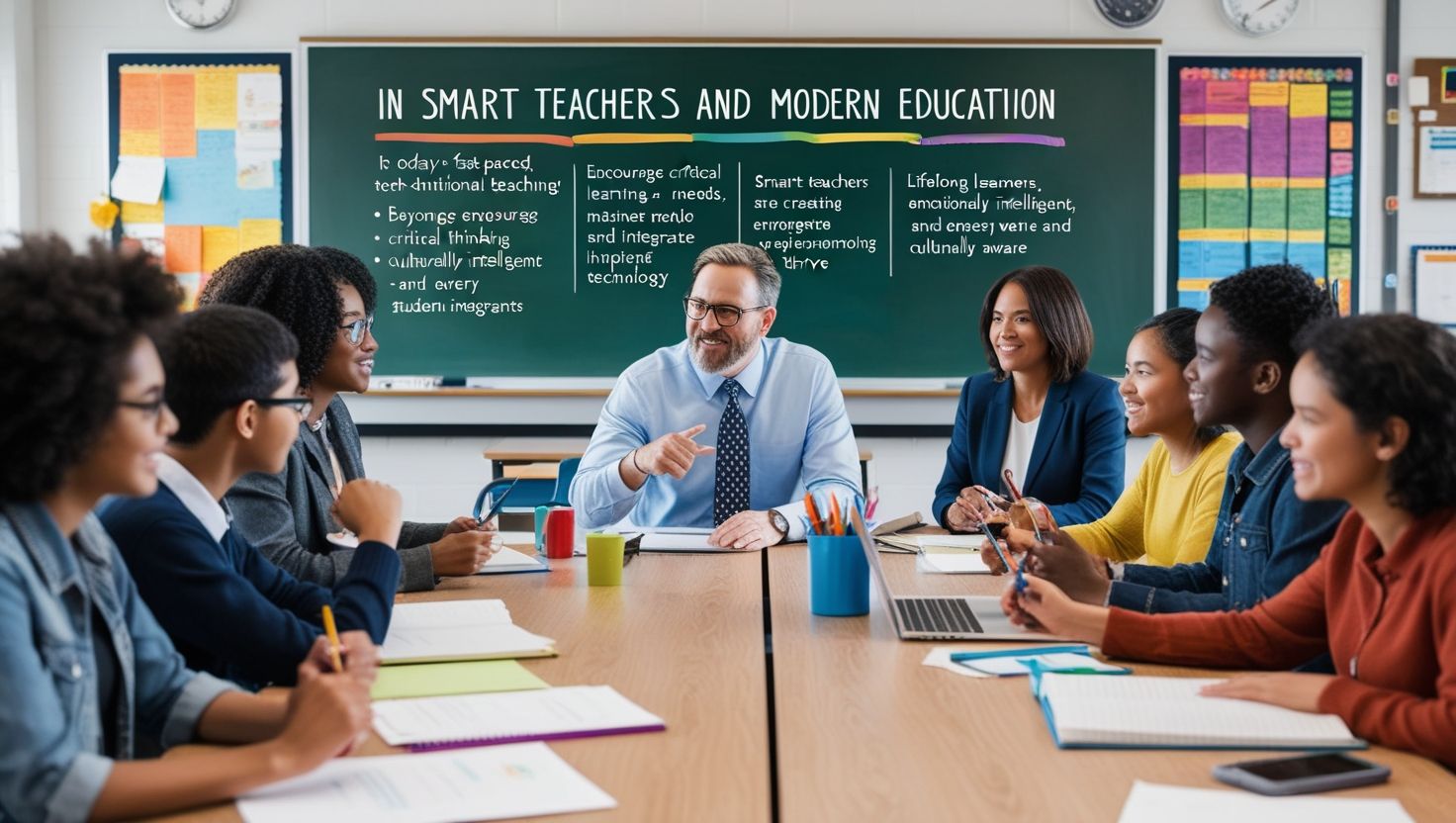
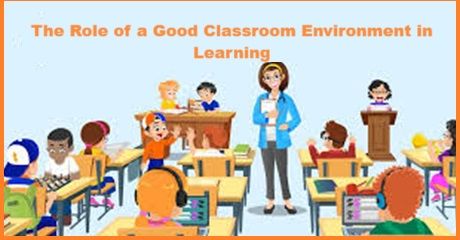
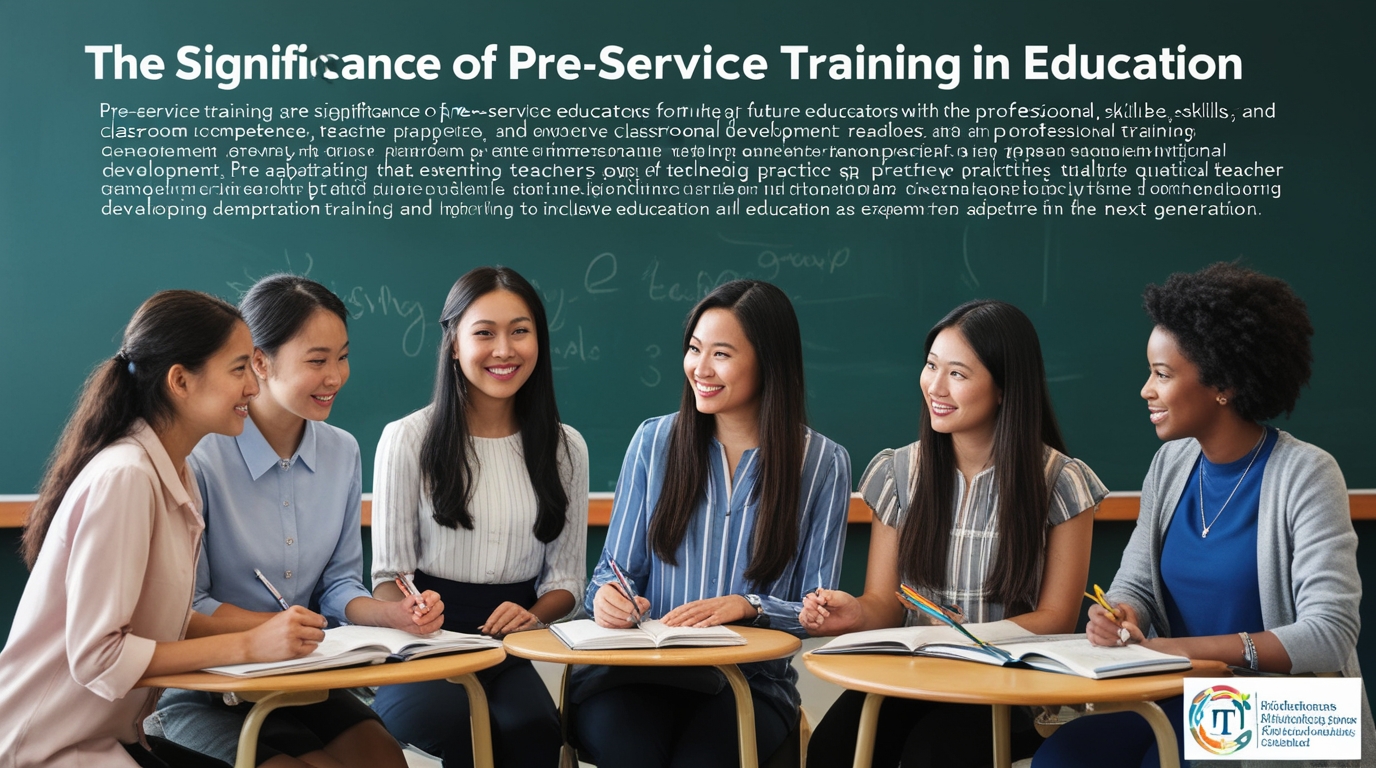
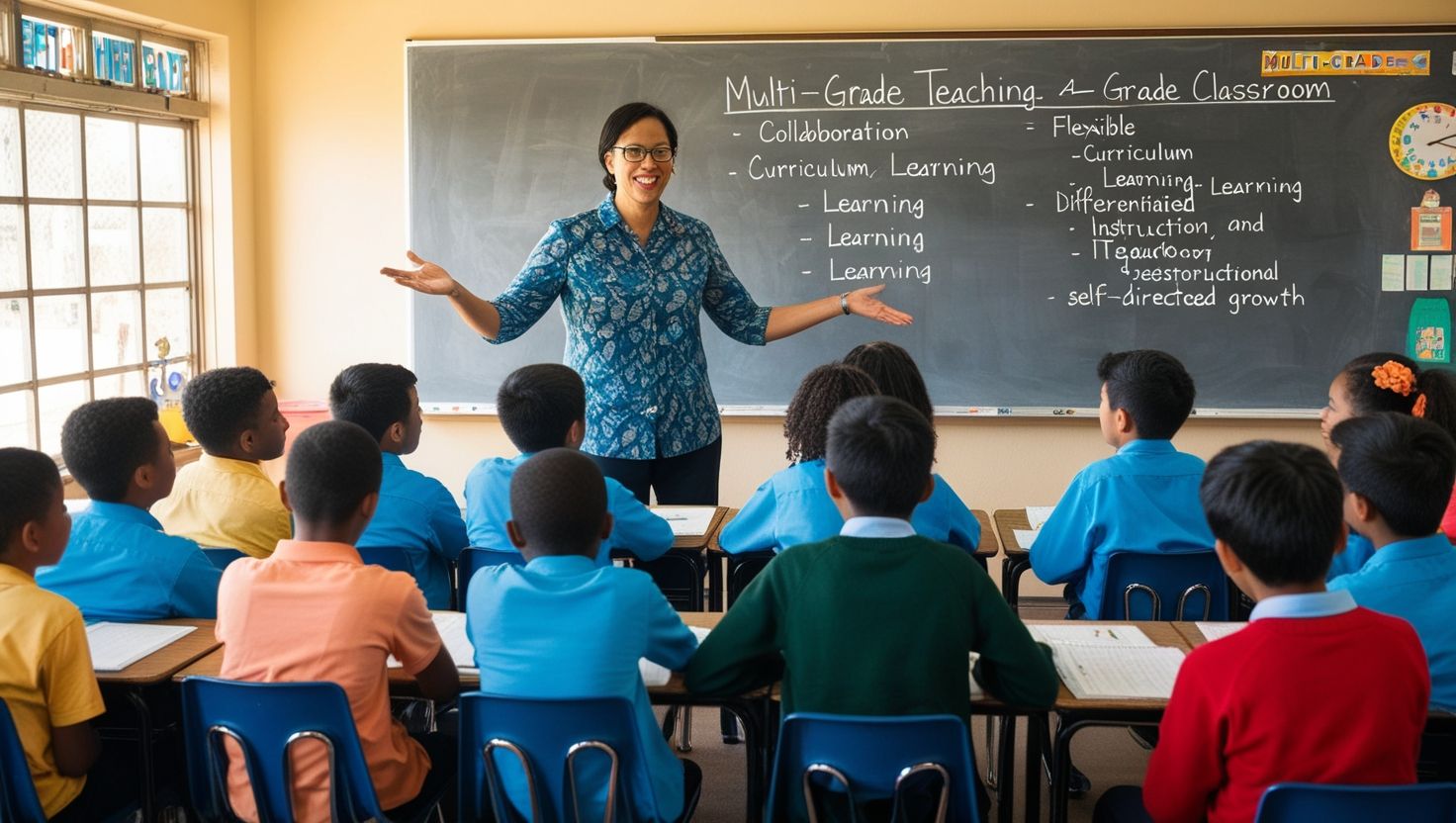
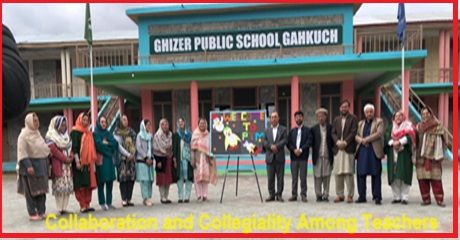
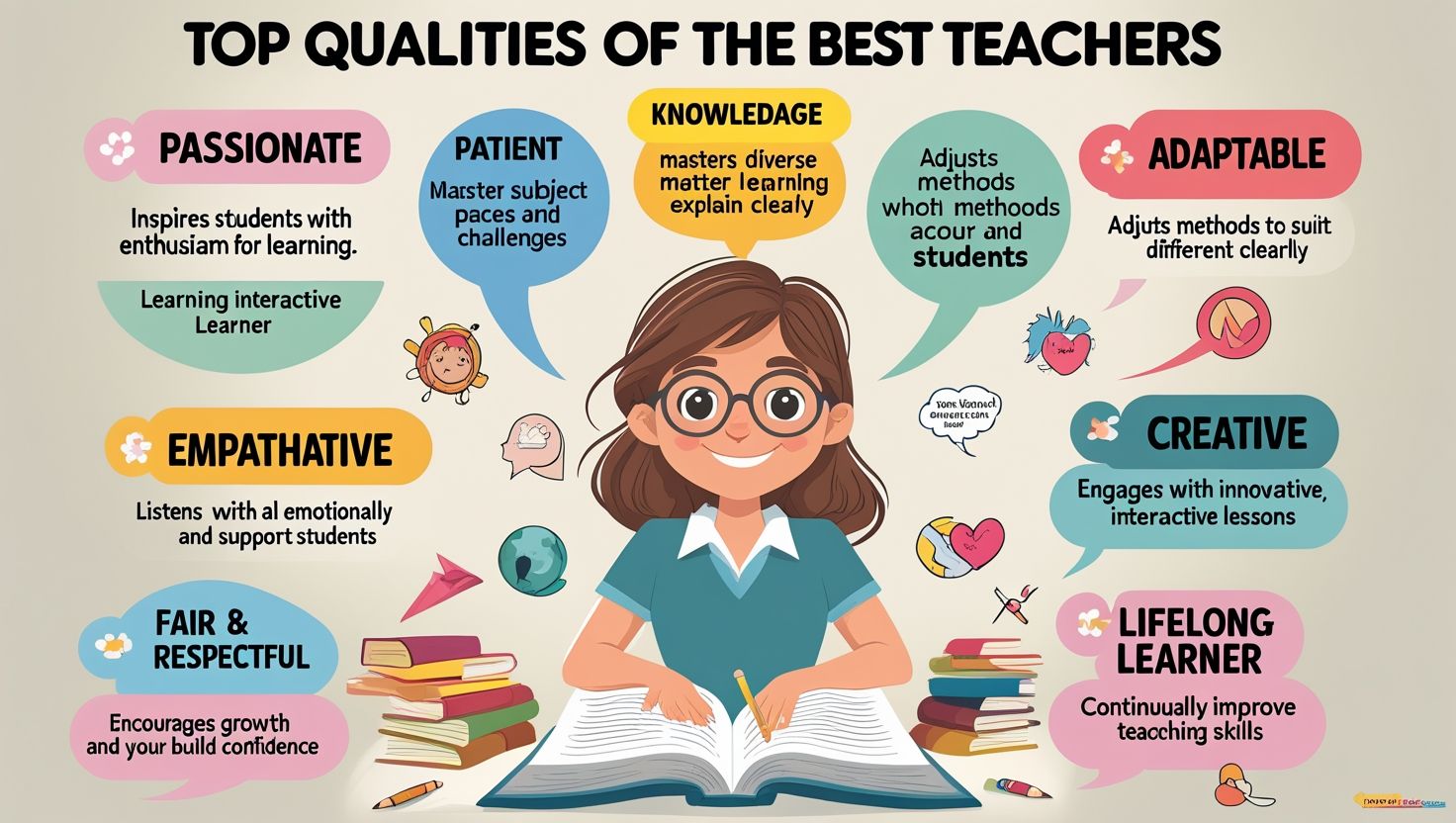
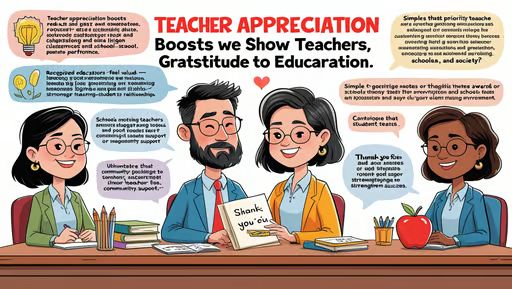
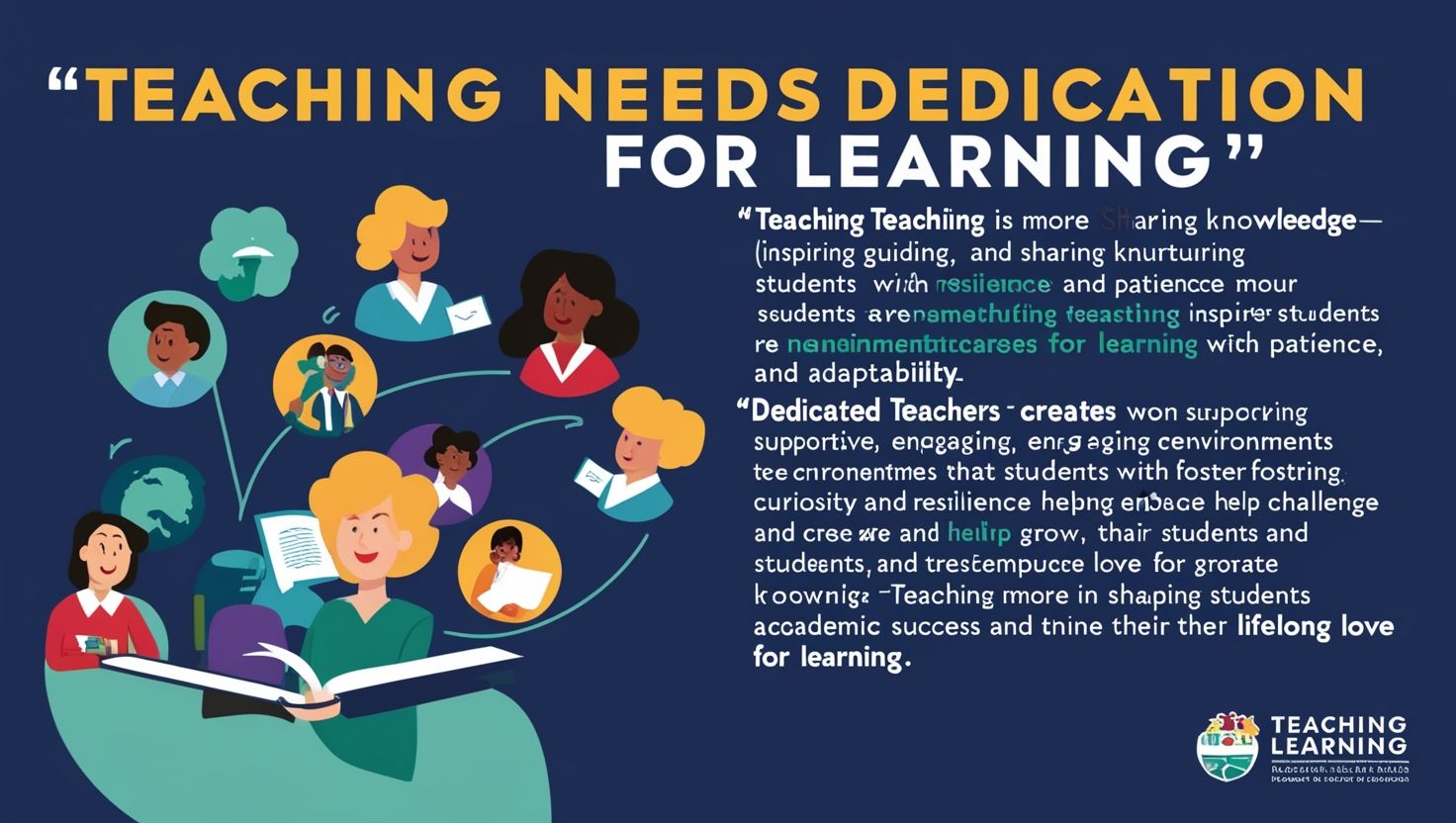
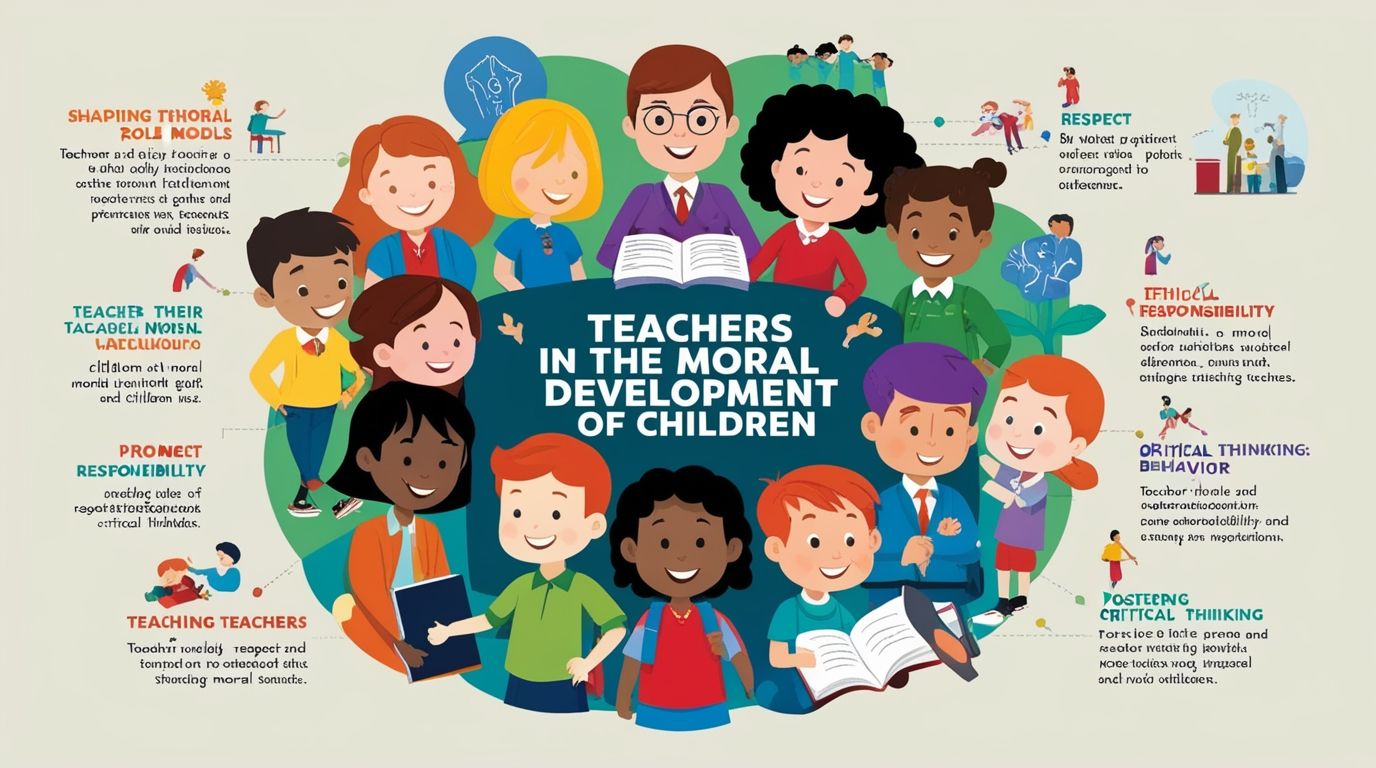
Teachers play a crucial role in promoting global citizenship because they directly influence students’ thinking, attitudes, and behavior. A teacher is not only an instructor but also a mentor, role model, and guide. Effective teachers help learners understand the importance of responsibility, empathy, cooperation, and ethical conduct.
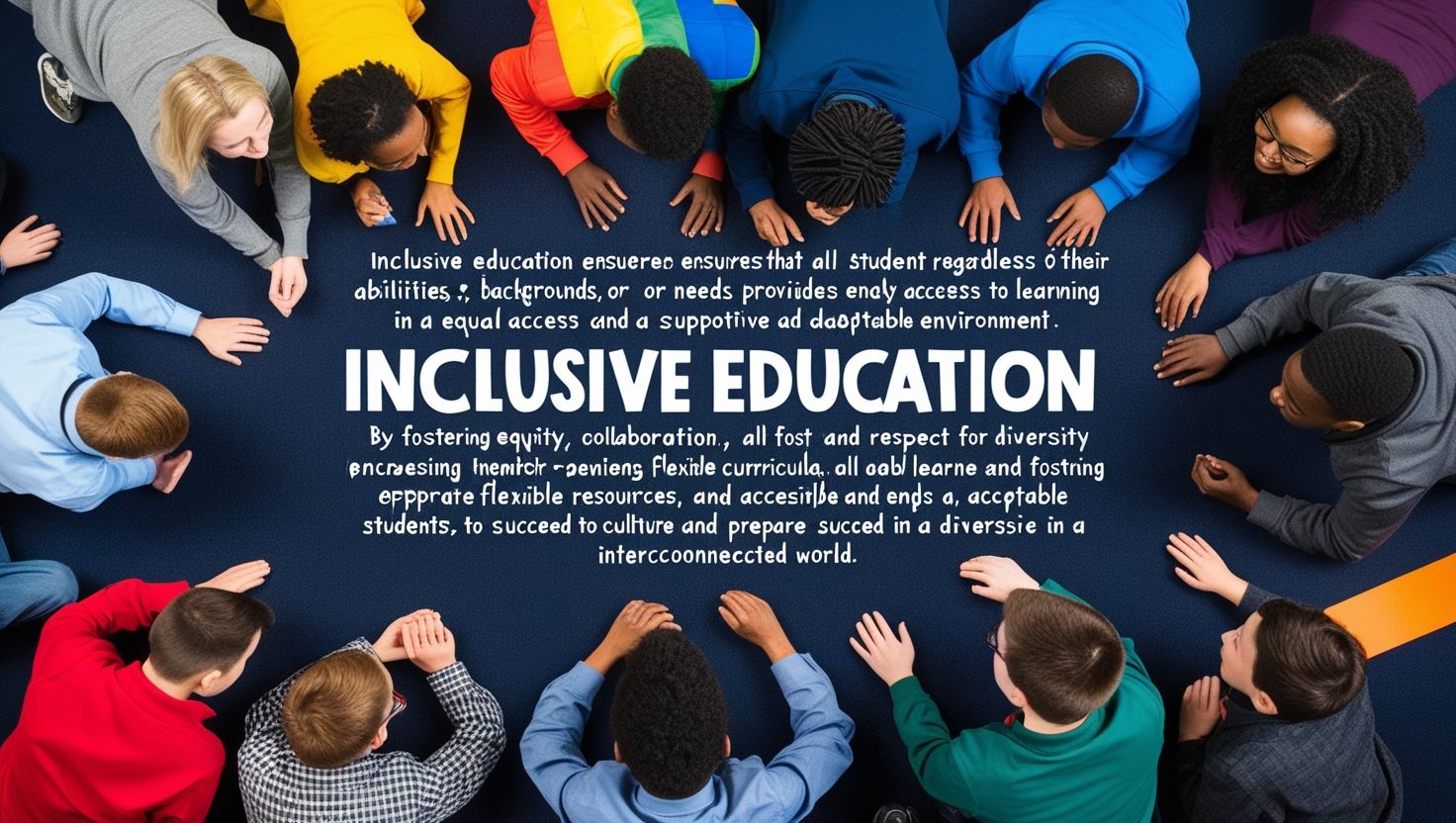
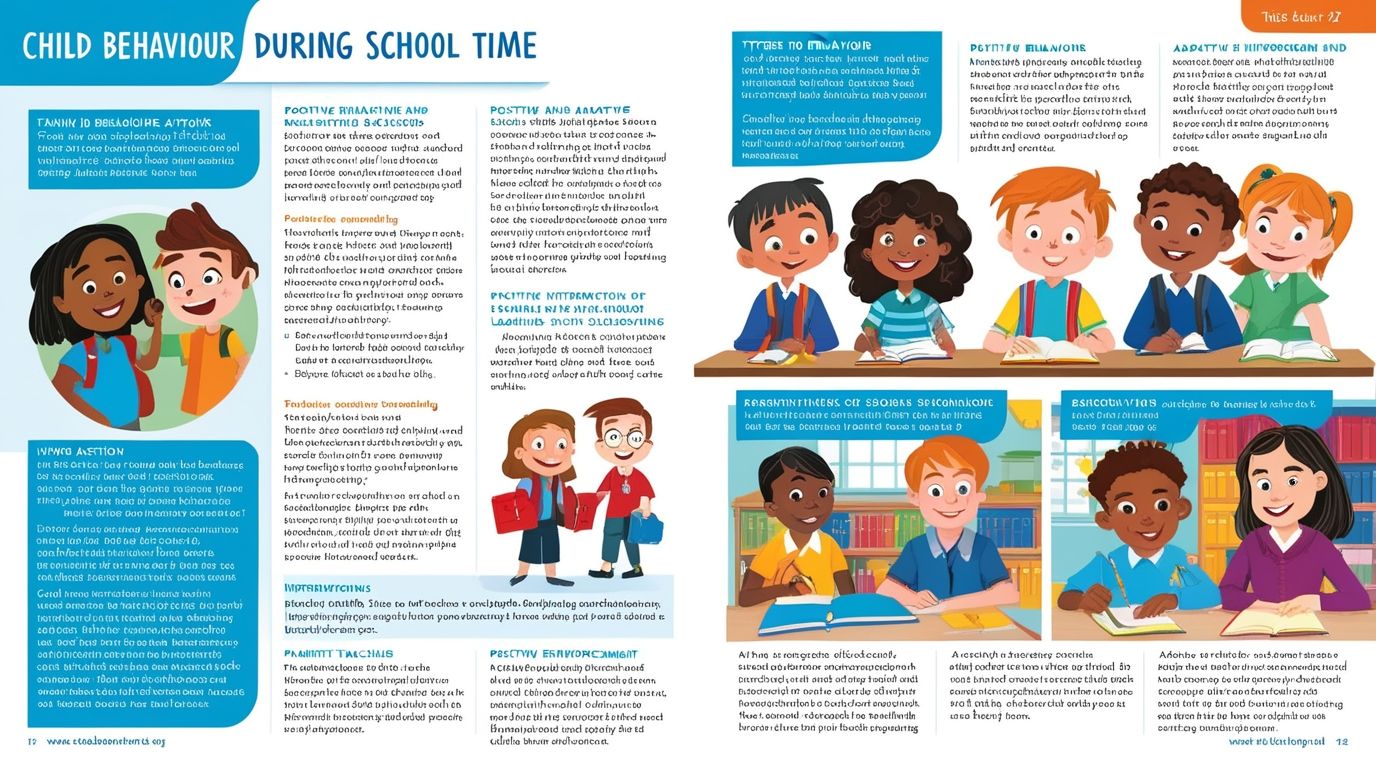
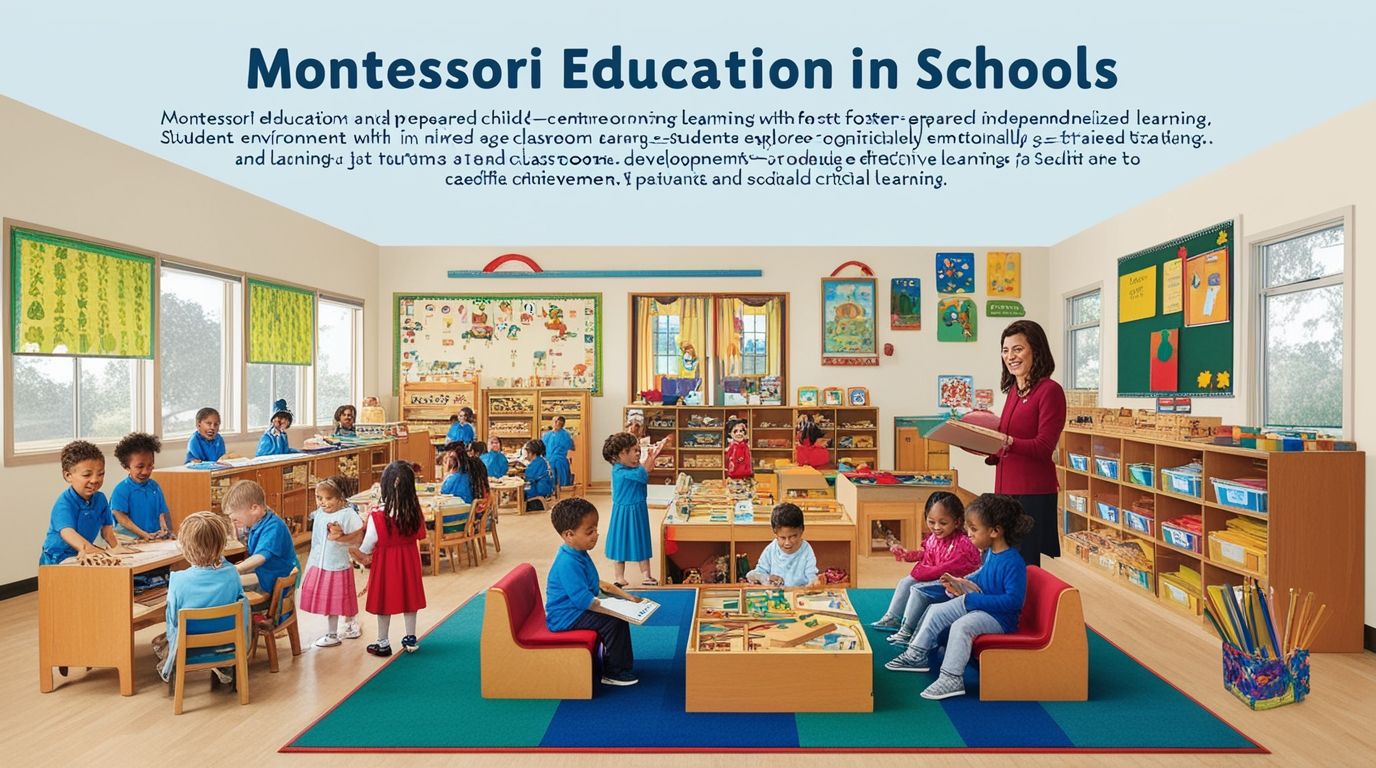
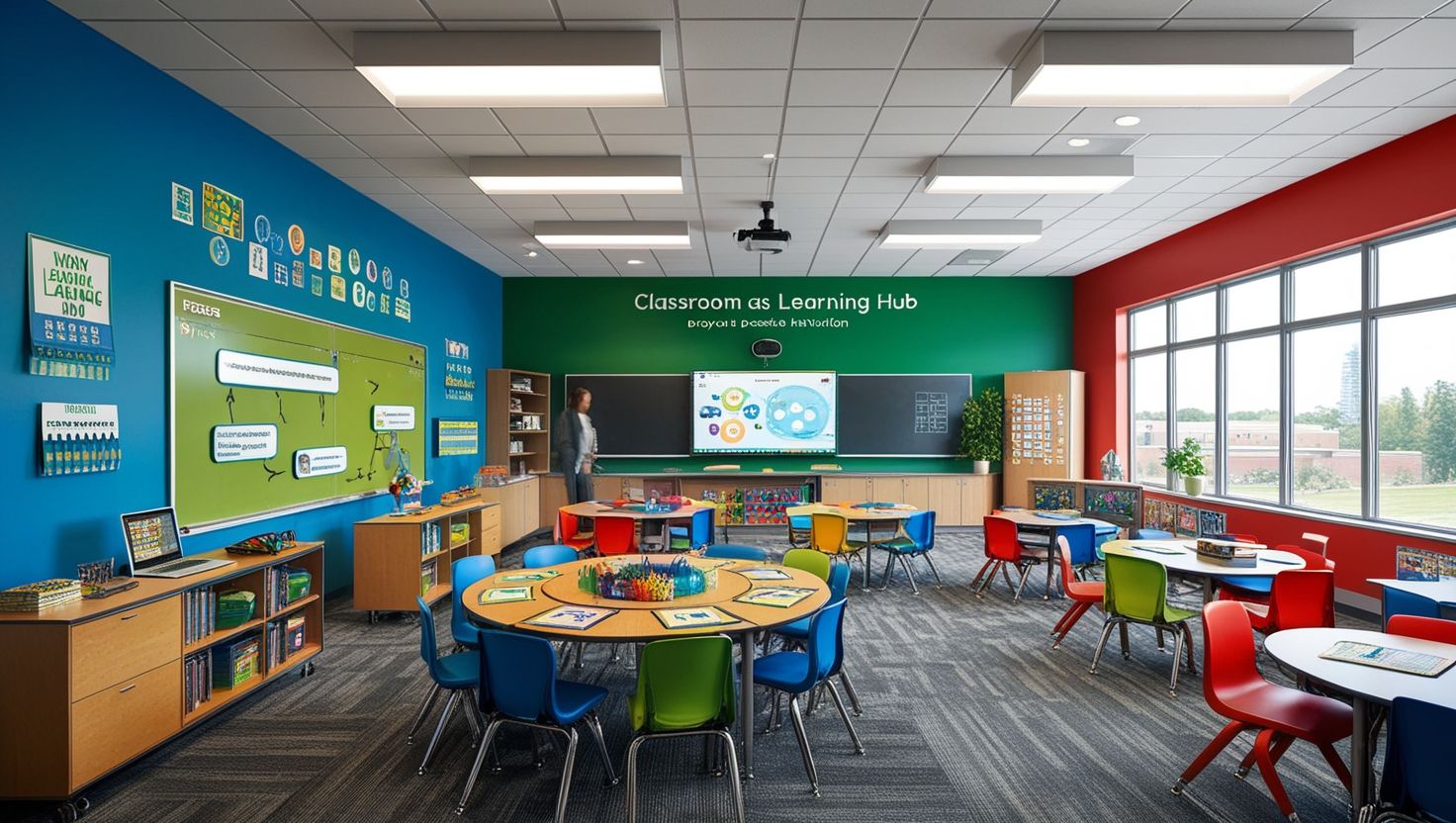
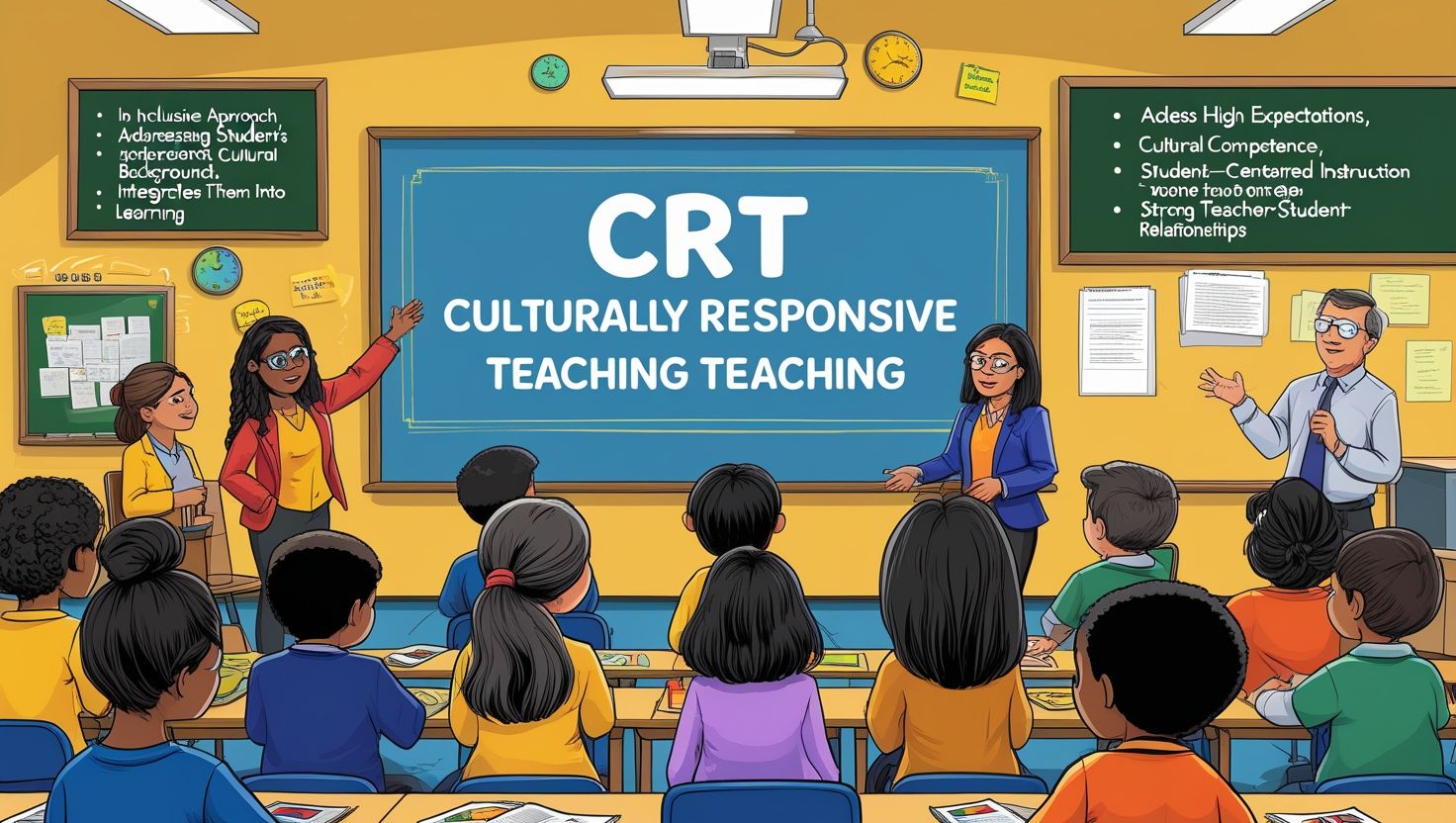
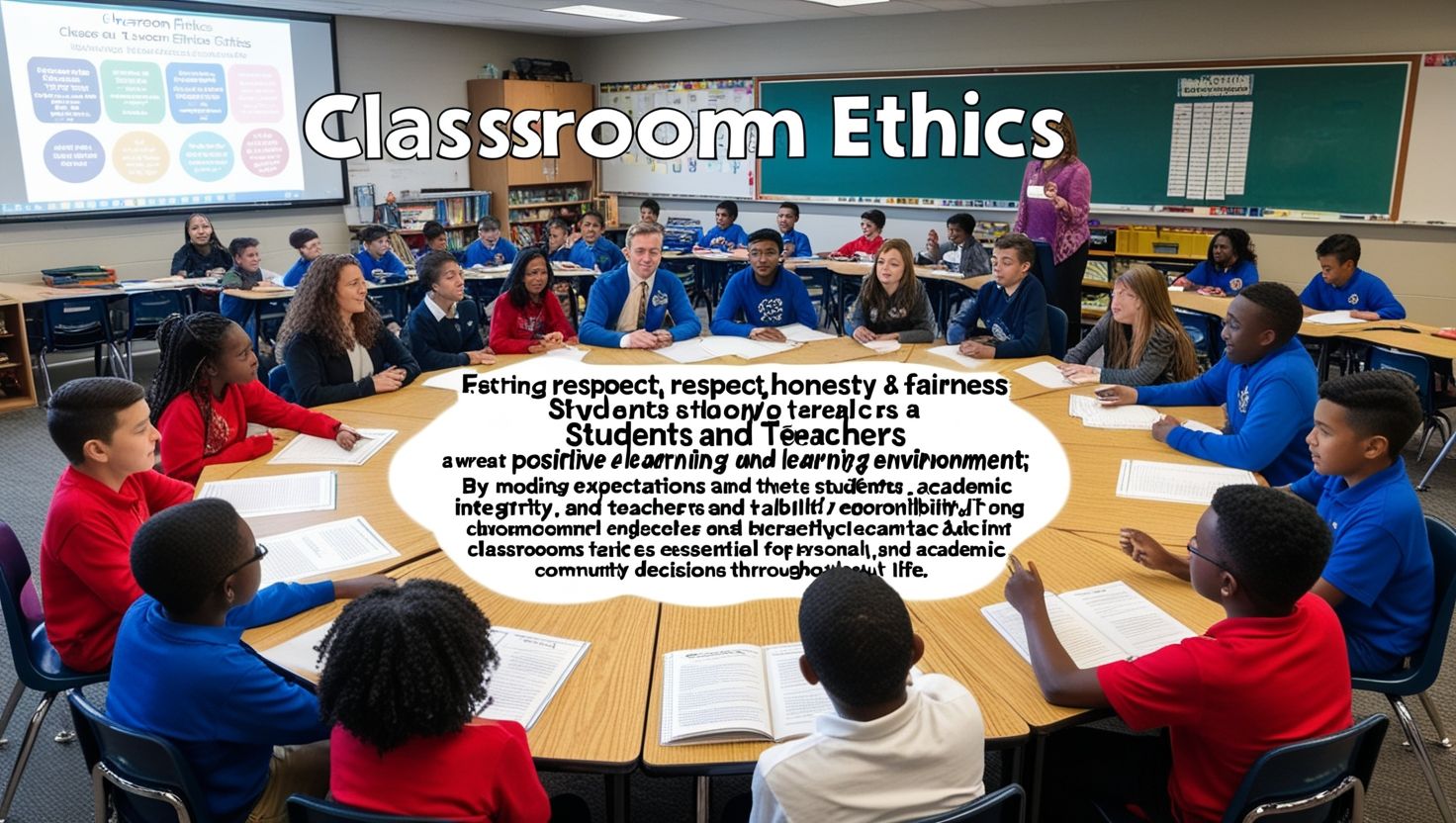
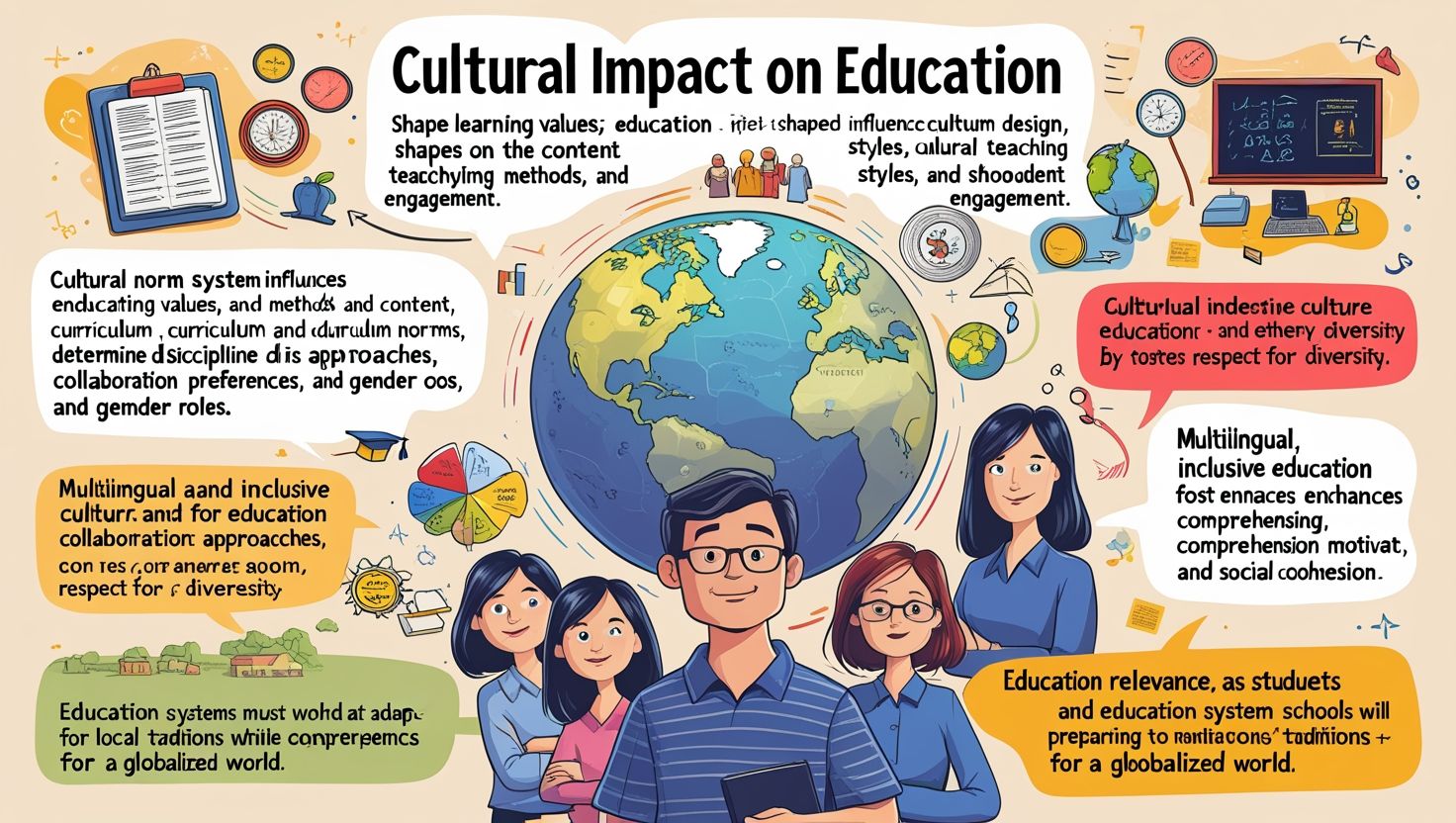
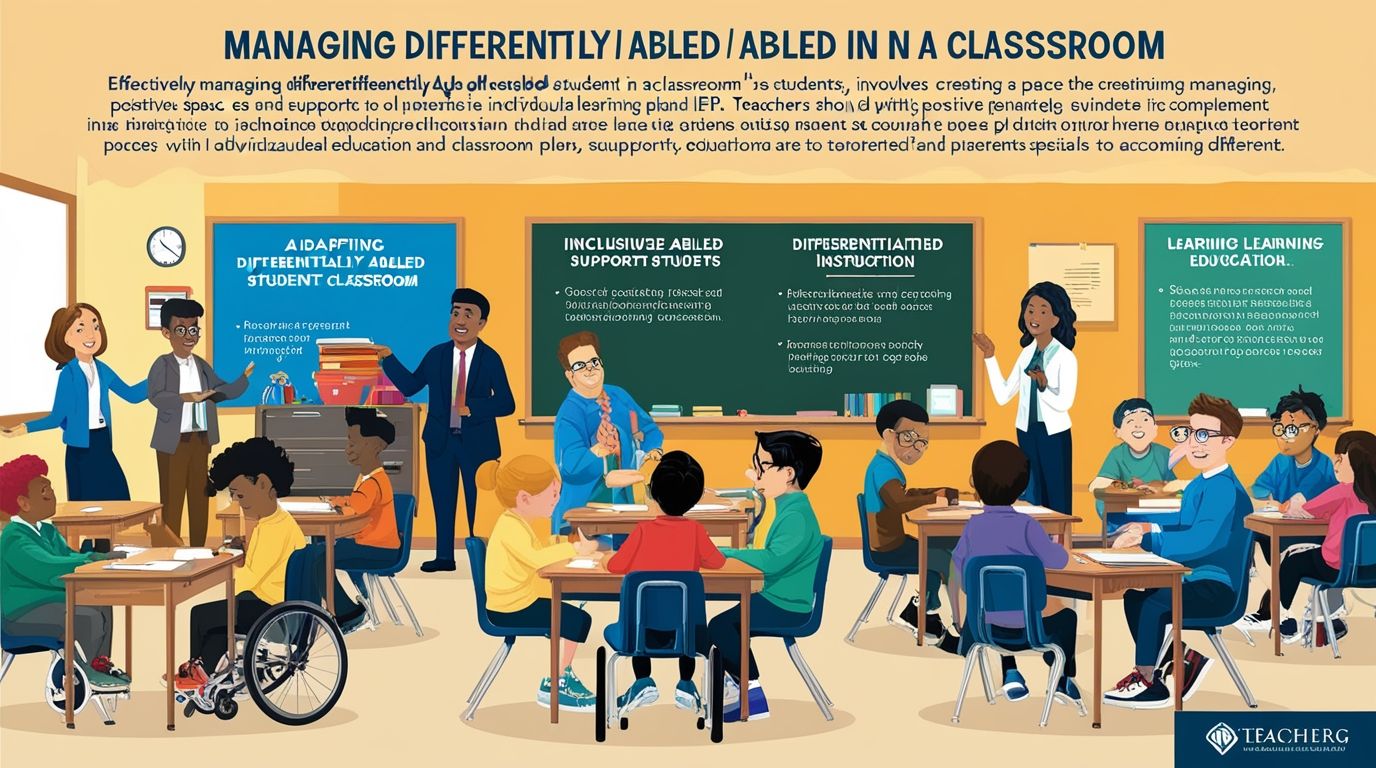
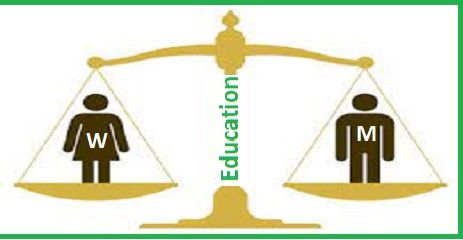
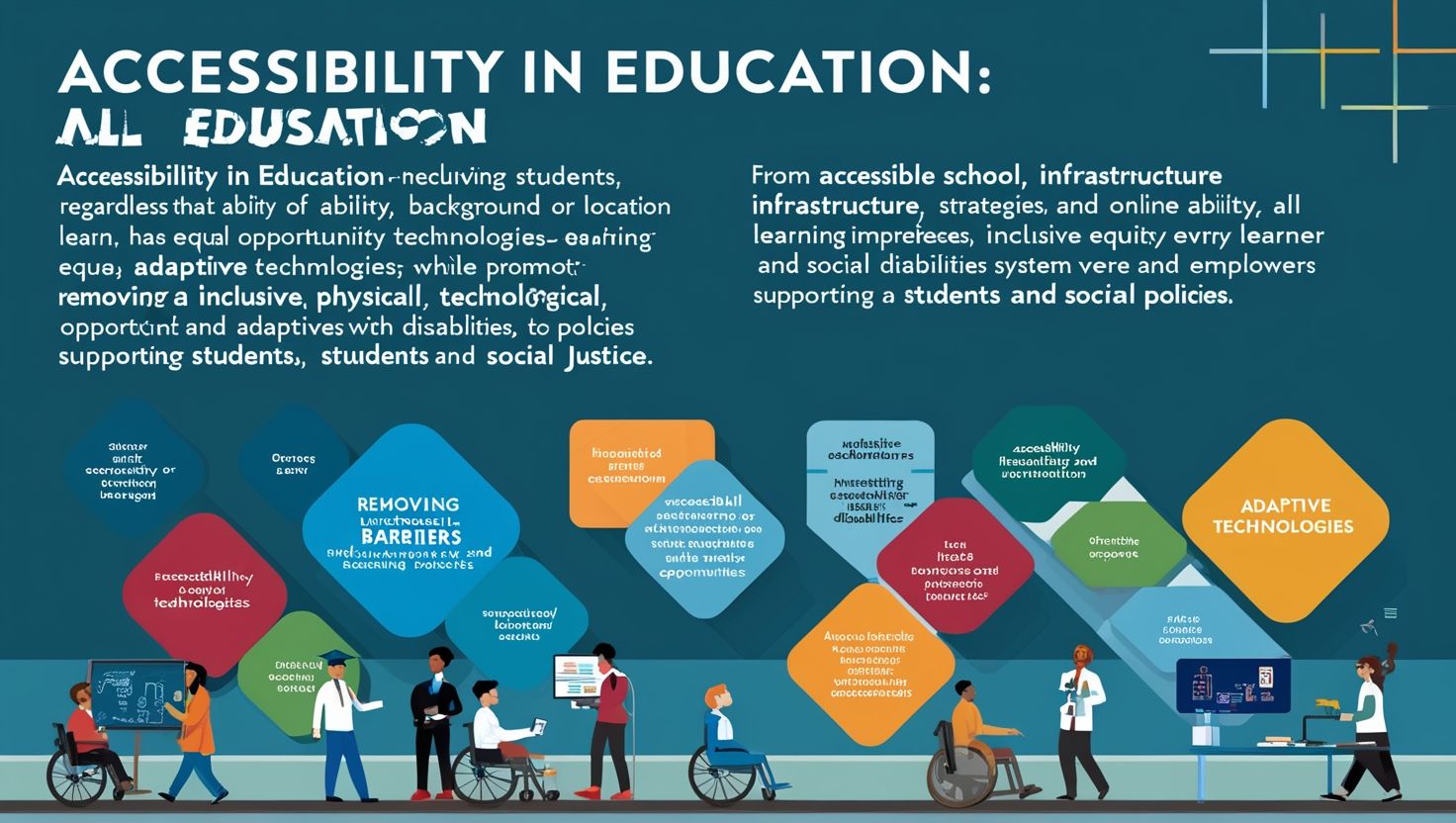
One important responsibility of teachers is creating inclusive classrooms where every student feels respected and valued. Inclusive education encourages equality regardless of gender, religion, ethnicity, language, or social background. Students who experience fairness and respect in school are more likely to practice these values in society.
Teachers can integrate global issues into classroom discussions and learning activities. Topics such as climate change, poverty, peacebuilding, human rights, and cultural diversity can be connected with different subjects including science, social studies, literature, geography, and civic education. Such integration helps students understand the practical relevance of their learning.
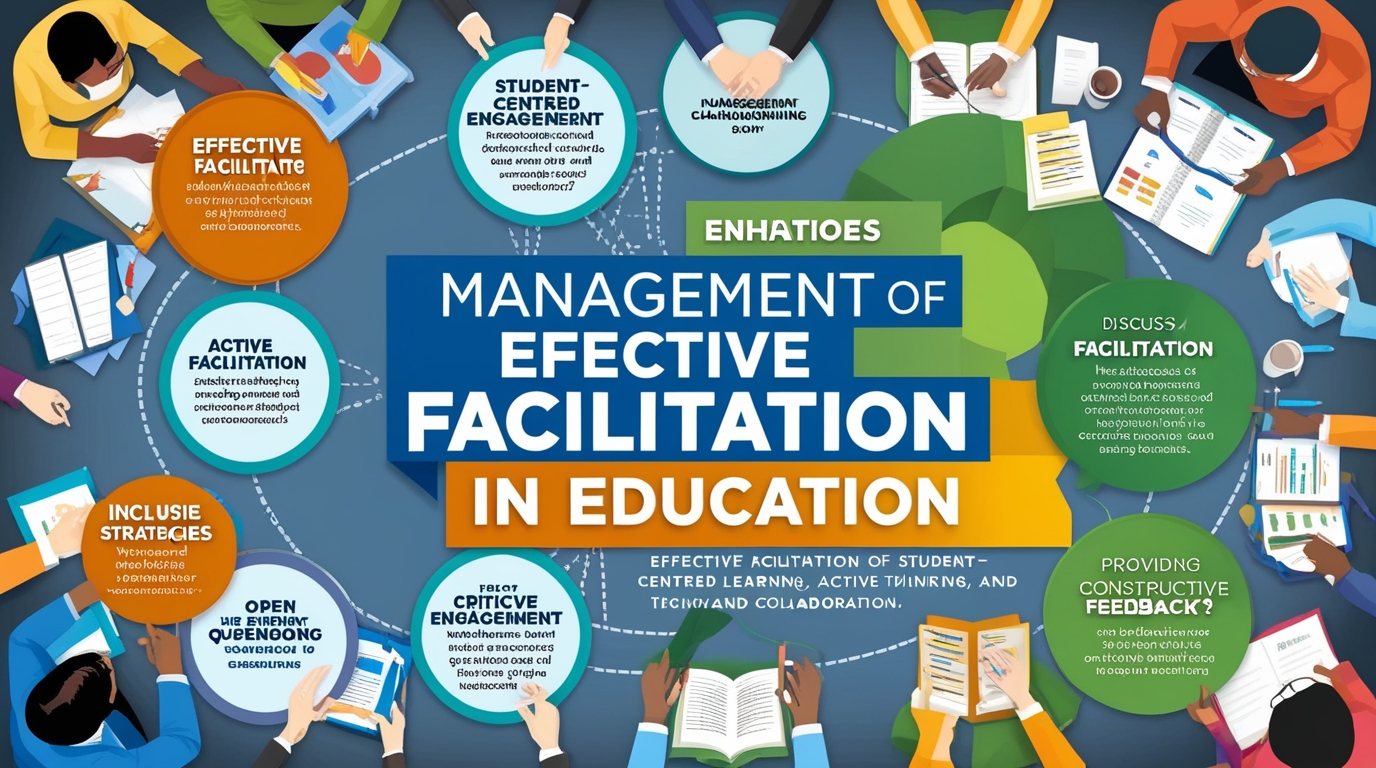
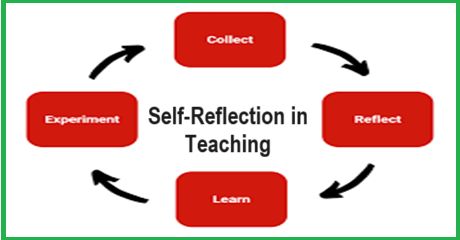
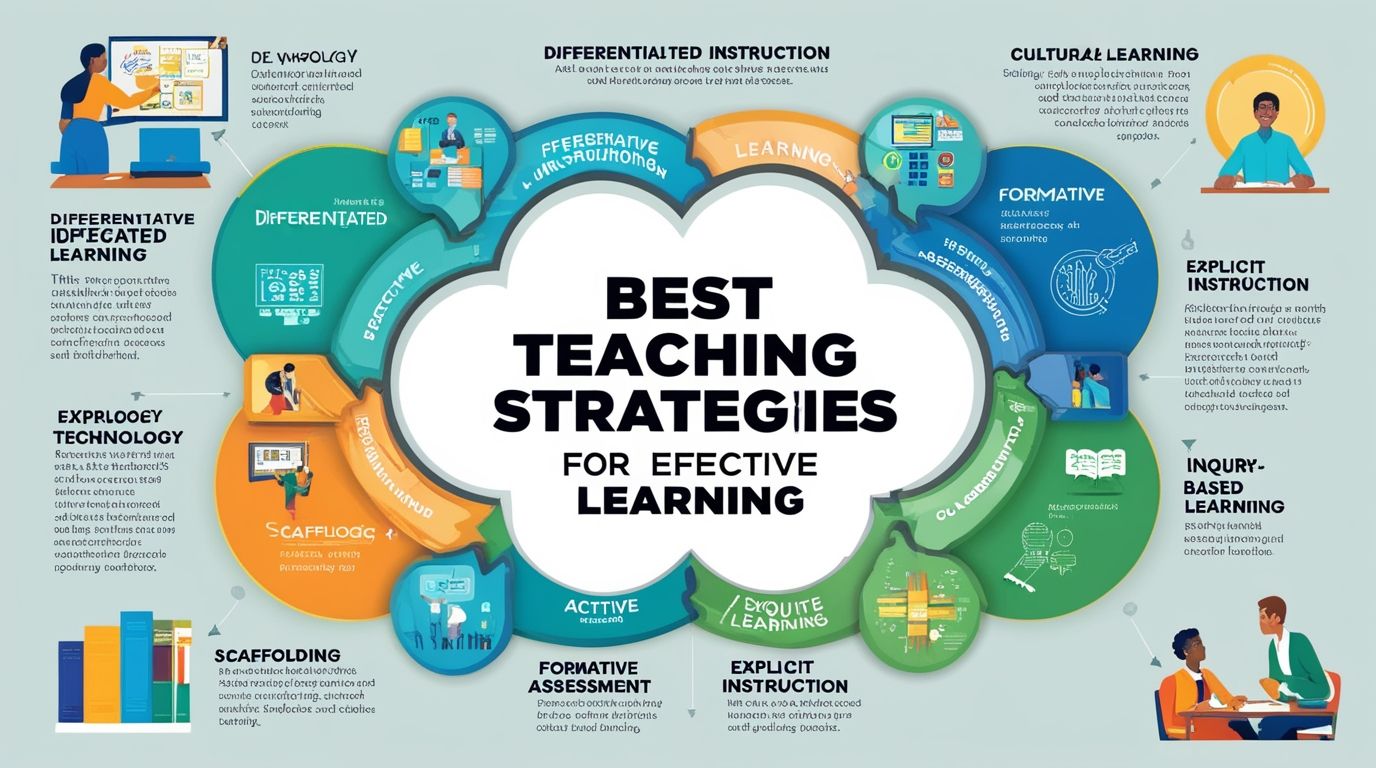
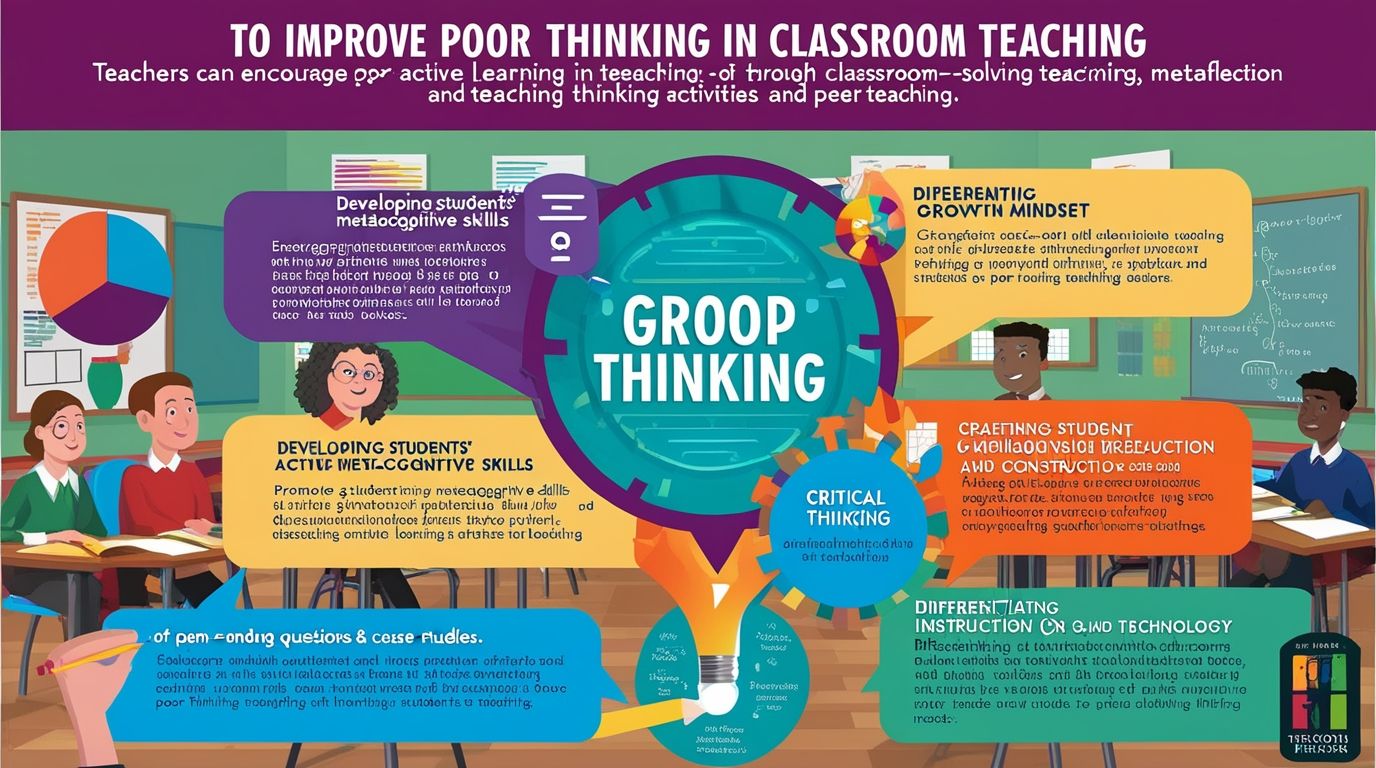
Another important role of teachers is promoting critical thinking. In the age of social media and information overload, students must learn to question assumptions, verify information, and analyze issues from multiple perspectives. Teachers who encourage discussion, inquiry, and reflection help students become informed and responsible citizens.
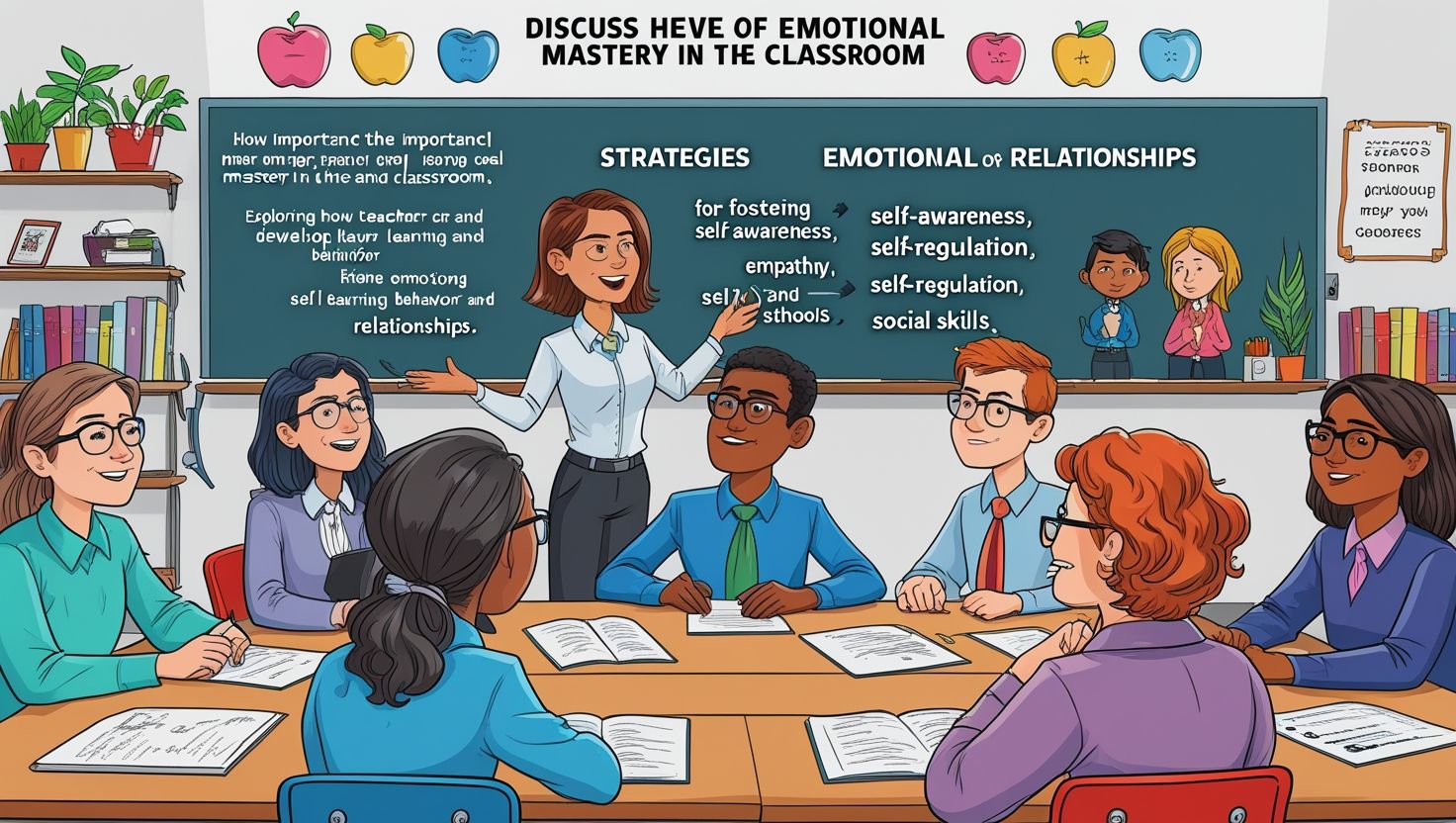
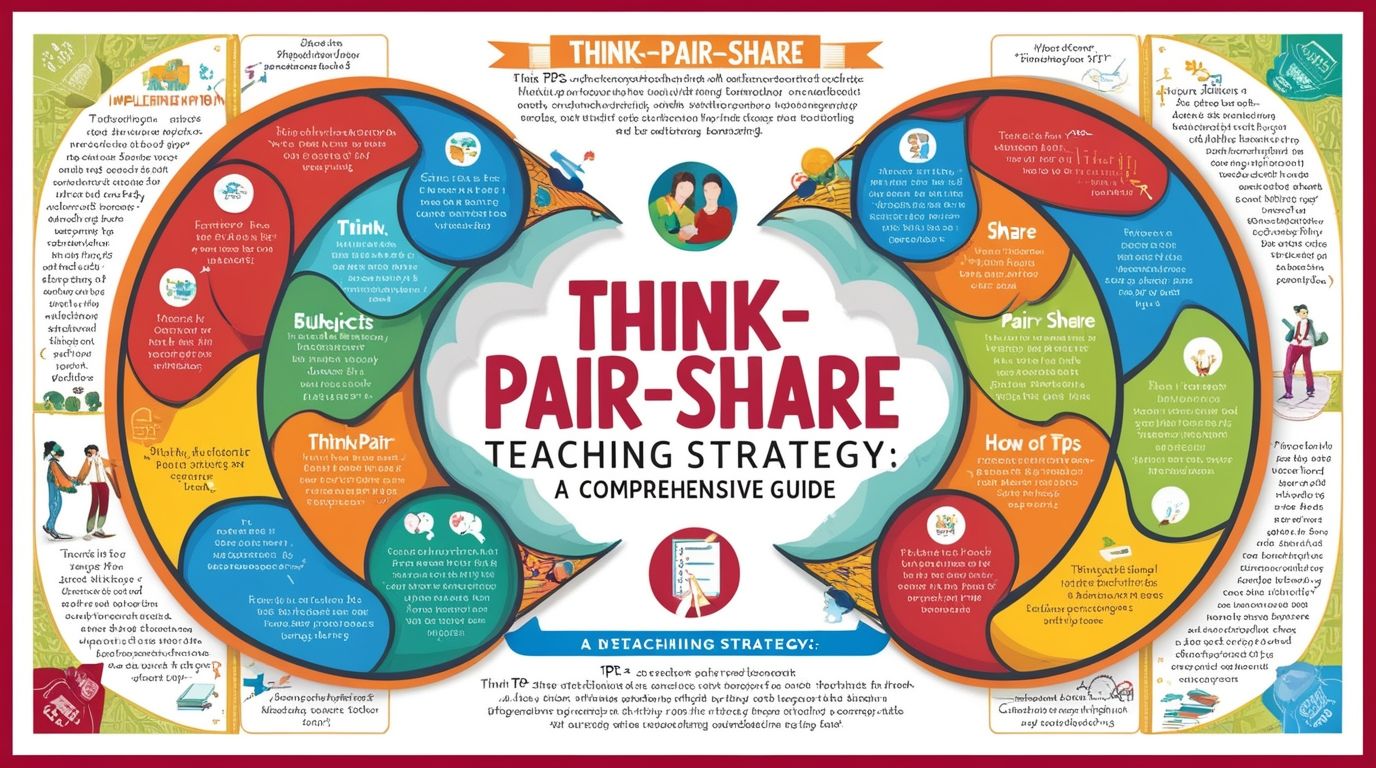
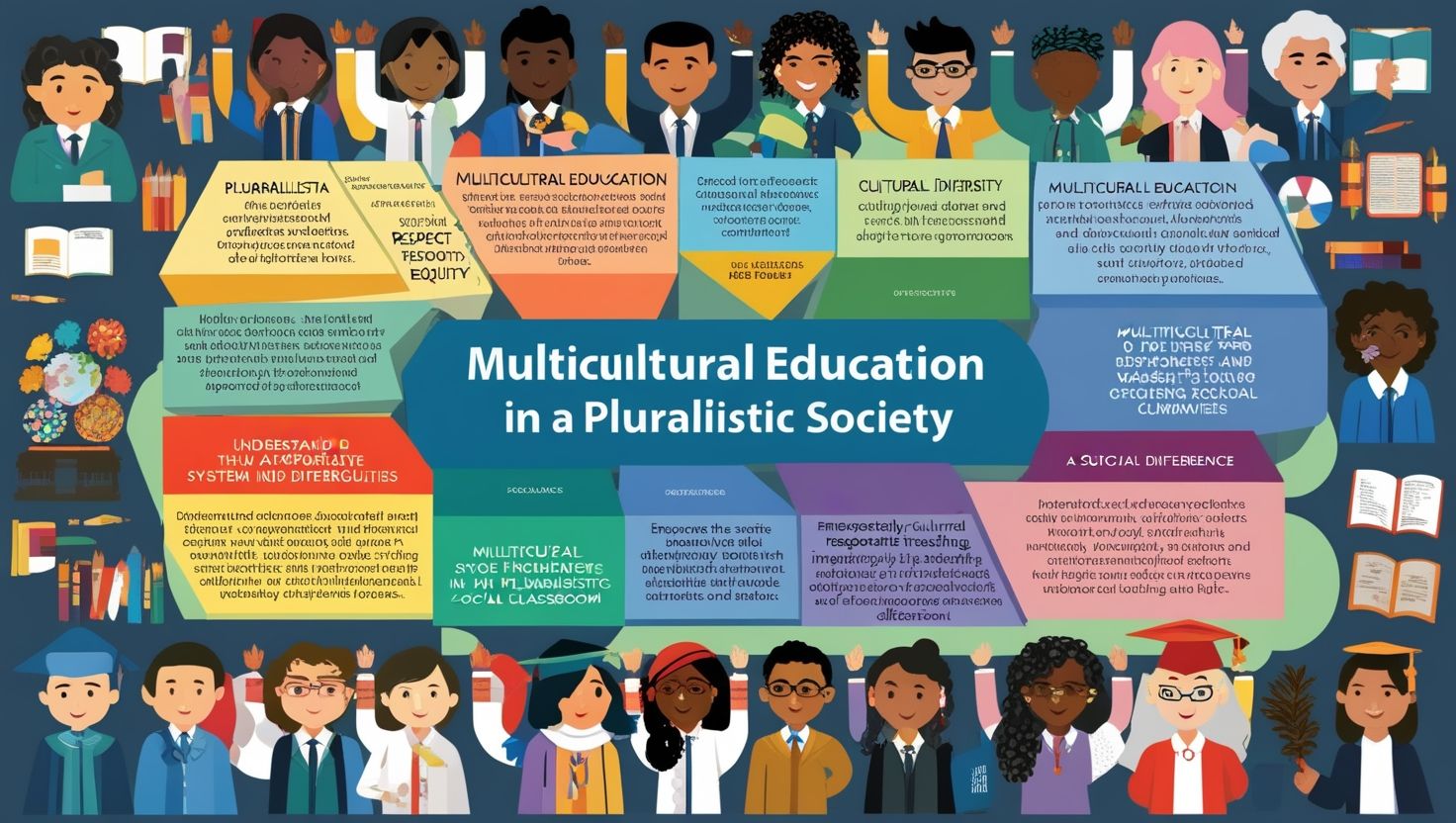
Teachers also foster empathy and intercultural understanding. Group projects, collaborative learning, cultural exchange activities, and discussions about different traditions can help students appreciate diversity. When students interact respectfully with peers from different backgrounds, they develop tolerance and mutual understanding.
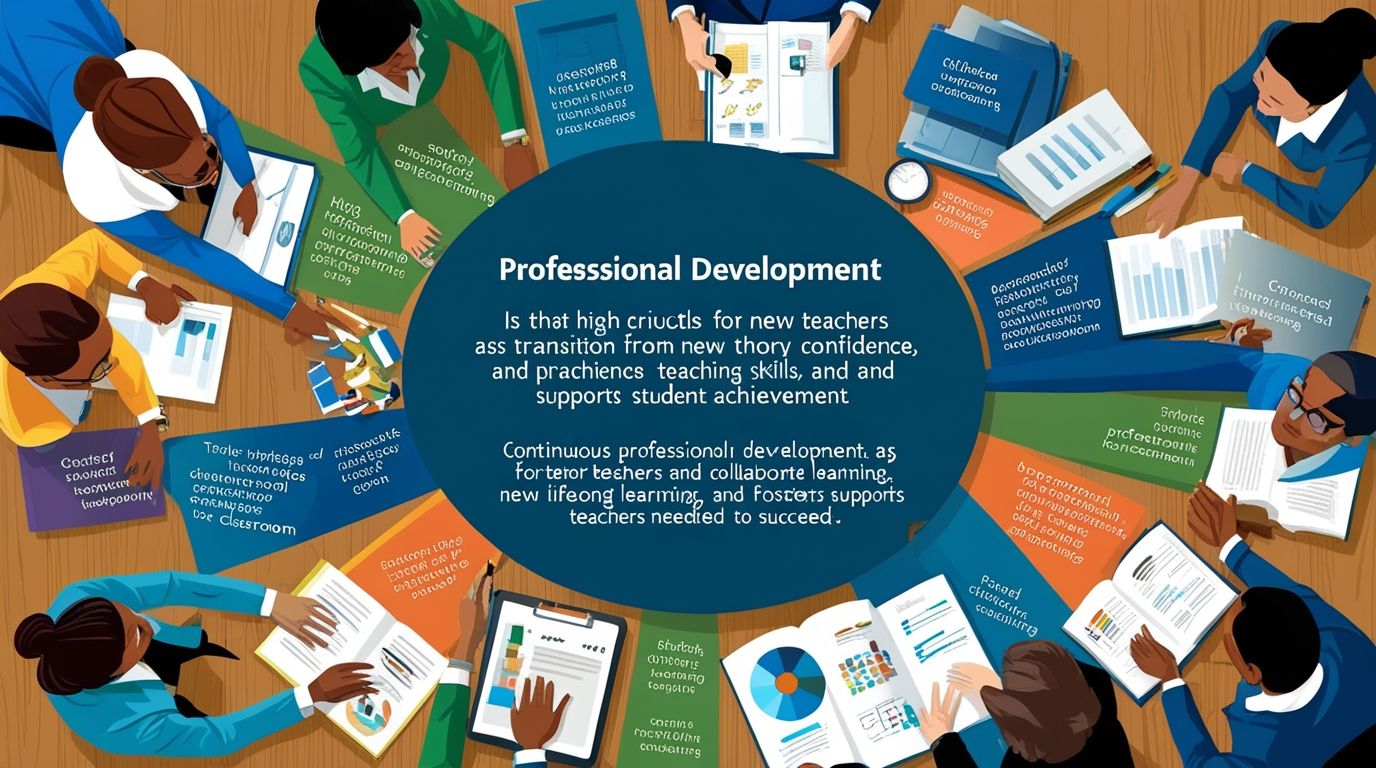
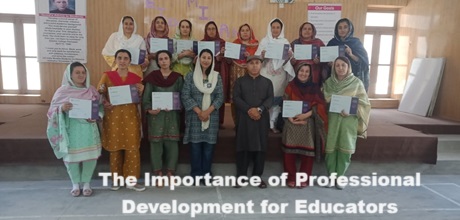
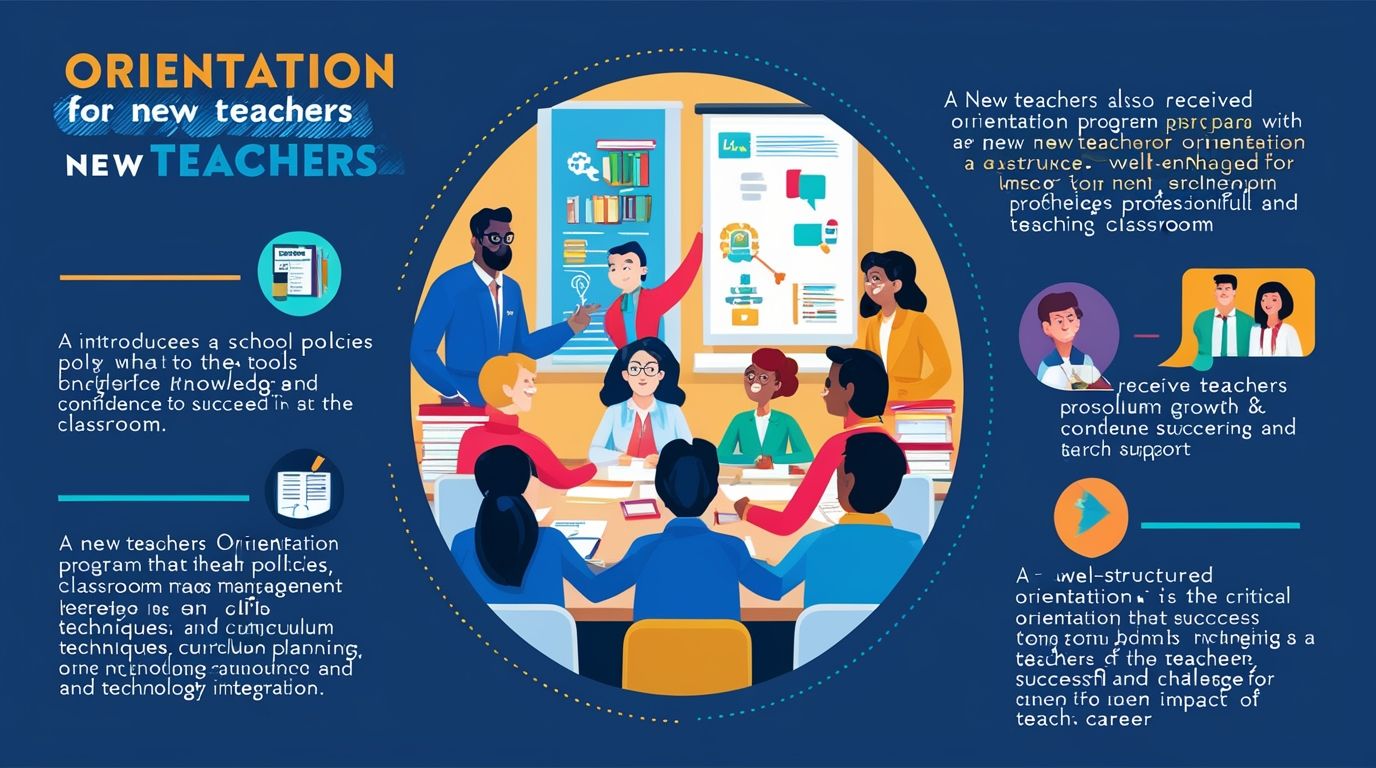
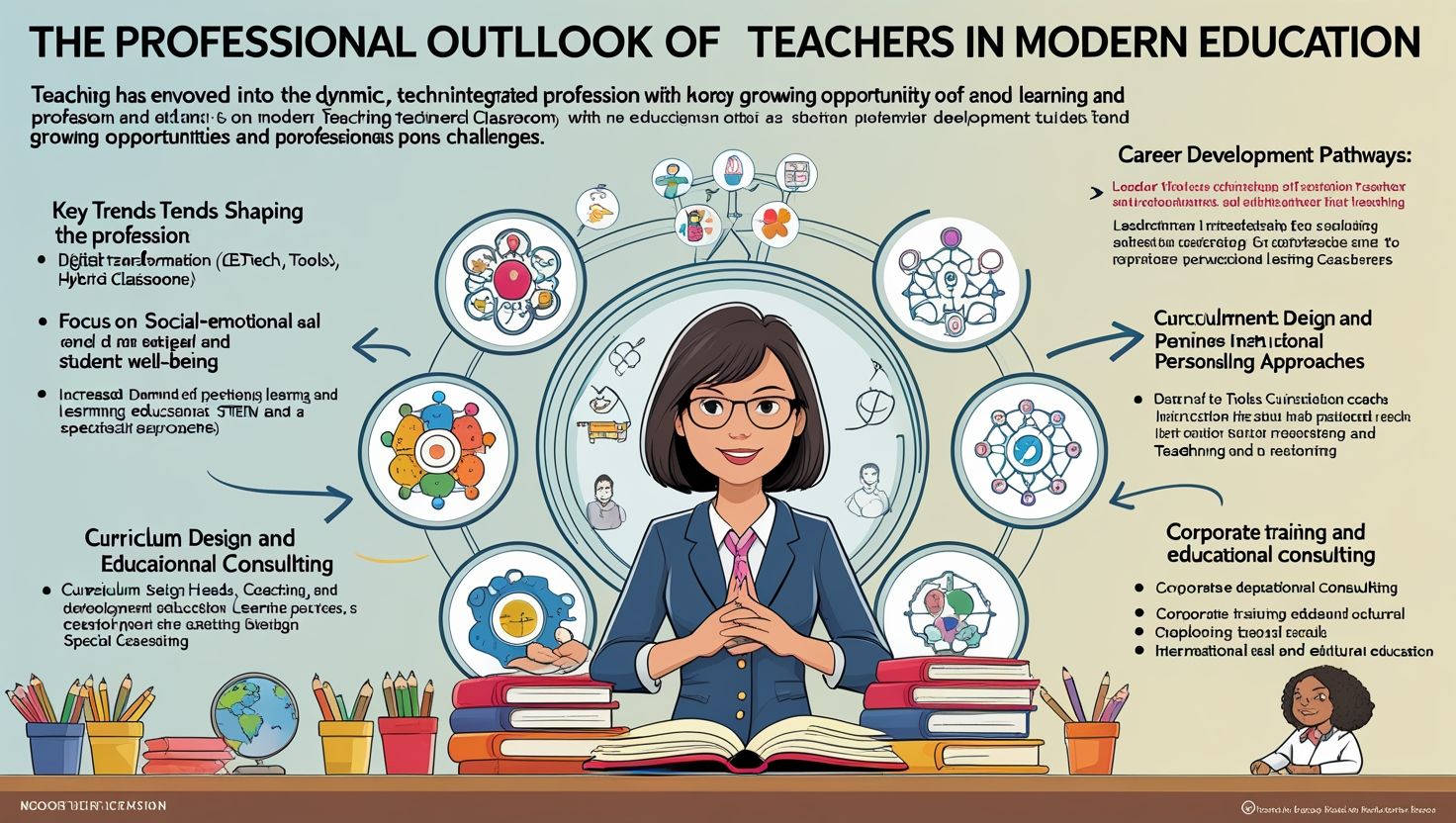
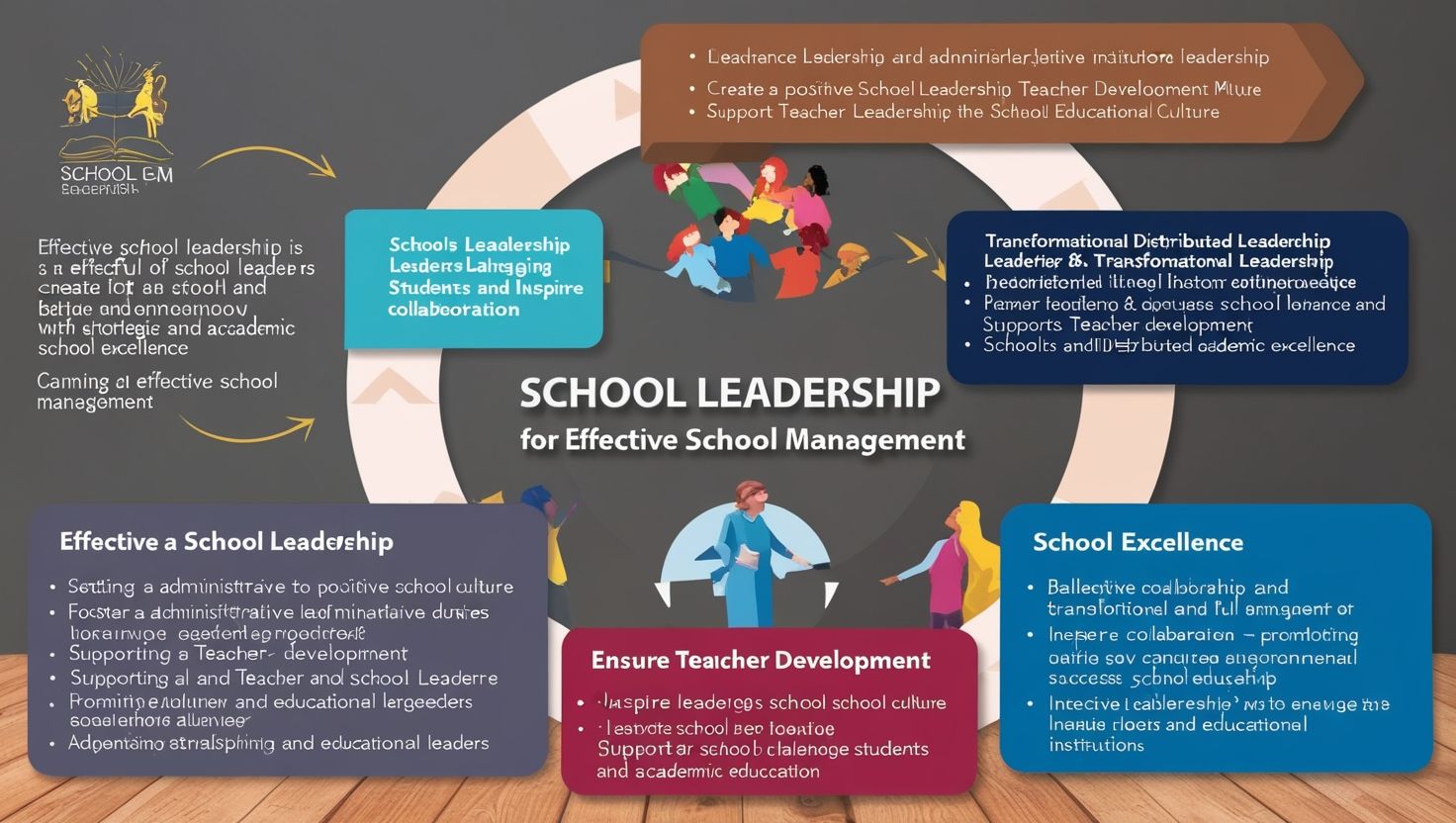
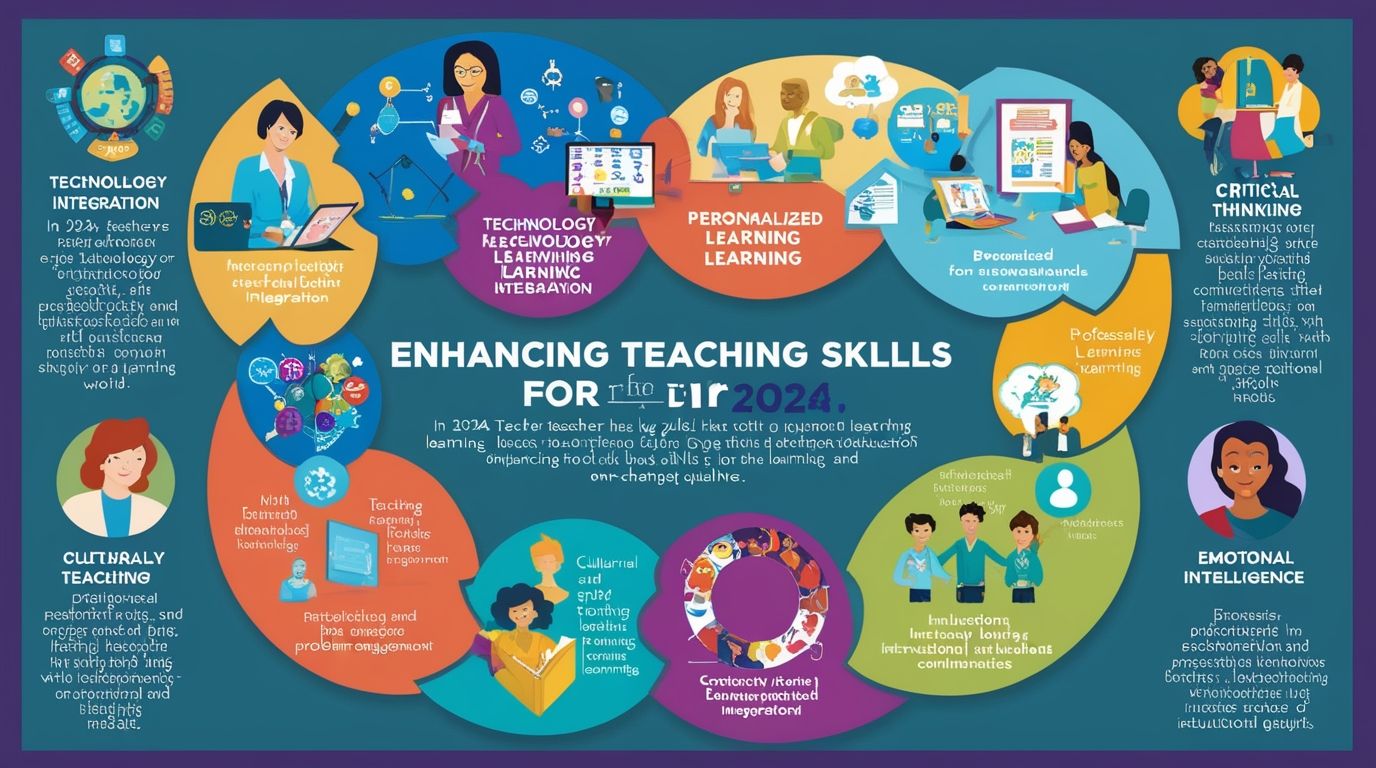
Professional development for teachers is equally important. Educators need training in global issues, inclusive teaching methods, digital literacy, and intercultural communication. Educational institutions and governments should support teachers with resources, workshops, and policy guidance to strengthen global citizenship education.
Curriculum and Global Citizenship
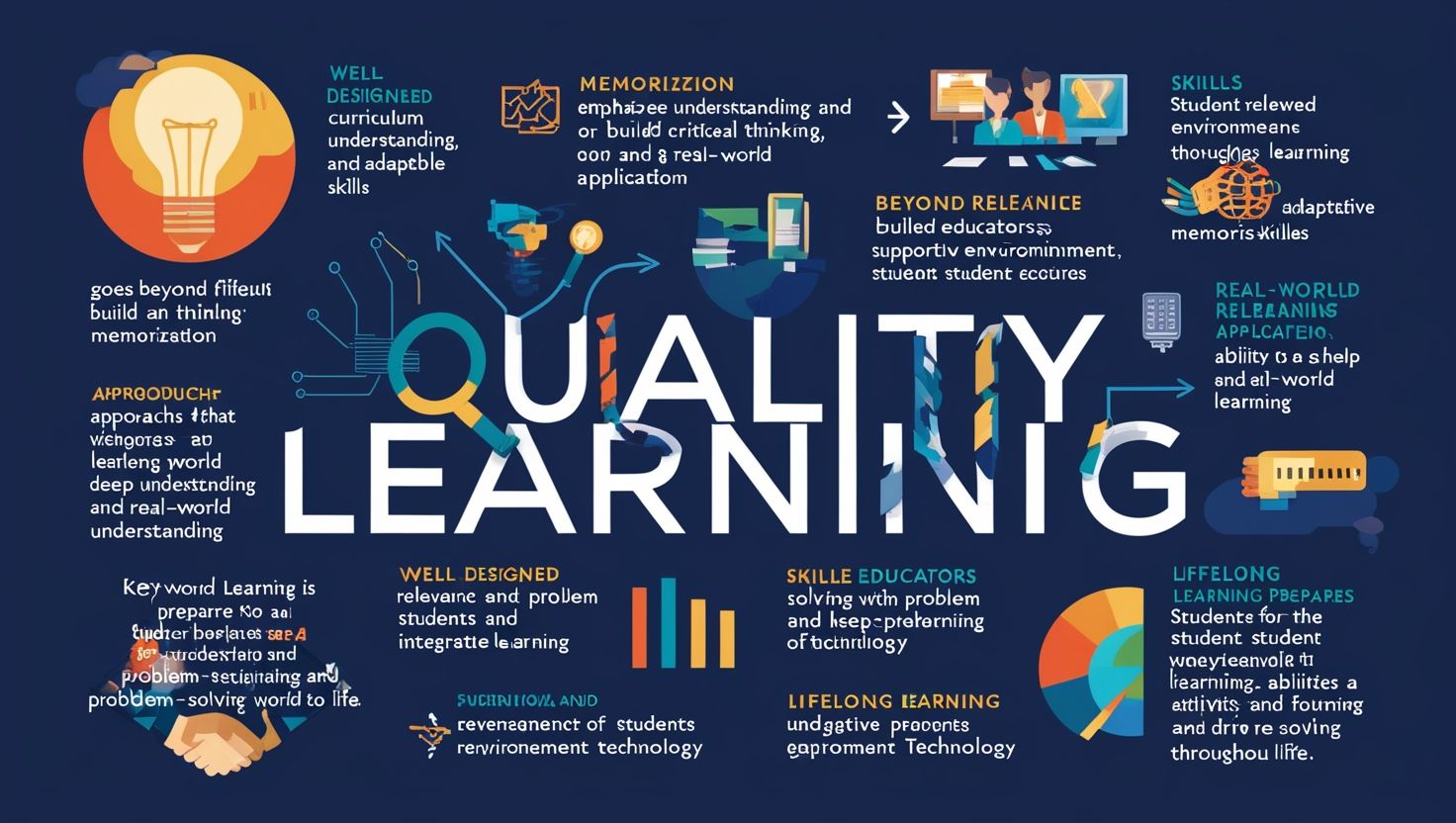
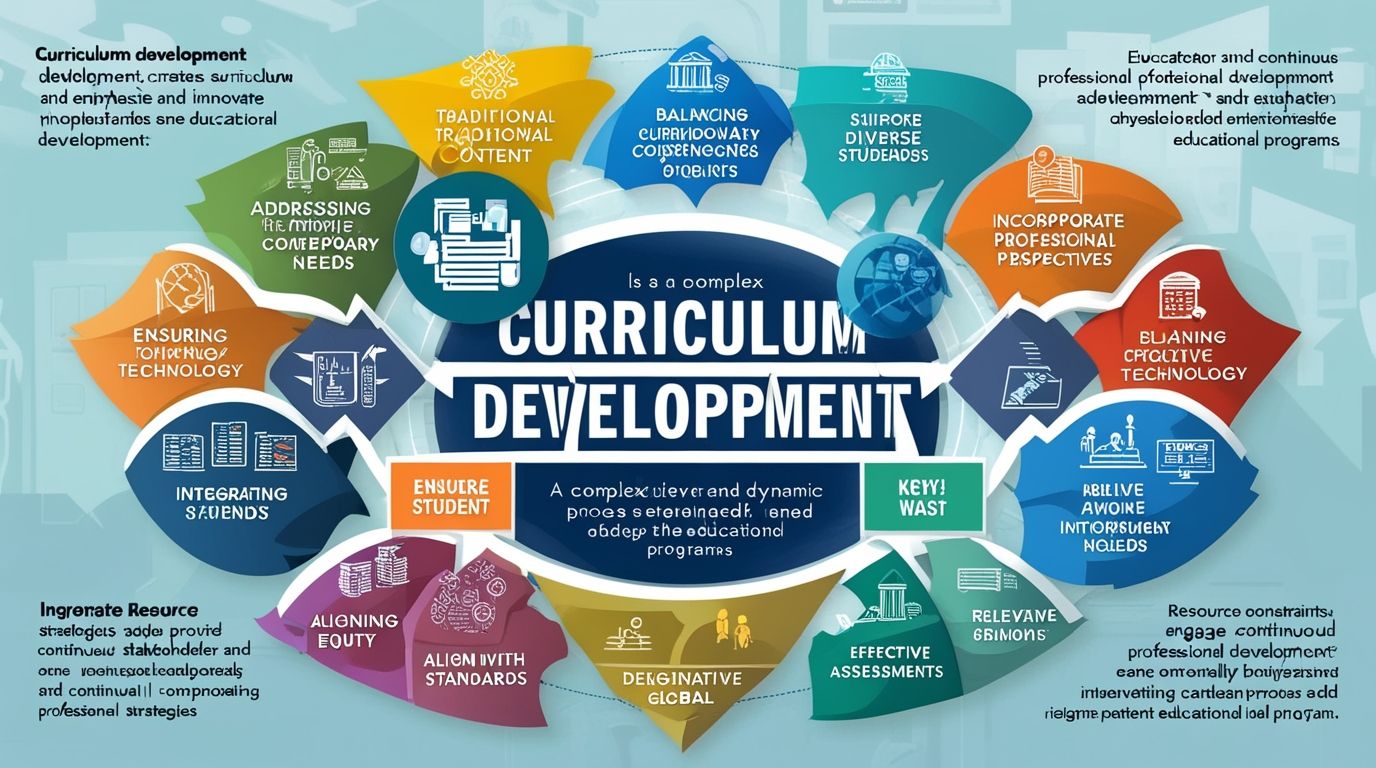
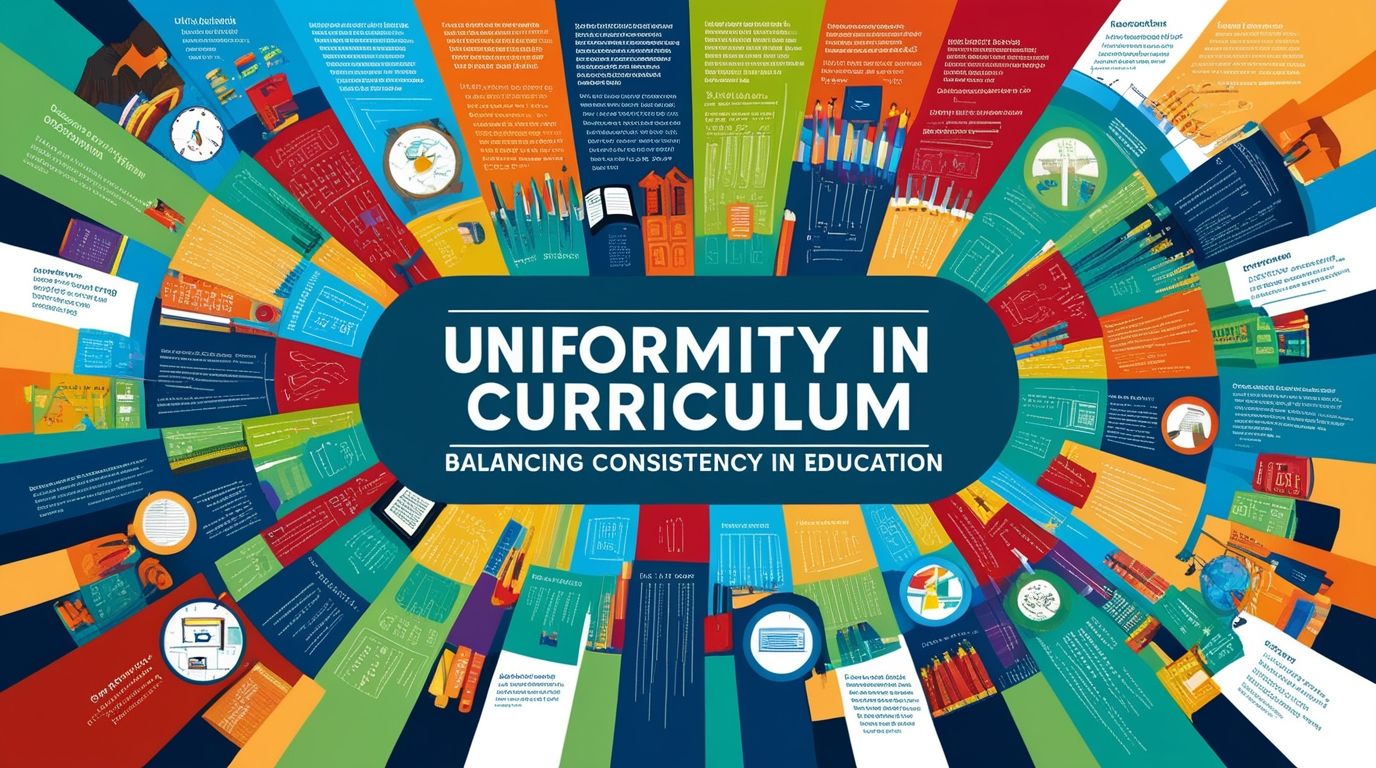
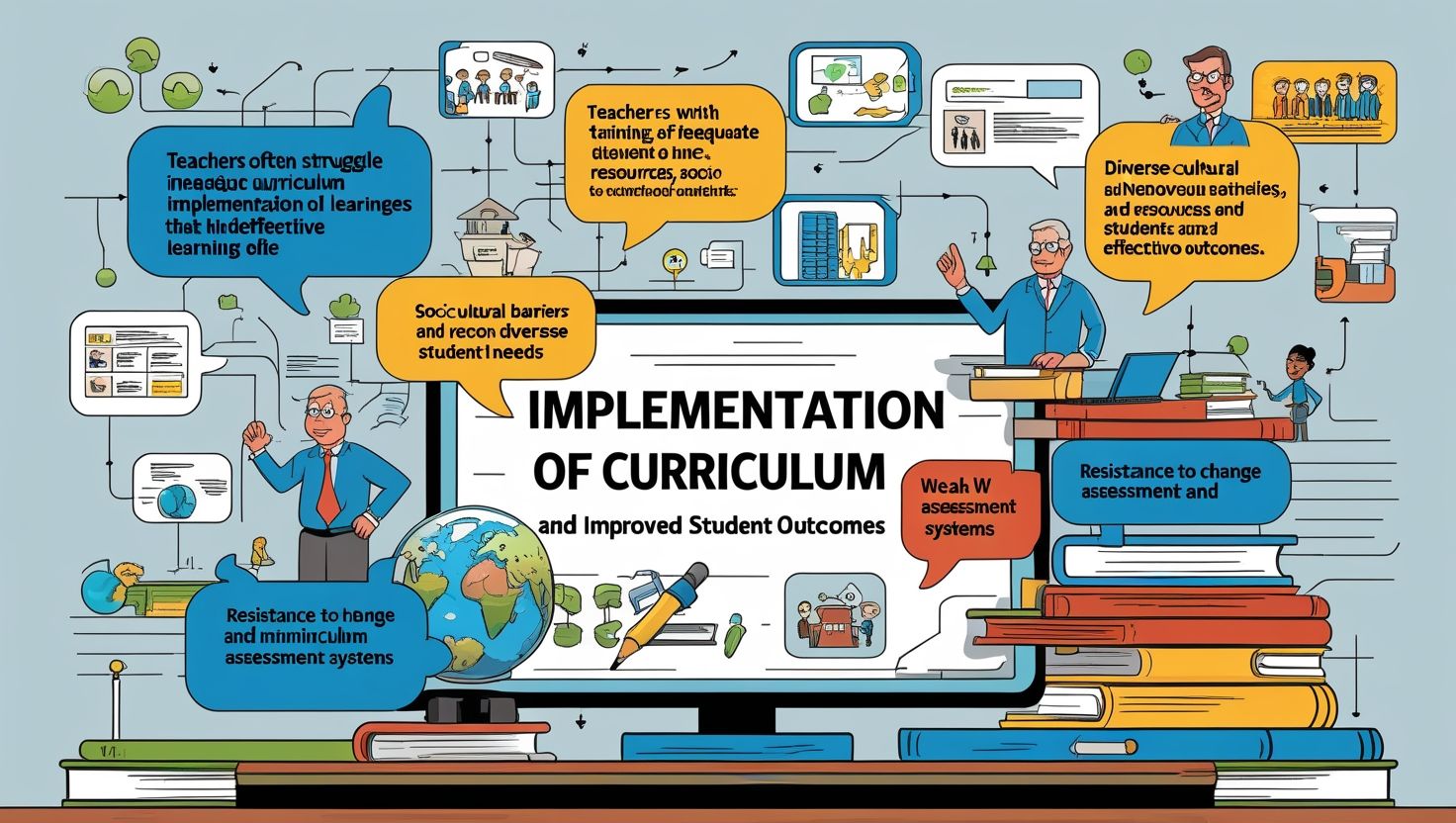
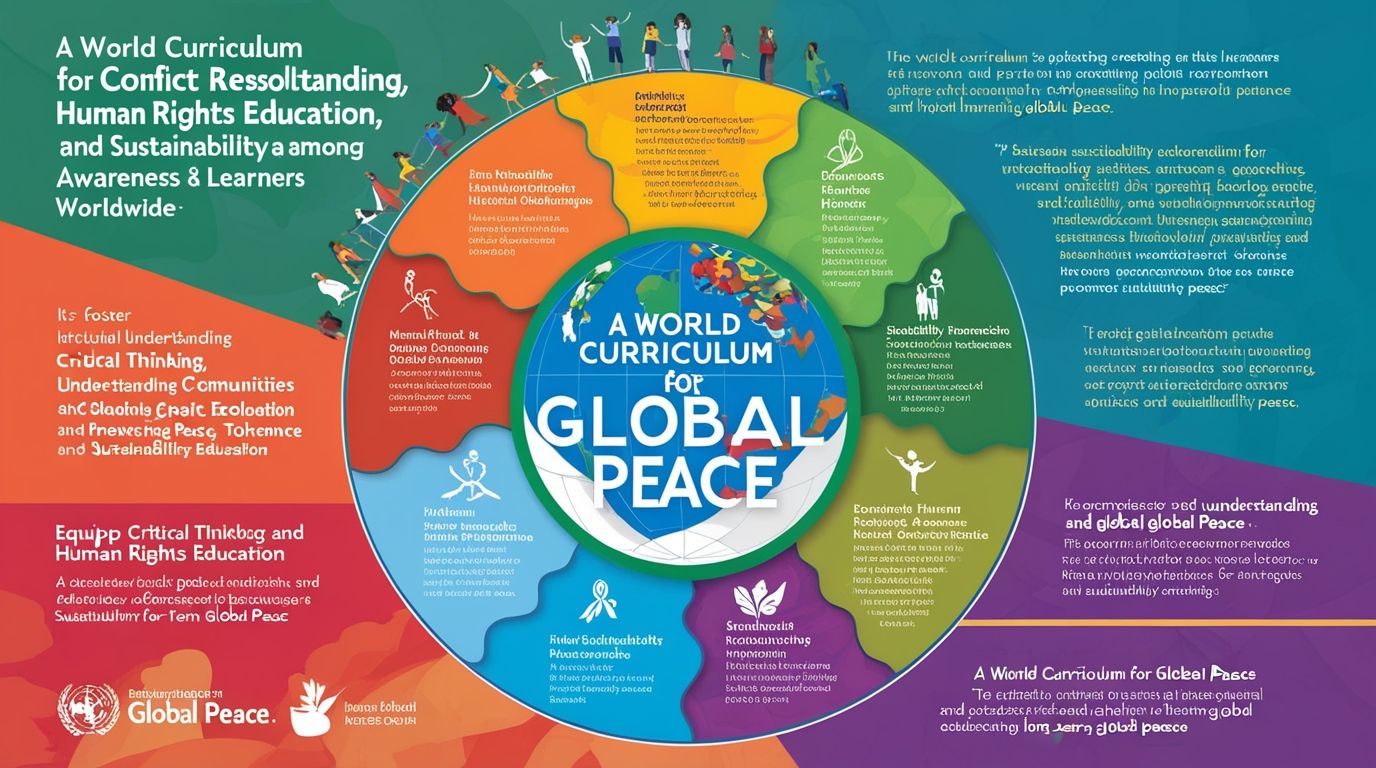
The curriculum is a powerful tool for promoting global citizenship because it determines what students learn and how they learn it. A curriculum that supports global citizenship goes beyond memorization of facts and encourages deeper understanding, ethical reflection, and social engagement.
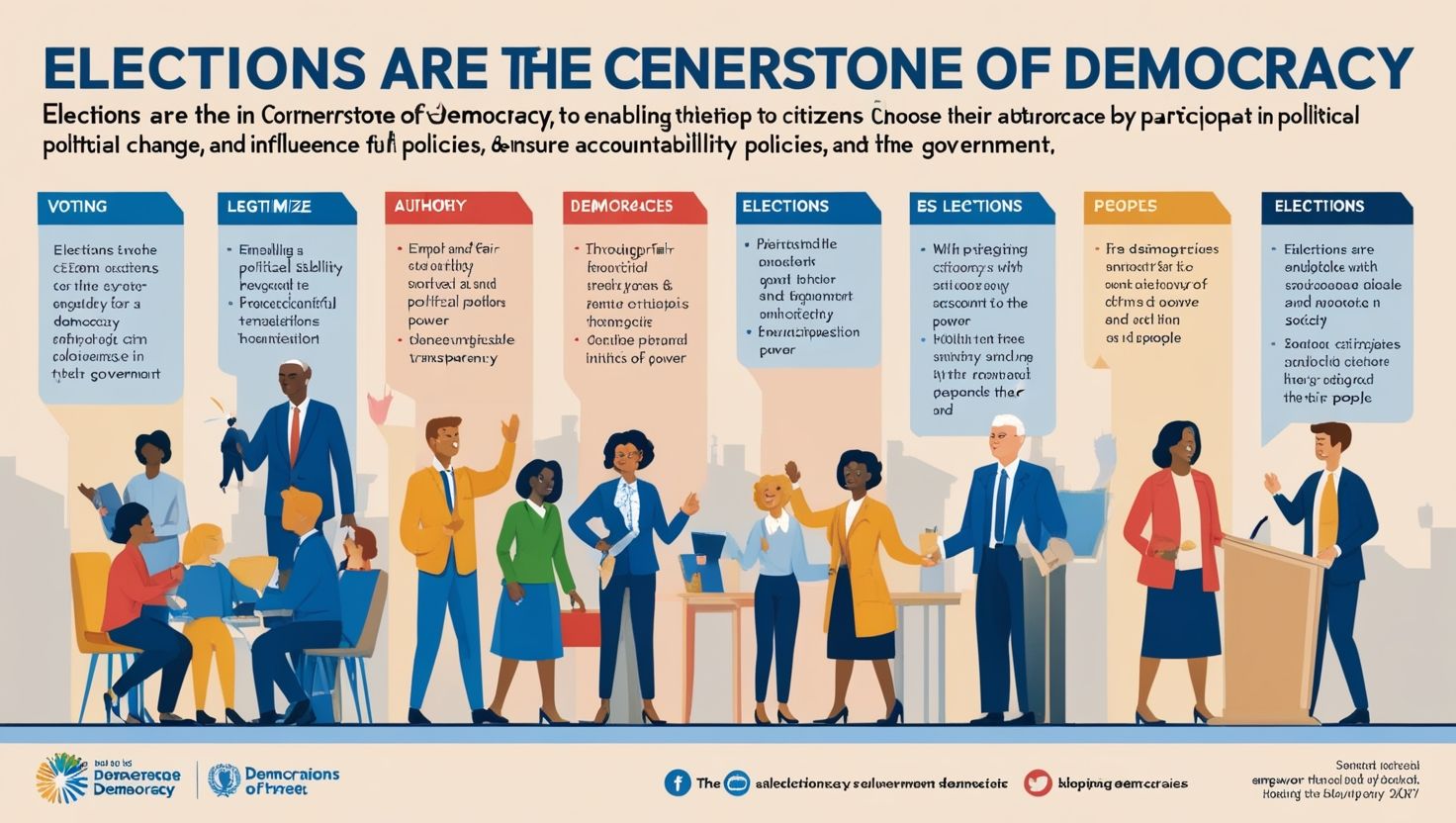
Subjects such as history and geography help students understand the interconnected development of human societies. Literature exposes learners to different cultures, experiences, and perspectives. Science education increases awareness of environmental challenges and technological responsibilities. Civic education teaches democratic participation, rights, duties, and social justice.
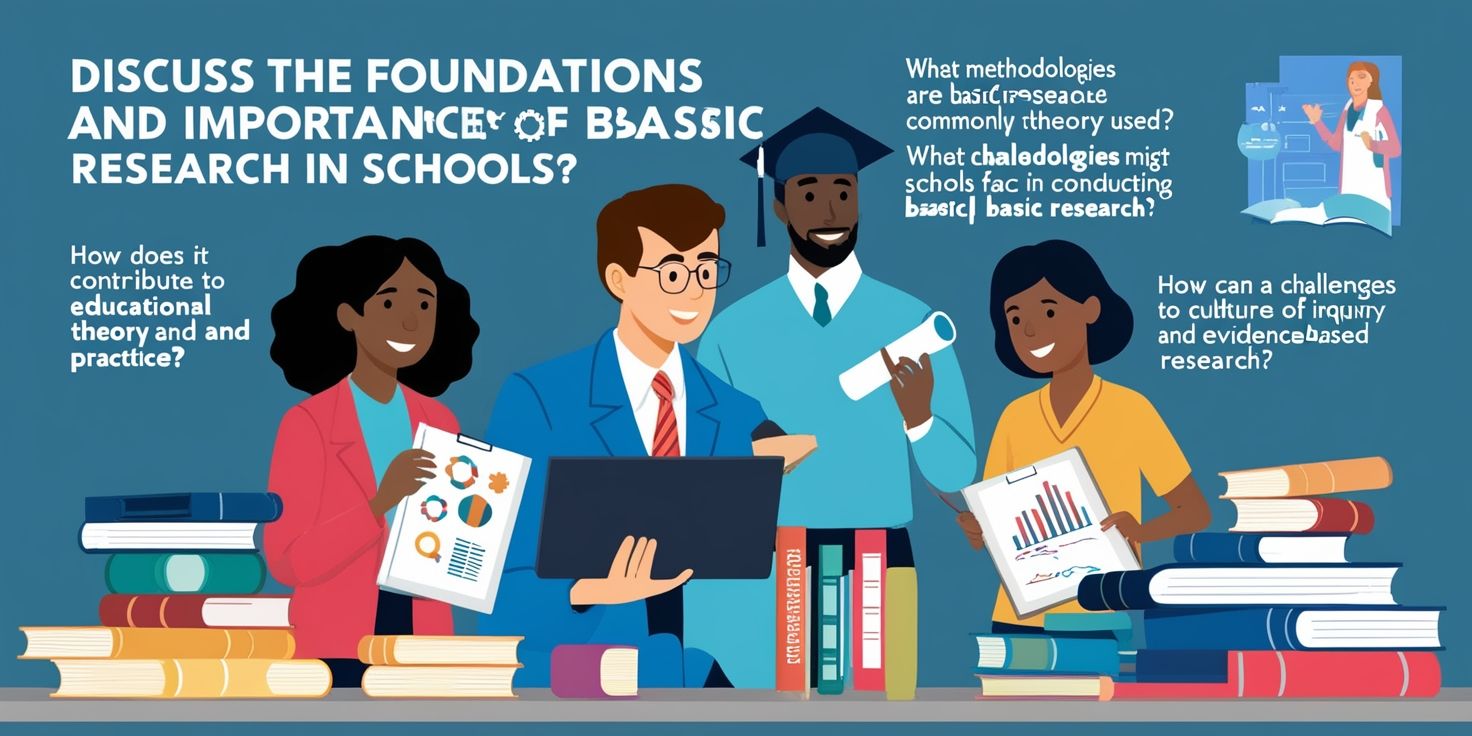
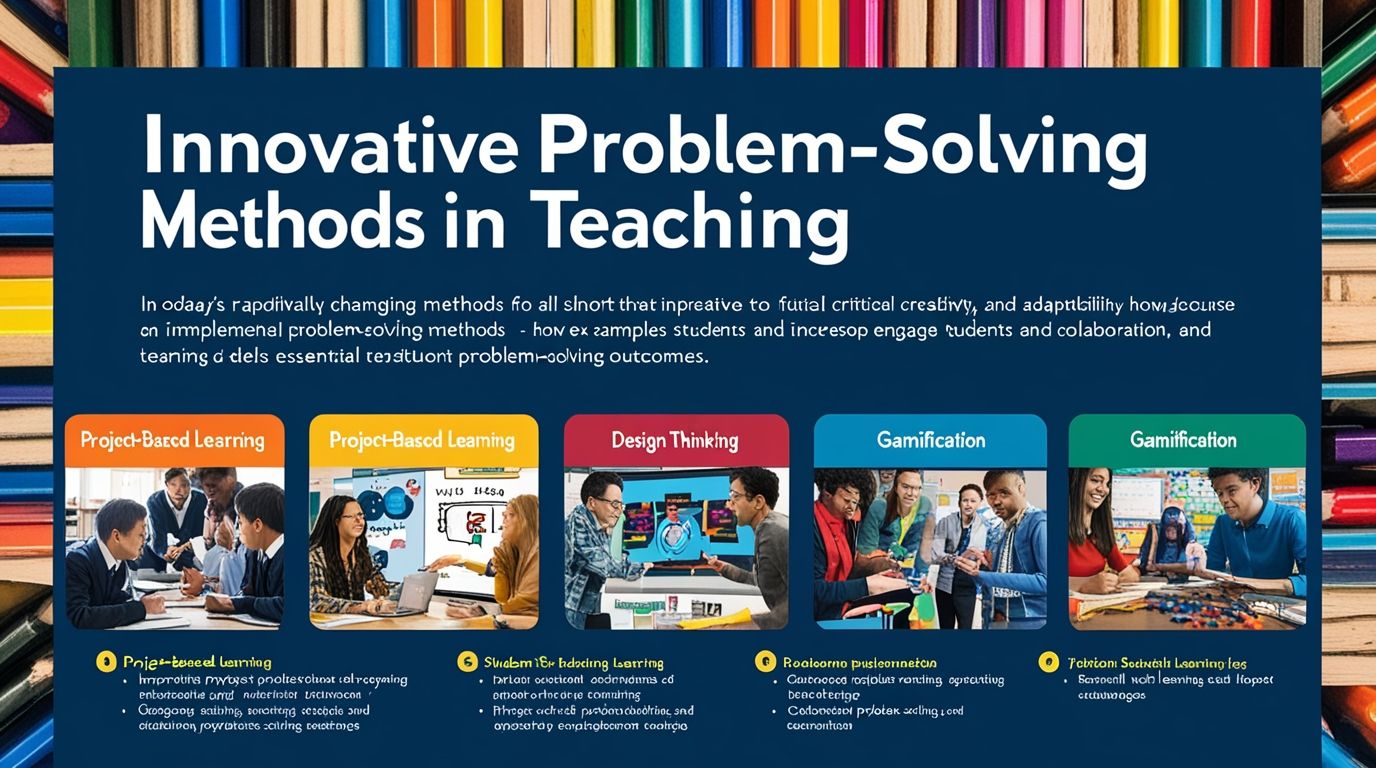
A balanced curriculum should also include human rights education, peace education, environmental education, and media literacy. Students need opportunities to discuss real-world issues and explore possible solutions. Problem-based learning, debates, research projects, and collaborative activities make learning more meaningful and relevant.
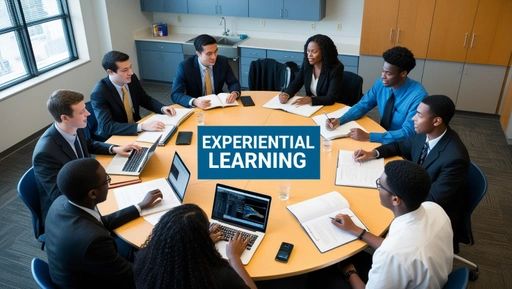
Experiential learning is another important aspect of global citizenship education. Field visits, volunteer programs, environmental campaigns, cultural events, and community service activities allow students to apply classroom knowledge in practical contexts. Such experiences develop leadership, teamwork, and social responsibility.
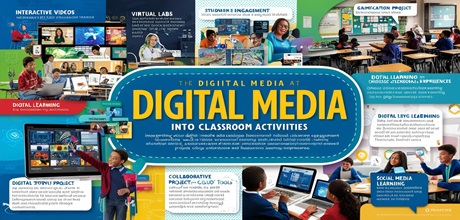
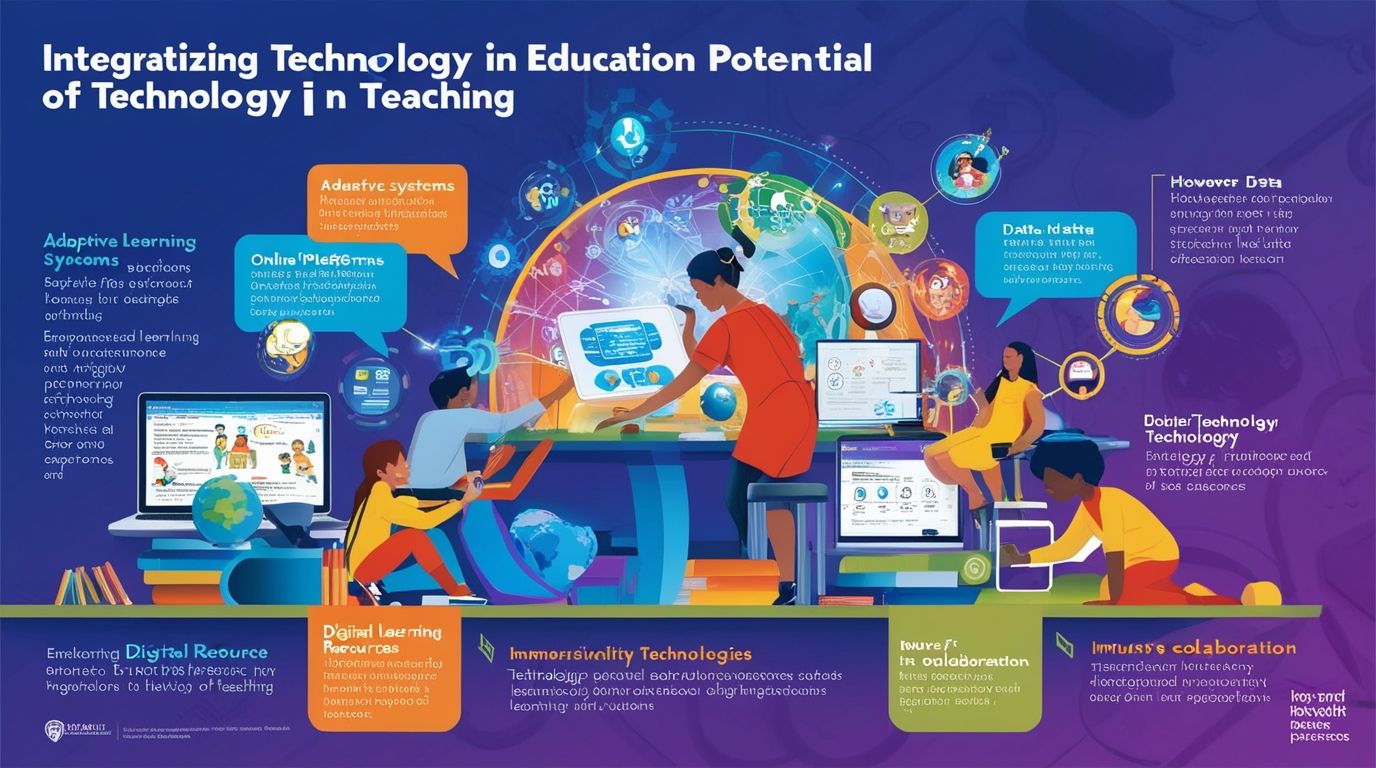
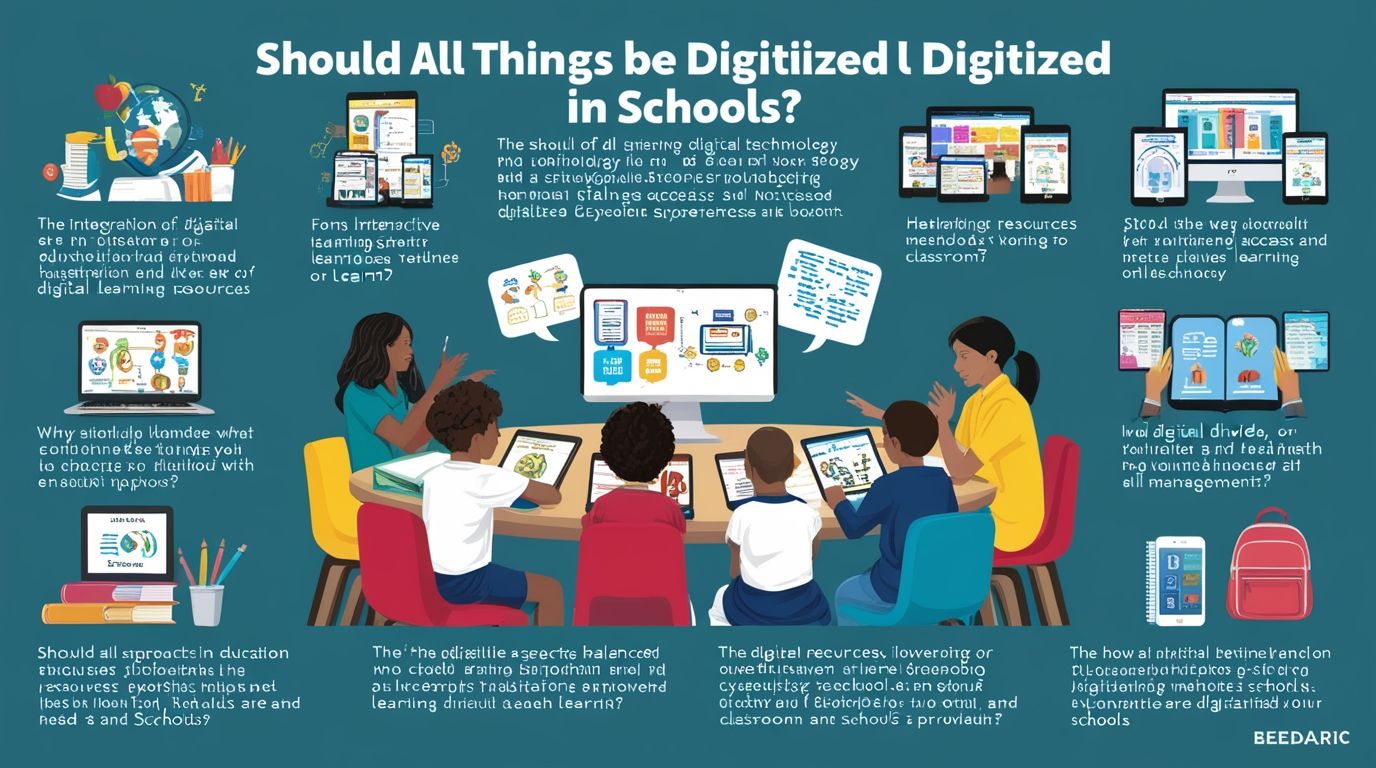
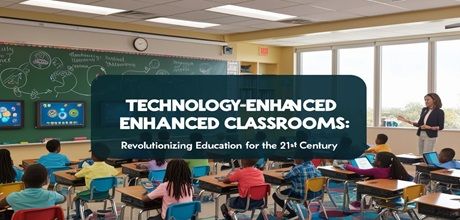
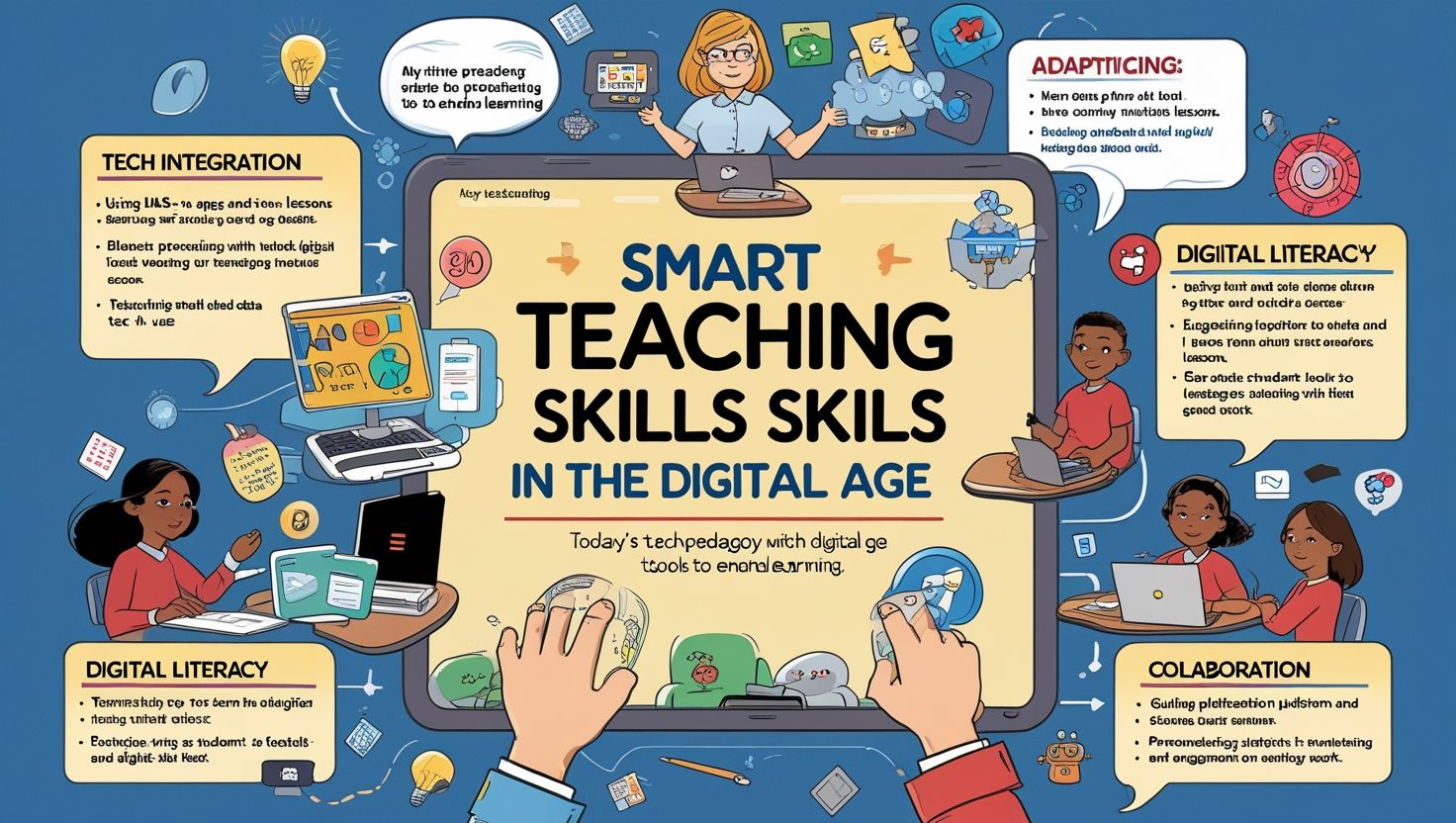
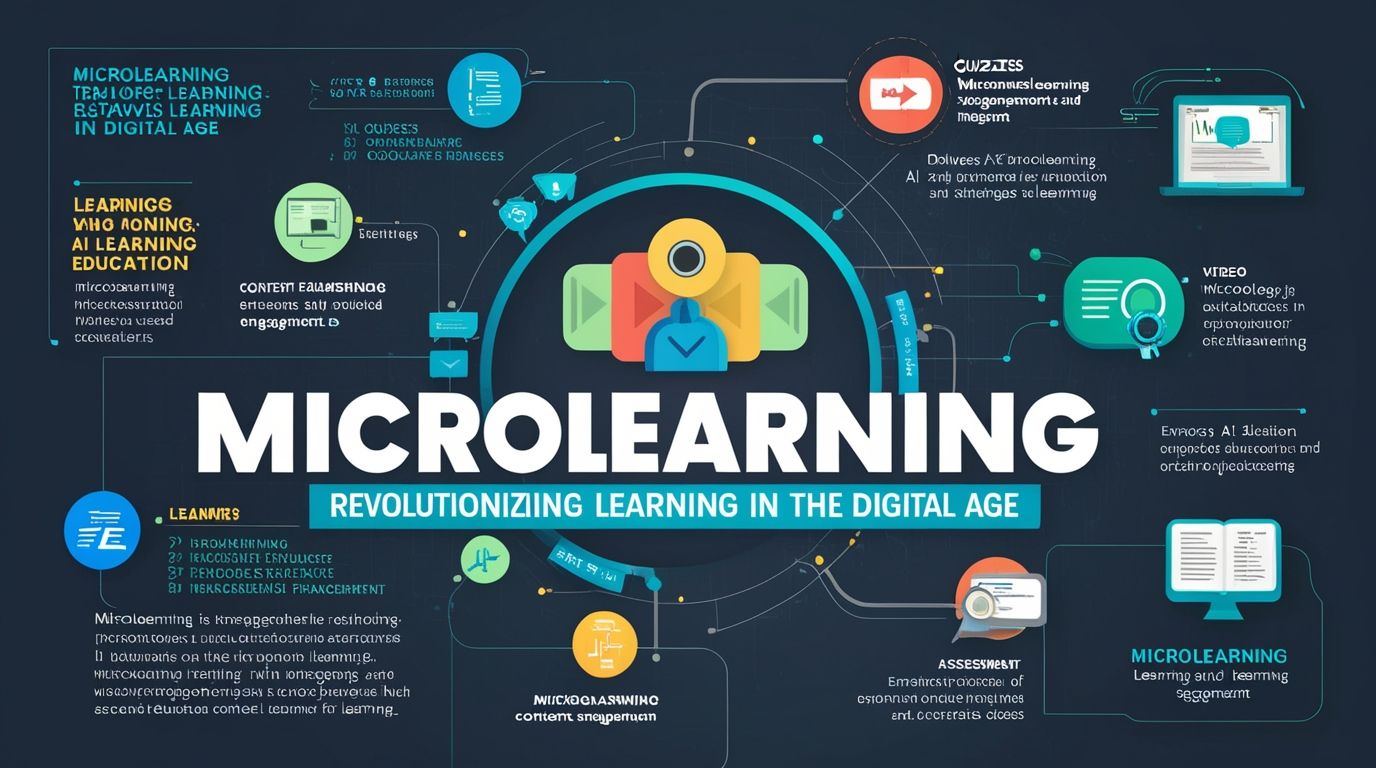
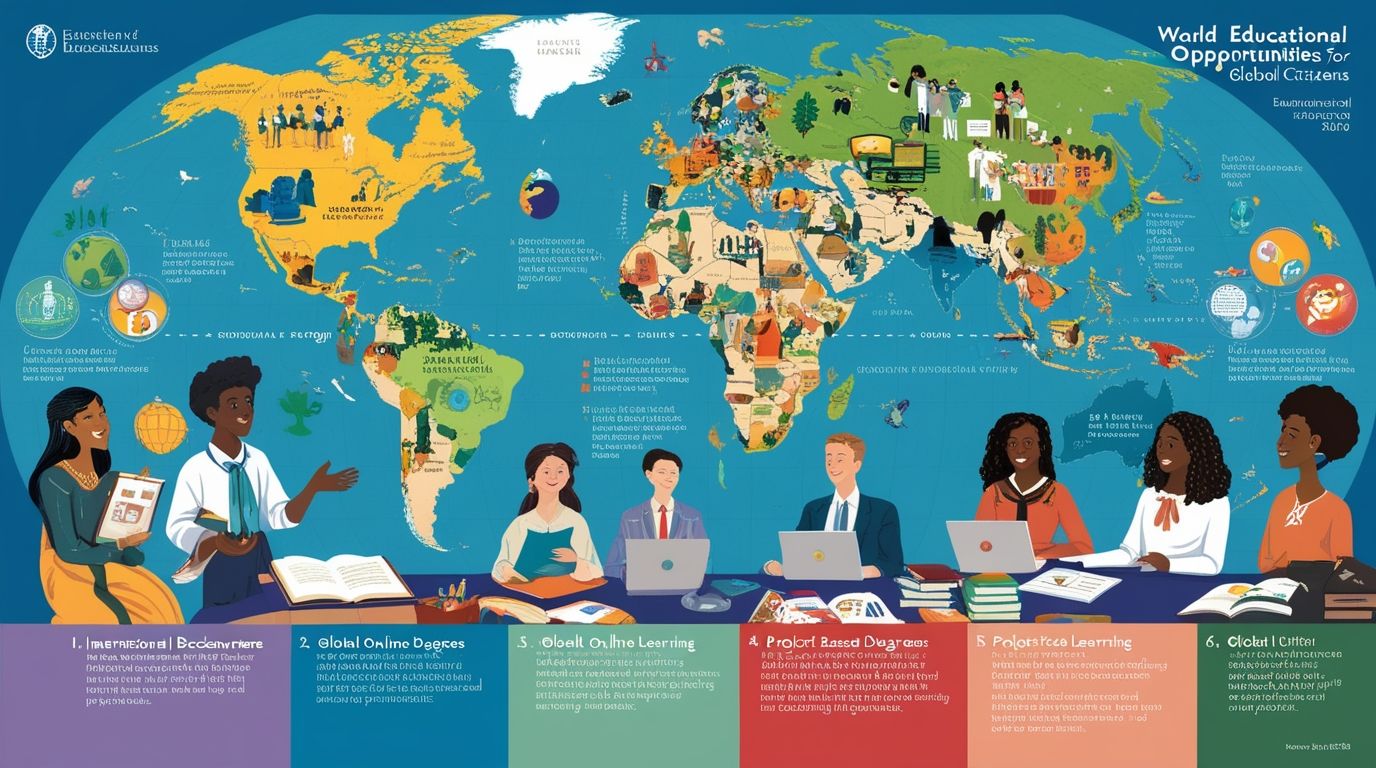
Technology can also support global citizenship education. Online platforms allow students to communicate with peers from different countries, participate in international projects, and access global learning resources. Virtual exchanges and collaborative activities promote intercultural understanding and global awareness.
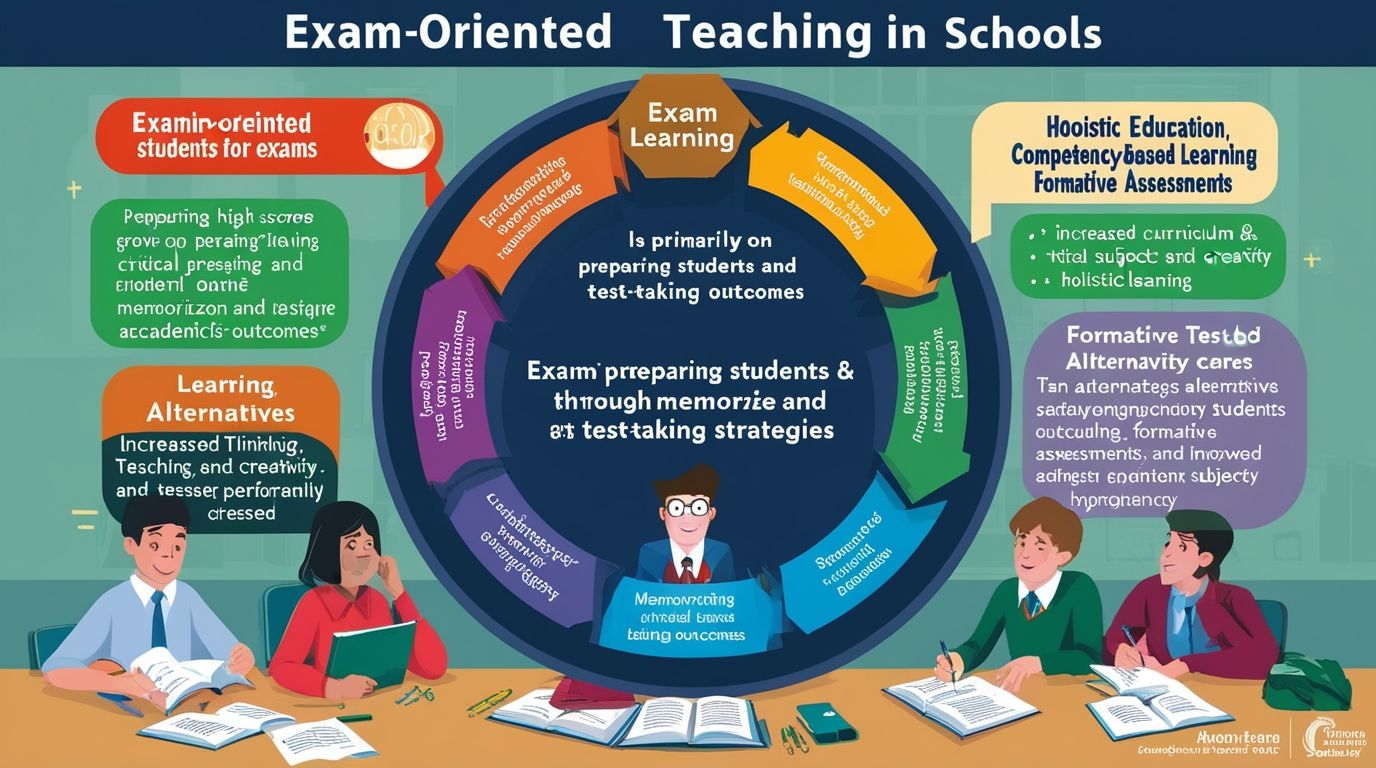
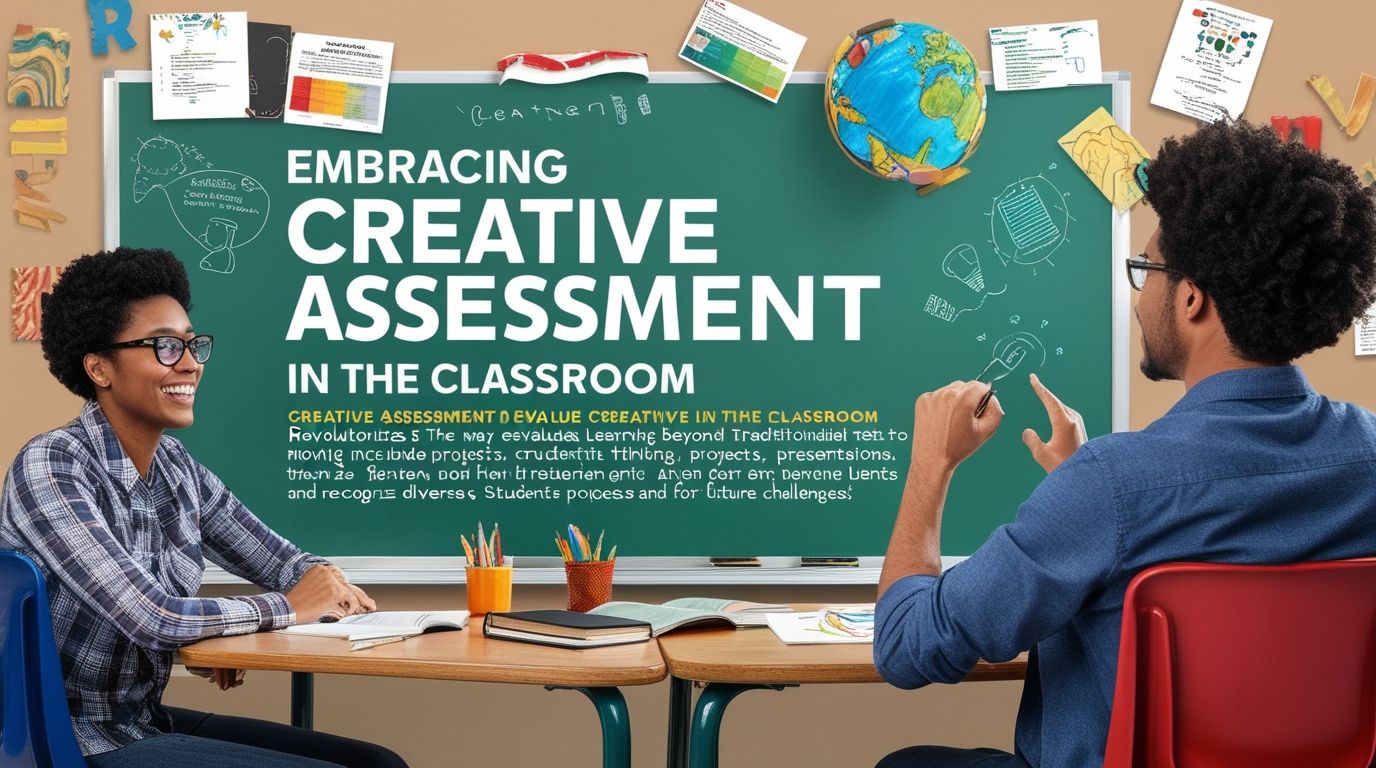
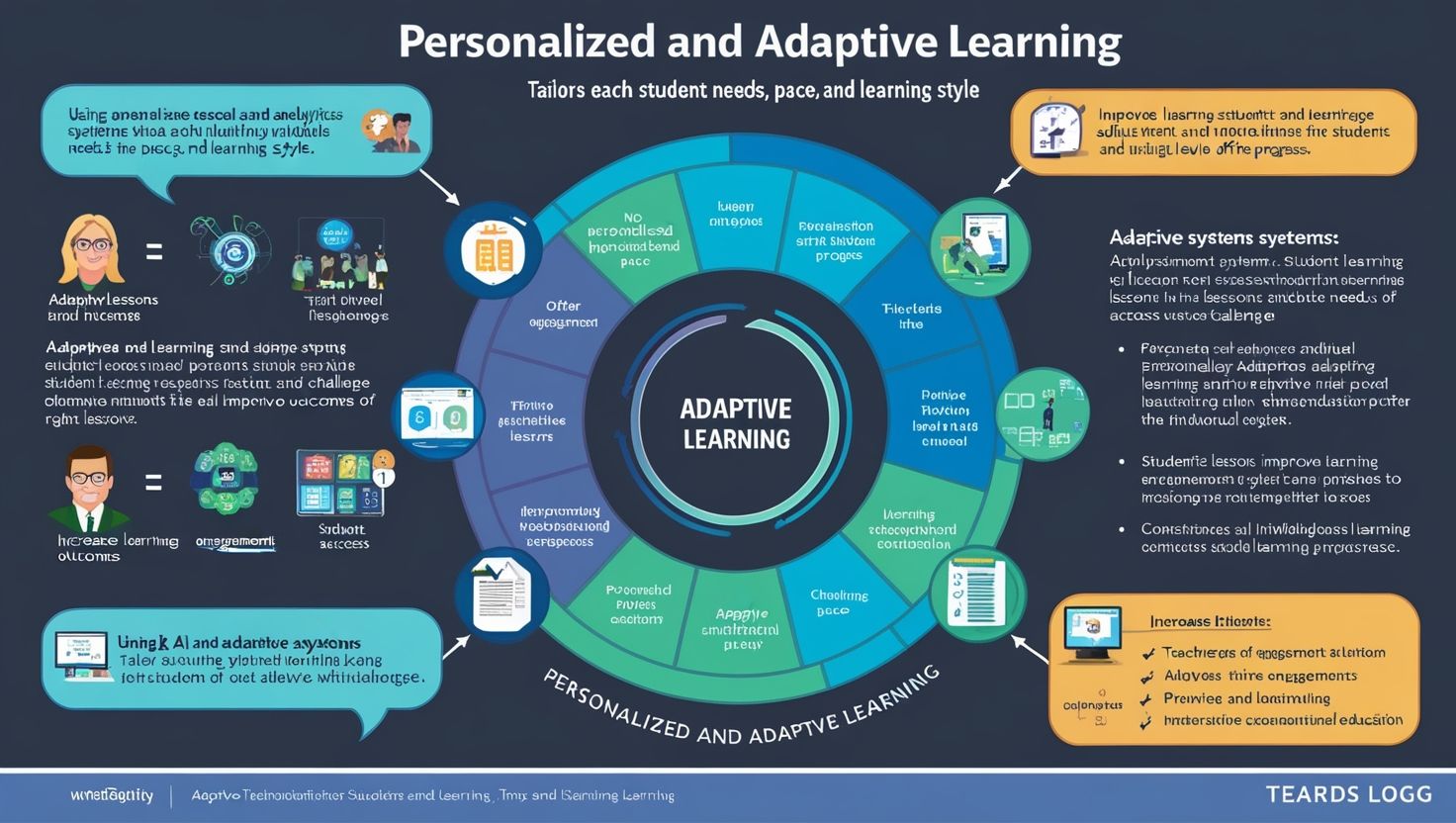
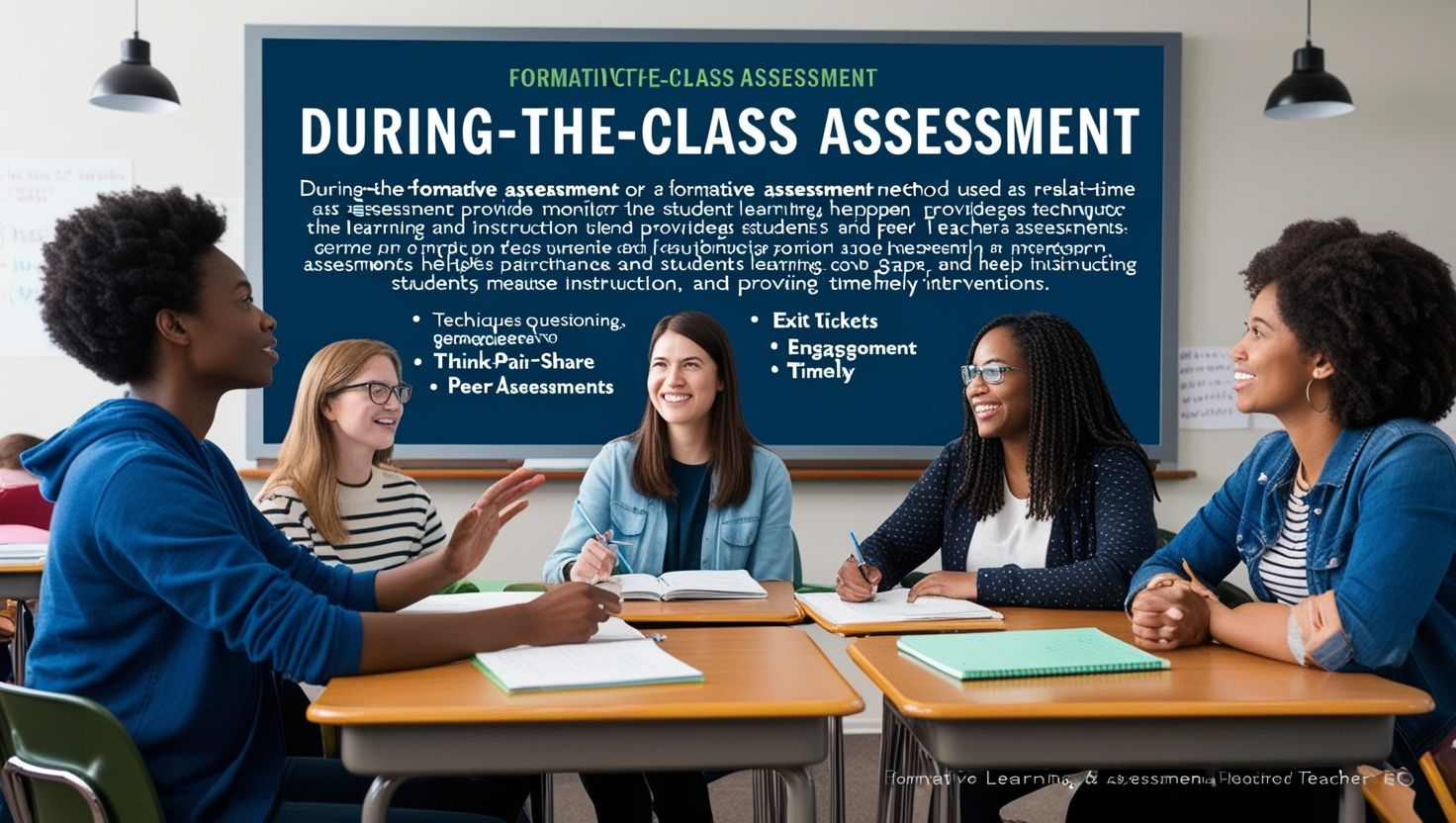
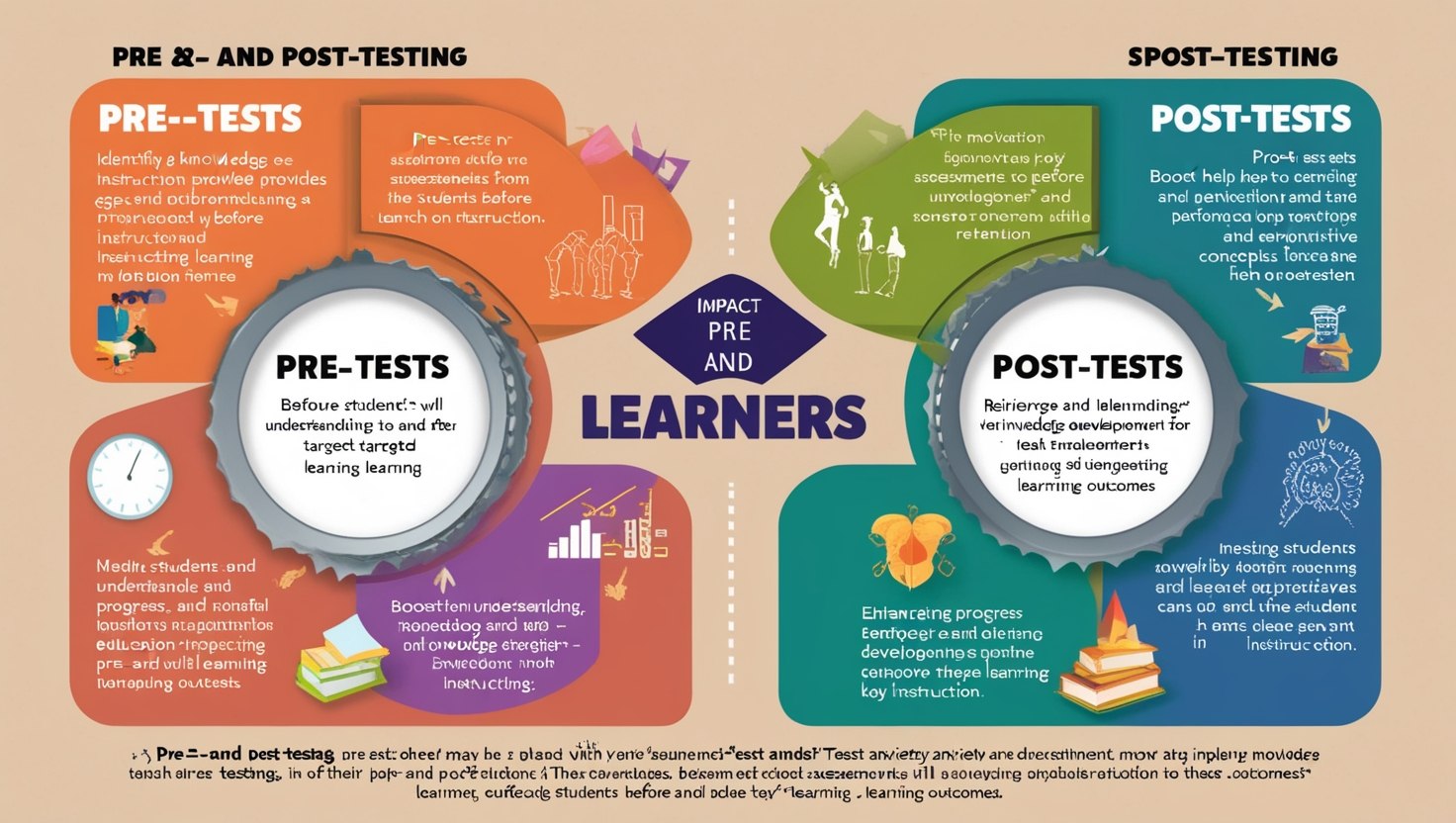
Assessment methods should also reflect the goals of global citizenship education. Instead of focusing only on examinations and rote memorization, schools should assess creativity, collaboration, ethical reasoning, communication, and problem-solving skills. Holistic assessment encourages students to value meaningful learning rather than simply achieving grades.
Challenges in Promoting Global Citizenship Education
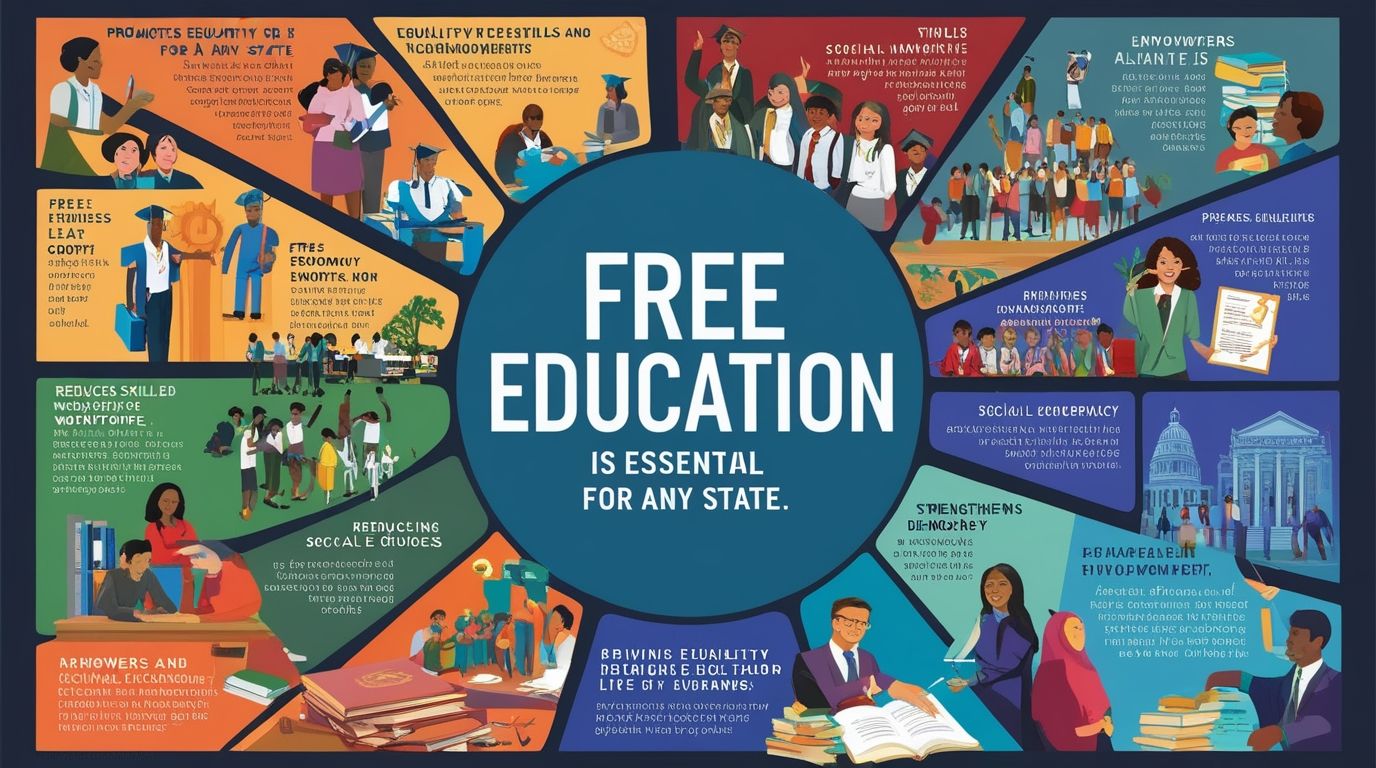
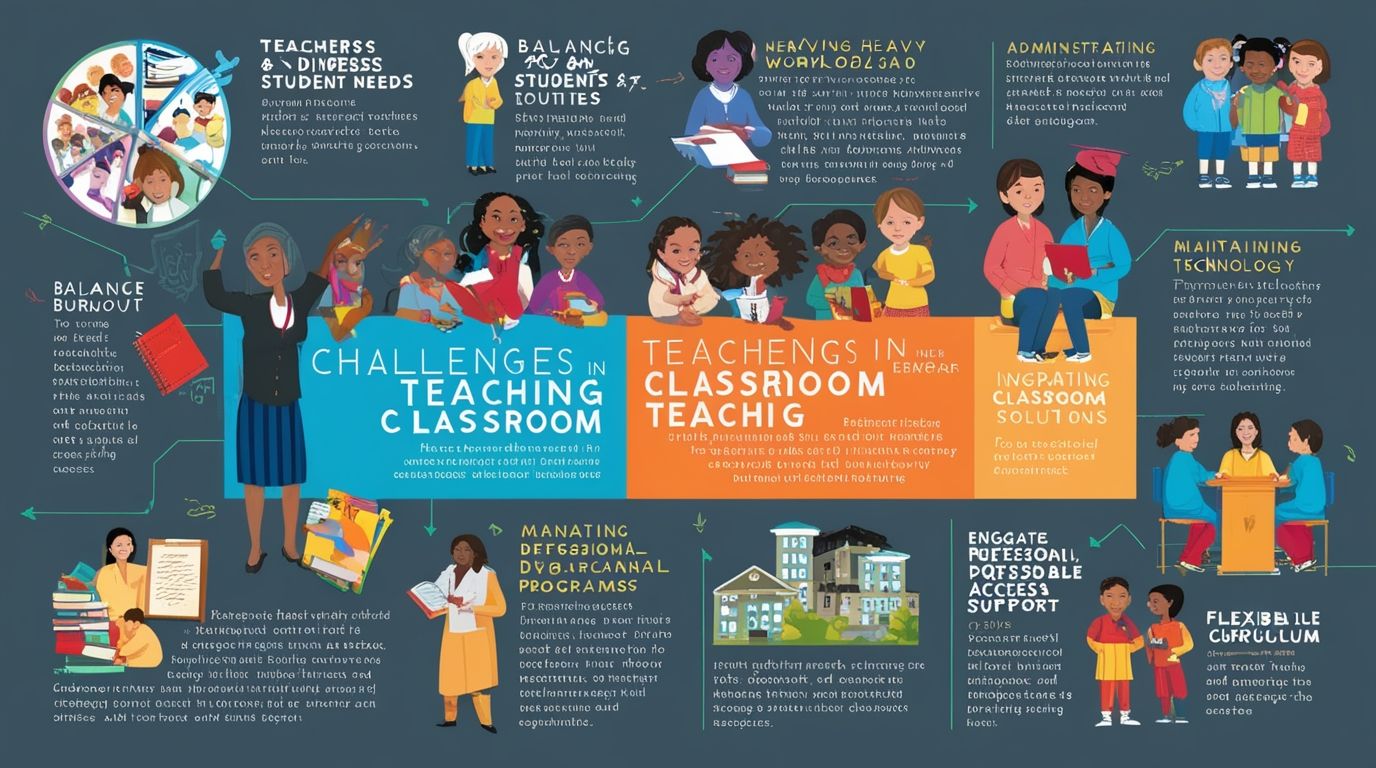
Despite its importance, global citizenship education faces several challenges. One major challenge is inequality in access to quality education. Millions of children around the world still lack access to schools, trained teachers, learning materials, and digital resources. Without equitable educational opportunities, the goals of global citizenship cannot be fully achieved.
Another challenge is resistance to change. Some educational systems continue to prioritize rote learning, examination performance, and narrow academic achievement. Such approaches may limit creativity, critical thinking, and social awareness. Educational reforms are often necessary to align learning with global realities.
Political and cultural differences can also create obstacles. Discussions about global issues, human rights, and cultural diversity may sometimes become politically sensitive. Educational institutions must therefore balance national values with universal human principles.
Teacher preparation is another concern. Many educators may not receive sufficient training in global citizenship concepts, inclusive teaching methods, or digital literacy. Without proper support, teachers may struggle to implement meaningful global citizenship education.
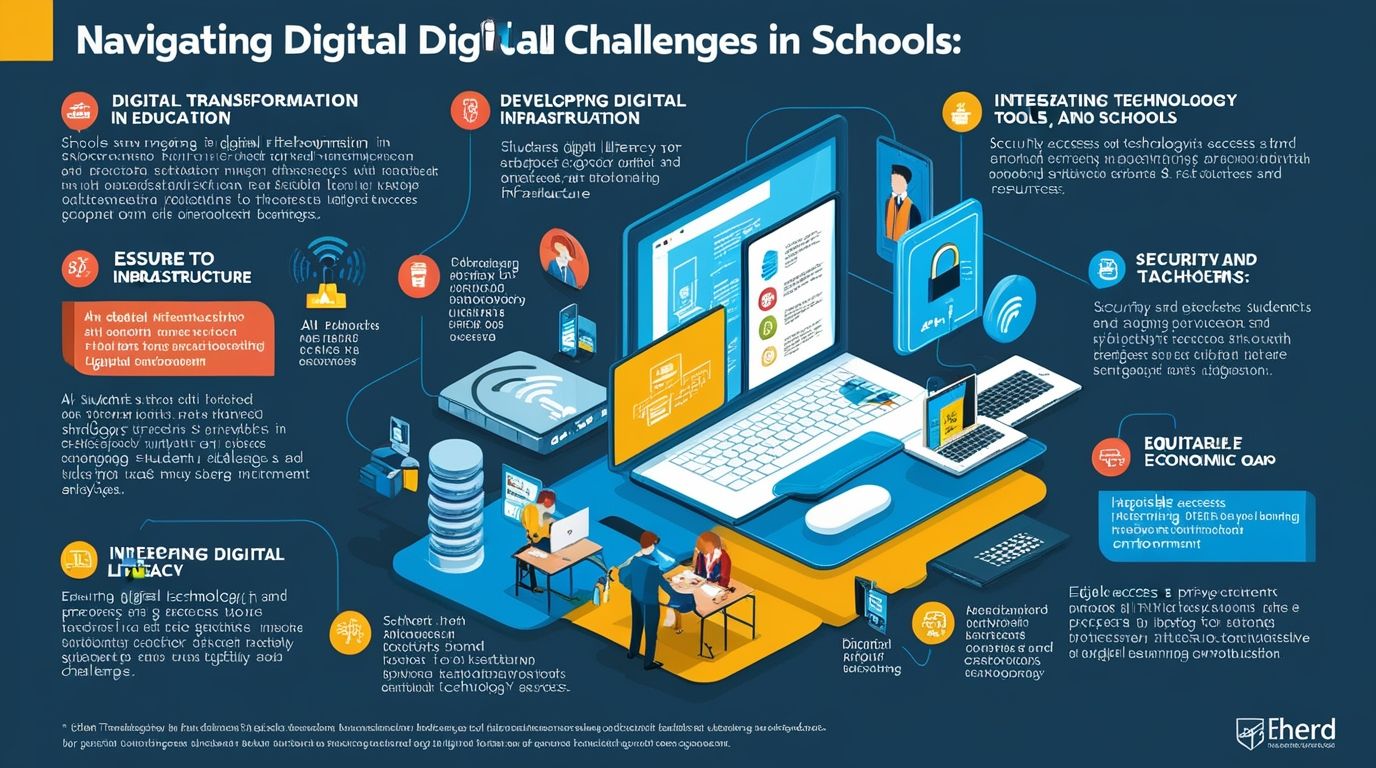
Digital inequality presents additional difficulties. While technology can enhance global learning, many students still lack reliable internet access or digital devices. Furthermore, online spaces can expose students to misinformation, hate speech, and extremist content. Media literacy education is therefore essential.
Another challenge involves translating ideals into practical action. Students may learn about global issues in theory but lack opportunities for meaningful participation. Schools must create environments where learners can actively contribute to community improvement and social change.
The Future of Education and Global Citizenship
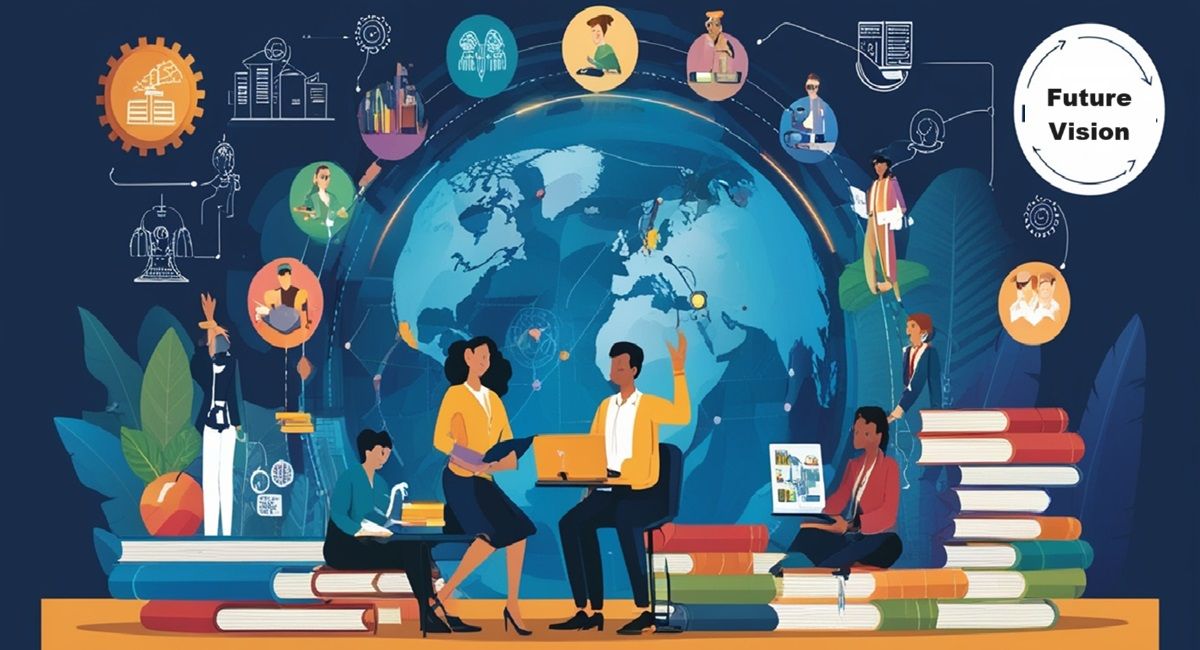
The future of education will increasingly depend on its ability to prepare learners for a complex and interconnected world. As societies continue to evolve, education systems must adapt to emerging challenges and opportunities.
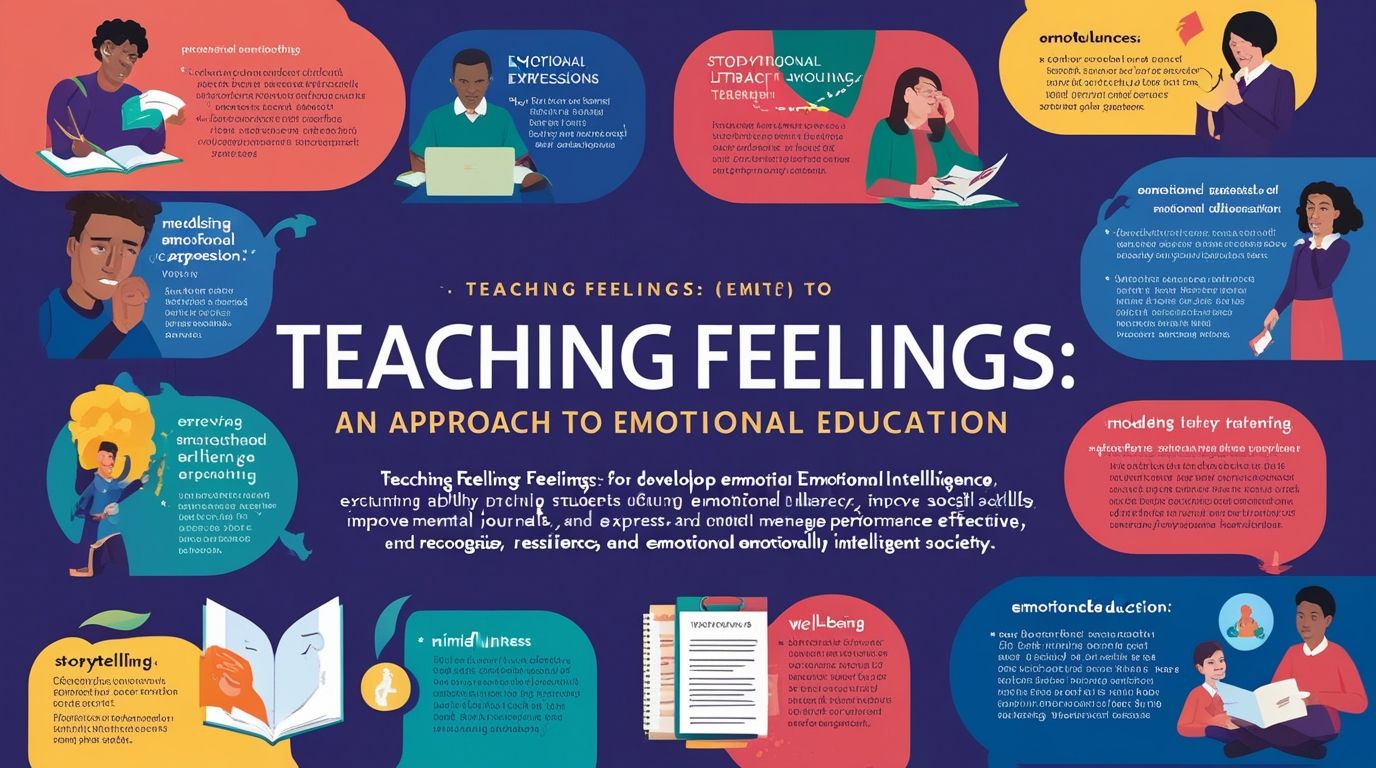
Artificial intelligence, automation, and technological advancement are changing the nature of work and communication. Future citizens will require not only technical knowledge but also creativity, ethical reasoning, emotional intelligence, and intercultural competence. Global citizenship education supports these broader human capacities.
Environmental sustainability will remain one of the most urgent global priorities. Future generations must learn sustainable lifestyles, environmental stewardship, and responsible resource management. Schools can play a major role in developing environmentally conscious citizens.
The future will also require stronger international cooperation. Global crises such as pandemics, climate disasters, economic instability, and forced migration cannot be solved by isolated nations. Education that promotes dialogue, cooperation, and shared responsibility will be essential for peaceful and sustainable development.
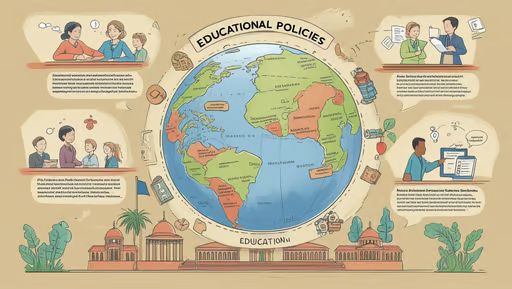
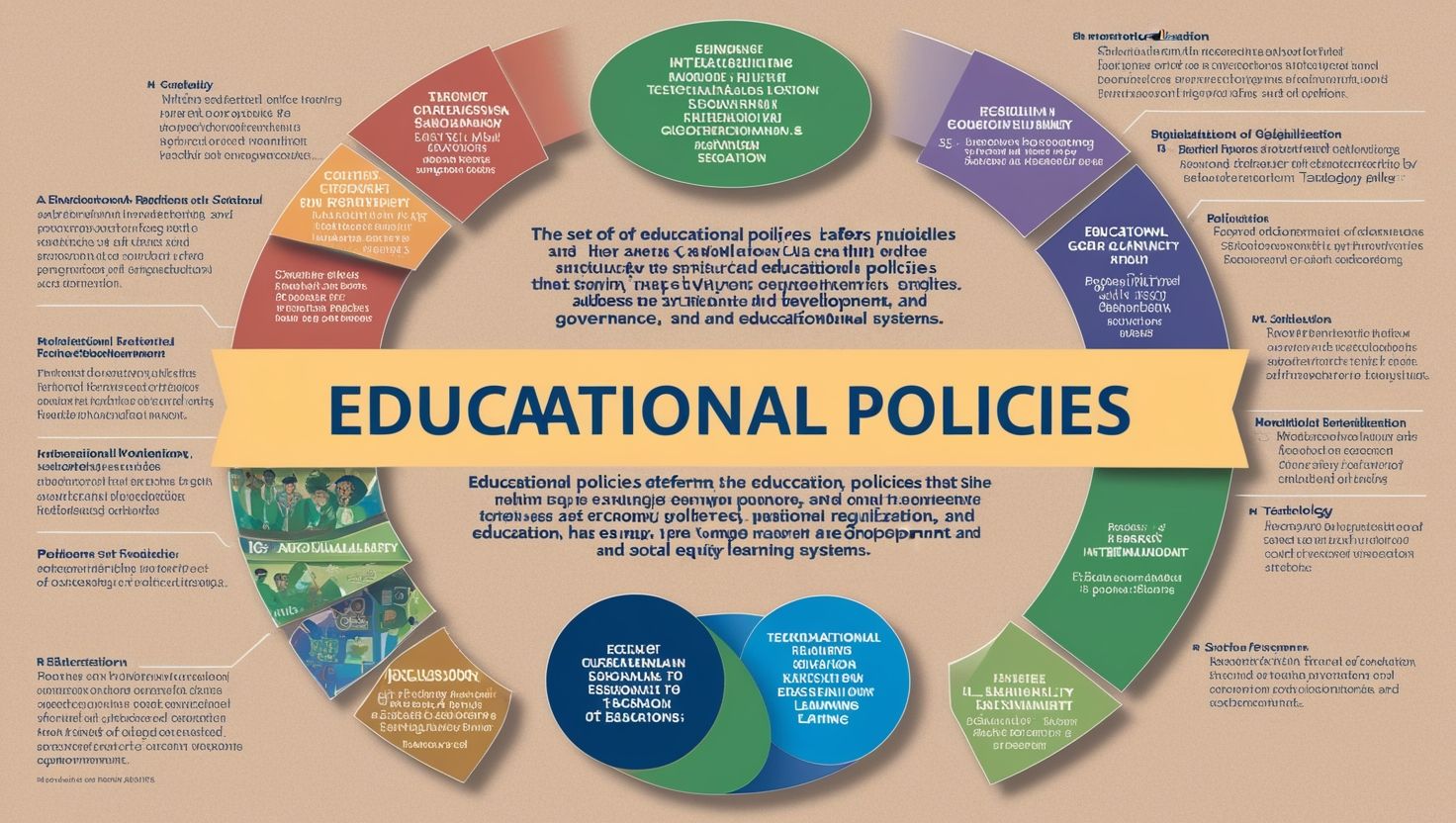
Educational institutions must therefore become centers of innovation, inclusion, and social transformation. Governments, policymakers, teachers, parents, and communities should work together to strengthen global citizenship education. Investments in teacher training, curriculum reform, technology access, and student participation are necessary for meaningful progress.
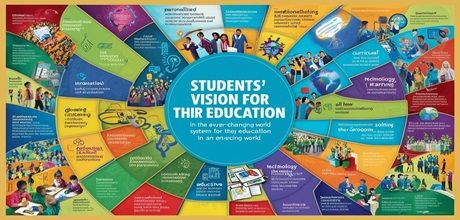
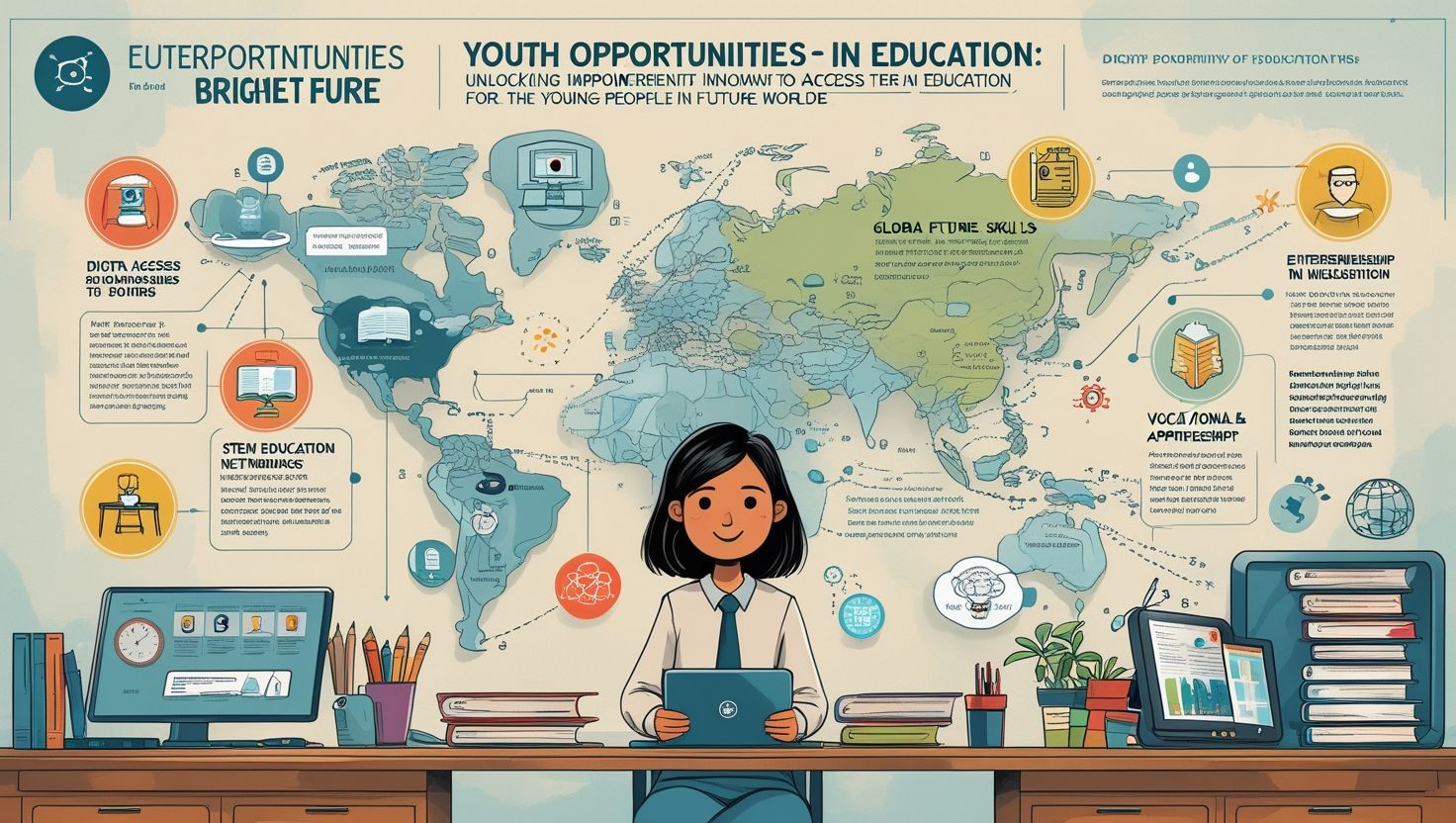
Students themselves must also become active participants in their own learning journeys. Young people have the creativity, energy, and idealism needed to address global challenges. Education should empower them to become ethical leaders, critical thinkers, and compassionate problem-solvers.
Conclusion
Education and global citizenship are closely interconnected in the modern world. Education is not limited to academic achievement or career preparation; it is also a process of developing responsible, ethical, and informed human beings. Global citizenship education helps learners understand the interconnected nature of humanity and encourages them to contribute positively to society.
In an era marked by globalization, technological advancement, environmental challenges, and social inequalities, the need for global citizenship education has become more urgent than ever. Through education, students can develop critical thinking, empathy, intercultural understanding, digital responsibility, and commitment to justice and sustainability.
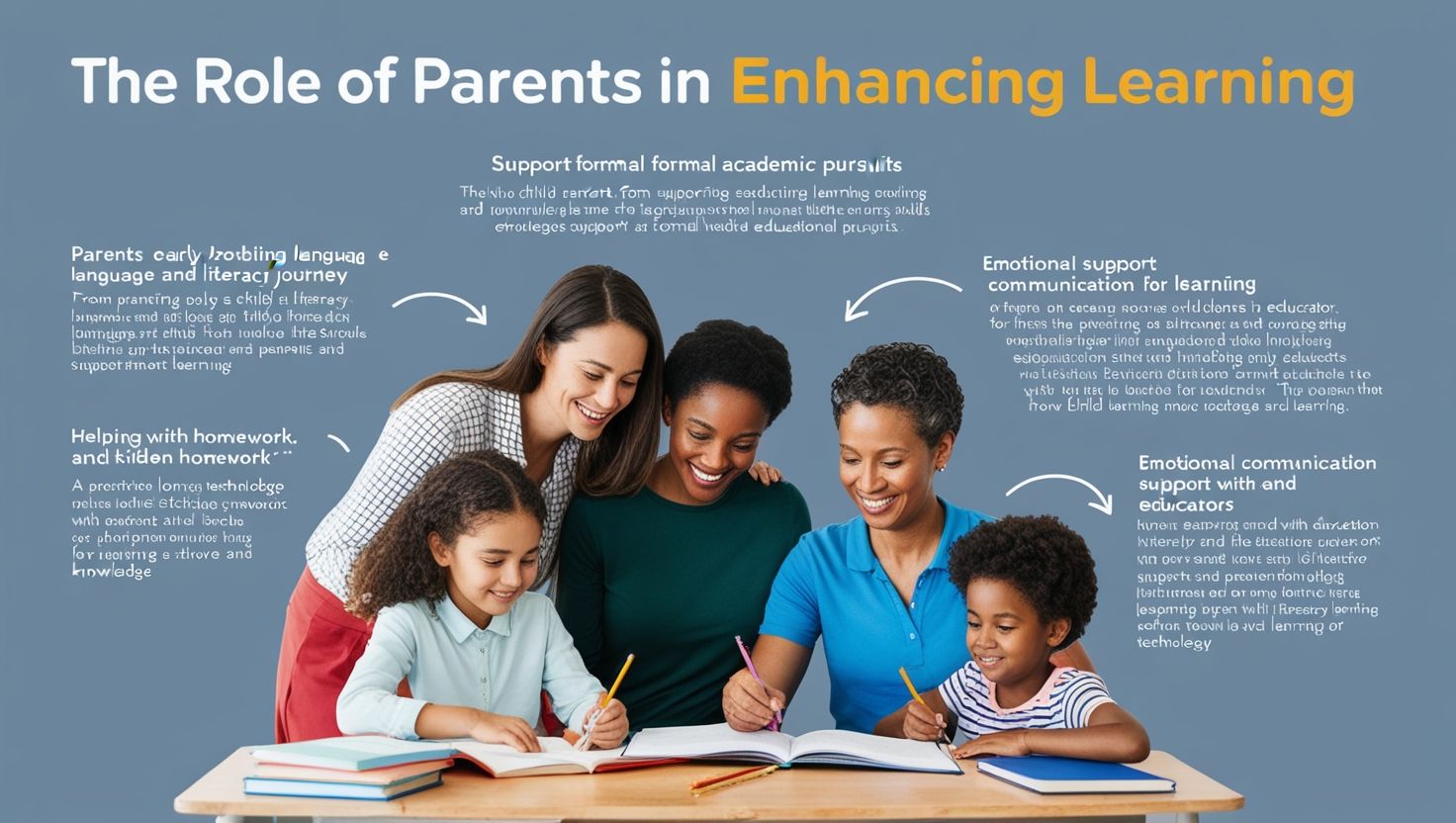
Teachers, schools, families, governments, and communities all share responsibility for promoting global citizenship. Curricula should integrate global issues, human rights, environmental awareness, peace education, and active civic participation. Learning should encourage collaboration, creativity, reflection, and meaningful action.
Education and global citizenship ,Although challenges such as inequality, limited resources, political resistance, and digital divides continue to exist, the potential benefits of global citizenship education are immense. It can contribute to peaceful societies, stronger communities, environmental sustainability, and international cooperation.
Ultimately, the purpose of education is not only to produce skilled workers or successful professionals but also compassionate and responsible human beings. A truly educated person is one who respects diversity, values human dignity, protects the environment, and works for the common good. By promoting global citizenship, education can help build a more just, peaceful, and sustainable world for present and future generations.