Introduction
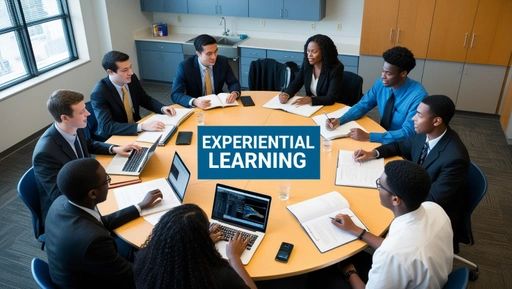
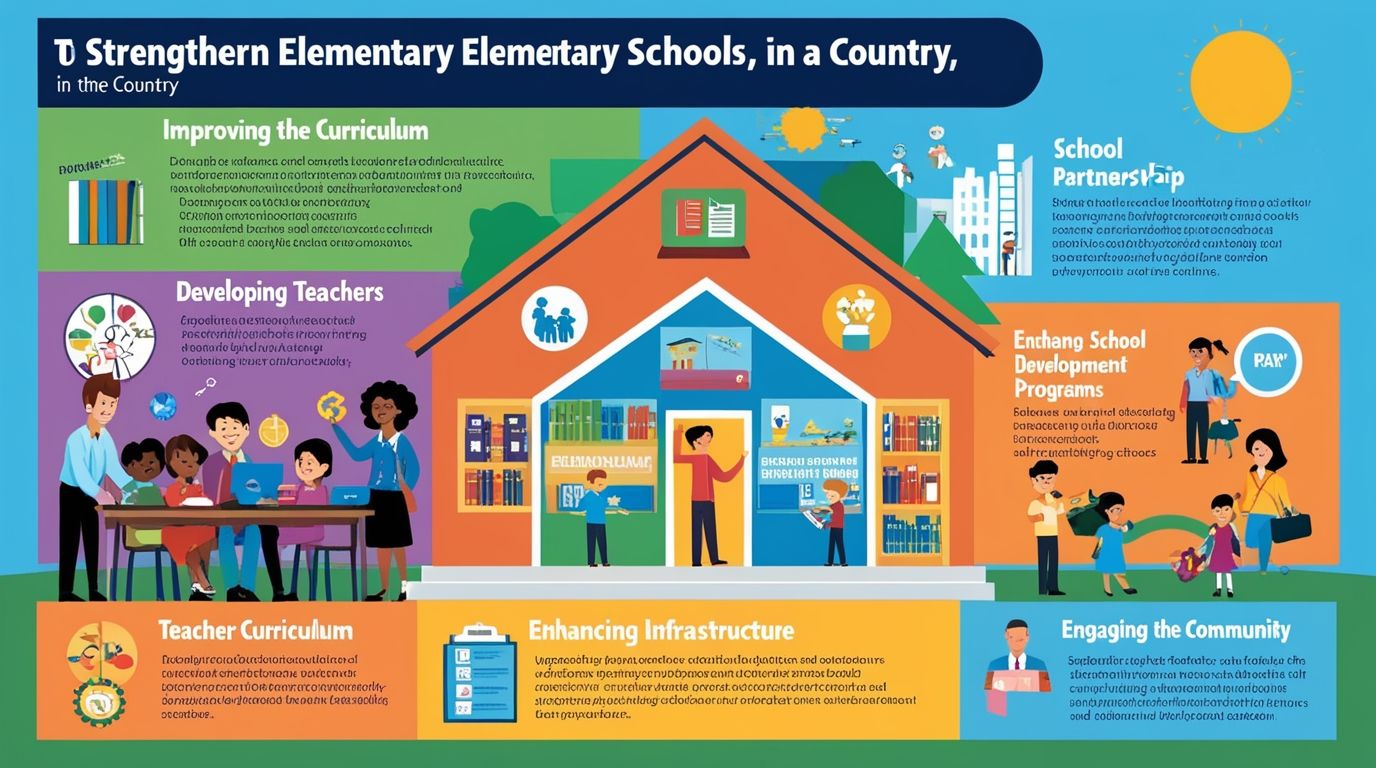
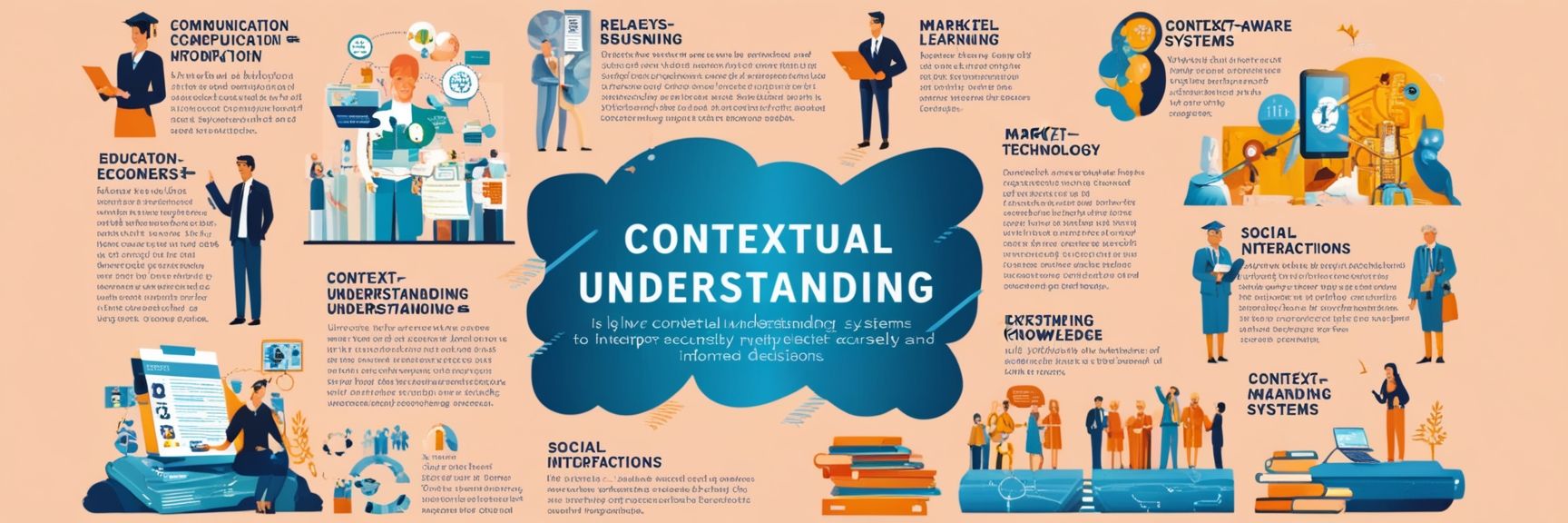
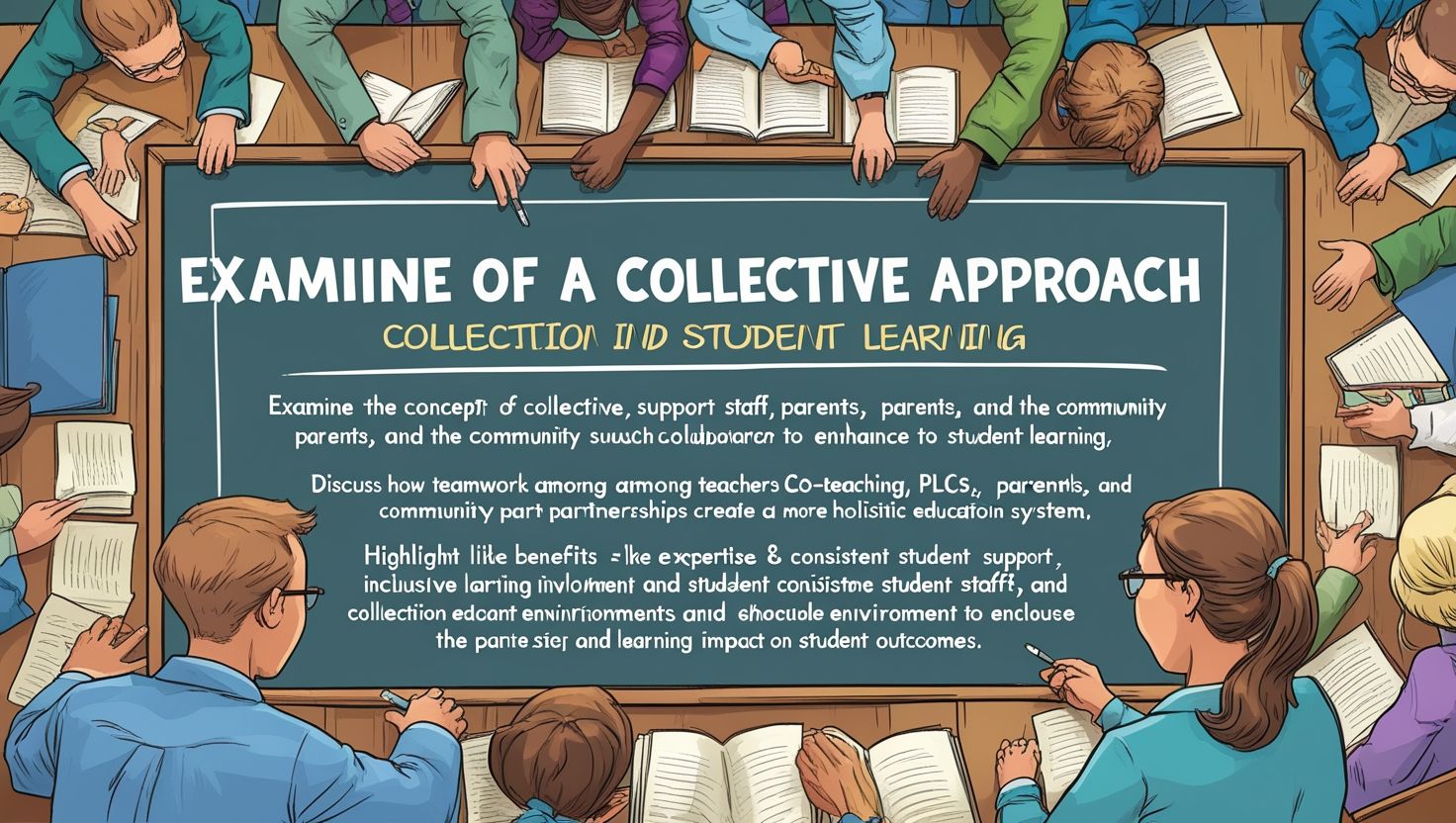
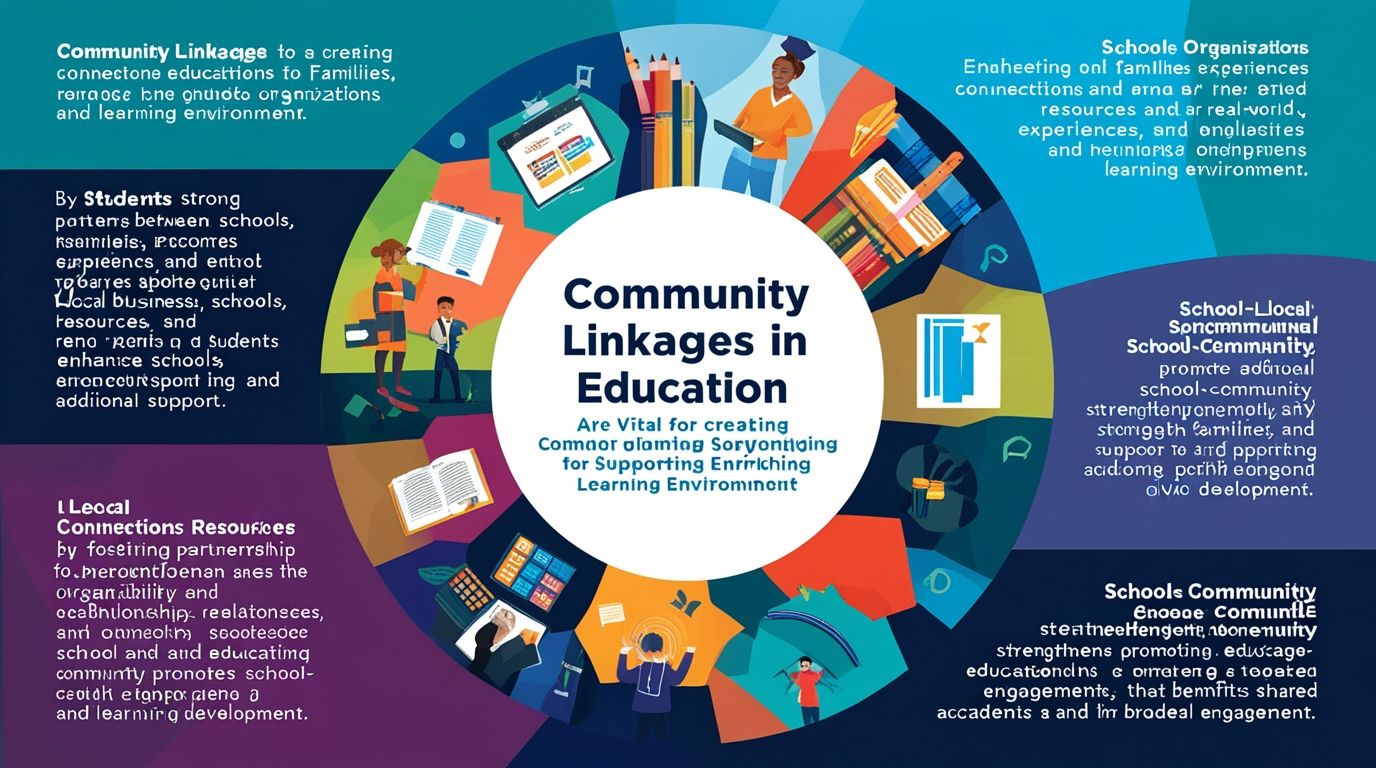
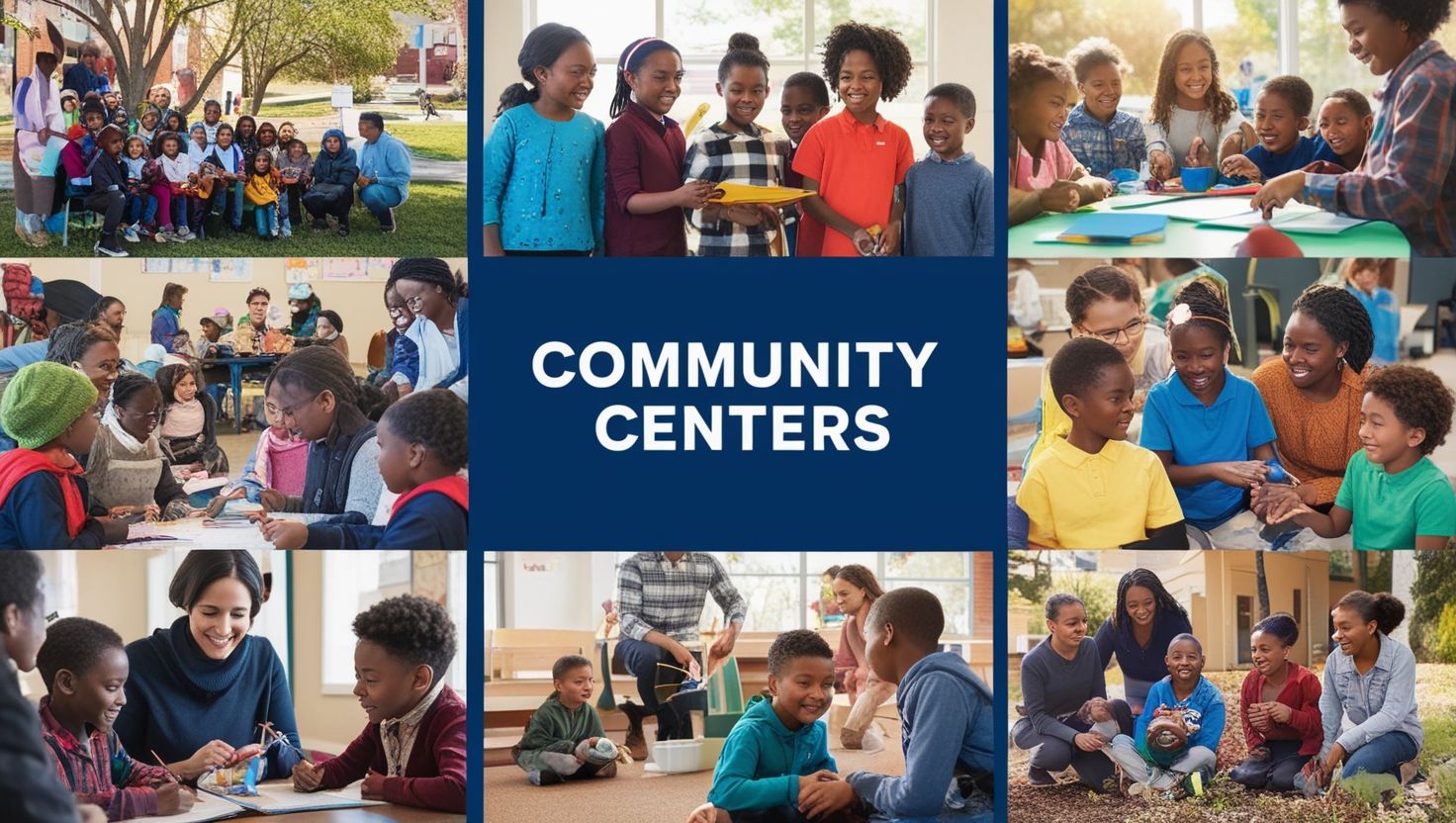
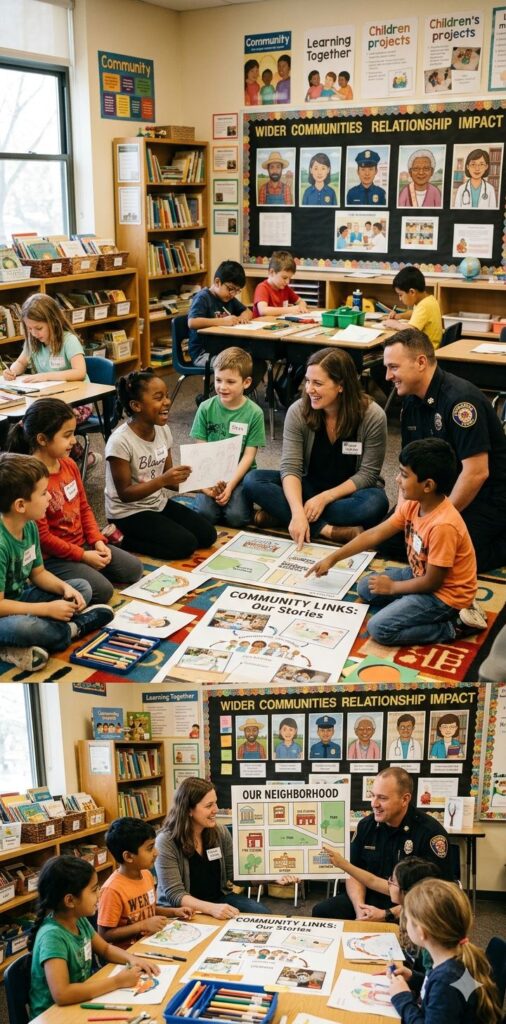
Wider Communities Relationship Impact in Classrooms, Classroom relationships with wider communities shape learning by connecting students, families, organizations, and local leaders through meaningful educational experiences. When schools maintain active communication with surrounding communities, learners understand that education extends beyond textbooks, examinations, and classroom discussions into everyday social responsibilities. Parents who regularly participate in school activities encourage children to value cooperation, discipline, and academic commitment more consistently. Community partnerships with libraries, health centers, cultural institutions, and environmental groups also provide practical opportunities for experiential learning. Teachers gain additional support because community members often share expertise, mentorship, and resources that improve classroom engagement. Students consequently develop stronger confidence, communication abilities, and awareness regarding social challenges affecting their neighborhoods. Wider community relationships additionally strengthen respect among diverse groups because collaborative educational programs encourage understanding between different cultural, economic, and linguistic backgrounds. These connections create safer, inclusive, and academically supportive classroom environments for teachers and developing young learners.
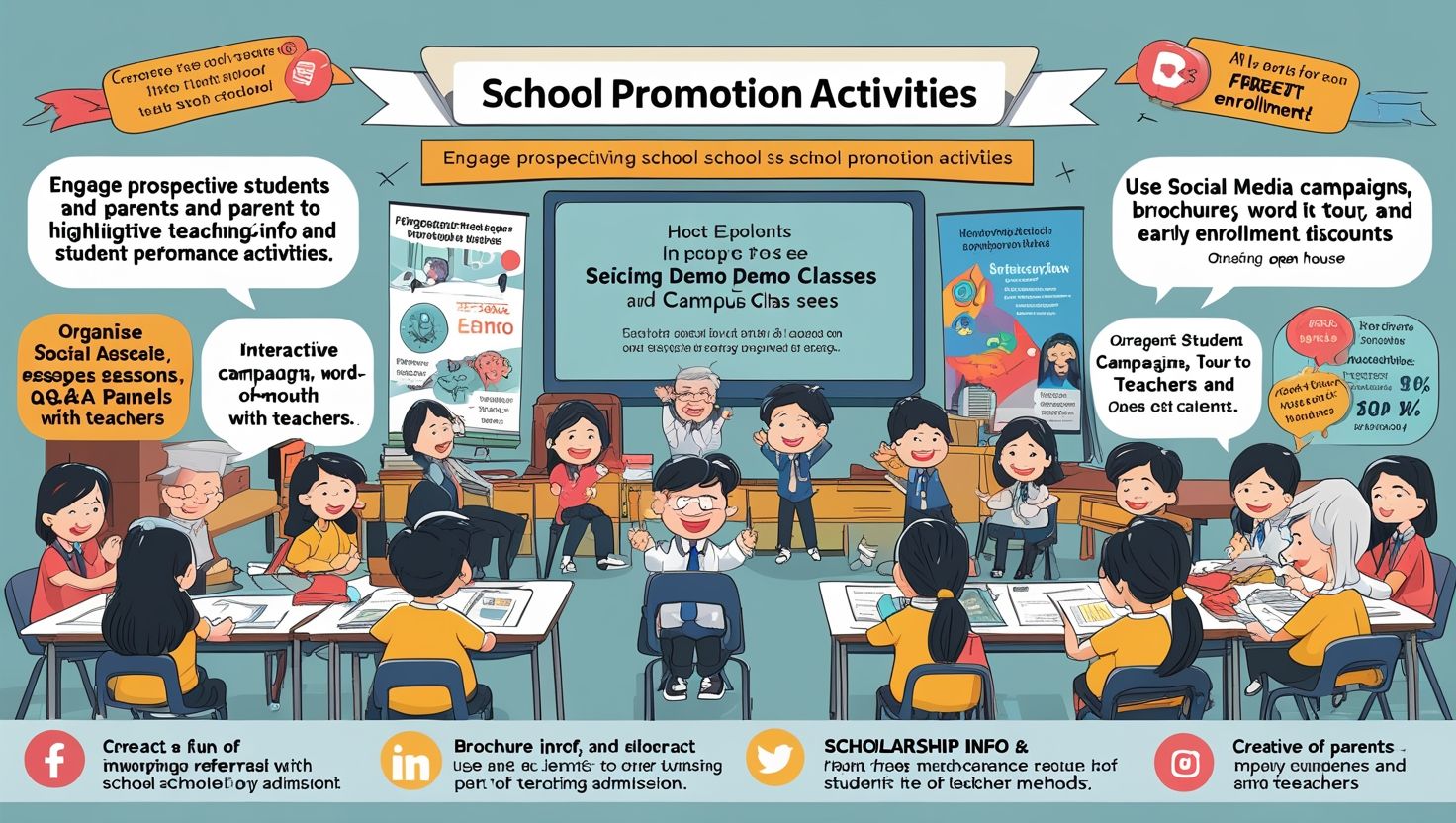
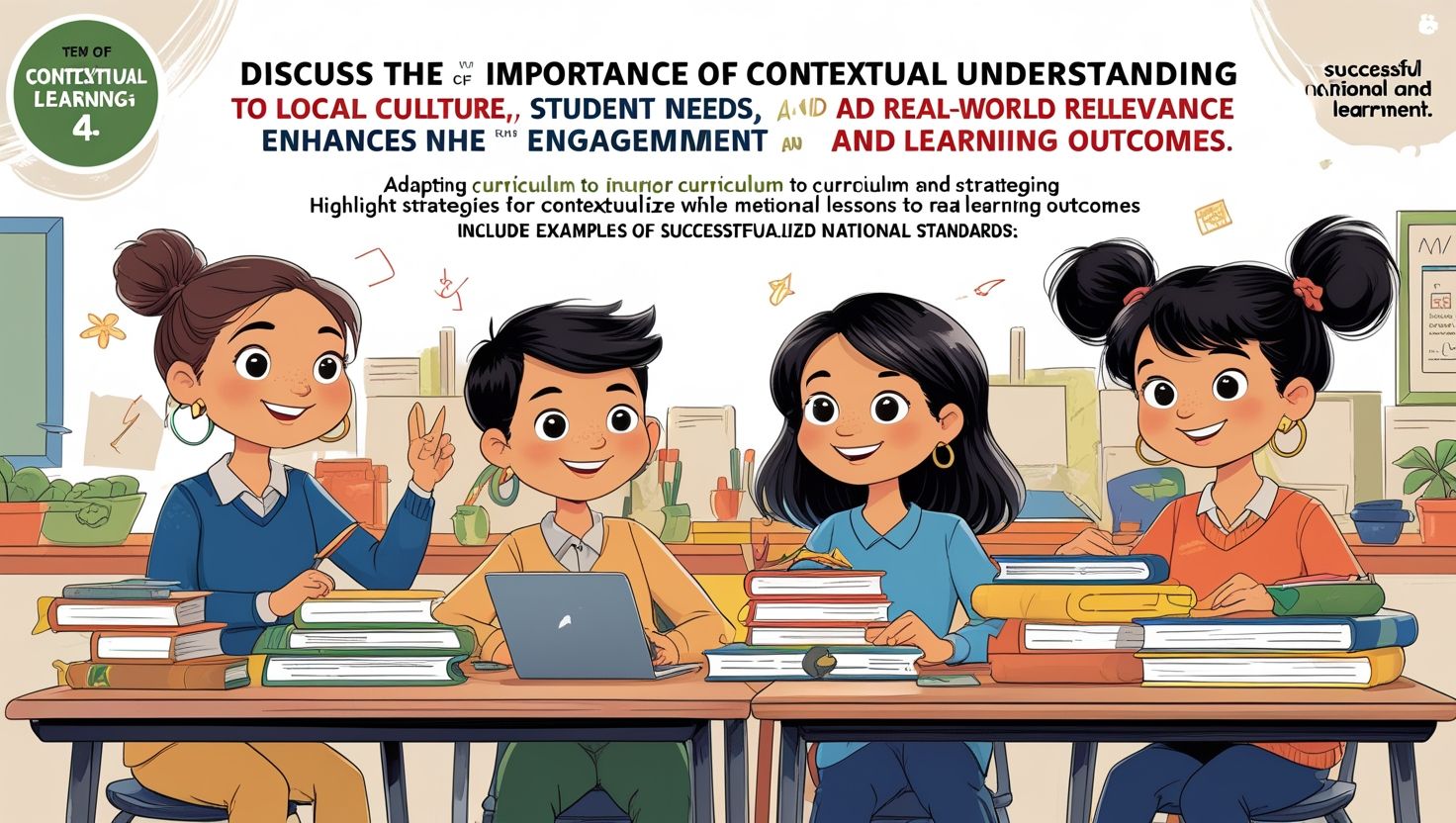
Strong relationships between classrooms and wider communities improve student motivation because learners observe direct connections between education and future opportunities. Schools that invite professionals, entrepreneurs, artists, scientists, and social workers into classrooms expose students to valuable career pathways and practical knowledge. These interactions encourage curiosity while helping learners recognize how academic subjects influence real societal development. Community participation also improves attendance because students feel greater emotional connection toward supportive educational environments. Parents who communicate frequently with teachers better understand academic expectations, behavioral standards, and emotional needs affecting their children daily. Collaborative decision making between educators and community representatives further strengthens trust, transparency, and accountability within schools. Students additionally benefit from cultural events, educational campaigns, and volunteer activities organized through community partnerships because such experiences promote empathy, leadership, teamwork, and civic responsibility. Consequently, classrooms become dynamic spaces where academic learning reflects real community experiences and aspirations for many students.
Community Influence on Student Discipline and Wellbeing
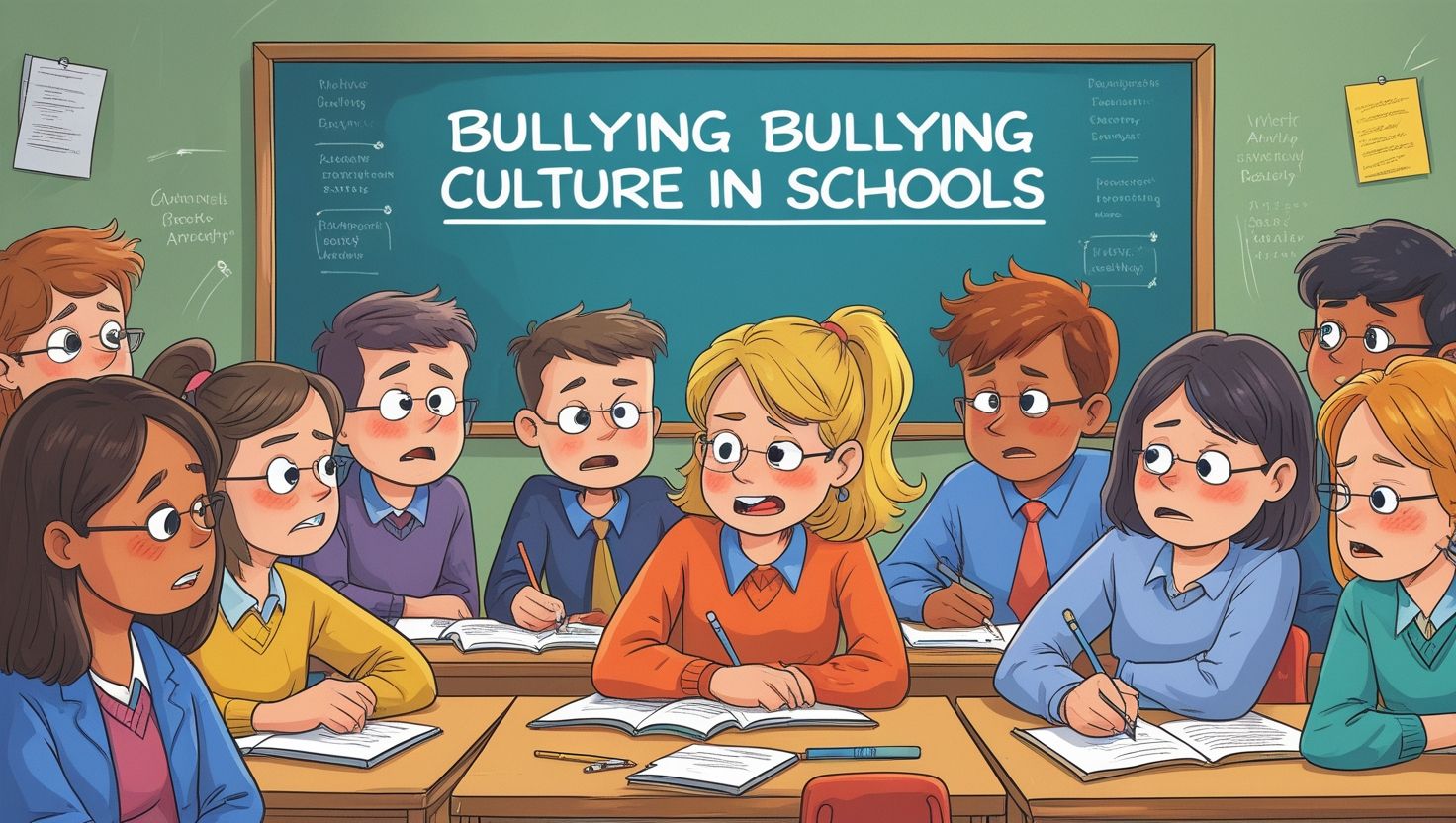
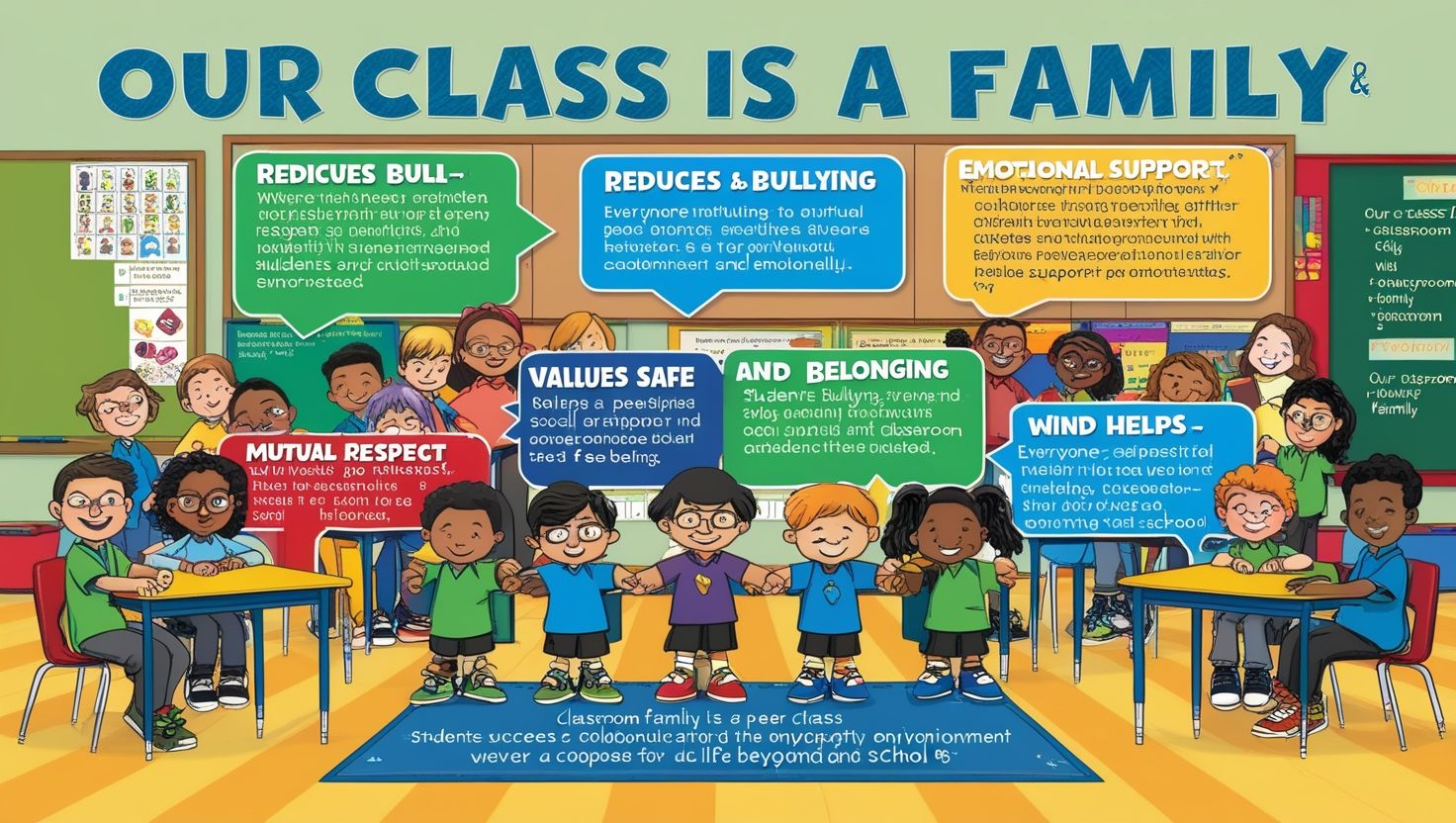
Community involvement positively influences classroom discipline because students often behave responsibly when they recognize consistent expectations between schools and surrounding social environments. Parents, religious leaders, counselors, and youth organizations can cooperate with teachers to promote honesty, respect, punctuality, and peaceful conflict resolution among learners. Such partnerships create unified behavioral standards that reduce misunderstandings and encourage accountability. Students who witness adults collaborating respectfully are more likely to develop cooperative attitudes toward classmates and educators. Wider community engagement additionally supports emotional wellbeing because children receive encouragement from multiple trusted individuals rather than depending exclusively upon teachers. Schools connected with healthcare providers and counseling services can address stress, bullying, and mental health concerns more effectively. These supportive relationships strengthen classroom stability while improving concentration and participation during lessons. As a result, teachers experience fewer disruptions and students benefit from learning environments characterized by safety, understanding, fairness, and mutual respect throughout schooling
Promoting Cultural Understanding Through Communities
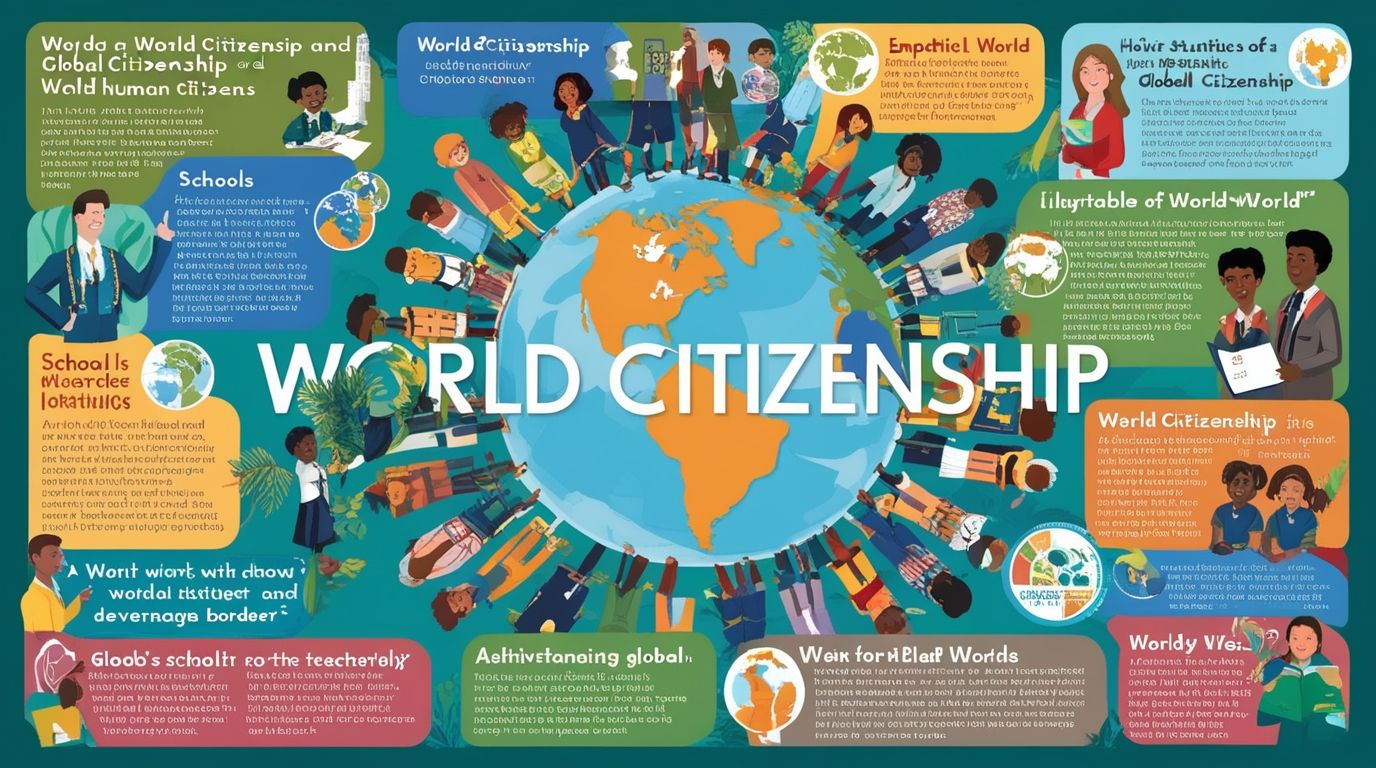
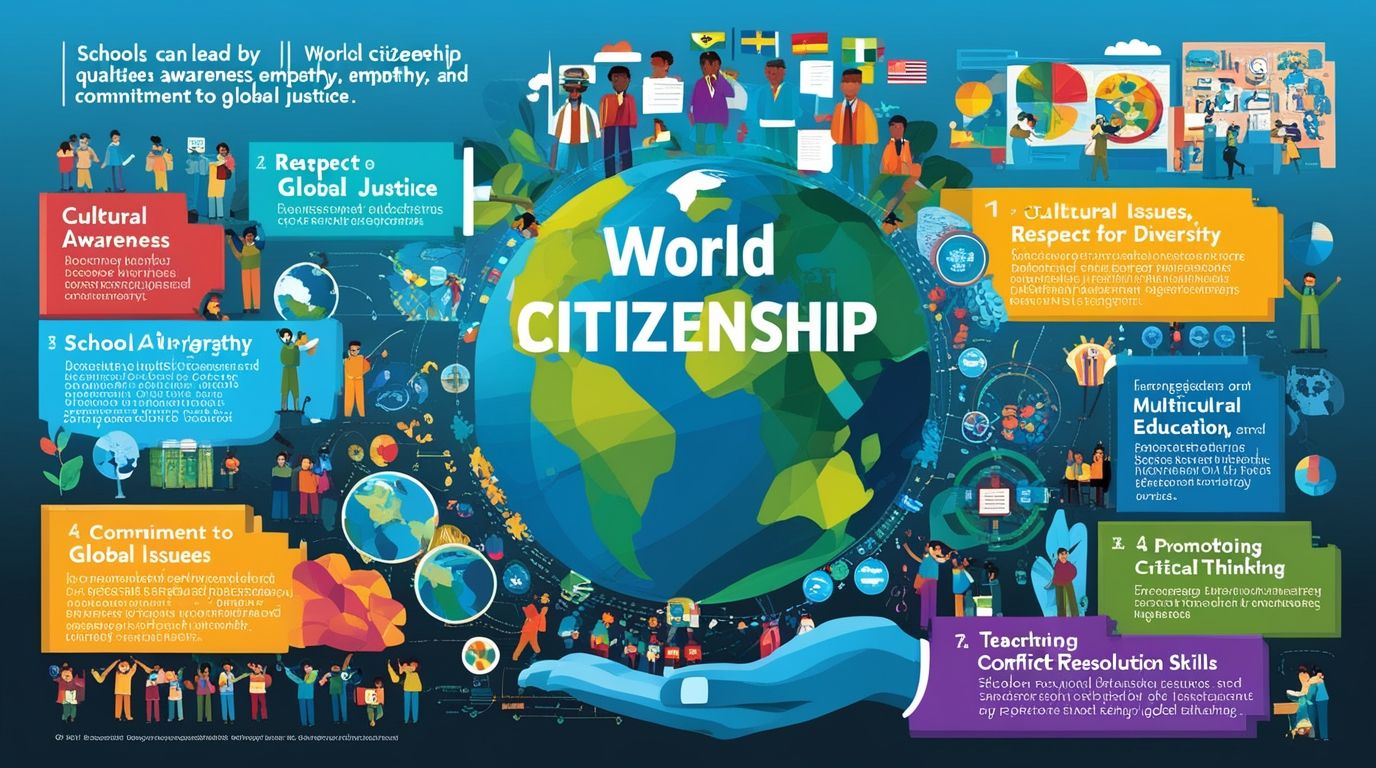
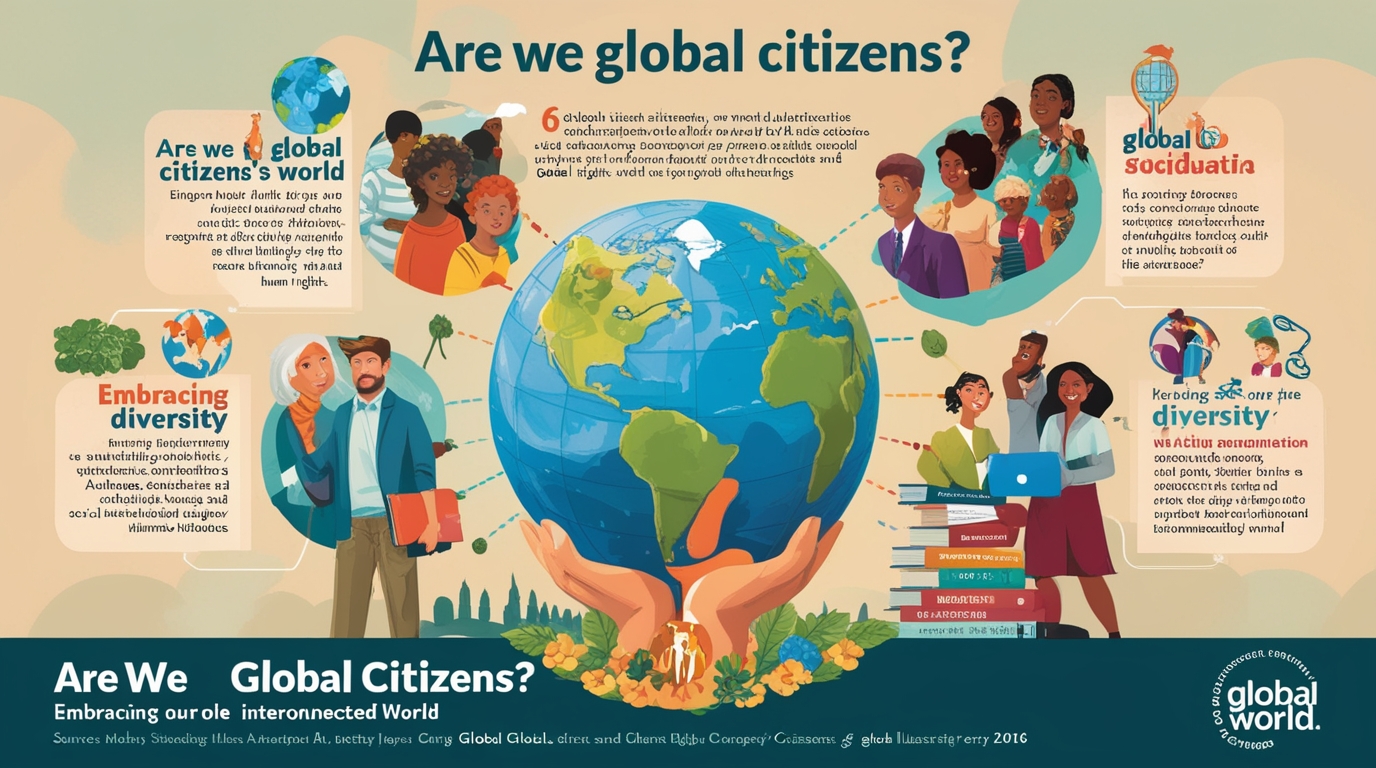
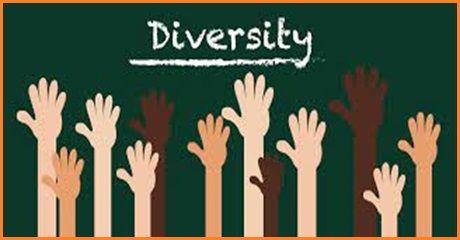
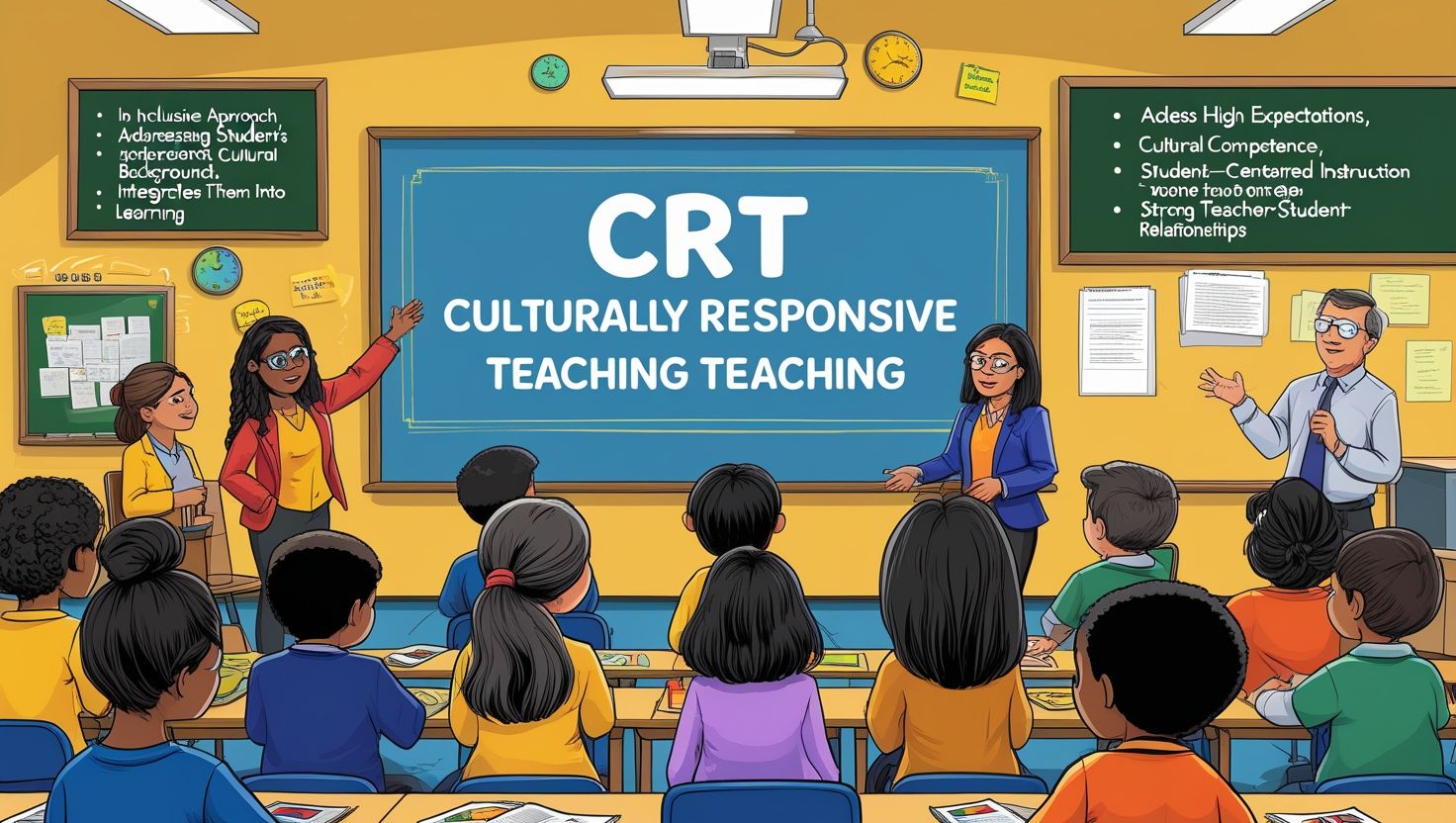
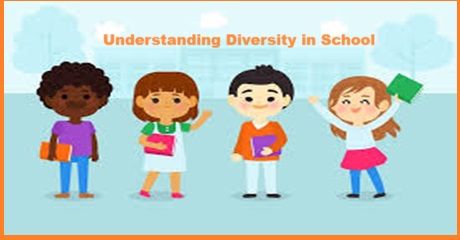
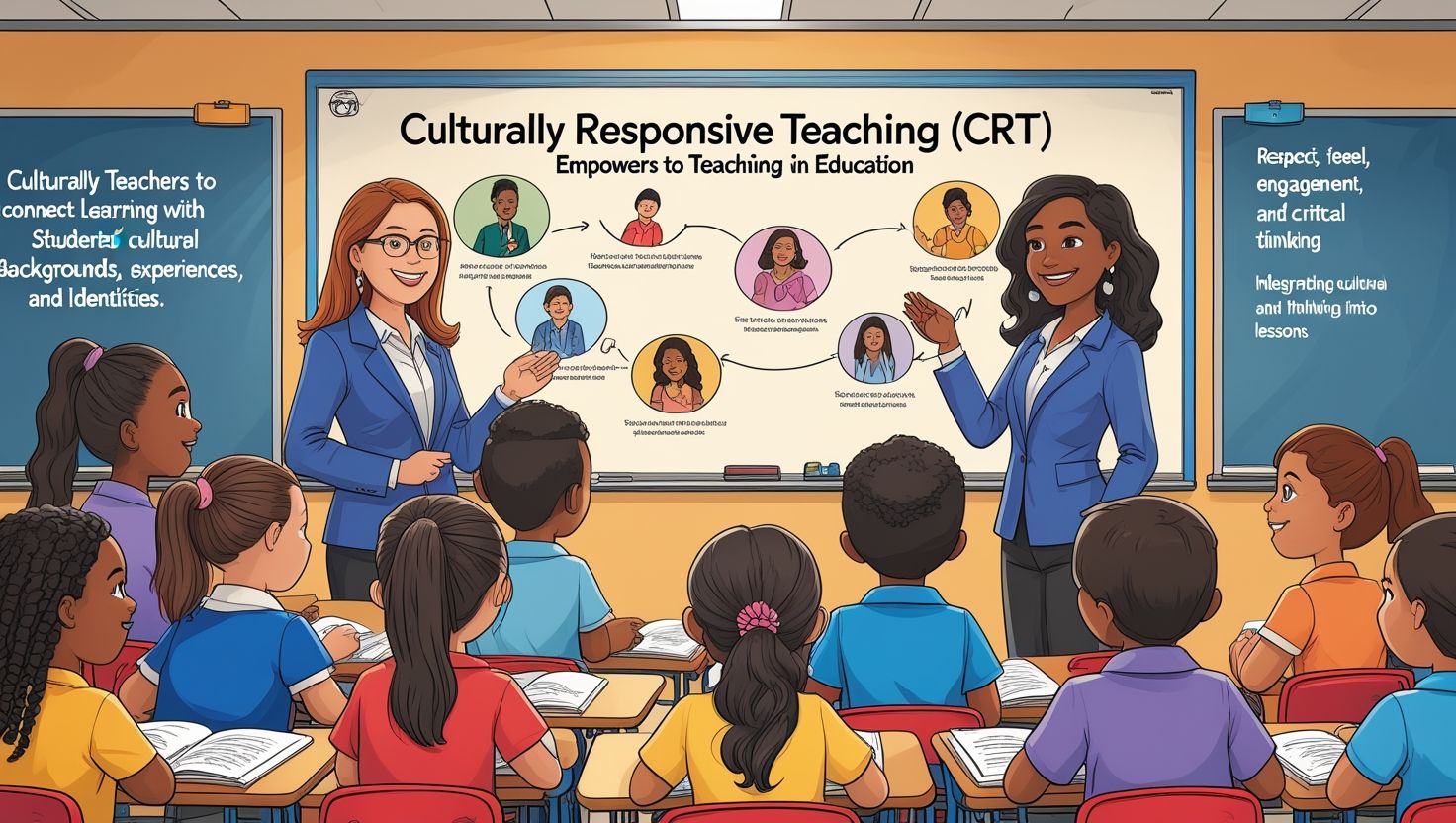
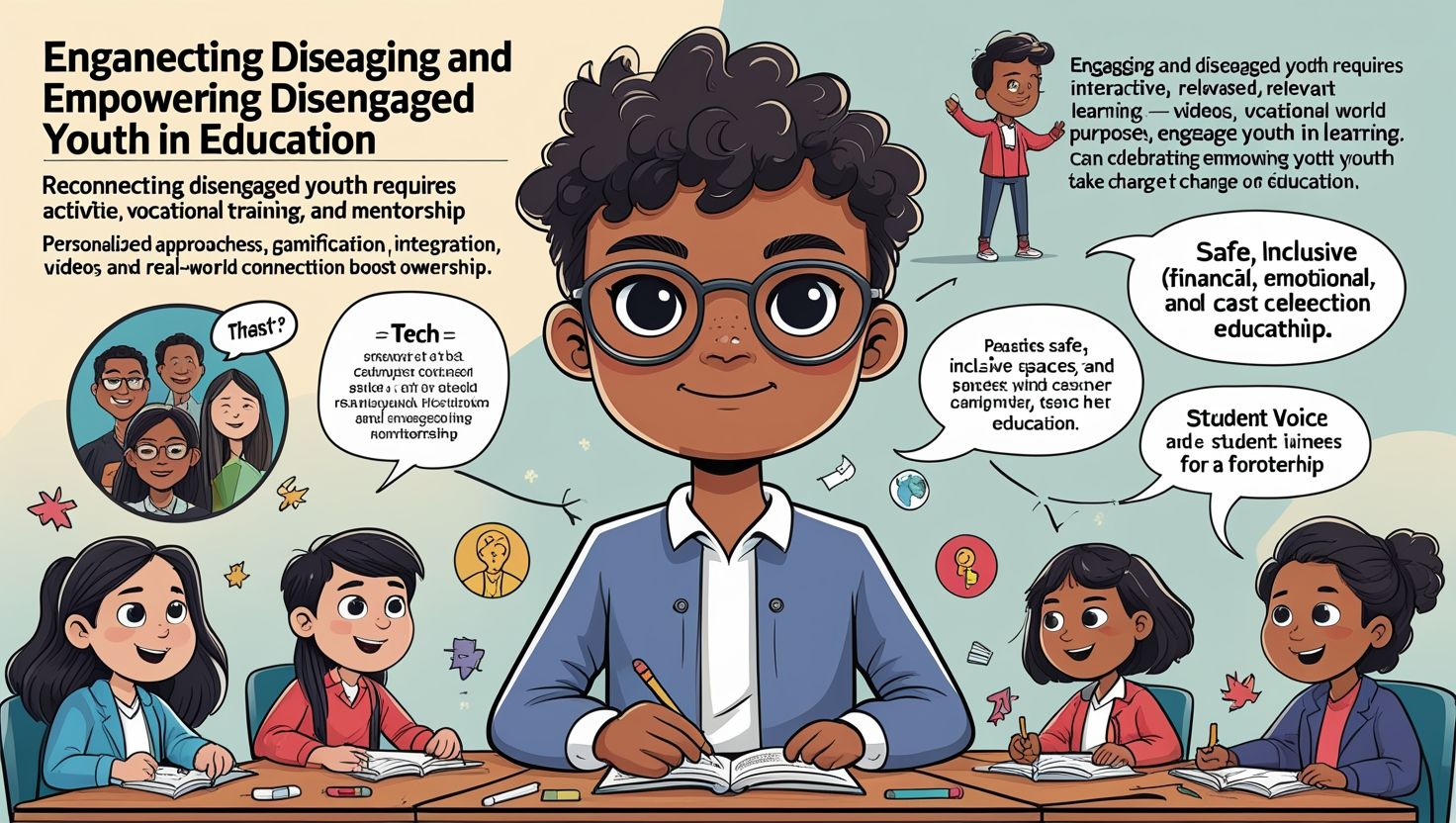
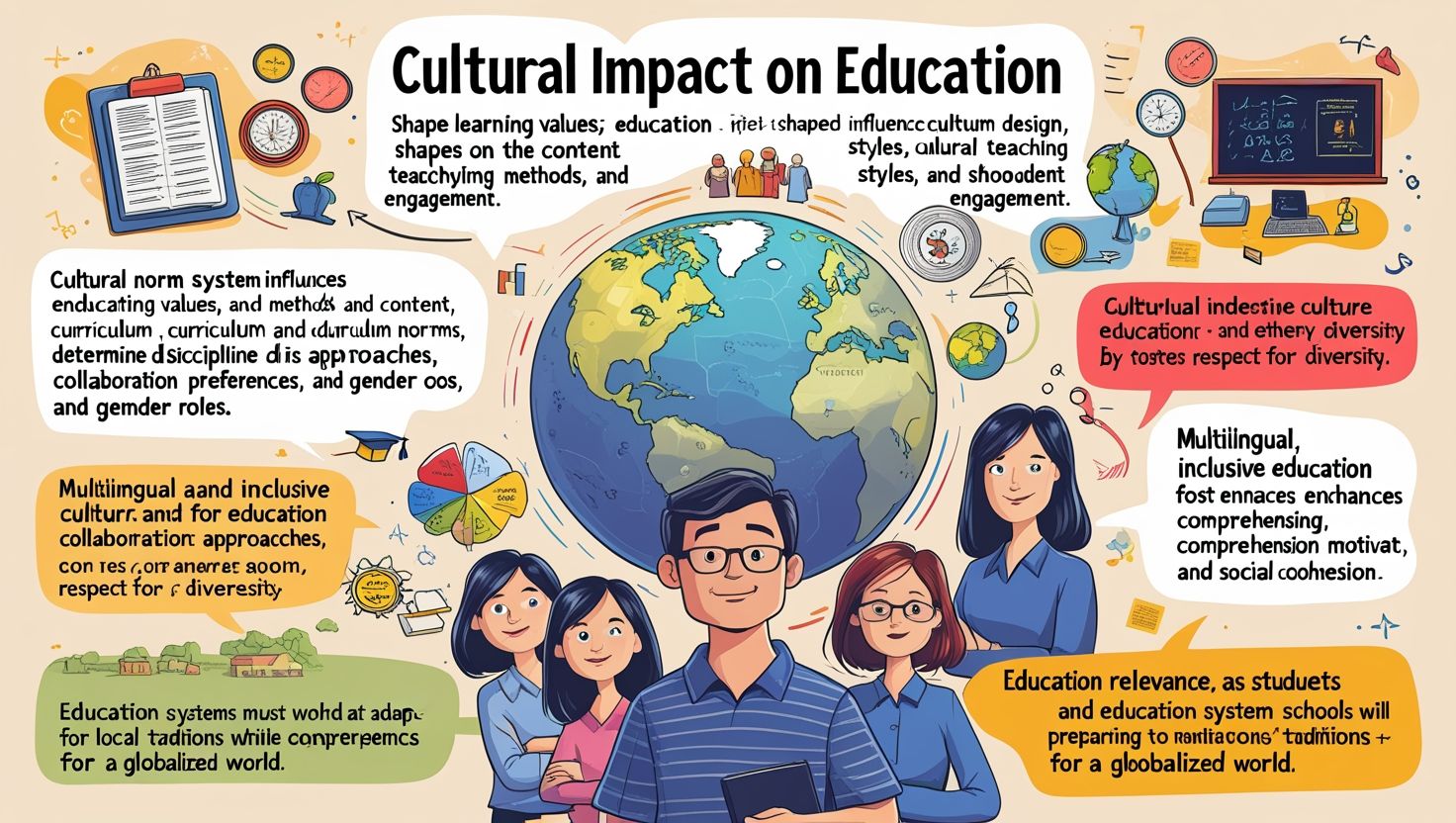
Wider community relationships significantly enhance cultural understanding within classrooms because schools increasingly serve learners from diverse social and linguistic backgrounds today. Community festivals, heritage programs, and intercultural workshops help students appreciate traditions, histories, and perspectives different from their personal experiences. Teachers who collaborate with local cultural organizations can design inclusive lessons that celebrate diversity while reducing stereotypes and discrimination. Students participating in multicultural activities develop empathy, tolerance, and communication skills necessary for peaceful coexistence within democratic societies. Families also feel respected when schools acknowledge their cultural contributions through classroom discussions and educational events. Such recognition strengthens parental involvement because community members perceive schools as welcoming institutions supporting equality and representation. Inclusive classroom environments consequently encourage participation from quieter learners who may otherwise feel marginalized. Through meaningful community engagement, schools promote social harmony while preparing students for responsible citizenship within increasingly interconnected and culturally diverse global communities during adulthood
Educational Resources and Community Partnerships
Partnerships between classrooms and wider communities improve educational resources by encouraging shared responsibility for student learning and institutional development. Many schools face limitations regarding technology, books, laboratory materials, sports equipment, and specialized instructional support. Community organizations, businesses, universities, and charitable groups often contribute funding, mentorship, training, or learning materials that strengthen classroom instruction significantly. These collaborations provide students with opportunities unavailable through ordinary school budgets alone. Teachers also benefit because professional workshops and community sponsored programs improve instructional methods, leadership abilities, and curriculum planning skills. Community experts can assist with science exhibitions, environmental projects, literacy campaigns, and vocational education activities that enrich academic experiences meaningfully. Students consequently gain practical exposure to real professional environments while strengthening creativity and problem solving abilities. Through cooperative partnerships, classrooms become better equipped to address changing educational demands while supporting equitable learning opportunities for students from different socioeconomic backgrounds within modern educational systems
Service Learning and Social Responsibility
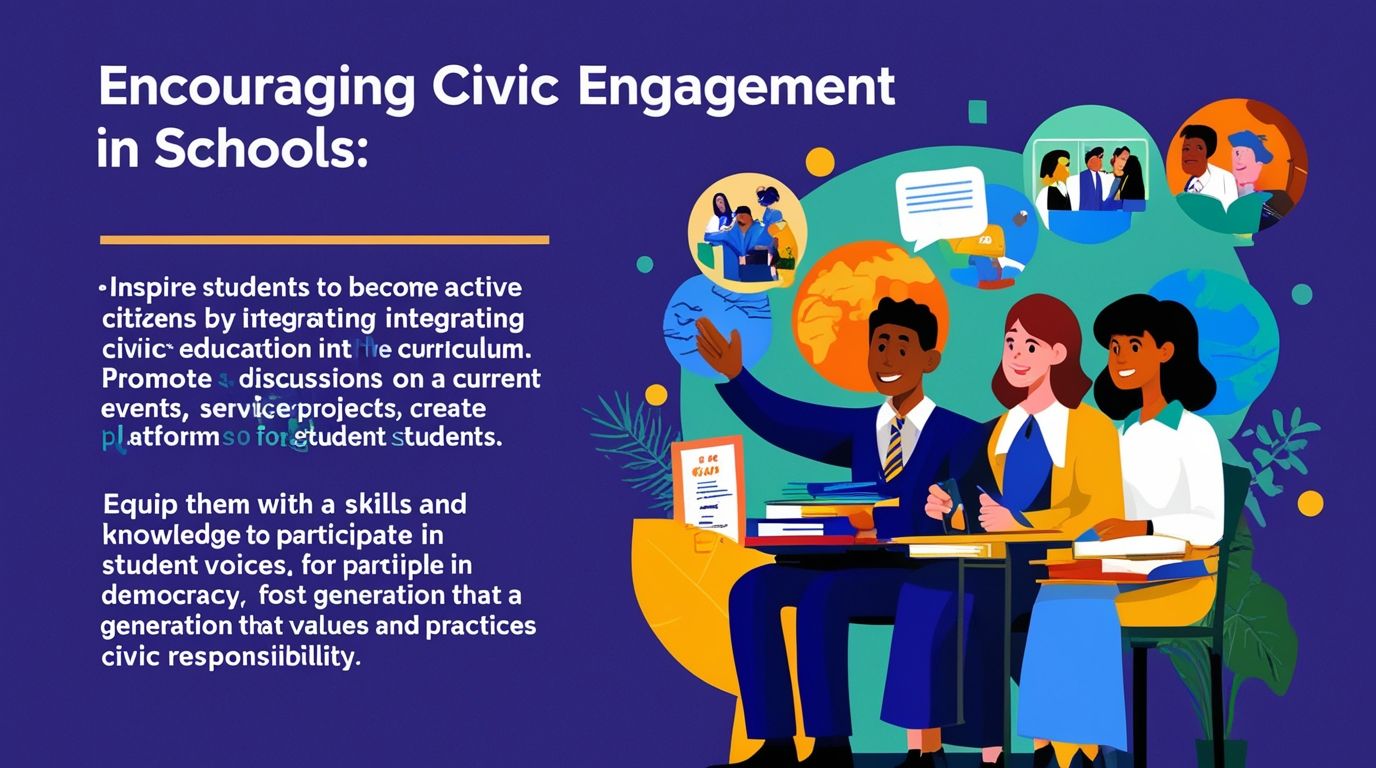
Community relationships also strengthen classroom learning through service learning projects that connect academic knowledge with meaningful social action and responsibility. Students participating in environmental cleanups, literacy programs, healthcare awareness campaigns, or charitable initiatives understand how education contributes toward community improvement practically. Such experiences encourage critical thinking because learners analyze social problems while proposing realistic and collaborative solutions. Teachers can integrate community based projects into subjects including science, history, geography, literature, and civic education effectively. Students consequently develop communication, leadership, research, and organizational skills beyond traditional examination preparation. Service learning additionally increases self confidence because learners recognize their ability to influence positive change within surrounding communities. Community members benefit similarly because student participation often supports local development efforts and encourages stronger intergenerational cooperation. Therefore, classrooms connected with community service initiatives produce socially conscious individuals prepared to contribute responsibly toward national development and democratic participation throughout adulthood and professional environments
Importance of Parental Participation
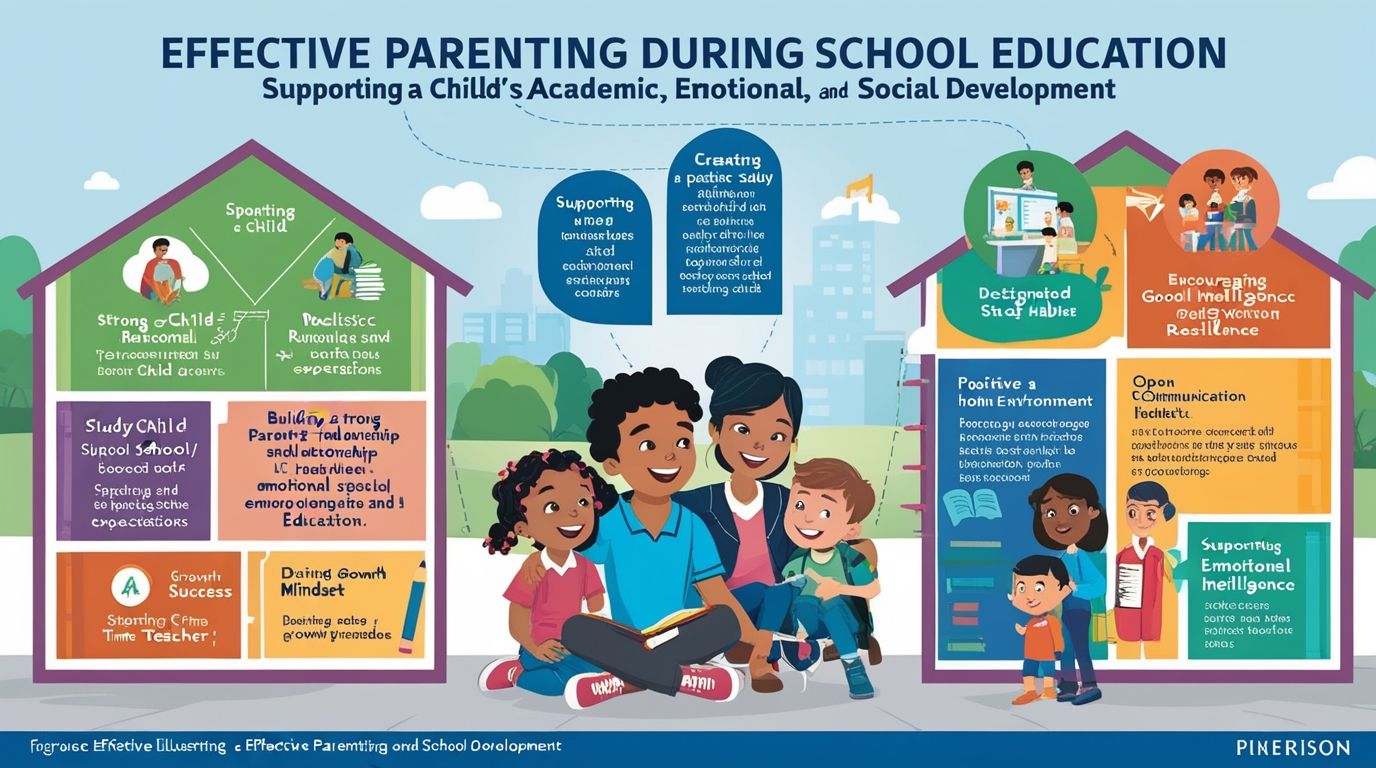
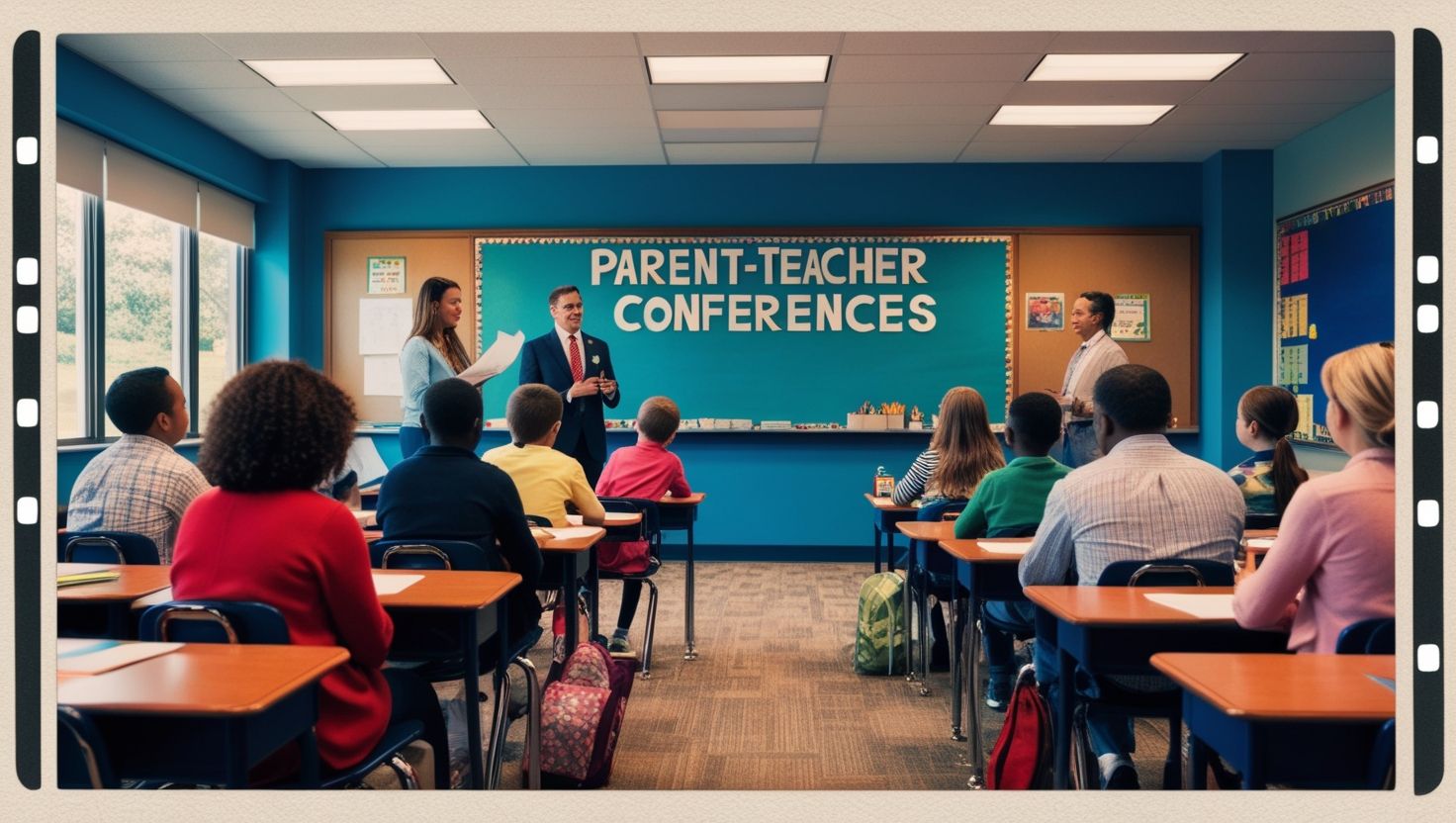
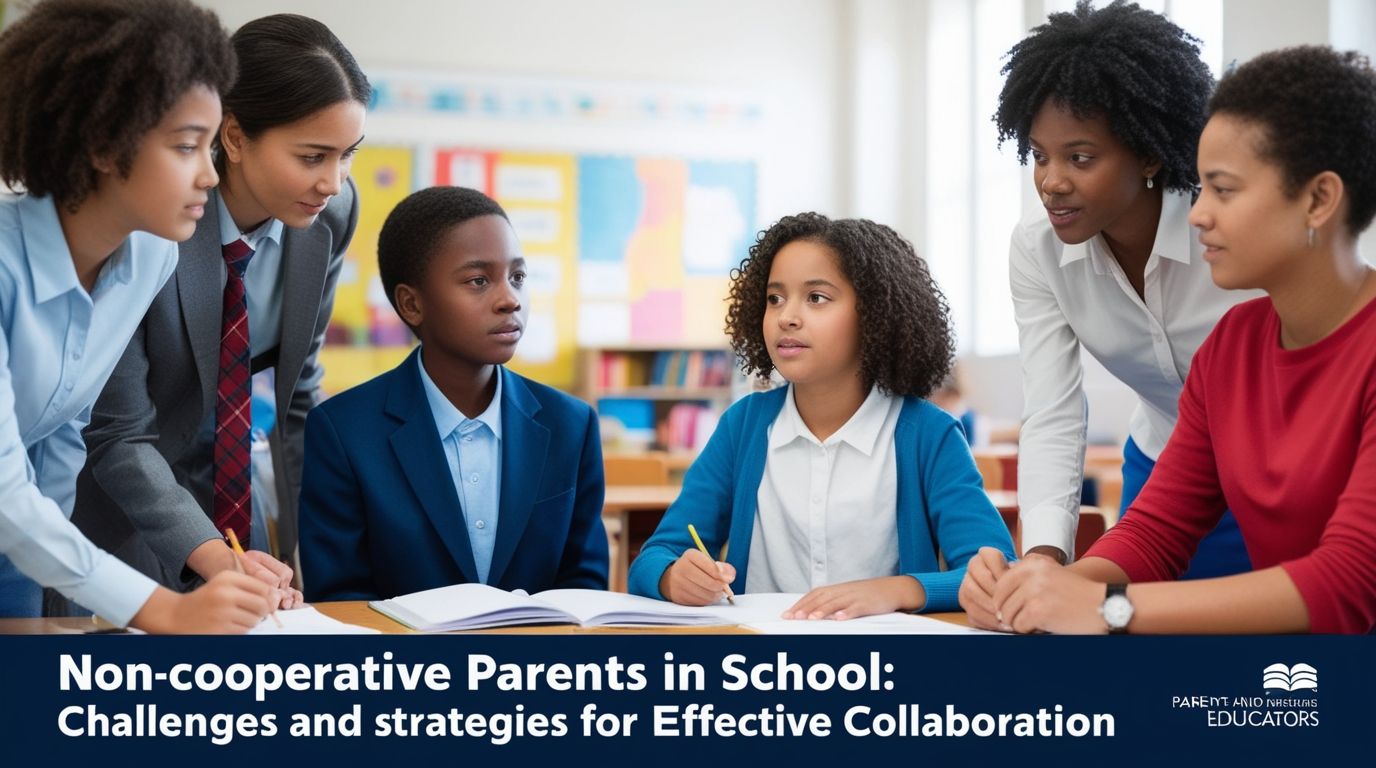
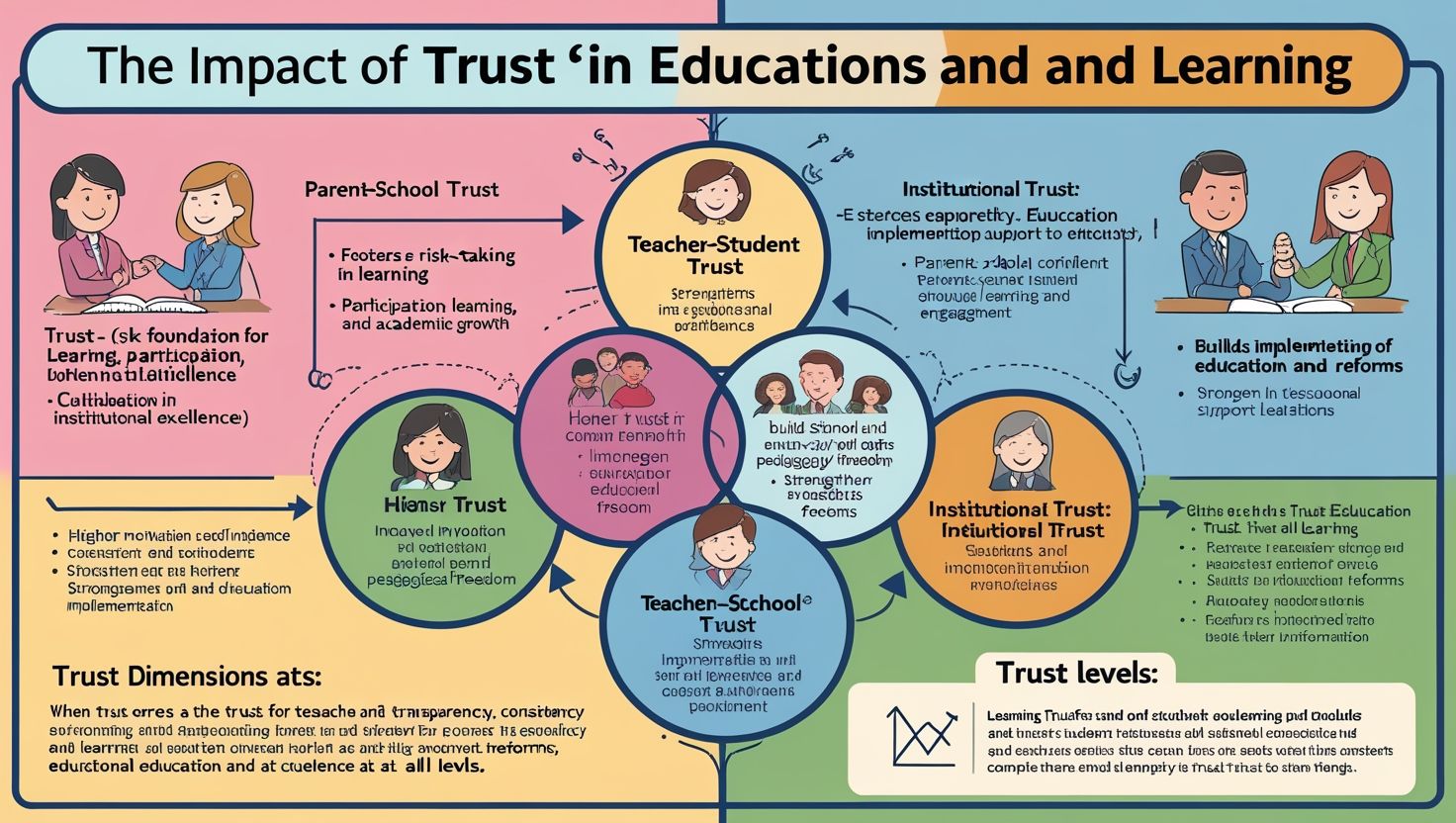
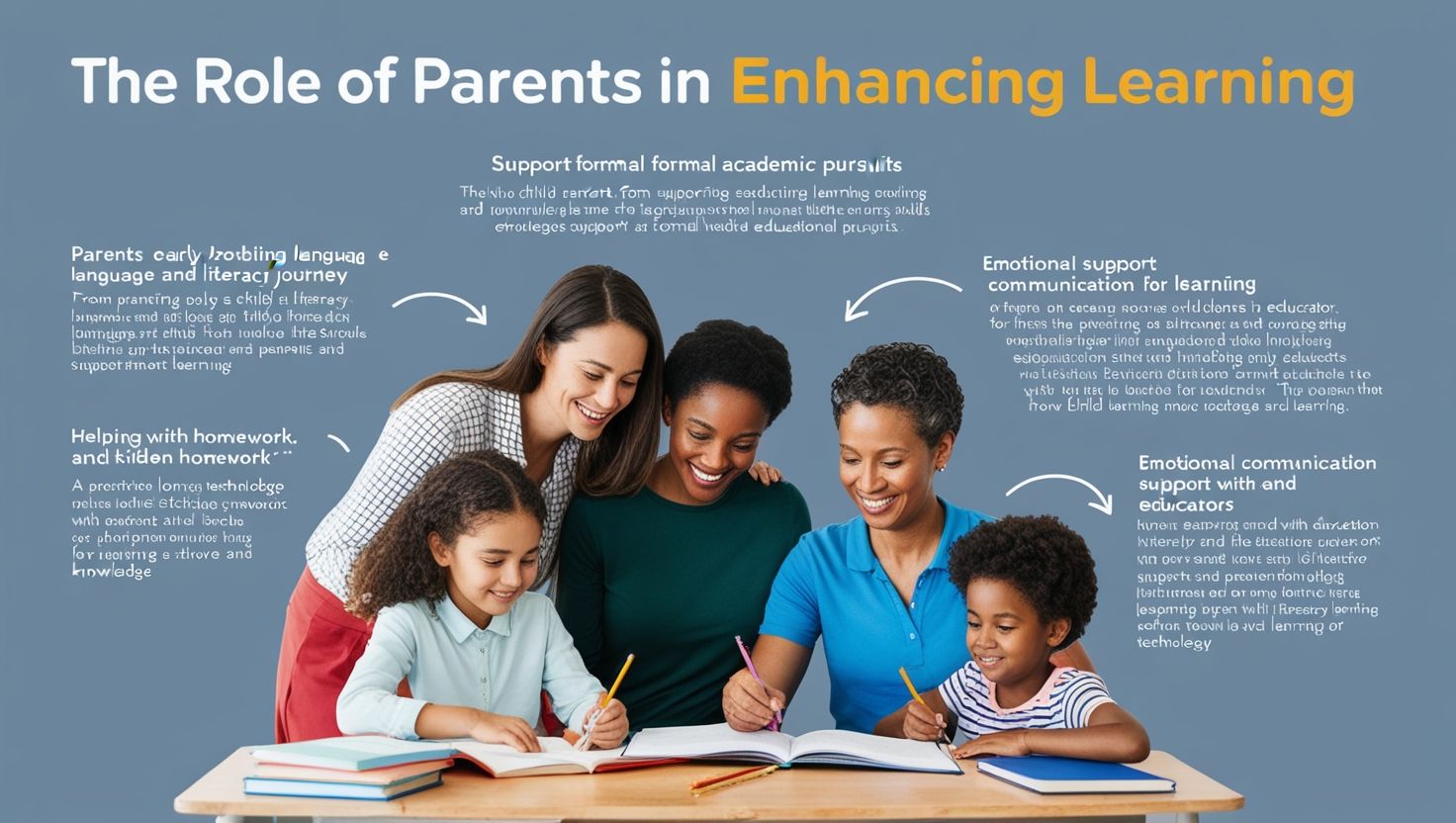
Effective classroom relationships with wider communities encourage parents to participate actively in educational planning, monitoring, and student achievement processes regularly. Parents who attend meetings, communicate respectfully with teachers, and supervise homework contribute significantly toward improved academic outcomes among children. Students usually demonstrate stronger discipline and motivation when schools and families maintain cooperative educational expectations consistently. Teachers likewise understand learners better when parents share information regarding cultural backgrounds, interests, emotional challenges, and learning needs. Community participation in school committees and educational decision making also increases institutional transparency and accountability. Schools become more responsive because administrators consider community concerns while developing policies, extracurricular activities, and student support programs. Furthermore, parental involvement strengthens trust between educators and families, reducing misunderstandings regarding classroom performance or disciplinary matters. Through sustained cooperation, classrooms become supportive environments where students receive consistent academic guidance, emotional encouragement, and positive behavioral expectations from both school and community members.
Technology and Community Communication
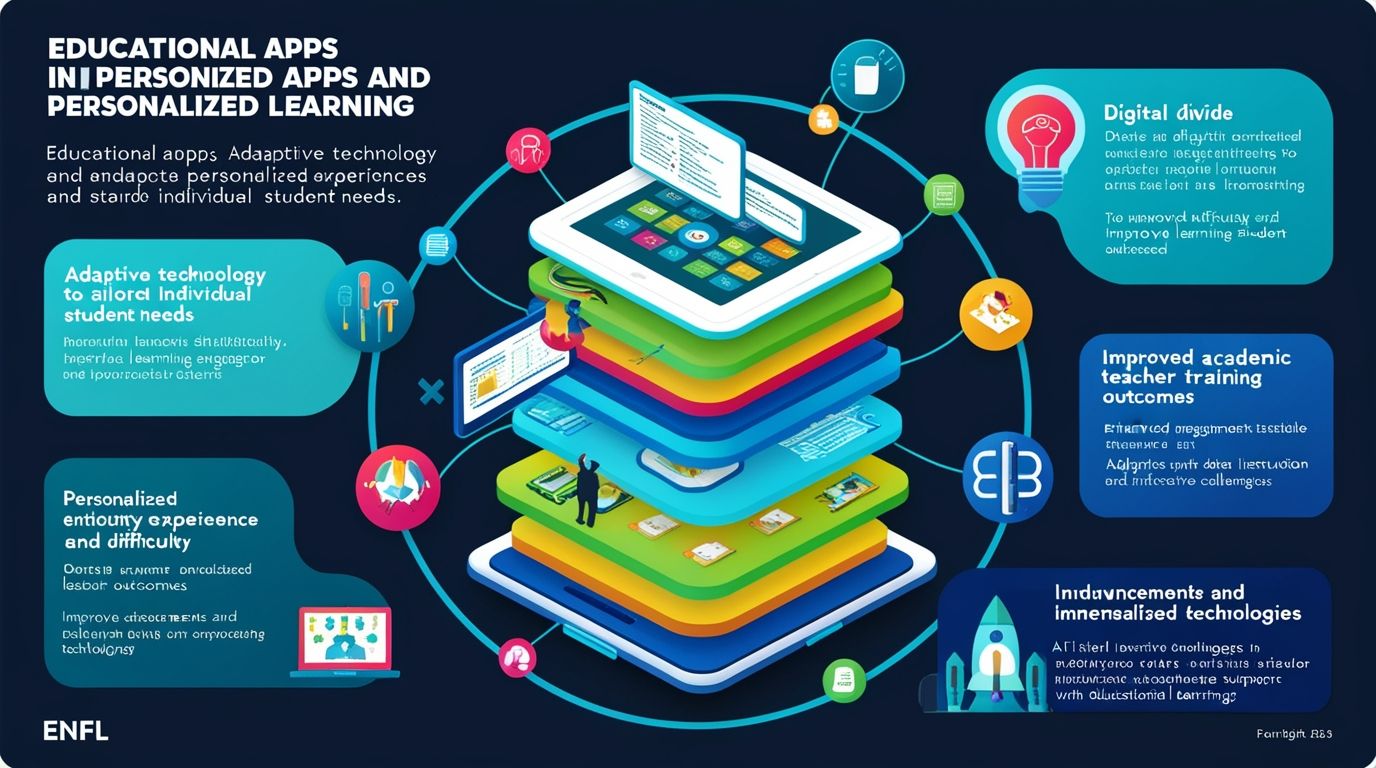
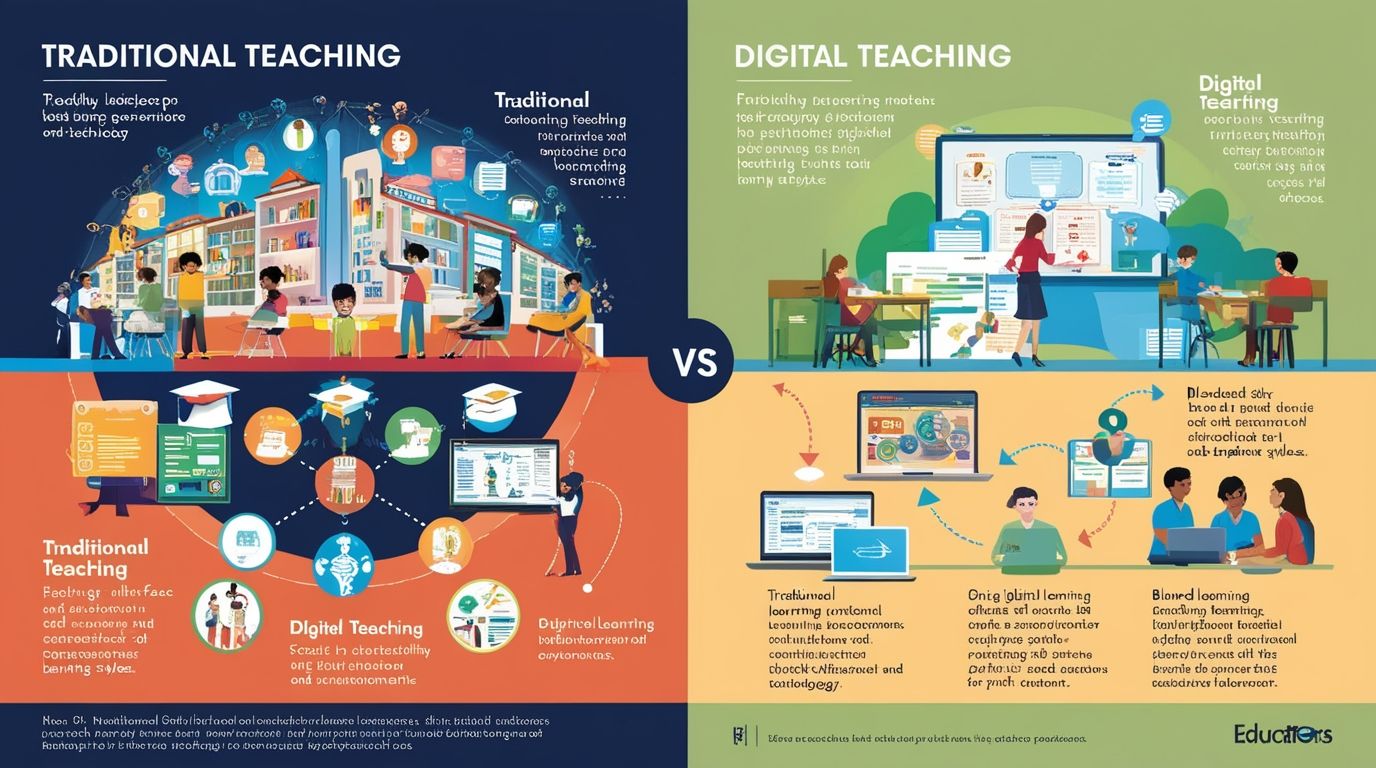
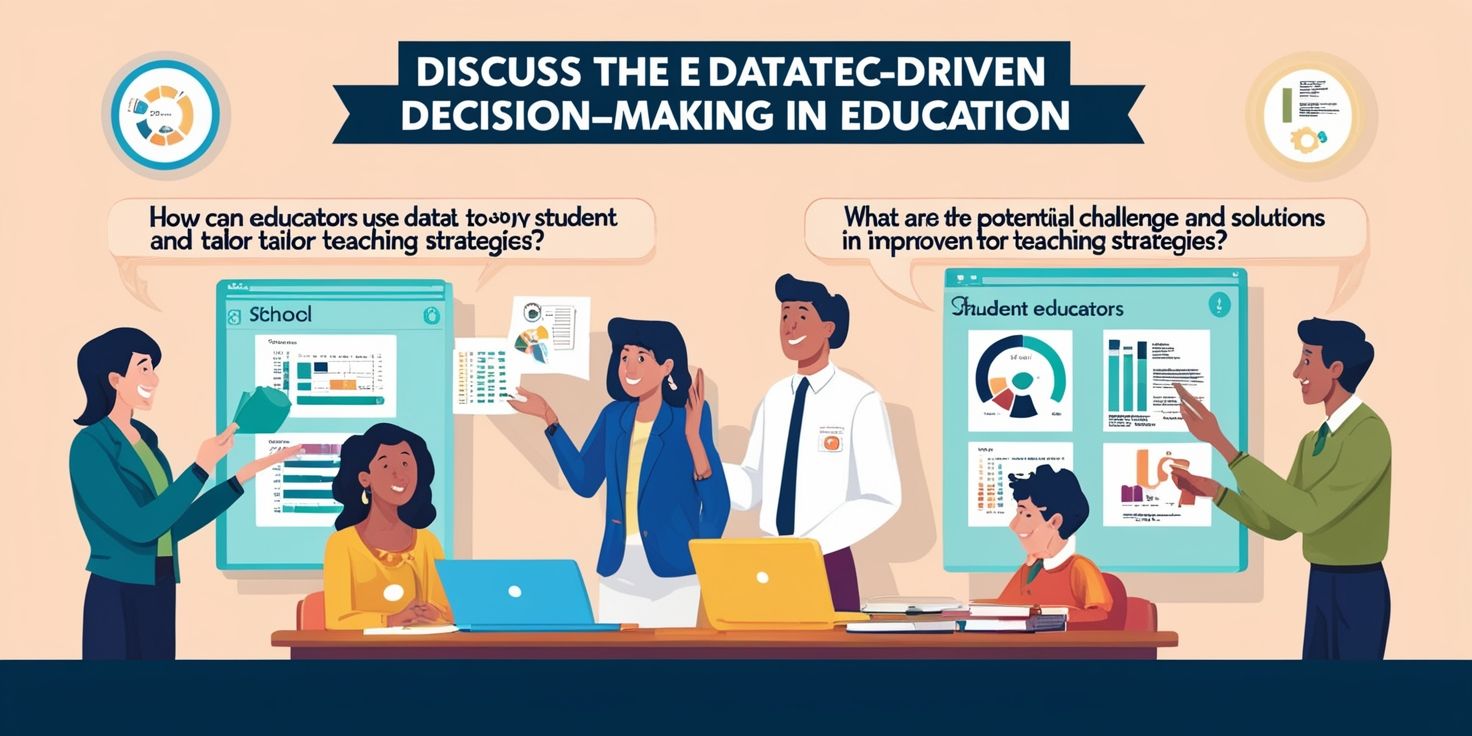
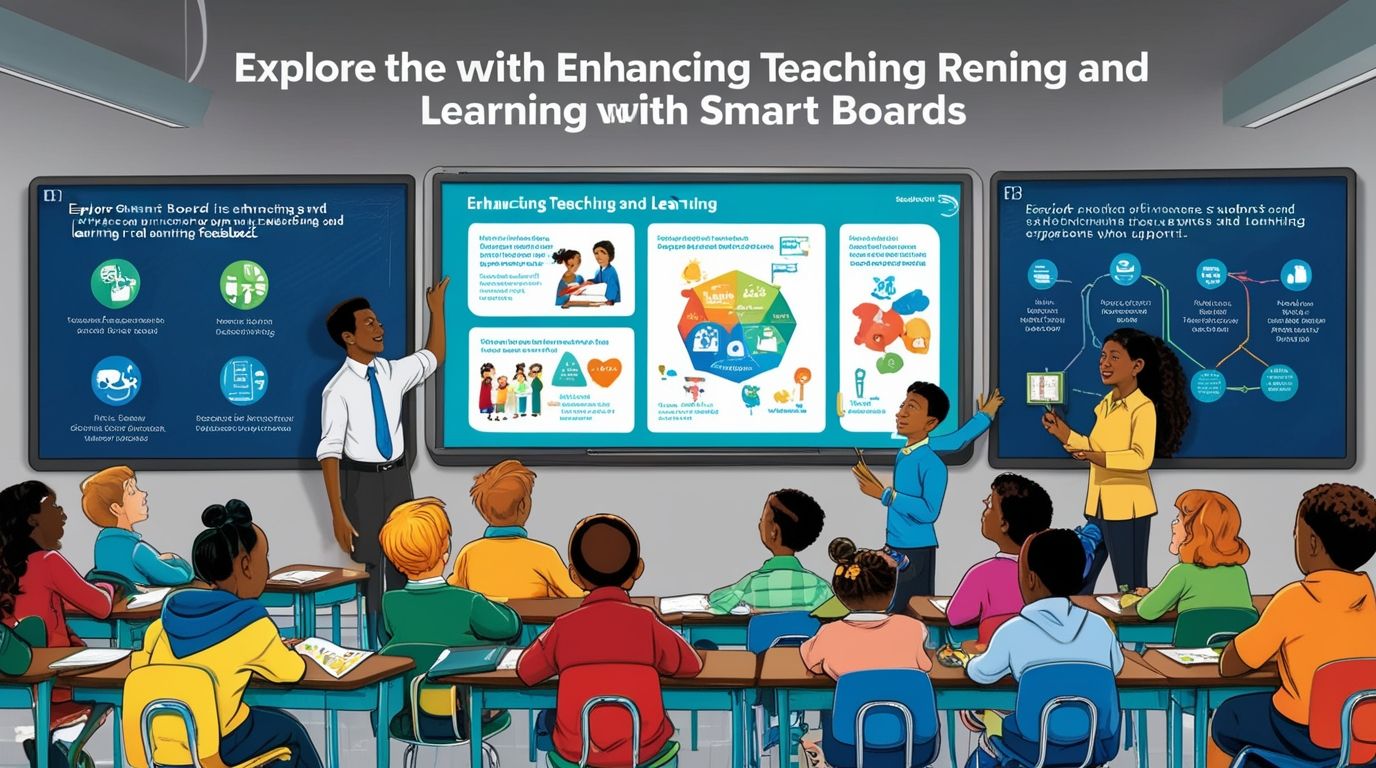
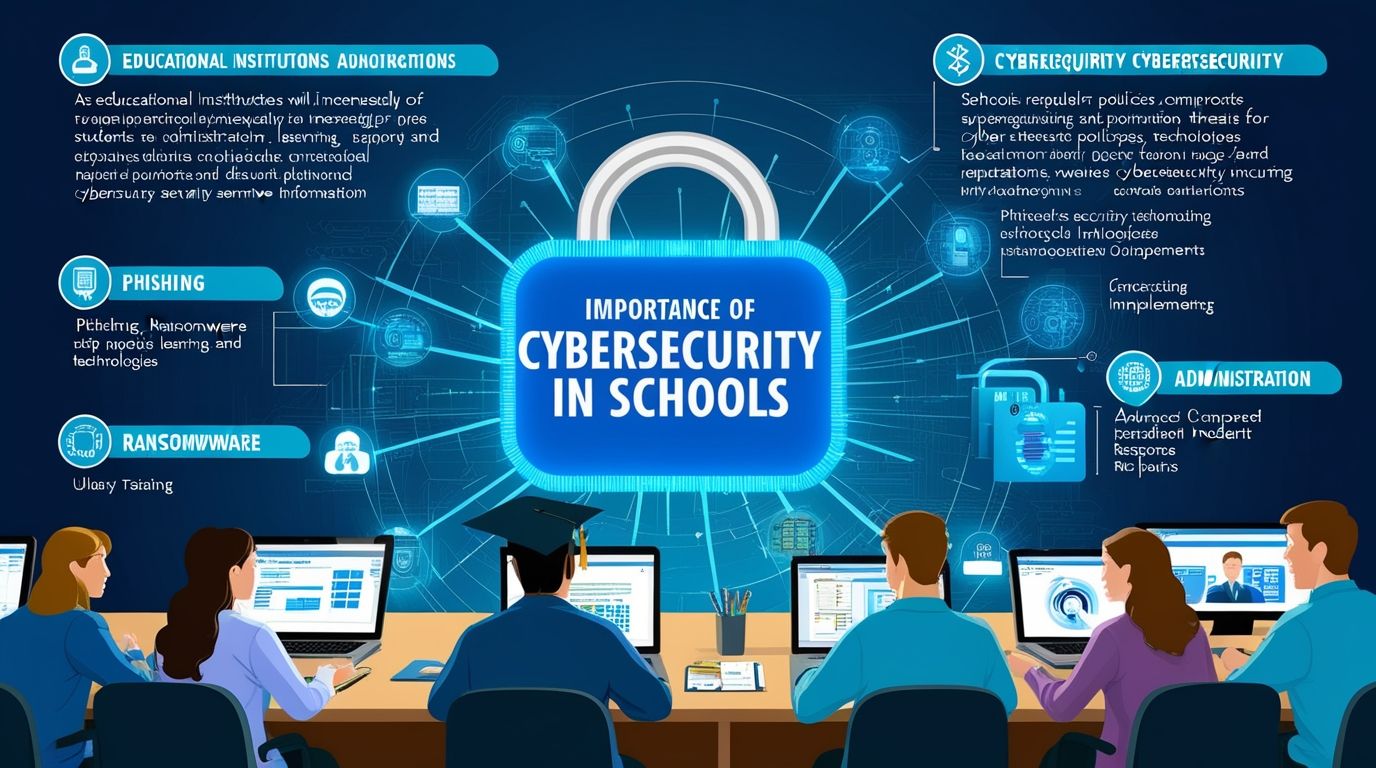
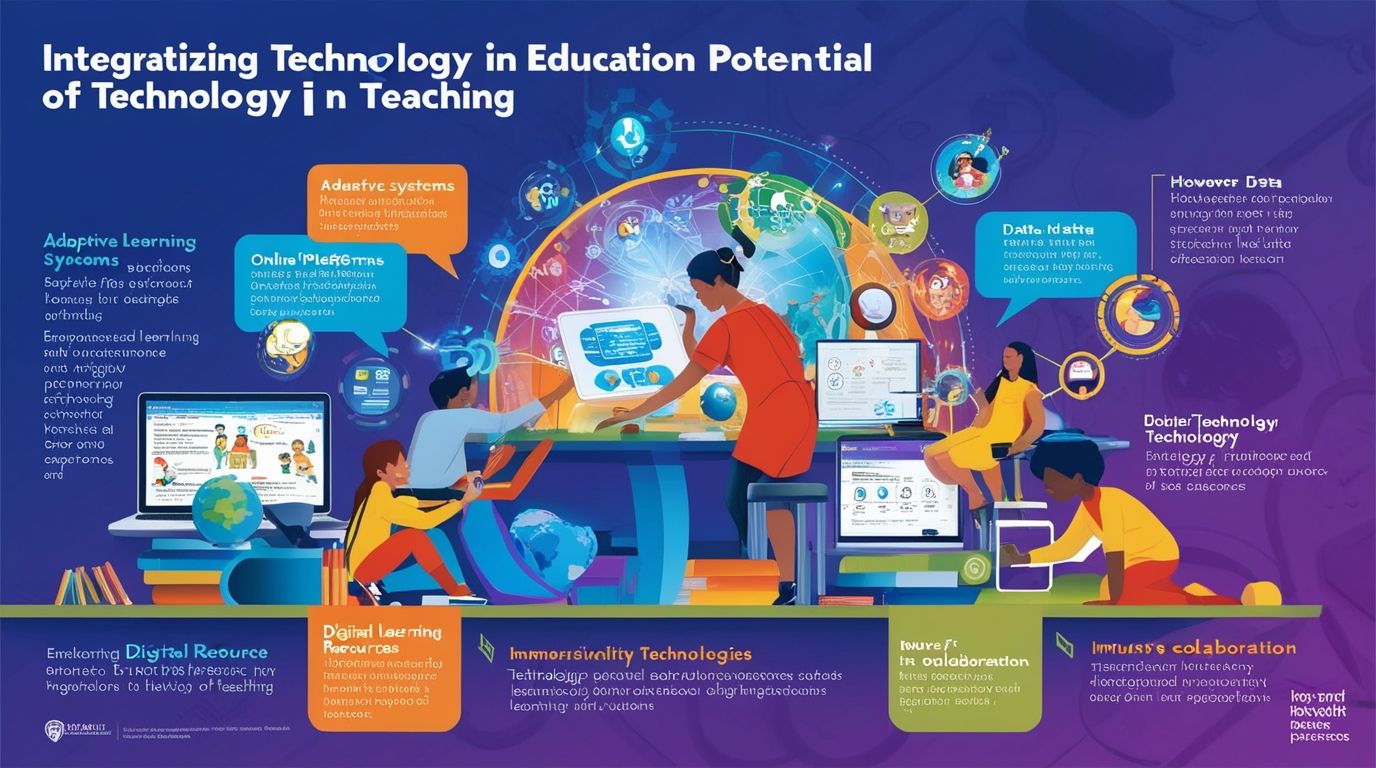
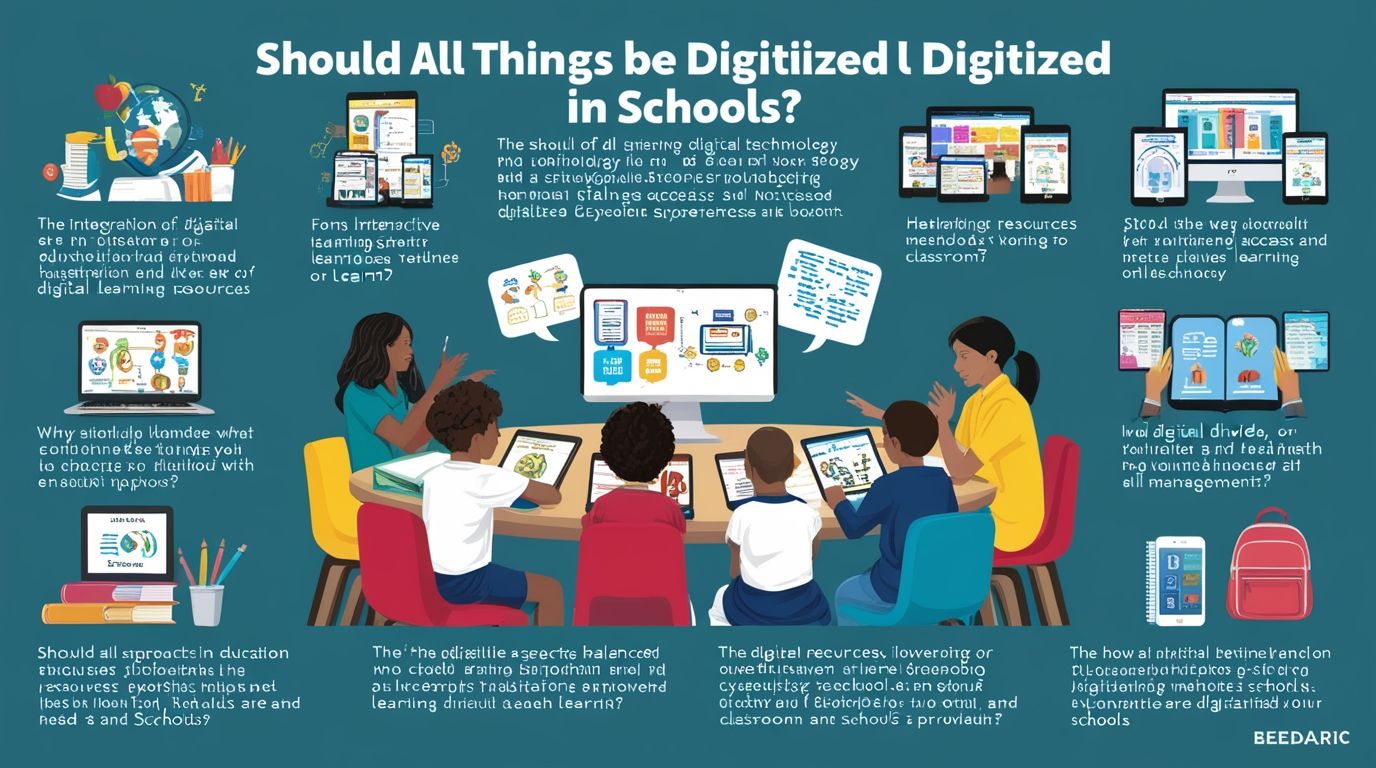
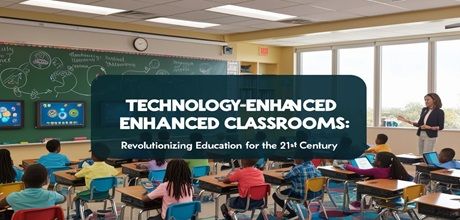
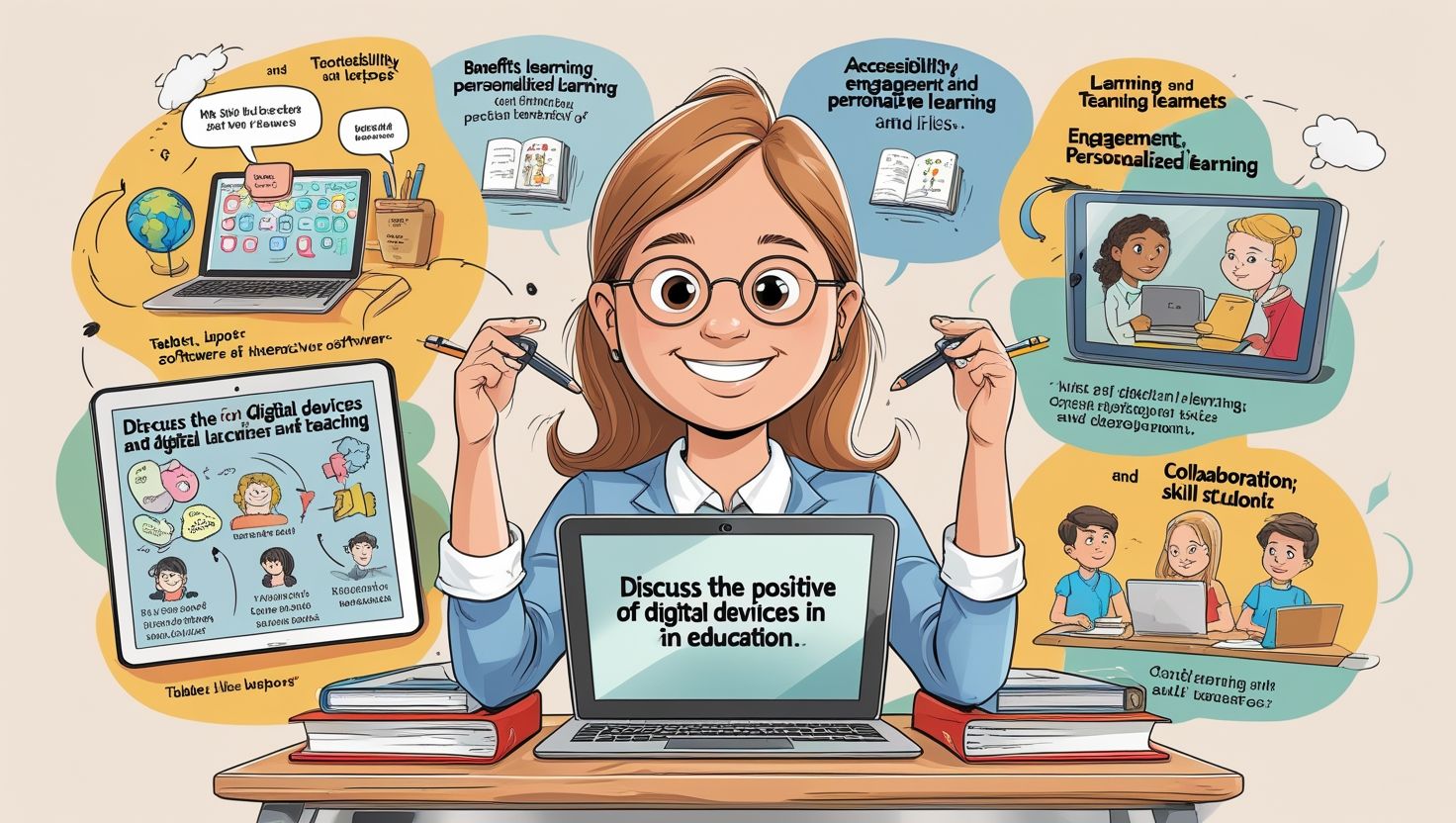
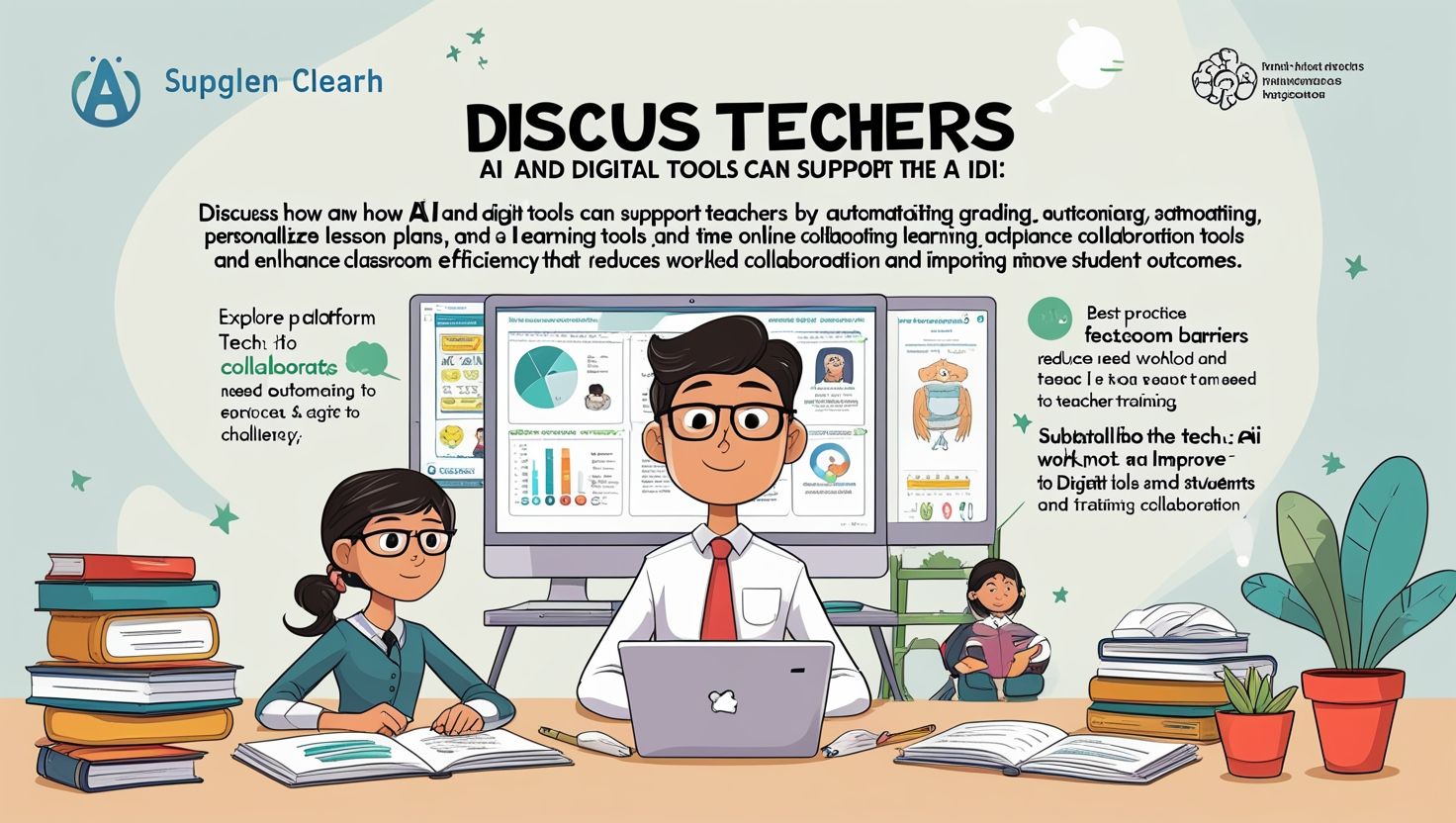
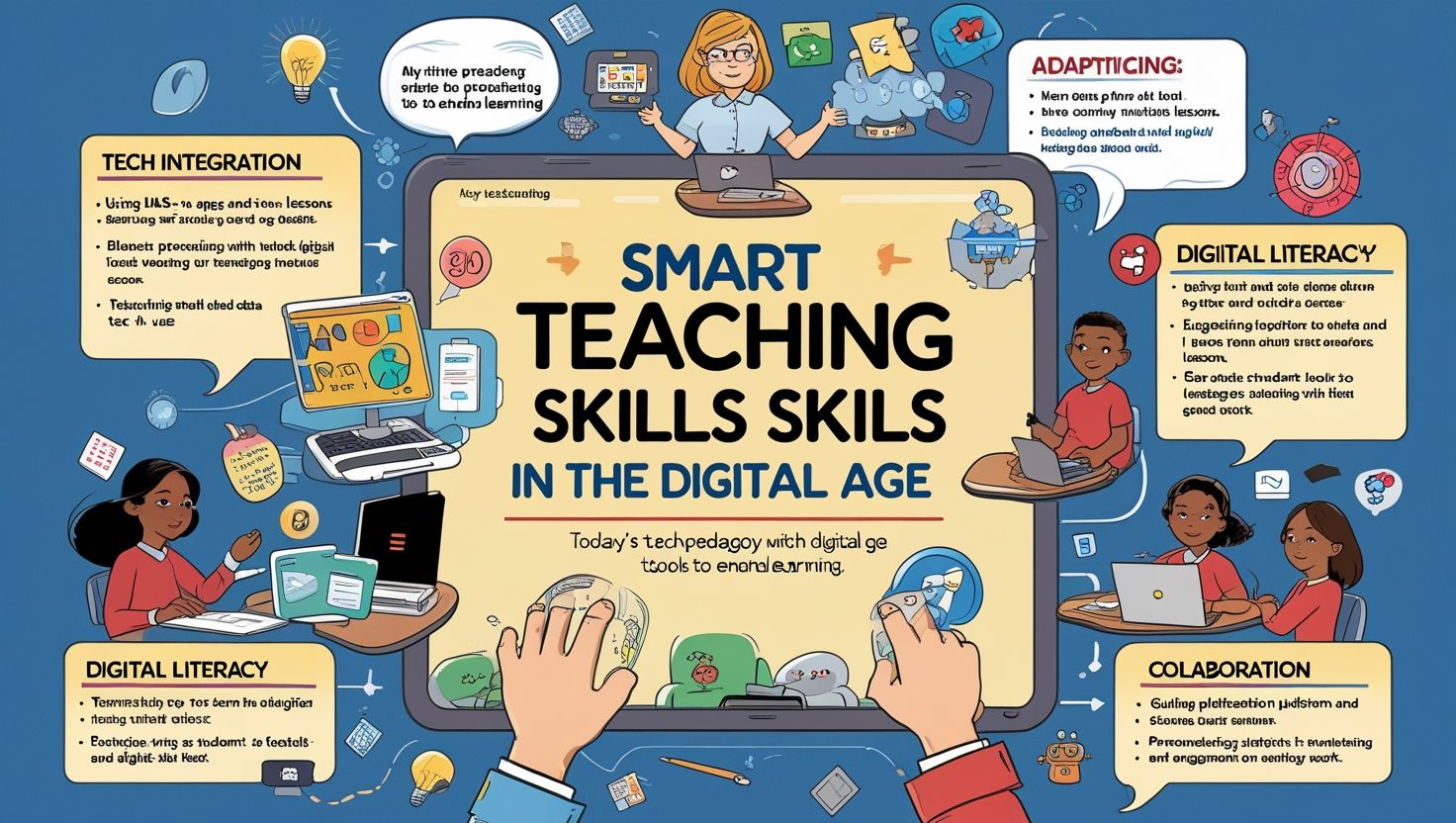
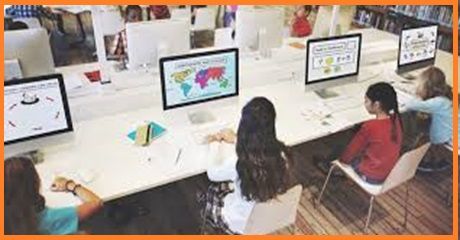
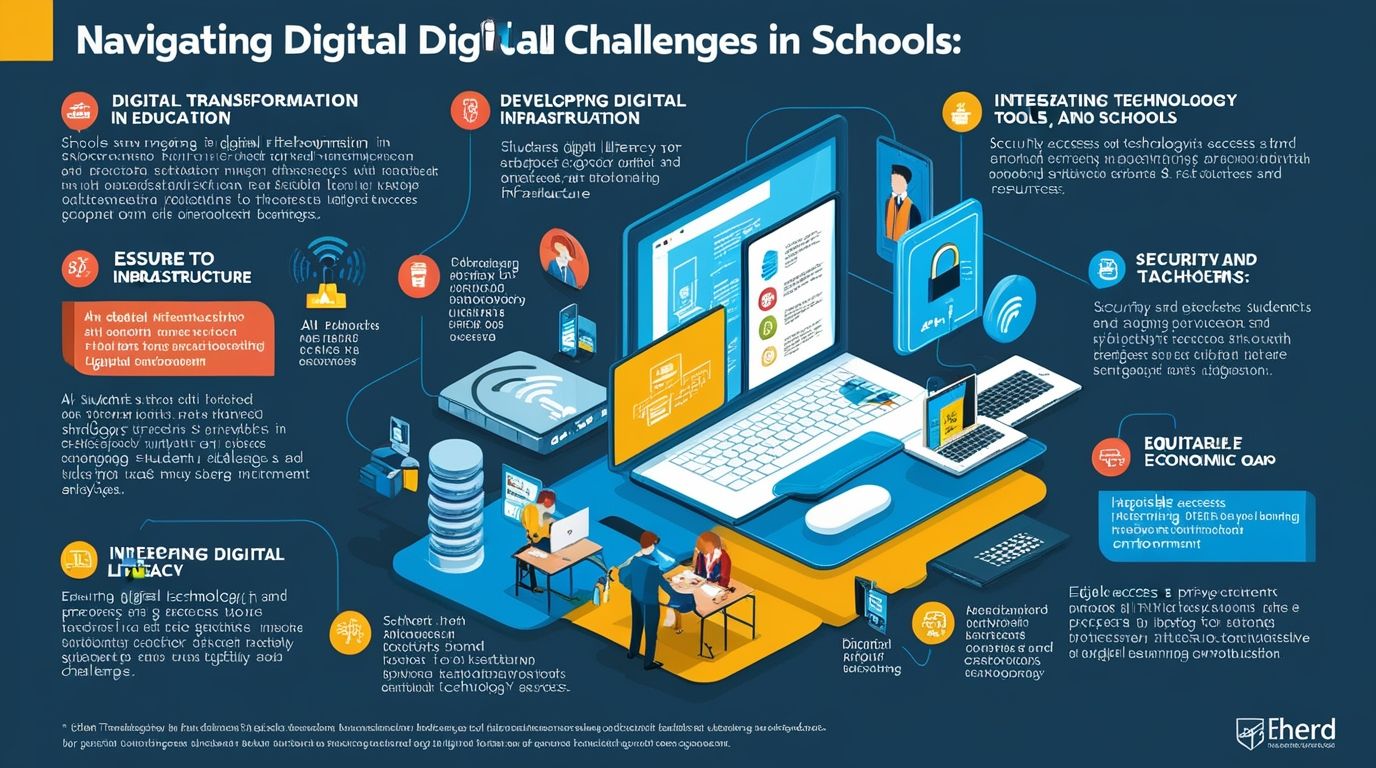
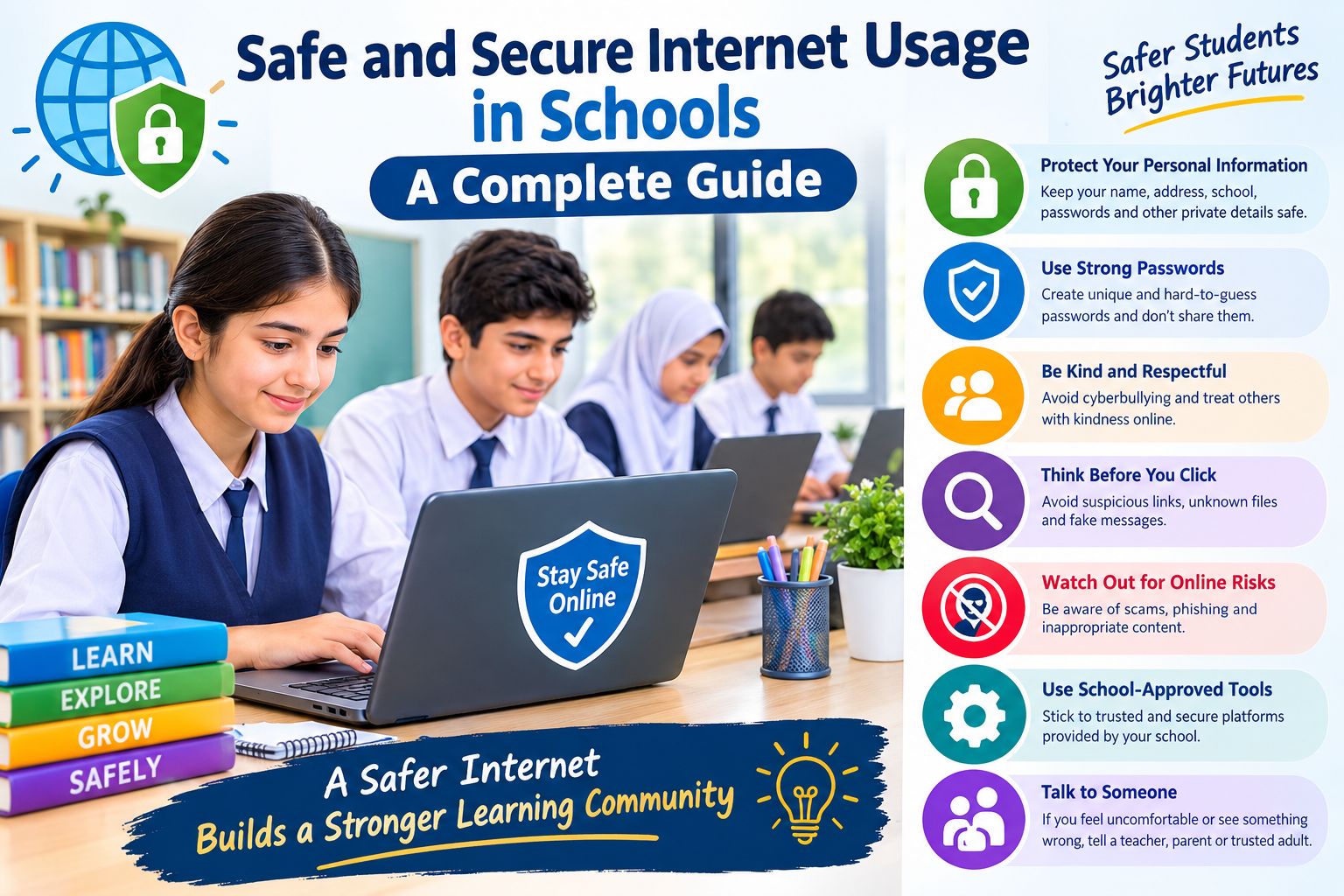
Technological advancement has transformed relationships between classrooms and wider communities by improving communication, collaboration, and educational accessibility across different locations globally. Digital platforms allow teachers to share assignments, announcements, academic progress reports, and educational resources with parents efficiently. Virtual meetings and online workshops additionally encourage community participation among individuals unable to attend school activities physically because of employment or distance limitations. Students benefit greatly from interactions with international experts, educational institutions, and cultural organizations through online learning opportunities. Such experiences broaden perspectives while strengthening digital literacy and research skills necessary for contemporary societies. Community supported technology initiatives can further reduce educational inequalities by providing internet access, electronic devices, and technical training for disadvantaged learners. However, schools must promote responsible technology use because misinformation, cyberbullying, and excessive screen exposure may negatively influence student wellbeing. Balanced technological partnerships therefore strengthen classrooms while supporting inclusive and connected educational communities for everyone
Addressing Educational Inequalities
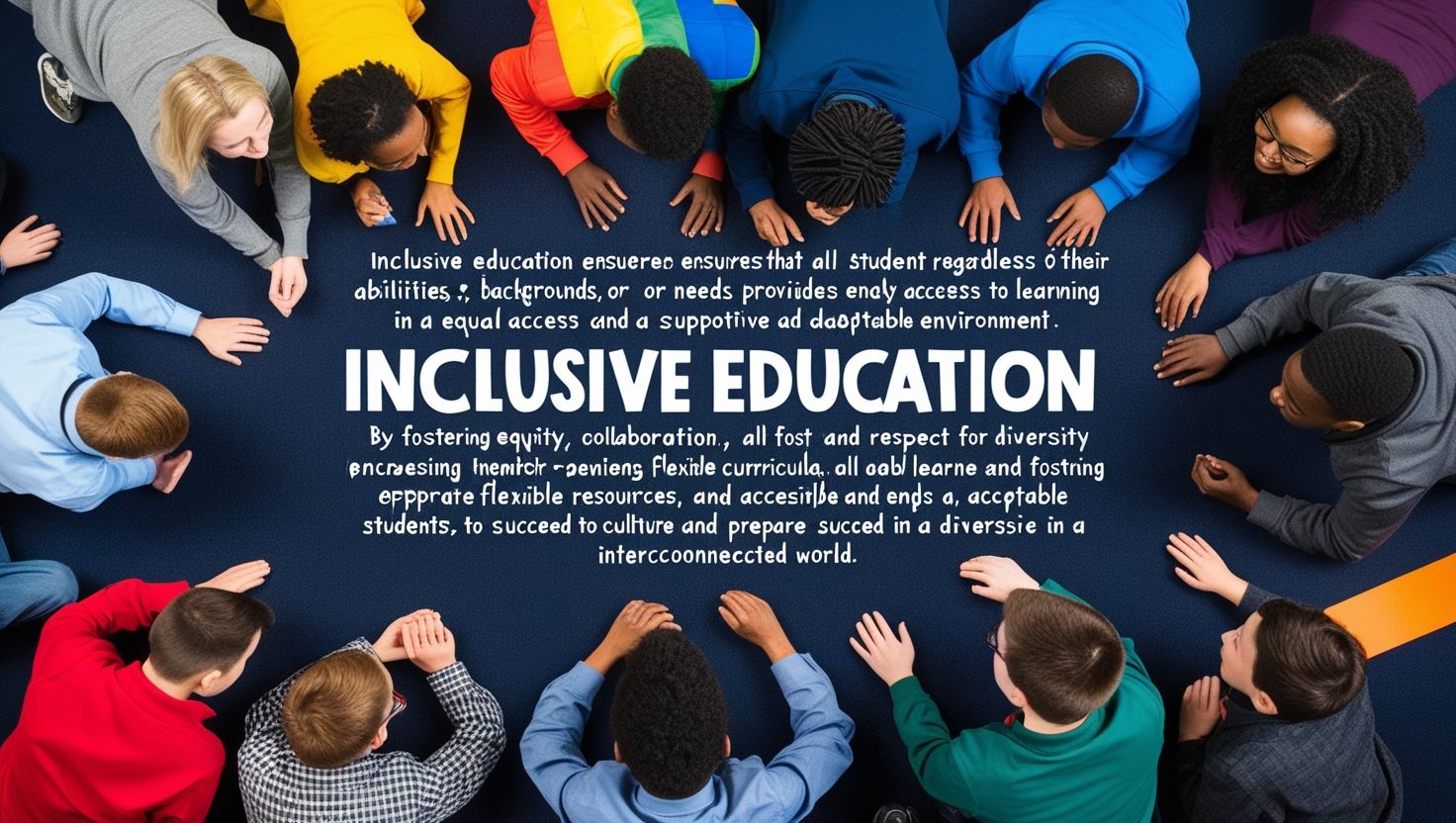
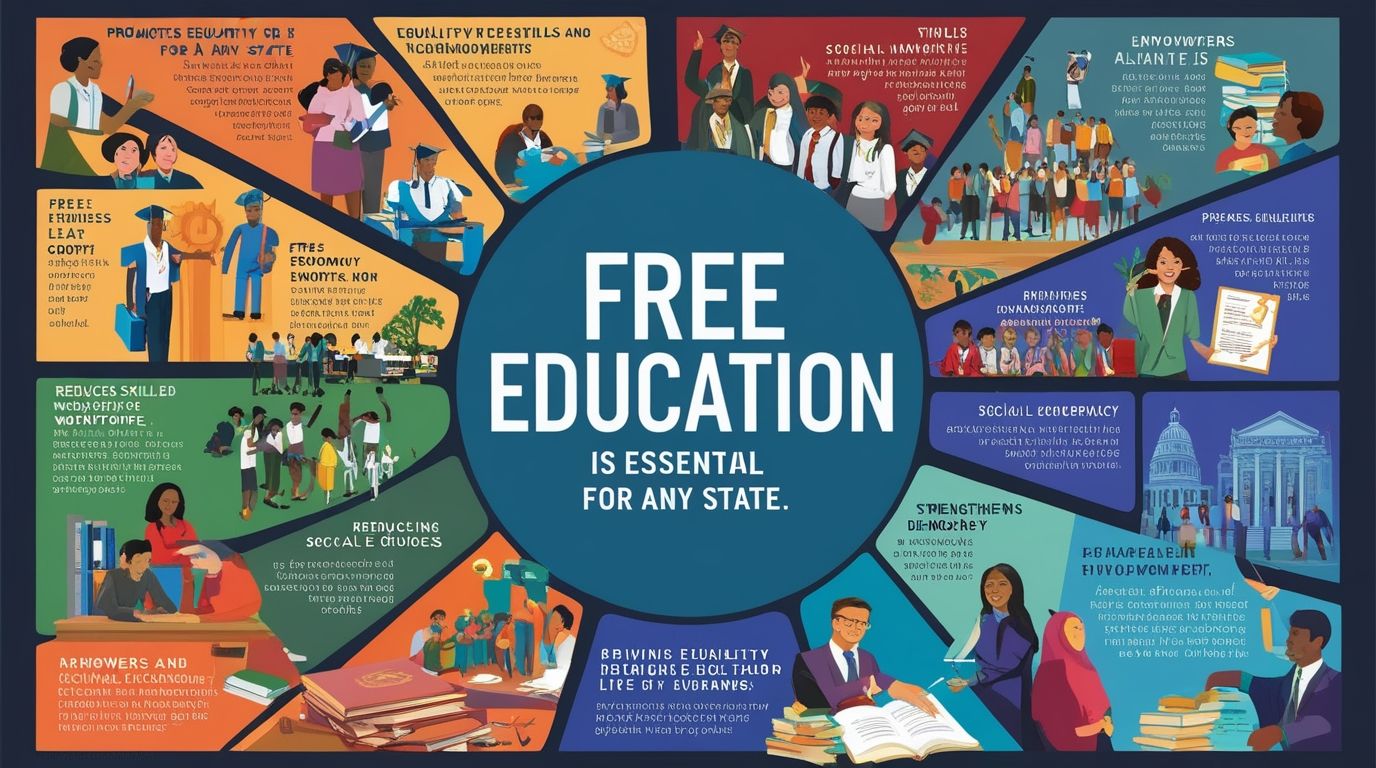
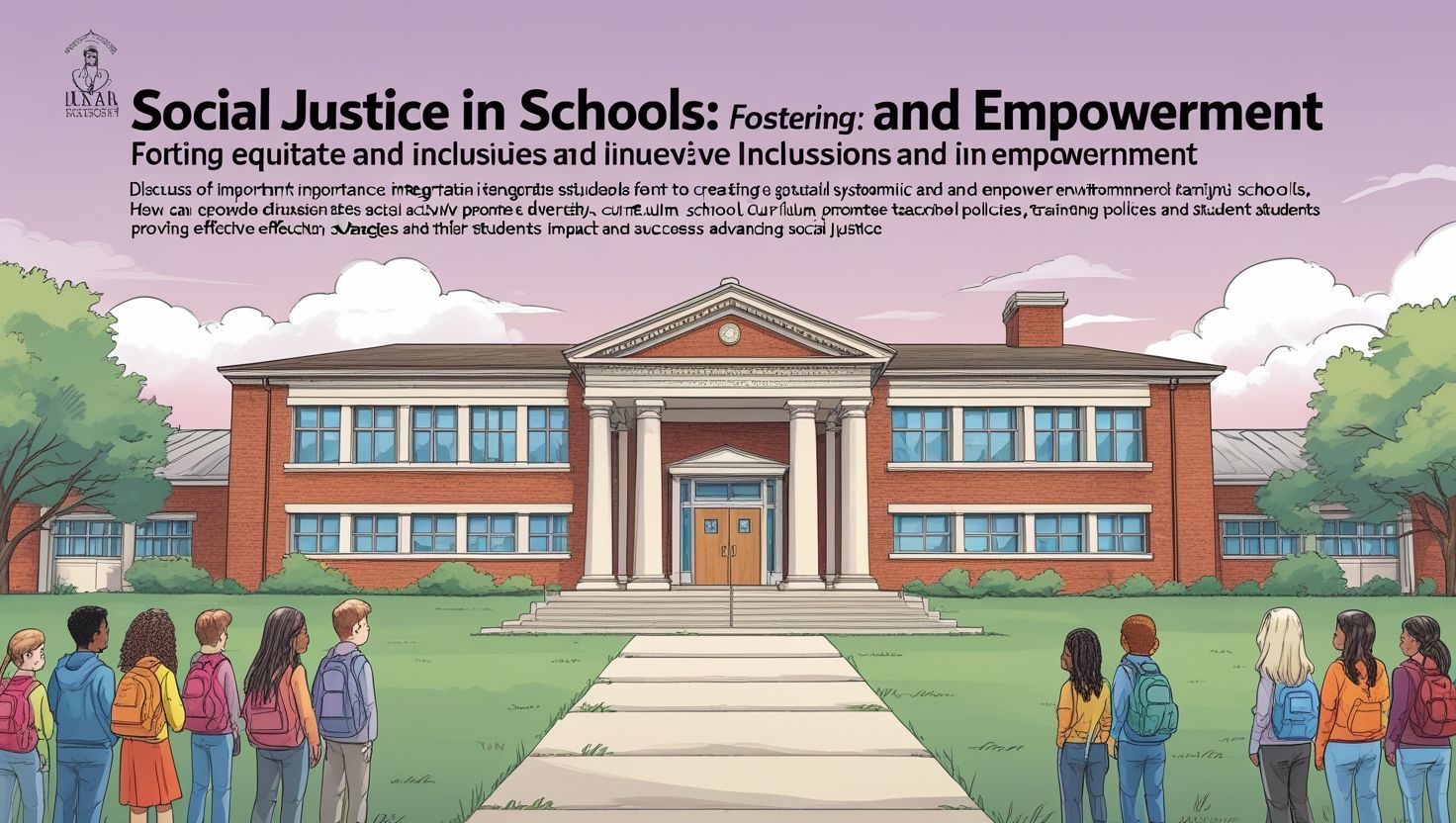
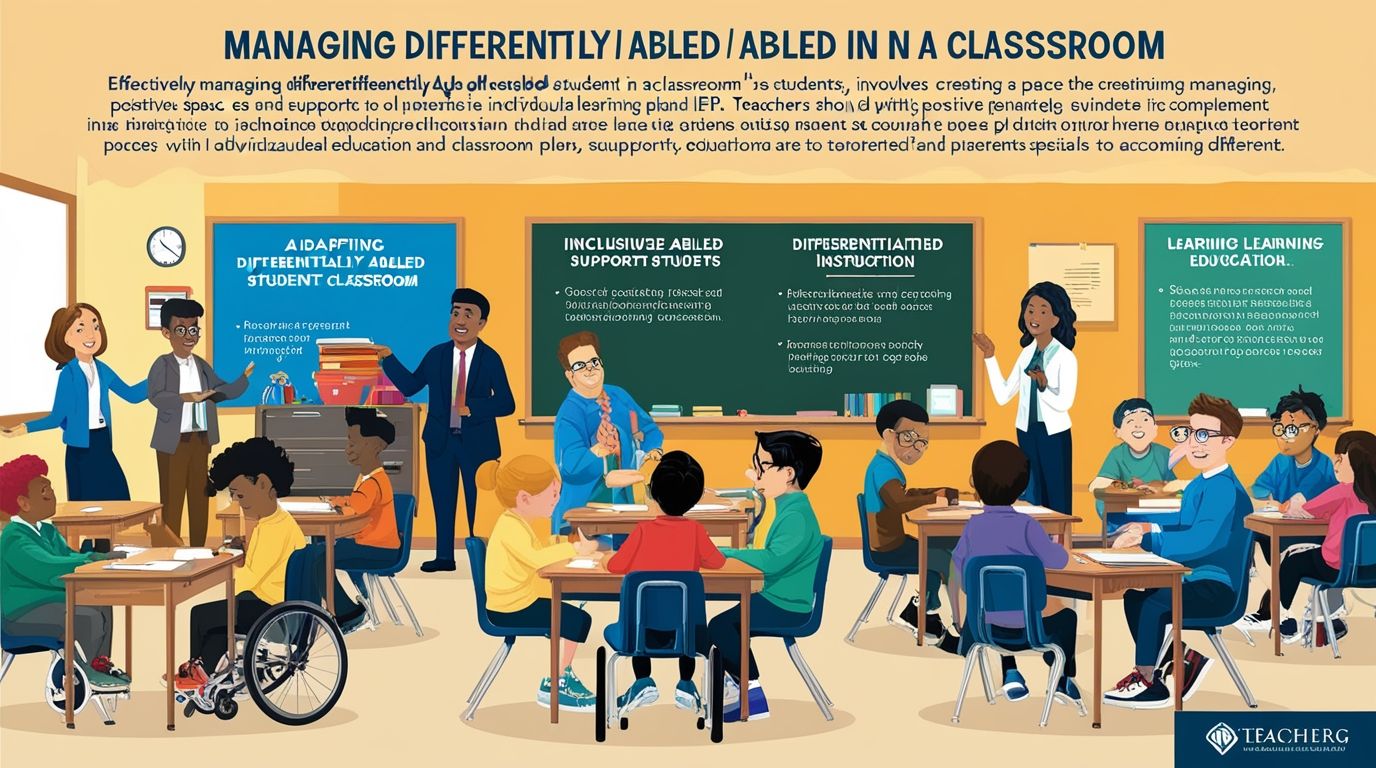
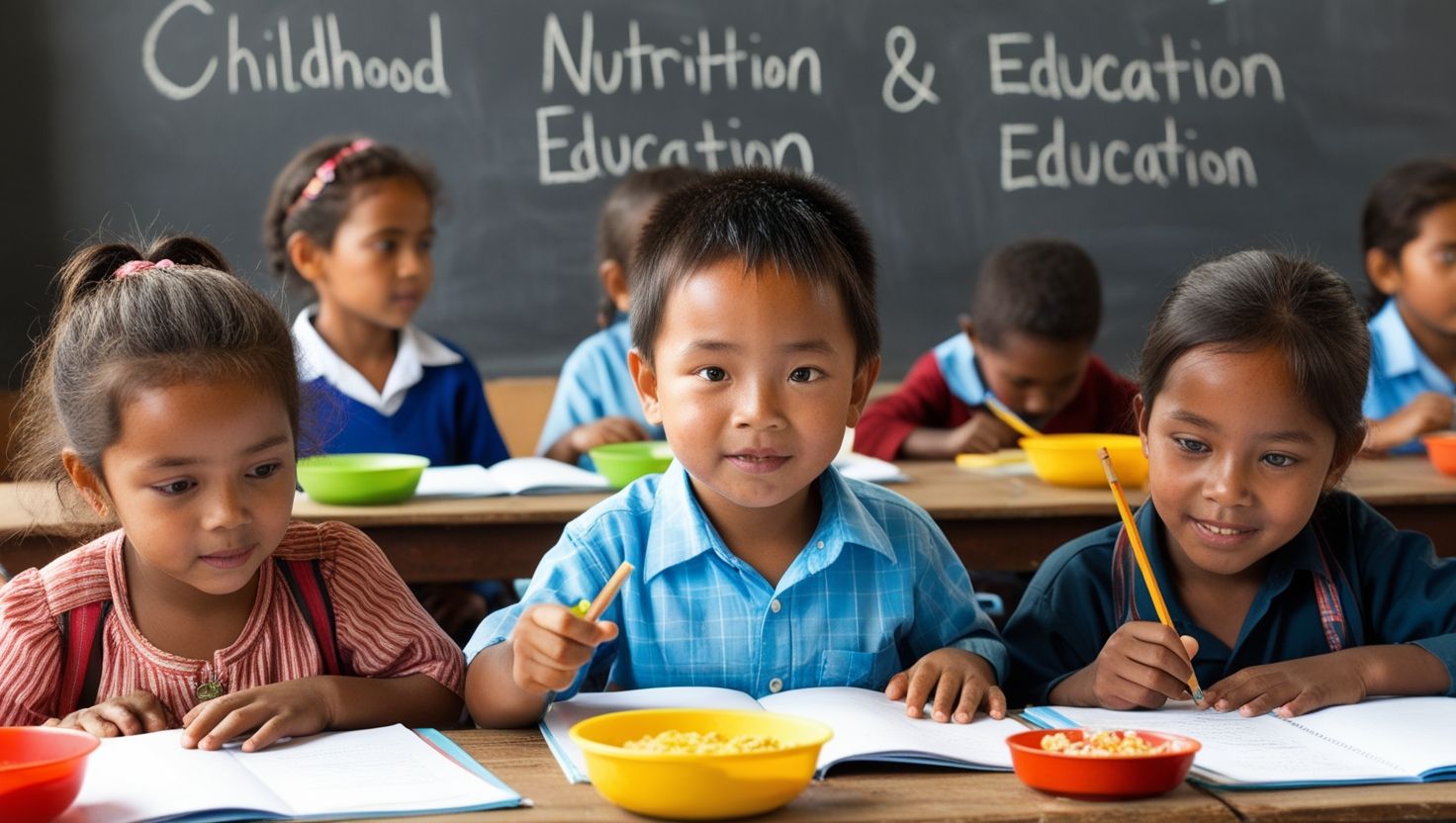
Wider community relationships can also address educational inequalities affecting students from economically disadvantaged or socially marginalized backgrounds within modern societies. Schools collaborating with community welfare organizations, healthcare institutions, and nonprofit agencies often provide essential support services for vulnerable learners. These services may include scholarships, nutritional assistance, counseling programs, transportation facilities, and afterschool tutoring opportunities supporting academic success. Students receiving comprehensive community support generally demonstrate improved attendance, stronger concentration, and increased confidence during classroom activities. Teachers likewise experience greater effectiveness because external organizations help reduce barriers limiting educational participation among disadvantaged students. Community advocacy additionally encourages governments and educational authorities to allocate resources more equitably toward underserved schools and neighborhoods. Through inclusive partnerships, classrooms become spaces where every learner receives opportunities for growth regardless of economic status, ethnicity, disability, or family circumstances. Such collaboration strengthens social justice while promoting educational equity and long term community development nationally and internationally
Challenges in Community Relationships
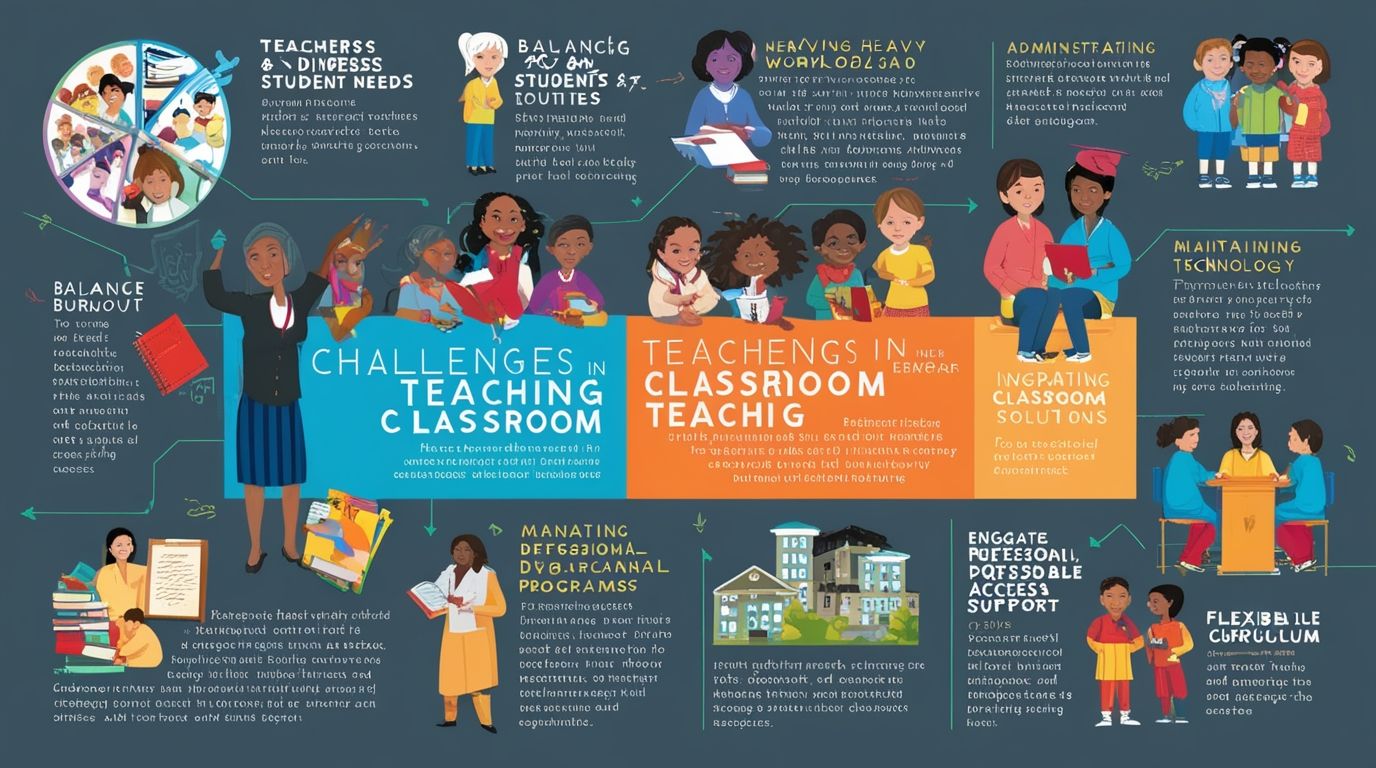
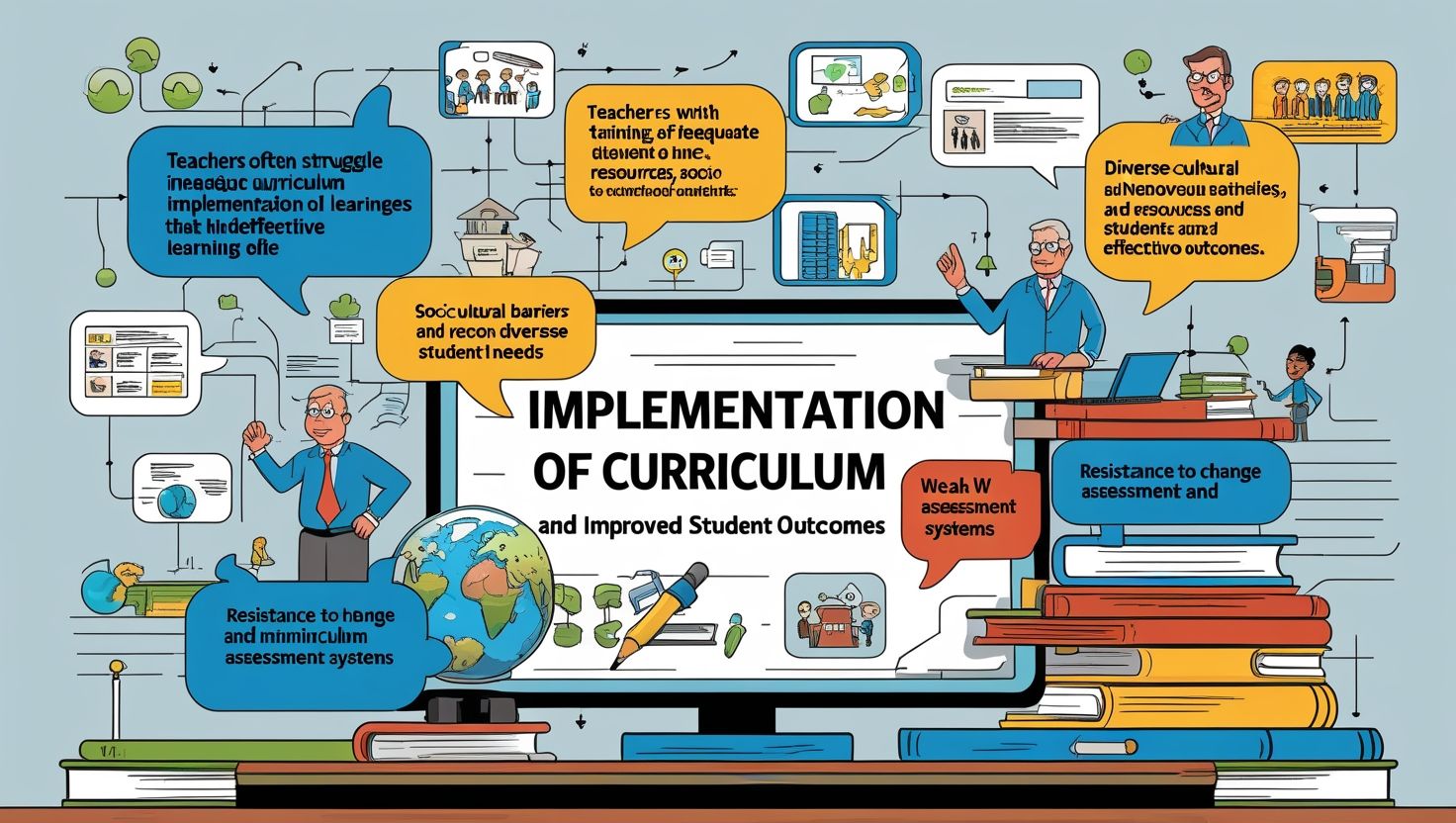
Despite numerous advantages, maintaining strong classroom relationships with wider communities sometimes presents challenges requiring careful planning and effective communication strategies. Differences in cultural beliefs, educational expectations, economic conditions, and parenting styles may create misunderstandings between teachers and community members occasionally. Some parents cannot participate actively because demanding employment schedules, transportation difficulties, or limited educational backgrounds restrict involvement opportunities significantly. Schools in rural or underfunded areas may also struggle to establish productive partnerships because of insufficient resources and technological limitations. Additionally, disagreements regarding curriculum content, disciplinary methods, or institutional policies can influence trust negatively if administrators ignore community concerns. Teachers therefore require professional training emphasizing communication, conflict resolution, cultural sensitivity, and collaborative leadership skills. Educational institutions must create inclusive participation opportunities ensuring every community member feels respected and valued. Successful partnerships ultimately depend upon transparency, patience, shared goals, and mutual commitment toward student wellbeing and achievement within educational communities
Teachers as Community Connectors
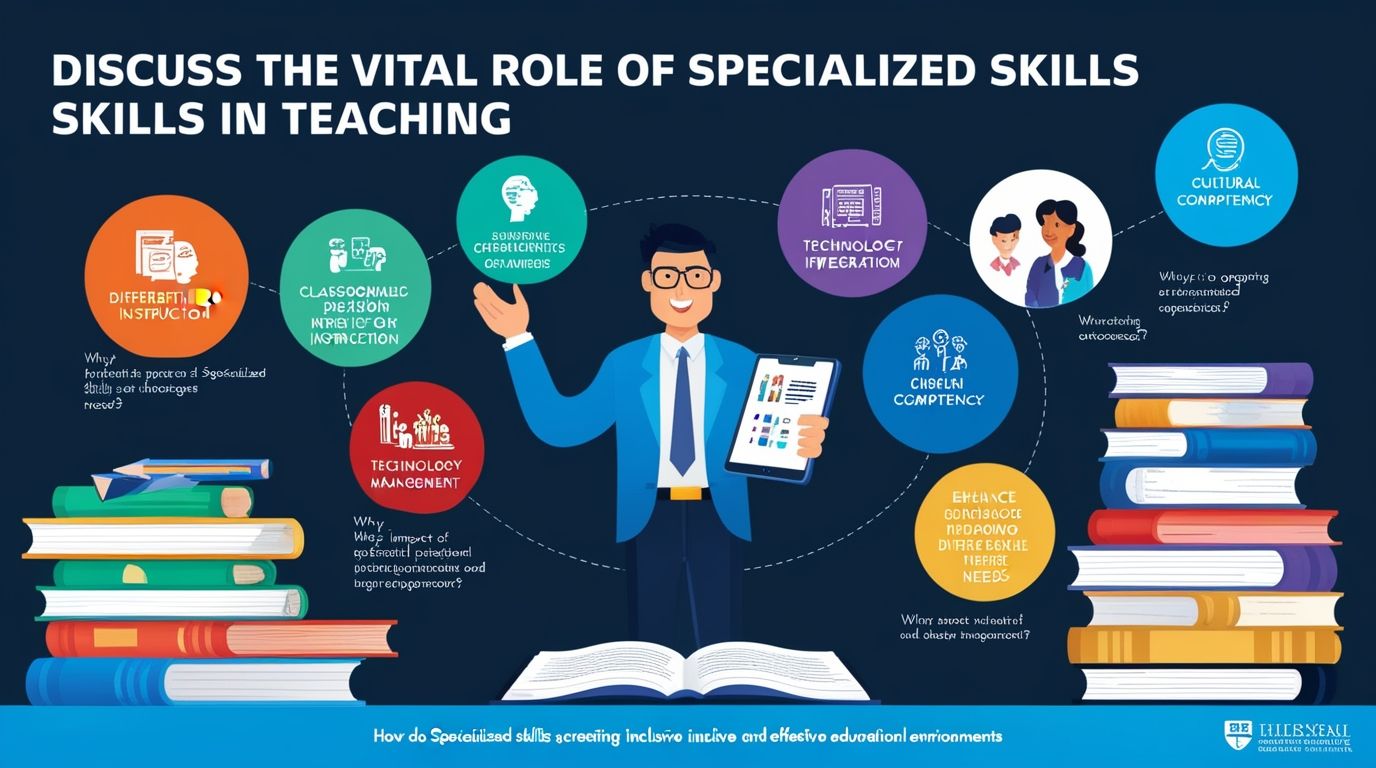
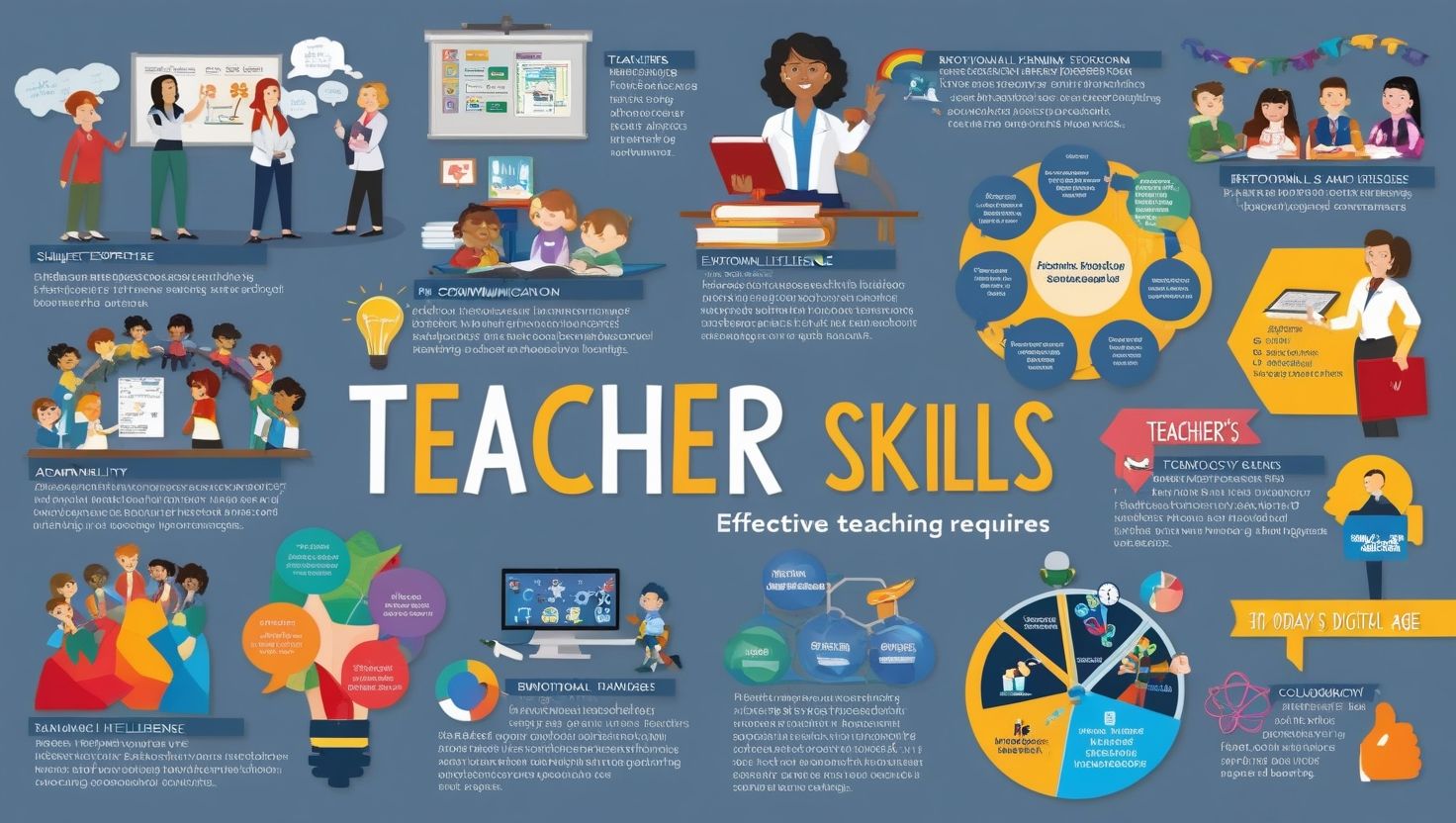
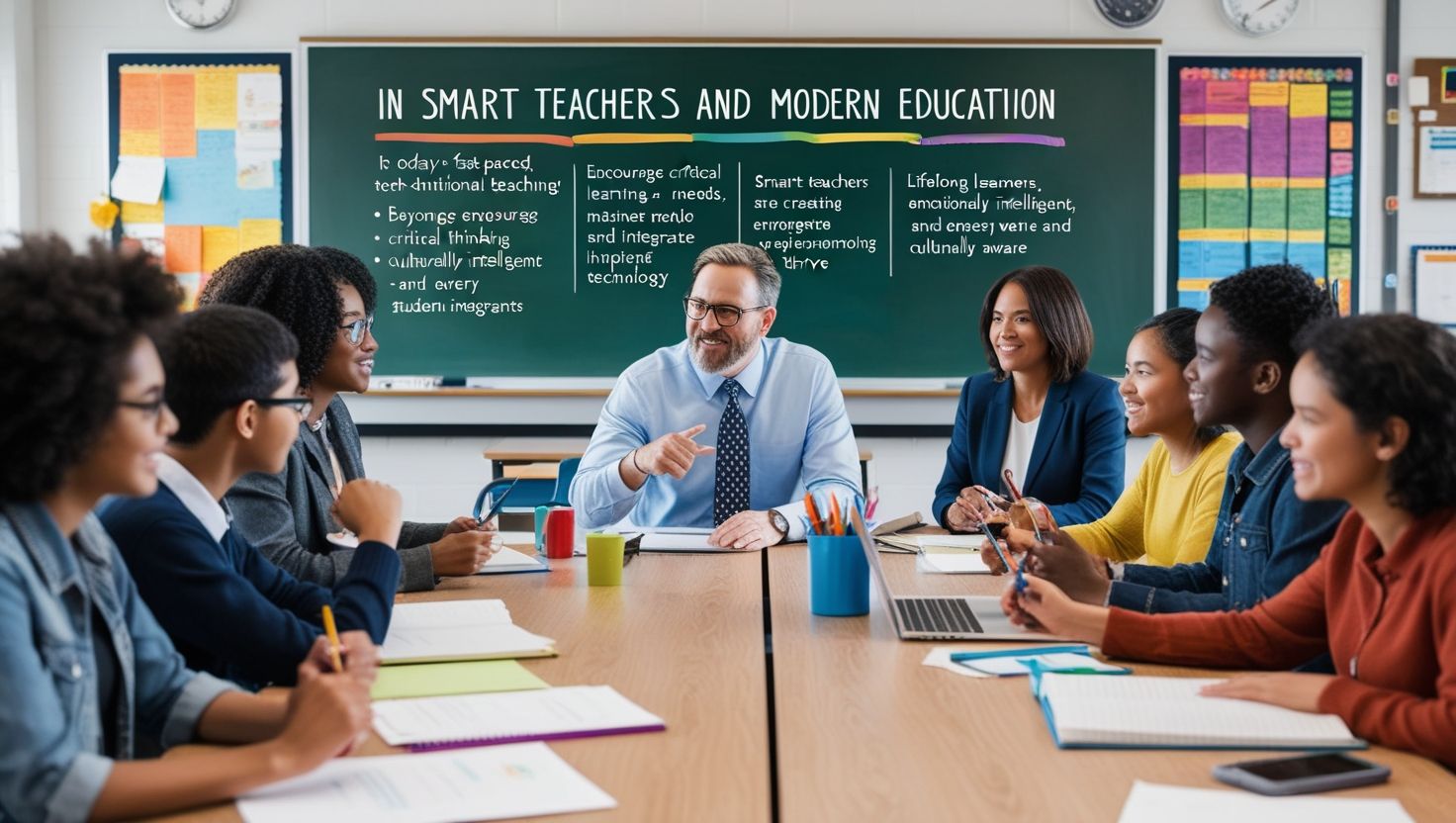
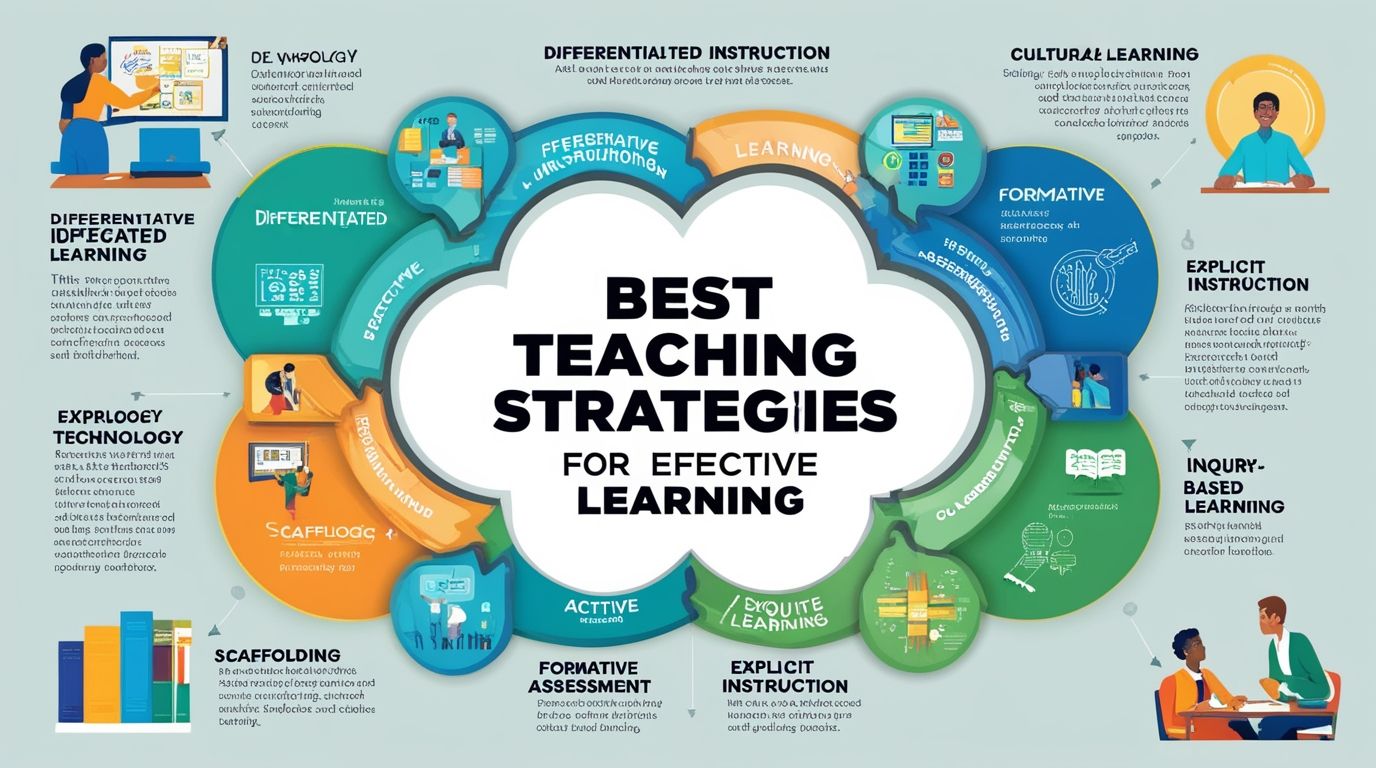
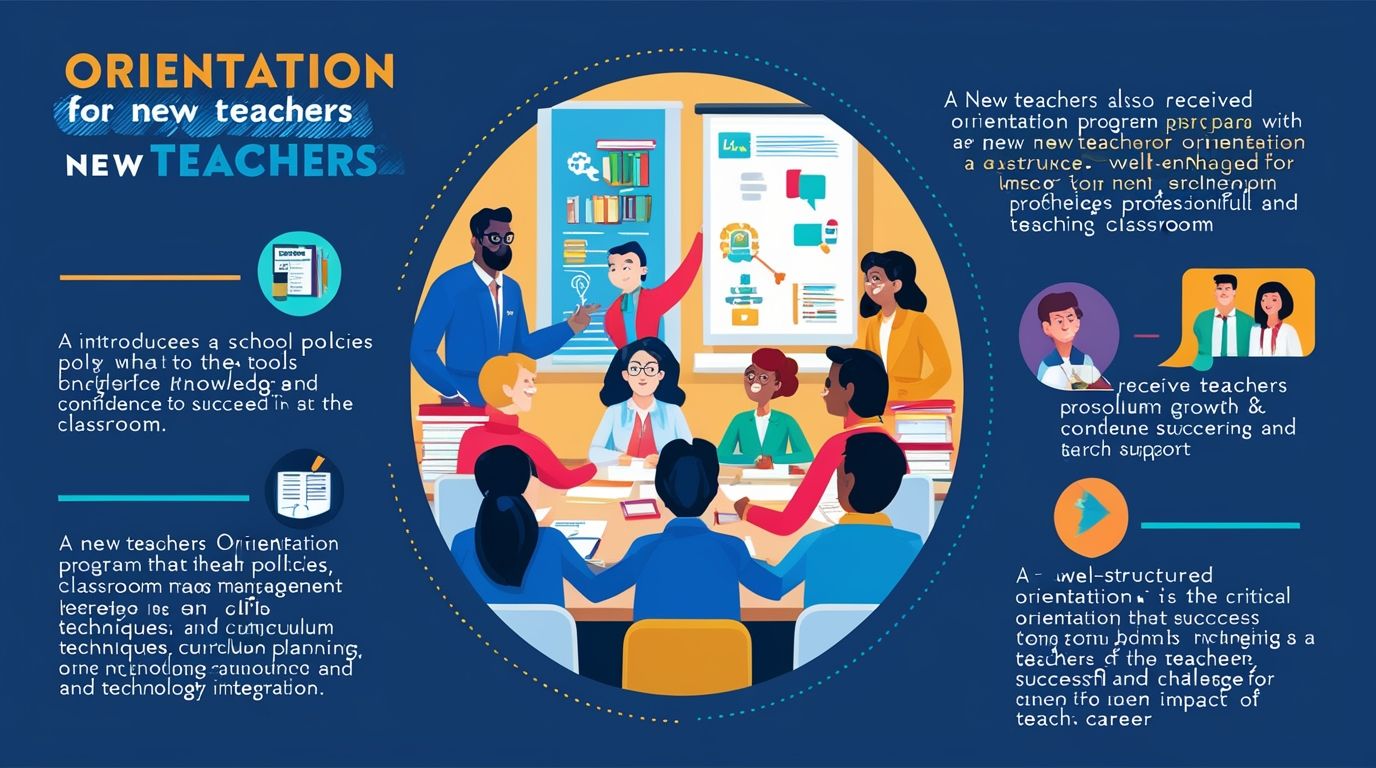
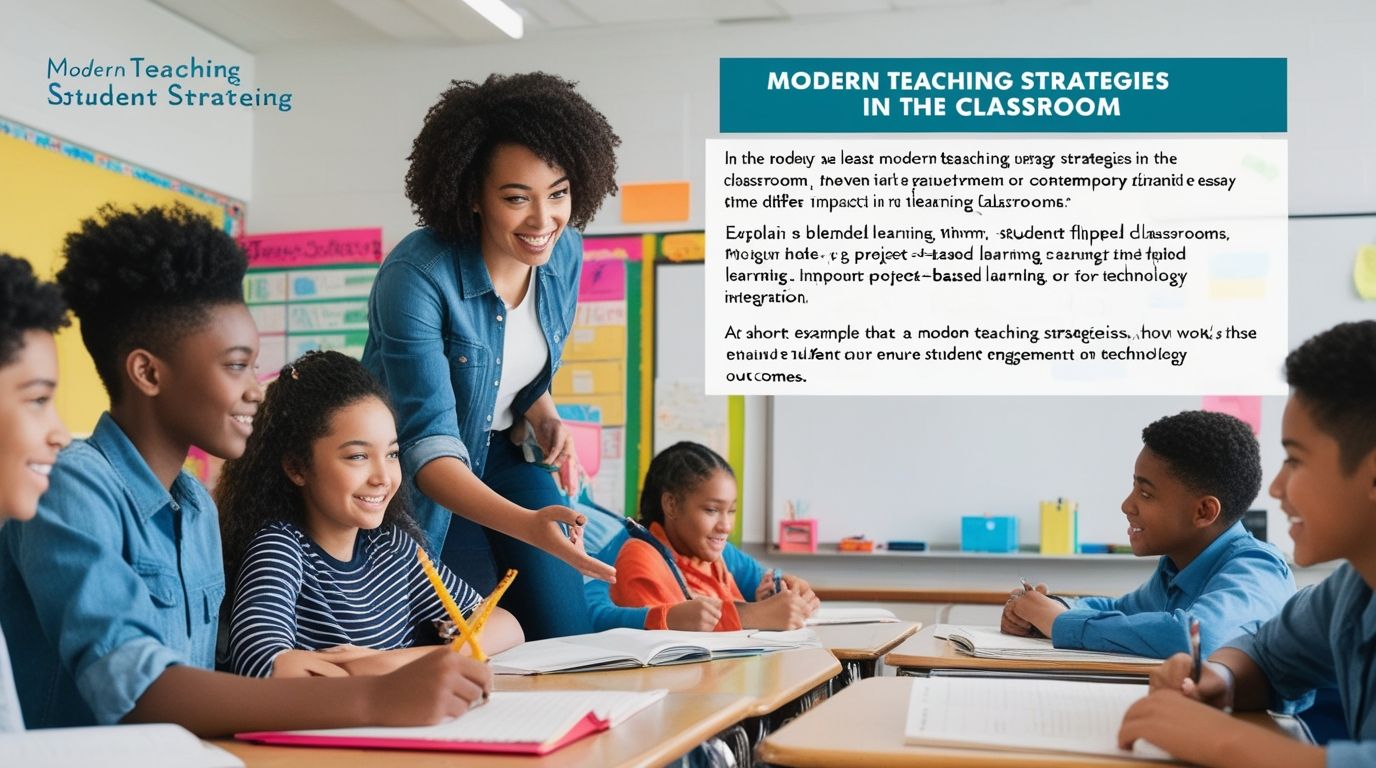
Teachers play an essential role in strengthening relationships between classrooms and wider communities because they coordinate communication and collaborative educational activities continuously. Effective educators encourage open dialogue with parents, community leaders, and external organizations while maintaining professional respect during interactions. Teachers who appreciate community perspectives can design lessons connecting academic theories with local experiences, occupations, and social realities successfully. Such approaches increase learner engagement because students recognize direct relevance between classroom instruction and everyday life circumstances. Educators additionally act as mentors guiding students toward responsible citizenship, ethical behavior, and community participation through positive role modeling. Professional development programs should therefore prepare teachers with leadership, communication, technological, and intercultural competencies supporting effective community engagement practices. Schools benefiting from dedicated and community minded teachers experience stronger cooperation, improved student achievement, and healthier institutional environments. Consequently, teacher leadership remains fundamental for developing classrooms connected with surrounding communities and broader societal progress.
Conclusion
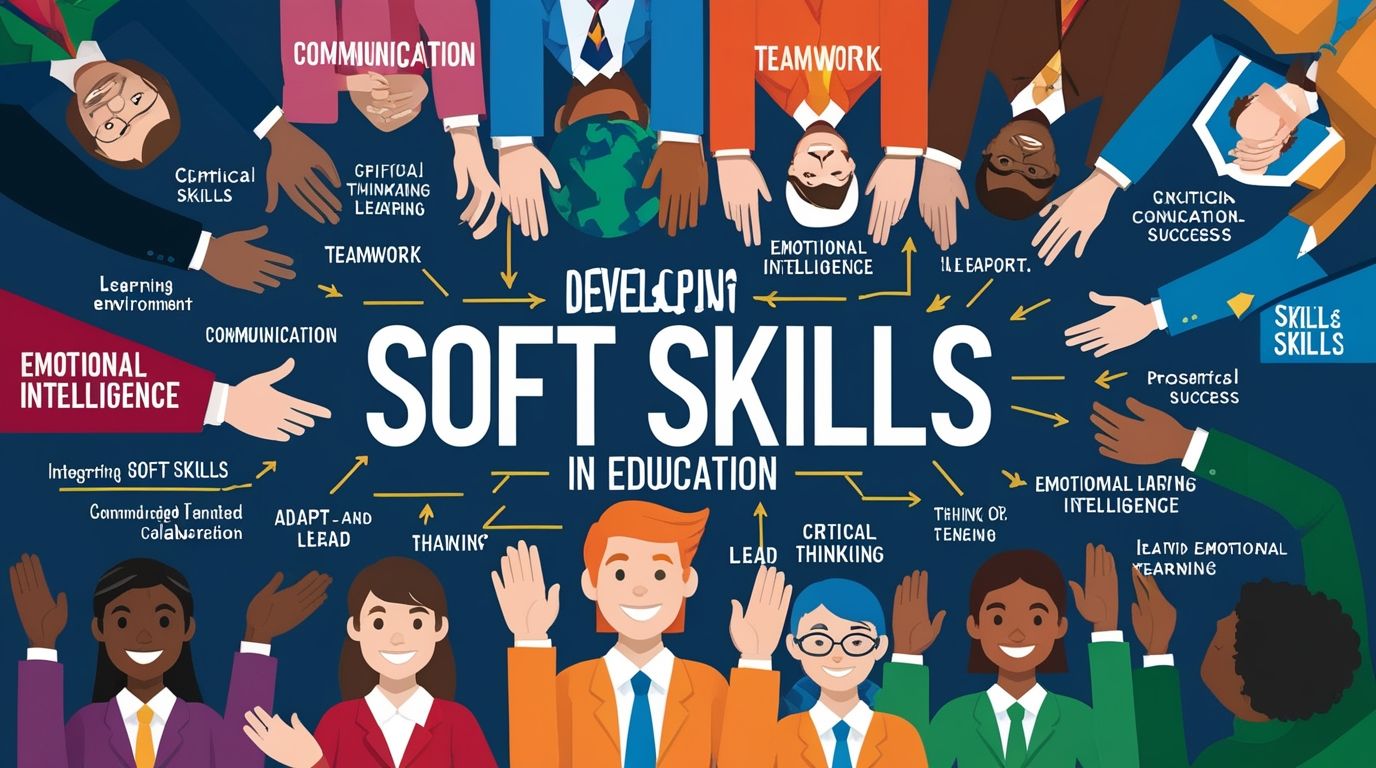
In conclusion, relationships between classrooms and wider communities create significant educational, social, emotional, and cultural benefits supporting holistic student development effectively. Schools functioning independently cannot address every challenge affecting learners because education remains closely connected with family life and community conditions. Collaborative partnerships involving parents, organizations, businesses, healthcare providers, and cultural institutions strengthen academic achievement while promoting responsible citizenship among students. Community engagement improves discipline, inclusiveness, technological access, cultural understanding, and emotional wellbeing within classroom environments substantially. Students participating in community connected educational experiences develop leadership abilities, empathy, communication skills, and practical problem solving competencies necessary for future success. Teachers also benefit because supportive partnerships provide additional resources, professional opportunities, and stronger understanding regarding student needs. Although challenges occasionally emerge, transparent communication and shared commitment can sustain productive cooperation. Ultimately, classrooms connected with wider communities prepare learners to contribute positively toward peaceful, equitable, and progressive societies worldwide responsibly