Understanding the Concept
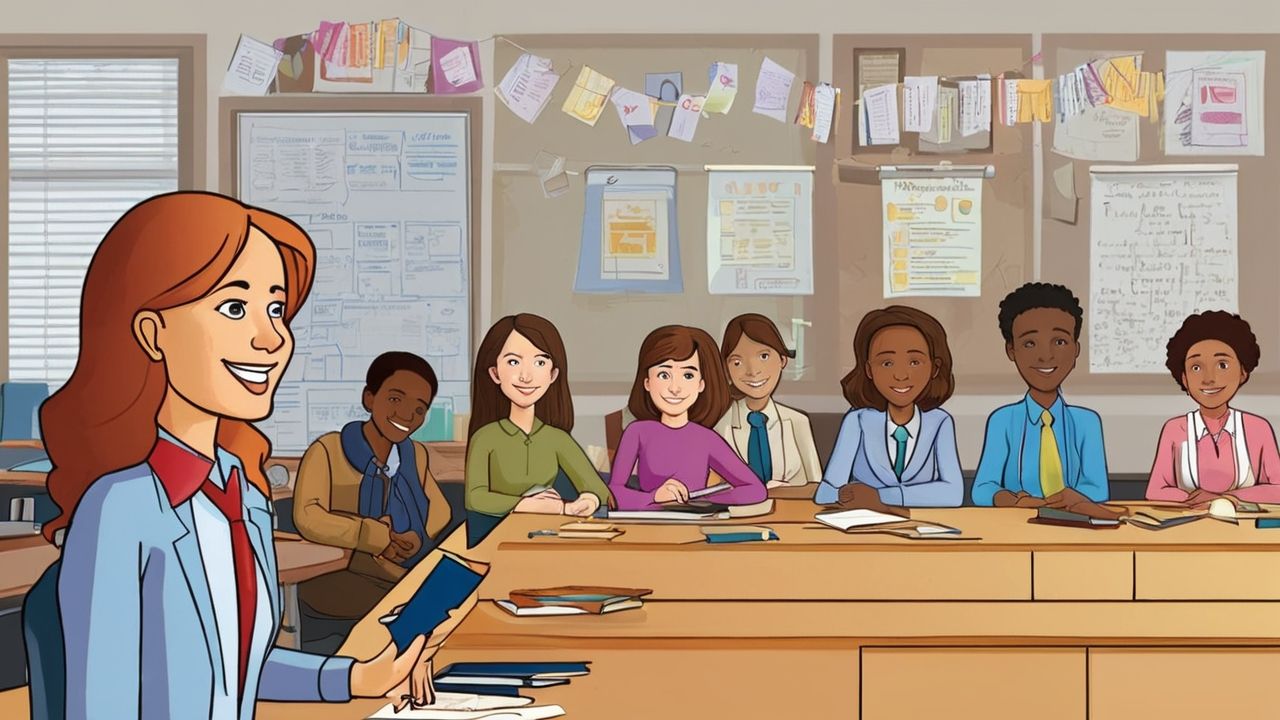
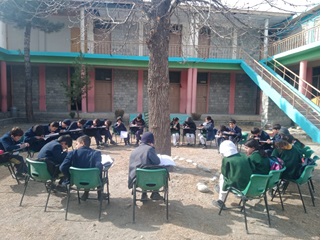
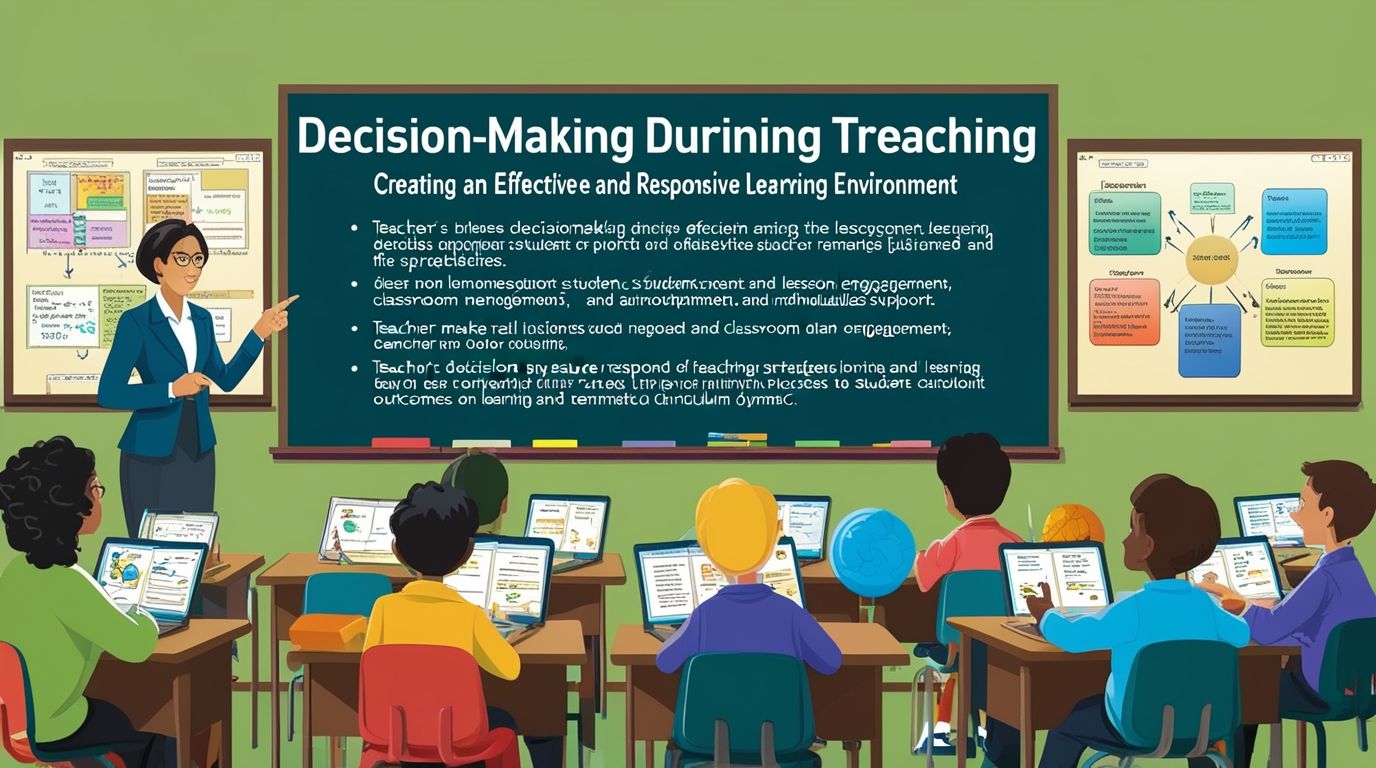
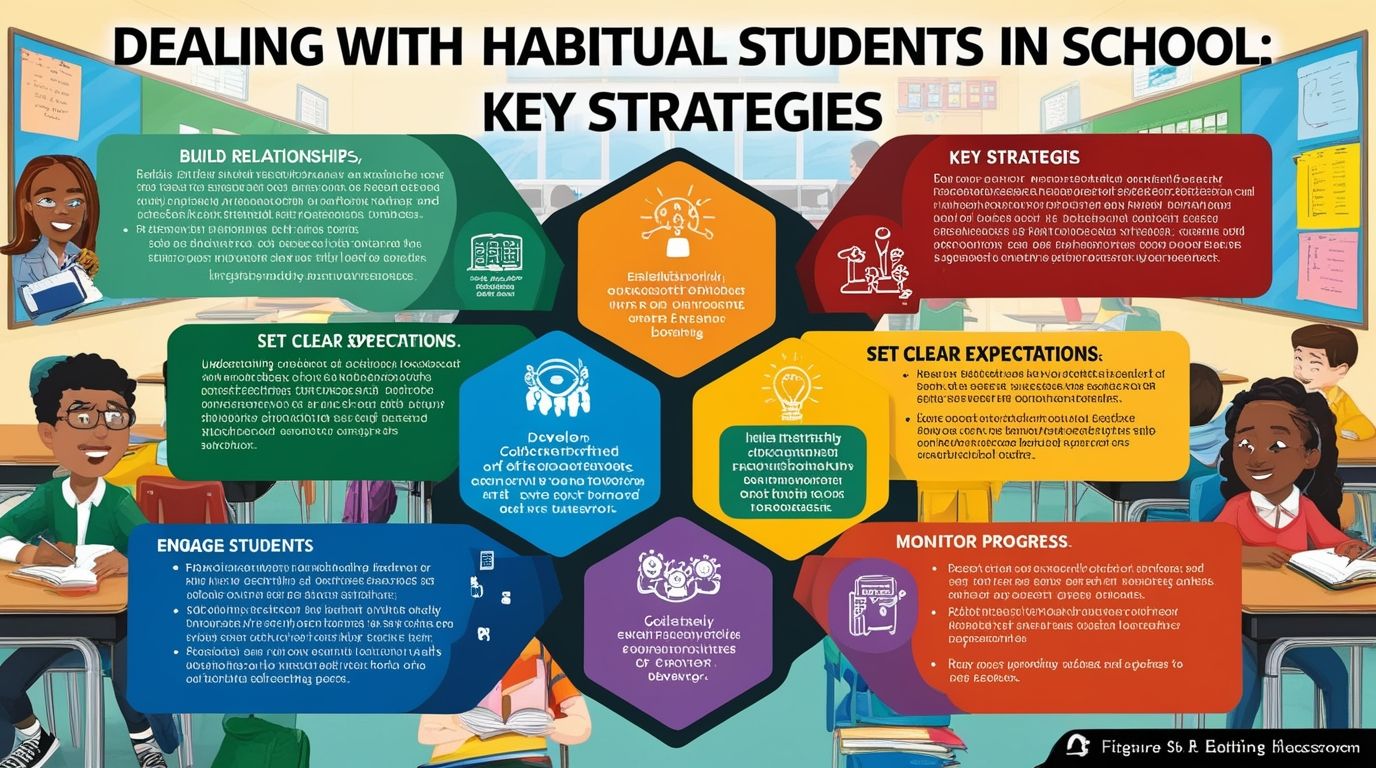
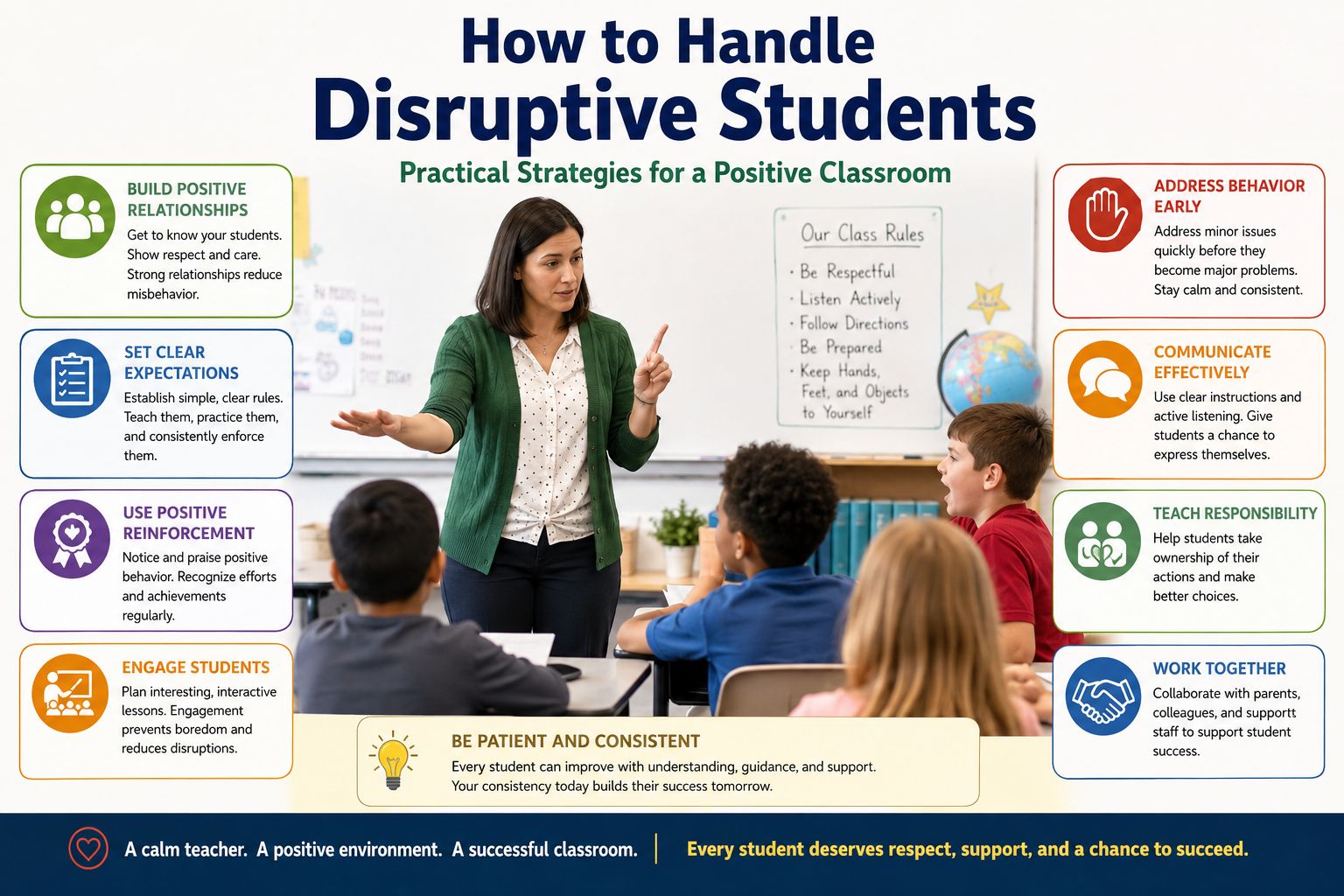
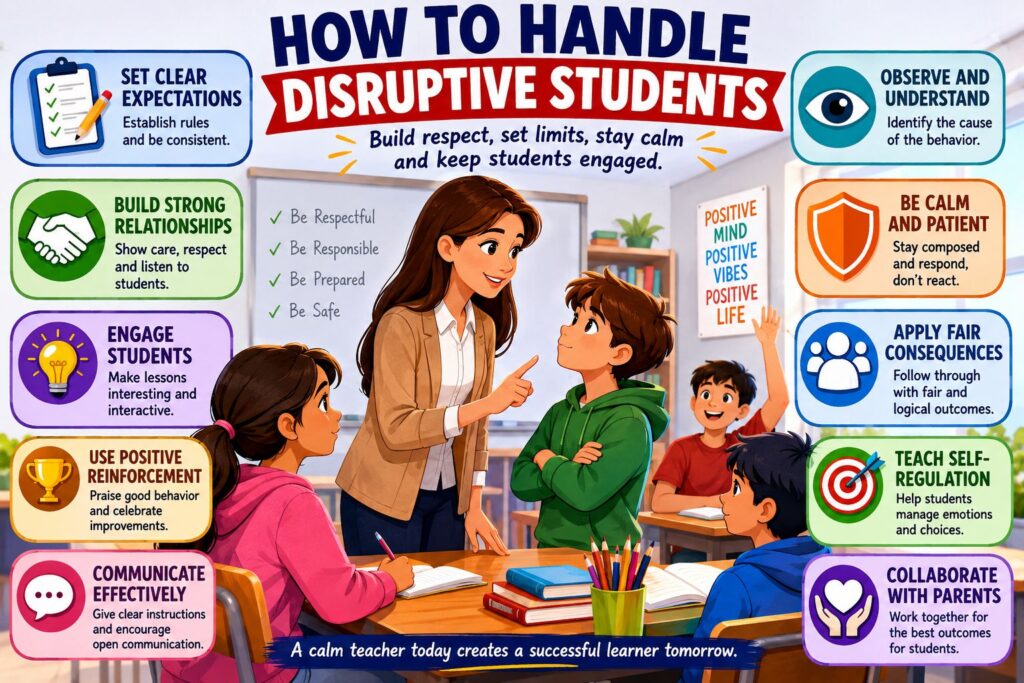
How to Handle Disruptive Students, Every classroom experiences some form of disruptive behavior. Students may talk during lessons, ignore instructions, interrupt others, or engage in activities that distract learning. Effective teachers understand that behavior is often a form of communication. Students may act out because of frustration, boredom, anxiety, peer pressure, learning difficulties, or challenges outside school. Instead of reacting emotionally, educators should observe patterns and identify possible causes. A calm and professional approach helps maintain classroom order while protecting student dignity. Teachers who understand student needs can address problems before they escalate. Building awareness of triggers is an important first step in classroom management. When teachers recognize that disruptive actions usually have underlying reasons, they become better equipped to support students. Understanding behavior creates opportunities for intervention, positive relationships, and improved learning outcomes for the entire class.
Establishing Clear Classroom Expectations
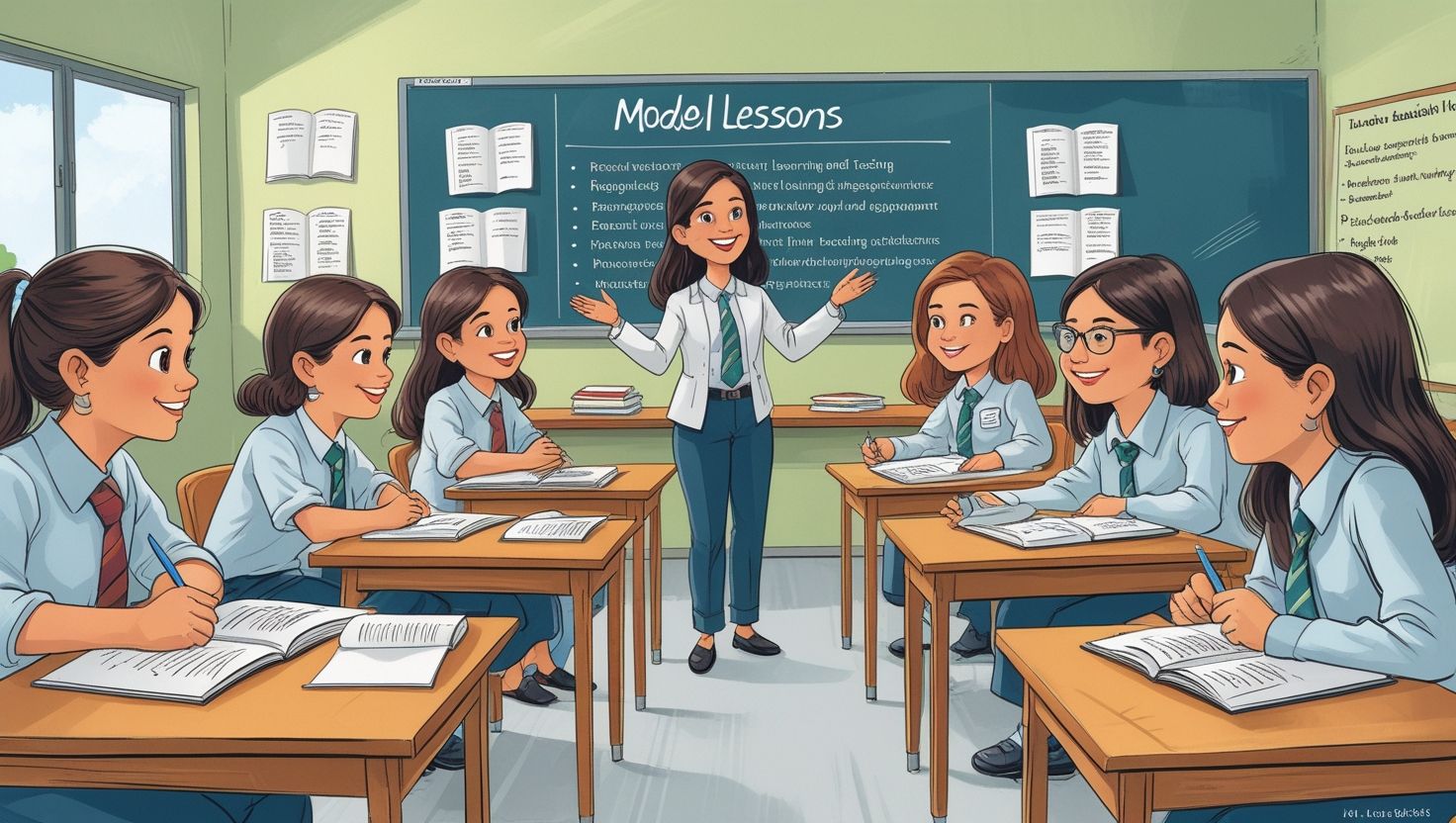
Successful teachers establish clear classroom rules from the beginning of the academic year. Students should know exactly what behaviors are expected and what consequences follow inappropriate actions. Rules must be simple, visible, and consistently enforced. Teachers should explain expectations in language students understand and provide examples of appropriate conduct. When learners participate in creating classroom norms, they are more likely to respect them. Expectations should cover listening, participation, movement, teamwork, and respect for others. Frequent reminders help students internalize these standards. Consistency is essential because uneven enforcement often leads to confusion and resentment. Teachers should also recognize students who follow rules appropriately. Positive reinforcement strengthens desired behavior and creates a supportive atmosphere. Clear expectations reduce uncertainty and help students make responsible choices. A structured environment allows learning to proceed smoothly and minimizes opportunities for disruption.
Building Positive Relationships with Students
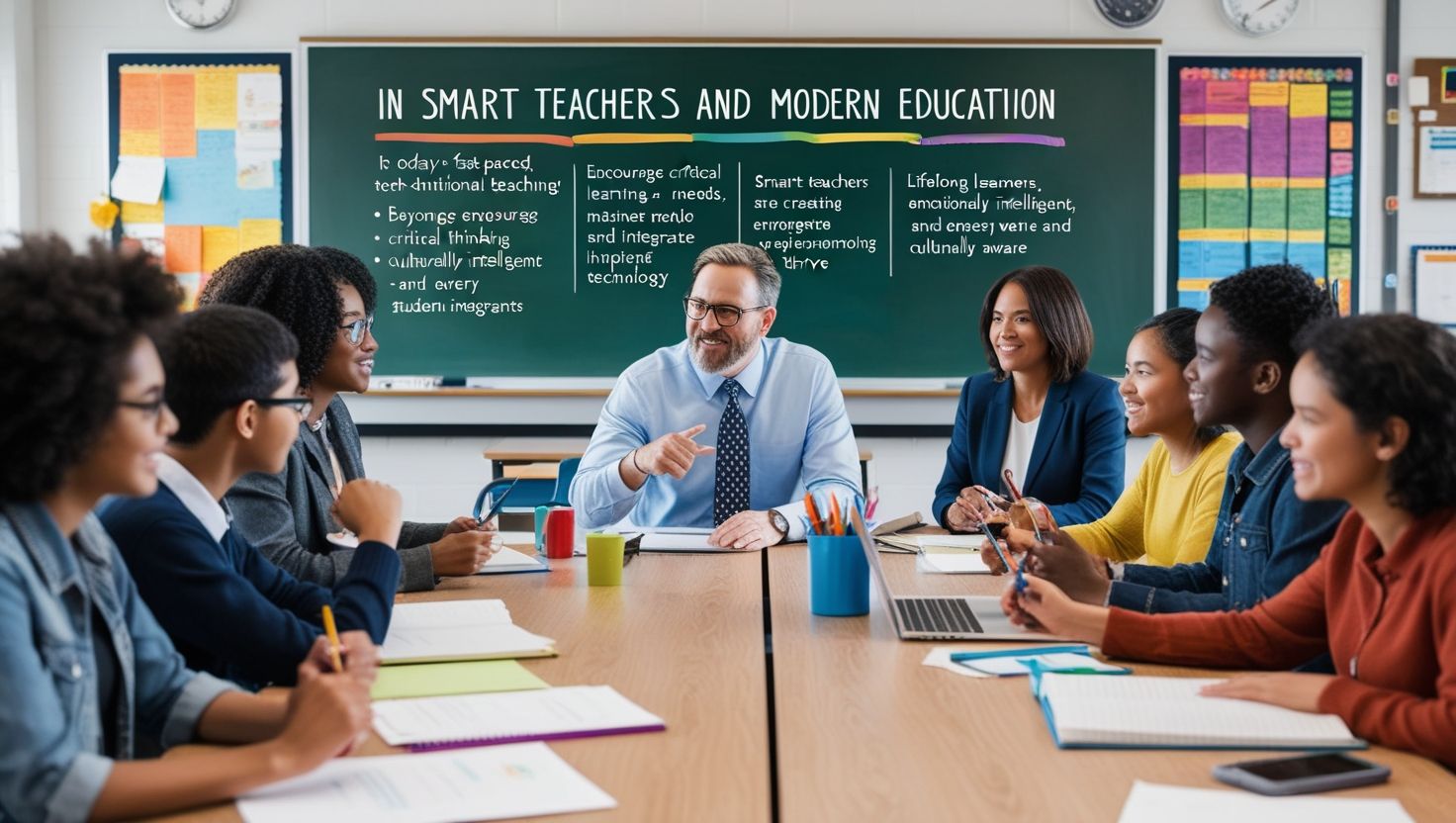
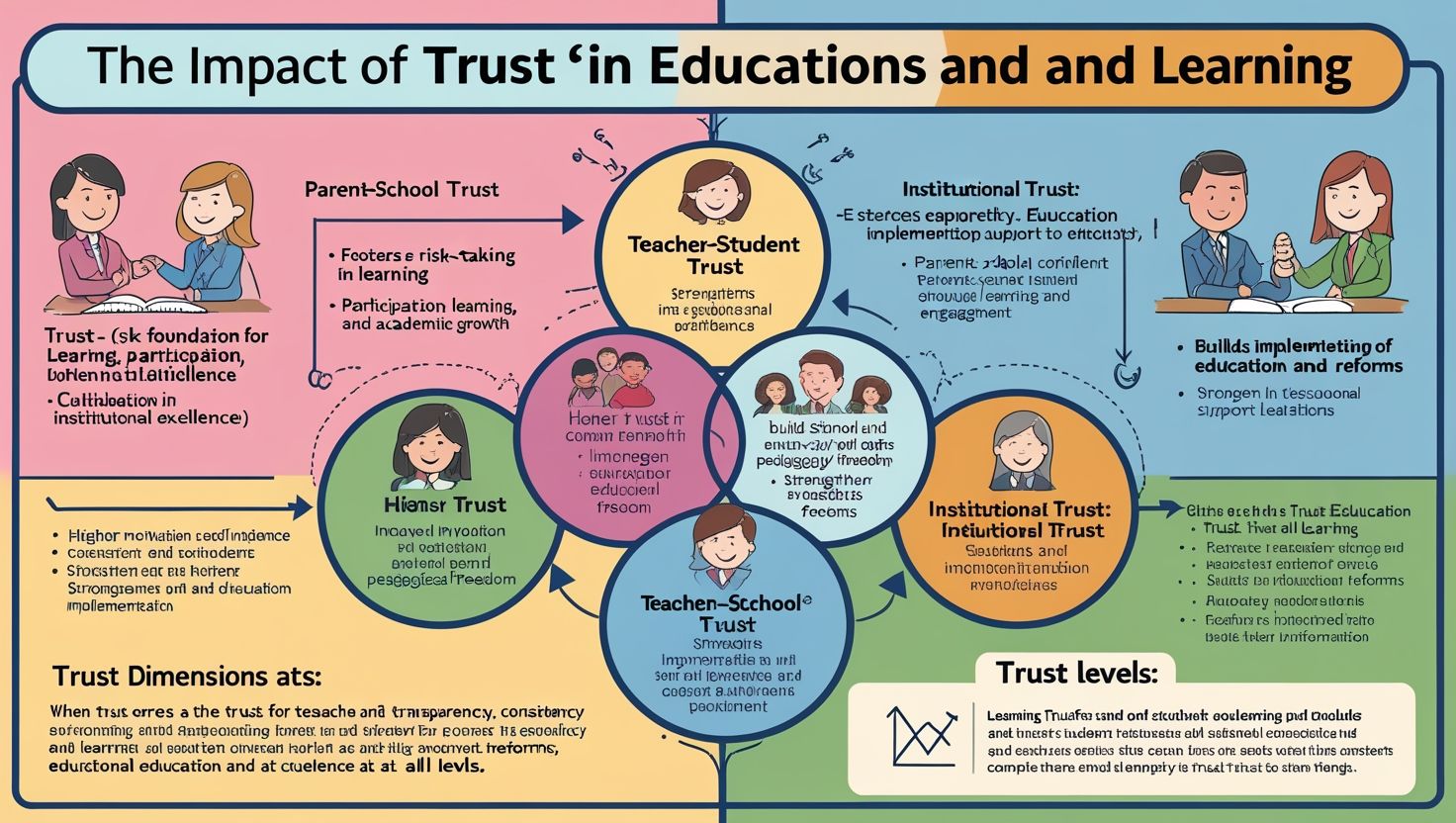
Strong teacher-student relationships are among the most effective tools for preventing disruptive behavior. Students who feel respected and valued are more likely to cooperate and engage positively. Teachers should learn student names quickly, show genuine interest in their lives, and create opportunities for meaningful interaction. Listening carefully to student concerns helps build trust and mutual respect. Positive relationships encourage students to seek help when needed rather than expressing frustration through inappropriate behavior. Teachers should communicate high expectations while providing support and encouragement. Small gestures such as greeting students at the door or acknowledging achievements can have significant effects. When students believe their teacher cares about their success, they often become more motivated and cooperative. Relationship building does not eliminate all challenges, but it creates a foundation for effective behavior management and promotes a positive classroom culture.
Creating an Engaging Learning Environment
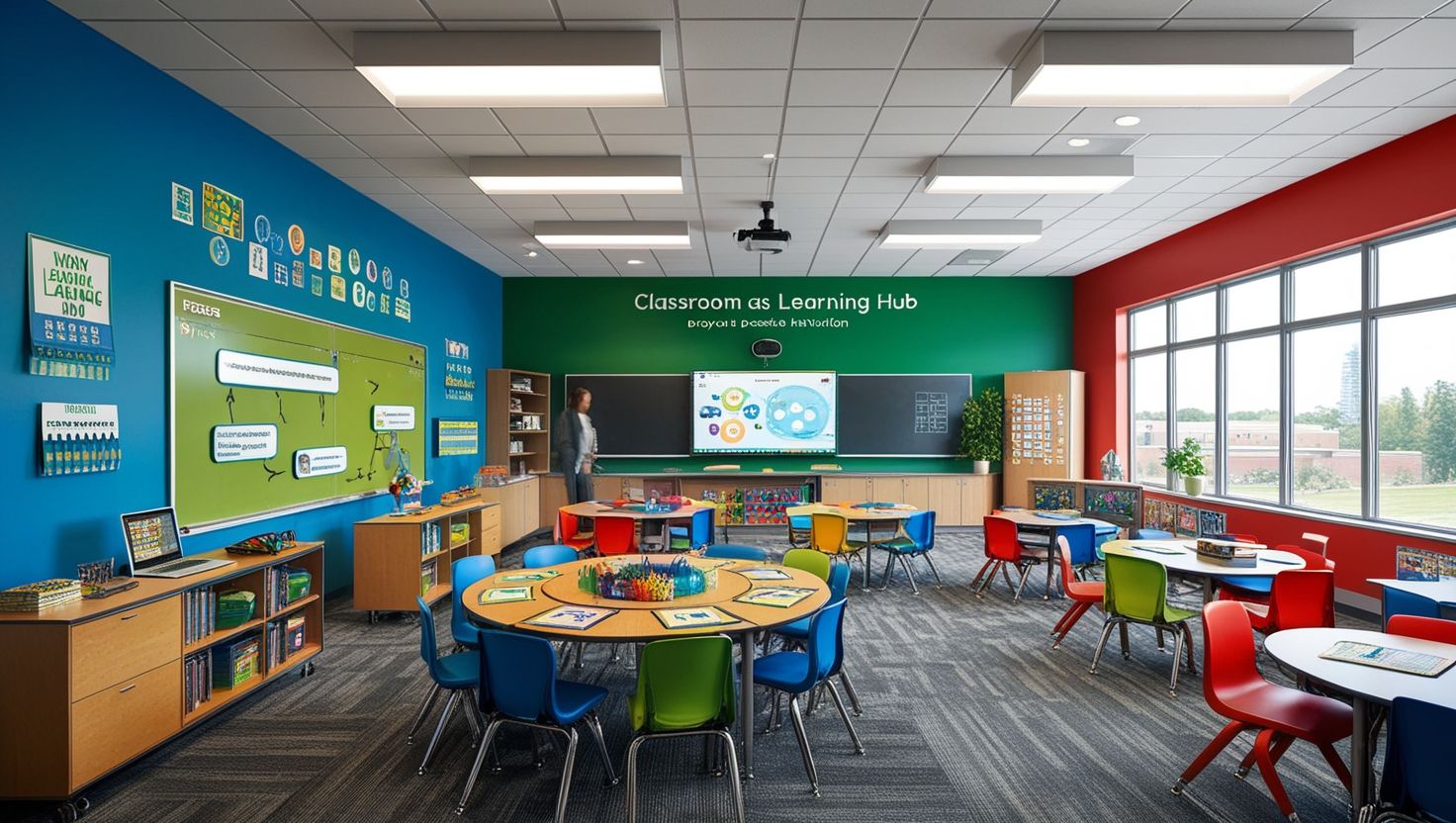
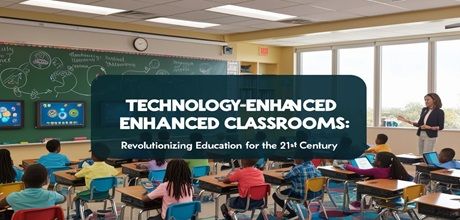
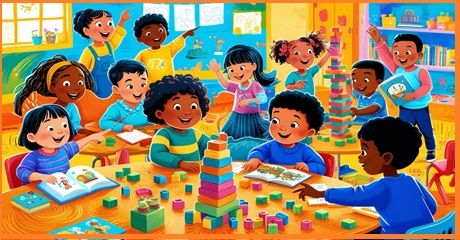
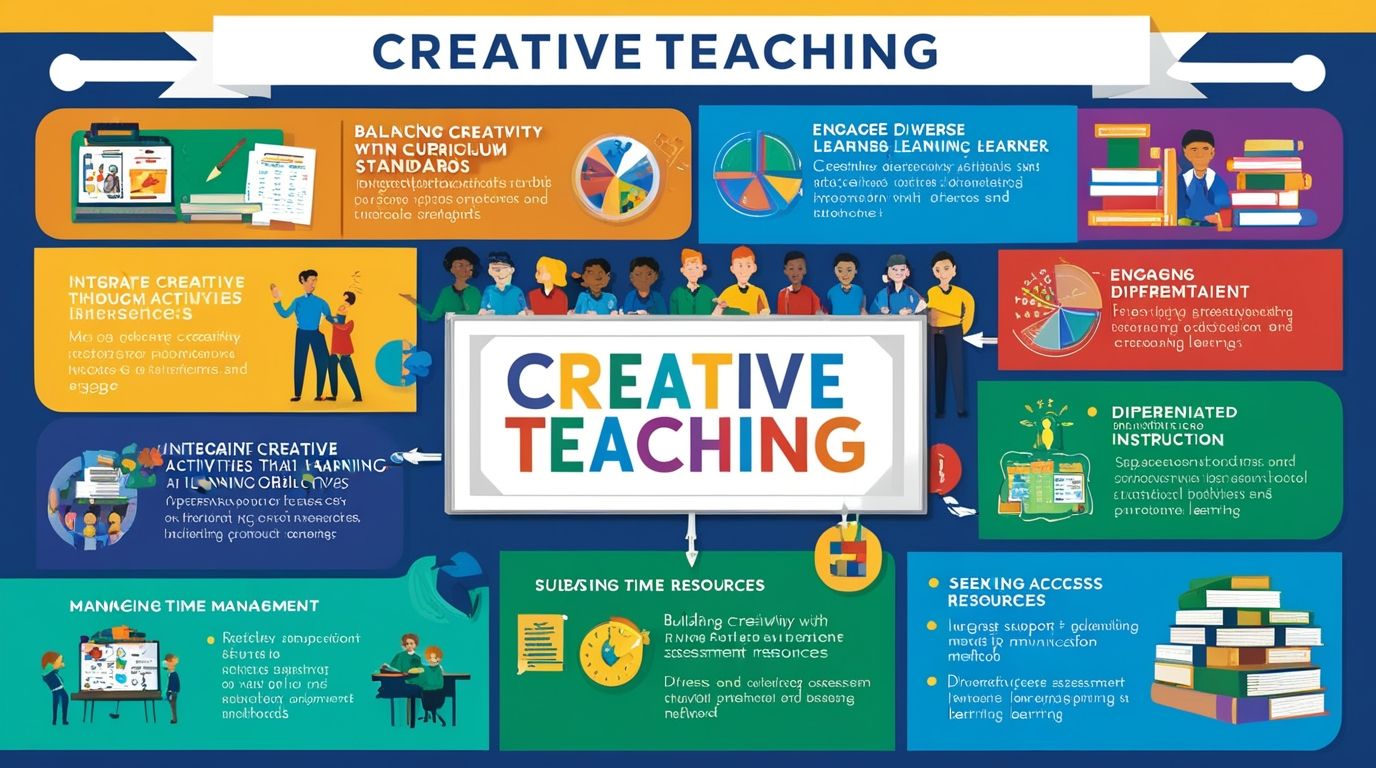
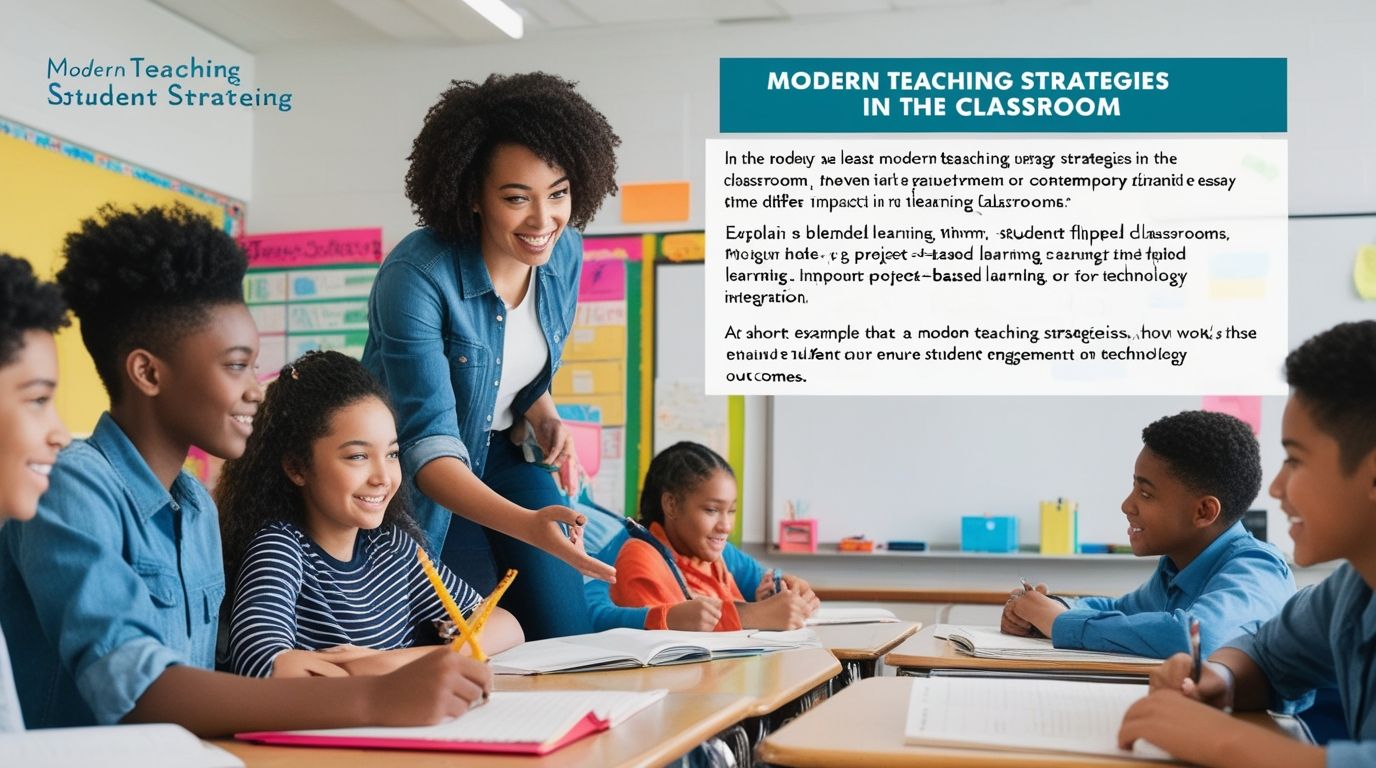
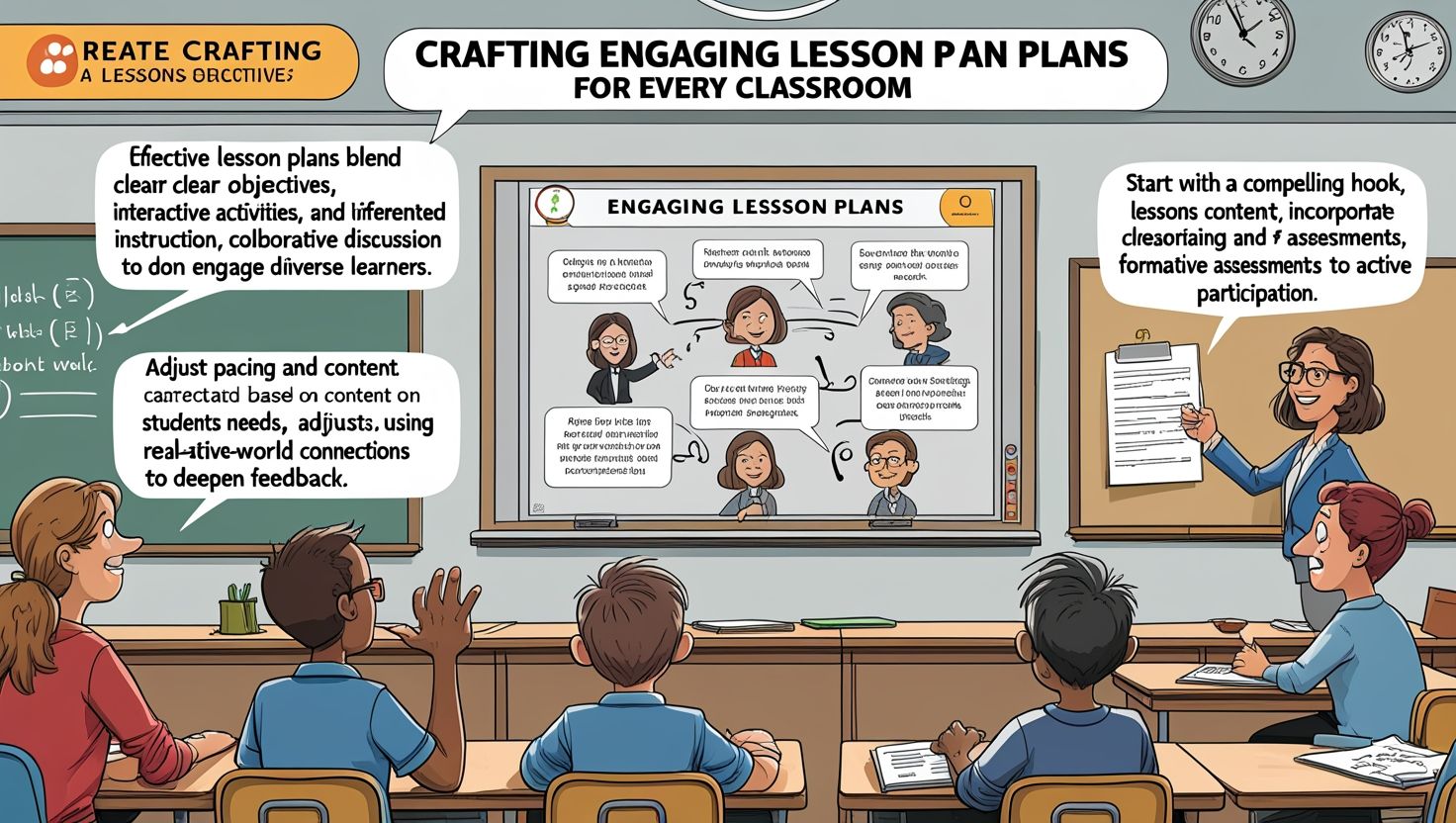
Many behavior problems occur when students become disengaged from learning activities. Effective teachers design lessons that are interactive, meaningful, and appropriately challenging. Students who are actively involved are less likely to create disruptions. Teachers can use discussions, collaborative tasks, educational games, technology, and hands-on learning experiences to increase engagement. Lessons should connect with student interests and real-world situations whenever possible. Variety helps maintain attention and prevents boredom. Teachers should also differentiate instruction to meet diverse learning needs. Activities that are too difficult may cause frustration, while overly simple tasks can lead to disengagement. Monitoring student participation allows teachers to make adjustments during lessons. An engaging environment promotes curiosity, motivation, and active learning. When students feel challenged and interested, they are more likely to focus on learning objectives and less likely to display disruptive behaviors.
Using Positive Reinforcement Effectively
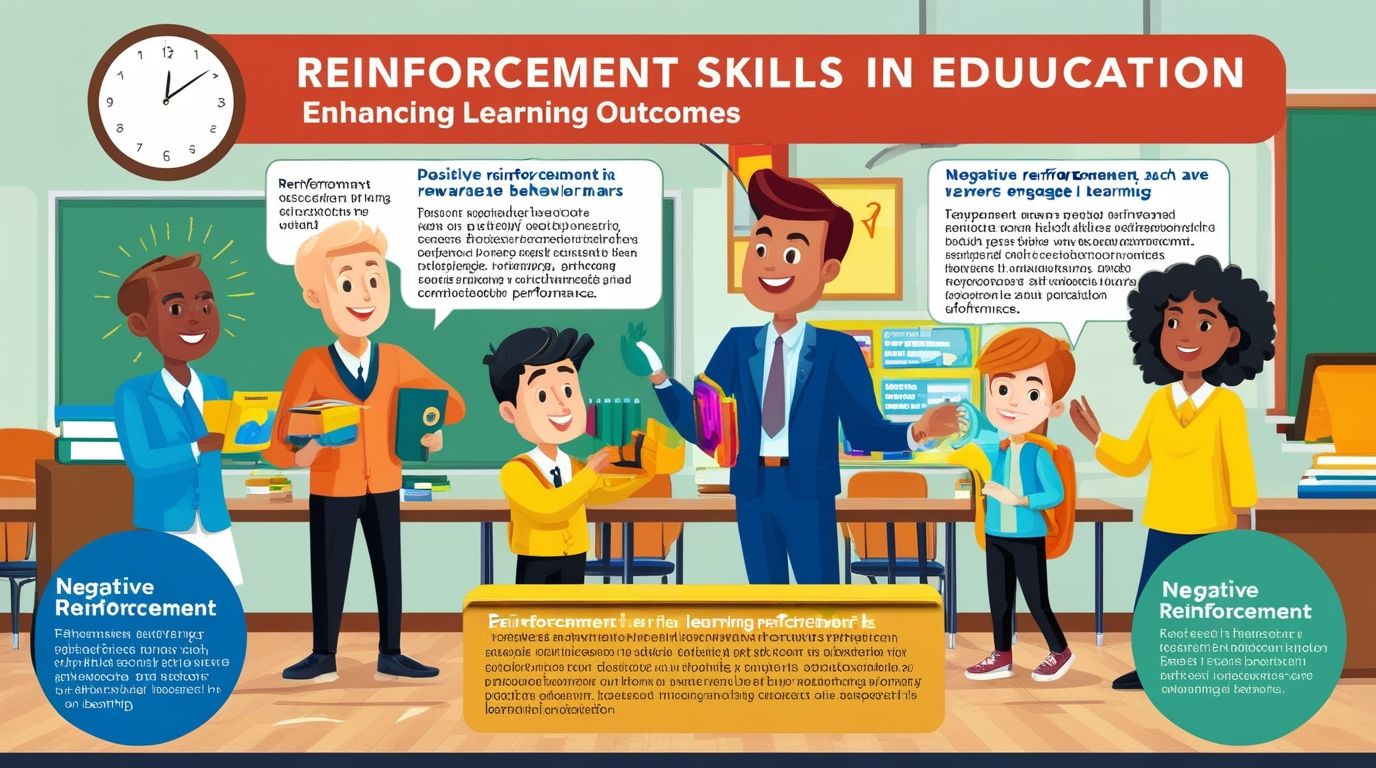
Positive reinforcement is a powerful strategy for encouraging appropriate behavior. Rather than focusing only on mistakes, teachers should acknowledge and reward positive actions. Recognition may include verbal praise, certificates, points, privileges, or classroom responsibilities. Effective reinforcement is specific and immediate. Instead of saying “good job,” teachers can identify the exact behavior being recognized. For example, praising a student for listening carefully or completing work responsibly provides clear feedback. Positive reinforcement helps students understand expectations and motivates them to repeat desirable behaviors. It also contributes to a supportive classroom atmosphere. Teachers should ensure rewards remain meaningful and fair for all learners. Over time, students begin to value positive behavior because of the benefits it brings. Consistent reinforcement shifts attention toward success rather than failure and encourages a culture of respect, responsibility, and academic engagement.
Managing Behavior Through Consistent Consequences
While positive strategies are essential, teachers must also establish fair and consistent consequences for inappropriate behavior. Consequences should be reasonable, predictable, and directly related to the behavior. Students need to understand that actions have outcomes. Effective teachers avoid harsh punishments and instead focus on corrective measures that encourage responsibility. Consequences may include loss of privileges, reflection activities, restorative conversations, or temporary changes in seating arrangements. Consistency is critical because inconsistent responses can undermine authority and create confusion. Teachers should apply rules fairly to all students regardless of personal preferences. Maintaining a calm demeanor during disciplinary situations prevents escalation and models emotional control. Consequences should always aim to teach rather than simply punish. When students understand expectations and experience predictable outcomes, they become more likely to make responsible choices and contribute positively to the learning environment.
Developing Strong Communication Skills
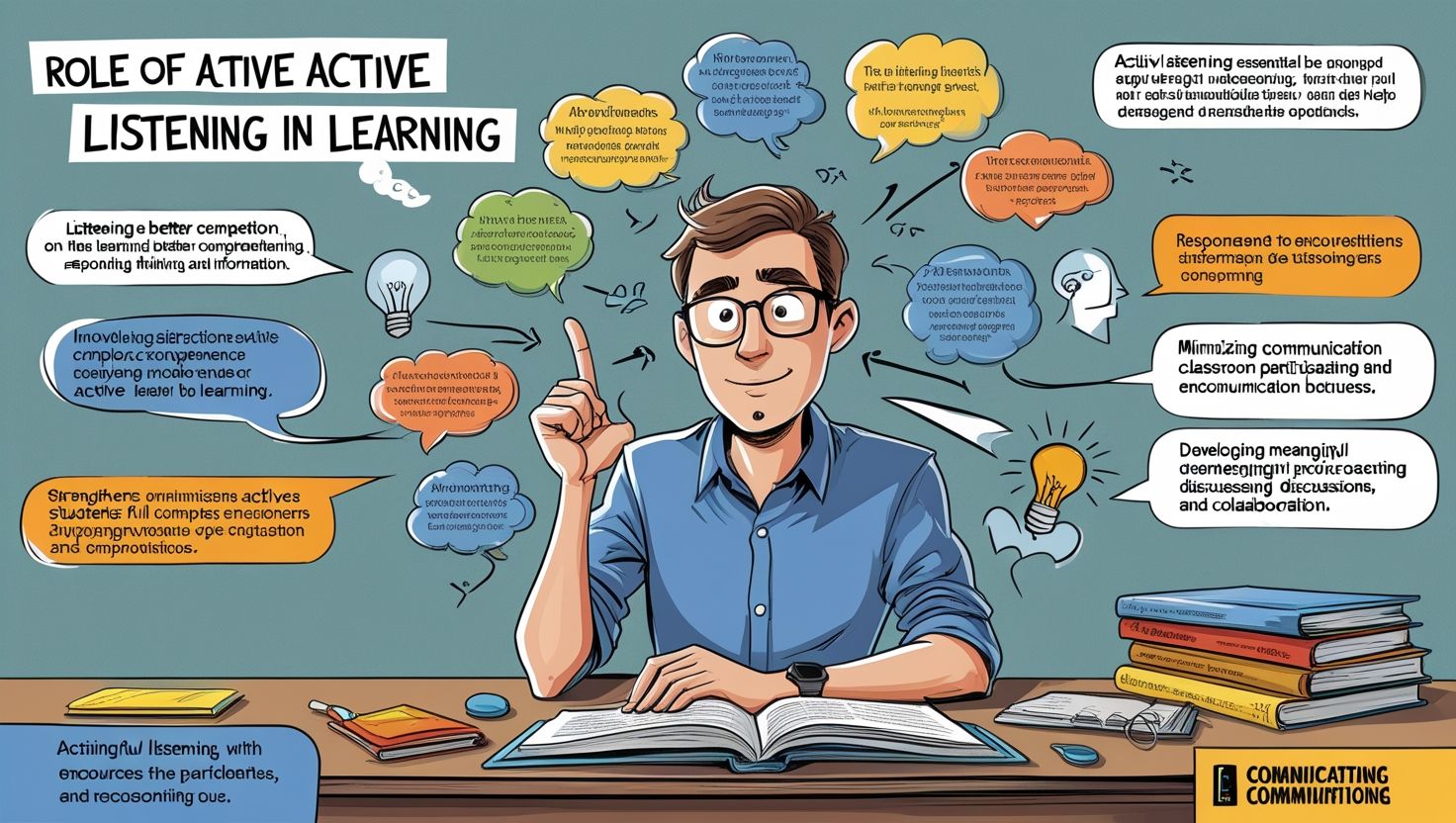
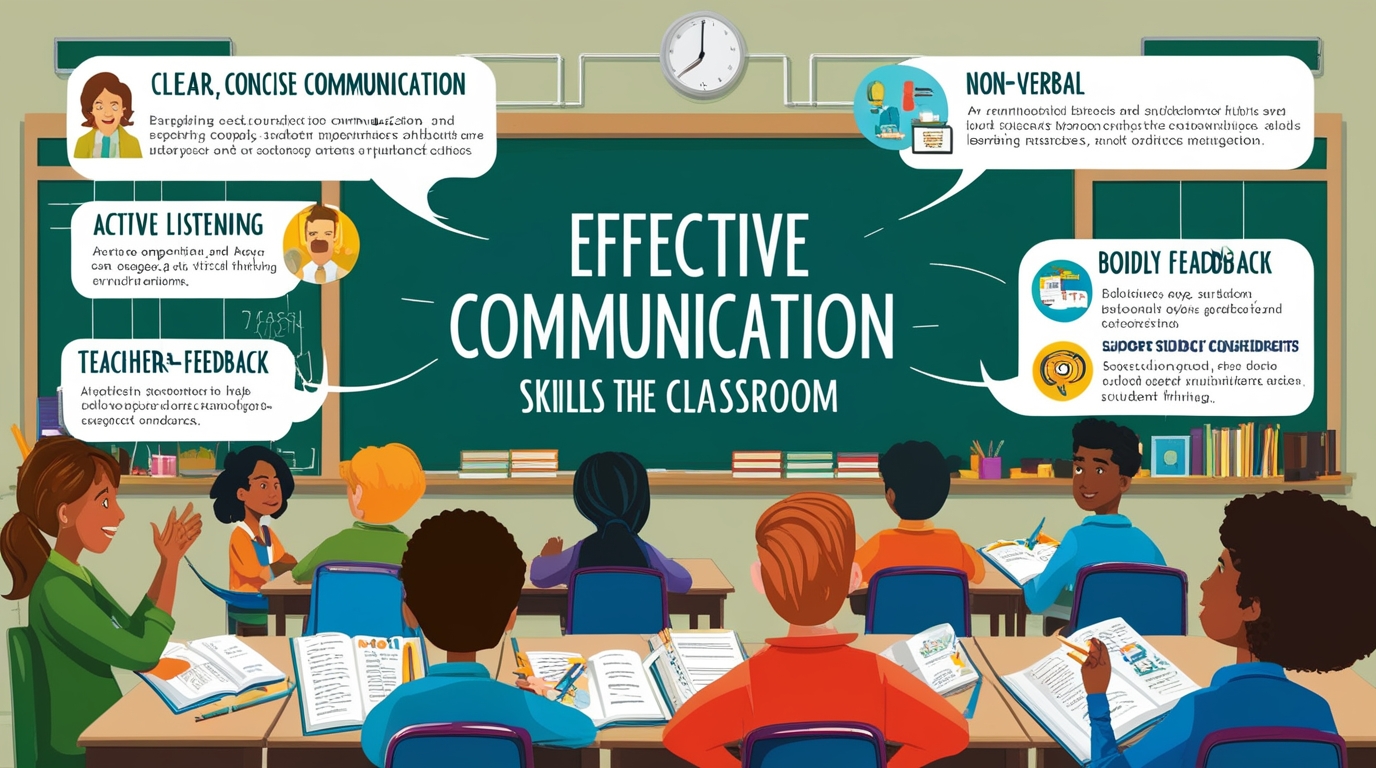
Effective communication plays a central role in classroom management. Teachers should provide clear instructions, explain expectations thoroughly, and check for student understanding. Ambiguous directions often lead to confusion and off-task behavior. Communication also involves active listening. Students need opportunities to express concerns, ask questions, and share perspectives. Respectful dialogue strengthens relationships and promotes mutual understanding. Teachers should use calm, professional language even during challenging situations. Raising voices or displaying frustration can intensify behavioral issues. Nonverbal communication is equally important. Eye contact, facial expressions, and body language influence classroom interactions. Positive communication creates a safe environment where students feel heard and respected. Teachers who communicate effectively can prevent misunderstandings, resolve conflicts, and maintain productive learning conditions. Strong communication skills help establish trust, support student engagement, and reduce the likelihood of disruptive incidents.
Addressing Behavior Problems Early
Early intervention is one of the most effective approaches to behavior management. Minor issues can quickly become major disruptions if ignored. Teachers should address concerns as soon as patterns emerge. Observation and documentation help identify recurring behaviors and possible triggers. Early conversations with students often reveal valuable information about underlying challenges. Addressing problems promptly demonstrates that expectations are important and consistently upheld. Teachers should focus on solutions rather than blame. Collaborative discussions encourage students to reflect on their actions and develop strategies for improvement. Early intervention also prevents negative behaviors from influencing classmates. When teachers respond proactively, they create opportunities for growth and learning. Timely support helps students develop self-awareness and self-regulation skills. Preventing escalation benefits both individual learners and the classroom community as a whole.
Encouraging Student Responsibility and Ownership
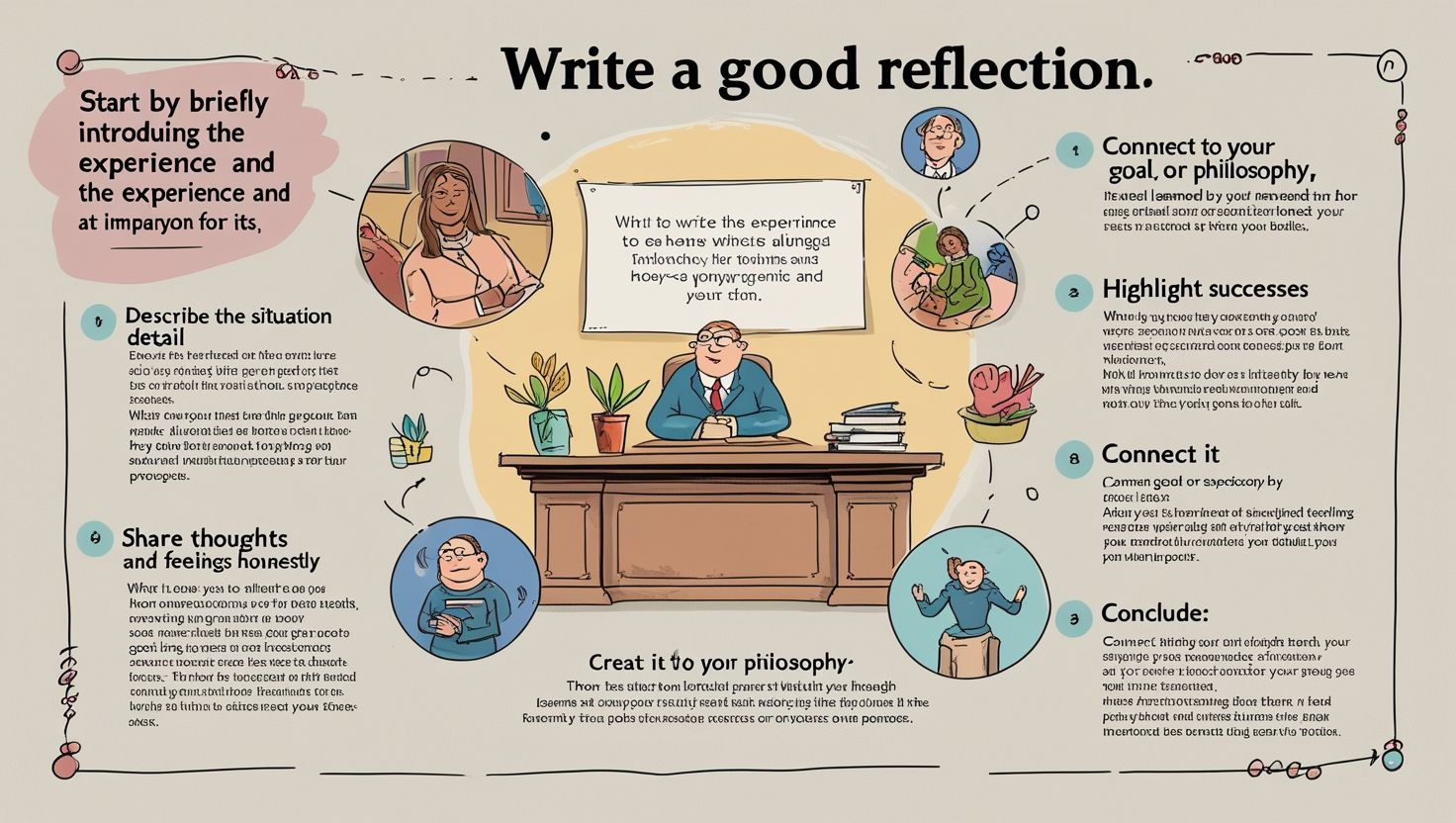
Students are more likely to behave appropriately when they feel responsible for their actions and learning. Teachers can promote student responsibility by involving learners in decision-making and goal setting. Opportunities for leadership, classroom jobs, and peer support encourage accountability. Reflection activities help students evaluate their behavior and identify areas for improvement. Teachers should encourage learners to consider how their actions affect others. Providing choices within structured boundaries also increases ownership. Students who have some control over learning activities often demonstrate greater motivation and cooperation. Responsibility develops gradually through consistent guidance and practice. Teachers should celebrate progress and recognize efforts toward positive behavior. When students learn to monitor themselves and make thoughtful decisions, classroom management becomes more effective. Encouraging responsibility prepares learners for success both inside and outside the classroom.
Collaborating with Parents and Guardians
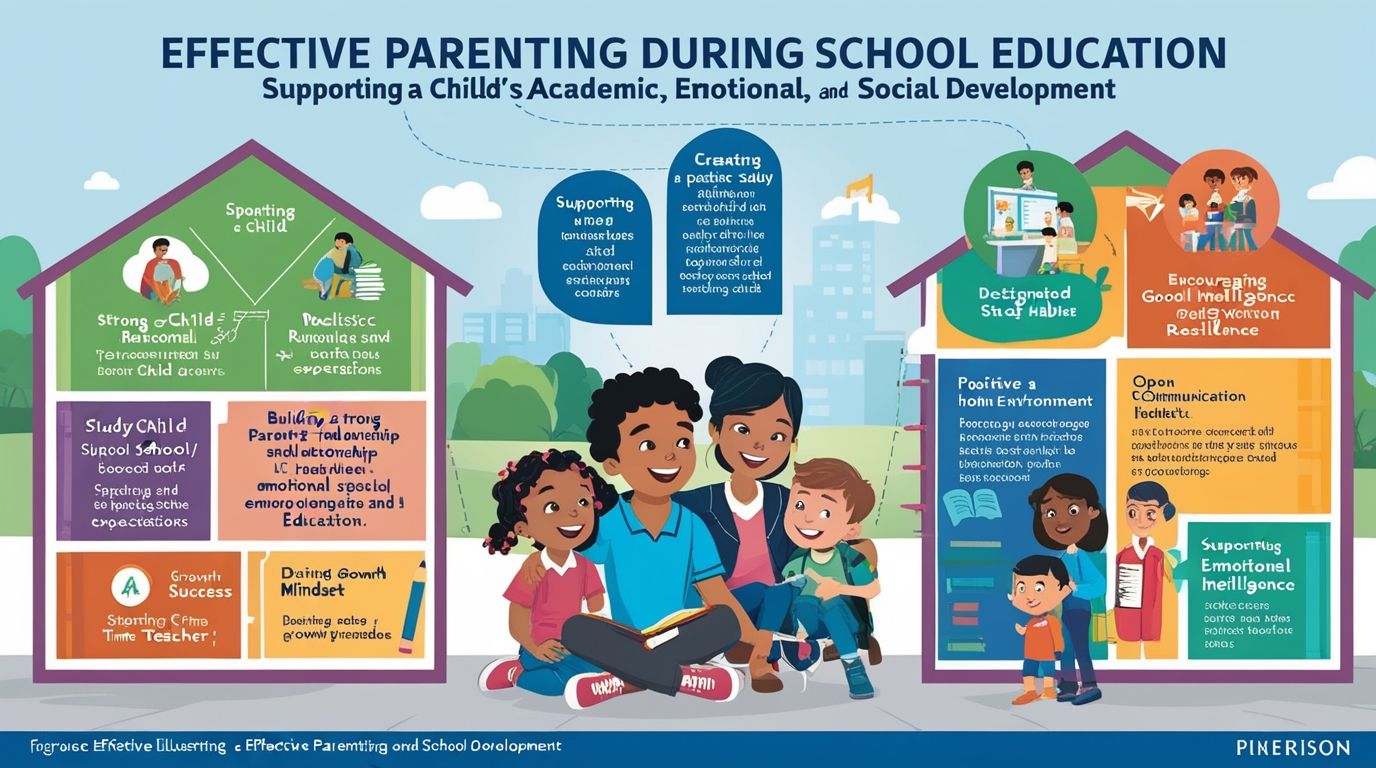
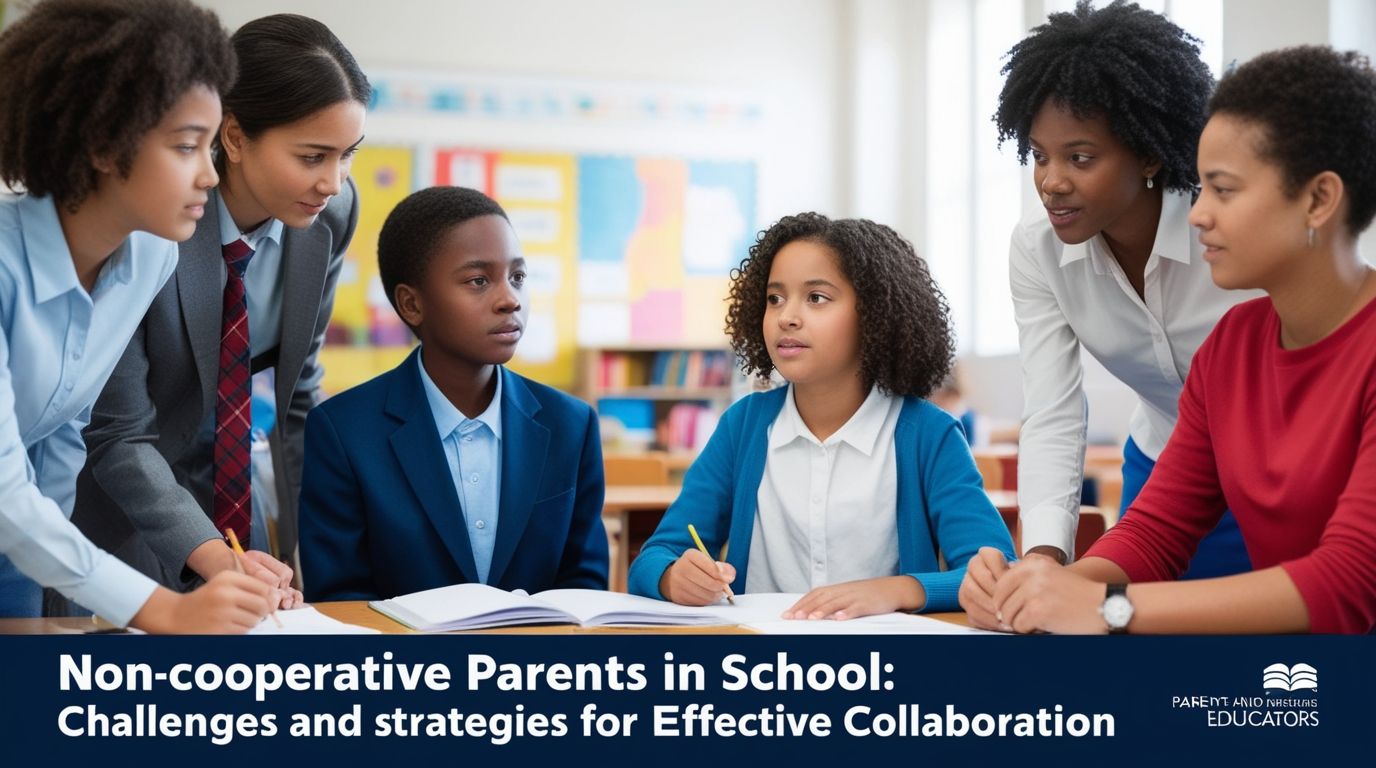
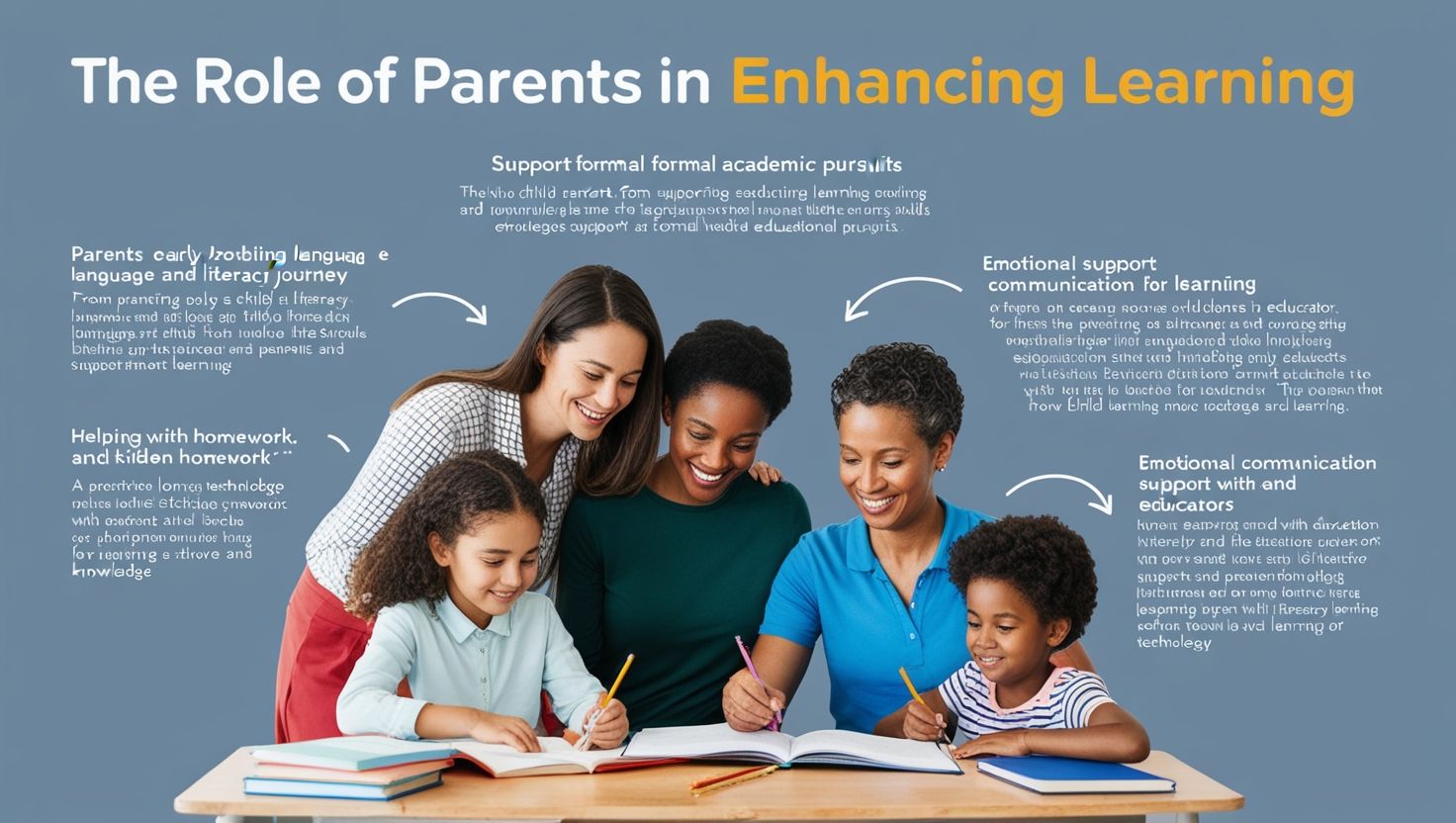
Strong home-school partnerships can significantly improve student behavior. Parents and guardians provide valuable insights into student needs, strengths, and challenges. Teachers should communicate regularly with families about both achievements and concerns. Positive communication builds trust and encourages collaboration. When behavior issues arise, educators should approach discussions respectfully and focus on solutions. Families are more likely to support interventions when they feel valued as partners. Consistent expectations between home and school create stability for students. Communication methods may include meetings, phone calls, emails, or communication notebooks. Teachers should share strategies that families can reinforce at home. Collaborative efforts help students understand that adults are working together to support their success. Effective partnerships strengthen accountability, improve behavior outcomes, and contribute to a positive educational experience.
Supporting Students with Social and Emotional Needs
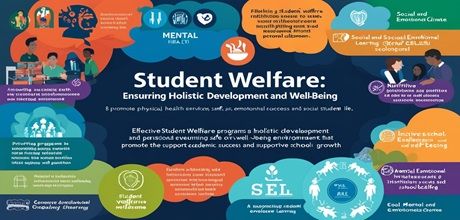
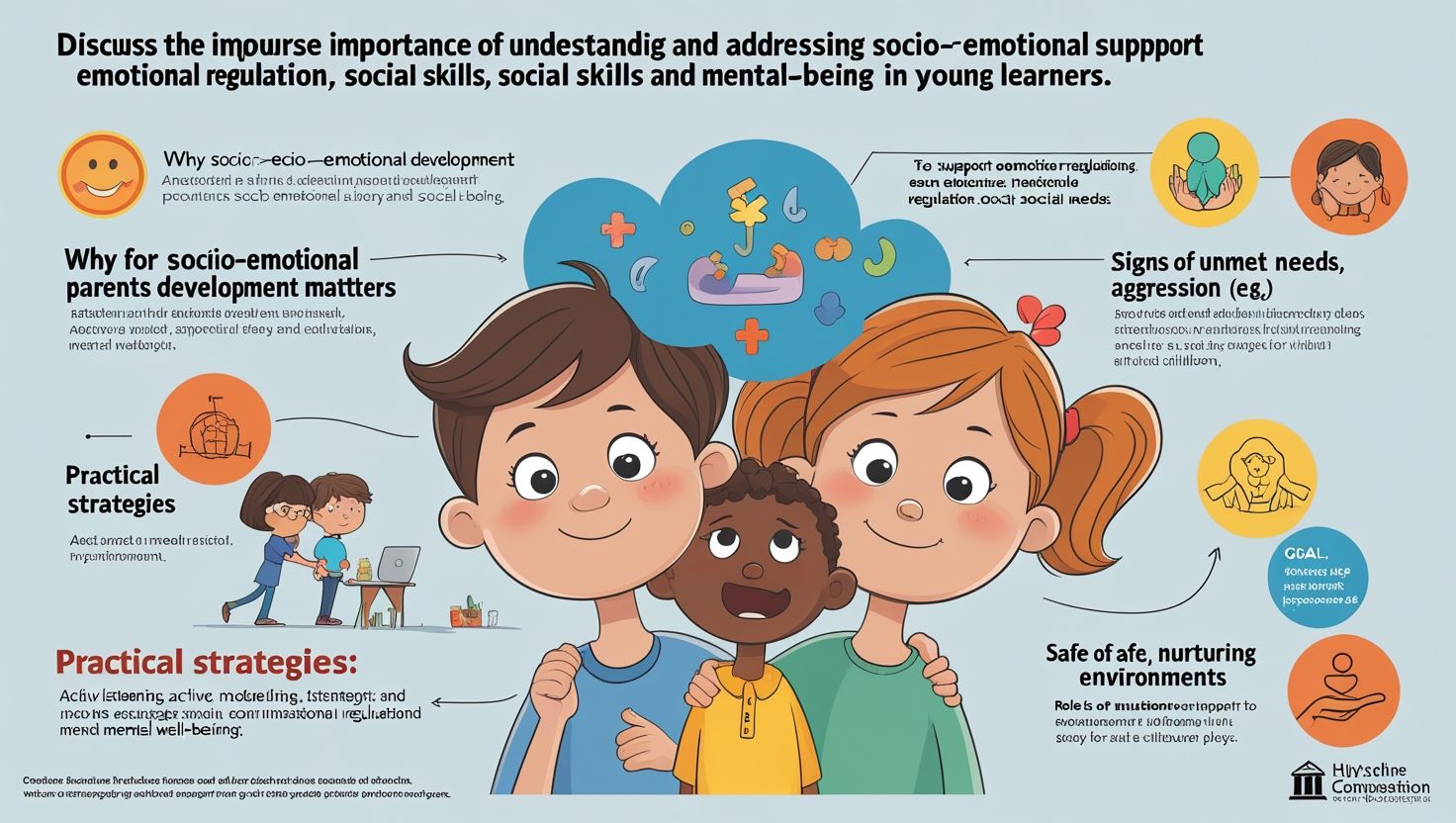
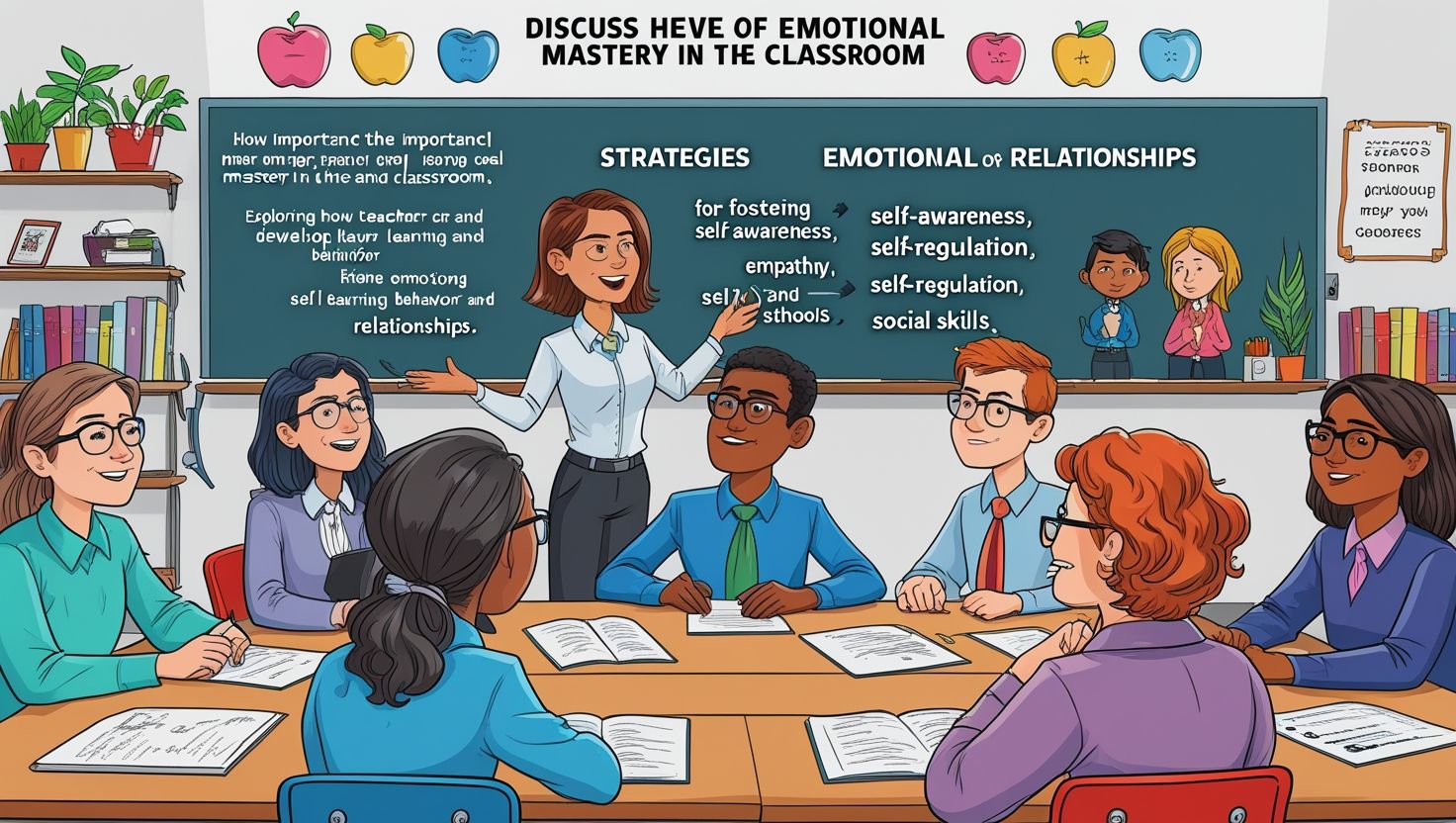
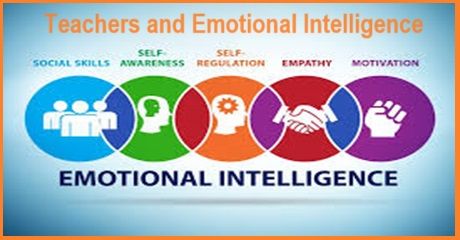
Some disruptive behaviors are linked to unmet social-emotional needs. Students may struggle with stress, anxiety, trauma, or difficulties managing emotions. Teachers should create supportive environments where learners feel safe and respected. Social-emotional learning activities help students develop self-awareness, empathy, and emotional regulation. Classroom discussions, reflection exercises, and problem-solving activities can strengthen these skills. Teachers should recognize signs of emotional distress and seek additional support when necessary. Collaboration with counselors and support staff may provide valuable resources for students facing challenges. Understanding emotional needs allows educators to respond more effectively to behavior concerns. Rather than viewing disruptive actions solely as discipline problems, teachers can address underlying issues that influence behavior. Supporting social and emotional development contributes to improved relationships, better decision-making, and greater academic success.
Using Restorative Practices in the Classroom
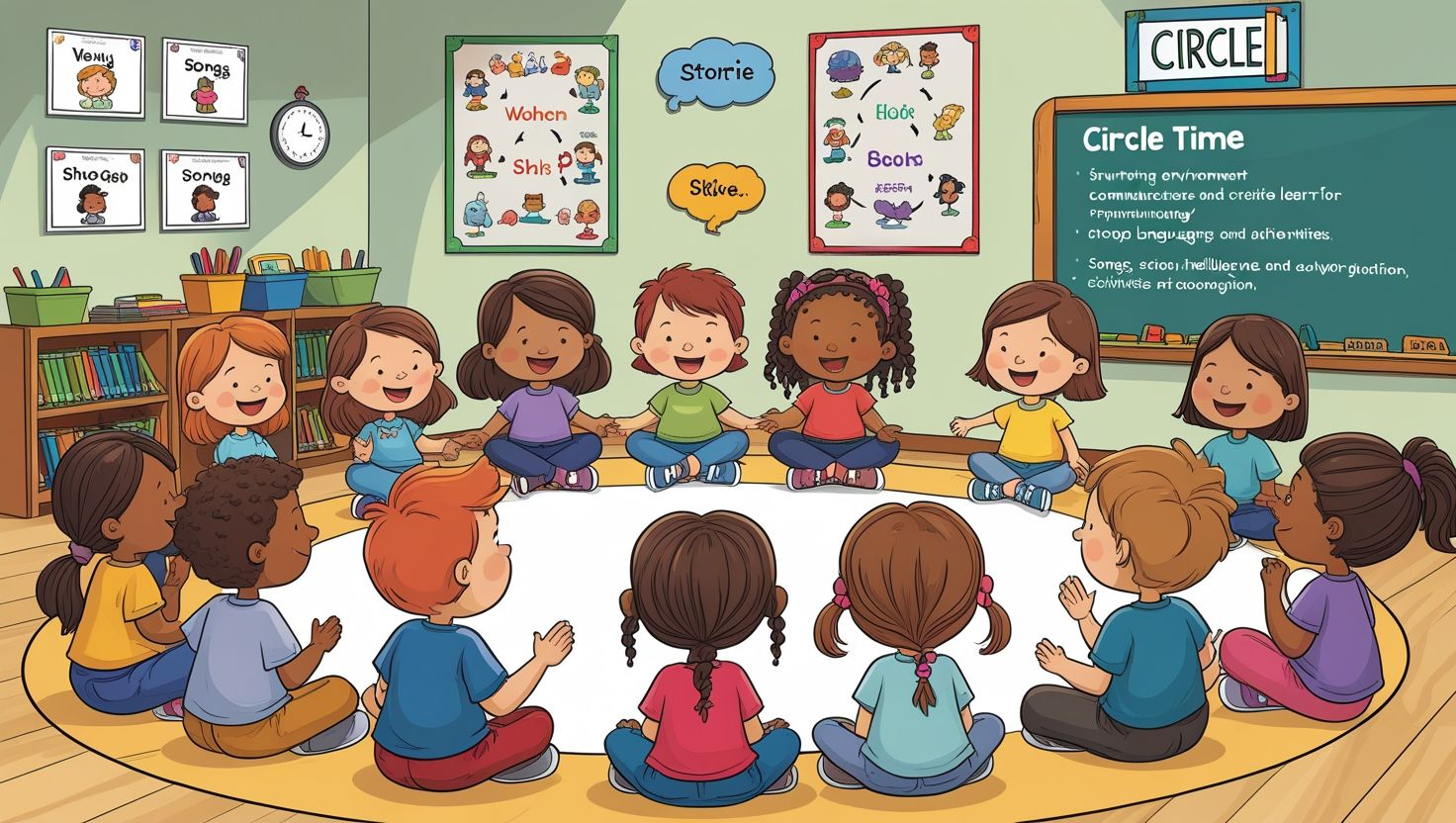
Restorative practices focus on repairing relationships and building community rather than relying solely on punishment. When conflicts occur, students are encouraged to reflect on their actions and understand their impact on others. Restorative conversations promote accountability, empathy, and problem-solving. Teachers facilitate discussions that help students express feelings, identify harm, and develop plans for making amends. This approach encourages personal growth and strengthens classroom relationships. Restorative practices can include circles, mediation sessions, and guided reflections. These strategies help create a culture of respect and responsibility. Students learn valuable conflict-resolution skills that extend beyond the classroom. While consequences remain important, restorative methods provide opportunities for learning and reconciliation. Schools that implement restorative approaches often experience improvements in behavior, relationships, and overall school climate.
Maintaining Professionalism During Challenging Situations
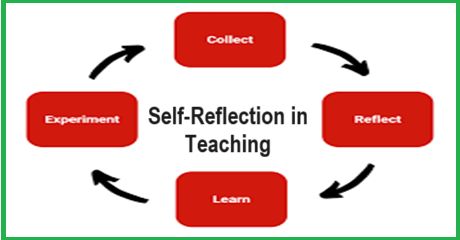
Managing disruptive behavior requires patience, consistency, and professionalism. Teachers may occasionally feel frustrated, but emotional reactions can worsen situations. Maintaining composure demonstrates self-control and models appropriate behavior for students. Educators should focus on the behavior rather than attacking the student personally. Calm responses allow teachers to make thoughtful decisions and avoid unnecessary conflict. Professionalism also involves fairness, respect, and confidentiality. Teachers should seek support from colleagues, mentors, or administrators when challenges become difficult to manage independently. Reflective practice helps educators evaluate strategies and identify areas for improvement. Continuous learning strengthens classroom management skills over time. By maintaining professionalism, teachers create environments where students feel respected and secure. This approach supports positive relationships and encourages constructive behavior change.
Creating a Positive and Productive Classroom Culture
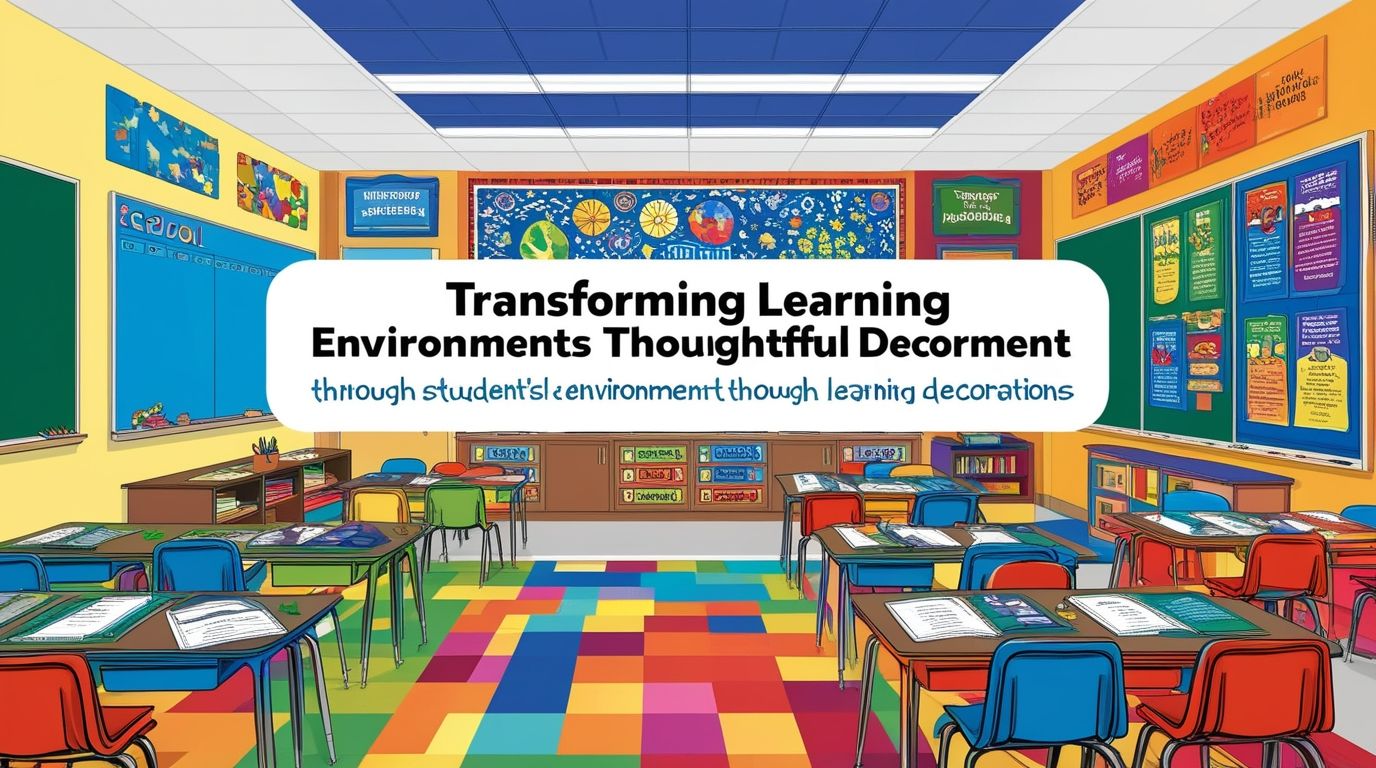
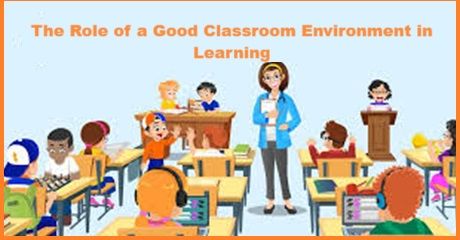
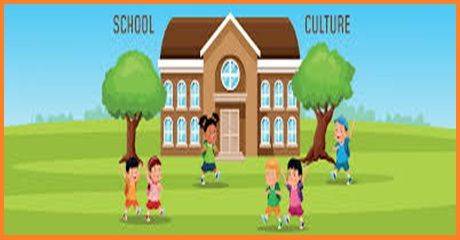
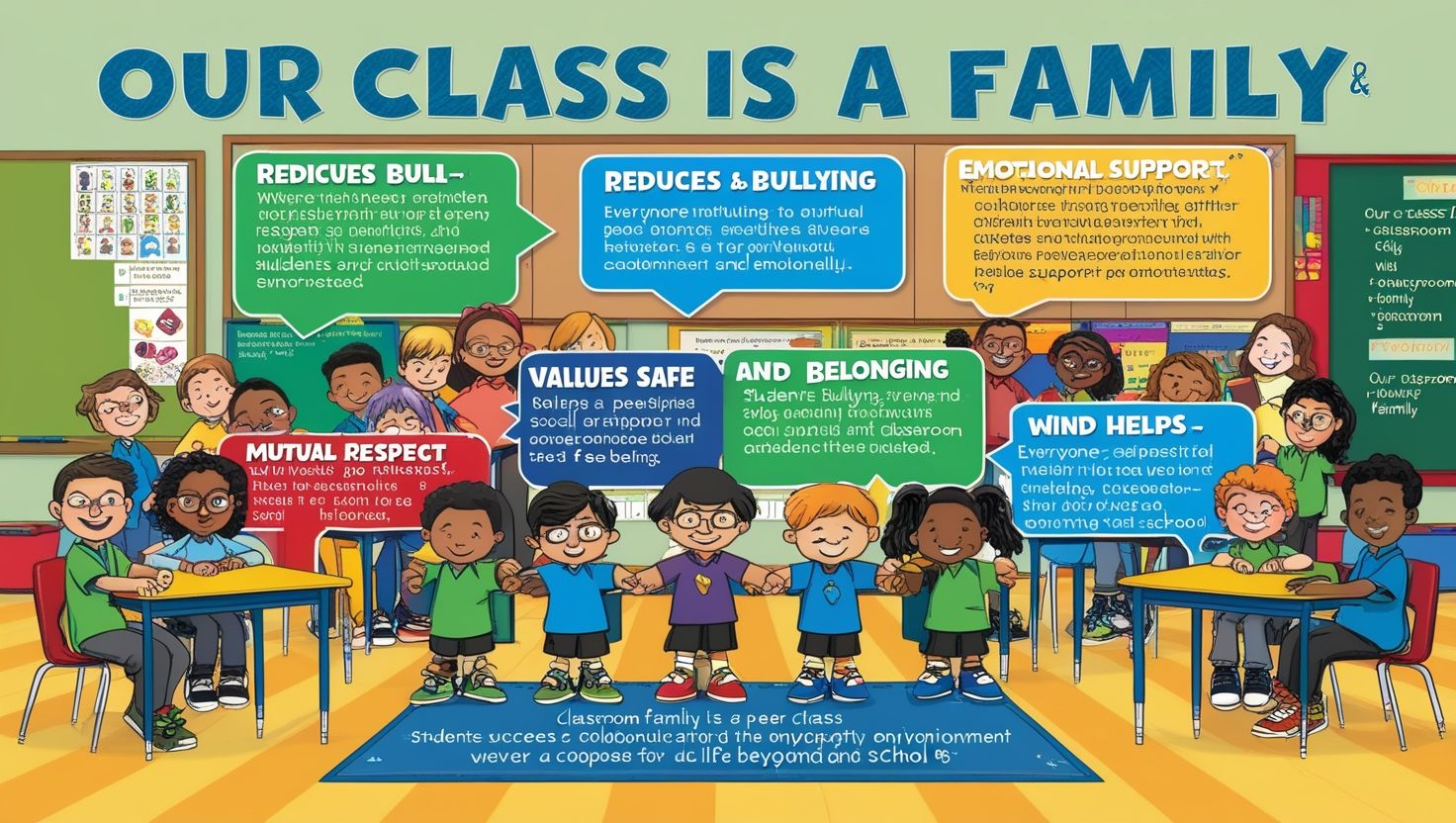
A positive classroom culture is the foundation of effective behavior management. Students thrive in environments where they feel respected, supported, and connected. Teachers play a key role in establishing this culture through clear expectations, meaningful relationships, engaging instruction, and consistent responses to behavior. Positive classroom communities encourage cooperation, responsibility, and mutual respect. Students learn that their actions influence the experiences of others. Celebrating achievements, promoting inclusion, and fostering collaboration strengthen classroom unity. Effective classroom culture does not eliminate all behavioral challenges, but it creates conditions where problems can be addressed constructively. Teachers who prioritize positive culture help students develop academic, social, and emotional skills. Over time, these efforts contribute to a learning environment where students are motivated to succeed and disruptions occur less frequently. Such classrooms support both personal growth and academic excellence.