Introduction
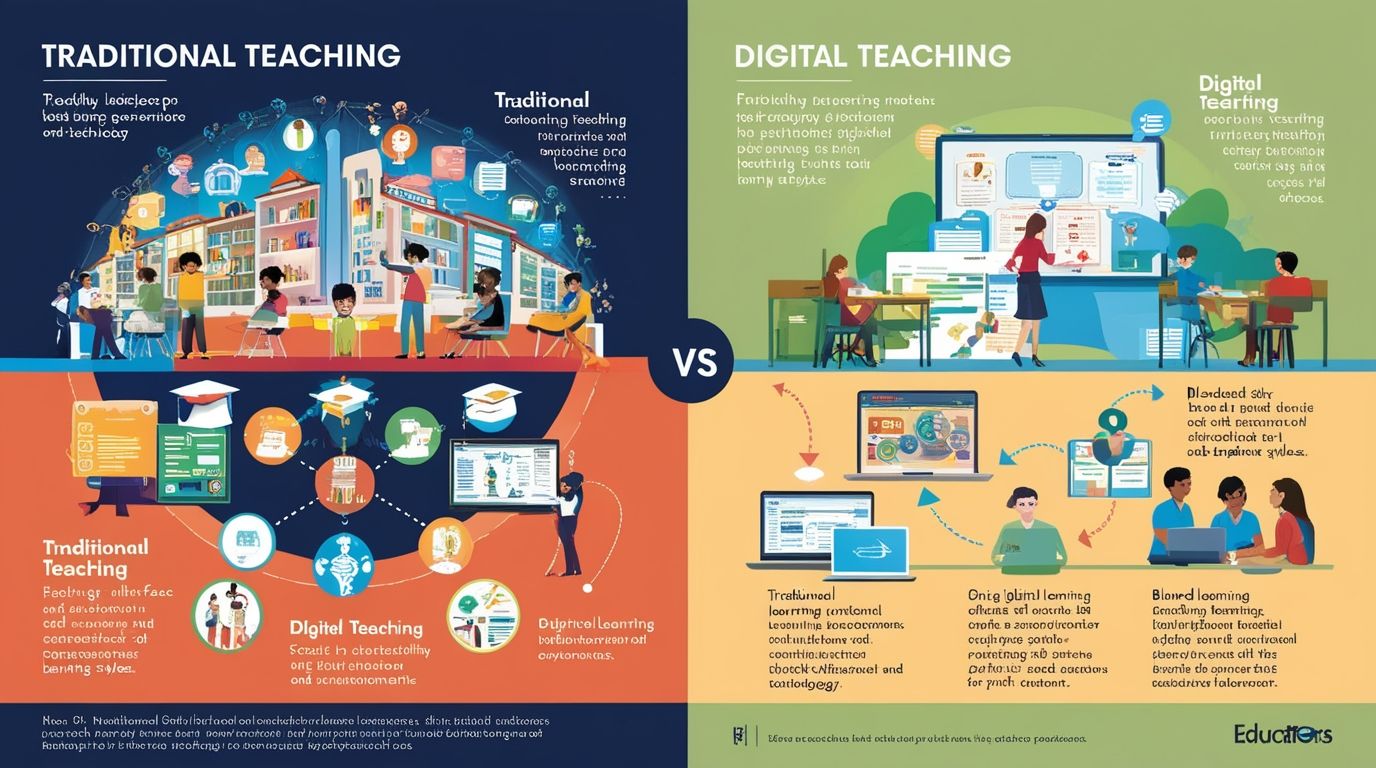
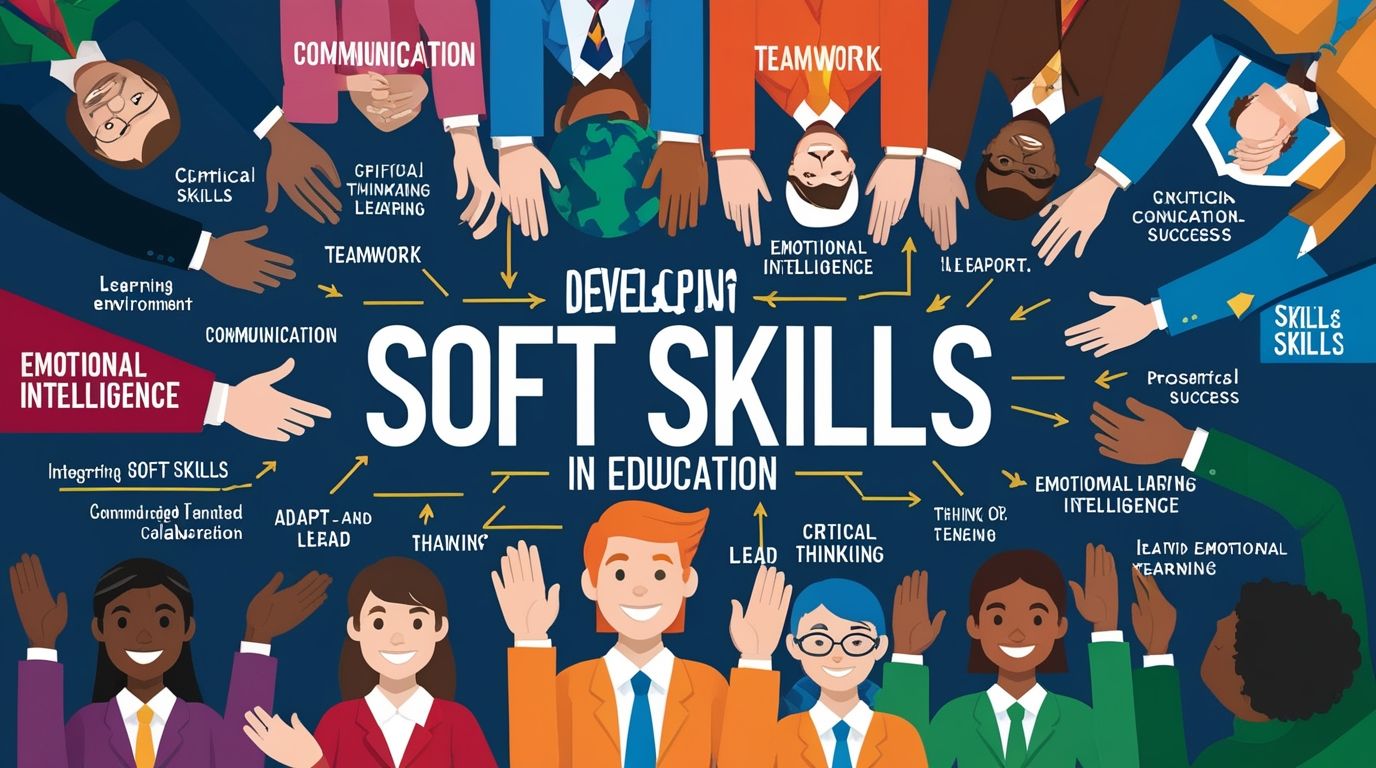
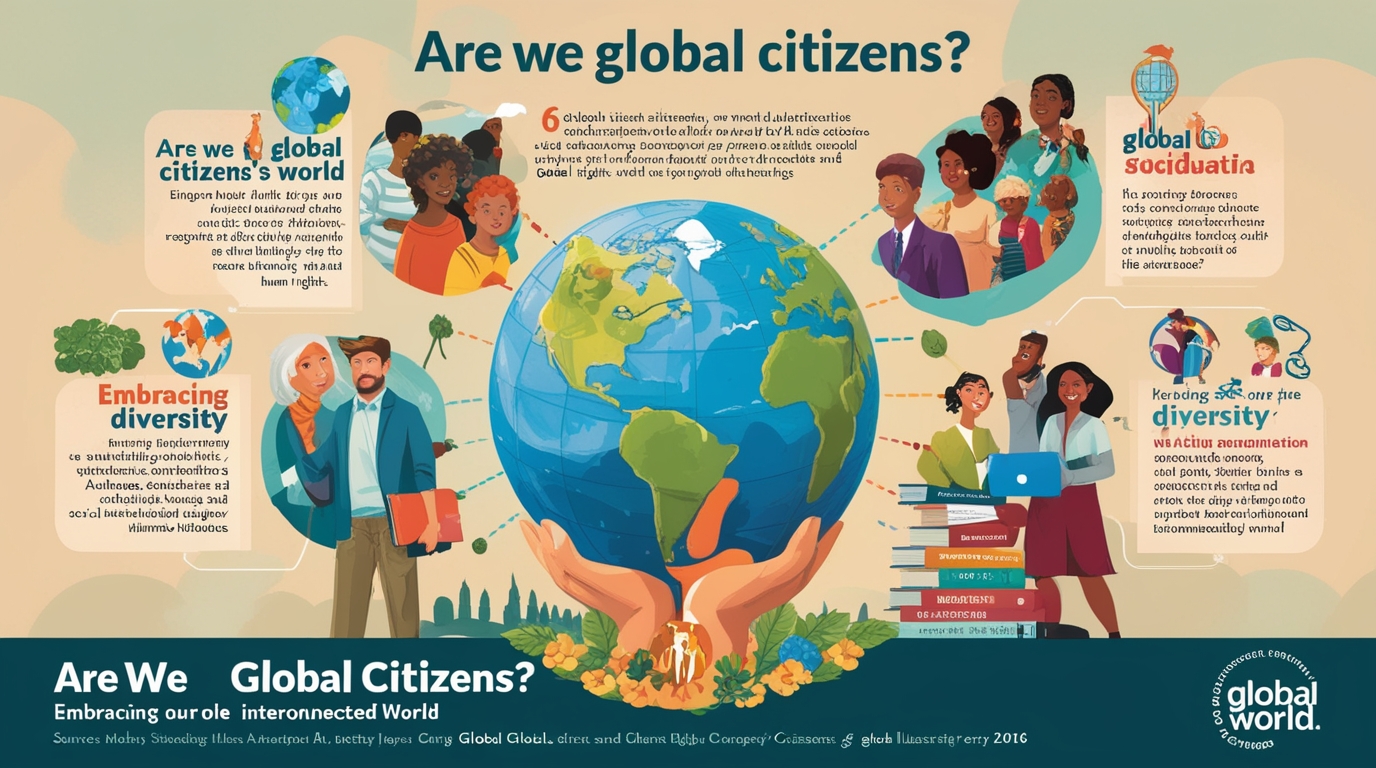
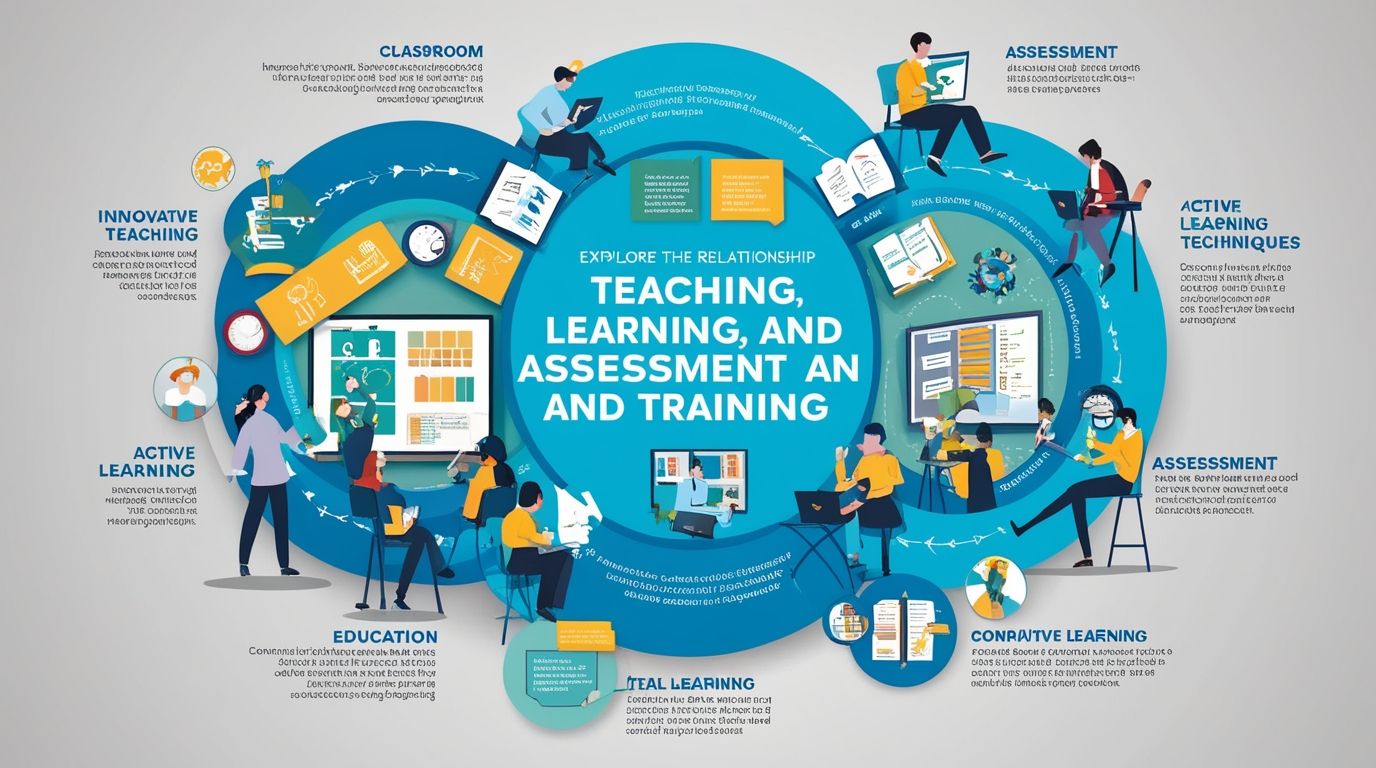
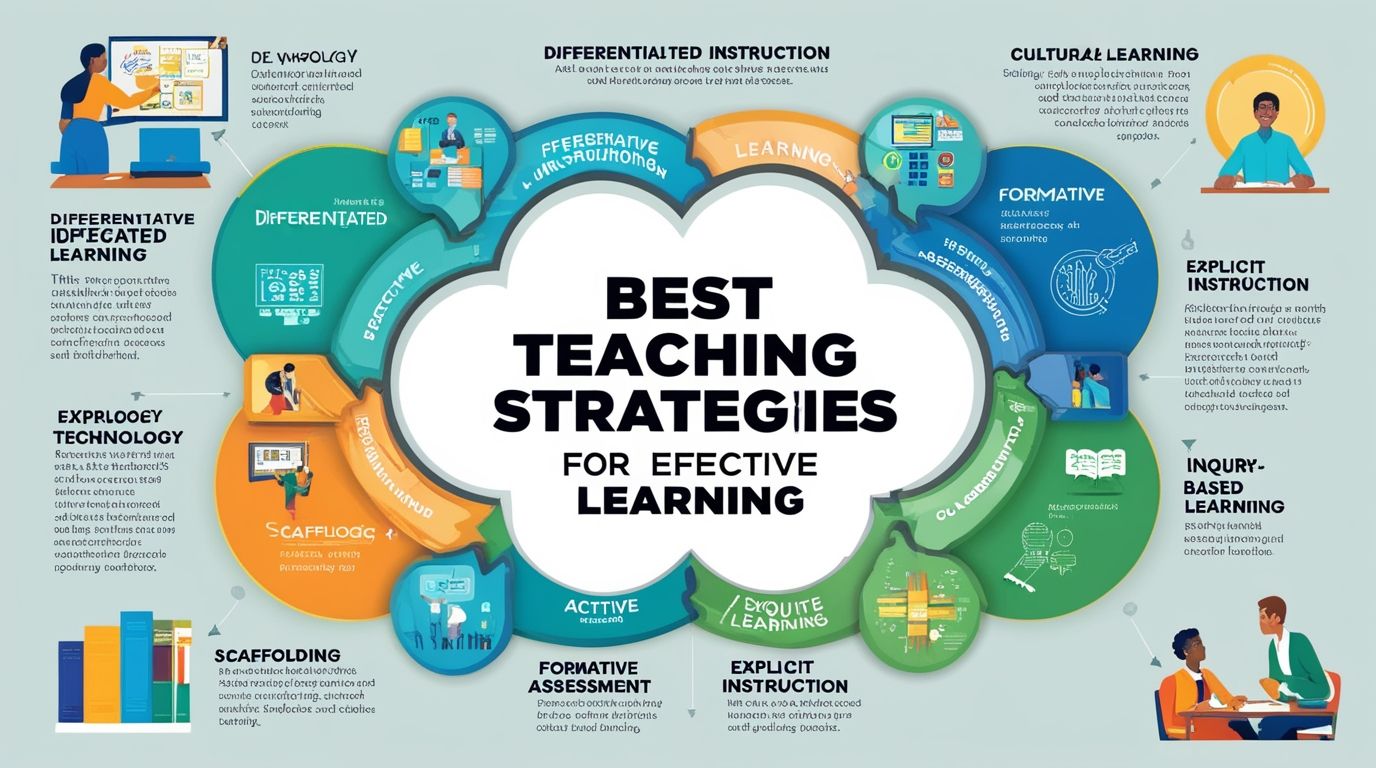
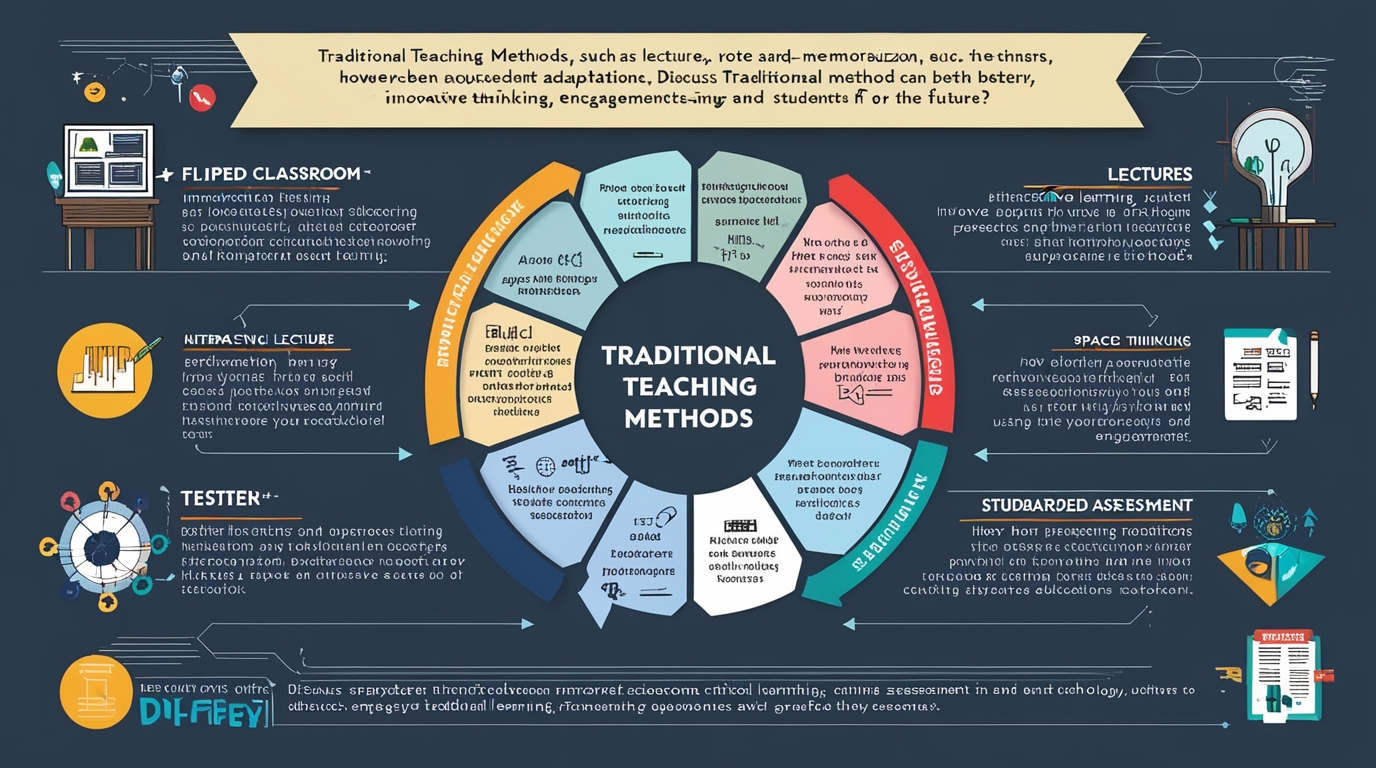
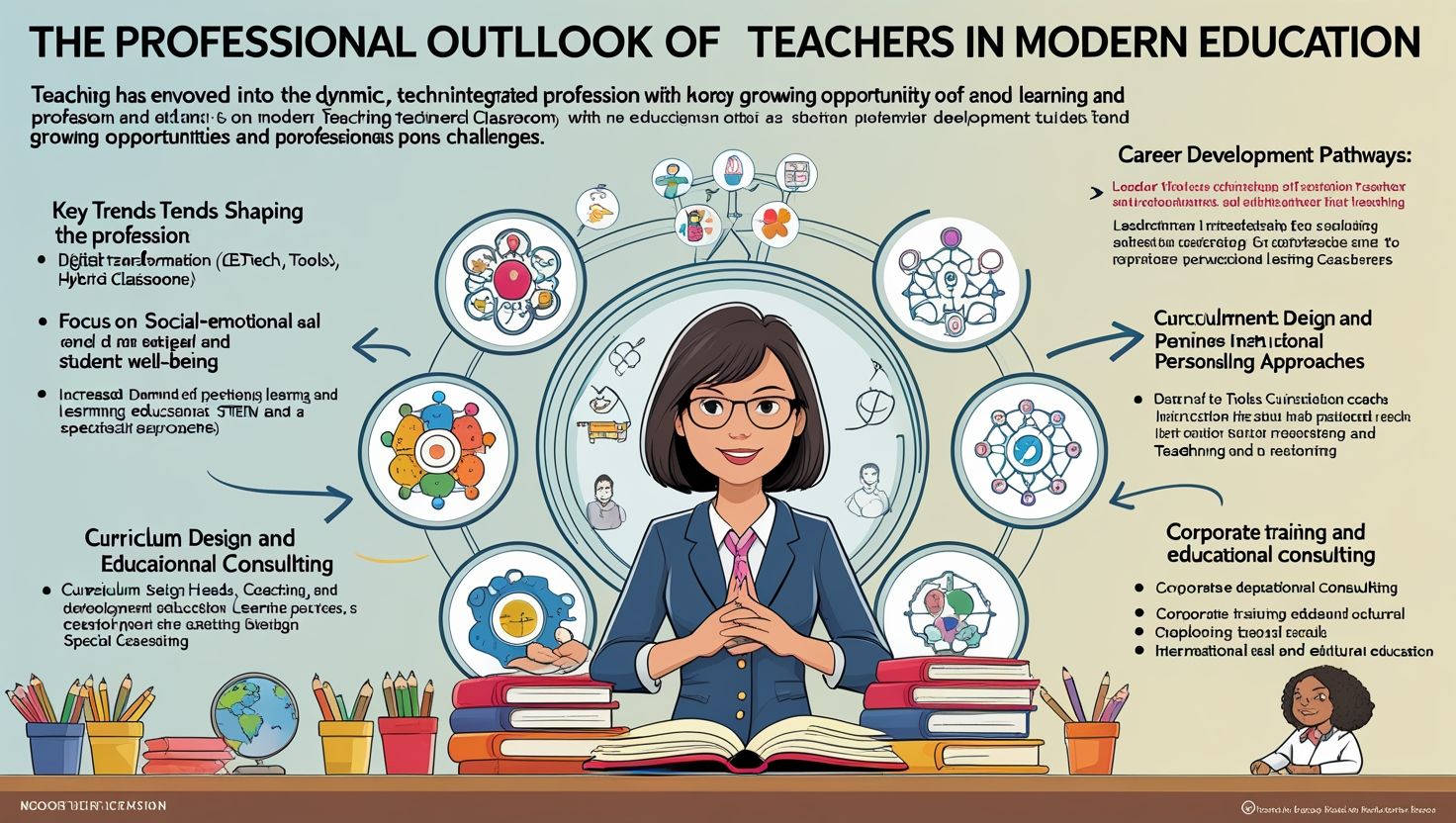
Top Trend Educational Strategies for Effective Learning, The educational landscape is undergoing a remarkable transformation driven by technological advancement, changing learner needs, and evolving workforce expectations. Traditional teaching methods, while valuable, are increasingly being complemented by innovative strategies that promote active engagement, critical thinking, collaboration, and lifelong learning. Today’s educators are expected to create dynamic learning environments that empower students to become independent thinkers, problem-solvers, and responsible global citizens. Emerging educational trends such as personalized learning, technology integration, project-based learning, social-emotional development, and competency-based assessment are reshaping classrooms across the world. These approaches recognize the diversity of learners and emphasize meaningful learning experiences that extend beyond memorization and standardized testing. As schools strive to prepare students for a rapidly changing future, adopting effective educational strategies has become more important than ever. This article explores the top trending educational strategies that enhance learning outcomes, increase student engagement, and equip learners with essential twenty-first-century skills for success.
Learning Beyond Walls:
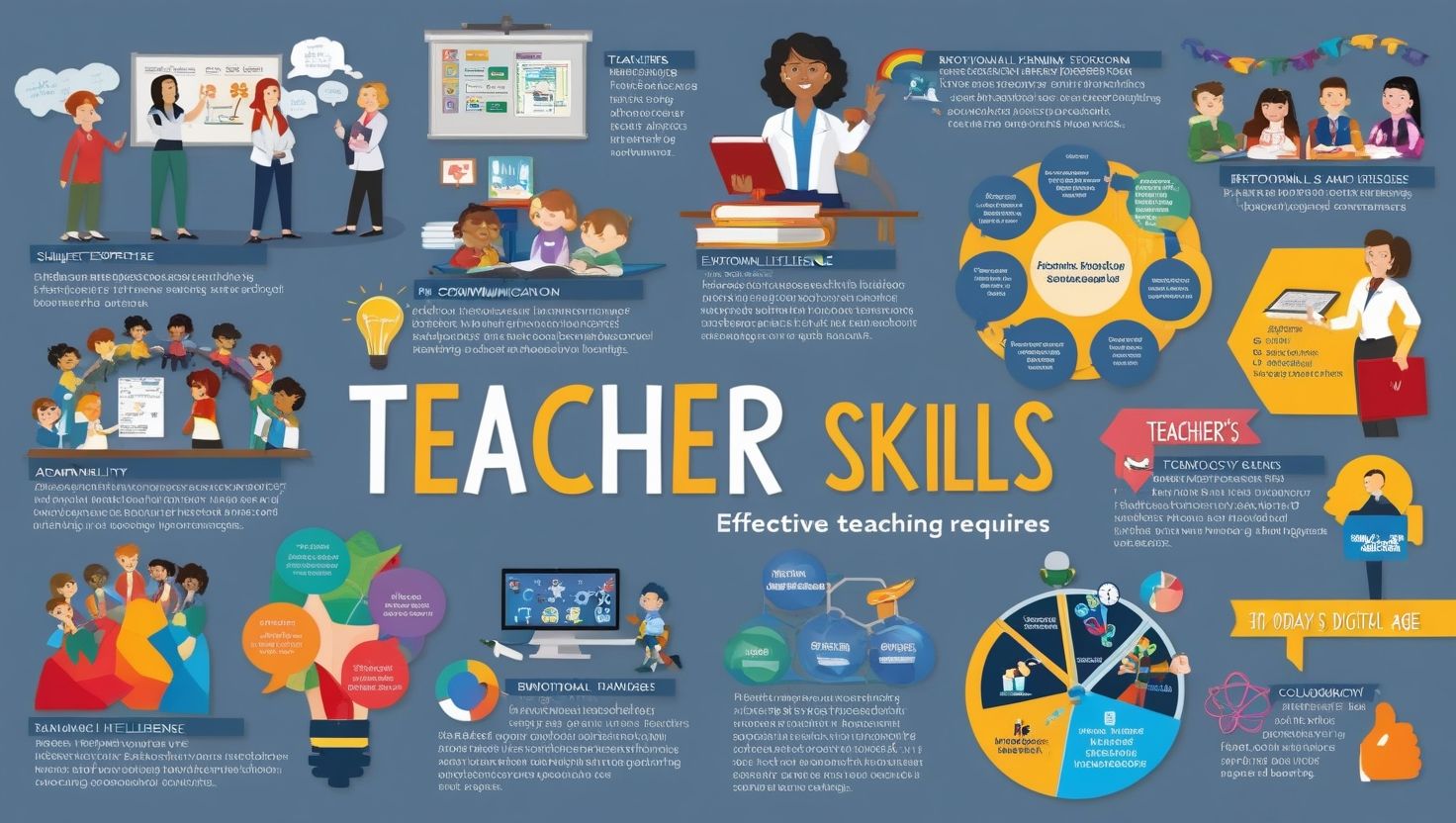
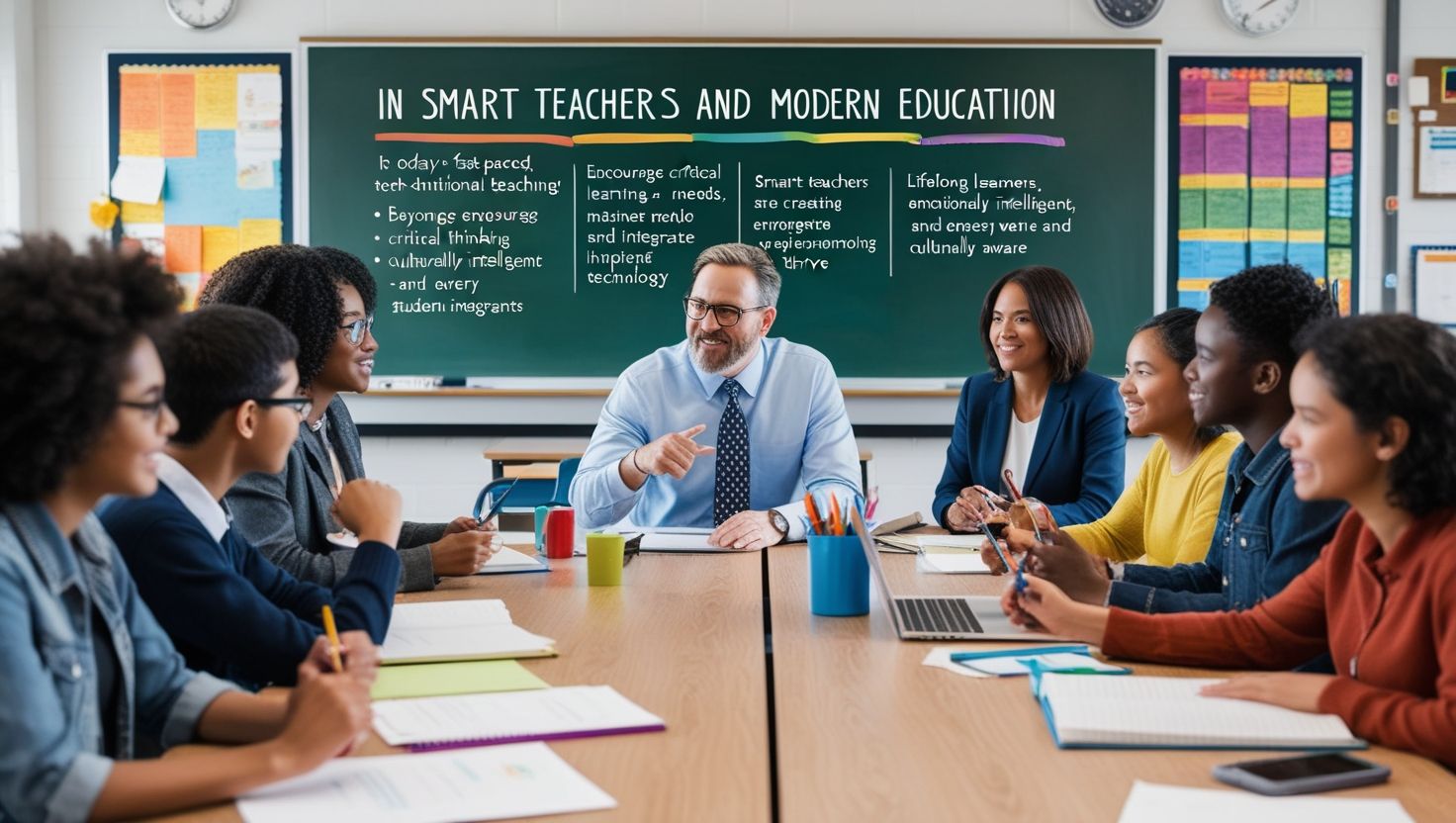
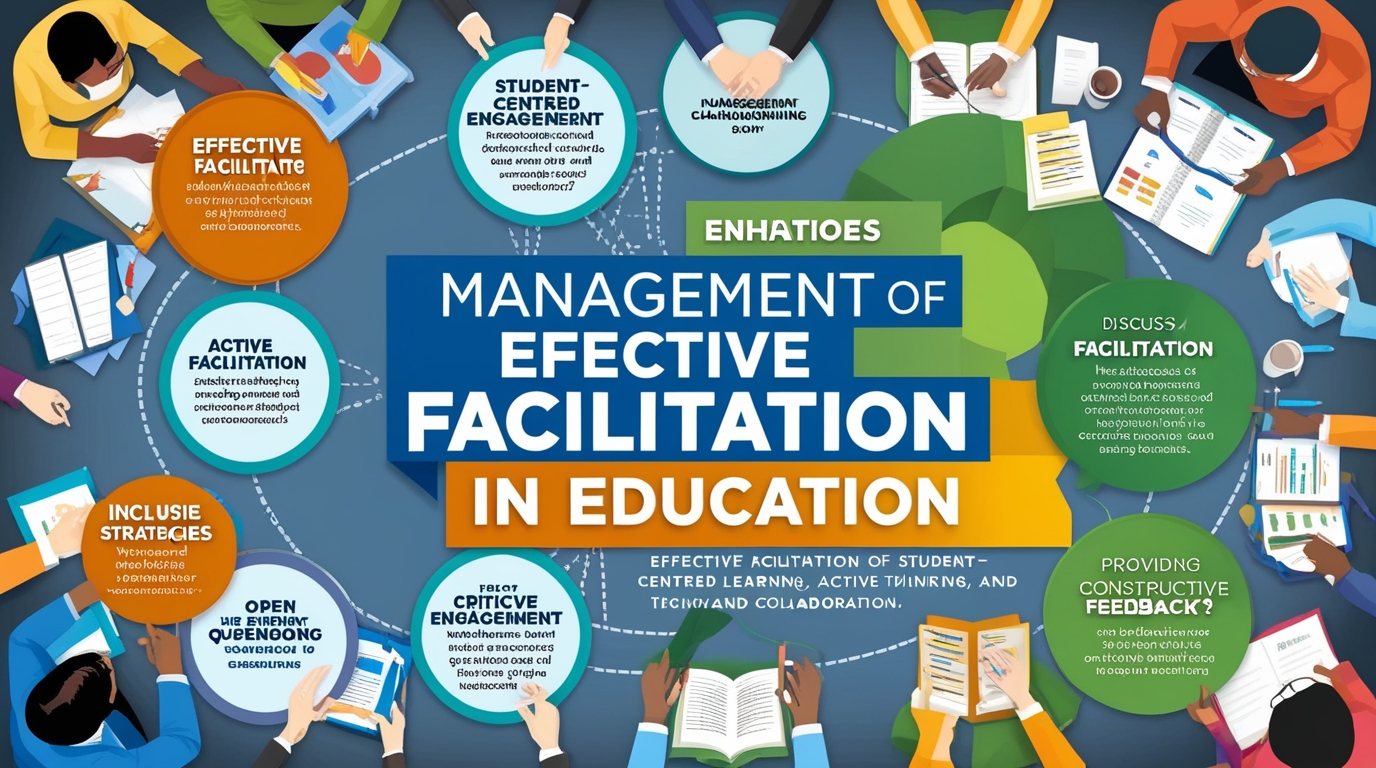
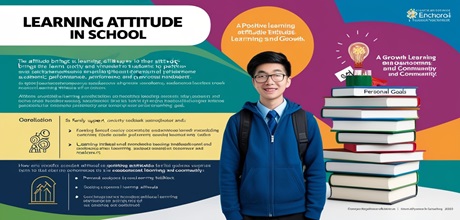
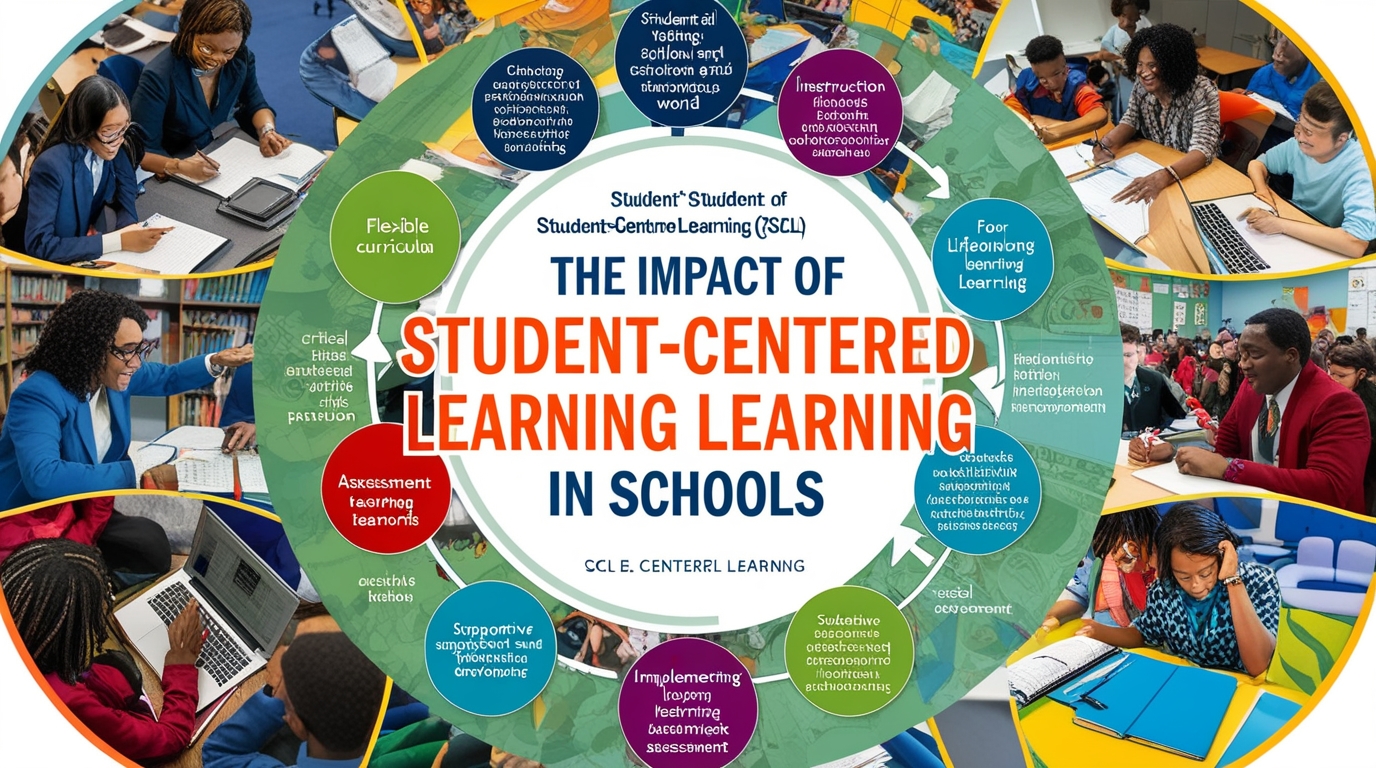
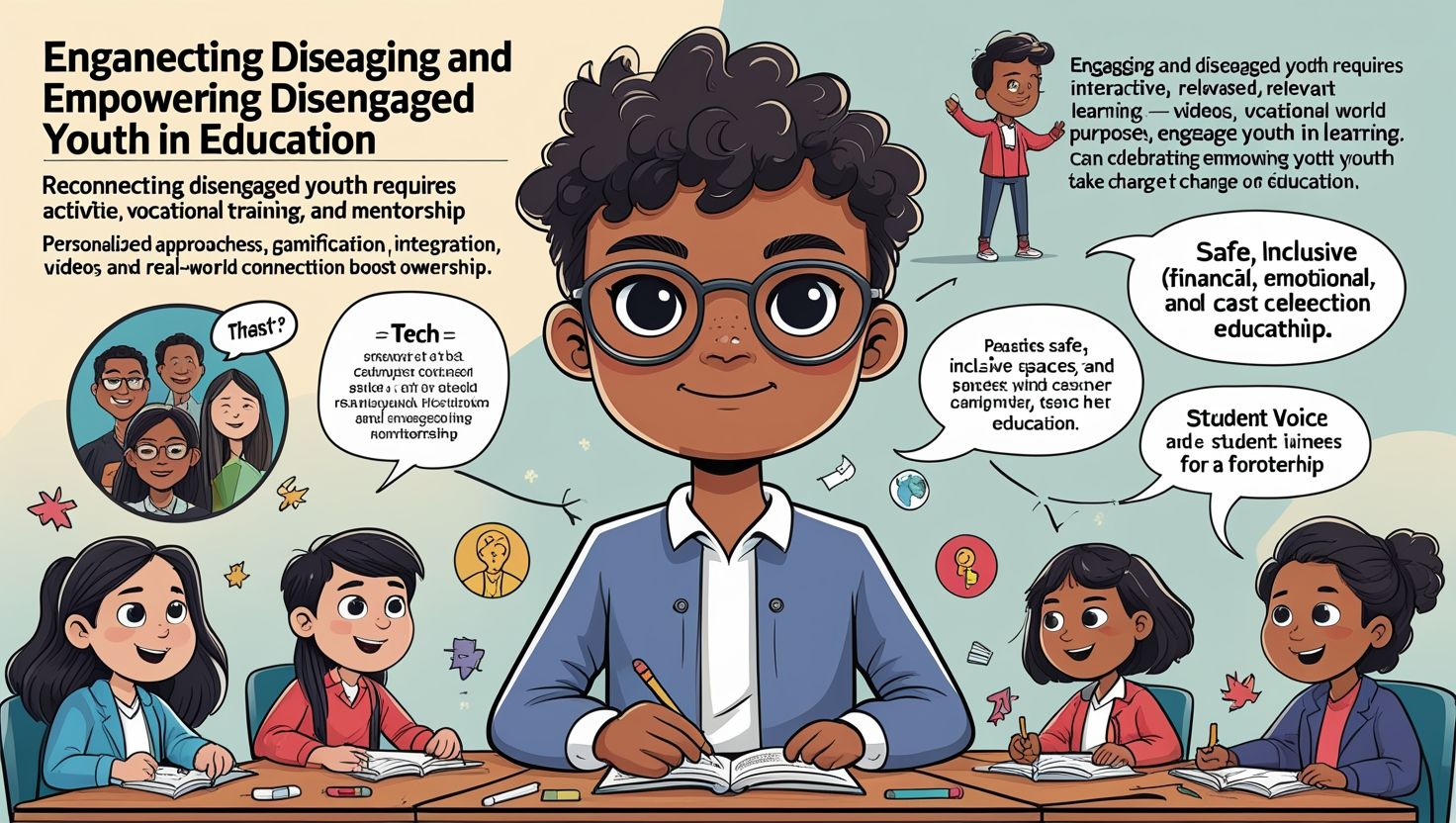
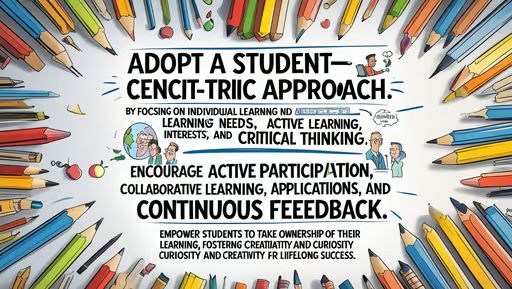
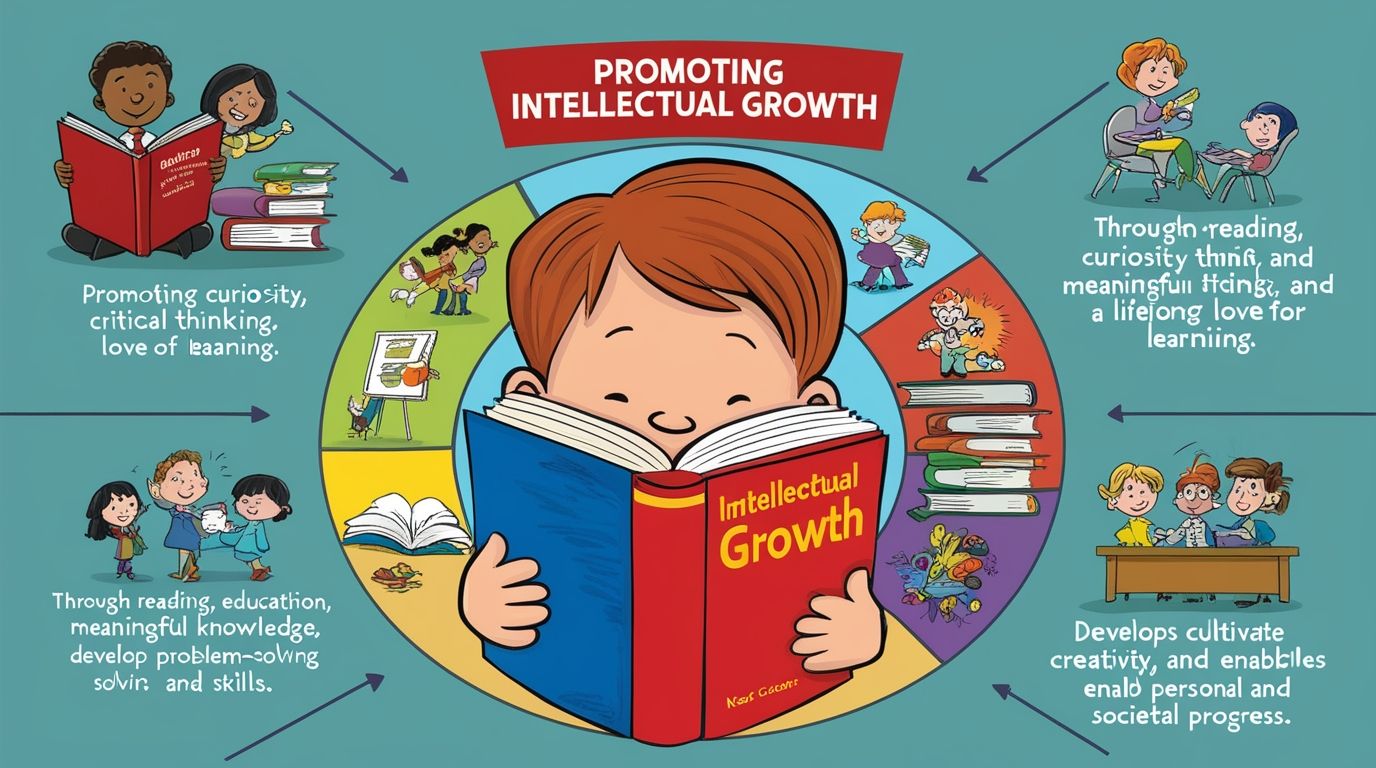
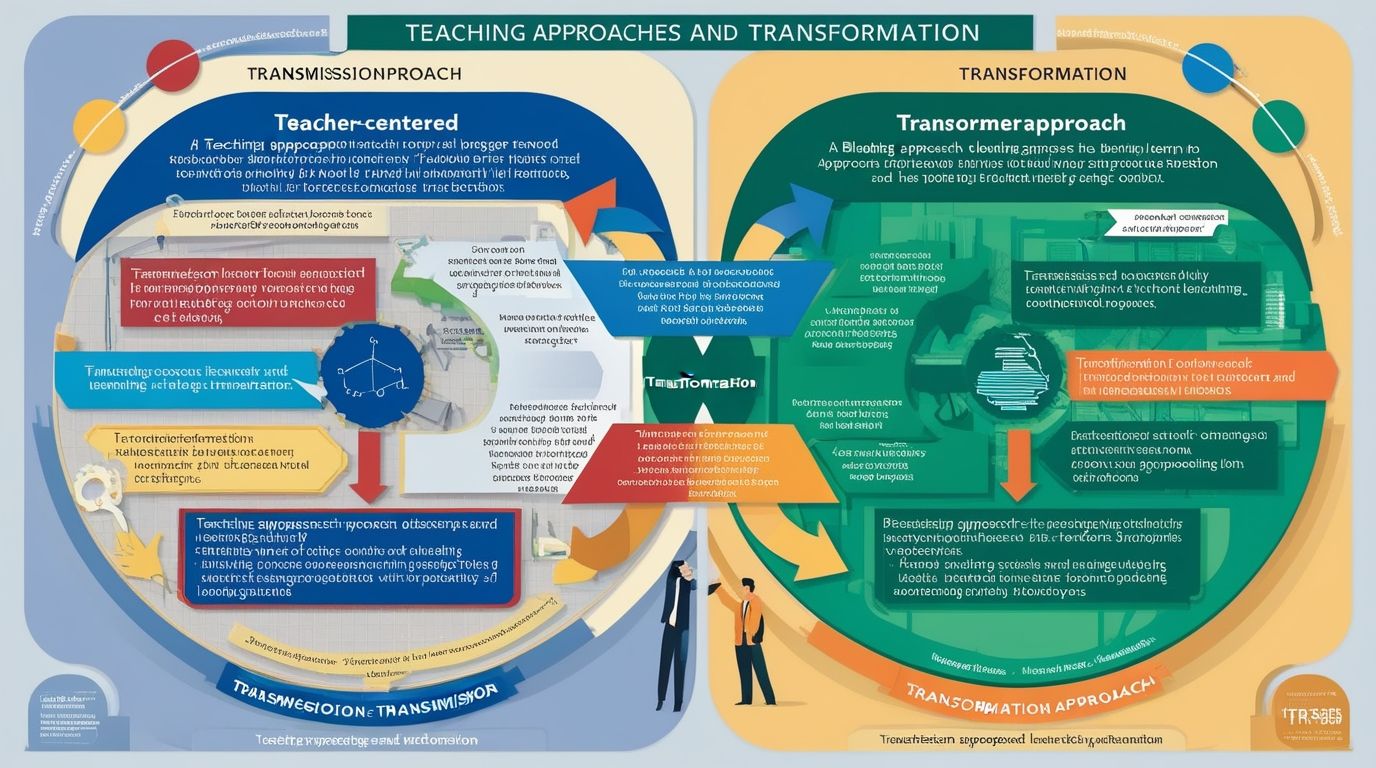
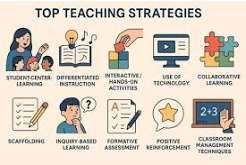
Education is rapidly evolving from teacher-dominated instruction toward student-centered learning environments that empower learners to take ownership of their educational journeys. This strategy places students at the heart of the learning process, encouraging inquiry, collaboration, reflection, and independent thinking. Instead of merely receiving information, learners actively construct knowledge through exploration and meaningful engagement. Student-centered classrooms recognize individual learning styles, interests, strengths, and developmental needs, creating opportunities for differentiated instruction and personalized support. Teachers act as facilitators, mentors, and guides who design experiences that encourage curiosity and problem-solving. Research consistently demonstrates that learners who actively participate in their education retain information longer and develop stronger critical-thinking skills. This trend is particularly significant in the twenty-first century because it nurtures creativity, adaptability, communication, and self-regulation. By fostering learner agency, educational institutions prepare students to become lifelong learners capable of thriving in increasingly complex and dynamic global environments.
Personalized Pathways:
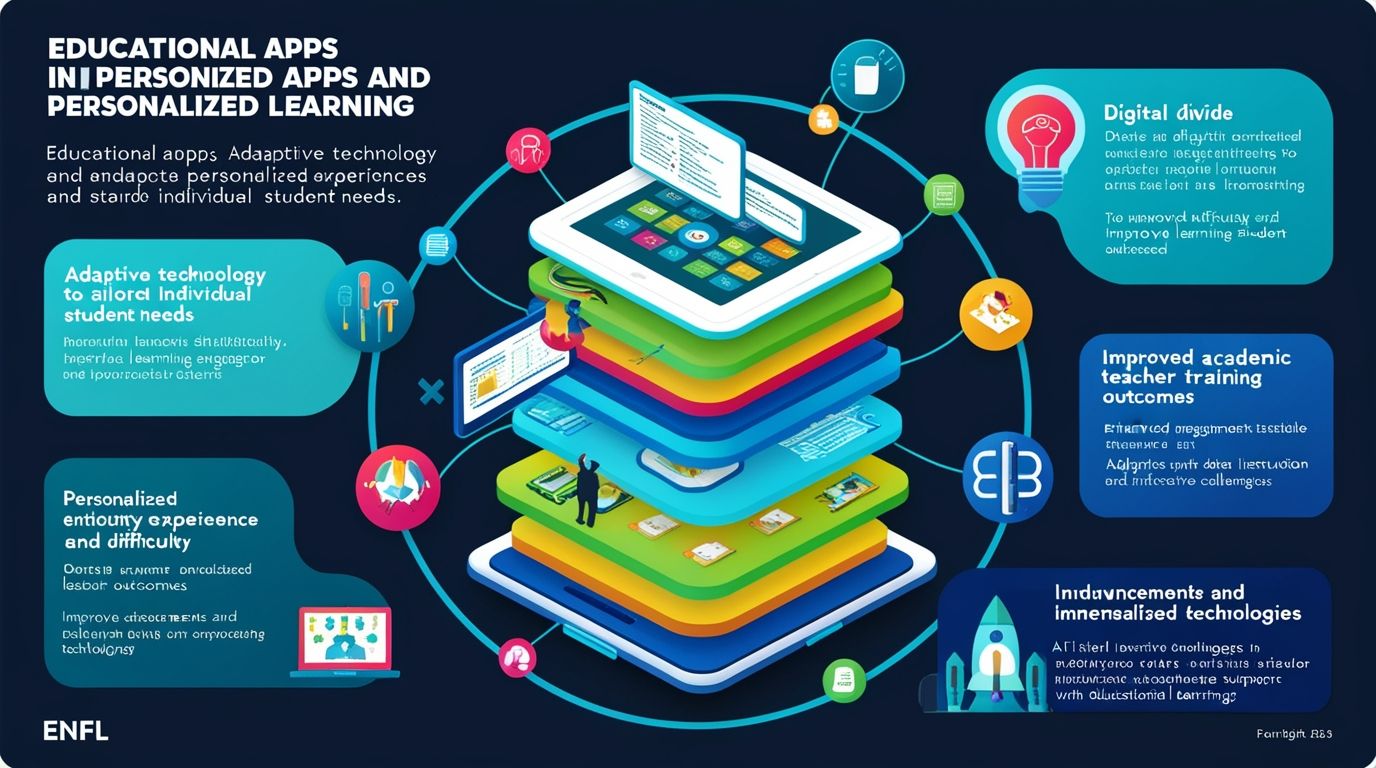
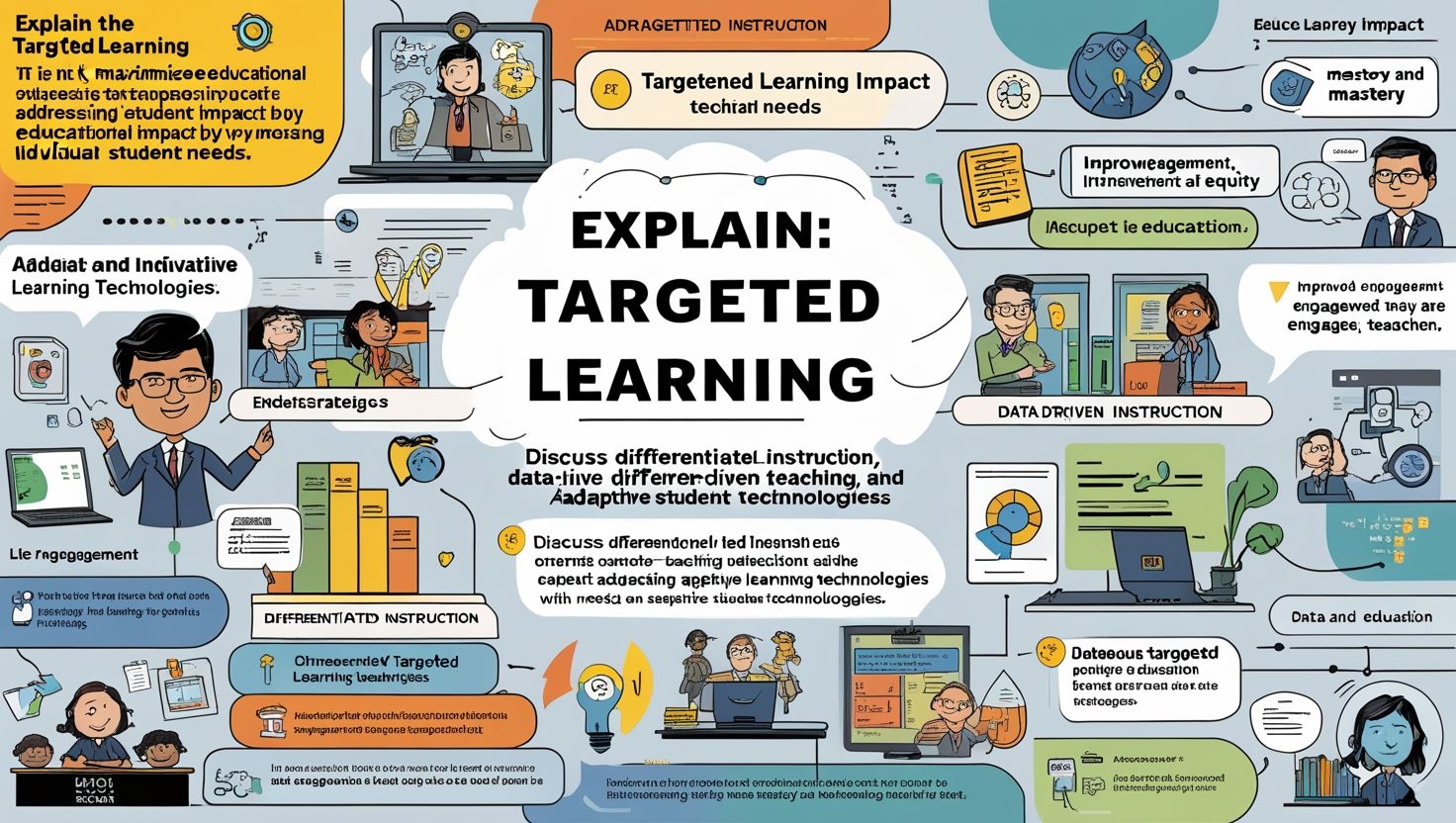
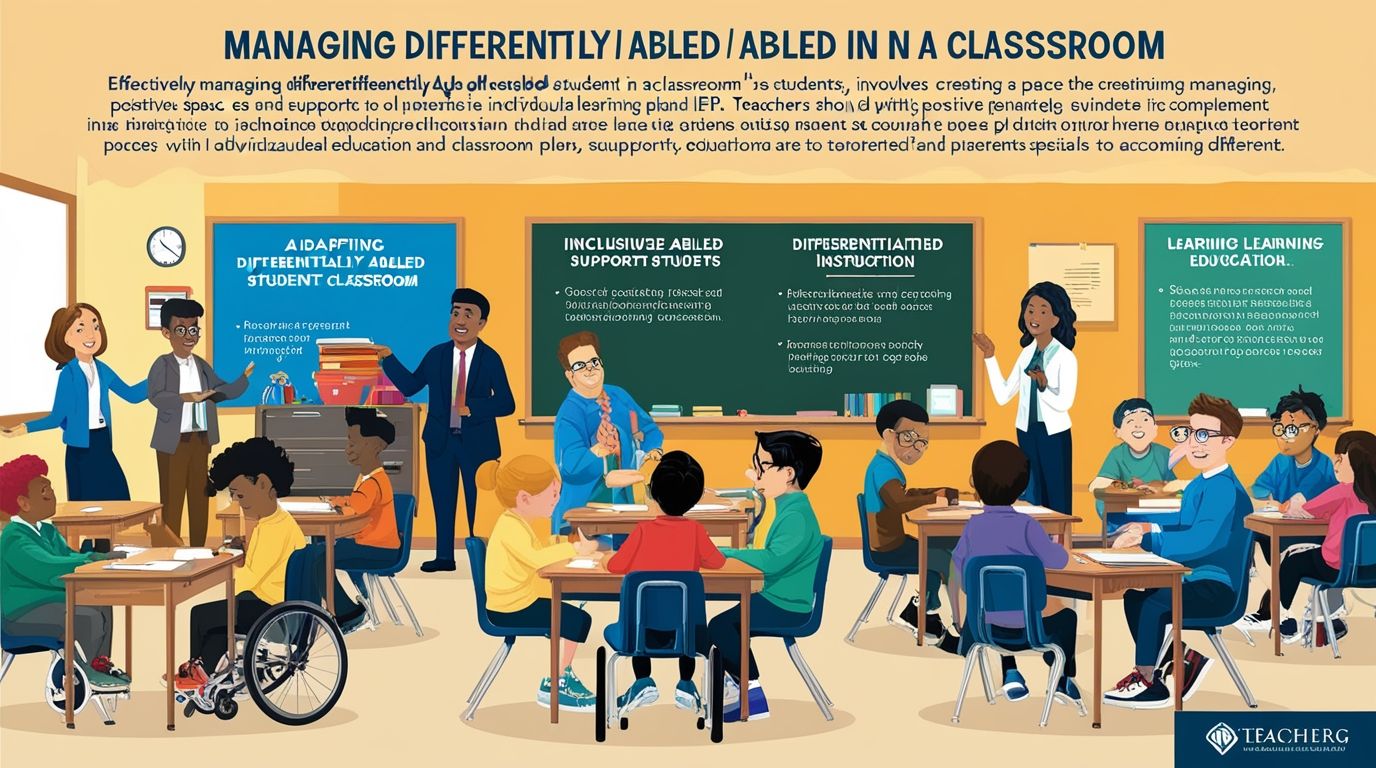
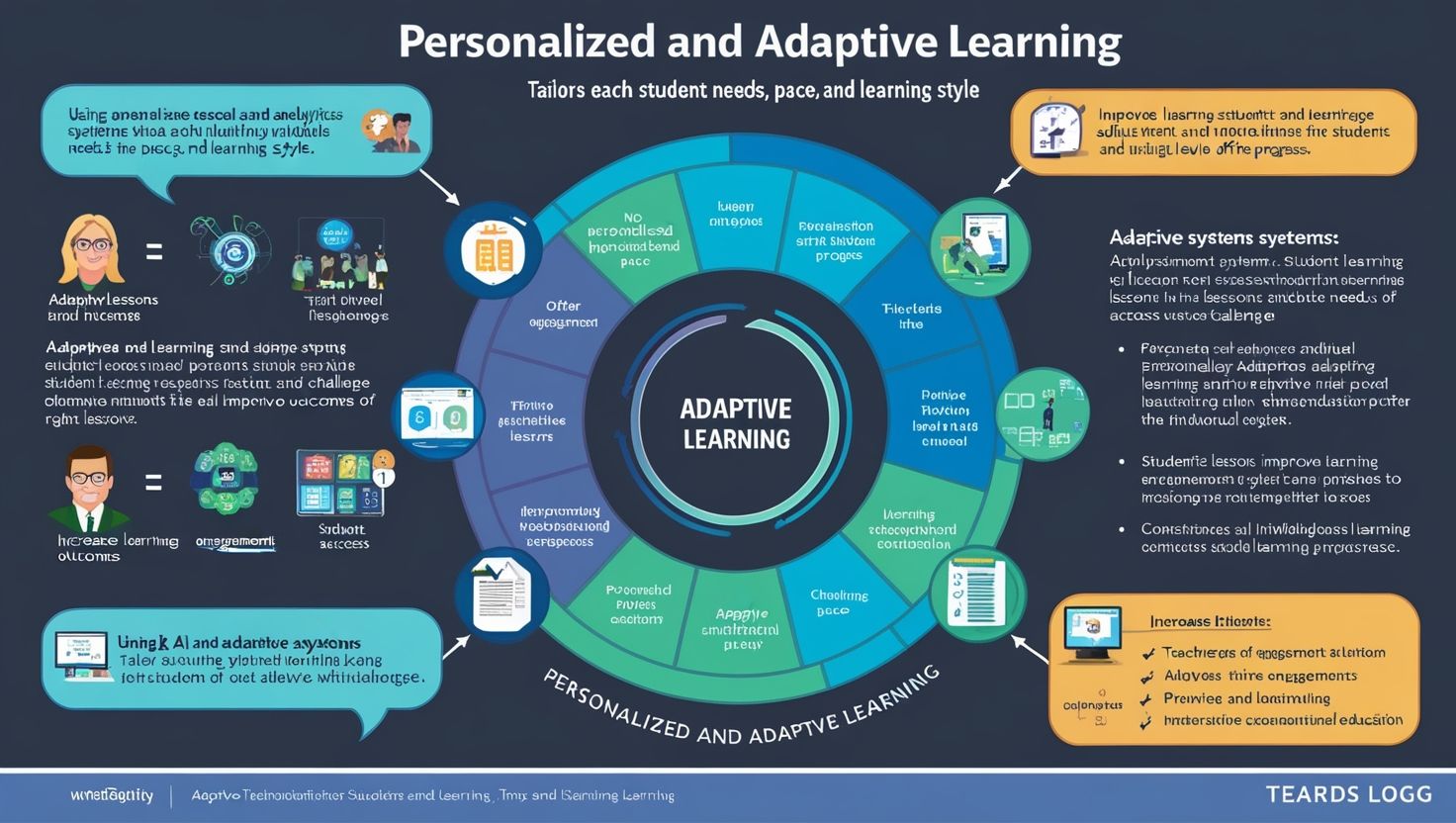
Personalized learning has emerged as one of the most influential educational strategies because it acknowledges that learners progress at different rates and possess unique academic needs. Traditional one-size-fits-all approaches often fail to accommodate diverse abilities, interests, and aspirations. Personalized learning uses assessment data, technology tools, and continuous feedback to create individualized pathways that maximize student growth. Learners may access content through multiple formats, choose learning activities aligned with their interests, and demonstrate understanding through varied assessment methods. Teachers monitor progress and adjust instruction accordingly, ensuring that every student receives appropriate support and challenge. This strategy promotes equity by providing opportunities for all learners to succeed regardless of background or learning profile. Furthermore, personalized learning enhances motivation because students feel valued and understood. As educational institutions increasingly embrace data-informed practices, personalized learning continues to transform classrooms into flexible environments where achievement, engagement, and confidence can flourish simultaneously.
Digital Bridges:
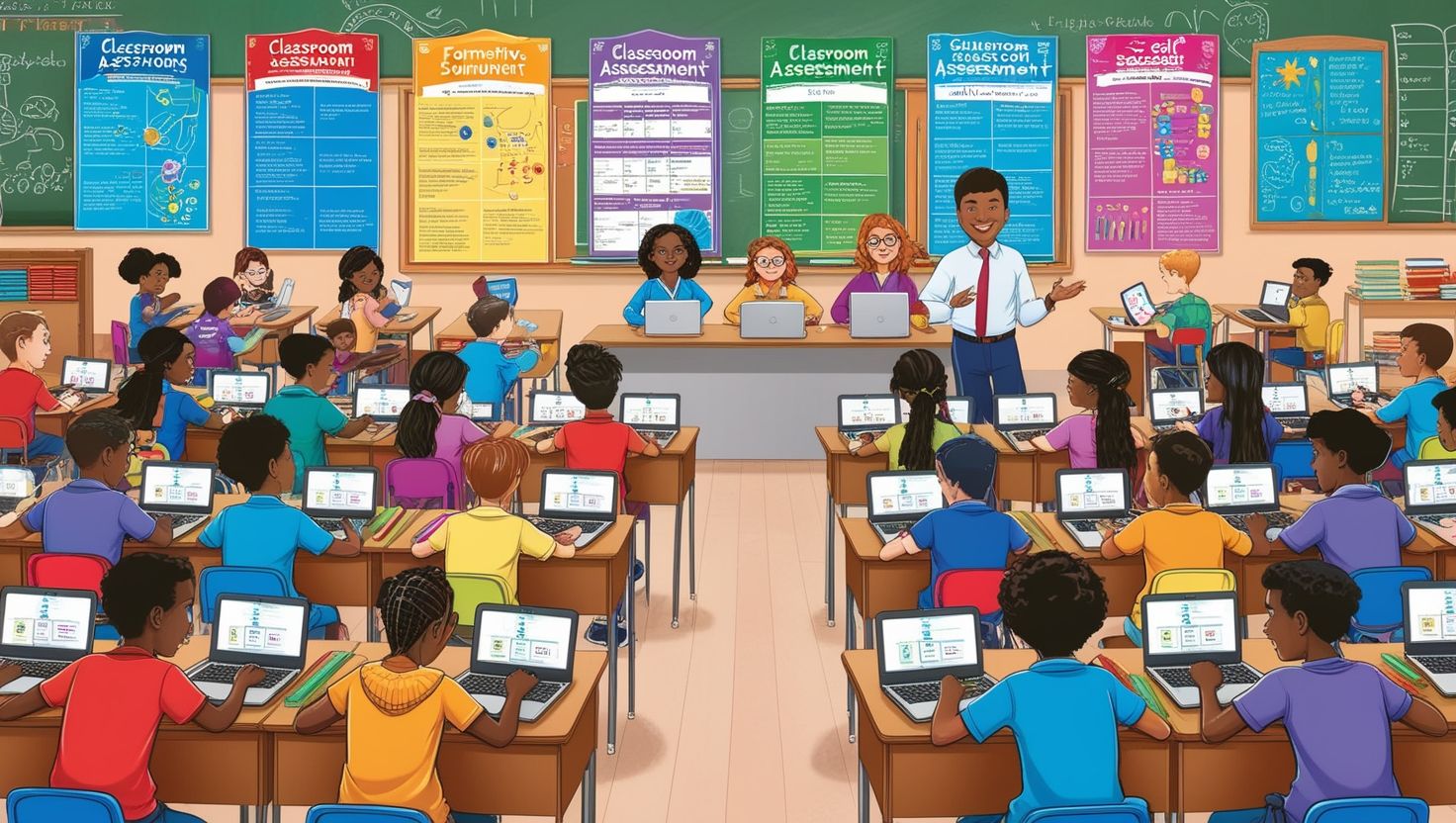
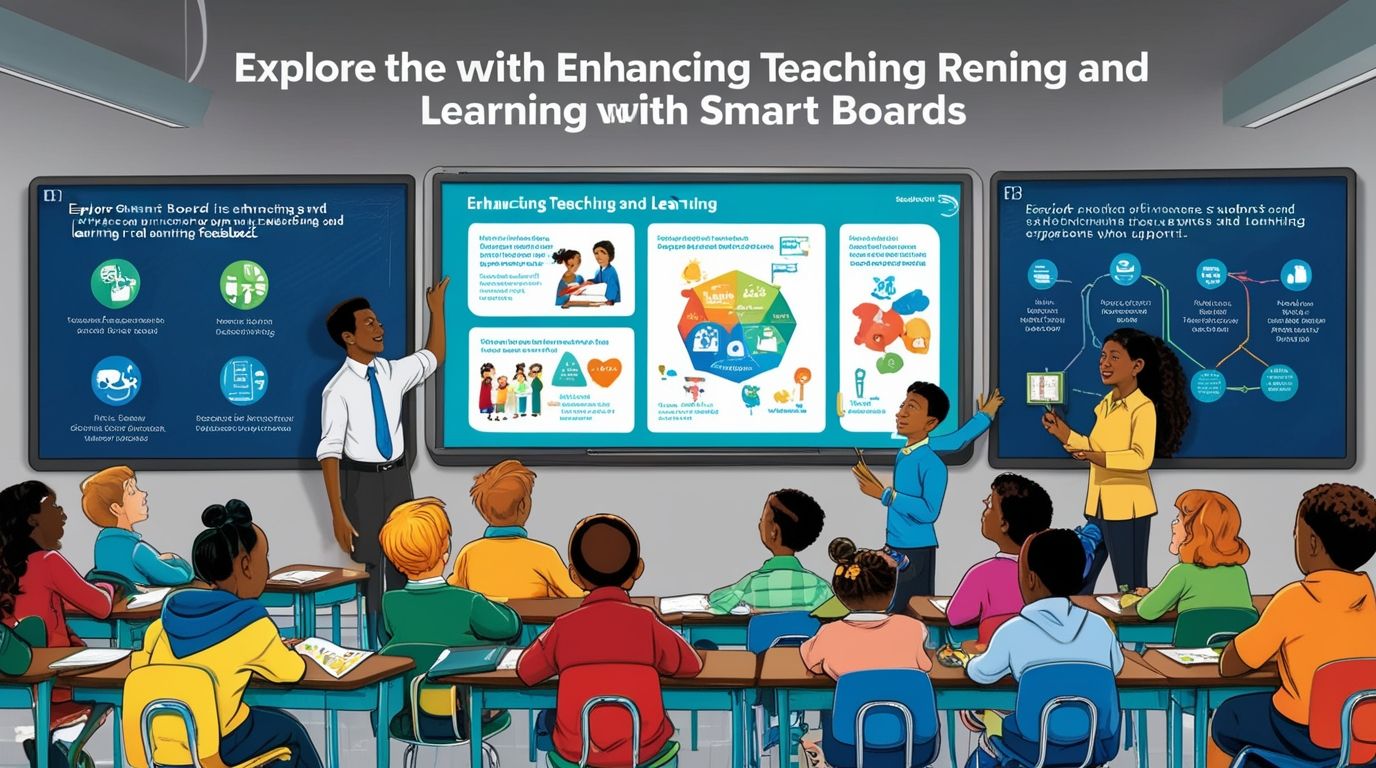
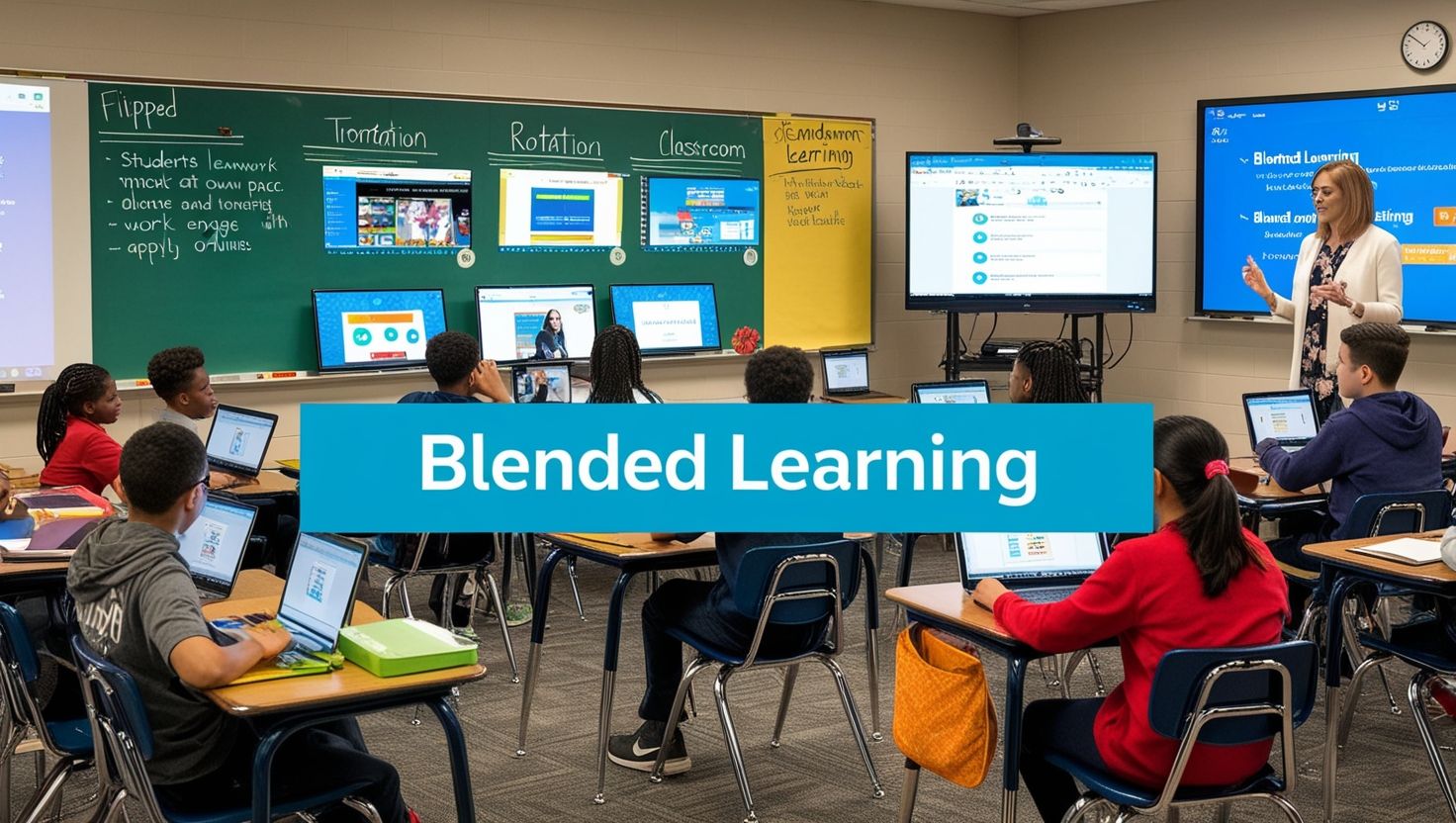
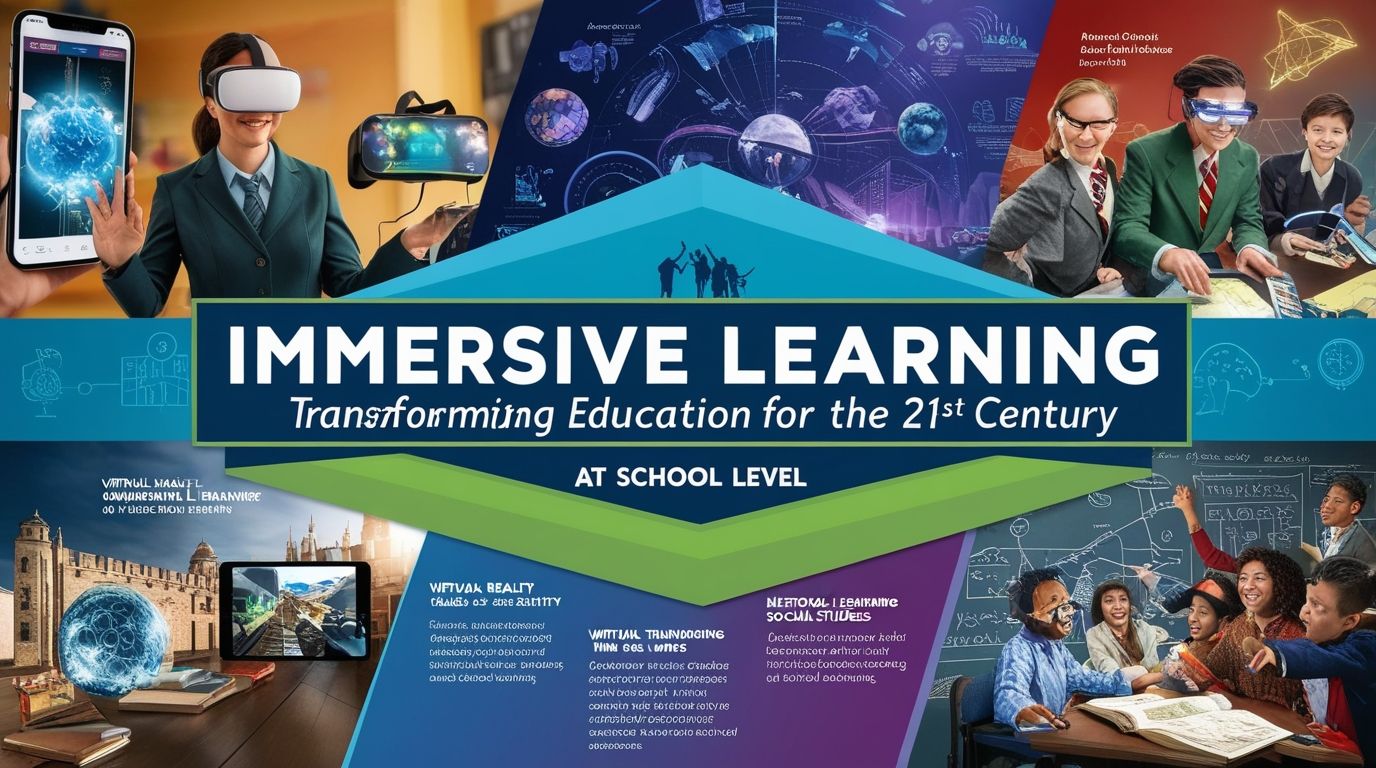
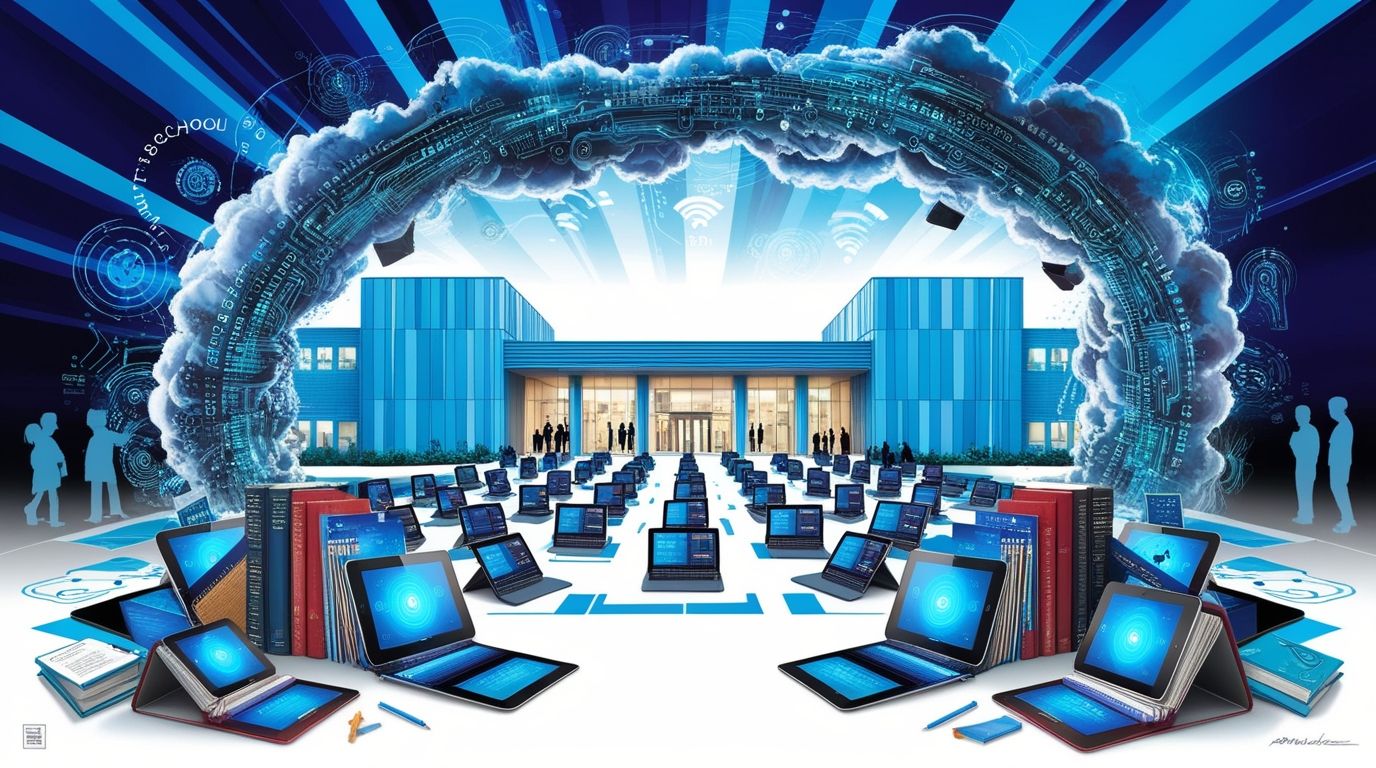
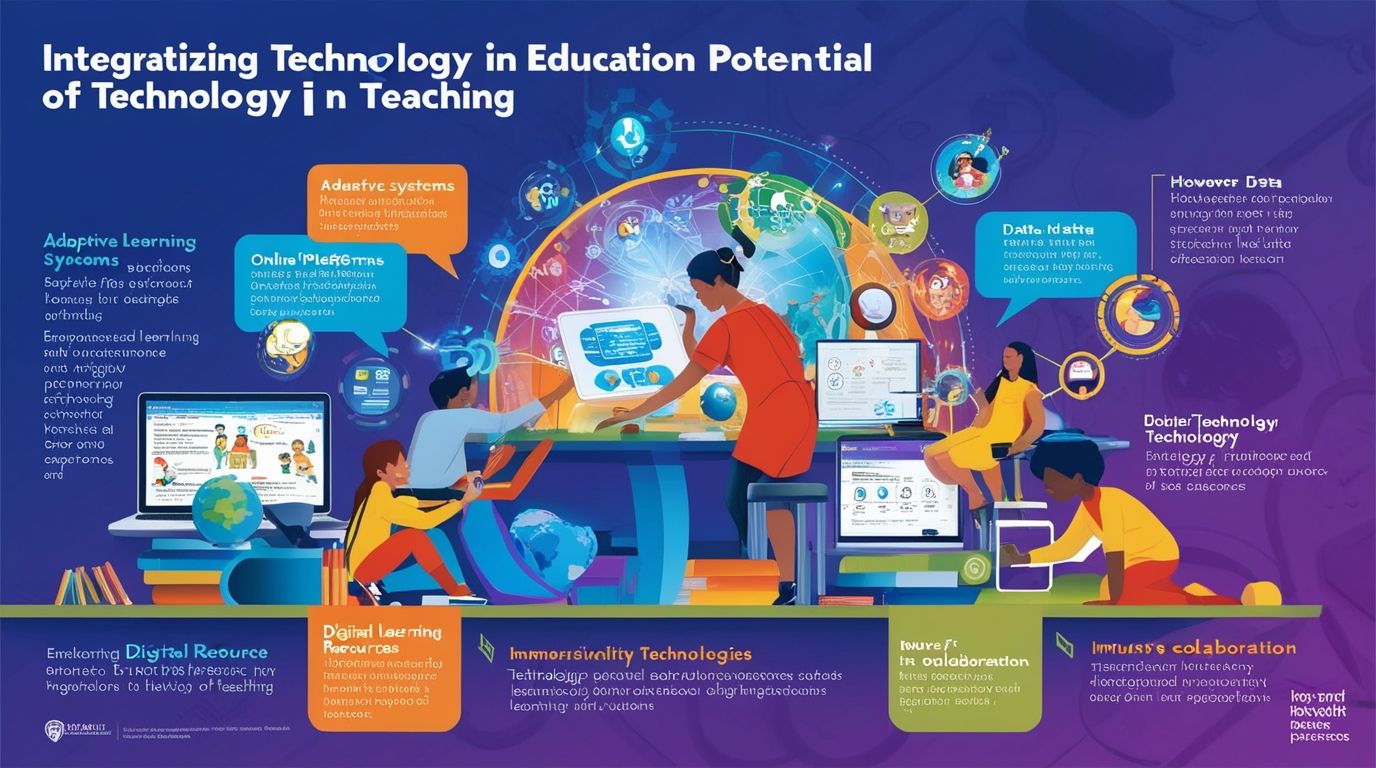
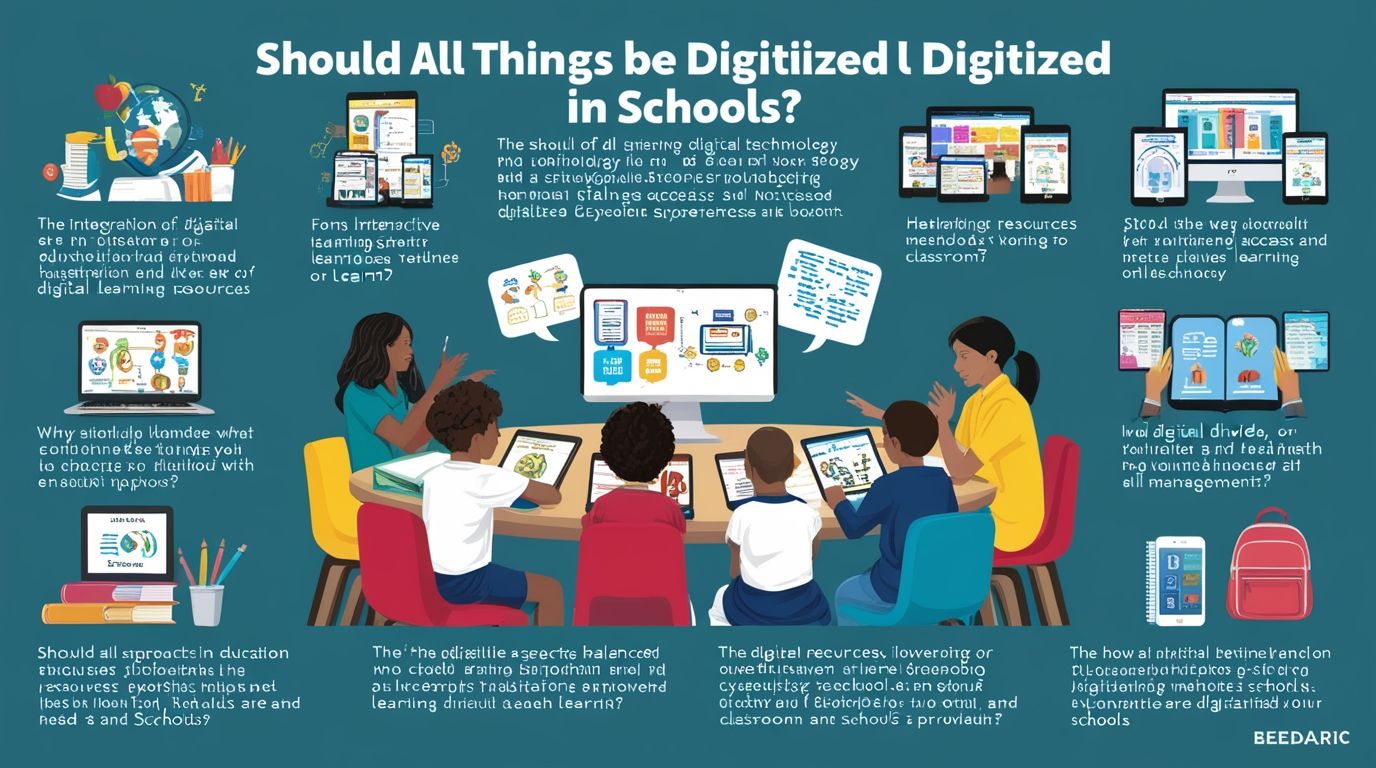
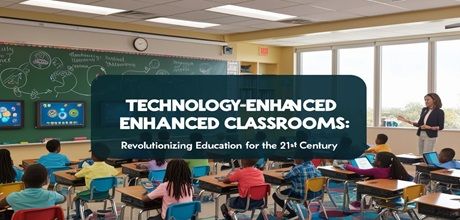
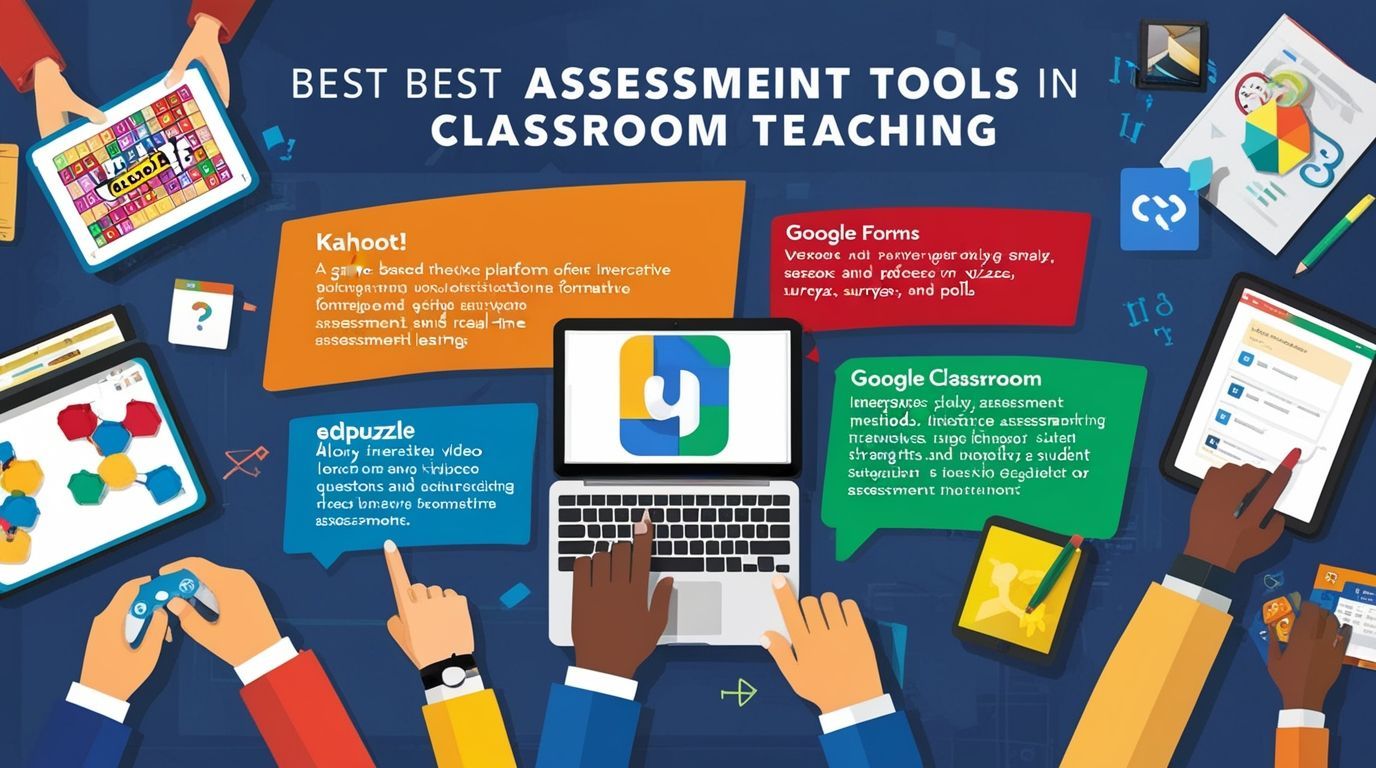
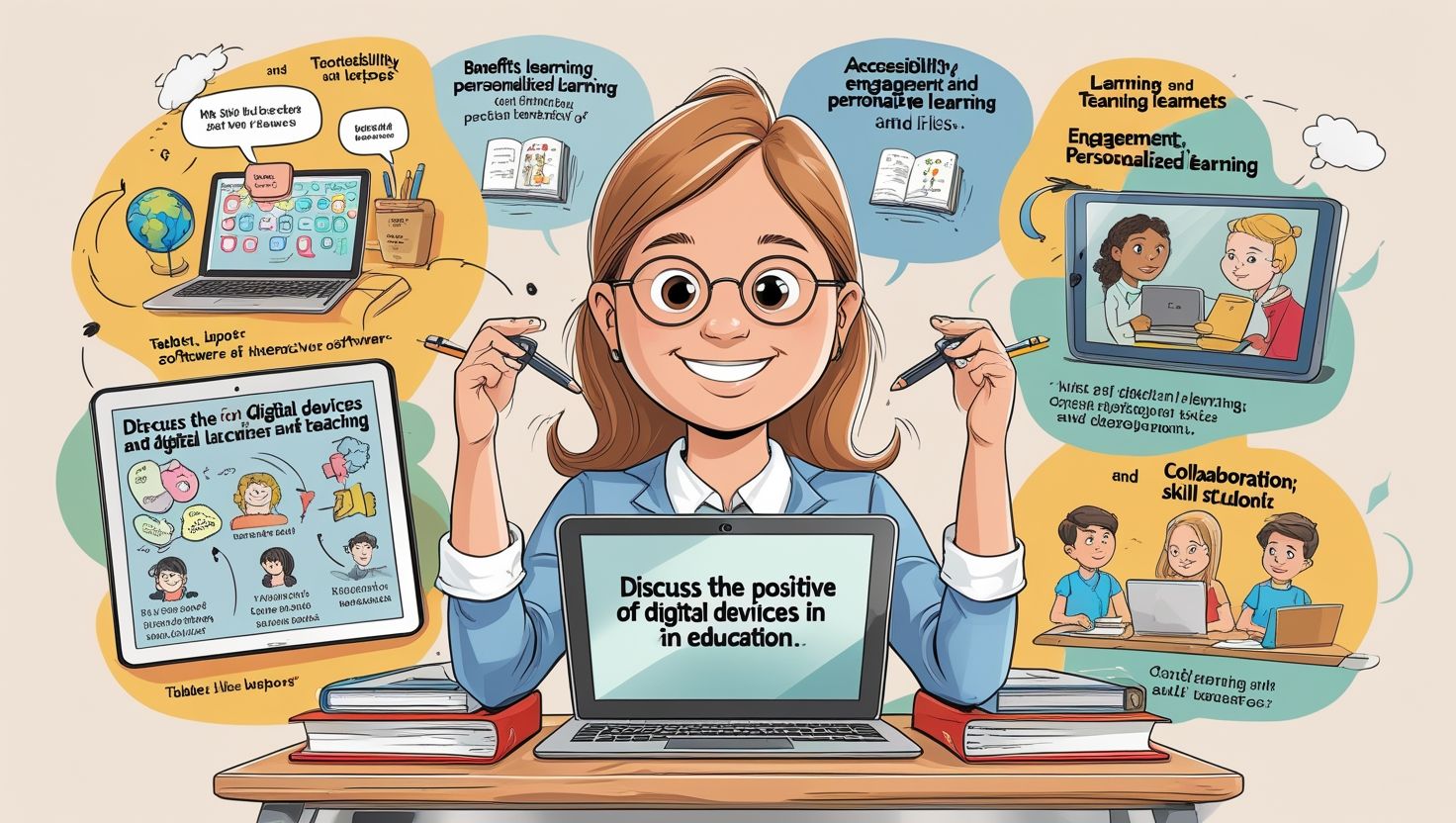
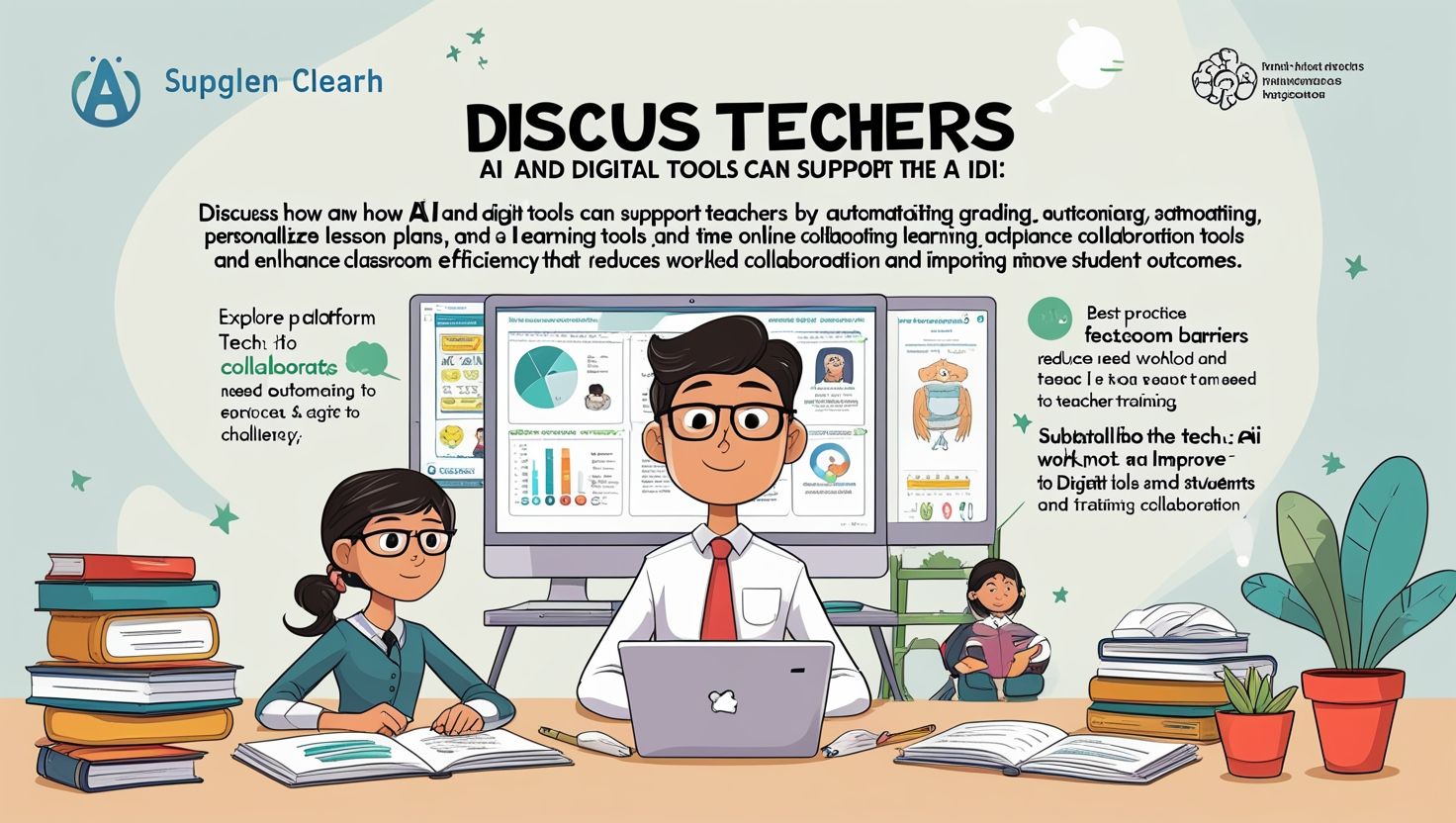
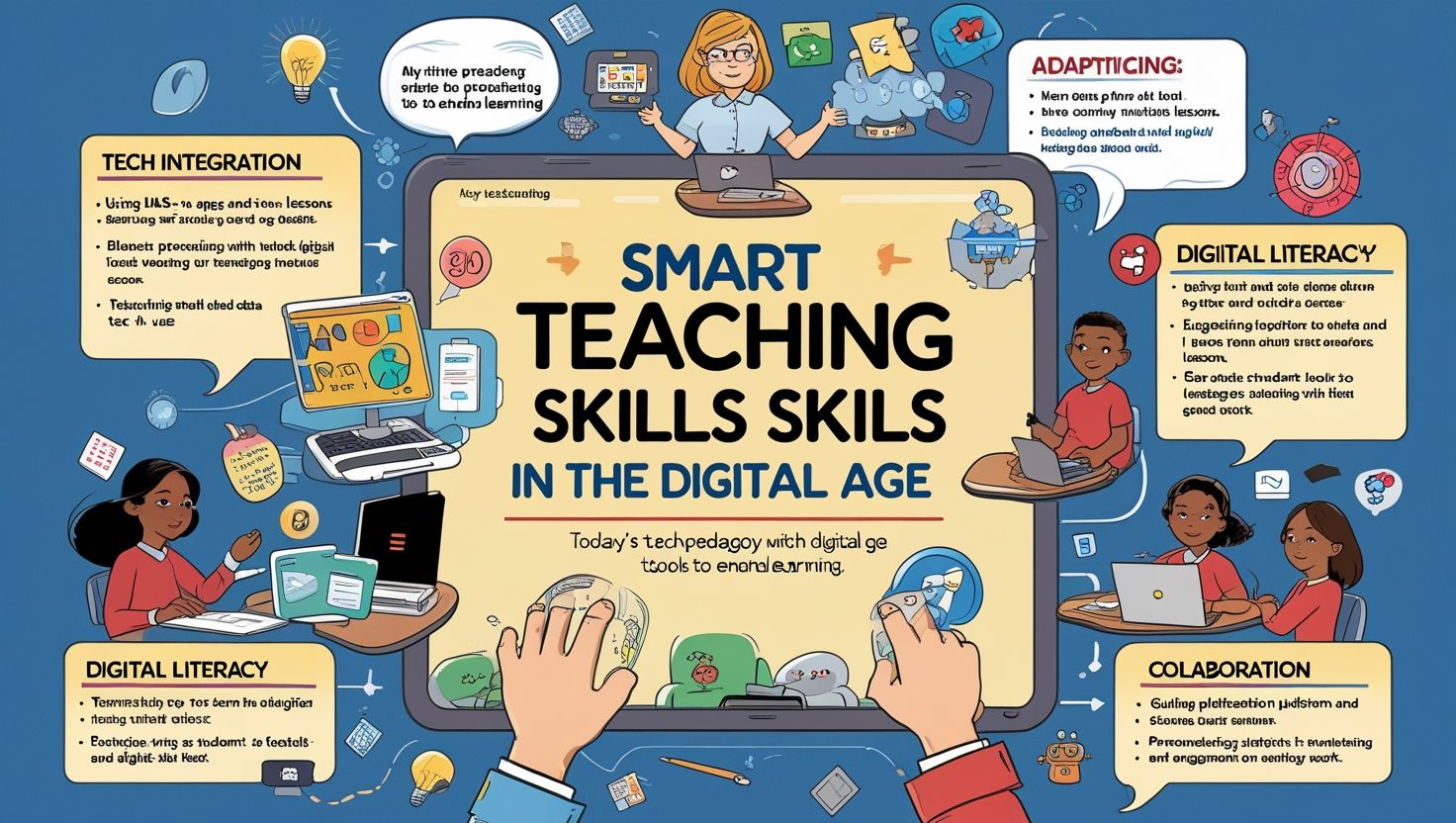
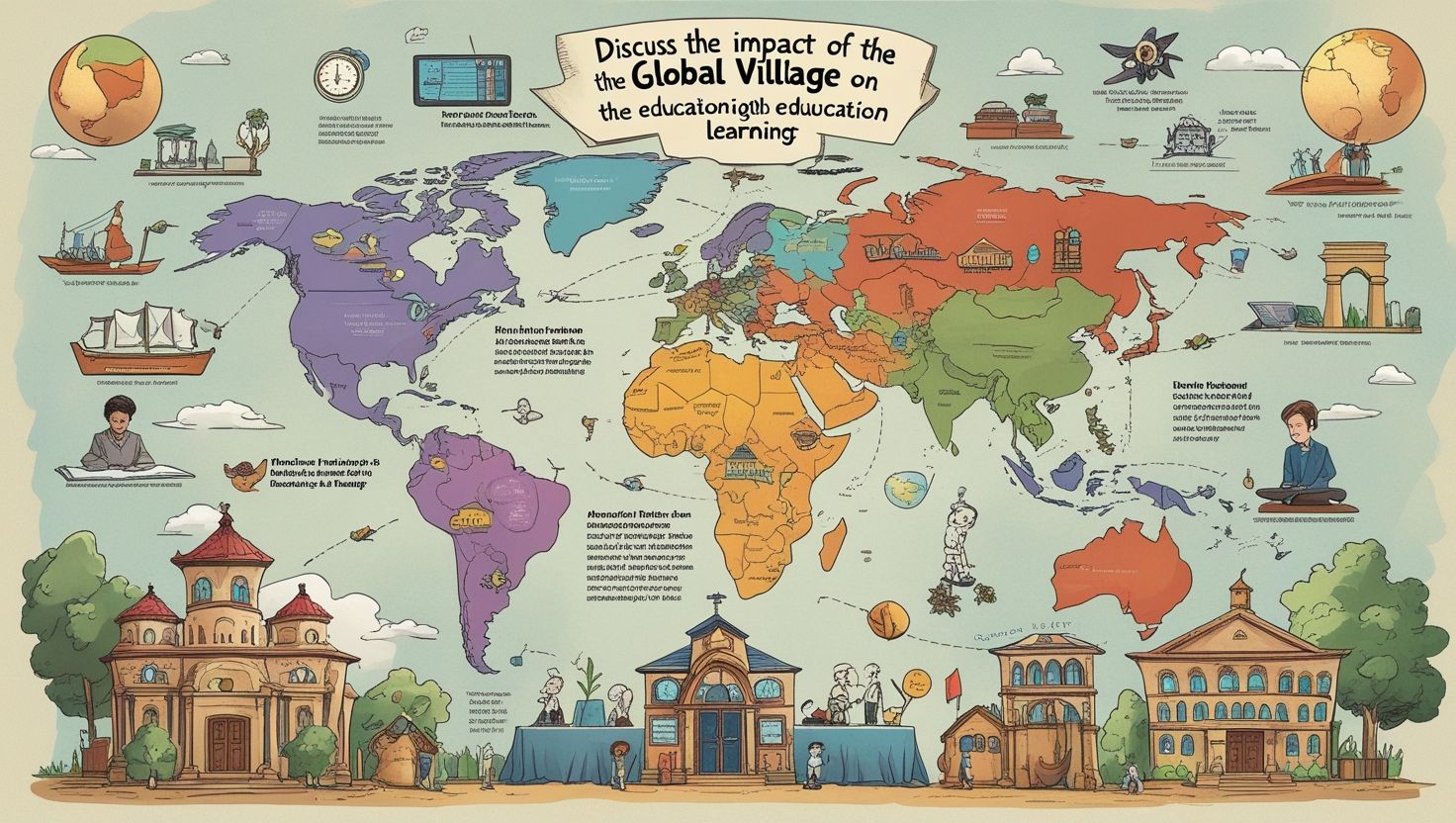
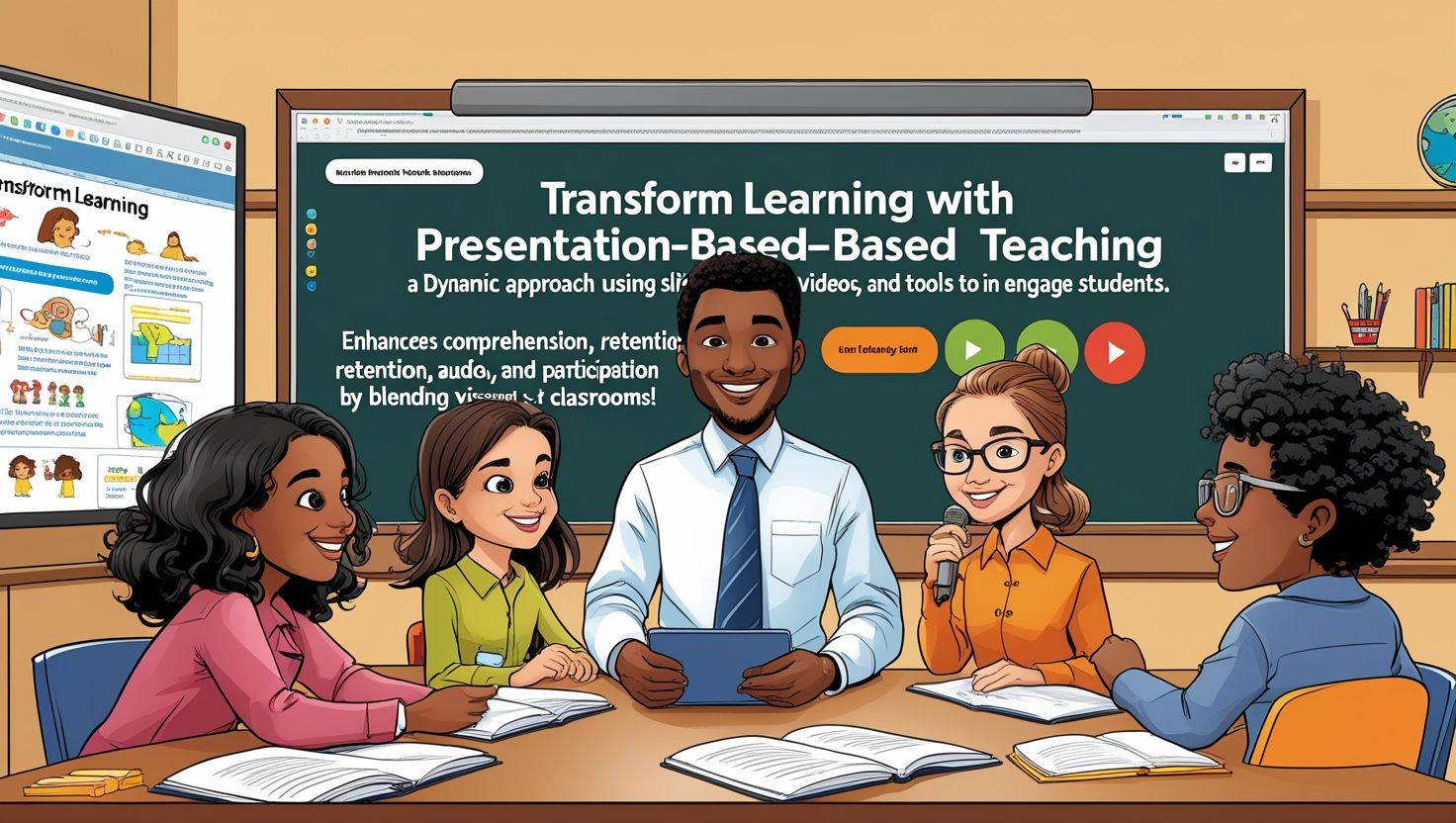
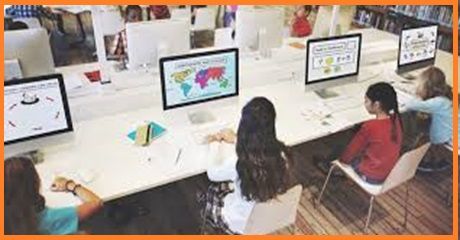
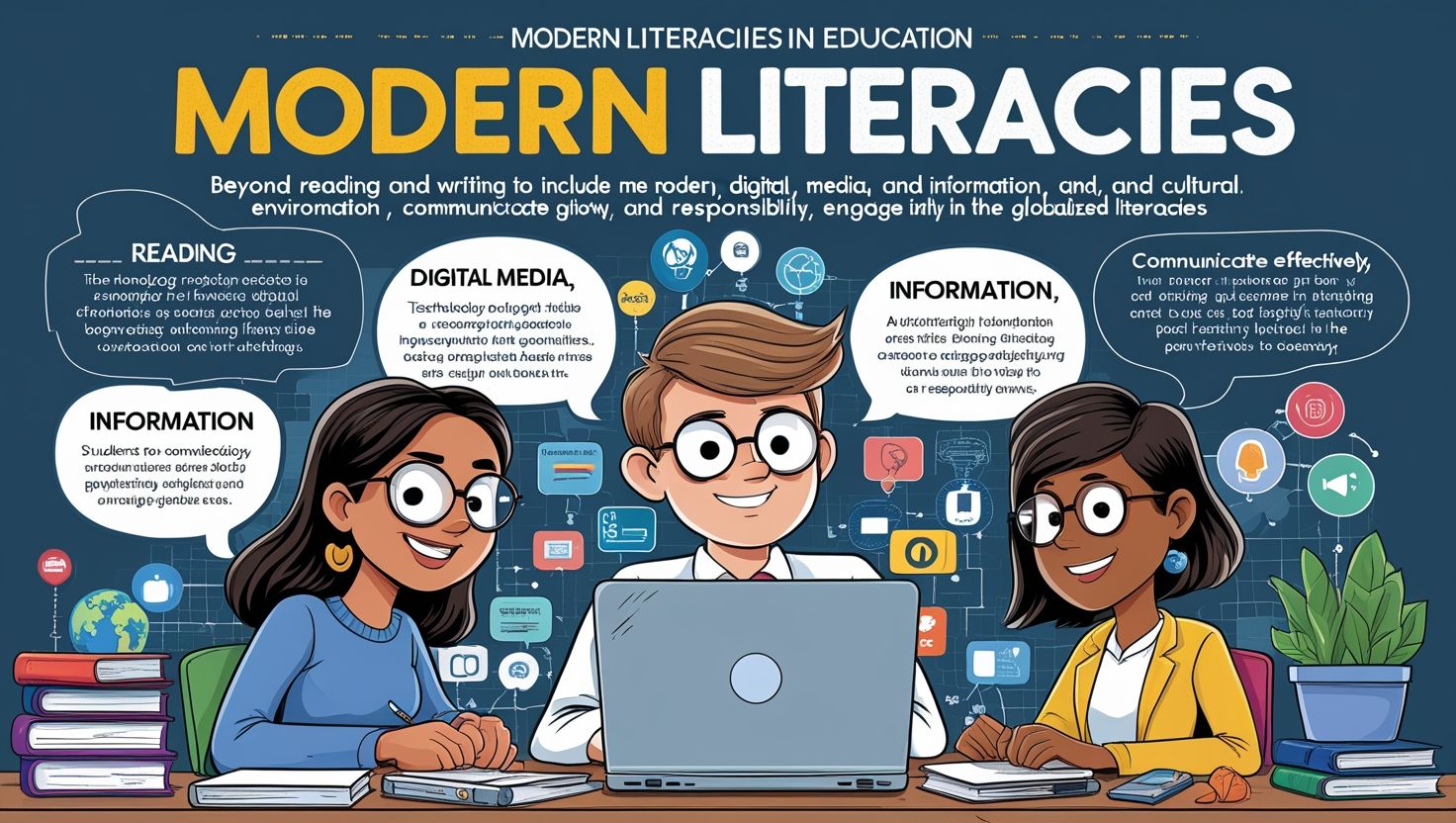
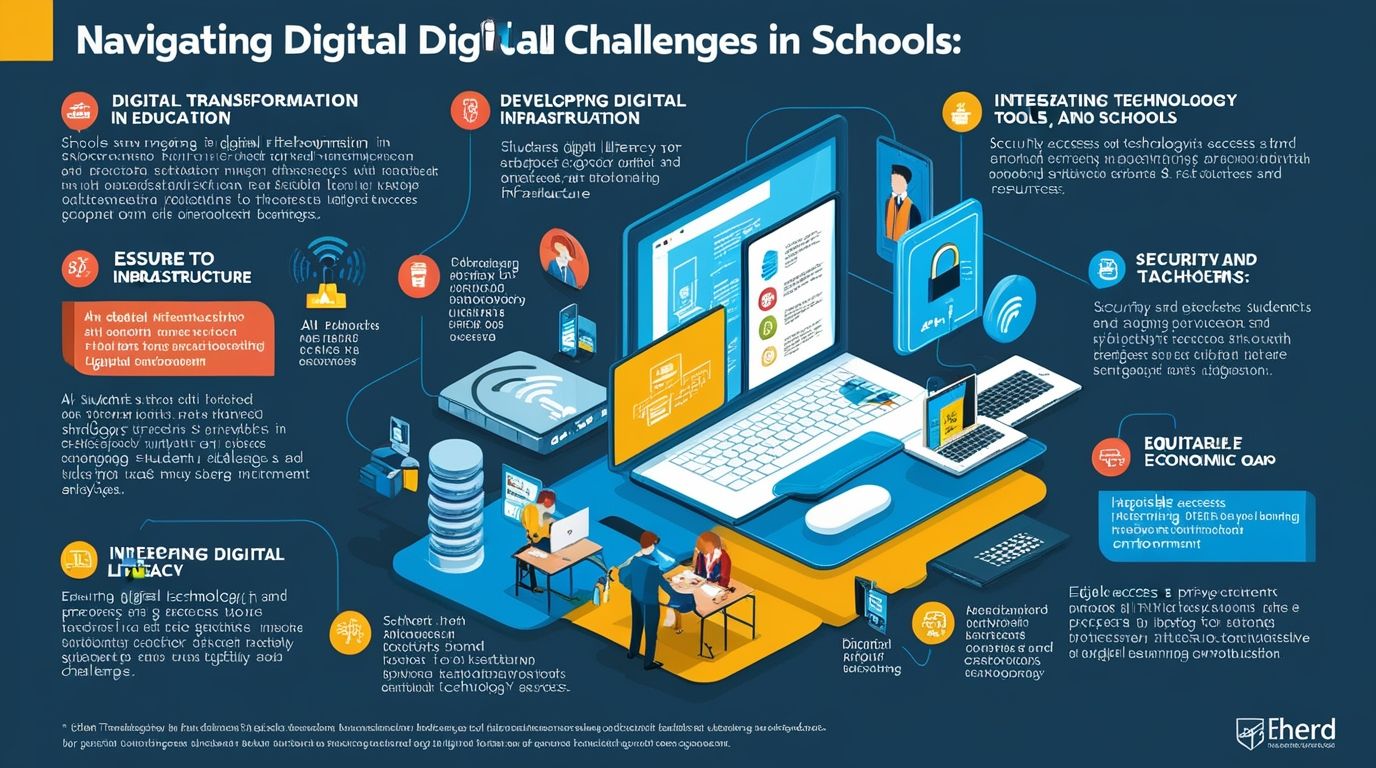
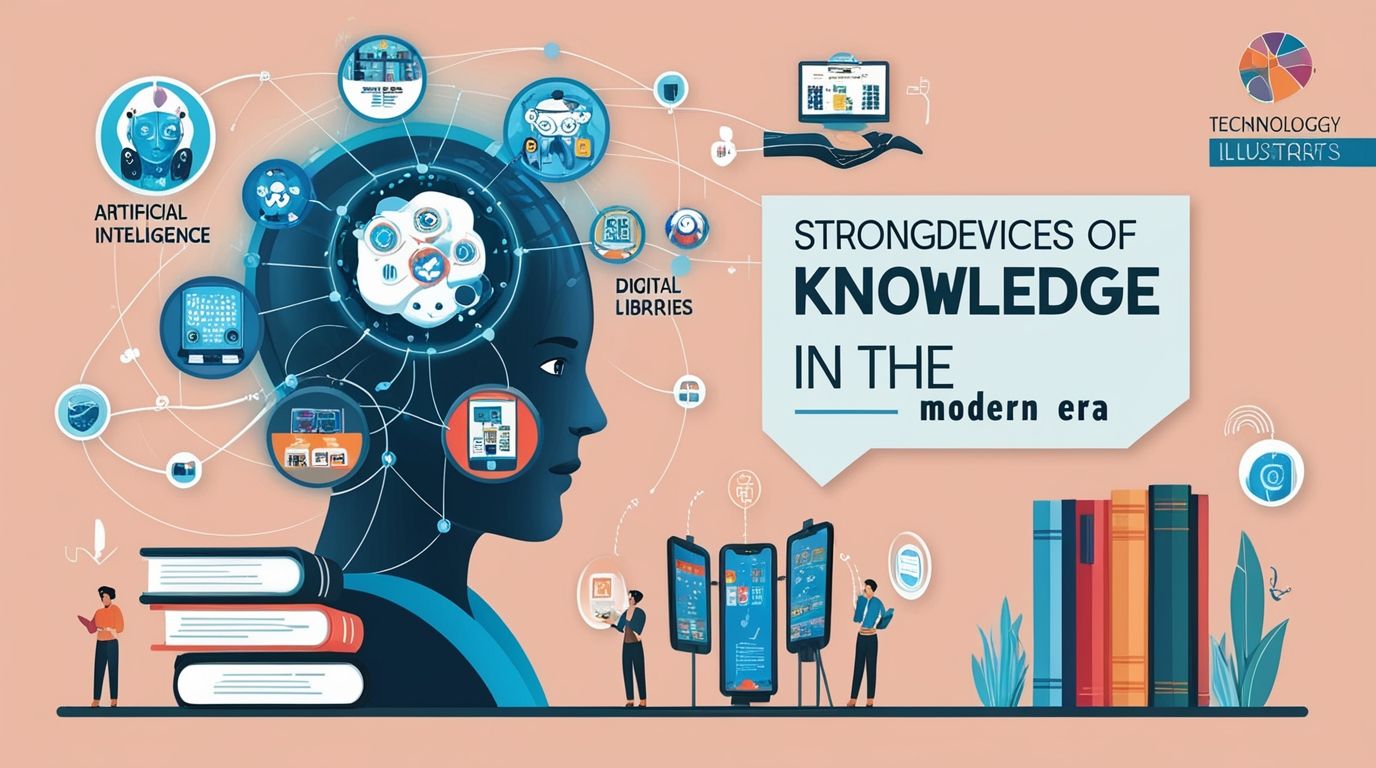
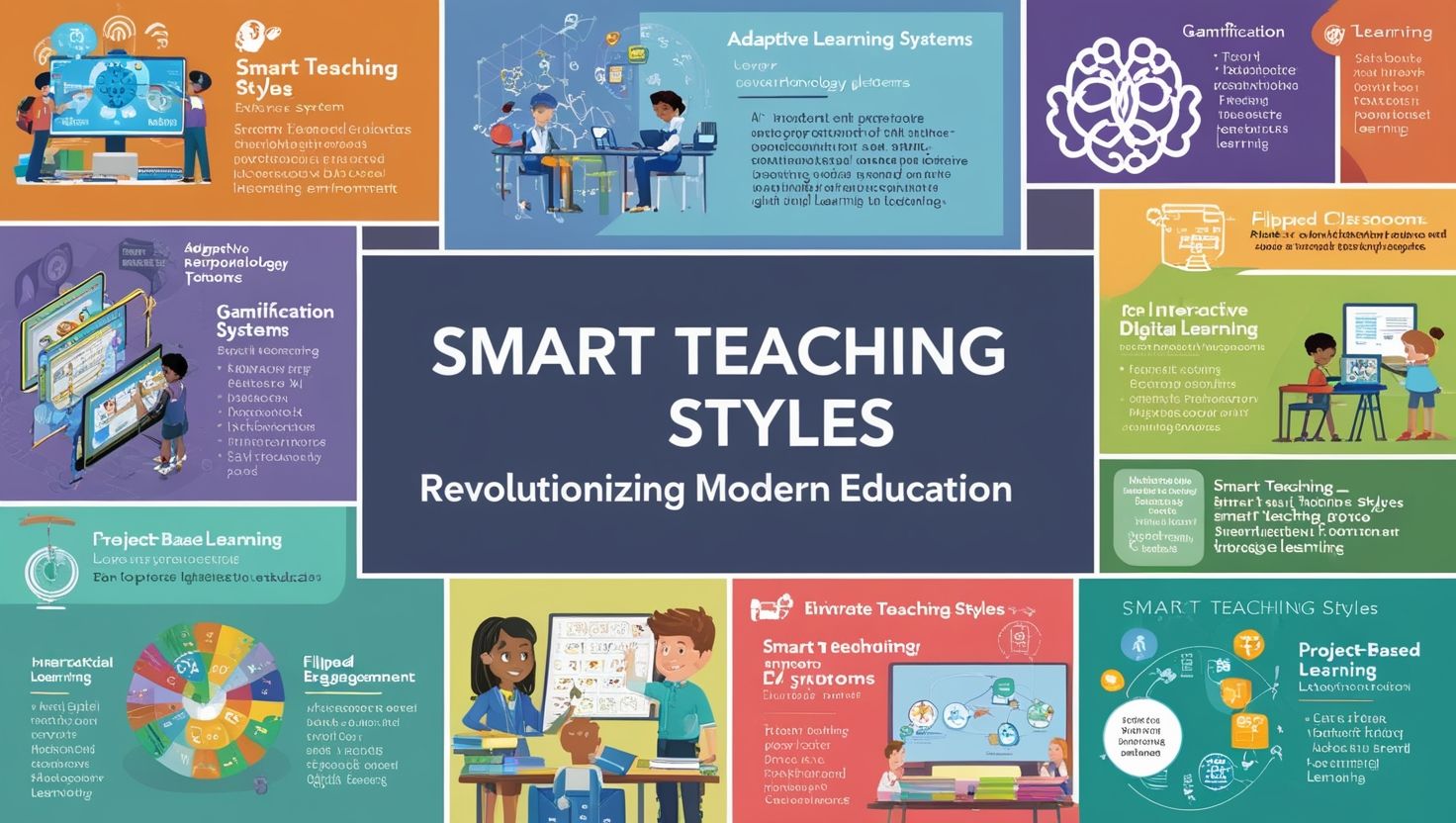
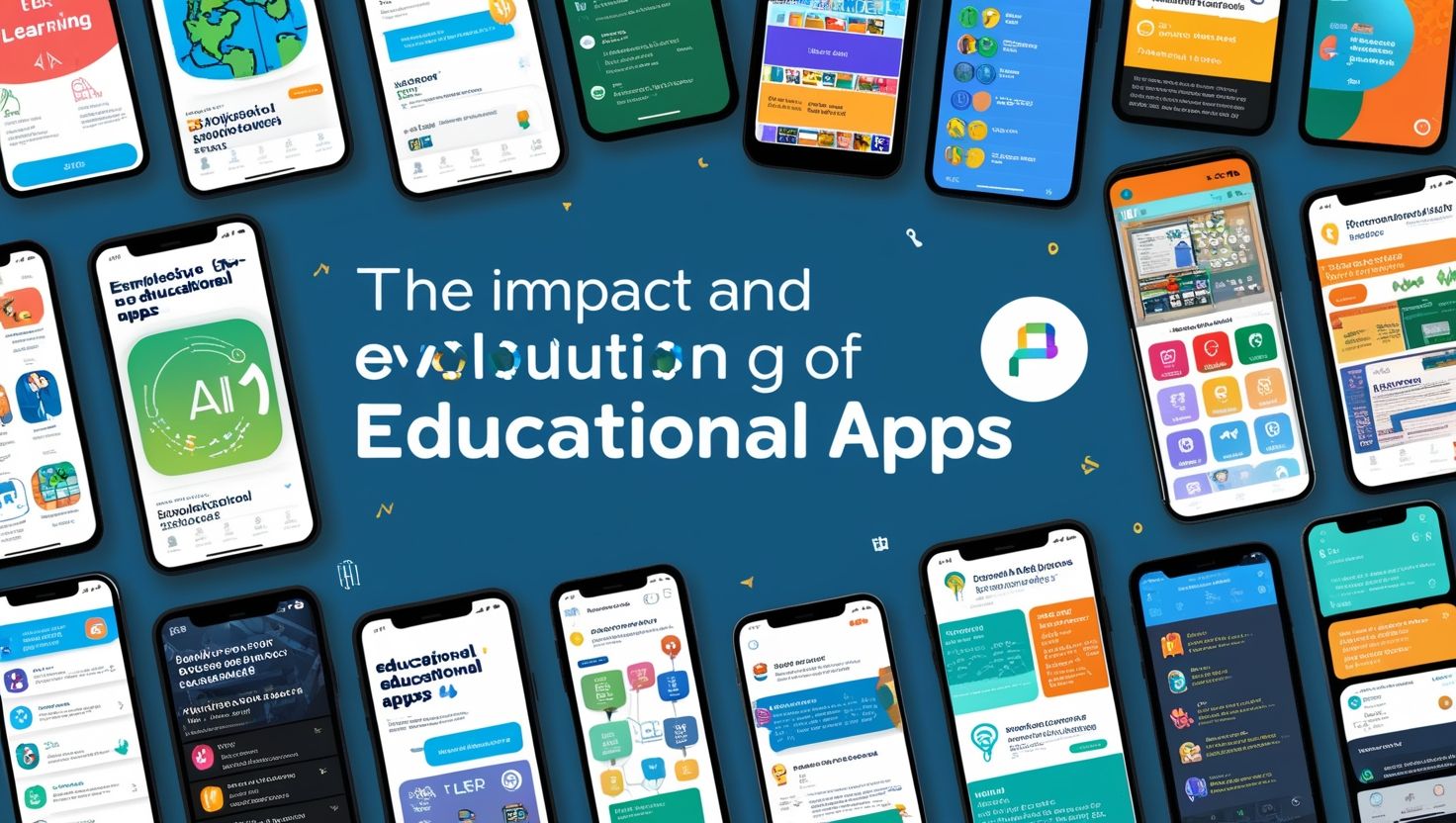
Technology integration has become a cornerstone of effective learning strategies across educational settings worldwide. Digital tools enable educators to create interactive, engaging, and accessible learning experiences that extend beyond traditional classroom boundaries. Learning management systems, educational applications, virtual simulations, and collaborative platforms support diverse instructional approaches while providing immediate access to information and resources. Technology also facilitates communication among students, teachers, and families, strengthening educational partnerships. When implemented thoughtfully, digital learning encourages creativity, problem-solving, collaboration, and independent research. Students develop essential digital literacy skills that are increasingly necessary for academic success and future employment. Moreover, technology allows educators to monitor progress through real-time analytics and adapt instruction based on learner performance. The effectiveness of technology-enhanced learning depends on purposeful integration rather than mere adoption of devices. Educational leaders must ensure equitable access, professional development, and pedagogically sound practices to maximize the transformative potential of digital innovations.
Inquiry Ignited:
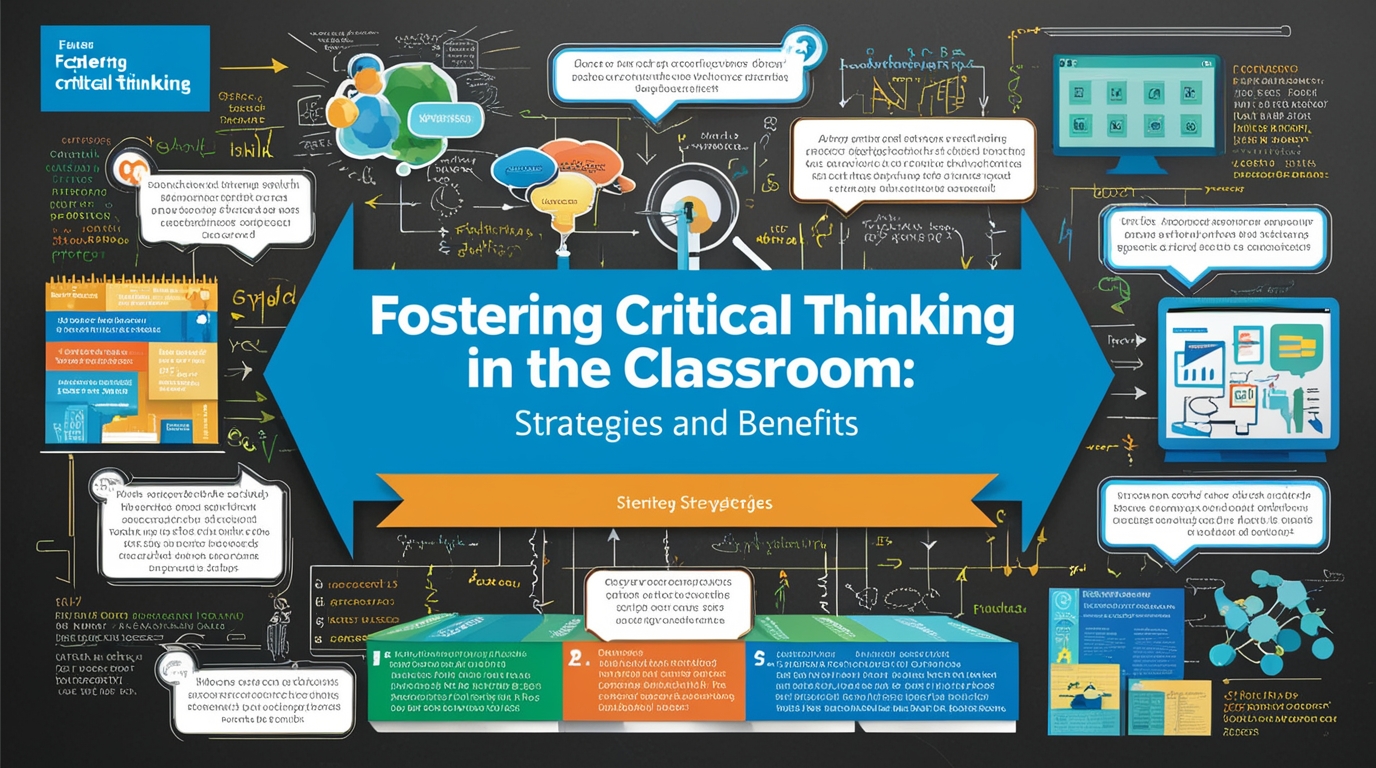
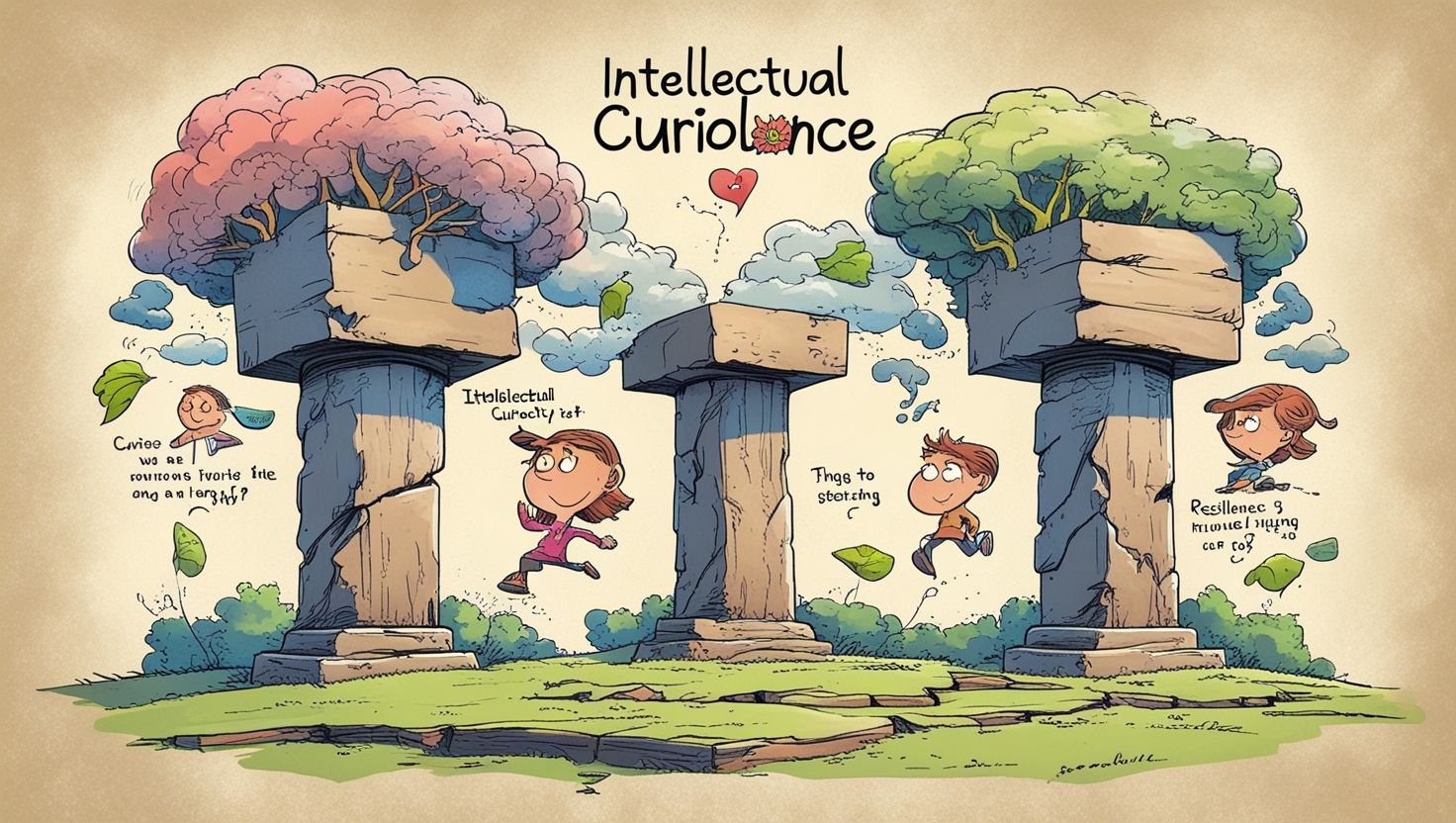
Question-based learning transforms classrooms into vibrant spaces where curiosity drives knowledge acquisition and deeper understanding. Rather than focusing exclusively on delivering answers, educators encourage learners to formulate meaningful questions, investigate complex issues, and seek evidence-based solutions. This approach develops critical-thinking skills while fostering intellectual independence and intrinsic motivation. Inquiry-based learning often involves research, experimentation, collaboration, and reflection, allowing students to engage actively with concepts and ideas. Through exploration, learners develop the capacity to analyze information, evaluate sources, and construct well-reasoned conclusions. Such skills are essential in a world characterized by abundant information and rapid technological change. Teachers support the inquiry process by creating stimulating learning environments, providing guidance, and encouraging thoughtful discussion. As students become investigators rather than passive recipients of information, they gain confidence in their ability to learn independently. Inquiry-driven education ultimately nurtures adaptable, innovative, and reflective individuals prepared for lifelong learning.
Collaboration in Action:
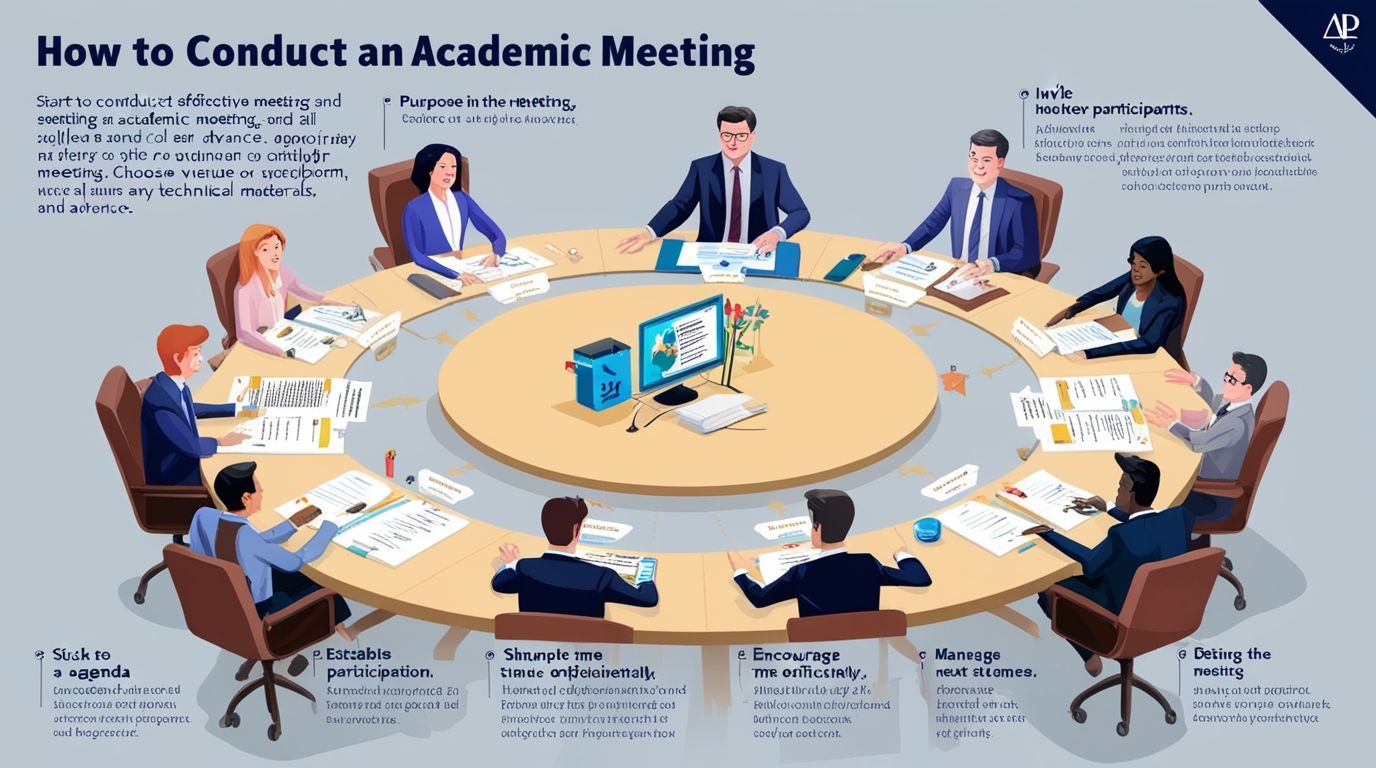
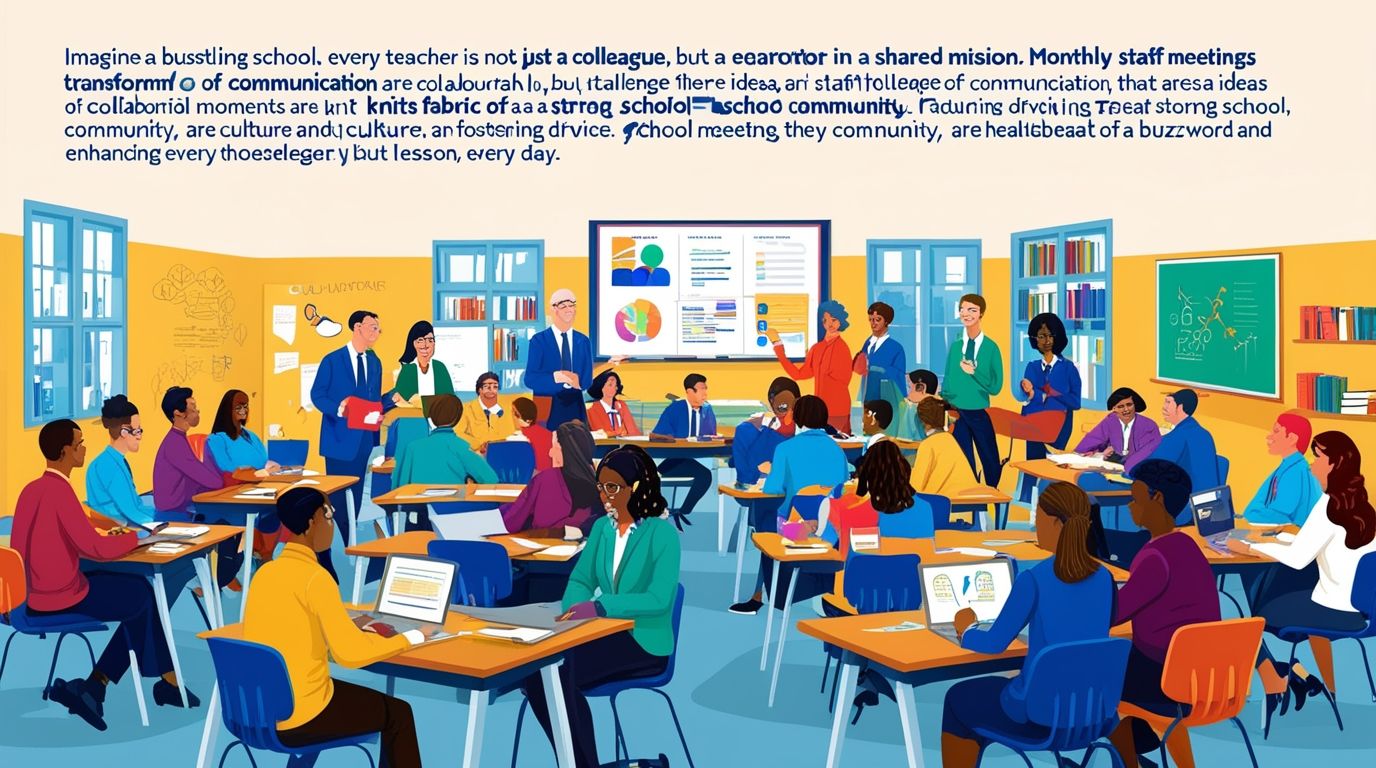
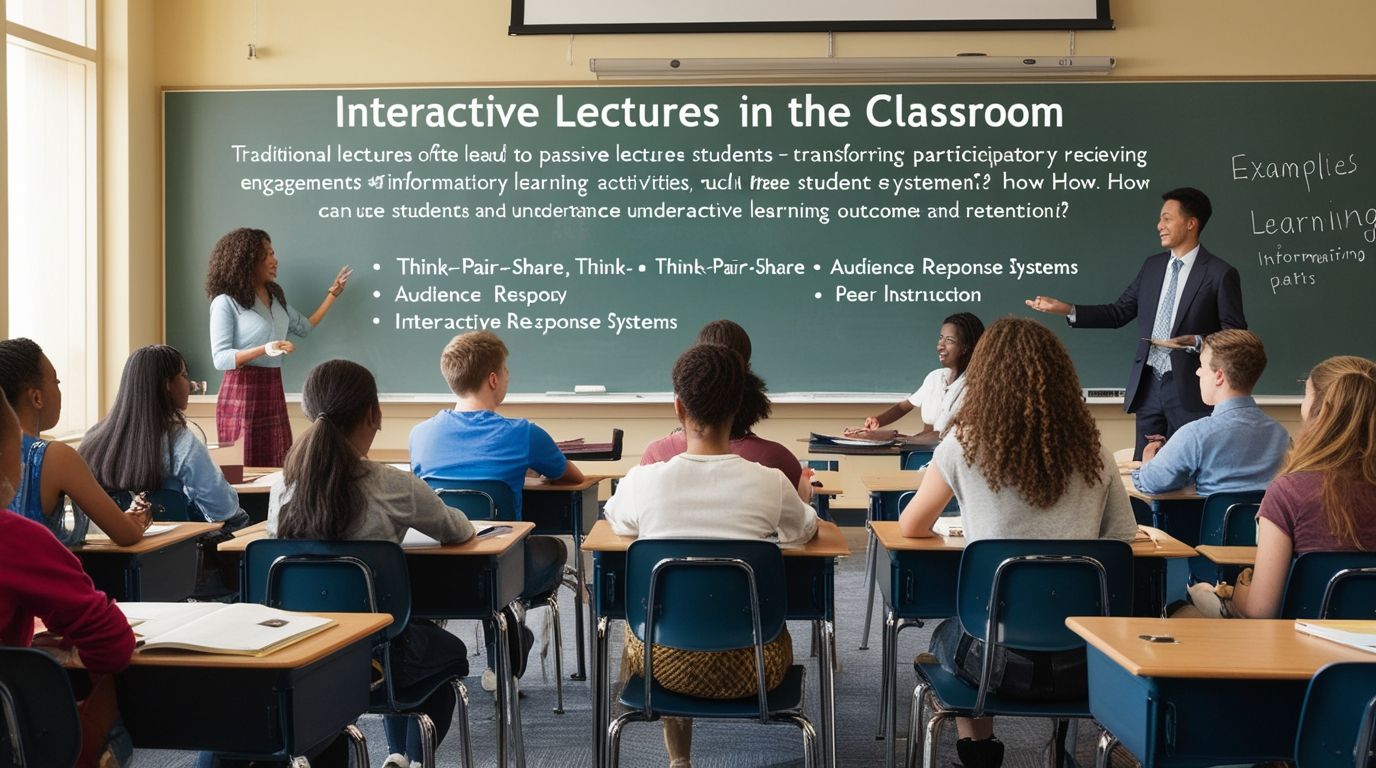
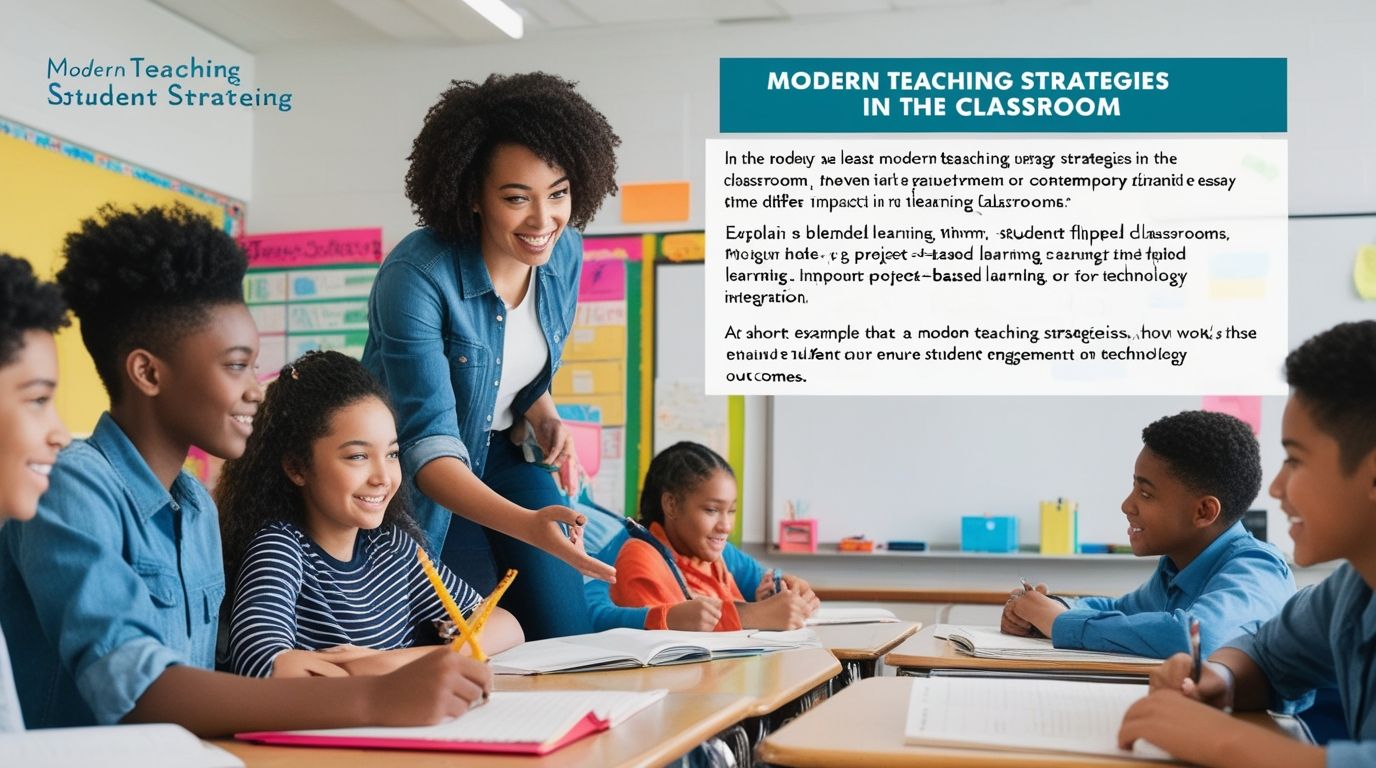
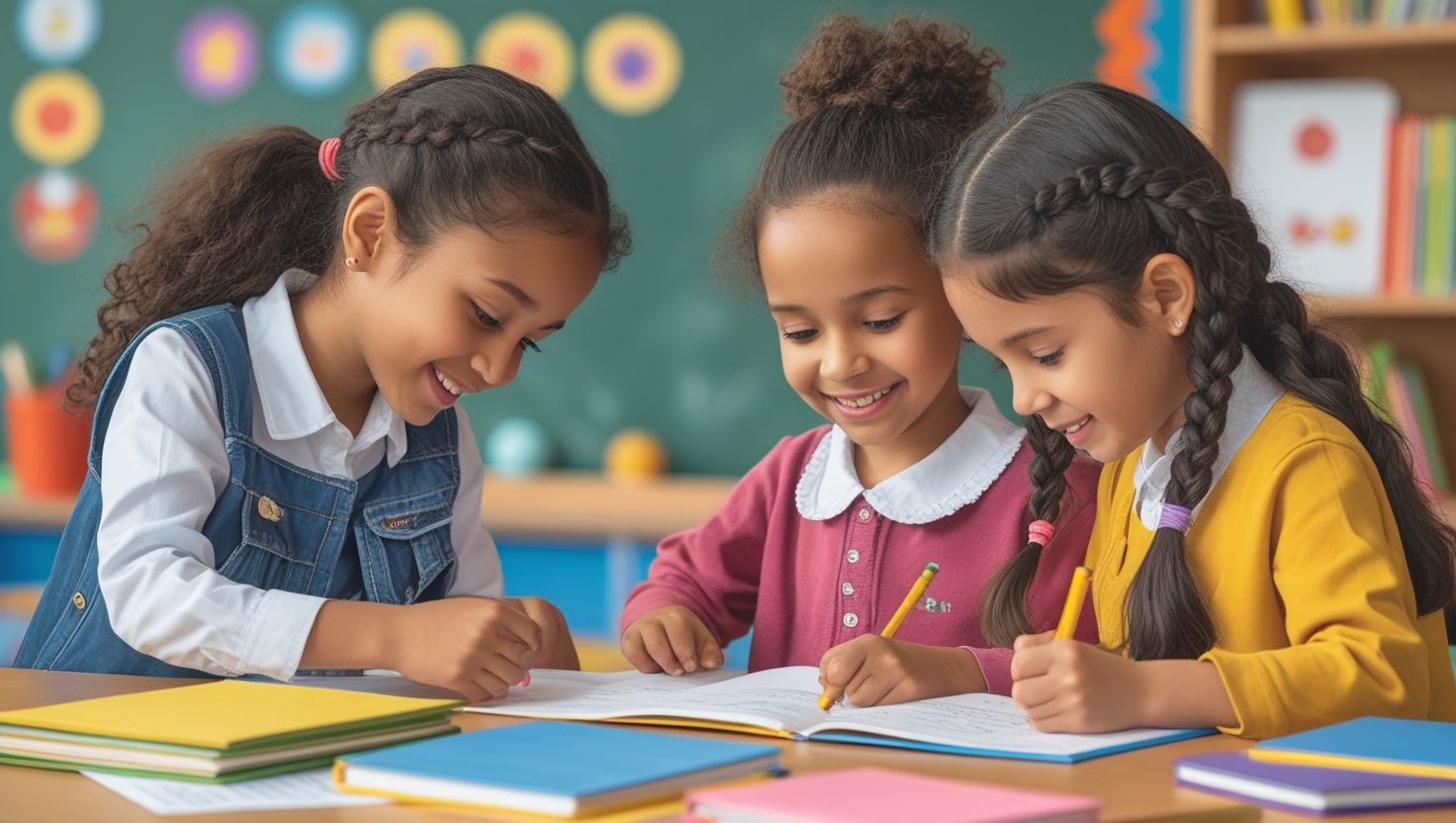
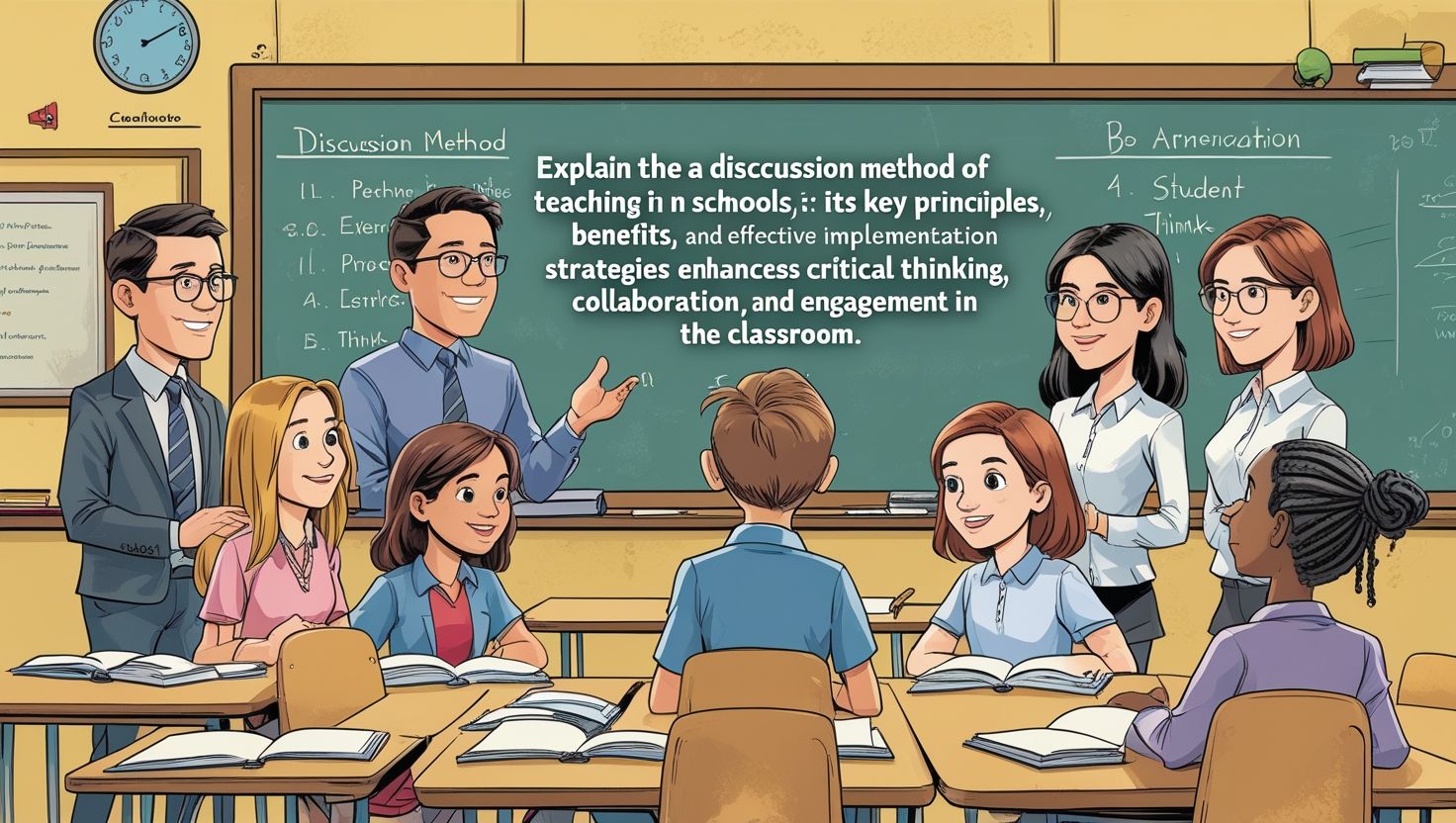
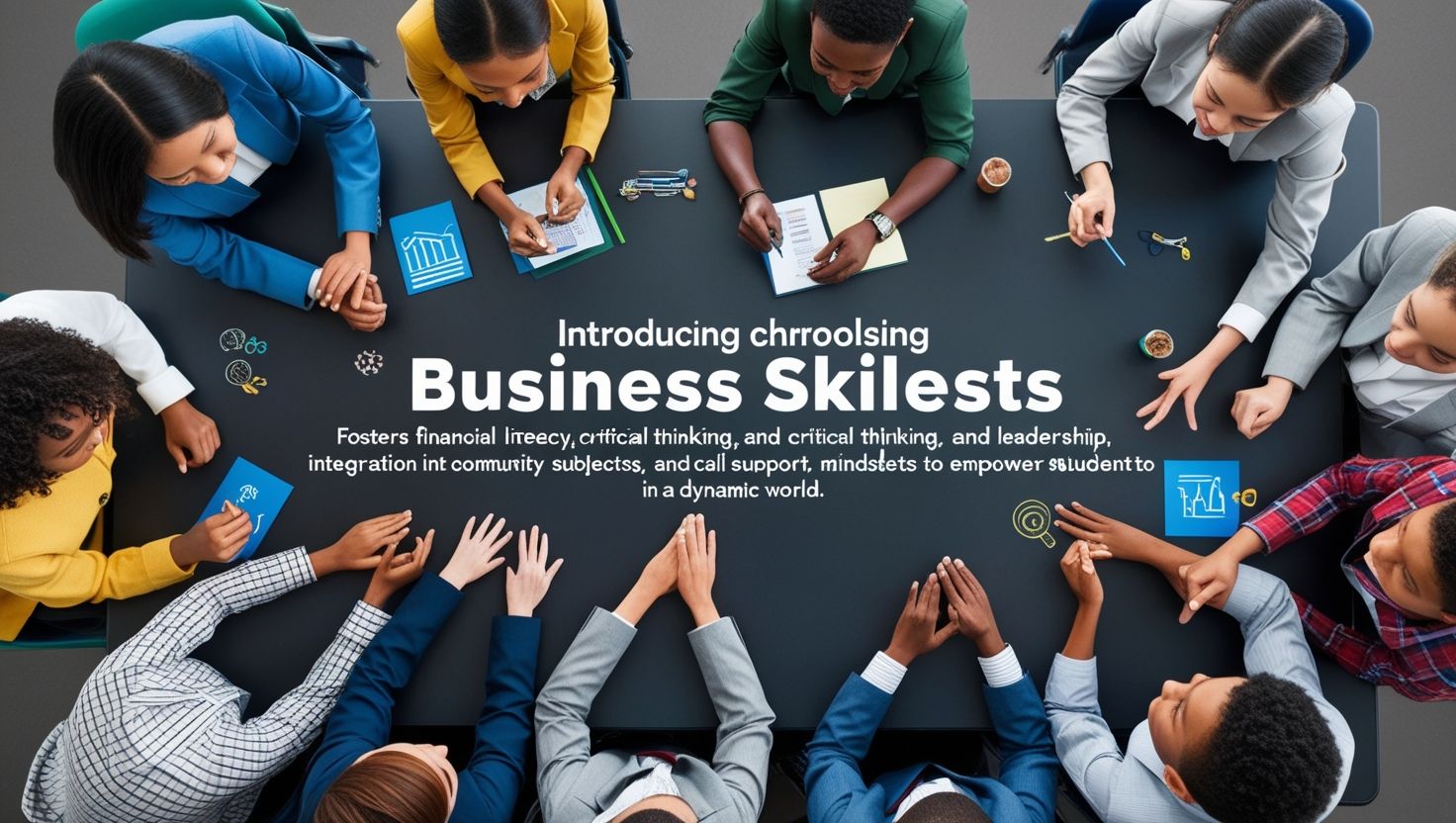
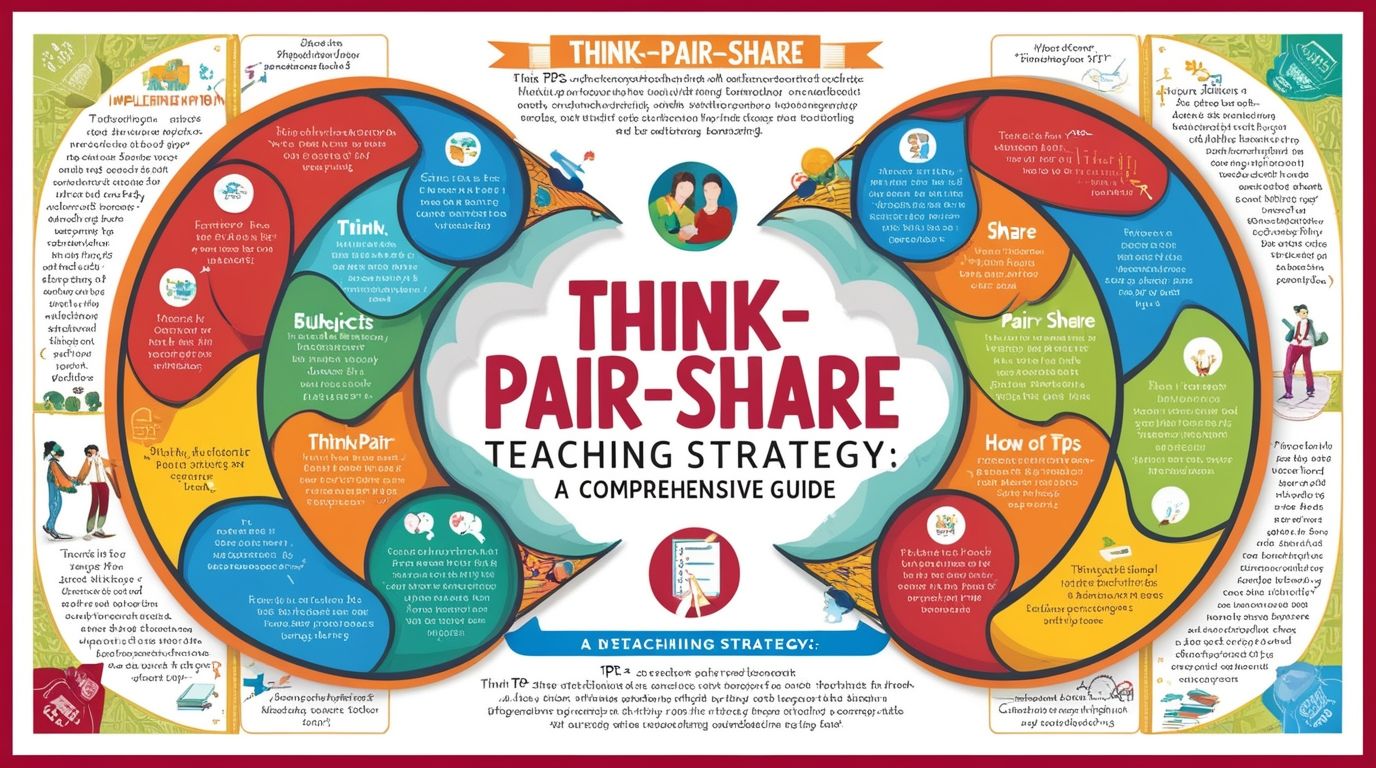
Collaborative learning has gained significant prominence because it mirrors the realities of modern workplaces and communities where teamwork is essential for success. This educational strategy encourages learners to work together toward shared goals, exchange perspectives, and solve problems collectively. Through structured group activities, discussions, and projects, students develop communication, leadership, conflict-resolution, and interpersonal skills. Collaborative learning also promotes deeper understanding because explaining concepts to peers reinforces comprehension and exposes learners to diverse viewpoints. Effective collaboration requires clear expectations, equitable participation, and supportive classroom cultures where every voice is respected. Technology further enhances collaborative opportunities by enabling virtual teamwork and global connections. Research indicates that collaborative environments improve engagement, motivation, and academic achievement while fostering social-emotional growth. As educational institutions emphasize twenty-first-century competencies, teamwork becomes increasingly valuable. By learning to collaborate effectively, students acquire essential skills that contribute to personal success, professional effectiveness, and responsible citizenship.
The Power of Projects:
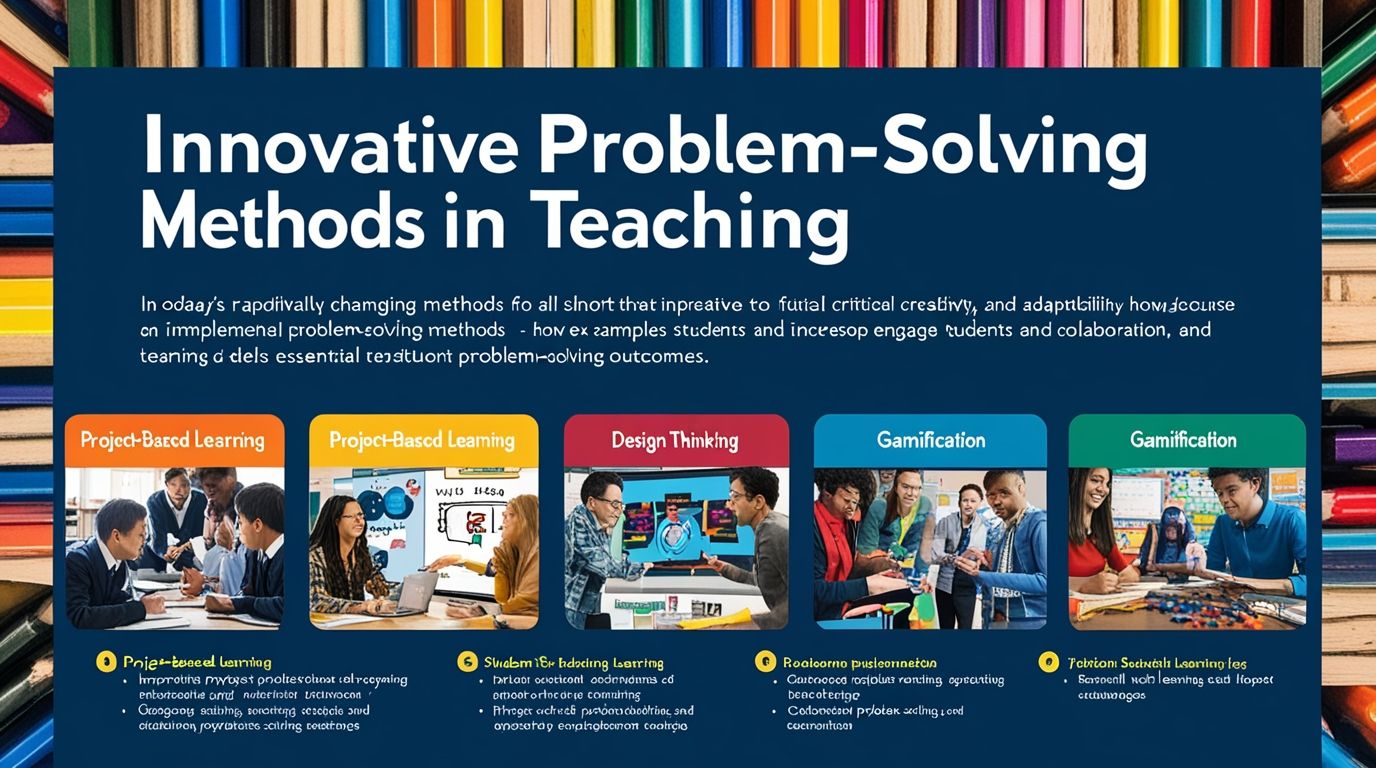
Project-based learning connects academic content with authentic experiences, enabling students to apply knowledge and skills to meaningful challenges. Rather than focusing solely on isolated lessons, learners engage in extended investigations that culminate in tangible products, presentations, or solutions. This strategy promotes deeper understanding by encouraging students to explore complex questions, conduct research, collaborate with peers, and reflect on their learning processes. Project-based learning integrates multiple disciplines, fostering creativity, critical thinking, communication, and problem-solving abilities. Students become active participants in knowledge construction while developing responsibility and perseverance. Authentic projects often address community issues or real-world concerns, increasing relevance and motivation. Teachers facilitate learning by providing guidance, resources, and feedback throughout the project cycle. As educational systems seek to prepare learners for rapidly changing environments, project-based learning offers a powerful framework for developing practical competencies and transferable skills that extend far beyond traditional classroom assessments.
Mind Meets Heart:
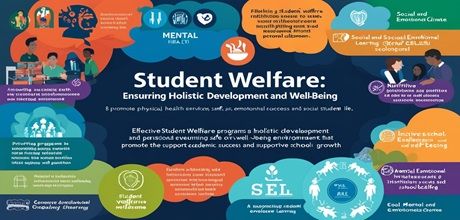
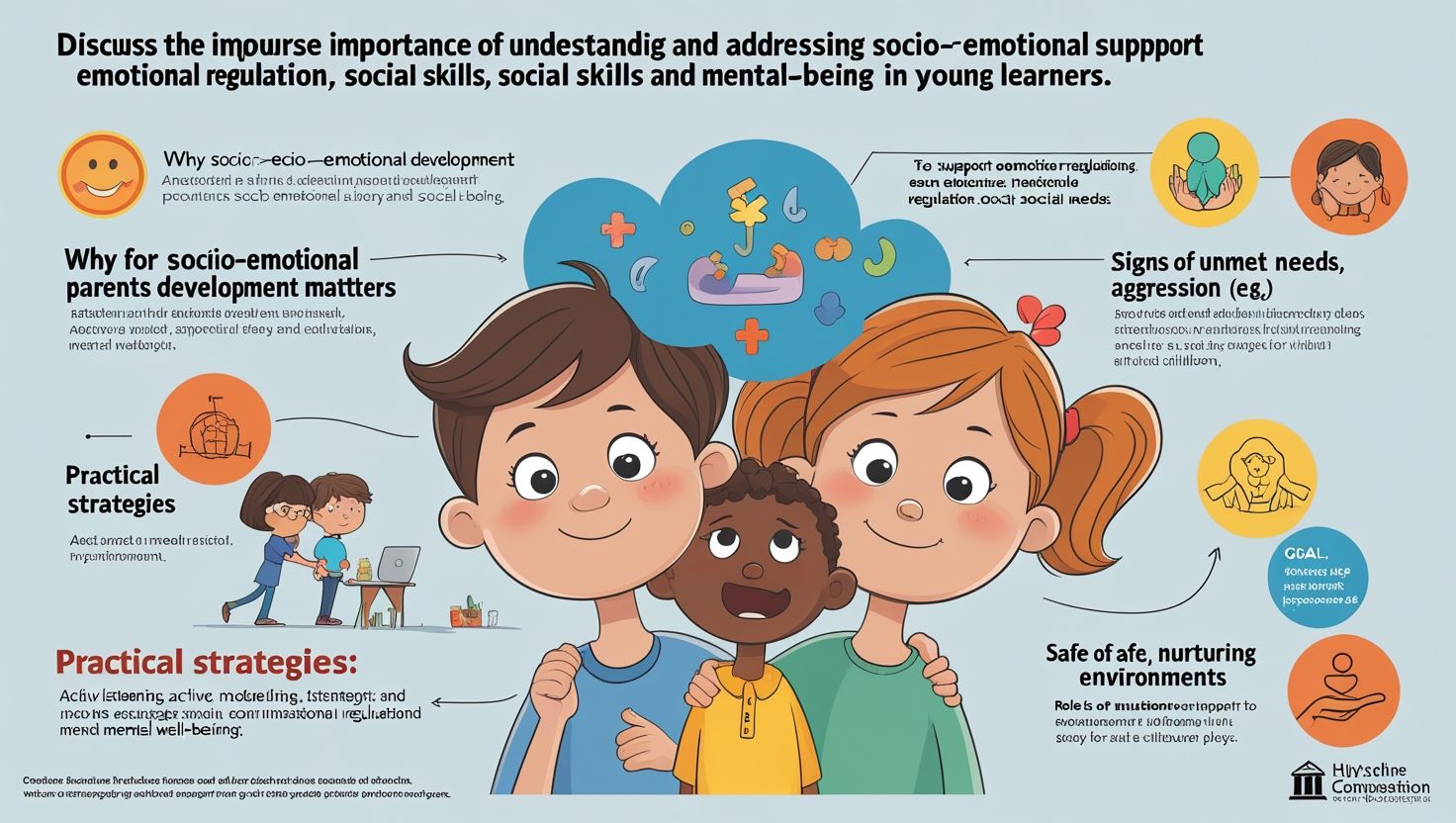
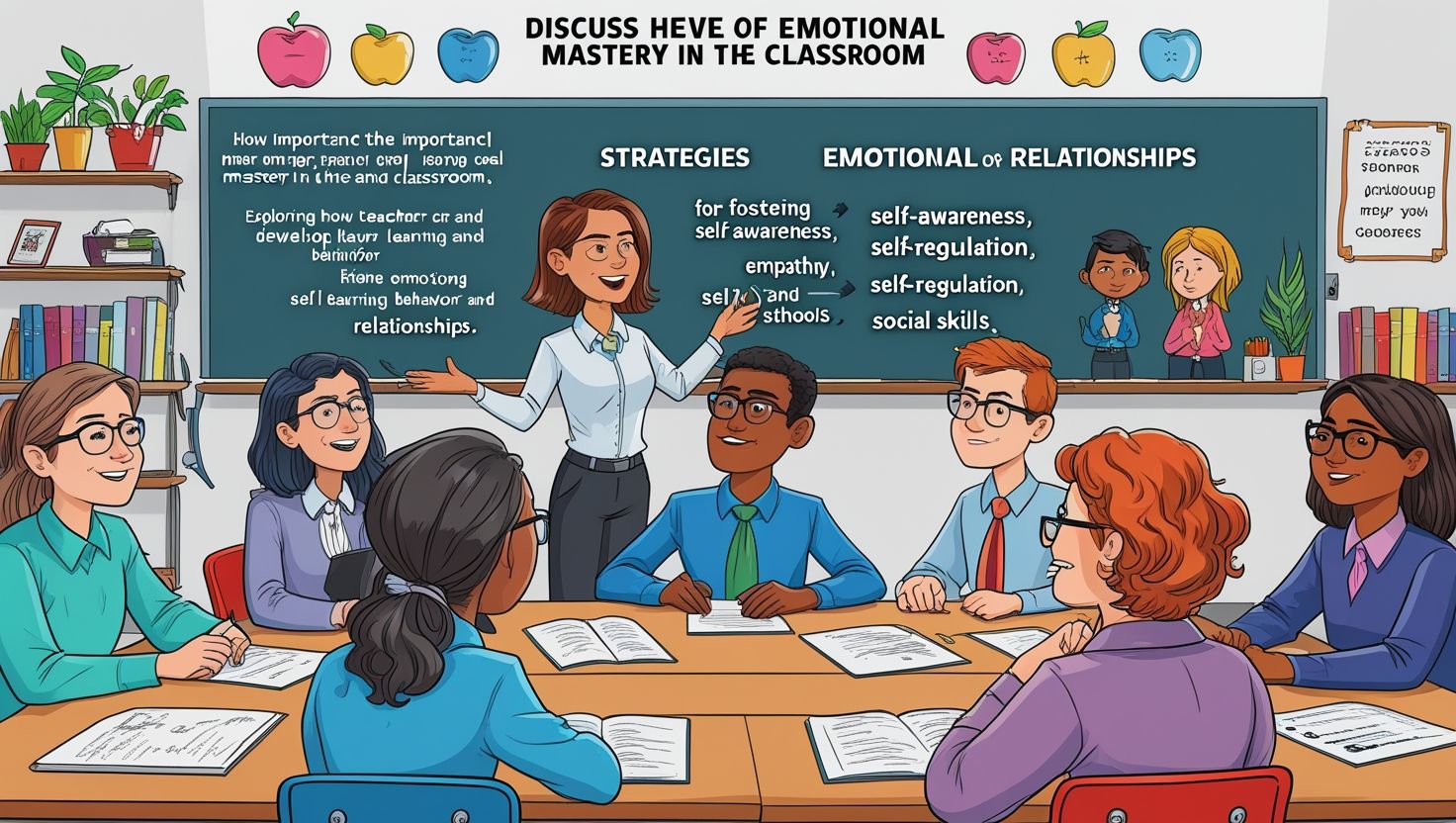
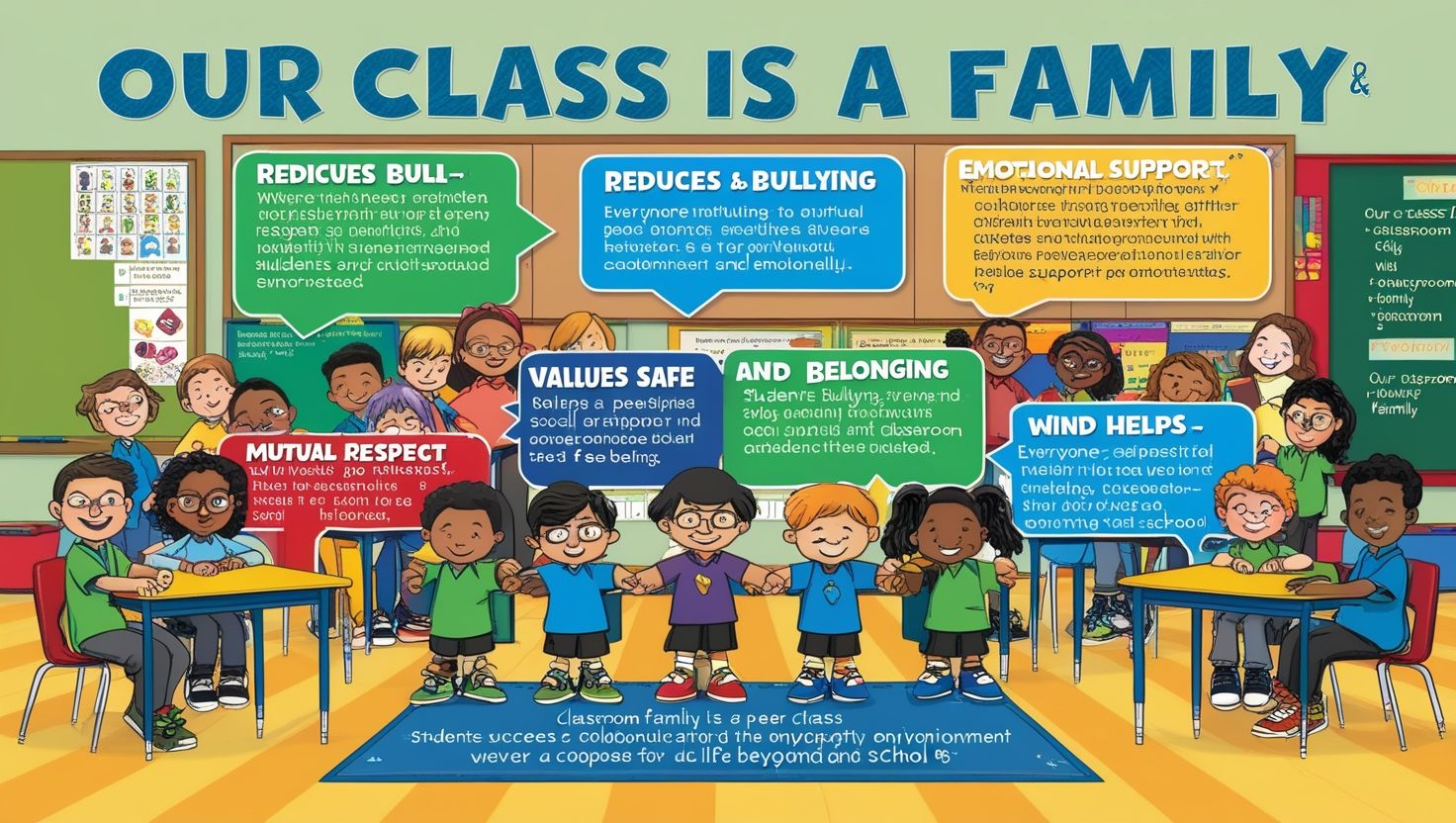
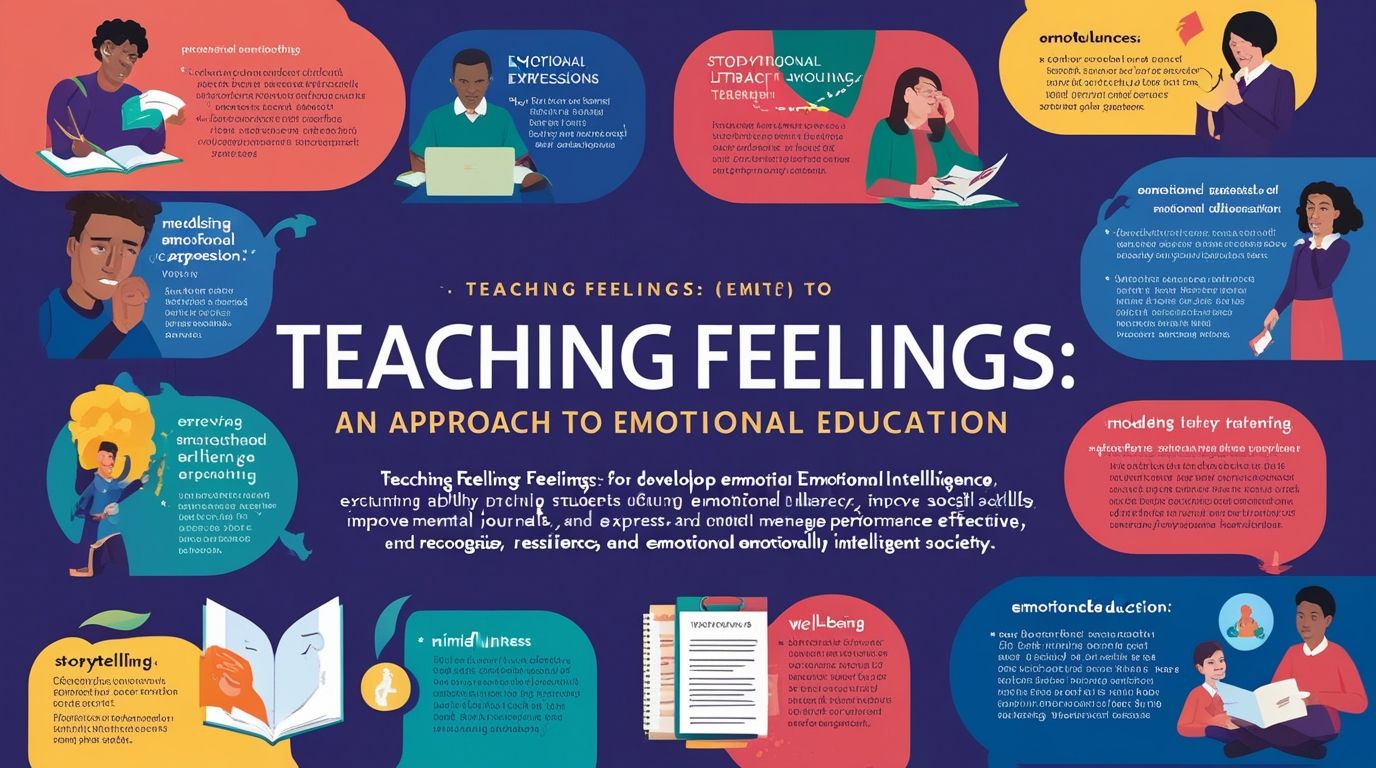
Social-emotional learning has become a central educational priority because academic achievement is closely connected to emotional well-being and interpersonal competence. This strategy focuses on developing self-awareness, self-management, social awareness, relationship skills, and responsible decision-making. Students learn to recognize emotions, manage stress, communicate effectively, and build positive relationships. These competencies contribute to healthier classroom climates and improved academic outcomes. Social-emotional learning also supports resilience by helping learners navigate challenges and setbacks constructively. Educators integrate these skills through classroom discussions, reflective activities, cooperative learning experiences, and supportive interactions. Research consistently demonstrates that social-emotional learning enhances engagement, behavior, achievement, and long-term success. In an increasingly interconnected world, emotional intelligence is as important as cognitive ability. Schools that prioritize social-emotional development create environments where learners feel safe, valued, and empowered. By nurturing both the mind and the heart, education becomes more holistic, inclusive, and transformative.
Data-Driven Decisions:
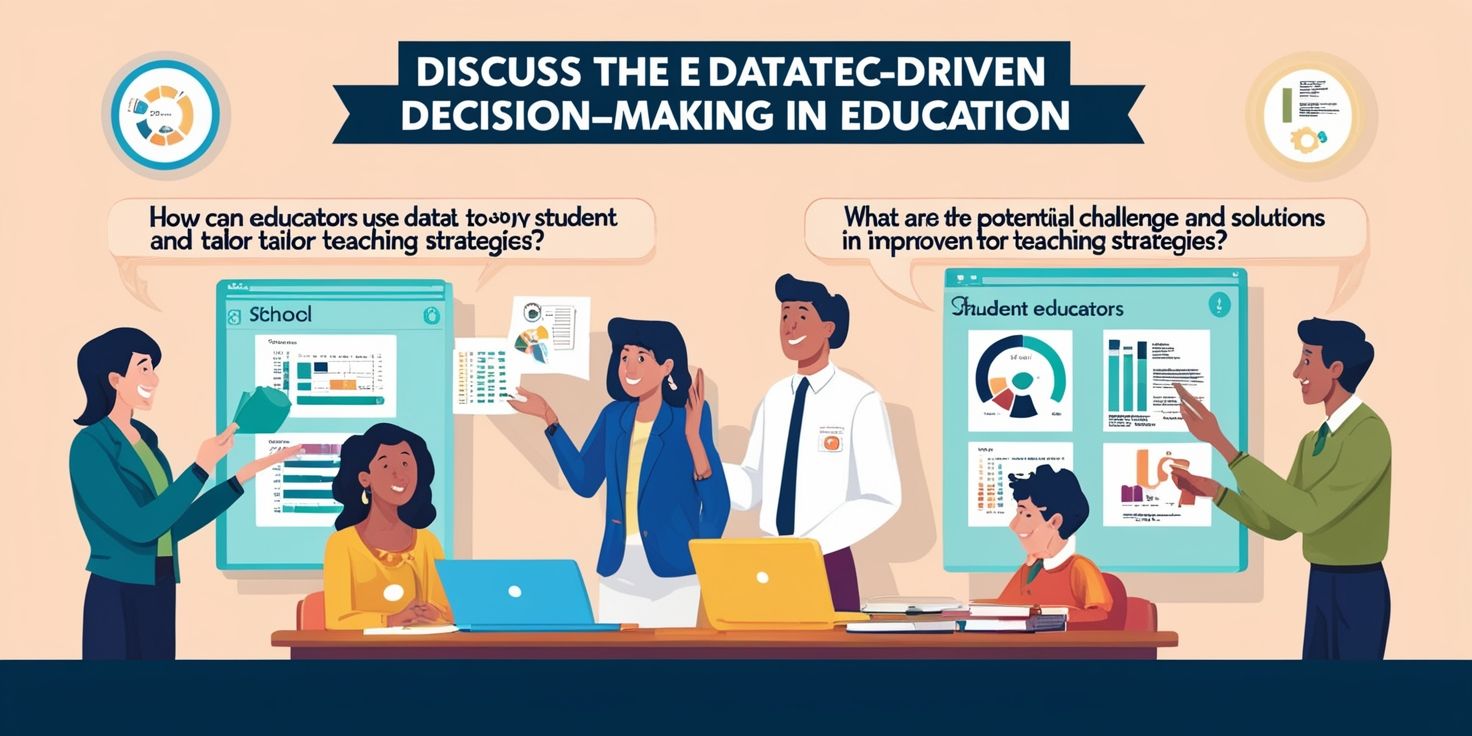
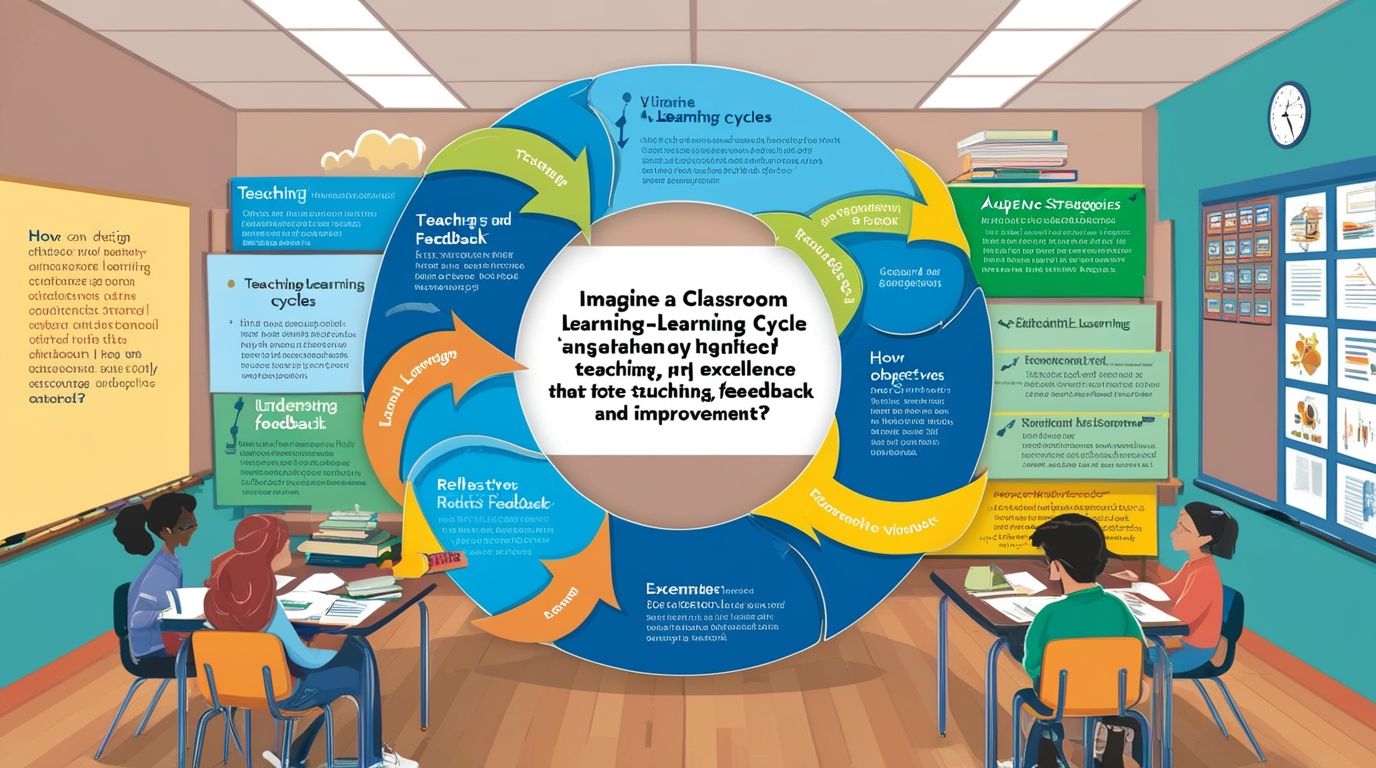
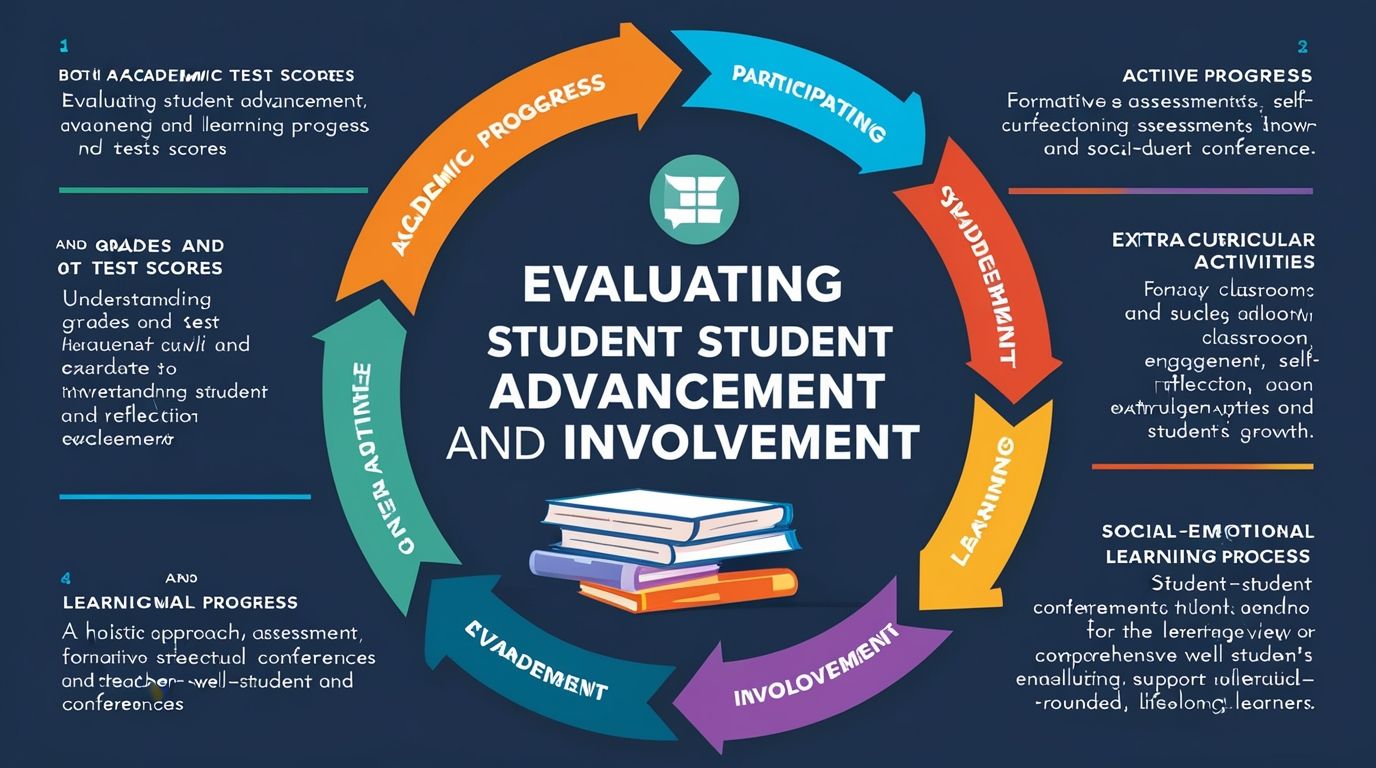
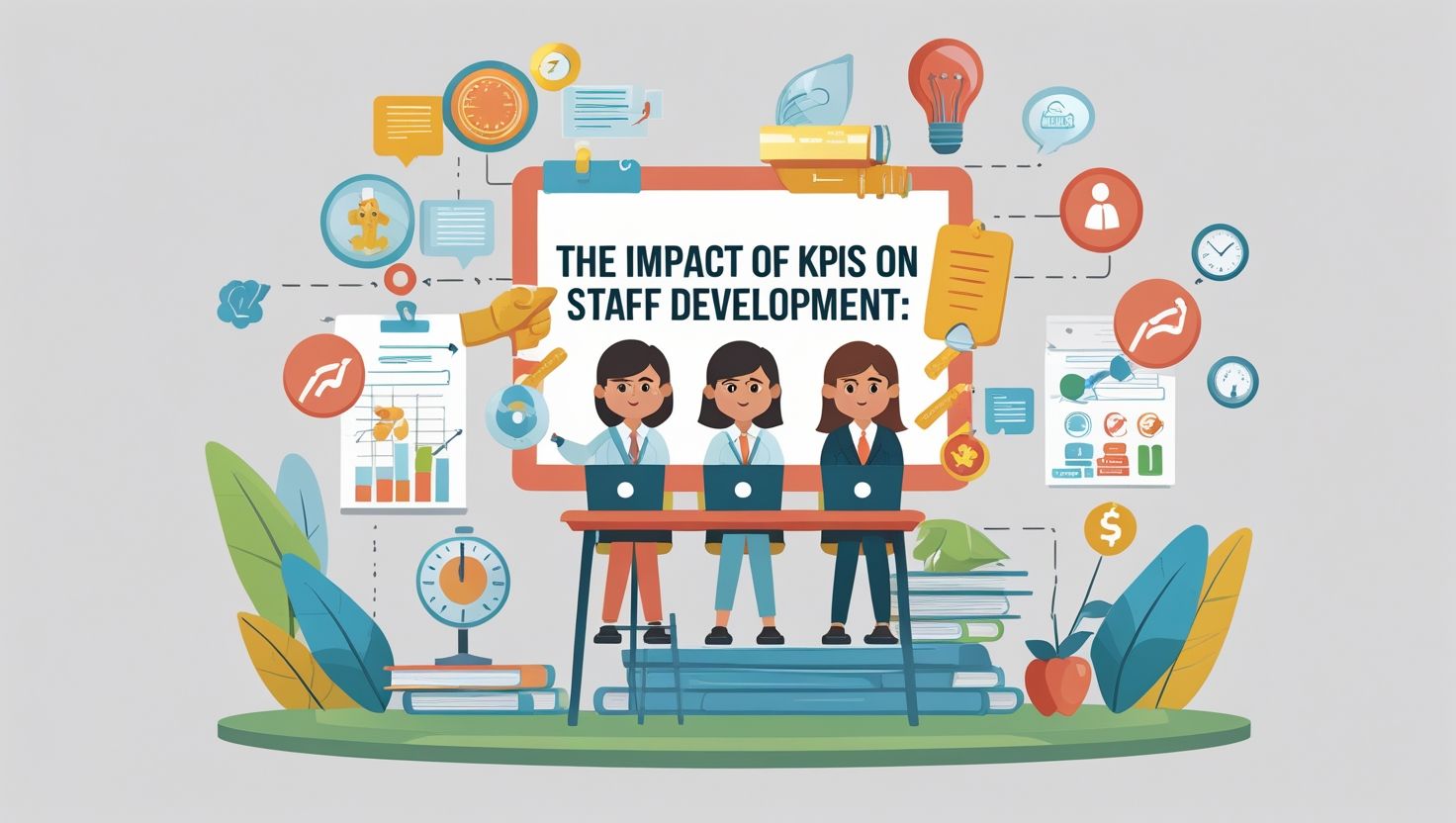
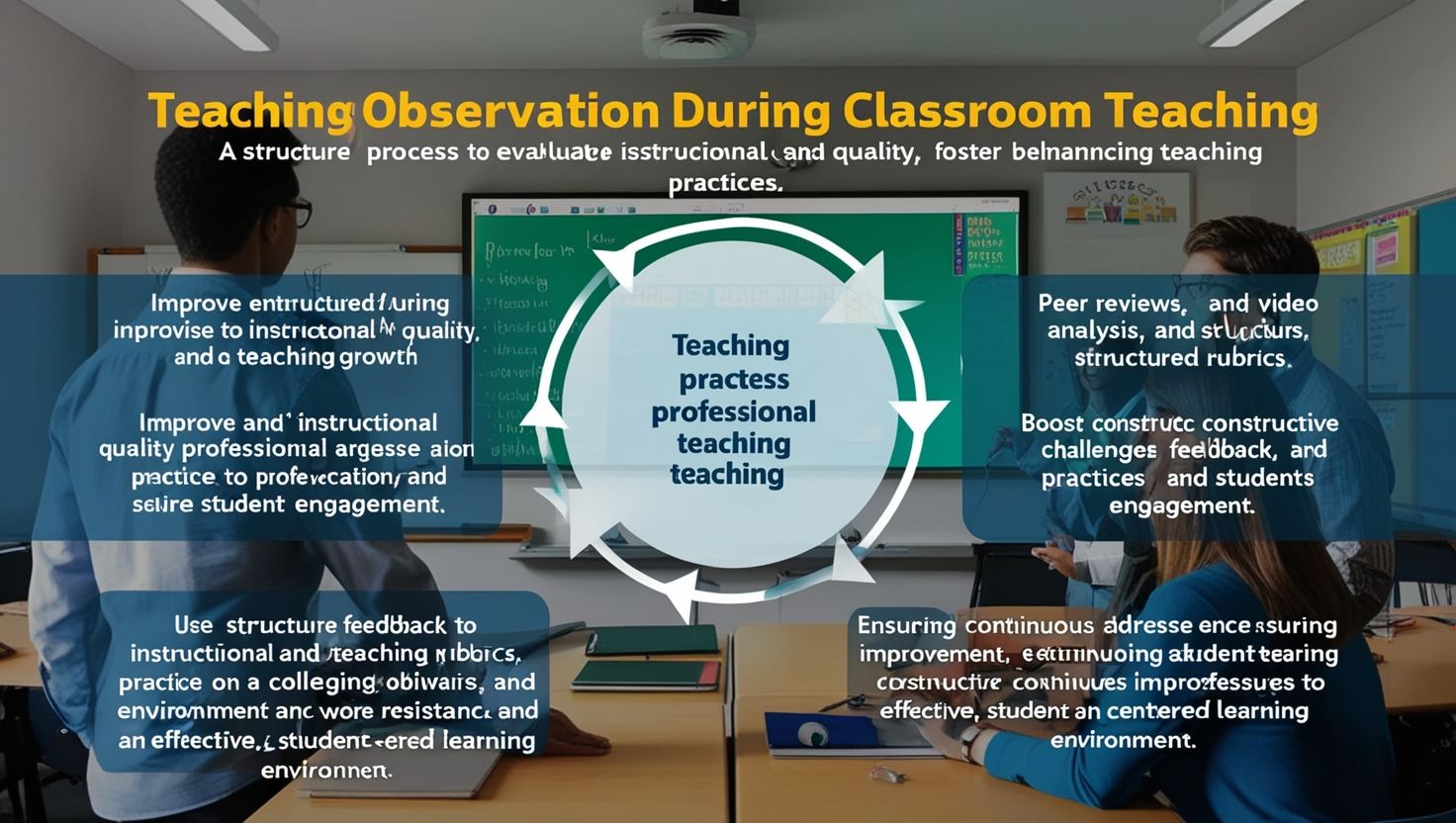
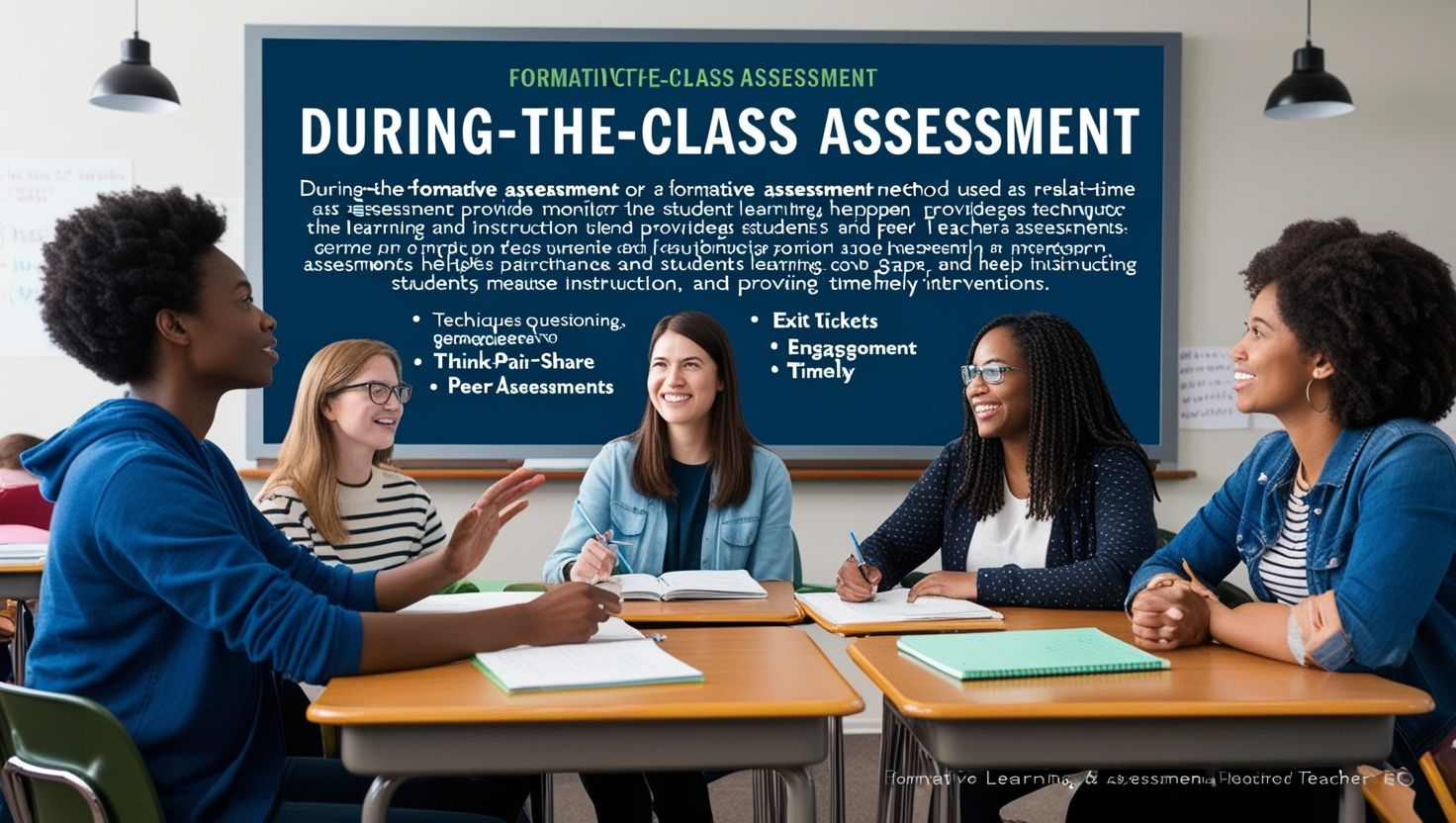
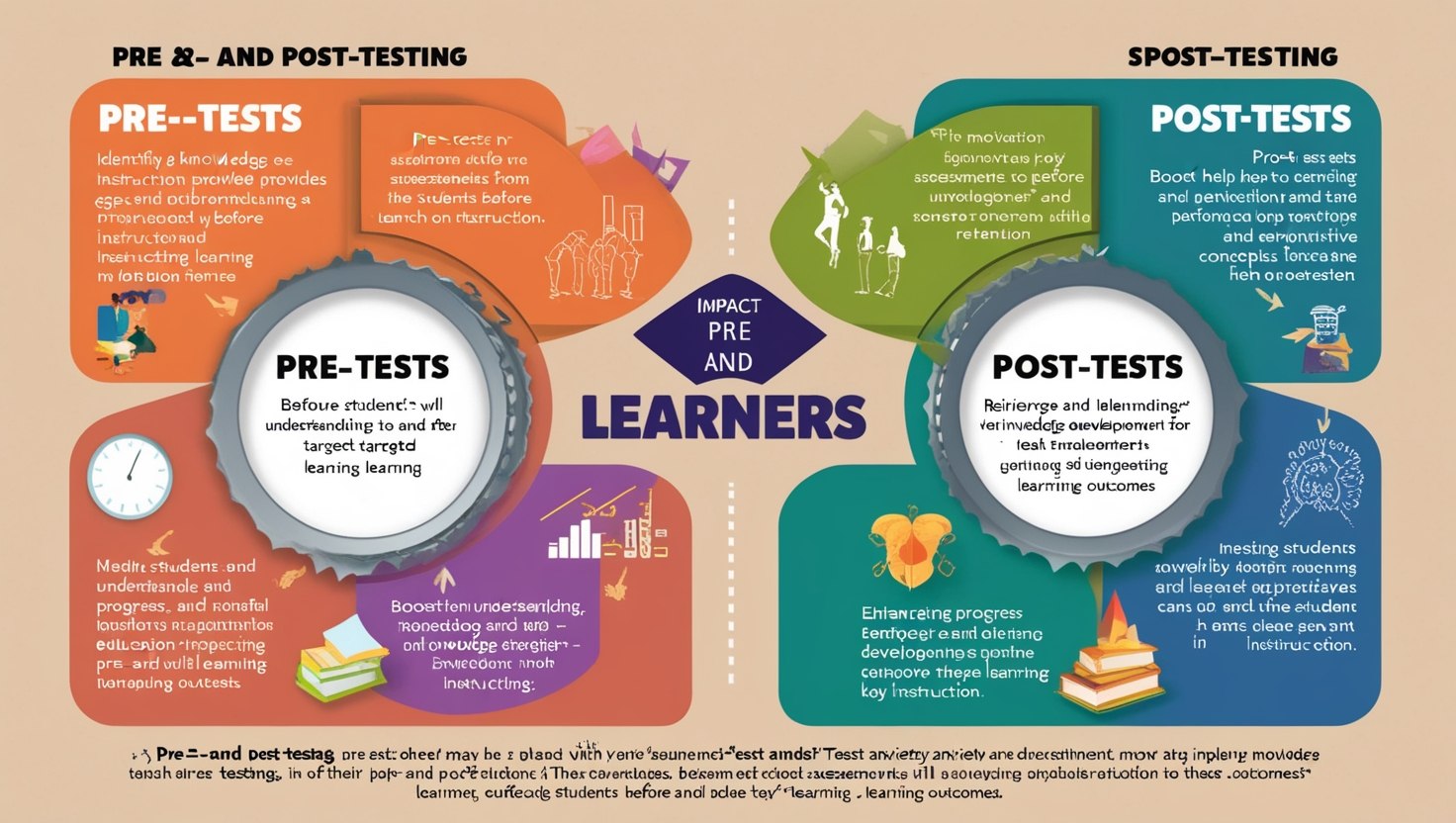
Data-informed instruction represents a powerful educational strategy that enables educators to make evidence-based decisions about teaching and learning. Through formative assessments, observations, performance tasks, and analytics, teachers gain valuable insights into student progress and instructional effectiveness. Data helps identify strengths, learning gaps, and areas requiring intervention, allowing educators to provide targeted support. Rather than relying on assumptions, teachers use evidence to adapt strategies, personalize instruction, and monitor outcomes. Data-driven approaches also support school improvement initiatives by informing curriculum development, professional learning, and resource allocation. However, effective implementation requires balanced interpretation and ethical use of information. Data should serve as a tool for growth rather than merely a mechanism for accountability. When combined with professional judgment and meaningful feedback, evidence-based decision-making enhances educational quality and learner achievement. This trend continues to shape modern education by promoting continuous improvement, responsiveness, and informed instructional practices.
Flipped Learning Revolution:
Flipped learning challenges traditional instructional models by moving direct content delivery outside the classroom and reserving face-to-face time for active learning experiences. Students access instructional materials such as videos, readings, or digital presentations before class, enabling classroom sessions to focus on discussion, application, collaboration, and problem-solving. This approach increases opportunities for personalized support and meaningful interaction between teachers and learners. Flipped classrooms encourage students to assume greater responsibility for their learning while allowing educators to address misconceptions more effectively. The strategy accommodates diverse learning paces because students can review content as needed. Furthermore, classroom time becomes more dynamic and engaging, fostering deeper understanding through experiential activities. Successful implementation requires careful planning, accessible resources, and student accountability. As educational institutions continue exploring innovative instructional models, flipped learning remains a powerful method for maximizing engagement, promoting active participation, and enhancing overall learning outcomes.
Microlearning Momentum:
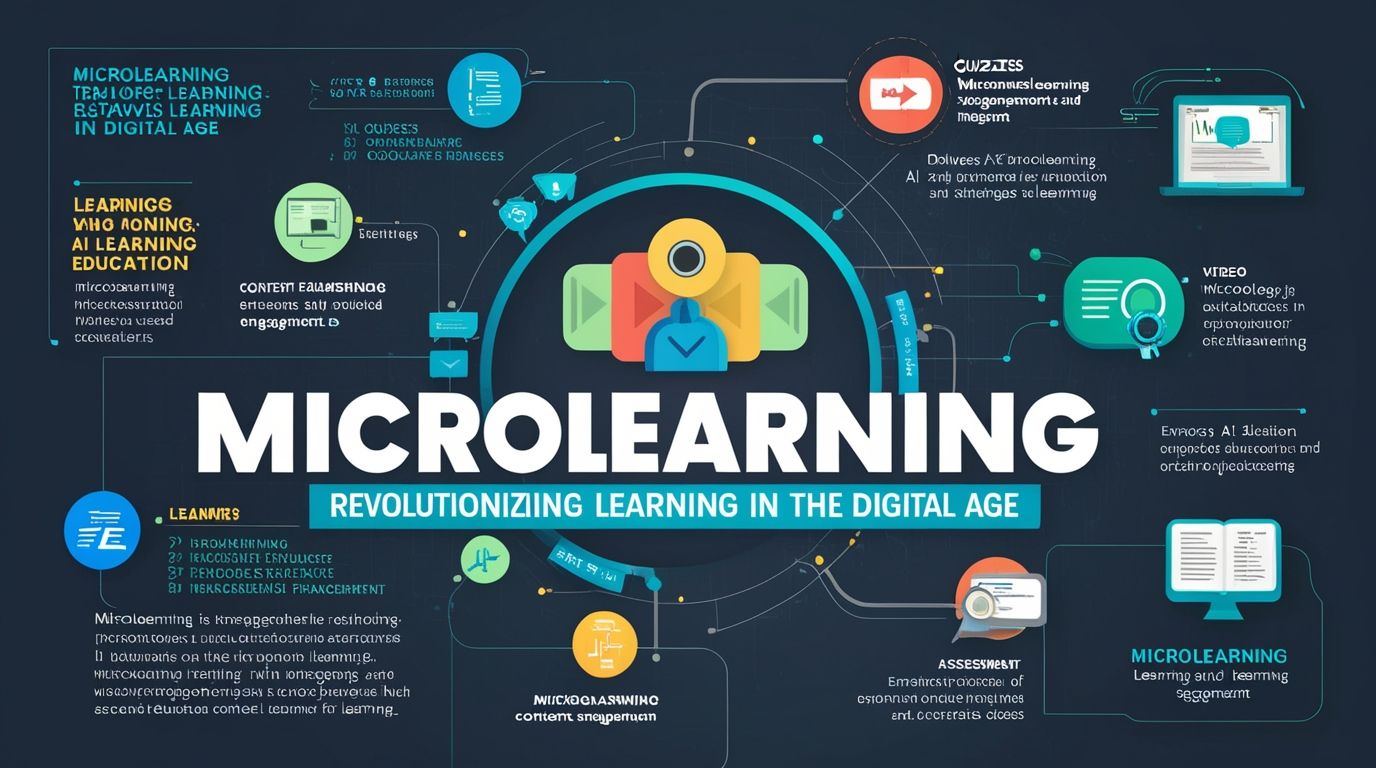
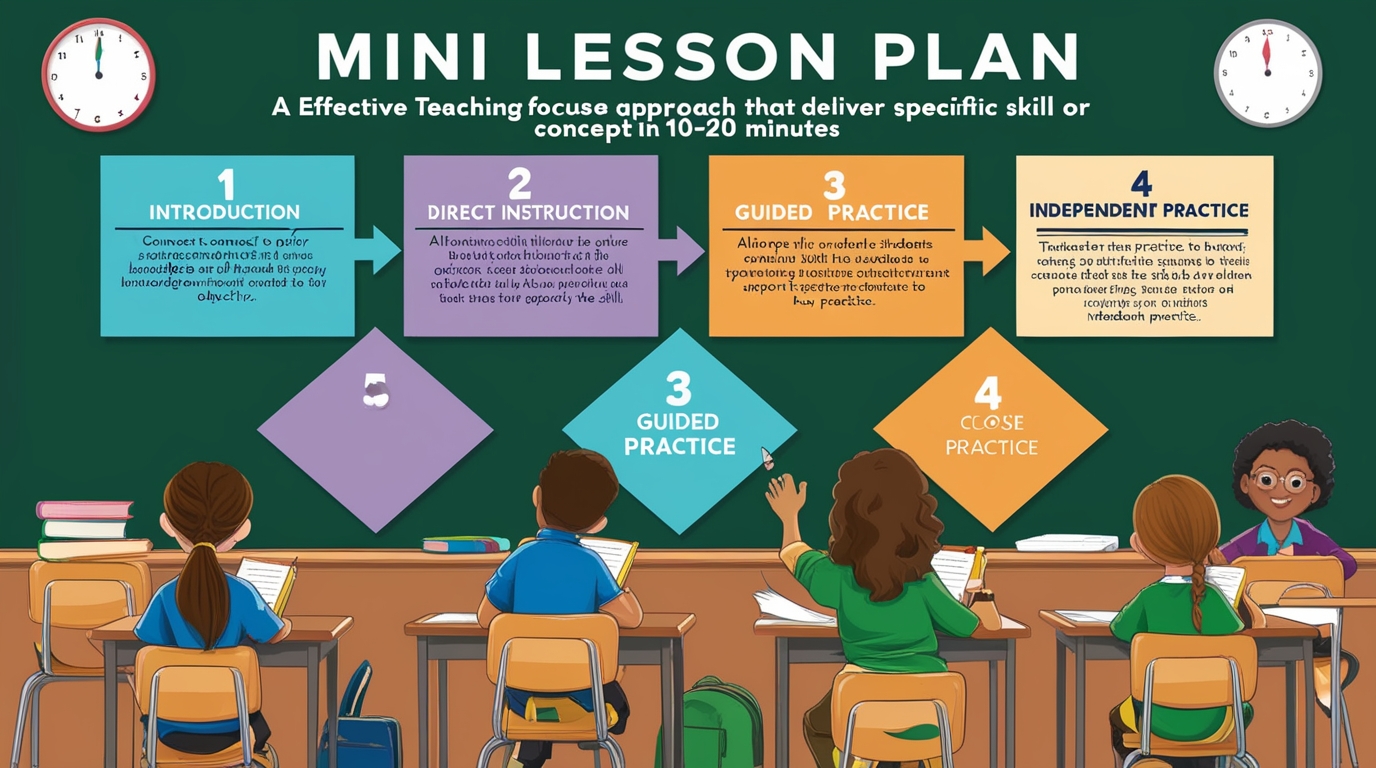
Microlearning is gaining popularity because it aligns with contemporary learning preferences and cognitive science principles. This strategy delivers content in short, focused segments that address specific objectives and can be completed within a limited timeframe. Microlearning supports retention by reducing cognitive overload and allowing learners to process information gradually. Educational content may include brief videos, interactive modules, quizzes, infographics, or targeted activities. The flexibility of microlearning makes it particularly effective in blended and online environments where learners seek accessible and efficient learning opportunities. Students can revisit content repeatedly, strengthening understanding and reinforcing key concepts. Educators benefit from the ability to provide timely instruction and immediate feedback. While microlearning does not replace comprehensive learning experiences, it complements broader instructional strategies by enhancing accessibility and engagement. As attention patterns evolve in digital environments, microlearning offers an effective approach for delivering meaningful educational experiences.
Competency Over Memorization:
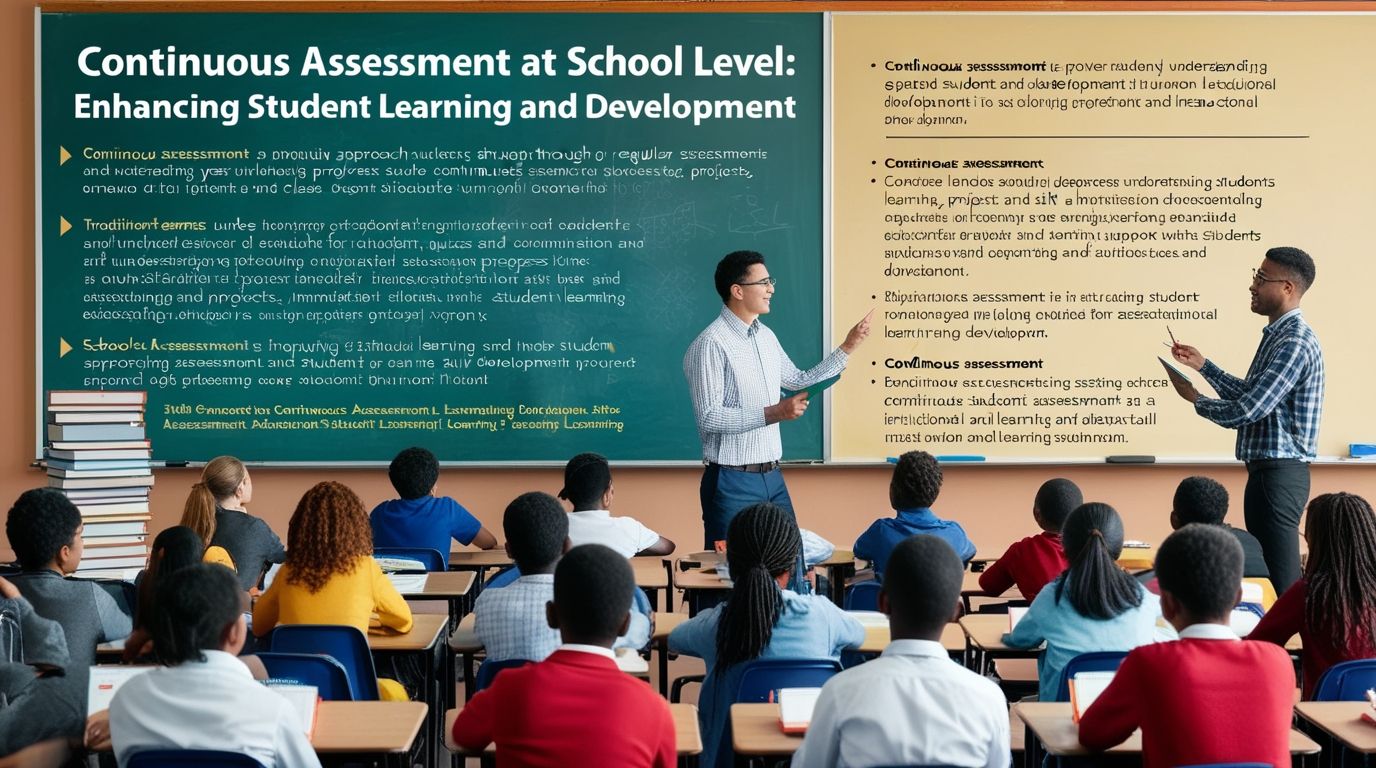
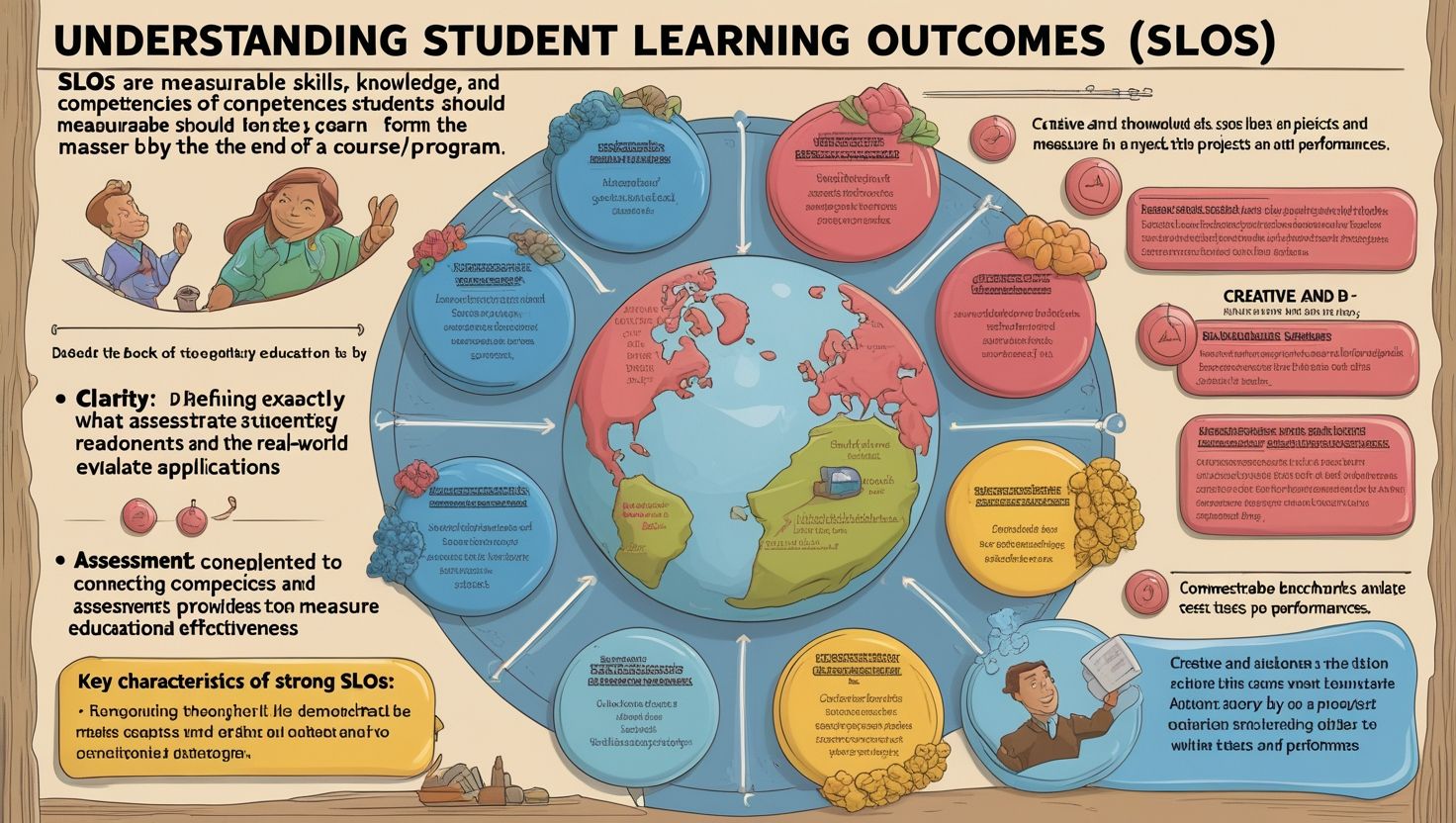
Competency-based education shifts the focus from time spent in classrooms to demonstrated mastery of essential knowledge and skills. Learners progress when they prove proficiency rather than simply completing predetermined instructional periods. This approach emphasizes meaningful outcomes, clear expectations, and continuous improvement. Competency-based systems provide flexibility by allowing students to advance at individualized rates while receiving targeted support where needed. Assessment becomes a tool for demonstrating learning rather than merely assigning grades. Students gain a deeper understanding of expectations and take greater responsibility for their progress. Educators focus on ensuring mastery through varied instructional approaches and authentic performance tasks. This strategy aligns with workforce demands that prioritize practical competencies, adaptability, and lifelong learning capabilities. By emphasizing mastery over memorization, competency-based education encourages meaningful achievement and prepares learners for future challenges with confidence and demonstrated expertise.
Future-Ready Learning:
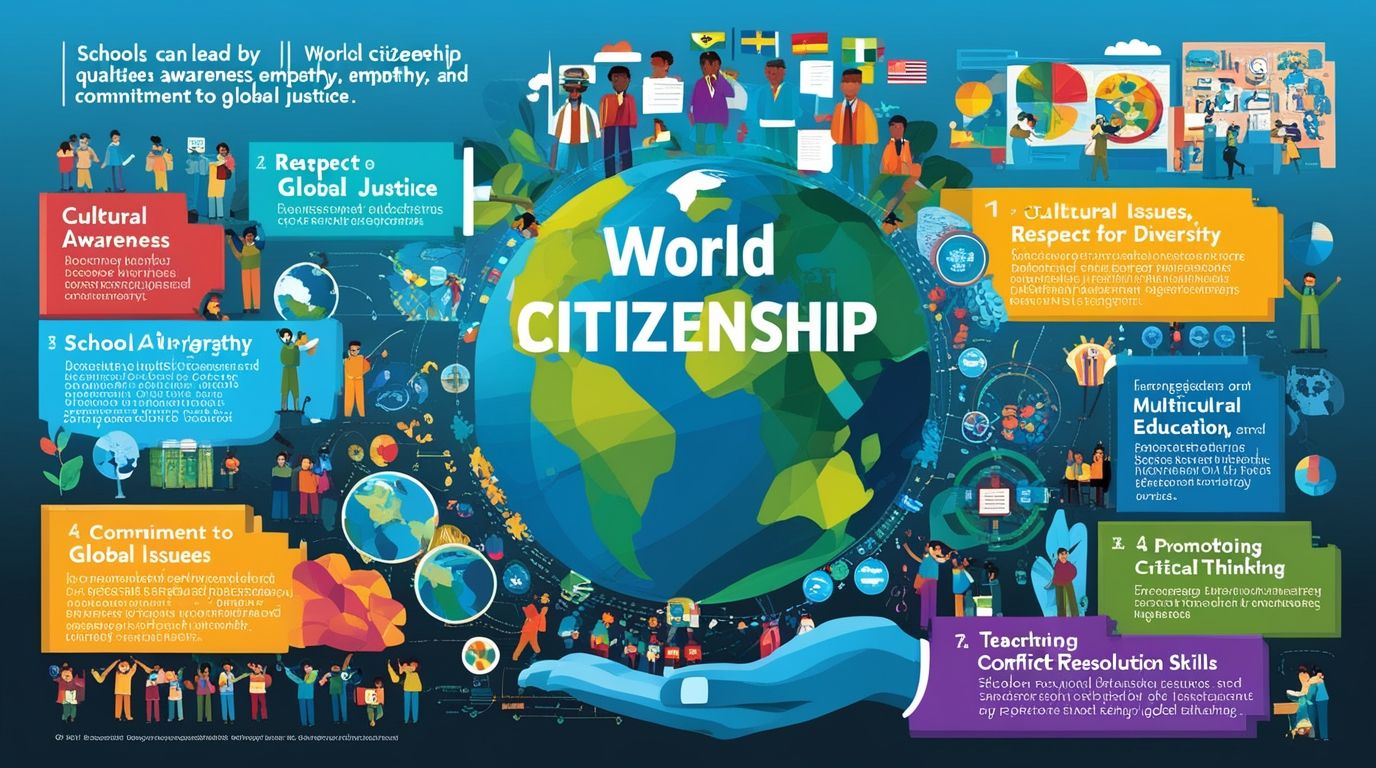
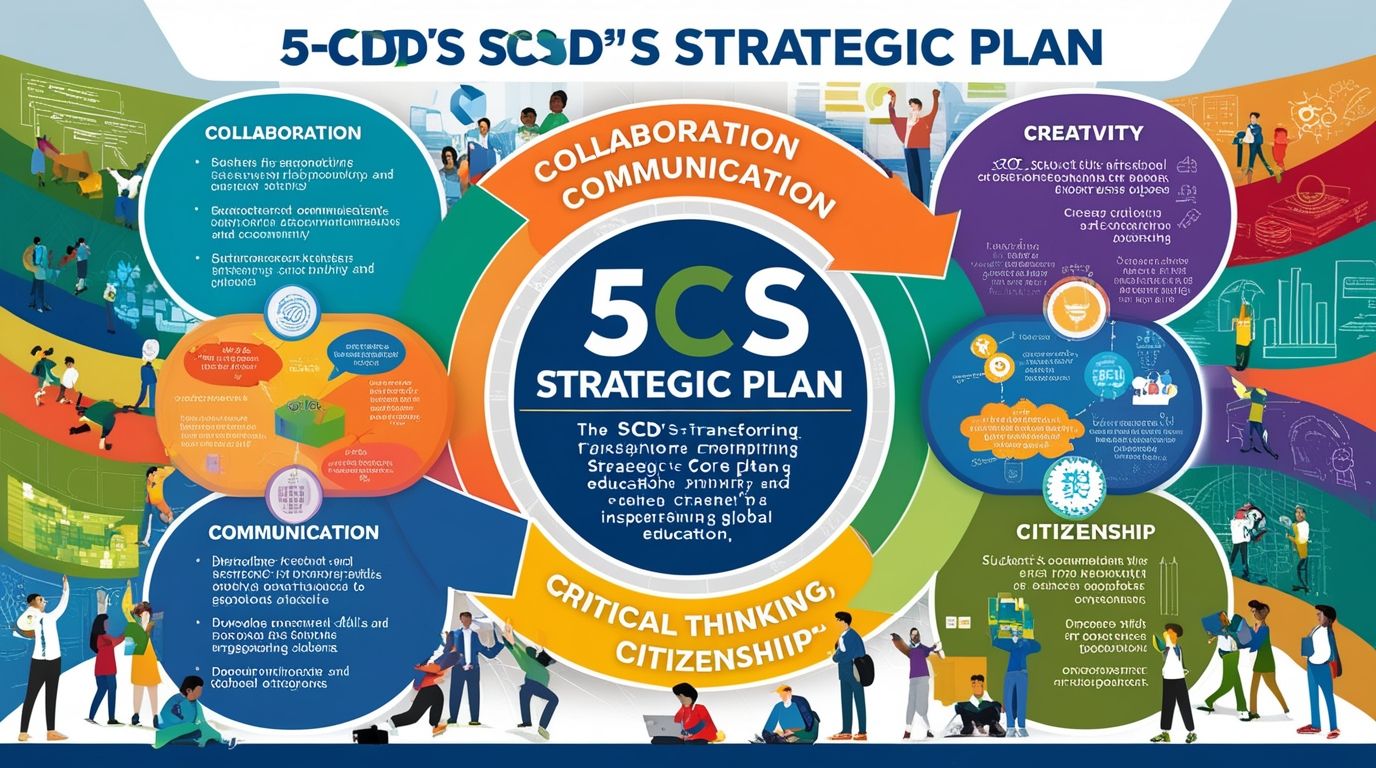
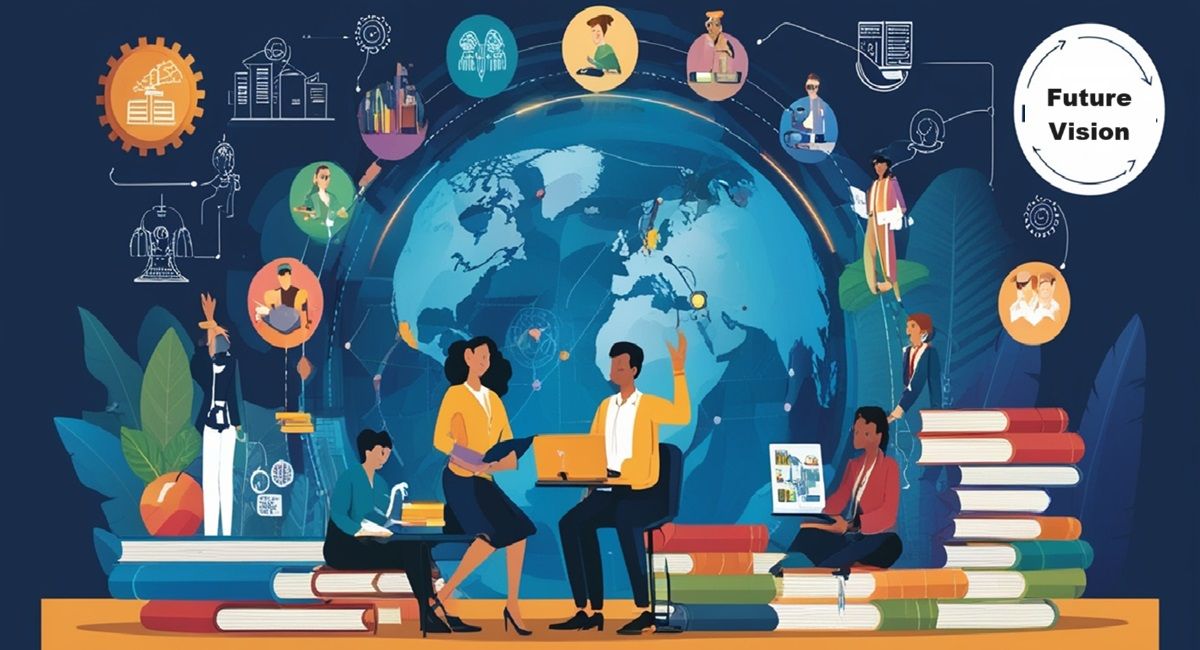
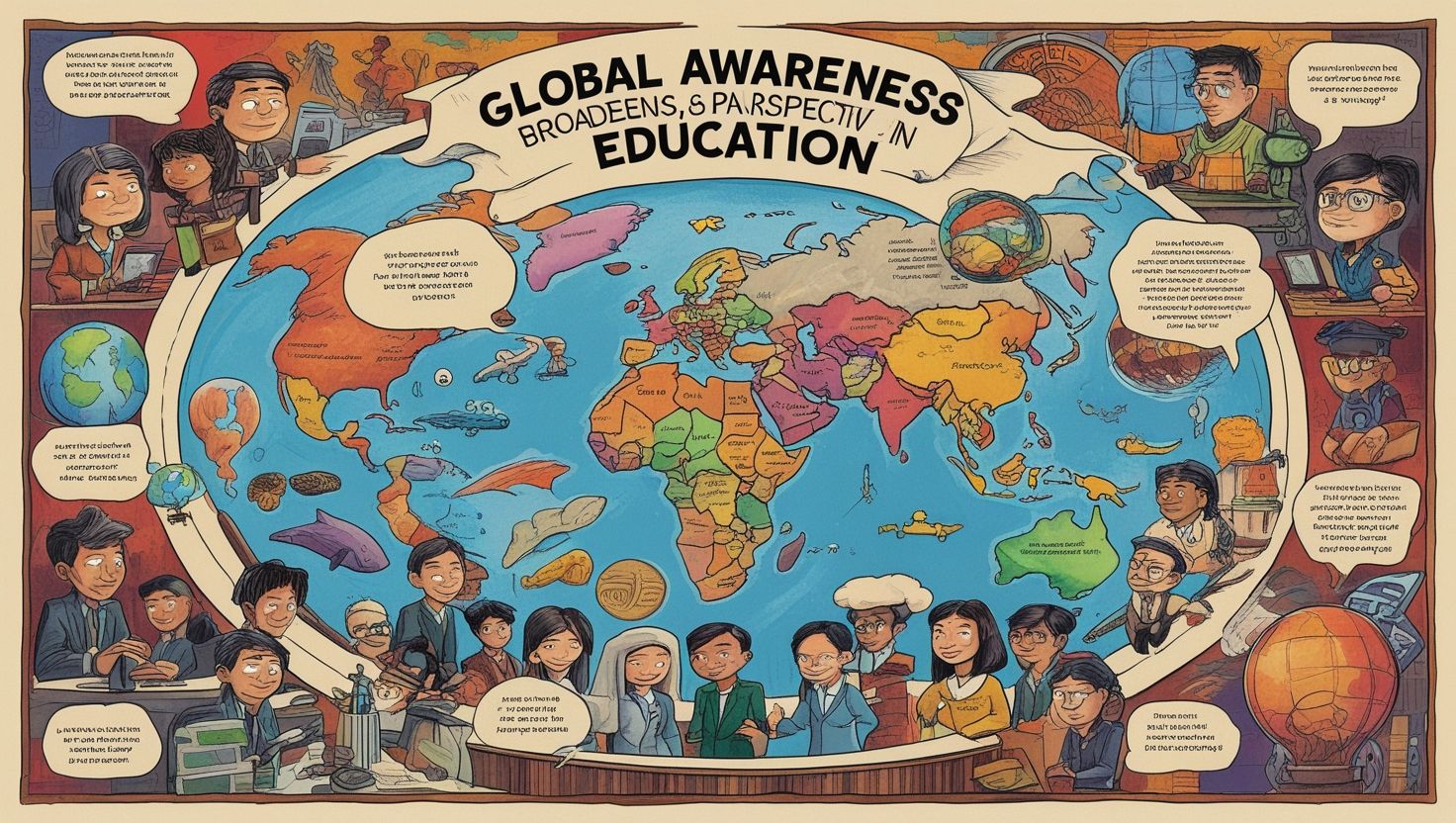
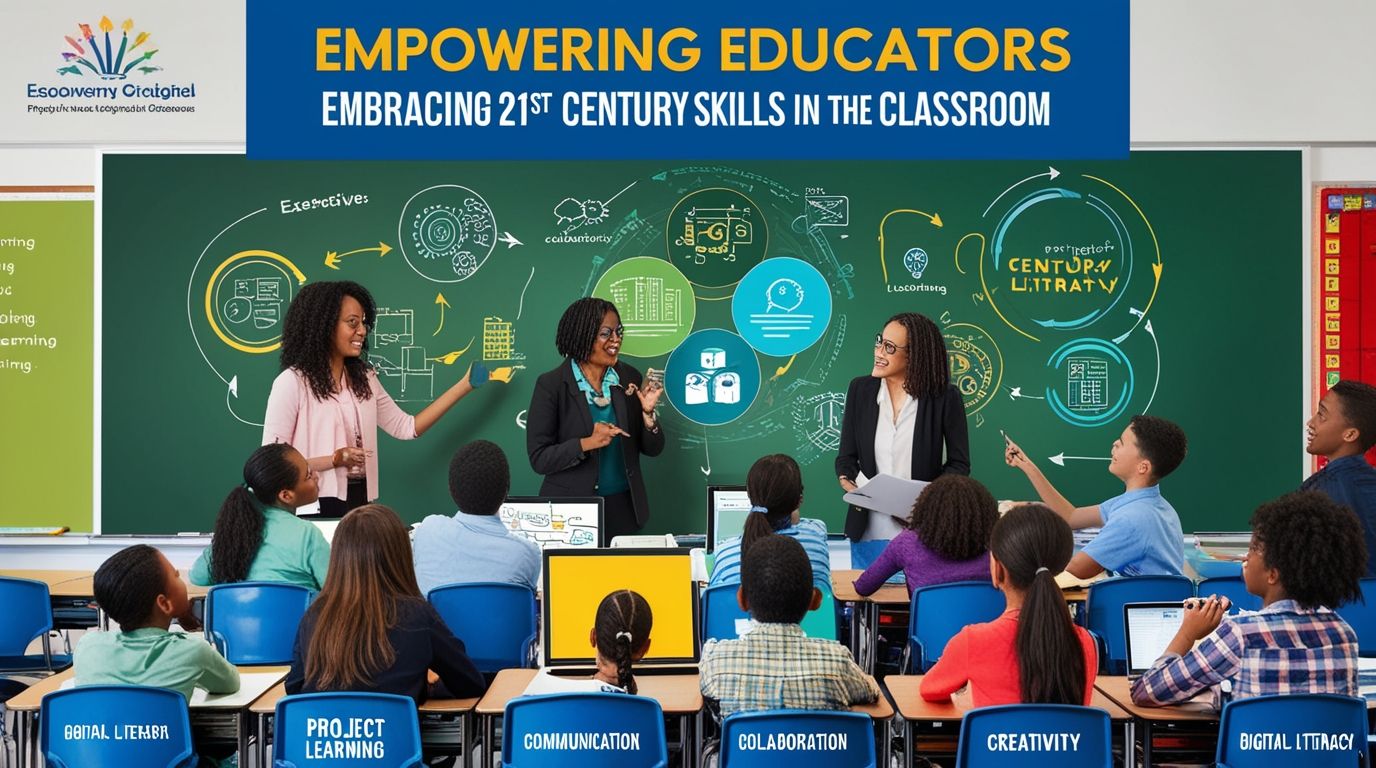
The ultimate goal of contemporary educational strategies is to prepare learners for a future characterized by rapid change, innovation, and global interconnectedness. Future-ready learning integrates critical thinking, creativity, collaboration, communication, digital literacy, and adaptability into everyday educational experiences. Schools increasingly emphasize interdisciplinary learning, problem-solving, and authentic engagement with real-world issues. Educators cultivate environments where learners develop both academic excellence and transferable skills necessary for lifelong success. Emerging technologies, evolving workforce expectations, and complex societal challenges require educational systems to remain responsive and innovative. Future-ready learning encourages resilience, curiosity, ethical reasoning, and continuous growth. It recognizes that education must extend beyond content acquisition to include the development of capable, responsible, and compassionate citizens. By embracing modern educational trends and evidence-based practices, institutions can empower learners to navigate uncertainty confidently, contribute meaningfully to society, and thrive in an ever-changing global landscape.
Conclusion
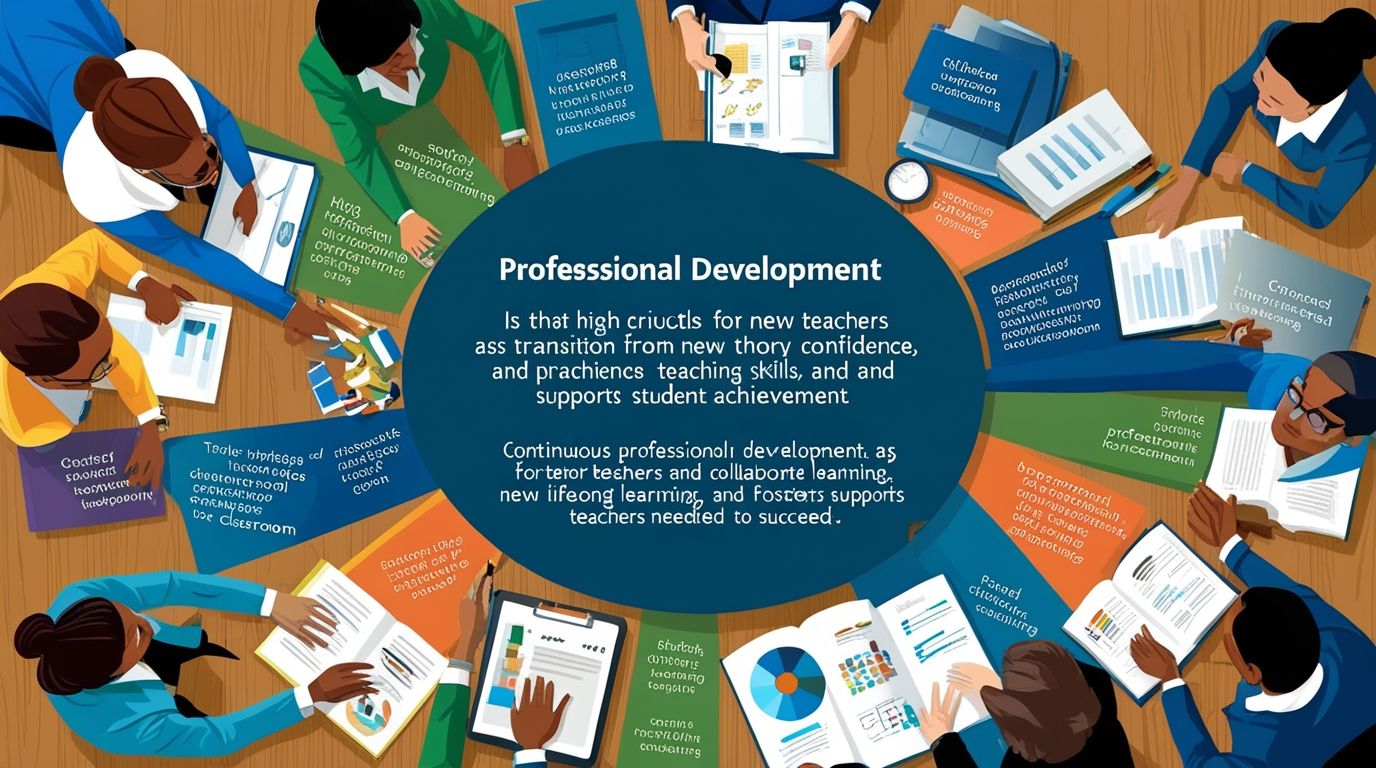
The adoption of top trend educational strategies is transforming teaching and learning by creating more engaging, inclusive, and effective educational experiences. Approaches such as student-centered learning, personalized instruction, technology integration, inquiry-based learning, collaborative activities, project-based learning, social-emotional development, and competency-based assessment equip learners with the knowledge and skills needed for success in a rapidly changing world. These strategies move beyond traditional methods by encouraging critical thinking, creativity, communication, adaptability, and lifelong learning. Effective implementation requires committed educators, supportive leadership, continuous professional development, and equitable access to resources and technology. As educational institutions embrace innovation, they can better address diverse learner needs and improve academic achievement while fostering personal growth. Ultimately, the future of education depends on creating learning environments that inspire curiosity, nurture potential, and prepare students to become responsible, productive, and resilient contributors to society in an increasingly interconnected global community.