Introduction
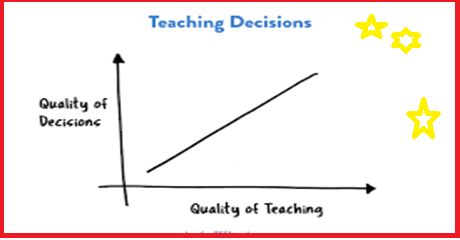
Annual Result Analysis in Education, Annual result analysis is one of the most important processes in educational institutions. It is a systematic evaluation of students’ academic performance at the end of an academic year. The purpose of result analysis is not merely to calculate pass percentages or identify toppers, but to understand the strengths, weaknesses, trends, and learning outcomes of students. It enables school leaders, teachers, parents, and policymakers to make informed decisions that improve teaching quality, student achievement, and institutional effectiveness.
In the era of outcome-based education, annual result analysis has become an essential component of educational planning. Schools that regularly analyze academic results can identify gaps in curriculum implementation, teaching methodologies, assessment practices, and student learning. Such analysis transforms examination data into meaningful information that supports continuous improvement.
This article explores the concept, objectives, significance, methods, indicators, challenges, and recommendations for conducting effective annual result analysis in educational institutions.
Understanding Annual Result Analysis
Annual result analysis refers to the systematic examination and interpretation of students’ examination results at the end of an academic session. It involves collecting, organizing, comparing, and evaluating academic data to assess learning outcomes and institutional performance.
Rather than viewing examination results as the final destination, educational leaders should consider them valuable feedback for future planning. Result analysis helps determine whether educational objectives have been achieved and identifies areas requiring intervention.
A comprehensive annual result analysis includes:
- Subject-wise performance
- Class-wise achievement
- Grade distribution
- Pass and failure rates
- Gender-wise comparison
- Teacher-wise performance
- Individual student progress
- Comparison with previous years
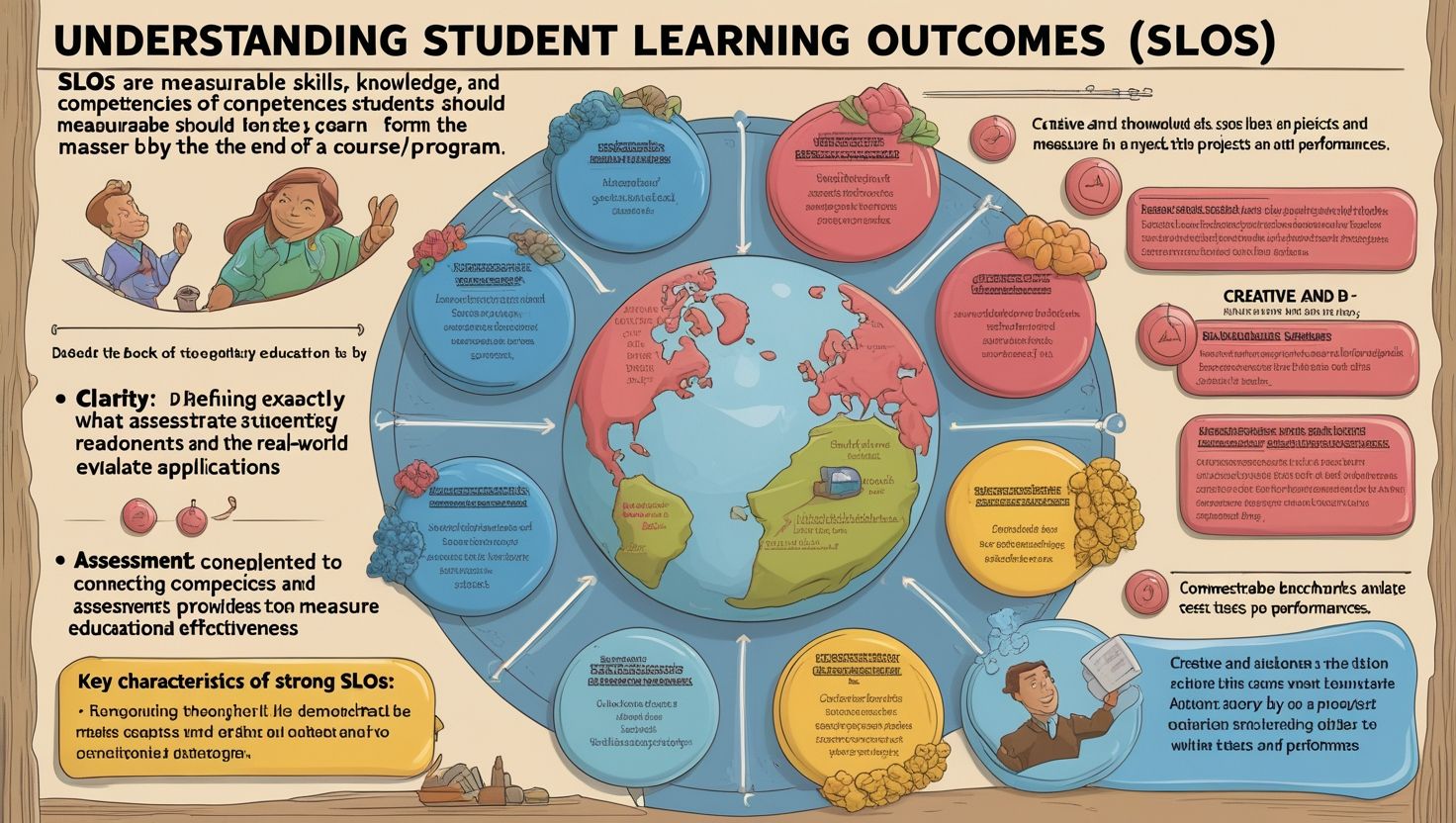
- Achievement of learning outcomes
Objectives of Annual Result Analysis
The primary objectives of annual result analysis include:
1. Measuring Student Achievement
The analysis evaluates how effectively students have achieved the intended learning outcomes during the academic year.
2. Evaluating Teaching Effectiveness
Student performance provides evidence regarding the effectiveness of instructional strategies, classroom management, and assessment practices.
3. Identifying Learning Gaps
Result analysis highlights topics, concepts, or subjects where students face difficulties, allowing teachers to redesign instruction.
4. Supporting Academic Planning
The findings assist school administrators in preparing improvement plans for the next academic session.
5. Enhancing Accountability
Teachers, students, parents, and school leaders become more accountable for academic performance through transparent data analysis.
6. Improving Educational Quality
Regular analysis promotes evidence-based decision-making, leading to continuous institutional improvement.
Importance of Annual Result Analysis
Annual result analysis plays a significant role in improving educational quality.
Improving Teaching Strategies
Teachers gain insights into which instructional methods produced better learning outcomes. Weak areas can be addressed through revised lesson plans and innovative teaching techniques.
Supporting Data-Driven Decisions
Modern educational management relies on evidence rather than assumptions. Academic data enables schools to allocate resources more effectively.
Enhancing Student Performance
Students who require academic support are identified early. Remedial classes, tutoring, mentoring, and counseling can then be arranged.
Strengthening School Leadership
School principals can evaluate departmental performance, monitor instructional quality, and develop targeted improvement strategies.
Building Parent Confidence
Transparent reporting of academic progress strengthens trust between schools and parents while encouraging greater parental involvement.
Facilitating Professional Development
Teachers whose classes consistently perform below expectations may benefit from additional training, mentoring, or collaborative planning.
Key Indicators Used in Result Analysis
Several quantitative and qualitative indicators are commonly used.
Pass Percentage
Pass Percentage = (Number of Students Passed ÷ Total Students Appeared) × 100
This indicator measures the proportion of students successfully completing examinations.
Average Marks
Average marks provide an overall picture of academic achievement within a class or subject.
Highest and Lowest Scores
These statistics reveal the range of student achievement.
Grade Distribution
Analyzing the number of students achieving grades such as A+, A, B, C, D, and below helps identify overall performance patterns.
Subject-wise Performance
Performance should be analyzed separately for each subject to determine strengths and weaknesses.
Class-wise Comparison
Comparing results across different sections or classes highlights differences in instructional effectiveness.
Gender-wise Analysis
Boys’ and girls’ academic achievements may be compared to identify performance trends and equity issues.
Teacher-wise Performance
While recognizing multiple influencing factors, teacher-wise analysis can encourage reflective practice and professional growth.
Learning Outcome Achievement
Schools should compare examination results with curriculum learning outcomes rather than focusing only on marks.
Steps in Conducting Annual Result Analysis
An effective result analysis follows a systematic process.
Step 1: Collect Academic Data
Gather examination records, attendance reports, assessment results, classroom observations, and previous years’ performance.
Step 2: Organize Data
Prepare tables showing:
- Student names
- Subject marks
- Grades
- Total marks
- Percentage
- Attendance
- Teacher assignments
Step 3: Calculate Performance Indicators
Compute averages, pass rates, grade distributions, highest and lowest scores, and standard deviations where applicable.
Step 4: Compare Results
Compare:
- Current year with previous years
- Classes with each other
- Subjects
- Both Geners
- High-performing and low-performing students
Step 5: Identify Trends
Look for consistent improvement or decline in specific subjects, grades, or student groups.
Step 6: Diagnose Causes
Determine possible reasons behind strong or weak performance, such as:
- Teacher effectiveness
- Student attendance
- Curriculum difficulty
- Assessment quality
- Classroom environment
- Learning resources
- Family support
Step 7: Prepare Improvement Plans
Develop practical action plans based on the findings.
Components of an Effective Result Analysis Report
A professional annual result analysis report generally contains:
- Executive summary
- Student enrollment statistics
- Examination statistics
- Subject-wise analysis
- Grade distribution
- Comparative analysis
- Graphical presentation
- Strengths identified
- Weaknesses identified
- Root cause analysis
- Recommendations
- Action plan
- Conclusion
Using Graphs and Charts
Visual representation makes academic data easier to understand.
Useful charts include:
- Bar charts for subject averages
- Pie charts for grade distribution
- Line graphs showing yearly trends
- Histograms for mark distribution
- Comparative charts between classes
Visual data enables faster interpretation and better communication with stakeholders.
Factors Affecting Annual Results
Several factors influence student performance beyond classroom instruction.
Student Factors
- Attendance
- Motivation
- Study habits
- Health
- Learning abilities
- Time management
Teacher Factors
- Subject knowledge
- Teaching methods
- Classroom management
- Assessment practices
- Professional commitment
School Factors
- Leadership
- Learning environment
- Availability of resources
- Class size
- Academic supervision
Home Factors
- Parental support
- Socioeconomic status
- Home learning environment
- Emotional well-being
Curriculum Factors
- Curriculum relevance
- Difficulty level
- Textbook quality
- Alignment with assessments
Understanding these variables helps schools interpret results more accurately.
Challenges in Annual Result Analysis
Despite its importance, schools often encounter several challenges.
Poor Data Management
Incomplete or inaccurate records reduce the reliability of analysis.
Excessive Focus on Pass Percentage
Many institutions judge success only by pass rates while ignoring deeper learning outcomes.
Limited Data Analysis Skills
Teachers and administrators may require training in educational statistics and data interpretation.
Ignoring Root Causes
Schools sometimes report results without investigating why students succeeded or struggled.
Lack of Follow-Up
Analysis has little value unless schools implement improvement strategies based on findings.
Strategies for Improving Academic Results
Effective annual result analysis should lead directly to action.
Recommended strategies include:
- Strengthening classroom assessment
- Conducting remedial teaching
- Providing enrichment programs for high achievers
- Increasing academic supervision
- Using formative assessment regularly
- Integrating technology into teaching
- Encouraging collaborative learning
- Monitoring attendance closely
- Providing counseling services
- Enhancing parental engagement
- Organizing teacher professional development
- Sharing best teaching practices across departments
Role of Teachers
Teachers are central to meaningful result analysis.
Their responsibilities include:
- Maintaining accurate assessment records
- Reflecting on classroom practices
- Identifying weak learners
- Designing intervention strategies
- Collaborating with colleagues
- Using assessment data to improve instruction
Teachers should view examination results as opportunities for professional reflection rather than merely performance indicators.
Role of School Leadership
School principals play a strategic role in annual result analysis by:
- Establishing a culture of data-driven decision-making
- Monitoring academic standards
- Supporting teachers through professional development
- Organizing review meetings
- Setting realistic improvement targets
- Allocating resources effectively
- Encouraging innovation in teaching
Strong instructional leadership significantly improves academic outcomes.
Role of Parents
Parents contribute to improved results by:
- Monitoring homework
- Ensuring regular attendance
- Providing emotional support
- Communicating with teachers
- Creating a positive home learning environment
Effective school-home partnerships enhance student achievement.
Role of Educational Authorities
District education offices and examination boards should:
- Provide standardized analysis formats
- Train school leaders in educational data analysis
- Monitor institutional performance
- Support struggling schools
- Promote evidence-based educational planning
Policy decisions should be informed by comprehensive academic data rather than isolated examination results.
Technology in Result Analysis
Digital technologies have simplified academic data management.
Schools increasingly use:
- Student Information Systems (SIS)
- Learning Management Systems (LMS)
- Spreadsheet software
- Data visualization tools
- Educational dashboards
- Artificial Intelligence for predictive analysis
Technology enables faster processing, greater accuracy, and real-time monitoring of student performance.
Recommendations
To maximize the benefits of annual result analysis, educational institutions should:
- Conduct comprehensive analysis every academic year.
- Focus on learning outcomes rather than only pass percentages.
- Train teachers in educational data analysis.
- Use digital tools for data management.
- Develop subject-specific improvement plans.
- Share findings with teachers, parents, and governing bodies.
- Monitor implementation of improvement strategies throughout the year.
- Encourage collaborative reflection among teachers.
- Recognize outstanding academic improvement alongside high achievement.
- Promote a culture of continuous quality enhancement through evidence-based decision-making.
Conclusion
Annual result analysis is much more than an administrative exercise; it is a powerful instrument for educational improvement. By systematically examining examination outcomes, schools gain valuable insights into student learning, instructional effectiveness, curriculum implementation, and institutional performance. The analysis enables educators to identify strengths, address weaknesses, and design targeted interventions that enhance academic achievement.
A well-conducted annual result analysis promotes accountability, transparency, and continuous improvement while supporting data-driven educational leadership. Schools that embrace reflective practices and use assessment data effectively are better positioned to provide high-quality education and achieve sustainable academic excellence. Ultimately, the true value of annual result analysis lies not in reporting examination statistics but in transforming educational evidence into meaningful action that benefits every learner.