Introduction
Areas of Study in B.Ed and M.Ed in Pakistan: A Complete Academic Guide, Education is the backbone of any progressive society, and in Pakistan, the demand for qualified and professionally trained teachers has never been higher. Two of the most sought-after programs in this field are the Bachelor of Education (B.Ed) and the Master of Education (M.Ed). These degrees are designed to produce competent educators who can meet the evolving challenges of the classroom, curriculum design, and educational leadership. This article explores the areas of study in B.Ed and M.Ed in Pakistan, the differences between the two programs, career prospects, and the top institutions offering these degrees.
Whether you are a fresh graduate exploring teacher education in Pakistan or a working professional planning to pursue higher education in education studies, understanding the structure and specializations of these programs will help you make an informed decision.
What is B.Ed (Bachelor of Education)?
The B.Ed program is an undergraduate or post-graduate professional degree that prepares individuals to become certified teachers. In Pakistan, this degree is offered in multiple formats, including B.Ed (1.5 years), B.Ed (2.5 years), and the more comprehensive B.Ed (Honours) 4-year program, introduced under the National Education Policy to align with international standards.
The Higher Education Commission (HEC) of Pakistan, along with provincial education departments, regulates these programs to ensure quality and consistency across universities.
Core Areas of Study in B.Ed
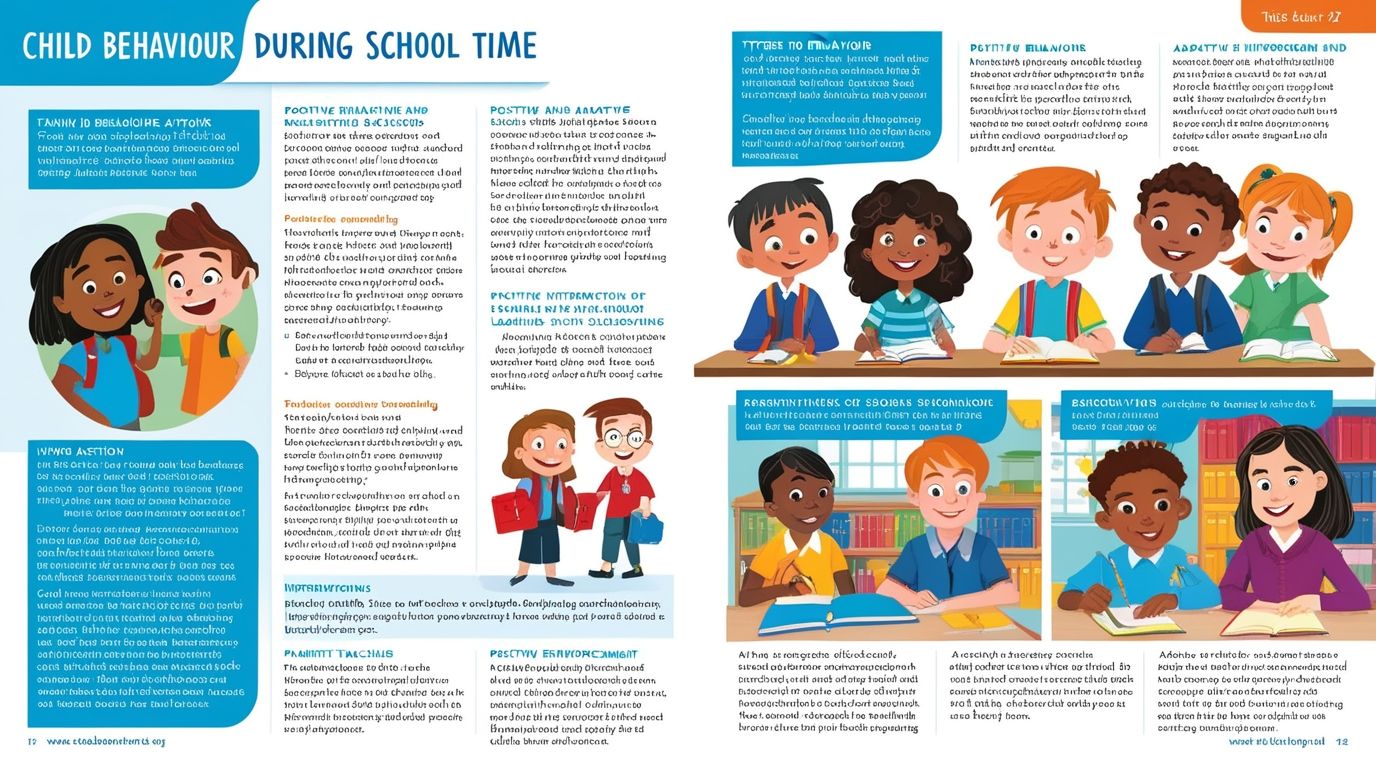
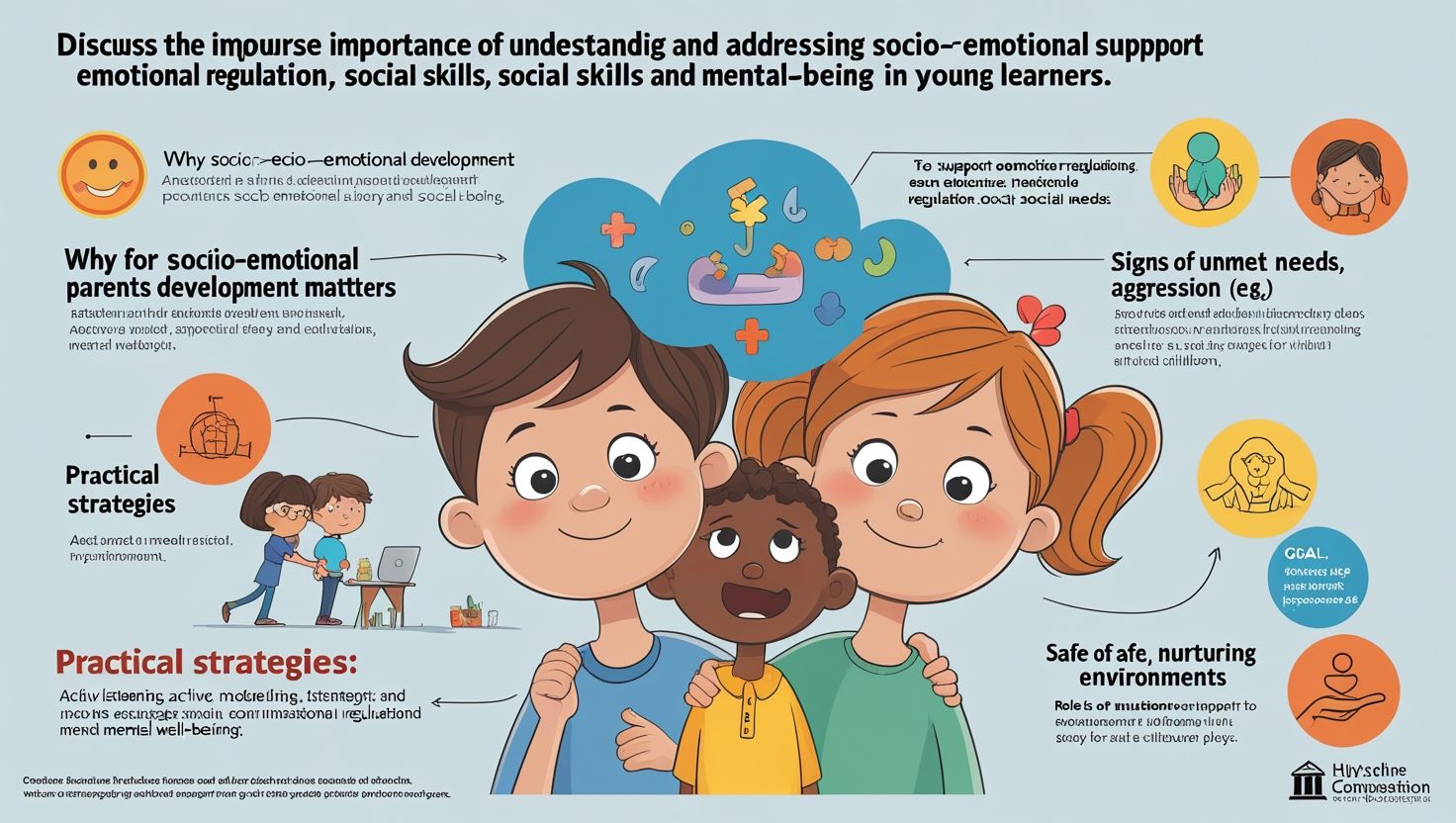
- Educational Psychology This area focuses on understanding how students learn, think, and develop. It covers cognitive development, motivation, learning theories, and classroom behavior management — all essential for effective teaching methodology.
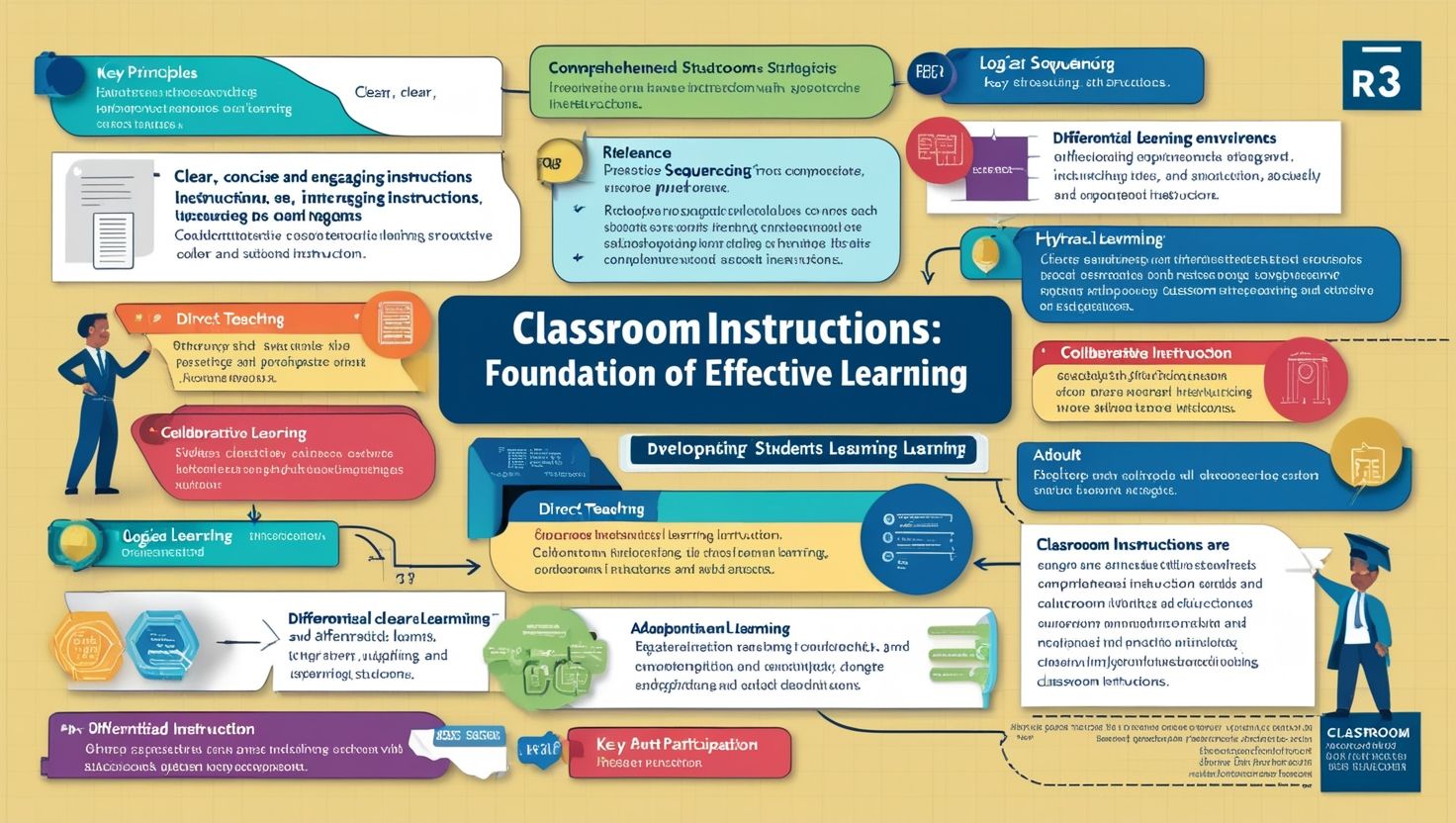
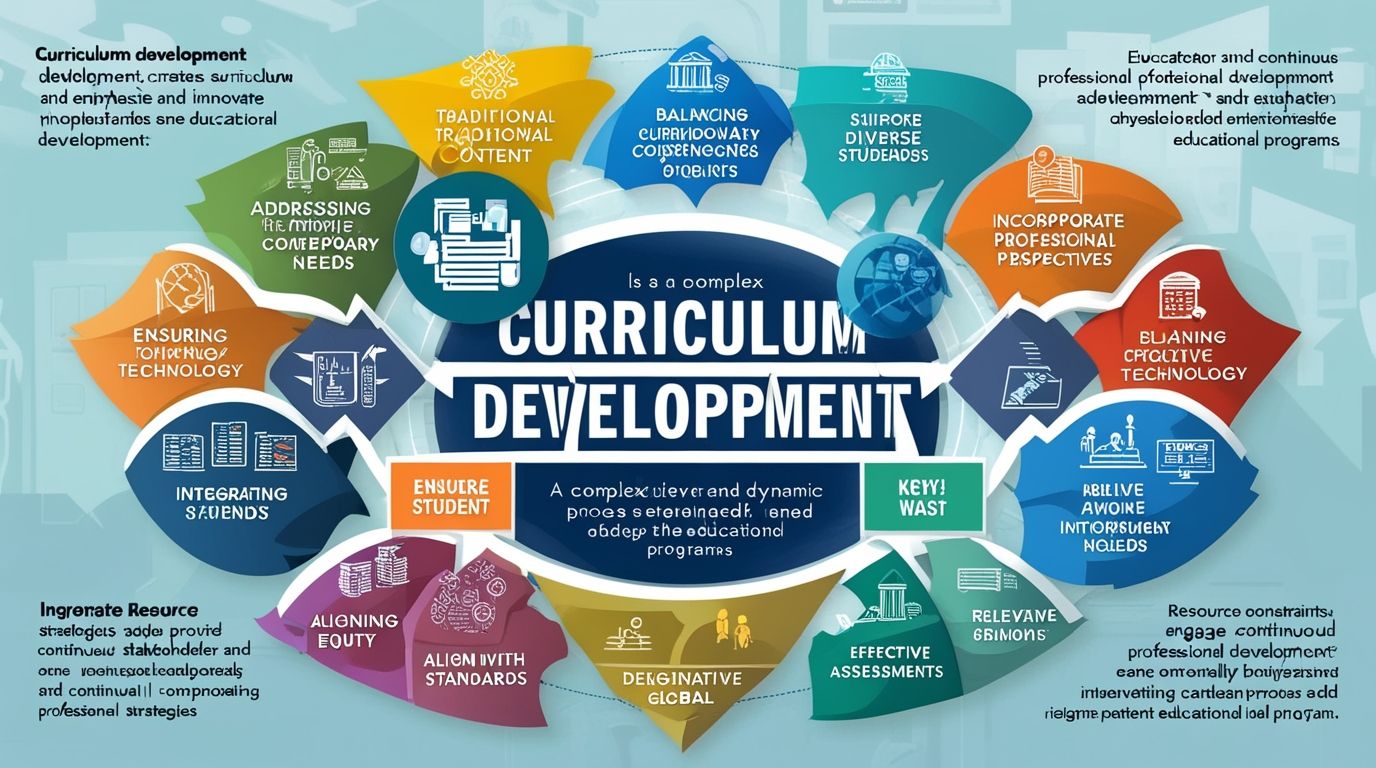
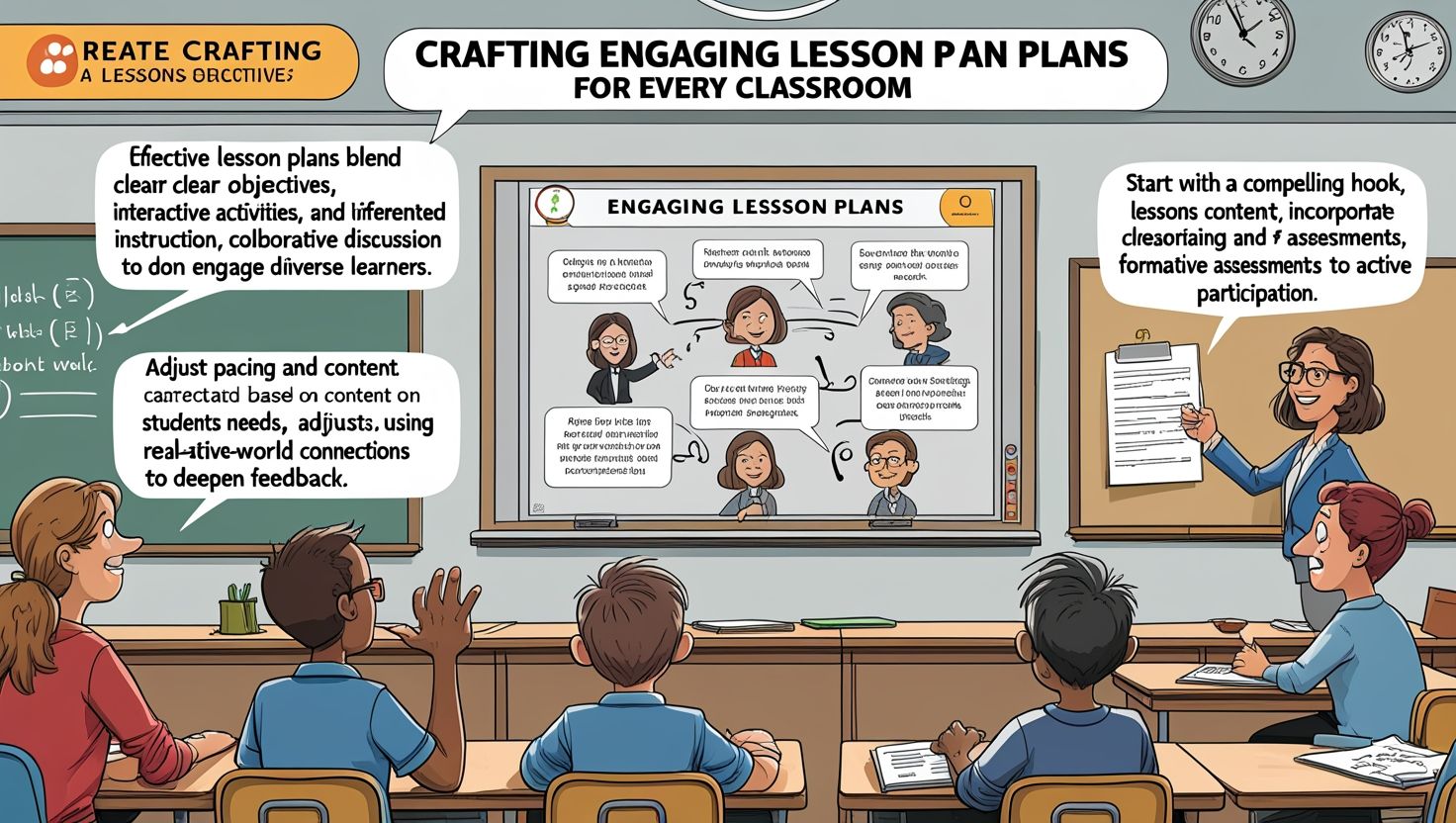
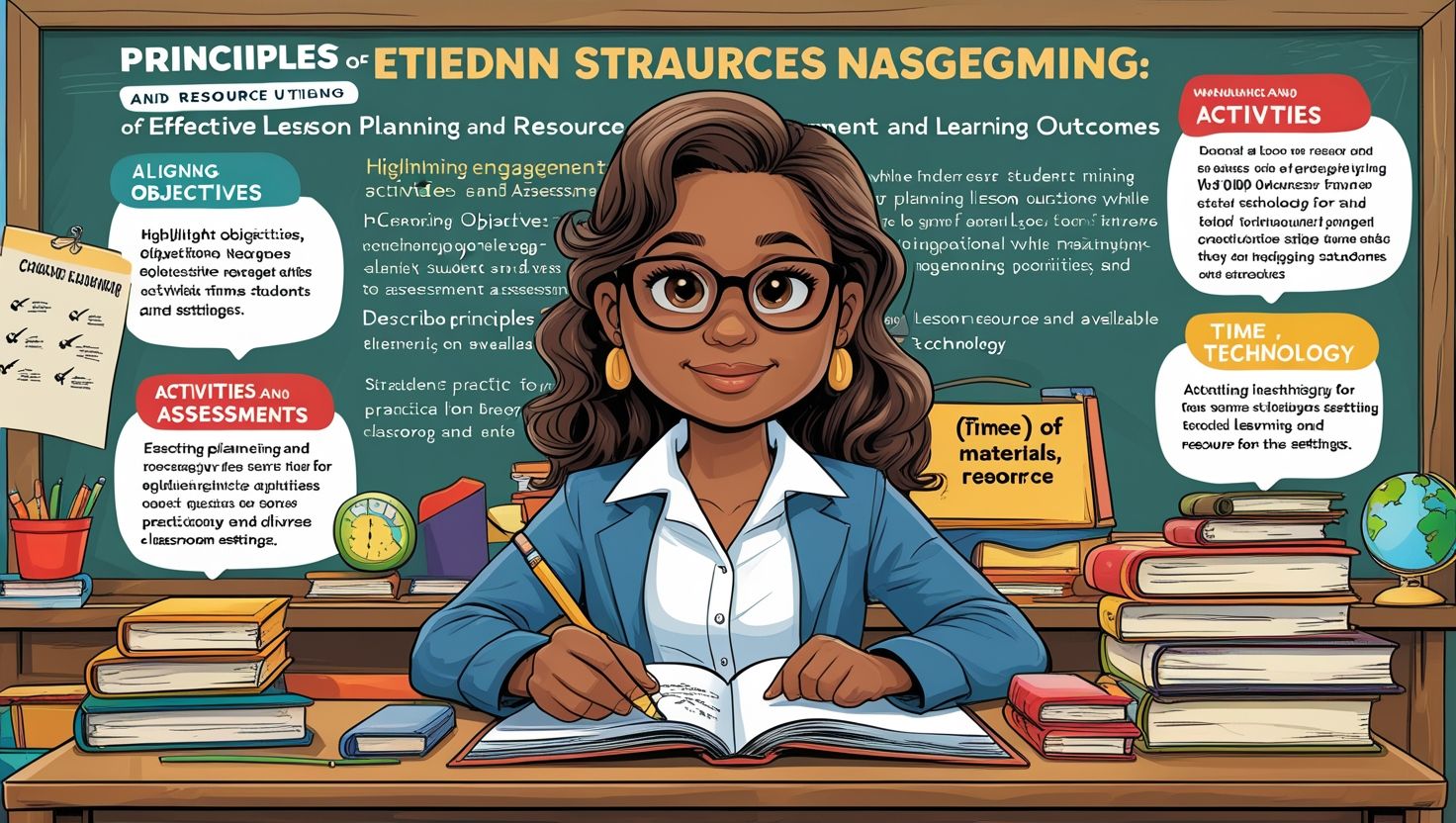
- Curriculum Development and Instruction Students learn how to design, evaluate, and implement curricula that meet national education standards. This includes lesson planning, instructional strategies, and content-based teaching.
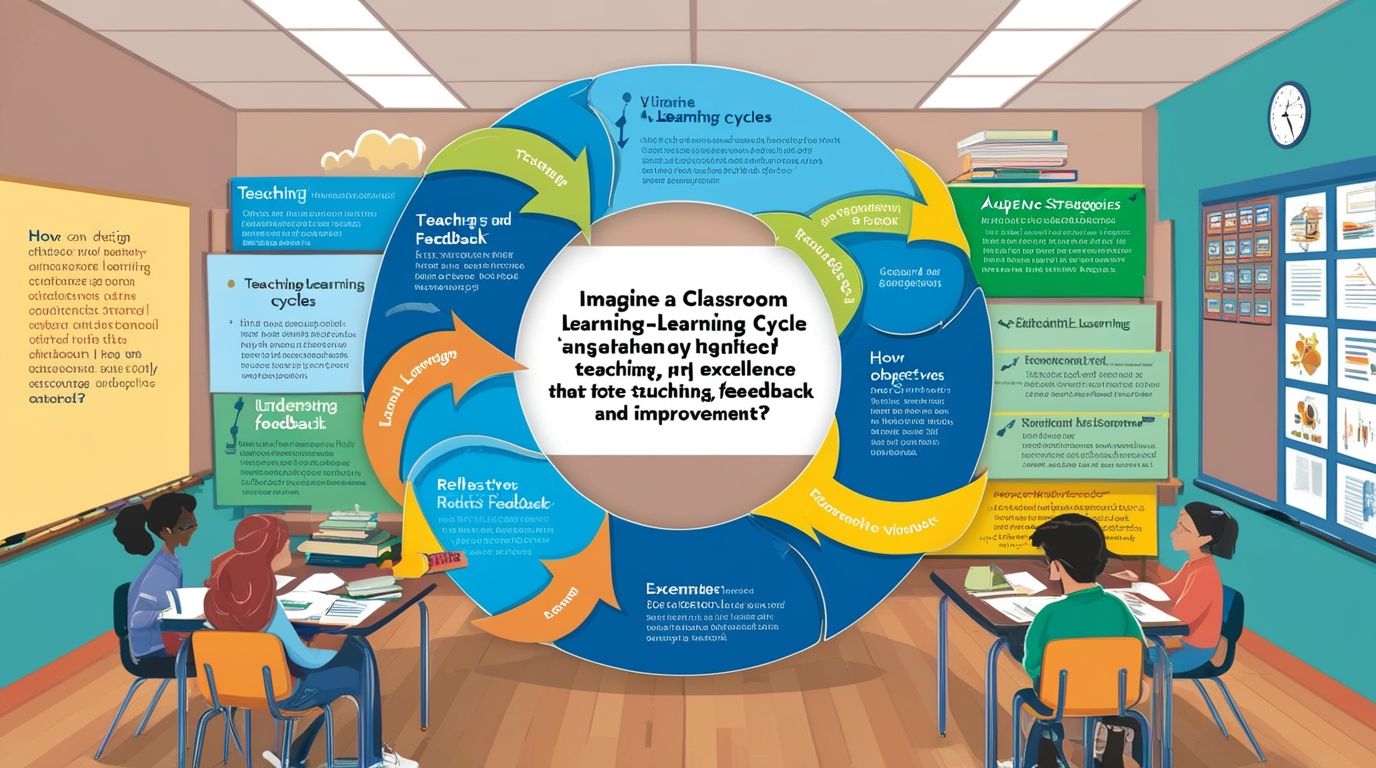
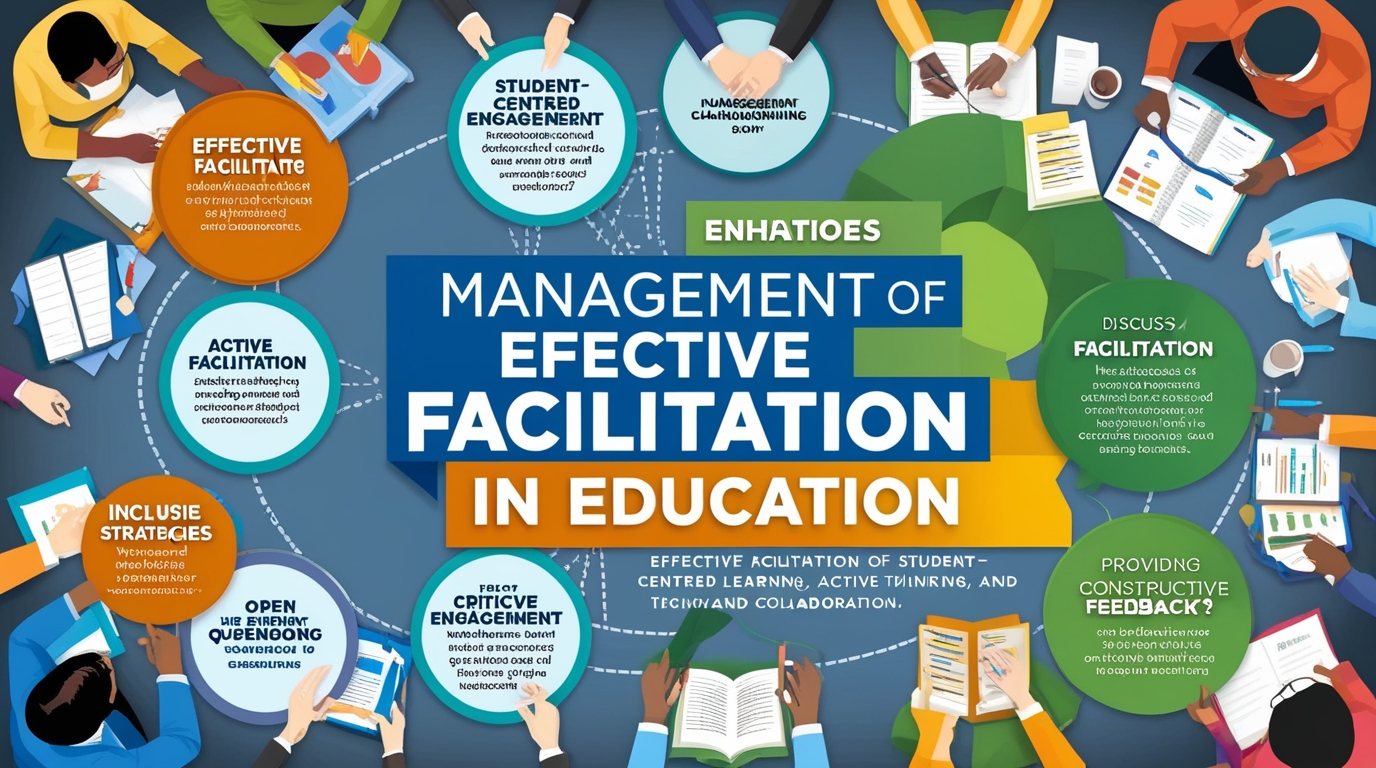
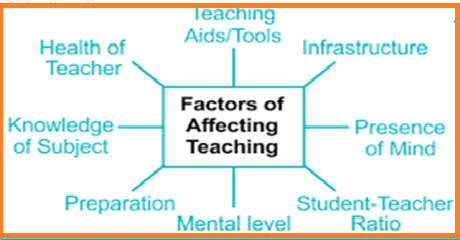
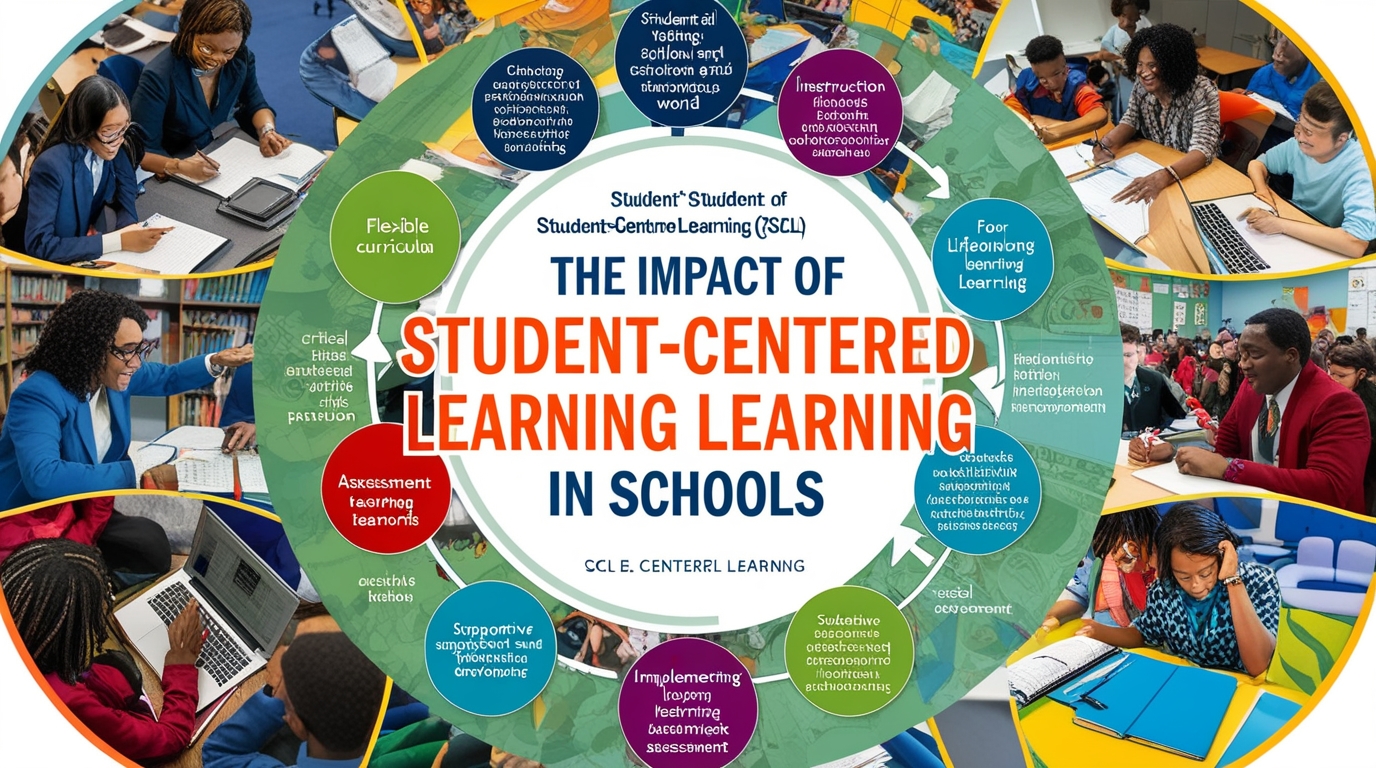
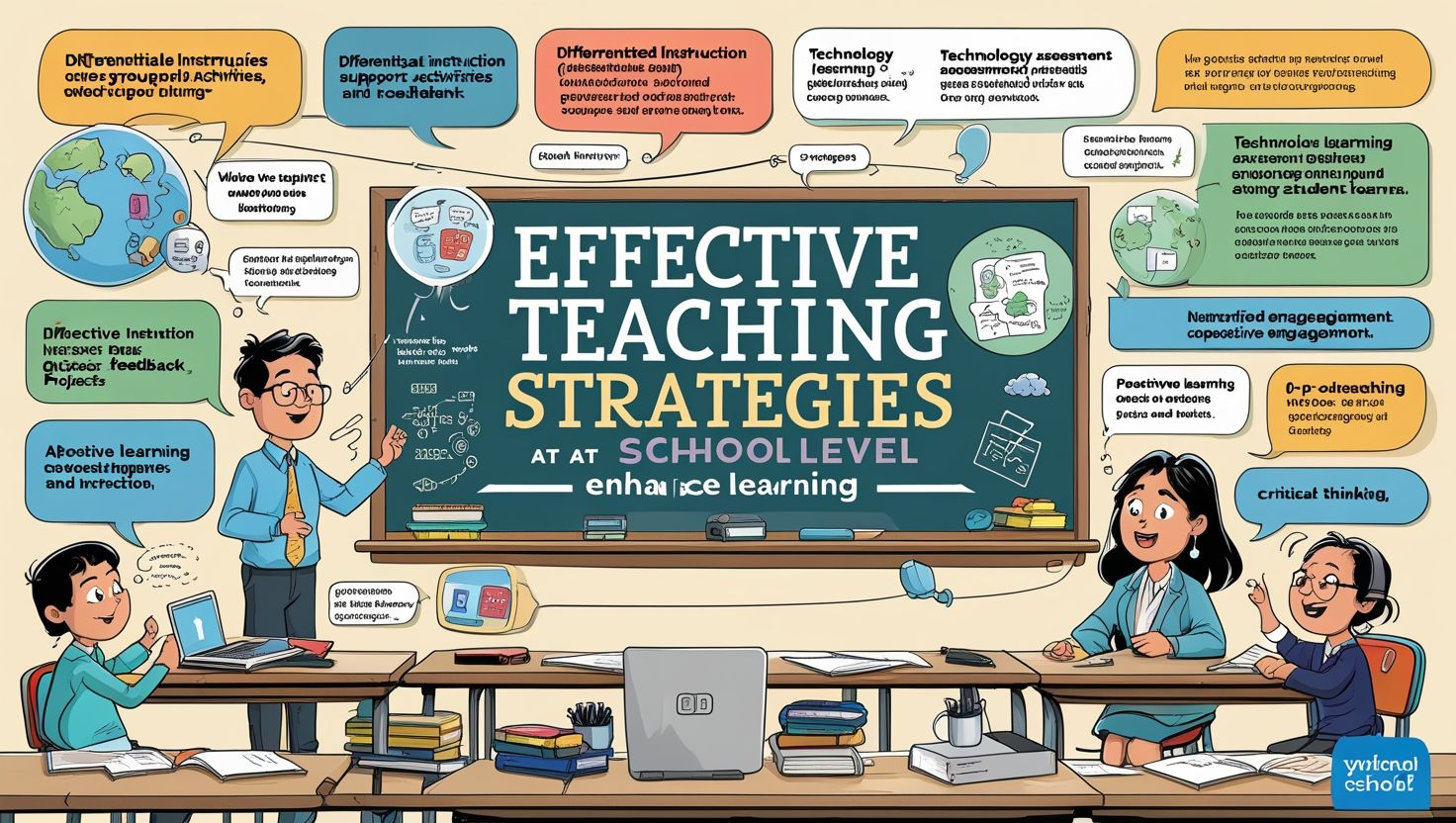
- Teaching Methodology and Pedagogy A core component of B.Ed studies, this area trains future teachers in subject-specific teaching techniques, classroom management, and student-centered learning approaches.
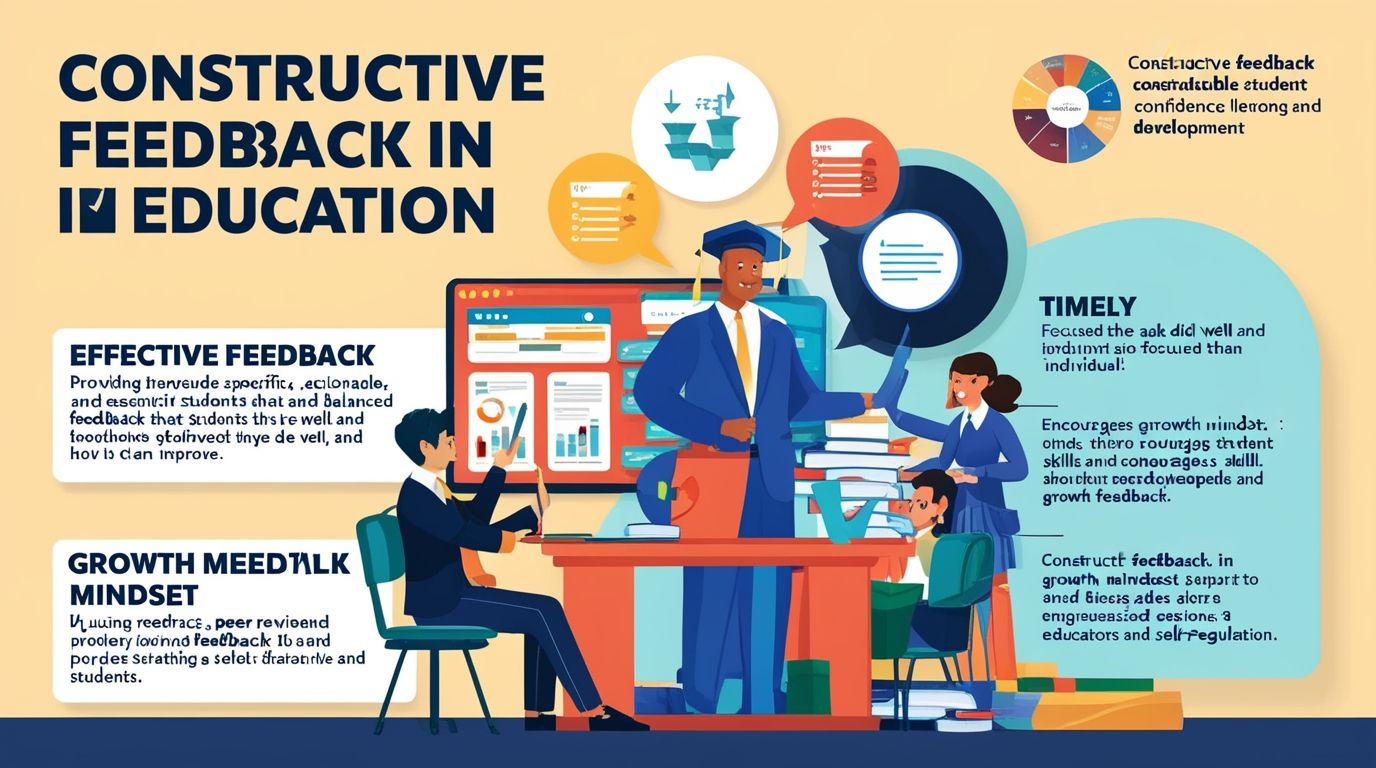
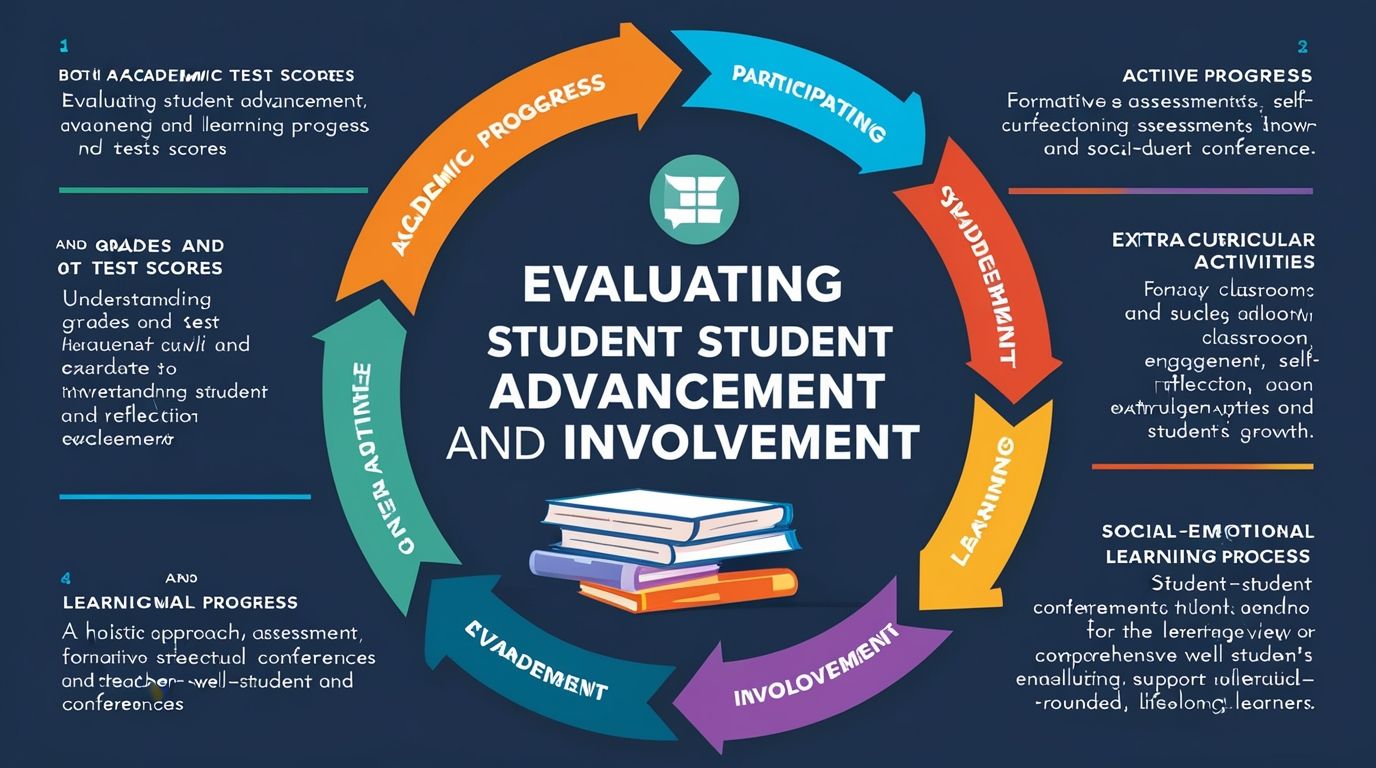
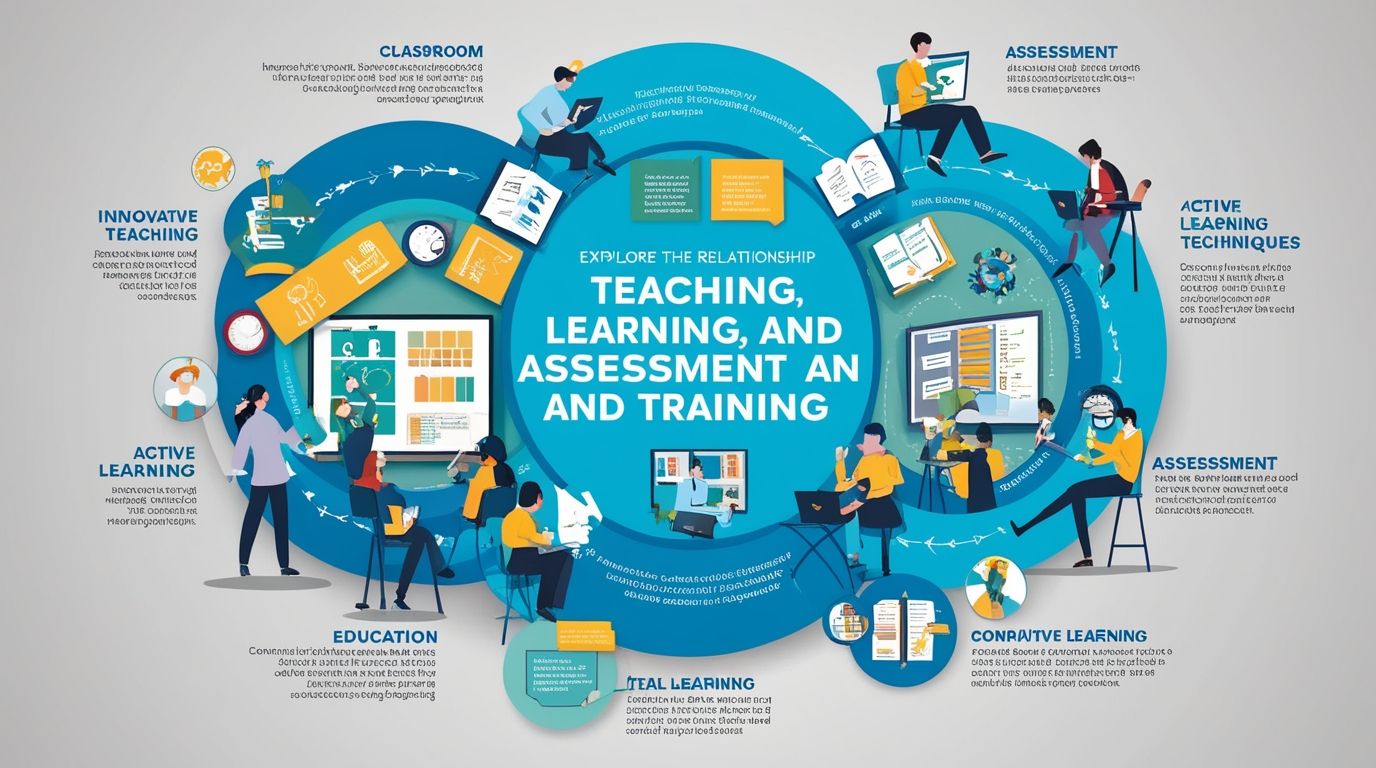
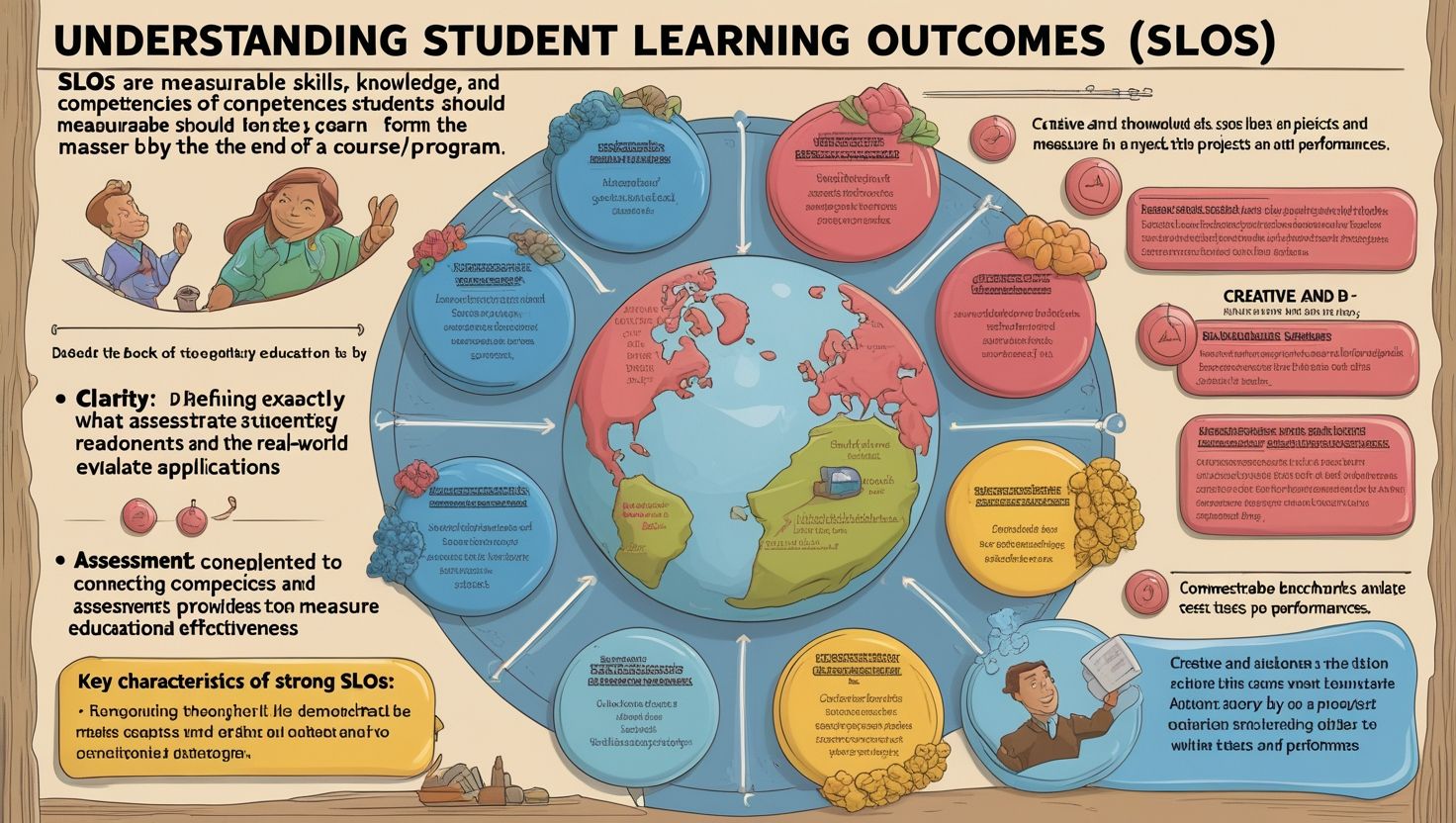
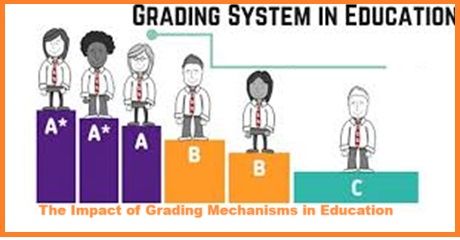
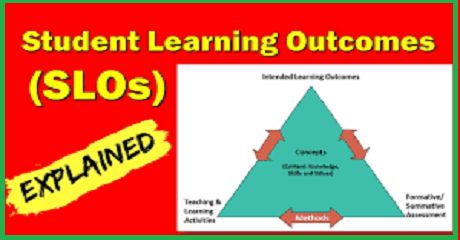
- Educational Assessment and Evaluation This covers formative and summative assessment techniques, test construction, grading systems, and how to measure student learning outcomes effectively.
- Philosophical and Sociological Foundations of Education Students explore the historical, philosophical, and sociological roots of the education system, helping them understand the broader purpose of schooling in society.
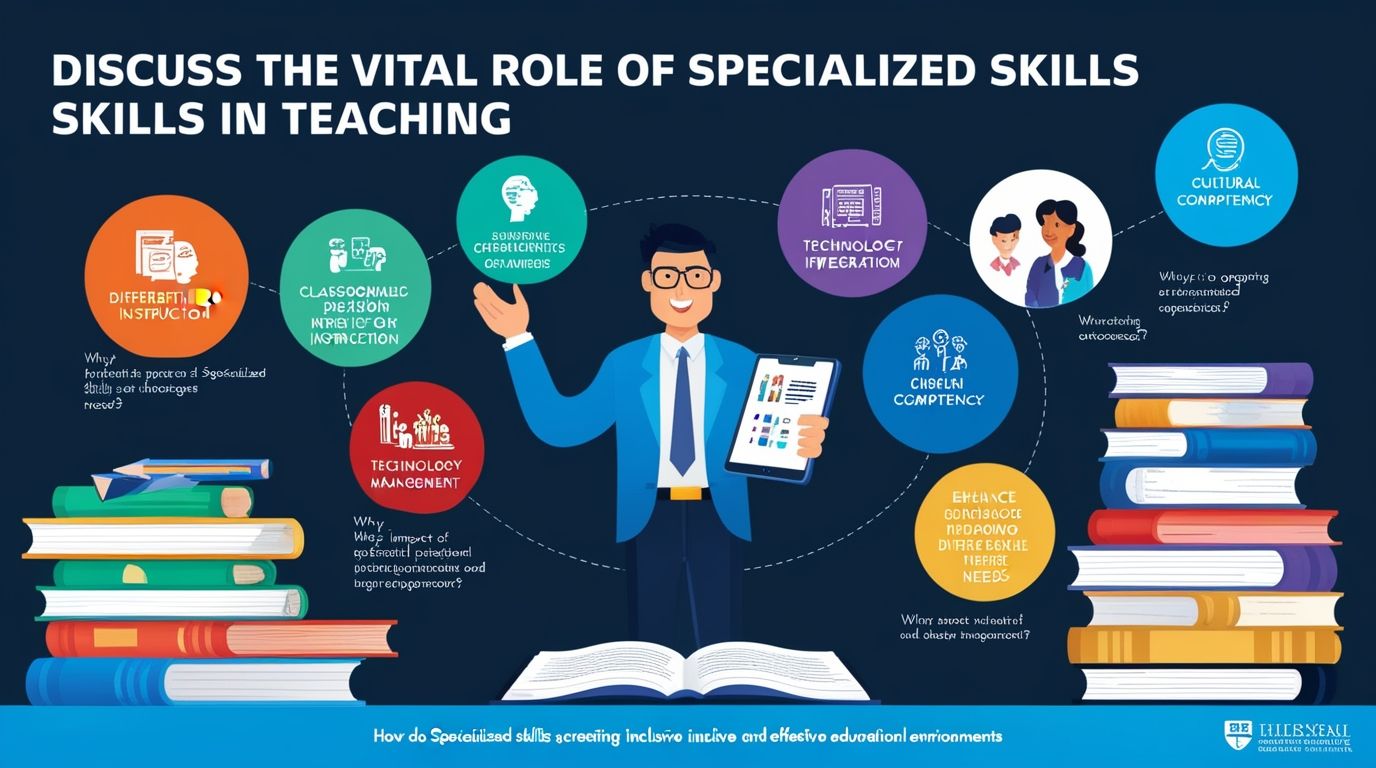
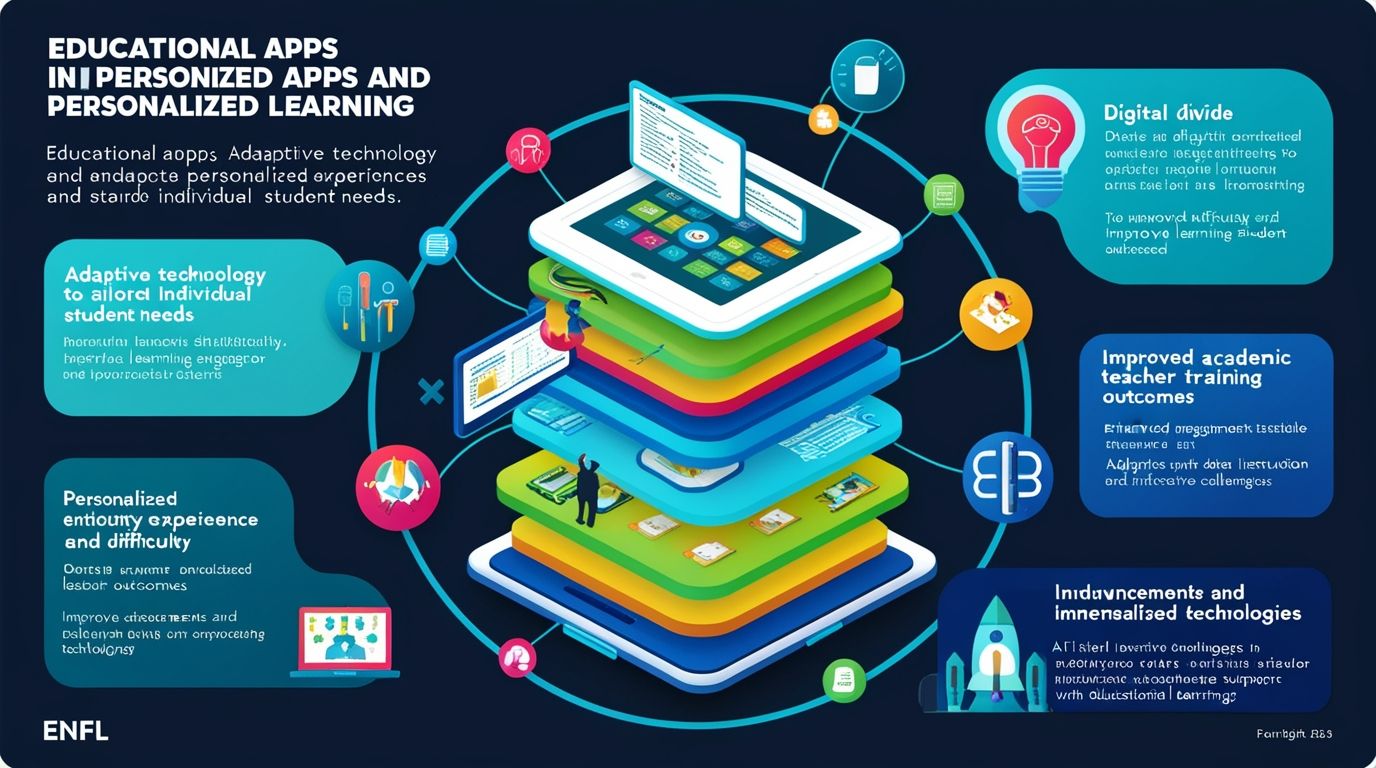
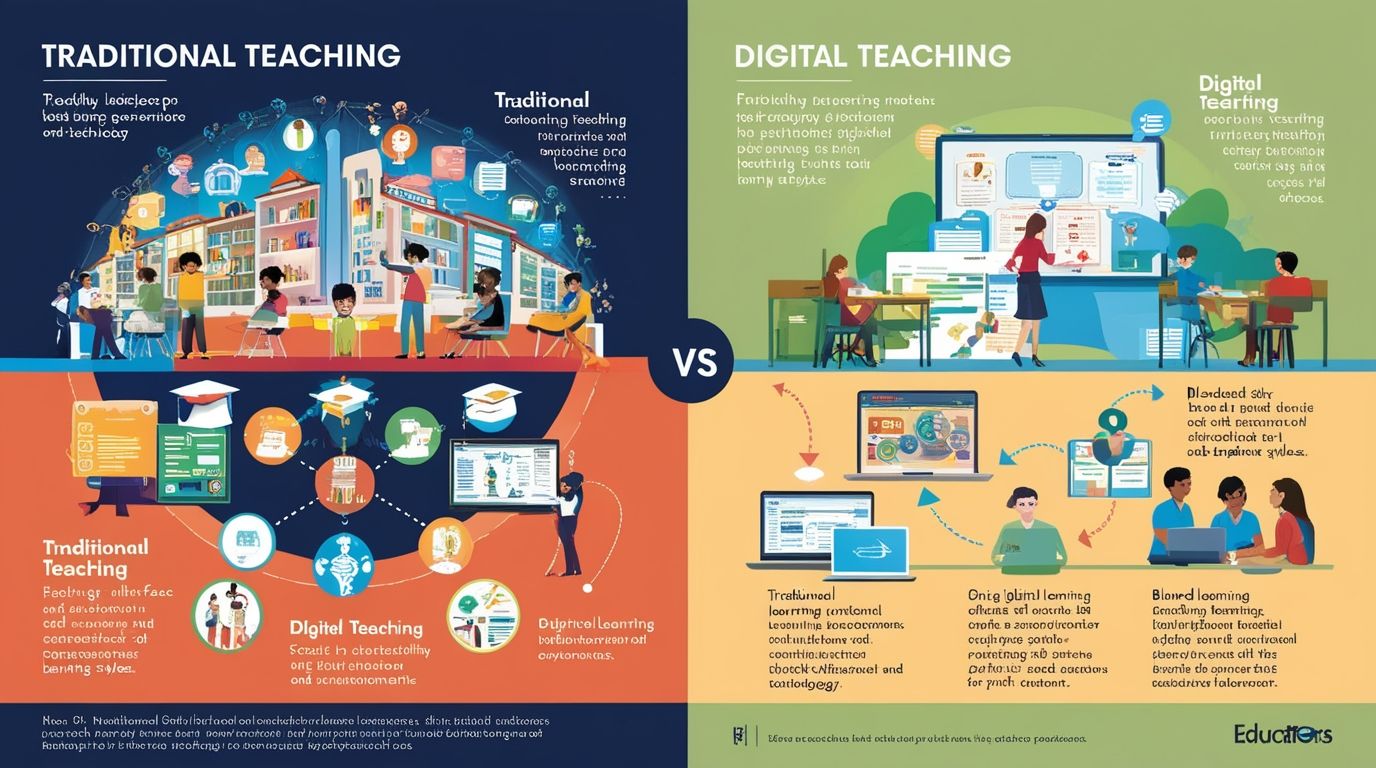
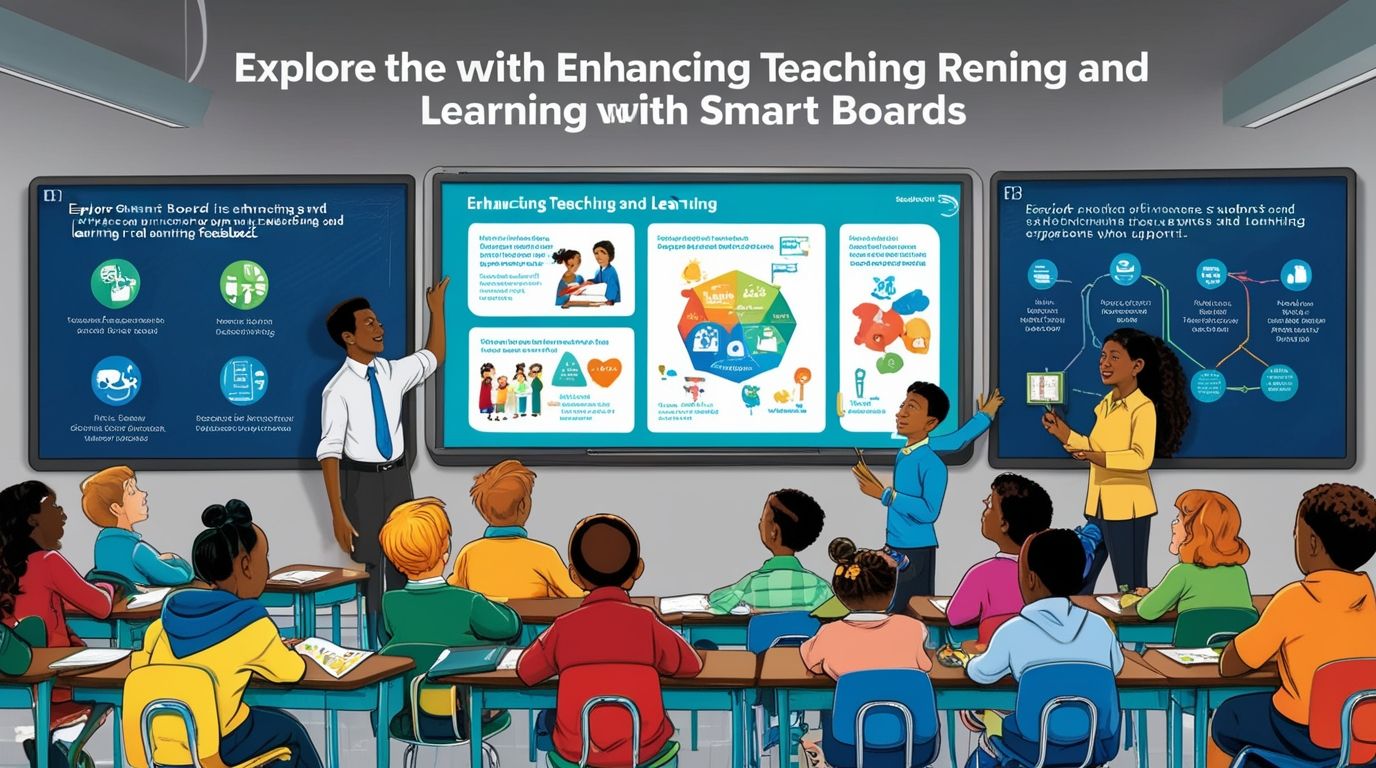
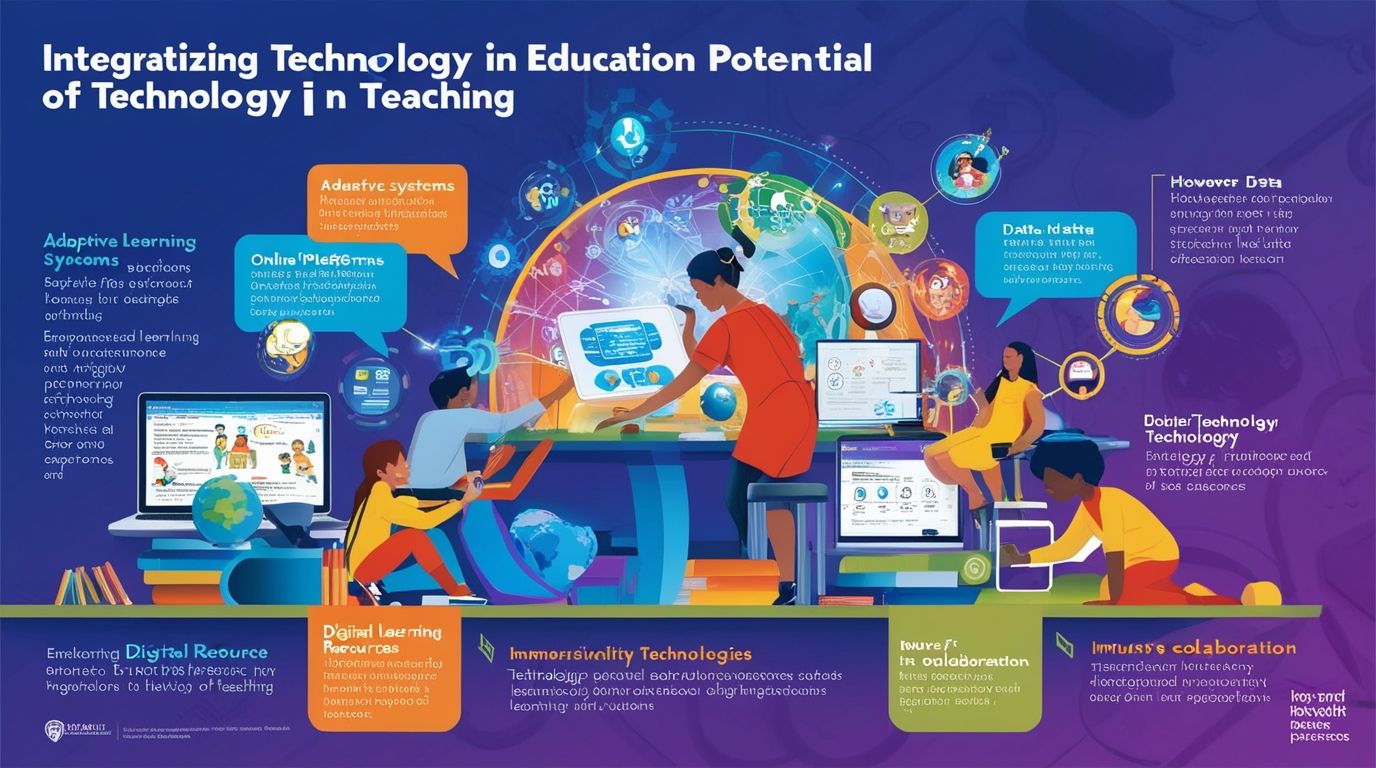
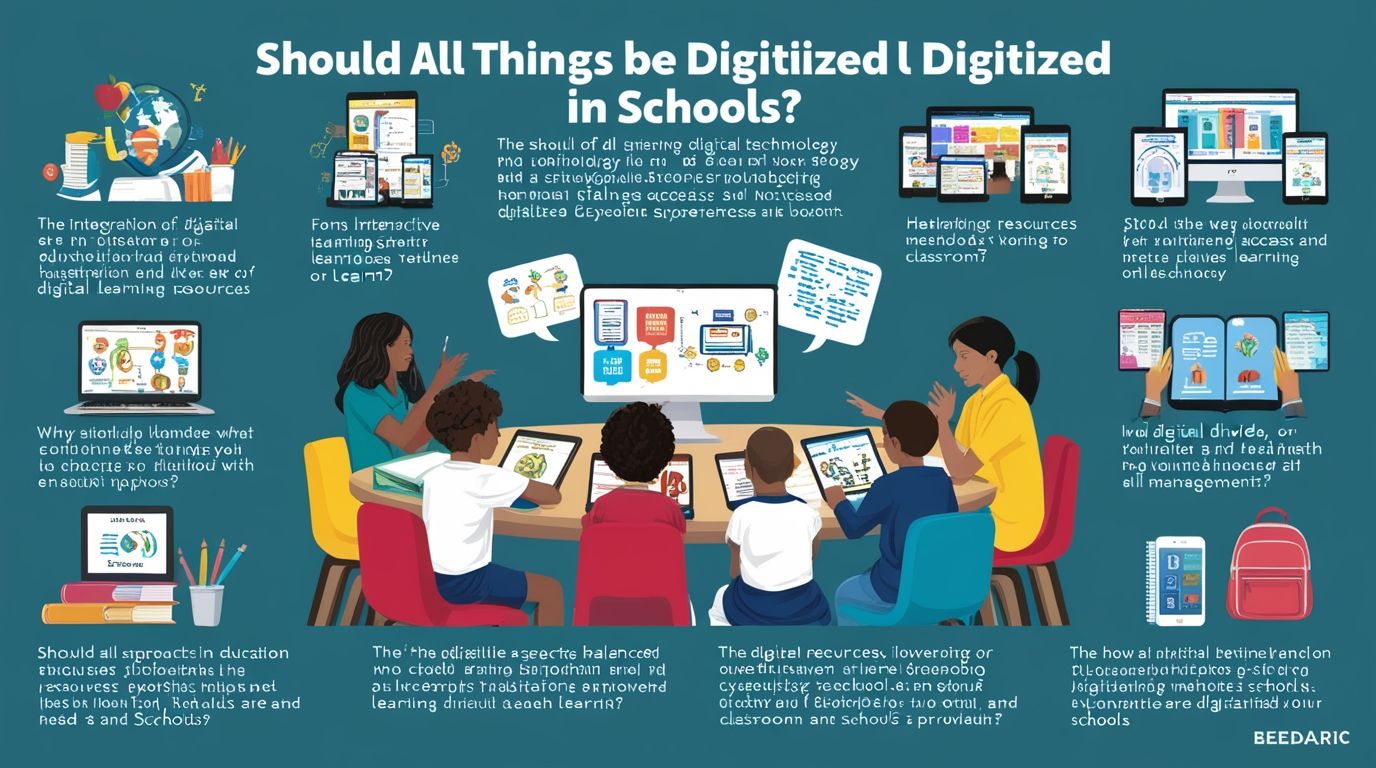
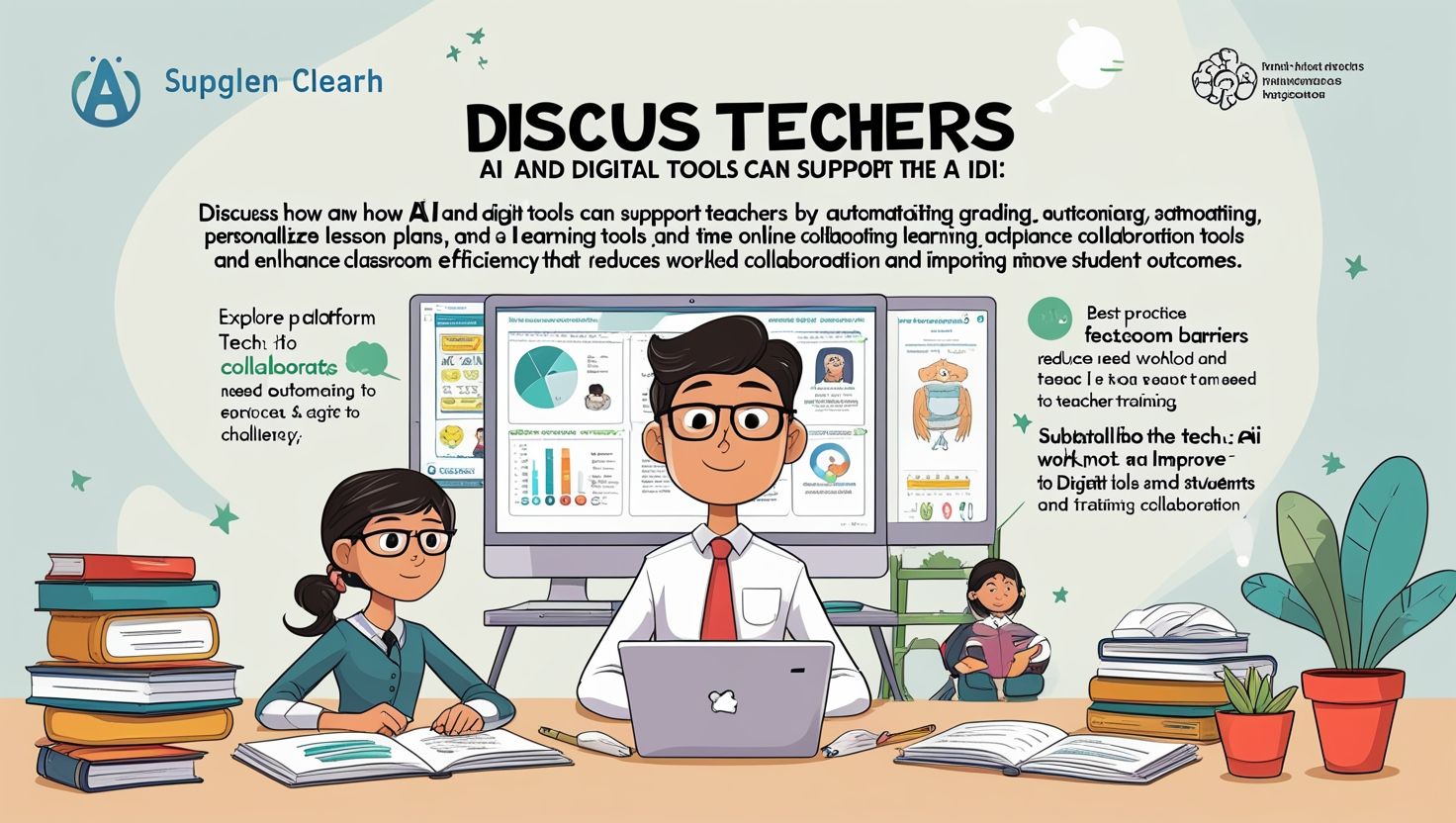
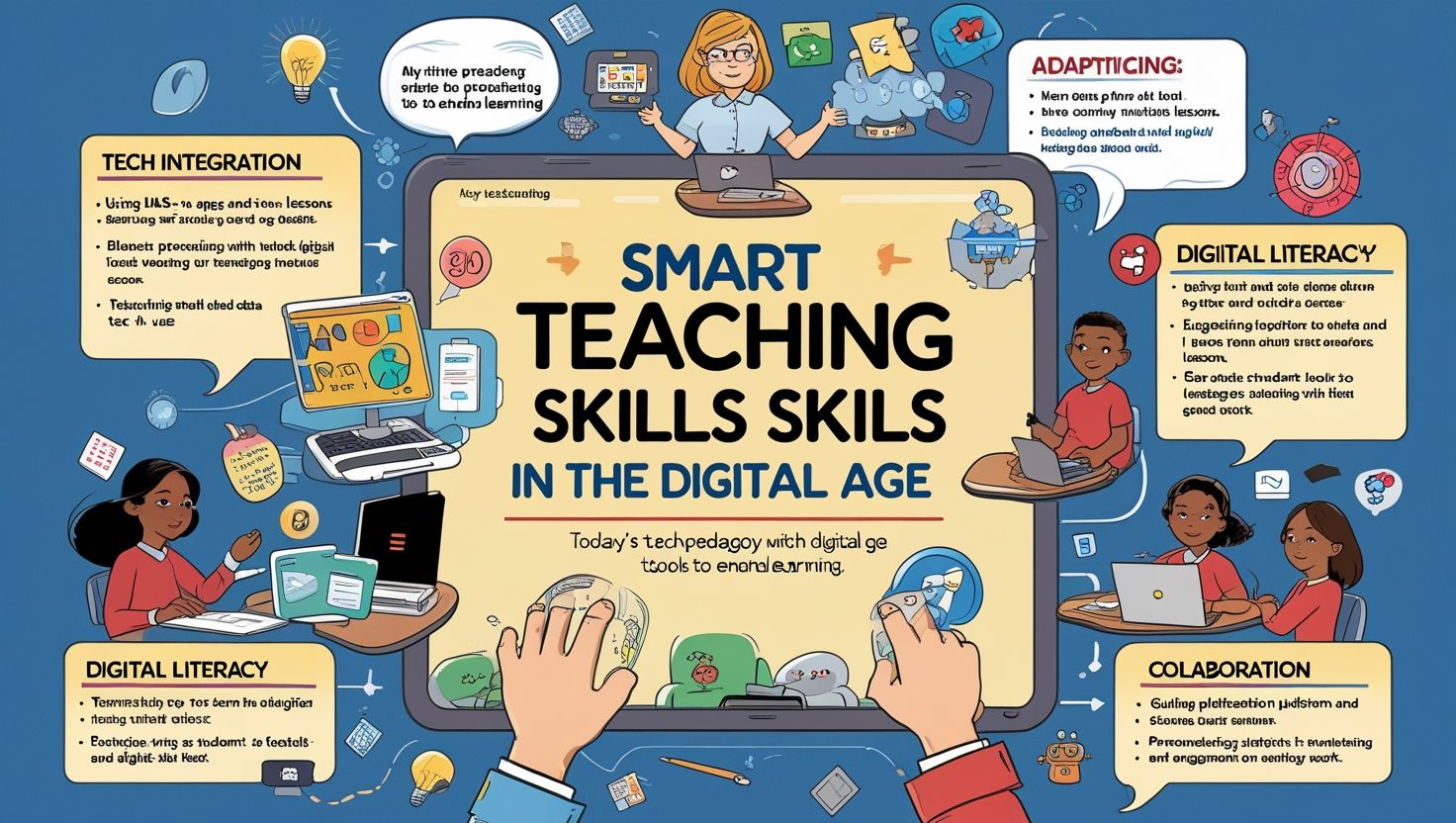
- Educational Technology (ICT in Education) With the rise of digital classrooms, educational technology has become a mandatory subject. It trains teachers to integrate ICT tools, e-learning platforms, and multimedia resources into their teaching.
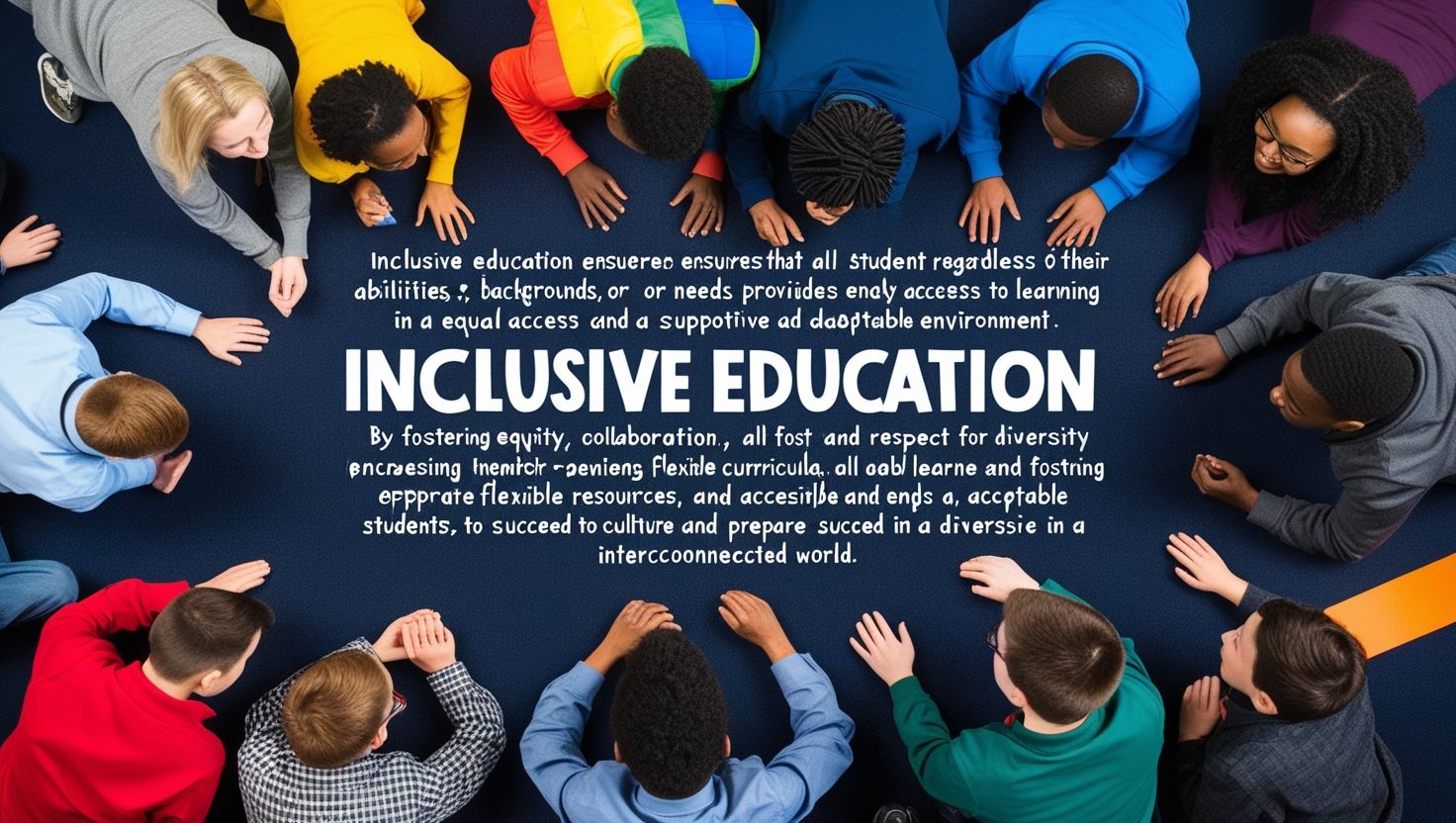
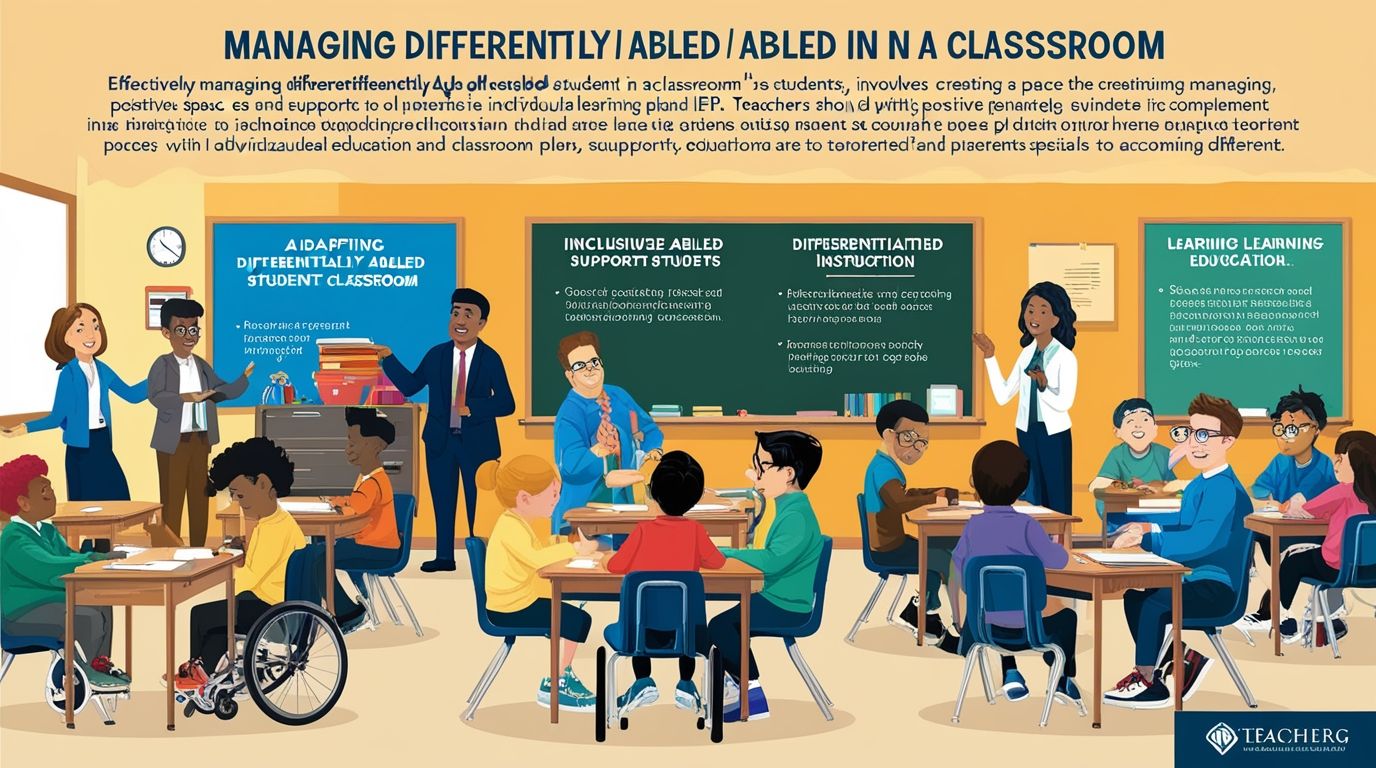
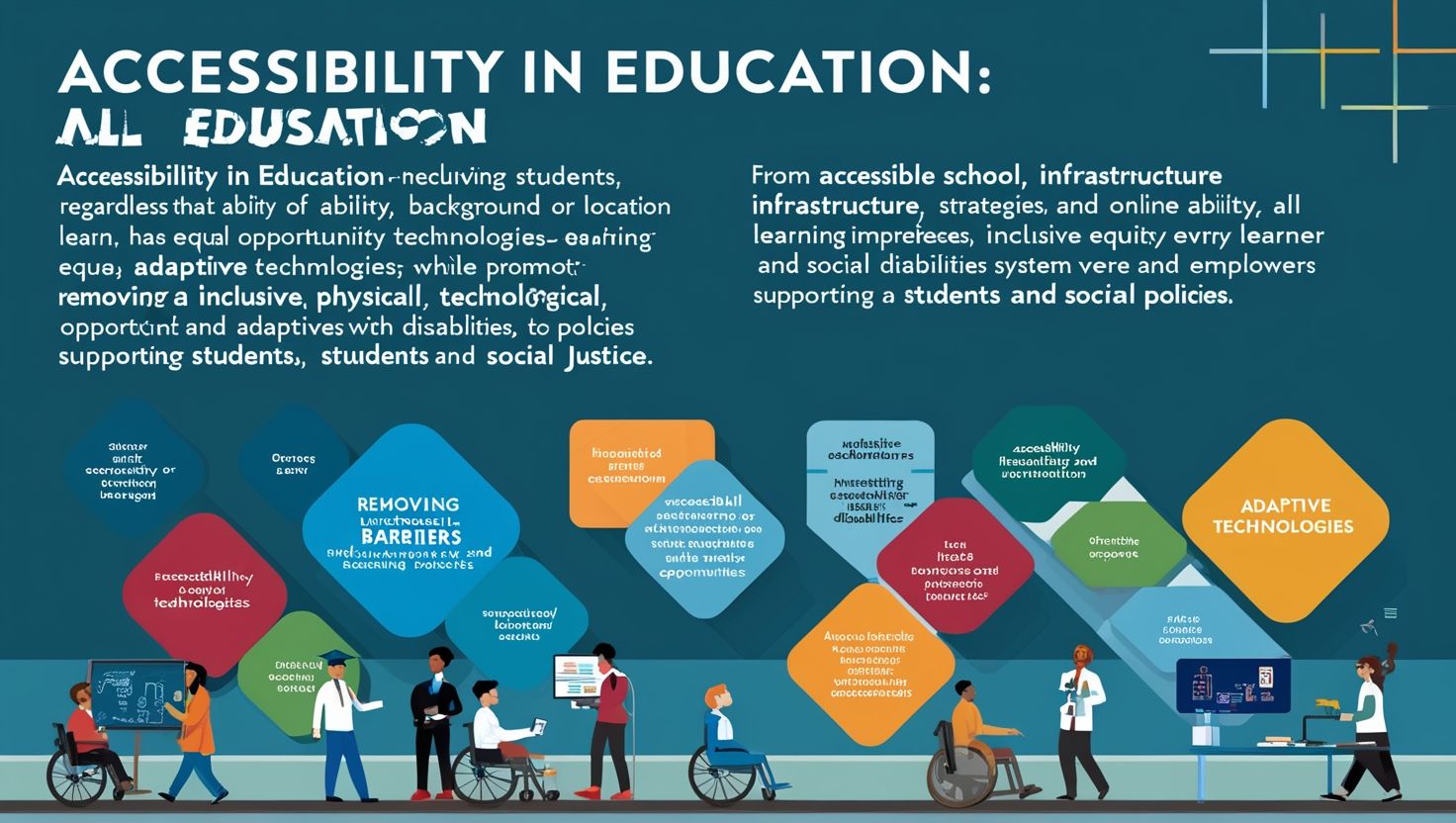
- Inclusive and Special Education This area addresses teaching strategies for students with diverse learning needs, including those with disabilities, ensuring inclusive classrooms across Pakistan.
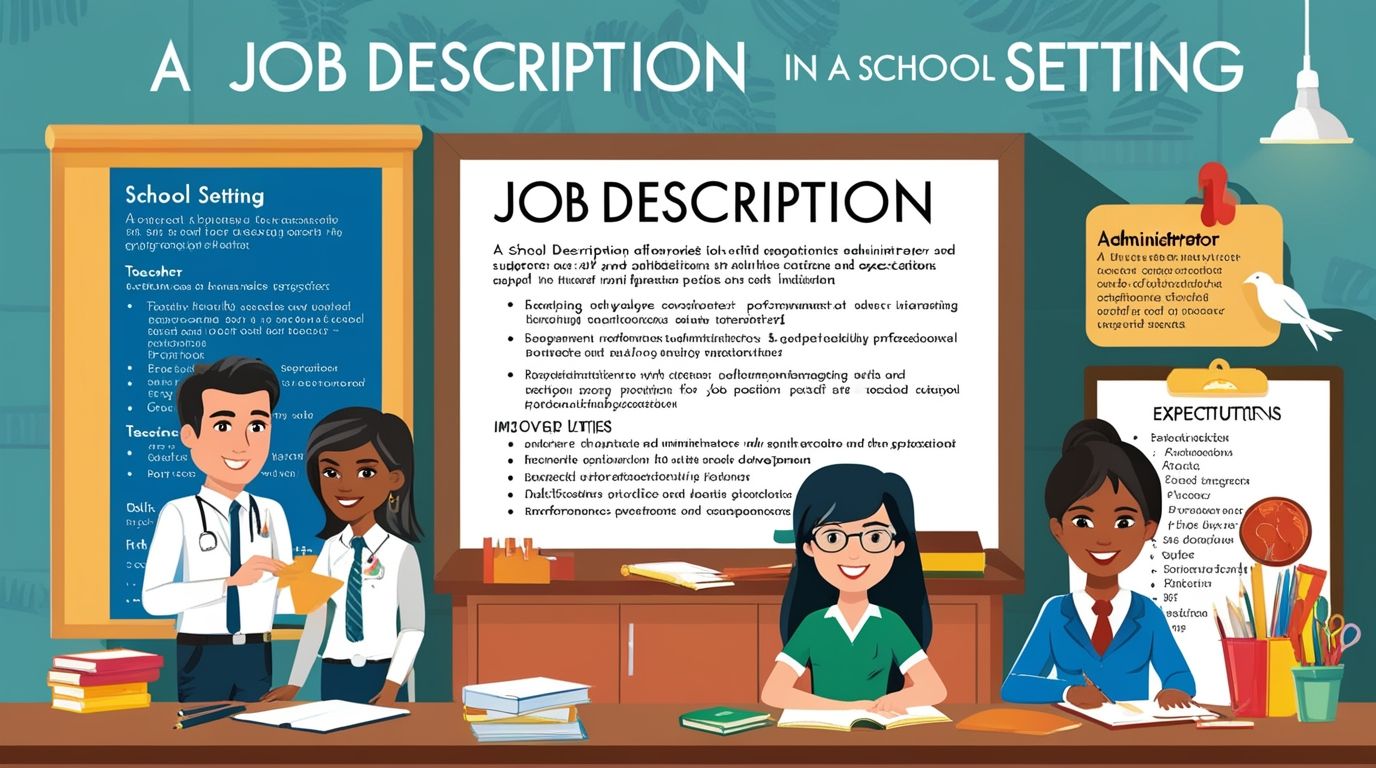
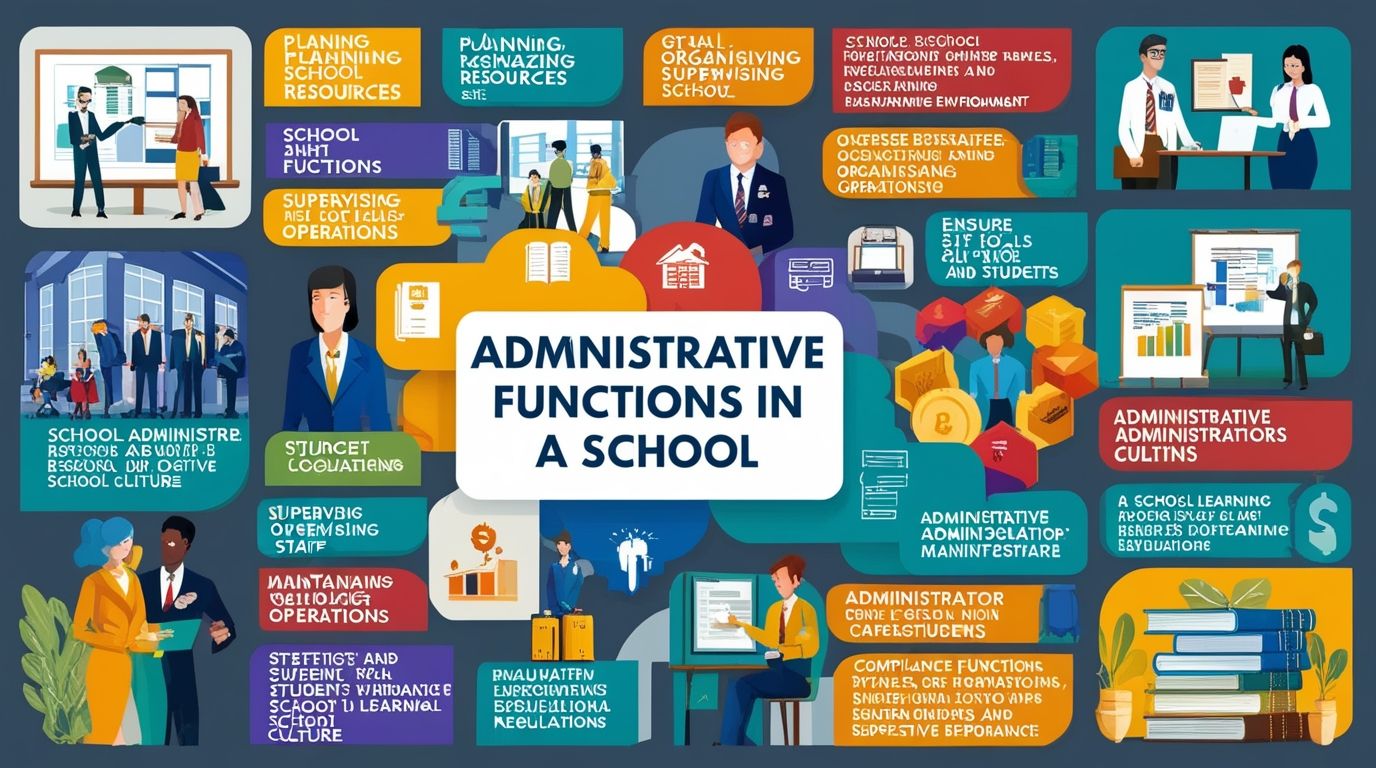
- Classroom Management and School Organization Future teachers learn practical skills for maintaining discipline, organizing classroom activities, and managing school administration at the grassroots level.
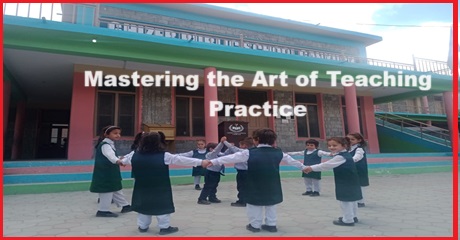
- Teaching Practice (Practicum/Internship) A mandatory component where students undergo supervised teaching in real classrooms, applying theoretical knowledge in practical settings — a cornerstone of B.Ed training in Pakistan.
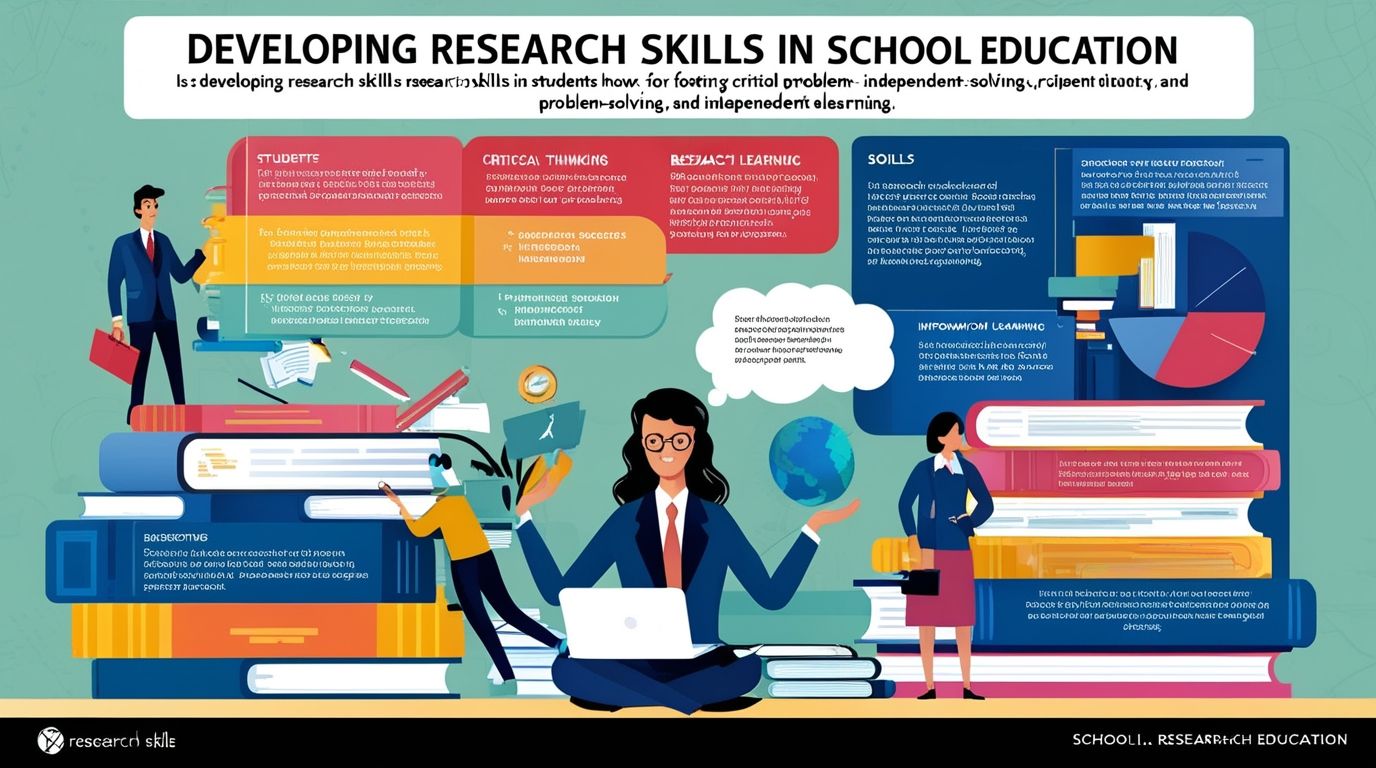
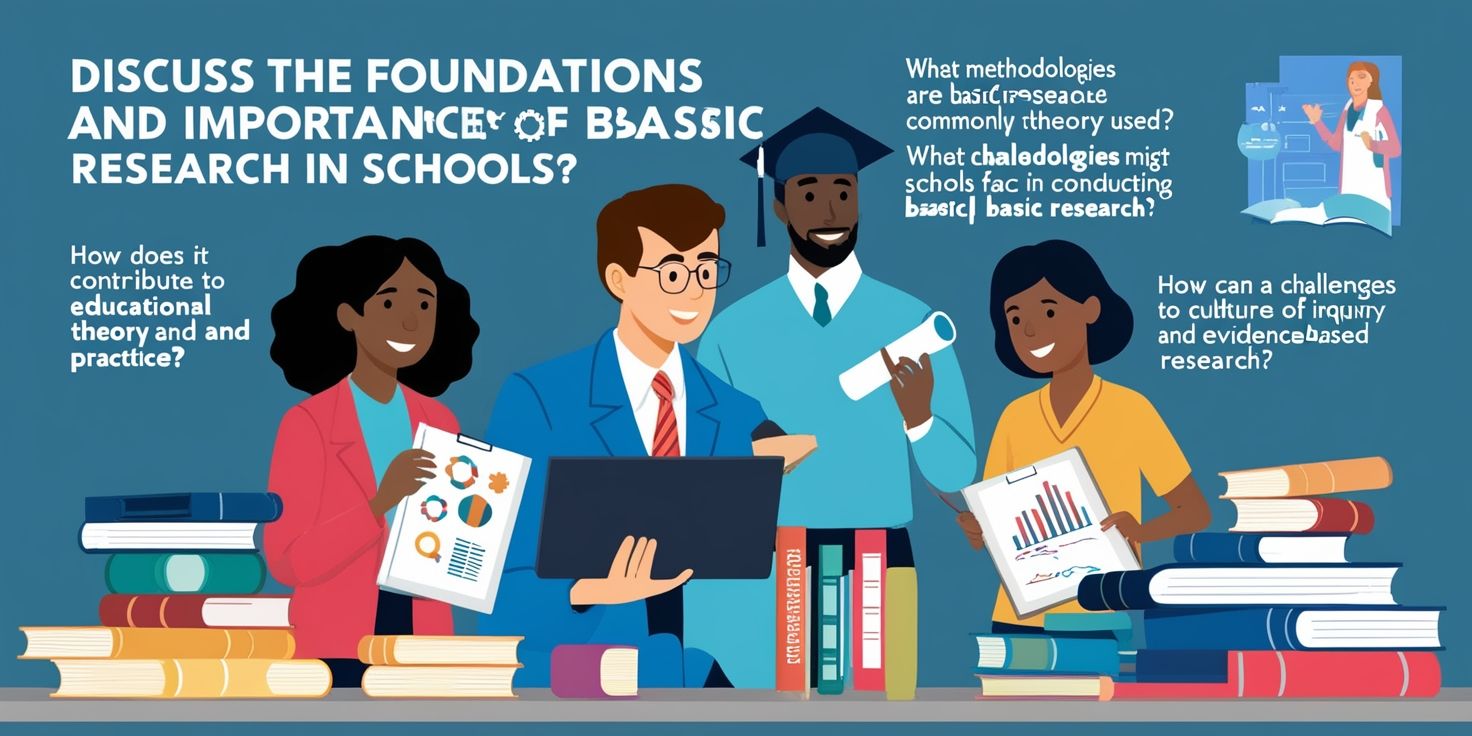
- Research Methods in Education Even at the undergraduate level, students are introduced to basic educational research methods, preparing them for further academic pursuits like M.Ed or M.Phil.
What is M.Ed (Master of Education)?
The M.Ed program is a postgraduate degree designed for those who already hold a B.Ed or equivalent qualification and wish to specialize further in educational leadership, research, and policy-making. It typically spans 1.5 to 2 years, depending on the university and specialization chosen.
M.Ed programs in Pakistan are more research-intensive and leadership-oriented compared to B.Ed, preparing graduates for roles such as school administrators, curriculum specialists, education policy analysts, and teacher trainers.
Core Areas of Study in M.Ed
- Advanced Educational Psychology Building on B.Ed foundations, this area delves deeper into learning theories, motivation, and psychological assessment tools used in educational settings.
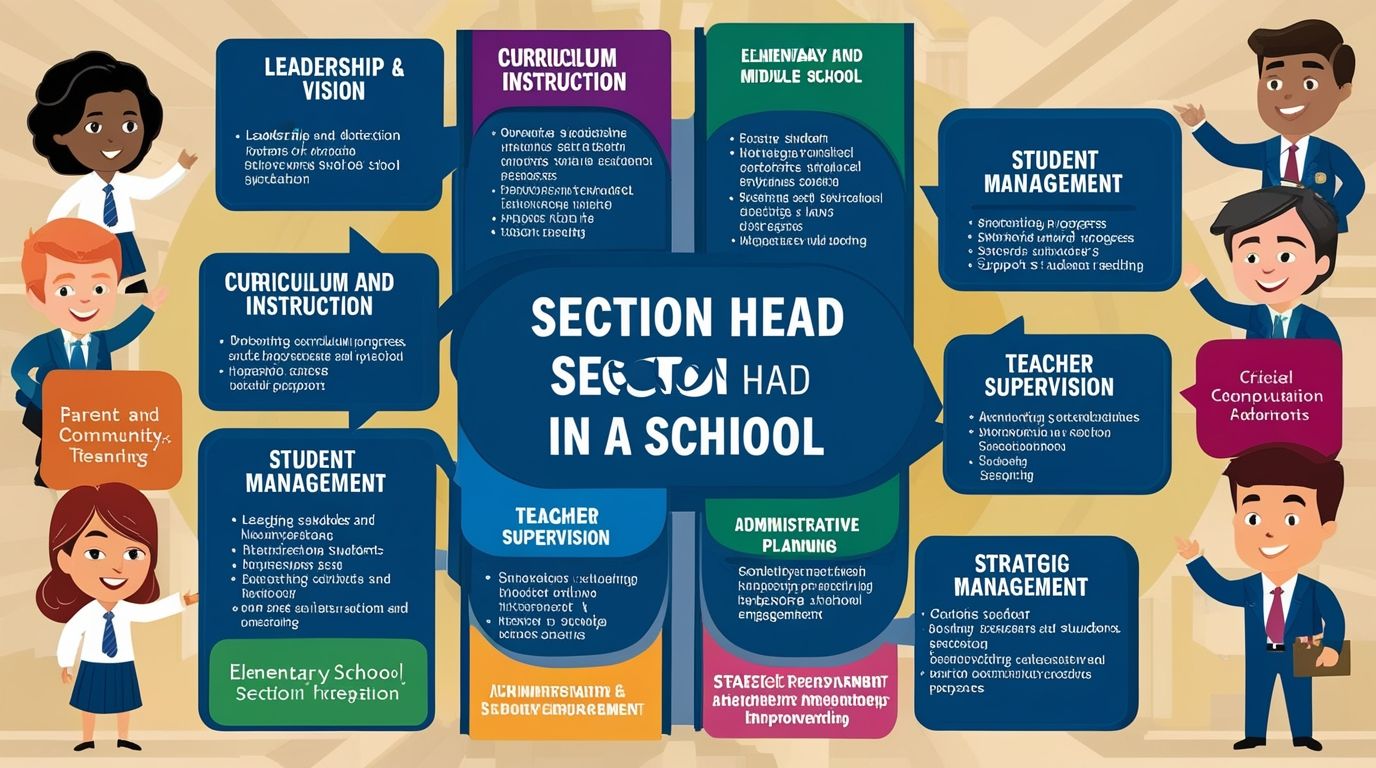
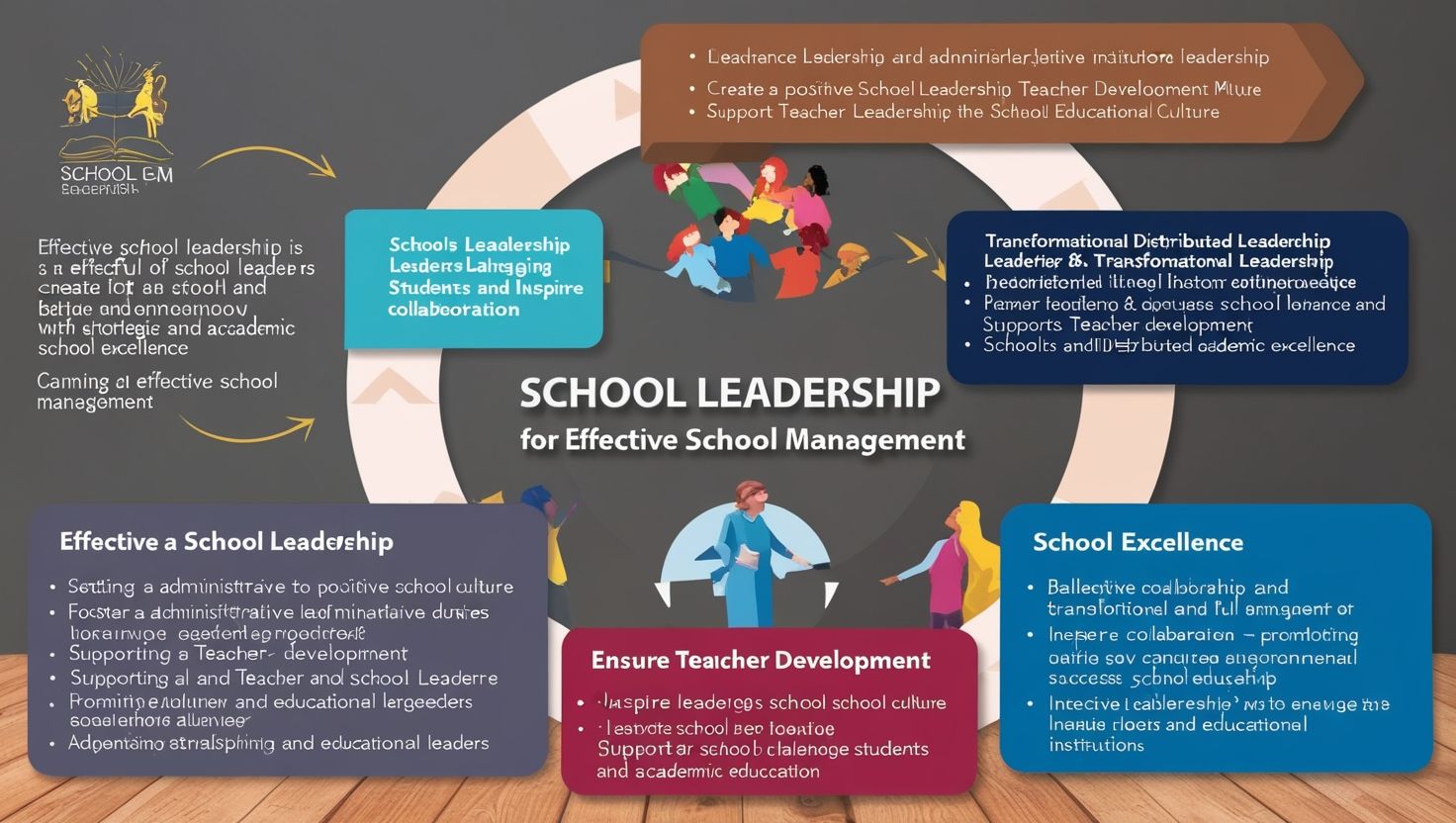
- Educational Leadership and Management One of the most popular specializations, this area trains graduates to become school principals, academic coordinators, or education administrators, covering topics like institutional management, decision-making, and strategic planning.
- Curriculum Studies and Development At the M.Ed level, curriculum studies become more analytical, focusing on curriculum theory, design frameworks, and evaluation models used to reform national and provincial curricula.
- Educational Research and Statistics A critical component of M.Ed, this area equips students with advanced research methodologies, data analysis techniques, and thesis-writing skills necessary for academic and policy research.
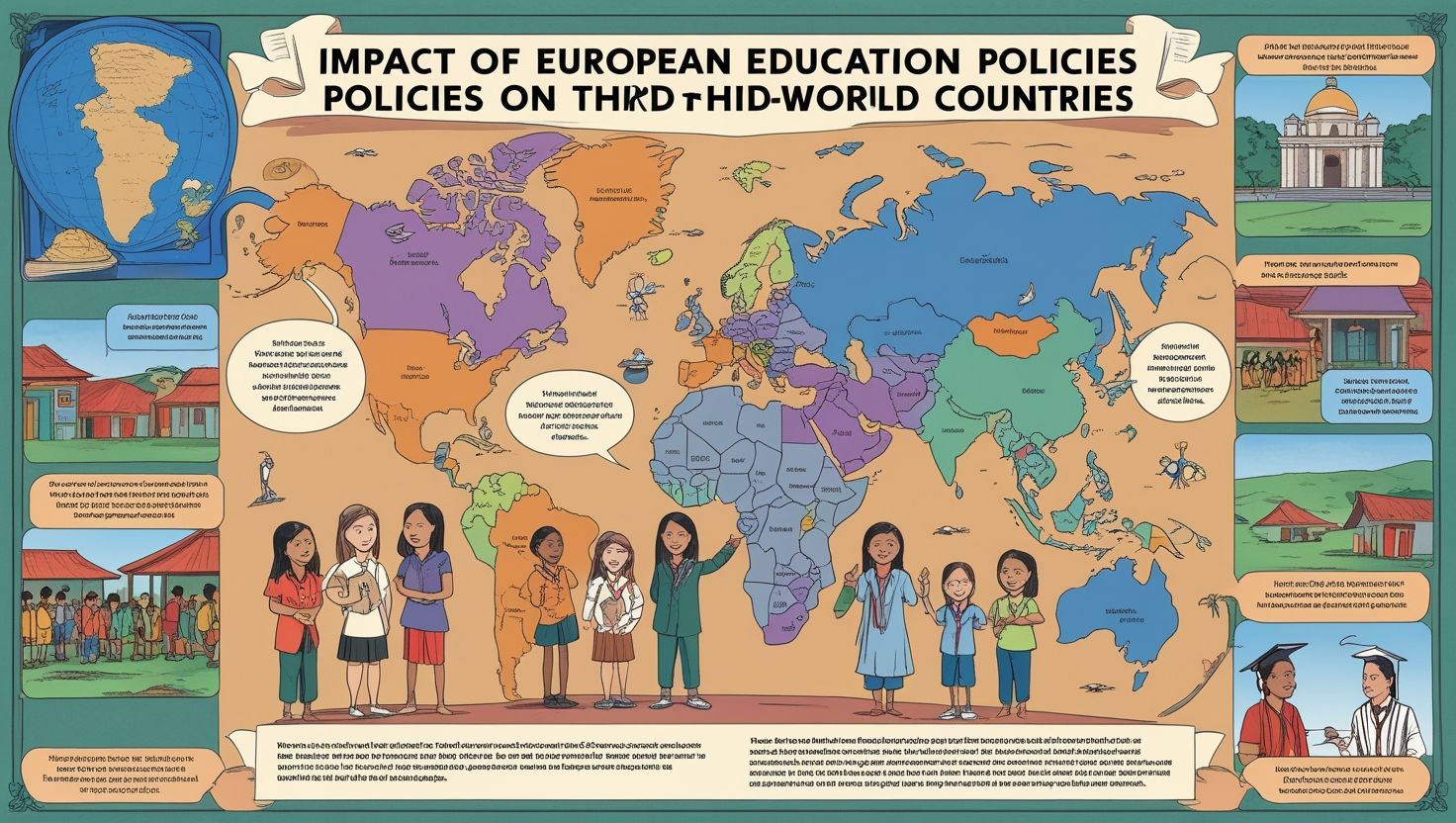
- Comparative Education Students study education systems across different countries, analyzing global best practices and their applicability to Pakistan’s education system.
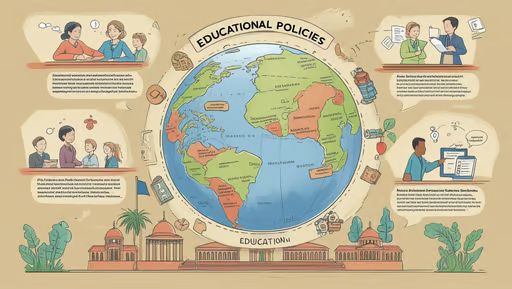
- Educational Policy and Planning This specialization focuses on how educational policies are formulated, implemented, and evaluated, preparing graduates for roles in policy-making institutions and NGOs.
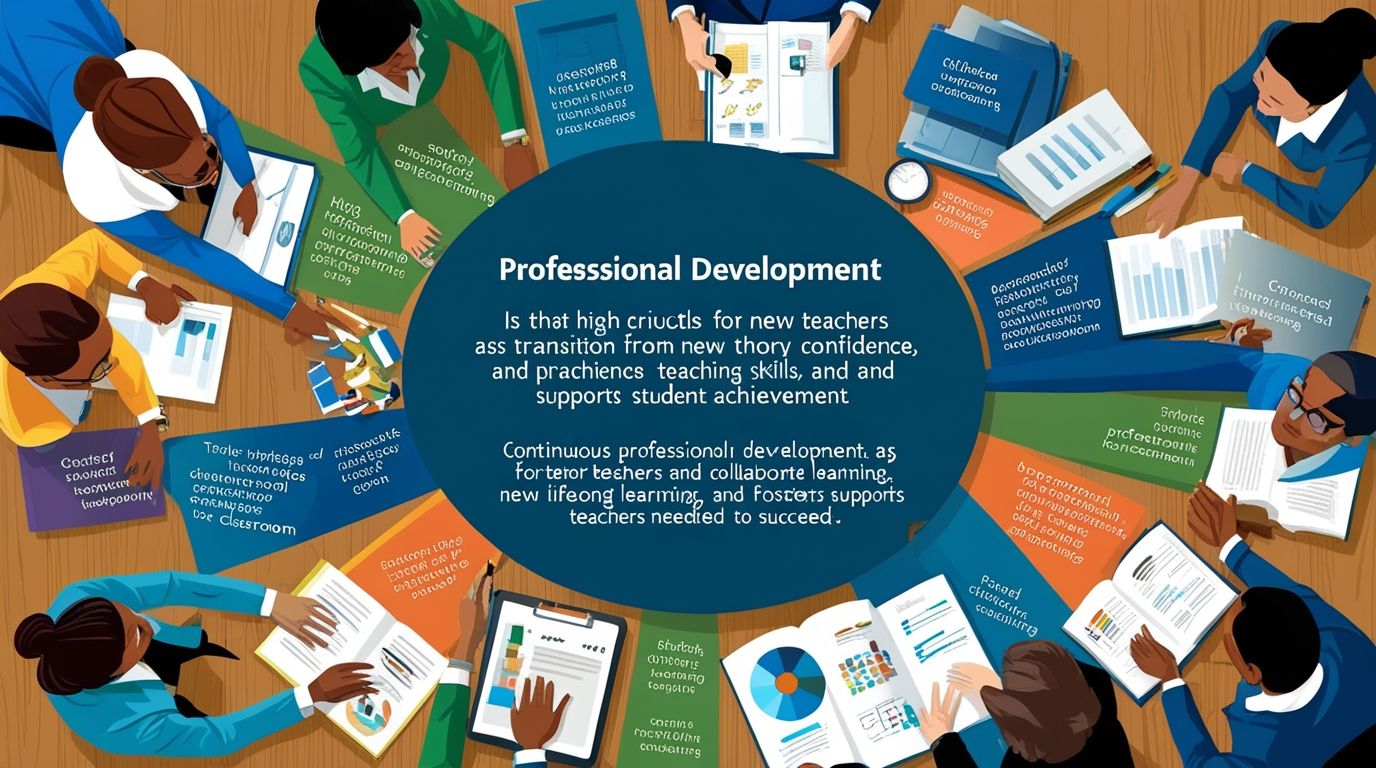
- Teacher Education and Professional Development This area trains graduates to become teacher trainers, focusing on faculty development programs, mentoring, and continuous professional growth strategies for educators.
- Special and Inclusive Education (Advanced) M.Ed offers advanced specialization in special education, covering disability studies, inclusive policy frameworks, and assistive technologies.
- Higher Education Management For those interested in university-level administration, this area covers governance structures, quality assurance, and higher education policy in Pakistan.
- Guidance and Counseling This specialization prepares graduates to work as school counselors, addressing student welfare, career guidance, and psychological support systems within educational institutions.
Key Differences Between B.Ed and M.Ed
| Aspect | B.Ed | M.Ed |
|---|---|---|
| Level | Undergraduate/Professional | Postgraduate |
| Duration | 1.5–4 years | 1.5–2 years |
| Focus | Teaching skills and classroom practice | Leadership, research, and policy |
| Eligibility | Intermediate/Bachelor’s degree | B.Ed or equivalent |
| Career Path | Classroom teacher | Administrator, researcher, policy-maker |
Understanding these differences is essential for students planning their career pathway in education since both degrees serve distinct but complementary purposes within Pakistan’s academic ecosystem.
Top Universities Offering B.Ed and M.Ed in Pakistan
Several HEC-recognized universities across Pakistan offer these programs with varying specializations:
- Allama Iqbal Open University (AIOU) — known for distance learning options in B.Ed and M.Ed
- University of the Punjab — offers comprehensive teacher education programs
- University of Karachi — strong focus on educational research
- University of Peshawar
- Preston University
- International Islamic University, Islamabad
- University of Sargodha
- National University of Modern Languages (NUML)
Each institution may offer unique specializations, so prospective students should review admission criteria, faculty expertise, and program accreditation before applying.
Career Opportunities After B.Ed and M.Ed
Graduates of these programs enjoy diverse career opportunities in education, including:
- Classroom Teacher (Primary, Elementary, Secondary levels)
- School Administrator or Principal
- Curriculum Developer
- Education Policy Analyst
- Teacher Trainer
- School Counselor
- Researcher in Educational Institutions
- Academic Coordinator in Private and Public Schools
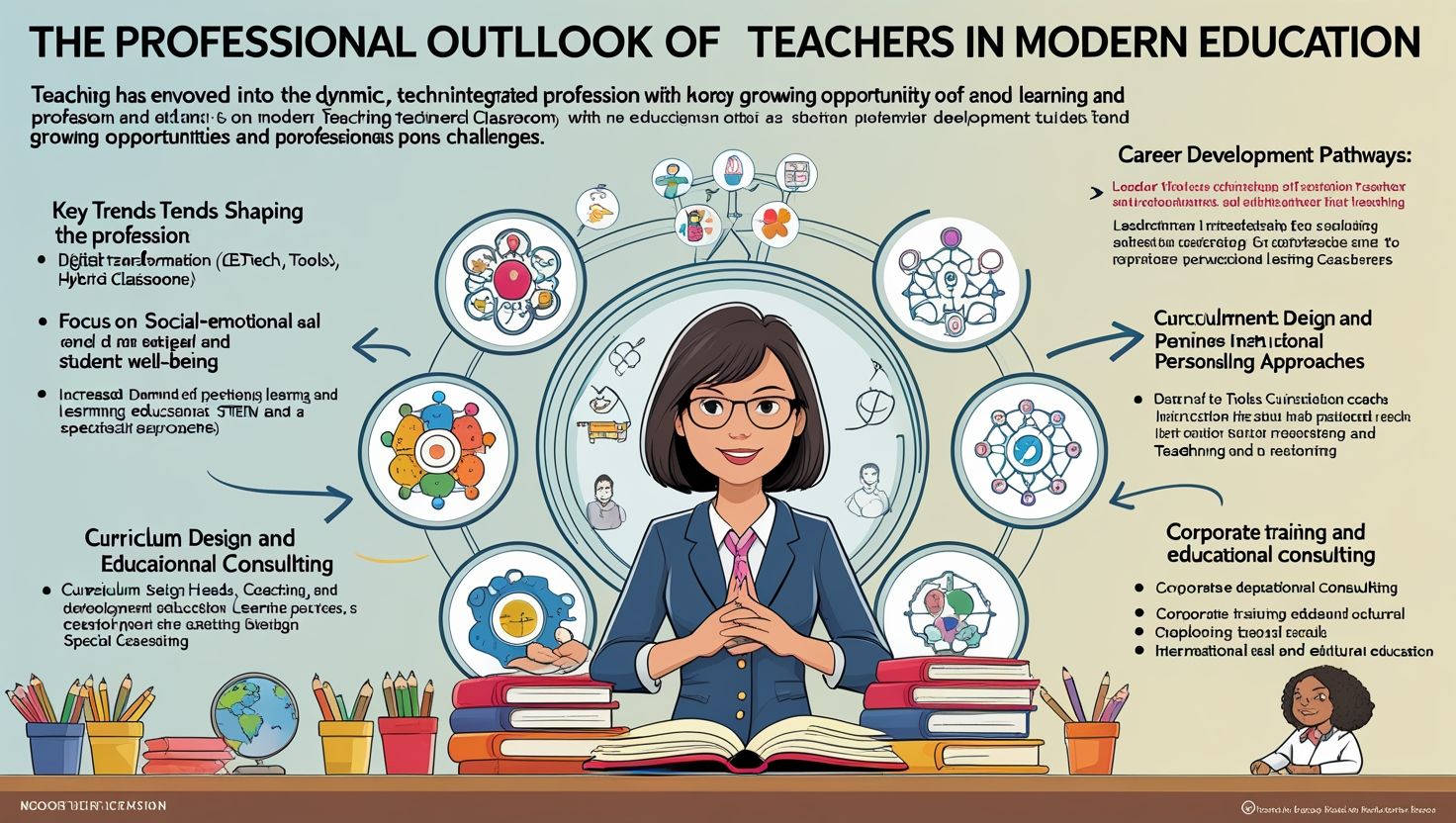
With Pakistan’s growing emphasis on quality education reforms, demand for well-trained professionals holding B.Ed and M.Ed qualifications continues to rise across both public and private sectors.
Why These Areas of Study Matter
The areas of study in B.Ed and M.Ed are not just academic requirements — they are practical tools that shape how future generations are taught, mentored, and guided. As Pakistan continues to invest in educational reform and teacher training, these programs play a pivotal role in bridging the gap between theoretical knowledge and classroom practice.
For students choosing between B.Ed and M.Ed, the decision often comes down to career goals: those passionate about direct classroom teaching may find B.Ed sufficient, while those aspiring toward leadership, research, or policy roles will benefit significantly from pursuing an M.Ed.
These vary slightly across universities, but the following are widely recognized by the Higher Education Commission and teacher education institutions.
Areas of Study
| Area of Degree | Description |
|---|---|
| Teacher Education | General teacher preparation, pedagogy, curriculum, and instructional methods. |
| Elementary Education | Teaching and learning for primary and elementary school students. |
| Secondary Education | Preparation for teaching at middle and secondary school levels. |
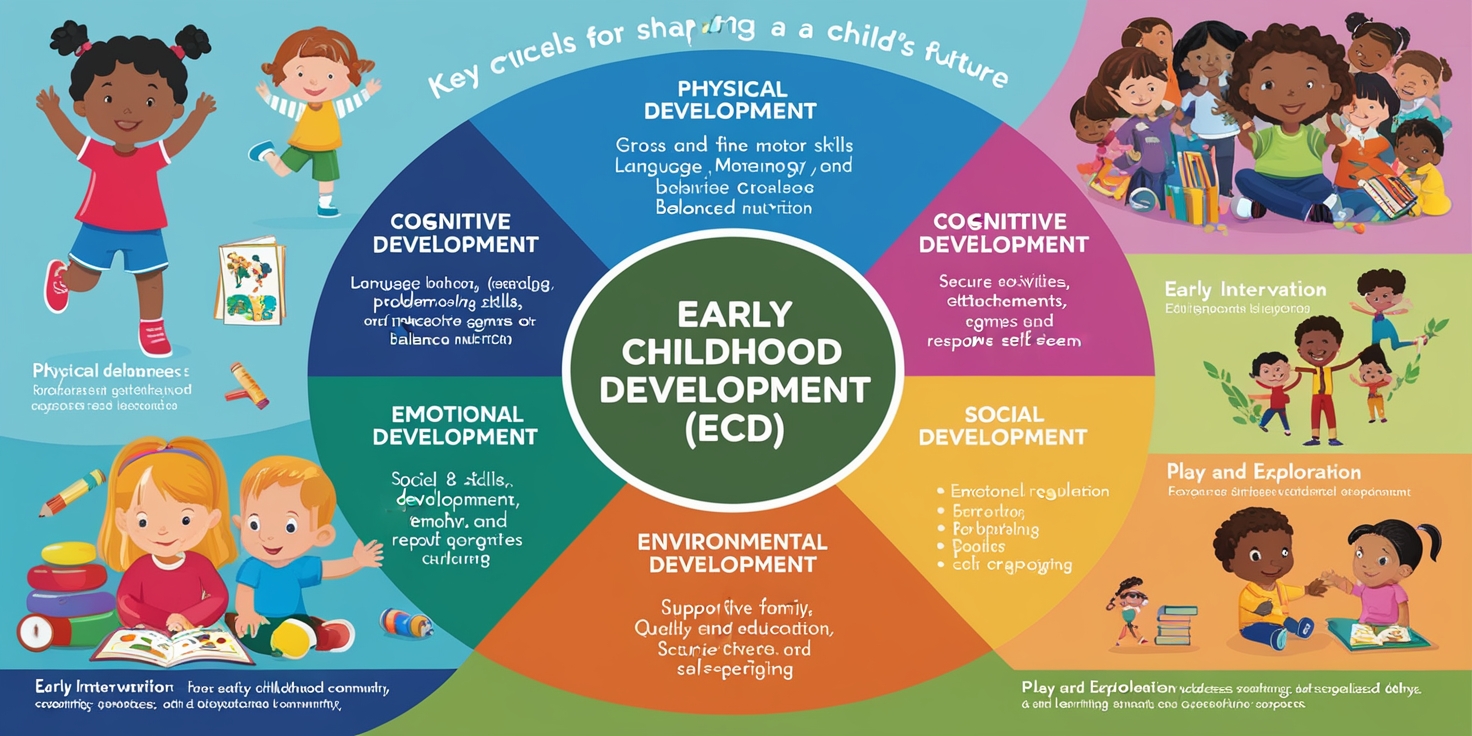
| Early Childhood Education (ECE) | Education for children from birth to age 8, including preschool education. |
| Special Education | Education of students with disabilities and special learning needs. |
| Educational Leadership and Management | School leadership, administration, educational planning, and policy. |
| Curriculum and Instruction | Curriculum design, teaching strategies, and instructional improvement. |
| Assessment and Evaluation | Educational measurement, testing, and program evaluation. |
| Educational Psychology | Learning theories, motivation, counseling, and child development. |
| Science Education | Teaching methods and curriculum for science subjects. |
| Mathematics Education | Mathematics teaching methodologies and curriculum. |
| English Language Teaching (ELT) | English language instruction, linguistics, and TESOL methodologies. |
| Urdu Education | Teaching of Urdu language and literature. |
| Islamic Education | Teaching of Islamic Studies and religious education. |
| Social Studies Education | Teaching history, geography, civics, and social sciences. |
| Computer Education / ICT in Education | Integration of information technology into teaching and learning. |
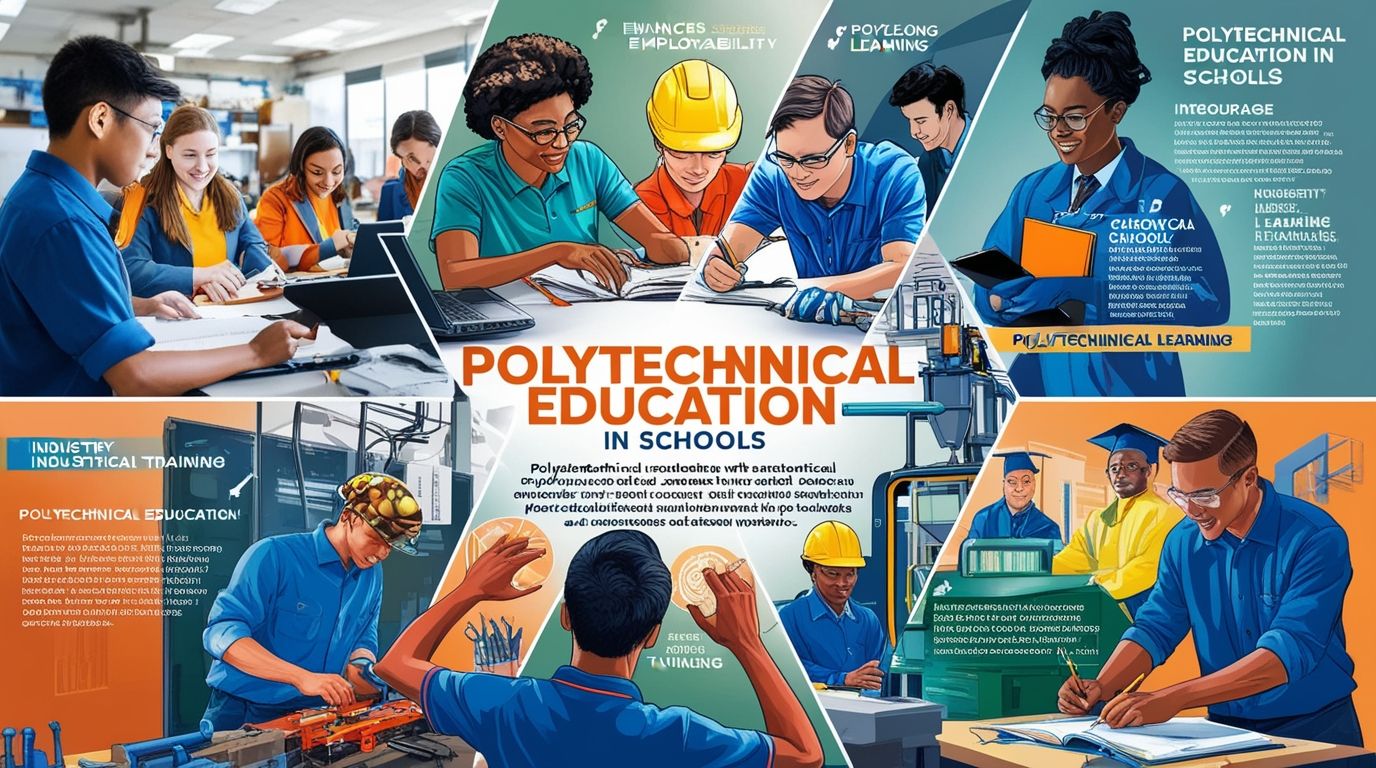
| Technical and Vocational Education (TVET) | Teaching technical, vocational, and skills-based education. |
| Physical Education and Sports Sciences | Physical education, health, sports coaching, and recreation. |
| Arts Education | Visual arts, music, and creative arts education. |
| Language Education | Teaching regional and foreign languages. |
| STEM Education | Integrated Science, Technology, Engineering, and Mathematics education. |
| Educational Technology | Digital learning, e-learning, instructional technology, and multimedia. |
| Adult and Non-Formal Education | Literacy, continuing education, and community learning programs. |
| Inclusive Education | Teaching students with diverse learning needs in mainstream classrooms. |
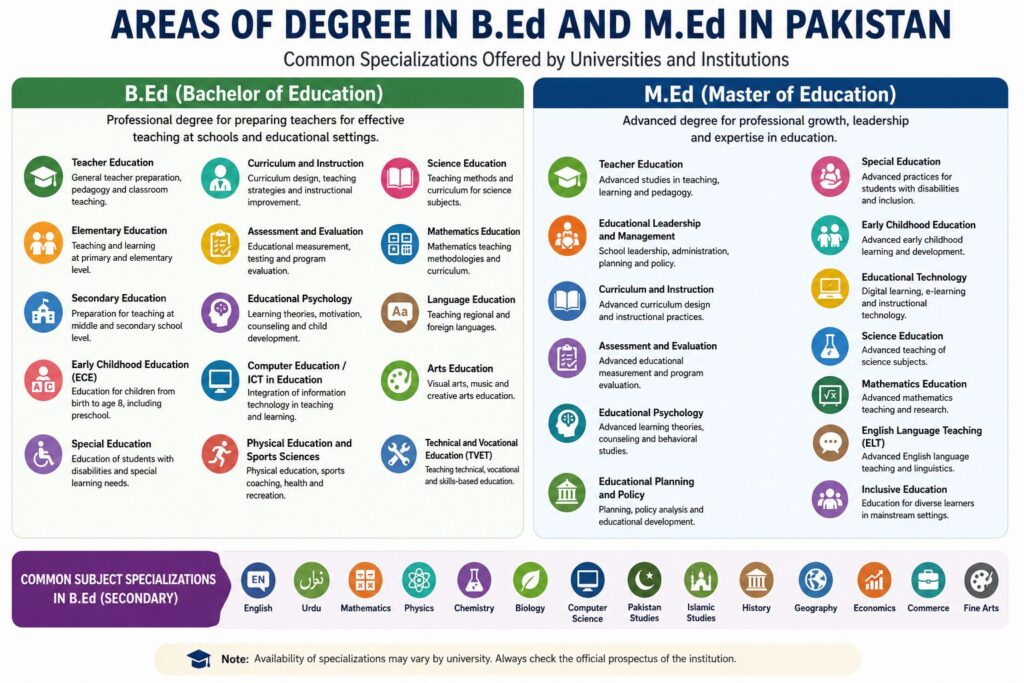
Common Subject Specializations in B.Ed. (Secondary)
Students may also specialize in teaching specific school subjects, such as:
- English
- Urdu
- Mathematics
- Physics
- Chemistry
- Biology
- Computer Science
- Pakistan Studies
- Islamic Studies
- History
- Geography
- Economics
- Commerce
- Fine Arts
Common M.Ed. Specializations
Typical M.Ed. degree specializations include:
- Teacher Education
- Educational Leadership and Management
- Curriculum and Instruction
- Educational Planning and Policy
- Assessment and Evaluation
- Educational Psychology
- Special Education
- Early Childhood Education
- Educational Technology
- Science Education
- Mathematics Education
- English Language Teaching (ELT)
- Inclusive Education
Conclusion
Both B.Ed and M.Ed programs in Pakistan offer structured, comprehensive pathways for individuals passionate about shaping the future through education. From educational psychology and curriculum development to leadership and policy studies, these programs equip graduates with the knowledge and skills needed to excel in Pakistan’s dynamic education sector. As the country continues to prioritize educational quality and teacher professionalism, pursuing a B.Ed or M.Ed remains one of the most impactful academic and career choices available today.
This article is intended for informational and academic purposes. For the most accurate and updated program details, admission requirements, and accreditation status, please consult the official websites of HEC-recognized universities in Pakistan.