1. Introduction:
Austism and war Impact in Education, Autism spectrum disorder (ASD) presents distinct educational needs that depend on structured, predictable, and supportive learning environments. When these requirements intersect with the instability caused by war, the effects on learners become significantly more severe. Armed conflict disrupts education systems through displacement, psychological trauma, destruction of infrastructure, and interruption of essential services, disproportionately impacting students with autism. These learners rely heavily on consistency, routine, and specialized interventions to succeed academically and socially. In conflict-affected regions, maintaining such stability becomes extremely difficult. As schools shut down or shift to temporary arrangements, children with autism struggle to adjust to unfamiliar surroundings and changing expectations. This often results in regression of skills, increased anxiety, and reduced engagement in learning. Understanding this intersection is essential for educators, policymakers, and humanitarian actors working to ensure inclusive education in crisis contexts.
2. Displacement and Disruption of Routine
Displacement is one of the most immediate consequences of war, forcing families to relocate frequently to safer areas or refugee camps. For children with autism, this disruption severely affects established routines and familiar environments that are crucial for emotional regulation and cognitive functioning. The absence of predictability can trigger stress, sensory overload, and behavioral difficulties. Additionally, displaced families often lose access to specialized services, therapies, and trained educators who understand autism. This lack of continuity hinders academic progress and development. Educational records are frequently lost, making it difficult for new teachers to assess student needs accurately. As a result, children with autism may be misunderstood and further marginalized. Addressing displacement challenges requires well-planned, inclusive emergency education systems that prioritize stability and individualized support.
3. Trauma and Its Impact on Autistic Learners
War-related trauma affects all children, but those with autism often experience and express it differently. Many struggle with emotional processing and communication, which can obscure the severity of their distress. Exposure to violence, loss, and instability may lead to anxiety, withdrawal, or repetitive behaviors. Without proper training, educators may misinterpret these responses, leaving students unsupported. Trauma also affects cognitive functions such as attention, memory, and executive functioning, intensifying existing learning challenges. Without adequate psychological support, these issues can worsen over time, limiting both academic performance and participation. Schools in conflict settings must integrate trauma-informed approaches with inclusive education strategies to create safe and responsive learning environments.
4. разрушed Infrastructure and Learning Barriers
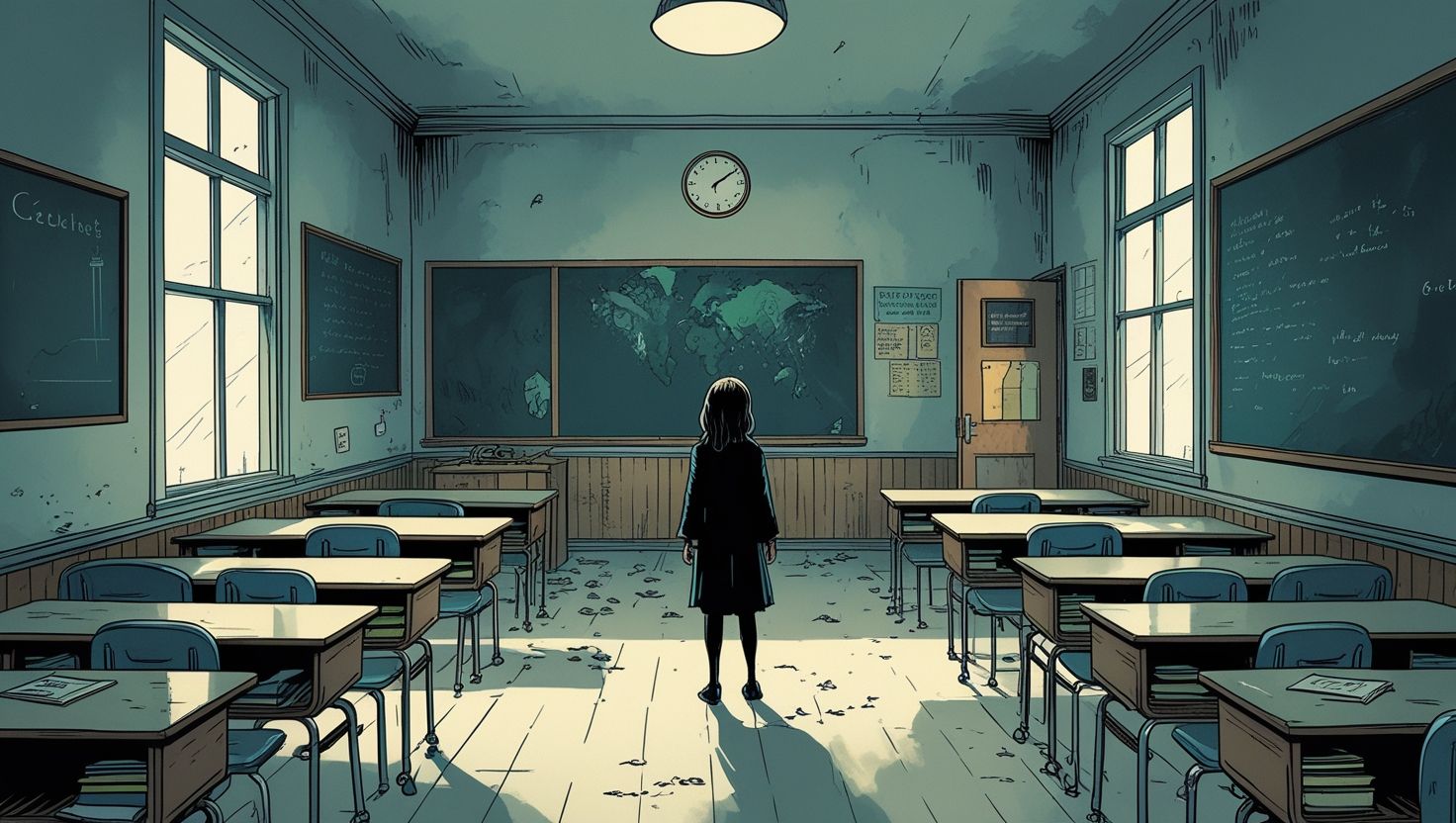
The destruction of educational infrastructure during war significantly limits access to quality education. Schools may be damaged or converted for other uses, resulting in overcrowded or temporary learning spaces. Such environments lack the sensory accommodations and structured settings needed for autistic learners. Noise, unpredictability, and limited individual attention can overwhelm students, reducing their ability to engage in learning. Additionally, assistive technologies and specialized materials are often unavailable. Teachers, facing limited resources and large class sizes, may struggle to provide differentiated instruction. This leads to exclusion, either directly or indirectly. Rebuilding education systems must prioritize accessibility and inclusivity to support all learners effectively.
5. Teacher Preparedness and Professional Challenges
Teacher readiness is critical in supporting students with autism, yet war disrupts training and professional development systems. Many educators in conflict zones lack knowledge of autism and inclusive teaching practices. Emergency recruitment often prioritizes basic instruction over specialized pedagogy, leading to ineffective teaching approaches. Autistic behaviors may be misinterpreted, resulting in inappropriate disciplinary actions. Furthermore, teachers themselves experience stress and trauma, affecting their ability to provide consistent support. Strengthening teacher training programs that combine autism awareness with crisis-responsive strategies is essential. Educators must be equipped with practical tools to address diverse learning needs in challenging environments.
6. Parental Involvement under Crisis Conditions
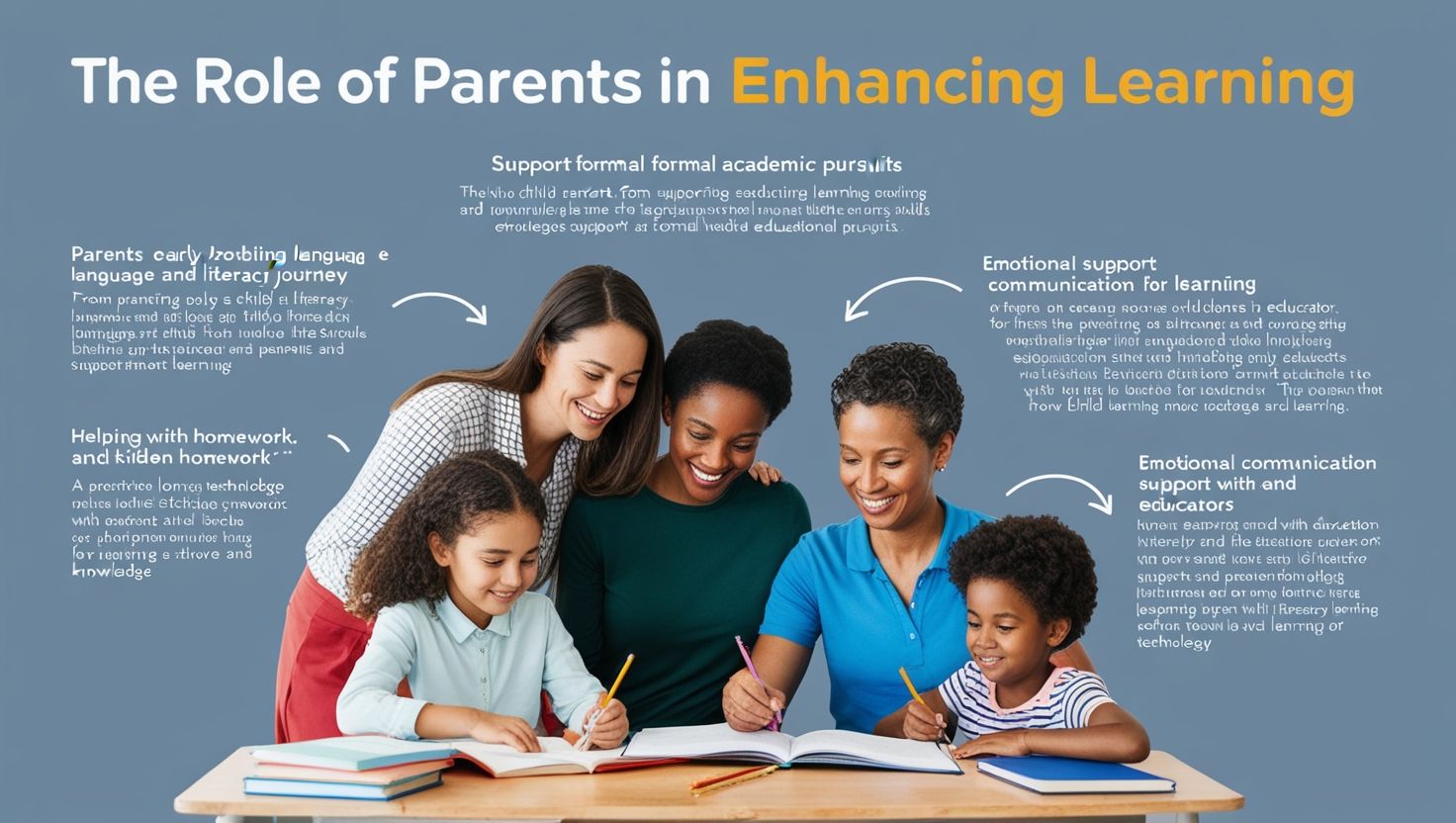
Parental involvement plays a vital role in the education of children with autism, but war significantly limits this capacity. Families often prioritize survival needs over educational engagement. Trauma, displacement, and economic hardship further reduce parents’ ability to support learning at home. For autistic children, the lack of consistency between home and school environments can lead to regression in key developmental areas. Additionally, parents may lack access to resources or guidance. Strengthening family support systems through community programs and accessible information is essential. Empowering parents with practical strategies can help maintain continuity in learning and provide emotional stability.
7. Policy Implementation Gaps in Conflict Settings
Inclusive education policies may exist, but their implementation becomes difficult during war. Emergency responses often focus on access rather than quality, marginalizing students with disabilities. Limited funding and logistical challenges restrict specialized support. As a result, children with autism are frequently excluded or placed in unsuitable environments. This affects both academic and social outcomes. Policies must be adapted for crisis contexts, ensuring practical implementation. This includes resource allocation, staff training, and monitoring systems. Without deliberate efforts, the gap between policy and practice widens significantly.
8. Role and Limitations of Technology
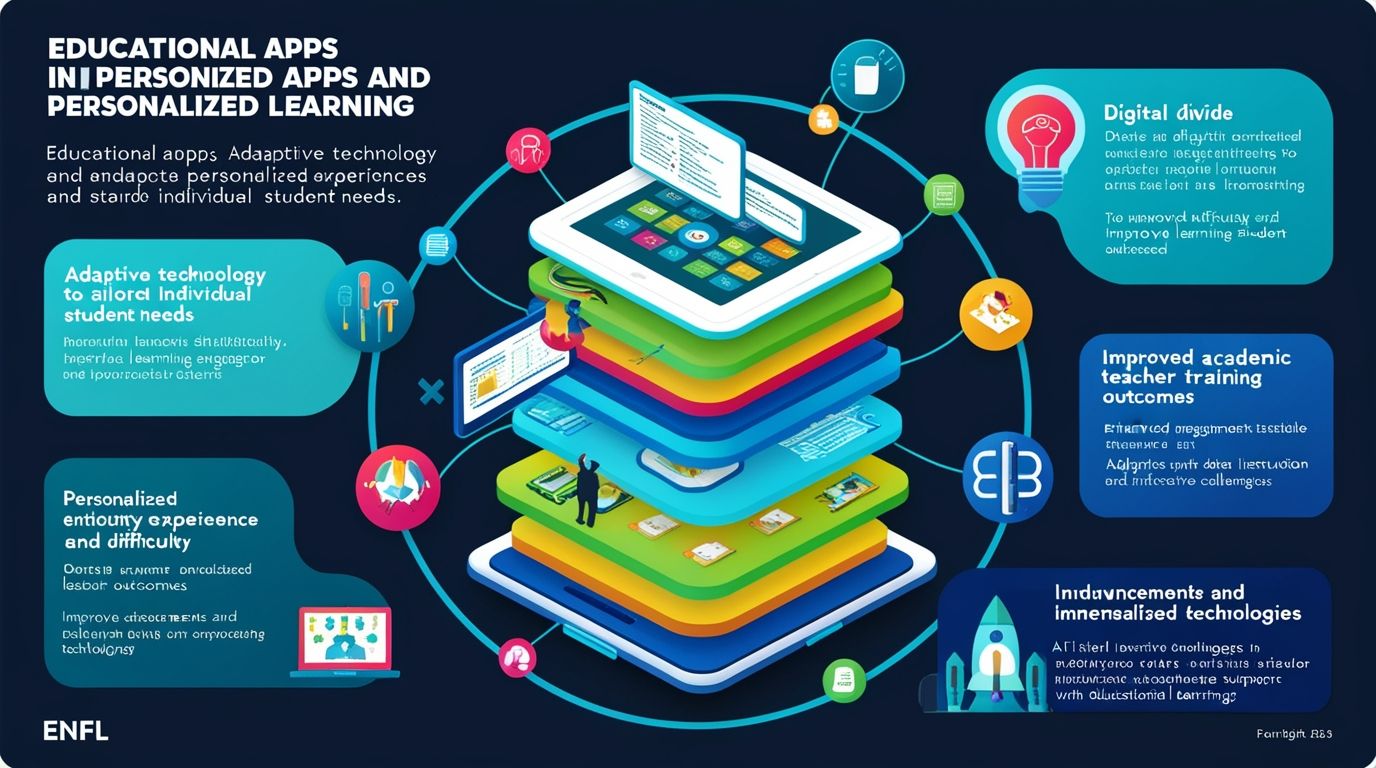
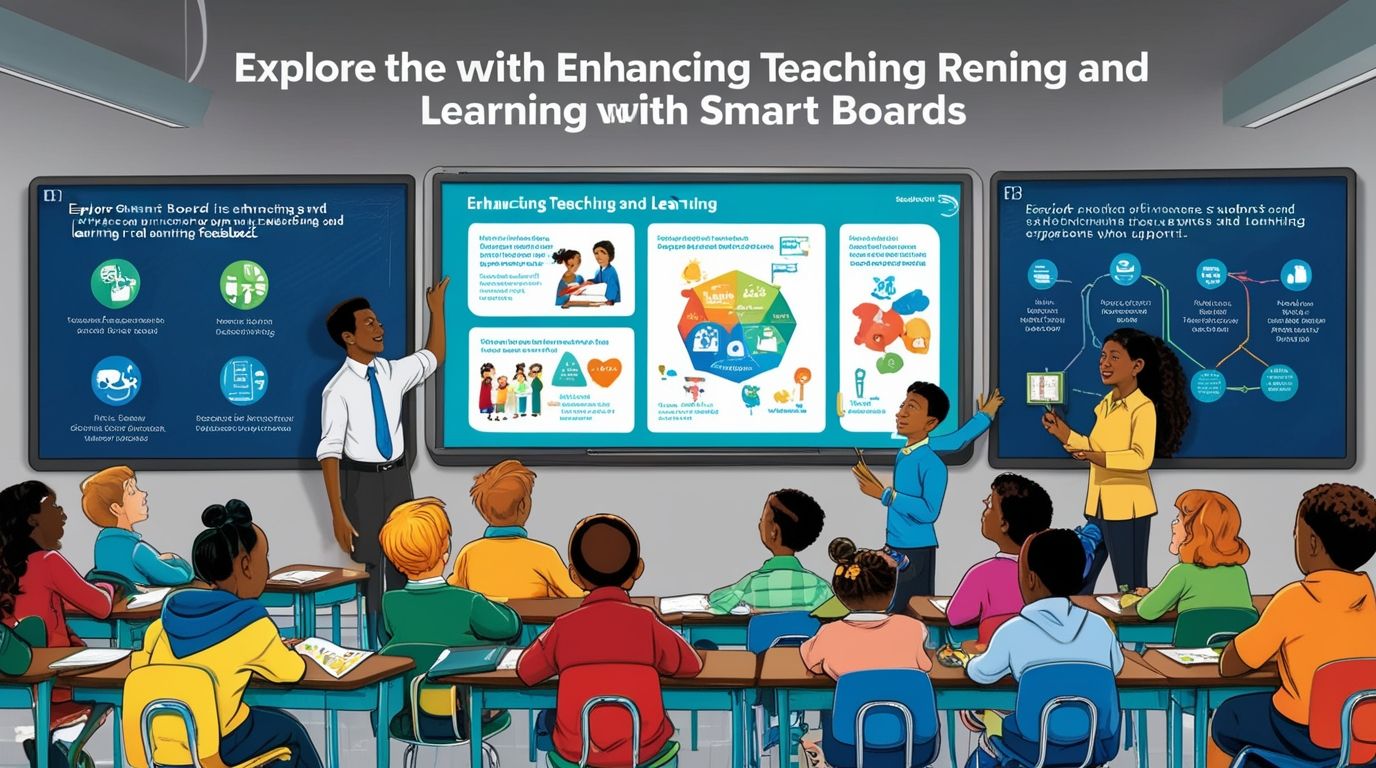
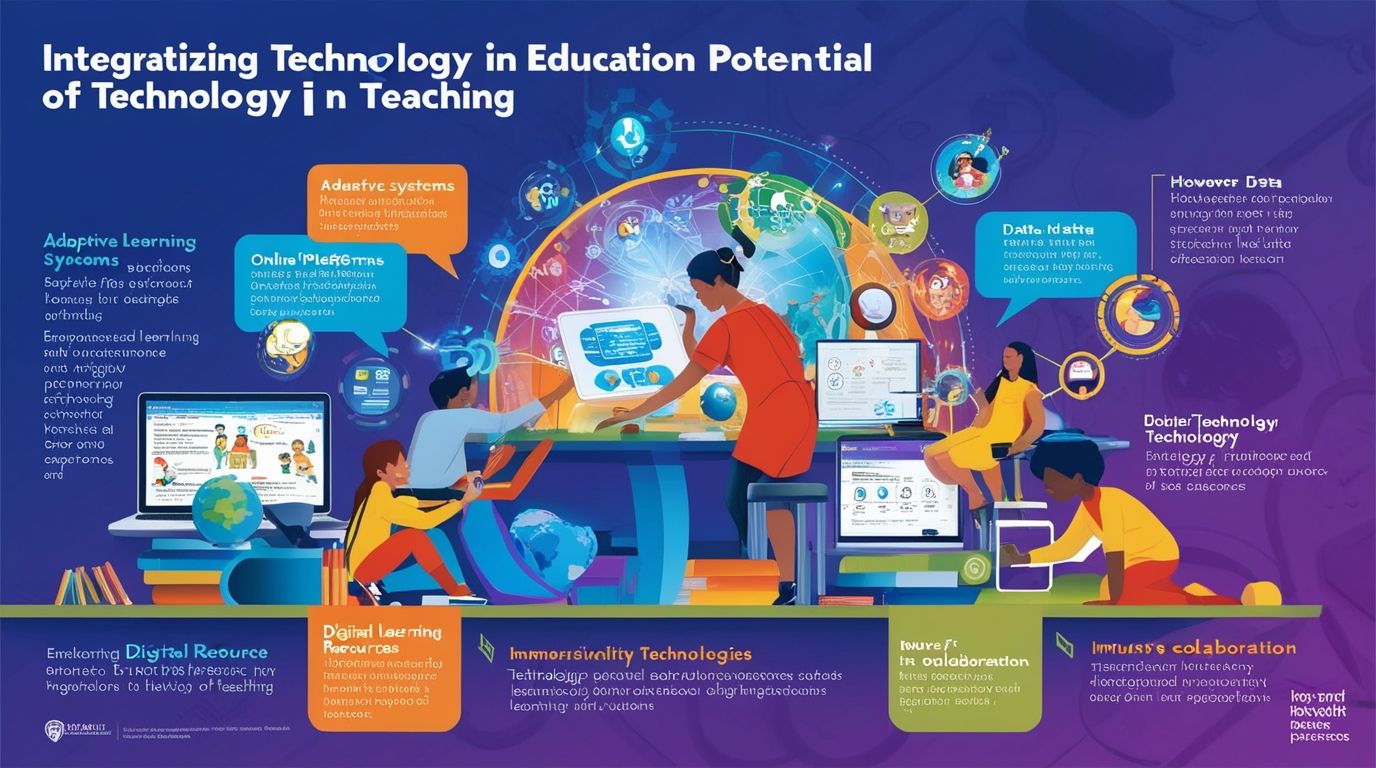
Technology can support education during conflict, but access remains uneven. Digital platforms offer continuity; however, many students lack devices, internet, or electricity. Even when available, tools may not include features suitable for autistic learners. Online learning also requires independence and self-regulation, which can be challenging. Teachers and parents may lack digital skills for inclusive education. To improve effectiveness, technology must follow universal design principles, ensuring accessibility for all learners, including those with autism.
9. Language and Communication Challenges
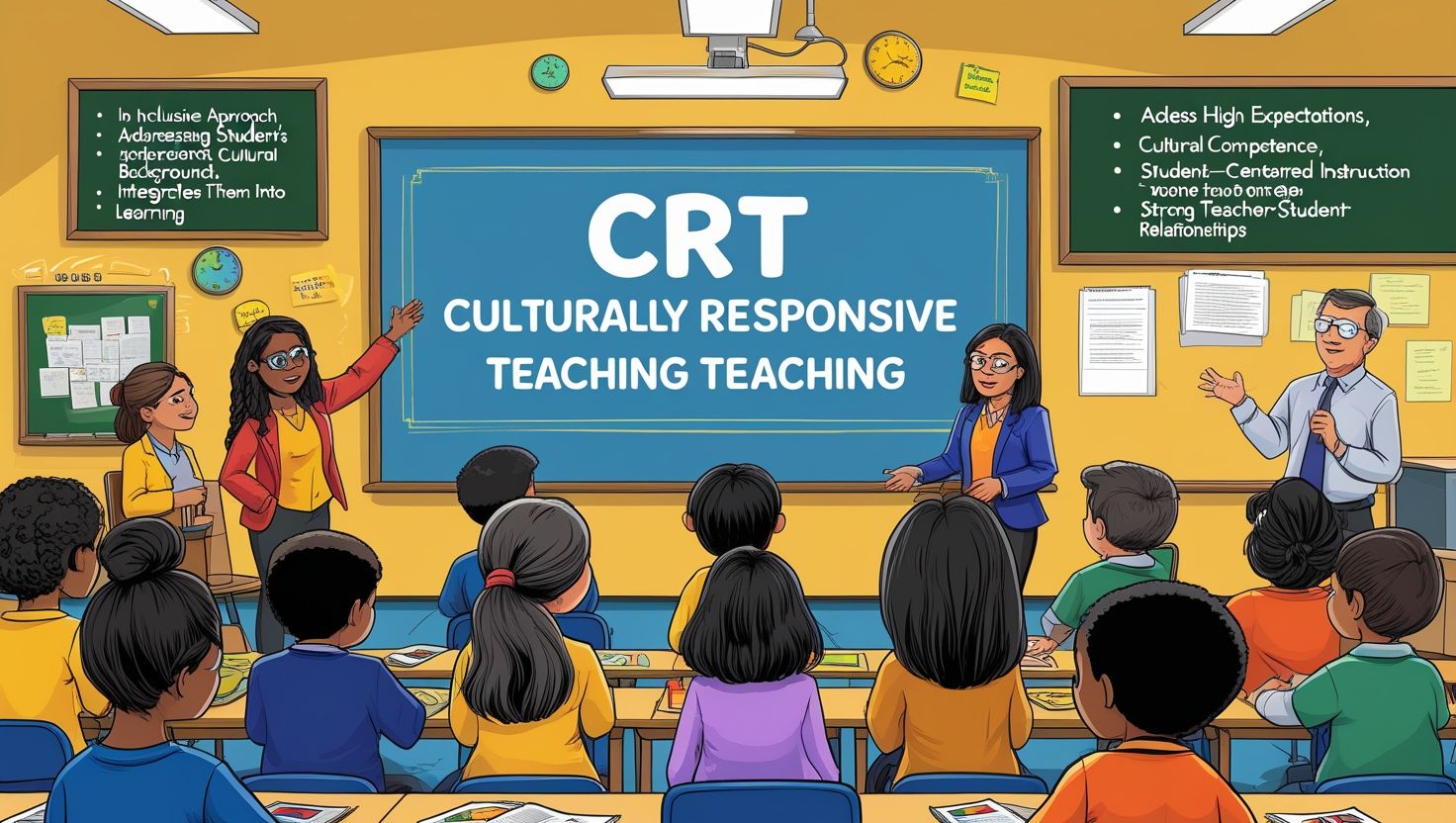
War often creates language barriers, especially for displaced populations. For children with autism, these challenges are even greater due to existing communication difficulties. Understanding instructions and expressing needs becomes more complex in new linguistic environments. This can lead to frustration and isolation. Teachers may lack strategies to support multilingual autistic learners. Visual communication tools and structured supports can help bridge gaps. Addressing these barriers requires culturally responsive teaching and targeted communication strategies.
10. Social Integration and Inclusion
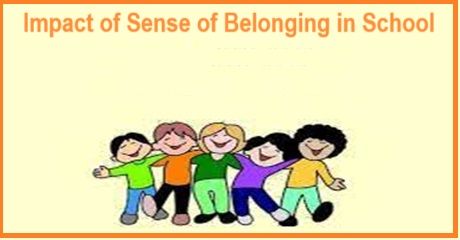
Social development is a key goal for children with autism, but war disrupts peer relationships and community structures. Frequent relocations and school interruptions hinder social connections. For autistic students, this can increase isolation. Peer support systems are difficult to maintain, and stigma may further marginalize these learners. Creating structured opportunities for social interaction is essential. Inclusive classroom practices can help rebuild relationships and foster a sense of belonging.
11. Assessment and Learning Evaluation Challenges
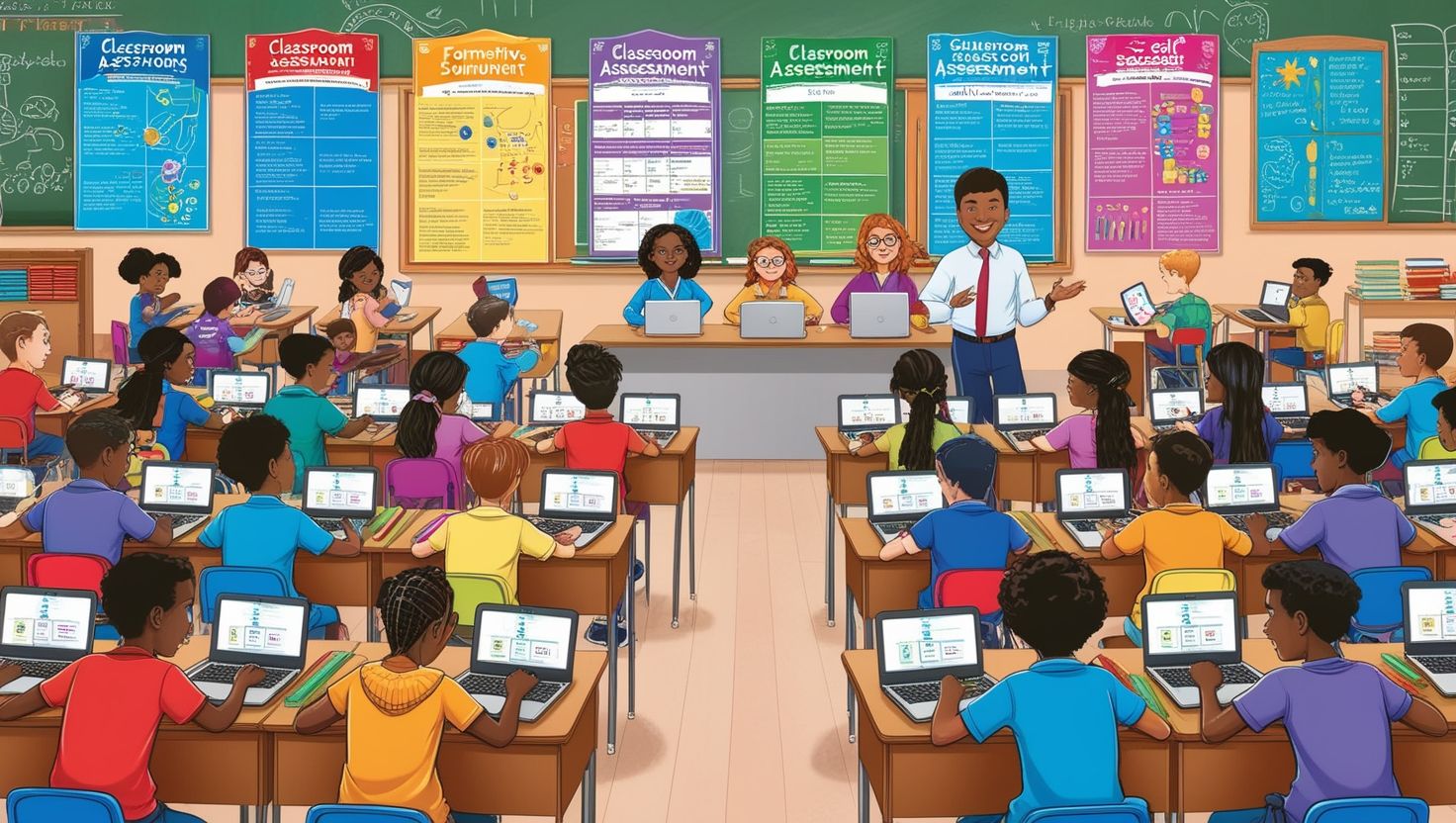
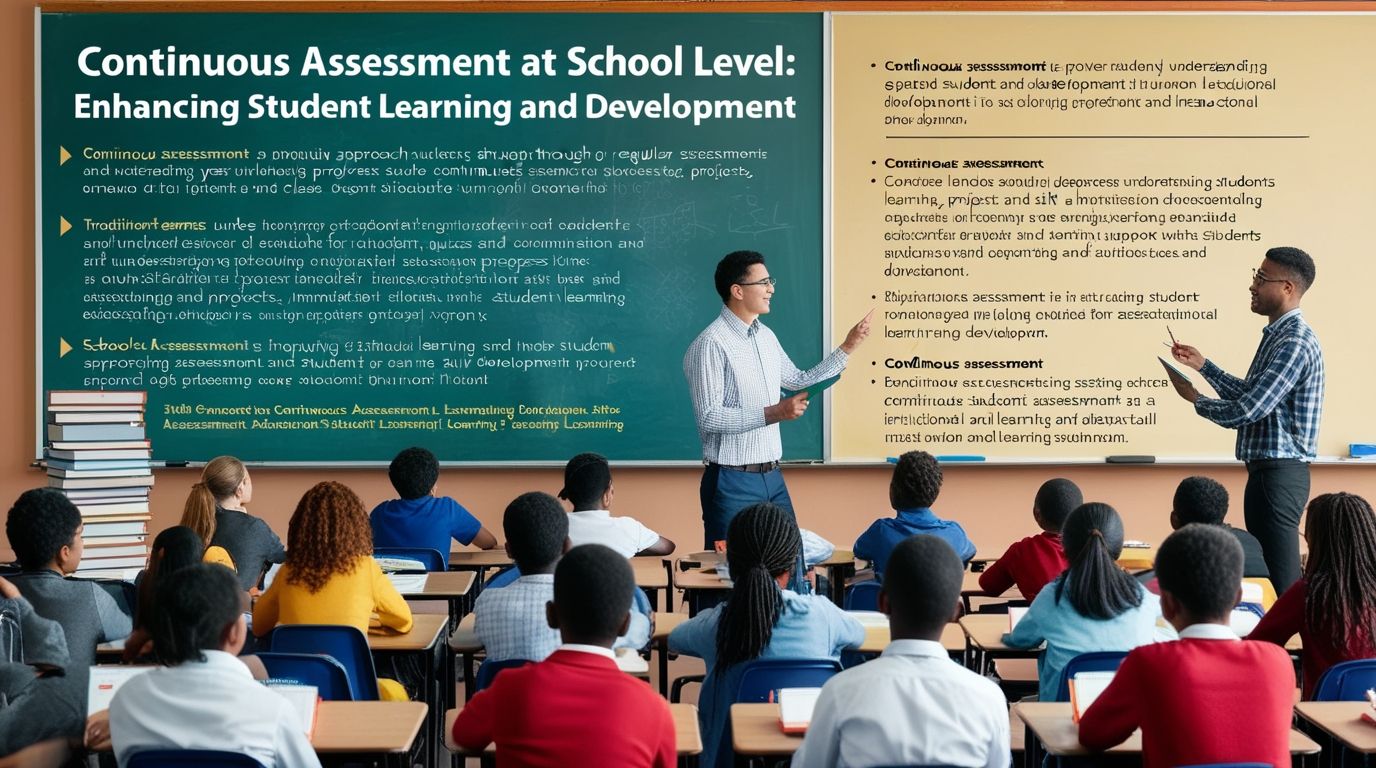
War affects assessment practices, making standardized testing difficult. Alternative methods are often limited or inconsistent. For children with autism, individualized assessment is essential but challenging to implement. Without accurate evaluation, it is difficult to identify needs or track progress. Teachers may rely on informal observations, which can be unreliable. Developing flexible and inclusive assessment strategies is crucial. Approaches such as portfolios and continuous feedback can provide meaningful insights.
12. Importance of Stakeholder Collaboration
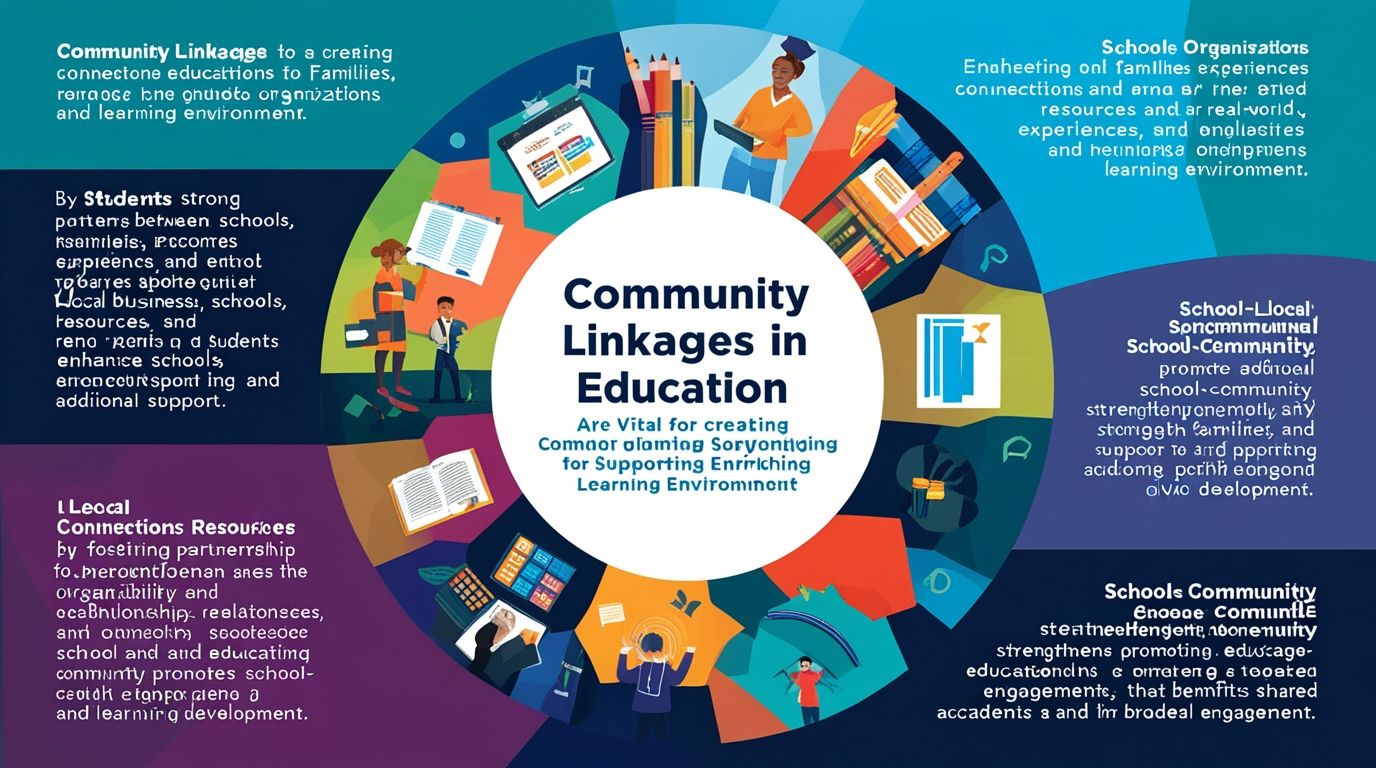
Collaboration among stakeholders is essential to address challenges effectively. Governments, NGOs, educators, and communities must work together to support inclusive education. War disrupts coordination, leading to fragmented efforts. Establishing clear frameworks for cooperation can improve outcomes. Community involvement enhances relevance and effectiveness. Strong partnerships enable comprehensive strategies for both immediate and long-term needs.
13. Building Resilience in Autistic Learners
Resilience helps children with autism cope with the challenges of war. Despite difficulties, these learners have strengths that can be developed through supportive practices. Structured routines provide stability, while visual supports reduce anxiety. Building on individual interests enhances engagement. Educators and caregivers play a key role in fostering resilience. Integrating psychological support with education promotes well-being. A strengths-based approach empowers children to adapt and succeed.
14. Conclusion: Towards Inclusive and Resilient Education Systems
The intersection of autism and war creates complex challenges requiring thoughtful and inclusive responses. Displacement, trauma, and limited resources contribute to educational marginalization. Addressing these issues demands a comprehensive approach, including policy adaptation, teacher training, family support, and collaboration. Education systems must remain resilient and inclusive even in crises. Prioritizing children with autism reflects a commitment to equity and human rights. Investing in inclusive education ensures that all learners can reach their potential and contribute to society.