Introduction
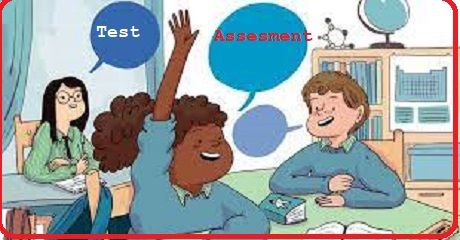
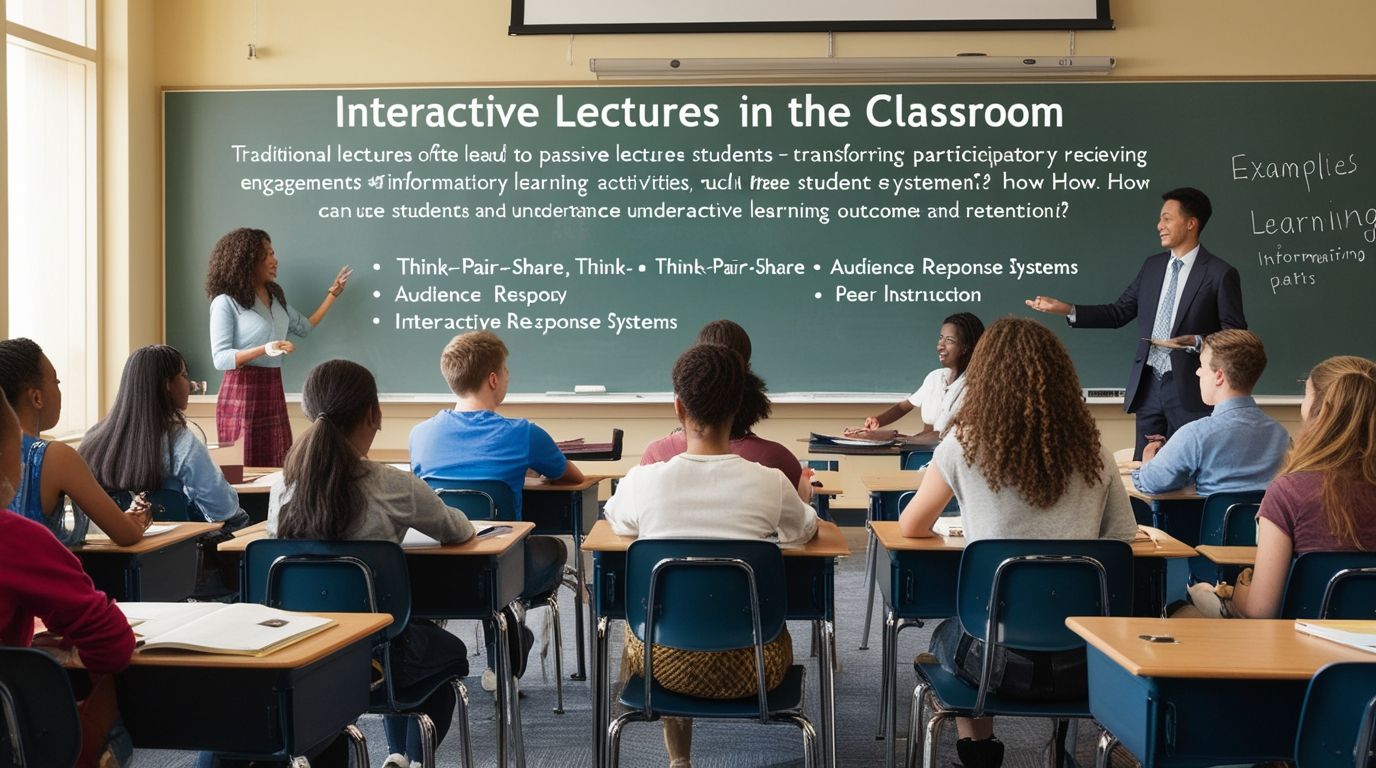
Cold Calling Strategy in Teaching and Learning, Effective teaching requires strategies that actively engage all learners rather than only those who voluntarily participate. In many classrooms, a small group of confident students frequently answers questions while quieter students remain passive observers. This uneven participation can limit learning opportunities and make it difficult for teachers to assess the understanding of the entire class. One instructional technique that addresses this challenge is Cold Calling.
Cold Calling is a structured questioning strategy in which teachers intentionally select students to respond to questions regardless of whether they have volunteered. Unlike random questioning that may create anxiety, effective cold calling is purposeful, supportive, and designed to promote thinking, participation, and accountability among all learners. When implemented correctly, it transforms classrooms into active learning environments where every student remains cognitively engaged.
The strategy has gained significant attention in educational research and practice because of its ability to increase participation, improve attention, foster equity, and strengthen learning outcomes. This article explores the concept, theoretical foundations, benefits, implementation procedures, challenges, and best practices of cold calling in teaching and learning.
Understanding Cold Calling
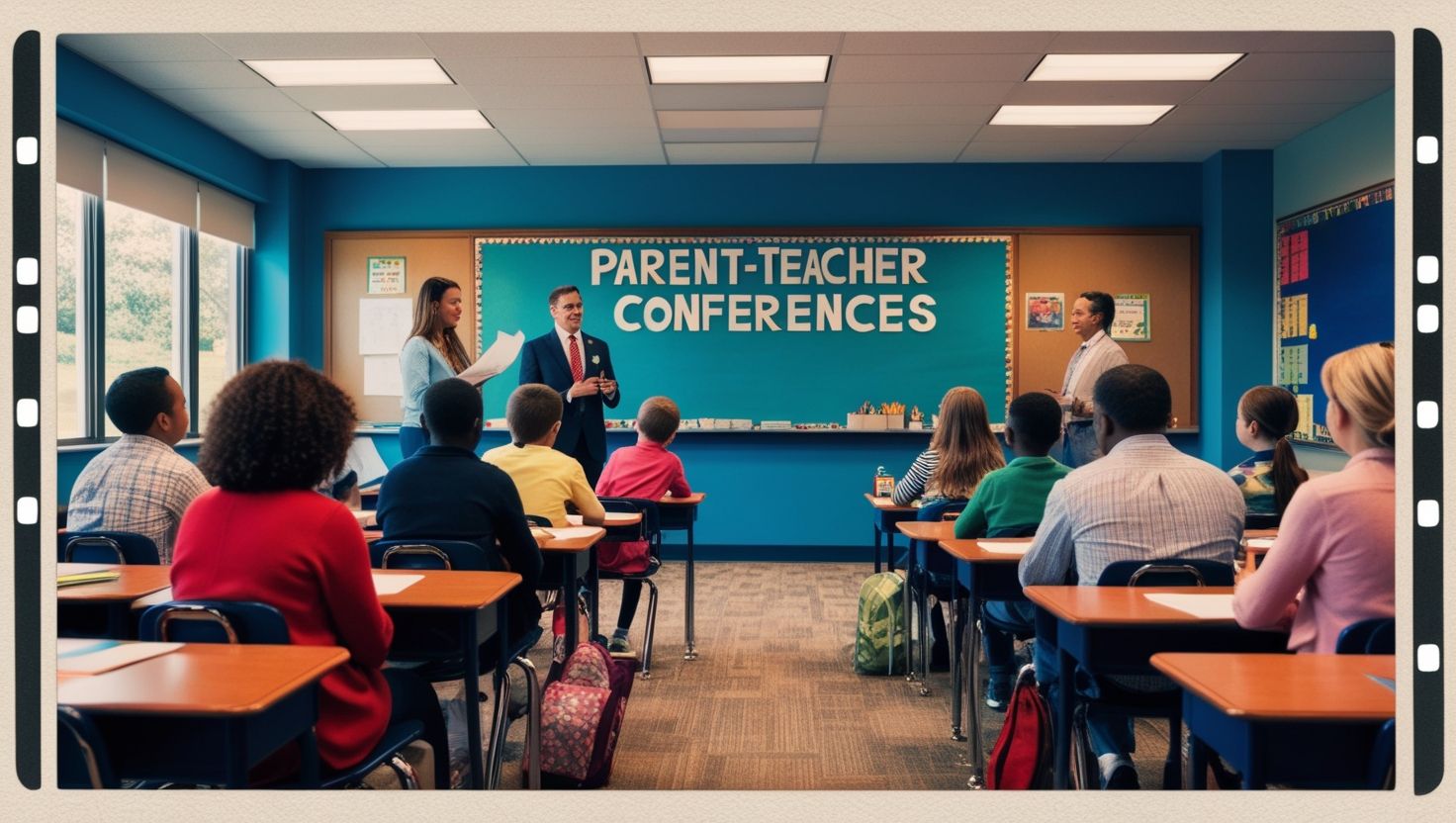
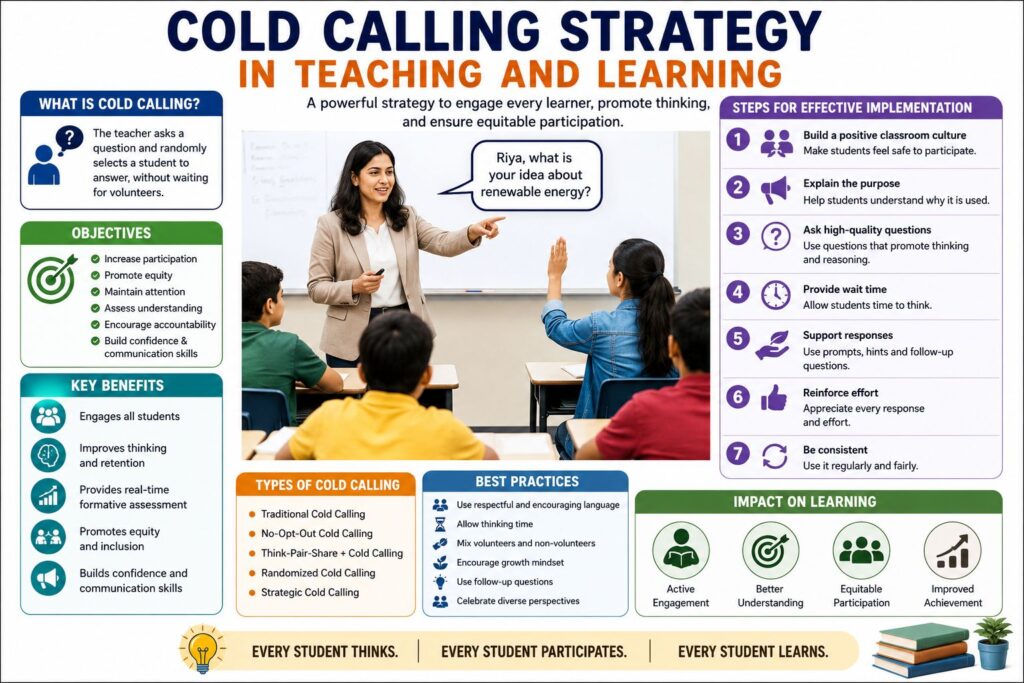
Cold Calling is an instructional technique where a teacher poses a question and then selects a student to answer without waiting for volunteers. The primary objective is not to embarrass students but to ensure that everyone is prepared to participate at any moment.
For example, instead of asking, “Who can explain the causes of climate change?” and relying on volunteers, the teacher may ask the question and then say, “Ayesha, could you share your thoughts on this?” This approach encourages all students to think actively because they know they may be called upon to contribute. Consequently, students become more attentive and mentally engaged throughout the lesson.
Modern cold calling differs significantly from traditional forms of teacher questioning. Contemporary educational practice emphasizes a positive classroom climate where mistakes are viewed as opportunities for learning. Teachers use encouragement, scaffolding, and constructive feedback to support student responses.
Theoretical Foundations of Cold Calling
Several educational theories support the use of cold calling as an effective teaching strategy.
1. Constructivist Learning Theory
Constructivist theorists argue that learners actively construct knowledge through interaction and reflection. When students are called upon to explain ideas, justify reasoning, or solve problems, they actively process information rather than passively receiving it. Cold calling creates opportunities for learners to articulate understanding, confront misconceptions, and refine their thinking through dialogue.
2. Cognitive Engagement Theory
Learning occurs most effectively when students are cognitively engaged. Cold calling promotes active thinking because students recognize that participation may be expected from anyone in the class. This expectation increases attention, concentration, and preparedness.
3. Social Learning Theory
According to social learning principles, students learn through observation and interaction. When different students respond to questions, classmates gain exposure to diverse perspectives, reasoning strategies, and problem-solving approaches.
4. Formative Assessment Theory
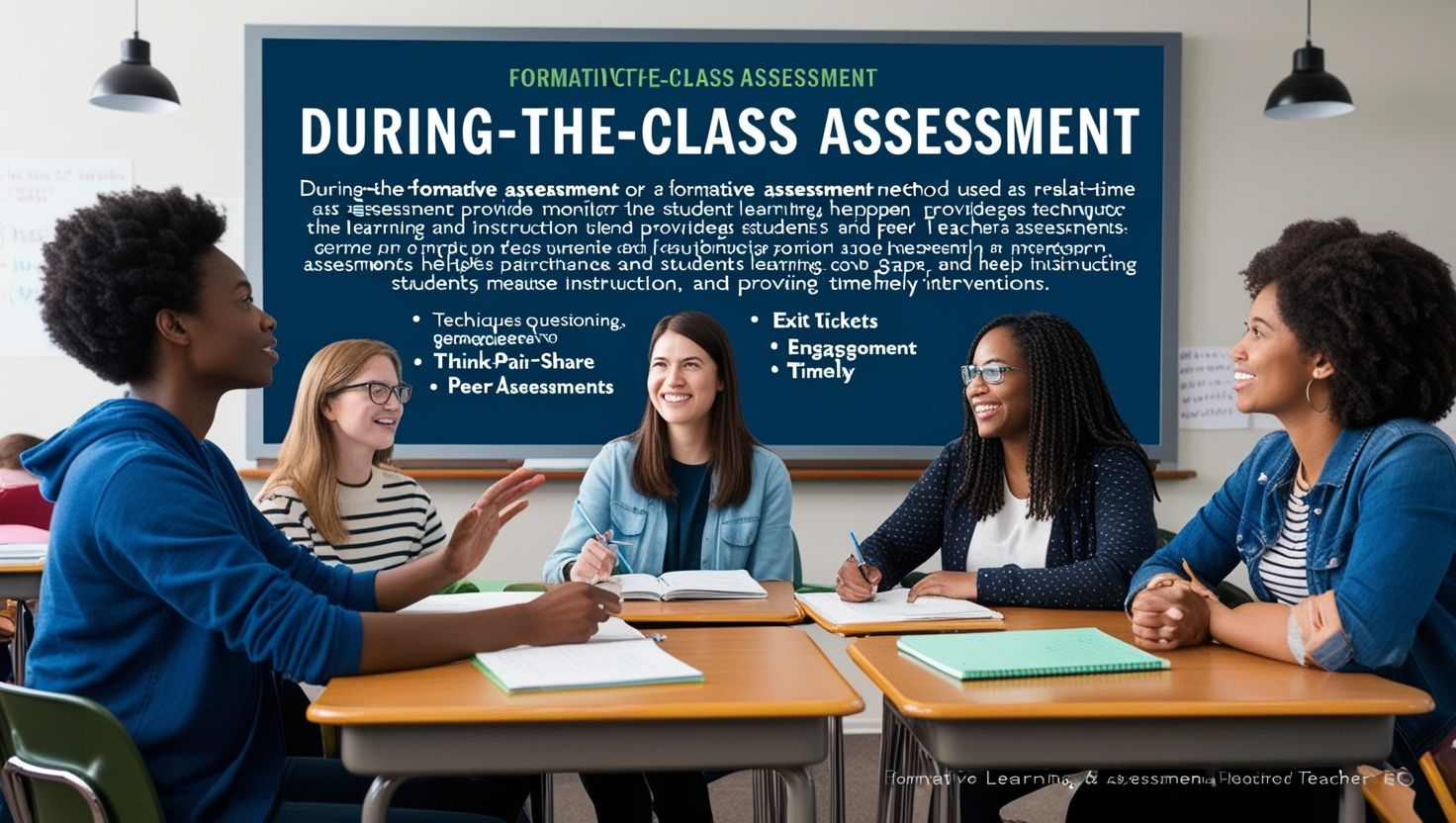
Cold calling serves as a powerful formative assessment tool. Teachers can quickly gauge student understanding, identify misconceptions, and adjust instruction accordingly. Responses provide valuable evidence of learning that helps guide subsequent teaching decisions.
Objectives of Cold Calling
The primary objectives of cold calling include:
- Increasing student participation.
- Maintaining classroom attention and focus.
- Promoting equitable learning opportunities.
- Assessing student understanding.
- Encouraging accountability for learning.
- Developing communication skills.
- Building confidence in expressing ideas.
- Creating a culture of active engagement.
These objectives contribute to a more inclusive and academically productive learning environment.
Benefits of Cold Calling in Teaching and Learning
1. Promotes Universal Participation
One of the greatest advantages of cold calling is that it encourages participation from all students rather than a select few. In many classrooms, volunteer-based discussions are dominated by highly confident learners. Cold calling ensures broader representation and involvement. Every student receives opportunities to contribute, making classroom interaction more inclusive and equitable.
2. Increases Student Attention
Students are more likely to remain attentive when they know they may be asked to respond at any time. This heightened attentiveness reduces off-task behavior and increases engagement throughout the lesson. The strategy creates an atmosphere where students continuously process information instead of waiting passively for others to answer.
3. Strengthens Learning and Retention
Research suggests that retrieving information from memory enhances learning and retention. Cold calling requires students to recall concepts, explain ideas, and apply knowledge, all of which strengthen memory and understanding. The act of verbalizing responses helps students consolidate learning and deepen comprehension.
4. Supports Formative Assessment
Cold calling allows teachers to gather immediate evidence of student understanding. By listening to responses, teachers can determine whether concepts have been mastered or whether additional explanation is required. This real-time assessment helps educators make informed instructional decisions.
5. Encourages Academic Accountability
When students know that participation may be expected from everyone, they are more likely to prepare for class, complete assignments, and remain mentally engaged during lessons. Cold calling reinforces the idea that learning is a shared responsibility among all students.
6. Builds Confidence and Communication Skills
Although some students may initially feel hesitant, regular opportunities to respond can gradually increase confidence. Students learn to express ideas clearly, defend arguments, and participate in academic discourse. Over time, many reluctant learners become more comfortable speaking in front of peers.
7. Promotes Equity and Inclusion
Cold calling ensures that participation opportunities are distributed fairly rather than based solely on confidence, personality, or willingness to volunteer. This equitable approach supports students from diverse backgrounds and encourages voices that might otherwise remain unheard.
Types of Cold Calling
1. Traditional Cold Calling
The teacher asks a question and directly selects a student to respond.
Example: “What is the main theme of the story? Ahmed, please answer.”
2. No-Opt-Out Cold Calling
If a student cannot answer, the teacher provides support, seeks assistance from another student, and then returns to the original student for a response. This approach ensures that every student remains involved in the learning process.
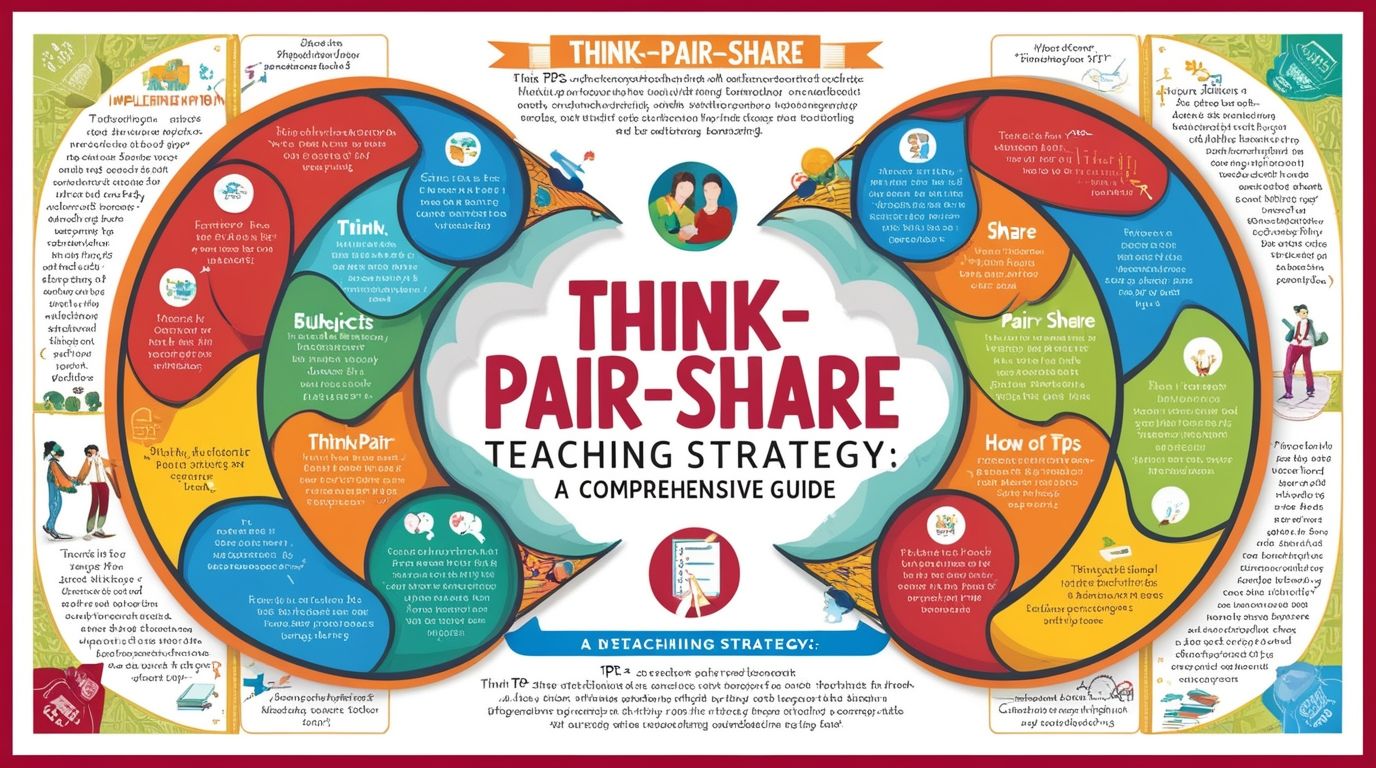
3. Think-Pair-Share with Cold Calling
Students first think individually, discuss with a partner, and then selected students share responses with the class. This method reduces anxiety because students have time to formulate ideas before speaking.
4. Randomized Cold Calling
Teachers use name cards, digital randomizers, or selection systems to choose students fairly. Random selection reduces perceptions of favoritism and promotes accountability.
5. Strategic Cold Calling
Teachers intentionally select students based on instructional goals, such as checking understanding, encouraging participation, or supporting struggling learners.
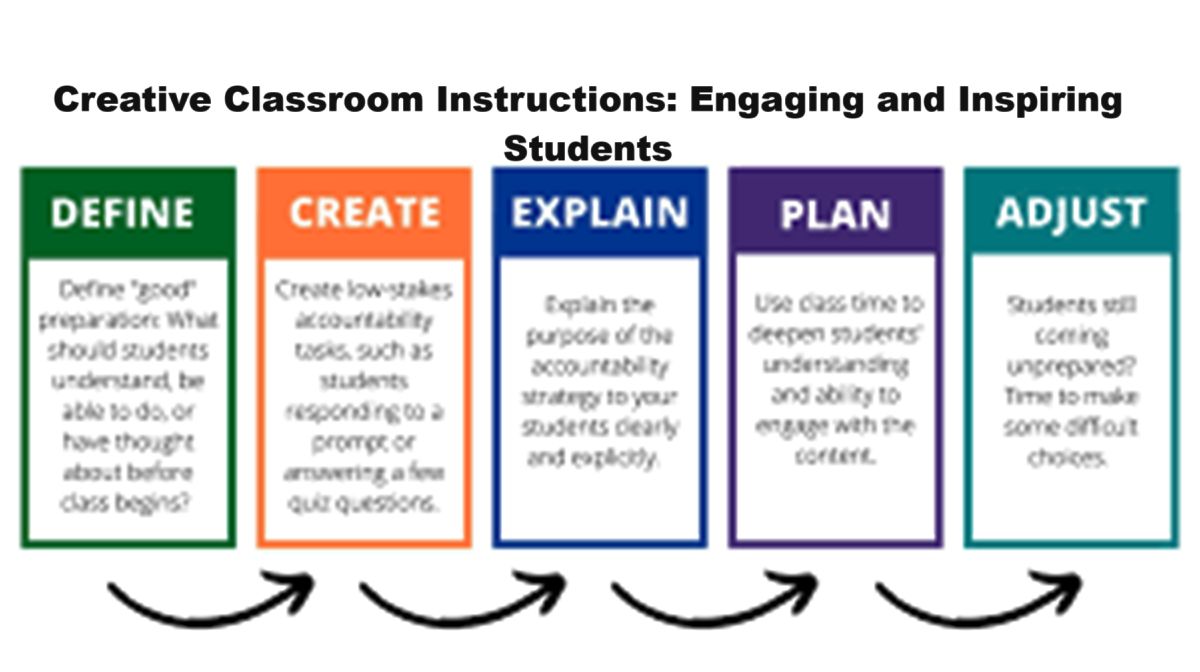
Steps for Effective Implementation
Step 1: Establish a Positive Classroom Culture
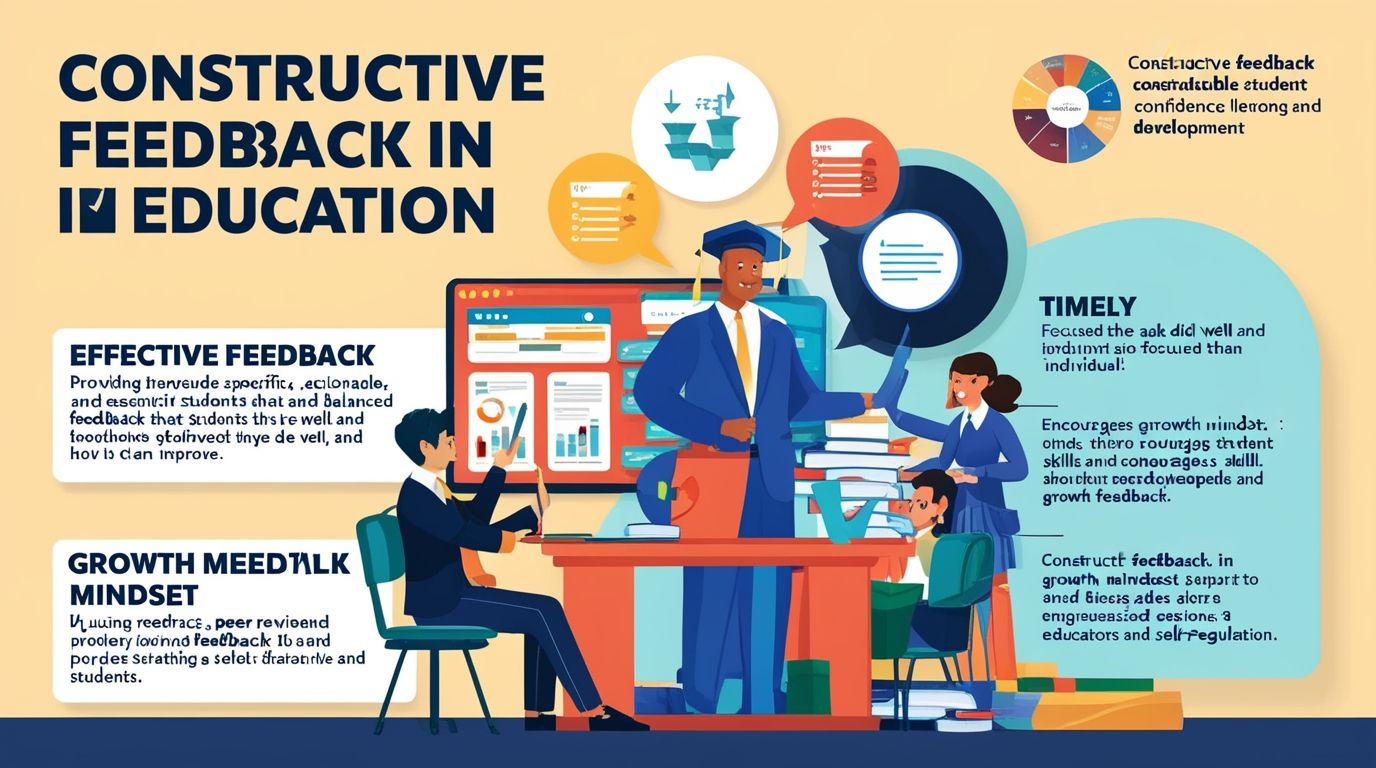
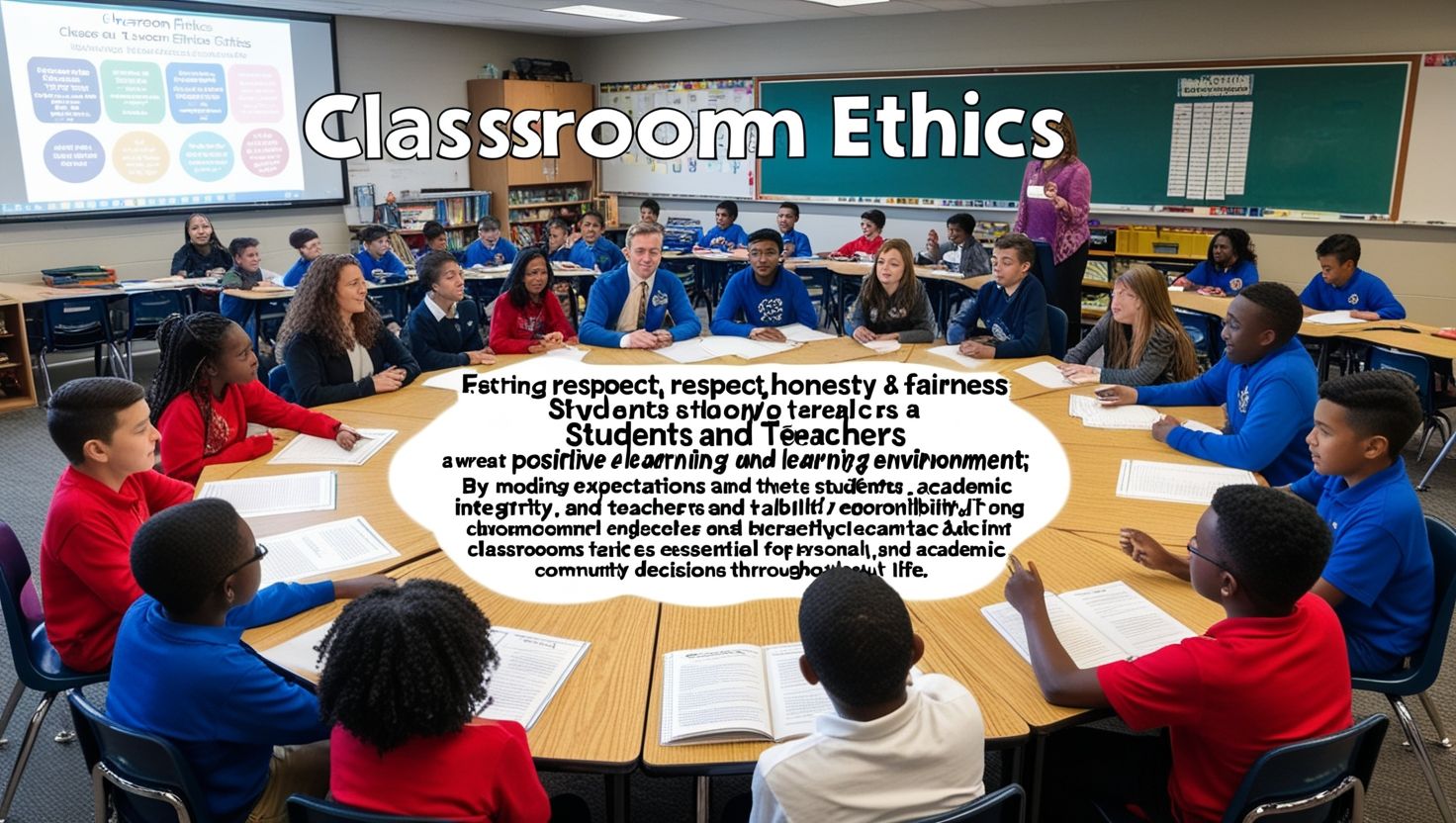
Successful cold calling begins with a supportive classroom environment where students feel respected and safe. Teachers should communicate that mistakes are valuable learning opportunities. Students should understand that cold calling is intended to support learning rather than punish incorrect responses.
Step 2: Explain the Purpose
Teachers should explicitly explain why cold calling is being used. For example: “I may ask anyone to share ideas because I want everyone to think and learn actively.” Clear communication helps students understand the educational purpose behind the strategy.
Step 3: Ask High-Quality Questions
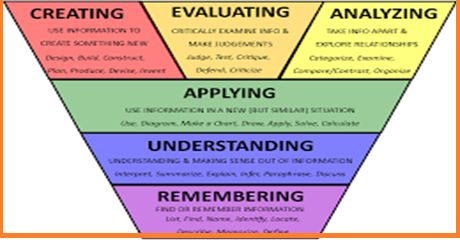
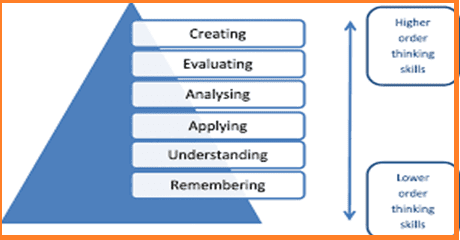
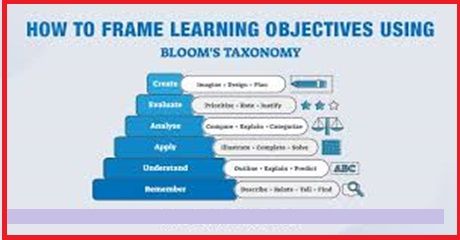
Cold calling is most effective when paired with meaningful questions that promote critical thinking. Questions should encourage:
- Analysis
- Evaluation
- Application
- Reasoning
- Reflection
Rather than asking simple recall questions only, teachers should challenge students to explain their thinking.
Step 4: Provide Wait Time
After posing a question, teachers should allow several seconds for thinking before calling on a student. Research consistently shows that wait time improves the quality of responses and increases participation.
Step 5: Support Student Responses
When students struggle, teachers should provide scaffolding through prompts, hints, or follow-up questions. Examples include:
- “Can you explain that further?”
- “What evidence supports your answer?”
- “Would you like a moment to think?”
Supportive responses reduce anxiety and encourage persistence.
Step 6: Reinforce Effort and Participation
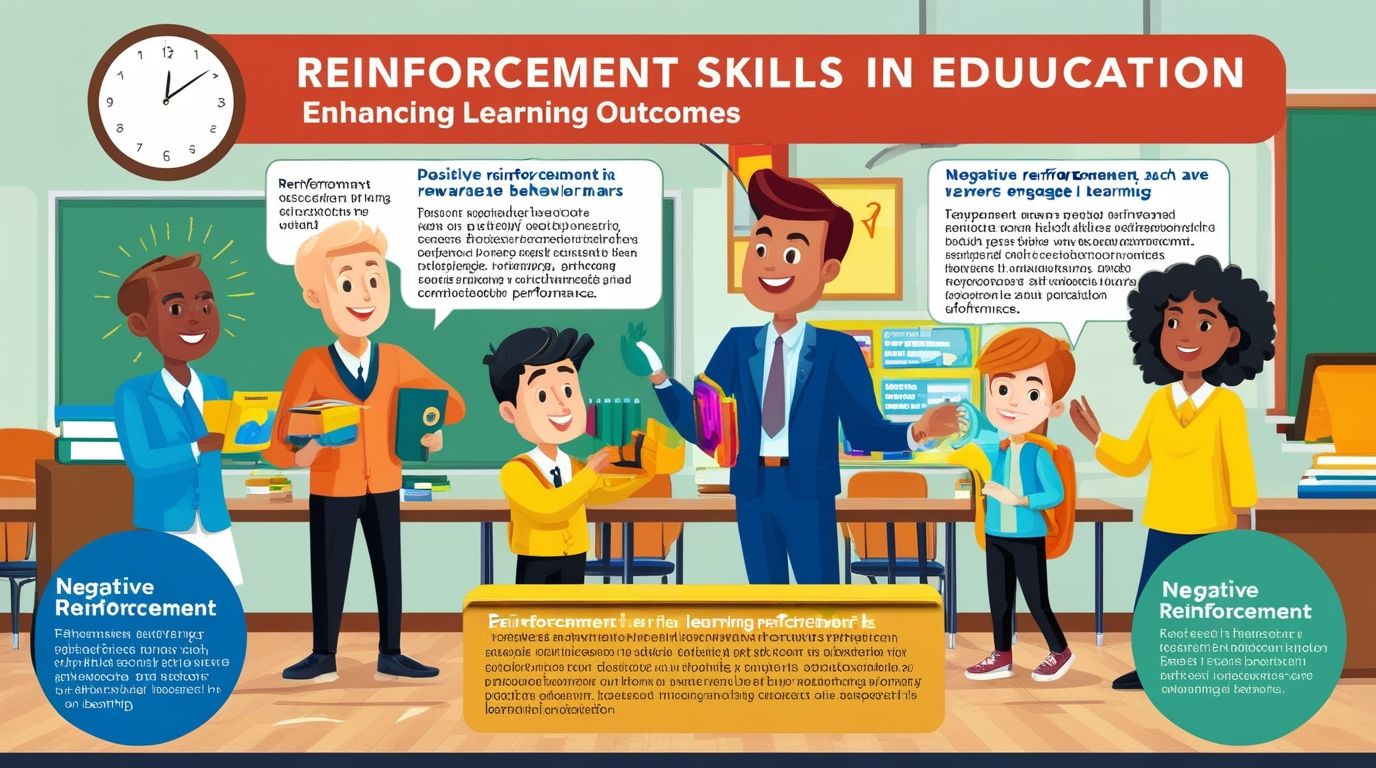
Teachers should acknowledge student effort regardless of whether answers are completely correct. Positive reinforcement promotes confidence and willingness to participate.
Step 7: Maintain Consistency
Regular use of cold calling helps establish classroom norms. Consistency encourages students to remain engaged and prepared during every lesson.
Challenges Associated with Cold Calling
Despite its advantages, cold calling presents several challenges.
Student Anxiety
Some students may experience nervousness when unexpectedly called upon. To address this issue, teachers should:
- Create supportive environments.
- Allow think time.
- Use partner discussions.
- Normalize mistakes.
- Provide encouragement.
Fear of Public Failure
Students may worry about giving incorrect answers in front of peers. Teachers can reduce this concern by emphasizing learning processes rather than perfect answers and by responding respectfully to mistakes.
Cultural Considerations
In some cultures, students may be less accustomed to speaking publicly or challenging ideas openly. Teachers should adapt implementation methods while maintaining respect for cultural norms and individual differences.
Overuse
Excessive cold calling can create stress and reduce motivation. The strategy should be balanced with collaborative learning, voluntary participation, discussions, and other engagement techniques.
Best Practices for Effective Cold Calling
Educational experts recommend several best practices.
Use Warm and Respectful Language
The teacher’s tone significantly influences student perceptions. Supportive language promotes confidence and participation.
Normalize Thinking Time
Allowing students time to think communicates that thoughtful responses are valued more than immediate answers.
Mix Volunteers and Non-Volunteers
Combining cold calling with volunteer participation creates a balanced approach that maintains engagement while respecting student preferences.
Encourage Growth Mindset
Students should understand that learning involves effort, practice, and mistakes. Teachers can reinforce messages such as: “Learning happens when we work through difficult questions.”
Use Follow-Up Questions
Follow-up questions deepen understanding and extend thinking. Examples include:
- Why do you think that?
- Can you provide evidence?
- What alternative explanation exists?
Celebrate Diverse Perspectives
Acknowledging multiple viewpoints enriches classroom discussion and encourages broader participation.
Cold Calling in Different Educational Contexts
Primary Education
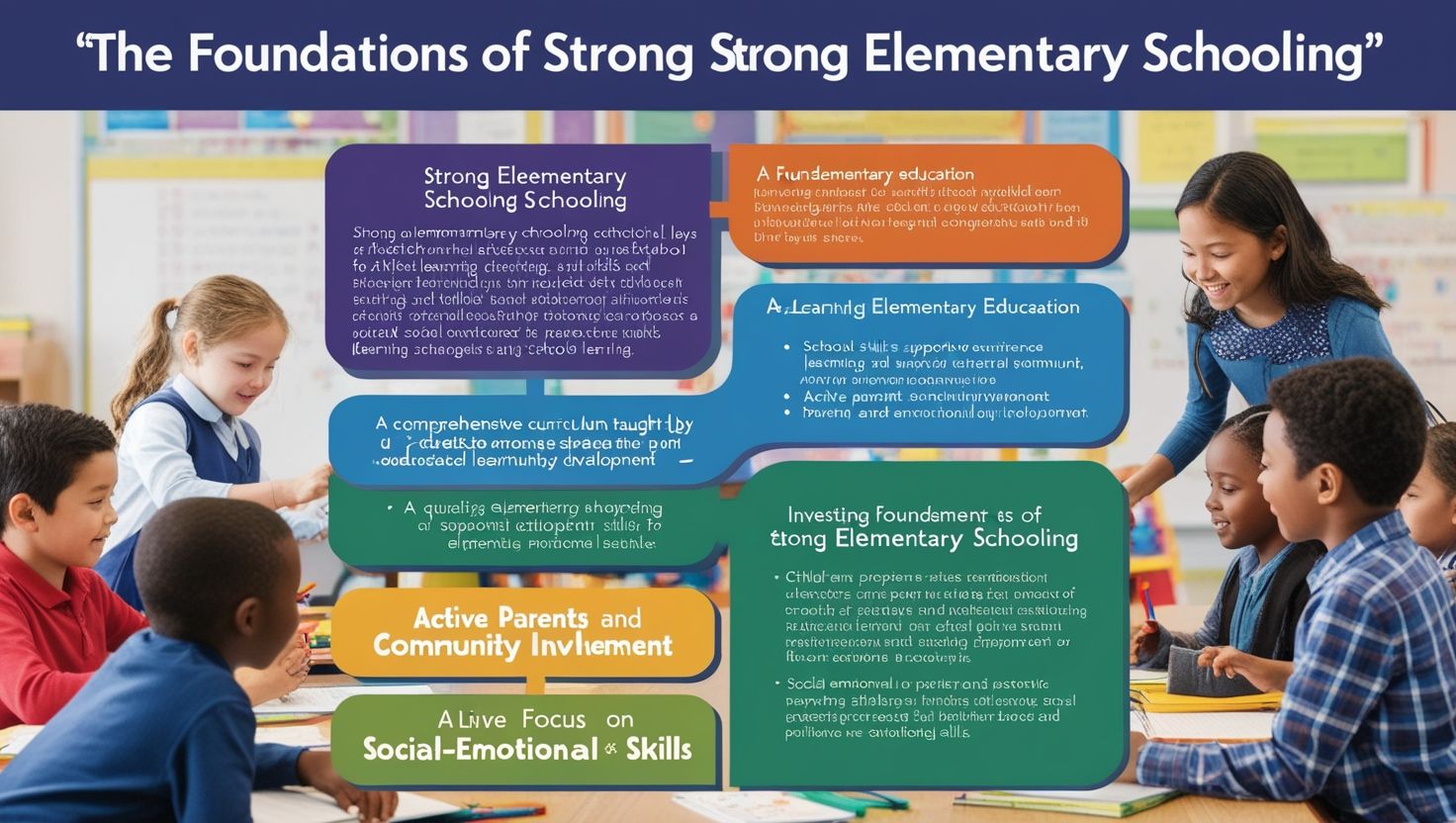
In elementary classrooms, cold calling can be combined with games, visual aids, and collaborative activities. Teachers should maintain a supportive atmosphere and use age-appropriate questions.
Secondary Education
At the secondary level, cold calling can promote analytical thinking, debate, and deeper engagement with academic content. Students benefit from opportunities to explain reasoning and defend conclusions.
Higher Education
University instructors use cold calling to stimulate discussion, assess preparation, and encourage active participation in lectures and seminars. Professional programs such as medicine, law, and business frequently employ structured questioning techniques.
Online Learning
Cold calling can also be adapted for virtual classrooms. Teachers may:
- Call on students during video conferences.
- Use chat responses.
- Utilize digital participation tools.
- Employ breakout room discussions before sharing responses.
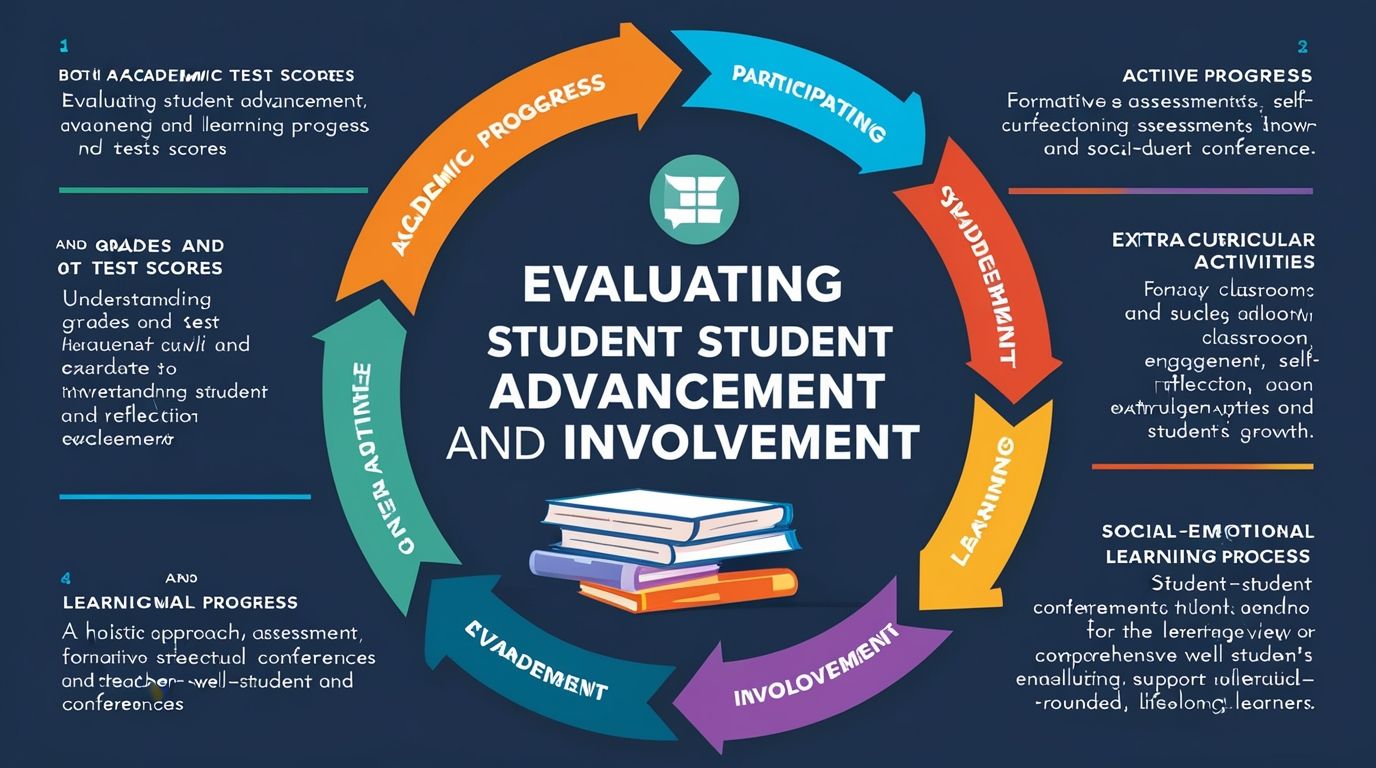
Measuring the Effectiveness of Cold Calling
Teachers can evaluate effectiveness through:
- Participation rates.
- Student engagement levels.
- Classroom observation.
- Formative assessment results.
- Student feedback.
- Academic performance indicators.
Evidence of increased participation and improved understanding often indicates successful implementation.
Conclusion
Cold Calling is a powerful instructional strategy that promotes active participation, cognitive engagement, equitable learning opportunities, and academic accountability. When implemented thoughtfully within a supportive classroom culture, it transforms students from passive listeners into active contributors to the learning process.
The effectiveness of cold calling depends largely on how it is used. Teachers who provide adequate thinking time, ask meaningful questions, offer constructive support, and create psychologically safe learning environments can maximize its benefits while minimizing student anxiety. Rather than serving as a tool of pressure, modern cold calling functions as a mechanism for inclusion, engagement, and formative assessment.
As educational systems increasingly emphasize student-centered learning, critical thinking, and equitable participation, cold calling remains a valuable strategy for fostering meaningful classroom interaction. By ensuring that every learner has opportunities to think, speak, and contribute, educators can create more dynamic, inclusive, and effective learning experiences that support both academic achievement and personal growth.