Digital Foundations
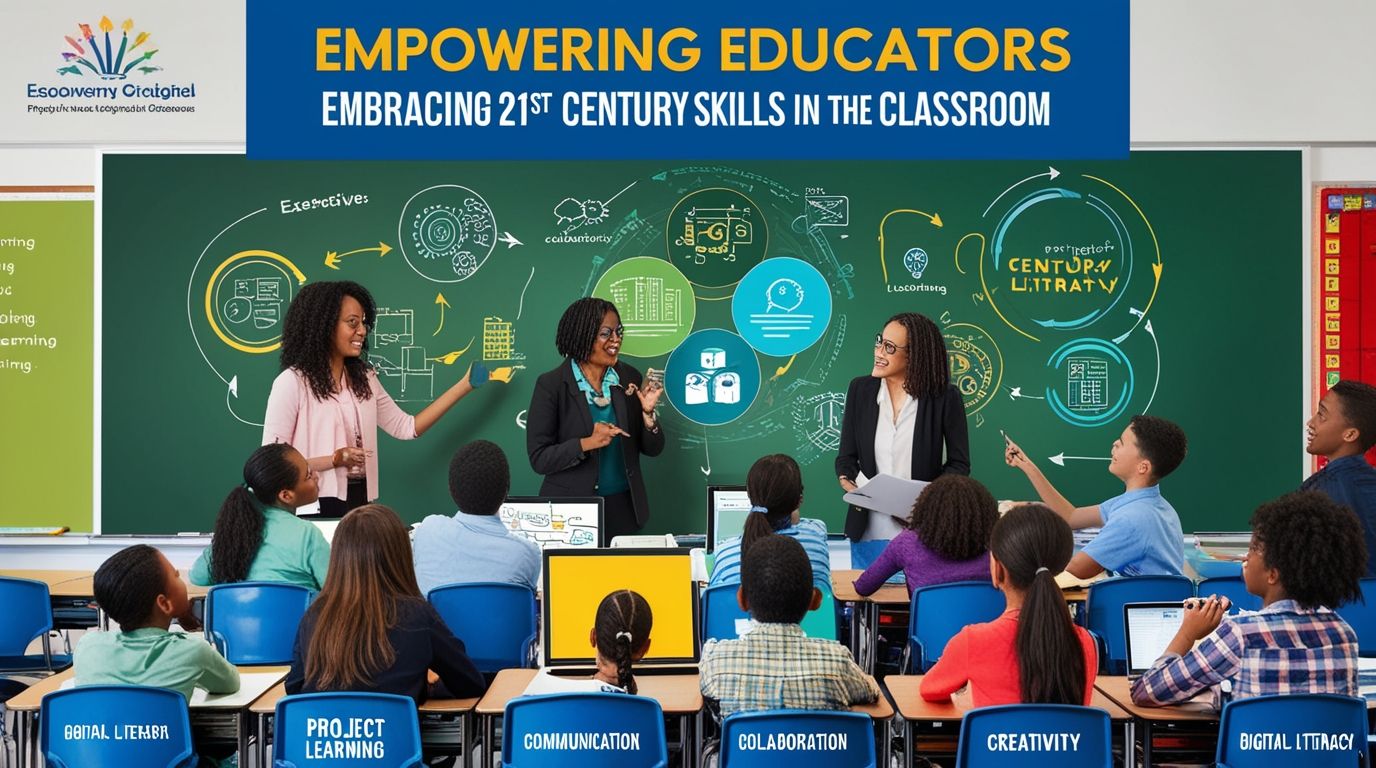
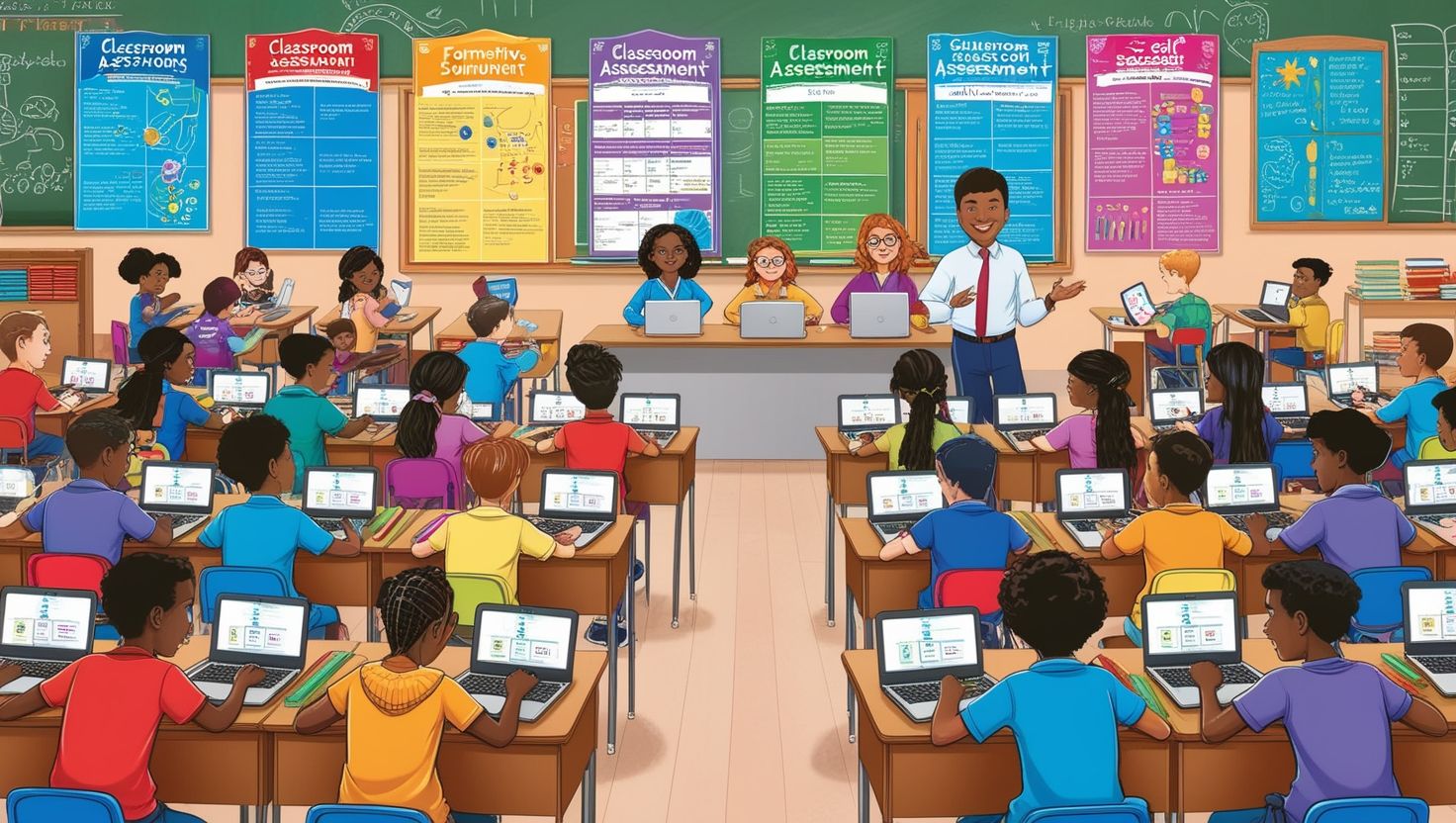
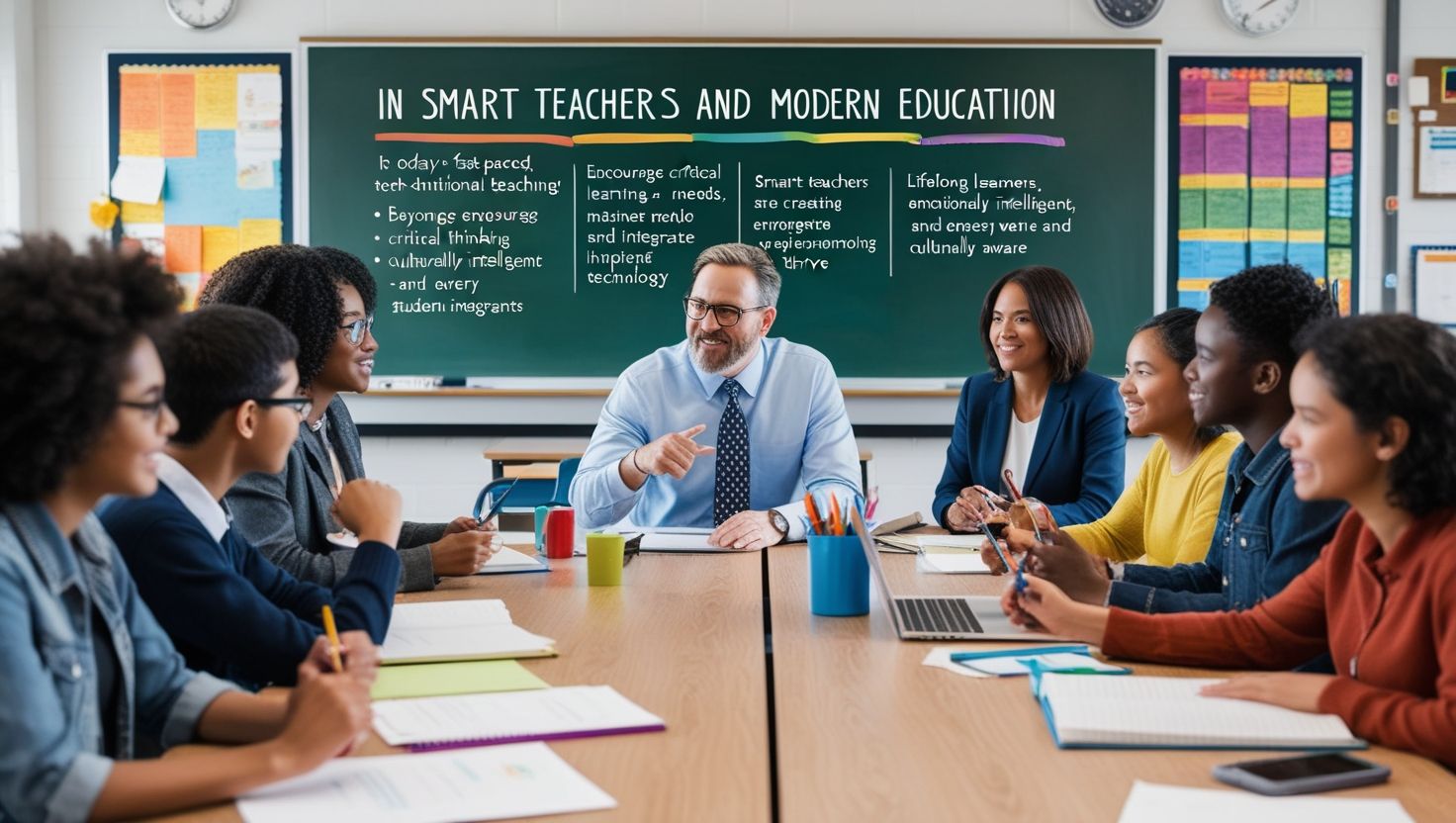
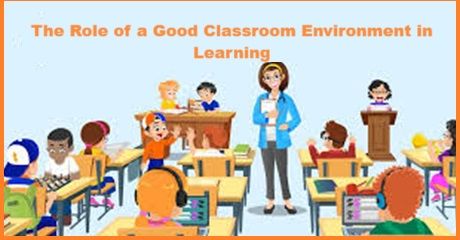
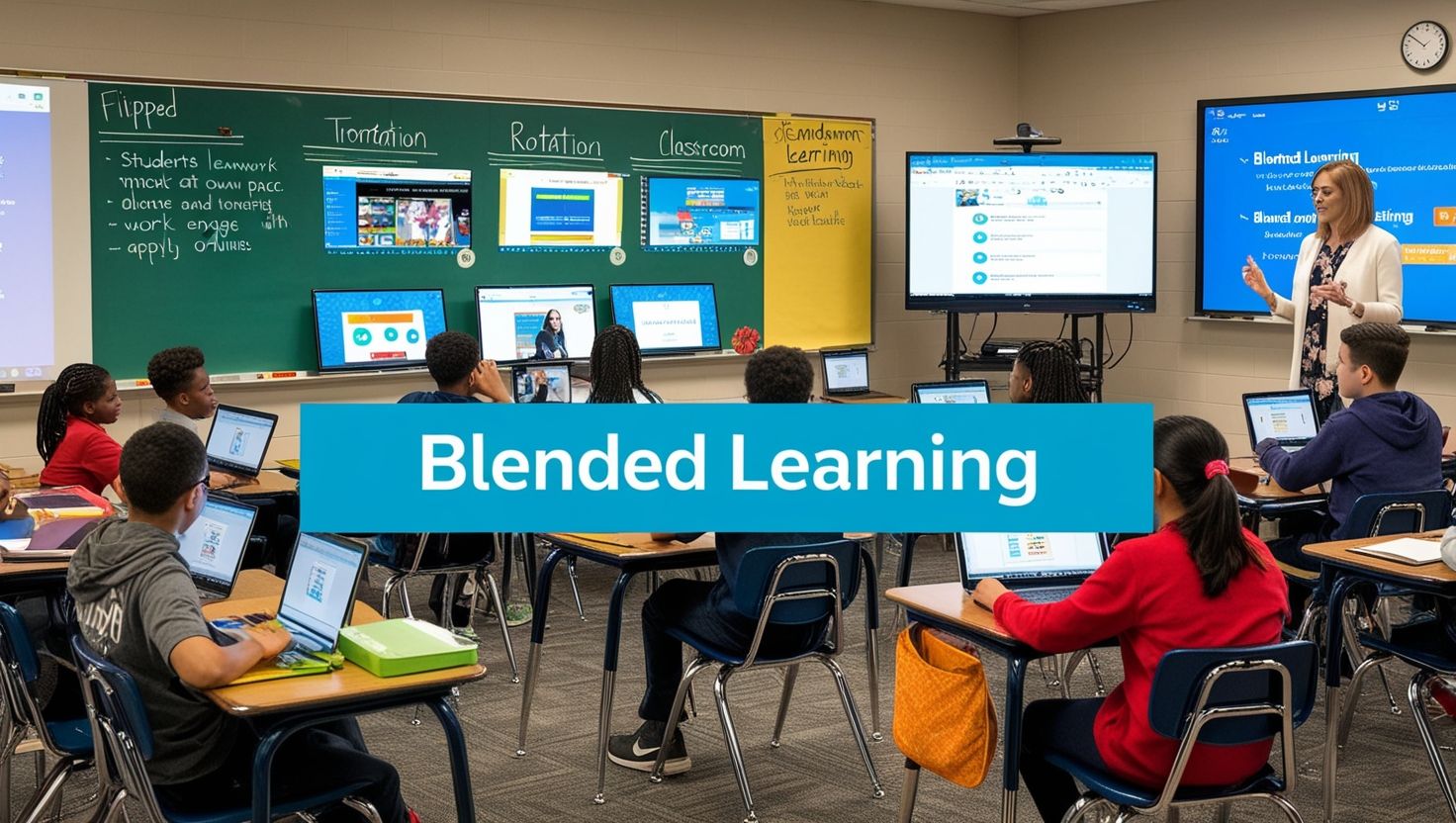
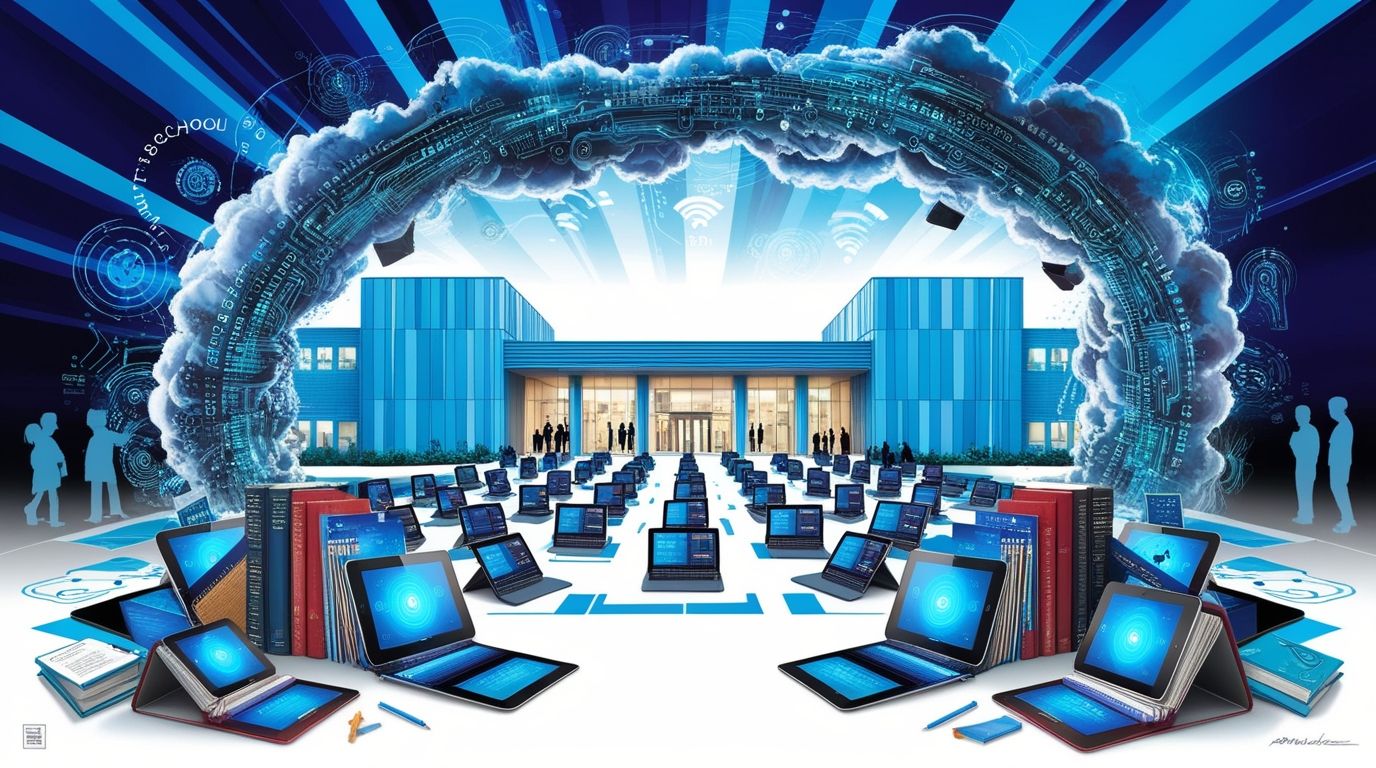
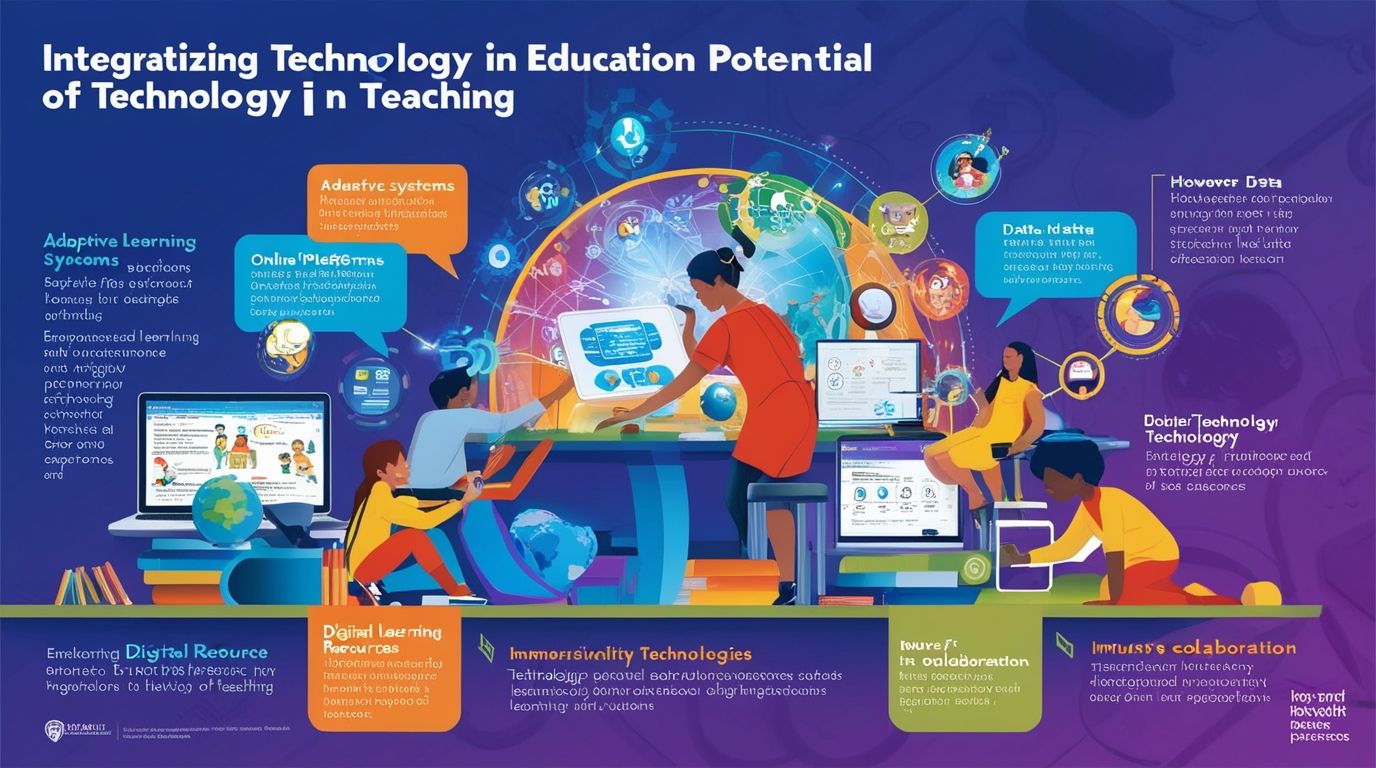
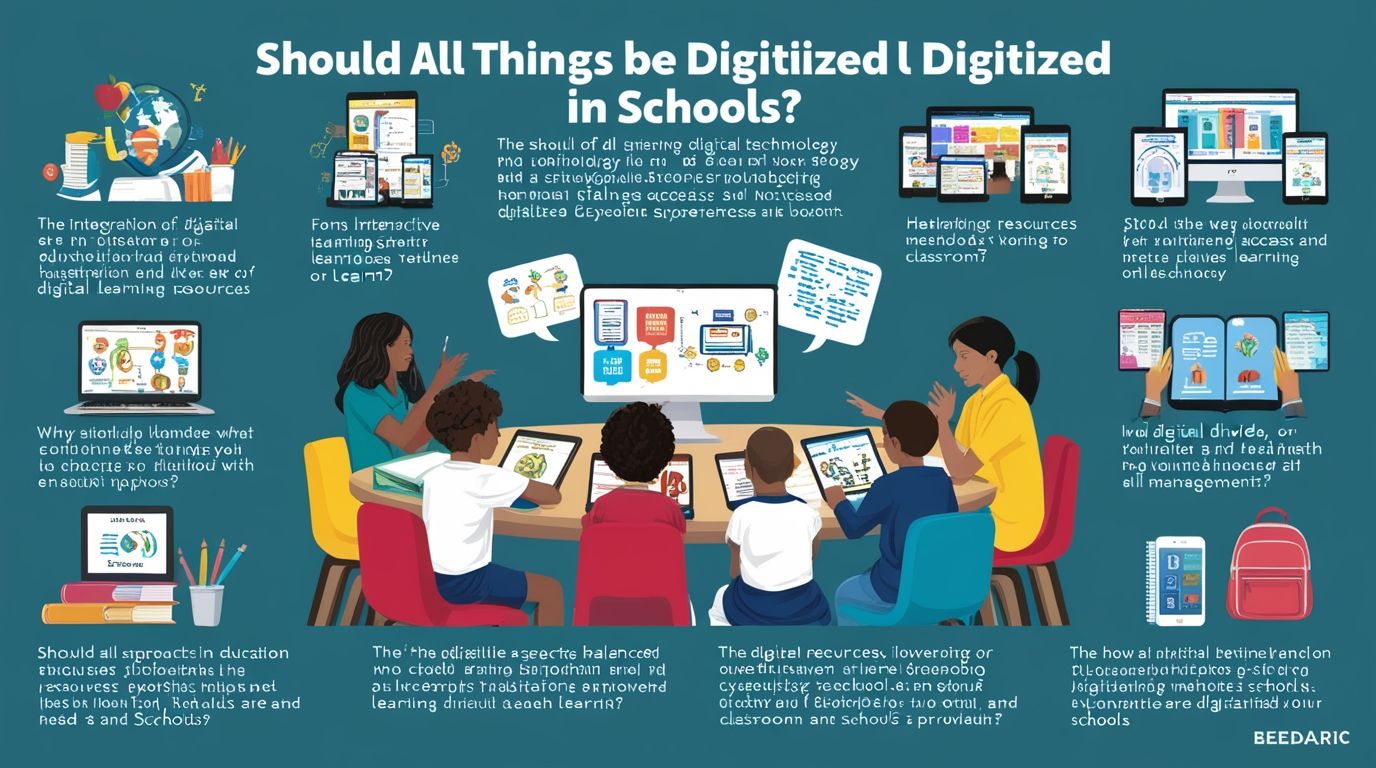
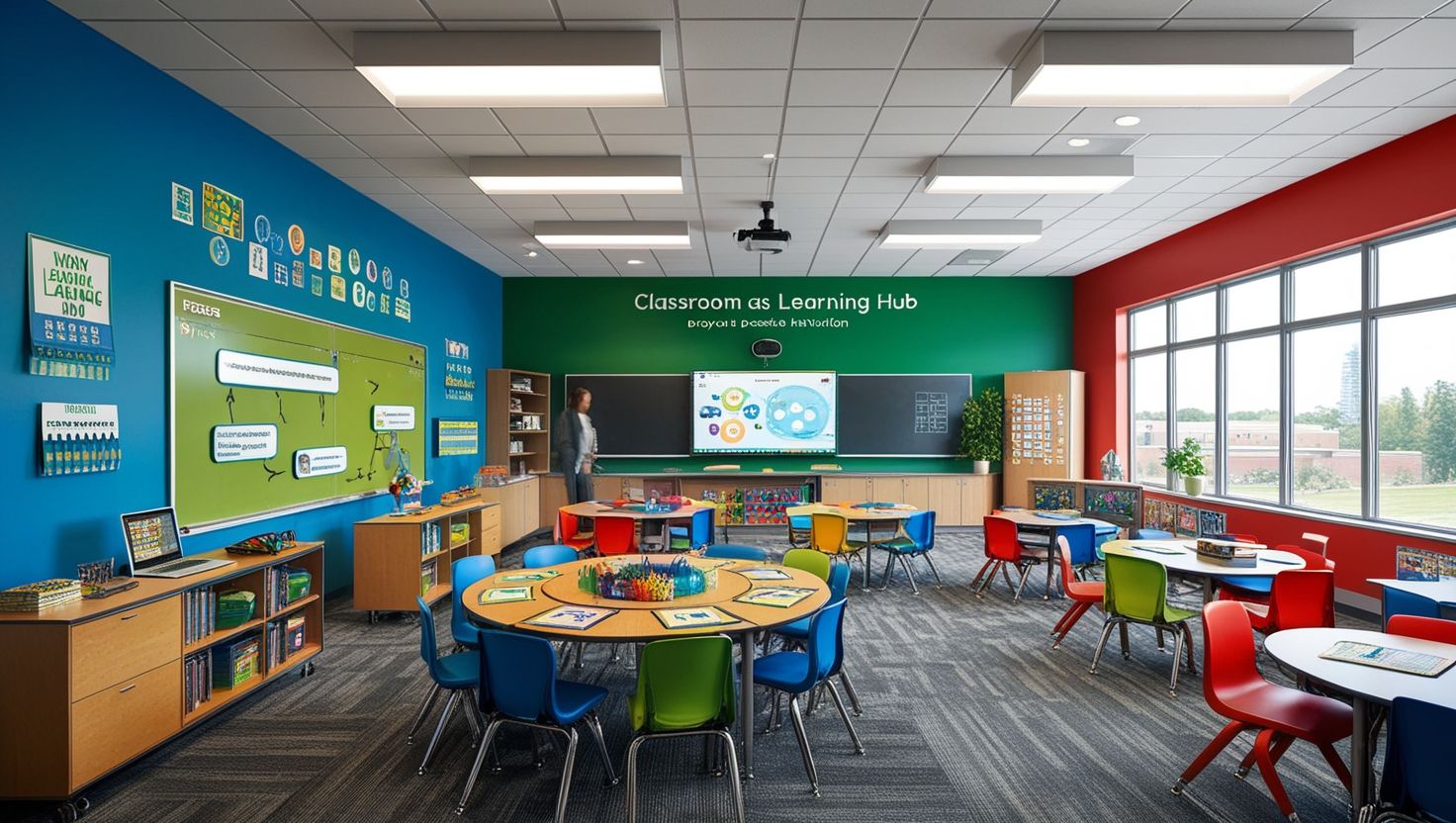
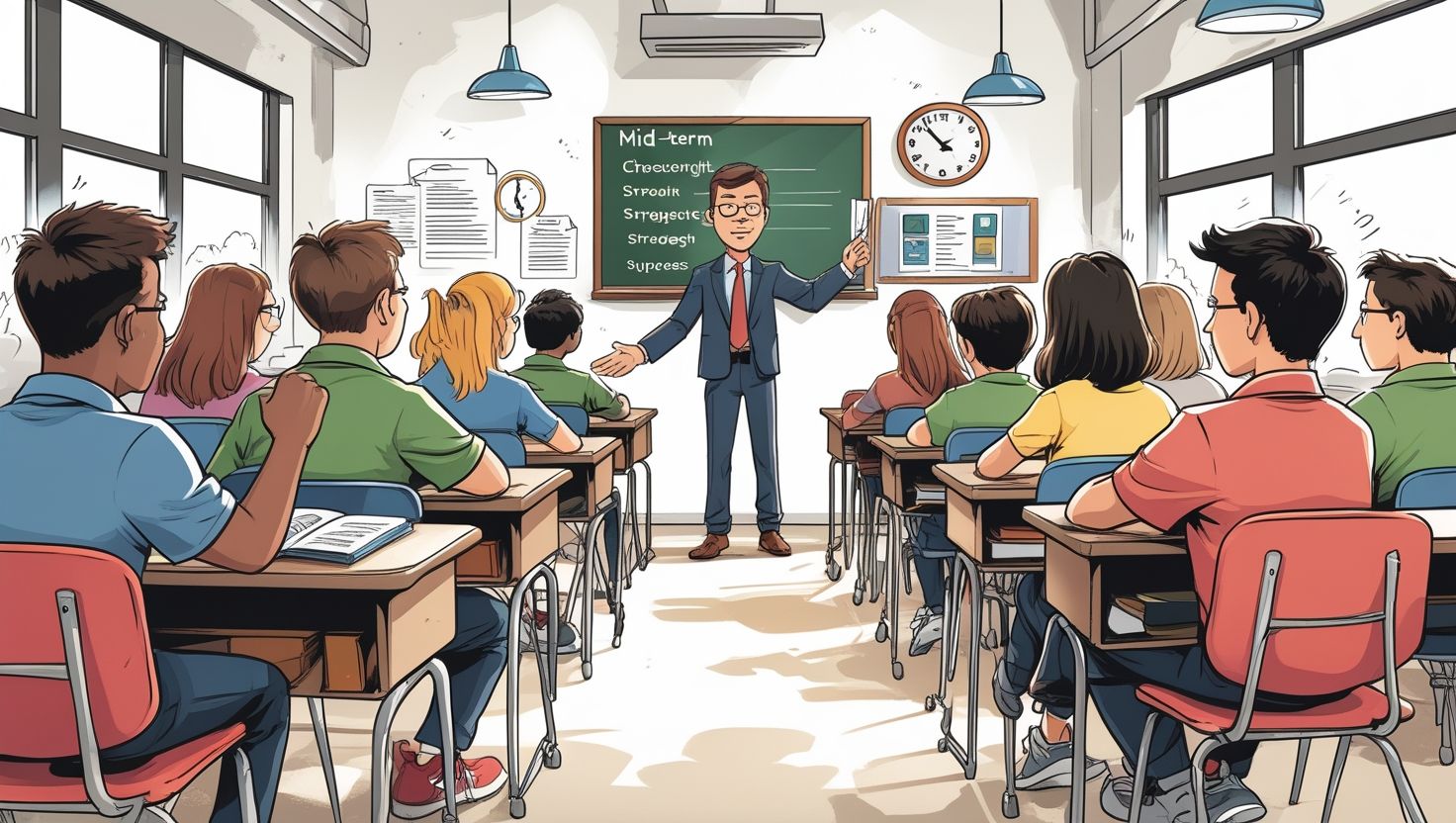
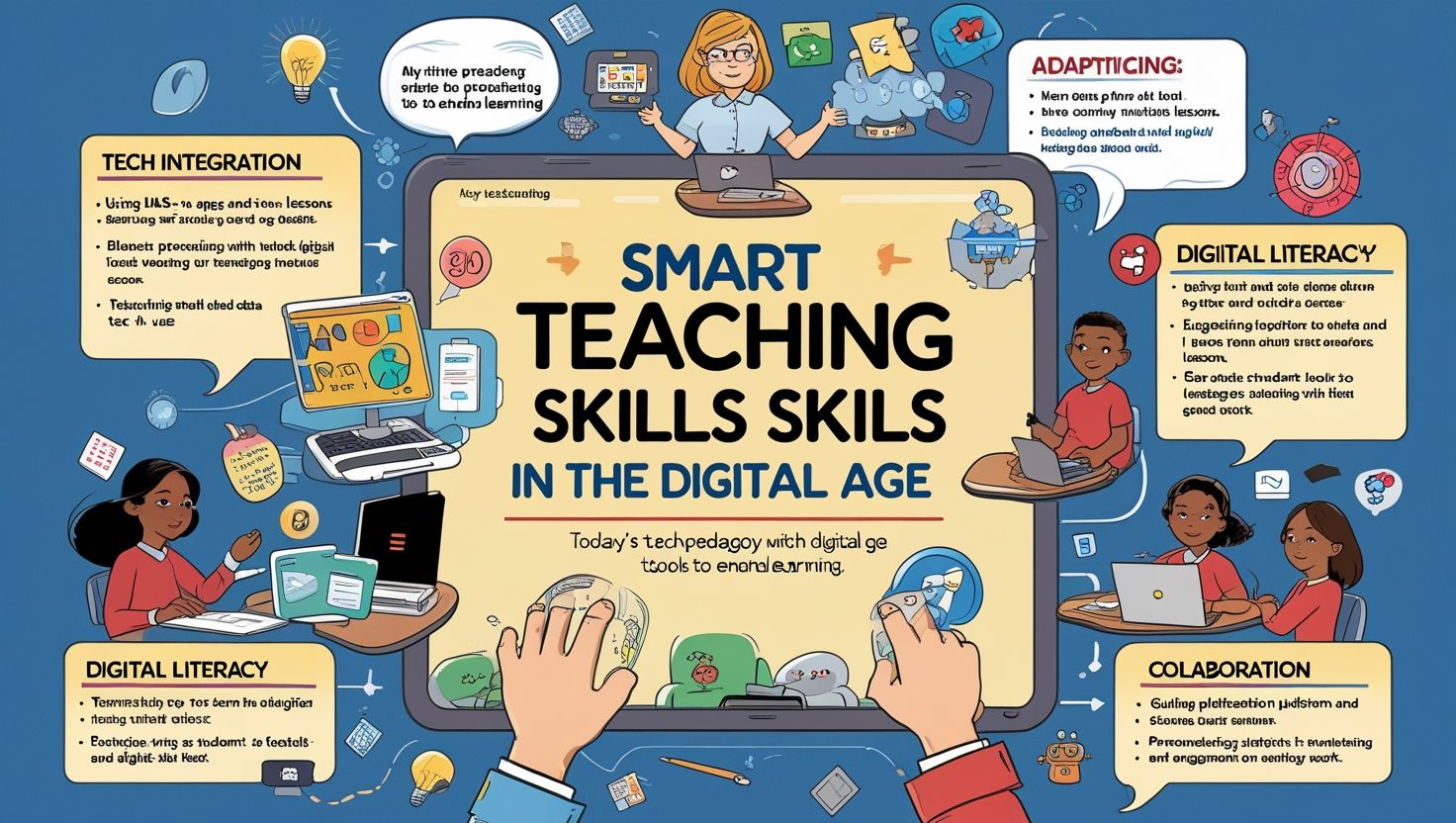
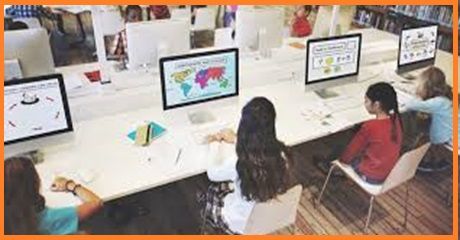
Computer Skills That Make the Classroom Smart, Modern education is rapidly evolving, and computer skills are at the heart of creating a smart classroom environment. Computer skills enable both teachers and students to navigate digital tools, access information efficiently, and engage in interactive learning experiences. In a smart classroom, these skills go beyond basic typing or browsing; they involve critical engagement with technology, problem-solving, and adaptability. When educators integrate computer skills into daily teaching practices, they transform traditional classrooms into dynamic learning hubs. A smart classroom relies on digital literacy to foster collaboration, creativity, and independent thinking. Students equipped with computer skills can analyze information, create digital content, and communicate ideas effectively. This integration ensures that learning becomes more meaningful and aligned with real-world demands. Therefore, they are not just supplementary but essential components of a smart classroom that prepares learners for future challenges.
Information Literacy as a Core Computer Skill
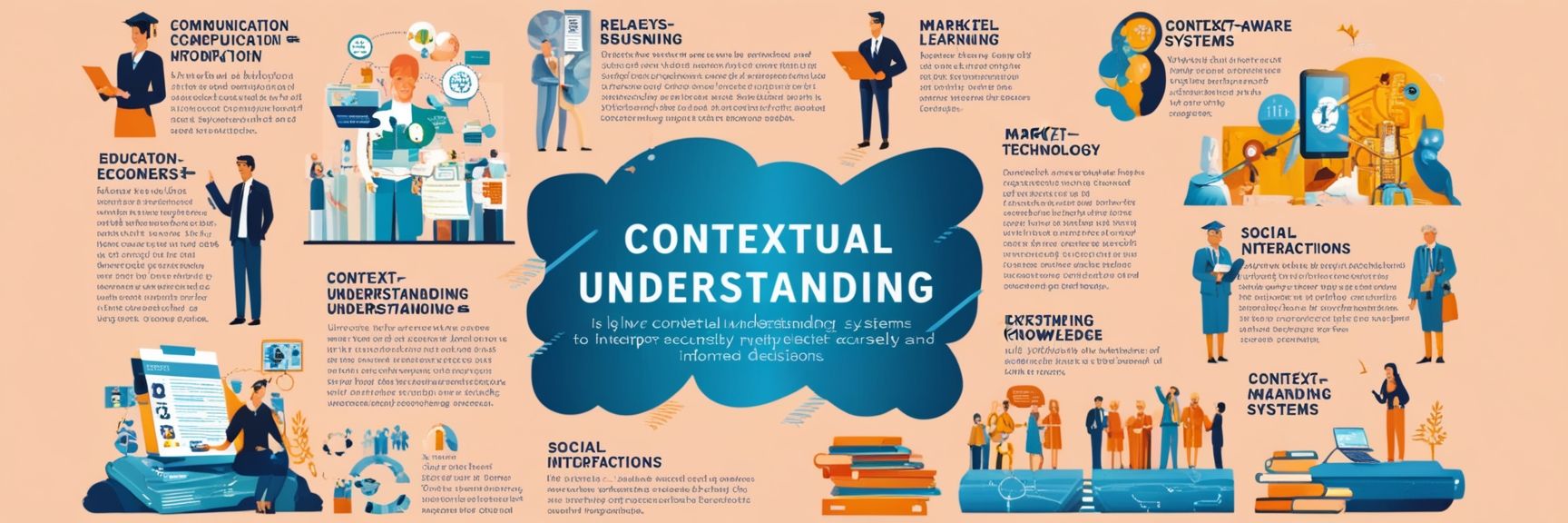
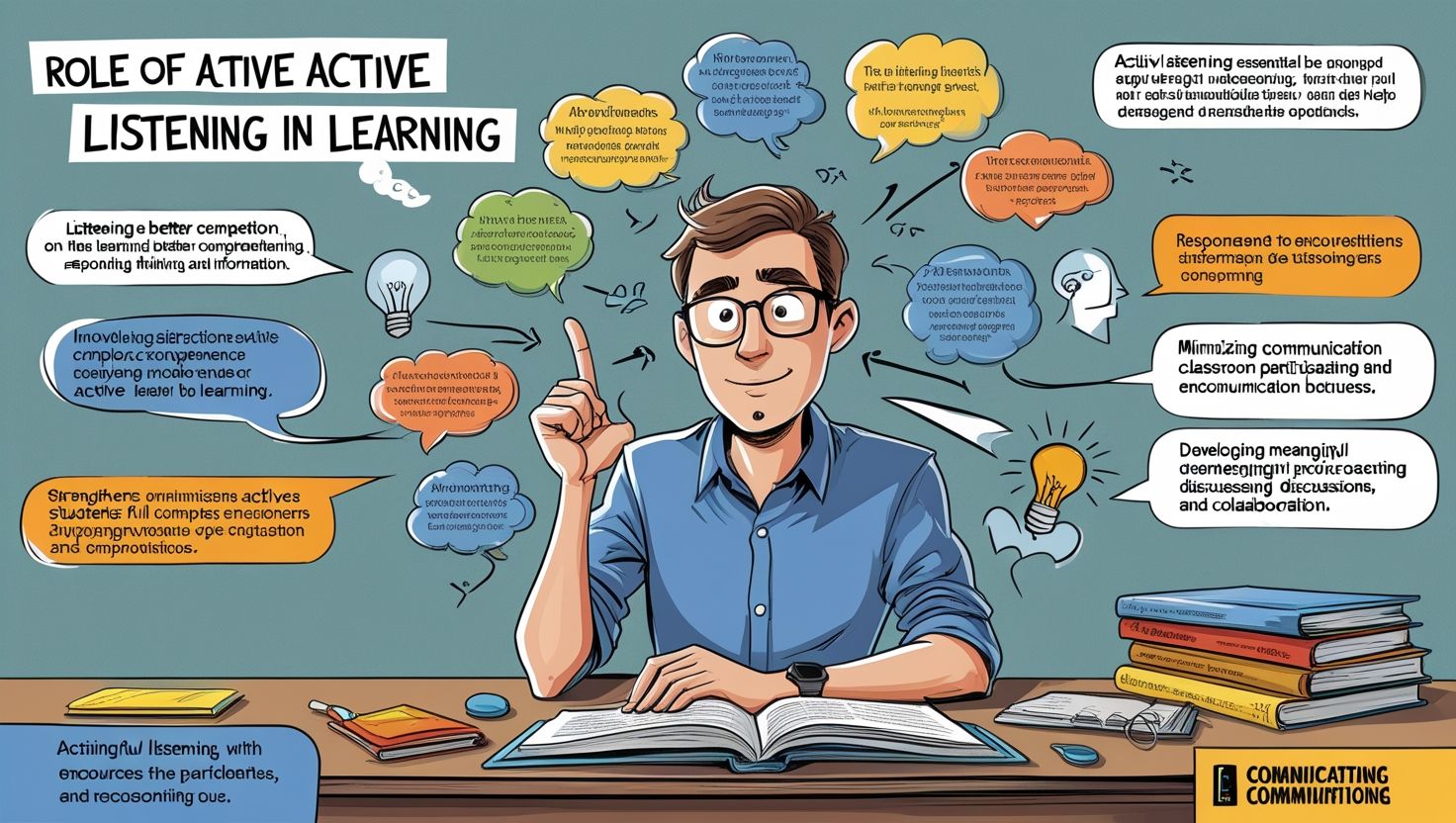
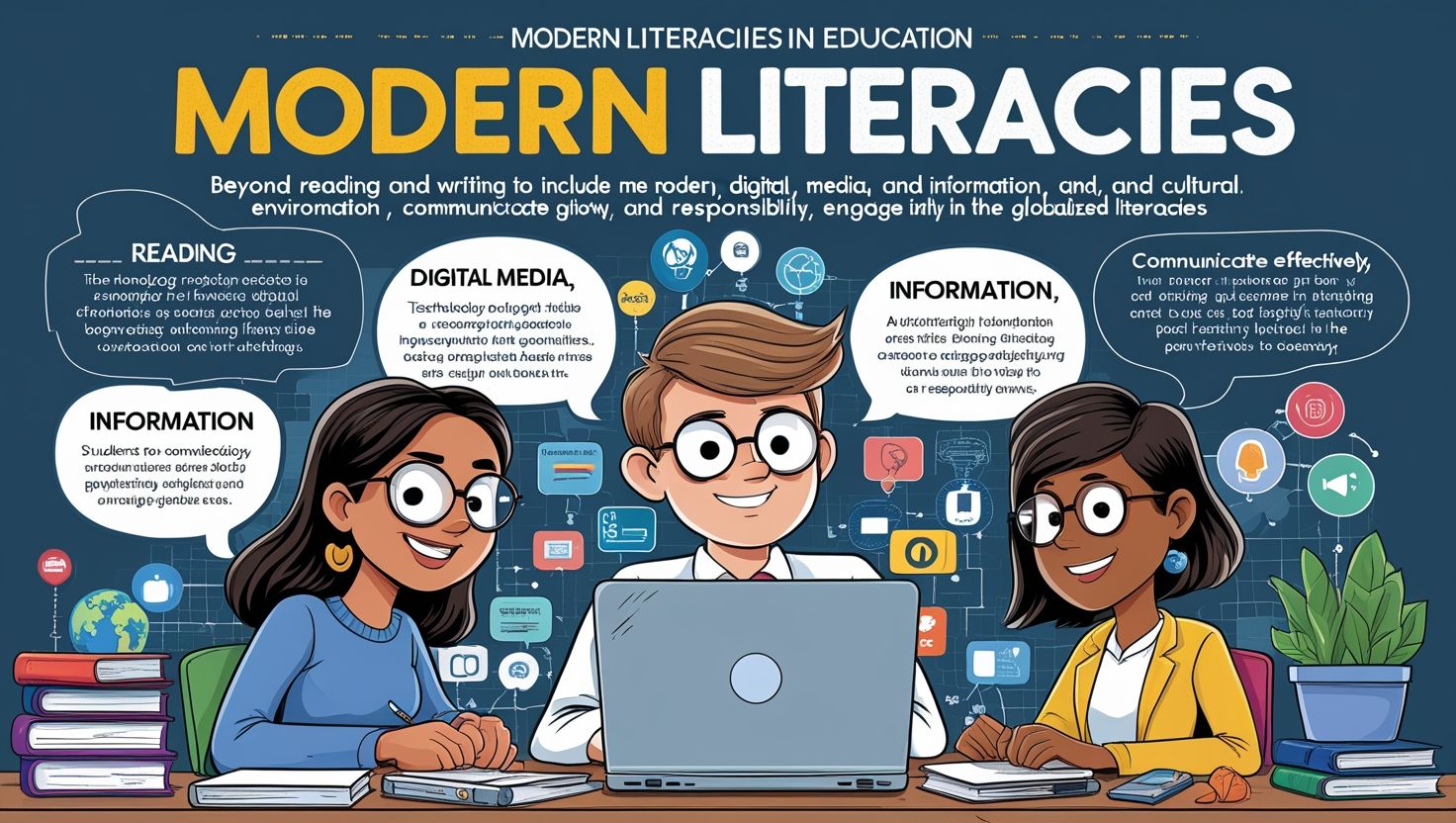
Information literacy is one of the most vital computer skills that contributes to a smart classroom. It involves the ability to locate, evaluate, and use information effectively from digital sources. In a smart classroom, students are constantly exposed to vast amounts of online content, making it essential for them to distinguish credible information from misinformation. Teachers play a crucial role in guiding students to develop these computer skills by designing tasks that require research, analysis, and synthesis of information. A smart classroom encourages learners to question sources, verify facts, and apply knowledge in meaningful ways. By mastering information literacy as a computer skill, students become critical thinkers and informed decision-makers. This not only enhances academic performance but also prepares them for lifelong learning. Ultimately, integrating information literacy into computer skills strengthens the foundation of a smart classroom and ensures that students use technology responsibly and effectively.
Communication Skills in a Digital Era
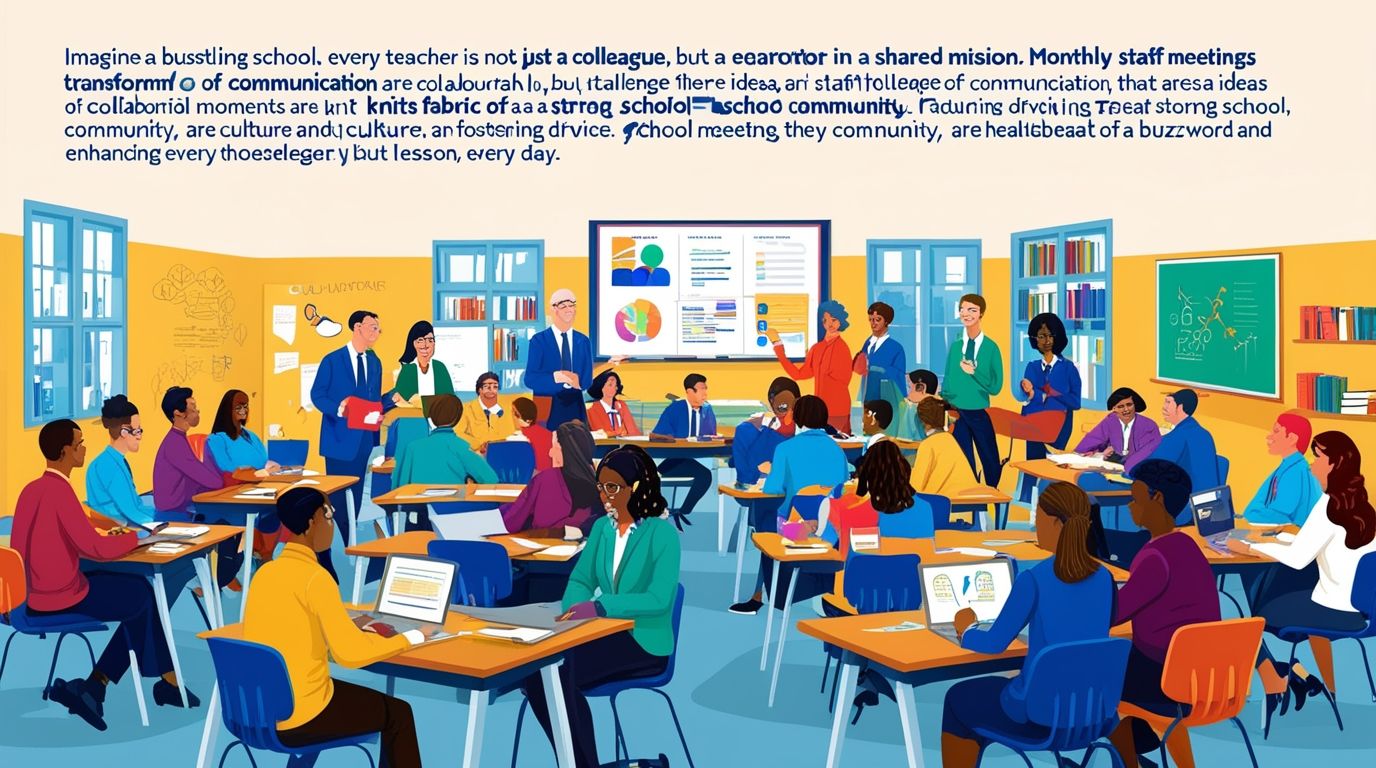
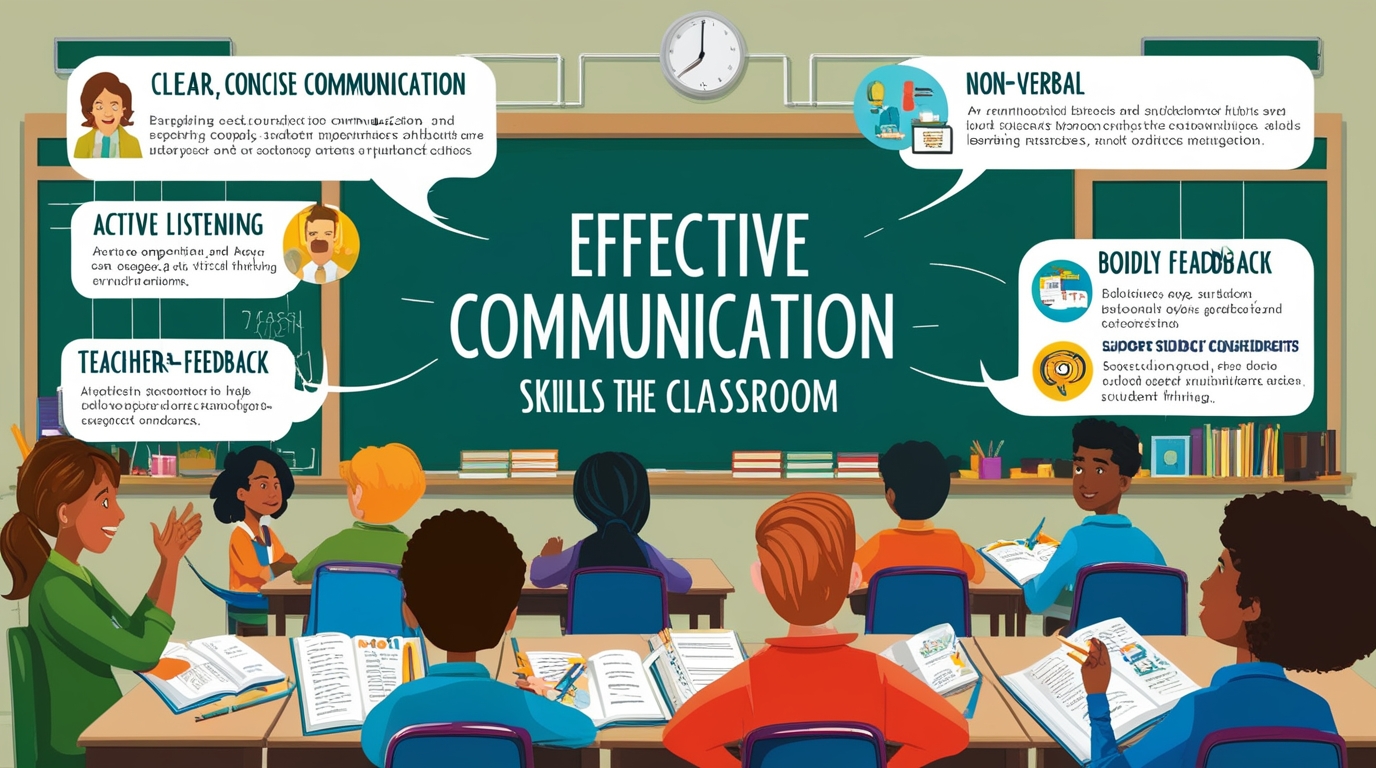
Effective communication is another essential aspect of computer skills that enhances it Digital communication tools such as email, discussion forums, and collaborative platforms allow students to share ideas and work together seamlessly. In a smart classroom, these computer skills help break down barriers of time and space, enabling continuous interaction between teachers and students. Developing digital communication skills ensures that learners can express their thoughts clearly and respectfully in online environments. Teachers can foster these computer skills by encouraging group projects, virtual discussions, and peer feedback activities. A smart classroom thrives on collaboration, and strong communication skills are key to achieving this goal. Moreover, these computer skills prepare students for professional environments where digital communication is the norm. By integrating communication-focused computer skills into teaching practices, educators can create a smart classroom that promotes teamwork, inclusivity, and active participation.
Creativity Through Digital Tools
Creativity is a powerful outcome of advanced computer skills in a smart classroom. With access to multimedia tools, students can create presentations, videos, and digital artwork that reflect their understanding of various subjects. These computer skills allow learners to express ideas in innovative ways, making learning more engaging and personalized. In a smart classroom, creativity is not limited to traditional methods; it is enhanced through technology that supports experimentation and exploration. Teachers can nurture these computer skills by assigning projects that require design thinking and creative problem-solving. A smart classroom encourages students to use digital tools to produce original content, collaborate on creative tasks, and present their work effectively. By developing creative computer skills, students gain confidence and motivation to learn. This integration of creativity into computer skills transforms the smart classroom into a vibrant and inspiring learning environment.
Critical Thinking and Problem-Solving Skills
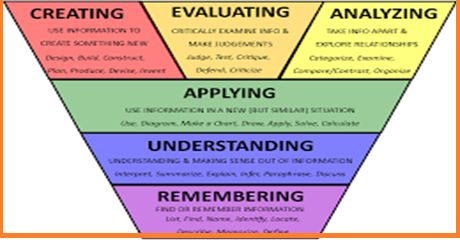
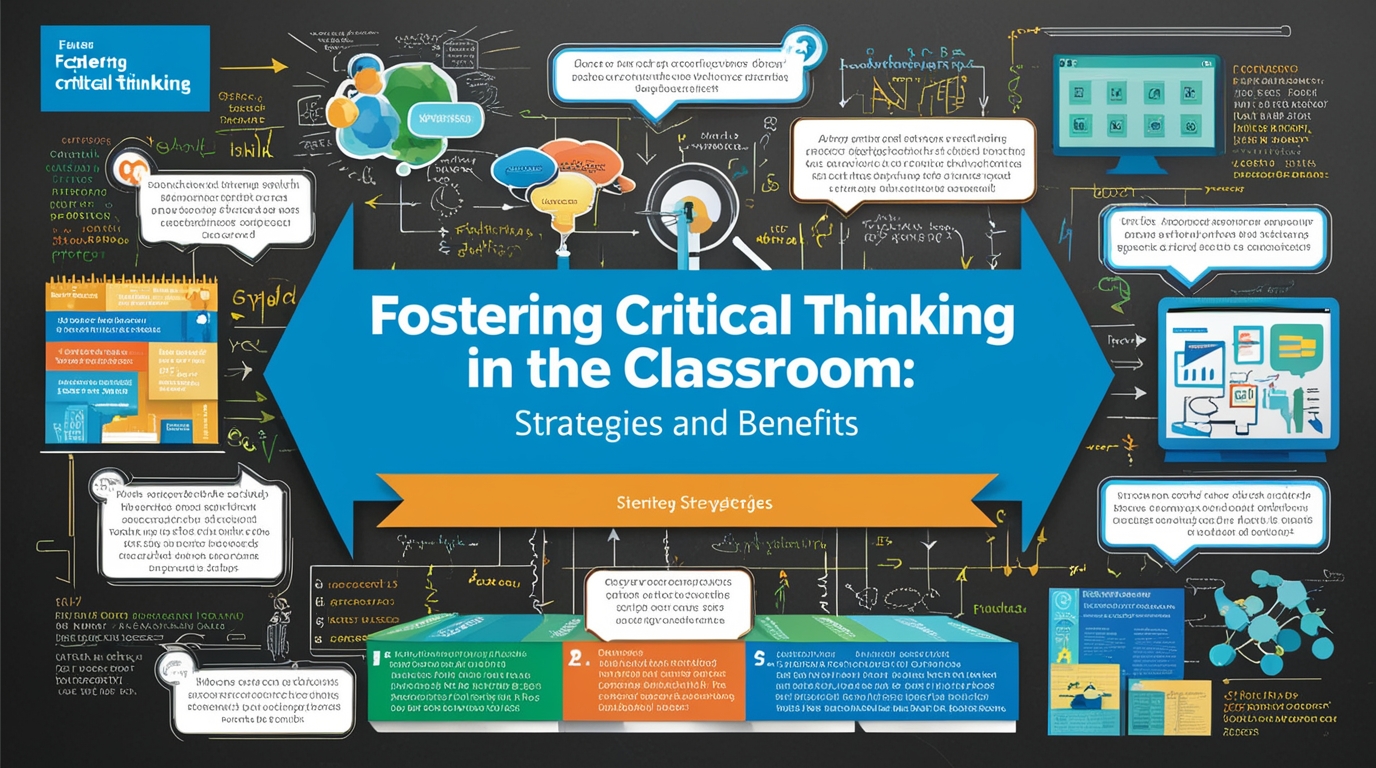
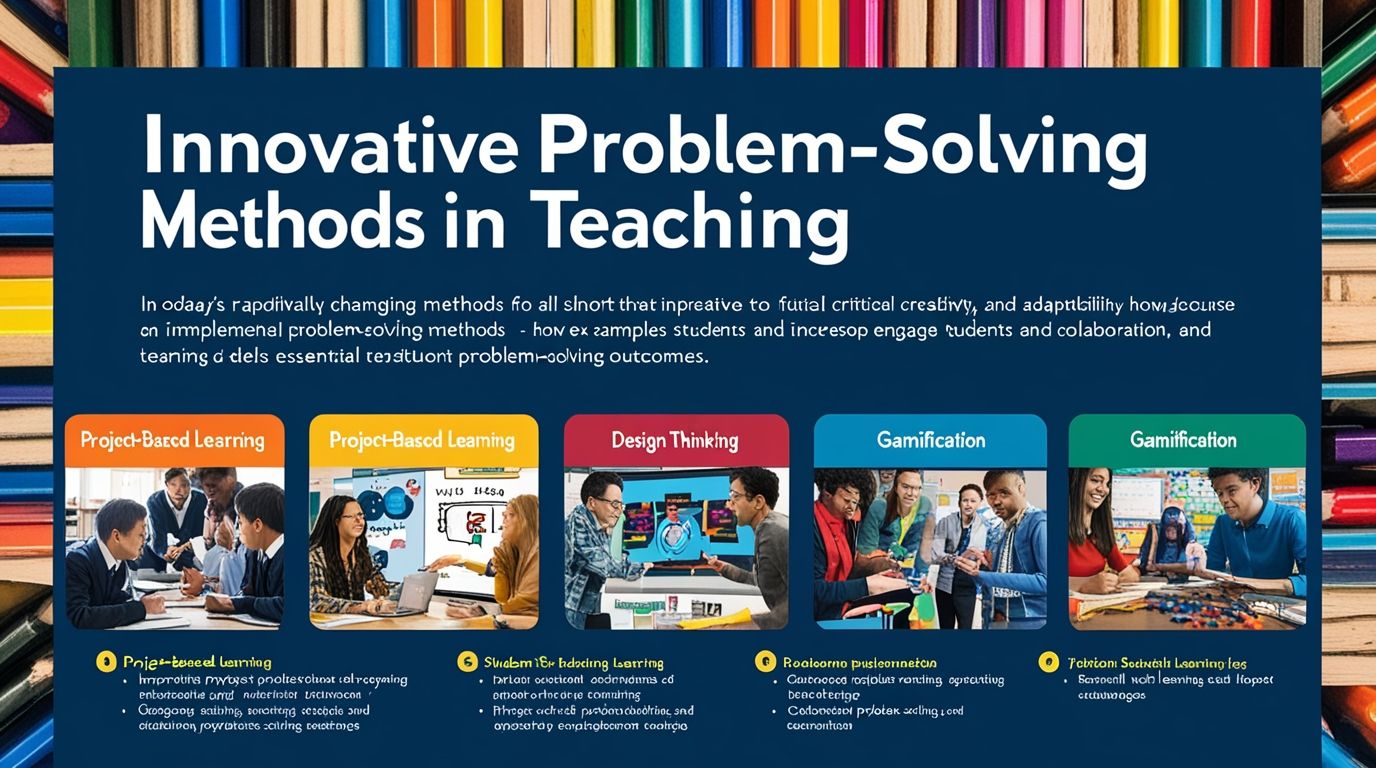
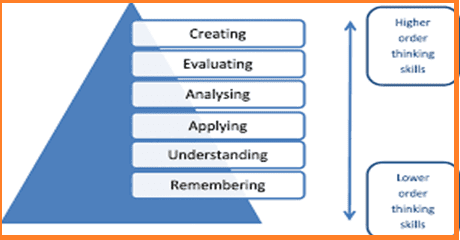
Critical thinking and problem-solving are essential computer skills that define a smart classroom. These skills enable students to analyze complex situations, identify solutions, and make informed decisions using digital tools. In a smart classroom, technology provides opportunities for simulations, data analysis, and interactive problem-solving activities. Teachers can design lessons that challenge students to apply their computer skills in real-world scenarios. By engaging in such activities, learners develop the ability to think logically and creatively. A smart classroom supports this process by offering resources and tools that encourage exploration and experimentation. These computer skills are crucial for academic success and future careers, as they foster independence and resilience. When students develop strong critical thinking and problem-solving computer skills, they become active participants in their learning journey. This makes the smart classroom an effective platform for developing higher-order thinking skills.
Collaboration and Teamwork in Digital Environments
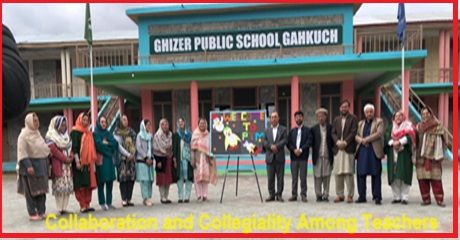
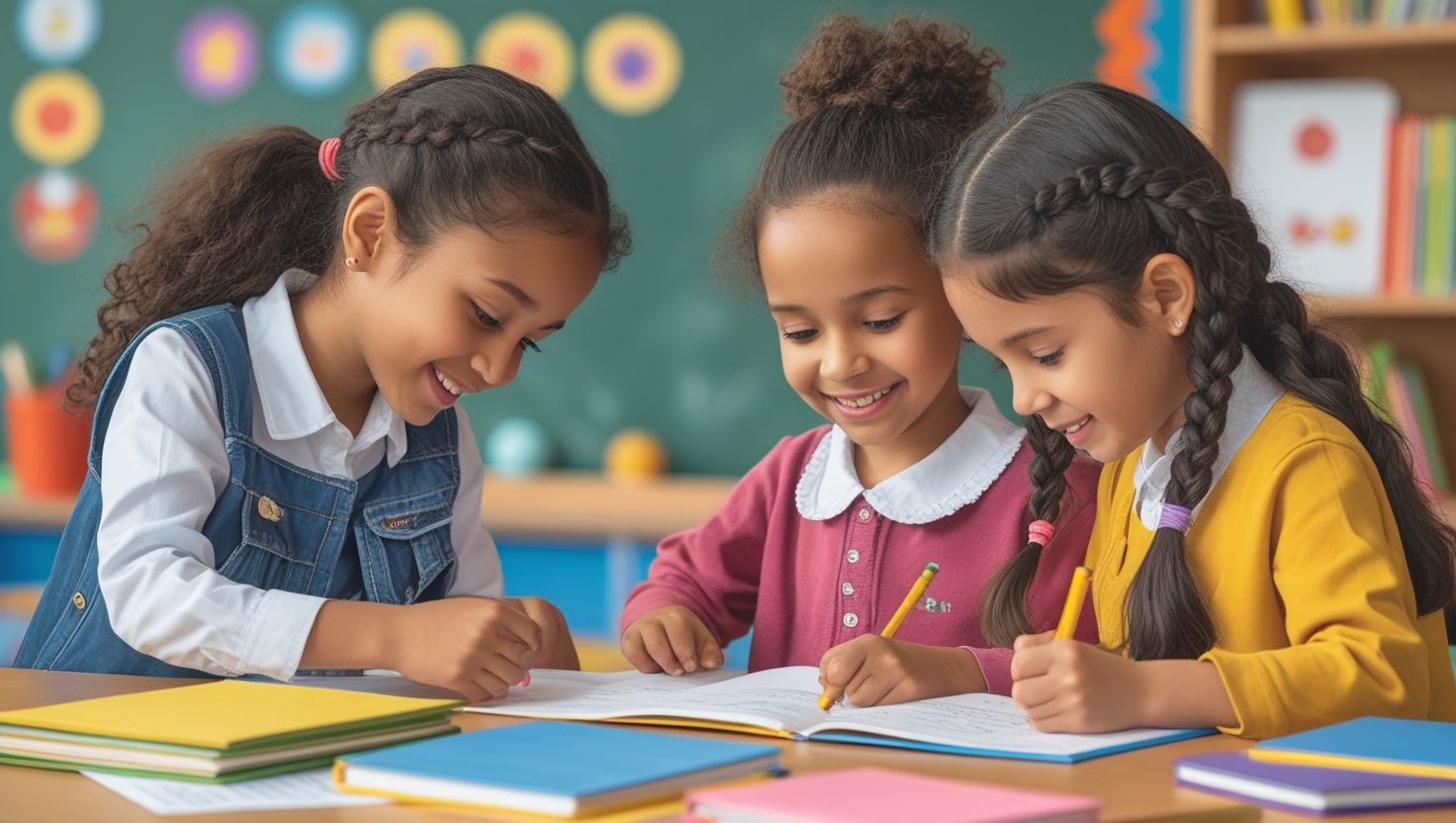
Collaboration is a key component of computer skills that enhances the effectiveness of a smart classroom. Digital platforms allow students to work together on projects, share resources, and communicate ideas in real time. In such promote teamwork and collective problem-solving. Teachers can facilitate collaboration by using online tools that support group work and peer interaction. Developing collaboration-focused computer skills helps students learn from each other and build social connections. A smart classroom encourages inclusive participation, ensuring that every student contributes to the learning process. These computer skills also prepare students for modern workplaces where teamwork and digital collaboration are essential. By integrating collaborative activities into the curriculum, educators can strengthen computer skills and create a smart classroom that values cooperation and mutual learning.
Digital Citizenship and Ethical Use of Technology
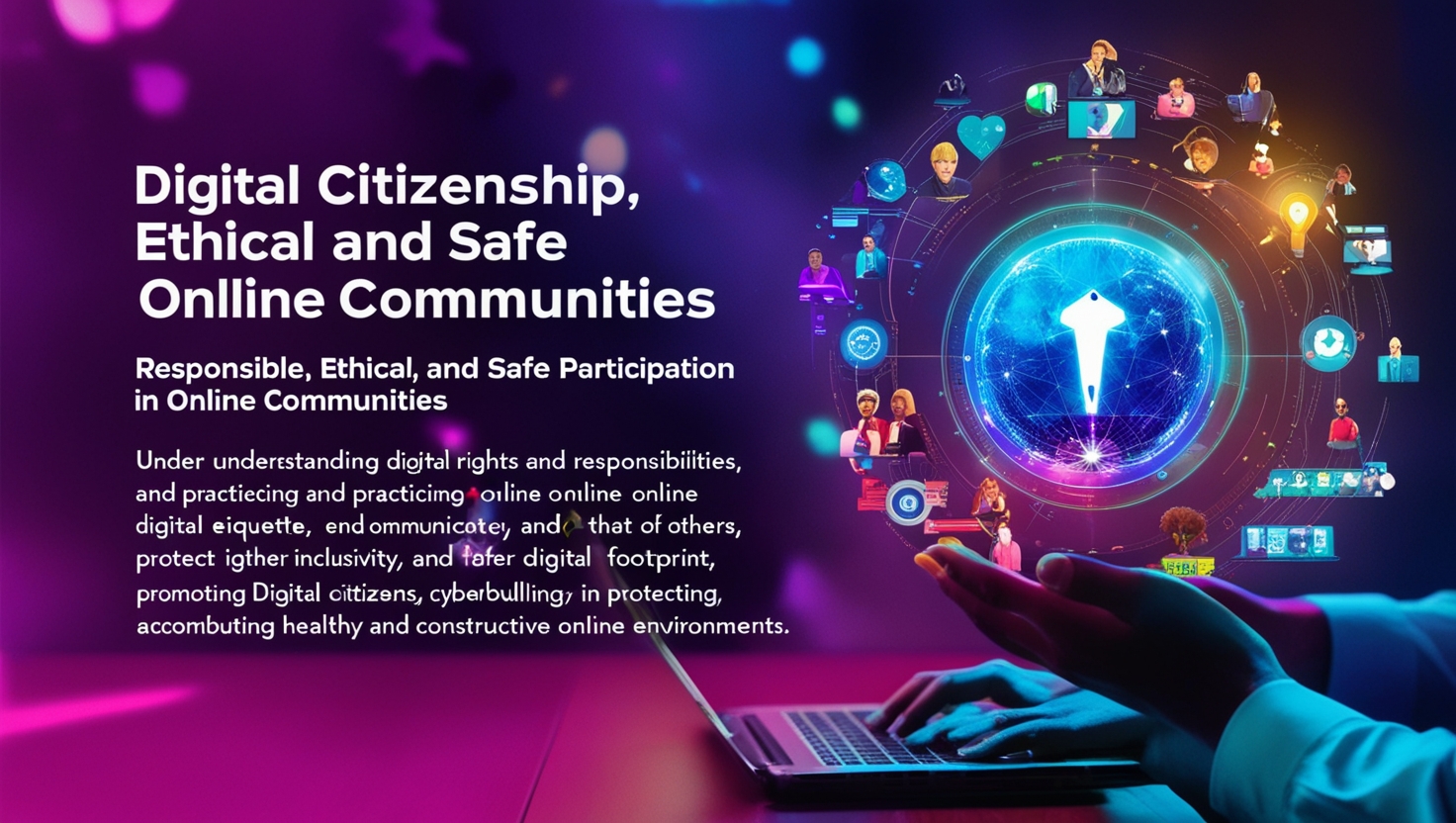
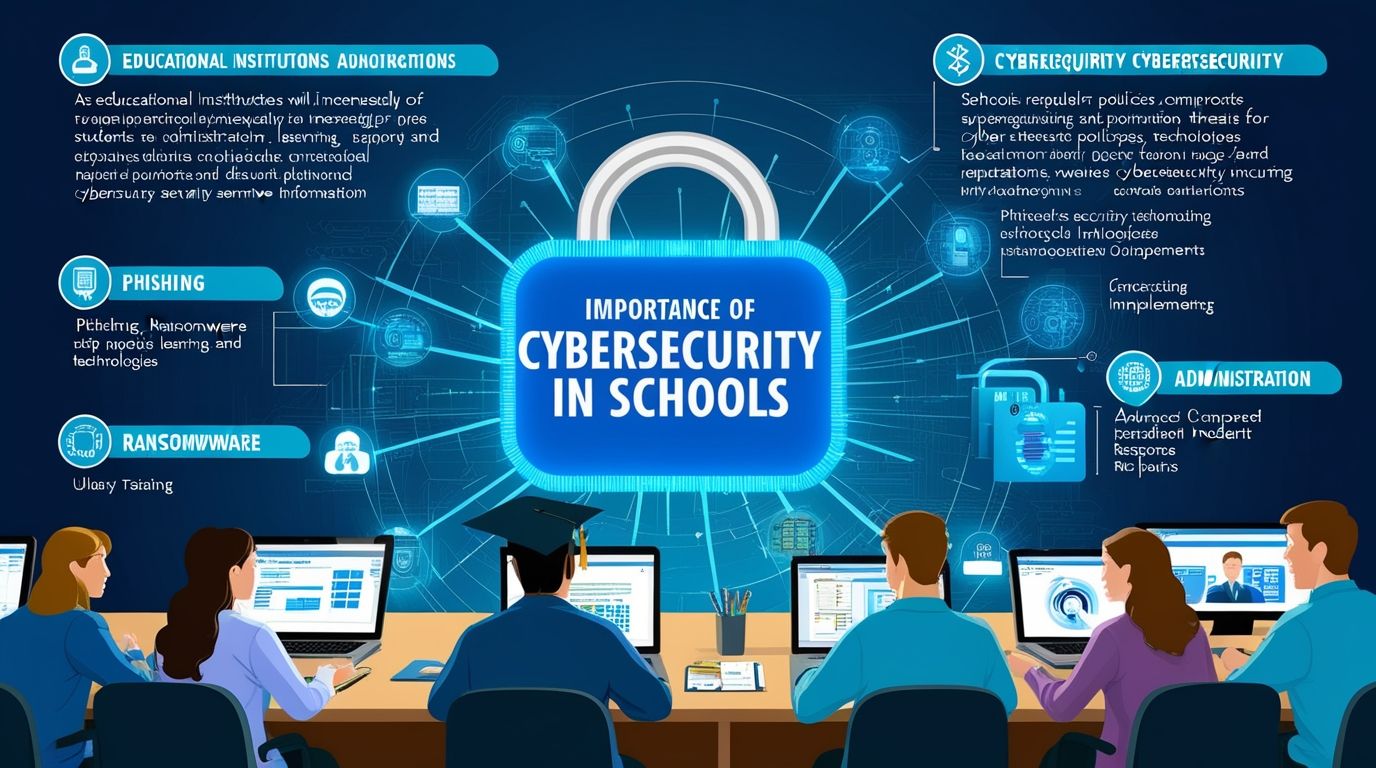
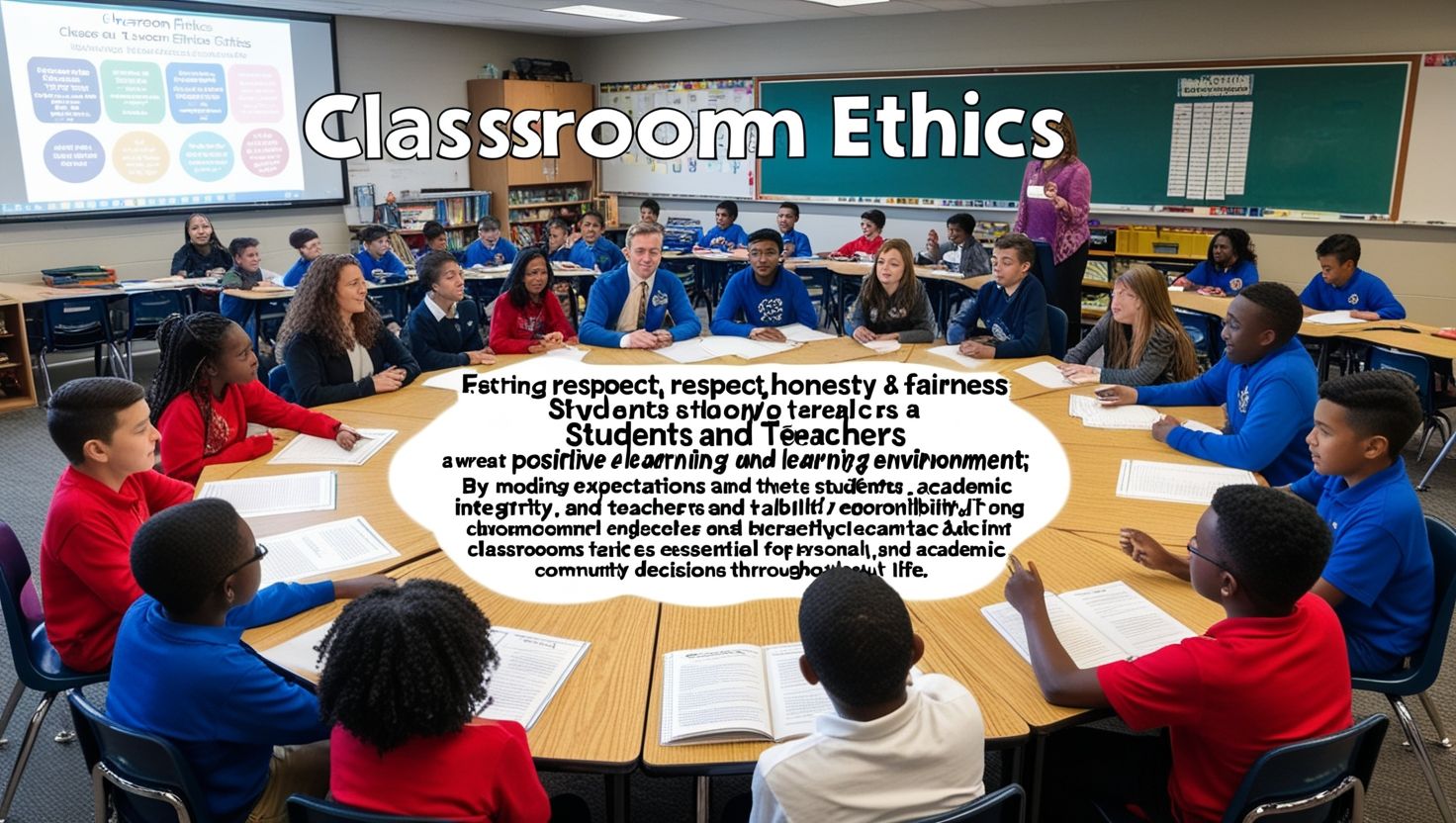
Digital citizenship is an important aspect of computer skills that supports a smart classroom. It involves understanding ethical behavior, online safety, and responsible use of technology. In a smart classroom, students must learn to respect digital content, protect their privacy, and interact respectfully with others. Teachers can promote these computer skills by discussing topics such as cyberbullying, data security, and intellectual property. A smart classroom provides a safe environment for students to practice responsible digital behavior. By developing digital citizenship as part of computer skills, learners become aware of their rights and responsibilities in online spaces. This not only enhances their academic experience but also prepares them for active participation in the digital world. Integrating ethical considerations into computer skills ensures that the smart classroom remains a positive and secure learning environment.
Technical Proficiency and Software Skills
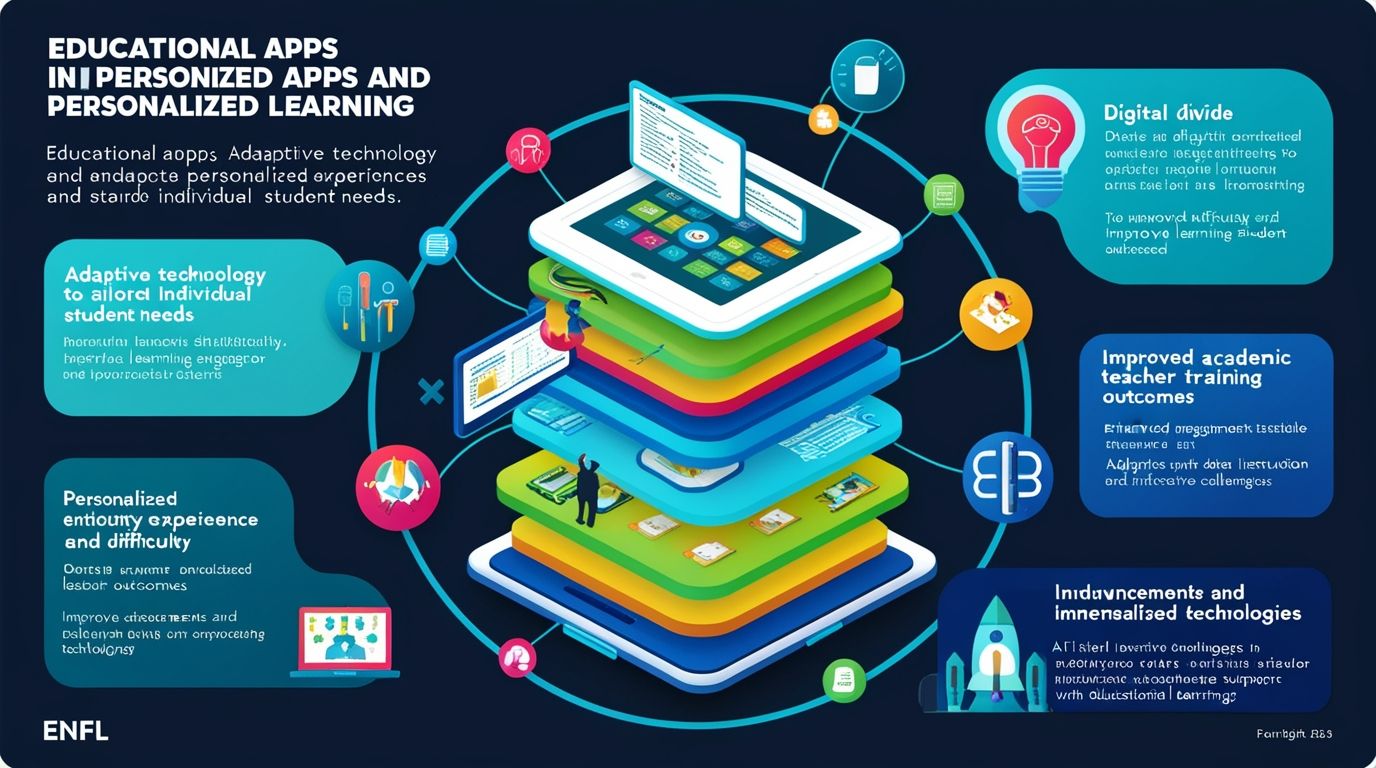
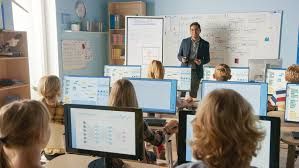
Technical proficiency is a fundamental component of such classes. Students need to understand how to use software applications, manage files, and troubleshoot basic technical issues. These computer skills enable learners to navigate digital platforms with confidence and efficiency. In a smart classroom, technical proficiency supports seamless learning experiences and minimizes disruptions. Teachers can enhance these computer skills by providing hands-on training and practical exercises. A smart classroom equipped with modern technology requires students to be comfortable with various tools and applications. By developing technical computer skills, learners become more independent and capable of managing their learning tasks. This proficiency also prepares them for advanced studies and professional environments where technology plays a central role. Therefore, technical computer skills are essential for maintaining an effective and efficient smart classroom.
Data Analysis and Interpretation Skills
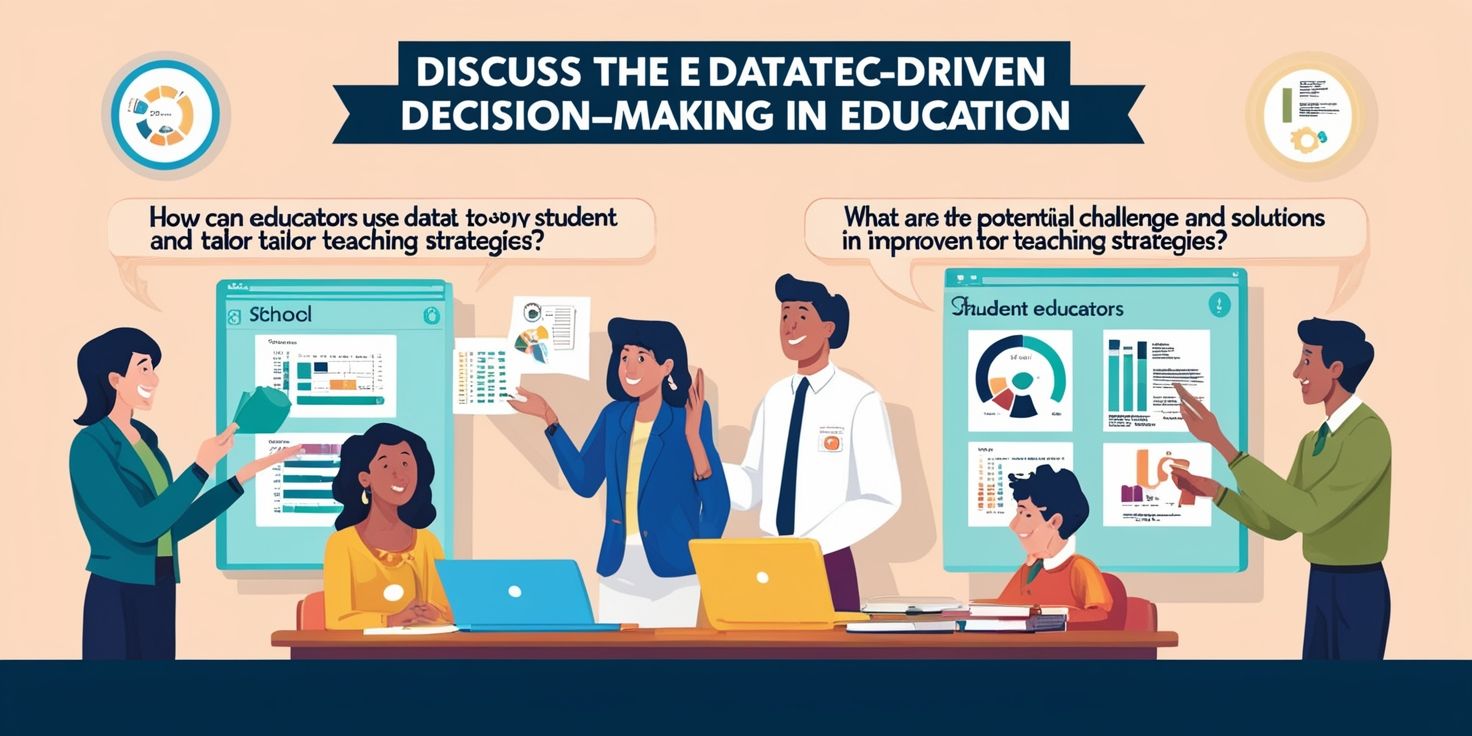
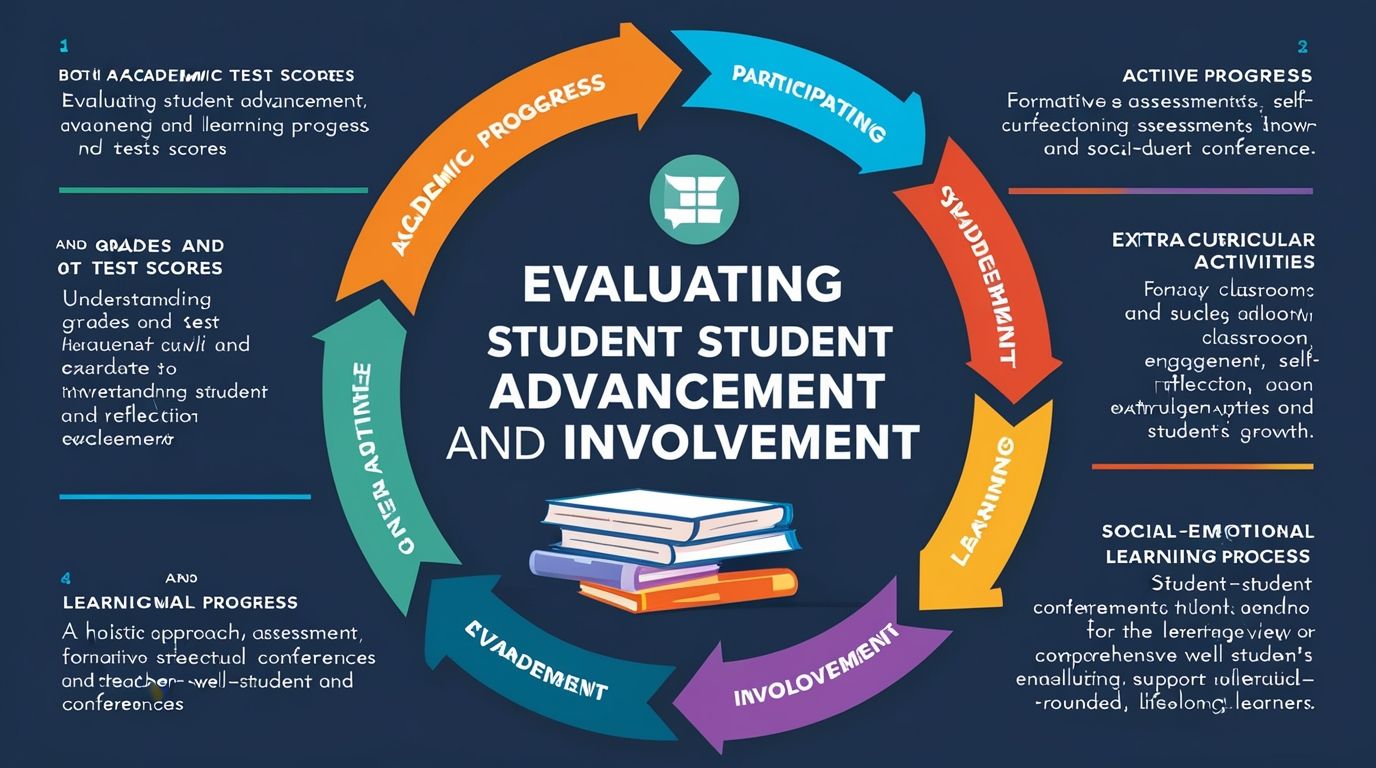
Data analysis is an advanced set of computer skills that significantly contributes to a smart classroom. Students learn to collect, organize, and interpret data using digital tools, which enhances their analytical abilities. These are applied across subjects, from science experiments to social studies research. Teachers can design activities that require students to analyze data and draw meaningful conclusions. By developing data analysis computer skills, learners gain a deeper understanding of concepts and improve their decision-making abilities. A smart classroom provides access to tools that simplify data visualization and interpretation. These computer skills are increasingly important in a data-driven world, where the ability to analyze information is highly valued. Integrating data analysis into computer skills ensures that the smart classroom prepares students for future academic and professional challenges.
Adaptability and Lifelong Learning Skills
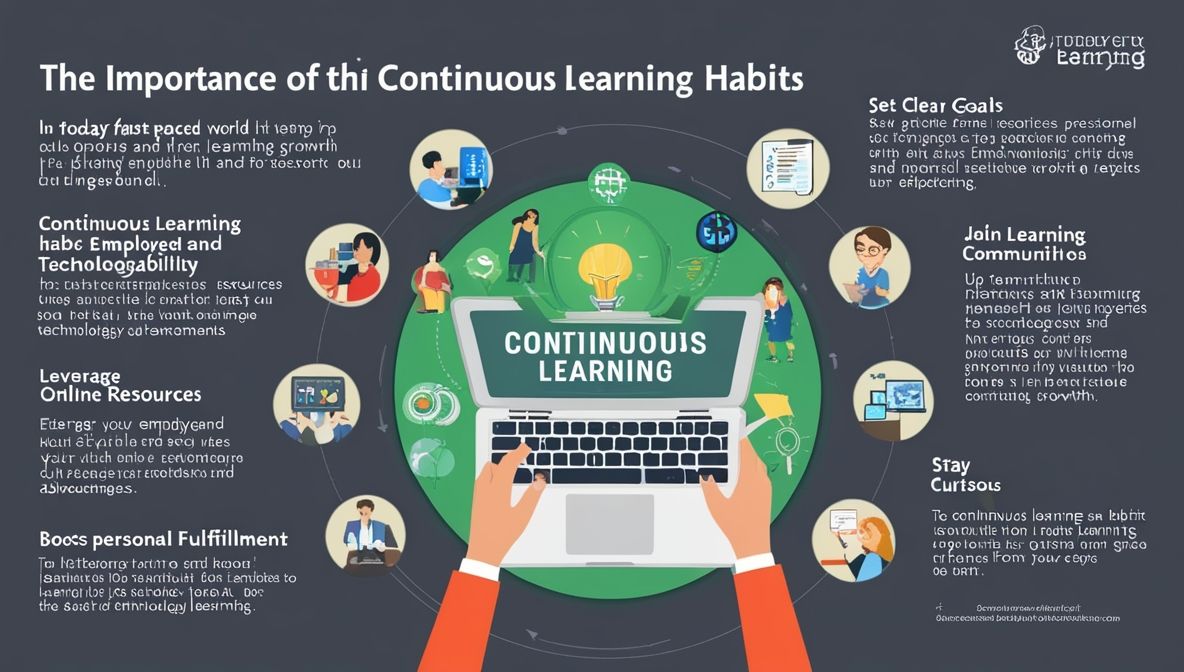
Adaptability is a crucial aspect of computer skills that supports a smart classroom. Technology is constantly evolving, and students must be able to learn new tools and adapt to changing environments. In a smart classroom, these computer skills enable learners to stay updated and remain flexible in their approach to learning. Teachers can encourage adaptability by introducing new technologies and challenging students to explore them independently. A smart classroom fosters a culture of continuous learning, where students are motivated to expand their knowledge and skills. By developing adaptable computer skills, learners become resilient and open to innovation. This mindset is essential for success in a rapidly changing world. Integrating adaptability into computer skills ensures that the smart classroom remains relevant and effective in preparing students for future opportunities.
Teacher Competence in Computer Skills
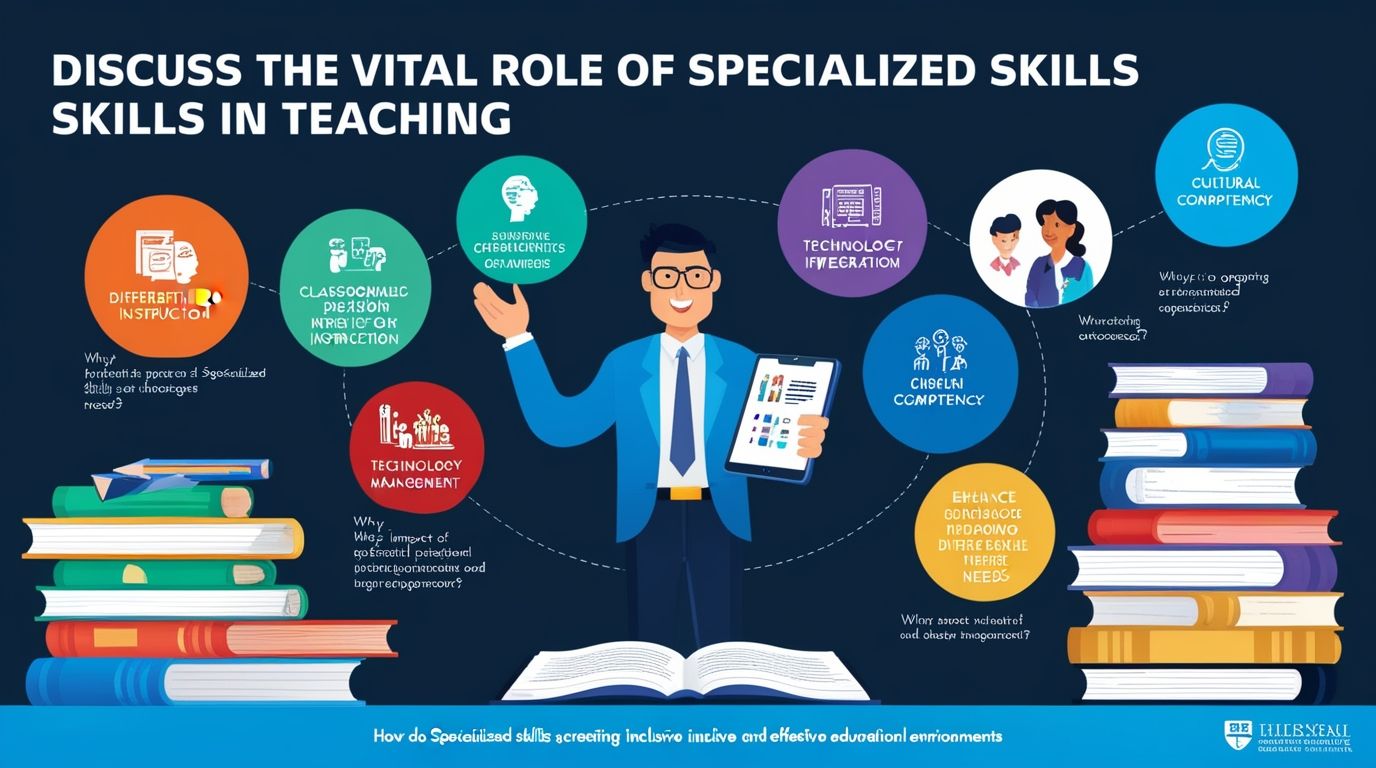
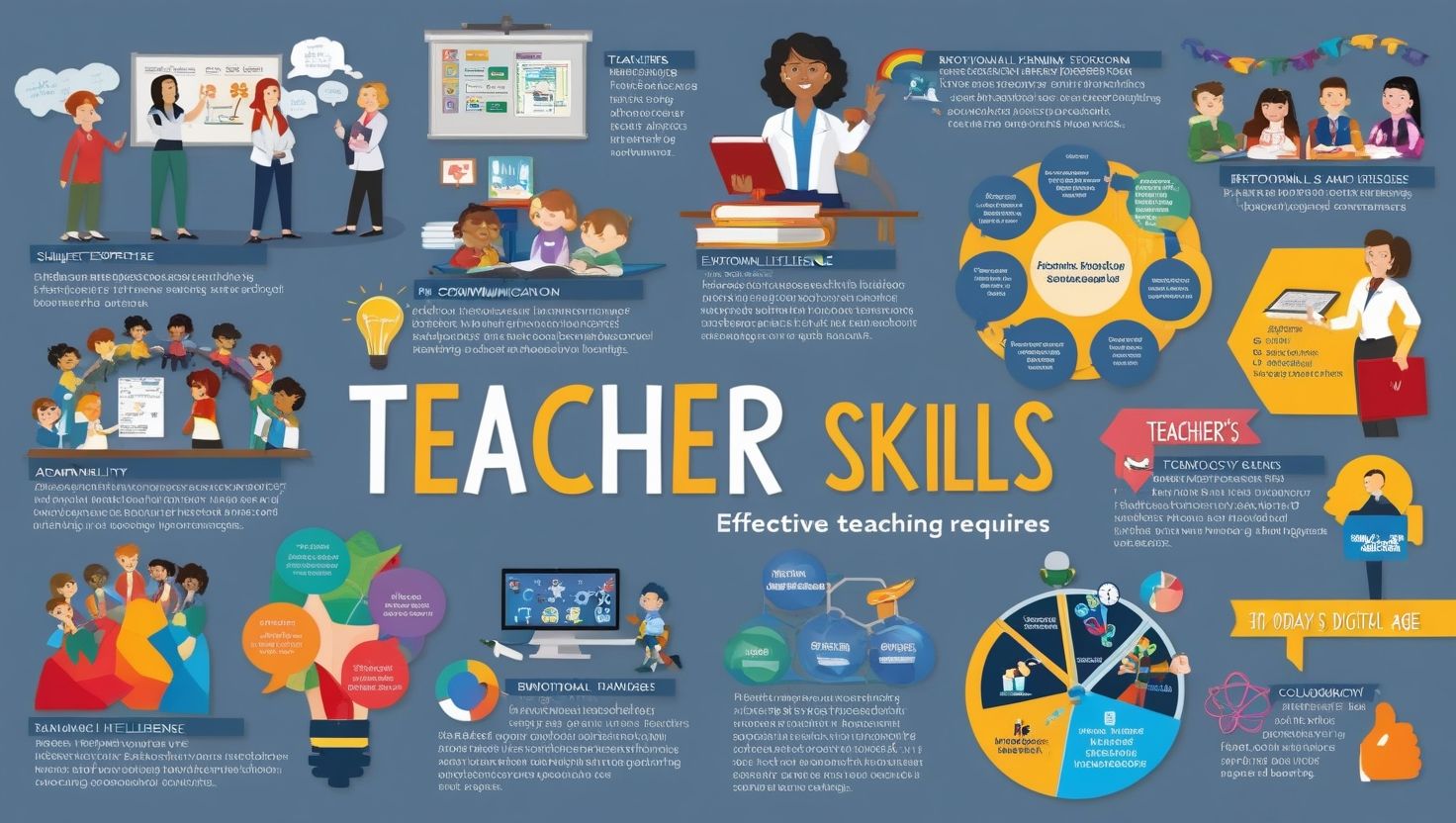
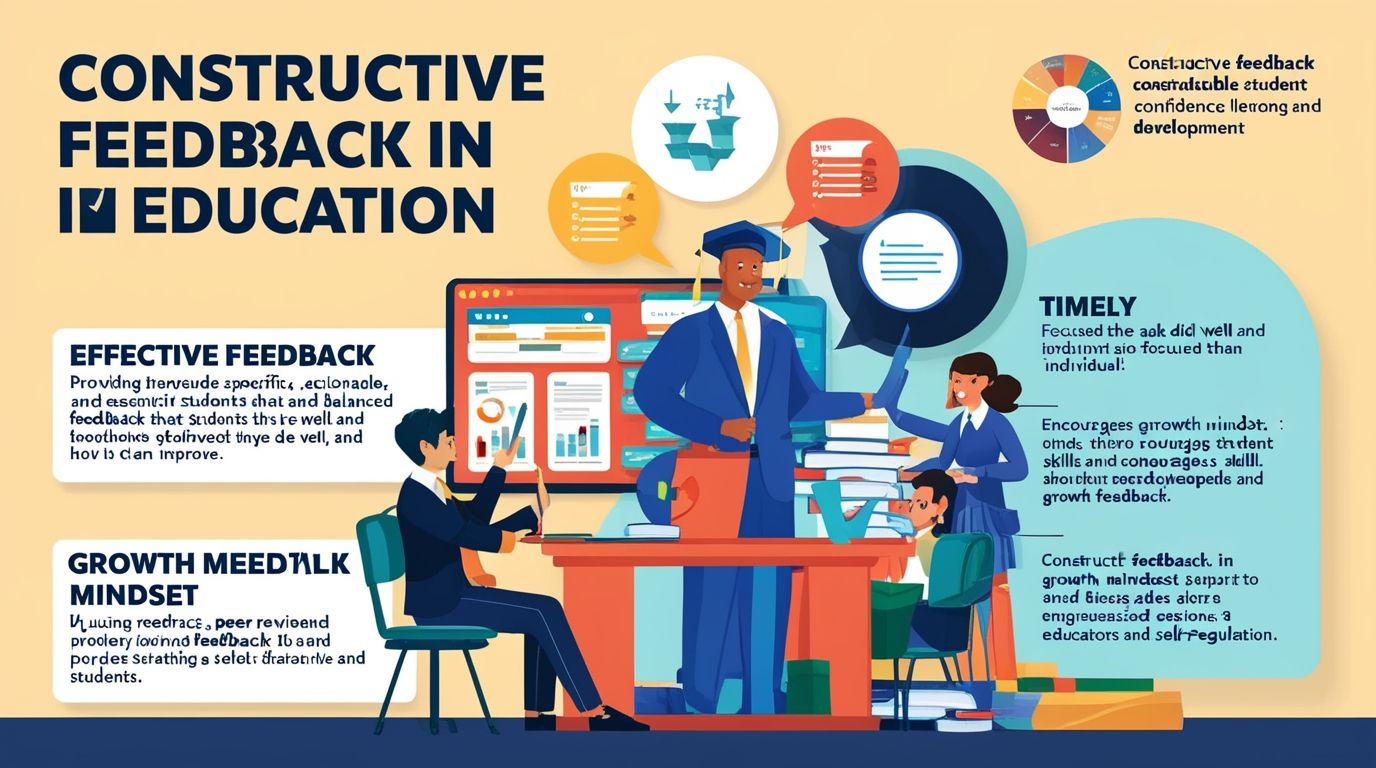
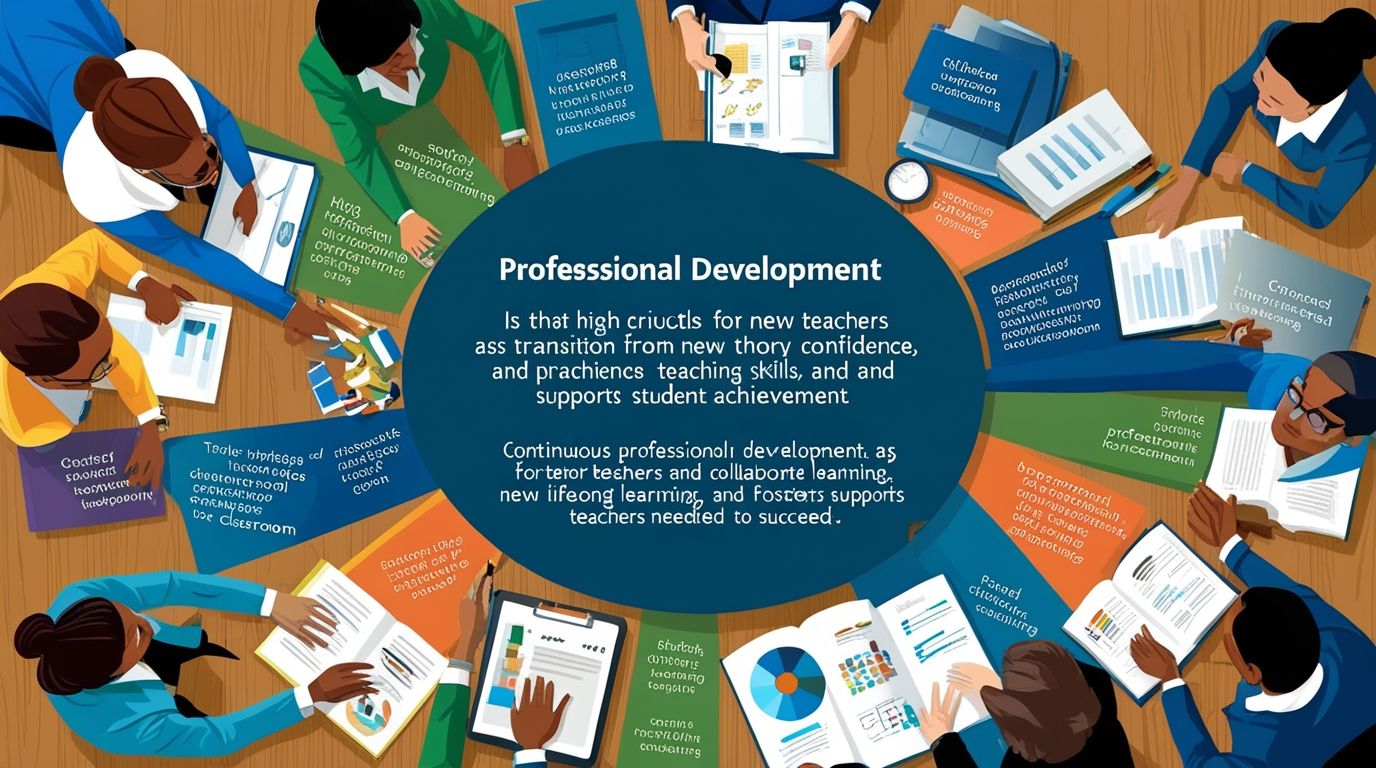
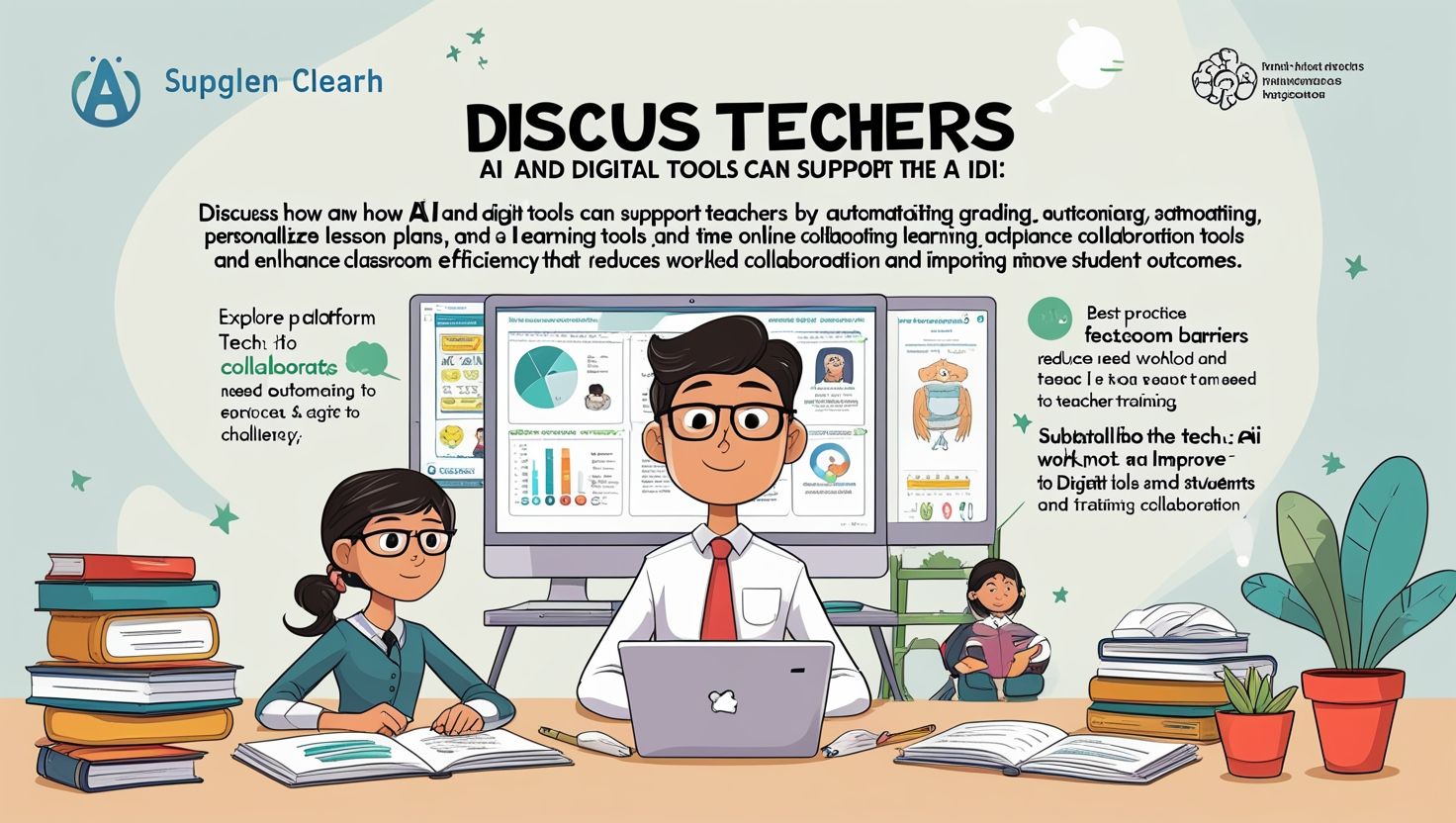
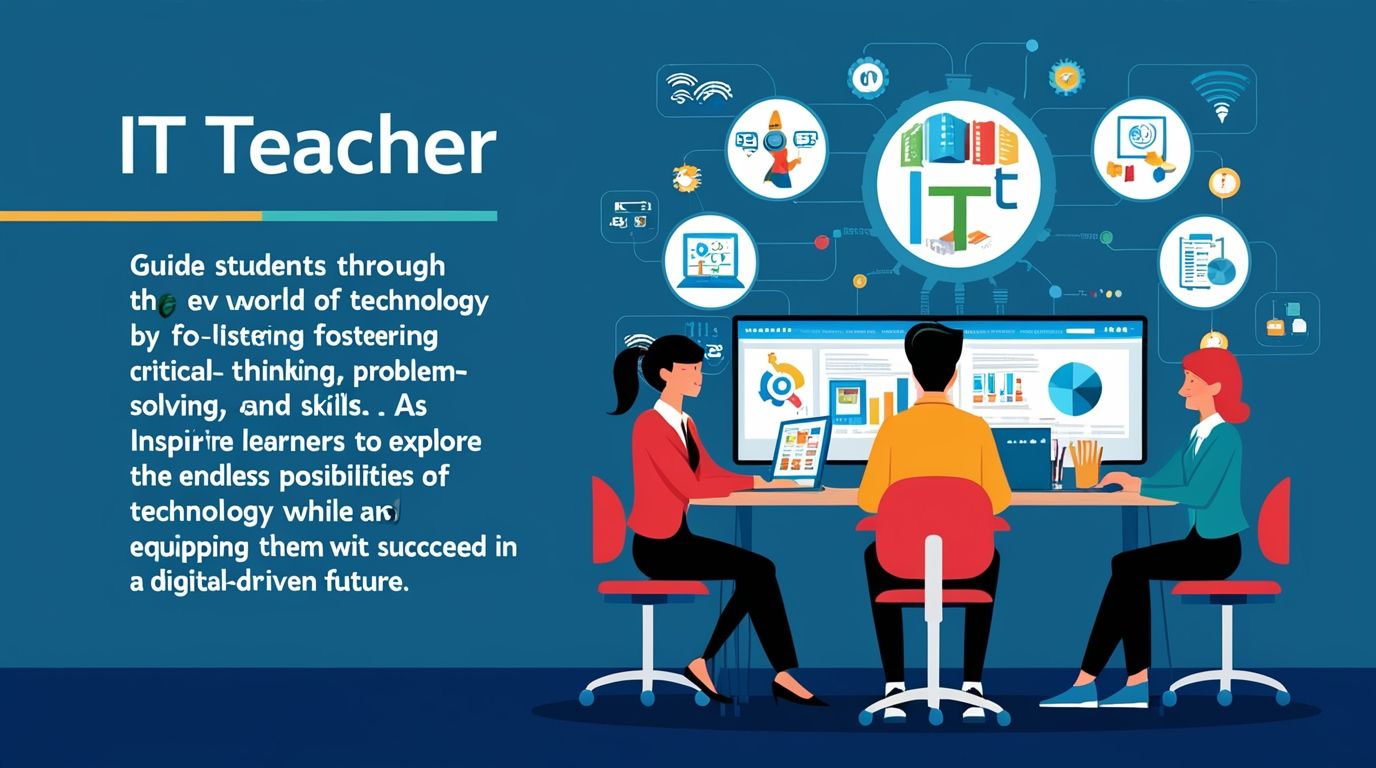
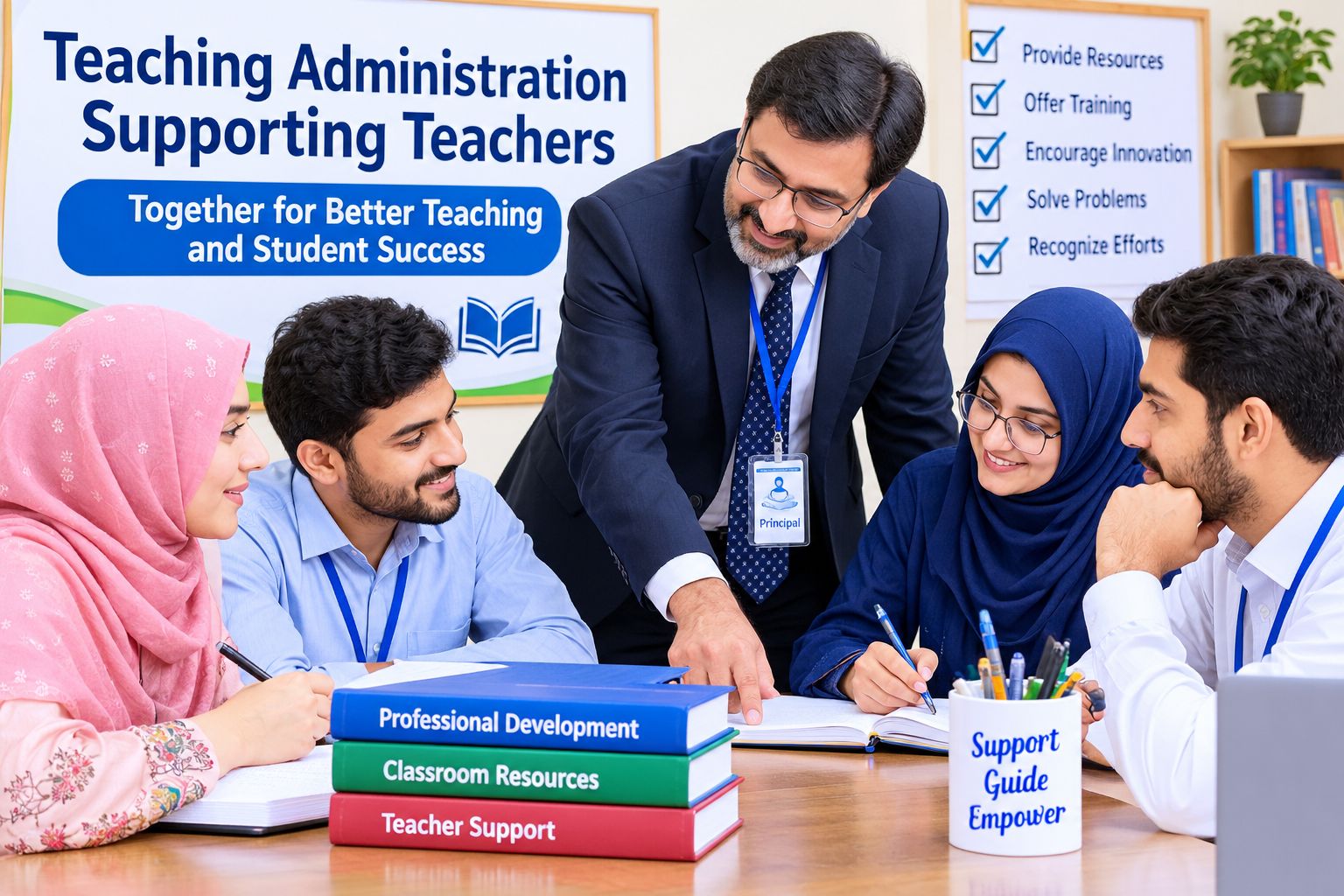
Teachers play a critical role in developing such classes. Their ability to use technology effectively influences the quality of instruction and student engagement. In a smart classroom, teachers must possess advanced computer skills to design interactive lessons, manage digital tools, and assess student performance. Professional development programs can help educators enhance their computer skills and stay updated with technological advancements. A smart classroom requires teachers to be facilitators of learning rather than just providers of information. By integrating computer skills into their teaching practices, educators can create engaging and meaningful learning experiences. These computer skills also enable teachers to provide personalized feedback and support to students. Ultimately, teacher competence in computer skills is essential for the successful implementation of a smart classroom.
Conclusion: Building Future-Ready Smart Classrooms
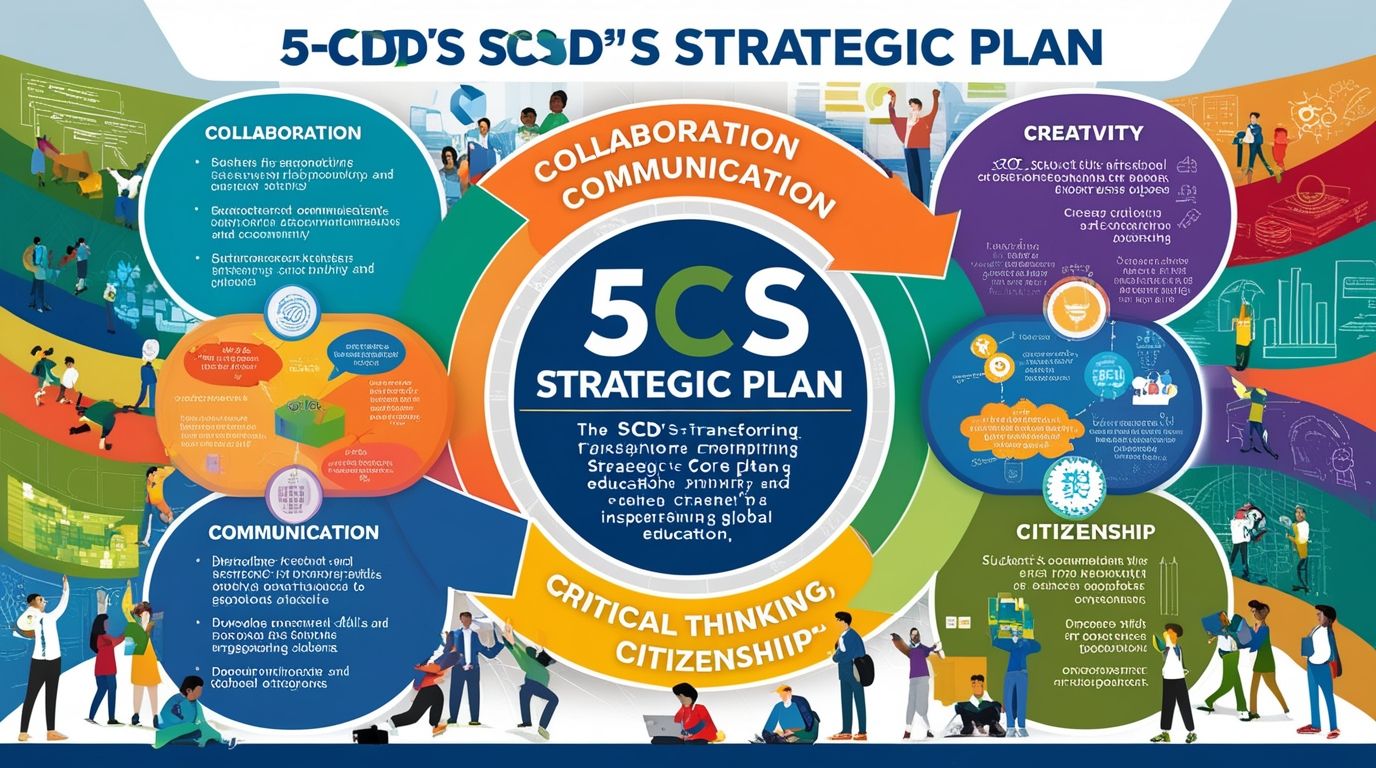
In conclusion, computer skills are the foundation of a smart classroom that prepares students for the demands of the modern world. From information literacy to adaptability, these skills enhance learning experiences and promote academic success. A smart classroom integrates computer skills into every aspect of teaching and learning, creating an environment that fosters creativity, collaboration, and critical thinking. Teachers and students must work together to develop these skills and embrace the opportunities provided by technology. By prioritizing computer skills, educational institutions can ensure that learners are equipped with the knowledge and abilities needed for future challenges. A smart classroom is not just about using technology; it is about transforming education through effective use of computer skills. This approach ensures that learning remains relevant, engaging, and impactful in a rapidly evolving digital landscape.