Introduction:
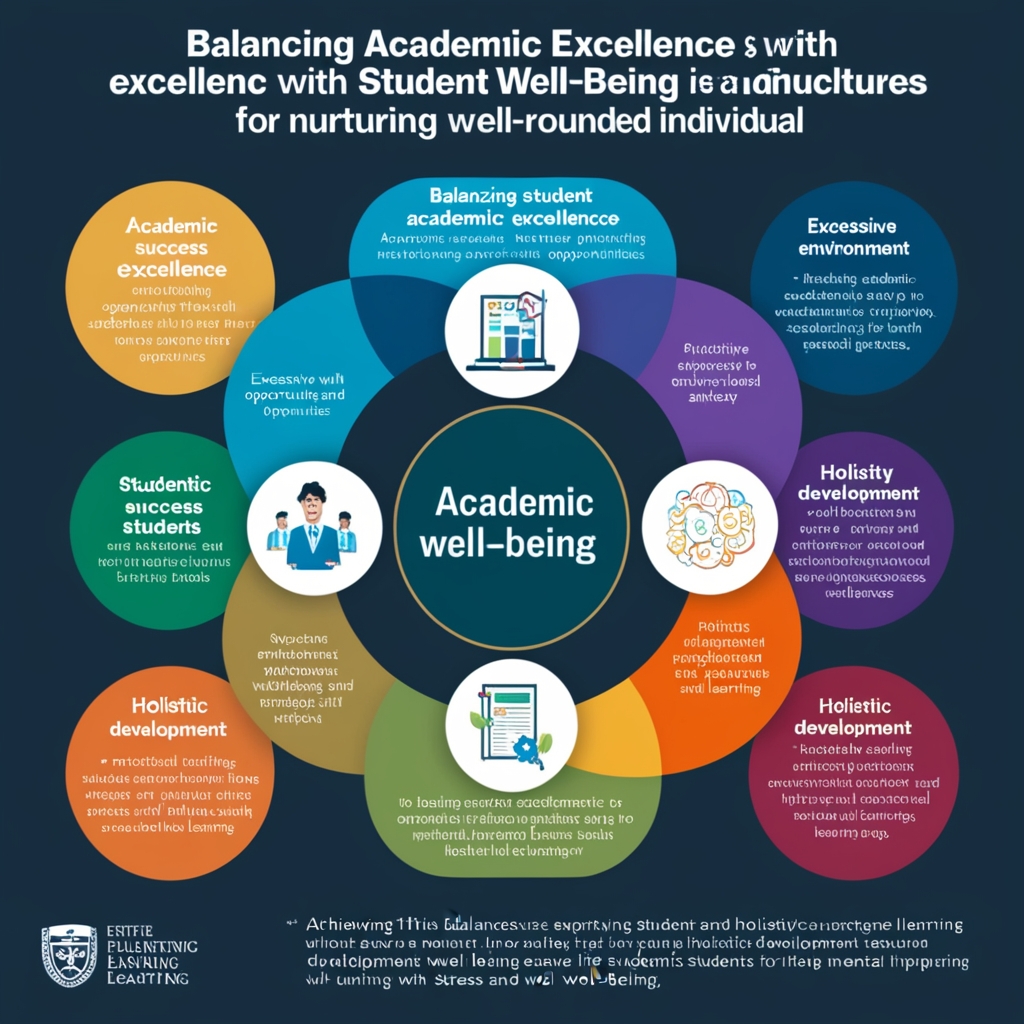
Conceptualizing School Regulations and Learning Horizons, School Regulations and Learning Horizons represent two foundational constructs in contemporary educational discourse, reflecting the interplay between institutional control and intellectual expansion. Regulations establish the formal structures that govern behavior, academic standards, and operational procedures within schools, while learning horizons refer to the breadth and depth of students’ cognitive, social, and creative development. The alignment of School Regulations and Learning Horizons is essential for cultivating environments that are both orderly and innovative. Without regulation, learning may lack coherence; without expanded horizons, it risks stagnation. This article examines how educational systems can harmonize these dimensions to foster disciplined yet exploratory learning cultures. The concept of School Regulations and Learning Horizons thus emerges as a critical lens for analyzing both policy frameworks and pedagogical practices in modern education.
Theoretical Foundations of Regulatory Frameworks in Education
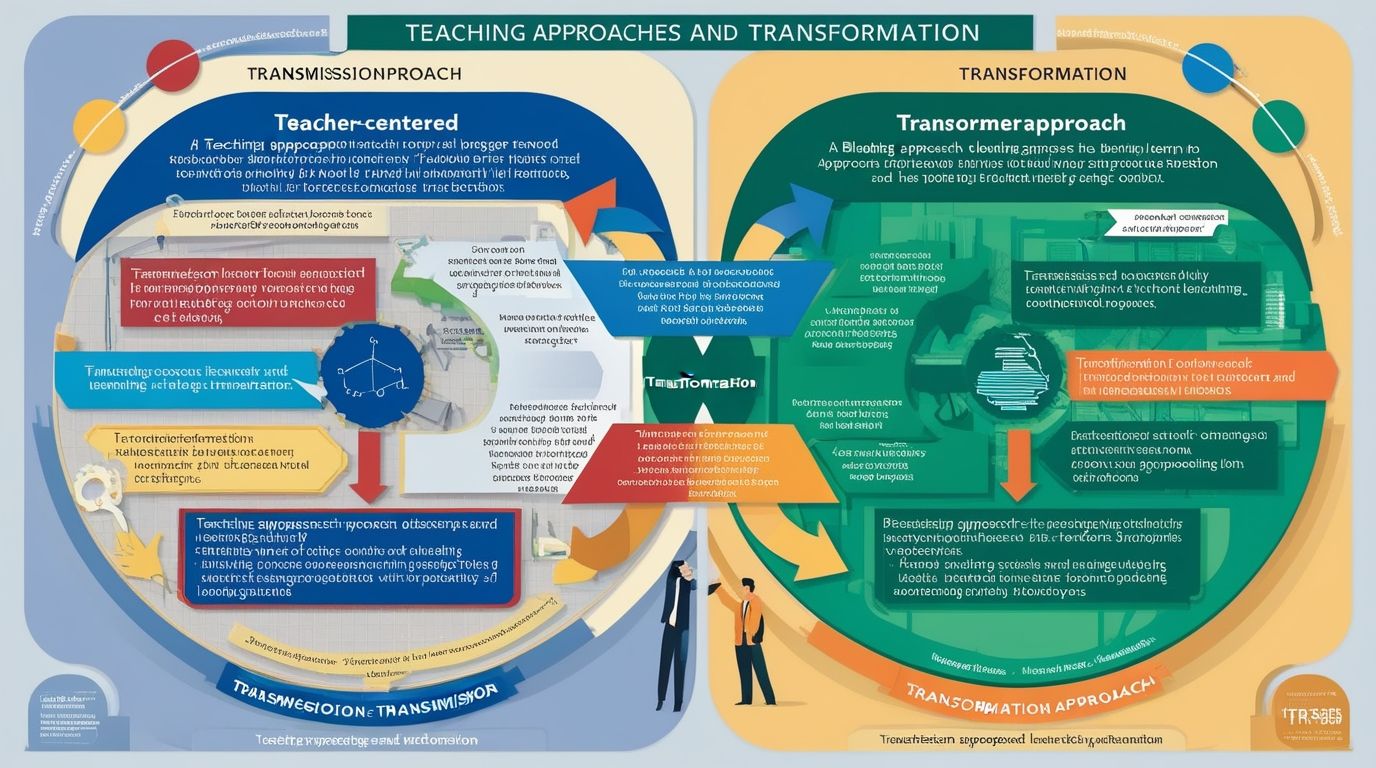
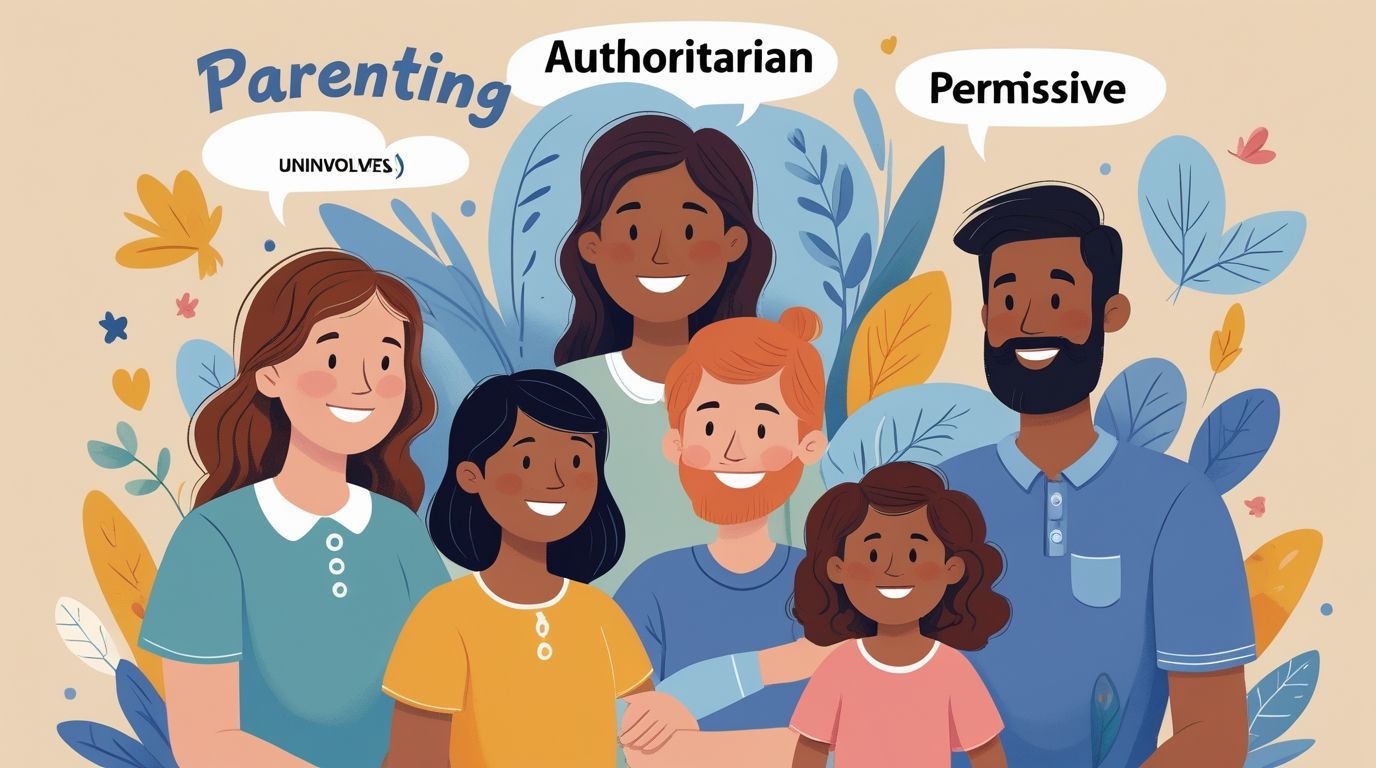
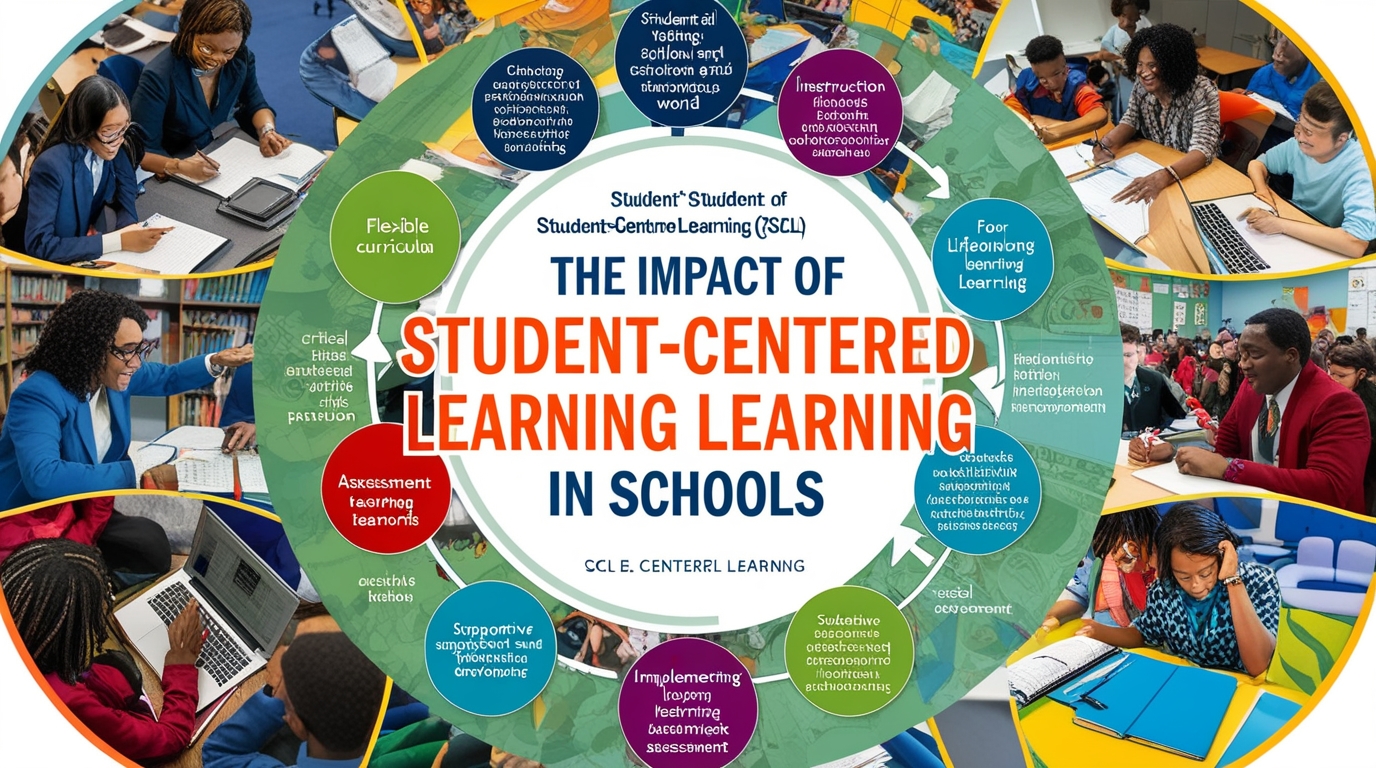
School Regulations and Learning Horizons are grounded in educational theories that emphasize structure and agency. Functionalist perspectives view regulations as necessary for maintaining stability and transmitting societal values, whereas constructivist theories highlight the importance of expanding learning horizons through active engagement and inquiry. The integration of School Regulations and Learning Horizons requires reconciling these perspectives, ensuring that rules do not suppress learner autonomy. Regulatory frameworks must therefore be designed with flexibility, allowing adaptation to diverse learning contexts. Scholars argue that when School Regulations and Learning Horizons are theoretically aligned, they support both compliance and creativity. This balance reflects a shift from authoritarian models of schooling toward more participatory and learner-centered approaches, where rules serve as enablers rather than constraints.
Historical Evolution of School Regulations and Learning Horizons
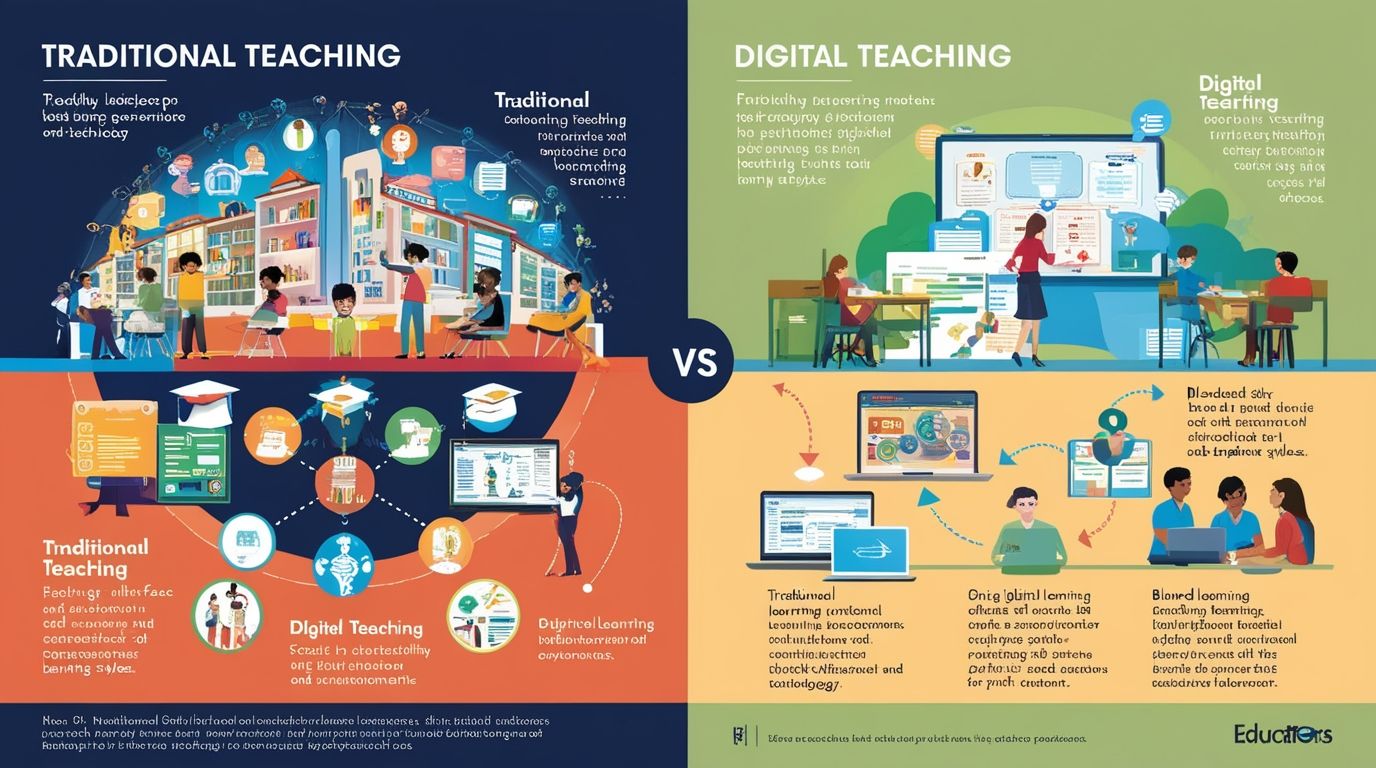
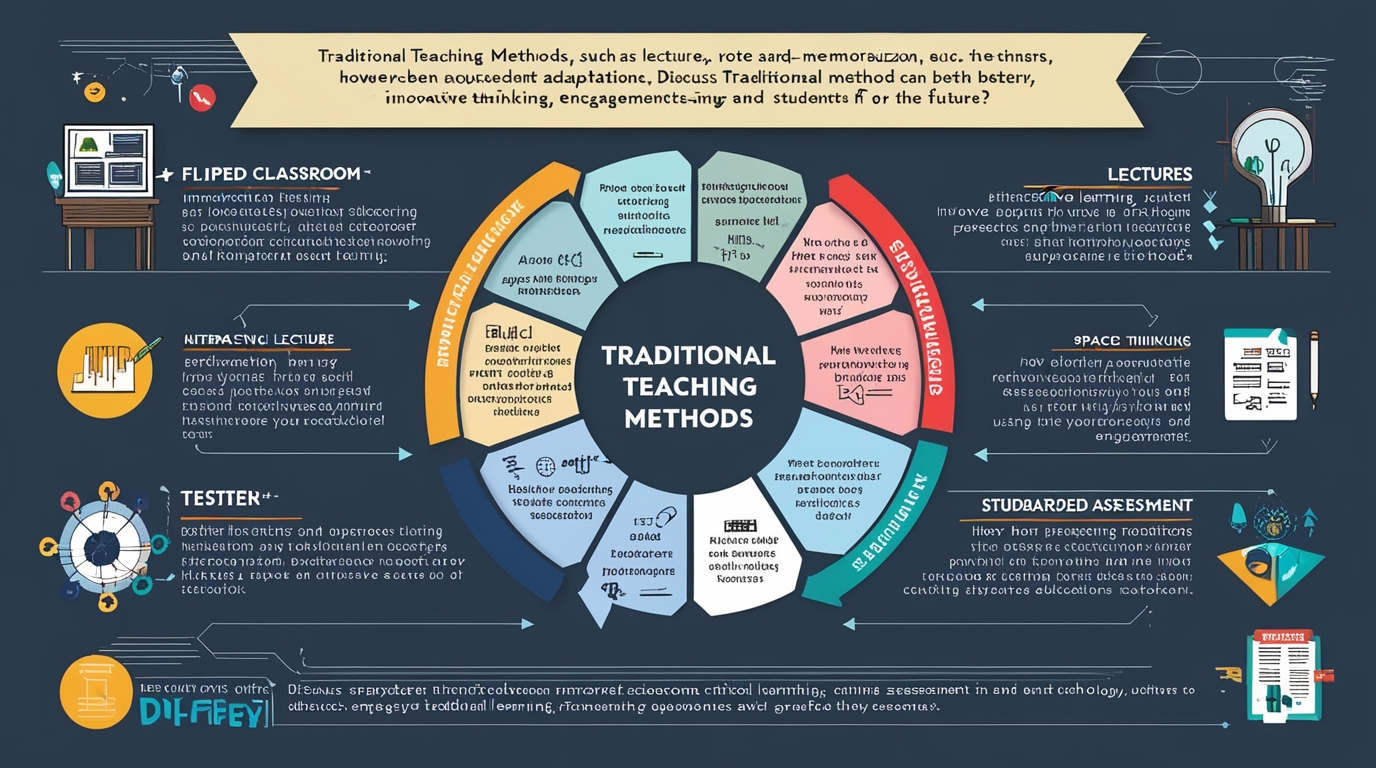
The relationship between School Regulations and Learning Horizons has evolved significantly over time. Traditional education systems emphasized strict discipline, standardized curricula, and hierarchical authority, often limiting the scope of learning horizons. Industrial-era schooling prioritized uniformity and efficiency, reinforcing rigid regulatory frameworks. However, progressive education movements introduced the idea that learning should be experiential and student-centered, thereby expanding learning horizons. Contemporary reforms continue to redefine School Regulations and Learning Horizons by incorporating flexibility, inclusivity, and innovation. Historical analysis reveals that the tension between control and creativity has been a persistent theme in education. Understanding this evolution helps educators design policies that respect the necessity of regulation while promoting broader intellectual and social development.
Policy Design and Institutional Governance
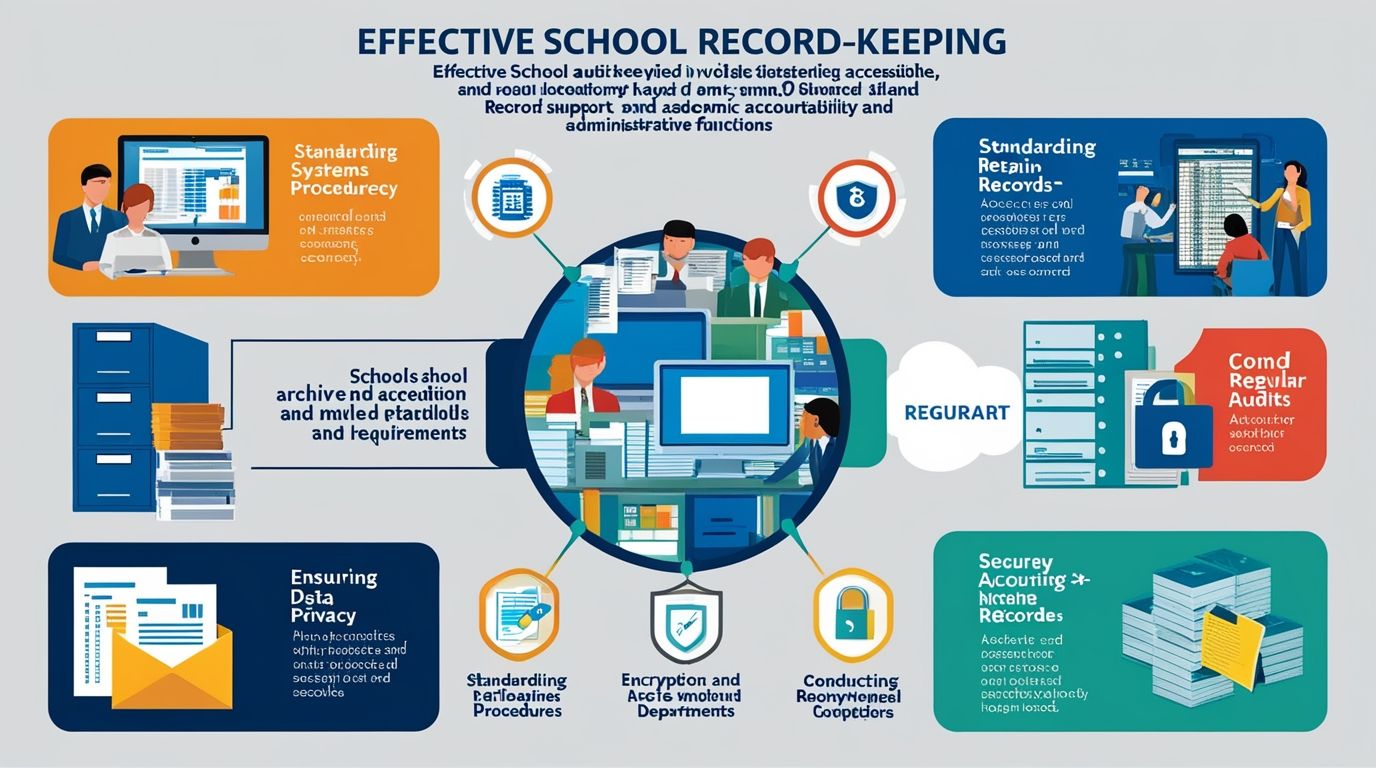
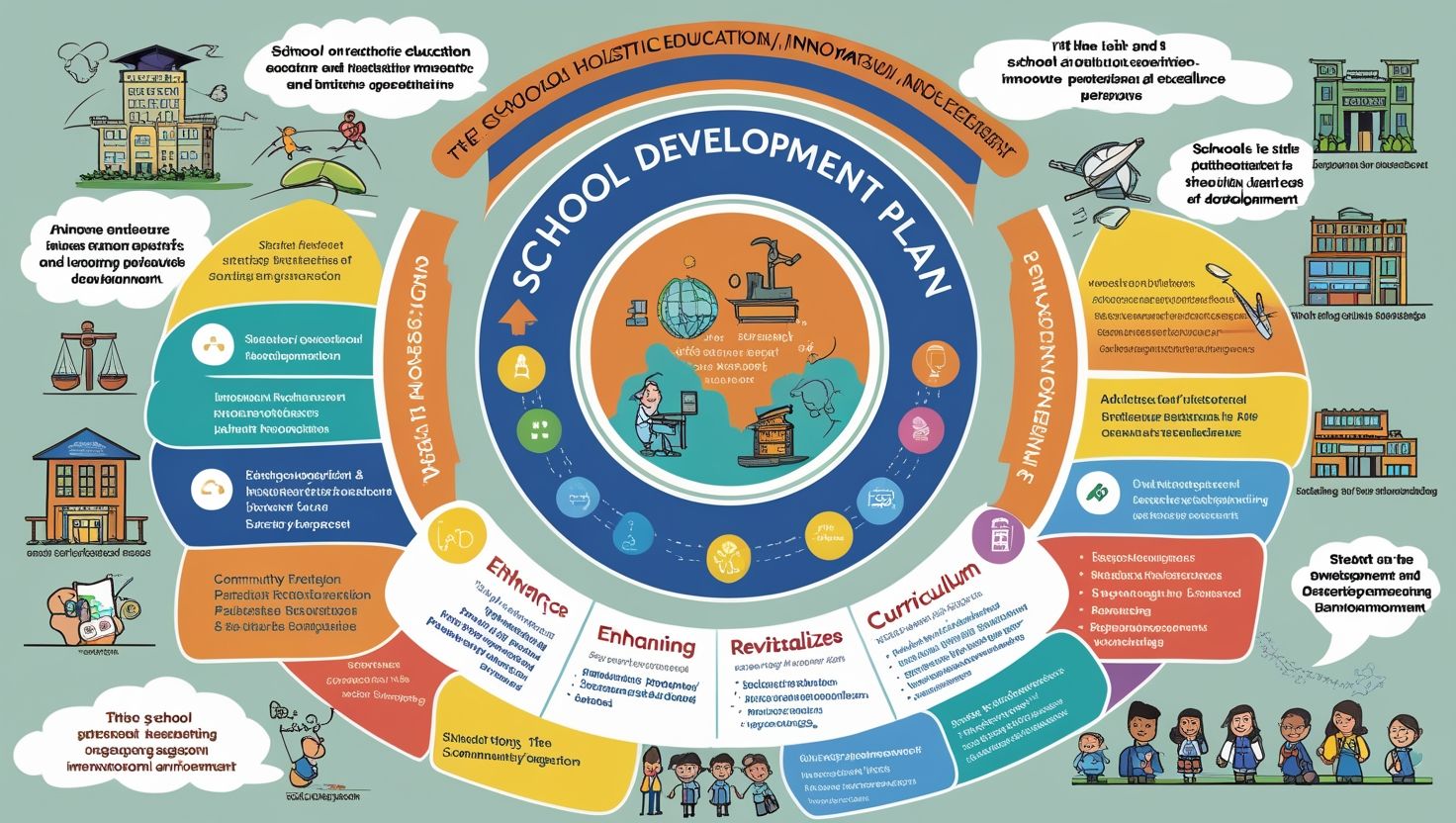
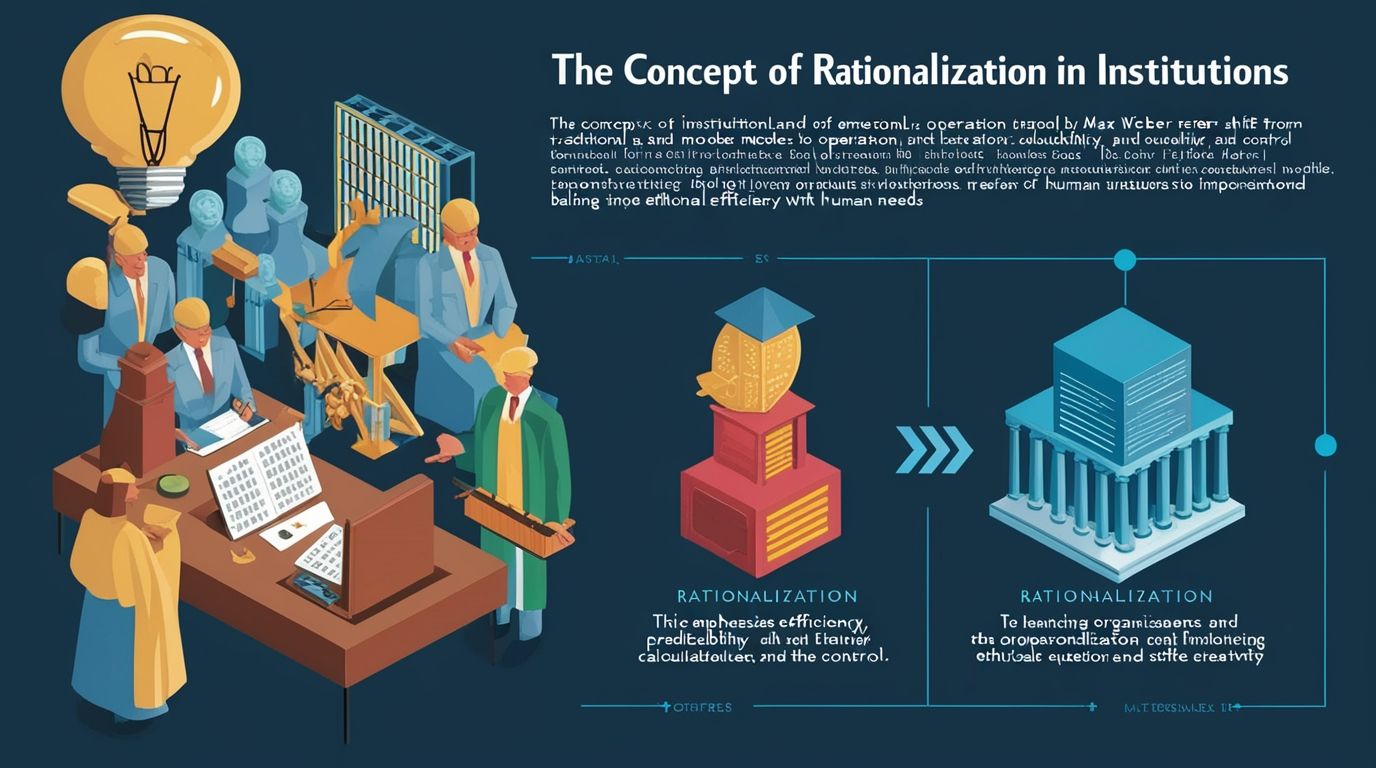
Effective policy design is central to aligning School Regulations and Learning Horizons within educational institutions. Policies must articulate clear expectations while allowing space for pedagogical innovation. Governance structures play a crucial role in ensuring that School Regulations and Learning Horizons are implemented consistently and equitably. Decision-making processes should involve multiple stakeholders, including educators, students, and parents, to ensure that regulations are contextually relevant. Transparent communication of policies enhances trust and compliance, while periodic review ensures adaptability. When School Regulations and Learning Horizons are embedded in governance frameworks, they contribute to institutional coherence and educational quality. Policymakers must therefore adopt evidence-based approaches to create regulations that support, rather than hinder, the expansion of learning opportunities.
Curriculum Development and Learning Expansion
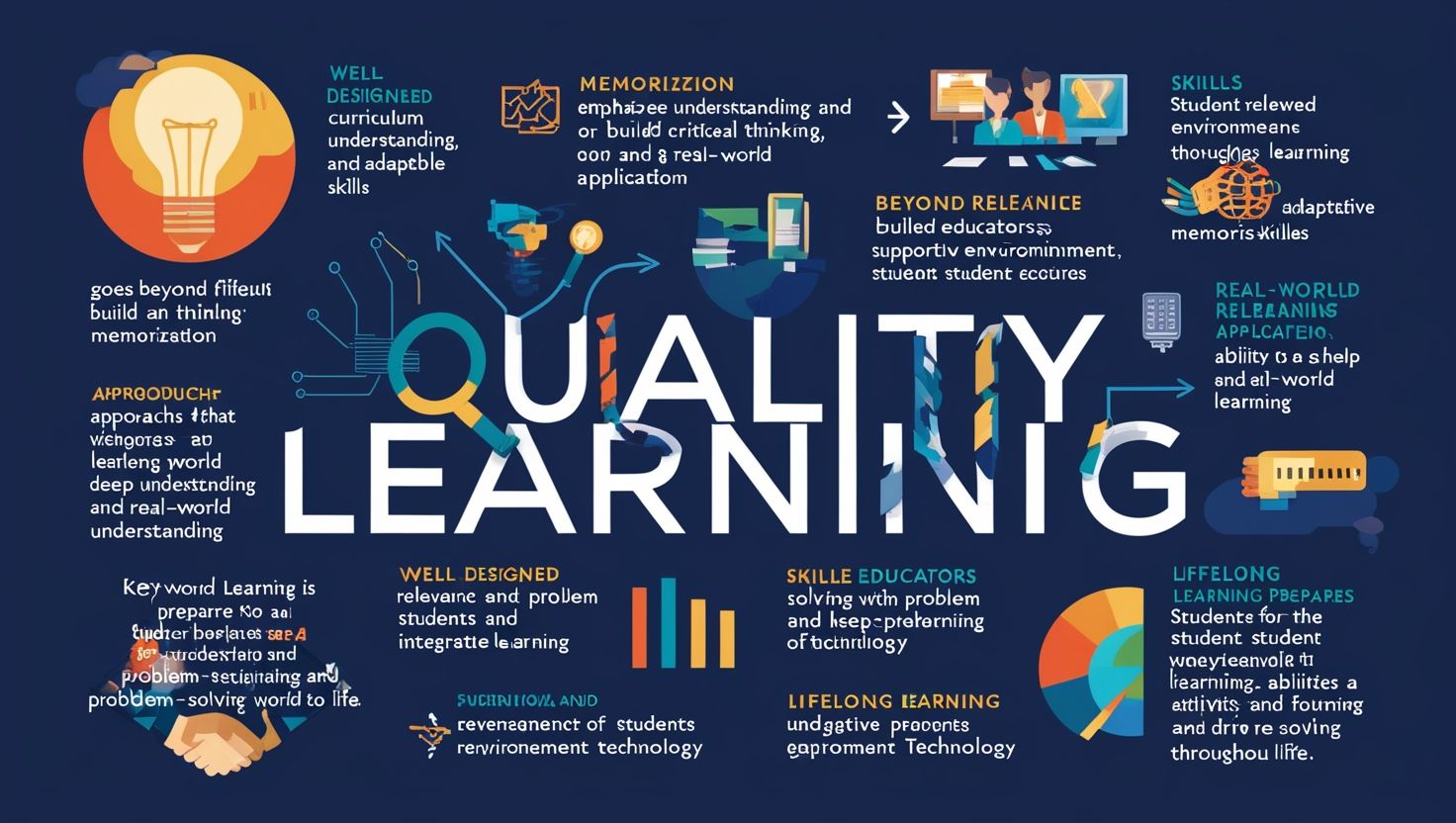
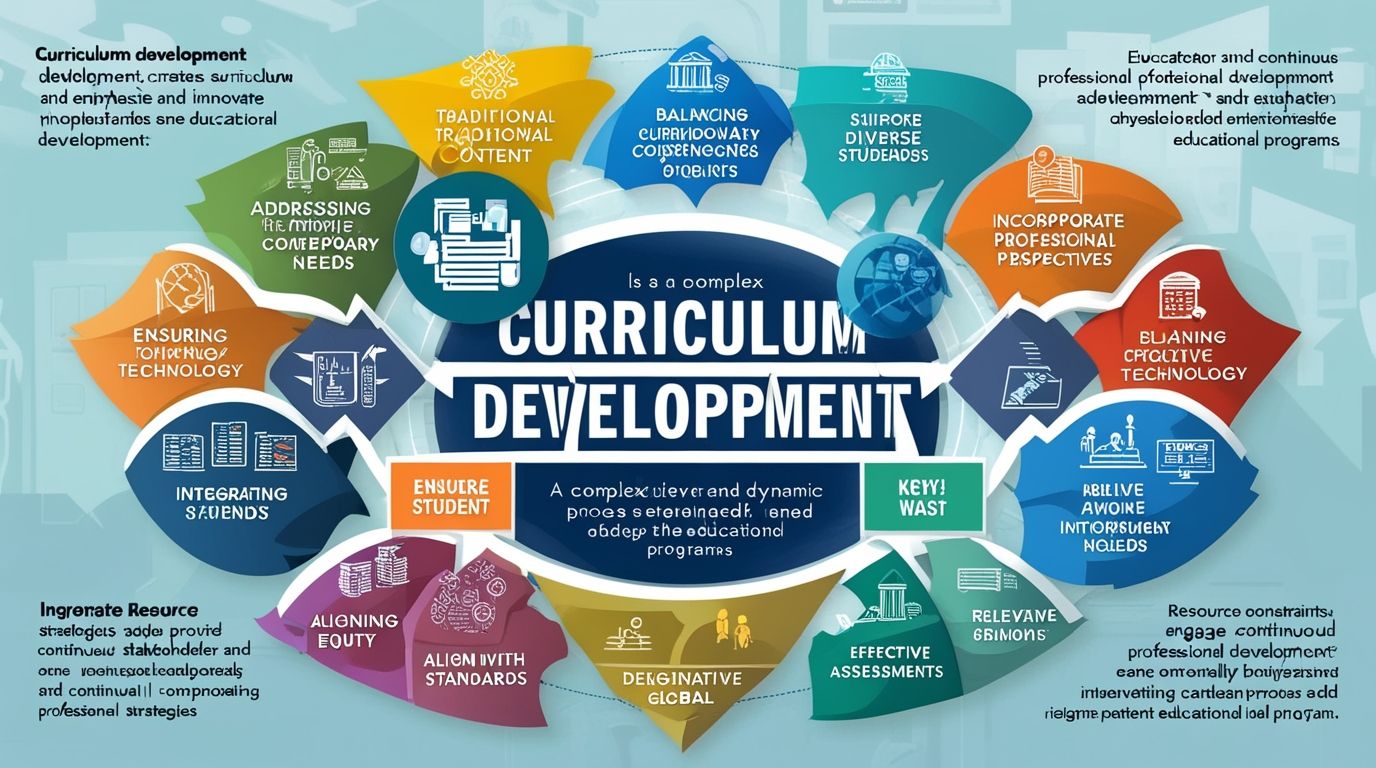
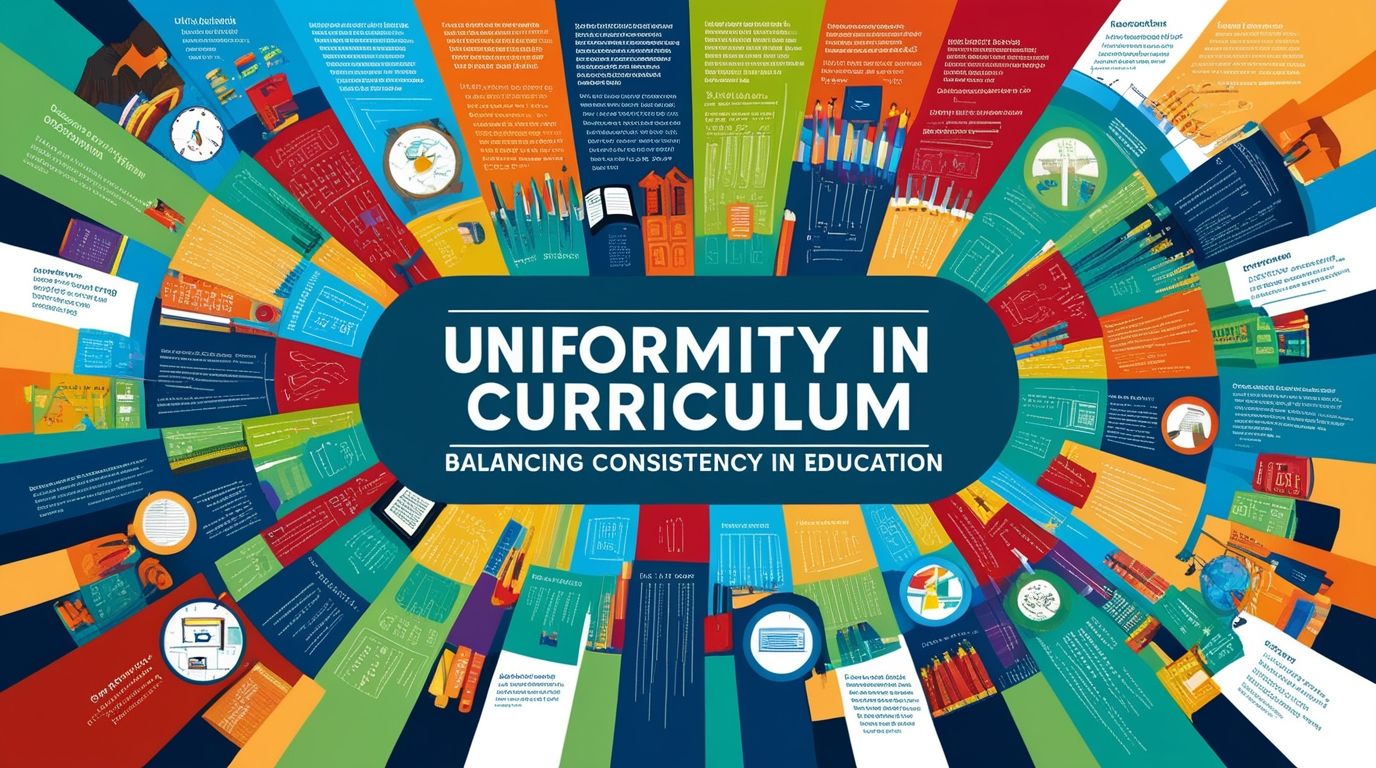
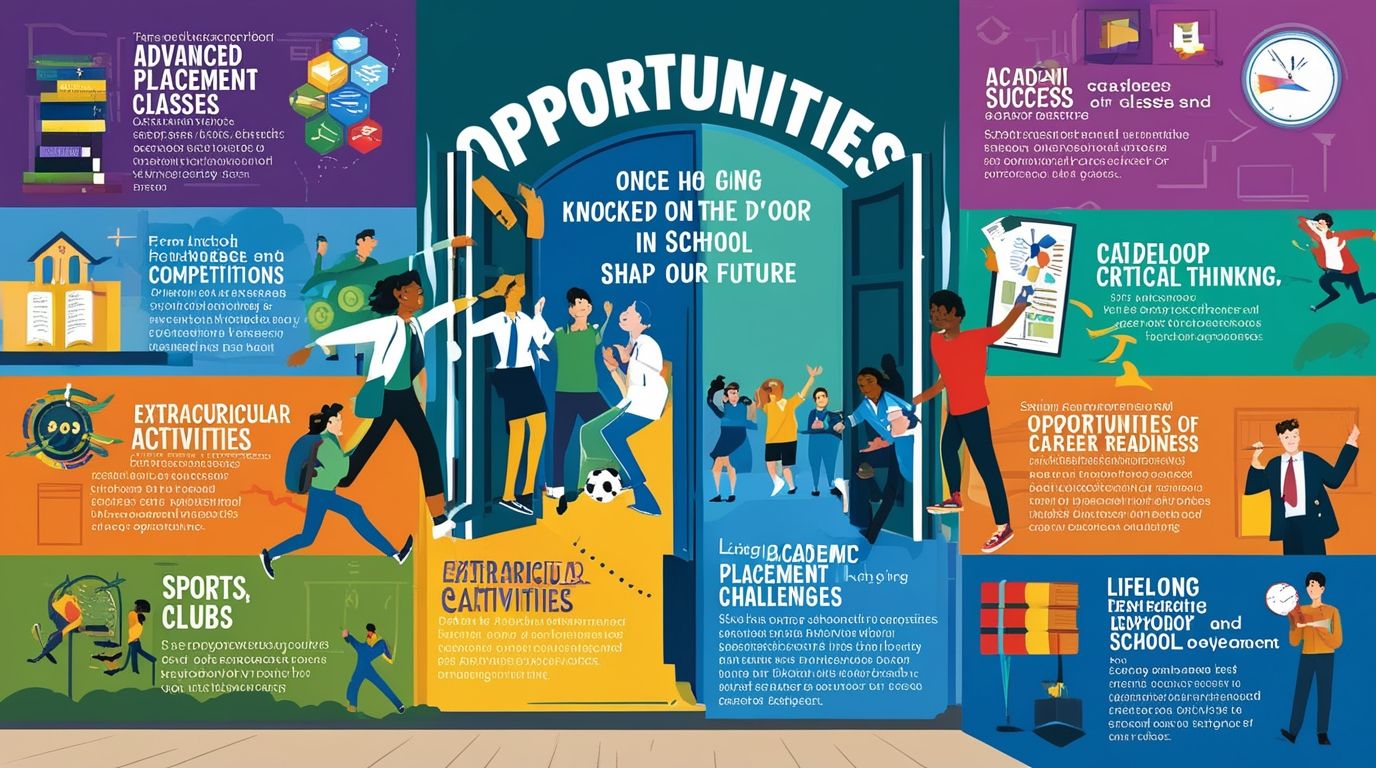
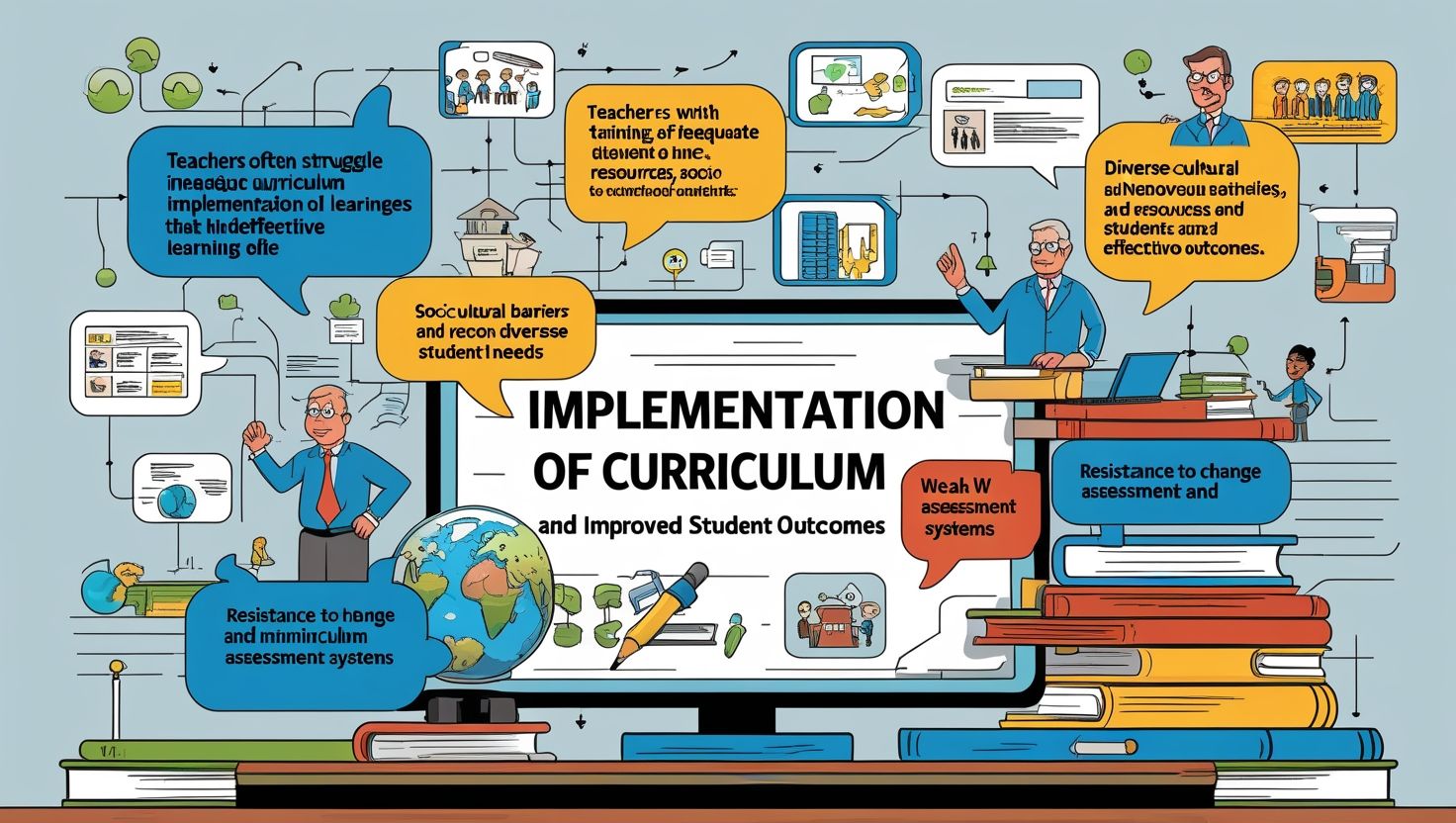
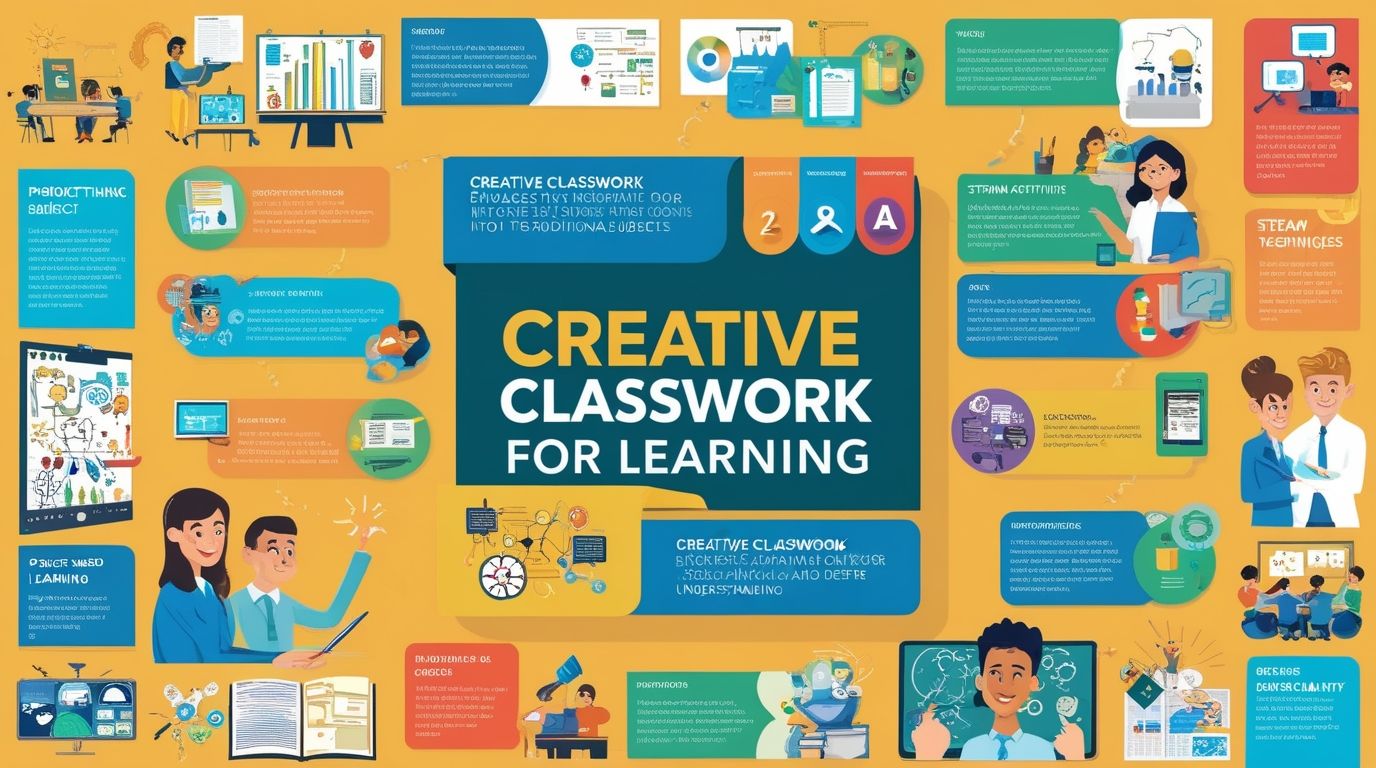
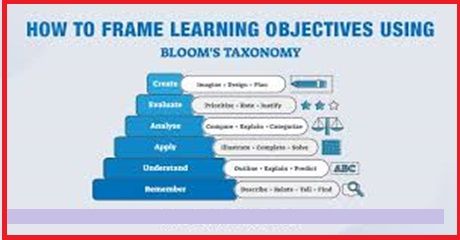
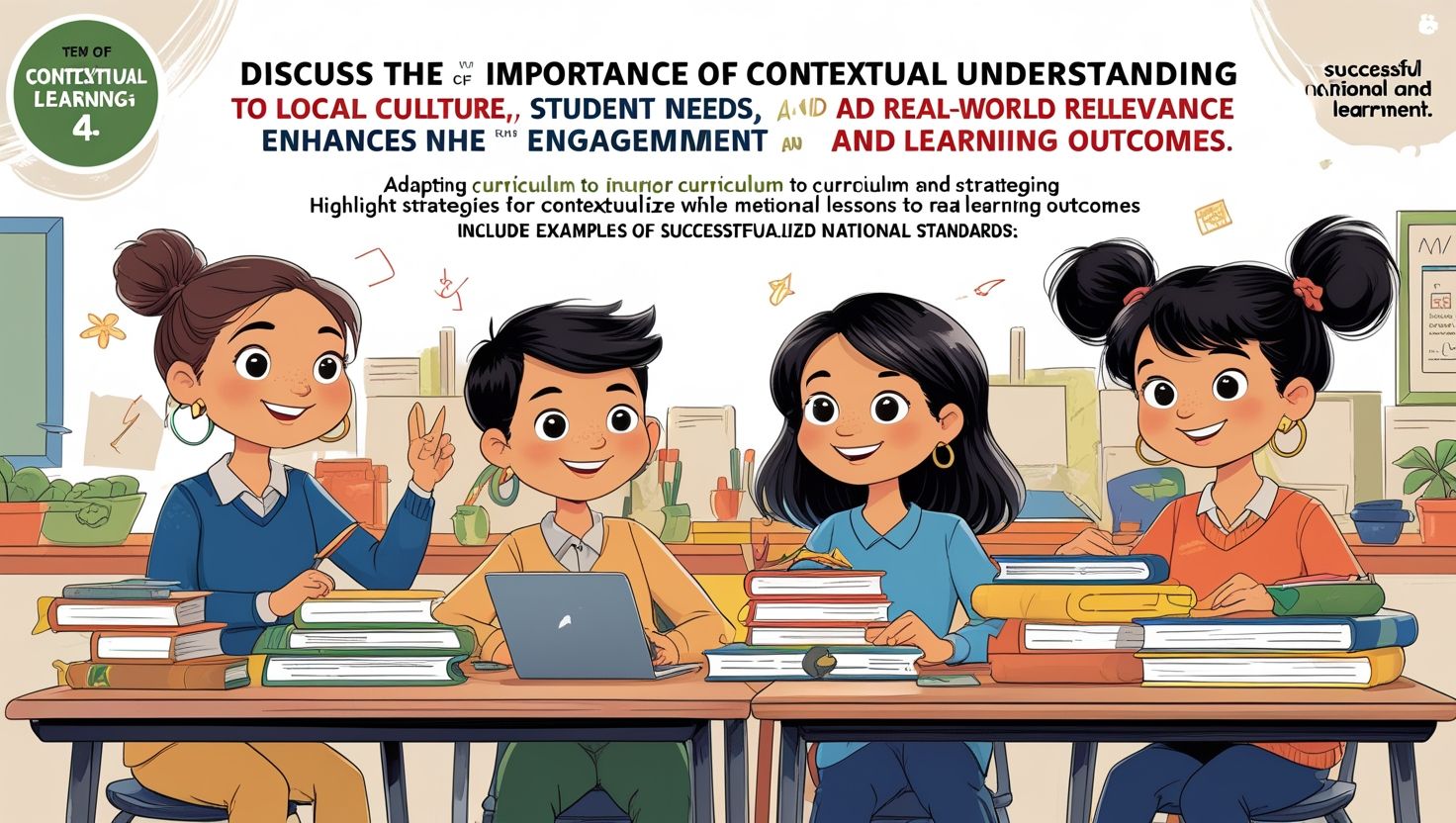
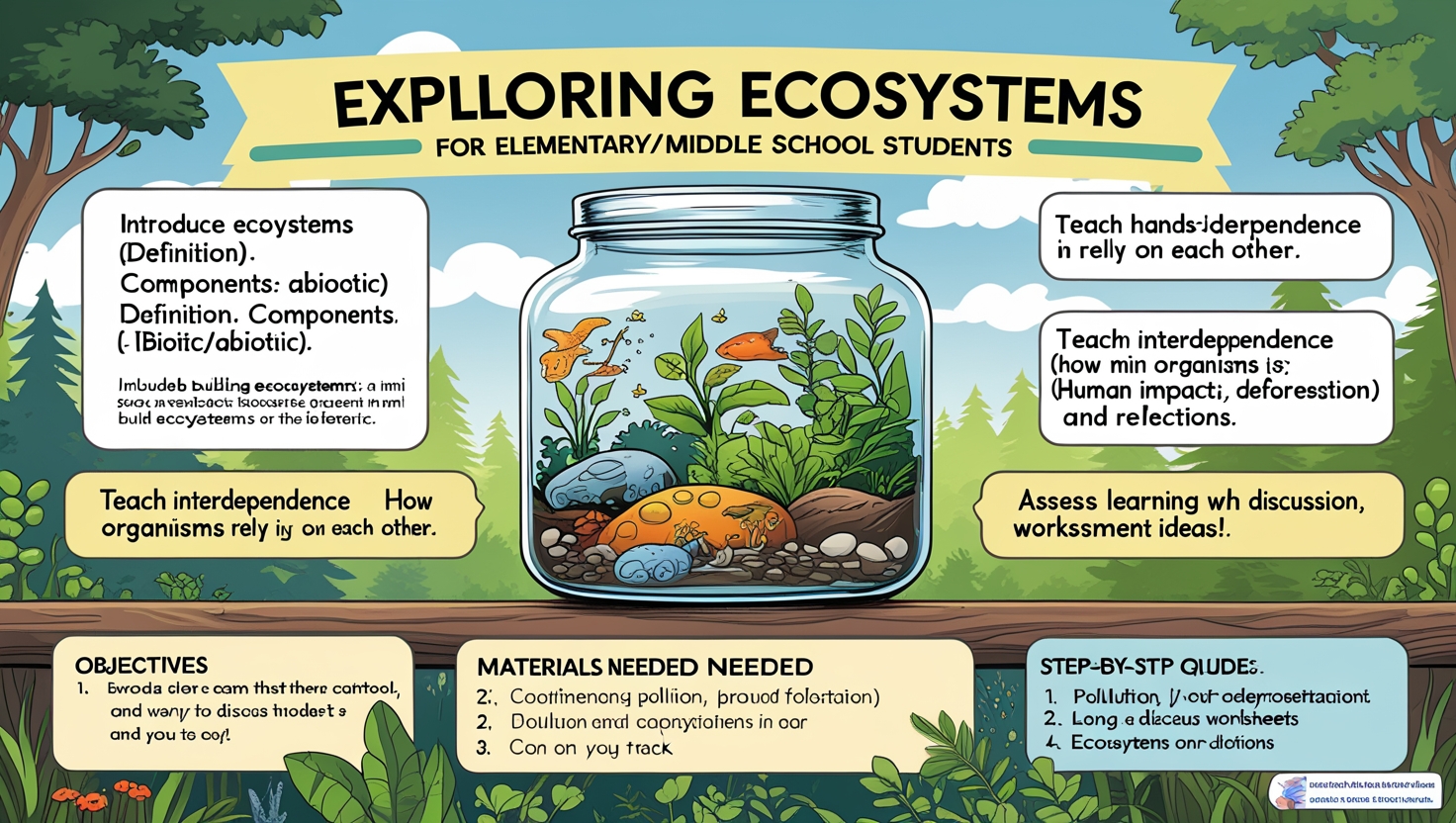
Curriculum design is a key domain where School Regulations and Learning Horizons intersect. Regulatory standards define learning objectives, content, and assessment criteria, ensuring consistency across educational systems. At the same time, learning horizons are expanded through interdisciplinary approaches, project-based learning, and real-world applications. The challenge lies in integrating School Regulations and Learning Horizons بحيث the curriculum remains both structured and dynamic. Educators must balance prescribed content with opportunities for exploration and critical thinking. Innovative curricula incorporate flexibility within regulatory frameworks, allowing adaptation to diverse learner needs. When effectively aligned, School Regulations and Learning Horizons enable curricula that are rigorous, relevant, and responsive to the demands of the twenty-first century.
Pedagogical Practices and Classroom Dynamics
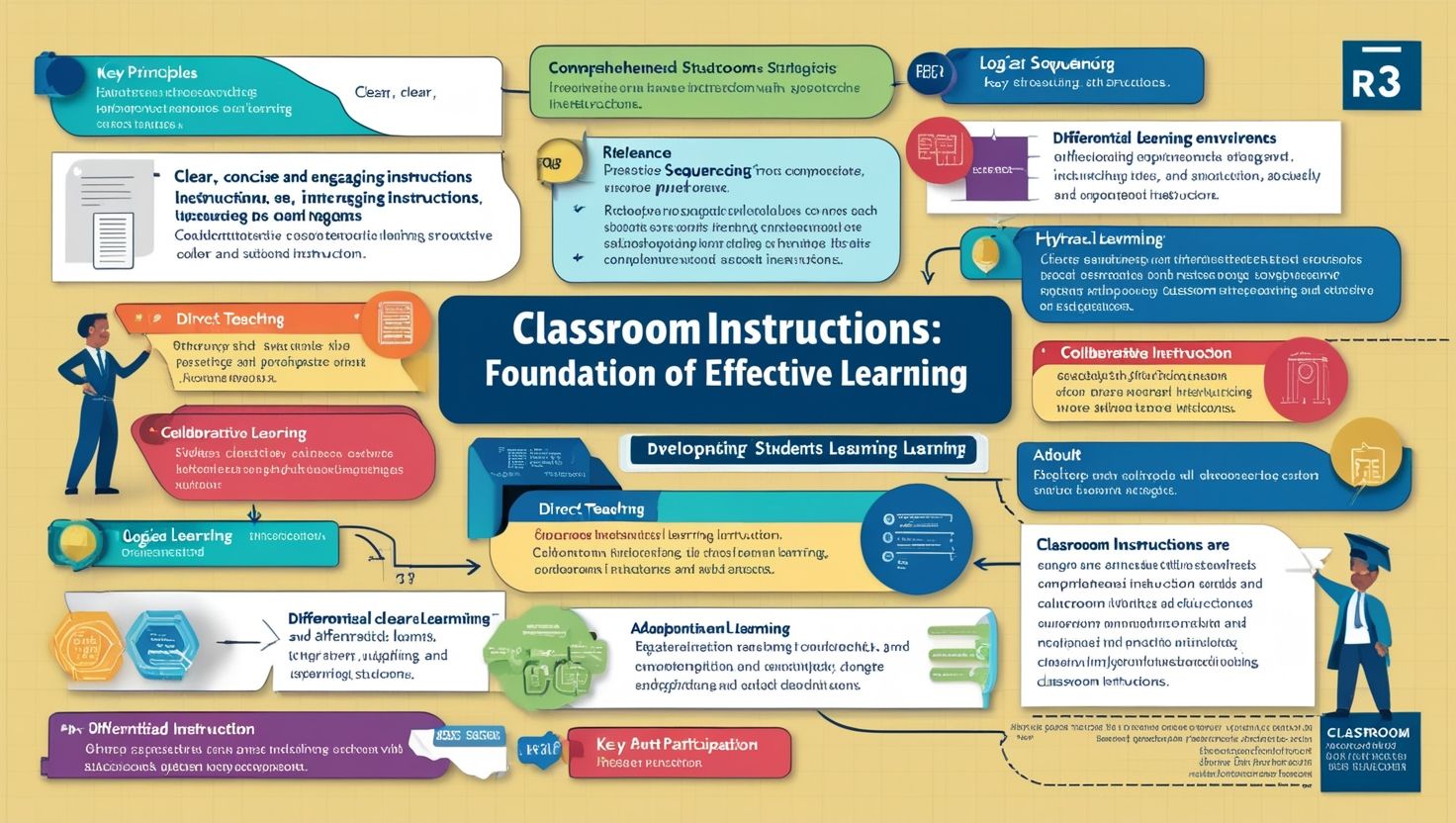
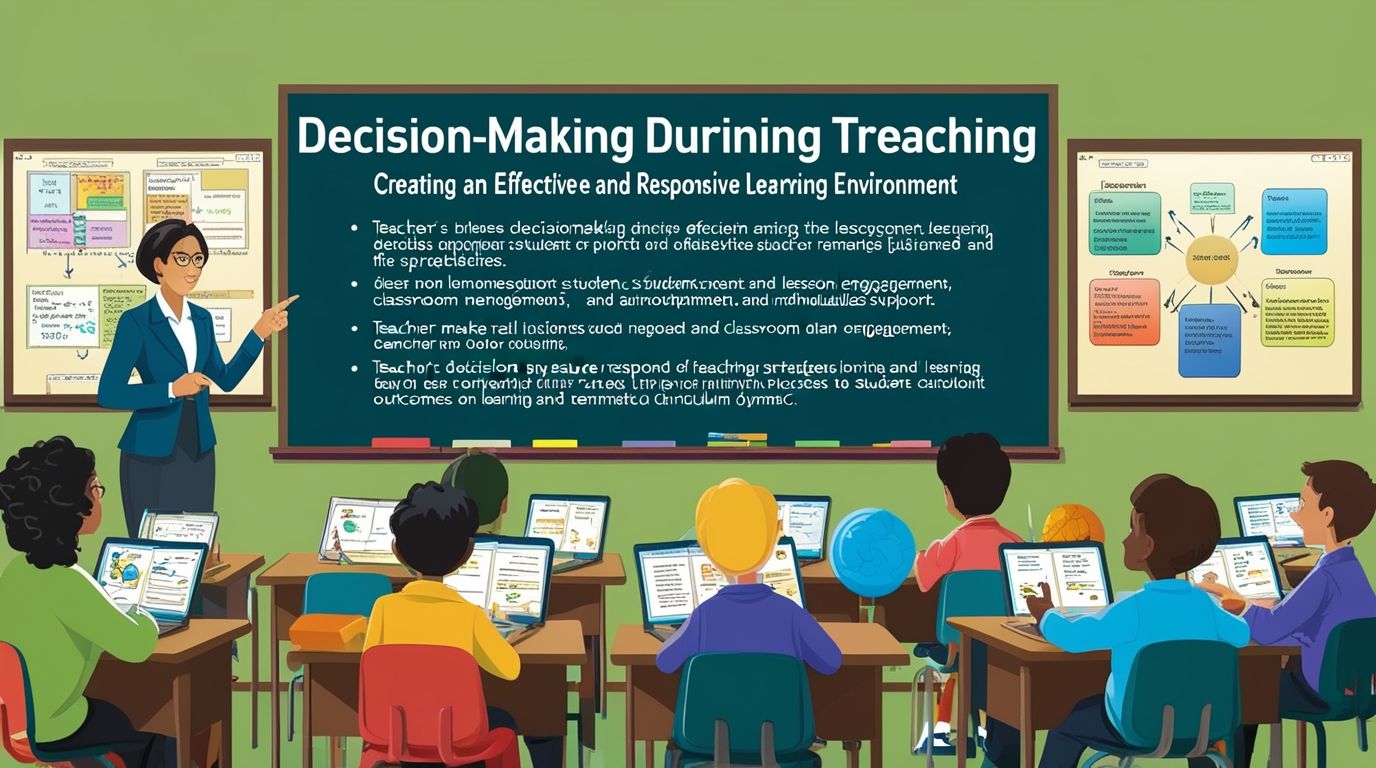
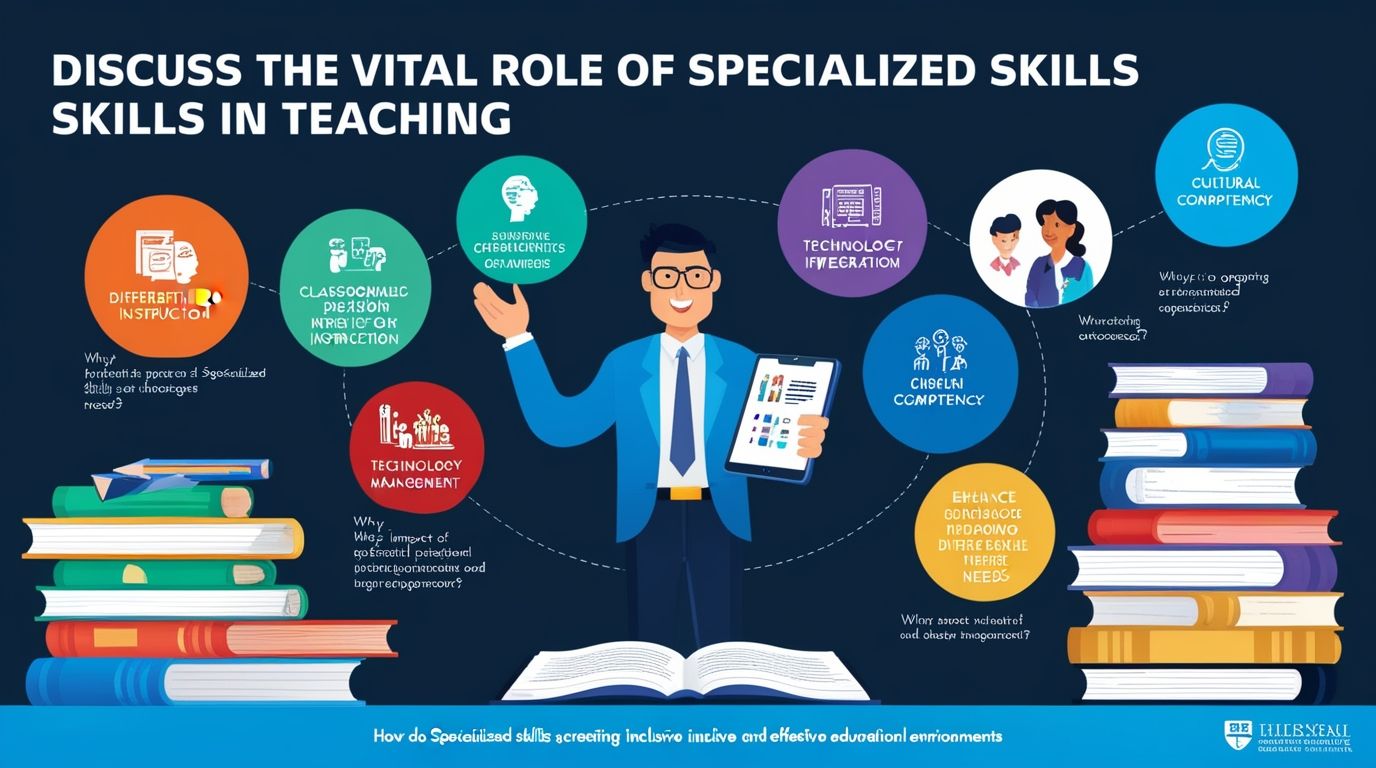
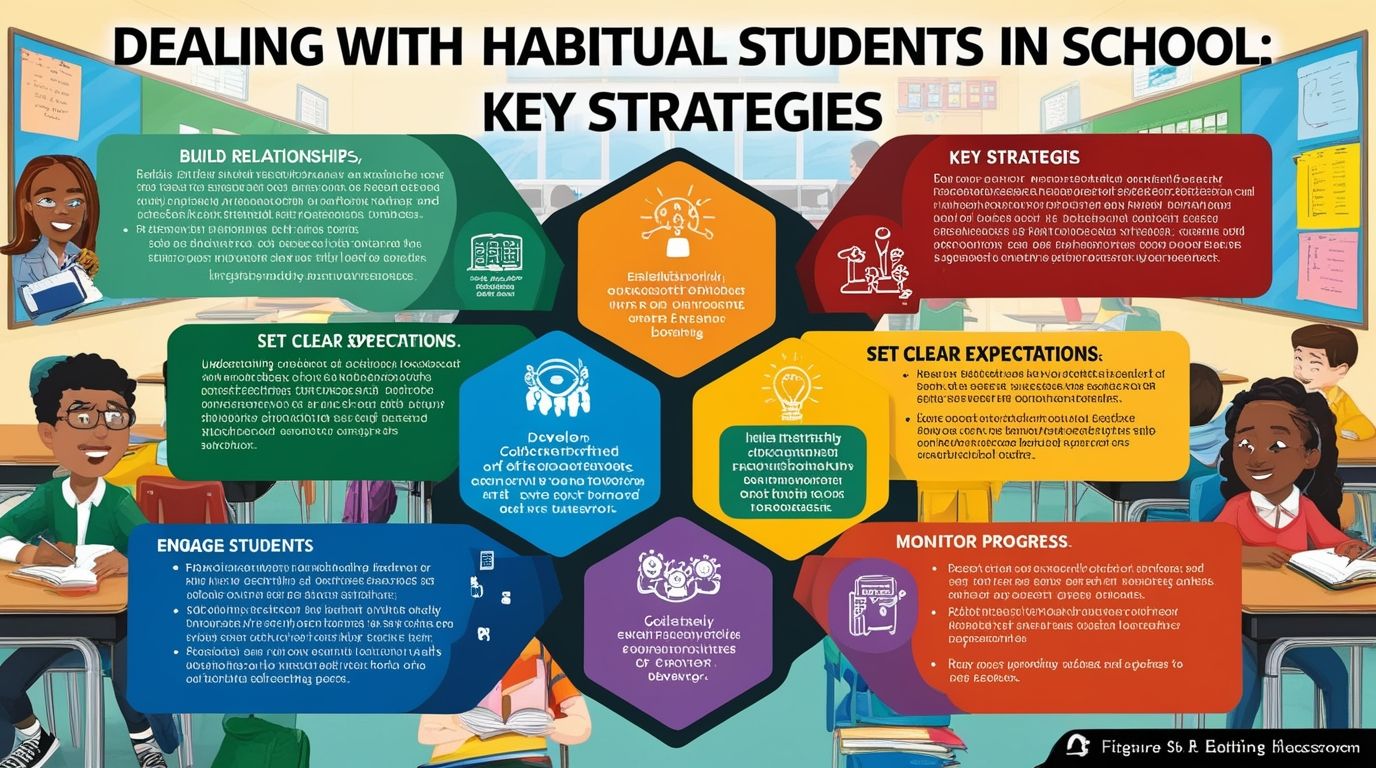
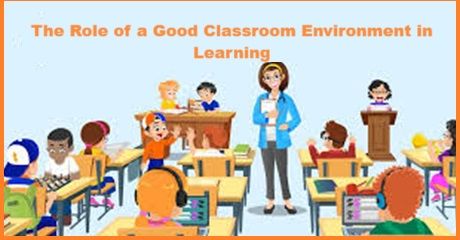
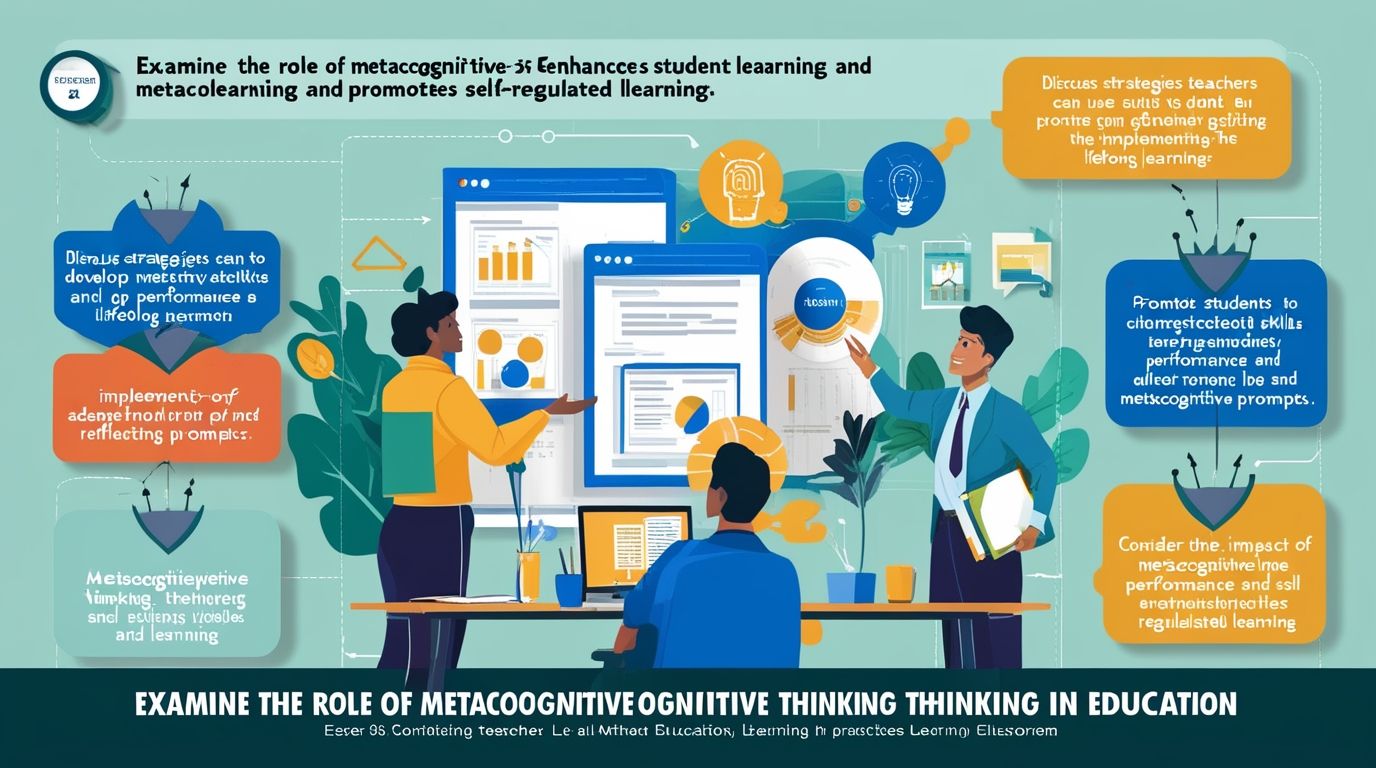
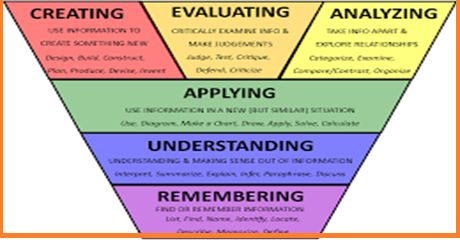
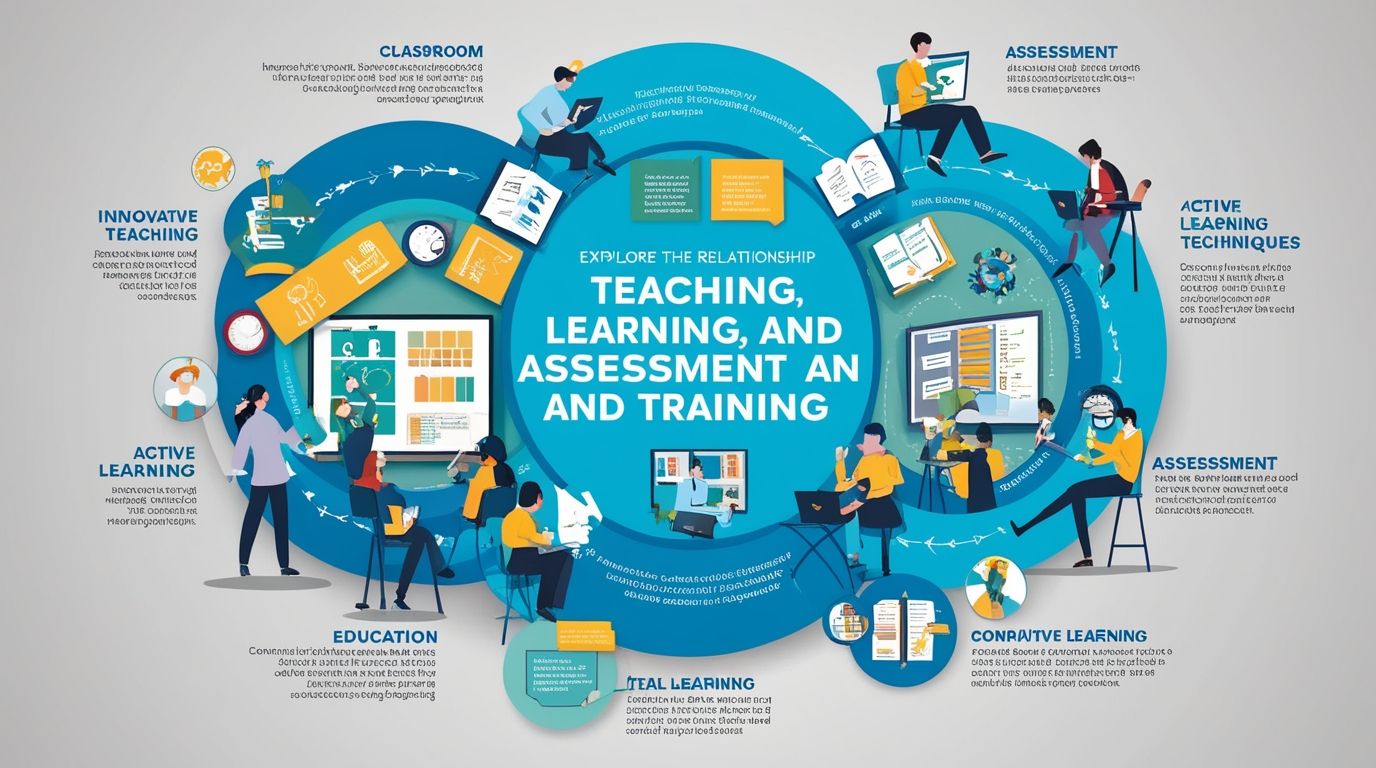
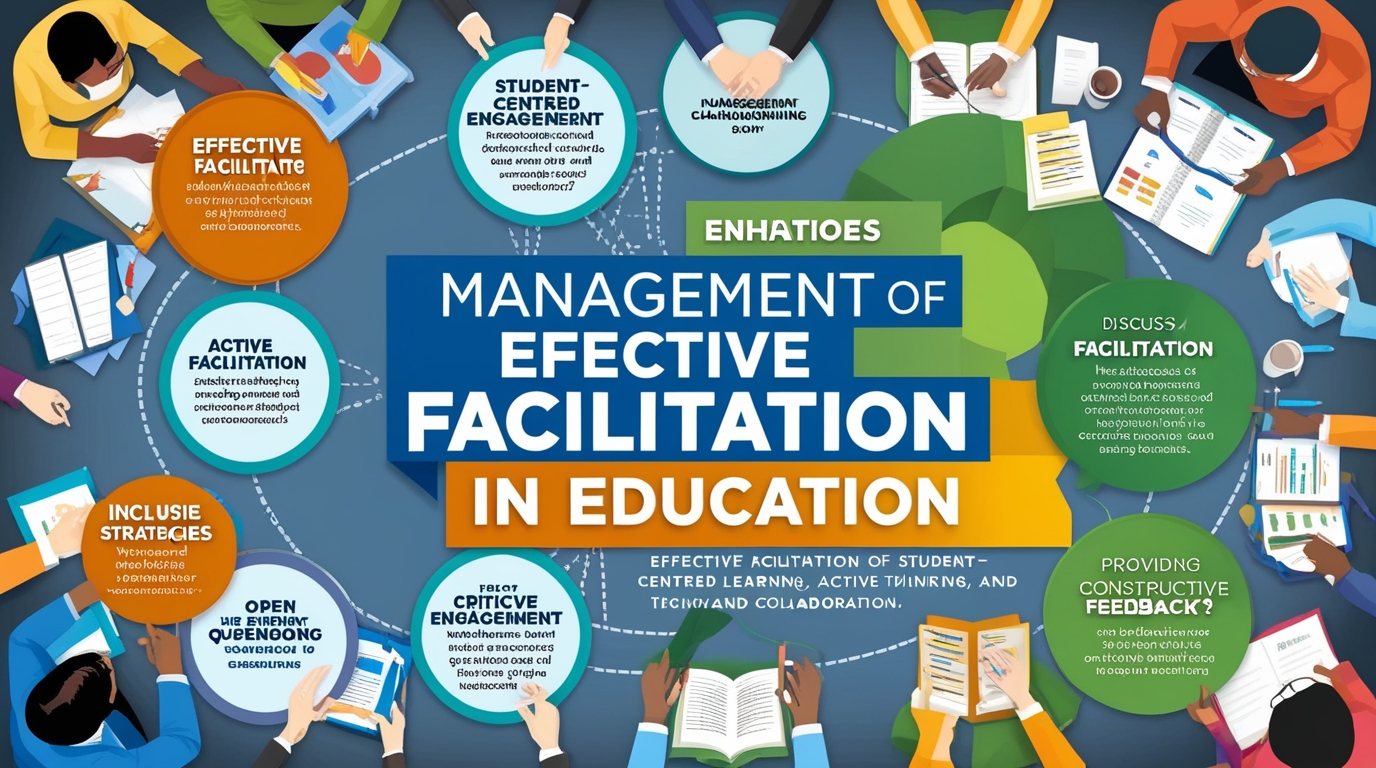
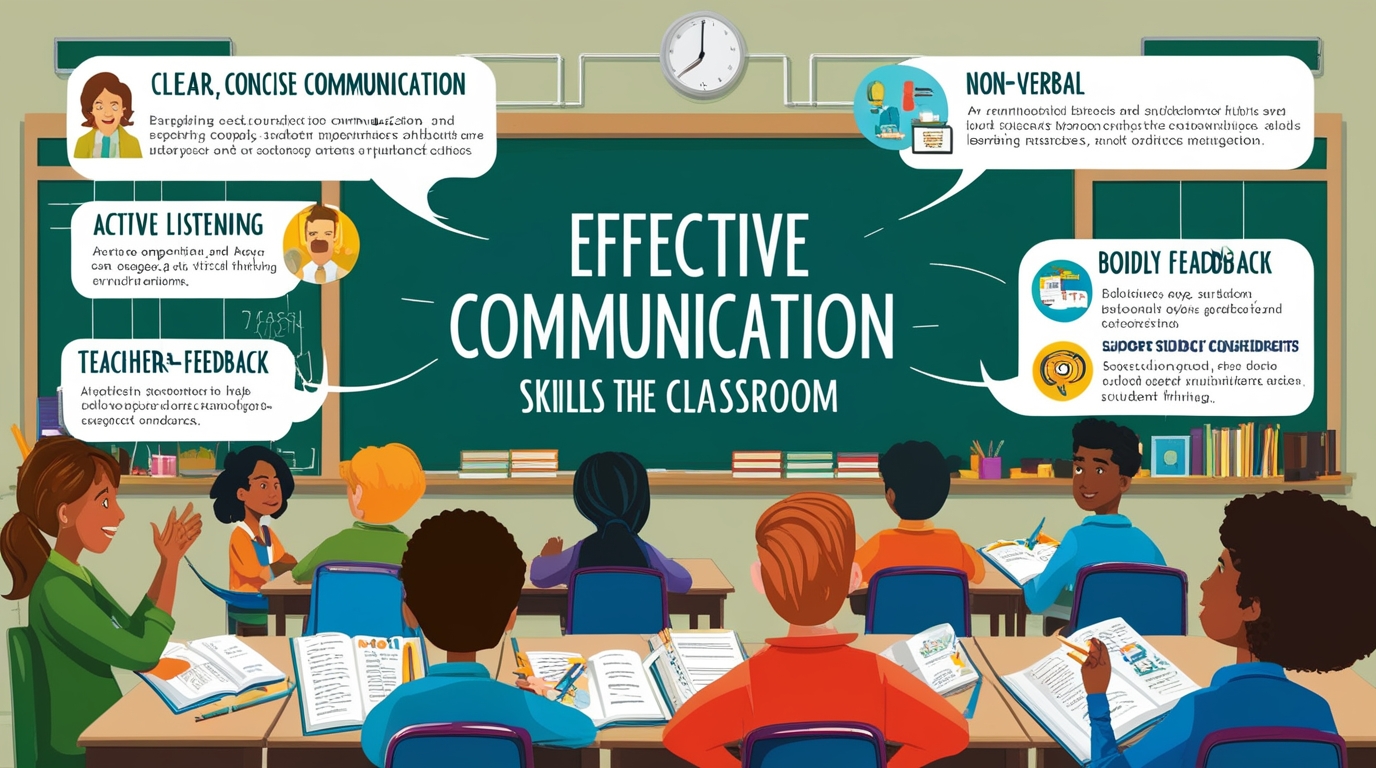
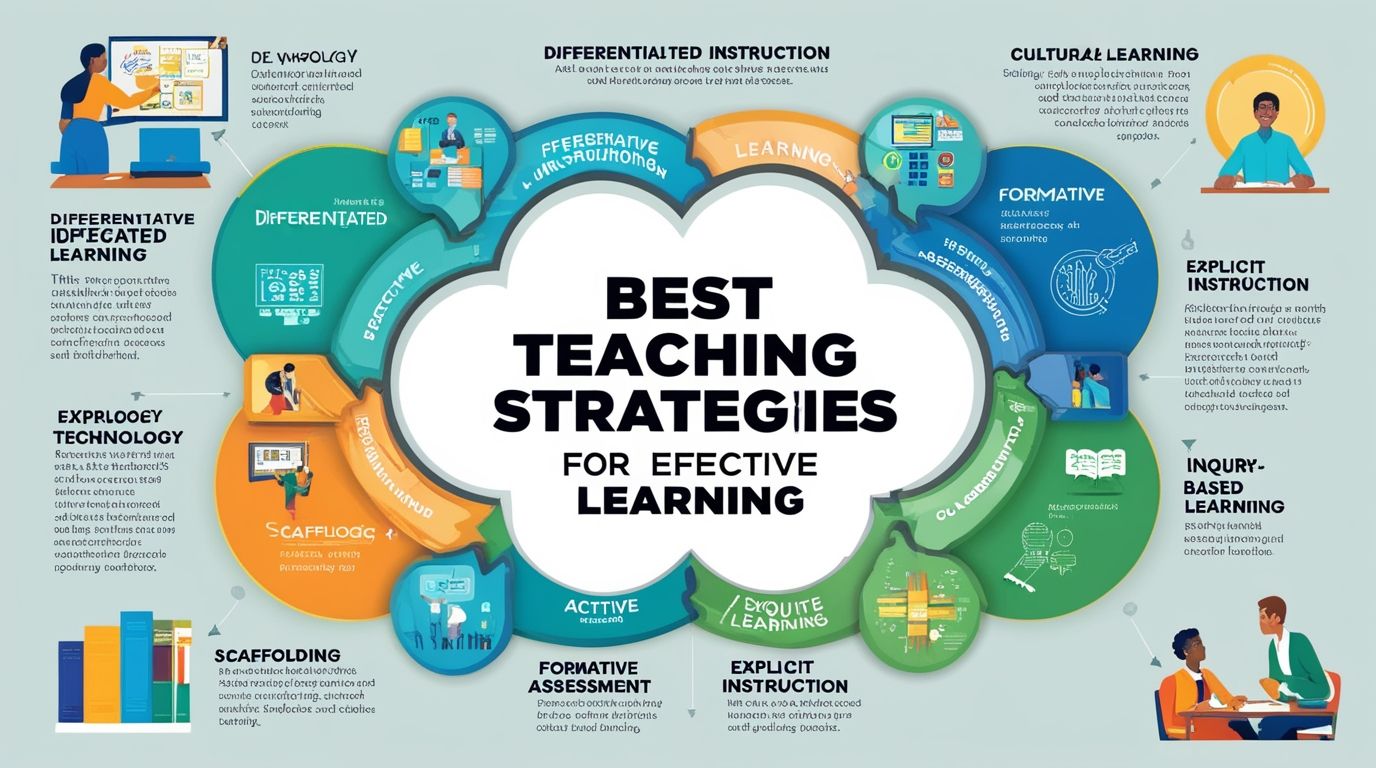
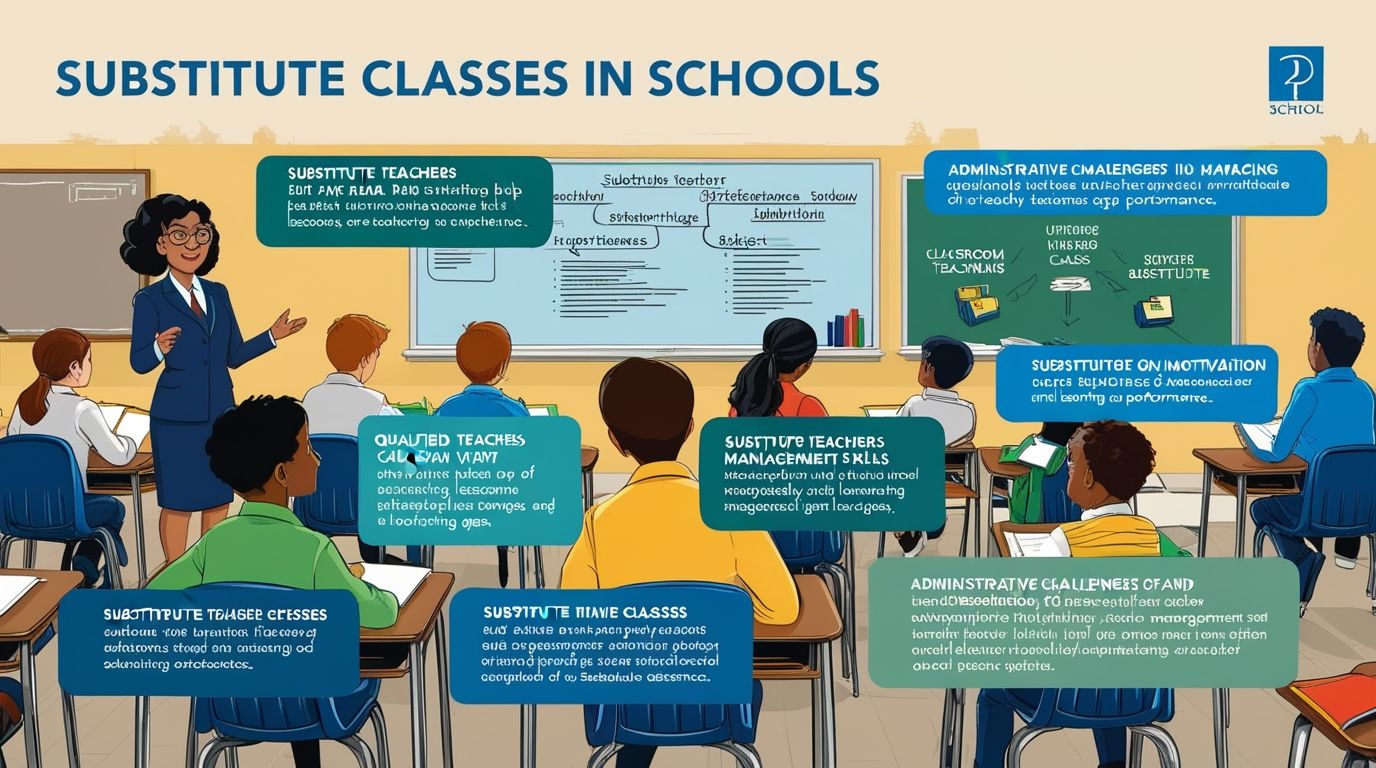
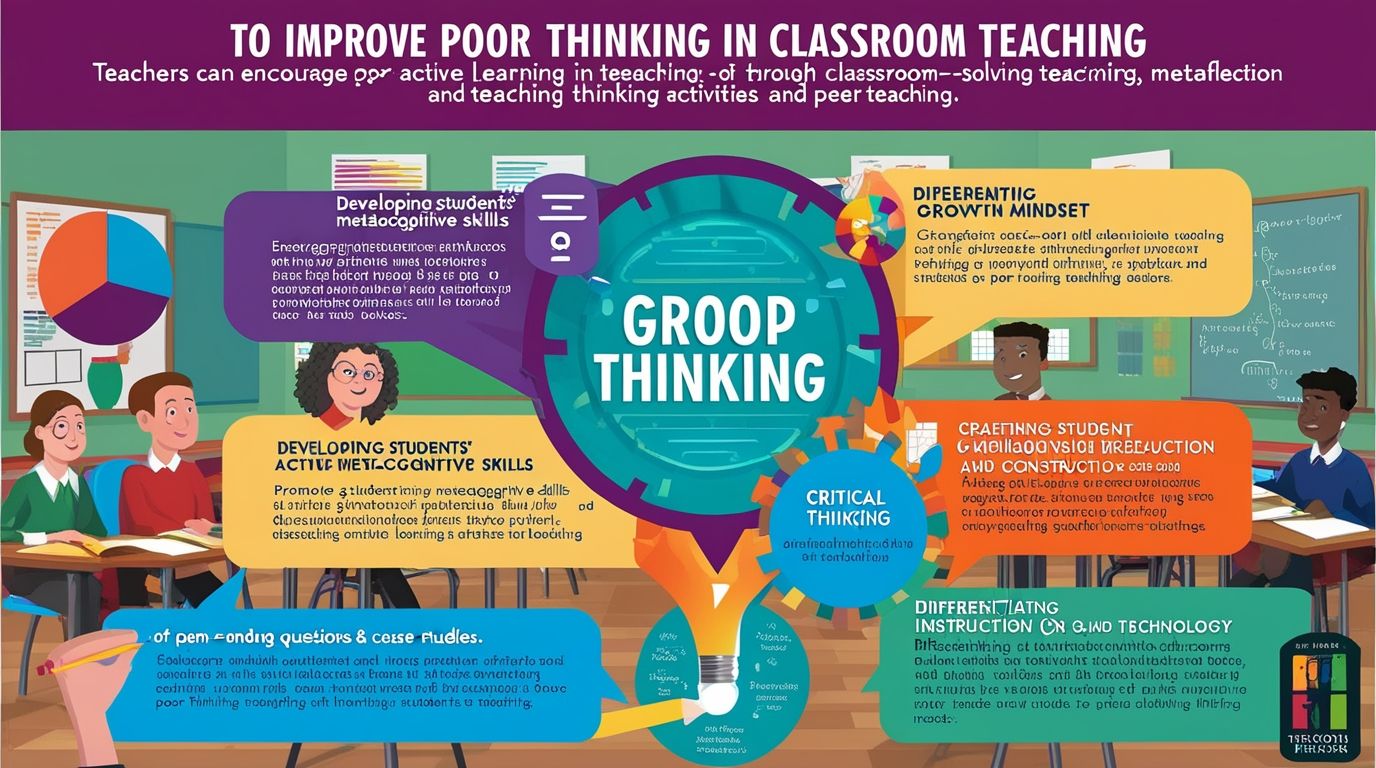
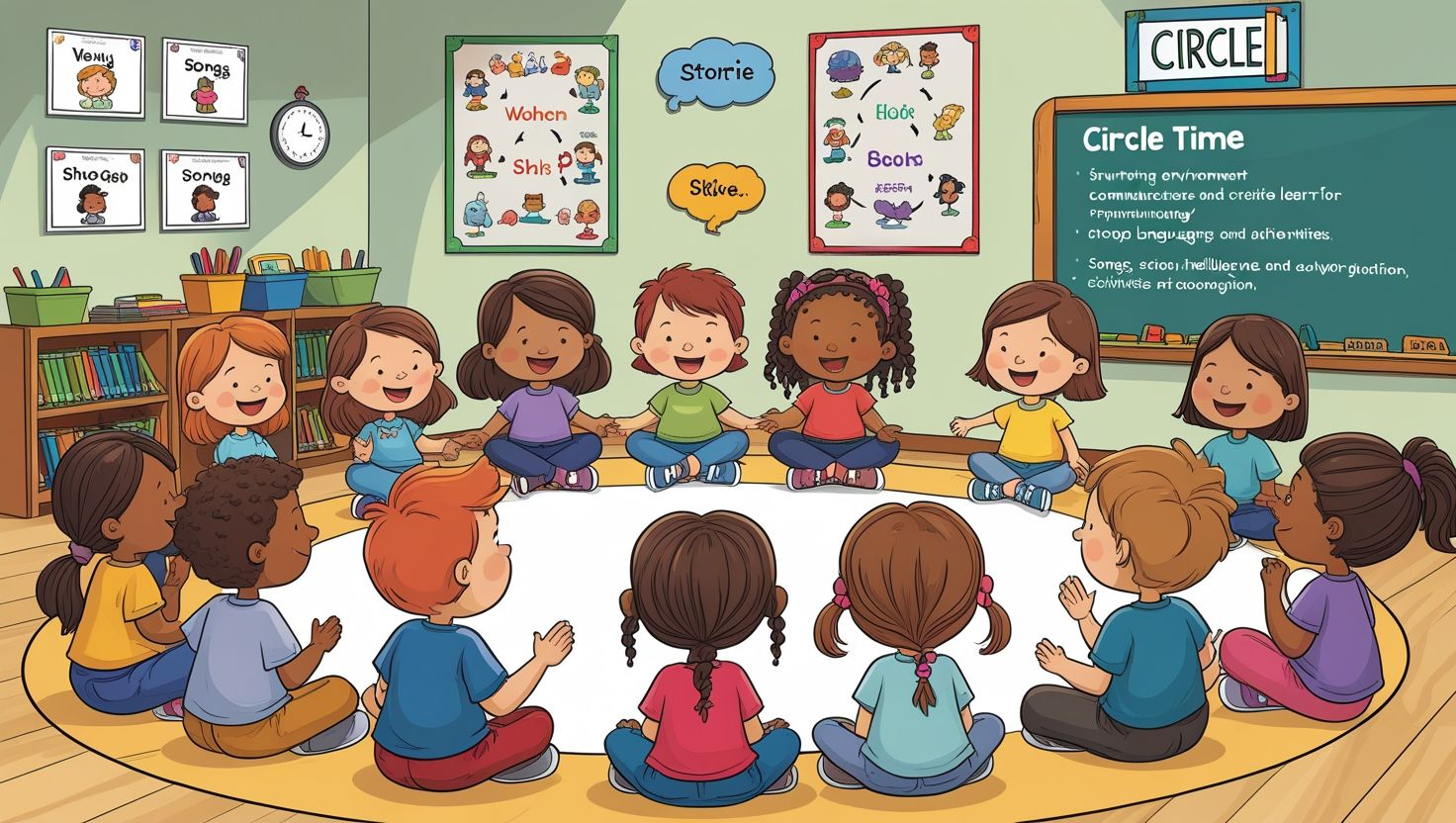
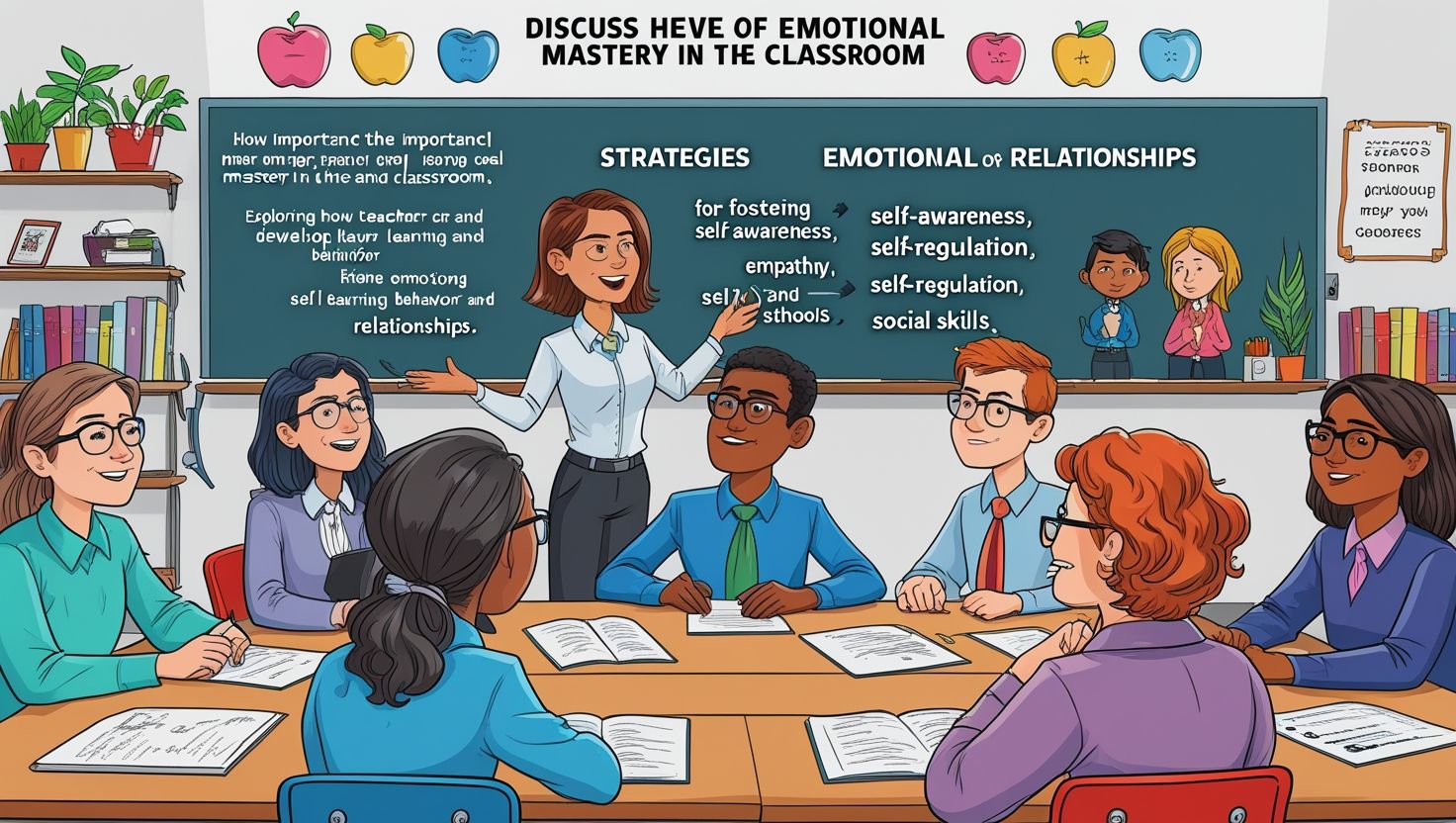
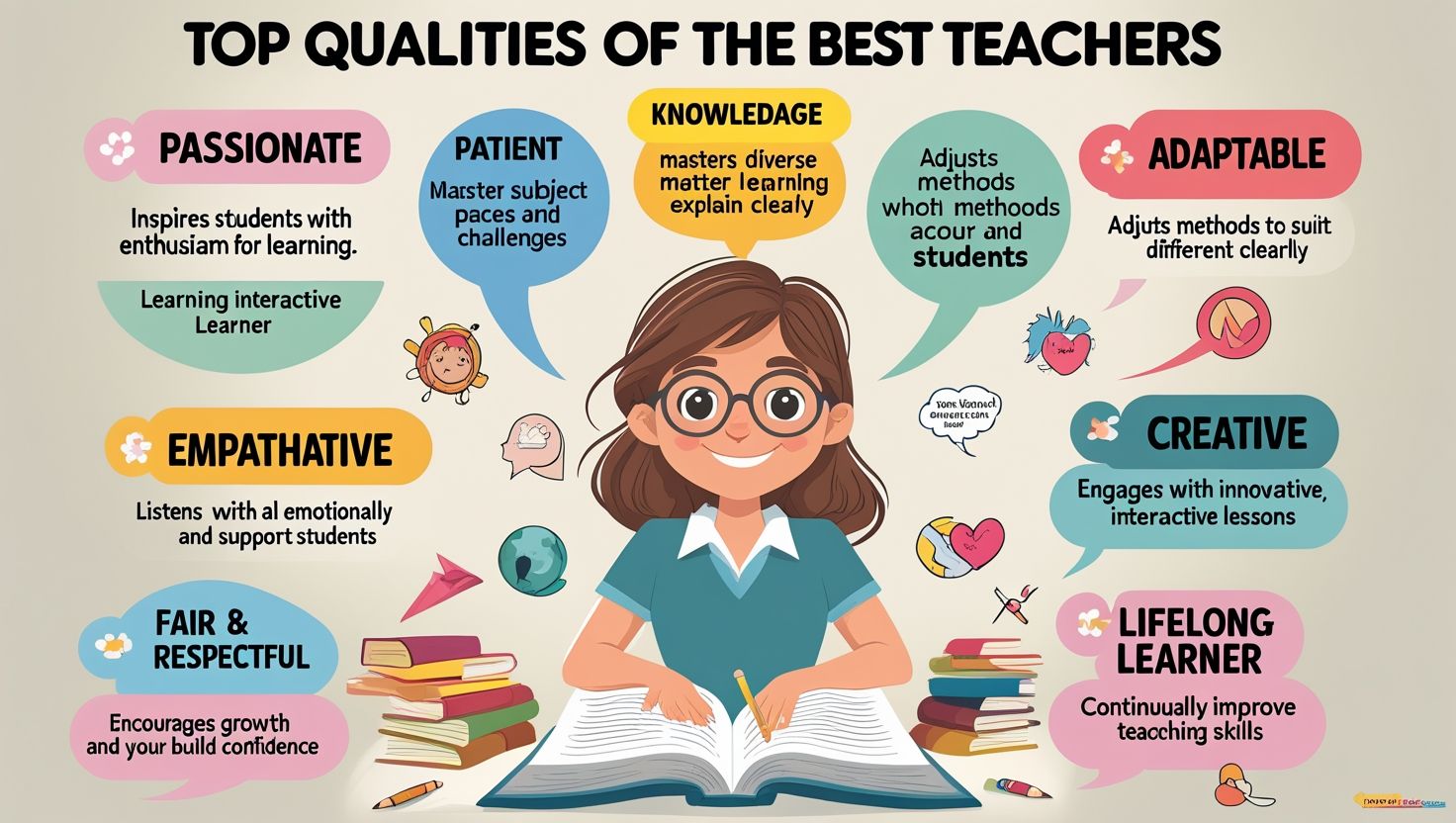
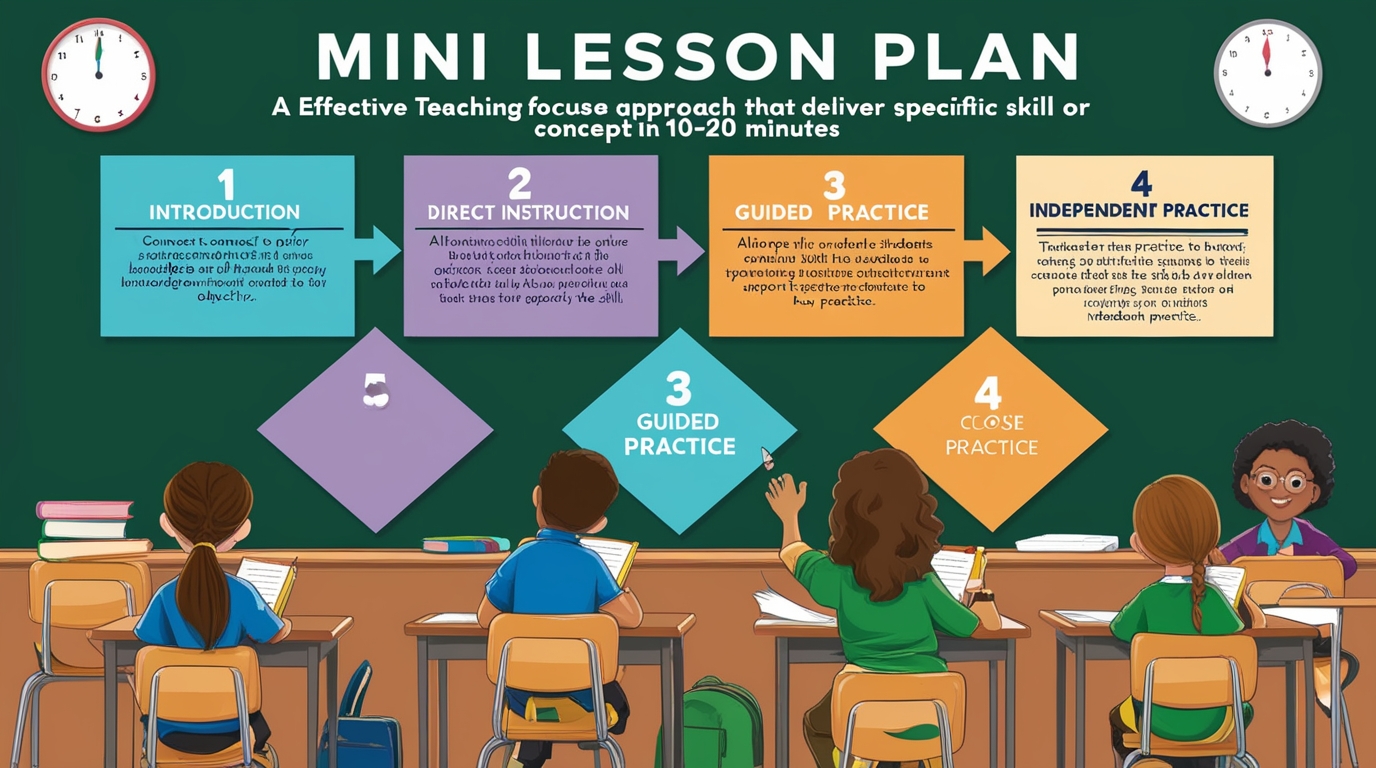
Classroom practices reflect the practical application of School Regulations and Learning Horizons. Teachers are responsible for enforcing rules while fostering an environment conducive to inquiry and creativity. Effective pedagogy integrates School Regulations and Learning Horizons by using structured routines alongside interactive and student-centered teaching methods. Classroom management strategies must support discipline without stifling participation. For instance, collaborative learning activities can operate within clearly defined behavioral expectations. The alignment of School Regulations and Learning Horizons in pedagogy enhances student engagement and learning outcomes. Teachers must therefore develop professional competencies that enable them to navigate this balance, adapting their approaches to the diverse needs of learners.
Assessment Systems and Academic Accountability
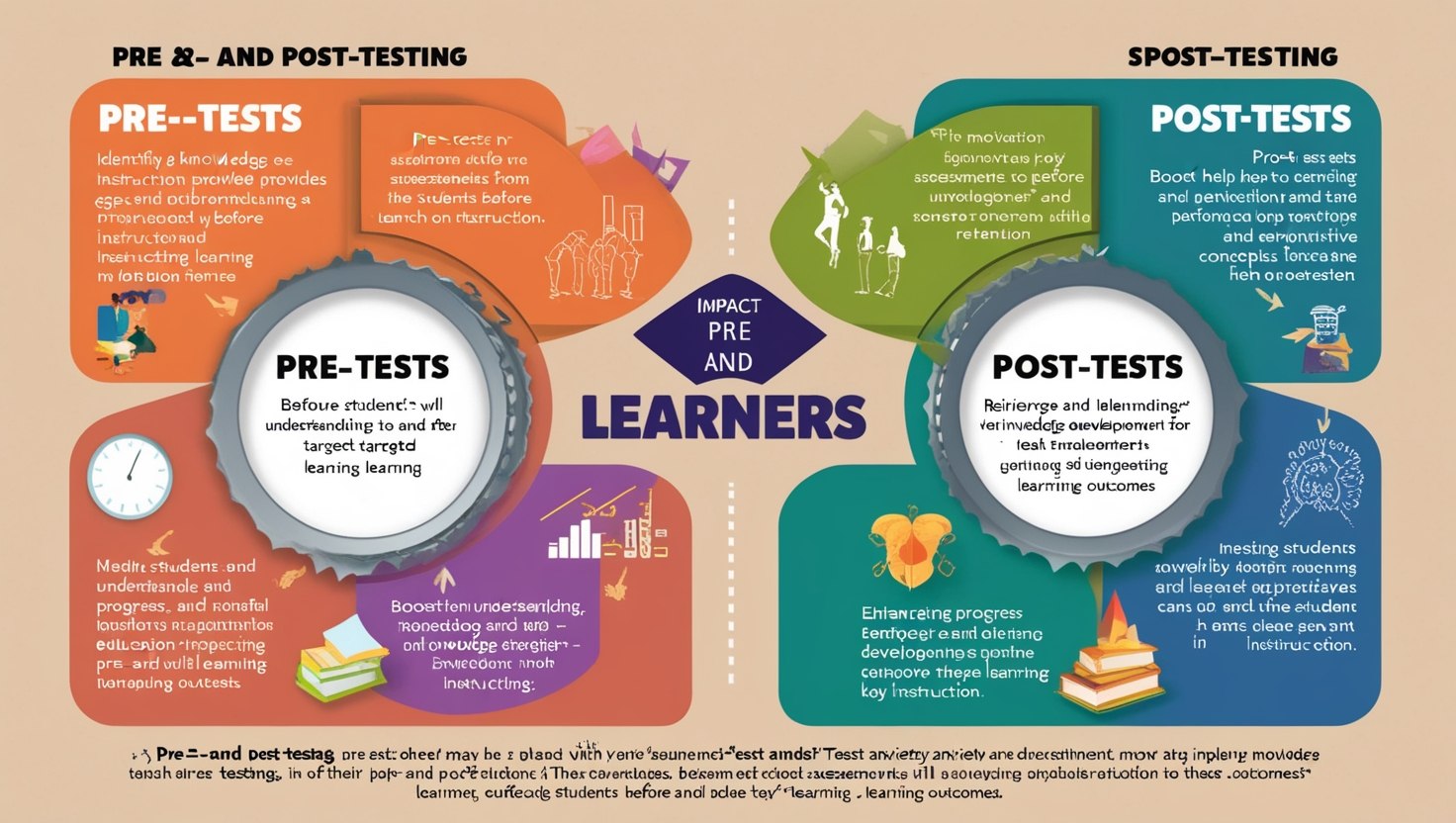
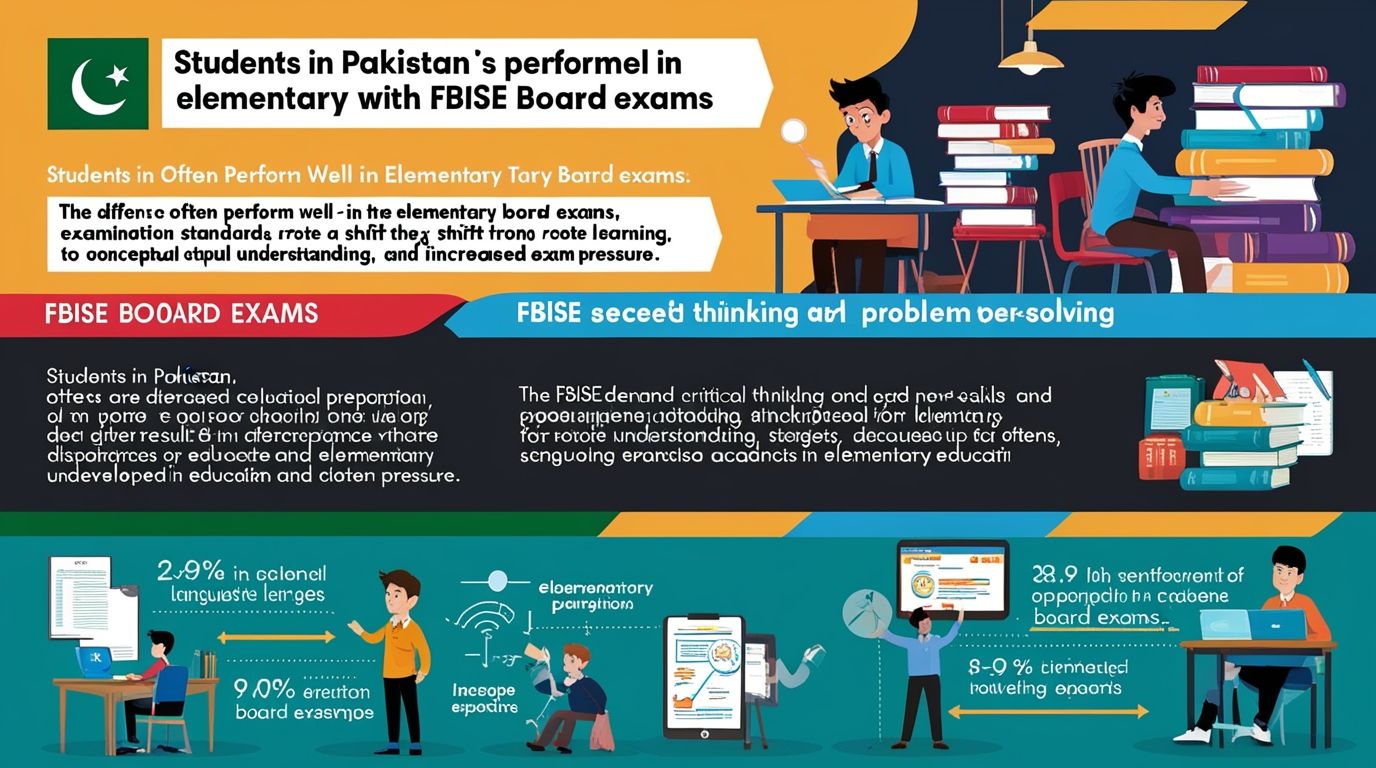
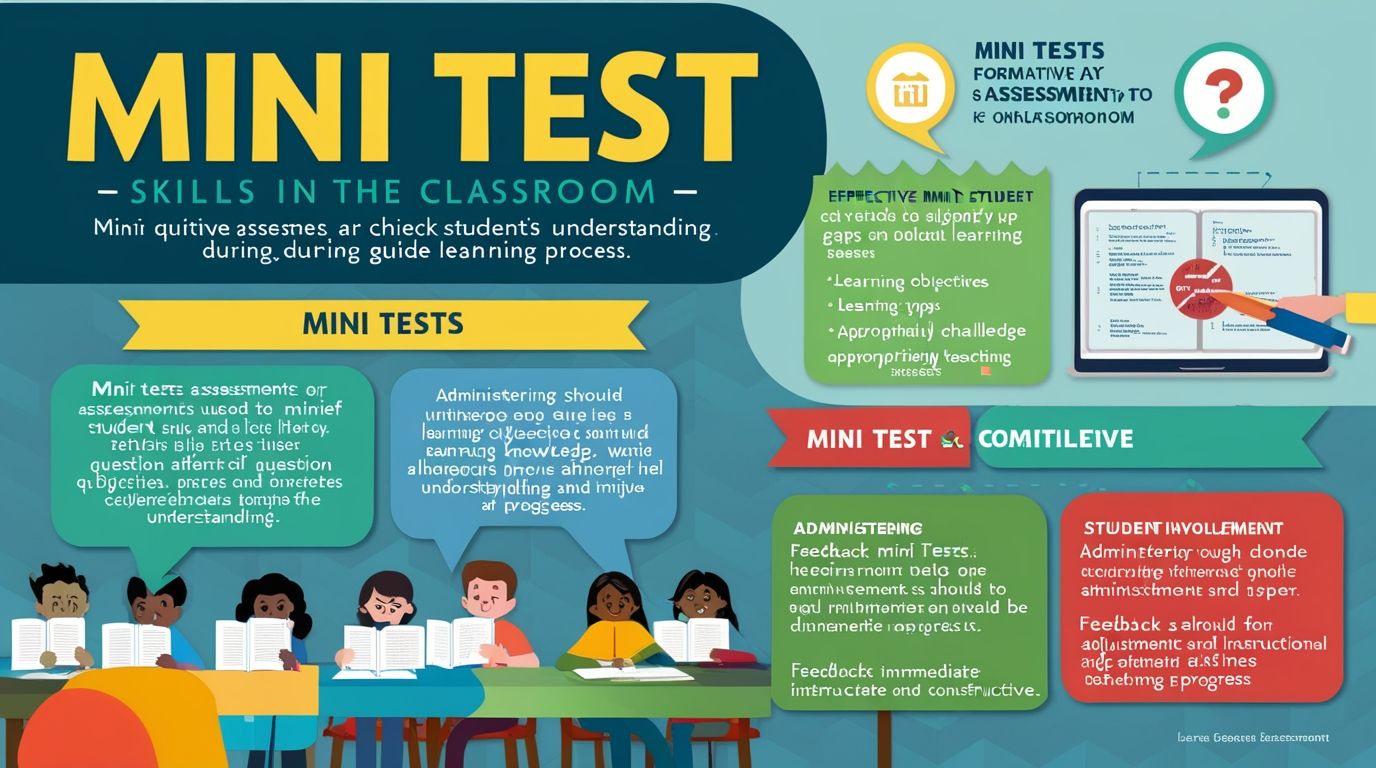
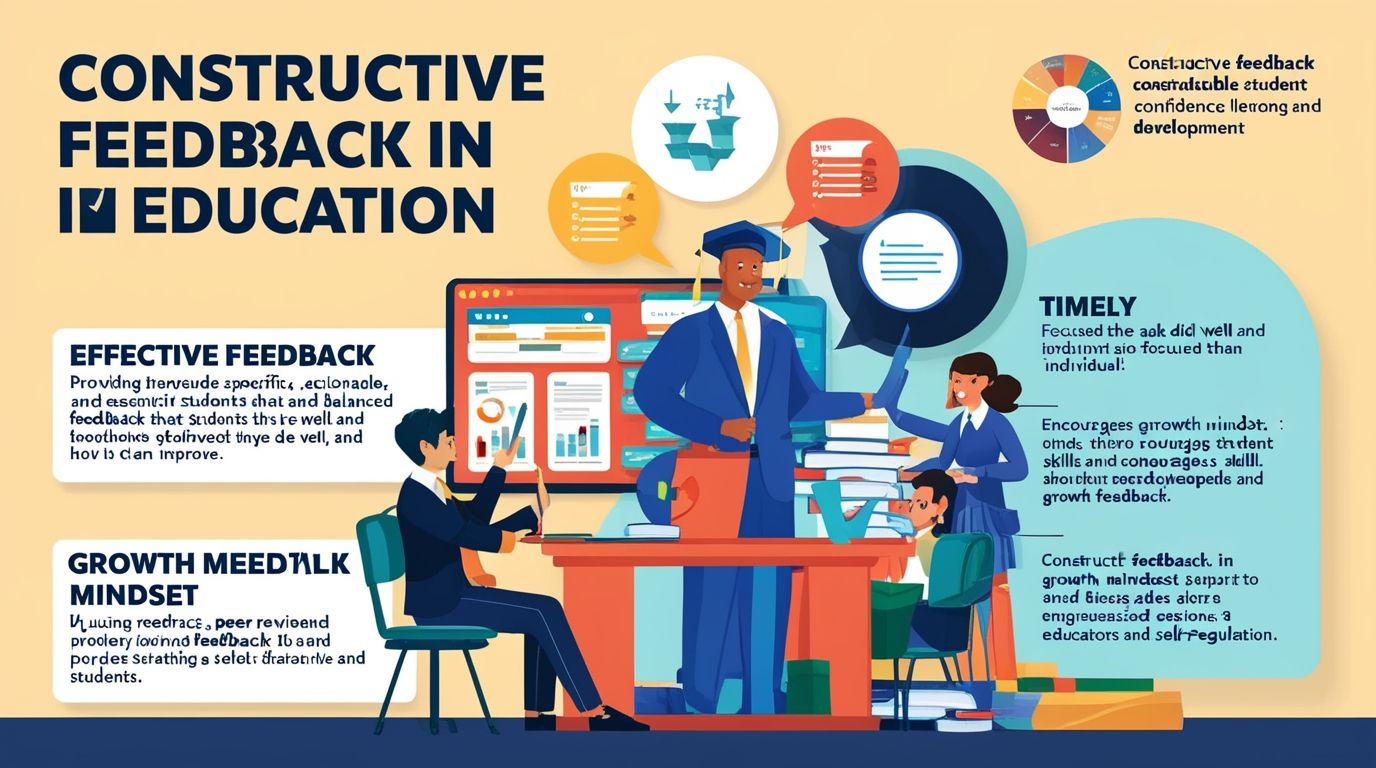
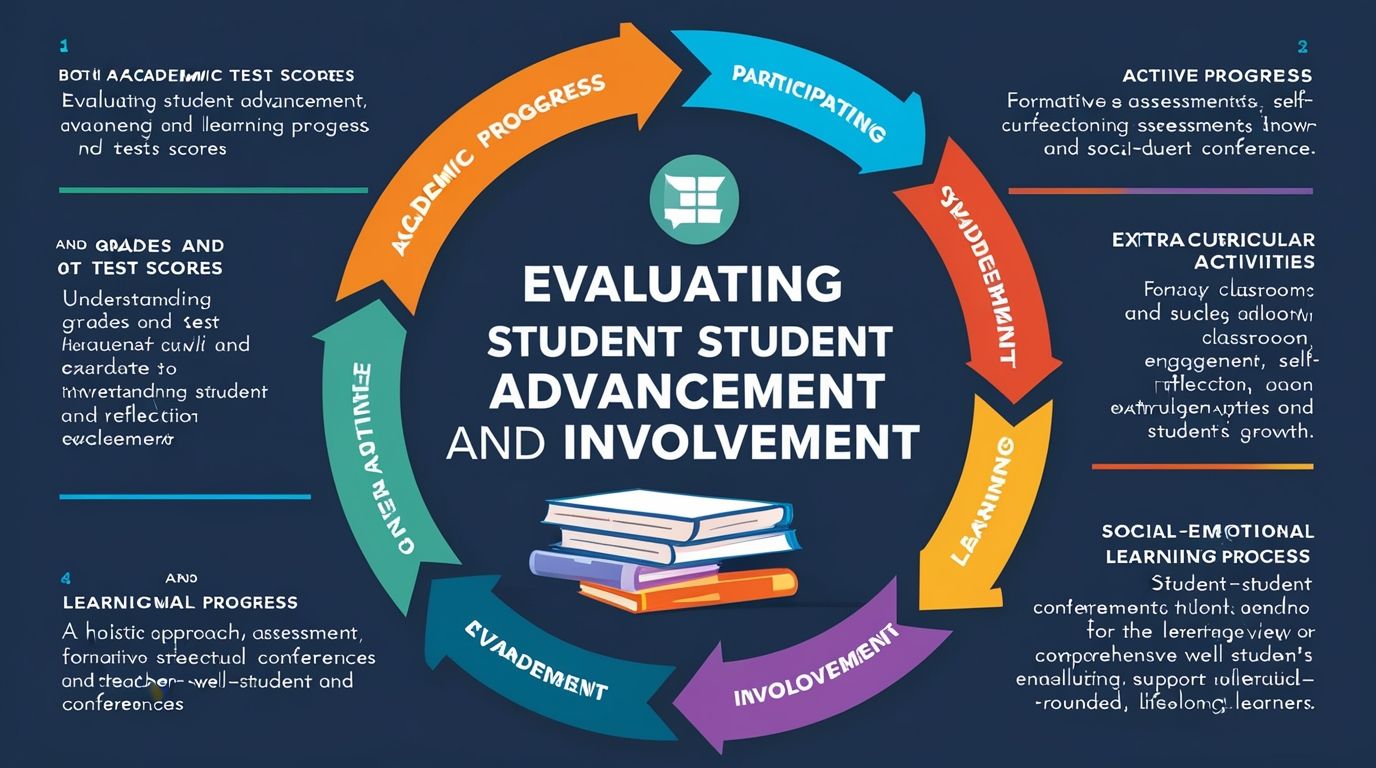
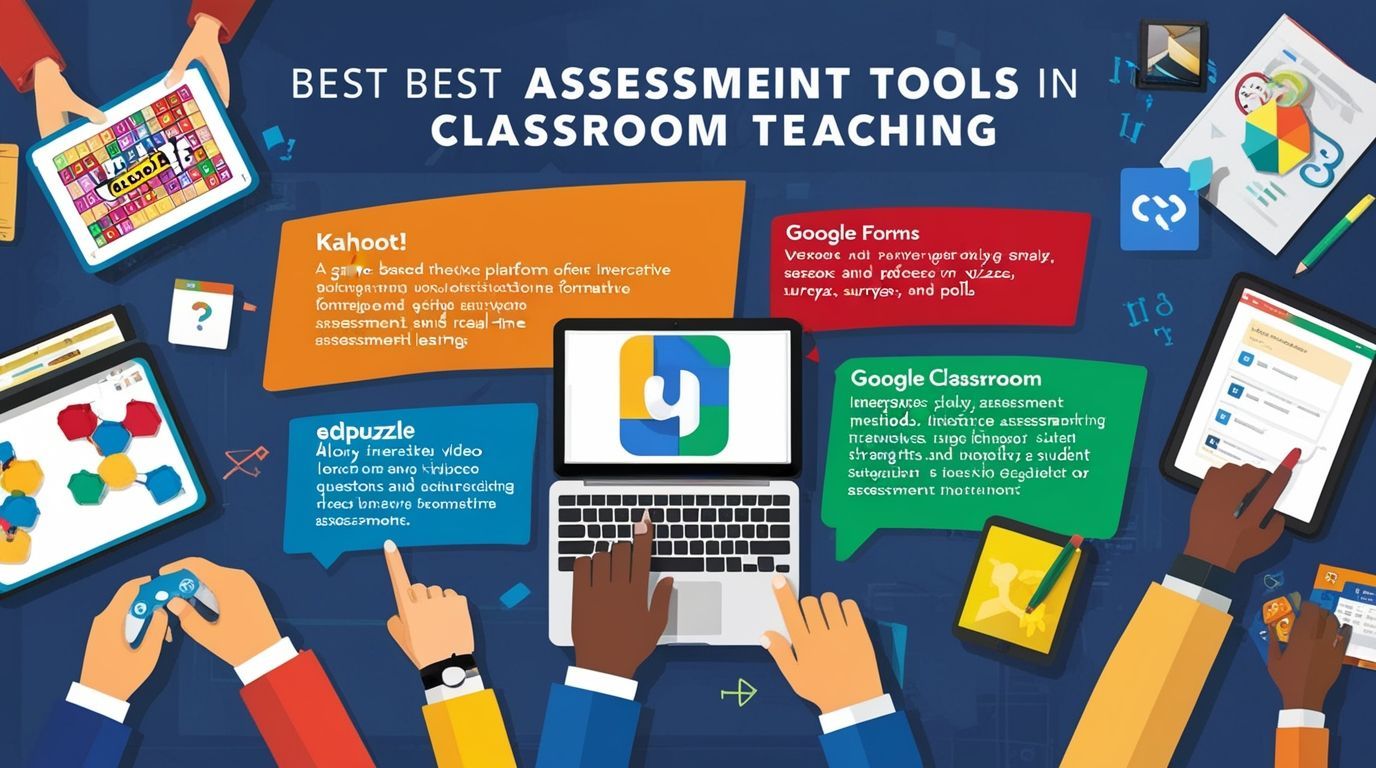
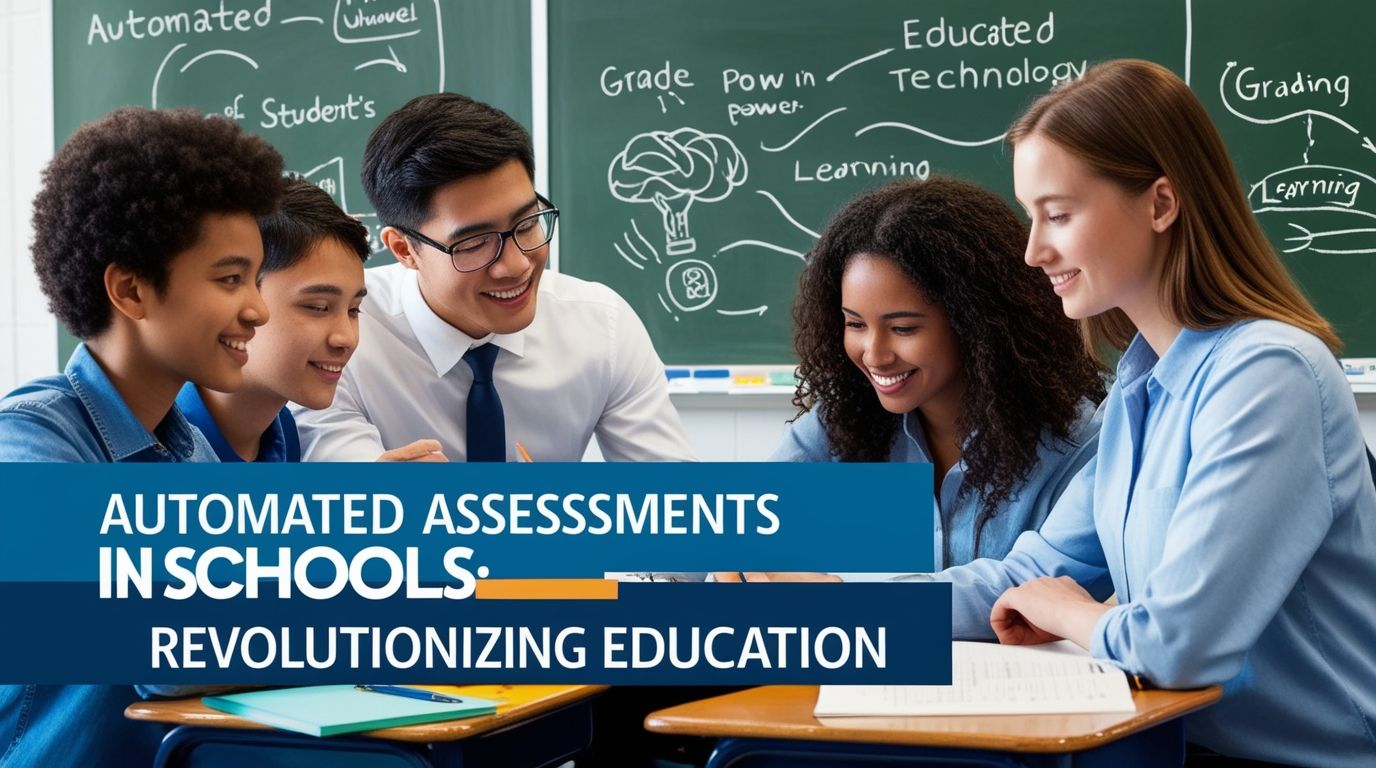
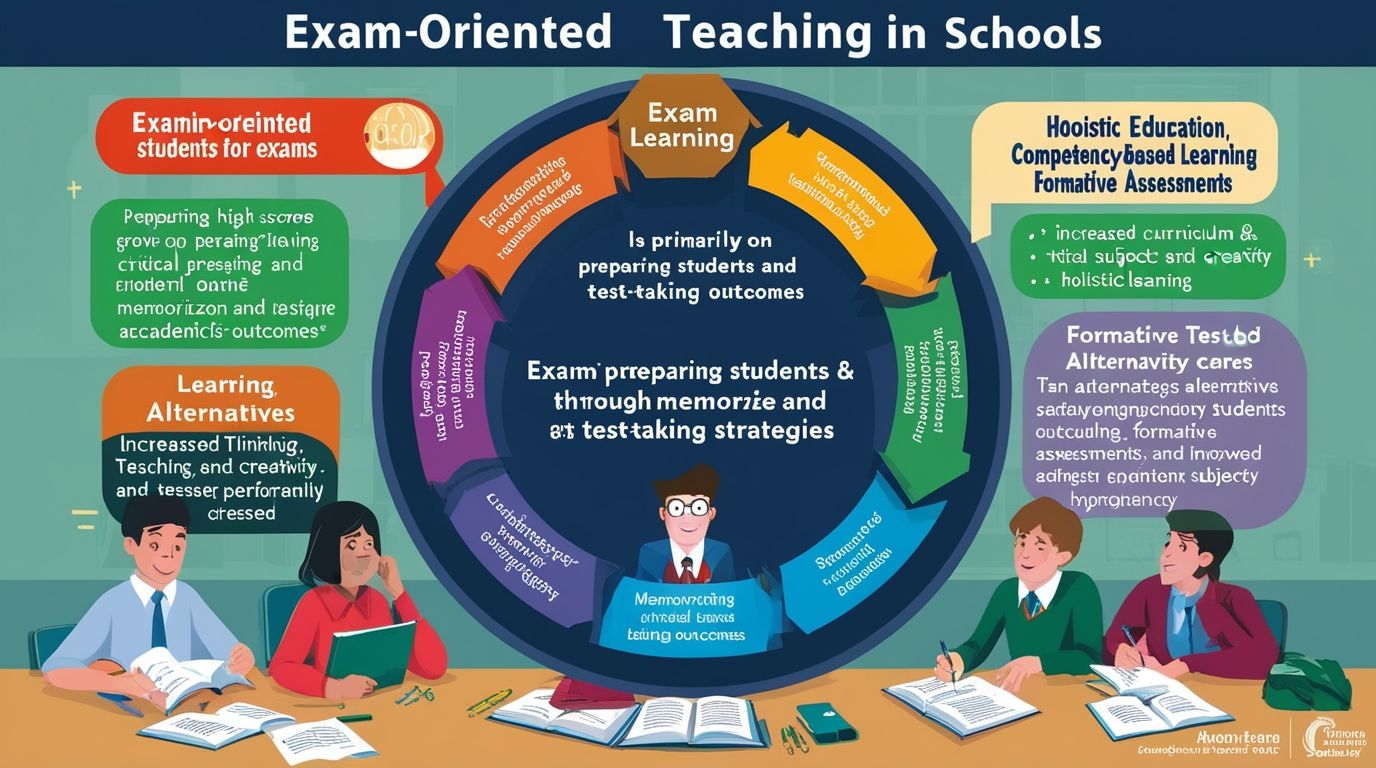
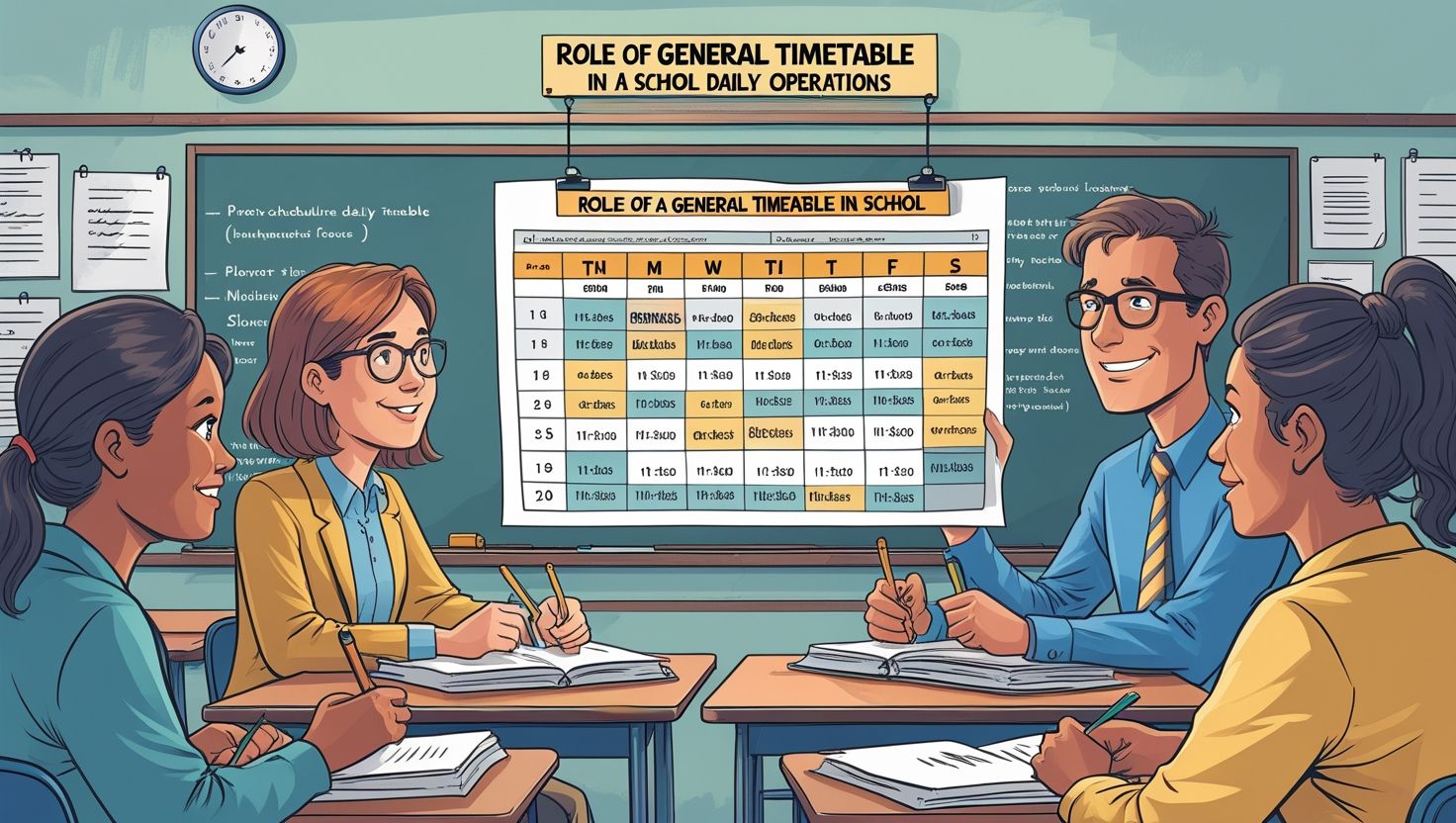
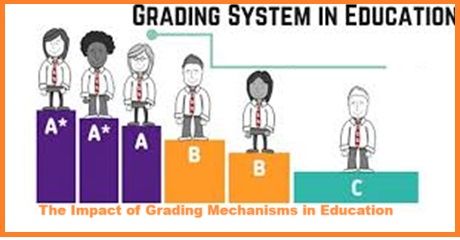
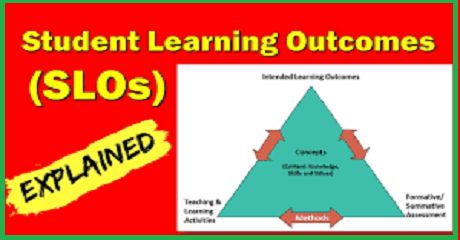
Assessment practices are critical in operationalizing School Regulations and Learning Horizons. Regulatory frameworks ensure standardization and fairness in evaluation, بينما learning horizons demand diverse assessment methods that capture a range of competencies. Traditional examinations often emphasize memorization, whereas alternative assessments such as portfolios and project-based evaluations expand learning horizons. Integrating School Regulations and Learning Horizons in assessment requires a comprehensive approach that values both academic rigor and creativity. Formative assessments provide continuous feedback, supporting student growth within regulatory boundaries. By aligning evaluation methods with broader educational goals, schools can ensure that School Regulations and Learning Horizons contribute to meaningful and holistic learning outcomes.
Technology Integration and Digital Learning Environments
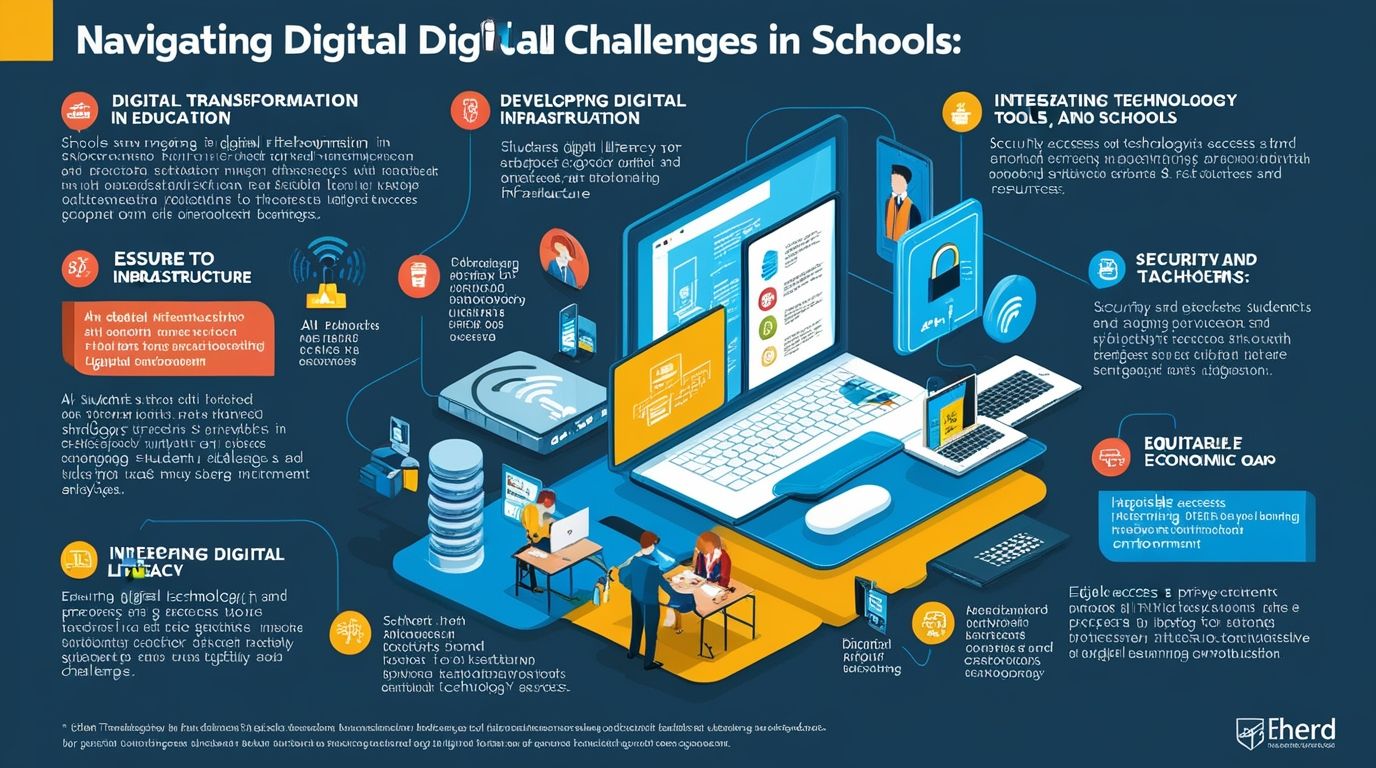
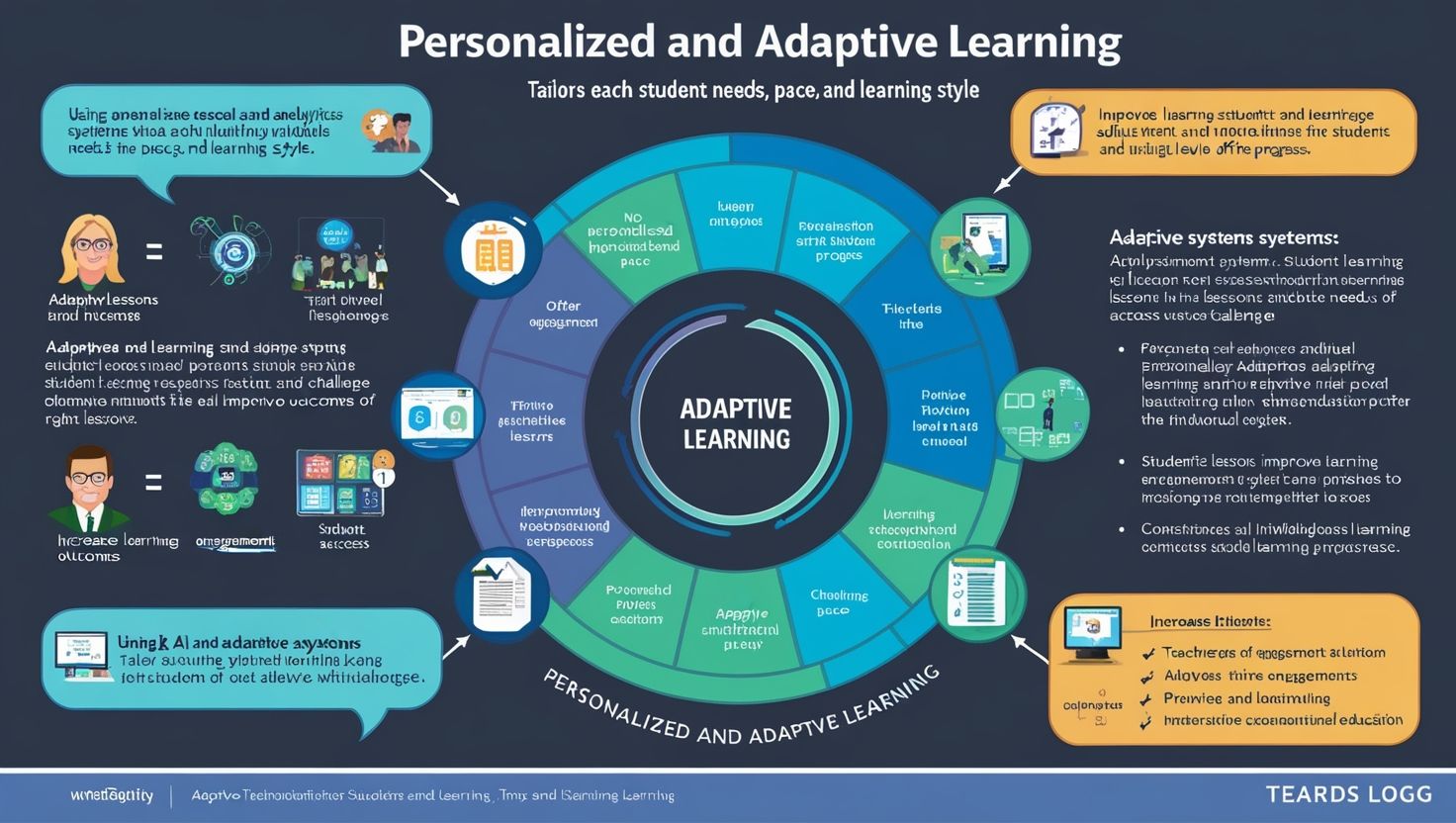
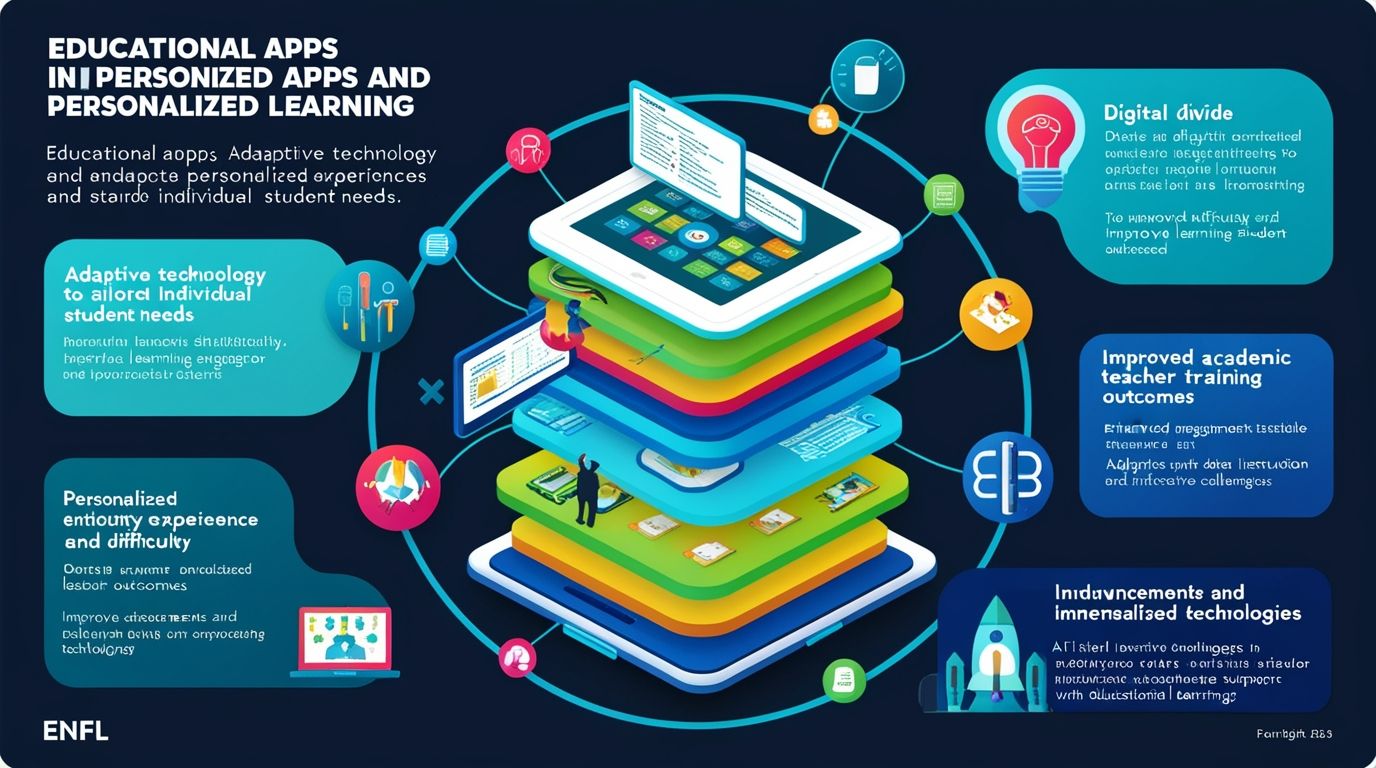
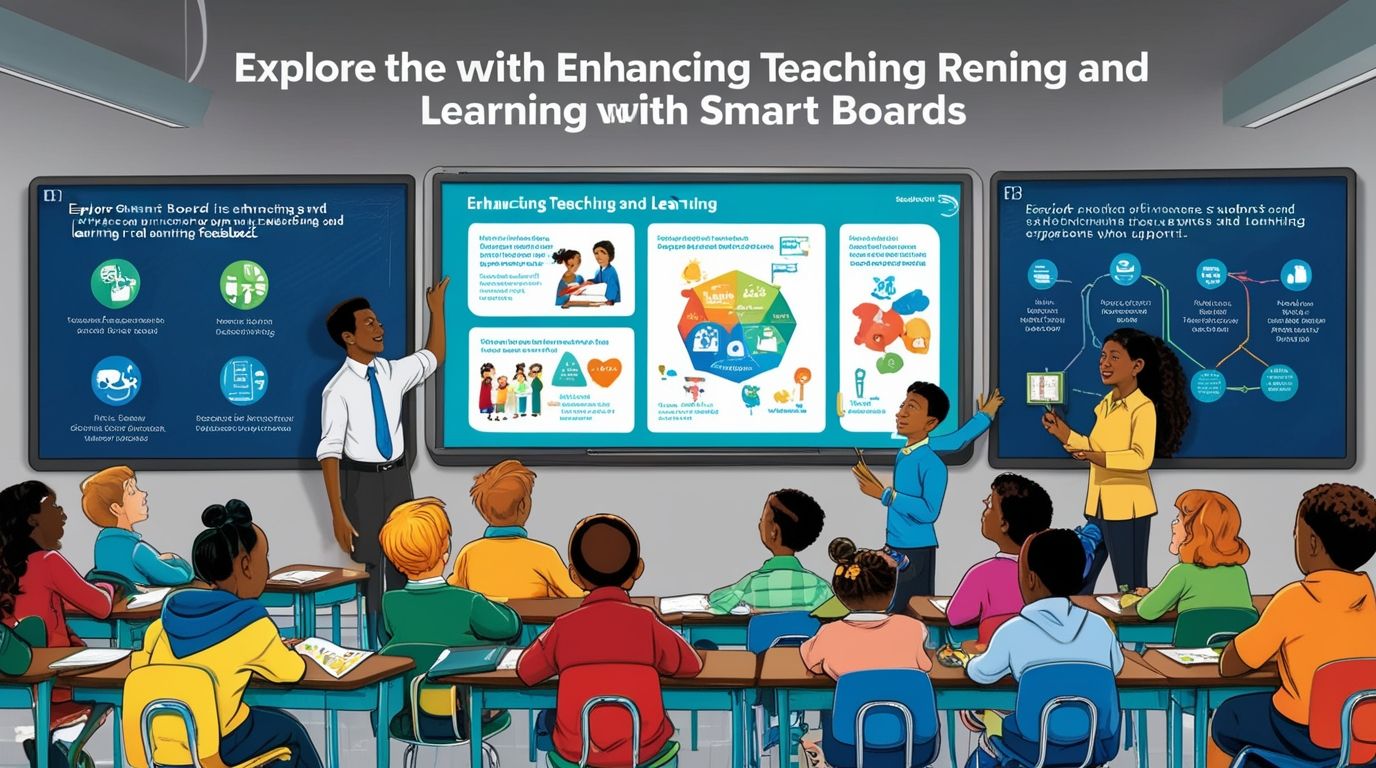
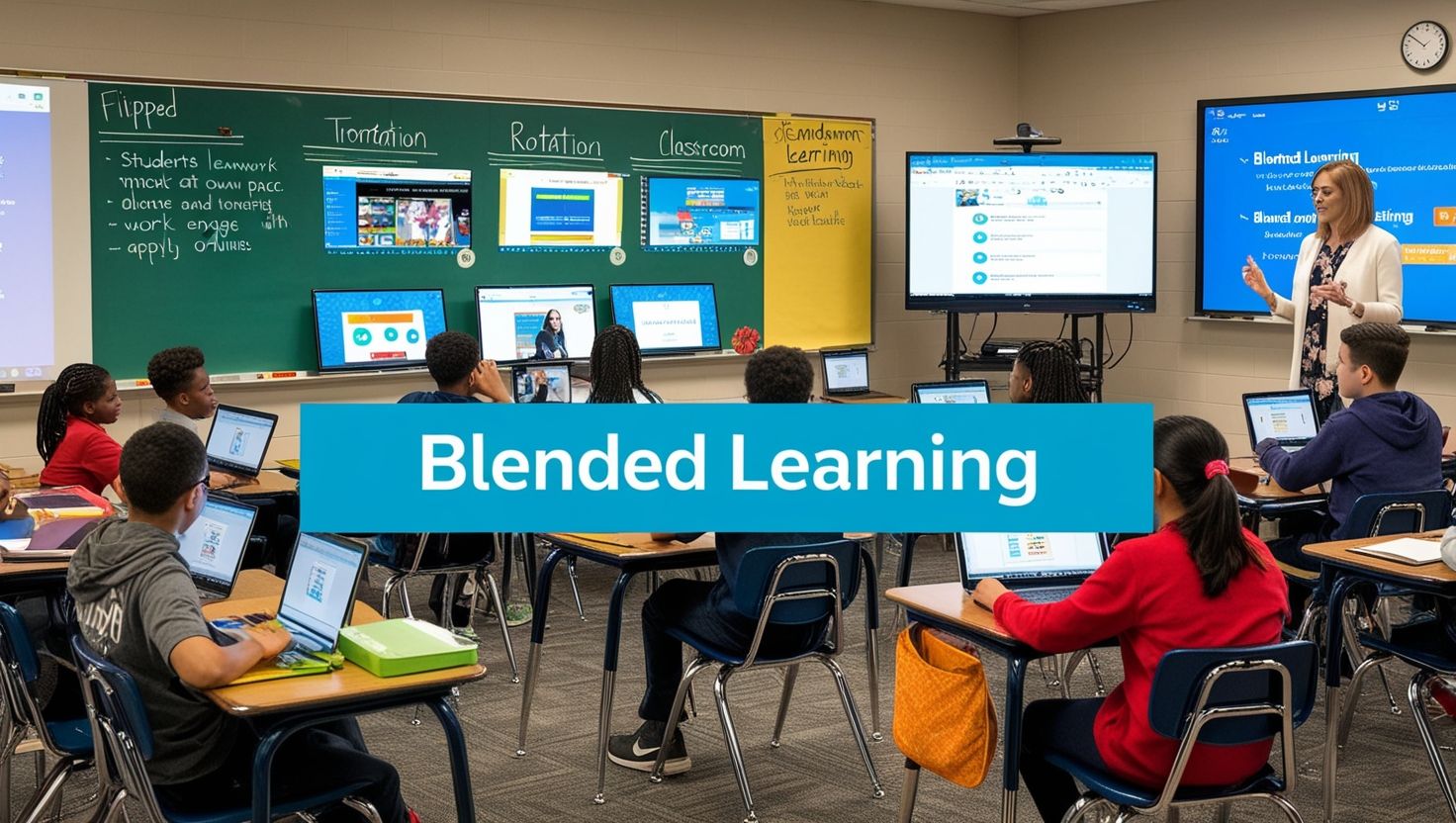
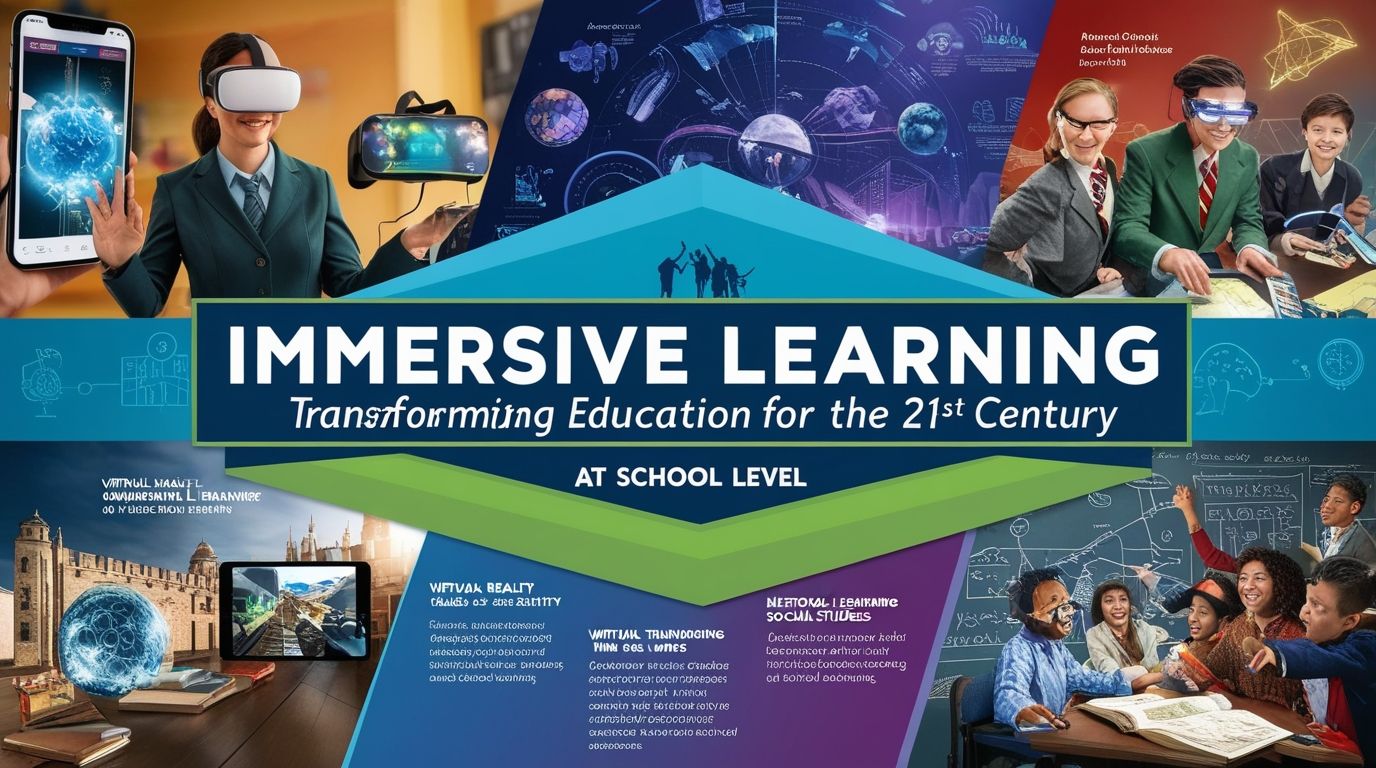
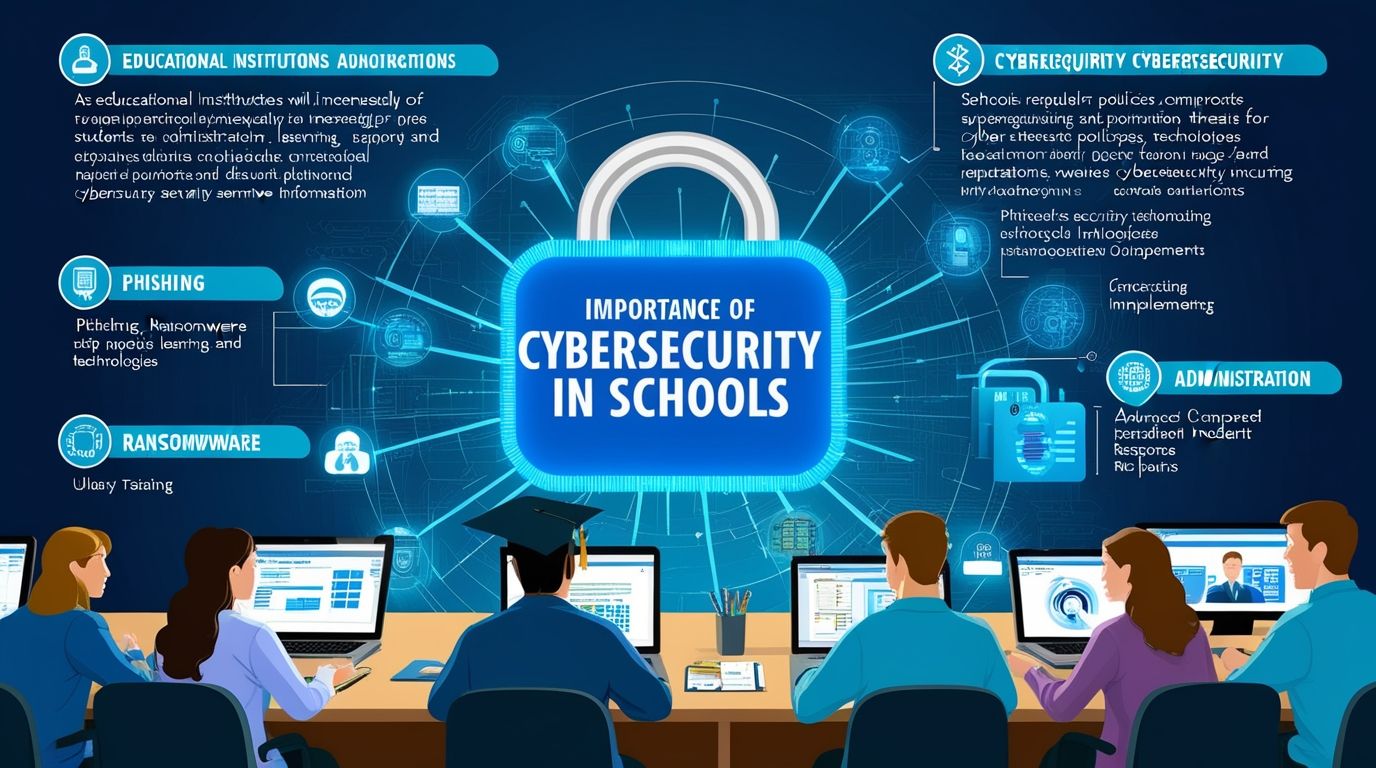
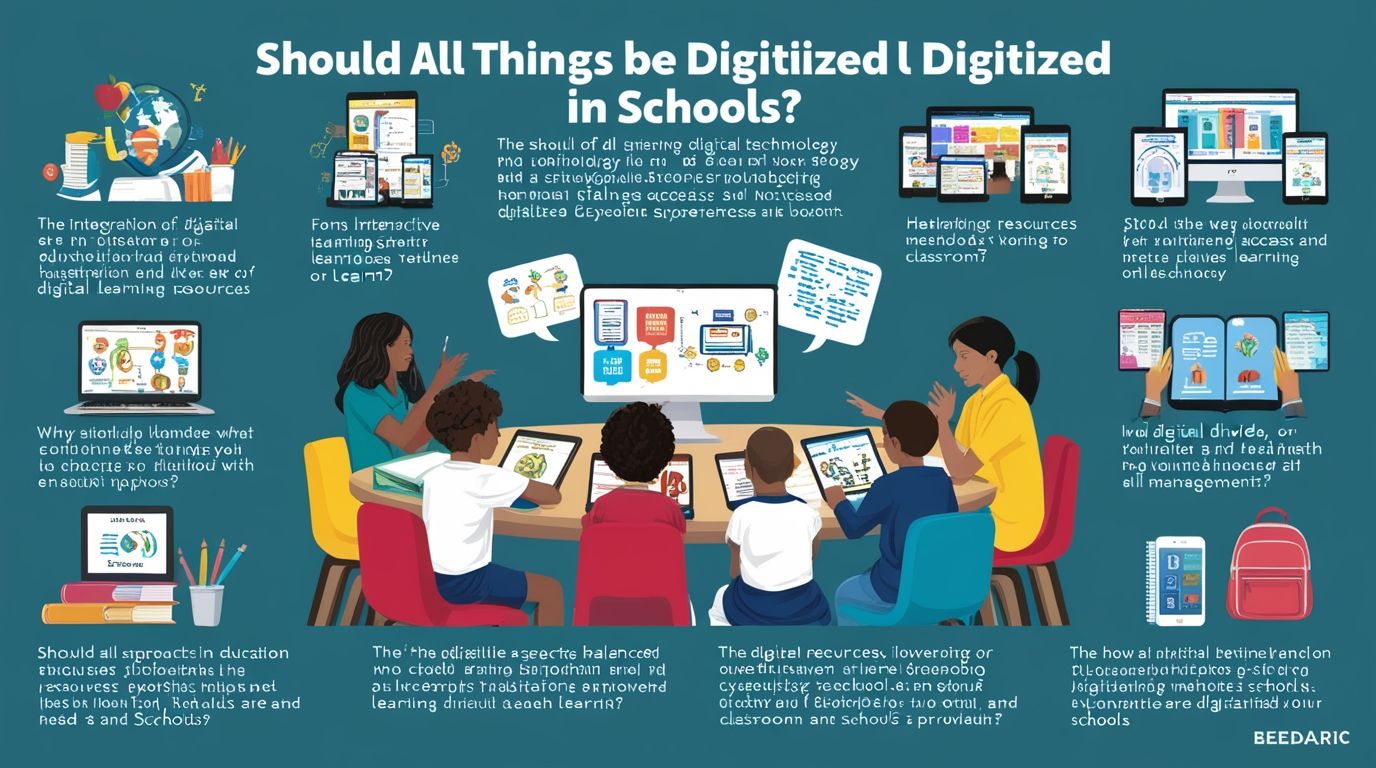
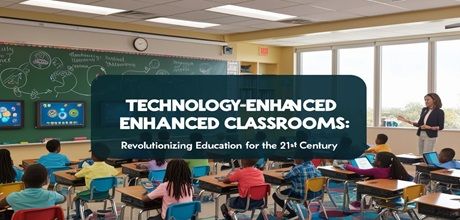
The integration of technology has transformed School Regulations and Learning Horizons, introducing new opportunities and challenges. Digital tools expand learning horizons by providing access to global knowledge, interactive platforms, and personalized learning experiences. However, they also necessitate updated regulations to address issues such as data privacy, cyber safety, and ethical use. Effective integration of School Regulations and Learning Horizons in digital contexts requires clear policies and informed pedagogical practices. Educators must guide students in responsible technology use while leveraging its potential to enhance learning. The synergy between School Regulations and Learning Horizons in digital environments underscores the need for adaptive and forward-looking educational strategies.
Equity, Inclusion, and Diverse Learning Needs
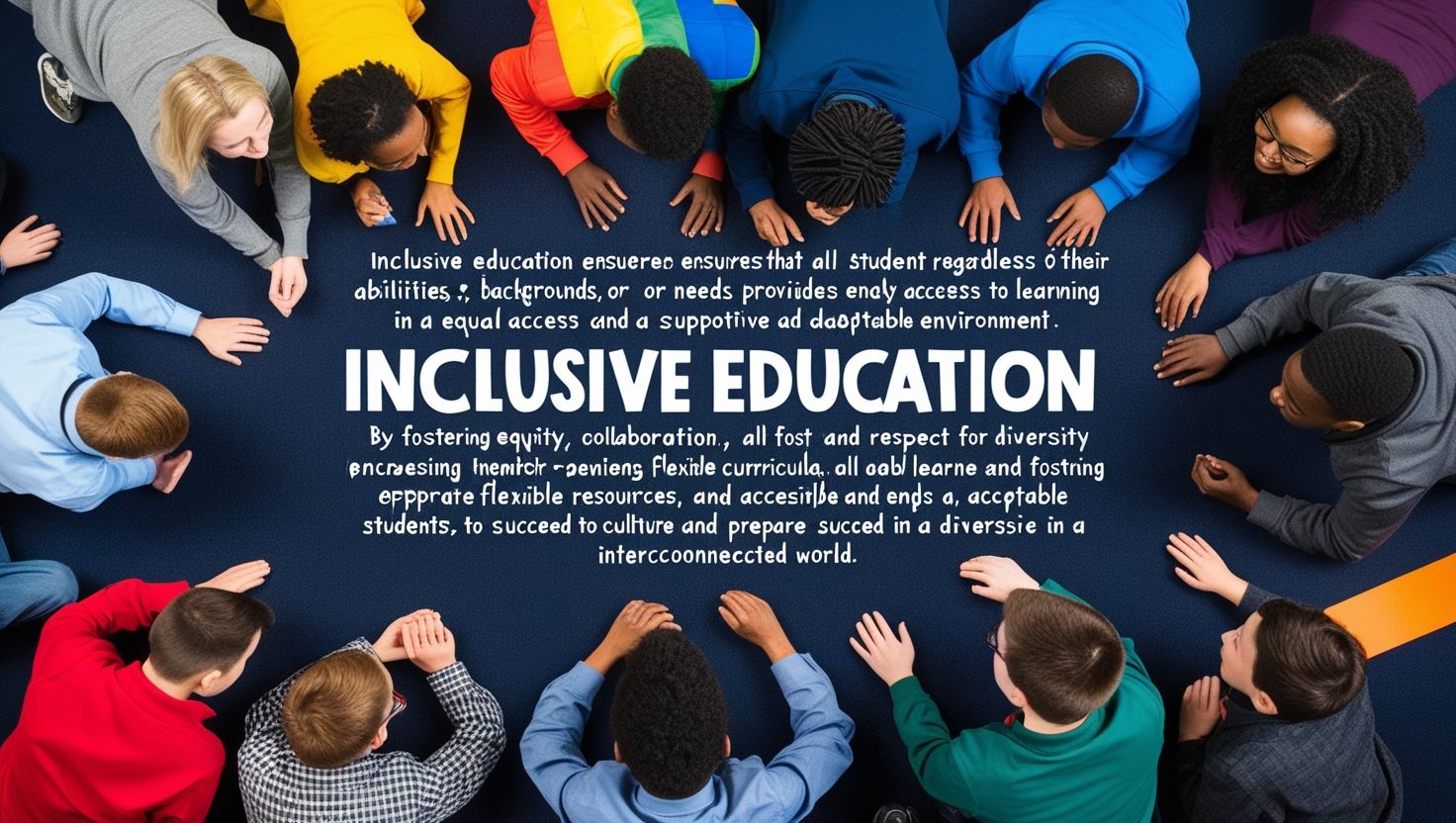
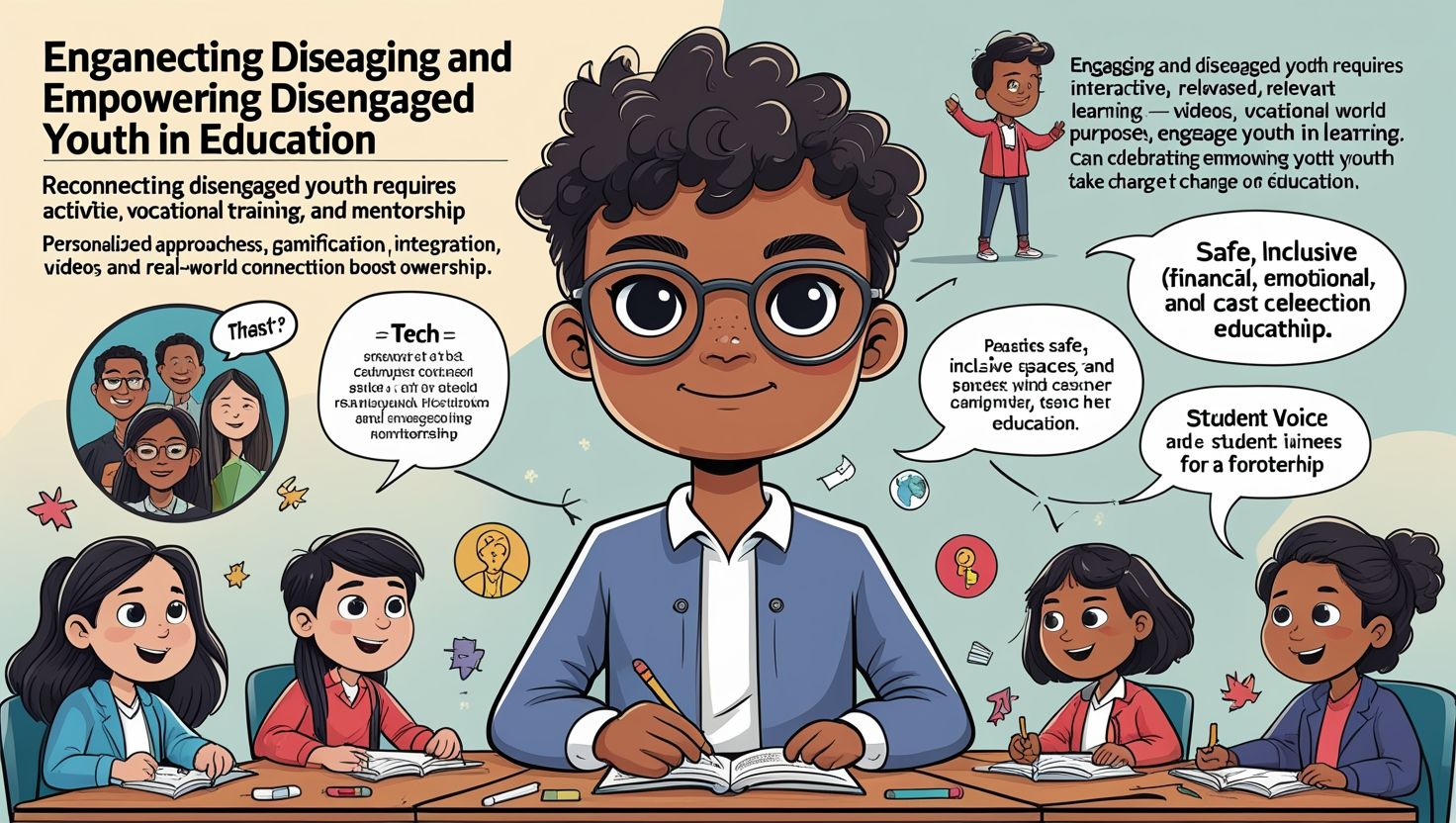
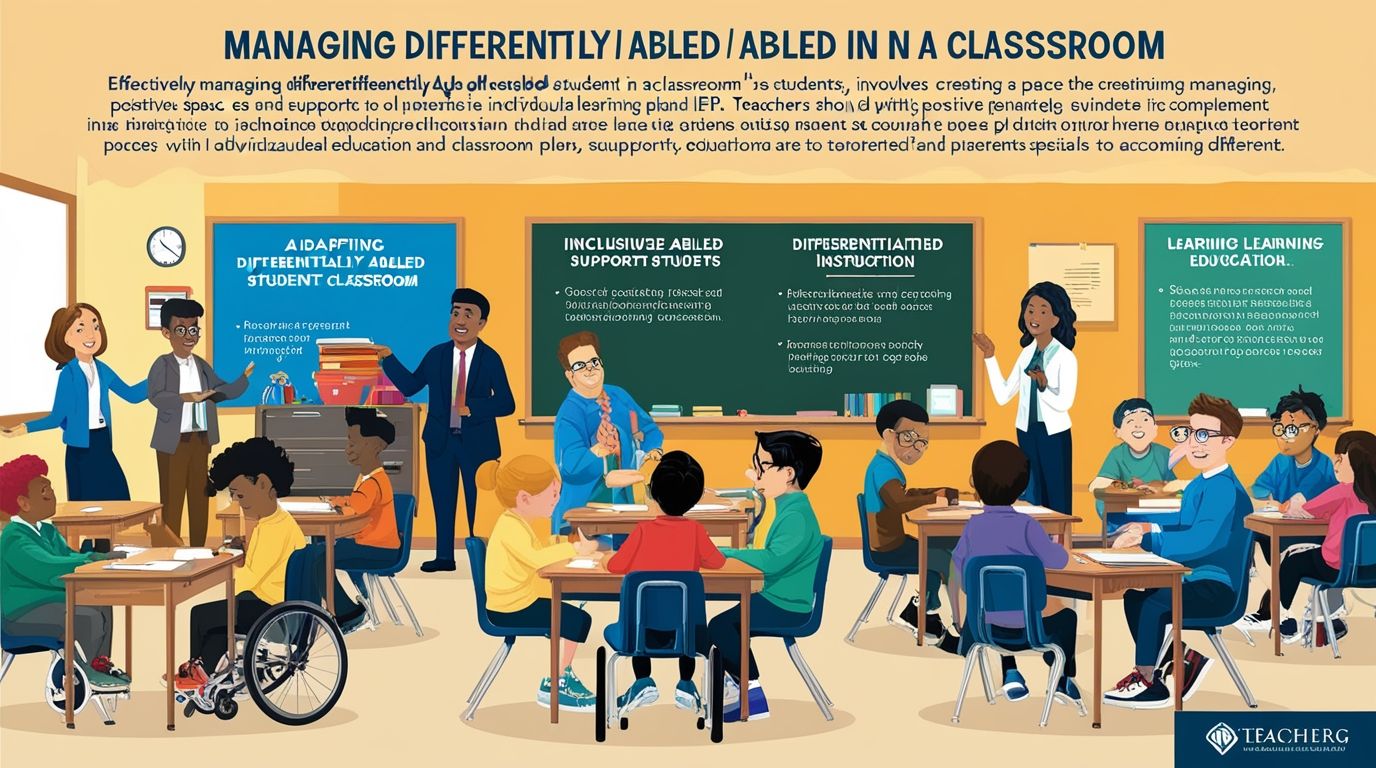
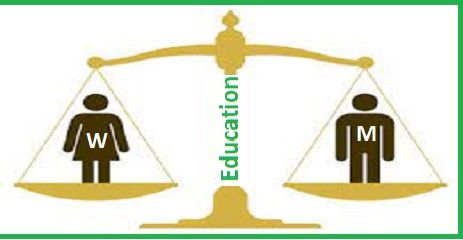
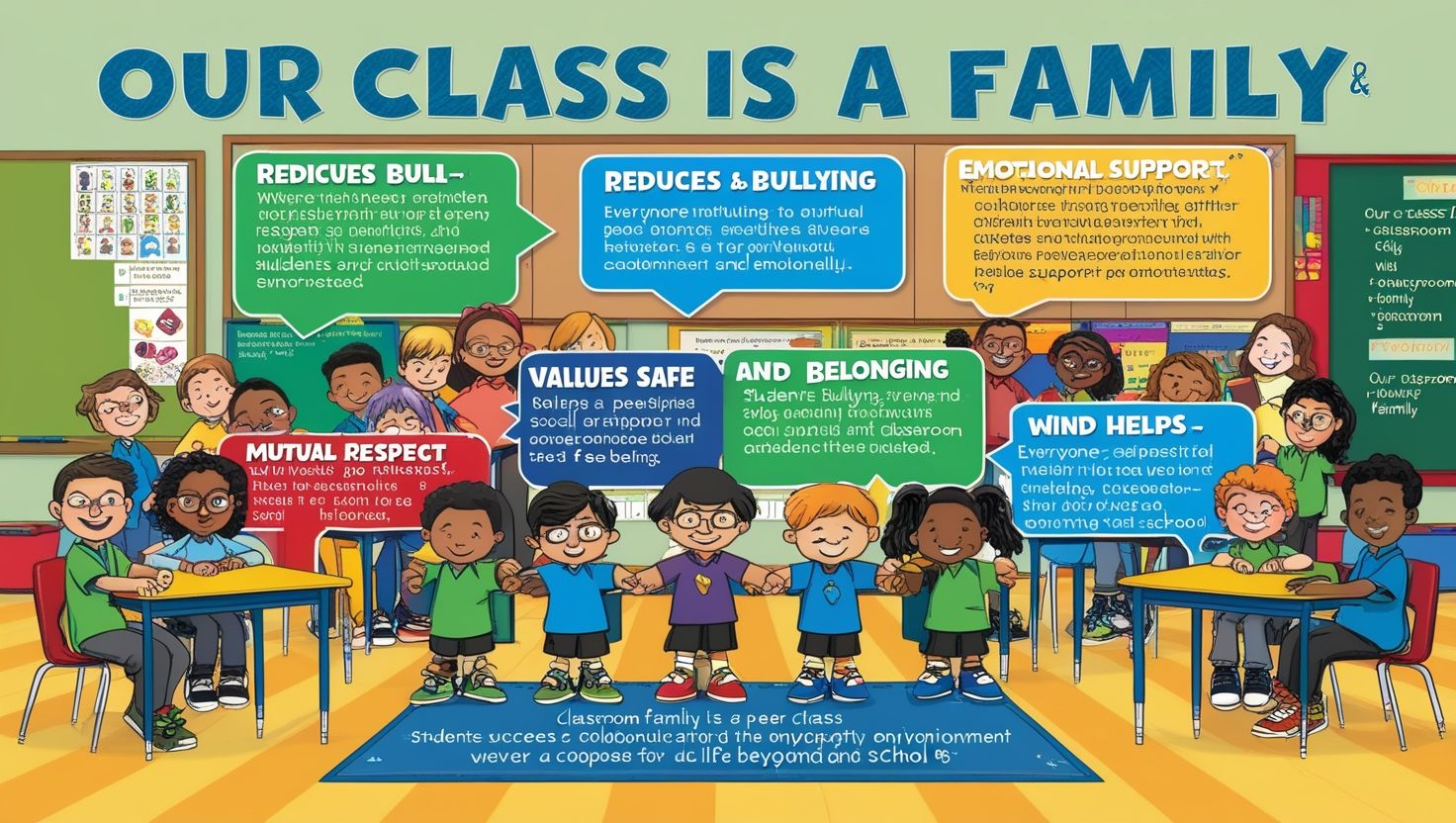
School Regulations and Learning Horizons play a pivotal role in promoting equity and inclusion. Regulations must ensure equal access to education, while learning horizons emphasize the recognition of diverse abilities and backgrounds. Inclusive education requires adapting teaching methods, curricula, and assessments to meet the needs of all learners. The alignment of School Regulations and Learning Horizons fosters environments where diversity is valued and supported. Policies should address barriers to participation, ensuring that marginalized groups have access to quality education. By integrating equity considerations into School Regulations and Learning Horizons, educational systems can create inclusive spaces that enable every student to achieve their potential.
Leadership and Organizational Culture
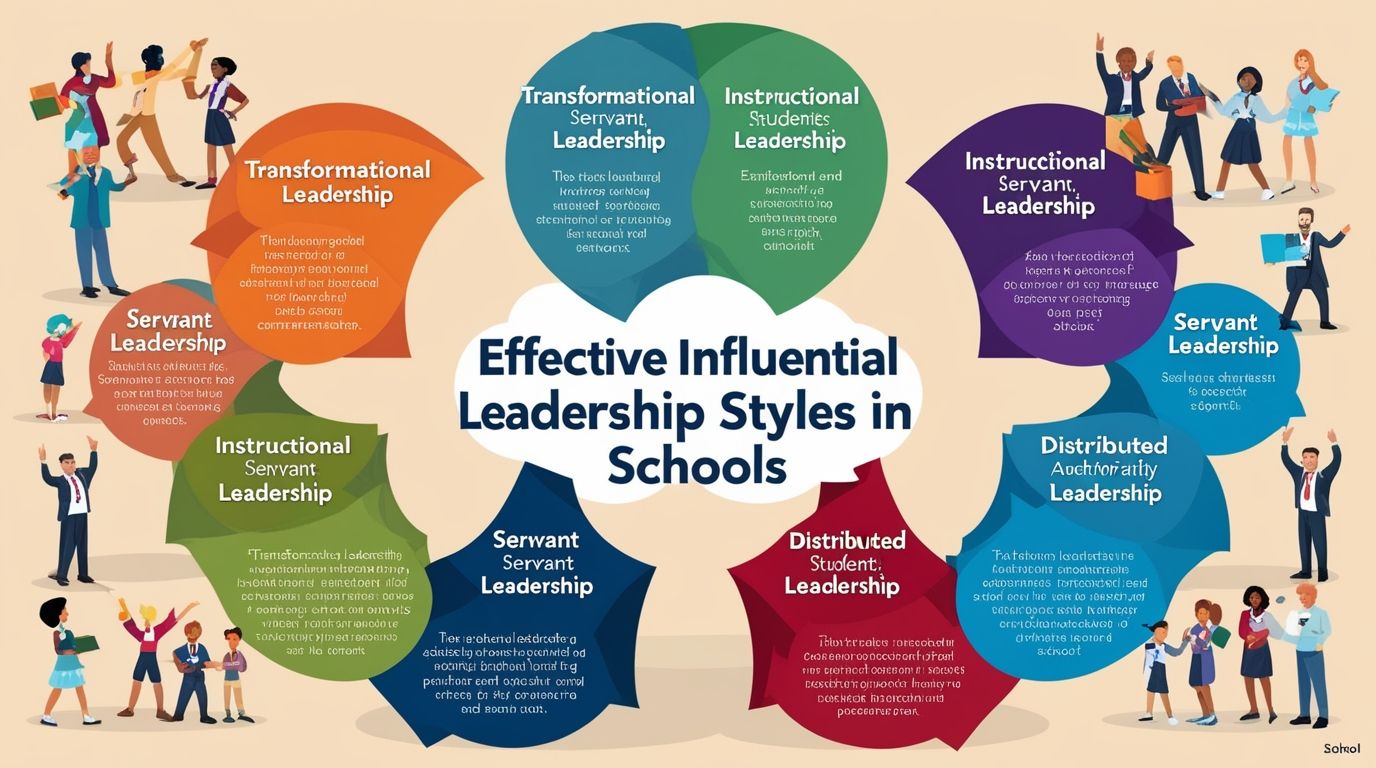
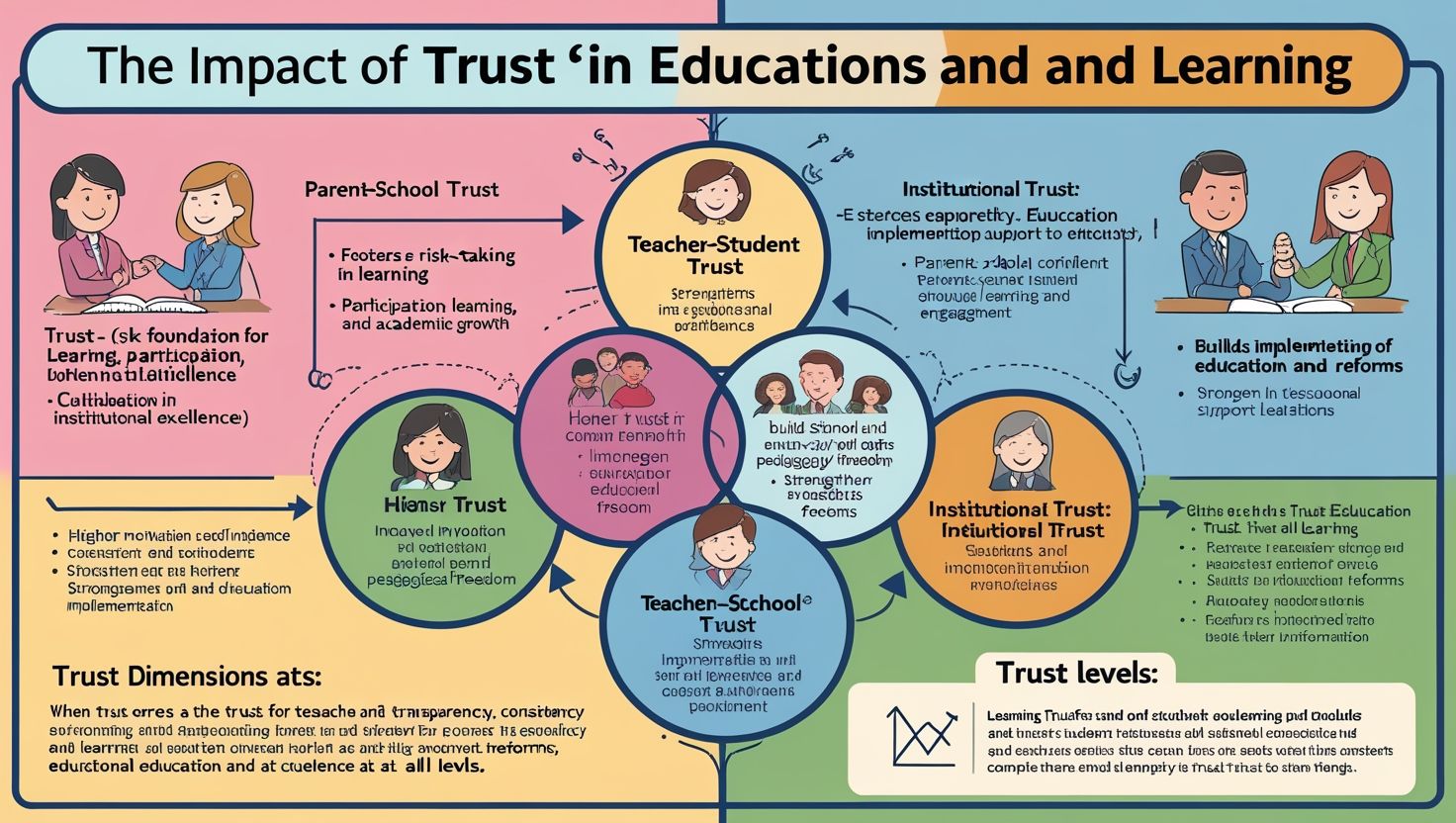
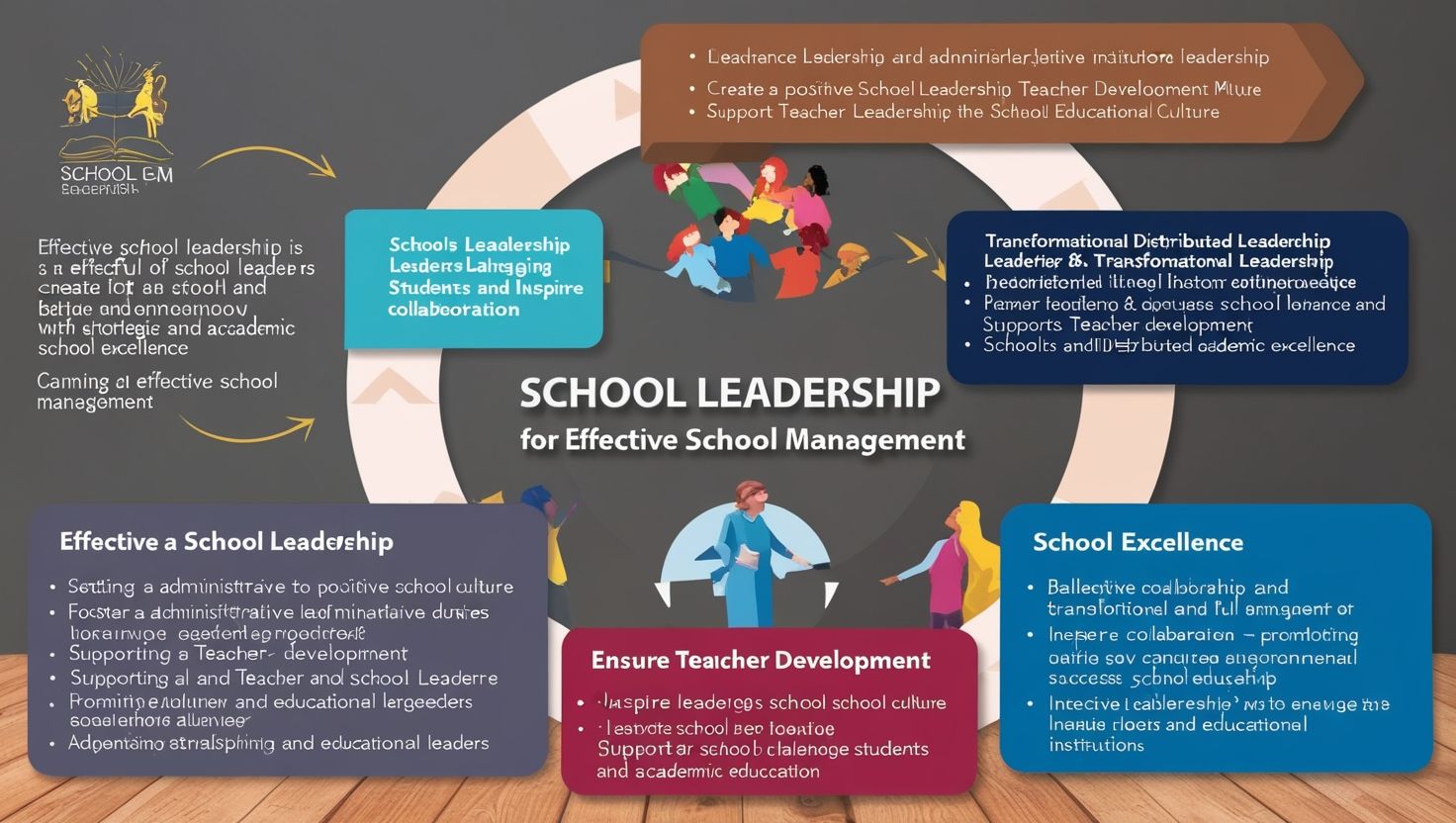
Leadership is instrumental in shaping the relationship between School Regulations and Learning Horizons. School leaders must create a vision that balances discipline with innovation, ensuring that regulations support educational goals. Organizational culture reflects how School Regulations and Learning Horizons are perceived and implemented within institutions. Leaders must promote a culture of trust, collaboration, and continuous improvement. Effective leadership involves engaging stakeholders, providing professional development, and fostering open communication. When School Regulations and Learning Horizons are aligned with institutional values, they contribute to a positive and productive learning environment. Leadership practices therefore play a critical role in sustaining this balance.
Community Engagement and Stakeholder Collaboration
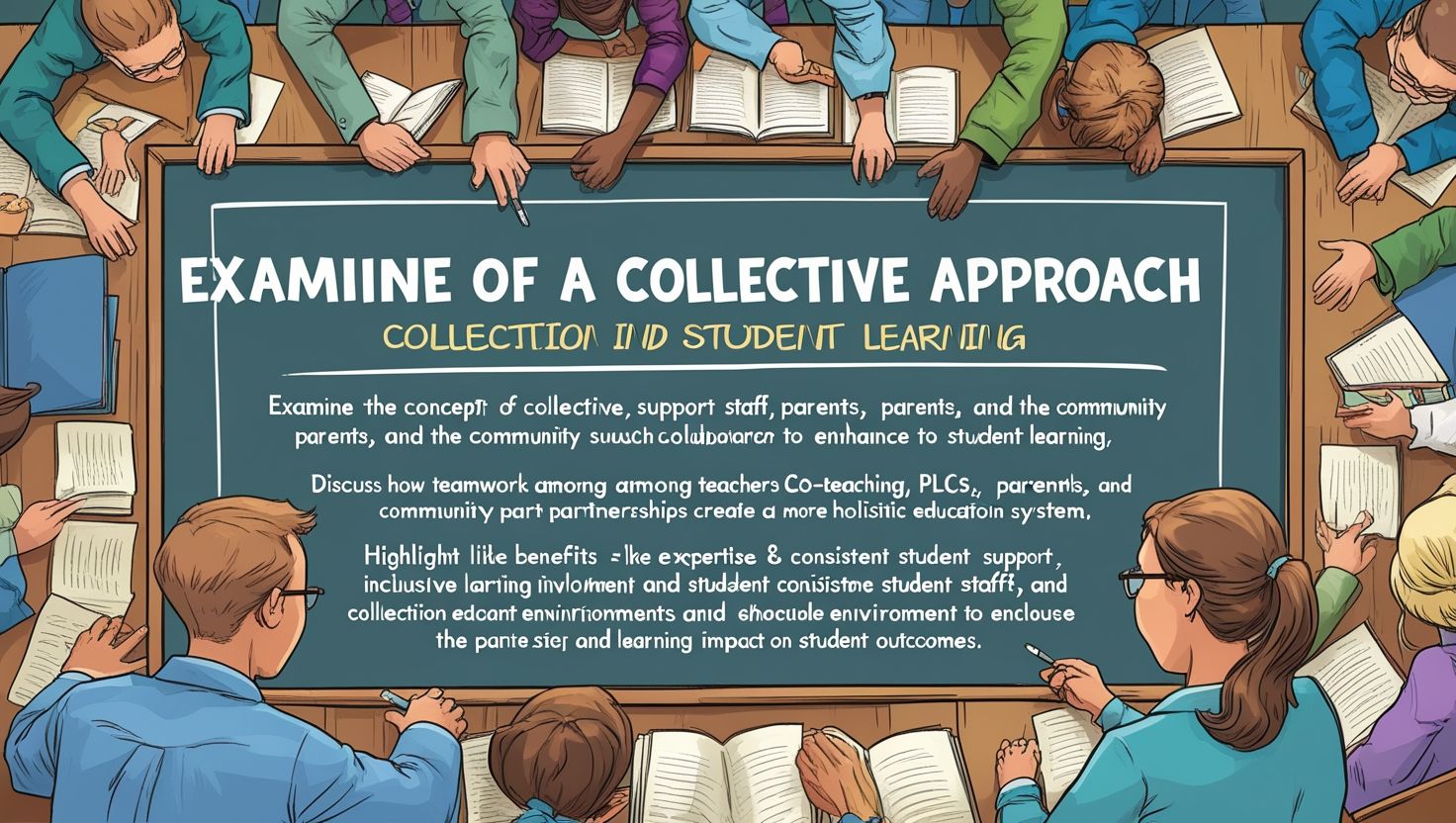
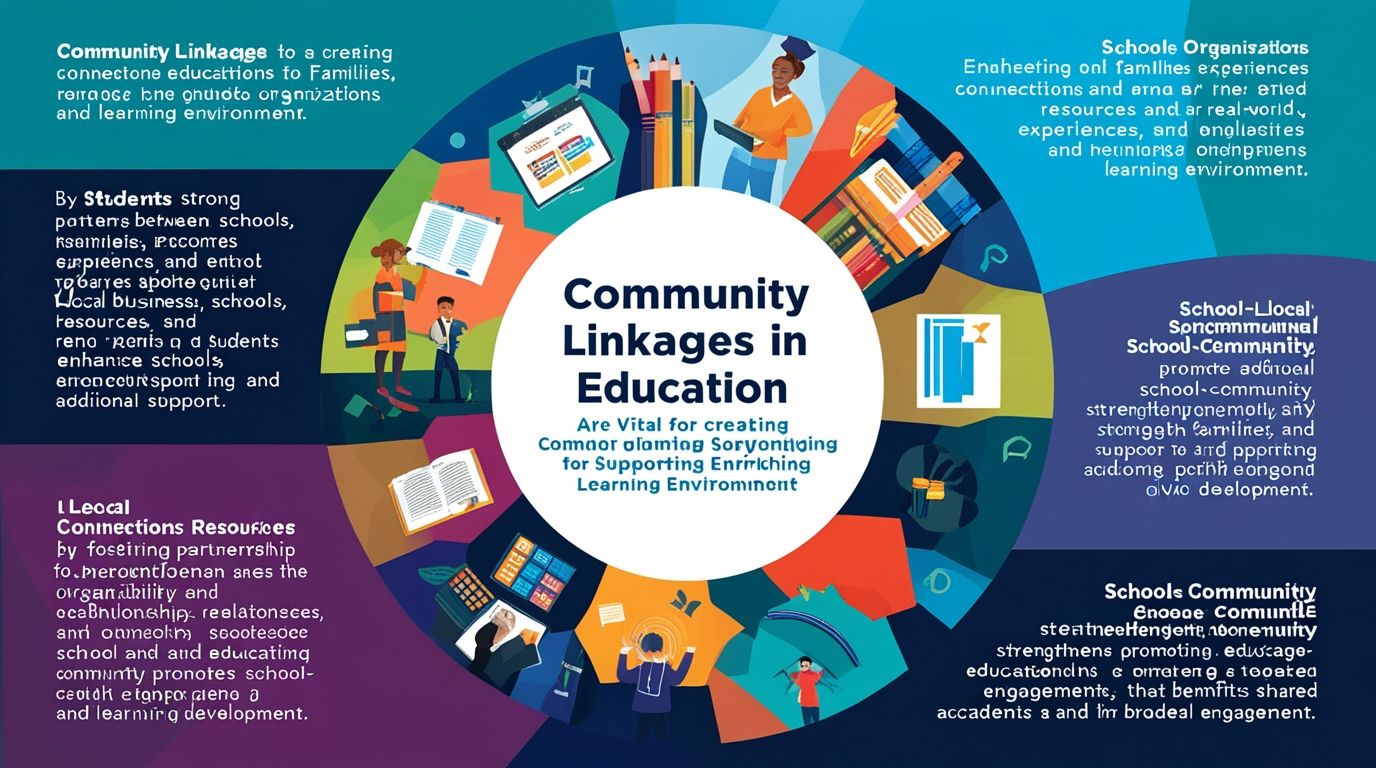
The integration of School Regulations and Learning Horizons extends beyond the classroom to include community and stakeholder involvement. Parents, local organizations, and policymakers contribute to shaping educational experiences. Regulations often define stakeholder roles, while learning horizons are expanded through community-based learning opportunities. Collaboration enhances the relevance and effectiveness of School Regulations and Learning Horizons by connecting education to real-world contexts. Schools must establish partnerships that support student learning and development. Engaging stakeholders in decision-making processes fosters a sense of ownership and accountability, strengthening the implementation of School Regulations and Learning Horizons.
Challenges and Constraints in Implementation
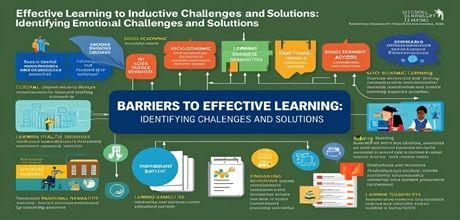
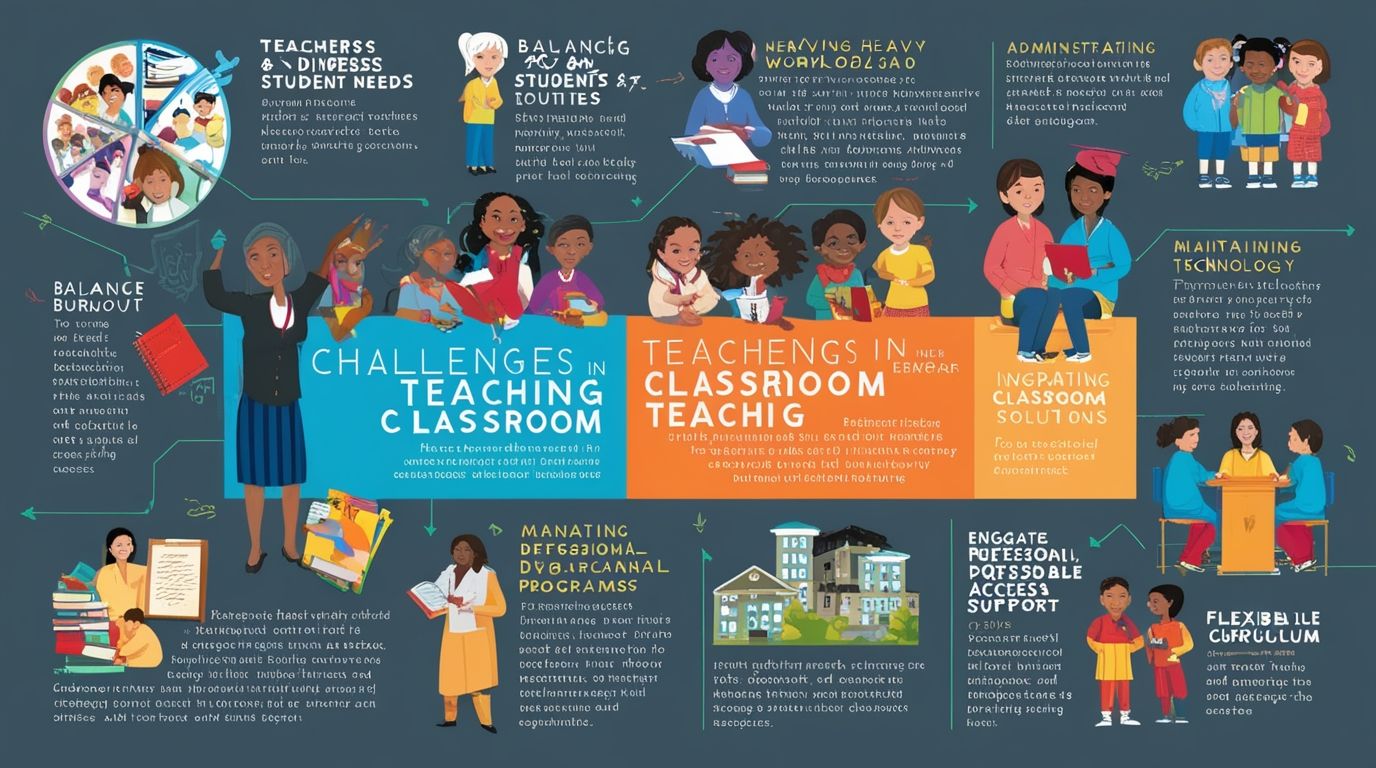
Balancing School Regulations and Learning Horizons presents several challenges, including resource limitations, resistance to change, and conflicting priorities. Overly rigid regulations can restrict innovation, while insufficient structure may lead to inconsistency. Effective implementation of School Regulations and Learning Horizons requires ongoing evaluation and adaptation. Educators and policymakers must address systemic barriers and ensure that regulations are responsive to changing needs. Professional development and capacity building are essential for supporting this balance. By acknowledging and addressing these challenges, schools can enhance the alignment of School Regulations and Learning Horizons, ensuring that they complement rather than conflict with each other.
Global Perspectives and Comparative Insights
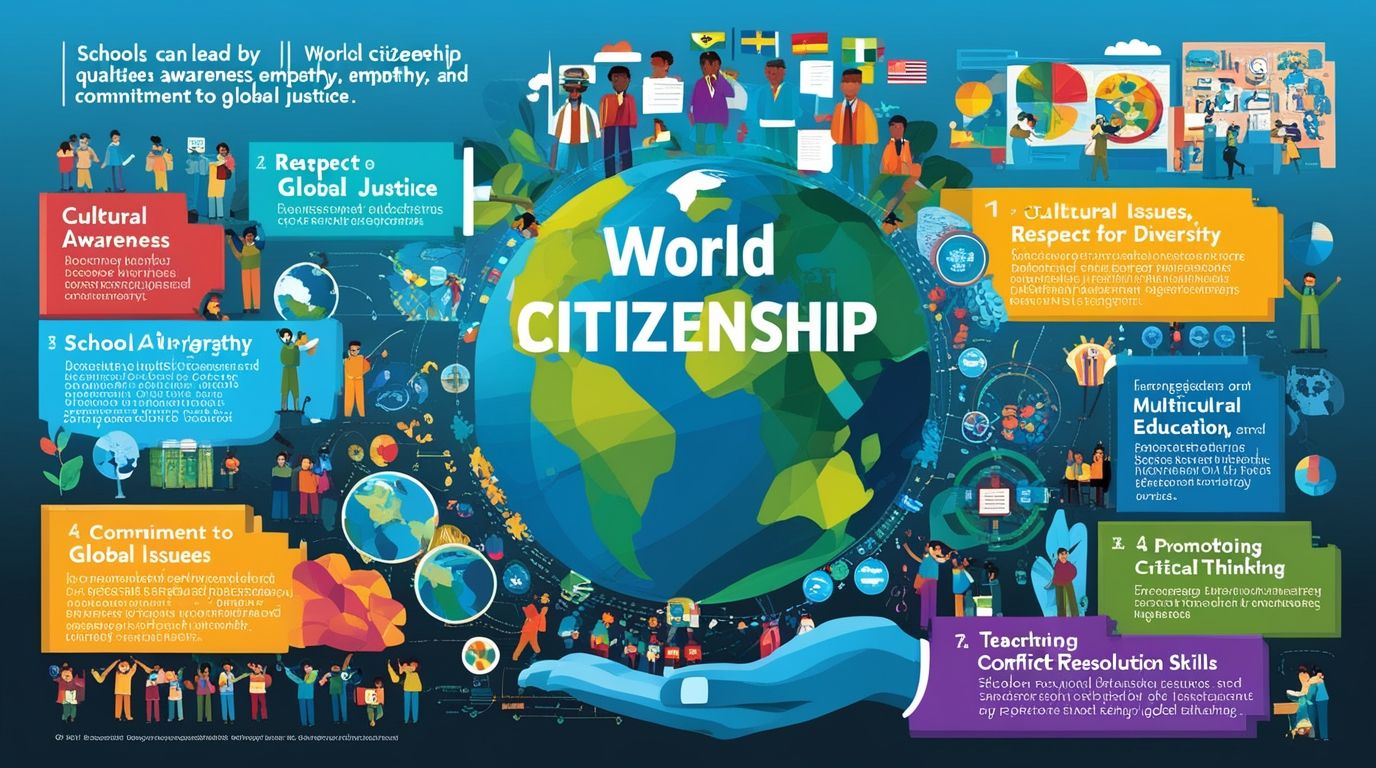
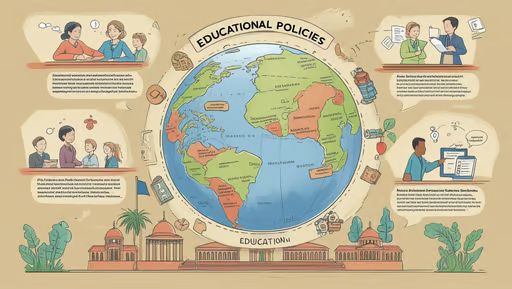
International perspectives provide valuable insights into the integration of School Regulations and Learning Horizons. Different education systems adopt varying approaches, reflecting cultural and contextual factors. Comparative studies reveal that successful systems balance regulatory frameworks with innovative practices, emphasizing both accountability and creativity. The analysis of global models highlights the importance of adaptability in aligning School Regulations and Learning Horizons. Cross-cultural learning enables educators to adopt best practices and refine their approaches. By examining international experiences, schools can enhance their understanding of how to effectively integrate School Regulations and Learning Horizons in diverse contexts.
Future Directions and Educational Innovation
The future of education will continue to redefine School Regulations and Learning Horizons in response to technological advancements and societal changes. Emerging trends such as artificial intelligence, personalized learning, and interdisciplinary studies require updated regulatory frameworks. Schools must remain adaptable, ensuring that regulations support innovation rather than hinder it. The alignment of School Regulations and Learning Horizons will be critical in preparing students for complex and dynamic environments. Continuous research and policy development are necessary to address emerging challenges and opportunities. By embracing change, educational systems can ensure that School Regulations and Learning Horizons remain relevant and effective.
Conclusion: Toward a Balanced Educational Paradigm
In conclusion, School Regulations and Learning Horizons are integral to the development of effective and equitable education systems. Their alignment ensures that schools provide structured environments while fostering creativity, critical thinking, and lifelong learning. Achieving this balance requires collaboration among educators, leaders, policymakers, and communities. Continuous evaluation and adaptation are essential for maintaining the relevance of School Regulations and Learning Horizons. By viewing regulations as supportive frameworks rather than restrictive measures, schools can expand learning horizons and empower students. The integration of School Regulations and Learning Horizons thus represents a dynamic and evolving paradigm that shapes the future of education.