Introduction
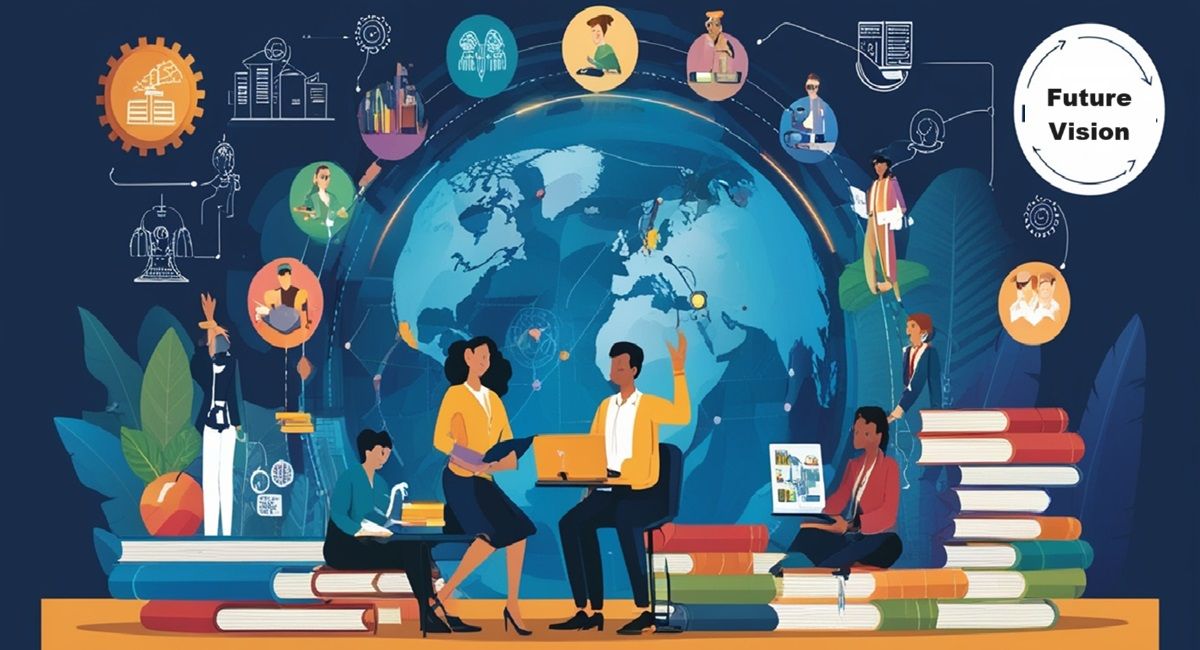
Globalized Skills in Education, Education is changing very fast. The world is now deeply connected. People work, learn, and communicate across borders every day. Therefore, schools must prepare learners for global realities. Students no longer compete only within their local communities. Instead, they compete and collaborate with people from many countries. As a result, education systems must focus on globalized skills.
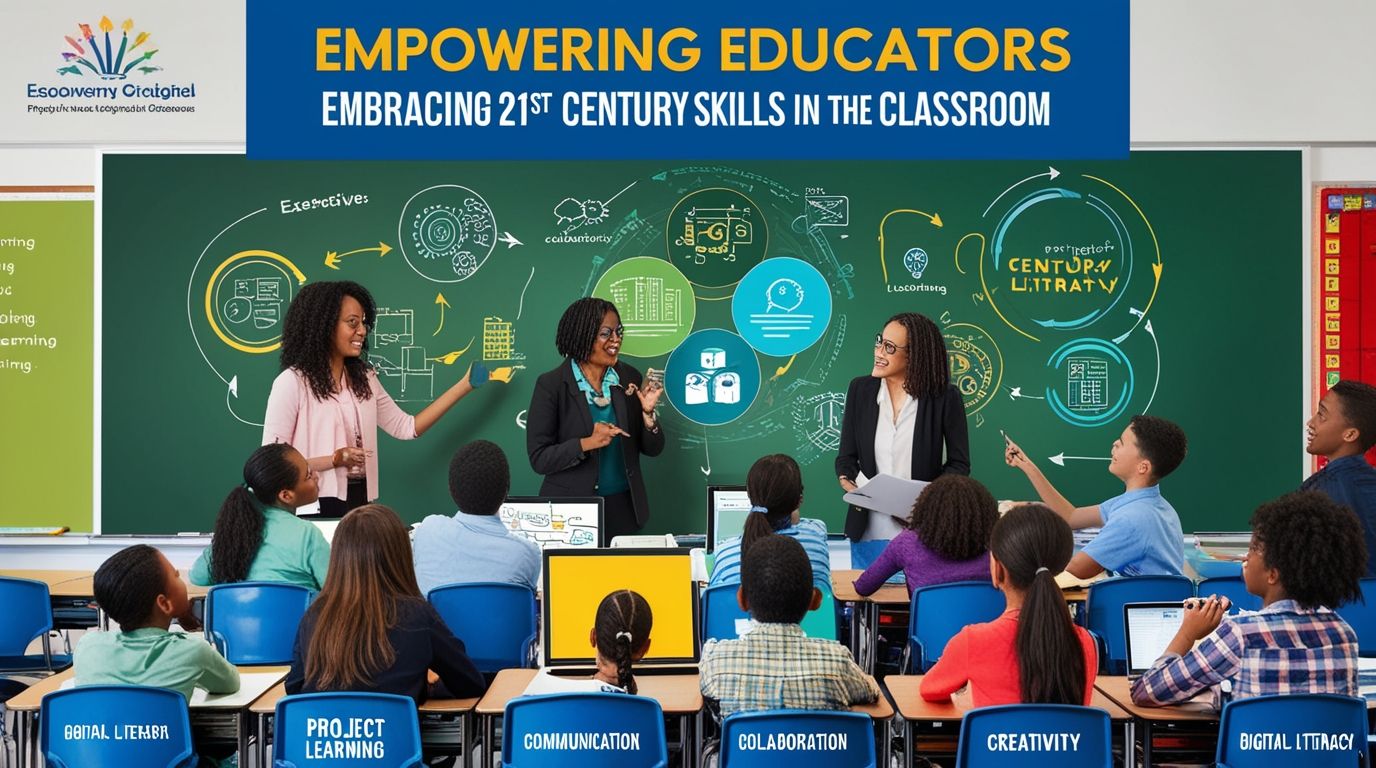
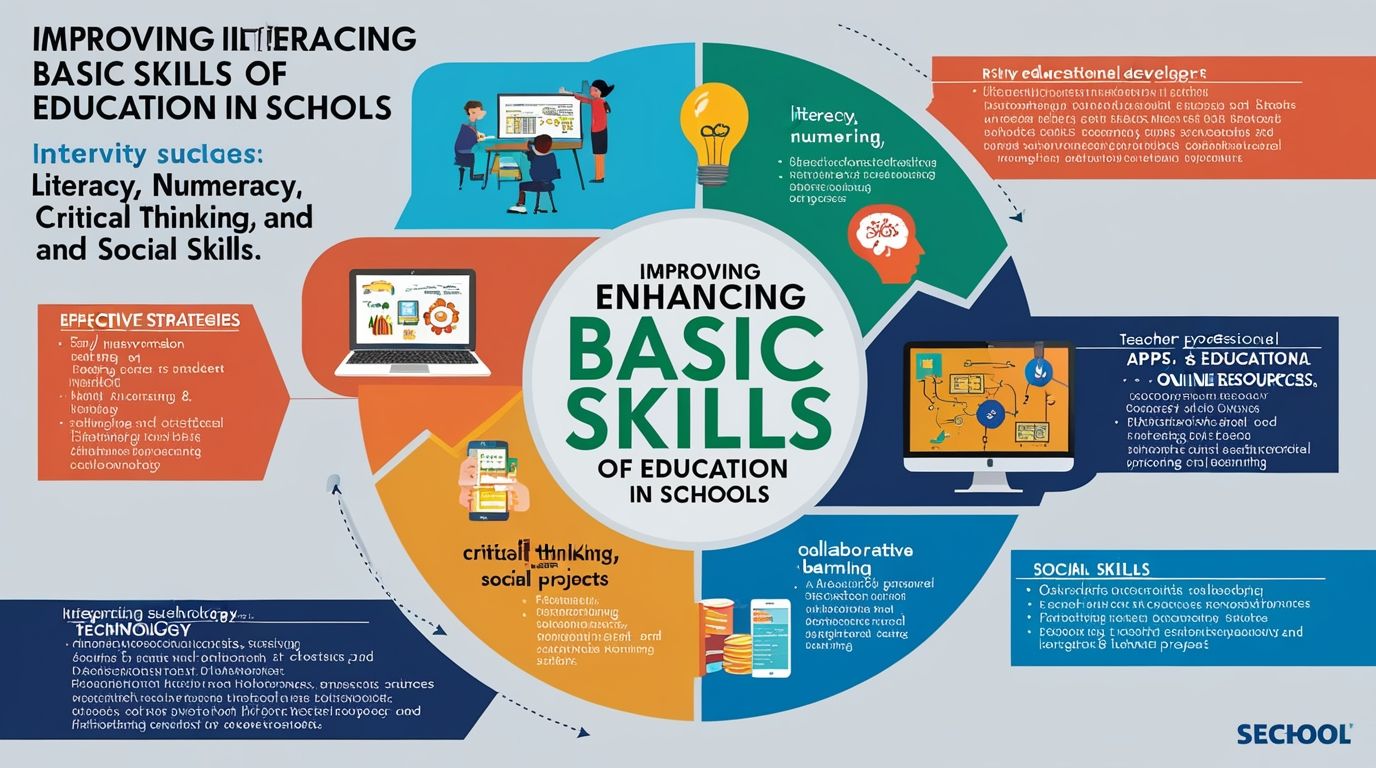
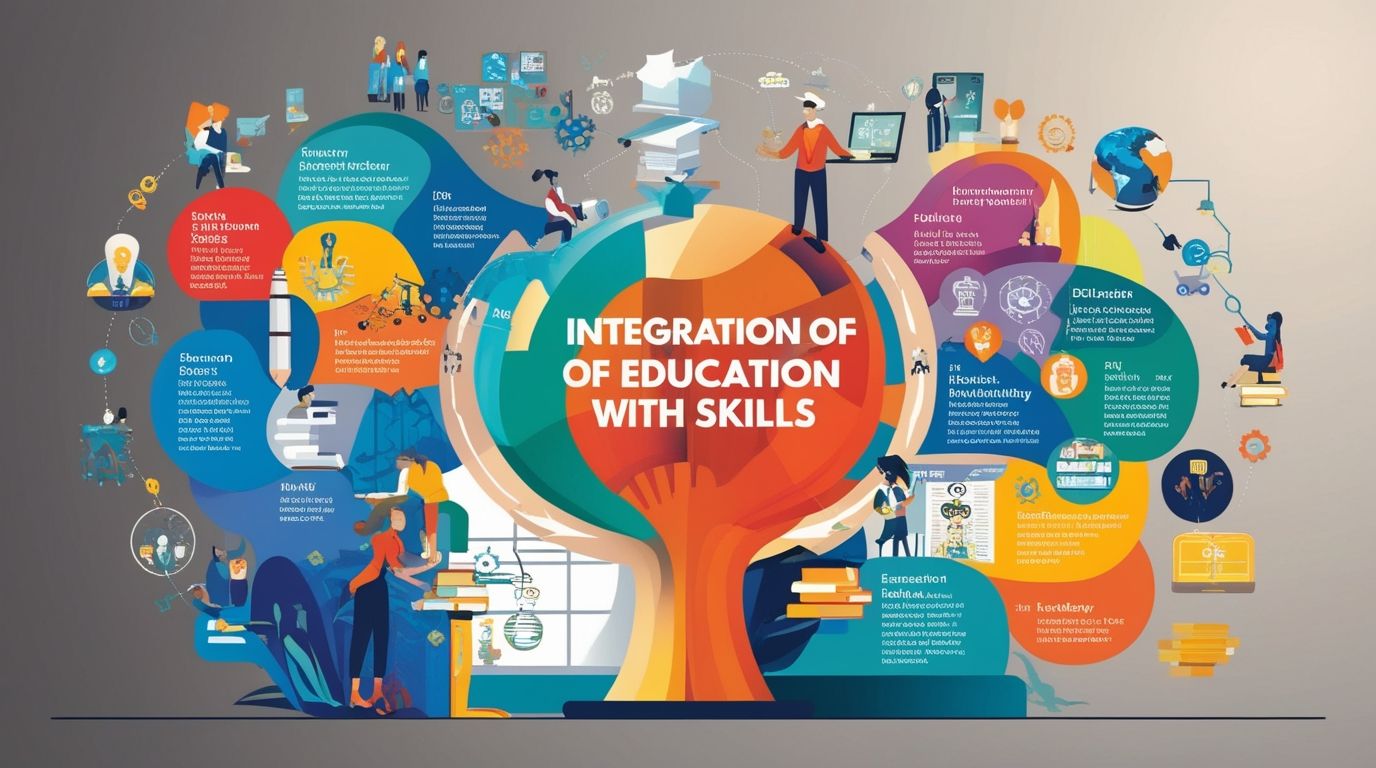
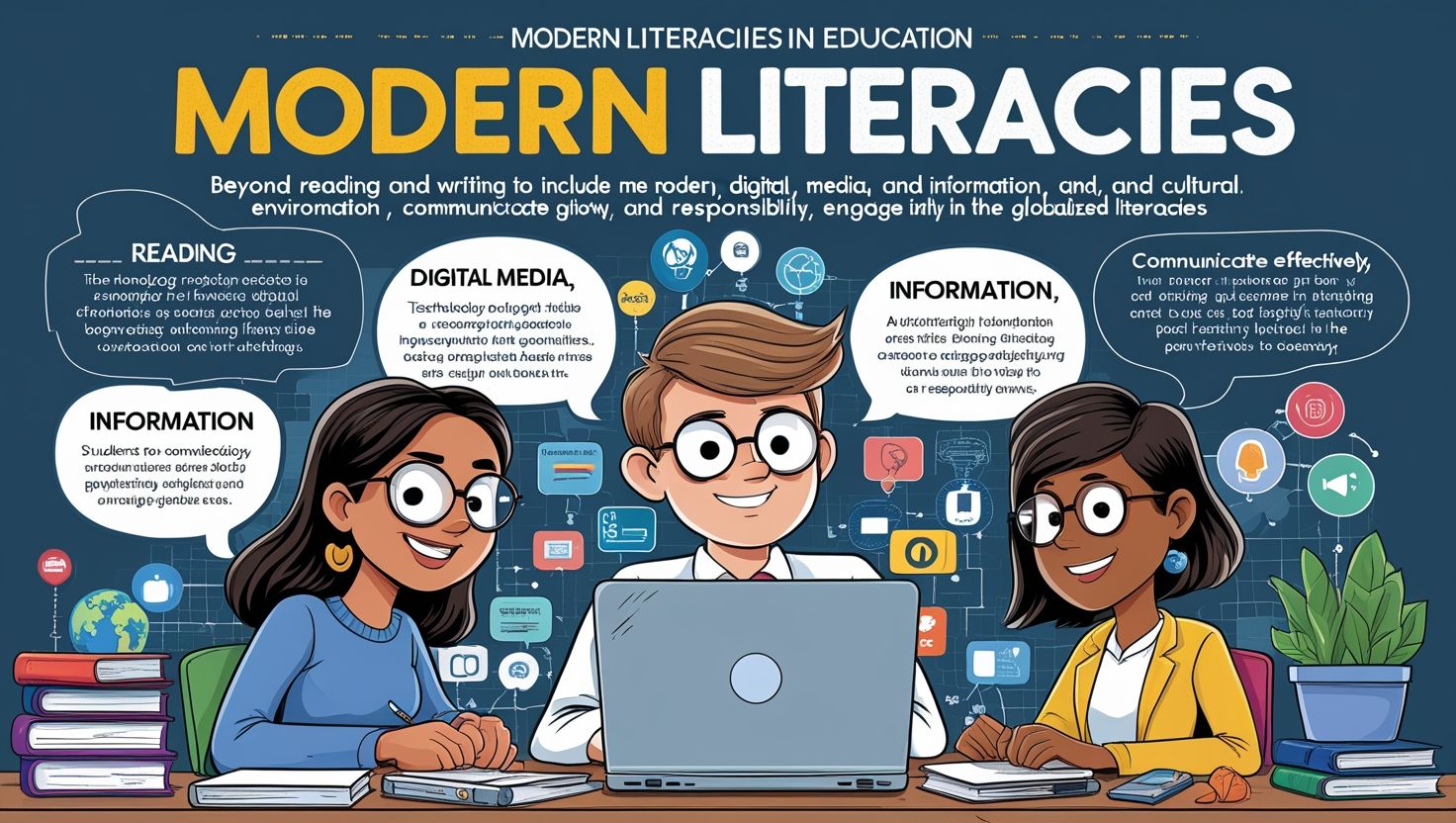
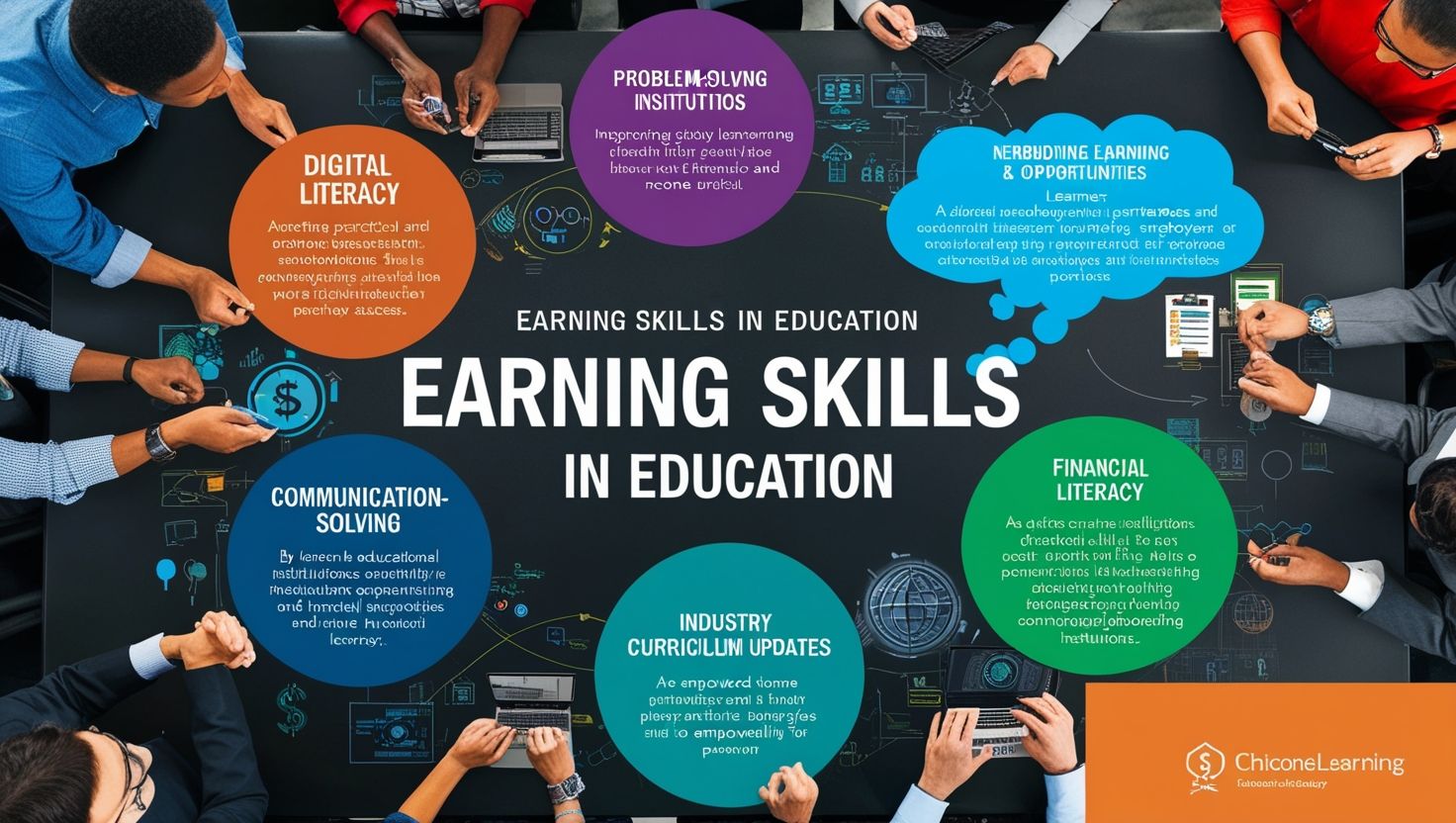
Globalized skills help learners succeed in the modern world. These skills include communication, collaboration, creativity, critical thinking, digital literacy, cultural understanding, leadership, adaptability, and problem-solving. Moreover, these competencies support personal growth and economic development. Students with these skills can face future challenges with confidence.
Today, technology has connected nations more than ever before. Consequently, ideas and information move quickly across the globe. Employers now expect workers to communicate with international teams and use digital tools effectively. In addition, societies need responsible citizens who understand diversity and global issues. Therefore, schools must redesign learning experiences to meet these expectations.
This article explains the importance of globalized skills, their major types, their role in education, challenges in implementation, and strategies for improvement. Furthermore, it highlights the responsibilities of teachers, schools, governments, and communities in preparing learners for a global future.
Meaning of Globalized Skills
Globalized skills are abilities that help individuals work successfully in an interconnected world. These skills support communication across cultures, effective use of technology, and participation in global economies. In other words, they prepare learners for international cooperation and lifelong learning. Traditionally, education focused mainly on memorization and examination performance. However, modern education requires broader competencies. Students must now think independently, solve real-world problems, and work with people from different backgrounds. Therefore, schools must balance academic knowledge with practical skills.
Globalized skills also promote social understanding. For example, students learn to respect different languages, traditions, and viewpoints. As a result, they become more tolerant and cooperative citizens. Moreover, these skills encourage innovation and creativity in workplaces and communities.
Importance of Globalized Skills in Education
Preparing Students for the Future Workforce
The global economy demands skilled and flexible workers. Therefore, students need abilities beyond textbook learning. Employers now seek individuals who can communicate clearly, think critically, and adapt to change. In addition, companies prefer workers who can collaborate with international teams. Digital industries are also expanding rapidly. Consequently, learners must understand technology and online communication tools. Workers without digital competencies may struggle in future job markets. Thus, education systems must integrate digital learning into classrooms.
Furthermore, automation is replacing many routine jobs. Therefore, creative thinking and innovation are becoming more valuable. Students who develop problem-solving skills can create new opportunities and respond to changing work environments.
Encouraging Global Citizenship
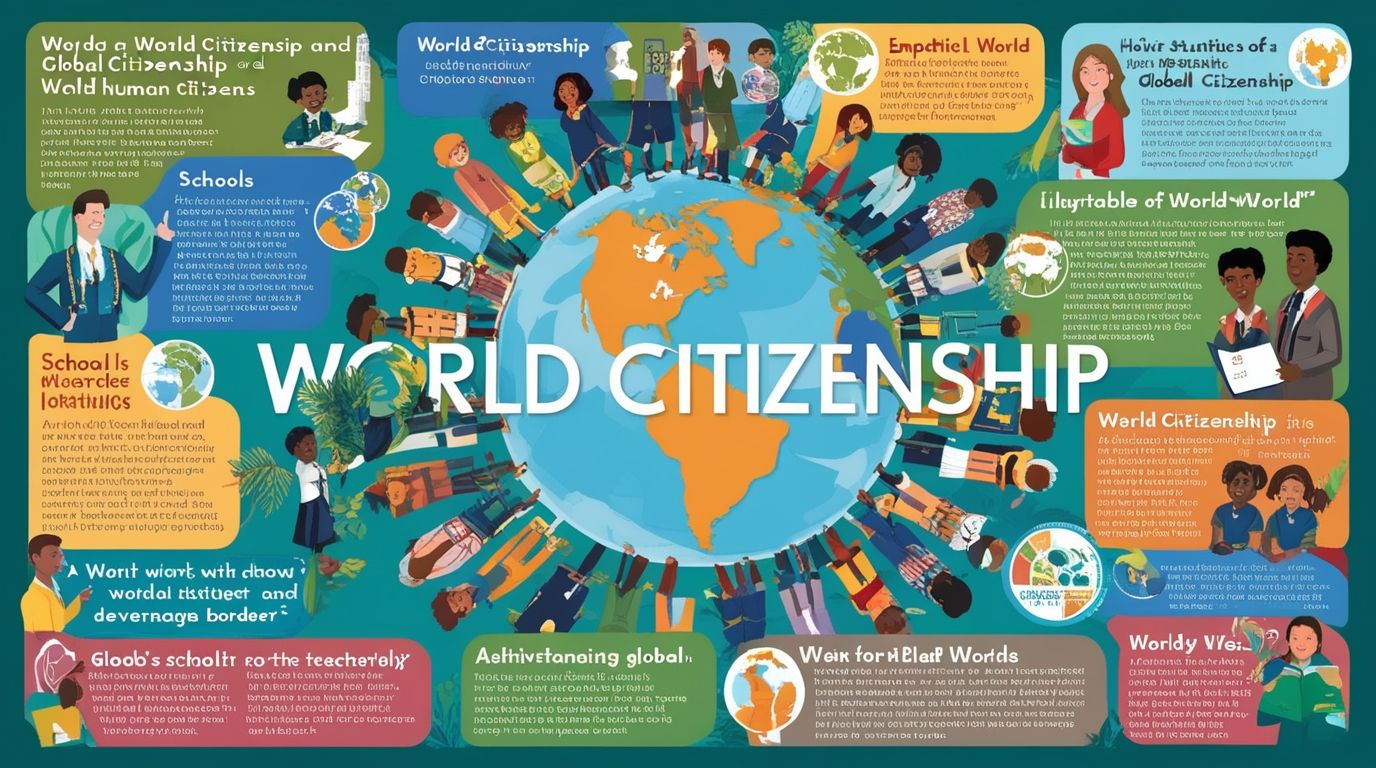
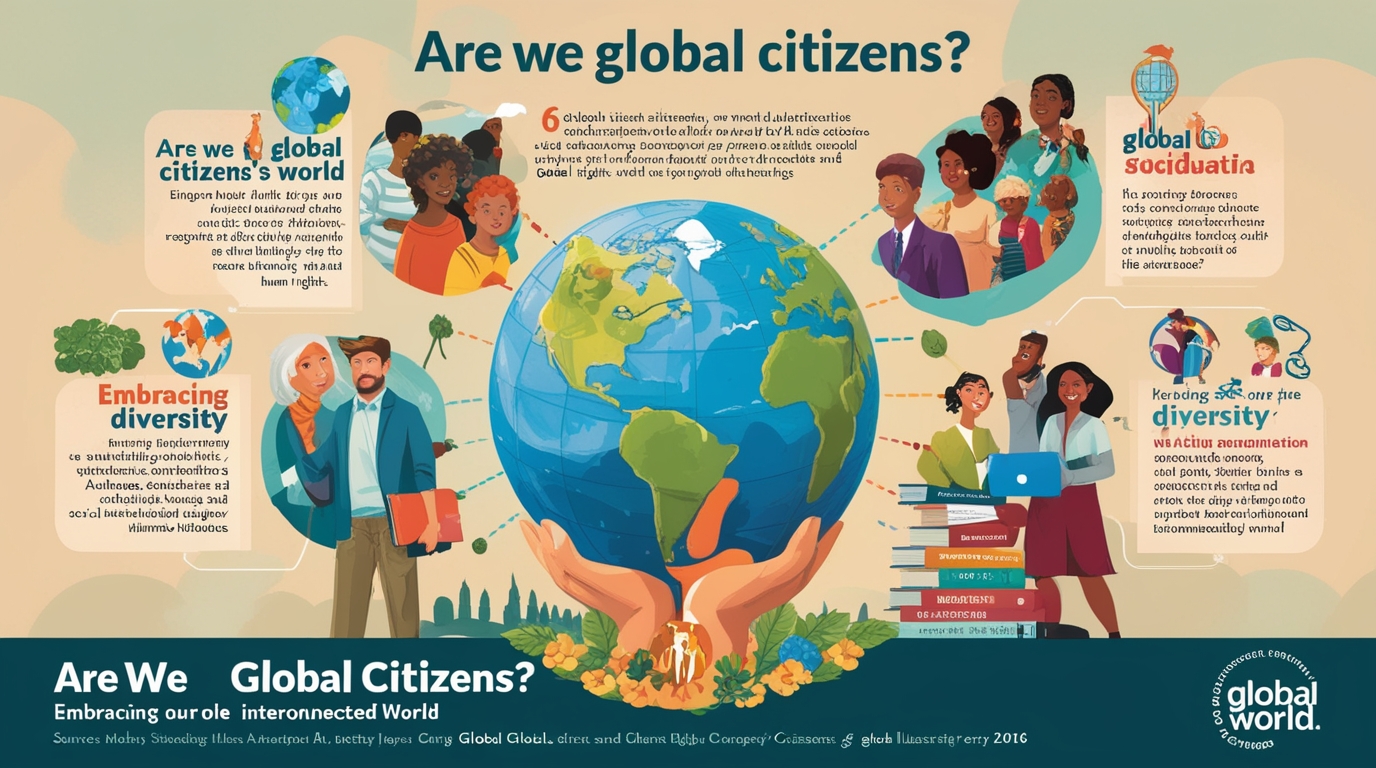
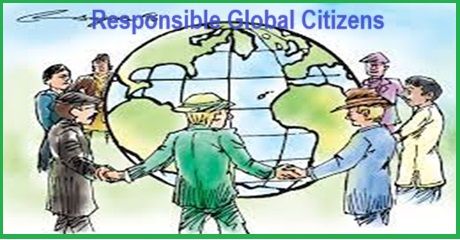
Global challenges affect all nations. Climate change, health crises, poverty, and conflict require international cooperation. Therefore, schools must teach learners to think globally and act responsibly. Global citizenship encourages respect, empathy, and social responsibility. Students learn to appreciate cultural diversity and human rights. Moreover, they become aware of environmental sustainability and ethical behavior.
As a result, learners develop peaceful attitudes and cooperative behaviors. They also become more willing to contribute positively to society. Therefore, globalized education strengthens both local and international communities.
Improving Communication and Collaboration
Modern workplaces require teamwork and communication. However, people now collaborate across countries and time zones. Therefore, students must learn how to interact with diverse groups.
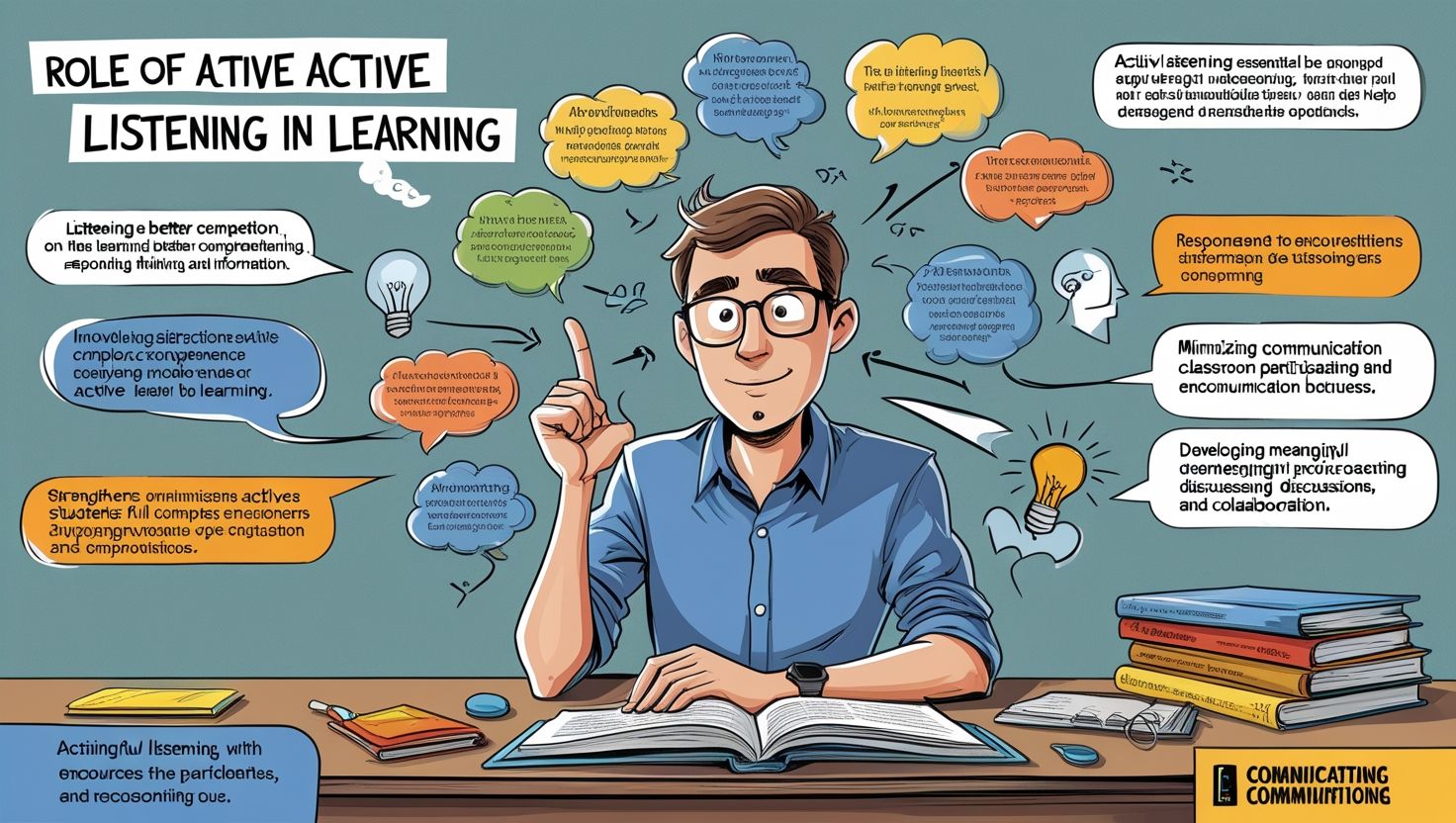
Effective communication includes speaking, listening, writing, and digital interaction. In addition, students need intercultural communication skills. These abilities help them avoid misunderstandings and build strong relationships. Collaboration also supports innovation. When learners share ideas, they discover new solutions to problems. Consequently, teamwork becomes an essential part of educational success.
Supporting Lifelong Learning
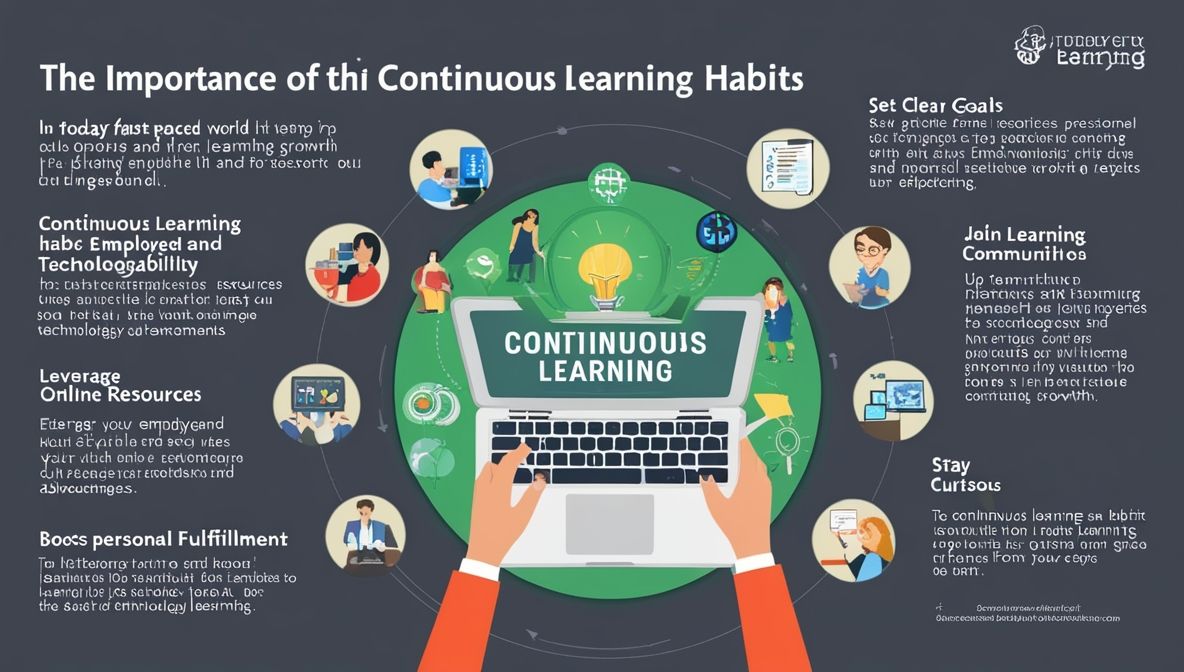
Knowledge changes rapidly in the modern world. Therefore, students cannot depend only on information learned in school. Instead, they must continue learning throughout life.
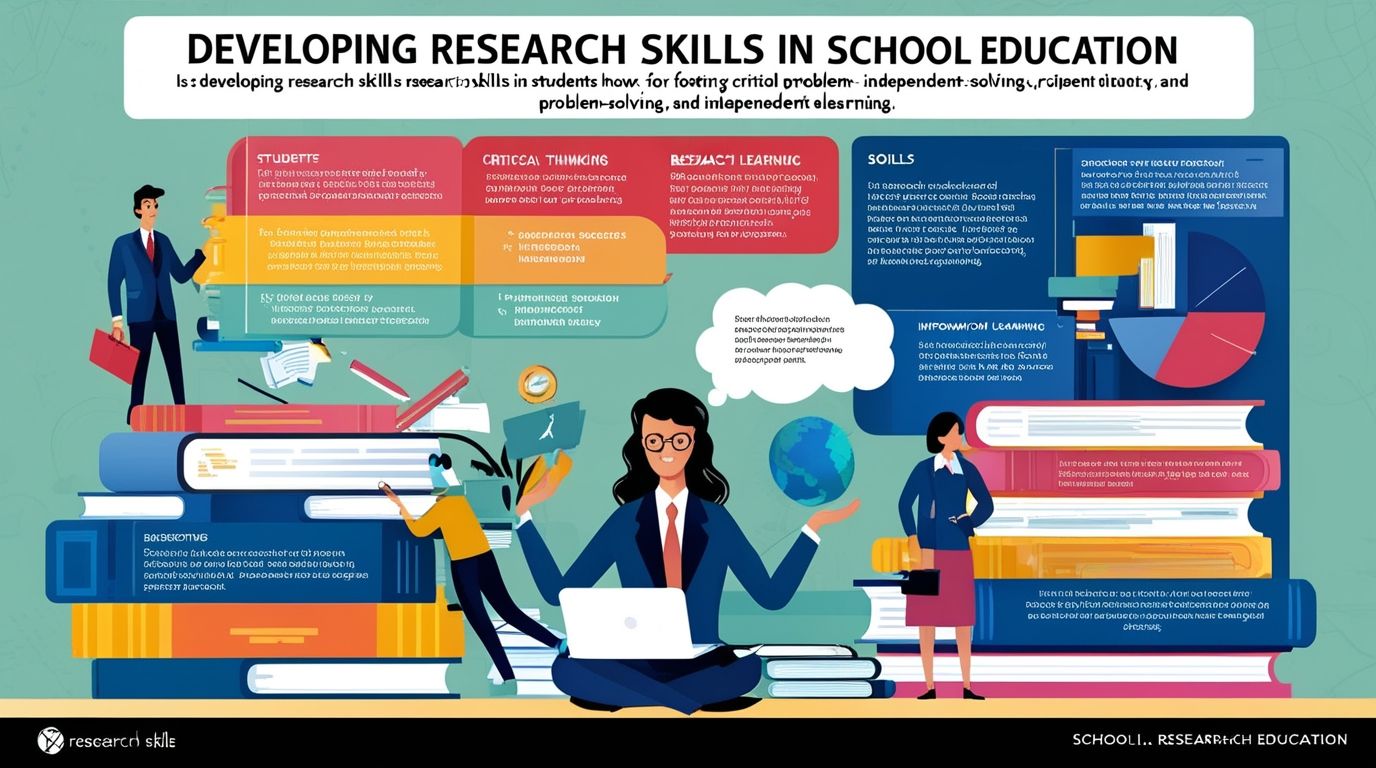
Lifelong learning encourages curiosity and adaptability. Students become independent learners who seek new knowledge and experiences. Moreover, they learn how to use technology for research and self-improvement. As industries evolve, workers must update their skills regularly. Consequently, lifelong learning supports career growth and social development.
Major Globalized Skills in Education
Critical Thinking
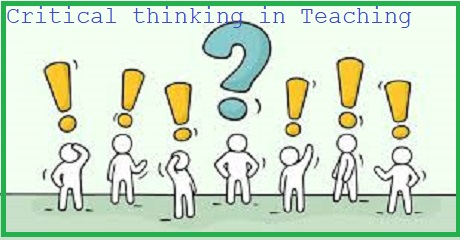
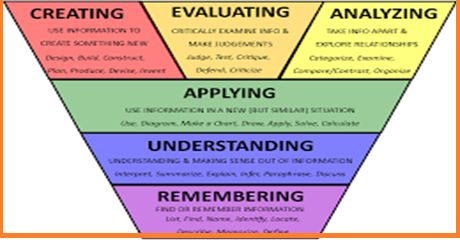
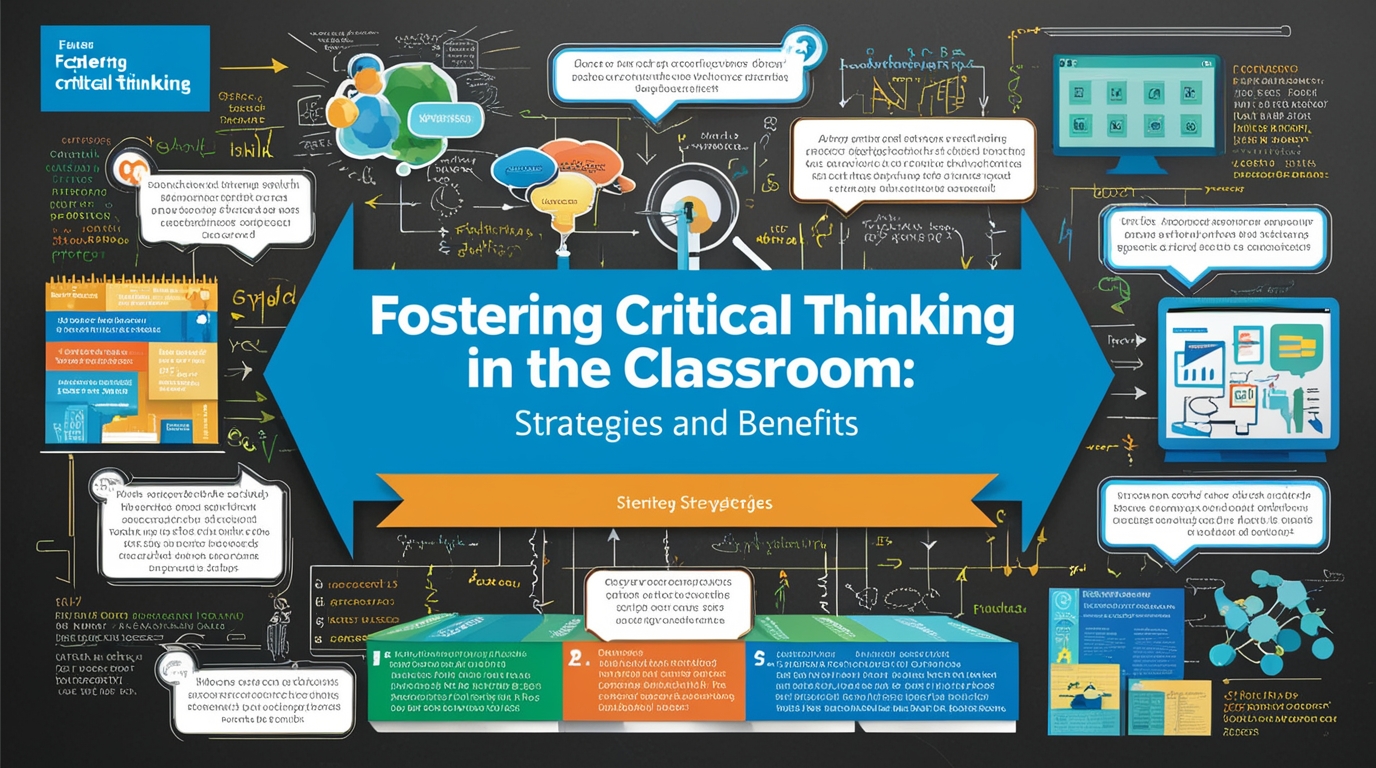
Critical thinking is the ability to analyze information carefully and make logical decisions. Students must learn how to question ideas, evaluate evidence, and solve problems effectively. Today, learners receive information from many digital sources. However, not all information is accurate. Therefore, critical thinking helps students identify reliable facts and avoid misinformation.
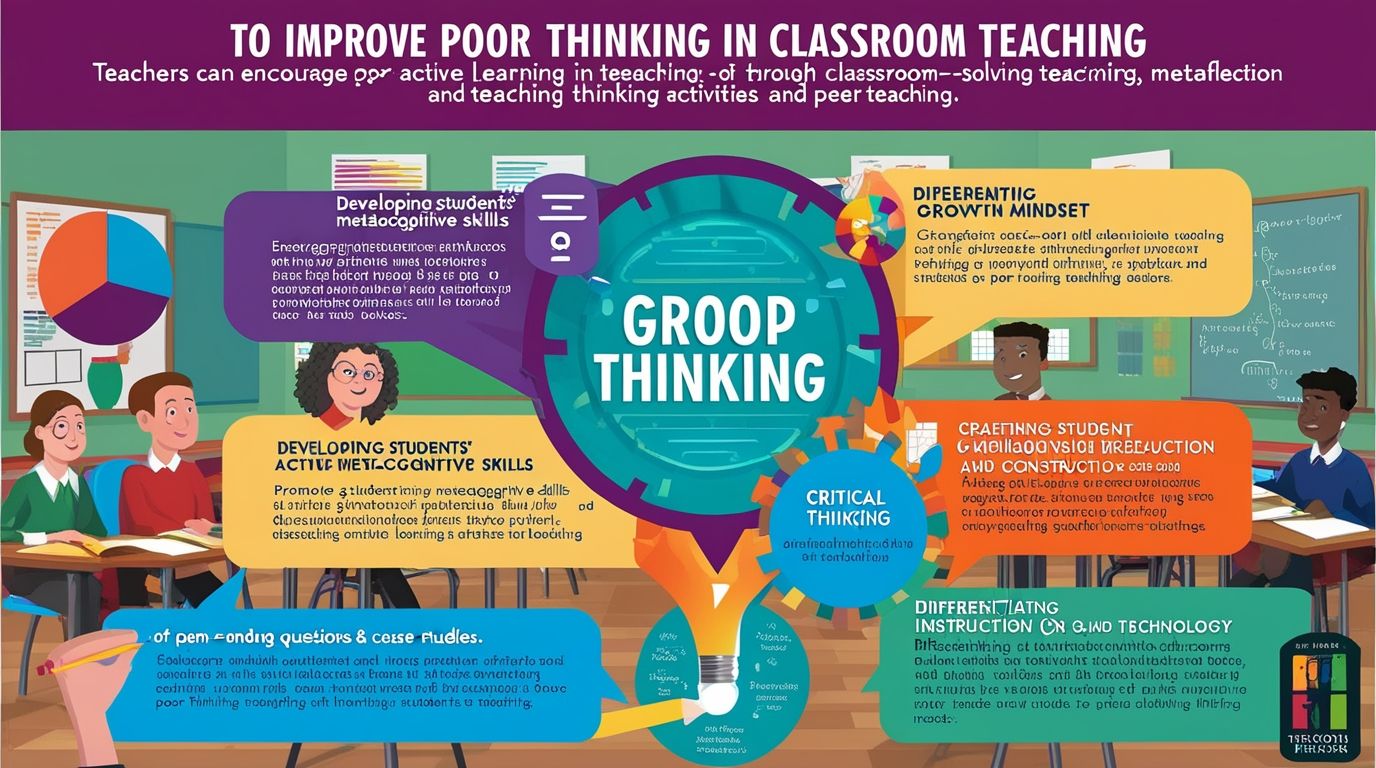
In classrooms, teachers can encourage critical thinking through discussions, case studies, debates, and project-based learning. As a result, students become more independent and confident thinkers.
Communication Skills
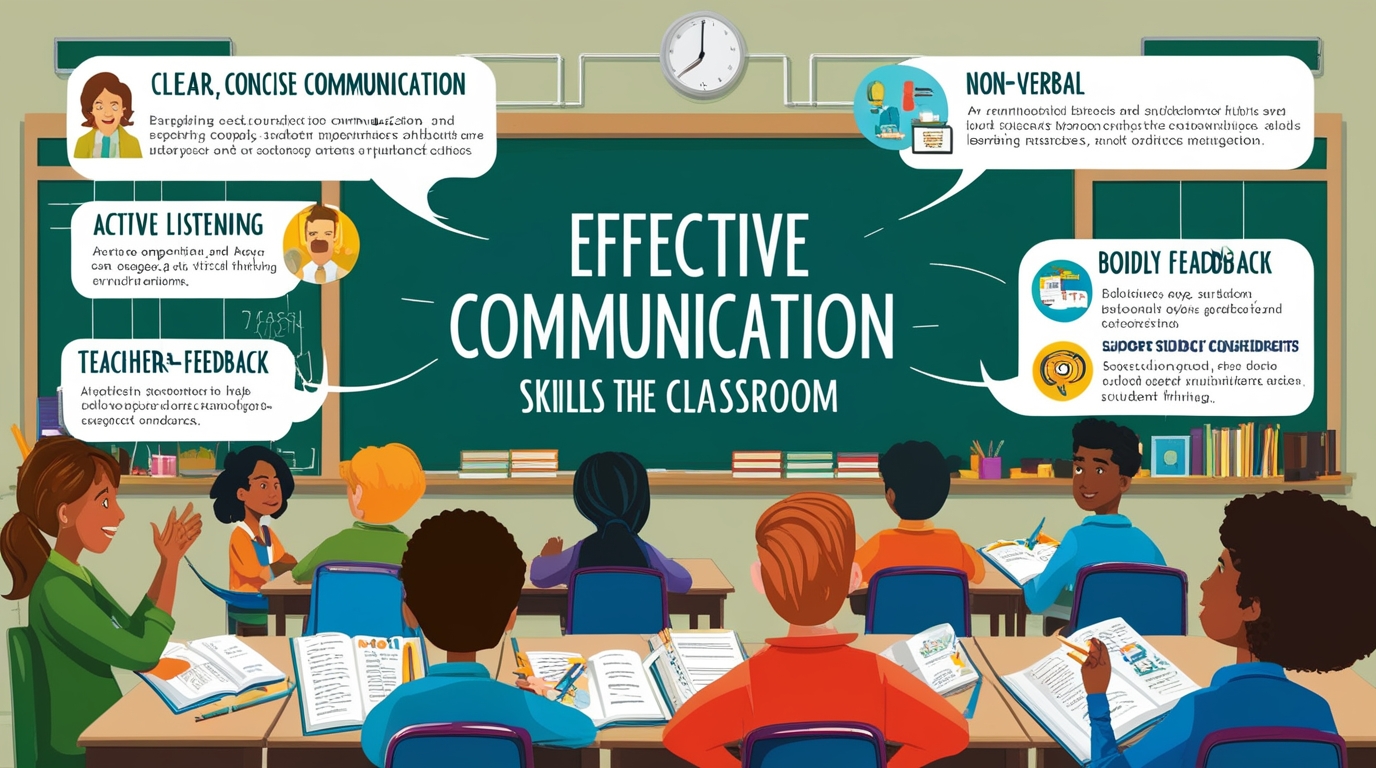
Communication skills are essential in education and employment. Students must express ideas clearly in both spoken and written forms. Moreover, they should communicate effectively in digital environments. Global communication often involves different languages and cultures. Therefore, language learning becomes very important. English, for example, is widely used in international business and education.
Teachers can improve communication skills through presentations, group activities, and interactive learning. Consequently, students gain confidence and social competence.
Collaboration Skills
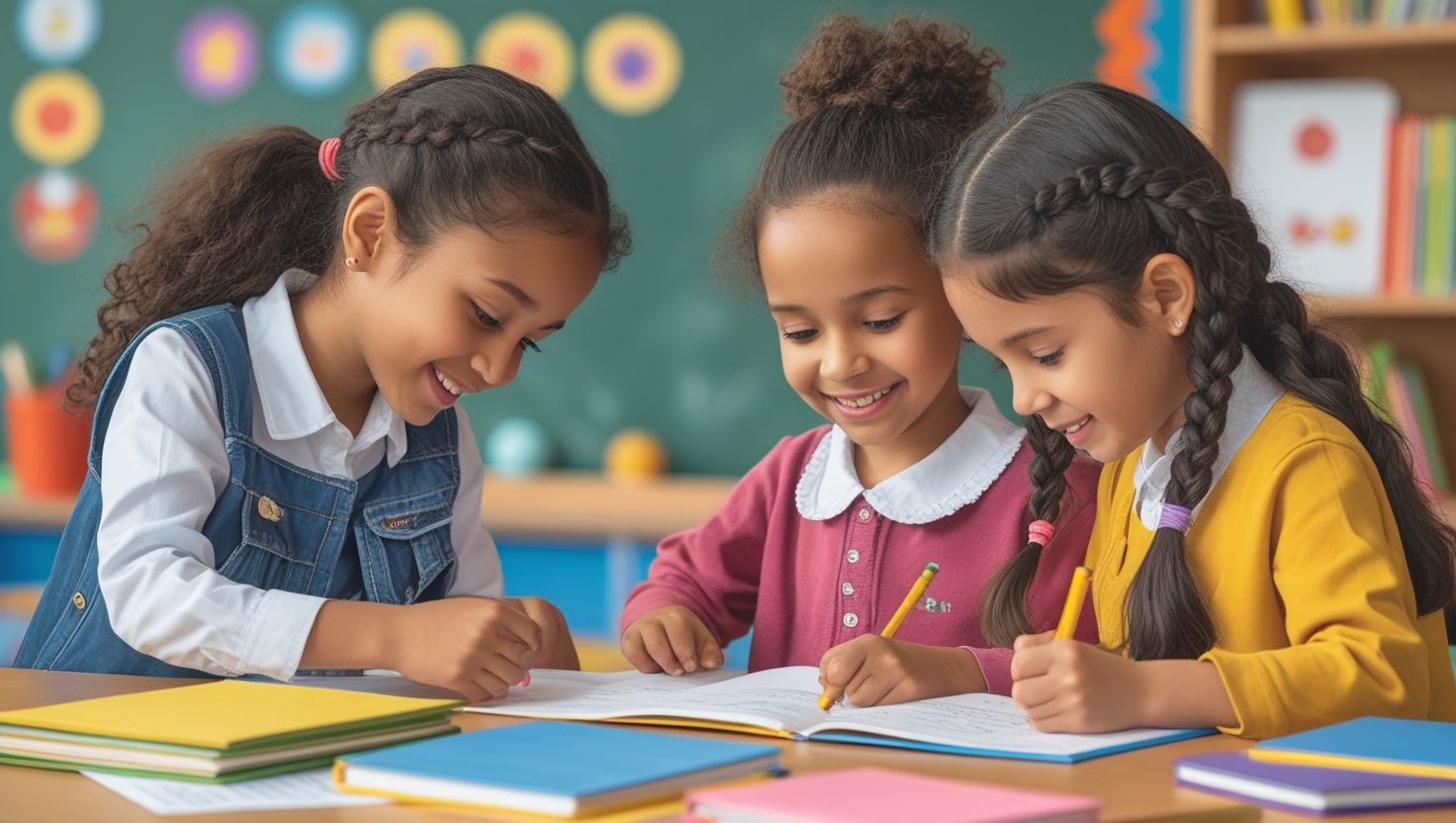
Collaboration means working together toward shared goals. In global environments, teamwork is necessary for success. Therefore, schools should encourage cooperative learning experiences. Group projects help students share responsibilities and respect different opinions. In addition, collaboration develops leadership and conflict-resolution abilities.
Digital platforms also support international collaboration. Students can work with peers from other countries through virtual classrooms and online projects. As a result, they gain broader perspectives and cultural understanding.
Digital Literacy
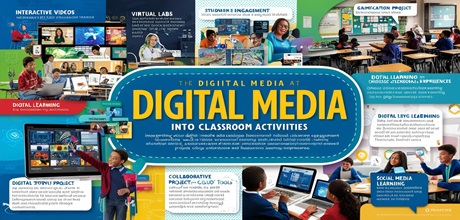
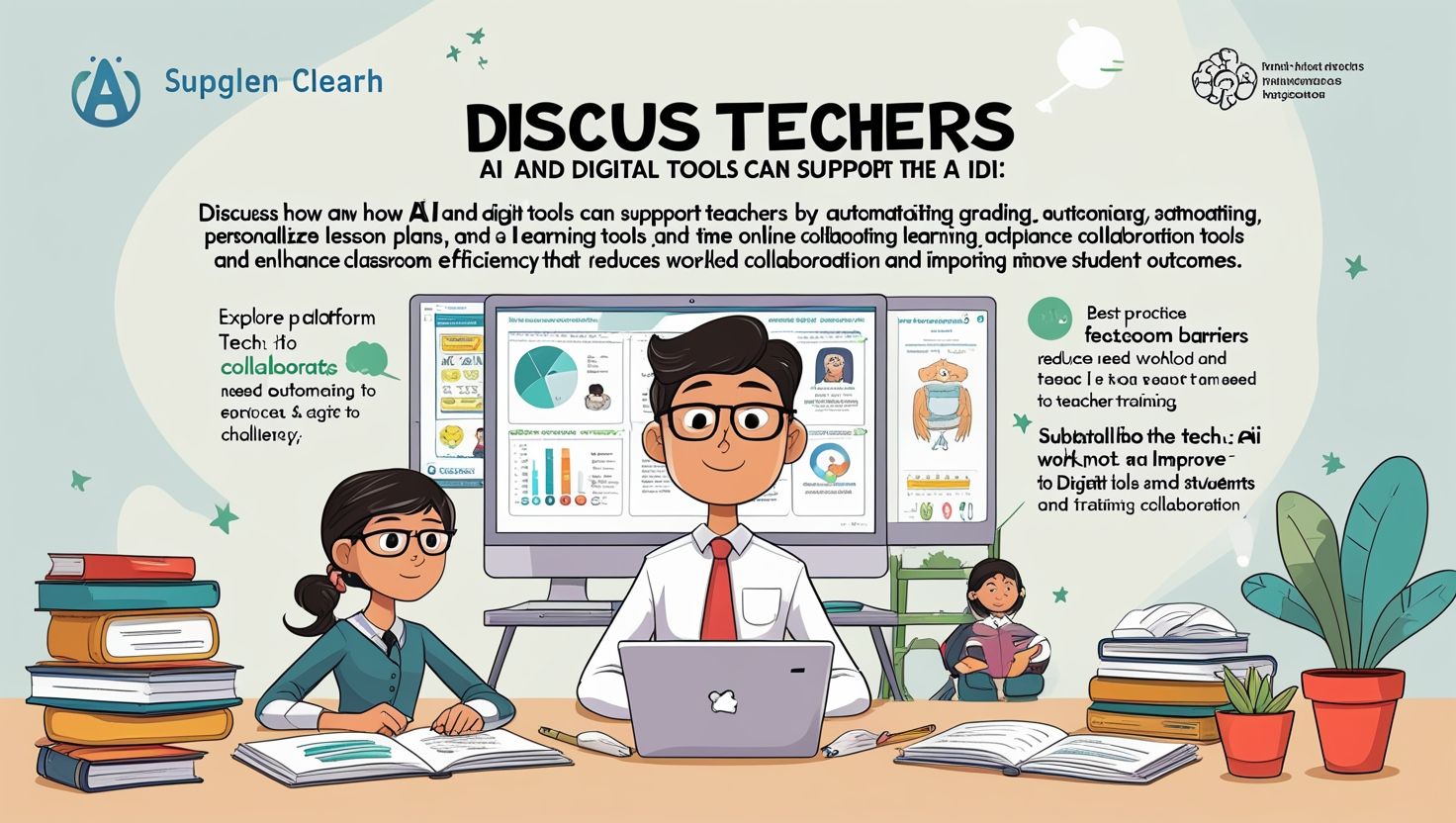
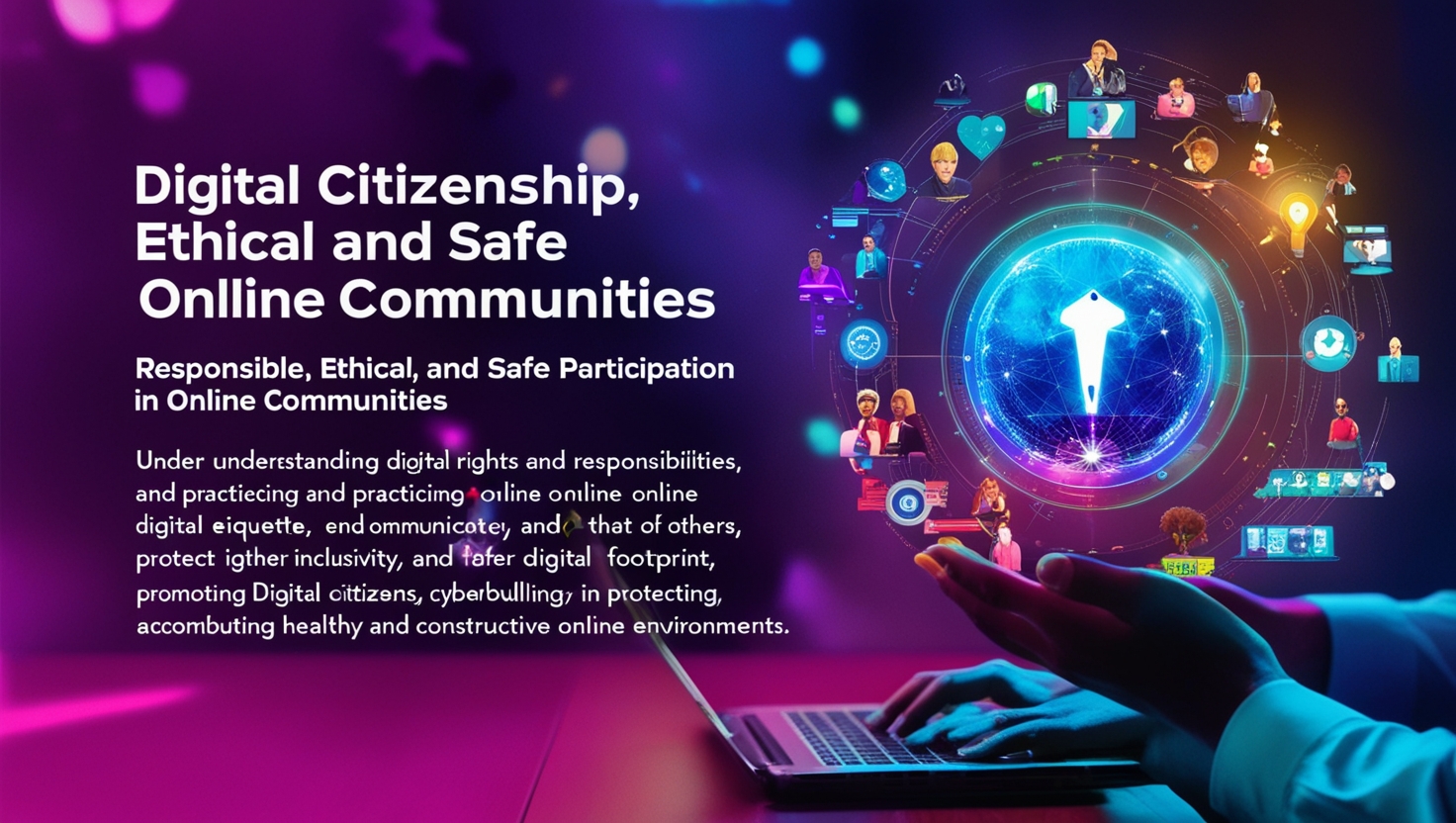
Digital literacy refers to the ability to use technology effectively and responsibly. Today, technology influences every aspect of life. Therefore, digital competencies are essential for all learners. Students should know how to search for information, use software tools, communicate online, and protect digital privacy. Moreover, they should understand ethical technology use.
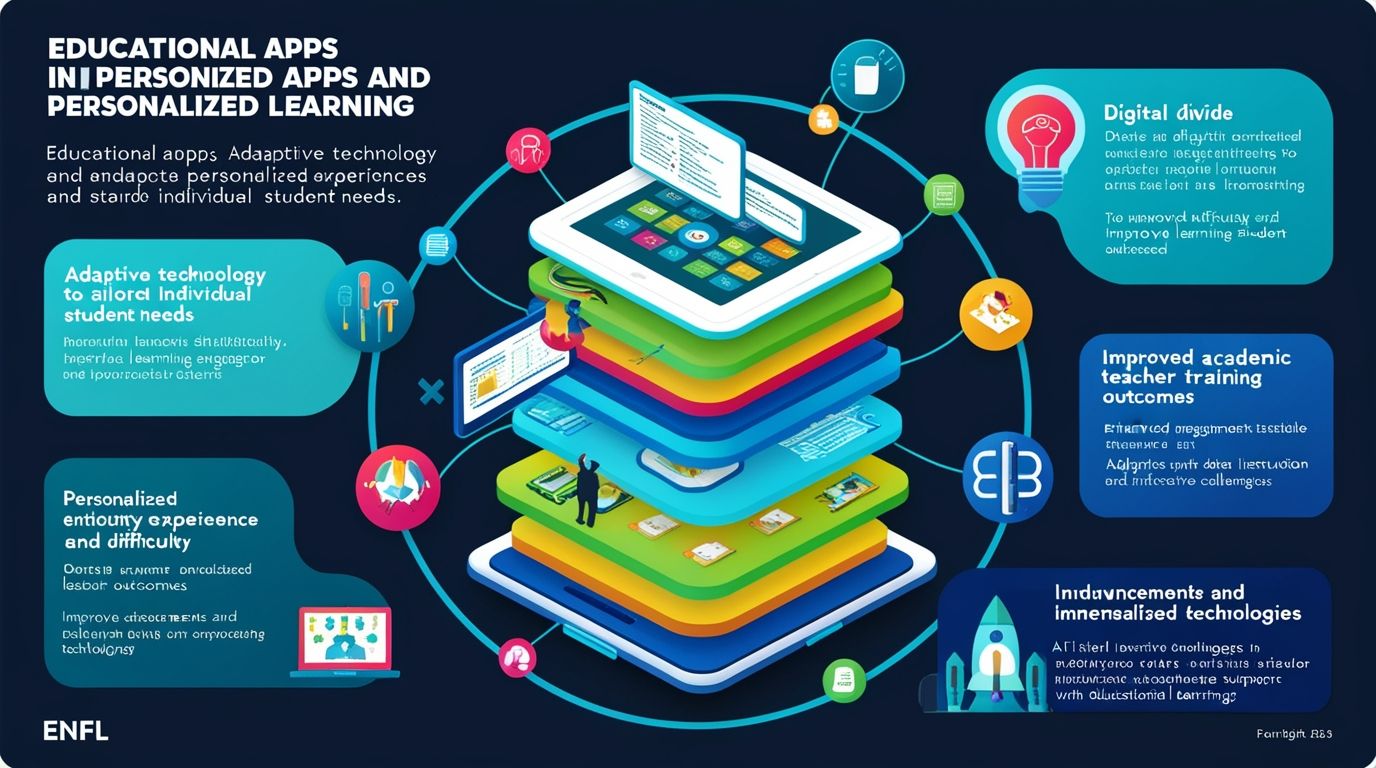
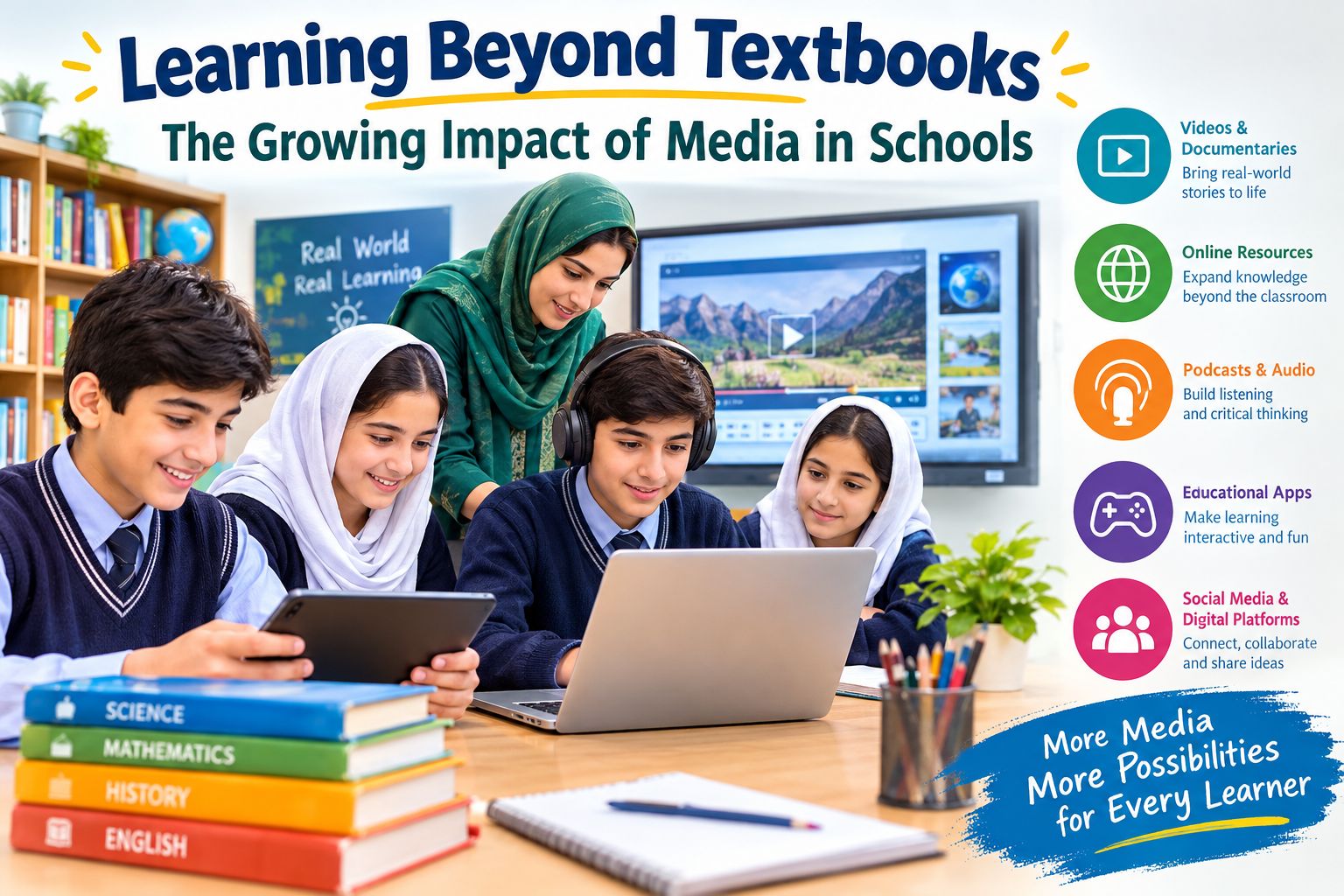
Teachers can integrate technology through online learning platforms, educational applications, and multimedia resources. Consequently, students become more prepared for digital workplaces.
Creativity and Innovation
Creativity allows students to generate new ideas and solutions. Innovation transforms these ideas into practical outcomes. Therefore, education should encourage imagination and experimentation. Traditional teaching methods sometimes limit creativity. However, modern education values flexible thinking and originality. Teachers can support creativity through art, design, storytelling, and inquiry-based learning.
Moreover, creative learners often become successful entrepreneurs and leaders. As a result, creativity contributes to economic and social progress.
Cultural Awareness
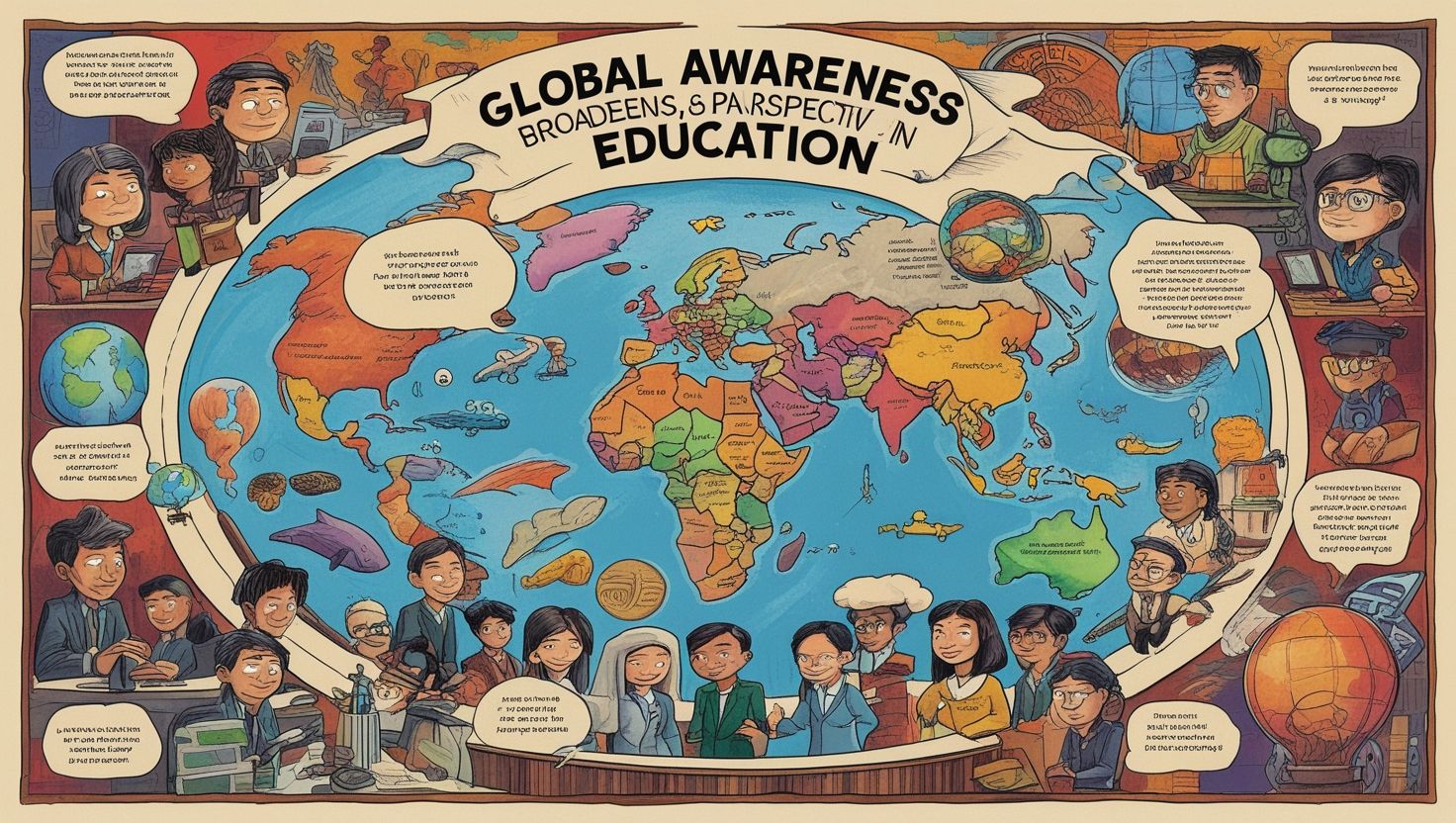
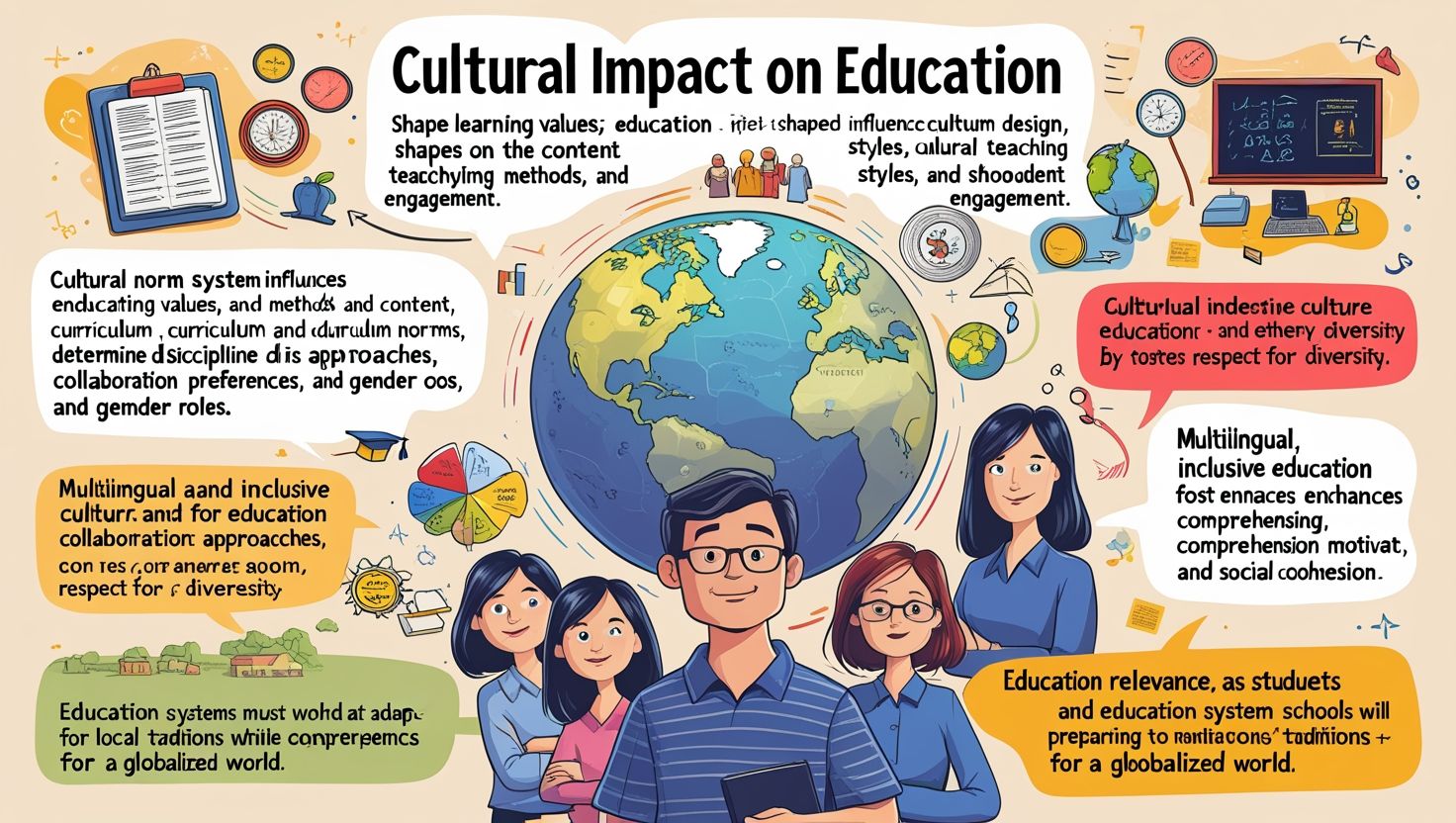
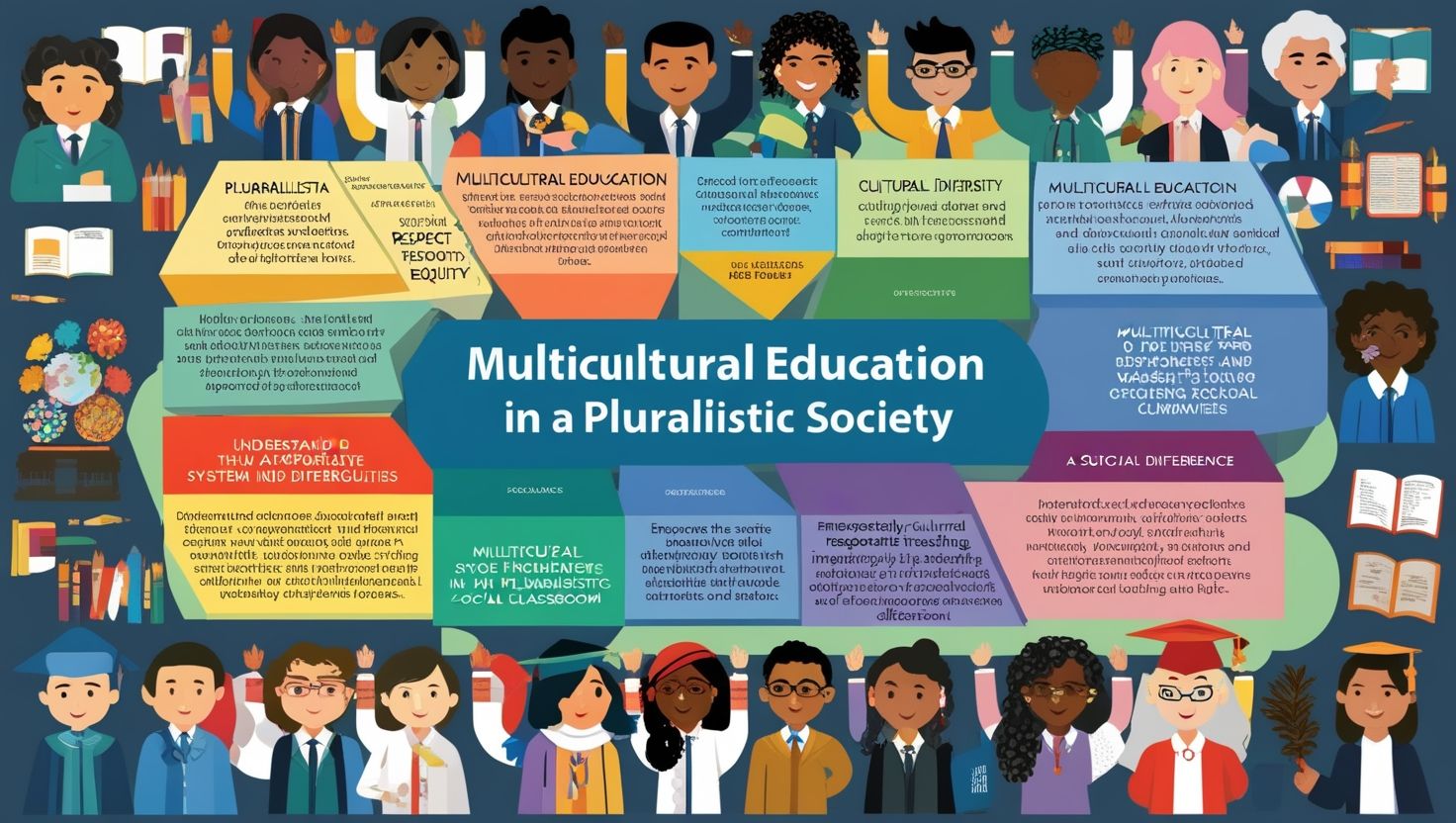
Cultural awareness helps students understand and respect different traditions, beliefs, and lifestyles. In global societies, intercultural understanding is extremely important. Students who appreciate diversity are more tolerant and cooperative. Furthermore, they can communicate more effectively with international communities.
Schools can promote cultural awareness through multicultural education, exchange programs, and global projects. Consequently, learners develop empathy and social harmony.
Adaptability and Flexibility
The modern world changes quickly. Therefore, students must learn how to adapt to new situations. Adaptability helps individuals respond positively to challenges and uncertainty. Flexible learners can adjust to technological changes, workplace demands, and social transformations. Moreover, they remain open to new ideas and experiences.
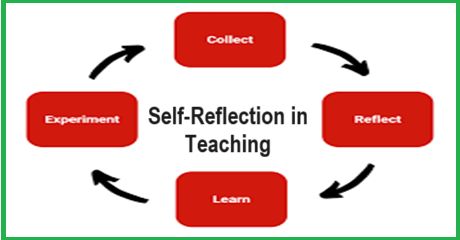
Teachers can develop adaptability by encouraging problem-solving, independent learning, and reflective practices. As a result, students become resilient and confident.
Leadership Skills
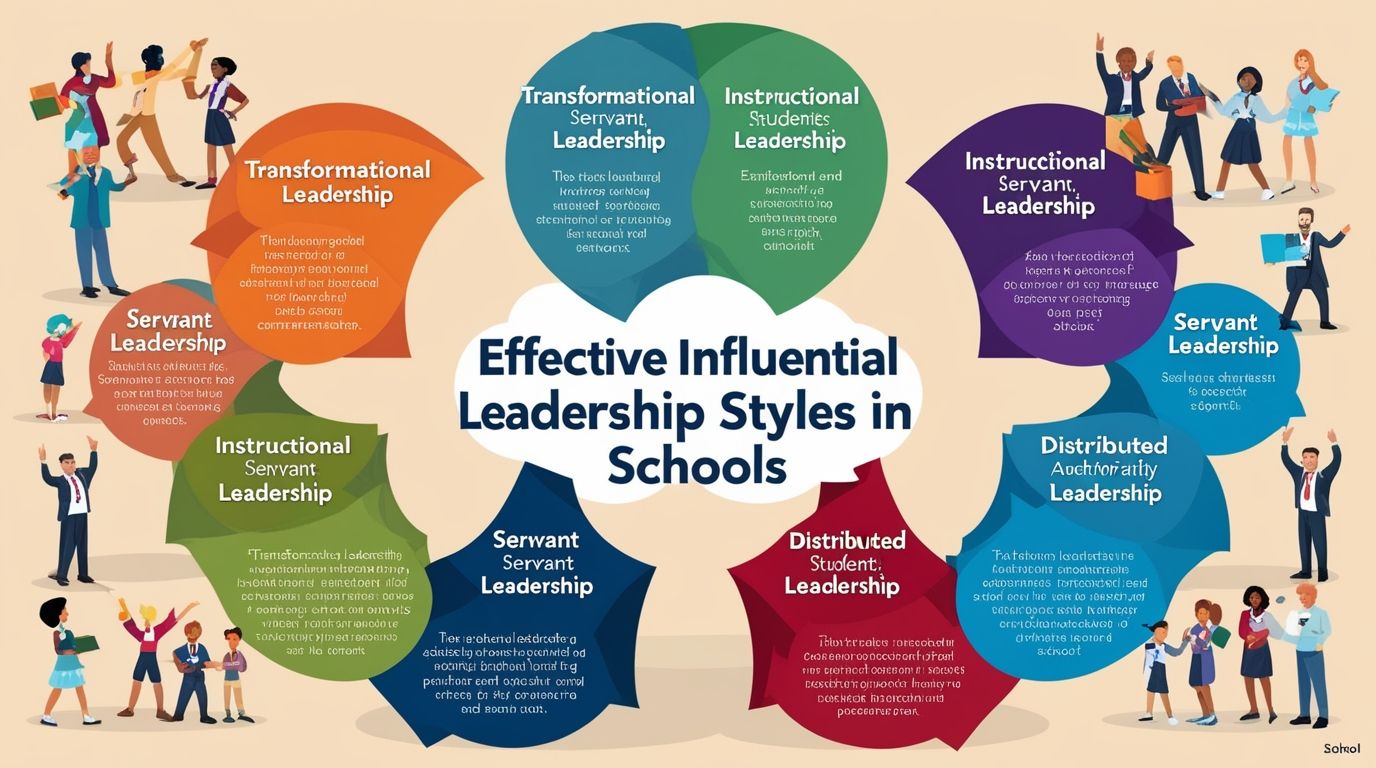
Leadership skills help students guide others, make decisions, and take responsibility. Leadership is not limited to management positions. Instead, it is valuable in all areas of life. Schools can develop leadership through student councils, community service, and collaborative projects. In addition, leadership activities improve confidence and responsibility. Effective leaders also demonstrate empathy, honesty, and communication abilities. Consequently, leadership education supports positive social development.
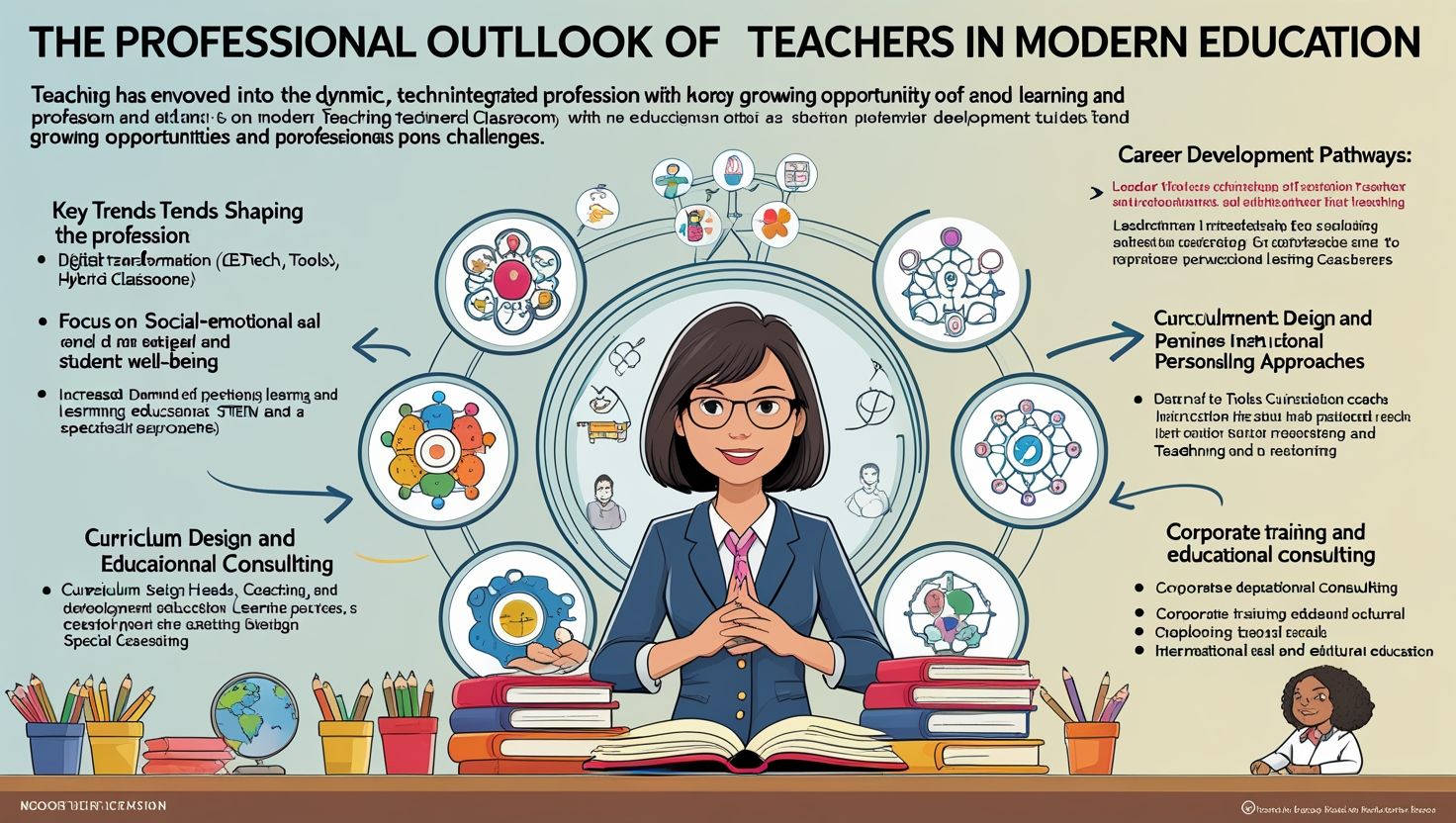
Role of Teachers in Developing Globalized Skills
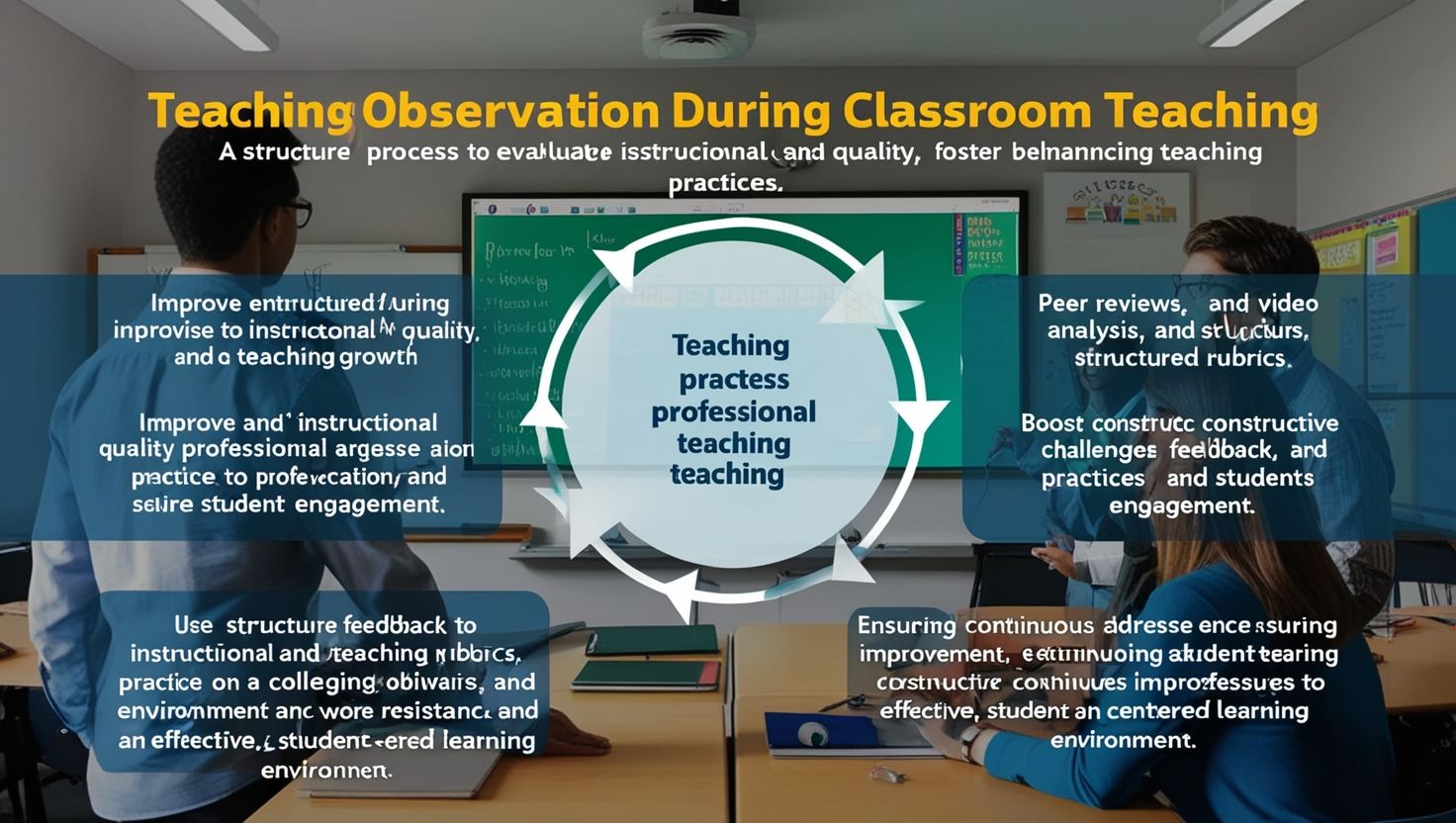
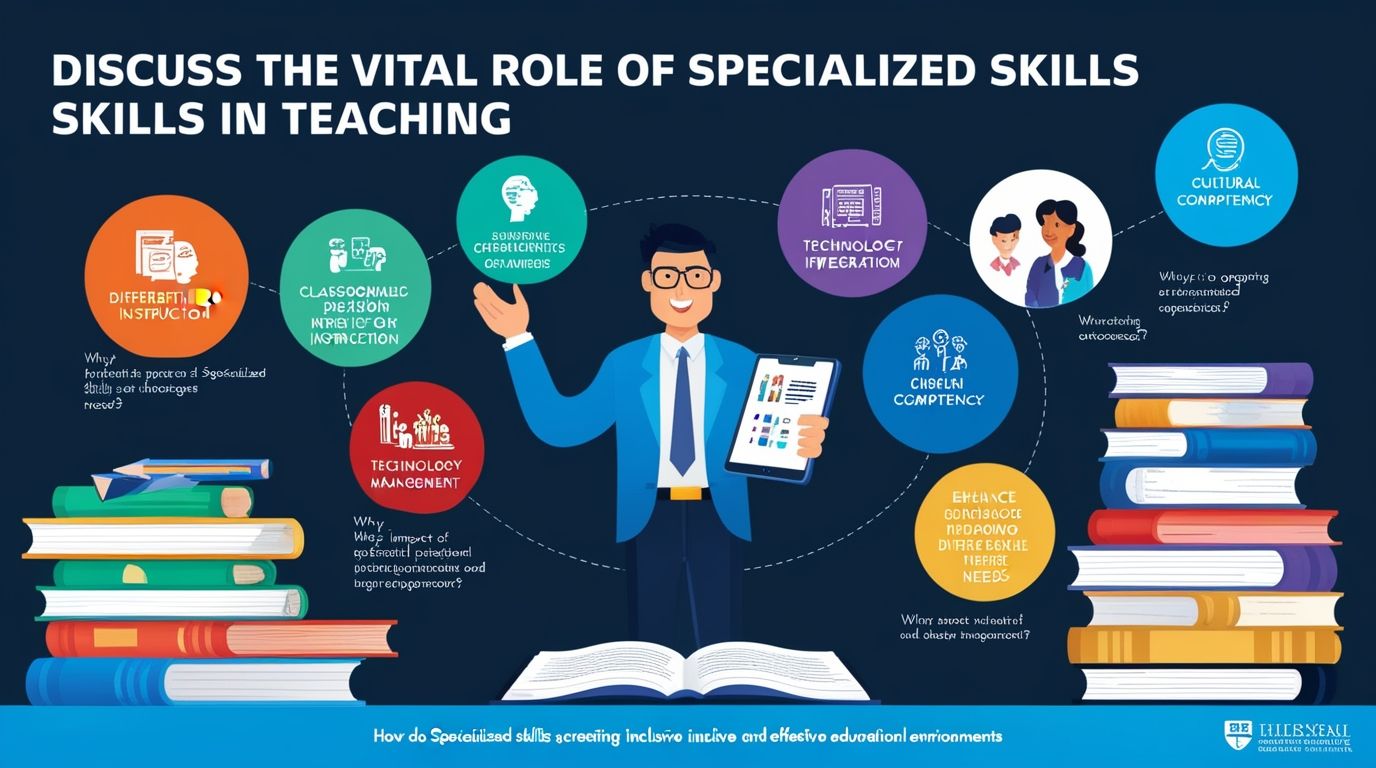
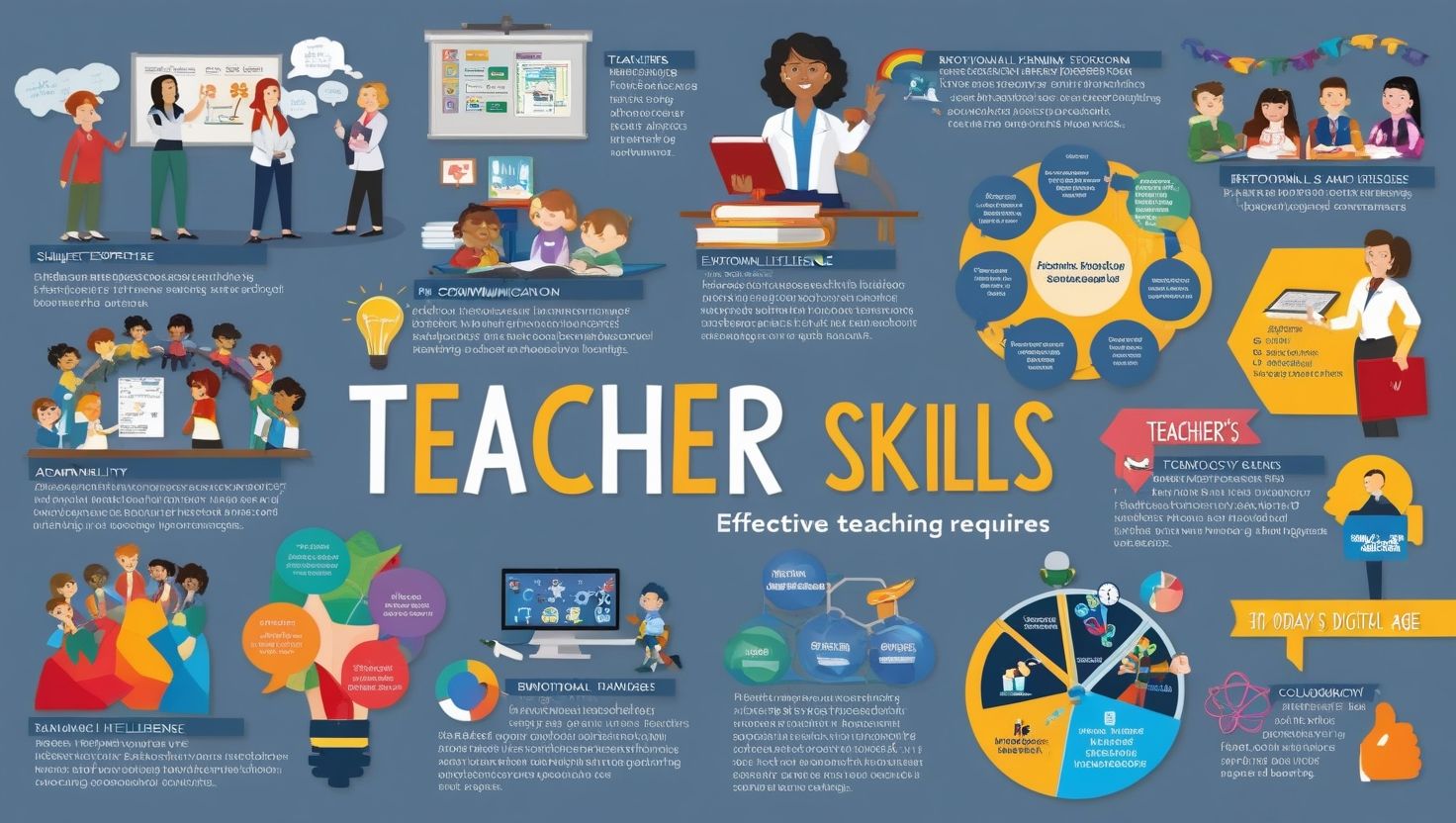
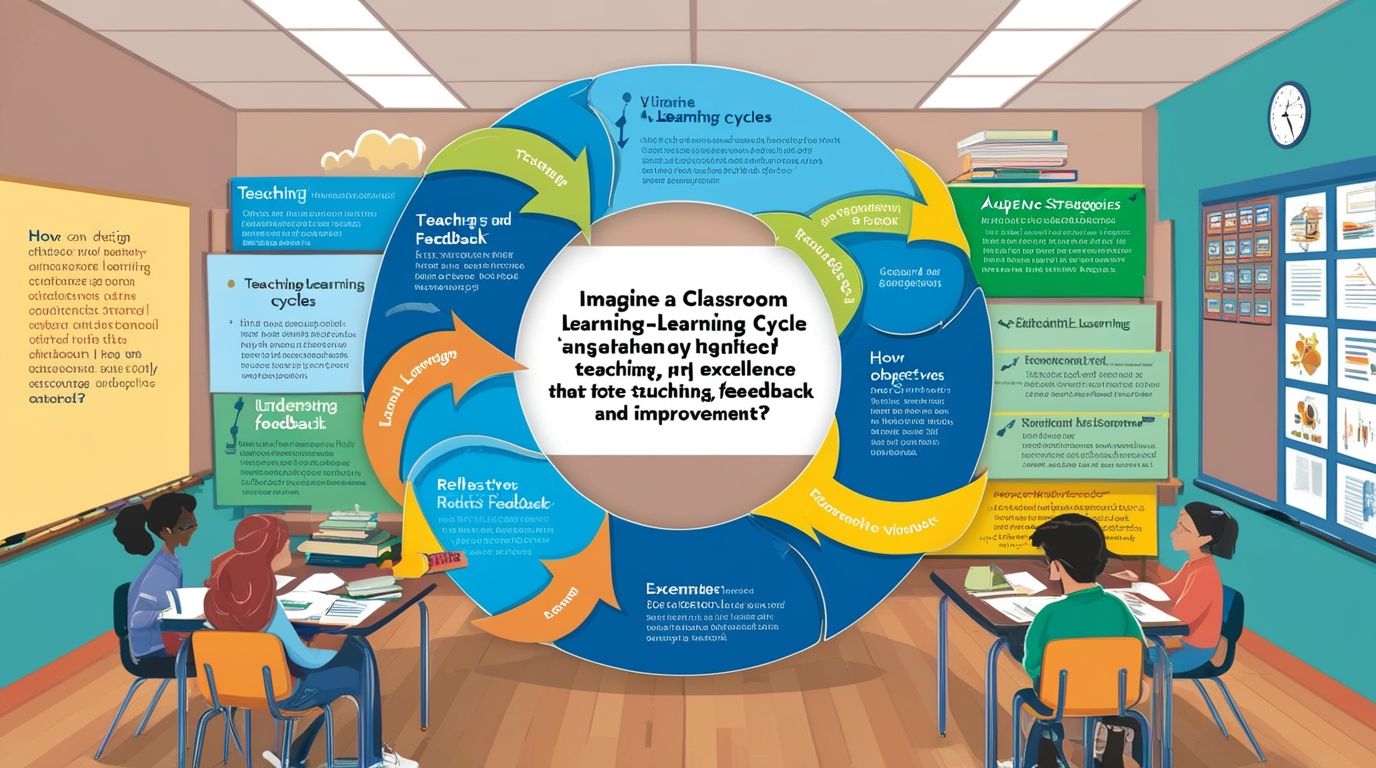
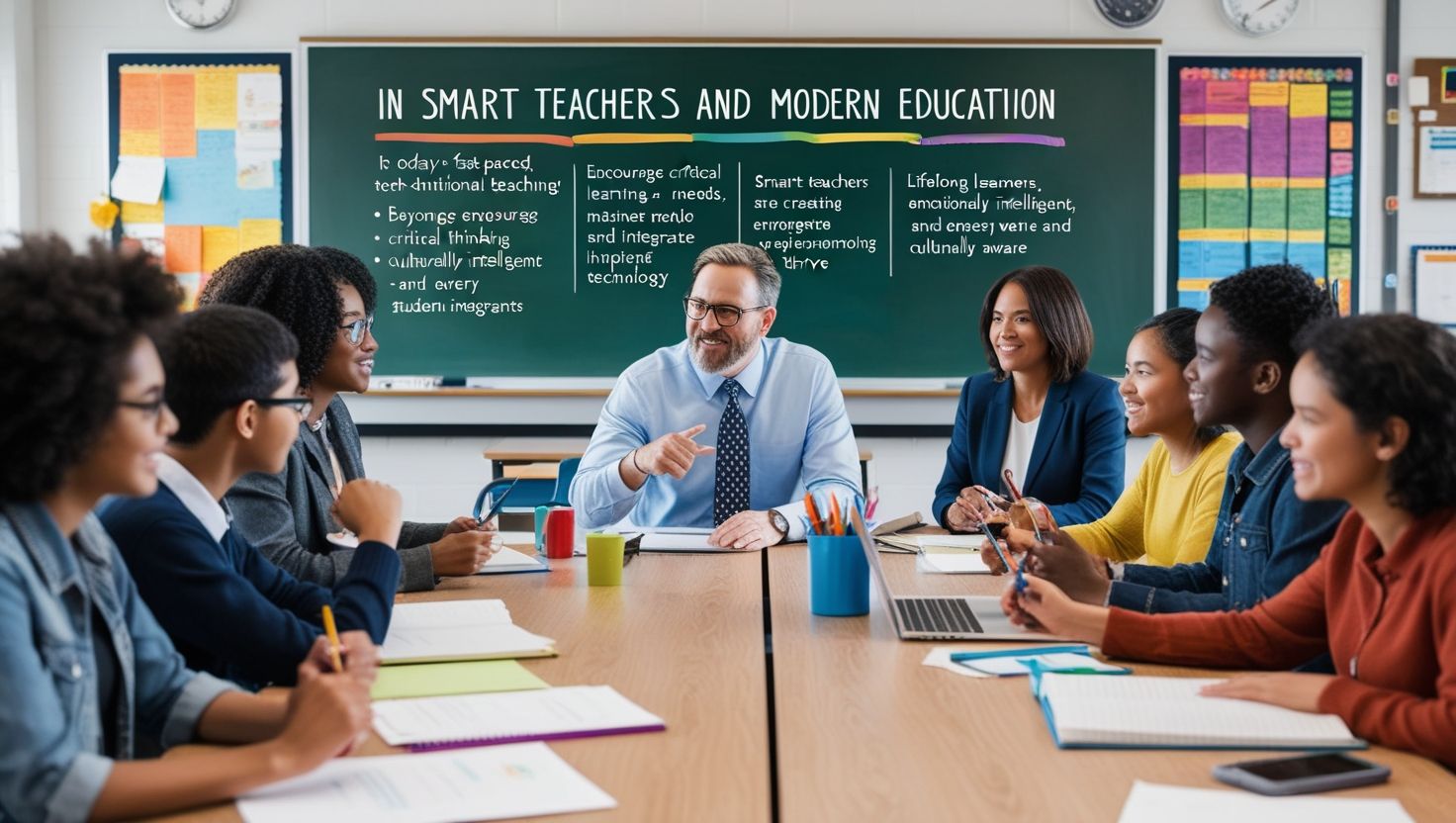
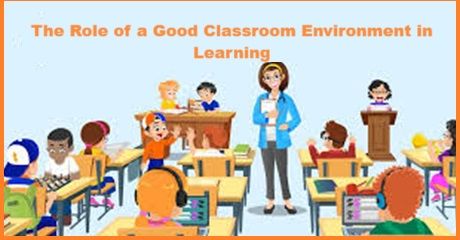
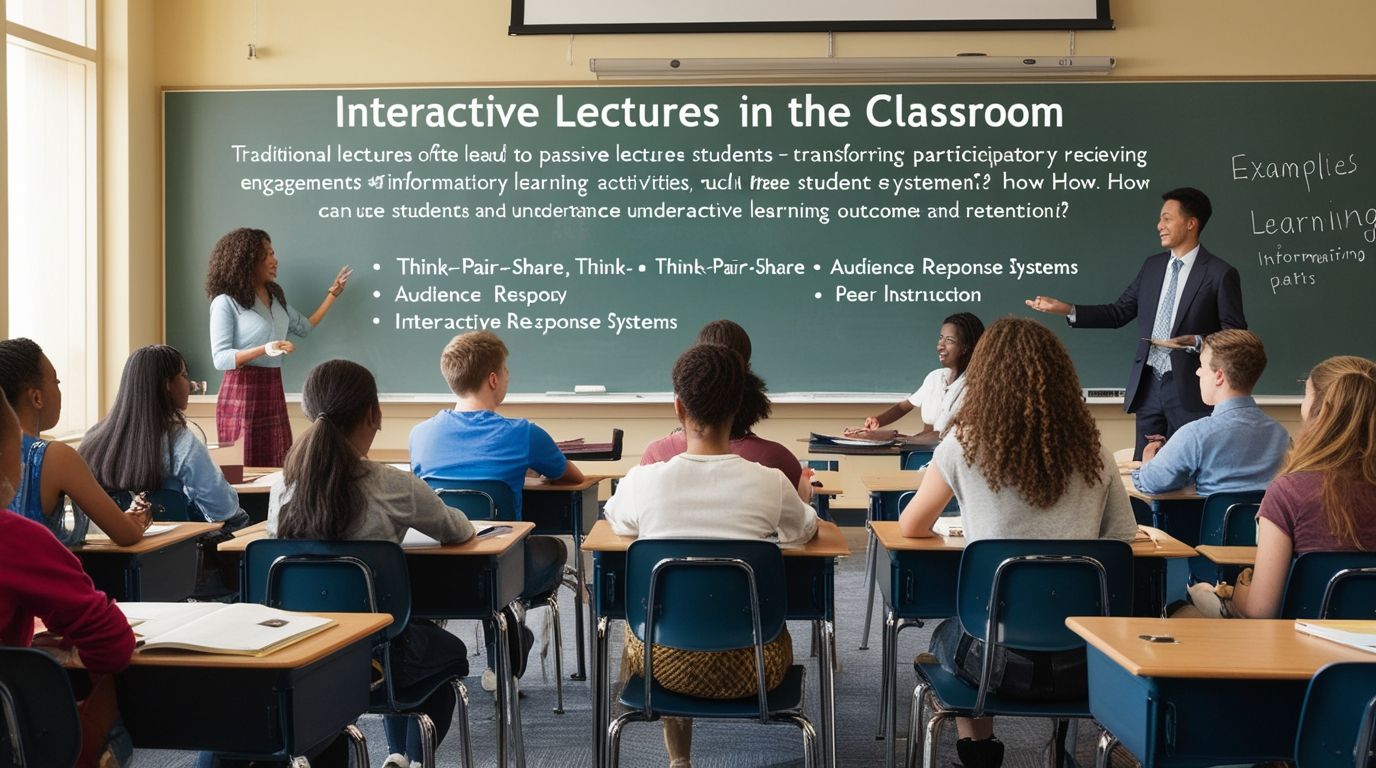
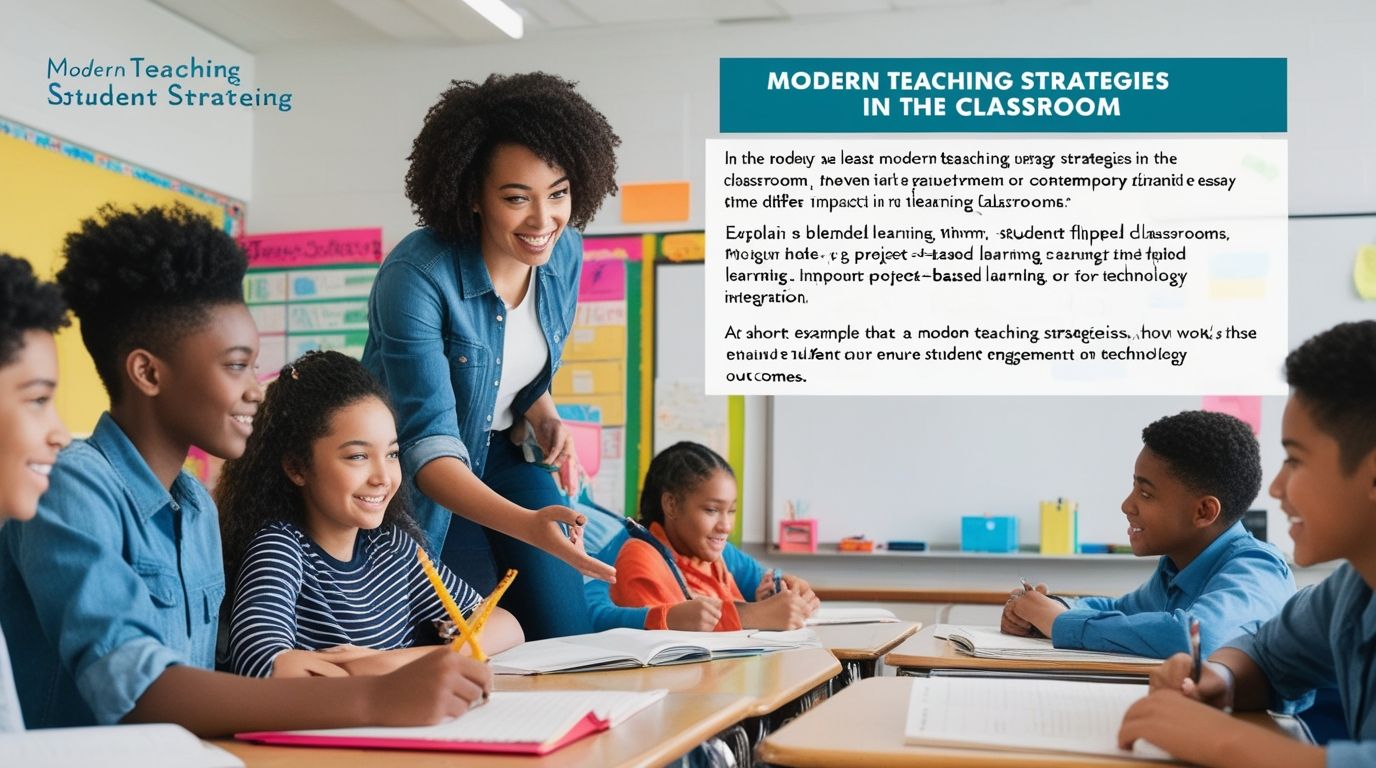
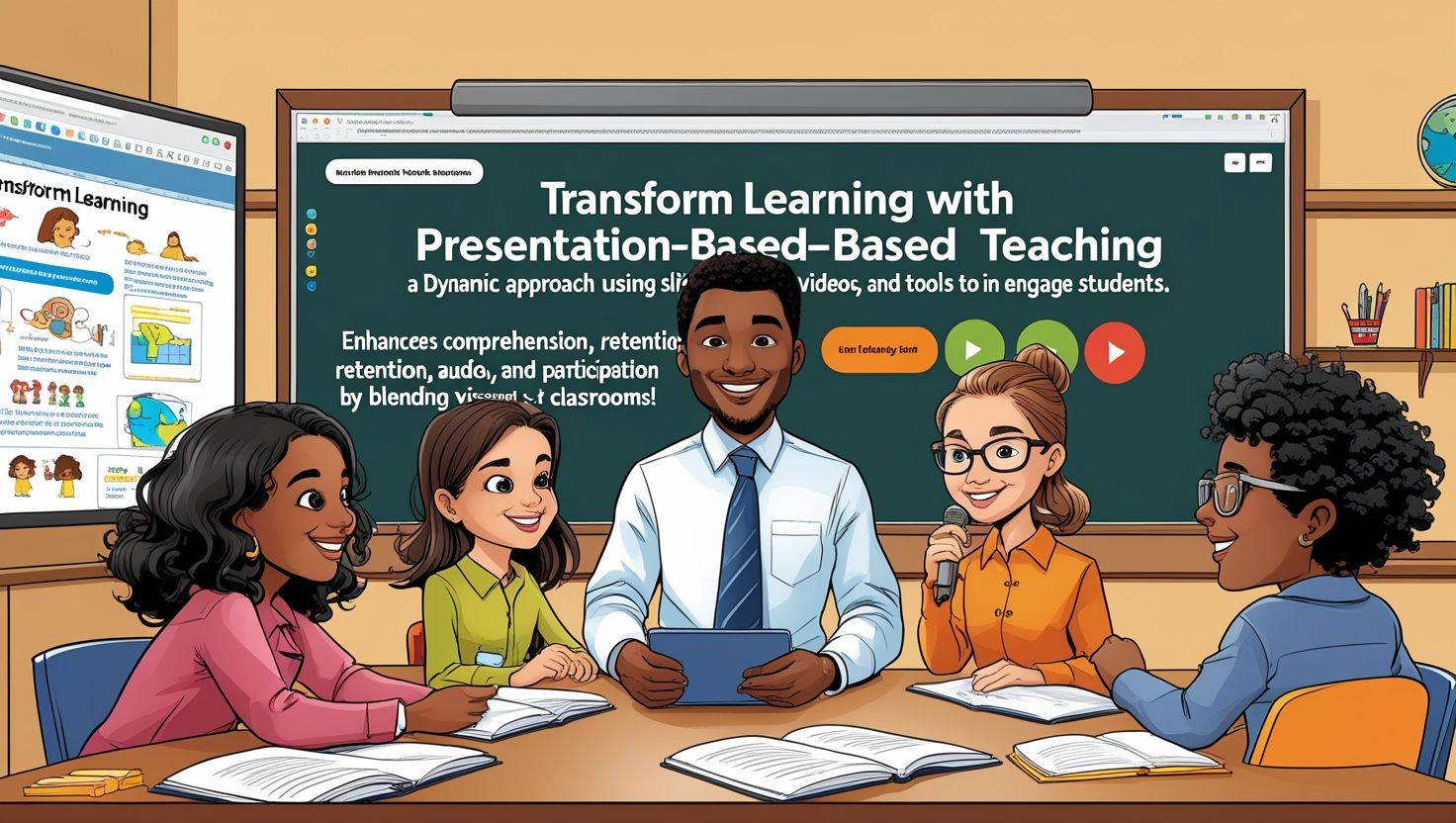
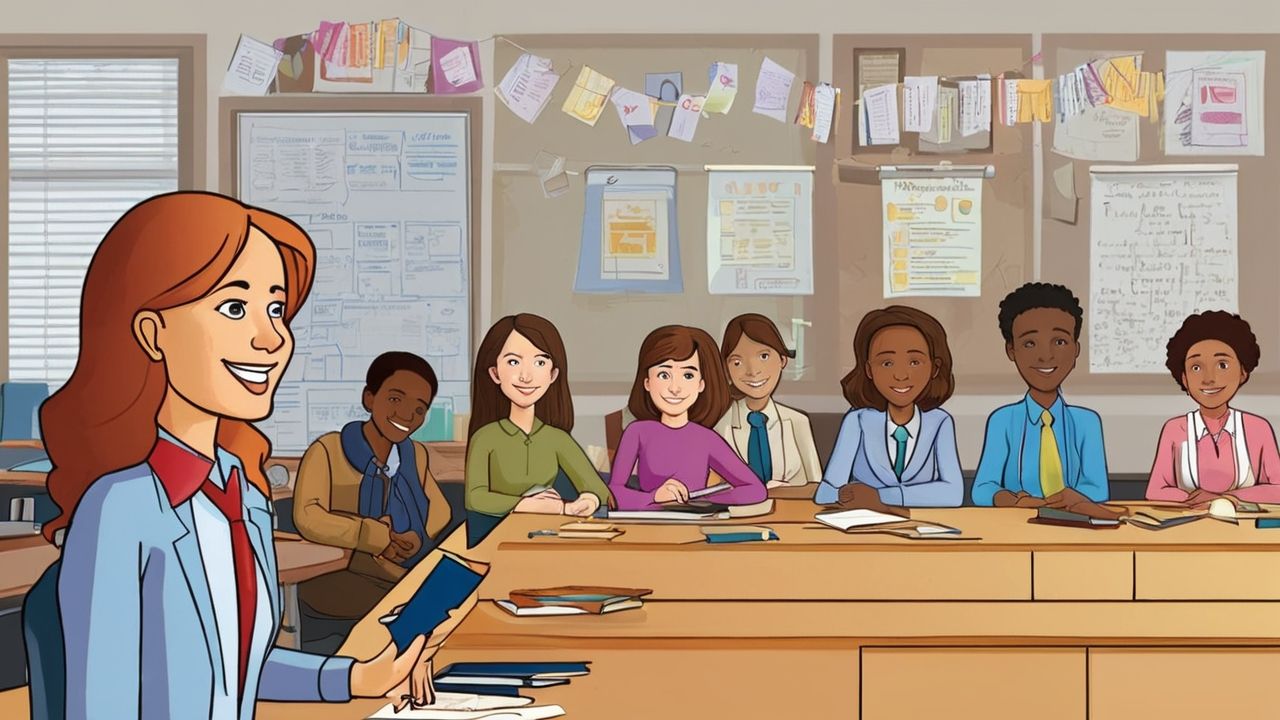
Teachers play a central role in modern education. Therefore, they must move beyond traditional teaching approaches. Instead of focusing only on lectures, teachers should encourage active learning and student participation. Teachers should create interactive classrooms where students ask questions and share ideas. Moreover, they should use technology to connect learners with global knowledge and experiences.
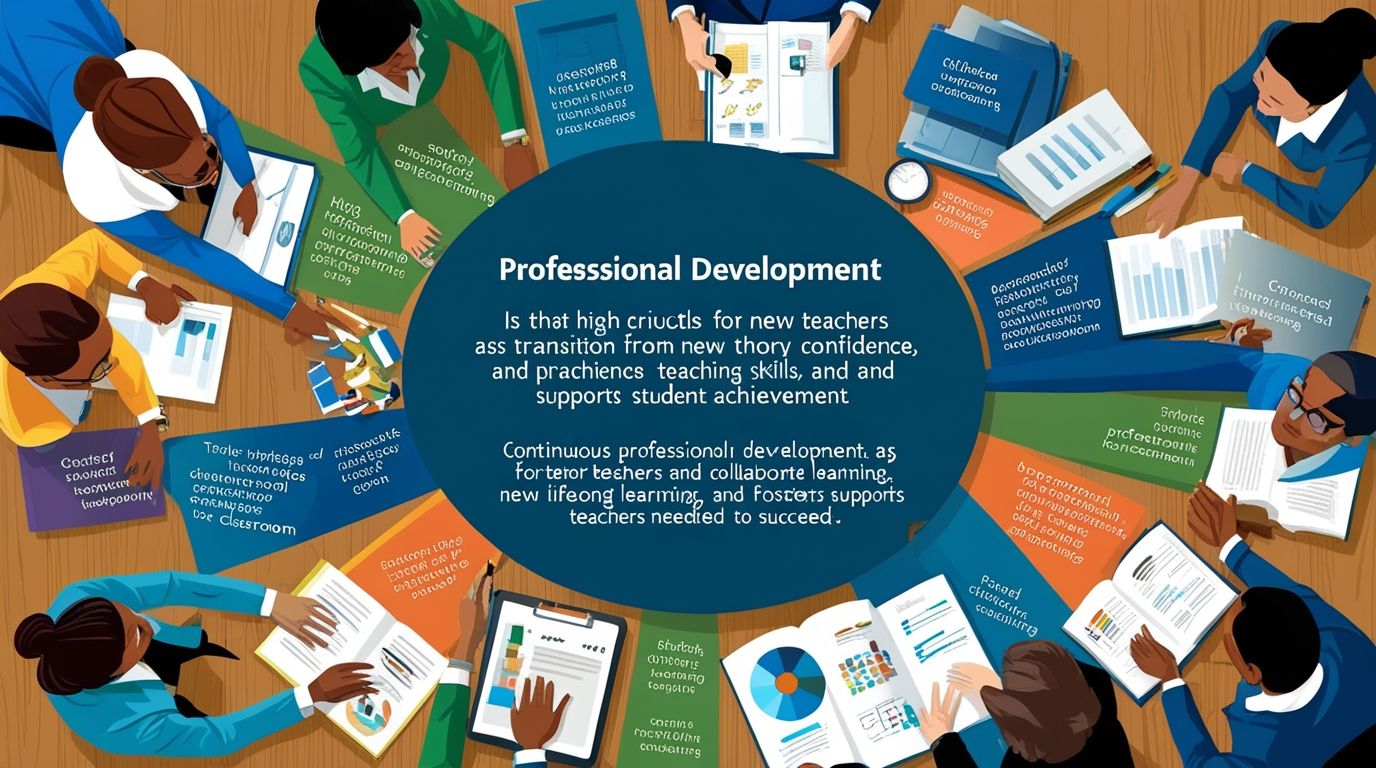
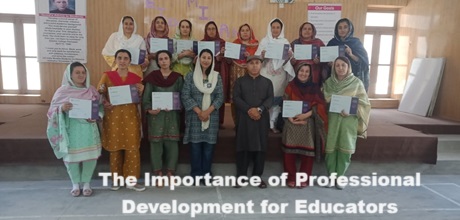
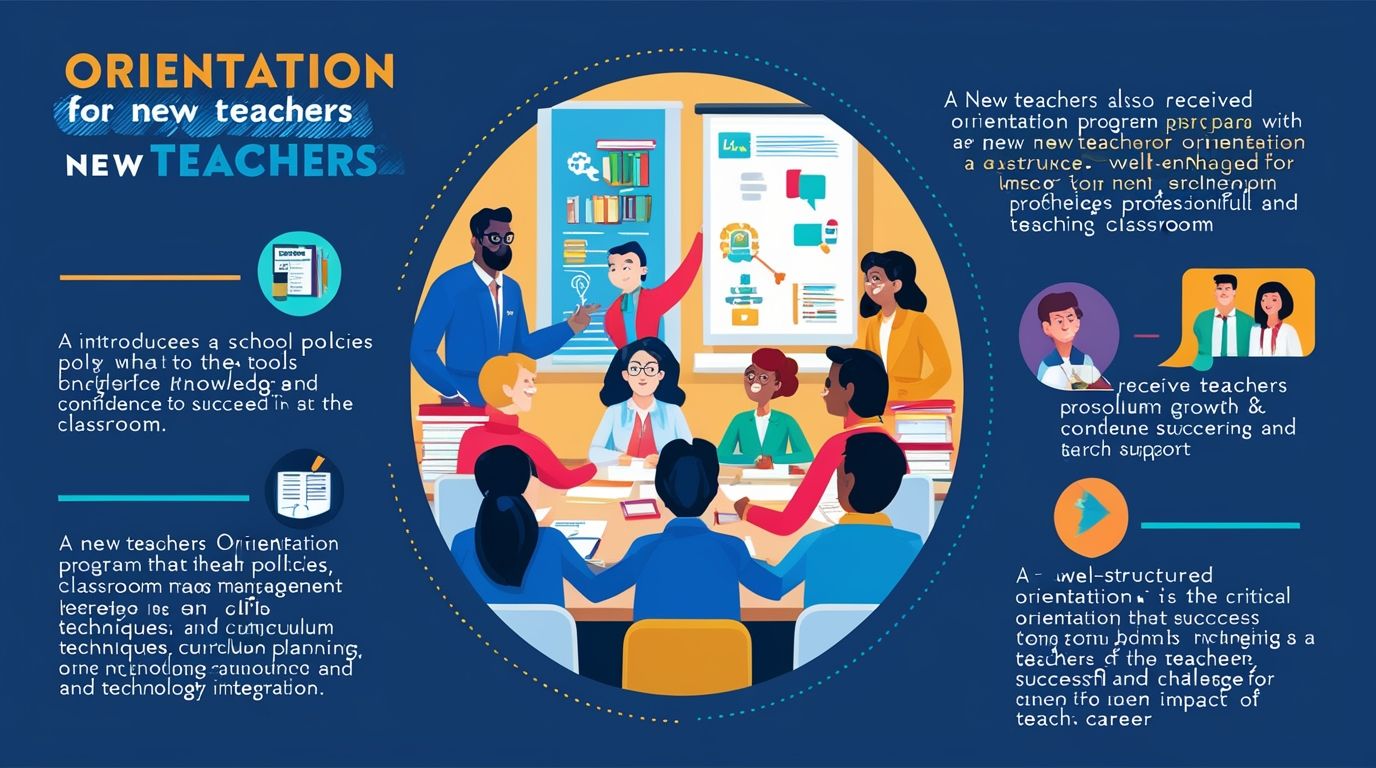
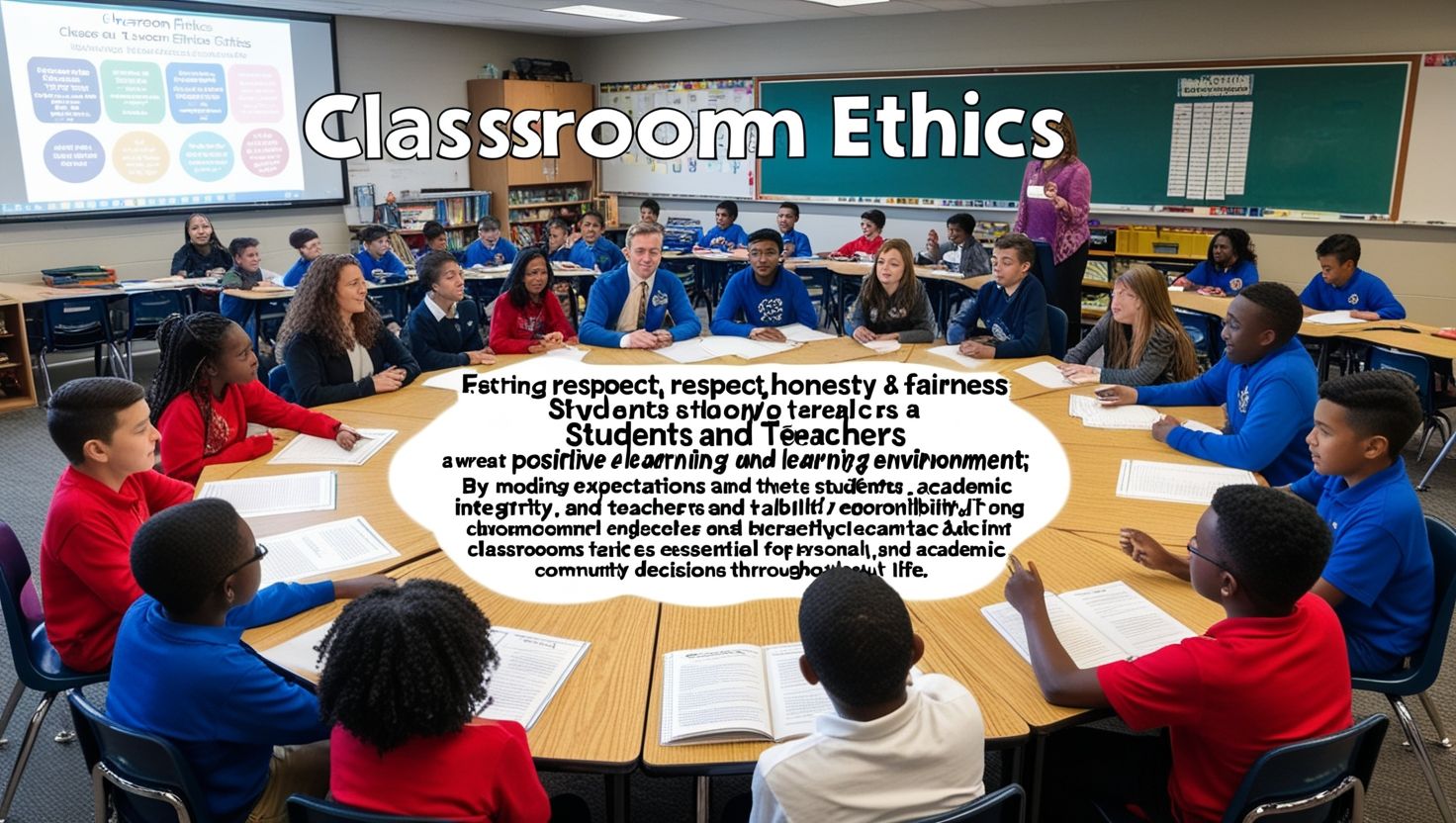
Professional development is also important. Teachers need continuous training in digital tools, global education, and innovative teaching strategies. Consequently, they become better prepared to guide modern learners. In addition, teachers should model global values such as respect, fairness, and cooperation. Students often learn attitudes from observing adults. Therefore, educators must demonstrate positive behaviors in classrooms.
Role of Schools and Educational Institutions
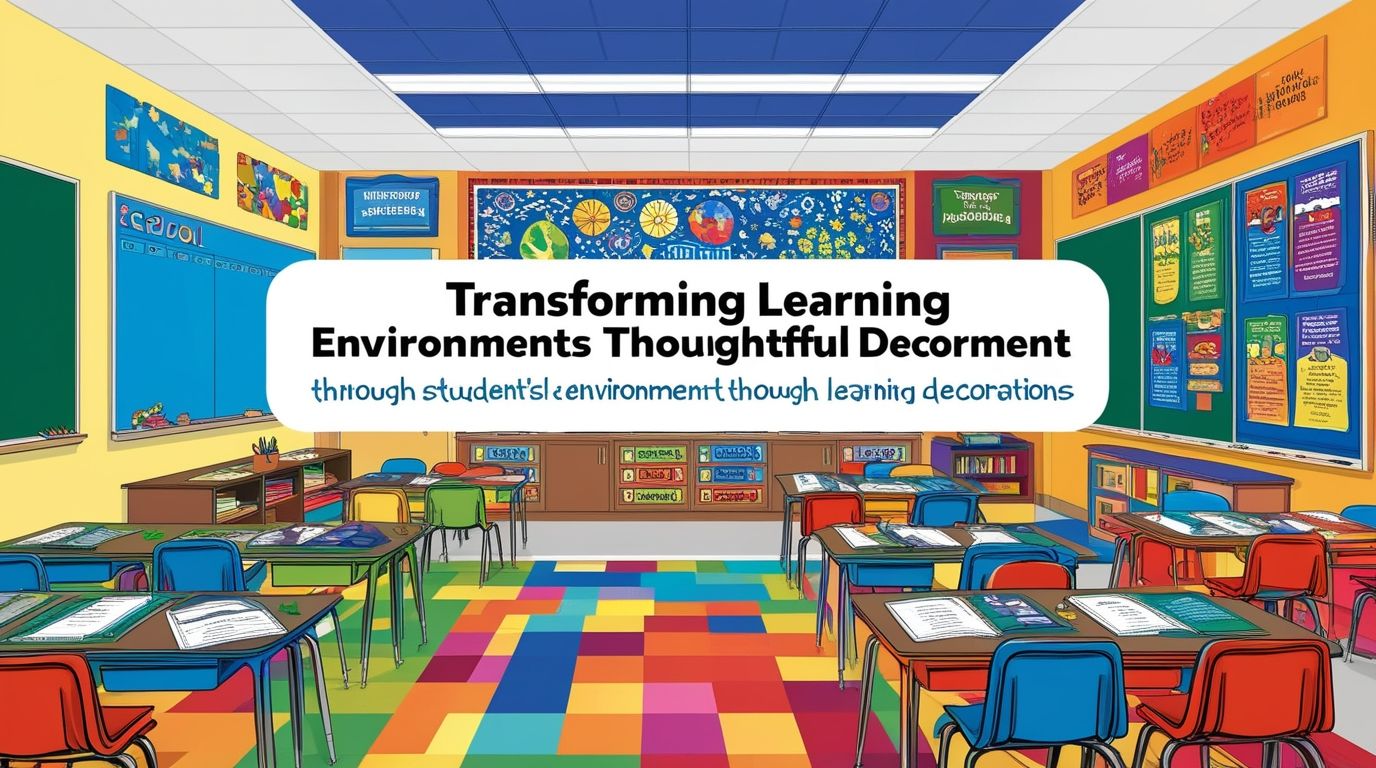
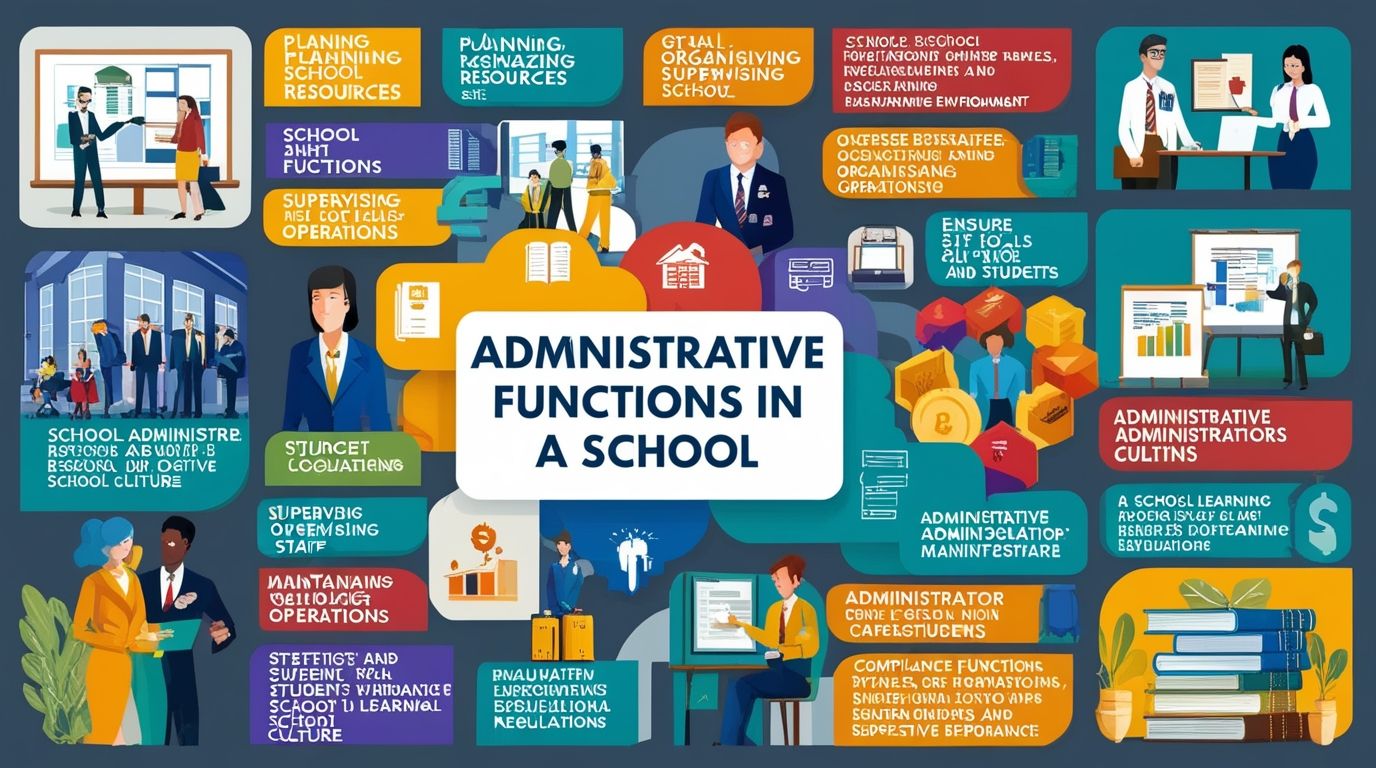
Schools are responsible for preparing students for future societies. Therefore, educational institutions must redesign curricula and learning environments.
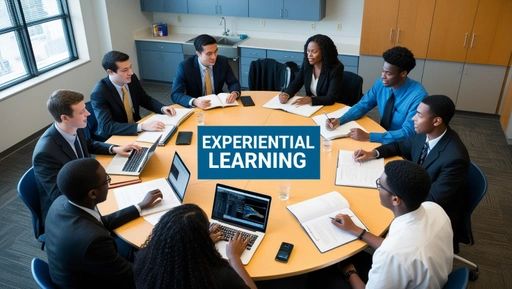
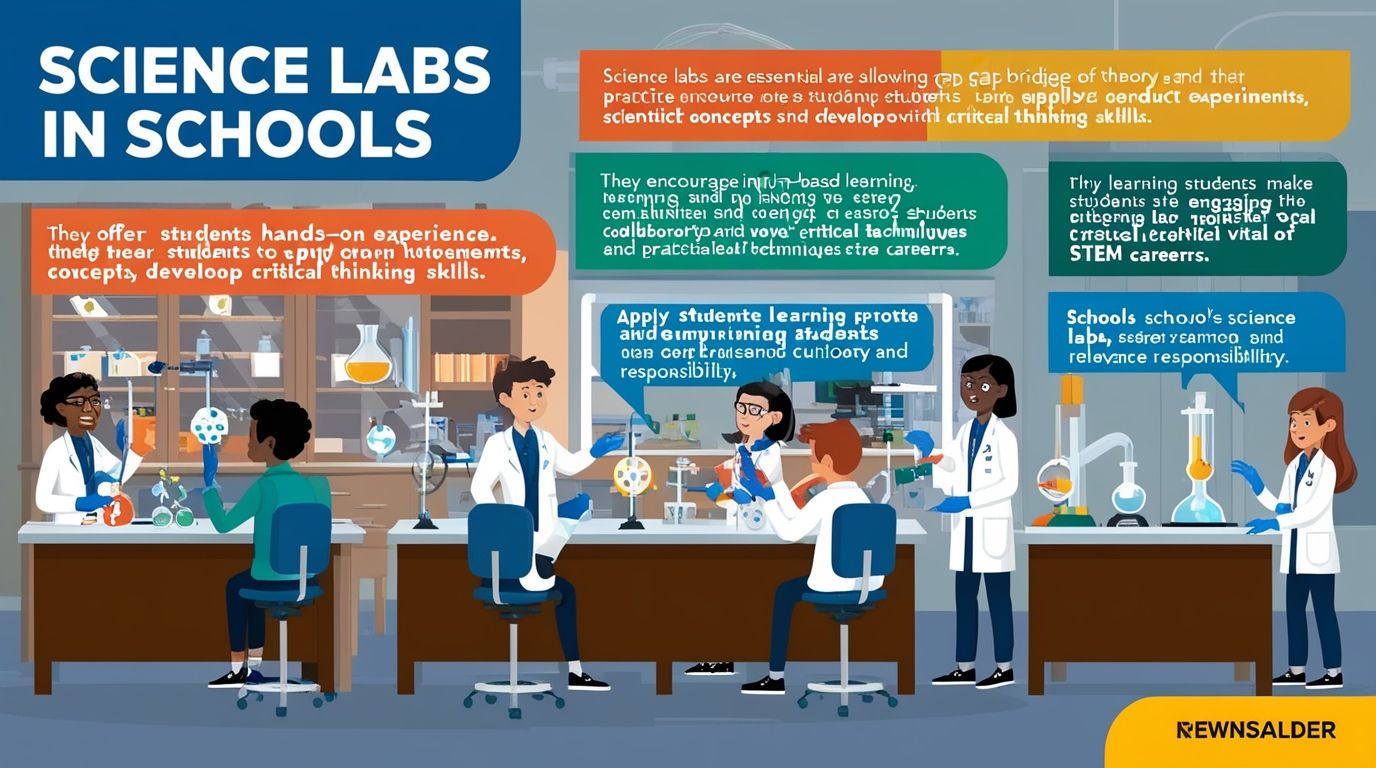
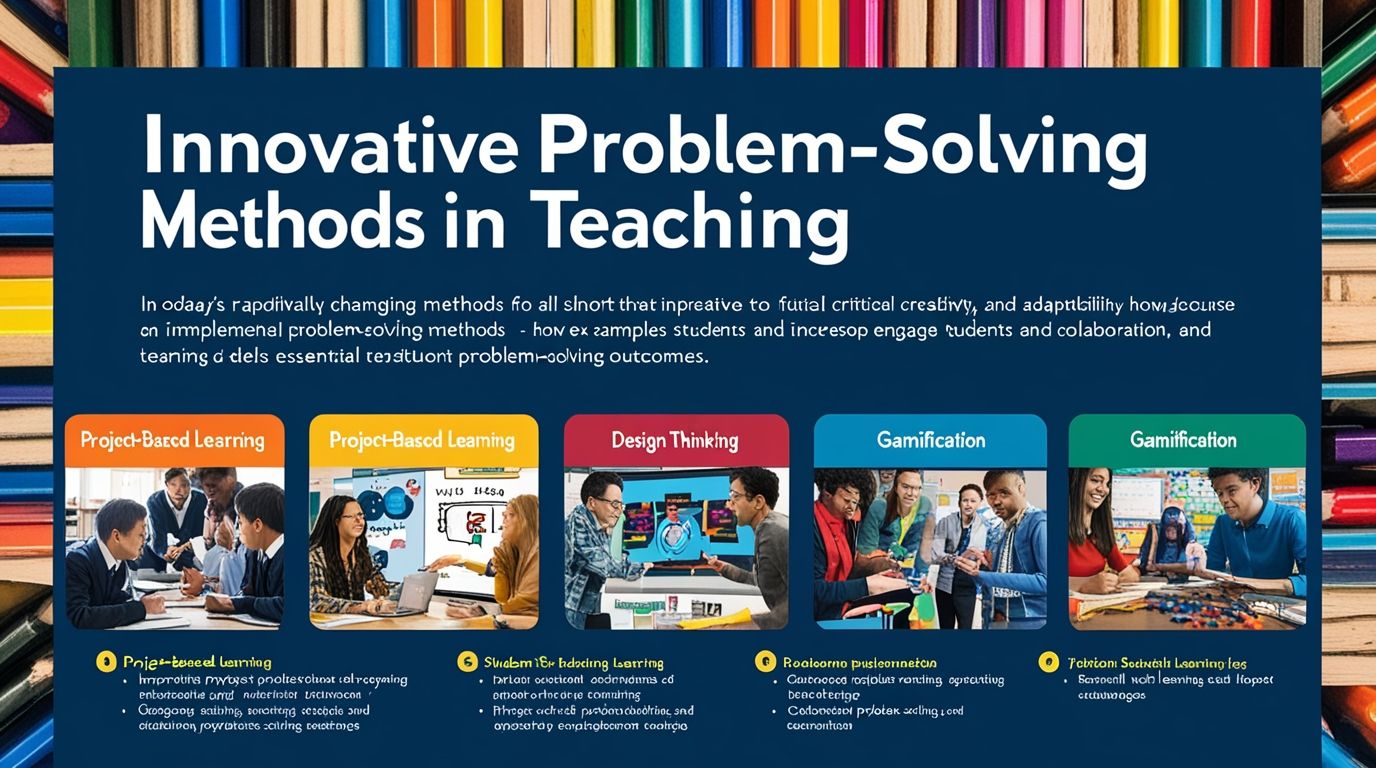
Firstly, schools should integrate globalized skills into all subjects. For example, science classes can include global environmental issues, while language classes can promote intercultural communication. Secondly, schools should encourage project-based learning. This approach allows students to solve real-world problems collaboratively. Moreover, projects improve creativity and critical thinking.
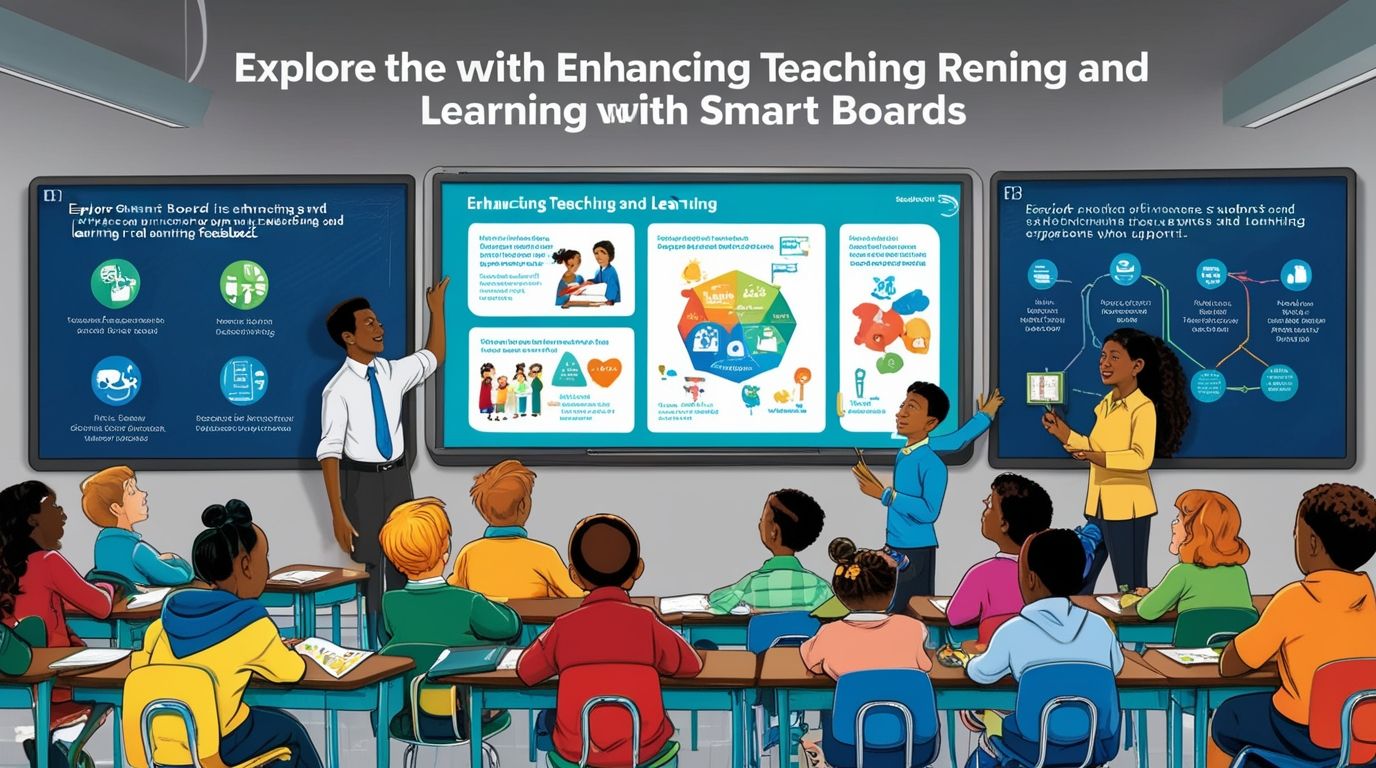
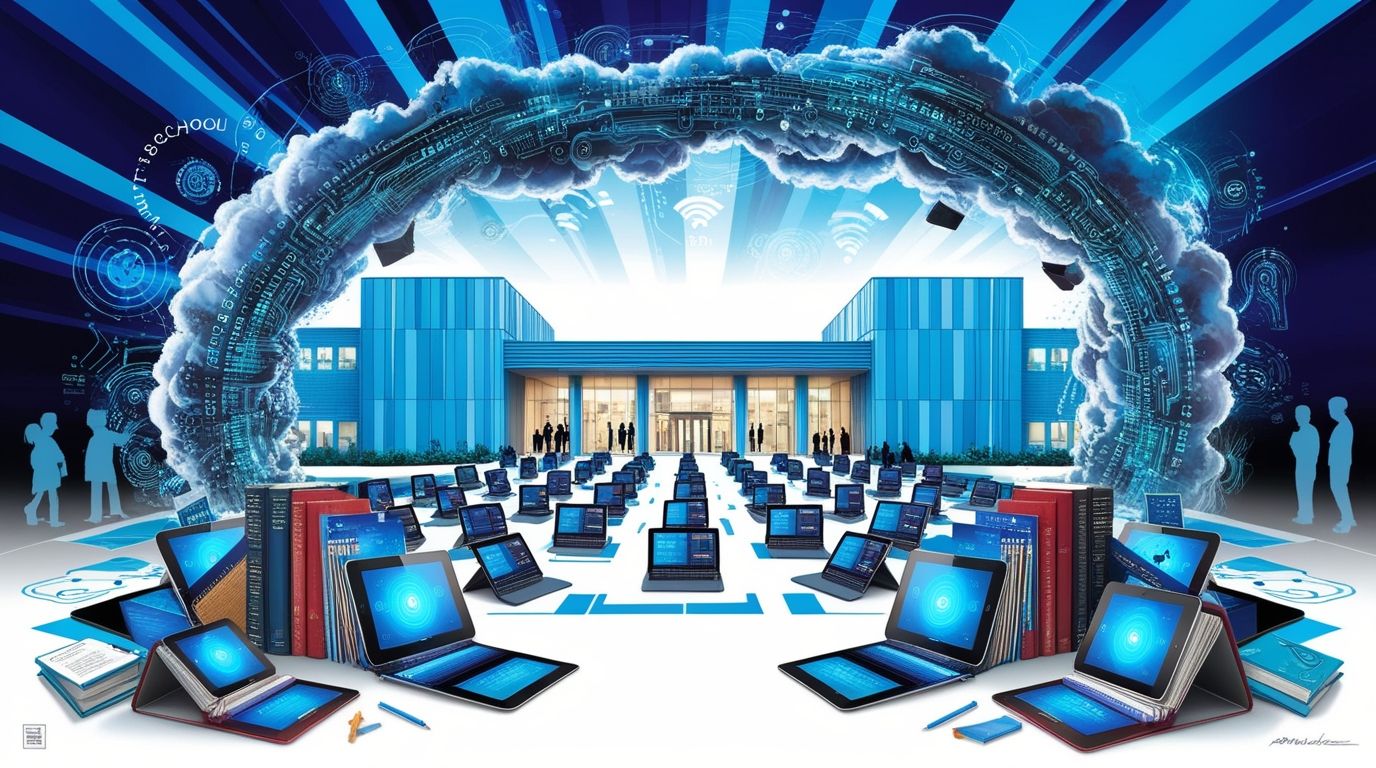
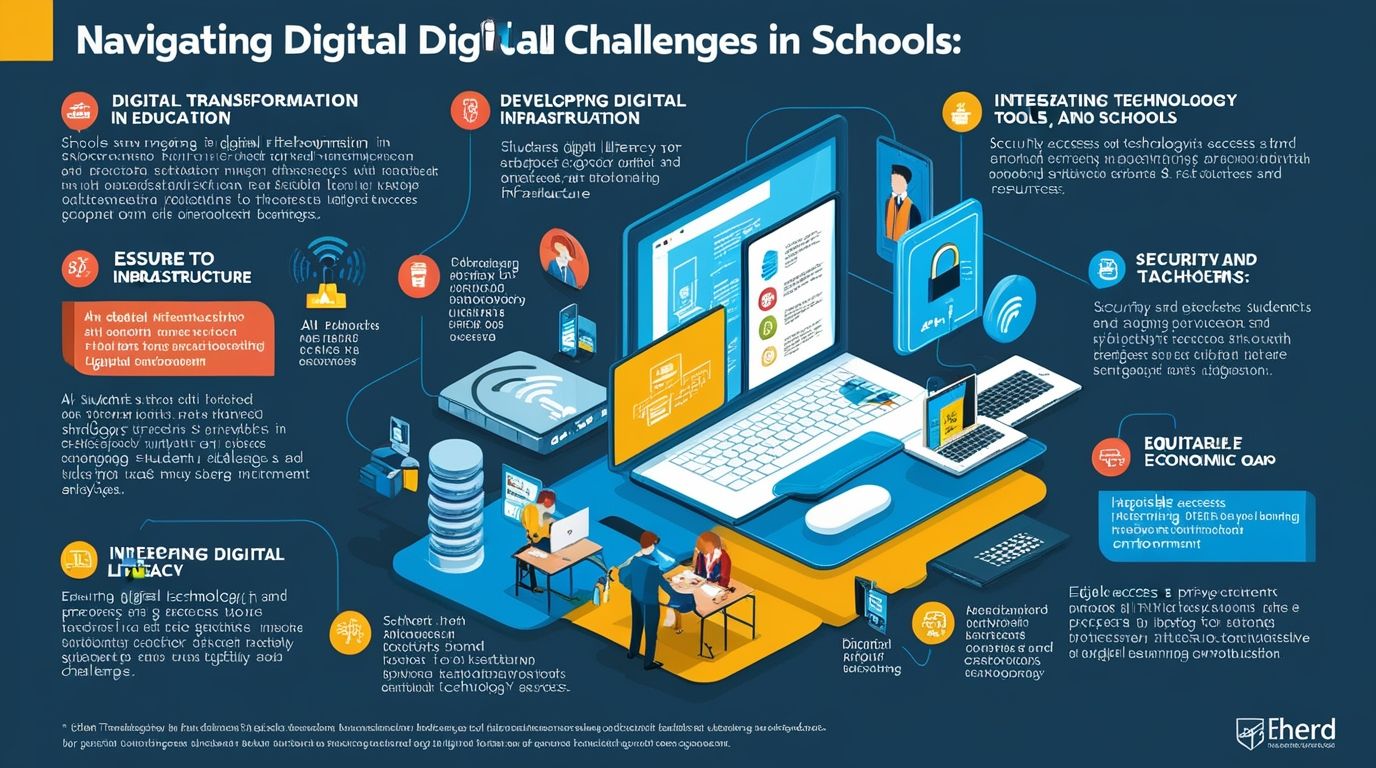
Thirdly, educational institutions should invest in technology and digital infrastructure. Access to computers, internet services, and educational software is essential for modern learning. Furthermore, schools should build partnerships with international organizations and communities. Exchange programs and online collaborations can expose students to global experiences.
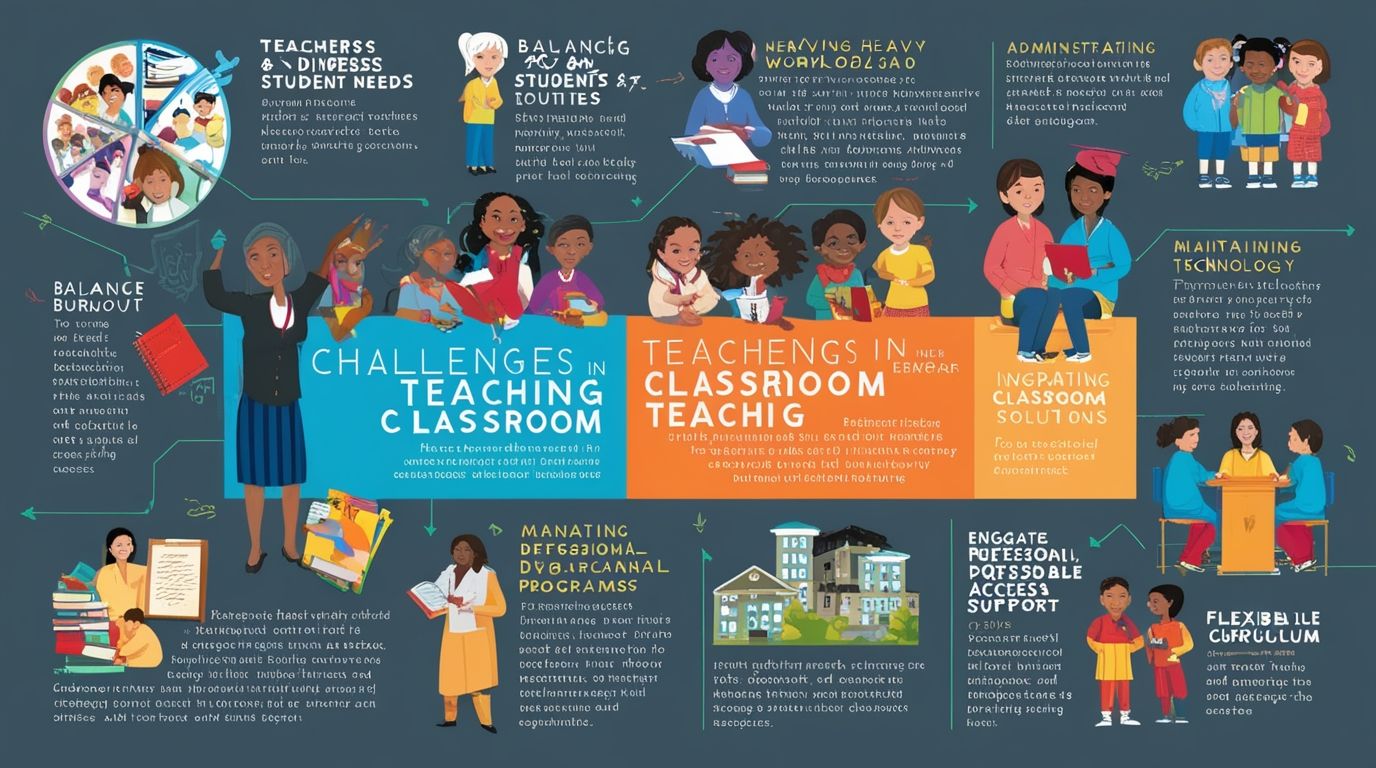
Challenges in Implementing Globalized Skills
Limited Resources
Many schools face financial and technological limitations. Consequently, they struggle to provide digital tools and modern learning environments. In rural and underdeveloped areas, internet access may also be limited. Therefore, students may not receive equal learning opportunities. Governments and organizations must support resource development to reduce educational inequality.
Traditional Teaching Methods
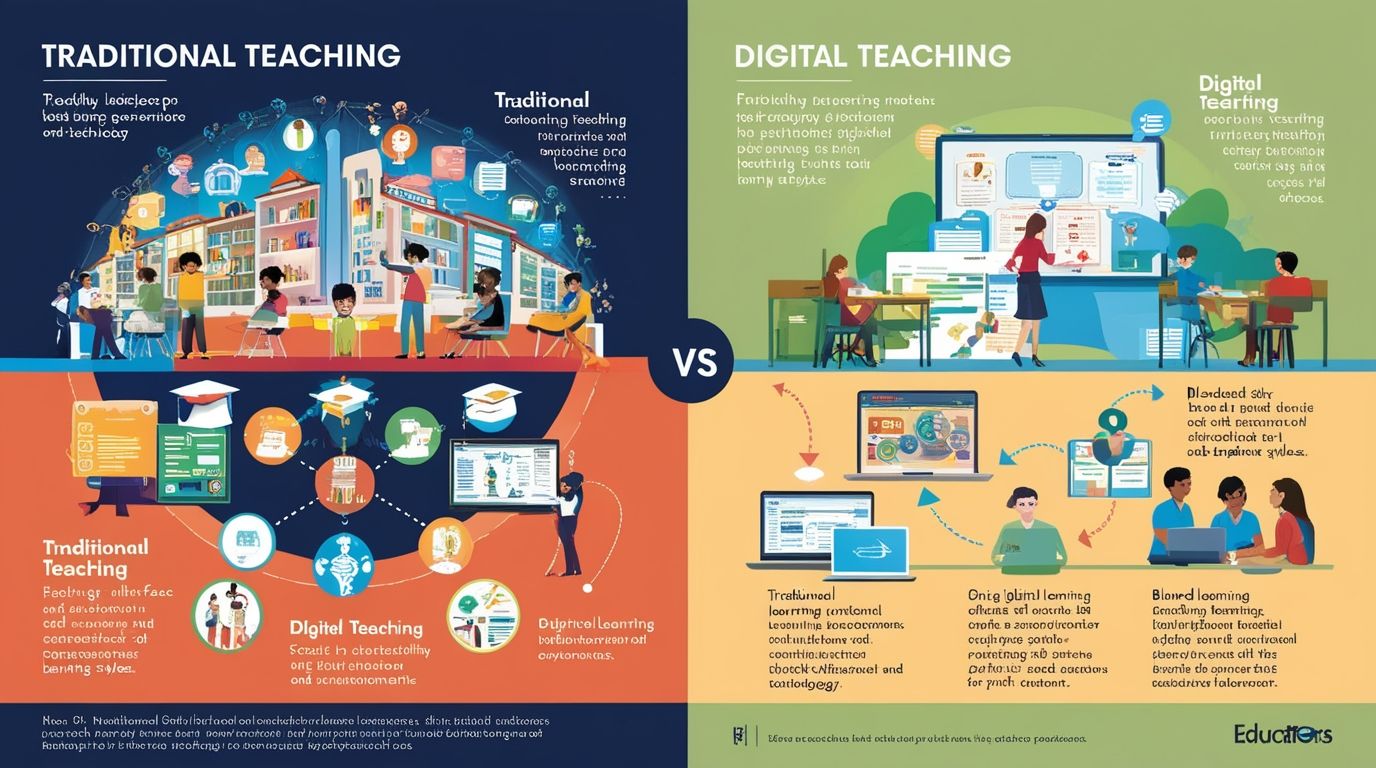
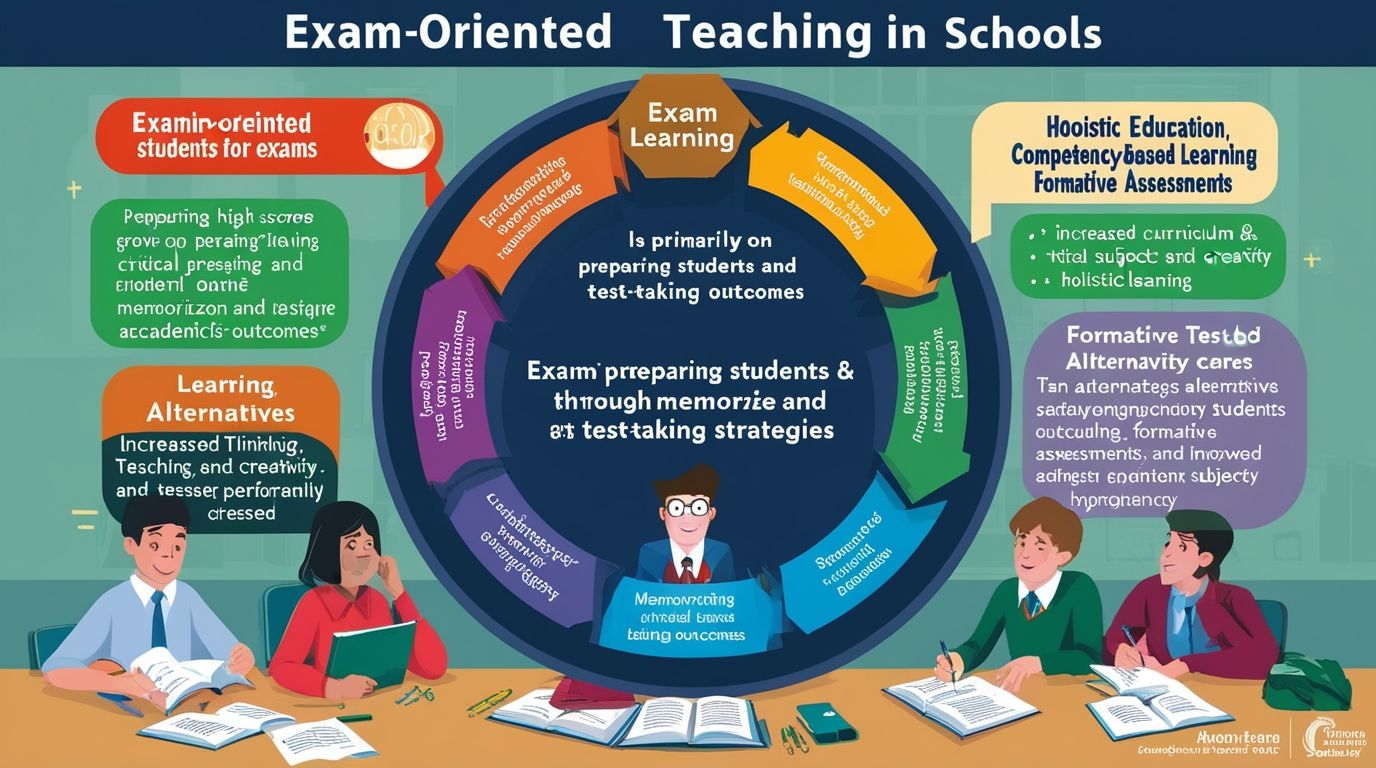
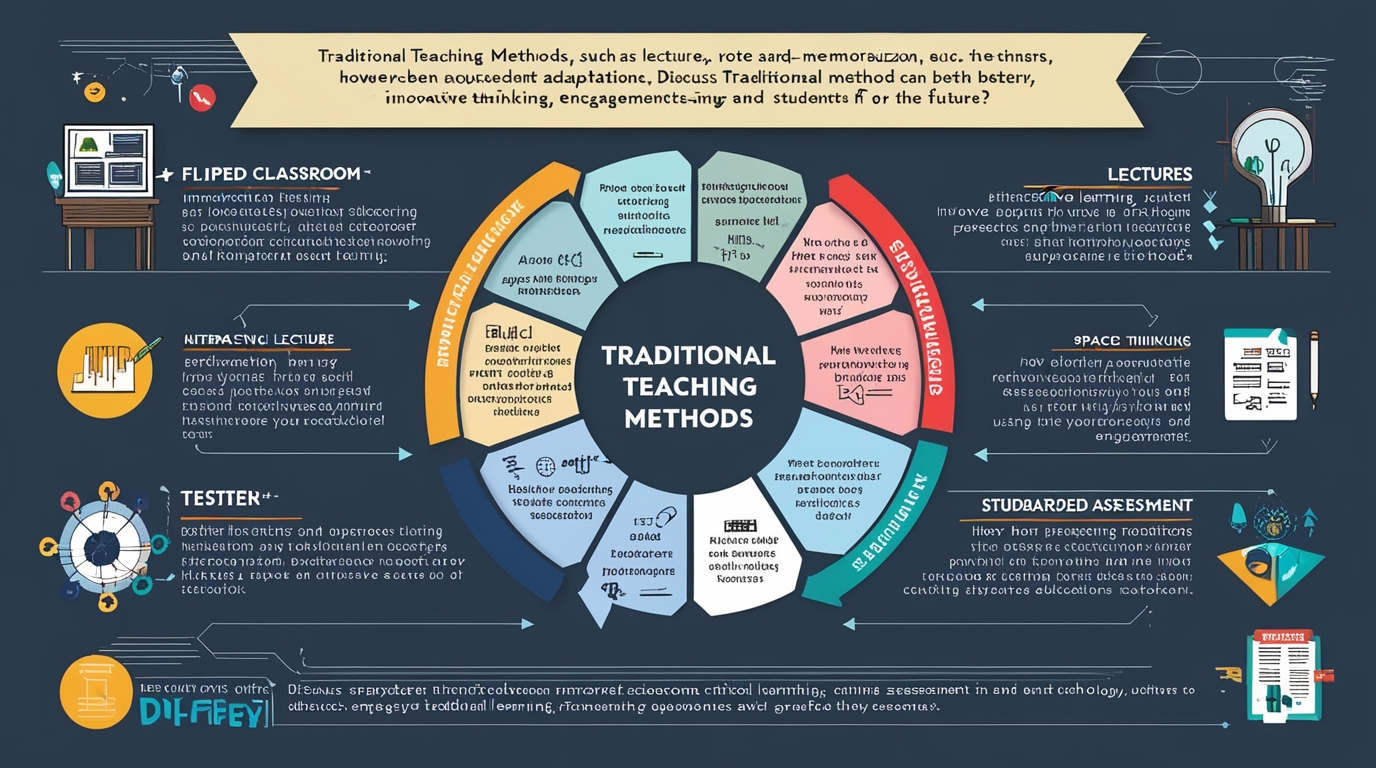
Some education systems still depend heavily on memorization and examinations. However, these methods may not fully develop critical thinking or creativity. Teachers may also resist change due to lack of training or experience. Therefore, professional development programs are necessary.
Lack of Teacher Training
Teachers cannot develop globalized skills effectively without proper preparation. Consequently, training programs must focus on technology integration, student-centered learning, and intercultural education. Educational institutions should also encourage continuous professional learning for teachers.
Cultural and Language Barriers
Global education may involve communication challenges between cultures and languages. Therefore, schools must promote inclusion and mutual respect. Language support programs and multicultural activities can help students overcome these barriers.
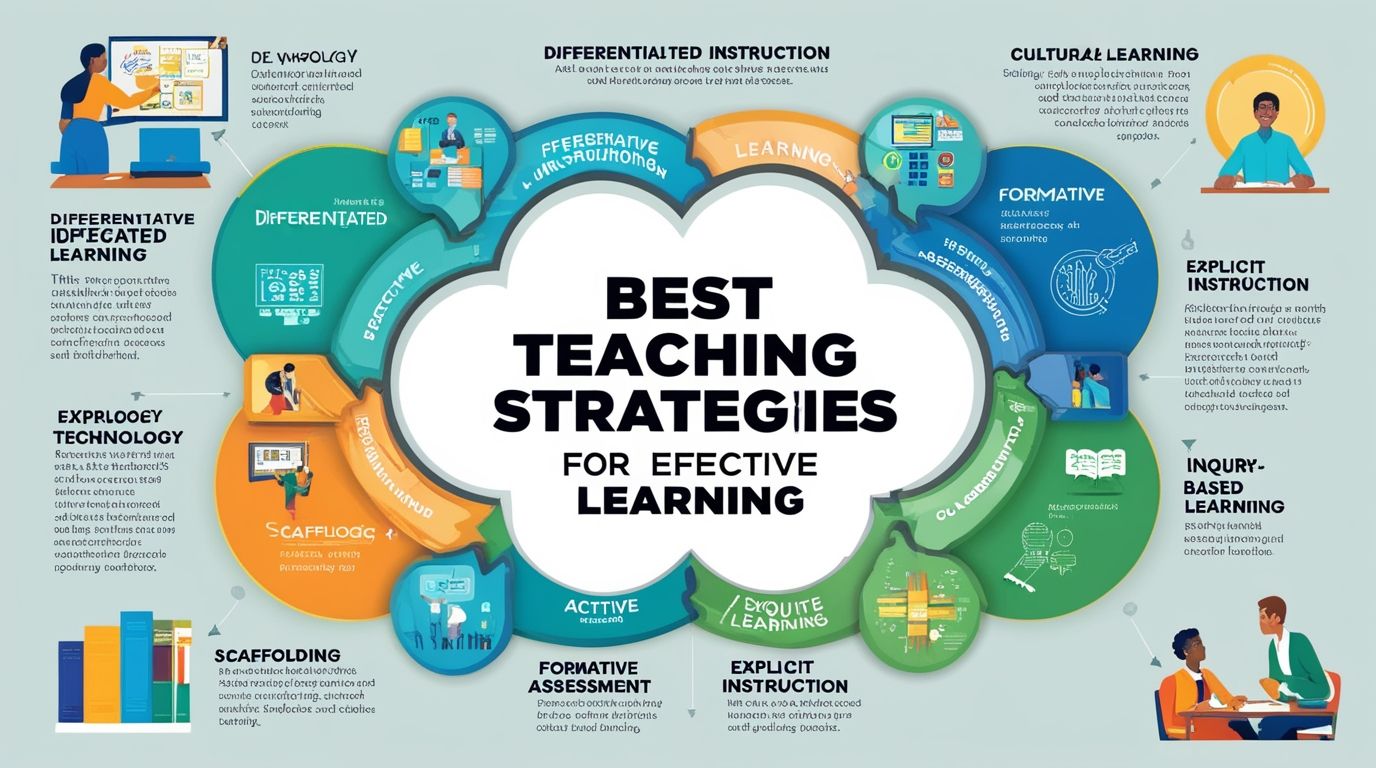
Strategies for Promoting Globalized Skills
Curriculum Reform
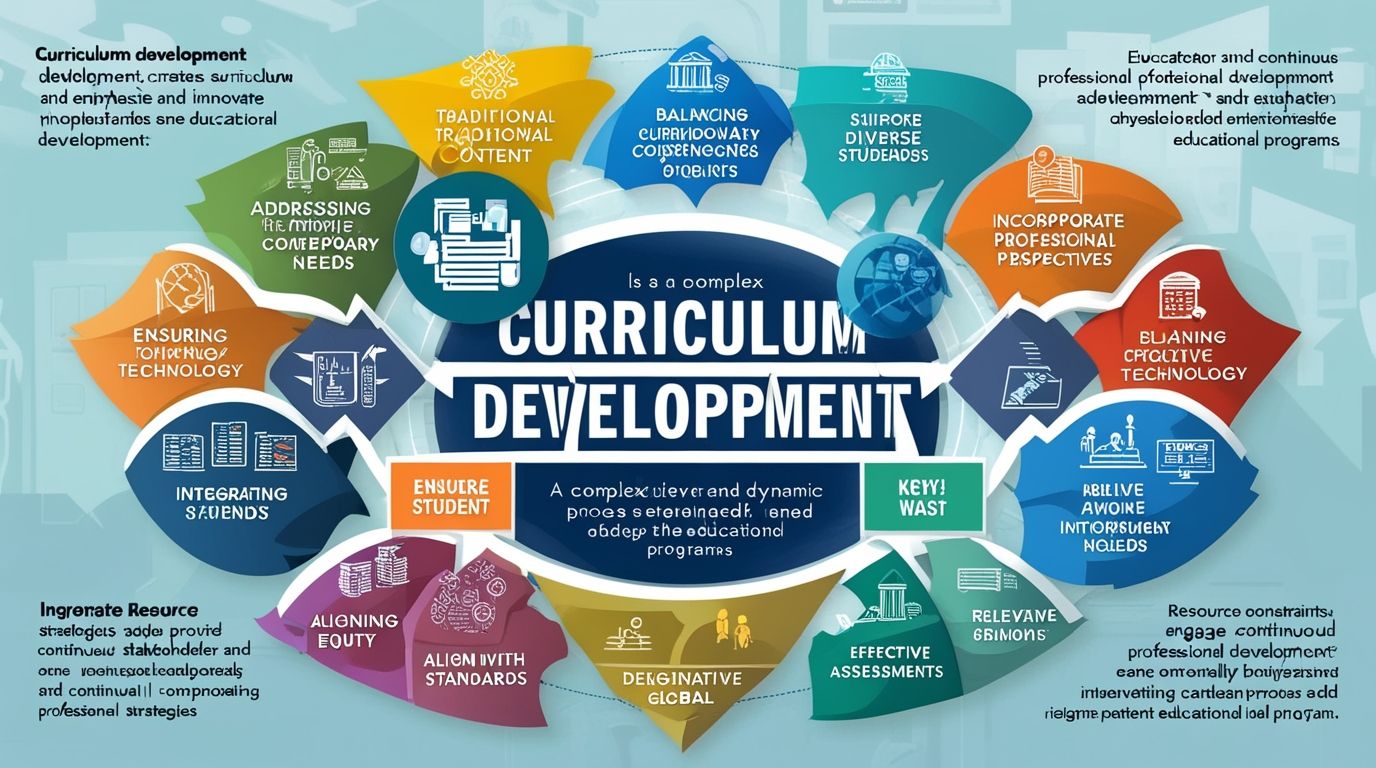
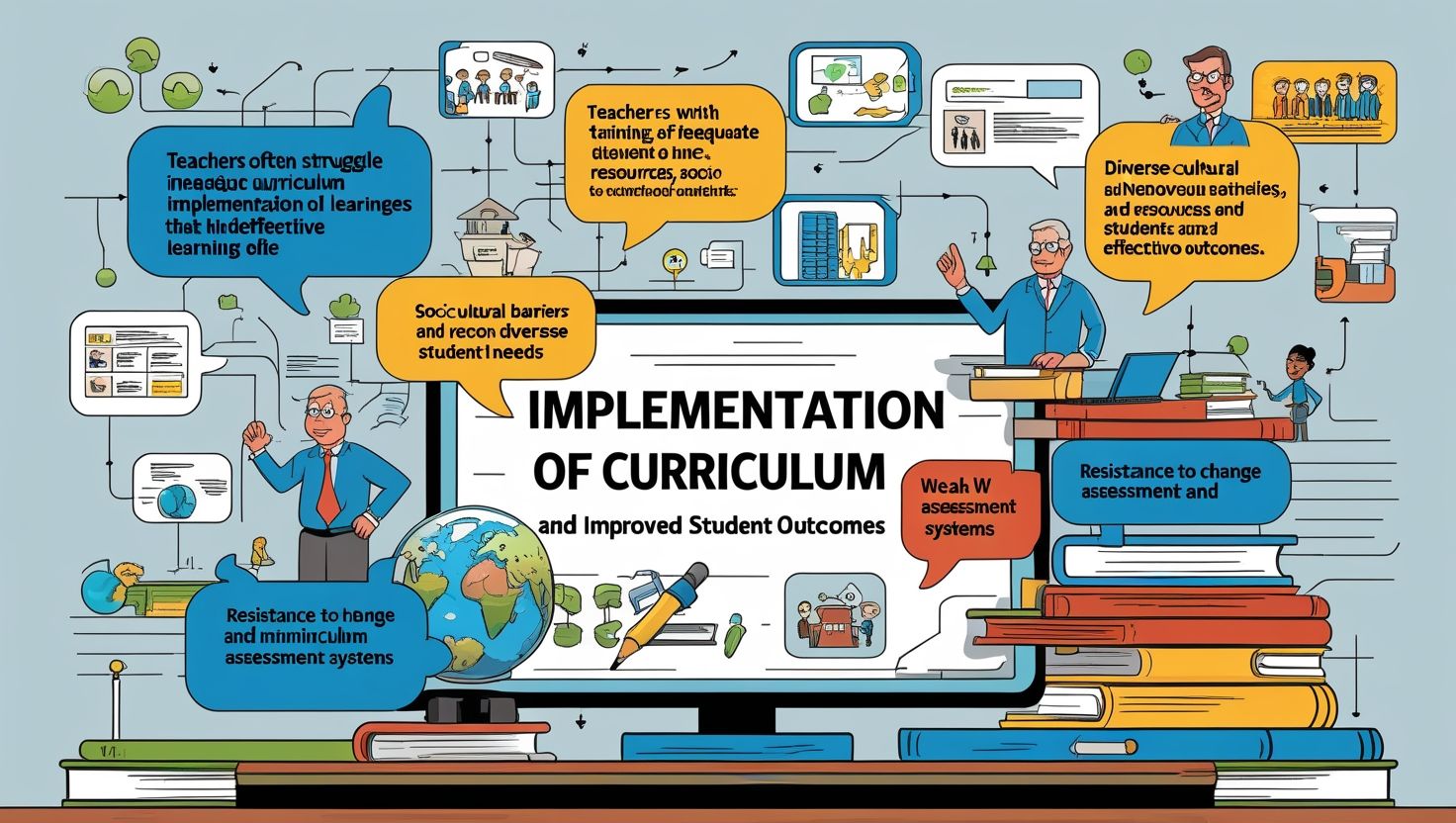
Education systems should redesign curricula to include global competencies. Therefore, subjects should connect academic knowledge with practical applications. For example, students can study international issues, sustainability, entrepreneurship, and digital innovation. As a result, learning becomes more meaningful and relevant.
Technology Integration
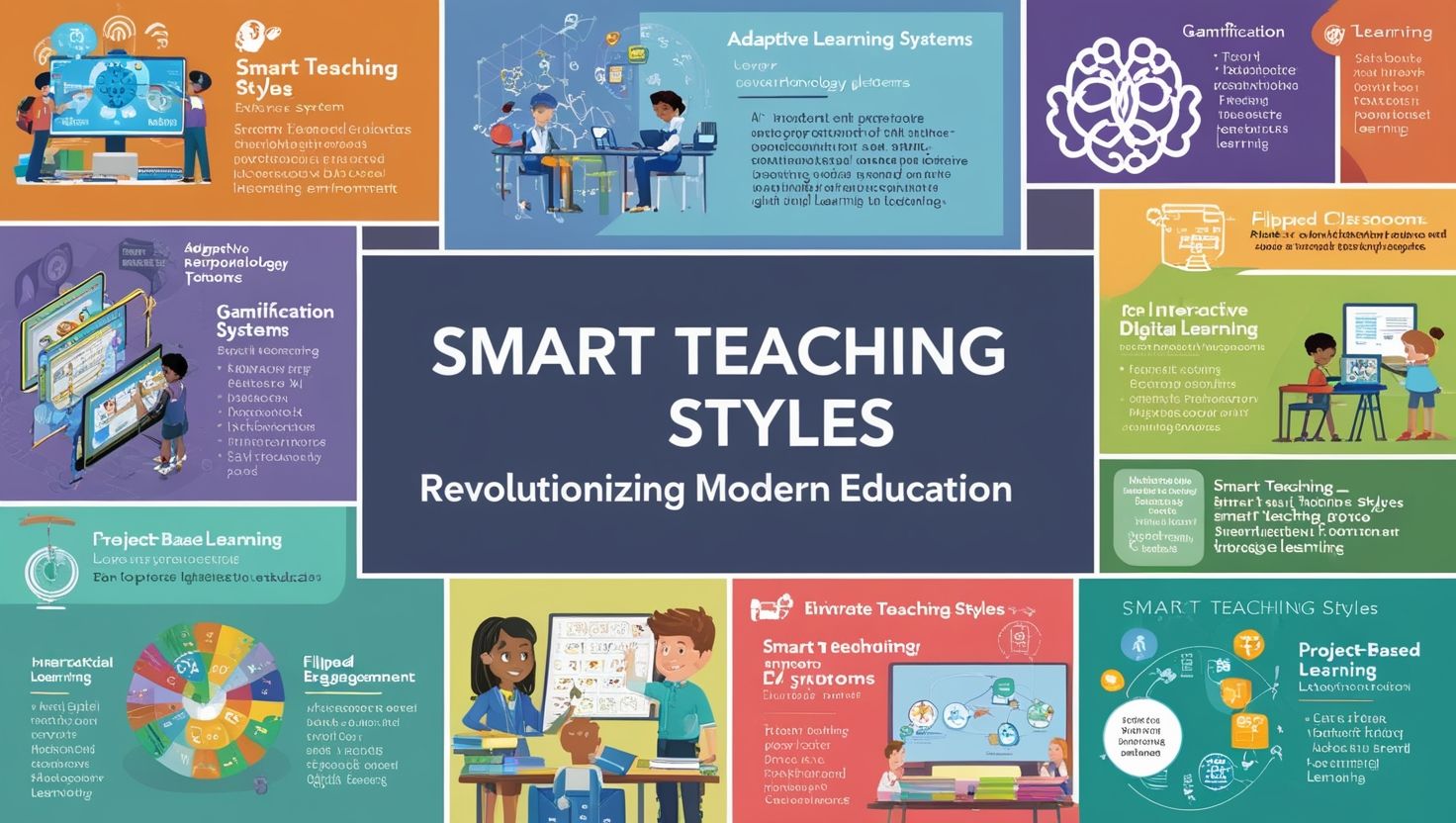
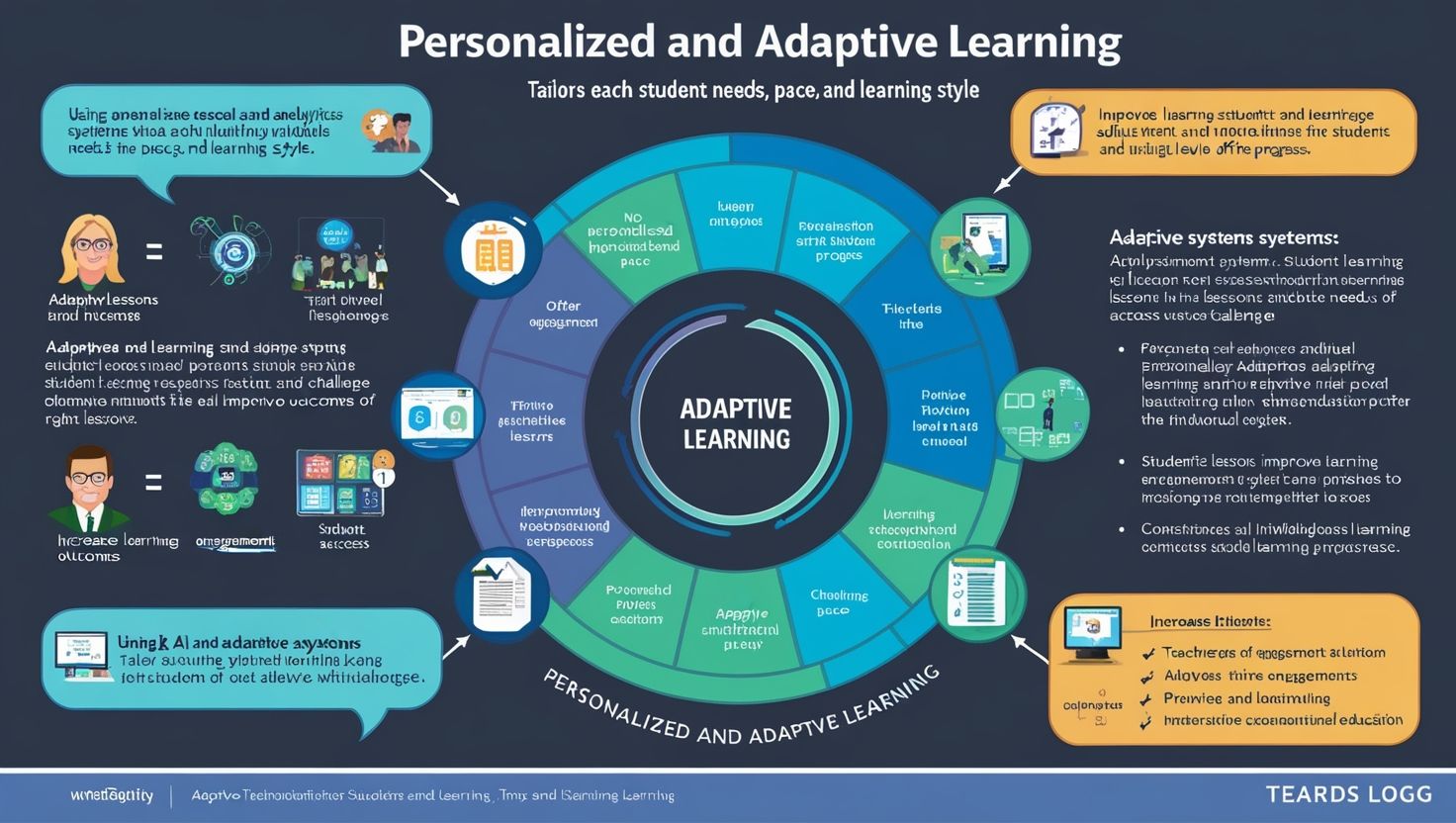
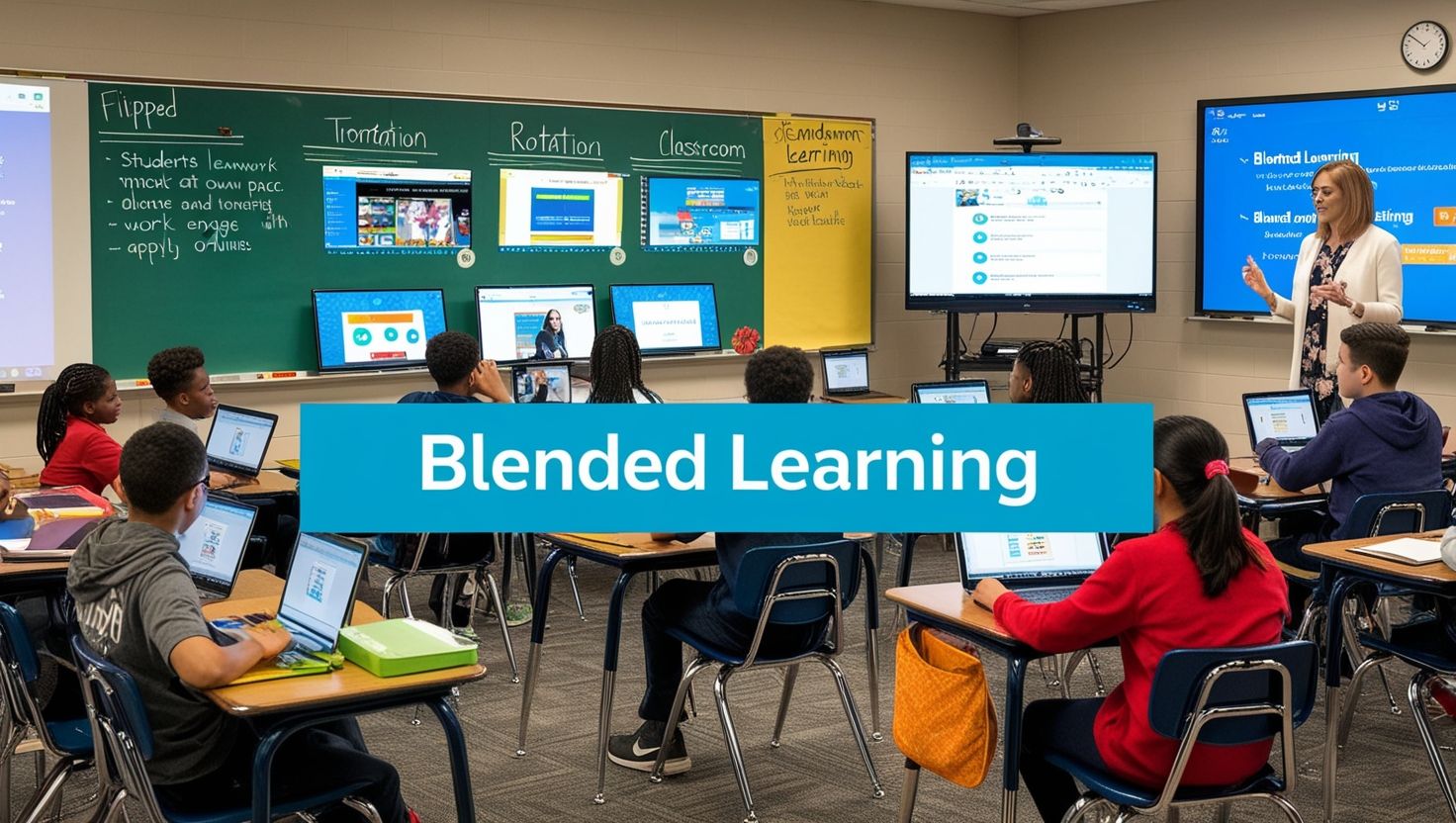
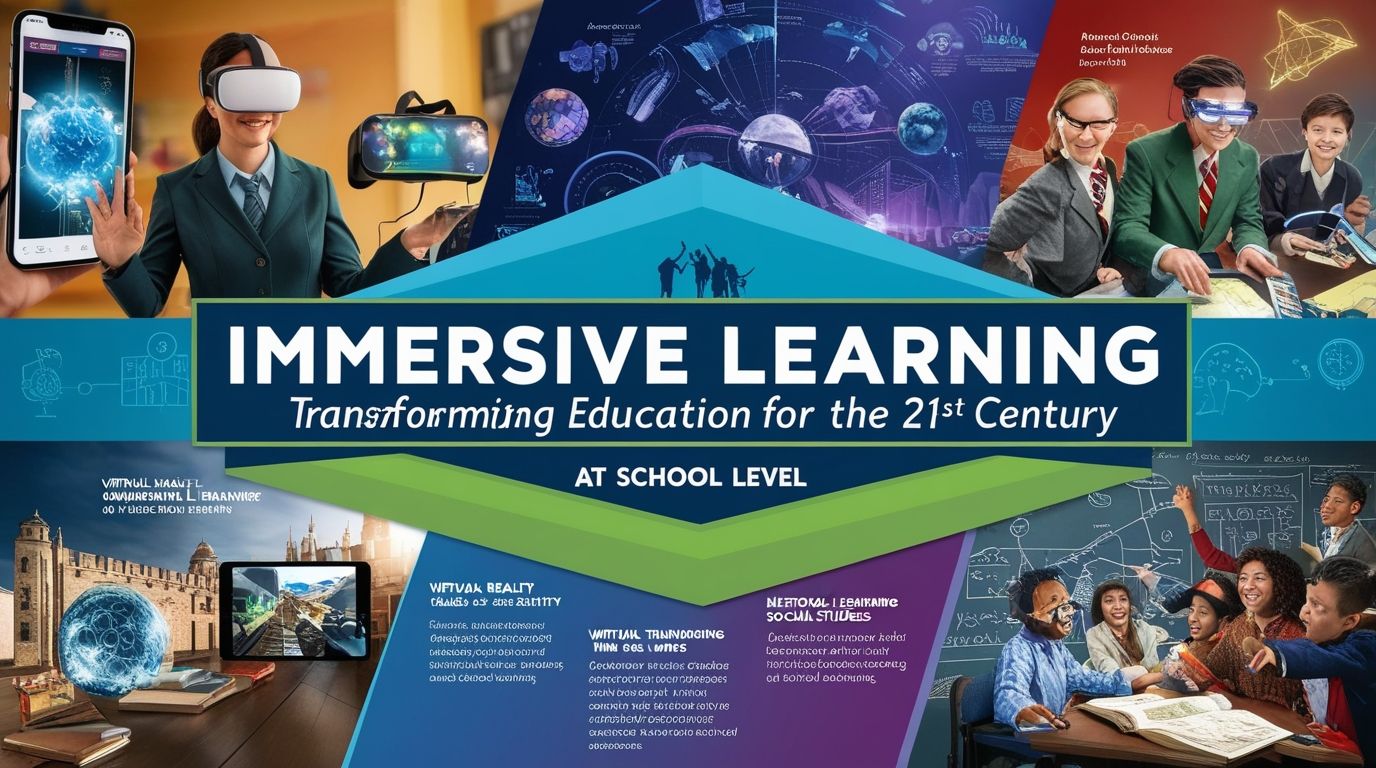
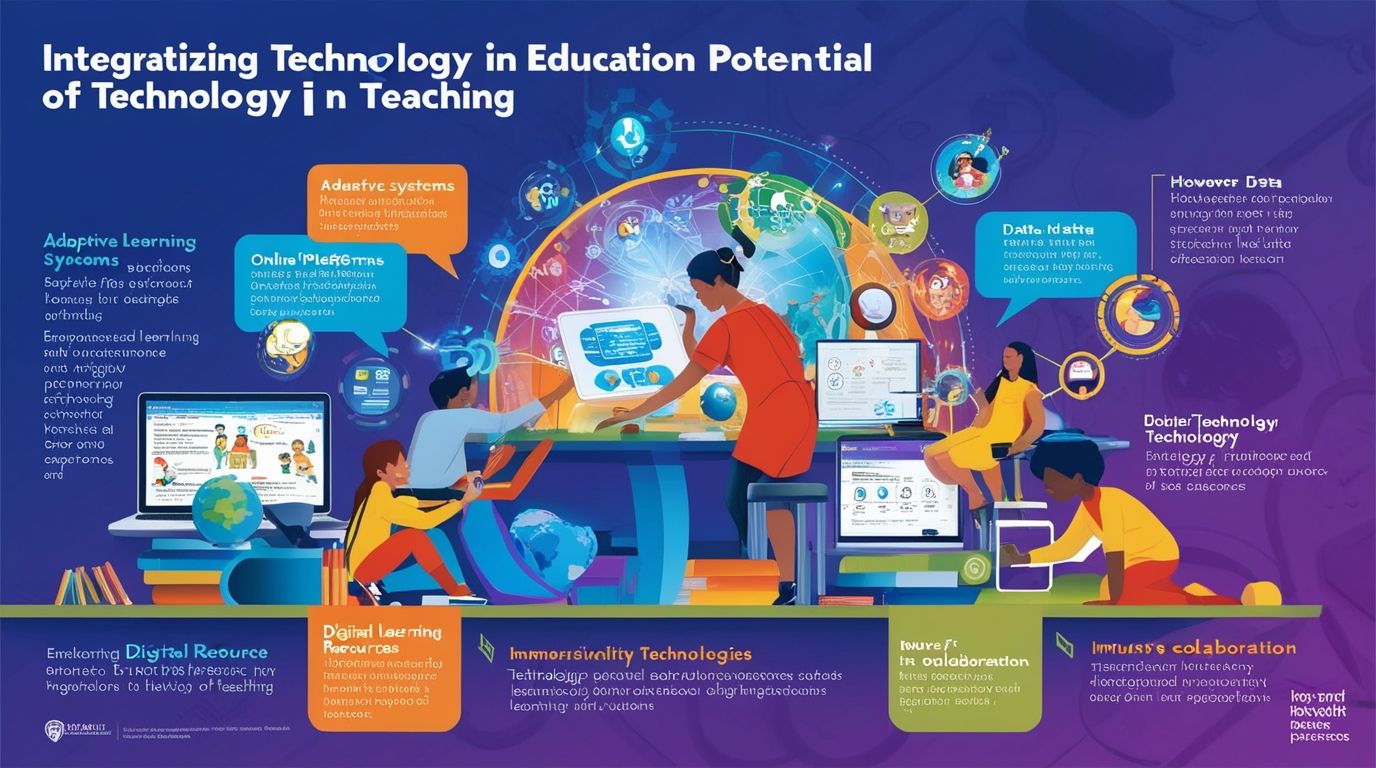
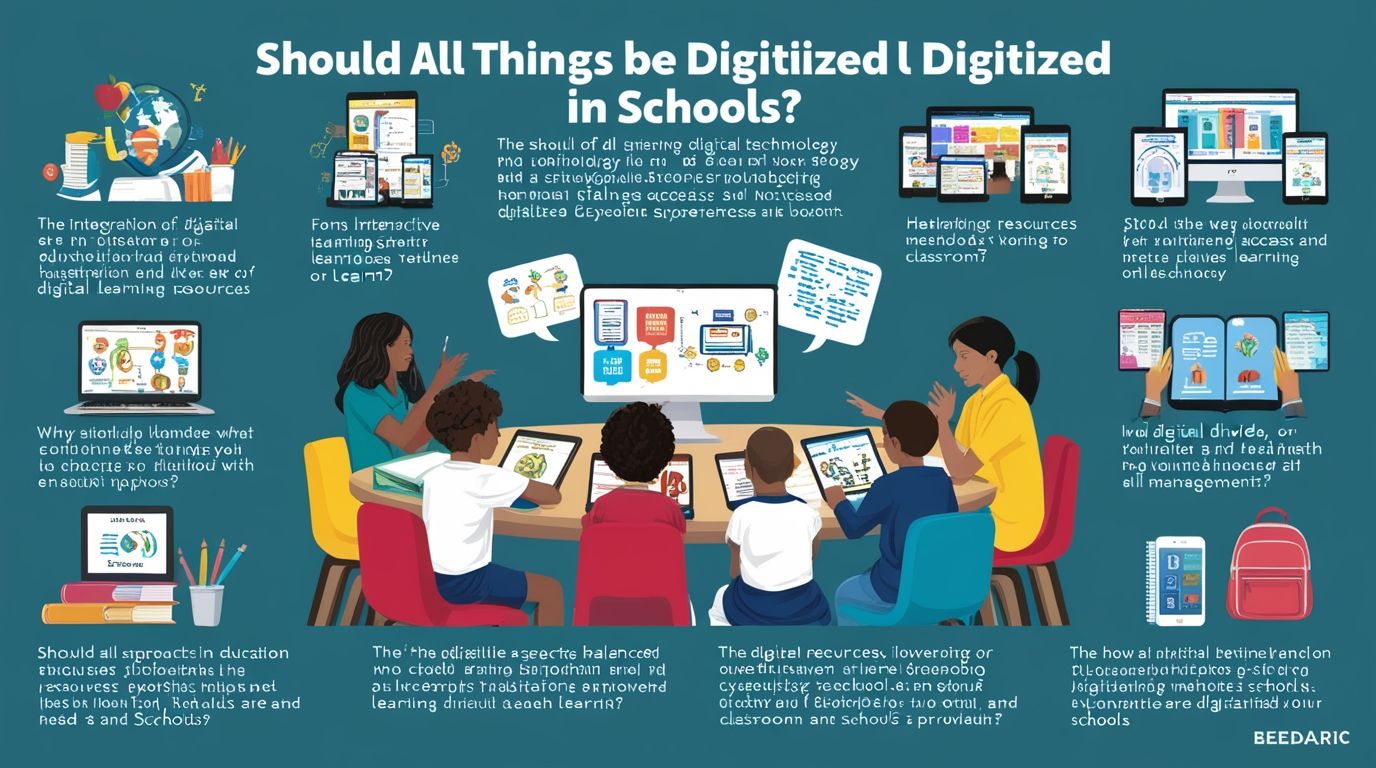
Technology should become a regular part of classroom learning. Teachers can use online platforms, virtual discussions, and digital research tools to improve engagement. Moreover, educational technology allows students to collaborate internationally. Consequently, learners gain global exposure and digital confidence.
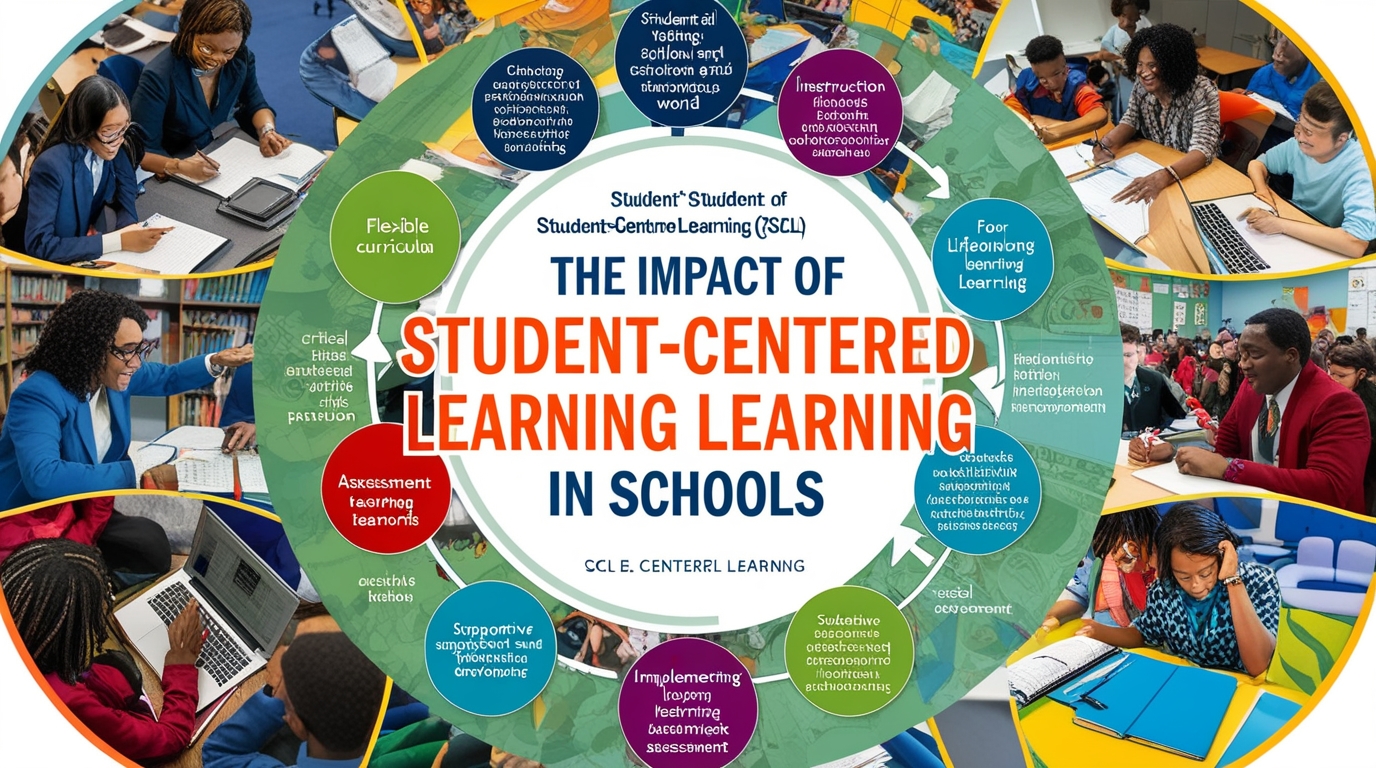
Student-Centered Learning
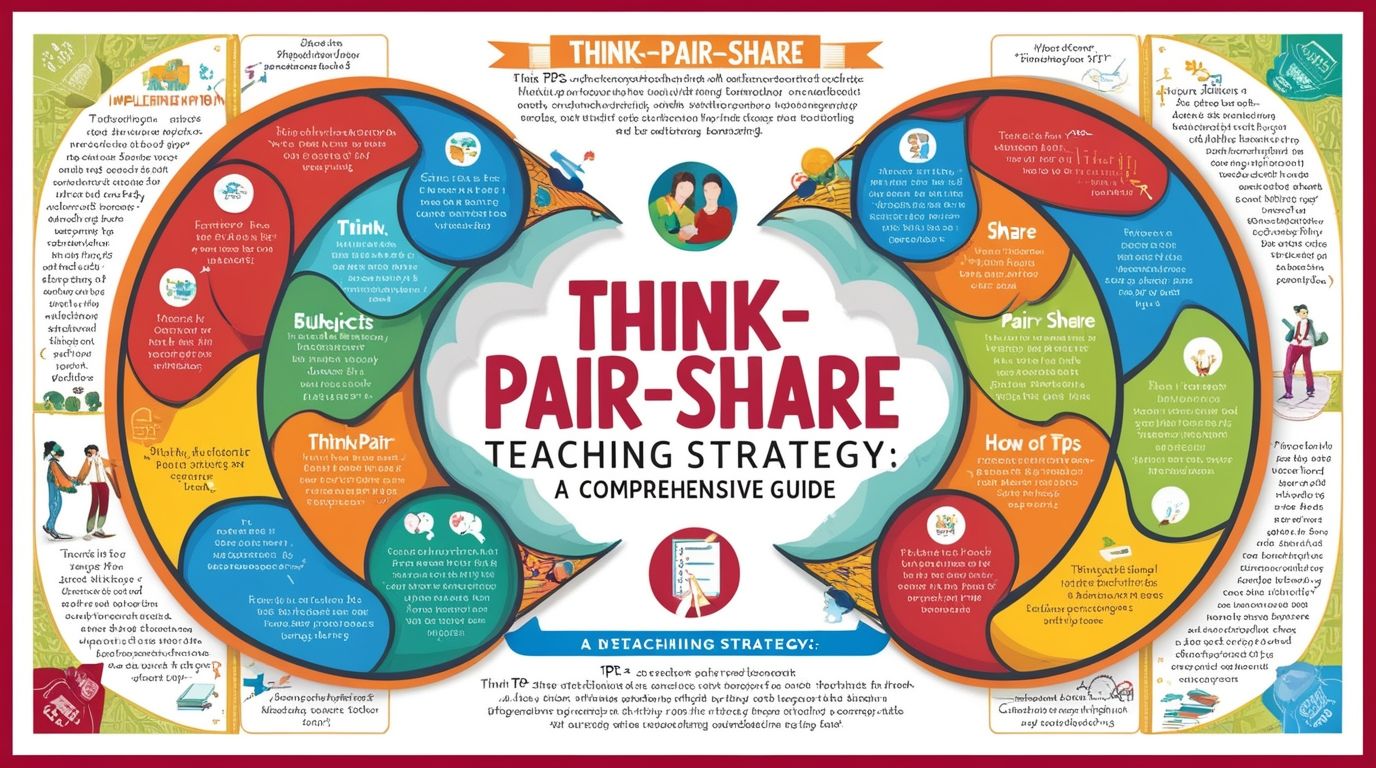
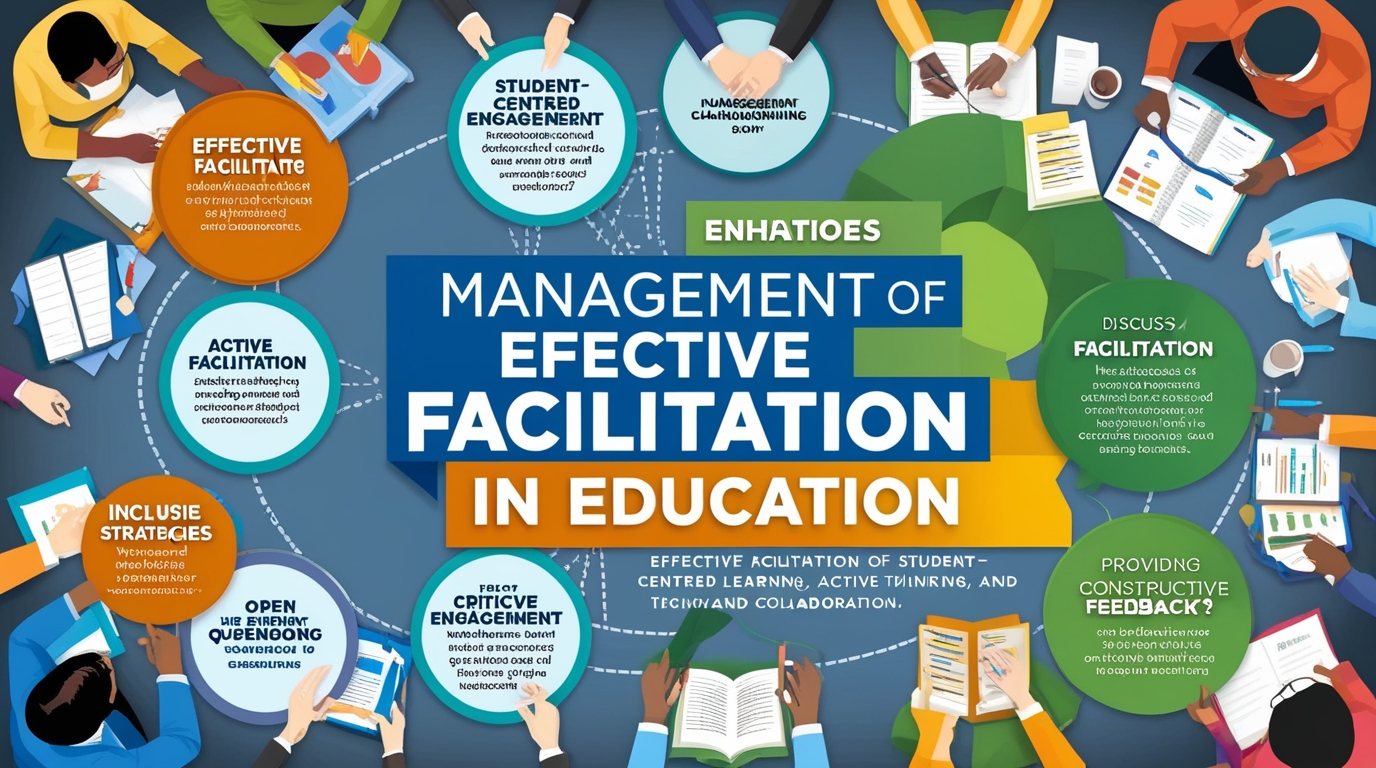
Student-centered learning encourages active participation and independence. Instead of passive memorization, students explore ideas through discussion, inquiry, and experimentation. This approach improves motivation and problem-solving abilities. Furthermore, it helps students take responsibility for their learning.
International Collaboration
Schools can create partnerships with institutions in other countries. Students may participate in virtual exchanges, collaborative research, and cultural projects. These experiences promote communication, empathy, and global understanding. Therefore, international collaboration strengthens global competencies.
Continuous Assessment
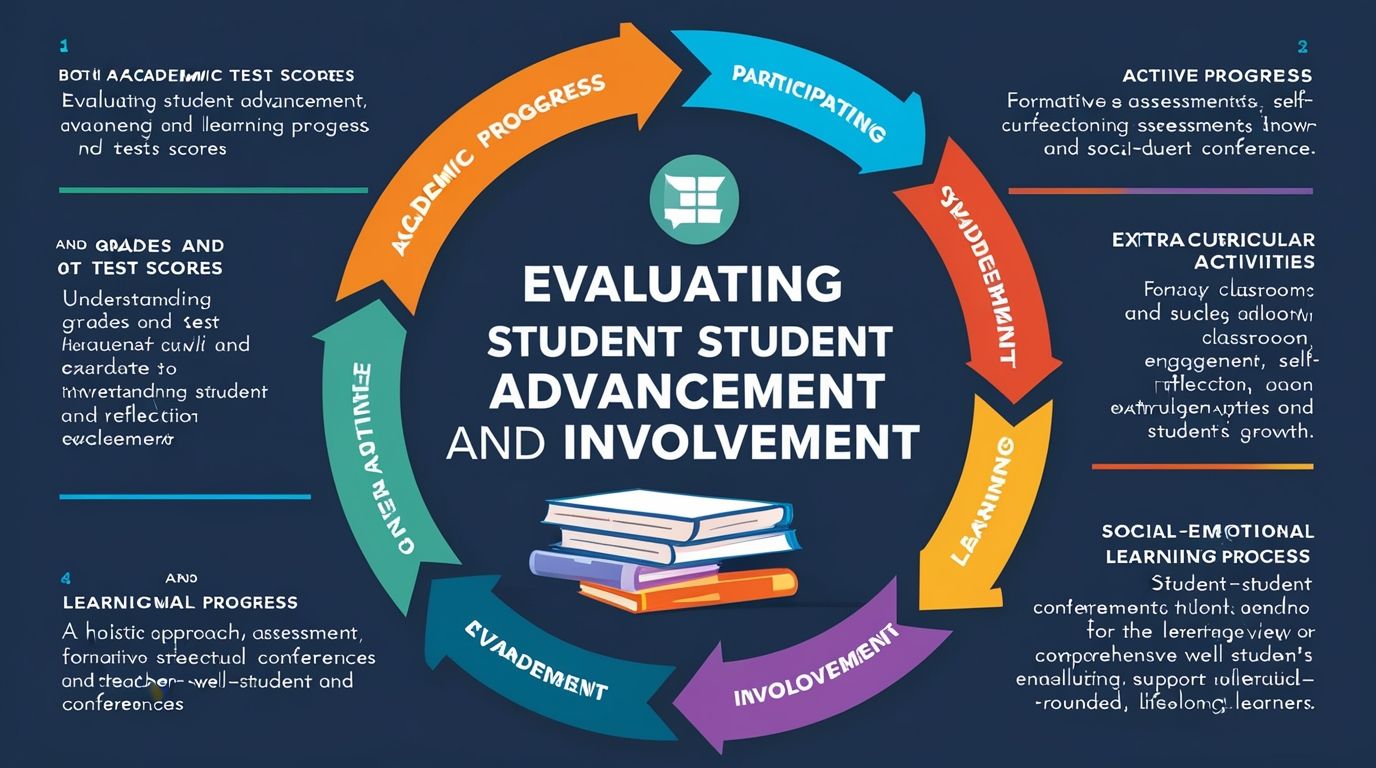
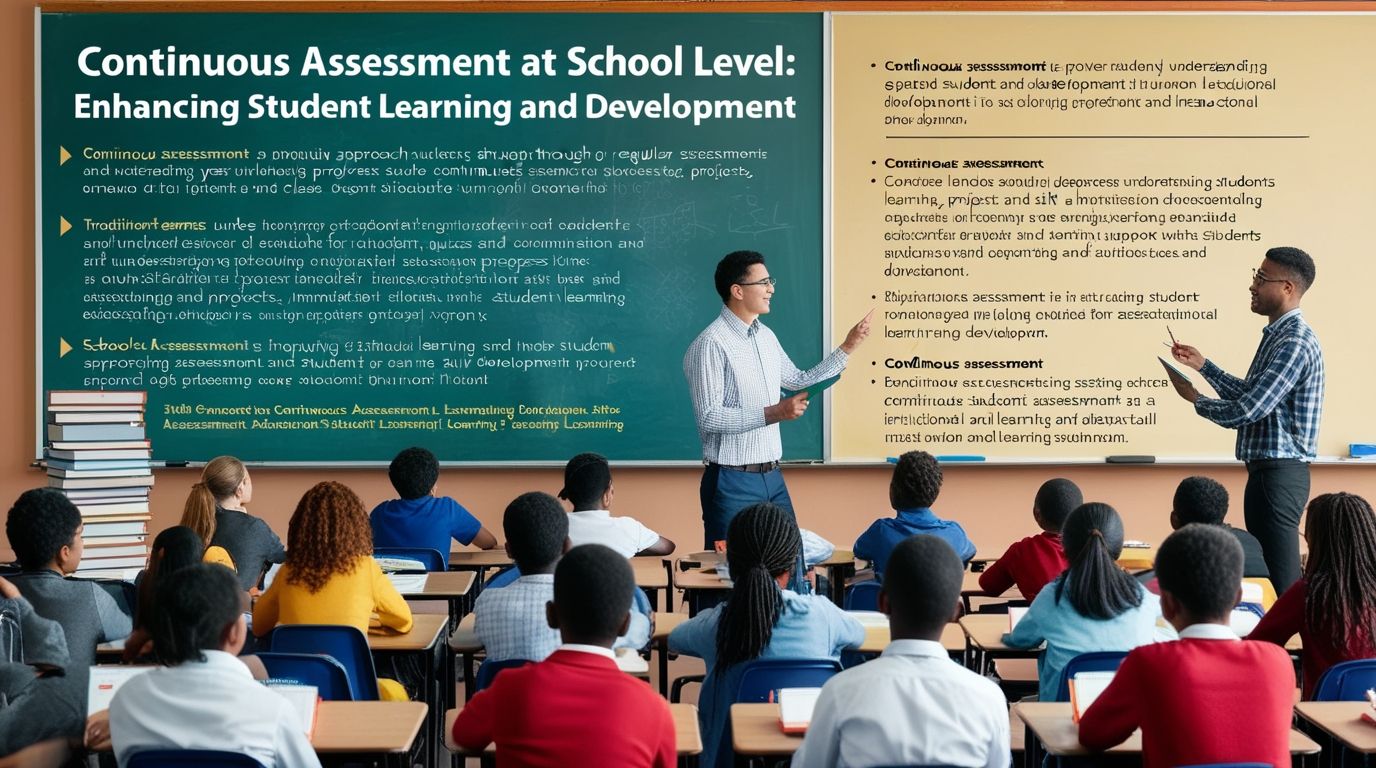
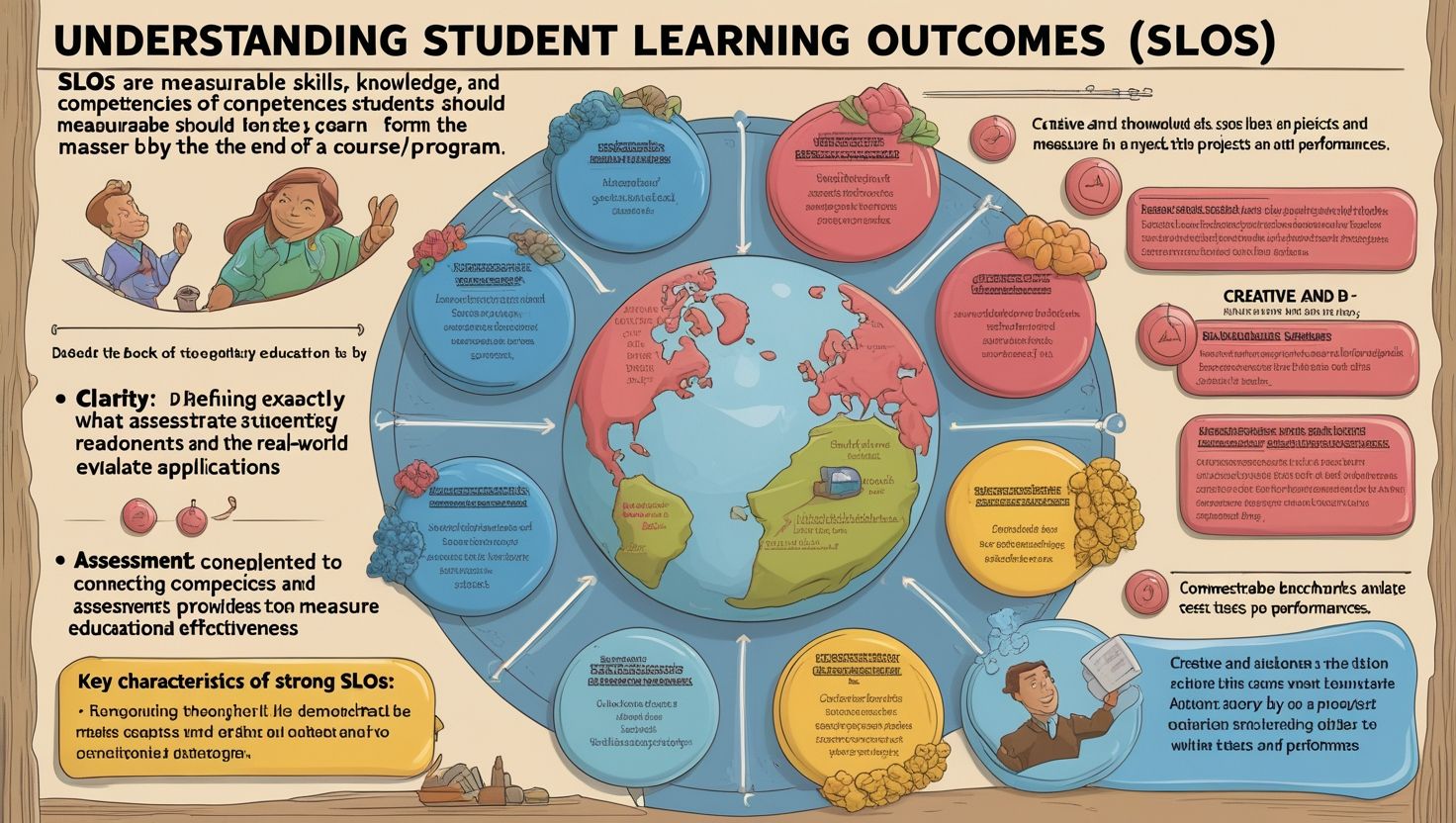
Assessment methods should evaluate skills as well as academic knowledge. Therefore, schools should use presentations, portfolios, group projects, and reflective tasks. Continuous assessment provides a broader understanding of student development. Moreover, it encourages creativity and independent thinking.
Impact of Globalized Skills on Society
Globalized education benefits individuals and societies. Skilled learners contribute to economic growth, technological innovation, and social harmony. Firstly, global competencies improve employability. Students become better prepared for modern careers and entrepreneurial opportunities.
Secondly, these skills strengthen democracy and social cooperation. Individuals with cultural awareness and empathy can promote peace and tolerance. Thirdly, globalized education supports sustainable development. Learners become more aware of environmental protection and social responsibility. Furthermore, innovation increases when people from different backgrounds collaborate. Consequently, societies can solve problems more effectively.
Future of Globalized Skills in Education
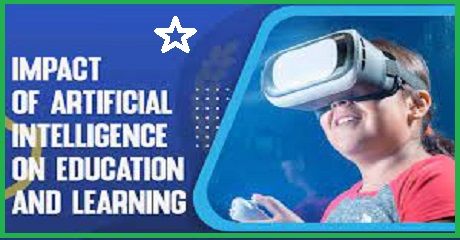
The future of education will continue to evolve. Technology, artificial intelligence, and globalization will reshape learning environments. Therefore, schools must remain flexible and innovative. Online learning will likely expand further. Consequently, digital literacy and self-directed learning will become even more important.
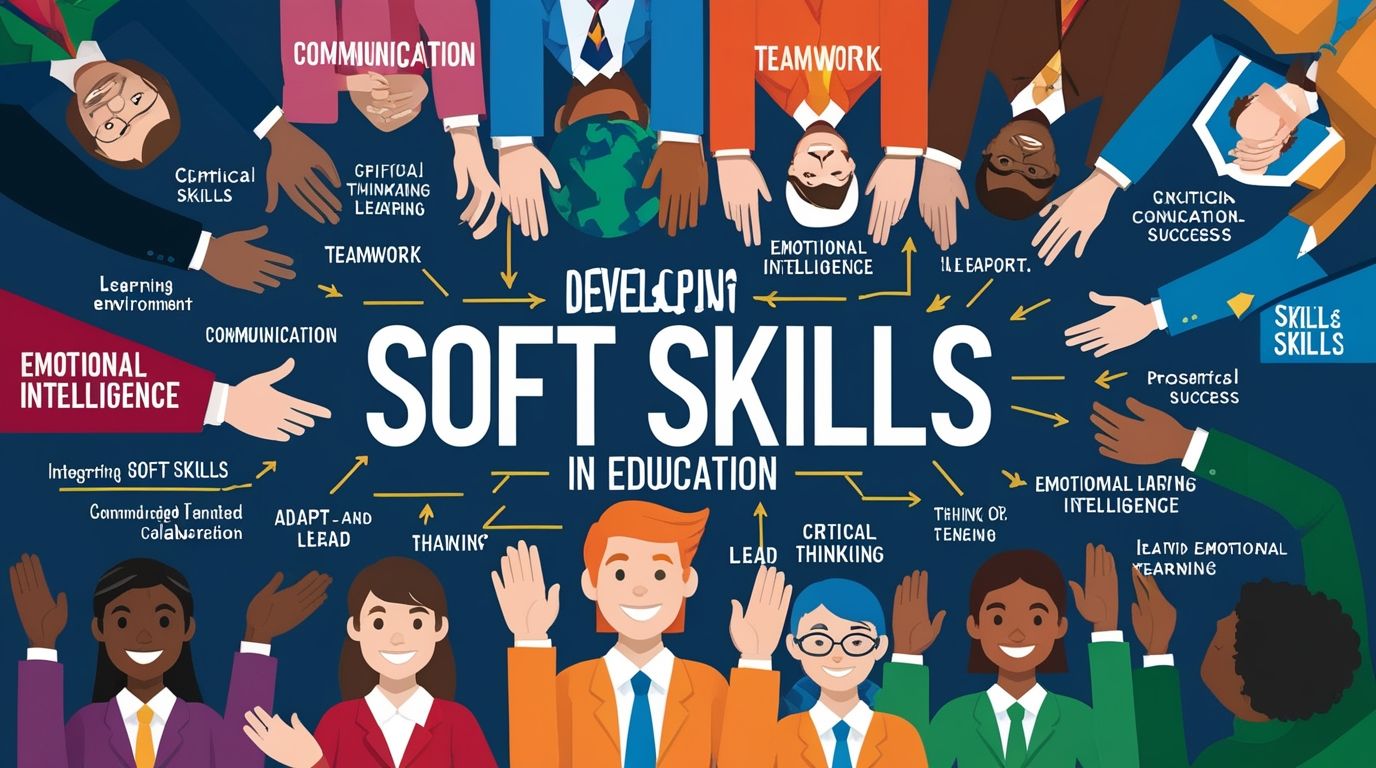
Employers may also prioritize soft skills such as communication, adaptability, and leadership. Therefore, education systems must balance technical knowledge with human-centered competencies. Global partnerships between schools, universities, and organizations will probably increase. As a result, students may gain broader international experiences. In the future, education will focus not only on academic success but also on preparing responsible global citizens. Therefore, globalized skills will remain essential for human development.
Conclusion
Globalized skills are transforming modern education. The interconnected world requires learners who can communicate, collaborate, think critically, and adapt to change. Therefore, schools must move beyond traditional teaching methods. Skills such as critical thinking, digital literacy, communication, collaboration, creativity, leadership, and cultural awareness are now essential for success. Moreover, these competencies support economic growth, social harmony, and lifelong learning.
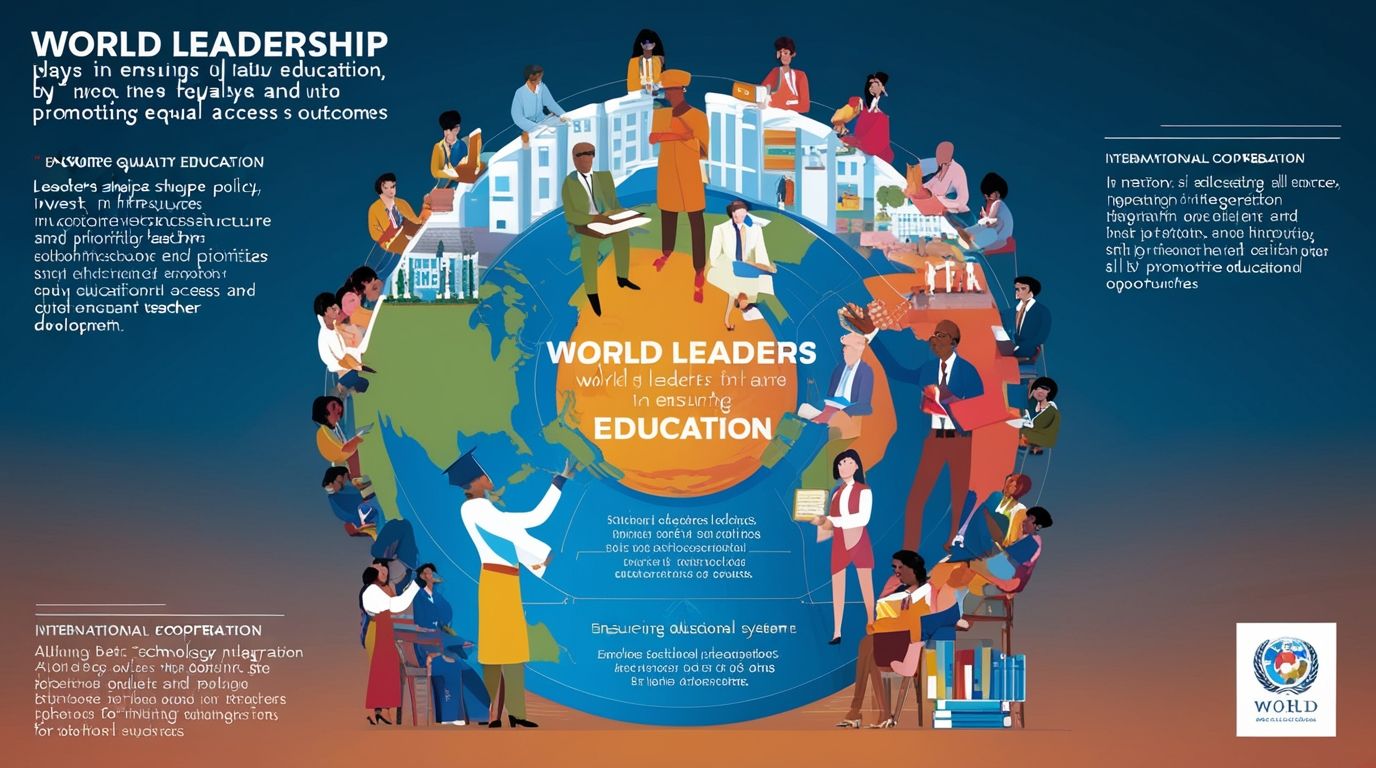
Teachers, schools, governments, and communities all share responsibility for developing these skills. Consequently, education systems must provide modern curricula, technology integration, teacher training, and inclusive learning opportunities. Although challenges exist, effective strategies can improve global education. Curriculum reform, student-centered learning, digital technology, and international collaboration can prepare students for future realities. Ultimately, education should empower learners to become informed, responsible, and innovative global citizens. Therefore, investing in globalized skills is an investment in a better future for humanity.