Introduction
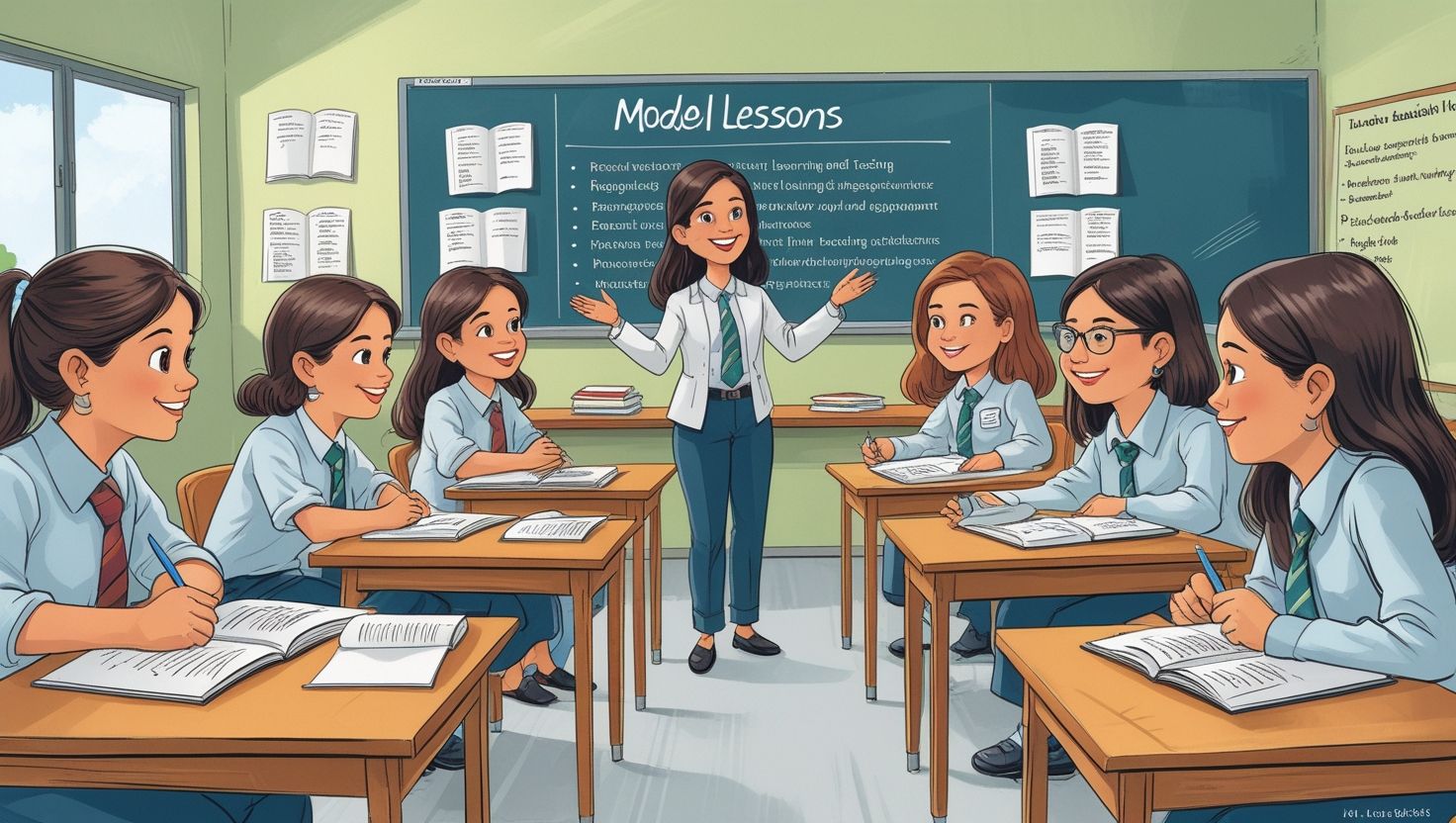
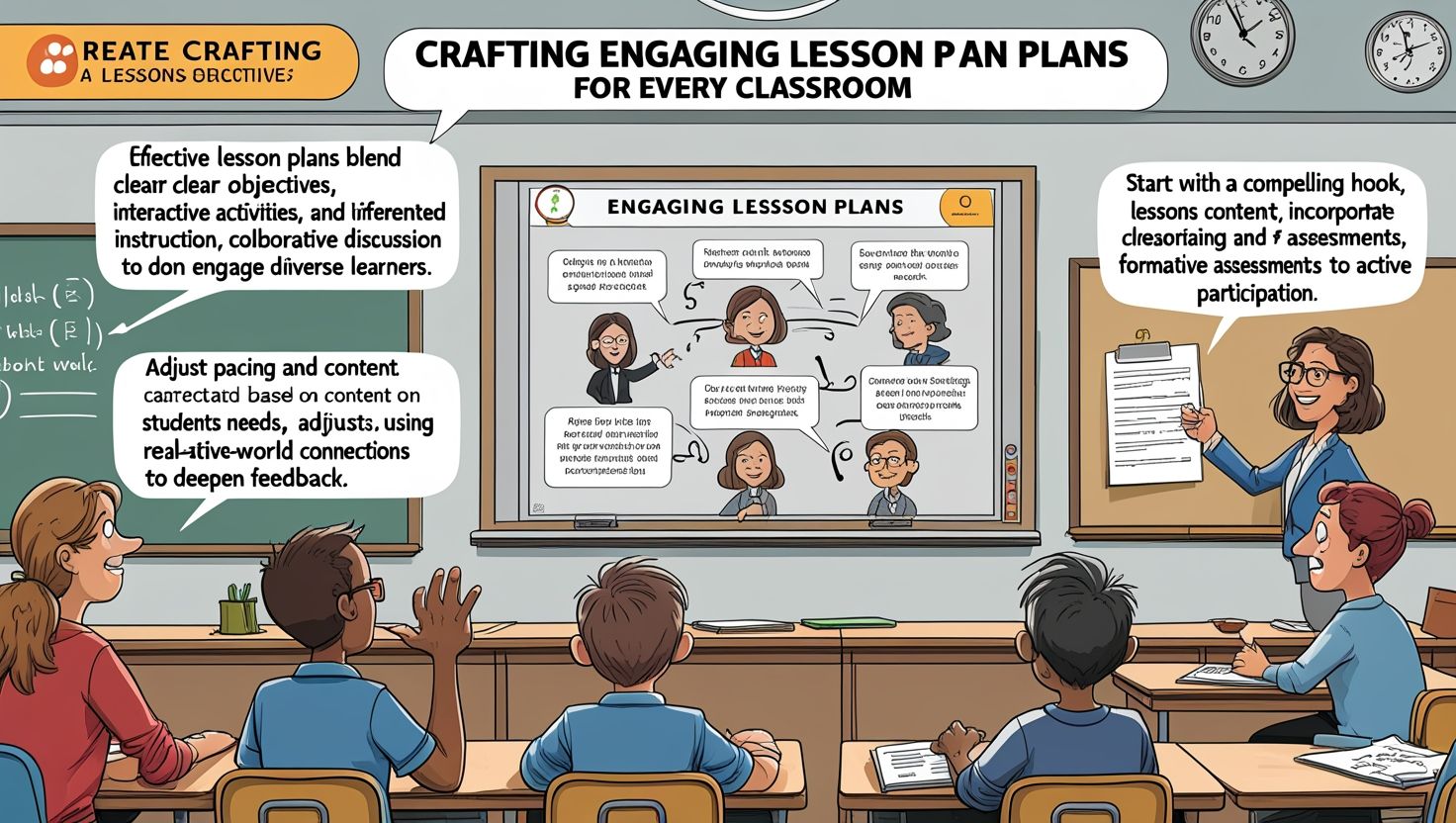
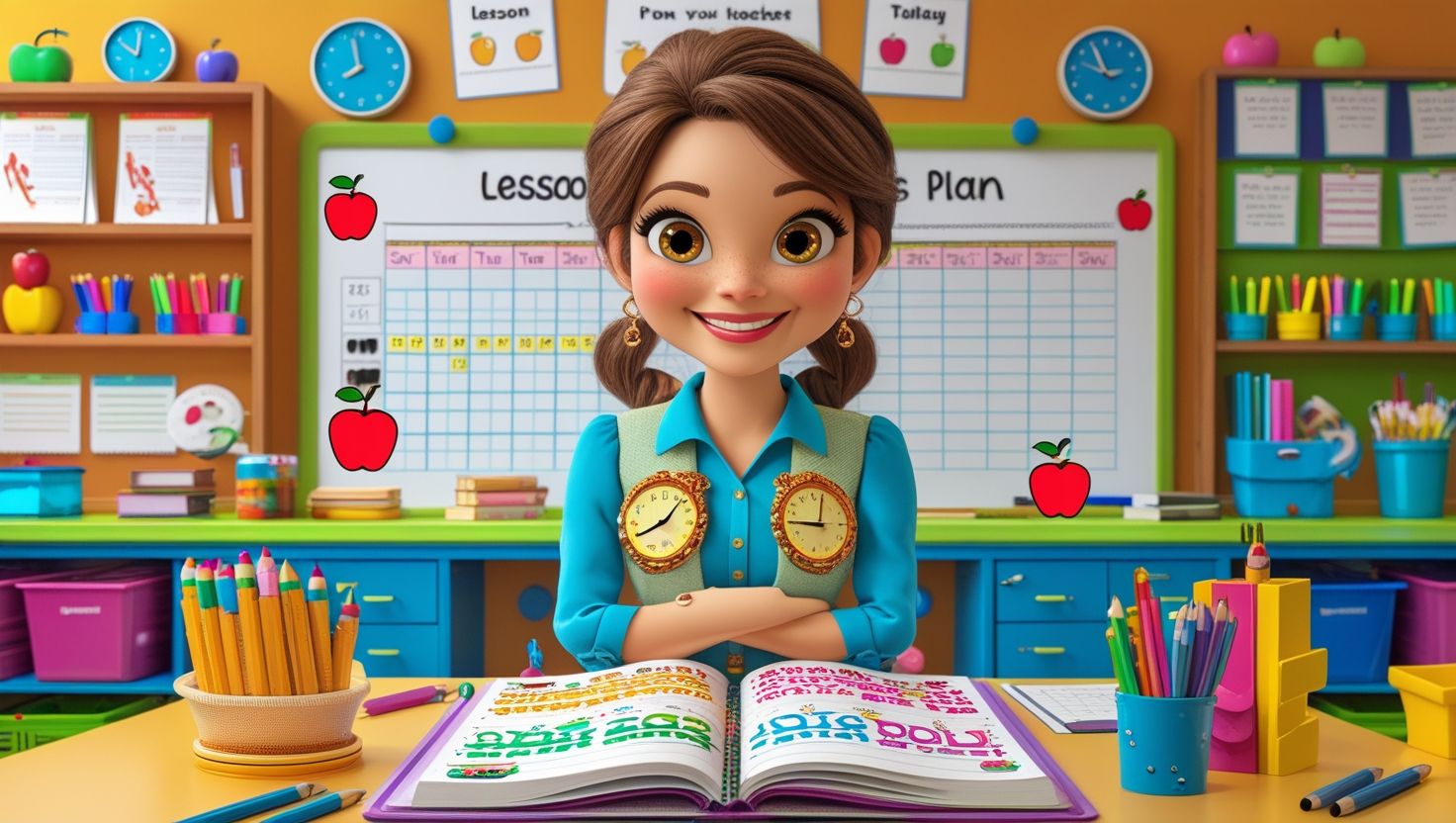
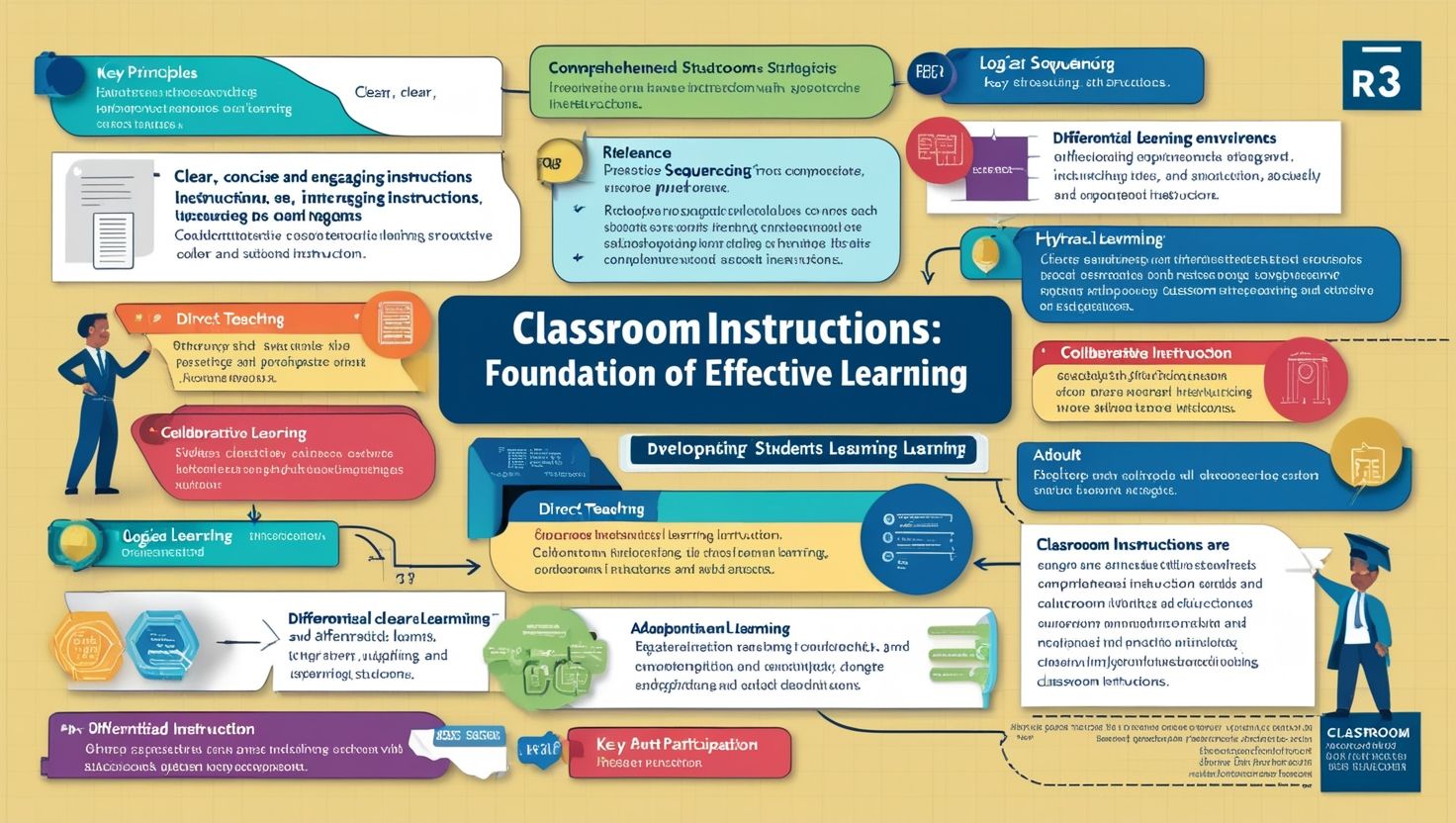
How Lesson Planning Creates Learning Impact in the Classroom, A lesson plan is one of the most important professional tools available to a teacher. It is not merely a written schedule of classroom activities; rather, it is a thoughtful roadmap that guides teaching and learning toward meaningful educational outcomes. Effective lesson planning helps teachers organize content, choose suitable teaching strategies, anticipate learners’ needs, manage time efficiently, and create an engaging learning environment. In modern education, where classrooms are increasingly diverse and learning expectations continue to rise, lesson planning plays a central role in improving the quality of instruction and strengthening student achievement.
The impact of a lesson plan extends beyond the classroom period itself. A well-designed plan influences learners’ motivation, participation, understanding, creativity, and long-term retention of knowledge. It also enables teachers to align instructional practices with curriculum goals, assessment standards, and the developmental needs of students. When teachers enter a classroom with a clear and structured lesson plan, they are more confident, organized, and capable of responding effectively to different learning situations.
Educational researchers and experienced practitioners agree that successful classrooms are rarely accidental. Meaningful learning occurs when teachers intentionally prepare learning experiences that connect objectives, teaching methods, classroom interaction, and assessment. Lesson planning creates this connection. It transforms teaching from random activity into purposeful instruction. Therefore, understanding how lesson plans create learning impact is essential for teachers, school leaders, and teacher educators who seek to improve educational quality and student success.
Understanding the Concept of Lesson Planning
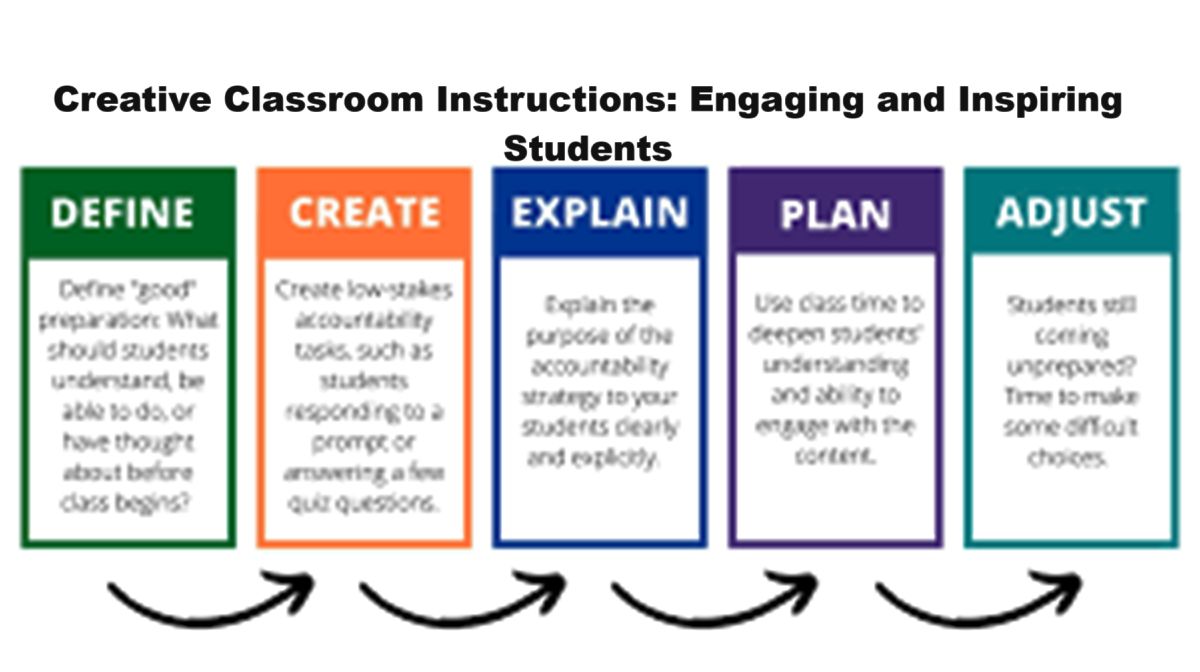
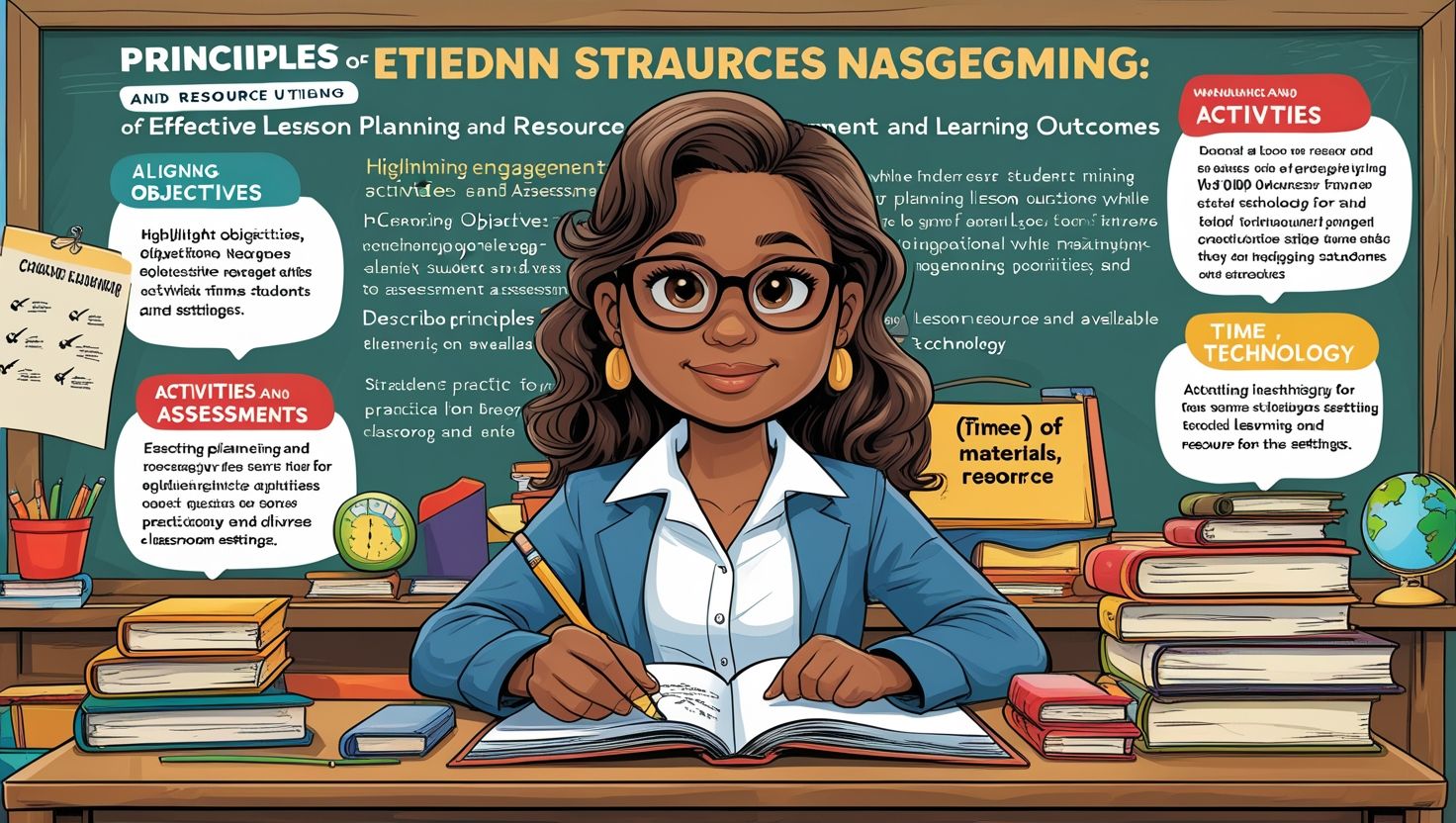
Lesson planning is the process through which teachers identify learning objectives, select instructional methods, prepare teaching materials, organize classroom activities, and determine methods of assessment before teaching begins. A lesson plan provides direction for both teaching and learning. It answers several critical questions:
- What should students learn?
- Why is the learning important?
- How will the content be taught?
- Which teaching resources will be used?
- How will student learning be assessed?
- What adjustments may be required for different learners?
A good lesson plan includes clear objectives, appropriate instructional strategies, learner-centered activities, classroom management considerations, and assessment techniques. It also reflects flexibility because classroom realities often require teachers to modify instruction according to learners’ responses and needs.
Lesson planning is not limited to experienced teachers alone. Beginning teachers especially benefit from planning because it helps them build confidence and reduce uncertainty. However, even highly experienced educators continue to plan because effective teaching requires continuous preparation, reflection, and adaptation.
Lesson Planning and Clear Learning Objectives
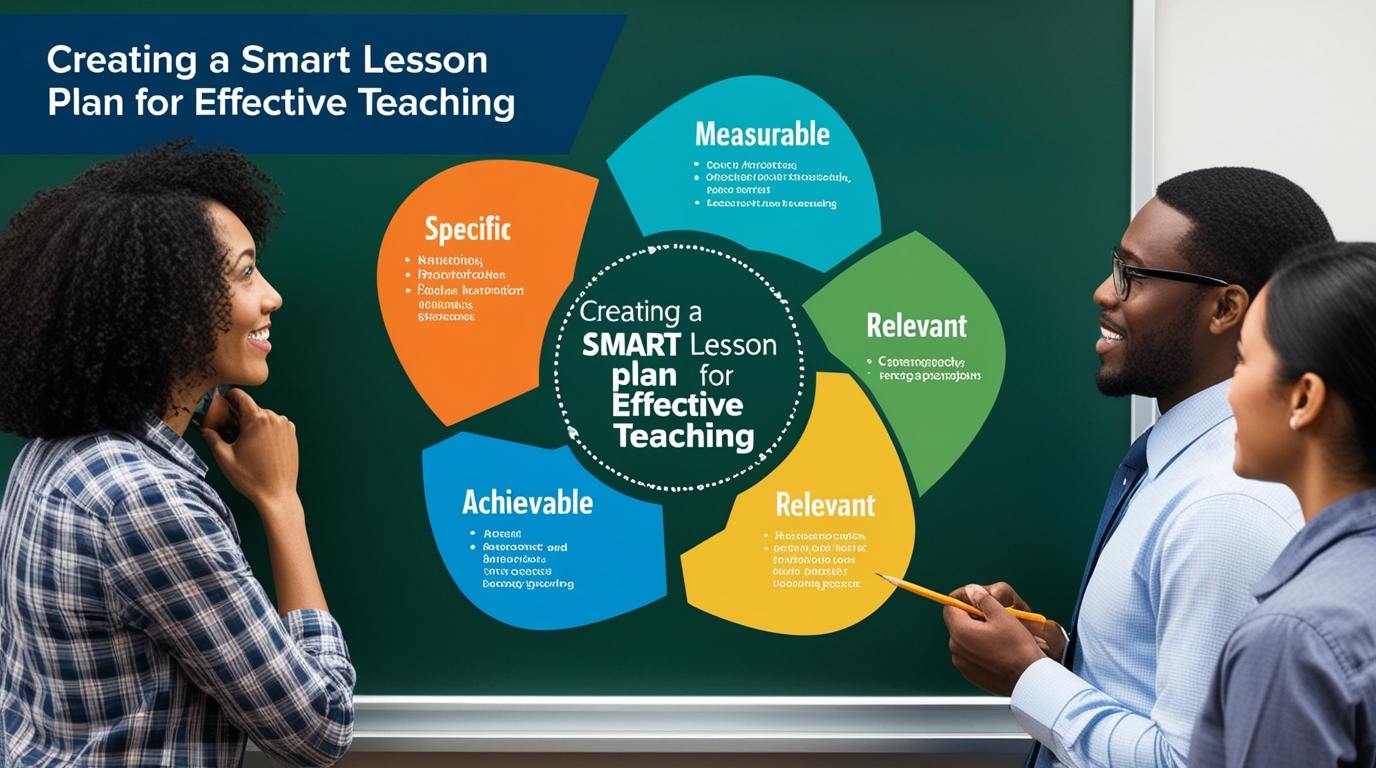
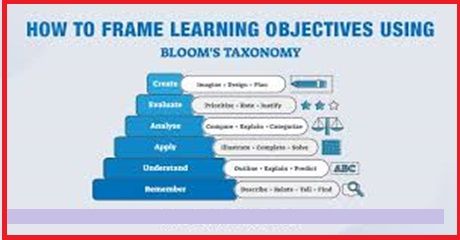
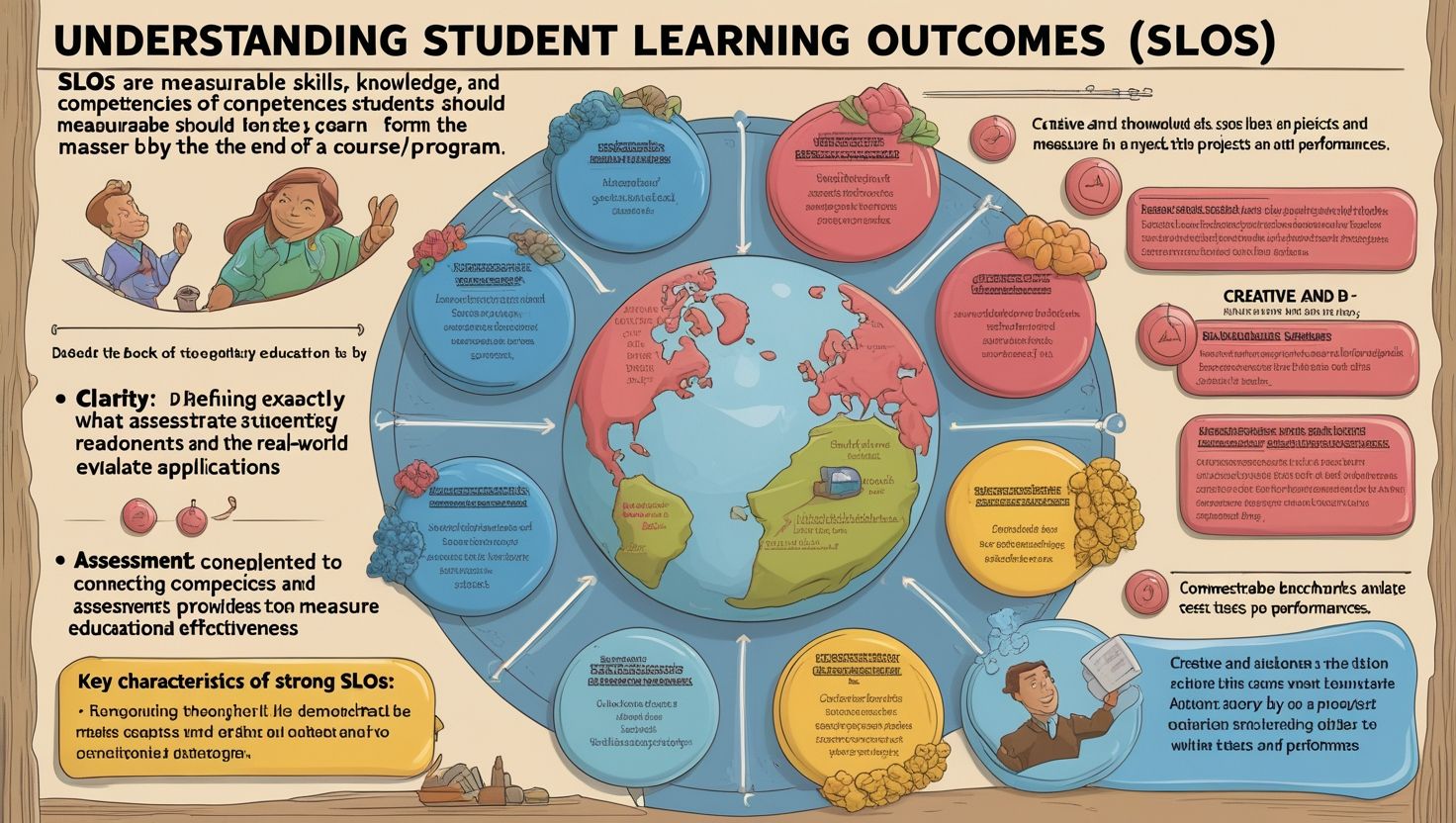
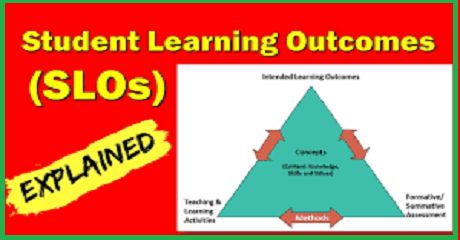
One of the strongest impacts of lesson planning is the development of clear learning objectives. Objectives define what students are expected to know, understand, or demonstrate by the end of a lesson. Without objectives, classroom teaching can become unfocused and disconnected.
When teachers write clear objectives, students understand the purpose of learning activities. Objectives create direction and help learners concentrate on important concepts and skills. For example, instead of teaching a science lesson without structure, a teacher may define a specific objective such as: “Students will explain the process of photosynthesis and identify its importance for plant growth.” This objective guides the teacher’s instruction and informs students about expected outcomes.
Clear objectives also support effective assessment. Teachers can evaluate whether students have achieved the intended outcomes and adjust instruction accordingly. In this way, lesson planning improves accountability and ensures that classroom activities contribute directly to learning goals.
Furthermore, objectives help teachers maintain curriculum alignment. Teachers can connect daily lessons with broader curriculum standards, educational policies, and long-term learning expectations. This alignment increases consistency and improves educational quality across grade levels and subject areas.
Improving Classroom Organization and Time Management
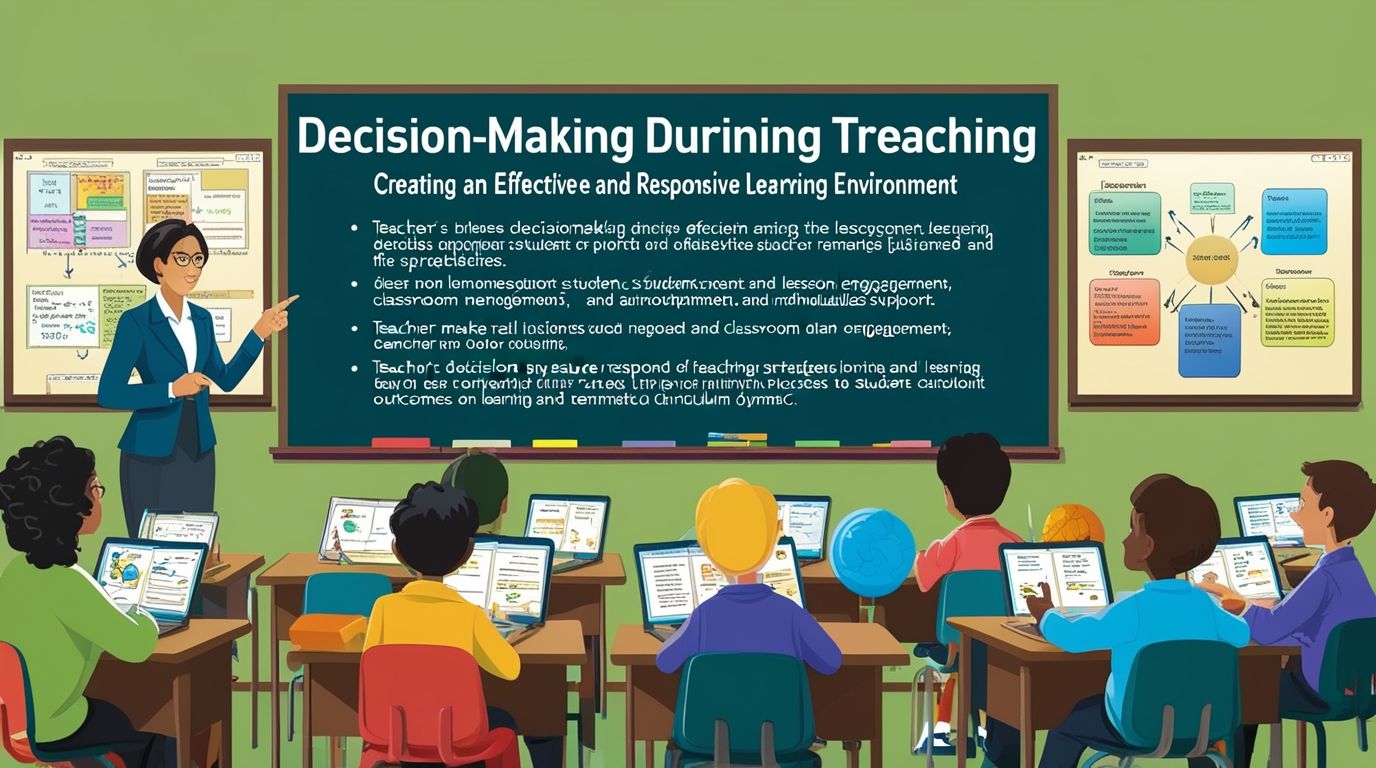
Classroom teaching involves many simultaneous responsibilities. Teachers must explain concepts, monitor participation, manage discipline, provide feedback, and maintain student engagement within limited instructional time. A well-prepared lesson plan helps teachers organize these responsibilities efficiently.
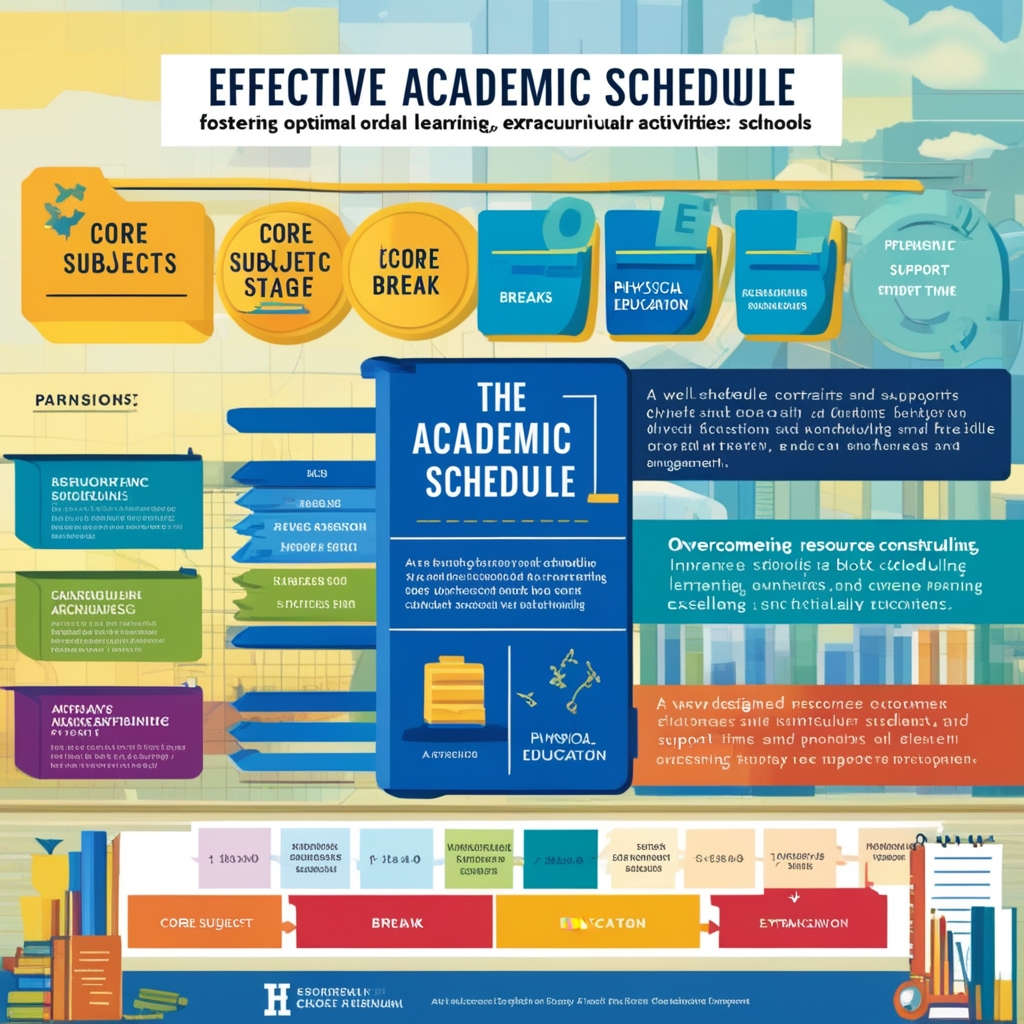
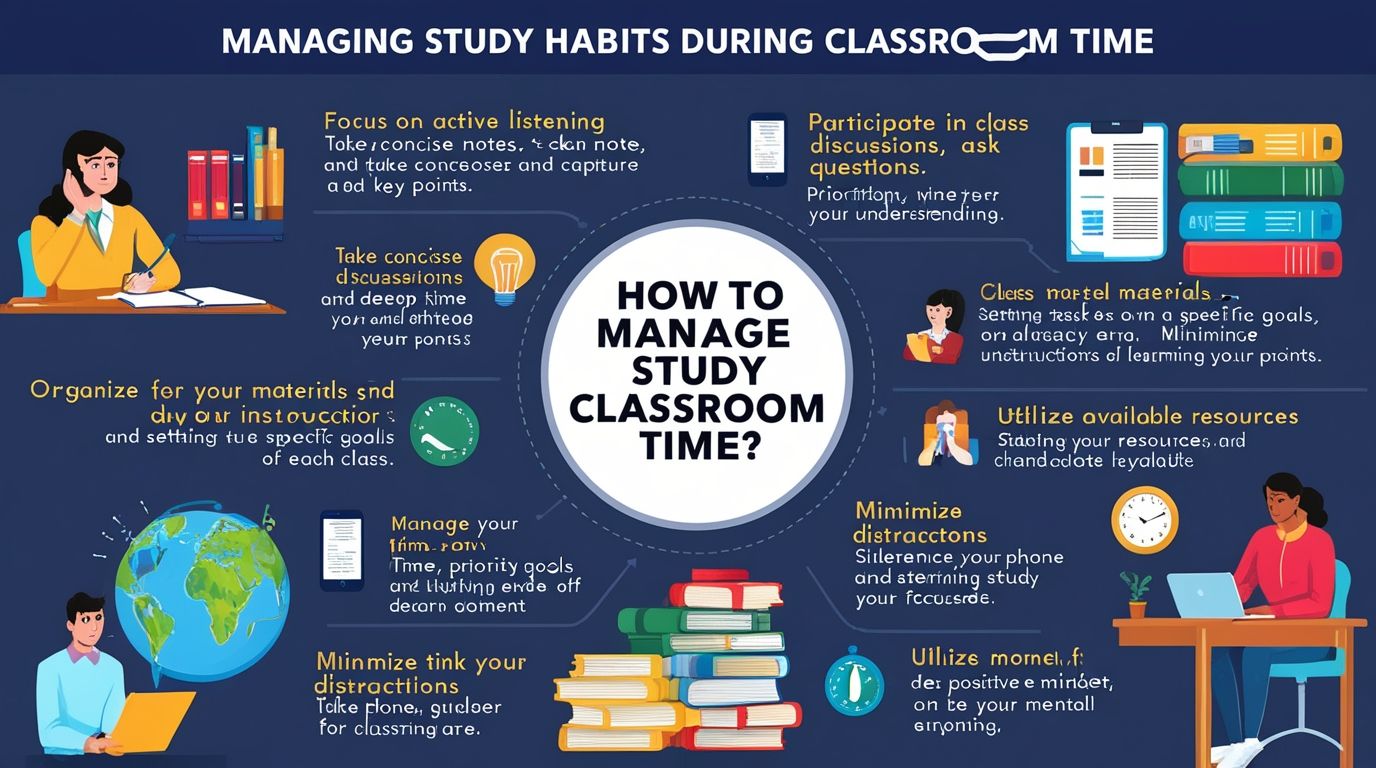
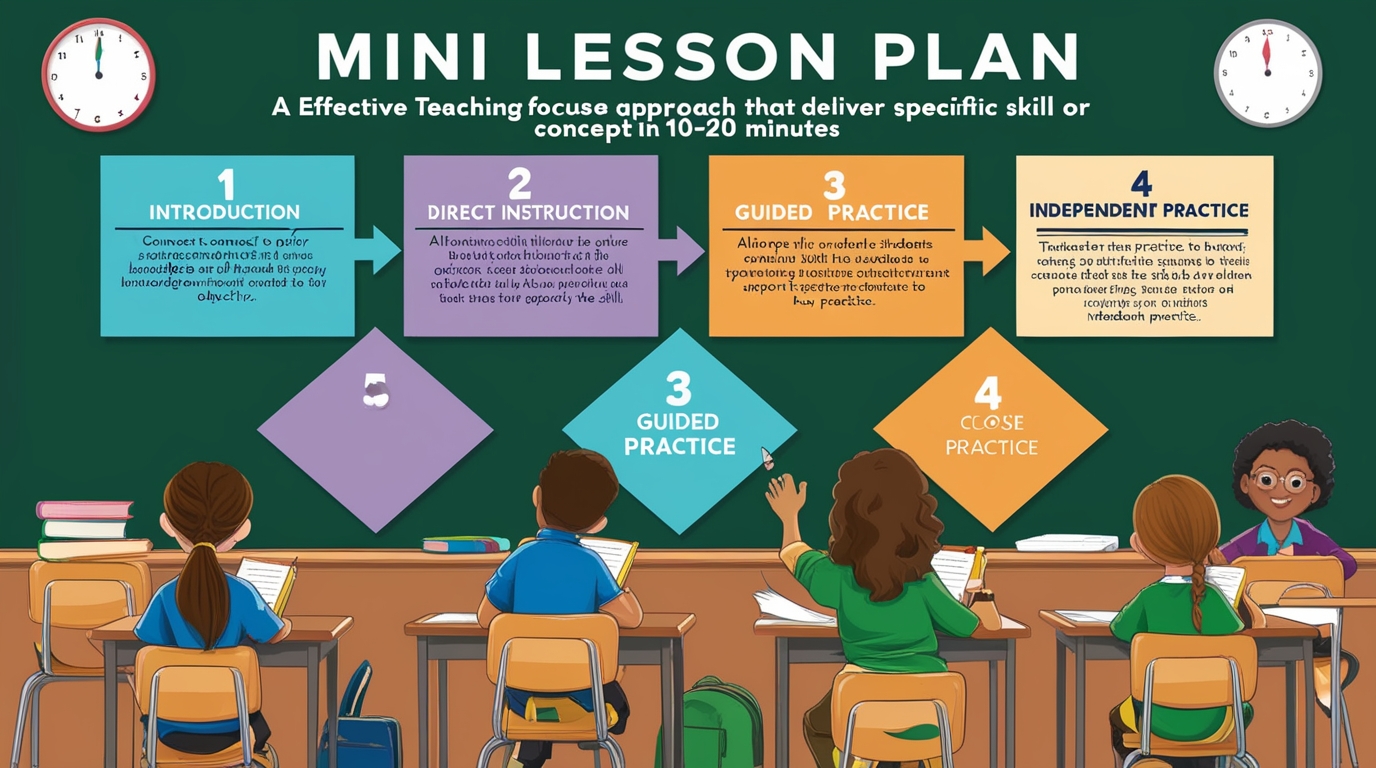
Effective lesson planning allows teachers to allocate appropriate time for each learning activity. For instance, a teacher may divide a forty-minute lesson into introduction, discussion, group work, practice, and assessment segments. Such organization reduces confusion and minimizes wasted time.
Time management is especially important in classrooms with extensive curriculum demands. Teachers who fail to plan often spend excessive time on minor activities while neglecting important learning tasks. In contrast, teachers with clear plans can maintain instructional flow and ensure that lesson objectives are achieved.
Lesson planning also improves classroom transitions. Smooth transitions between activities maintain learner attention and reduce disruptive behavior. Students are more likely to remain focused when lessons follow a logical sequence.
Additionally, organized lessons reduce teacher stress and anxiety. Teachers who enter classrooms with preparation feel more confident and capable of handling unexpected situations. Confidence positively influences classroom atmosphere and encourages productive learning interactions.
Enhancing Student Engagement and Participation
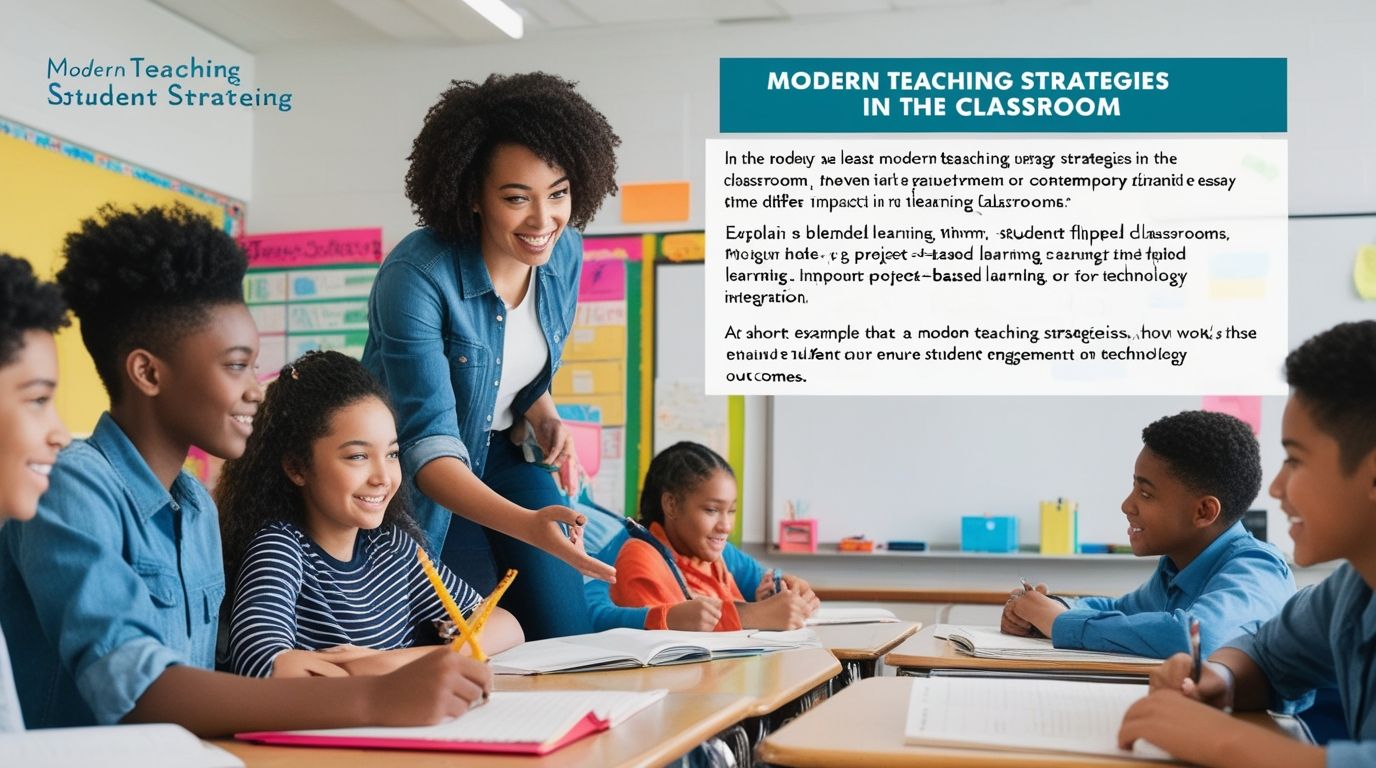
Student engagement is a major factor in academic achievement. Learners who actively participate in classroom activities are more likely to understand concepts, retain knowledge, and develop higher-order thinking skills. Lesson planning plays a critical role in promoting engagement.
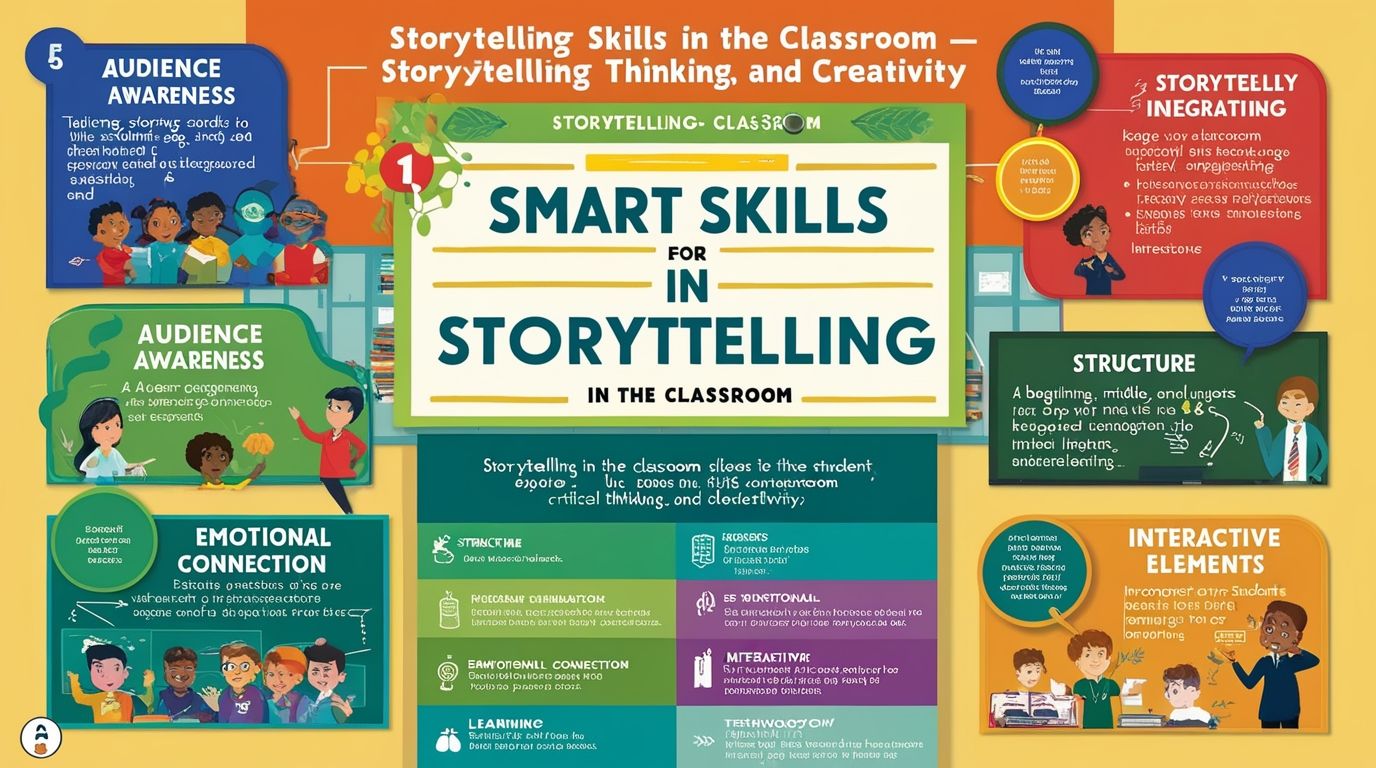
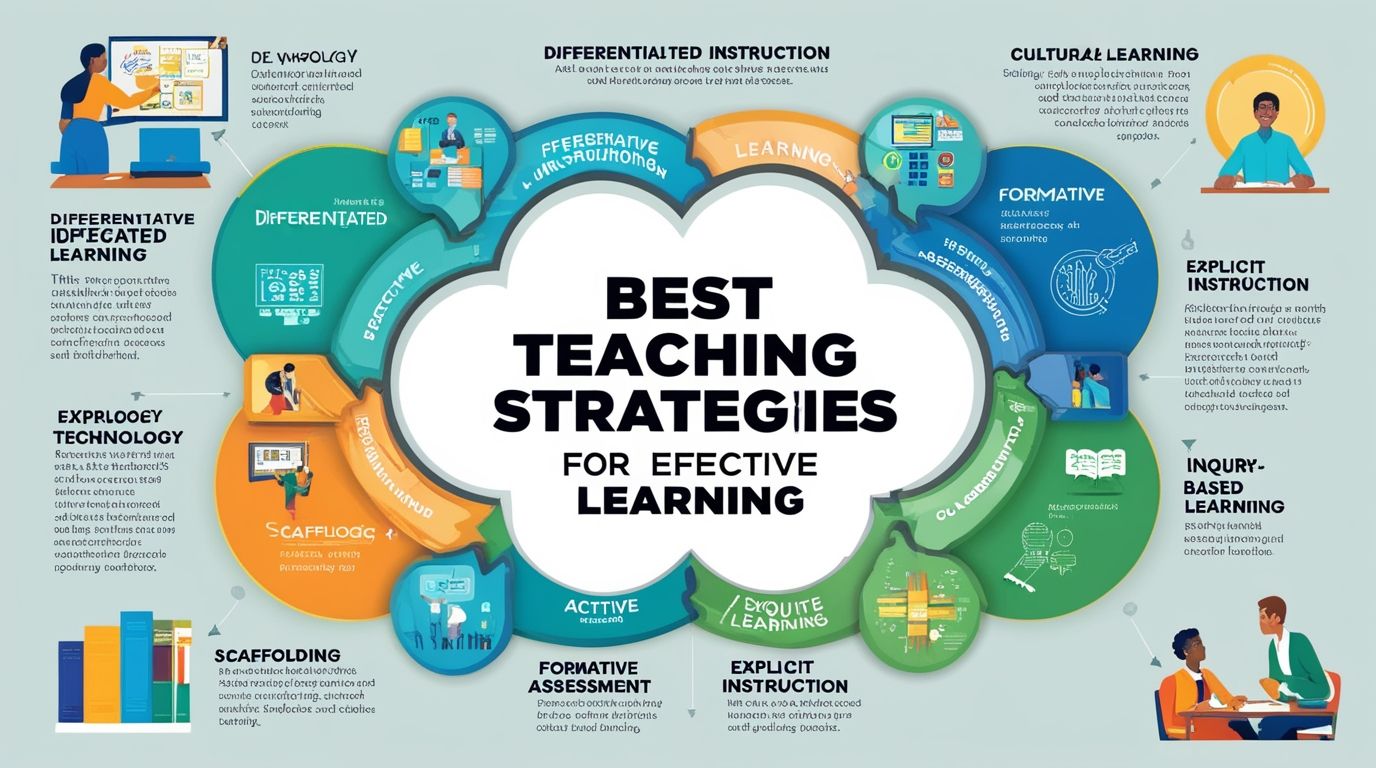
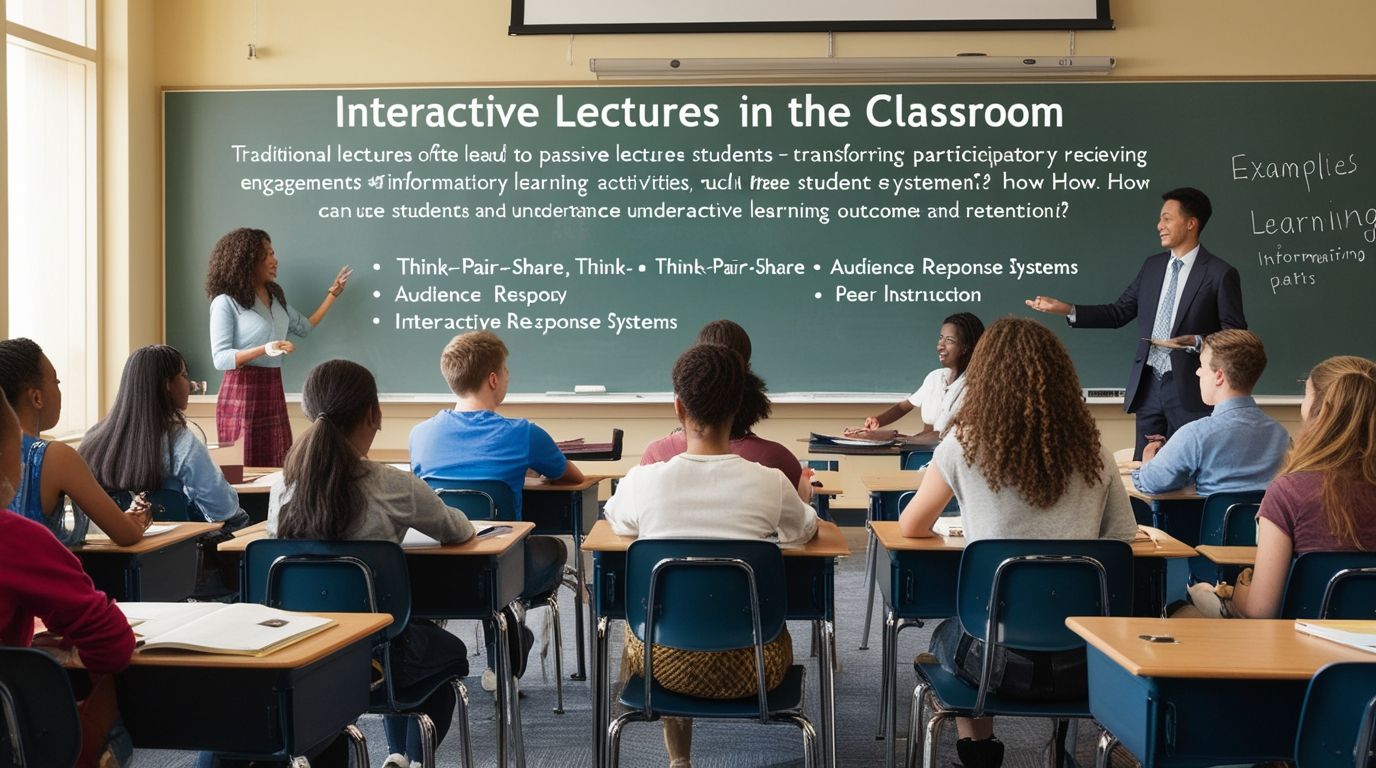
Through careful planning, teachers can design interactive and learner-centered activities such as group discussions, debates, role-plays, experiments, projects, storytelling, and problem-solving tasks. These activities encourage students to become active participants rather than passive listeners.
A lesson plan also helps teachers vary instructional methods according to learners’ interests and abilities. Different students learn in different ways. Some learners respond better to visual materials, while others prefer practical experiences, discussions, or independent reading. Planning enables teachers to integrate multiple teaching approaches that accommodate diverse learning styles.
Moreover, engaging lessons increase student motivation. When students find classroom activities meaningful and enjoyable, they develop positive attitudes toward learning. Motivation encourages persistence, curiosity, and self-confidence.
For example, a social studies teacher who plans a simulation activity about democratic elections may generate greater student interest than one who only delivers a lecture. The planned activity allows learners to experience concepts actively, thereby deepening understanding and participation.
Supporting Differentiated Instruction
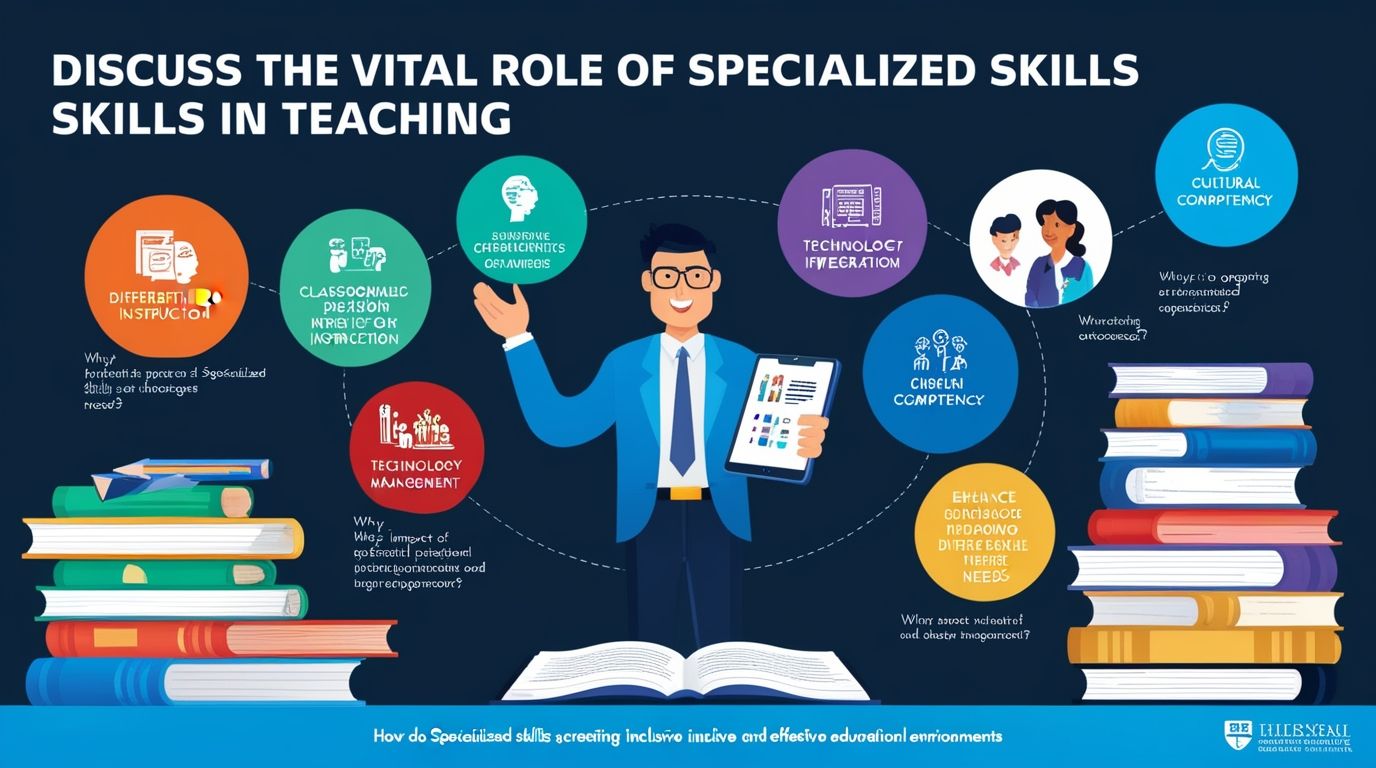
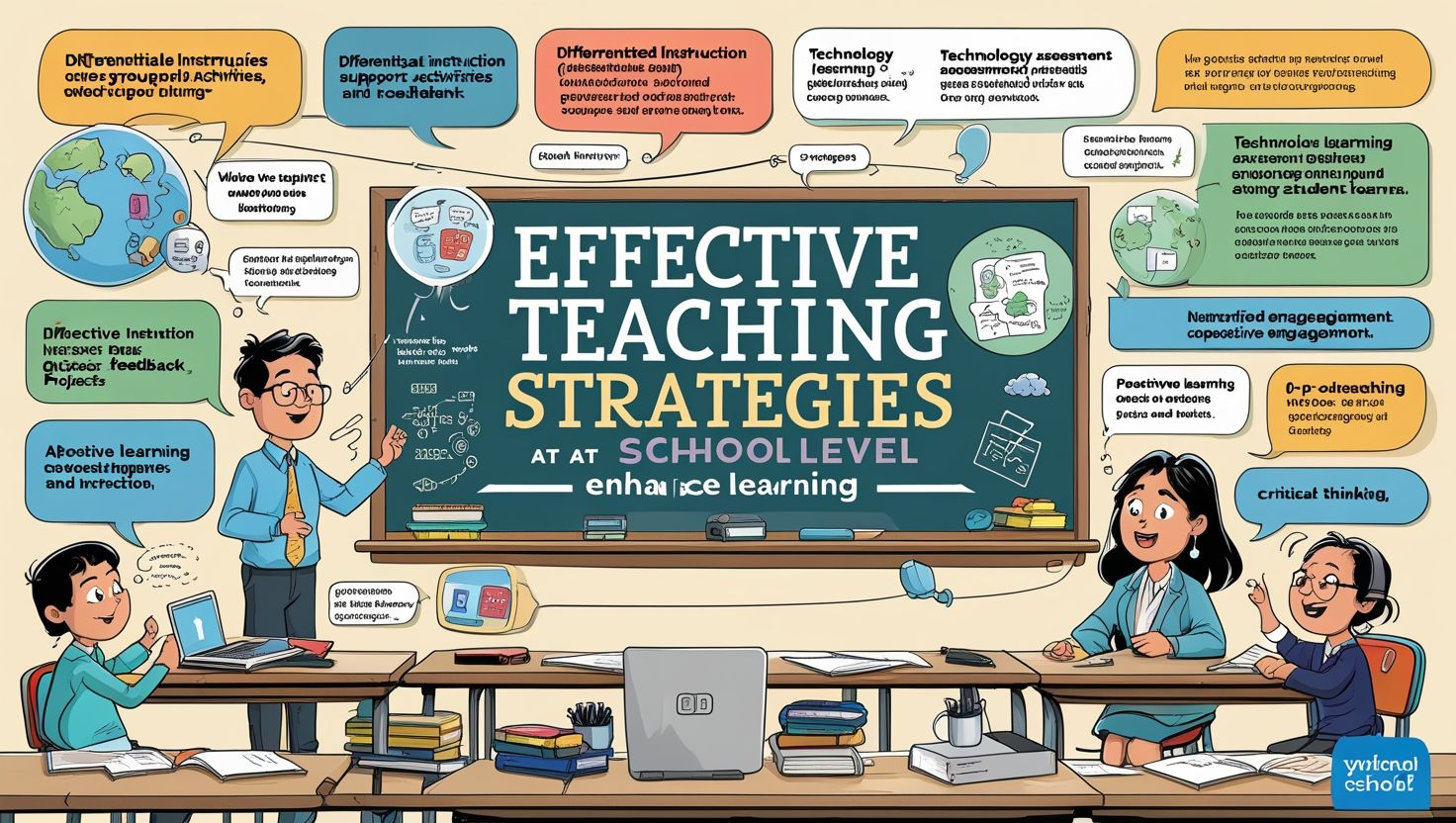
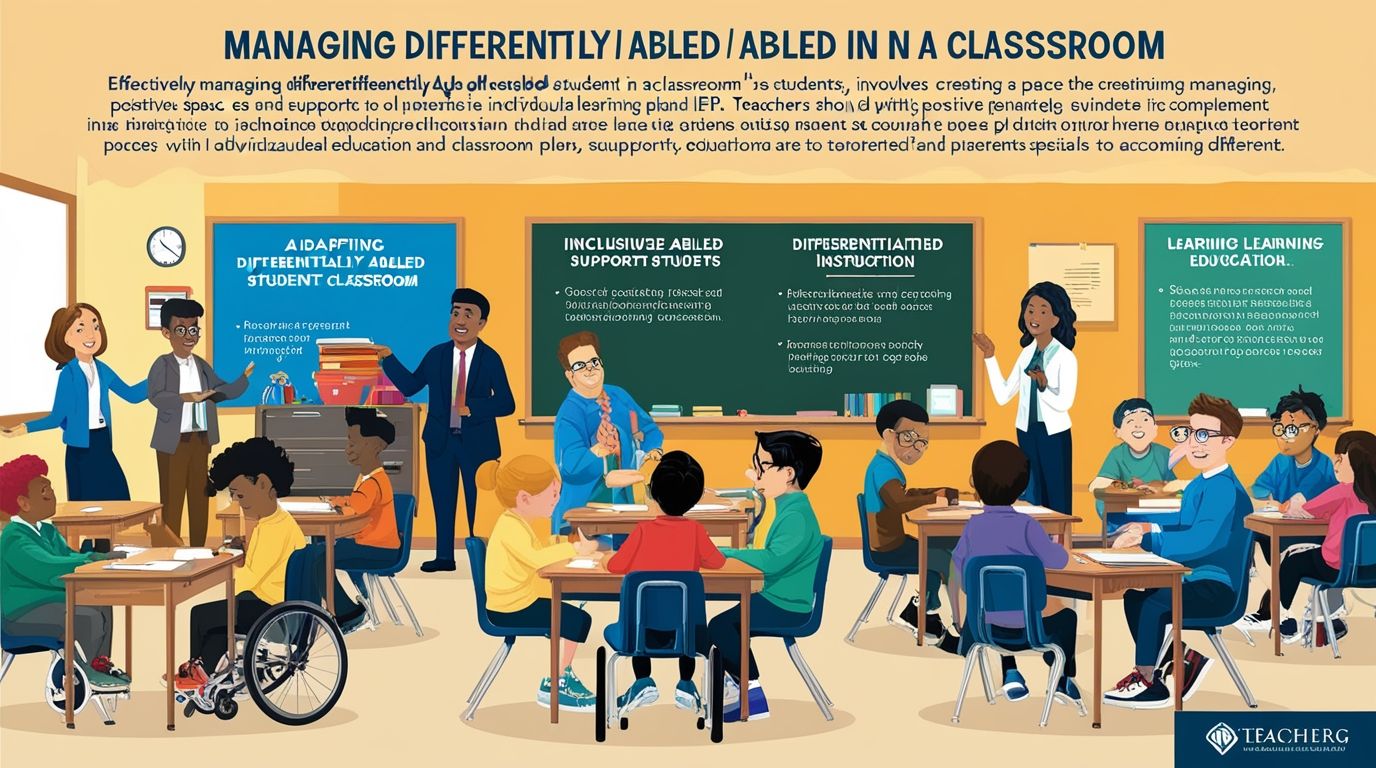
Modern classrooms are increasingly diverse. Students differ in language background, academic ability, cultural experience, learning style, and emotional needs. Effective teaching requires differentiated instruction that addresses these differences.
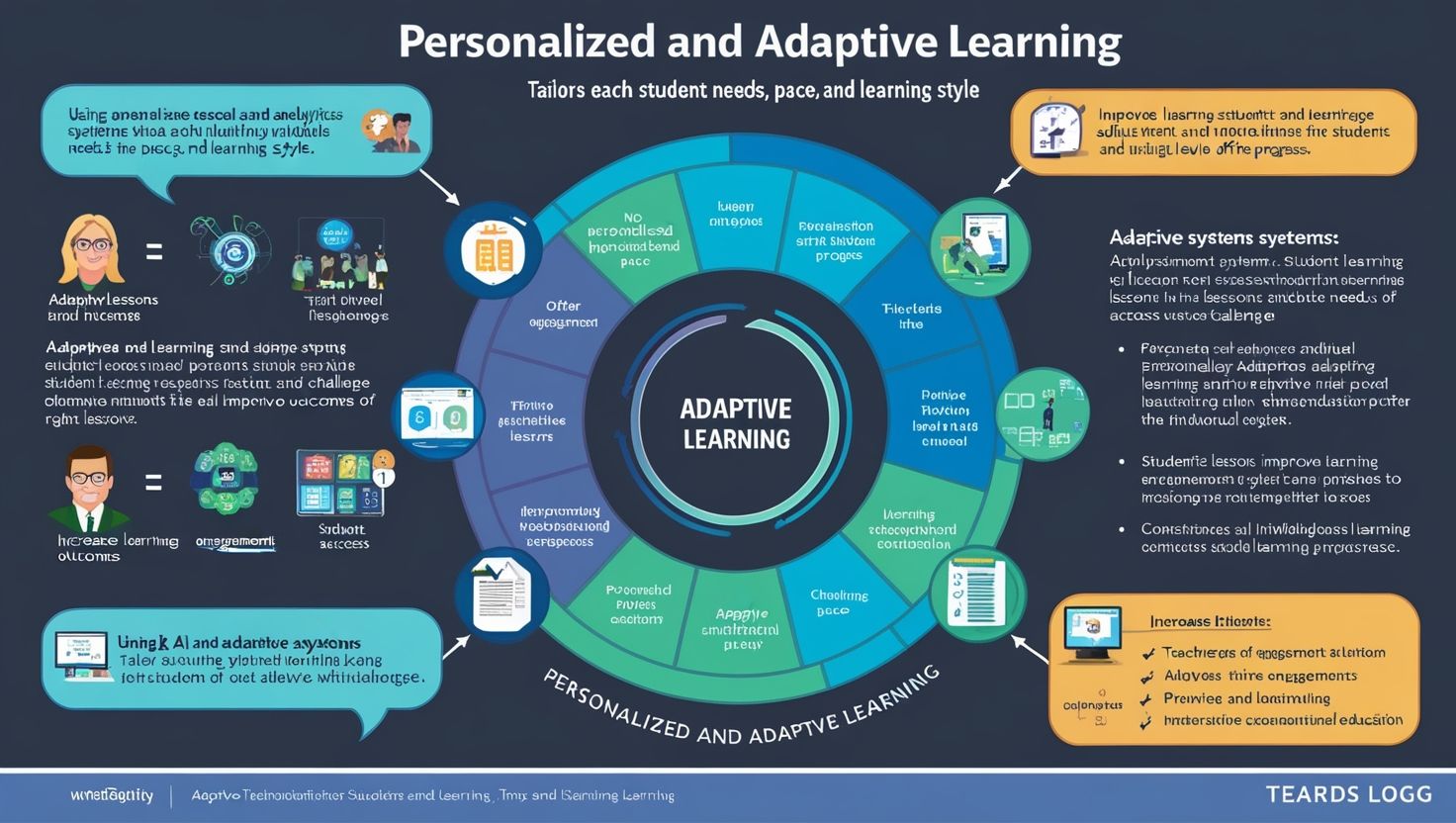
Lesson planning enables teachers to anticipate learner diversity and prepare suitable instructional adaptations. Teachers may plan simplified explanations for struggling learners, enrichment activities for advanced students, visual aids for visual learners, and collaborative tasks for socially oriented students.
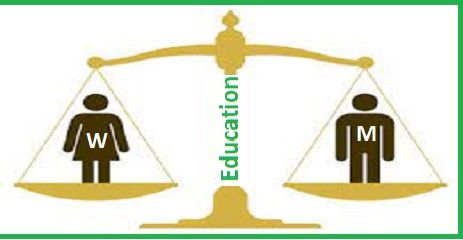
Differentiated lesson planning promotes educational equity because it ensures that all students receive opportunities for success. Instead of applying a single teaching method to every learner, teachers can provide multiple pathways to understanding.
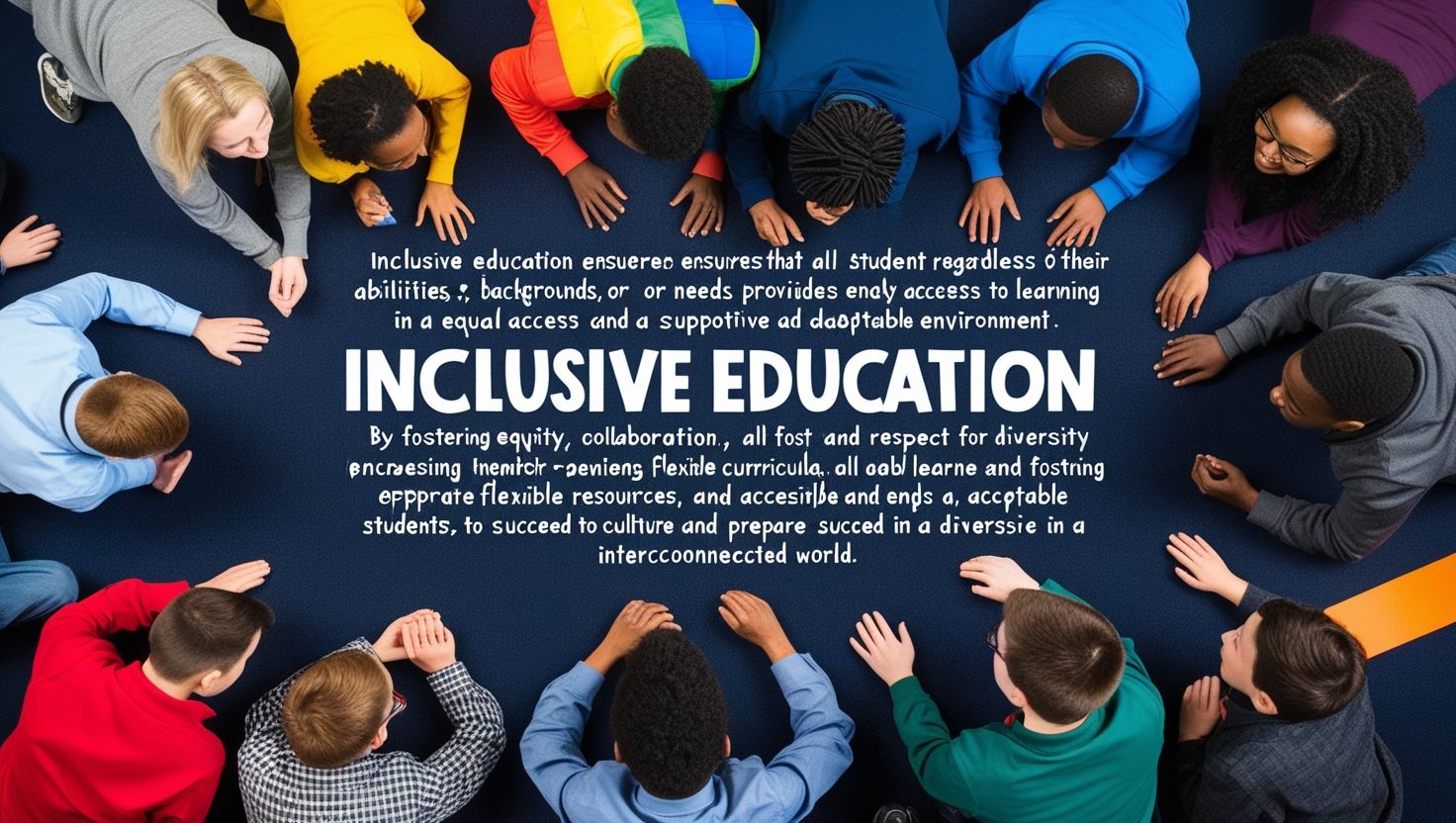
Inclusive education particularly depends on thoughtful lesson planning. Teachers working with students who have special educational needs must carefully consider accommodations, classroom accessibility, learning supports, and assessment modifications.
By planning for diversity, teachers create classrooms where every learner feels respected, valued, and supported. Such environments strengthen learner confidence and contribute to positive educational experiences.
Encouraging Active and Critical Learning
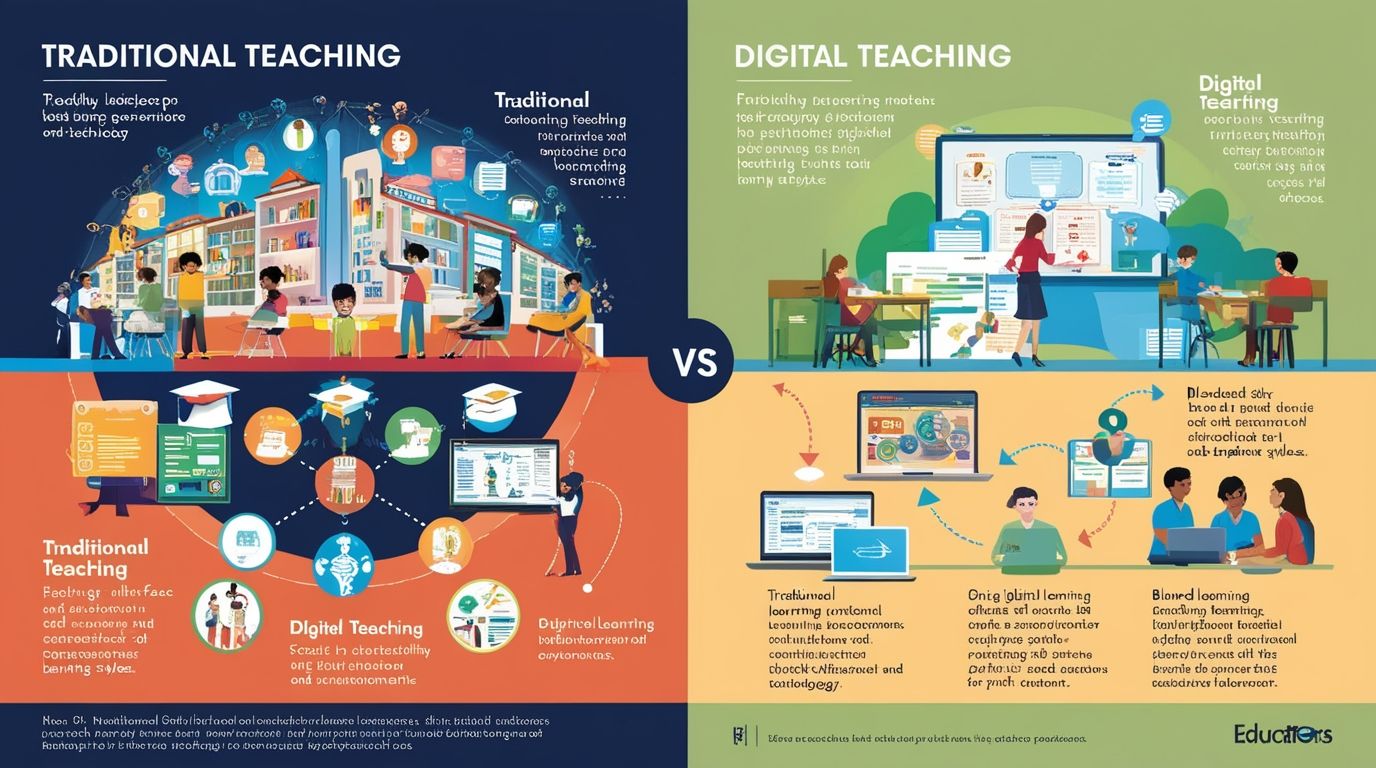
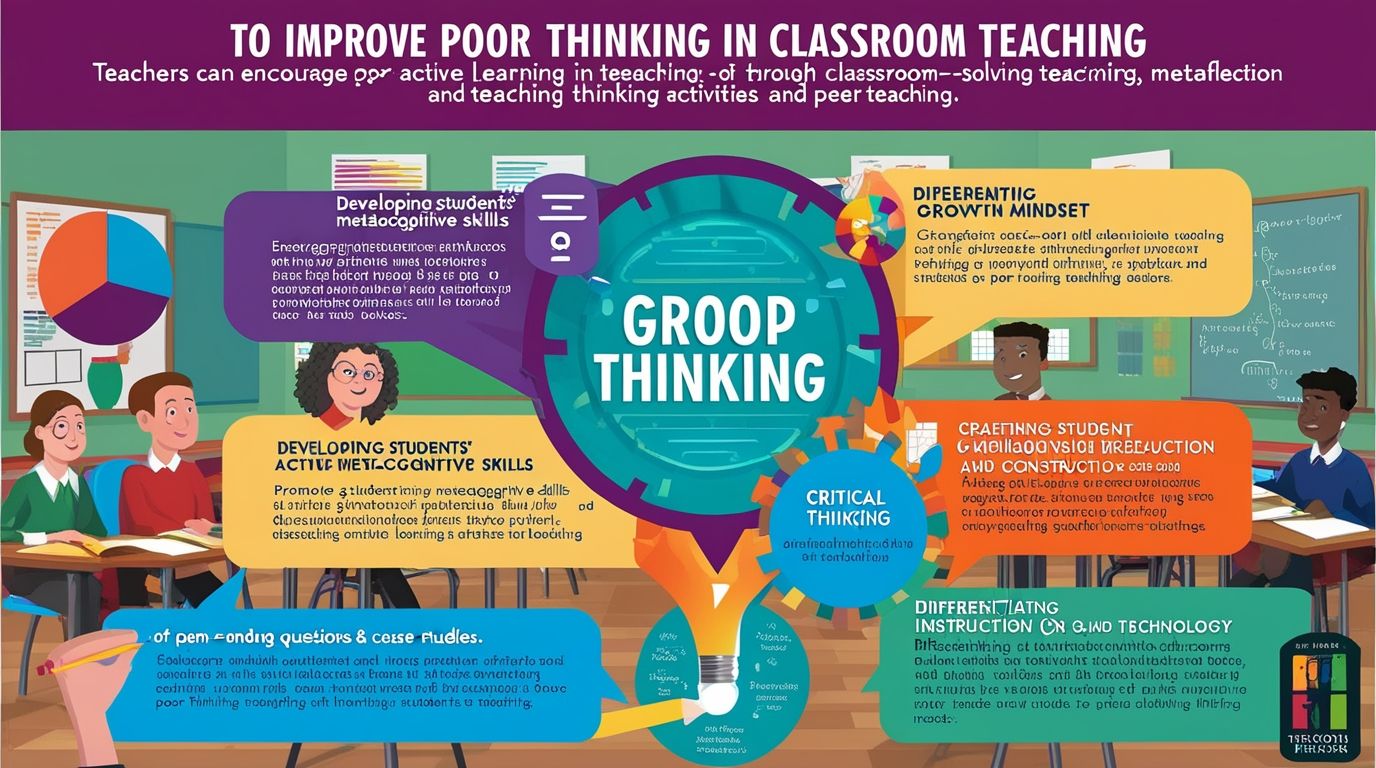
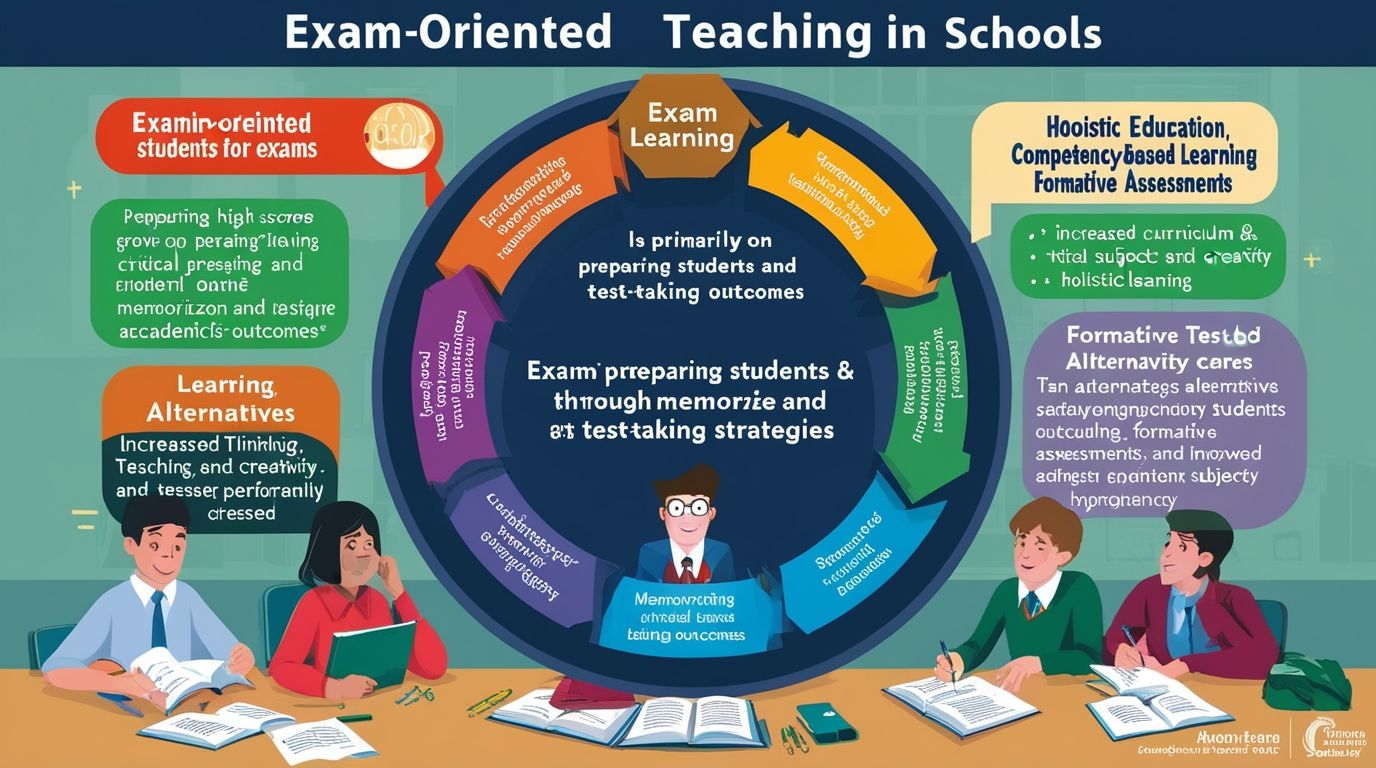
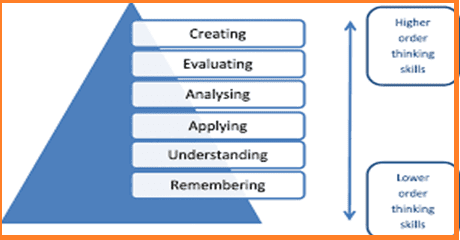
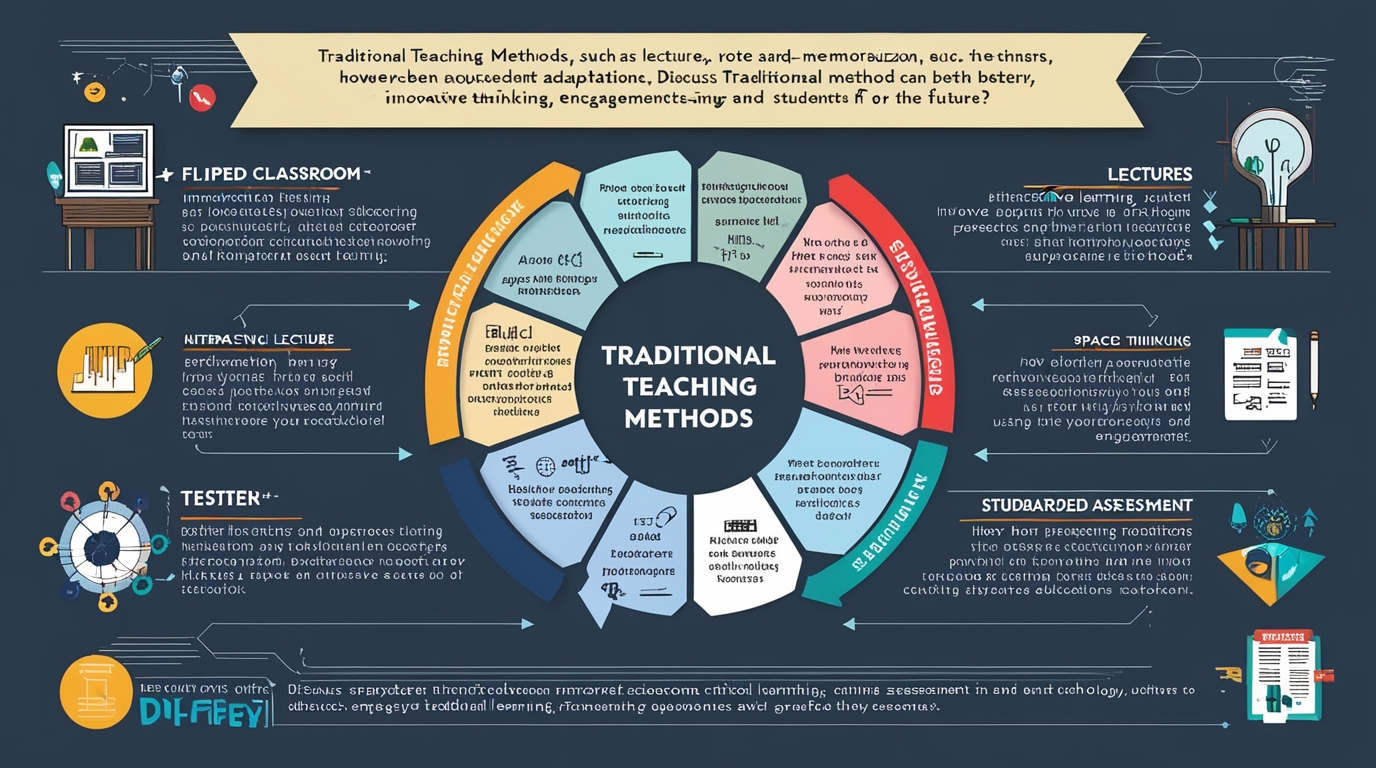
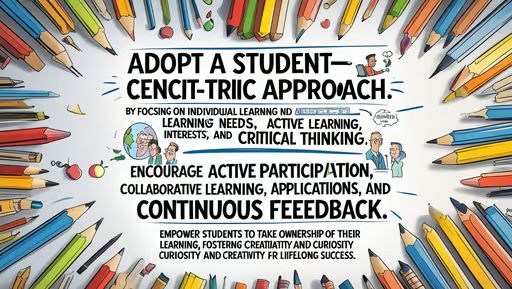
Traditional teaching methods often emphasize memorization and passive listening. However, modern education encourages critical thinking, creativity, collaboration, and problem-solving. Lesson planning helps teachers design activities that promote these higher-order learning skills.
A thoughtfully prepared lesson may include open-ended questions, inquiry-based tasks, case studies, research activities, or reflective discussions. These strategies encourage students to analyze information, express opinions, and develop independent thinking.
For instance, in a literature class, instead of only summarizing a story, a teacher may ask students to evaluate the moral decisions of characters or relate themes to contemporary social issues. Such planned questioning stimulates deeper understanding.
Active learning also increases knowledge retention. Students remember concepts more effectively when they interact with content through discussion, practice, experimentation, and application.
Lesson planning further supports collaborative learning. Group tasks and peer discussions help students develop communication skills, teamwork, empathy, and leadership abilities. These social competencies are essential for success in both academic and professional life.
Strengthening Assessment and Feedback
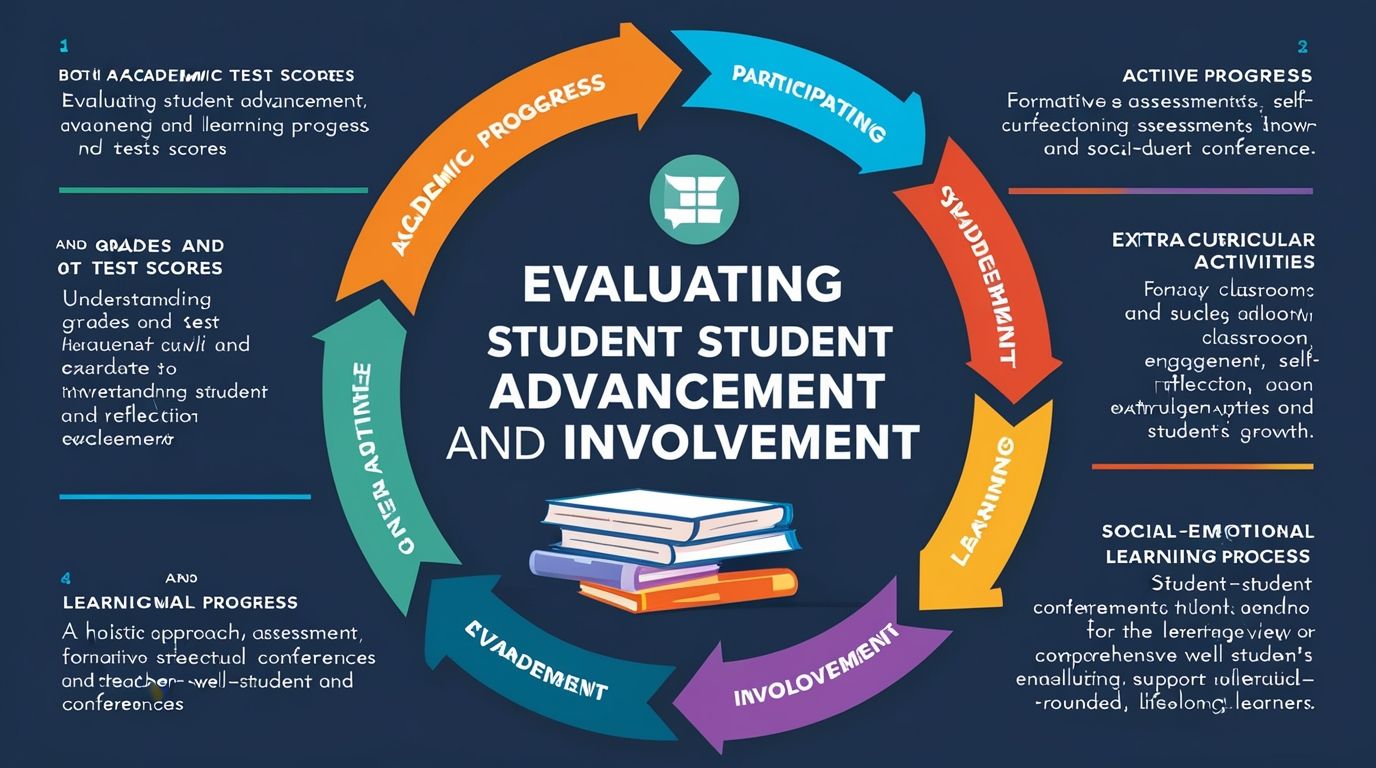
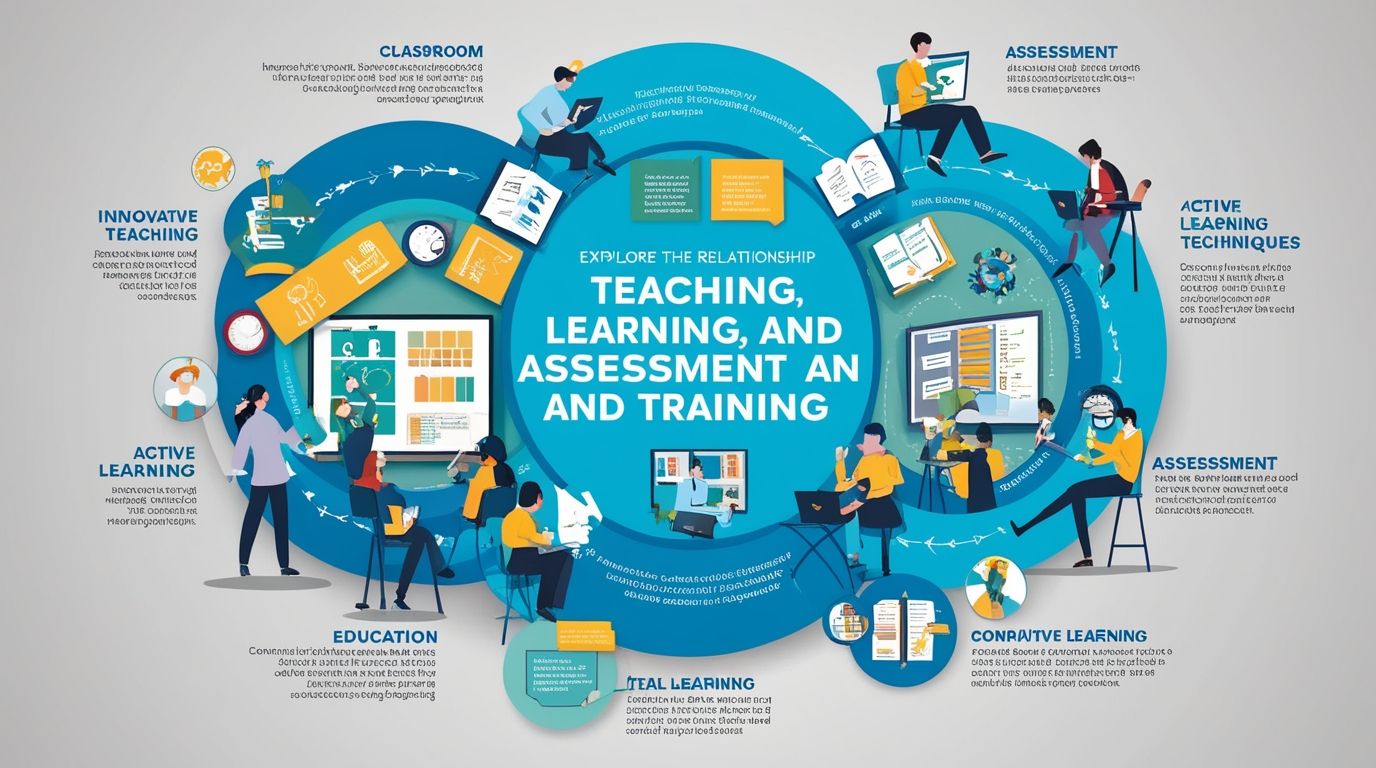
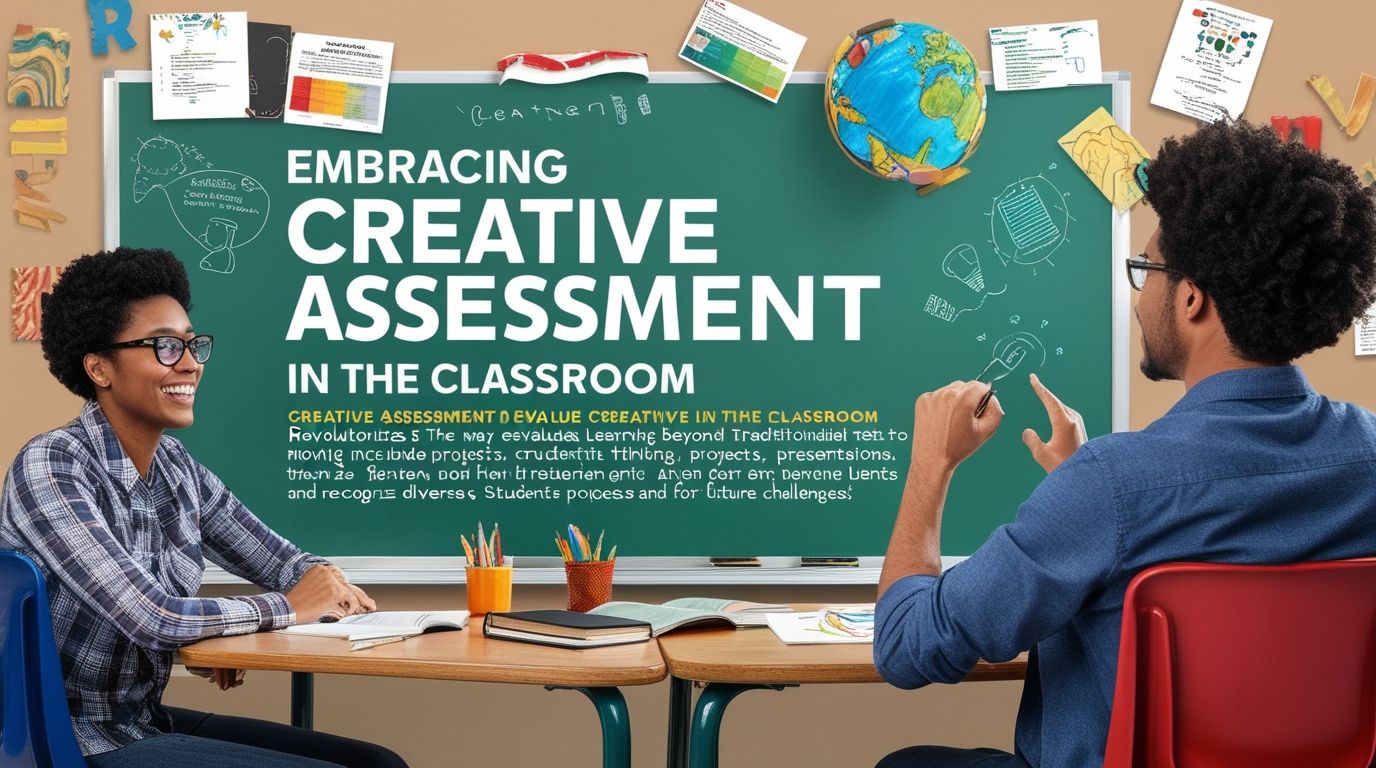
Assessment is a fundamental part of teaching and learning. Teachers need reliable information about student progress in order to improve instruction and support learning. Lesson planning strengthens assessment by integrating evaluation methods directly into classroom activities.
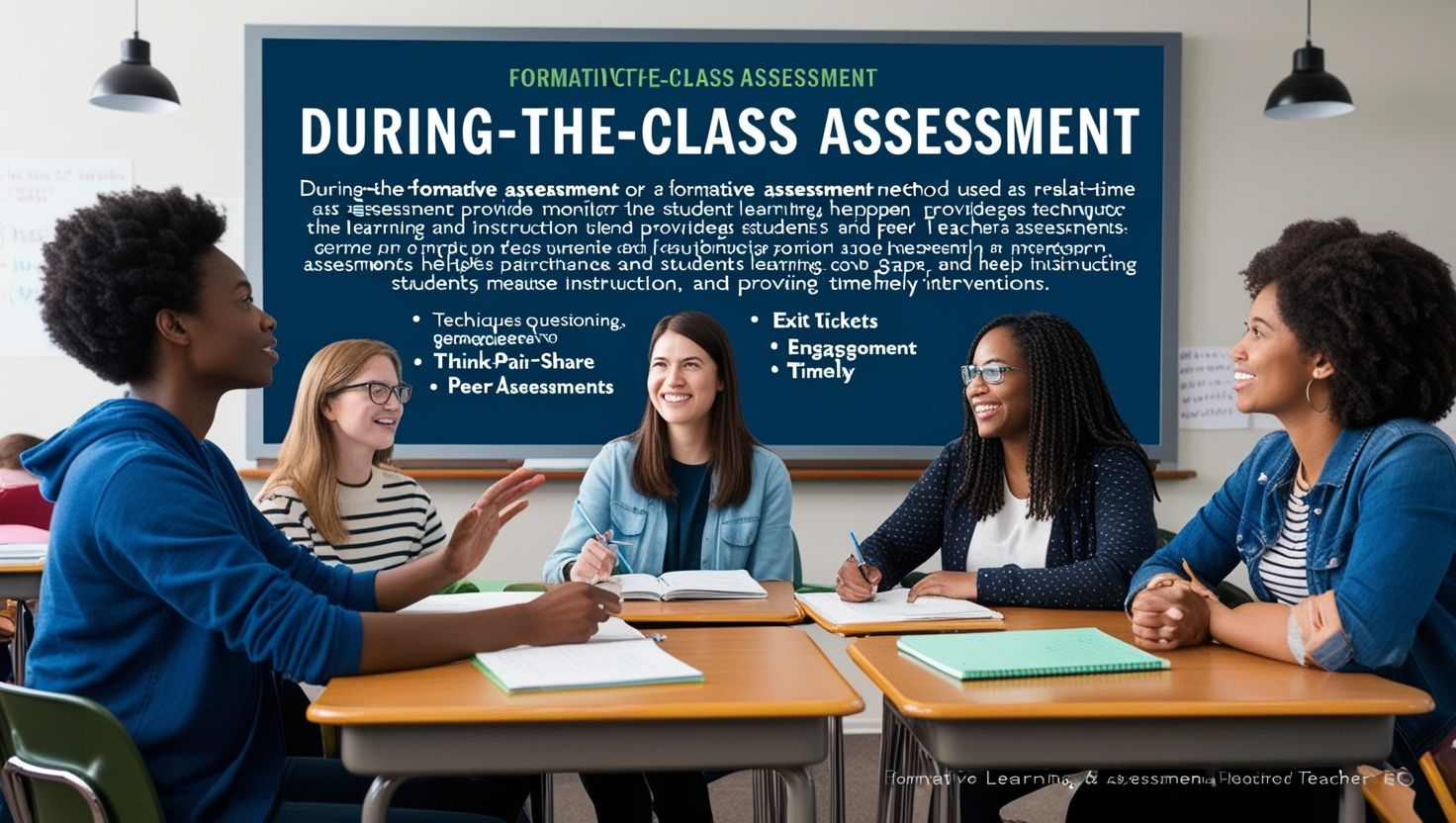
Effective lesson plans include formative assessment strategies such as questioning, quizzes, classroom observation, peer assessment, presentations, and reflective exercises. These methods help teachers identify learning gaps during instruction rather than waiting until the end of a unit.
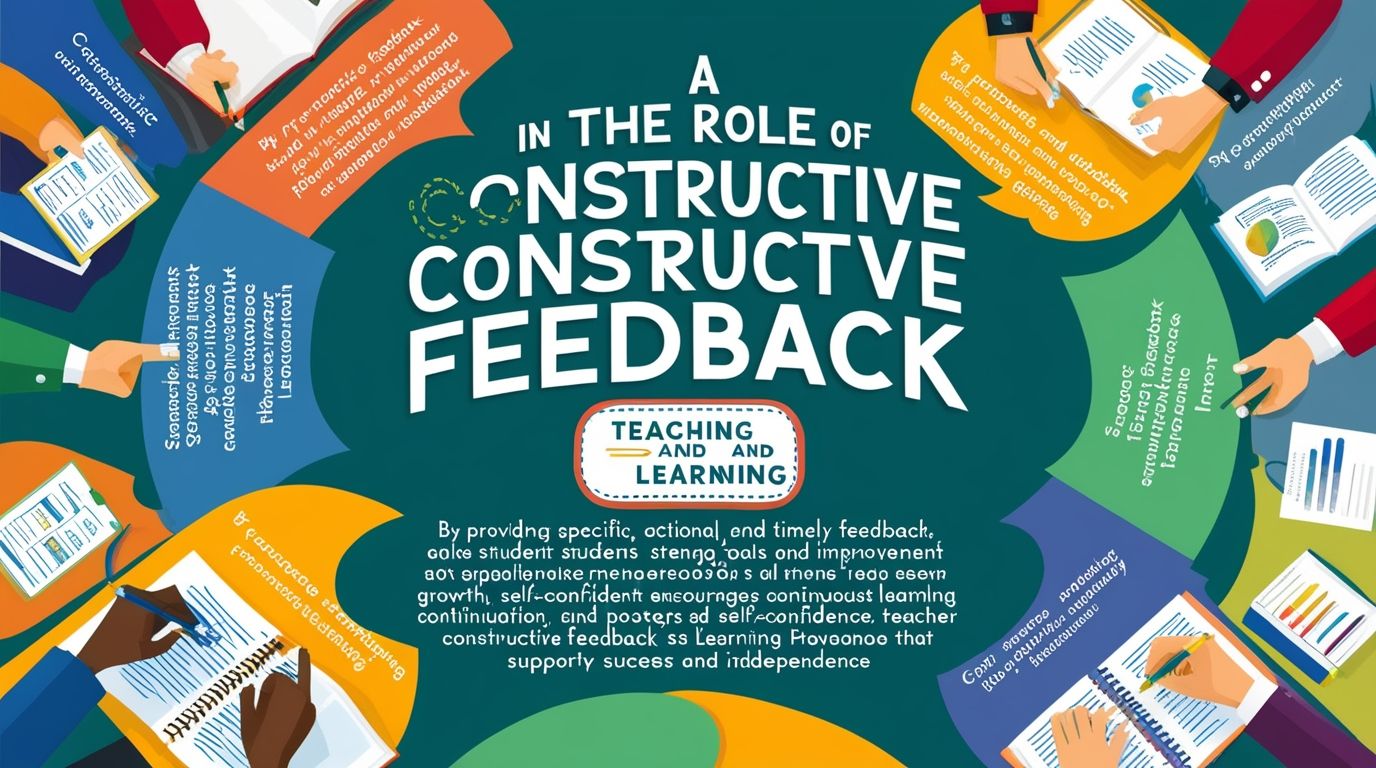
When assessment is planned carefully, feedback becomes more meaningful and timely. Students can recognize their strengths and areas needing improvement. Constructive feedback encourages learners to reflect on their performance and develop responsibility for their own learning.
Planned assessment also supports fair evaluation. Teachers can align assessment methods with lesson objectives and ensure that students are evaluated according to clear criteria.
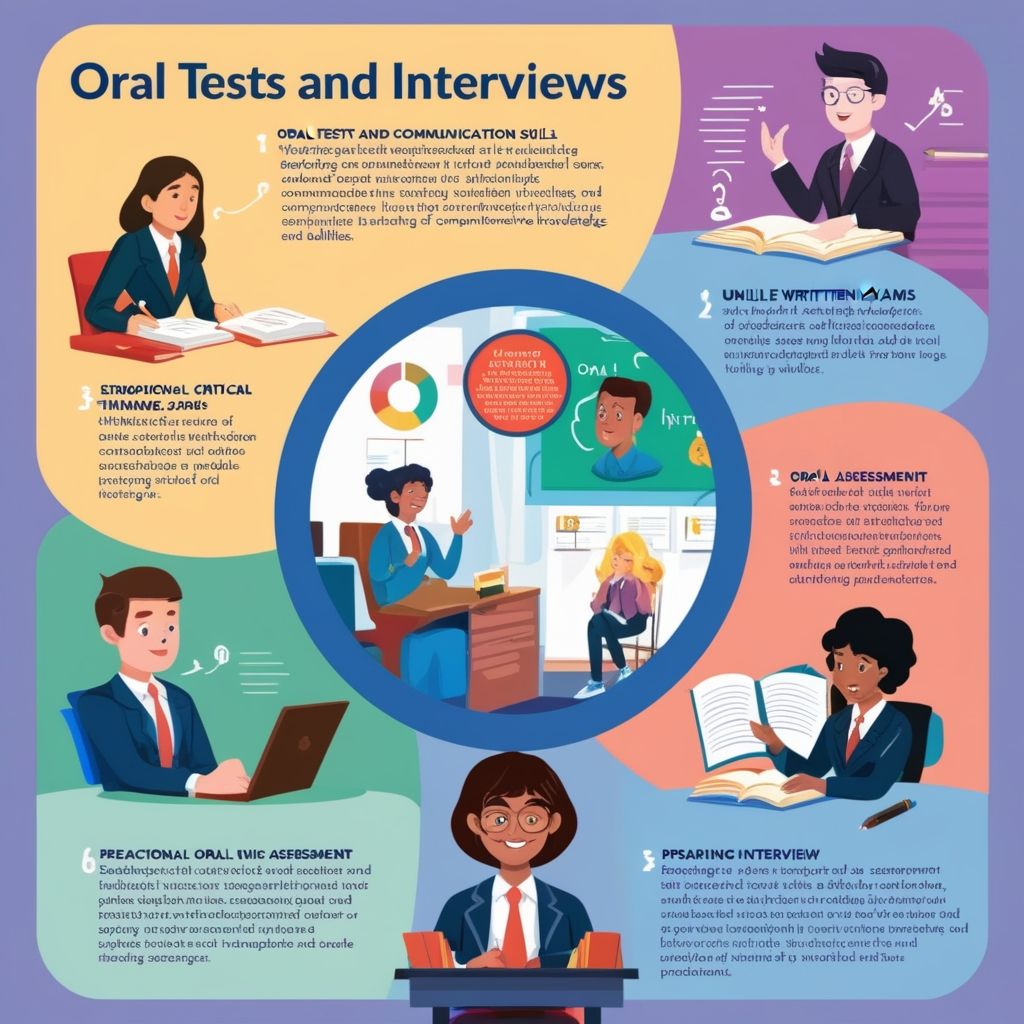
For example, if the lesson objective involves communication skills, the teacher may plan oral presentations or group discussions as assessment activities instead of relying solely on written tests. This alignment improves the validity of assessment practices.
Promoting Reflective Teaching Practice
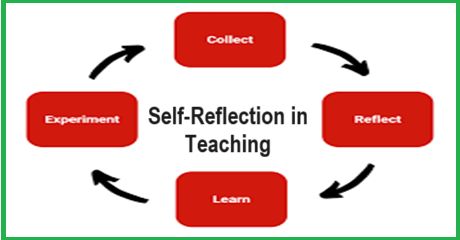
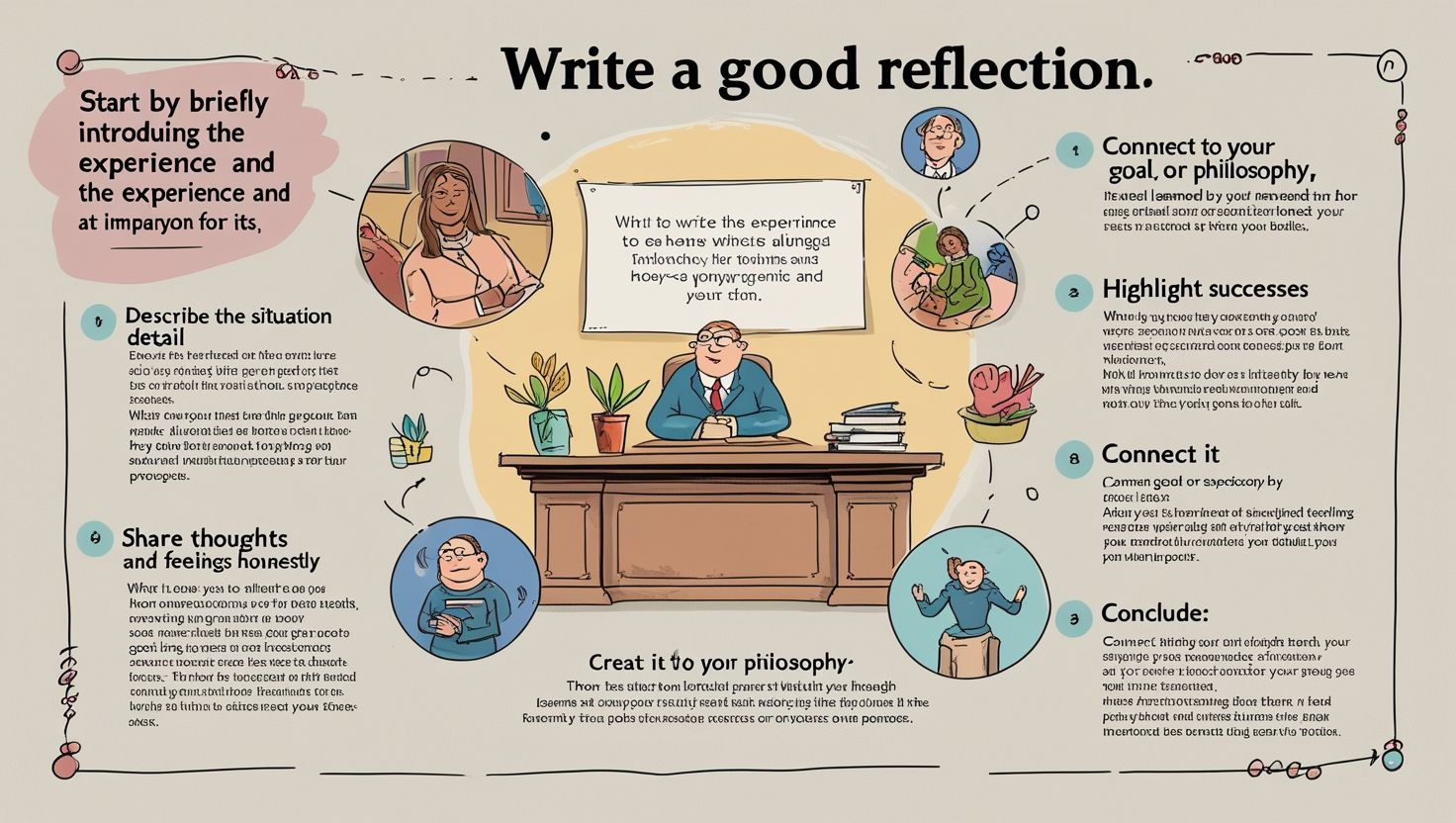
Lesson planning encourages teachers to become reflective practitioners. Reflection involves analyzing teaching effectiveness, learner responses, classroom challenges, and instructional outcomes.
After teaching a lesson, reflective teachers evaluate which activities were successful and which require improvement. They may consider questions such as:
- Did students achieve the lesson objectives?
- Which teaching methods were most effective?
- Were all learners engaged?
- What difficulties emerged during instruction?
- How can future lessons be improved?
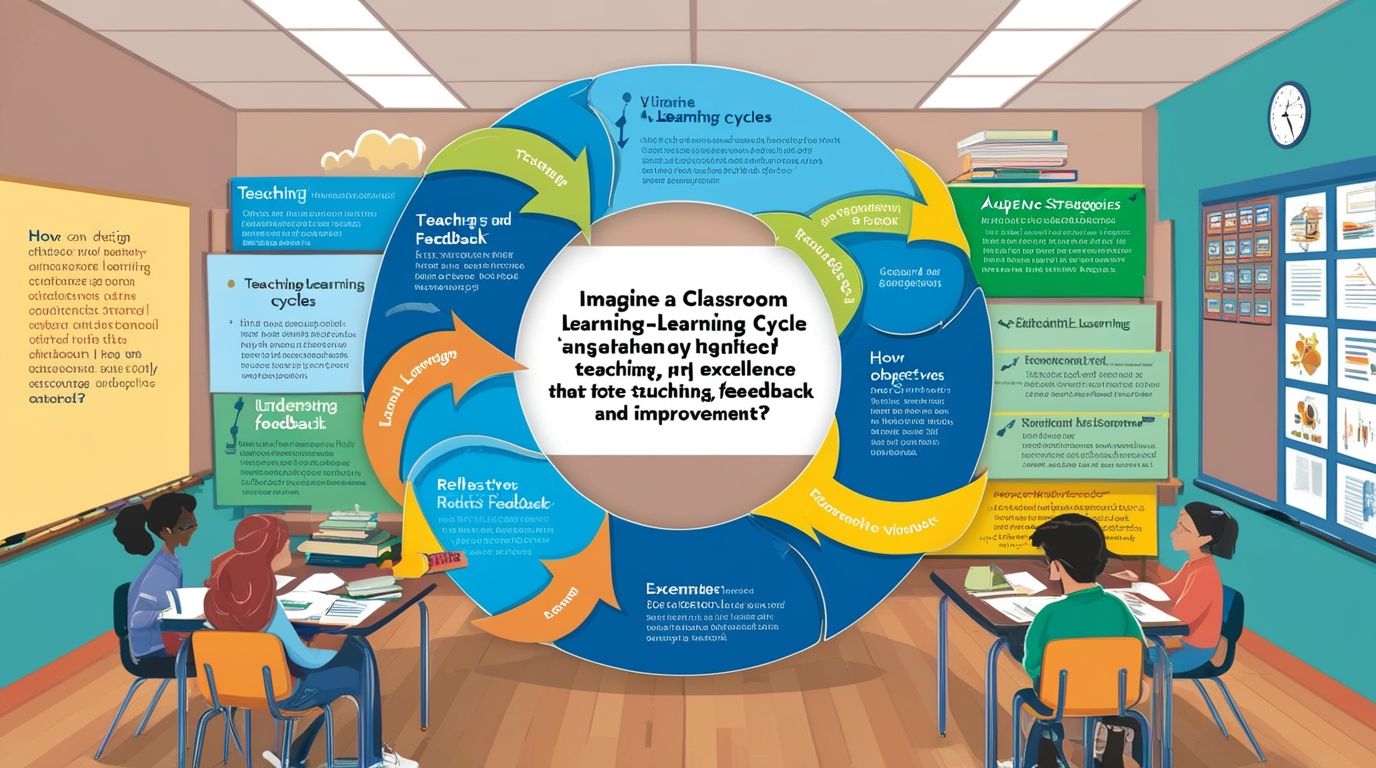
Reflection transforms lesson planning into a continuous cycle of professional growth. Teachers refine instructional strategies, adapt classroom management techniques, and improve communication skills through reflective practice.
Professional reflection also supports innovation. Teachers who analyze classroom experiences are more likely to experiment with new methodologies, technologies, and learner-centered approaches.
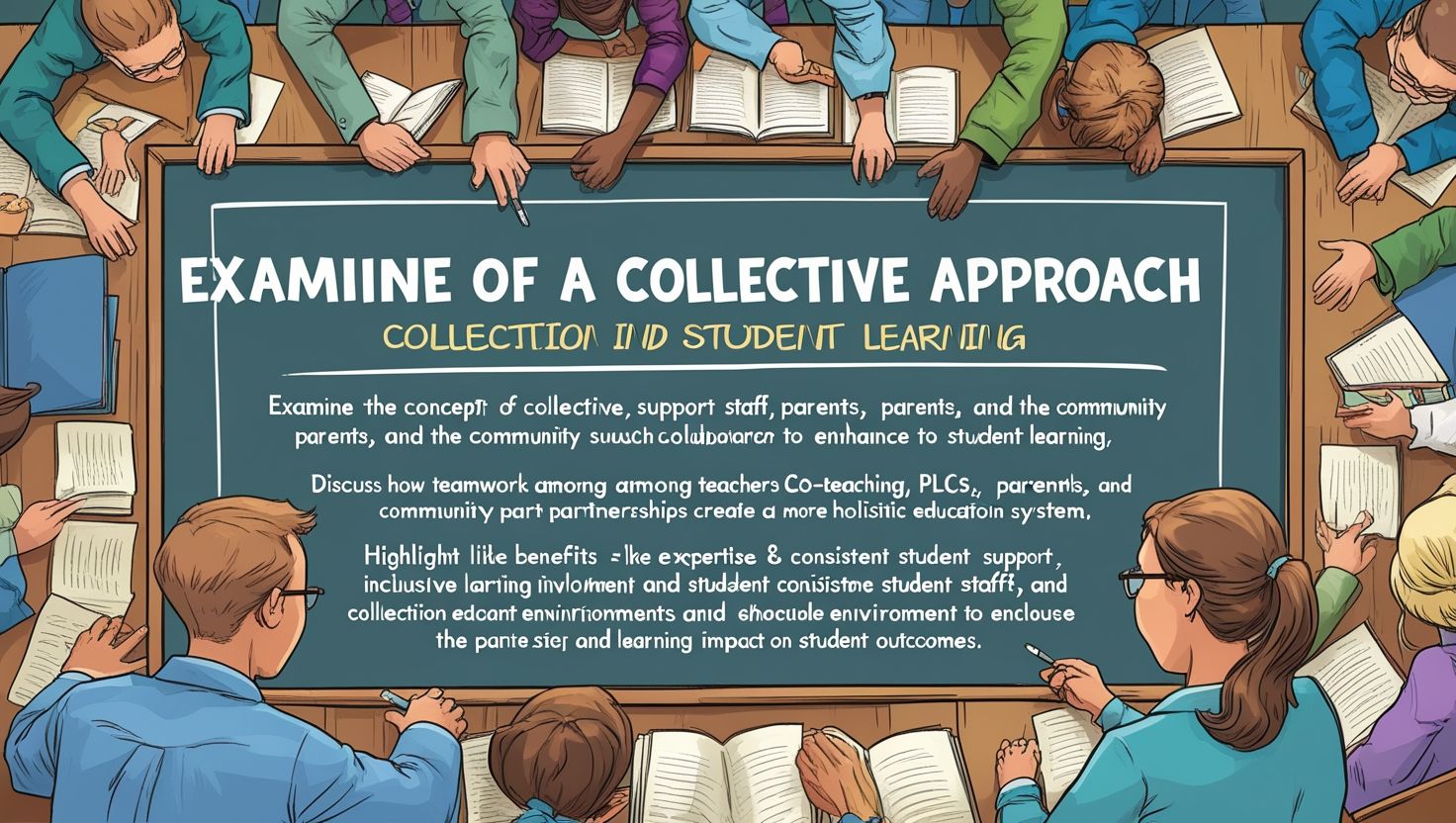
Schools that encourage collaborative lesson planning and professional reflection often demonstrate stronger educational outcomes because teachers learn from one another’s experiences and expertise.
Integrating Technology Through Lesson Planning
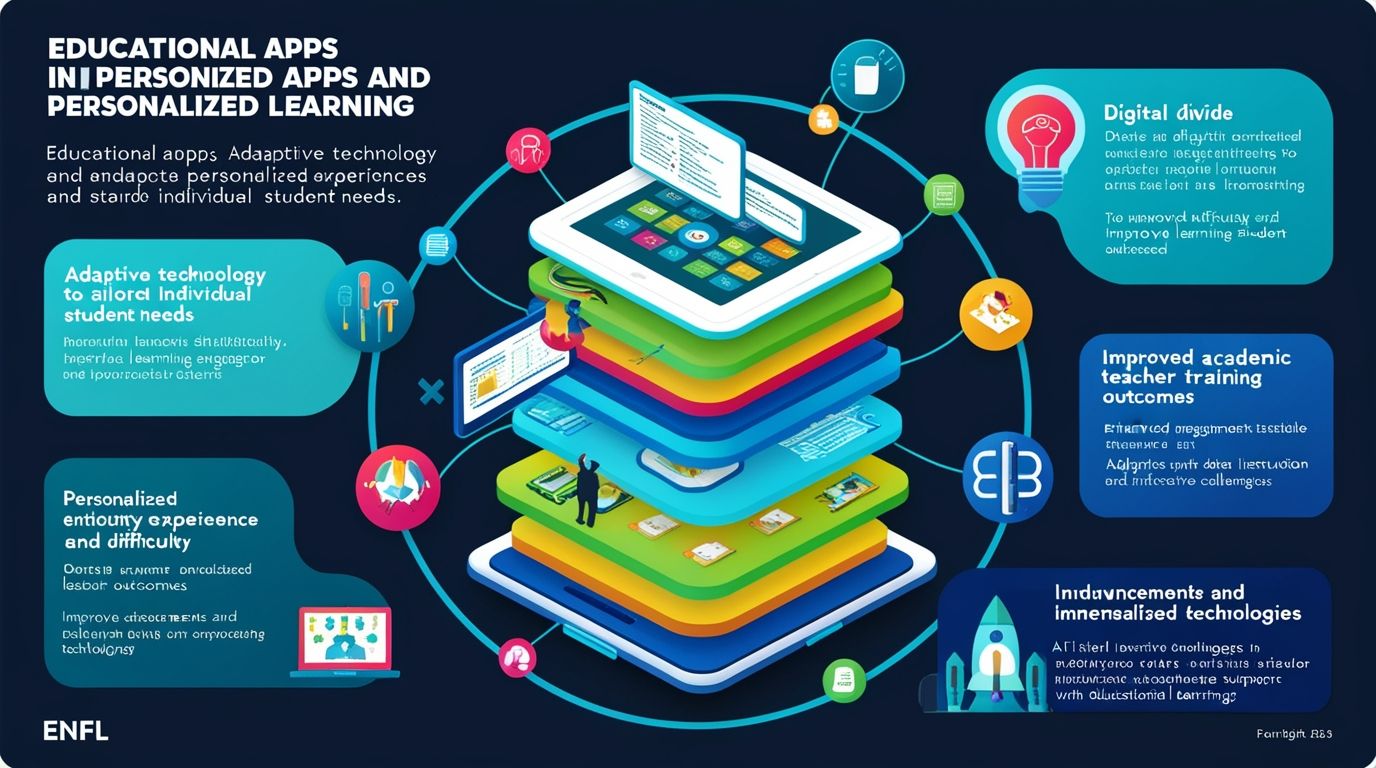
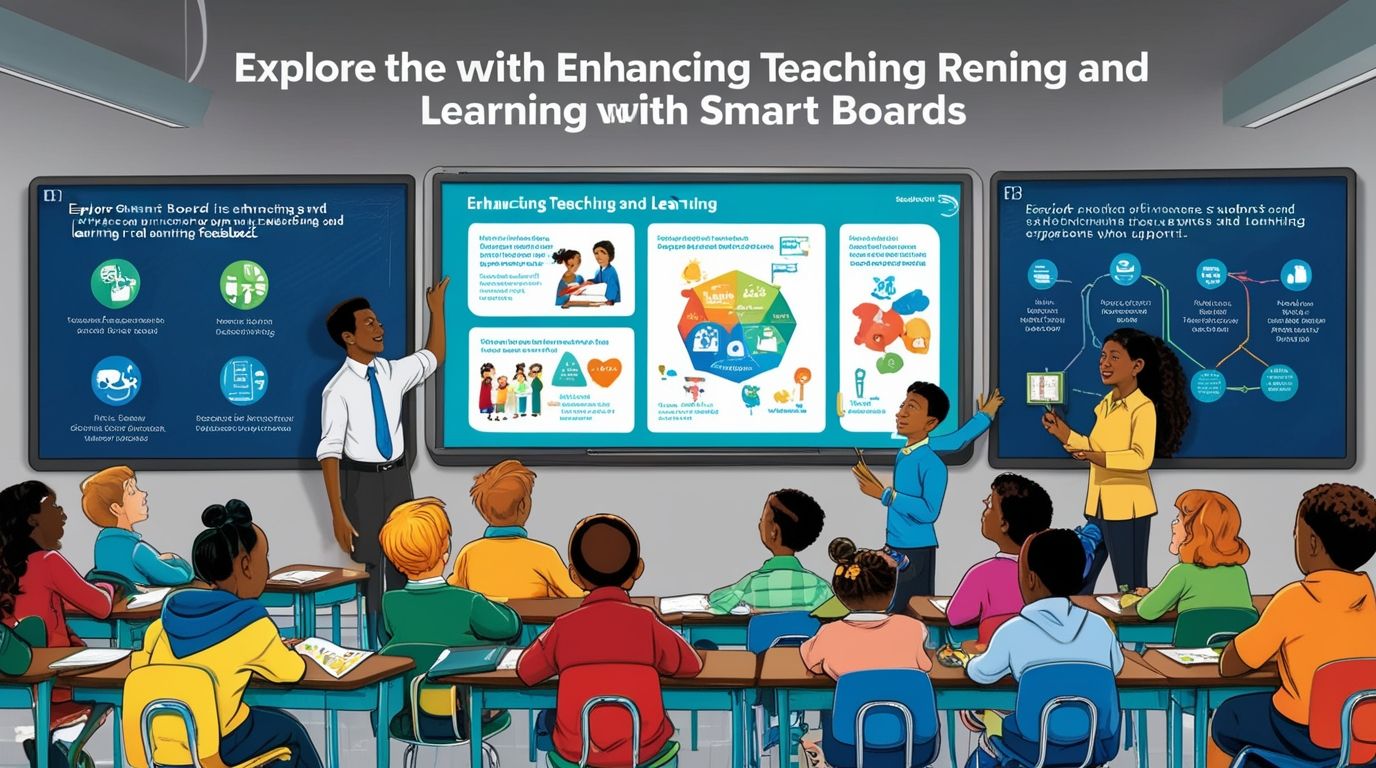
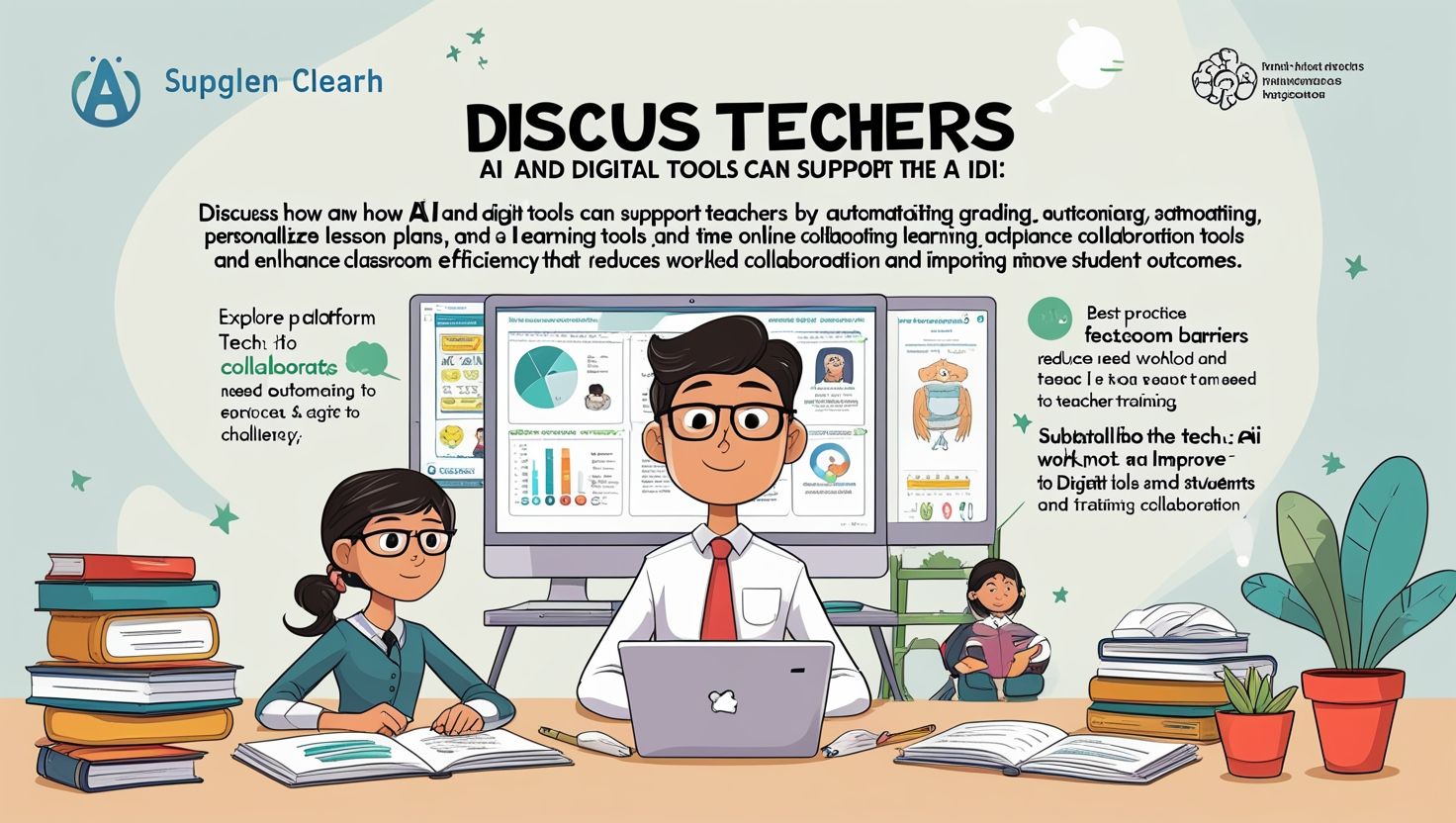
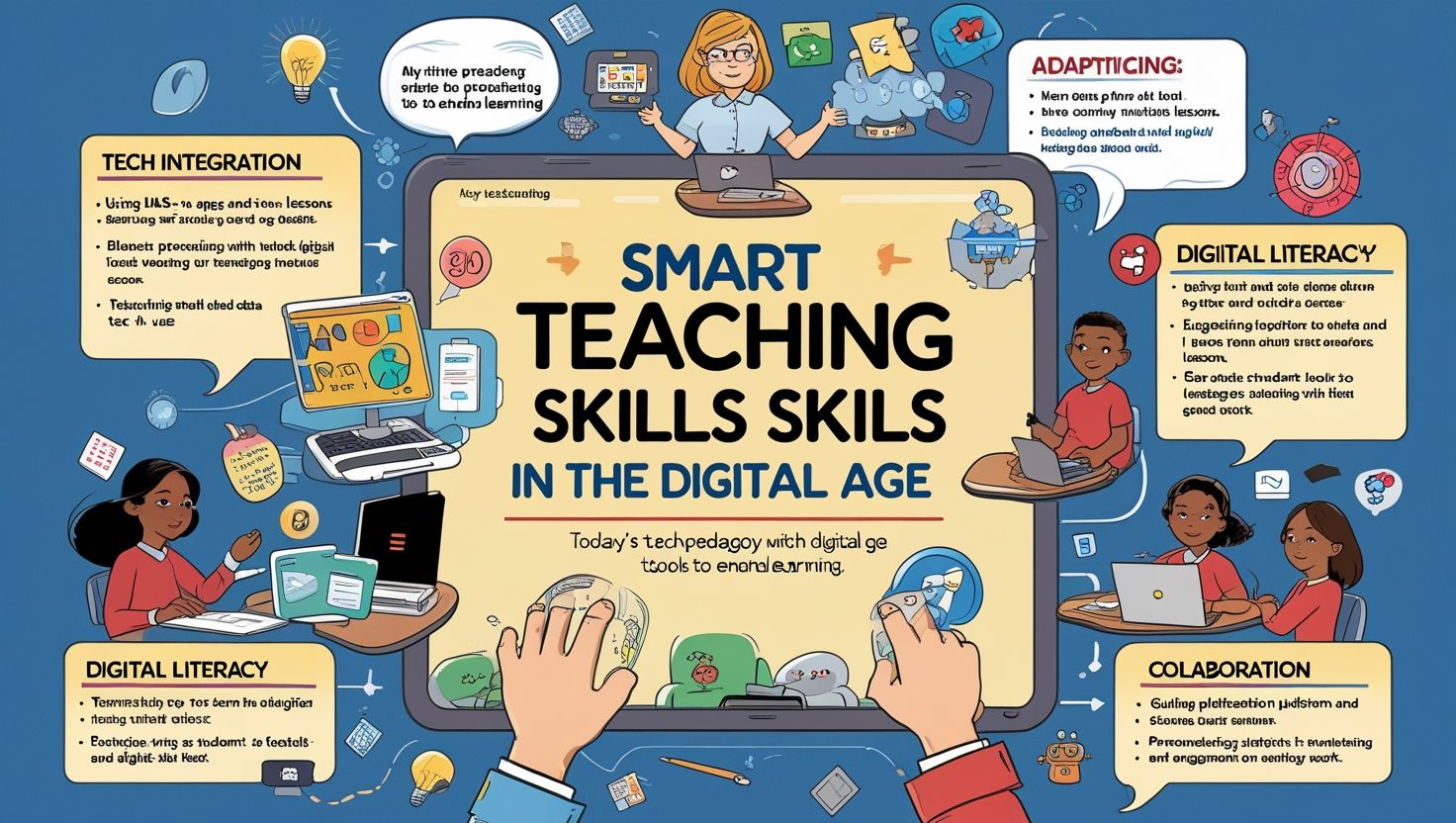
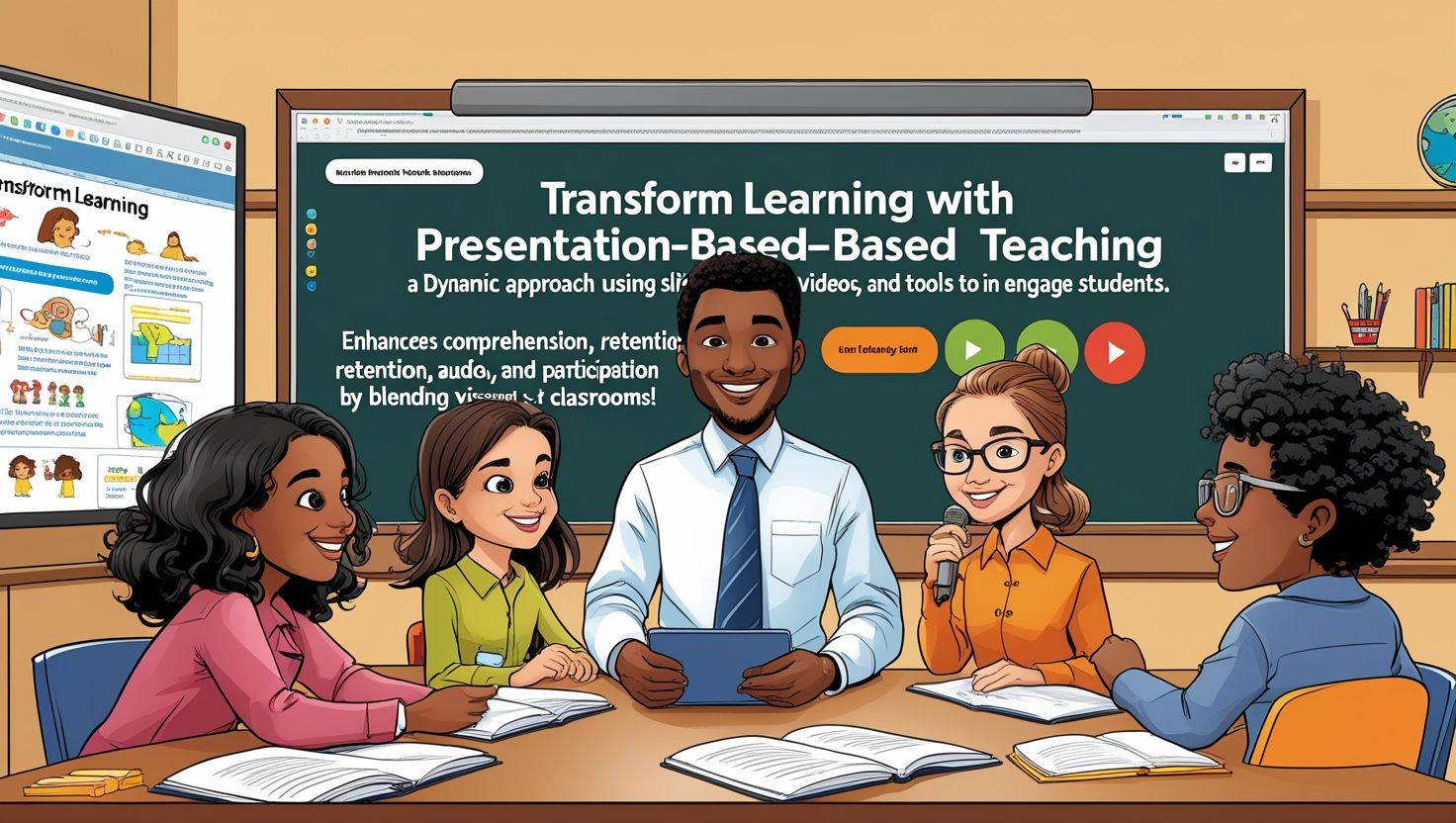
Technology has become an important component of modern education. Digital tools such as multimedia presentations, educational software, online resources, virtual laboratories, and interactive learning platforms can significantly enrich classroom learning.
However, technology integration is effective only when it is purposeful and connected to instructional objectives. Lesson planning allows teachers to select appropriate technologies that enhance learning rather than distract students.
For example, a mathematics teacher may plan to use educational simulations to demonstrate geometric concepts, while a language teacher may use audio recordings to improve listening skills. Planned technology integration increases student engagement and supports diverse learning experiences.
Lesson planning also helps teachers anticipate technical challenges and prepare alternative activities when technological difficulties occur.
In addition, digital lesson planning promotes access to global information and collaborative learning opportunities. Students can participate in online discussions, virtual research projects, and multimedia learning experiences that expand their understanding beyond textbook knowledge.
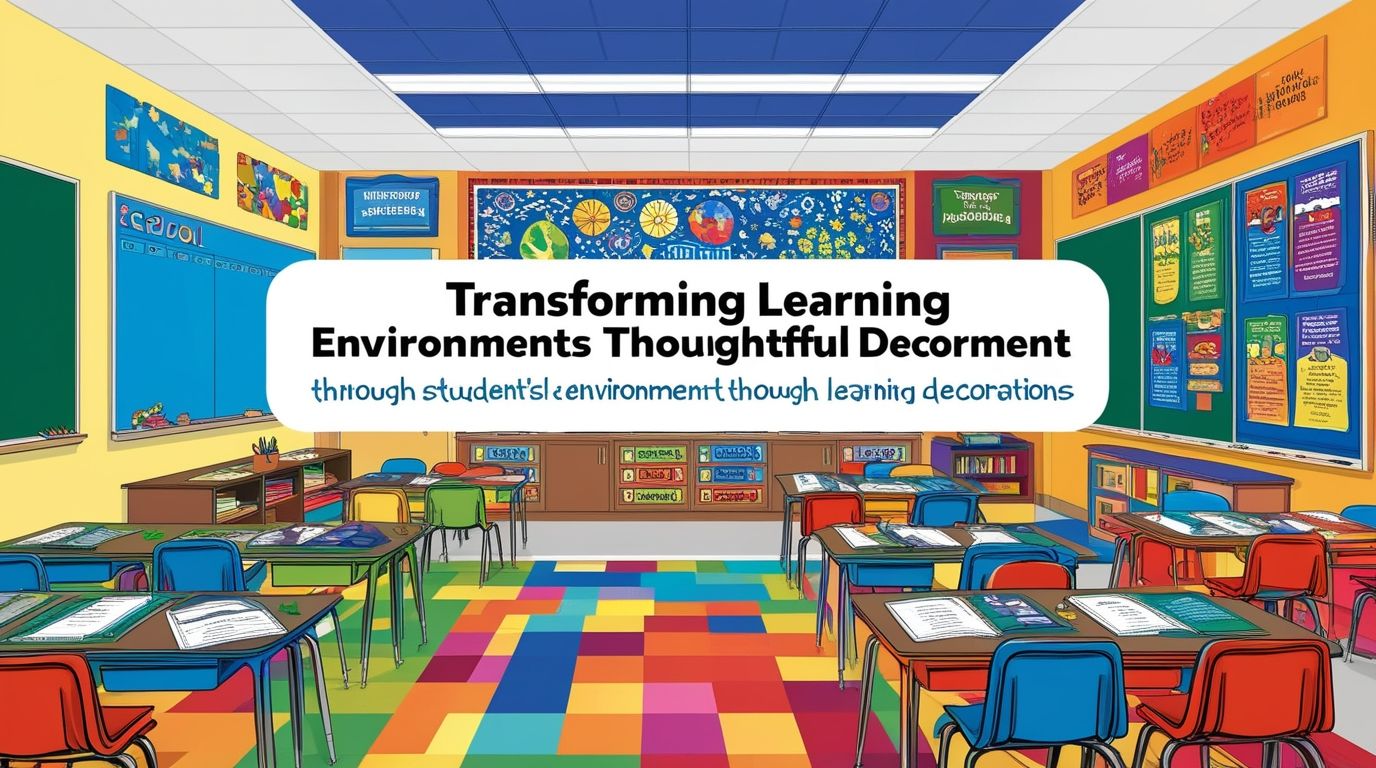
Building Positive Classroom Environment
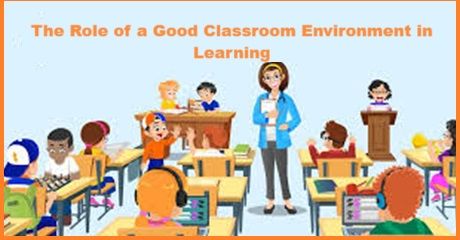
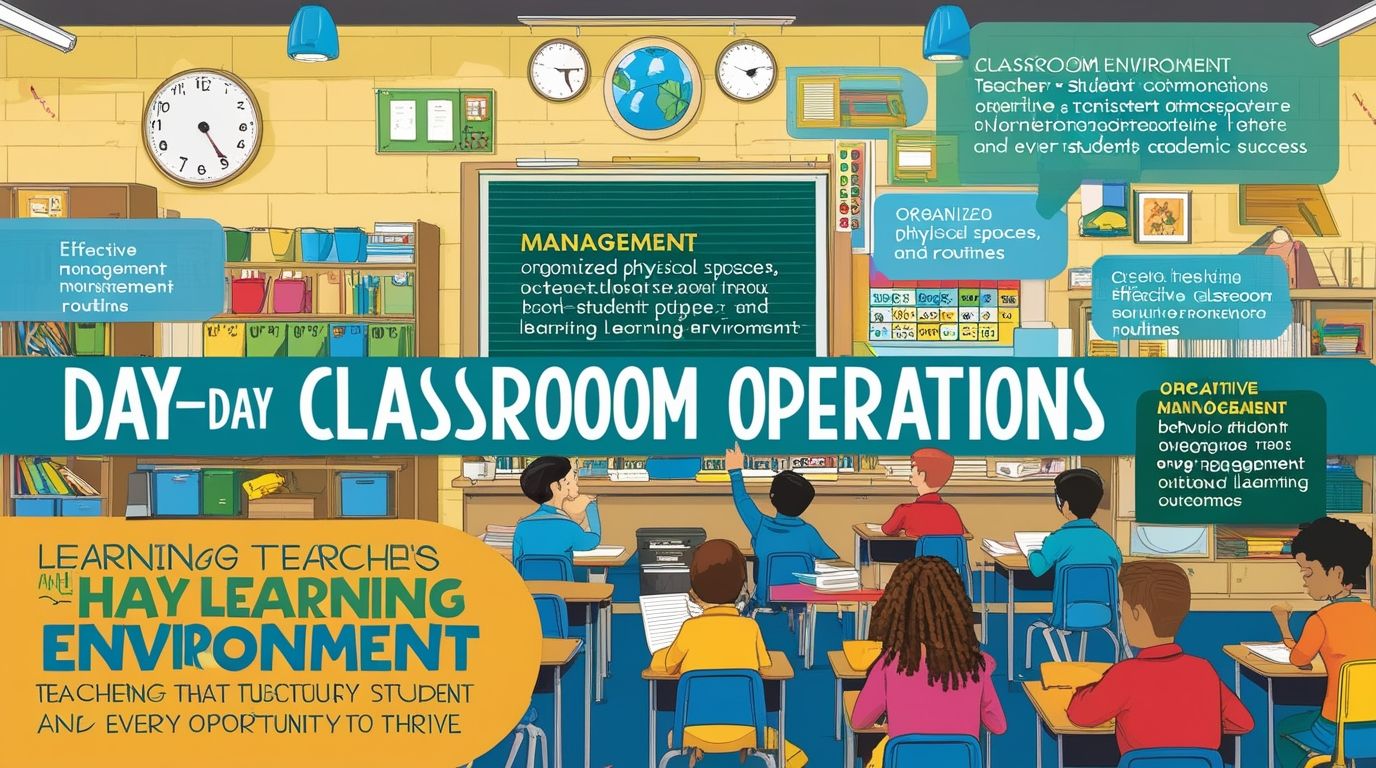
A positive classroom environment is essential for effective learning. Students learn better when they feel safe, respected, motivated, and emotionally supported. Lesson planning contributes significantly to creating such an environment.
Well-planned lessons reduce confusion and classroom disorder because students understand expectations and activity procedures. Structured activities maintain learner focus and minimize behavioral problems.
Furthermore, lesson planning helps teachers incorporate activities that promote cooperation, respect, and inclusion. Group learning tasks, class discussions, and collaborative projects encourage positive peer relationships.
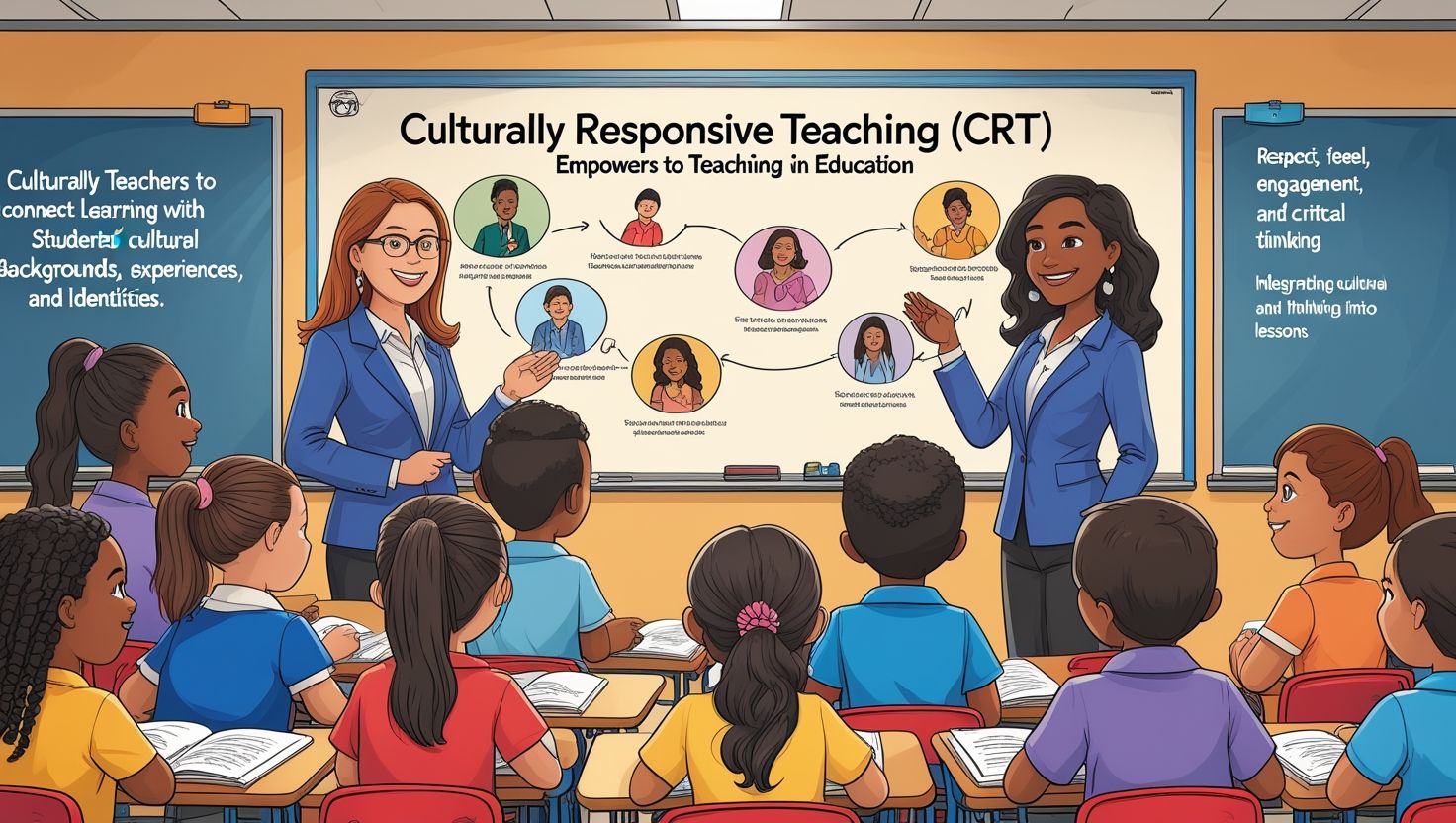
Teachers can also plan motivational strategies, encouragement techniques, and culturally responsive content that strengthen student confidence and belonging.
A positive learning environment increases students’ willingness to participate, ask questions, and express ideas freely. This openness supports intellectual growth and emotional well-being.
The Role of School Leadership in Supporting Lesson Planning
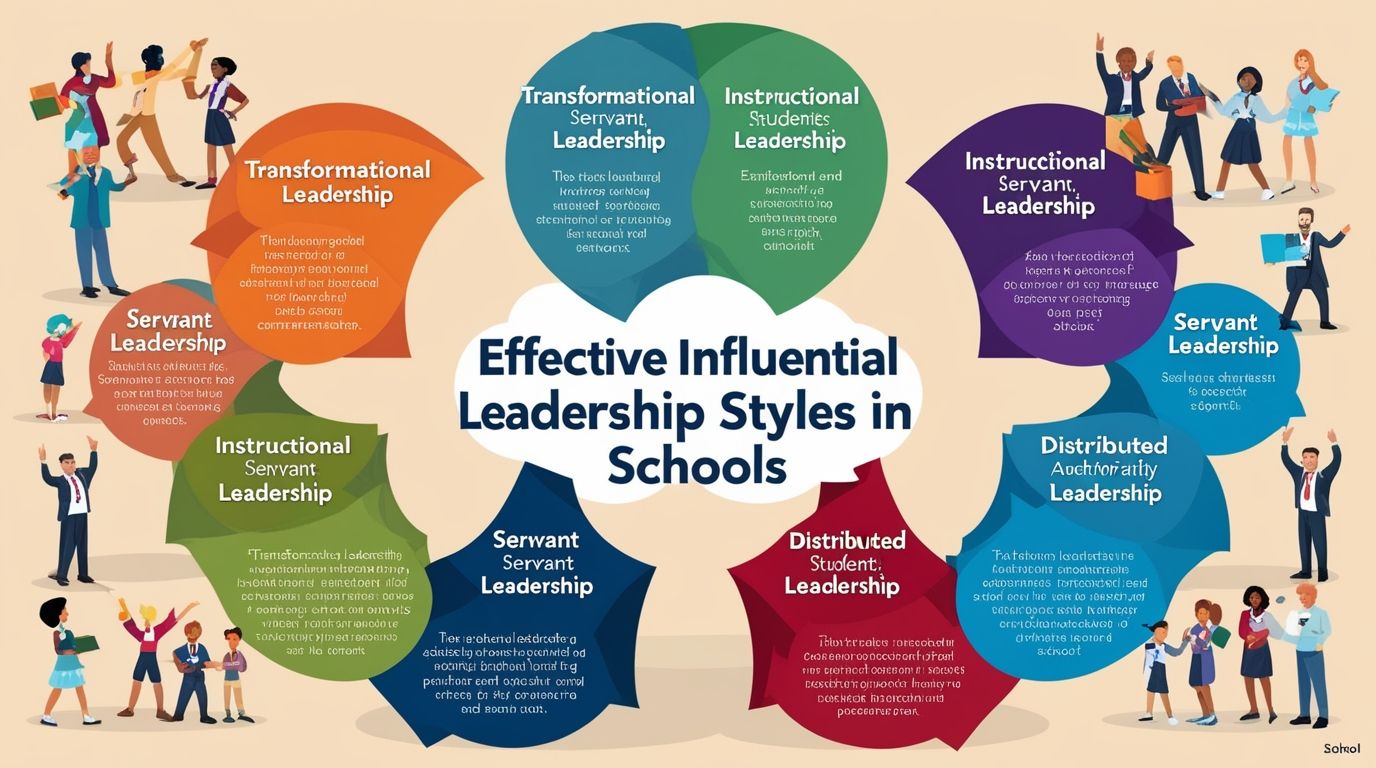
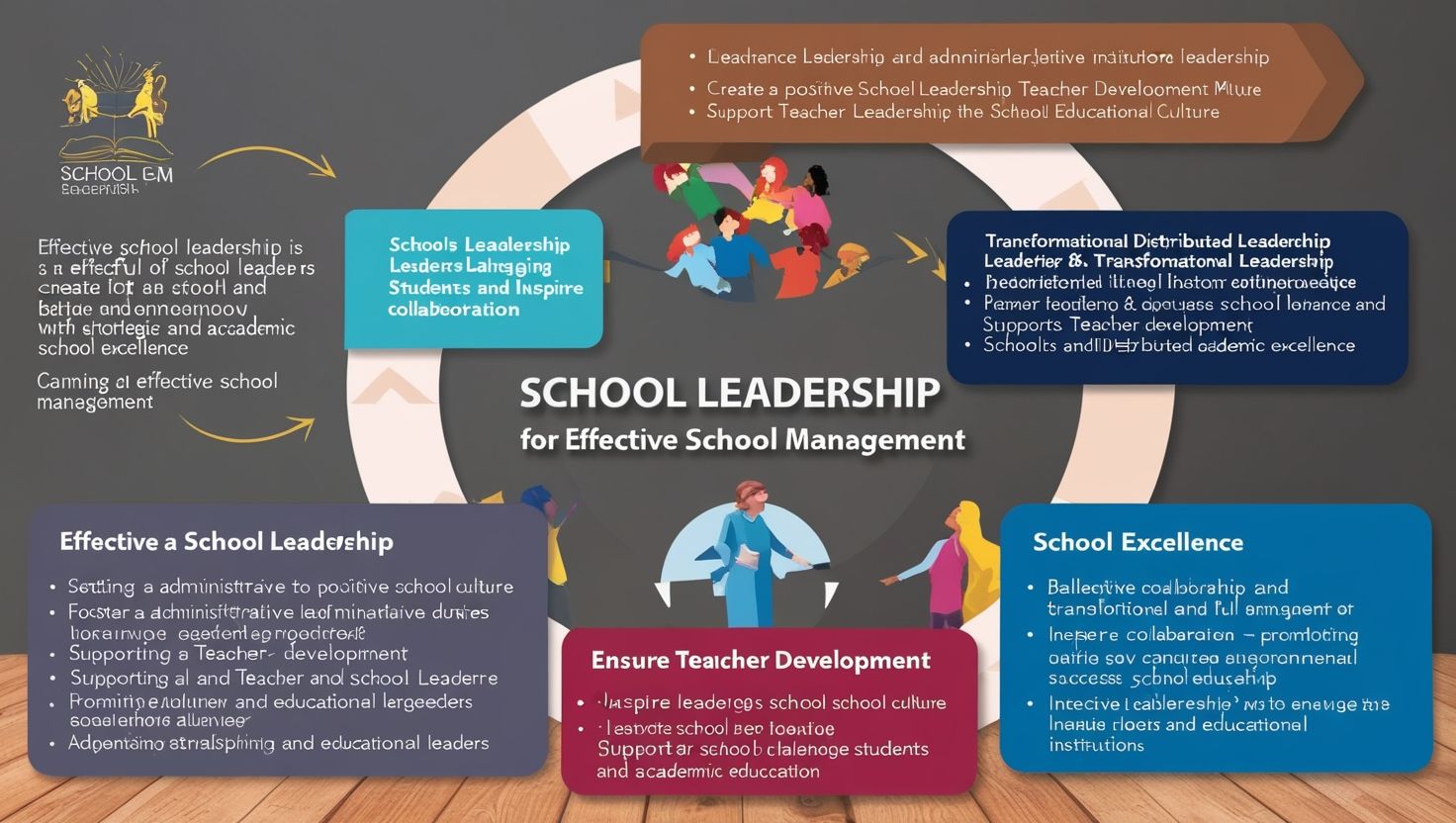
School leadership plays an important role in strengthening lesson planning practices. Principals and instructional leaders should create supportive conditions that encourage teachers to plan effectively.
Educational leaders can support lesson planning by:
- Providing professional development opportunities
- Encouraging collaborative planning among teachers
- Monitoring instructional quality constructively
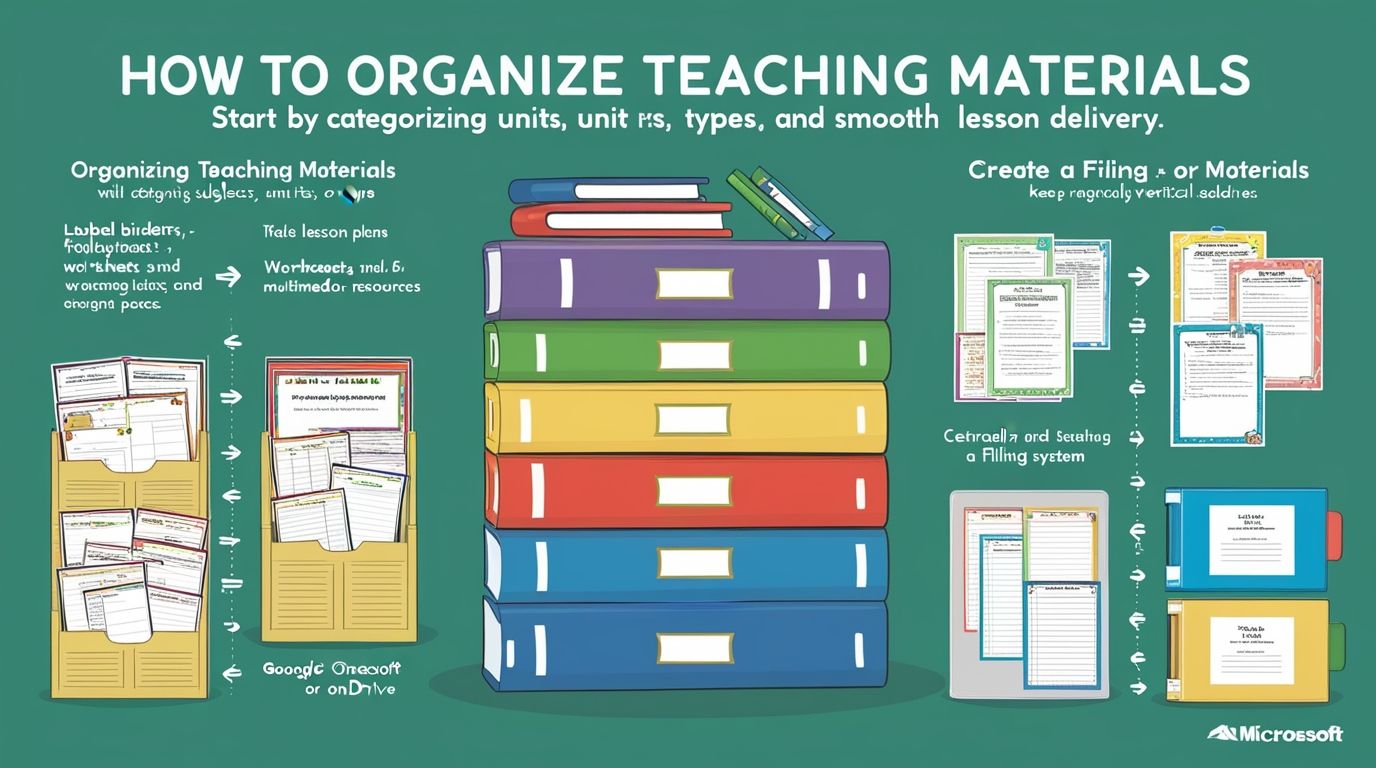
- Supplying teaching resources and materials
- Promoting reflective teaching practices
- Creating a culture of continuous improvement
When school leaders value lesson planning, teachers are more likely to recognize its importance and maintain high professional standards.
Teacher educators also have a responsibility to train future teachers in effective lesson planning skills. Pre-service teacher education programs should emphasize instructional design, classroom management, learner diversity, assessment strategies, and reflective practice.
Challenges in Lesson Planning
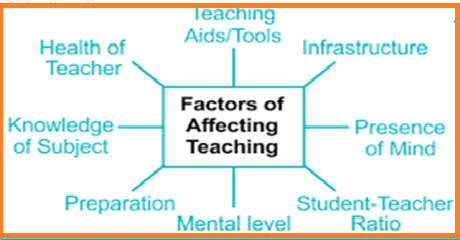
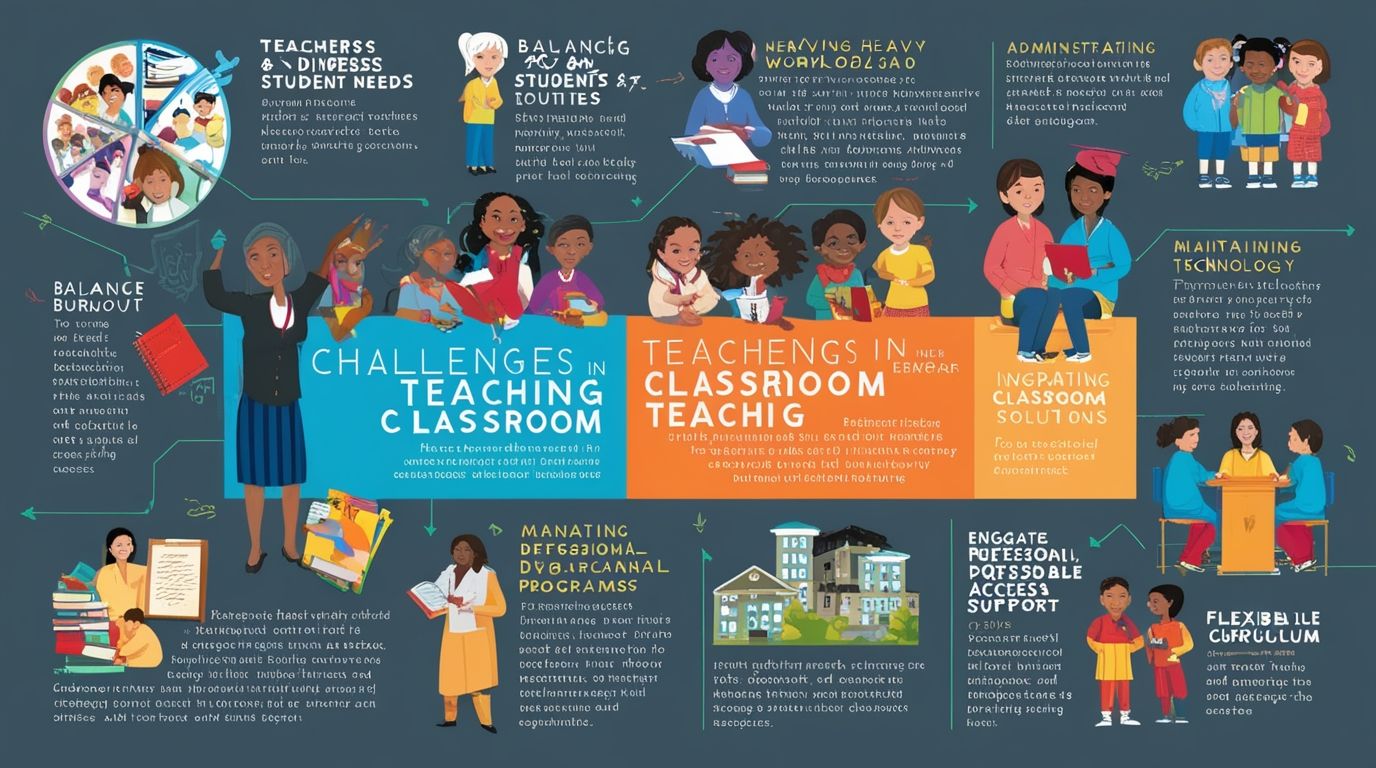
Despite its importance, lesson planning can present challenges for teachers. Heavy workloads, large class sizes, limited resources, curriculum pressure, and administrative responsibilities sometimes reduce the time available for detailed planning.
Some teachers may also view lesson planning as a bureaucratic requirement rather than a meaningful professional activity. This perception can result in superficial or incomplete lesson preparation.
In rapidly changing educational environments, teachers must continuously adapt lesson plans to new curriculum reforms, technological developments, and learner needs.
To overcome these challenges, schools should provide institutional support, collaborative planning opportunities, and professional training. Teachers should also view lesson planning as an investment in teaching effectiveness rather than an additional burden.
Technology can further simplify planning through digital templates, online resources, collaborative platforms, and educational applications that assist teachers in organizing instructional content.
Conclusion
Lesson planning is a powerful foundation for effective teaching and meaningful learning. It transforms classroom instruction from unstructured activity into purposeful educational practice. Through lesson planning, teachers clarify objectives, organize instruction, manage time efficiently, engage learners actively, address student diversity, strengthen assessment, integrate technology, and create positive classroom environments.
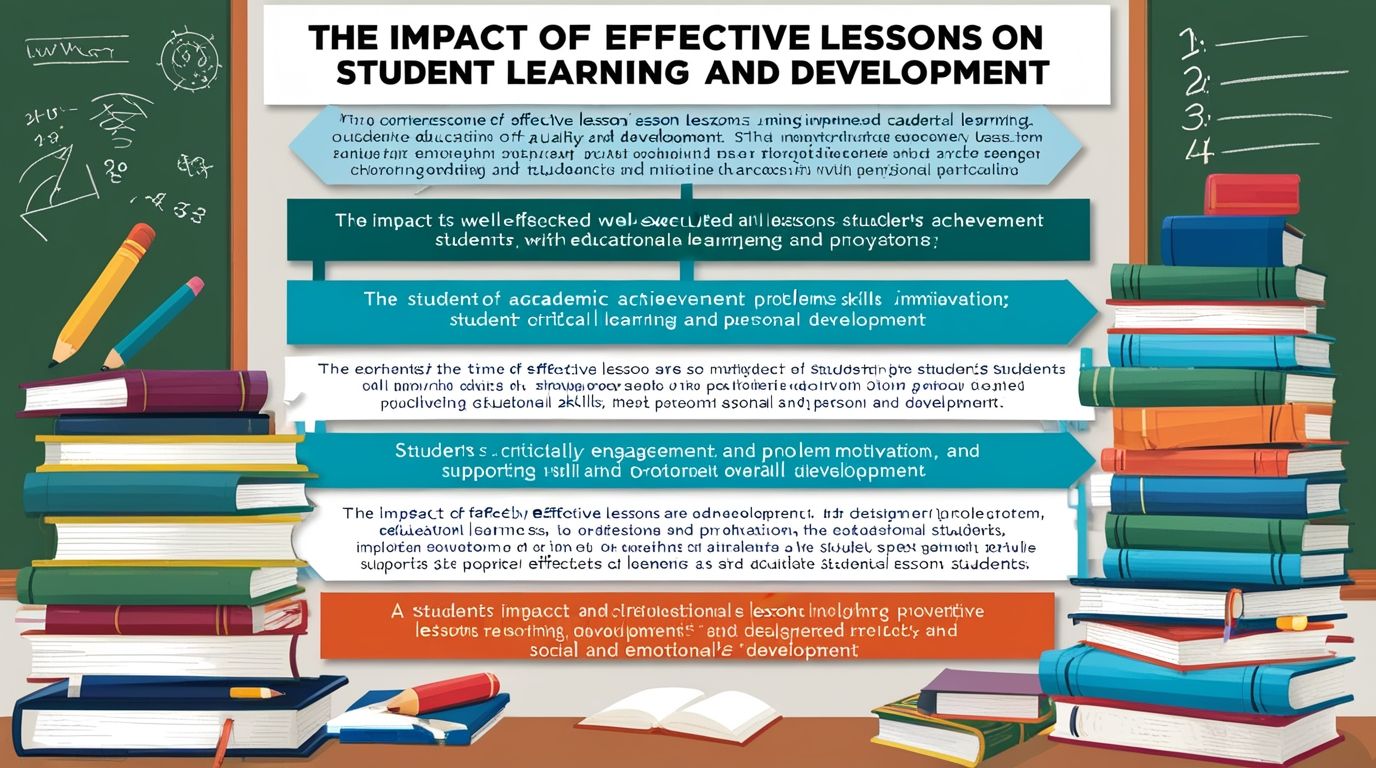
The impact of lesson planning is visible in improved student participation, stronger academic achievement, better classroom management, increased motivation, and deeper understanding of subject matter. It also supports teacher confidence, professional reflection, and continuous instructional improvement.
In today’s rapidly evolving educational landscape, effective lesson planning is more important than ever. Teachers are expected not only to deliver content but also to inspire critical thinking, creativity, collaboration, and lifelong learning. These goals cannot be achieved through spontaneous teaching alone. They require careful preparation, thoughtful design, and intentional instructional practice.
Therefore, lesson planning should be recognized as a central component of educational excellence. Schools, teacher educators, and policymakers must continue to support teachers in developing strong lesson planning skills. When teachers plan effectively, classrooms become more organized, engaging, inclusive, and impactful. Ultimately, effective lesson planning creates learning experiences that empower students academically, socially, and emotionally, preparing them for future success and responsible participation in society.