Smart Start:
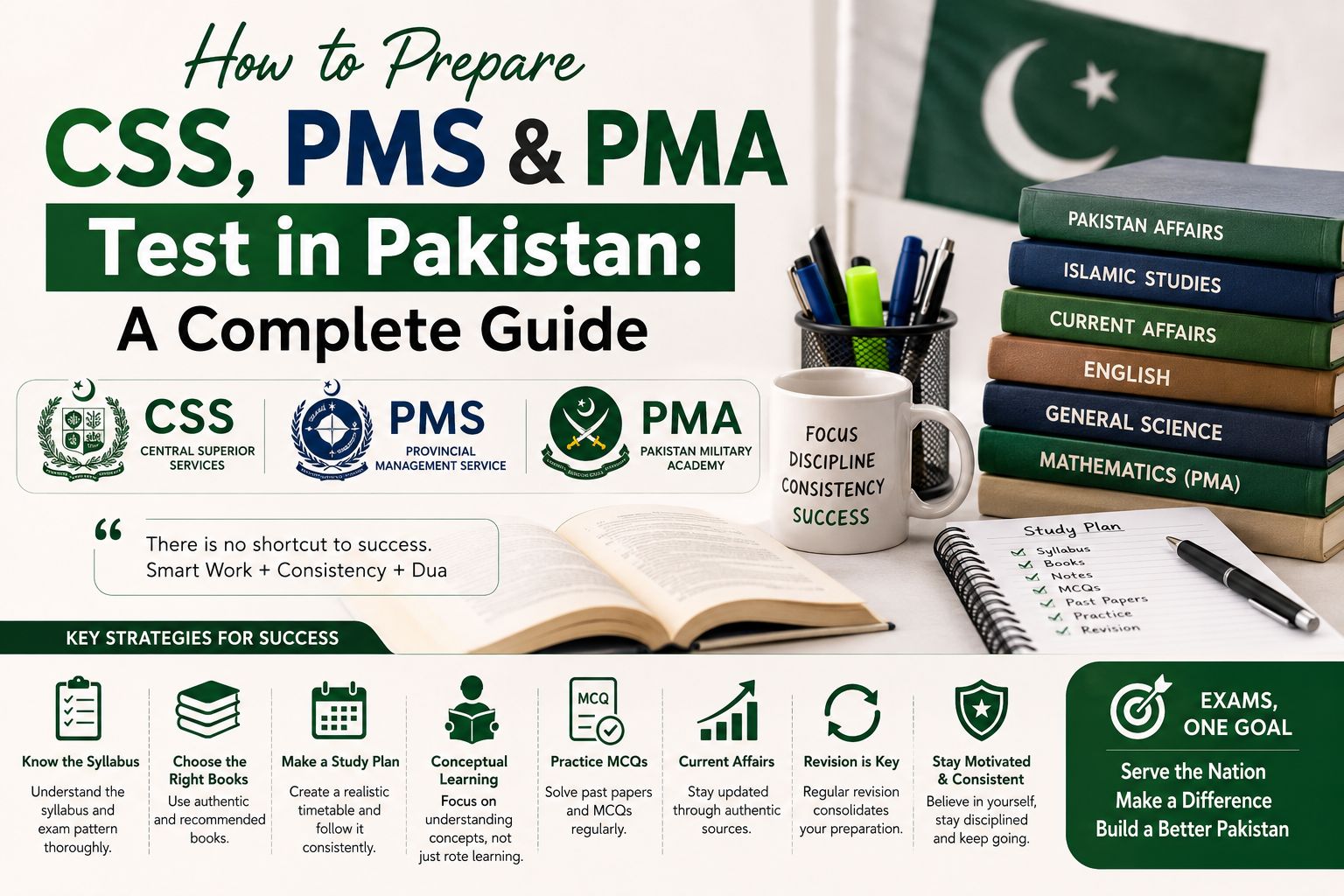
How to Prepare CSS, PMS and PMA Test in Pakistan: A Complete Guide, Every year, thousands of Pakistani students chase one dream: a respected government career. Three exams stand in their way. These are the CSS exam, the PMS exam, and the PMA test. Each one, however, leads somewhere different. The CSS exam opens doors to federal bureaucracy. Meanwhile, the PMS exam leads to provincial administration. The PMA test, on the other hand, leads straight into the Pakistan Army as a commissioned officer. Naturally, success in any of these exams demands more than hope. Instead, it demands structure, discipline, and a smart plan. Consequently, countless bright candidates fail simply because they lack direction. This guide, therefore, breaks down exactly how to prepare for CSS, PMS and PMA step by step. So, whether you dream of Islamabad’s civil service or Kakul’s parade ground, keep reading. Your roadmap starts right here.
Decoding CSS: The Federal Route to Power
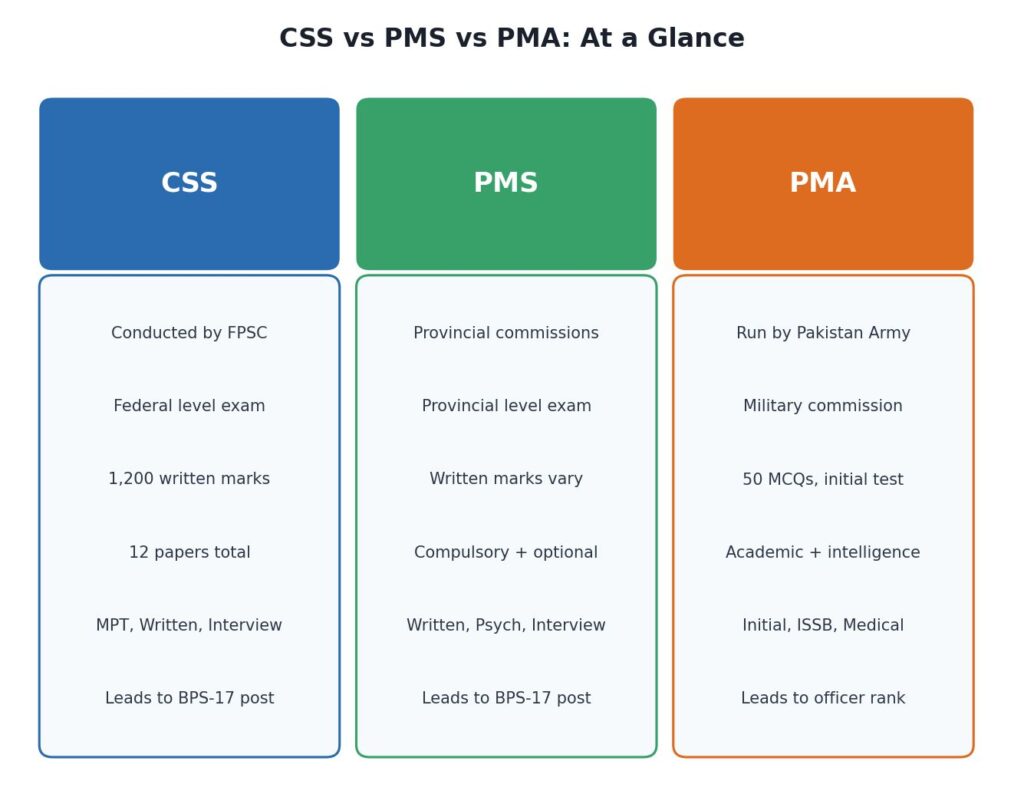
The CSS exam Pakistan is conducted annually by the Federal Public Service Commission, widely known as FPSC. First, candidates sit a screening test. Then comes the written exam, which covers six compulsory and six optional subjects worth 1,200 marks combined. Finally, successful candidates face an interview, often called the viva voce. Clearly, this is a long journey, not a single event. As a result, preparation must begin at least a year in advance. English essay, précis writing, current affairs, and Pakistan affairs form the compulsory backbone. Meanwhile, optional subjects let candidates play to their strengths. Choosing the right combination, therefore, matters enormously. Above all, FPSC syllabus mastery separates focused candidates from confused ones. Successful CSS officers eventually serve in prestigious federal groups such as the Foreign Service, Police Service, and Administrative Group, shaping national policy from the inside.
PMS Unpacked: Serving Your Province with Pride
While CSS operates federally, the PMS exam works at the provincial level instead. Each province runs its own commission: Punjab has PPSC, Sindh has SPSC, and so on. Naturally, syllabi vary slightly by province. However, the core structure stays familiar. Candidates face compulsory subjects like English, Urdu, Pakistan Studies, and General Knowledge. Then, they choose optional subjects from several groups. Afterward comes a written exam, followed by a psychological assessment and a final interview. Consequently, PMS demands the same discipline as CSS, just on a smaller geographic scale. Interestingly, many aspirants prepare for both exams simultaneously, since the subjects overlap considerably. This dual strategy, in fact, doubles your chances of landing a Grade 17 officer position. Ultimately, PMS officers become assistant commissioners, section officers, and administrators, directly shaping life in their home province.
PMA Explained: The Uniform, the Discipline, the Honor
Unlike CSS and PMS, the PMA test leads to a military career, not a civilian desk job. Conducted through joinpakarmy.gov.pk, this pathway begins with an initial test covering verbal intelligence, non-verbal intelligence, and academic subjects. Afterward, qualifiers face a physical test, a medical examination, and an initial interview. Only then does the real challenge begin: the ISSB test, a multi-day evaluation of intelligence, leadership, and psychological stability. Undoubtedly, ISSB is the toughest hurdle in the entire process. Candidates who pass proceed to Pakistan Military Academy at Kakul for rigorous training. Eventually, successful cadets earn commission as Second Lieutenants. Unlike CSS or PMS, physical fitness matters just as much as academic knowledge here. Therefore, aspiring cadets must train their bodies alongside their minds, since both are tested with equal seriousness throughout selection.
Blueprint for Success: Designing Your Study Plan
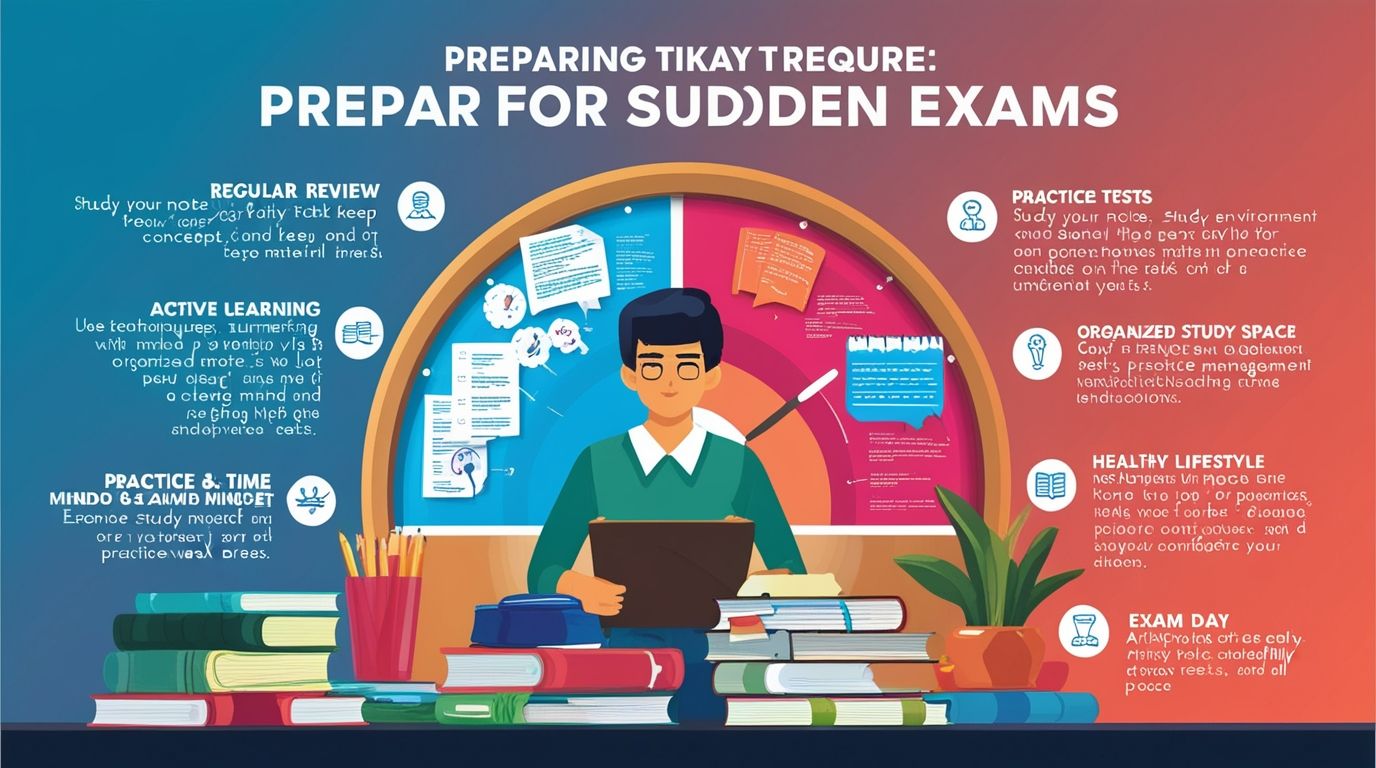
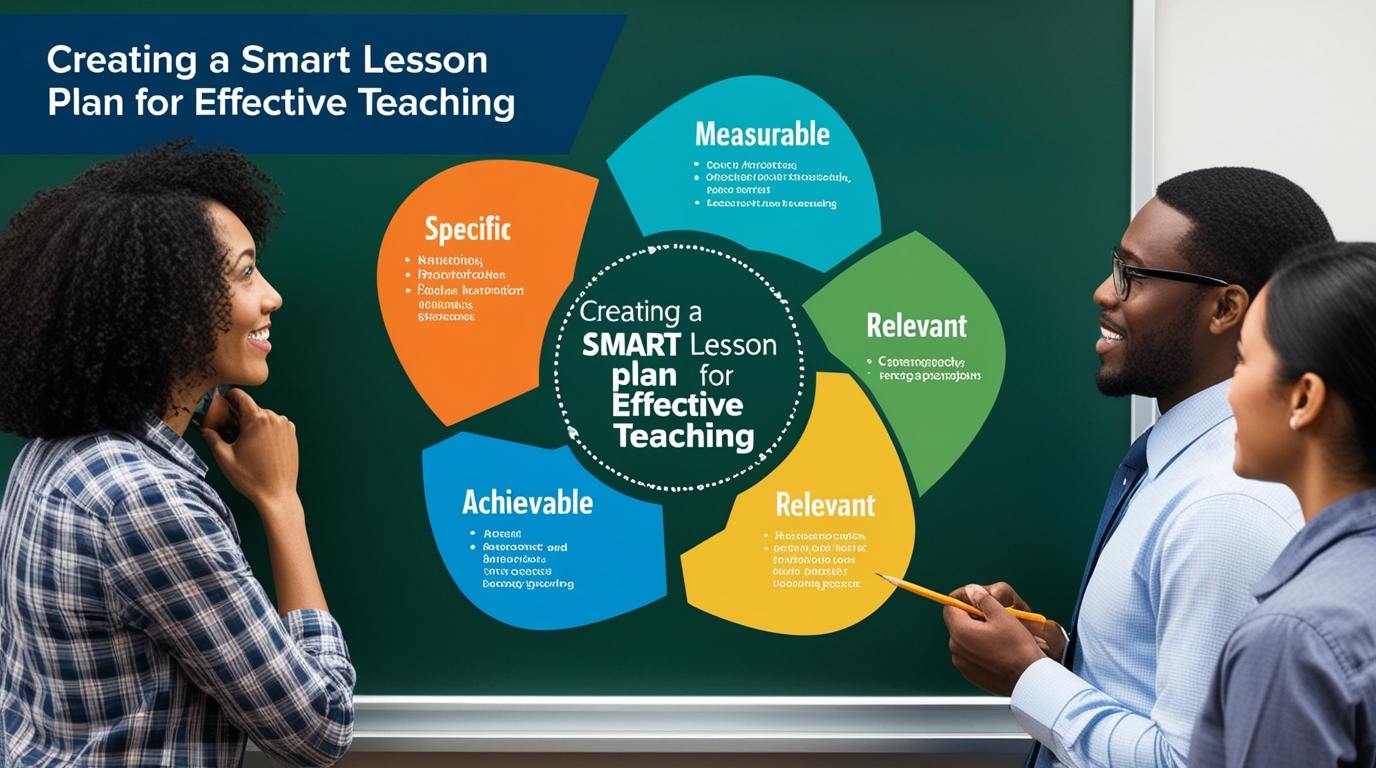
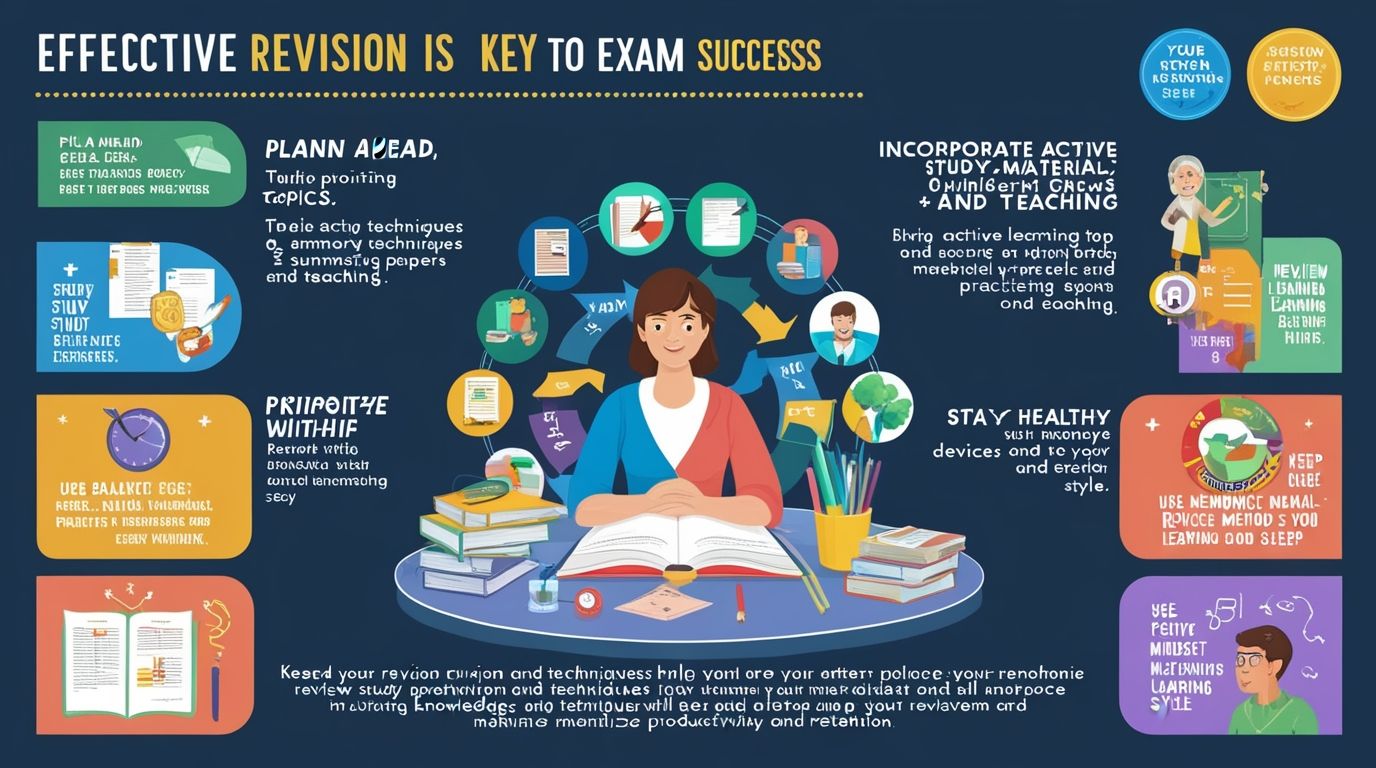
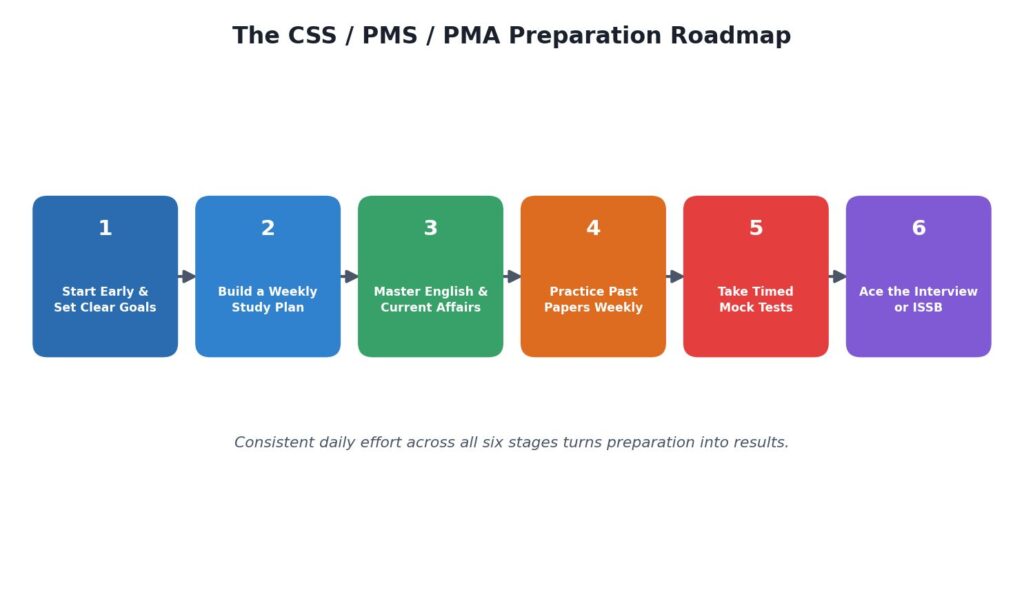
Regardless of which exam you’re targeting, a solid study plan remains non-negotiable. First, break your syllabus into weekly, manageable chunks. Next, allocate more hours to weaker subjects without neglecting strong ones. Consistency, after all, beats intensity every single time. A candidate who studies four focused hours daily will outperform one who crams sporadically. Additionally, build revision cycles into your schedule; information fades quickly without repetition. Morning hours often suit memory-heavy subjects like Islamic Studies, while evenings suit analytical writing practice. Meanwhile, weekends should include full-length mock tests under timed conditions. This simulates real exam pressure early. As a result, you avoid panic on the actual test day. Furthermore, tracking your progress weekly helps identify gaps before they become disasters. In short, a realistic, written plan transforms vague ambition into measurable daily action.
Picking Your Arsenal: Books, Newspapers, and Resources
Choosing the right resources can make or break your preparation. Firstly, stick to recommended textbooks rather than scattered internet notes. For English essay and précis, classic guidebooks remain invaluable. Meanwhile, daily newspapers like Dawn build vocabulary and current affairs awareness simultaneously. Consequently, reading editorials daily should become a non-negotiable habit. For PMA test preparation, meanwhile, verbal and non-verbal intelligence workbooks are essential, alongside basic mathematics and Pakistan Studies guides. Similarly, PMS aspirants should download the official syllabus PDF from their provincial commission’s website, since third-party notes often go outdated quickly. Above all, avoid over-collecting materials; too many books create confusion, not clarity. Instead, choose one core resource per subject and master it thoroughly. Afterward, supplement with past papers. This focused approach, ultimately, saves both time and mental energy during an already demanding preparation journey.
Staying Sharp: Mastering Current Affairs and General Knowledge
Current affairs, without question, carries weight across all three exams. First, read newspapers daily rather than binge-reading once weekly. Second, maintain a notebook summarizing major national and international events. This habit, over time, builds genuine retention. Additionally, follow monthly current affairs magazines designed specifically for competitive exams. For CSS and PMS candidates, understanding Pakistan’s foreign relations, economy, and constitutional history proves essential. Meanwhile, PMA aspirants should focus on defense-related news, regional geopolitics, and basic world affairs. Interestingly, examiners often test recent events from the twelve months before the exam. Therefore, don’t neglect the last quarter before your test date. Furthermore, discussing current affairs with peers sharpens analytical thinking beyond rote memorization. Ultimately, strong general knowledge doesn’t just help you pass; it also prepares you for thoughtful, confident interview conversations later on.
Words That Win: English Essay and Précis Writing
English remains a make-or-break subject across CSS, PMS, and PMA alike. Firstly, practice essay writing weekly, not occasionally. Structure matters just as much as content; therefore, always use a clear introduction, body, and conclusion. Meanwhile, précis writing demands compression skills: capturing full meaning in fewer words. This requires regular practice, since it rarely improves overnight. Additionally, read high-scoring sample essays to understand what examiners actually reward. Grammar, vocabulary, and coherence, consequently, should all be polished simultaneously. For PMA candidates, English testing leans toward grammar and comprehension rather than long essays. Nevertheless, strong written expression still boosts interview performance significantly. Above all, avoid memorizing entire essays word-for-word; examiners easily detect canned answers. Instead, practice constructing original arguments quickly under time pressure, since real exam conditions rarely allow for lengthy, comfortable reflection.
Racing the Clock: Time Management Techniques
Time management separates successful candidates from frustrated ones. During preparation, therefore, set strict daily study hours and honor them consistently. Equally important is time management during the actual exam. CSS papers, for instance, run three hours each; therefore, practicing timed writing beforehand prevents last-minute panic. Similarly, PMA’s initial test allows roughly thirty minutes for fifty questions, demanding fast, accurate decision-making. Consequently, speed drills become essential during preparation. Meanwhile, PMS candidates should practice answering within allotted time slots for each compulsory and optional paper. A useful technique involves solving easier questions first, then returning to harder ones. This approach, in turn, secures guaranteed marks early. Additionally, avoid over-writing lengthy answers when concise ones would score equally well. Ultimately, disciplined time management during practice sessions translates directly into calm, confident performance when the real clock starts ticking.
Practice Makes Perfect: Mock Tests and Past Papers
Nothing prepares candidates better than solving actual past papers repeatedly. First, collect at least five years of previous papers for your target exam. Then, attempt them under strict, timed conditions, exactly mimicking exam day. Afterward, review your mistakes honestly rather than glossing over them. This reflection step, frankly, matters more than the test itself. For CSS and PMS, past papers reveal recurring themes examiners favor repeatedly. Meanwhile, PMA initial test past papers help candidates recognize patterns in verbal and non-verbal intelligence sections. Additionally, joining a study group for peer-reviewed mock interviews sharpens verbal confidence considerably. Many coaching academies also offer simulated ISSB assessments, which prove invaluable before the real evaluation. Ultimately, repeated practice under realistic pressure builds muscle memory. As a result, the actual exam feels familiar rather than intimidating when the day finally arrives.
Fit for Duty: Physical Preparation for PMA
Unlike CSS or PMS, PMA test preparation demands serious physical conditioning alongside academics. Firstly, start a daily running routine months before applying, since stamina takes time to build. Push-ups, sit-ups, and pull-ups should become daily habits too, as these directly affect physical test scores. Meanwhile, maintaining a healthy diet supports both energy and recovery. During ISSB, candidates face outdoor group tasks demanding both strength and quick thinking. Therefore, physical fitness alone isn’t enough; mental sharpness under fatigue matters equally. Consequently, training should combine cardiovascular endurance with problem-solving under pressure. Additionally, candidates should practice waking up early, since ISSB days begin before sunrise. This builds the discipline evaluators actively look for. Ultimately, physical readiness signals genuine commitment, something ISSB assessors notice immediately during outdoor tasks, obstacle courses, and lengthy group discussions throughout the selection days.
Facing the Panel: Interview and ISSB Readiness
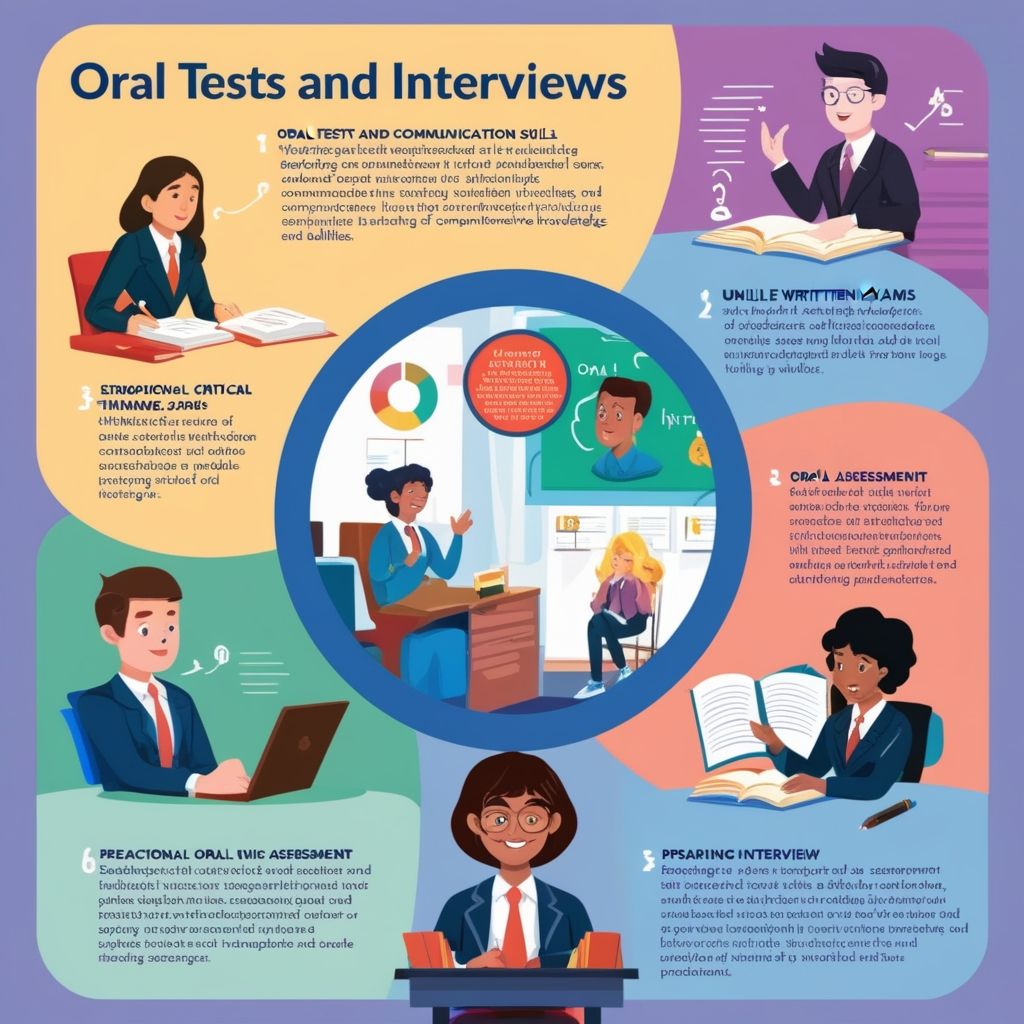
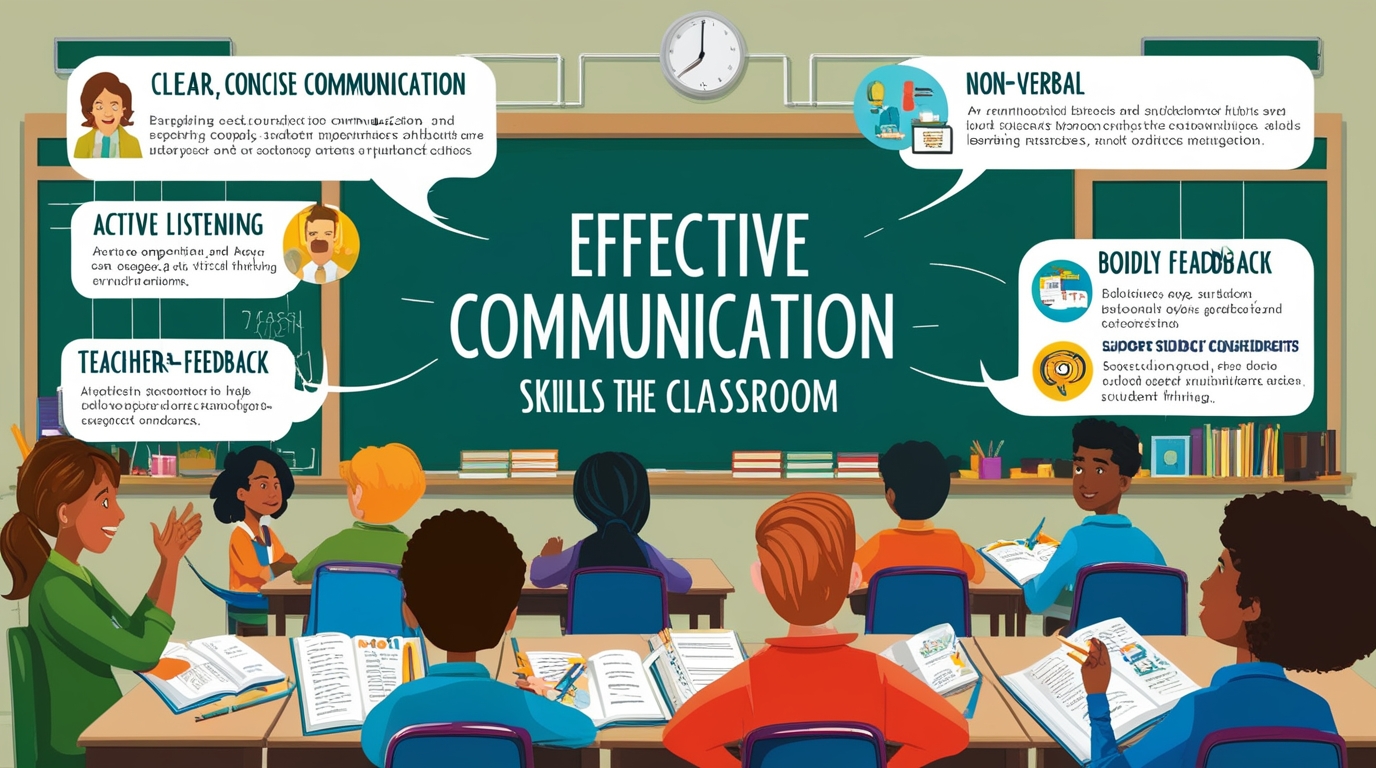
The final hurdle across all three exams involves facing real people, not just papers. For CSS and PMS, the interview panel probes personality, general awareness, and decision-making ability. Therefore, honest, confident answers always outperform rehearsed, robotic ones. Meanwhile, PMA’s ISSB test goes further, evaluating leadership through psychological tests, group tasks, and personal interviews across several days. Consequently, self-awareness becomes crucial preparation. Candidates should reflect honestly on their strengths, weaknesses, and motivations beforehand. Additionally, practicing mock interviews with mentors builds composure under questioning. Eye contact, clear articulation, and calm body language, in fact, matter as much as content. Above all, authenticity wins; panels quickly detect exaggerated or memorized responses. Instead, candidates should discuss real experiences genuinely. Ultimately, thorough self-reflection combined with honest communication skills carries candidates successfully through this final, decisive stage of selection.
Pitfalls to Dodge: Common Mistakes Candidates Make
Many talented candidates fail simply due to avoidable errors. Firstly, starting preparation too late remains the most common mistake. Consequently, rushed candidates cover subjects superficially instead of deeply. Secondly, ignoring past papers wastes valuable pattern-recognition opportunities. Similarly, ignoring current affairs until the final month leaves dangerous knowledge gaps. Overconfidence, meanwhile, proves equally dangerous, especially among academically strong students who skip mock practice entirely. For PMA aspirants specifically, neglecting physical fitness until ISSB approaches often results in poor performance during outdoor tasks. Additionally, choosing optional subjects based on peer pressure, rather than genuine interest, frequently backfires later. Poor time management during the actual exam, furthermore, causes even well-prepared candidates to leave questions unanswered. Ultimately, avoiding these pitfalls requires self-discipline, honest self-assessment, and a willingness to start early rather than hoping for last-minute miracles.
Conclusion:
Preparing for the CSS exam, PMS exam, or PMA test demands patience, structure, and consistent effort. However, none of these exams are impossible for well-prepared candidates. Instead, success comes from understanding each exam’s unique structure, building a realistic study plan, and practicing relentlessly under real conditions. Additionally, mastering English, current affairs, and subject-specific knowledge builds a strong foundation across all three paths. Physical fitness matters uniquely for PMA, while interview confidence matters universally across every option. Therefore, start early, stay consistent, and track your progress honestly along the way. Above all, remember that thousands of ordinary students have cleared these exams through disciplined exam preparation, not extraordinary luck. So, whether your goal is a civil secretariat desk or the parade ground at Kakul, your journey begins today. Take the first step, and let consistent effort carry you the rest of the way.