Item Writing Skills for Exams, Every strong exam starts with a well-written question. Item writing skills shape how accurately a test measures what students actually know. When an item writer crafts a question poorly, the test loses value, no matter how solid the curriculum behind it looks. This guide walks you through the core item writing skills for exams, explains why they matter, and shows you practical ways to sharpen them.
What Is Item Writing?
Item writing refers to the process of creating individual questions, or “items,” that make up a test. Each item measures a specific piece of knowledge or a particular skill. A test item can take many forms: multiple-choice, true/false, short answer, matching, or essay prompts. Good item writing skills help test developers turn learning objectives into clear, fair, and measurable questions.
Item writers work across many fields. Teachers write items for classroom quizzes. Certification bodies write items for licensing exams. Universities write items for entrance tests. In every case, the goal stays the same: build items that measure the intended skill without confusing or misleading the test-taker.
Why Item Writing Skills Matter
Weak items create weak exams. A poorly worded question might confuse a student who actually understands the material, or it might let a student guess the correct answer without any real knowledge. Strong item writing skills protect the integrity of the entire assessment process.
Here’s what strong item writing achieves:
- Accurate measurement: Items test the exact skill or knowledge they intend to test.
- Fairness: Every student interprets the question the same way, regardless of background.
- Reliability: The exam produces consistent results across different groups of test-takers.
- Validity: The test measures what it claims to measure, not something else entirely.
- Efficiency: Well-written items save time during scoring and review.
Organizations that invest in item writing training for their staff often see fewer complaints, fewer appeals, and more trust in their certification or grading process.
Core Item Writing Skills for Exams
1. Writing Clear and Concise Stems
The “stem” is the part of the item that poses the question or presents the problem. A strong item writer keeps the stem simple and direct. Avoid unnecessary words, complicated sentence structures, or vague phrasing. Students should read a stem once and understand exactly what the question asks.
For example, instead of writing: “Which of the following, in your opinion, best represents what most historians generally consider to be the primary cause of the event?” a skilled item writer writes: “What was the primary cause of the event?”
2. Aligning Items with Learning Objectives
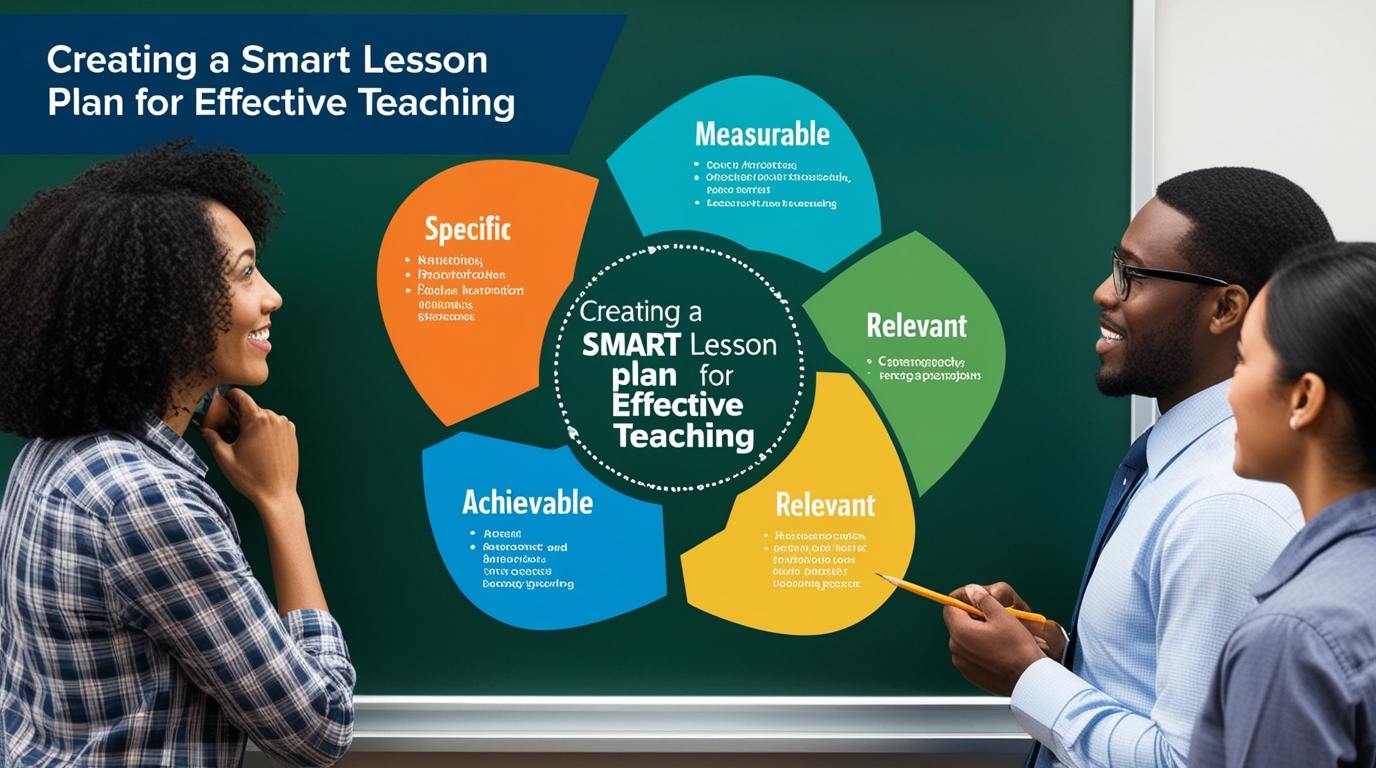
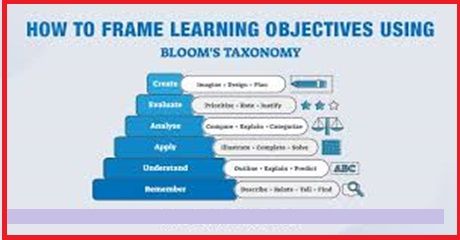
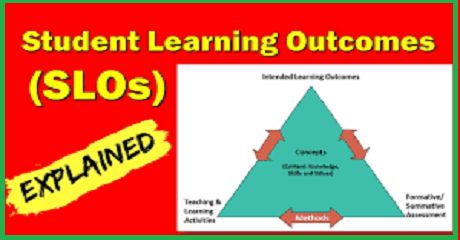
Every item should connect directly to a specific learning objective or skill. Before writing a question, the item writer identifies exactly what the item needs to measure. This alignment keeps the exam focused and prevents “trick questions” that test something unrelated to the course content.
A blueprint or test specification table helps here. It maps out how many items cover each topic and at what difficulty level, giving the item writer a clear target for every question.
3. Avoiding Ambiguity
Ambiguous wording confuses even well-prepared students. Skilled item writers read each item from multiple angles, checking for double meanings, unclear pronouns, or vague qualifiers like “usually” or “sometimes.” A good rule: if two reasonable people can interpret a question two different ways, the item needs revision.
4. Writing Plausible Distractors
In multiple-choice items, the wrong answer options are called distractors. Writing strong distractors ranks among the hardest item writing skills to master. Distractors should look plausible to a student who lacks full understanding, but they should never trick a student who actually knows the material.
Weak distractors give away the correct answer through length, grammar mismatches, or absurdity. Strong distractors reflect common misconceptions or frequent mistakes students make while learning the topic.
5. Maintaining Consistent Difficulty
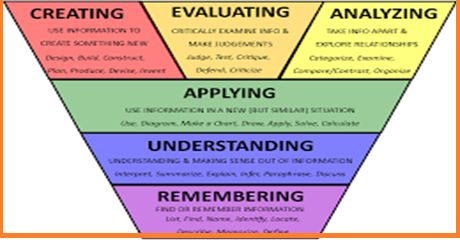
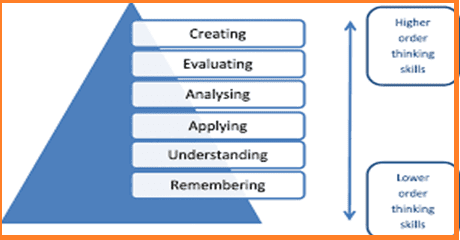
A well-balanced exam includes items across a range of difficulty levels. Skilled item writers use frameworks like Bloom’s Taxonomy to vary cognitive demand, from simple recall questions to complex analysis or evaluation tasks. This balance helps the exam differentiate between students at different levels of mastery.
6. Avoiding Cultural and Linguistic Bias
An item that references content unfamiliar to certain cultural or regional groups can unfairly disadvantage some test-takers. Skilled item writers choose neutral scenarios, avoid idioms that don’t translate well, and steer clear of assumptions tied to a specific background or lifestyle. This practice supports fairness across a diverse test-taking population.
7. Using Parallel Structure in Answer Choices
All answer choices in a multiple-choice item should follow the same grammatical structure and roughly the same length. Inconsistent formatting can hint at the correct answer without the student needing any real knowledge. Parallel structure keeps every option equally credible on the surface.
8. Reviewing and Field-Testing Items
Even experienced item writers benefit from peer review. A second reviewer often catches issues the original writer misses, such as unclear wording, unintended clues, or content overlap with other items. Many testing organizations also field-test items with a small sample group before including them in a live exam, using the results to check difficulty and discrimination statistics.
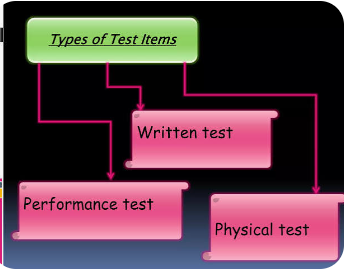
Types of Test Items and Their Best Practices
Multiple-Choice Items
Multiple-choice items remain the most common format in standardized testing. They allow for fast, objective scoring and cover a wide range of content. Effective item writers keep options between three and five, avoid “all of the above” or “none of the above” choices when possible, and write only one clearly correct answer.
True/False Items
True/false items work well for testing basic factual knowledge, but they carry a 50% guessing rate. Item writers who use this format often combine several true/false items into a set, or pair them with a request for justification, to reduce the impact of guessing.
Short Answer and Constructed-Response Items
These items ask students to generate their own response rather than select one from a list. Item writers need to phrase these questions precisely, since vague wording invites a wide range of interpretations. A strong scoring rubric should accompany every constructed-response item to keep grading consistent.
Essay Items
Essay items measure higher-order thinking skills like analysis, synthesis, and argumentation. Item writers should specify the scope of the response clearly and pair the item with a detailed rubric that outlines exactly what earns full, partial, or no credit.
Common Mistakes in Item Writing
Even experienced item writers fall into predictable traps. Watch for these common issues:
- Double-barreled questions that ask two things at once
- Negative phrasing that confuses test-takers (e.g., “Which of the following is NOT true?”)
- Overly long stems that bury the actual question
- Grammatical clues that point to the correct answer
- Overlapping content between different items on the same exam
- Cultural assumptions that disadvantage certain groups
Reviewing items against this checklist before finalizing an exam catches many of these problems early.
Tips to Strengthen Your Item Writing Skills
- Study existing exams: Analyze well-constructed items from established testing organizations to understand strong patterns.
- Practice writing distractors first: Some item writers find it easier to brainstorm common student errors before writing the correct answer.
- Read items aloud: Hearing a question often reveals awkward phrasing that reading silently misses.
- Collect feedback from test-takers: Post-exam surveys can highlight confusing or ambiguous items.
- Take an item writing course: Many testing organizations offer certification programs in psychometrics and item development that build these skills systematically.
- Use data to revise: Item analysis reports, including difficulty and discrimination indices, show which items work well and which need rewriting.
The Role of Technology in Modern Item Writing
Item banking software now helps writers organize, tag, and reuse items efficiently. These platforms track item performance over multiple administrations, flag items with poor statistics, and support collaborative review among multiple writers. Automated item generation tools, powered by AI, also assist writers by producing draft items based on a given learning objective, though human review remains essential for accuracy and fairness.
Conclusion
Strong item writing skills for exams form the foundation of any credible assessment system. From writing clear stems to crafting plausible distractors and eliminating bias, each skill plays a distinct role in producing questions that measure knowledge fairly and accurately. Whether you write items for a classroom quiz or a national certification exam, investing time in these skills pays off through better data, fairer outcomes, and greater trust in your testing program.
Frequently Asked Questions
1. What are the most important item writing skills for exams? The most important skills include writing clear stems, aligning items with learning objectives, crafting plausible distractors, avoiding ambiguity, and eliminating cultural or linguistic bias. These skills work together to produce fair, valid, and reliable test items.
2. How do I write good distractors for multiple-choice questions? Base distractors on common student misconceptions or frequent errors related to the topic. Keep them similar in length and grammatical structure to the correct answer, and avoid options that are obviously wrong or absurd, since these give away the answer without testing real knowledge.
3. What is the difference between item writing and test development? Item writing focuses on creating individual questions, while test development covers the broader process, including planning the test blueprint, assembling items into a full exam, setting passing standards, and analyzing results after administration. Item writing is one key stage within the larger test development process.
4. Can AI tools replace human item writers? AI tools can speed up the drafting process by generating initial item ideas based on a learning objective, but they cannot fully replace human judgment. Human reviewers still need to check items for bias, clarity, accuracy, and alignment with specific content standards before including them in a live exam.