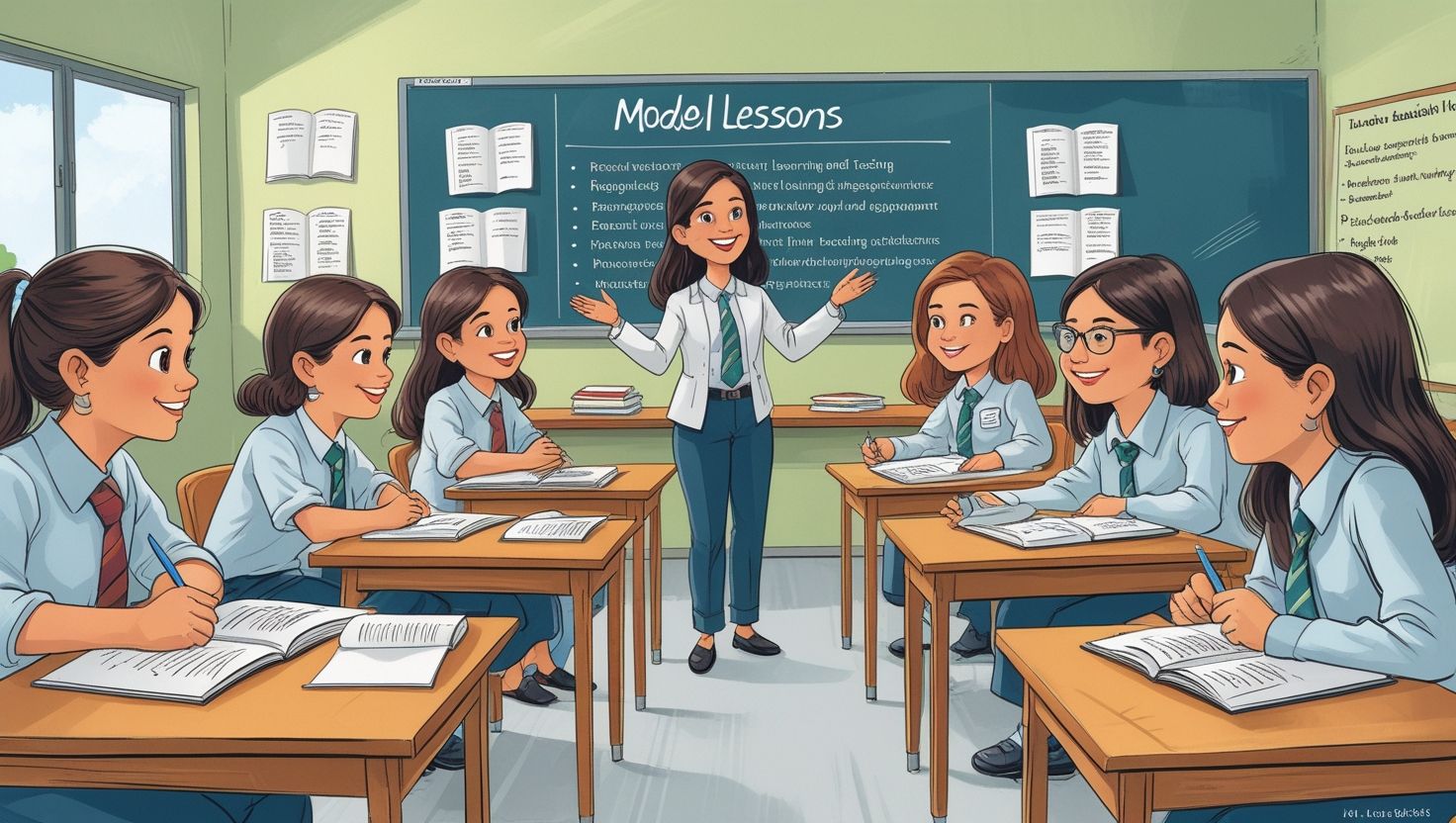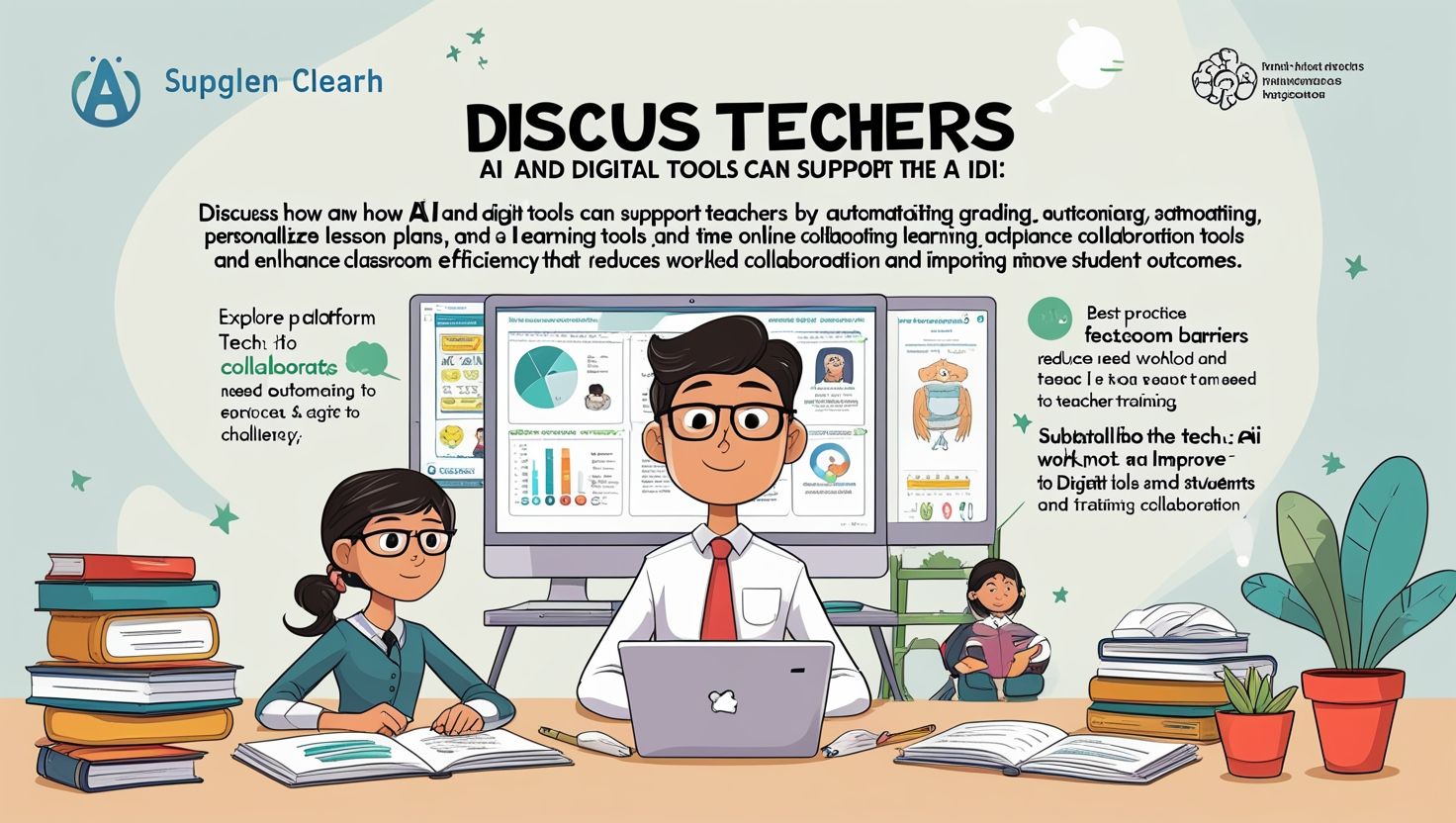
Latest AI Skills for Teaching, Classrooms look different today than they did five years ago. Teachers now juggle lesson planning, grading, differentiated instruction, and administrative work, often with little time to spare. Artificial intelligence has stepped into this gap, and educators who build strong AI skills for teaching are finding new ways to save time, personalize learning, and engage students more deeply.
This guide breaks down the most valuable AI skills for teachers in 2026, explains why each one matters, and shows how you can start building these competencies right away.
Why AI Skills Matter for Teachers Today
Schools worldwide are integrating AI tools for education into daily instruction. Administrators expect teachers to understand these tools, students already use them for homework and research, and parents ask questions about AI policies. Teachers who ignore this shift risk falling behind, while those who master AI teaching skills gain a real advantage.
Learning to work with AI does not mean replacing human judgment. Instead, it means using technology to handle repetitive tasks so teachers can focus on what matters most: building relationships with students and delivering quality instruction. This balance defines effective AI literacy for educators.
Top AI Skills Every Teacher Should Develop
1. Prompt Engineering for Lesson Planning
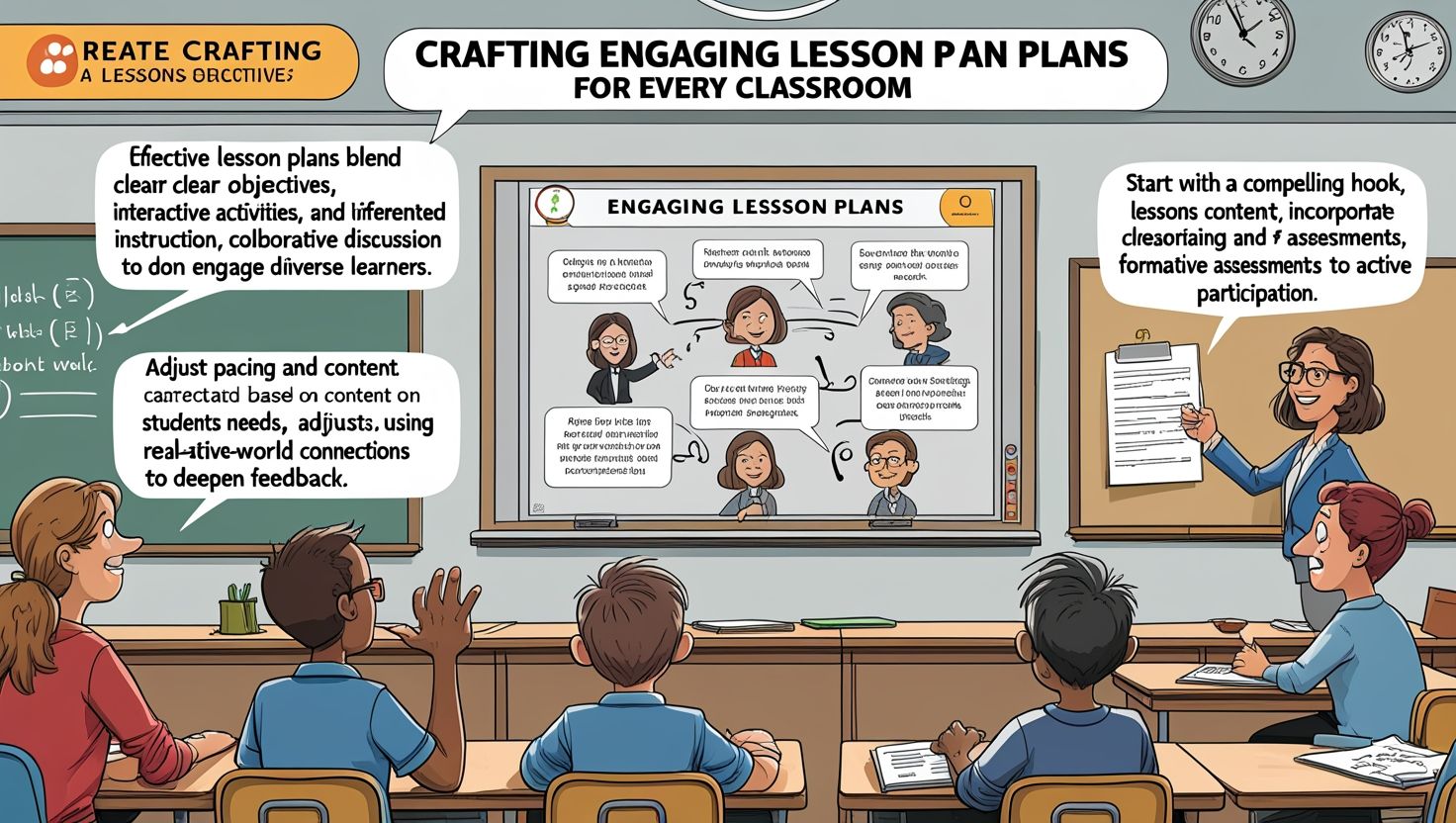
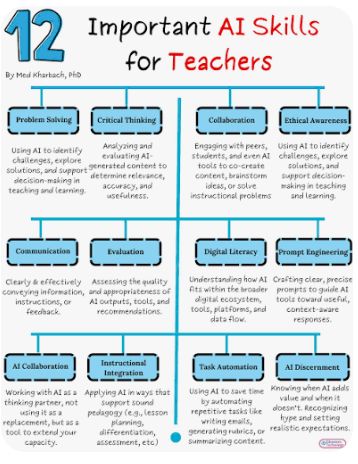
Prompt engineering ranks among the most in-demand AI skills for teaching right now. This skill involves writing clear, specific instructions that guide AI tools toward useful output. A vague prompt produces generic results, but a well-crafted prompt can generate a full lesson plan, a differentiated worksheet, or a set of discussion questions tailored to a specific grade level.
Teachers who master prompt writing save significant planning time. Instead of spending hours creating materials from scratch, they can draft a strong prompt, review the AI-generated content, and adjust it to fit their classroom. This skill transforms AI from a novelty into a genuine productivity tool.
2. Using AI for Personalized Learning
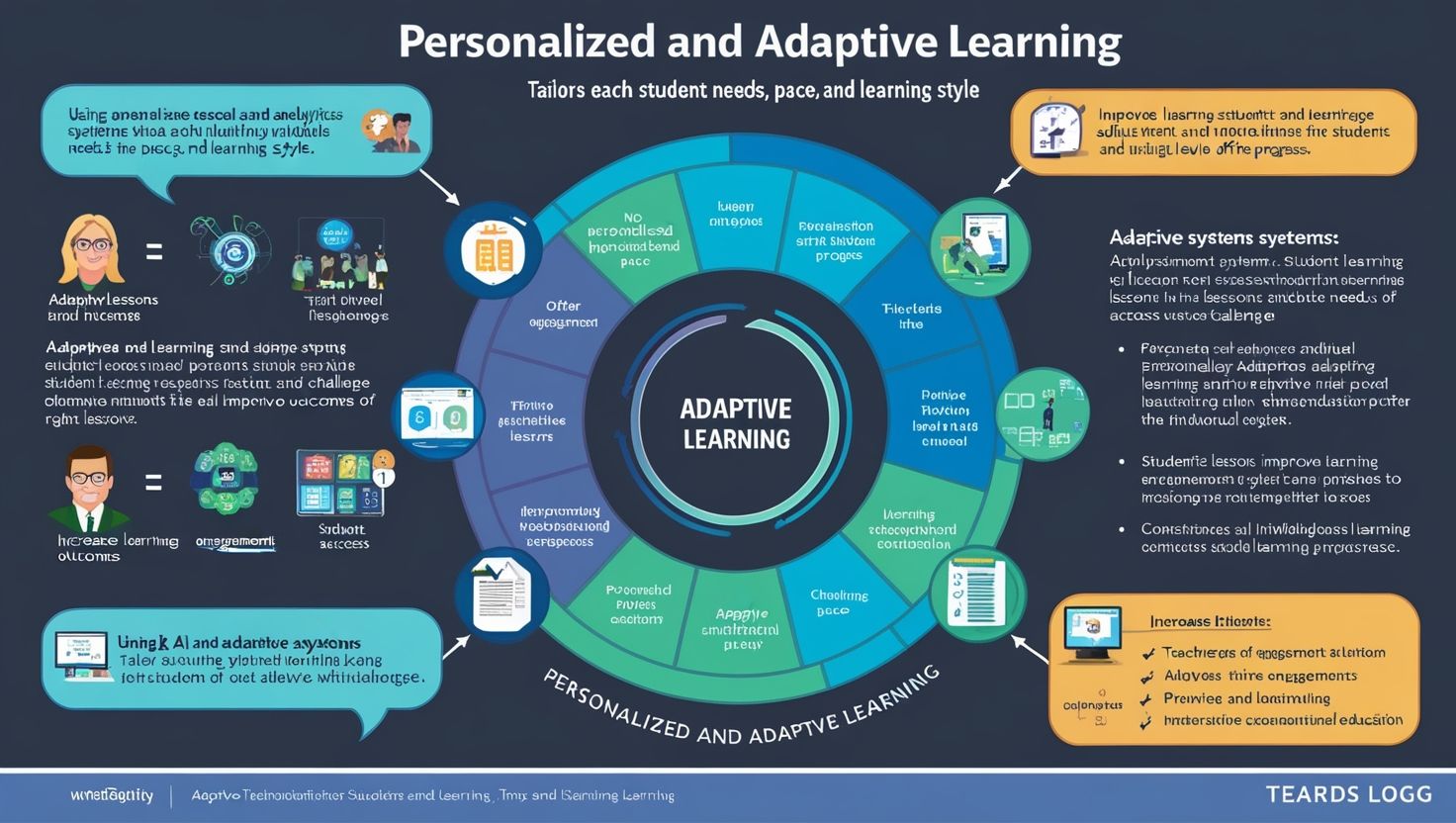
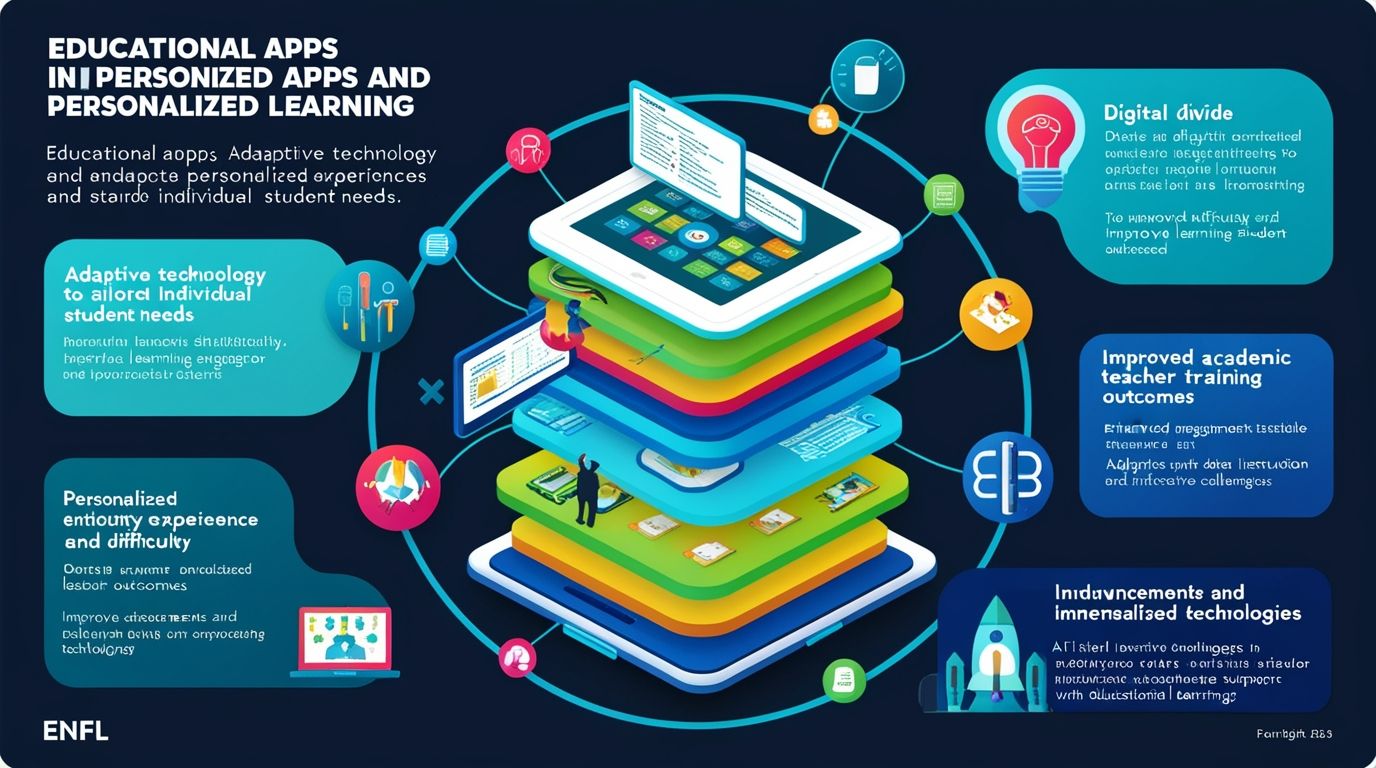
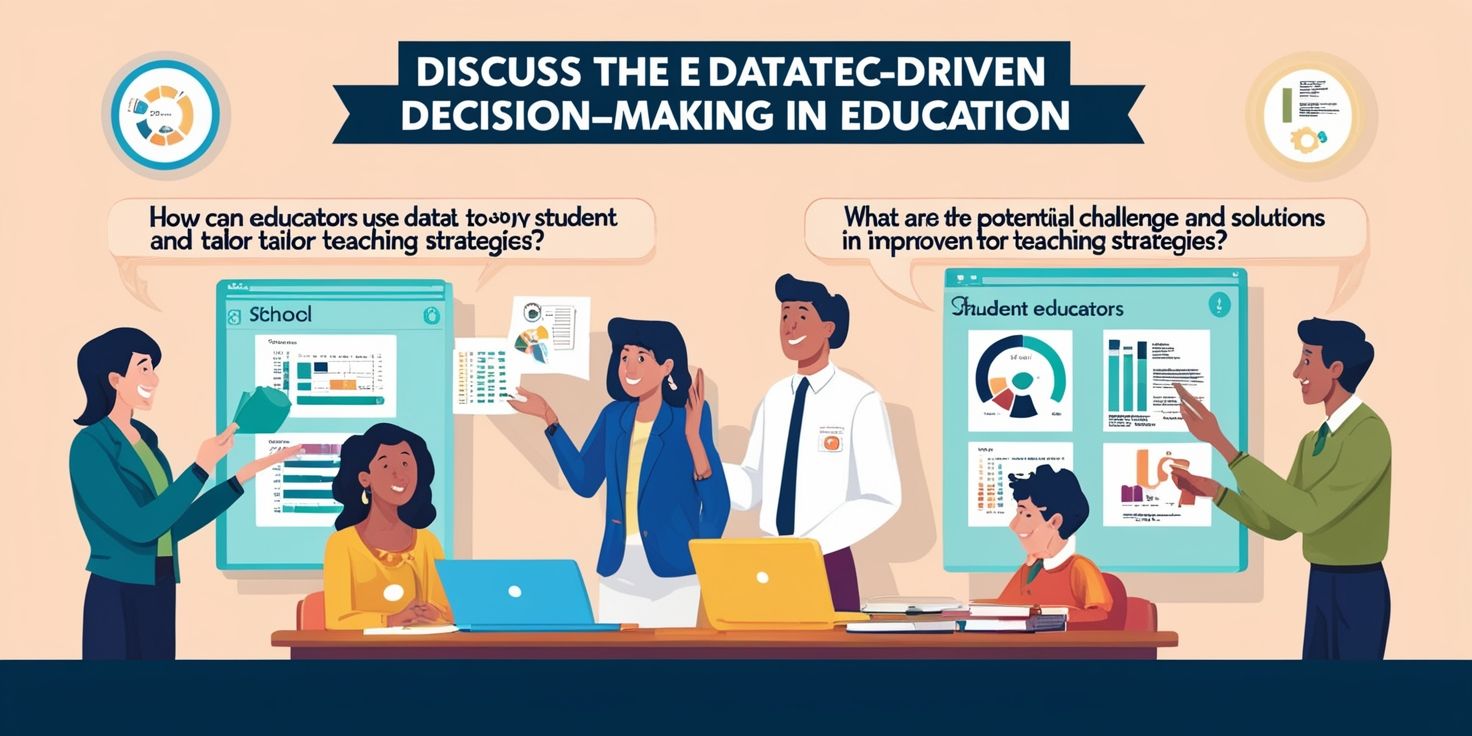
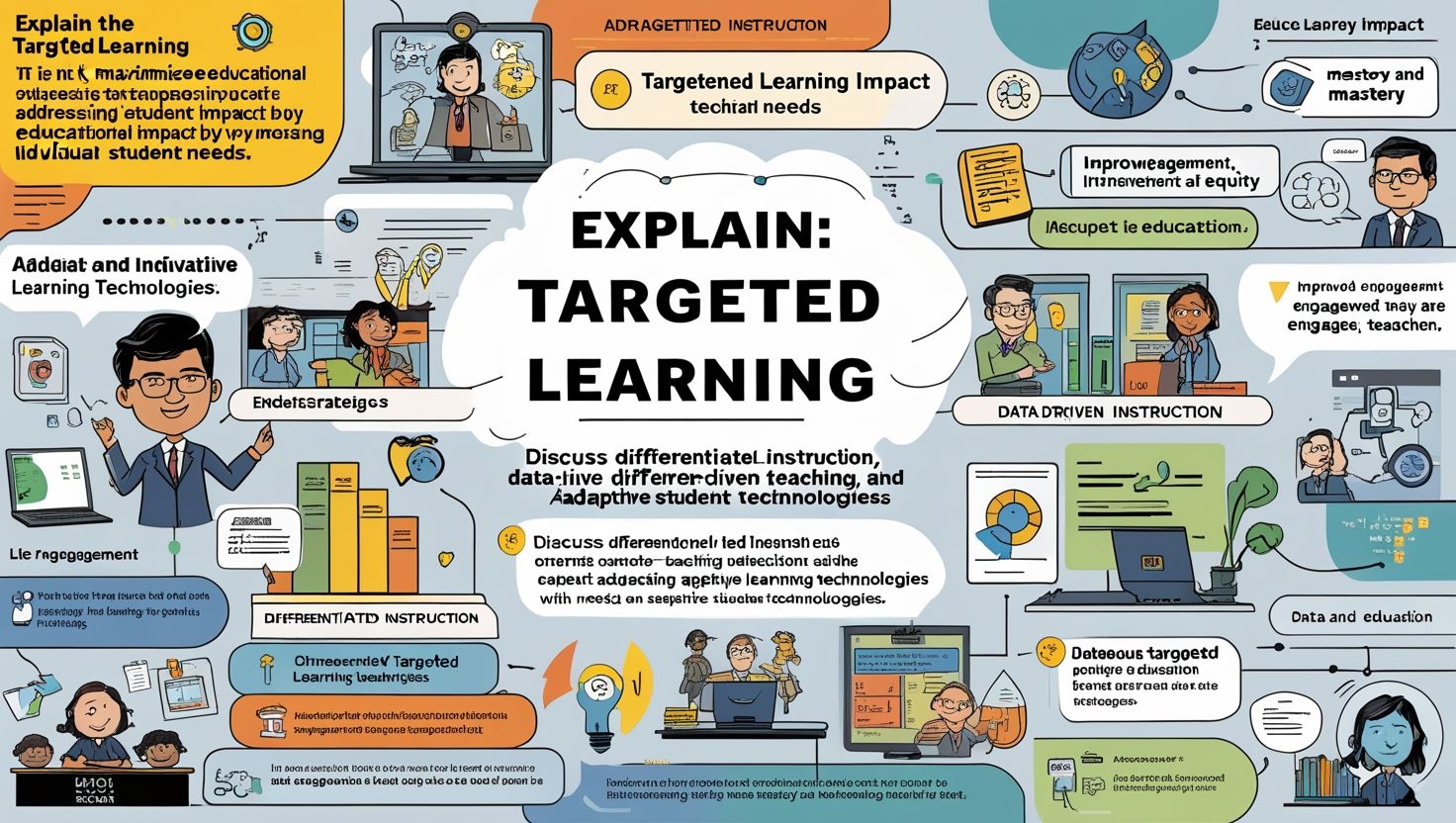
Personalized learning has long been a goal in education, but achieving it at scale was nearly impossible without technology. Modern AI-powered learning platforms analyze student performance data and recommend content suited to each learner’s pace and skill level.
Teachers who understand how to interpret and apply these recommendations can group students more effectively, identify learning gaps early, and provide targeted support. This skill requires more than technical knowledge; it also demands the judgment to know when AI suggestions align with a student’s actual needs and when a teacher’s own observation should take priority.
3. AI-Assisted Grading and Feedback
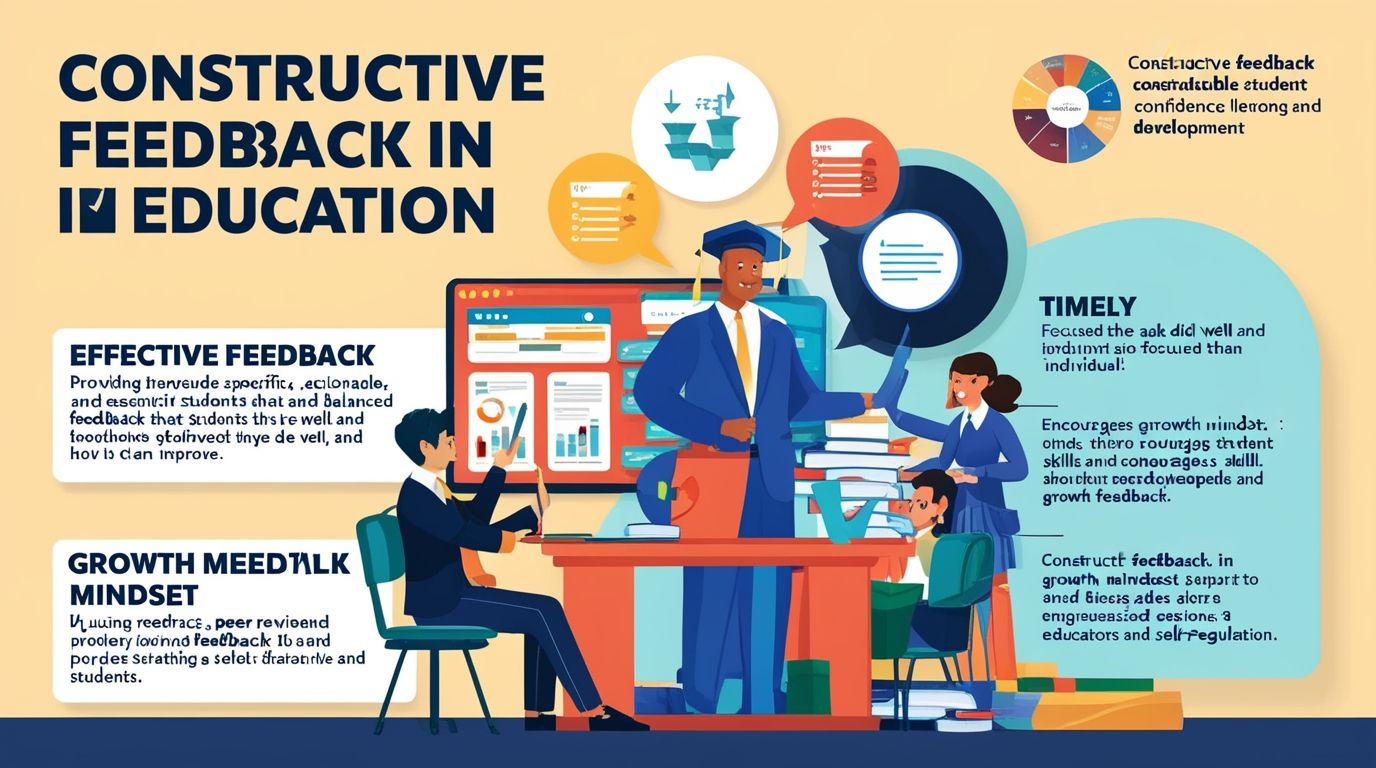
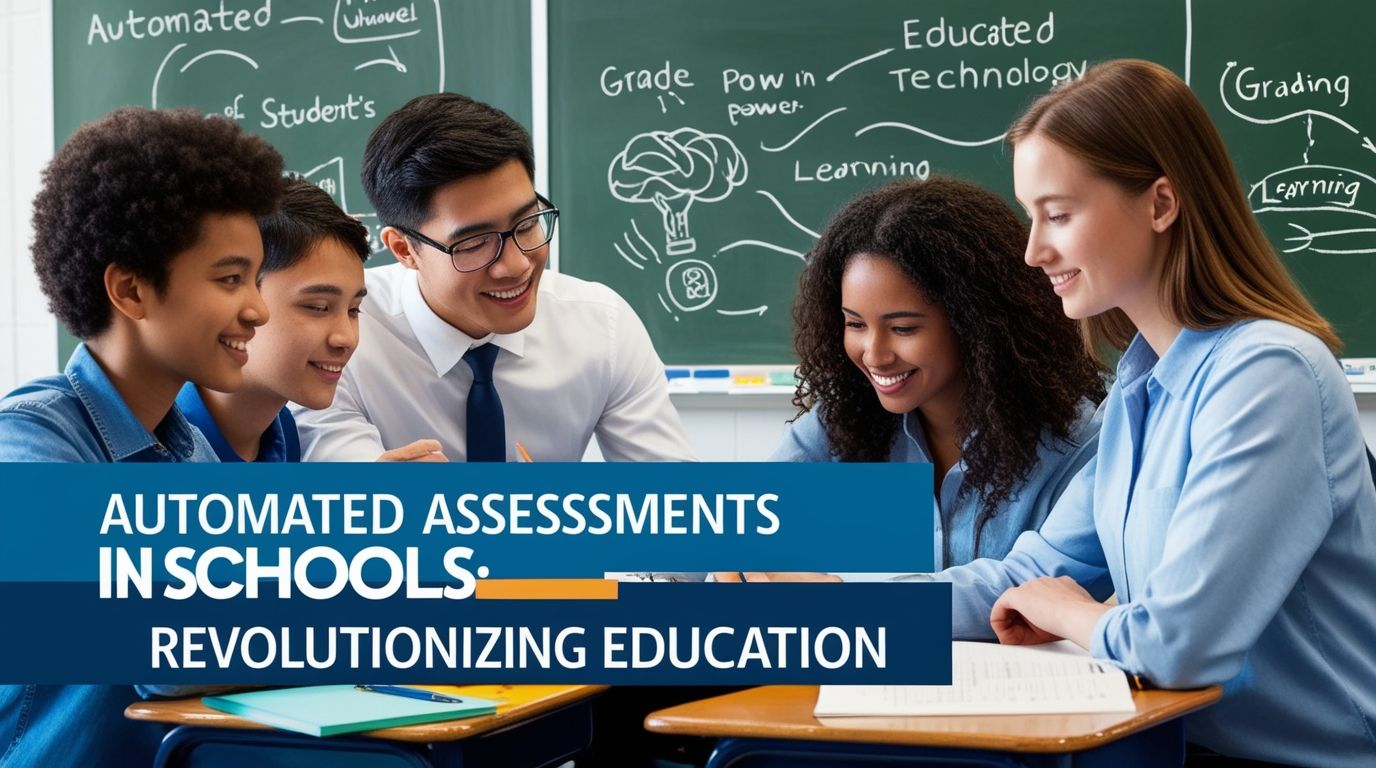
Grading consumes enormous amounts of teacher time. AI grading tools now handle multiple-choice assessments instantly and offer draft feedback on written work, freeing teachers to focus on nuanced evaluation. Building this skill means learning which tools work well for specific subjects, how to calibrate AI feedback against your own standards, and how to communicate the role of AI-assisted grading to students and parents.
The strongest teachers do not hand over grading entirely. They use AI feedback tools as a first pass, then apply their own expertise to catch errors, add context, and offer encouragement that only a human can provide.
4. Creating Interactive Content with AI
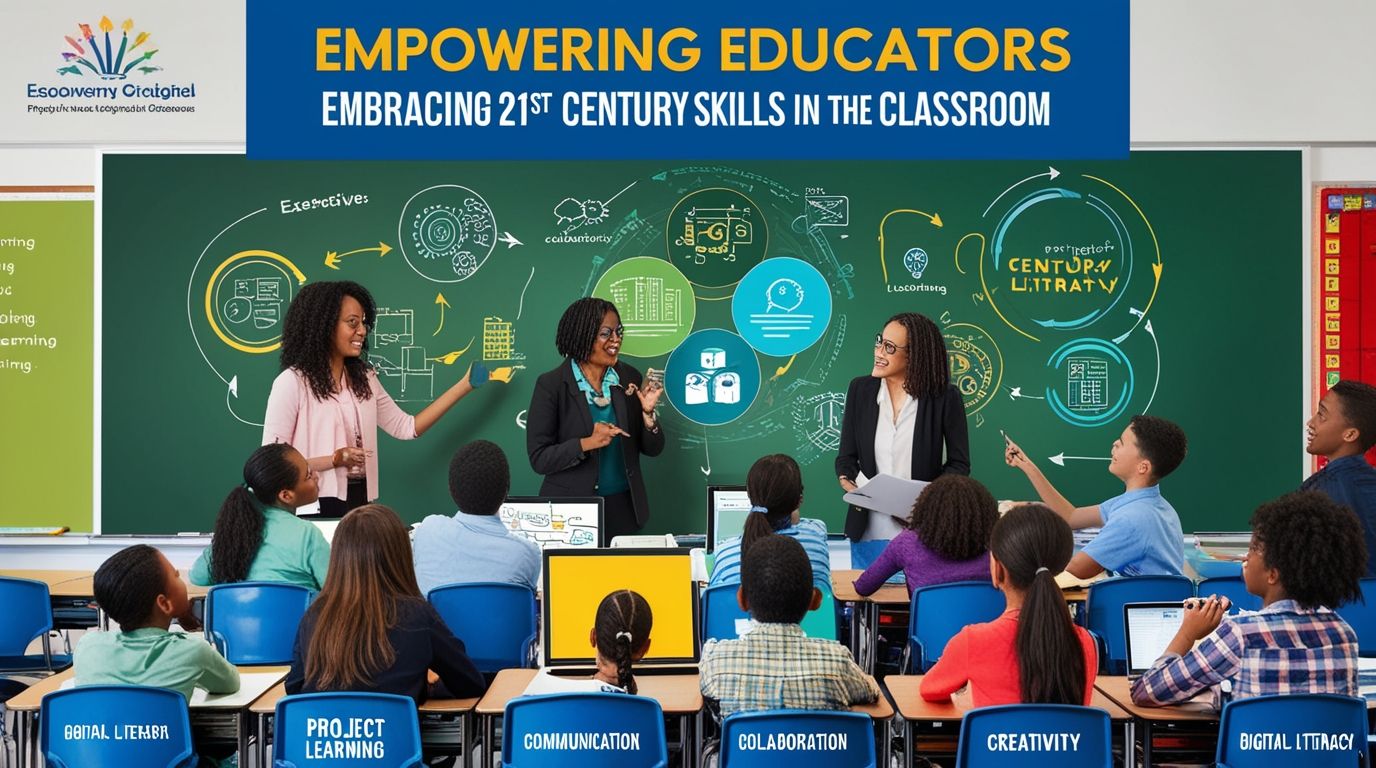
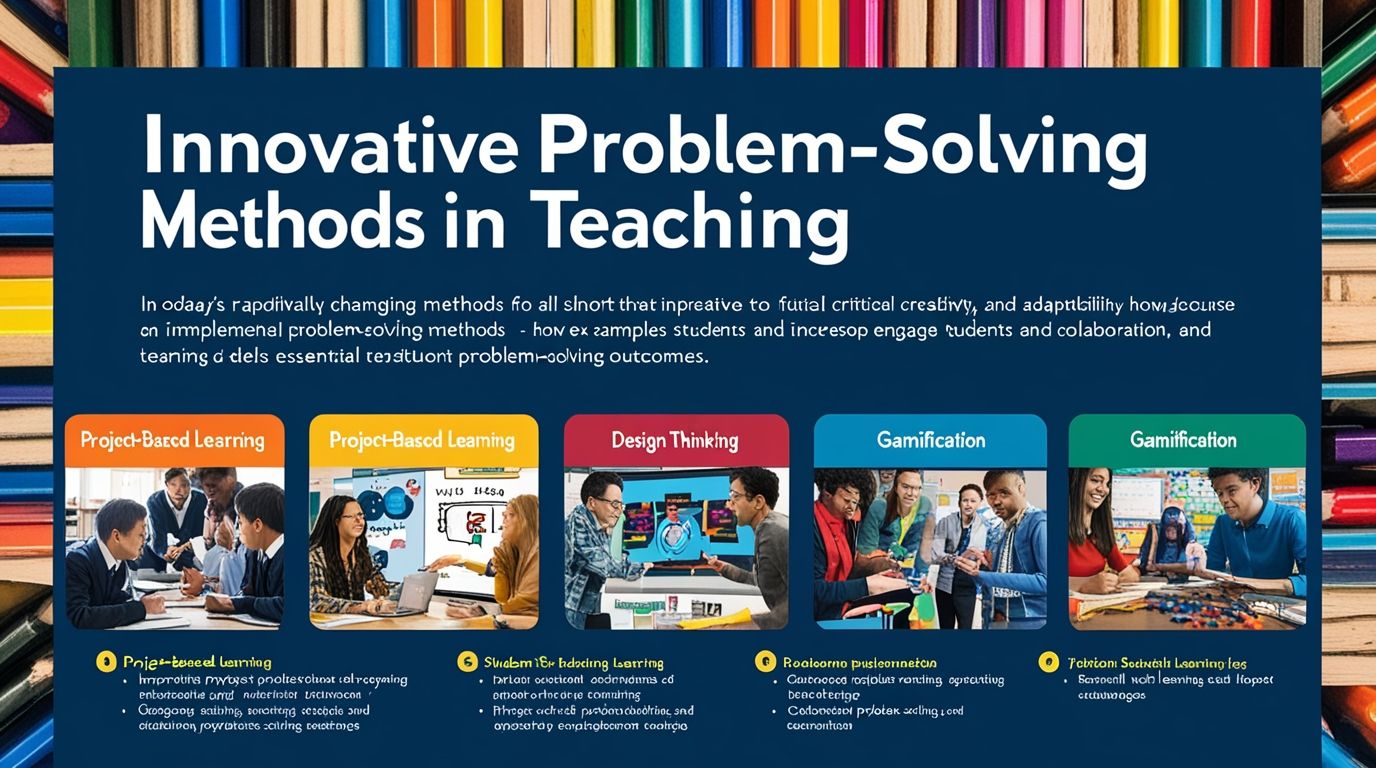
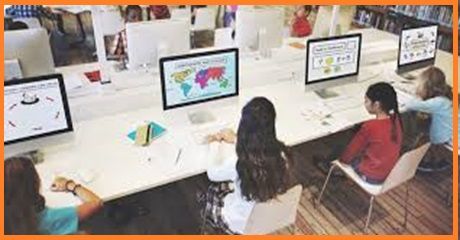
Interactive learning tools built with AI, including quizzes, simulations, and chatbots, help students engage with material in new ways. Teachers who learn to design these resources can turn passive lessons into active experiences. A history teacher might build an AI chatbot that role-plays a historical figure, while a science teacher might use AI to generate interactive lab simulations.
This skill blends creativity with technical fluency. Teachers do not need to code, but they do need to understand what platforms exist and how to align AI-generated content with learning objectives.
Image Recommendation
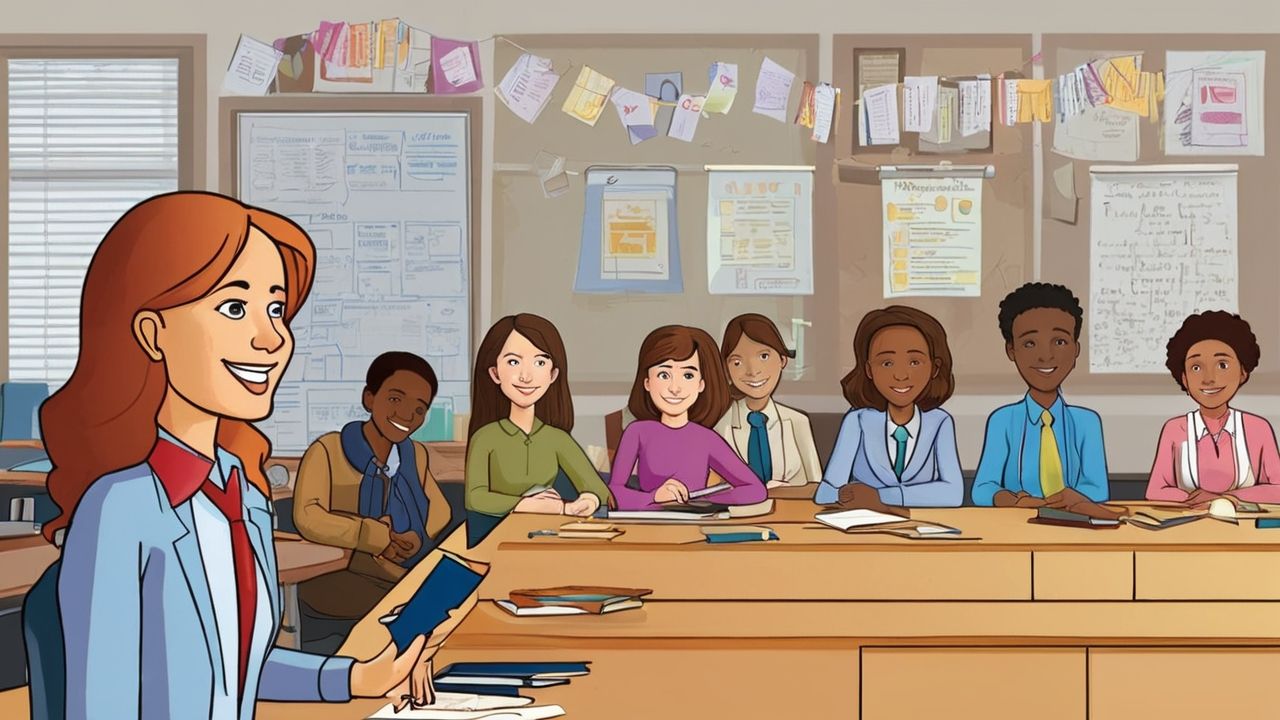
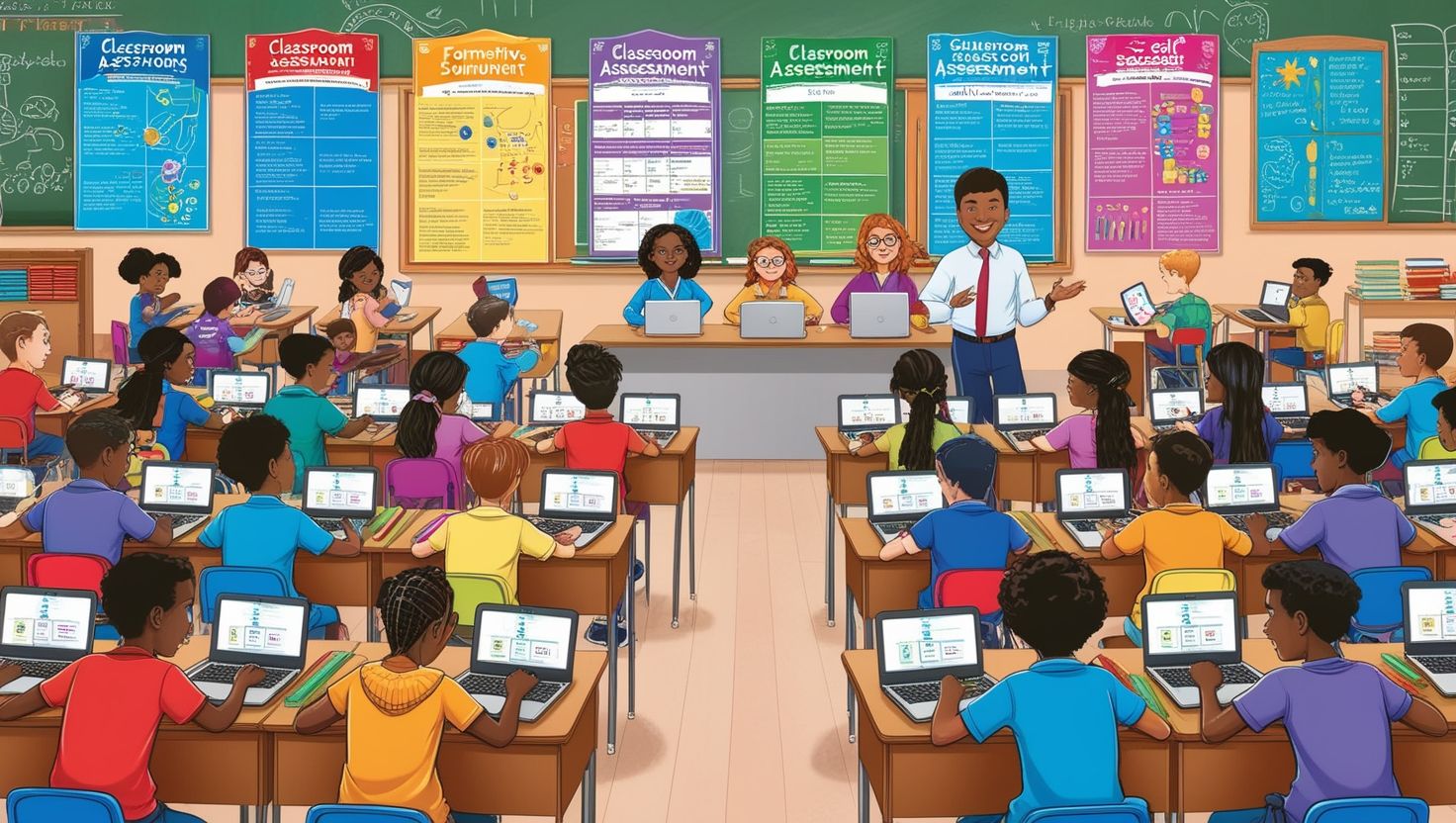
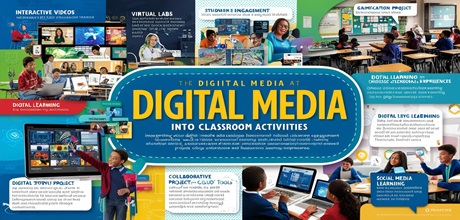
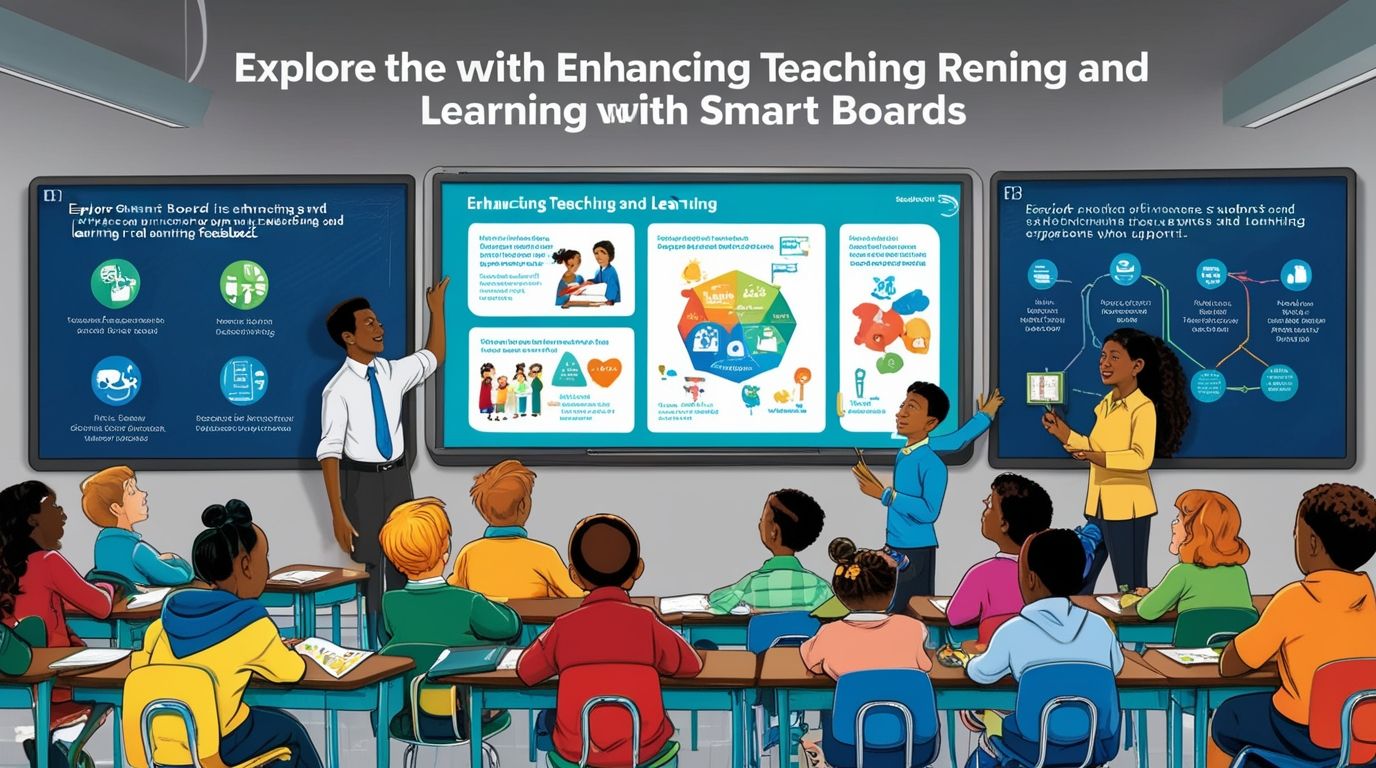
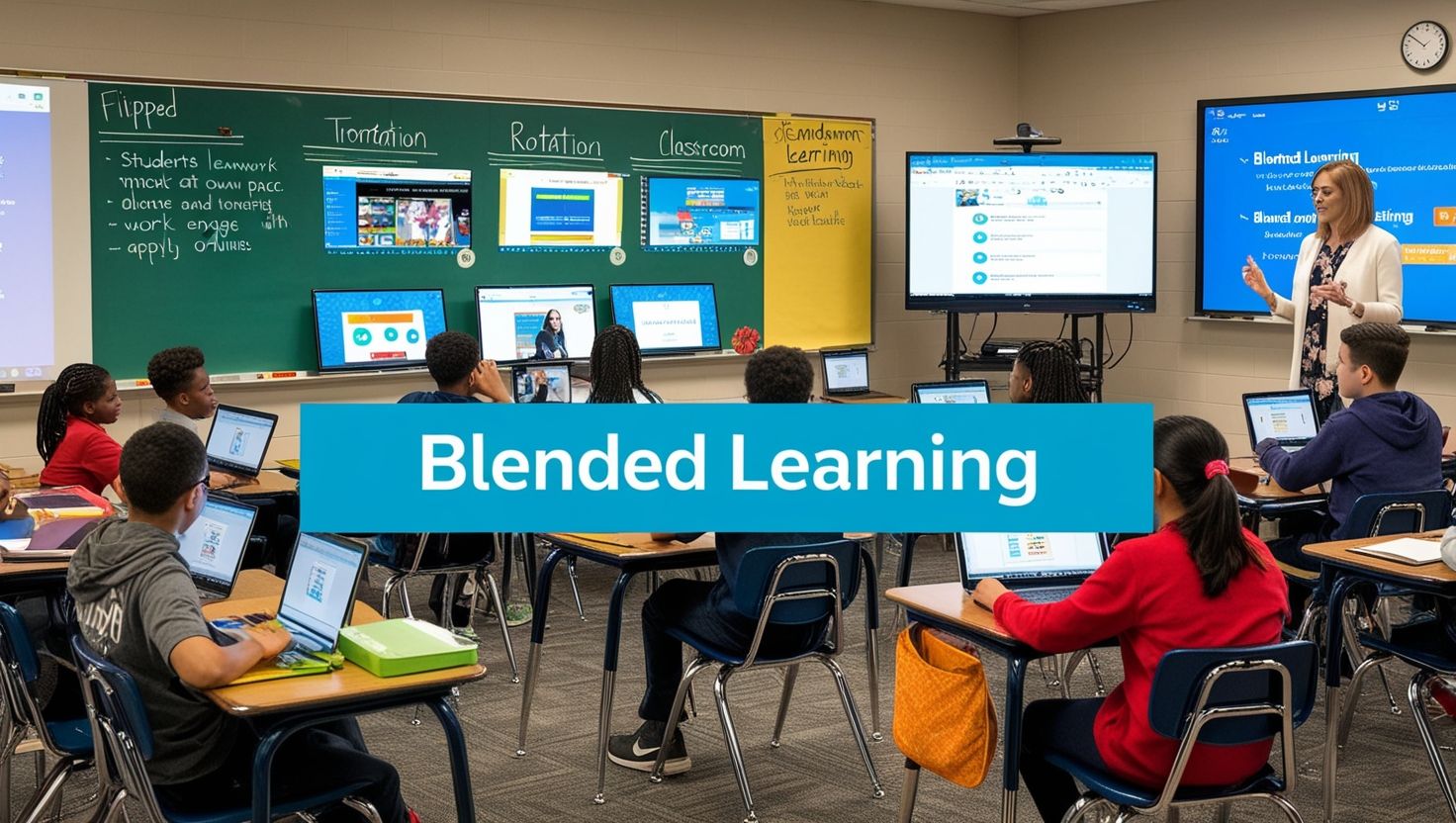
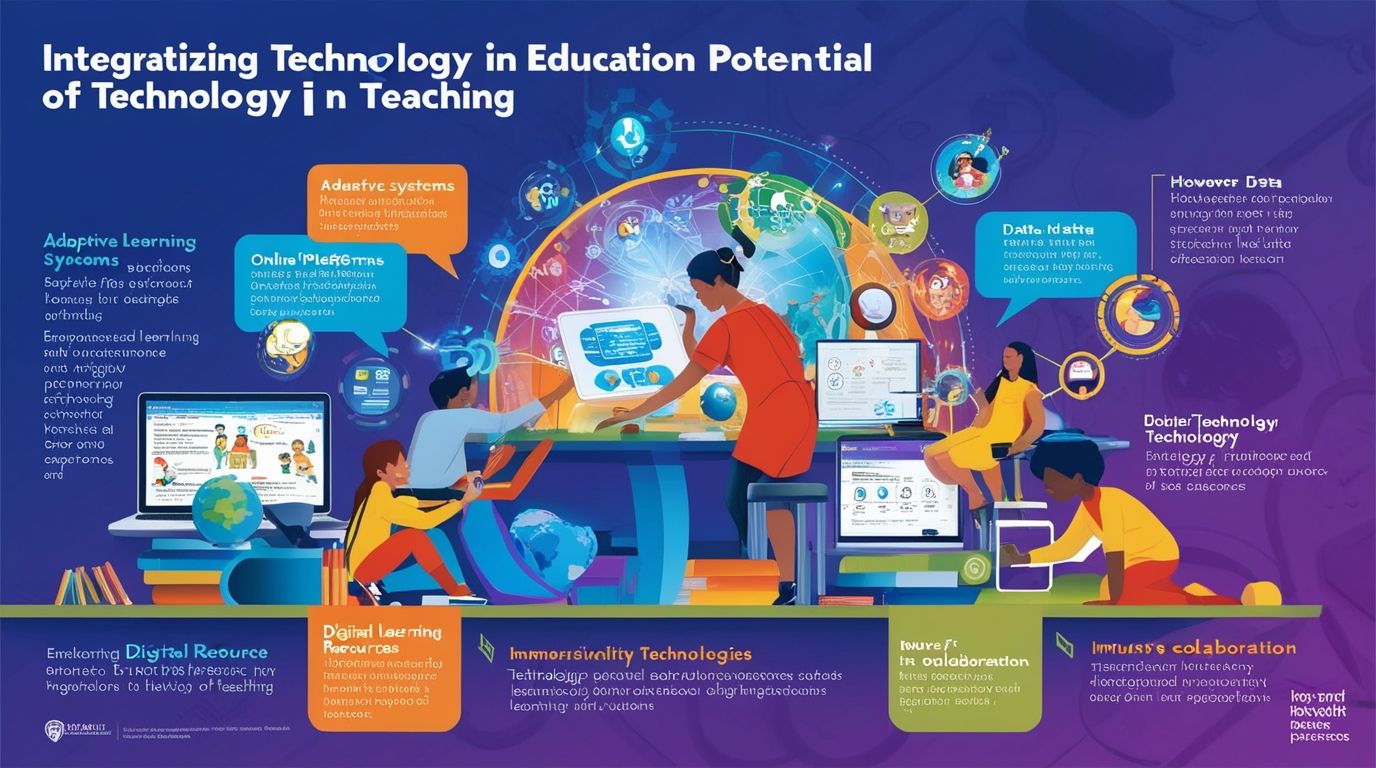
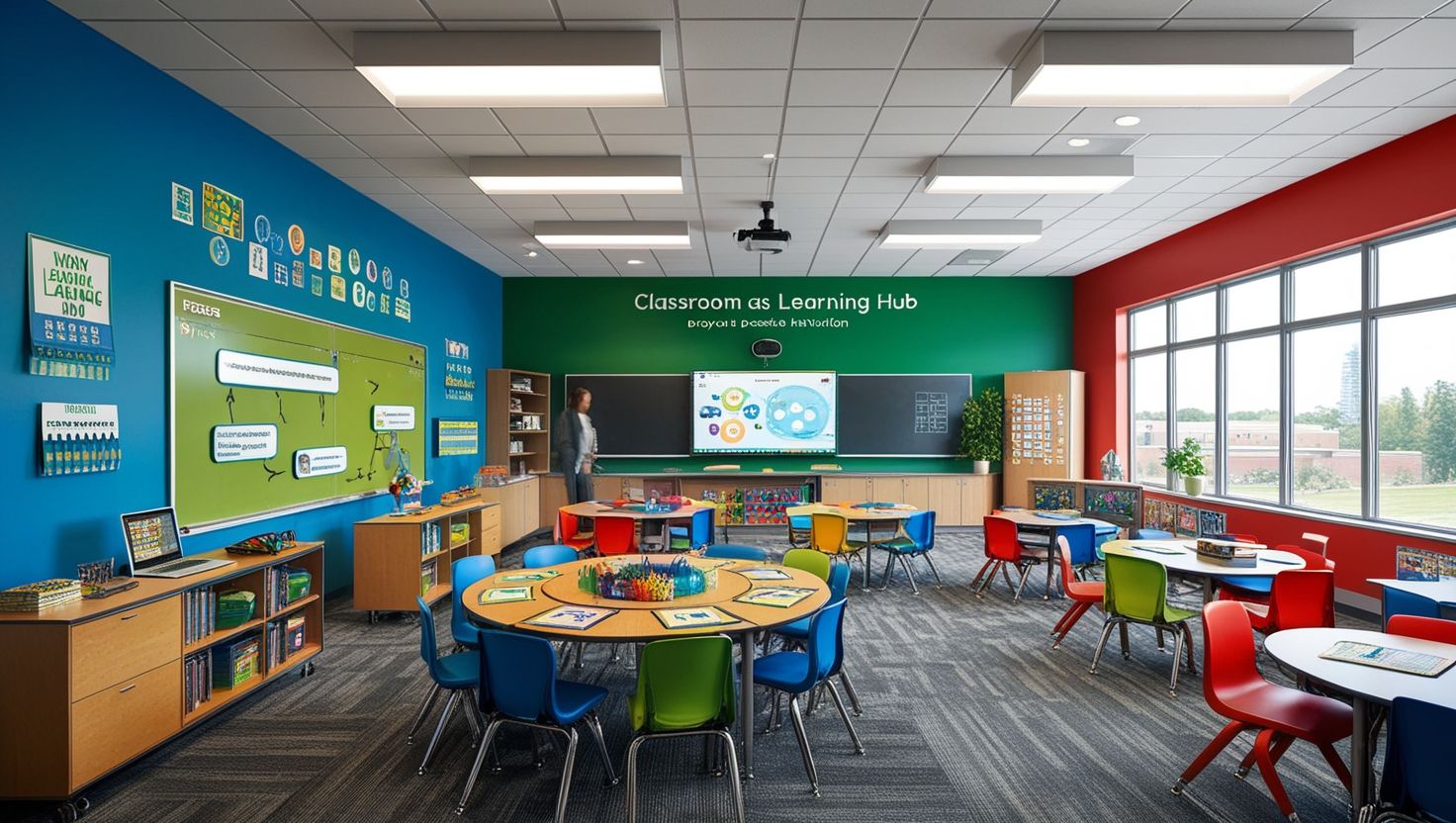
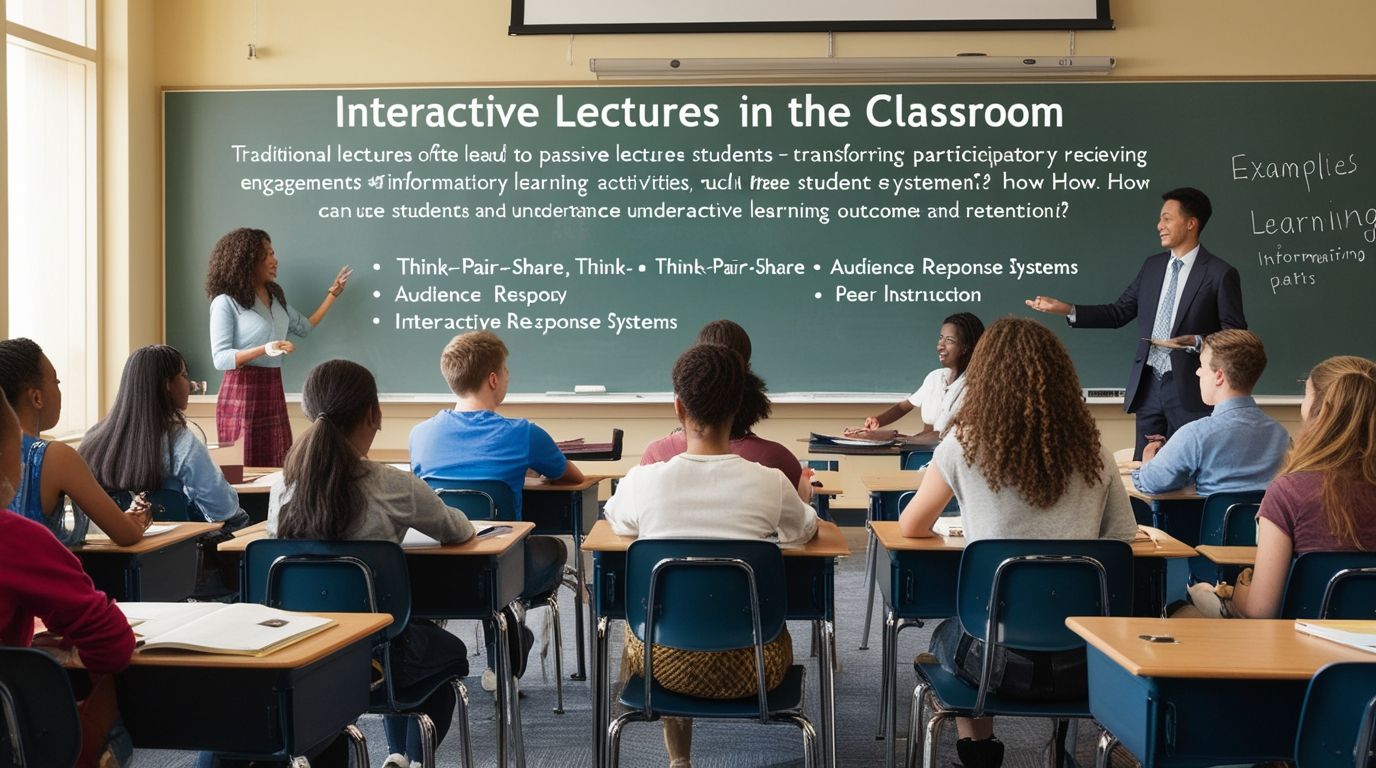
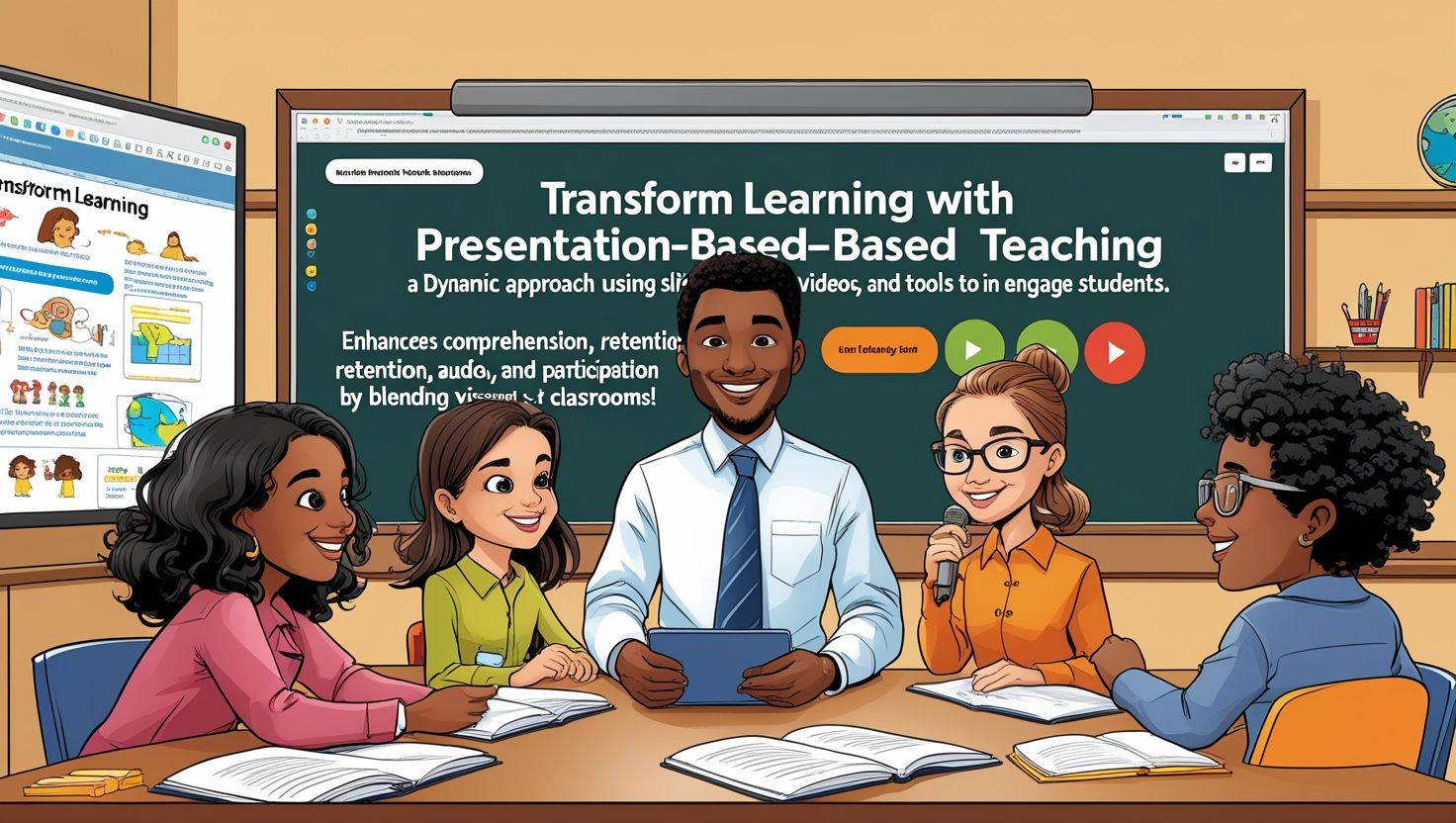
Consider adding an image here showing a teacher and students interacting with an AI-powered classroom tool, such as a tablet or smartboard displaying an interactive lesson.
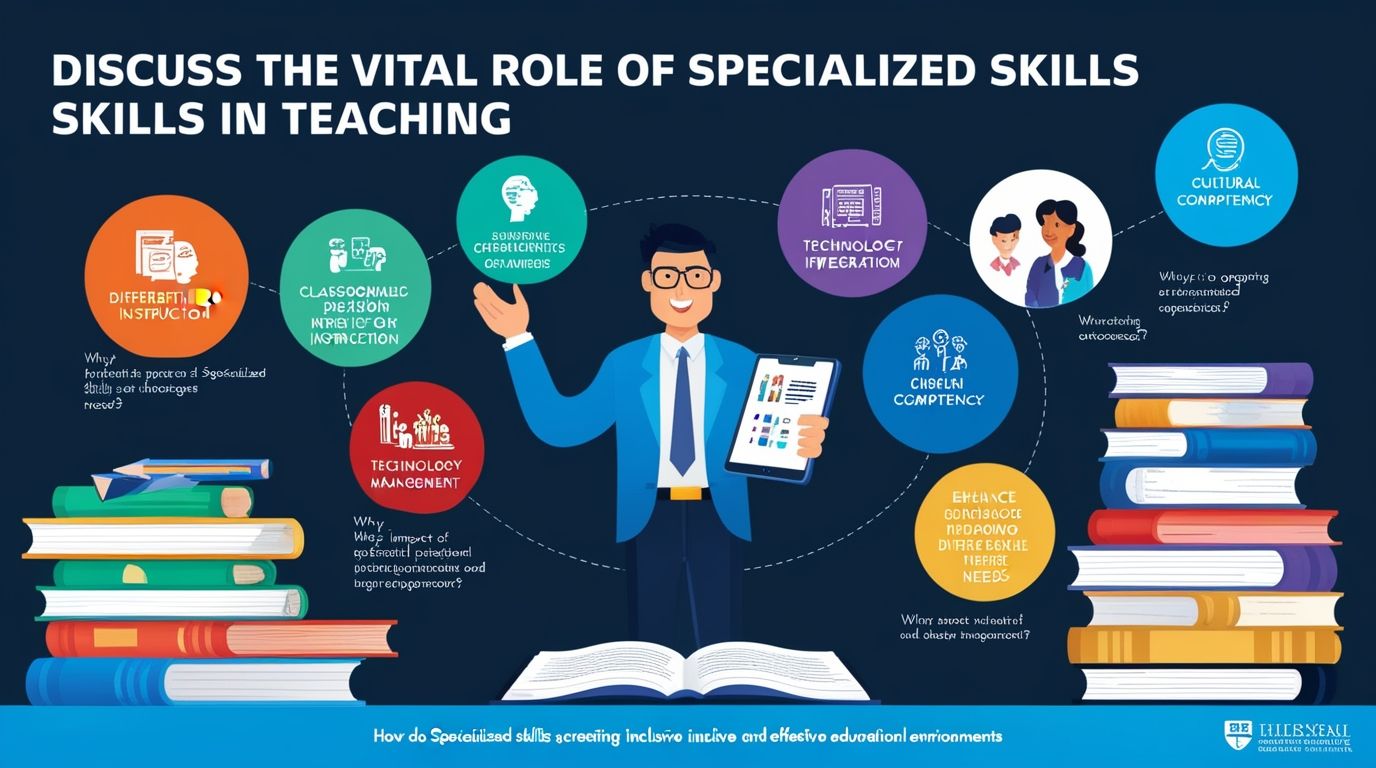
AI Skills for Special Education and Differentiation
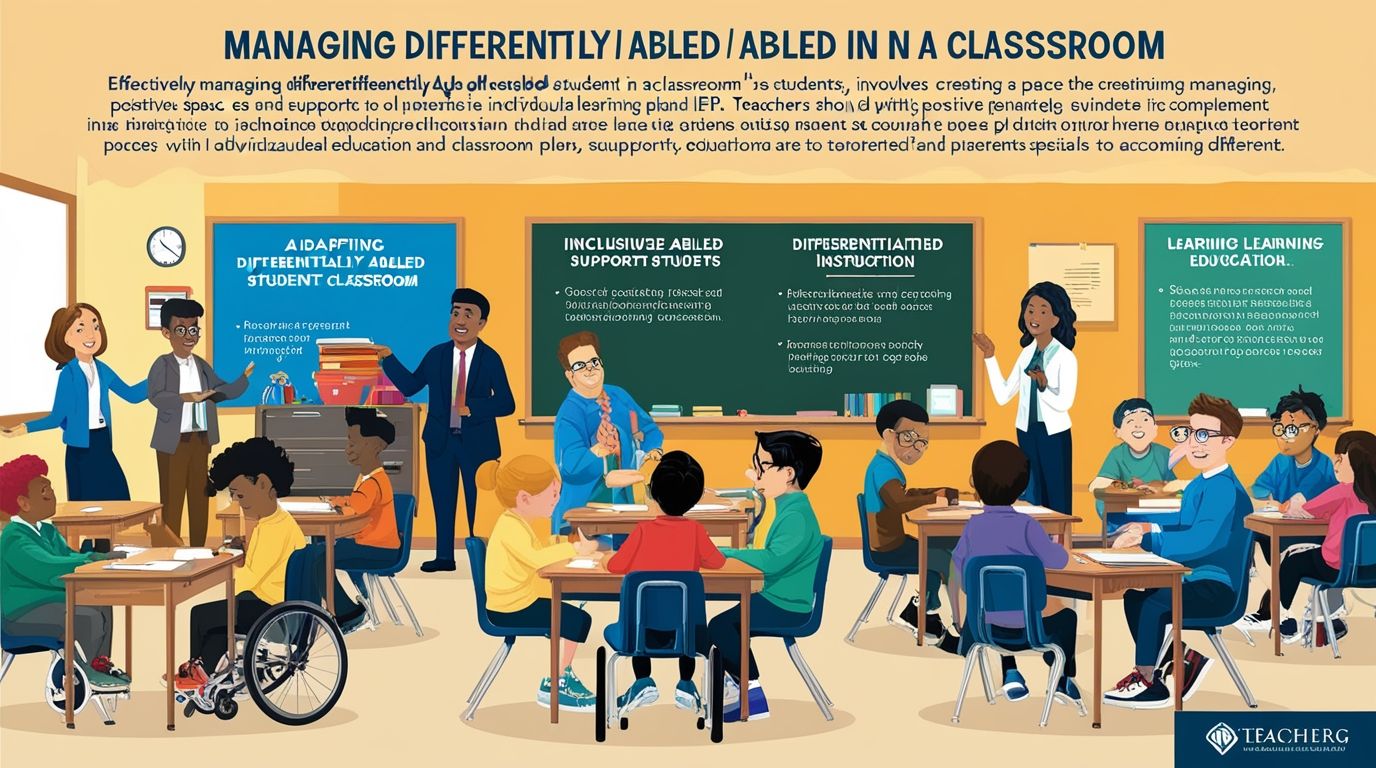
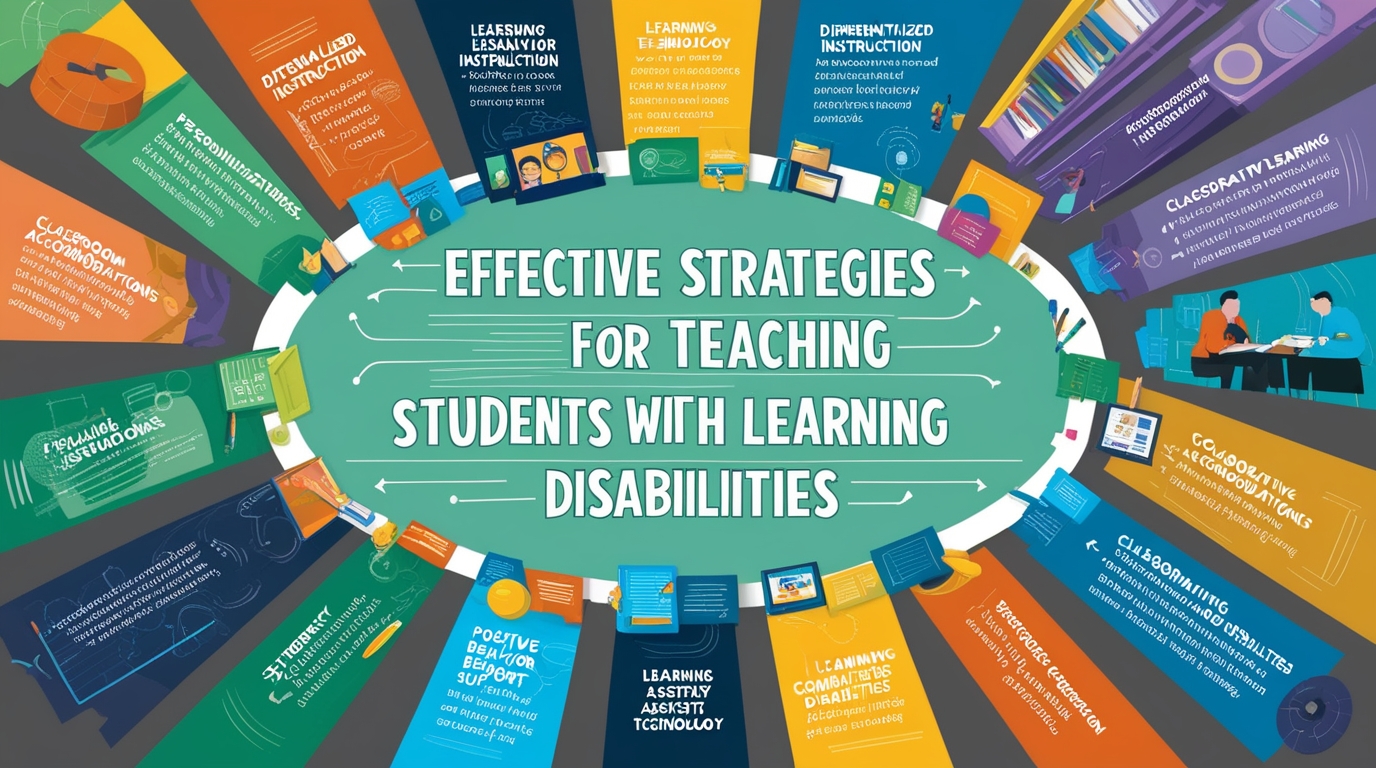
Differentiated instruction benefits enormously from AI. Teachers can generate reading passages at multiple levels, translate materials for multilingual students, and create alternative assessment formats for students with disabilities. This represents one of the fastest-growing areas of AI in special education.
A teacher with strong differentiation skills can request the same lesson content presented in five different formats within minutes. This capability once required extensive manual work; now it takes a well-structured prompt and a few minutes of review.
Ethical AI Use and Digital Literacy
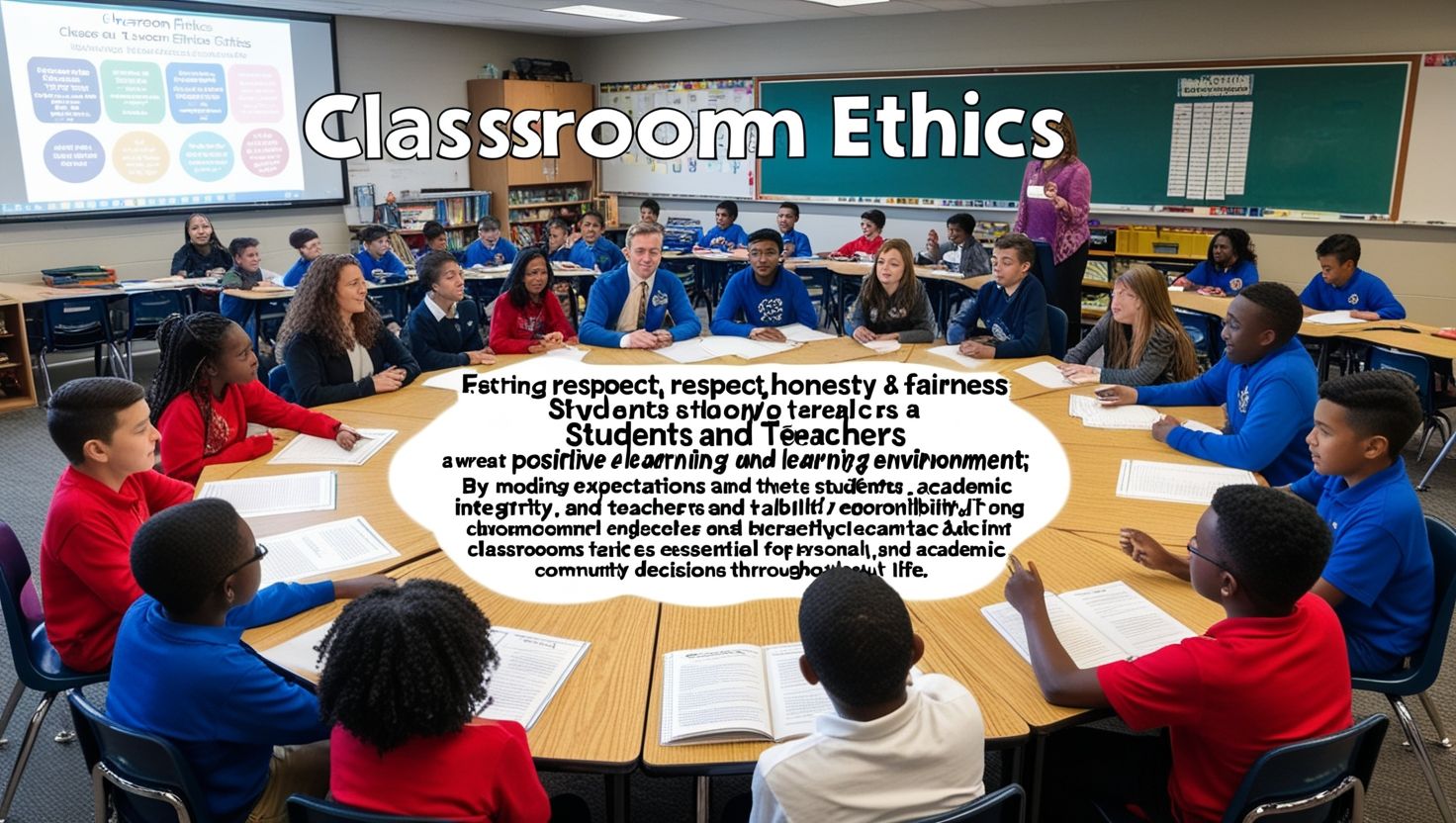
Technical skill alone does not prepare teachers for the classroom. AI ethics in education has become a critical competency. Teachers must understand data privacy, recognize AI bias, and teach students how to use these tools responsibly.
Building this skill means staying informed about school policies, discussing academic integrity around AI-generated work, and modeling thoughtful, transparent AI use in front of students. Many districts now require teachers to demonstrate responsible AI use as part of professional development, making this less optional and more essential each year.
Teaching Students AI Literacy
Beyond using AI themselves, teachers increasingly need the skill of teaching AI literacy directly to students. This includes explaining how large language models generate text, discussing the limitations of AI-generated information, and guiding students toward critical evaluation rather than blind trust. Students who graduate with strong AI literacy skills enter college and careers better prepared for a world shaped by this technology.
AI Skills for Classroom Management
Classroom management tools powered by AI can track engagement patterns, flag students who may need attention, and even suggest seating arrangements based on behavioral data. Teachers who build fluency with these systems gain another layer of insight into their classroom dynamics.
This skill requires balancing data-driven insight with common sense. Numbers and patterns offer useful signals, but a teacher’s direct observation and relationship with students remains the deciding factor in most classroom decisions.
How to Build These AI Skills
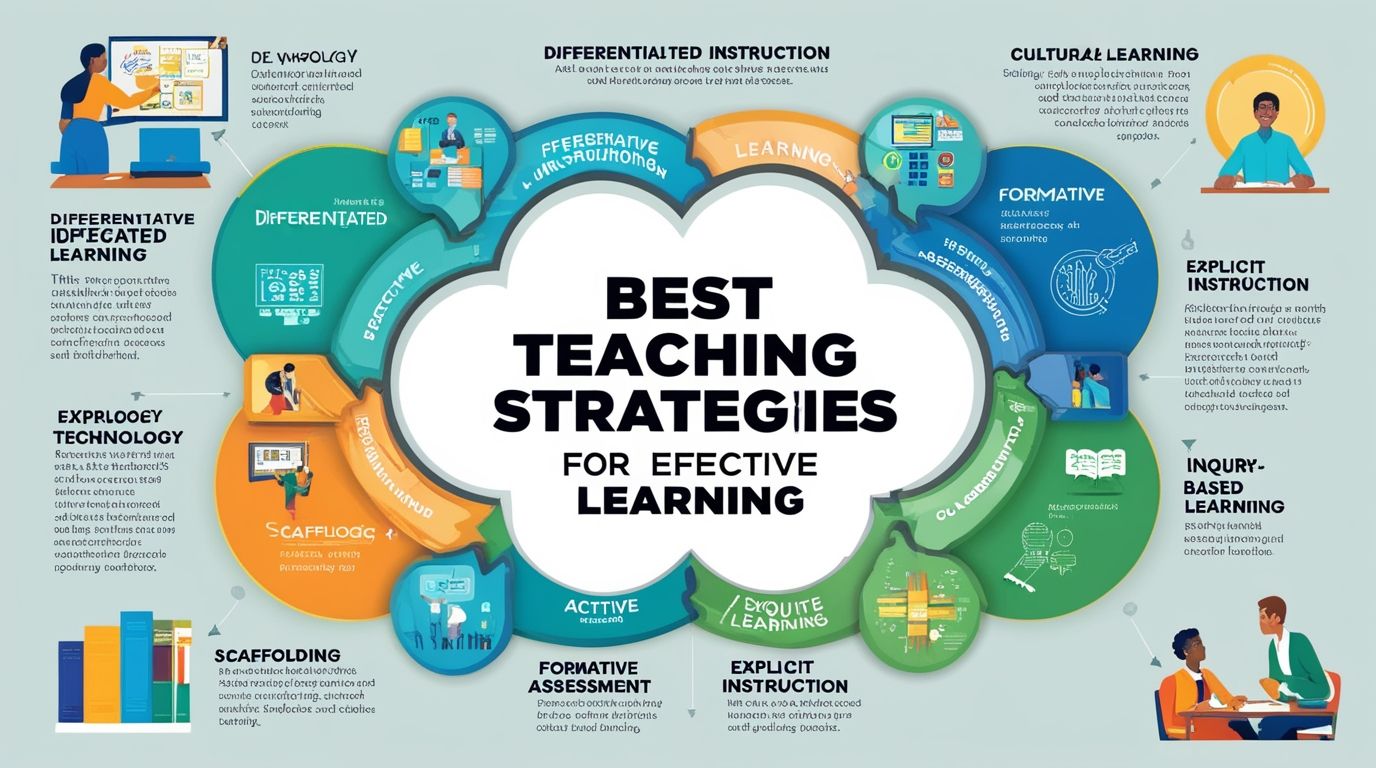
Developing strong AI skills for teaching does not happen overnight. Start small: pick one tool, use it for a single task like generating a quiz, and evaluate the results. Once that task feels comfortable, expand into more complex applications like differentiated lesson planning or AI-assisted grading.
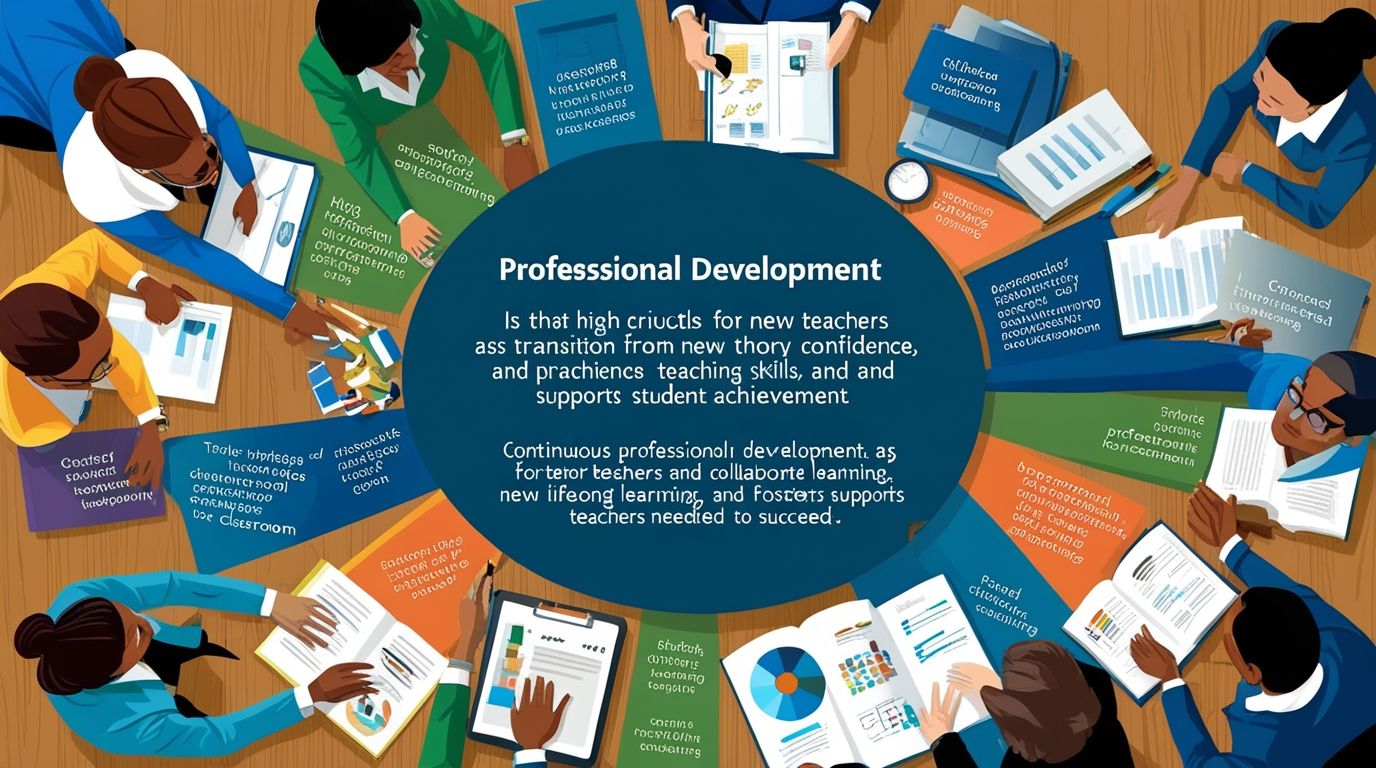
Professional development opportunities have expanded rapidly. Many districts now offer AI training for teachers, and free online courses cover everything from basic prompt writing to advanced classroom integration strategies. Joining a professional learning community focused on educational technology also helps teachers stay current, since this field changes quickly and peer knowledge sharing accelerates learning.
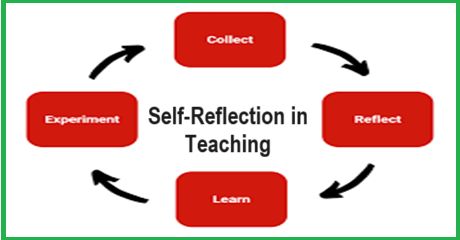
Practice remains the most reliable teacher. Experiment with a few different platforms, compare their strengths, and build a personal toolkit suited to your subject and grade level. Reflection matters too: after each attempt, ask what worked, what felt clunky, and what needs adjustment before the next lesson.
Common Challenges Teachers Face
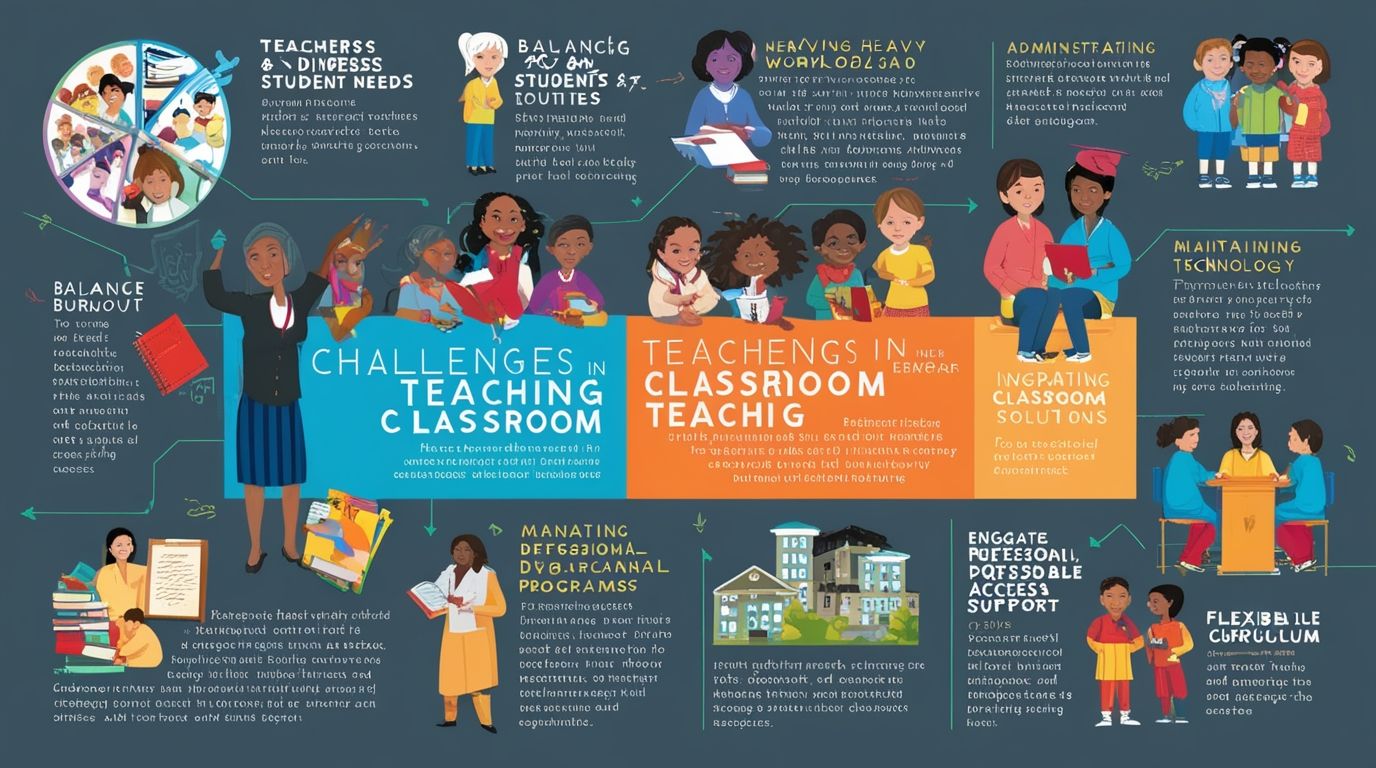
Adopting AI skills for teaching comes with real obstacles. Access to reliable technology varies widely between schools, and some districts still lack clear policies on AI use. Time constraints also limit how much teachers can experiment, since professional development often competes with grading, meetings, and planning periods.
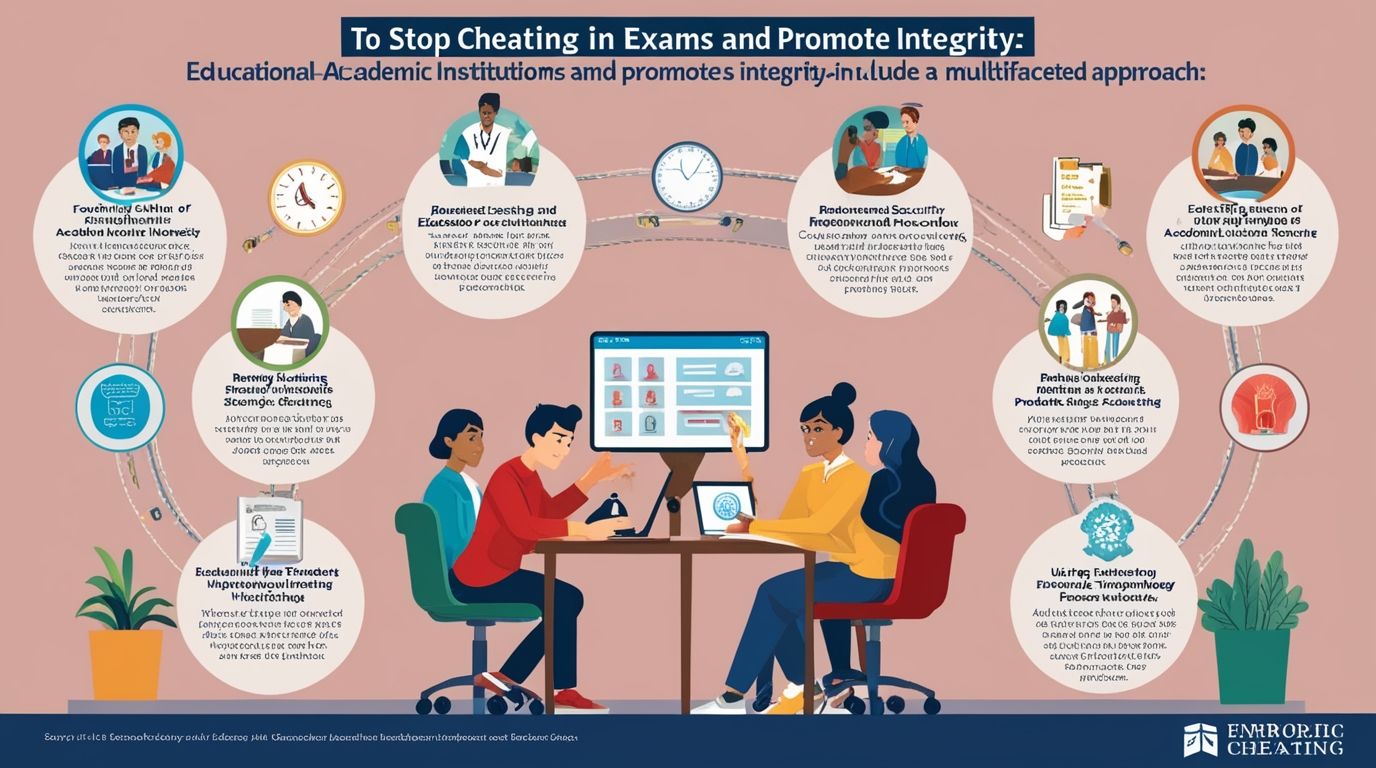
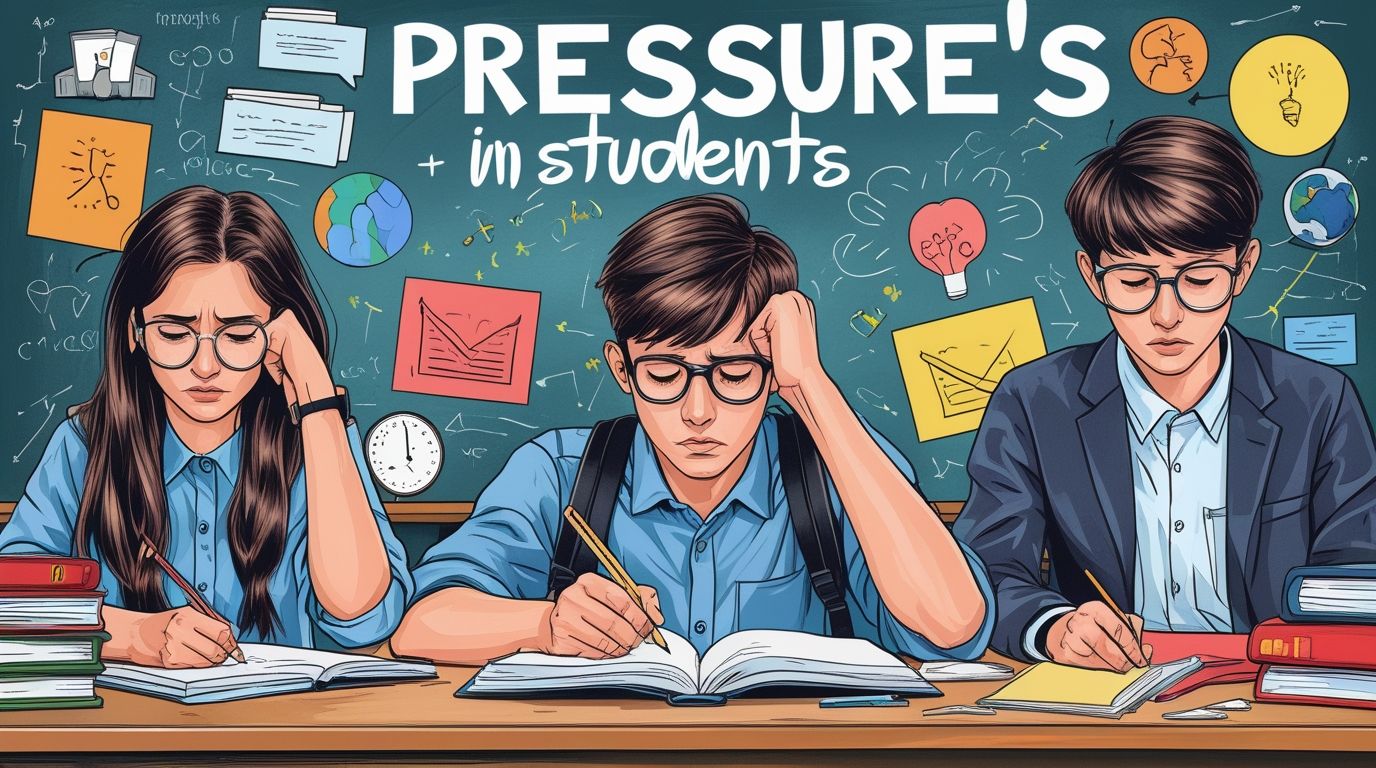
Concerns about academic integrity rank among the biggest challenges. Students may misuse AI tools to complete assignments without genuine effort, and teachers need strategies to detect and address this without creating an adversarial classroom atmosphere. Building trust around AI use, rather than treating every student as a suspect, tends to produce better long-term outcomes.
The Future of AI in Teaching
AI in education will only grow more sophisticated. Voice-based AI assistants, real-time translation tools, and adaptive learning systems that adjust content on the fly are already emerging in pilot programs. Teachers who build strong AI foundations now will find it easier to adapt as these tools mature.
The core skills, prompt engineering, ethical judgment, personalized learning application, and digital literacy instruction, will remain relevant even as specific tools change. Investing in these foundational AI skills for educators pays off regardless of which platform becomes dominant next.
Final Thoughts
AI skills for teaching have moved from optional extras to essential professional competencies. Teachers who invest time in learning prompt engineering, AI-assisted grading, personalized learning tools, and AI ethics position themselves and their students for success in a changing educational landscape.
Start with one skill, practice consistently, and build from there. The educators who thrive in this new environment will be the ones willing to experiment, reflect, and adapt.
Frequently Asked Questions
1. What are the most important AI skills for teachers to learn first? Prompt engineering and basic AI literacy offer the best starting point. These skills form the foundation for nearly every other AI application in the classroom, from lesson planning to grading.
2. Do teachers need coding knowledge to use AI tools effectively? No. Most classroom-ready AI tools for teaching use simple interfaces and natural language prompts. Coding knowledge helps with advanced customization but is not required for everyday use.
3. How can teachers ensure AI use remains ethical in the classroom? Teachers should stay informed about school AI policies, protect student data, discuss academic integrity openly with students, and treat AI output as a draft that requires human review rather than a final answer.
4. Will AI replace teachers in the future? Unlikely. AI handles repetitive tasks like grading and content generation, but it cannot replace the relationships, judgment, and emotional support that human teachers provide. The most effective classrooms combine AI efficiency with human connection.