1. Introduction
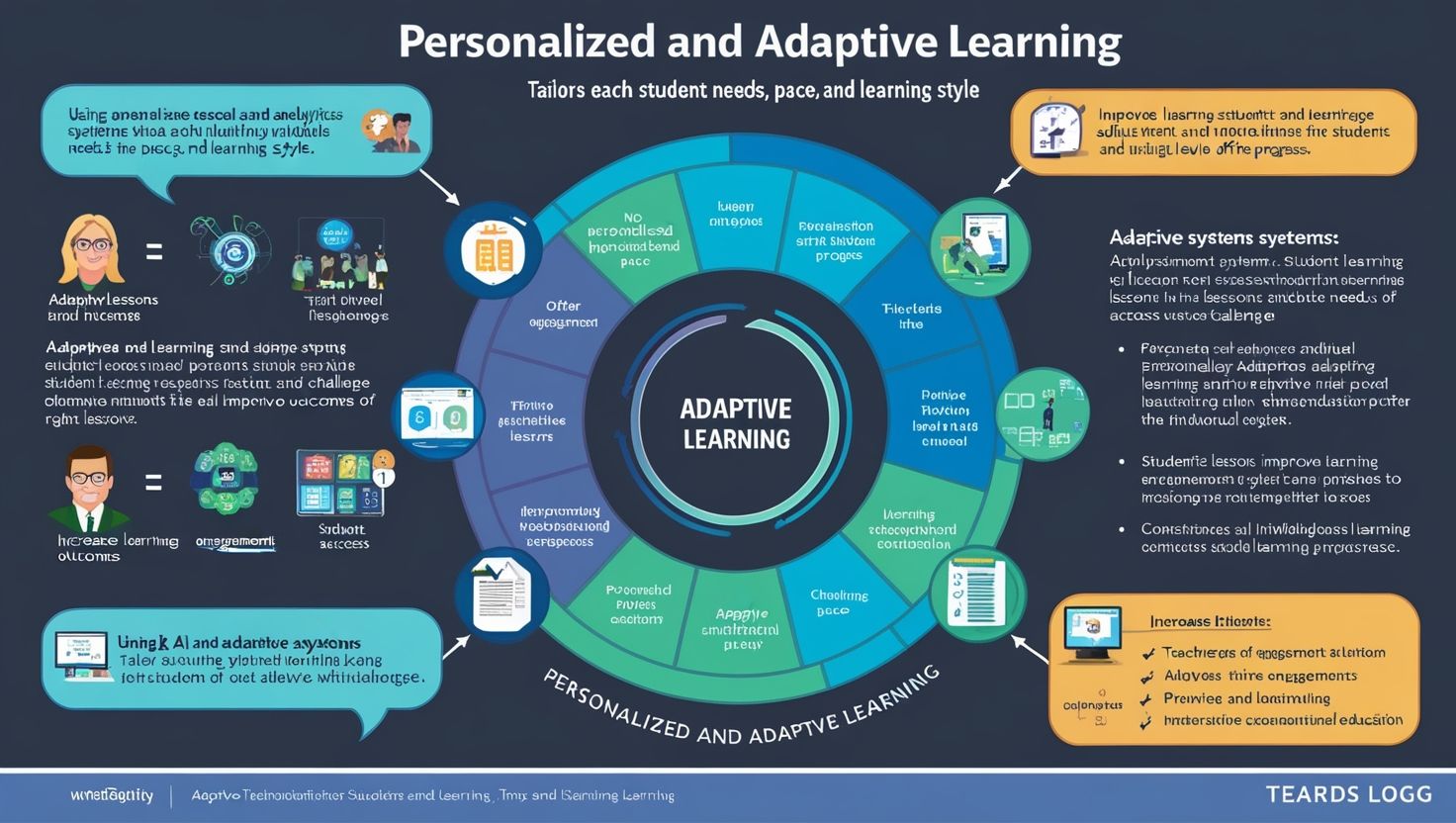
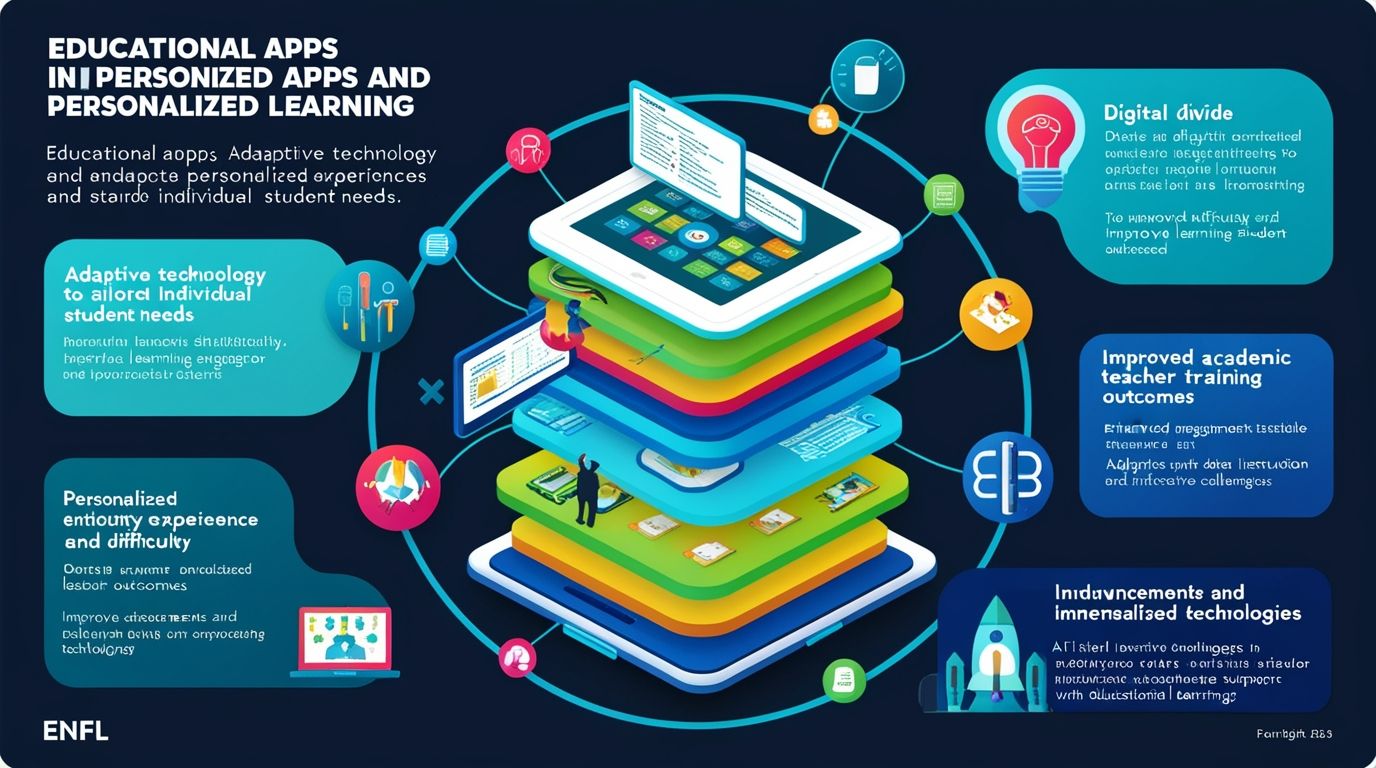
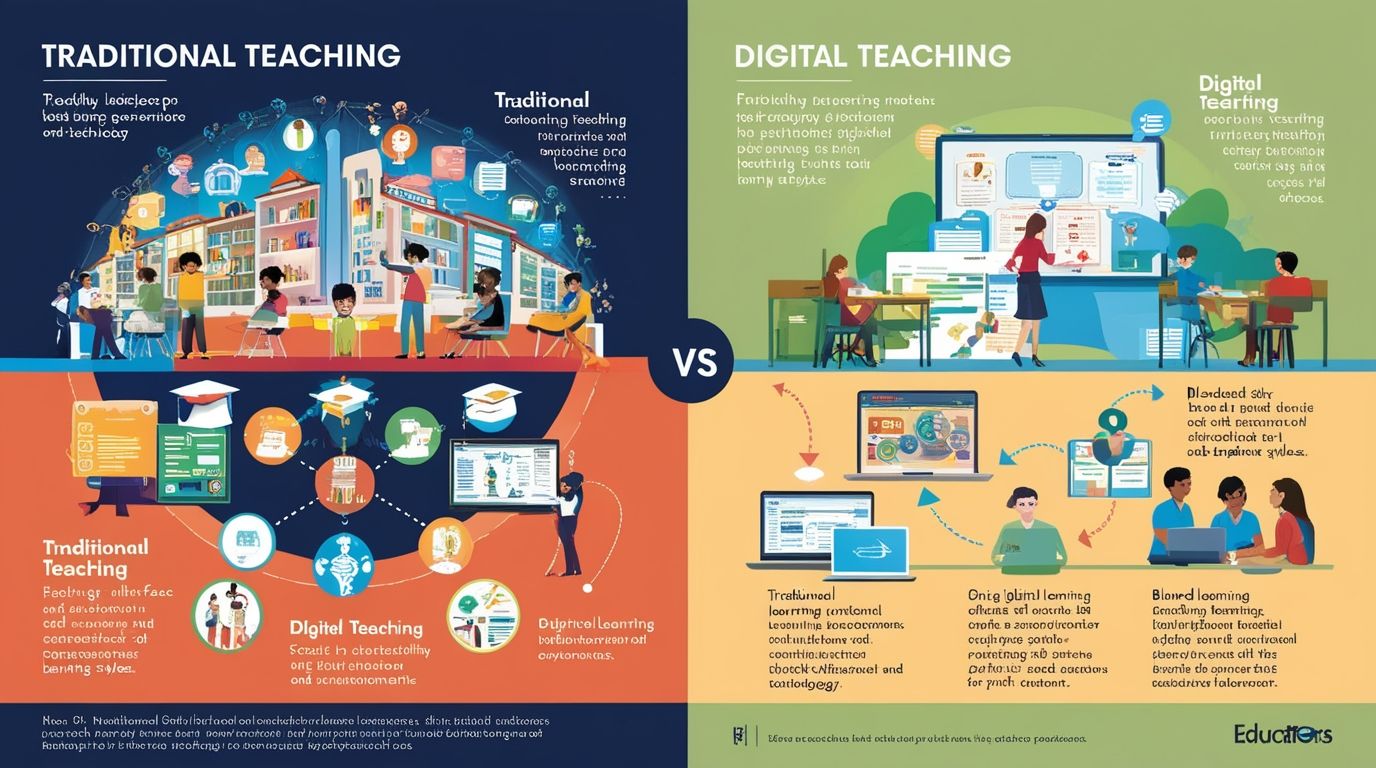
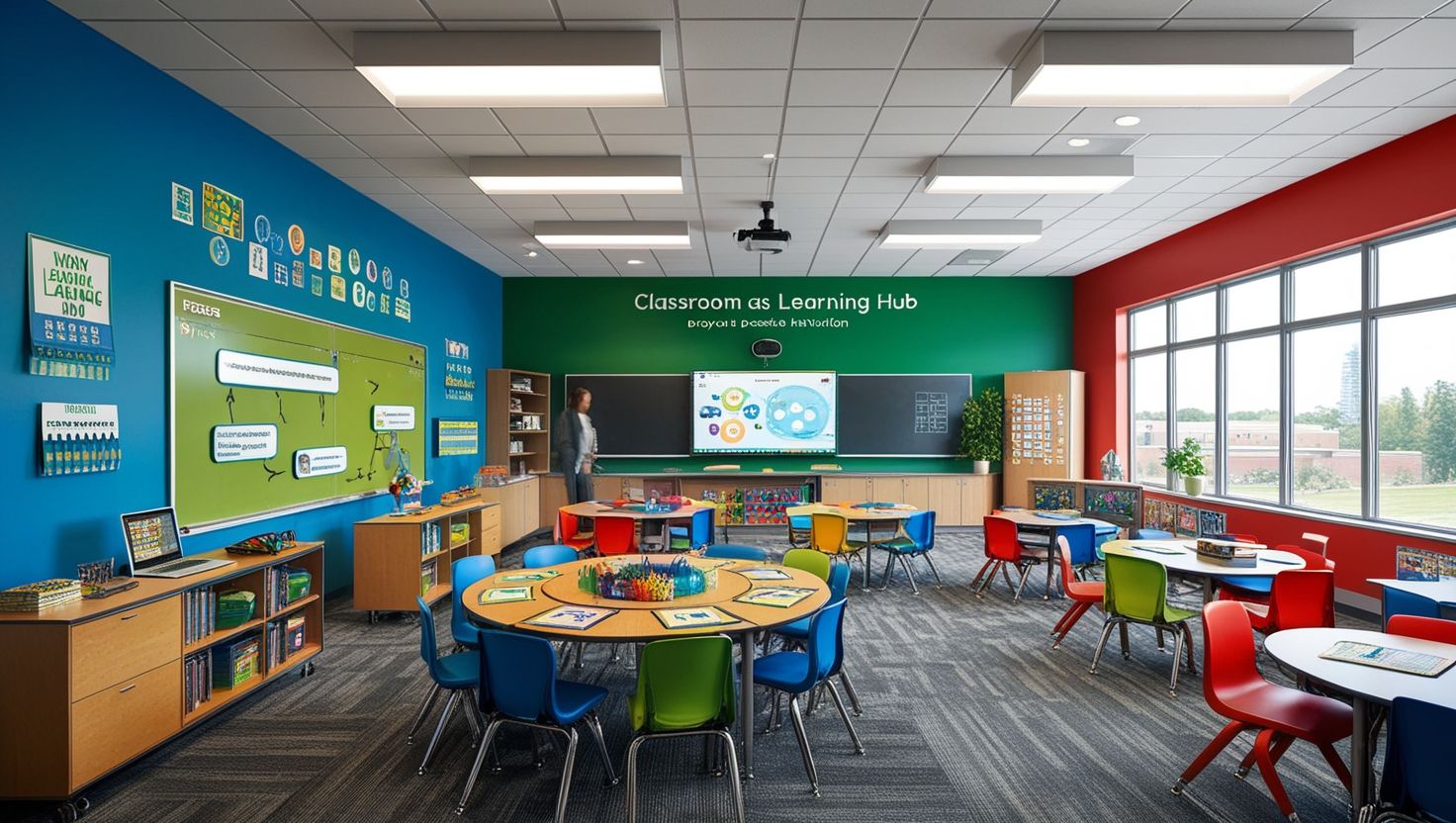
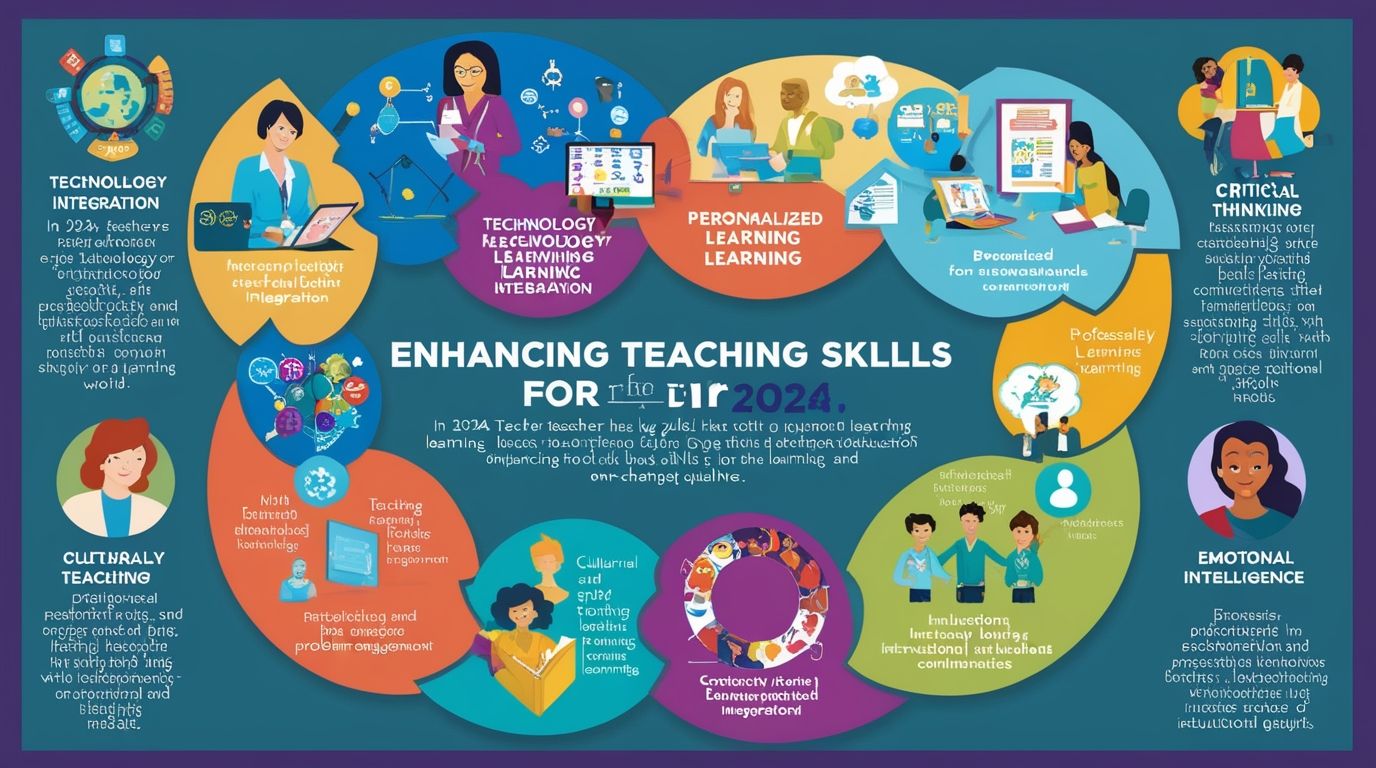
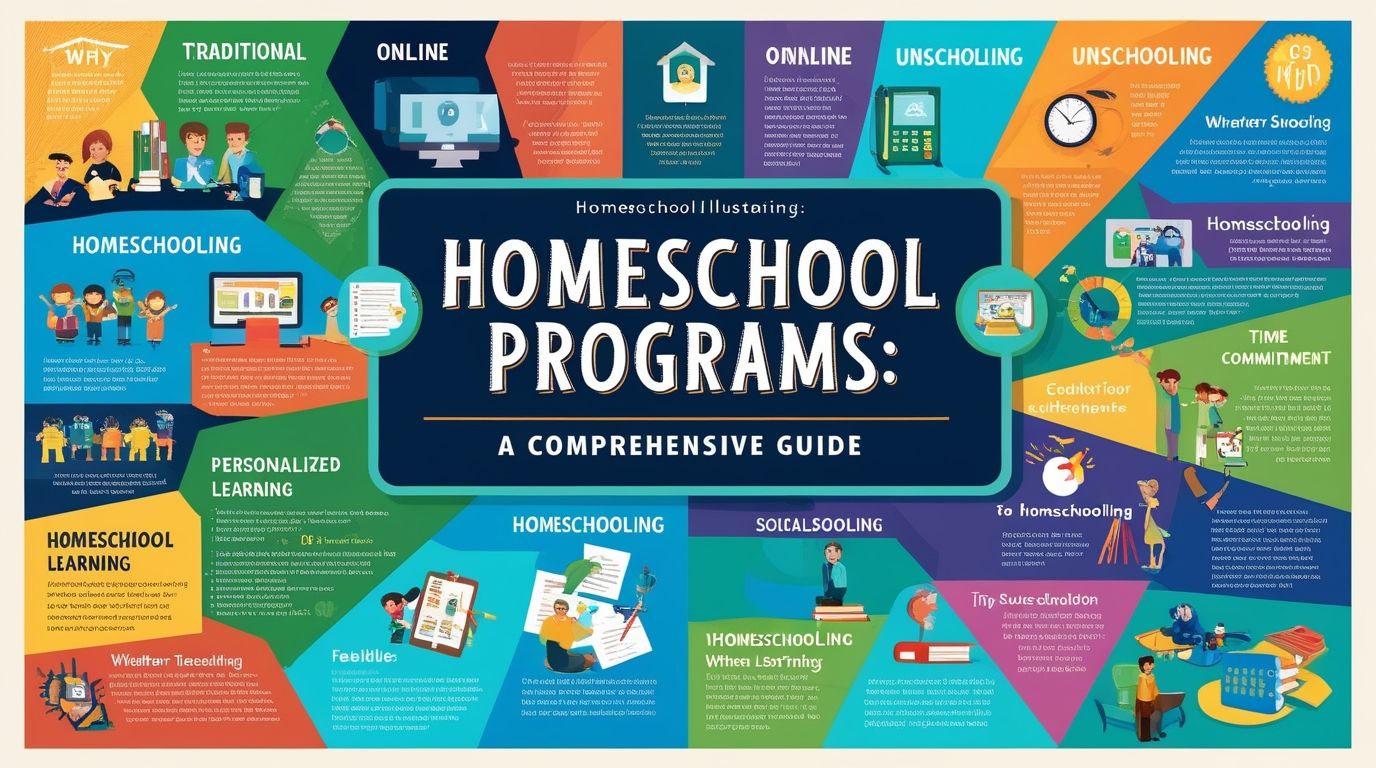
Personalized Learning Through Artificial Intelligence, Personalized learning through artificial intelligence represents a transformative shift in modern education, enabling instructional experiences tailored to the unique needs, abilities, and preferences of each learner. Traditional education systems often rely on standardized teaching approaches that assume uniform learning pace and understanding among students, which can result in disengagement or learning gaps. Artificial intelligence addresses this limitation by leveraging data-driven insights to customize content delivery, assessment, and feedback mechanisms. Through adaptive algorithms, AI systems continuously monitor student performance, identify strengths and weaknesses, and adjust learning pathways accordingly. This dynamic personalization ensures that learners receive appropriate challenges and support at the right time. As a result, students become more engaged and motivated, while teachers gain valuable insights into individual progress. Personalized learning powered by AI not only enhances academic outcomes but also promotes equity by addressing diverse learning needs within inclusive educational environments effectively.
2. Data-Driven Foundations of Personalized Learning
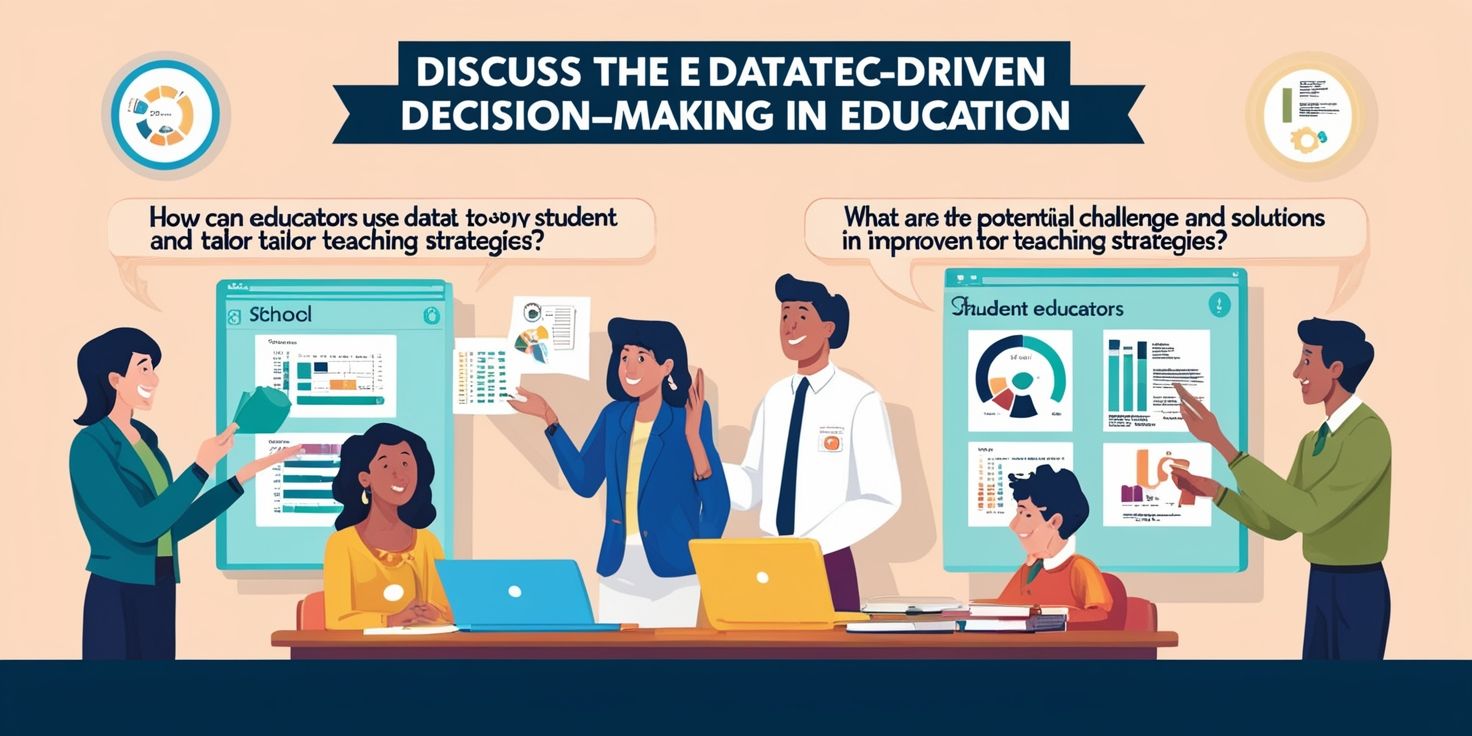
At the core of AI-driven personalized learning lies data collection and analysis, which enables systems to understand learner behavior and preferences. AI platforms gather information from multiple sources, including quiz results, interaction patterns, time spent on tasks, and even emotional responses during learning activities. This data is processed using machine learning models to generate detailed learner profiles that guide instructional decisions. For instance, if a student consistently struggles with a specific concept, the system can provide additional resources, simplified explanations, or alternative learning formats such as videos or interactive simulations. Conversely, advanced learners can be offered more complex challenges to maintain engagement. This continuous feedback loop ensures that learning remains relevant and effective. Moreover, teachers can access these analytics to better support their students and design targeted interventions. By transforming raw data into actionable insights, AI makes personalized learning both scalable and practical across diverse educational contexts.
3. Adaptive Learning Systems in AI Education
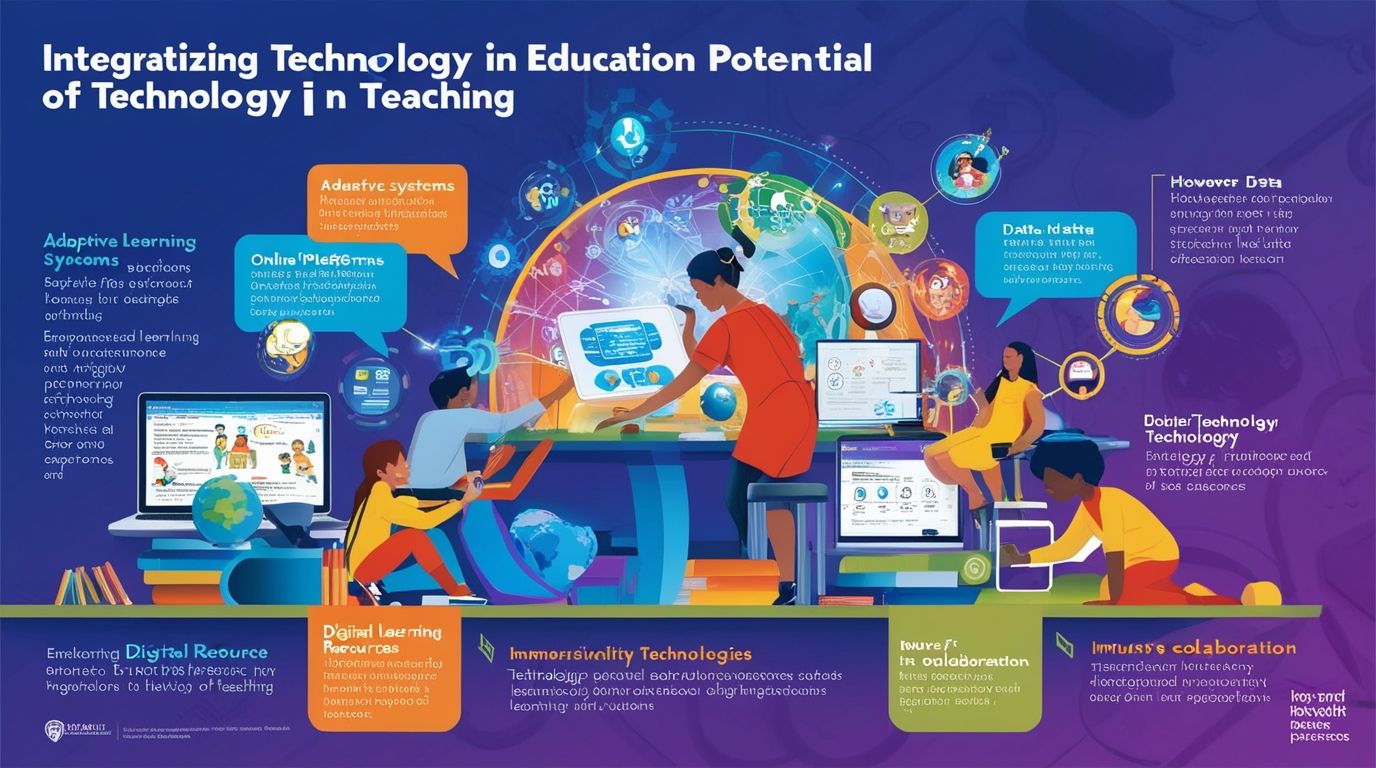
Adaptive learning systems are a key application of artificial intelligence in delivering personalized education experiences. These systems dynamically modify instructional content based on real-time assessment of student performance. Unlike static curricula, adaptive platforms present lessons, exercises, and assessments that evolve according to individual progress. For example, when a learner demonstrates mastery of a topic, the system advances to more complex material, whereas struggling students receive additional practice and guidance. This approach ensures optimal pacing, preventing both boredom and frustration. Adaptive systems also incorporate various learning modalities, such as visual, auditory, and kinesthetic methods, to cater to different learning styles. Furthermore, they often include gamification elements that enhance motivation and engagement. By creating a responsive learning environment, adaptive systems empower students to take control of their education while ensuring that instructional content remains aligned with their unique learning needs and goals throughout the educational journey.
4. Intelligent Tutoring Systems and Individual Support
Artificial intelligence also enhances personalized learning through intelligent tutoring systems that simulate one-on-one instruction. These systems provide immediate feedback, explanations, and guidance tailored to each learner’s responses. Unlike traditional classrooms where teacher attention is divided among many students, intelligent tutors offer continuous support without limitations of time or availability. They can identify misconceptions, suggest corrective strategies, and reinforce learning through targeted practice. Additionally, these systems often use natural language processing to interact with learners conversationally, making the experience more engaging and human-like. Intelligent tutoring systems are particularly beneficial in subjects that require step-by-step problem solving, such as mathematics and science. By providing individualized attention, AI tutors help students build confidence and mastery at their own pace. This personalized interaction bridges the gap between self-paced learning and guided instruction, creating a balanced educational experience that supports both independence and structured learning effectively.
5. AI-Based Content Recommendation Systems
Another important dimension of personalized learning through artificial intelligence is content recommendation. Similar to recommendation systems used in digital platforms, AI in education suggests learning materials based on individual preferences and performance. These recommendations may include articles, videos, quizzes, and interactive exercises aligned with the learner’s current level and interests. By curating relevant content, AI reduces the cognitive load associated with searching for appropriate resources and ensures that students engage with materials that maximize learning outcomes. Additionally, recommendation systems can introduce interdisciplinary content, encouraging learners to explore connections between subjects. For teachers, this feature simplifies resource selection and enhances lesson planning. Personalized content delivery also supports differentiated instruction, allowing educators to address diverse classroom needs efficiently. Ultimately, AI-driven recommendation systems create a more engaging and meaningful learning experience by aligning educational content with the unique interests, goals, and abilities of each student in diverse settings.
6. Role of AI in Formative Assessment
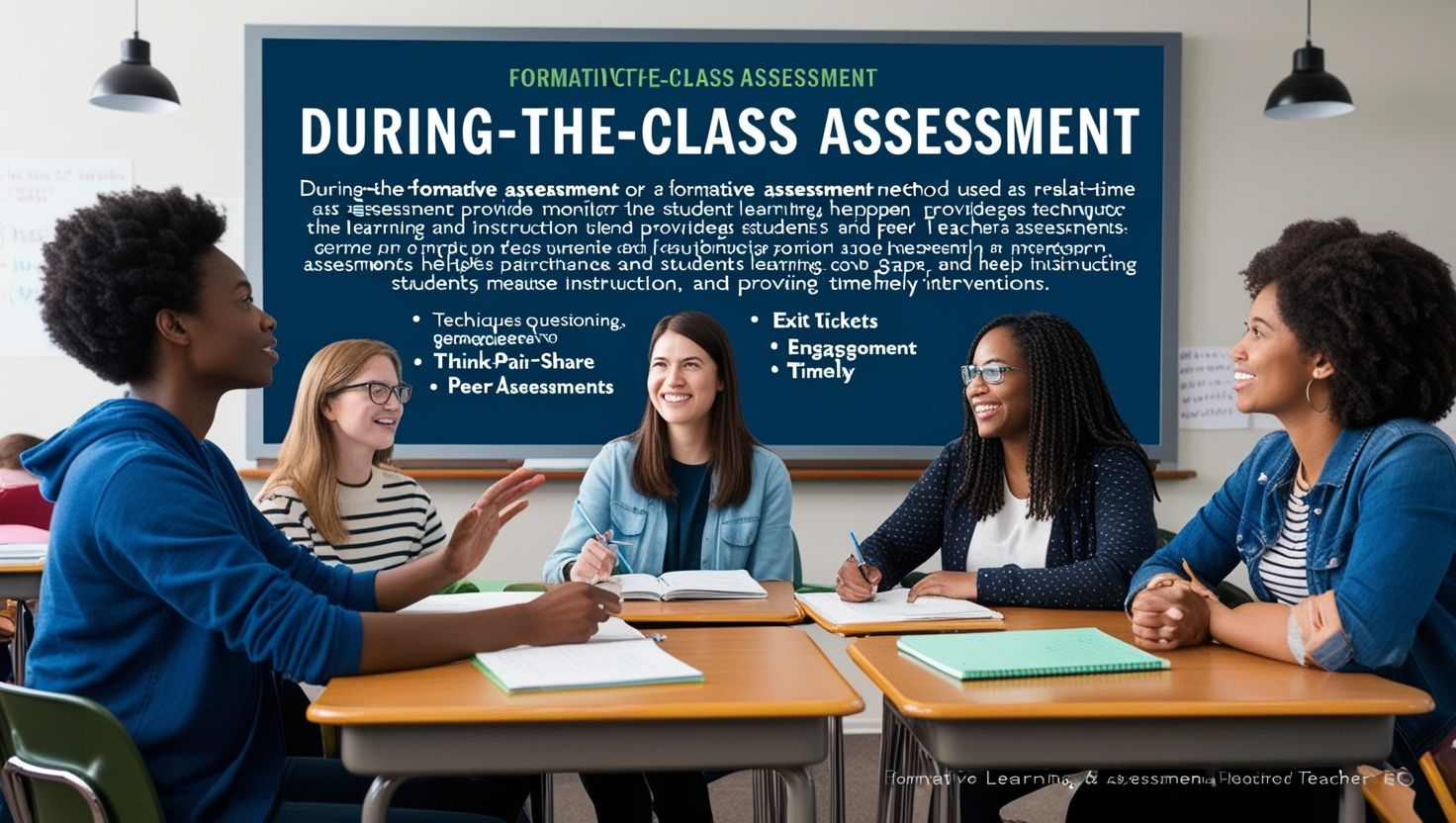
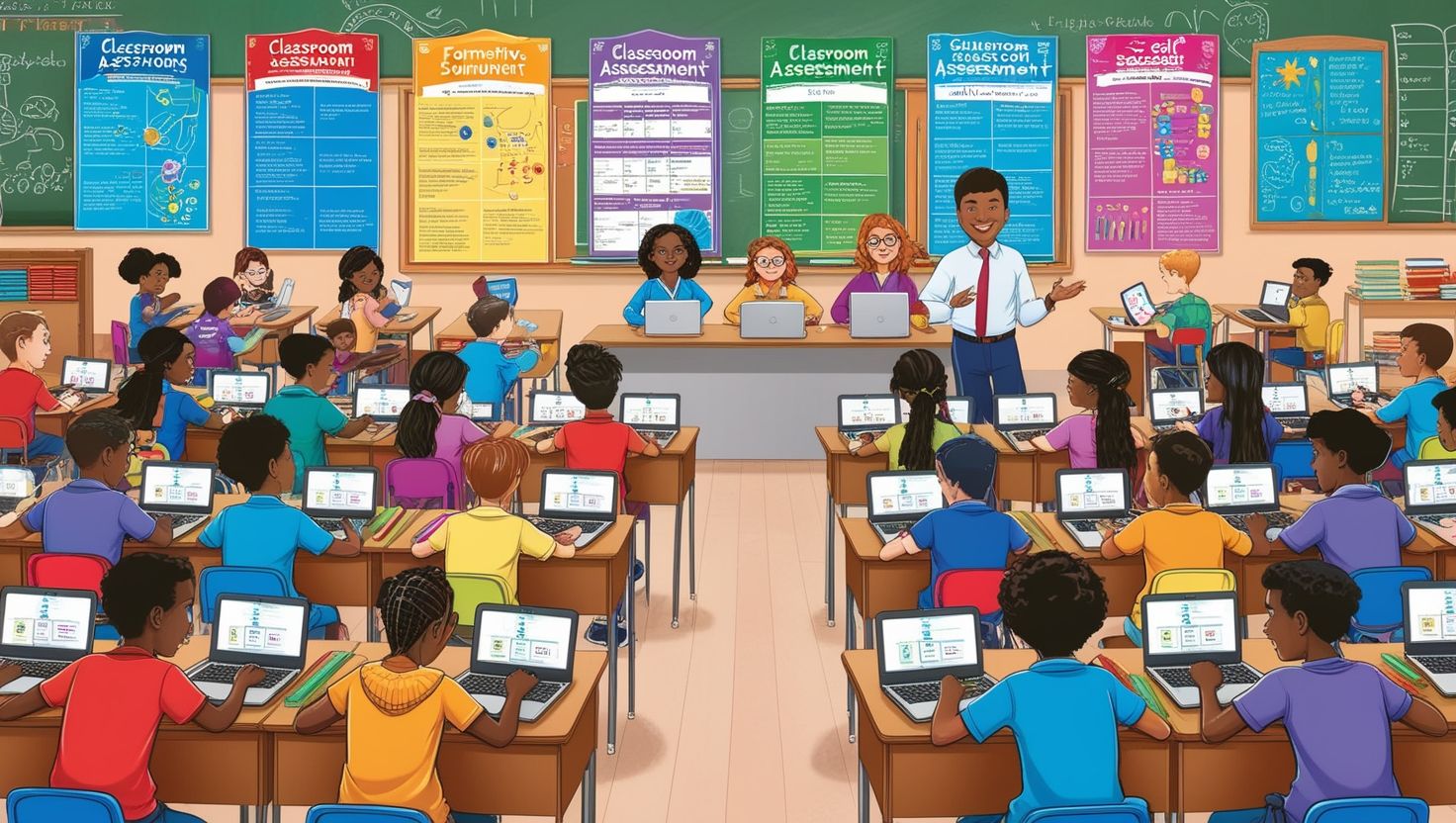
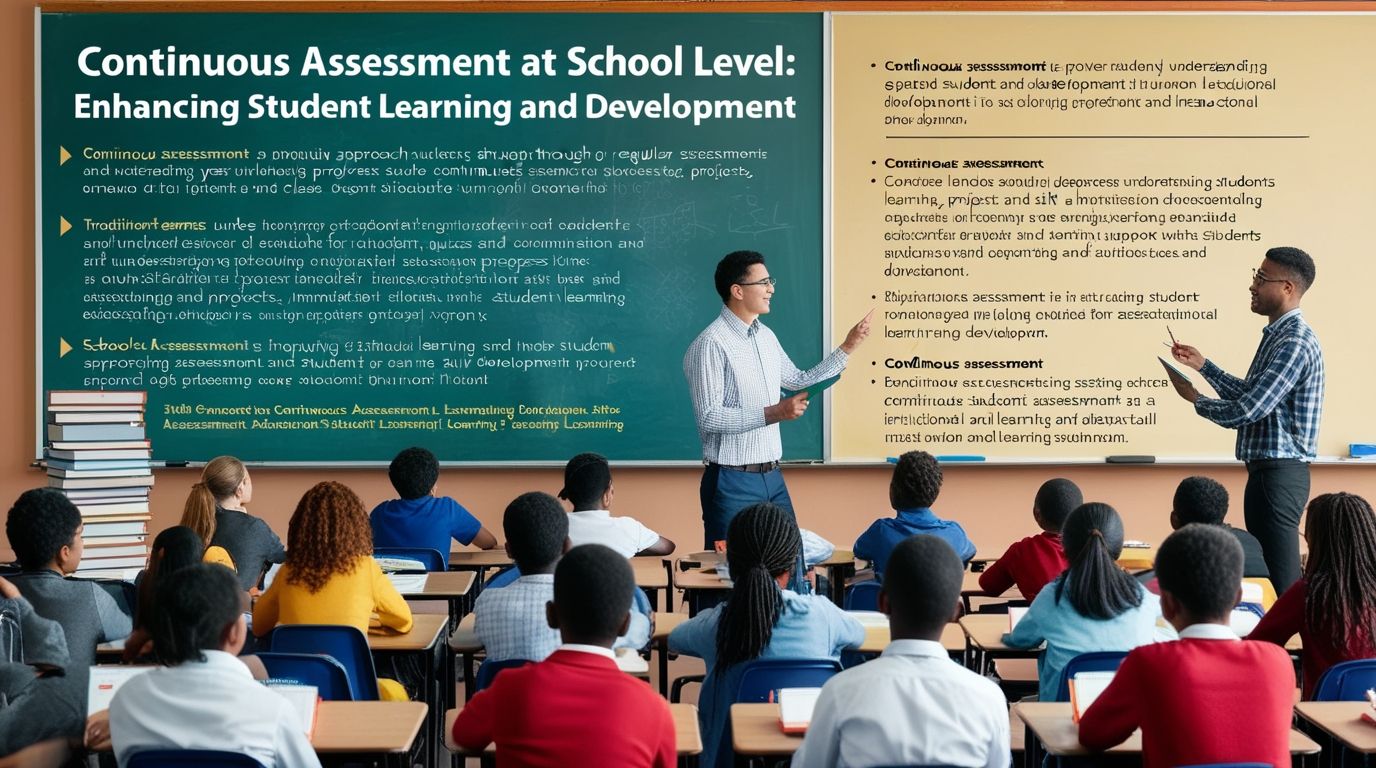
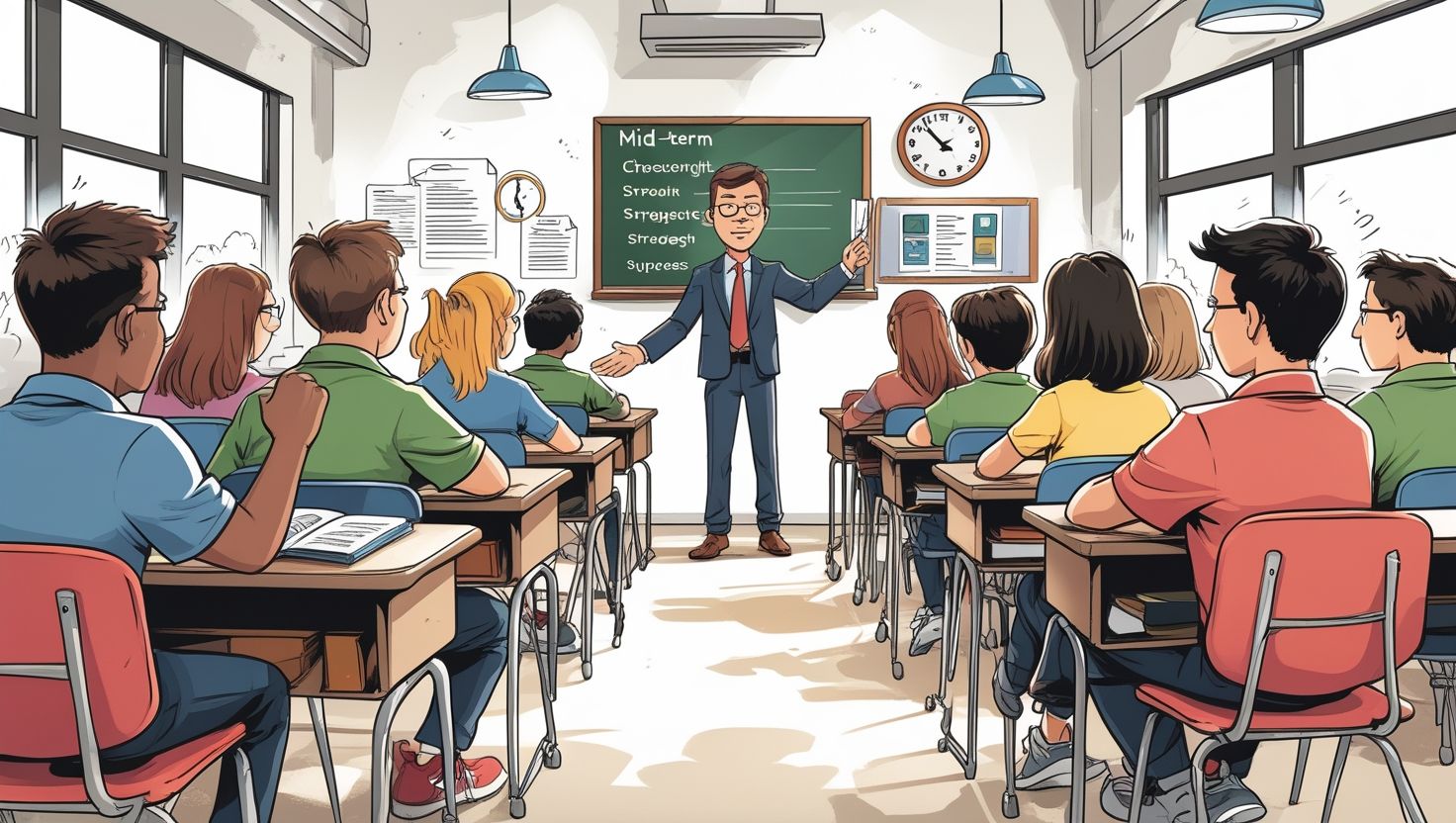
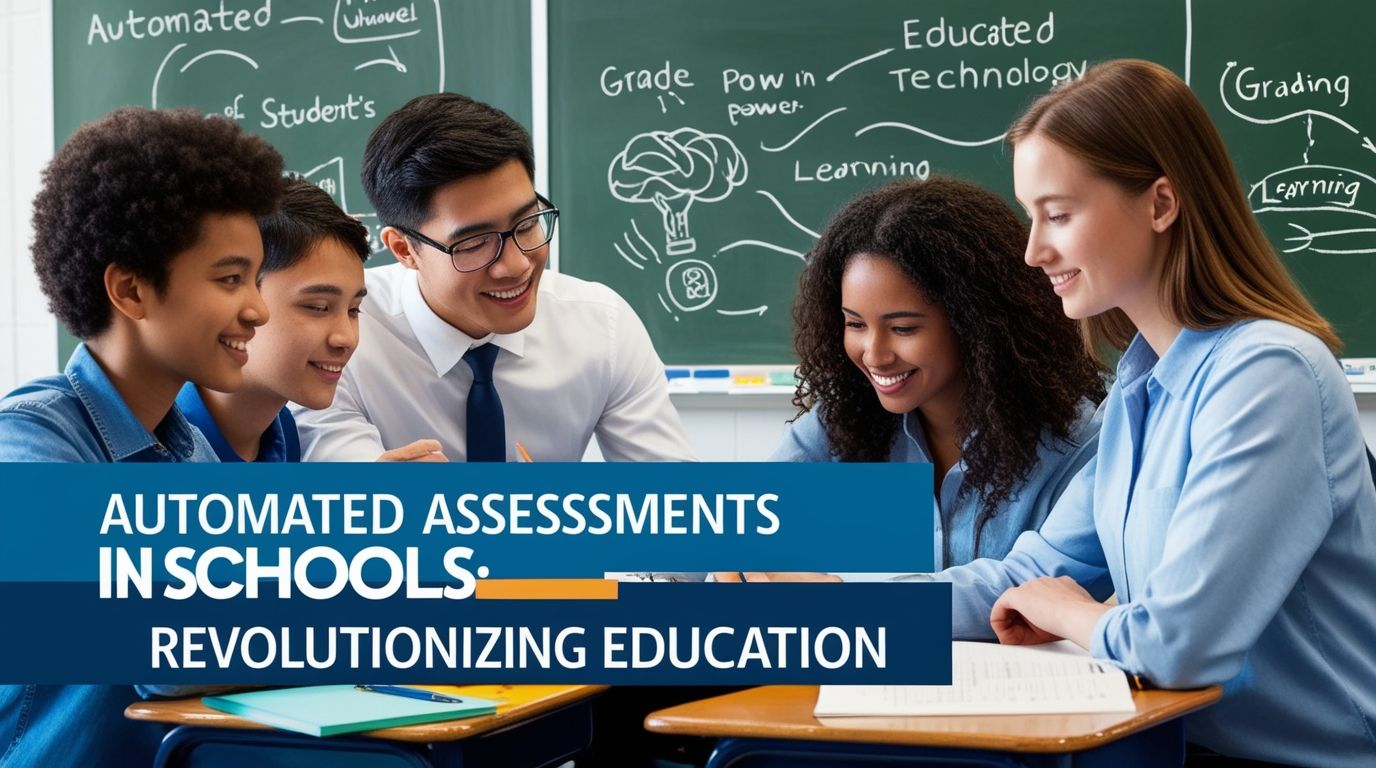
AI-powered personalized learning also supports formative assessment, which plays a crucial role in guiding student progress. Traditional assessments often occur at fixed intervals and provide limited insight into ongoing learning processes. In contrast, AI systems continuously evaluate student performance through embedded quizzes, interactive tasks, and real-time monitoring. This allows for immediate feedback and timely interventions. For instance, if a student makes repeated errors in a specific concept, the system can provide corrective explanations and additional practice opportunities. These continuous assessments help learners understand their progress and identify areas for improvement. Teachers can also use assessment data to refine their instructional strategies and provide targeted support. Furthermore, AI can generate adaptive assessments that adjust difficulty levels based on student responses, ensuring accuracy in evaluating understanding. By integrating assessment seamlessly into the learning process, AI enhances both teaching effectiveness and student achievement in personalized educational environments.
7. Enhancing Student Engagement Through AI
Personalized learning through artificial intelligence significantly enhances student engagement by aligning educational experiences with individual interests and learning preferences. Engagement is a critical factor in successful learning, as students are more likely to retain information when they find the content relevant and enjoyable. AI systems analyze user behavior to identify patterns of interest and motivation, enabling the delivery of customized content that resonates with each learner. For example, a student interested in science may receive examples and problems related to real-world scientific applications, while another learner may engage better with storytelling or visual content. Gamification features such as rewards, progress tracking, and interactive challenges further increase motivation. By making learning more interactive and meaningful, AI fosters a sense of ownership and curiosity among students. This personalized engagement not only improves academic performance but also cultivates lifelong learning habits essential for success in rapidly changing knowledge-based societies.
8. Supporting Inclusive Education with AI
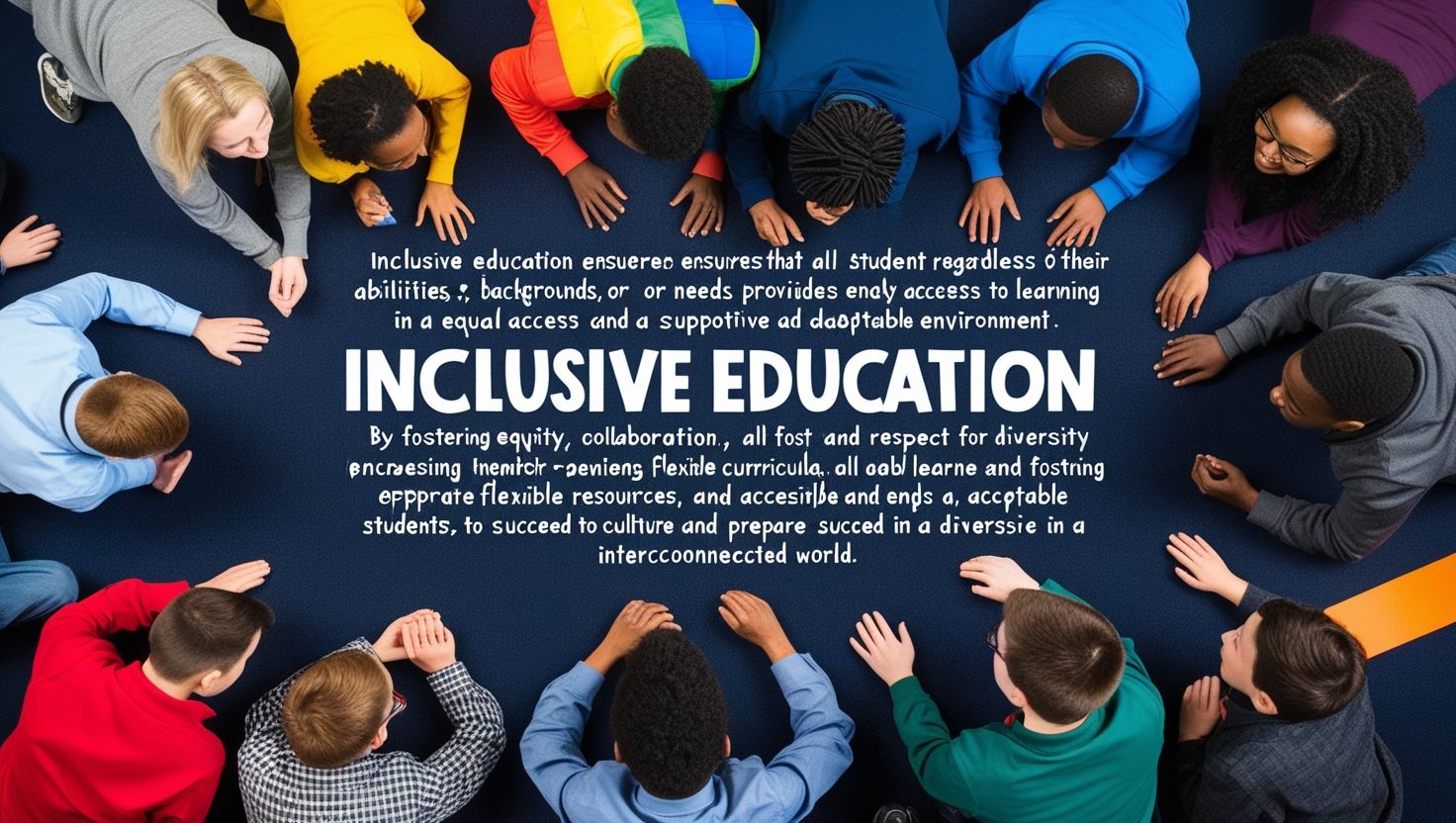
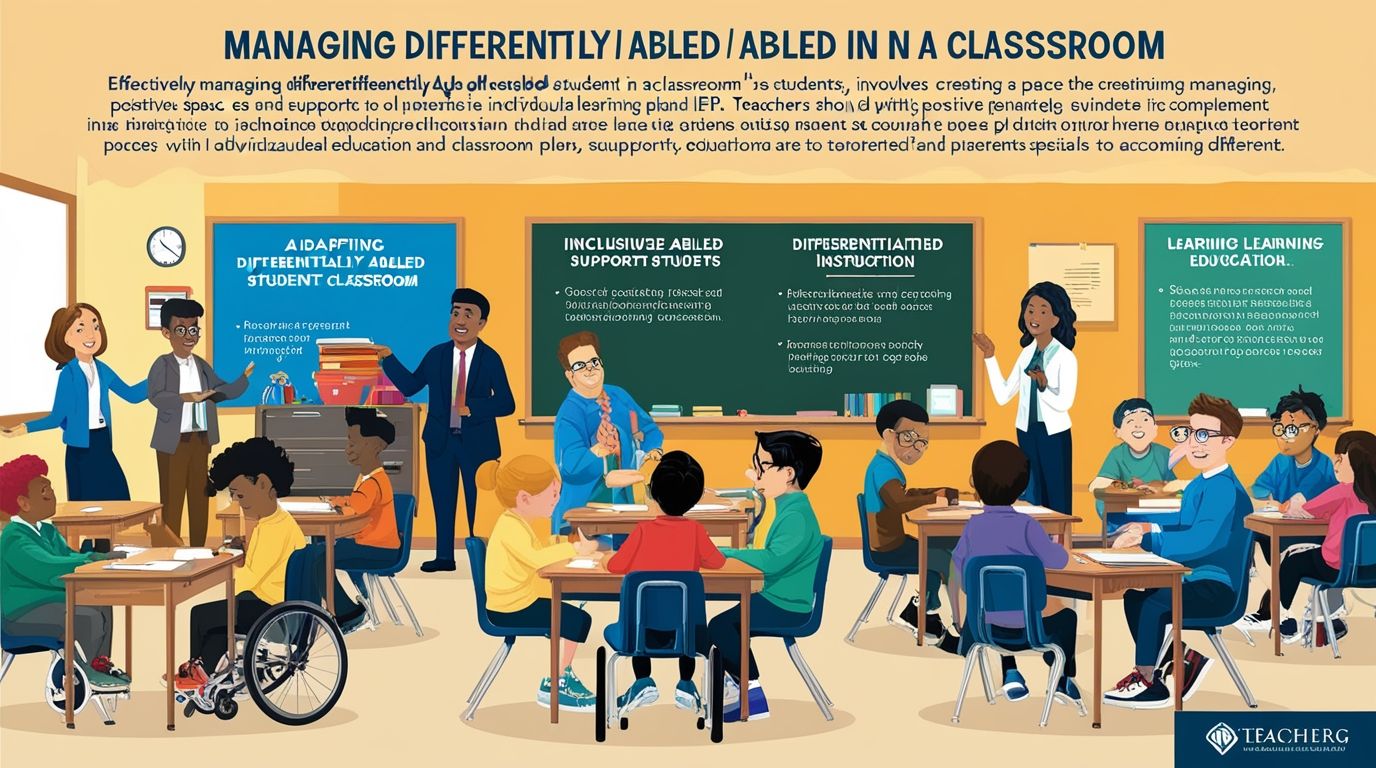
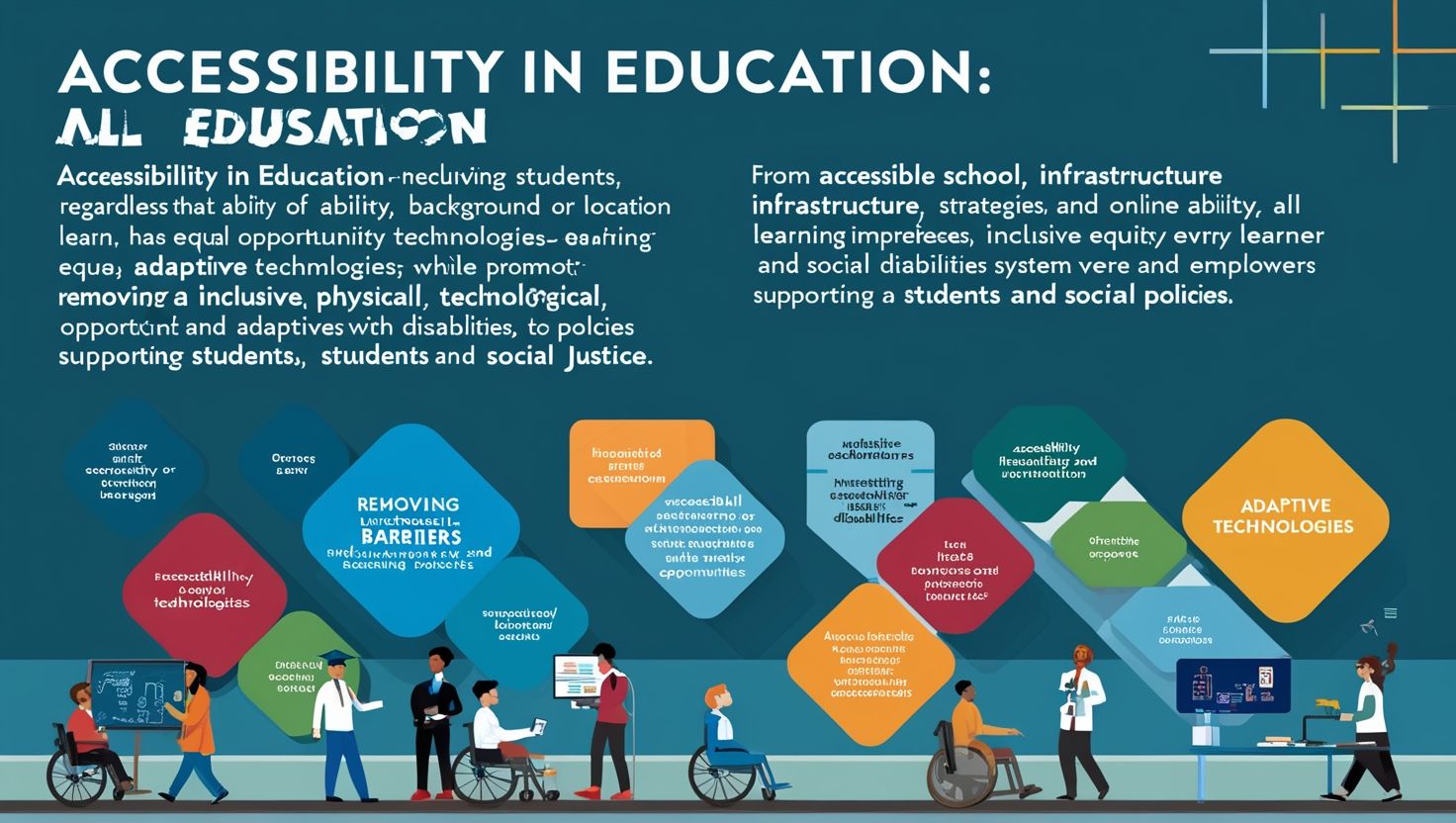
Artificial intelligence also plays a vital role in supporting inclusive education through personalized learning approaches. Classrooms today are characterized by diverse learners with varying abilities, backgrounds, and learning needs. AI systems can identify these differences and provide tailored support to ensure equitable learning opportunities for all students. For example, learners with disabilities can benefit from assistive technologies such as text-to-speech, speech recognition, and adaptive interfaces. Similarly, language learners can receive customized vocabulary support and translation tools. AI can also help teachers design differentiated instruction that accommodates multiple learning levels within the same classroom. By addressing individual challenges and providing appropriate resources, personalized learning reduces barriers to education and promotes inclusivity. This approach ensures that no student is left behind and that all learners have the opportunity to achieve their full potential. In this way, AI contributes to a more equitable and accessible education system globally.
9. Changing Role of Teachers in AI-Based Learning
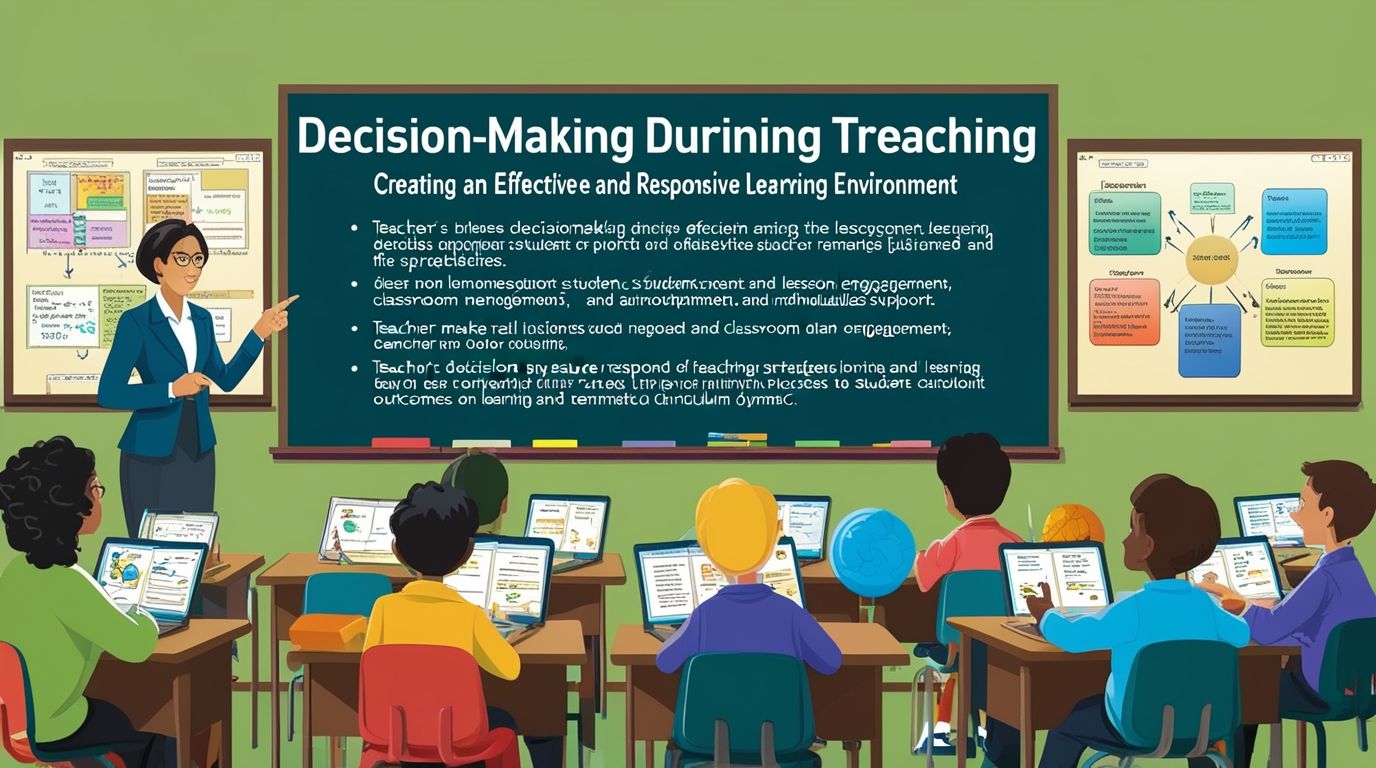
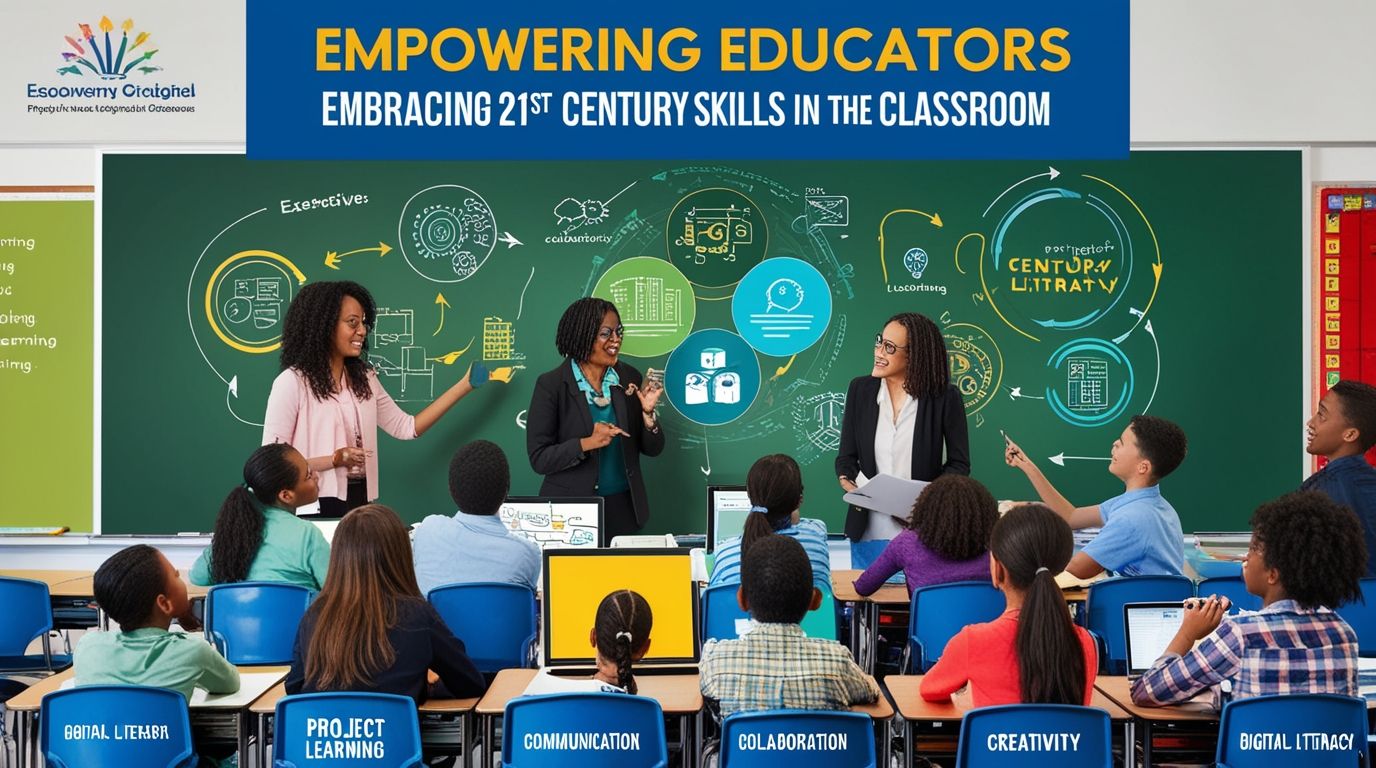
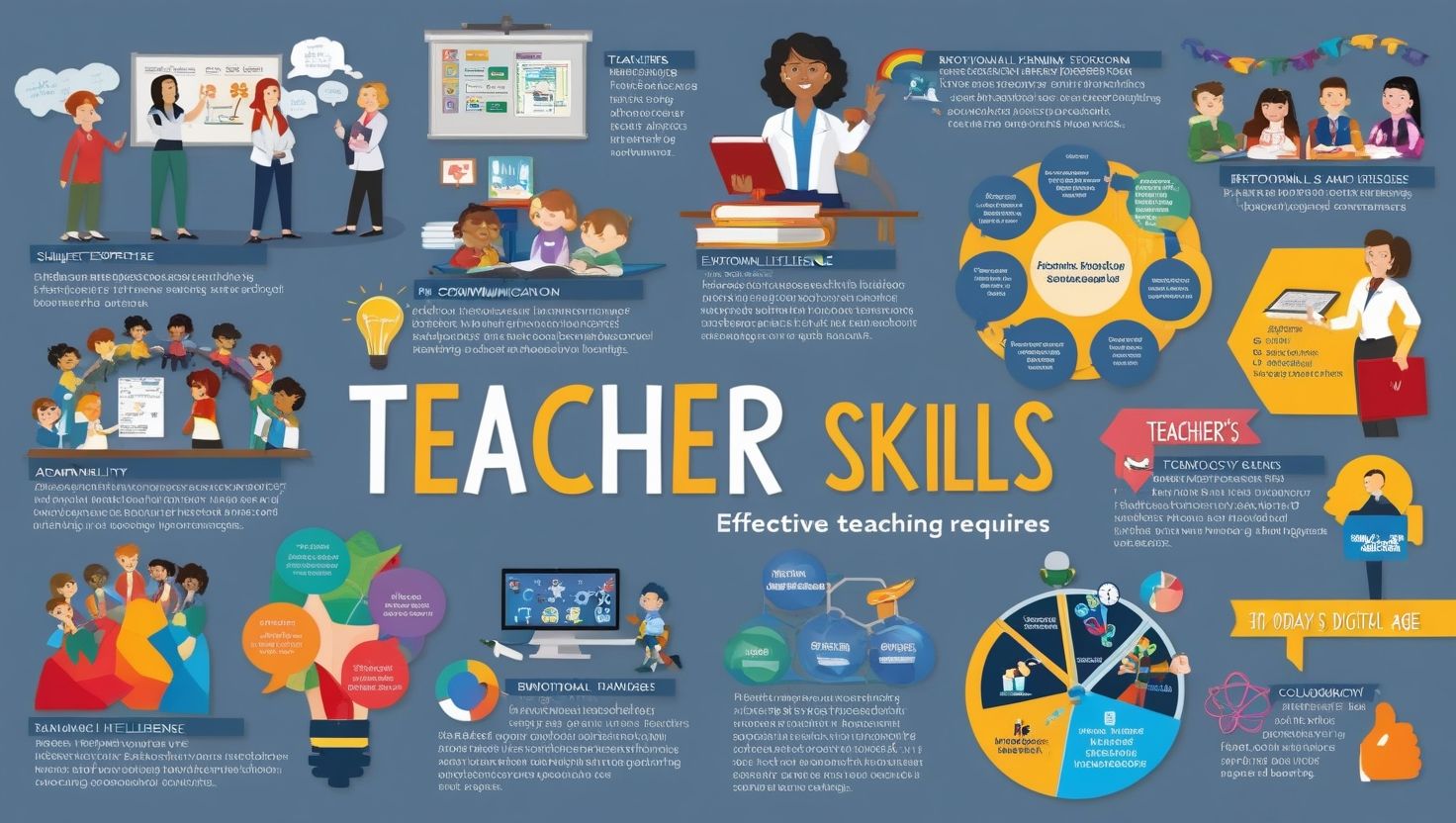
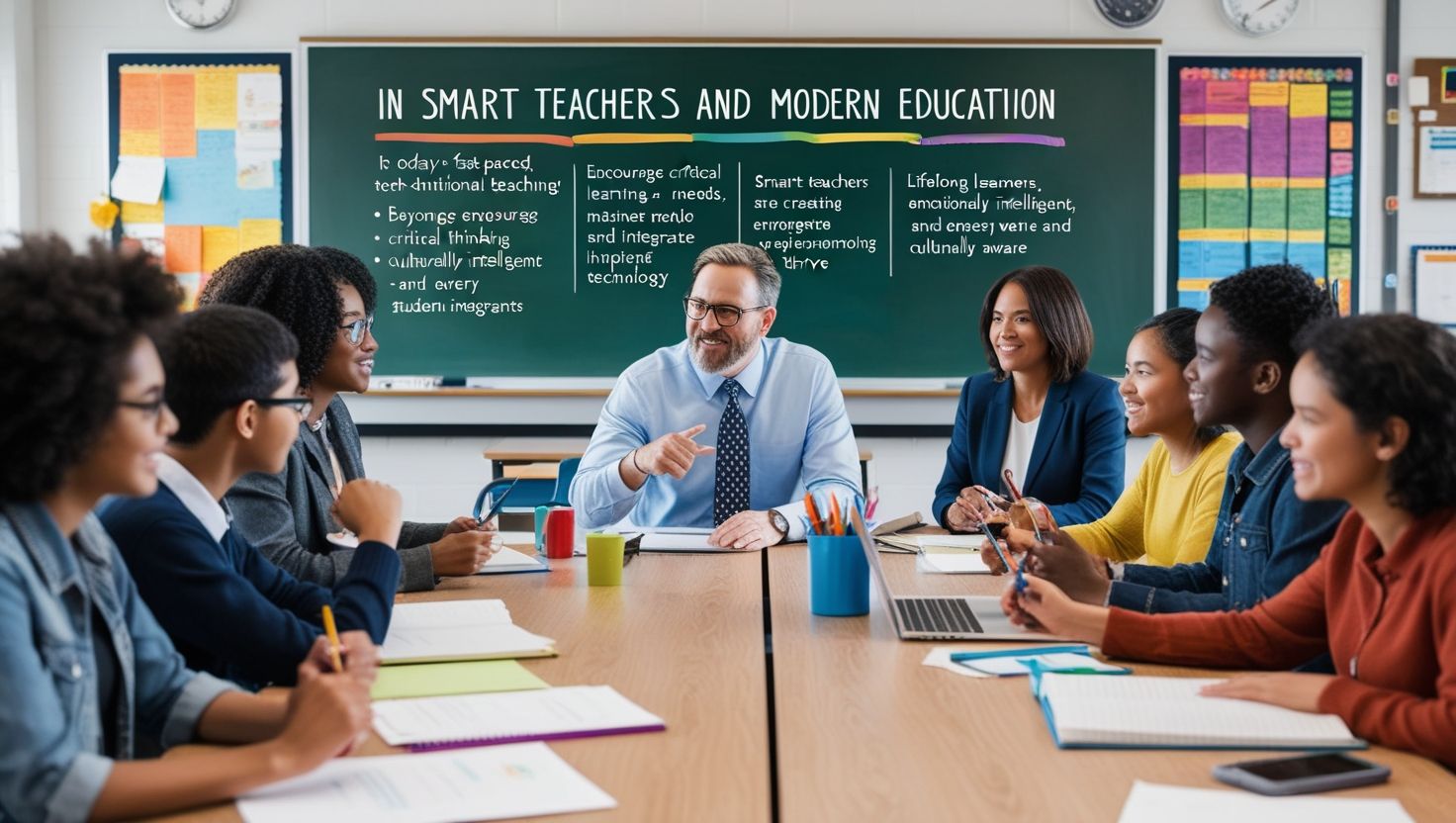
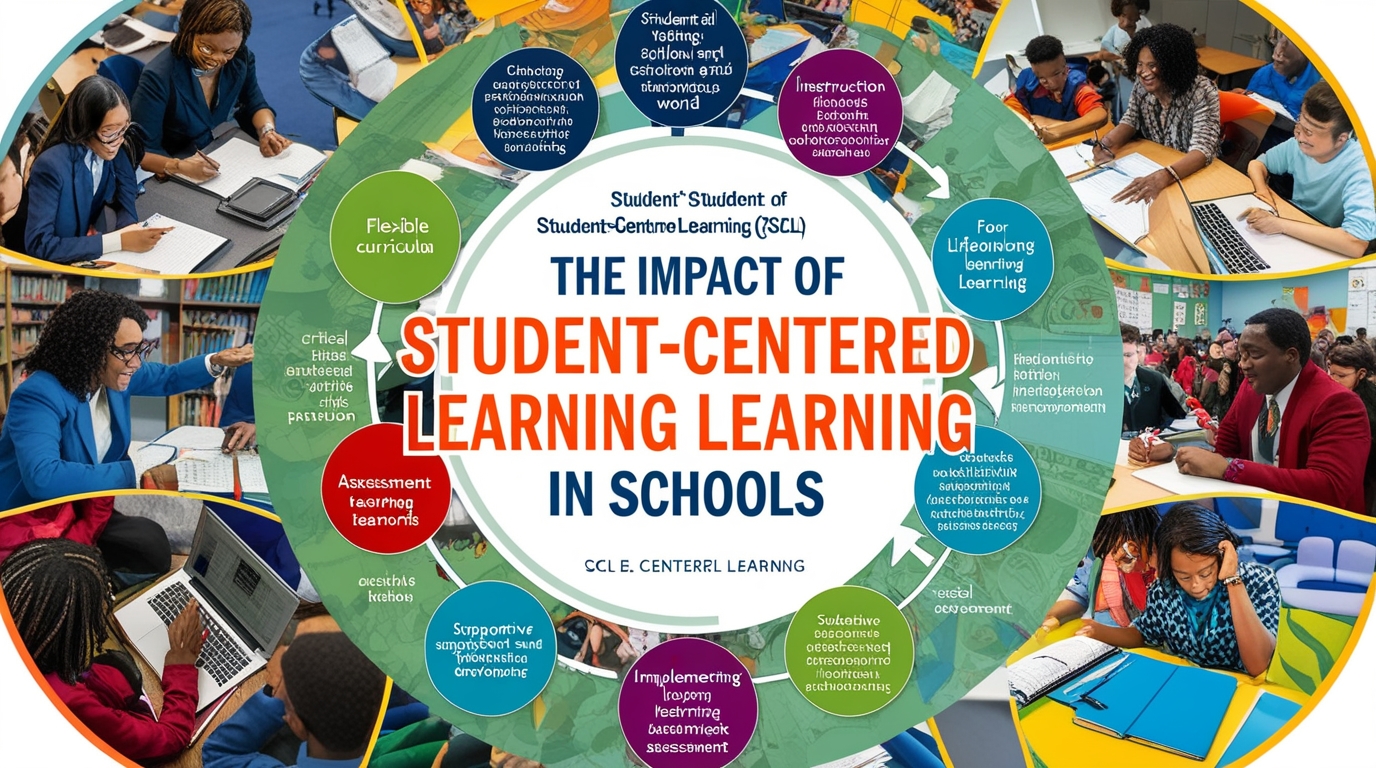
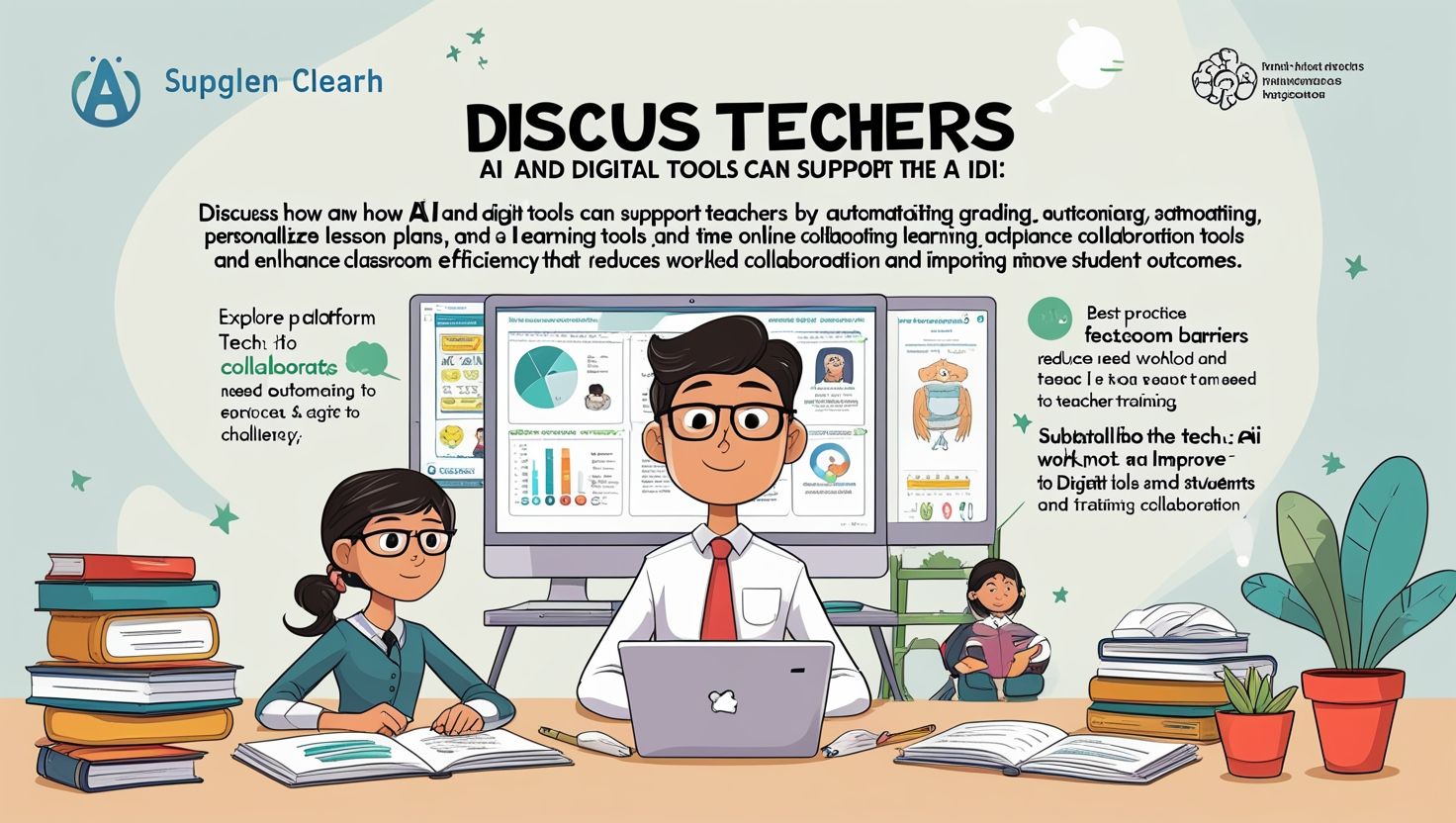
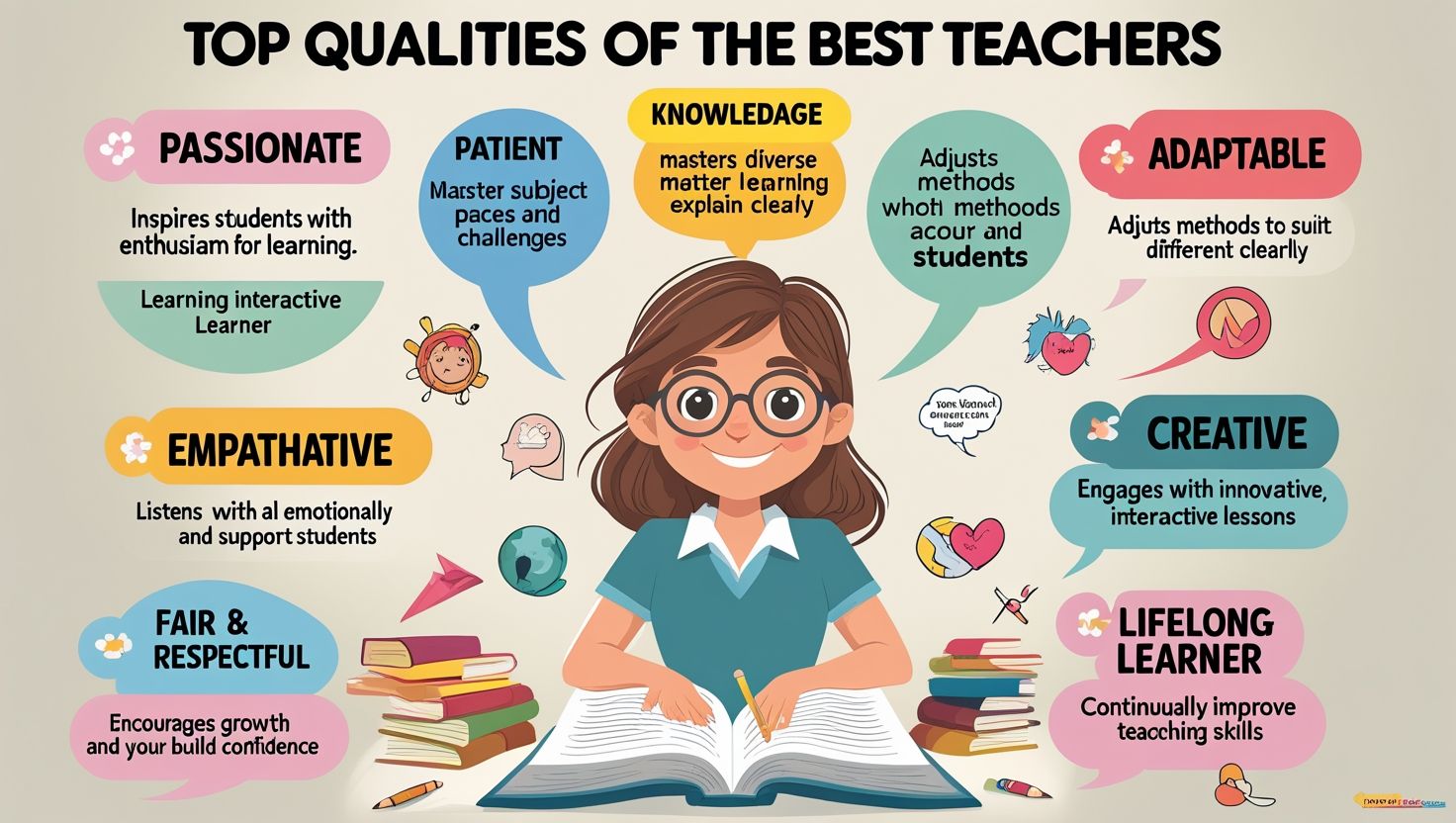
Teacher roles are also evolving in response to personalized learning powered by artificial intelligence. Rather than being the sole source of knowledge, teachers become facilitators, mentors, and guides who support student-centered learning. AI provides educators with detailed insights into student progress, enabling them to make informed decisions and offer targeted assistance. Teachers can focus more on higher-order tasks such as critical thinking, creativity, and emotional support, while AI handles routine activities like grading and content delivery. Additionally, professional development programs can help teachers effectively integrate AI tools into their teaching practices. This shift enhances the overall quality of education by combining human expertise with technological efficiency. Teachers play a crucial role in interpreting AI-generated data and ensuring that learning remains meaningful and ethical. By embracing this new role, educators can maximize the benefits of personalized learning and create more dynamic and responsive classroom environments.
10. Challenges in Implementing AI Personalization
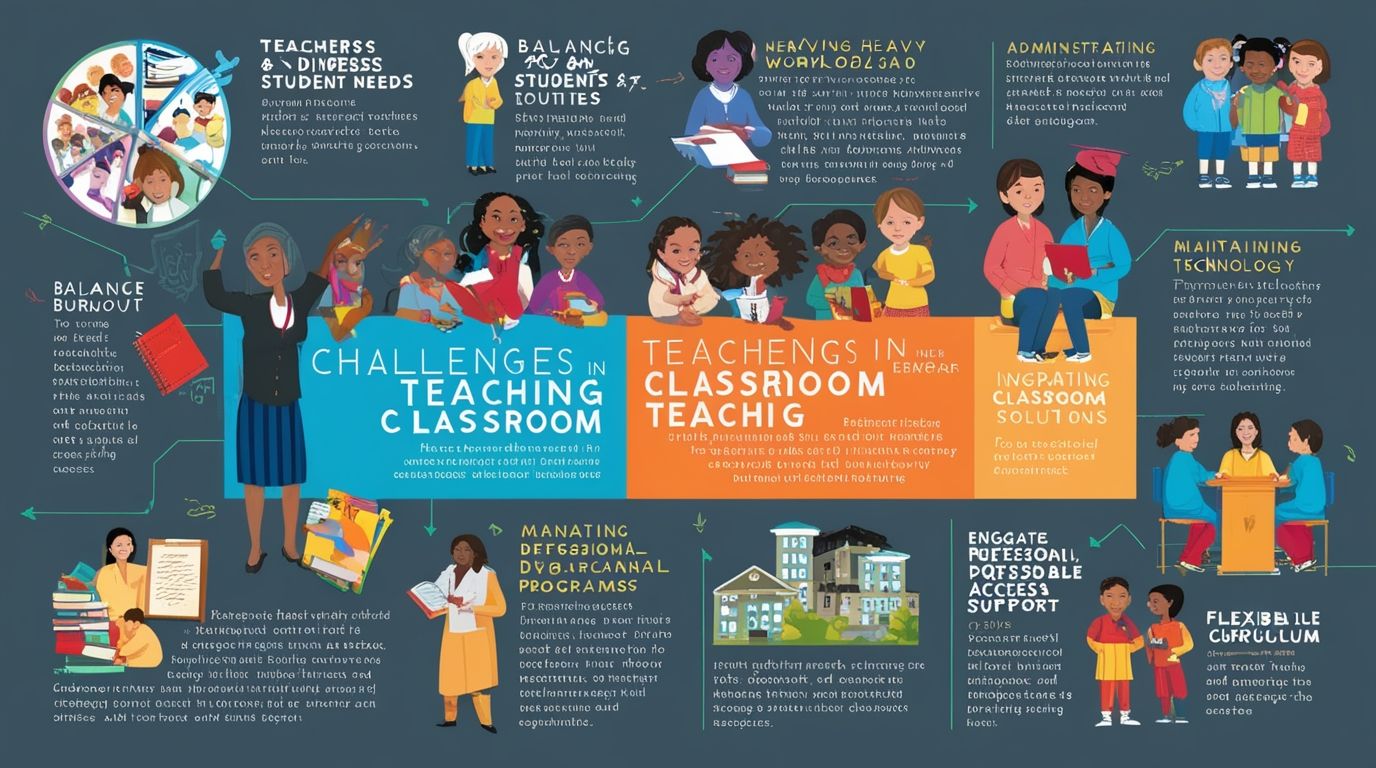
Despite its advantages, implementing personalized learning through artificial intelligence presents several challenges that must be carefully addressed. One major concern is data privacy, as AI systems rely on collecting and analyzing sensitive student information. Educational institutions must ensure robust security measures to protect this data and maintain trust among stakeholders. Another challenge is the potential for algorithmic bias, which can result in unequal learning opportunities if not properly managed. Additionally, the integration of AI requires significant investment in infrastructure, training, and technical support. Teachers and students must be adequately prepared to use these technologies effectively. There is also a risk of over-reliance on AI, which could diminish human interaction and critical thinking if not balanced appropriately. Addressing these challenges requires thoughtful planning, ethical considerations, and continuous evaluation to ensure that AI enhances rather than hinders the educational experience in personalized learning environments.
11. Scalability of AI in Education Systems
The scalability of personalized learning through artificial intelligence makes it particularly valuable for large and diverse education systems. Traditional individualized instruction is often limited by resources, as it requires significant time and effort from educators. AI overcomes this limitation by automating personalization processes, allowing institutions to provide customized learning experiences to thousands of students simultaneously. Cloud-based platforms and digital tools enable access to personalized education across different geographical locations, including remote and underserved areas. This scalability ensures that high-quality learning opportunities are not restricted to specific regions or institutions. Furthermore, AI systems can continuously update and improve based on new data, enhancing their effectiveness over time. By making personalized learning accessible at scale, artificial intelligence has the potential to transform education systems globally, ensuring that every learner receives the support and resources needed to succeed in an increasingly competitive and knowledge-driven world.
12. Future Innovations in AI Personalized Learning
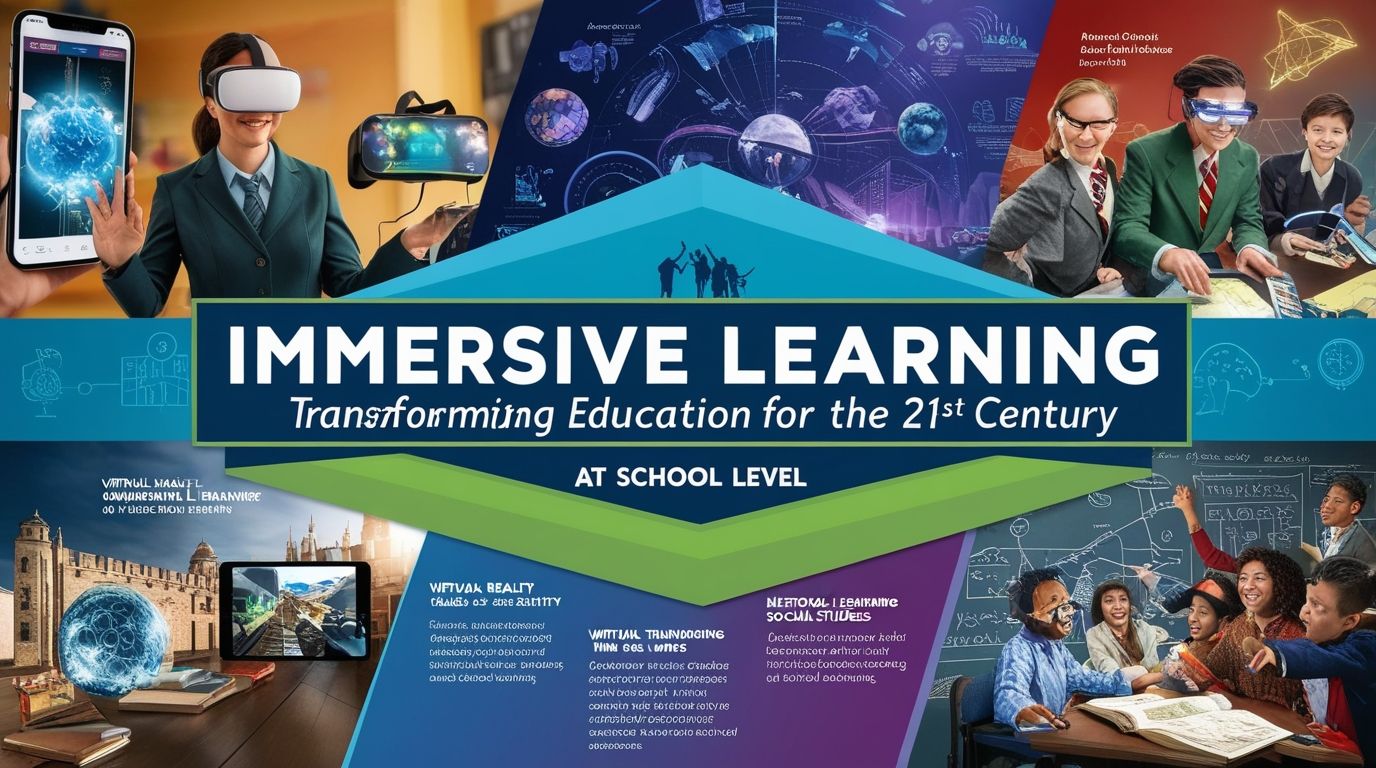
Future developments in artificial intelligence are expected to further enhance personalized learning by incorporating advanced technologies such as predictive analytics and emotional recognition. Predictive models can anticipate learning challenges before they occur, enabling proactive interventions that prevent learning gaps. Emotional recognition technologies can analyze facial expressions, voice patterns, and engagement levels to assess student emotions during learning activities. This allows AI systems to respond empathetically, providing encouragement or adjusting content to maintain motivation. Additionally, advancements in virtual and augmented reality can create immersive learning environments tailored to individual needs. These innovations will make personalized learning more intuitive, interactive, and effective. However, their implementation must be guided by ethical principles to ensure responsible use. As technology continues to evolve, the integration of advanced AI capabilities will further strengthen the potential of personalized learning, creating more responsive and human-centered educational experiences for learners worldwide.
13. Stakeholder Collaboration for Effective Implementation
Collaboration between stakeholders is essential for the successful implementation of personalized learning through artificial intelligence. Governments, educational institutions, technology developers, and educators must work together to design systems that align with educational goals and ethical standards. Policymakers play a crucial role in establishing guidelines for data privacy, accessibility, and quality assurance. Educational institutions must invest in infrastructure and provide training for teachers and students. Technology developers should focus on creating user-friendly and inclusive AI tools that address real classroom needs. Additionally, ongoing research is necessary to evaluate the effectiveness of personalized learning systems and identify areas for improvement. Collaboration ensures that AI solutions are not only technically advanced but also pedagogically sound and socially responsible. By fostering partnerships among stakeholders, education systems can maximize the benefits of AI-driven personalization and create sustainable models for future learning environments that support innovation and inclusivity.
14. Conclusion: Transforming Education Through AI Personalization
In conclusion, personalized learning through artificial intelligence represents a significant advancement in education, offering tailored learning experiences that address the diverse needs of students. By leveraging data analytics, adaptive systems, intelligent tutoring, and content recommendation, AI creates dynamic and responsive learning environments. It enhances engagement, supports inclusivity, and empowers both students and teachers to achieve better outcomes. While challenges such as data privacy, bias, and implementation costs must be addressed, the overall potential of AI in personalized learning is immense. As technology continues to evolve, it will play an increasingly important role in shaping the future of education. By adopting a balanced and ethical approach, educators and institutions can harness the power of AI to create meaningful and effective learning experiences. Ultimately, personalized learning through artificial intelligence has the potential to transform education into a more equitable, efficient, and learner-centered system for generations to come.