Introduction
Promoting Inclusive, Engaging, and Quality Education in School, Education is a fundamental human right and a powerful instrument for personal growth, social development, and national progress. Schools play a central role in shaping the intellectual, emotional, social, and moral development of learners. In the twenty-first century, educational institutions are expected not only to provide academic knowledge but also to create environments where every learner feels valued, respected, and capable of achieving success. Promoting inclusive, engaging, and quality education has therefore become a major priority for schools worldwide. Inclusive education ensures that all learners, regardless of their backgrounds, abilities, or circumstances, have equal opportunities to participate in learning. Engaging education motivates students to become active participants in the learning process, while quality education equips them with relevant knowledge, skills, attitudes, and values. Together, these three dimensions create a comprehensive framework for effective and equitable schooling for all learners.
Understanding Inclusive Education and Diversity
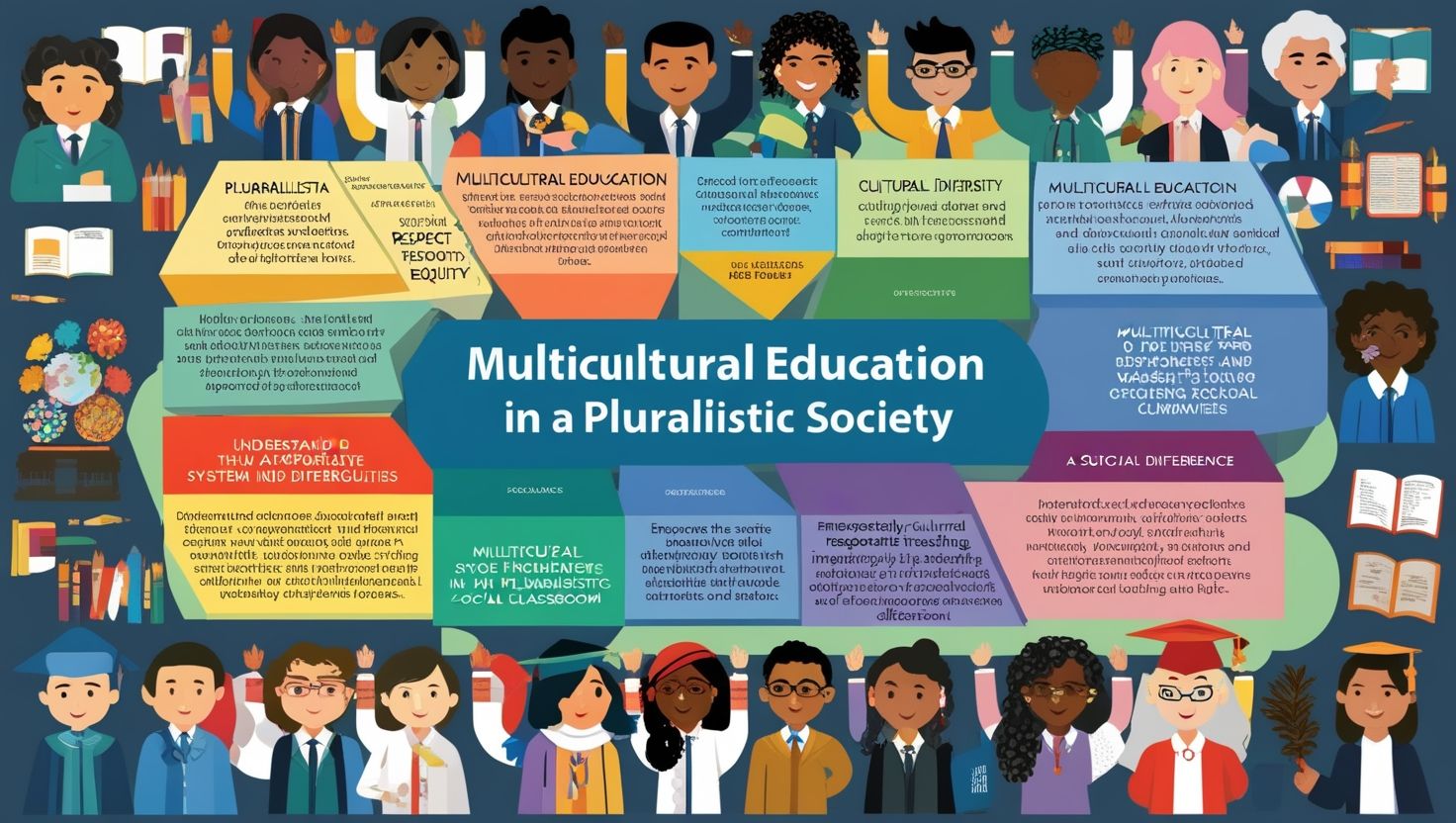
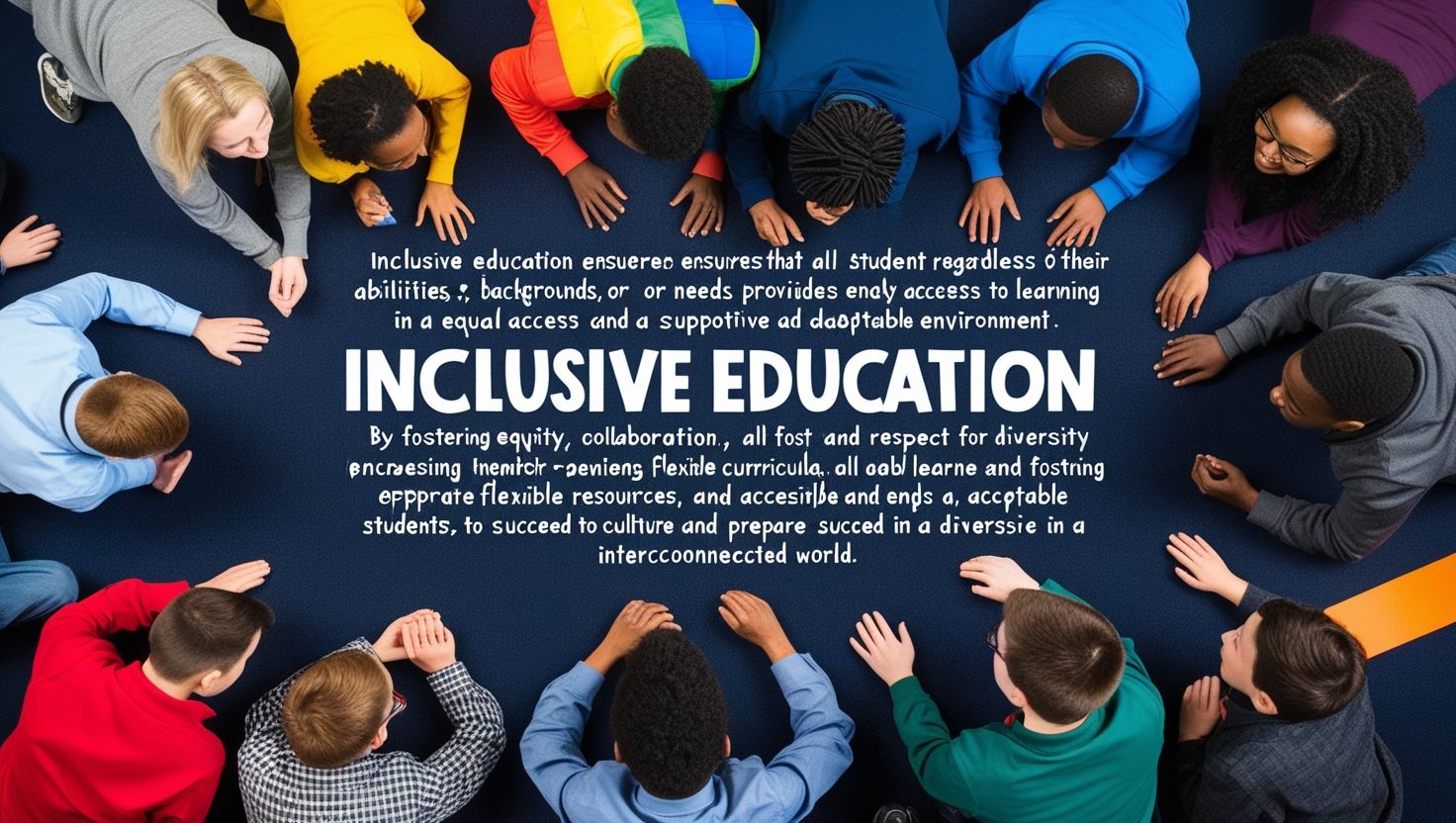
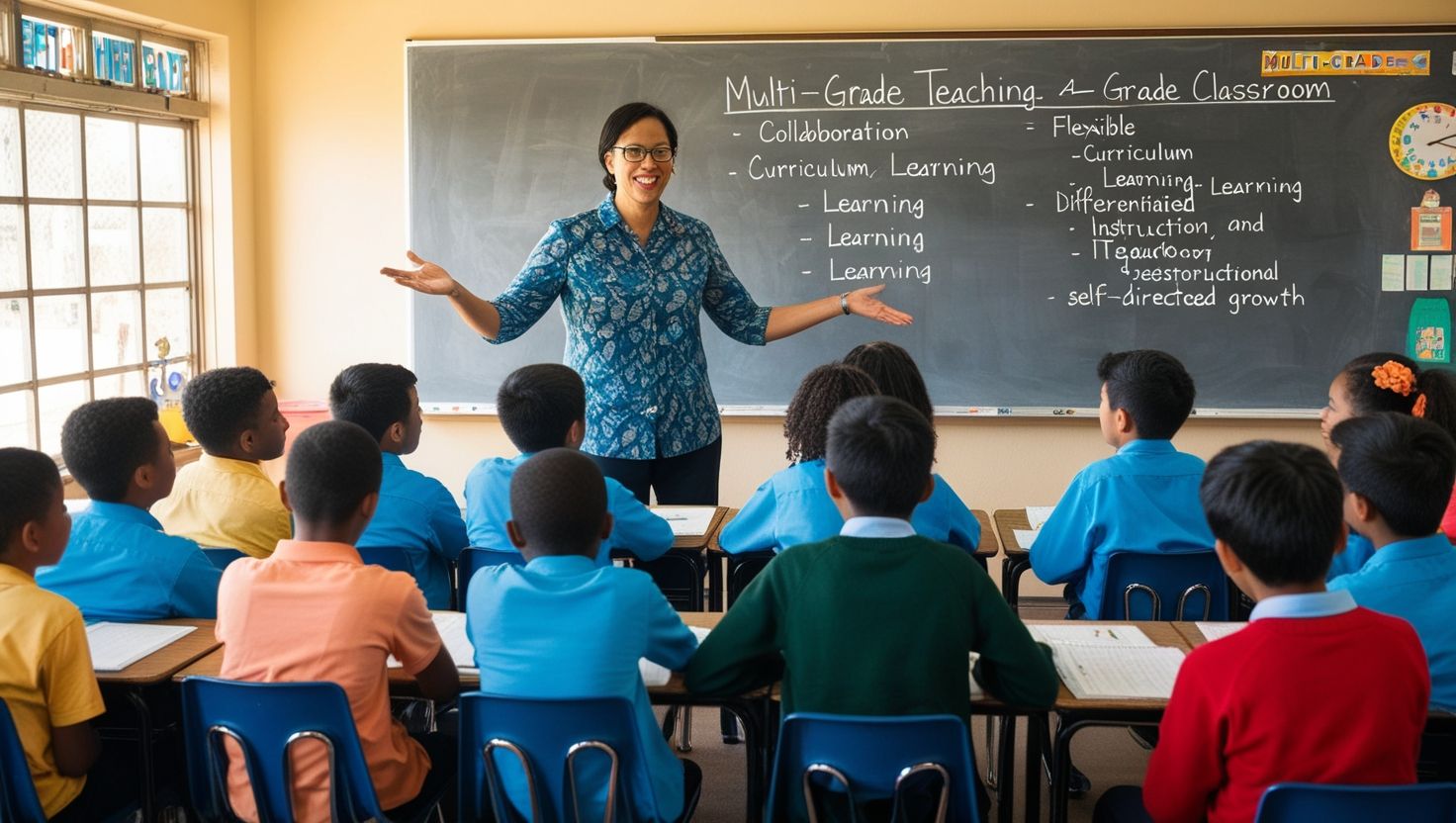
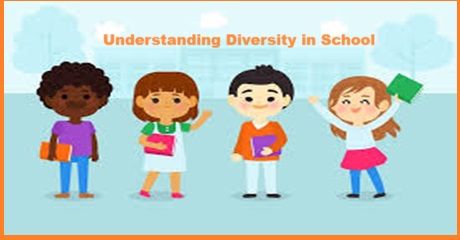
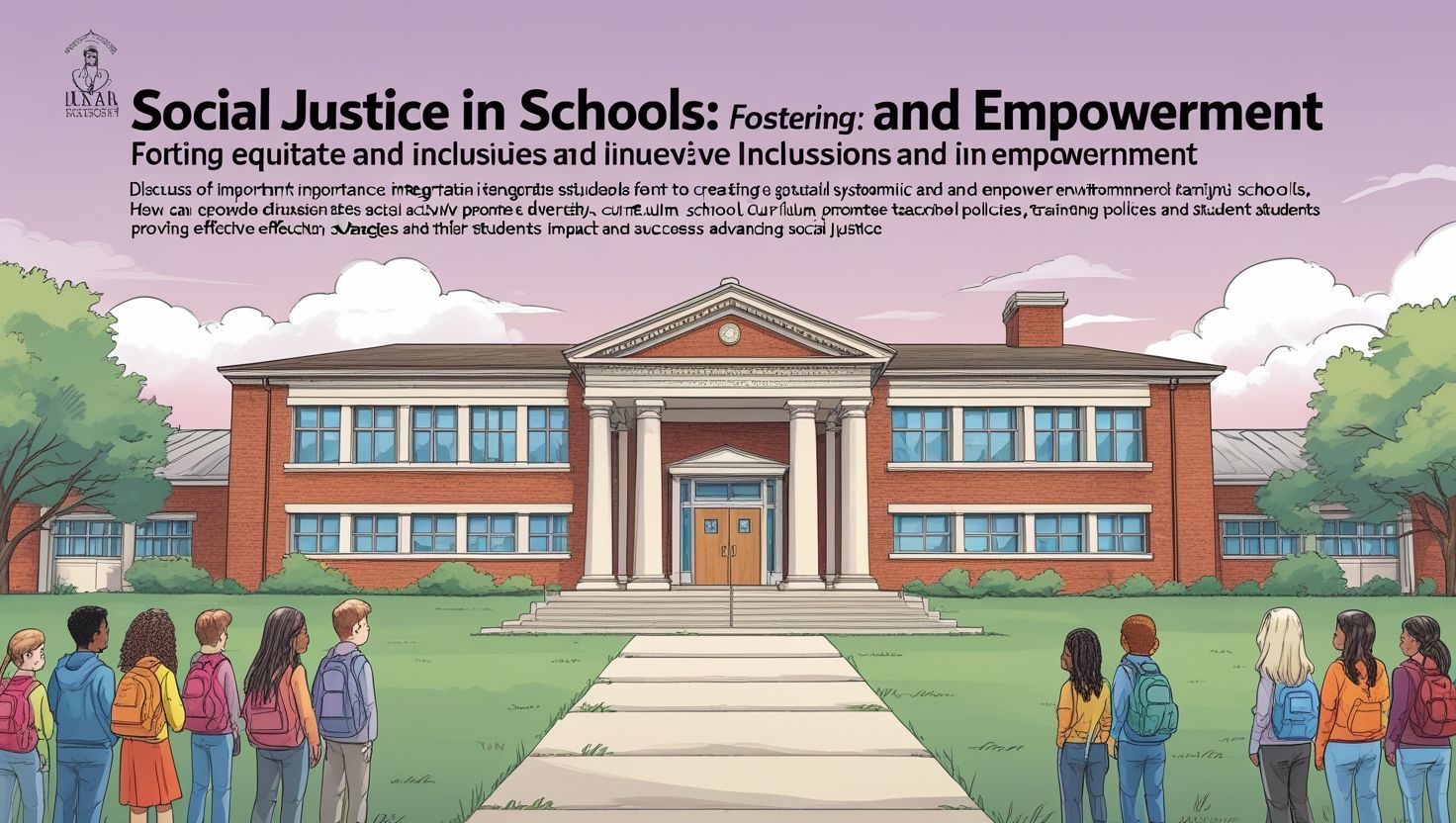
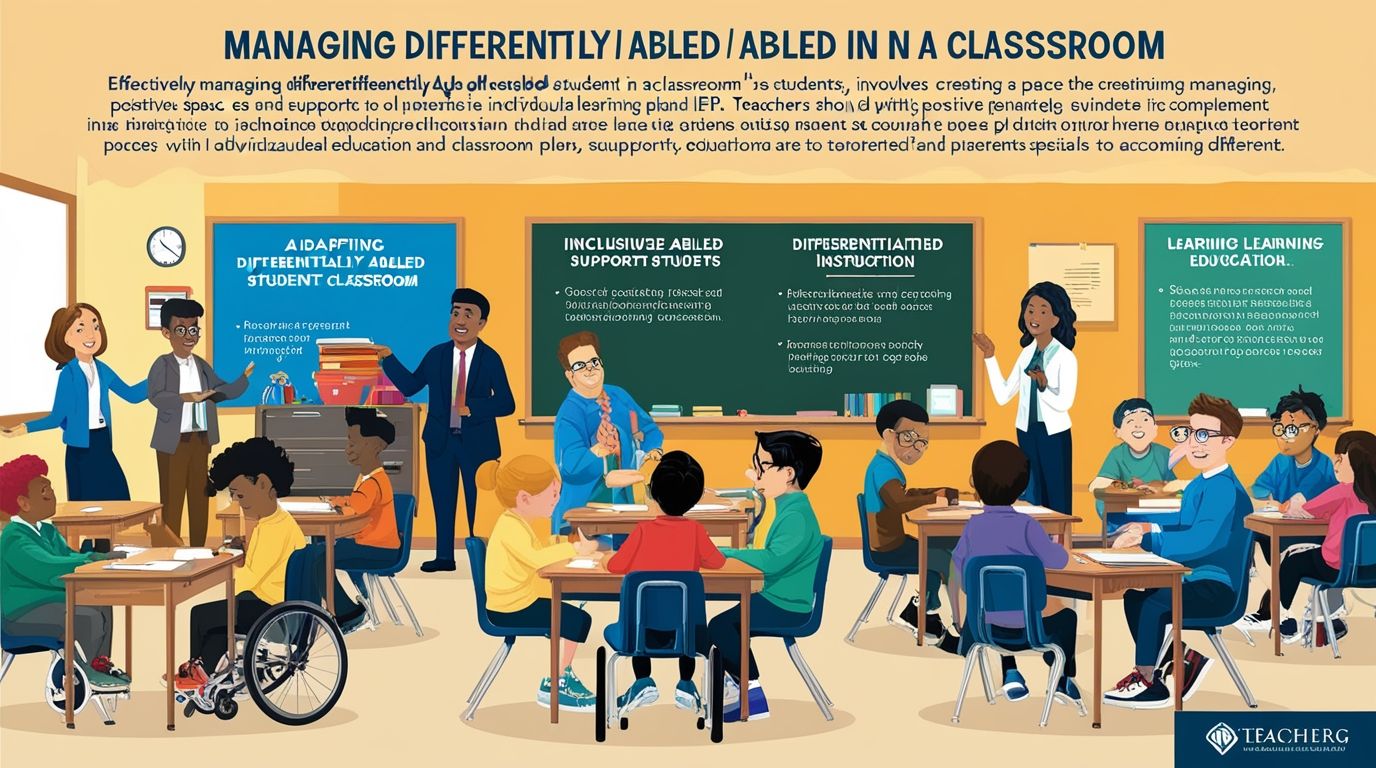
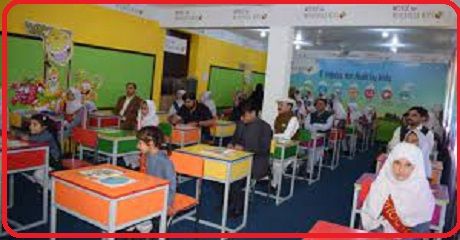
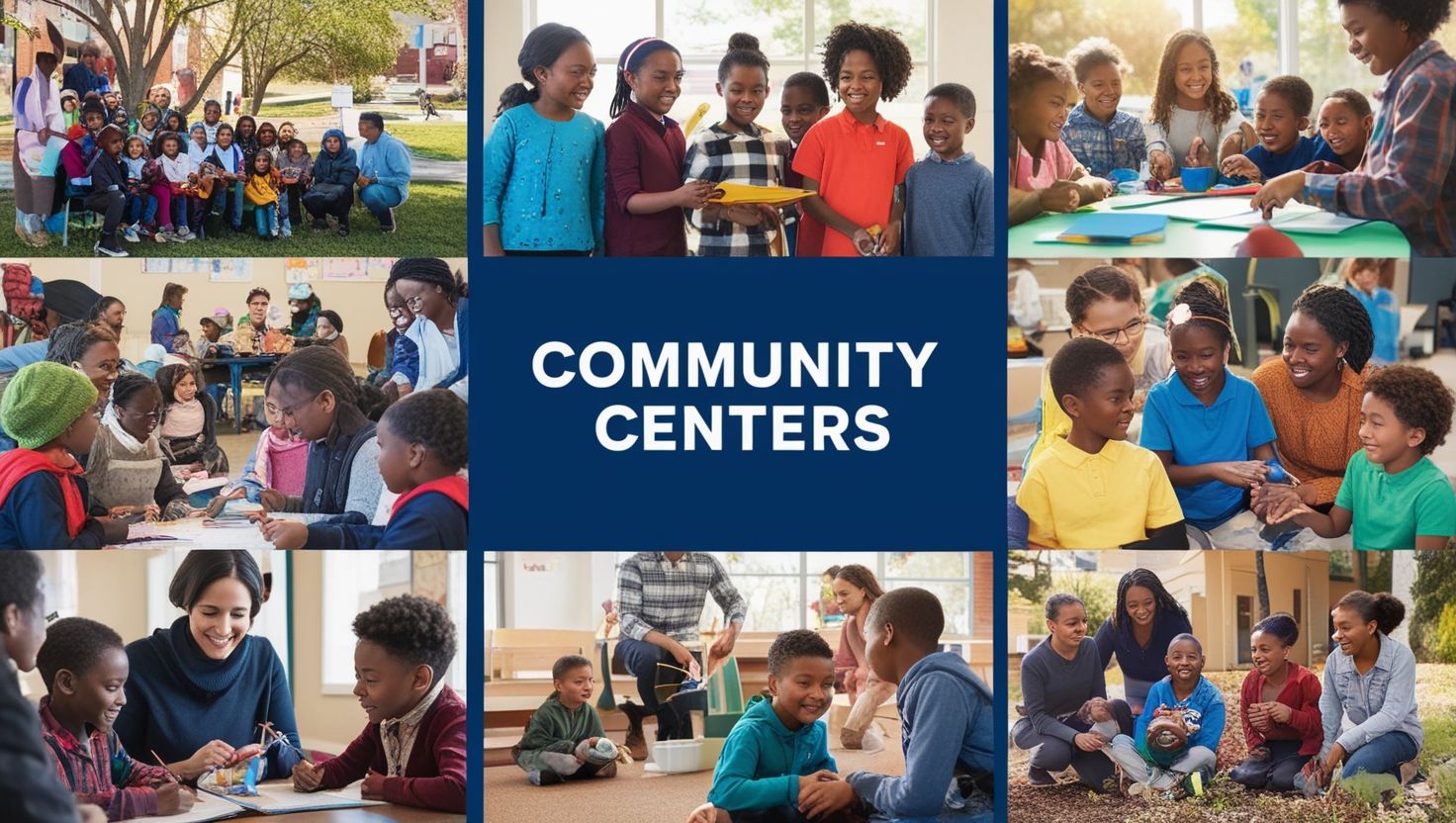
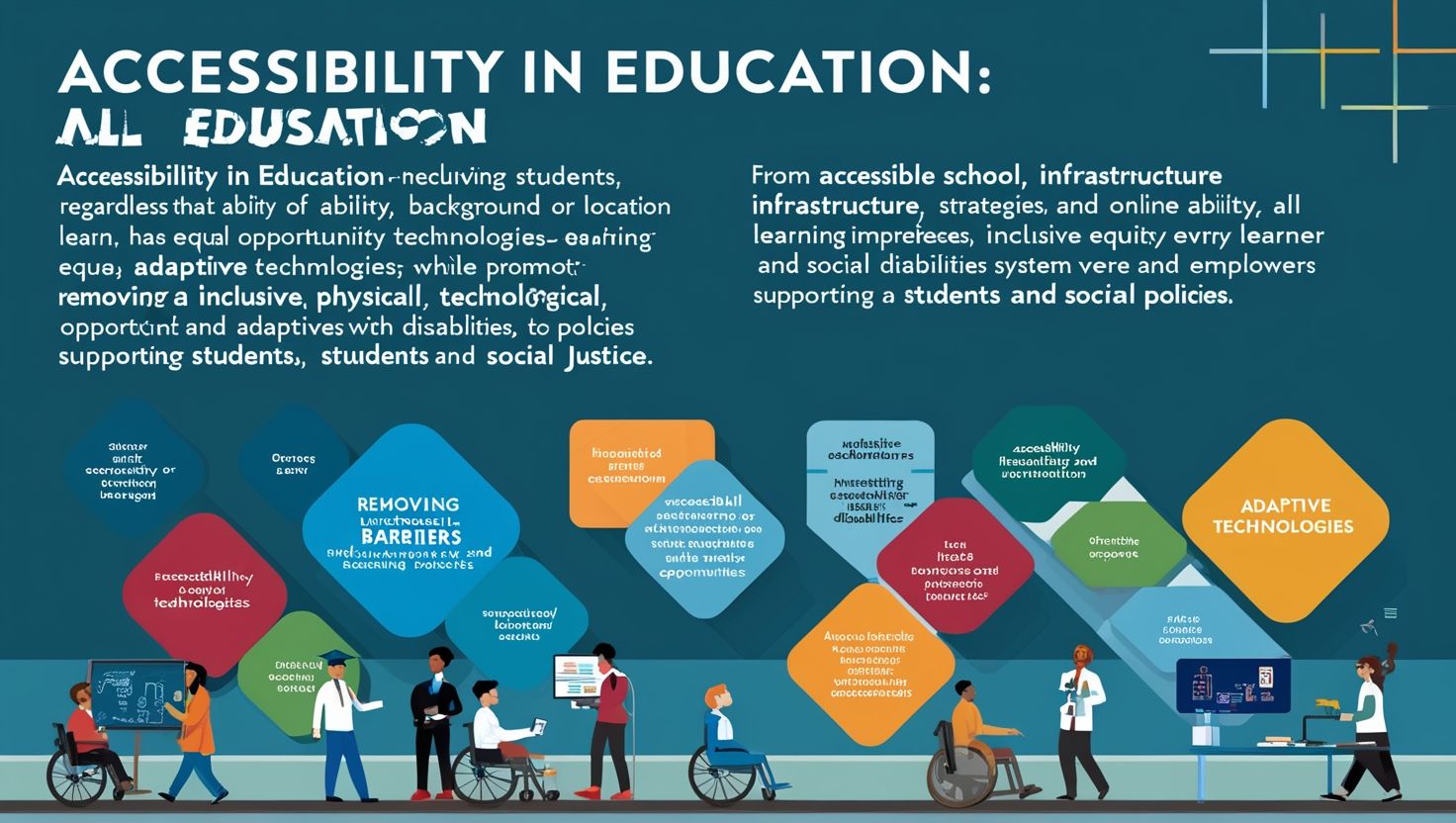
Inclusive education is based on the principle that every child deserves access to meaningful learning opportunities within a supportive educational environment. Schools that embrace inclusion recognize and celebrate diversity among learners. Differences in language, culture, gender, socioeconomic status, religion, physical abilities, learning styles, and academic performance should not become barriers to educational participation. Instead, these differences should be viewed as strengths that enrich the learning community. Inclusive schools strive to remove obstacles that may prevent learners from achieving their full potential. This involves adapting teaching methods, learning materials, classroom environments, and assessment practices to meet diverse student needs. When inclusion becomes an integral part of school culture, students develop respect for others, empathy, cooperation, and social responsibility. Such environments contribute significantly to building harmonious societies that value equality, dignity, and mutual understanding among all individuals.
Building an Inclusive School Environment
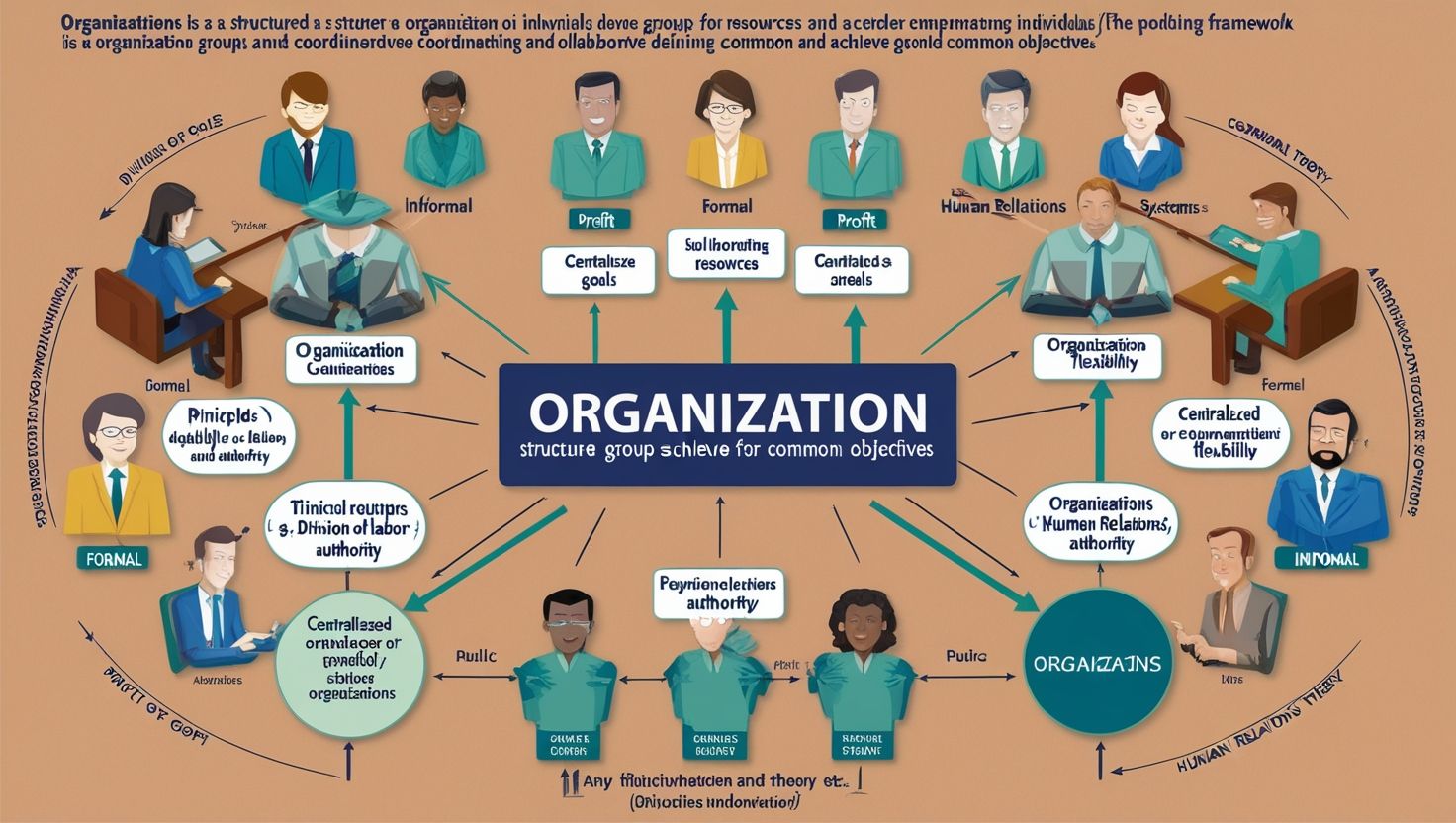
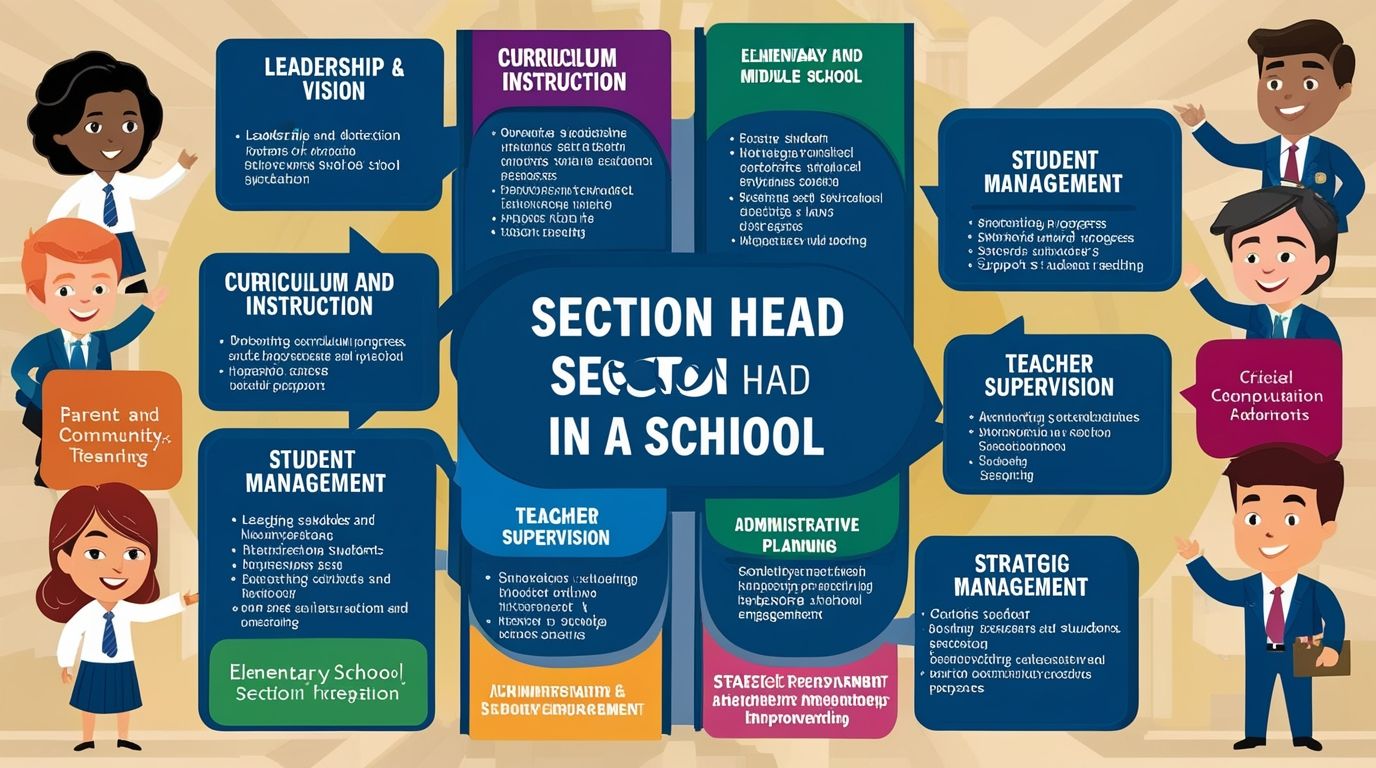
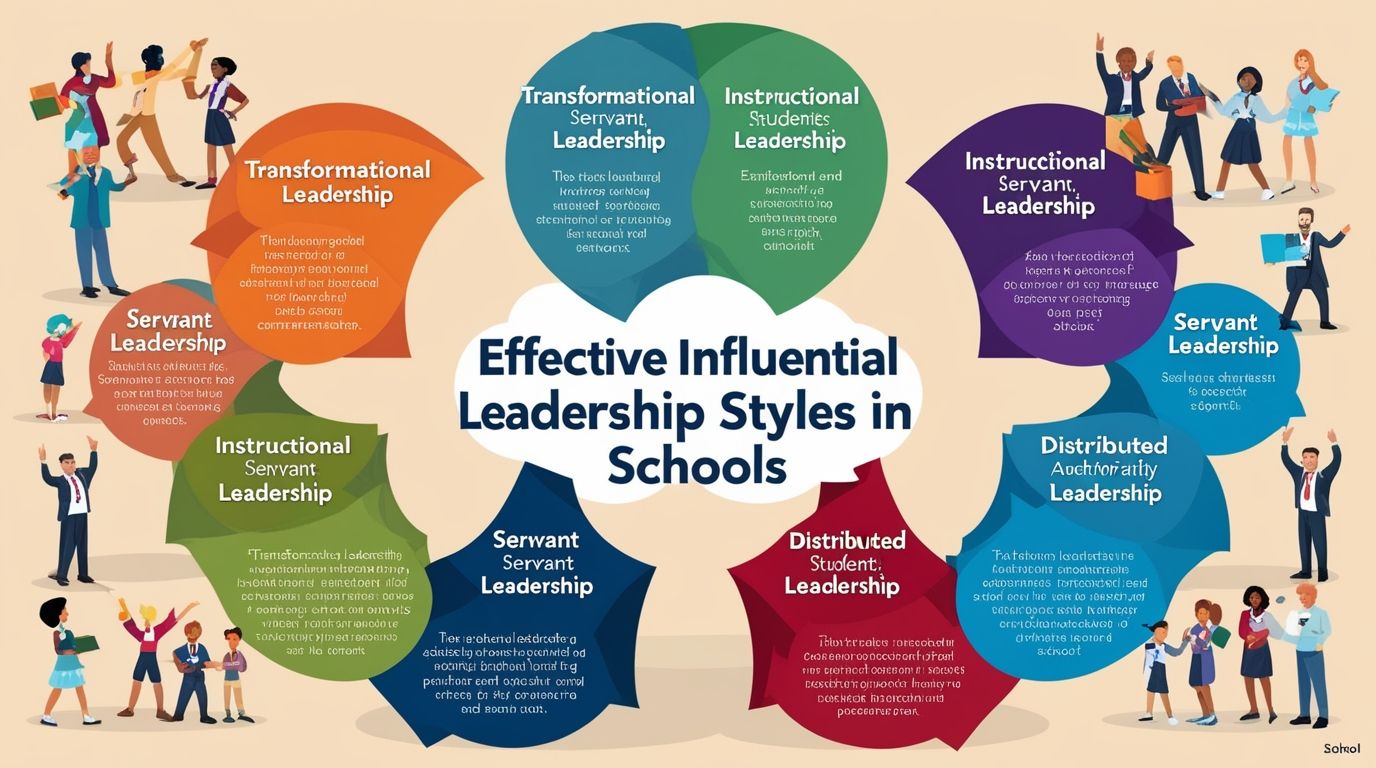
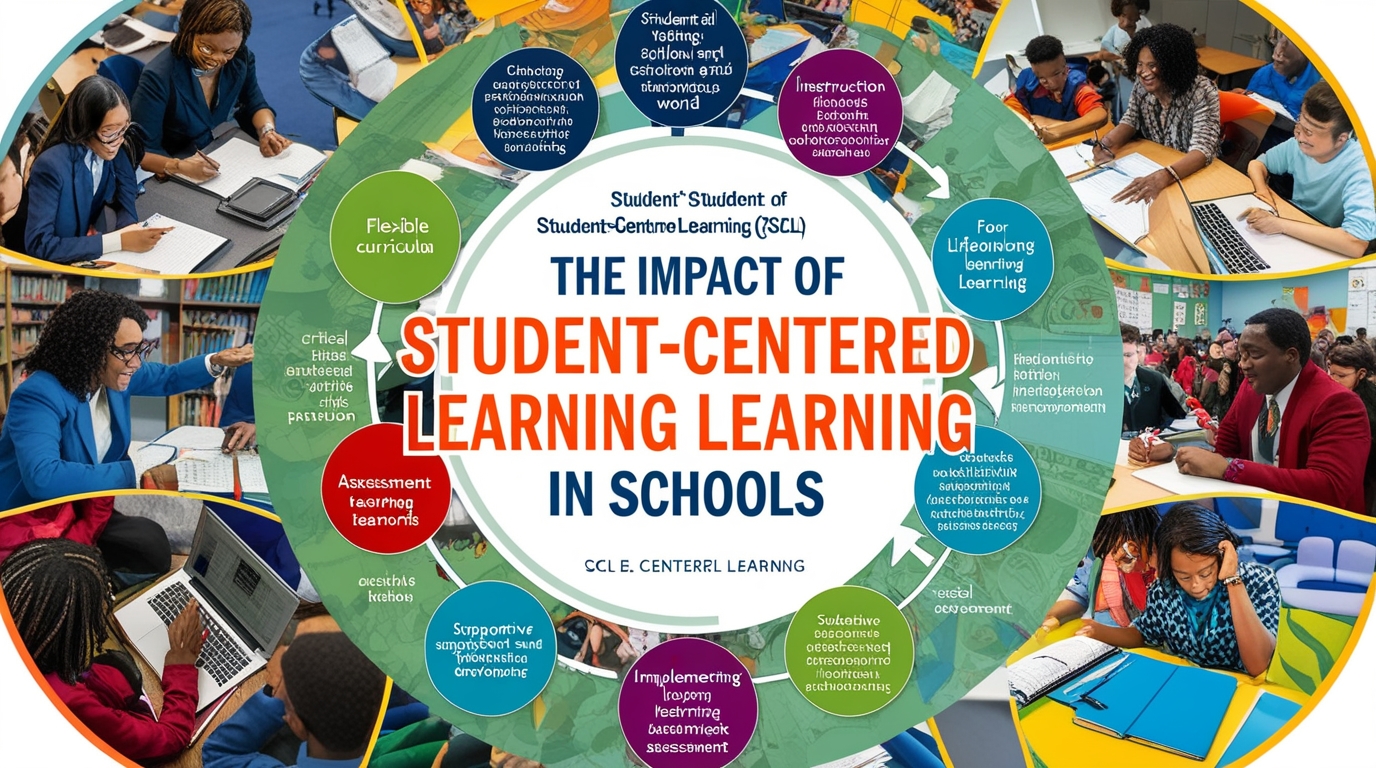
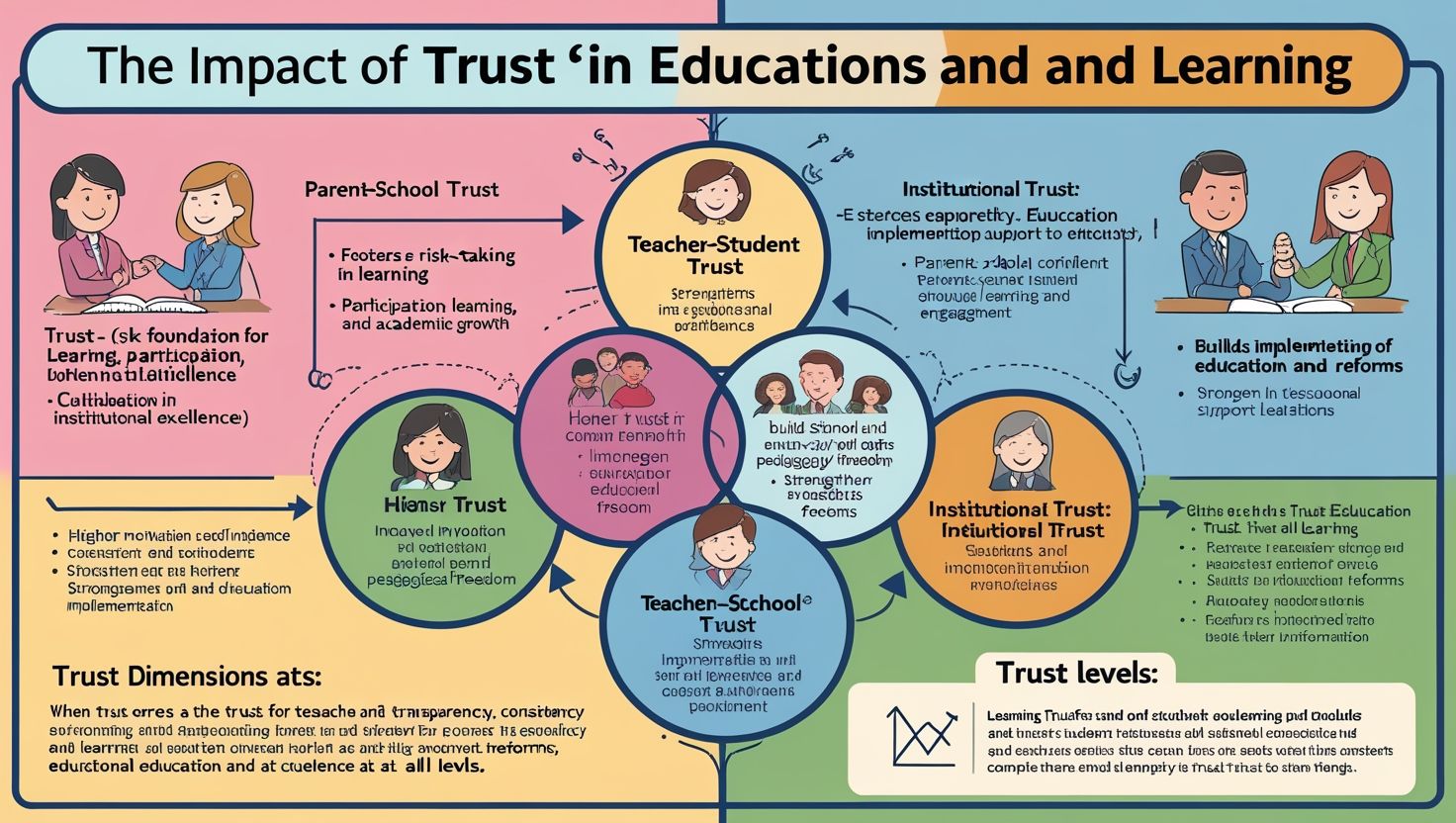
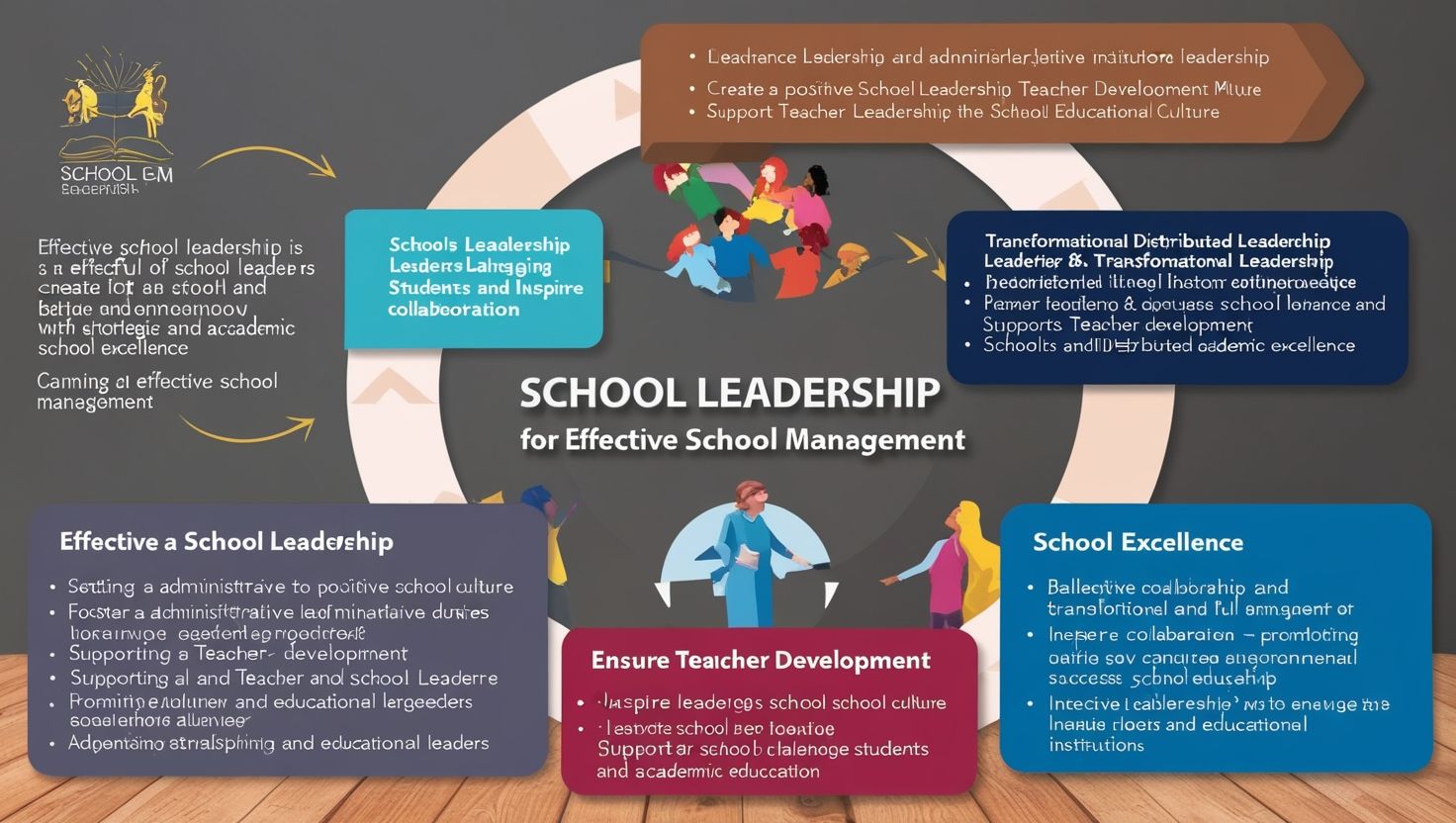
Creating an inclusive school requires strong leadership and a clear commitment from administrators, teachers, students, and families. School leaders play a vital role in establishing policies and practices that support equity and participation. They must ensure that educational resources are distributed fairly and that teachers receive professional development opportunities related to inclusive teaching strategies. Teachers, in turn, must adopt learner-centered approaches that recognize individual differences and provide appropriate support for all students. Collaboration among staff members helps identify challenges and develop effective solutions. Families also contribute significantly by sharing information about their children’s strengths, needs, and interests. Open communication between schools and communities strengthens trust and cooperation. When all stakeholders work together toward common goals, schools become places where every learner feels welcomed, supported, and encouraged to succeed regardless of personal circumstances or educational challenges.
Enhancing Student Engagement Through Active Learning
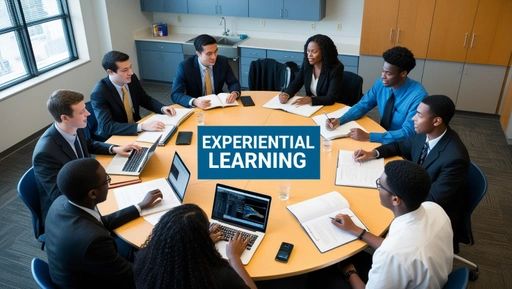
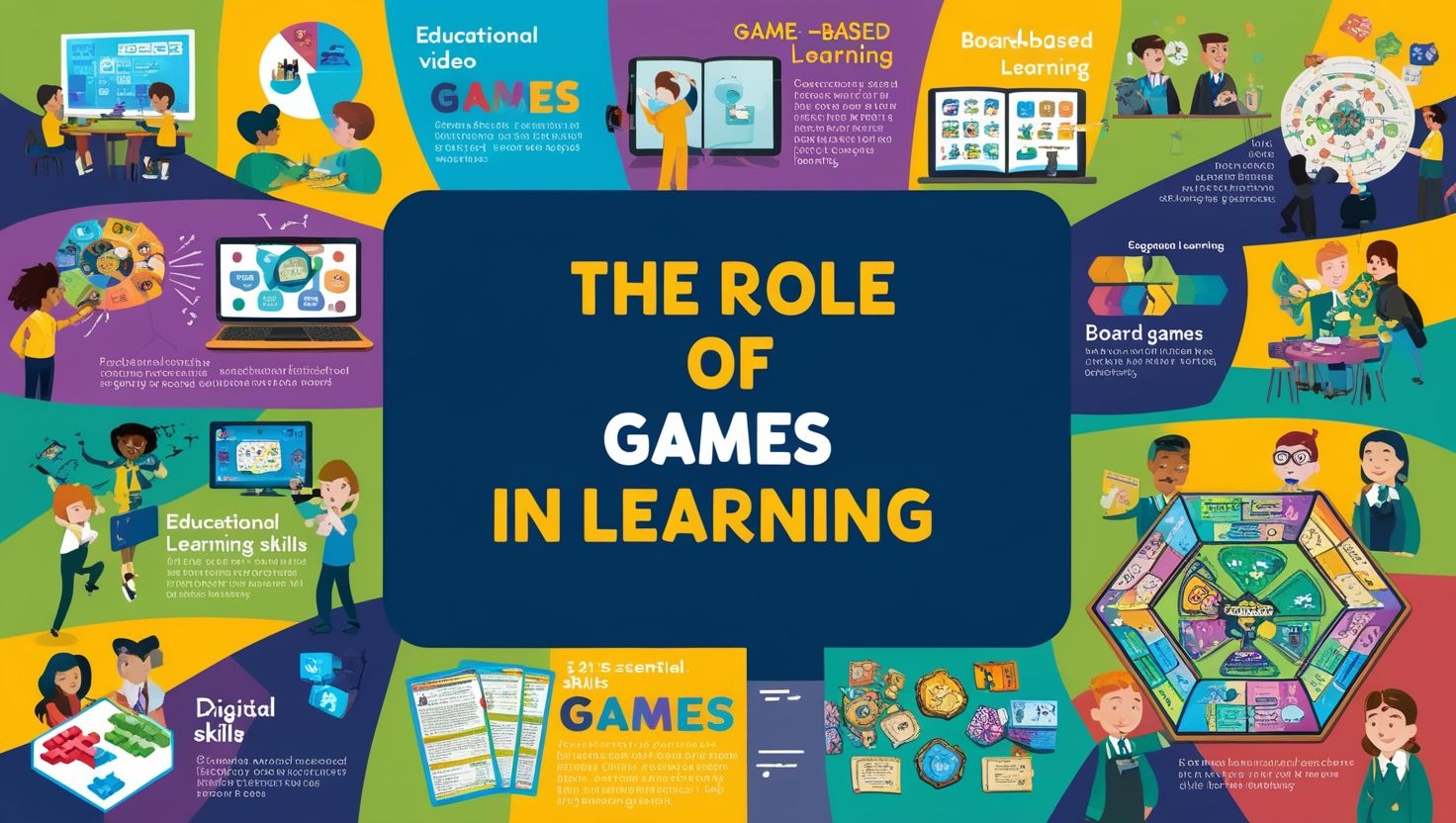
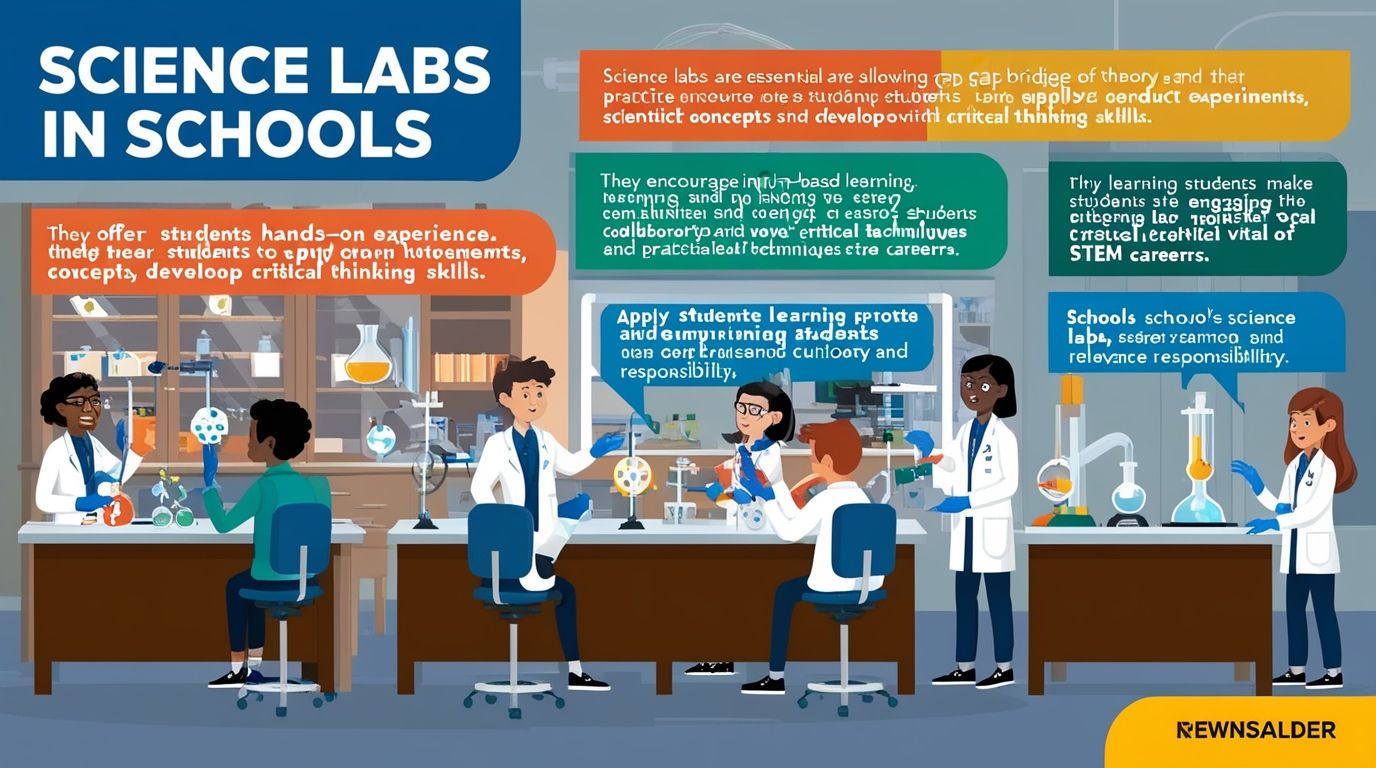
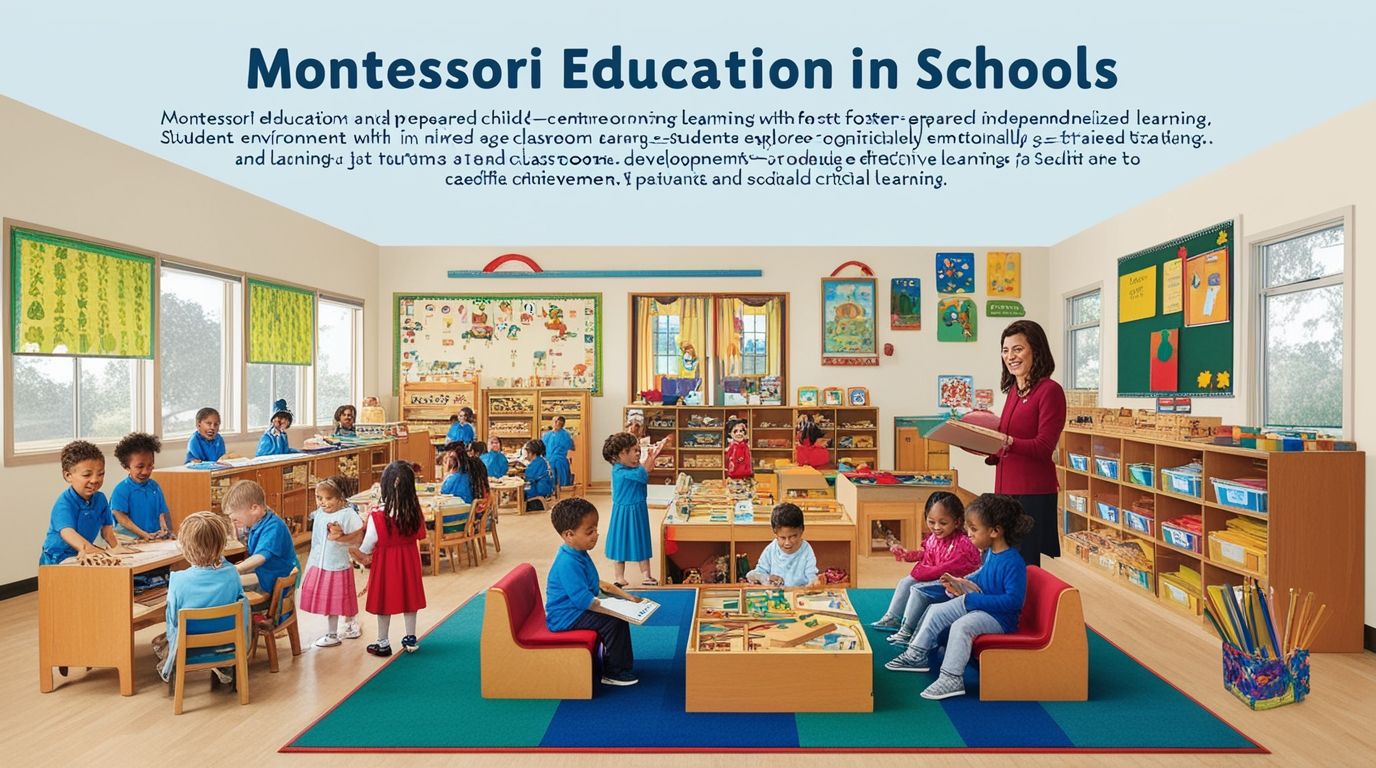
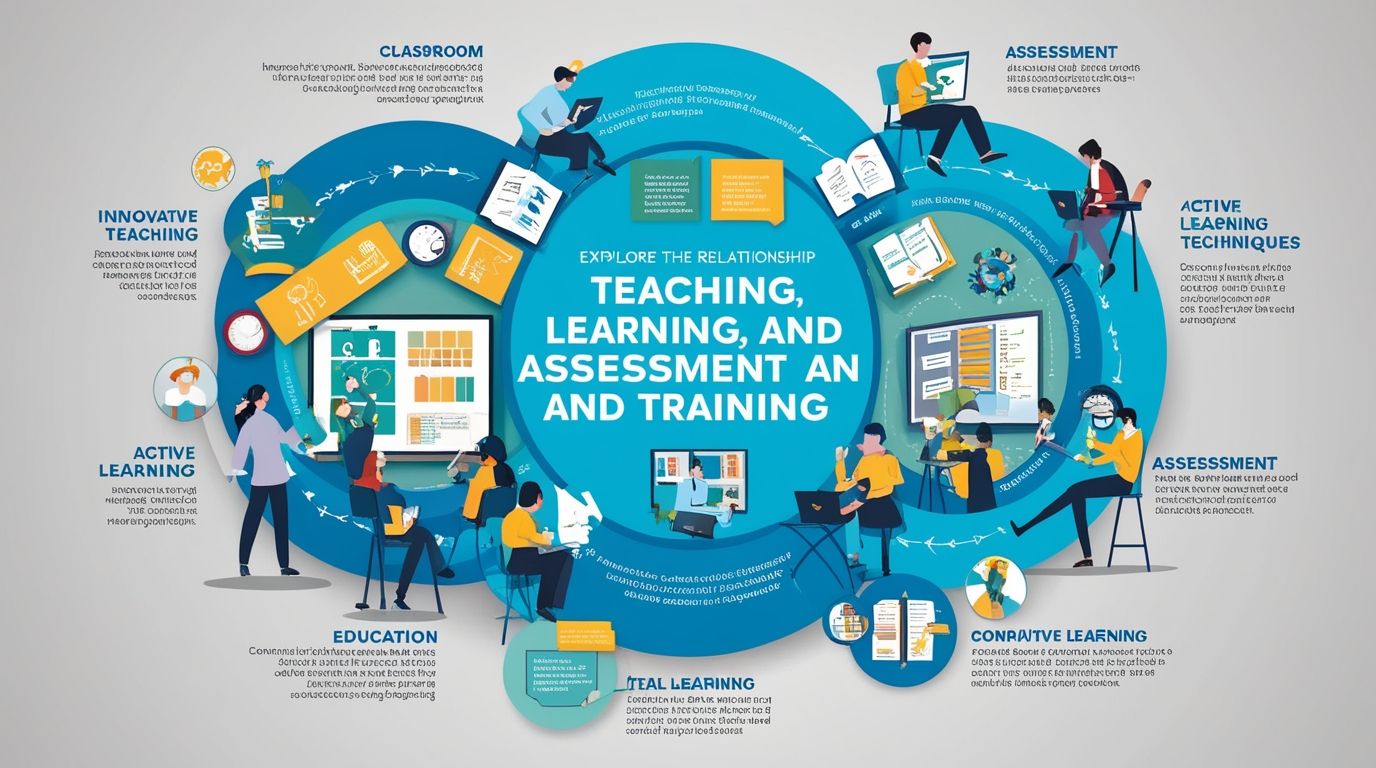
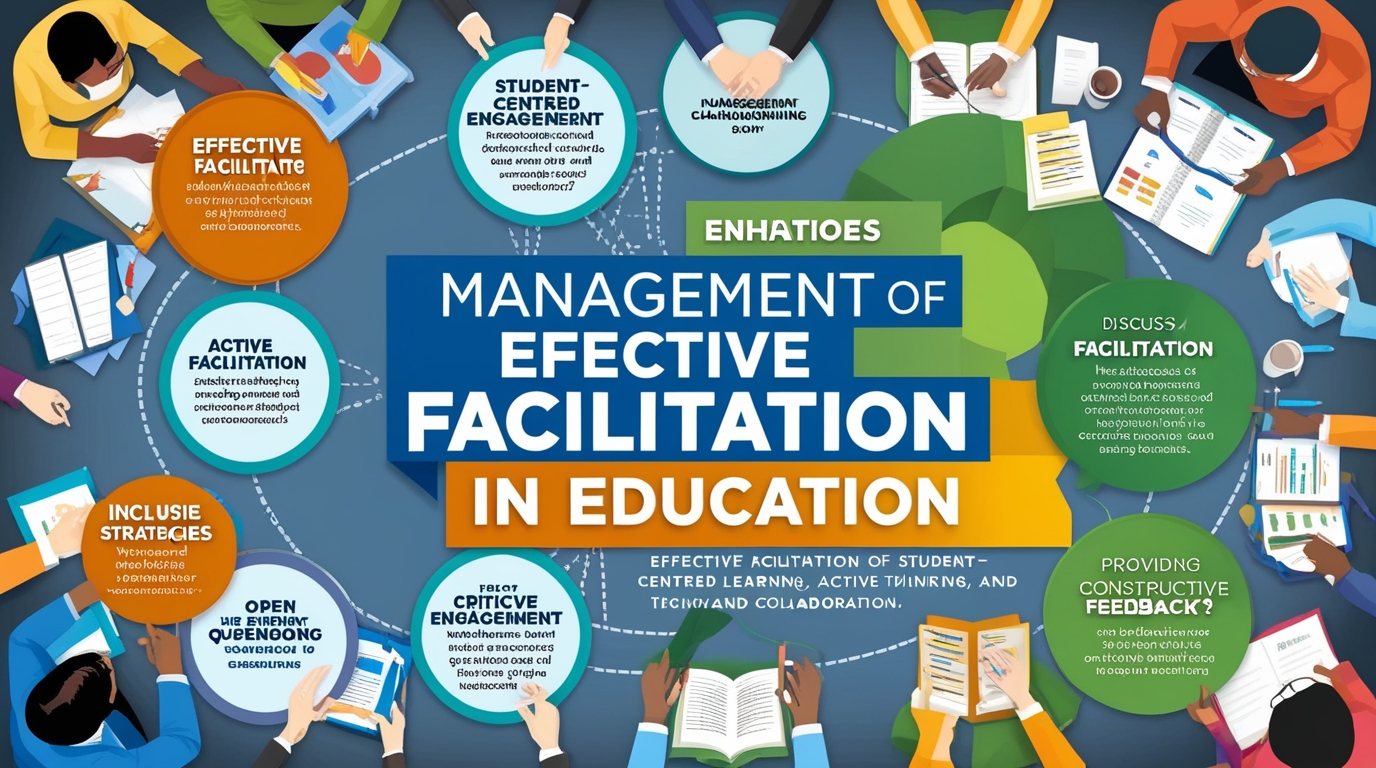
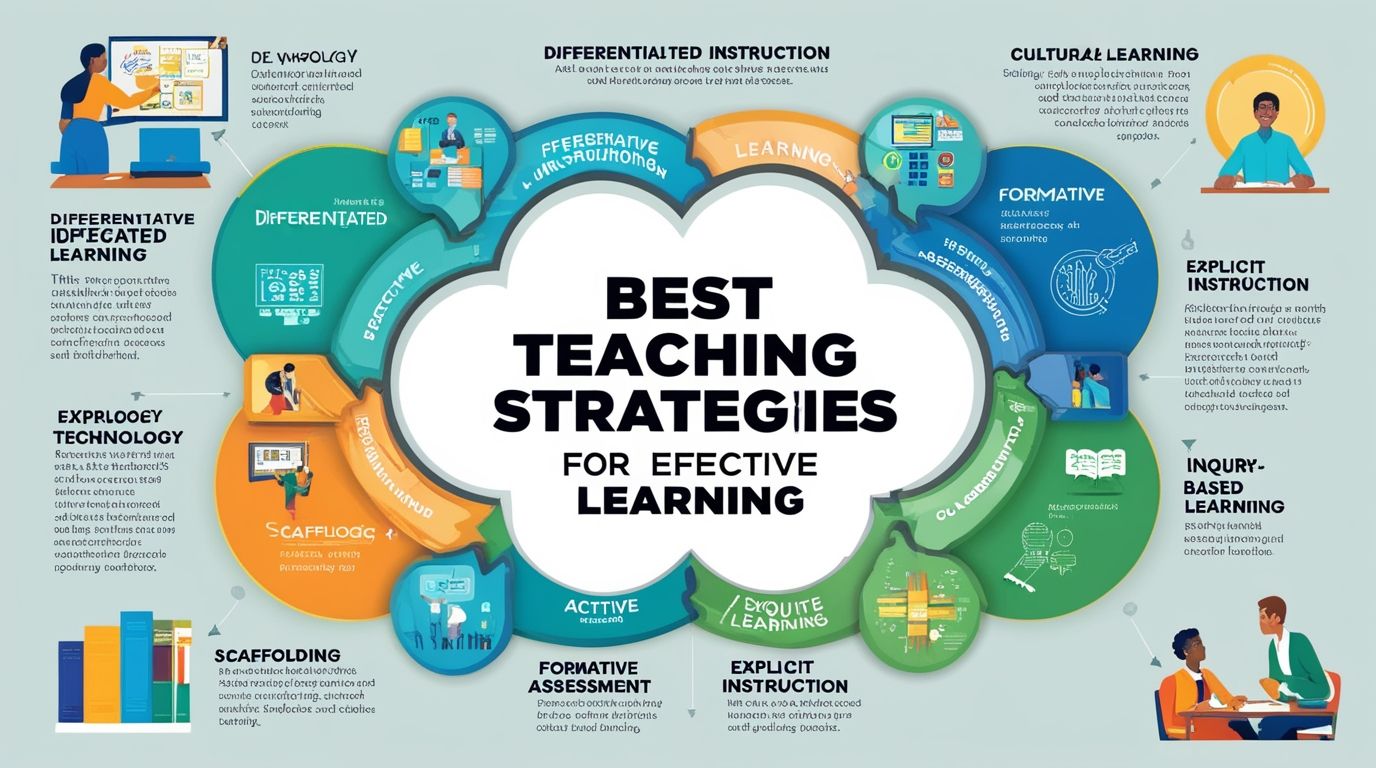
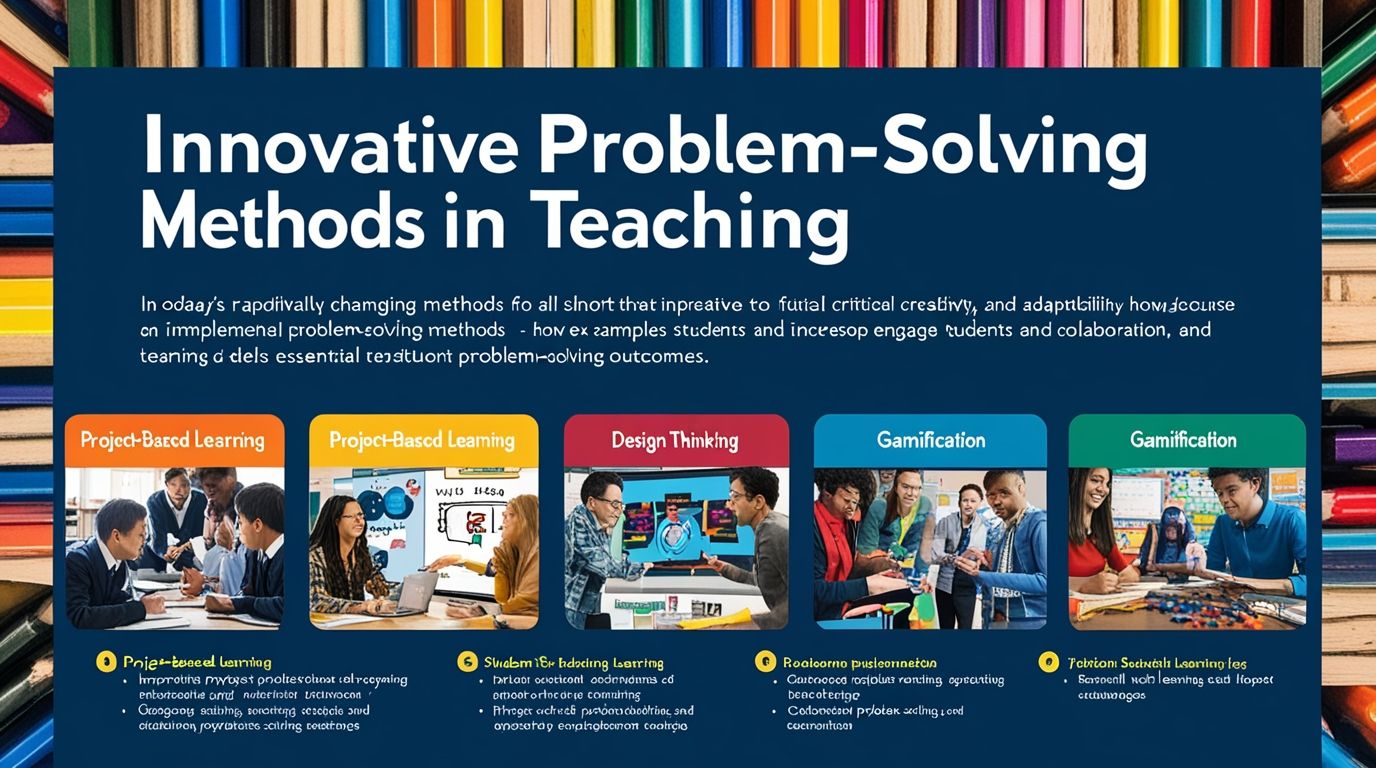
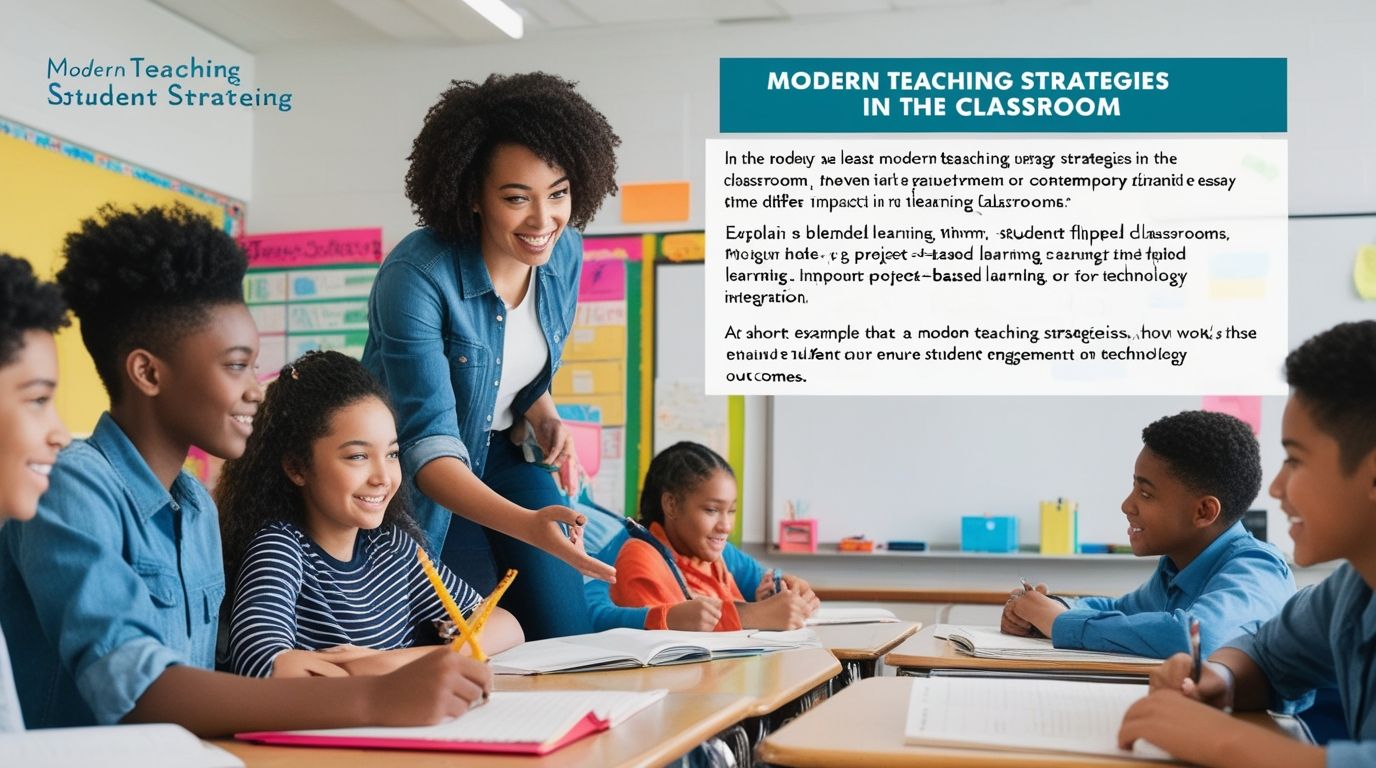
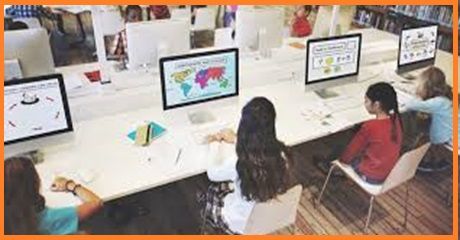
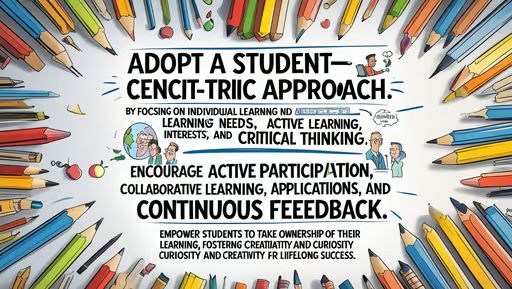
Engaging education is another essential component of successful schooling. Student engagement refers to the level of interest, participation, motivation, and commitment learners demonstrate during educational activities. Engaged students are more likely to attend school regularly, participate actively in lessons, complete assignments, and achieve positive academic outcomes. To promote engagement, teachers must design learning experiences that are meaningful, relevant, and connected to students’ lives. Interactive teaching methods such as group discussions, project-based learning, problem-solving activities, role-playing exercises, and collaborative tasks encourage active involvement. Technology can also enhance engagement when used thoughtfully to support learning objectives. Educational games, multimedia presentations, virtual simulations, and online collaboration tools provide opportunities for students to explore concepts in creative ways. By making learning enjoyable and purposeful, schools can foster curiosity, enthusiasm, and a lifelong love of learning among students.
Creating Supportive and Motivating Learning Environments
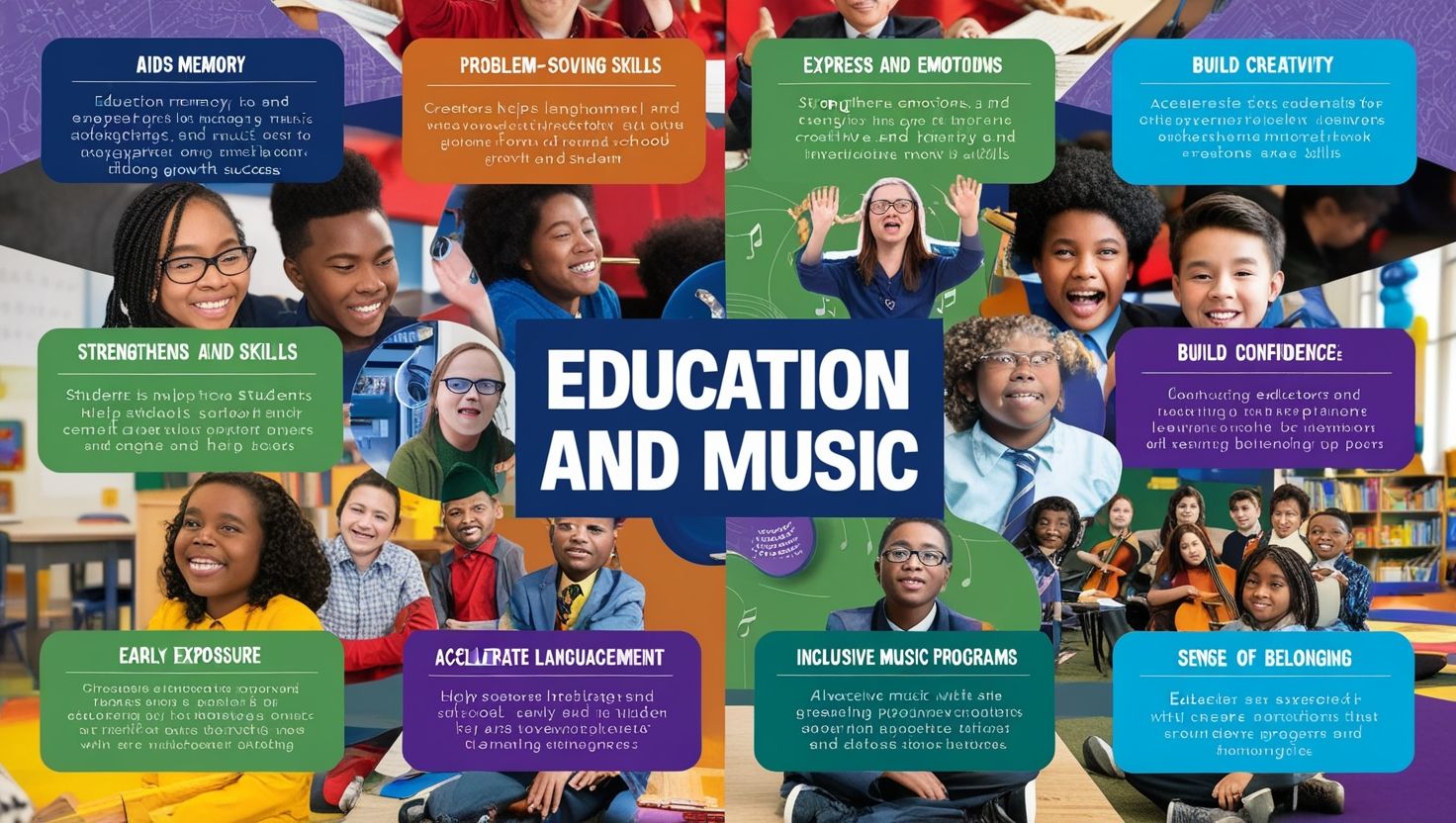
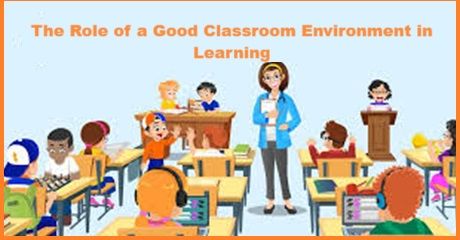
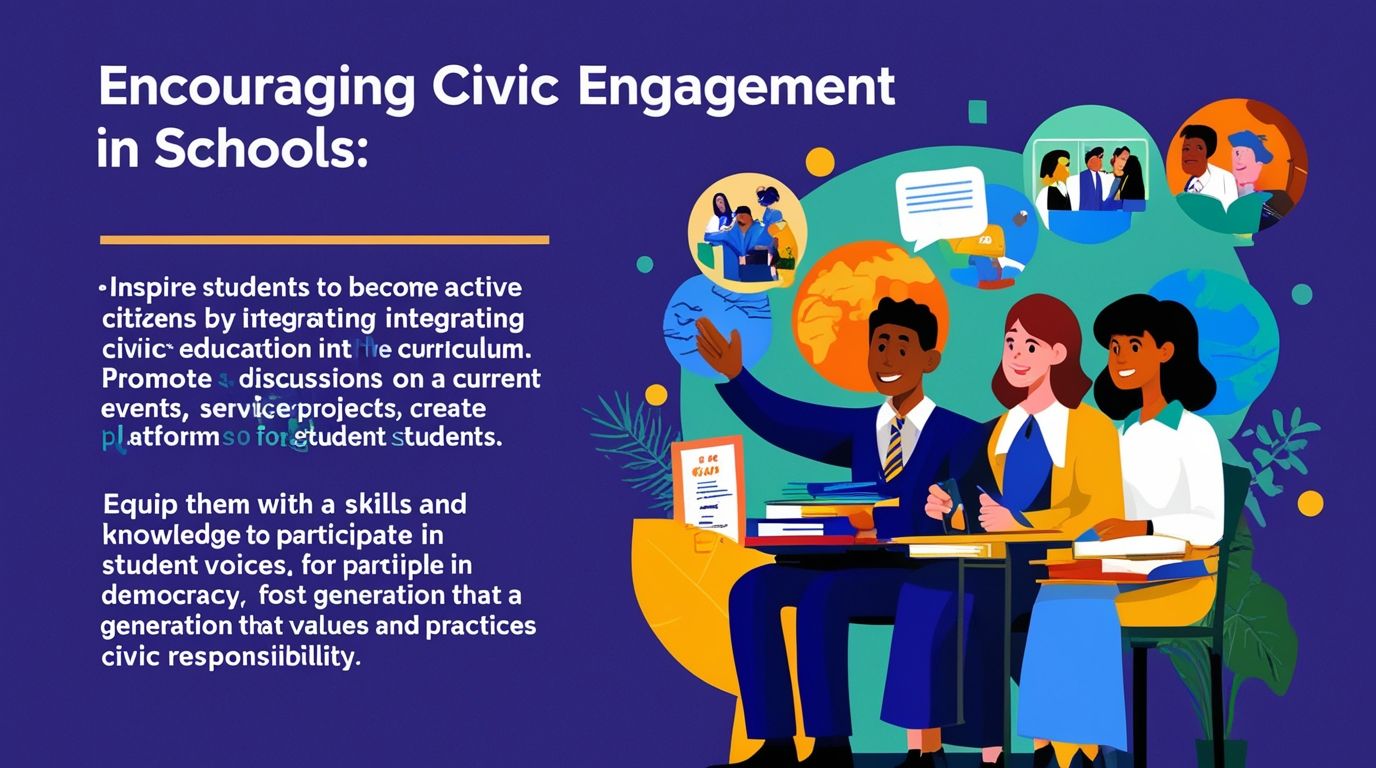
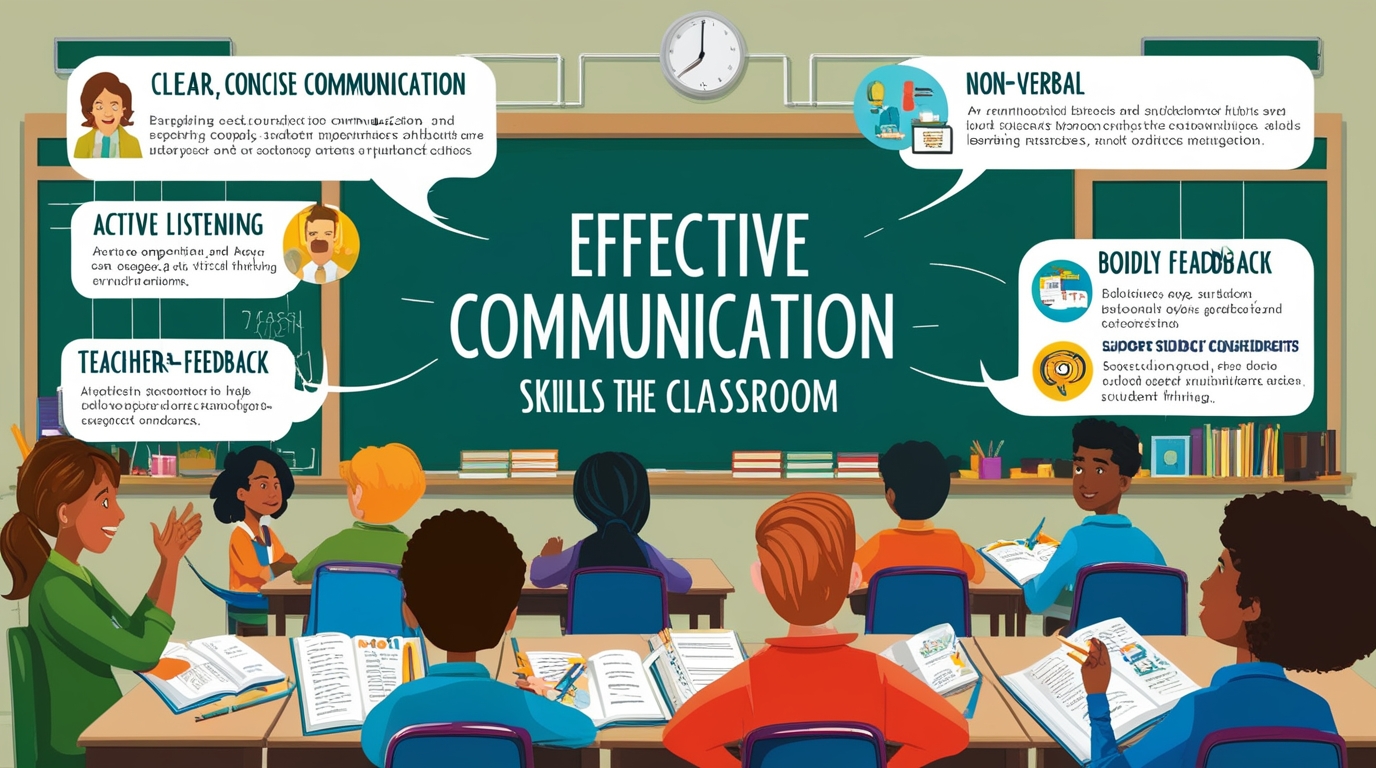
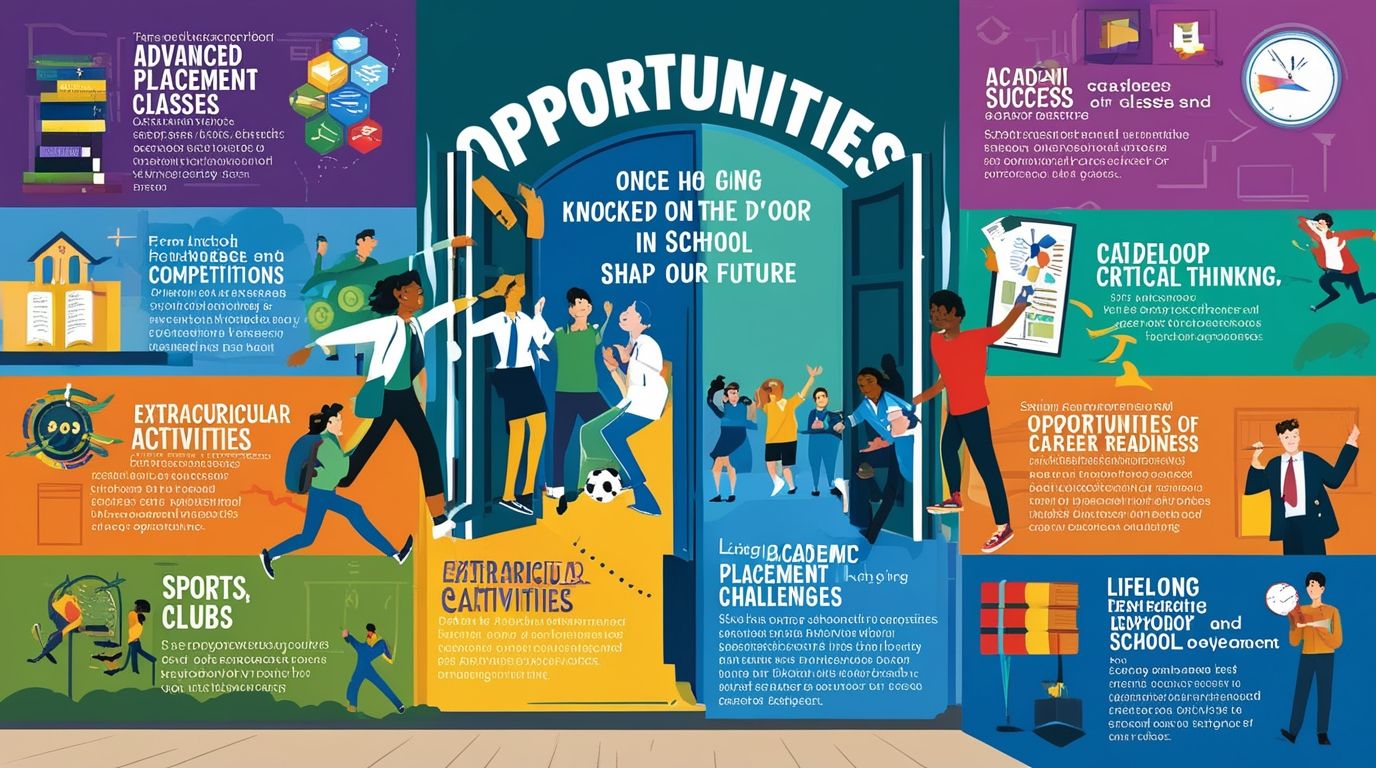
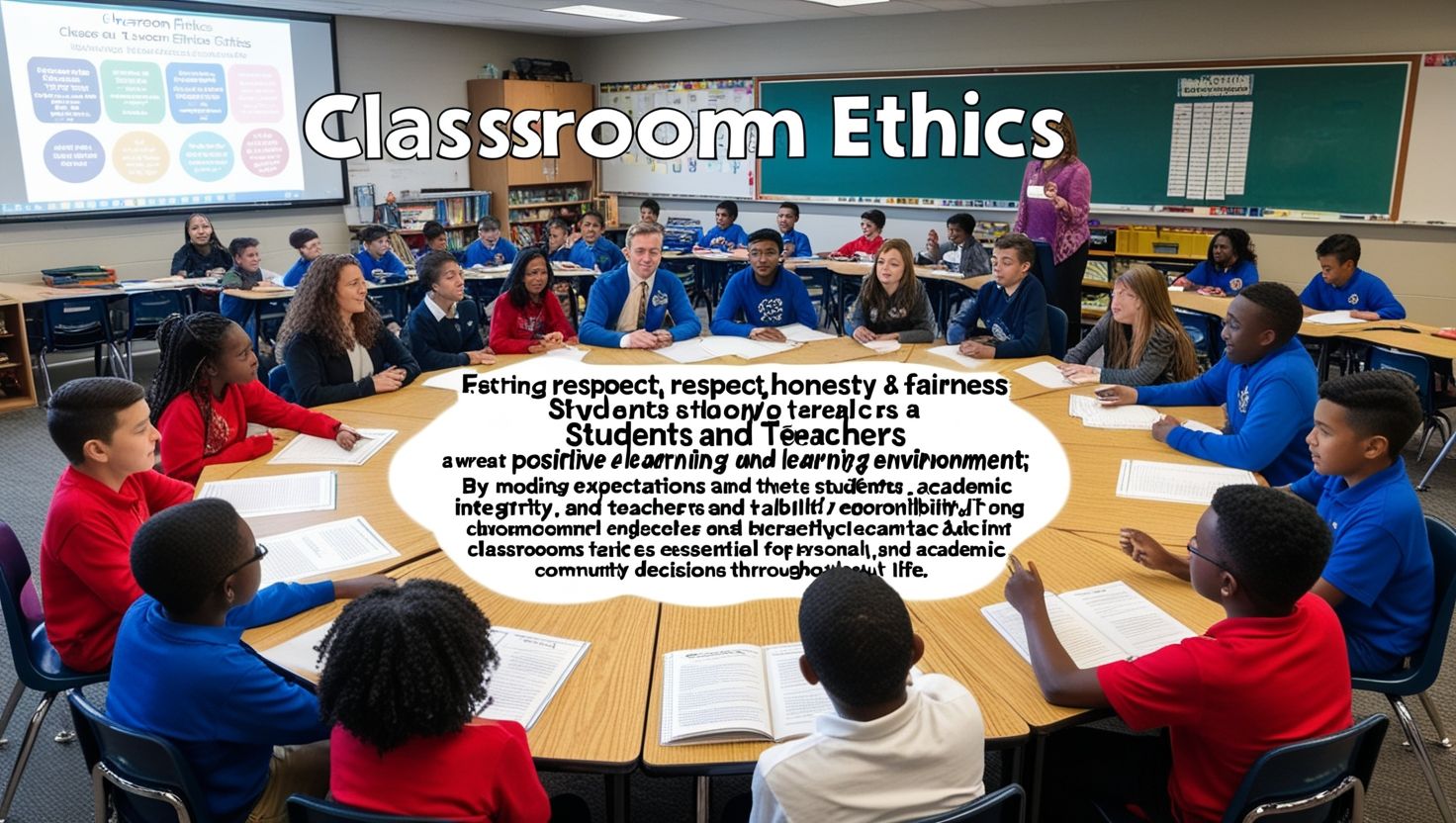
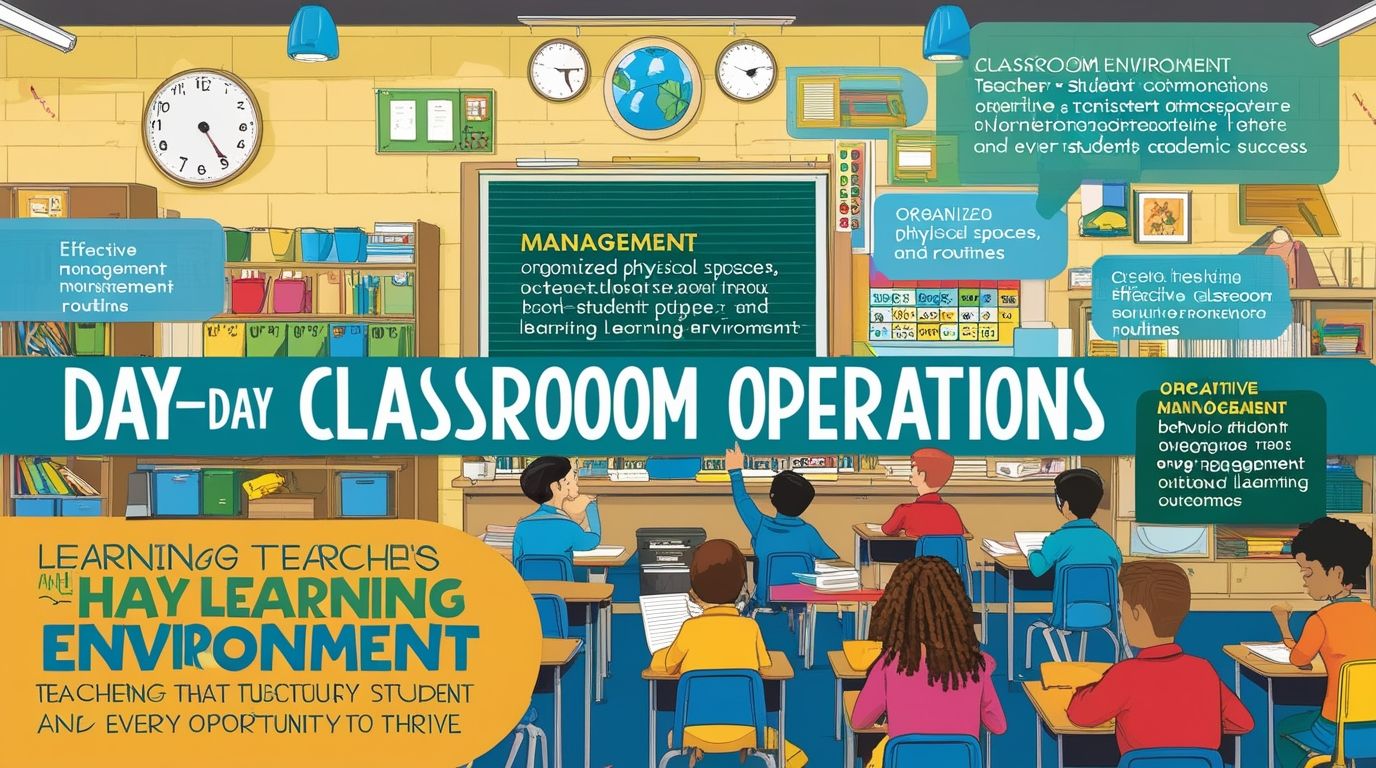
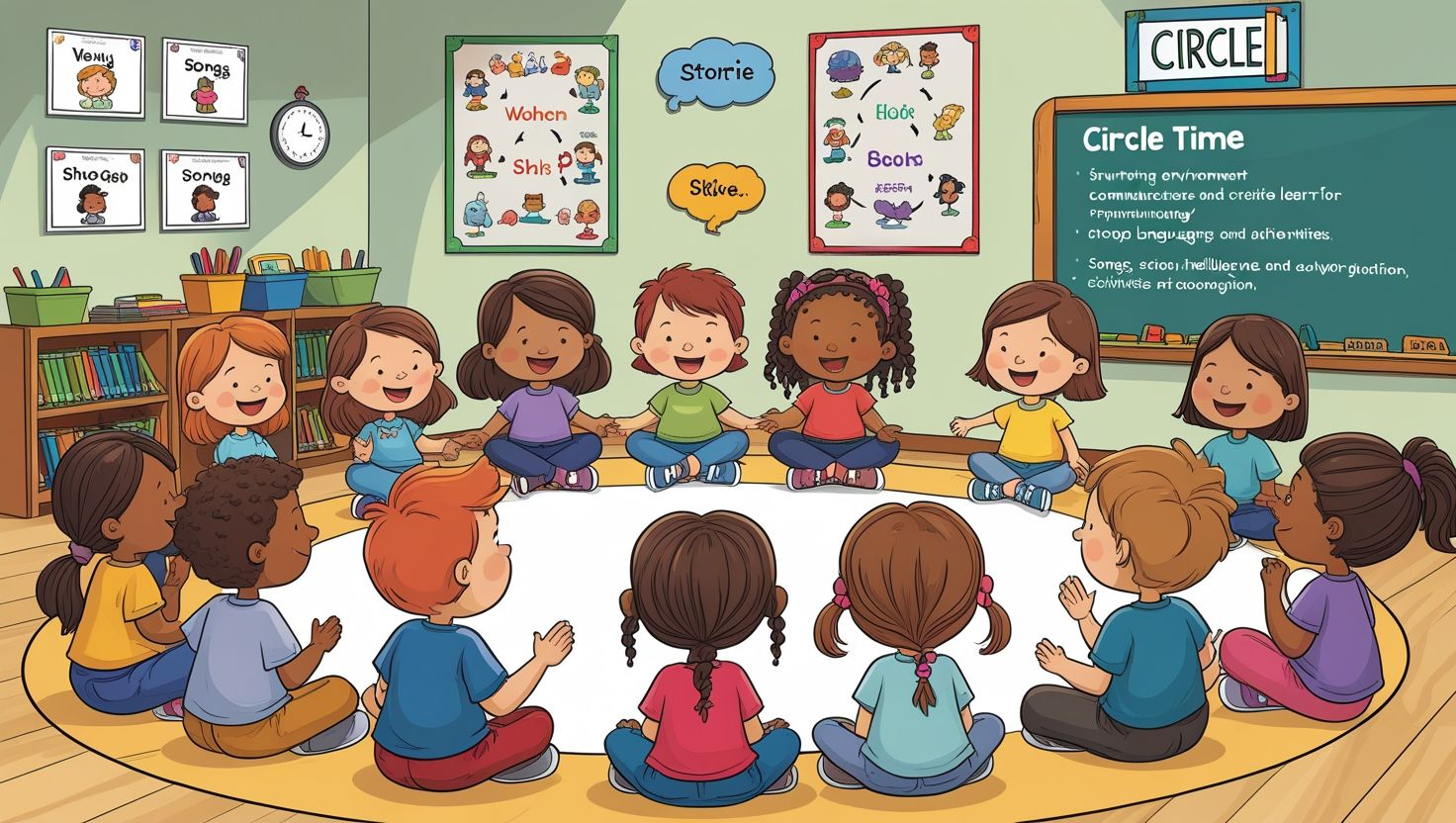
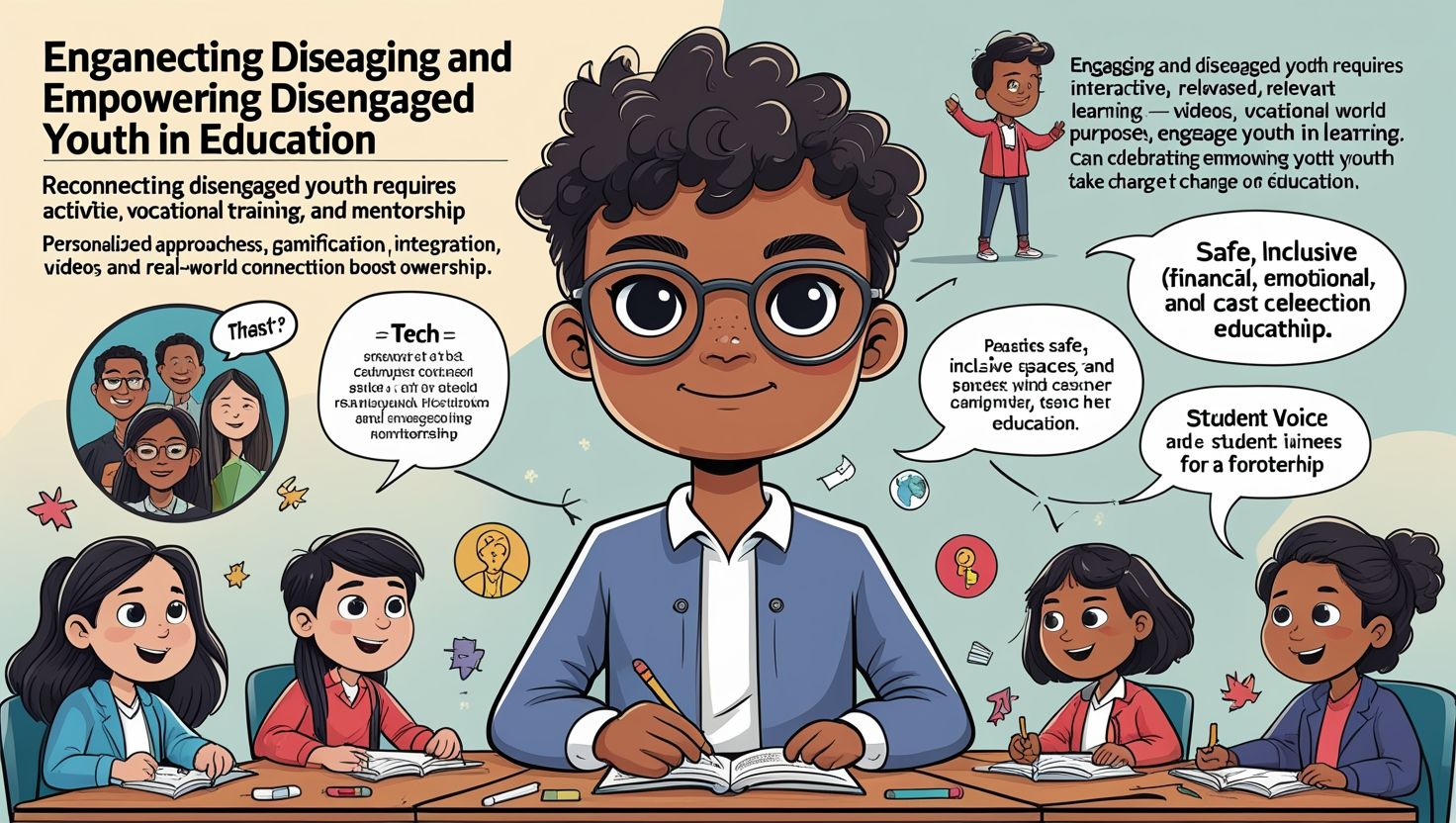
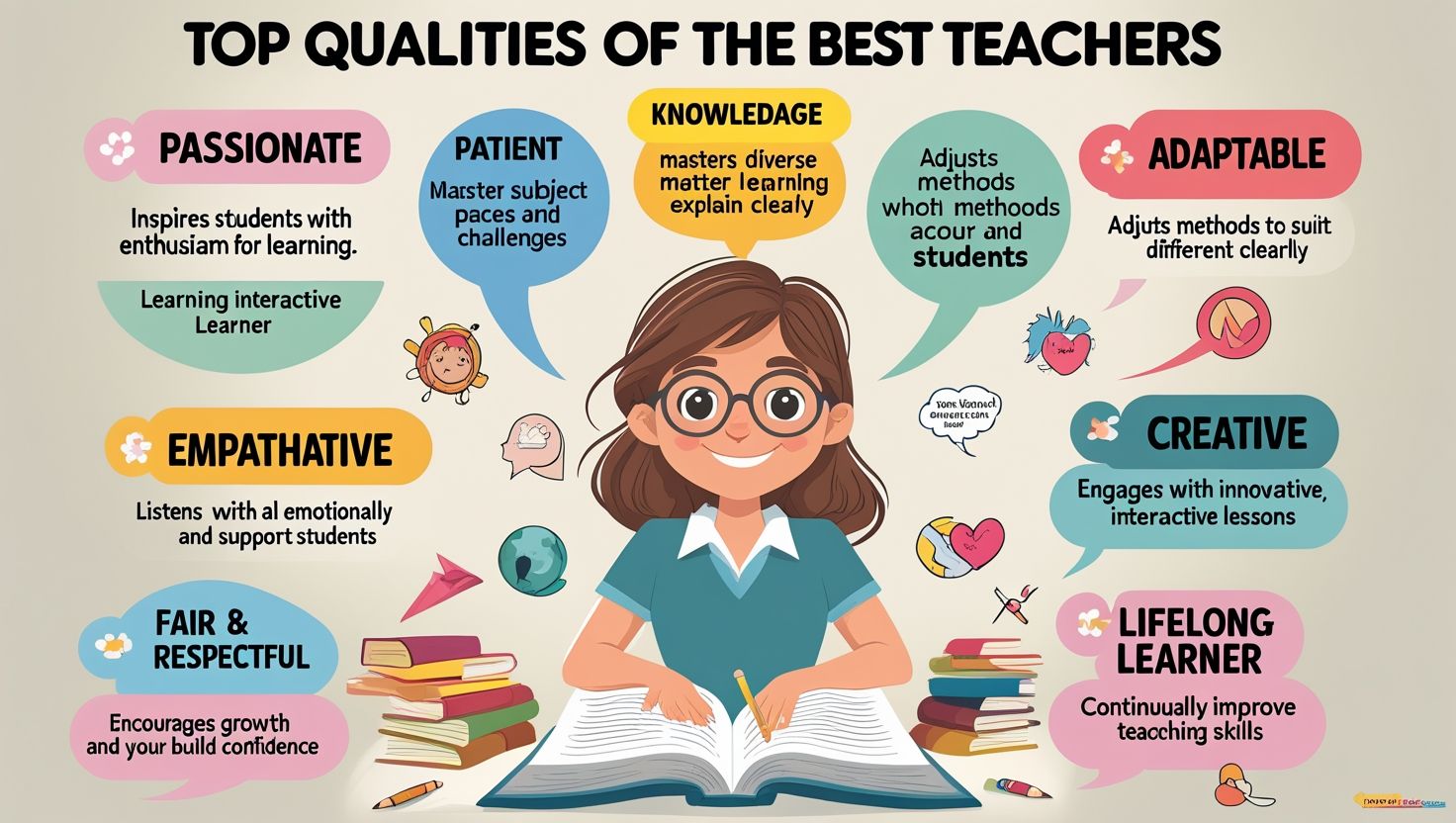
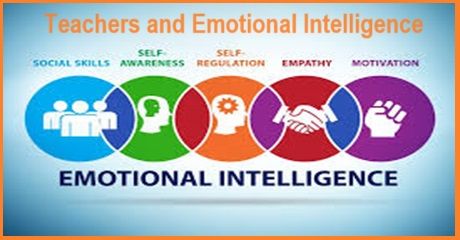
Student engagement is strengthened when learners feel safe, respected, and emotionally connected to their school environment. Positive relationships between teachers and students are particularly important in creating supportive classrooms where learners feel comfortable expressing their ideas and asking questions. Teachers who demonstrate empathy, patience, fairness, and encouragement help build student confidence and motivation. Classroom climates that promote mutual respect and cooperation contribute to a sense of belonging among learners. Additionally, schools should provide opportunities for students to participate in decision-making processes related to their learning experiences and school activities. Student voice empowers learners and helps them develop responsibility and leadership skills. Extracurricular activities such as sports, arts, clubs, and community service projects also contribute to engagement by allowing students to pursue interests, develop talents, and build meaningful social connections beyond academic instruction.
Defining Quality Education for Holistic Development
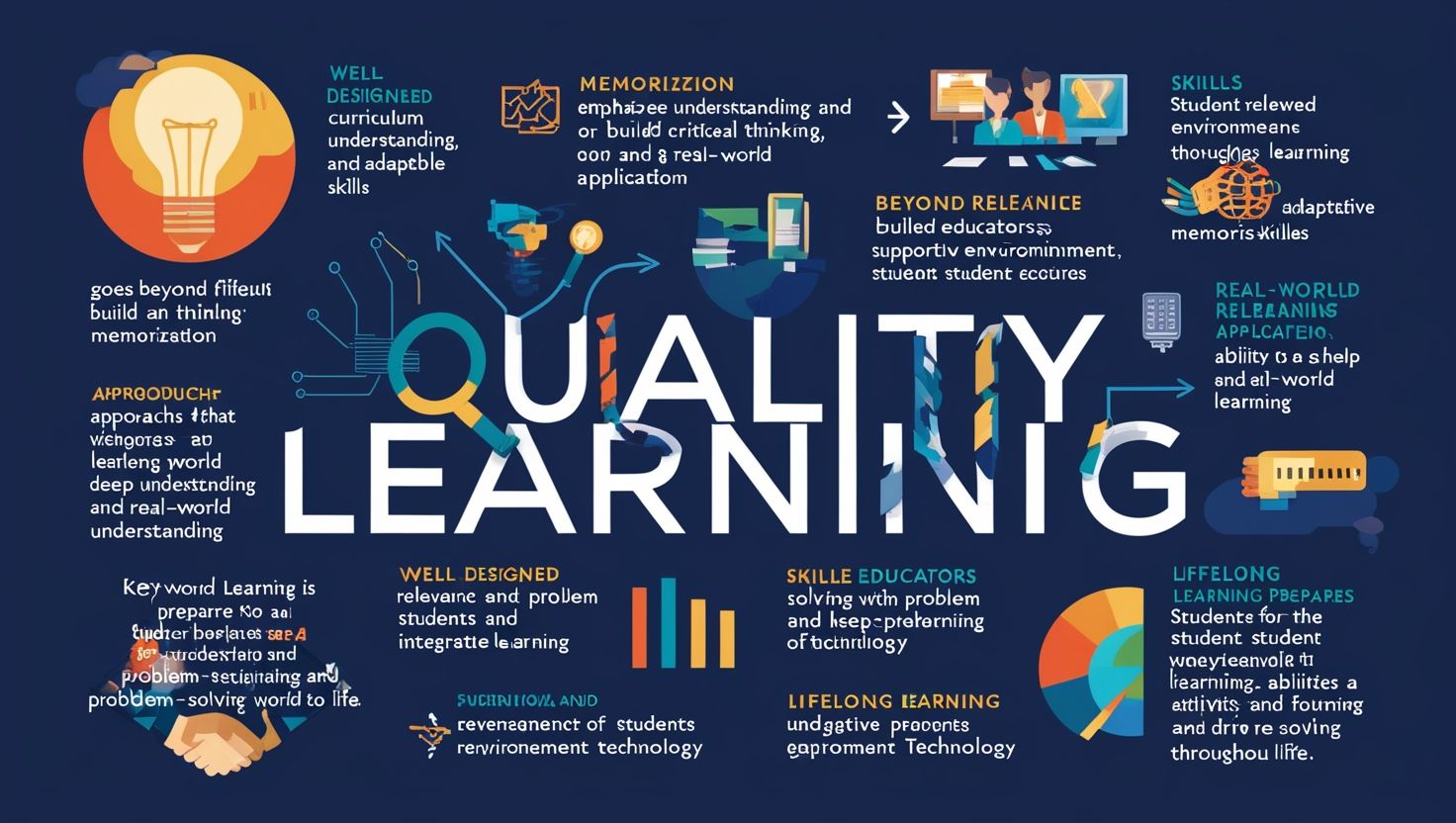
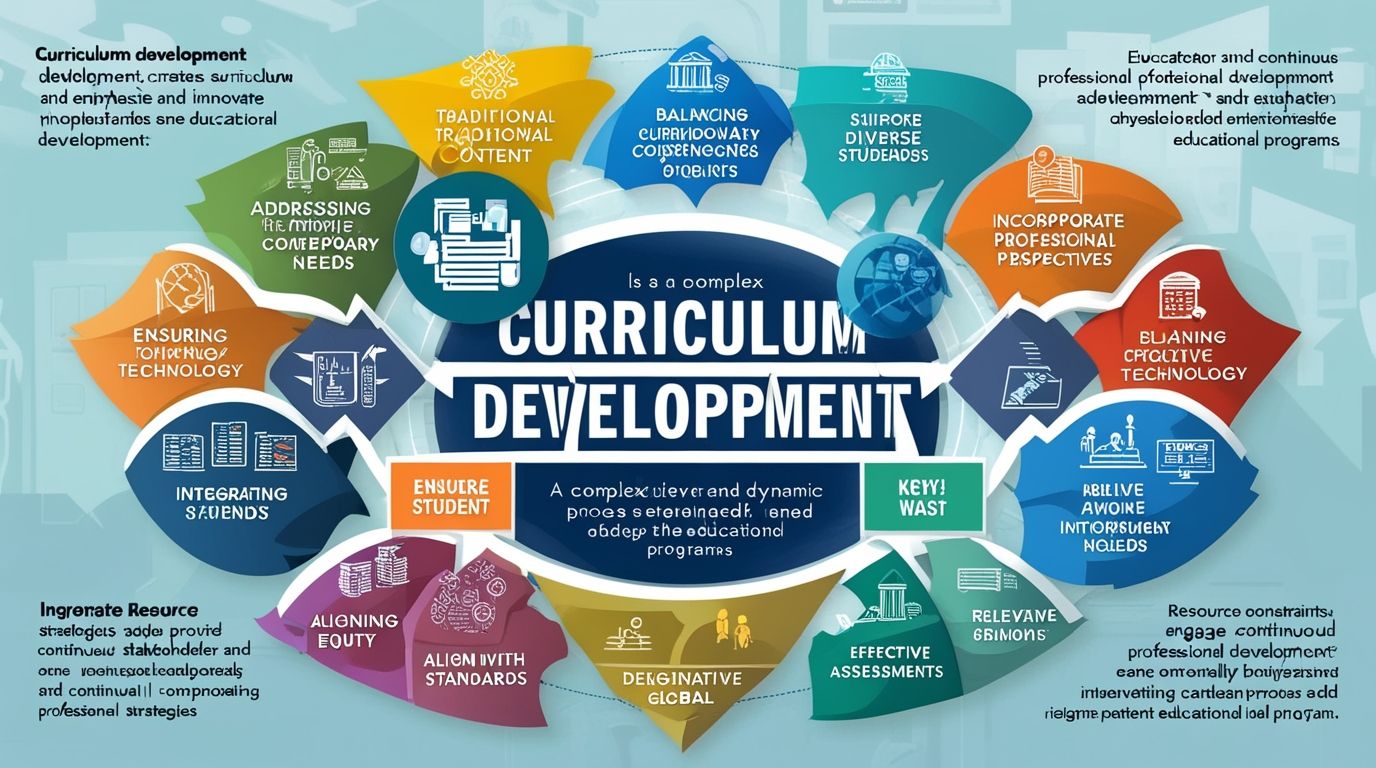
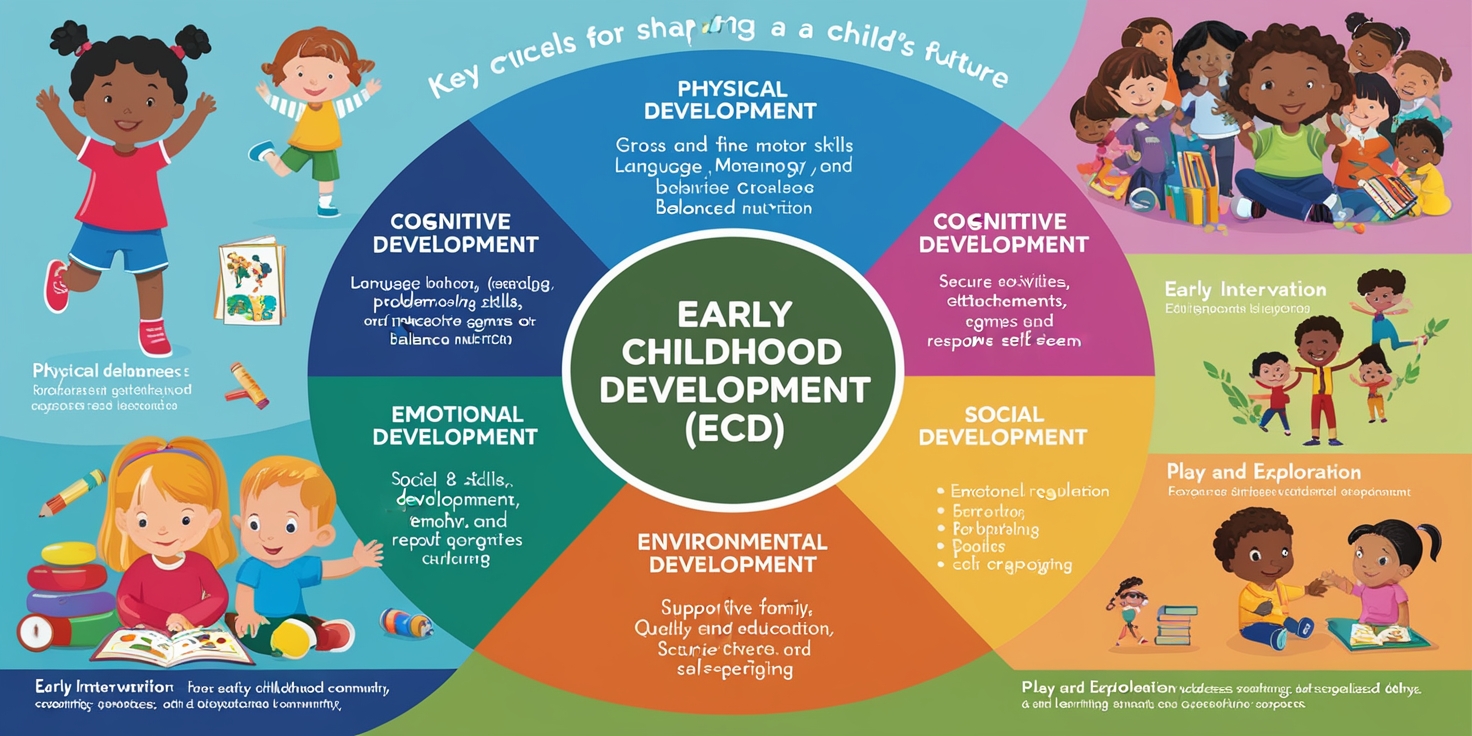
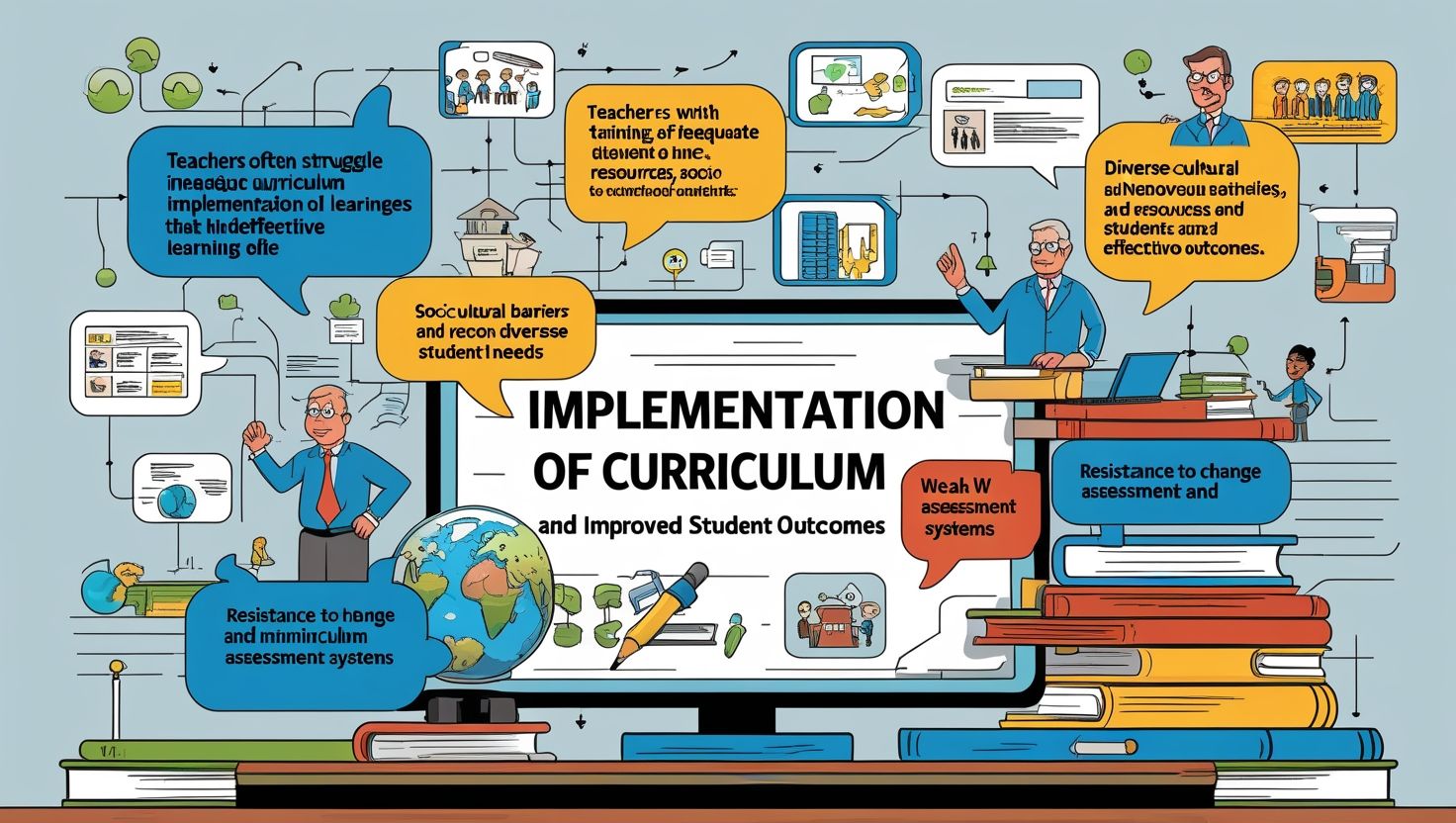
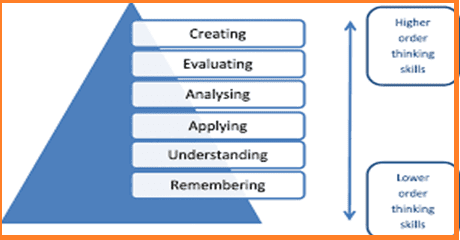
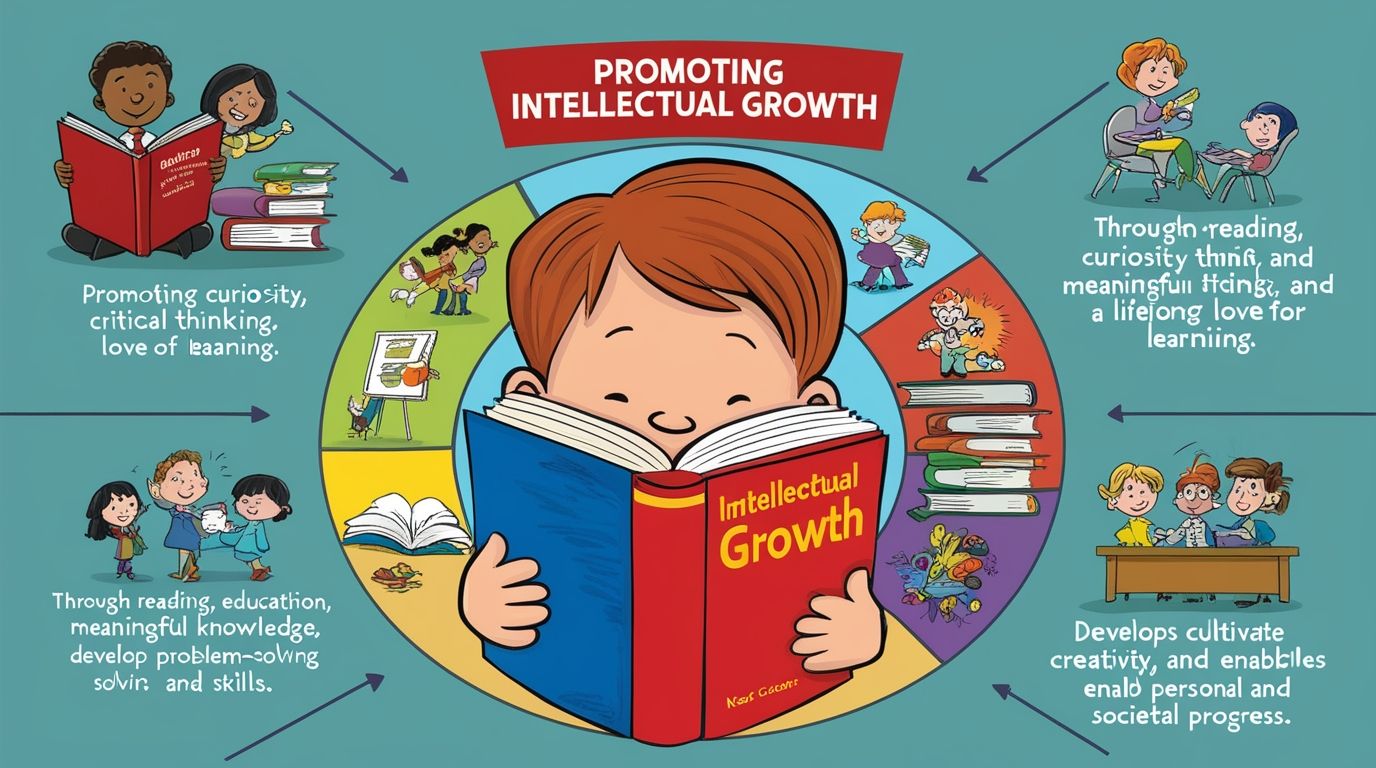
Quality education encompasses more than academic achievement; it involves the holistic development of learners and the provision of meaningful learning experiences that prepare students for life. A quality education system equips learners with essential knowledge, practical skills, critical thinking abilities, creativity, communication competencies, and ethical values. High-quality schools focus on developing the whole child by addressing intellectual, social, emotional, physical, and moral dimensions of growth. Effective curriculum design plays a critical role in ensuring educational quality. Curricula should be relevant, balanced, inclusive, and aligned with the needs of learners and society. Learning objectives should encourage inquiry, innovation, and problem-solving rather than mere memorization of facts. Furthermore, quality education promotes lifelong learning by helping students become adaptable, self-directed individuals capable of navigating an increasingly complex and rapidly changing world.
The Pivotal Role of Teachers in Educational Excellence
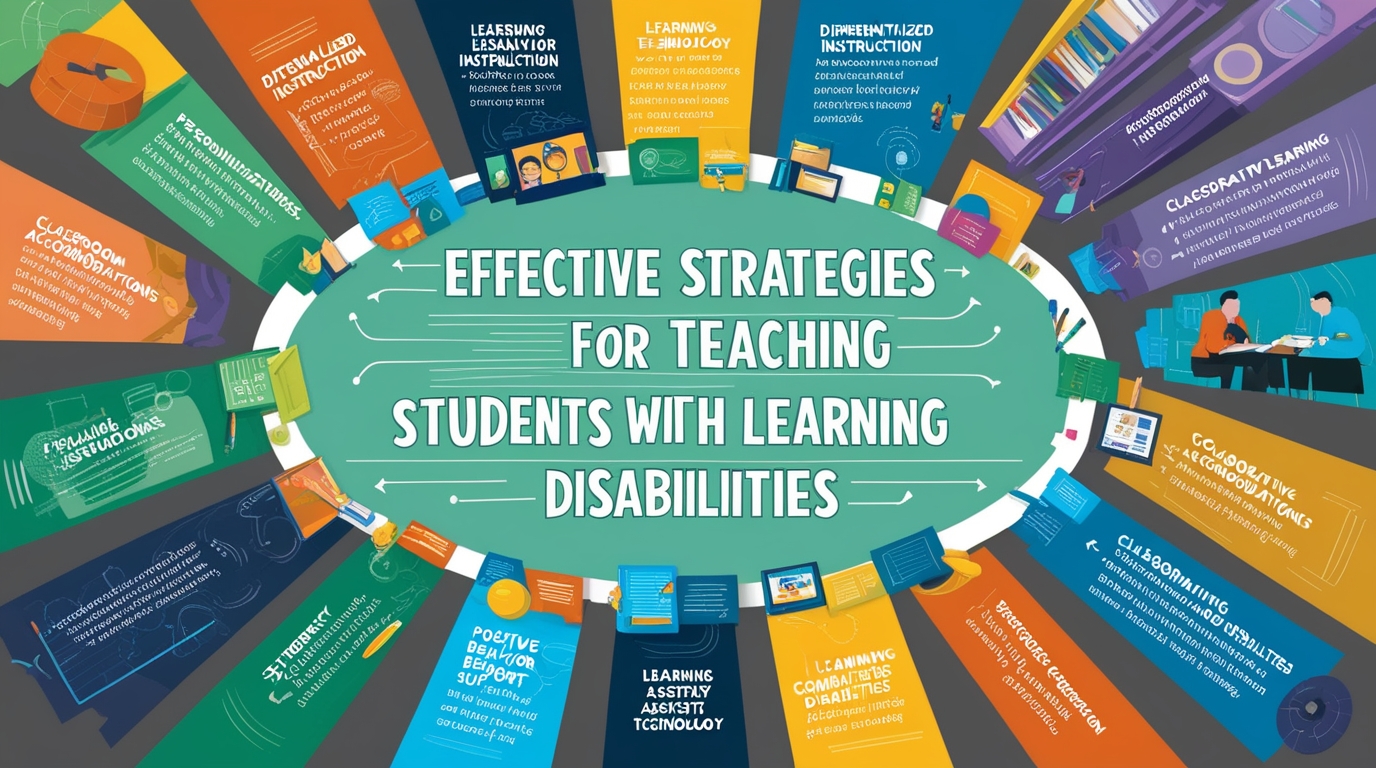
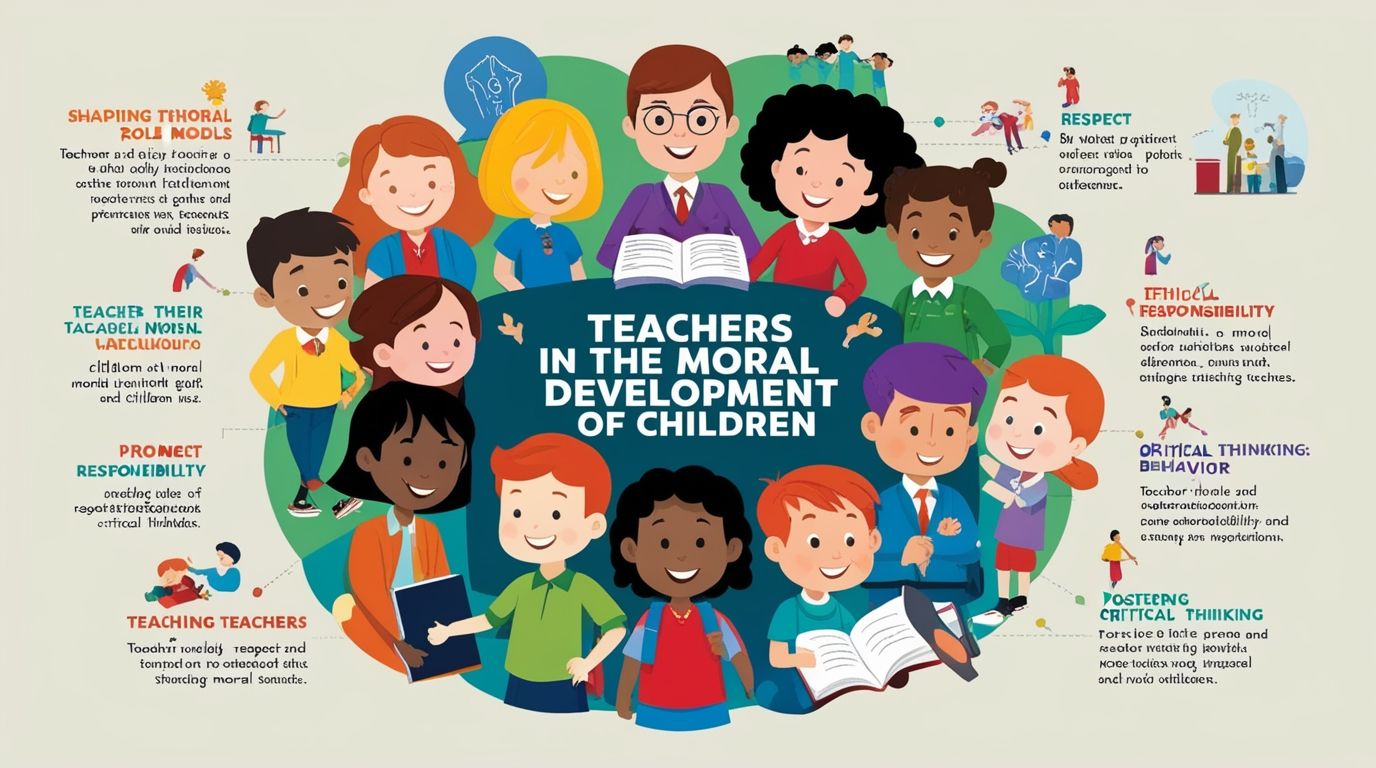
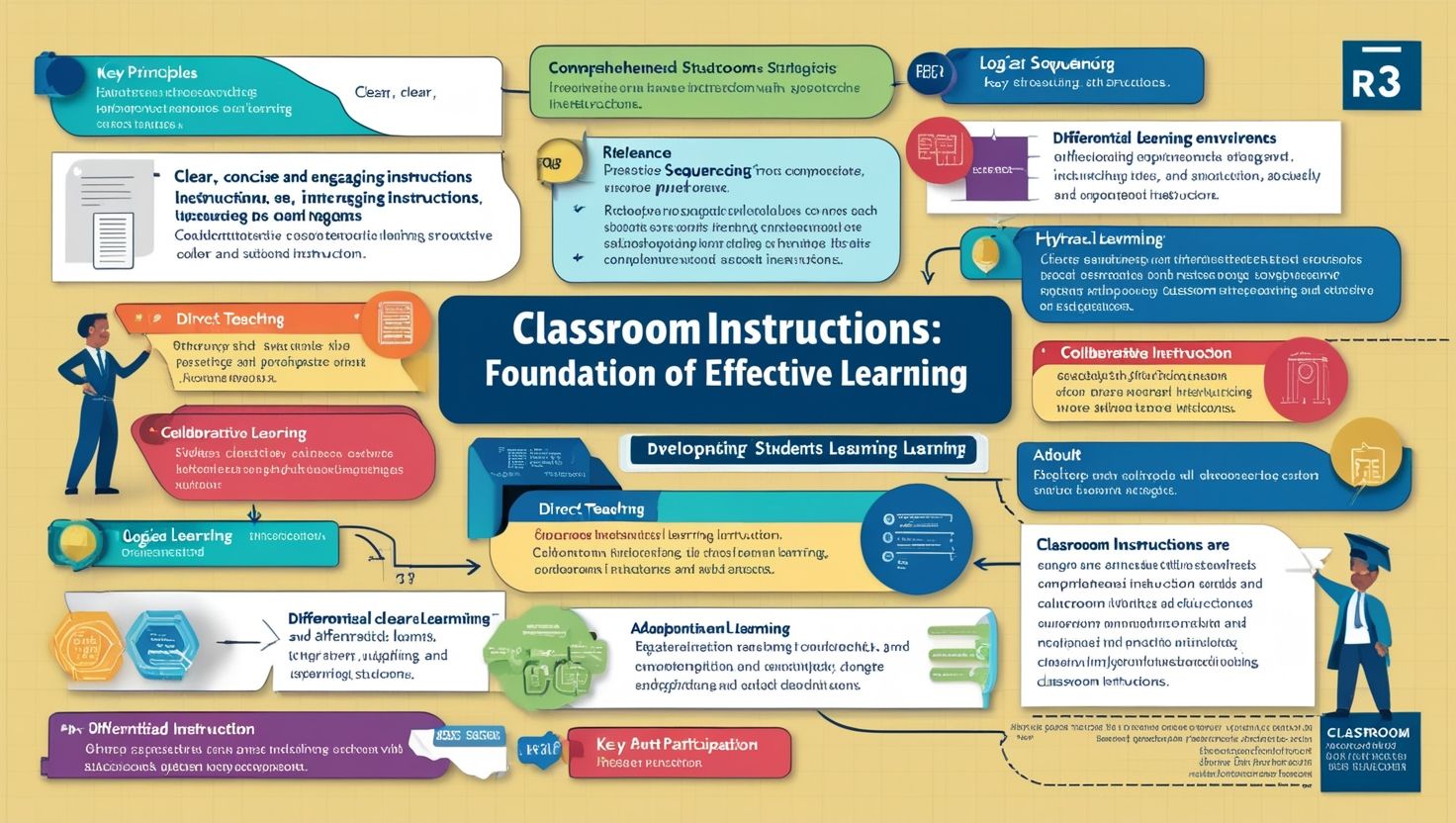
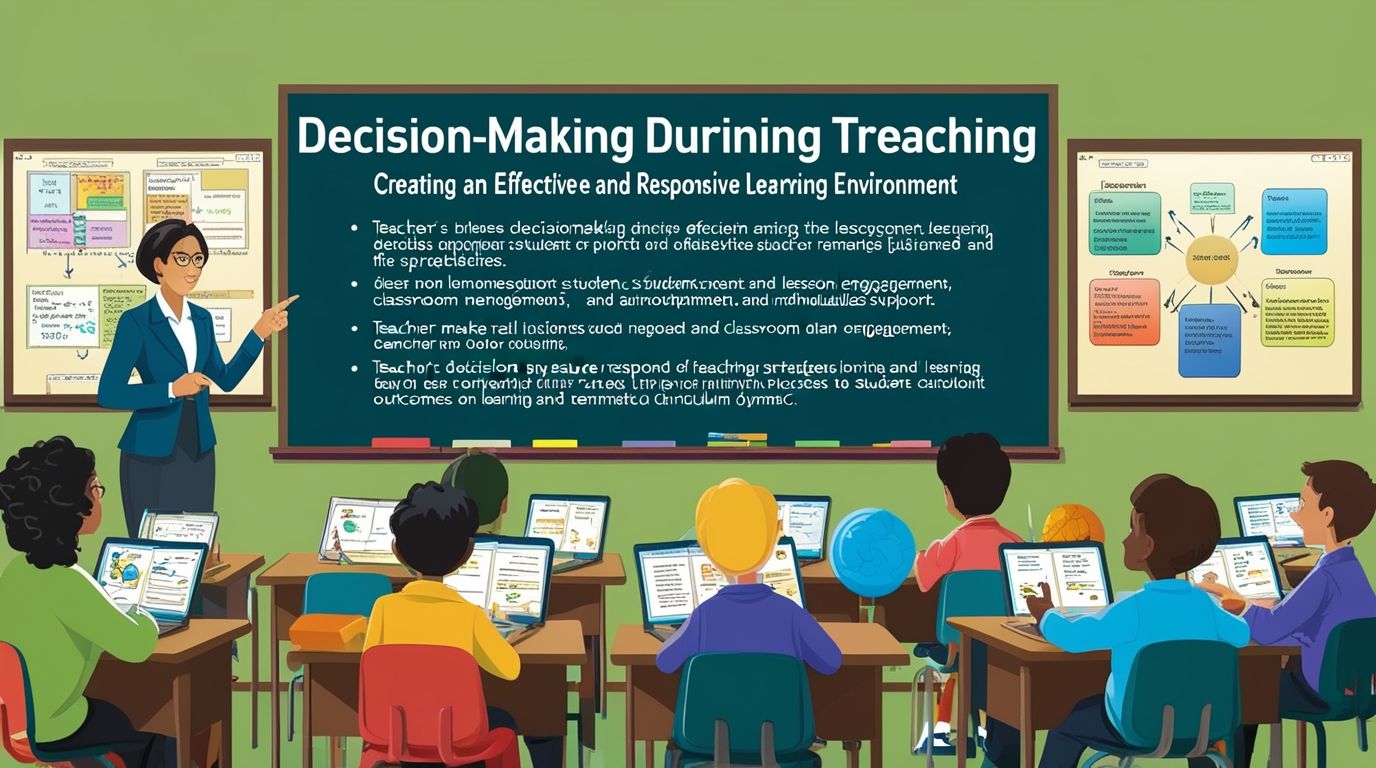
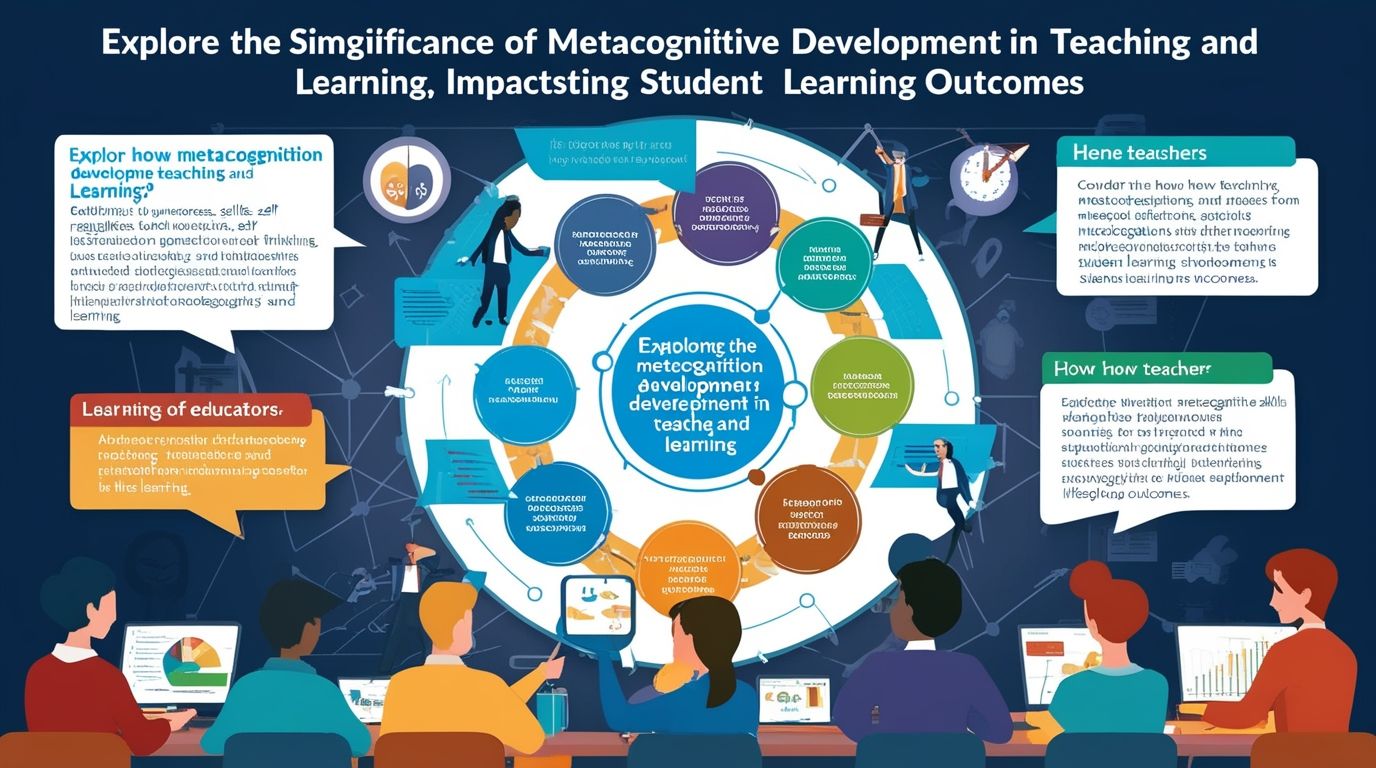
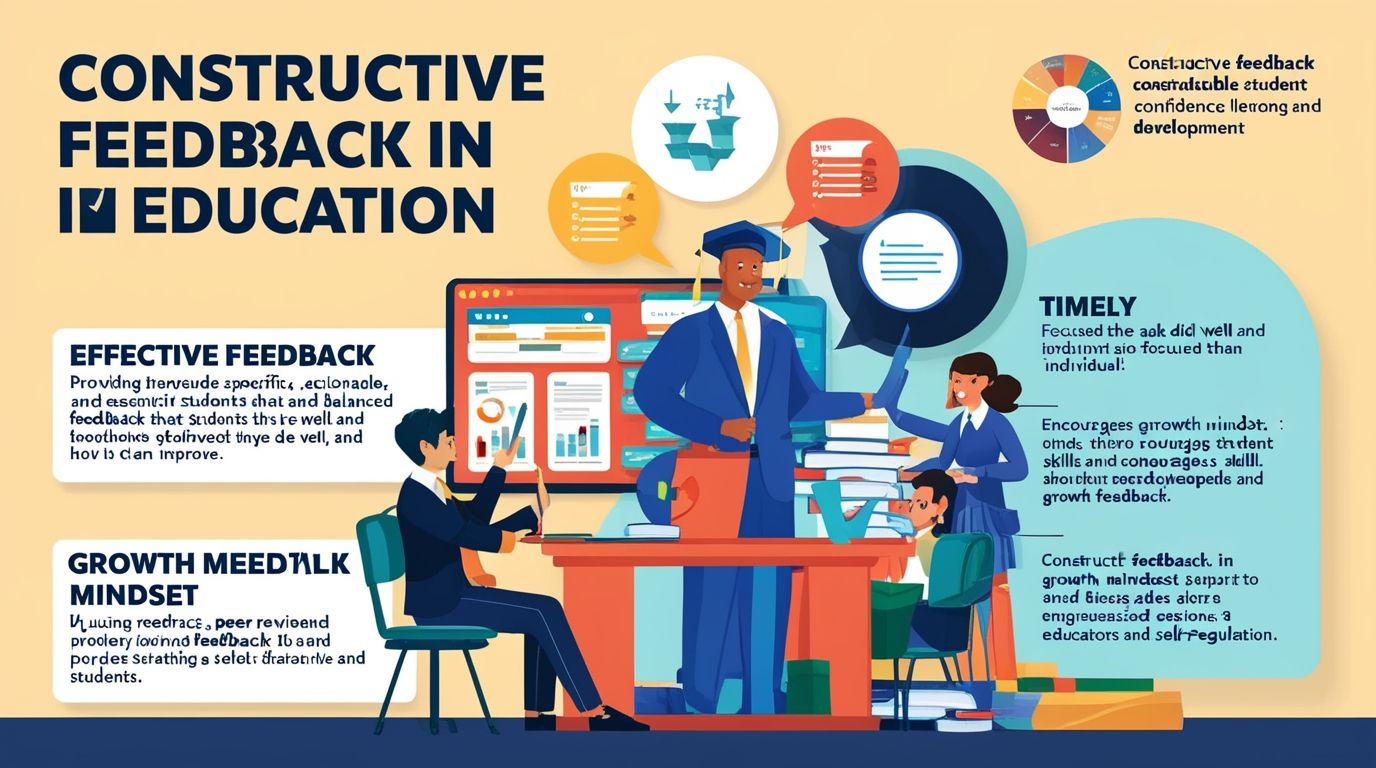
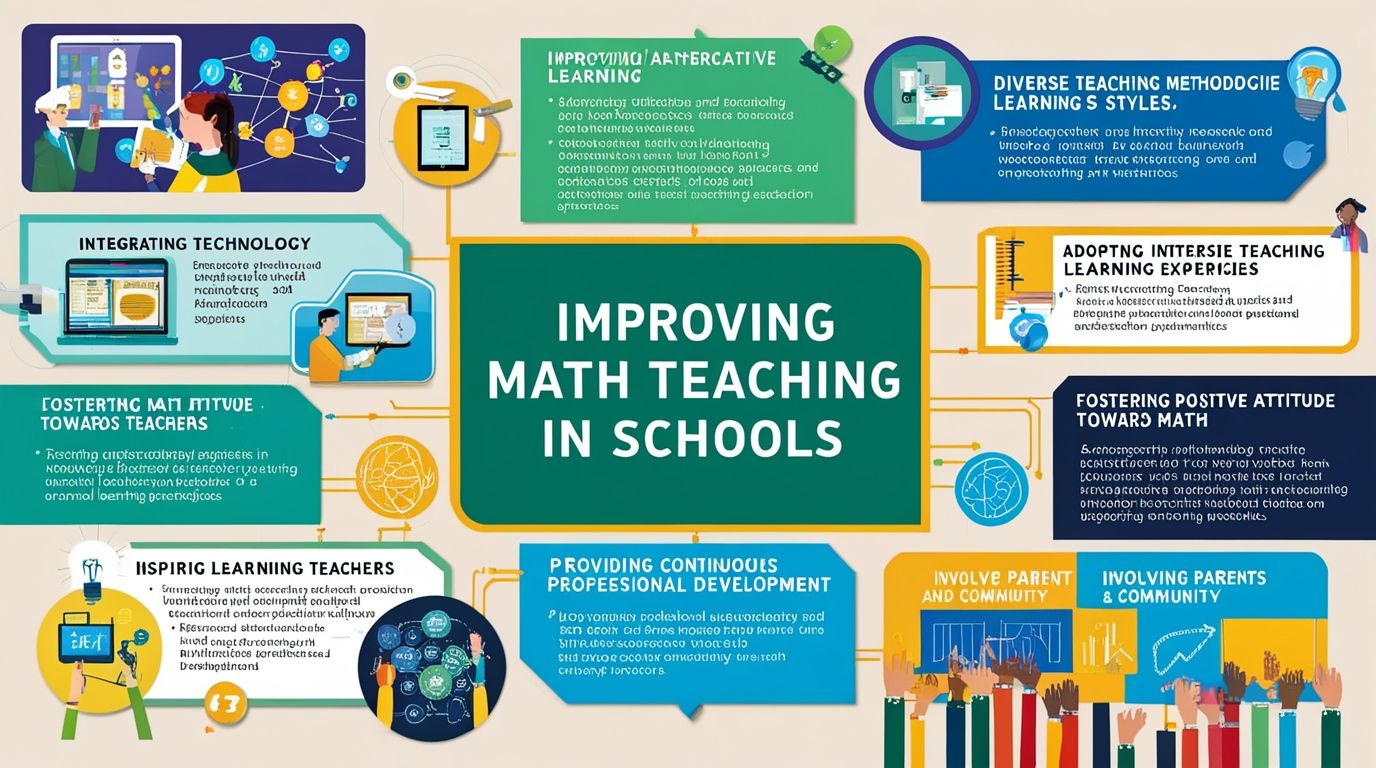
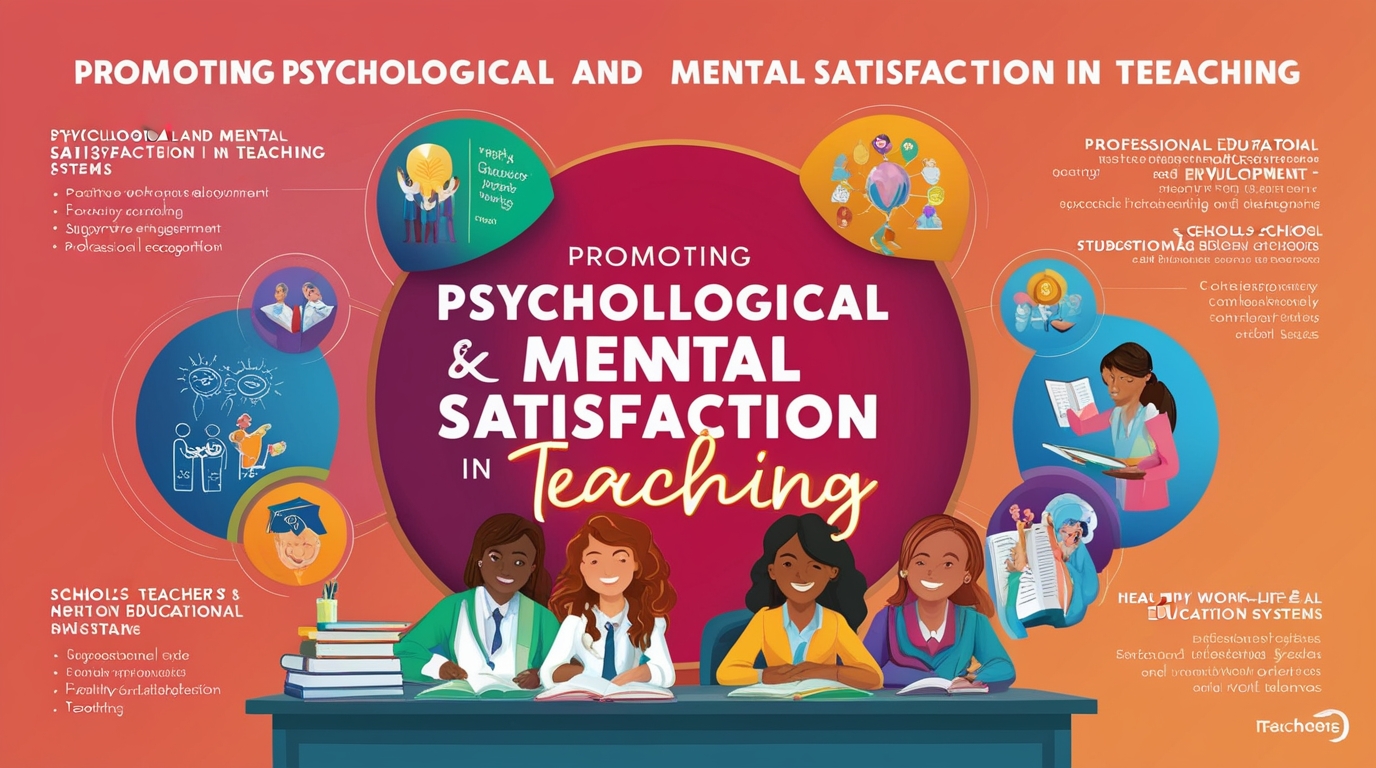
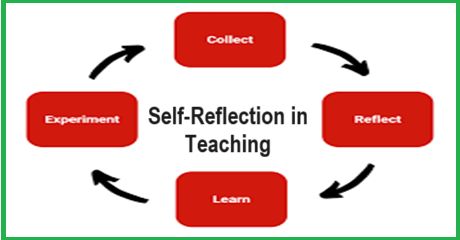
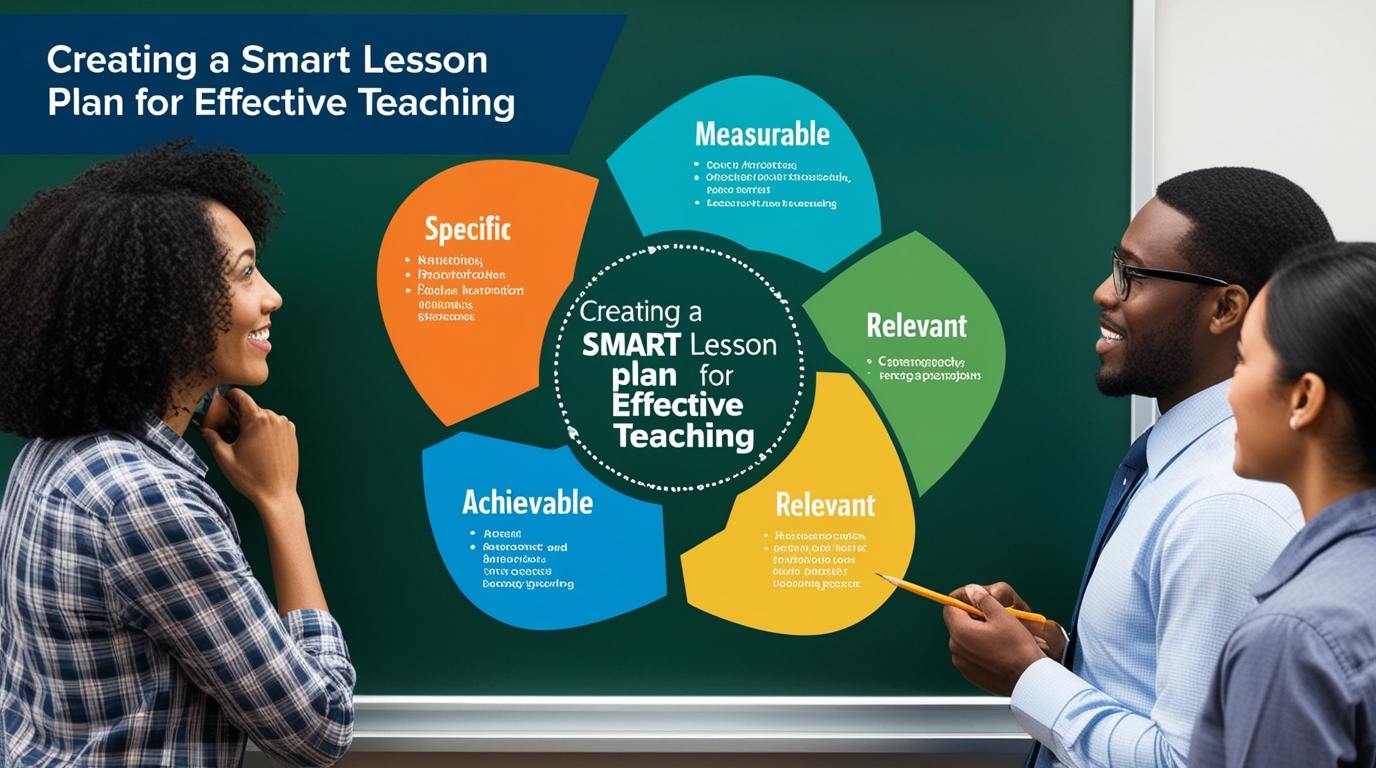
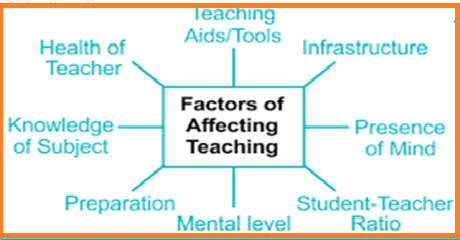
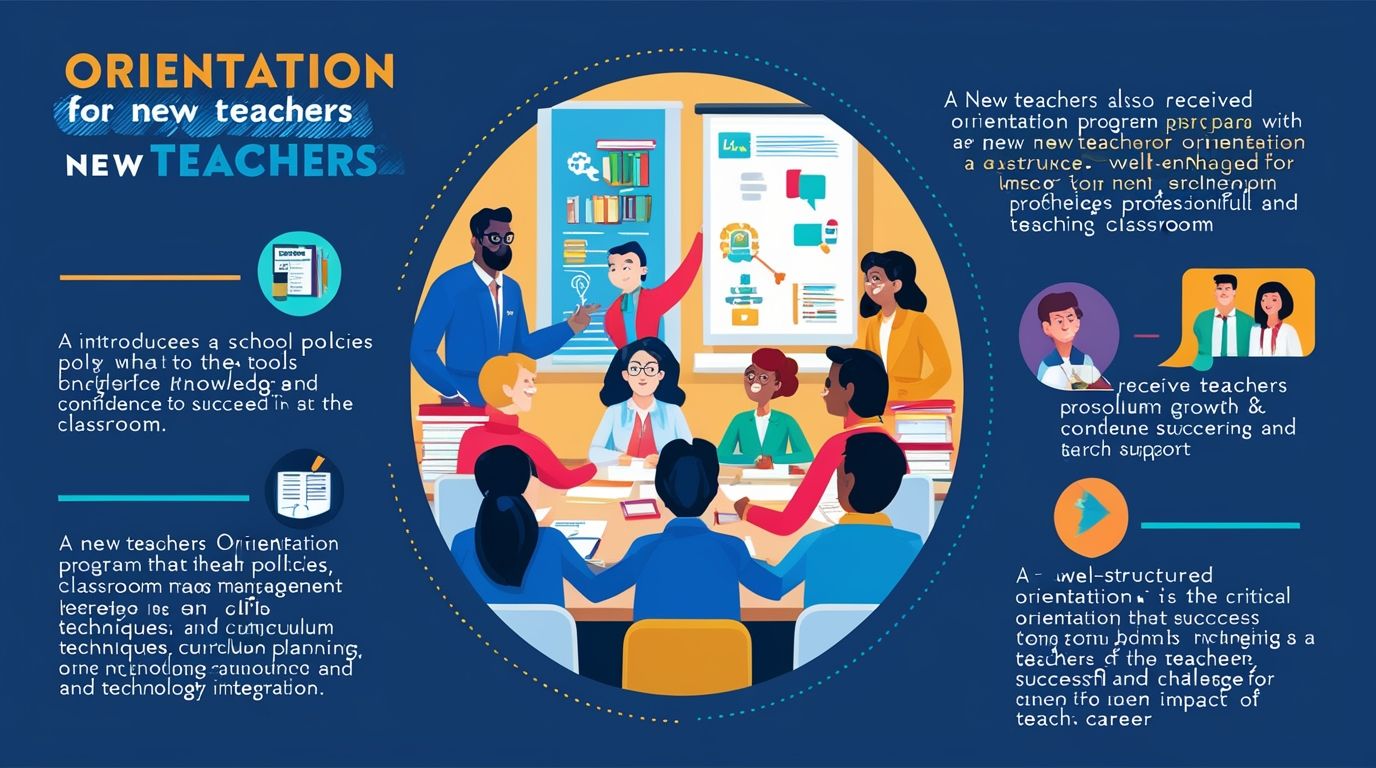
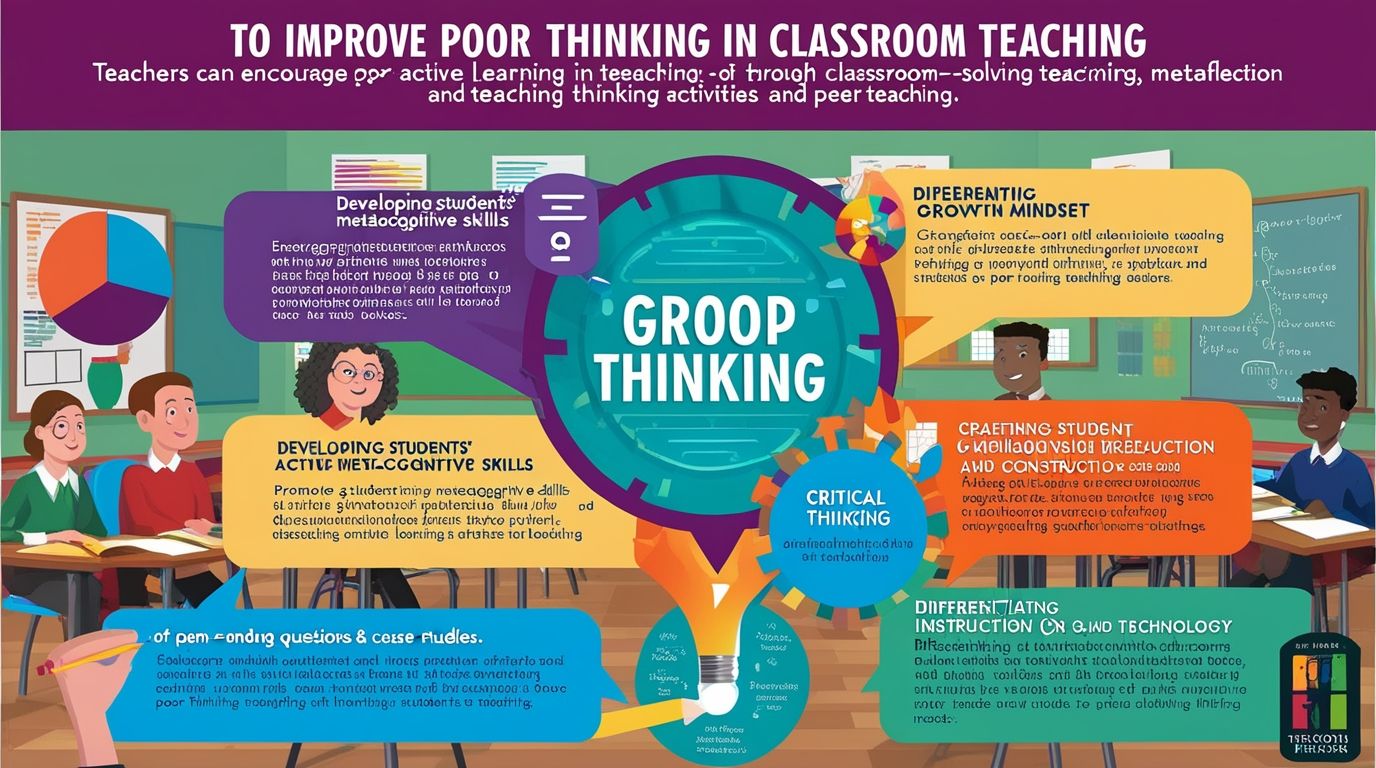
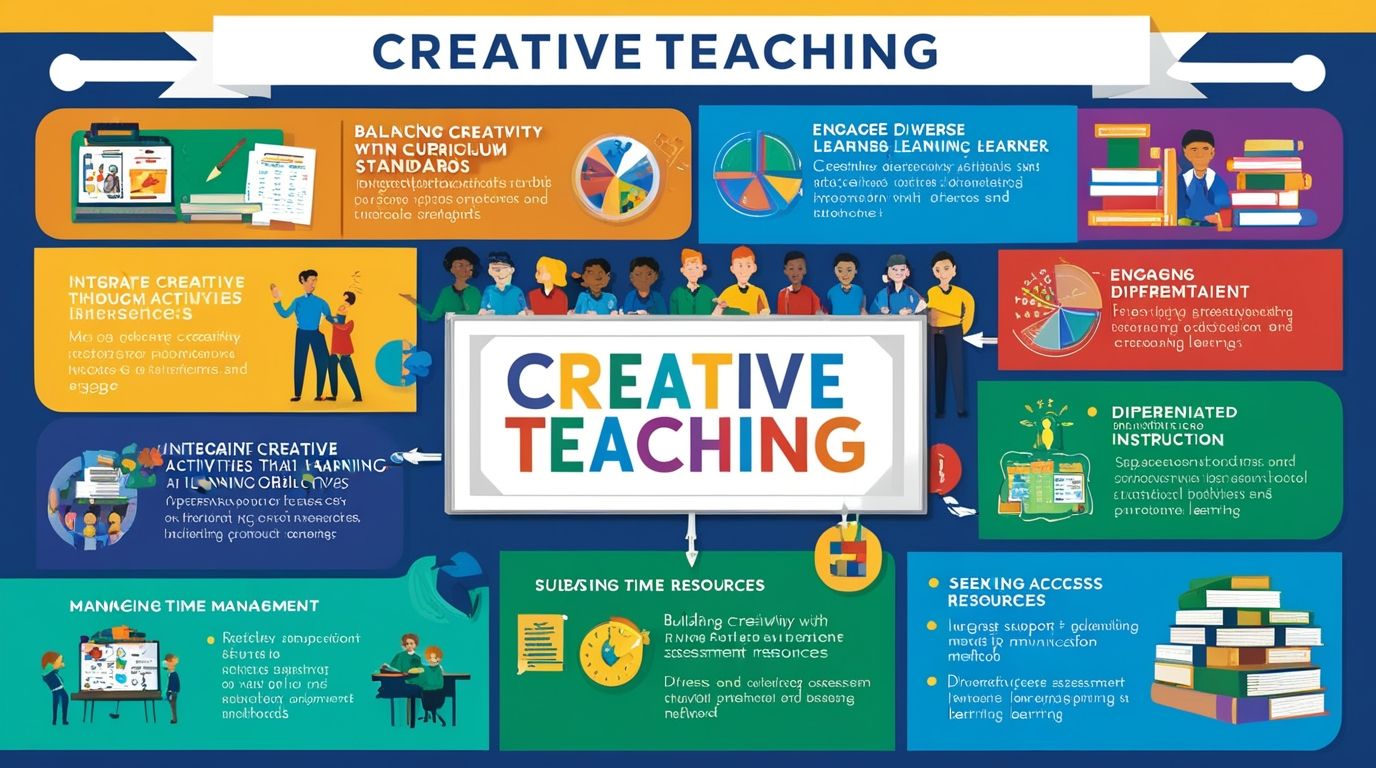
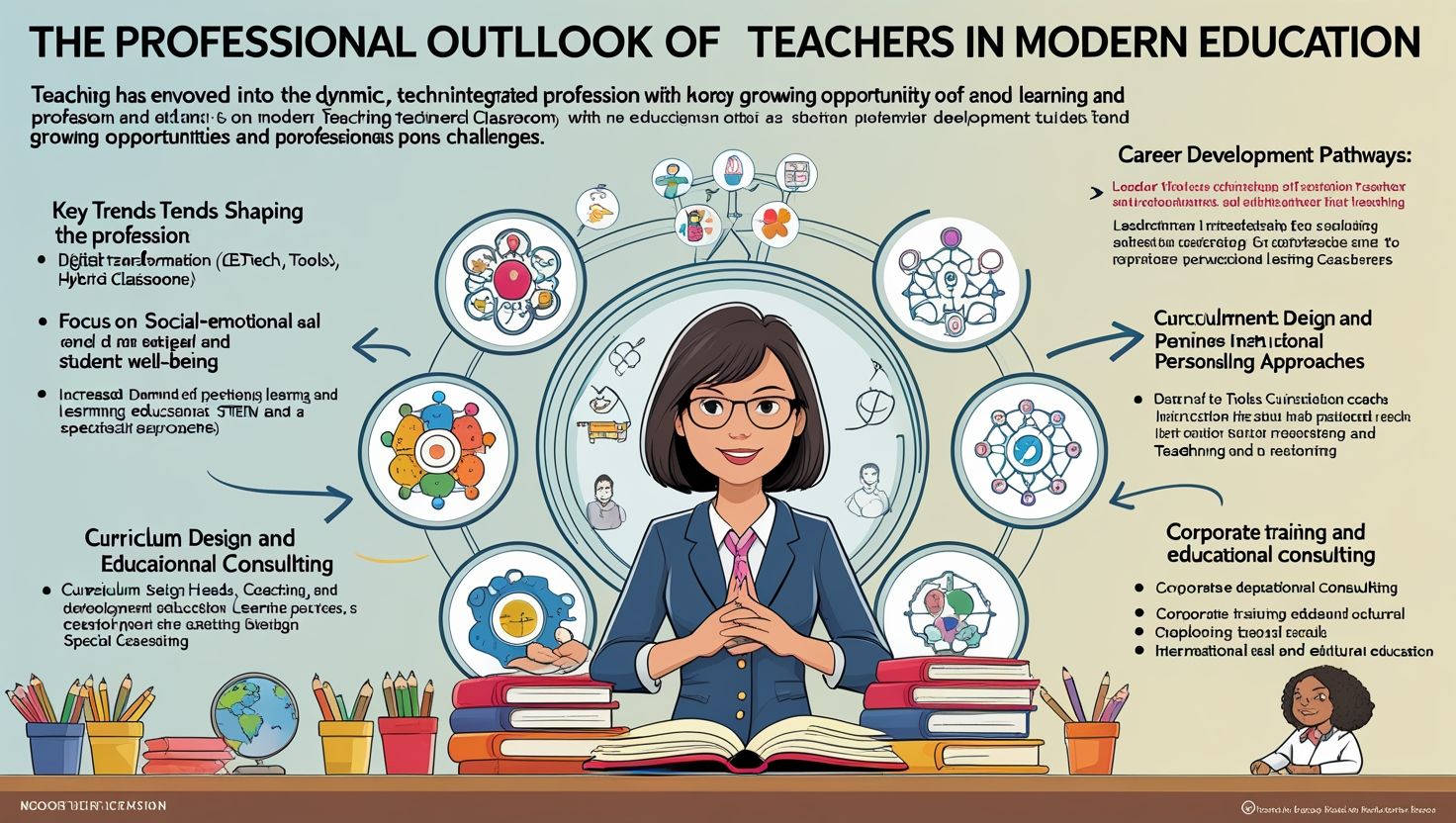
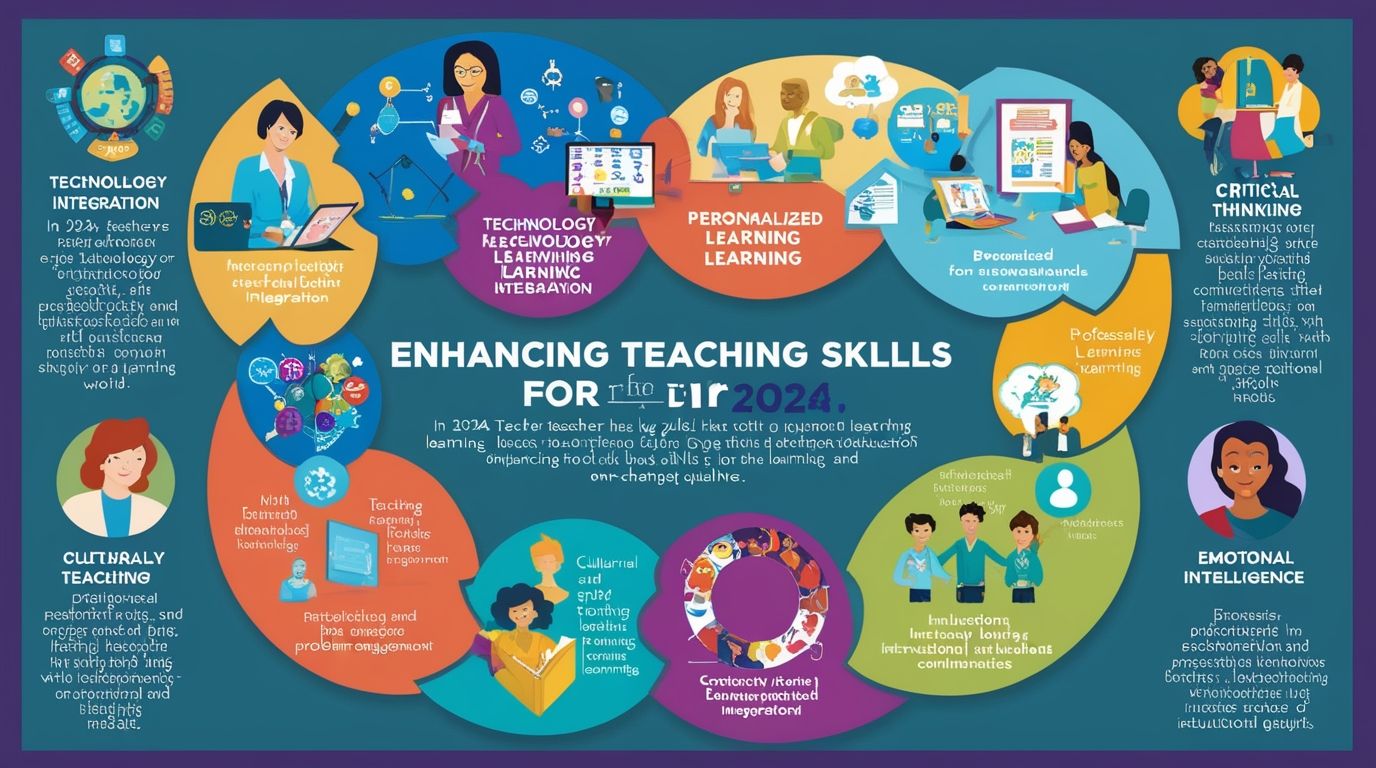
Teachers are the most influential factor in promoting inclusive, engaging, and quality education within schools. Their professional knowledge, instructional skills, attitudes, and commitment directly affect student learning outcomes. Effective teachers understand that learners have diverse needs and employ a variety of teaching strategies to accommodate different abilities and learning preferences. Continuous professional development enables teachers to remain informed about current educational research, innovative methodologies, and emerging technologies. Reflective practice also supports professional growth by encouraging educators to evaluate and improve their teaching approaches regularly. Teachers who create supportive learning environments inspire confidence and encourage active participation among students. They establish high expectations while providing appropriate guidance and assistance. Through careful planning, differentiated instruction, constructive feedback, and ongoing assessment, teachers can ensure that all learners have opportunities to achieve success and reach their full potential.
Promoting Inclusive and Meaningful Assessment Practices
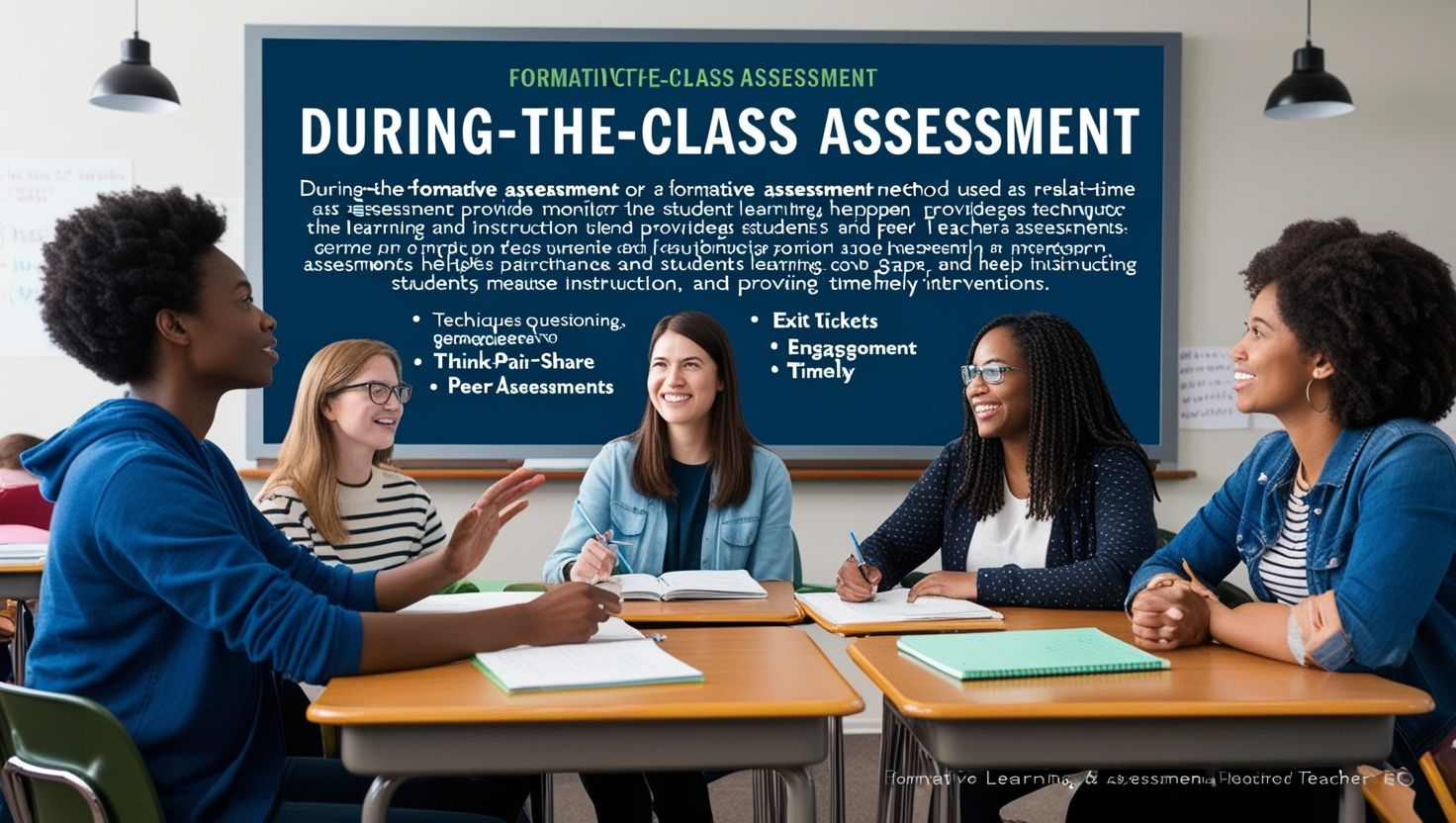
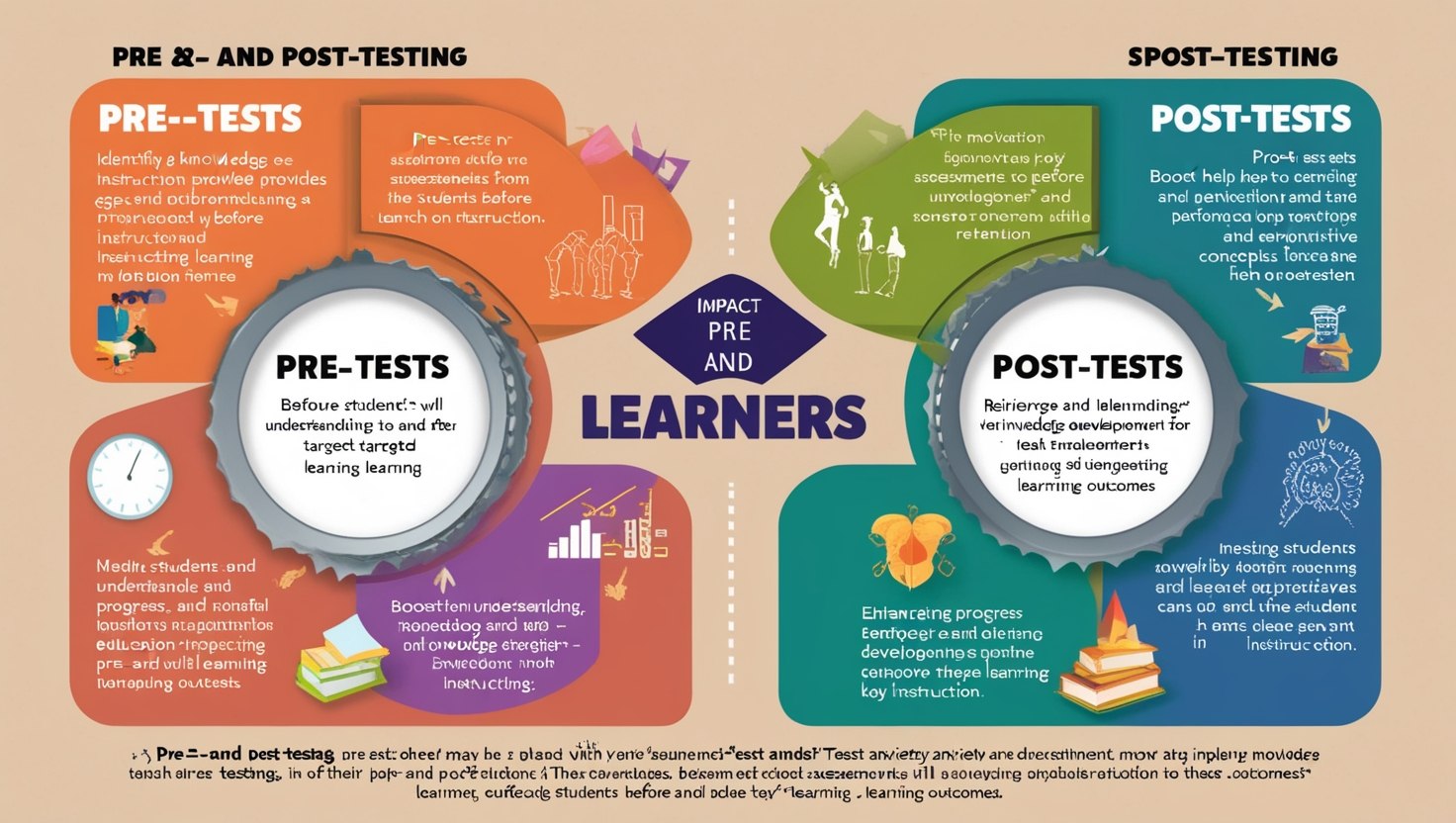
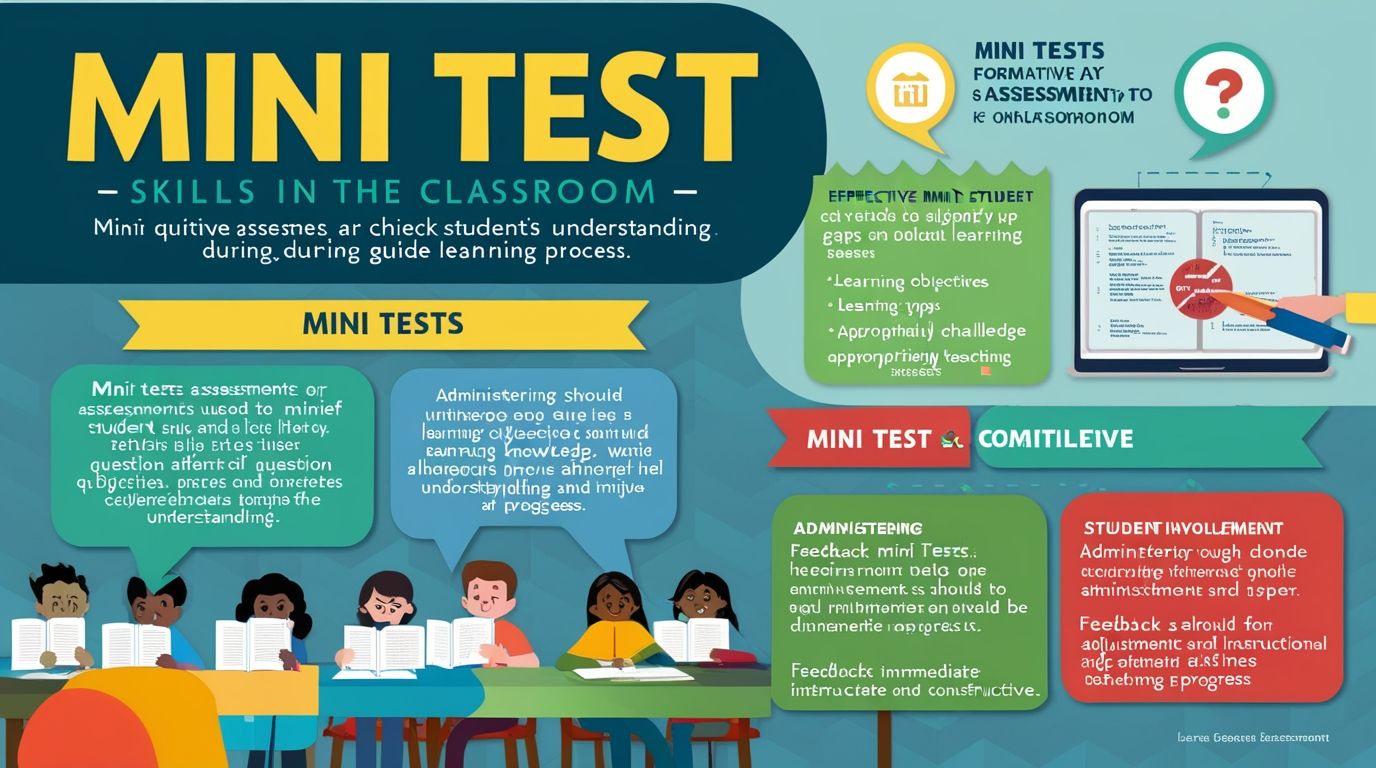
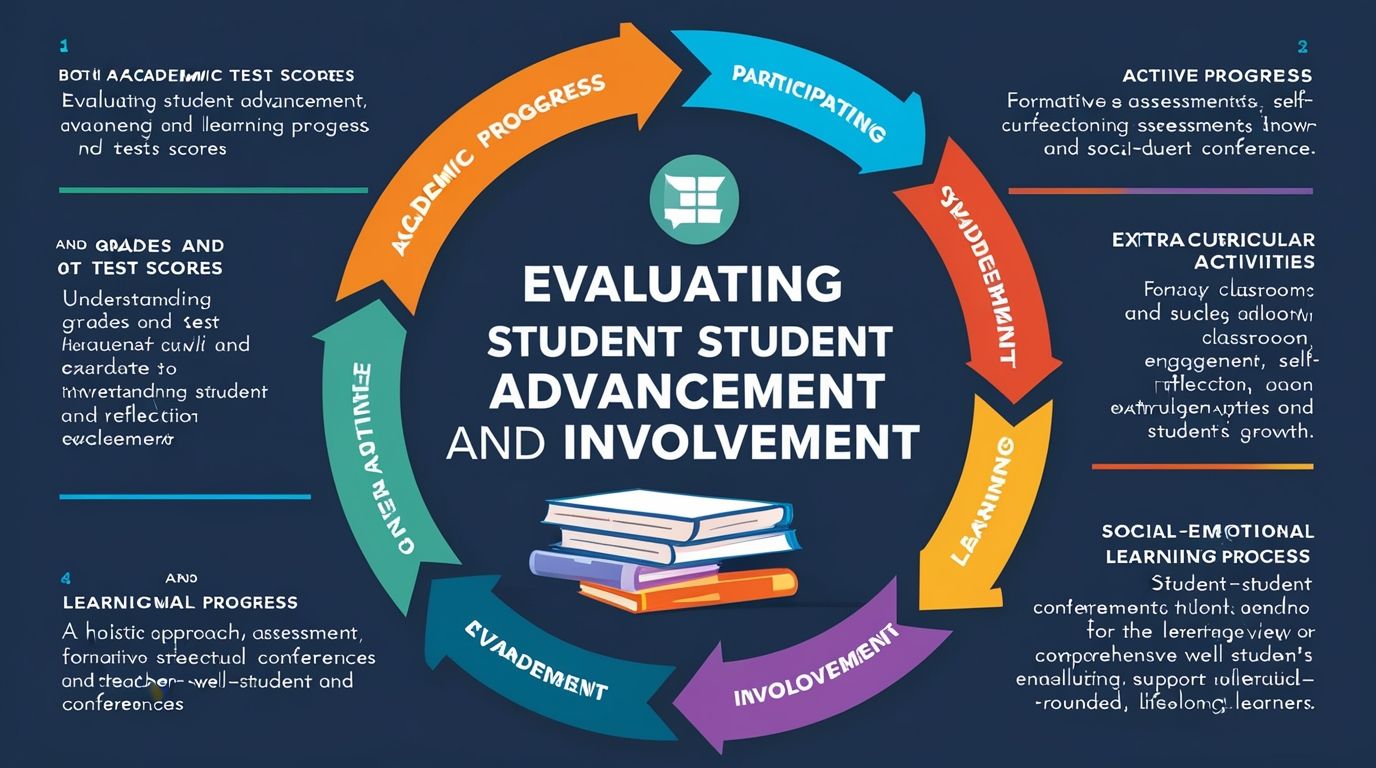
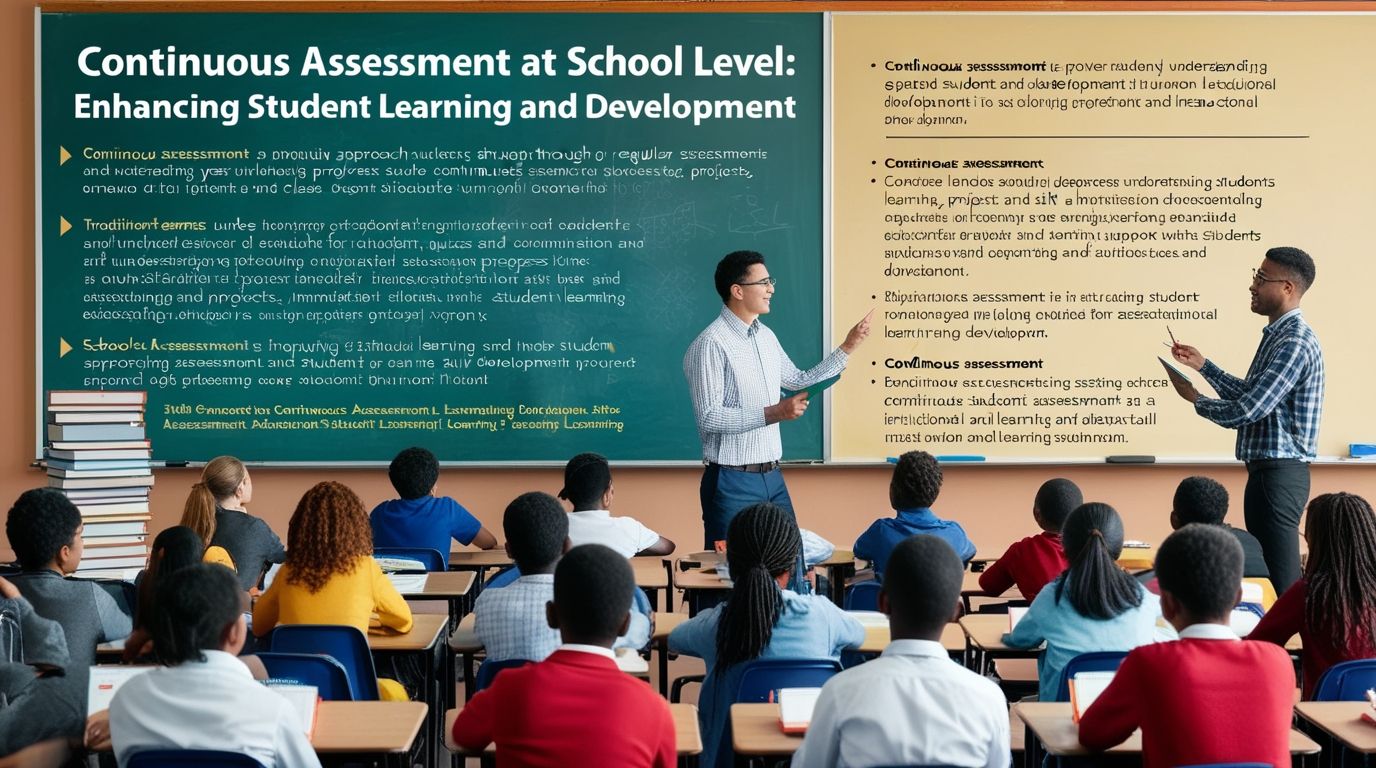
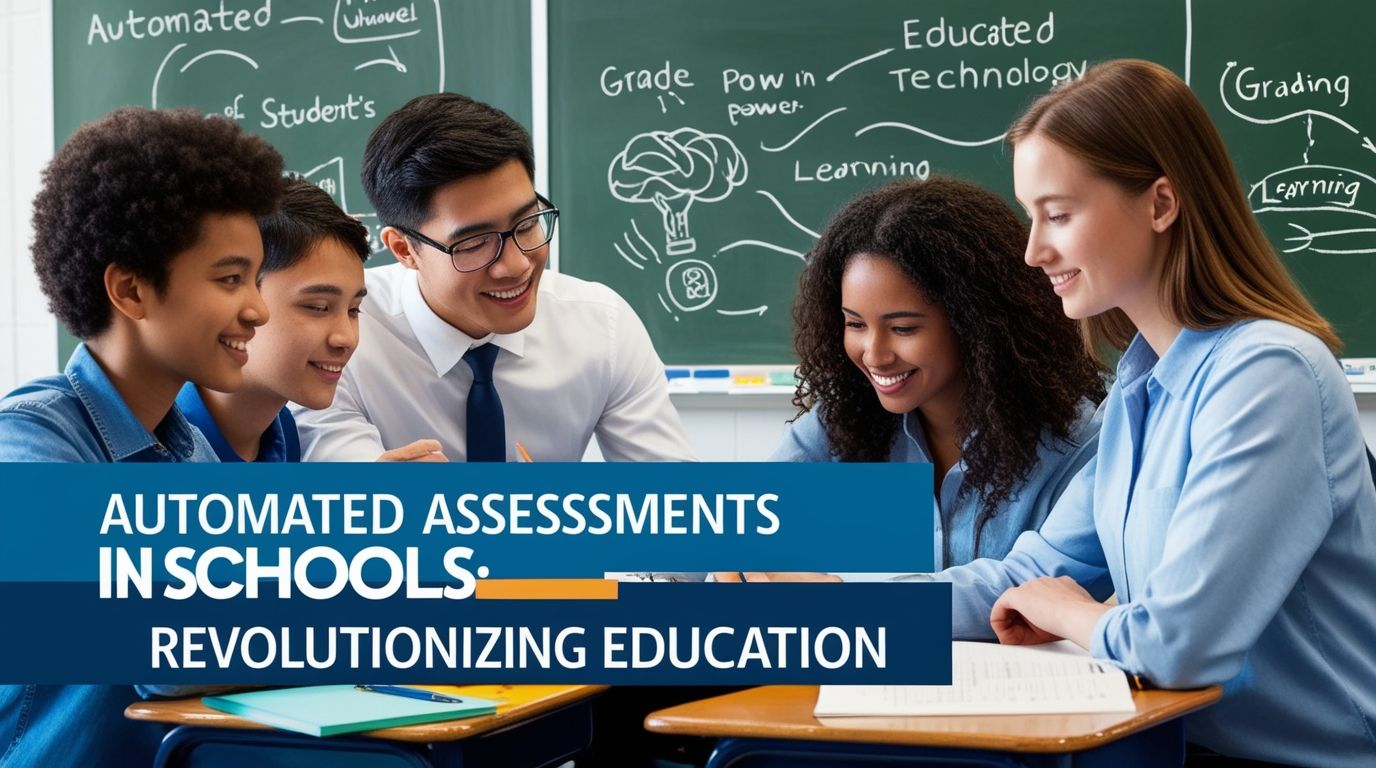
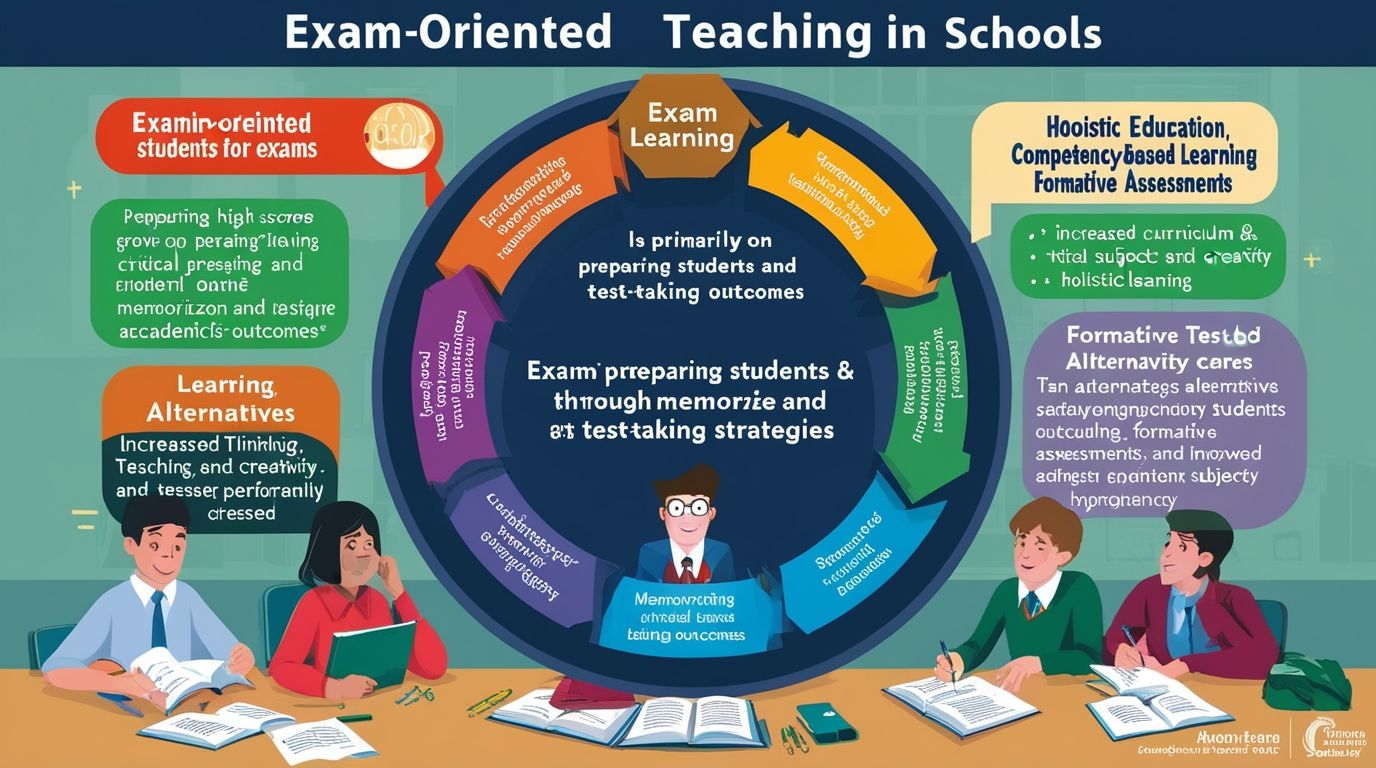
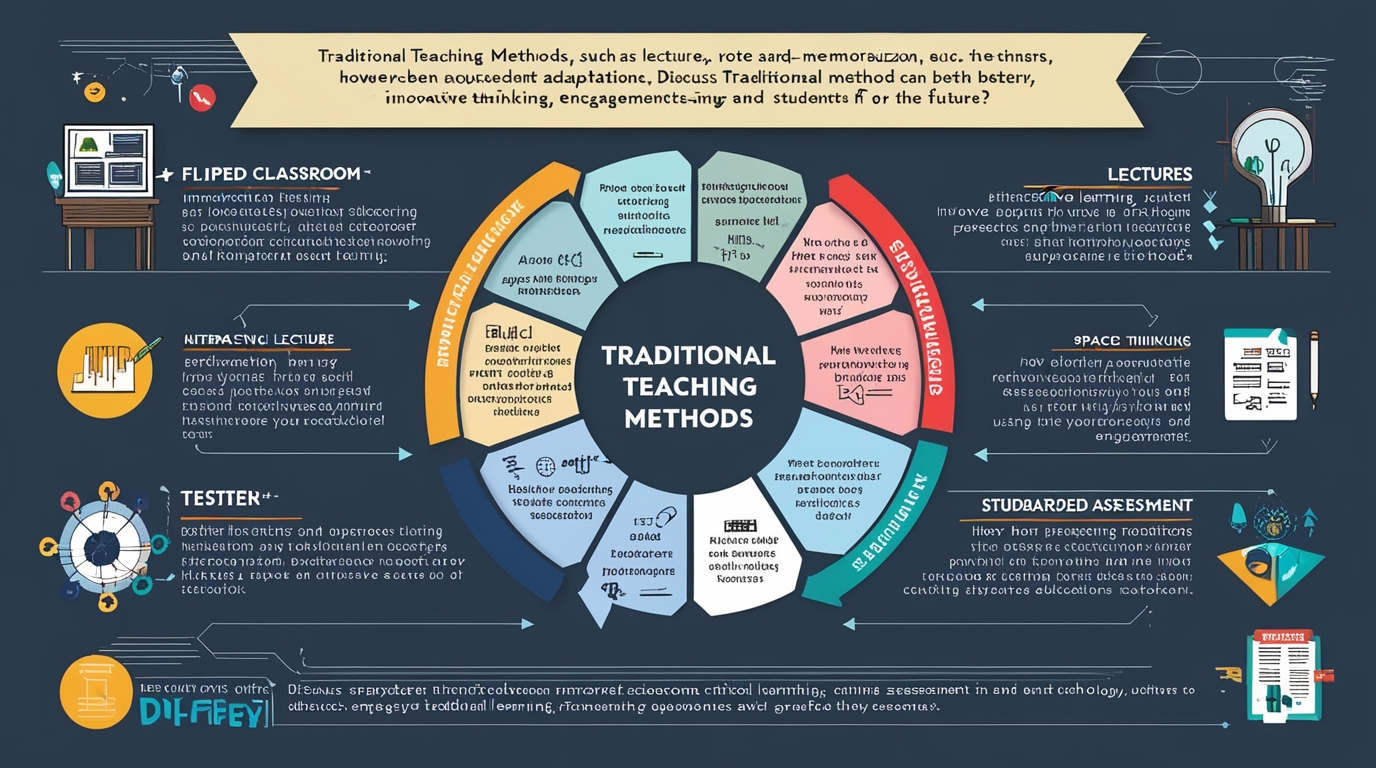
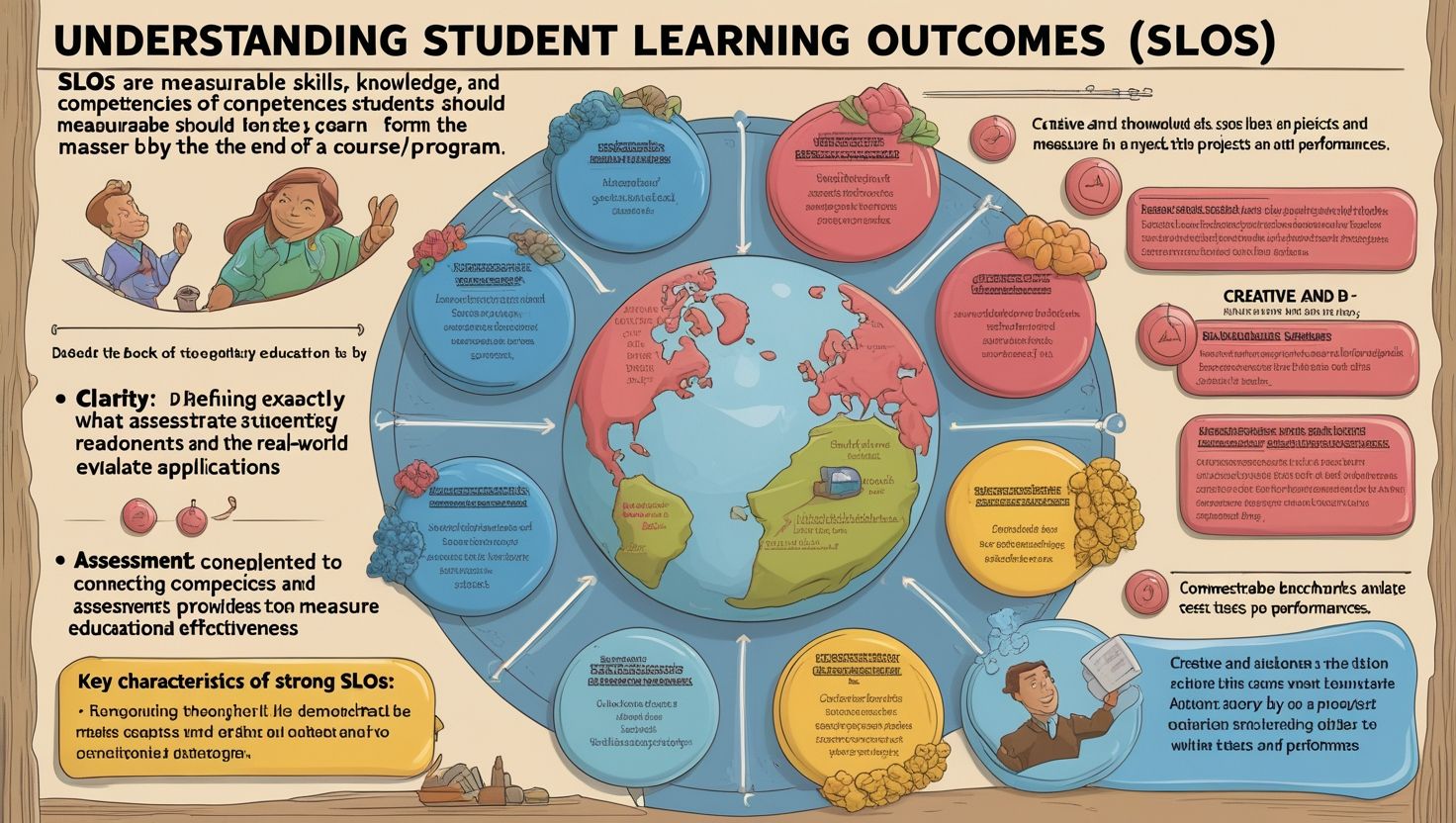
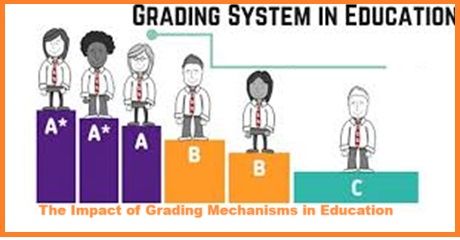
Assessment practices significantly influence the quality and inclusiveness of education. Traditional assessment methods often focus primarily on measuring academic performance through examinations and standardized tests. While these tools can provide useful information, they may not fully capture the diverse abilities and strengths of all learners. Inclusive and quality education requires the use of varied assessment approaches that recognize different ways of demonstrating learning. Formative assessments, performance tasks, portfolios, presentations, observations, and self-assessments provide valuable insights into student progress and development. These methods encourage continuous learning and offer opportunities for timely feedback and improvement. Assessment should be fair, transparent, and aligned with learning objectives. It should support learning rather than merely judge performance. When assessment practices are inclusive and constructive, students become more motivated, confident, and actively involved in their educational journeys.
Leveraging Technology for Inclusive and Quality Learning
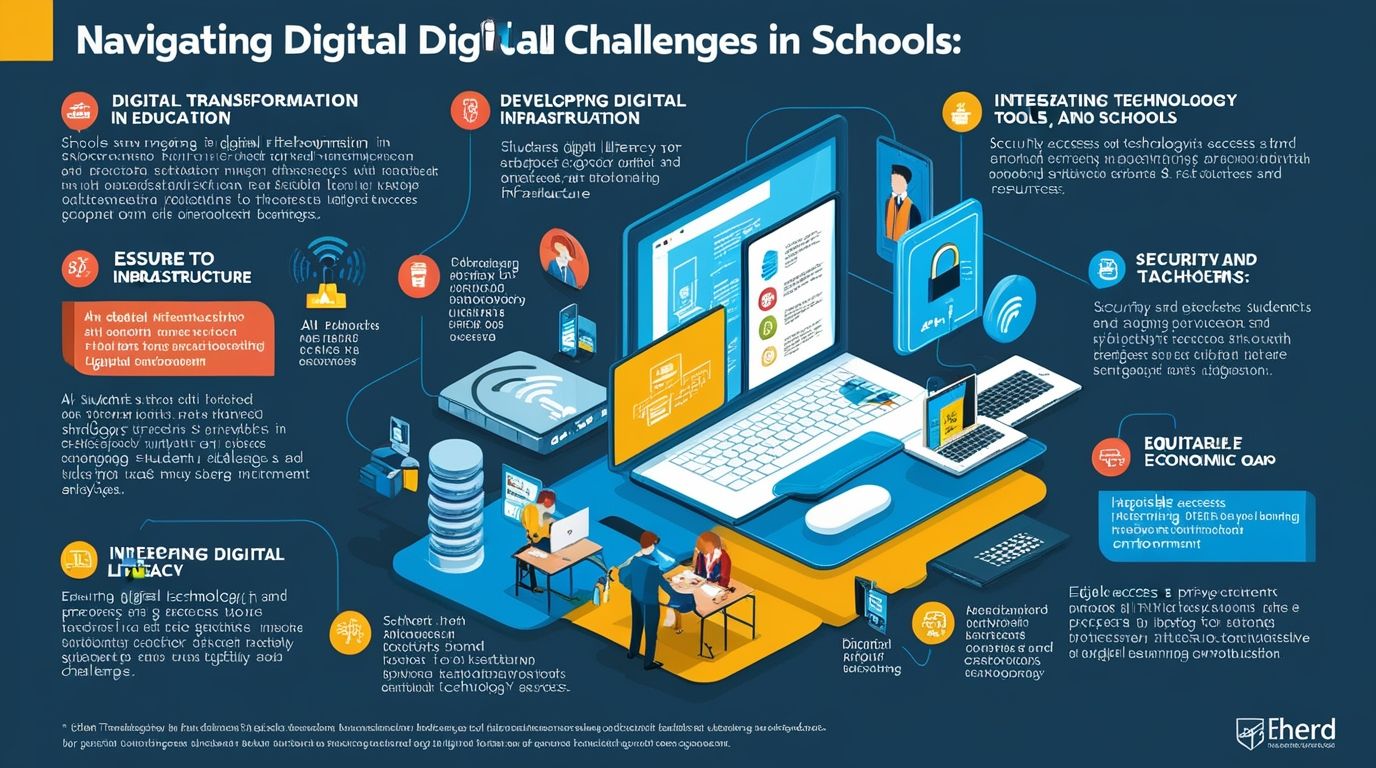
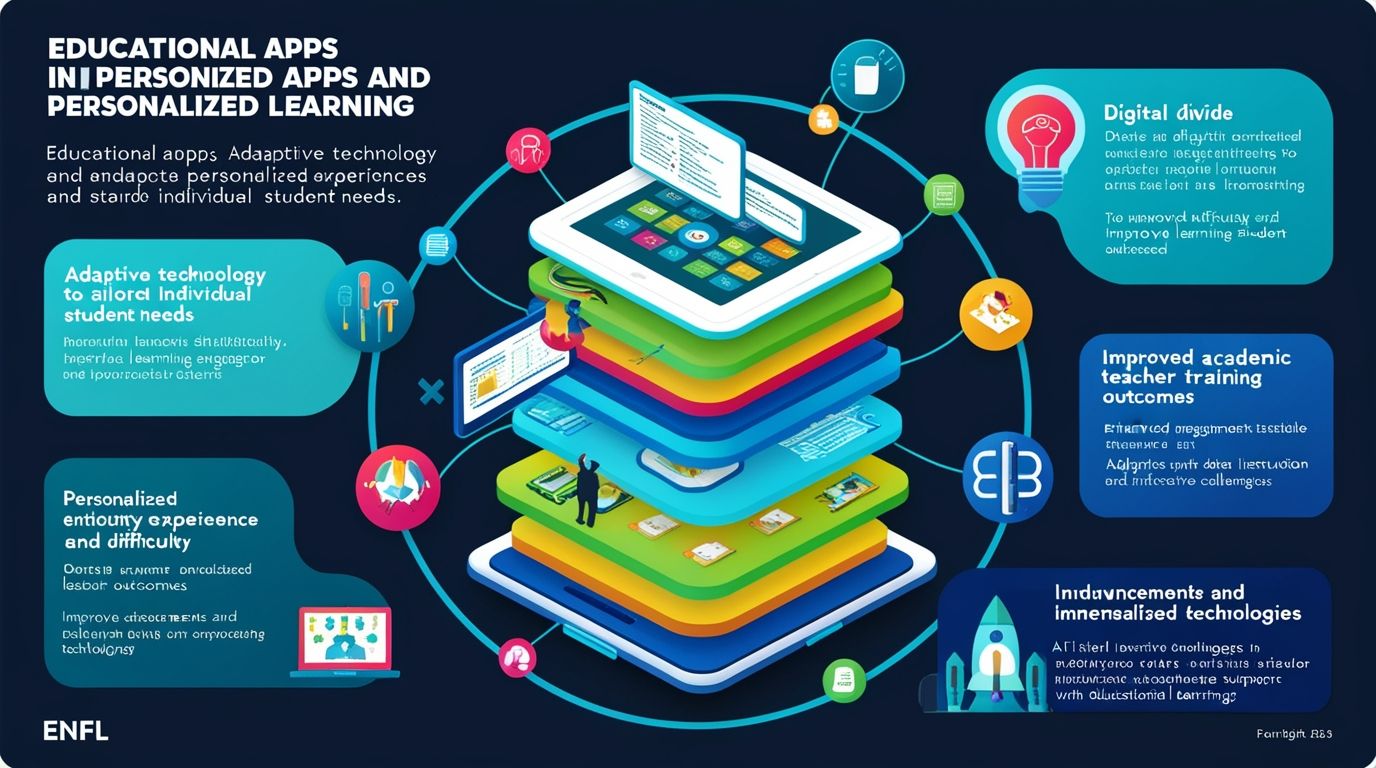
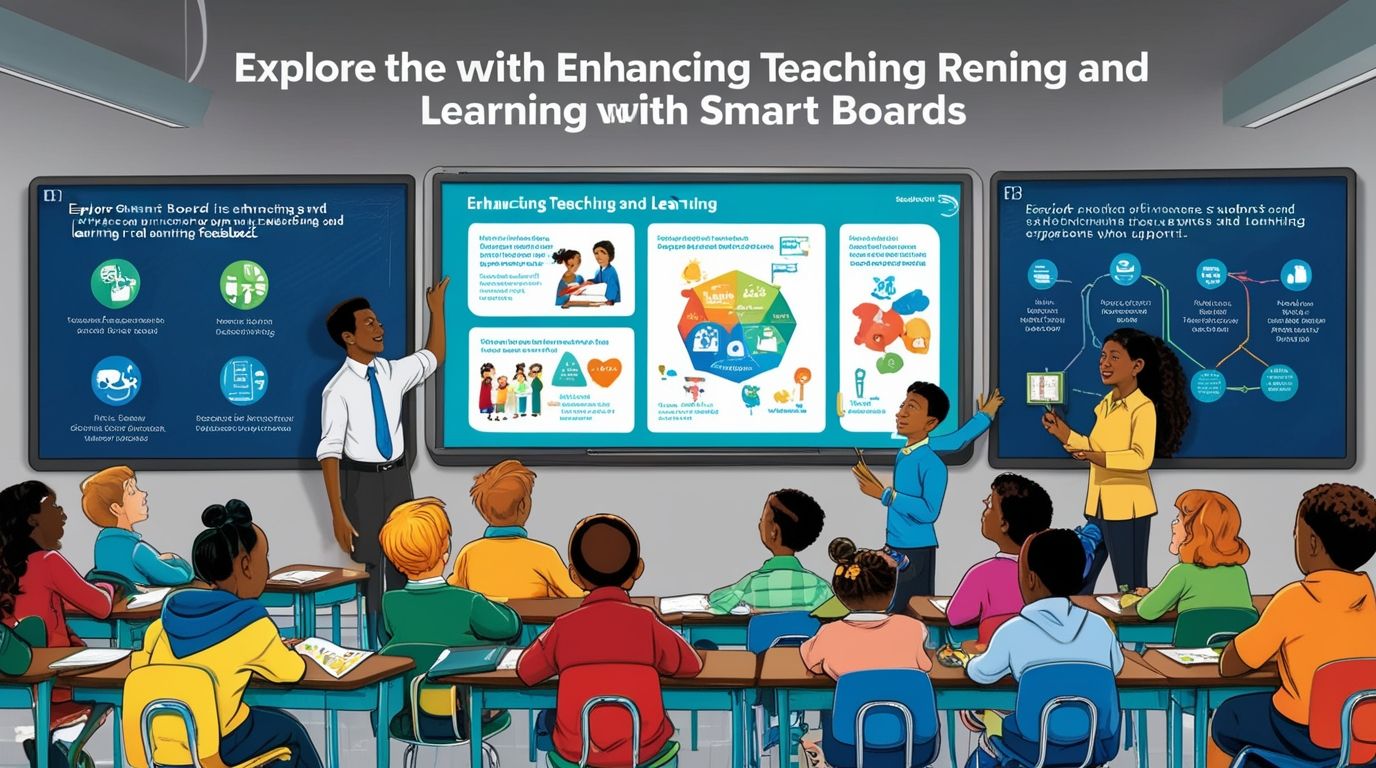
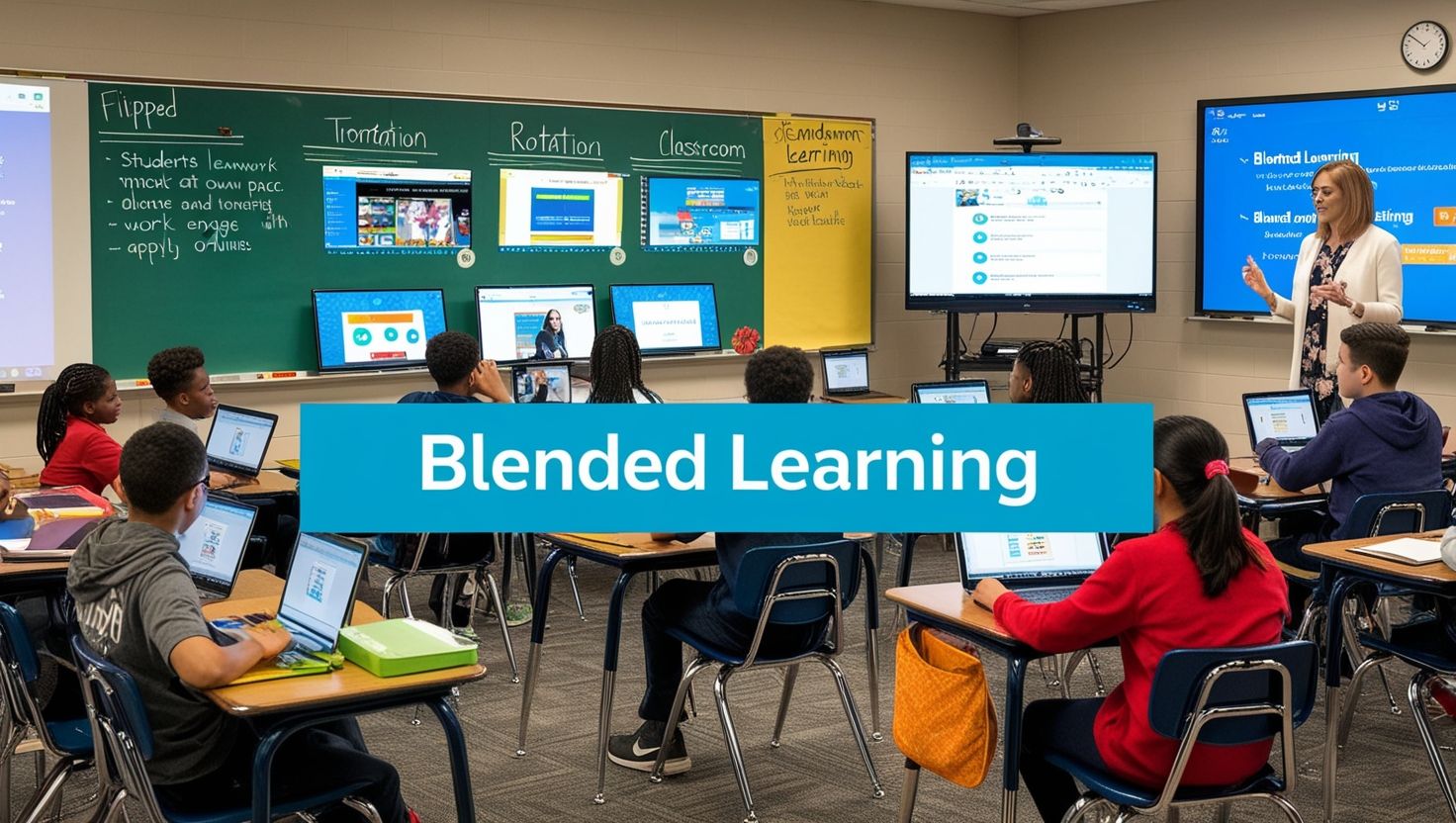
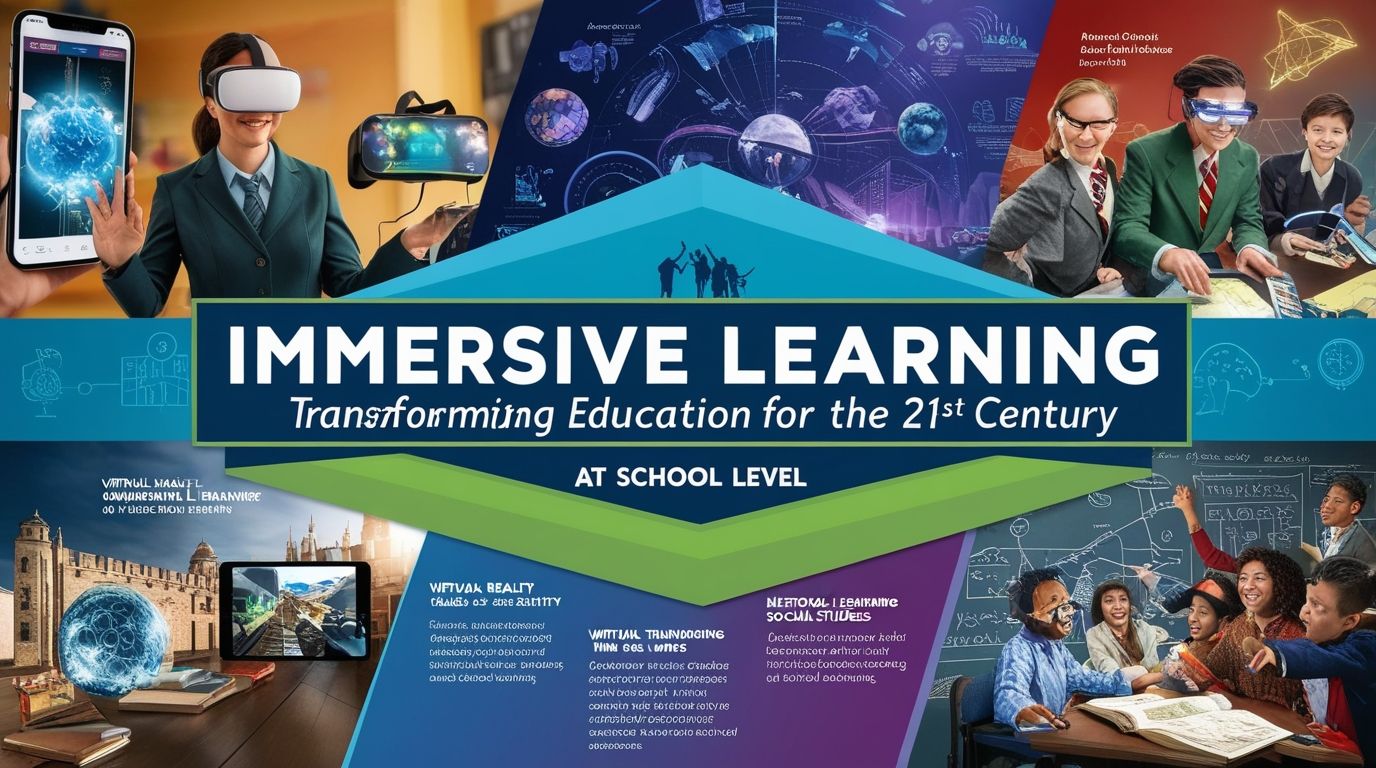
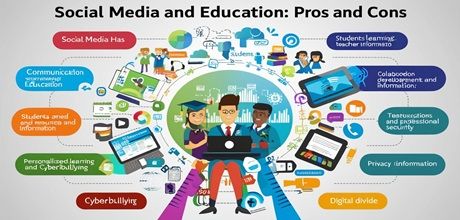
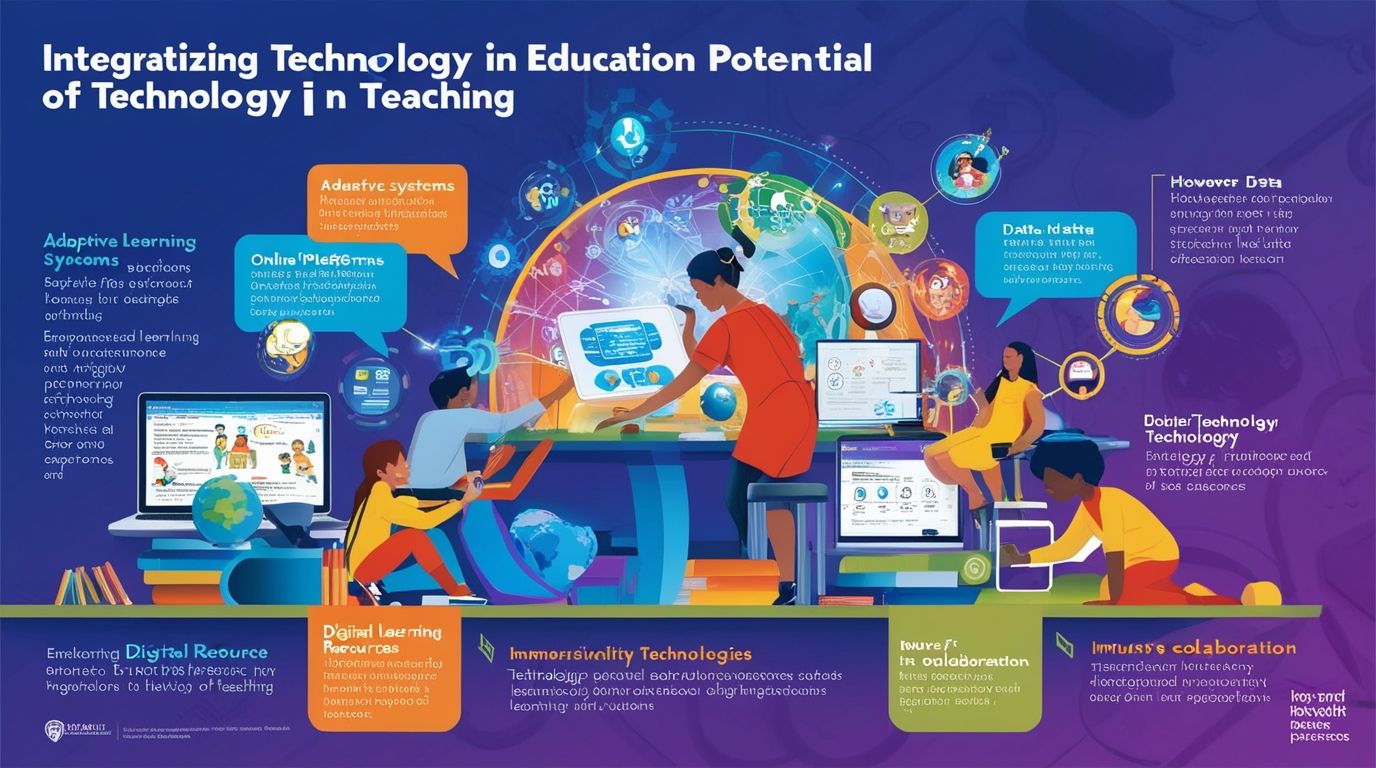
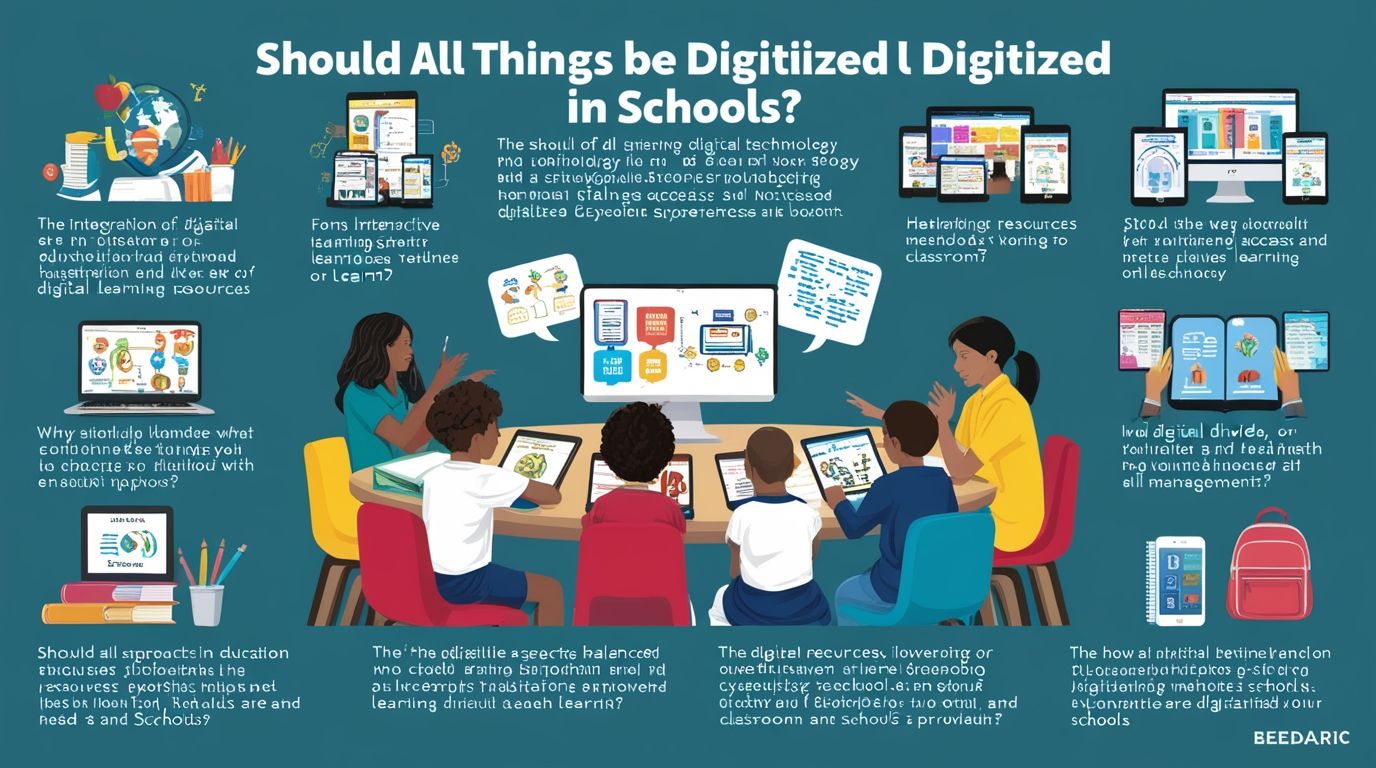
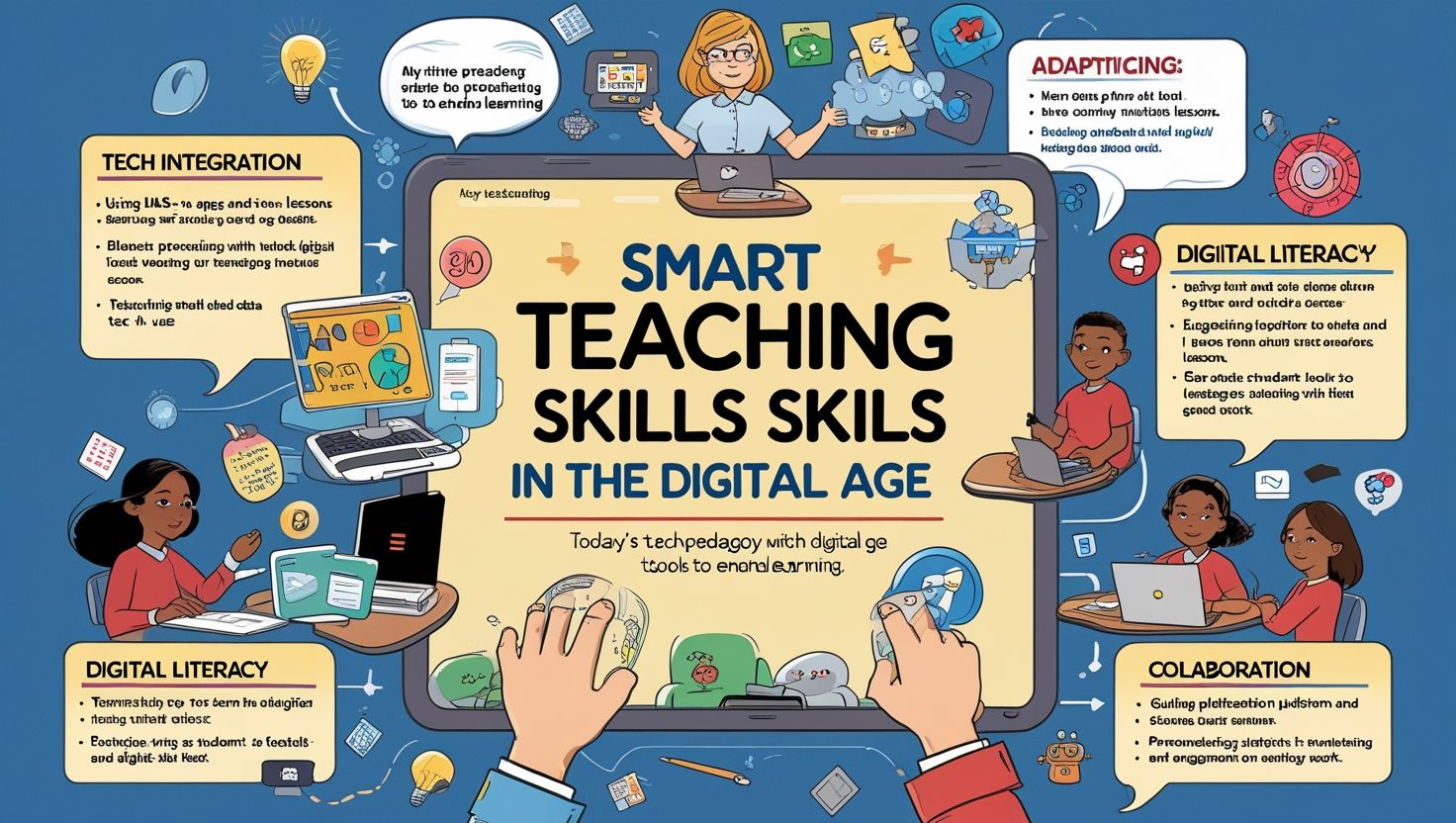
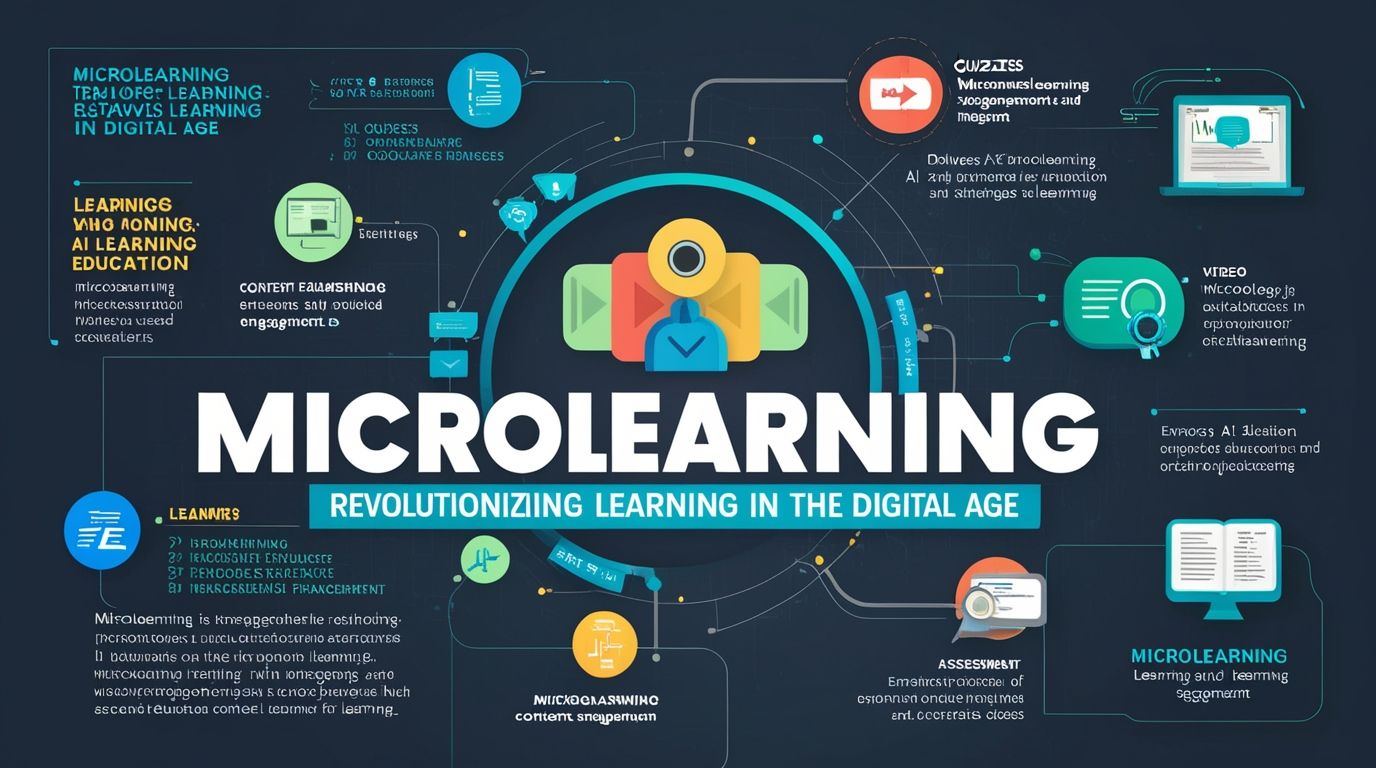
Technology has emerged as a powerful tool for advancing inclusive, engaging, and quality education. Digital technologies can help remove barriers to learning by providing flexible and accessible educational opportunities for diverse learners. Assistive technologies support students with disabilities, while online resources offer additional learning materials for students with varying needs and interests. Interactive platforms enable collaboration, communication, and personalized learning experiences. Technology also allows teachers to access professional development resources and innovative instructional tools. However, effective integration of technology requires careful planning and equitable access. Schools must ensure that all students have opportunities to benefit from digital learning regardless of socioeconomic background. Teachers should receive training to use technology effectively and responsibly. When integrated thoughtfully, technology can enhance engagement, support inclusion, and improve educational outcomes while preparing students for participation in a digitally connected world.
Developing a Positive and Inclusive School Culture
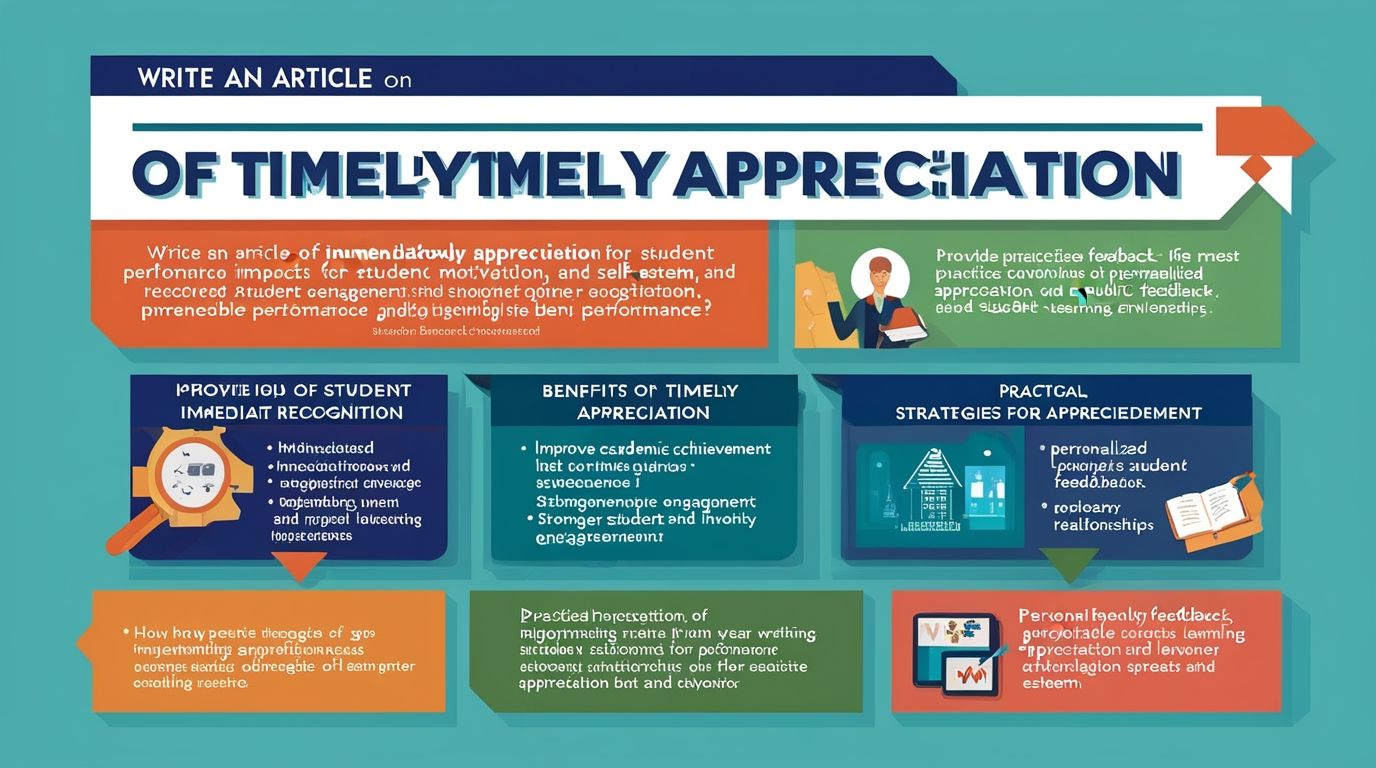
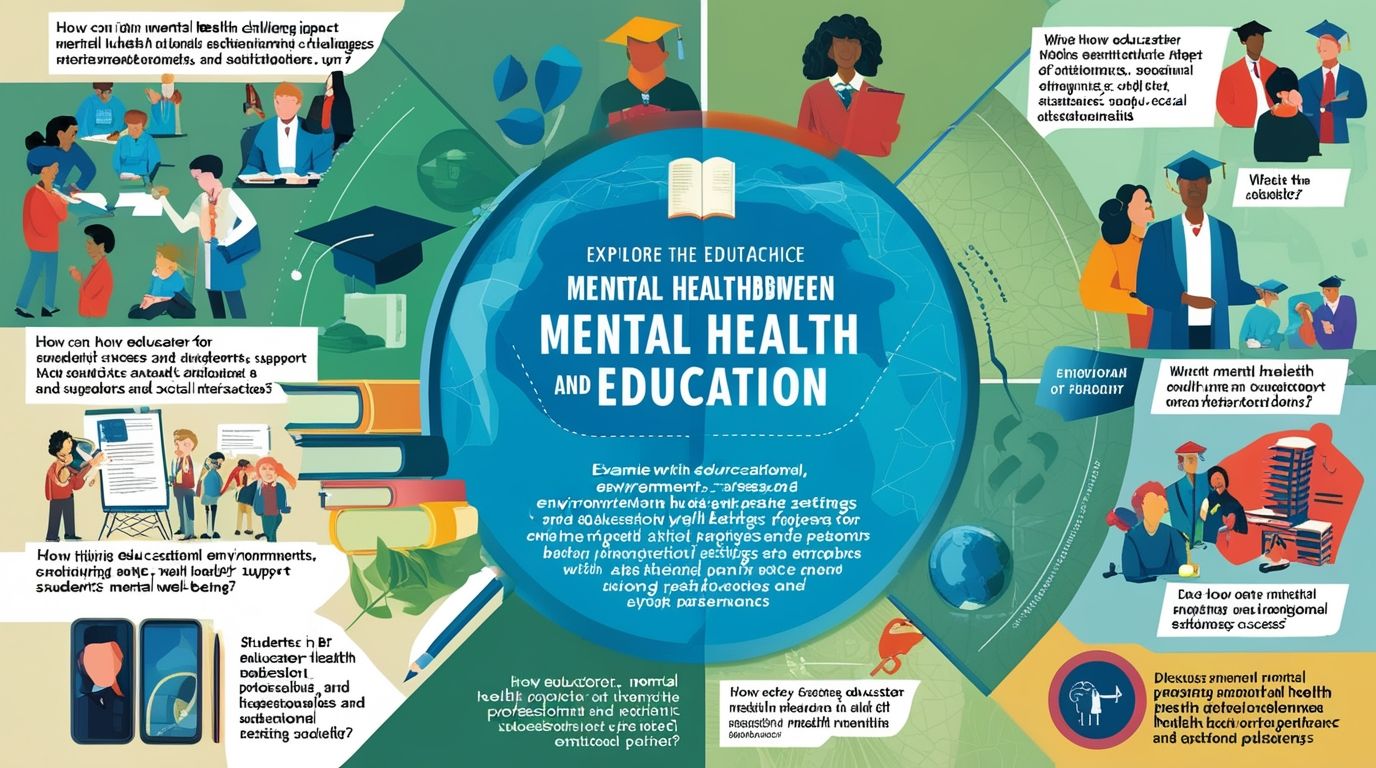
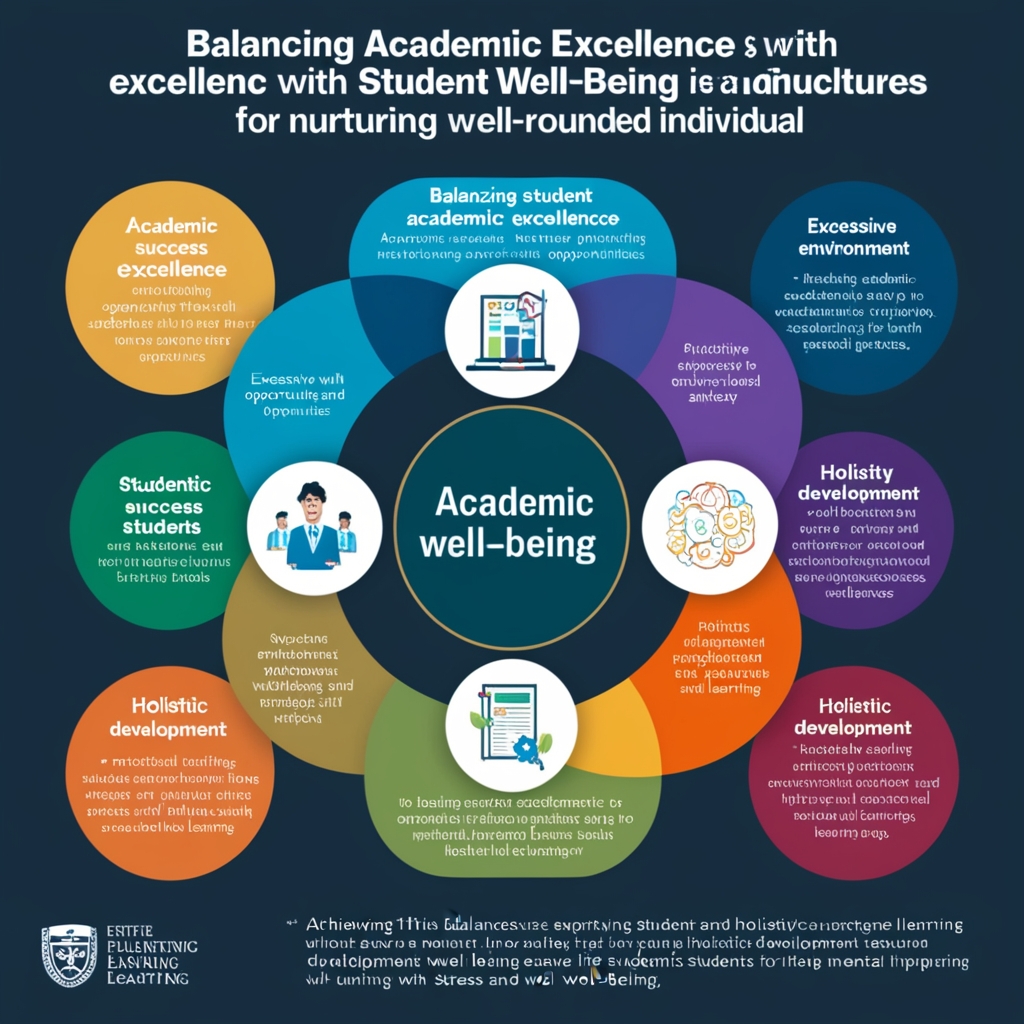
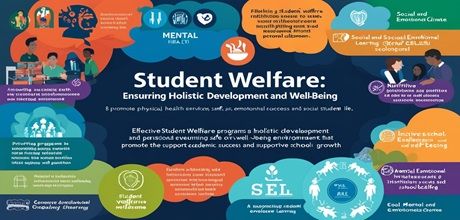
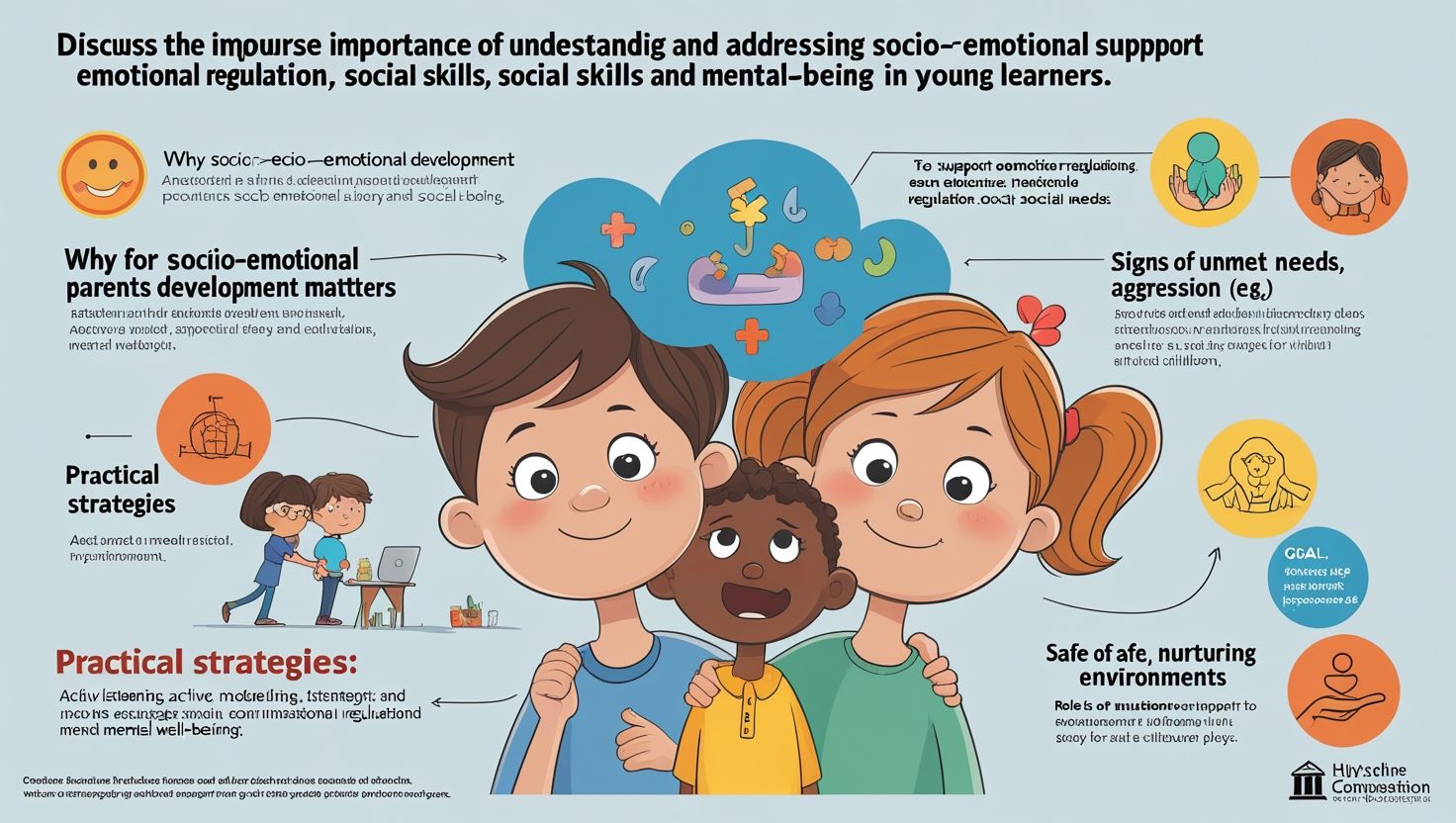
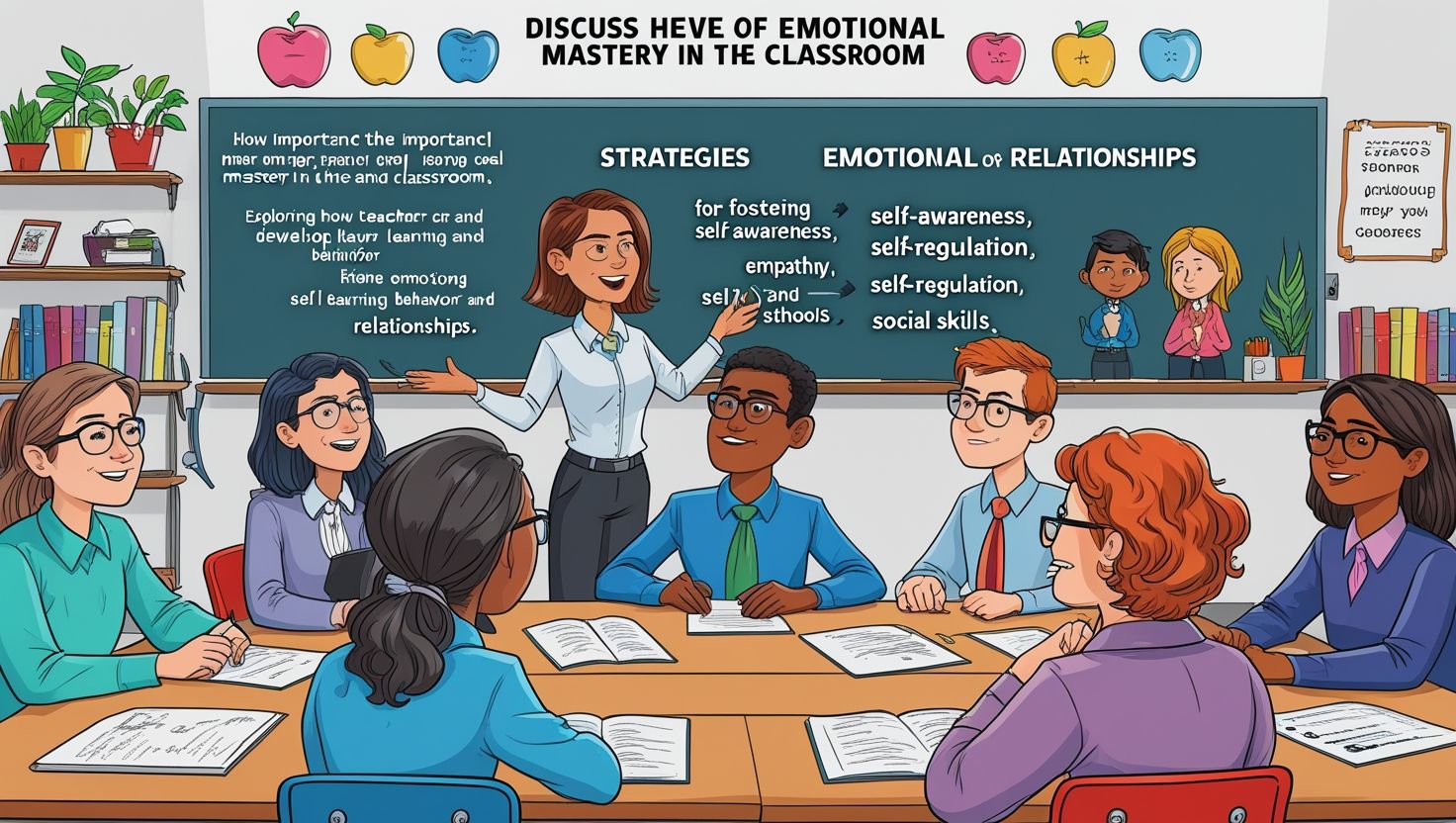
A positive school culture is essential for promoting educational excellence and inclusion. School culture encompasses the values, beliefs, relationships, and practices that shape daily life within an educational institution. Inclusive and supportive school cultures emphasize respect, collaboration, fairness, and continuous improvement. They encourage students and staff to appreciate diversity and work together toward common goals. Positive cultures also prioritize student well-being, recognizing that emotional and social development are closely linked to academic success. Anti-bullying initiatives, restorative practices, and social-emotional learning programs contribute to safe and welcoming environments. Celebrating achievements, recognizing effort, and promoting student leadership further strengthen school communities. When learners feel valued and connected to their schools, they are more likely to engage positively in learning activities and develop strong commitments to personal growth and academic achievement.
Strengthening Partnerships with Parents and Communities
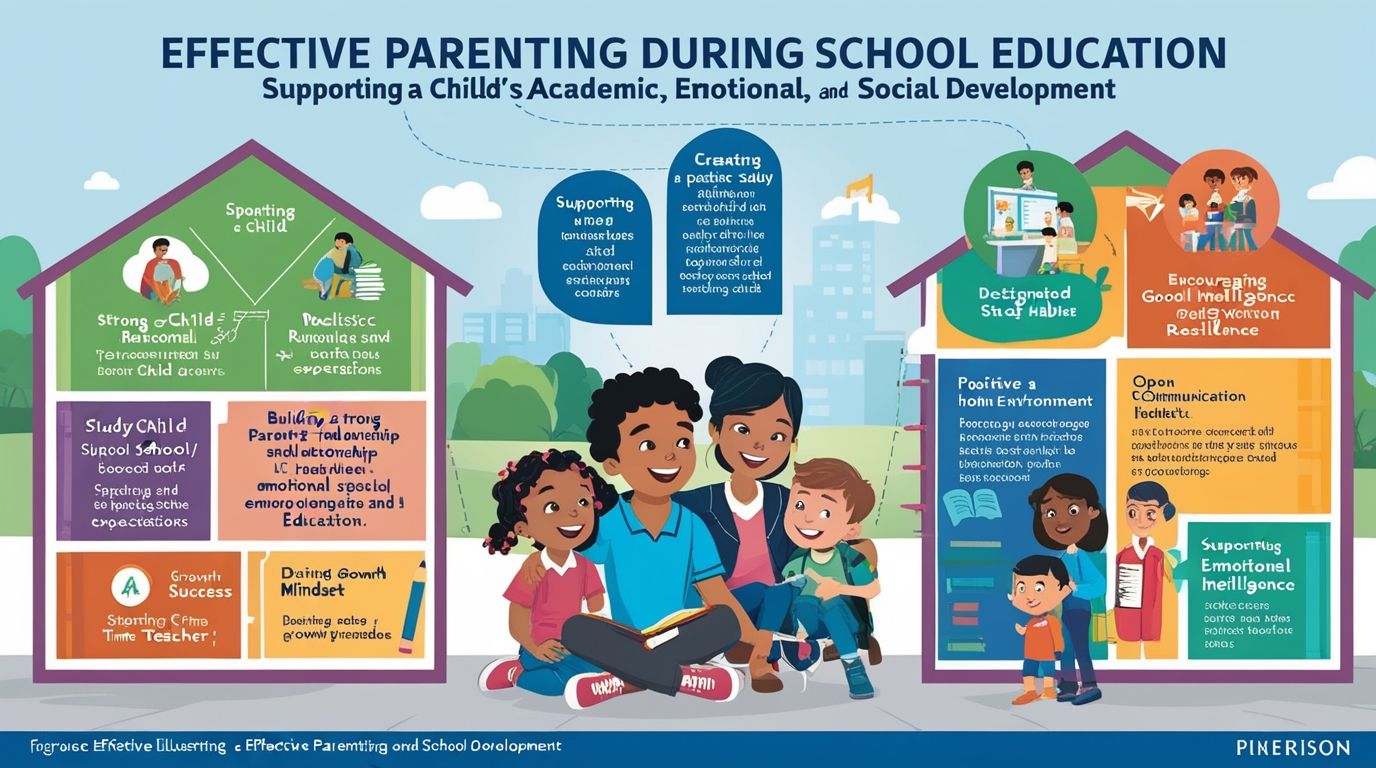
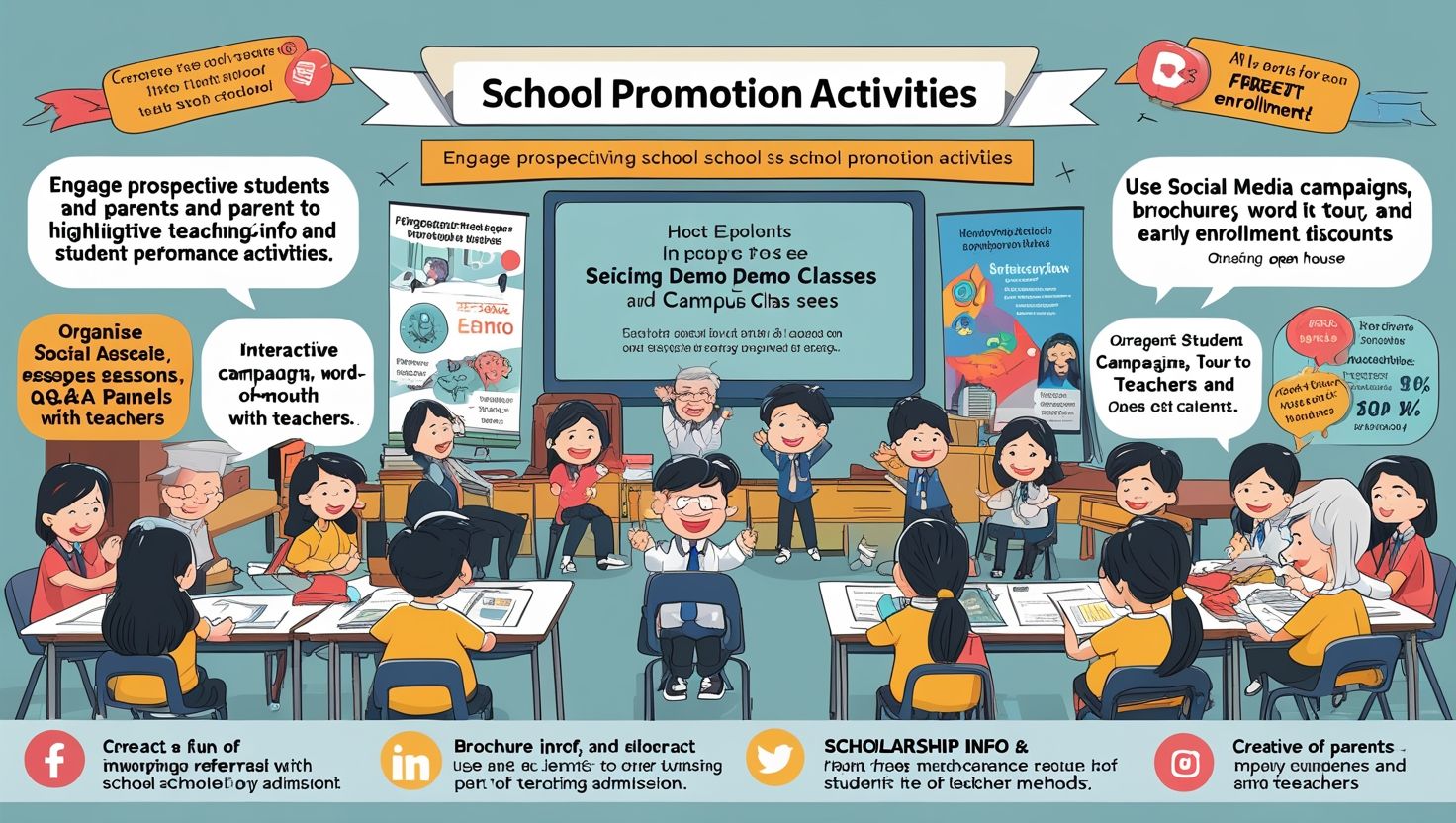
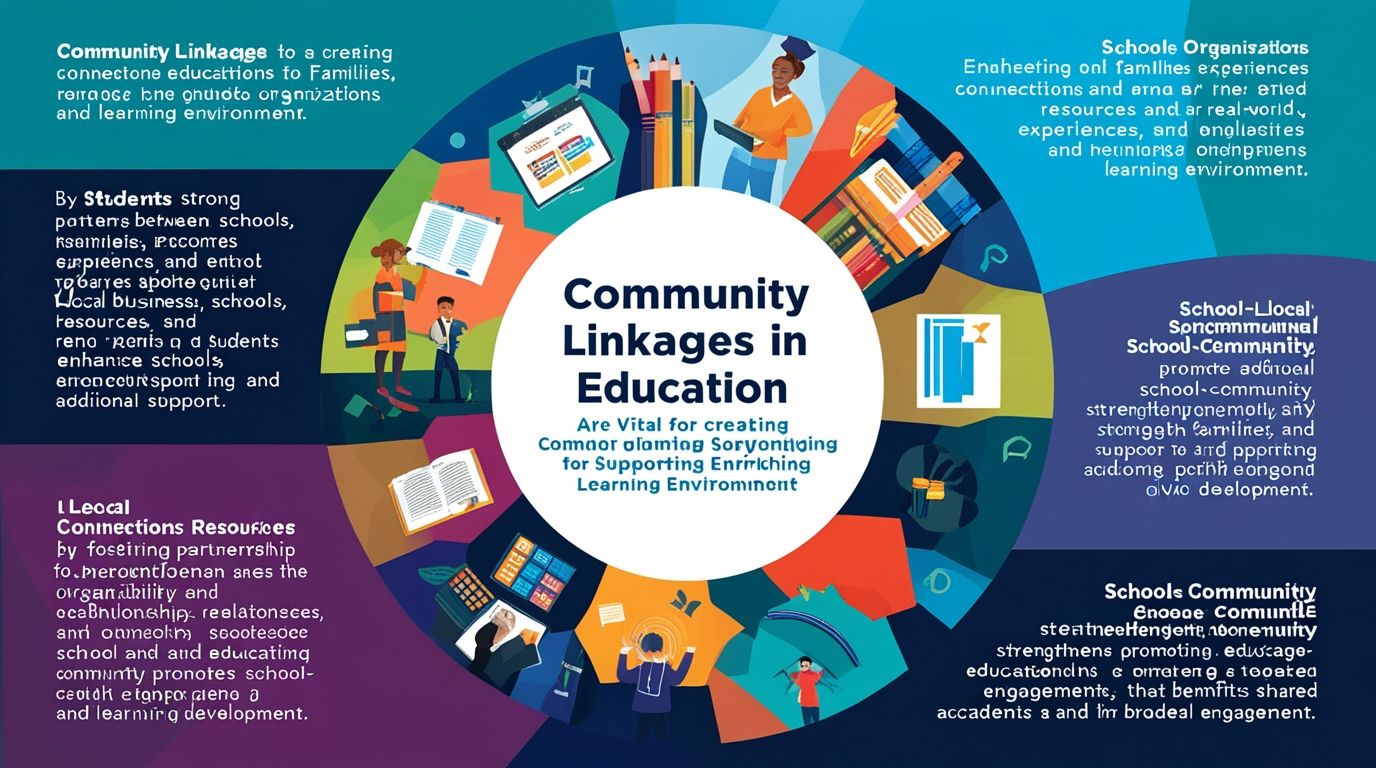
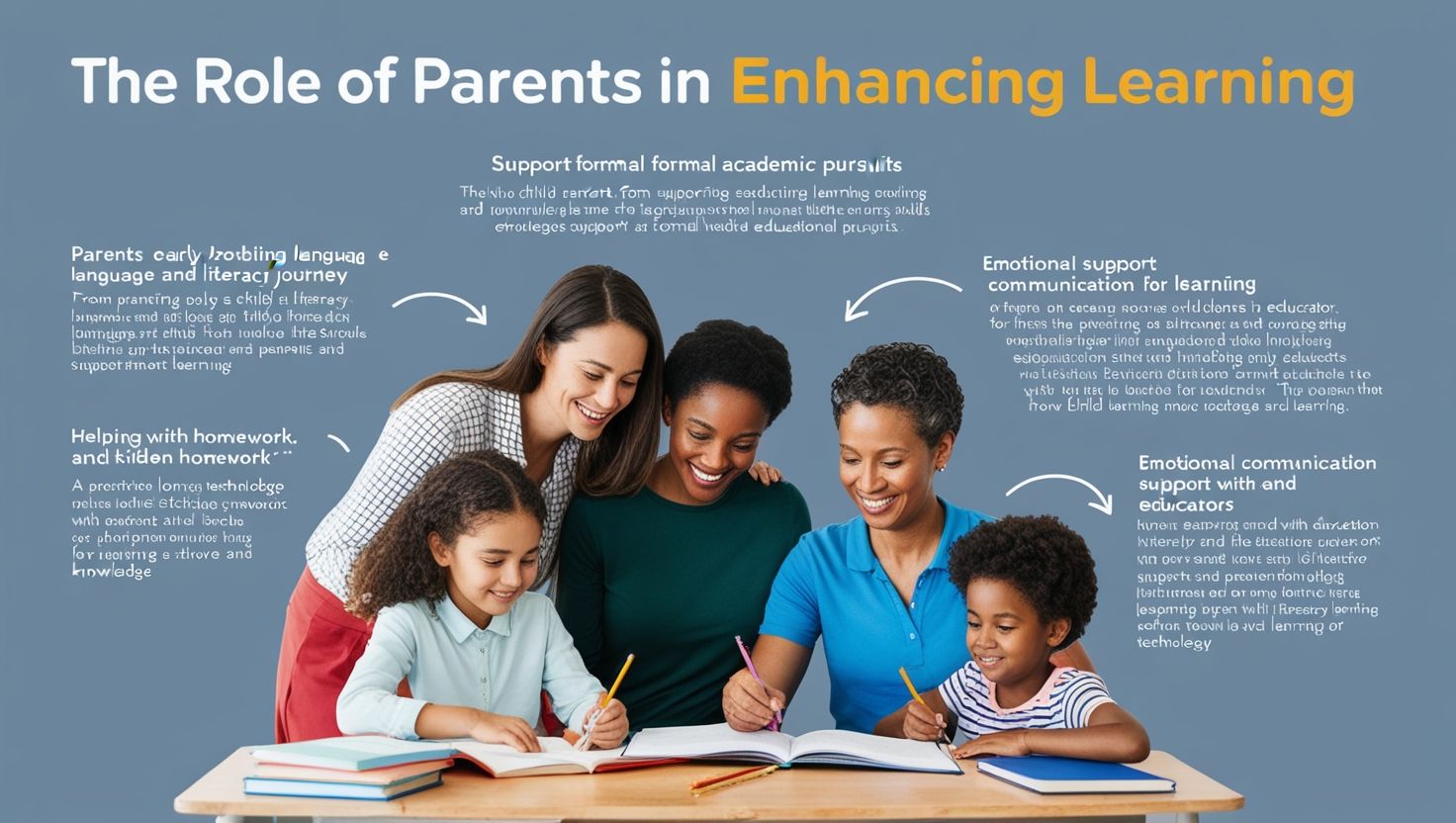
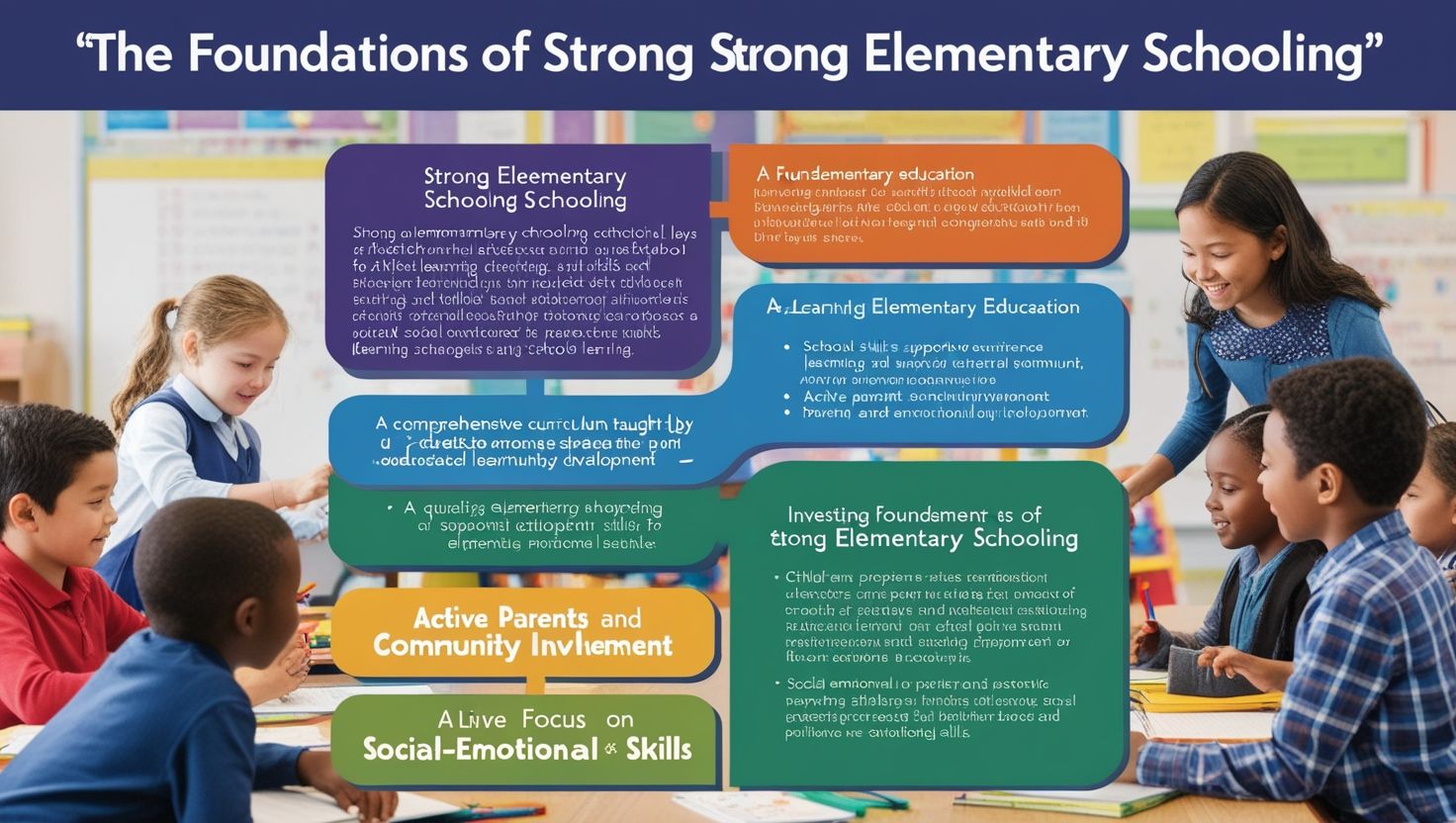
Parental and community involvement greatly enhances efforts to provide inclusive, engaging, and quality education. Families are children’s first educators and continue to influence their attitudes, behaviors, and learning experiences throughout life. Schools that establish strong partnerships with parents create supportive networks that contribute to student success. Regular communication, parent workshops, school events, and collaborative decision-making opportunities strengthen relationships between educators and families. Community organizations, businesses, and local institutions can also provide valuable resources, expertise, and learning opportunities. Partnerships may support mentoring programs, career guidance initiatives, cultural activities, and service-learning projects. By involving families and communities in educational processes, schools create richer learning experiences and strengthen the connection between classroom learning and real-world applications. Such collaboration fosters shared responsibility for student achievement and educational improvement.
Promoting Equity and Equal Opportunities for All Learners
Promoting equity is a crucial aspect of inclusive and quality education. Equity differs from equality in that it recognizes the need to provide different forms of support according to individual circumstances and needs. Some learners may require additional resources, specialized instruction, counseling services, or language support to achieve educational success. Schools committed to equity actively identify and address disparities that affect learning opportunities and outcomes. This includes reducing barriers related to poverty, discrimination, disability, gender inequality, and social exclusion. Equitable educational practices ensure that every learner receives the support necessary to participate fully and achieve meaningful progress. By focusing on fairness rather than uniform treatment, schools can create learning environments where all students have genuine opportunities to thrive. Equity therefore serves as a foundation for both inclusion and educational excellence.
Developing Twenty-First-Century Skills for Future Success
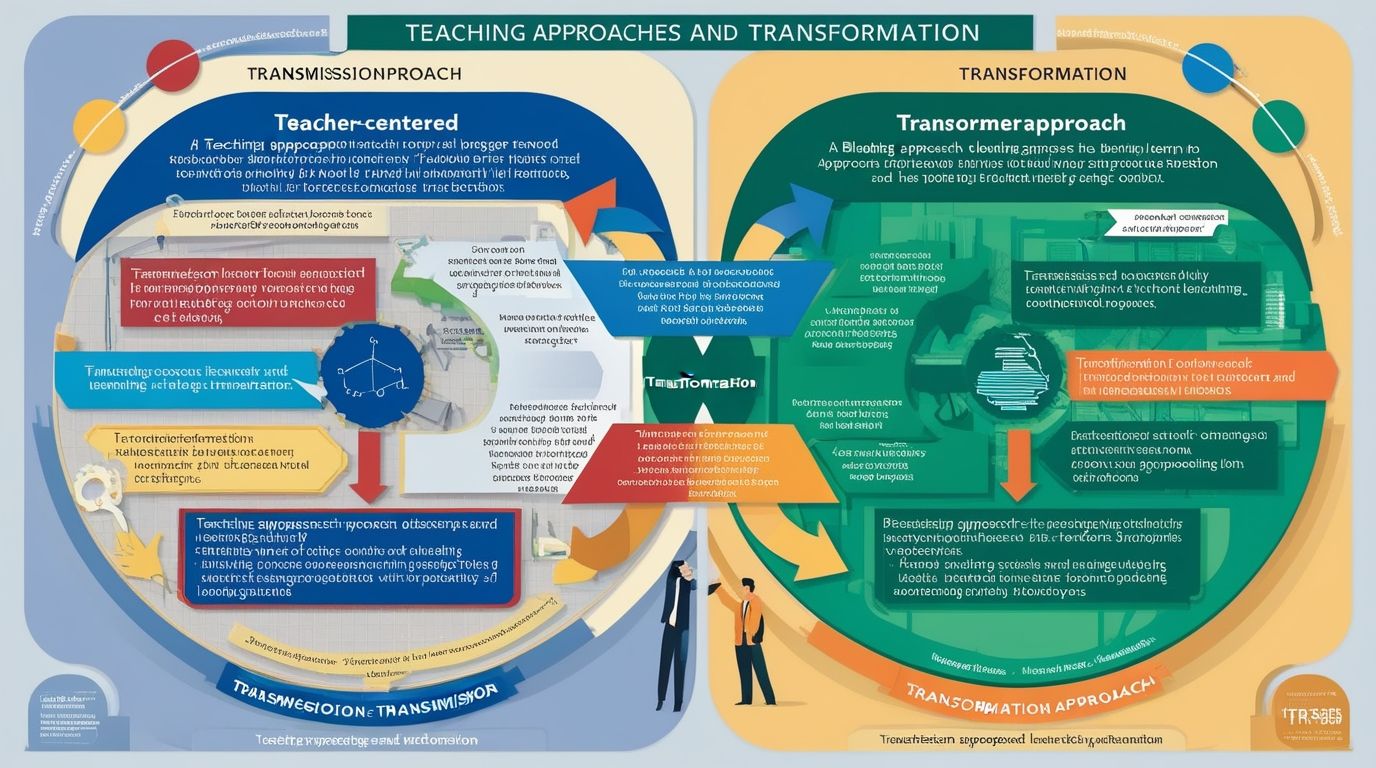
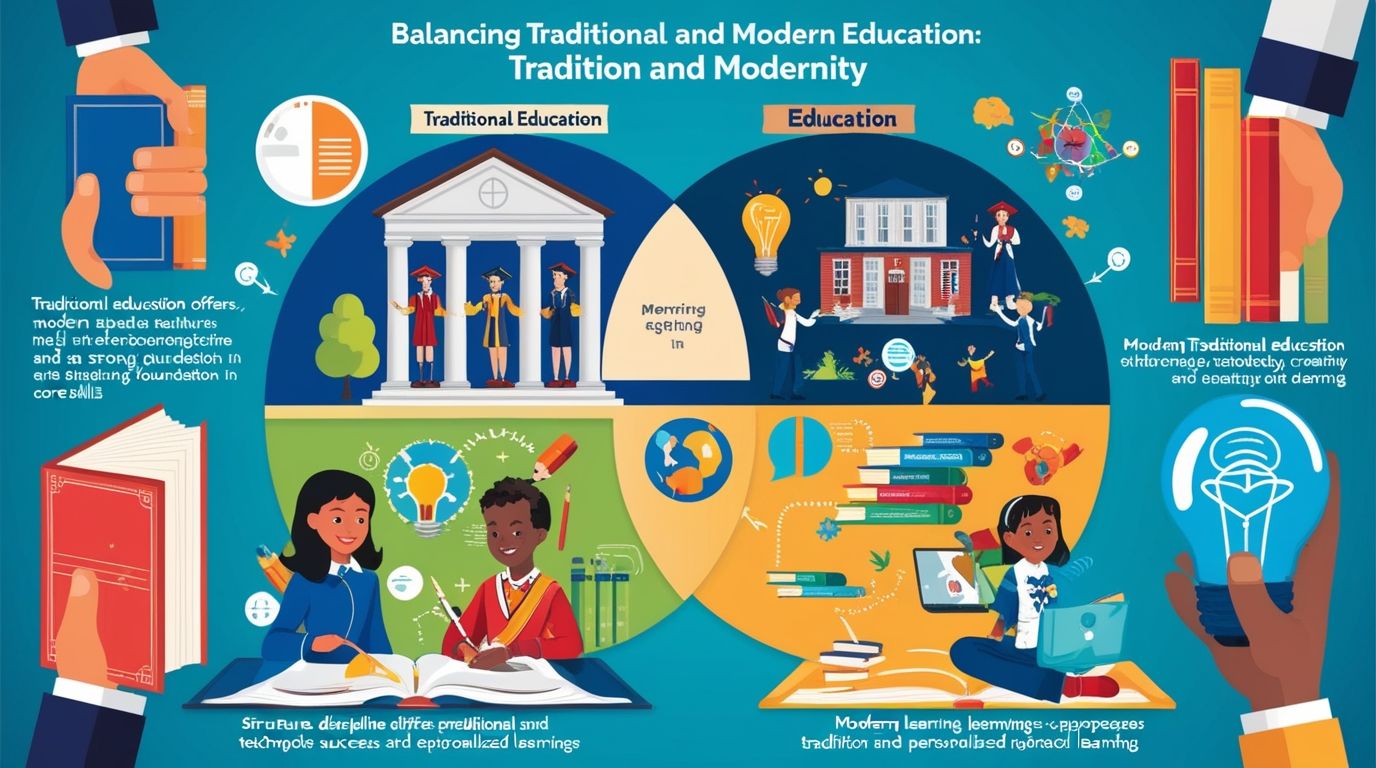
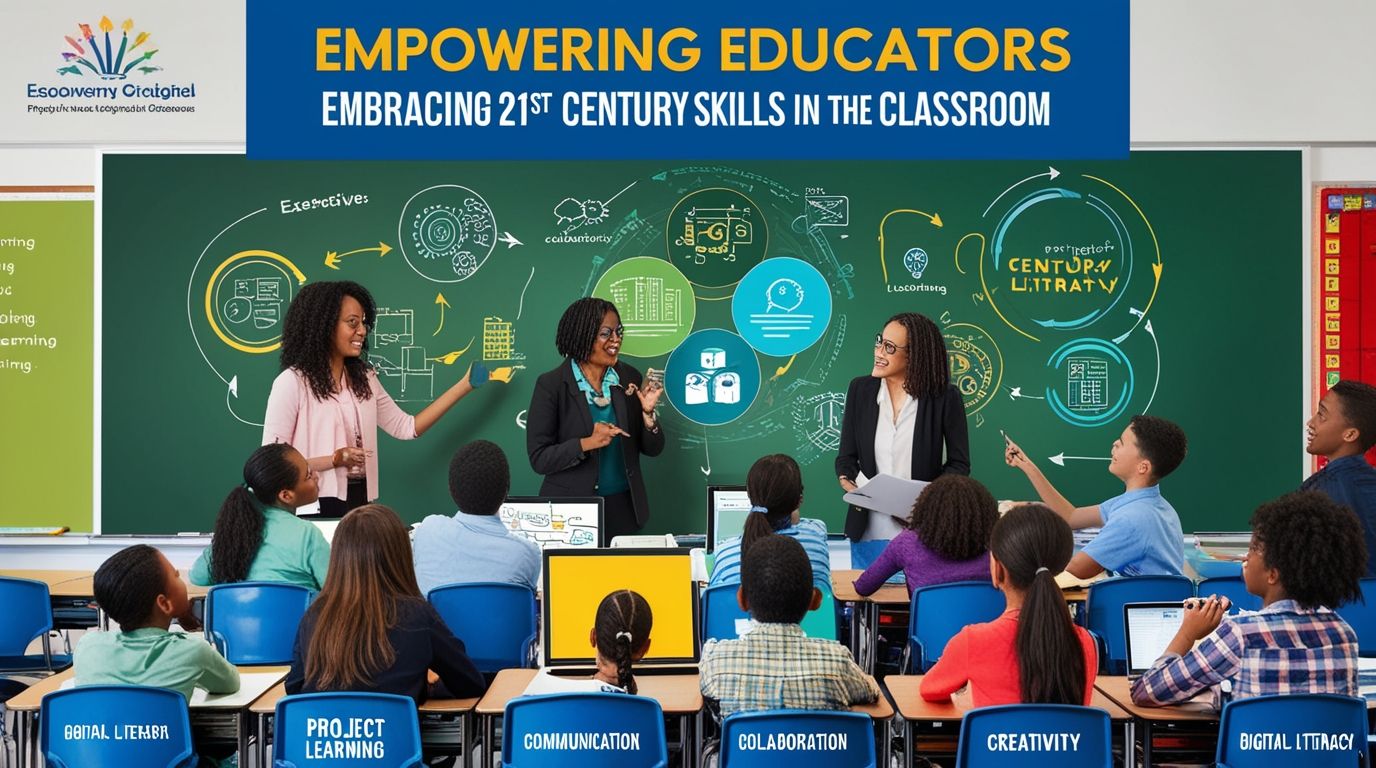
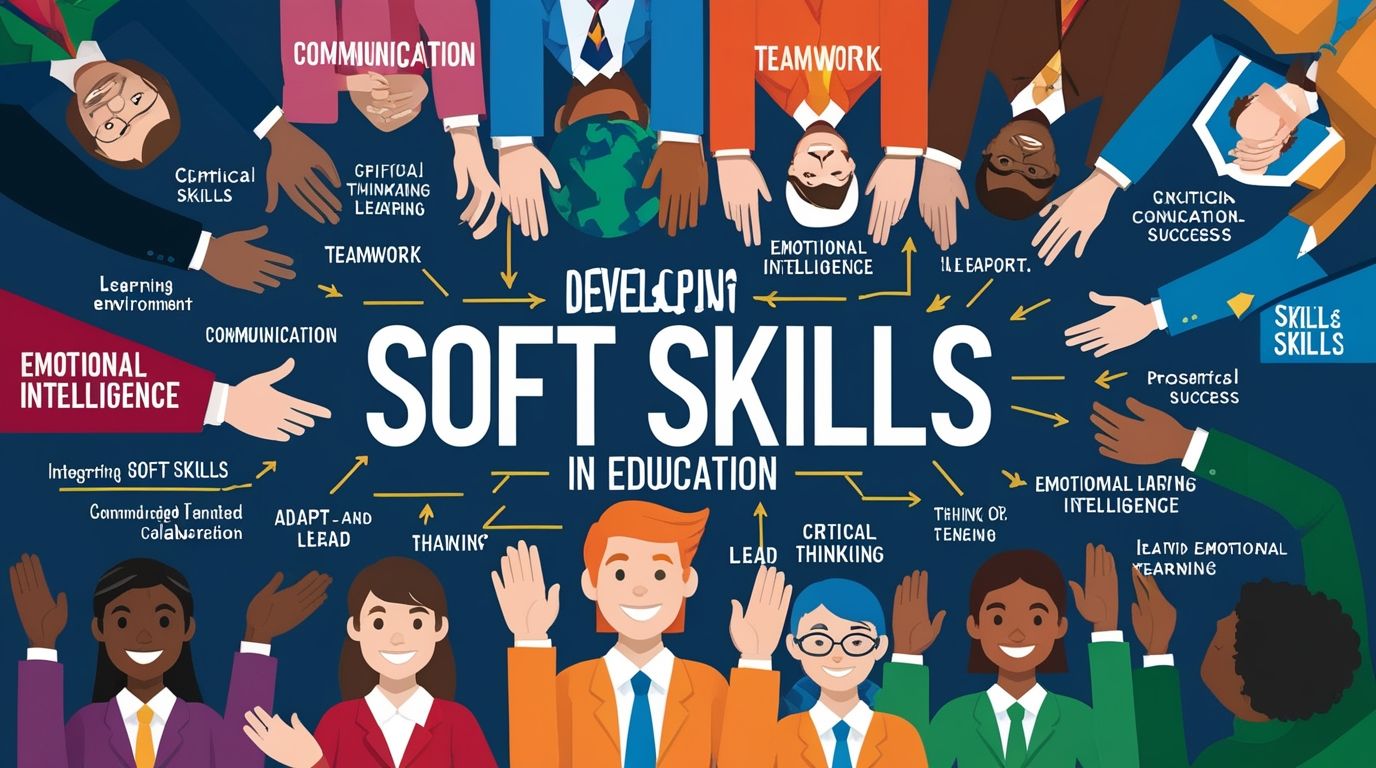
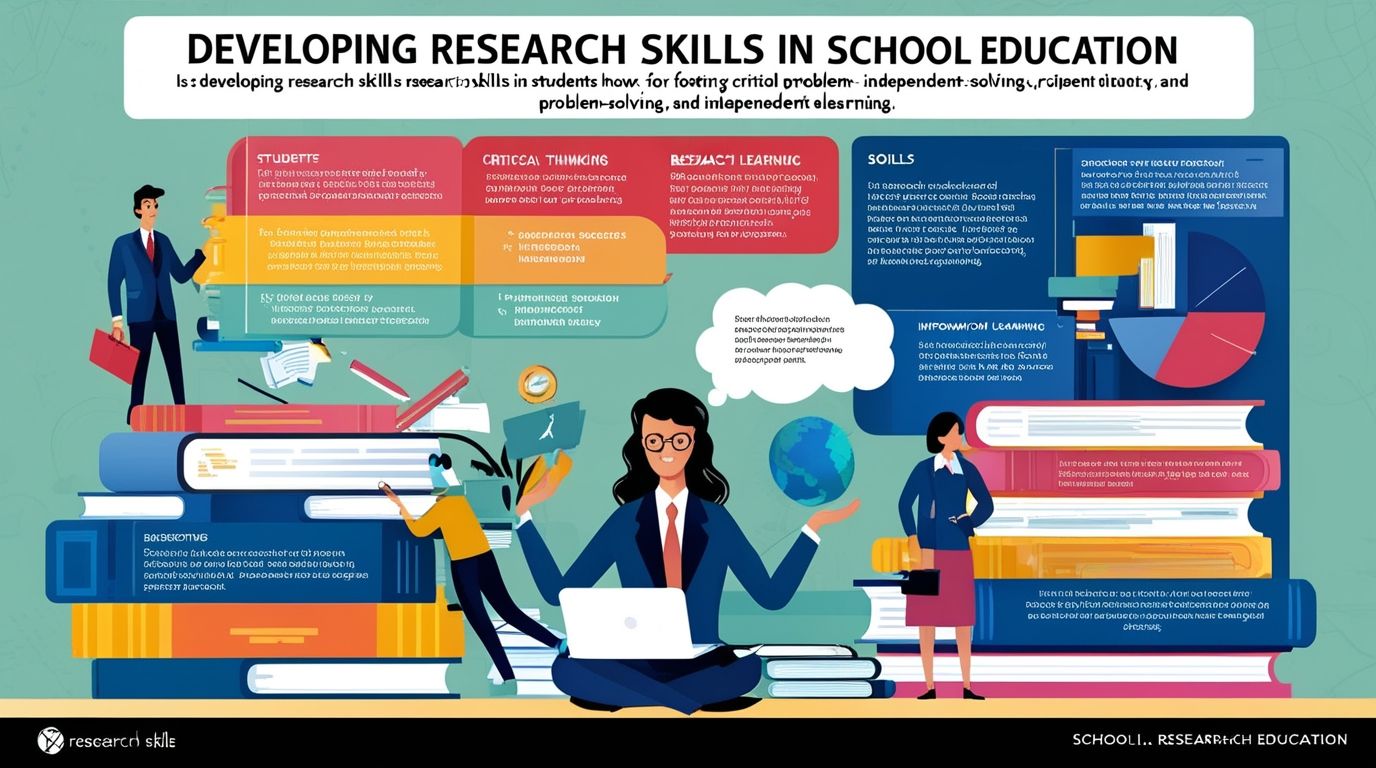
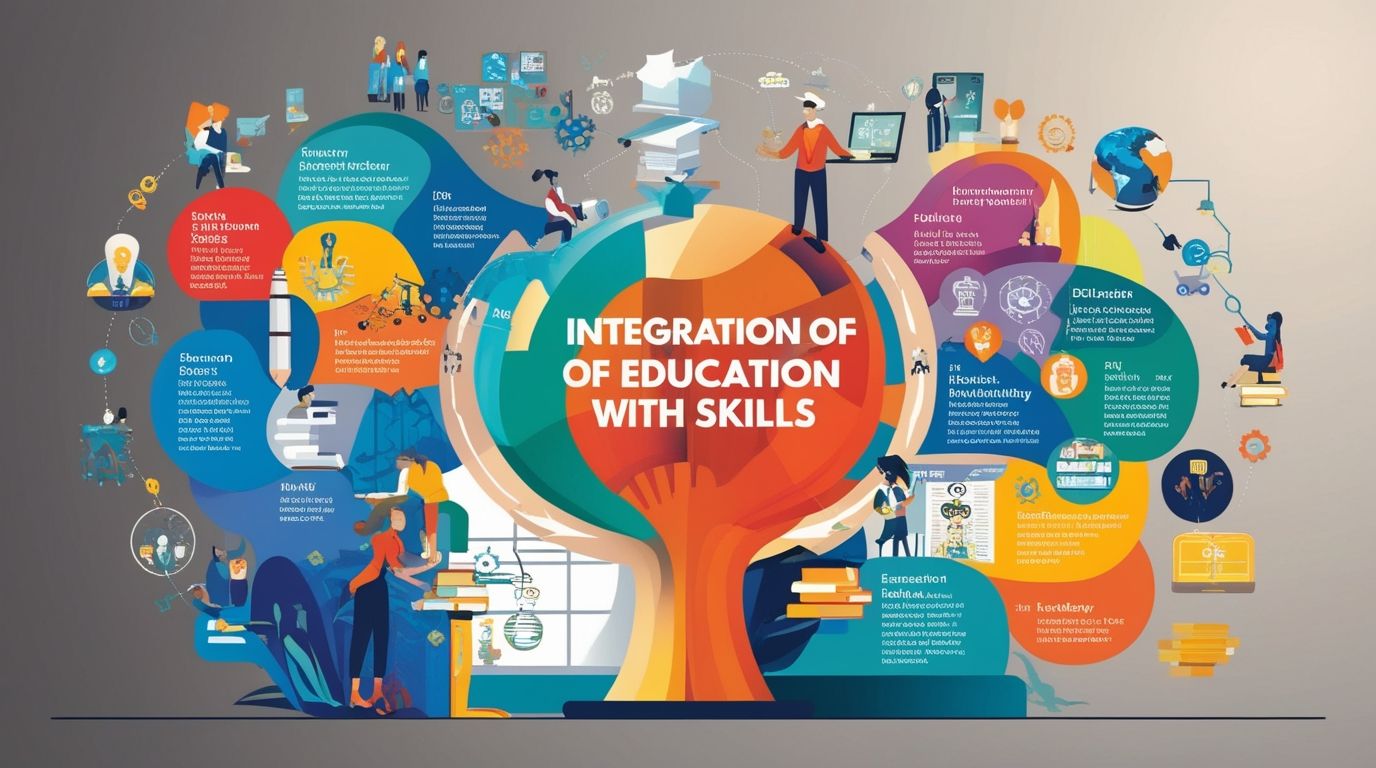
The development of twenty-first-century skills is increasingly important within quality educational frameworks. Modern societies require individuals who can think critically, communicate effectively, collaborate with others, and adapt to changing circumstances. Schools must therefore move beyond traditional approaches that emphasize memorization and passive learning. Instead, educational programs should encourage creativity, innovation, problem-solving, and responsible citizenship. Project-based learning, inquiry-based instruction, and interdisciplinary activities help students develop these essential competencies. Additionally, schools should promote digital literacy, media literacy, and global awareness to prepare learners for participation in interconnected communities. Character education and ethical decision-making are equally important components of holistic development. By integrating academic knowledge with practical and social skills, schools equip students to succeed in higher education, employment, and civic life while contributing positively to society.
Continuous Improvement for Sustainable Educational Excellence
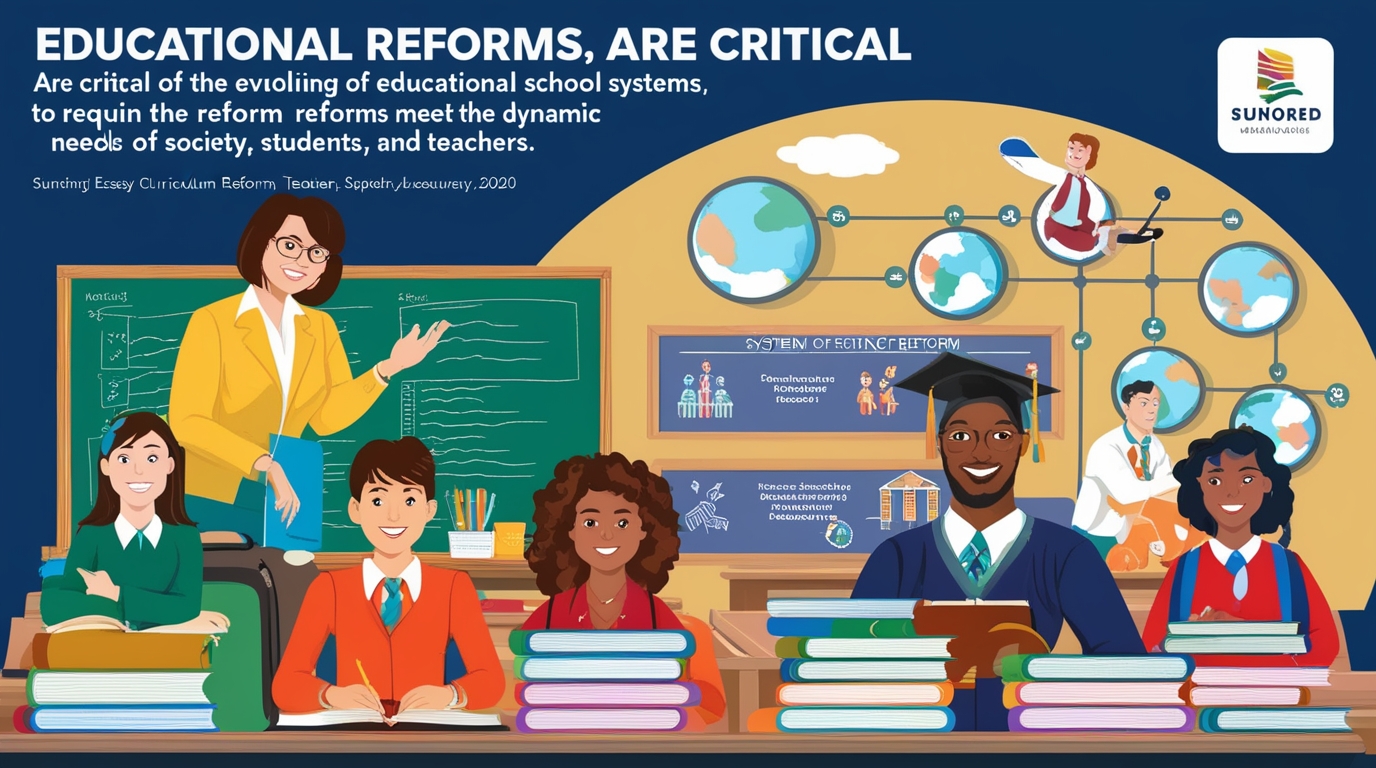
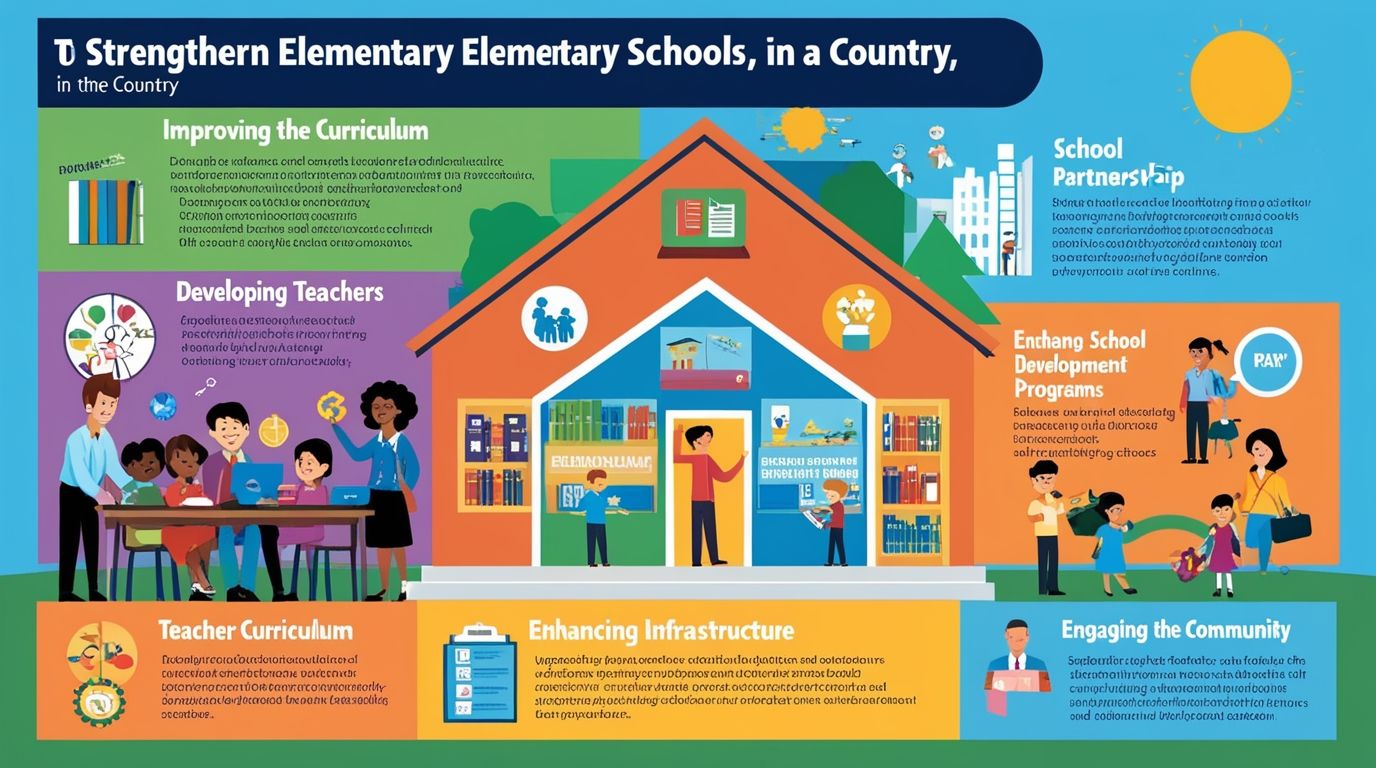
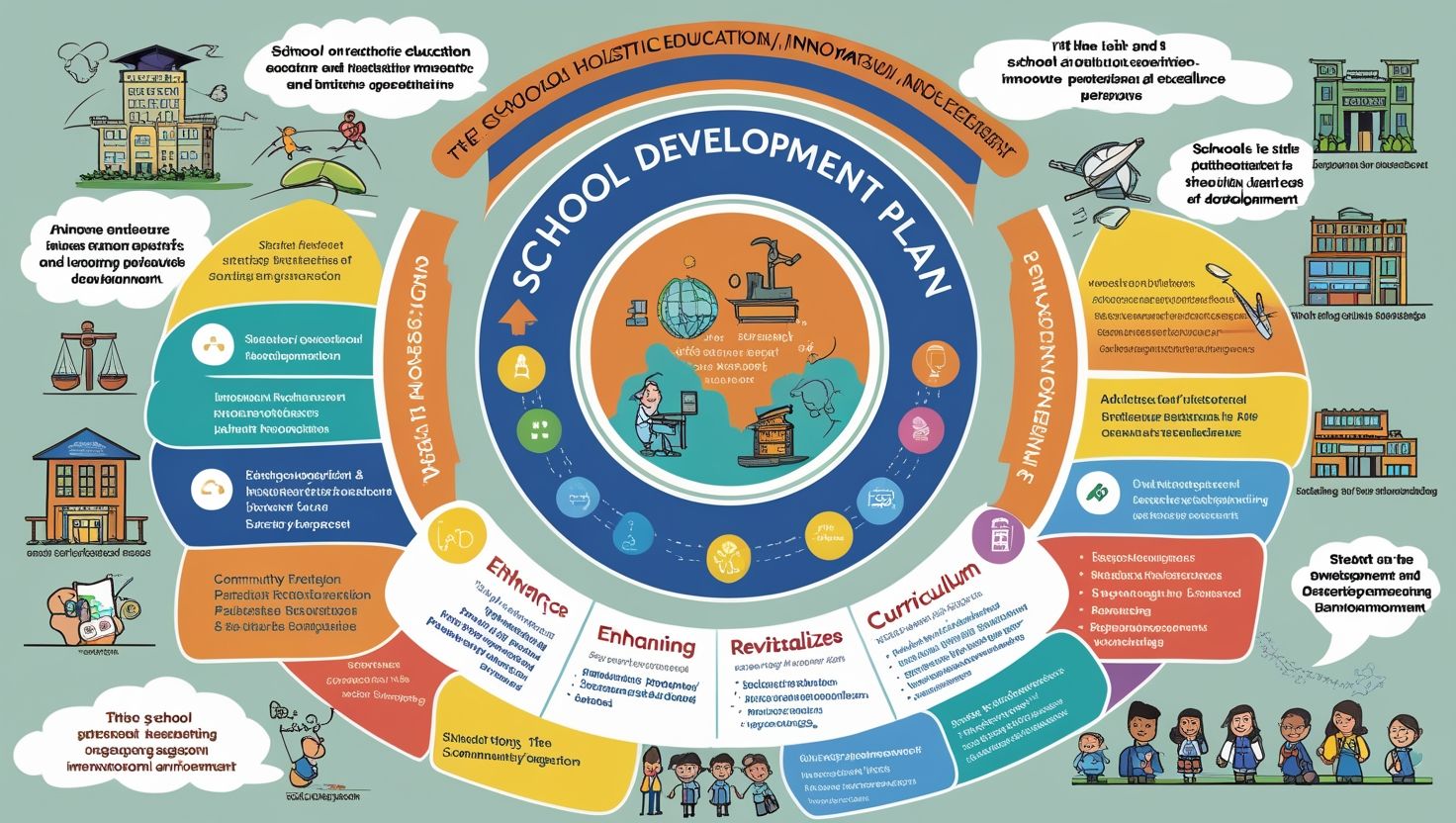
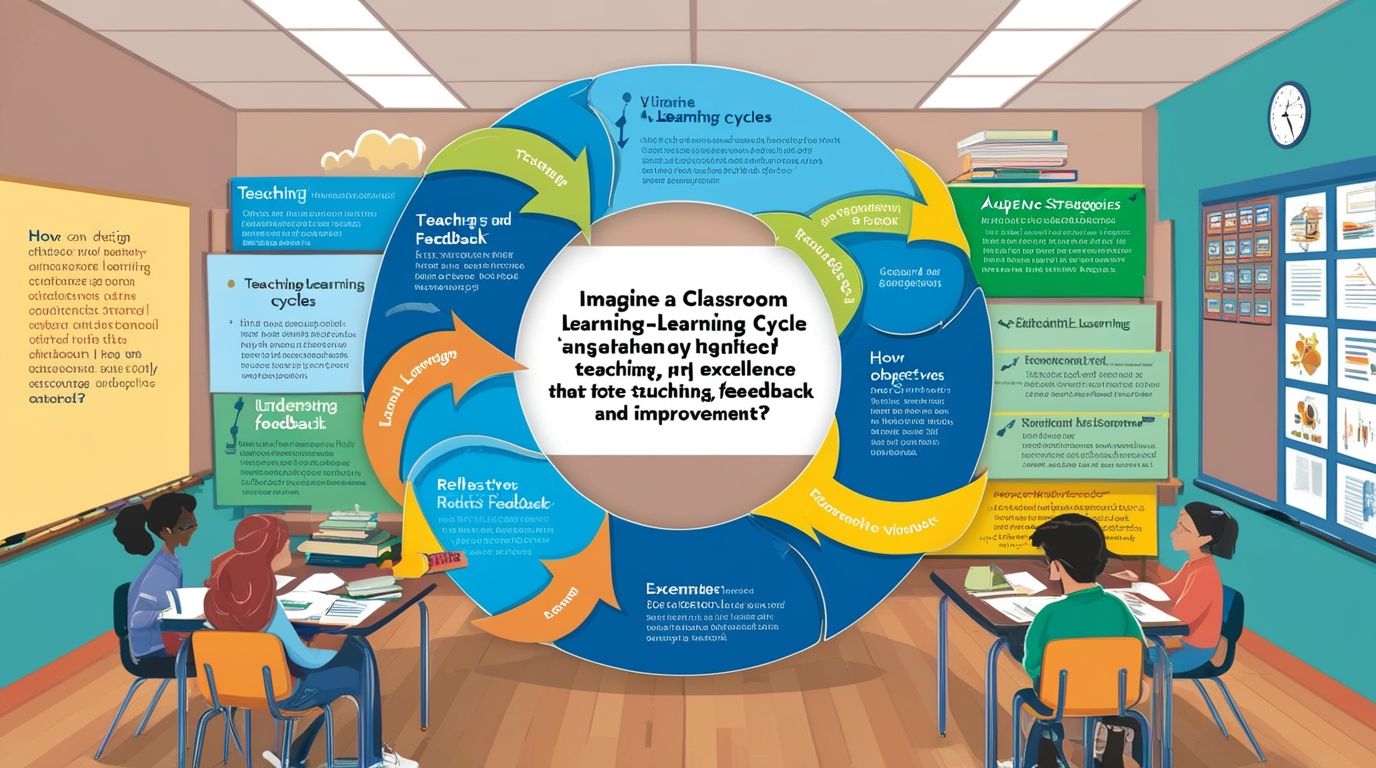
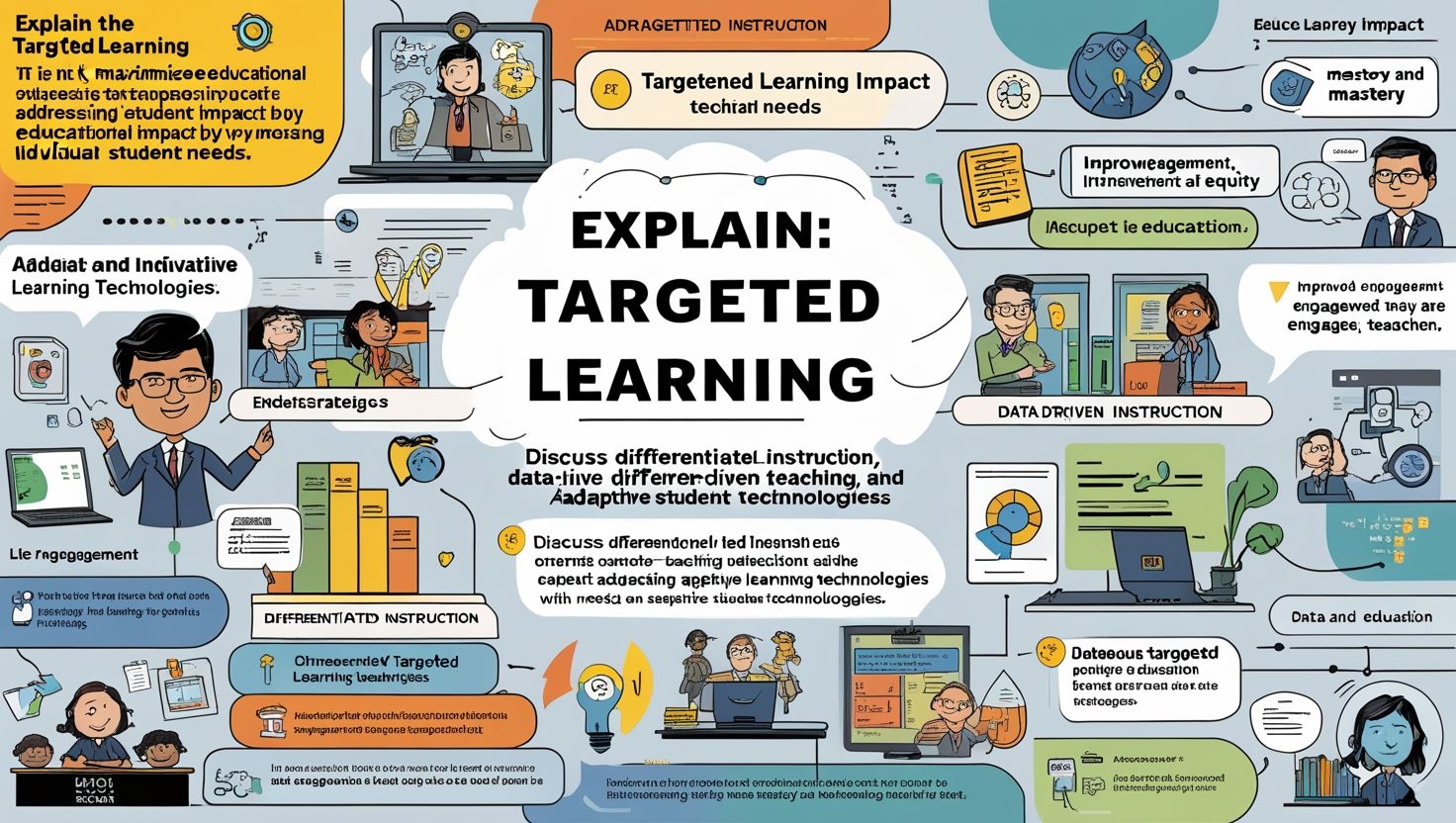
Continuous improvement is necessary for sustaining inclusive, engaging, and quality education. Educational environments must evolve in response to changing learner needs, societal expectations, and technological developments. Schools should regularly evaluate their policies, programs, teaching practices, and student outcomes to identify strengths and areas for growth. Data-informed decision-making enables educators to implement targeted improvements and monitor progress effectively. Professional learning communities encourage collaboration among teachers and support the sharing of successful strategies. Student feedback and stakeholder participation also provide valuable perspectives for school improvement efforts. A culture of reflection, innovation, and accountability helps educational institutions remain responsive and effective. Continuous improvement is not a one-time initiative but an ongoing process that requires commitment, leadership, and collective effort from all members of the school community.
Conclusion: Advancing Inclusive, Engaging, and Quality Education
In conclusion, promoting inclusive, engaging, and quality education in schools is essential for ensuring that every learner has opportunities to achieve success and contribute meaningfully to society. Inclusion creates equitable learning environments where diversity is respected and valued. Engagement inspires students to participate actively in meaningful learning experiences, while quality education develops the knowledge, skills, values, and competencies necessary for lifelong success. Achieving these goals requires collaborative efforts from school leaders, teachers, students, families, communities, and policymakers. Through effective teaching, supportive school cultures, equitable practices, innovative approaches, and continuous improvement, schools can create environments where all learners thrive. As educational systems continue to evolve, the commitment to inclusion, engagement, and quality must remain at the center of school improvement efforts, ensuring brighter futures for individuals, communities, and nations alike.