Introduction
Role of CPEC in Employment Generation, The China Pakistan Economic Corridor (CPEC) stands as a transformative development initiative that reshapes Pakistan’s economic landscape while unlocking new employment opportunities across multiple sectors. Conceived as a flagship project under China’s Belt and Road Initiative, CPEC integrates infrastructure development, energy production, industrial expansion, and regional connectivity. Employment generation emerges as one of its most significant socio-economic contributions, particularly in a country facing high youth unemployment. Through large-scale construction projects, transport networks, and energy plants, CPEC has directly created thousands of jobs while indirectly stimulating employment through supply chains and service sectors. The multiplier effect of these activities extends into local economies, fostering entrepreneurship and skill development. As Pakistan continues to harness the corridor’s potential, employment generation becomes not only a byproduct but a central pillar of sustainable development and poverty alleviation strategies embedded within the broader CPEC framework.
Infrastructure Development as a Job Engine
One of the most visible impacts of CPEC lies in its extensive infrastructure projects, including highways, railways, and port development, which serve as immediate sources of employment. Construction activities demand a vast labor force ranging from engineers and technicians to unskilled workers, thereby absorbing labor across different skill levels. Projects such as road networks connecting Gwadar to northern regions have created employment in remote and underdeveloped areas where opportunities were previously scarce. Additionally, infrastructure development stimulates auxiliary industries such as cement, steel, logistics, and transportation, further expanding job creation. The ripple effect extends to small businesses providing food, lodging, and services to workers involved in these projects. This dynamic not only boosts local economies but also enhances workforce participation, particularly among marginalized communities. As infrastructure forms the backbone of economic activity, its role in sustained employment generation remains both foundational and far-reaching.
Energy Projects and Industrial Revival
Energy shortages have historically constrained Pakistan’s industrial growth and employment capacity. CPEC’s energy projects, including coal, hydro, solar, and wind power plants, have significantly improved electricity availability, thereby revitalizing industries. During construction phases, these projects employ thousands of workers, while operational phases require skilled personnel for maintenance and management. Reliable energy supply encourages factories to operate at full capacity, leading to increased hiring and production expansion. Furthermore, reduced power outages lower operational costs for businesses, enabling them to invest in workforce expansion. The revival of dormant industrial units due to improved energy availability has also contributed to job creation. This synergy between energy security and employment generation illustrates how infrastructure investment under CPEC extends beyond immediate jobs, fostering long-term industrial sustainability and economic resilience. In this context, energy projects act as catalysts for broader employment growth across sectors.
Special Economic Zones and Industrial Employment
Special Economic Zones (SEZs) under CPEC represent a strategic approach to industrialization and employment generation by attracting domestic and foreign investment. These zones offer incentives such as tax exemptions, modern infrastructure, and streamlined regulations, encouraging businesses to establish manufacturing and service units. As industries cluster within SEZs, they generate direct employment in production, administration, and technical roles. Indirect employment also emerges through supply chains, logistics, and supporting services. SEZs promote labor-intensive industries such as textiles, food processing, and light manufacturing, which are particularly effective in absorbing large segments of the workforce. Additionally, these zones facilitate technology transfer and skill development, enhancing workforce productivity. By decentralizing industrial activity and promoting regional development, SEZs reduce urban migration pressures while creating localized employment hubs. Their long-term success depends on effective policy implementation, infrastructure readiness, and workforce training aligned with industry needs.
Gwadar Port: A Hub of Opportunities
Gwadar Port, often described as the crown jewel of CPEC, plays a pivotal role in employment generation through its transformation into a major trade and logistics hub. The development of port facilities, free zones, and associated infrastructure has created jobs in construction, port operations, shipping, and logistics management. As Gwadar evolves into a commercial center, it attracts businesses in warehousing, fisheries, tourism, and services, expanding employment opportunities for local communities. Training programs aimed at enhancing local workforce skills ensure that residents benefit from emerging opportunities. Moreover, the port’s strategic location facilitates international trade, encouraging investment and economic activity that further drives job creation. The integration of Gwadar into regional and global supply chains positions it as a long-term engine of employment growth. Its success, however, depends on inclusive policies that prioritize local participation and sustainable urban development.
Skill Development and Human Capital Formation
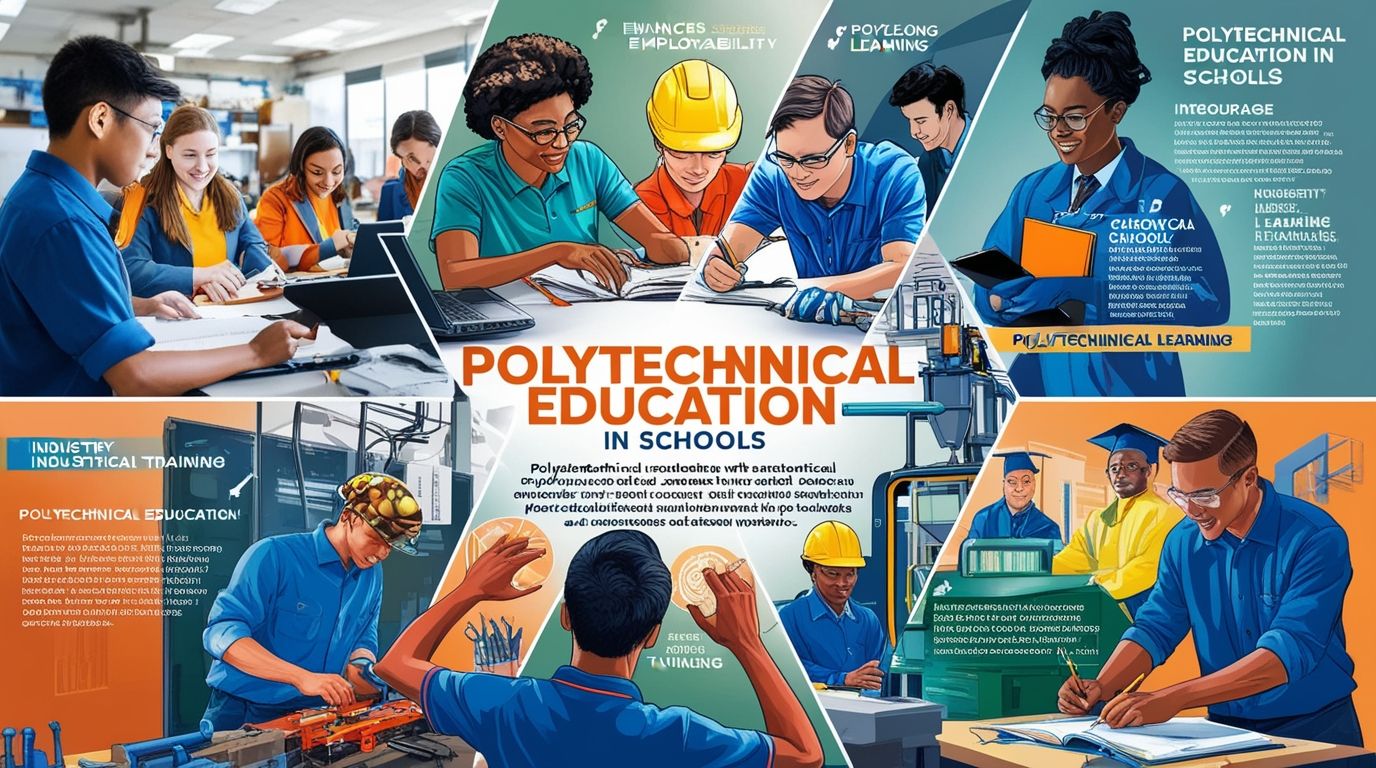
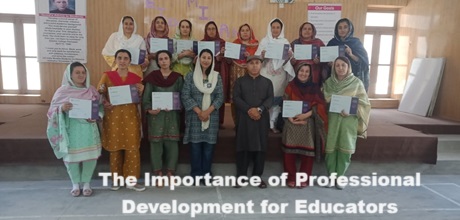
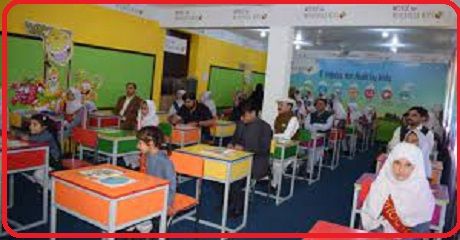
Employment generation under CPEC is closely linked to skill development initiatives that enhance human capital and workforce readiness. Recognizing the need for a skilled labor force, various training programs and vocational institutes have been established in collaboration with Chinese partners. These initiatives focus on technical skills such as engineering, construction, machinery operation, and information technology. By equipping individuals with market-relevant skills, CPEC not only creates jobs but also improves employability and income potential. Educational institutions are increasingly aligning curricula with industry requirements, fostering a culture of innovation and productivity. Skill development also empowers youth and women, enabling broader participation in economic activities. The emphasis on human capital ensures that employment generation is sustainable and adaptive to evolving industrial demands. As Pakistan invests in education and training, the long-term benefits of CPEC extend beyond infrastructure to the development of a competent and competitive workforce.
Boost to Small and Medium Enterprises
Small and Medium Enterprises (SMEs) play a crucial role in employment generation, and CPEC has significantly enhanced their growth prospects. Infrastructure improvements and increased economic activity create new markets for SMEs in sectors such as construction, retail, transportation, and services. Local businesses benefit from supplying goods and services to large CPEC projects, thereby expanding operations and hiring more workers. Access to improved roads and connectivity enables SMEs to reach wider markets, increasing sales and profitability. Additionally, government policies supporting SME development within the CPEC framework encourage entrepreneurship and innovation. Financial institutions are also more willing to provide credit to businesses operating in economically active regions. This ecosystem fosters job creation at the grassroots level, particularly in rural and semi-urban areas. By integrating SMEs into the broader economic network, CPEC ensures inclusive growth and widespread employment opportunities across diverse communities.
Agriculture and Rural Employment Expansion
CPEC’s impact extends beyond urban industrial sectors into agriculture, which remains a major source of employment in Pakistan. Improved transportation networks facilitate the movement of agricultural products to markets, reducing post-harvest losses and increasing farmer incomes. Investments in irrigation, storage, and agro-processing industries create additional employment opportunities in rural areas. Farmers benefit from access to modern technology and better inputs, enhancing productivity and demand for labor. Agro-based industries established under CPEC generate jobs in processing, packaging, and distribution. This integration of agriculture with industrial supply chains strengthens rural economies and reduces poverty. By creating opportunities within local communities, CPEC helps mitigate rural-to-urban migration pressures. The transformation of agriculture into a more commercial and efficient sector contributes significantly to employment generation while ensuring food security and sustainable economic development.
Tourism and Cultural Industries Revival
CPEC has also revitalized Pakistan’s tourism sector by improving accessibility and infrastructure in scenic and culturally rich regions. Enhanced road networks and security measures attract both domestic and international tourists, creating jobs in hospitality, transport, and tour services. Local communities benefit from opportunities in guesthouses, handicrafts, and cultural enterprises. Tourism-driven employment is particularly valuable as it requires relatively low capital investment while generating substantial income. The promotion of cultural heritage sites and eco-tourism initiatives further expands job opportunities. As tourism grows, it stimulates related industries such as food services, retail, and entertainment. This diversification of employment sources strengthens economic resilience and reduces dependence on traditional sectors. By showcasing Pakistan’s natural beauty and cultural richness, CPEC contributes to sustainable employment generation while fostering national identity and global engagement.
Women’s Participation in the Workforce
CPEC has opened new avenues for women’s employment, contributing to gender inclusion and economic empowerment. Employment opportunities in education, healthcare, manufacturing, and services sectors enable women to participate more actively in the workforce. Skill development programs specifically targeting women enhance their capabilities and confidence. The growth of SMEs and home-based industries under CPEC provides flexible employment options for women, particularly in conservative regions. Increased female participation not only boosts household incomes but also contributes to overall economic growth. Policies promoting gender equality within CPEC projects ensure safer working environments and equal opportunities. As societal attitudes evolve, women’s involvement in economic activities continues to expand. This shift represents a significant step toward inclusive development, where employment generation benefits all segments of society. Empowering women through economic participation strengthens communities and fosters sustainable progress.
Regional Connectivity and Trade Employment
CPEC enhances regional connectivity, linking Pakistan with China, Central Asia, and beyond, thereby creating employment in trade and logistics sectors. Improved transportation networks facilitate the movement of goods, increasing demand for drivers, warehouse operators, customs agents, and logistics professionals. Trade expansion encourages businesses to scale operations, leading to additional hiring. Border regions, previously isolated, experience economic revitalization through increased commercial activity. The integration of Pakistan into global supply chains positions it as a transit hub, generating long-term employment opportunities. Trade-related services such as banking, insurance, and communication also expand, contributing to job creation. This interconnected economic environment fosters competitiveness and innovation. As regional trade grows, employment opportunities diversify, reducing reliance on traditional sectors. CPEC’s role in enhancing connectivity underscores its significance as a driver of economic integration and sustainable employment growth.
Challenges in Employment Sustainability
Despite its significant contributions, CPEC faces challenges in ensuring sustainable and equitable employment generation. Concerns regarding the proportion of local versus foreign labor highlight the need for stronger policies favoring domestic workforce inclusion. Skill gaps among local workers may limit their participation in specialized roles, necessitating greater investment in education and training. Environmental and social impacts of large-scale projects can also affect livelihoods if not managed responsibly. Additionally, regional disparities in project distribution may lead to uneven employment benefits across provinces. Addressing these challenges requires transparent governance, community engagement, and strategic planning. Strengthening institutional capacity and regulatory frameworks ensures that employment generation remains inclusive and sustainable. By proactively addressing these issues, Pakistan can maximize the long-term benefits of CPEC while minimizing potential drawbacks. Effective policy implementation is crucial for translating infrastructure investment into lasting employment opportunities.
Long-Term Economic Implications
The long-term impact of CPEC on employment generation extends beyond immediate job creation to structural transformation of Pakistan’s economy. By fostering industrialization, improving infrastructure, and enhancing connectivity, CPEC lays the foundation for sustained economic growth. Employment opportunities evolve from temporary construction jobs to permanent roles in industry, services, and trade. The development of human capital ensures adaptability to technological advancements and changing market demands. As economic activity diversifies, resilience against external shocks increases. Investment in innovation and entrepreneurship further expands employment potential. The integration of Pakistan into regional and global markets enhances competitiveness and attracts foreign investment. These cumulative effects contribute to a dynamic and inclusive labor market. CPEC’s success ultimately depends on strategic planning, policy consistency, and effective implementation. Its role in shaping the future of employment underscores its significance as a transformative development initiative.
Conclusion: Pathway to Inclusive Prosperity
In conclusion, CPEC represents a comprehensive framework for employment generation that spans infrastructure, industry, agriculture, and services. Its multifaceted approach creates both direct and indirect job opportunities, fostering economic growth and social development. By addressing energy shortages, enhancing connectivity, and promoting industrialization, CPEC strengthens the foundation for sustainable employment. The inclusion of skill development initiatives ensures that the workforce remains competitive and adaptable. While challenges persist, proactive policies and effective governance can maximize benefits and ensure equitable distribution of opportunities. The corridor’s impact extends beyond economic metrics, contributing to poverty reduction, regional development, and social inclusion. As Pakistan continues to harness the potential of CPEC, employment generation remains a central pillar of its development strategy. The vision of inclusive prosperity, driven by strategic investment and human capital development, positions CPEC as a transformative force shaping the nation’s future.