Introduction
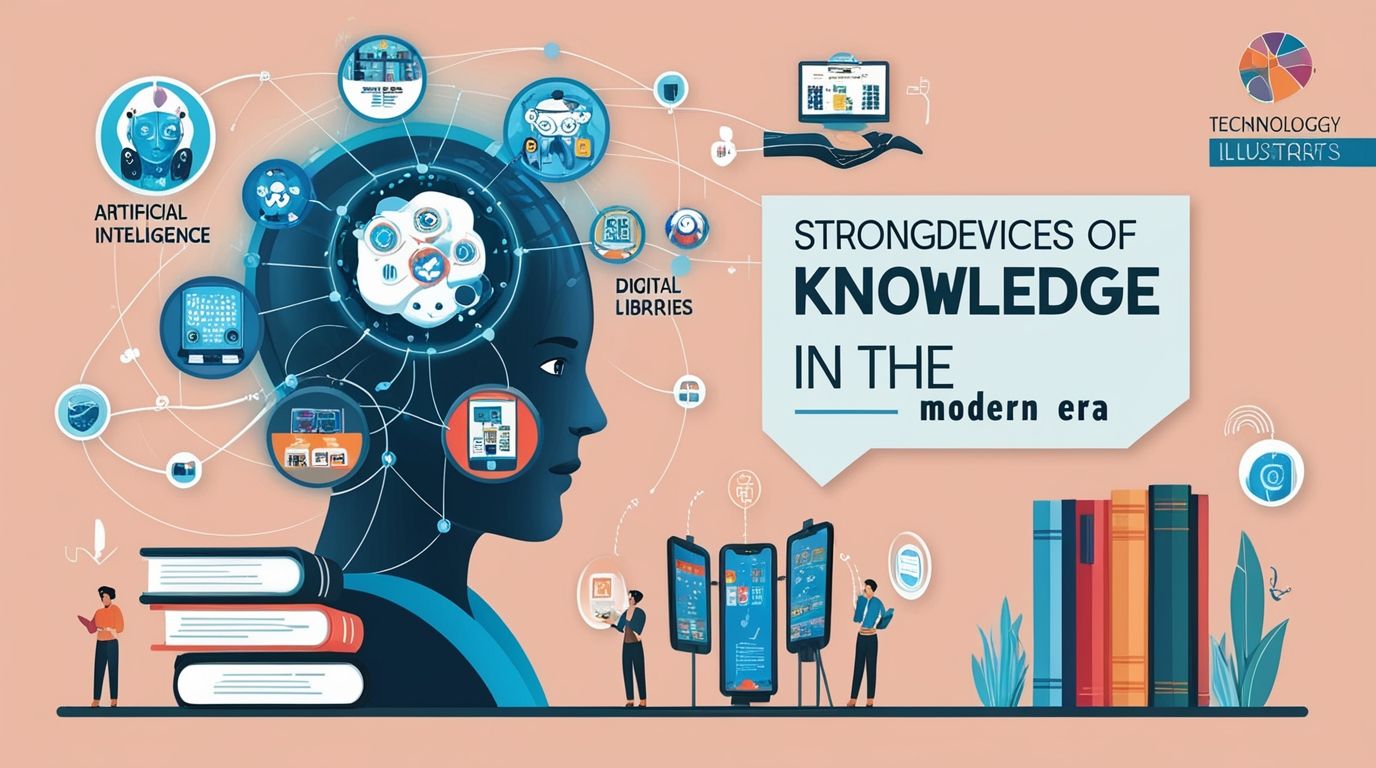
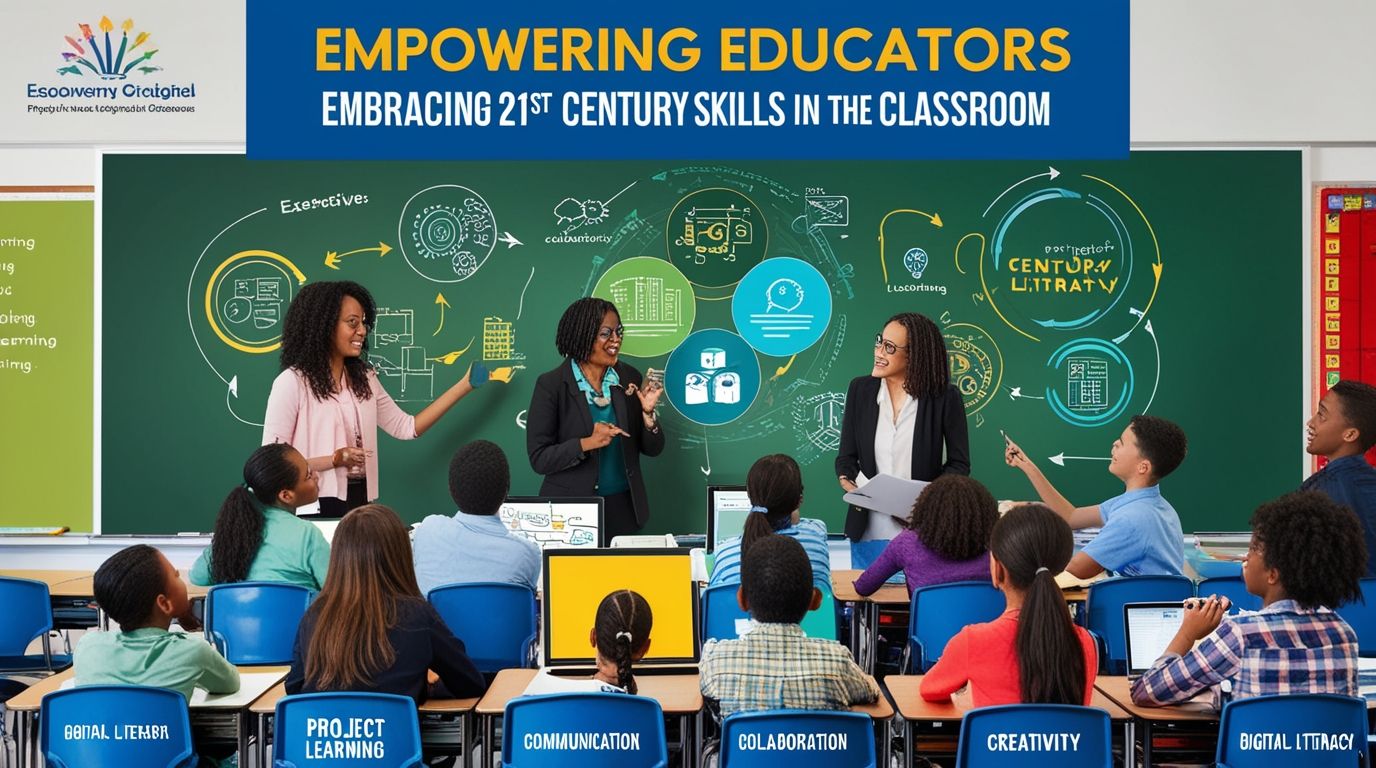
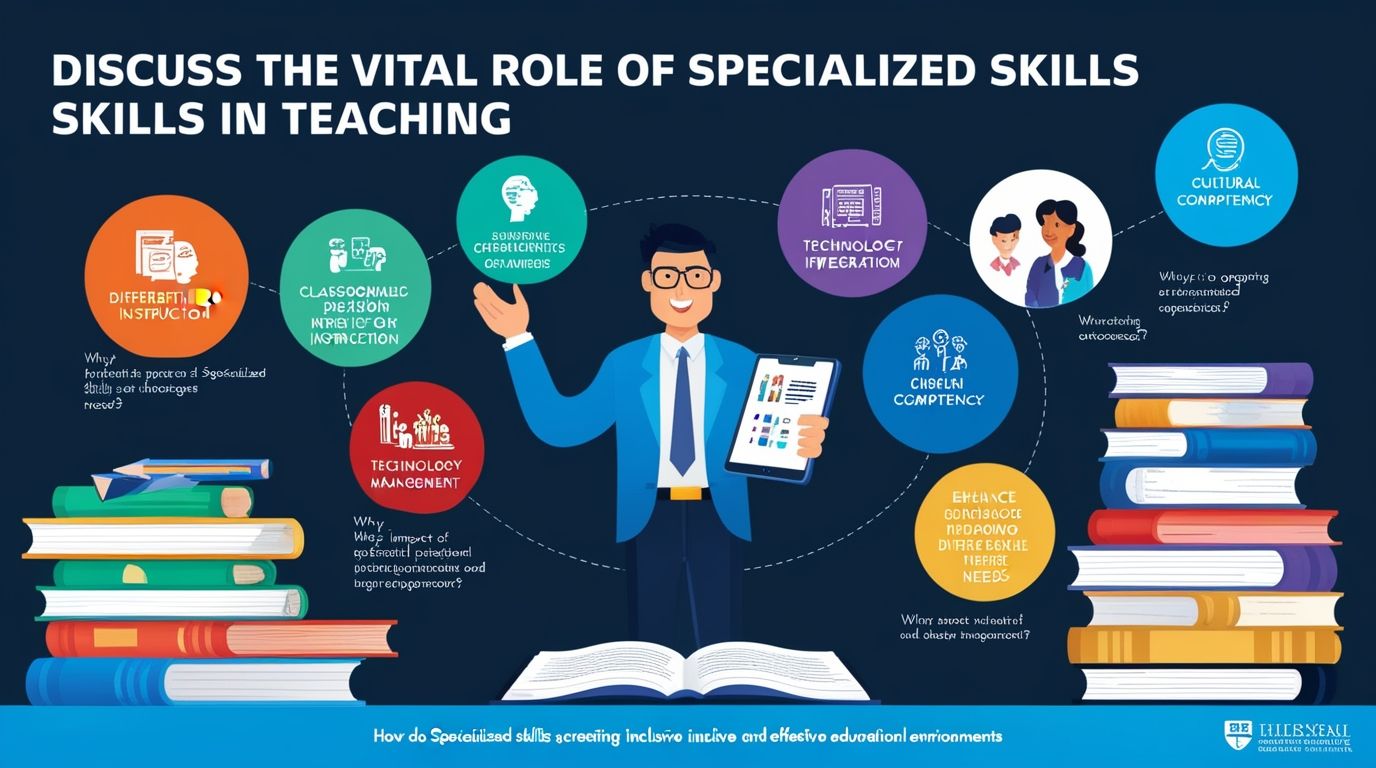
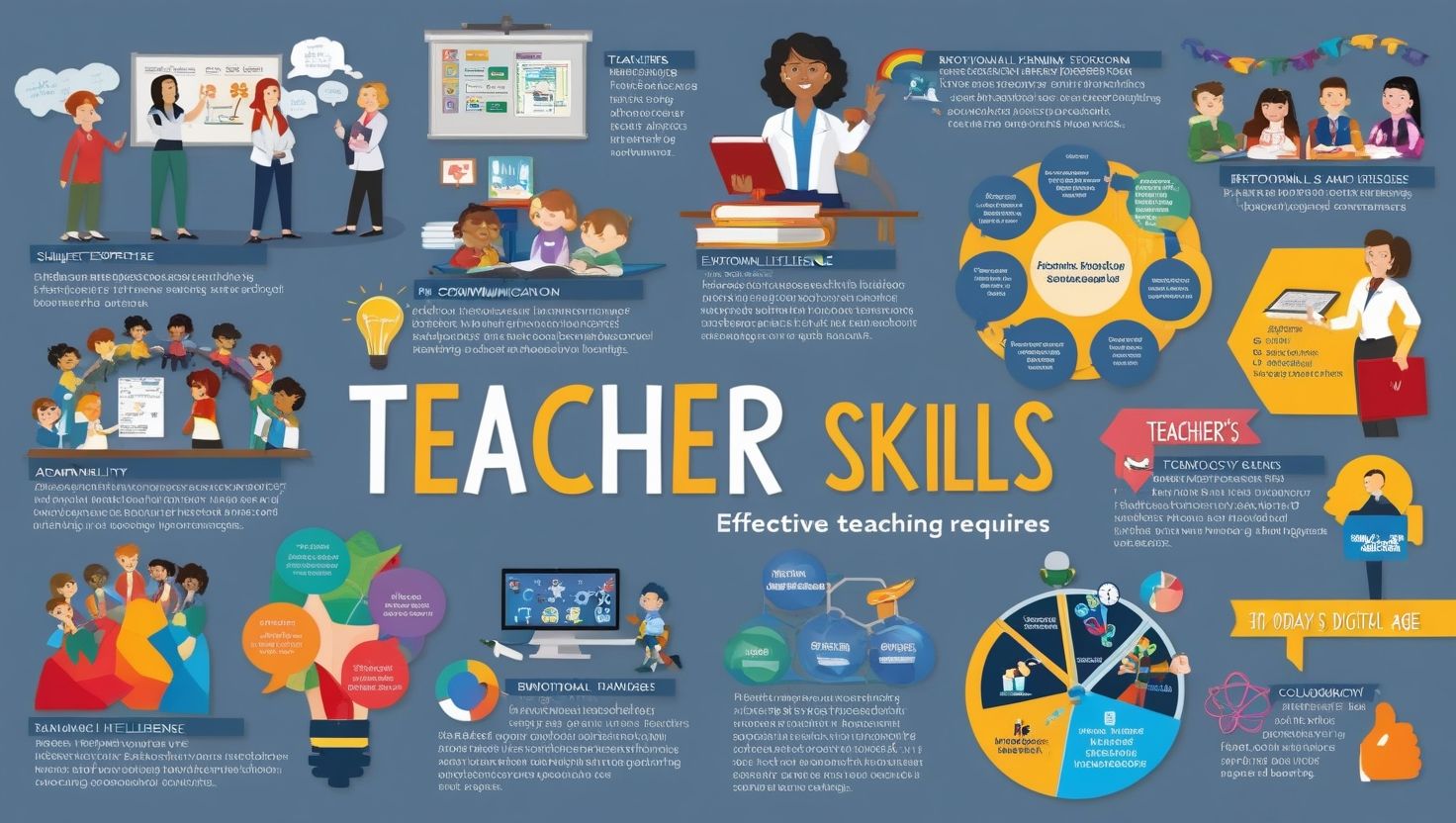
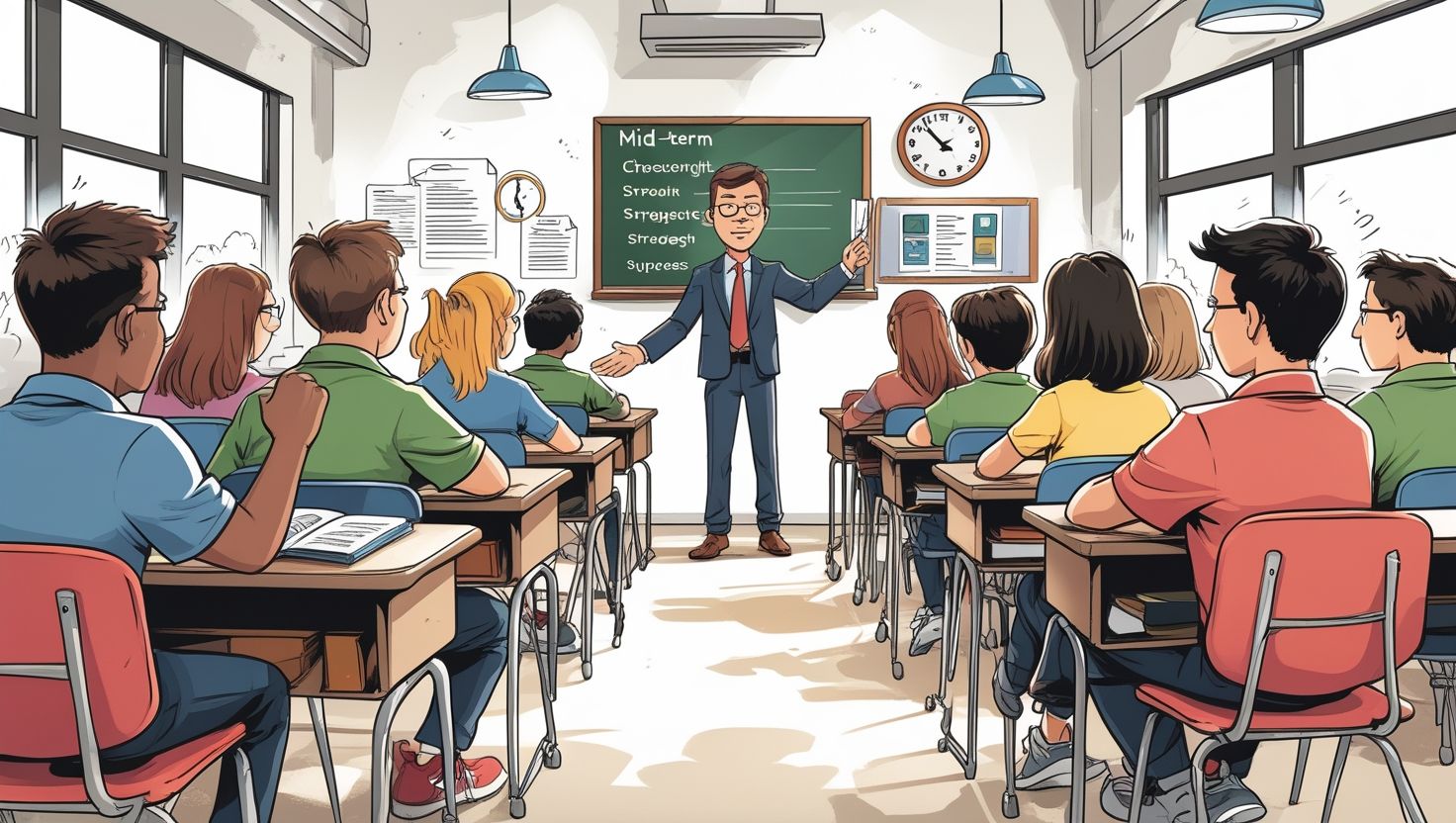
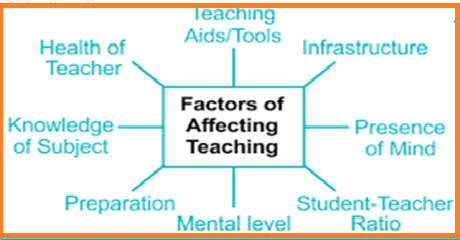
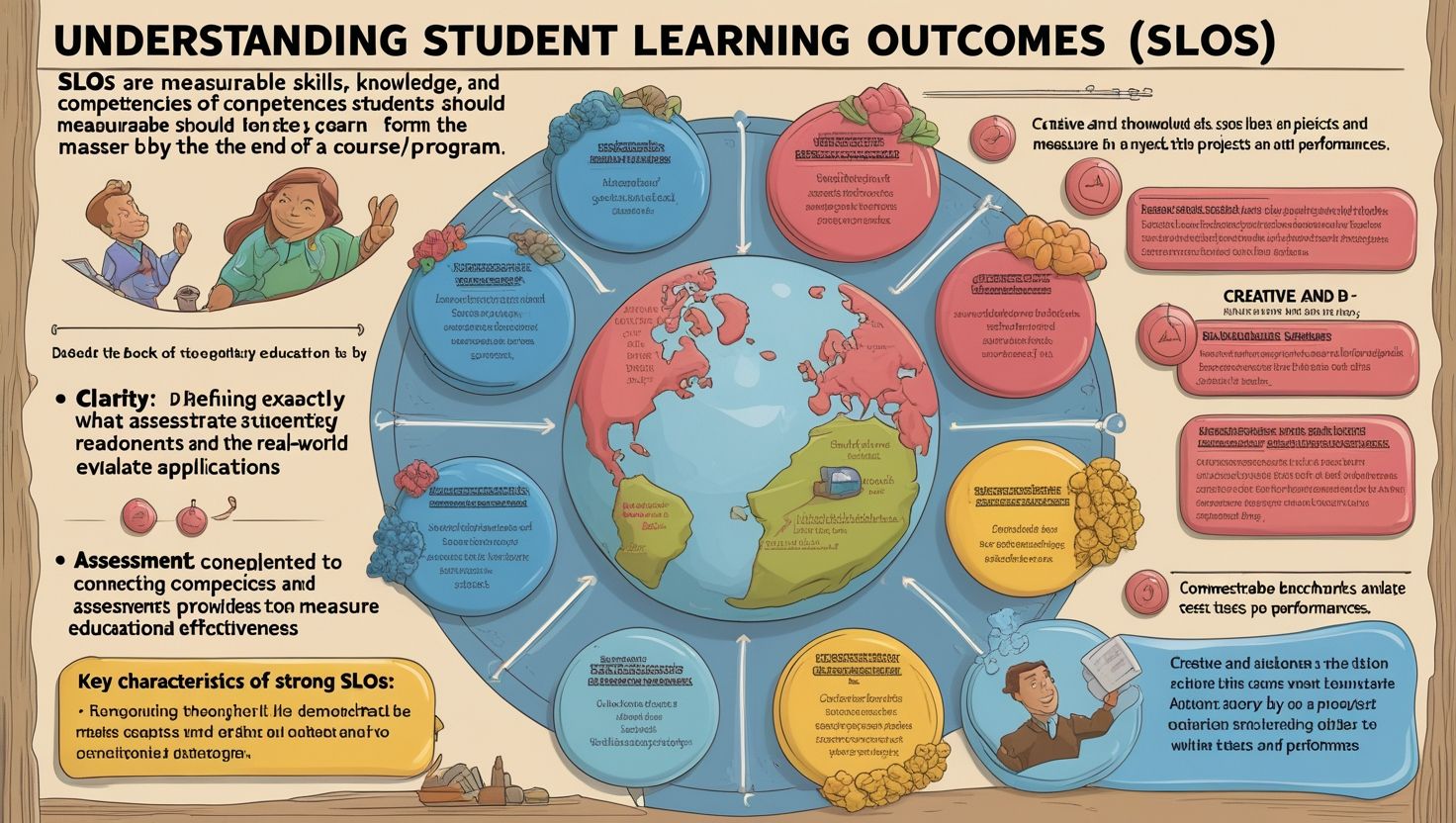
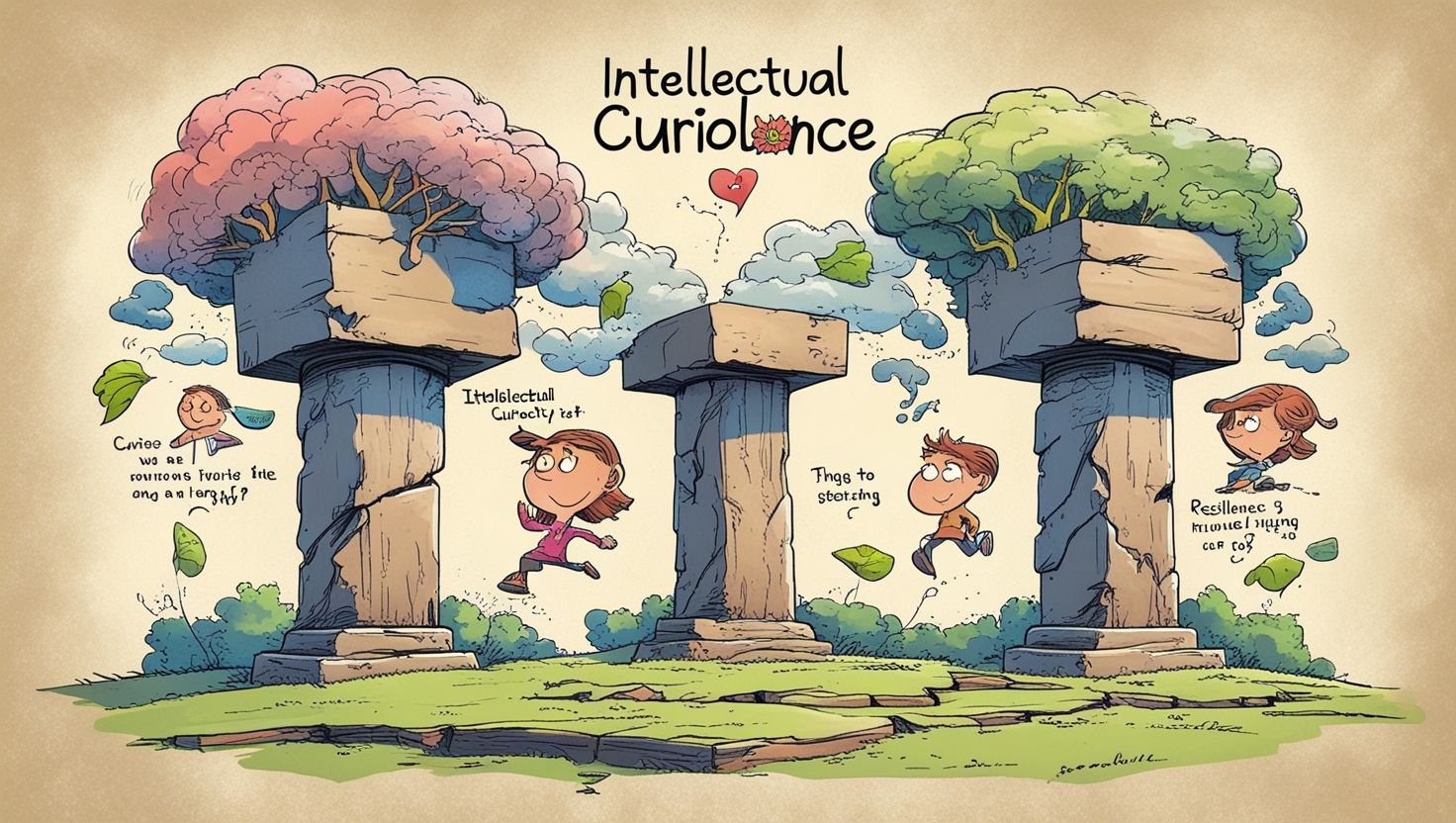
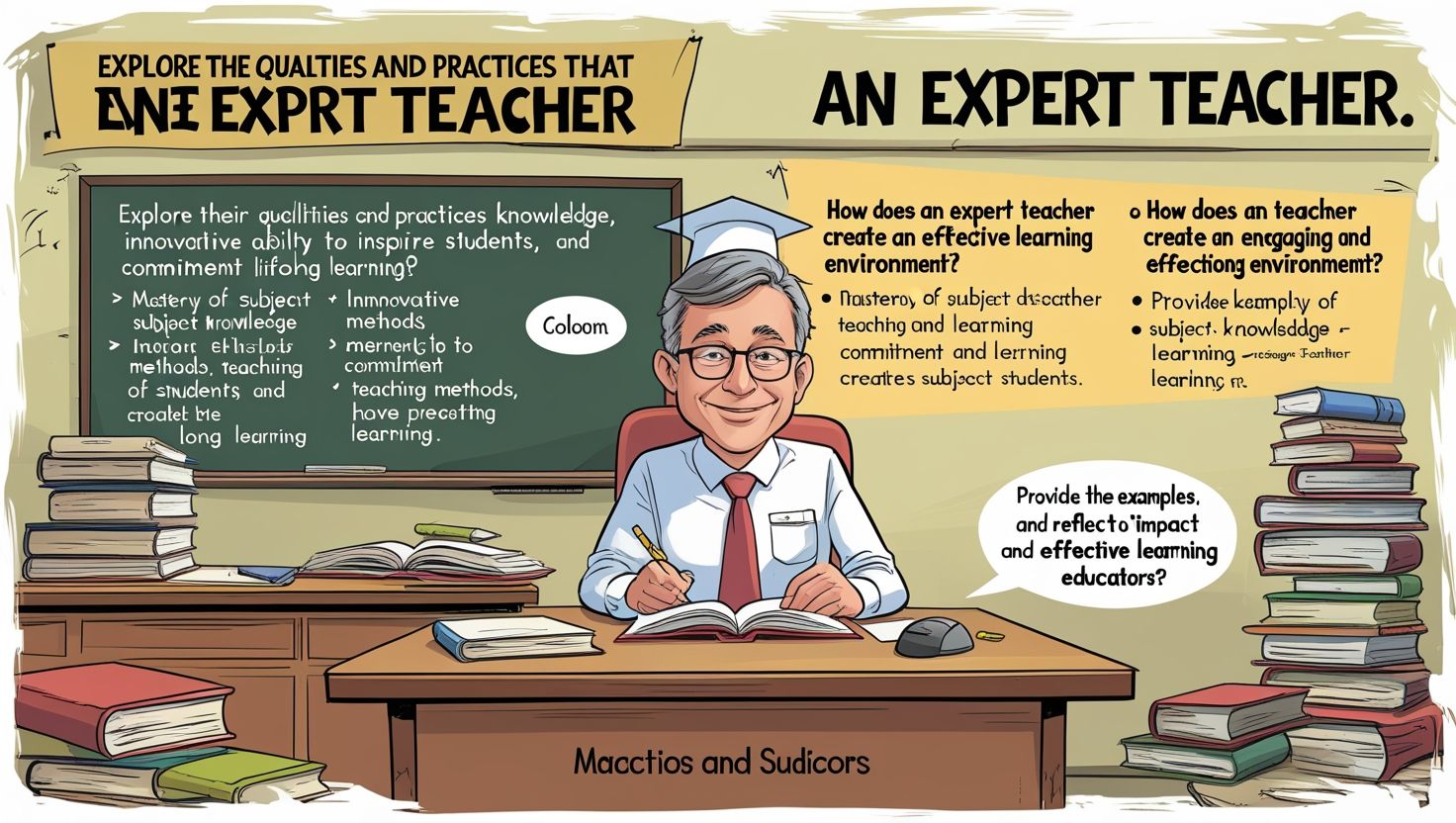
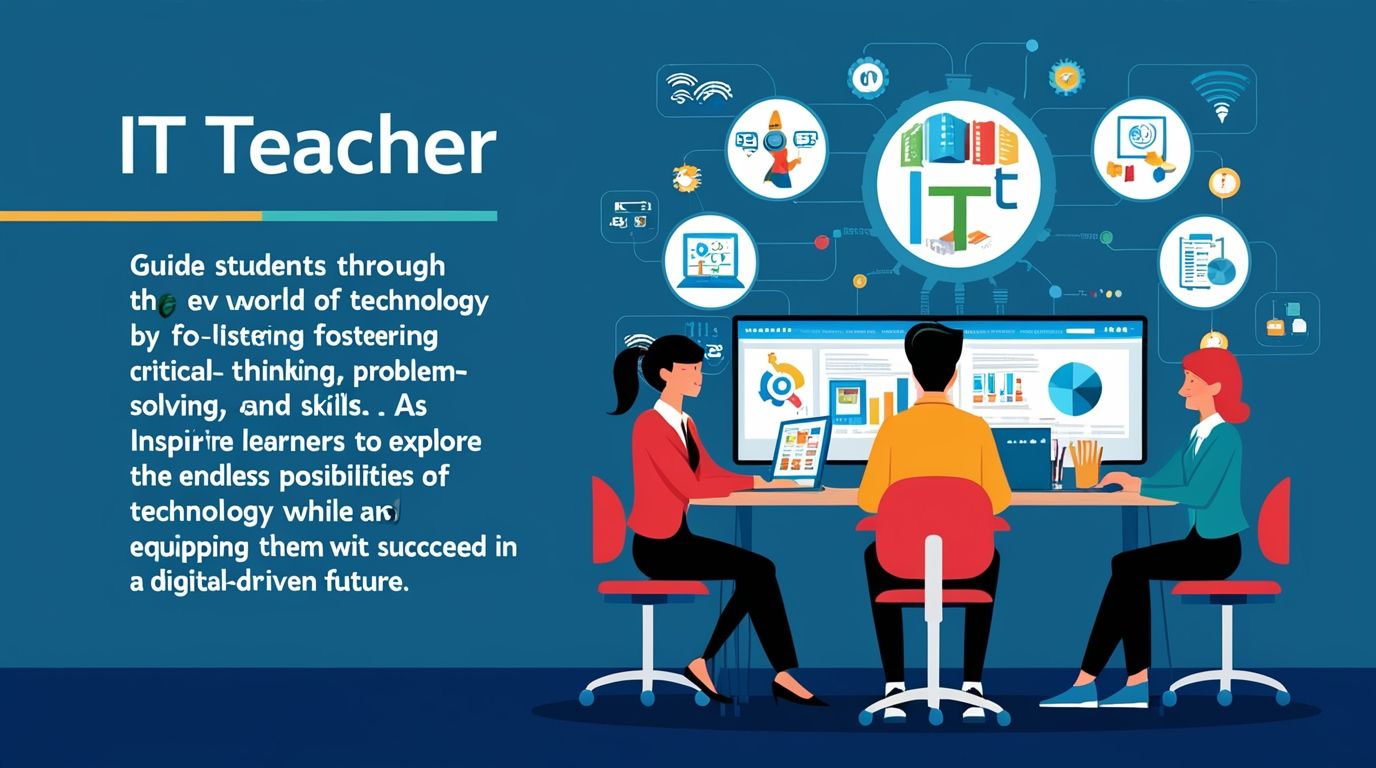
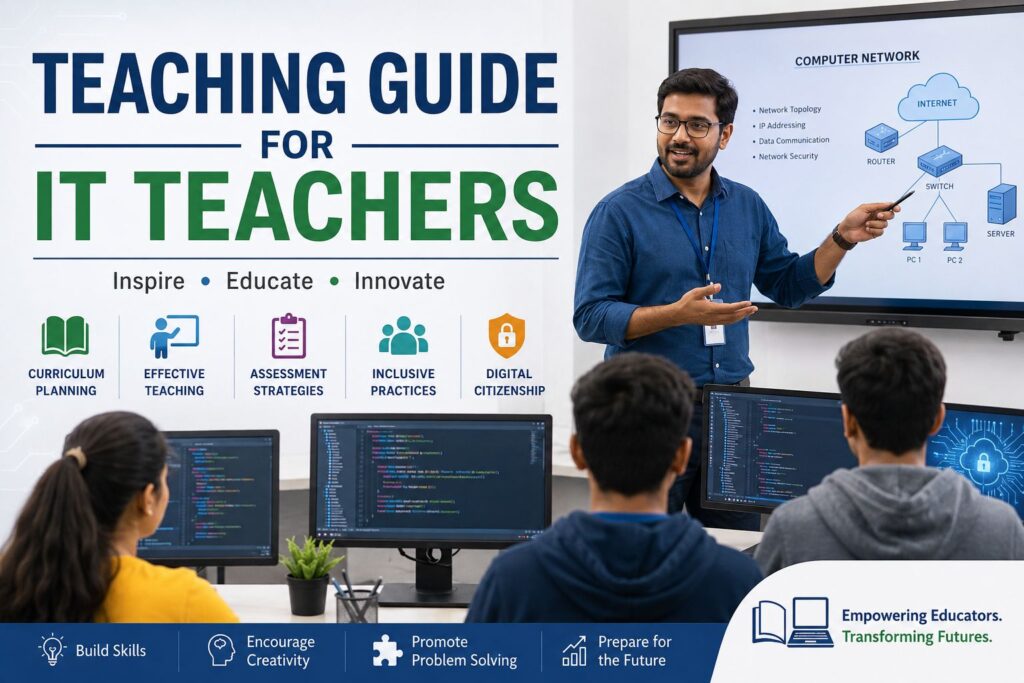
Teaching Guide for IT Teachers, Teaching Guide for Information Technology teachers requires a comprehensive framework that integrates pedagogy, curriculum design, technical competence, and ethical awareness in modern educational contexts. Effective teaching begins with understanding learner backgrounds, prior digital experiences, and varying levels of technological literacy. Educators must establish clear, measurable learning outcomes aligned with academic standards and future workplace demands. Emphasis should be placed on active learning, problem-solving, collaboration, and critical thinking rather than rote memorization of software functions.
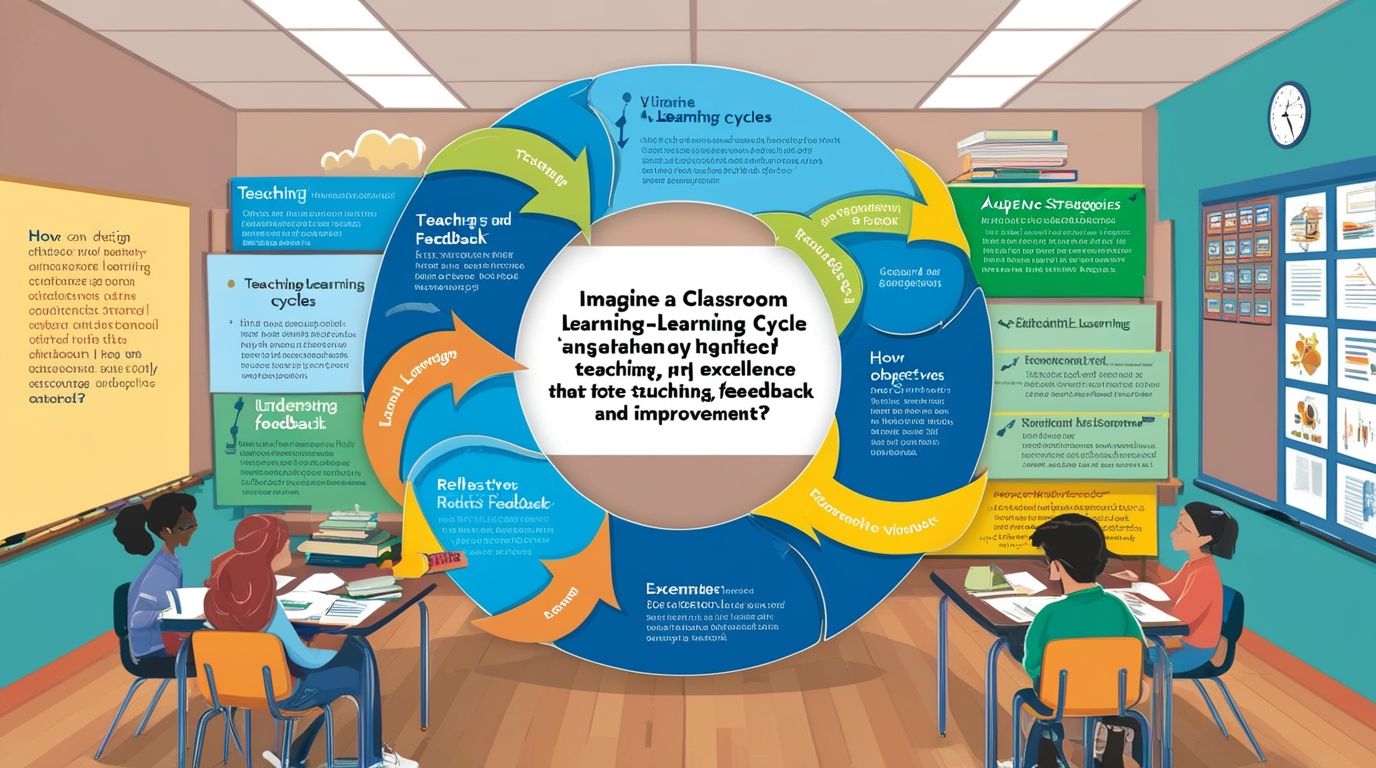
Technology should presented as a tool for creativity, communication, and inquiry. Teachers must design structured lesson plans, incorporate continuous reflection, and adapt instruction based on learner feedback. A strong IT teaching guide also promotes equity, ensuring all learners have access to digital resources and opportunities. By fostering curiosity, adaptability, and responsibility, educators prepare students for evolving digital environments and lifelong learning pathways in an increasingly technology-driven global society today and beyond.
Curriculum Design and Planning in Information Technology Education
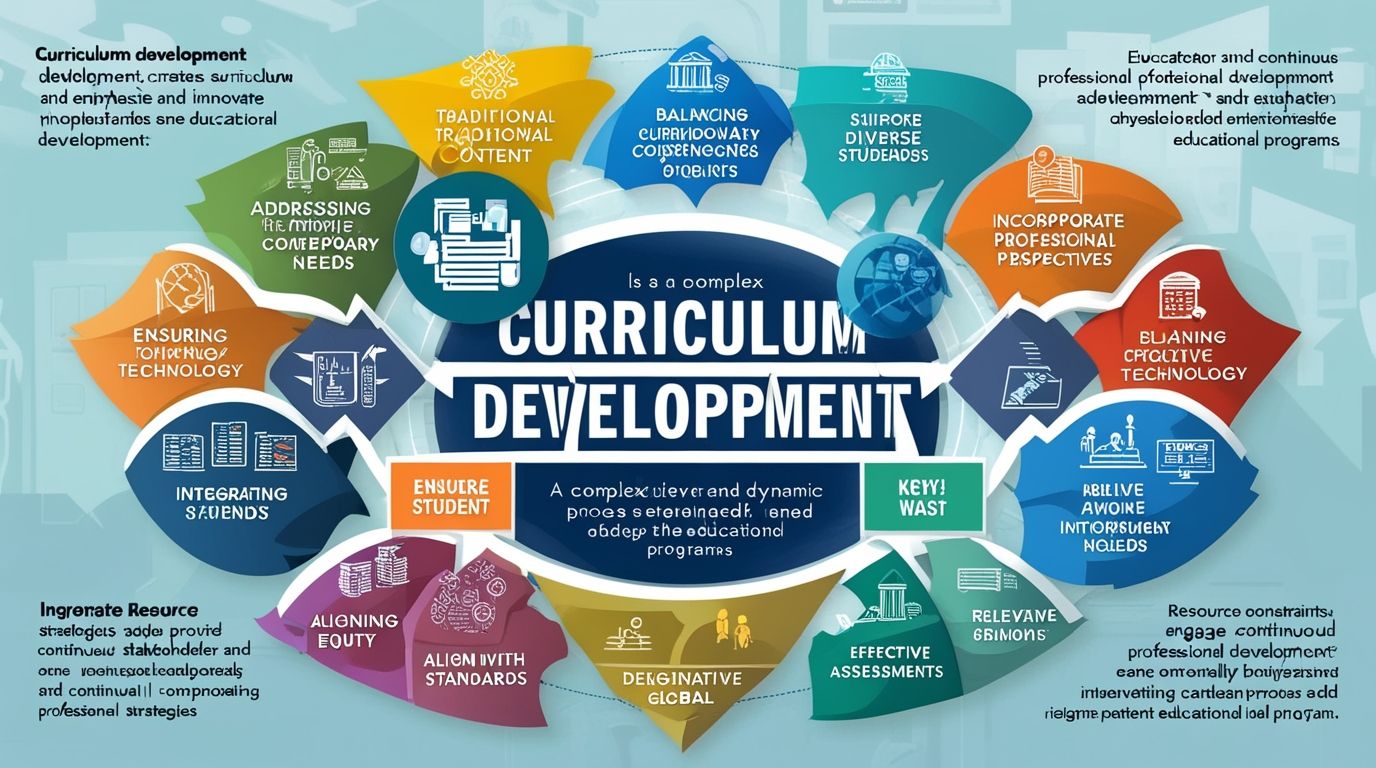
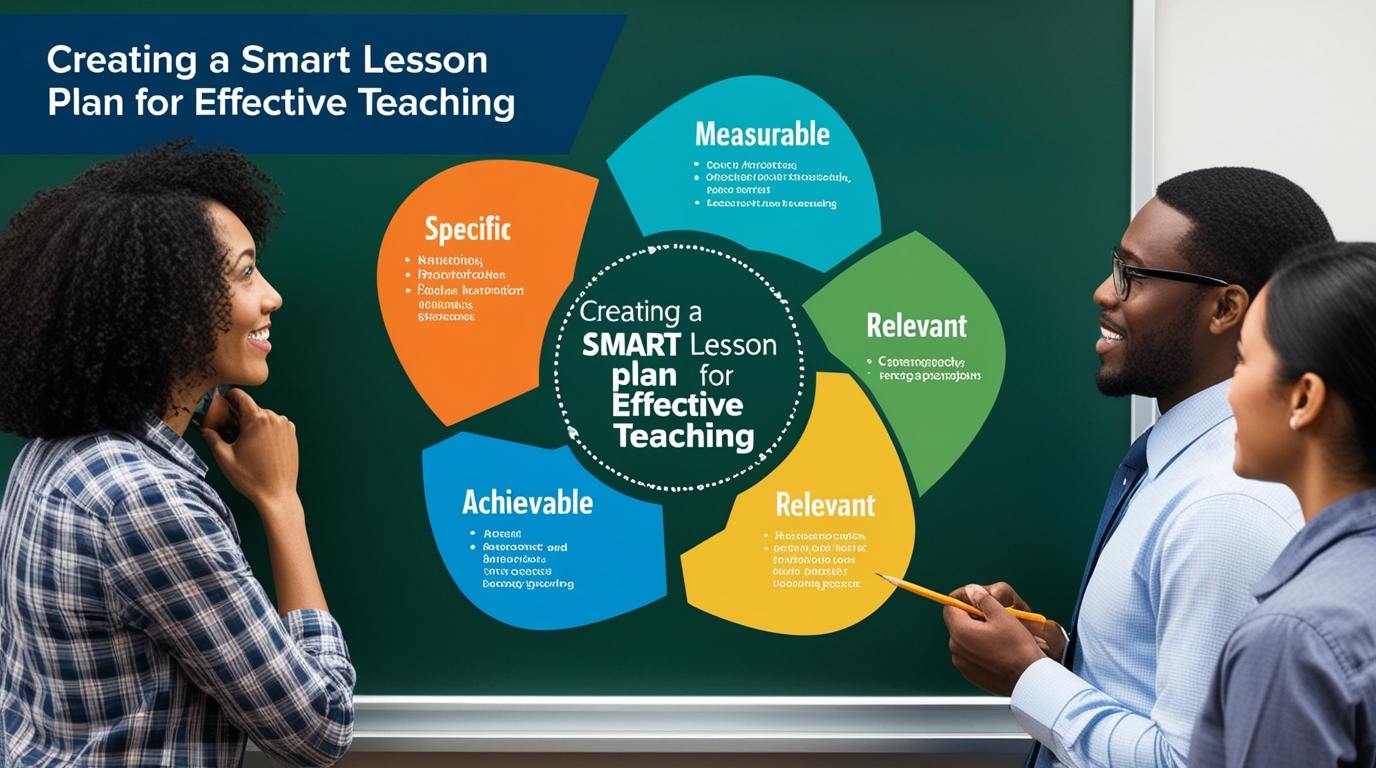
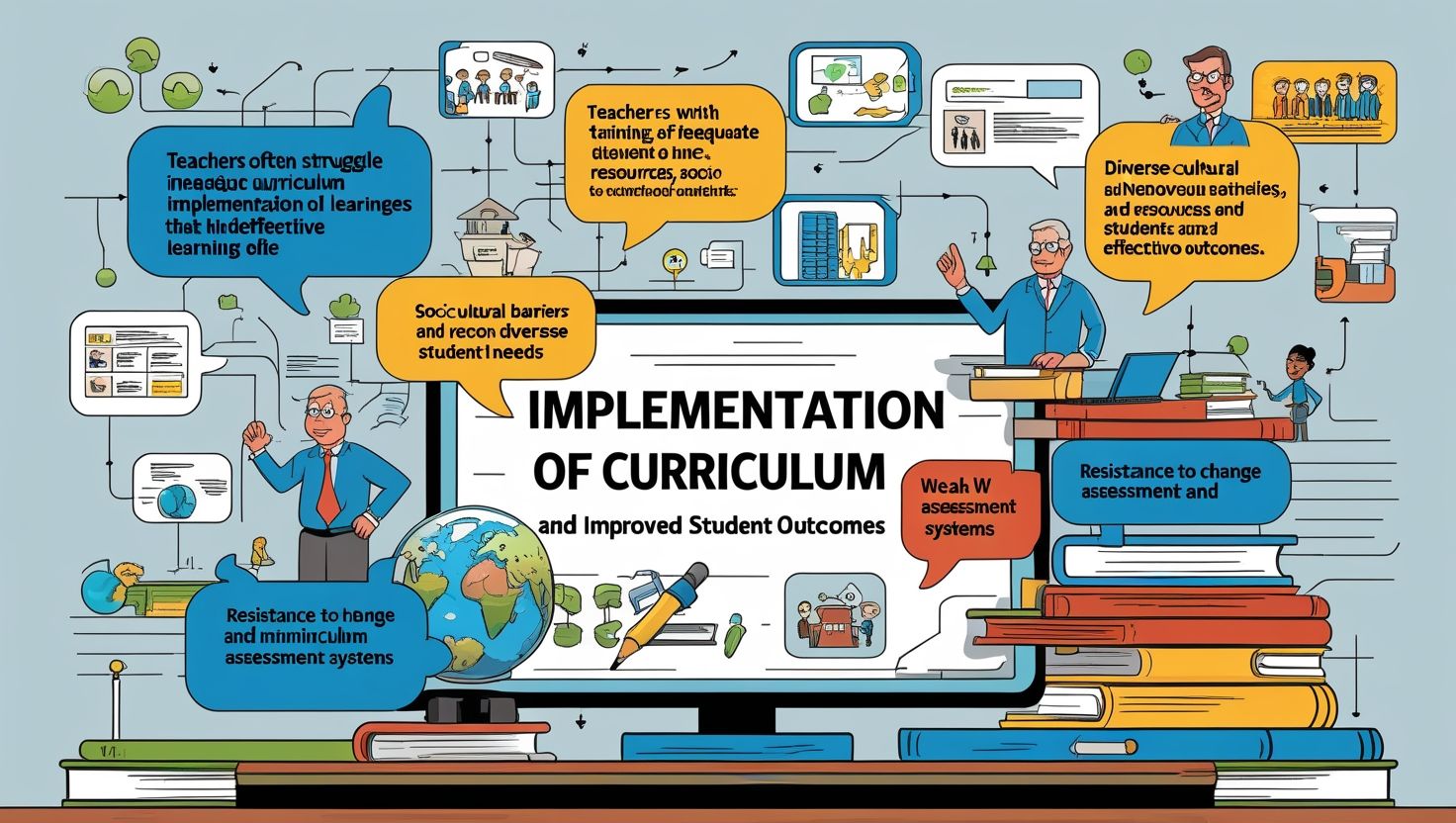
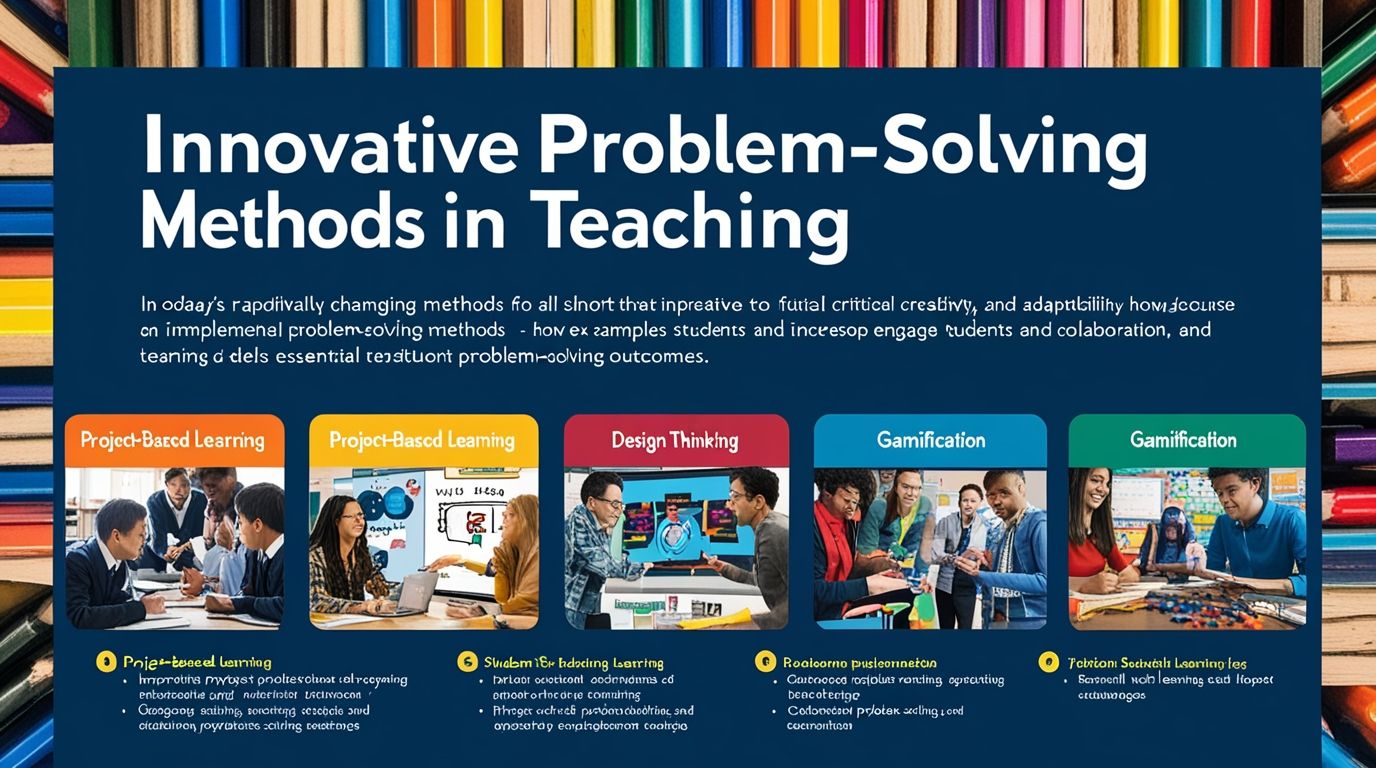
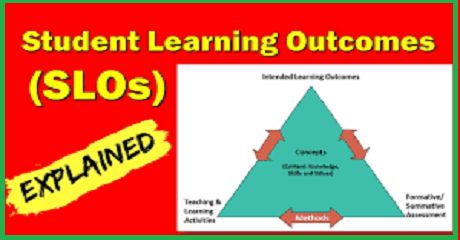
Teaching in Information Technology requires systematic curriculum design that progresses from foundational concepts to advanced applications. Educators should organize learning into structured units covering digital literacy, computational thinking, cybersecurity, programming, networking, and responsible technology use. Learning objectives must be specific, measurable, achievable, relevant, and time bound ensuring clarity and assessment alignment. A strong curriculum integrates theory with practical activities enabling students to apply concepts in real world contexts. Regular updates are essential due to rapid technological change and evolving industry standards. Interdisciplinary integration with science business and communication enhances relevance and engagement. Teachers should incorporate projects case studies and problem based learning to strengthen conceptual understanding. Curriculum mapping and assessment alignment ensure coherence across instructional stages. Flexibility should be maintained to accommodate learner diversity institutional priorities and emerging technological trends. While fostering innovation critical thinking adaptability and lifelong learning competencies in all students for future readiness and success.
Effective Lesson Planning for IT Classrooms
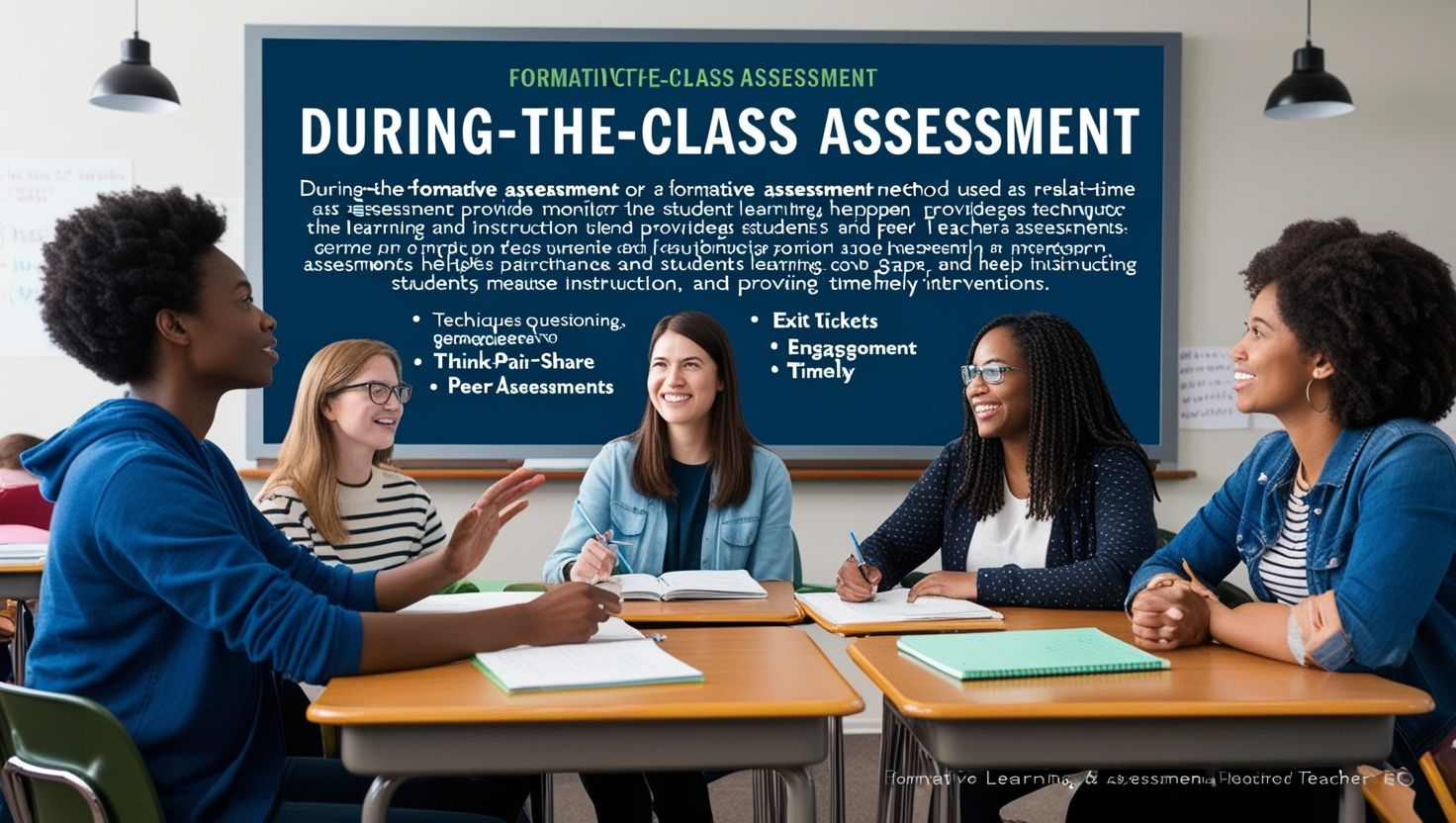
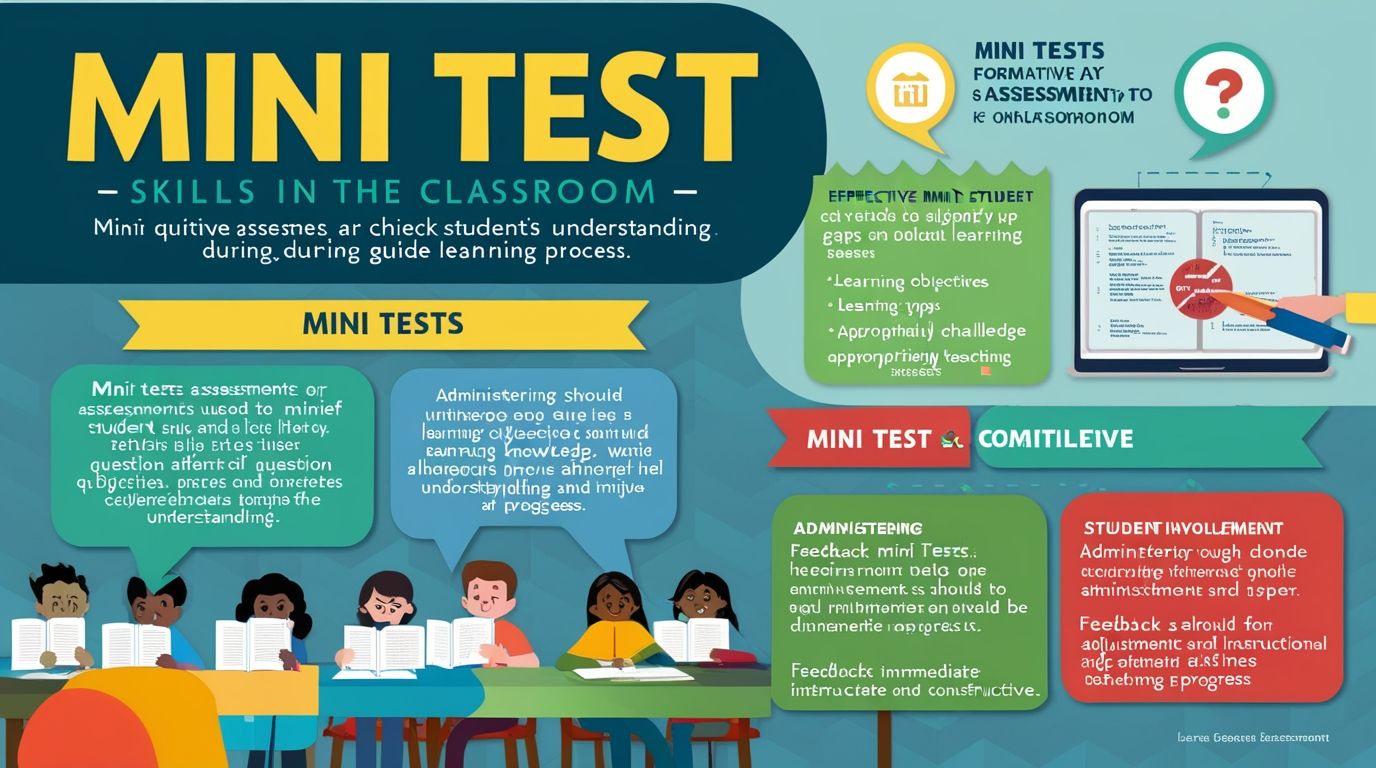
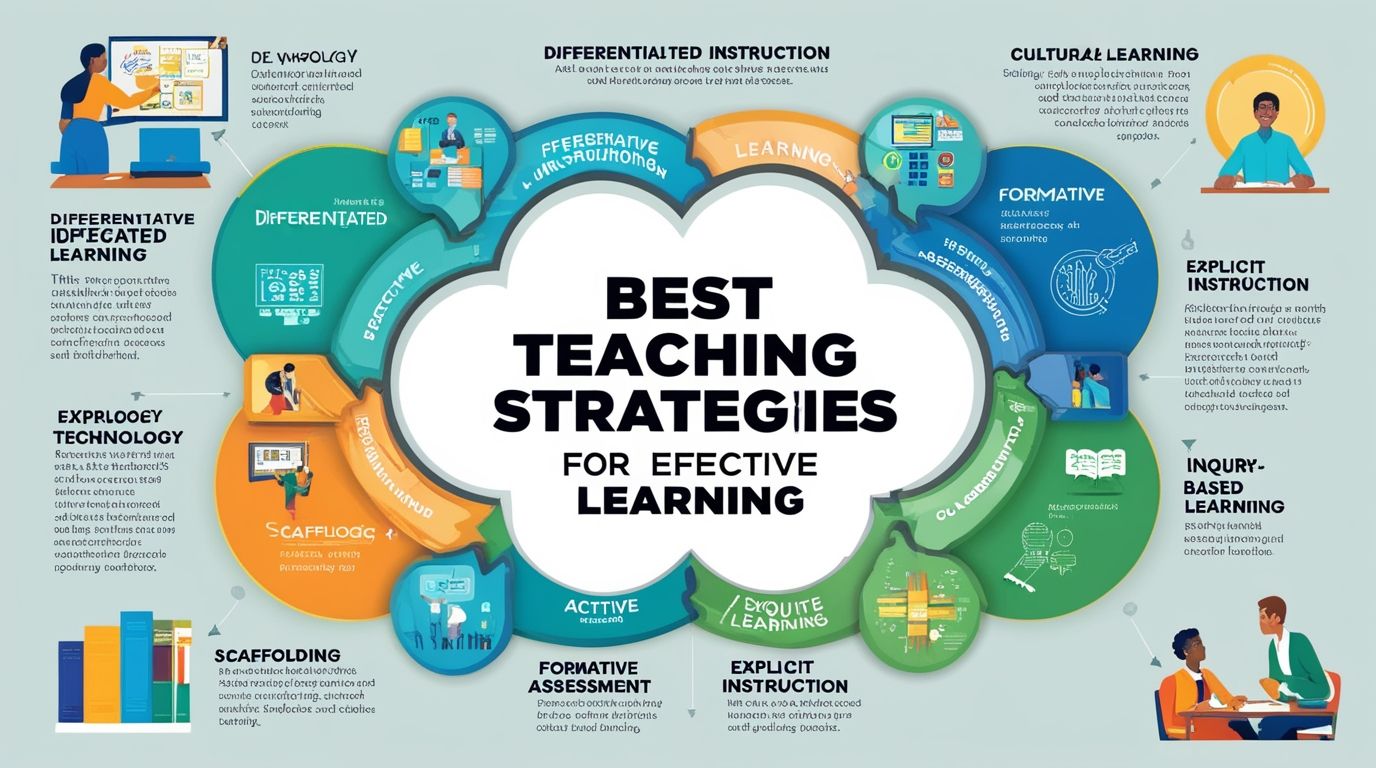
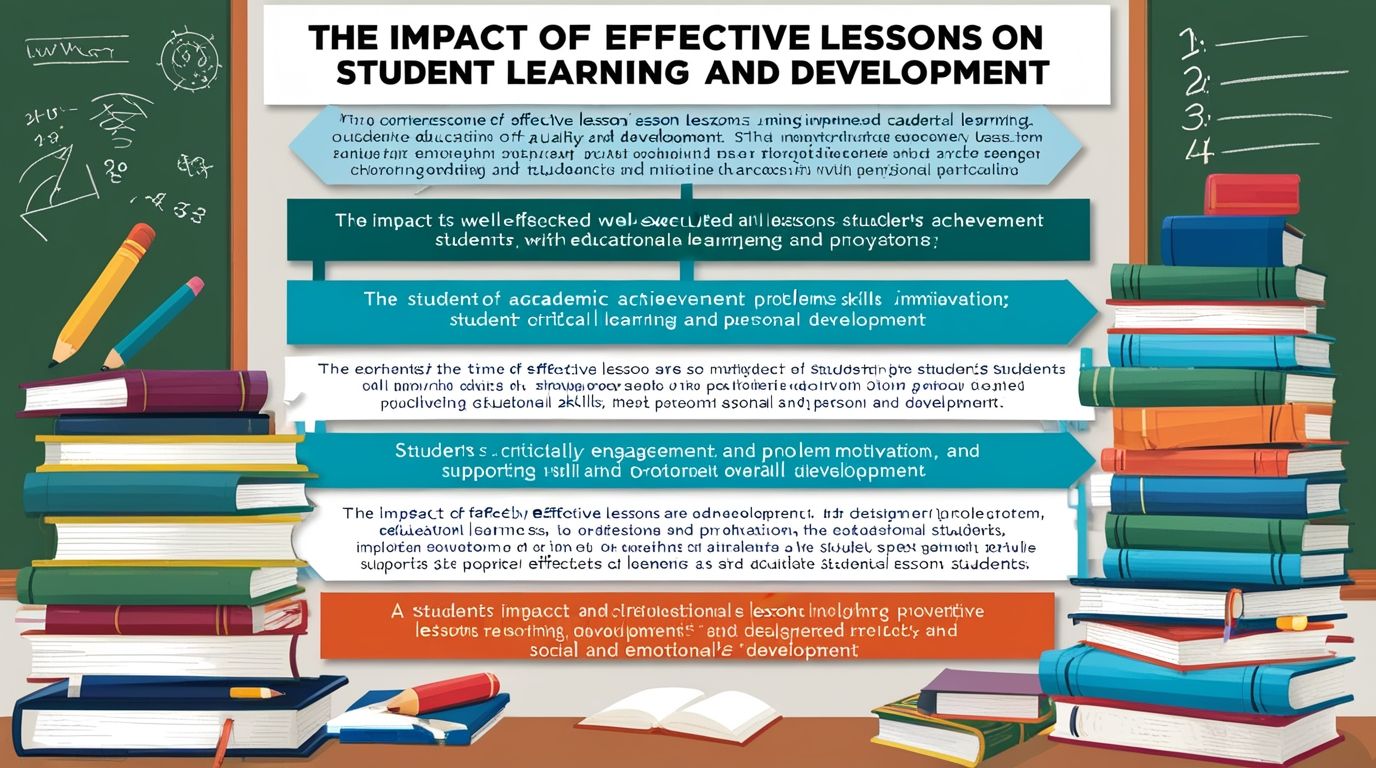
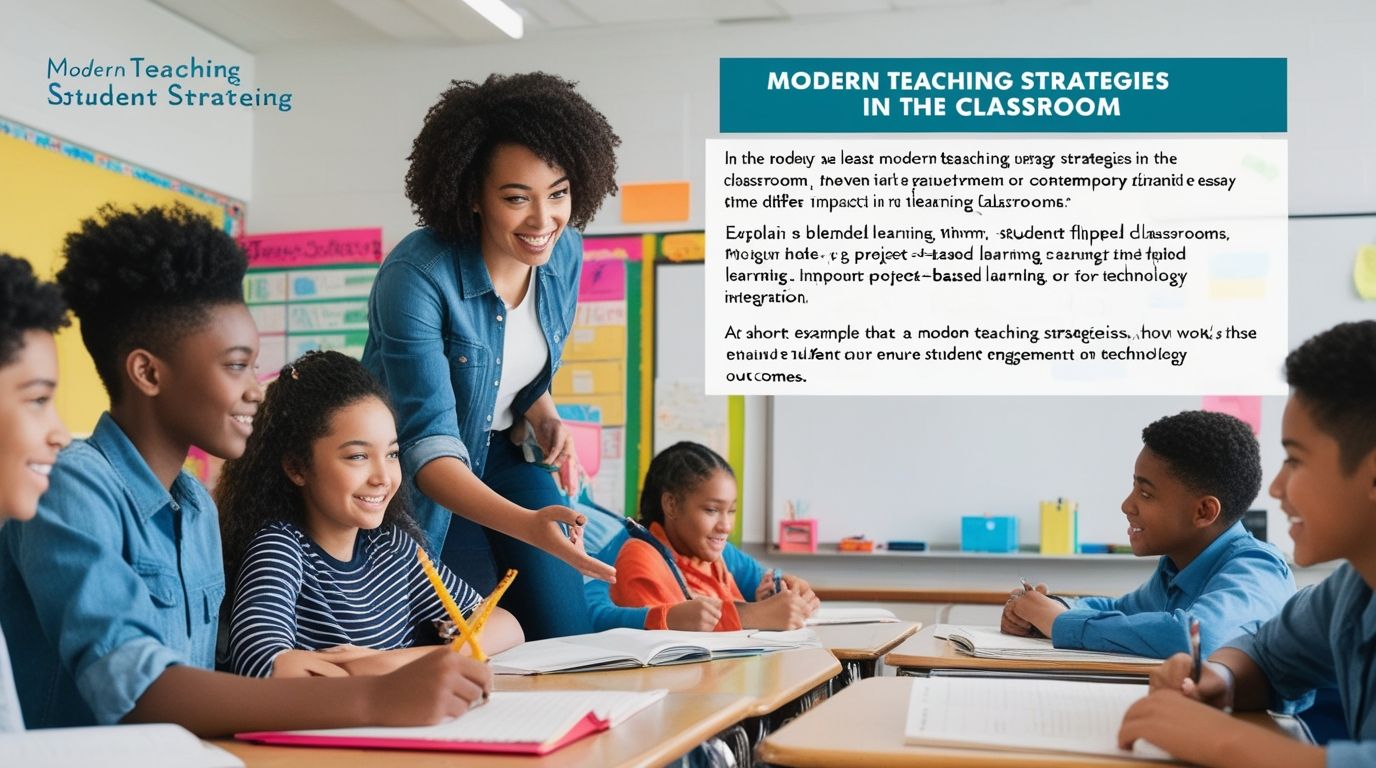
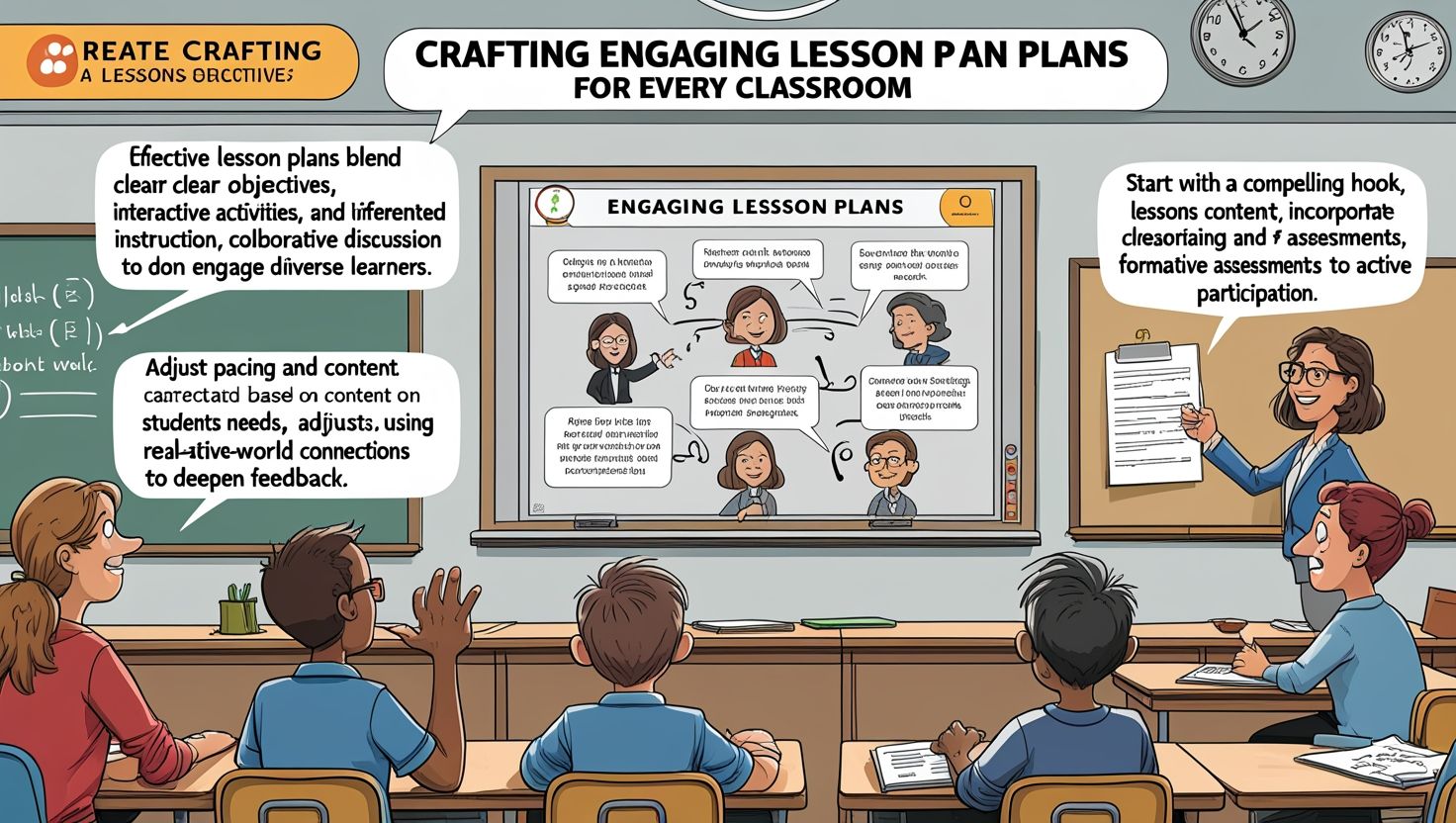
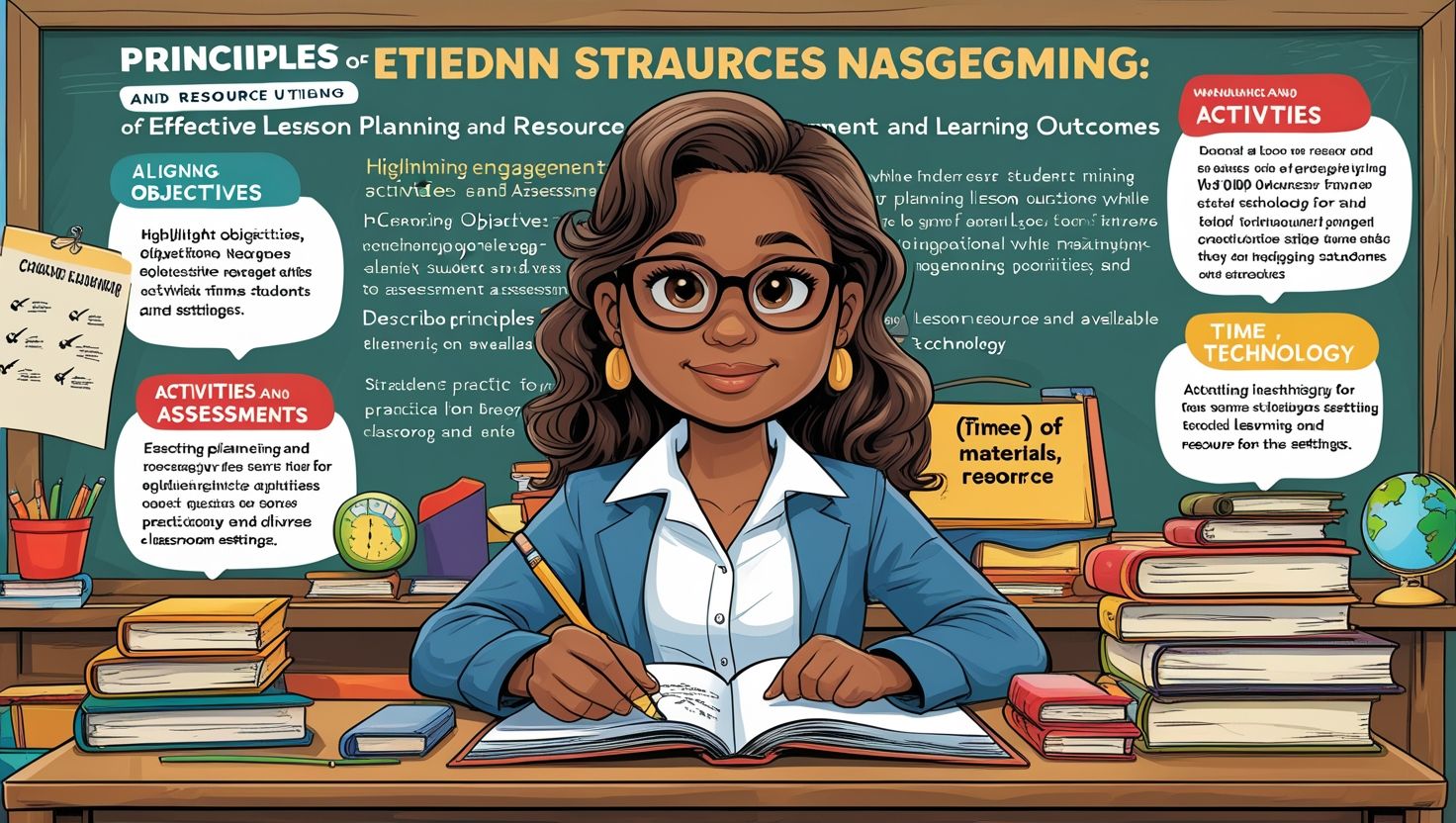
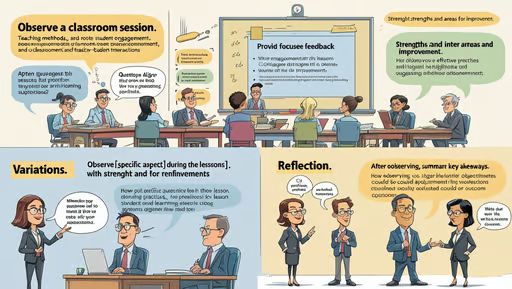
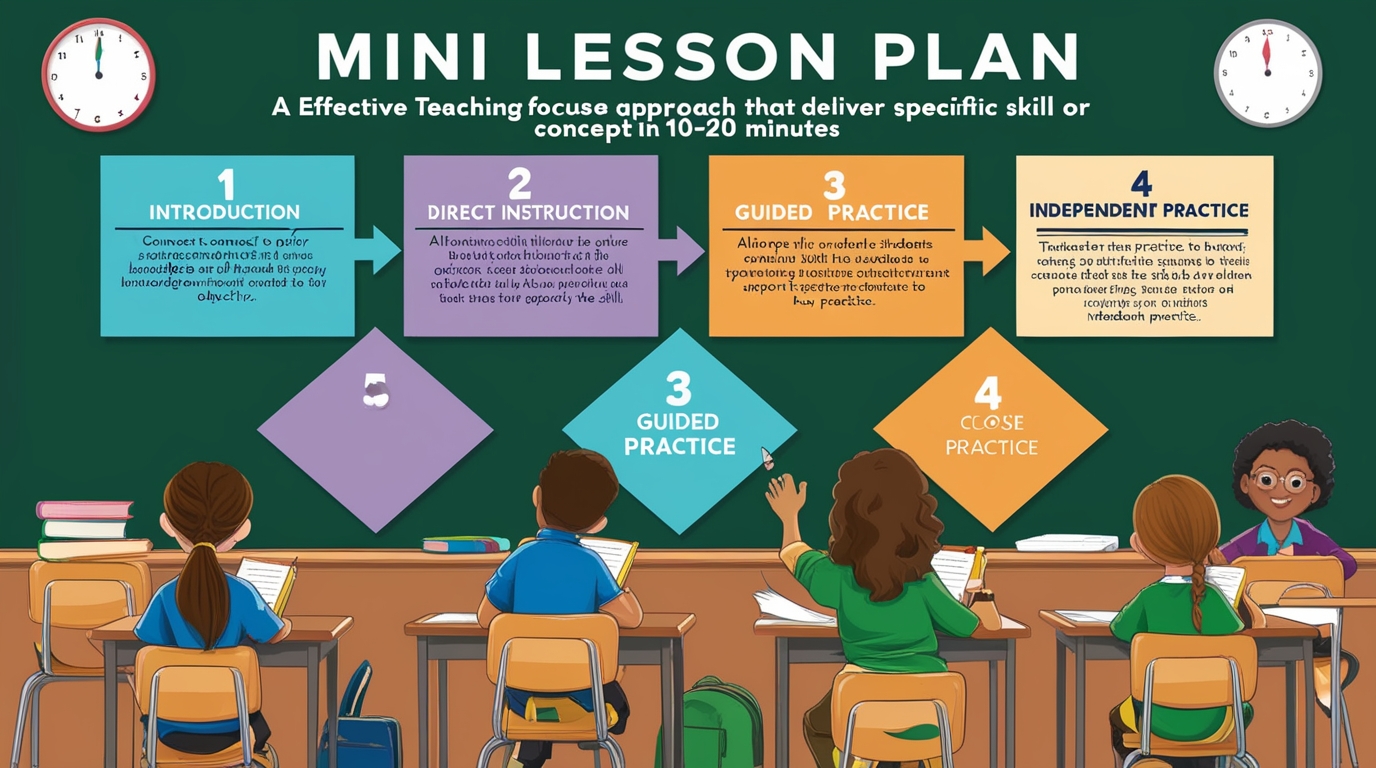
Effective lesson planning in Information Technology classrooms enables teachers to manage time resources and learner expectations efficiently. Each lesson should begin with a clear introduction that activates prior knowledge and establishes relevance. Explanations must be supported by examples visual aids and demonstrations to simplify complex technical concepts. Guided practice allows students to apply skills with support before independent work. Teachers should anticipate misconceptions and provide timely interventions. Differentiated tasks ensure inclusion for varied ability levels. Formative assessment techniques such as questioning quizzes and observations help monitor understanding Reflection activities encourage self evaluation and goal setting Effective planning improves classroom flow engagement retention confidence collaboration creativity problem solving and long term academic success in diverse learning environments across schools colleges and training institutions supporting continuous improvement and professional growth for educators and learners alike in evolving digital education systems worldwide today and beyond ensuring quality instruction and meaningful outcomes.
Classroom Management Strategies in Technology Education
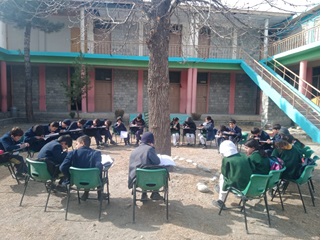
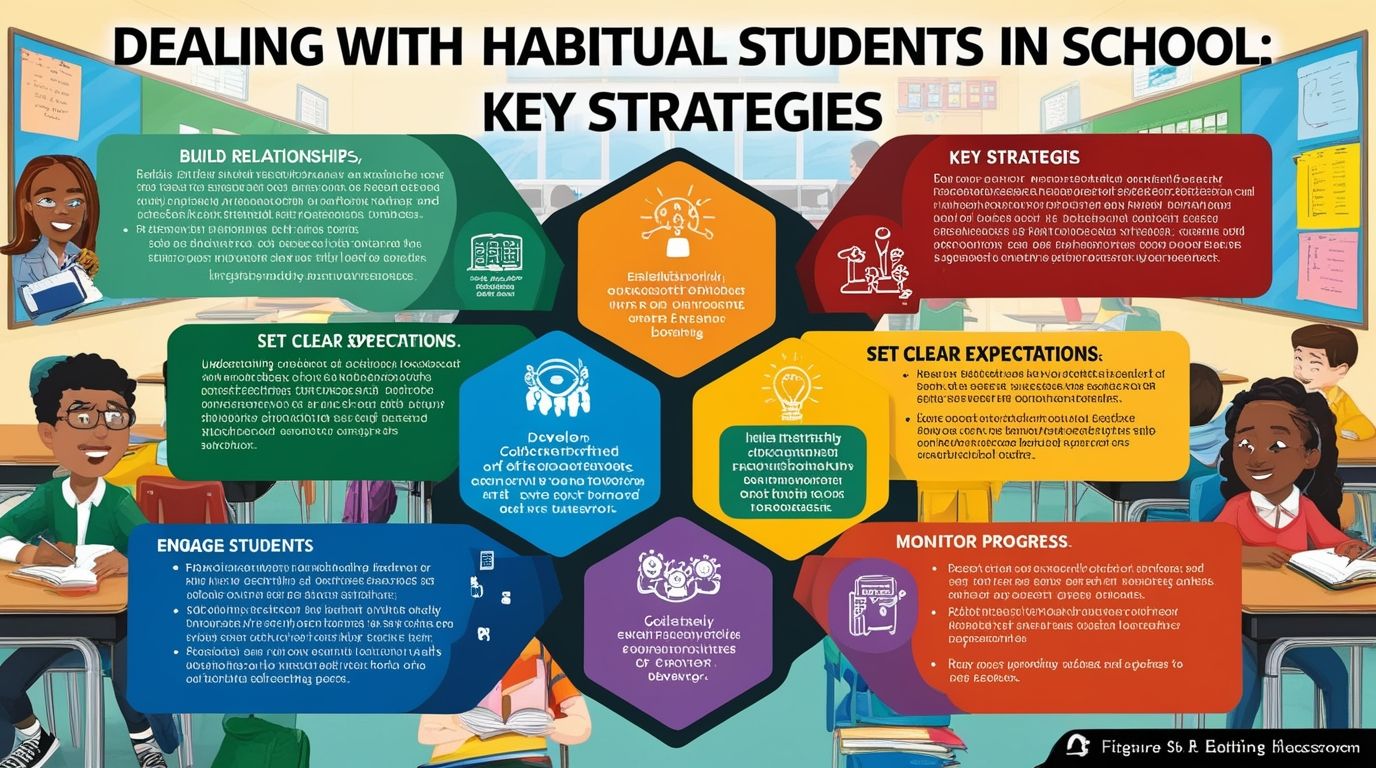
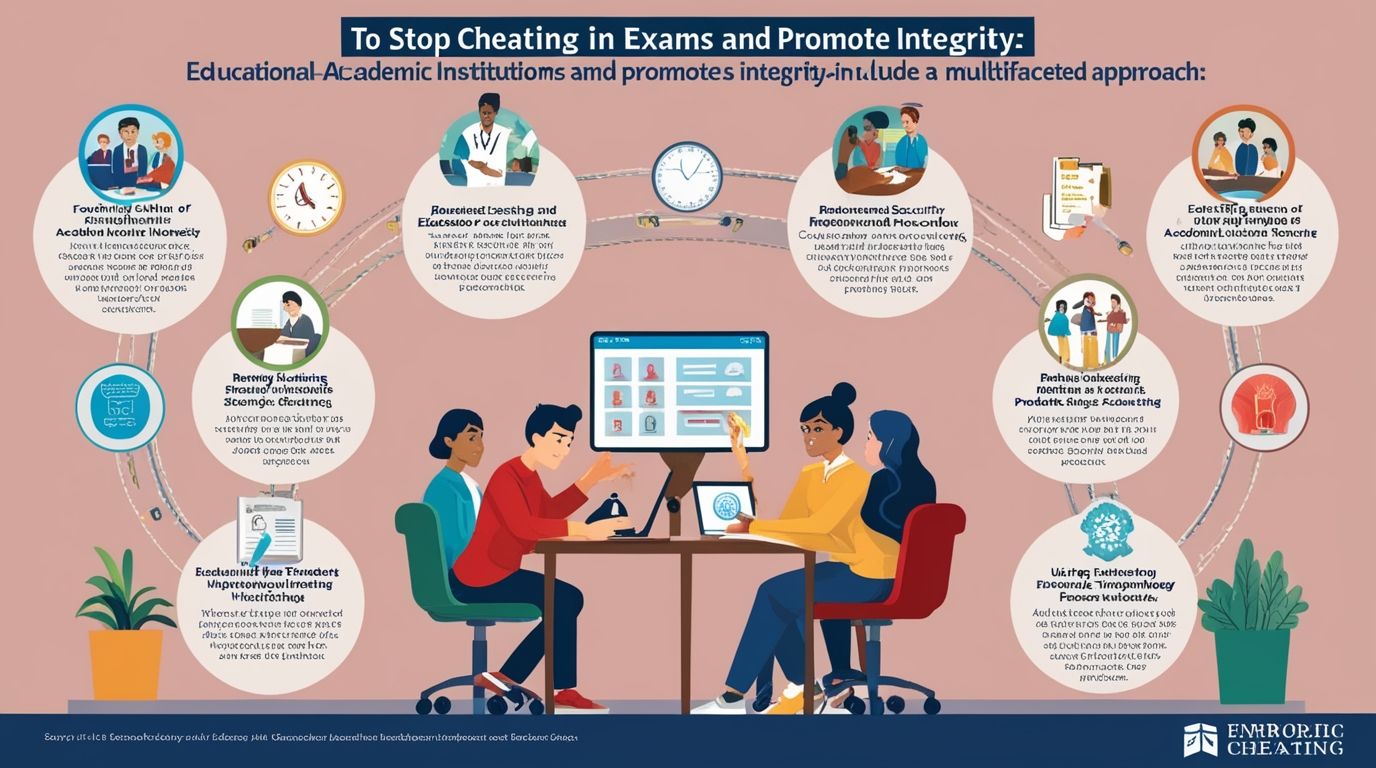
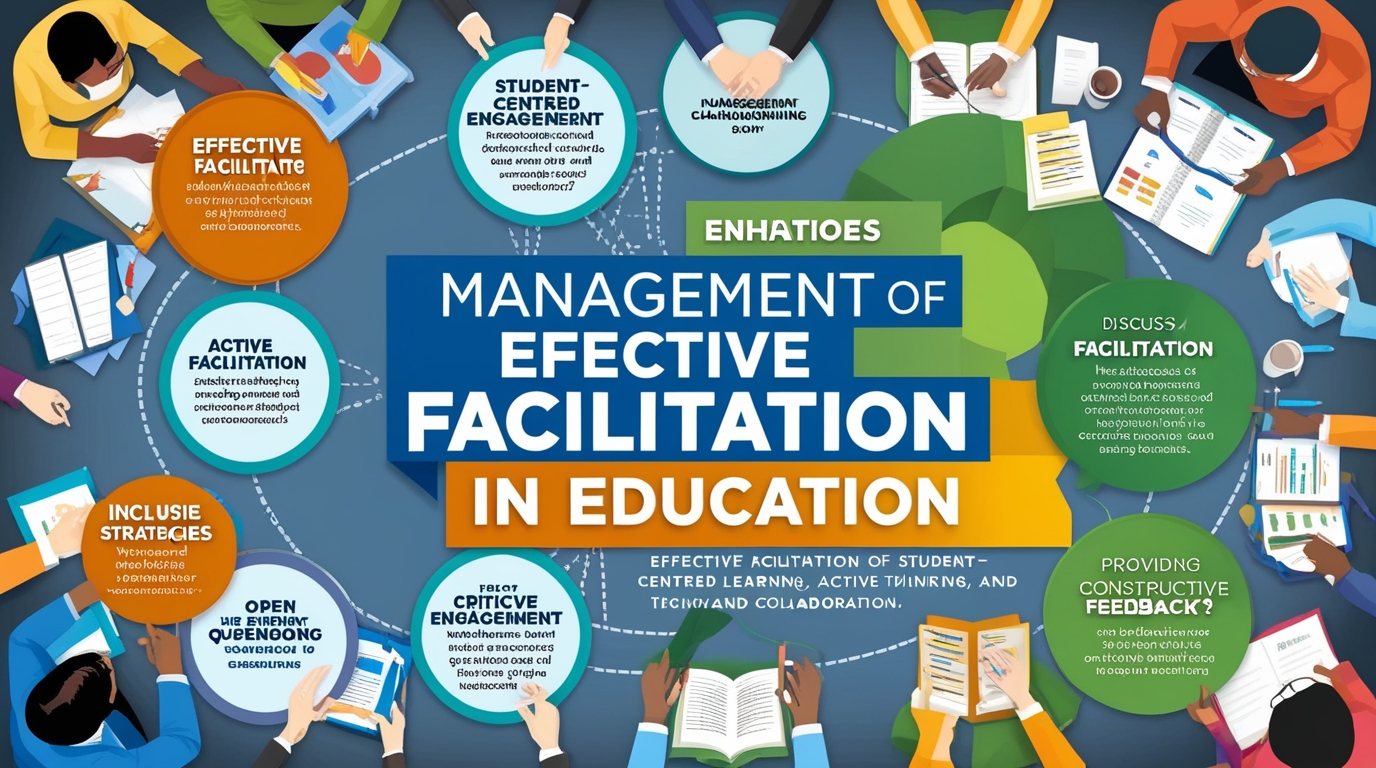
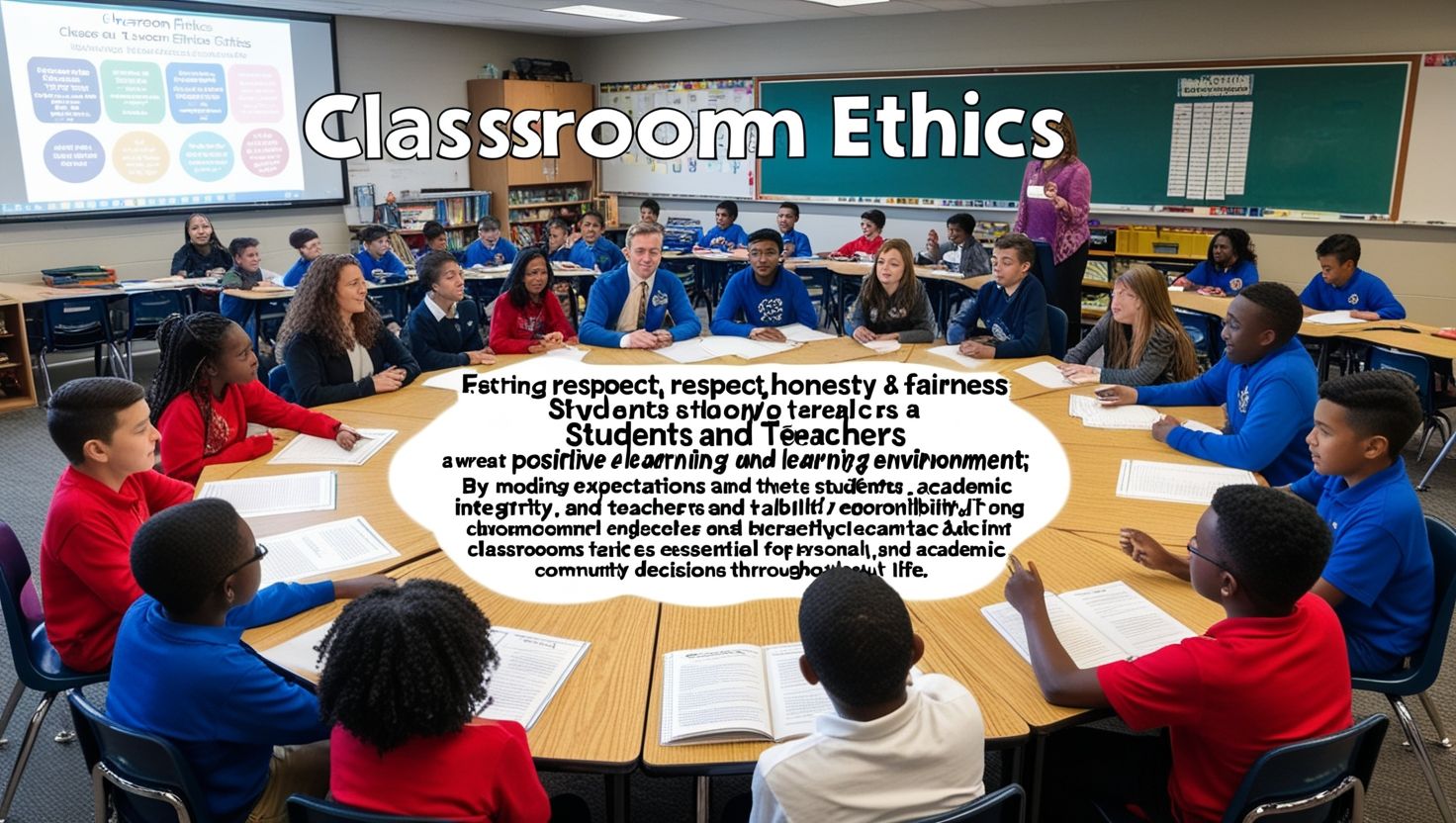
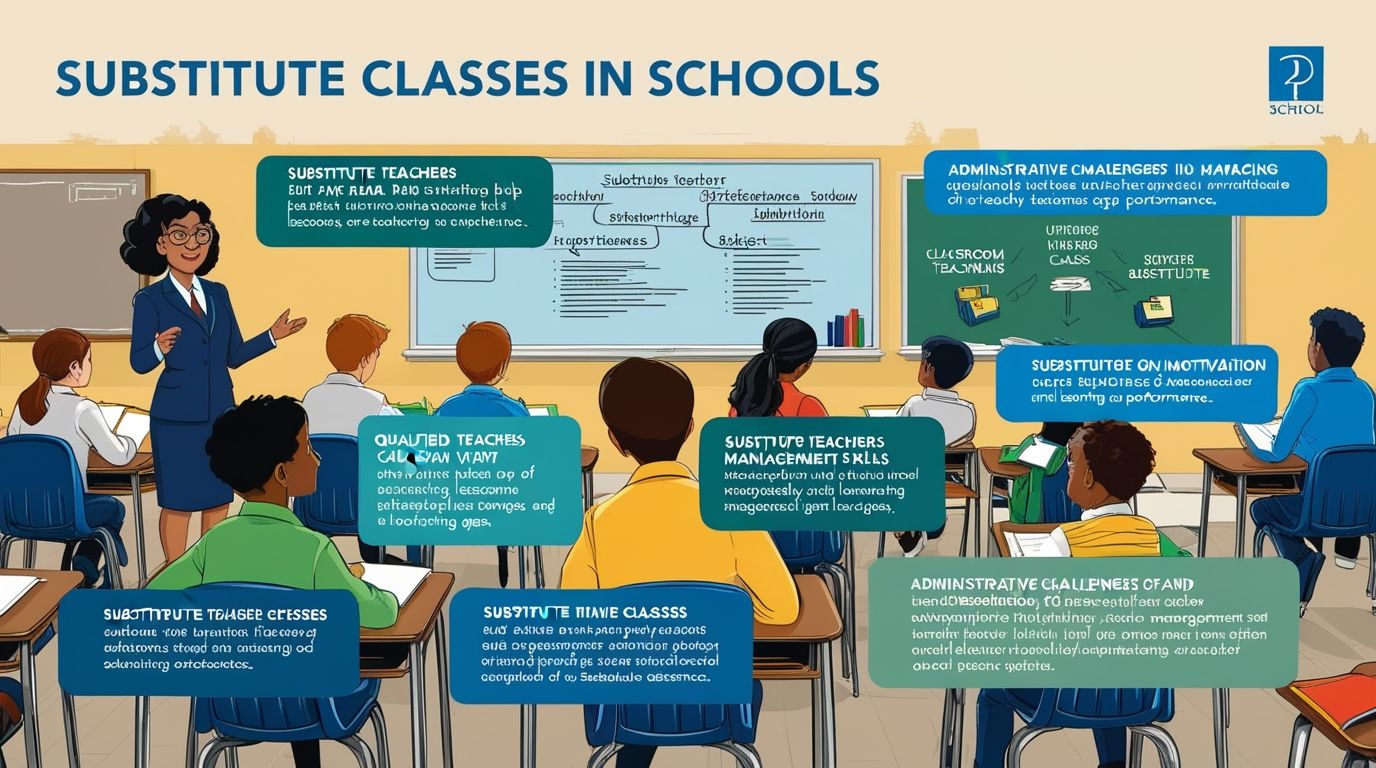
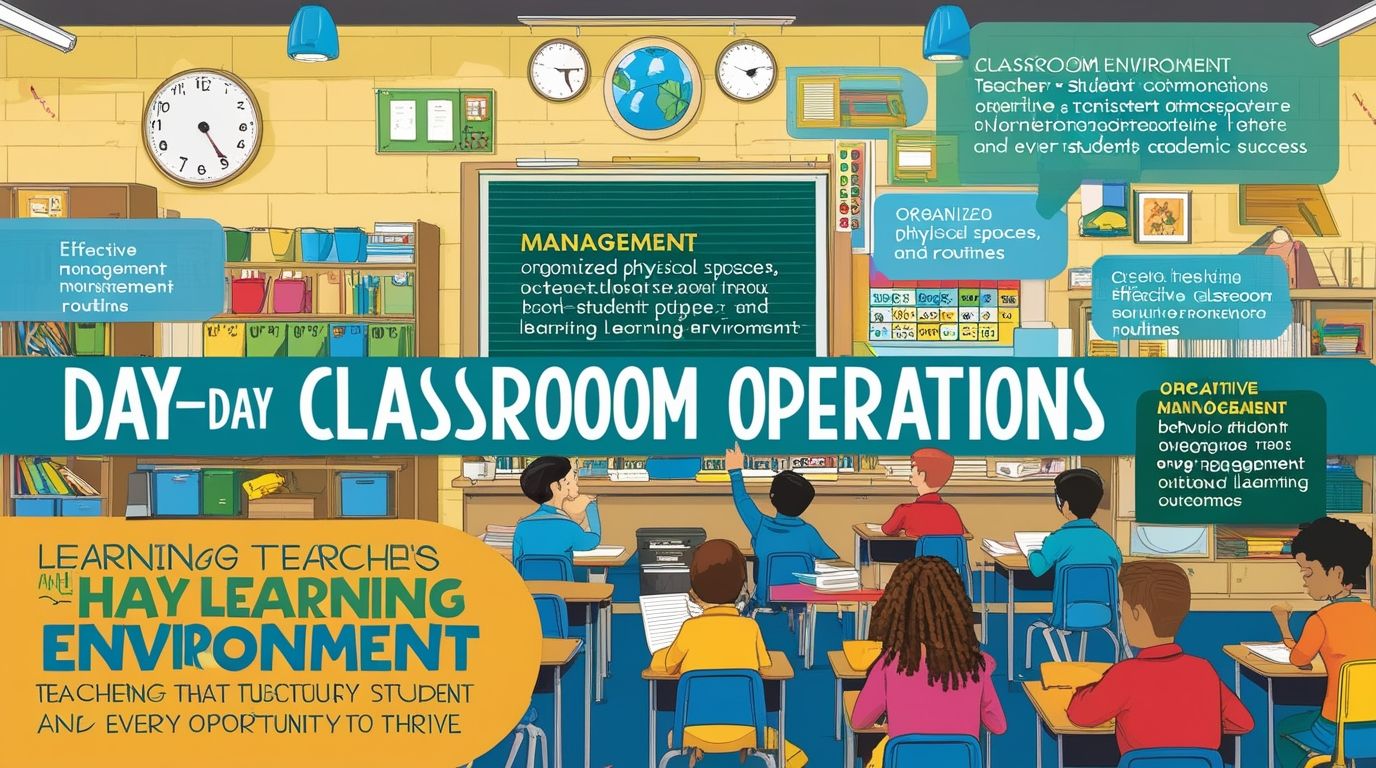
Classroom management in Information Technology education is essential for maintaining order efficiency and engagement during practical computer based activities. Teachers should establish clear rules for device usage online behavior file management and academic integrity Consistent routines for logging in saving work and submitting assignments reduce confusion and maximize instructional time. Positive teacher student relationships encourage participation and reduce behavioral issues. Monitoring student activity ensures focus and digital safety Flexible seating arrangements can enhance collaboration visibility and support access to assistance. Teachers must balance structure with autonomy allowing exploration and creativity within defined learning objectives. Contingency planning for technical failures network issues and cybersecurity risks is necessary. A well organized classroom promotes discipline responsibility cooperation persistence engagement inclusion confidence and academic achievement. Effective management also supports equitable learning experiences fosters respect builds trust and enhances overall educational quality in modern digital learning environments preparing students for real world challenges.
Assessment and Evaluation in Information Technology Learning
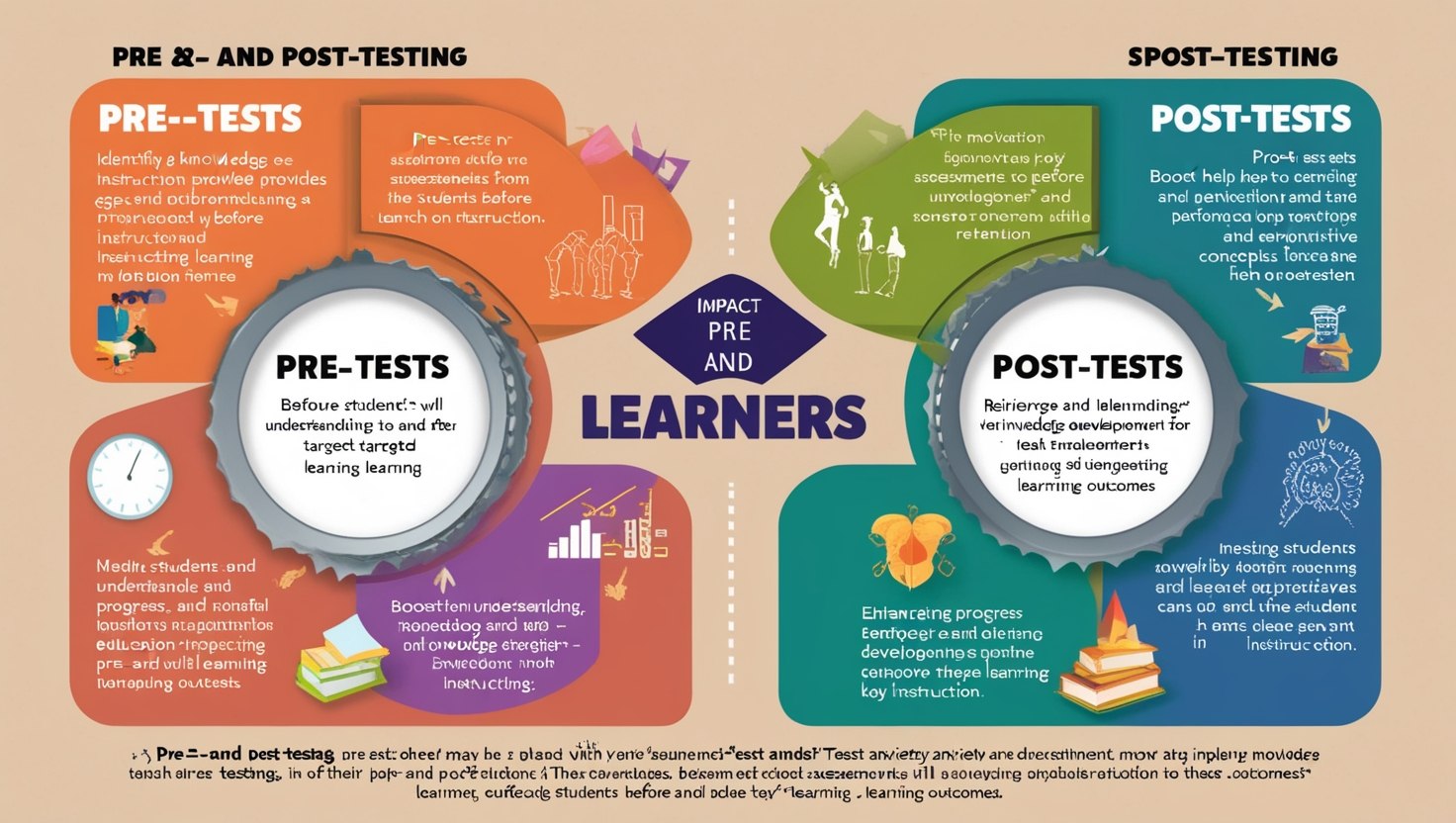
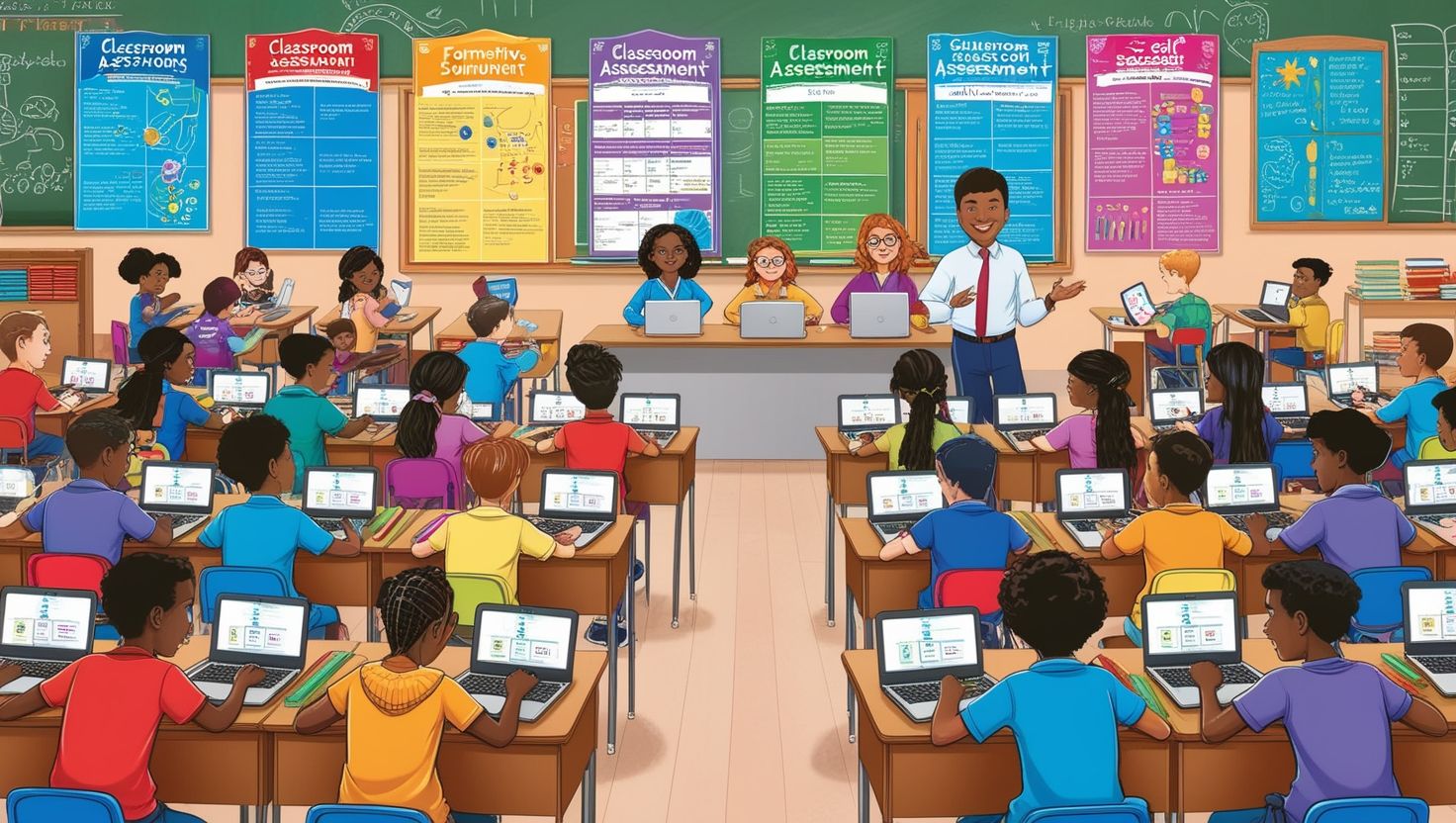
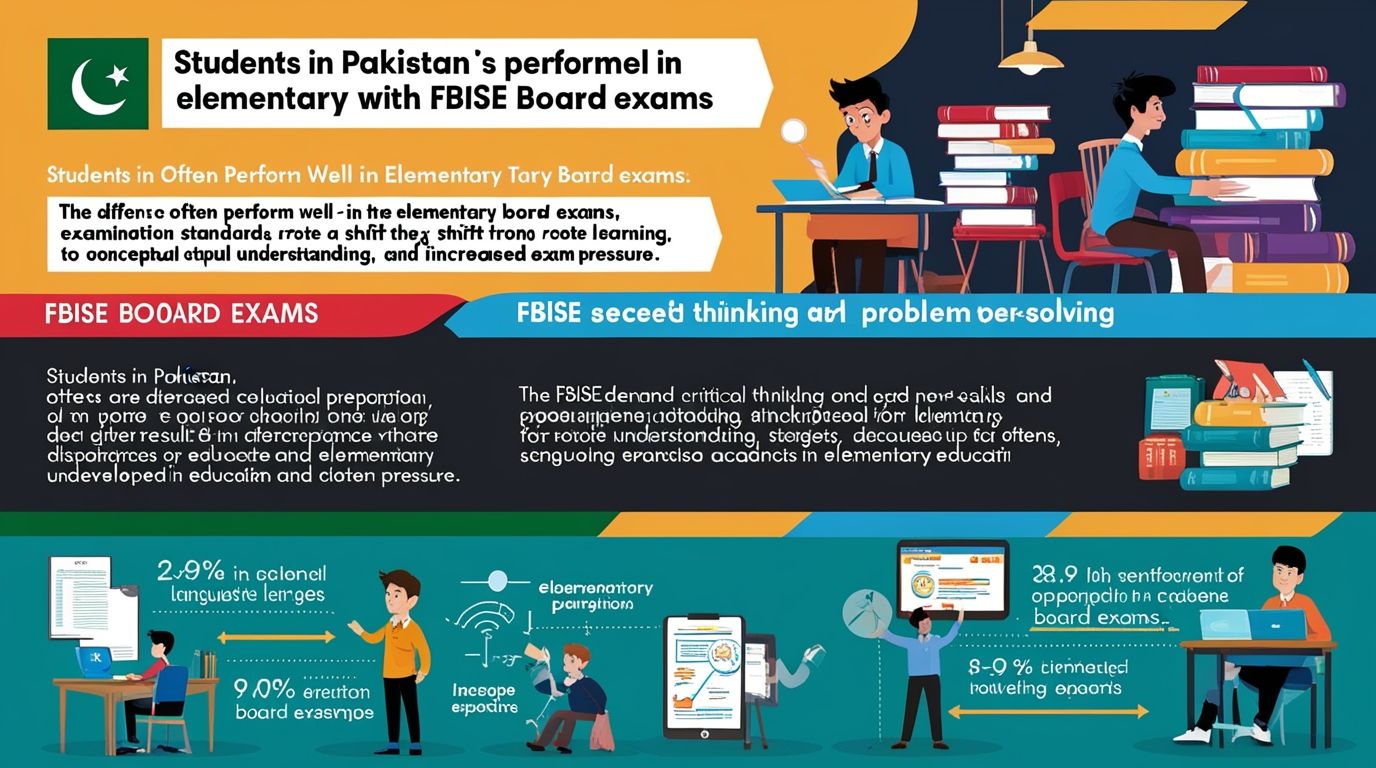
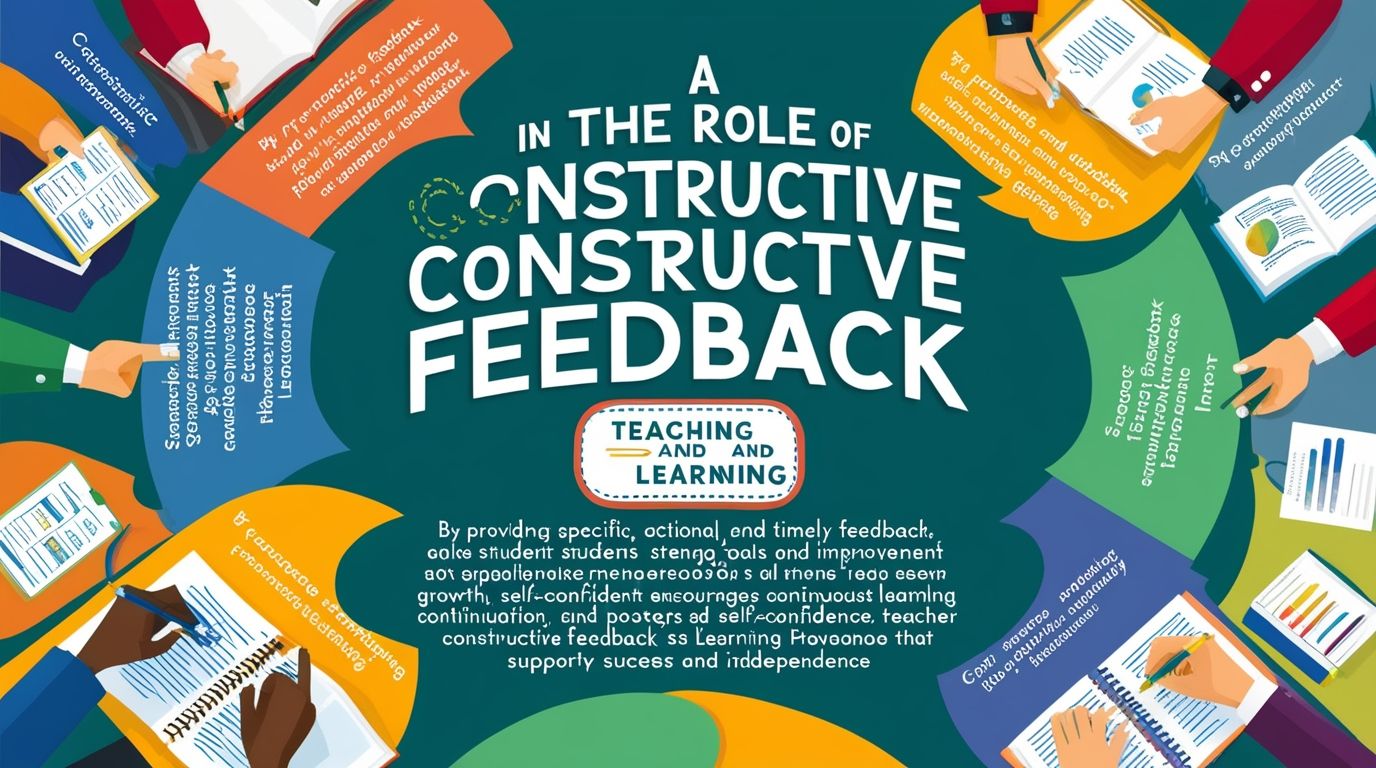
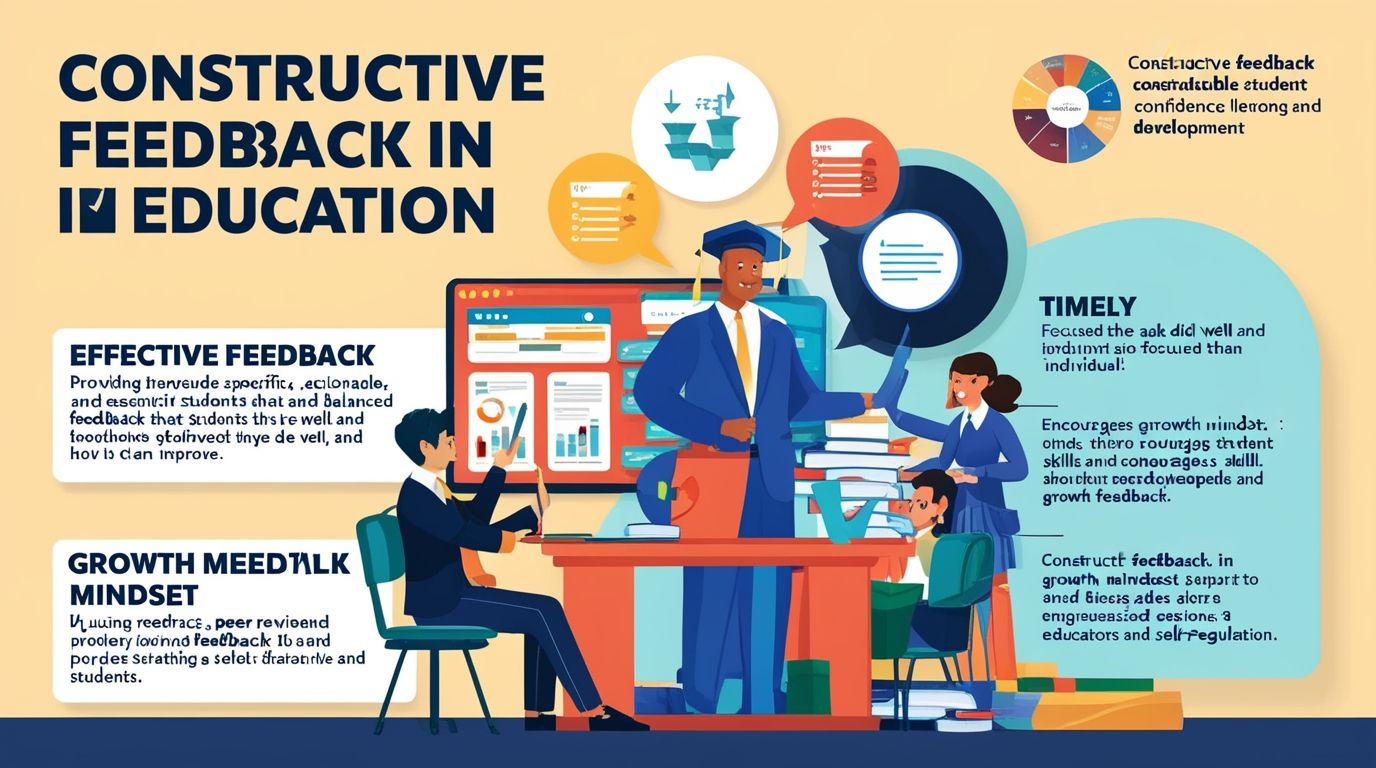
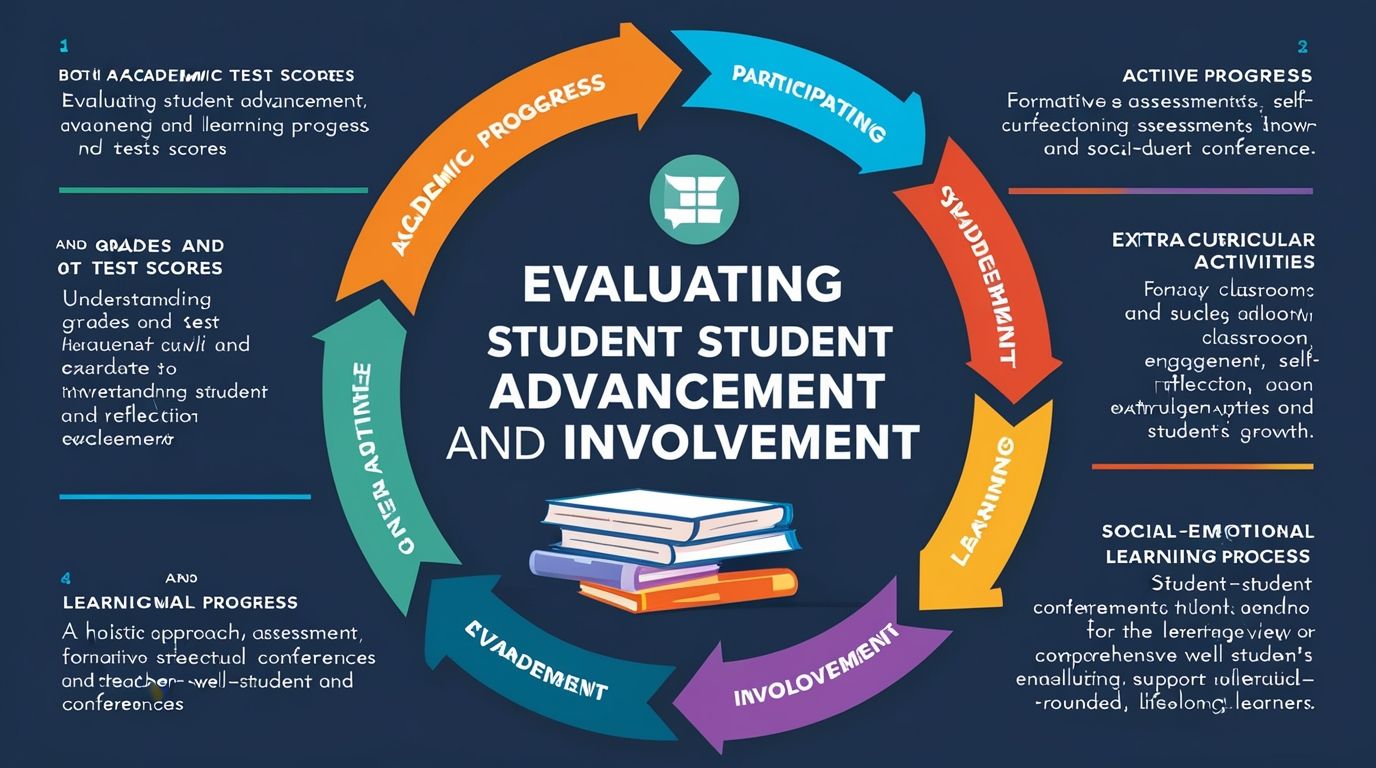
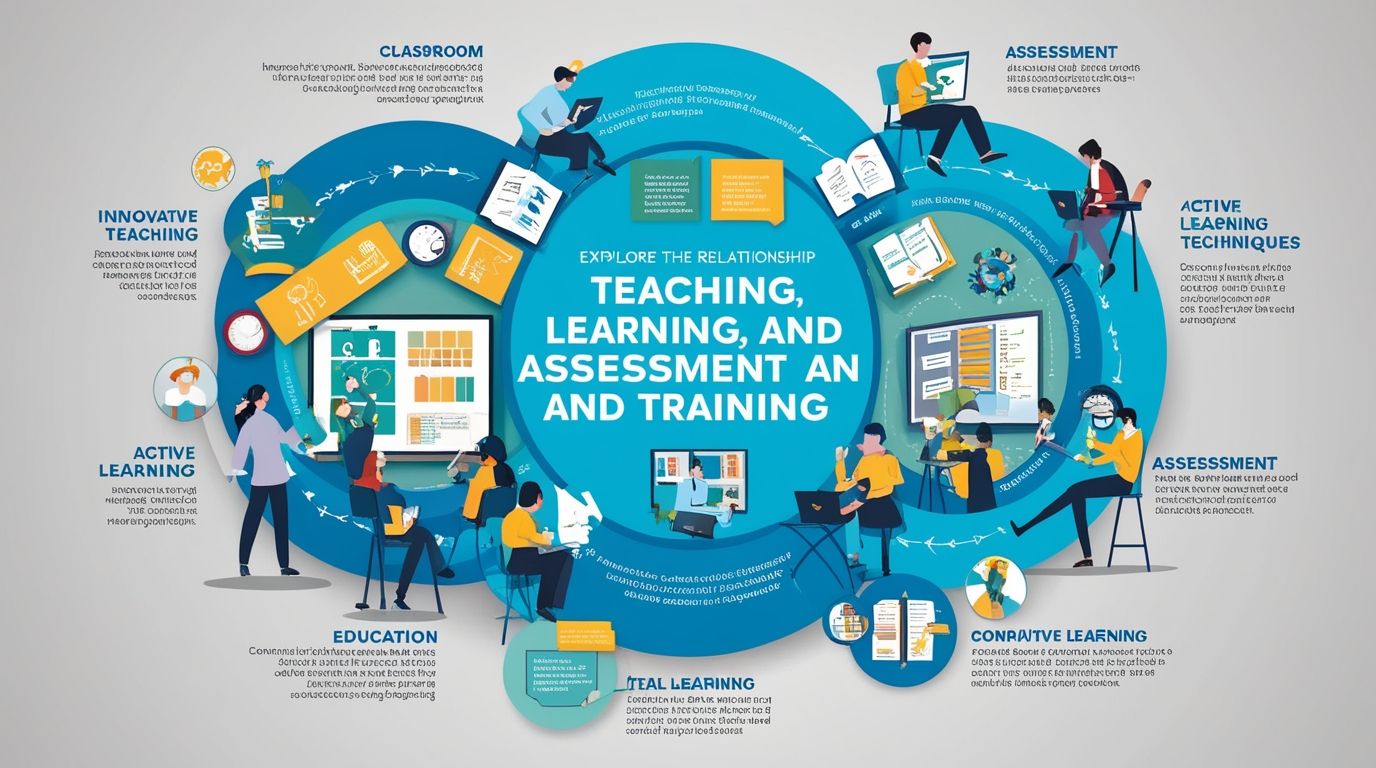
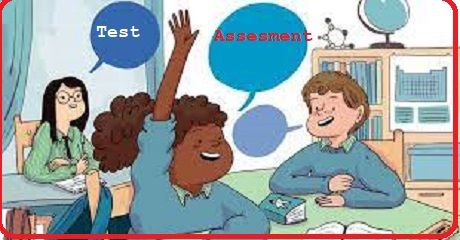
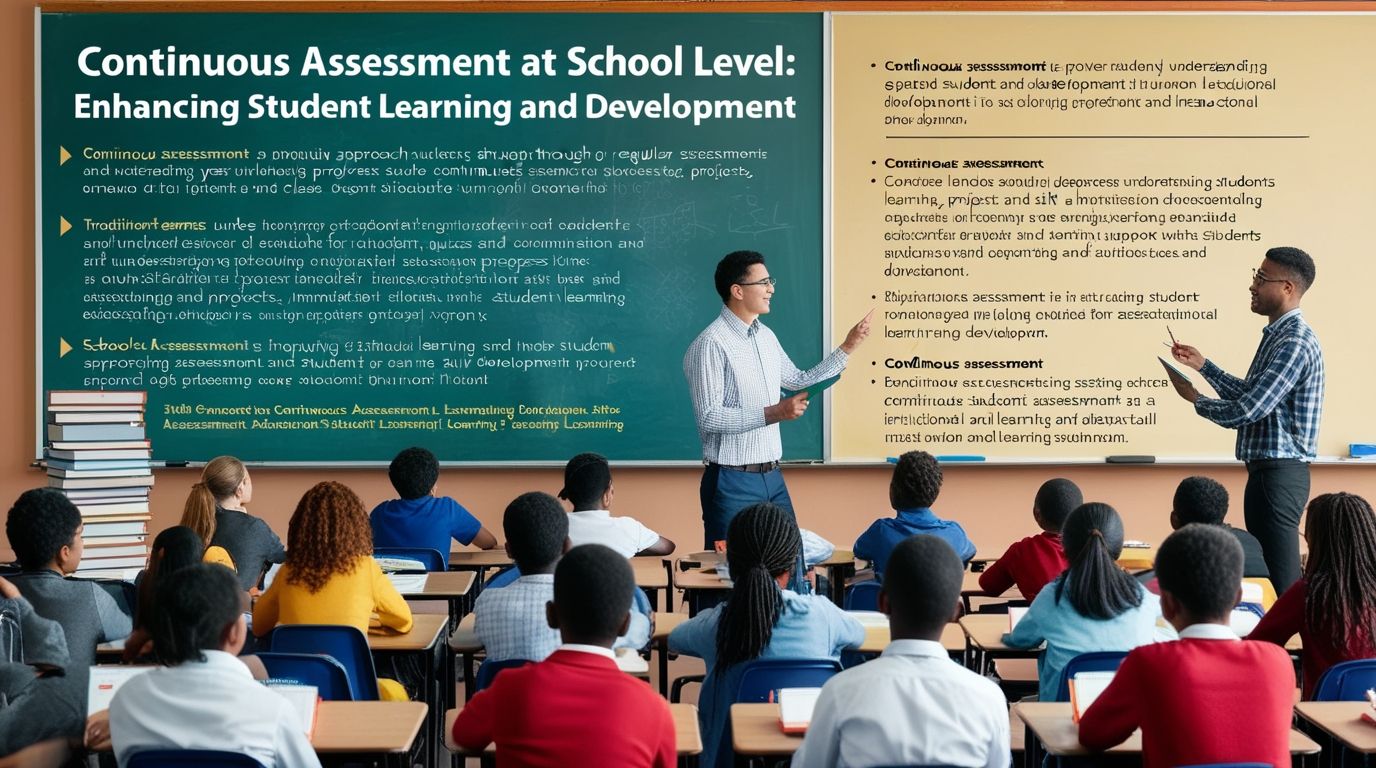
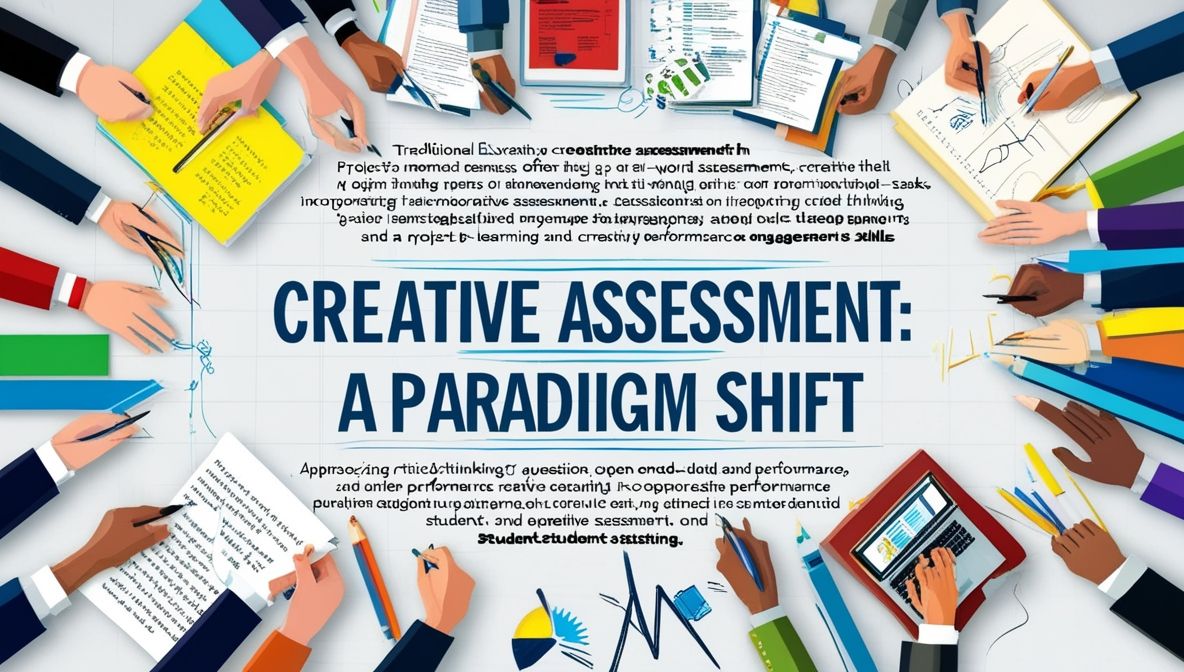
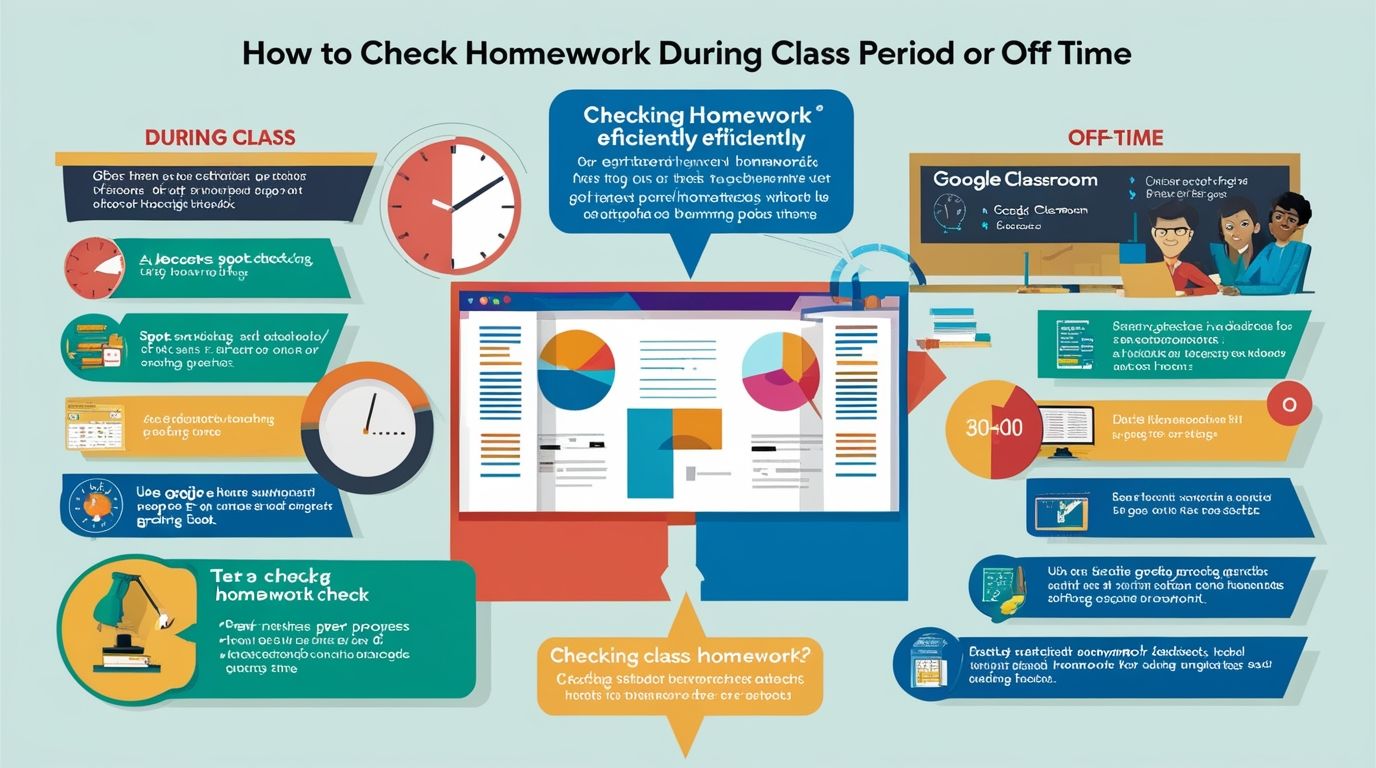
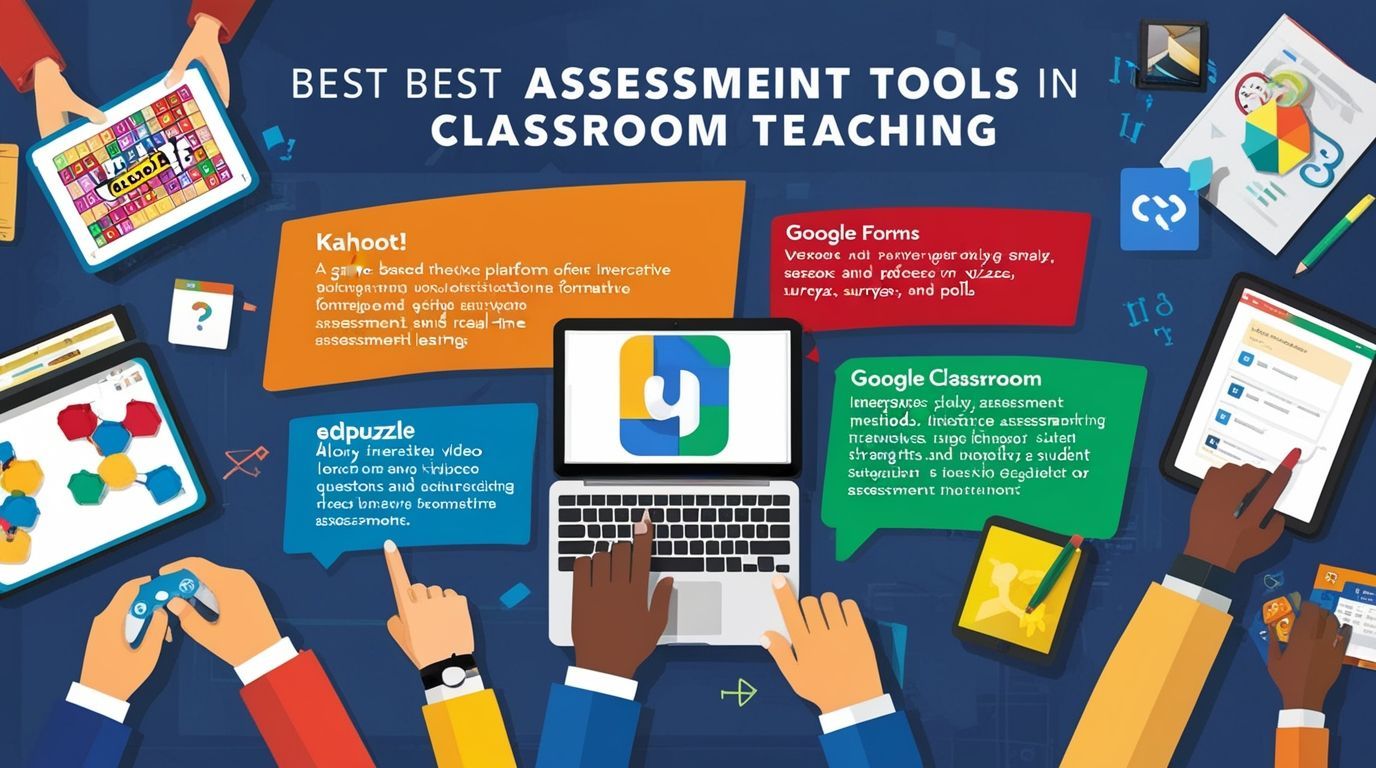
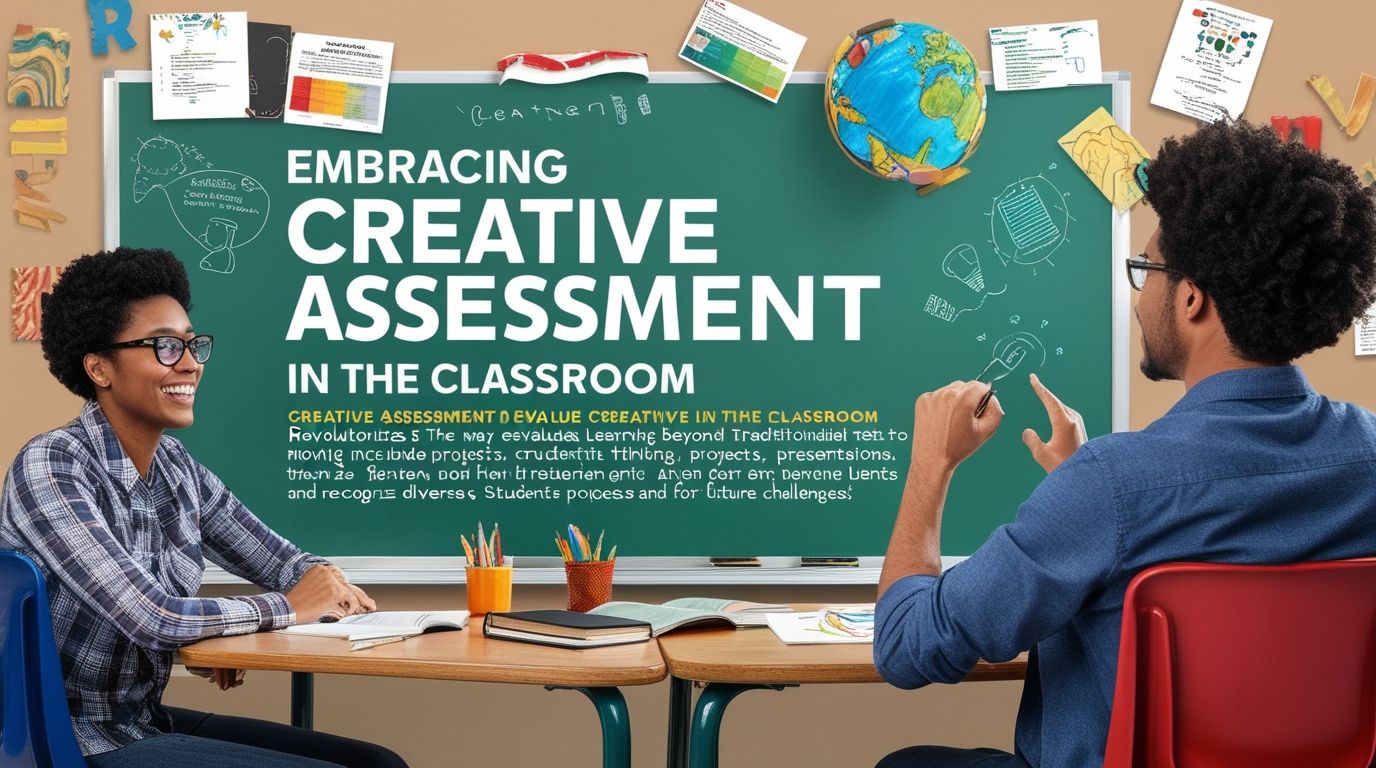
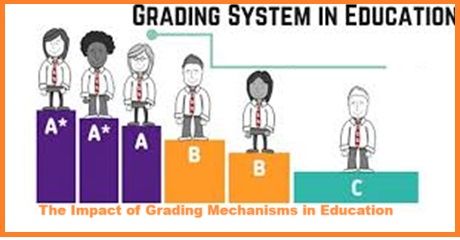
Assessment in Information Technology education evaluates both theoretical understanding and practical skills Teachers should use multiple assessment methods including projects portfolios presentations quizzes journals and performance tasks Authentic assessment requires learners to design solutions develop digital products analyze data and troubleshoot systems ensuring real world application Rubrics provide transparent criteria for fairness and consistency Formative assessment identifies learning gaps and informs instructional adjustments Summative assessment measures overall achievement Feedback must be timely specific and actionable to support improvement Self assessment and peer review encourage reflection responsibility and deeper understanding Assessment data helps teachers refine curriculum design improve instruction and allocate resources effectively Continuous evaluation promotes accountability transparency and quality assurance while fostering student engagement motivation and lifelong learning skills in Information Technology education systems that prepare learners for academic success professional growth and digital innovation in rapidly evolving technological environments worldwide today and into the future ensuring excellence.
The Importance of Practical Learning Experiences
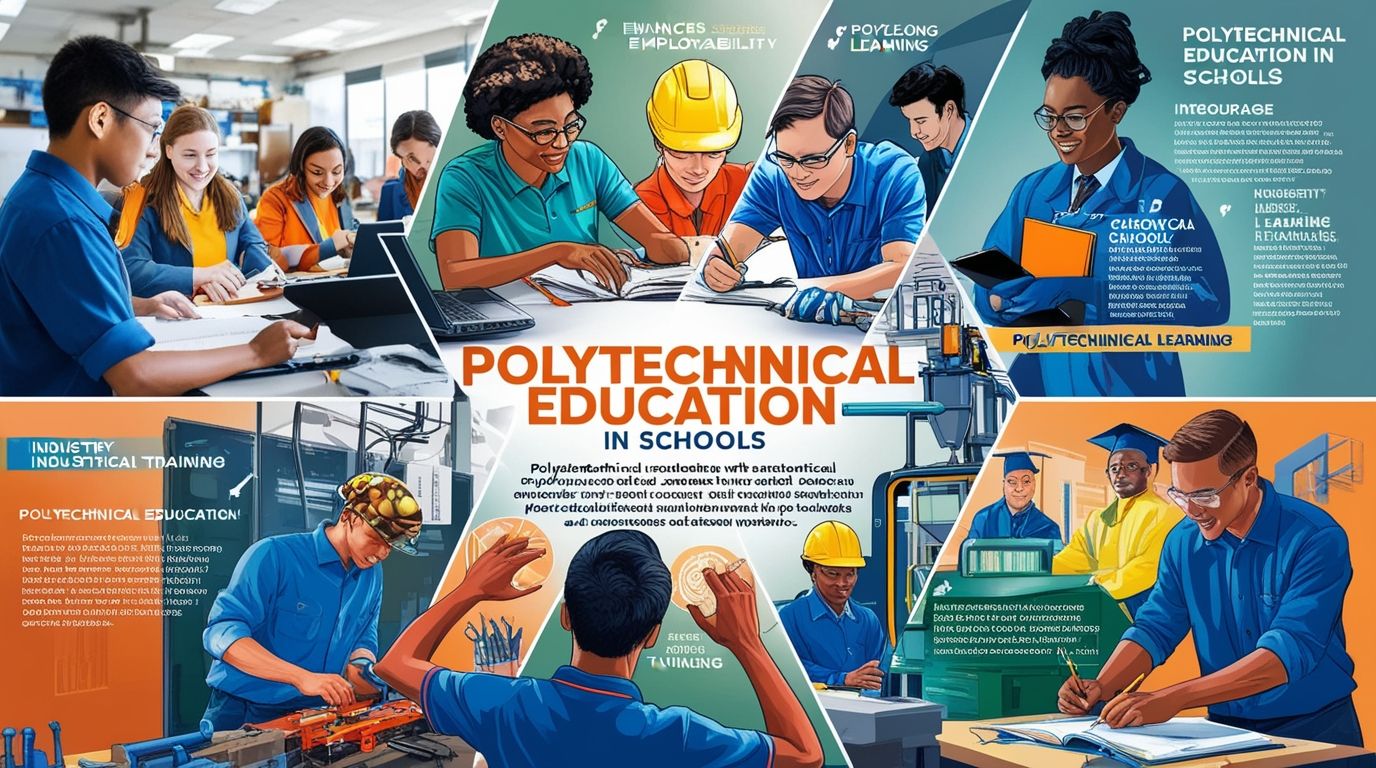
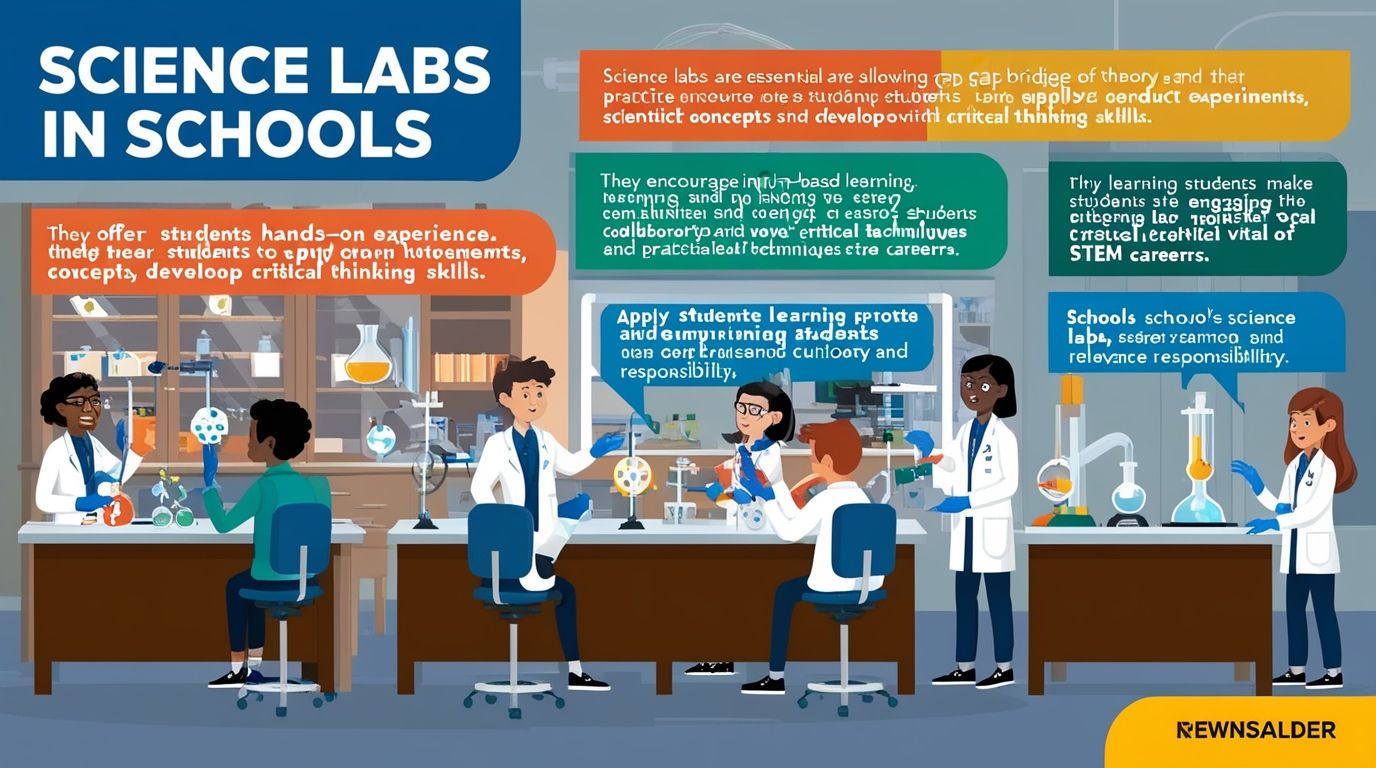
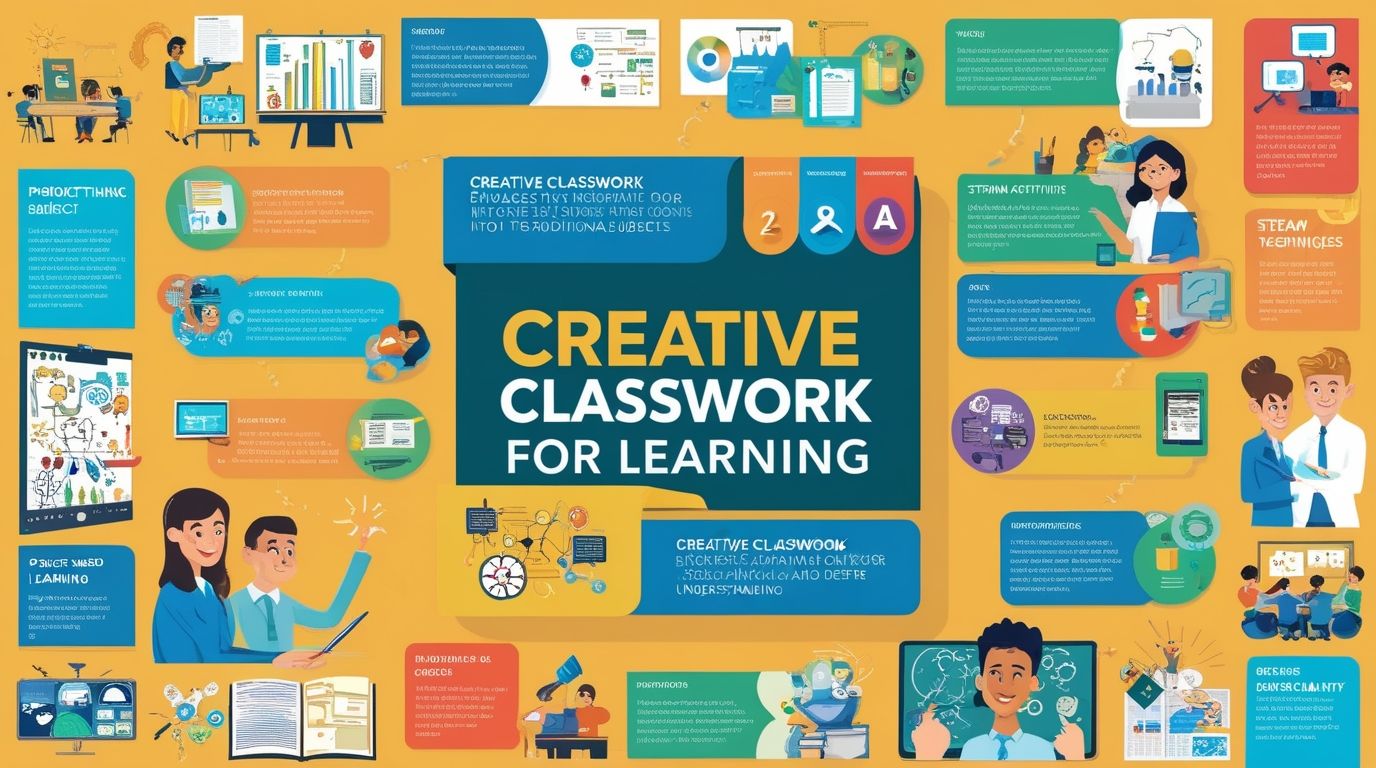
Practical learning experiences in Information Technology education are essential for developing real world competence Teachers should provide hands on activities such as coding database management web development multimedia production hardware maintenance and cybersecurity exercises Project based learning enables students to solve authentic problems design solutions and evaluate outcomes enhancing creativity and collaboration Simulations and case studies connect theory with practice Industry relevant tools and datasets improve authenticity and engagement Gradual progression from simple to complex tasks supports confidence and independence Teachers must provide guidance while encouraging experimentation and innovation Collaborative learning builds communication and teamwork skills essential for professional environments Integration of emerging technologies ensures relevance and adaptability Reflection activities help learners evaluate performance and identify improvement areas Effective practical training prepares students for employment entrepreneurship and further study by developing problem solving skills technical proficiency and ethical awareness in dynamic digital environments that demand continuous learning and.
Inclusive and Equitable Teaching Practices in IT Education
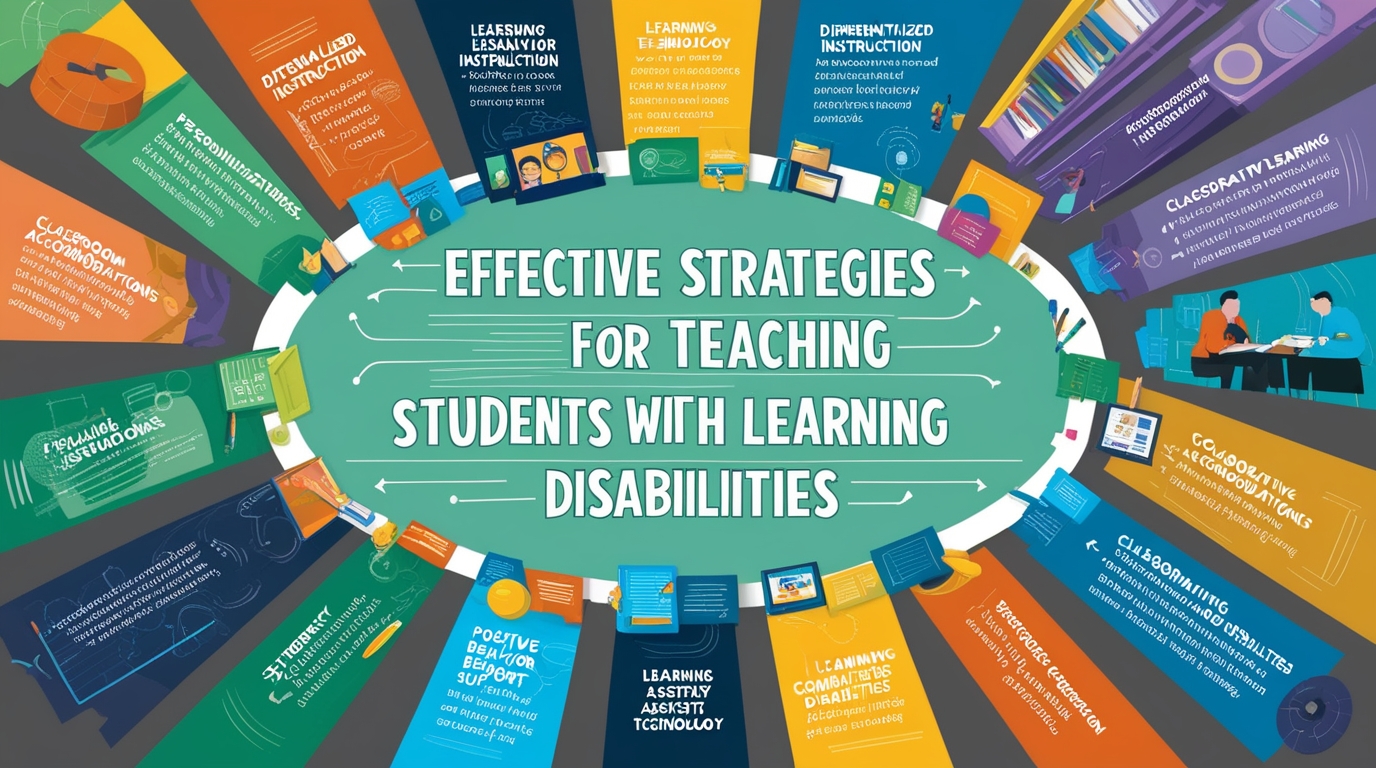
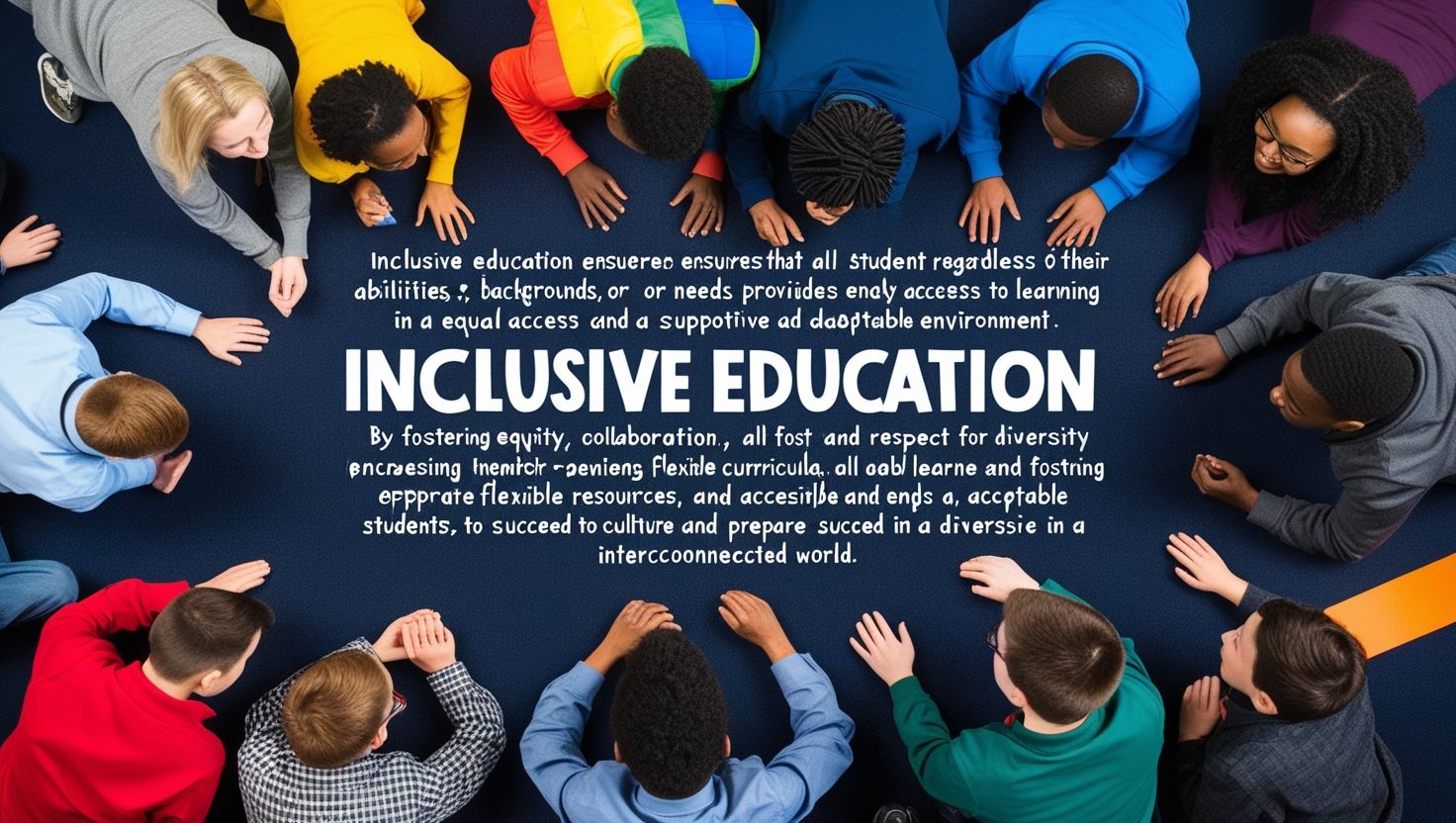
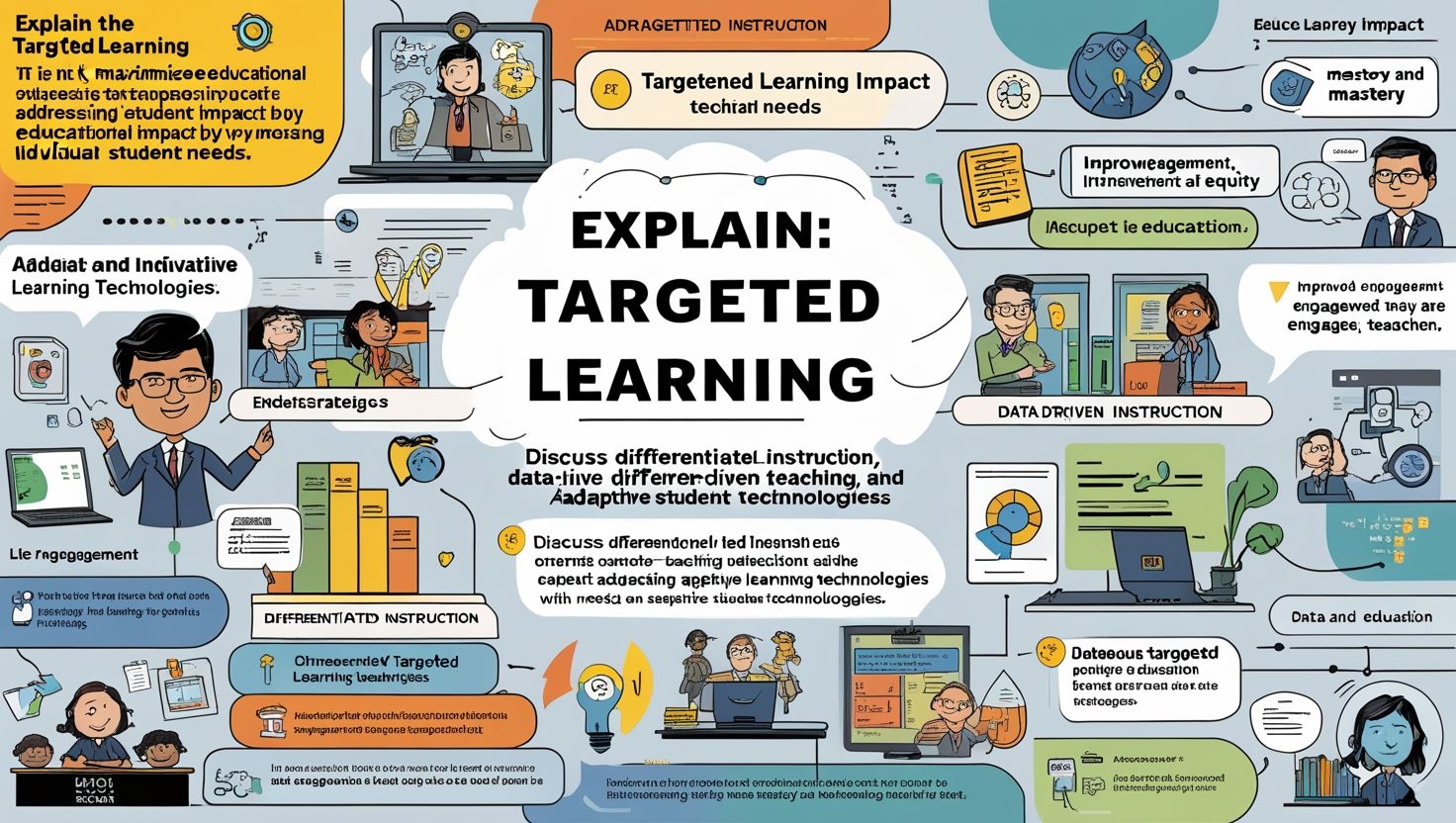
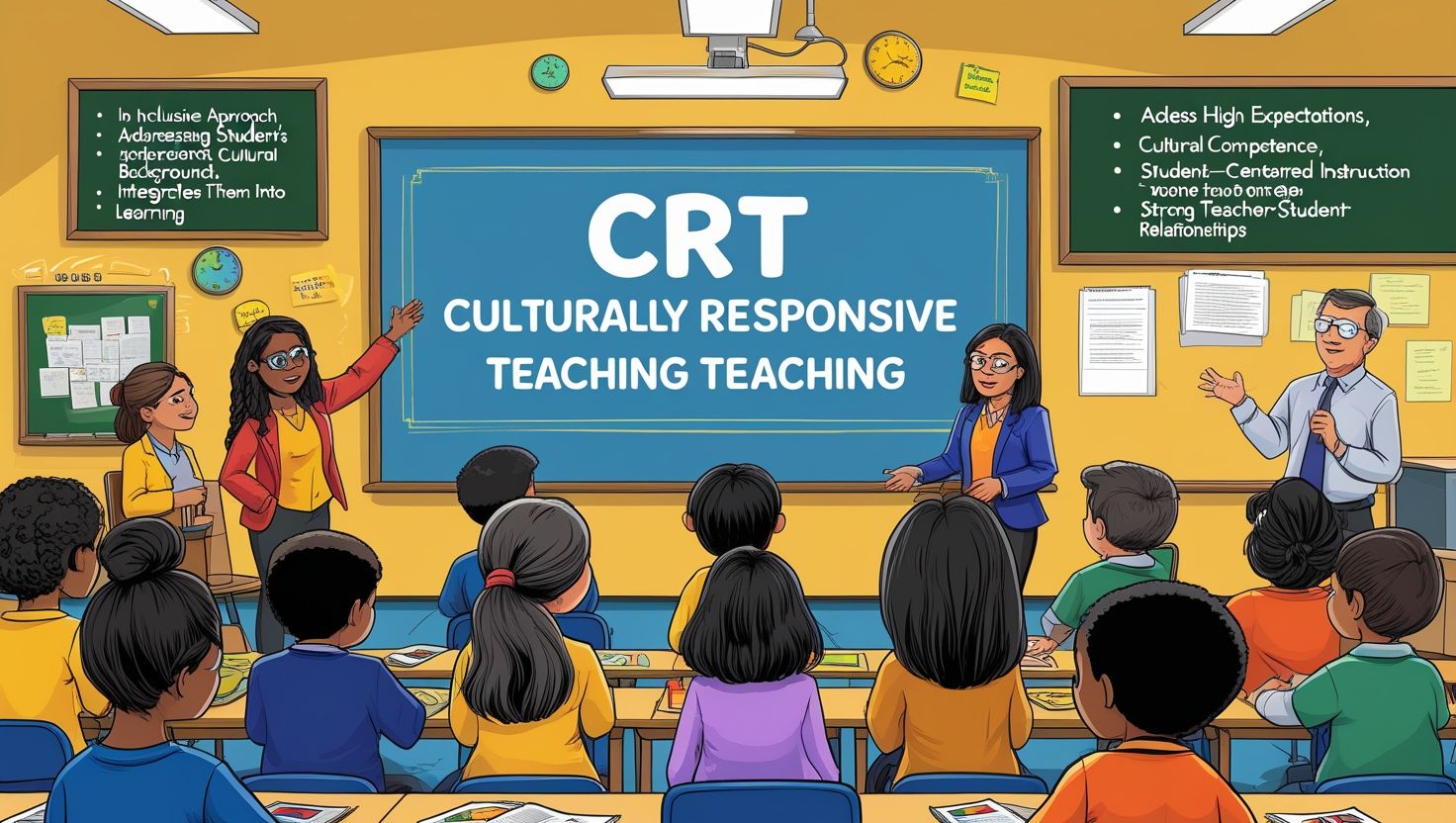
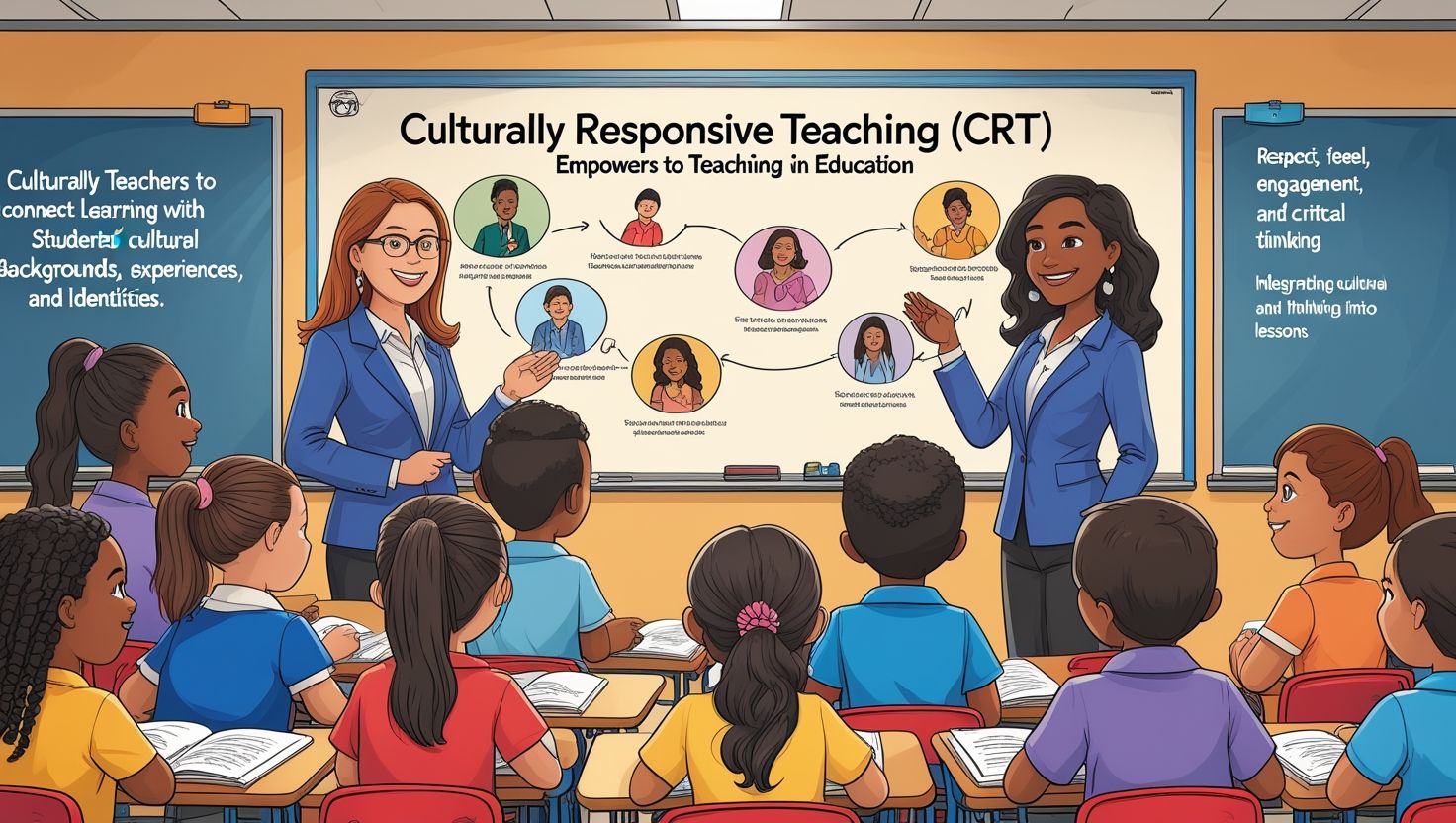
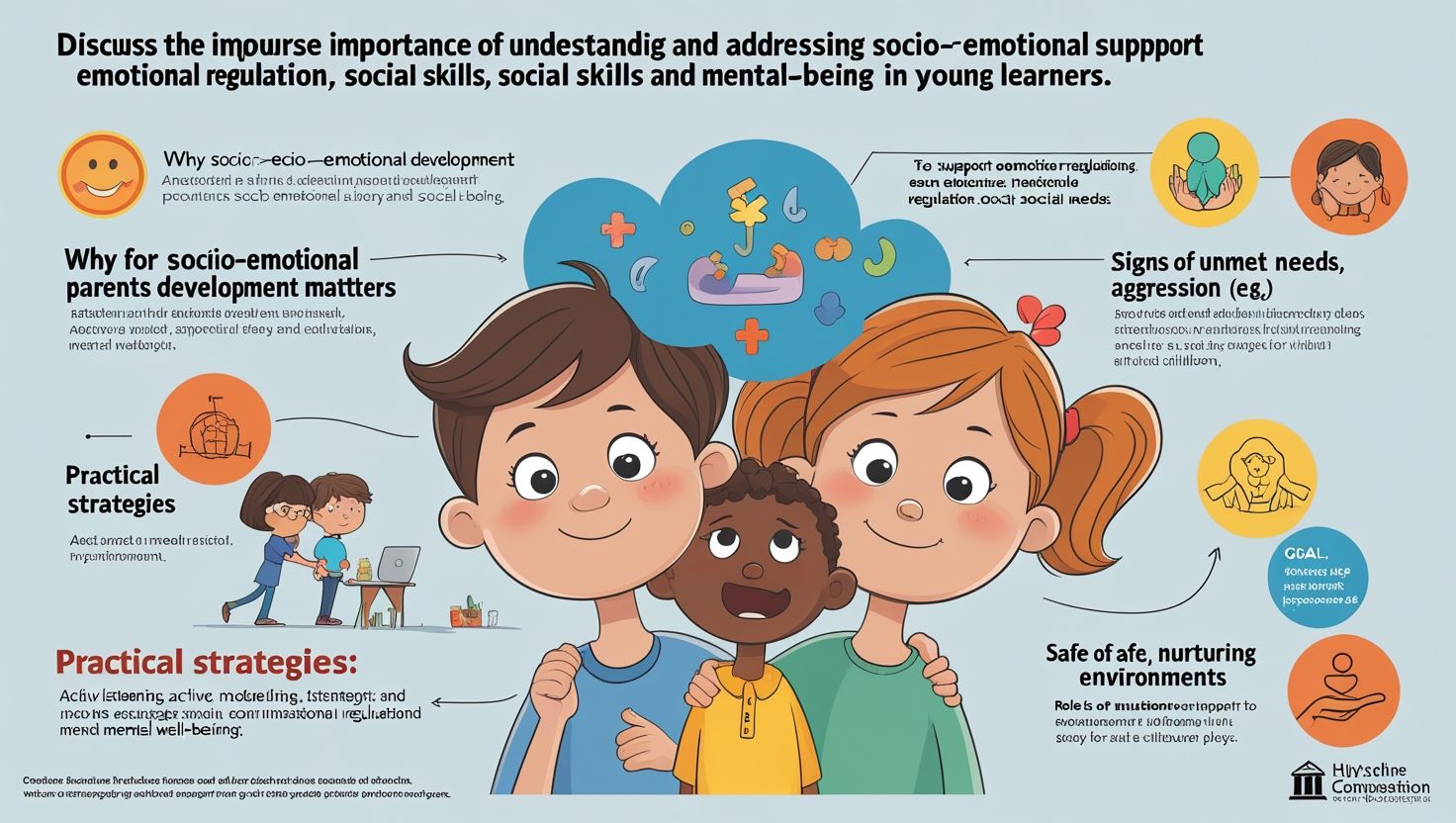
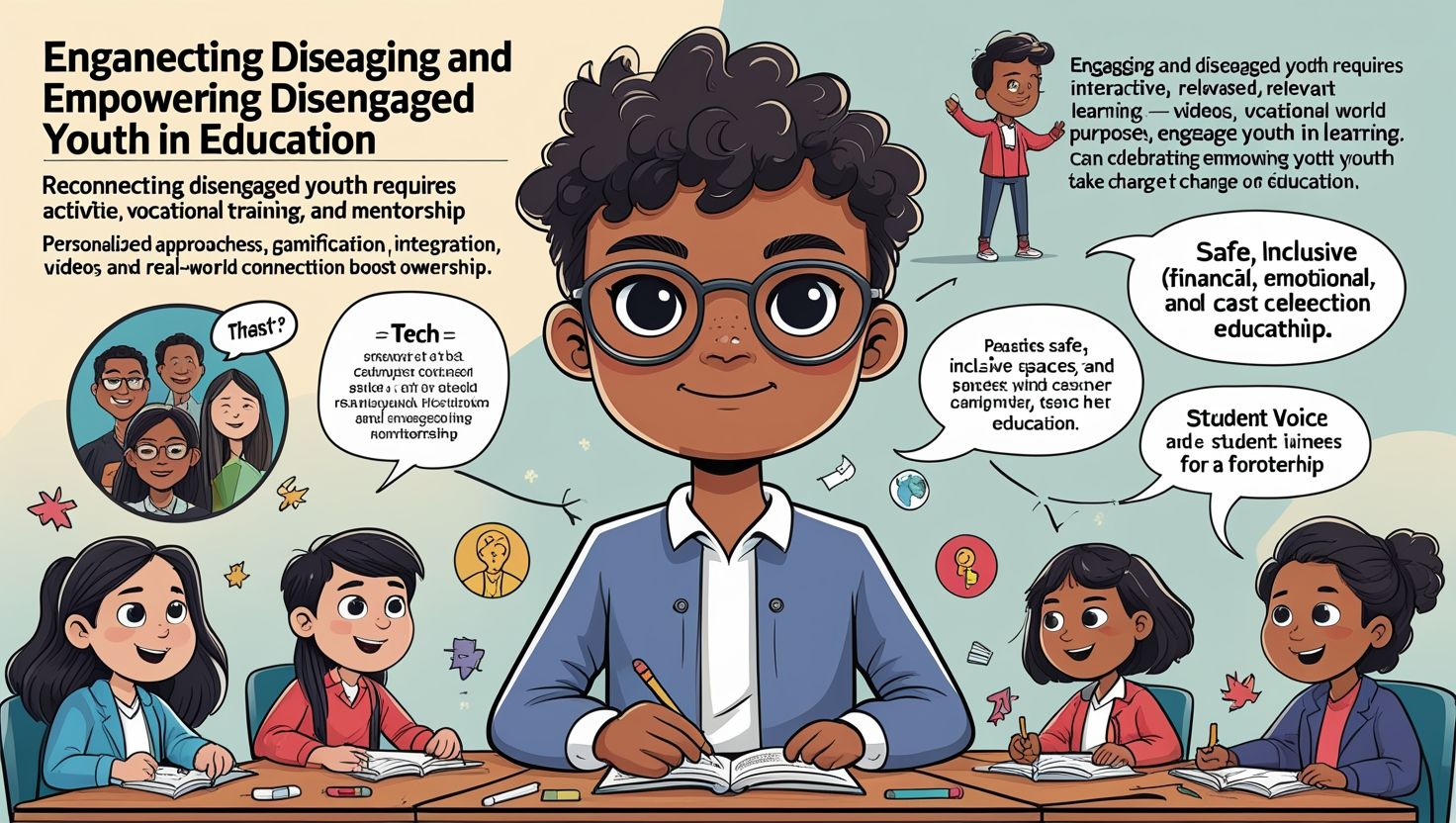
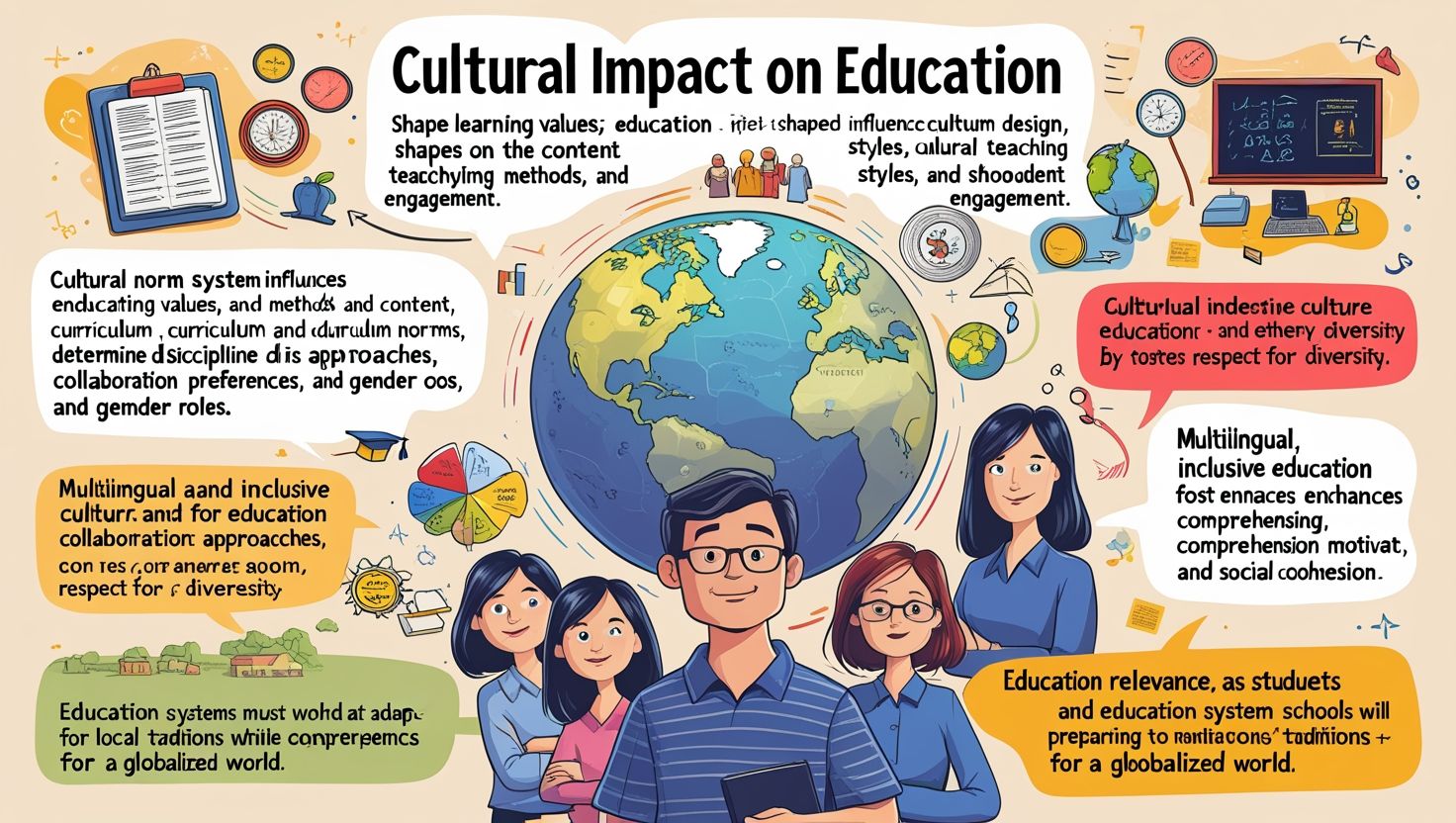
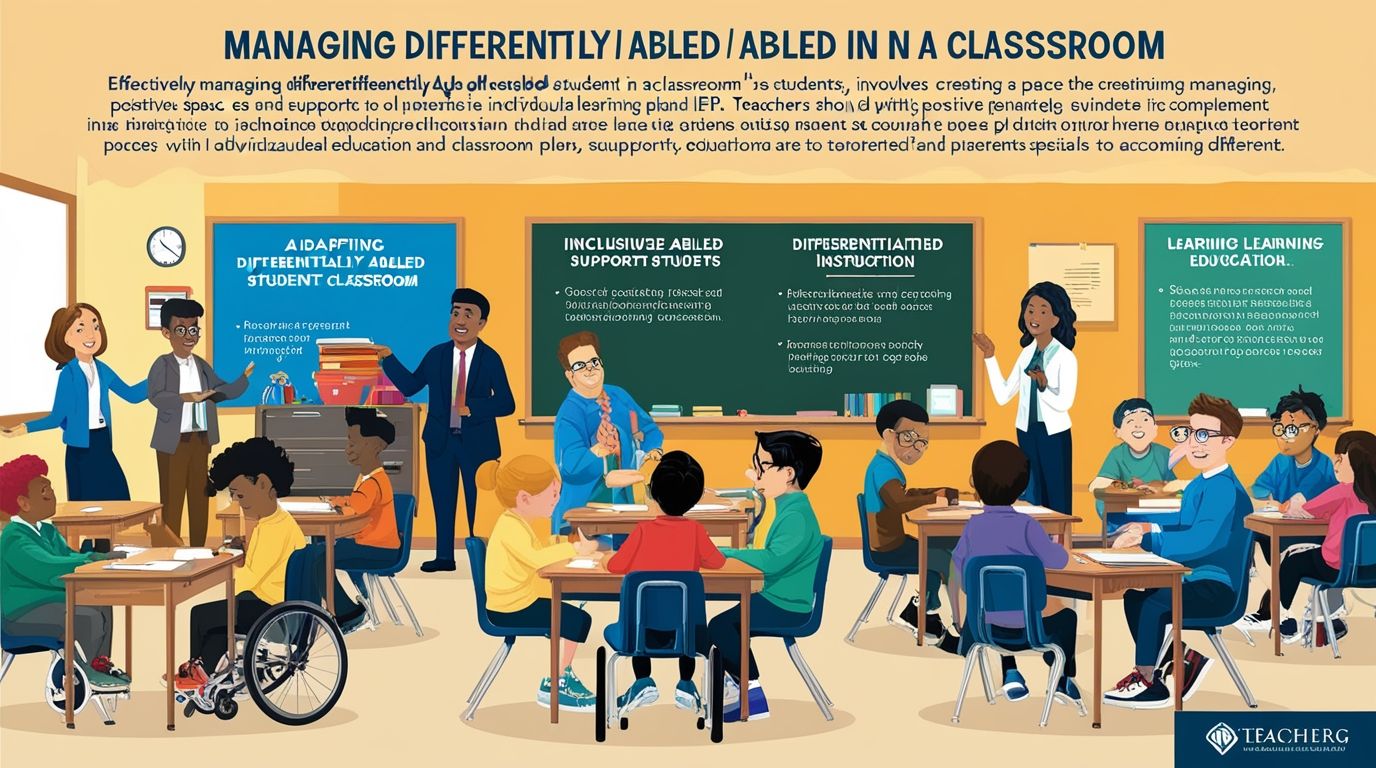
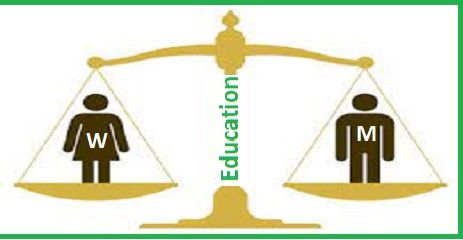
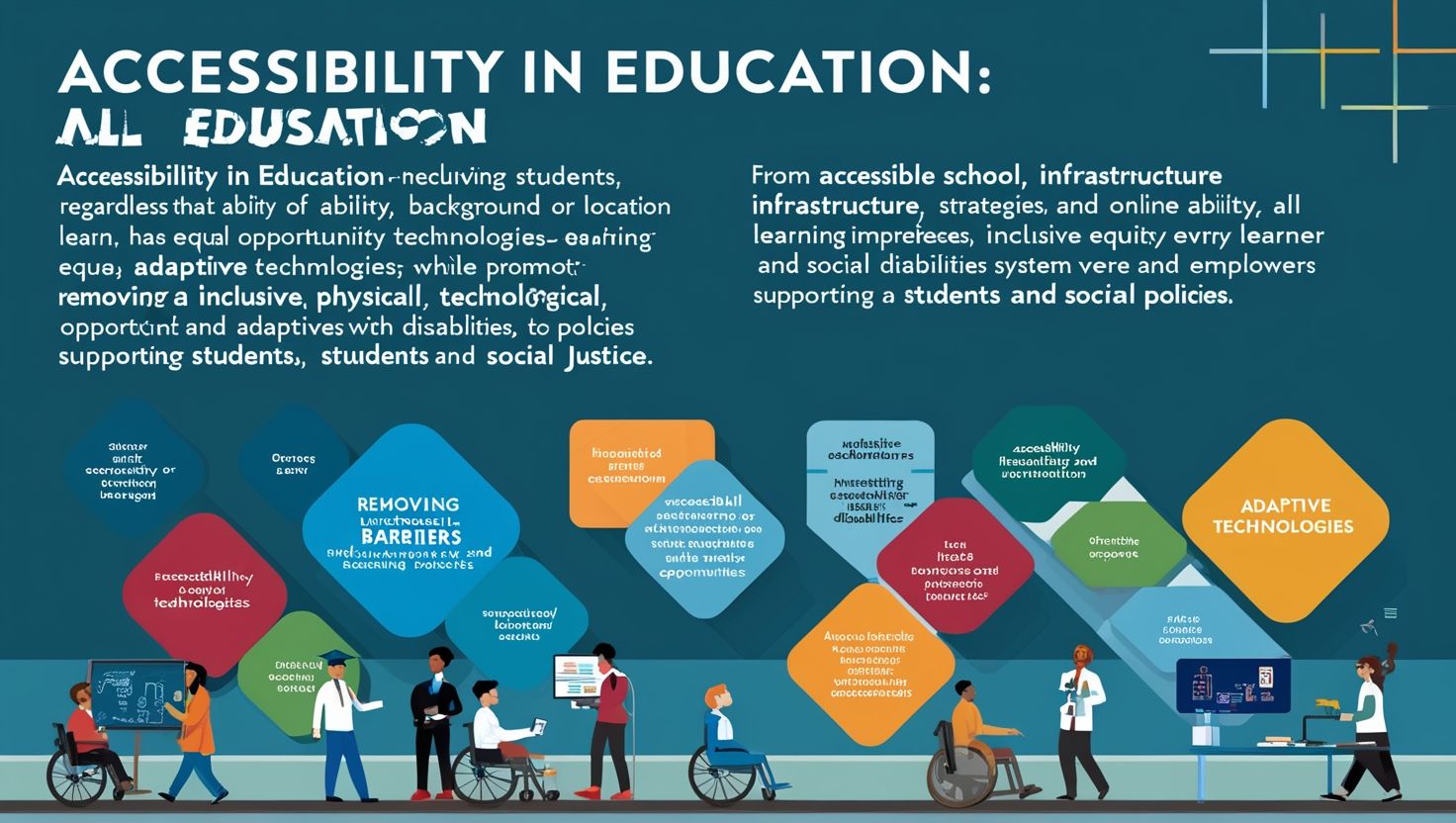
Inclusive teaching practices in Information Technology education ensure equitable access for learners from diverse backgrounds abilities and experiences Teachers should identify barriers to participation and provide accommodations differentiated instruction and multiple learning pathways Universal design principles enhance accessibility through clear instructions flexible resources and assistive technologies Encouraging collaboration and active participation promotes engagement and confidence among all students regardless of prior experience Representation in curriculum content should reflect diverse communities and contributions to technology Regular communication with learners families and support staff ensures coordinated support Teachers should value student strengths and promote autonomy while maintaining high expectations Inclusive classrooms foster respect empathy belonging and motivation Adaptive teaching strategies help address individual needs while maintaining academic rigor Equity focused practices improve retention participation and success rates Collaboration and peer support enhance social learning and communication skills Inclusive environments prepare learners for participation in global digital communities by ensuring fairness.
Technology Integration and Digital Citizenship
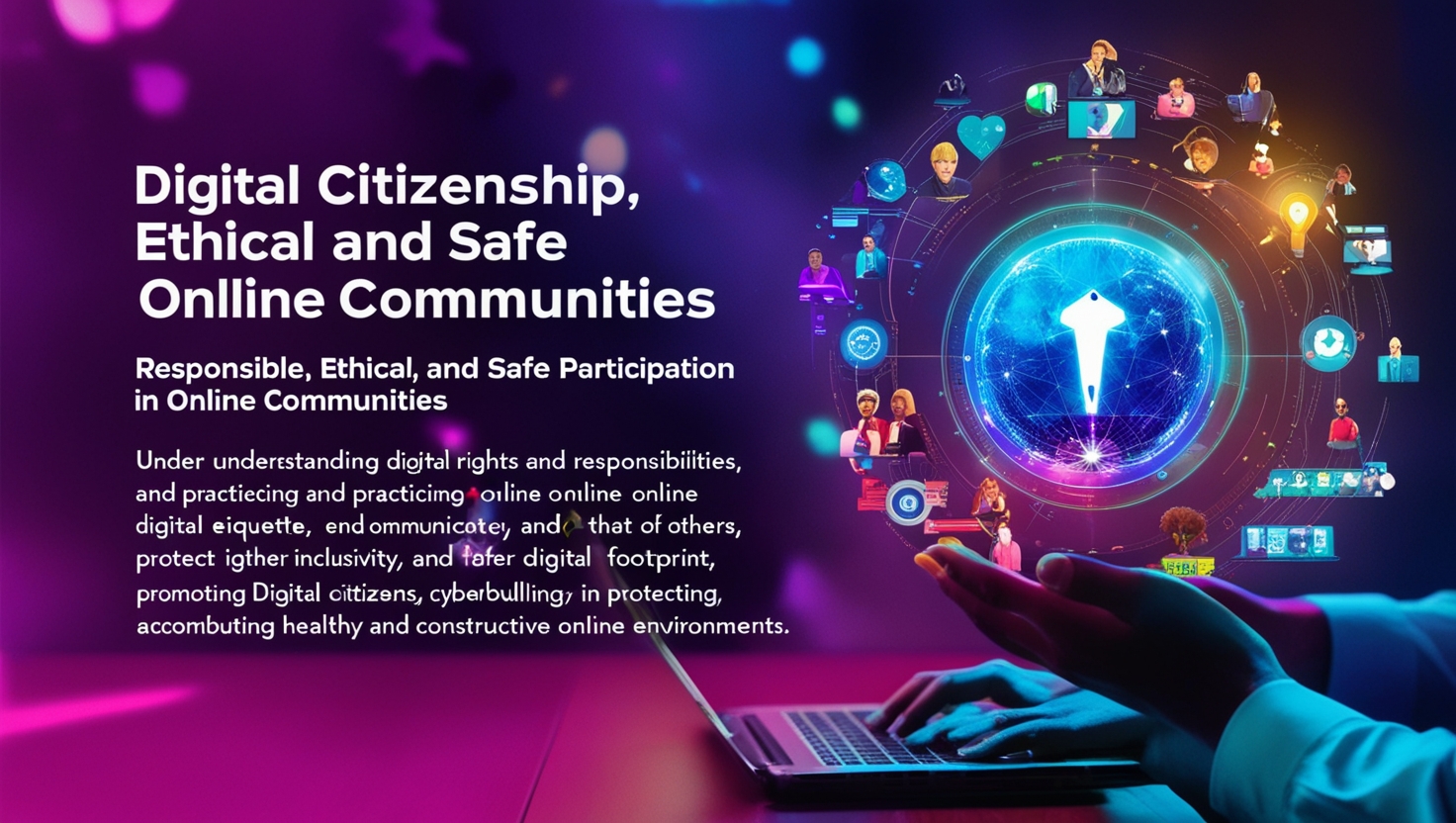
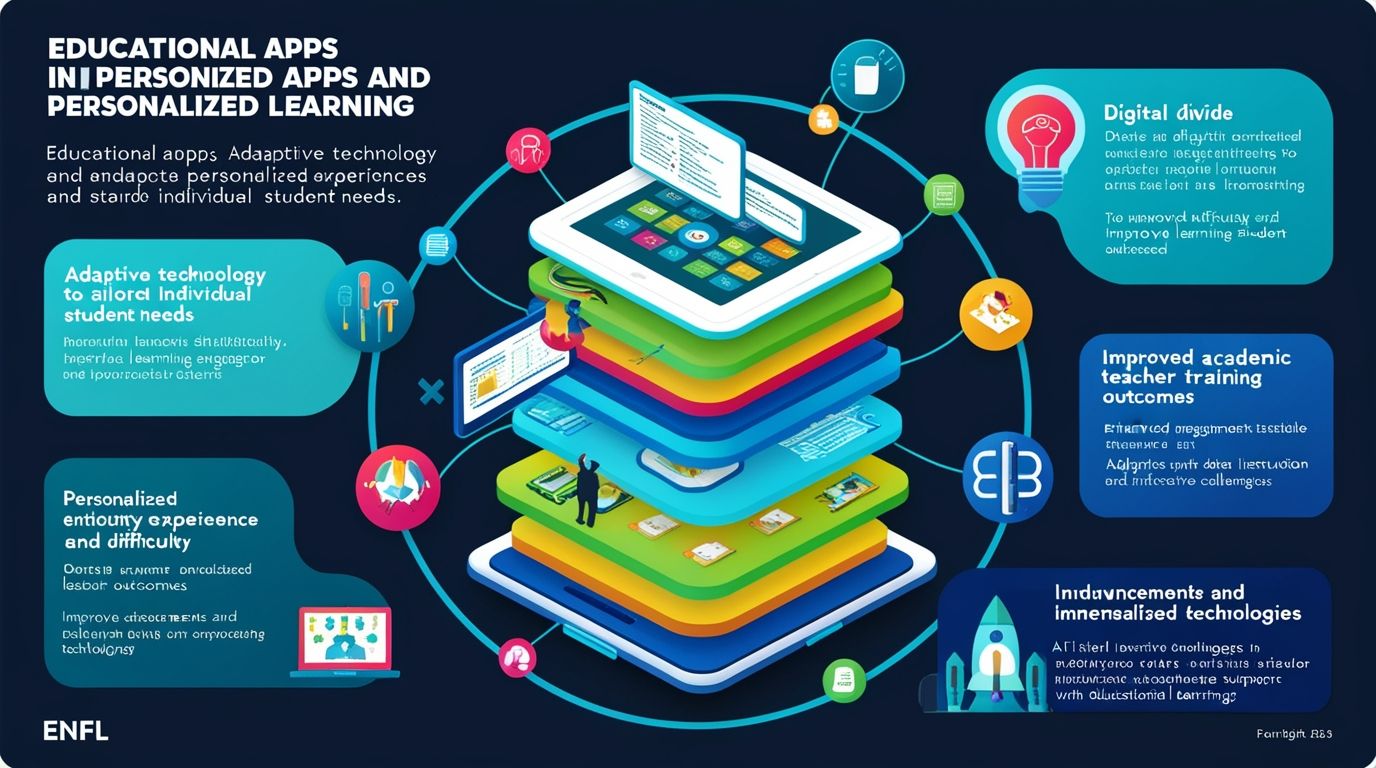
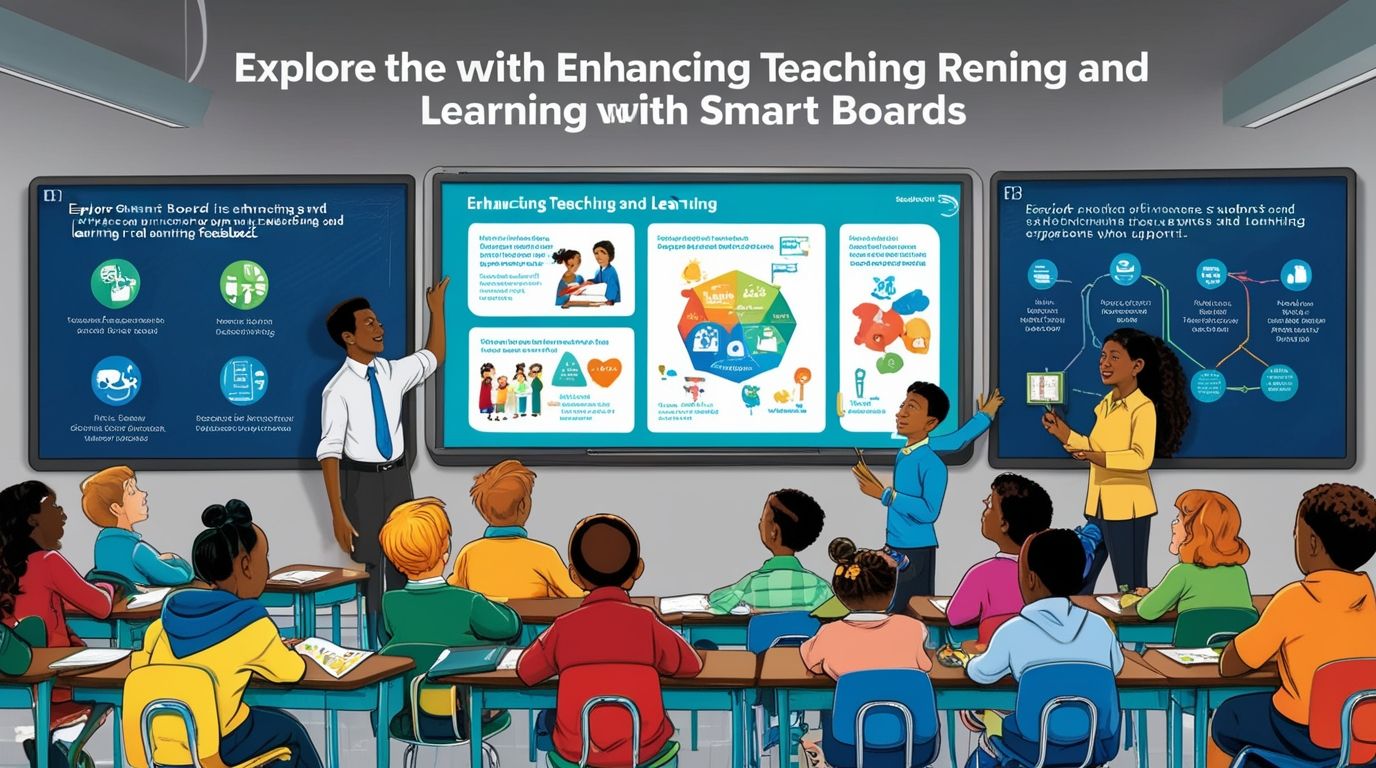
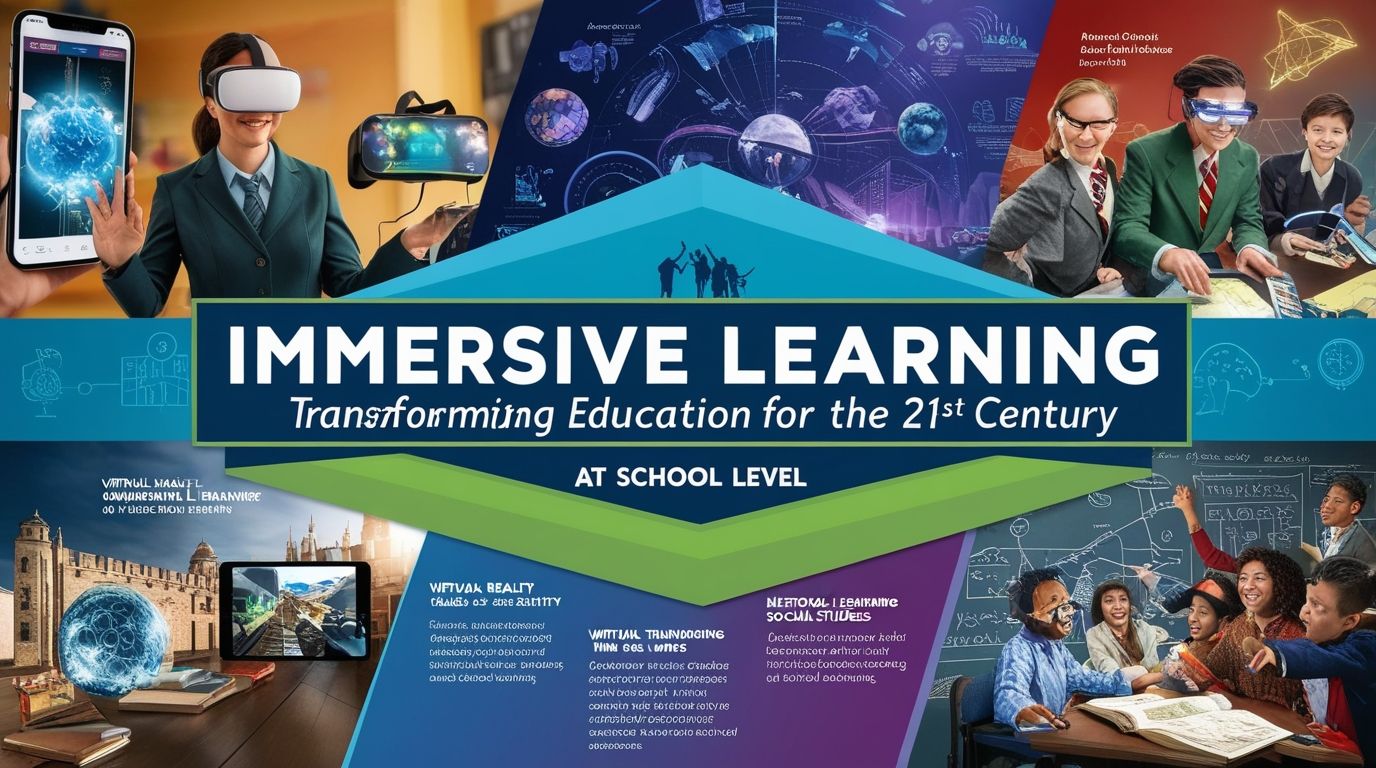
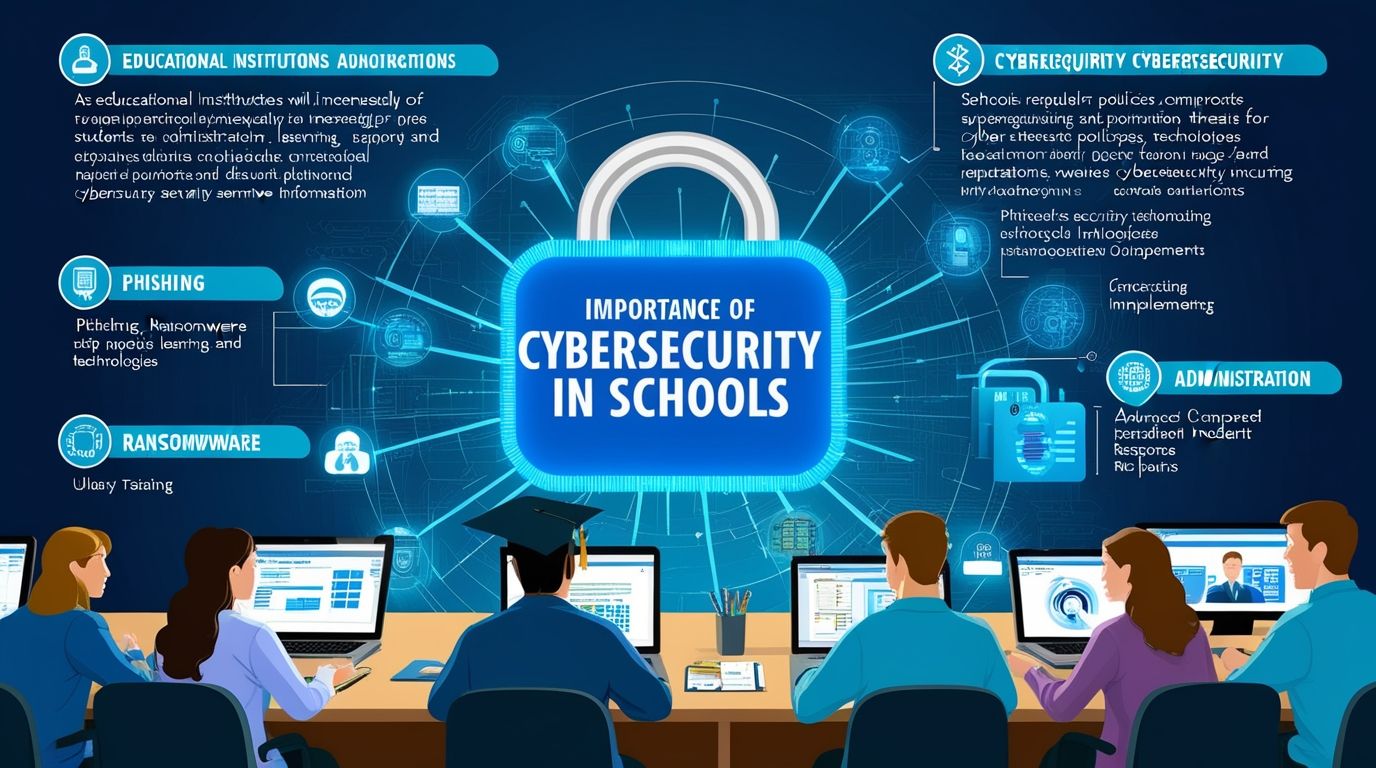
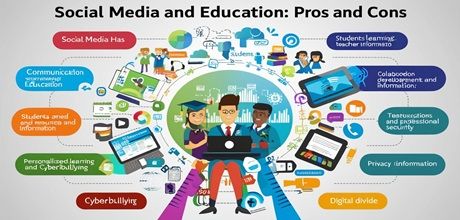
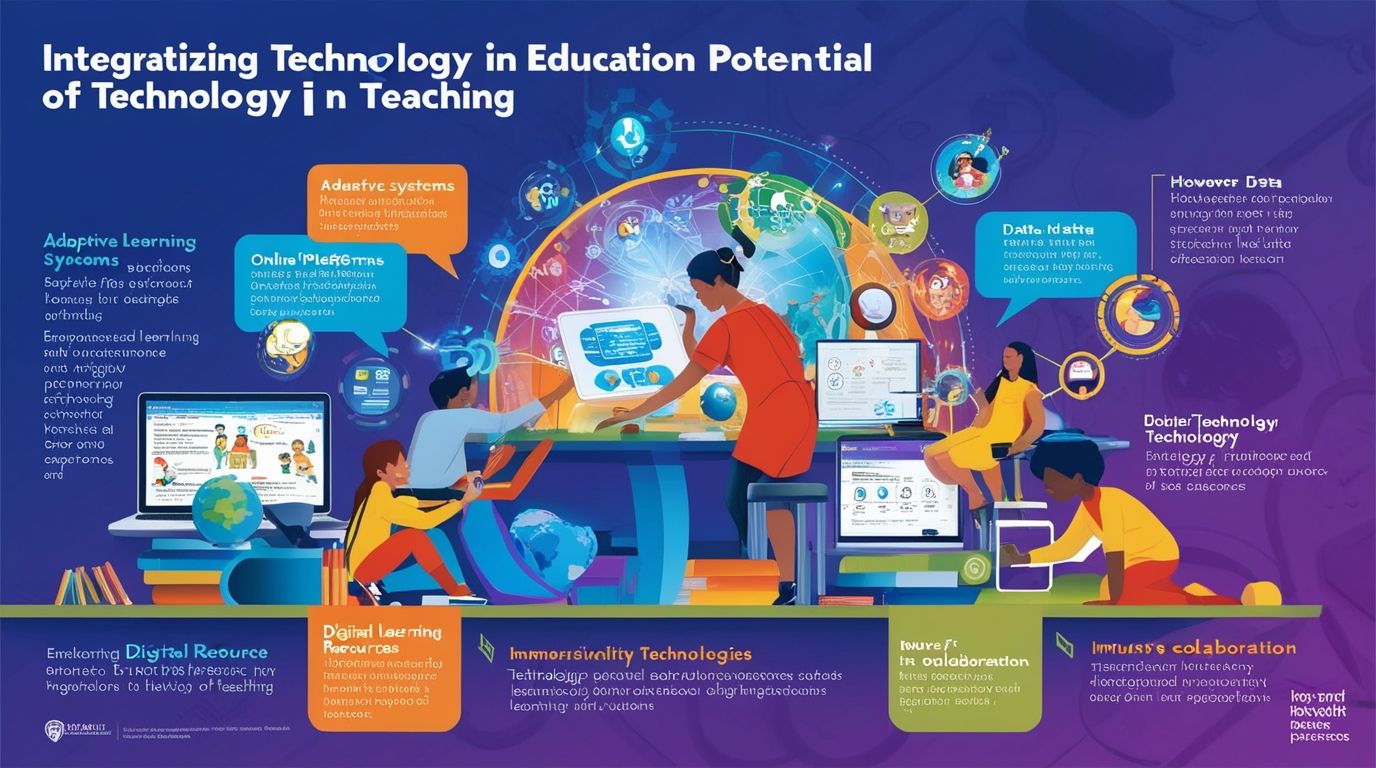
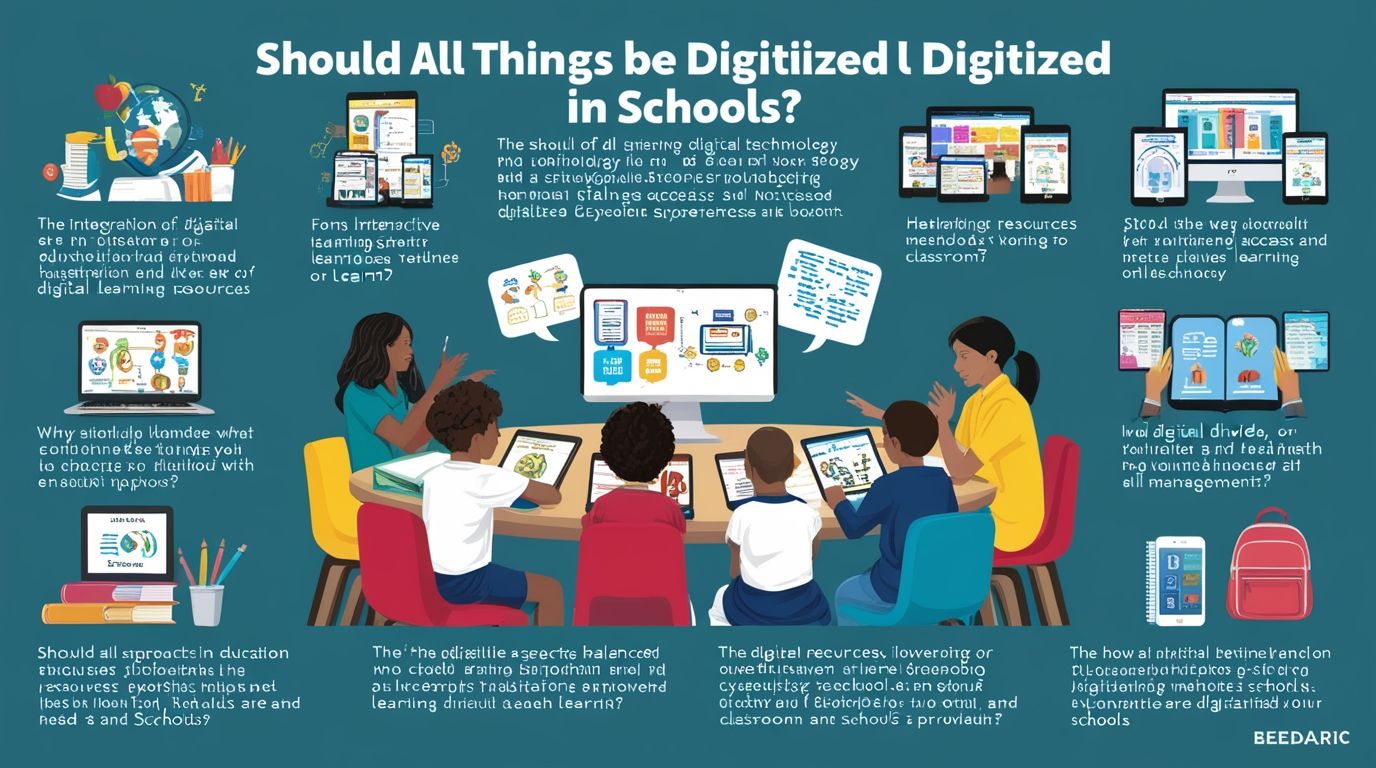
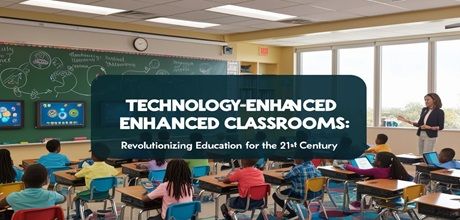
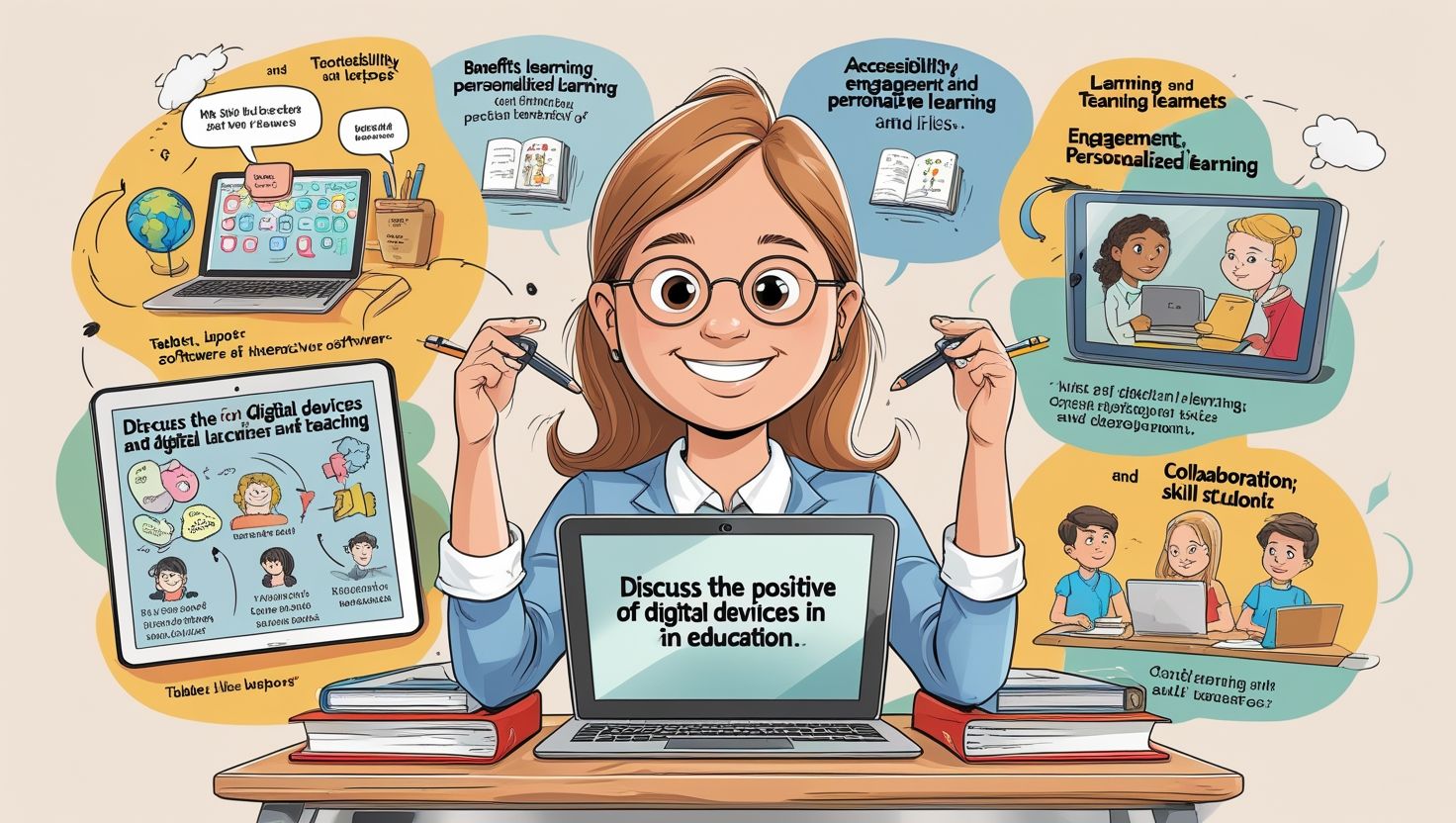
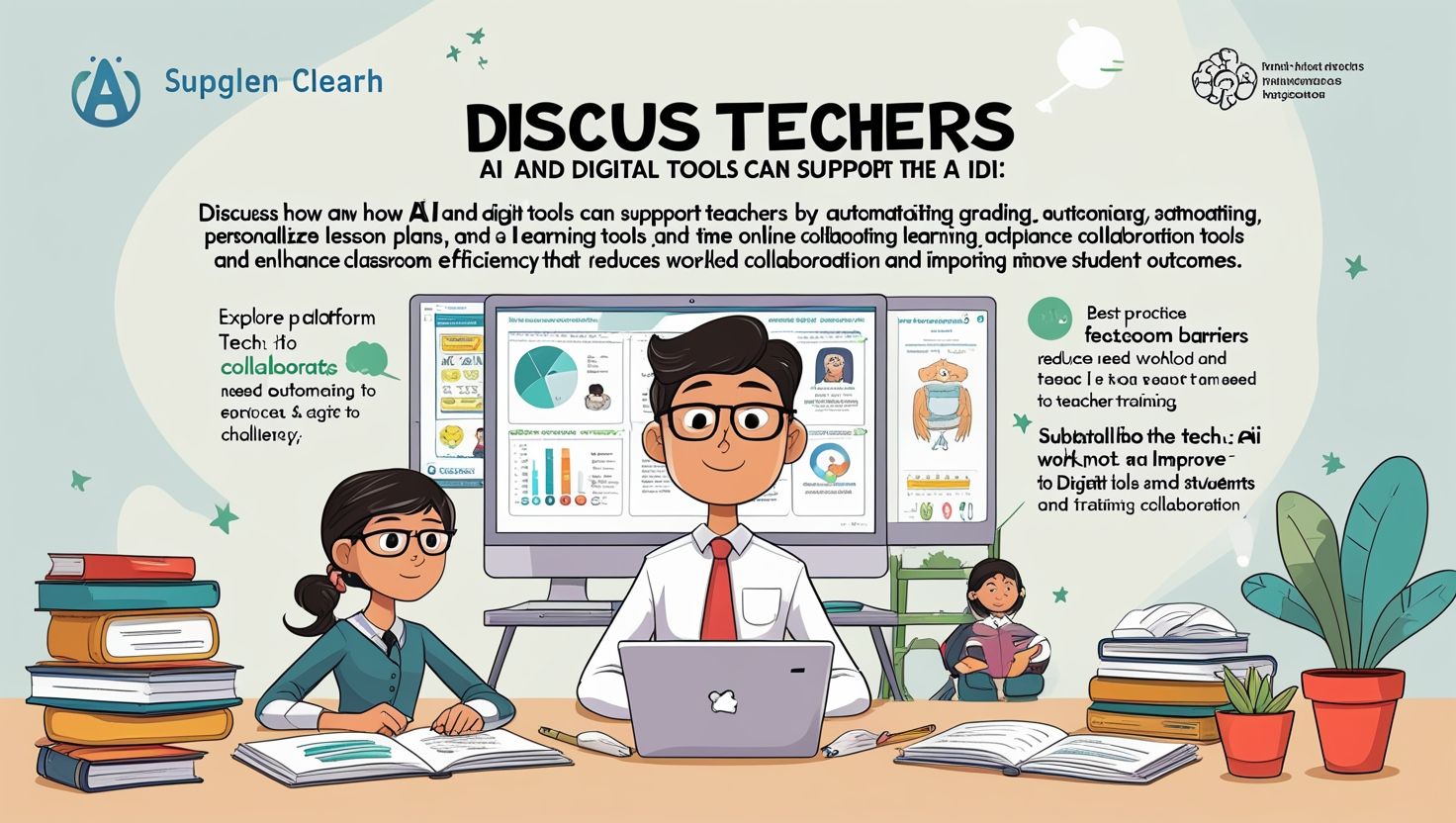
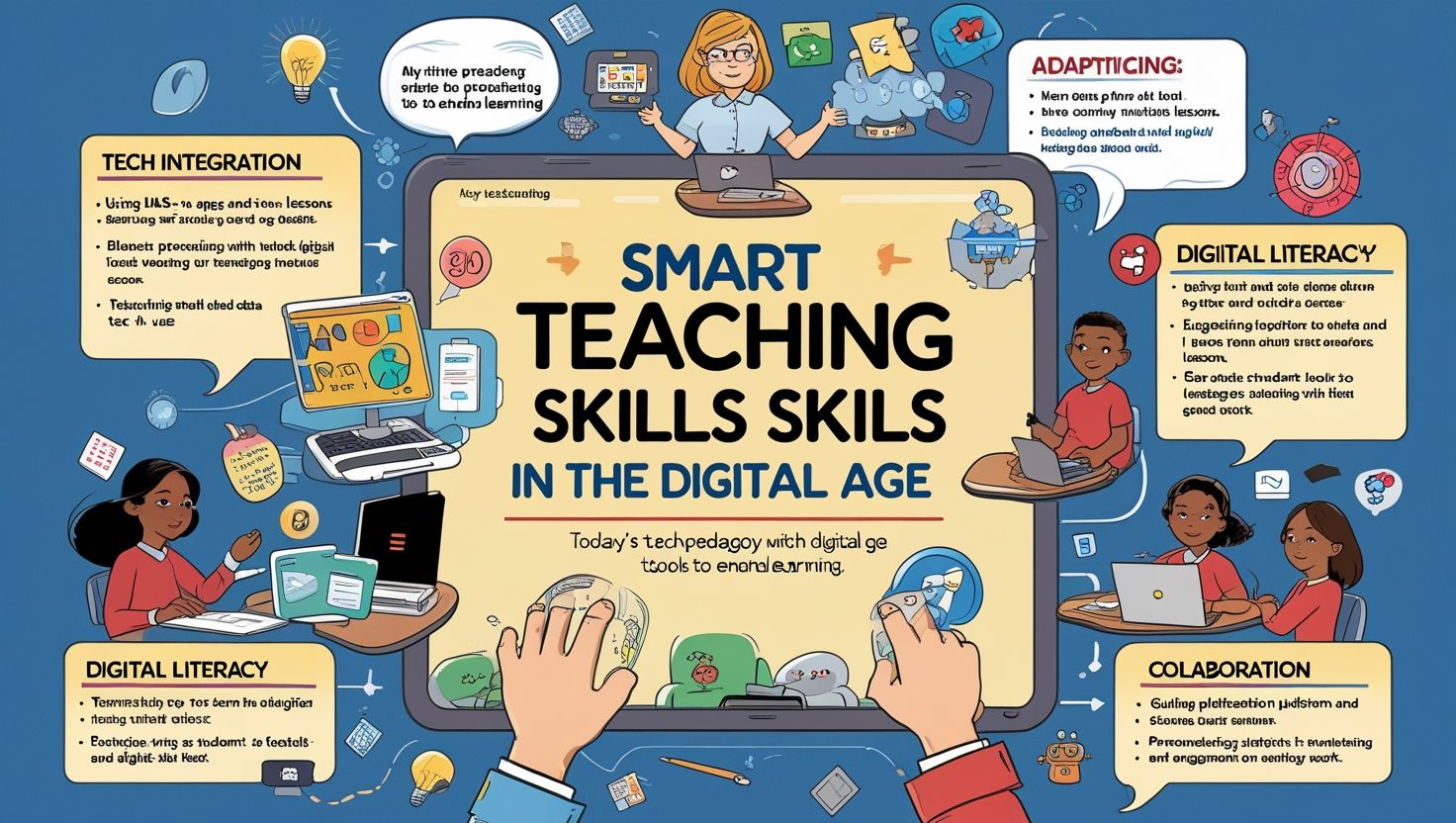
Technology integration in Information Technology education requires purposeful selection of digital tools that enhance learning outcomes Teachers should evaluate software platforms devices and online resources based on pedagogical value accessibility security and reliability Effective integration supports collaboration creativity communication and personalized learning experiences Students must also learn to evaluate information critically manage data responsibly and understand cybersecurity risks Teachers should model ethical technology use including privacy protection and digital citizenship Instruction should balance technical skills with critical thinking and problem solving abilities Emerging technologies such as cloud computing artificial intelligence and virtual platforms can enhance engagement when used effectively Integration must remain aligned with curriculum goals ensuring that technology serves pedagogy rather than distracting from learning objectives Digital literacy is essential for participation in modern academic and professional environments Teachers should continuously update their skills to remain current with technological advancements and support student success in rapidly evolving digital ecosystems.
Professional Development for Information Technology Teachers
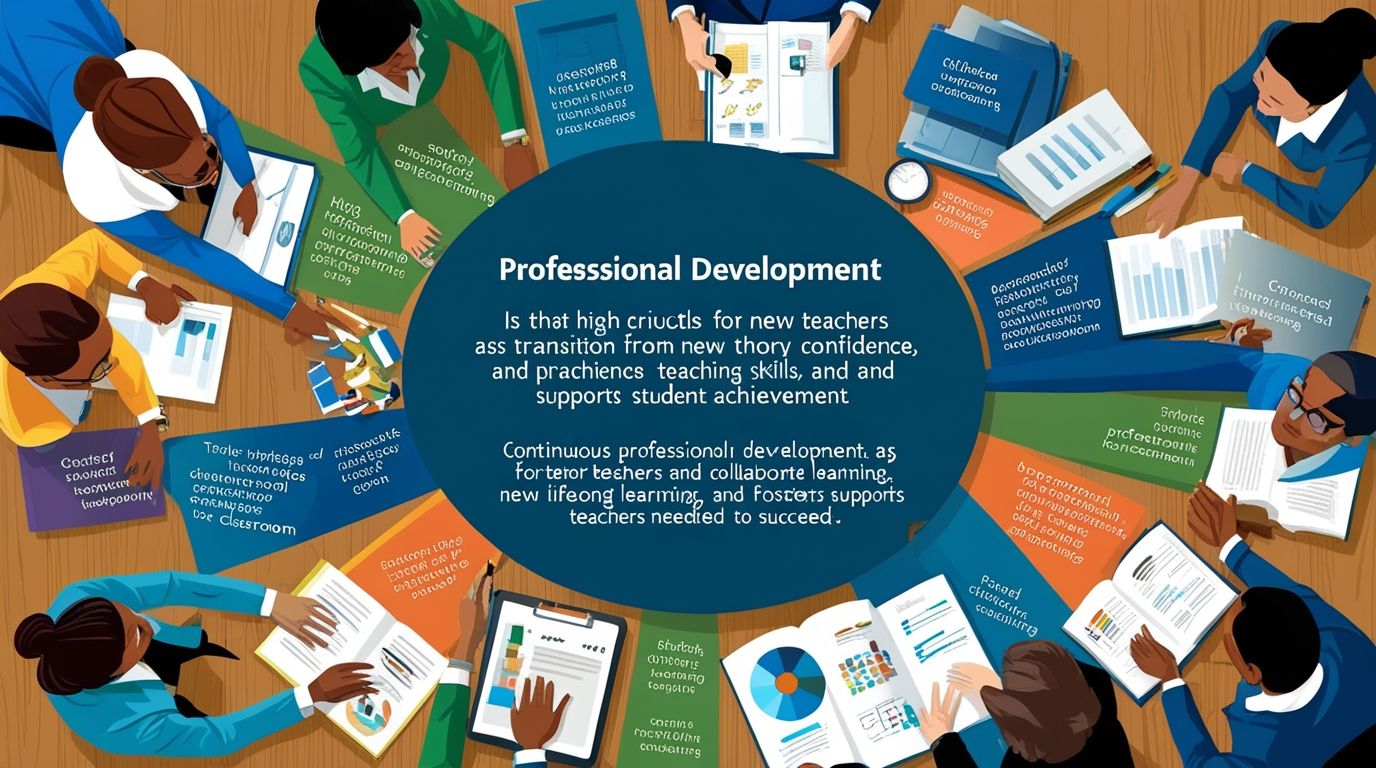
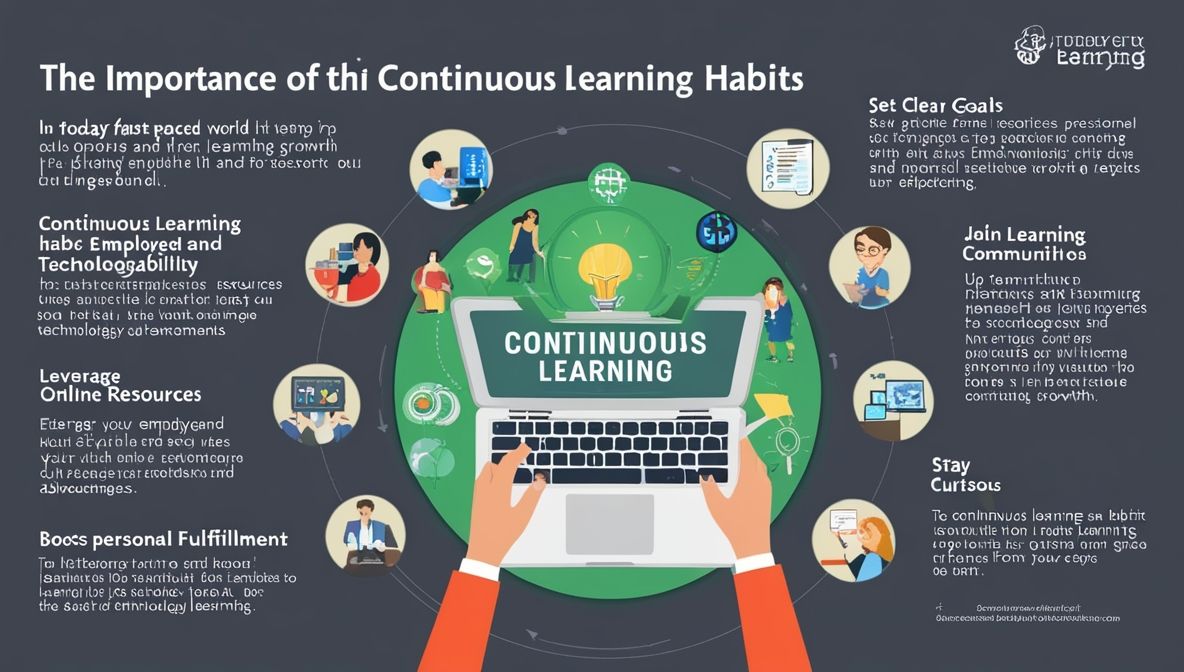
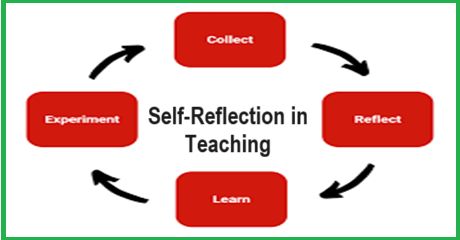
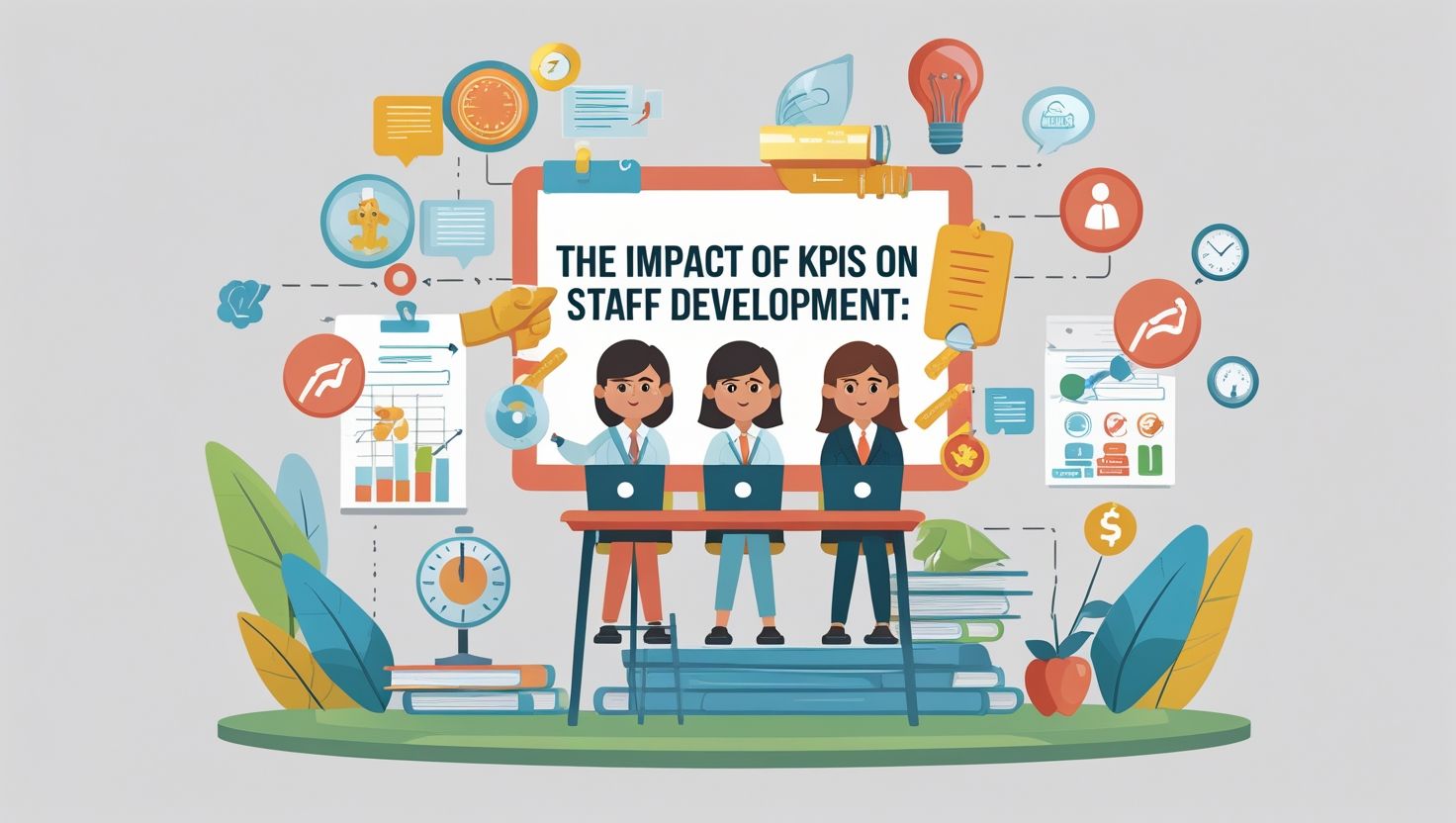
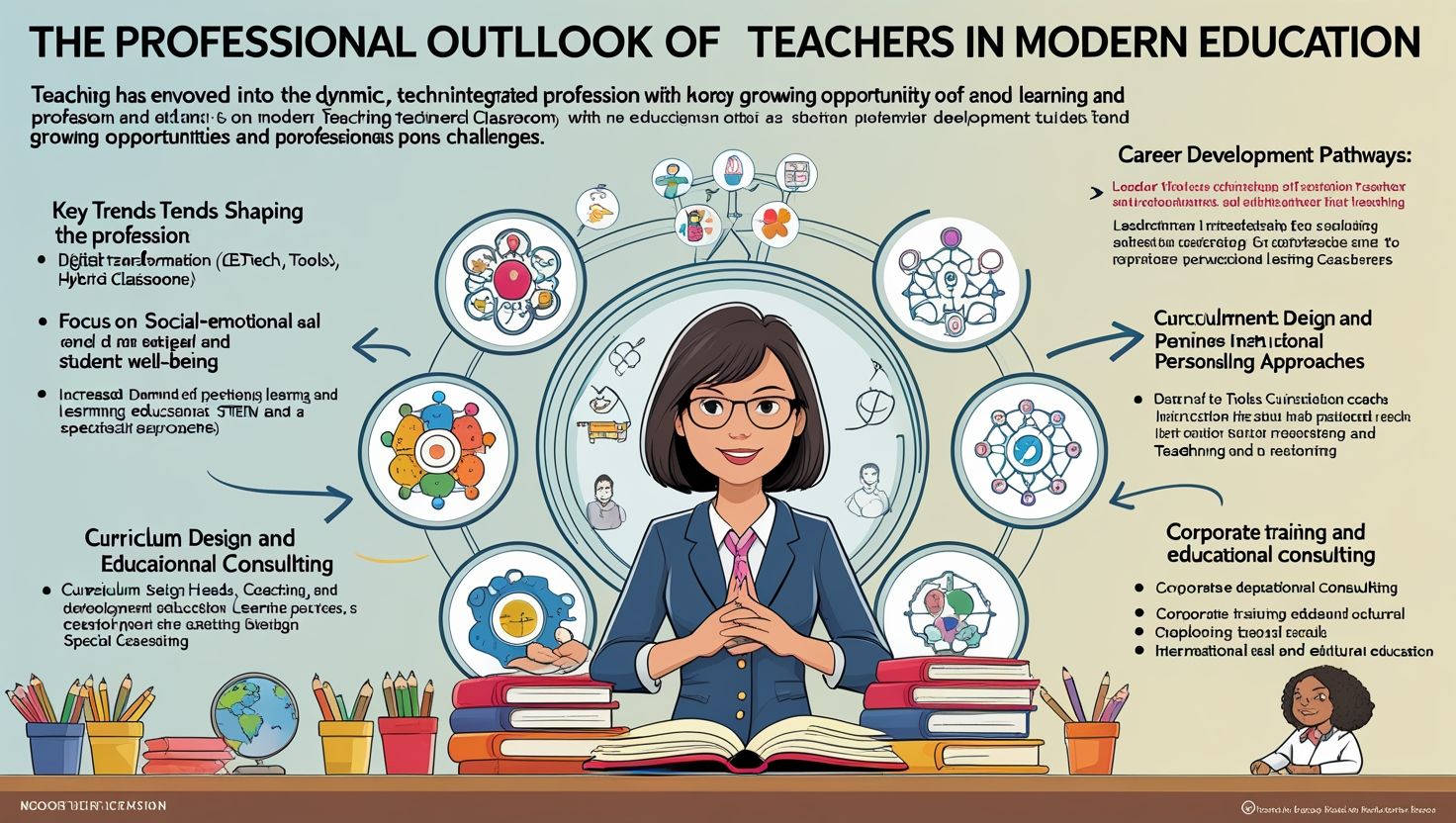
Professional development for Information Technology teachers is essential due to the rapid evolution of digital tools and educational practices. Educators should engage in continuous learning through workshops certifications conferences and professional networks Collaboration with peers enables sharing of strategies and innovative practices. Reflective practice supports evaluation of teaching effectiveness and student outcomes. Teachers should set professional goals and monitor progress regularly. Engagement with industry partners provides insight into emerging technologies and workforce expectations. Research based learning communities enhance instructional quality Professional development also strengthens leadership skills curriculum design abilities and mentoring capacity. Lifelong learning ensures teachers remain current and adaptable in a changing technological landscape. Access to online training resources increases flexibility and participation. Effective development improves instructional quality learner engagement and institutional performance. Teachers who continuously develop professionally better equipped to support student achievement innovation and critical thinking in modern educational environments across global contexts today.
Collaboration and Partnership in Technology Education
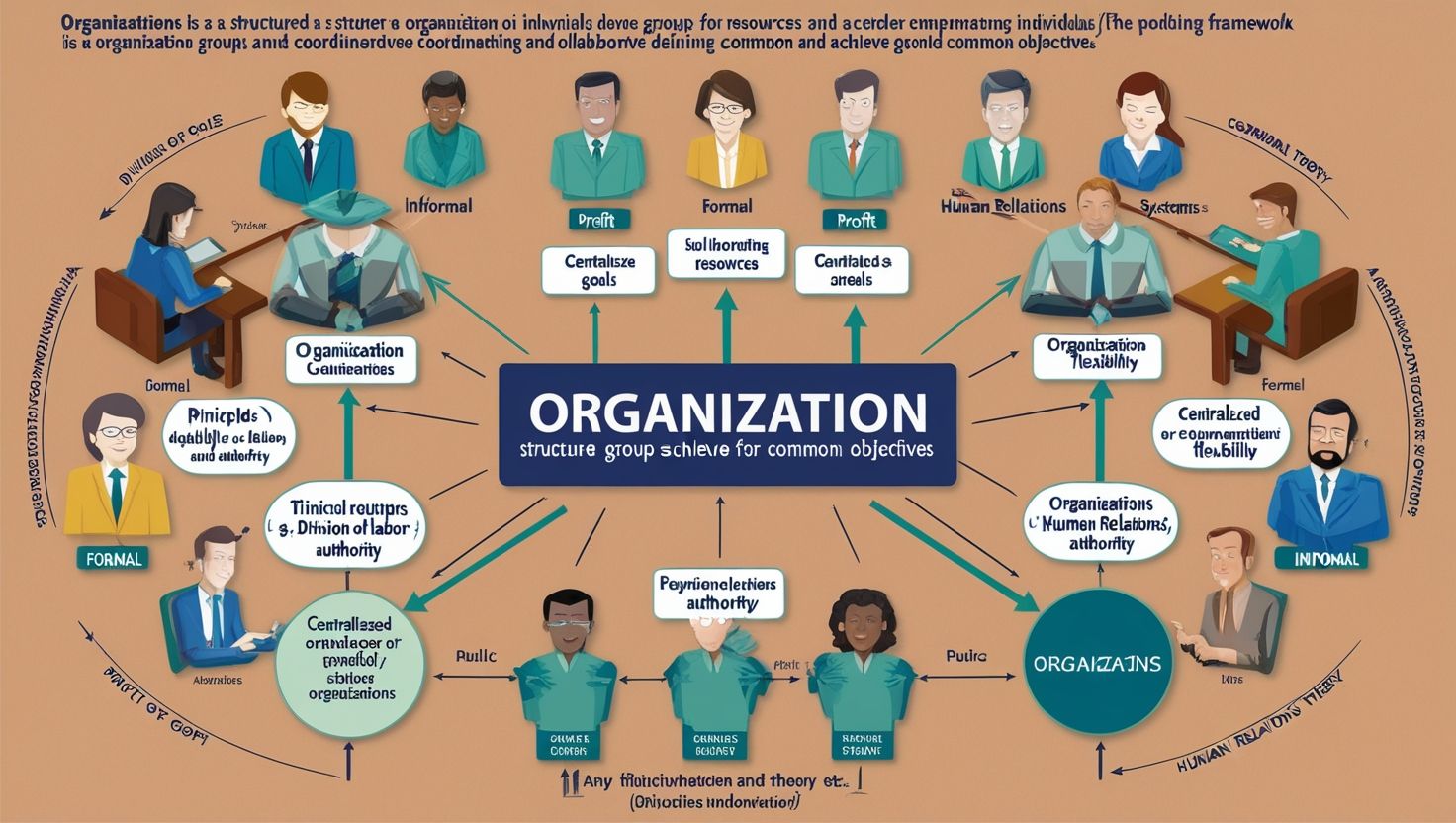
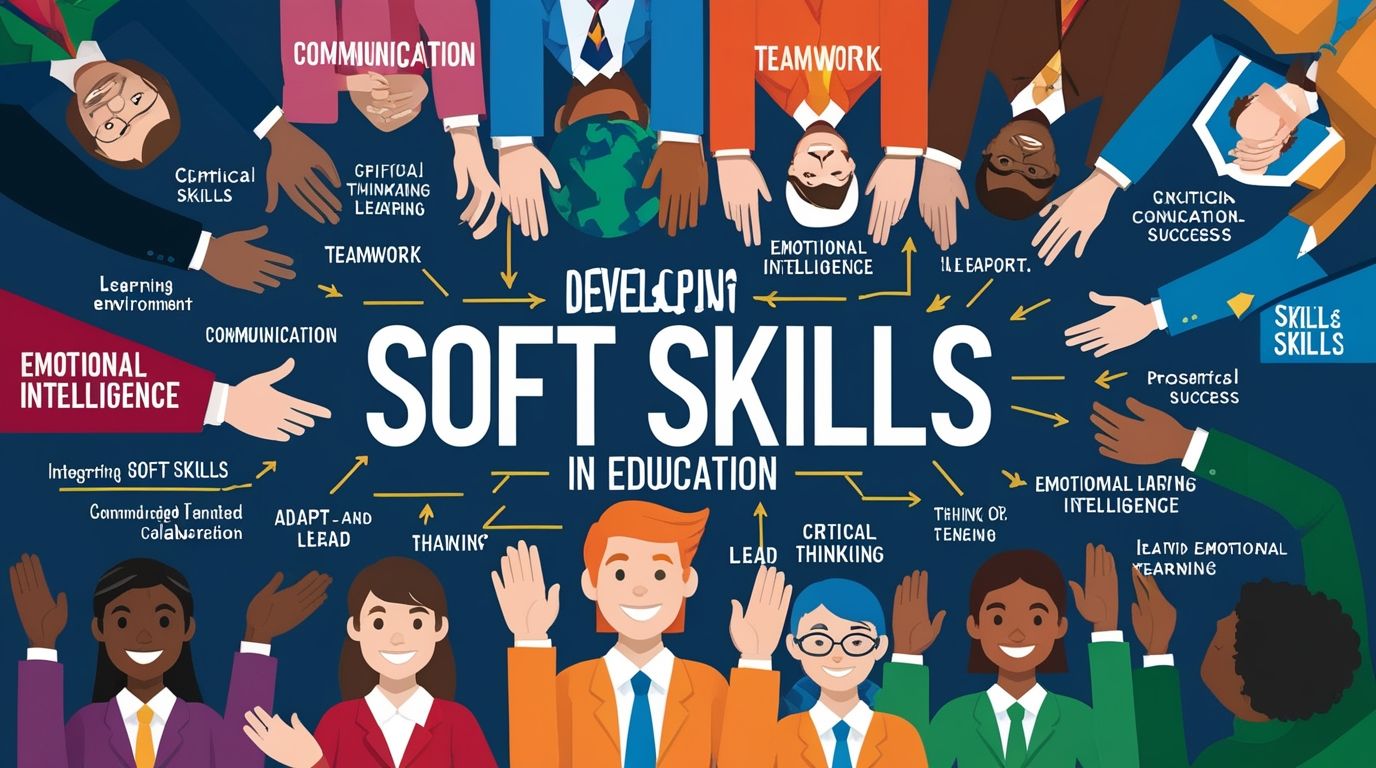
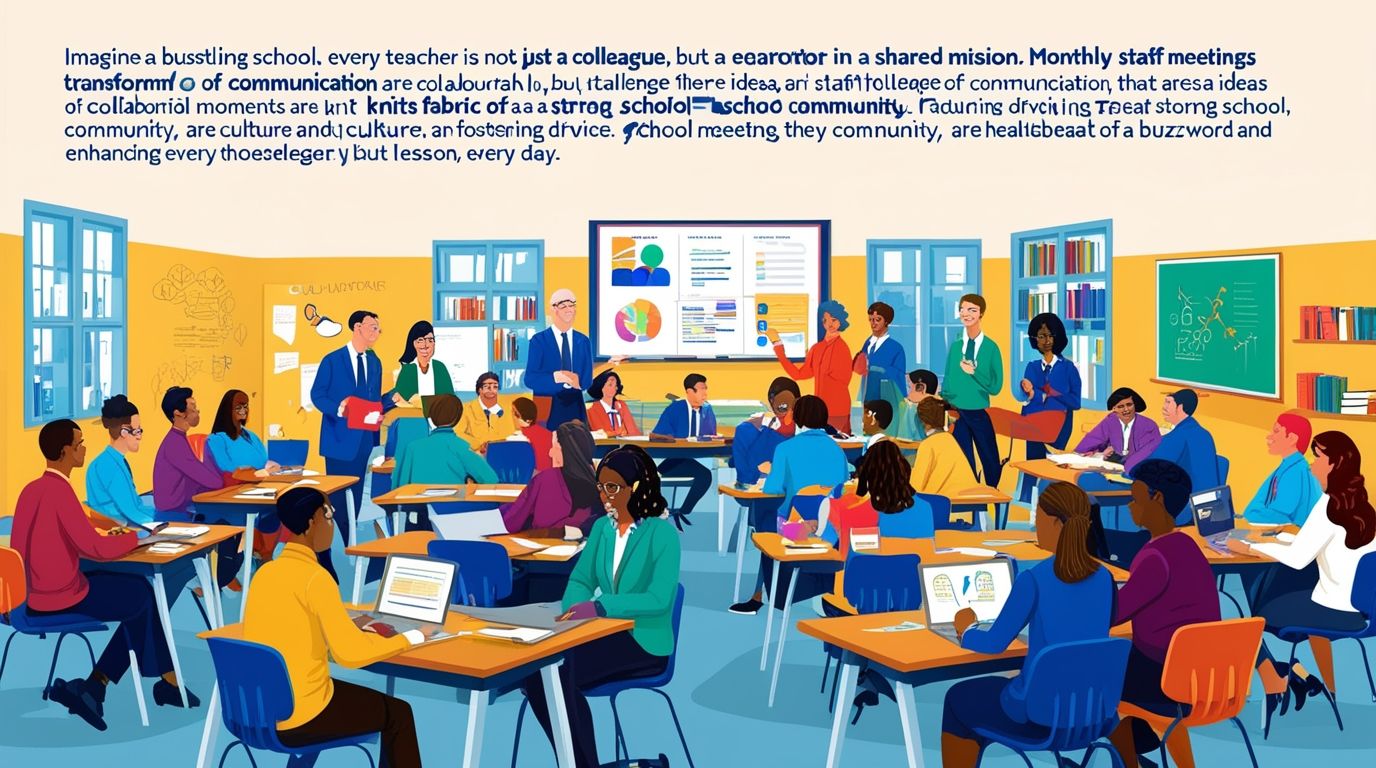
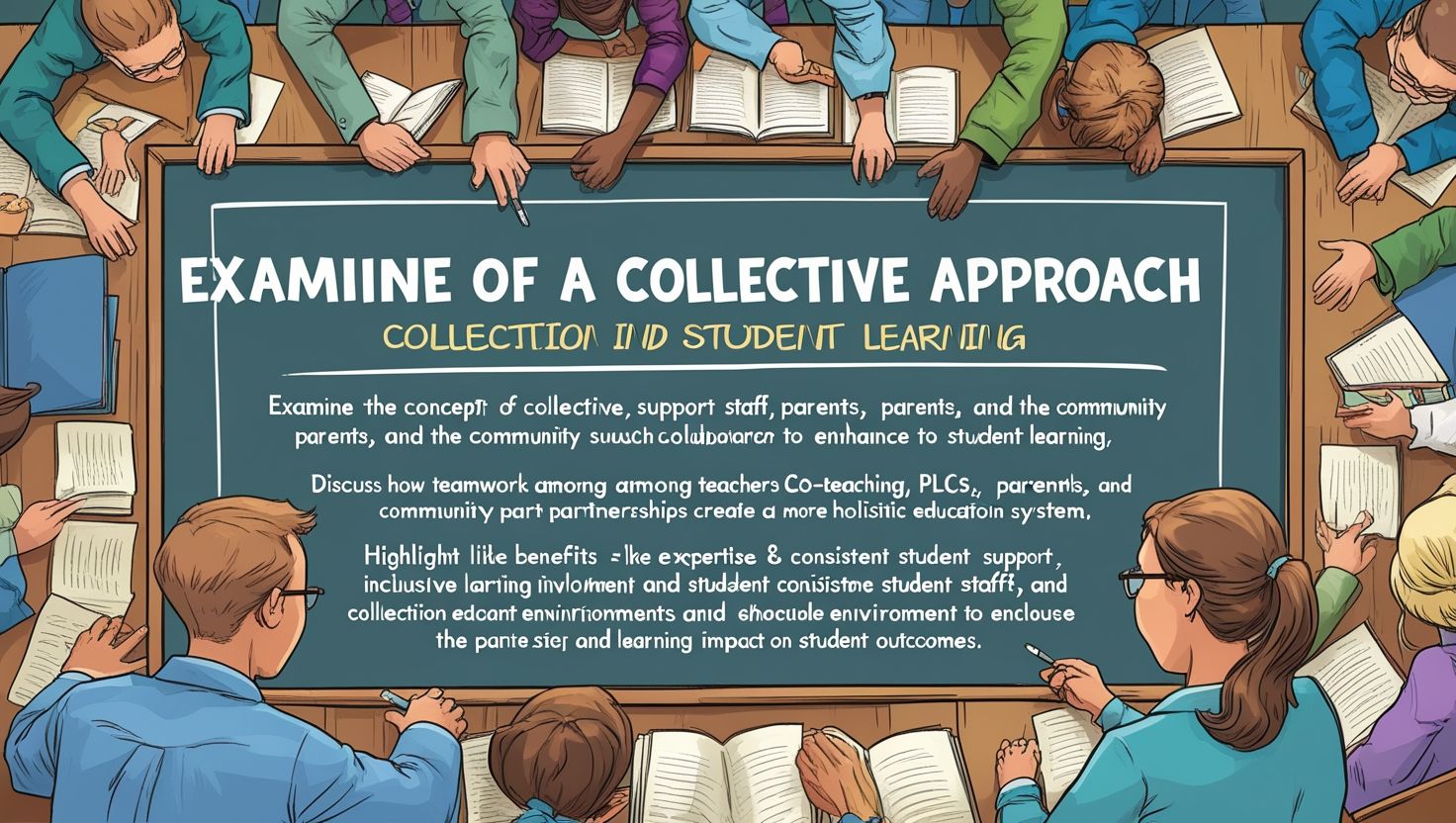
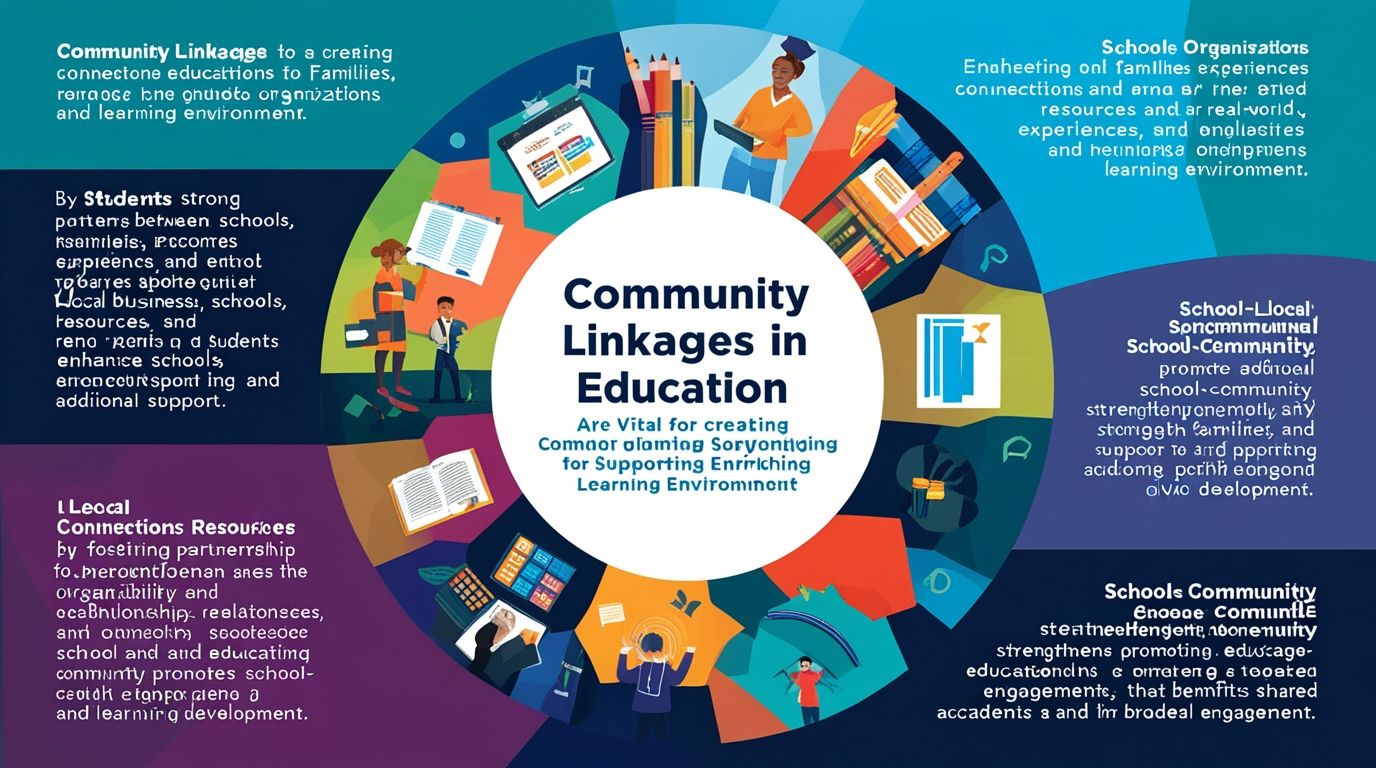
Collaboration in Information Technology education enhances learning outcomes by connecting teachers students institutions and communities Structured teamwork activities promote problem solving communication and shared responsibility Teachers should design group projects that encourage peer interaction and collective inquiry Cross disciplinary collaboration with subjects such as science mathematics and business strengthens real world application Partnerships with industry and academic organizations provide opportunities for internships mentorship and authentic projects Digital collaboration tools support remote teamwork and documentation Clear communication and defined roles ensure accountability Collaborative environments foster creativity innovation and adaptability among learners Teachers should facilitate rather than dominate group processes encouraging student leadership and initiative Effective collaboration builds interpersonal skills such as negotiation empathy and conflict resolution Students learn to value diverse perspectives and contribute meaningfully to shared goals Collaborative learning prepares learners for professional environments where teamwork is essential for success in global digital economies today.
Research-Informed Teaching and Evidence-Based Practice
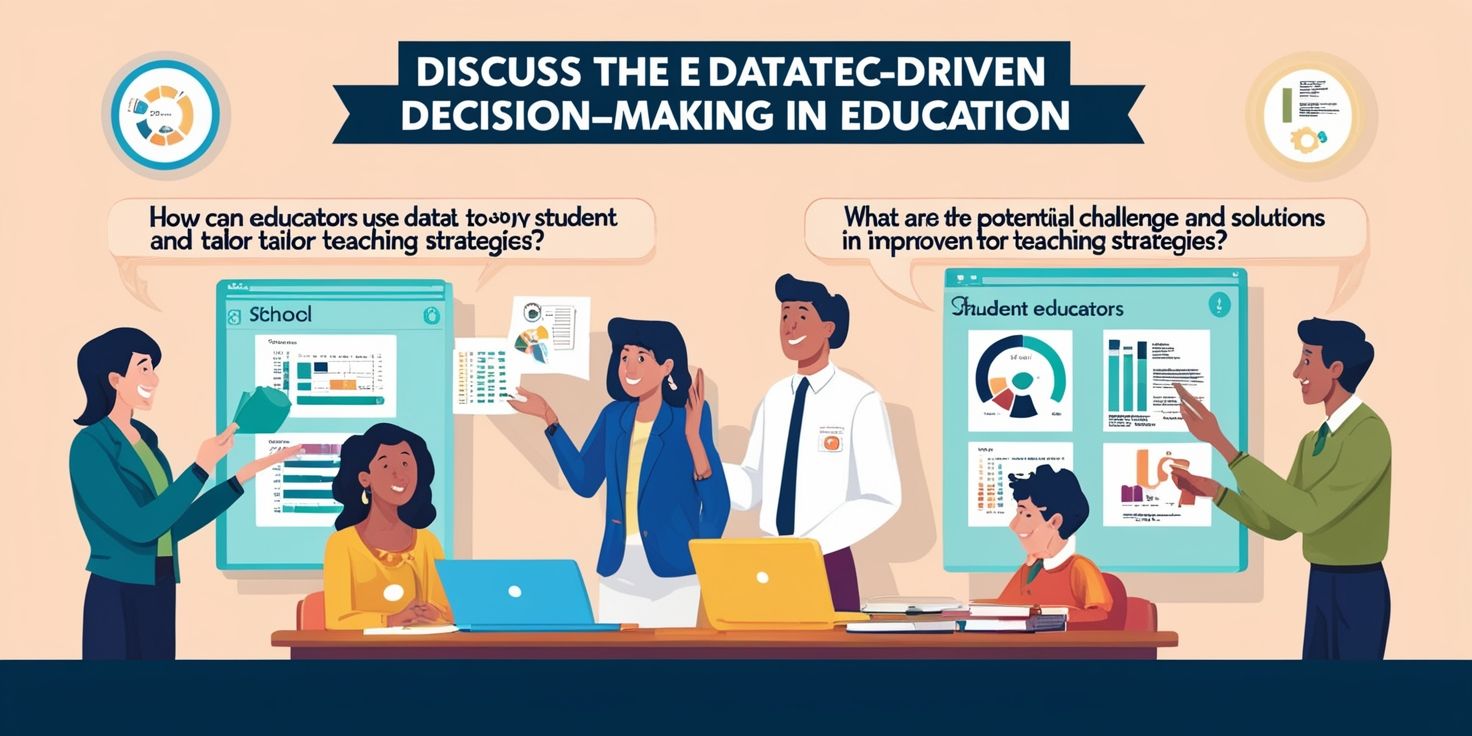
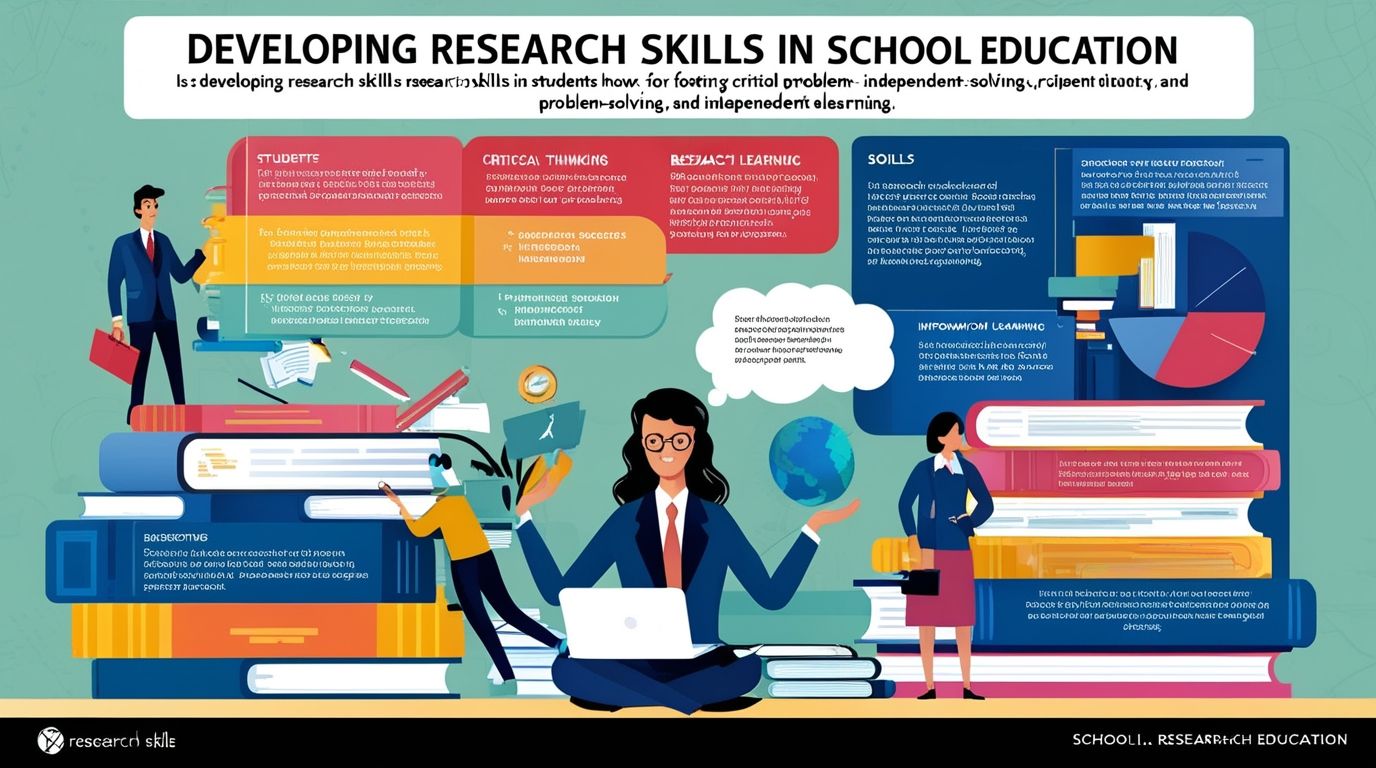
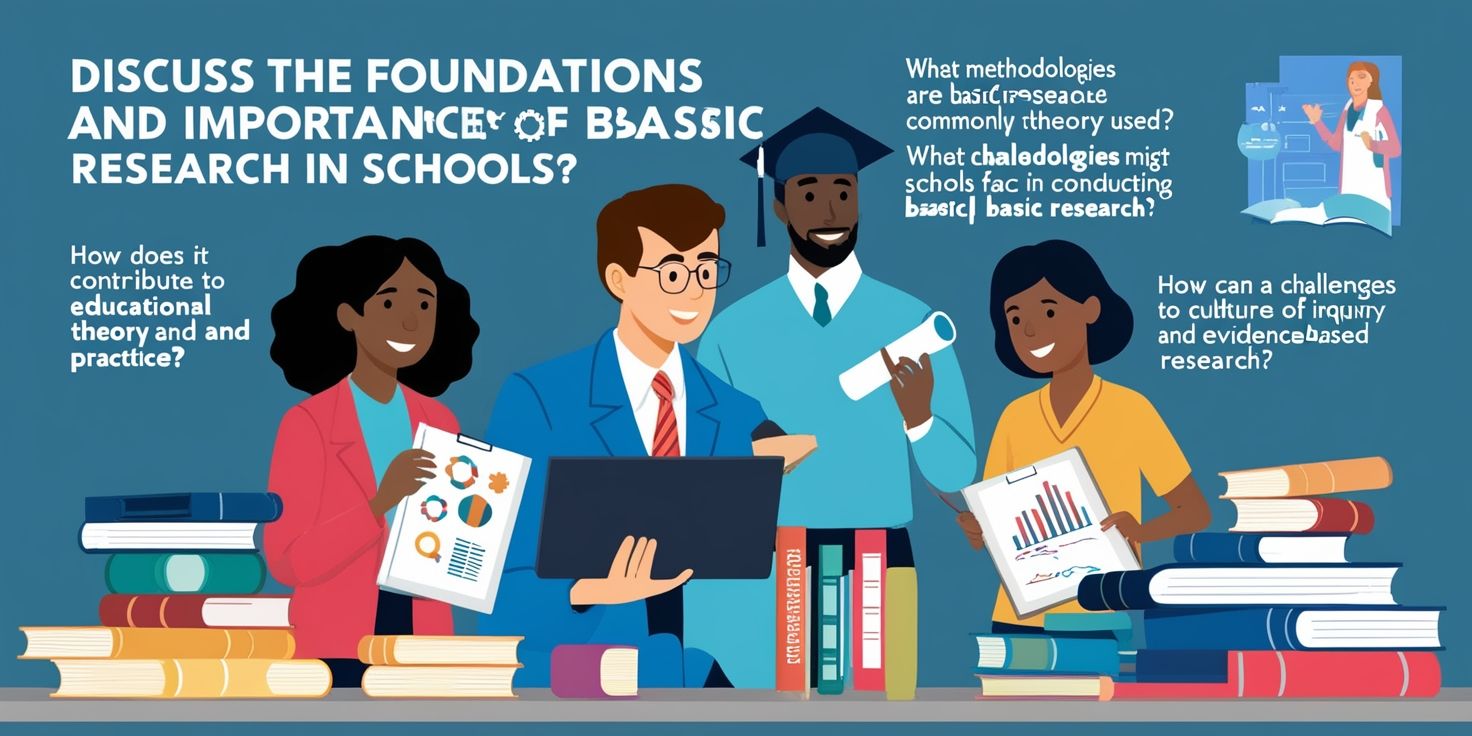
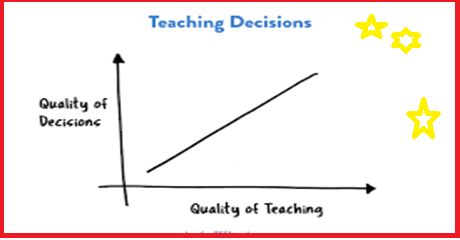
Research informed teaching in Information Technology education relies on evidence based practice Teachers should analyze educational research classroom data and assessment results to improve learning outcomes Action research helps educators investigate local challenges and implement interventions Data driven decision making improves instructional effectiveness Teachers must develop research literacy to evaluate sources critically and apply findings appropriately Encouraging students to participate in inquiry based learning builds analytical thinking and curiosity Collaboration in research communities supports professional growth and innovation Evidence based approaches enhance curriculum design and teaching quality Teachers should reflect regularly on data to refine instructional strategies and address learning gaps Integration of research into teaching promotes continuous improvement adaptability and responsiveness in educational environments Professional reading conferences and discussions strengthen teacher expertise Research guided instruction increases student engagement achievement and problem solving skills in Information Technology education systems worldwide today and supports lifelong learning for educators.
Online and Blended Learning in Information Technology Education
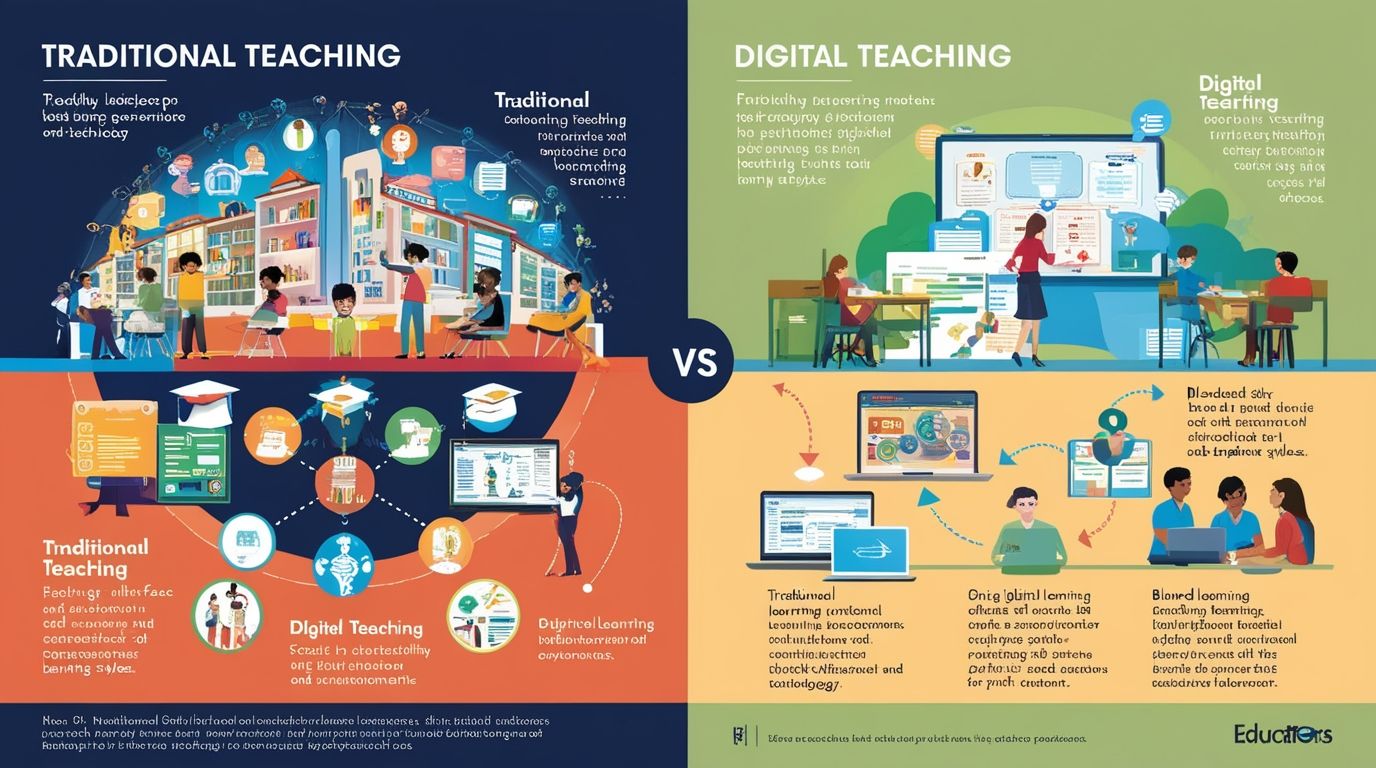
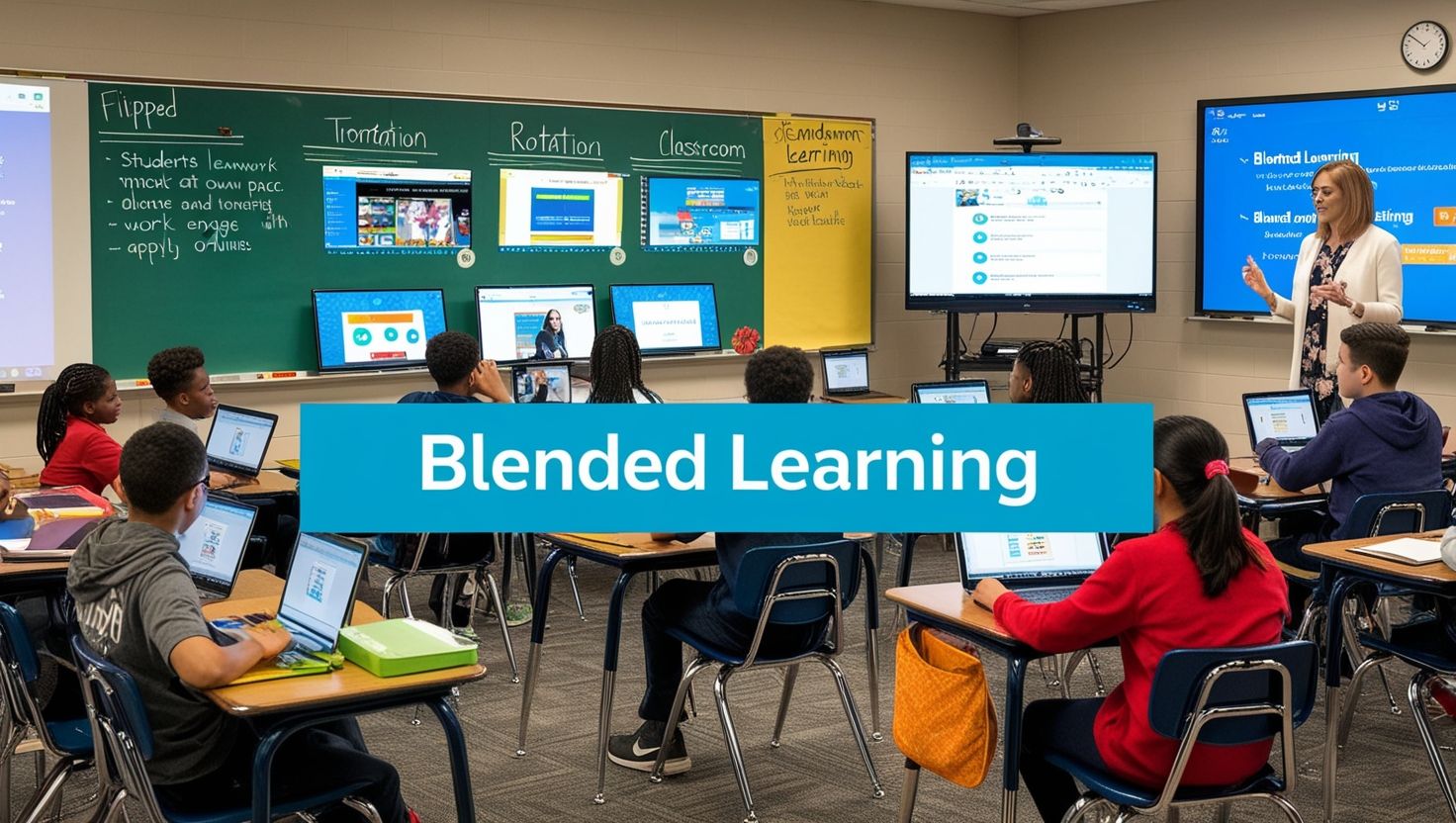
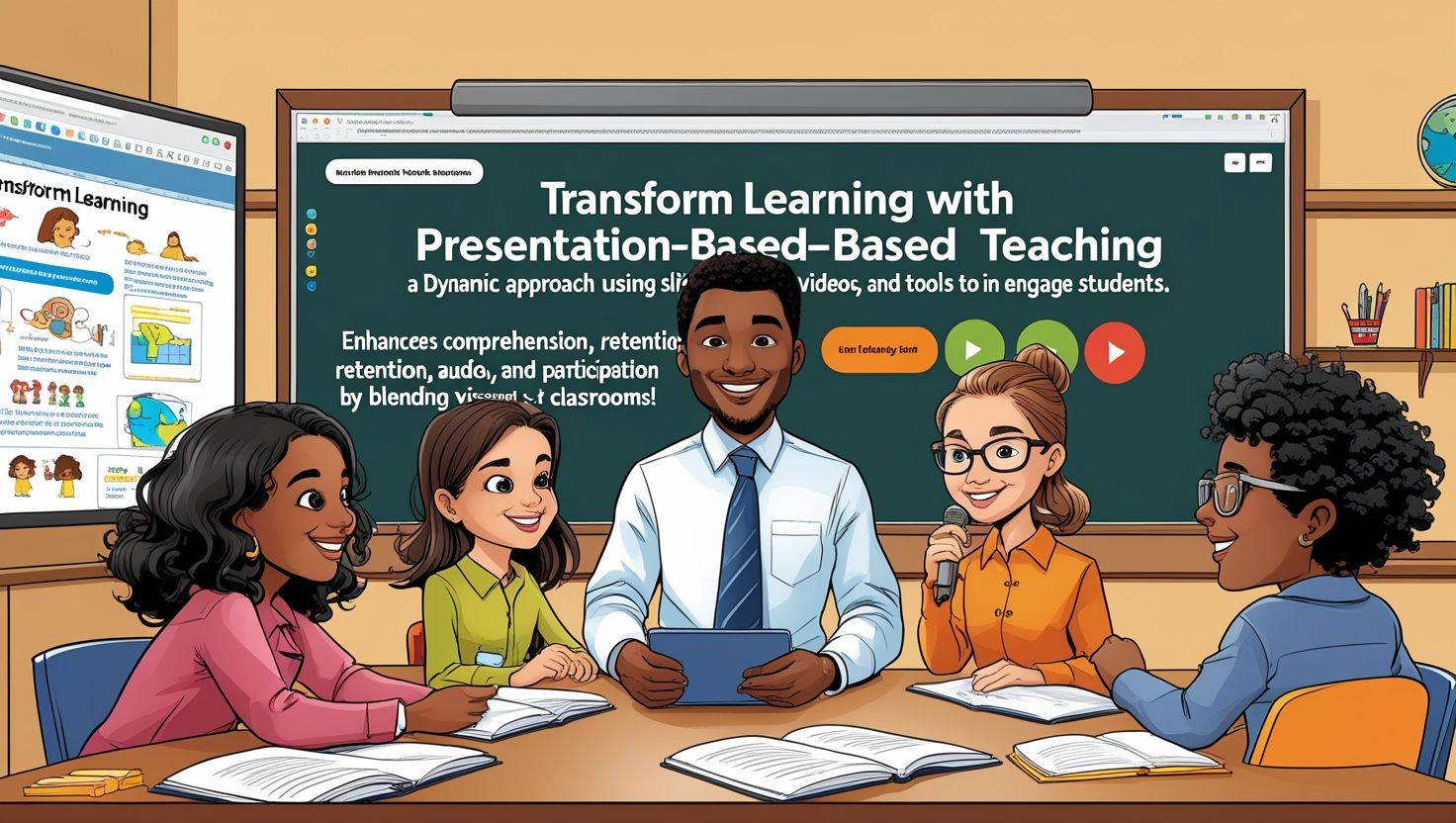
Online and blended learning environments are essential components of Information Technology education offering flexible access to learning resources Teachers should design digital content clearly and provide structured communication channels for students Learning management systems video conferencing tools and collaborative platforms support interaction and engagement when used effectively Consistent teacher presence through feedback announcements and guidance maintains student motivation Online instruction should include interactive activities practical tasks and peer discussions Accessibility considerations ensure equitable participation for all learners regardless of location or device availability Blended learning combines face to face instruction with online experiences enhancing flexibility and personalization Teachers should monitor learner progress using digital analytics to adjust instruction effectively Effective online teaching supports independent learning skills time management and self regulation Digital literacy is essential for success in modern education systems Teachers must ensure content is accessible secure and aligned with curriculum goals enabling meaningful learning experiences.
Conclusion: Preparing Learners for a Digital Future
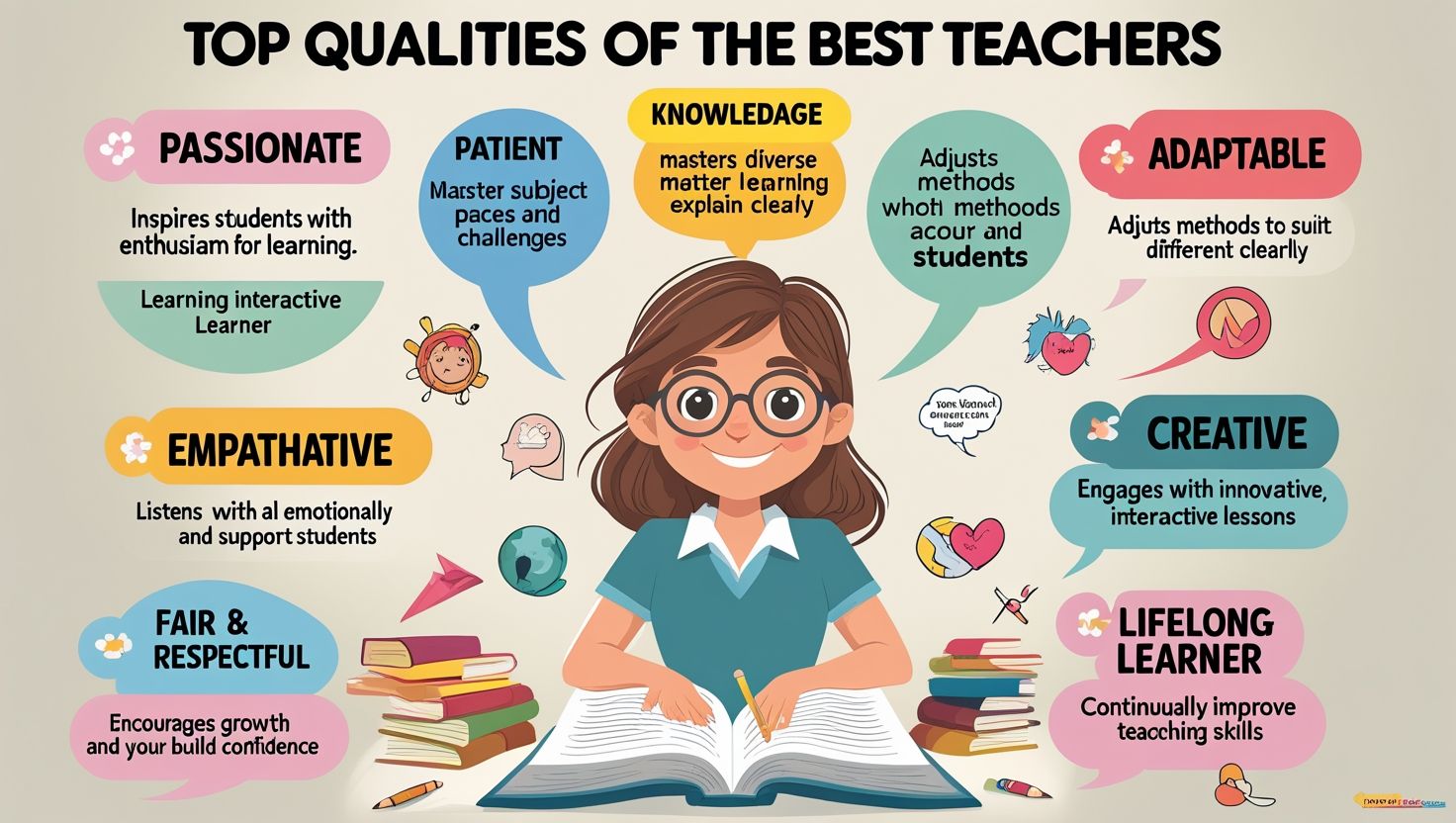
Teaching guide for Information Technology teachers integrates pedagogy technical expertise ethical awareness assessment literacy and continuous professional development Effective educators design coherent curricula deliver engaging lessons manage classrooms efficiently and assess learning authentically Practical experiences and technology integration prepare students for real world challenges Inclusive practices ensure equitable access for diverse learners while promoting participation and confidence Research informed teaching enhances instructional quality and supports evidence based decision making Collaboration strengthens communication teamwork and innovation among learners and educators Online and blended learning environments expand access and flexibility Continuous professional growth ensures teachers remain current with technological advancements and industry trends Ultimately Information Technology education empowers learners to think critically solve problems communicate effectively and contribute meaningfully to society By fostering curiosity adaptability and lifelong learning educators prepare students for success in a rapidly evolving digital world today and beyond ensuring excellence innovation responsibility creativity and sustained.