1. Creating a Culture of Care and Belonging
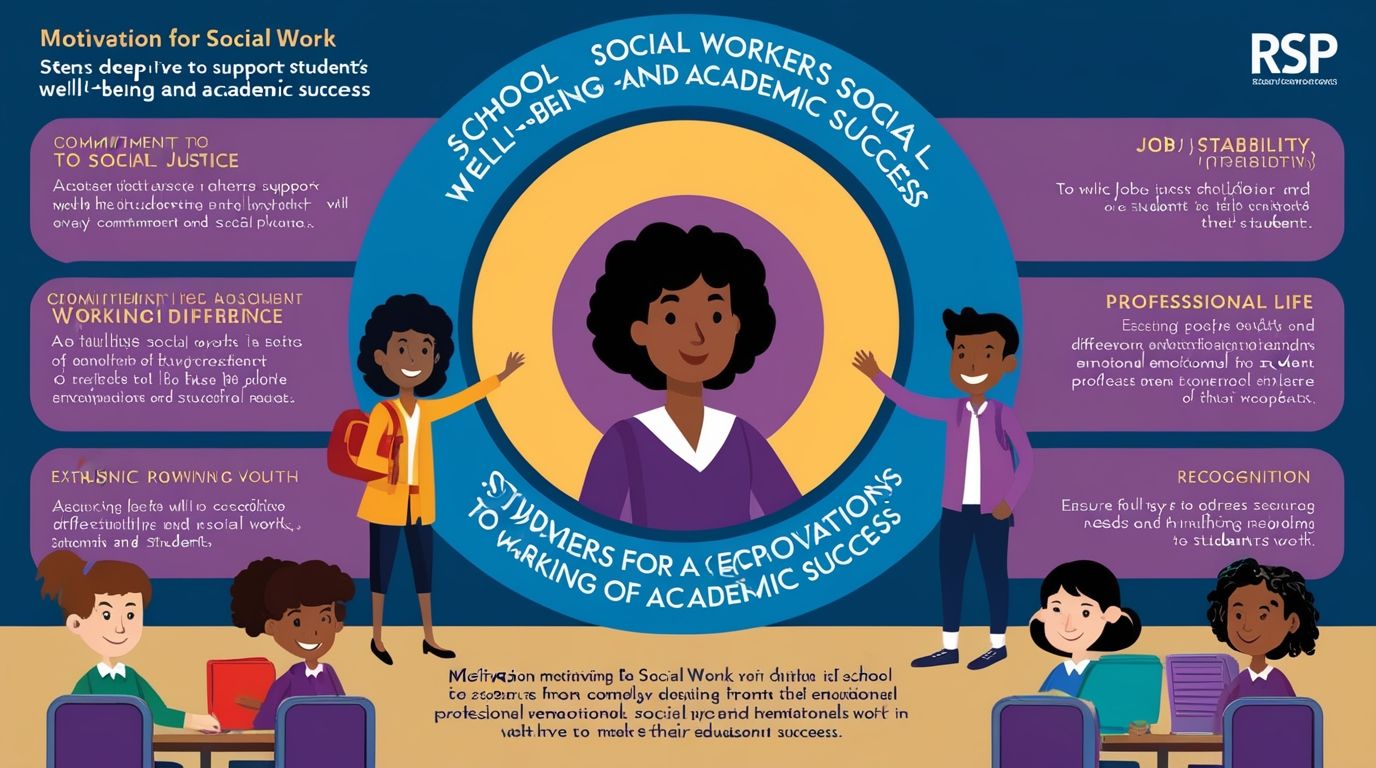
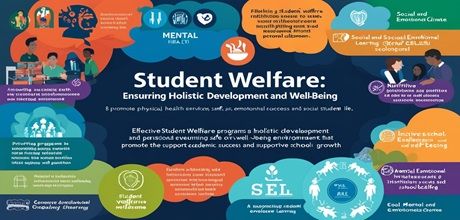
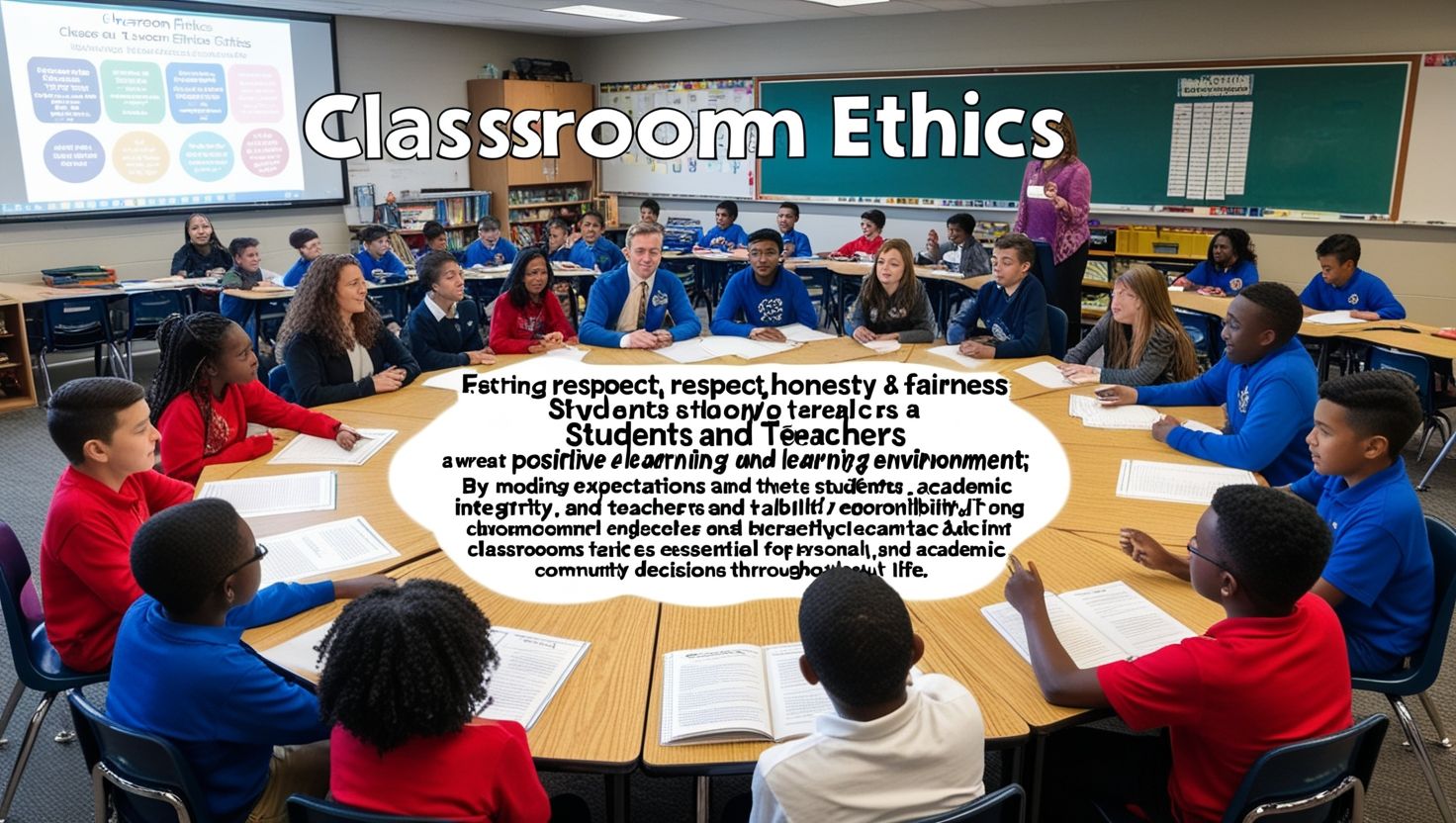
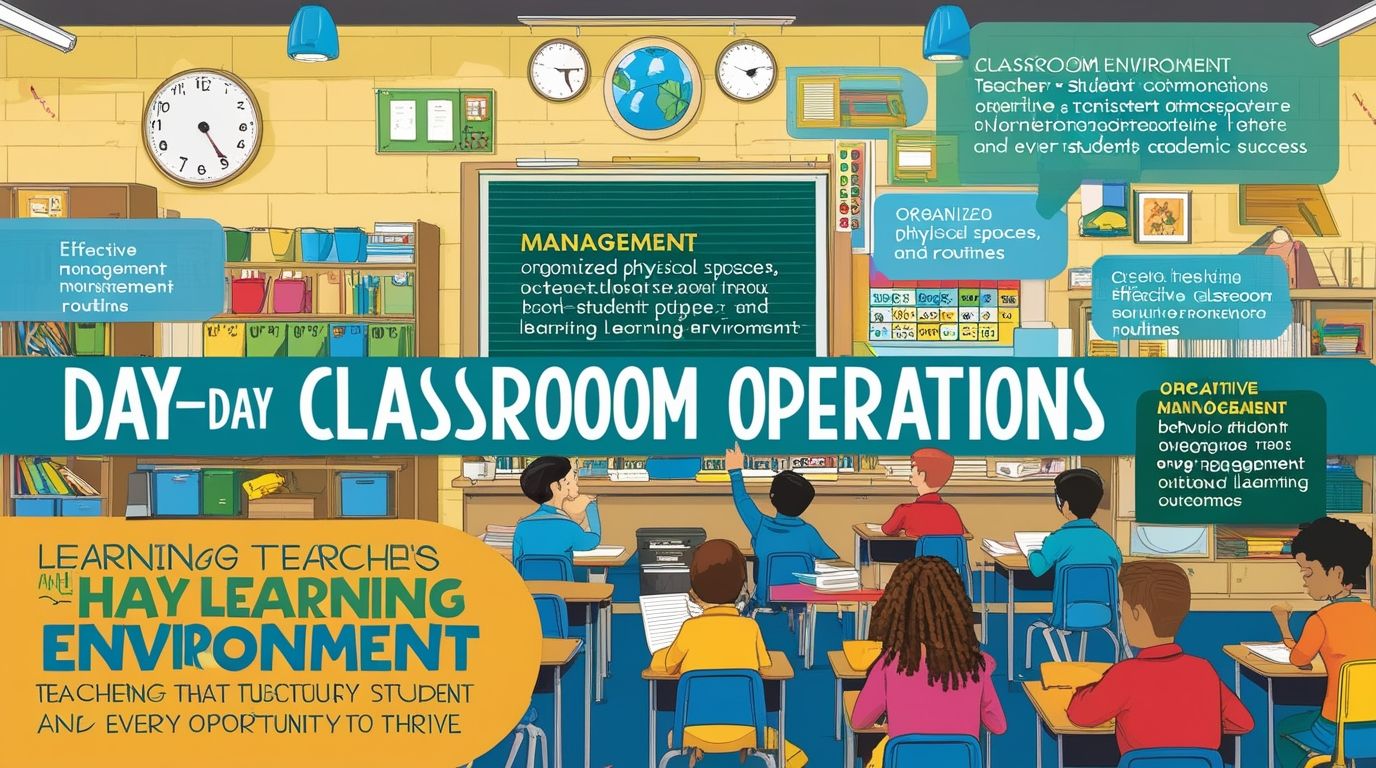
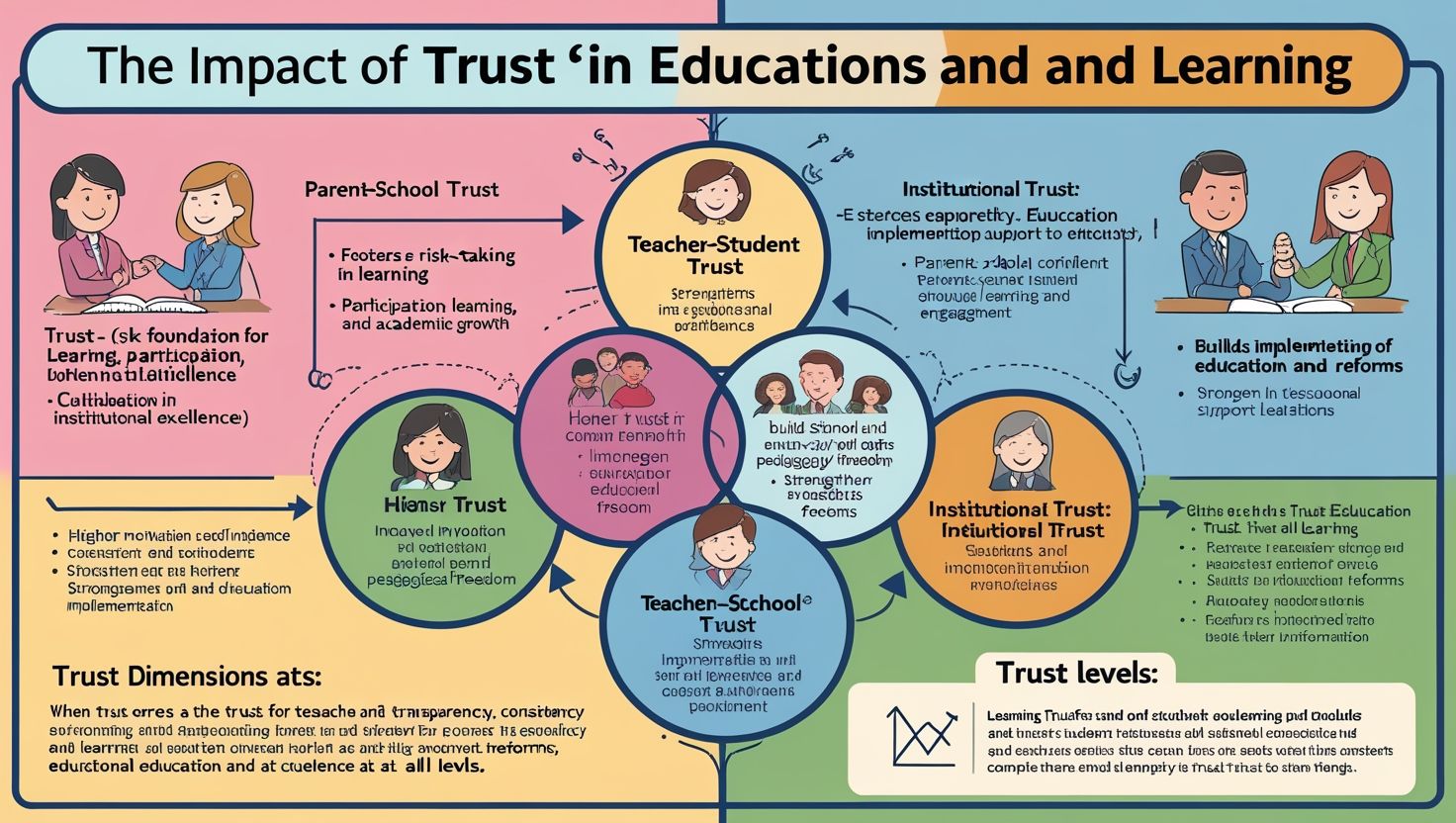
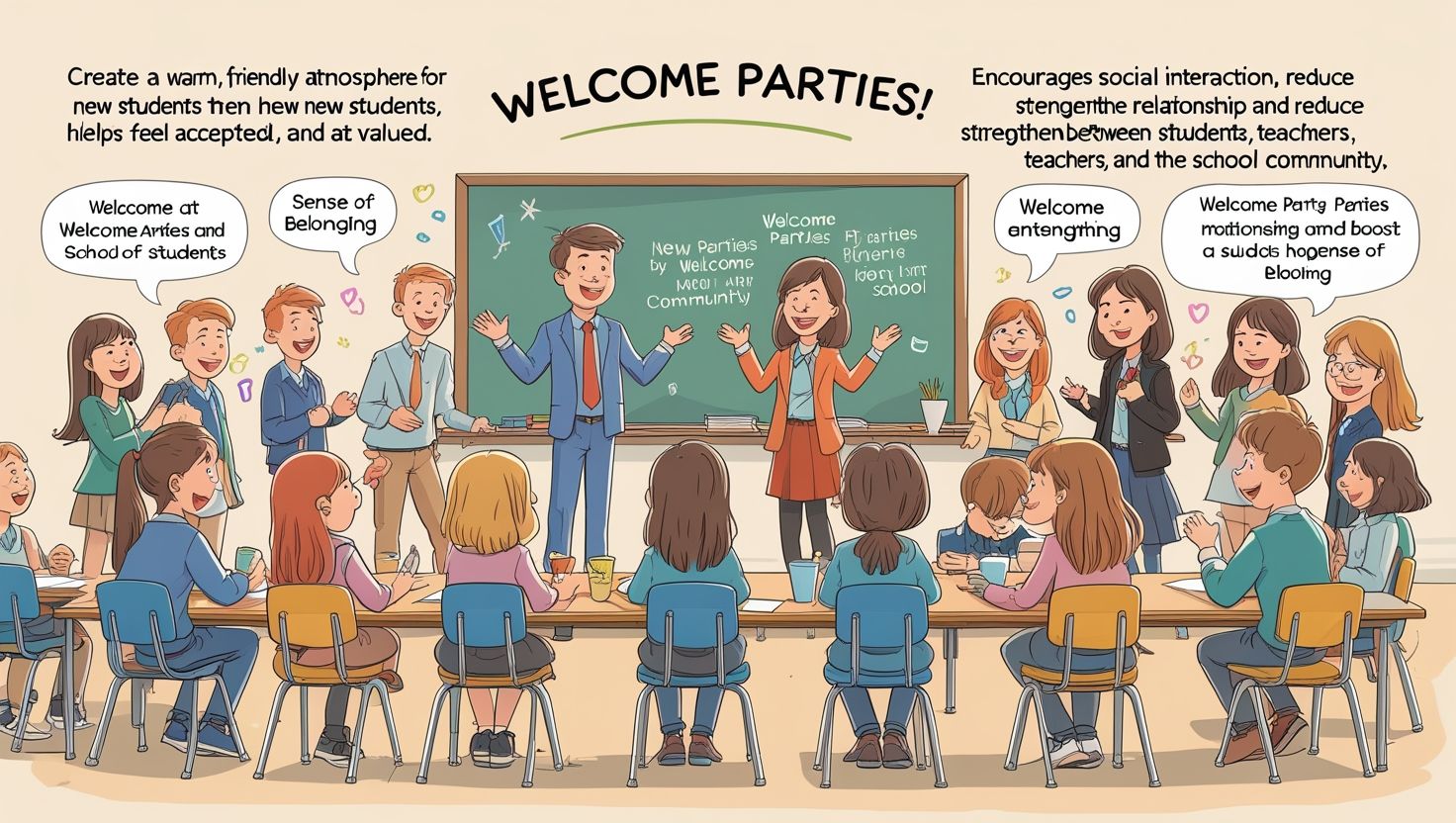
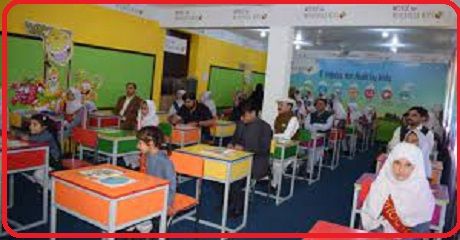
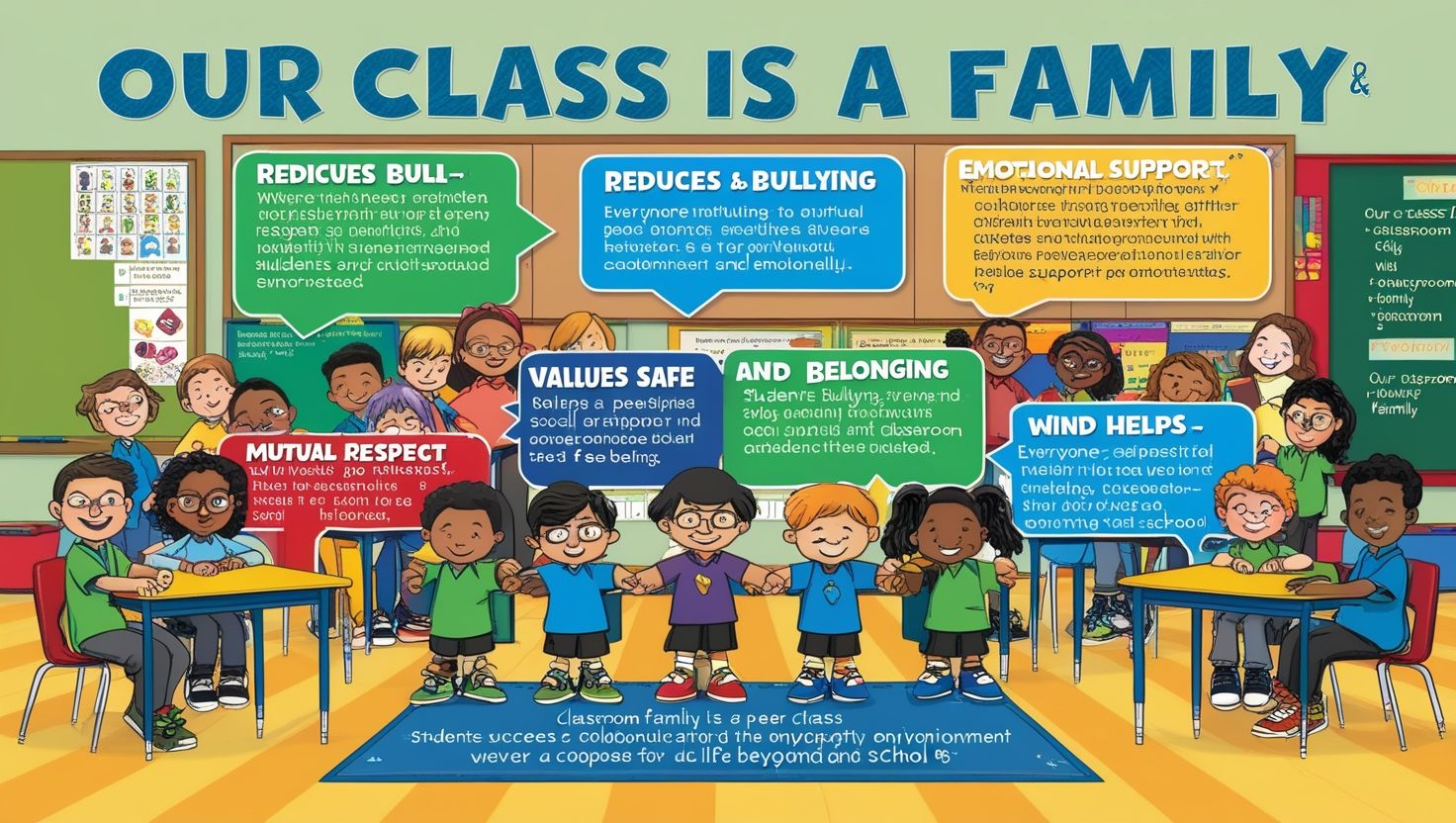
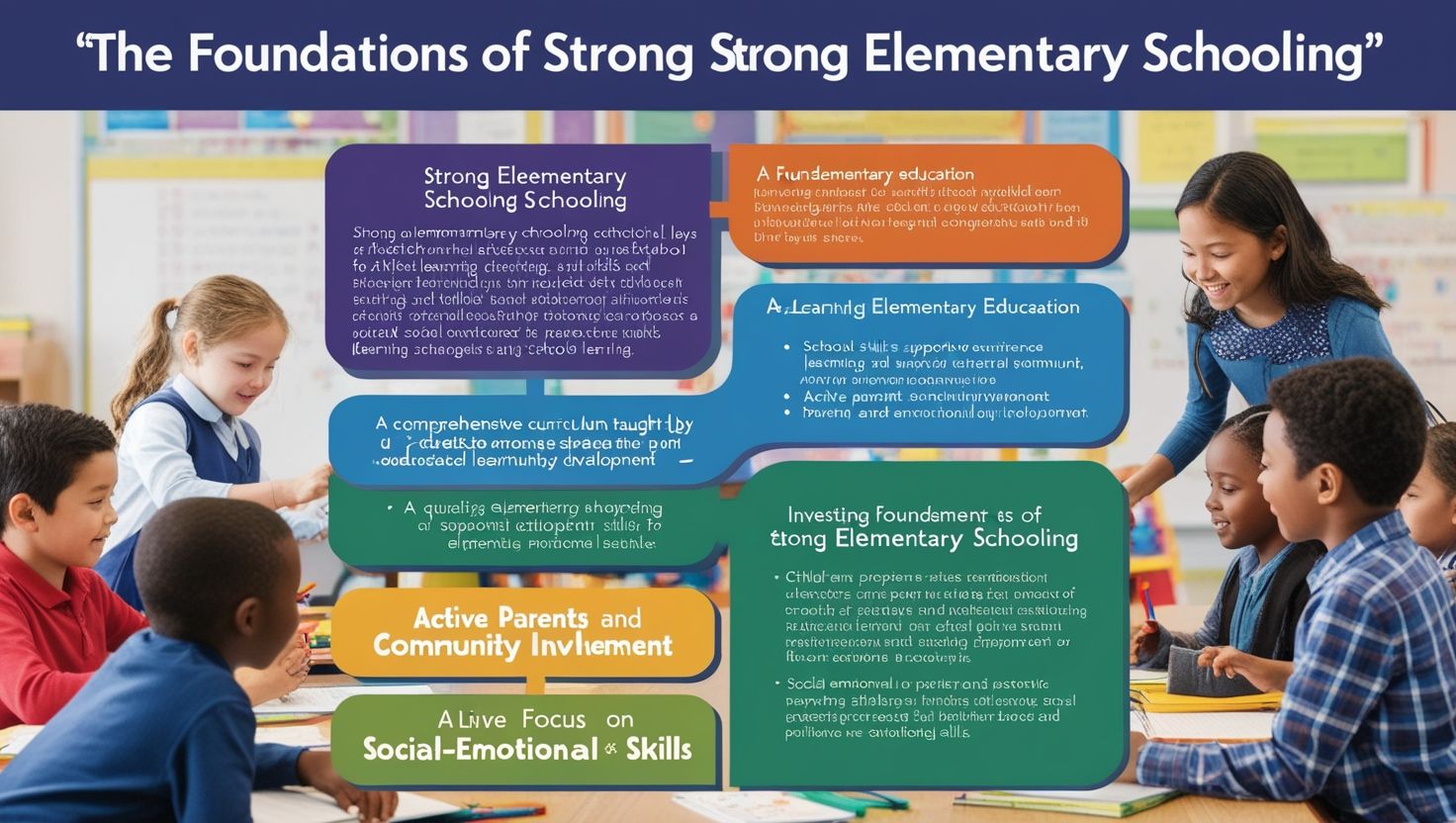
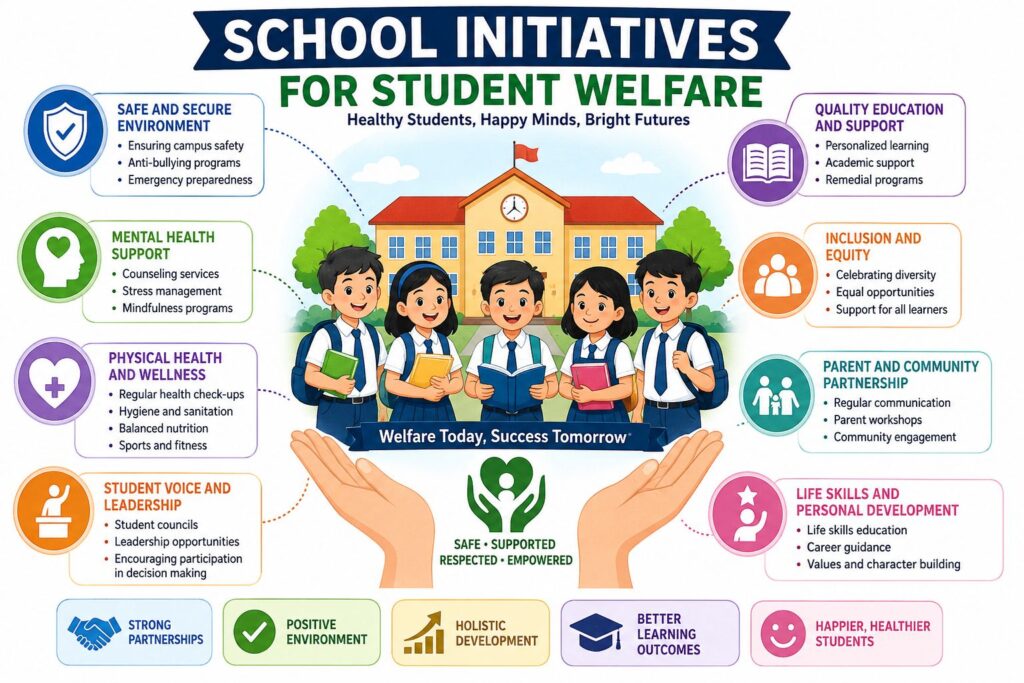
School Initiatives for Student Welfare , Student welfare has become a central priority in modern education because schools are responsible not only for academic achievement but also for the overall development of children. Effective schools recognize that students perform better when they feel safe, respected, valued, and connected to their learning environment. Establishing a culture of care begins with positive relationships among teachers, students, parents, and administrators. Schools can promote inclusivity by celebrating diversity, encouraging mutual respect, and creating opportunities for meaningful participation. Through regular communication, mentoring programs, and student engagement activities, educational institutions build trust and confidence among learners. A welcoming atmosphere reduces anxiety, increases motivation, and strengthens social bonds. When students feel emotionally secure, they are more willing to take academic risks and participate actively in school life. Therefore, developing a strong culture of wellbeing, inclusion, and belonging remains one of the most important school initiatives.
2. Strengthening Physical Health Through Comprehensive Programs
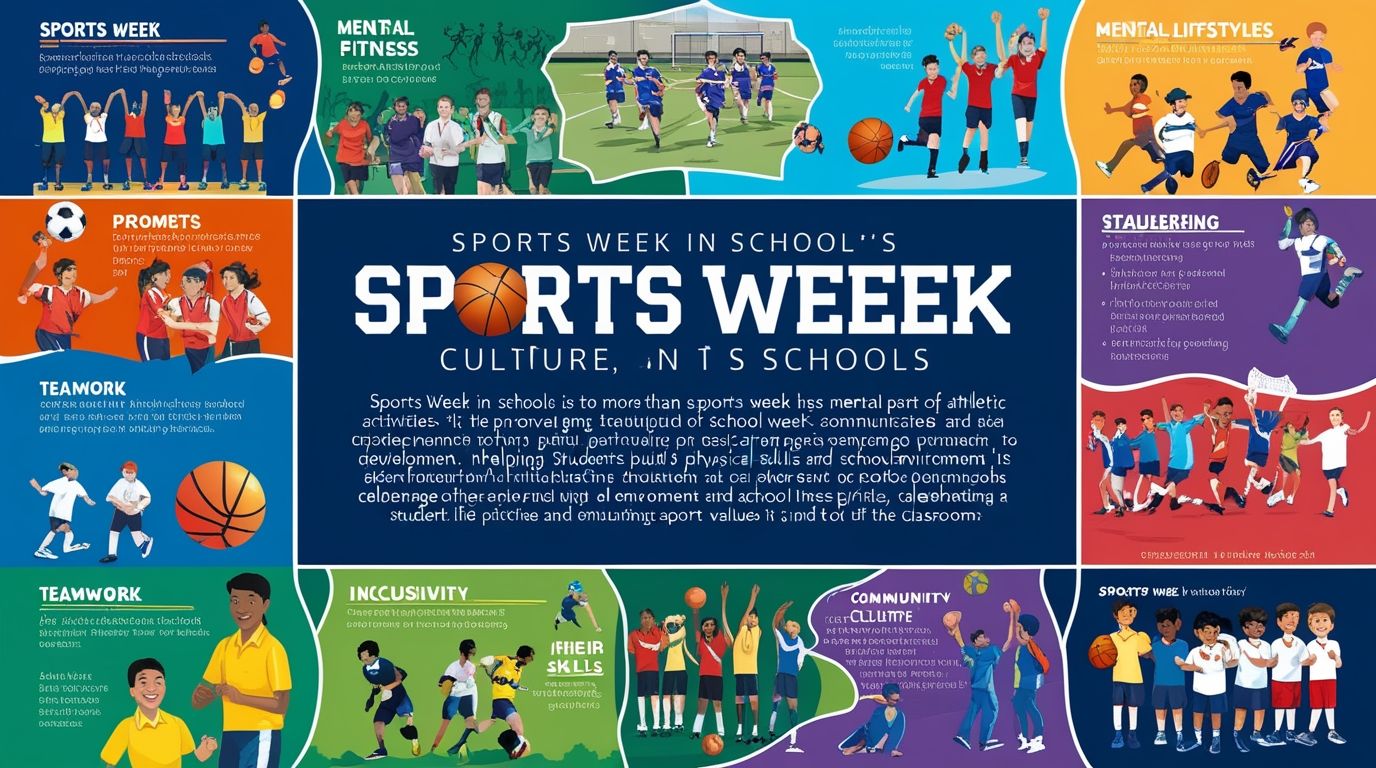
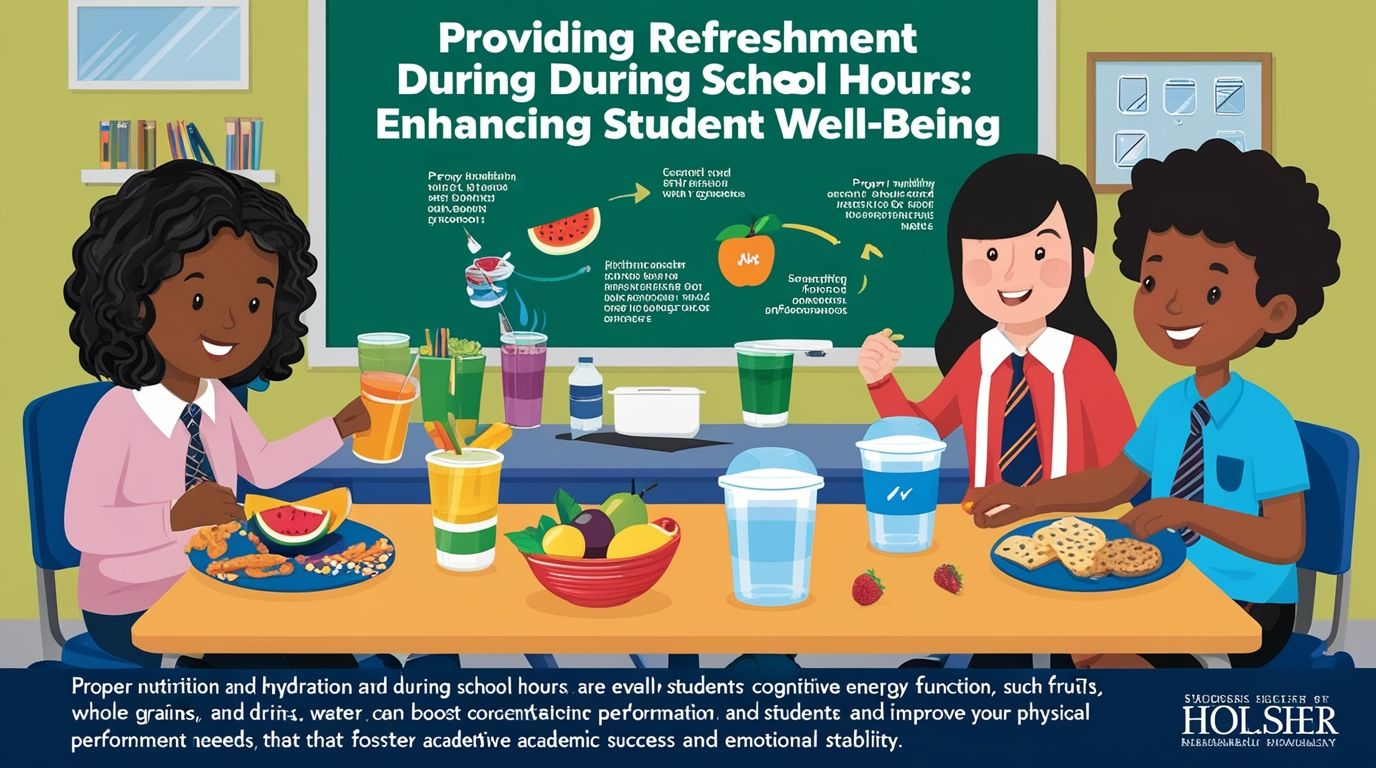
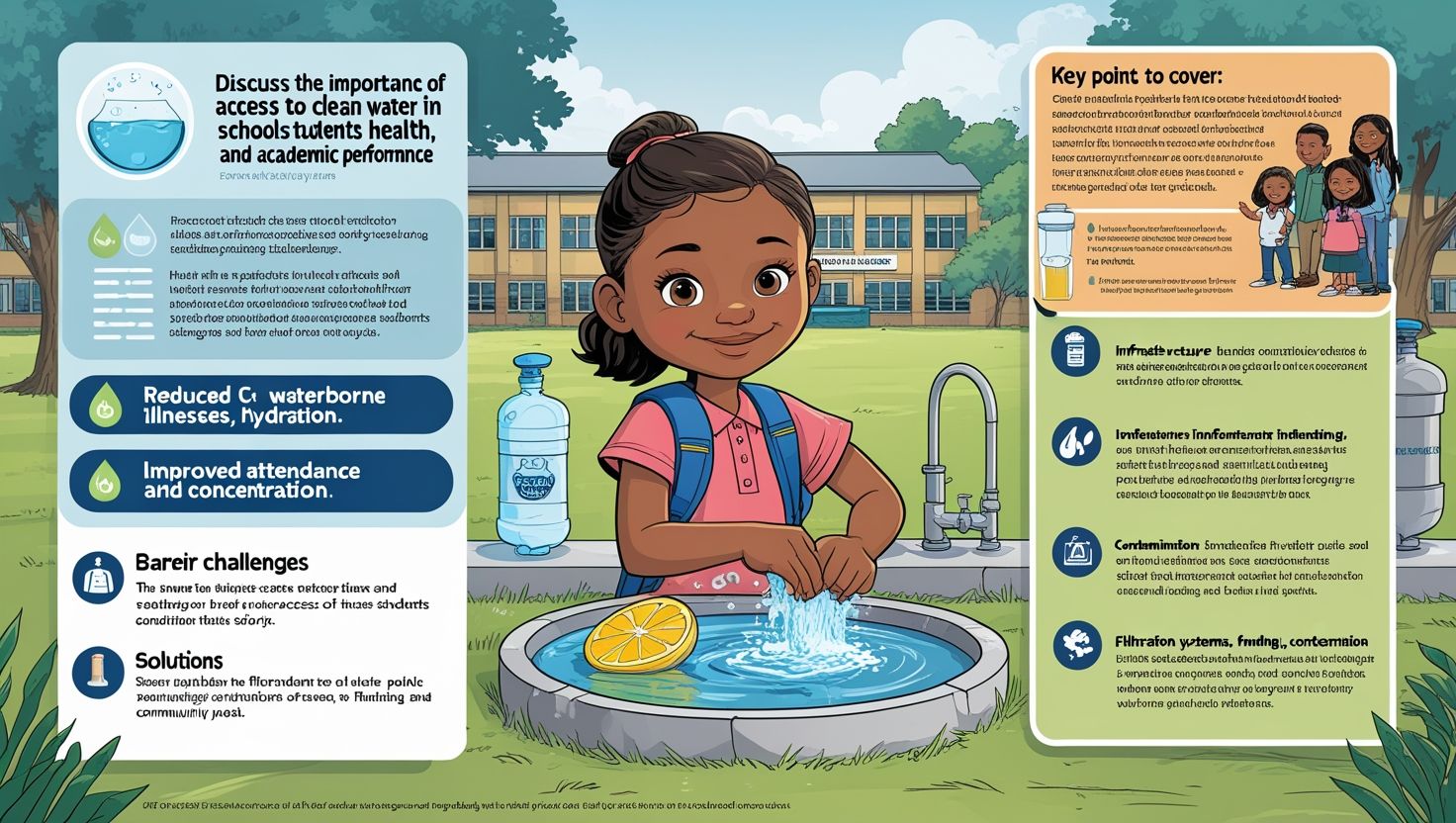
The physical health of students significantly influences their academic performance, concentration, attendance, and overall quality of life. Schools can support student welfare by implementing comprehensive health programs that encourage healthy habits and active lifestyles. Regular physical education classes, sports competitions, fitness activities, and health awareness campaigns help students understand the importance of maintaining physical wellbeing. Nutritious school meals, clean drinking water, proper sanitation facilities, and regular medical screenings contribute to healthier learning environments. Schools can also collaborate with healthcare professionals to provide vaccinations, health education sessions, and preventive care initiatives. Such programs teach students how to make informed decisions regarding nutrition, exercise, and personal hygiene. By prioritizing physical health, fitness, and healthy lifestyles, schools empower students to develop habits that support lifelong wellbeing while improving their ability to learn effectively and participate actively in educational activities.
3. Promoting Mental Health and Emotional Resilience
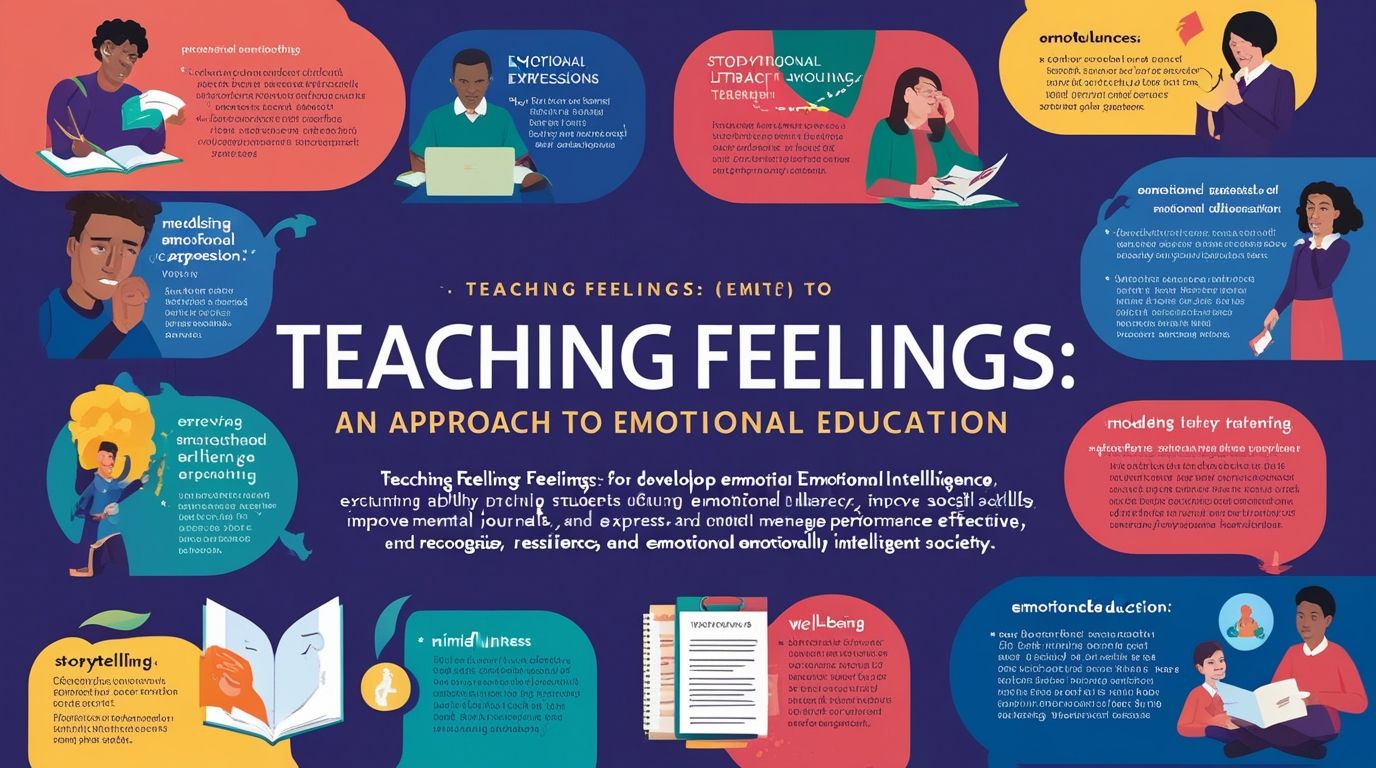
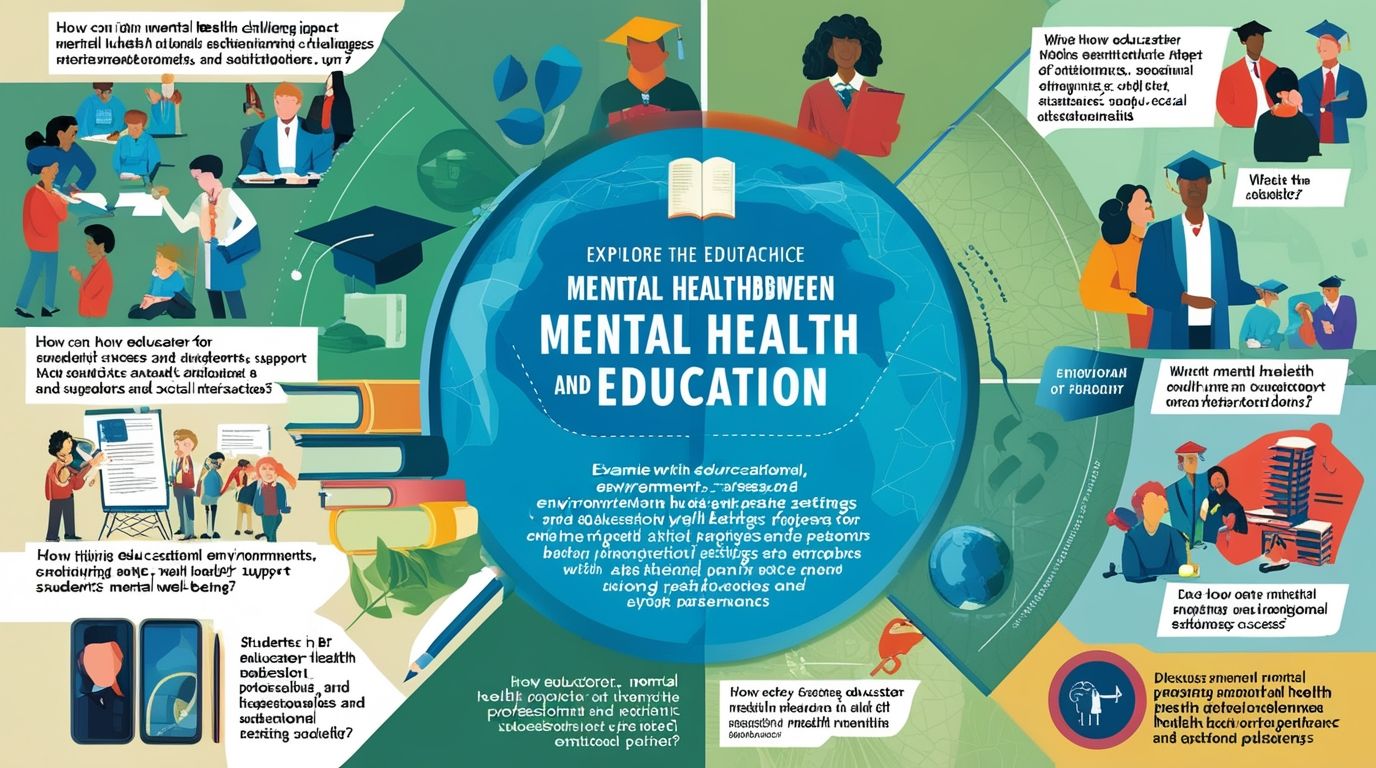
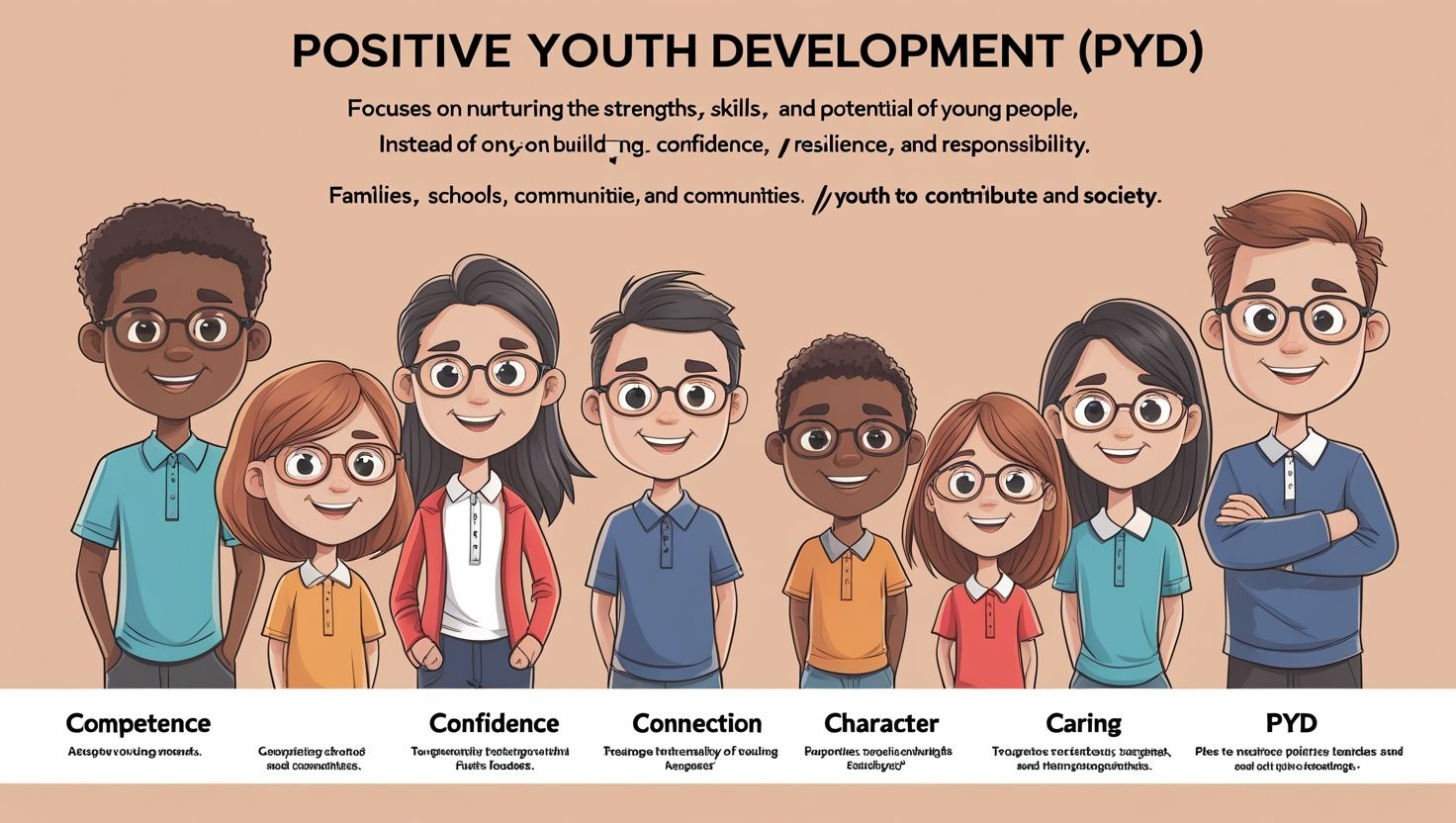
Mental health has emerged as a critical component of student welfare in educational institutions worldwide. Academic pressure, social challenges, family concerns, and personal expectations can affect students’ emotional wellbeing. Schools can address these issues by creating supportive environments where students feel comfortable discussing their concerns. Counseling services, peer support groups, mindfulness sessions, and stress management workshops provide valuable resources for emotional development. Teachers trained in recognizing early signs of distress can intervene appropriately and connect students with professional assistance when necessary. Encouraging open conversations about emotions helps reduce stigma and promotes healthier coping strategies. Furthermore, activities that build confidence, self-awareness, and resilience enable students to manage challenges more effectively. Through dedicated initiatives focused on mental health, emotional wellbeing, and resilience, schools create conditions that allow students to thrive academically, socially, and personally while developing lifelong emotional strengths.
4. Ensuring Safety and Security in Learning Environments
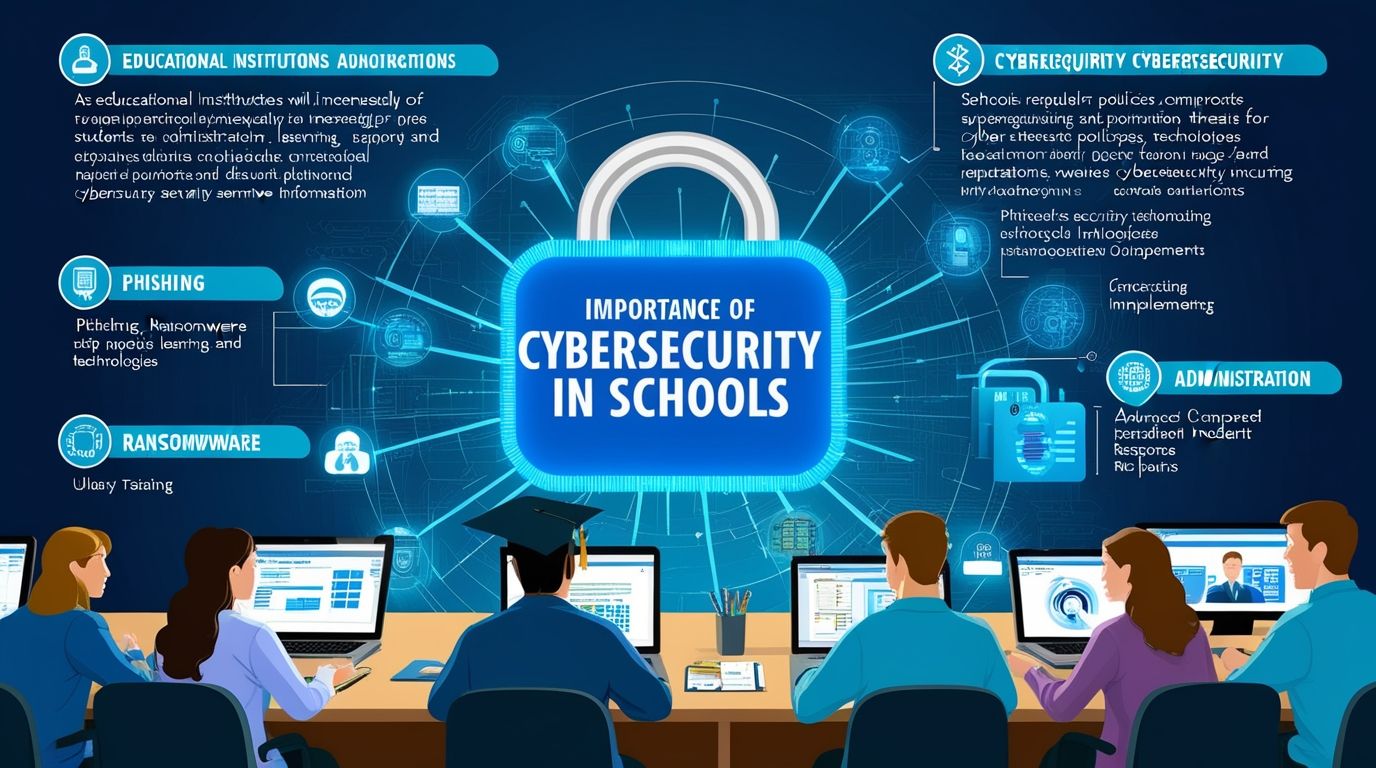
A safe learning environment is fundamental to student welfare because students cannot focus on learning when they feel threatened or insecure. Schools must implement comprehensive safety measures that protect students from physical harm, bullying, discrimination, and other risks. Effective security policies include emergency preparedness plans, regular safety drills, visitor management systems, and clear reporting mechanisms for concerns. Anti-bullying programs educate students about respect, empathy, and responsible behavior while encouraging them to report incidents without fear. Digital safety initiatives are equally important as students increasingly engage with technology and online platforms. Schools should teach responsible internet use, cyberbullying prevention, and online privacy practices. By establishing strong systems for school safety, student protection, and cybersecurity, educational institutions foster trust among students and parents. Safe environments promote confidence, concentration, and participation, creating optimal conditions for both learning and personal development.
5. Encouraging Student Voice and Leadership Opportunities
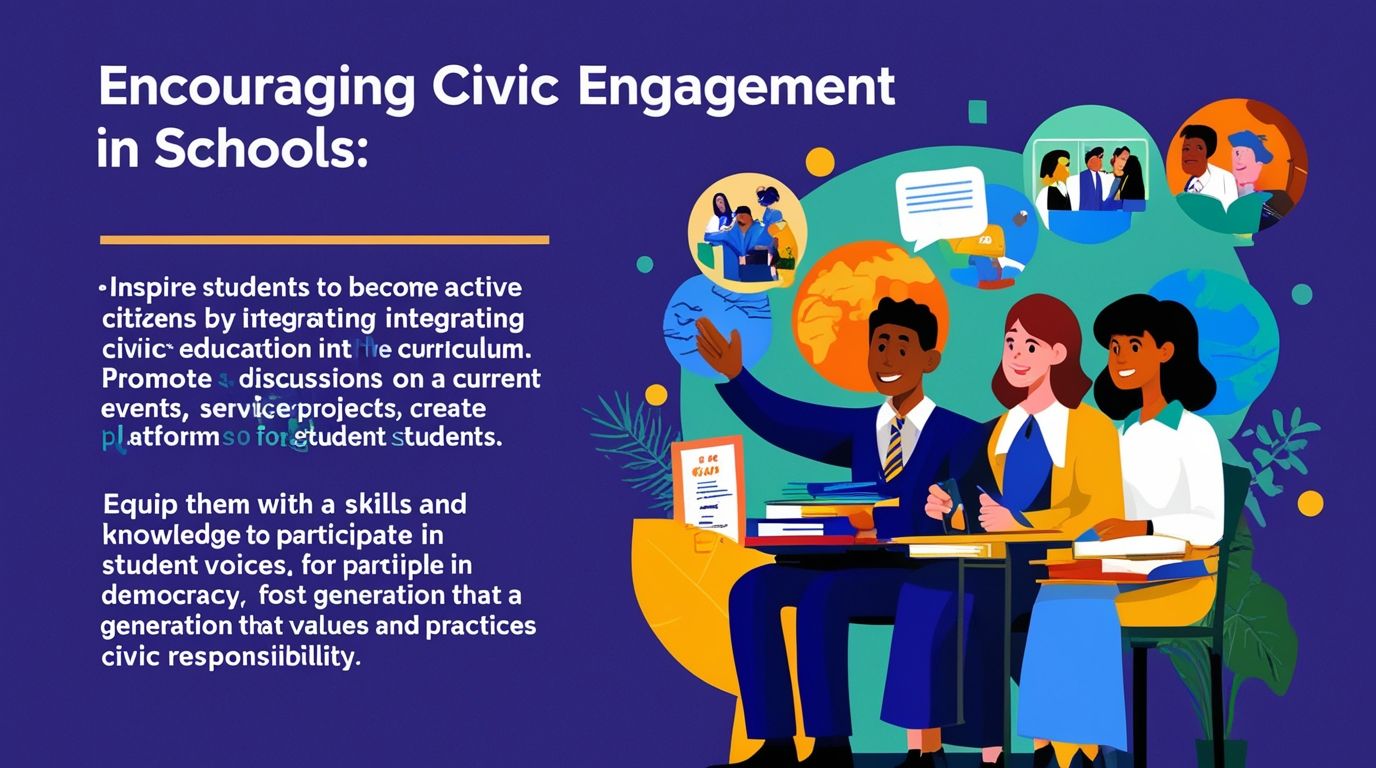
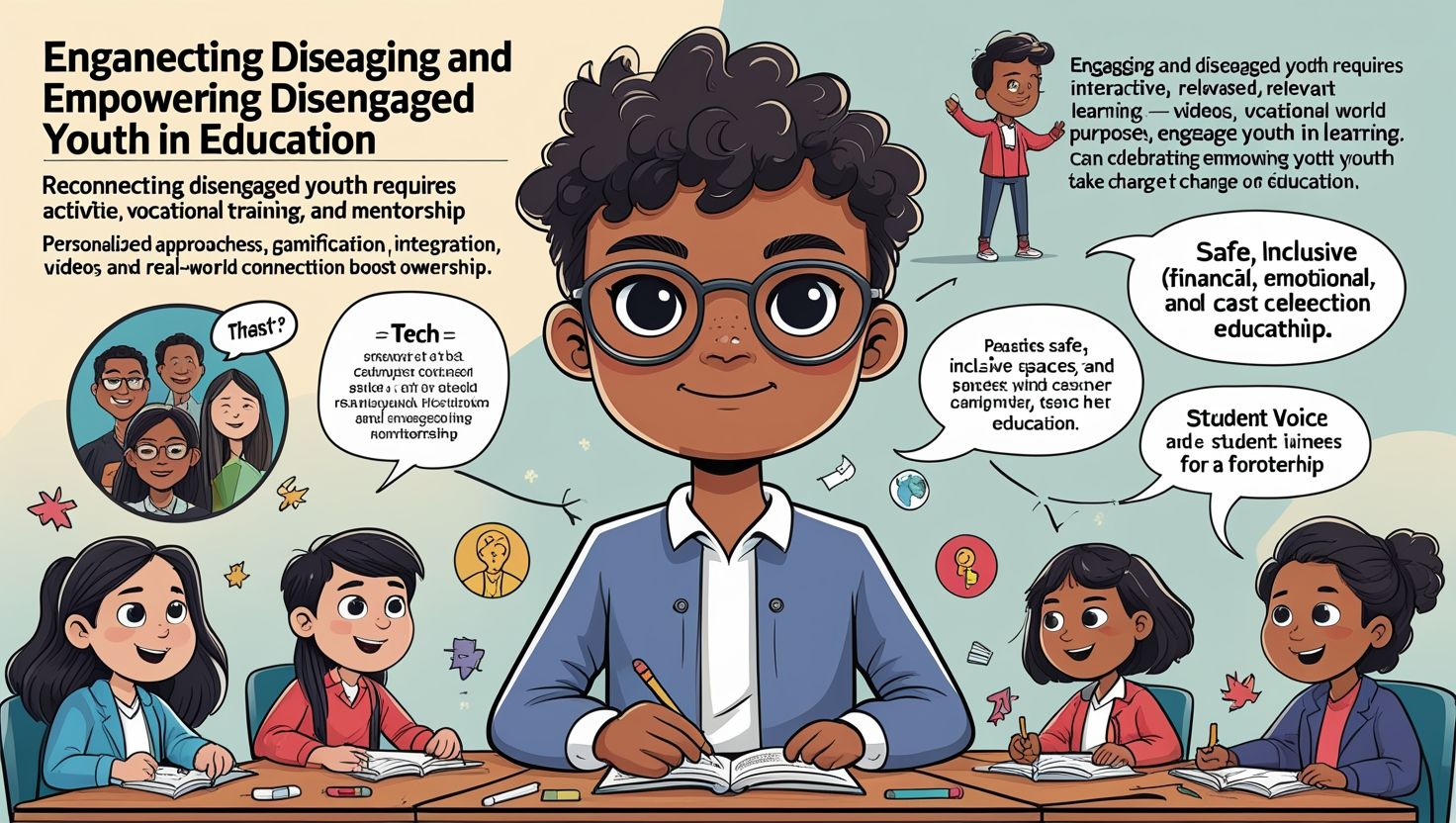
Students are more engaged and motivated when they have opportunities to contribute to decisions that affect their educational experiences. Schools can enhance welfare by promoting student voice and leadership through councils, committees, clubs, and collaborative projects. These initiatives allow students to express opinions, propose solutions, and participate in school improvement efforts. Leadership experiences help learners develop communication, teamwork, problem-solving, and decision-making skills that benefit them throughout life. When students feel heard and respected, their sense of ownership and responsibility increases significantly. Schools that actively seek student feedback demonstrate a commitment to continuous improvement and inclusivity. Furthermore, leadership opportunities encourage confidence and civic responsibility while fostering stronger connections within the school community. By prioritizing student leadership, participation, and empowerment, schools nurture responsible individuals who contribute positively to both their educational environment and broader society in meaningful ways.
6. Supporting Academic Success Through Personalized Learning
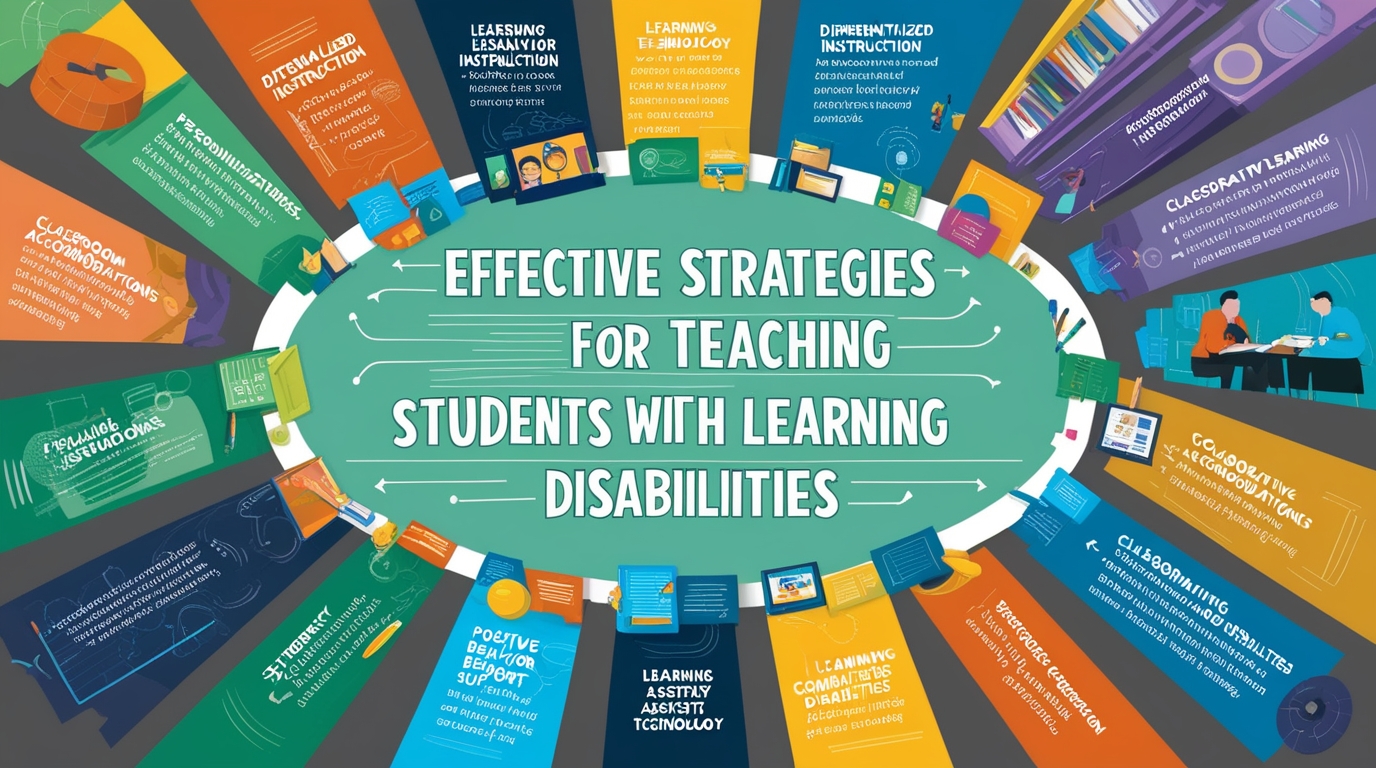
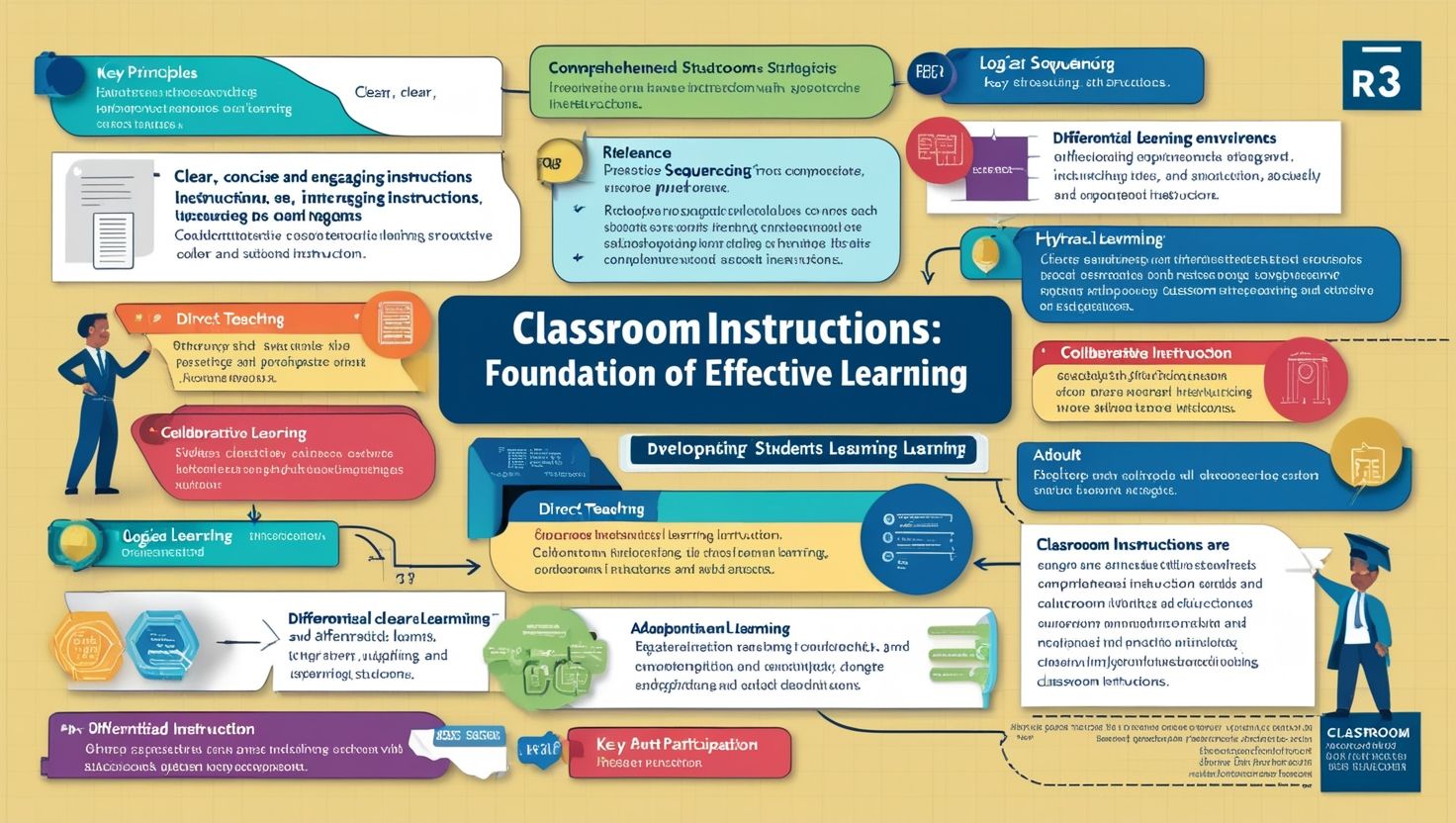
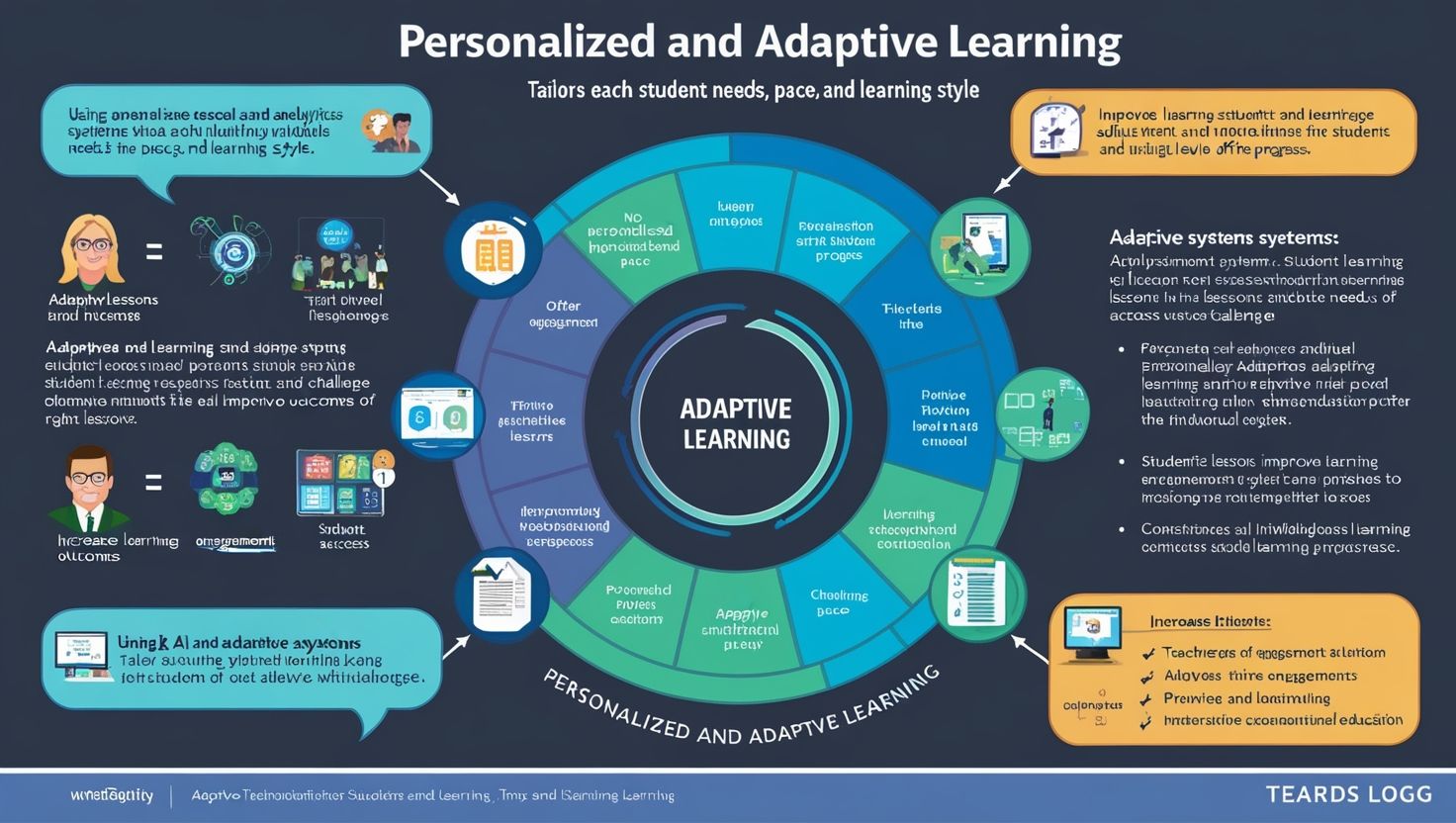
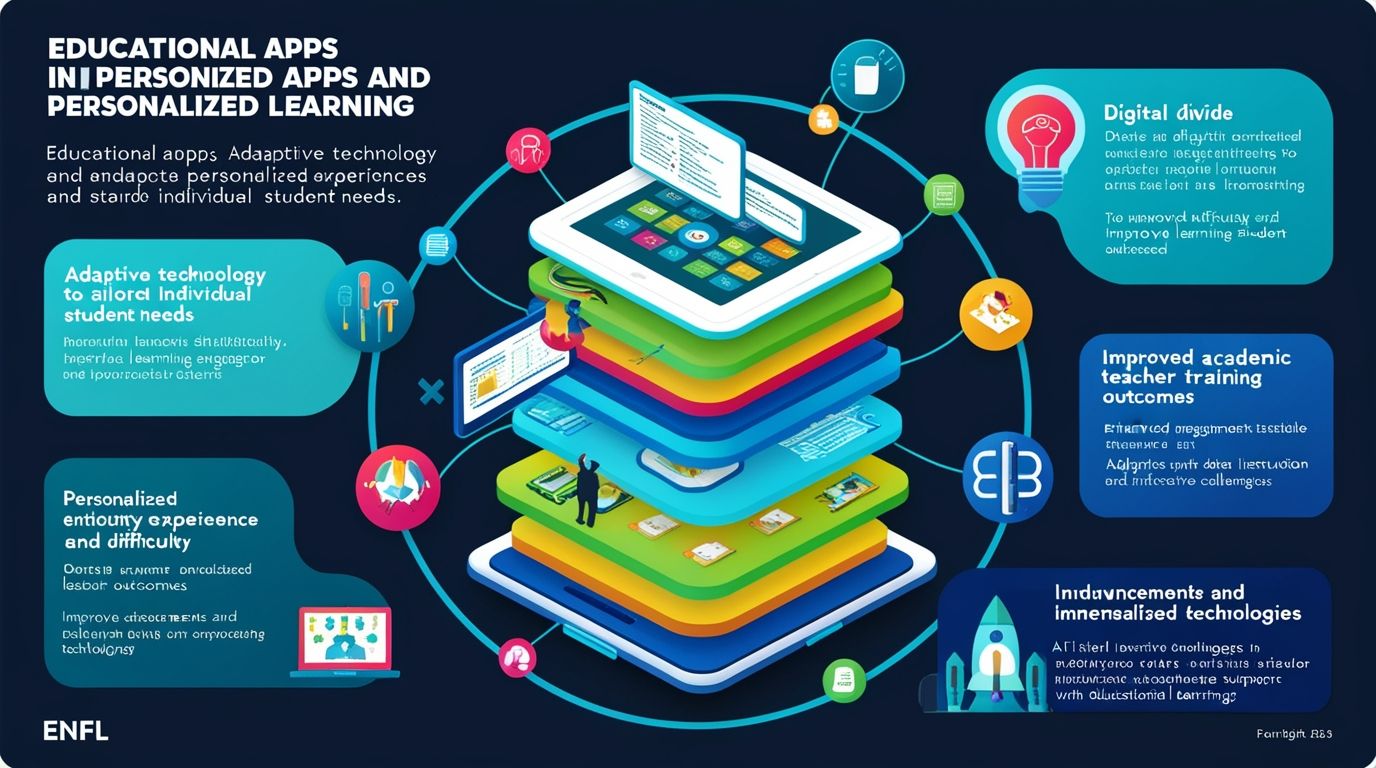
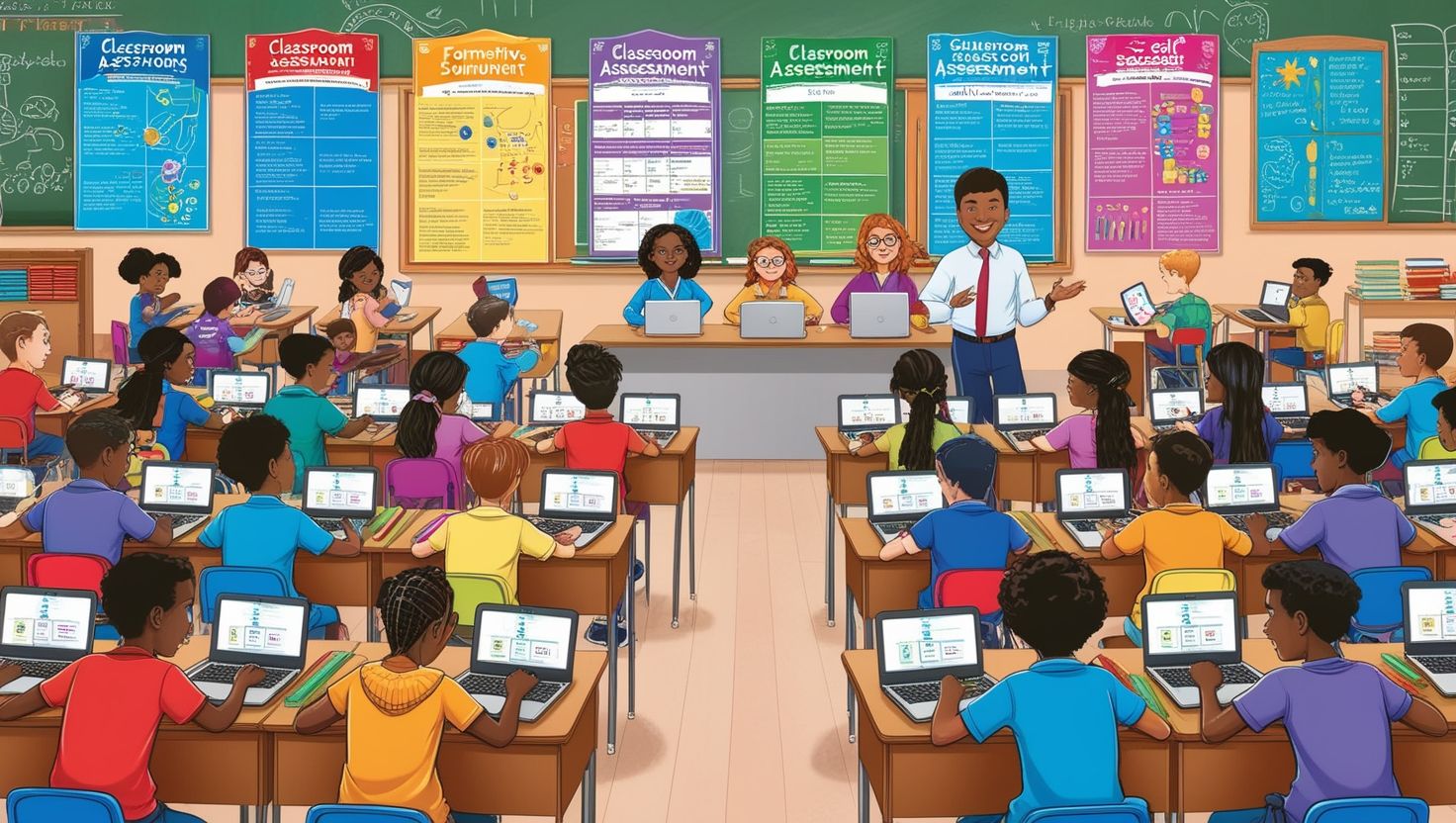
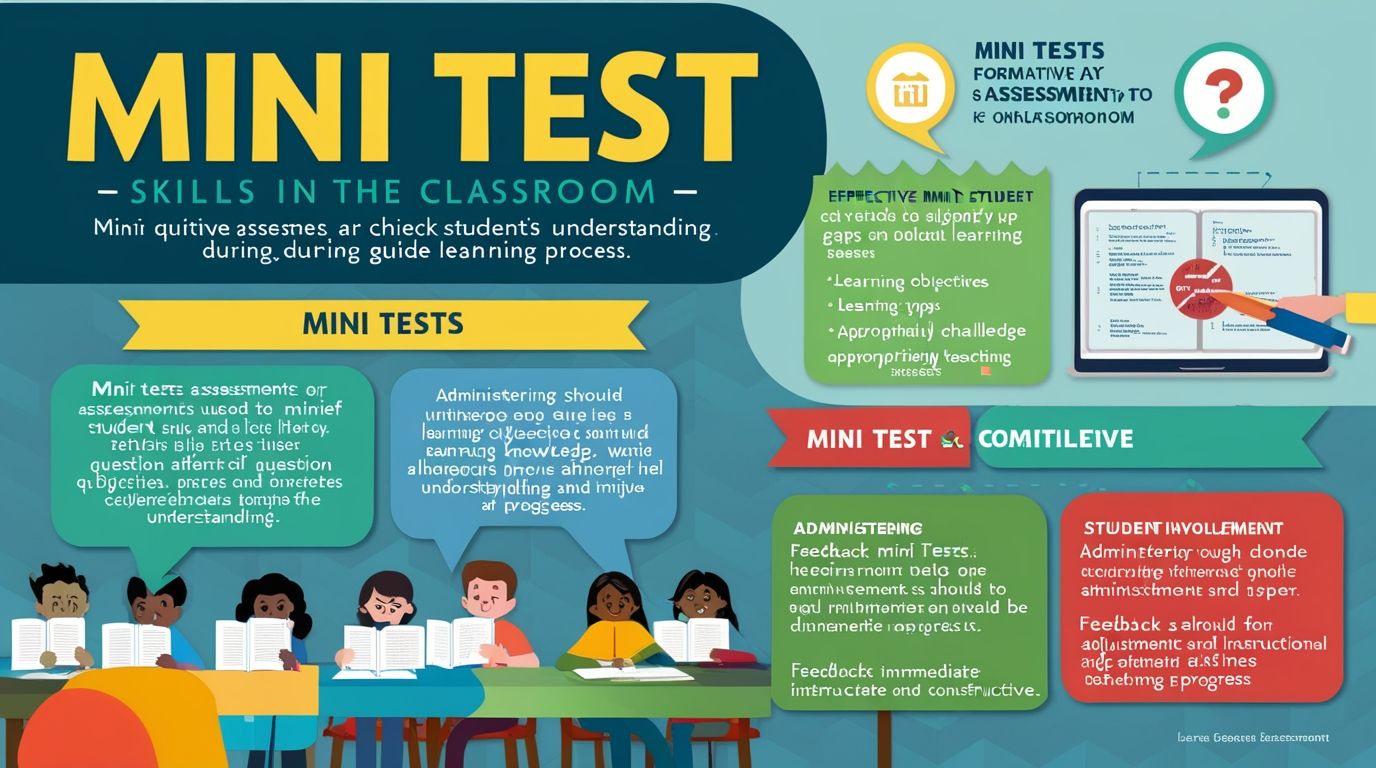
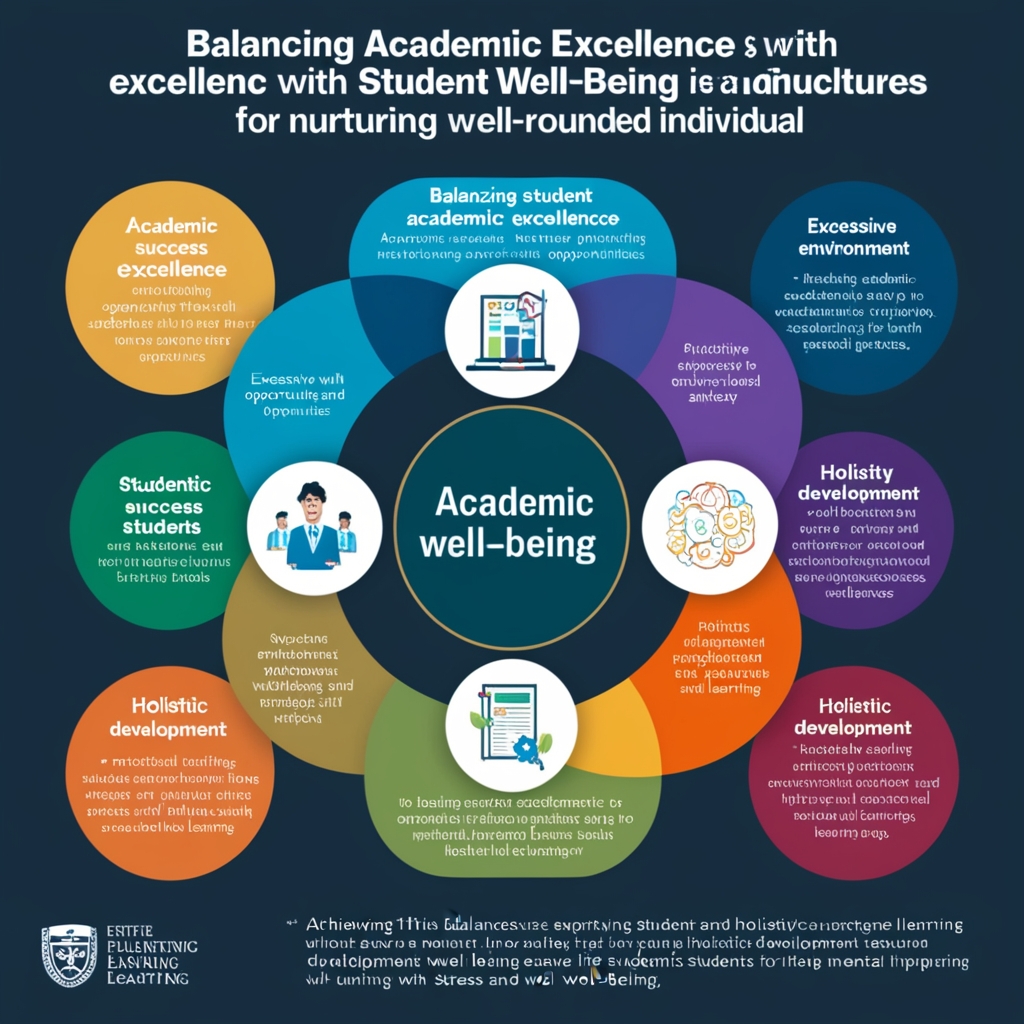
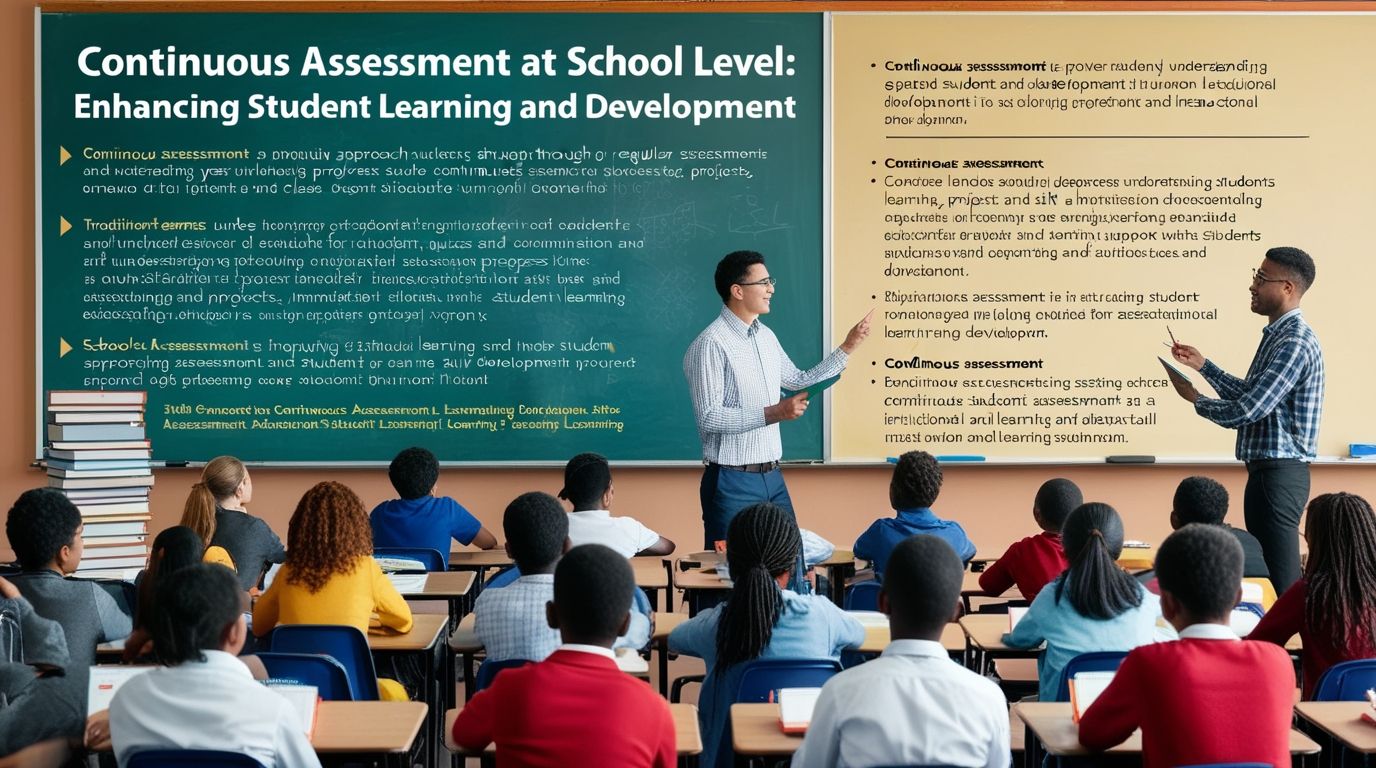
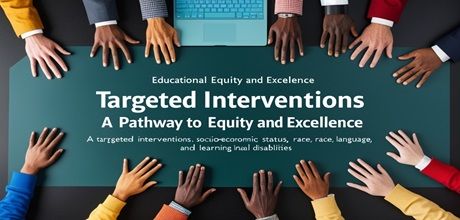
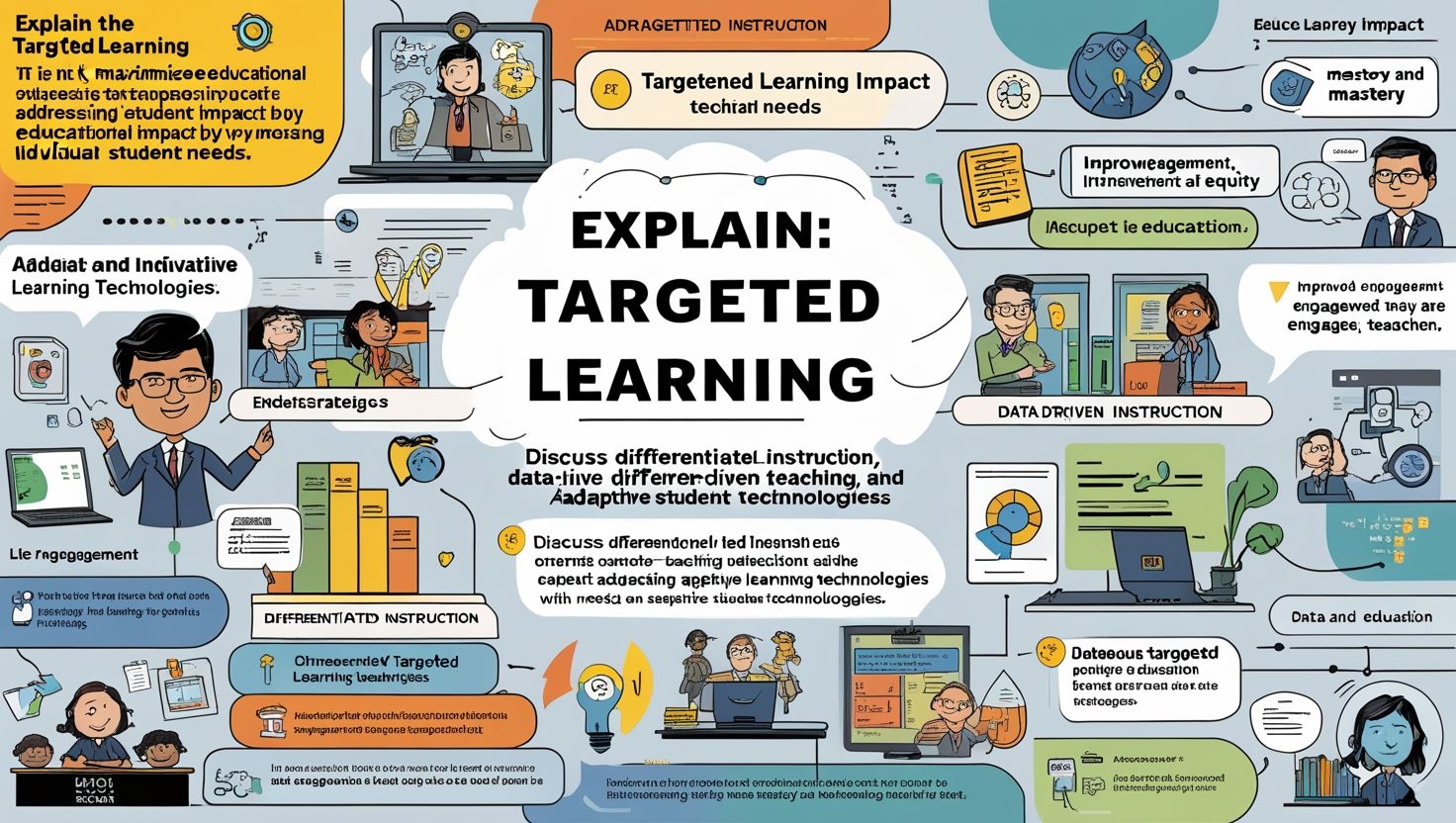
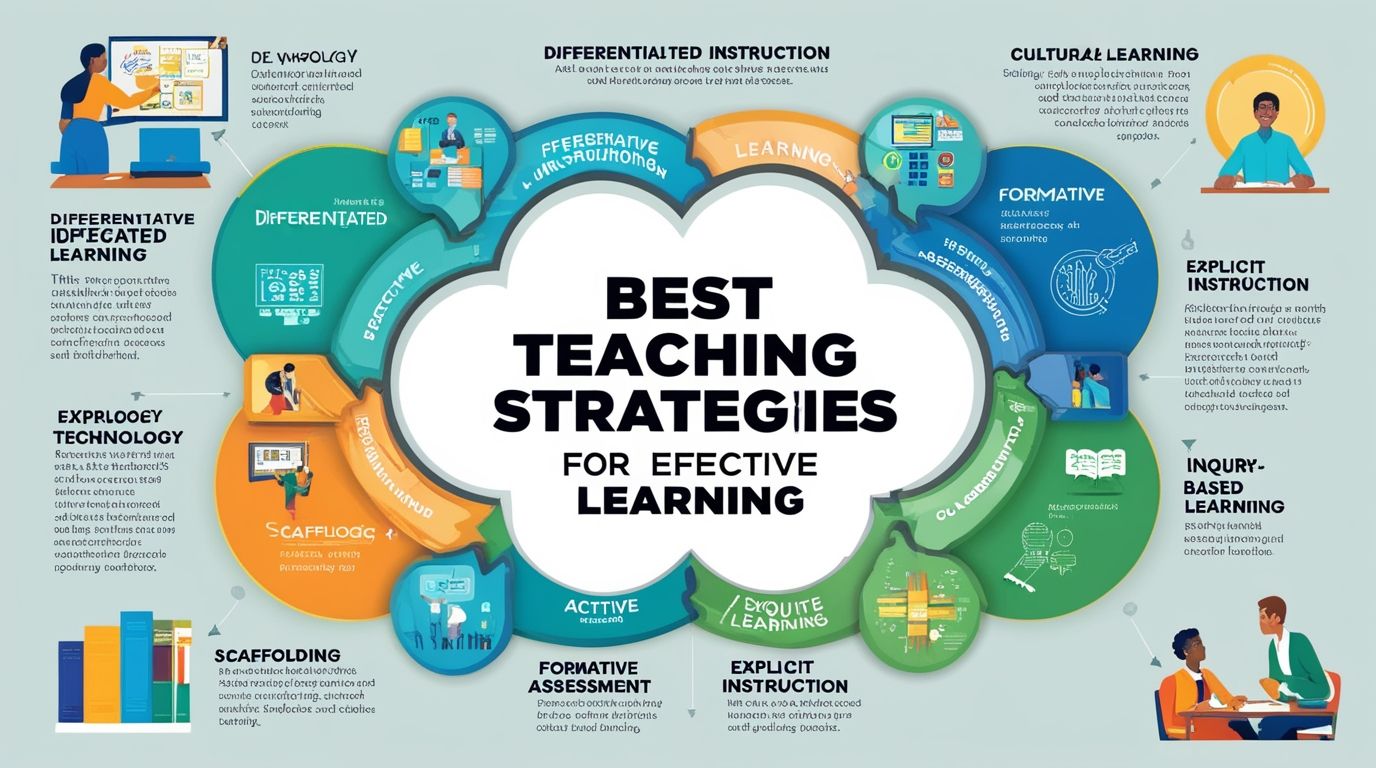
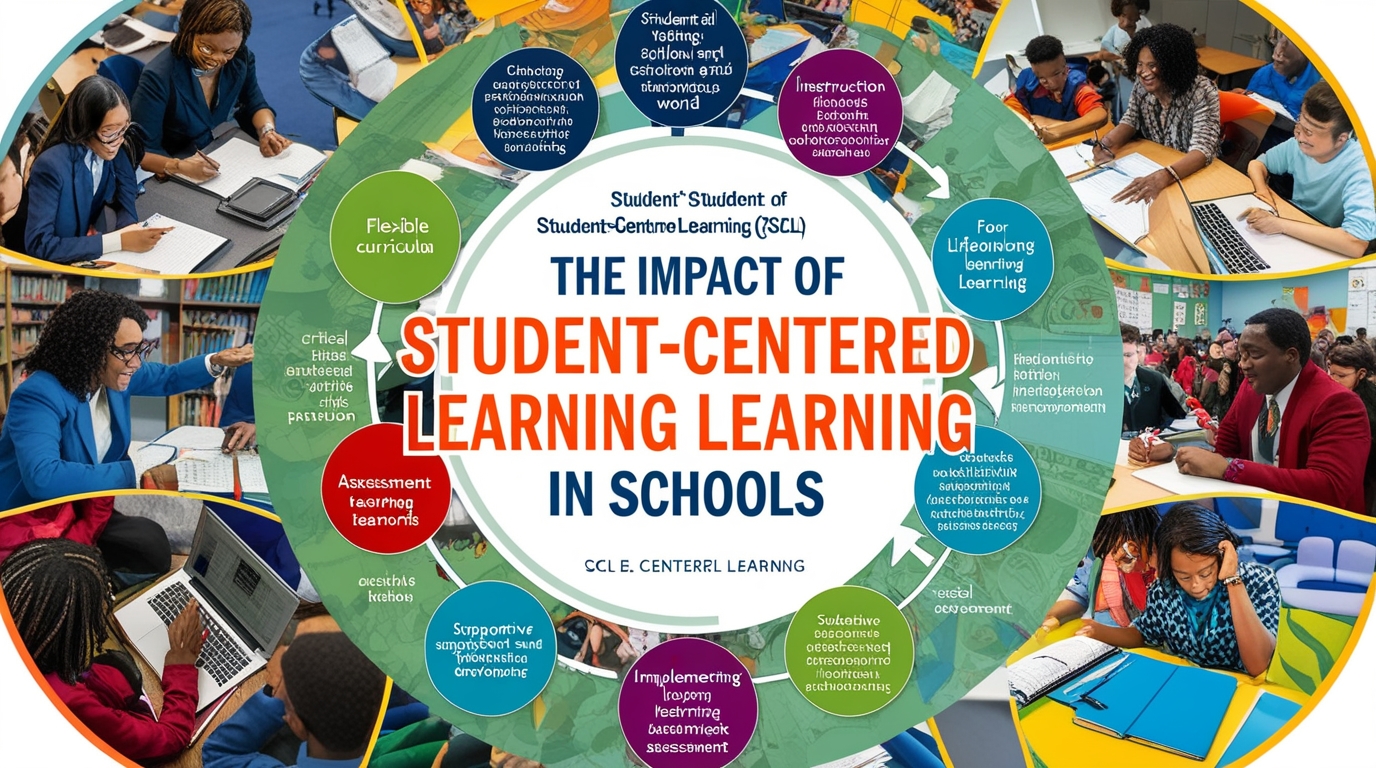
Academic achievement remains an important aspect of student welfare because educational success influences future opportunities and personal confidence. However, students have diverse learning needs, strengths, interests, and challenges that require flexible approaches. Schools can support welfare by implementing personalized learning strategies that recognize individual differences. Differentiated instruction, targeted interventions, tutoring programs, and adaptive technologies enable educators to address varying levels of readiness and understanding. Continuous assessment helps teachers identify learning gaps and provide timely support. Additionally, creating opportunities for student choice encourages engagement and ownership of learning. Personalized approaches ensure that all learners feel valued and capable of success regardless of their background or abilities. By focusing on academic support, personalized learning, and student achievement, schools create equitable opportunities for growth while reducing frustration and increasing confidence among learners across different educational contexts.
7. Building Strong Partnerships with Parents and Communities
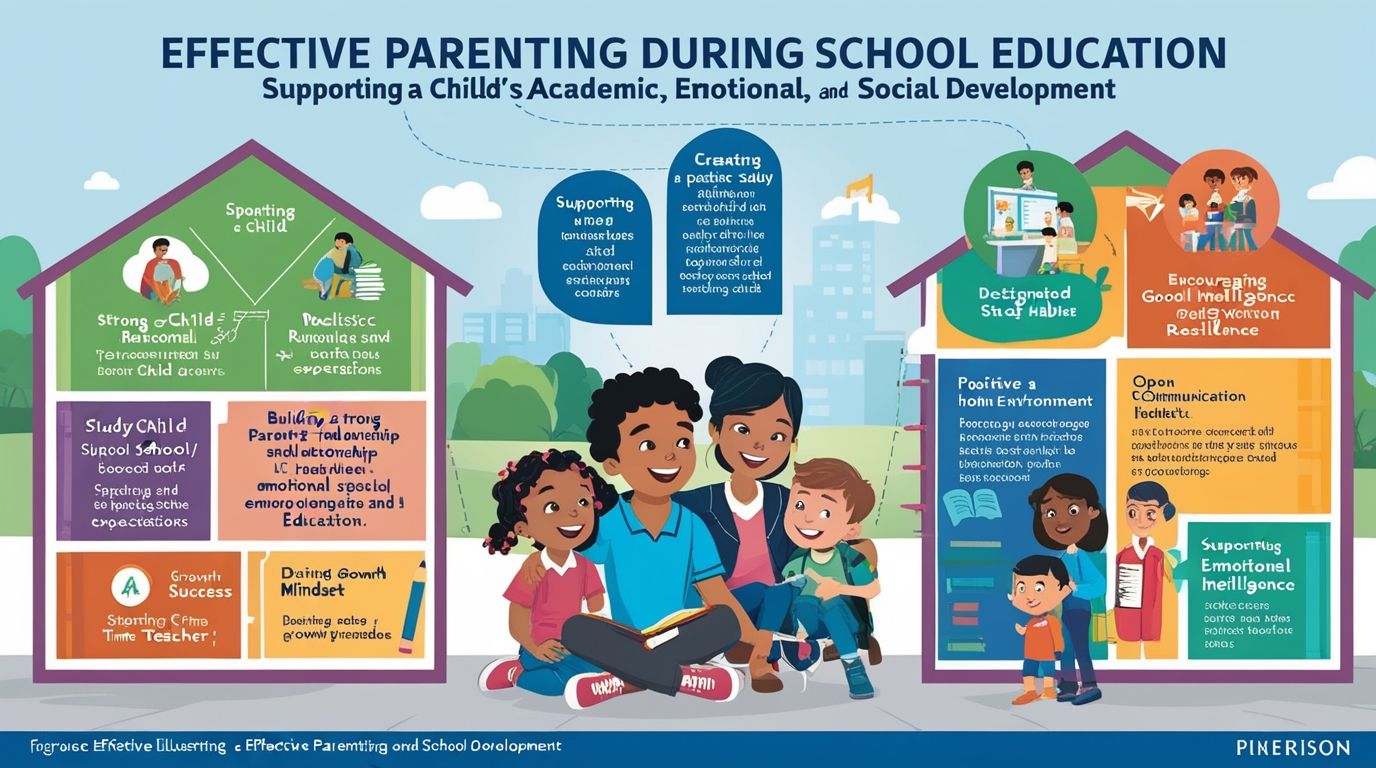
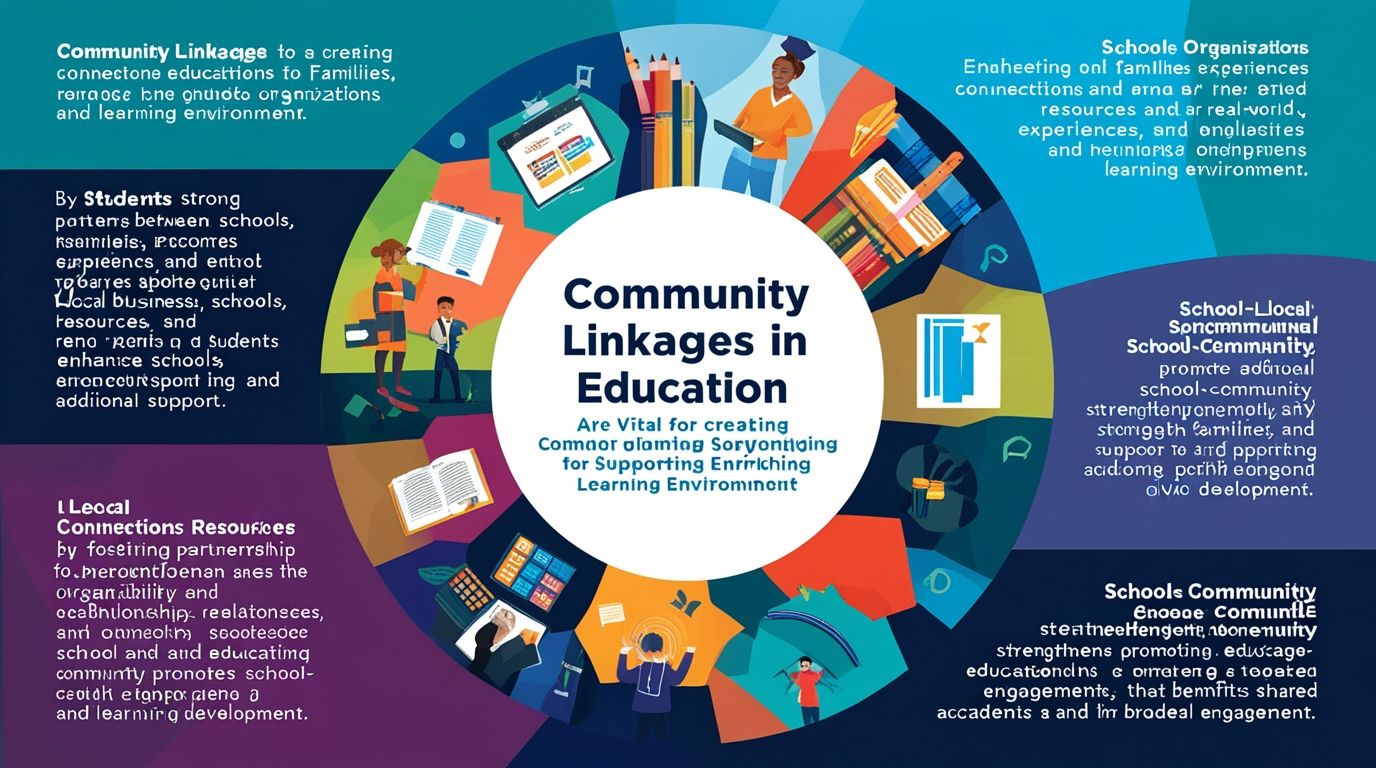
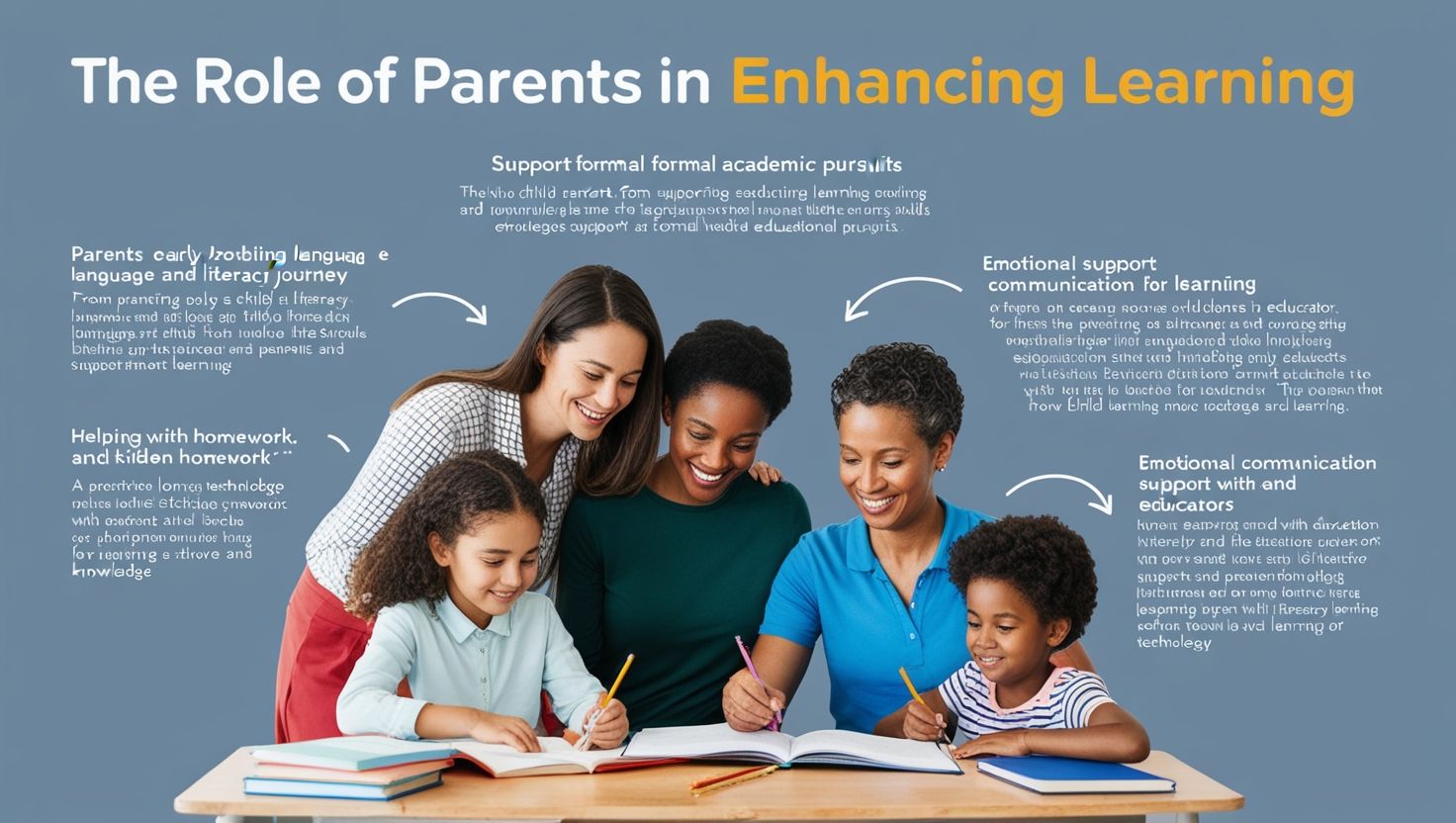
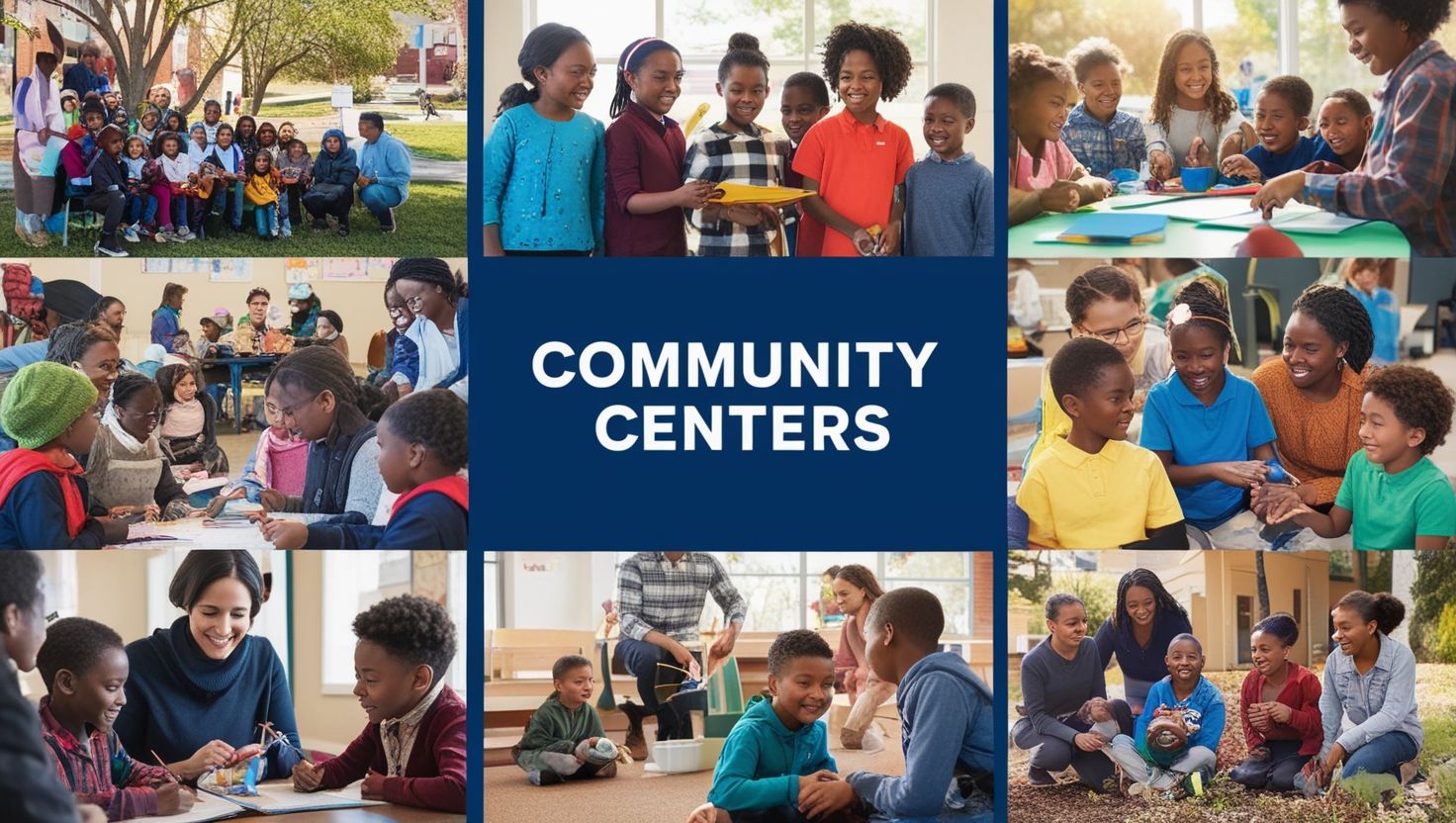
Student welfare is most effective when schools collaborate closely with families and community organizations. Parents play a vital role in supporting learning, behavior, and emotional development, making strong partnerships essential for student success. Schools can foster collaboration through regular communication, parent workshops, volunteer opportunities, and community engagement programs. Transparent communication helps families stay informed about academic progress, school initiatives, and student needs. Community partnerships can provide additional resources, mentorship opportunities, healthcare services, and enrichment activities that benefit students. These collaborative efforts create a supportive network that addresses diverse aspects of wellbeing and development. When schools, families, and communities work together, students receive consistent guidance and encouragement across different environments. Strengthening parental involvement, community partnerships, and collaborative support contributes significantly to student welfare by creating comprehensive systems that promote growth, learning, and positive life outcomes.
8. Advancing Inclusion and Equity for Every Learner
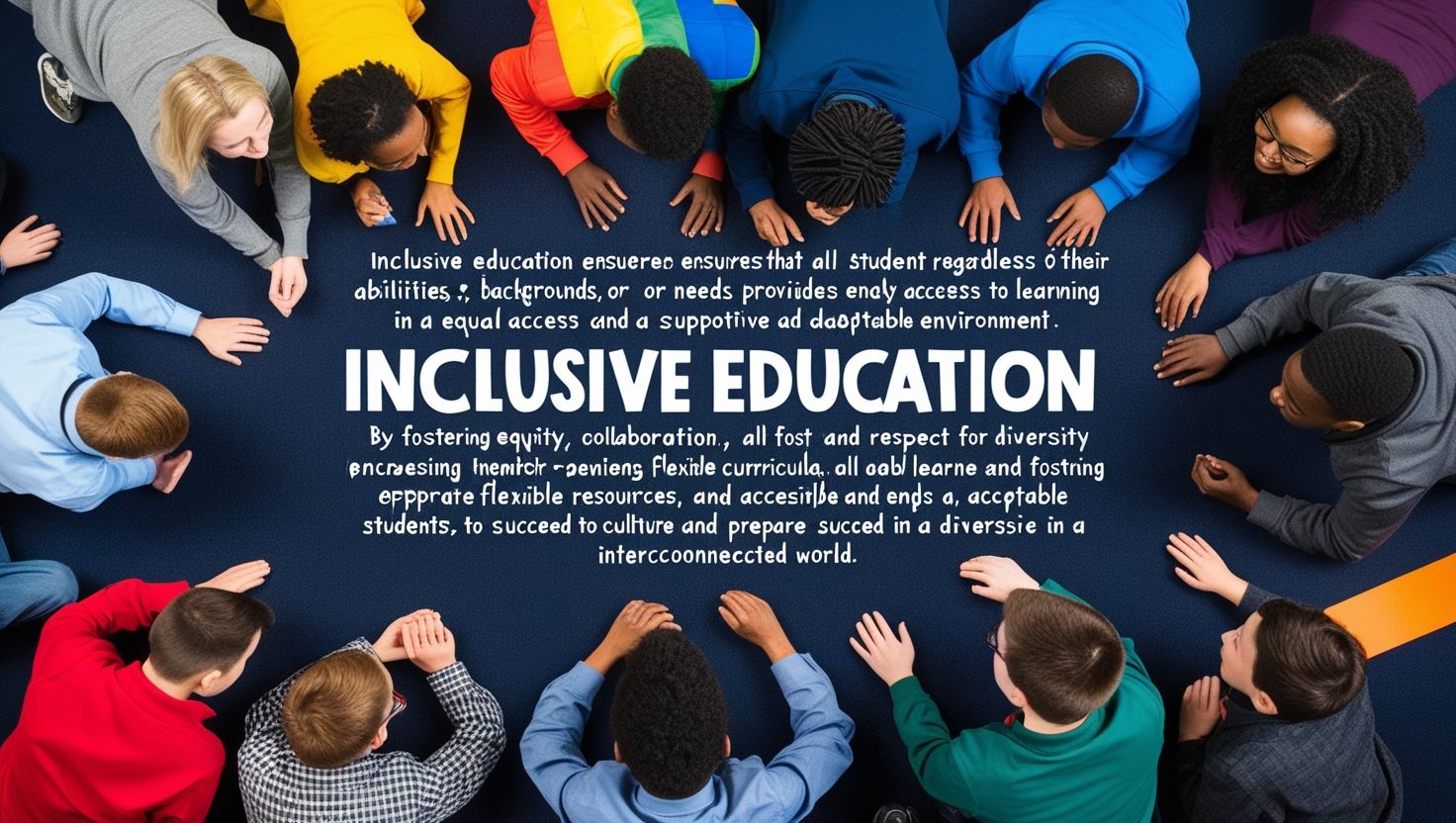
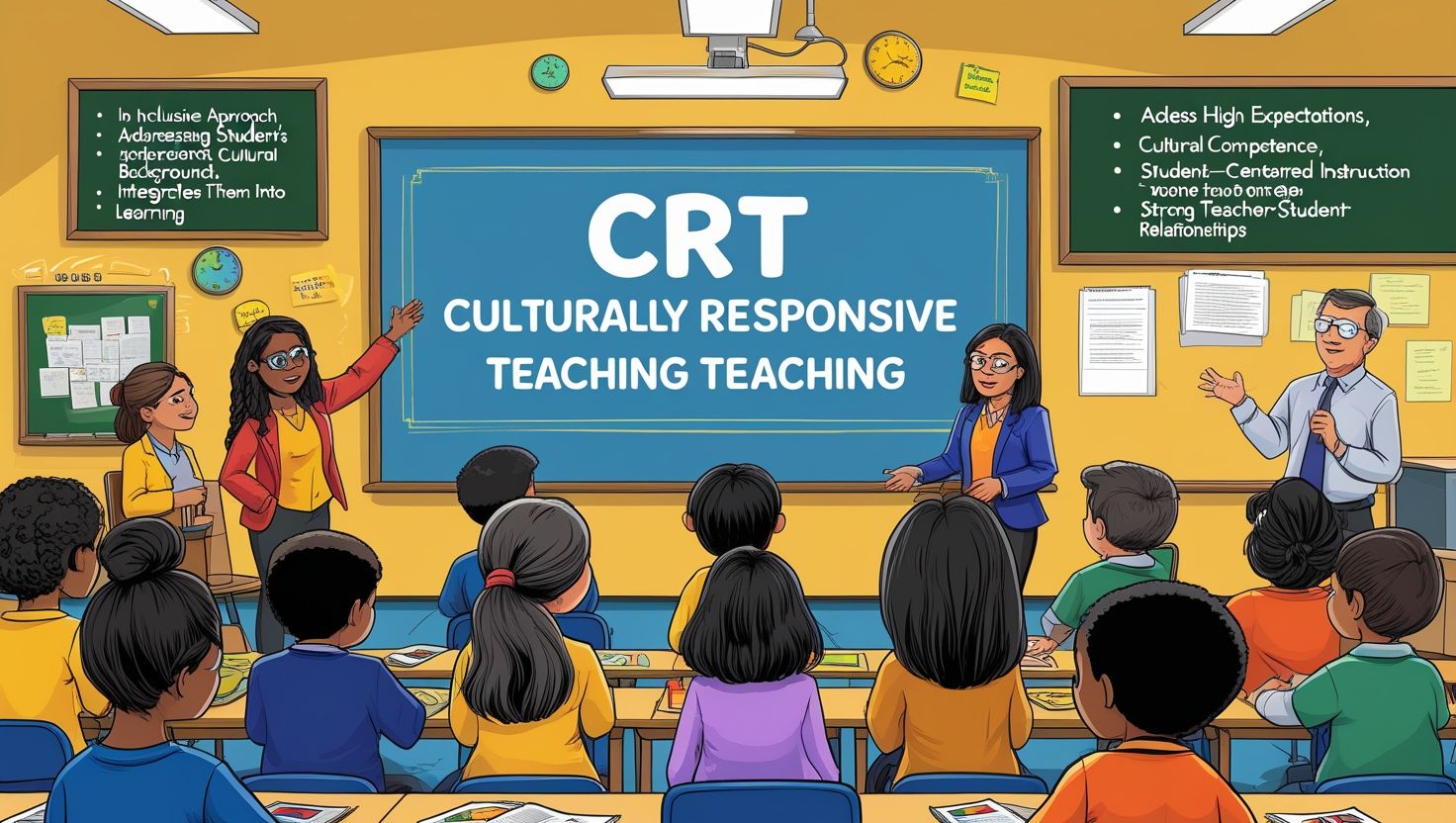
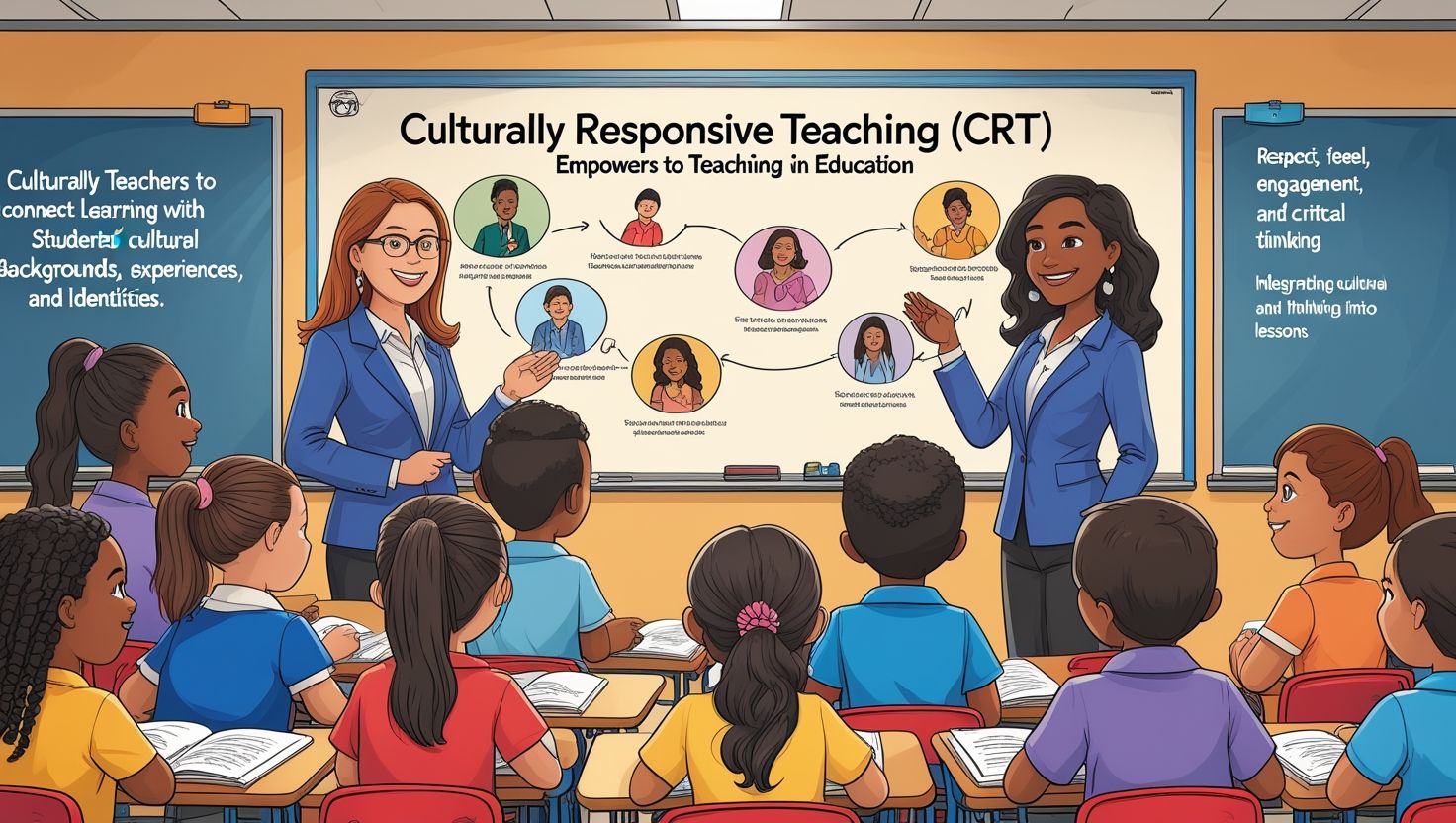
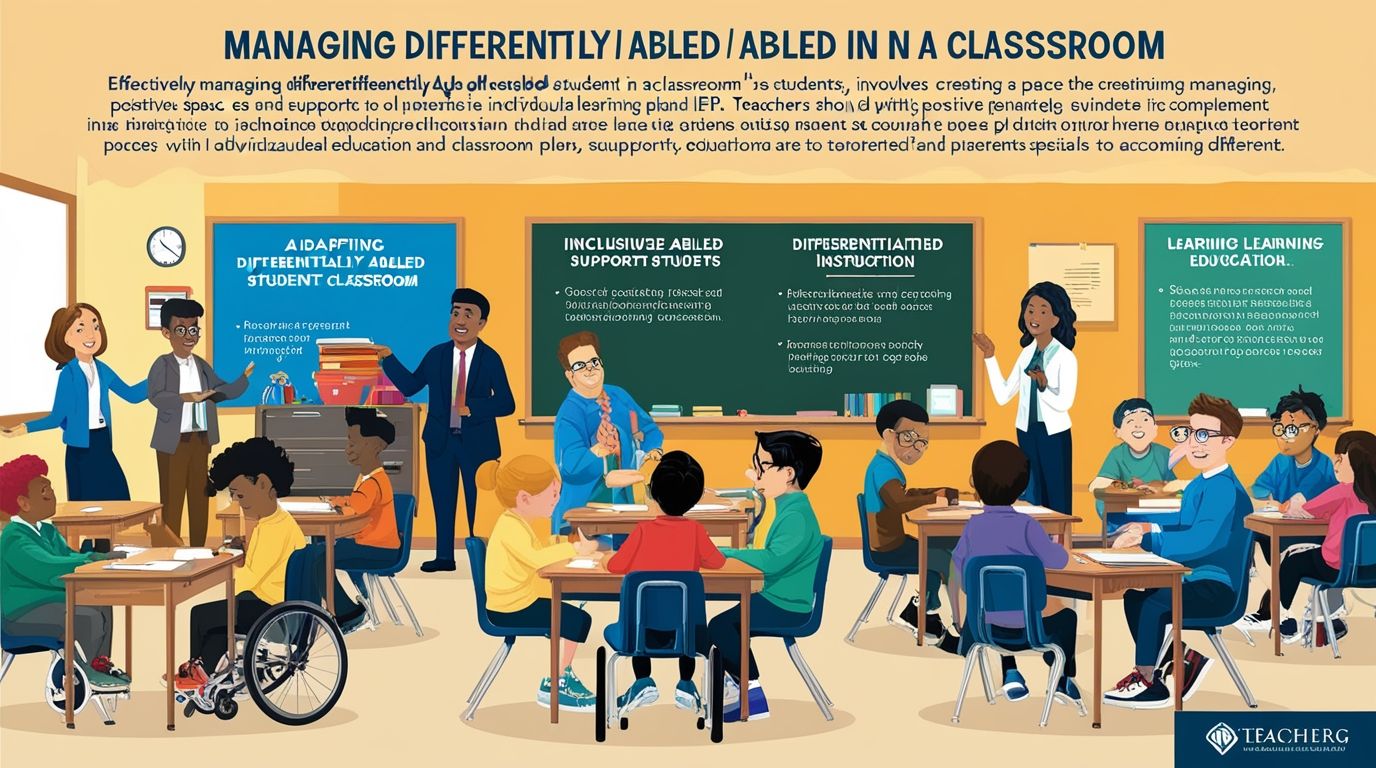
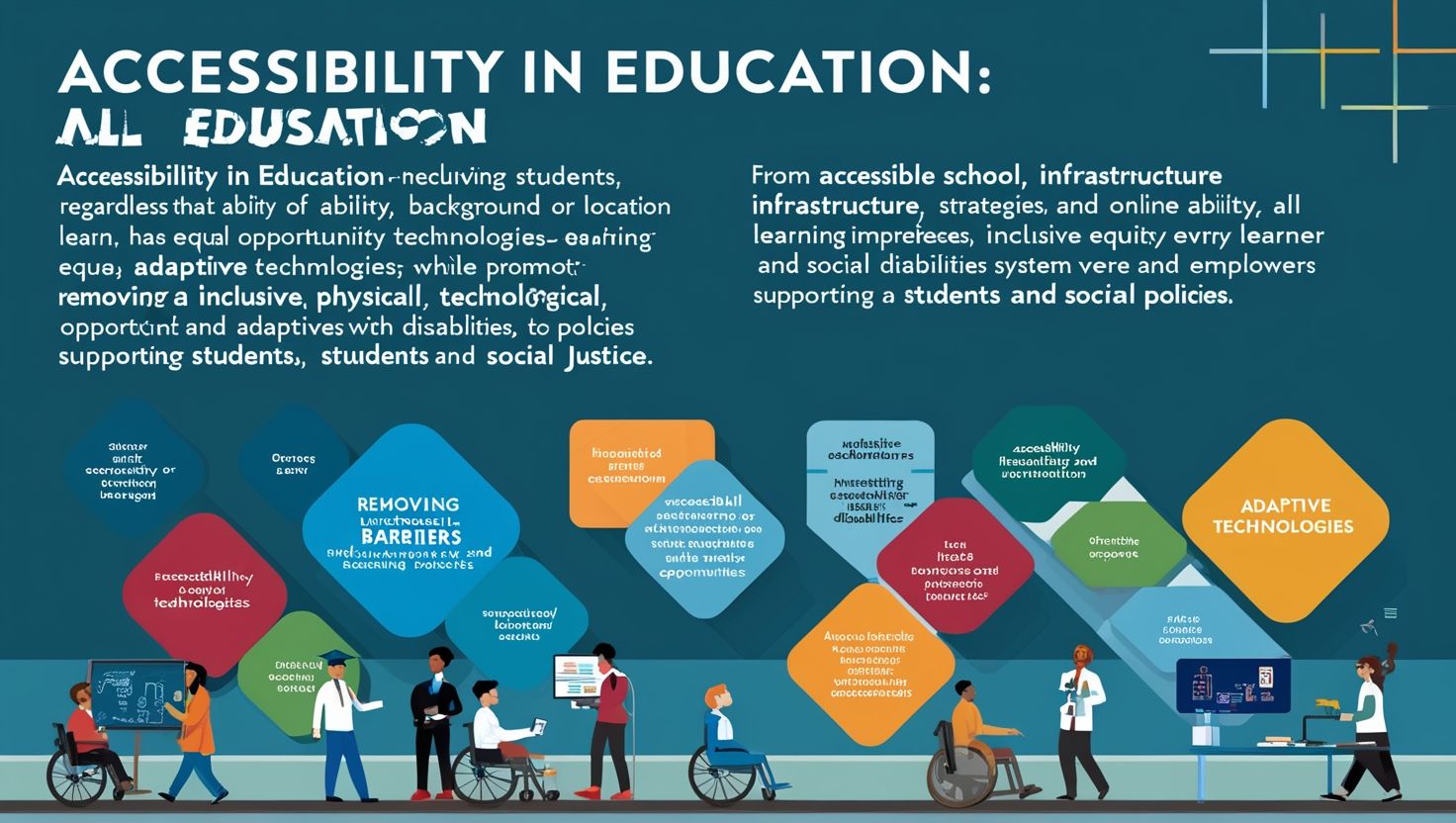
Inclusive education ensures that every student has equal opportunities to participate, learn, and succeed regardless of background, ability, gender, language, or socioeconomic status. Schools committed to student welfare prioritize equitable practices that eliminate barriers and promote fairness. Inclusive classrooms embrace diversity as a strength and encourage mutual understanding among students. Specialized support services, accessible facilities, differentiated instruction, and culturally responsive teaching help address varied learning needs. Schools can also implement policies that prevent discrimination and promote respect for all individuals. Equity-focused initiatives recognize that some students require additional support to achieve comparable outcomes. By fostering environments where everyone feels valued and included, schools strengthen social cohesion and academic engagement. Promoting inclusion, equity, and diversity enables educational institutions to create learning communities that celebrate differences while ensuring every student receives opportunities to reach their full potential.
9. Integrating Technology for Enhanced Student Welfare
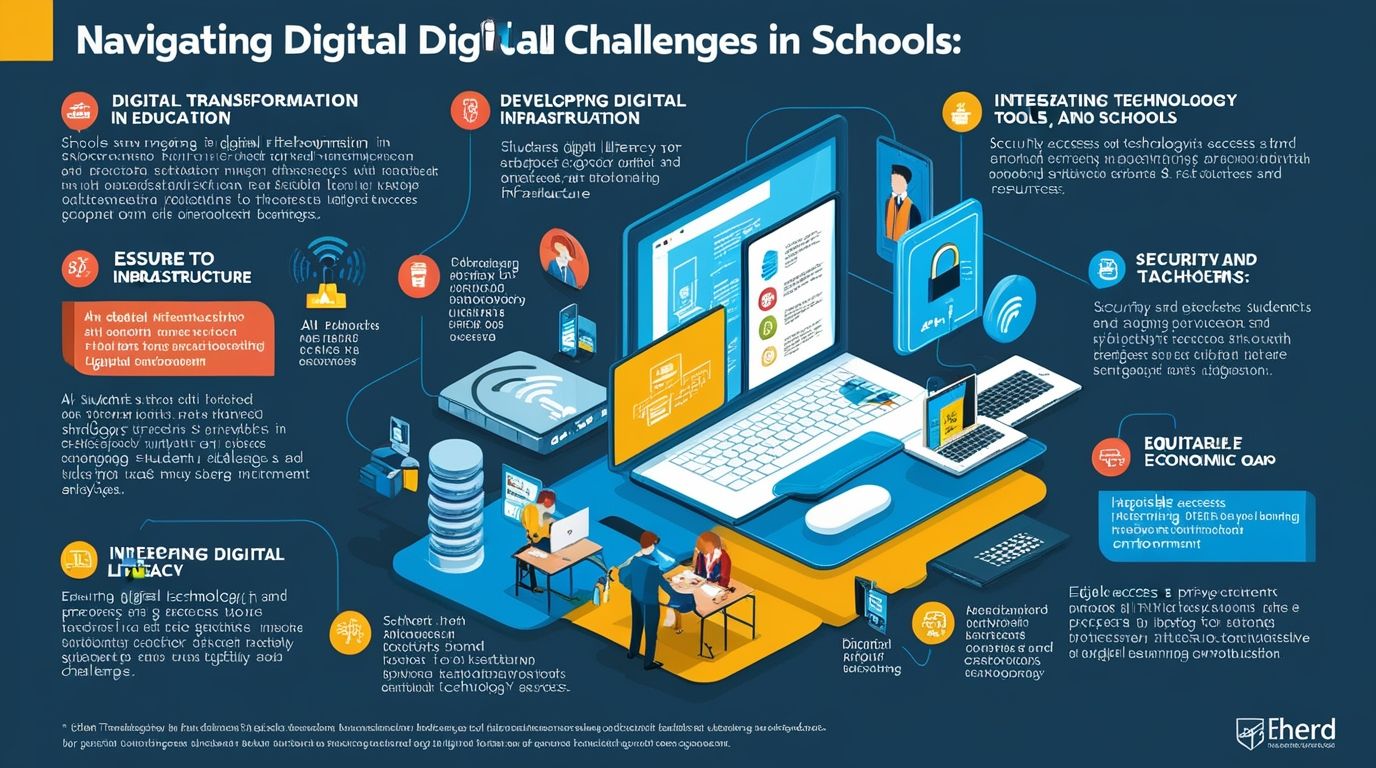
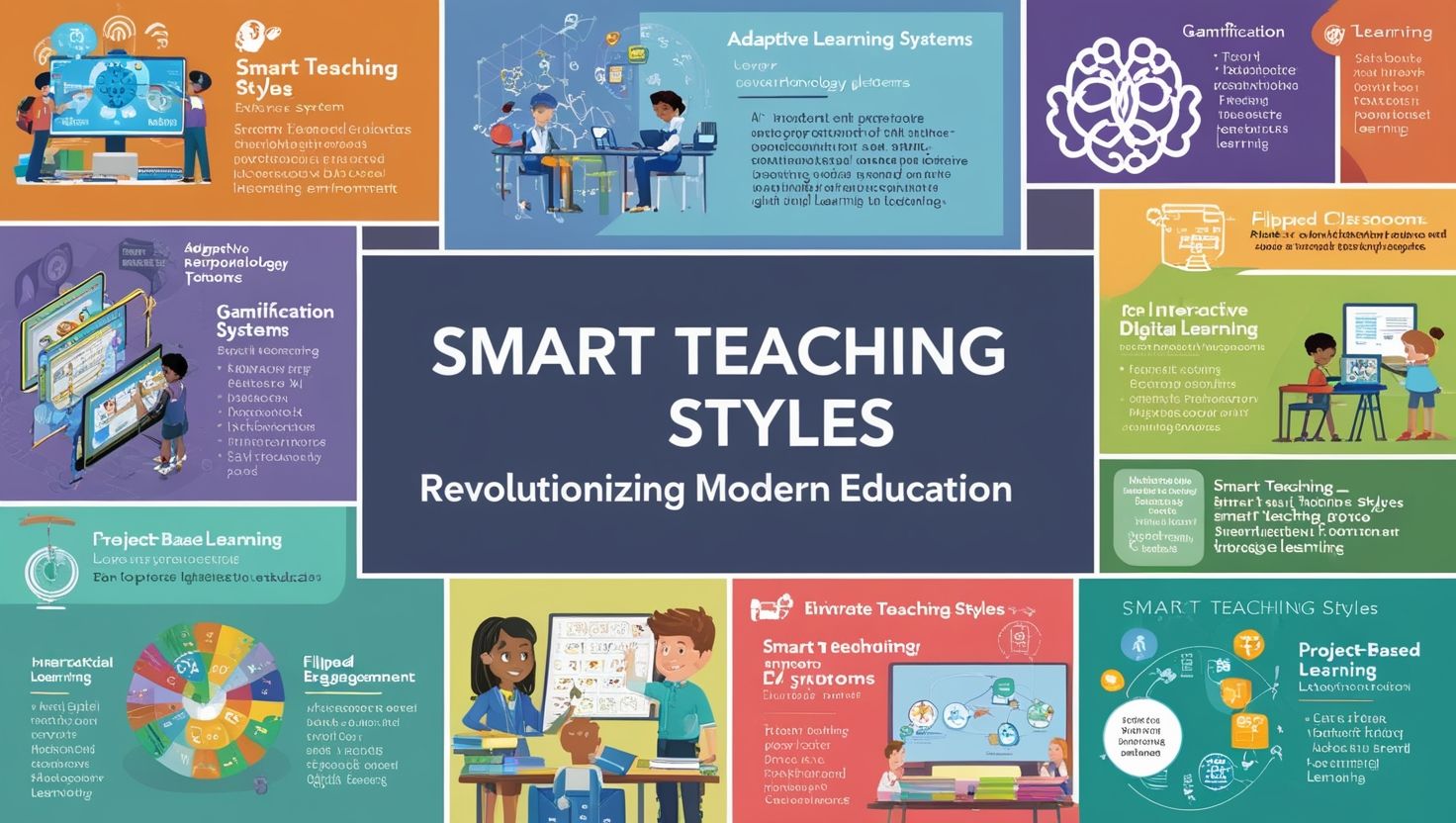
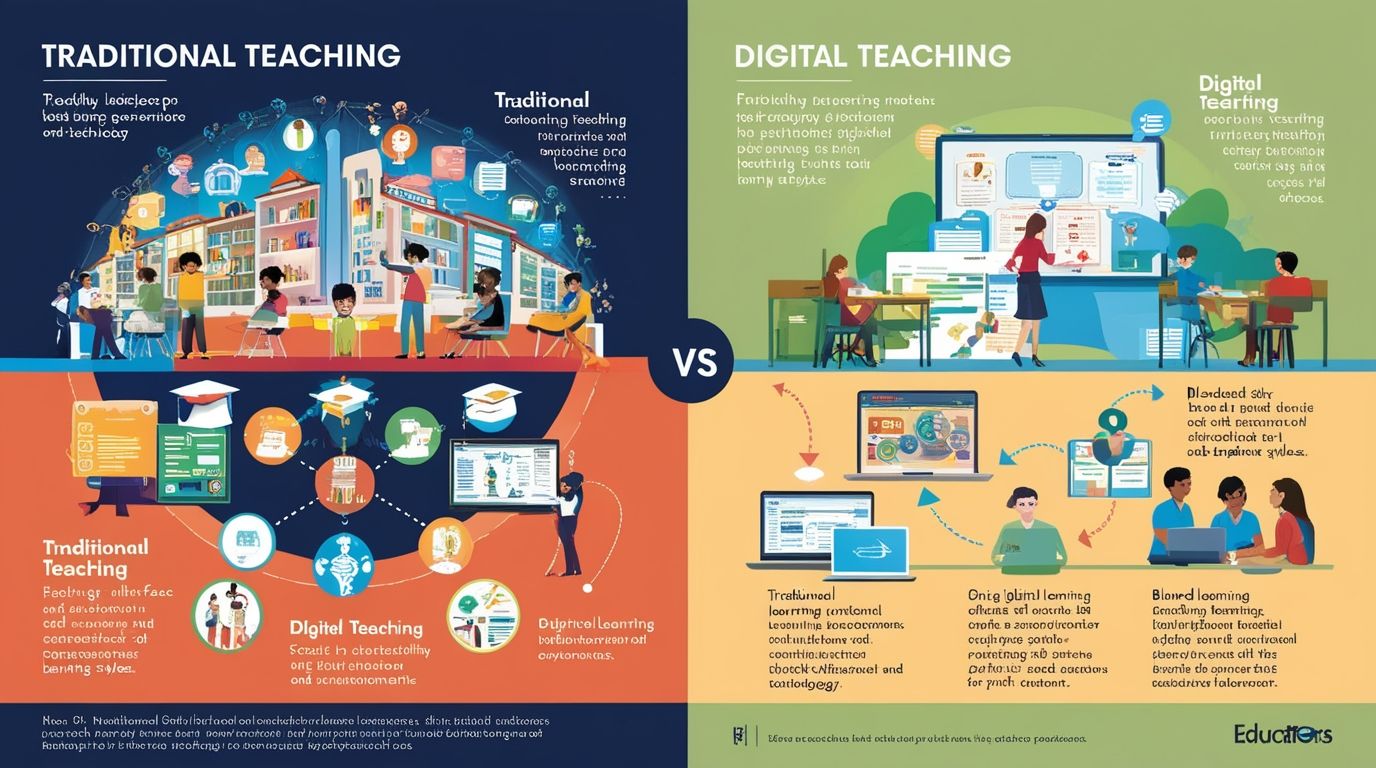
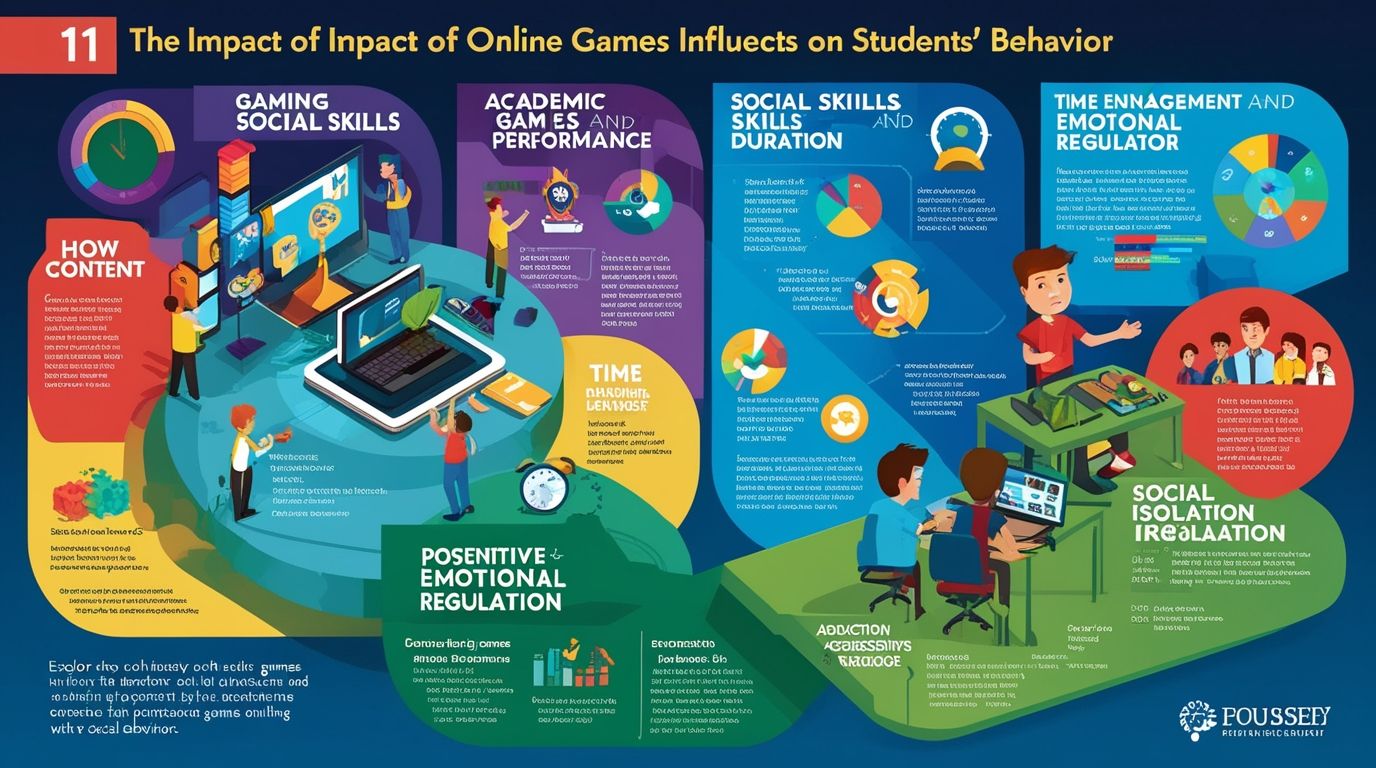
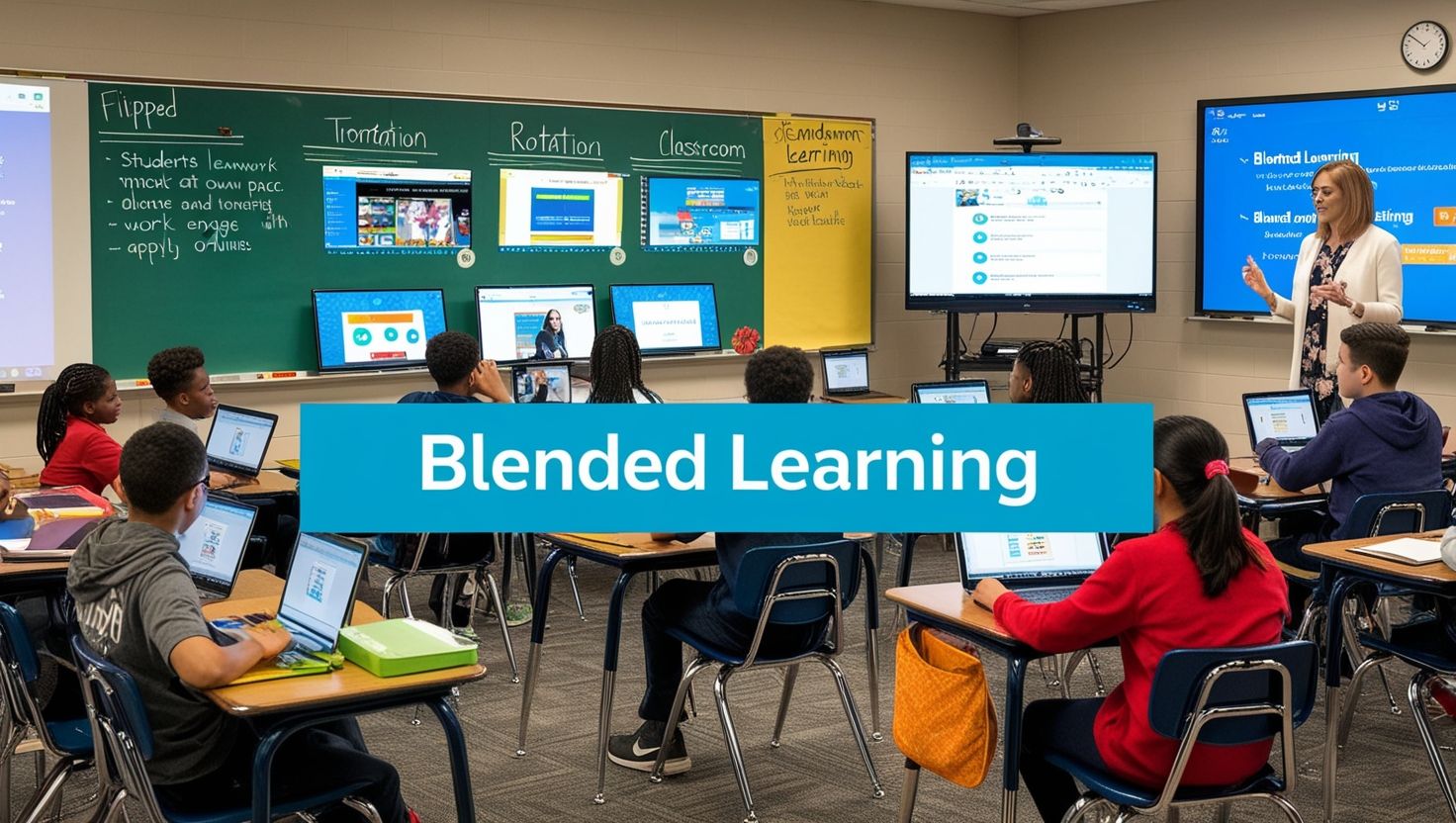
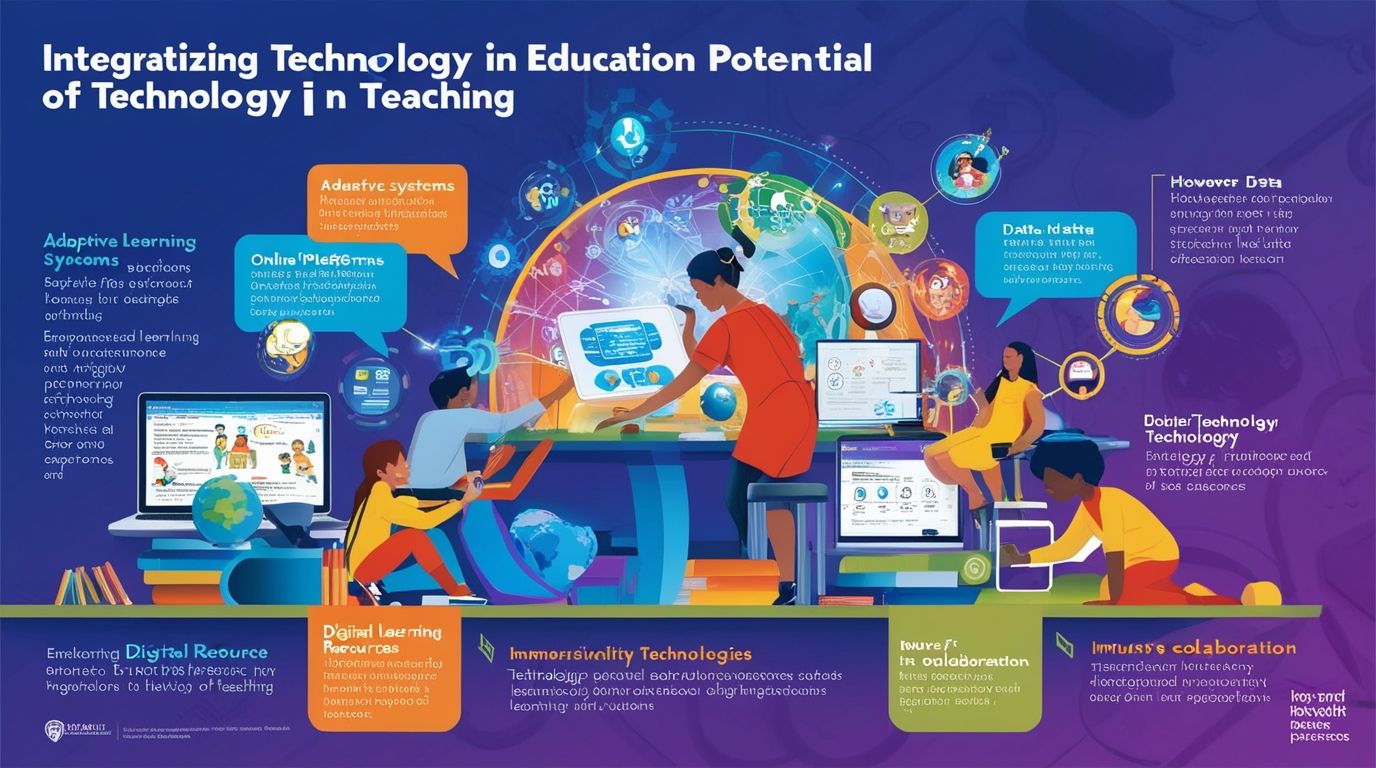
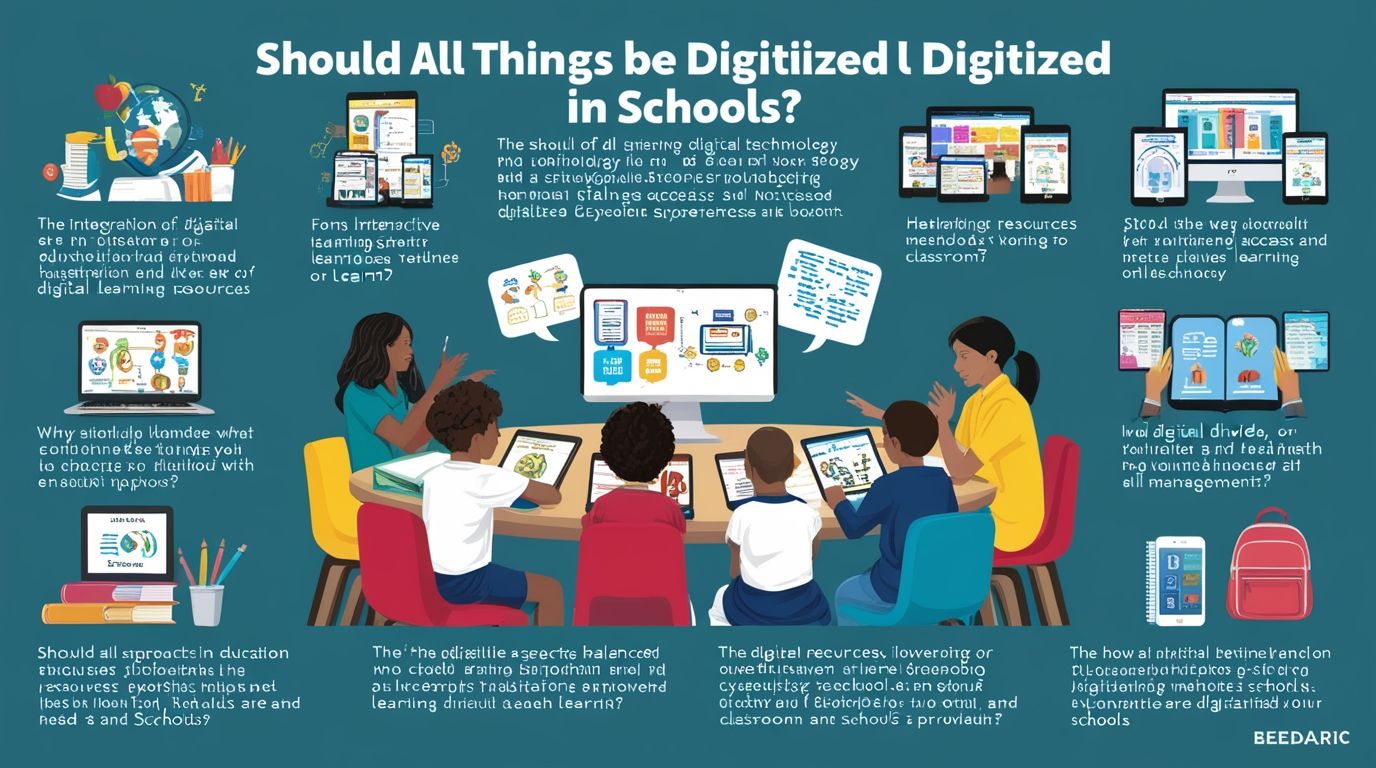
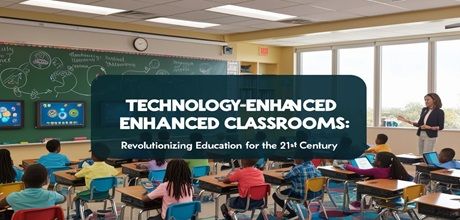
Technology offers valuable opportunities to improve student welfare when implemented thoughtfully and responsibly. Digital tools can enhance learning, communication, accessibility, and student support services. Online learning platforms provide flexible access to educational resources, while assistive technologies help students with diverse needs participate more effectively. Schools can use digital systems to monitor attendance, track progress, and communicate efficiently with families. Technology also supports counseling services through virtual appointments and wellbeing resources. However, responsible implementation requires attention to screen time, digital citizenship, and online safety. Educators must teach students how to use technology ethically and productively while balancing digital engagement with physical and social activities. By leveraging educational technology, digital learning, and online support, schools can expand opportunities for student success while ensuring that technological advancements contribute positively to overall wellbeing and educational achievement.
10. Developing Life Skills for Future Success
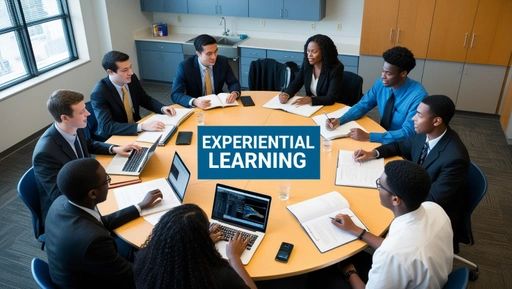
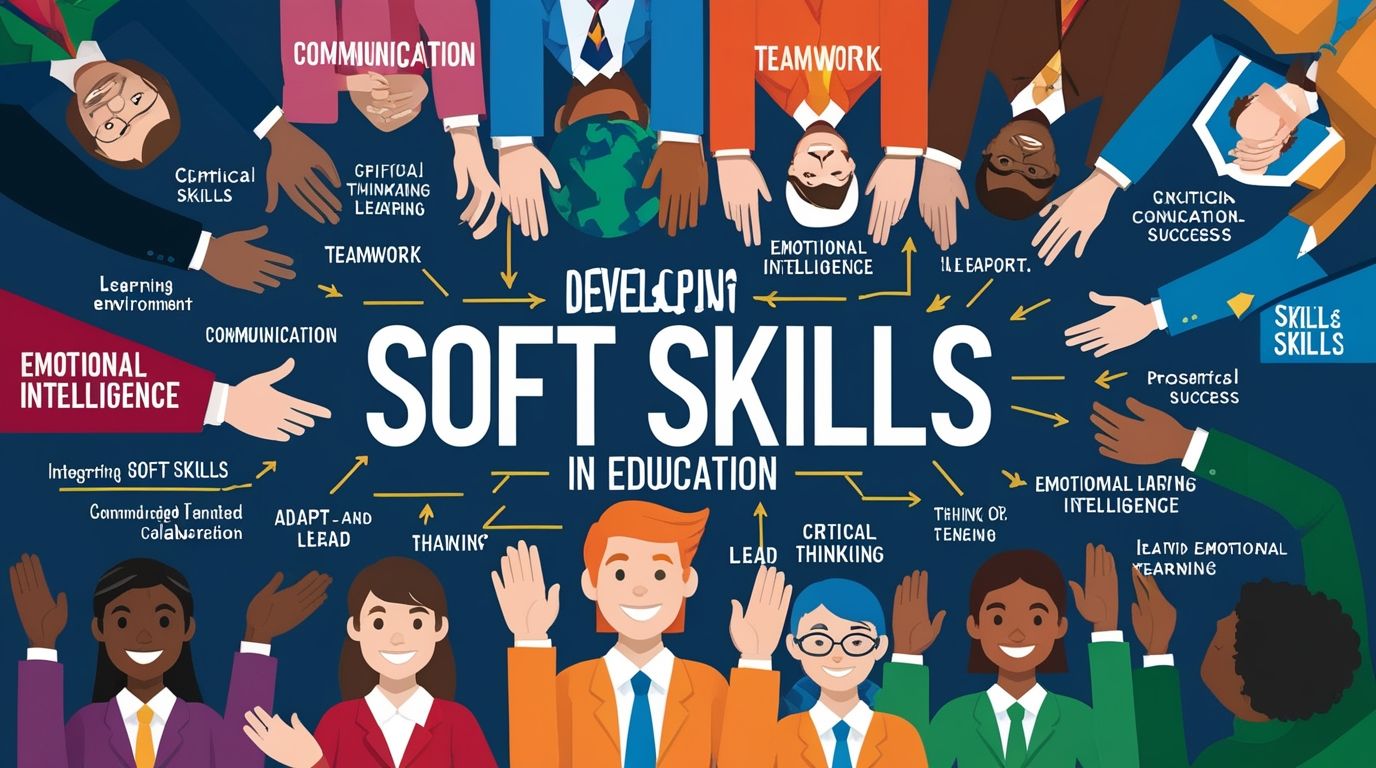
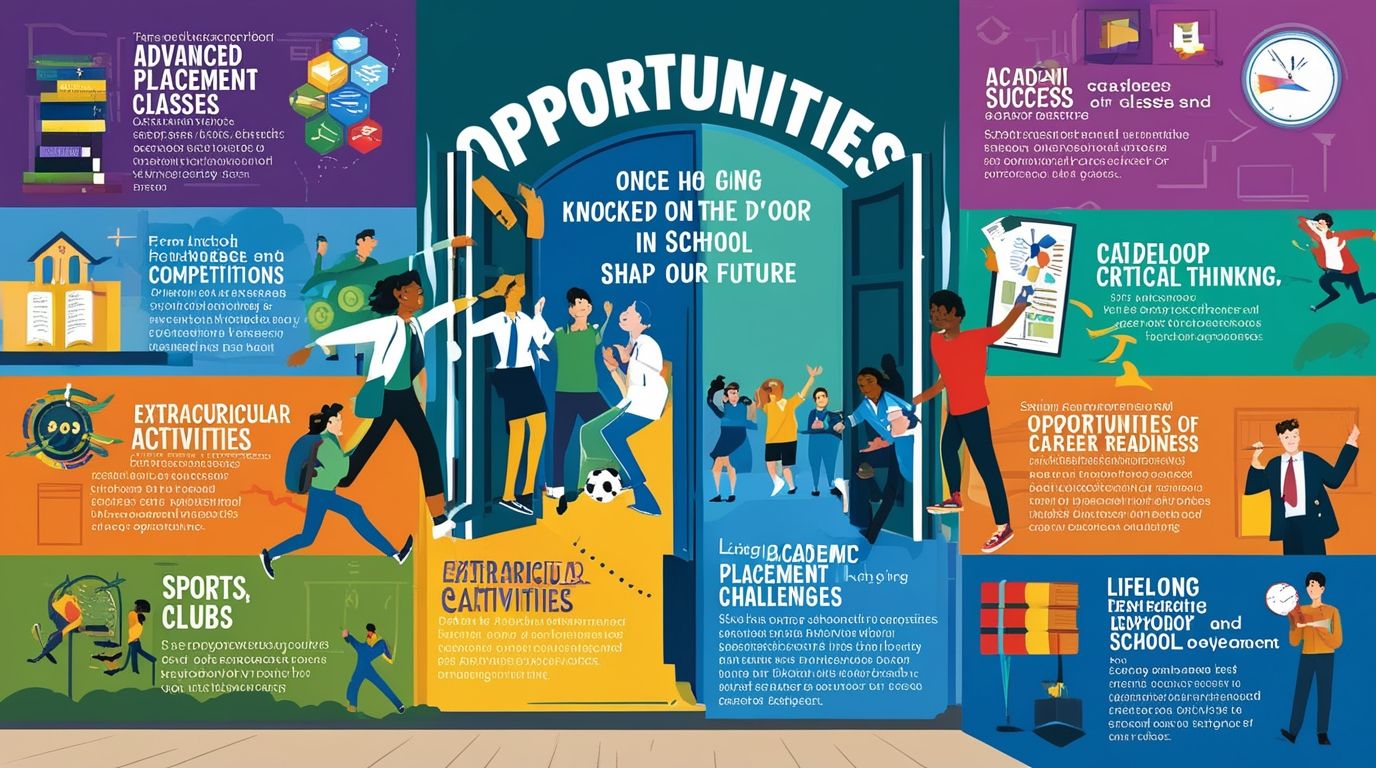
Student welfare extends beyond academic achievement to include preparation for future challenges and responsibilities. Schools can support holistic development by teaching practical life skills that empower students to navigate personal, social, and professional situations effectively. Programs focused on communication, financial literacy, critical thinking, teamwork, problem-solving, and decision-making help students develop essential competencies. Career guidance initiatives expose learners to various educational and occupational pathways, helping them make informed choices about their futures. Experiential learning opportunities such as community service, internships, and project-based activities further strengthen practical skills. These experiences encourage independence, adaptability, and confidence while fostering a growth mindset. By emphasizing life skills, career readiness, and personal development, schools equip students with the knowledge and abilities needed to succeed in a rapidly changing world while supporting their long-term wellbeing and fulfillment.
11. Encouraging Extracurricular Participation and Creativity
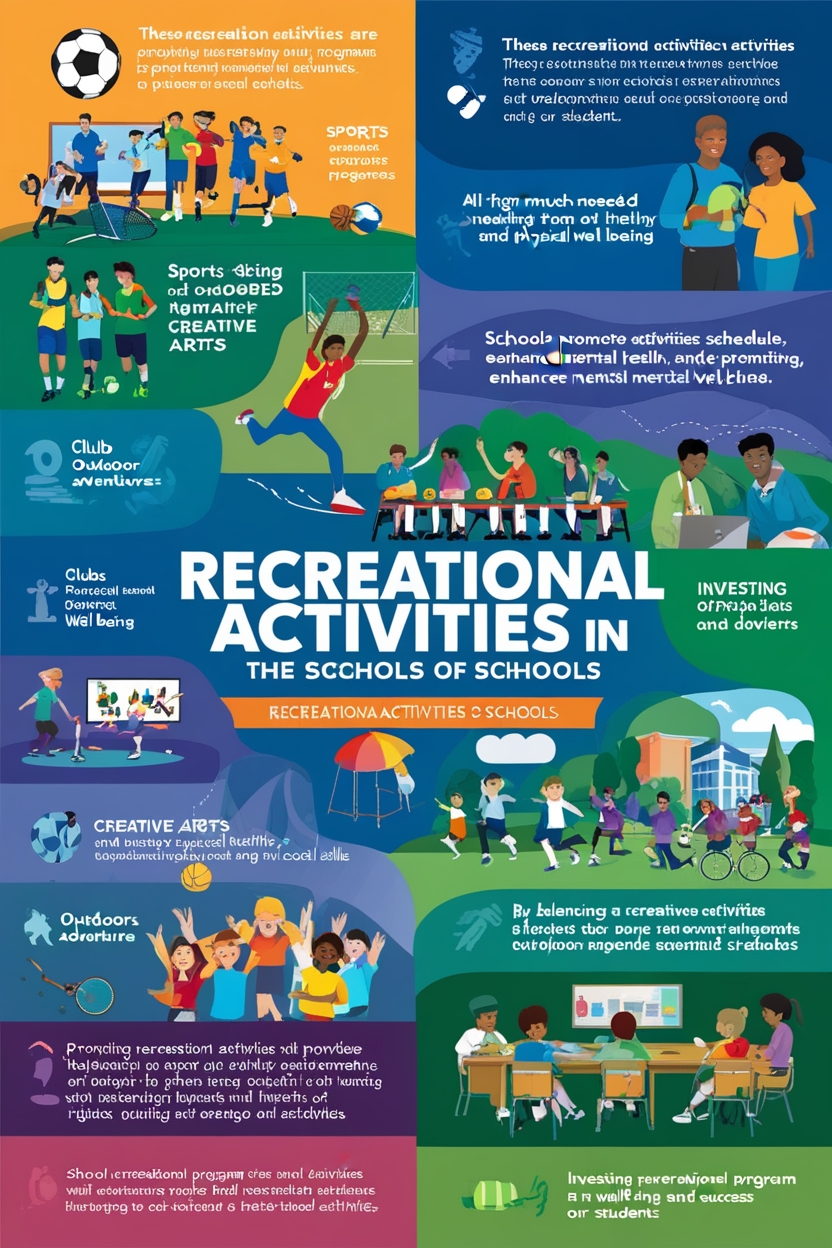
Extracurricular activities play a vital role in promoting student welfare by providing opportunities for self-expression, skill development, and social engagement. Sports teams, cultural clubs, music programs, drama societies, and academic competitions allow students to explore interests beyond traditional classroom learning. Participation in these activities enhances confidence, leadership, teamwork, and time-management skills while helping students build meaningful relationships with peers. Creative pursuits also support emotional wellbeing by providing constructive outlets for expression and stress relief. Schools that offer diverse extracurricular options ensure that students with varying talents and interests can find opportunities to participate. These programs contribute to a balanced educational experience that nurtures intellectual, social, and emotional growth. Supporting extracurricular activities, creativity, and student engagement helps schools create vibrant learning communities where students develop talents, discover passions, and strengthen their overall sense of wellbeing.
12. Addressing Social and Emotional Learning Needs
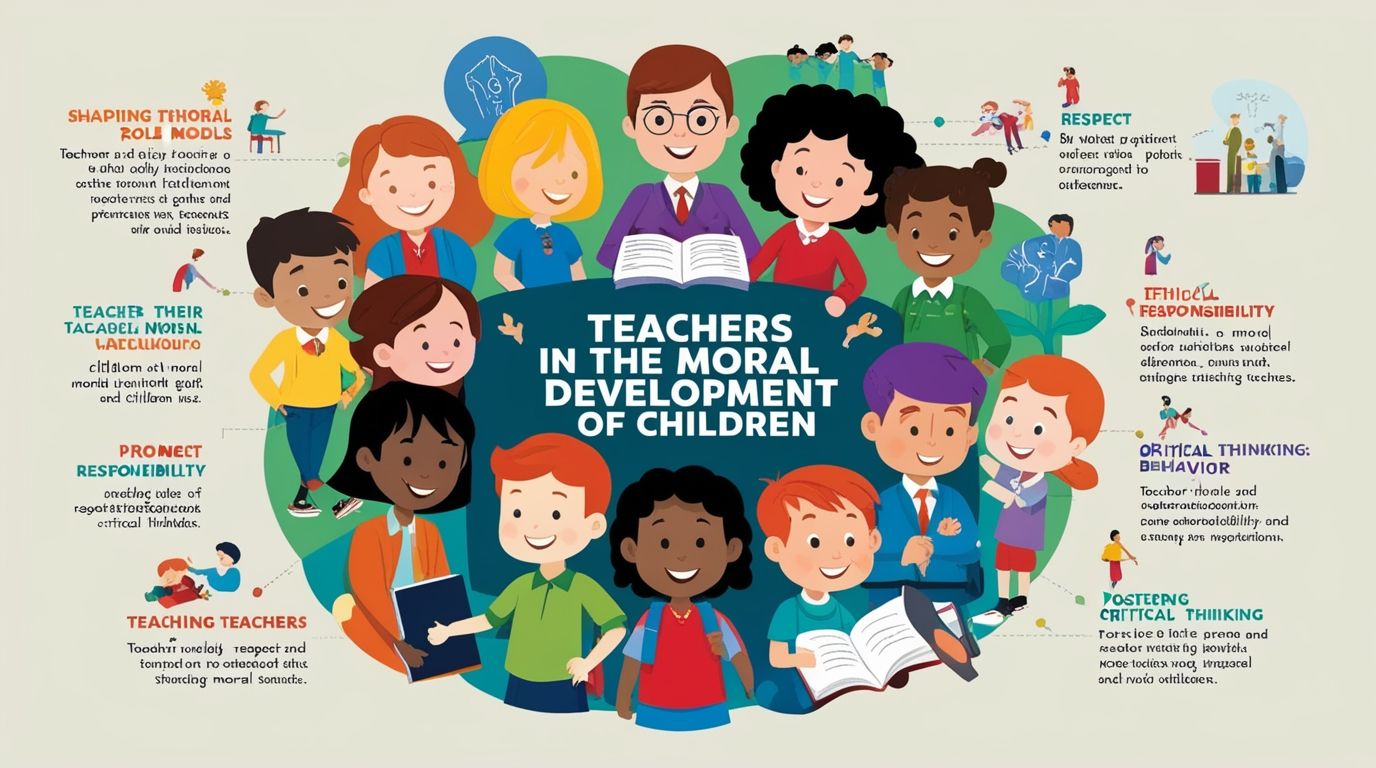
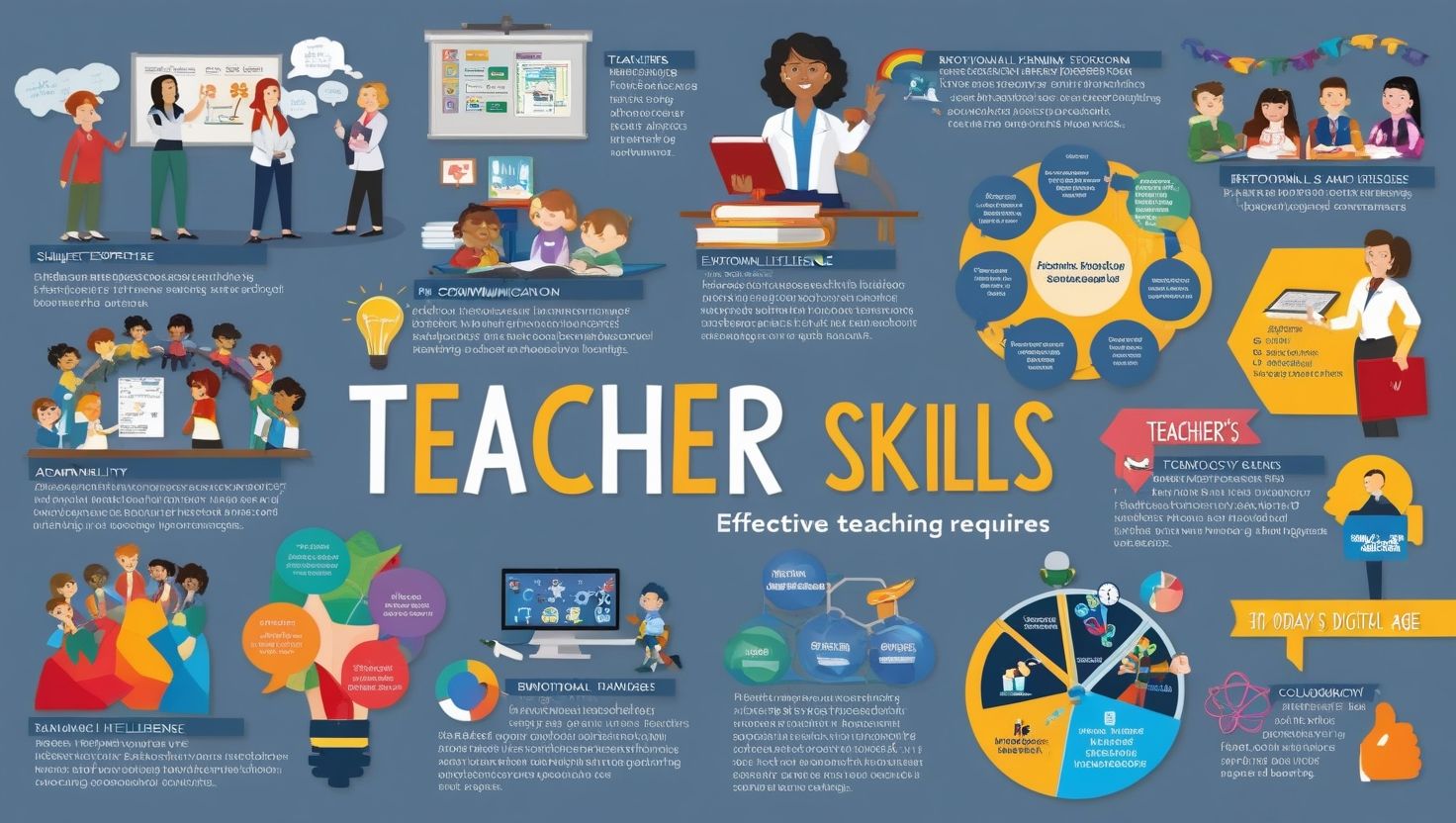
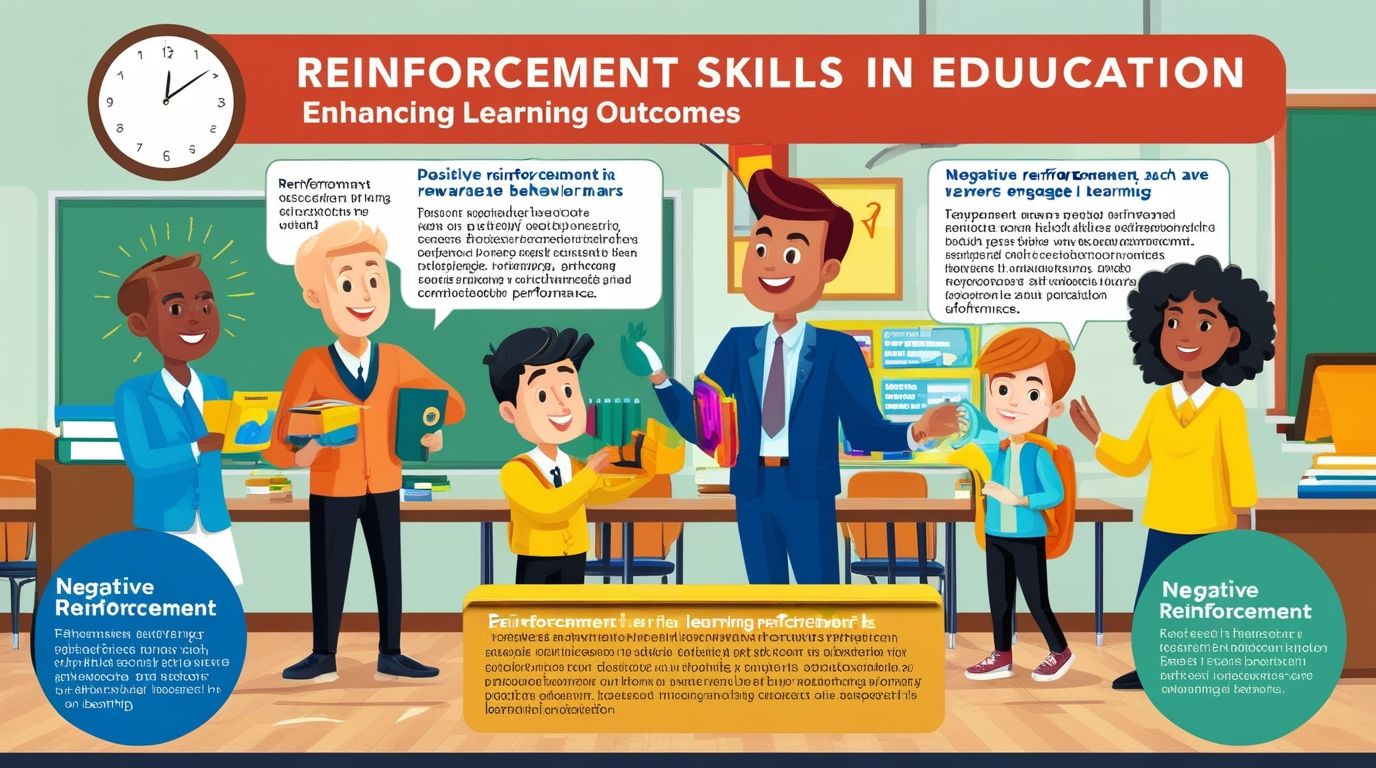
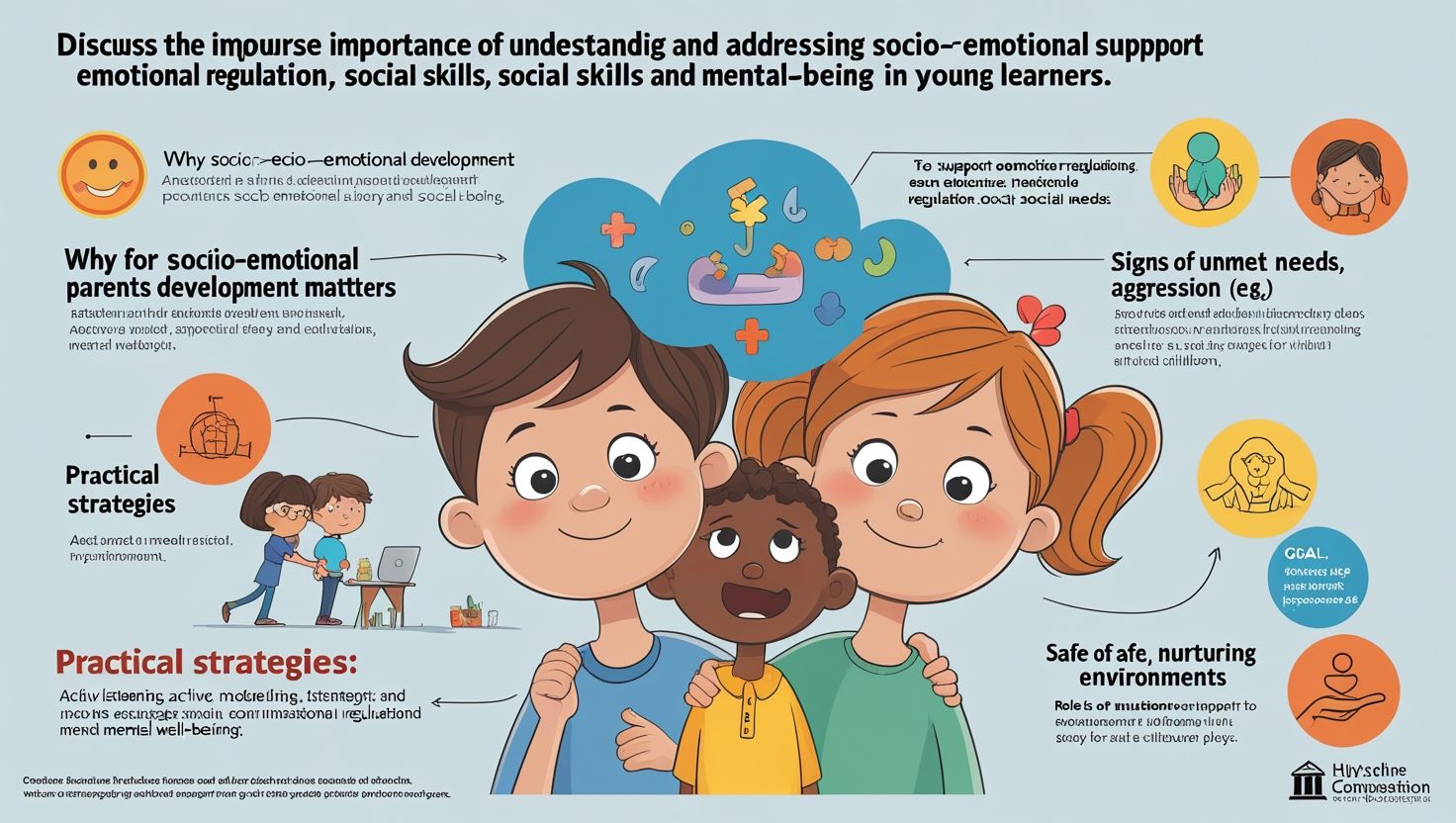
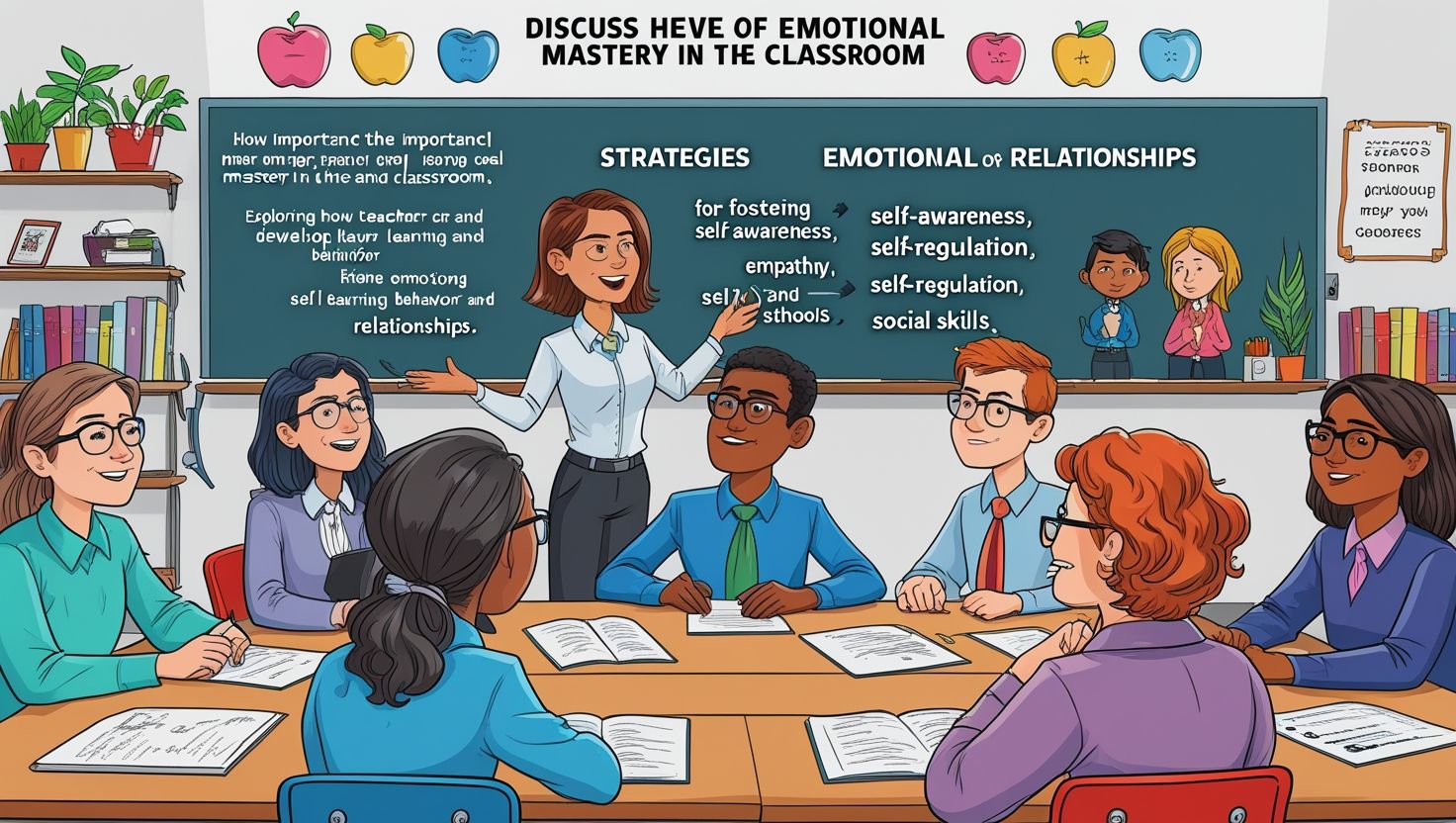
Social and emotional learning has become an essential component of student welfare because it helps students understand emotions, build relationships, and make responsible decisions. Schools can integrate social and emotional learning into daily instruction through structured lessons, collaborative activities, and reflective practices. These programs teach empathy, self-regulation, communication, conflict resolution, and responsible decision-making skills. Students who develop strong social and emotional competencies are better equipped to handle challenges, maintain healthy relationships, and contribute positively to their communities. Teachers play a critical role by modeling positive behaviors and creating supportive classroom environments. Continuous reinforcement of these skills strengthens both academic and personal outcomes. By investing in social-emotional learning, empathy, and relationship building, schools foster resilient students who can navigate complex social situations while maintaining positive mental and emotional wellbeing throughout their educational journey.
13. Monitoring Progress and Continuously Improving Welfare Programs
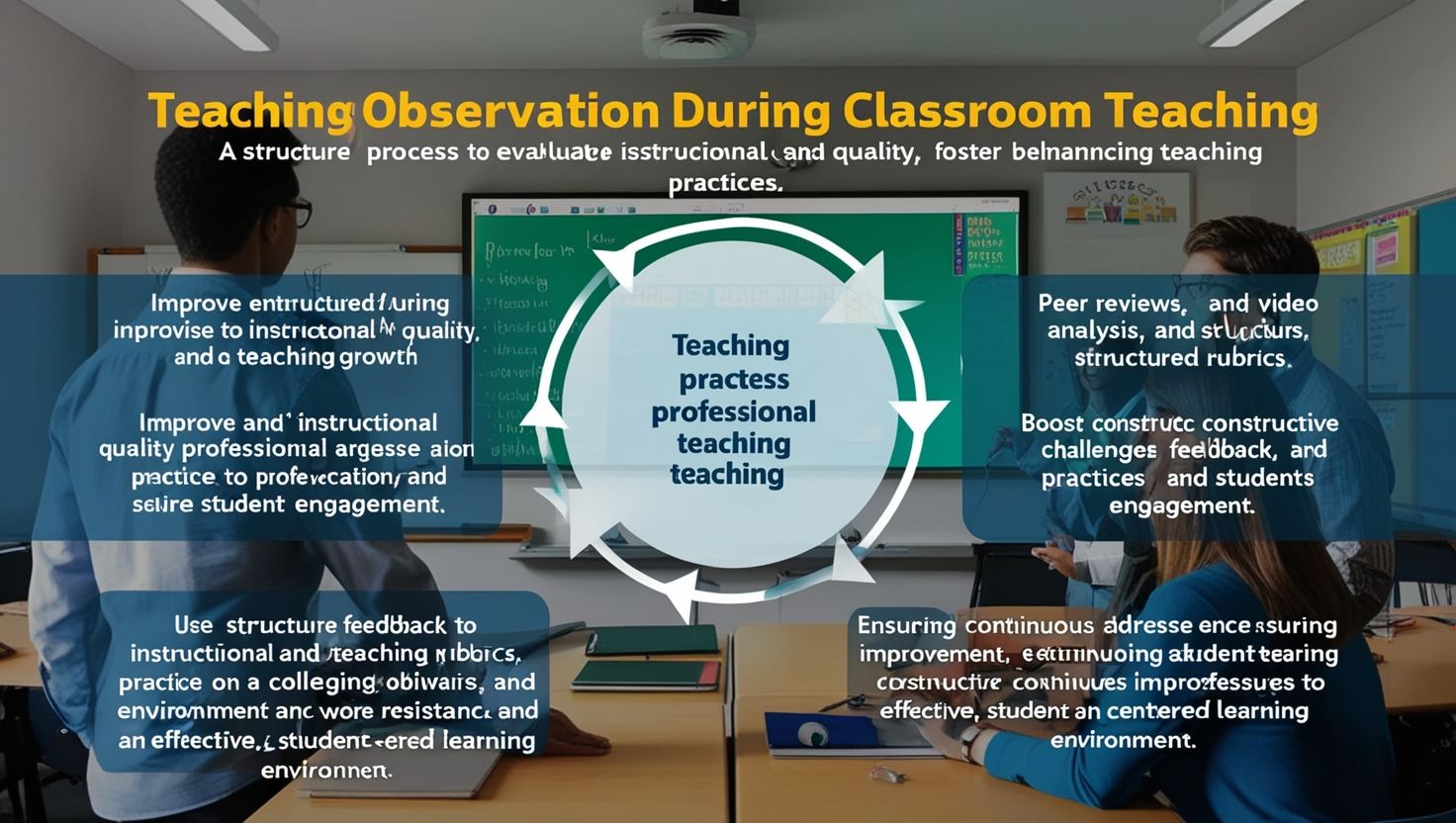
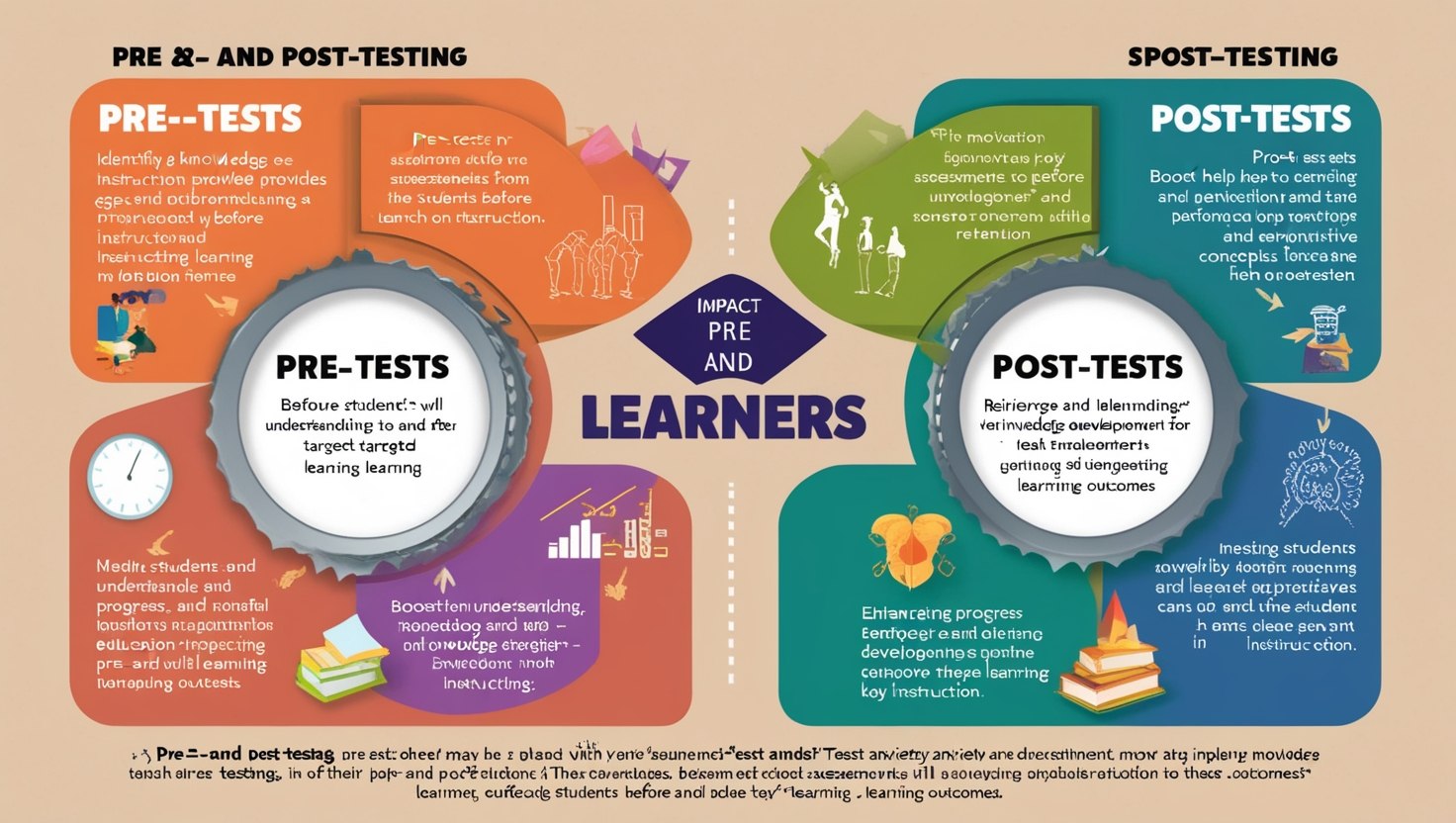
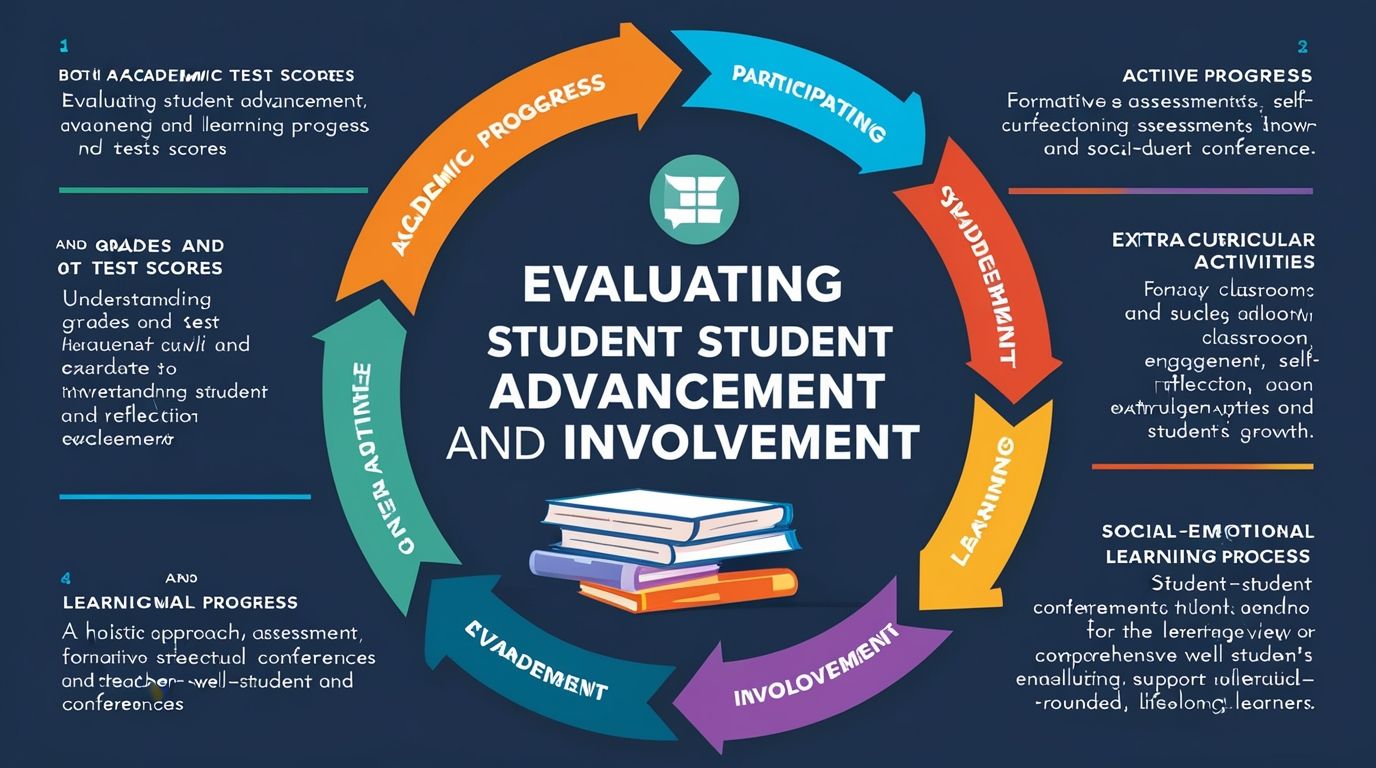
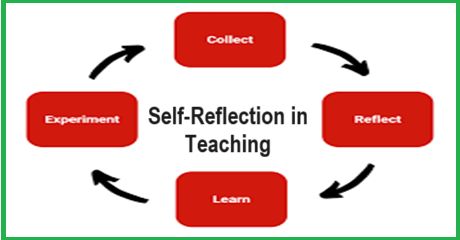
Effective student welfare initiatives require regular evaluation to ensure they meet the evolving needs of learners. Schools should establish systems for collecting feedback from students, parents, teachers, and community stakeholders. Surveys, focus groups, data analysis, and wellbeing assessments provide valuable insights into program effectiveness. Monitoring attendance, academic performance, behavioral trends, and student satisfaction helps identify strengths and areas for improvement. Evidence-based decision-making enables schools to allocate resources strategically and implement targeted interventions where needed. Continuous improvement reflects a commitment to excellence and responsiveness. Schools that evaluate their initiatives regularly can adapt to emerging challenges and opportunities while maintaining high standards of support. Through systematic assessment of student welfare programs, data-driven improvement, and continuous evaluation, educational institutions ensure that their efforts remain relevant, effective, and aligned with the changing needs of students and educational communities.
14. Conclusion: Creating Schools Where Every Student Thrives
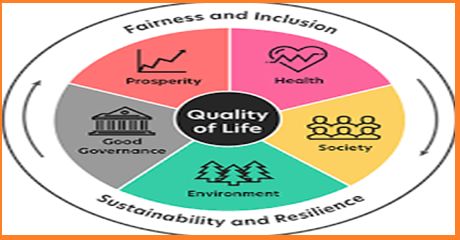
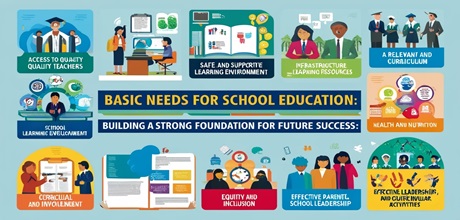
School initiatives for student welfare are essential investments in the future of individuals, communities, and societies. Modern education requires a holistic approach that addresses physical health, mental wellbeing, academic success, safety, inclusion, and personal development. When schools prioritize welfare, they create environments where students feel supported, valued, and empowered to achieve their potential. Comprehensive programs that involve families, communities, educators, and students themselves contribute to sustainable positive outcomes. These initiatives not only improve academic performance but also strengthen character, resilience, and social responsibility. As educational challenges continue to evolve, schools must remain committed to innovation and continuous improvement in welfare practices. By emphasizing student wellbeing, holistic education, and supportive learning environments, schools can ensure that every learner has the opportunity to flourish, contribute meaningfully to society, and build a successful and fulfilling future.