The Latest Skills in the World , The global job market looks nothing like it did five years ago. Automation reshapes entire industries, artificial intelligence rewrites job descriptions, and employers now value in-demand skills over degrees and titles. Workers who master the latest skills in the world hold a real advantage, while those who stand still risk falling behind. This article breaks down the skills defining 2026 and beyond, and it shows you exactly how to build them.
Why Skills Matter More Than Ever
Companies no longer hire based on where a candidate studied. They hire based on what a candidate can actually do. This shift, known as skills-based hiring, changes how people should approach their careers. A candidate with strong technical skills and sharp soft skills now competes evenly with — and often beats — someone holding a traditional degree but lacking practical ability.
Three forces drive this transformation. Artificial intelligence automates repetitive tasks and pushes humans toward higher-value work. Remote and hybrid work models demand new forms of collaboration and self-management. Sustainability pressures push entire sectors toward greener practices. Each of these forces creates fresh demand for specific, learnable abilities.
Recruiters now scan resumes for concrete abilities rather than job titles alone. A marketing manager who can run data analysis holds more value than one who only writes campaign briefs. An engineer who communicates clearly with clients often earns promotions faster than a purely technical peer. This blended profile — deep technical knowledge paired with strong human skills — defines the modern professional.
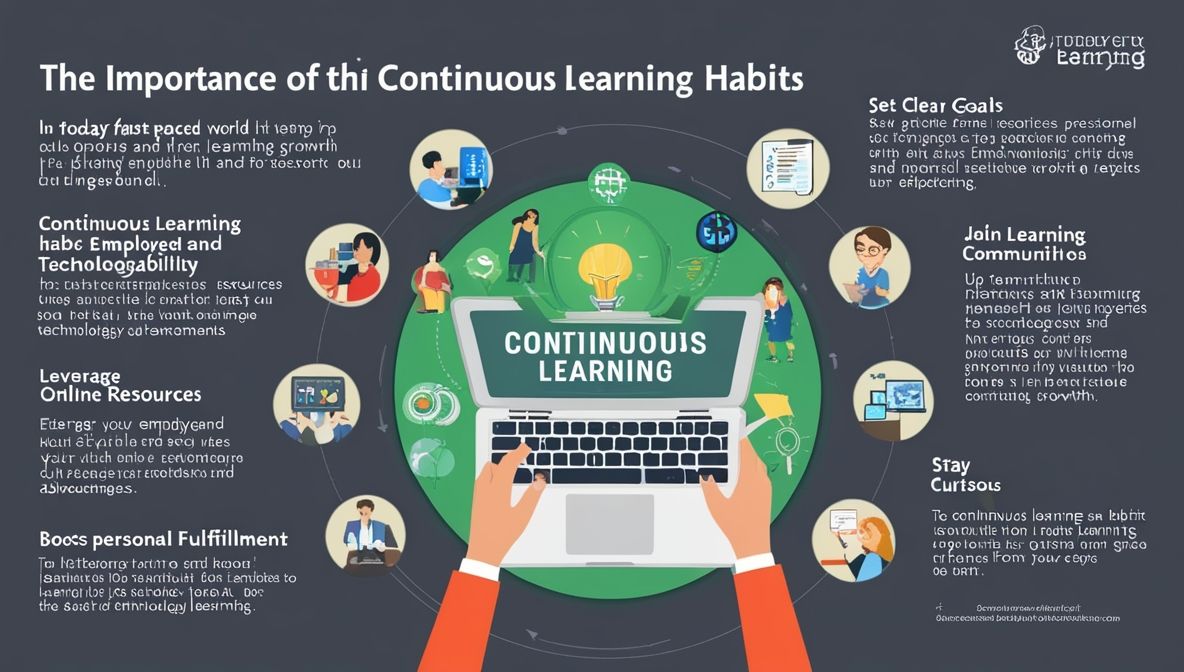
The pace of change also matters. Industries that once evolved over decades now shift within a few years. A skill that felt essential in 2020 might already feel outdated, while a niche ability from last year can suddenly become mainstream. This constant motion rewards workers who treat learning as an ongoing habit rather than a box to check once and forget.
Top Technical Skills Shaping 2026
1. AI and Machine Learning Literacy
AI literacy tops nearly every list of essential skills right now. Employers want people who understand how AI tools work, even if they never write a line of code. Marketing teams use AI to generate content. Finance teams use it to detect fraud. Healthcare teams use it to speed up diagnosis. Anyone who learns to work alongside AI systems, rather than against them, gains a durable advantage.
Prompt engineering sits inside this category as its own specialty. Professionals who write clear, effective instructions for AI models unlock far more value from these tools than casual users. This skill takes only weeks to learn but pays dividends across almost every industry.
2. Data Analytics and Data Literacy
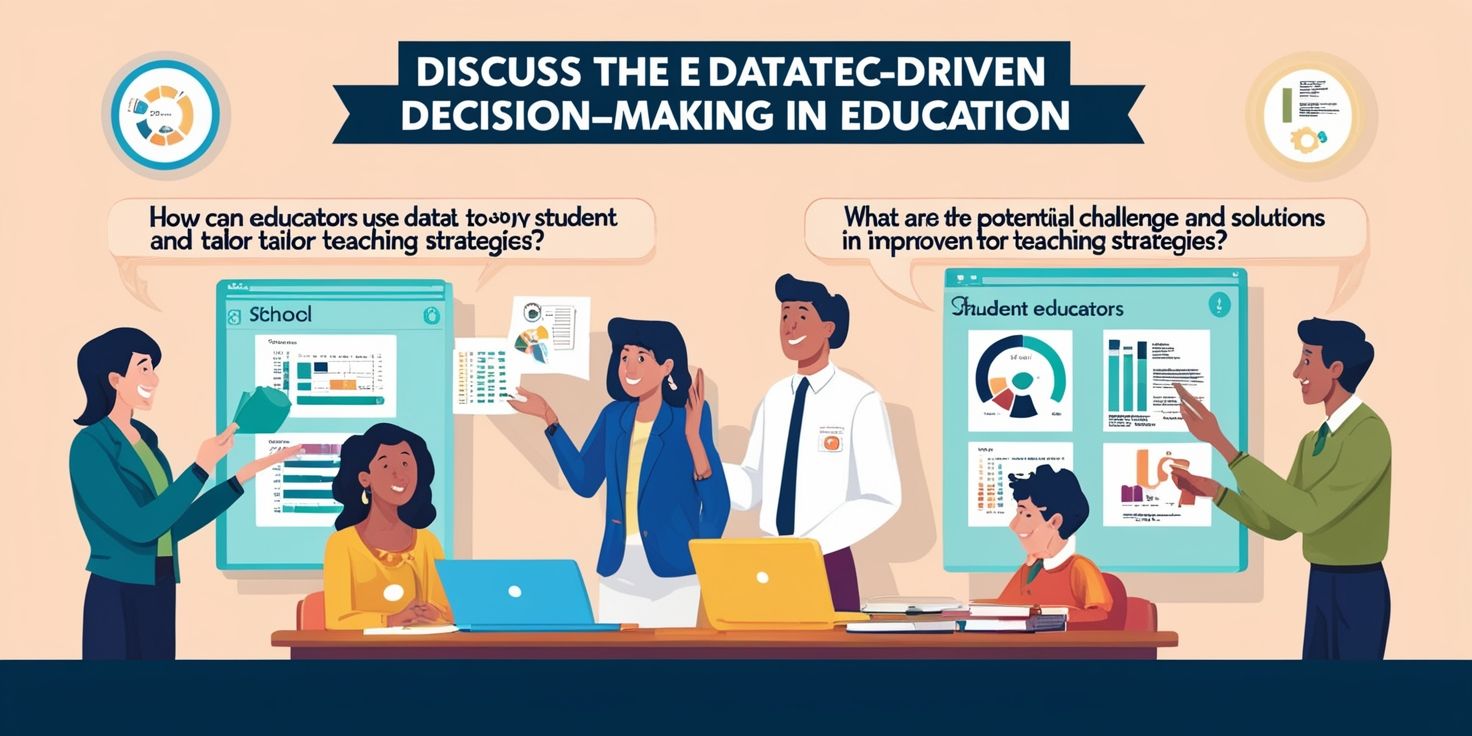
Data now drives nearly every business decision. Companies collect enormous volumes of information, but raw data means nothing without people who can interpret it. Data analytics skills — including proficiency with SQL, Python, and visualization tools — rank among the fastest-growing technical abilities worldwide. Professionals who can turn spreadsheets into clear stories and actionable recommendations become indispensable to their teams.
Data storytelling, the ability to present numbers in a way non-technical audiences understand, deserves special mention. Raw analysis impresses few people. A well-told data story convinces executives, wins budget approval, and drives change.
3. Cybersecurity
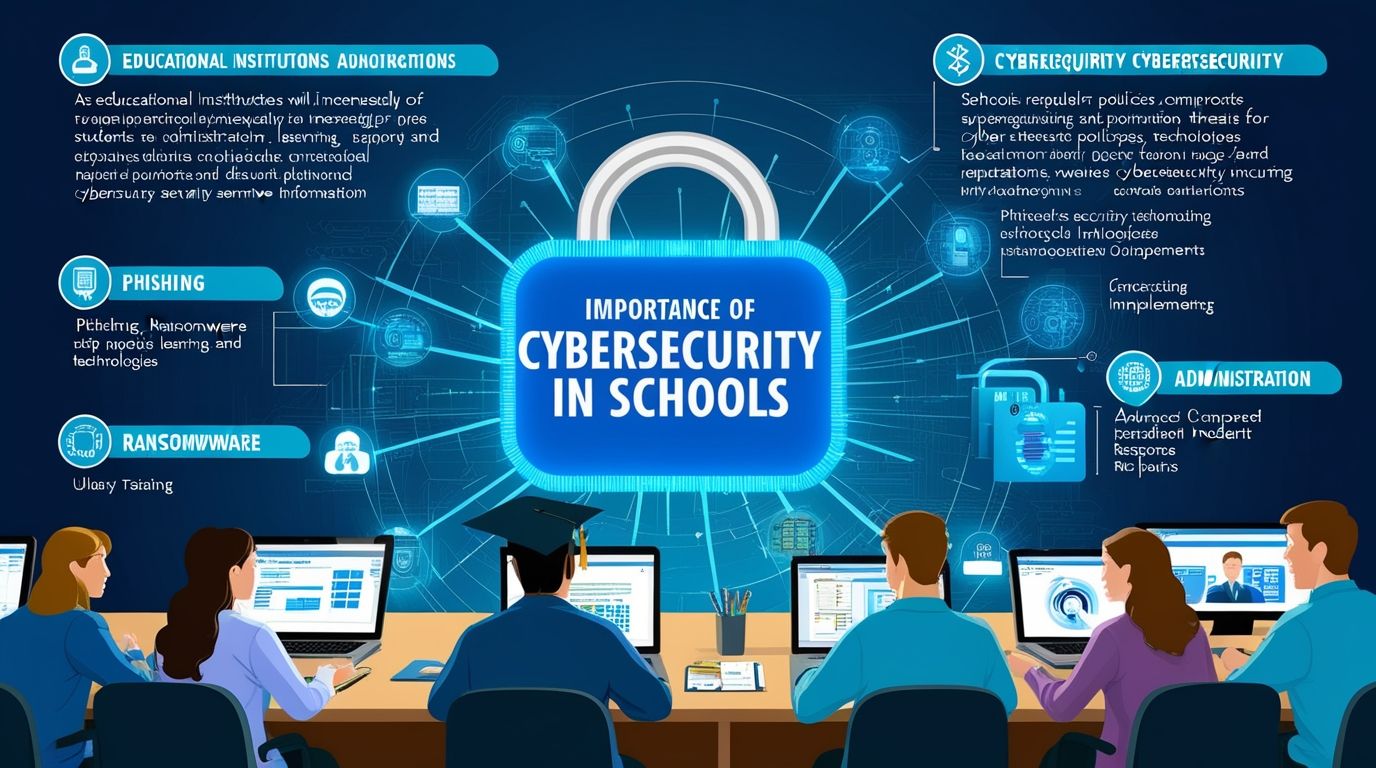
Digital threats grow more sophisticated every year, and organizations struggle to fill security roles fast enough. Cybersecurity skills protect networks, data, and customer trust. Certifications like CompTIA Security+ and CISSP open doors quickly, and the shortage of qualified professionals means salaries in this field remain strong. Any business that touches the internet — which today means nearly every business — needs people who understand how to defend it.
4. Cloud Computing
As companies move operations away from physical servers, cloud computing knowledge becomes essential. Professionals who understand platforms like AWS, Azure, and Google Cloud help businesses scale efficiently and securely. This skill combines technical depth with a strong grasp of infrastructure planning, making it valuable across engineering, operations, and IT roles alike.
5. UX and Product Design
Digital products succeed or fail based on how people experience them. UX design skills help teams build interfaces that feel intuitive and useful. As companies compete for user attention across apps, websites, and platforms, designers who blend creativity with user research remain in constant demand.
Top Soft Skills Employers Want
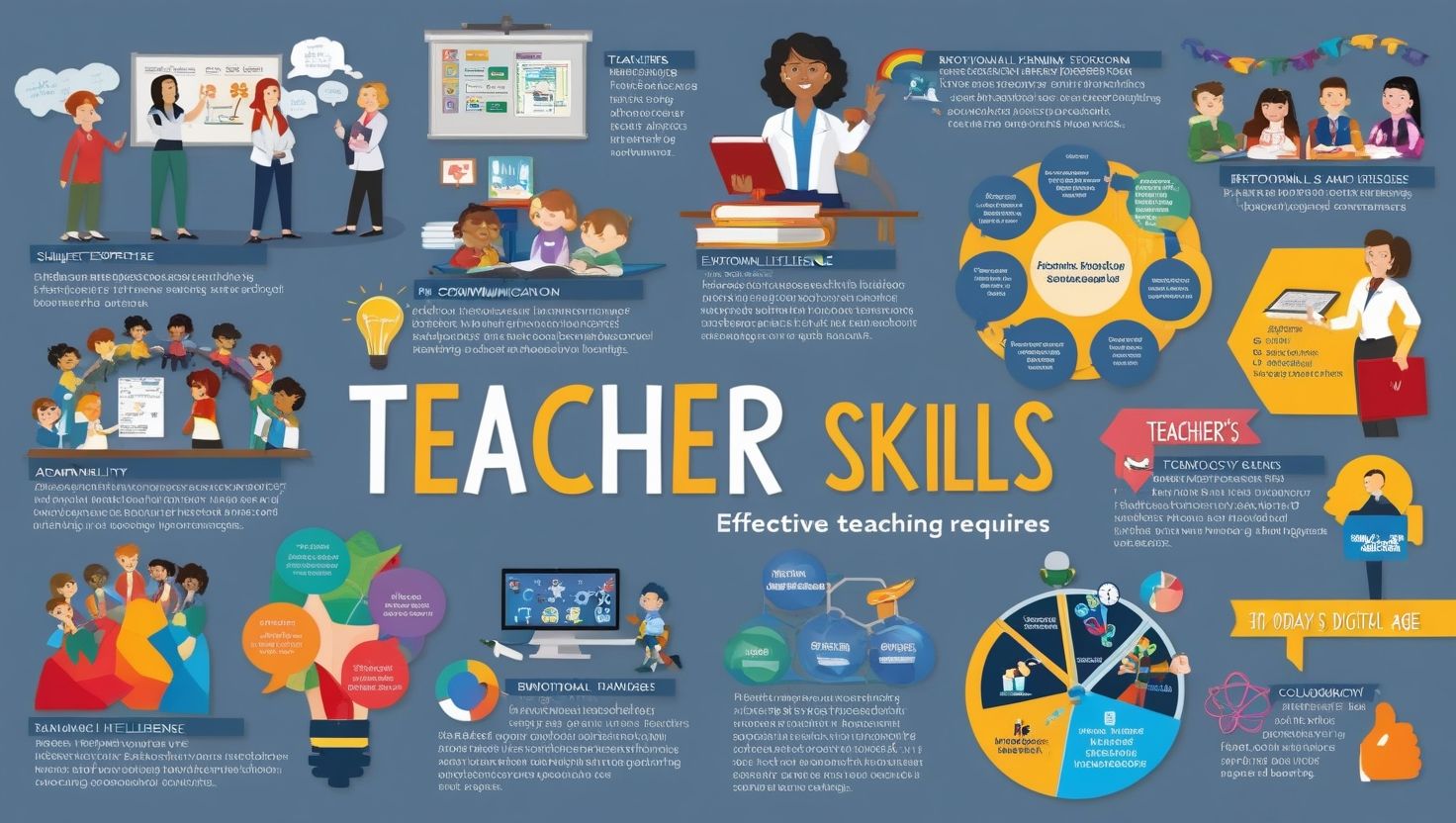
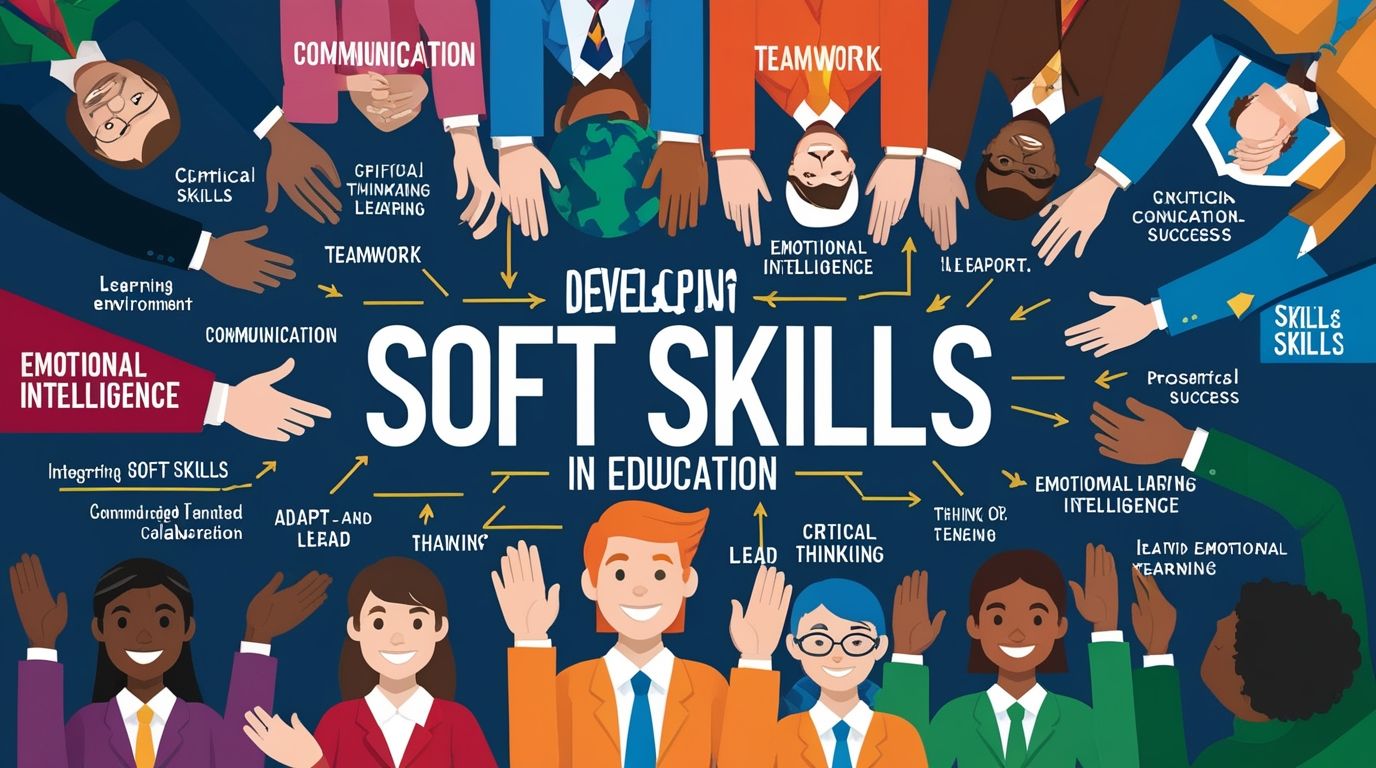
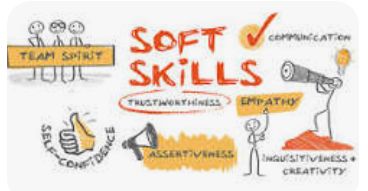
Technology handles routine tasks well, but it still struggles with judgment, empathy, and creativity. This gap explains why soft skills dominate so many “skills of the future” rankings.
1. Critical Thinking and Problem-Solving
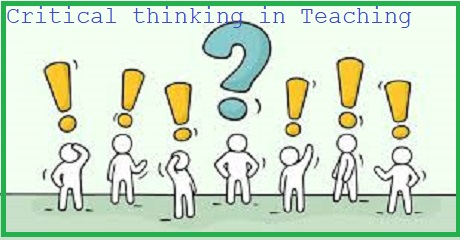
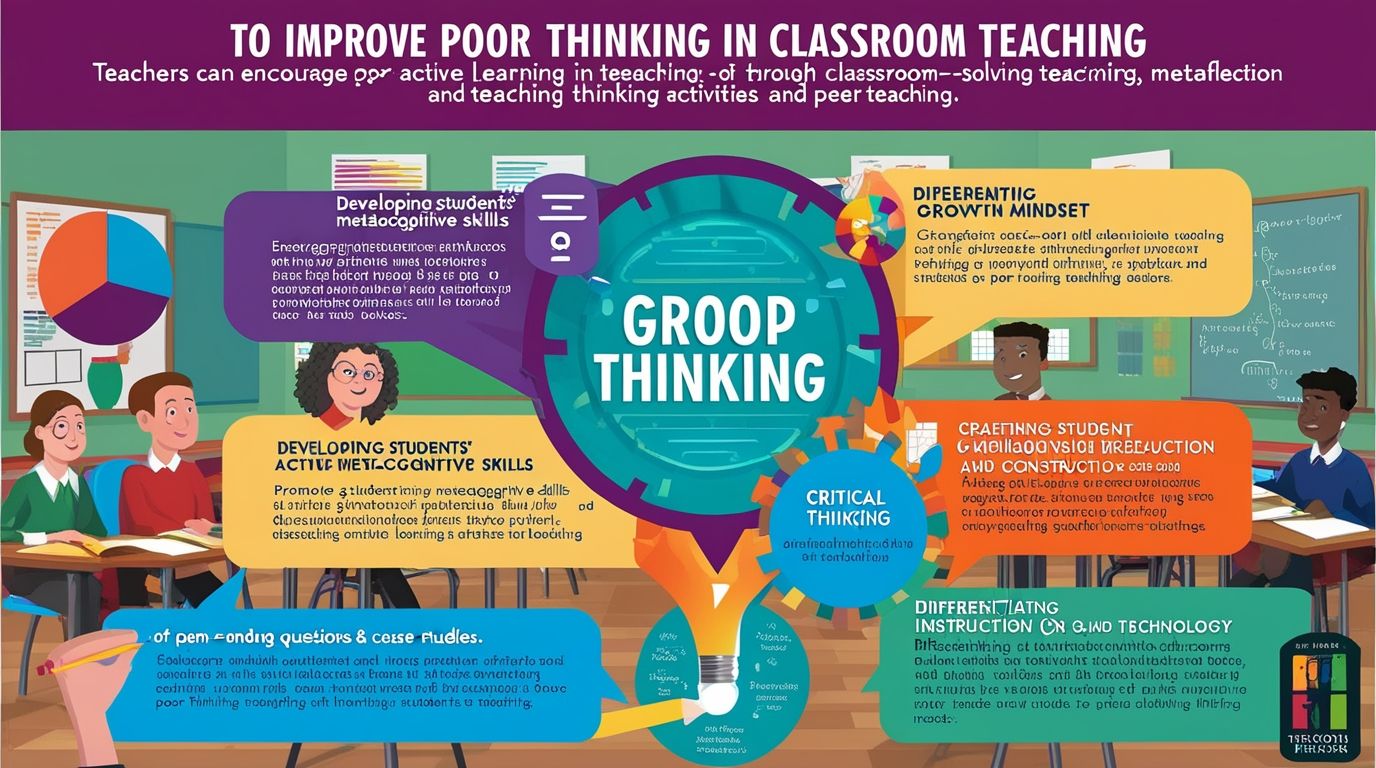
Employers consistently rank critical thinking as one of the most valuable human abilities. Machines can process information quickly, but they cannot always judge which information matters most. Professionals who ask sharp questions, spot flawed assumptions, and propose creative solutions add value that automation cannot replace.
2. Emotional Intelligence
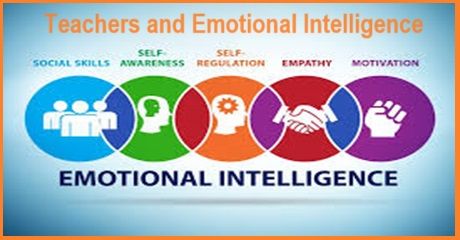
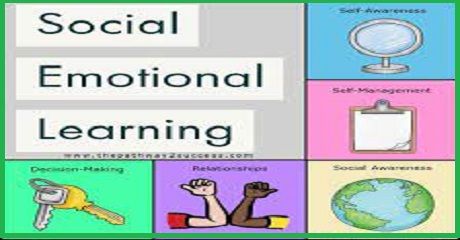
Emotional intelligence, or EI, covers self-awareness, empathy, and the ability to manage relationships well. As teams grow more diverse and more remote, leaders with strong EI keep people motivated and aligned. Research links high emotional intelligence among leaders to stronger team performance and lower workplace conflict.
3. Adaptability and Resilience
Change happens constantly now, and workers who adjust quickly outperform those who resist new tools or processes. Adaptability means embracing new software, new workflows, and new expectations without losing momentum. Resilient professionals treat setbacks as information rather than failure, and this mindset keeps careers moving forward during uncertain periods.
4. Communication
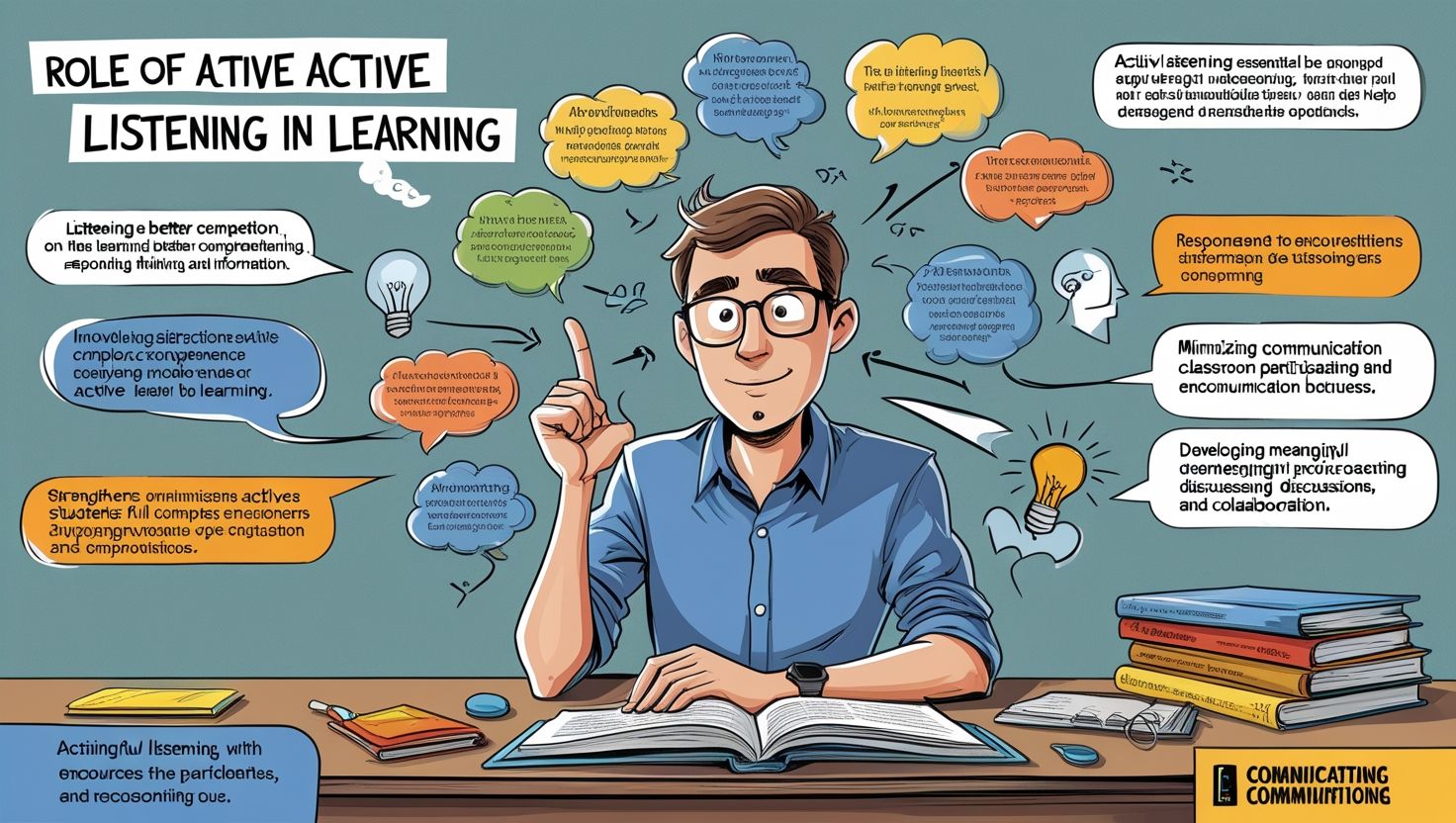
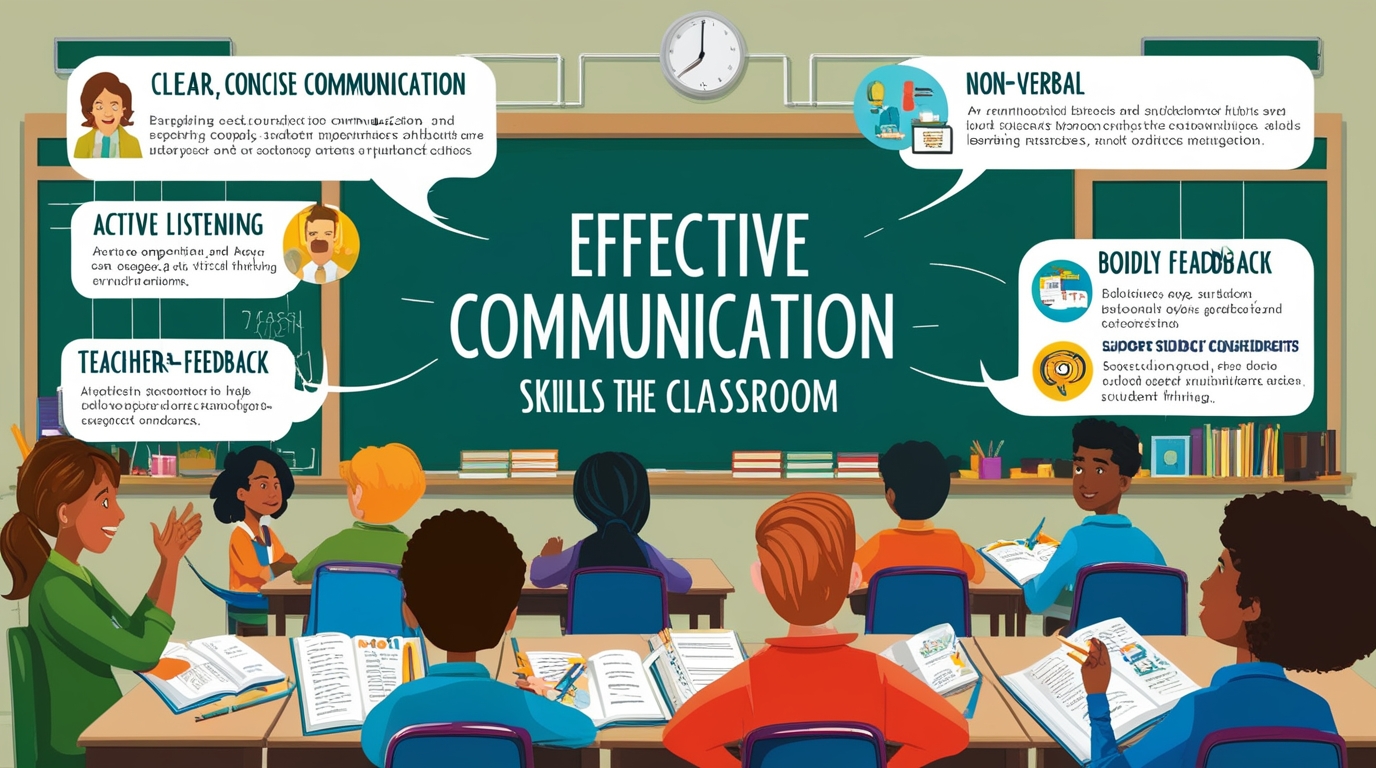
Clear communication remains a timeless skill, but its importance has only grown. Hybrid teams rely on written messages, video calls, and asynchronous updates far more than in-person conversations. Professionals who write clearly, listen actively, and explain complex ideas simply build stronger relationships with colleagues and clients alike.
5. Leadership and Delegation
Good leaders no longer rely on hierarchy alone. They build trust, share credit, and delegate effectively. Leadership skills matter at every level of an organization, not just at the top. Employees who show initiative and guide others through ambiguity often earn promotions faster than technically skilled peers who lack this quality.
Emerging Skills to Watch
Sustainability and Green Expertise
Climate goals push companies toward greener operations, and this creates demand for professionals who understand sustainability and ESG (environmental, social, governance) frameworks. Roles like sustainability consultant and renewable energy specialist barely existed a decade ago. Today, they represent some of the fastest-growing career paths across multiple industries.
Digital Marketing
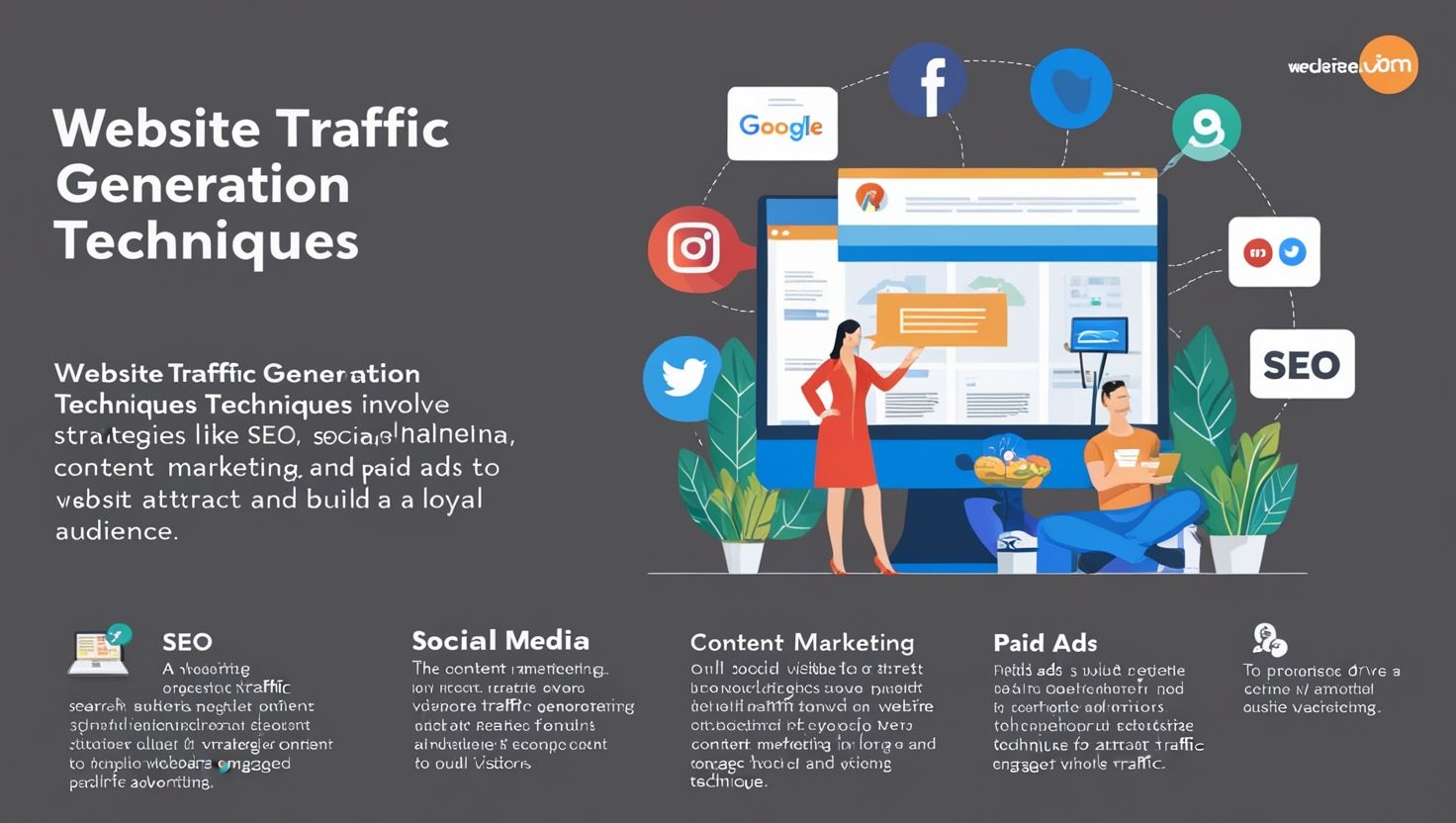
Businesses fight for attention across social platforms, search engines, and email inboxes. Digital marketing skills — including SEO, content strategy, and paid advertising — help companies stand out in crowded markets. This field also offers flexibility, since many digital marketers freelance or work remotely from anywhere in the world.
Project Management
As workflows grow more complex, skilled project management keeps teams organized and on schedule. This role blends technical planning with people skills, since a good project manager must track deadlines while also motivating a team through pressure. Certifications like PMP remain valuable, but practical experience often matters just as much.
How to Build These Skills
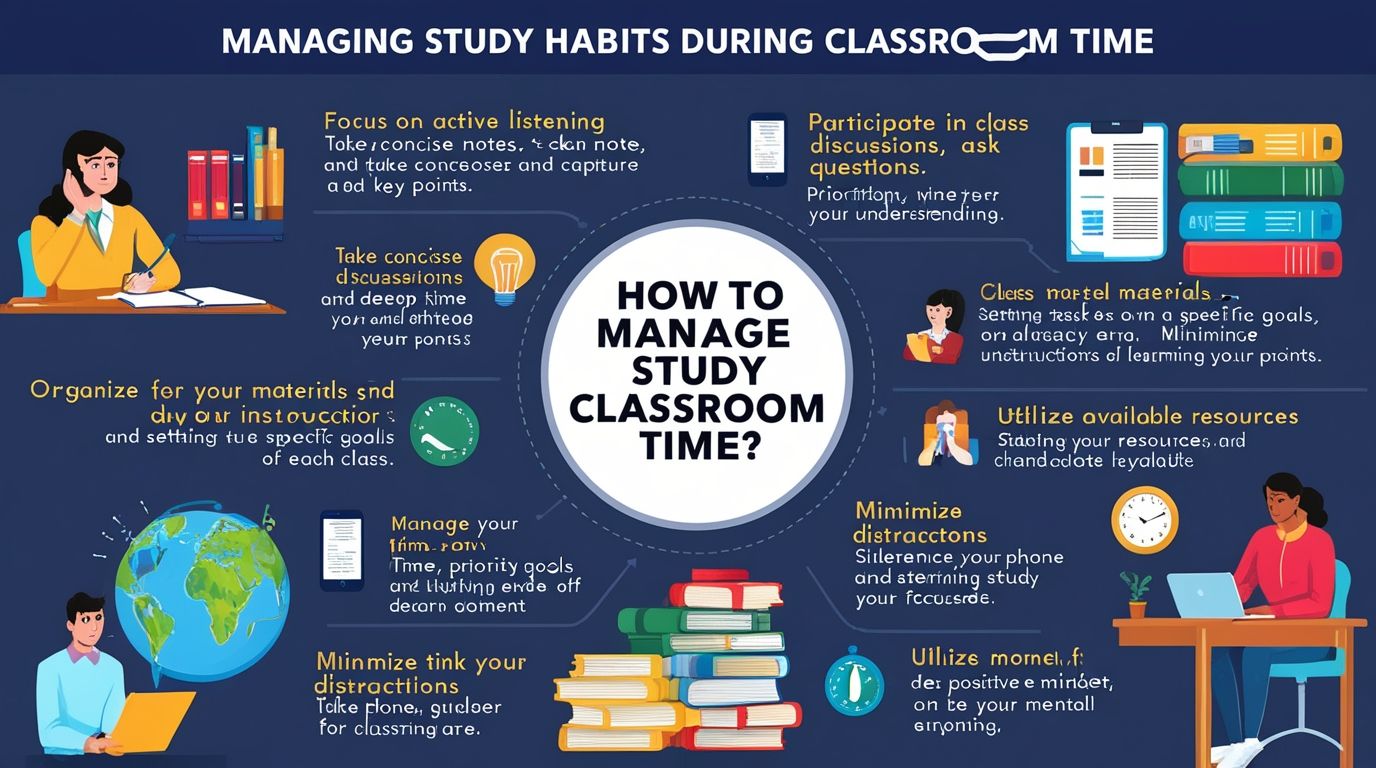
Learning new skills does not require a return to formal education. Online courses, certifications, and hands-on projects offer faster, cheaper paths to competence. Consider these strategies:
- Start small. Pick one skill from this list and commit to a focused learning plan for 30 days.
- Practice in public. Share projects, write about lessons learned, or contribute to open-source work. Visible progress builds credibility.
- Find a mentor. Experienced professionals can correct mistakes early and speed up your learning curve significantly.
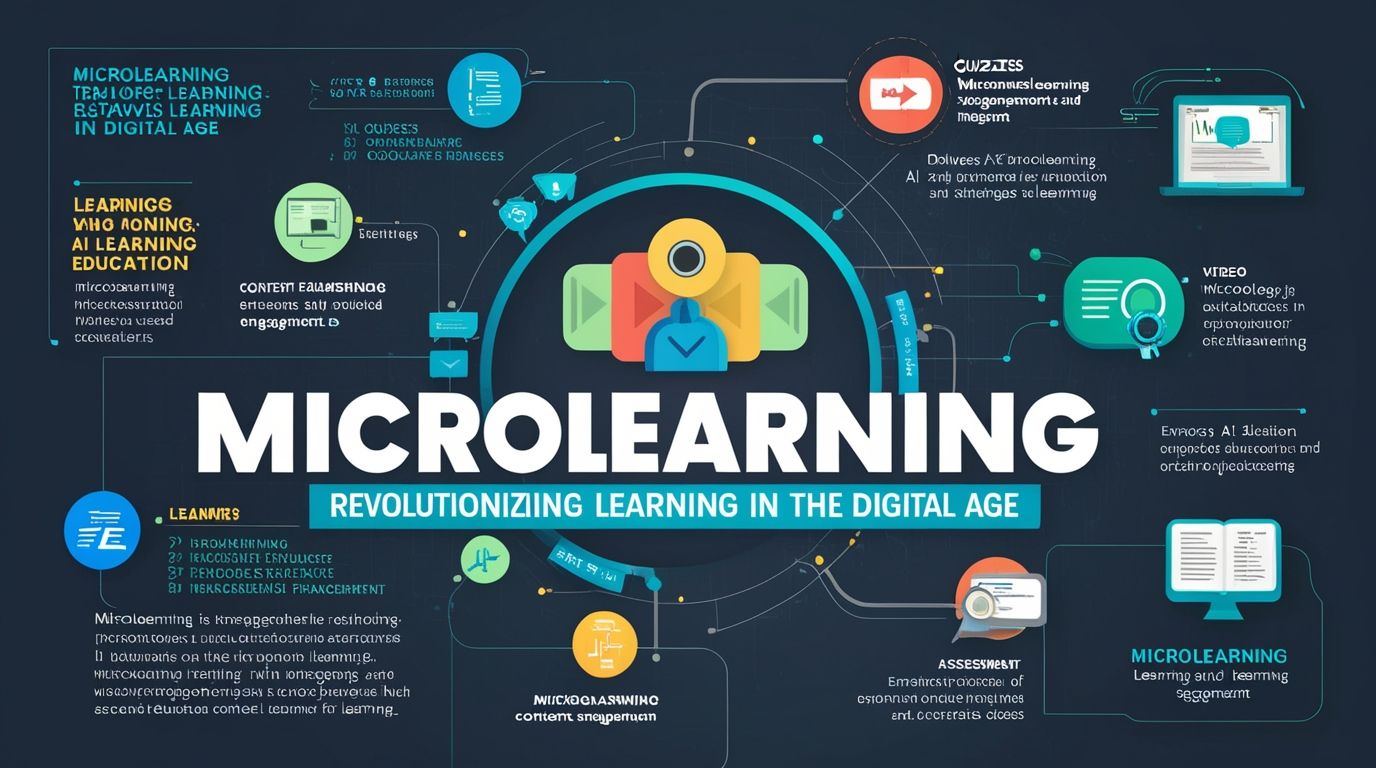
- Use micro-learning platforms. Short, focused lessons fit into busy schedules better than lengthy courses.
- Apply skills immediately. Knowledge fades quickly without real-world application, so look for chances to use new abilities at work right away.
Skills by Industry
Different sectors prioritize different combinations of ability, and understanding this context helps you focus your learning effort.
Technology and software teams prize coding fluency, cloud infrastructure knowledge, and AI literacy above almost everything else. Engineers who also communicate well often move into leadership roles faster than purely technical colleagues.
Healthcare organizations increasingly value data literacy alongside clinical expertise. Hospitals use predictive analytics to manage patient flow, and staff who understand these systems improve outcomes across entire departments.
Finance firms want employees who combine quantitative skill with regulatory knowledge. Cybersecurity matters enormously here too, since financial data attracts constant attacks from bad actors.
Retail and e-commerce businesses lean heavily on digital marketing and customer analytics. Teams that understand consumer behavior data can personalize offers and boost conversion rates significantly.
Manufacturing and energy companies increasingly seek sustainability expertise as governments tighten environmental regulations. Engineers who understand green technology standards find themselves in high demand across this sector.
Frequently Asked Questions
What are the most in-demand skills in the world right now? AI literacy, data analytics, cybersecurity, cloud computing, critical thinking, and emotional intelligence currently top most global rankings. Employers increasingly want a mix of technical and human ability rather than one or the other.
Can I learn these skills without a college degree? Yes. Online courses, certifications, bootcamps, and self-directed projects teach most of these skills effectively. Many employers now care more about demonstrated ability than formal credentials.
Which skill should I learn first? Choose based on your current role and industry. A marketer might start with data analytics, while an IT professional might prioritize cybersecurity or cloud certifications. Pick one skill, build real proficiency, then expand from there.
How long does it take to become proficient in a new skill? Basic competency often takes a few weeks of focused practice, while deep expertise takes months or years. Consistent, applied practice matters more than the total number of hours spent studying.
Final Thoughts
The latest skills in the world blend technical capability with distinctly human strengths. AI literacy, data analytics, and cybersecurity open doors in the technical job market, while critical thinking, emotional intelligence, and adaptability keep professionals valuable no matter how technology evolves. Sustainability expertise, digital marketing know-how, and strong project management round out a well-rounded, future-ready skill set.
No single person needs every skill on this list. The goal is not perfection; the goal is momentum. Pick the ability that connects most directly to your current job or your next career move, then commit real time to mastering it. Track your progress, apply what you learn on real projects, and revisit this list every few months, since the skills landscape keeps shifting.
The workers who thrive over the next decade will treat learning as a habit, not a one-time event. Start today, choose one skill, and build momentum from there. Small, consistent effort compounds quickly, and within a year, the gap between you and workers who stood still will be impossible to ignore.