Introduction
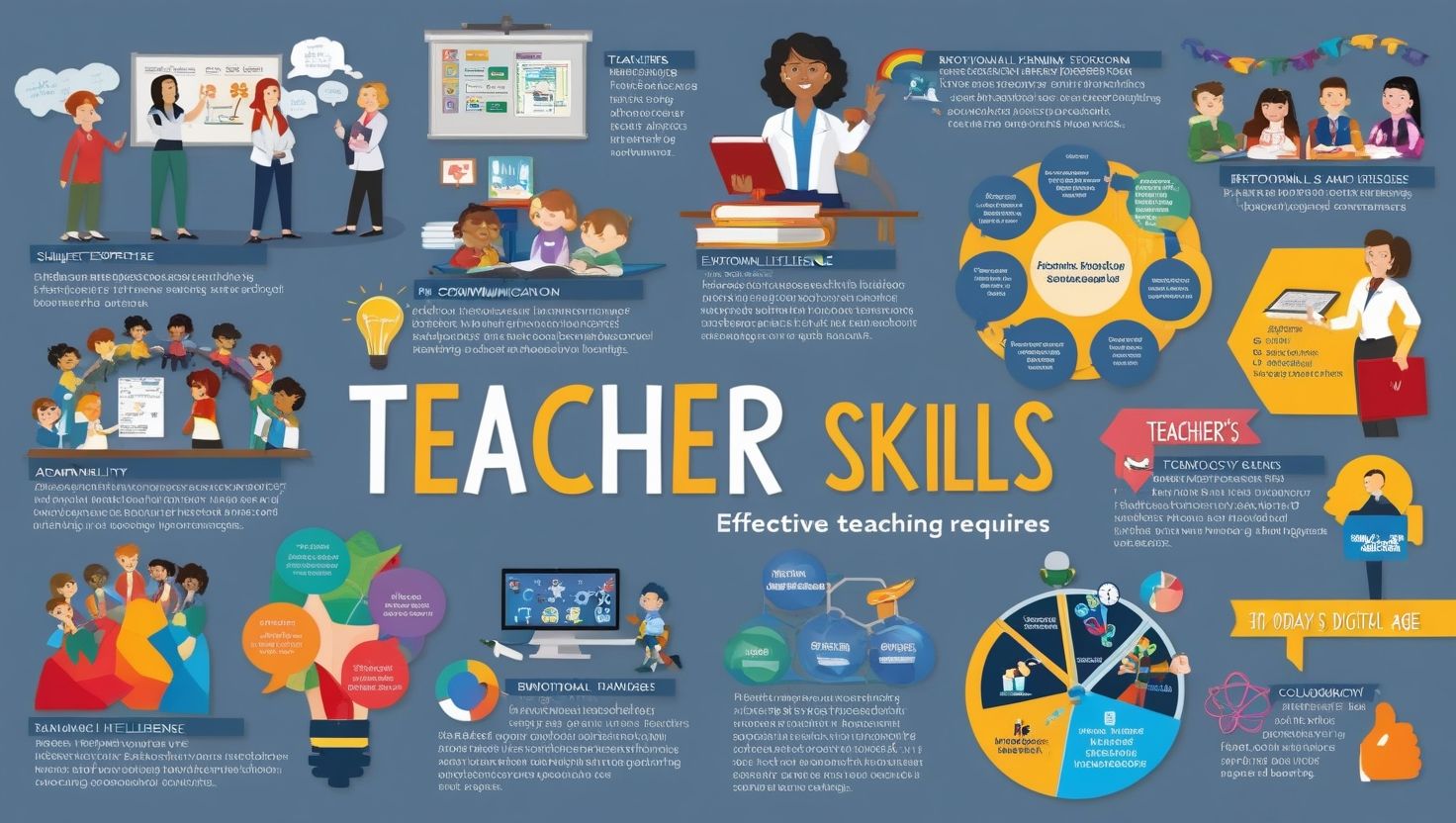
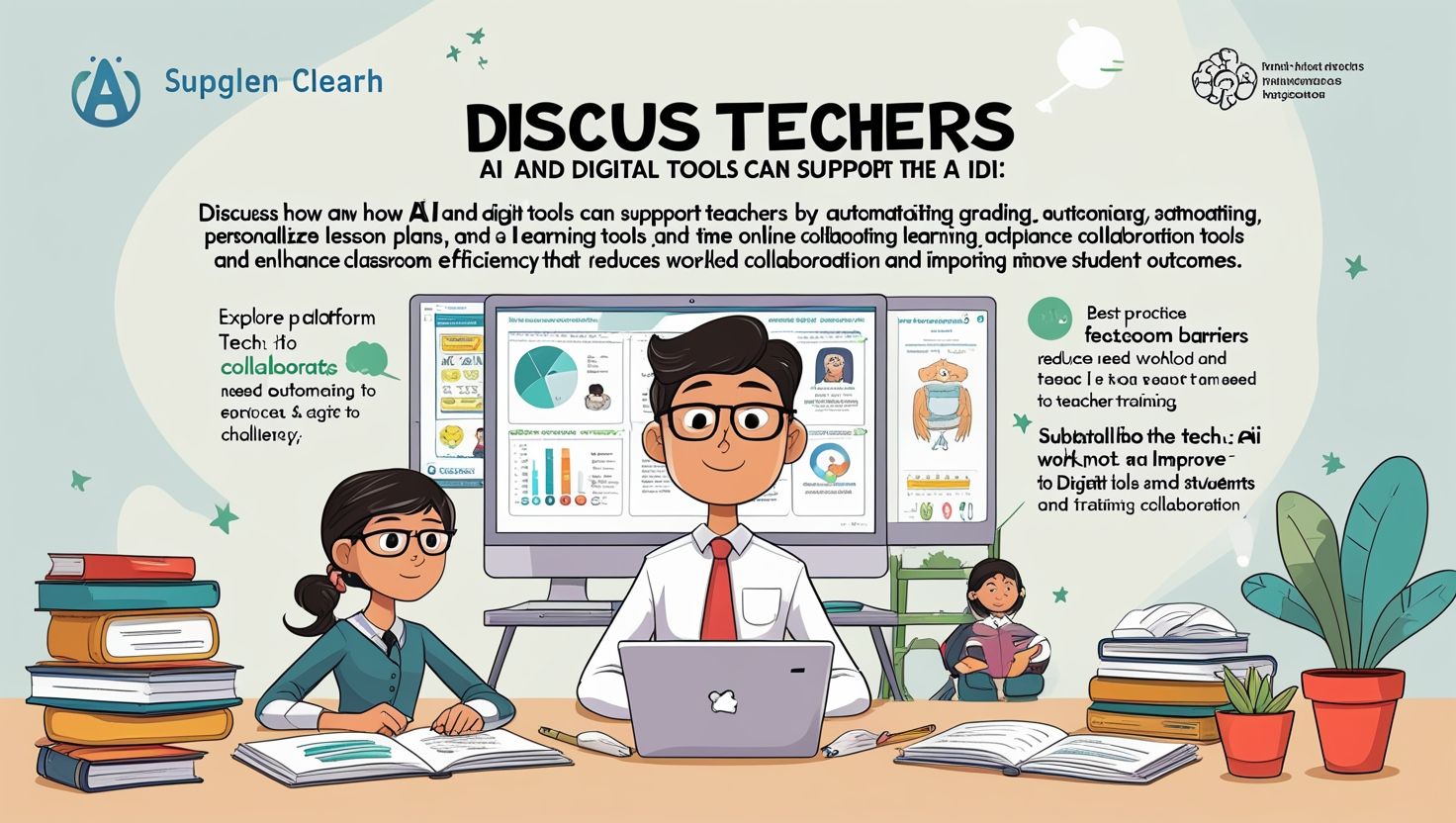
Usage of AI for Teachers’ Training, Artificial intelligence is increasingly reshaping professional development in education by providing scalable, adaptive, and data-informed training systems for teachers. Traditional teacher training models often rely on fixed workshops, limited feedback cycles, and generalized content that may not address individual teacher needs. AI introduces a transformative approach by analyzing educator performance data, identifying skill gaps, and offering personalized learning pathways. Through machine learning algorithms, training platforms can recommend targeted modules on pedagogy, classroom management, assessment design, and digital literacy. This ensures that teachers are not passive recipients of information but active participants in continuous professional growth. Furthermore, AI-based systems can operate 24/7, allowing teachers to learn at their own pace and convenience. As education systems face increasing demands for quality and inclusivity, AI-driven training provides a strategic solution to enhance teacher competency, improve instructional practices, and ultimately strengthen student learning outcomes across diverse educational contexts and institutions.
Personalized Learning Through Artificial Intelligence
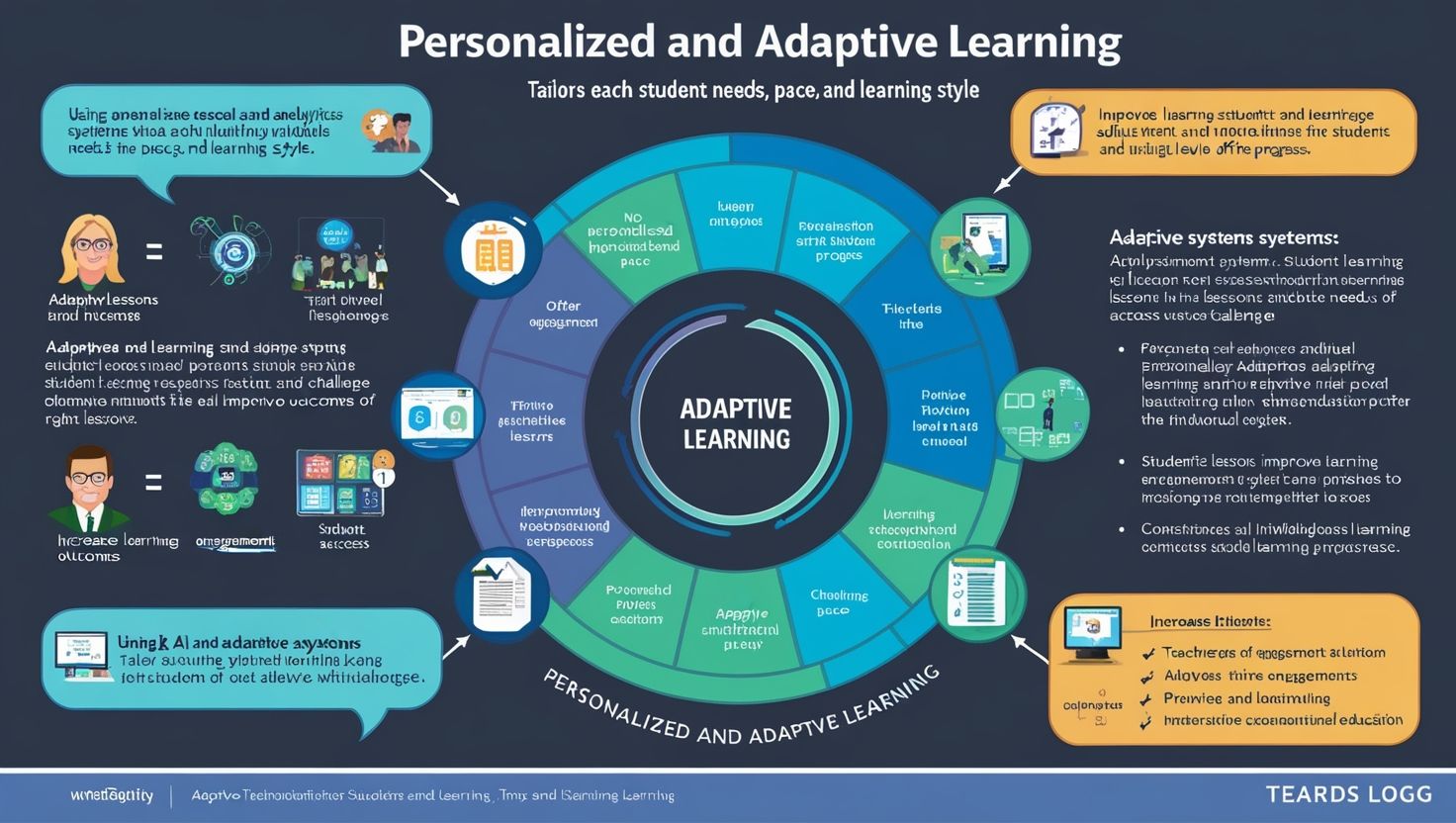
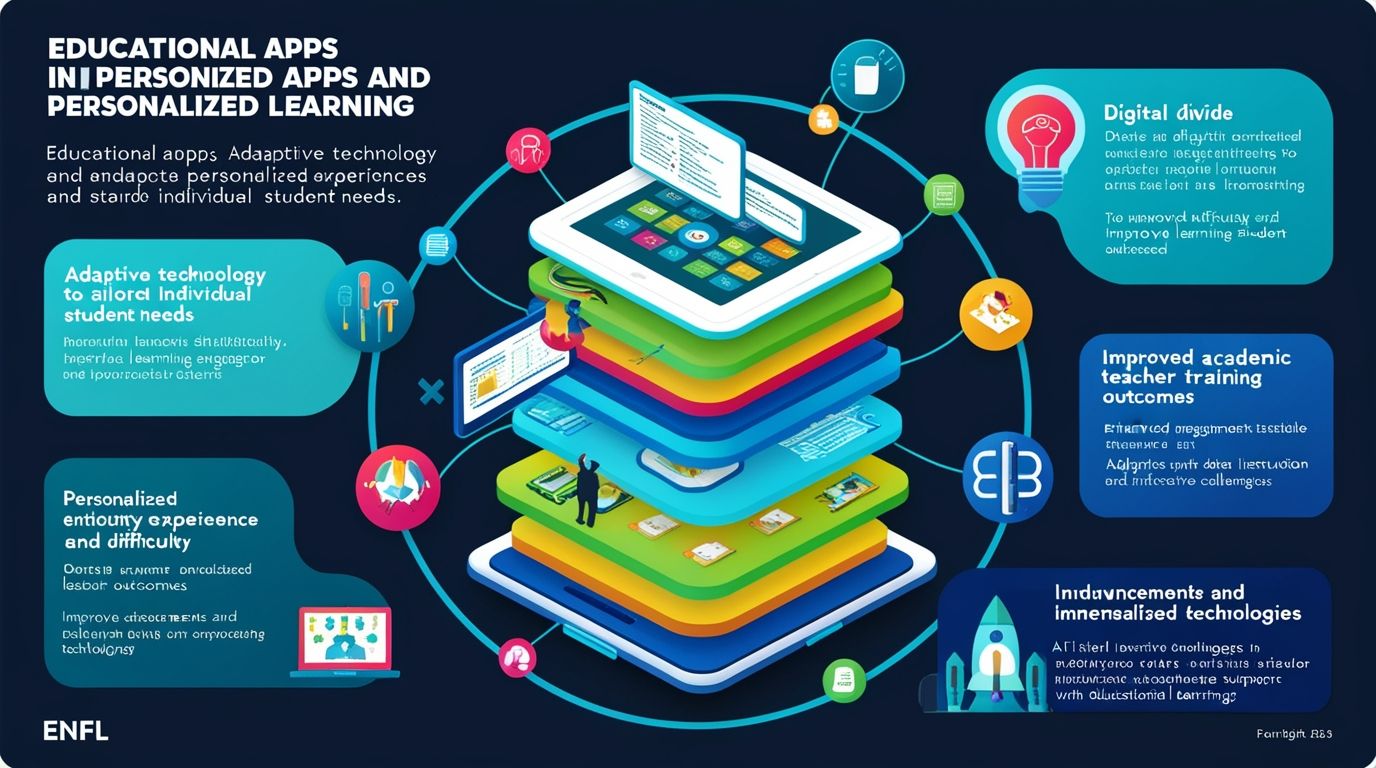
One of the most significant advantages of AI in teacher training is personalization. Unlike traditional professional development programs that follow a uniform structure, AI systems assess individual learning needs through diagnostic tests, classroom performance analytics, and interaction patterns. Based on this data, AI generates customized training plans tailored to each teacher’s strengths and weaknesses. For example, a teacher struggling with formative assessment strategies may receive targeted micro-lessons, simulations, and reflective exercises designed specifically for that area. Similarly, experienced teachers can be directed toward advanced pedagogical innovations such as project-based learning or competency-based assessment. This adaptive learning approach ensures efficiency in training by eliminating unnecessary content and focusing only on relevant skills. Moreover, personalization increases teacher engagement and motivation, as educators feel that their professional growth is meaningful and directly aligned with their classroom challenges. In this way, AI enhances both the quality and effectiveness of continuous teacher education programs.
AI-Powered Simulation for Practical Teaching Skills
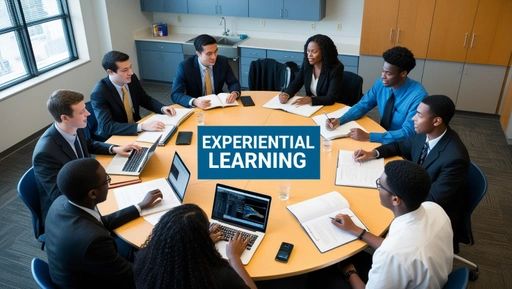
AI-powered simulation tools are revolutionizing practical training experiences for teachers by offering realistic classroom environments without real-world risks. These virtual simulations allow educators to practice teaching strategies, classroom management techniques, and student interaction scenarios in a controlled digital space. AI evaluates teacher responses in real time and provides immediate feedback on instructional choices, tone of communication, and behavioral management. Such immersive environments are particularly useful for novice teachers who may lack confidence in handling complex classroom situations. By repeatedly engaging with simulated scenarios, teachers can refine their decision-making skills and build professional confidence before entering actual classrooms. Additionally, simulations can replicate diverse classroom conditions, including multilingual settings, inclusive education needs, and behavioral challenges. This prepares teachers for real-world complexities in a structured and supportive manner. Ultimately, AI-based simulation training bridges the gap between theory and practice, making teacher preparation more experiential, reflective, and aligned with modern educational demands.
Intelligent Feedback Systems for Continuous Improvement
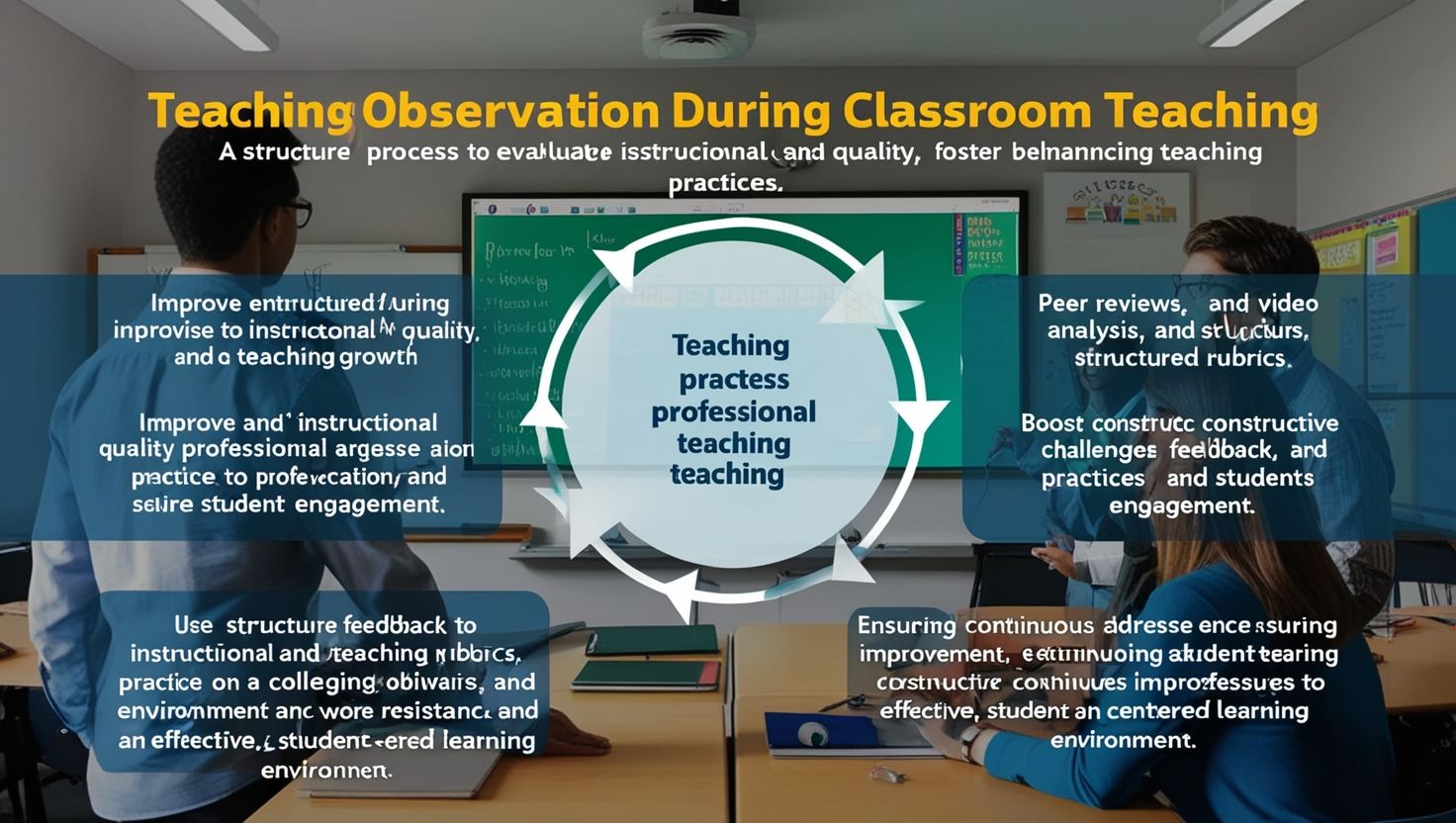
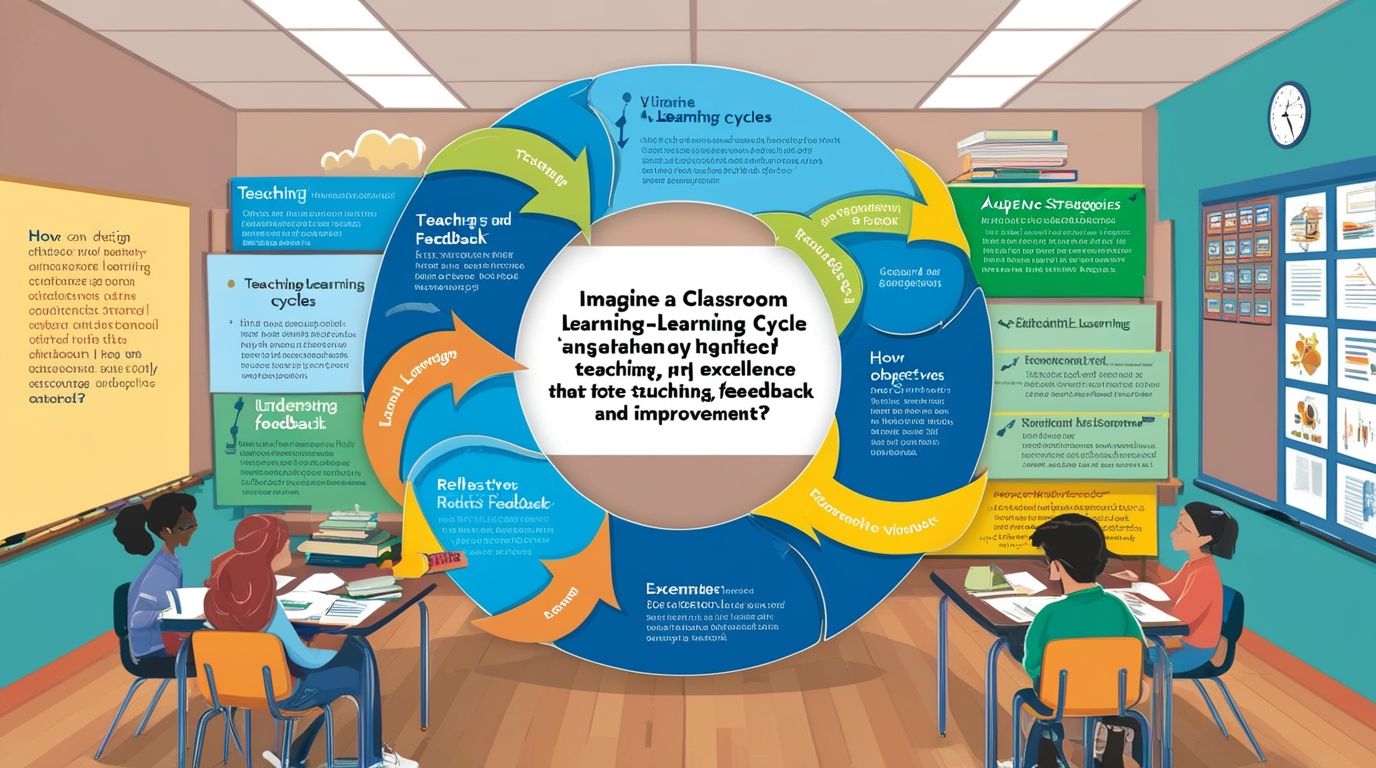
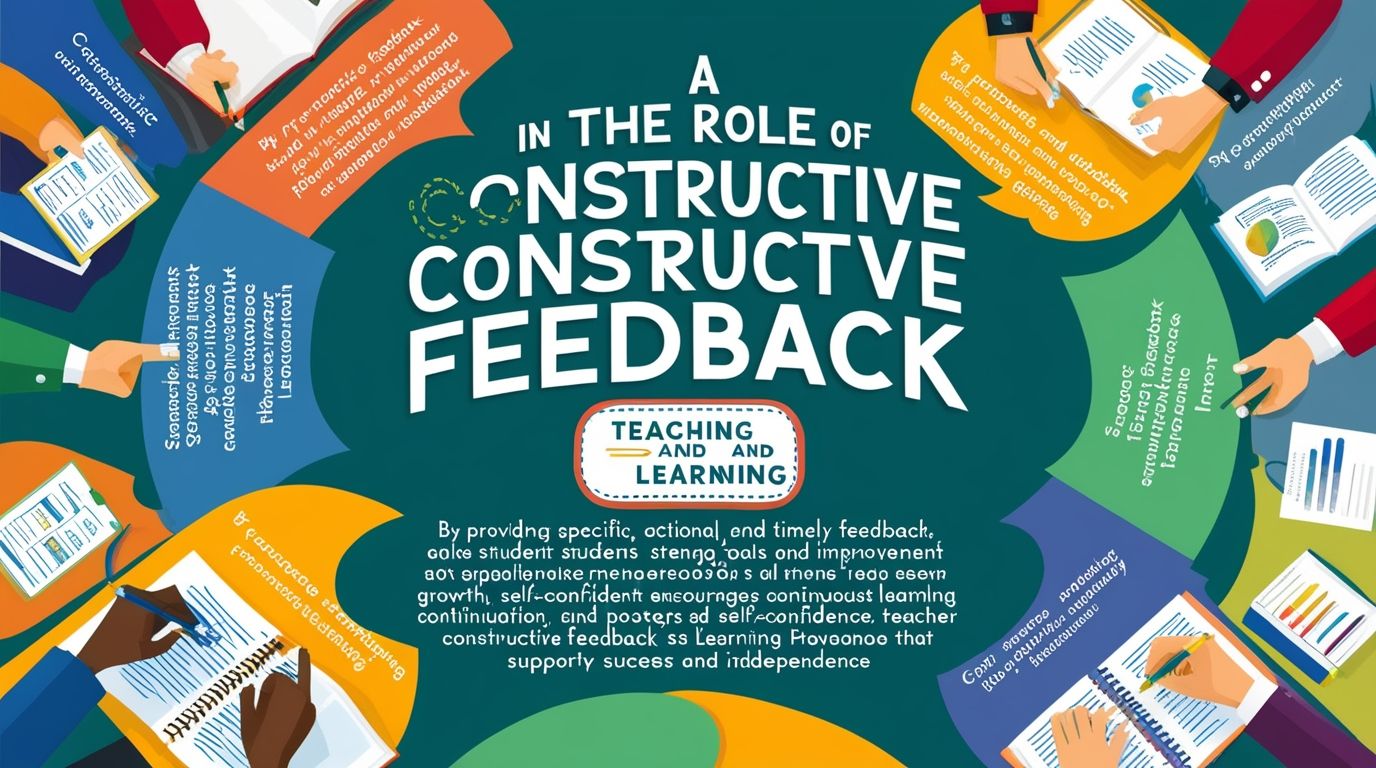
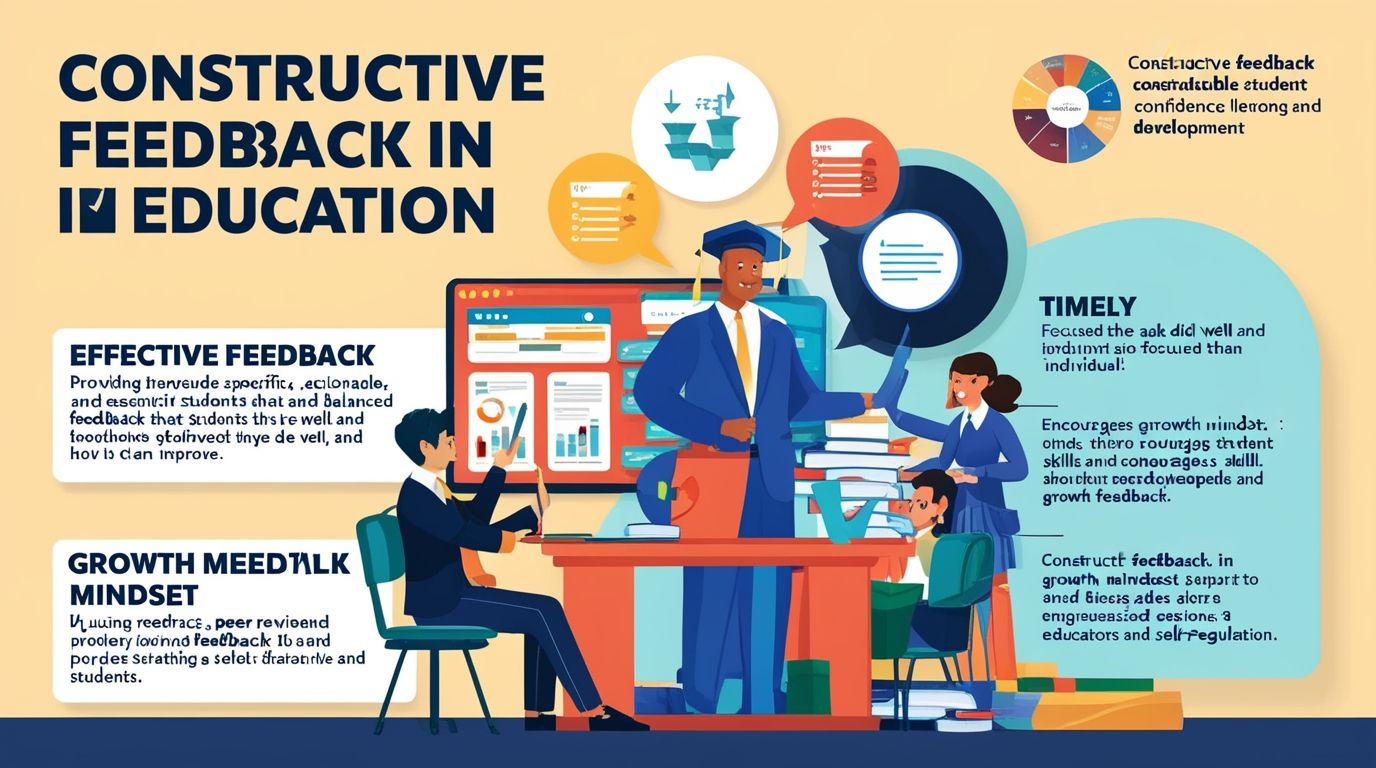
Another powerful application of AI in teacher training is intelligent feedback systems that provide continuous and objective evaluation of teaching practices. Through video analysis, speech recognition, and classroom data monitoring, AI tools can assess lesson delivery, pacing, questioning techniques, and student engagement levels. Unlike human evaluators who may be limited by time or bias, AI systems offer consistent and data-driven feedback. Teachers receive detailed reports highlighting strengths and areas for improvement, enabling them to make informed adjustments in their instructional methods. Furthermore, AI can track progress over time, helping educators visualize their professional growth trajectory. This ongoing feedback loop fosters a culture of reflective practice, where teachers continuously analyze and improve their performance. In addition, institutions can use aggregated data to design more effective training programs aligned with actual classroom needs. By integrating intelligent feedback mechanisms, AI ensures that teacher development is not static but an evolving, evidence-based process that supports long-term instructional excellence.
Collaborative Learning and Professional Networking Using AI
AI also enhances collaborative learning among teachers by connecting educators through intelligent networking platforms. These systems analyze teaching interests, subject expertise, and professional goals to match teachers with relevant peers for knowledge sharing and collaborative development. Virtual communities powered by AI enable educators to discuss best practices, share lesson plans, and solve instructional challenges collectively. Unlike traditional workshops, which are time-bound and location-specific, AI-driven collaboration platforms are continuous and globally accessible. Teachers can participate in discussion forums, peer review activities, and co-creation of teaching resources regardless of geographical barriers. Additionally, AI can recommend expert mentors or high-performing educators for guidance and mentorship programs. This fosters a culture of professional solidarity and collective intelligence within the teaching community. By facilitating meaningful collaboration, AI not only enhances individual teacher competencies but also strengthens institutional knowledge networks, ultimately contributing to a more innovative and connected educational ecosystem that benefits both teachers and students.
Data Analytics in Teacher Professional Development
Data analytics is another critical dimension of AI integration in teacher training programs. AI systems collect and analyze large volumes of educational data, including student performance metrics, classroom interactions, and assessment outcomes. This data helps identify patterns that reflect teaching effectiveness and areas requiring improvement. Teachers can use these insights to adjust instructional strategies, differentiate learning approaches, and enhance student engagement. For instance, if data indicates that students struggle with a particular concept, AI can recommend alternative teaching methods or supplementary resources for the teacher. This evidence-based approach ensures that training is grounded in real classroom realities rather than theoretical assumptions. Moreover, data analytics enables education authorities to evaluate the impact of professional development programs at scale. By transforming raw data into actionable insights, AI empowers teachers to make informed pedagogical decisions, thereby improving overall educational quality and ensuring that training programs remain relevant, efficient, and outcome-oriented.
Enhancing Digital Literacy Through AI Training Tools
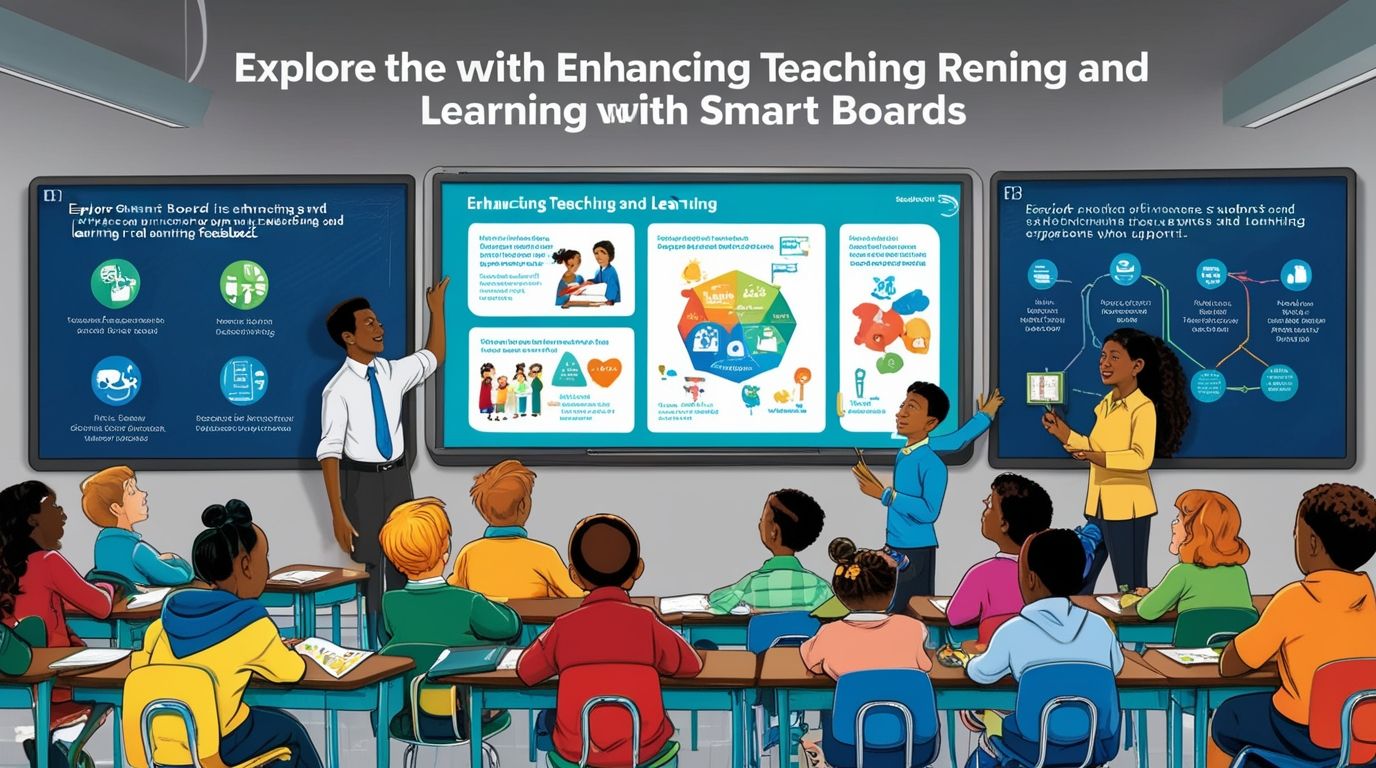
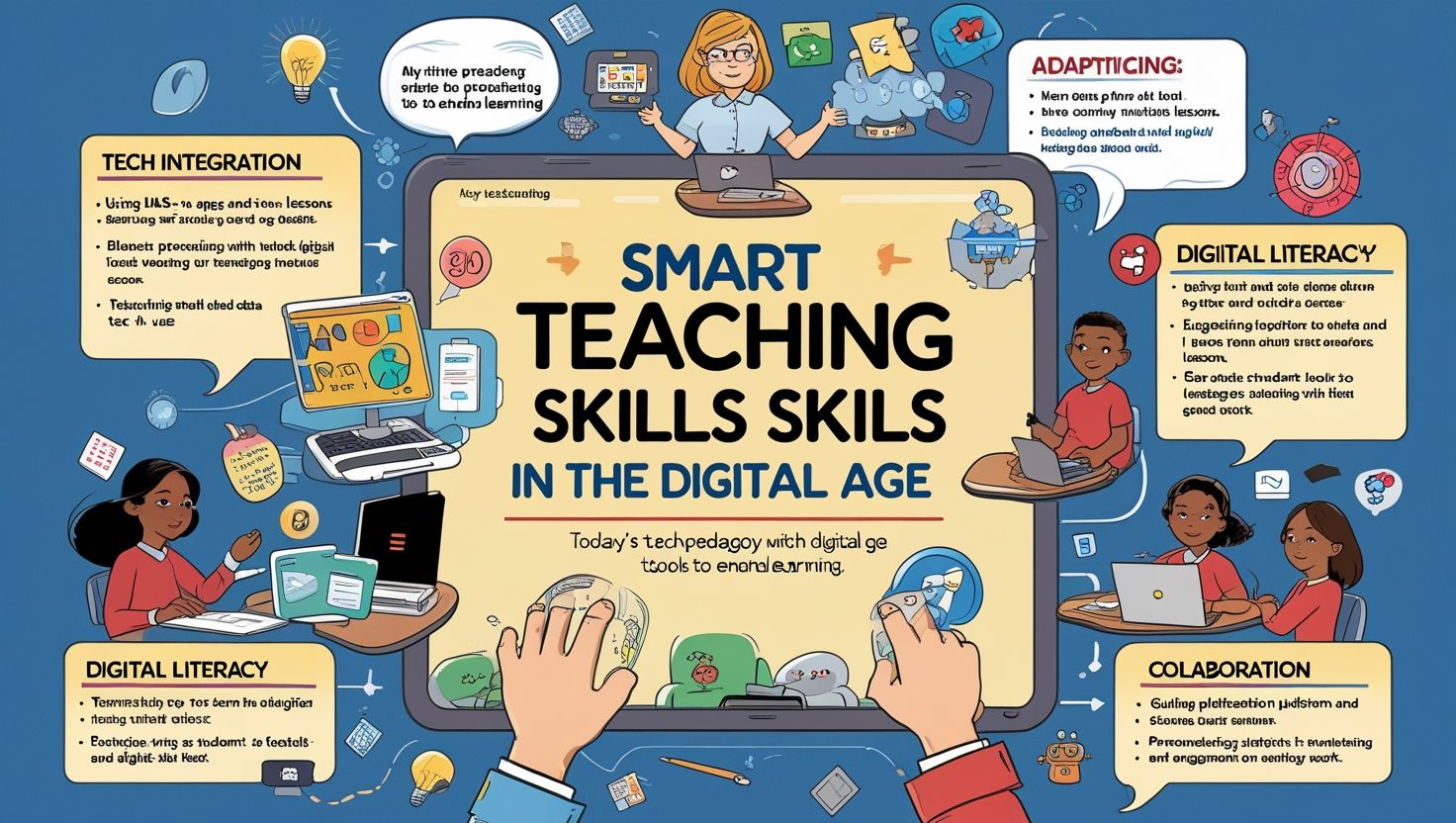
Artificial intelligence significantly contributes to the development of digital literacy among teachers, which is essential in modern education systems. As classrooms become increasingly technology-driven, educators must be proficient in using digital tools, online platforms, and educational software. AI-based training modules guide teachers through step-by-step learning processes, helping them integrate technology effectively into their teaching practices. These modules often include interactive tutorials, adaptive quizzes, and real-time problem-solving exercises. Additionally, AI systems can simulate digital classroom environments where teachers practice managing virtual lessons and online student interactions. This builds confidence in handling blended and remote learning scenarios. Furthermore, AI continuously updates training content to reflect emerging technologies and trends, ensuring that teachers remain current in a rapidly evolving digital landscape. By strengthening digital literacy, AI empowers educators to create more engaging, interactive, and technologically enriched learning environments that align with the demands of twenty-first-century education systems and learners.
AI for Inclusive Education and Diverse Learners
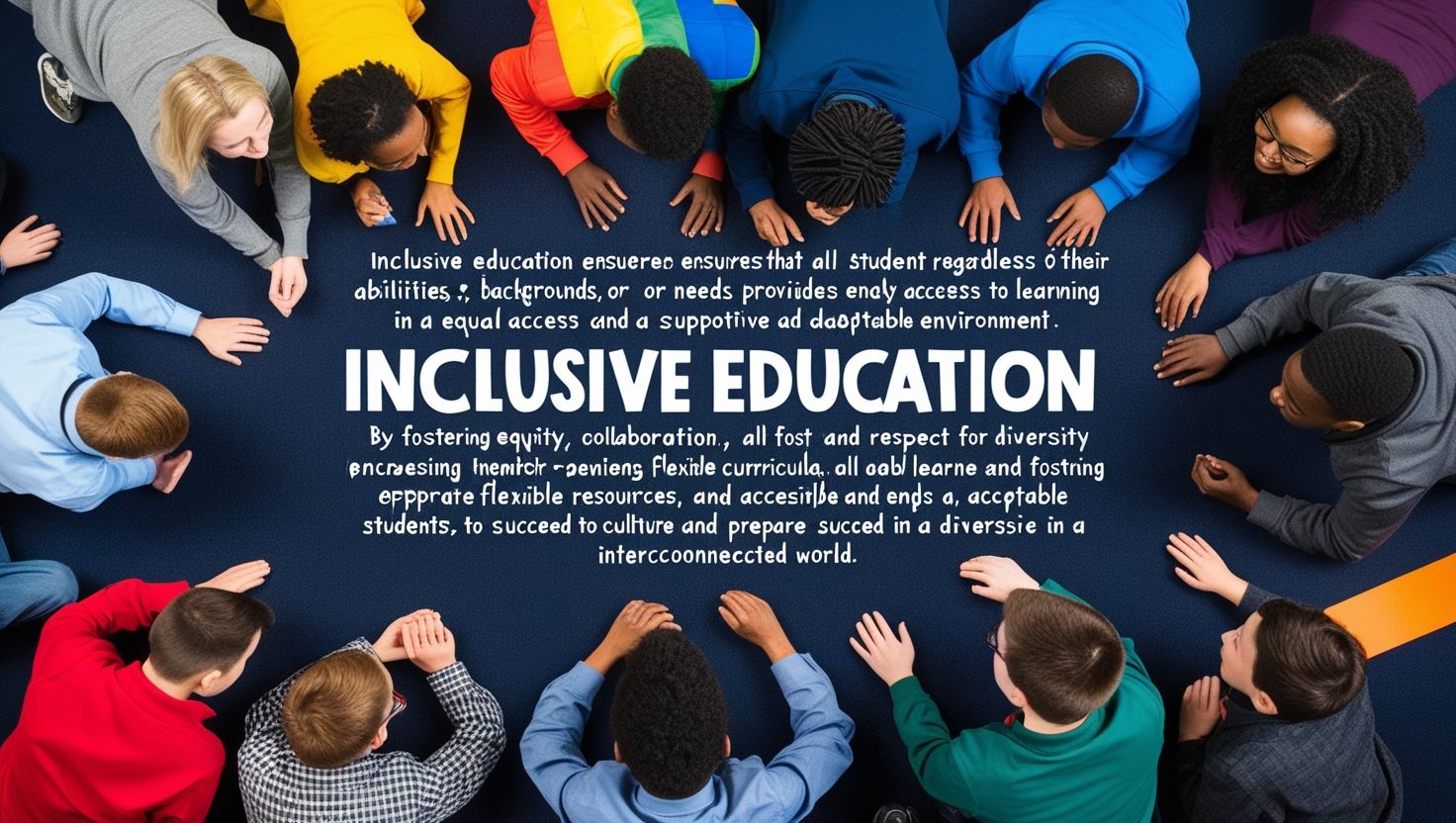
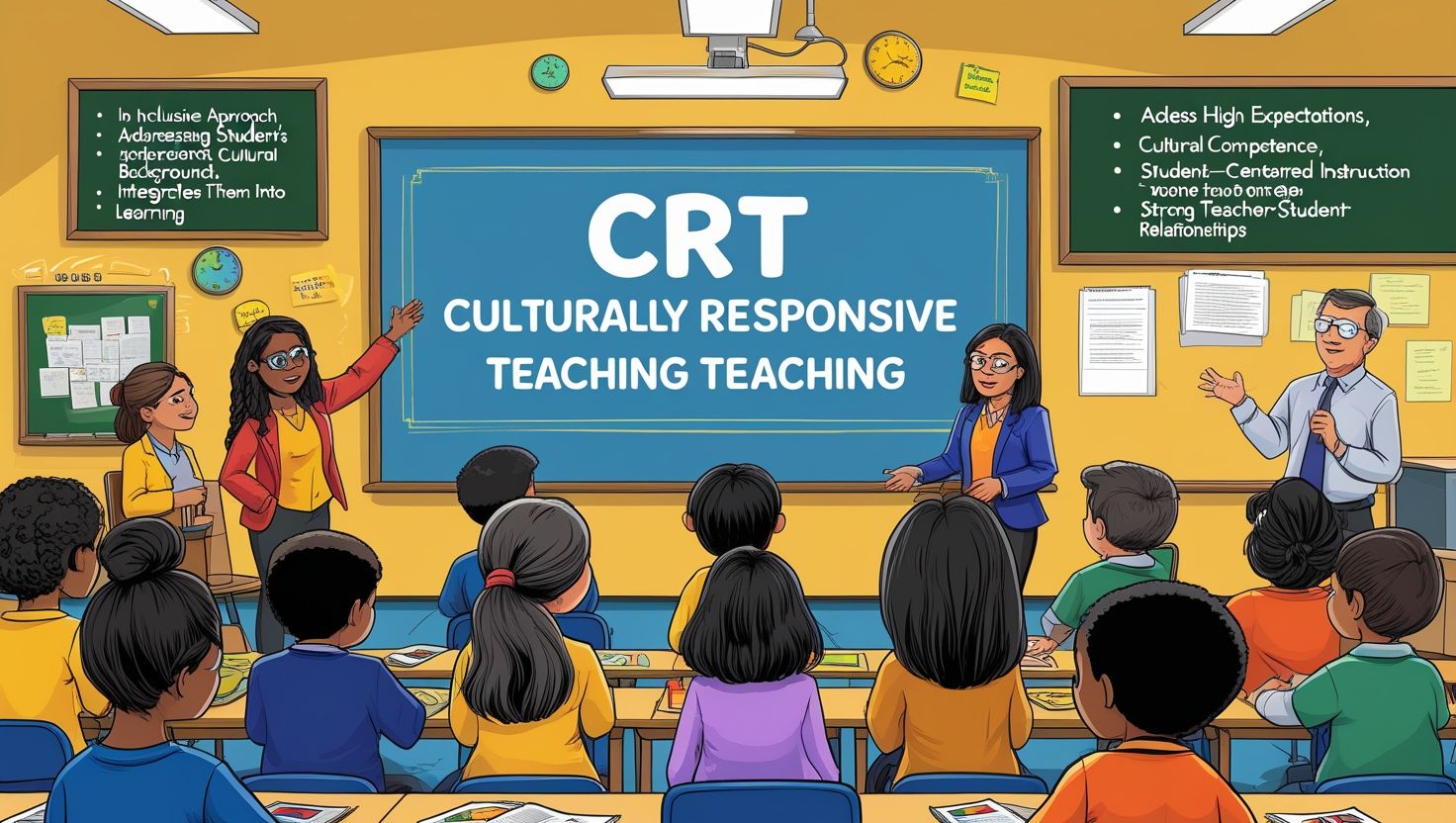
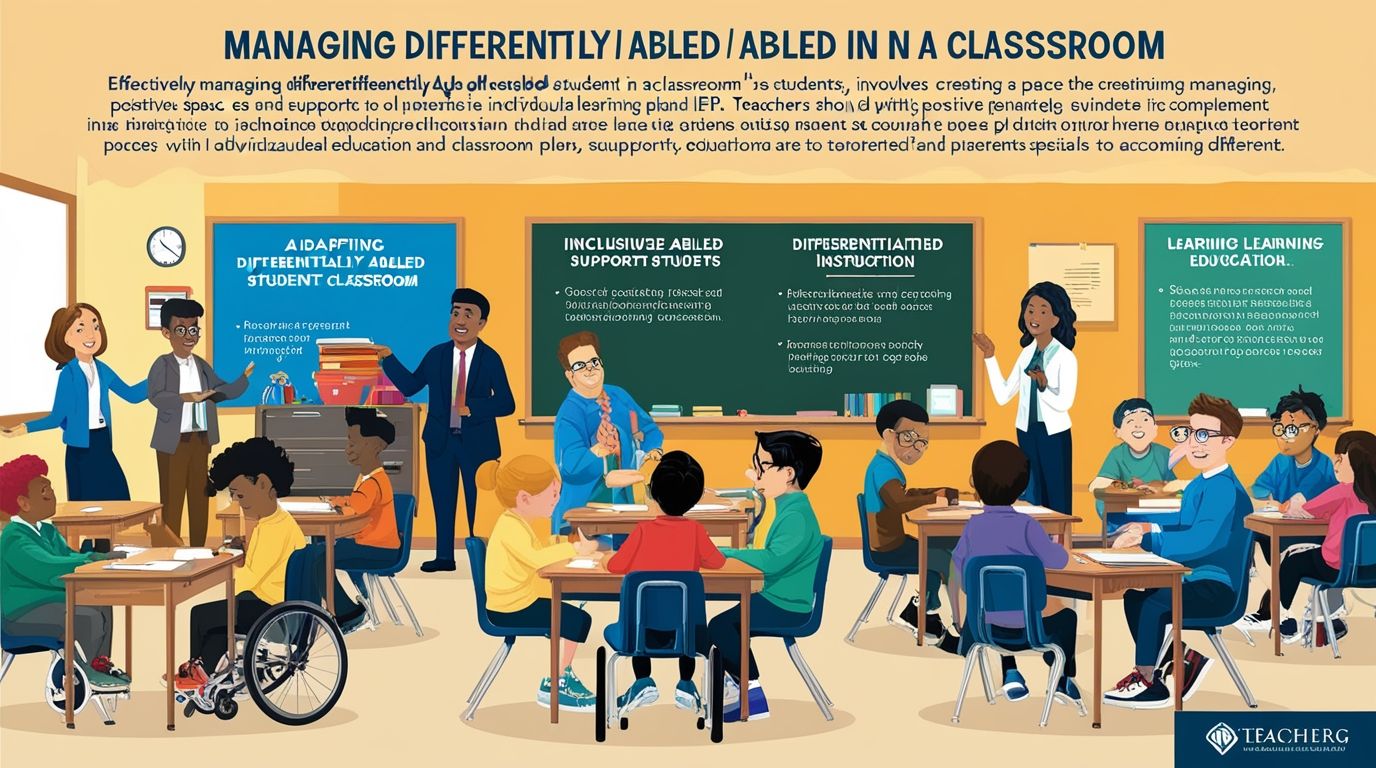
The integration of AI in teacher training also supports inclusive education by helping educators address diverse learner needs more effectively. AI systems can analyze student data to identify learning disabilities, language barriers, and cognitive differences, providing teachers with tailored strategies to support each learner. Training programs powered by AI offer specific guidance on differentiated instruction, inclusive classroom management, and accessibility tools. Teachers can learn how to design lessons that accommodate visual, auditory, and kinesthetic learners through adaptive content suggestions. Additionally, AI can recommend assistive technologies that support students with special educational needs. This equips teachers with practical skills to create equitable learning environments where all students have opportunities to succeed. By promoting inclusivity through targeted training, AI ensures that educators are better prepared to handle diversity in the classroom. This not only improves student outcomes but also fosters a more compassionate and socially responsible educational system that values every learner’s potential.
Improving Assessment Literacy with Artificial Intelligence
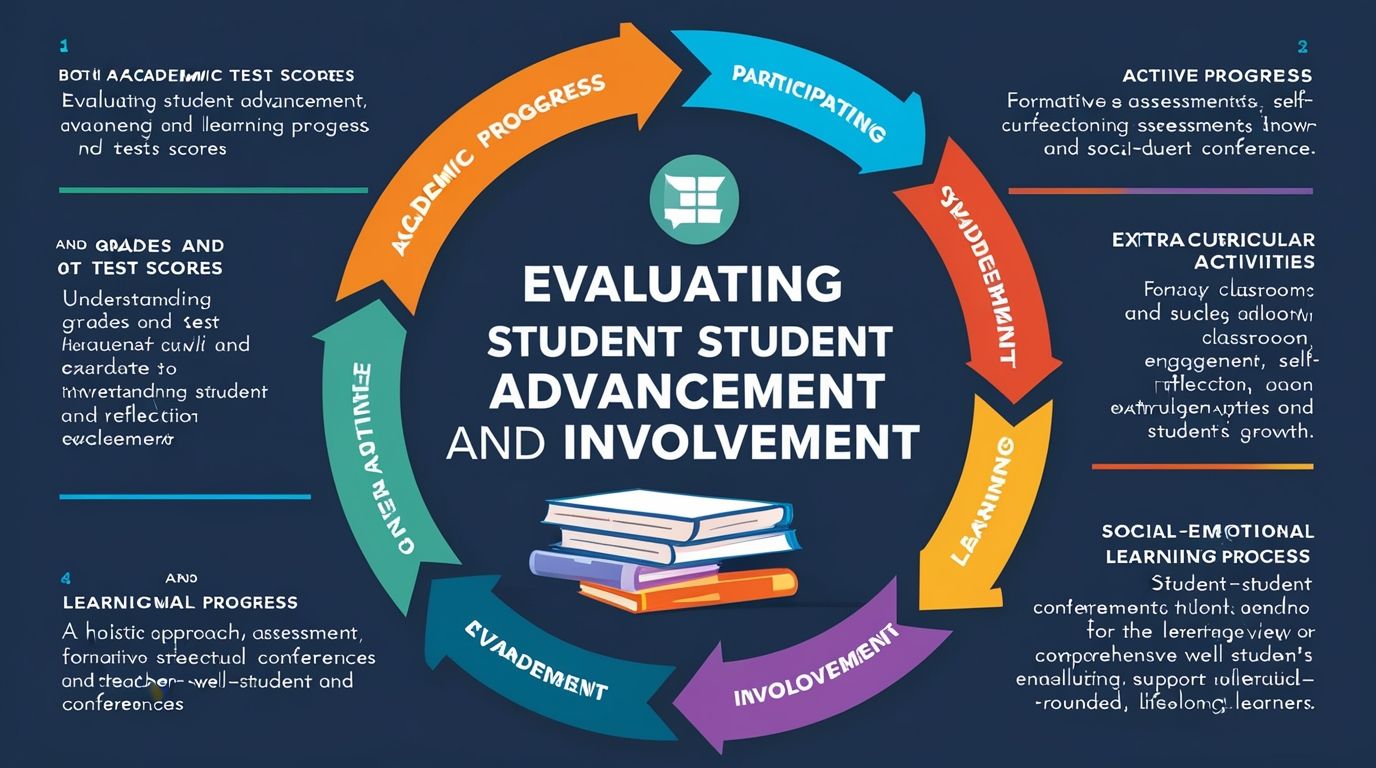
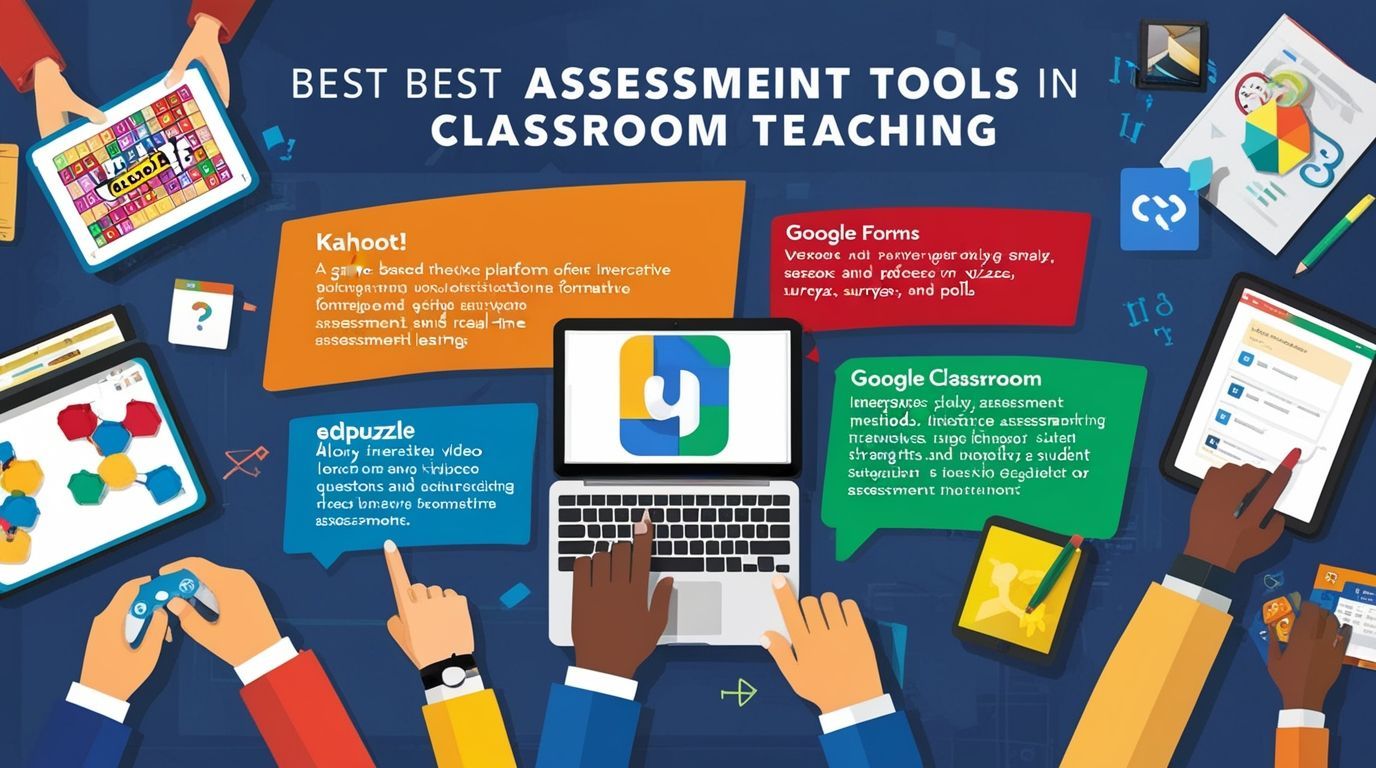
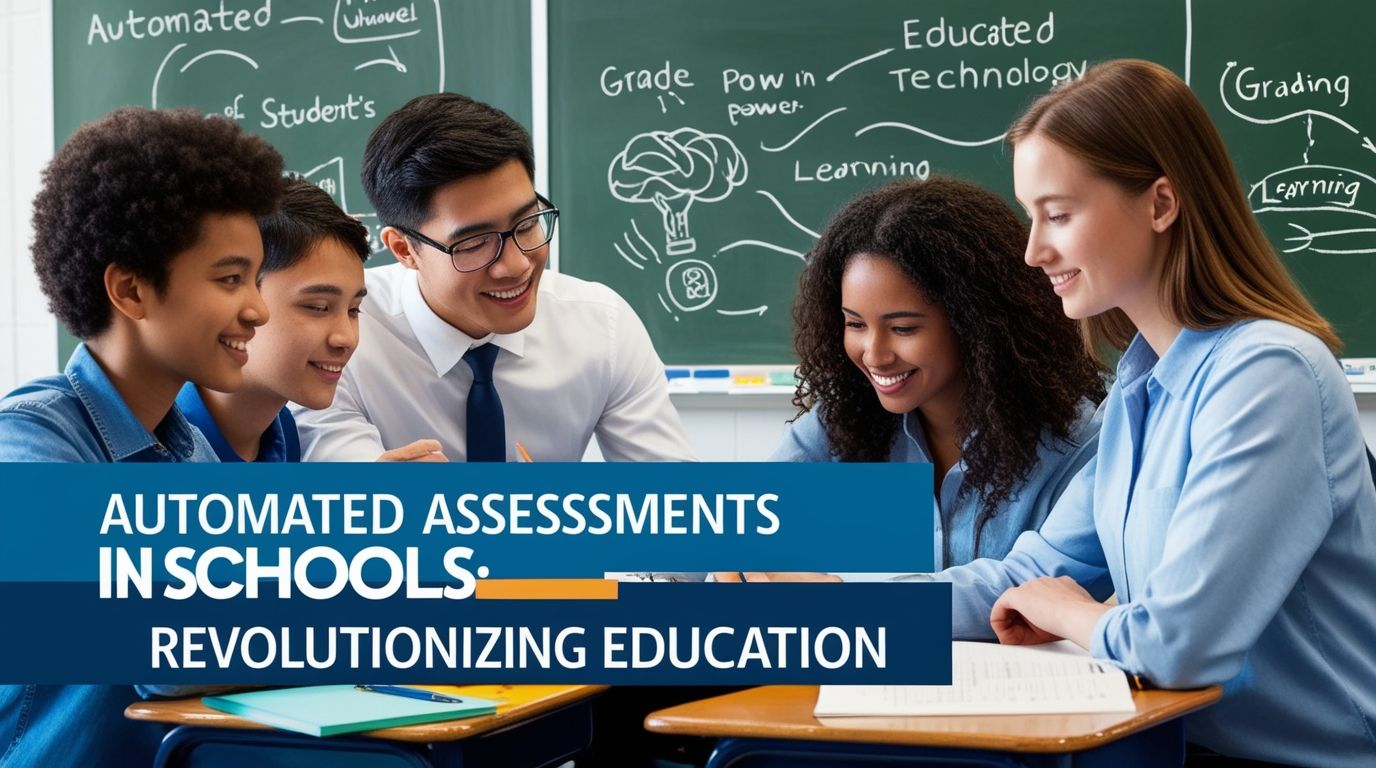
AI-driven teacher training platforms also enhance assessment literacy, which is crucial for measuring student progress effectively. Many educators struggle with designing valid, reliable, and fair assessments that accurately reflect student learning. AI tools assist teachers by generating assessment templates, question banks, and rubric frameworks aligned with curriculum standards. Additionally, AI can analyze student responses to identify common errors and misconceptions, enabling teachers to refine their instructional strategies. Training modules often include adaptive exercises where teachers practice creating formative and summative assessments with instant feedback from AI systems. This iterative learning process strengthens teachers’ ability to evaluate student performance more accurately and consistently. Furthermore, AI can help educators understand advanced assessment techniques such as competency-based evaluation and performance analytics. By improving assessment literacy, AI ensures that teachers are better equipped to measure learning outcomes, provide meaningful feedback, and support continuous student development in a structured and evidence-based manner.
Time Efficiency and Flexible Learning in Teacher Training
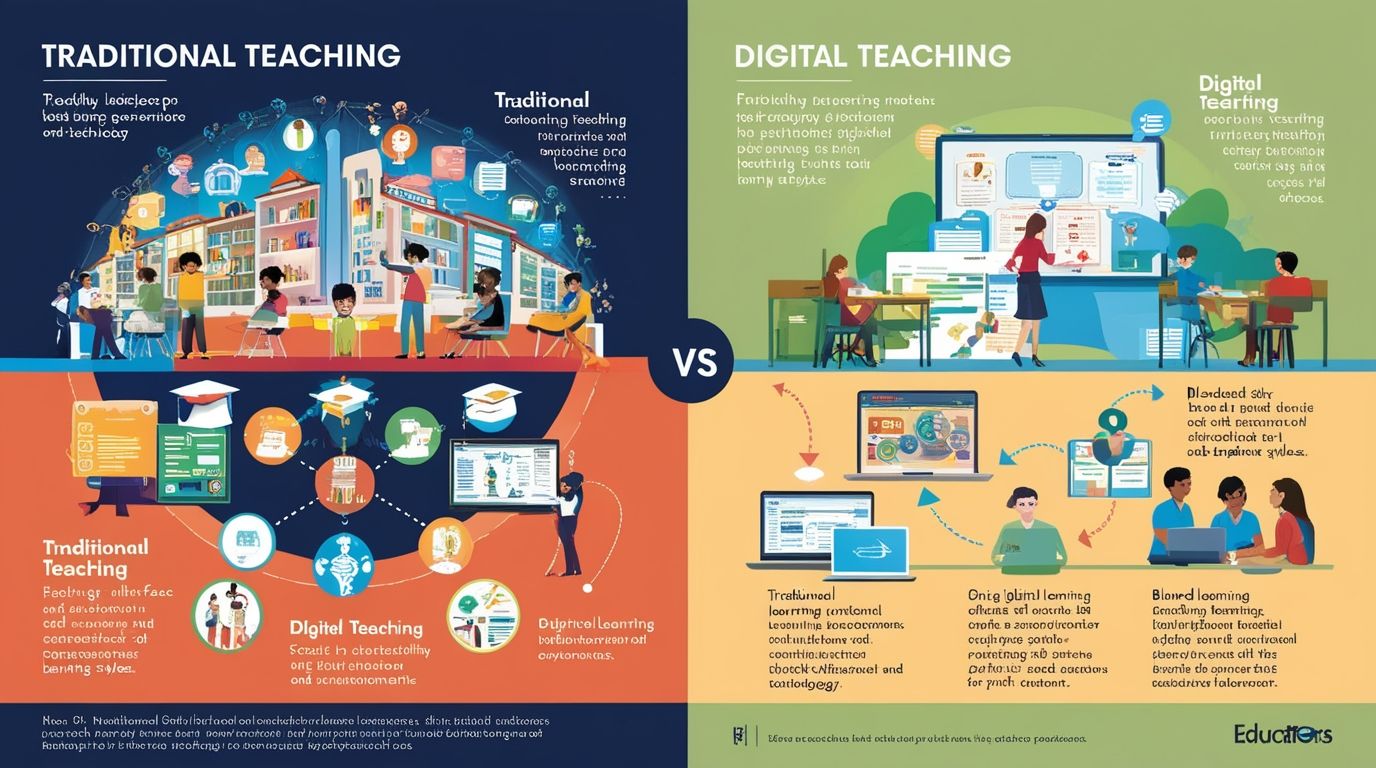
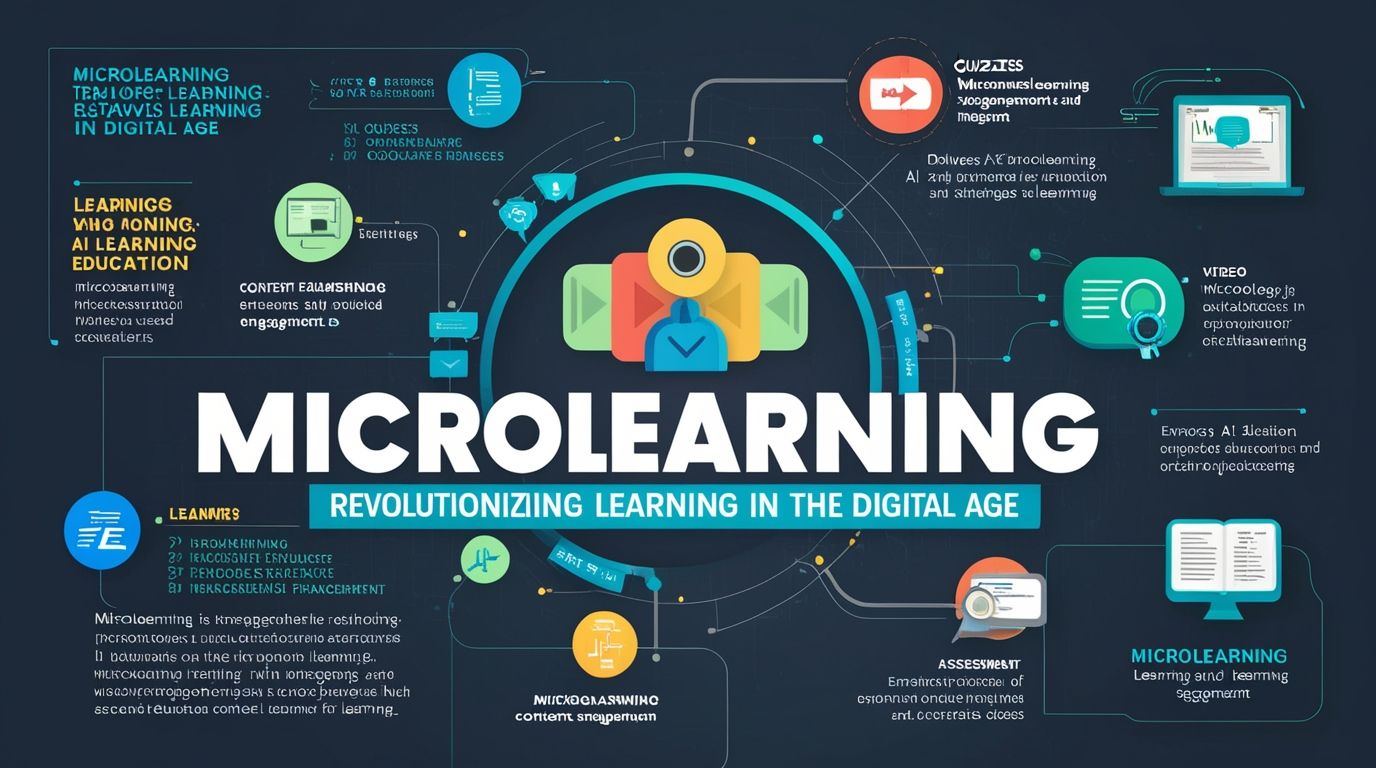
Time efficiency is another important benefit of AI in teacher training. Traditional professional development programs often require fixed schedules, travel, and extended classroom absences, which can be disruptive for educators. AI-based training platforms eliminate these constraints by offering flexible, self-paced learning modules accessible anytime and anywhere. Teachers can engage in short learning segments, often referred to as microlearning units, which fit into their daily routines without causing workload stress. AI also prioritizes content based on urgency and relevance, ensuring that teachers focus on the most important skills first. Automated reminders, progress tracking, and adaptive scheduling further enhance time management. This flexibility allows educators to balance teaching responsibilities with professional development more effectively. As a result, AI not only improves the efficiency of training programs but also reduces burnout and workload pressure among teachers, contributing to a more sustainable model of continuous professional growth in education systems.
Ethical Considerations in AI-Based Training Systems
Ethical considerations play a vital role in the implementation of AI for teacher training. While AI offers numerous benefits, it also raises concerns related to data privacy, algorithmic bias, and over-reliance on technology. Teacher training systems must ensure that data collected from educators is securely stored and used responsibly. Additionally, AI algorithms should be regularly audited to prevent bias that could unfairly influence performance evaluations or training recommendations. Educators must also be trained to critically engage with AI tools rather than depend on them blindly. Ethical training modules can help teachers understand the limitations of AI and promote responsible usage in educational settings. By addressing these ethical challenges, institutions can build trust and ensure that AI serves as a supportive tool rather than a controlling mechanism. A balanced approach ensures that technology enhances human judgment without replacing the essential role of educators in shaping learning experiences.
Reflective Practice Supported by Artificial Intelligence
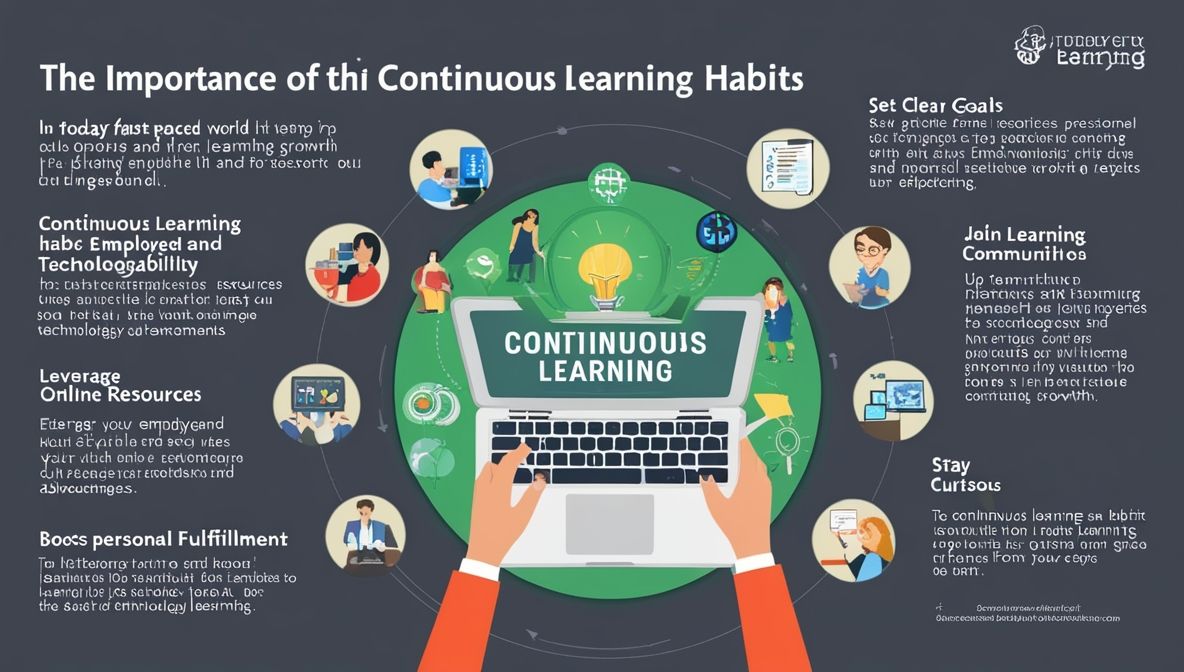
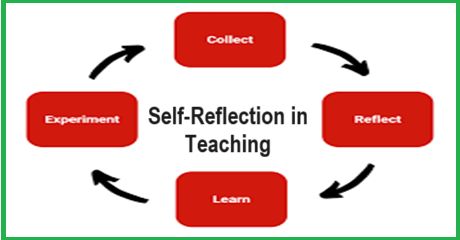
The role of AI in fostering reflective practice among teachers is also highly significant. Reflective practice involves analyzing one’s teaching methods, identifying strengths and weaknesses, and continuously improving instructional strategies. AI systems support this process by providing structured reflection prompts, performance analytics, and personalized feedback reports. Teachers can review recorded lessons, student engagement data, and assessment outcomes to critically evaluate their teaching effectiveness. AI also encourages goal setting by suggesting improvement areas and tracking progress over time. This structured reflection process helps educators develop a deeper understanding of their teaching practices and their impact on student learning. Moreover, reflective practice supported by AI fosters lifelong learning habits among teachers, ensuring that professional development does not end with formal training sessions. Instead, it becomes an ongoing, self-directed process that evolves with experience and changing educational needs, ultimately enhancing teaching quality and student achievement.
Conclusion: Future of AI in Teacher Development
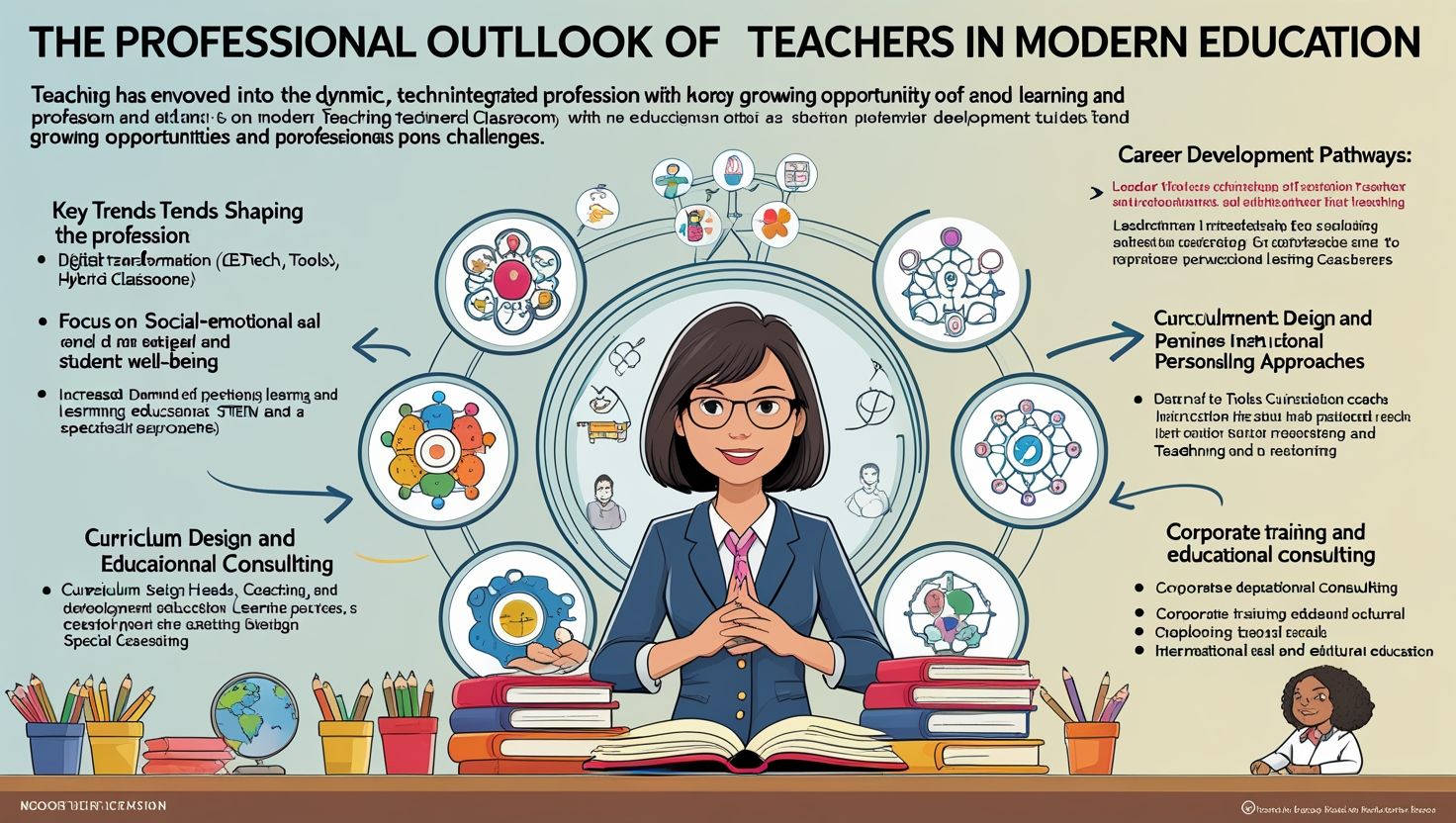
In conclusion, artificial intelligence is transforming teacher training into a more personalized, efficient, and evidence-based system that addresses the complex demands of modern education. By integrating adaptive learning, simulations, data analytics, and intelligent feedback mechanisms, AI empowers teachers to continuously improve their professional skills. It enhances collaboration, inclusivity, digital literacy, and assessment capabilities while also promoting reflective practice and ethical awareness. Although challenges such as data privacy and algorithmic bias must be carefully managed, the overall potential of AI in teacher development is highly promising. As educational institutions increasingly adopt AI-driven systems, teacher training will become more dynamic, accessible, and impactful. Ultimately, the effective use of AI in professional development not only strengthens teachers but also elevates the quality of education, ensuring better learning outcomes for future generations and supporting the broader goal of educational excellence and innovation across global learning environments.