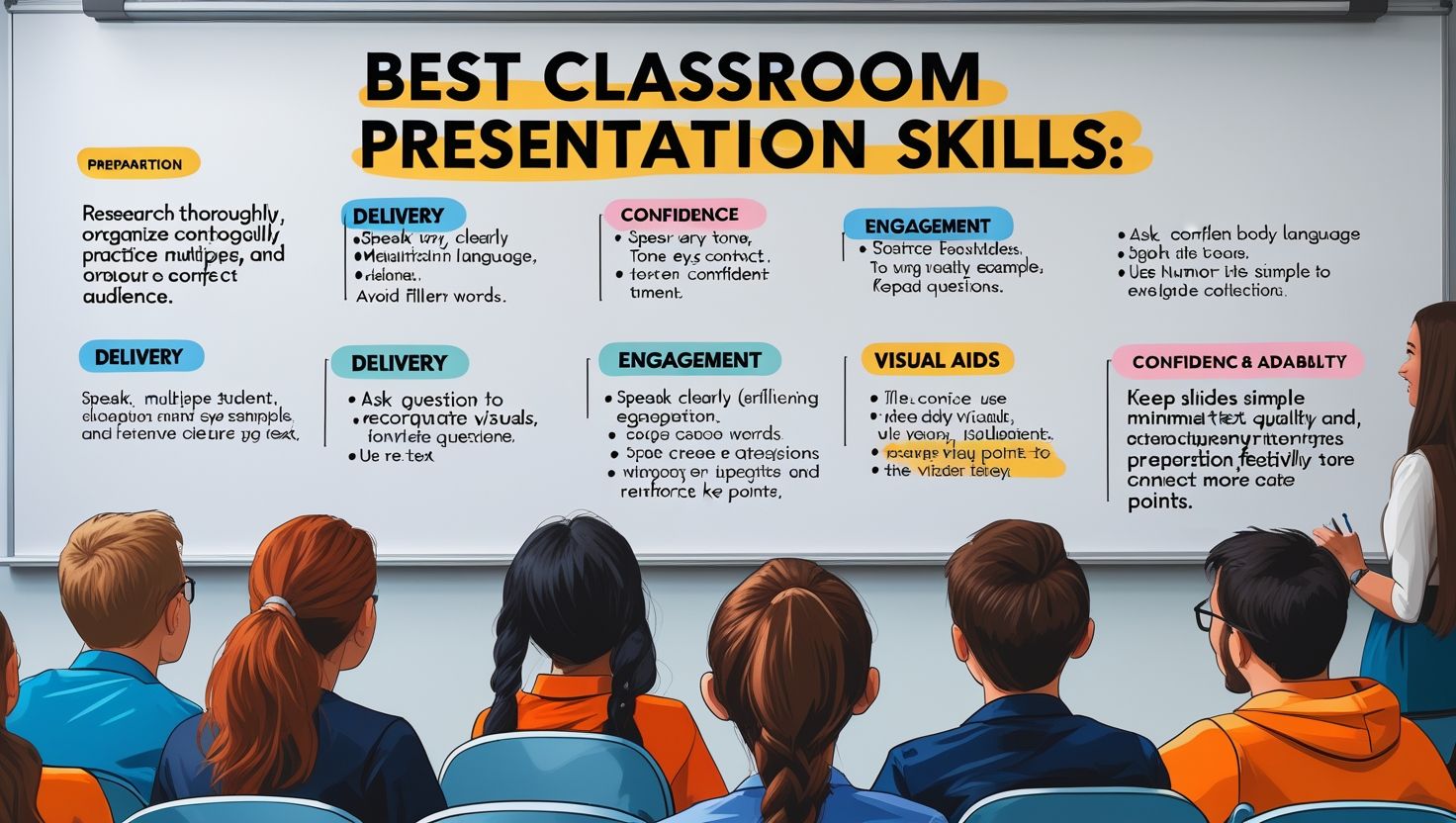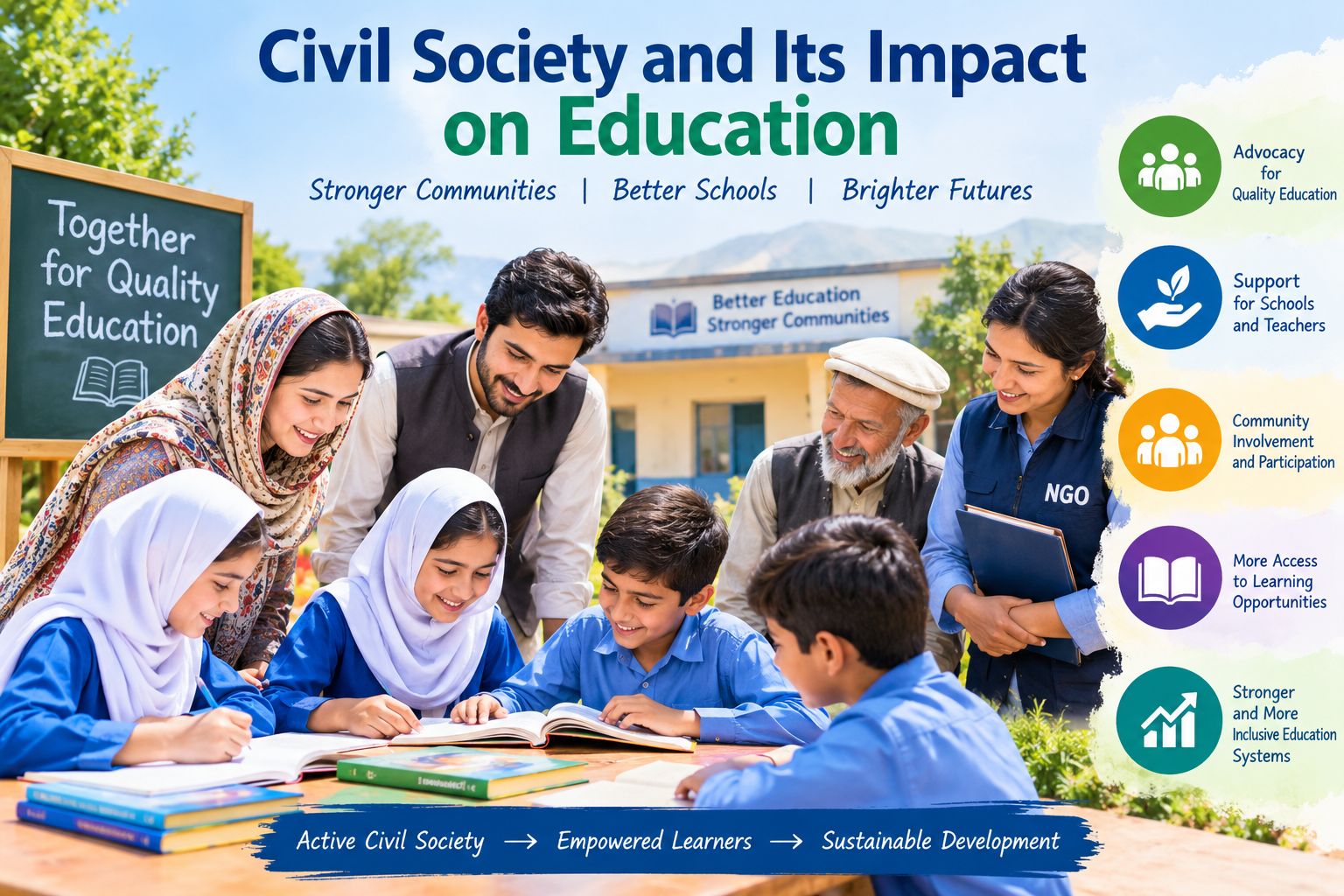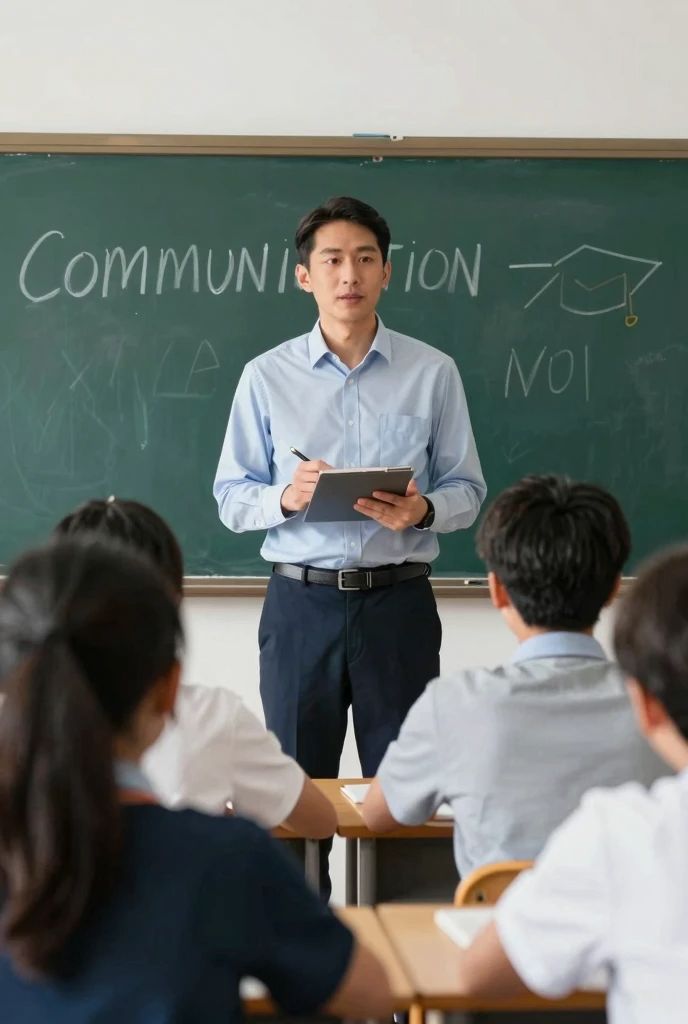
Introduction
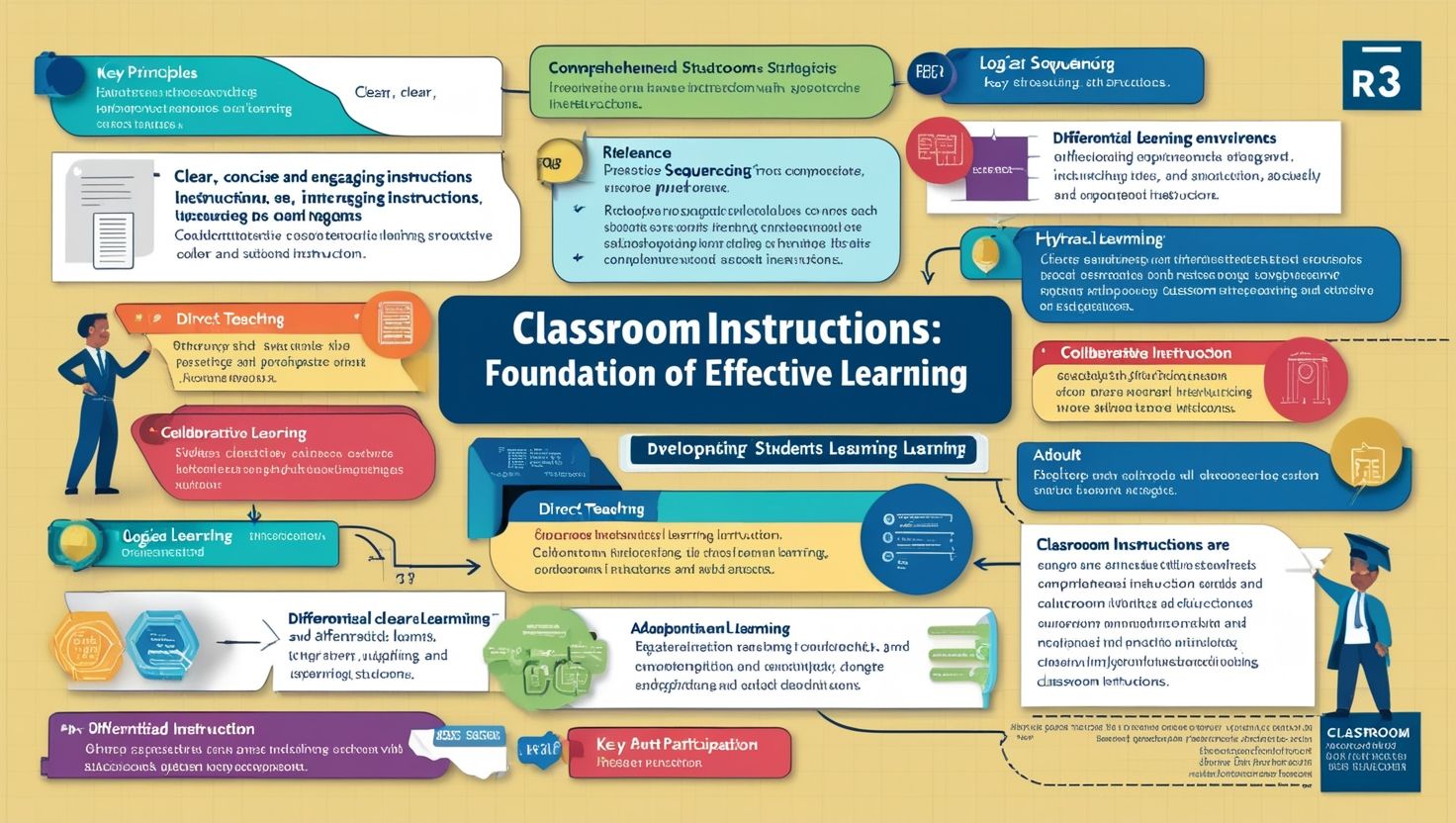
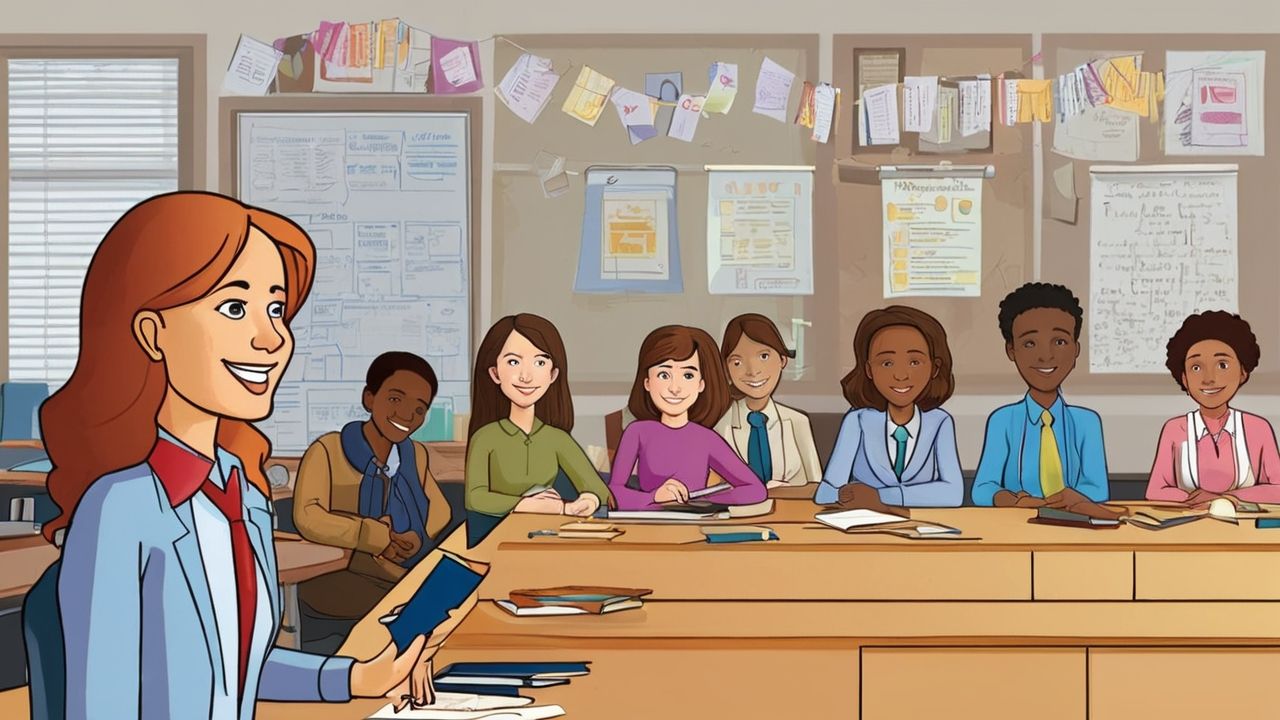
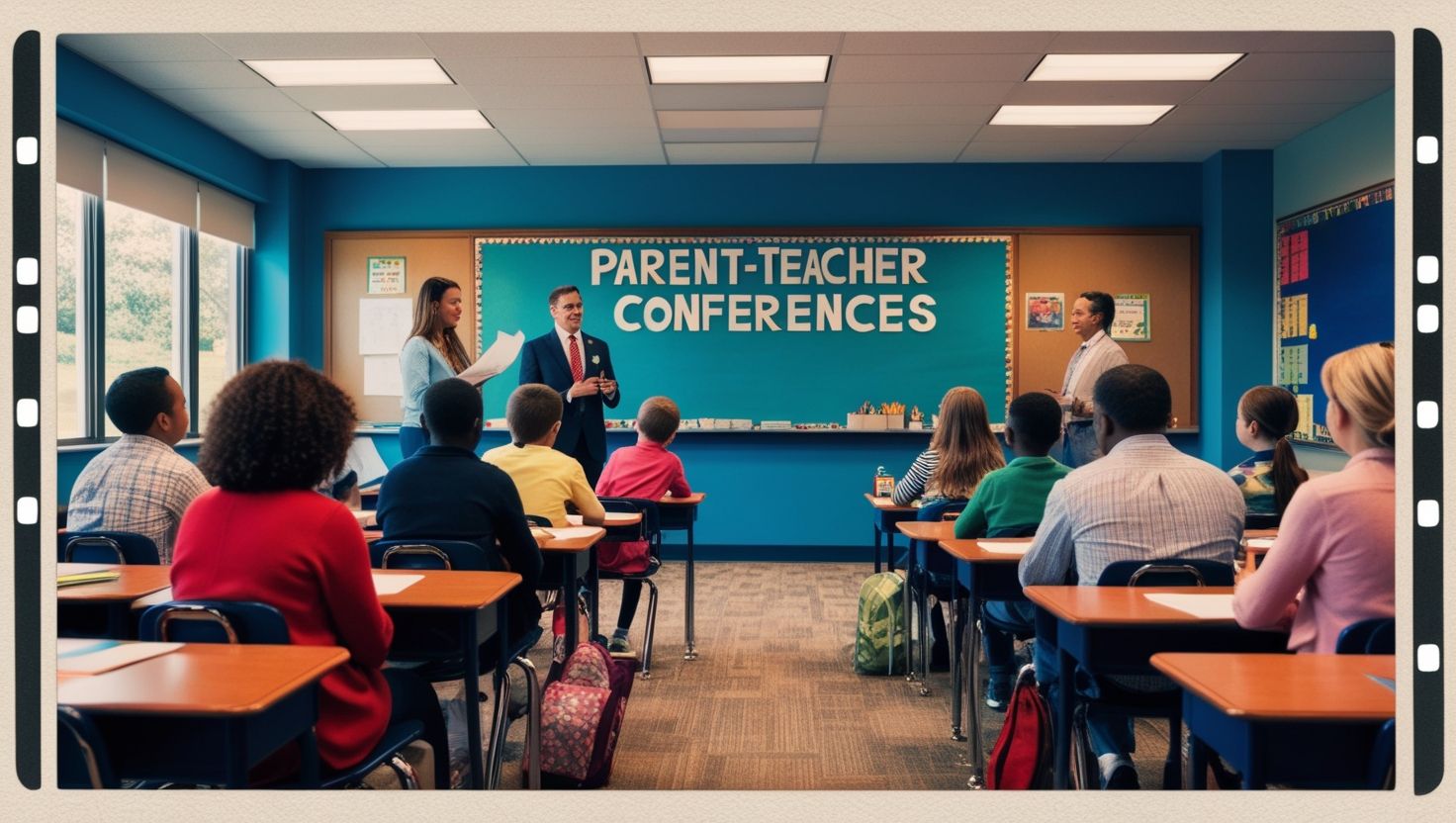
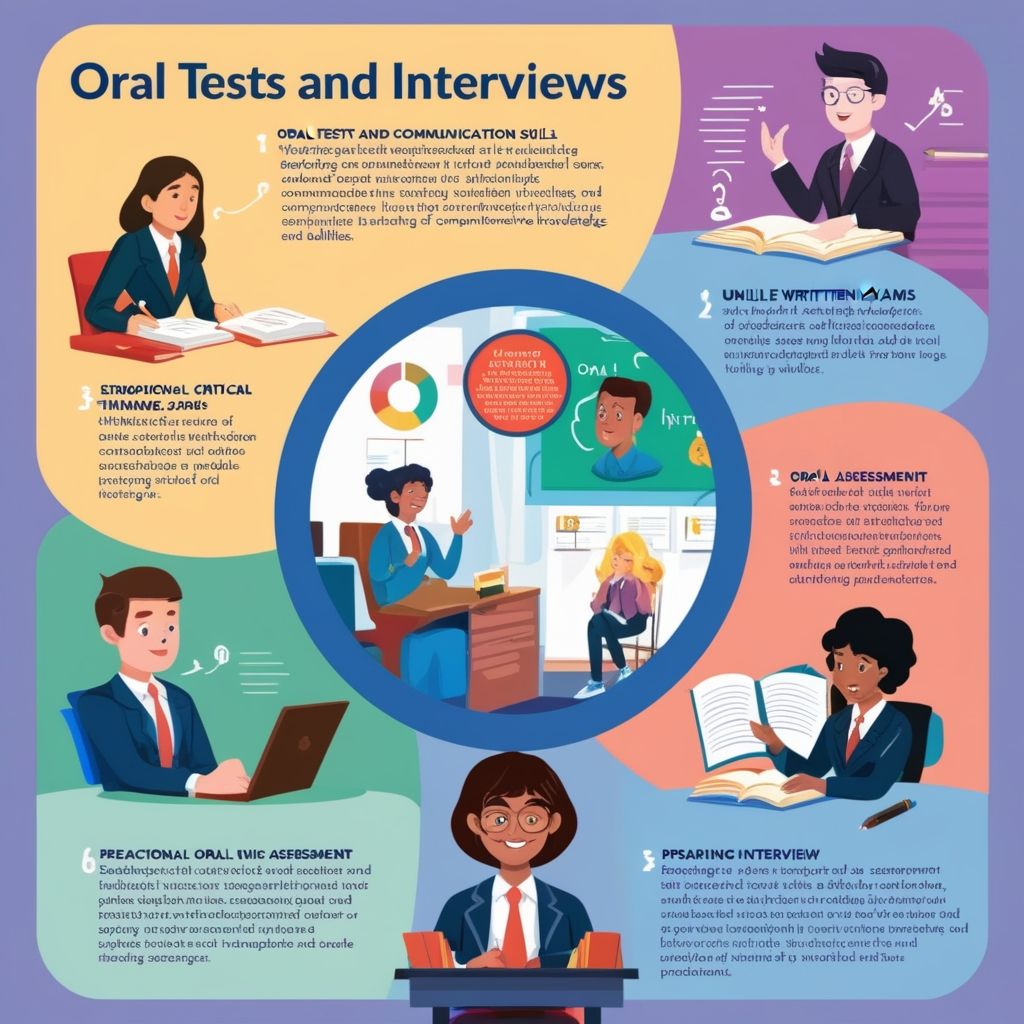
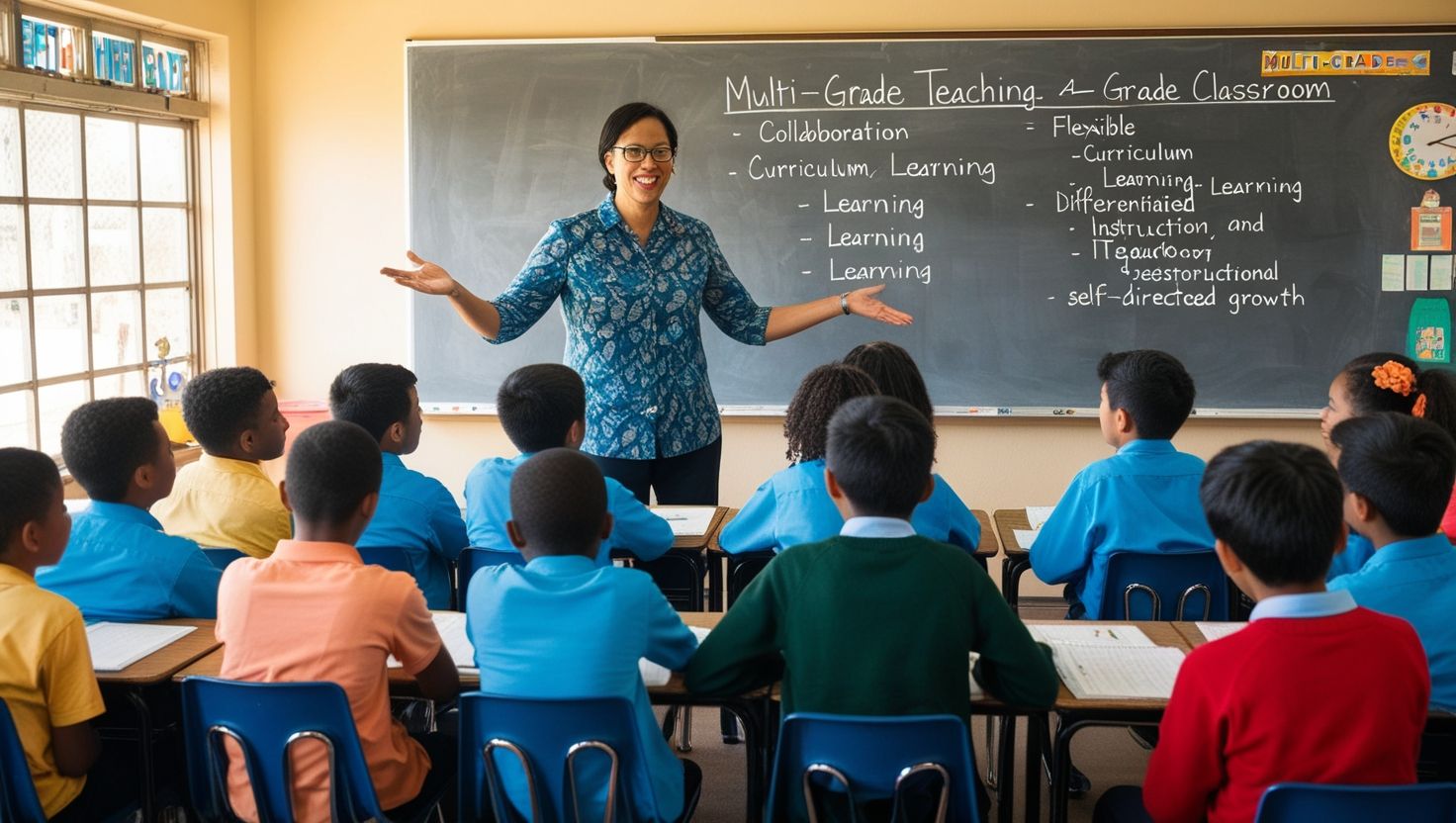
Verbal Communication in Teaching and Learning, Communication is one of the most essential elements of education. Teaching and learning cannot occur effectively without meaningful communication between teachers and students. Among the various forms of communication used in educational settings, verbal communication holds a central position because it directly supports the transfer of knowledge, ideas, values, and experiences. Verbal communication refers to the use of spoken words and language to convey messages, explain concepts, ask questions, provide instructions, and interact with others. In classrooms, verbal communication is the primary medium through which teachers guide learning and students express their understanding.
Effective verbal communication in education goes beyond simply speaking clearly. It involves the careful use of language, tone, questioning, listening, discussion, and feedback to create meaningful learning experiences. Teachers rely on verbal communication to explain difficult concepts, motivate learners, manage classroom behavior, and encourage participation. Students, in turn, use verbal communication to ask questions, share opinions, engage in discussions, and collaborate with peers.
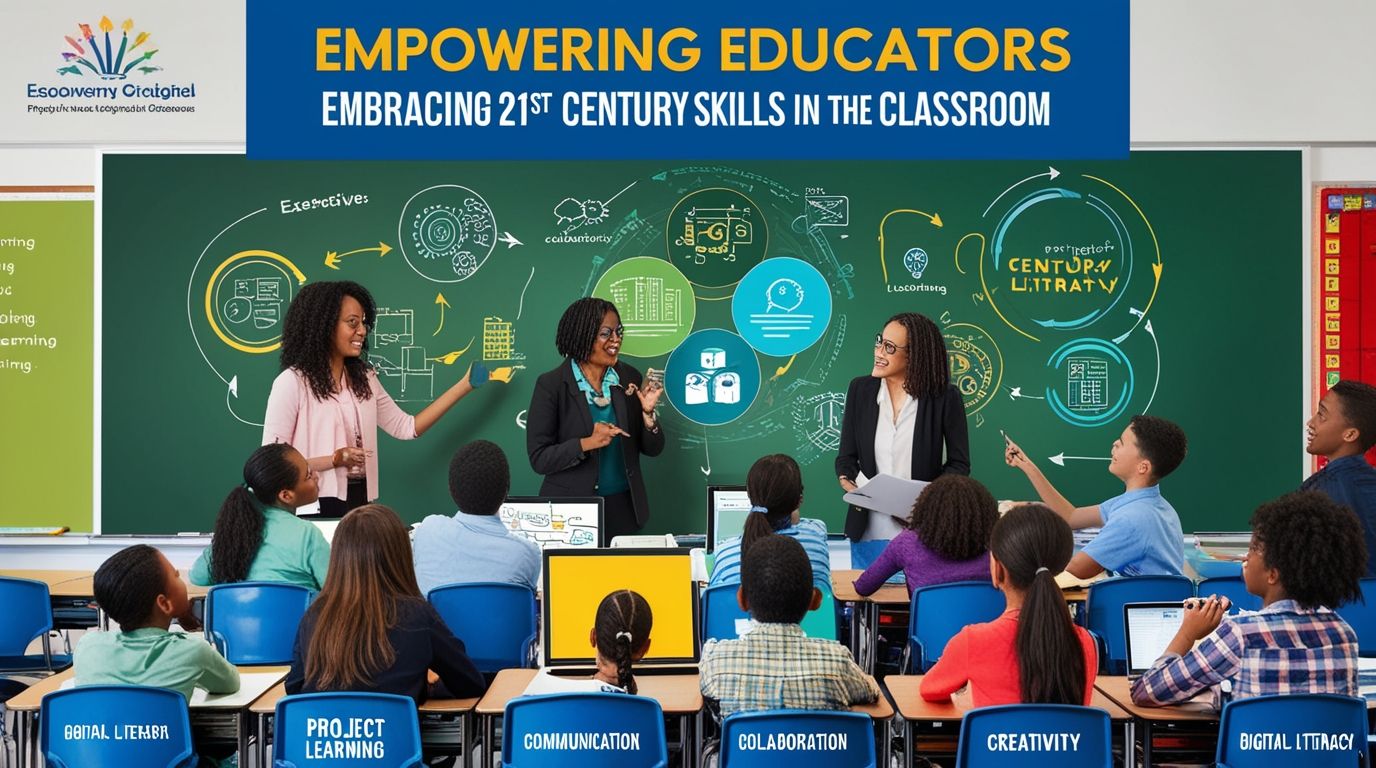
In modern educational environments, verbal communication has become even more important due to learner-centered pedagogy, collaborative learning approaches, multicultural classrooms, and technological advancement. Effective communication skills are now recognized as fundamental competencies for both teachers and learners. Strong verbal communication promotes understanding, engagement, confidence, critical thinking, and positive relationships within educational settings.
This article explores the meaning, importance, types, functions, benefits, challenges, and strategies related to verbal communication in teaching and learning. It also examines the role of teachers, learners, and technology in enhancing communication for educational success.
Meaning and Concept of Verbal Communication
Verbal communication refers to the process of transmitting information, thoughts, ideas, and emotions through spoken language. It involves the use of words, sentences, tone, pronunciation, and speech patterns to communicate messages effectively. In educational contexts, verbal communication occurs continuously between teachers and students during lessons, discussions, presentations, and classroom interactions.
Verbal communication may be formal or informal. Formal communication includes lectures, presentations, instructions, and classroom explanations, while informal communication occurs during casual conversations, peer discussions, and social interactions within educational environments.
The effectiveness of verbal communication depends on several factors such as clarity, vocabulary, organization, tone, confidence, listening skills, and audience understanding. Effective communication requires both the sender and receiver to interpret messages accurately. Therefore, verbal communication is not only about speaking but also about active listening and mutual understanding.
In teaching and learning, verbal communication serves as a bridge between knowledge and understanding. Teachers use language to transform complex ideas into understandable concepts, while students use language to demonstrate comprehension and engage in learning activities.
Importance of Verbal Communication in Education
Verbal communication plays a crucial role in educational processes because it directly influences teaching effectiveness and learner achievement. One of its most important functions is the transmission of knowledge. Teachers explain lessons, define concepts, provide examples, and clarify misunderstandings through spoken communication.
Clear verbal communication improves student understanding and reduces confusion. When teachers explain ideas systematically and use appropriate language, learners can grasp concepts more easily. Effective communication also encourages active participation because students feel more confident asking questions and sharing opinions.
Verbal communication also supports classroom management. Teachers use spoken instructions, encouragement, and corrective feedback to maintain order and create positive learning environments. Respectful communication helps establish trust and mutual understanding between teachers and learners.
In addition, verbal communication contributes to emotional and social development. Positive interactions strengthen learner confidence, motivation, and self-esteem. Students who experience supportive communication are more likely to participate actively and develop strong interpersonal skills.
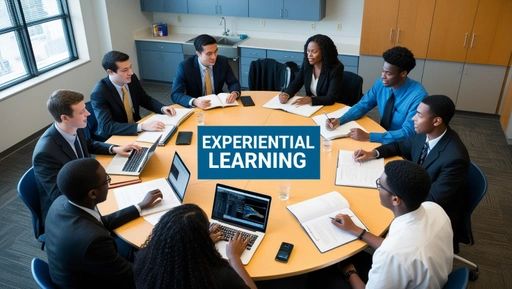
Furthermore, verbal communication is essential for collaborative learning. Discussions, debates, group activities, and peer interactions all depend on effective communication. Through verbal interaction, students develop critical thinking, problem-solving, and teamwork abilities.
Components of Effective Verbal Communication
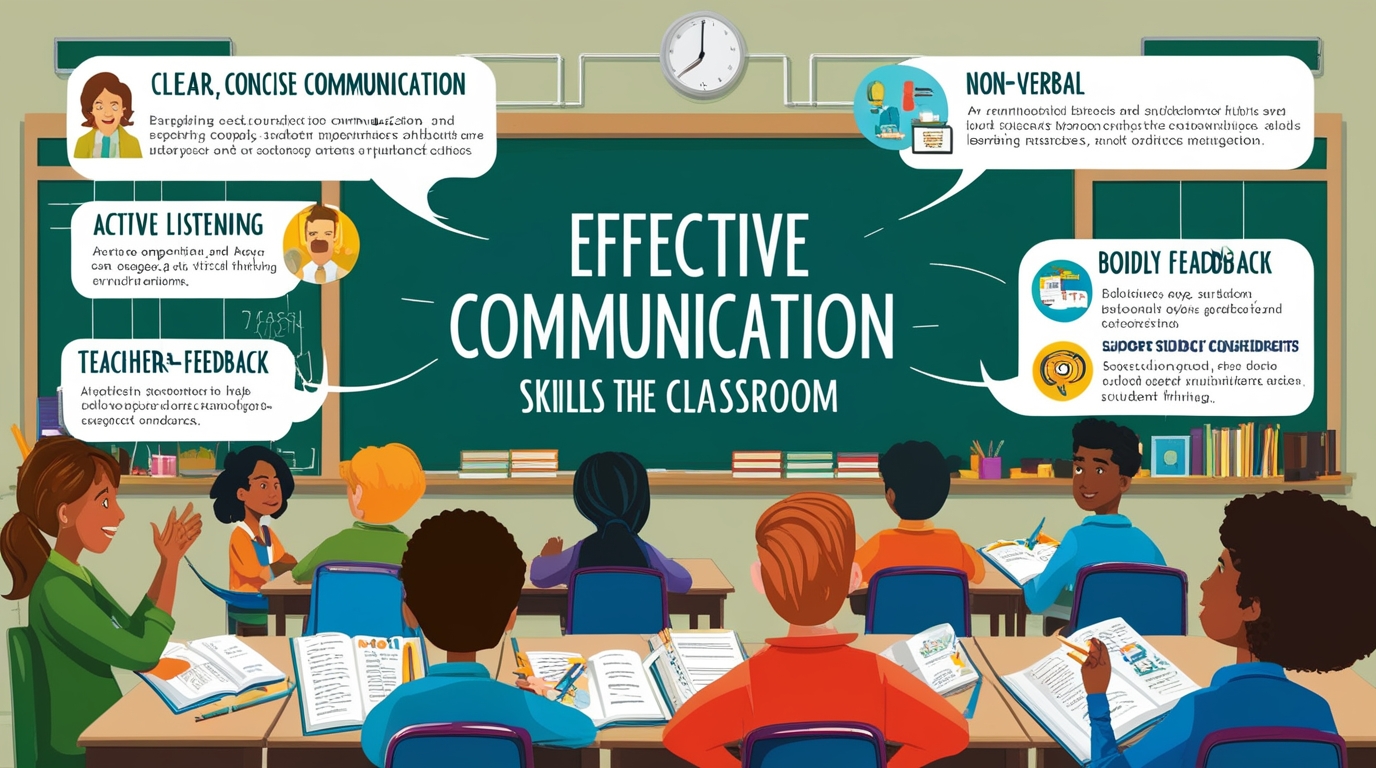
Effective verbal communication in teaching and learning involves several important components. These elements determine how successfully messages are delivered and understood.
Clarity
Clarity refers to the use of understandable language and organized explanations. Teachers should avoid unnecessary complexity and explain concepts according to learners’ age, background, and abilities. Clear communication helps students focus on key ideas and reduces misunderstanding.
Tone of Voice
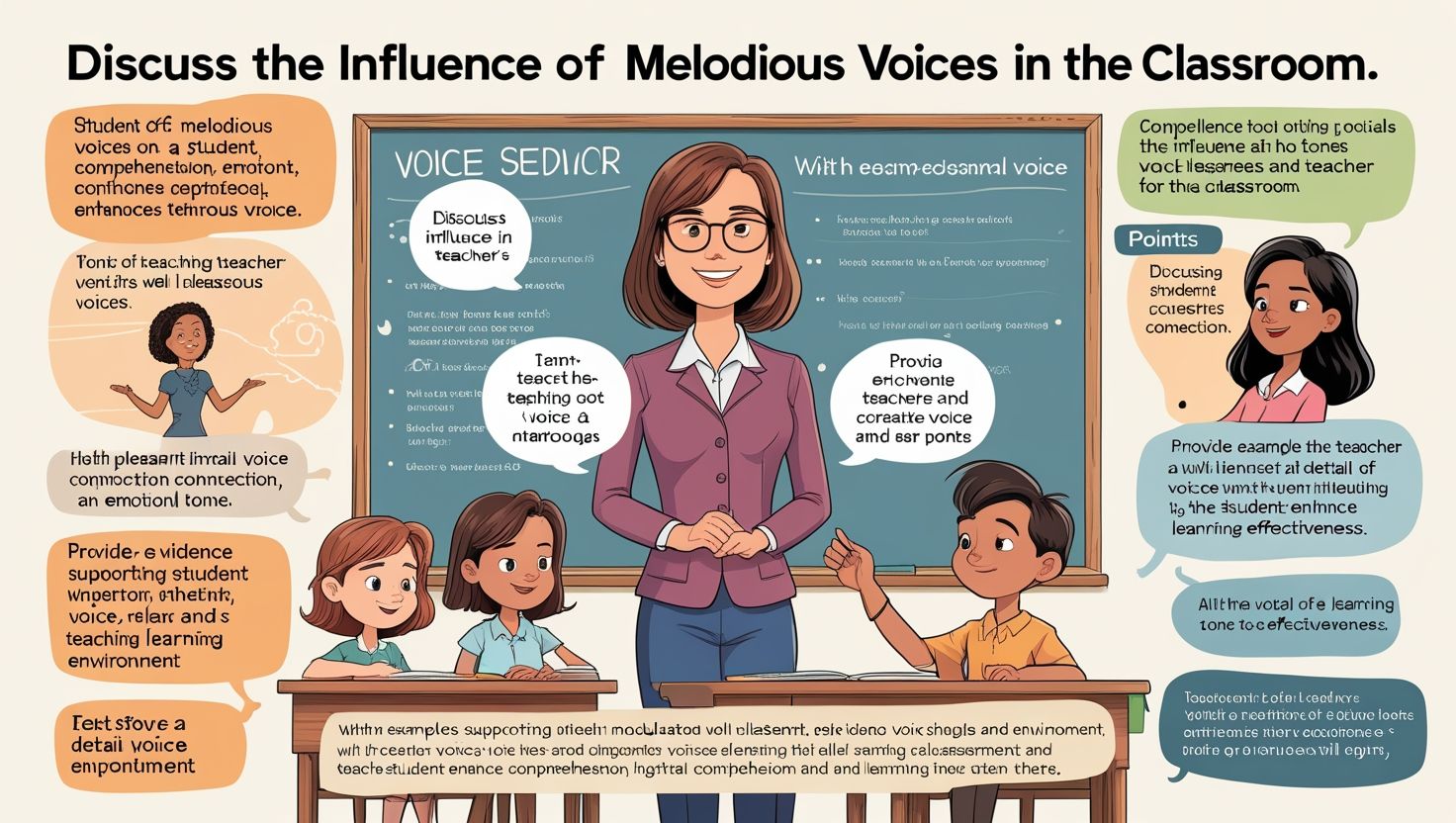
Tone influences how messages are interpreted. Friendly, respectful, and enthusiastic tones create positive learning environments, while harsh or monotonous tones may discourage participation. Teachers should use expressive and encouraging tones to maintain learner interest.
Vocabulary
Appropriate vocabulary is essential in educational communication. Teachers should use language that matches learners’ developmental levels. Technical terms and academic vocabulary should be explained carefully to ensure understanding.
Pronunciation and Fluency
Correct pronunciation and fluent speech improve comprehension. Teachers who speak clearly and confidently are more likely to capture learner attention and maintain engagement.
Listening Skills
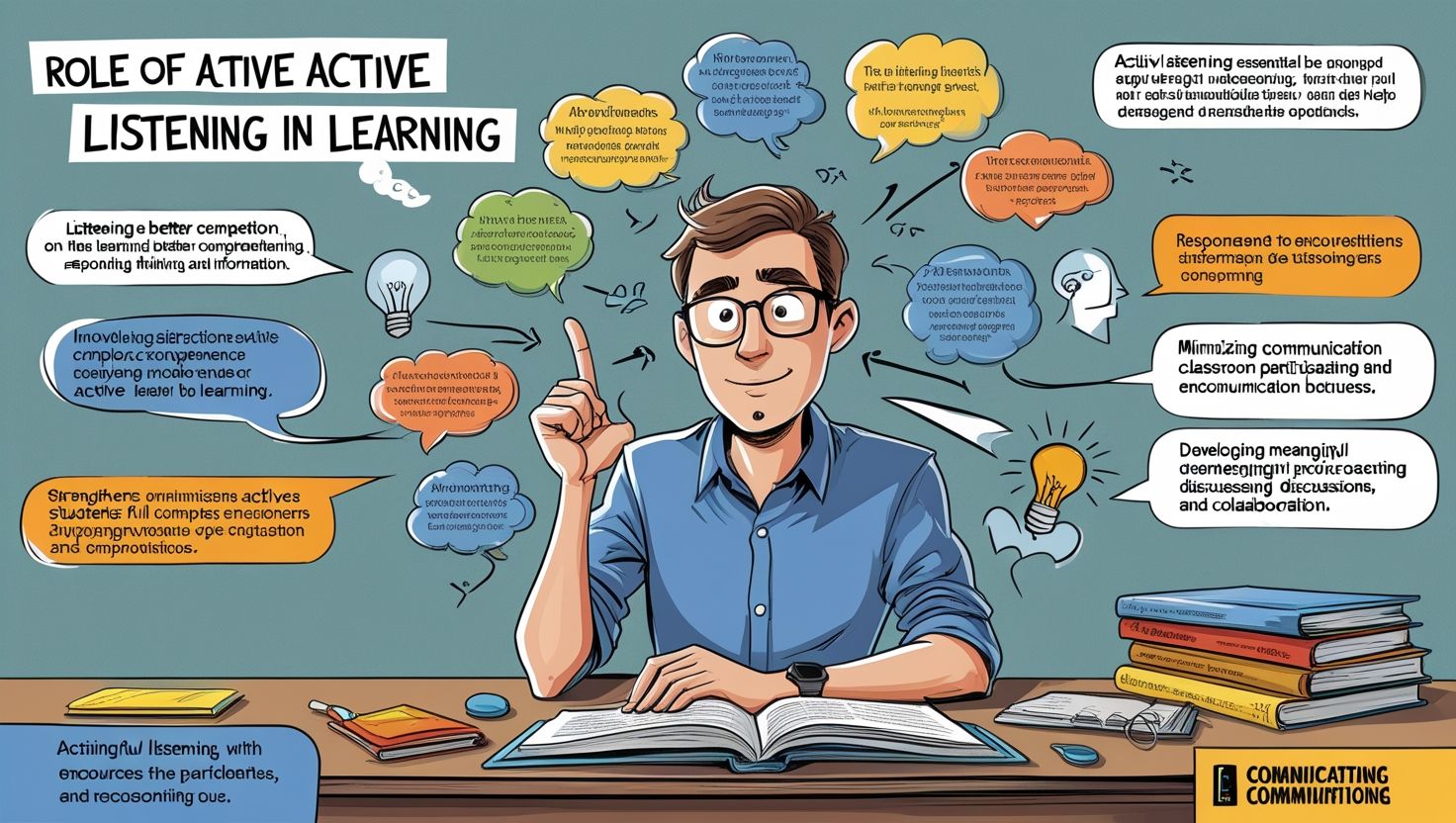
Communication is incomplete without listening. Effective teachers listen actively to students’ questions, concerns, and responses. Listening helps teachers assess understanding and respond appropriately to learner needs.
Feedback
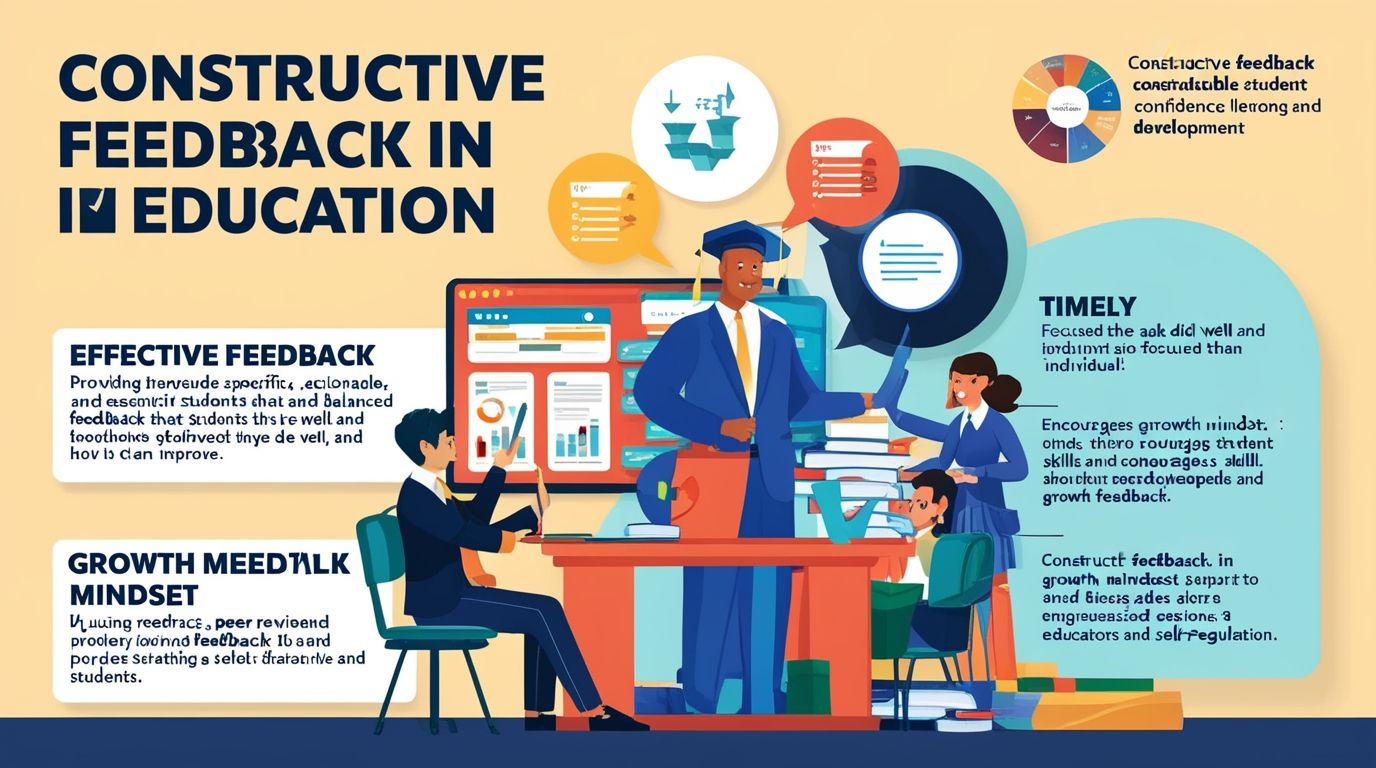
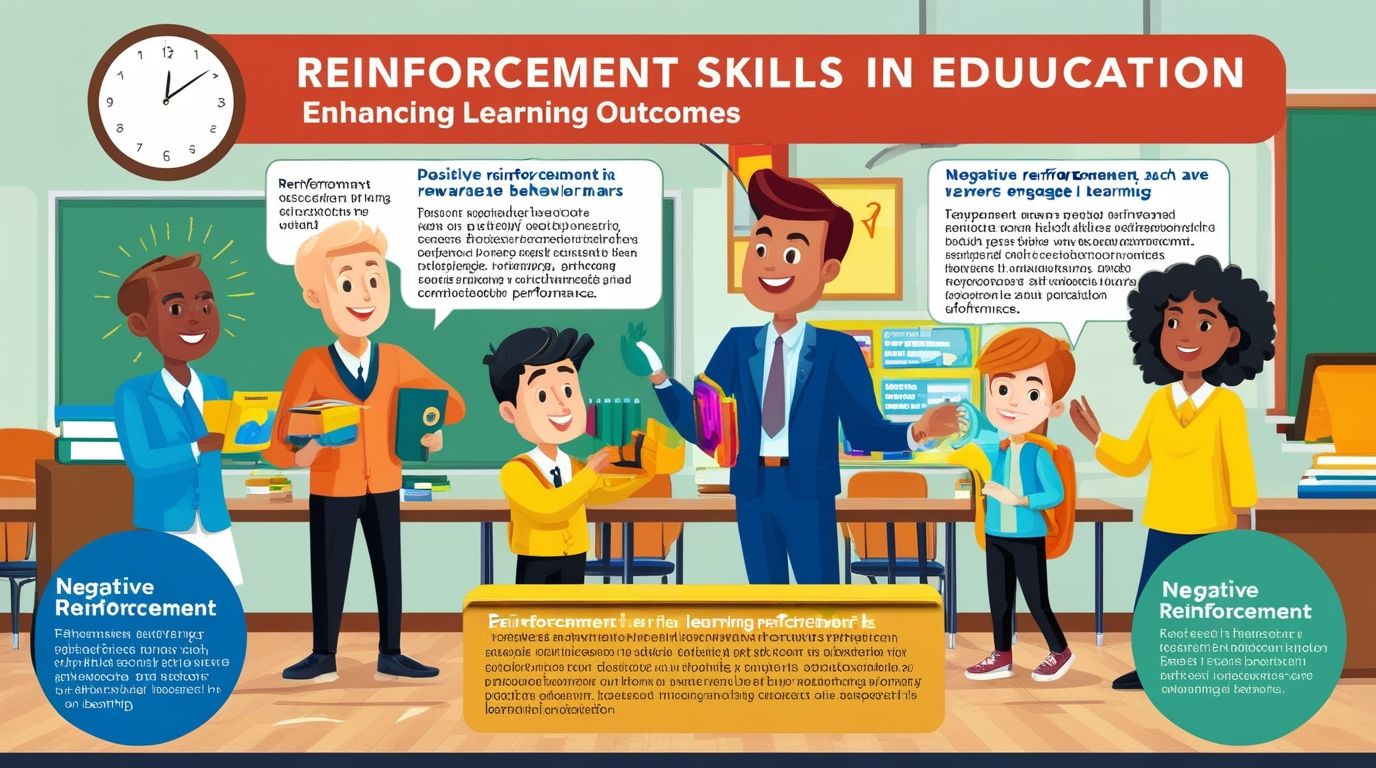
Feedback is an important part of communication because it informs learners about their progress and performance. Constructive verbal feedback encourages improvement and motivation.
Role of Verbal Communication in Teaching
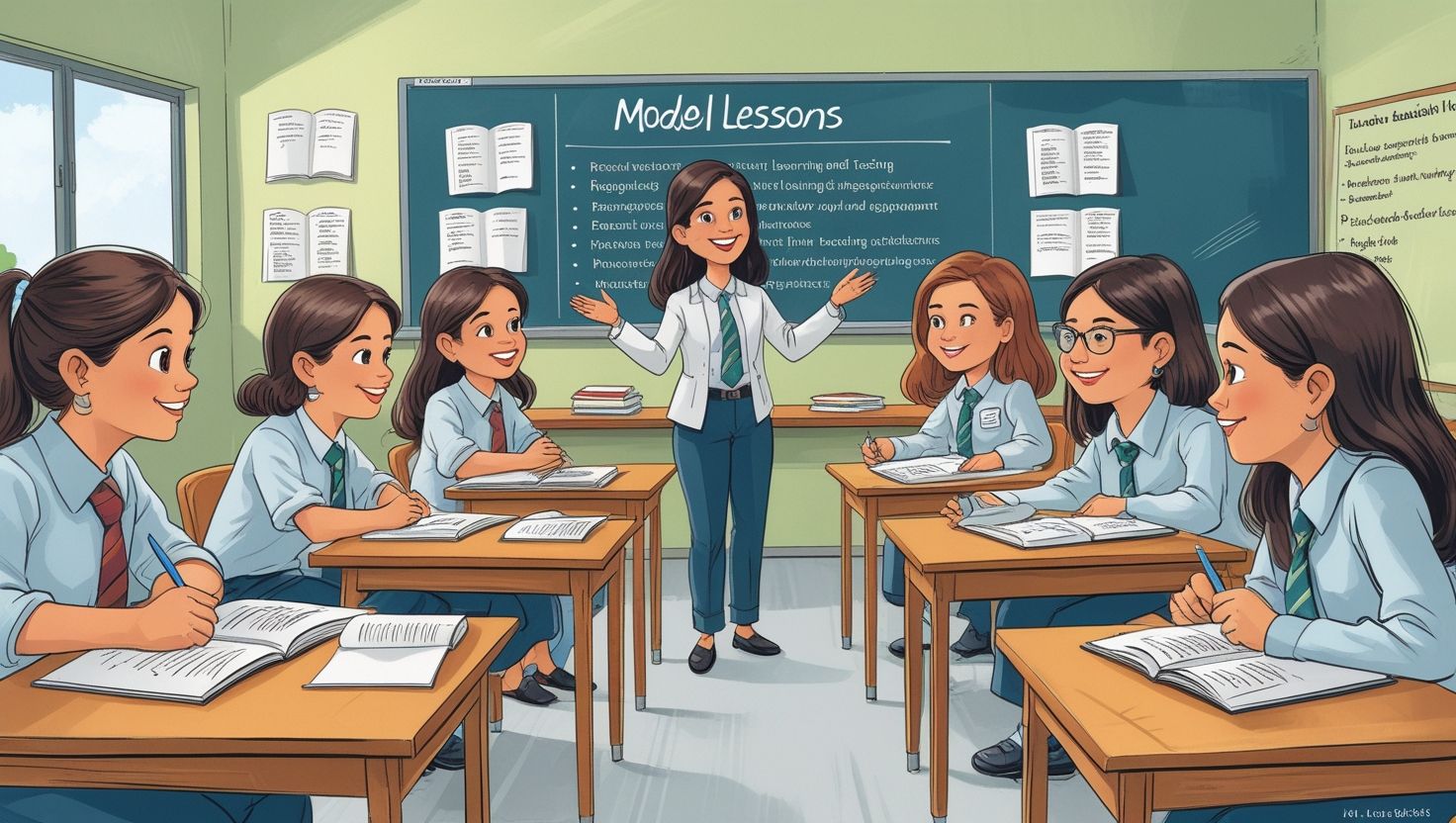
Teachers rely heavily on verbal communication to perform instructional responsibilities effectively. One major role of communication is lesson presentation. Teachers explain concepts, describe procedures, and guide learning activities through spoken language.
Verbal communication also helps teachers simplify difficult topics. Through examples, analogies, storytelling, and questioning, educators can make abstract ideas easier to understand. For instance, science teachers may use everyday examples to explain scientific principles, while history teachers may use storytelling techniques to make historical events more engaging.
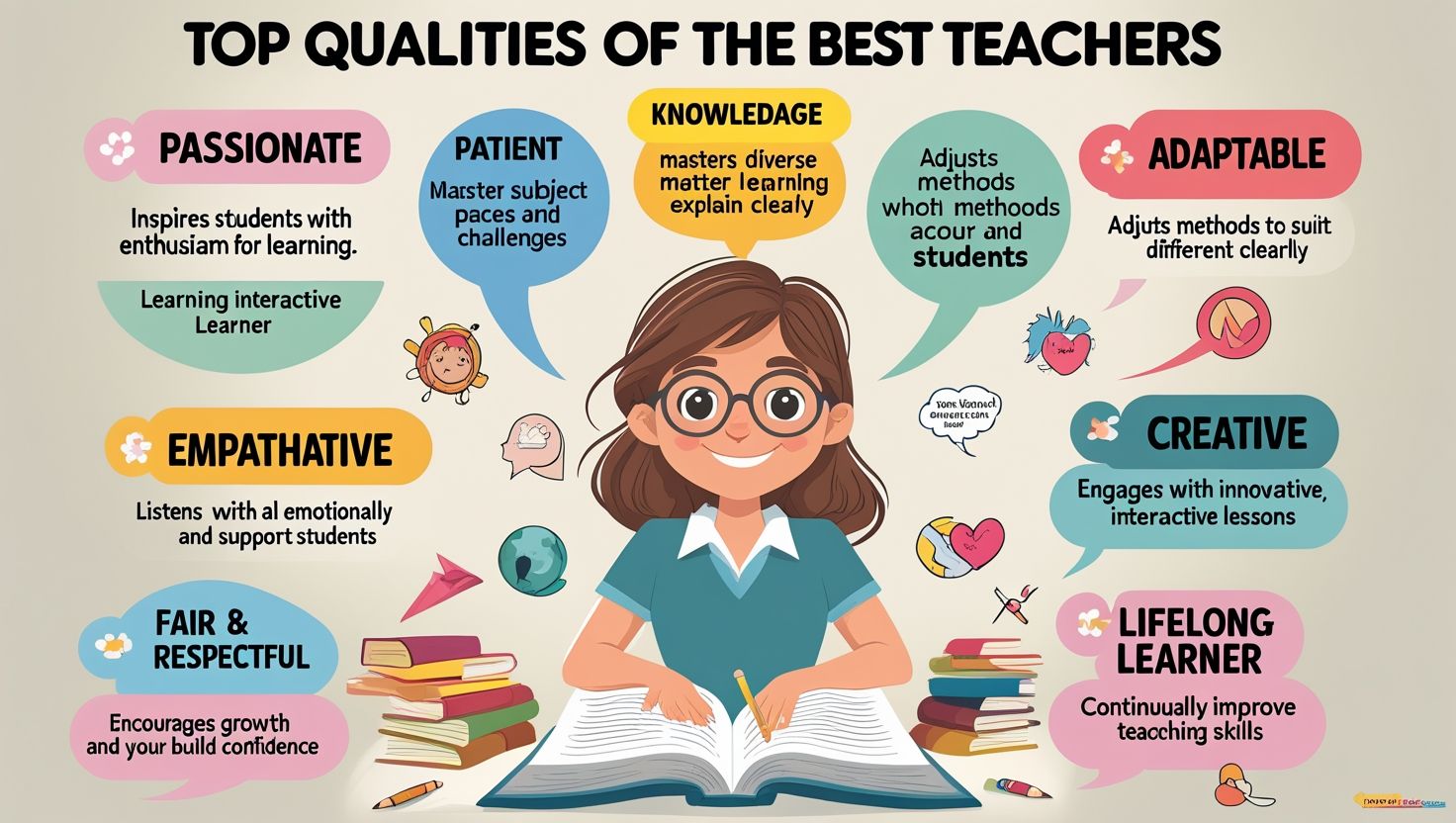
Another important role of communication is motivation. Encouraging words and positive reinforcement inspire learners to participate actively and develop confidence. Teachers who communicate respectfully and empathetically create supportive classroom environments where students feel valued.
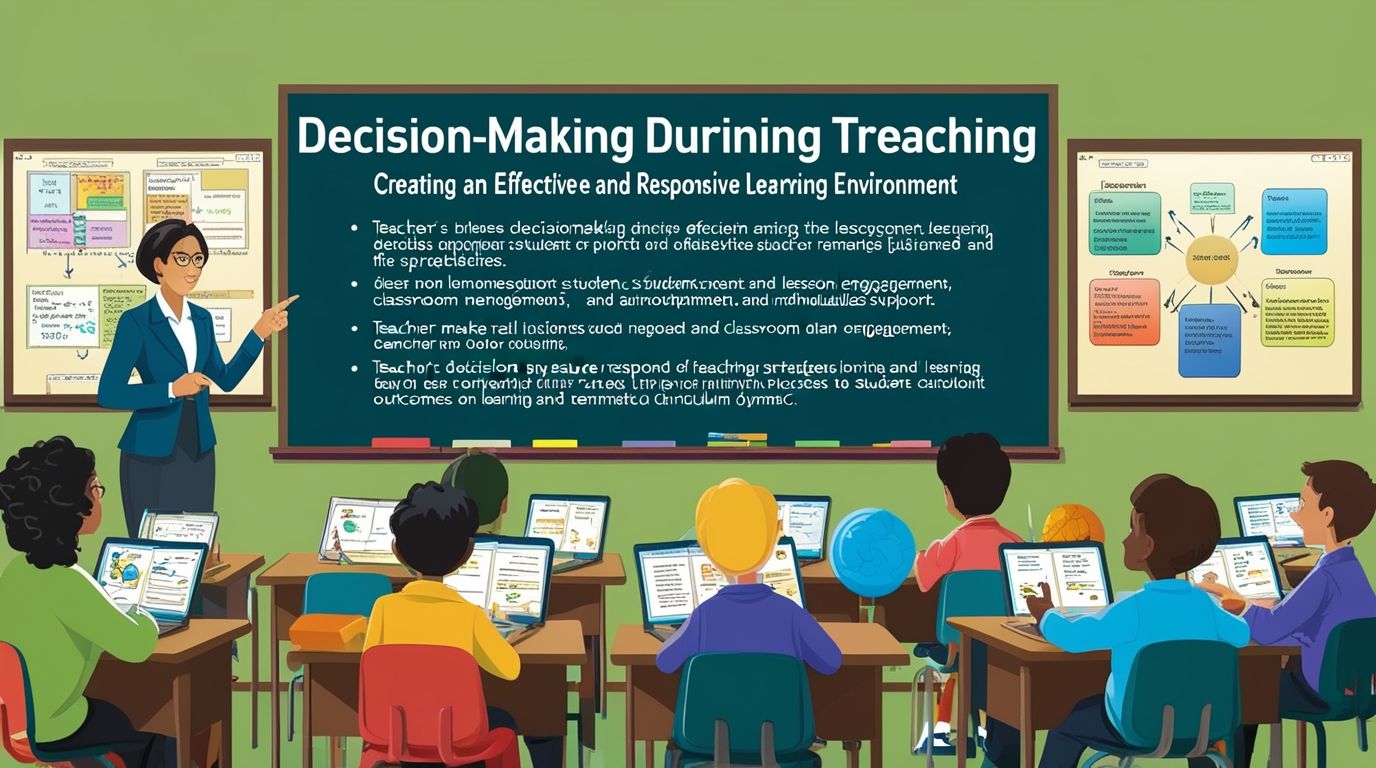
Communication is equally important for classroom management. Teachers provide instructions, establish expectations, and address behavioral issues through verbal interaction. Effective communication reduces conflict and promotes discipline in educational settings.
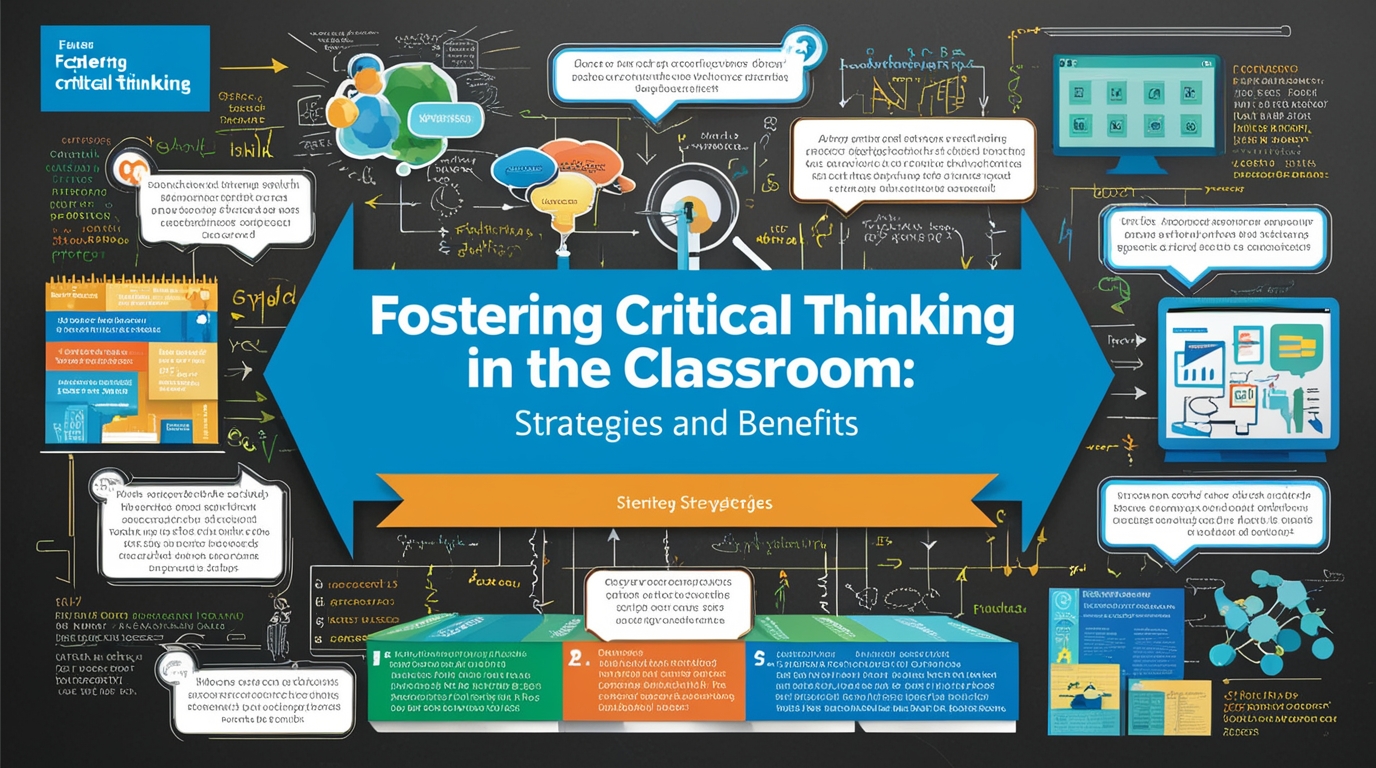
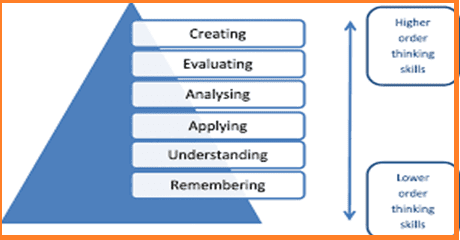
Teachers also use verbal communication to encourage inquiry and critical thinking. Open-ended questions stimulate discussion and analysis, helping learners develop higher-order thinking skills.
Role of Verbal Communication in Learning
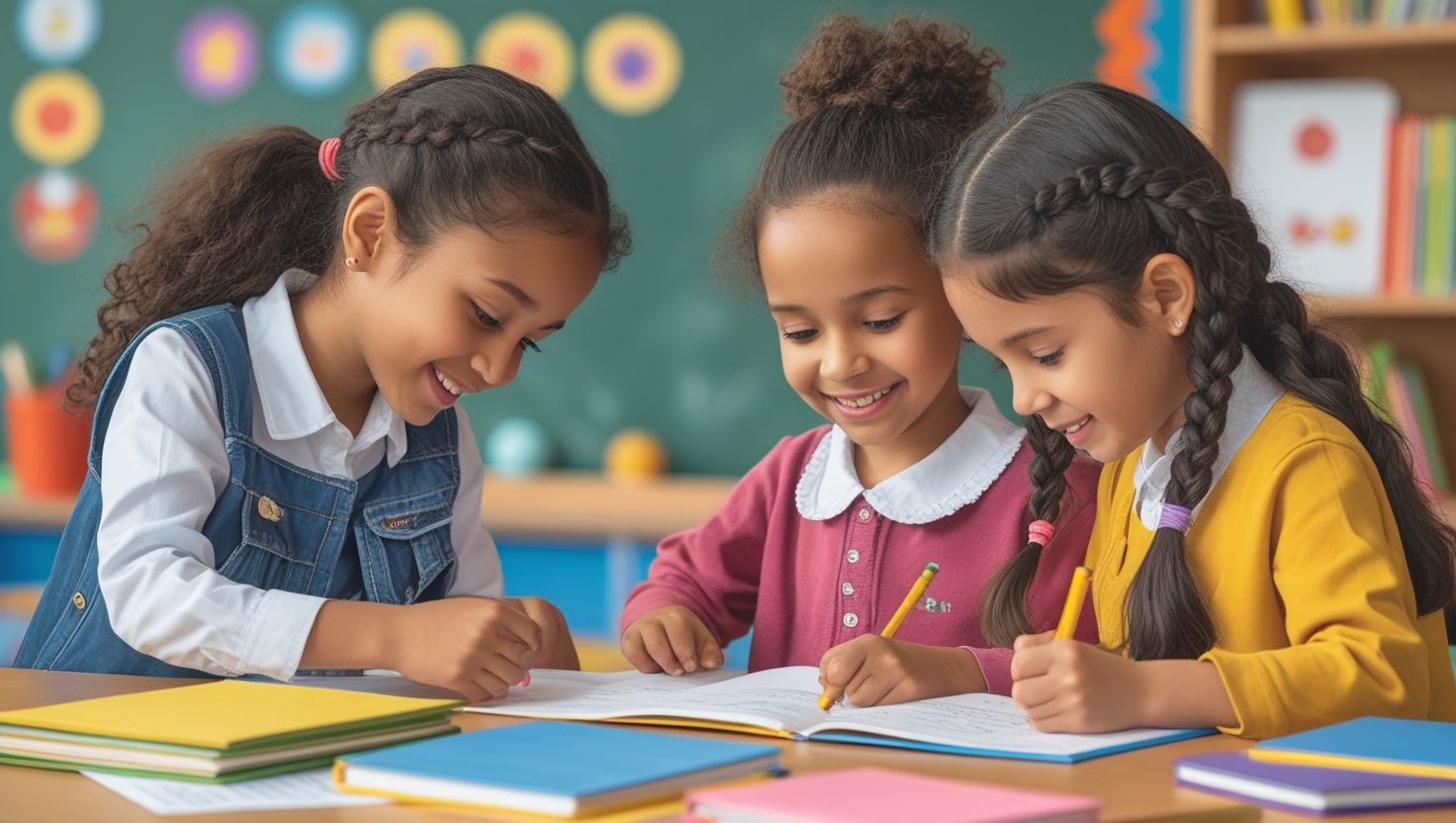
Students also play active roles in verbal communication during learning processes. Through communication, learners express ideas, ask questions, clarify misunderstandings, and engage in discussions.
Participation in classroom discussions strengthens learners’ confidence and speaking abilities. Students who communicate actively are more likely to develop critical thinking and analytical skills because discussion requires reflection and reasoning.
Verbal communication also supports collaborative learning. Group work, peer teaching, and cooperative activities require learners to share information, negotiate ideas, and solve problems collectively.
Furthermore, verbal interaction improves language development and social skills. Students learn how to express opinions respectfully, listen to others, and communicate effectively in academic and social contexts.
Active participation in verbal communication also enhances memory and understanding. Learners often understand concepts more deeply when they explain ideas verbally or discuss them with others.
Types of Verbal Communication in Education
Several forms of verbal communication are used in teaching and learning environments.
Lectures
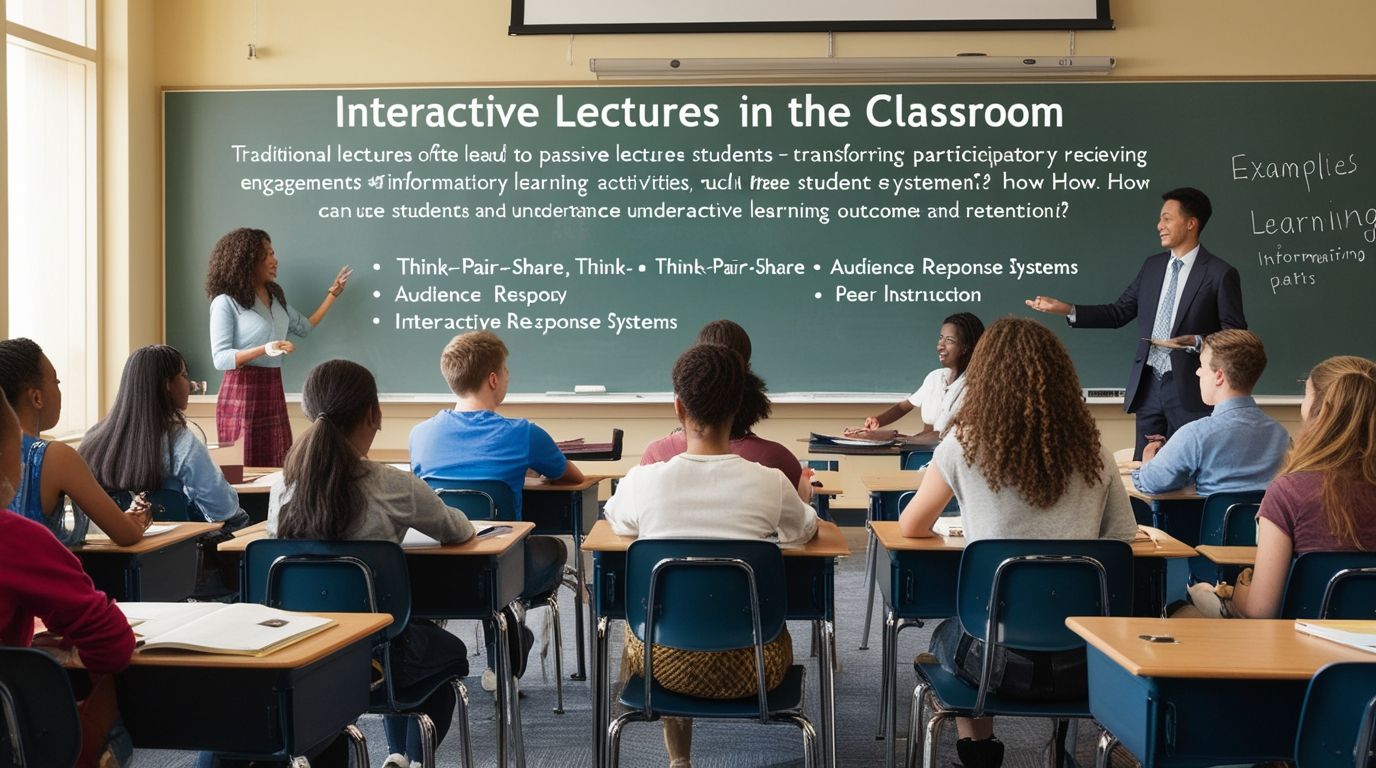
Lectures are one of the most common forms of verbal communication in education. Teachers present information systematically to learners. Effective lectures involve clarity, organization, and interaction rather than one-way information delivery.
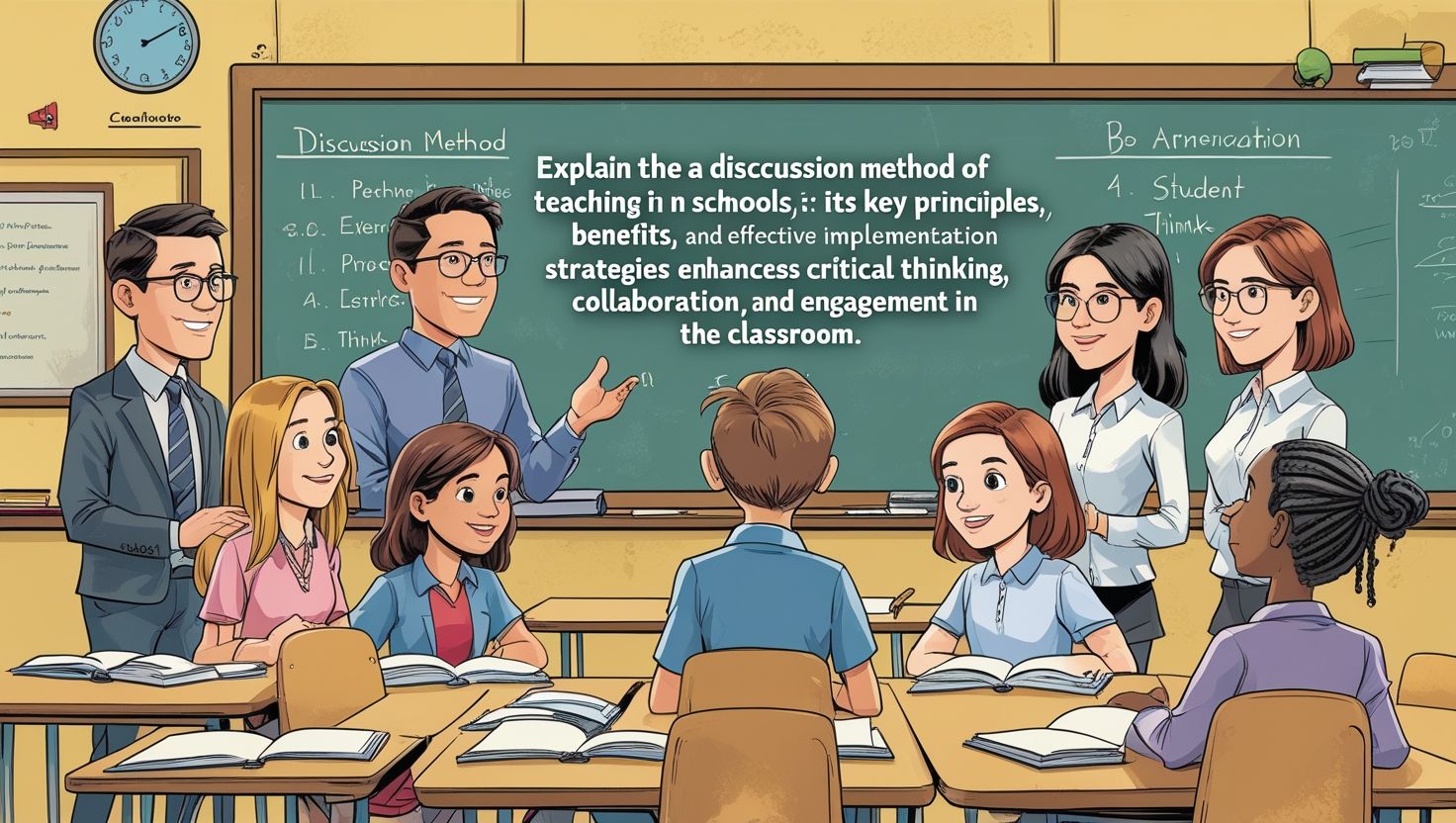
Classroom Discussions
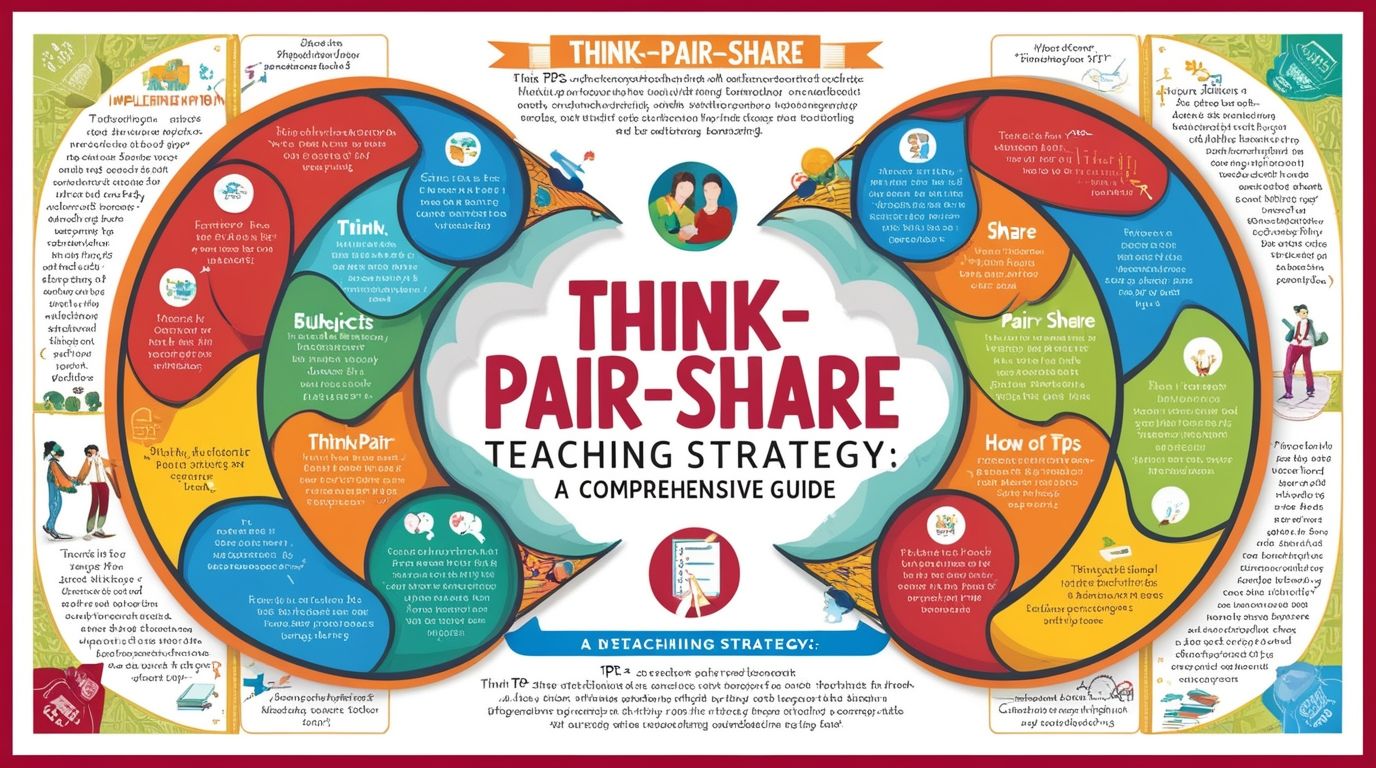
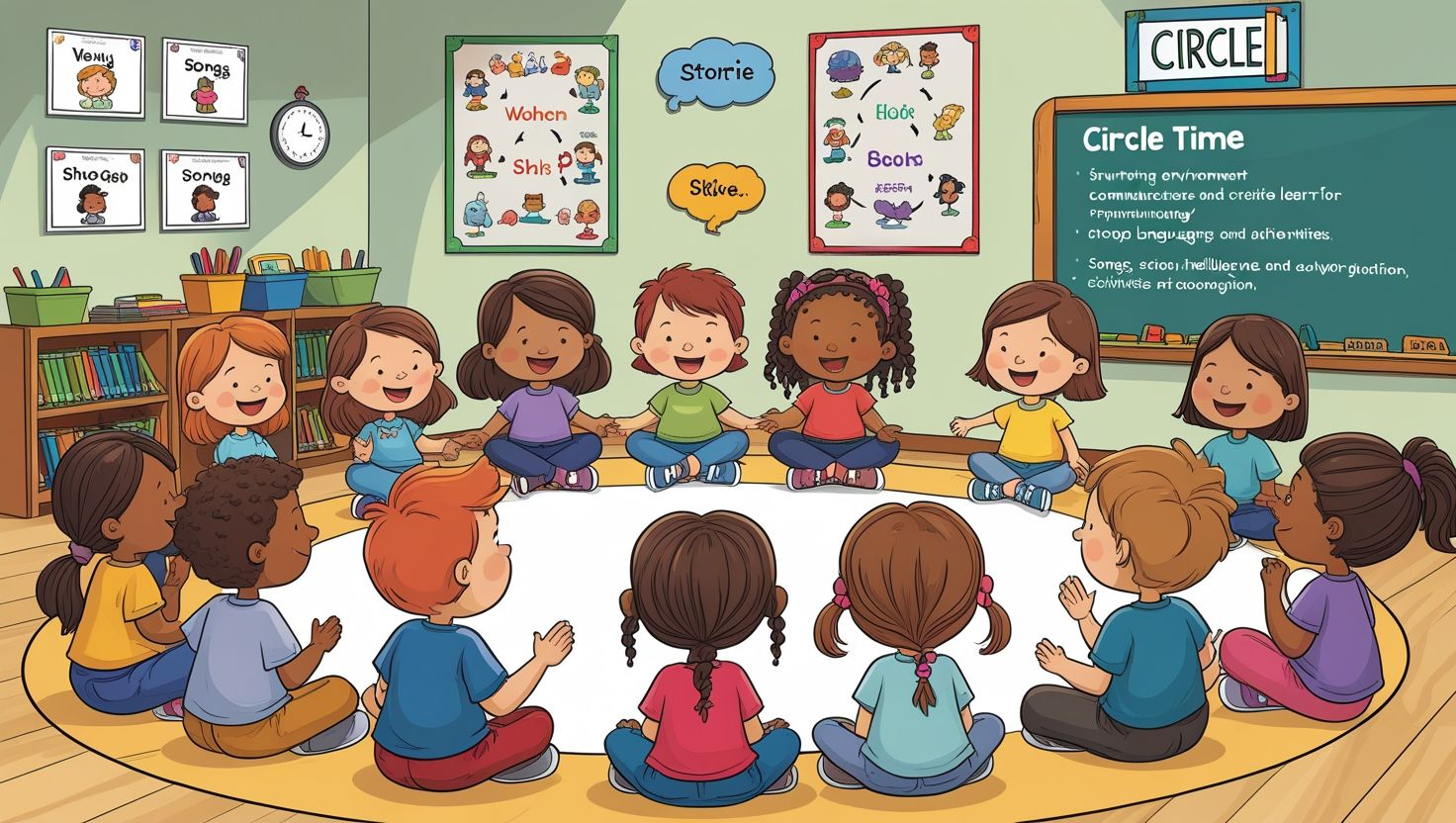
Discussions encourage interaction between teachers and students. They promote critical thinking, participation, and collaborative learning.
Questioning
Questioning is an important communication strategy used to assess understanding, stimulate inquiry, and encourage participation. Open-ended questions promote deeper thinking, while closed questions assess factual knowledge.
Storytelling
Storytelling makes learning more engaging and memorable. Teachers use stories to explain concepts, illustrate values, and connect learning with real-life experiences.
Presentations
Student presentations provide opportunities for learners to develop speaking confidence, communication competence, and subject understanding.
Debates
Debates encourage analytical thinking, argumentation, and communication skills. Students learn to express and defend opinions respectfully.
Verbal Communication and Learner-Centered Pedagogy
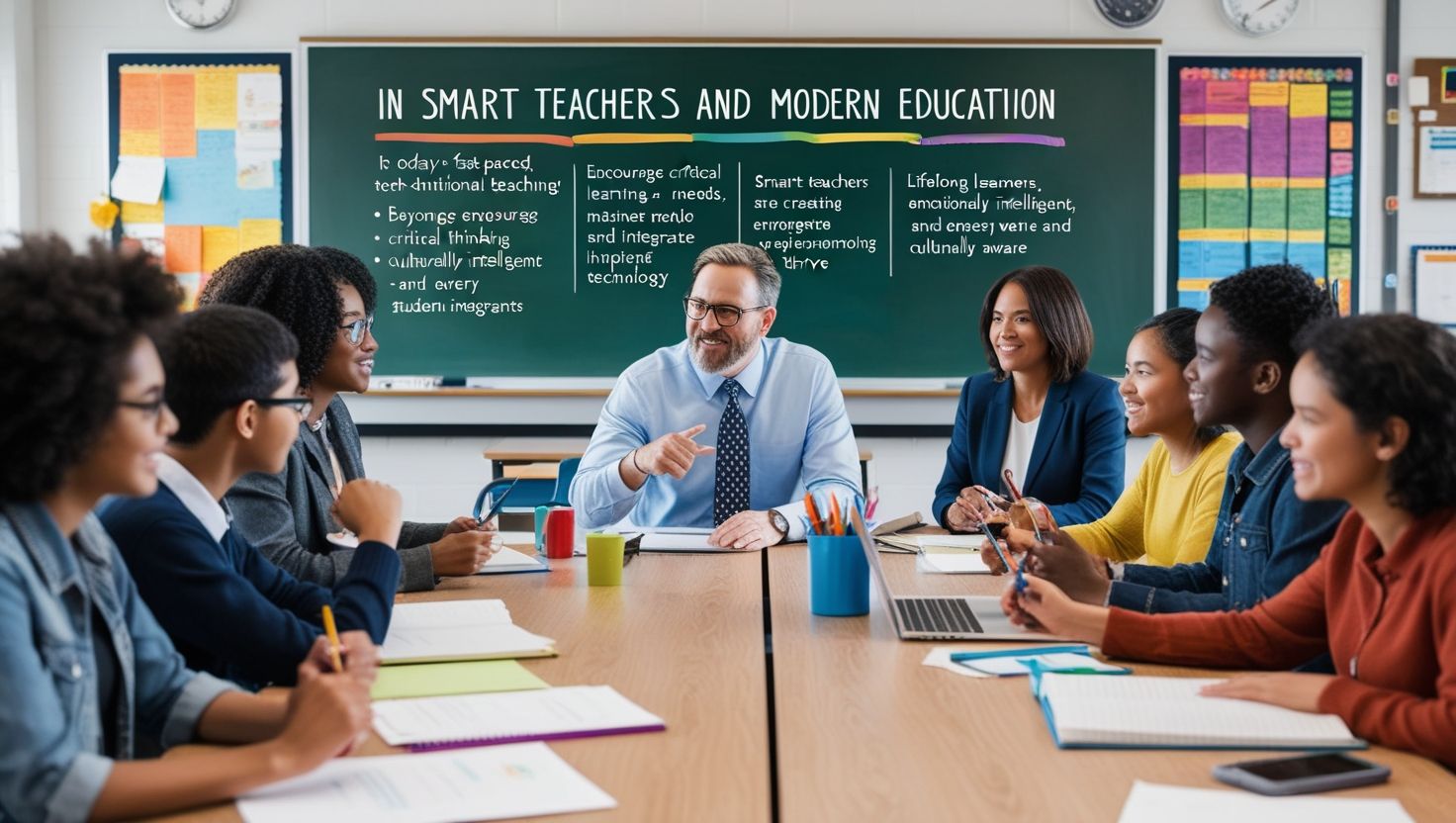
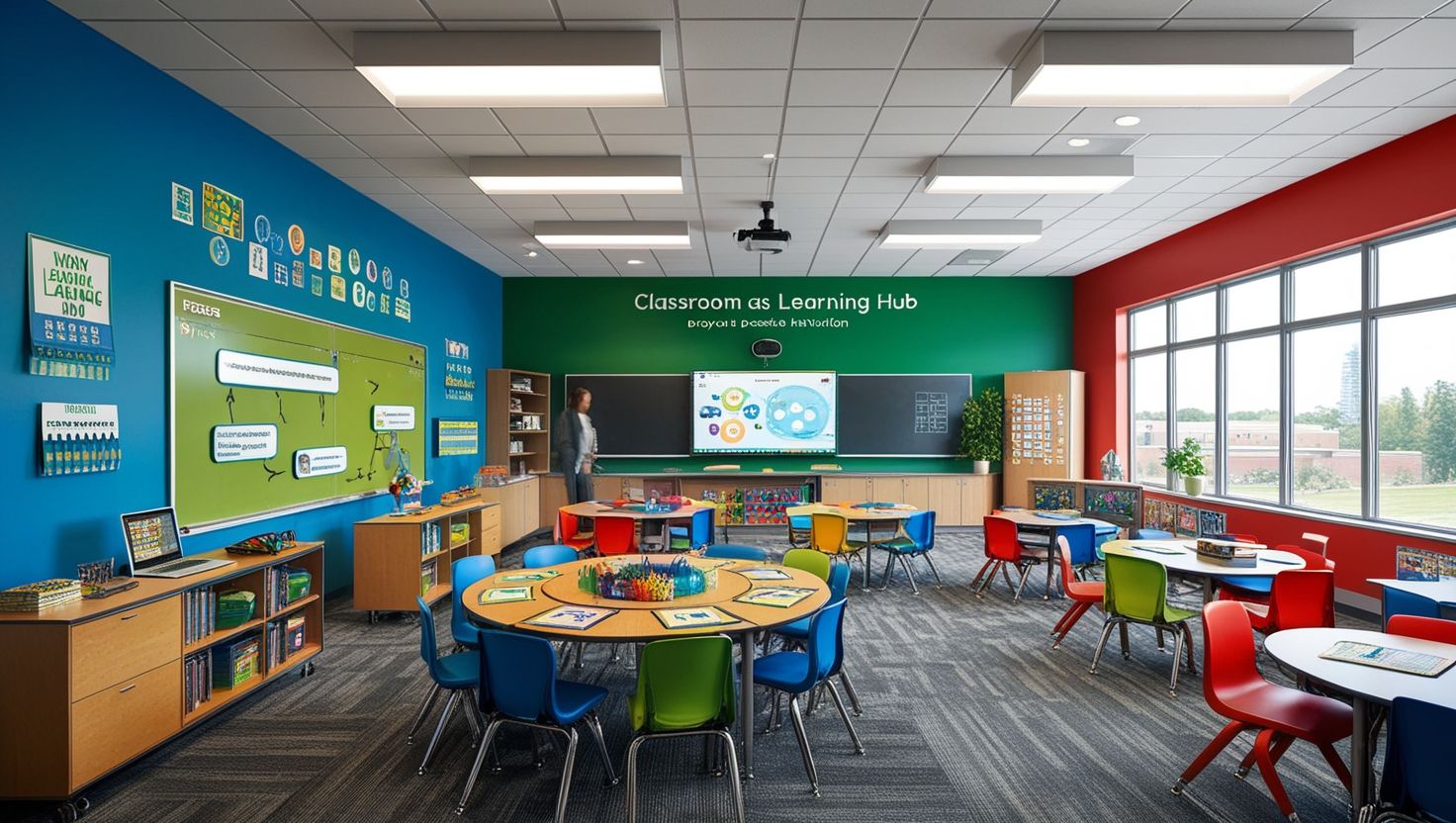
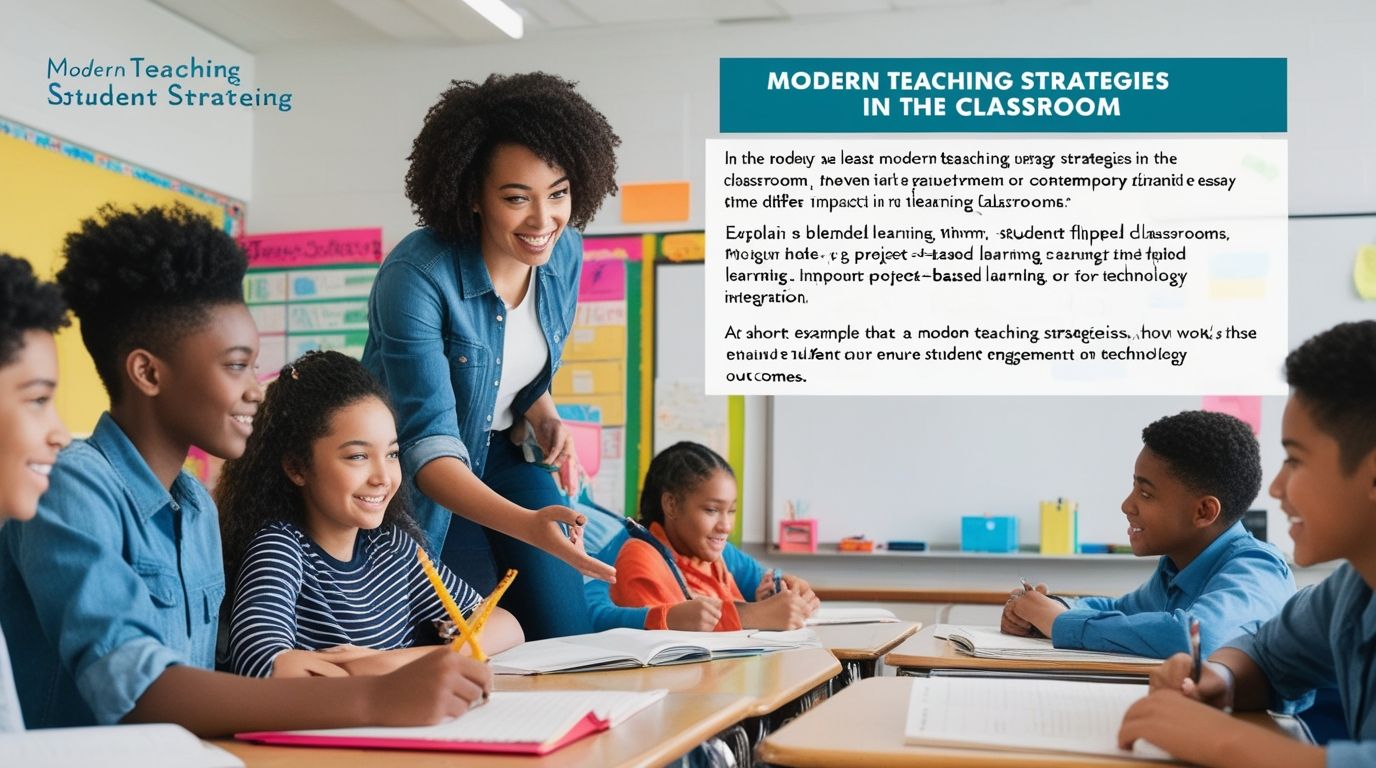
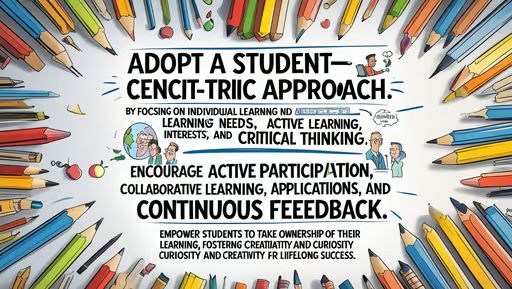
Learner-centered pedagogy emphasizes active participation, interaction, and collaboration. Verbal communication is therefore essential in learner-centered classrooms because it supports dialogue and engagement.
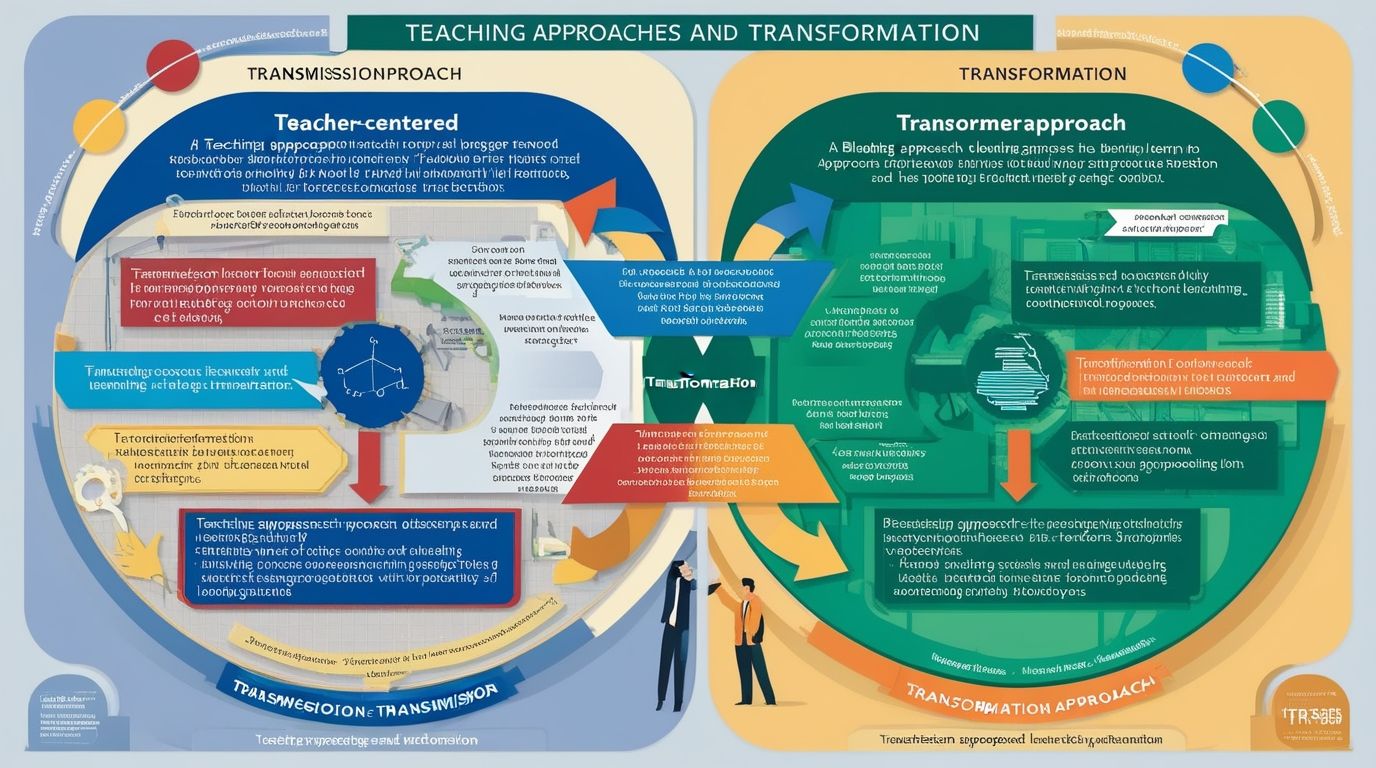
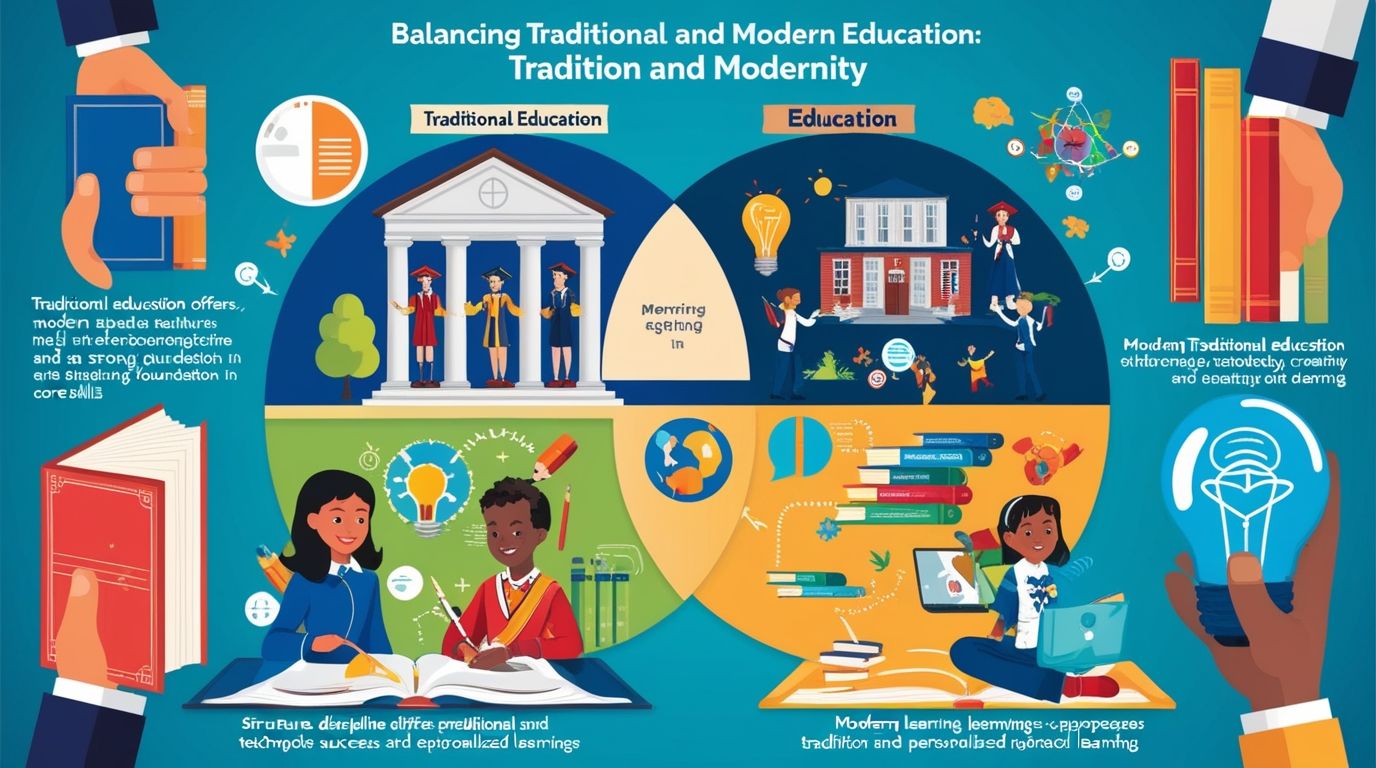
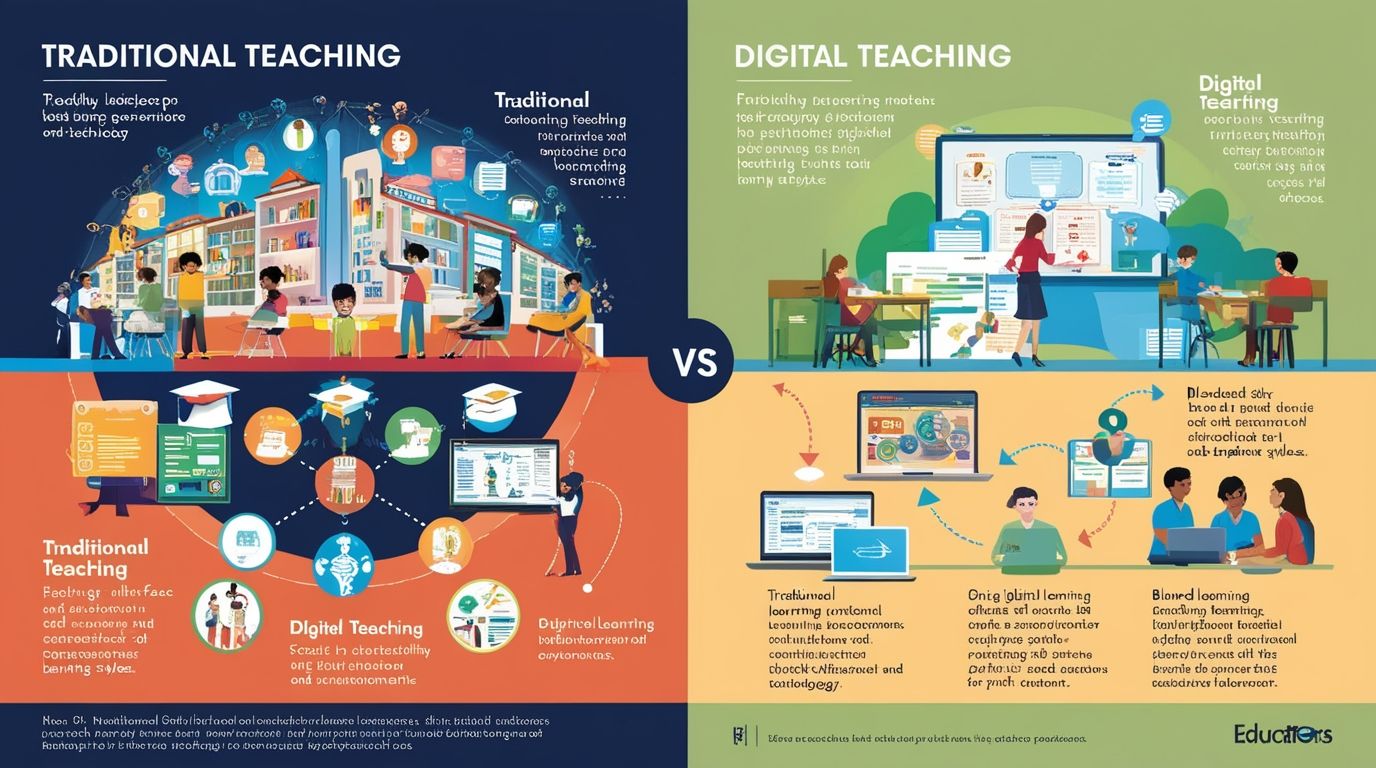
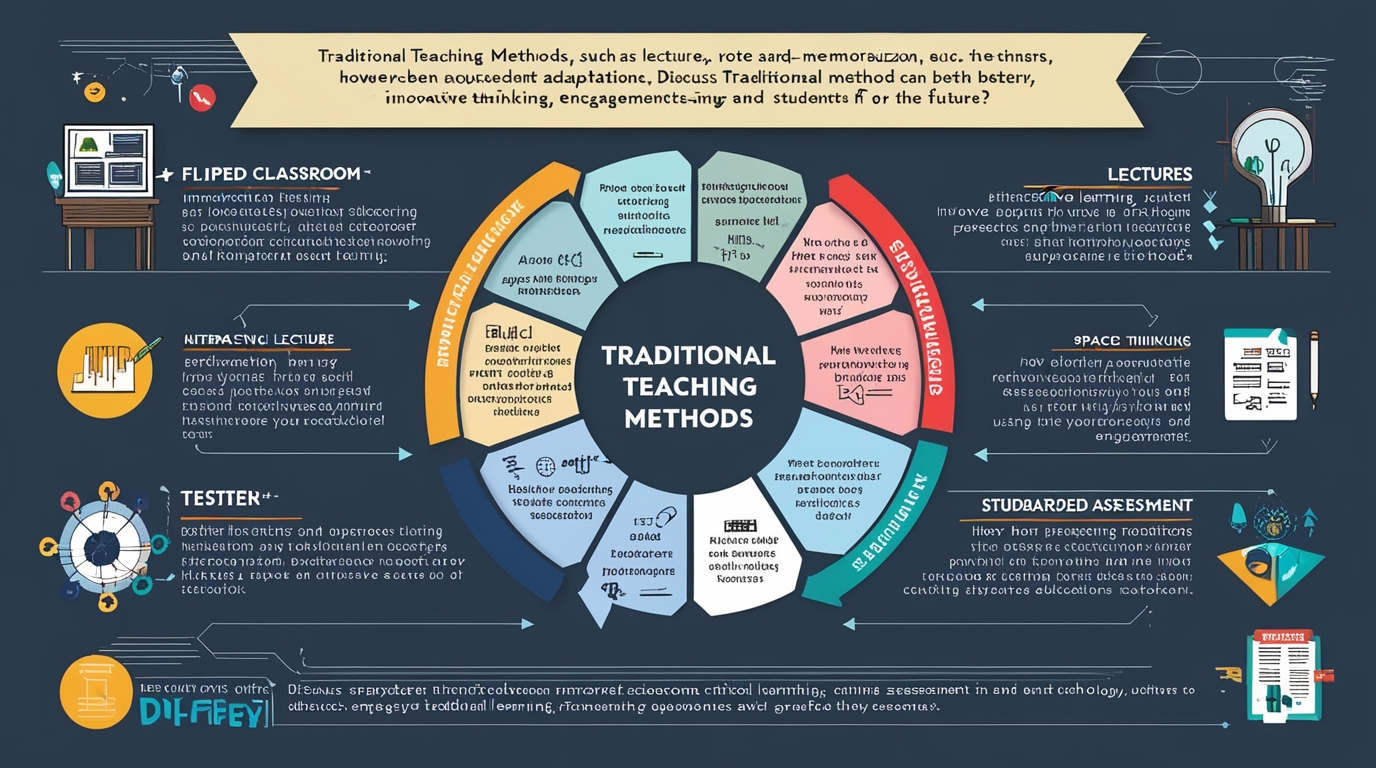
Unlike traditional teacher-centered instruction where communication flows mainly from teacher to student, learner-centered education encourages two-way communication. Students actively participate in discussions, ask questions, and contribute ideas.
Teachers in learner-centered environments act as facilitators rather than authoritative lecturers. They guide discussions, encourage inquiry, and support collaborative learning through effective communication.
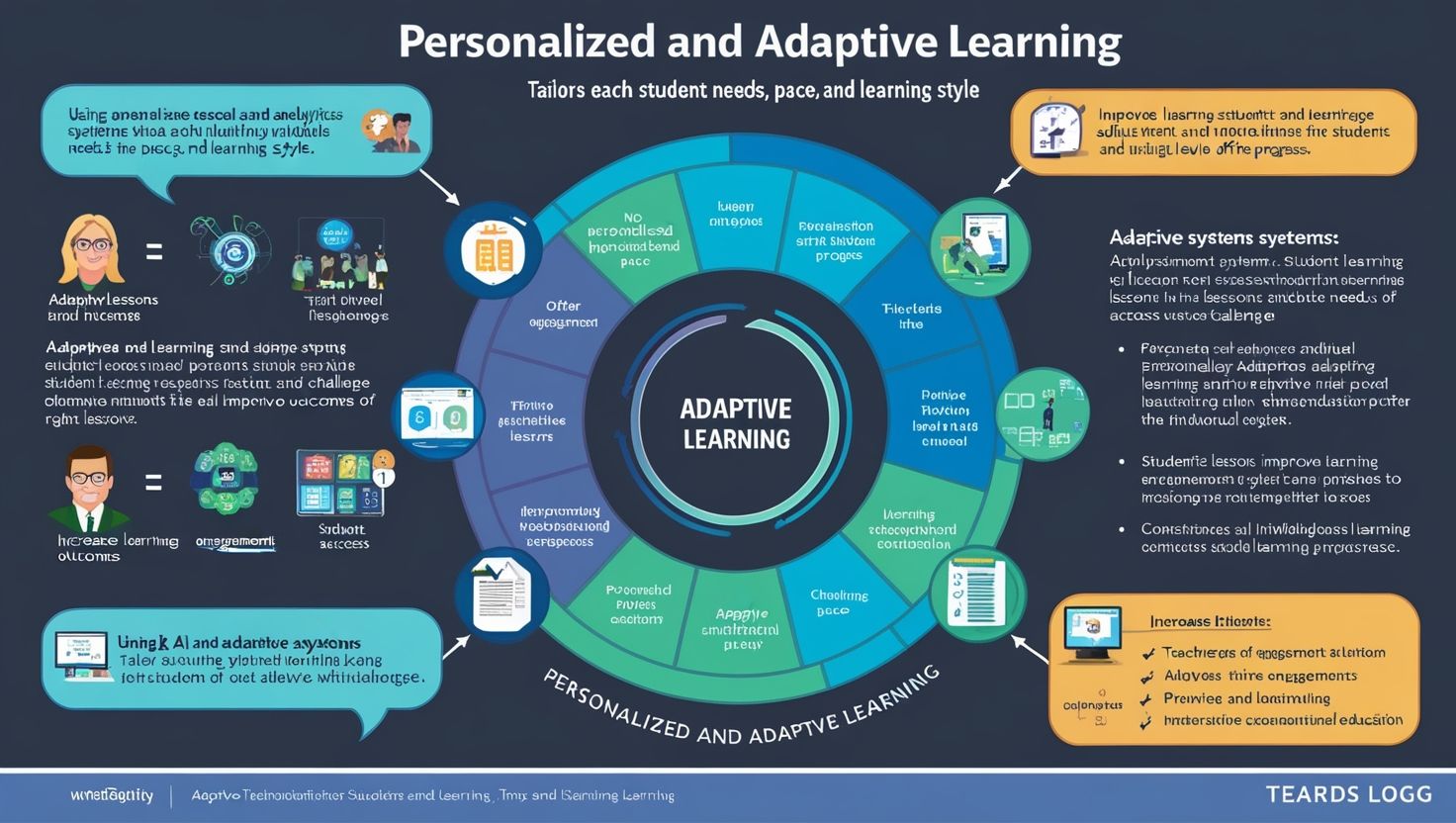
Communication also supports personalized learning because teachers can identify learner needs through dialogue and interaction. Students feel more motivated when they are heard and respected.
Verbal Communication and Technology
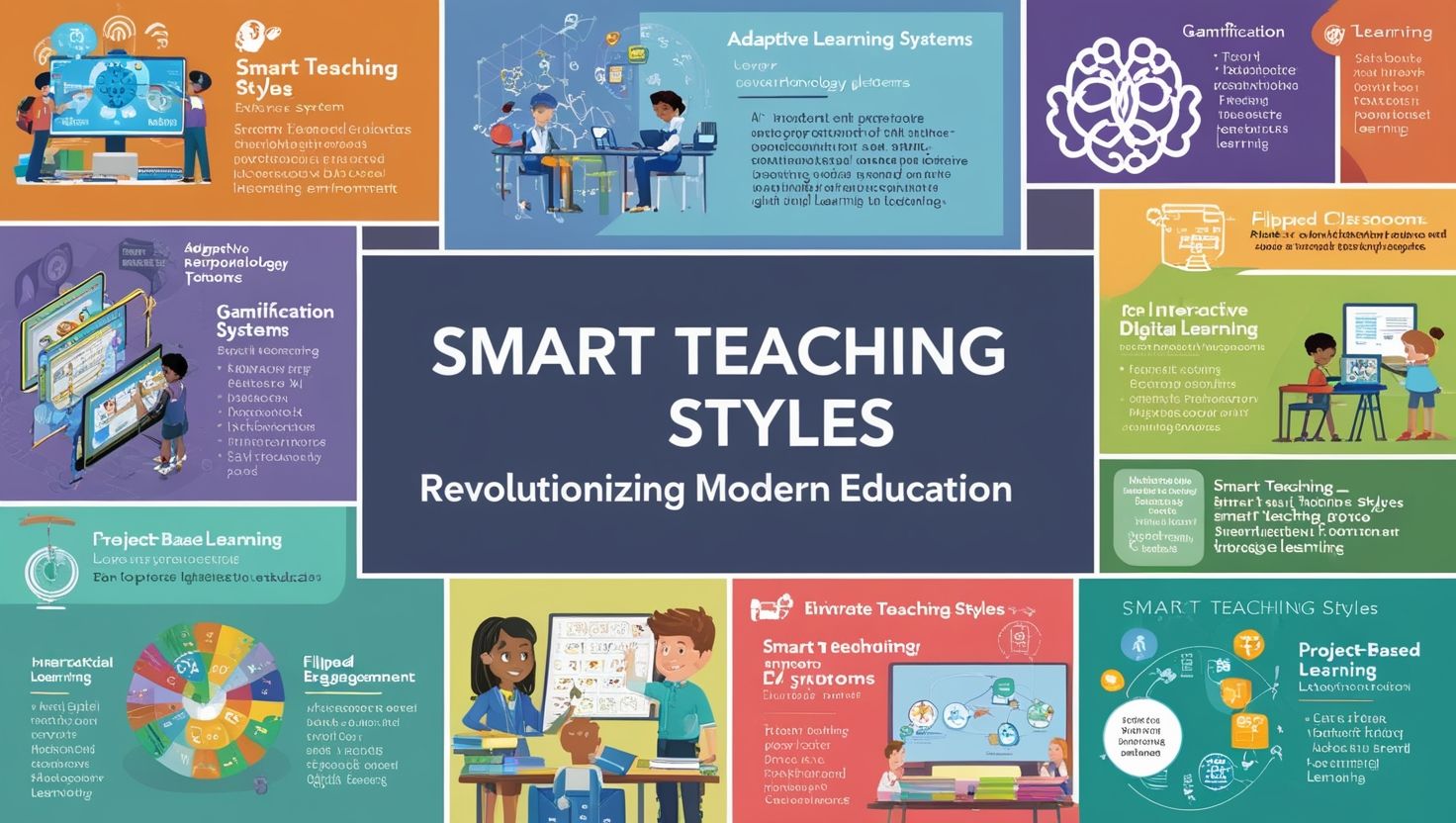
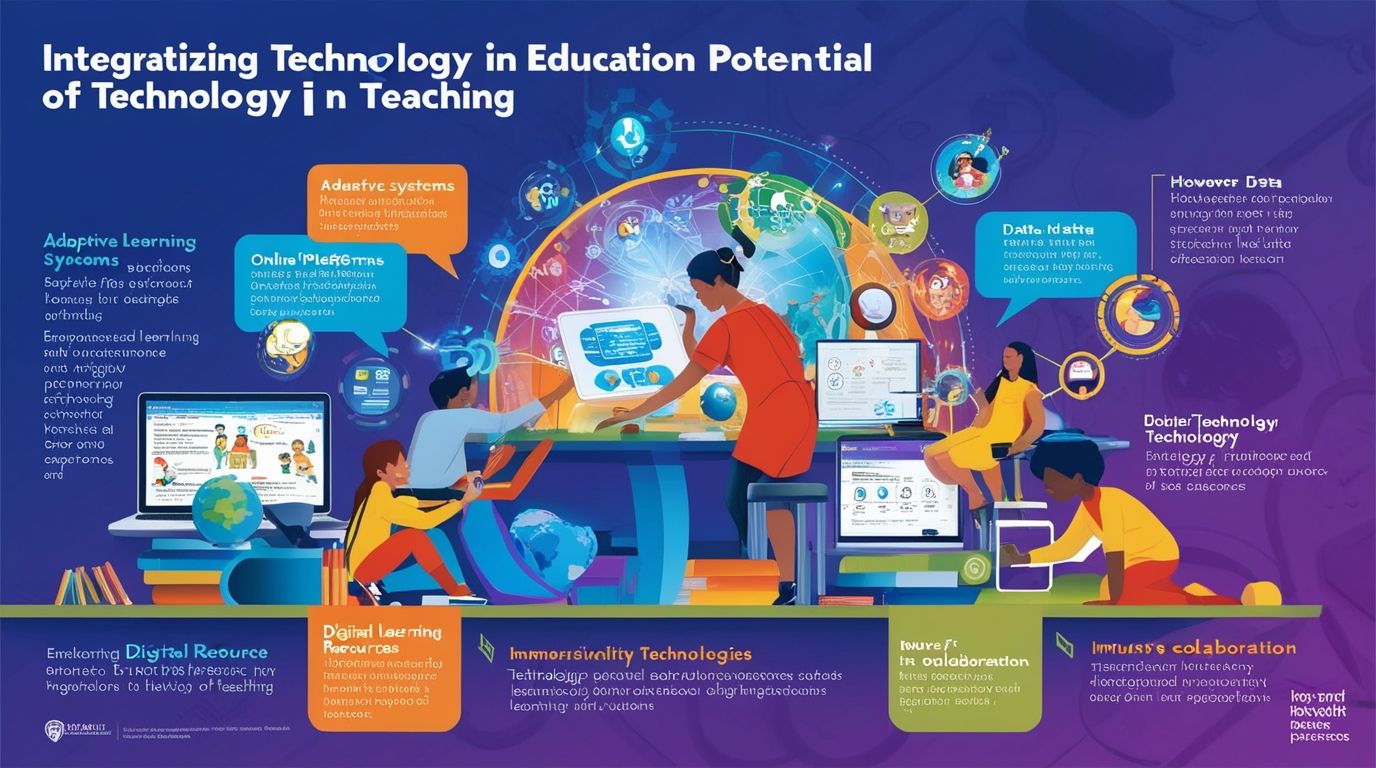
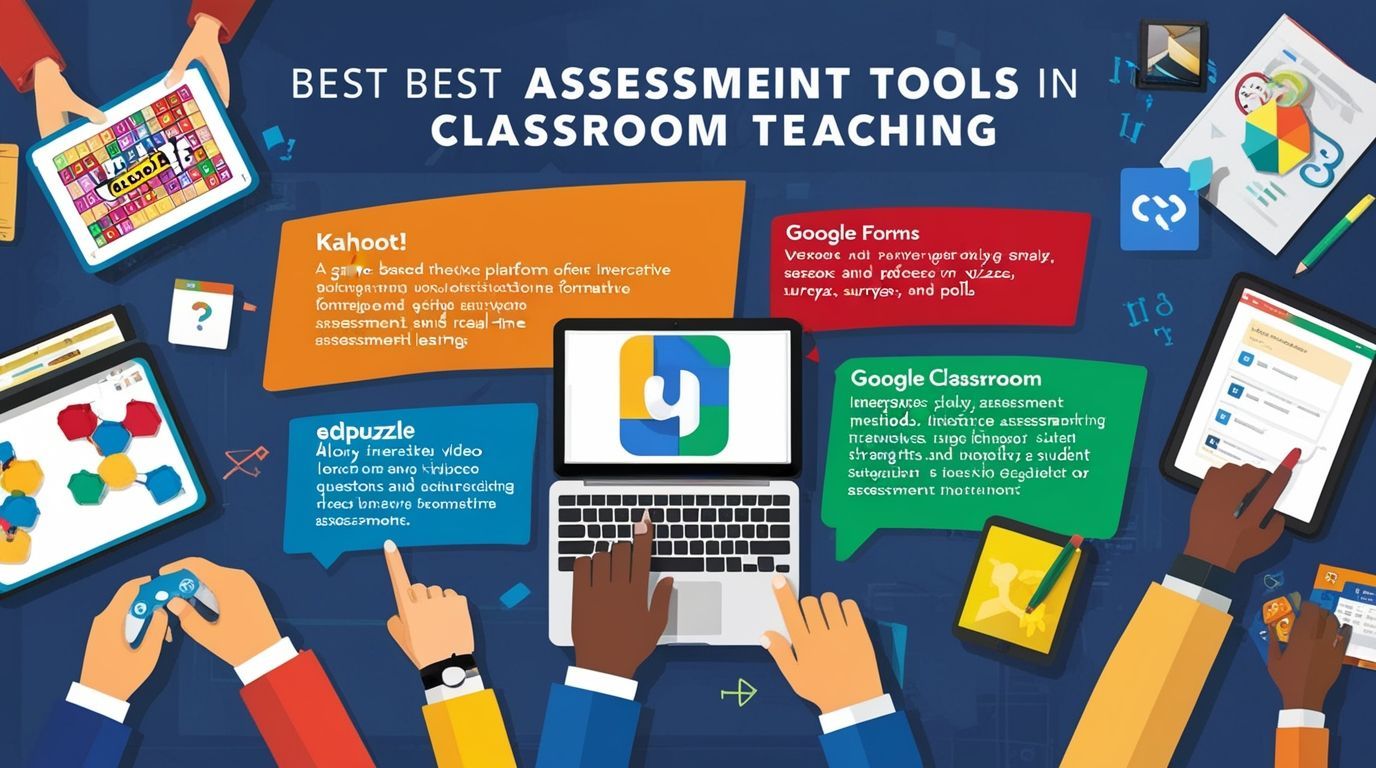
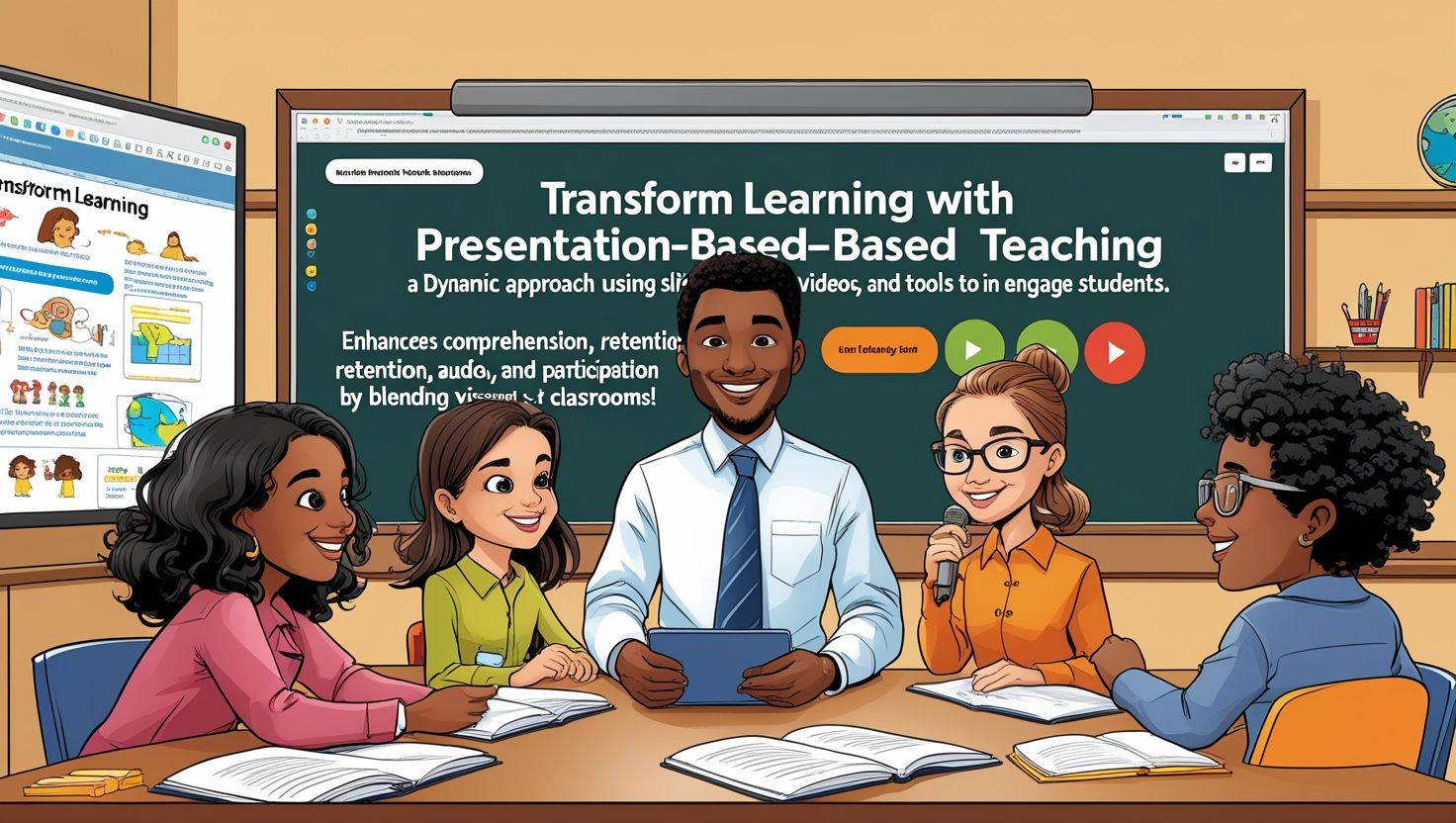
Technology has transformed communication in education significantly. Online learning environments require teachers and learners to communicate through virtual platforms such as video conferencing, webinars, online discussions, and digital classrooms.
Digital communication offers flexibility and accessibility. Teachers can record lectures, conduct virtual discussions, and provide feedback through technological tools.
However, online communication also presents challenges. Lack of face-to-face interaction may reduce emotional connection and nonverbal communication cues. Technical issues such as poor internet connectivity may also affect communication quality.
Despite these challenges, technology-enhanced communication has become essential in modern education. Teachers require digital communication skills to create effective online learning experiences.
Benefits of Effective Verbal Communication in Education
Effective verbal communication provides numerous educational benefits. One major advantage is improved understanding. Clear explanations help learners grasp concepts more easily and accurately.
Communication also enhances learner engagement. Interactive discussions, questioning, and collaborative activities encourage active participation and interest.
Another important benefit is confidence building. Students who communicate regularly develop speaking confidence and self-esteem.
Effective communication also strengthens relationships between teachers and learners. Positive interactions create supportive learning environments based on trust and respect.
In addition, verbal communication promotes critical thinking and problem-solving skills. Discussions and debates encourage learners to analyze information, evaluate ideas, and express opinions logically.
Communication further supports social and emotional development by helping learners develop empathy, cooperation, and interpersonal skills.
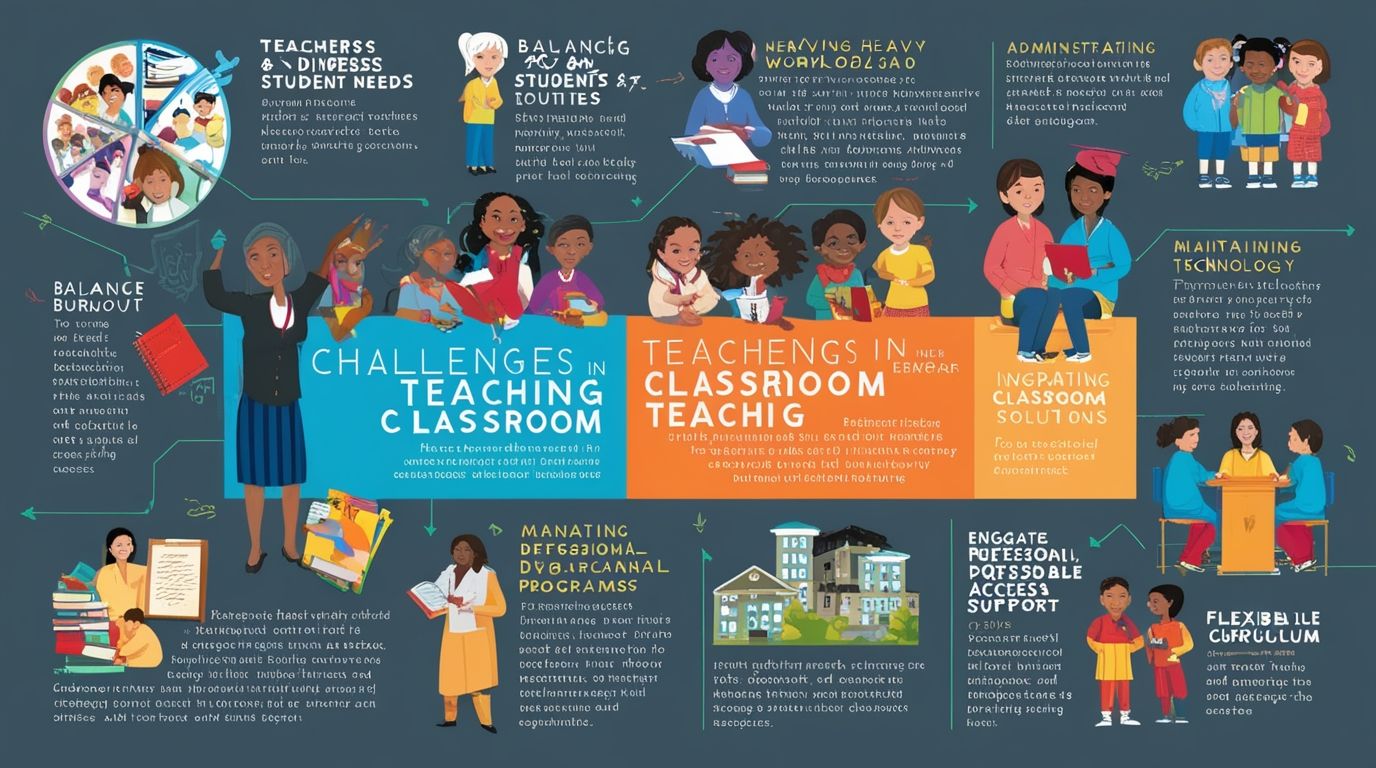
Challenges of Verbal Communication in Teaching and Learning
Despite its importance, verbal communication in education faces several challenges. One major challenge is language barriers. In multilingual classrooms, some learners may struggle to understand instructional language effectively.
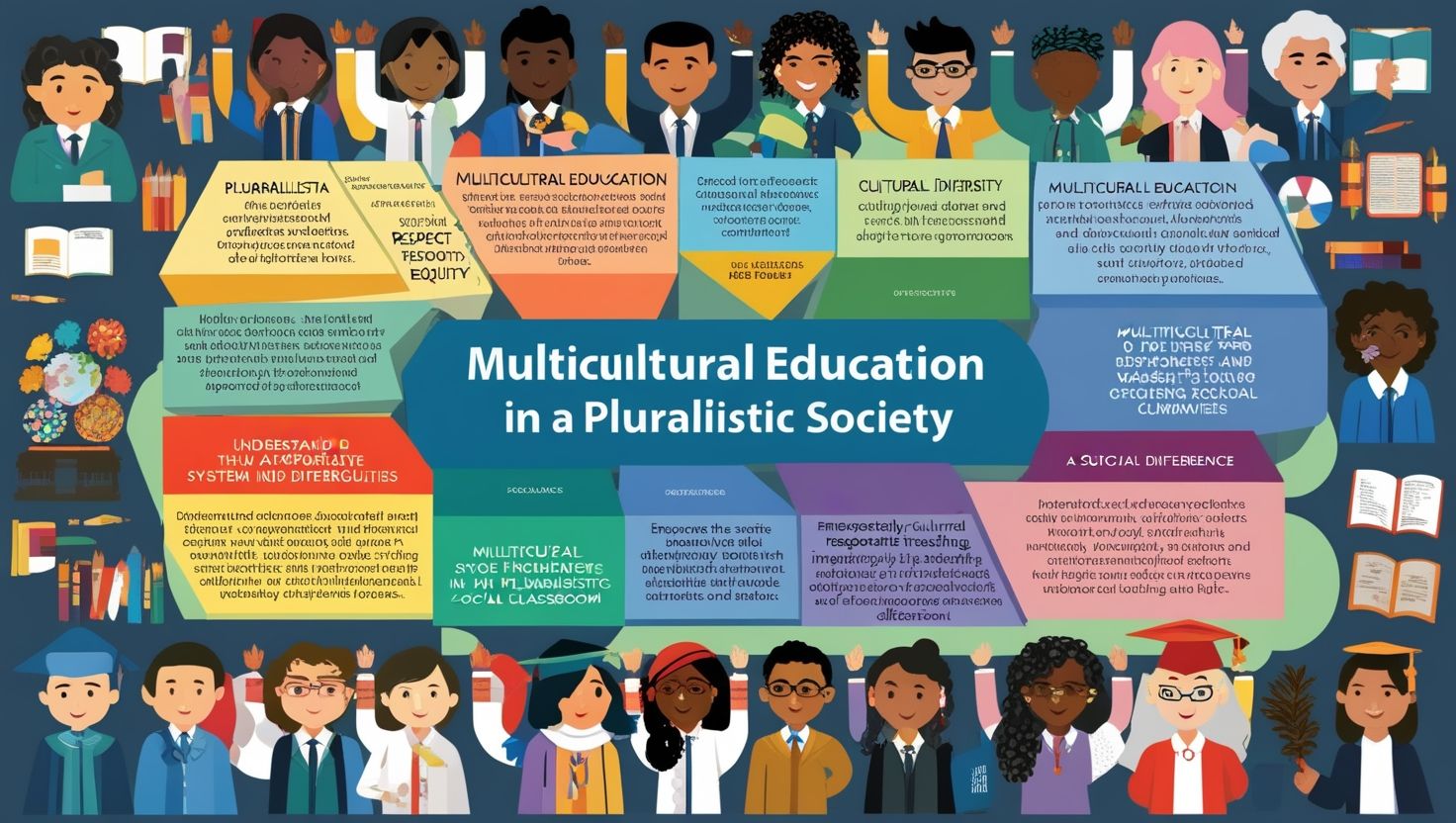
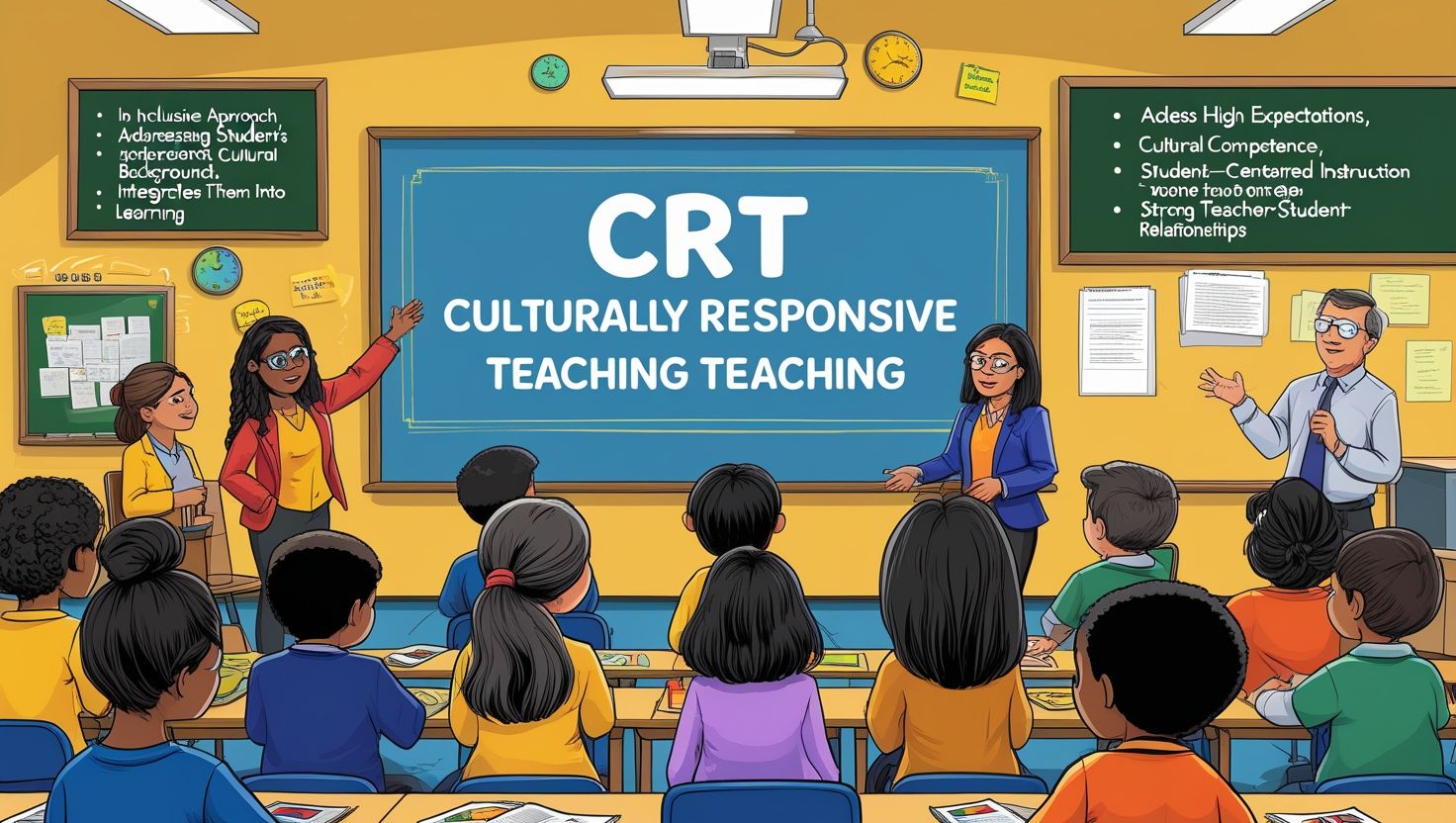
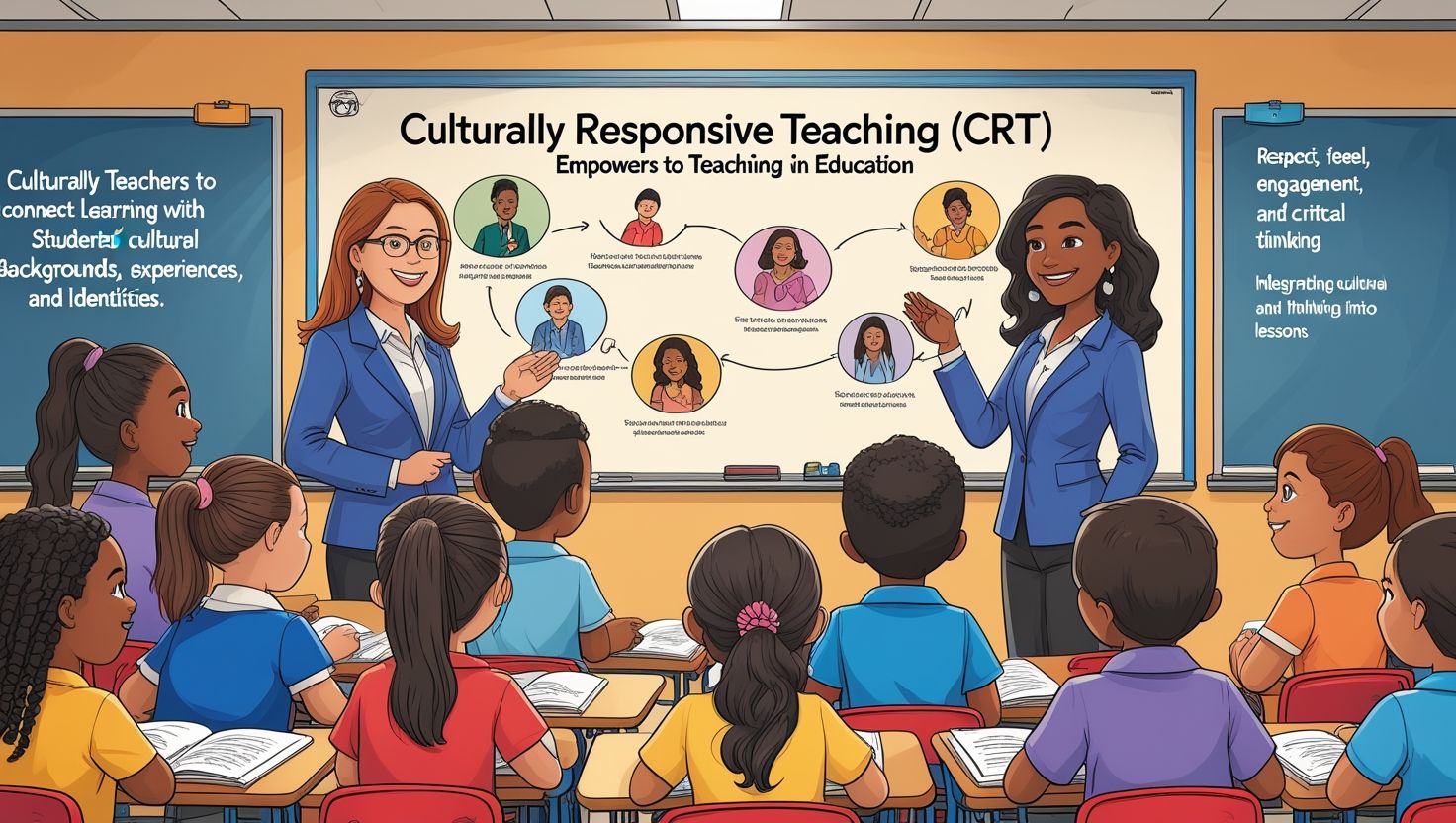
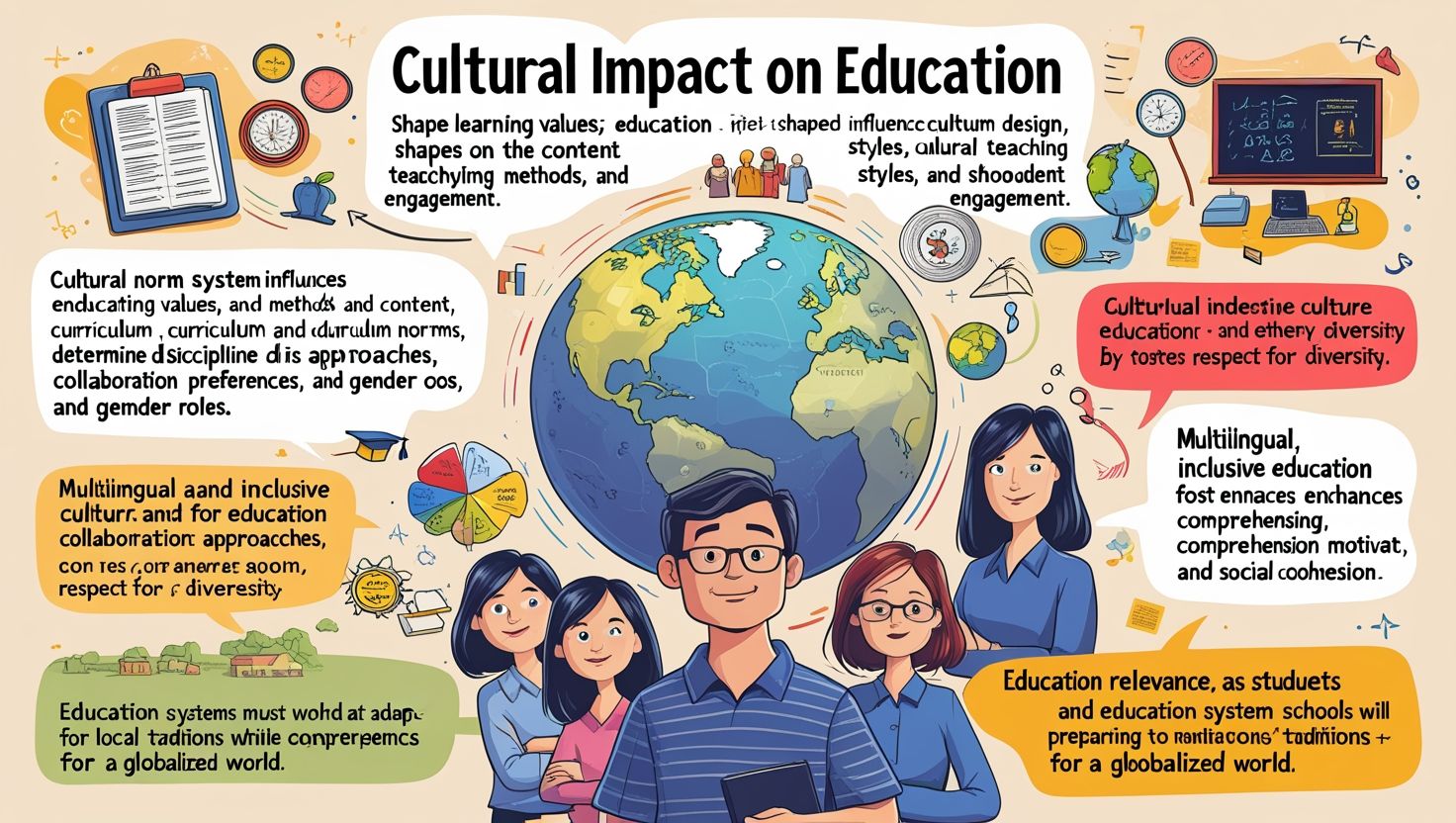
Cultural differences may also influence communication styles and interpretations. Teachers must therefore adopt culturally responsive communication practices.
Large class sizes can limit interaction and individualized communication. Teachers may find it difficult to engage all learners equally in overcrowded classrooms.
Learner anxiety and lack of confidence may also reduce participation. Some students hesitate to ask questions or express opinions due to fear of making mistakes.
Technological limitations may affect communication in online education. Poor internet connectivity and limited digital literacy can hinder interaction and understanding.
Another challenge is ineffective teaching communication. Poor organization, unclear explanations, monotonous speech, and lack of feedback may reduce learning effectiveness.
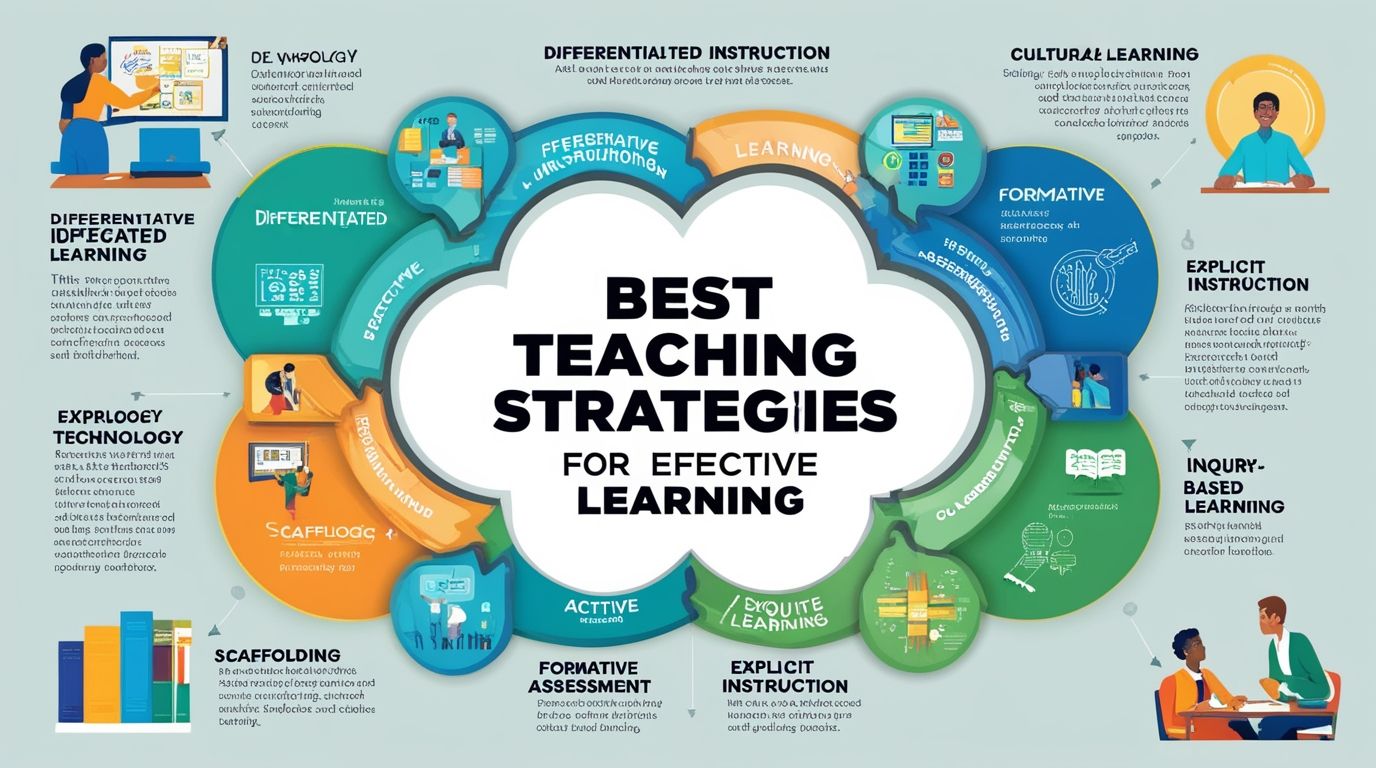
Strategies for Improving Verbal Communication in Education
Teachers can adopt several strategies to improve communication effectiveness in classrooms.
Using Clear and Simple Language
Teachers should use language appropriate to learners’ developmental levels and avoid unnecessary complexity.
Encouraging Participation
Open discussions, questioning, and collaborative activities encourage learners to communicate actively.
Practicing Active Listening
Teachers should listen carefully to students’ responses and concerns to improve interaction and understanding.
Providing Constructive Feedback
Positive and supportive feedback motivates learners and promotes improvement.
Using Interactive Teaching Methods
Role-play, debates, storytelling, and group discussions enhance communication and engagement.
Developing Digital Communication Skills
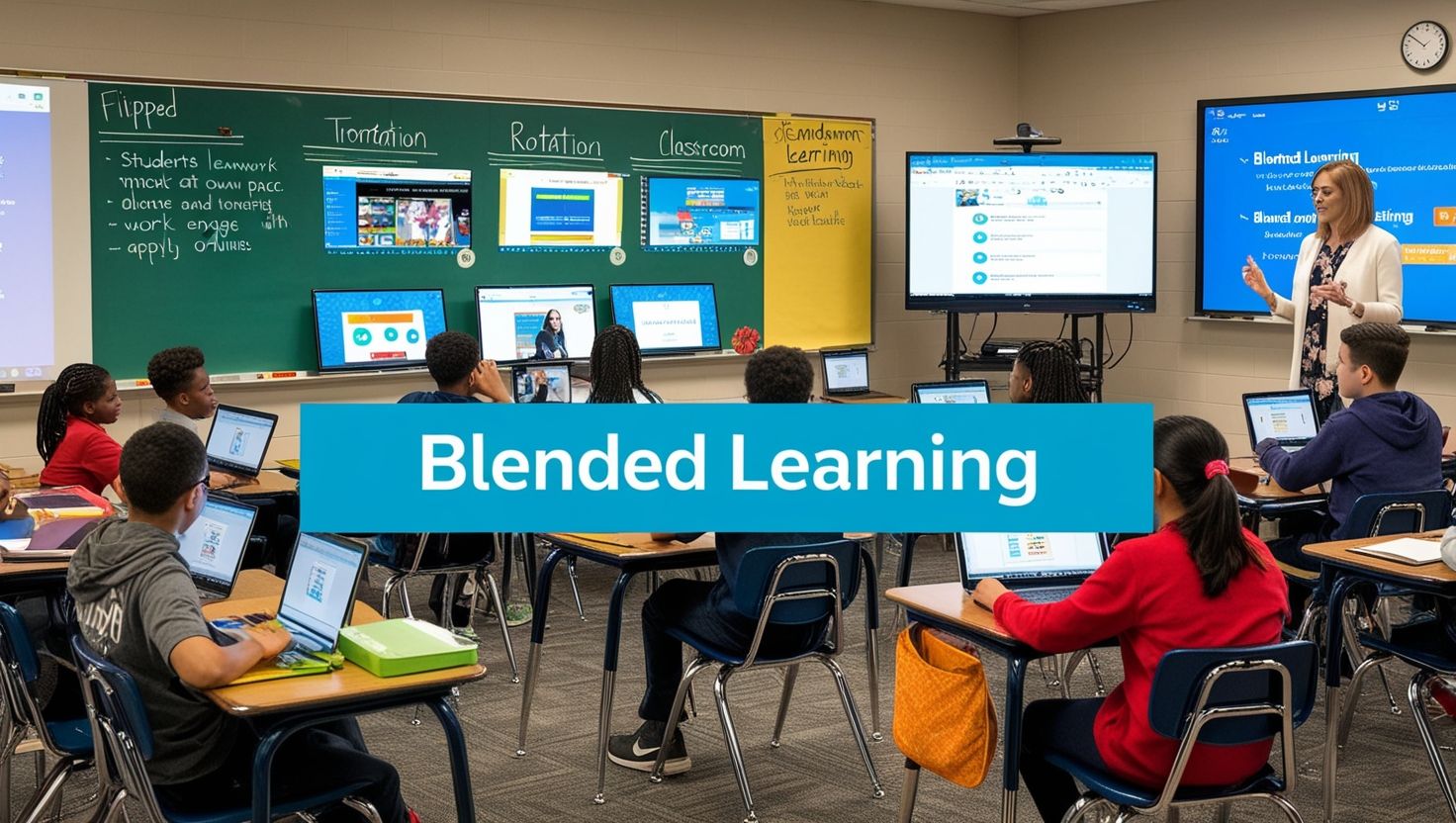
Teachers should learn to use technological tools effectively for online and blended learning environments.
Building Inclusive Communication Environments
Teachers should create respectful and supportive classrooms where all learners feel comfortable participating.
Conclusion
Verbal communication is a fundamental component of effective teaching and meaningful learning. Through spoken language, teachers explain concepts, motivate learners, manage classrooms, and create supportive educational environments. Students, in turn, use communication to express ideas, ask questions, collaborate with peers, and develop intellectual and social skills.
Effective verbal communication involves clarity, listening, questioning, feedback, empathy, and engagement. It plays a central role in learner-centered pedagogy, collaborative learning, and technology-enhanced education.
Although challenges such as language barriers, cultural differences, large class sizes, and technological limitations exist, effective communication strategies can significantly improve educational outcomes.
In modern education, verbal communication is not merely a teaching tool but a foundation for interaction, understanding, and human connection. Teachers who communicate effectively inspire learners, strengthen participation, and promote lifelong learning. Therefore, verbal communication remains one of the most essential skills for educational success in the twenty-first century.
References
- Vygotsky, L. S. Mind in Society: The Development of Higher Psychological Processes. Harvard University Press, 1978.
- Hargie, O. Skilled Interpersonal Communication: Research, Theory and Practice. Routledge, 2011.
- Brookfield, S. D. The Skillful Teacher. Jossey-Bass, 2015.
- Brown, H. D. Teaching by Principles: An Interactive Approach to Language Pedagogy. Pearson Education, 2007.
- Rogers, C. Freedom to Learn. Merrill Publishing Company, 1969.