Introduction
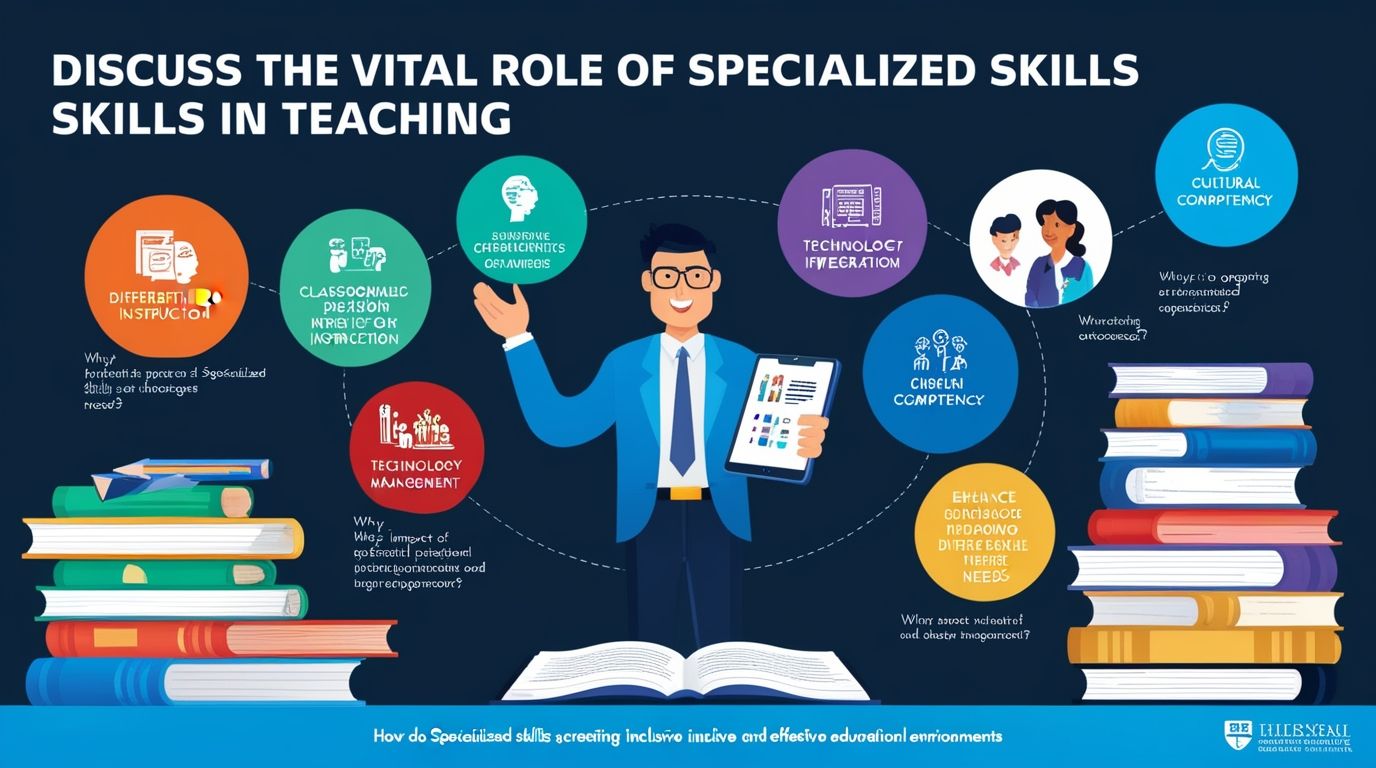
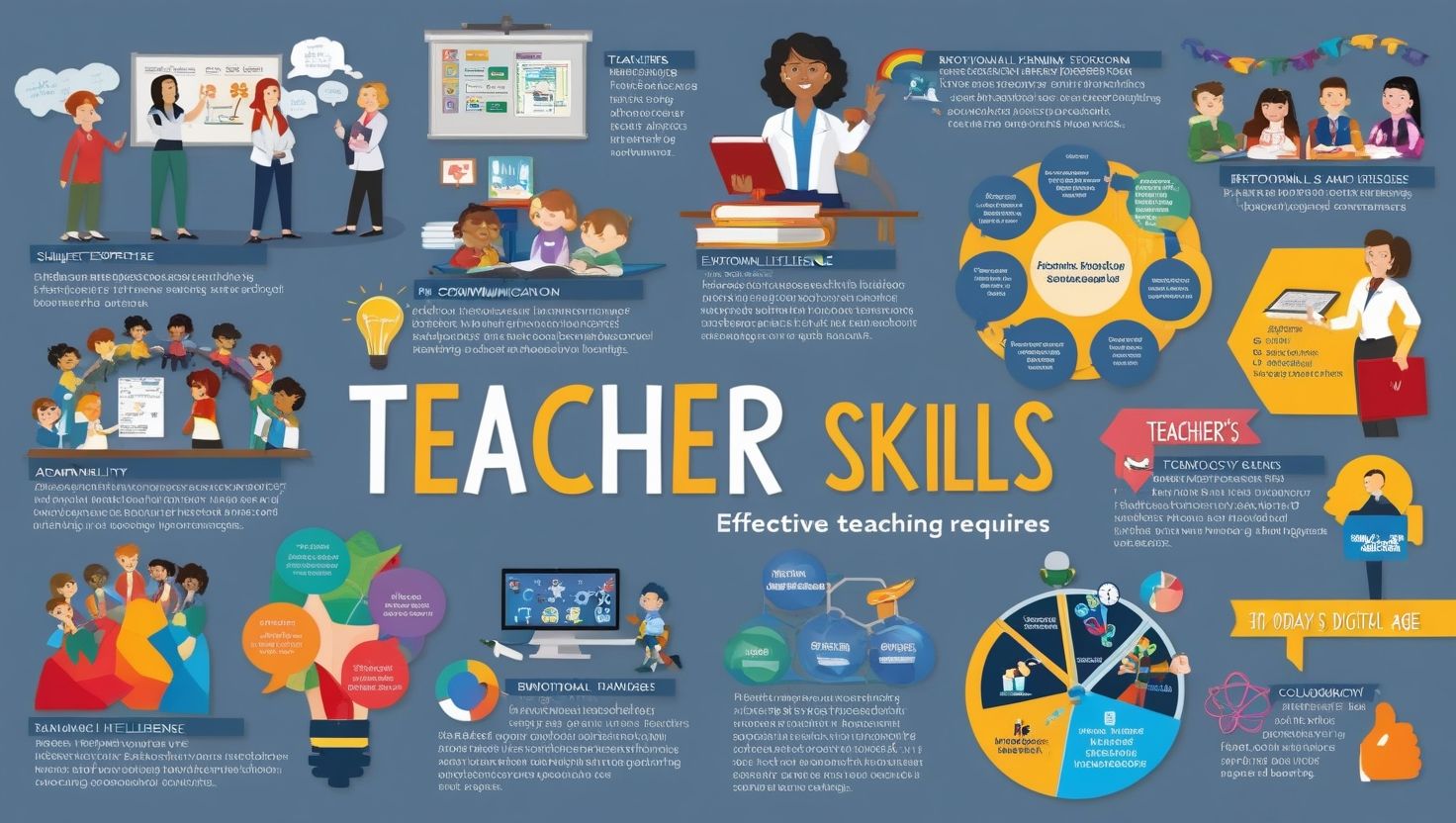
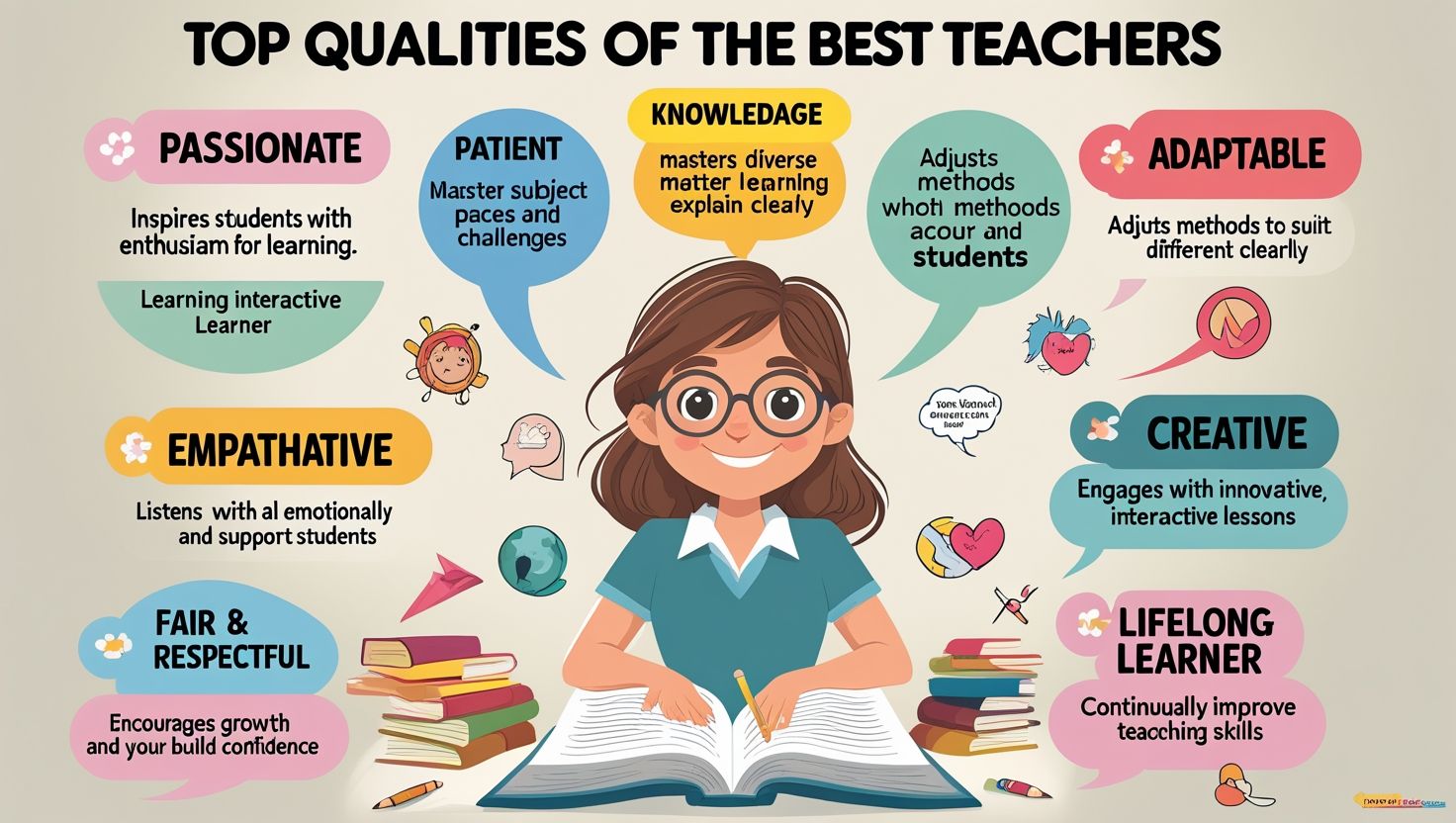
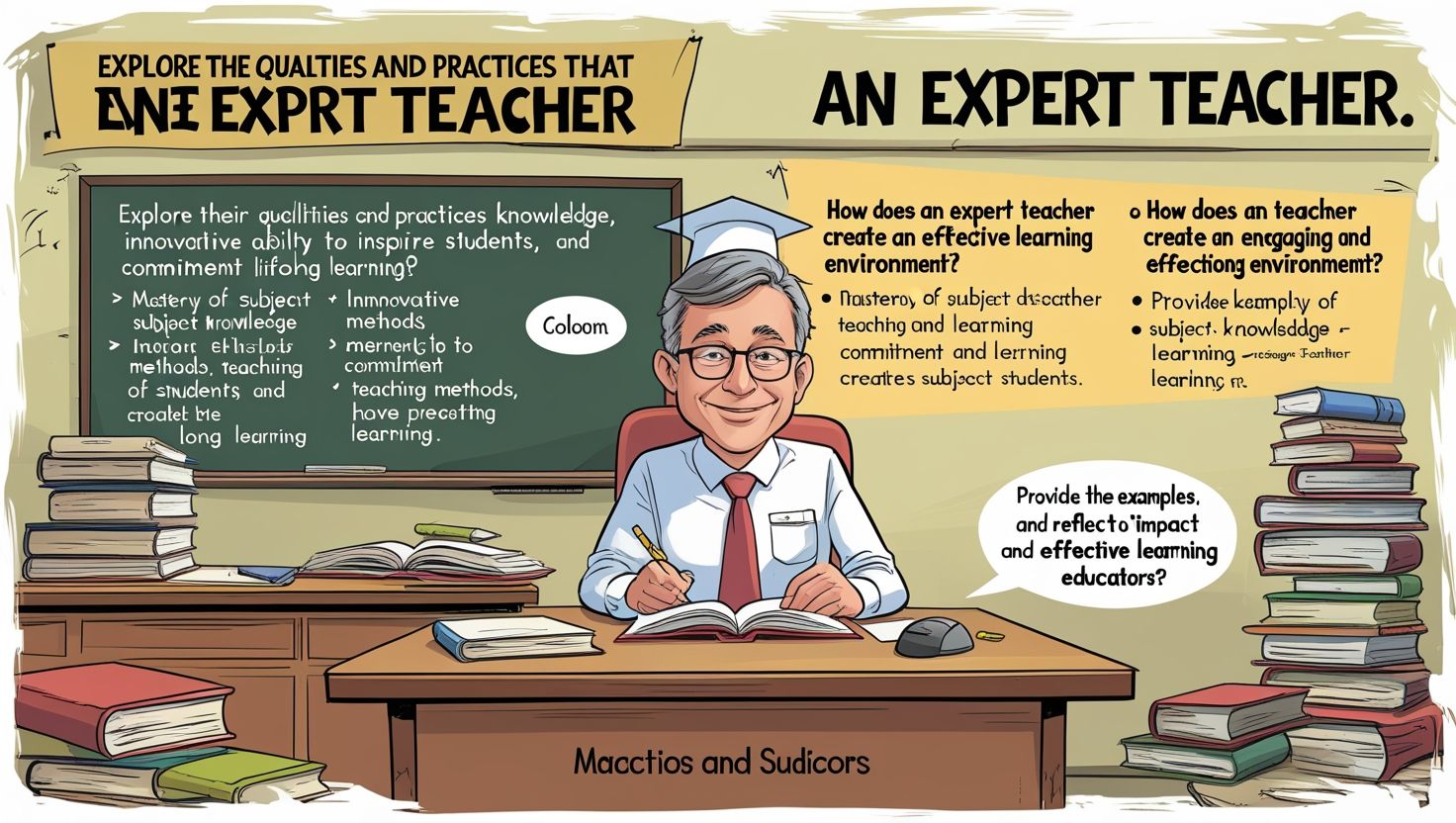
Subject Knowledge and Good Communication Skills in Education, Education is one of the most powerful tools for personal, social, and national development. The effectiveness of any educational system depends greatly on the quality of its teachers. Among the many qualities of an effective teacher, subject knowledge and good communication skills are considered the most essential. A teacher may possess strong academic qualifications, but without the ability to communicate effectively, meaningful learning may not occur. Similarly, excellent communication skills alone cannot compensate for weak understanding of subject content. Therefore, subject expertise and communication competence must work together to create successful teaching and learning experiences.
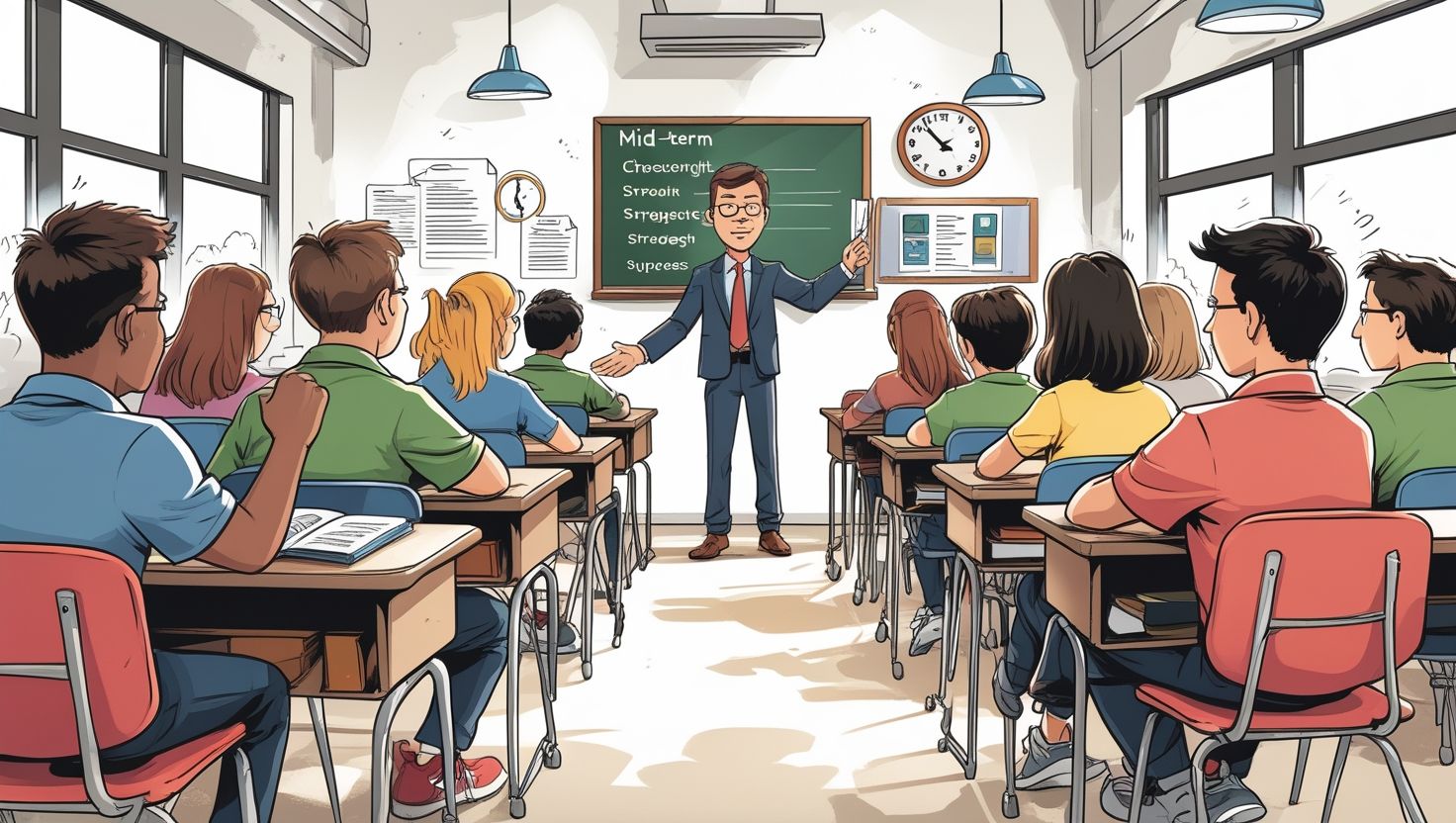
In modern education, teachers are expected not only to deliver information but also to guide, motivate, and inspire learners. Students rely on teachers to clarify complex ideas, answer questions, encourage participation, and connect learning with real-life experiences. To achieve these goals, teachers require deep knowledge of their subjects and the ability to explain concepts clearly and effectively. Subject knowledge provides the foundation for instruction, while communication skills ensure that knowledge is transferred successfully to learners.
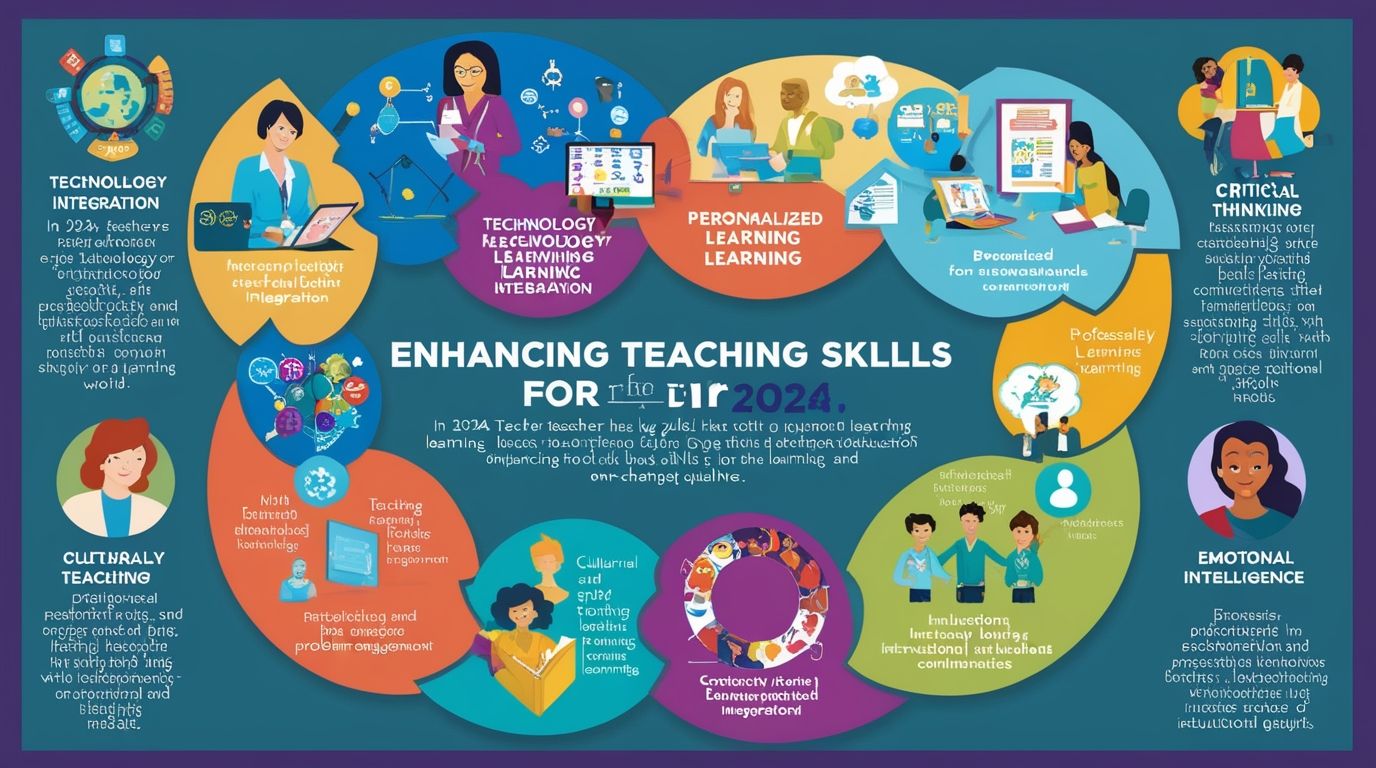
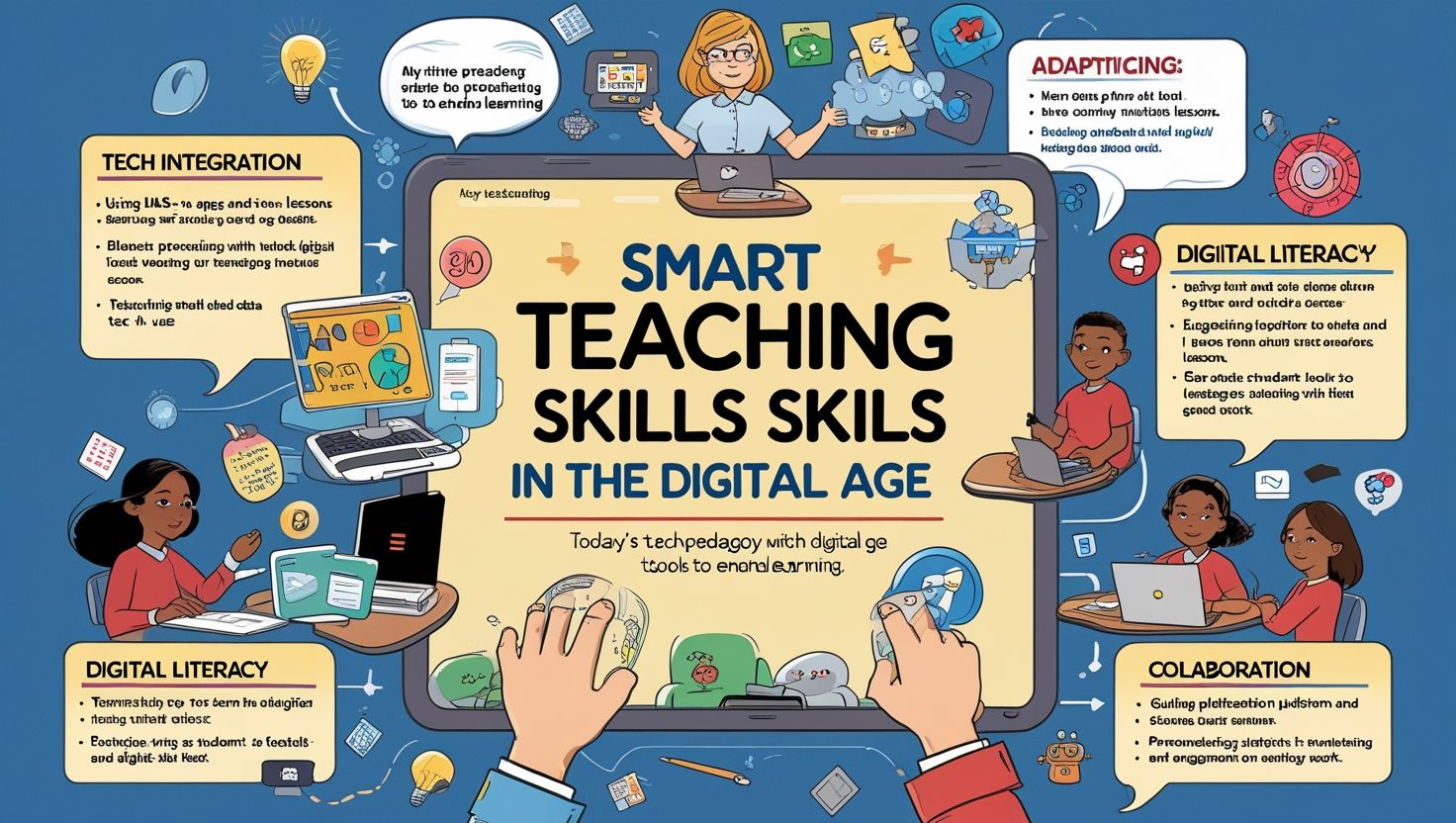
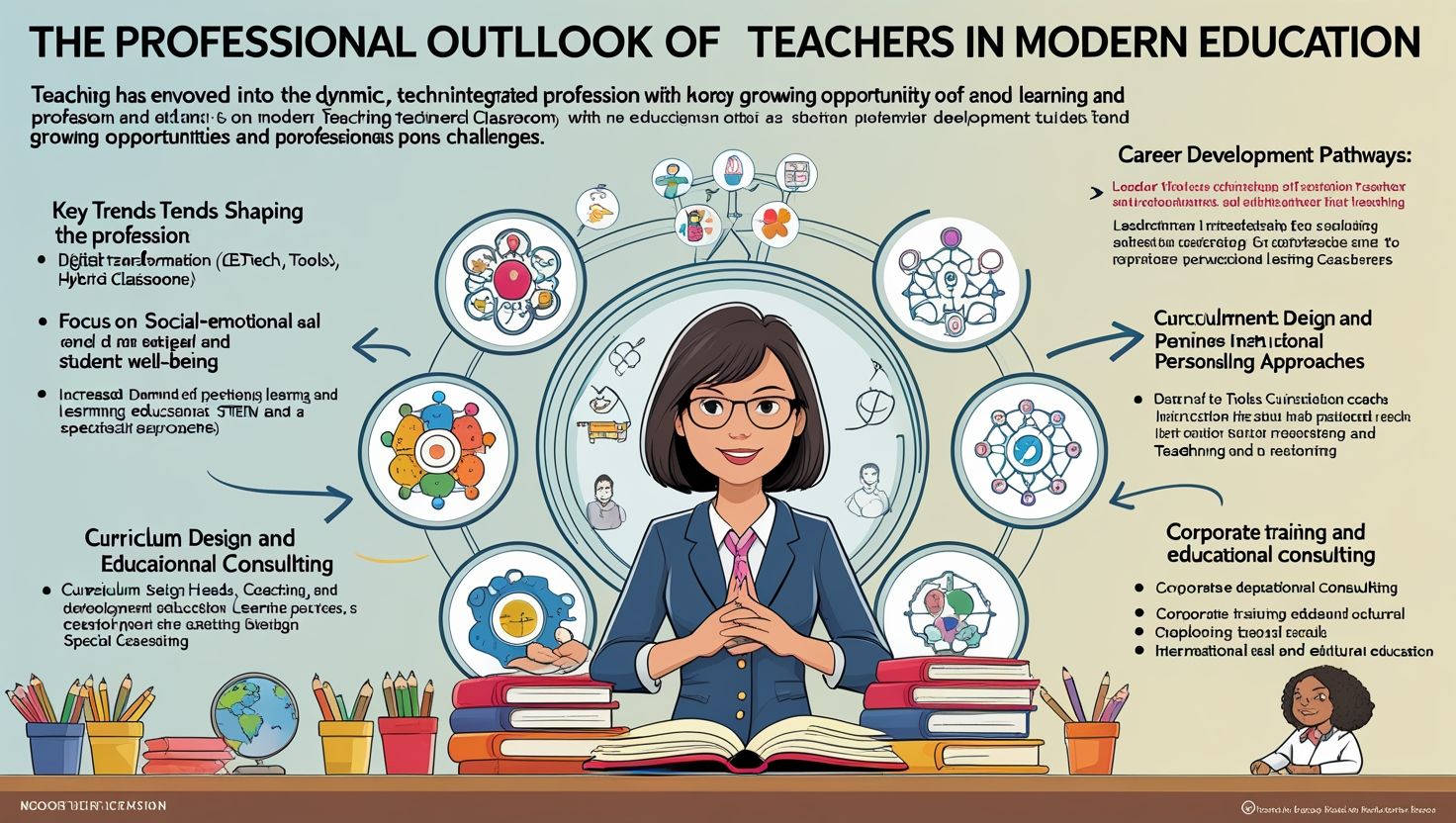
The importance of these qualities has increased in contemporary classrooms due to globalization, technological advancement, multicultural learning environments, and learner-centered pedagogy. Teachers must now communicate with diverse learners using various instructional methods, digital technologies, and interactive strategies. Consequently, subject knowledge and communication skills have become central components of professional teaching competence.
Meaning of Subject Knowledge
Subject knowledge refers to a teacher’s understanding, mastery, and command of the content they teach. It includes knowledge of facts, concepts, theories, principles, procedures, and applications related to a specific discipline. Subject knowledge is not limited to memorization of information; it also involves deep conceptual understanding and the ability to connect ideas meaningfully.
A teacher with strong subject knowledge understands both the foundational and advanced aspects of the discipline. Such teachers can explain concepts clearly, answer student questions confidently, provide relevant examples, and relate content to practical situations. They also remain updated with recent developments, research, and innovations within their fields.
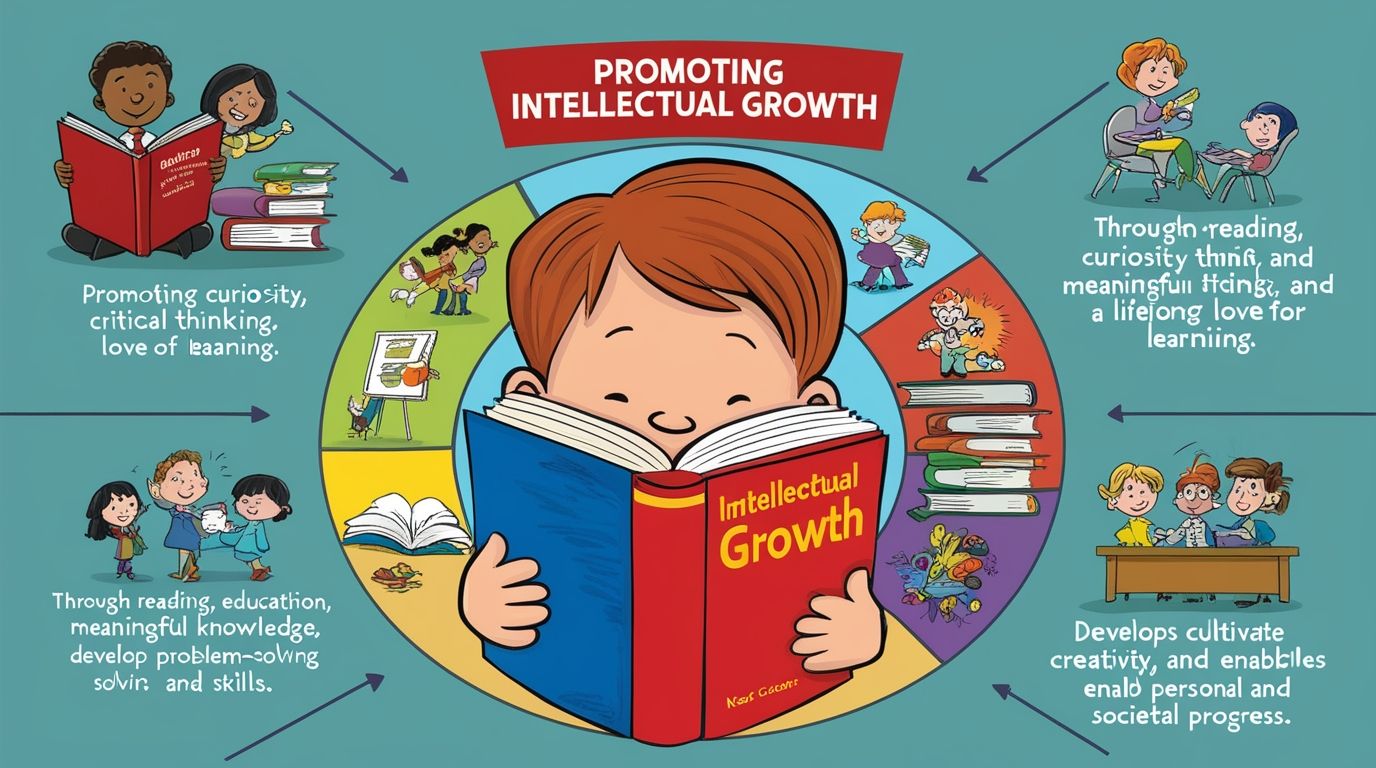
Subject knowledge is essential because education aims to develop accurate understanding and intellectual growth among learners. Students trust teachers as reliable sources of information. Therefore, teachers must possess sufficient expertise to guide learners effectively and prevent misconceptions.
In addition to content mastery, subject knowledge includes pedagogical content knowledge, which refers to the ability to teach specific concepts in ways that learners can understand. Teachers must know not only what to teach but also how to teach it effectively according to students’ abilities and needs.
Importance of Subject Knowledge in Teaching
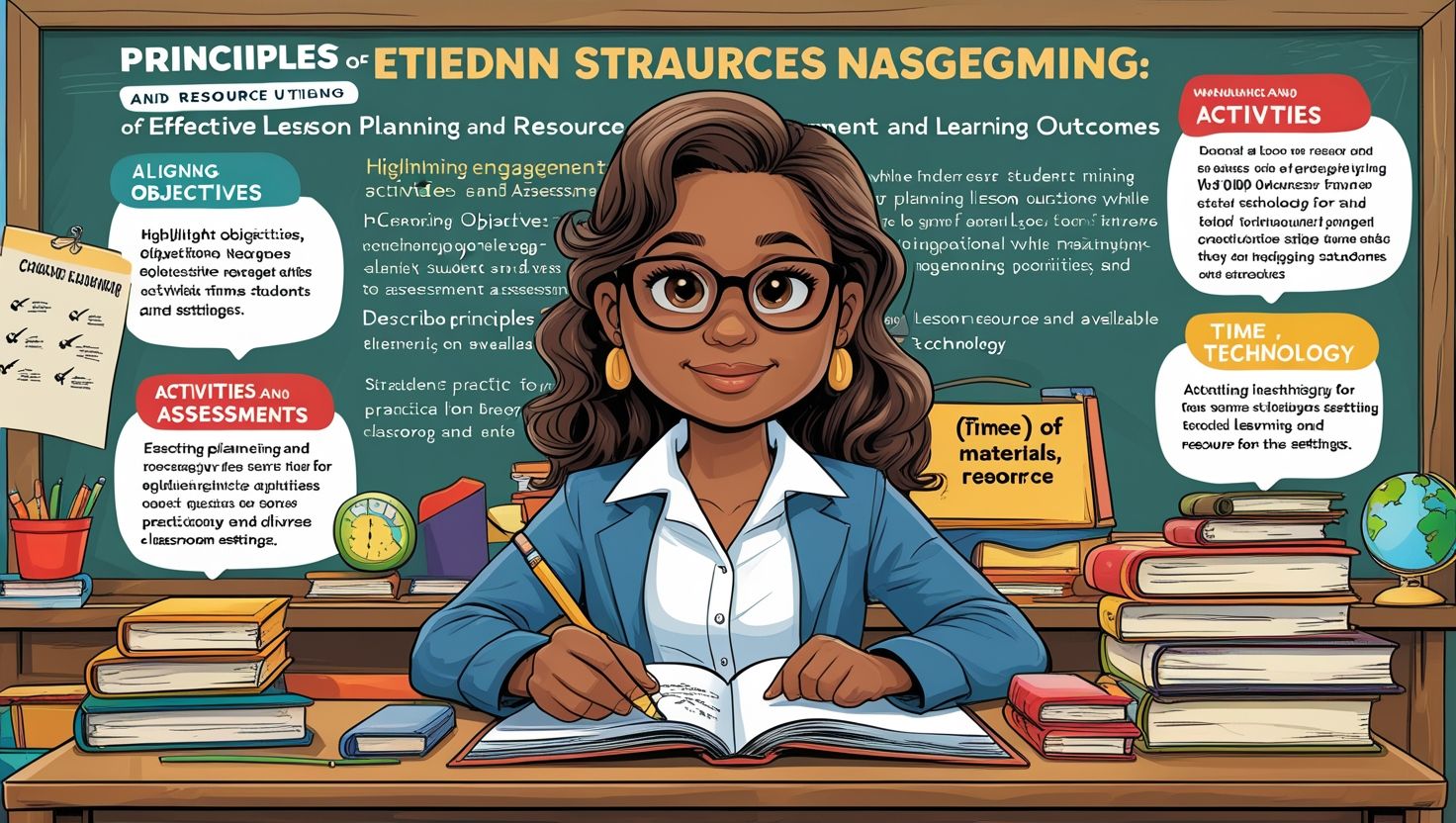
Subject knowledge forms the foundation of effective teaching. Teachers who possess strong content expertise demonstrate confidence and professionalism in the classroom. They can present information systematically, respond to learner questions accurately, and create meaningful learning experiences.
One major advantage of strong subject knowledge is instructional clarity. When teachers fully understand a topic, they can simplify difficult concepts and explain them using appropriate examples, analogies, diagrams, and demonstrations. This clarity improves student understanding and reduces confusion.
Subject expertise also enhances classroom credibility. Students are more likely to respect and trust teachers who demonstrate deep understanding of their subjects. Confident teachers create positive learning environments where learners feel encouraged to ask questions and engage in discussion.
Furthermore, subject knowledge promotes critical thinking and inquiry. Teachers with strong academic backgrounds can encourage learners to analyze, evaluate, and apply concepts rather than memorize information passively. They can connect lessons to current issues, interdisciplinary themes, and practical applications.
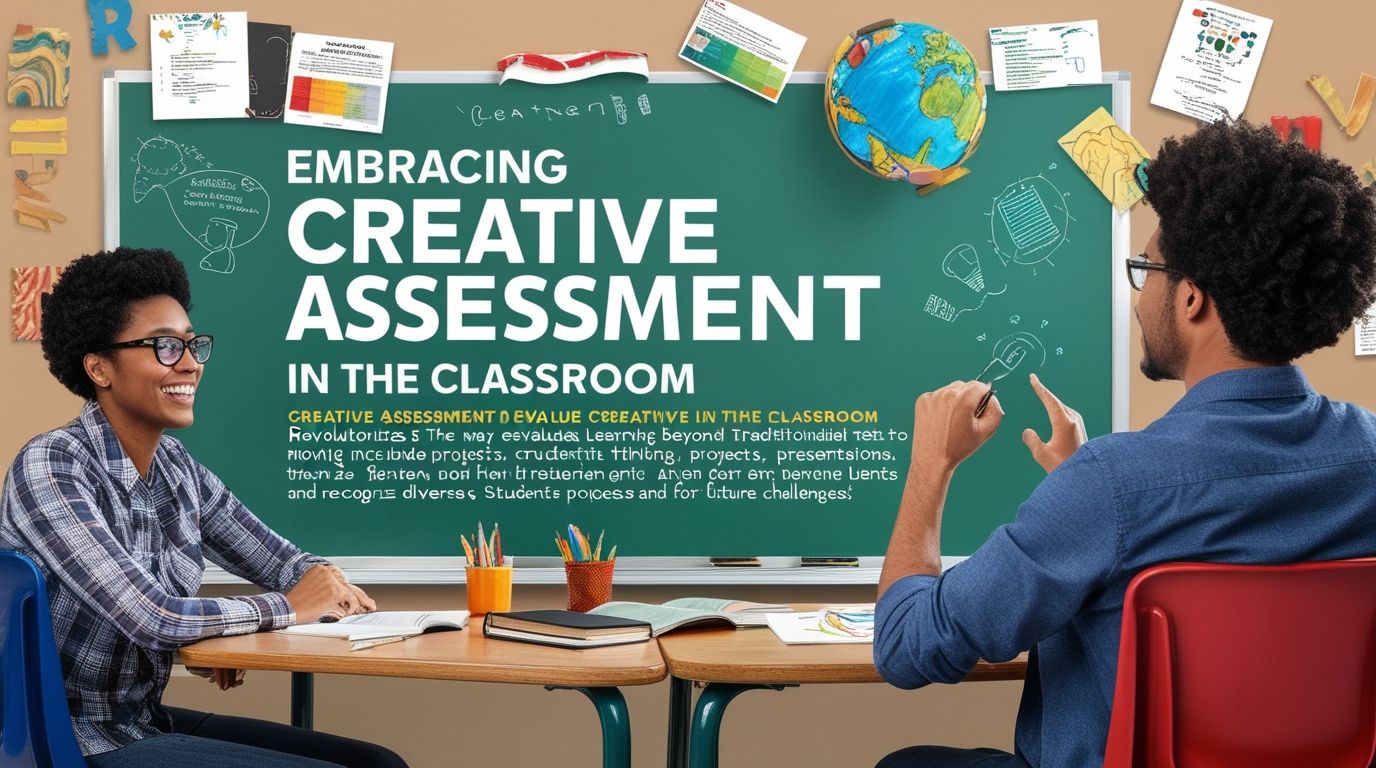
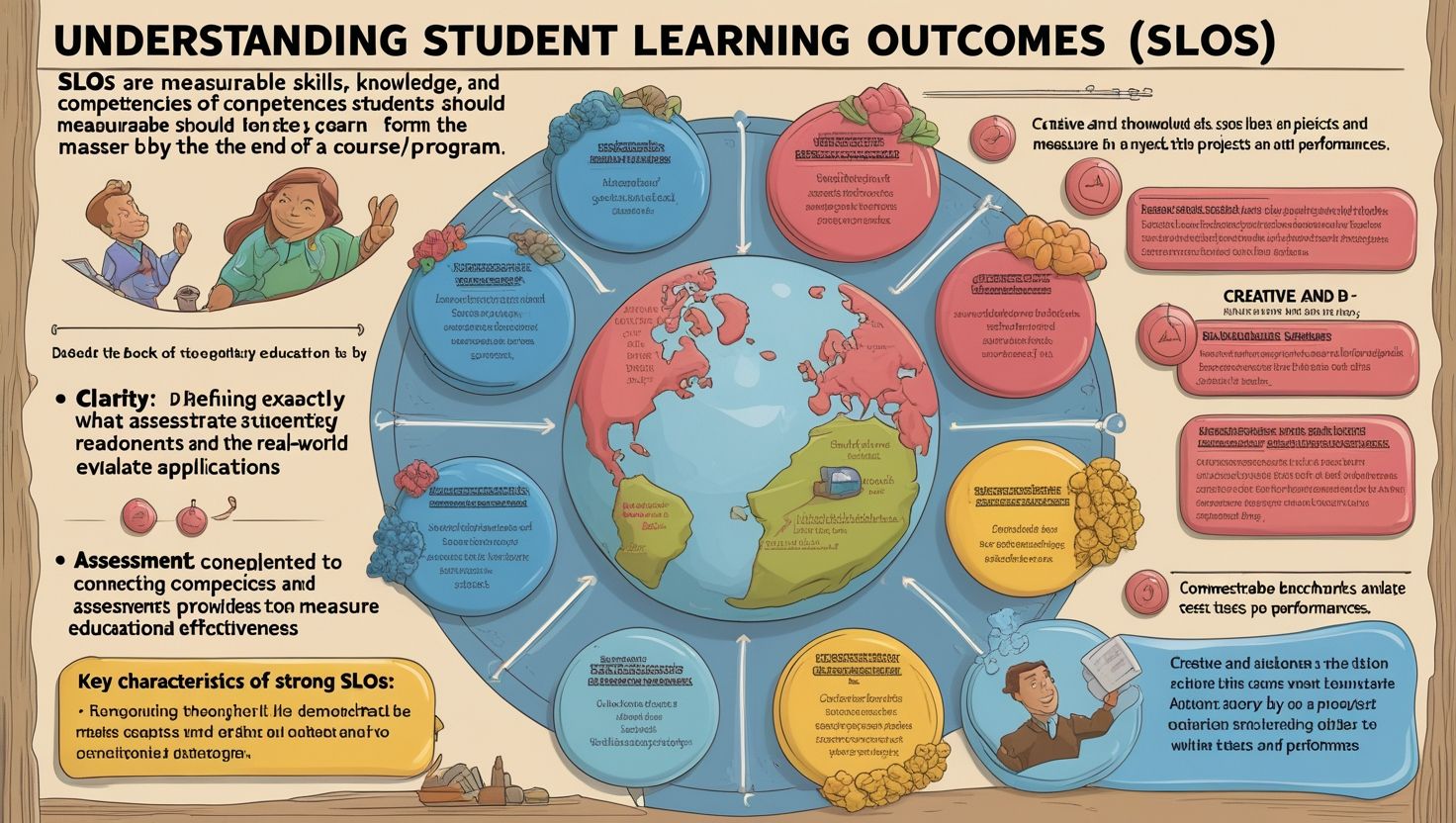
In modern education, teachers are expected to support creativity, innovation, and problem-solving. Strong subject knowledge enables educators to design challenging activities, projects, and assessments that stimulate intellectual development. Without adequate content mastery, teaching may become superficial and ineffective.
Understanding Communication Skills
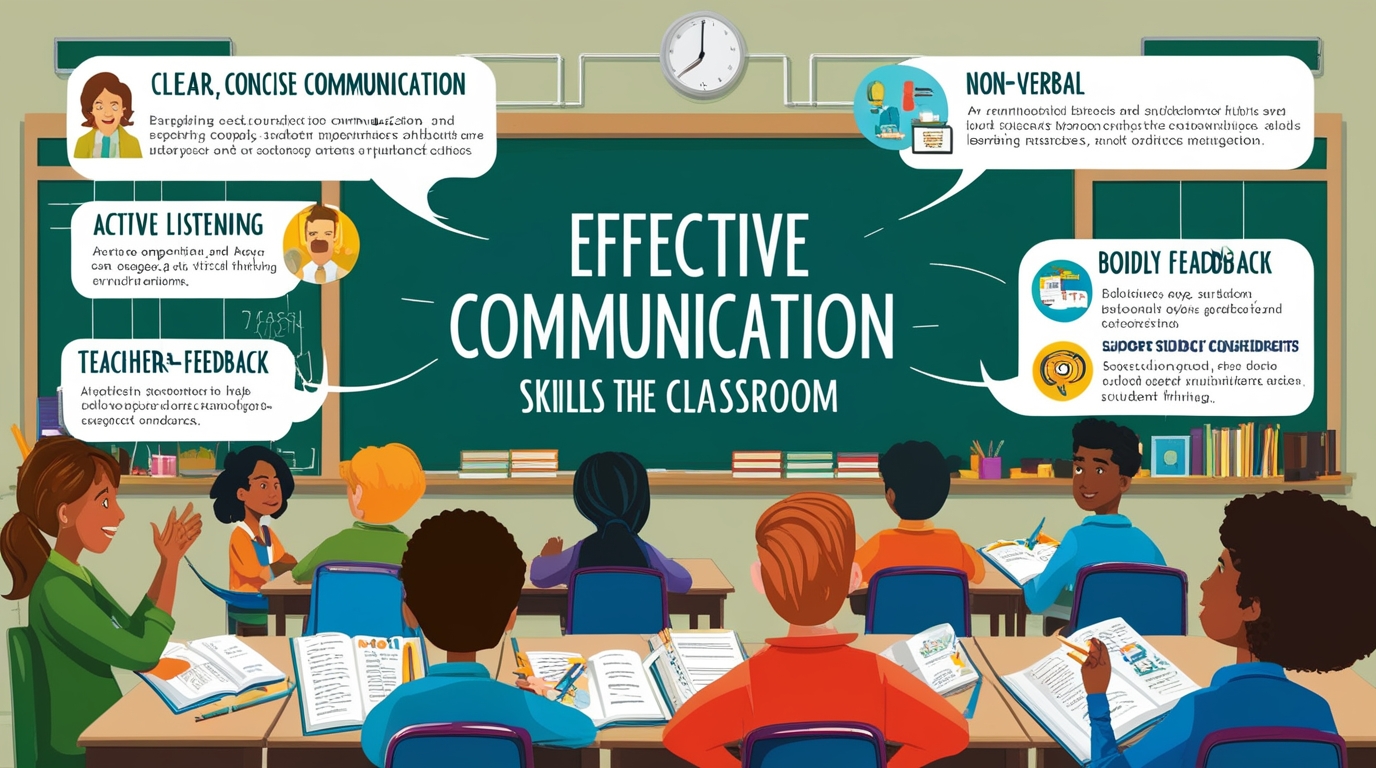
Communication skills refer to the ability to convey information, ideas, emotions, and messages effectively through verbal, nonverbal, written, and digital means. In education, communication is central to teaching and learning because it enables interaction between teachers and students.
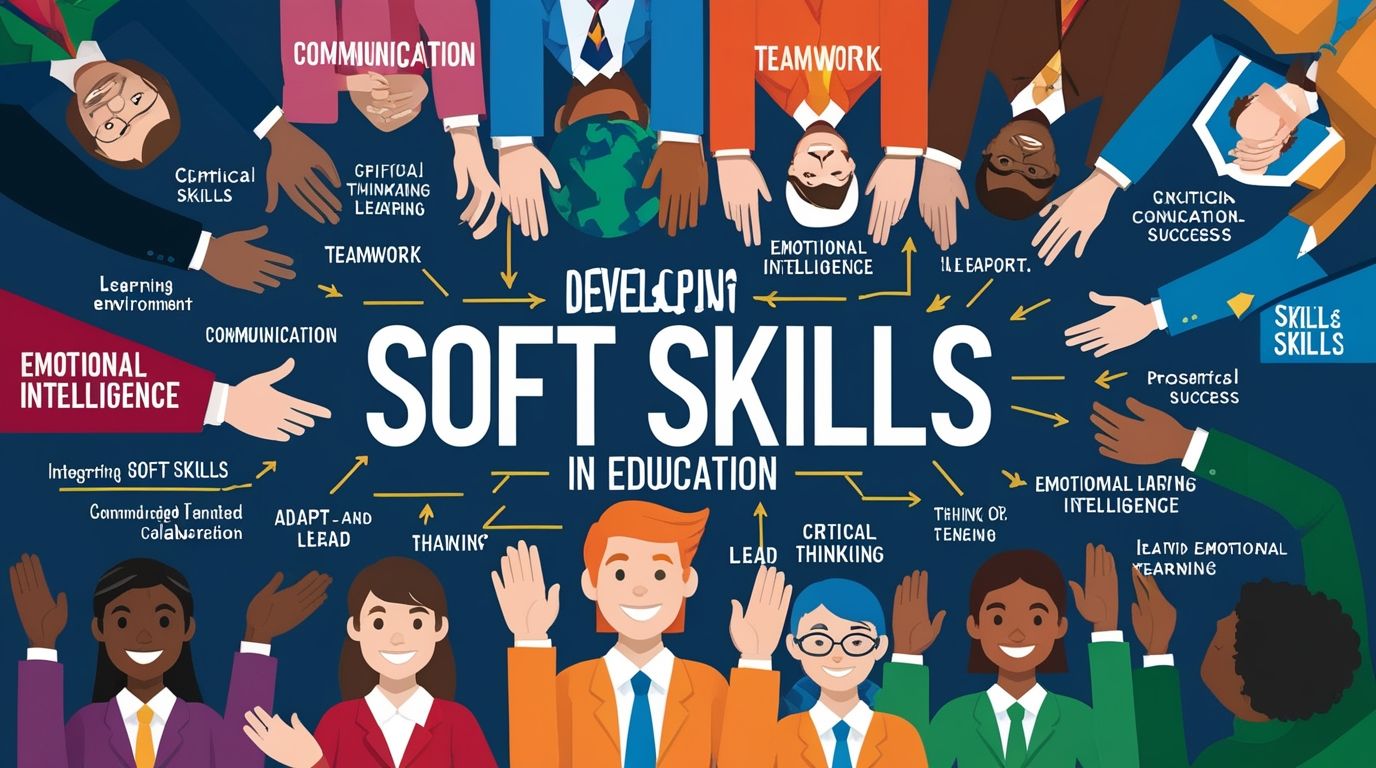
Good communication involves clarity, active listening, empathy, confidence, organization, and responsiveness. Effective communicators can express ideas in ways that learners understand while also encouraging dialogue and participation.
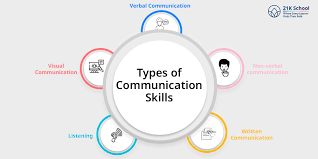
Communication in education occurs through multiple forms. Verbal communication includes speaking, explanation, questioning, storytelling, and discussion. Nonverbal communication includes gestures, facial expressions, posture, eye contact, and tone of voice. Written communication involves instructions, feedback, reports, and digital communication through emails and online platforms.
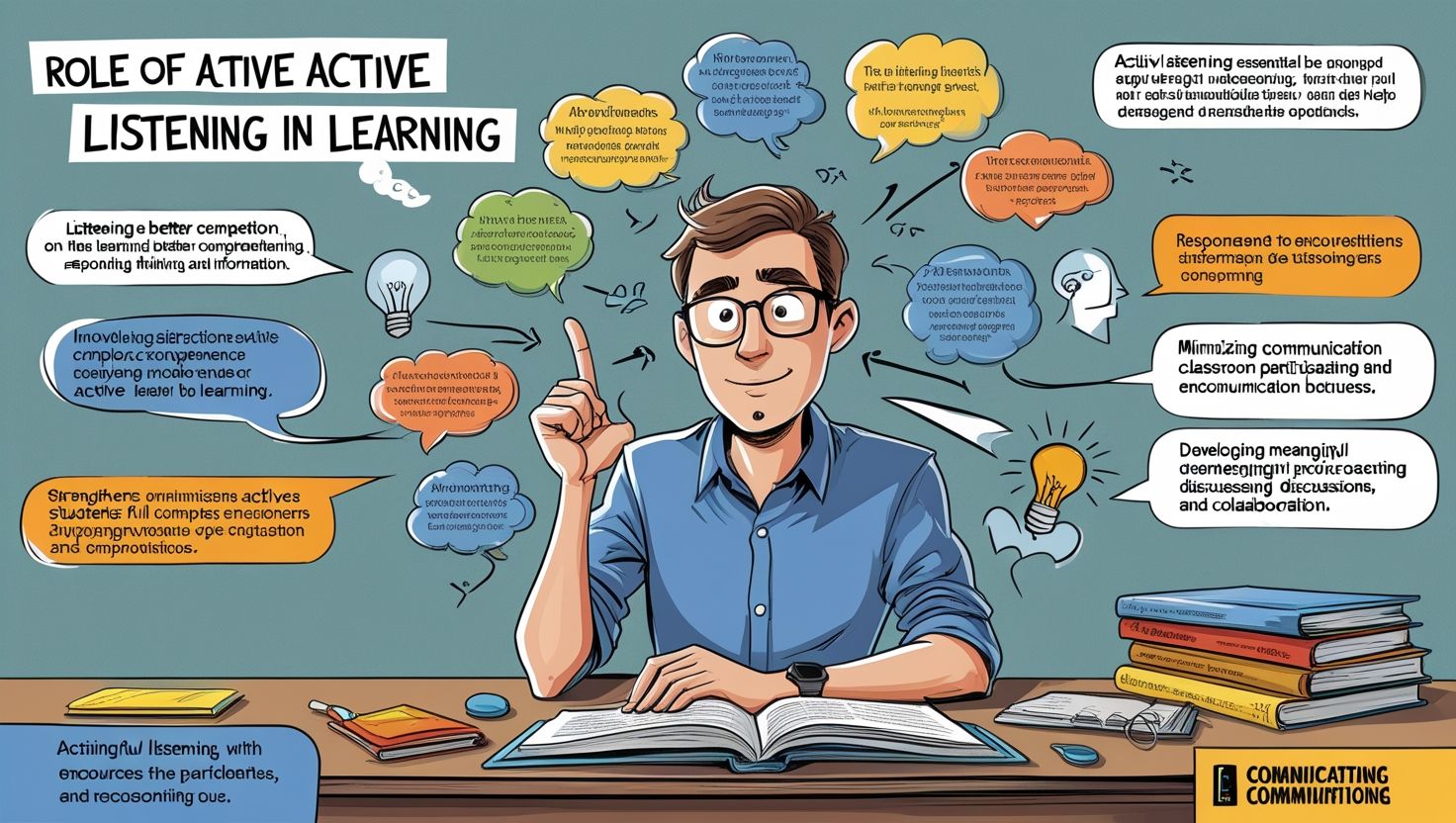
Communication is not a one-way process. Effective teachers also listen carefully to students’ responses, concerns, and questions. Listening helps teachers identify misunderstandings, assess learner needs, and provide appropriate support.
Importance of Communication Skills in Education
Communication skills are essential for successful teaching because learning depends largely on interaction and understanding. Teachers must explain concepts clearly, motivate learners, manage classrooms, and build positive relationships through communication.
One important function of communication is instructional delivery. Teachers use communication to present lessons, provide explanations, and clarify concepts. Clear communication improves comprehension and learning outcomes, while poor communication may create confusion and misunderstanding.
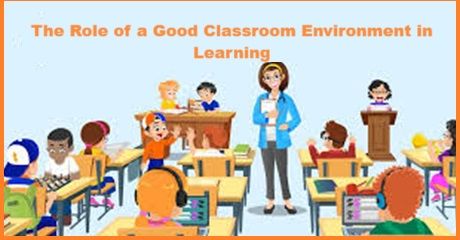
Communication also supports classroom management. Teachers use verbal and nonverbal communication to establish expectations, maintain discipline, and encourage respectful behavior. Positive communication creates supportive classroom environments where learners feel safe and valued.
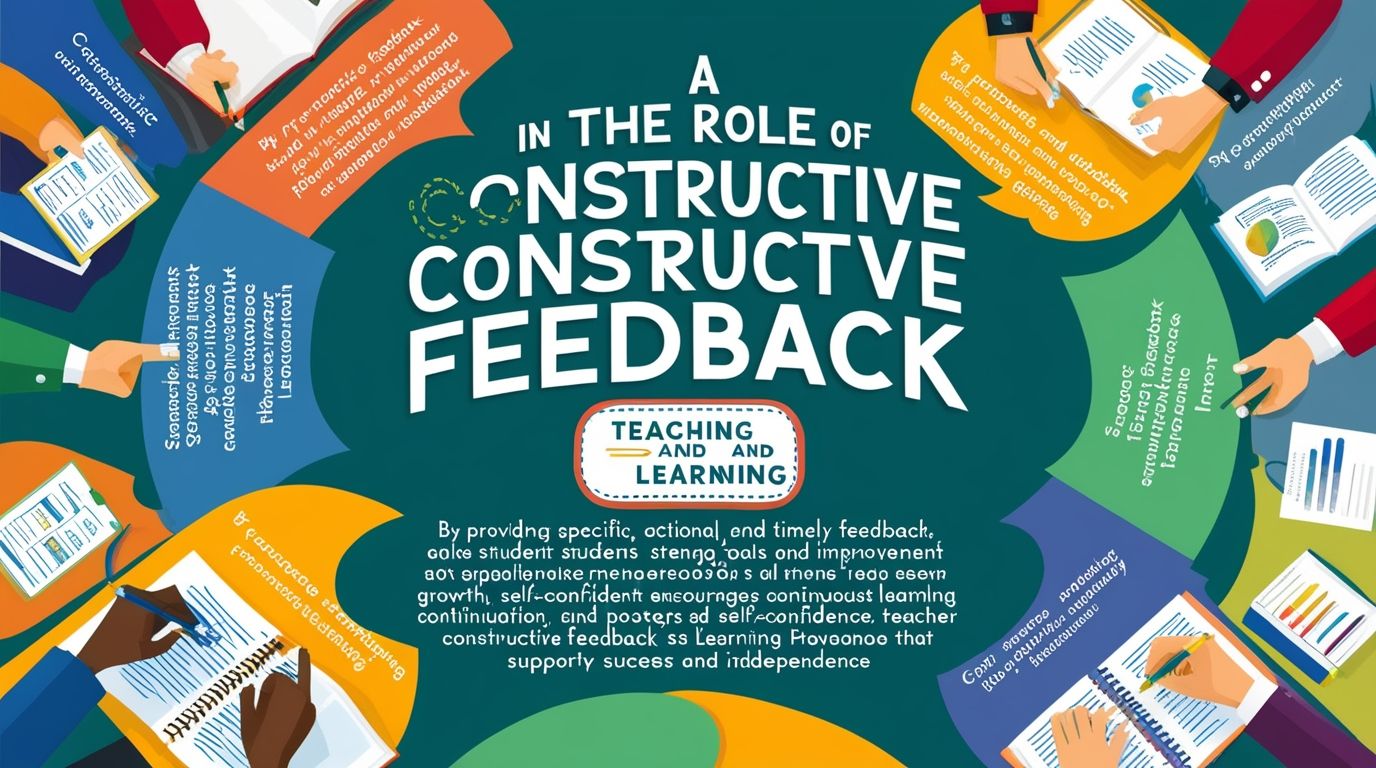
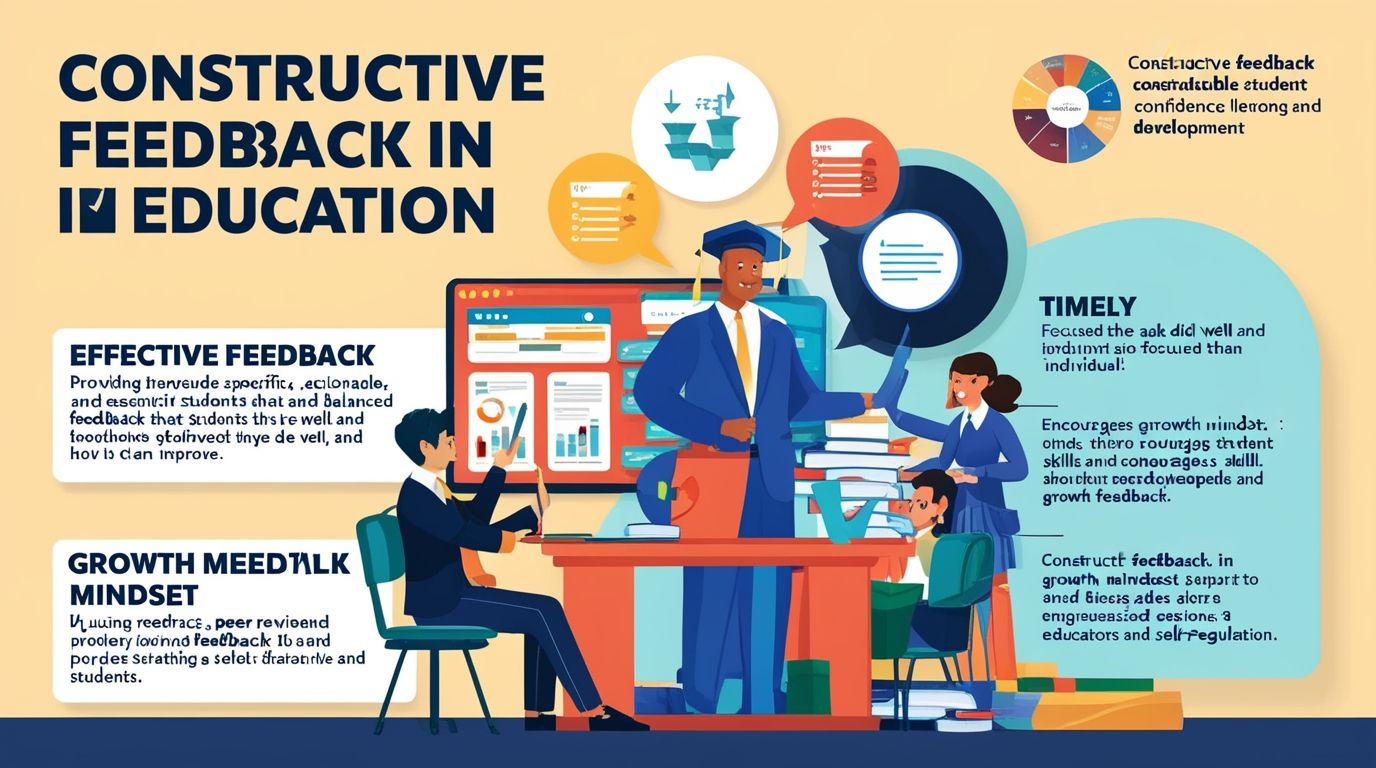
Another important aspect of communication is motivation. Encouraging words, constructive feedback, and supportive interactions increase learner confidence and engagement. Teachers who communicate respectfully and empathetically strengthen students’ emotional and academic development.
In addition, communication promotes collaboration and participation. Learner-centered classrooms emphasize discussion, teamwork, inquiry, and interaction. Effective communication helps teachers facilitate collaborative learning activities and encourage student involvement.
Relationship Between Subject Knowledge and Communication Skills
Subject knowledge and communication skills are closely interconnected in effective teaching. Subject expertise alone is insufficient if teachers cannot explain concepts clearly. Similarly, strong communication skills without adequate content knowledge may result in inaccurate or superficial instruction.
Effective teaching occurs when teachers combine deep understanding of subject matter with the ability to communicate that knowledge meaningfully. Teachers must translate complex ideas into understandable language according to learners’ age, background, and abilities.
For example, a science teacher may possess advanced knowledge of physics, but if explanations are overly technical or poorly organized, students may fail to understand the concepts. On the other hand, a teacher with excellent communication skills but weak subject understanding may provide incorrect information or fail to answer student questions adequately.
The integration of subject knowledge and communication skills enhances learner confidence and achievement. Students benefit when teachers explain ideas clearly, encourage questions, provide examples, and connect lessons to practical experiences.
Verbal Communication in Teaching
Verbal communication is one of the most important teaching tools. Teachers use spoken language to explain lessons, guide discussions, ask questions, and provide feedback.
Effective verbal communication requires clarity, appropriate vocabulary, confidence, and organization. Teachers should use language that matches learners’ developmental levels and avoid unnecessary complexity. Clear pronunciation, moderate speaking pace, and logical sequencing of ideas improve understanding.
Questioning techniques are also important components of verbal communication. Open-ended questions encourage critical thinking and discussion, while closed questions assess factual understanding. Skilled teachers use questioning strategically to engage learners and stimulate inquiry.
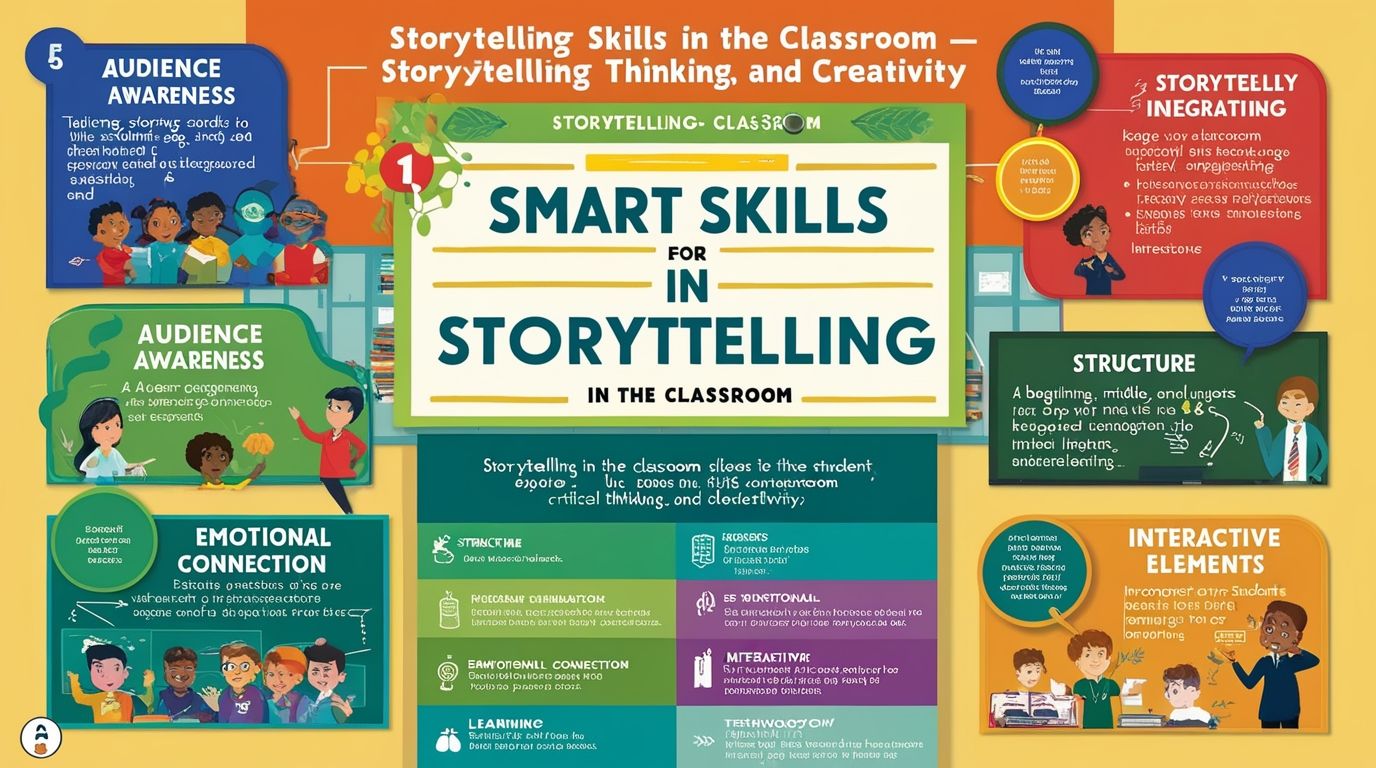
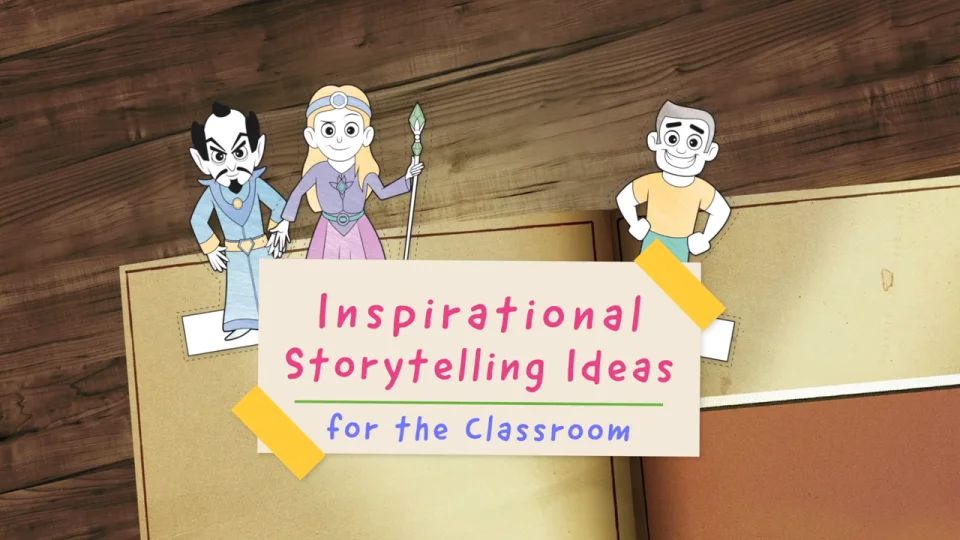
Storytelling is another effective verbal communication strategy. Stories make learning meaningful, memorable, and emotionally engaging. Teachers often use stories, examples, and analogies to simplify difficult concepts and connect learning with real-life situations.
Nonverbal Communication in Education
Nonverbal communication includes body language, facial expressions, gestures, posture, eye contact, and tone of voice. Research indicates that nonverbal communication significantly influences teaching effectiveness and classroom relationships.
Positive body language communicates confidence, enthusiasm, and openness. Eye contact helps maintain attention and establish connection with learners. Smiling and encouraging facial expressions create supportive classroom environments.
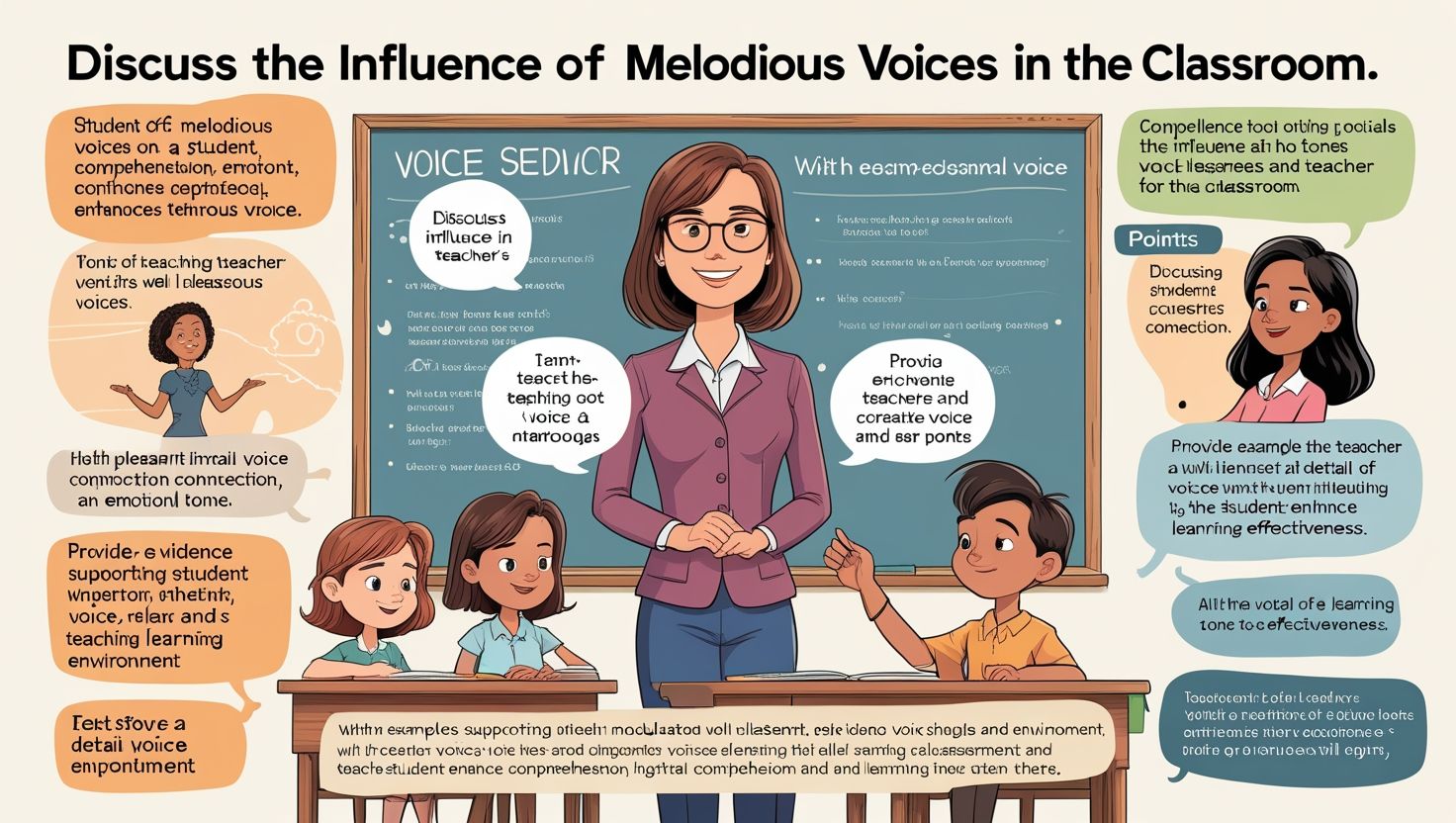
Teachers also use gestures and movement to emphasize points and maintain learner engagement. Tone of voice communicates emotions and attitudes. Enthusiastic and expressive speech increases student interest and motivation.
Negative nonverbal behaviors such as lack of eye contact, harsh tone, or closed body posture may discourage participation and create anxiety among learners. Therefore, effective teachers carefully manage both verbal and nonverbal communication.
Communication Skills in Digital Education
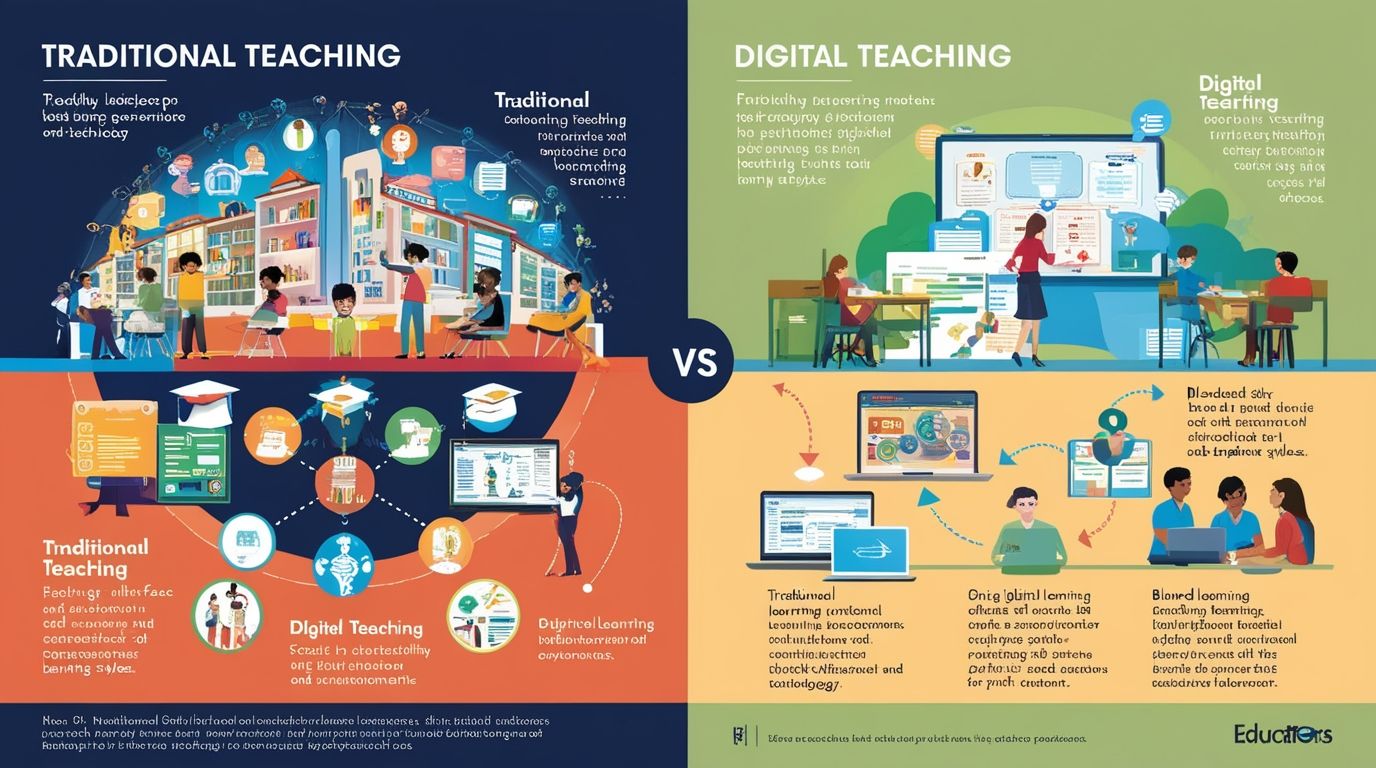
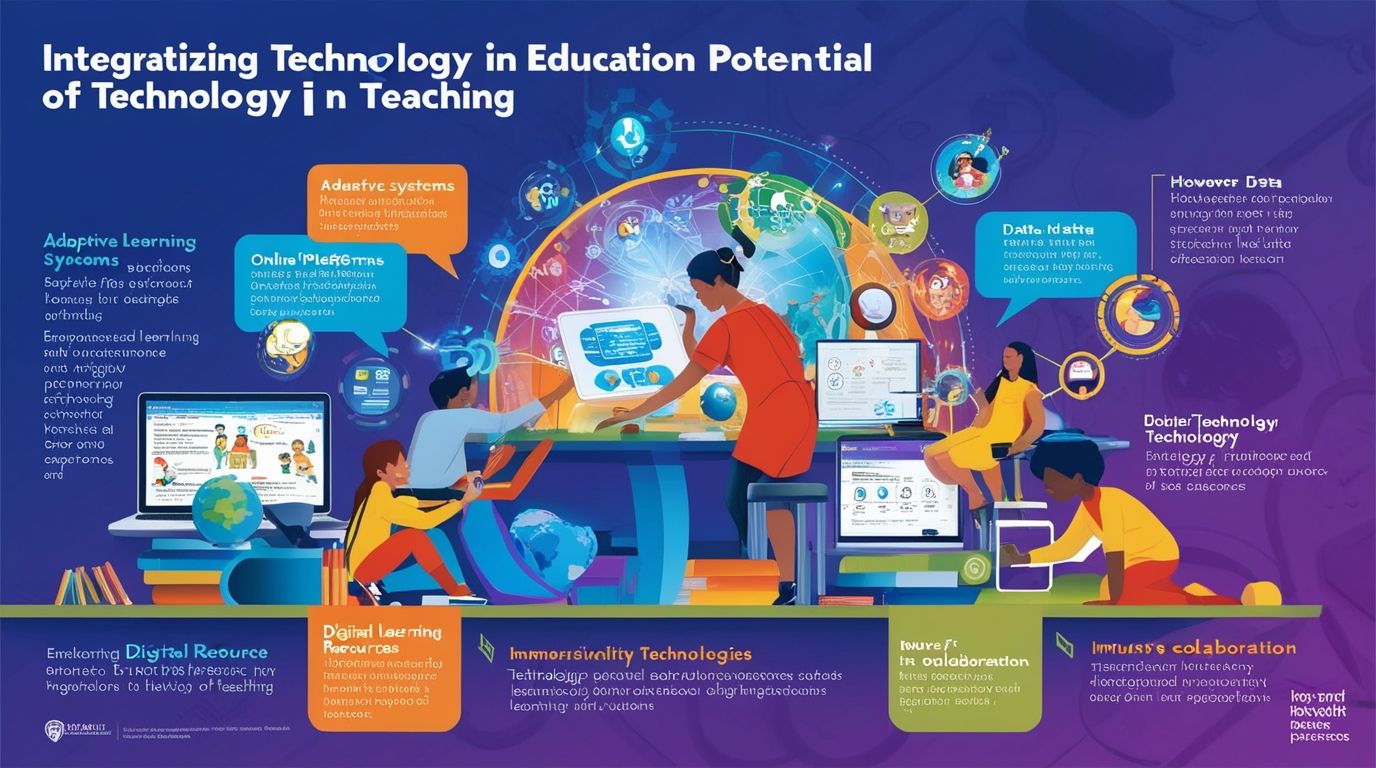
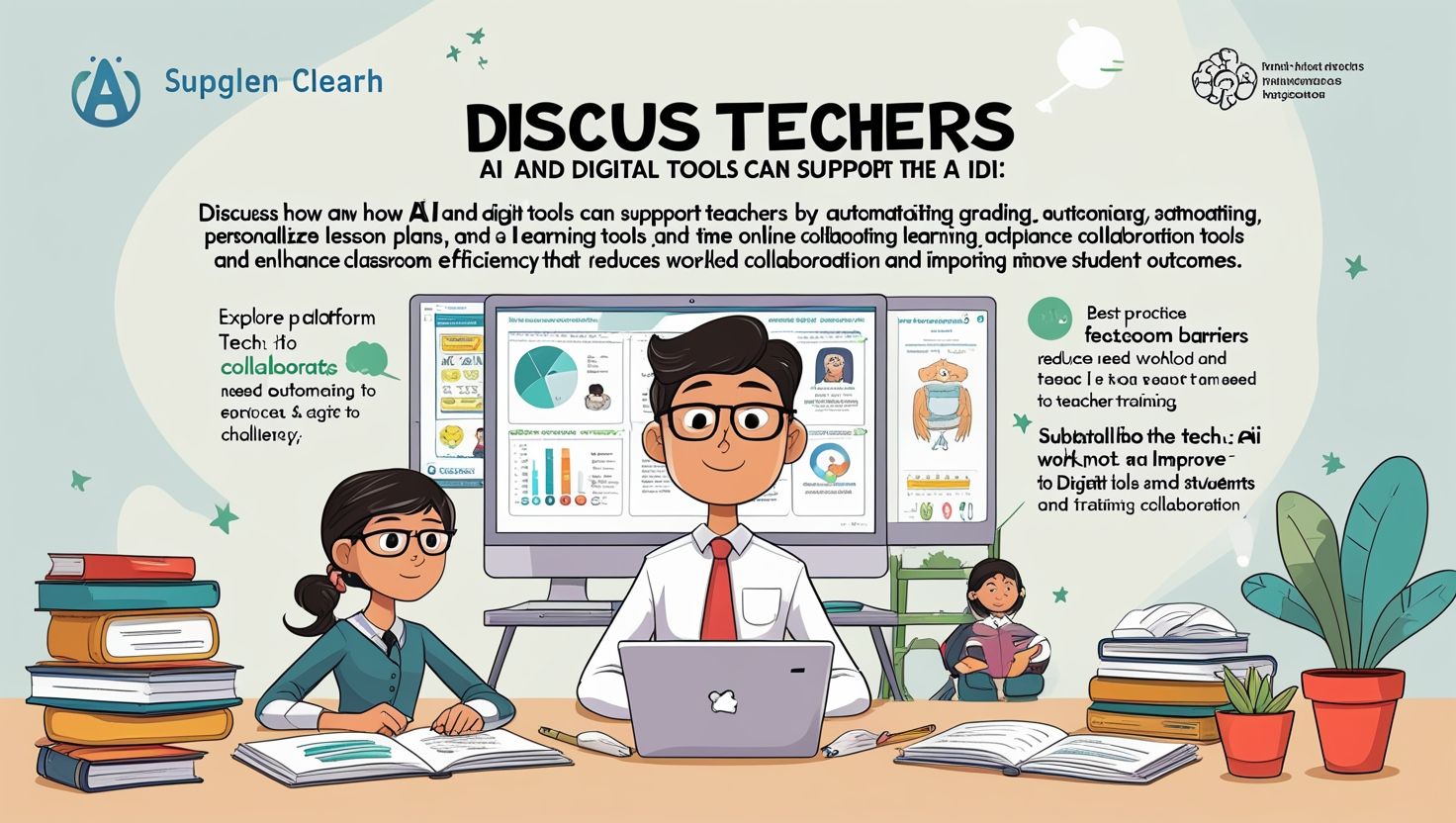
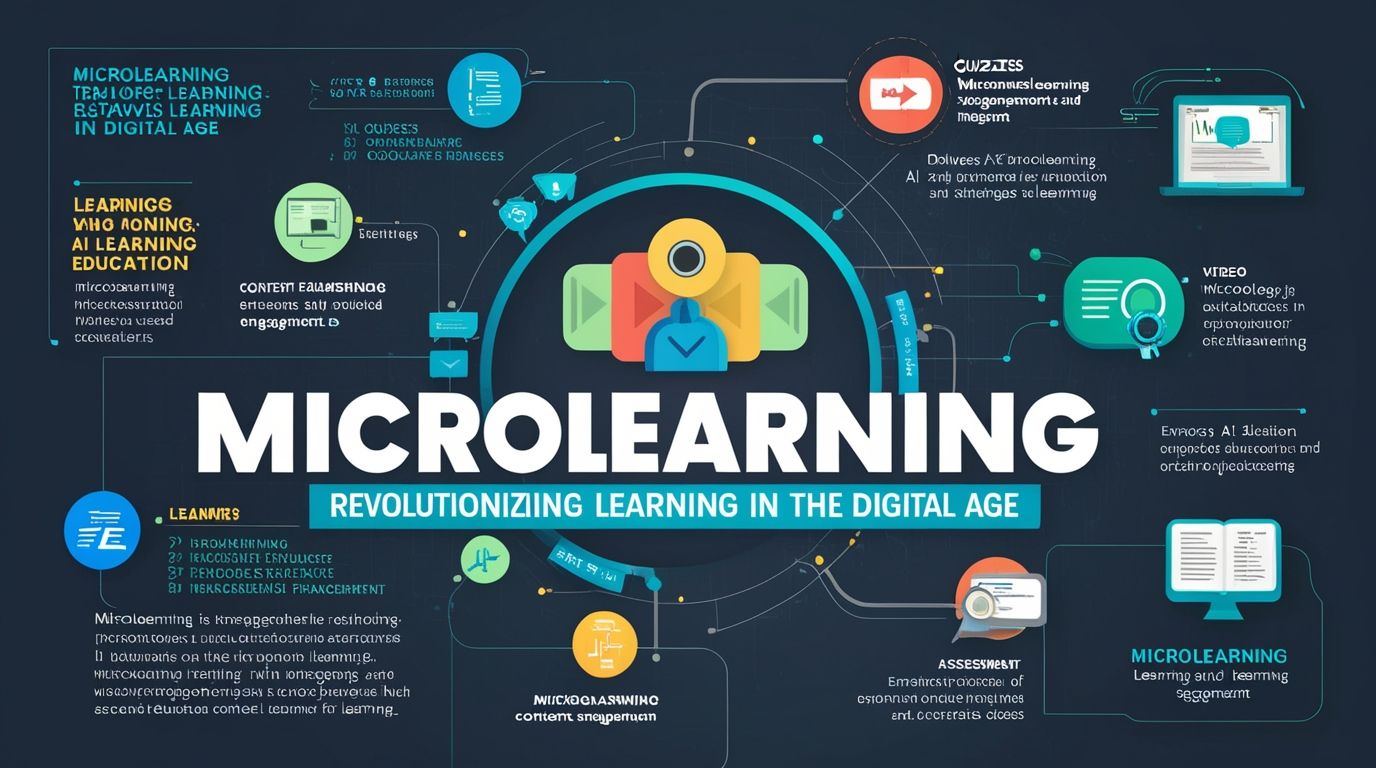
Technological advancement has transformed communication in education. Online learning environments require teachers to communicate effectively through digital platforms such as video conferencing, discussion forums, emails, and learning management systems.
Digital communication requires clarity, organization, and technological competence. Teachers must provide clear instructions, timely feedback, and supportive interaction in virtual classrooms.
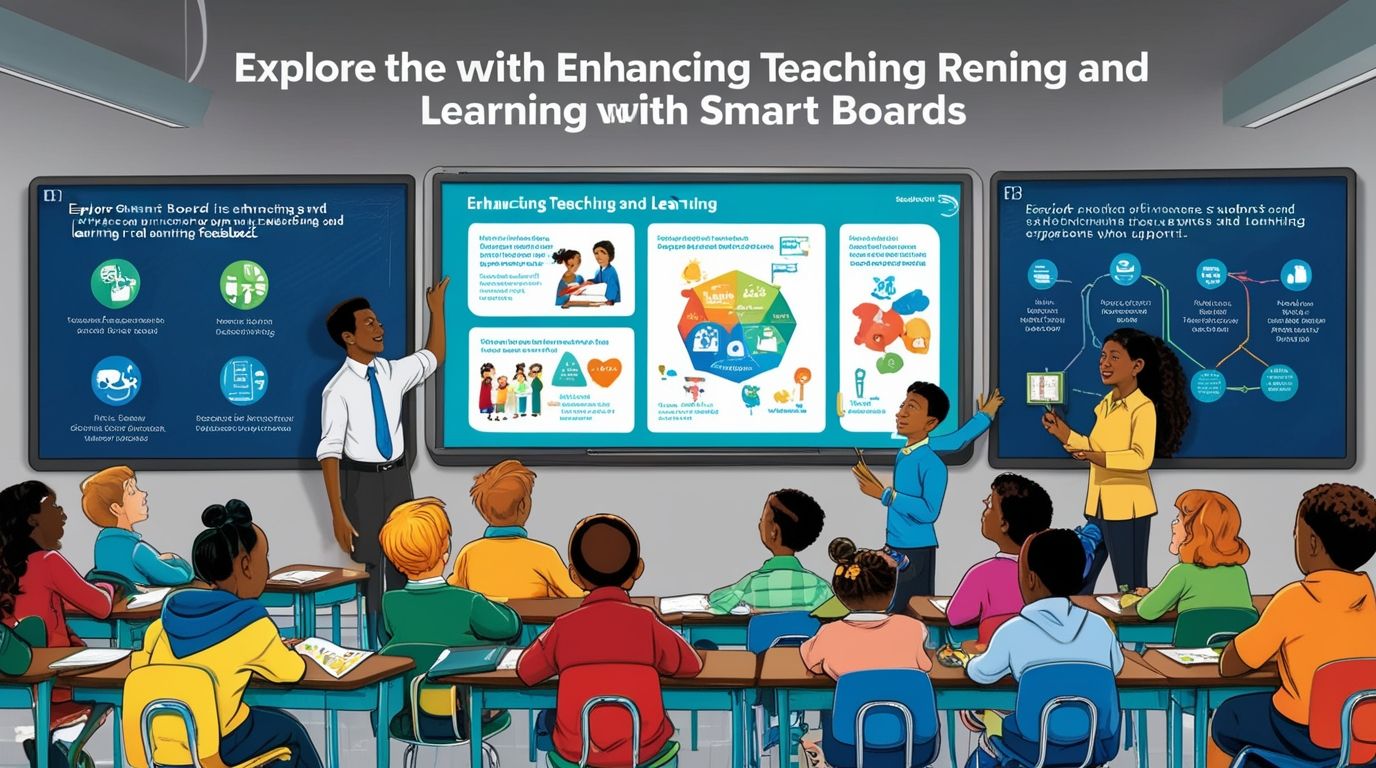
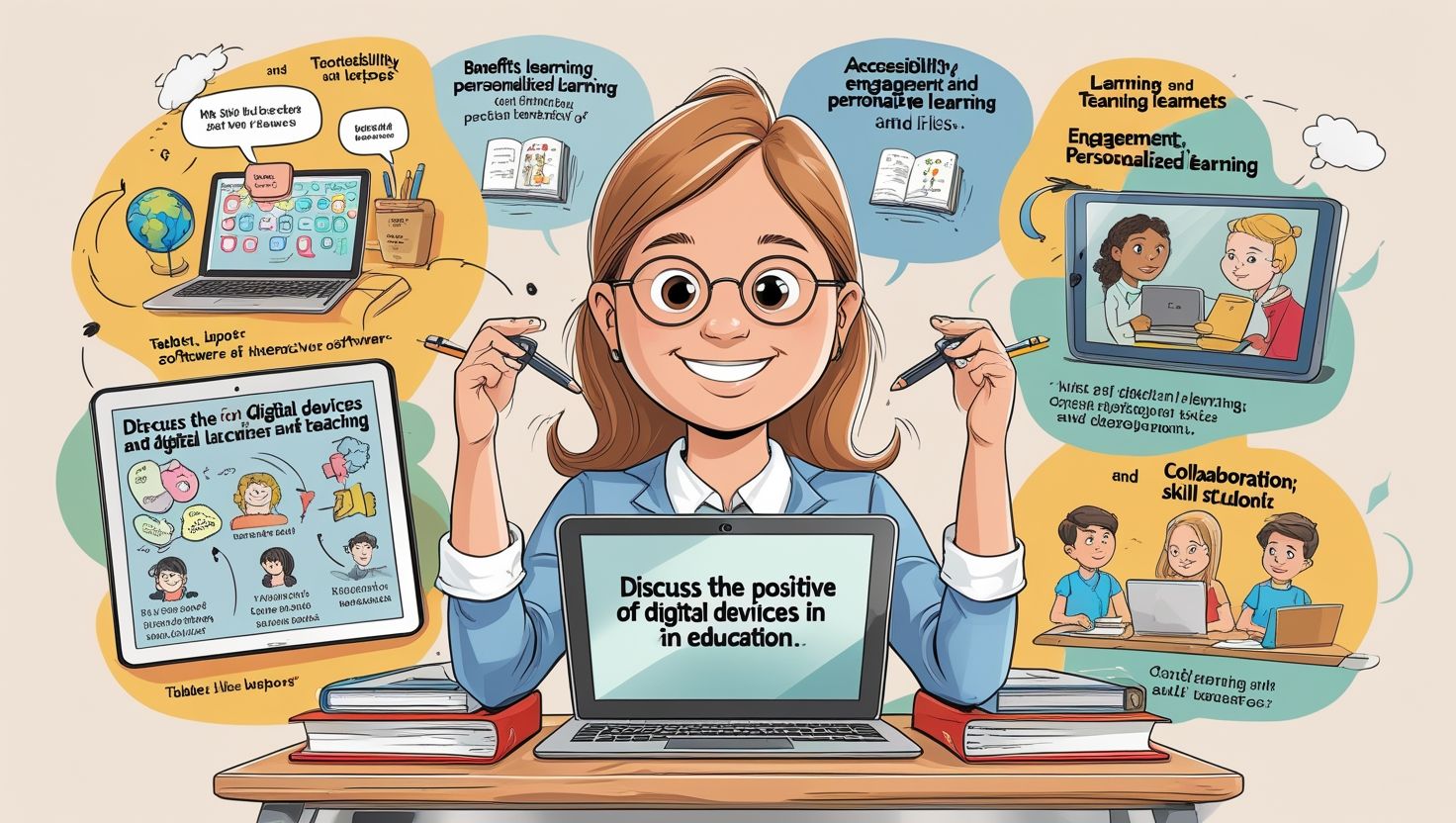
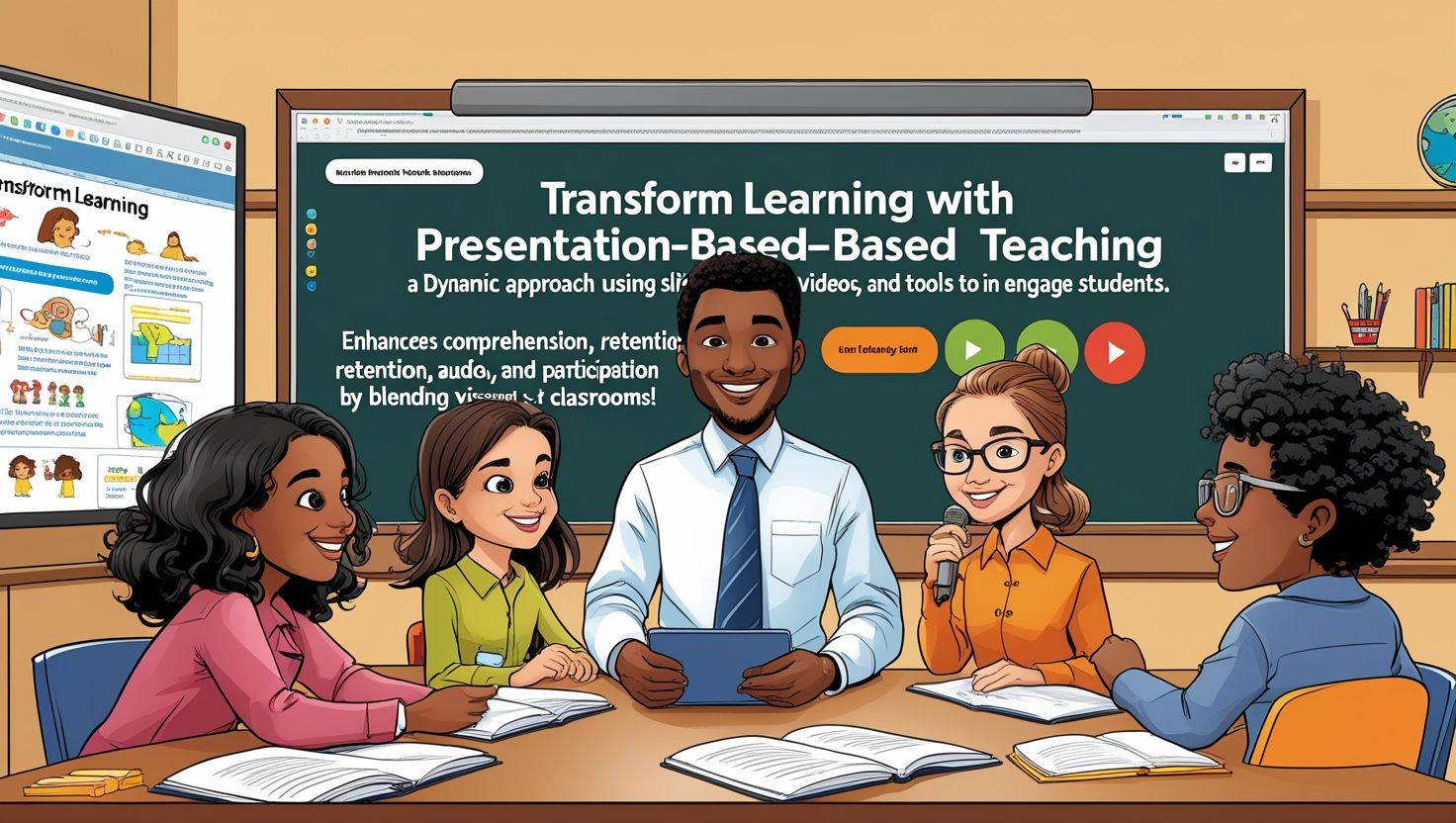
Multimedia communication tools such as videos, animations, presentations, and interactive simulations enhance understanding and engagement. Teachers who integrate digital communication effectively can create flexible and interactive learning environments.
However, digital communication also presents challenges. Limited internet access, technological barriers, and reduced face-to-face interaction may affect learning quality. Teachers therefore require digital literacy skills to communicate effectively in online education.
Subject Knowledge and Communication in Learner-Centered Pedagogy
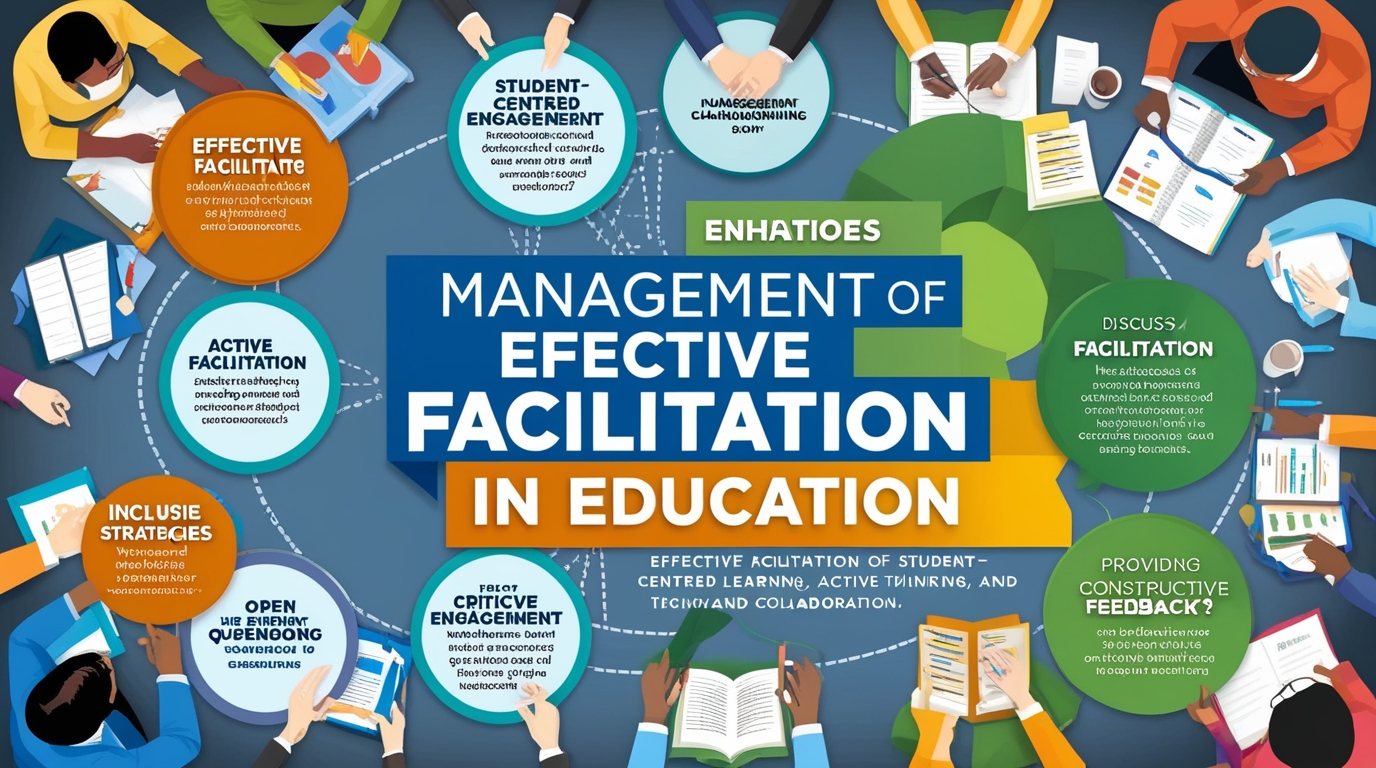
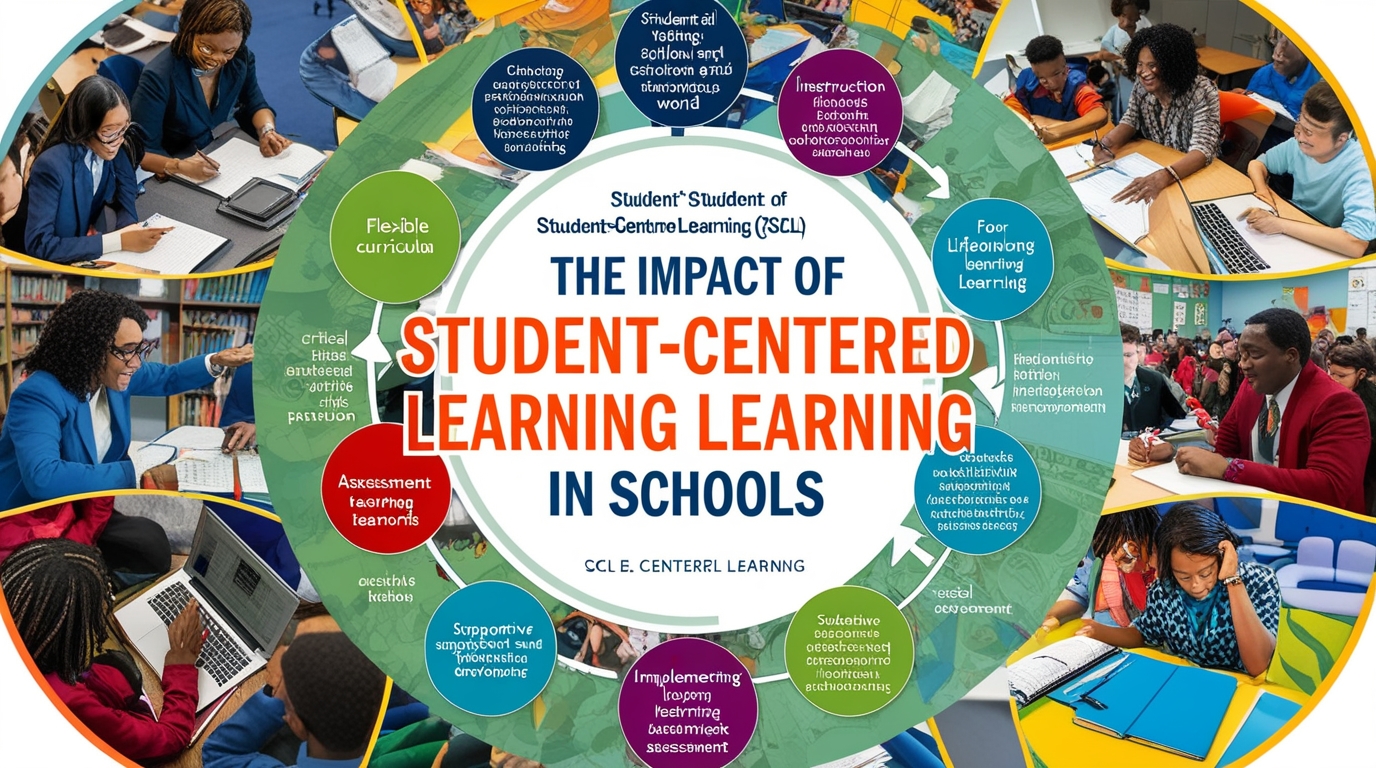
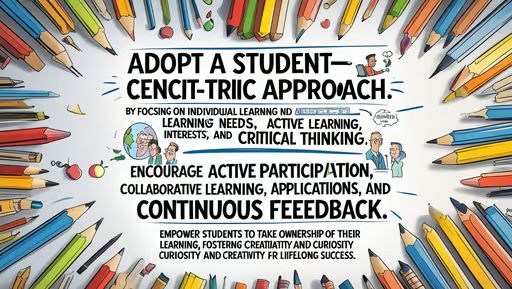
Learner-centered pedagogy emphasizes active participation, collaboration, inquiry, and reflection. In such educational environments, subject knowledge and communication skills become even more important.
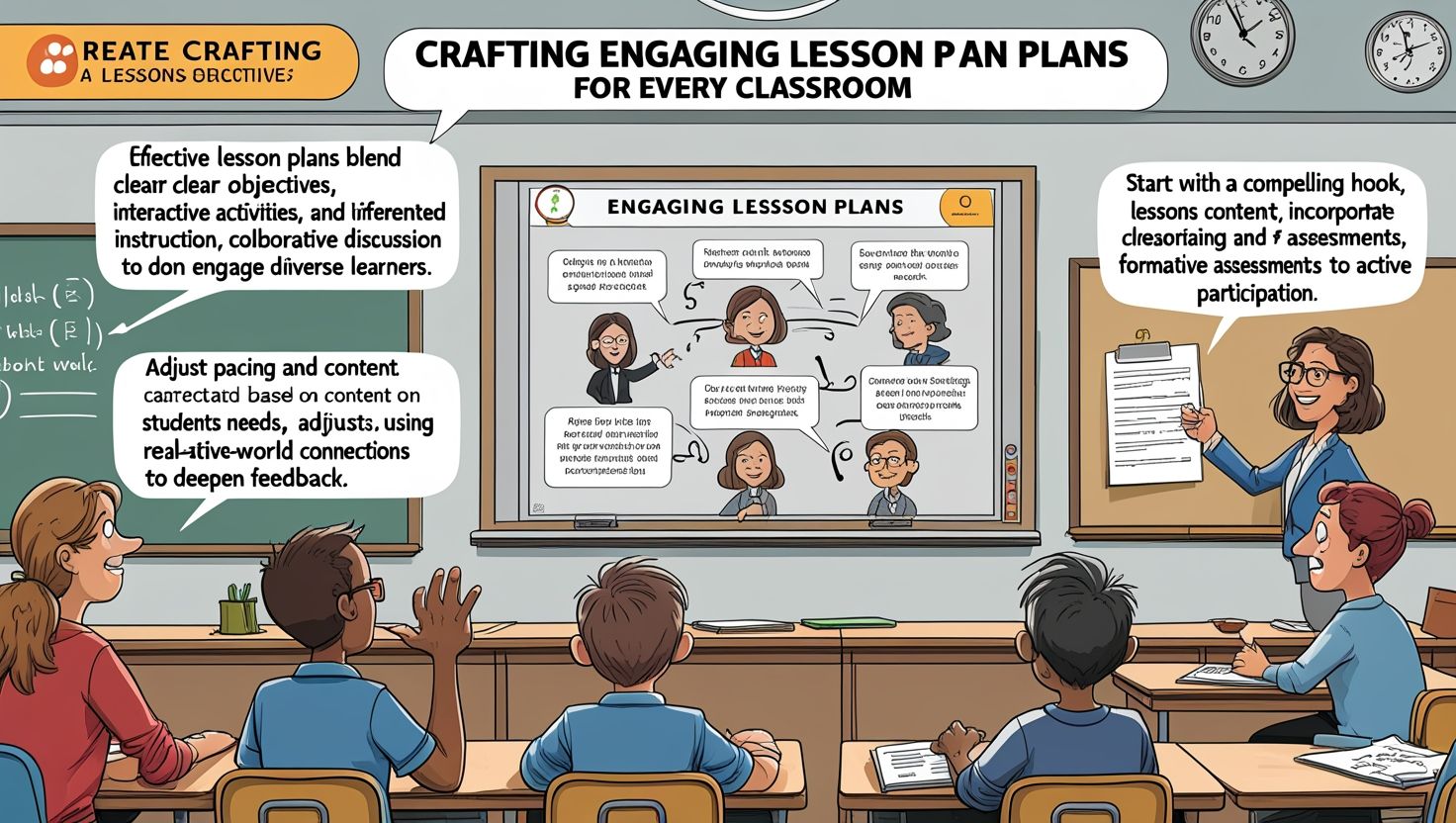
Teachers in learner-centered classrooms act as facilitators rather than mere information providers. They guide discussions, encourage inquiry, and support independent learning. Strong subject knowledge enables teachers to design meaningful activities and respond flexibly to learner questions.
Communication skills support interaction, collaboration, and feedback. Teachers must listen actively, encourage participation, and create inclusive learning environments. Effective communication also helps teachers understand learner needs and adapt instruction accordingly.
Learner-centered education requires dialogue rather than one-way instruction. Therefore, communication becomes a tool for partnership, engagement, and intellectual growth.
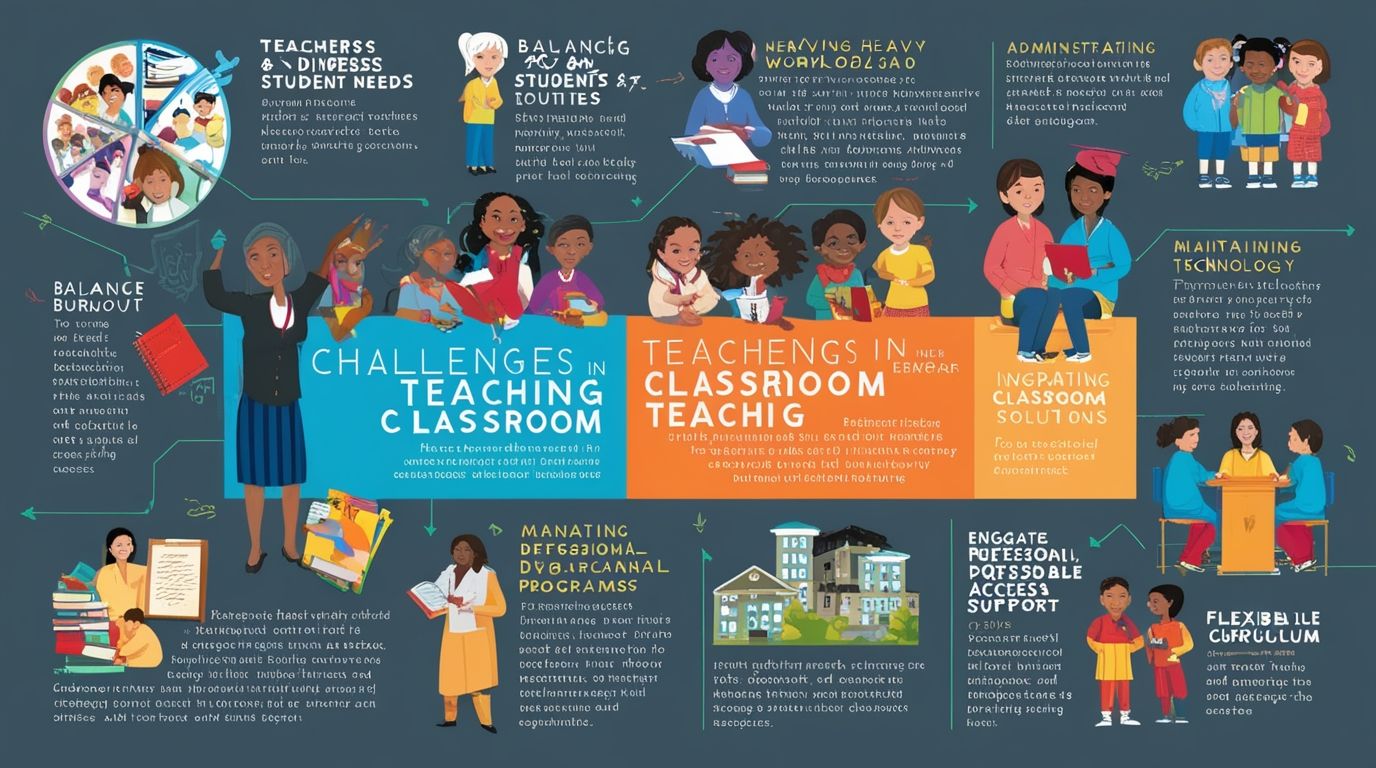
Challenges Related to Subject Knowledge and Communication
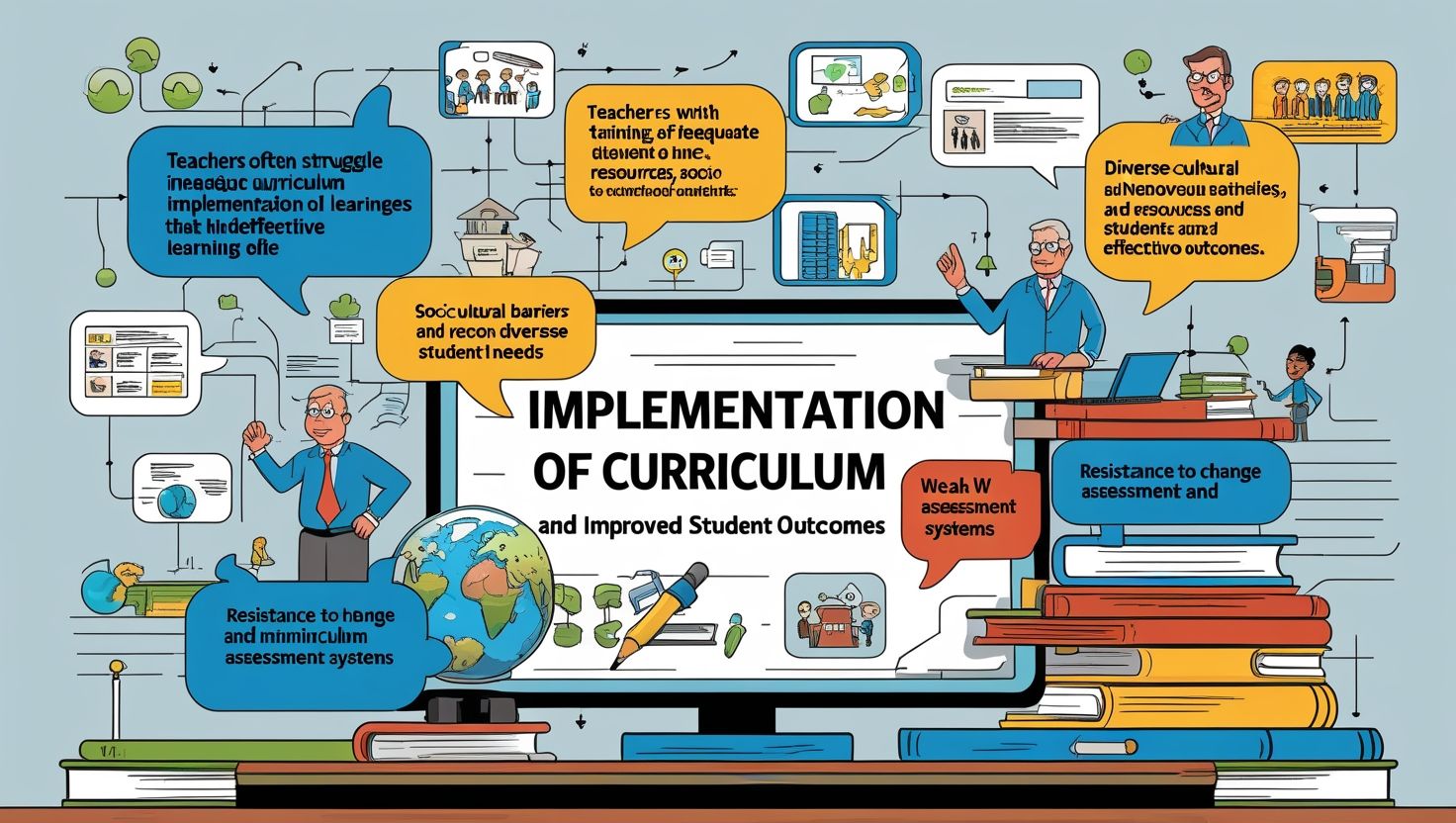
Despite their importance, teachers may face challenges related to subject knowledge and communication skills. One challenge is inadequate professional preparation. Some educators may lack sufficient content mastery or pedagogical training.
Rapid advancements in knowledge and technology also require continuous professional development. Teachers must update their subject knowledge regularly to remain effective and relevant.
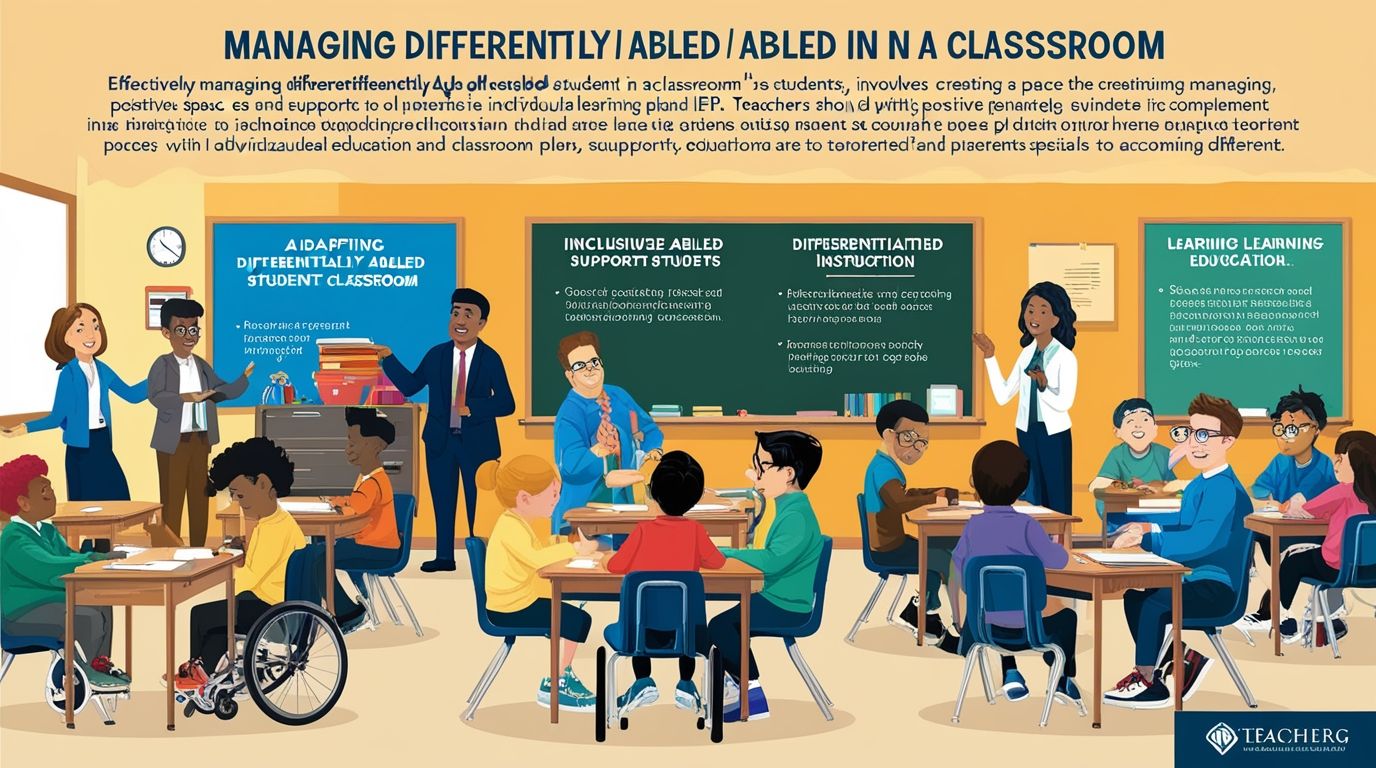
Communication barriers may arise due to language differences, cultural diversity, learner disabilities, or technological limitations. Teachers working in multilingual or multicultural classrooms may need additional communication strategies to support all learners.
Large class sizes can also affect communication effectiveness. Individual interaction and feedback become difficult in overcrowded classrooms.
Additionally, anxiety and lack of confidence may influence teachers’ communication performance. Professional development and teaching experience help educators strengthen communication competence and classroom confidence.
Strategies for Improving Subject Knowledge and Communication Skills
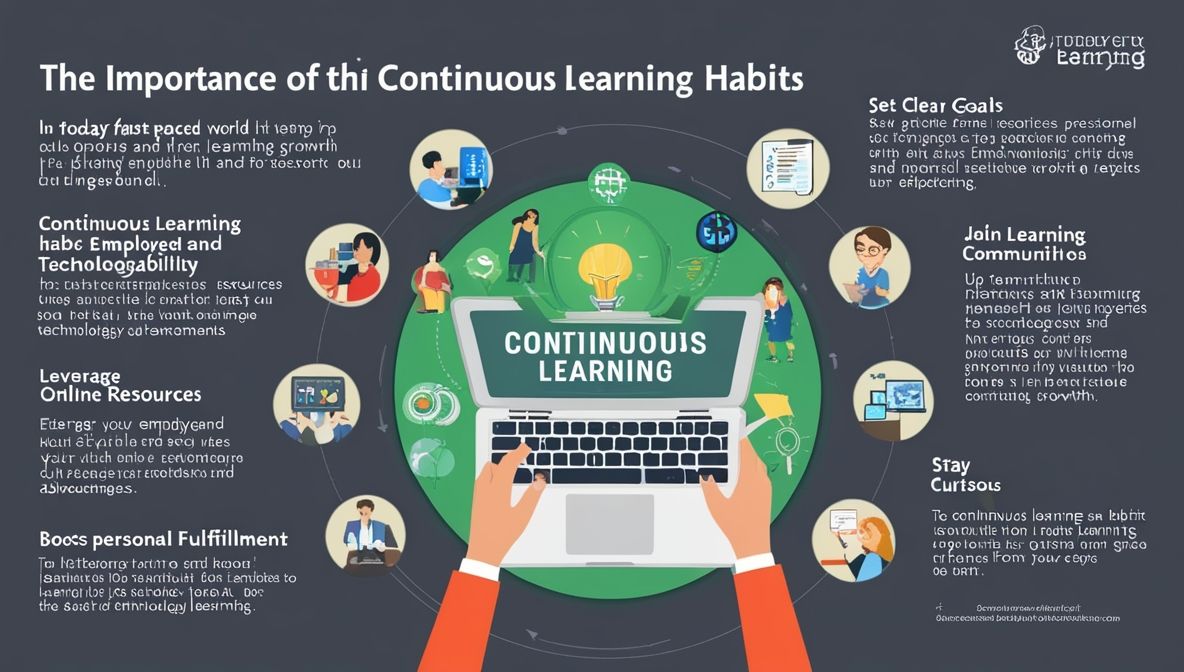
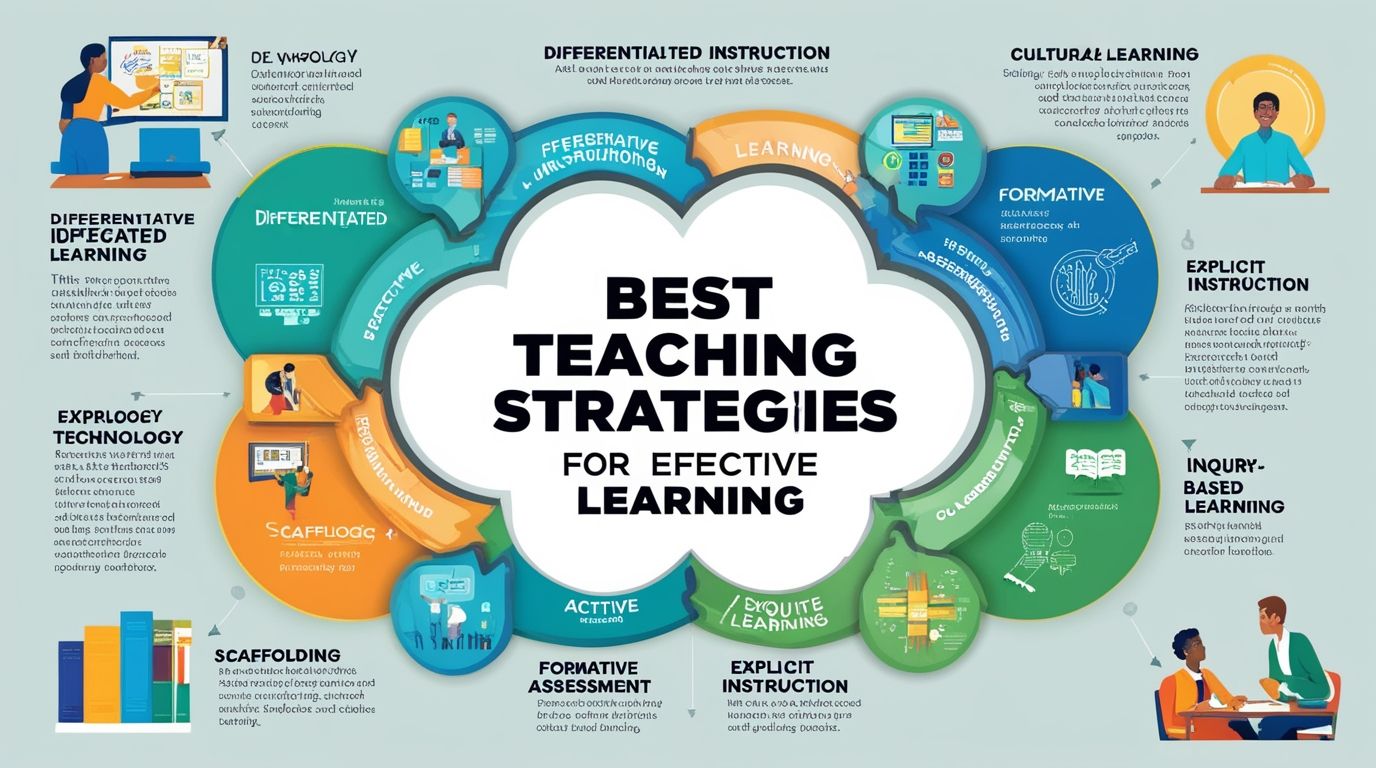
Teachers can improve subject knowledge through continuous learning, professional development, research, workshops, conferences, and academic reading. Lifelong learning is essential for maintaining professional competence in changing educational contexts.
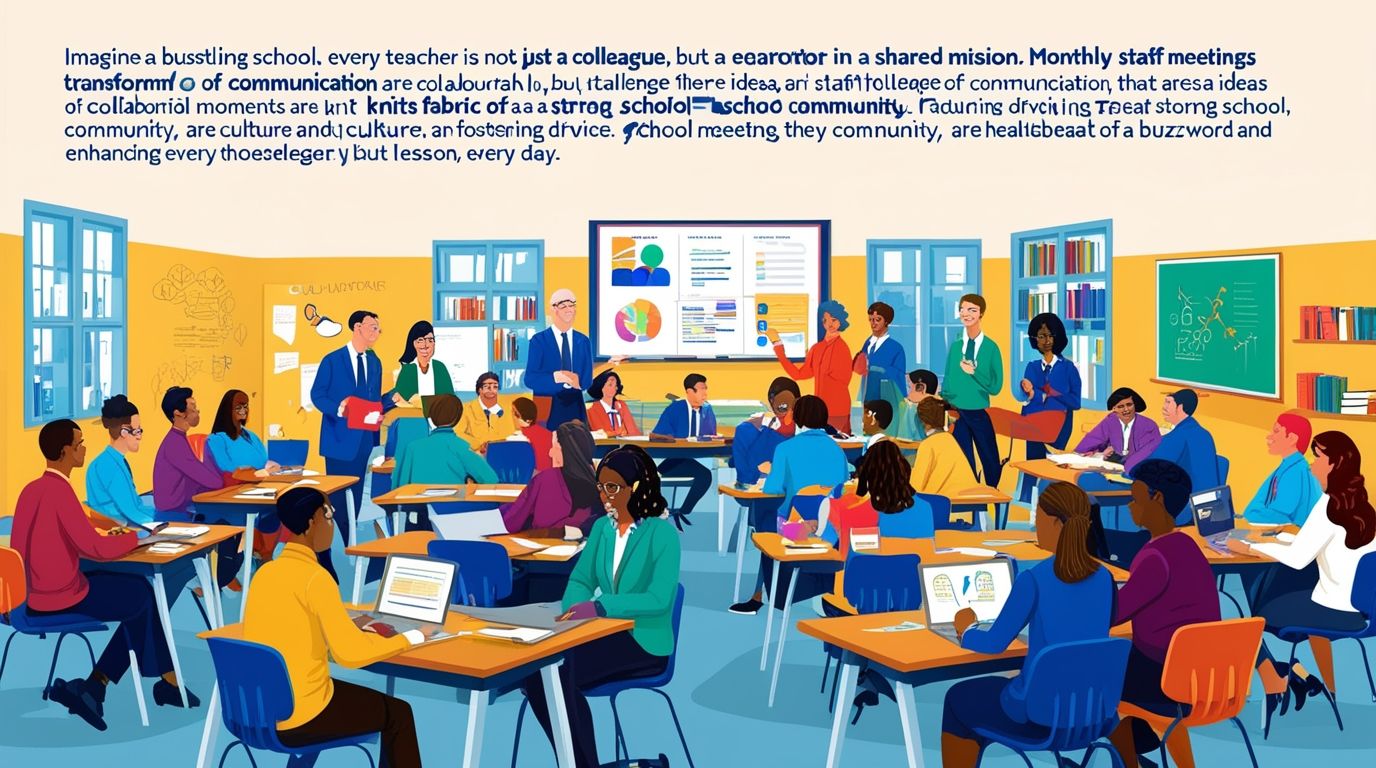
Collaboration among teachers also supports knowledge development. Professional learning communities encourage sharing of ideas, teaching strategies, and resources.
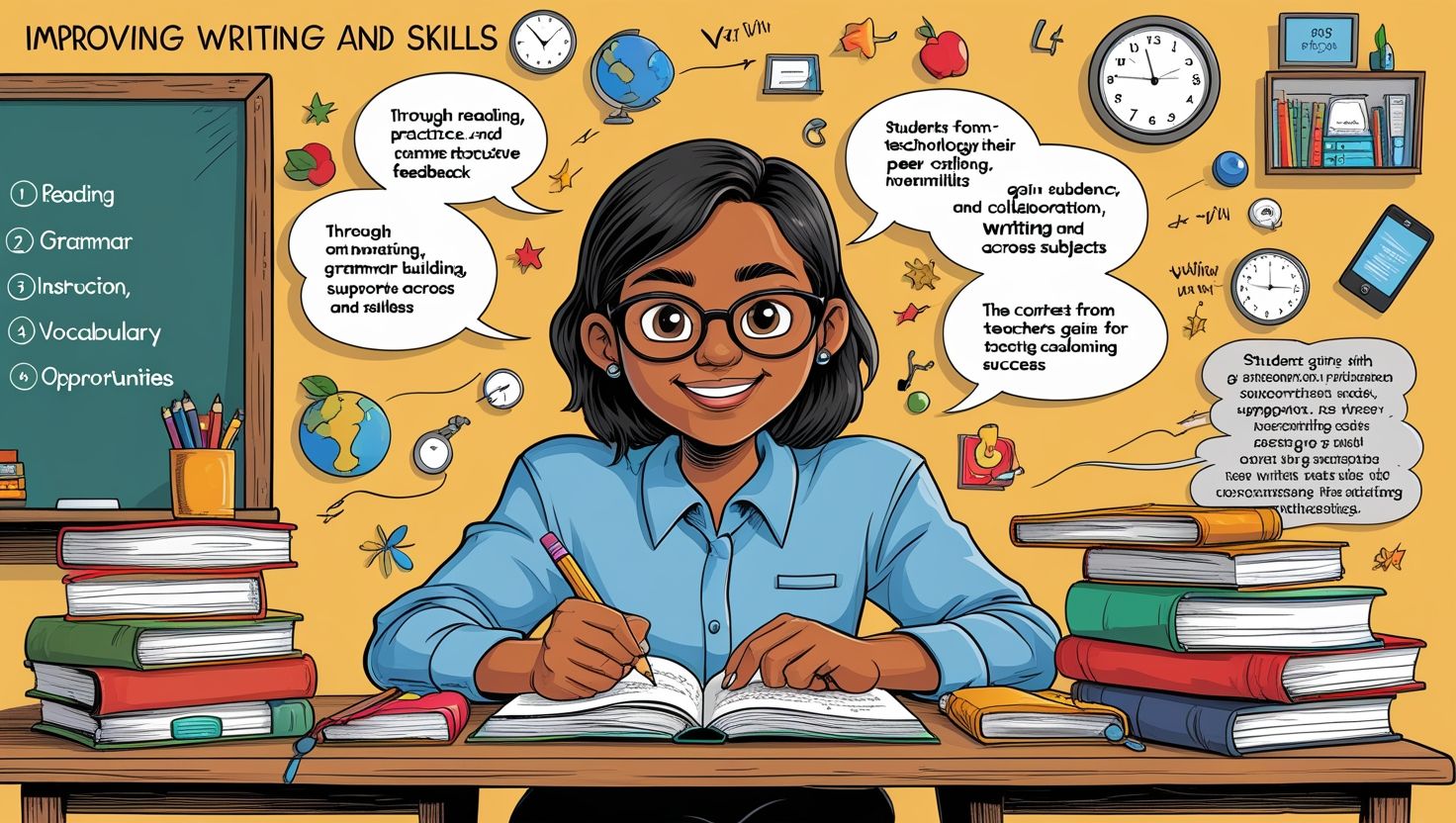
Communication skills can be improved through practice, reflection, and training. Teachers should focus on active listening, clarity, questioning techniques, and learner engagement strategies.
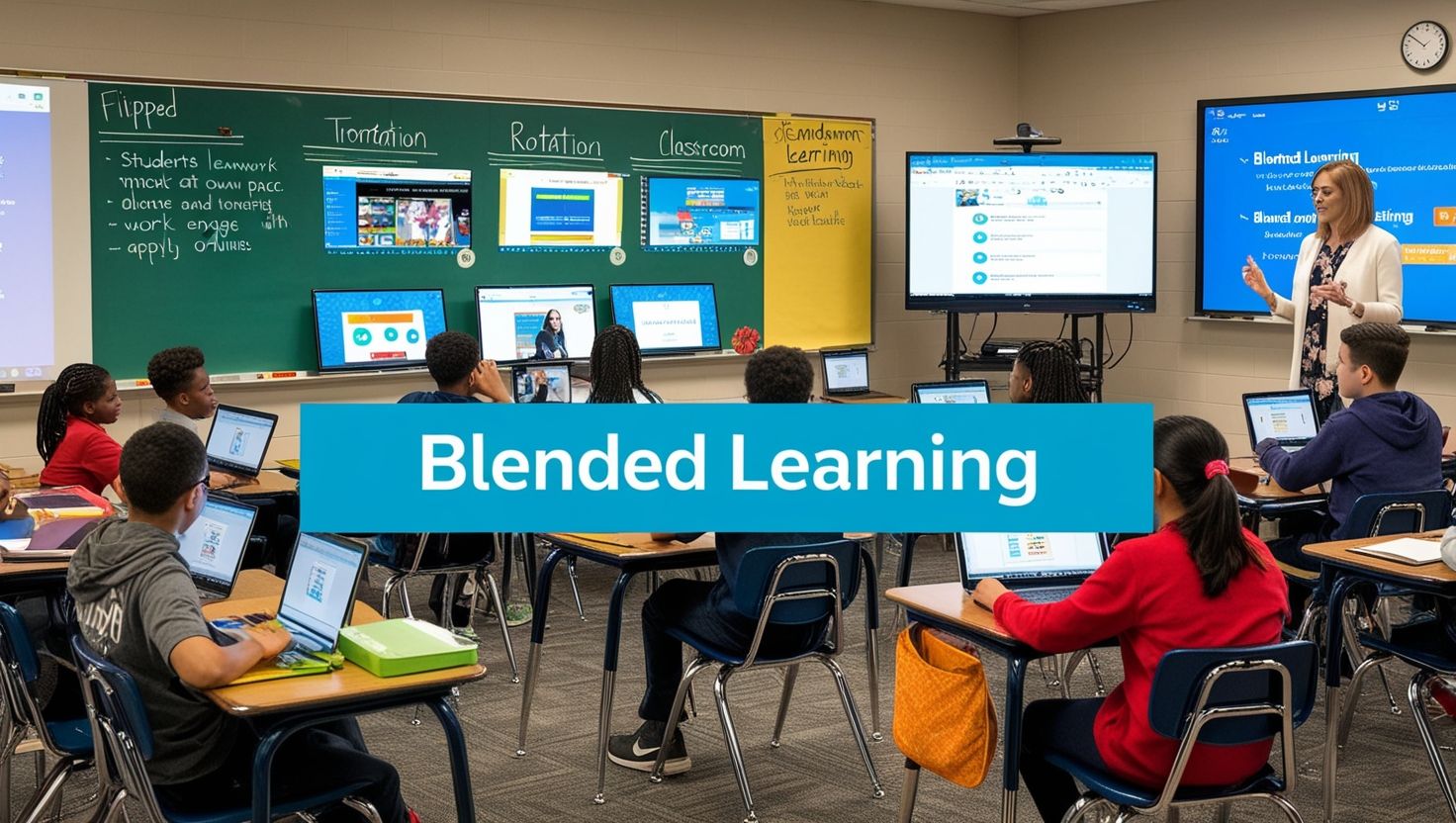
Technology training is also important in modern education. Teachers should develop digital communication skills to support online and blended learning environments.
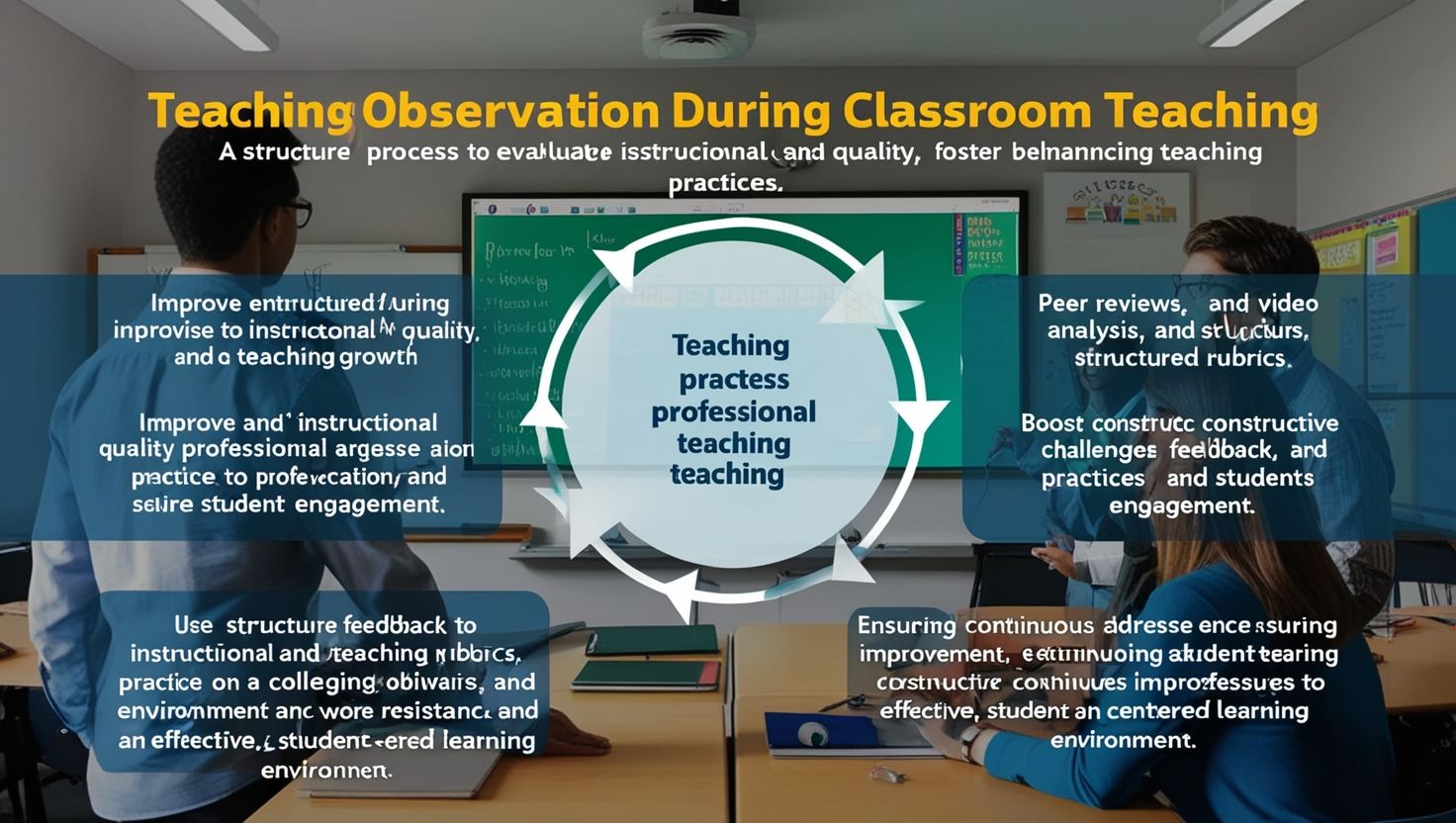
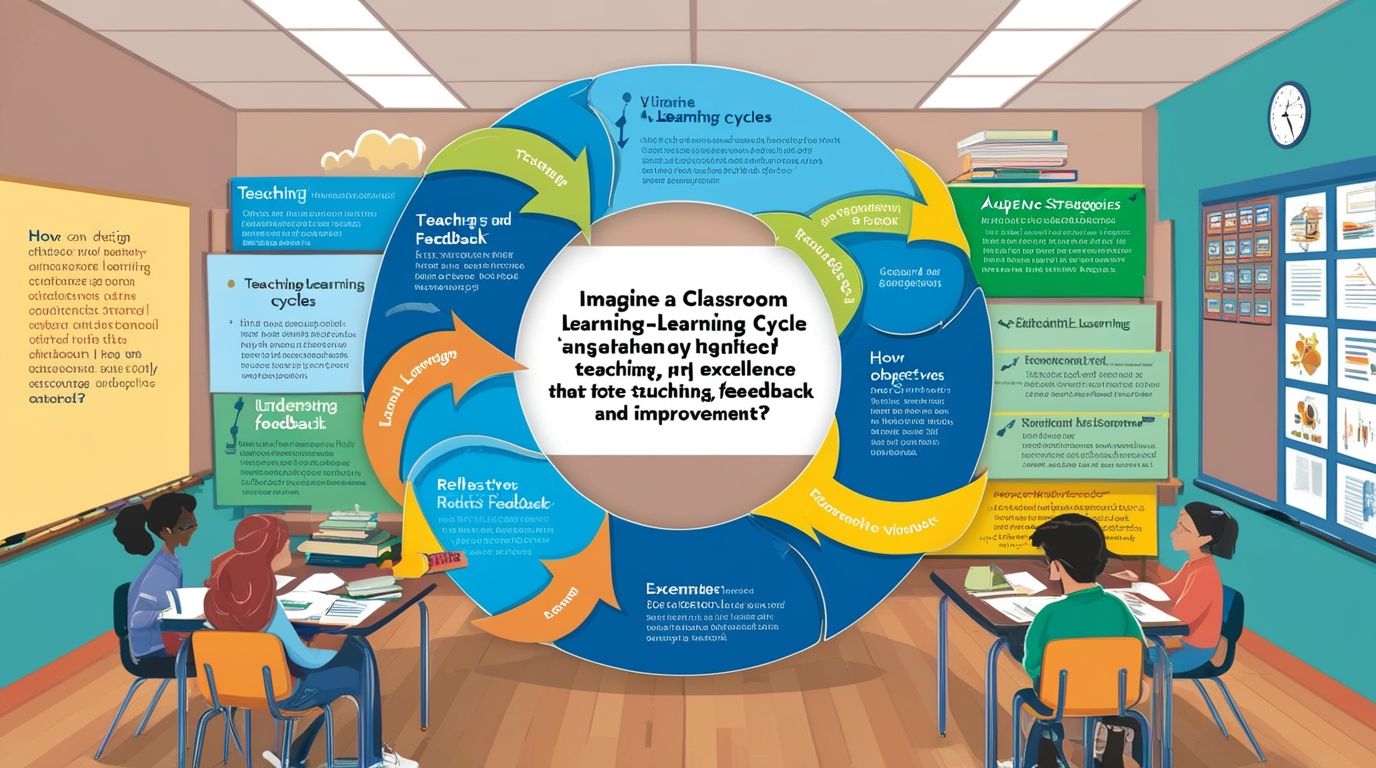
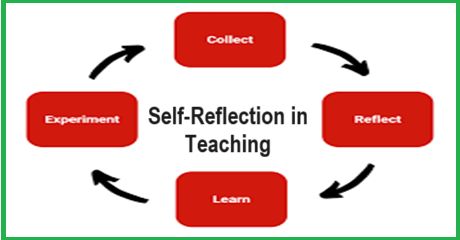
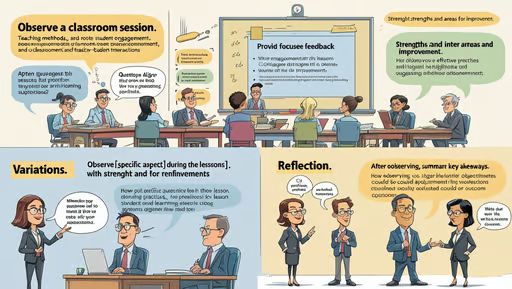
Reflective practice helps educators evaluate their teaching effectiveness and identify areas for improvement. Self-assessment, peer observation, and student feedback contribute to professional growth.
Role of Educational Institutions
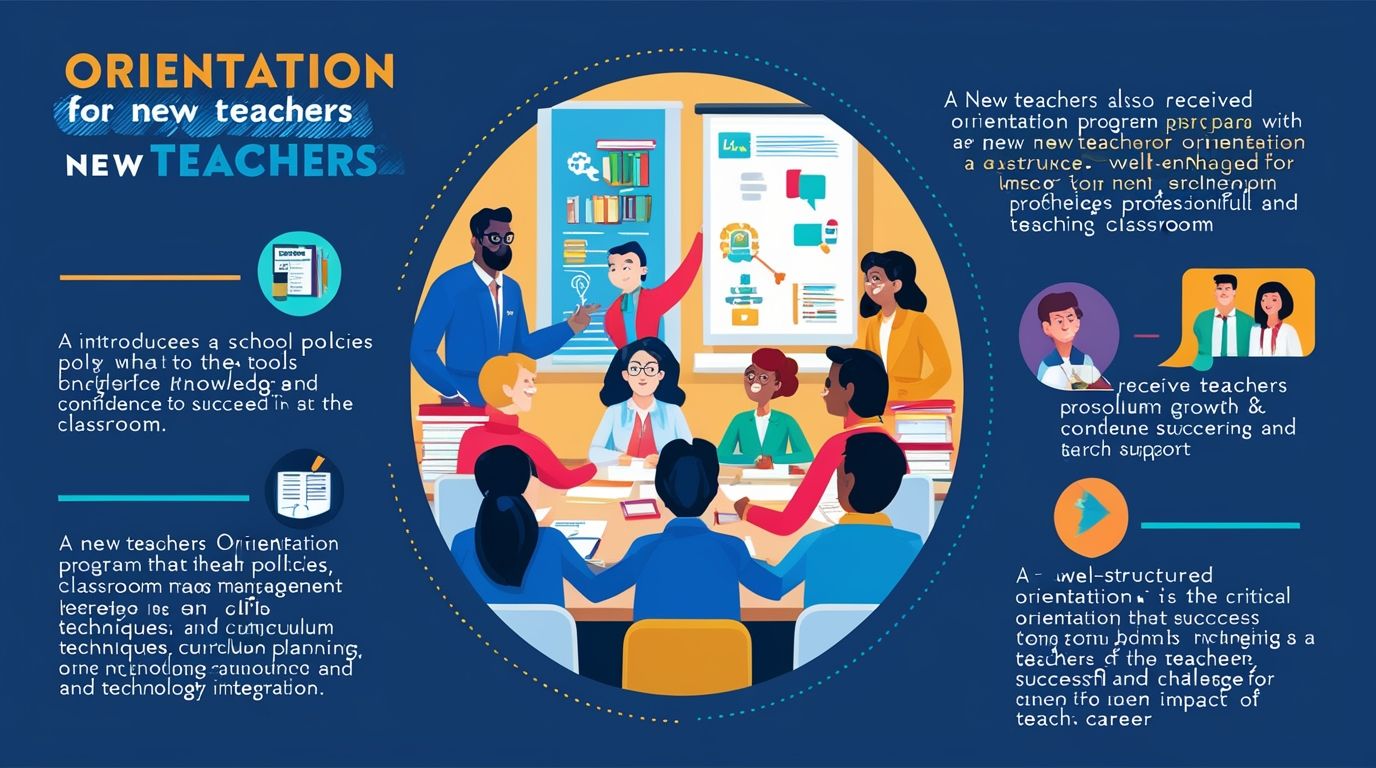
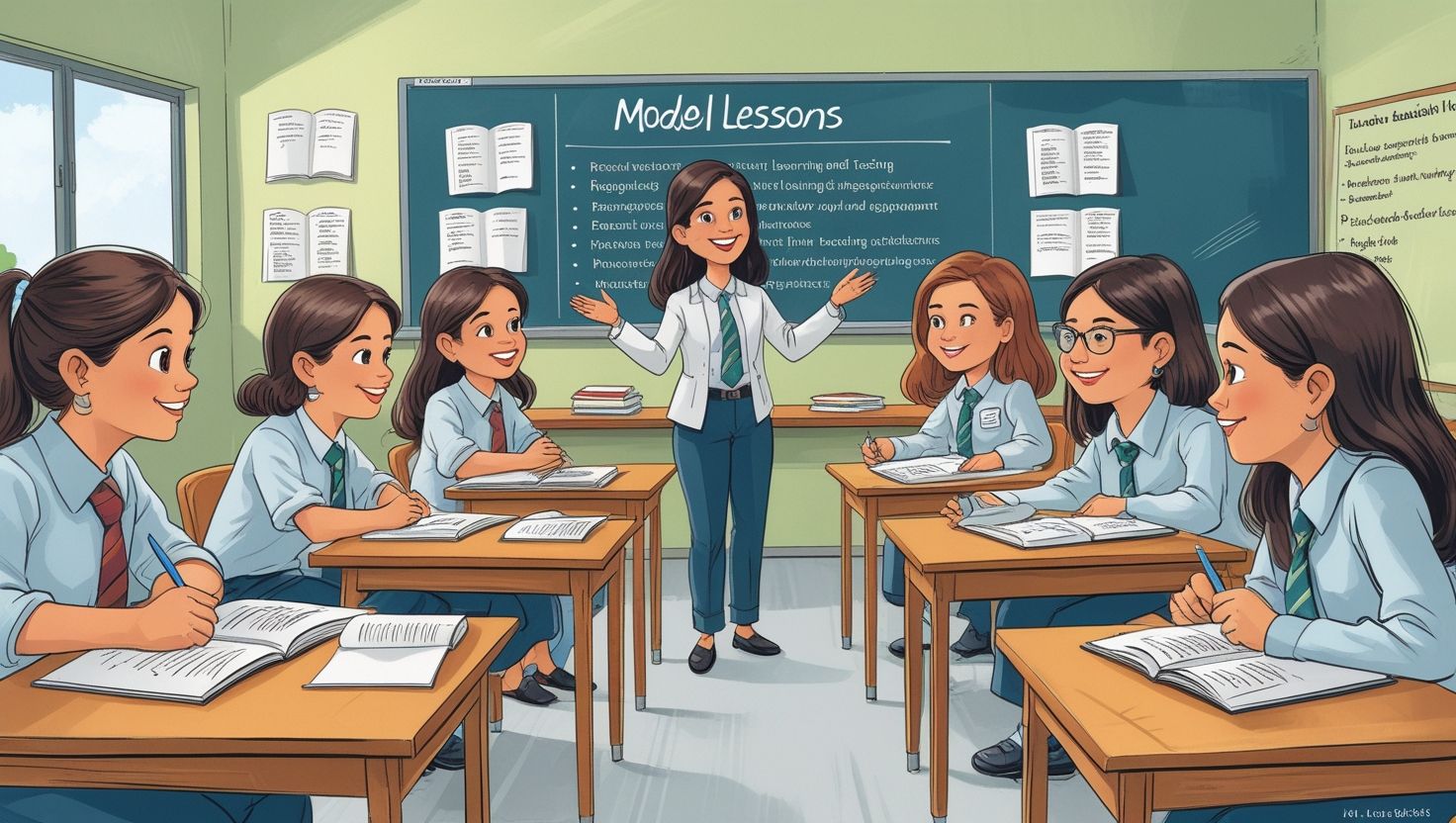
Educational institutions play an important role in developing teachers’ subject knowledge and communication skills. Teacher education programs should provide strong academic preparation and practical teaching experiences.
Professional development opportunities such as workshops, seminars, mentoring, and training programs help teachers improve continuously.
Institutions should also encourage research, innovation, and collaboration among educators. Supportive leadership and access to educational resources strengthen teaching quality.
Furthermore, schools and universities should promote positive communication cultures where teachers and students interact respectfully and collaboratively.
Conclusion
Subject knowledge and good communication skills are fundamental qualities of effective teachers and successful educational systems. Subject expertise provides the intellectual foundation for teaching, while communication skills ensure that knowledge is shared clearly, meaningfully, and effectively.
Teachers who combine deep understanding of content with strong communication competence create engaging, inclusive, and supportive learning environments. They inspire learners, promote critical thinking, encourage participation, and support academic achievement.
In modern education, the importance of these qualities has increased due to technological advancement, learner-centered pedagogy, and educational diversity. Teachers must continuously update their knowledge, improve communication abilities, and adapt to changing educational demands.
Although challenges such as technological barriers, large class sizes, and professional development needs remain significant, continuous learning and reflective practice can help educators strengthen both subject expertise and communication competence.
Ultimately, effective education depends not only on what teachers know but also on how successfully they communicate that knowledge to learners. Subject knowledge and communication skills therefore remain essential pillars of quality teaching and meaningful learning.
References
- Shulman, L. S. “Knowledge and Teaching: Foundations of the New Reform.” Harvard Educational Review, 1987.
- Hattie, J. Visible Learning: A Synthesis of Over 800 Meta-Analyses Relating to Achievement. Routledge, 2009.
- Vygotsky, L. S. Mind in Society: The Development of Higher Psychological Processes. Harvard University Press, 1978.
- Rogers, C. Freedom to Learn. Merrill Publishing Company, 1969.
- Brookfield, S. D. Becoming a Critically Reflective Teacher. Jossey-Bass, 2017.