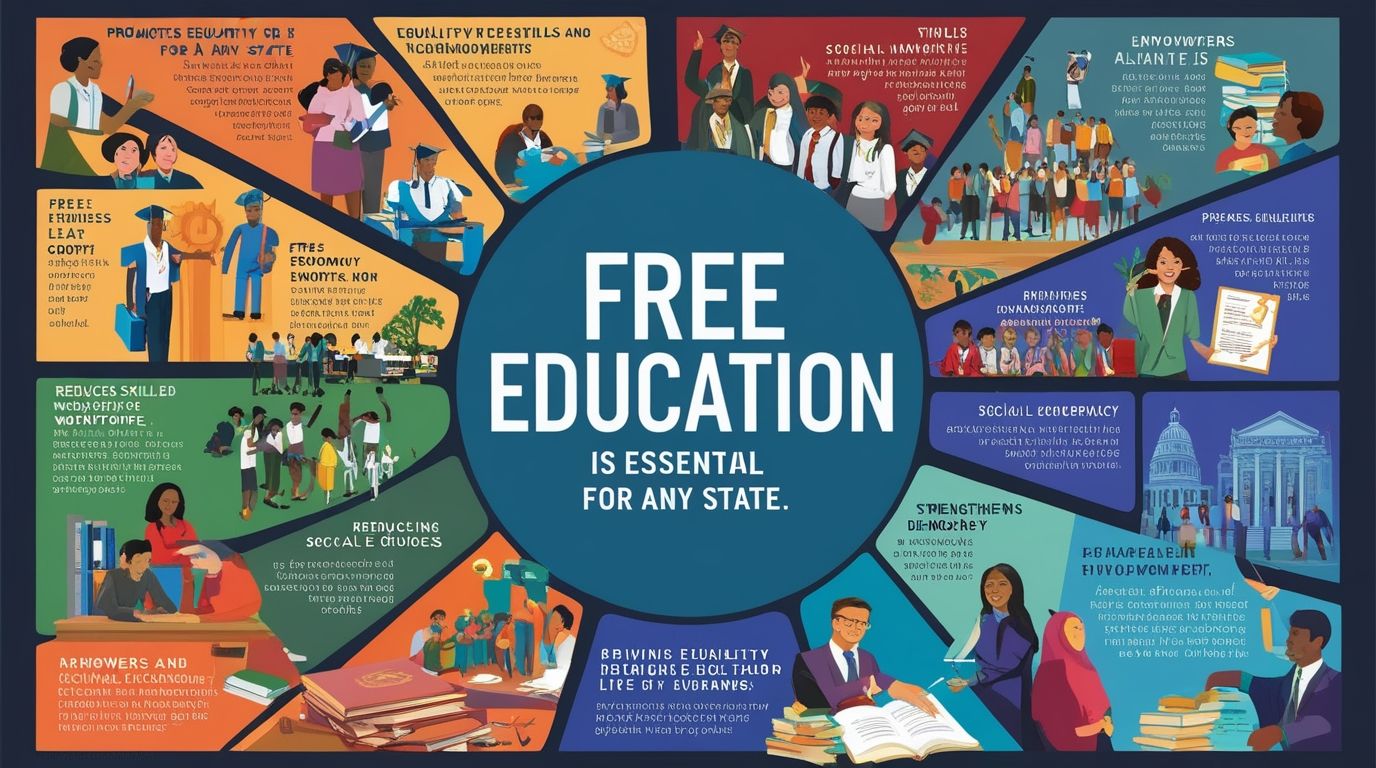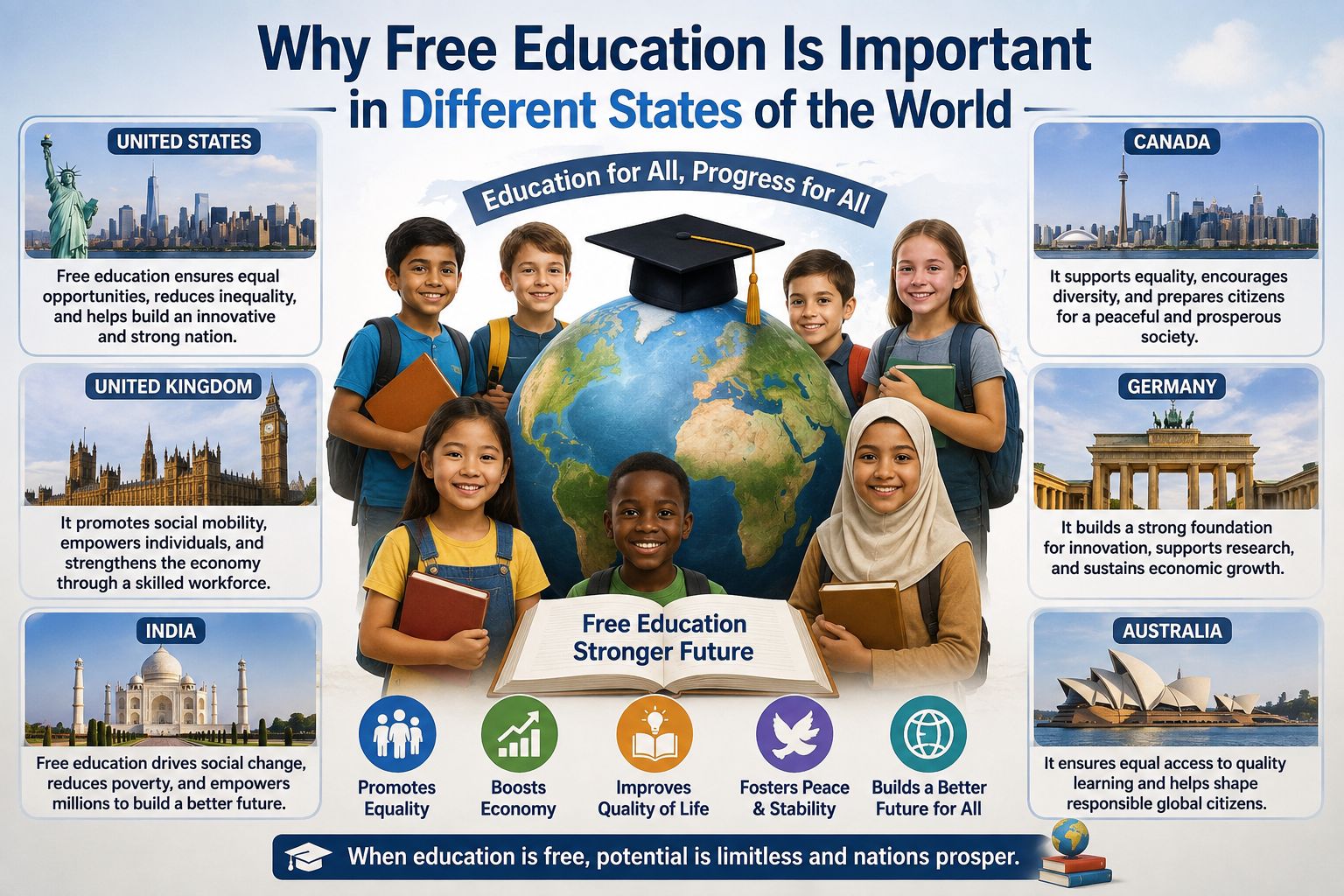
Why Free Education Is Important in Different States of the Worldx, Education is widely regarded as the single most powerful tool for transforming individuals, communities, and nations. However, in many parts of the world, access to quality education still depends heavily on financial resources. Consequently, free education has emerged as a critical policy goal for governments seeking to promote equality, reduce poverty, and drive long-term economic growth. Although the concept of free education varies from country to country, its core purpose remains the same: to ensure that every child, regardless of family income, has the opportunity to learn and grow. This article explores why free education matters, how it is implemented differently across various states of the world, and what benefits it brings to societies at large.
Understanding the Concept of Free Education
Free education generally refers to the provision of schooling without direct tuition fees, typically funded through public taxation. In most cases, it covers primary and secondary levels, although some countries extend it to higher education as well. Nevertheless, the definition and scope of free education differ significantly depending on a nation’s economic capacity, political priorities, and cultural values. For instance, while Scandinavian countries provide free education from kindergarten through university, many developing nations struggle to offer even basic free primary schooling due to limited public funds. As a result, the global conversation around free education is not just about access, but also about the quality and sustainability of the education being provided.
The Importance of Free Education for Individuals
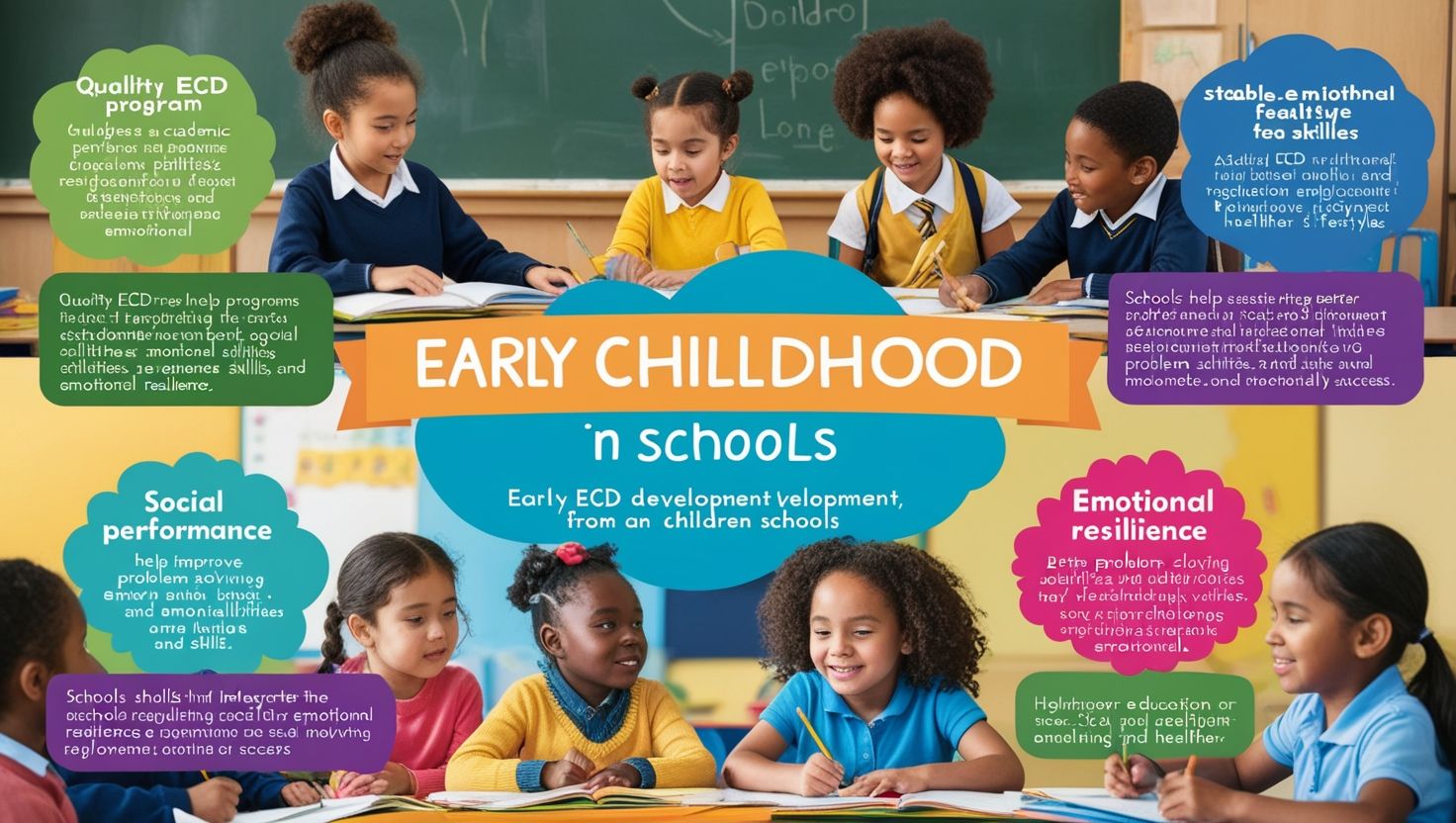
First and foremost, free education plays a vital role in shaping individual futures. When education is free, children from low-income families are given the same opportunities as those from wealthier backgrounds. Therefore, financial background no longer determines a child’s potential to succeed. In addition, free education helps reduce dropout rates, since families are not burdened by the cost of tuition, books, or uniforms. Moreover, when individuals receive a solid education, they are more likely to secure stable employment, earn higher wages, and lead healthier lives. In this way, free education acts as a stepping stone toward personal empowerment and self-sufficiency.
Free Education and Economic Growth
Beyond individual benefits, free education is closely linked to national economic development. Countries with higher literacy rates and better-educated populations tend to experience stronger economic performance. This is because an educated workforce is generally more productive, innovative, and adaptable to changing job markets. Furthermore, free education reduces the skills gap between different social classes, allowing more citizens to contribute meaningfully to the economy. In developing countries, where poverty often prevents children from attending school, free education can break the cycle of intergenerational poverty. Consequently, governments that invest in free education often see long-term returns in the form of increased tax revenue, reduced unemployment, and greater innovation.
Free Education in Developed Countries
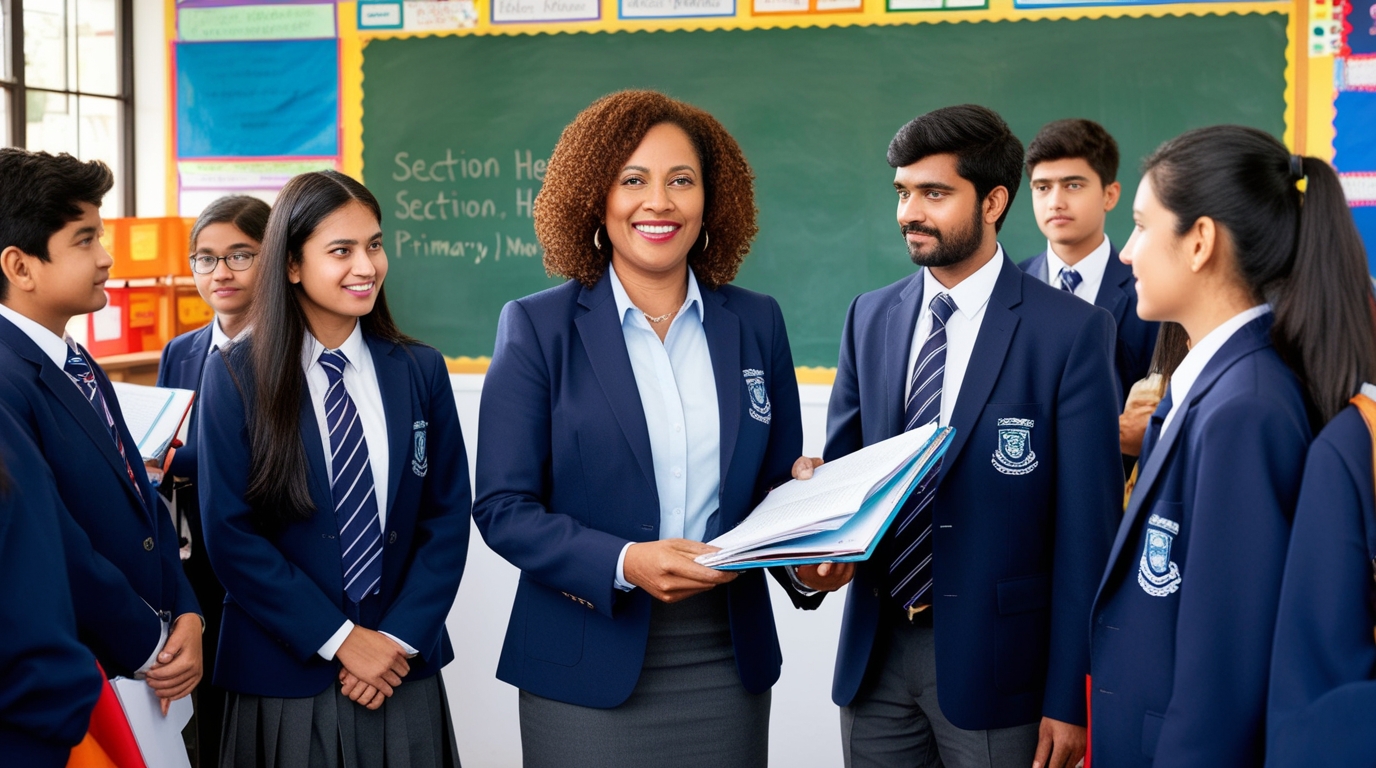
In developed nations such as Germany, Finland, and Norway, free education is not merely a policy but a fundamental right embedded in the social contract. In these countries, education is funded almost entirely through taxation, and it is generally free from primary school through university. As a result, students are able to pursue higher education without accumulating significant debt, unlike in countries where tuition fees are high. Additionally, free education in these states is often paired with strong social safety nets, ensuring that students also have access to healthcare, housing support, and mental health services. Therefore, the overall quality of life tends to improve, as citizens are not burdened by the financial stress associated with education.
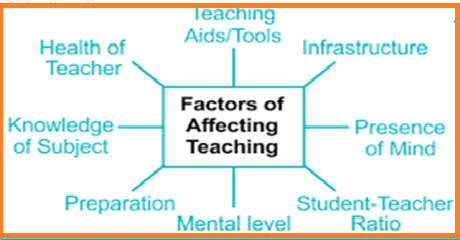
However, even in developed countries, free education is not without challenges. For example, funding constraints can sometimes lead to overcrowded classrooms or a shortage of qualified teachers. Similarly, debates continue regarding whether free higher education should be extended to international students or limited to citizens. Despite these challenges, the overall consensus in most developed states is that free education remains a worthwhile investment in the future of the nation.
Free Education in Developing Countries
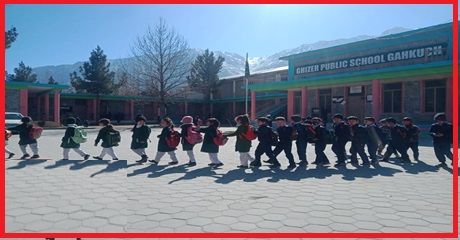
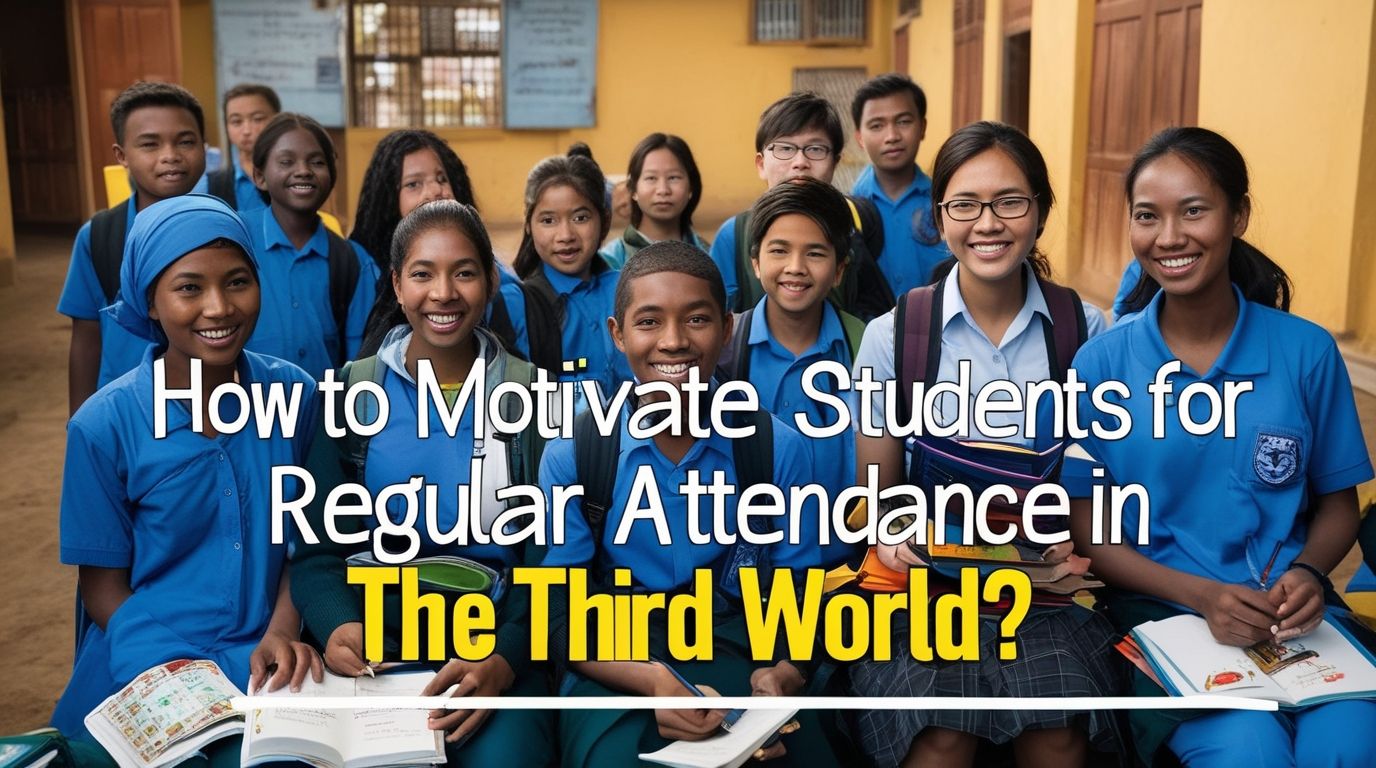
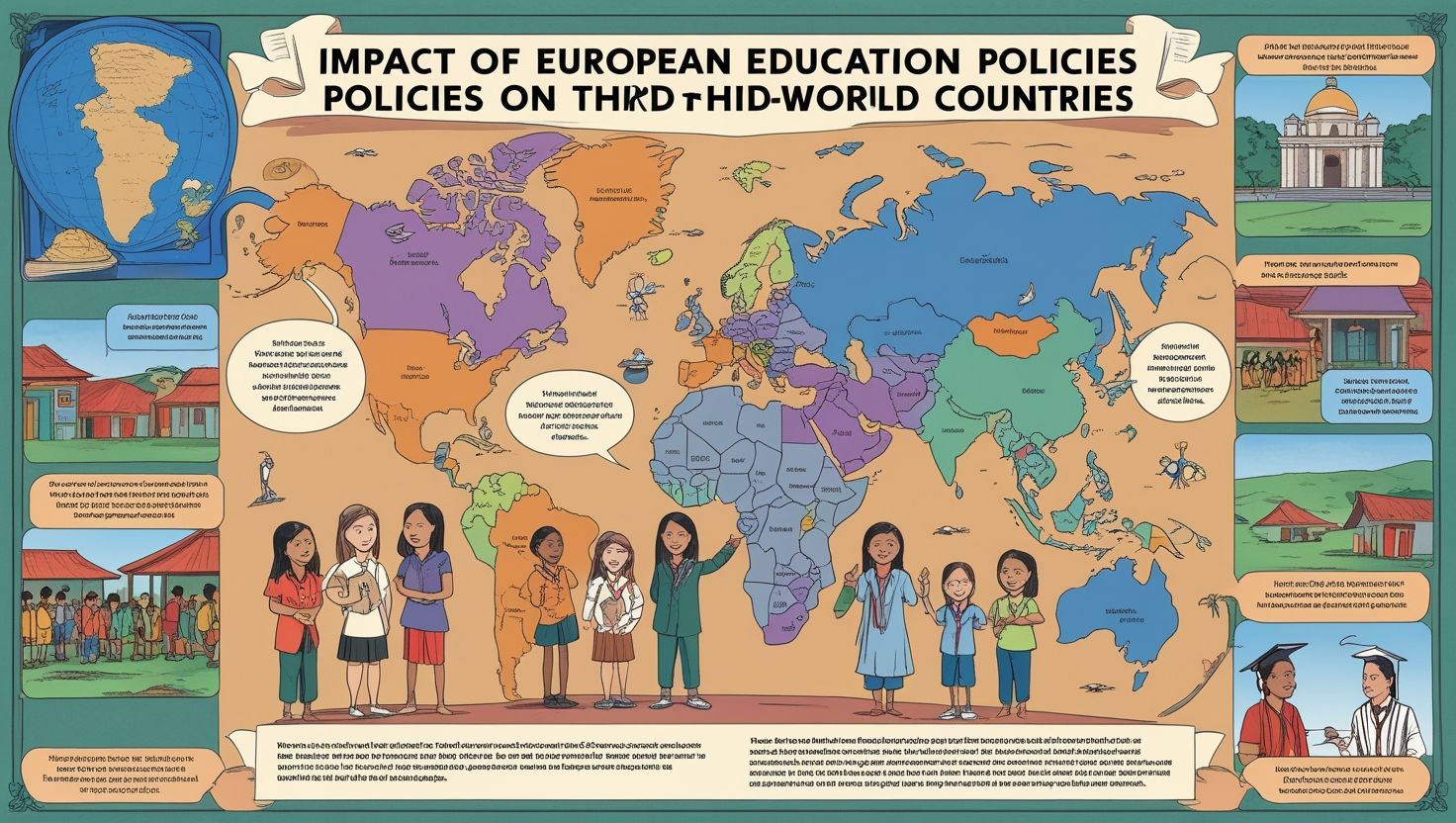
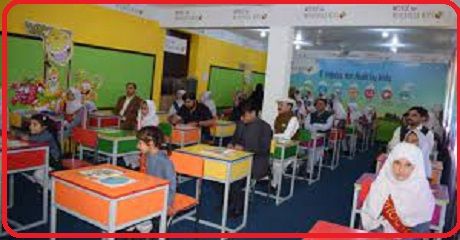
In contrast, developing countries face a very different set of circumstances when implementing free education policies. In many African, South Asian, and Latin American nations, free primary education has been introduced as part of broader efforts to meet international development goals, such as the United Nations’ Sustainable Development Goals. Nevertheless, the implementation of free education in these regions is often hampered by inadequate infrastructure, a lack of trained teachers, and insufficient government funding. For instance, although a country may declare primary education free, families may still be required to pay for uniforms, textbooks, or transportation, which can indirectly limit access.
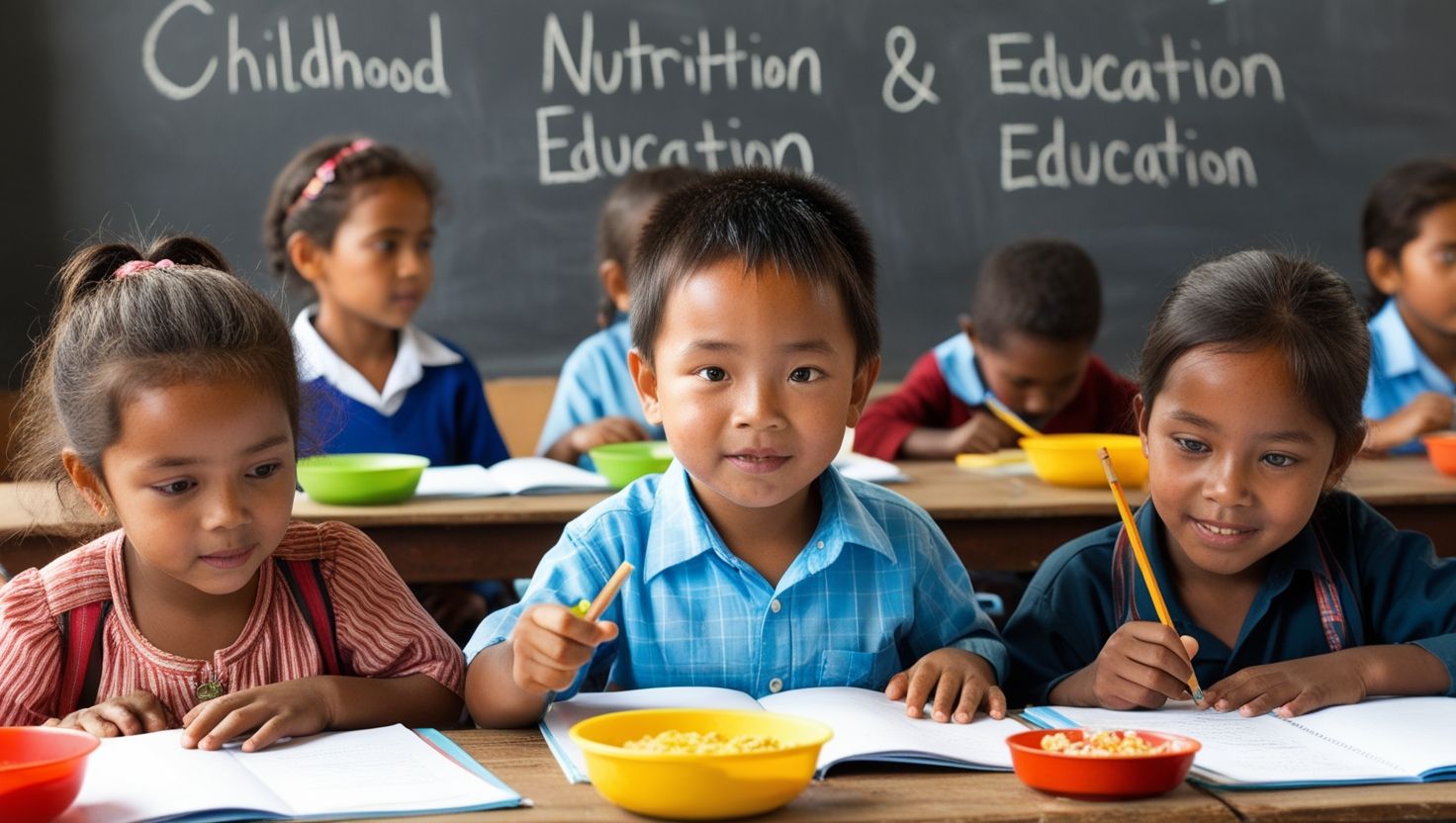
Moreover, gender disparities often persist in developing countries, where girls are less likely to attend school due to cultural norms or household responsibilities. As a result, free education initiatives in these states must be accompanied by additional support systems, such as school feeding programs, scholarships, and community awareness campaigns, in order to be truly effective. Despite these obstacles, free education has still made a considerable difference in many developing nations. Countries such as Kenya, India, and Rwanda have seen significant improvements in enrollment rates after abolishing school fees, thereby demonstrating the transformative power of free education even in resource-limited settings.
Free Education and Social Equality
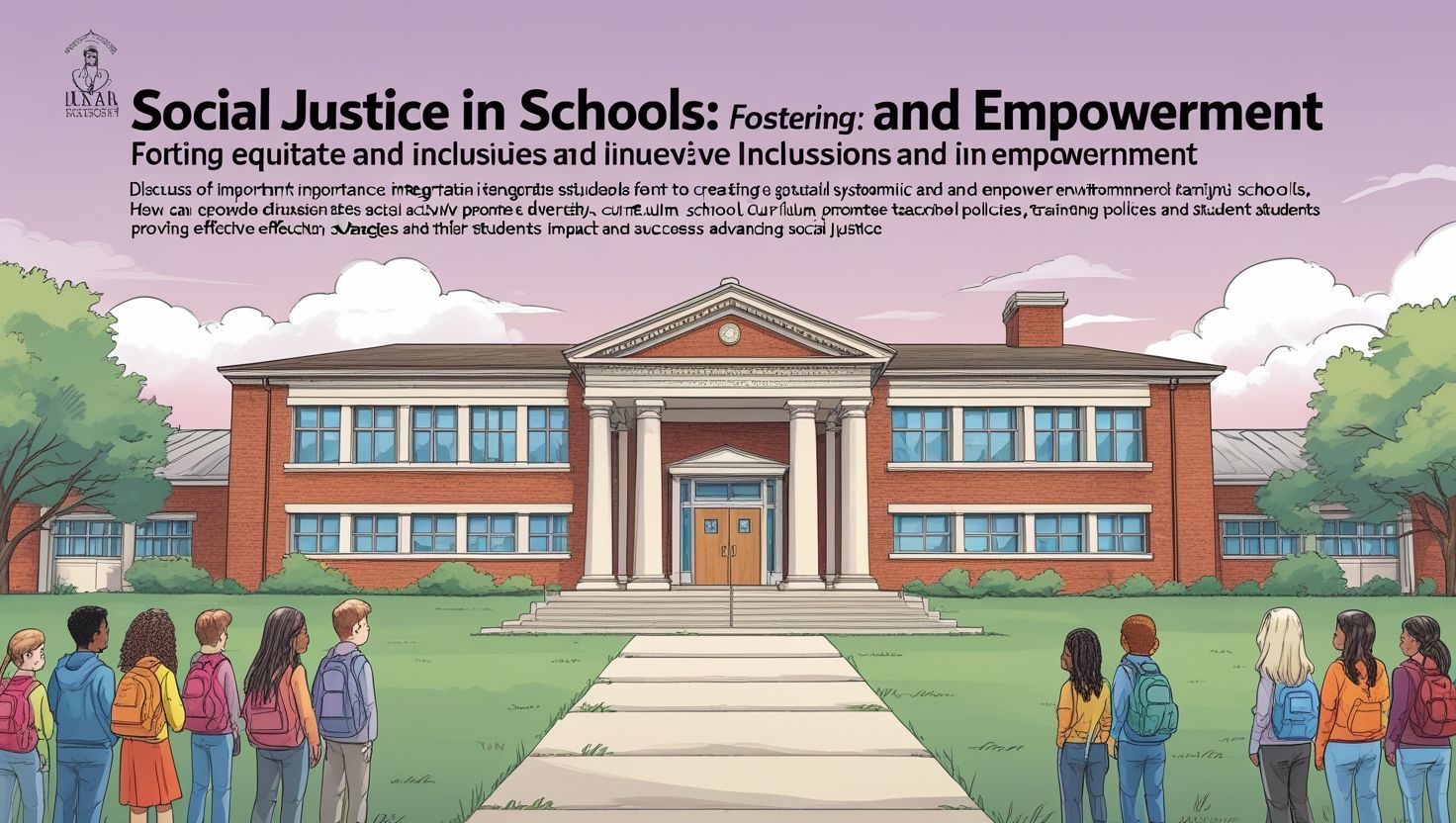
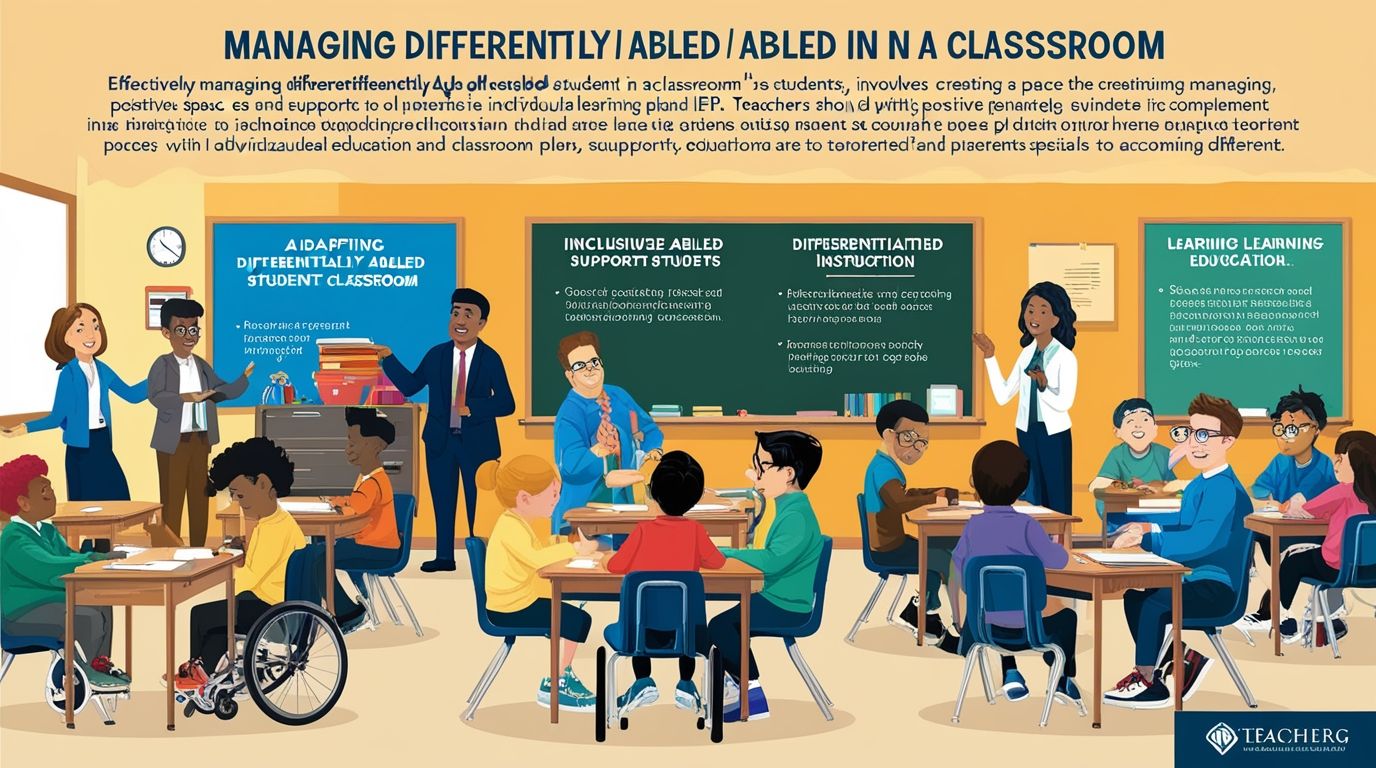
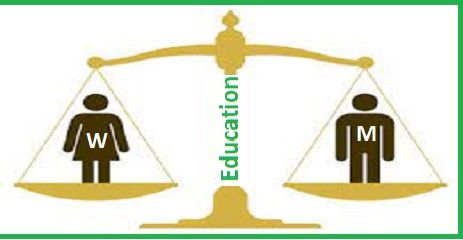
One of the most significant benefits of free education is its contribution to social equality. When education is free, it becomes accessible to marginalized communities, including ethnic minorities, refugees, and children with disabilities. Consequently, free education helps bridge the gap between different social groups, fostering a more inclusive society. Furthermore, free education can play a crucial role in promoting gender equality, particularly in regions where girls have historically been excluded from formal schooling. By removing financial barriers, more girls are encouraged to attend school, which in turn leads to improved health outcomes, delayed marriage, and greater economic independence later in life.
In addition, free education contributes to social cohesion by bringing together children from diverse backgrounds within the same learning environment. This exposure to diversity often helps reduce prejudice and promotes mutual understanding among future generations. Therefore, free education is not only an economic investment but also a powerful tool for building more equitable and harmonious societies.
Challenges Associated with Free Education
Although free education offers numerous benefits, its implementation is not without difficulties. To begin with, funding remains one of the biggest challenges, especially in countries with limited fiscal resources. Since free education must be financed through public funds, governments often face difficult decisions regarding budget allocation. As a result, other essential sectors, such as healthcare or infrastructure, may receive reduced funding.
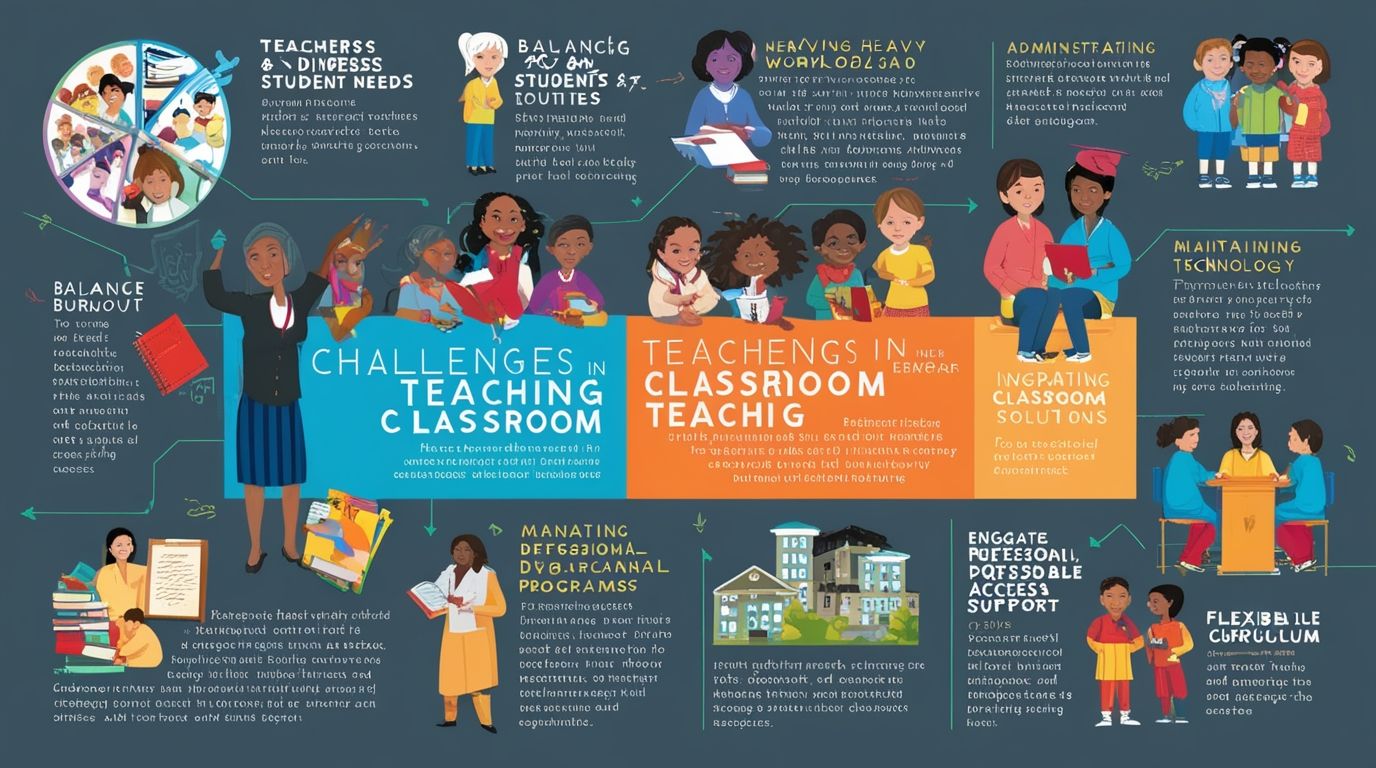
Additionally, the quality of free education can sometimes be compromised due to overcrowded classrooms, outdated learning materials, or insufficiently trained teachers. In some cases, this has led to a two-tier education system, where wealthier families opt for private schools that offer better resources, while free public schools are left under-resourced. Consequently, achieving true educational equality requires more than just eliminating tuition fees; it also demands sustained investment in teacher training, infrastructure, and curriculum development.
Furthermore, political and administrative challenges can hinder the effective rollout of free education policies. In some states, corruption or mismanagement of education budgets has resulted in funds not reaching the schools that need them most. Therefore, transparency and accountability are essential in ensuring that free education policies achieve their intended outcomes.
The Role of International Organizations
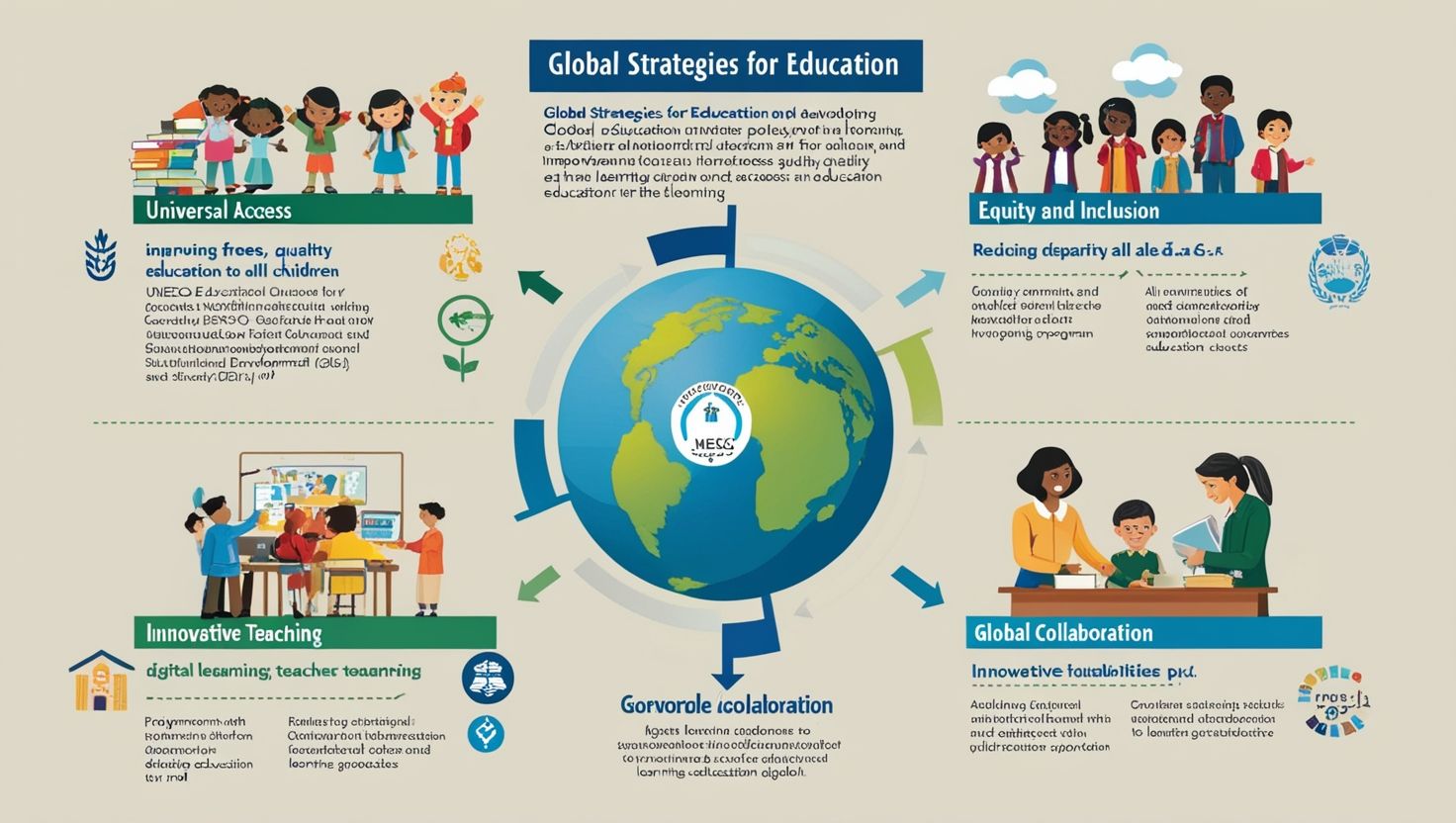
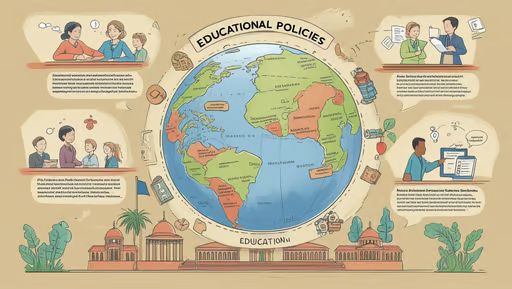
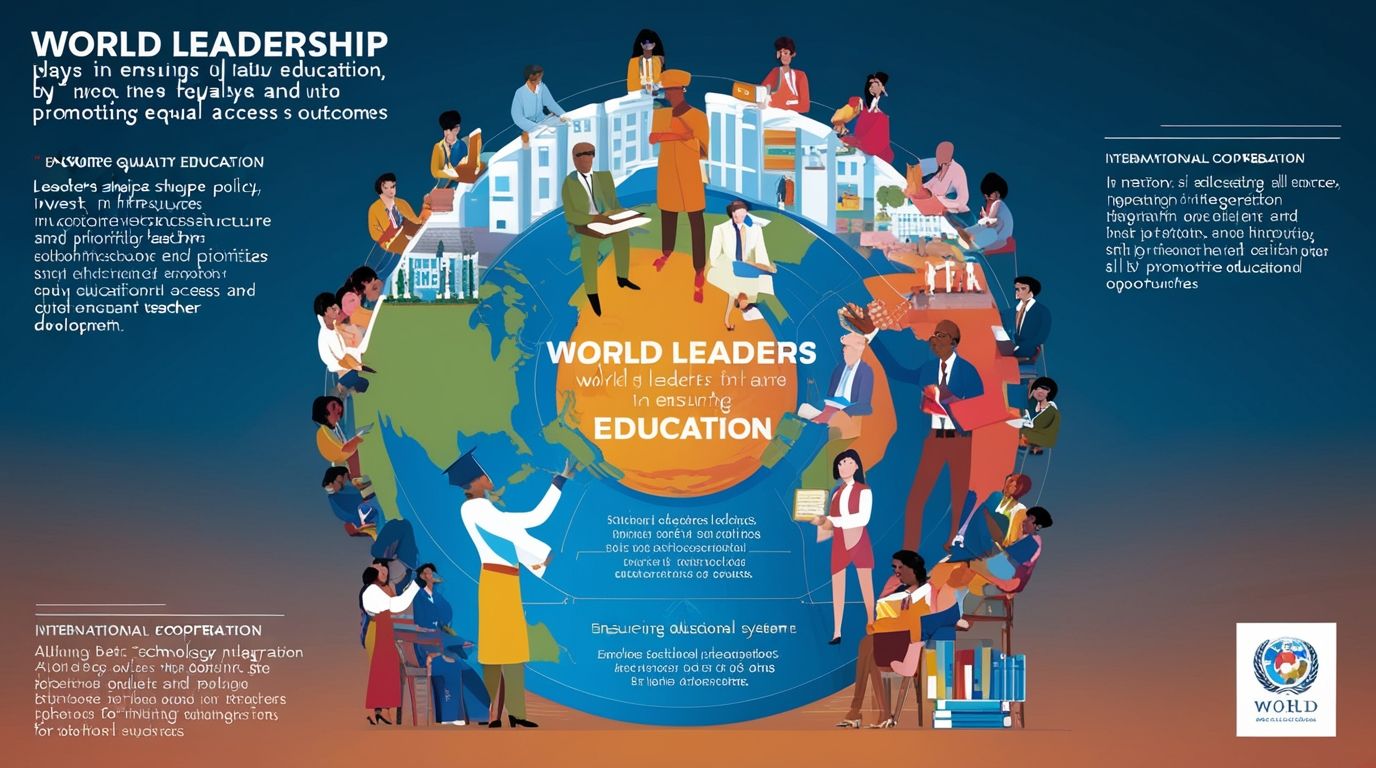
International organizations such as UNESCO, UNICEF, and the World Bank have played a significant role in promoting free education across the globe. Through funding, policy guidance, and technical support, these organizations help developing countries design and implement effective free education systems. Moreover, global initiatives such as the Education for All movement have set ambitious targets for universal access to education, encouraging governments to prioritize education in their national agendas. As a result, many countries have made substantial progress in expanding free education, even amid economic and political challenges.
The Future of Free Education
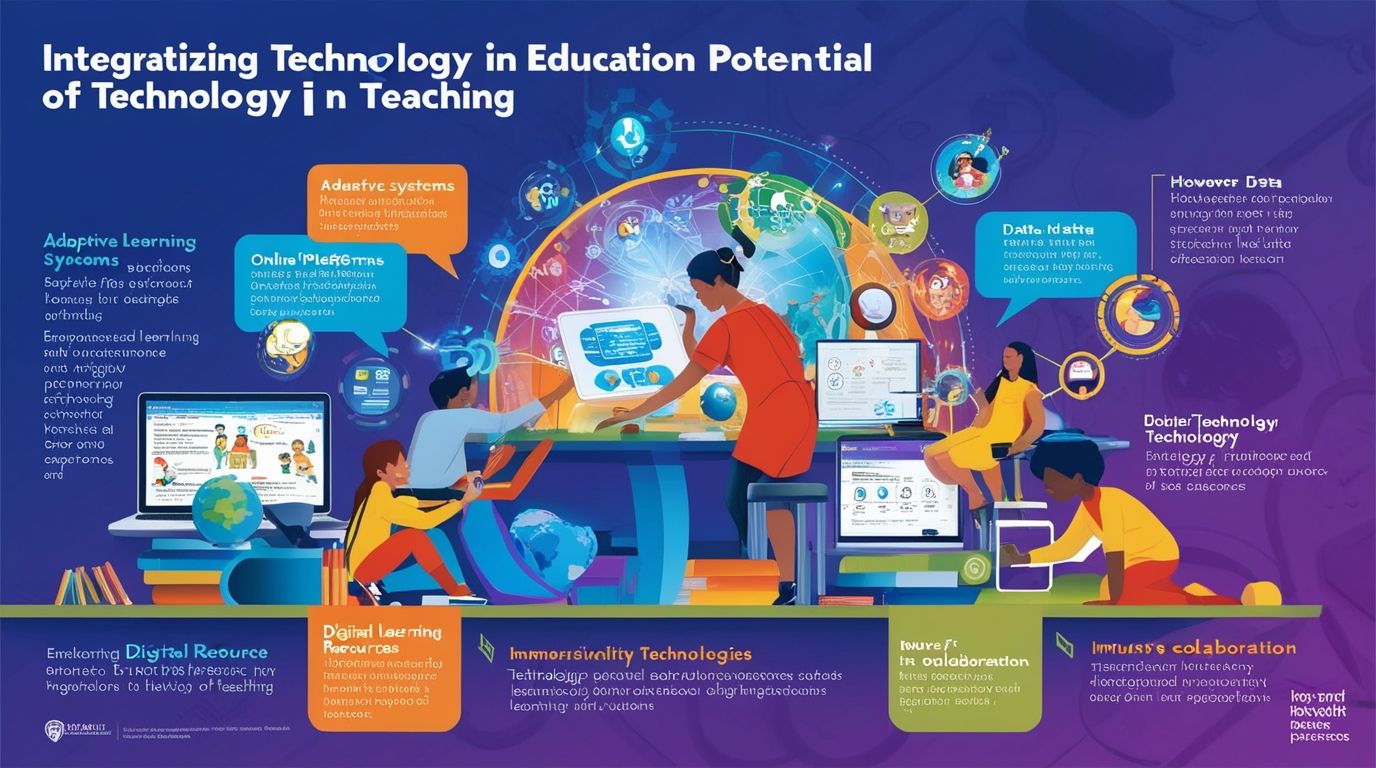
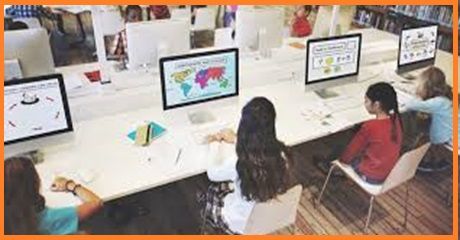
Looking ahead, the future of free education will likely be shaped by technological advancements, changing economic conditions, and evolving societal needs. For example, the rise of online learning platforms has opened new possibilities for delivering free or low-cost education, particularly in remote or underserved areas. Similarly, as automation and artificial intelligence continue to transform the global job market, free education systems may need to place greater emphasis on skills-based learning and lifelong education, rather than traditional degree-based models.
Furthermore, climate change and global economic instability may compel governments to rethink how free education is funded and delivered. Therefore, international cooperation will likely become even more important in ensuring that free education remains sustainable and accessible for future generations. Ultimately, while challenges remain, the global commitment to free education continues to grow, reflecting its recognized value in building stronger, fairer, and more prosperous societies.
Conclusion
In conclusion, free education plays an indispensable role in shaping the future of individuals and nations alike. Whether in developed countries with well-established education systems or in developing nations still working to overcome infrastructural and financial barriers, free education remains a powerful tool for reducing poverty, promoting equality, and driving economic growth. Although challenges such as funding limitations and quality concerns persist, the overall impact of free education on society cannot be overstated. As the world continues to evolve, it is essential that governments, international organizations, and communities work together to ensure that free education remains accessible to all, regardless of geographic location or economic status. In doing so, the world can move closer to achieving true educational equity and unlocking the full potential of future generations.