Why Improvement Exams Matter for Marks in Education, Students across the world chase good grades every academic year. Sometimes a single bad day, an illness, or personal stress ruins months of hard work. This is where improvement exams step in. An improvement exam gives a student a second chance to raise their score without repeating an entire academic year. Schools, colleges, and universities now recognize these tests as a fair and practical solution for students who underperform in their main exams.
This article explores why improvement exams for marks hold real value in modern education, how they work, who benefits from them, and what students should know before appearing for one.
What Are Improvement Exams?
An improvement exam is a retest that allows a student to attempt a subject again after receiving unsatisfactory marks in the original exam. Most education boards and universities offer this option once a year, usually a few months after the main results arrive. The student’s better score, taken from either the original attempt or the retest, becomes the final recorded mark.
Unlike a supplementary or compartment exam, which exists mainly for students who fail a subject, an improvement exam targets students who passed but want a higher score. A student might have scored 65% and know they can do better with more preparation. The retest gives them that opportunity.
The Core Purpose Behind Improvement Exams
1. Second Chances Reduce Unfair Outcomes
Exams measure performance on one specific day. A student who studies consistently through the year might fall sick during finals, face a family emergency, or simply freeze under pressure. A single mark sheet cannot always reflect true ability. Grade improvement exams correct this imbalance by letting genuine effort show through a second attempt.
2. They Support Higher Education Goals
Many colleges and universities set strict cut-off percentages for admission. A student aiming for a competitive program often needs marks a few points higher than what they achieved. Marks improvement through a retest can open doors to courses or institutions that would otherwise stay out of reach. This matters especially for streams like medicine, engineering, and law, where admission committees compare applicants down to a fraction of a percent.
3. They Boost Scholarship and Job Eligibility
Scholarships, government jobs, and even certain private-sector roles carry minimum percentage requirements. A student stuck just below a scholarship threshold loses funding they may desperately need. Improvement exams offer a legitimate path to cross that line and unlock financial or career opportunities tied to academic performance.
4. Mental Health and Reduced Exam Pressure
Knowing that a second attempt exists takes some pressure off the first exam. Students still prepare seriously, but the fear of one mistake ruining their future eases. This shift supports better mental health among learners, who often deal with anxiety, sleep loss, and burnout during exam season. A retest opportunity turns exams into a process rather than a single make-or-break event.
How Improvement Exams Work
The process differs slightly across boards and countries, but the general structure stays similar.
- Eligibility check: Most institutions allow students who passed the original exam to apply. Some, however, also permit students who failed a limited number of subjects.
- Application window: Students usually register for the improvement exam within a set period after results are declared, often between one and six months.
- Subject selection: A student can typically choose to reattempt one or more subjects rather than the entire exam.
- Fee payment: Boards charge a nominal fee per subject for the retest.
- Result merging: After the exam, the higher of the two scores gets recorded on the final mark sheet or transcript.
Students should check their specific board’s rules carefully, since some institutions cap the number of subjects allowed for improvement, and others restrict retests to students below a certain percentage.

Who Should Consider an Improvement Exam?
Not every student needs a retest, and the decision should come from a clear look at goals and circumstances.
Good candidates include:
- Students who missed their target percentage for a specific college or course by a small margin.
- Students who underperformed due to illness, family issues, or exam-day anxiety despite strong preparation through the year.
- Students applying for scholarships with strict cut-offs.
- Students who want to switch academic streams and need higher marks in a core subject.
Students who might skip it:
- Those already satisfied with their current marks and admission options.
- Those who would gain more from focusing energy on entrance exams or skill-building instead.
- Those whose target institutions do not weigh marginal percentage differences.
Advantages of Improvement Exams
Better Academic Outcomes
Retaking a subject with a clearer mind and better preparation often produces stronger results. Students revisit weak topics, fix conceptual gaps, and walk into the retest more confident. This directly improves overall academic standing.
No Need to Repeat a Full Year
Before improvement exams became common, a student unhappy with their marks had few options beyond repeating the entire academic year. That approach wasted time and added financial burden. A subject-specific retest solves the same problem far more efficiently.
Builds Discipline and Resilience
Preparing for a second attempt teaches students how to bounce back from setbacks. This skill carries far beyond the classroom. Employers and universities value candidates who show persistence, and an improvement exam journey often demonstrates exactly that.
Keeps Career Timelines on Track
Because students retake only specific subjects rather than an entire year, they stay on schedule for college admissions, job applications, or further studies. The retest fits into existing timelines instead of derailing them.
Common Misconceptions About Improvement Exams
Myth 1: Improvement exams are only for weak students. Many high-scoring students use this option too, particularly when chasing highly competitive admission cut-offs.
Myth 2: A retest damages a student’s academic record. Most boards replace the original mark with the improved one on the final transcript, so the process rarely shows any sign of a prior lower score.
Myth 3: Improvement exams are the same as failing and repeating an exam. A supplementary exam applies to failed subjects, while an improvement exam applies to subjects a student already passed but wants to score higher in. The two serve different purposes entirely.
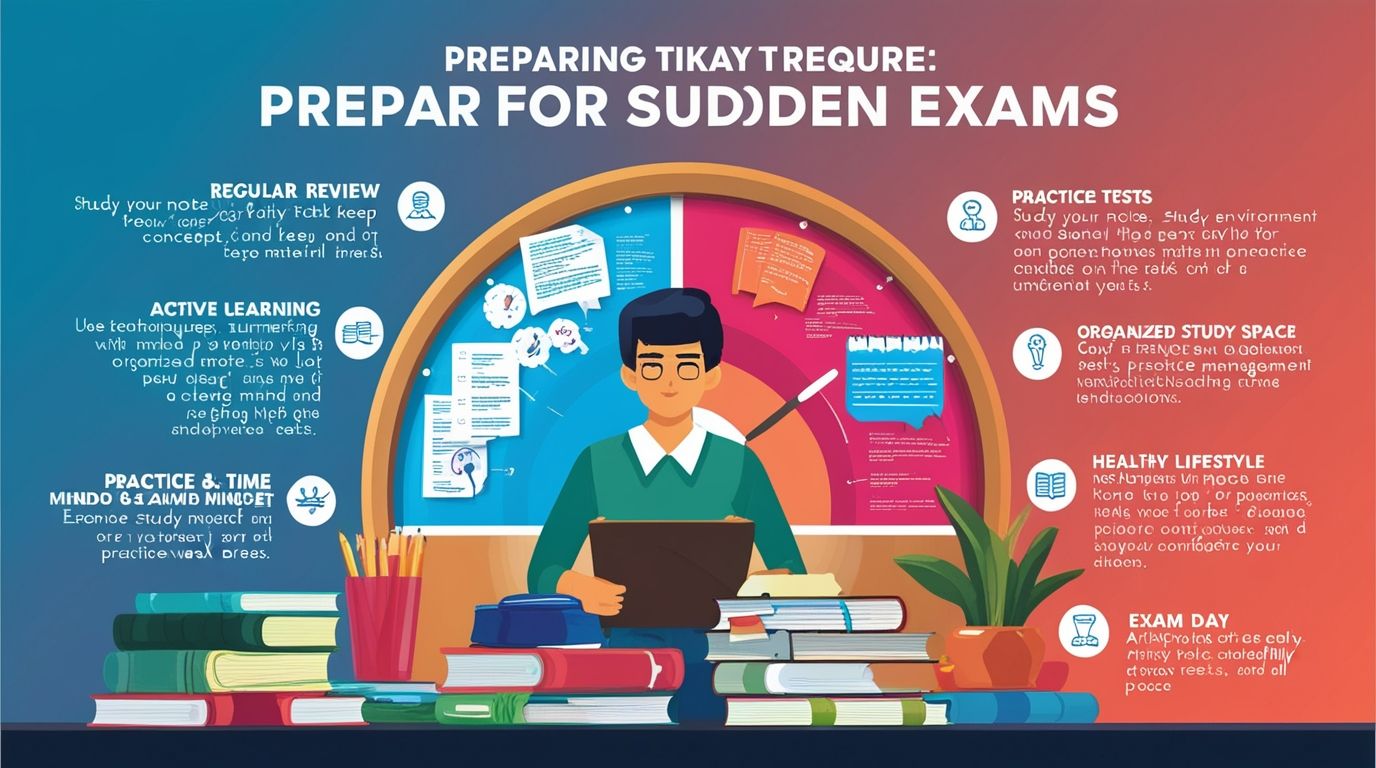
Tips for Success in an Improvement Exam
- Analyze the previous attempt. Review the exact areas where marks were lost and target those chapters first.
- Set a realistic timeline. Build a study schedule based on the weeks available before the retest date.
- Use updated study material. Syllabi and question patterns sometimes shift slightly, so students should confirm the latest exam pattern.
- Practice previous years’ papers. Familiarity with question styles builds speed and confidence.
- Manage exam-day stress. Since students already know the format from their first attempt, they can walk in with less anxiety and a clearer strategy.
The Broader Impact on Education Systems
Education systems that offer improvement exams send an important message: a single exam does not define a student’s entire academic worth. This philosophy aligns with modern educational thinking, which values continuous learning and growth over rigid, one-time evaluation.
Countries and boards that provide flexible retesting options often see better student mental health outcomes and reduced dropout rates. Students feel less trapped by a single bad performance and stay motivated to keep improving. Over time, this builds a more resilient and growth-oriented academic culture.
Institutions also benefit. Students who retake exams and raise their scores often carry that improved competence into higher education or the workforce, contributing more effectively because they mastered subjects properly rather than moving forward with weak foundations.
Challenges and Limitations
Improvement exams are not without drawbacks. Some students misuse the system, treating the first exam casually because they know a second chance exists. Boards address this by placing limits on how many times a student can attempt a retest and by charging fees that discourage careless first attempts.
Timing also creates challenges. Students preparing for college admissions or entrance tests might find limited overlap between the improvement exam schedule and application deadlines. Careful planning becomes essential, and students should confirm deadlines with their target institutions before registering for a retest.
Final Thoughts
Improvement exams give students a fair, structured, and efficient way to raise their marks without repeating an entire academic year. They support higher education goals, scholarship eligibility, and career timelines while reducing the pressure that comes from treating one exam as a final verdict on a student’s ability.
For any student who feels their marks do not reflect their true potential, an improvement exam offers a practical path forward. With focused preparation and a clear understanding of the process, students can turn a disappointing result into a stronger academic record and open doors that once seemed closed.