Introduction
The Science Behind Early Moral Development, Moral development is one of the most fascinating aspects of human growth. From the earliest months of life, children begin to distinguish between kindness and harm, fairness and unfairness, cooperation and conflict. While morality was once believed to emerge only after formal education and social instruction, contemporary research in developmental psychology, neuroscience, and behavioral science suggests that the foundations of moral thinking begin much earlier. Infants display preferences for helpful individuals, toddlers show empathy toward distressed people, and preschool children gradually learn social norms, fairness, honesty, and responsibility. These discoveries reveal that moral development is neither entirely innate nor solely acquired through environmental influences. Rather, it is the result of a dynamic interaction between biological predispositions, cognitive growth, emotional development, social relationships, and cultural experiences.
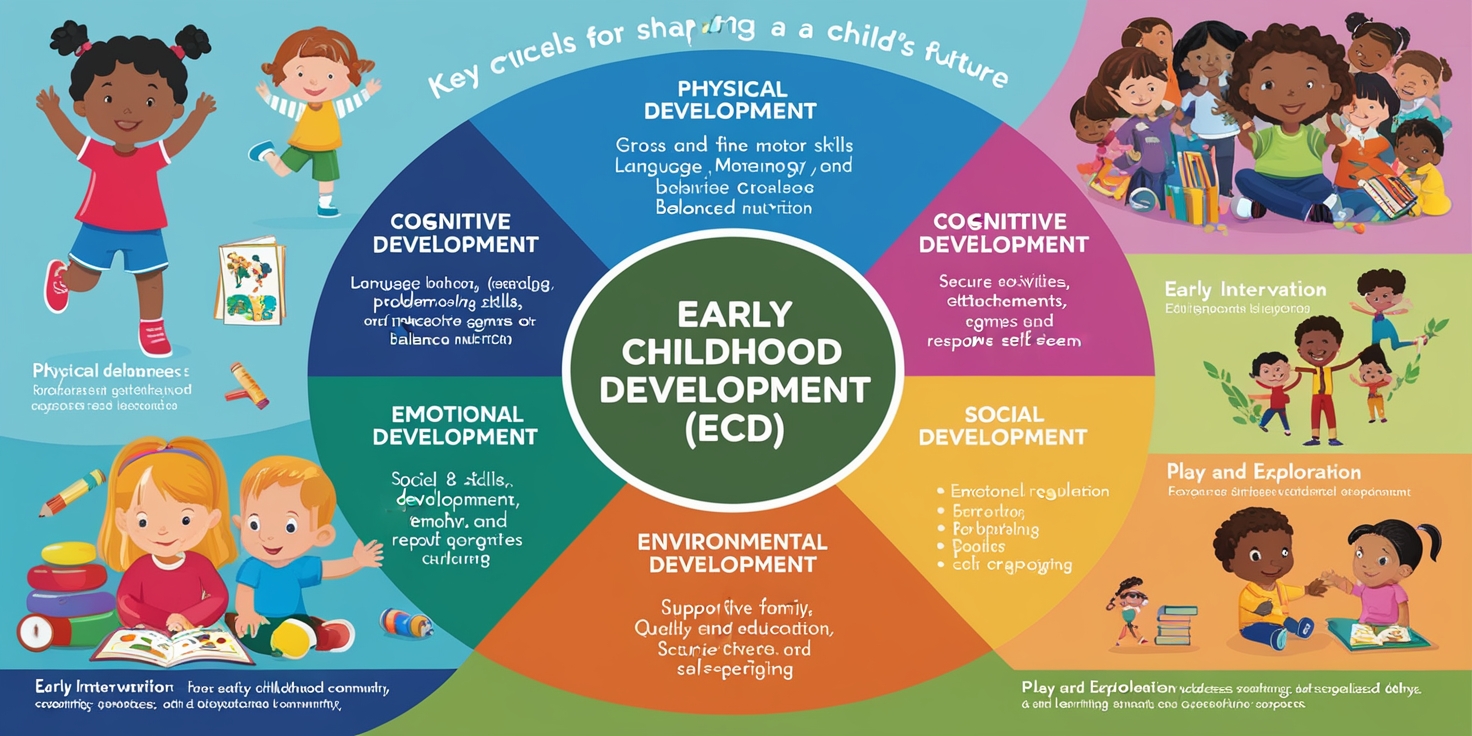
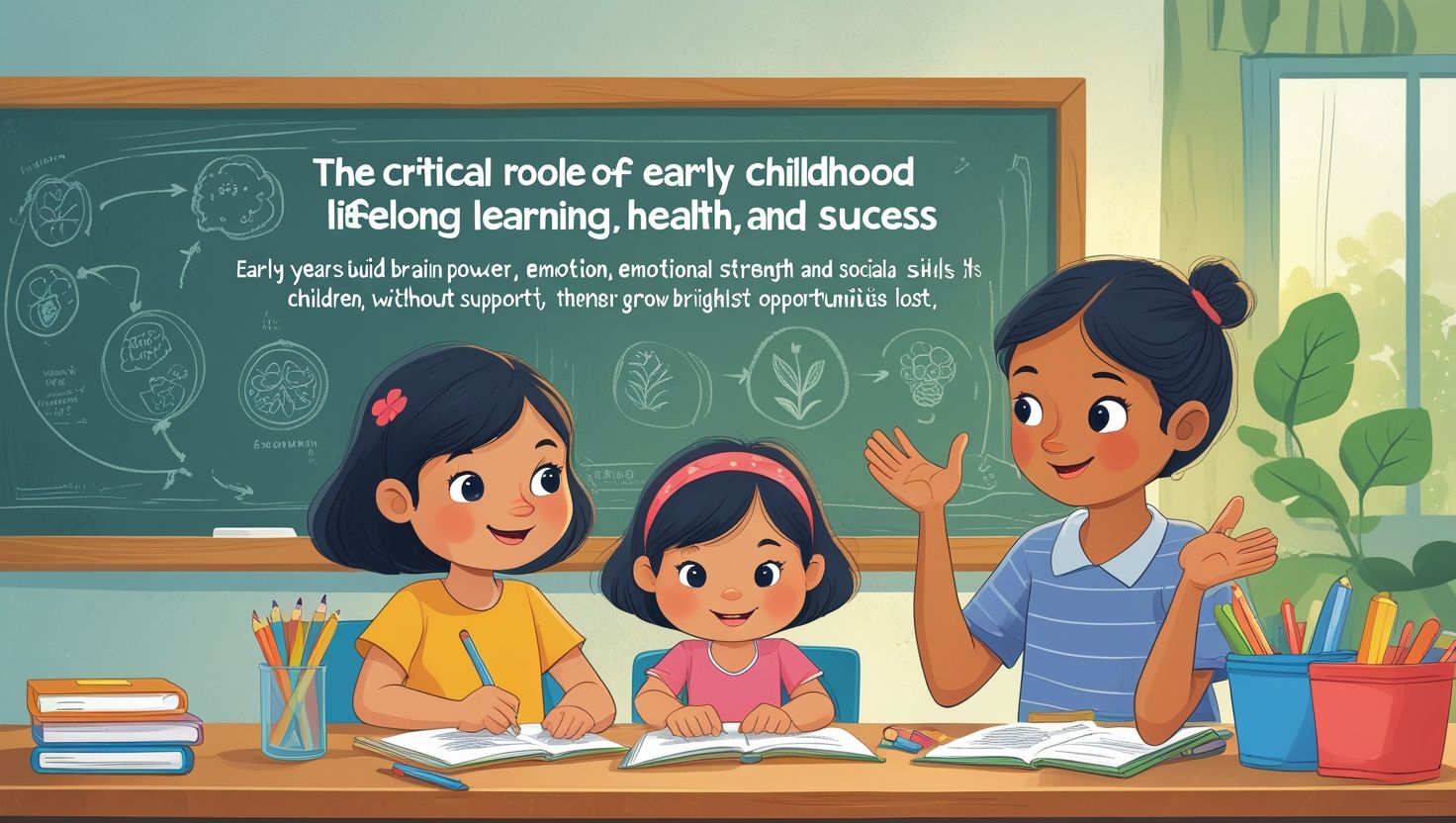
Understanding the science behind early moral development is essential for parents, teachers, caregivers, and policymakers. Early childhood represents a critical period during which neural pathways are rapidly developing, emotional regulation is emerging, and lifelong patterns of behavior are established. The values children acquire during these formative years influence not only their personal relationships but also their academic success, mental well-being, civic engagement, and future contributions to society. This article explores the scientific foundations of early moral development by examining the roles of brain development, empathy, attachment, cognitive growth, social learning, culture, education, and practical strategies for nurturing ethical behavior.
Biological Foundations of Morality
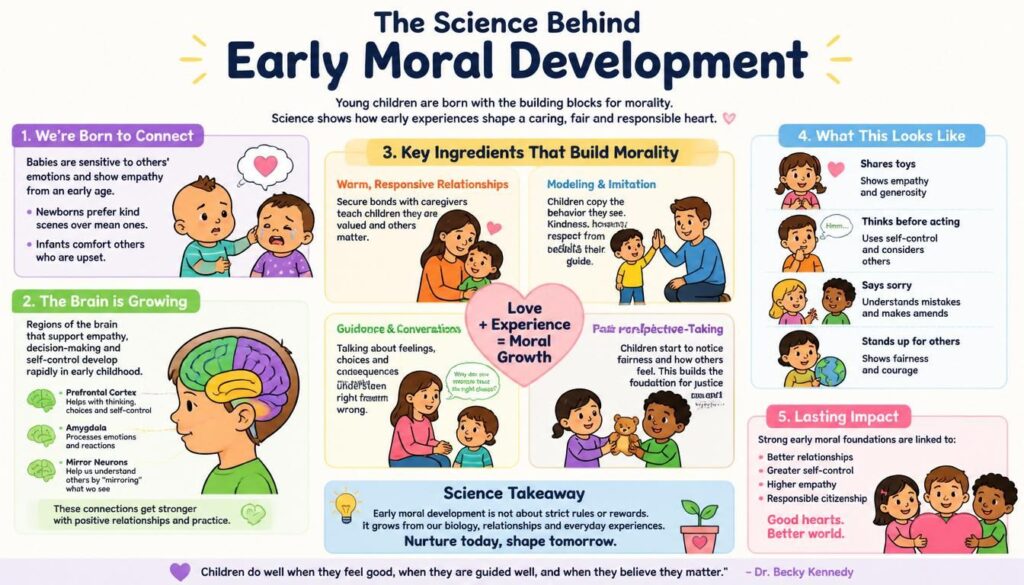
Scientific evidence suggests that human beings are born with certain biological capacities that support moral development. Although newborns cannot distinguish complex ethical principles, they possess neurological systems that enable emotional responsiveness and social connection. Brain imaging studies indicate that regions associated with emotional processing, including the amygdala, prefrontal cortex, and anterior cingulate cortex, gradually develop during infancy and early childhood. These brain structures contribute to empathy, emotional regulation, decision-making, and understanding the consequences of one’s actions.
Research involving infants has shown surprising evidence of early moral preferences. In controlled experiments, infants as young as six months often prefer individuals who help others over those who hinder them. Such findings suggest that humans may possess an early sensitivity to prosocial behavior before language fully develops. However, these predispositions require environmental support and positive social experiences to mature into stable moral values.
Genetic influences also contribute to temperament, emotional sensitivity, and self-control. Nevertheless, genes do not determine morality. Instead, they provide biological potentials that interact continuously with parenting practices, educational experiences, peer relationships, and cultural expectations. Thus, biology provides the foundation upon which moral character is constructed through experience.
Attachment and Emotional Security
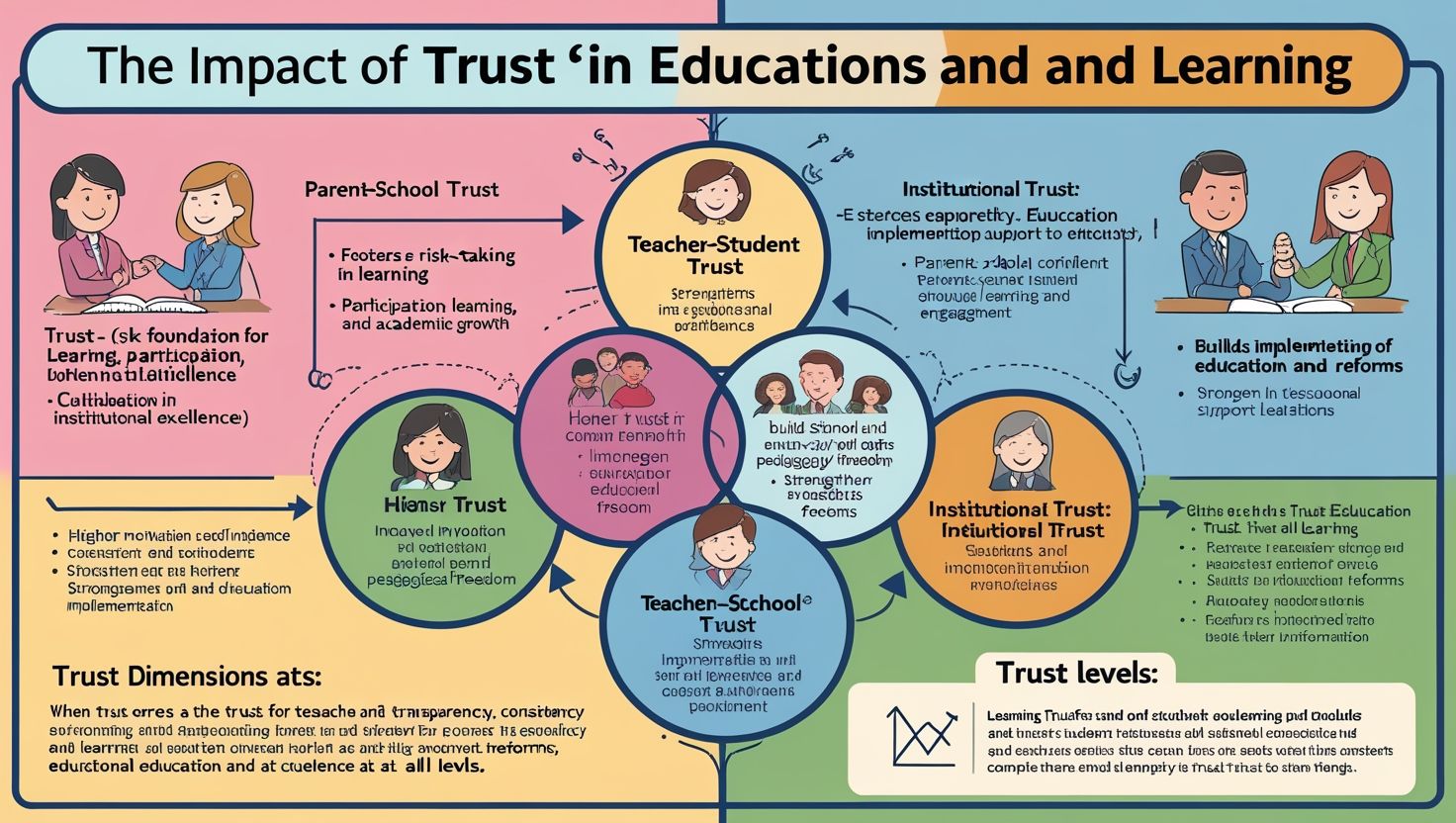
One of the strongest scientific predictors of healthy moral development is secure attachment between children and their caregivers. Attachment theory, developed by psychologist John Bowlby and expanded by Mary Ainsworth, emphasizes that warm, responsive, and consistent caregiving creates emotional security. Children who feel safe are more likely to trust others, regulate emotions effectively, and develop empathy.
Secure attachment encourages children to internalize moral standards because they seek to maintain positive relationships with trusted adults. Instead of obeying rules merely to avoid punishment, securely attached children gradually understand the reasons behind ethical behavior. They learn that kindness strengthens relationships, honesty builds trust, and cooperation benefits everyone.
Conversely, inconsistent or neglectful caregiving may hinder emotional regulation and increase behavioral problems. Children experiencing chronic stress often struggle to interpret social cues accurately, making it more difficult to respond compassionately. This does not imply that such children cannot develop strong moral character; rather, it highlights the importance of supportive interventions and nurturing relationships.
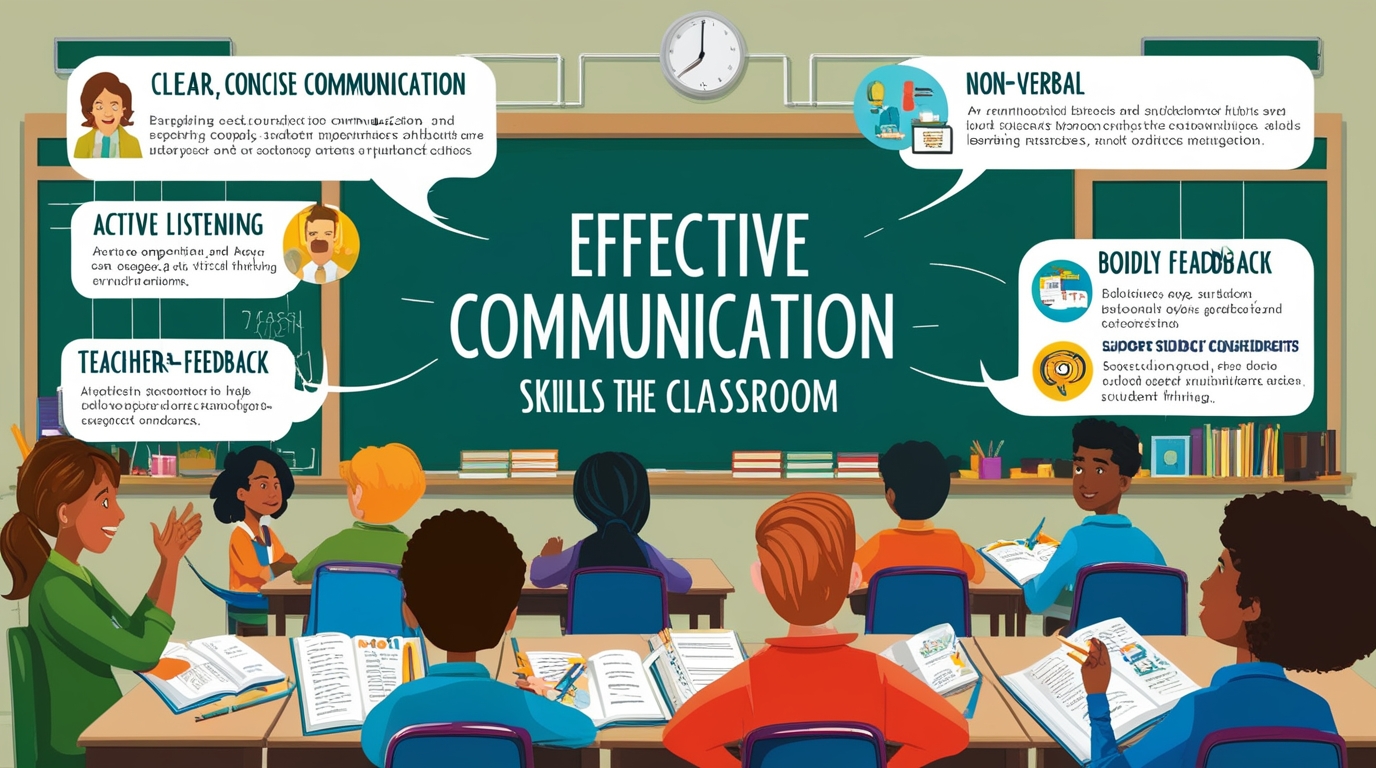
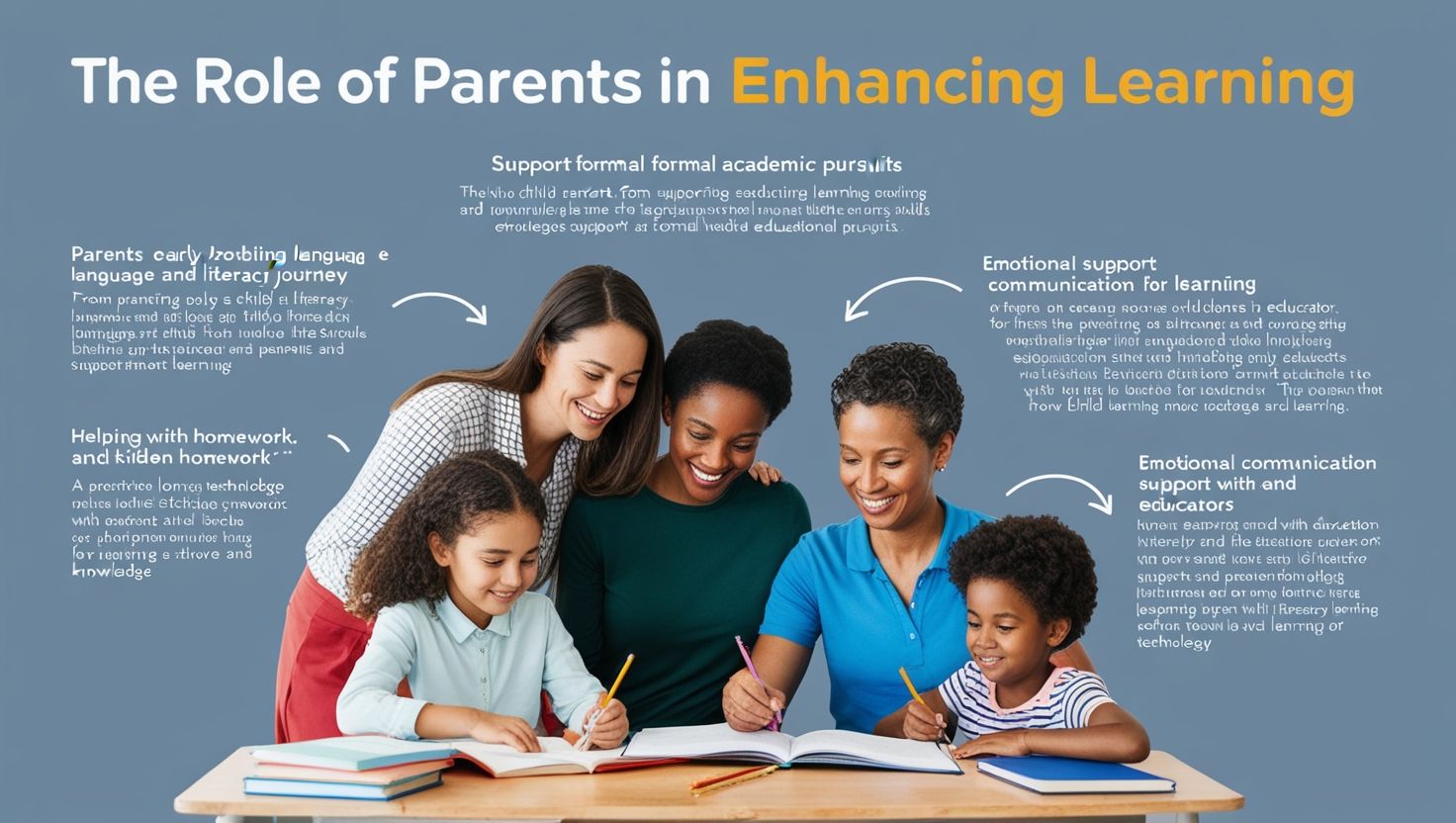
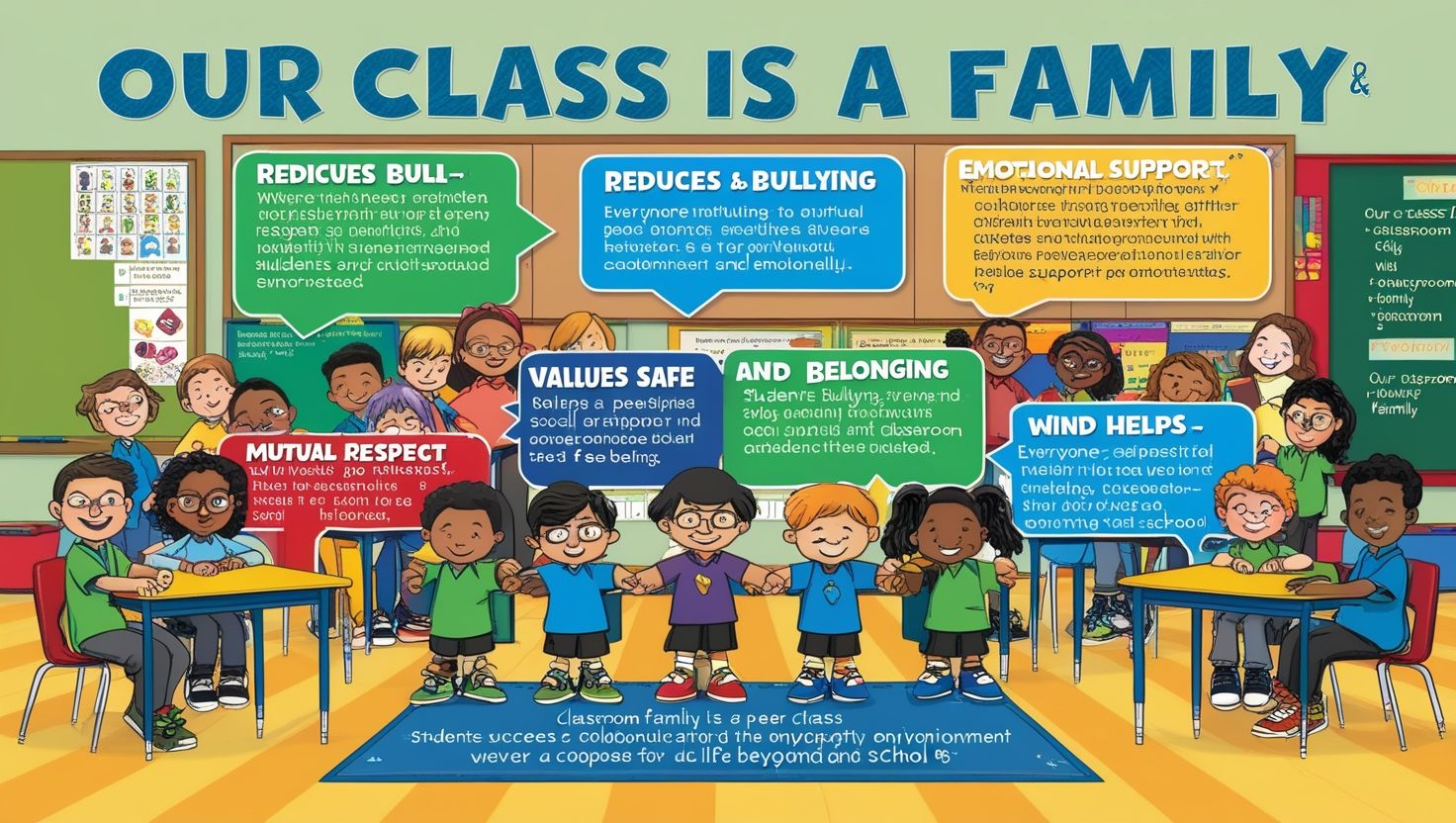
Teachers also serve as attachment figures during early childhood. Positive teacher-child relationships foster emotional security, enhance self-confidence, and encourage respectful classroom behavior. Schools that prioritize caring relationships create environments where moral learning naturally flourishes.
The Development of Empathy
Empathy forms the emotional core of morality. It refers to the ability to recognize, understand, and respond to another person’s feelings. Developmental psychologists distinguish between emotional empathy, which involves sharing another person’s emotions, and cognitive empathy, which involves understanding another person’s perspective.
Empathy begins remarkably early in life. By the second year of life, toddlers attempt to comfort distressed caregivers by offering hugs, toys, or comforting words. Although these responses may seem simple, they represent significant milestones in moral development.
As children’s language and cognitive abilities improve, empathy becomes increasingly sophisticated. Preschool children begin to recognize that different people may experience different emotions in similar situations. They learn to consider intentions, motivations, and circumstances when evaluating others’ behavior.
Neuroscientific research suggests that mirror neuron systems may contribute to empathetic understanding by allowing individuals to simulate others’ actions and emotions internally. While the precise role of mirror neurons remains under investigation, researchers agree that repeated social interactions strengthen neural pathways supporting compassion and cooperation.
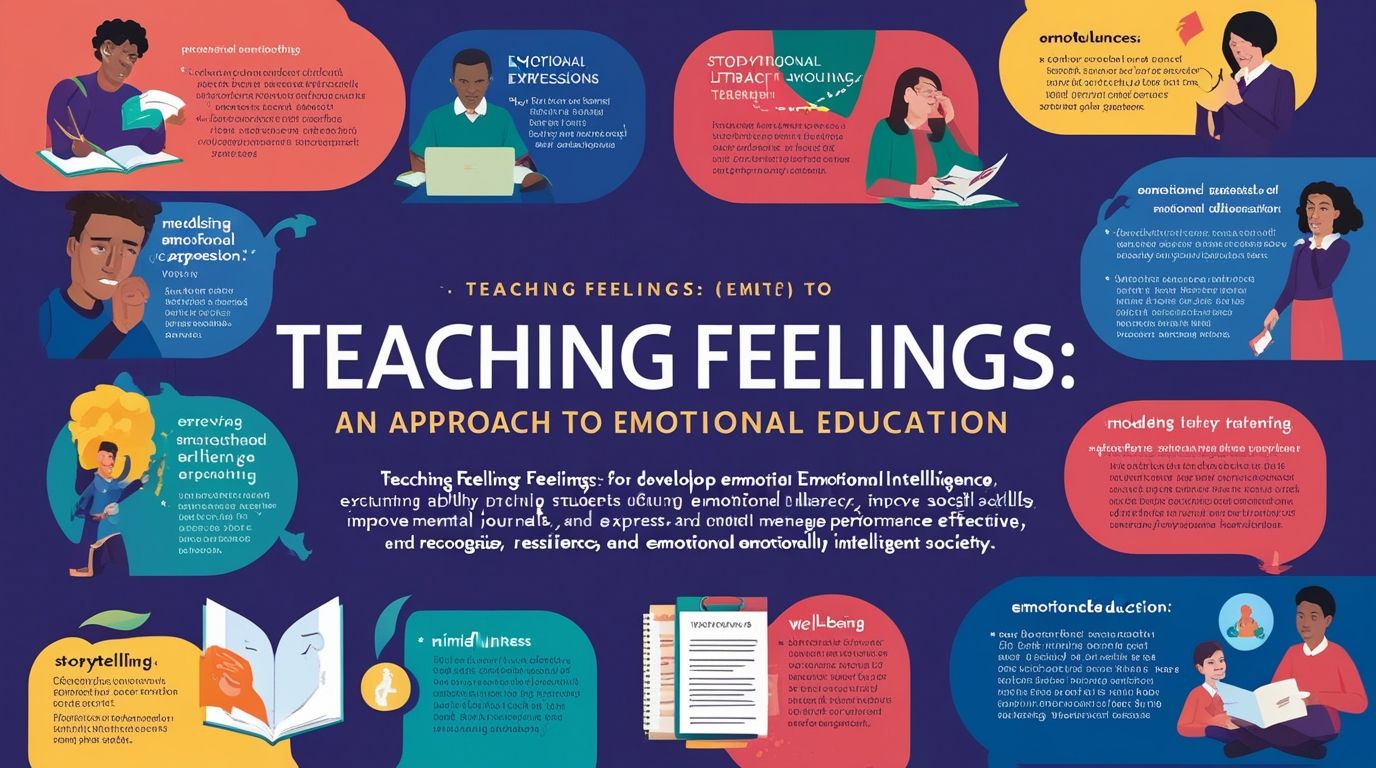
Parents and educators can nurture empathy by modeling caring behavior, discussing emotions openly, encouraging perspective-taking, and providing opportunities for cooperative play. Stories, role-playing activities, and community service projects further strengthen children’s ability to understand and value the experiences of others.
Cognitive Development and Moral Reasoning
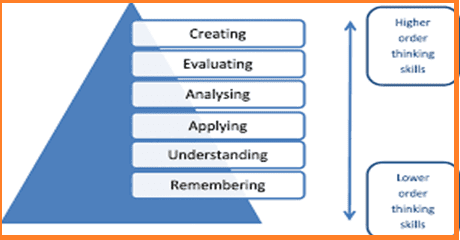
Children’s moral understanding evolves alongside cognitive development. Swiss psychologist Jean Piaget observed that young children initially view rules as fixed and absolute. As they mature, they begin to understand that rules are created by people and may be modified through mutual agreement.
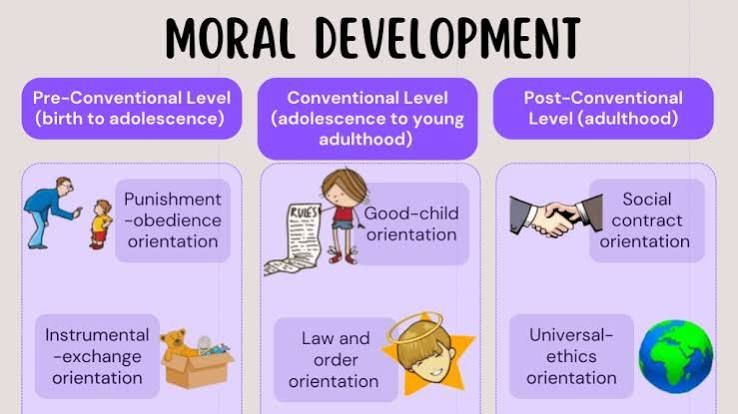
Building upon Piaget’s work, psychologist Lawrence Kohlberg proposed stages of moral reasoning. Young children typically operate at the pre-conventional level, where moral decisions are based primarily on avoiding punishment or obtaining rewards. As cognitive abilities develop, children increasingly consider social expectations, fairness, justice, and universal ethical principles.
Although Kohlberg’s theory has been influential, contemporary researchers recognize that moral development extends beyond reasoning alone. Emotions, relationships, intuition, and cultural values also shape ethical decision-making. Young children often act morally because they care about others rather than because they have consciously analyzed moral principles.
Executive functions—including working memory, cognitive flexibility, and inhibitory control—also contribute significantly to moral behavior. Children who can regulate impulses are better able to resist selfish temptations, consider consequences, and choose prosocial actions. These executive skills develop rapidly during early childhood and are strengthened through supportive educational experiences.
Social Learning and Moral Modeling
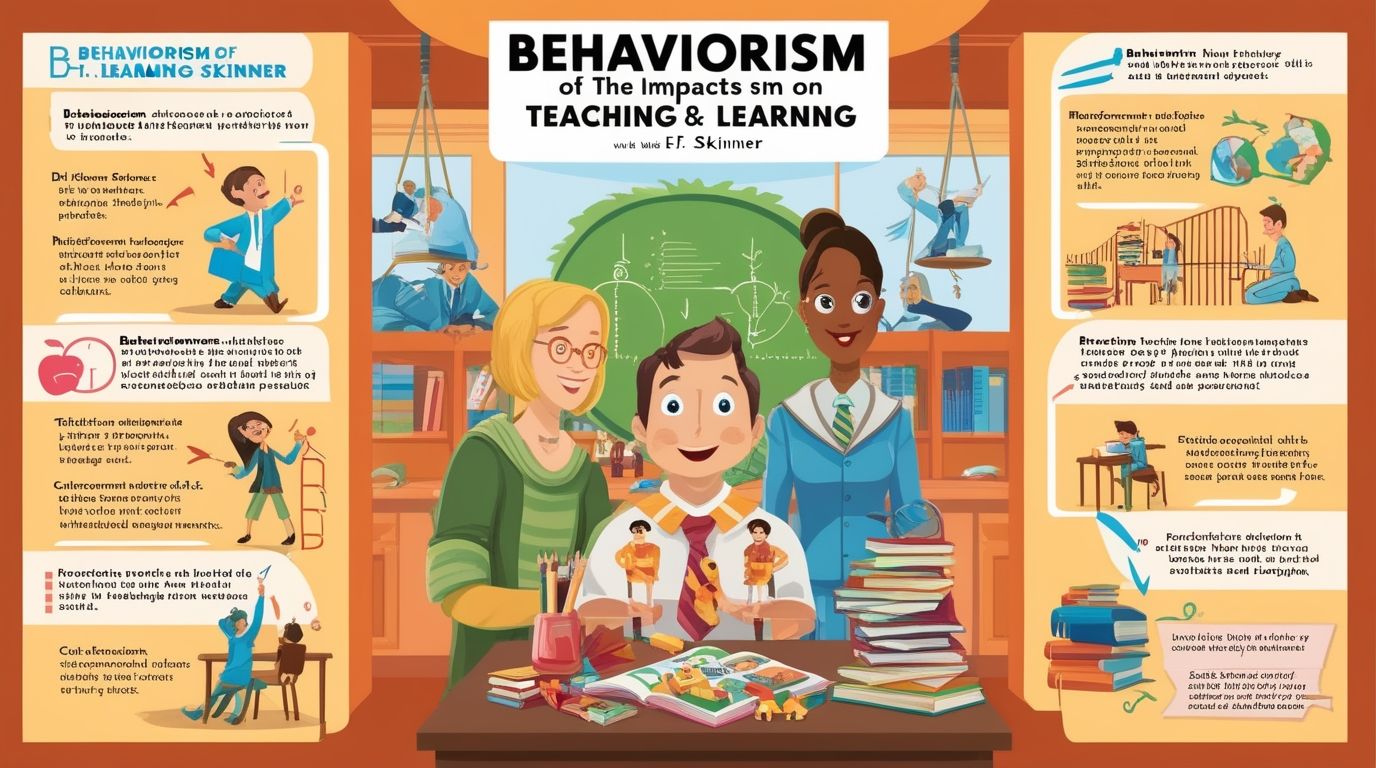
Albert Bandura’s social learning theory emphasizes that children learn moral behavior by observing others. Parents, siblings, teachers, peers, media personalities, and community leaders all serve as influential role models. Children imitate behaviors that receive positive reinforcement and avoid behaviors associated with negative consequences.
Modeling is especially powerful because young children closely observe adult behavior. When adults consistently demonstrate honesty, kindness, patience, and fairness, children are more likely to adopt these values. Conversely, inconsistent behavior—such as preaching honesty while engaging in deception—may confuse children and weaken moral learning.
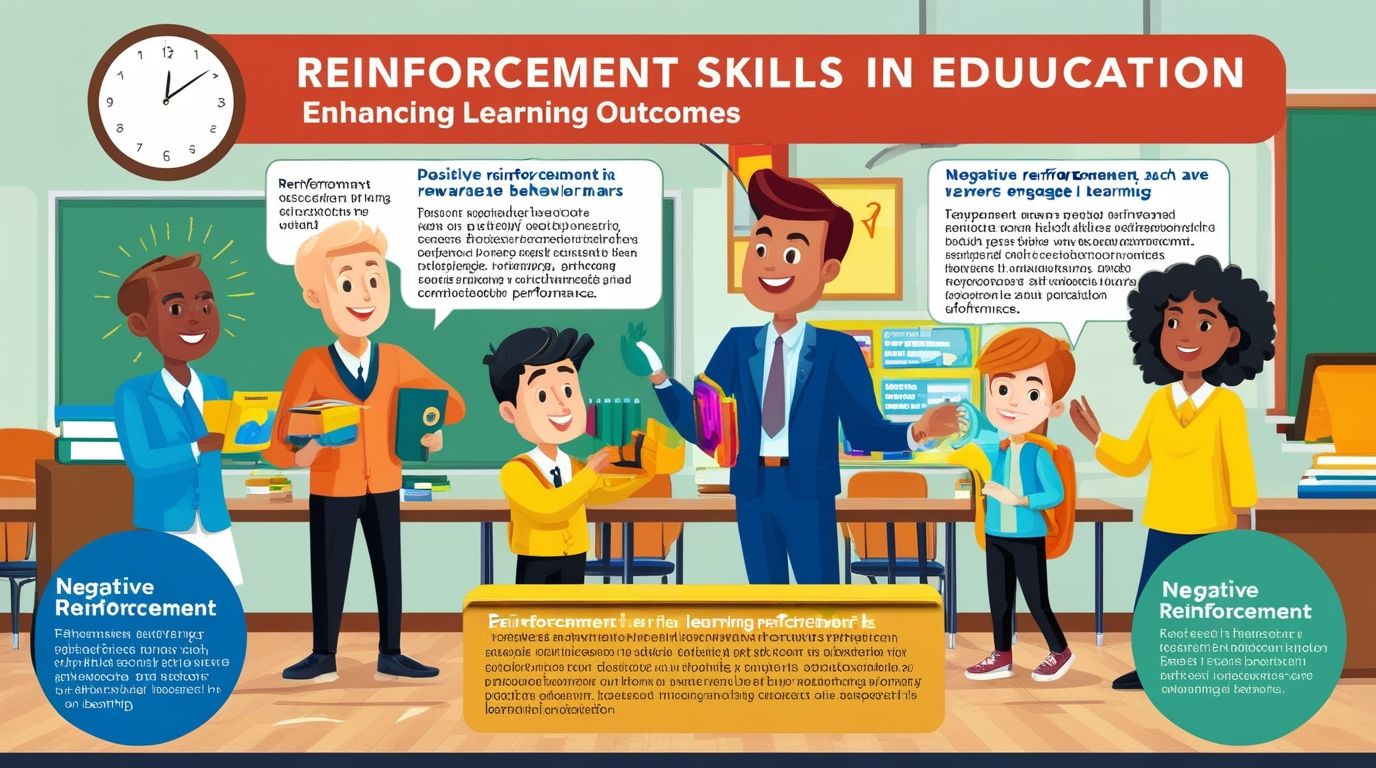
Positive reinforcement encourages desirable behavior without relying solely on punishment. Praising acts of generosity, cooperation, and responsibility helps children associate moral behavior with positive social experiences. However, excessive reliance on external rewards may undermine intrinsic motivation if children begin acting ethically only to receive praise or prizes.
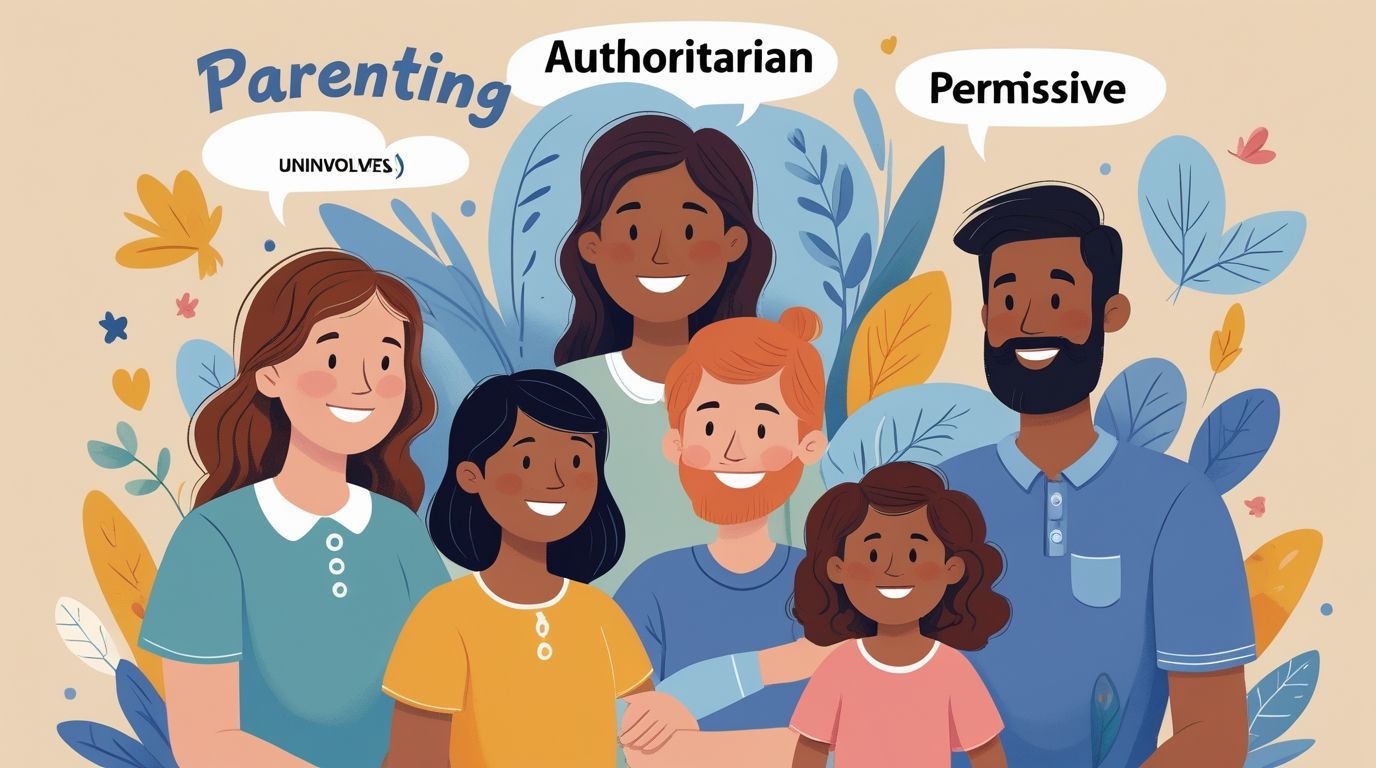
Discipline strategies also influence moral development. Inductive discipline, in which adults explain how a child’s behavior affects others, promotes empathy and internal moral understanding more effectively than harsh punishment. By encouraging children to consider another person’s feelings, adults help transform external rules into internal values.
The Role of Culture and Society
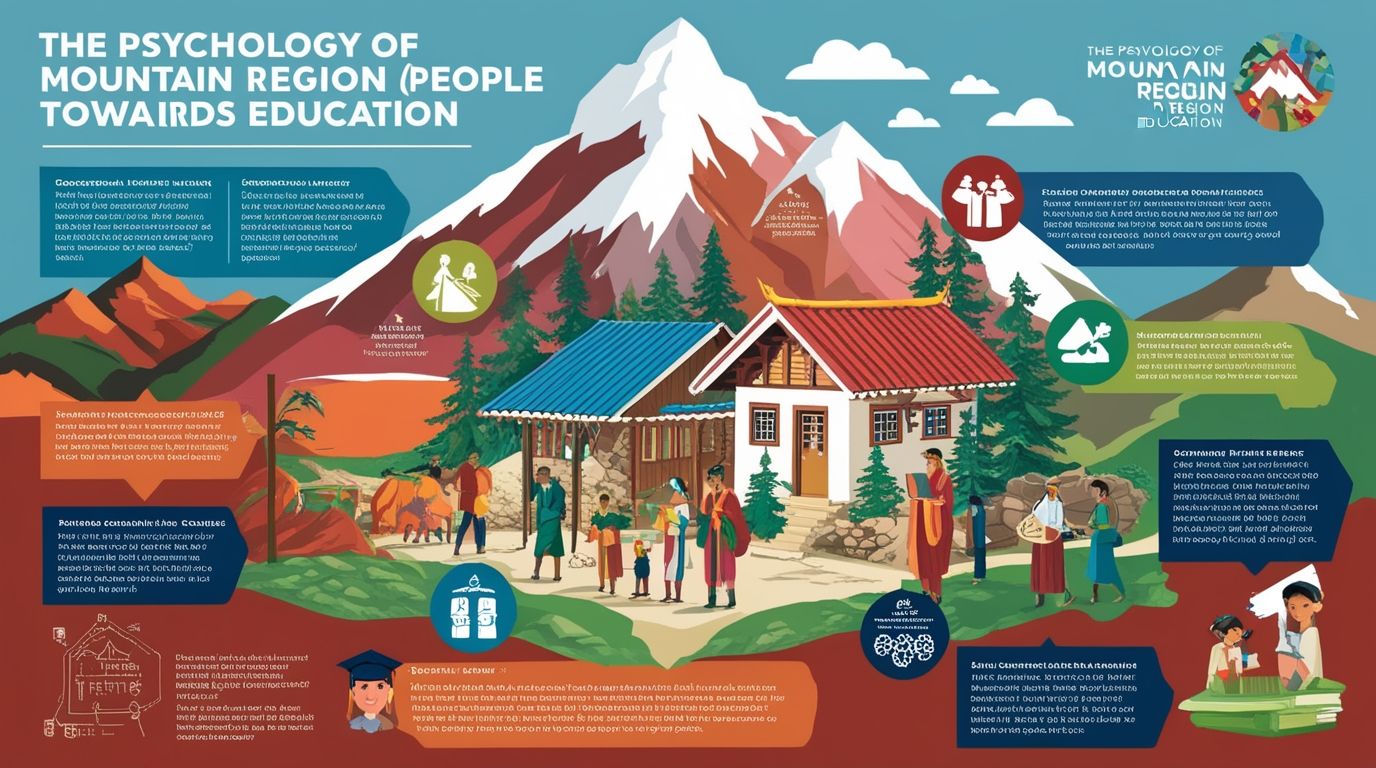
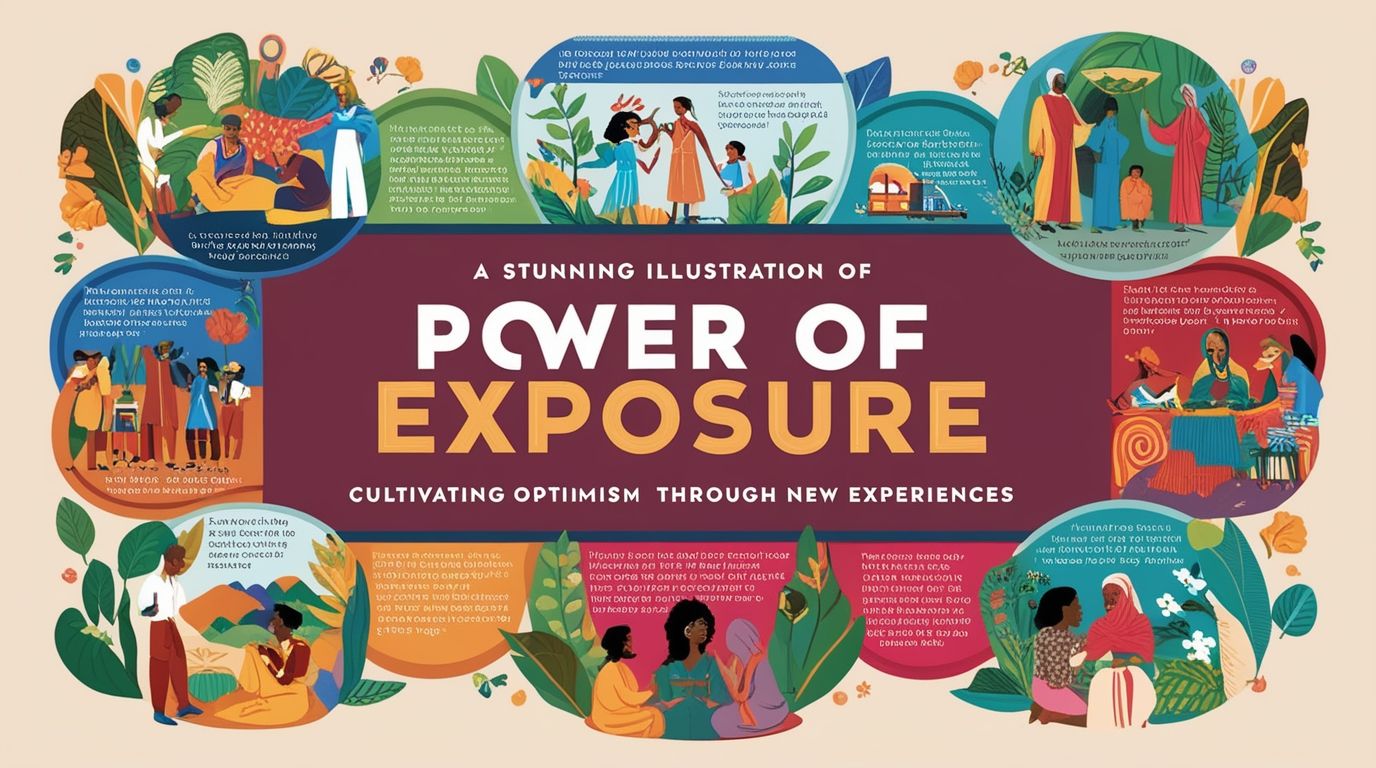
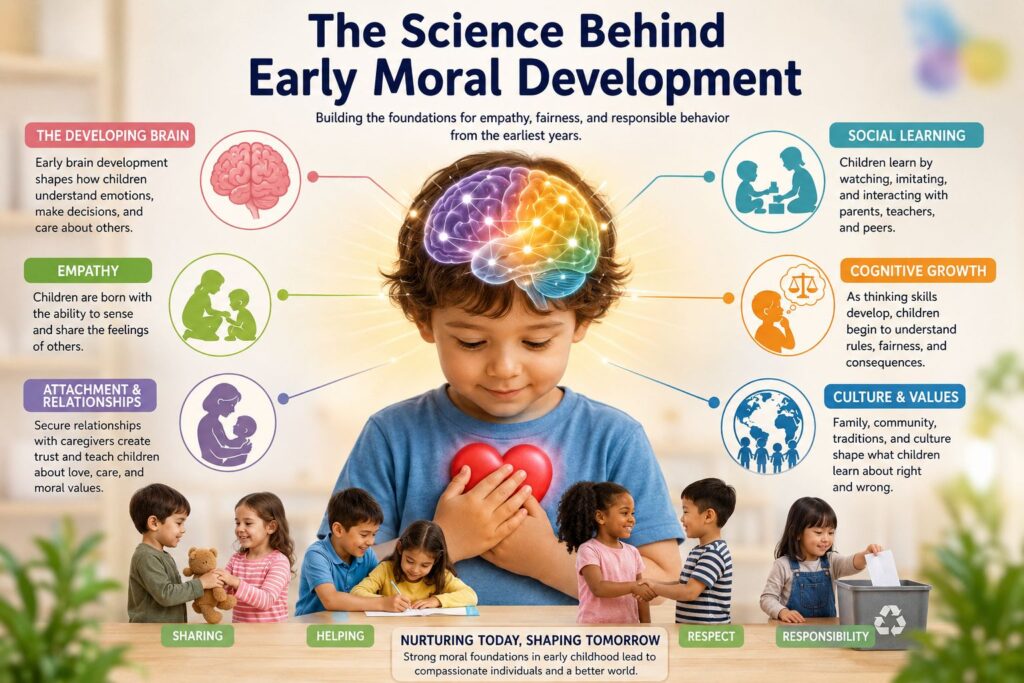
Although certain aspects of morality appear universal, cultural environments significantly influence how moral values are expressed and prioritized. Every society teaches children norms regarding honesty, respect, responsibility, generosity, and cooperation. However, cultures differ in their emphasis on individual autonomy, collective responsibility, obedience, independence, and social harmony.
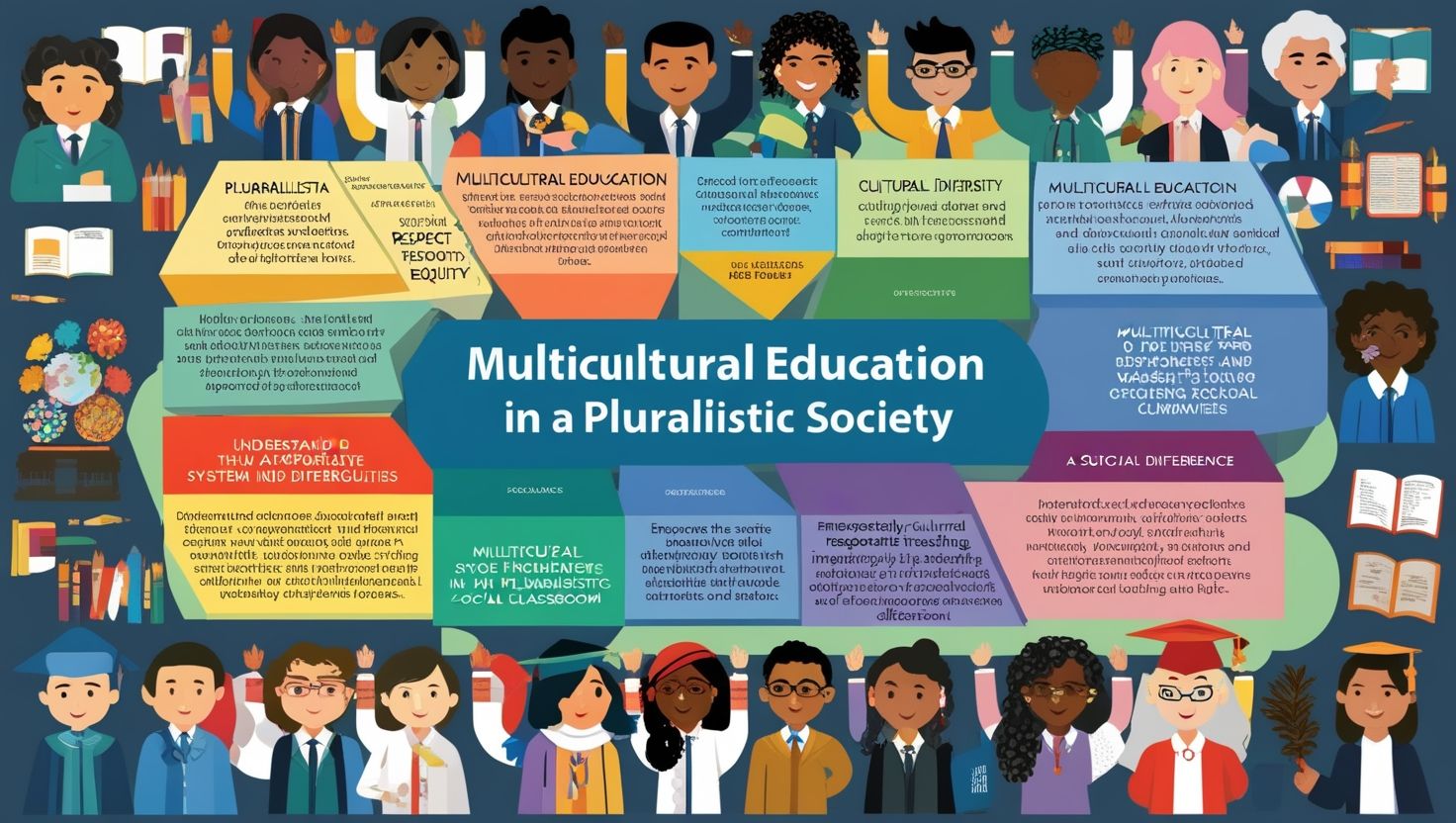
Children acquire cultural values through family traditions, religious practices, community rituals, educational institutions, and media exposure. Multicultural societies expose children to diverse perspectives, encouraging flexibility and respect for differences. Understanding multiple viewpoints enhances moral reasoning by helping children appreciate that ethical dilemmas often involve competing values.
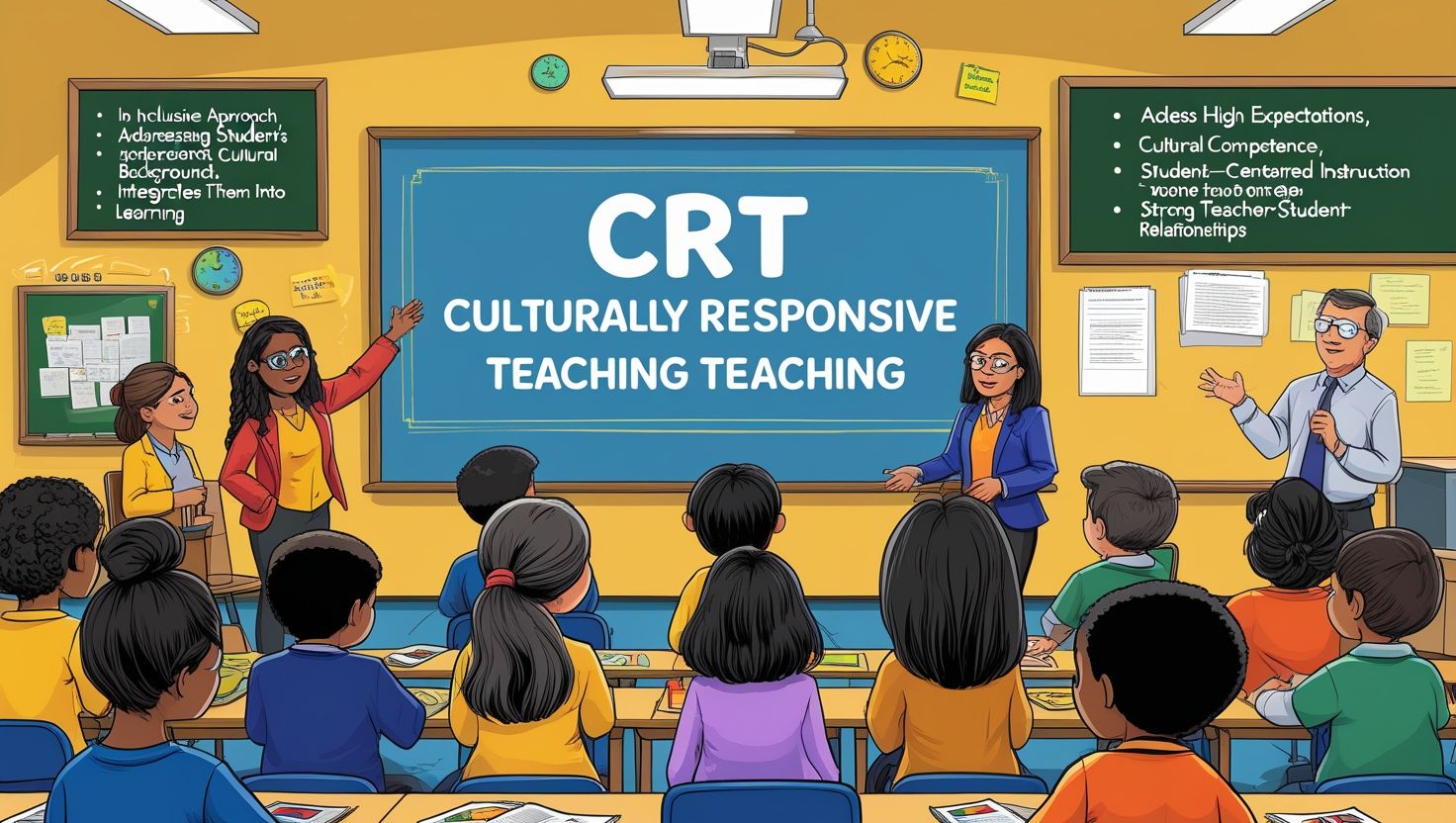
Scientific research emphasizes that effective moral education should respect cultural diversity while promoting universal principles such as compassion, fairness, dignity, and respect for human rights. Schools play a critical role in fostering inclusive environments where children learn to appreciate diversity without compromising fundamental ethical values.
The Importance of Play
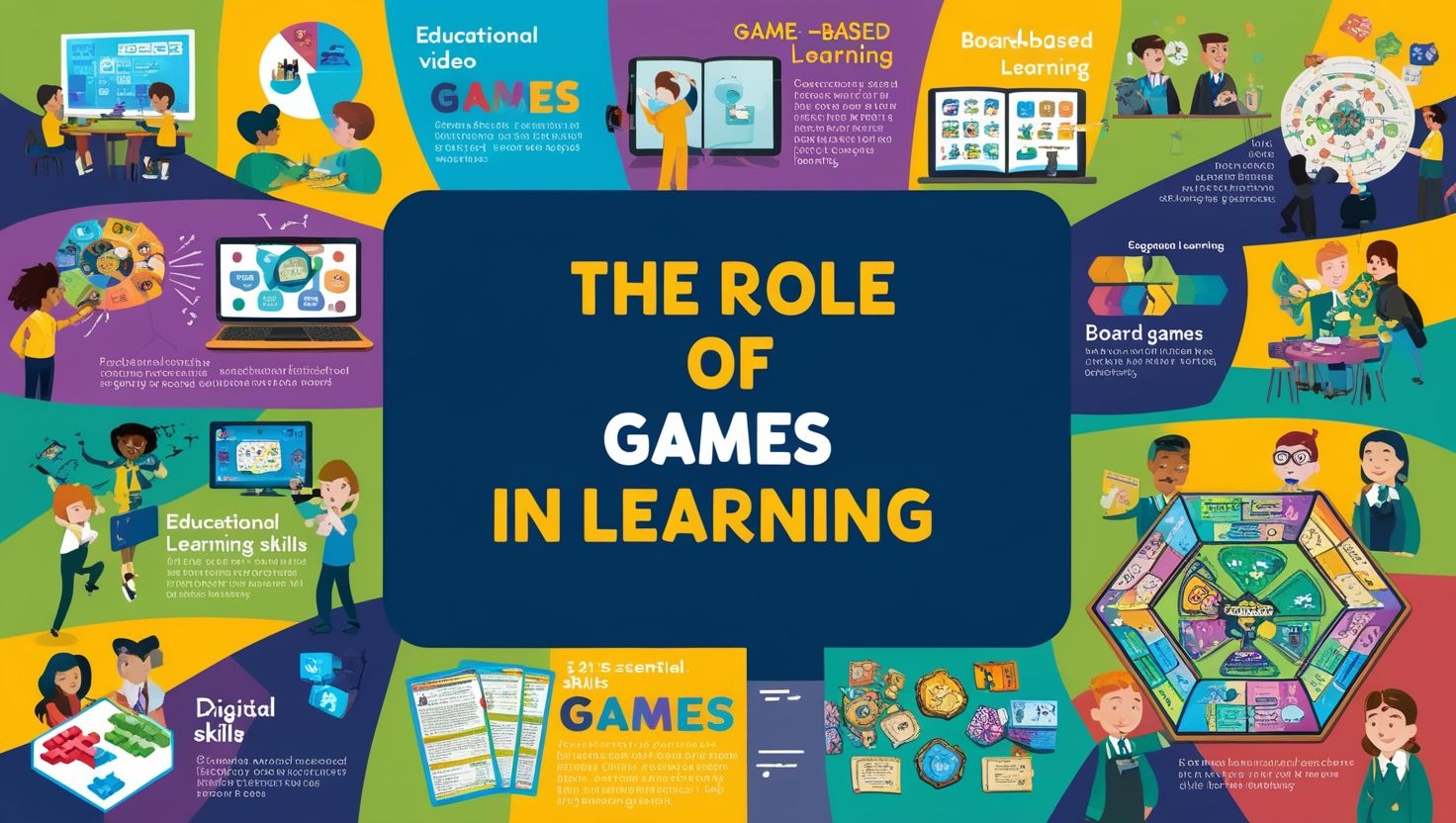
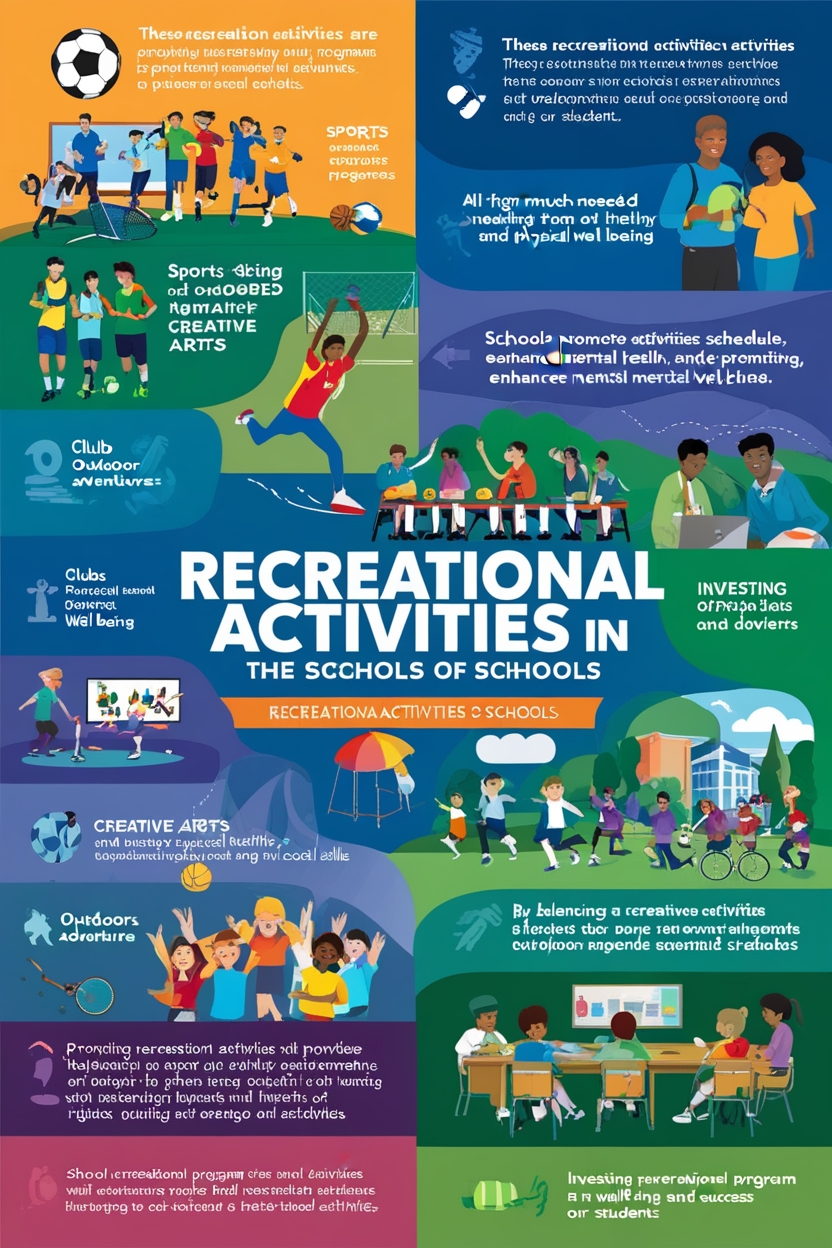
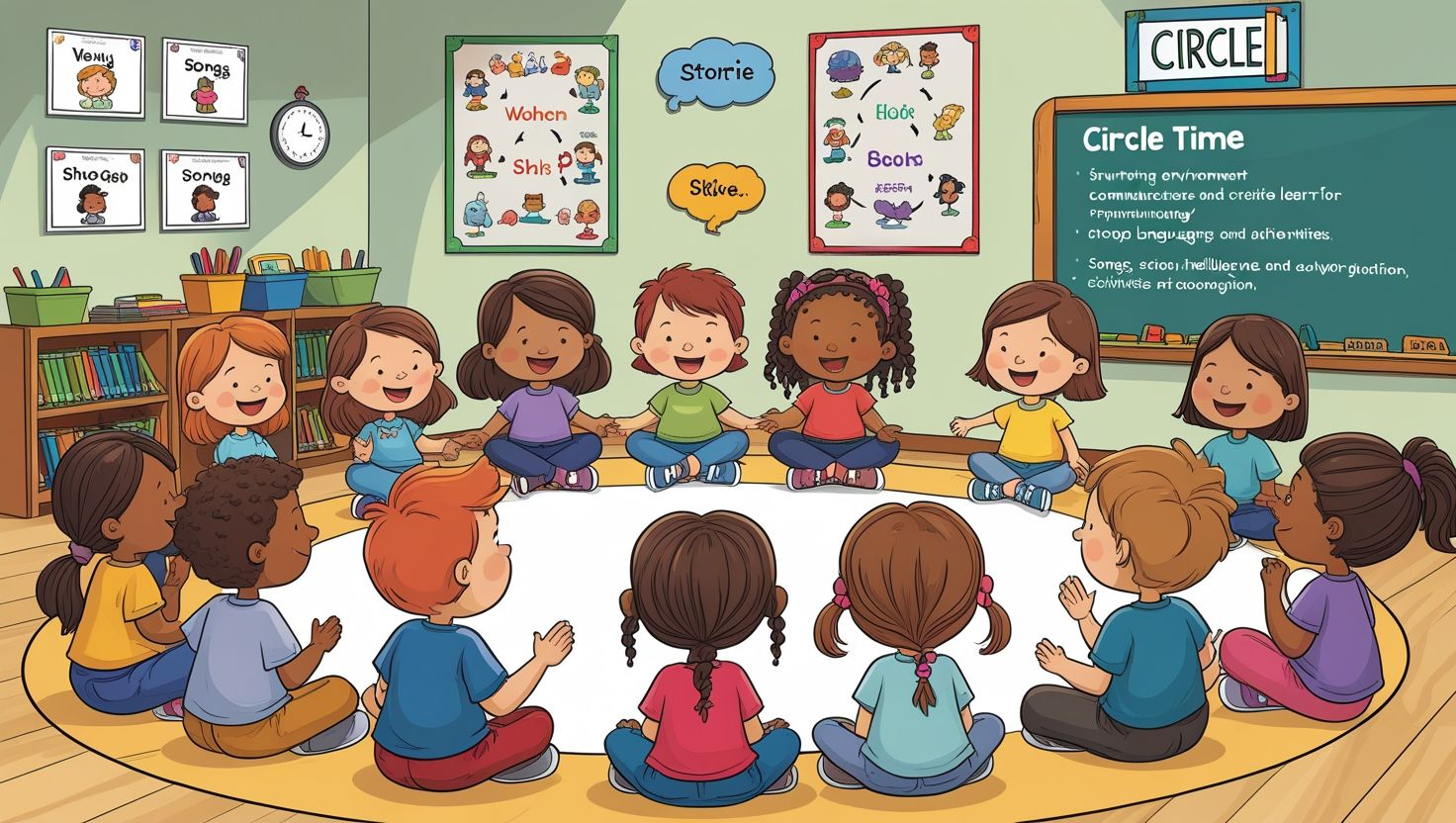
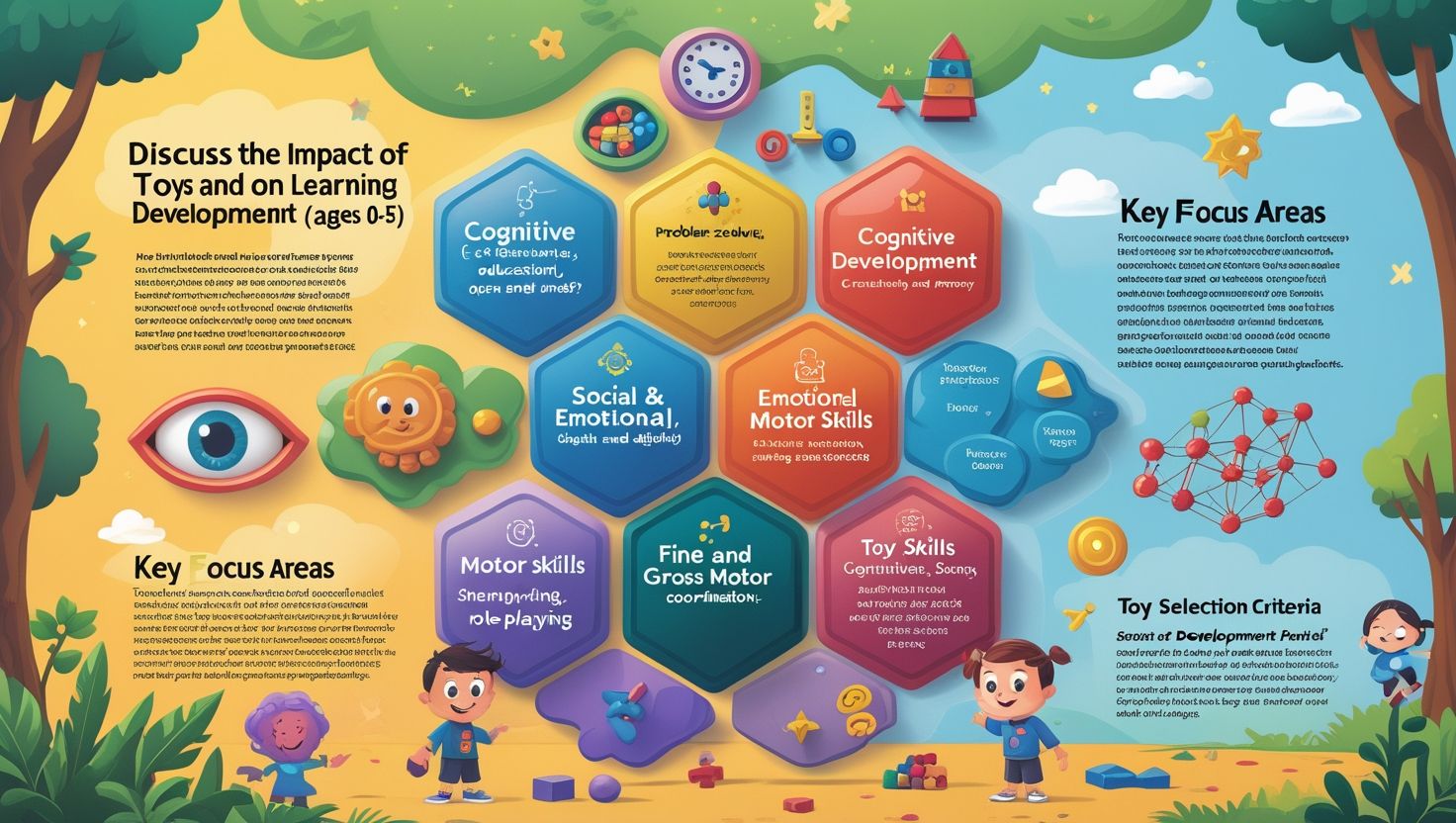
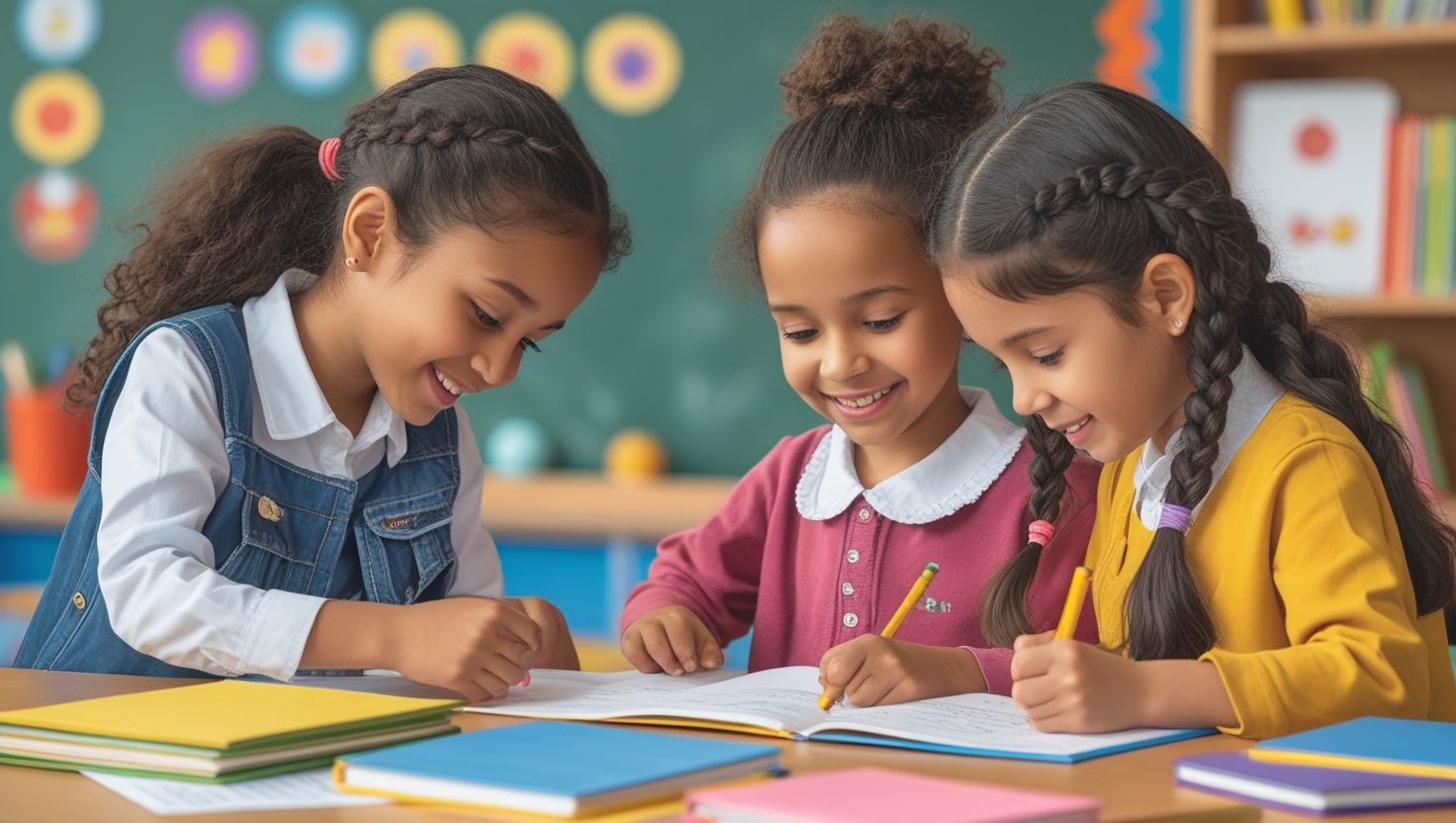
Play is often overlooked as a context for moral development, yet it provides countless opportunities for learning ethical behavior. During cooperative play, children negotiate rules, resolve conflicts, share resources, and practice self-control. These everyday interactions strengthen communication skills, perspective-taking, and fairness.
Pretend play allows children to explore social roles and moral dilemmas in imaginative settings. Through role-playing, children experiment with helping behaviors, caregiving, leadership, and conflict resolution. They also learn that actions have emotional consequences for others.
Outdoor games and team activities reinforce cooperation, perseverance, honesty, and respect for rules. When guided appropriately, conflicts during play become valuable teaching moments rather than disciplinary problems. Adults can encourage children to discuss disagreements, listen to different perspectives, and generate fair solutions collaboratively.
Moral Development in Educational Settings
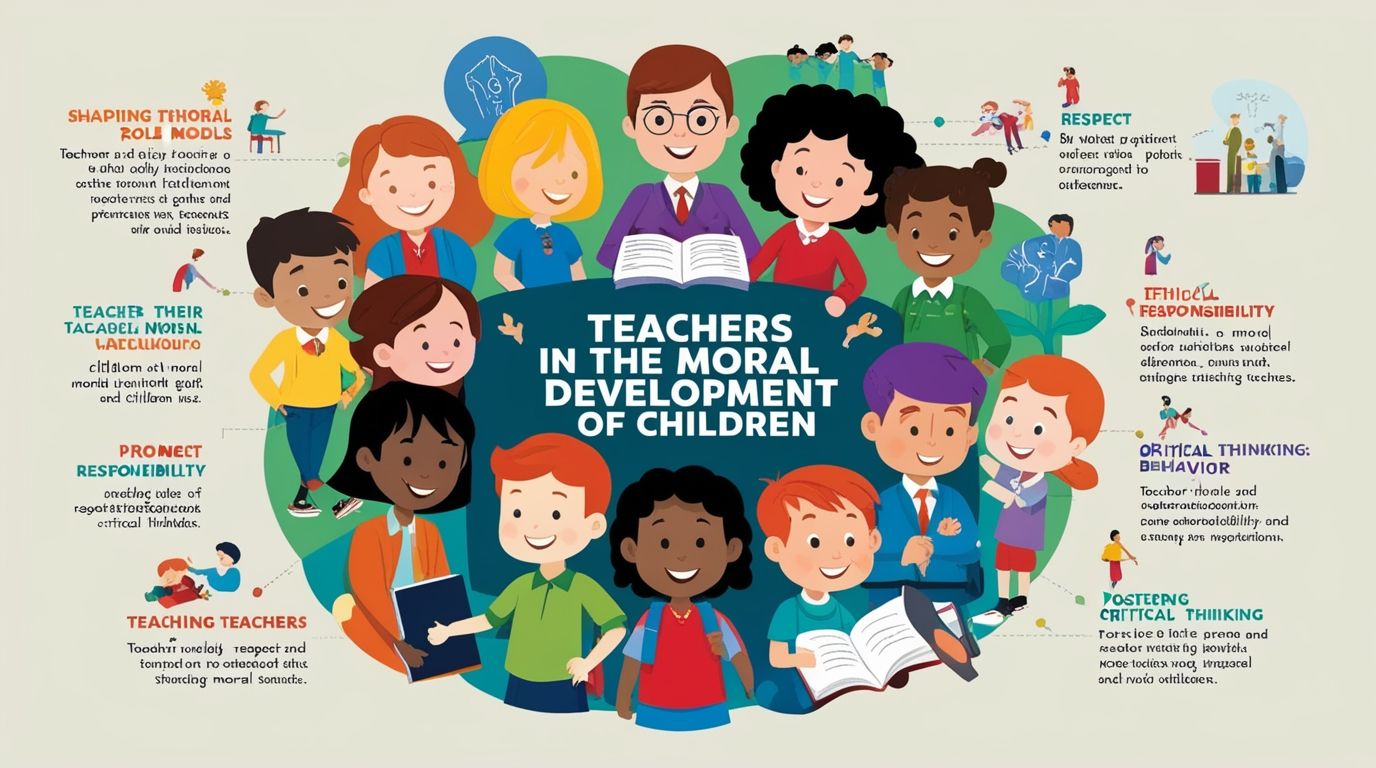
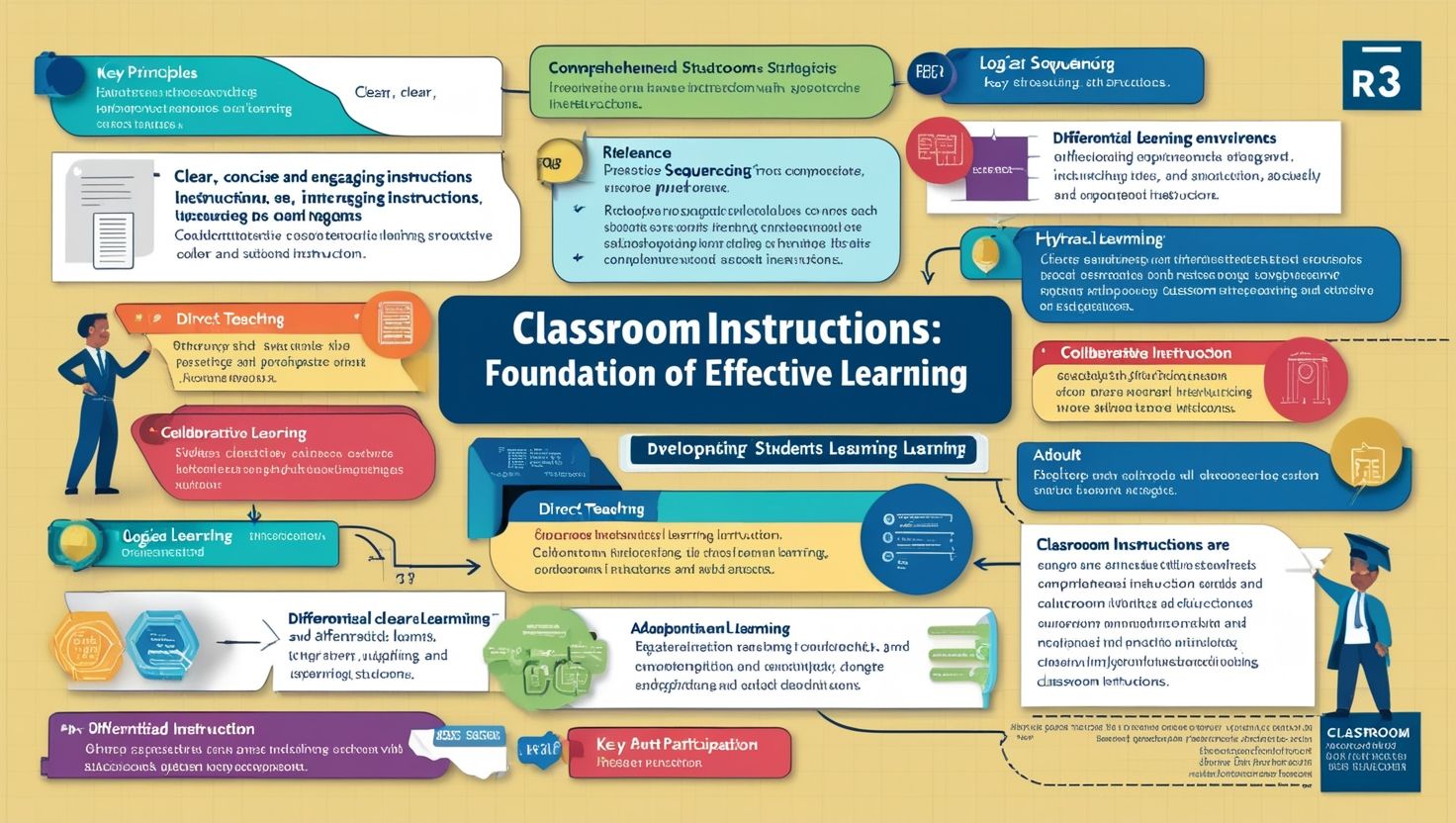
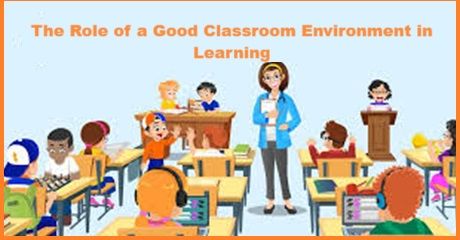
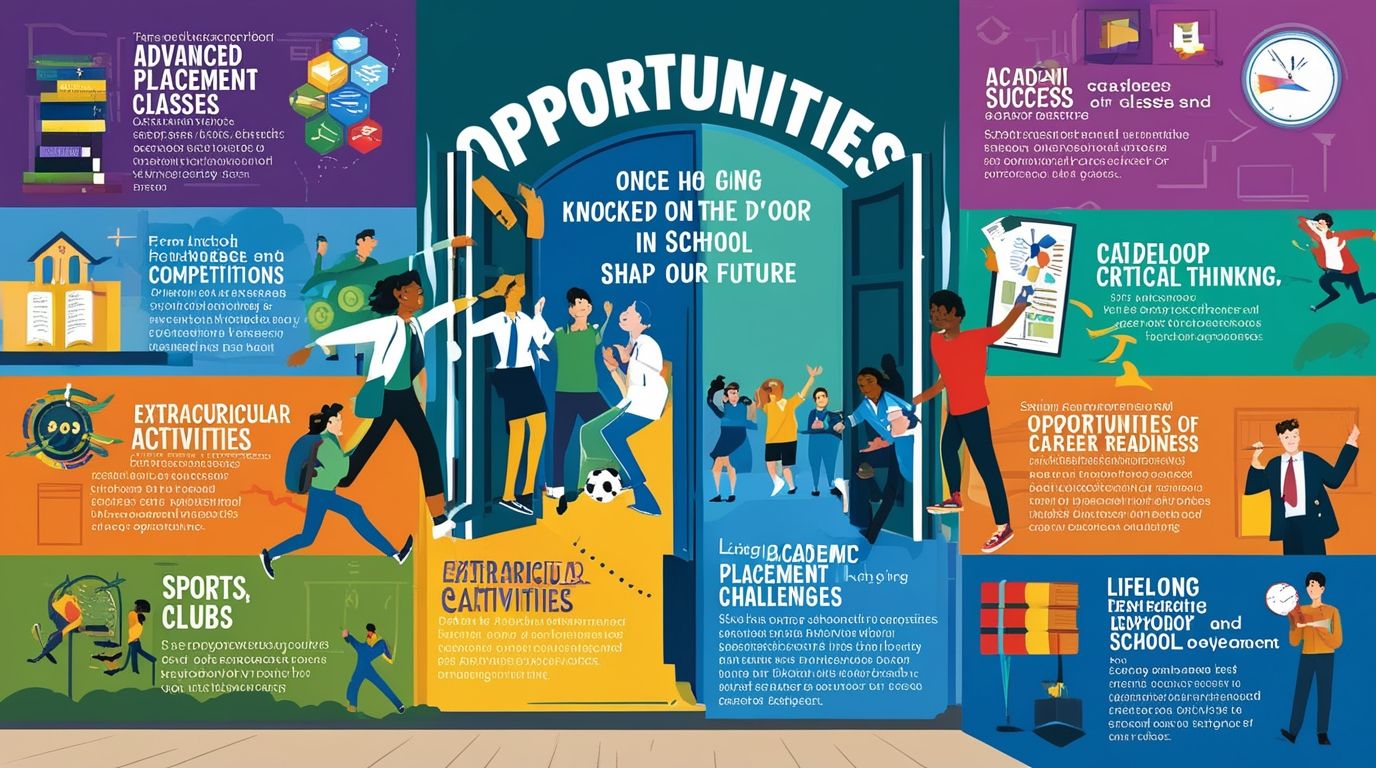
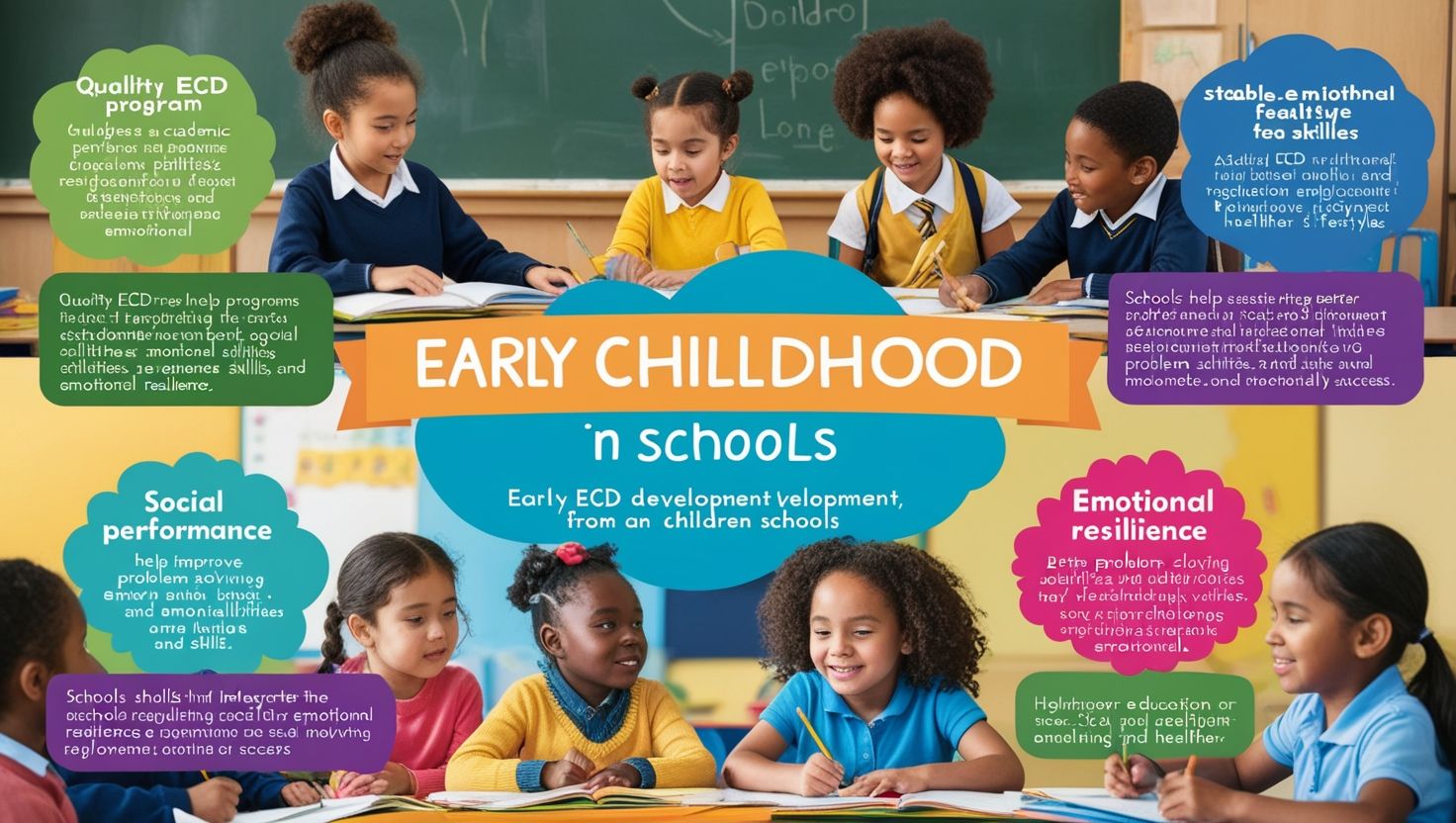
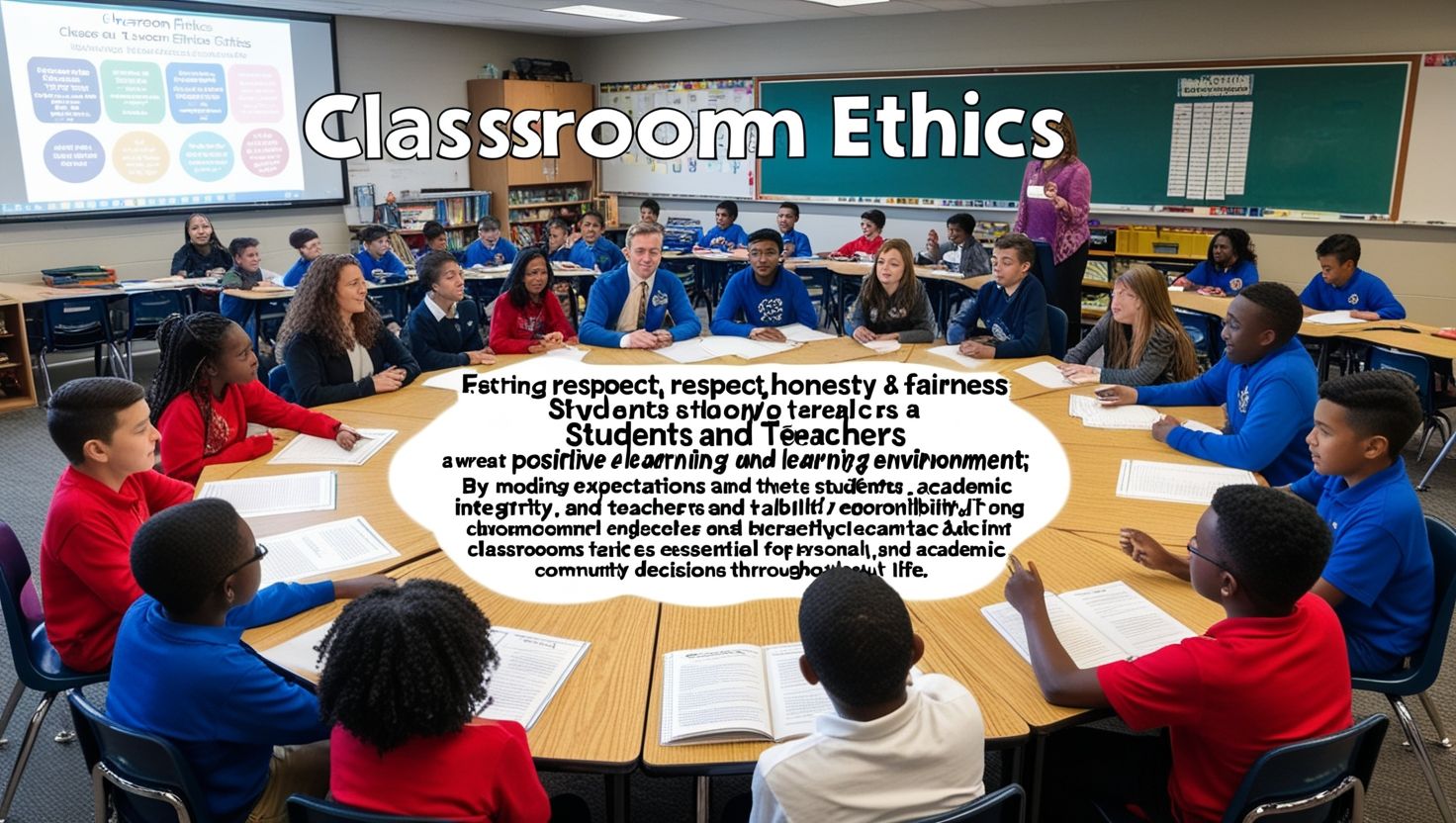
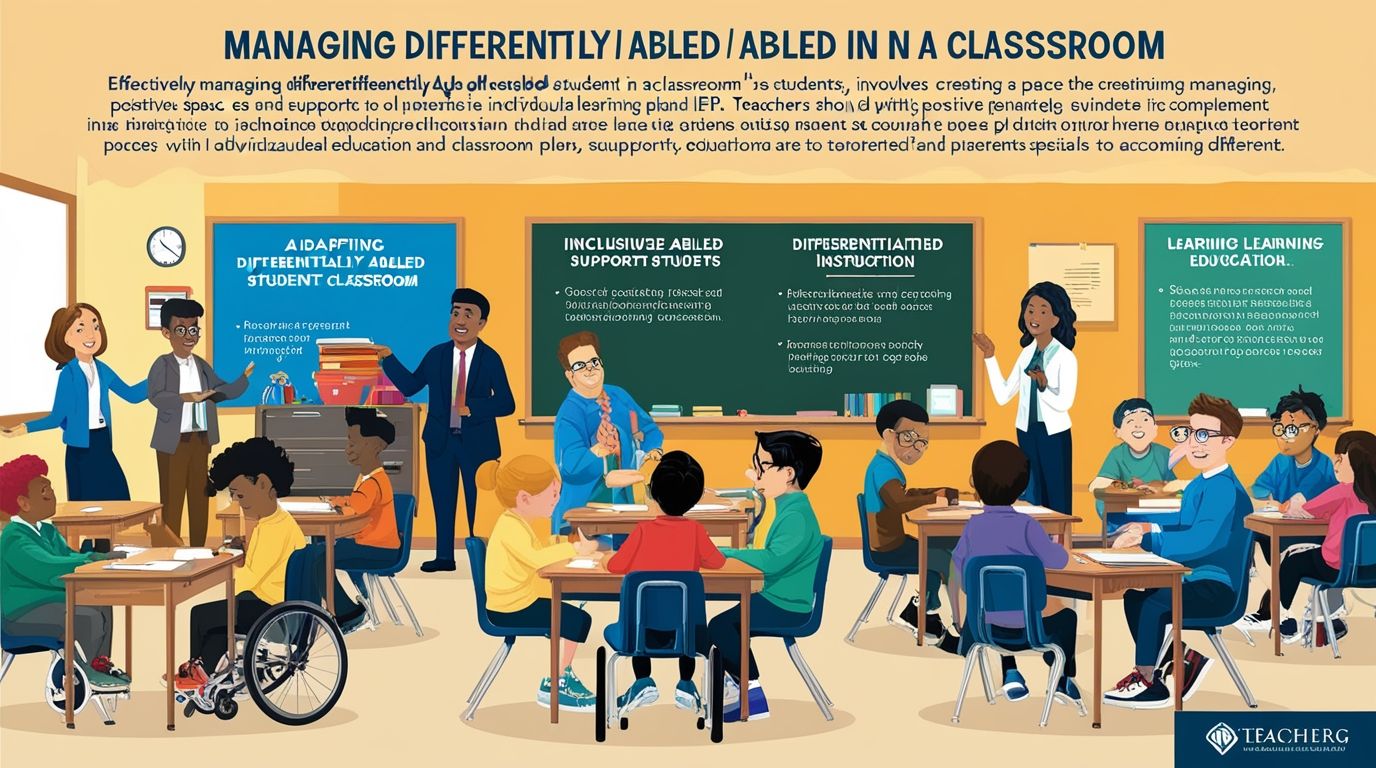
Schools are among the most influential environments for fostering moral development. Beyond academic instruction, effective schools cultivate respect, responsibility, integrity, and citizenship through daily interactions and institutional culture.
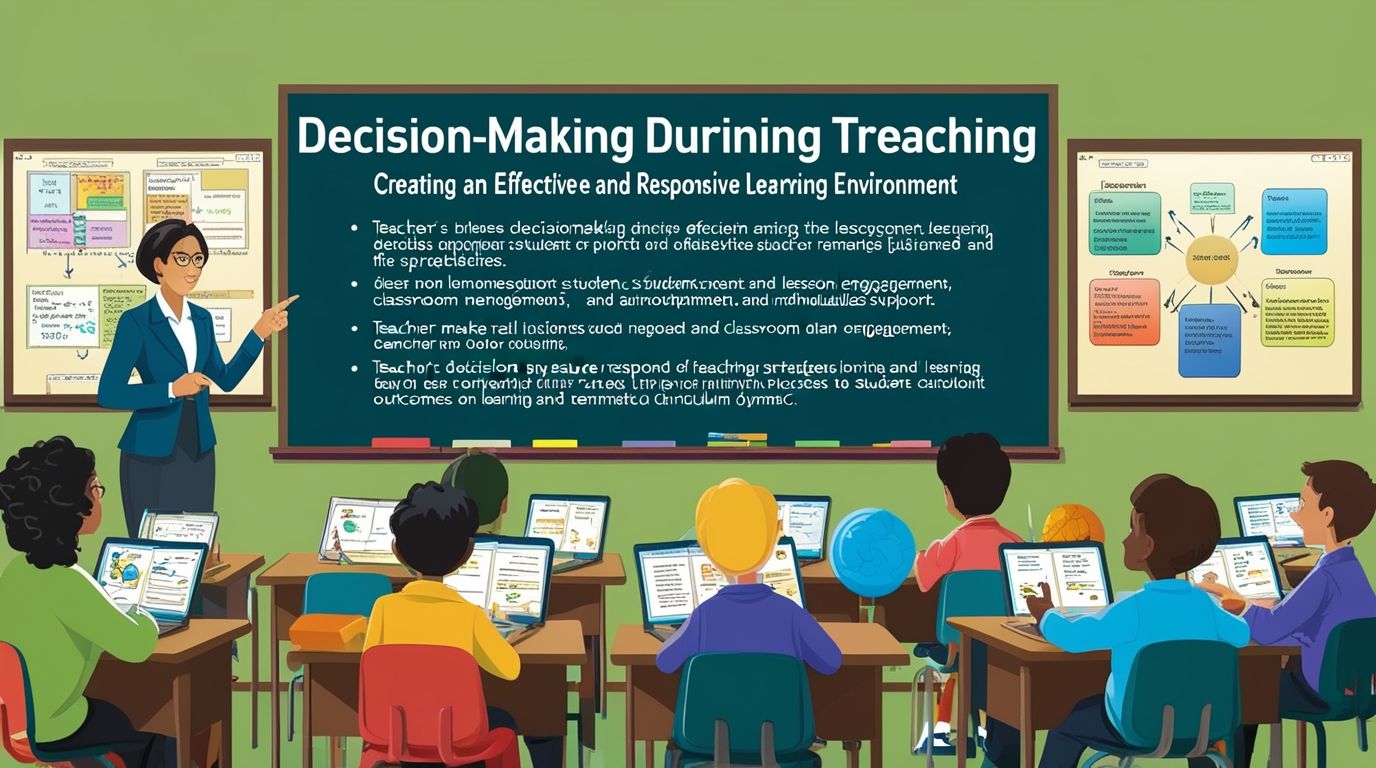
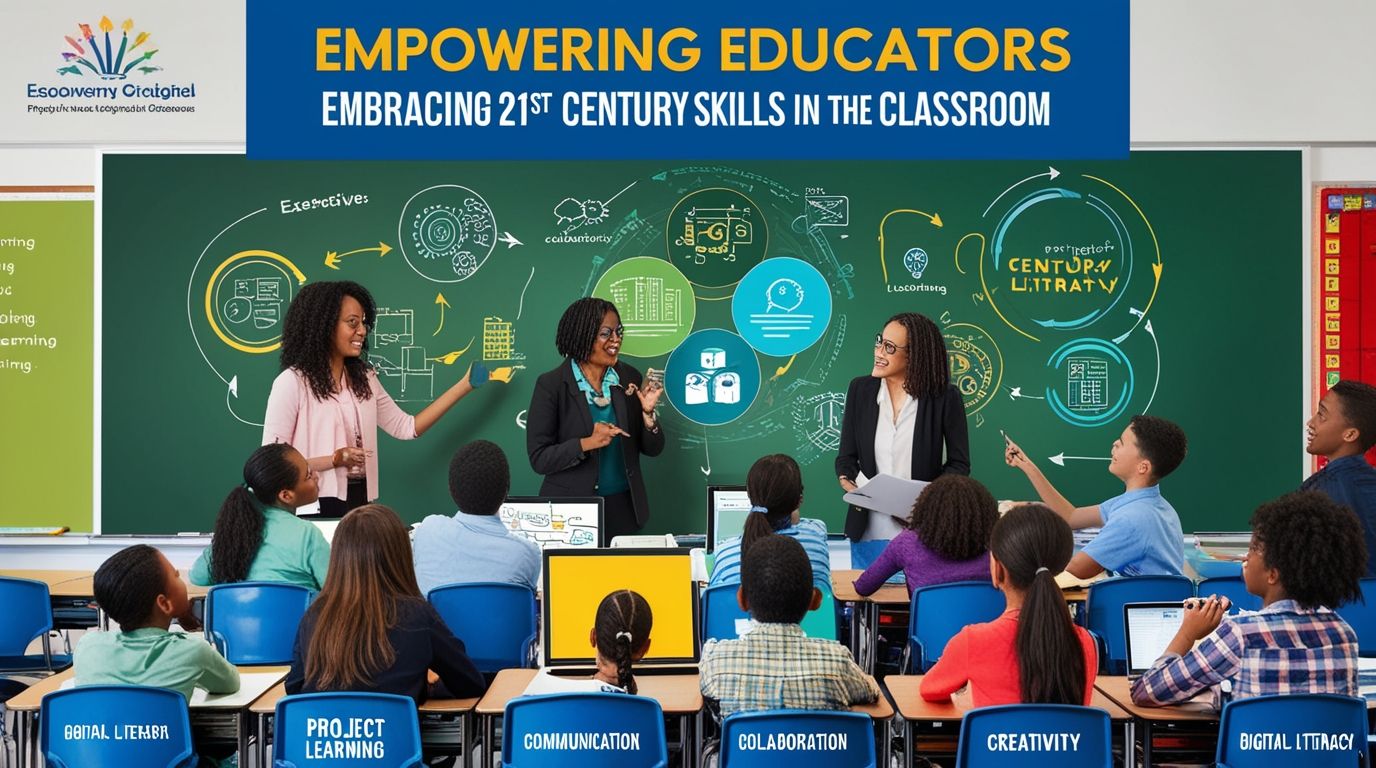
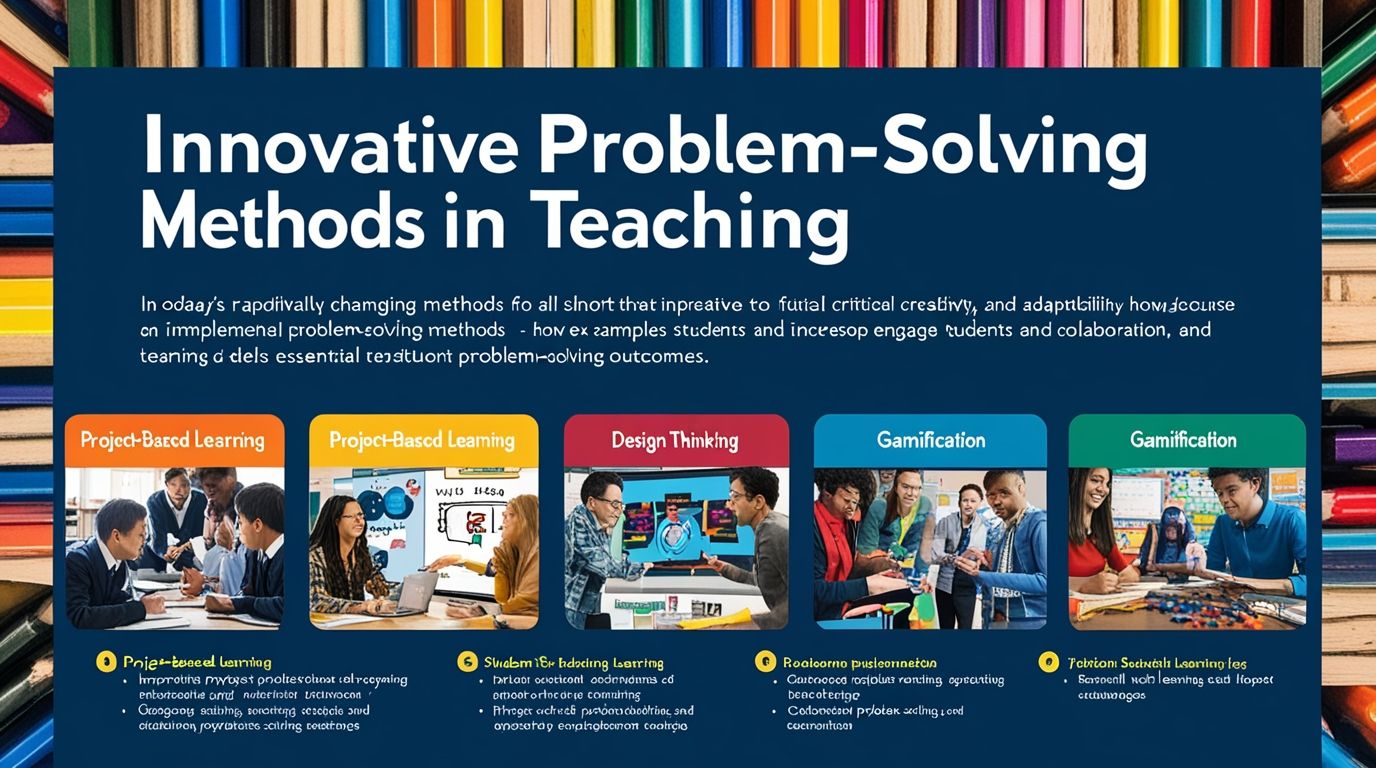
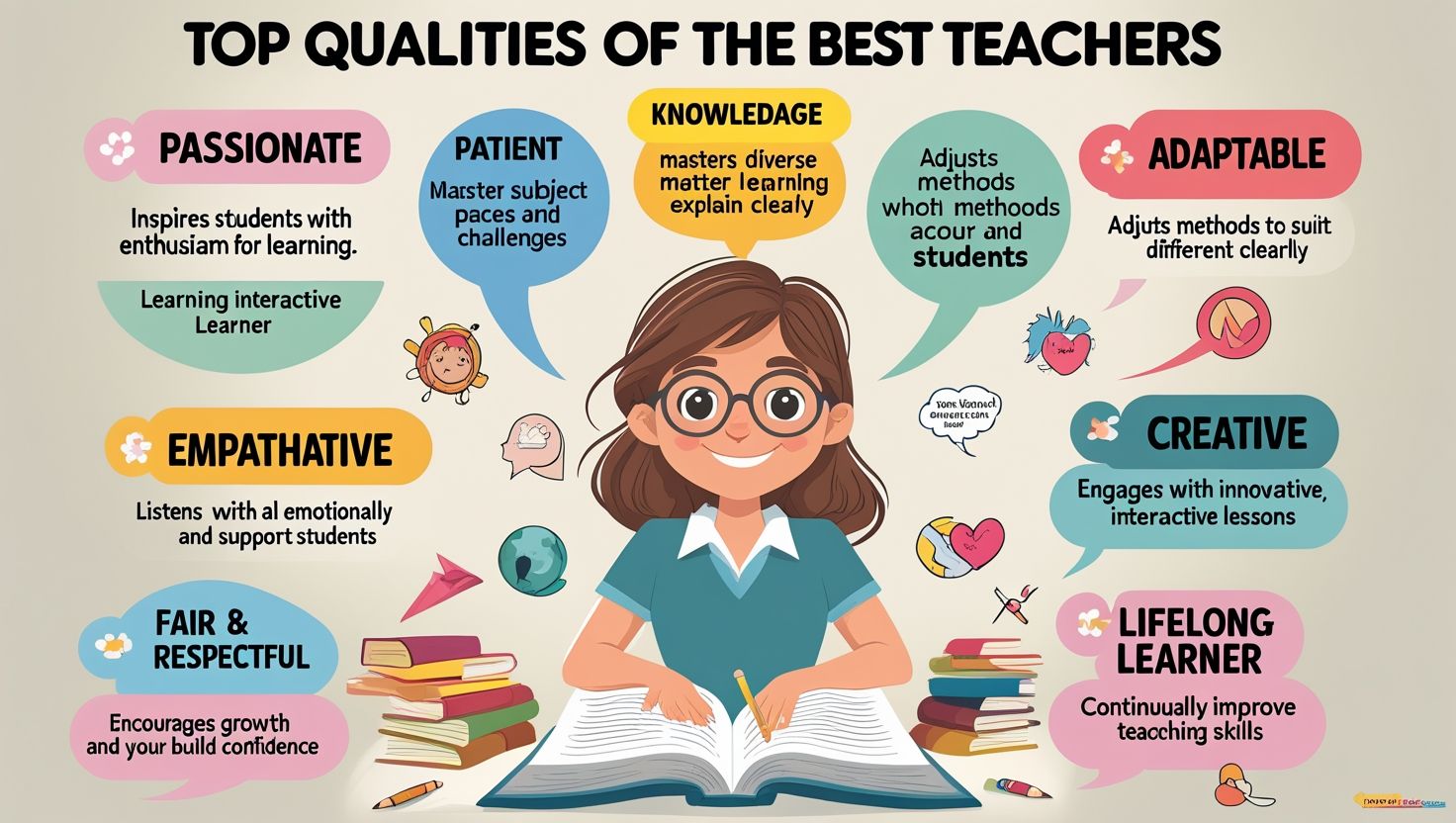
Teachers influence children’s moral growth by establishing caring relationships, maintaining fair classroom rules, encouraging collaboration, and addressing conflicts constructively. Classroom discussions about ethical dilemmas stimulate critical thinking and perspective-taking. Literature, history, and social studies provide meaningful opportunities to examine courage, justice, compassion, and responsibility.
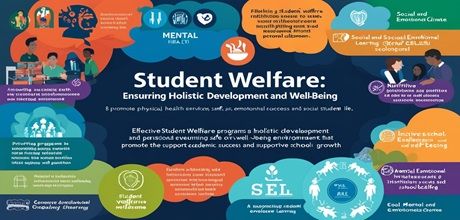
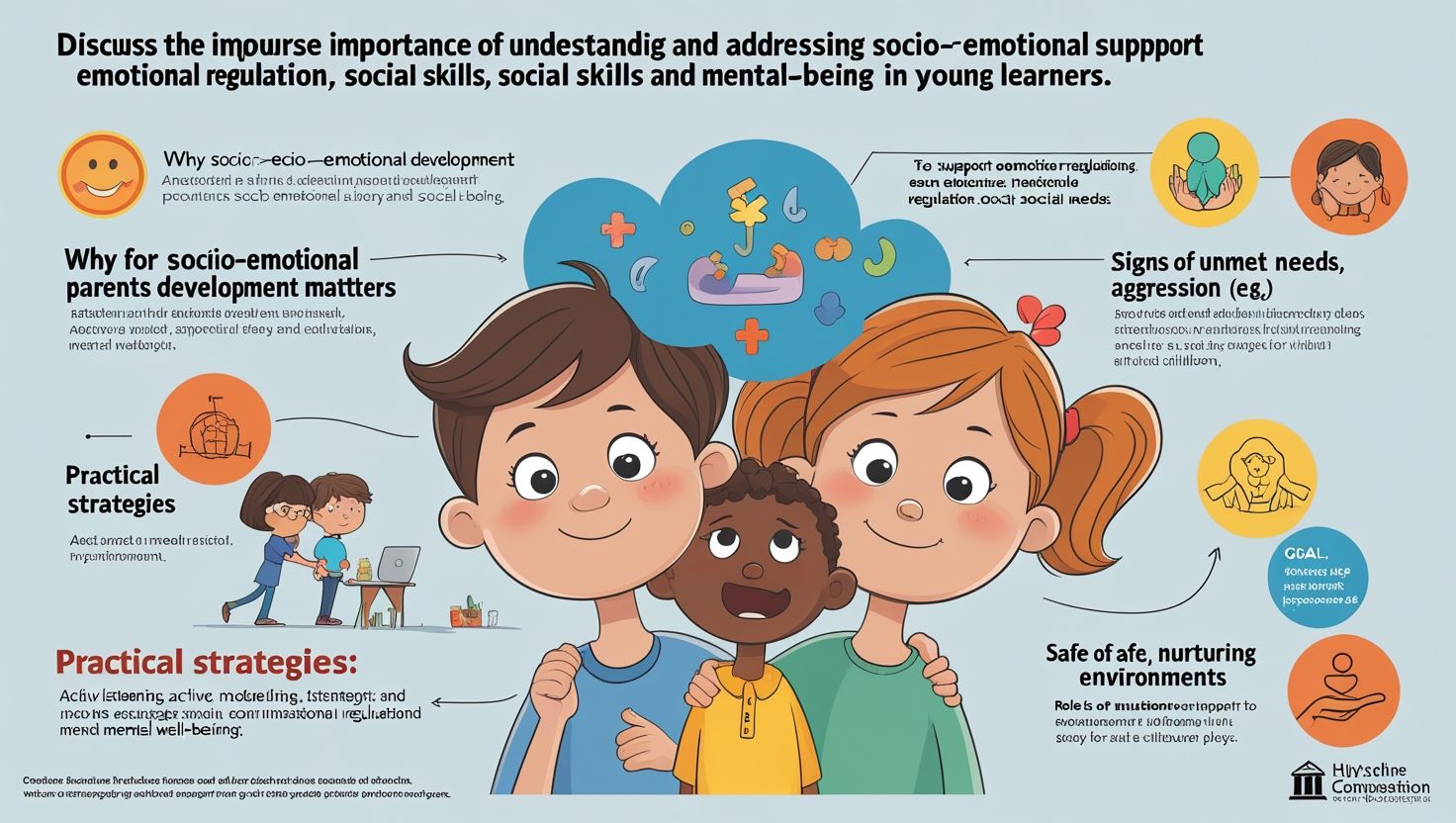
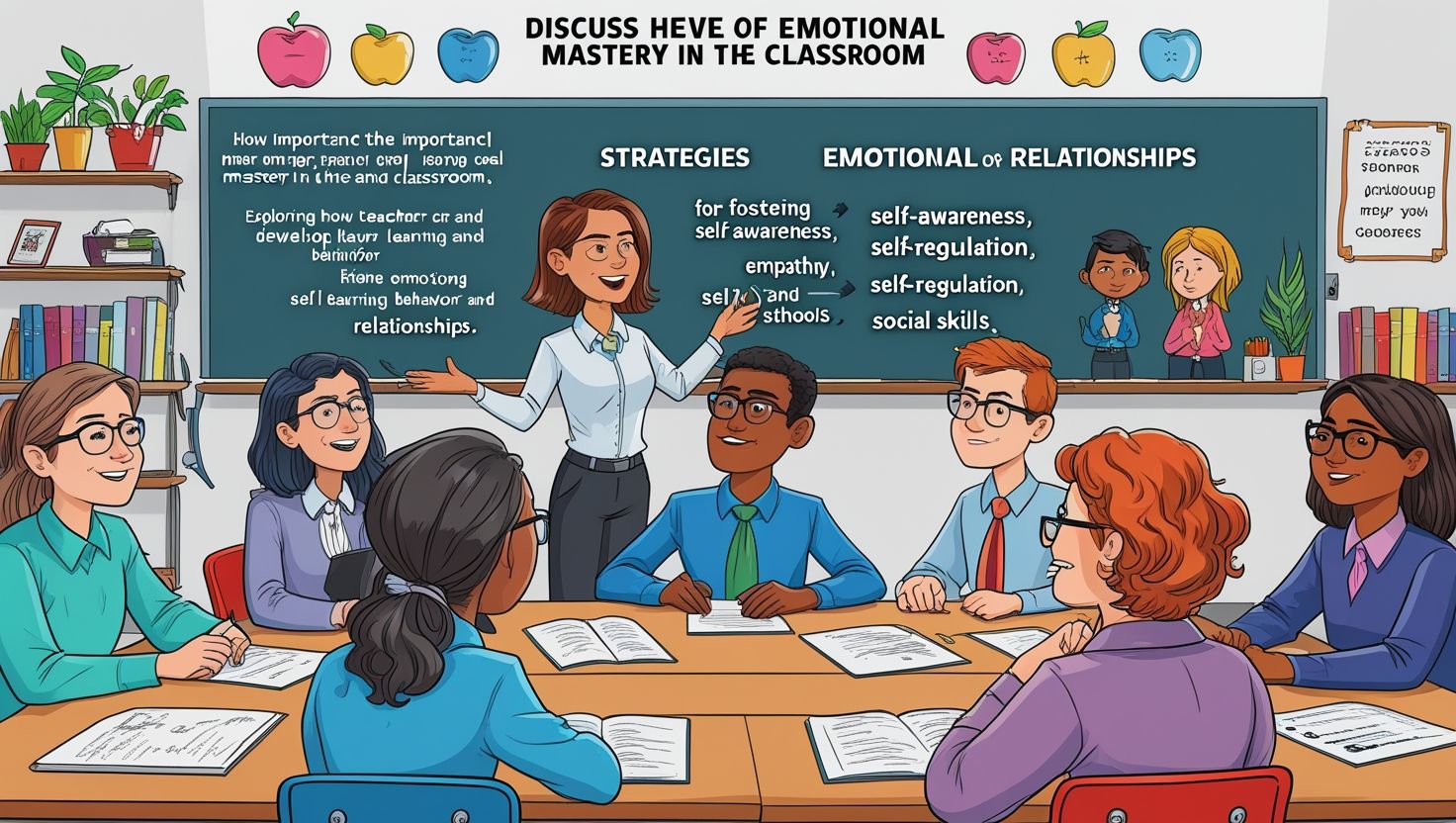
Social-emotional learning (SEL) programs have demonstrated positive effects on empathy, emotional regulation, cooperation, and academic achievement. These programs explicitly teach self-awareness, relationship skills, responsible decision-making, and conflict resolution. Research indicates that students participating in high-quality SEL programs exhibit improved behavior, stronger interpersonal relationships, and enhanced academic performance.
Restorative practices further support moral learning by emphasizing accountability, empathy, and repairing relationships rather than merely imposing punishment. When children understand the impact of their actions and actively participate in making amends, they develop deeper moral responsibility.
Challenges to Healthy Moral Development
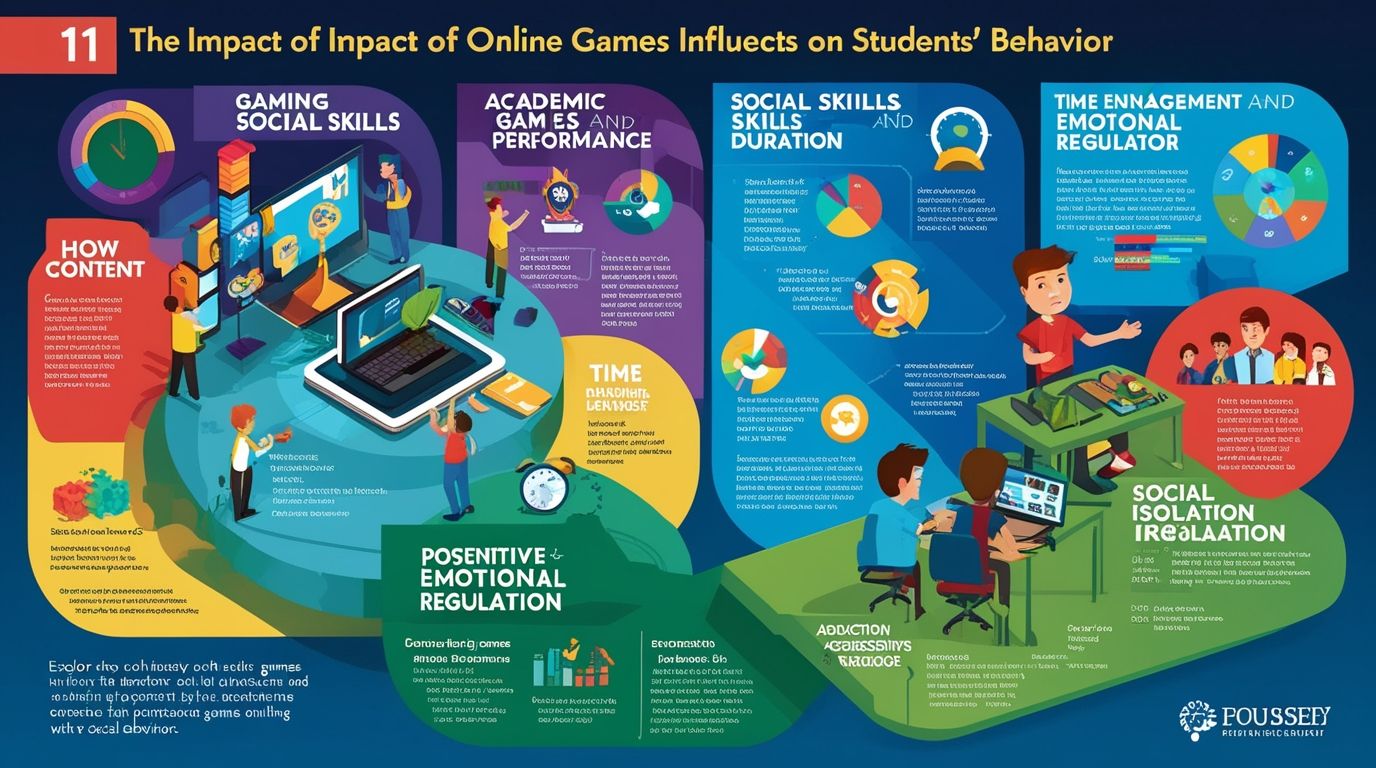
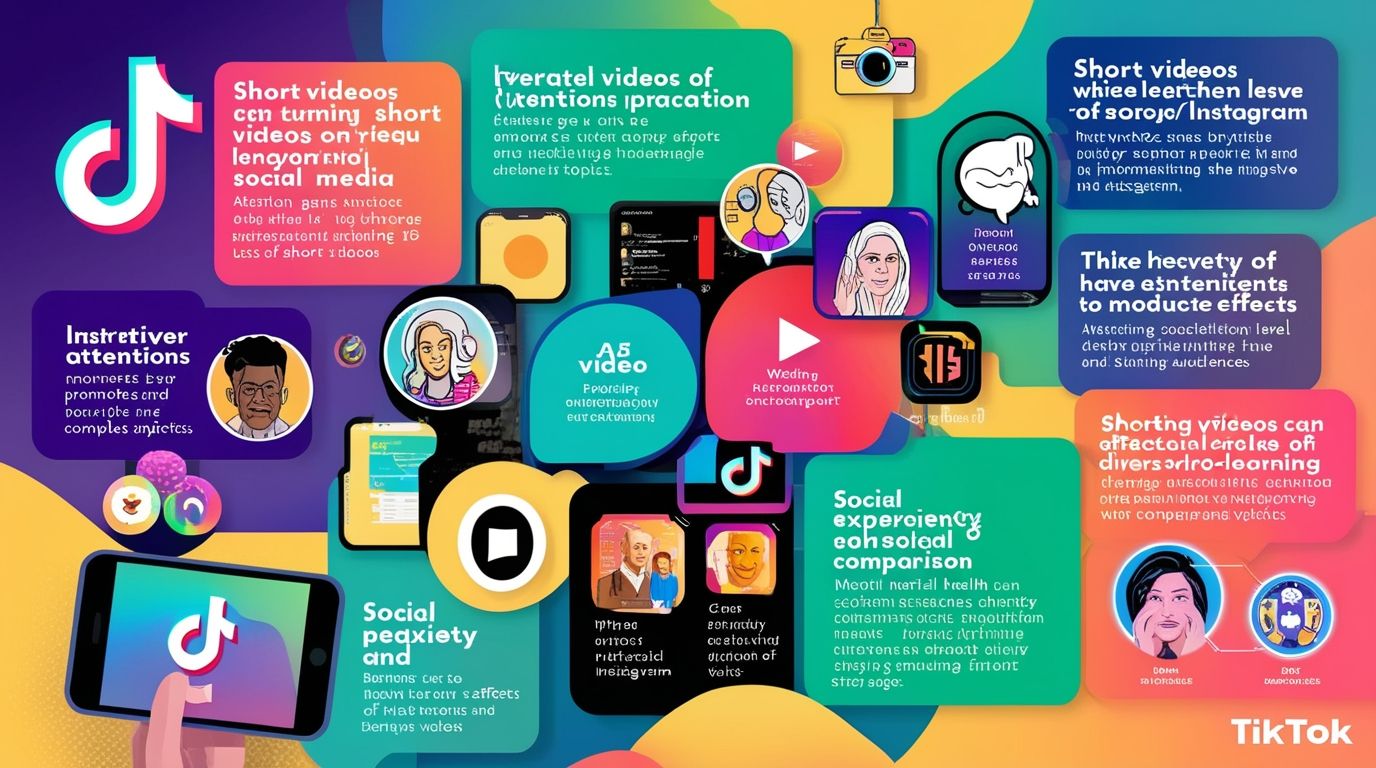
Modern children encounter numerous challenges that influence moral development. Excessive screen time, exposure to aggressive media content, cyberbullying, social isolation, and inconsistent parenting practices may complicate the acquisition of ethical values. Digital environments often reduce opportunities for face-to-face interaction, making empathy development more difficult.
Family stress, poverty, community violence, and adverse childhood experiences can also affect emotional regulation and social behavior. However, resilience research demonstrates that supportive relationships with caring adults significantly buffer these risks. Even one stable, nurturing relationship can promote positive moral development despite difficult circumstances.
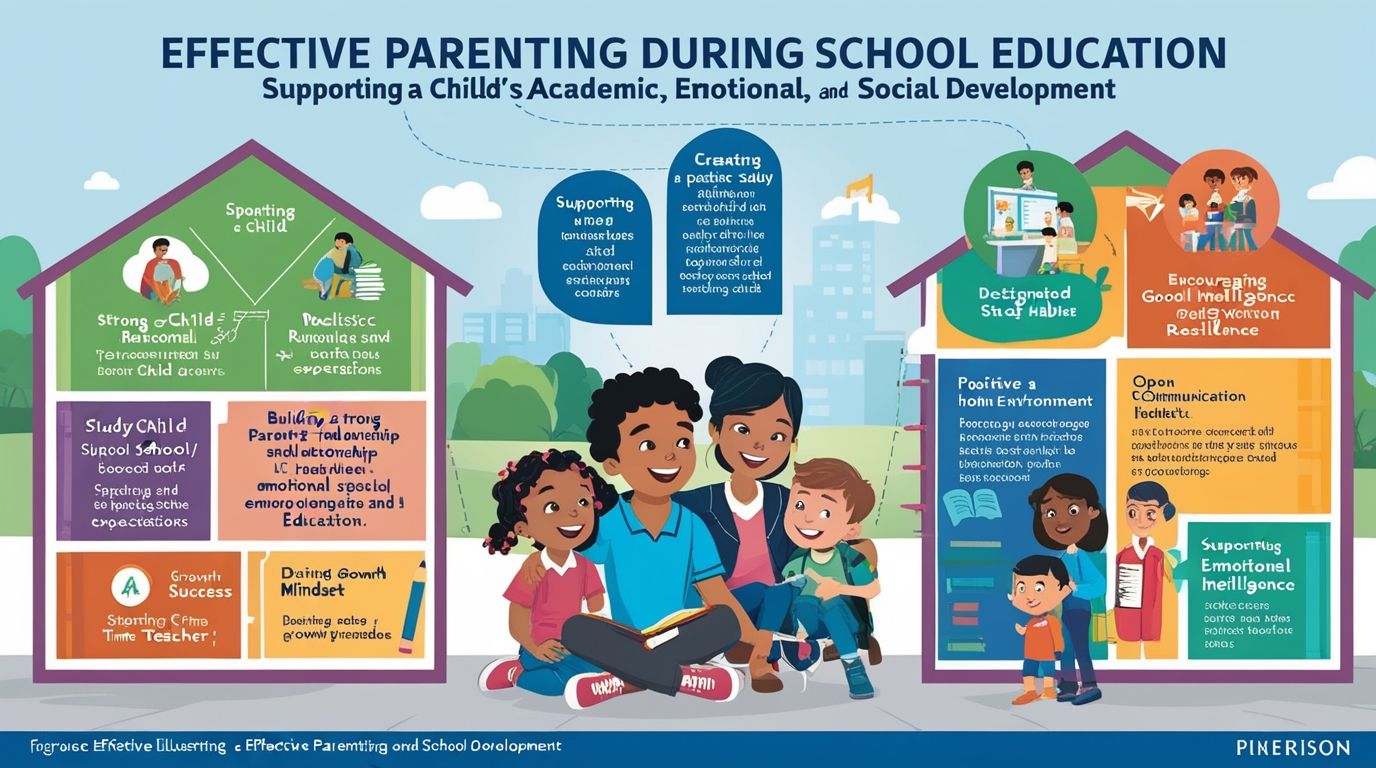
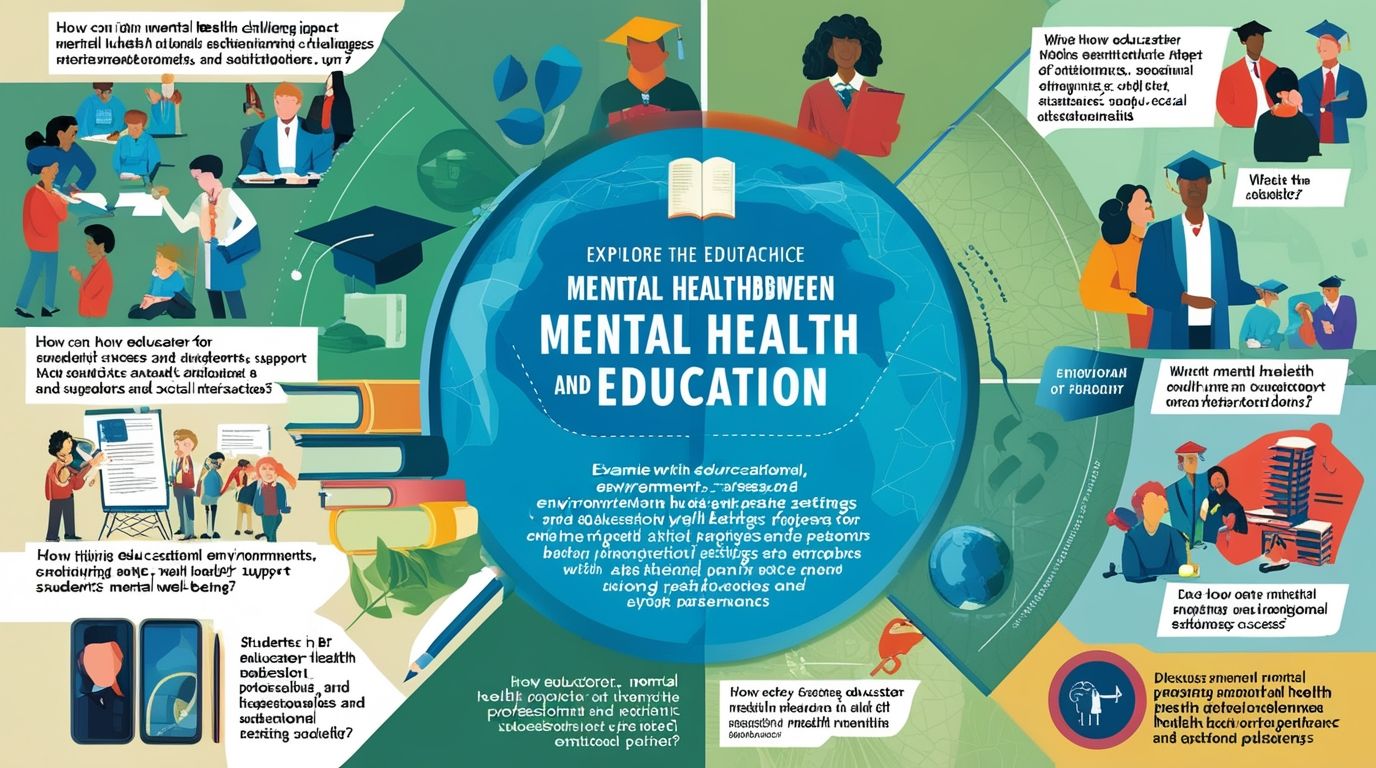
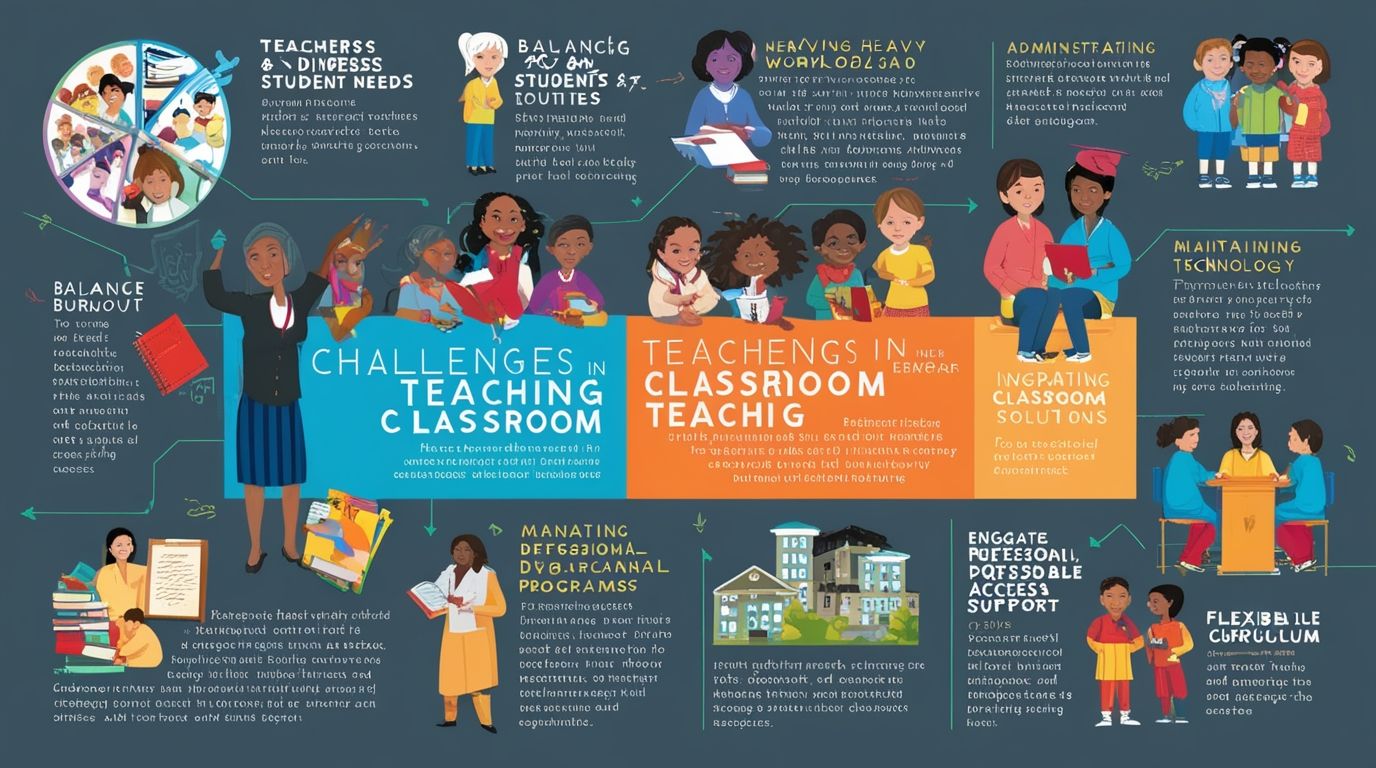
Educational systems must therefore address children’s emotional and social needs alongside academic achievement. Mental health support, inclusive school climates, and strong family-school partnerships create protective environments that encourage moral growth.
Practical Strategies for Parents and Educators
Scientific evidence provides several practical recommendations for fostering early moral development:
- Model honesty, kindness, fairness, and respect consistently in everyday interactions.
- Build secure, trusting relationships through warmth, responsiveness, and active listening.
- Encourage empathy by discussing emotions and considering other people’s perspectives.
- Use inductive discipline that explains the consequences of actions rather than relying primarily on punishment.
- Promote cooperative play and collaborative learning activities.
- Read stories featuring moral dilemmas and discuss characters’ decisions.
- Encourage children to participate in age-appropriate acts of helping and community service.
- Recognize and praise genuine acts of compassion, responsibility, and cooperation.
- Establish consistent expectations while allowing opportunities for independent moral reasoning.
- Create inclusive environments that celebrate diversity, mutual respect, and shared responsibility.
These evidence-based strategies help children internalize ethical values that extend beyond childhood into adulthood.
Conclusion
The science behind early moral development reveals that morality emerges through the interaction of biology, emotion, cognition, relationships, culture, and education. Children are born with remarkable capacities for empathy and social connection, but these abilities flourish only when supported by nurturing relationships, positive role models, stimulating educational experiences, and caring communities. Advances in developmental psychology and neuroscience demonstrate that early childhood represents a unique window of opportunity for shaping lifelong ethical behavior.
Parents, educators, and society share the responsibility of cultivating environments where compassion, honesty, fairness, responsibility, and respect become everyday experiences rather than abstract ideals. By integrating scientific knowledge with intentional educational practices, adults can help children develop not only intellectual competence but also moral character. Such efforts contribute to healthier families, stronger schools, more compassionate communities, and a more just society. Investing in early moral development is therefore an investment in humanity’s collective future, ensuring that the next generation possesses both the knowledge and the ethical wisdom needed to address the complex challenges of an interconnected world.