Introduction
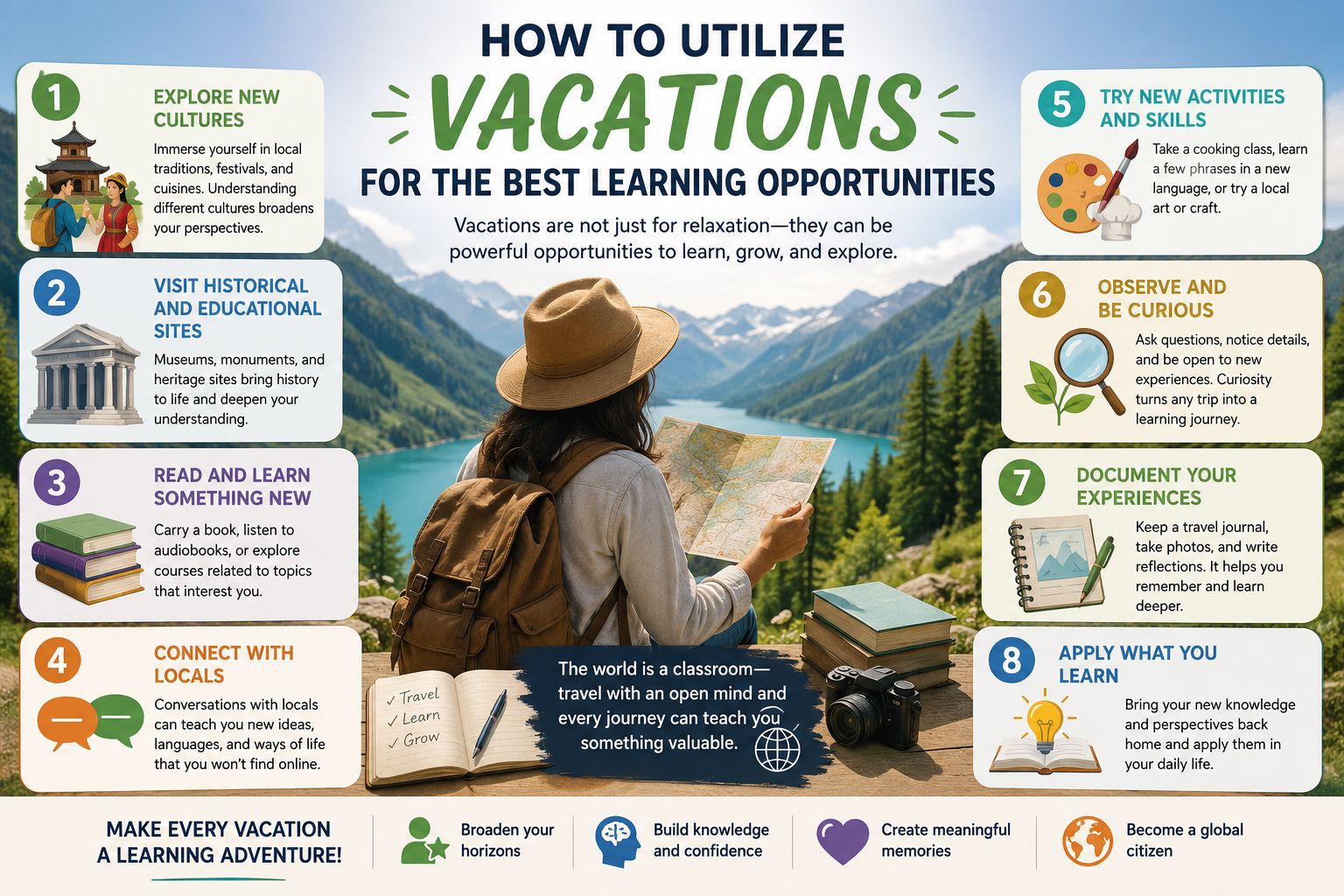
How to Utilize Vacations for the Best Learning Opportunities, Vacations are often viewed as a time for rest and recreation, but they also provide valuable opportunities for meaningful learning and personal growth. Free from the pressures of regular academic schedules, students can explore new interests, strengthen existing skills, and engage in experiences that promote creativity, critical thinking, and lifelong learning. Activities such as reading, educational travel, volunteering, online courses, sports, and creative hobbies help develop intellectual, social, and emotional competencies while making learning enjoyable. Effective planning and a balanced routine enable students to combine relaxation with productive experiences that enrich their knowledge and character. By utilizing vacations wisely, learners return to school refreshed, more confident, and better prepared for future academic challenges. Thus, vacations can become an important extension of the learning process beyond the classroom.
1. Transforming Vacations into a Journey of Lifelong Learning
Vacations are often viewed as a time for relaxation, yet they also present exceptional learning opportunities that enrich knowledge, strengthen character, and inspire lifelong curiosity. Instead of considering holidays as a complete break from education, students, parents, and teachers can transform them into periods of meaningful personal growth, skill development, and creative exploration. Learning beyond classrooms allows individuals to experience real-life situations that deepen understanding and improve critical thinking. Whether through reading books, visiting historical places, participating in community service, or exploring nature, every activity can become an educational experience. A well-planned vacation balances recreation with productive engagement, ensuring both mental refreshment and intellectual advancement. Developing new hobbies, practicing communication skills, and embracing cultural experiences foster confidence and independence. Ultimately, vacations become powerful platforms where enjoyment and education work together, preparing learners for future academic success and responsible citizenship with enthusiasm.
2. Planning Vacations with Purpose and Educational Goals
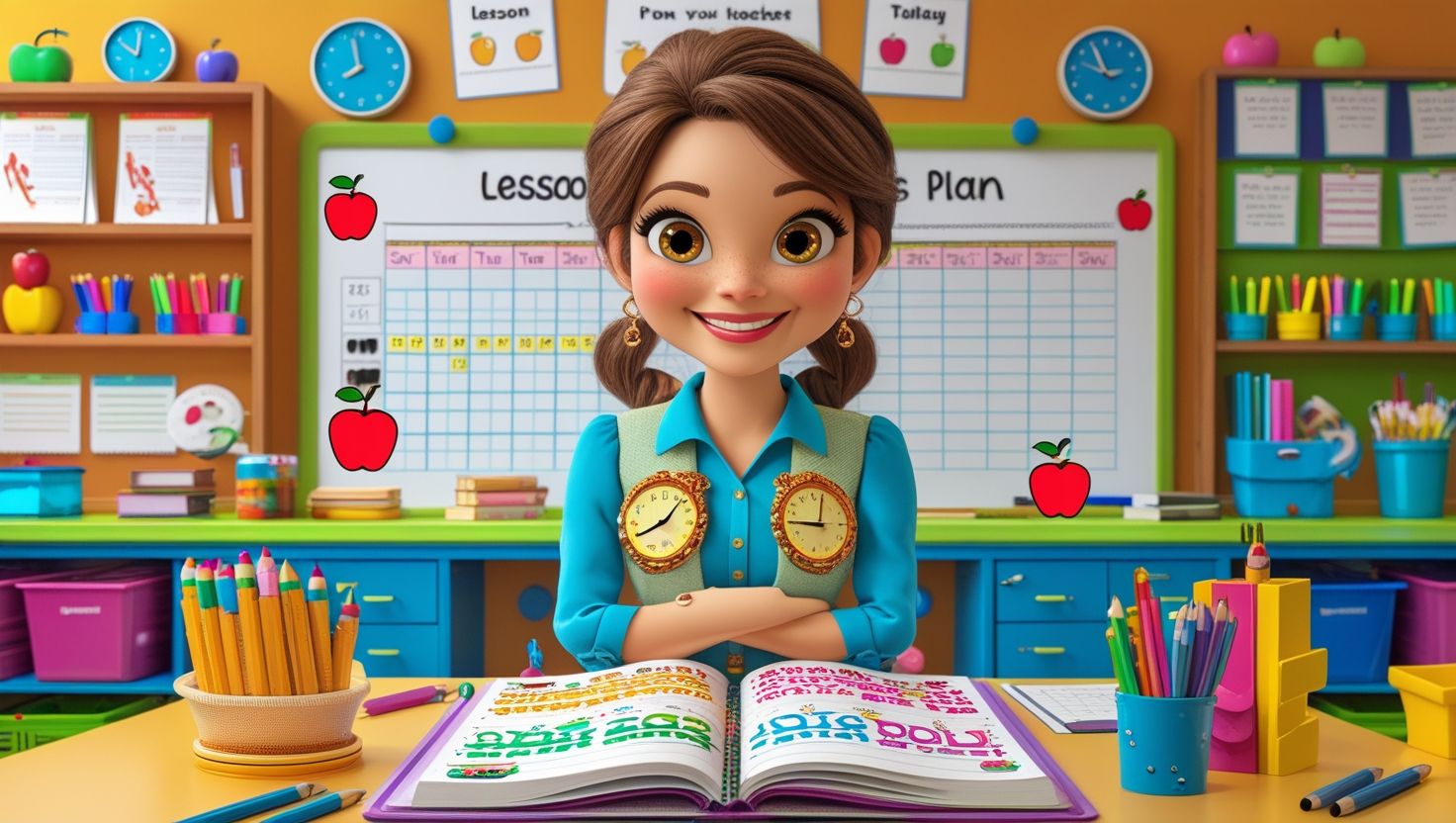
Effective vacations begin with thoughtful planning that aligns leisure with meaningful educational goals. Families and educators should encourage learners to identify interests before the holiday starts, creating realistic schedules that include reading, creative projects, outdoor exploration, and recreational activities. Setting achievable objectives motivates students to remain engaged without feeling pressured. A balanced plan might include learning a new language, improving digital skills, practicing mathematics through daily life, or exploring scientific experiments at home. Planning also helps develop valuable time management, responsibility, and organizational abilities that benefit academic performance throughout the year. Flexibility remains essential because vacations should reduce stress rather than create unnecessary routines. Parents can guide children while allowing independence in selecting activities that match their passions. Purposeful planning transforms every vacation day into an opportunity for discovery, confidence building, and meaningful achievement while preserving the excitement and relaxation holidays naturally provide.
3. Reading: The Gateway to Knowledge and Imagination
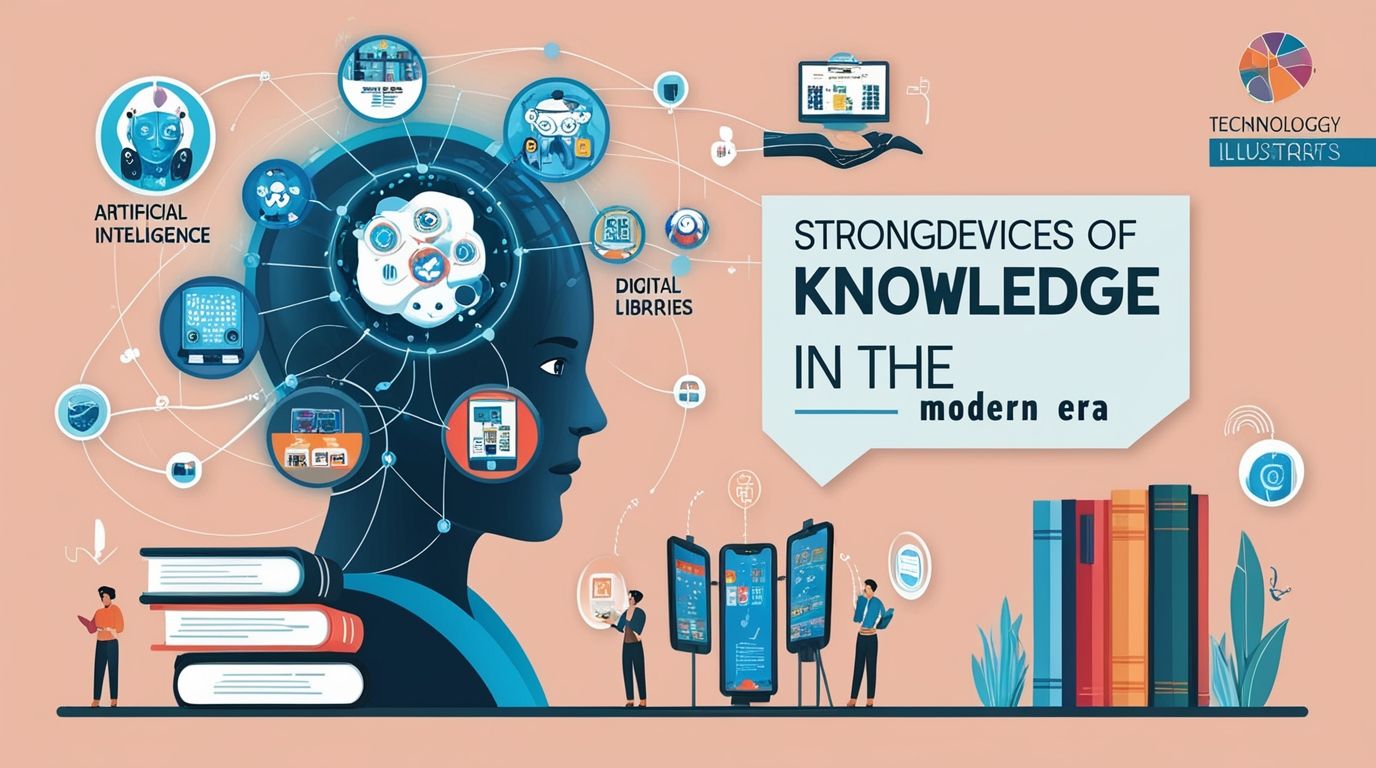
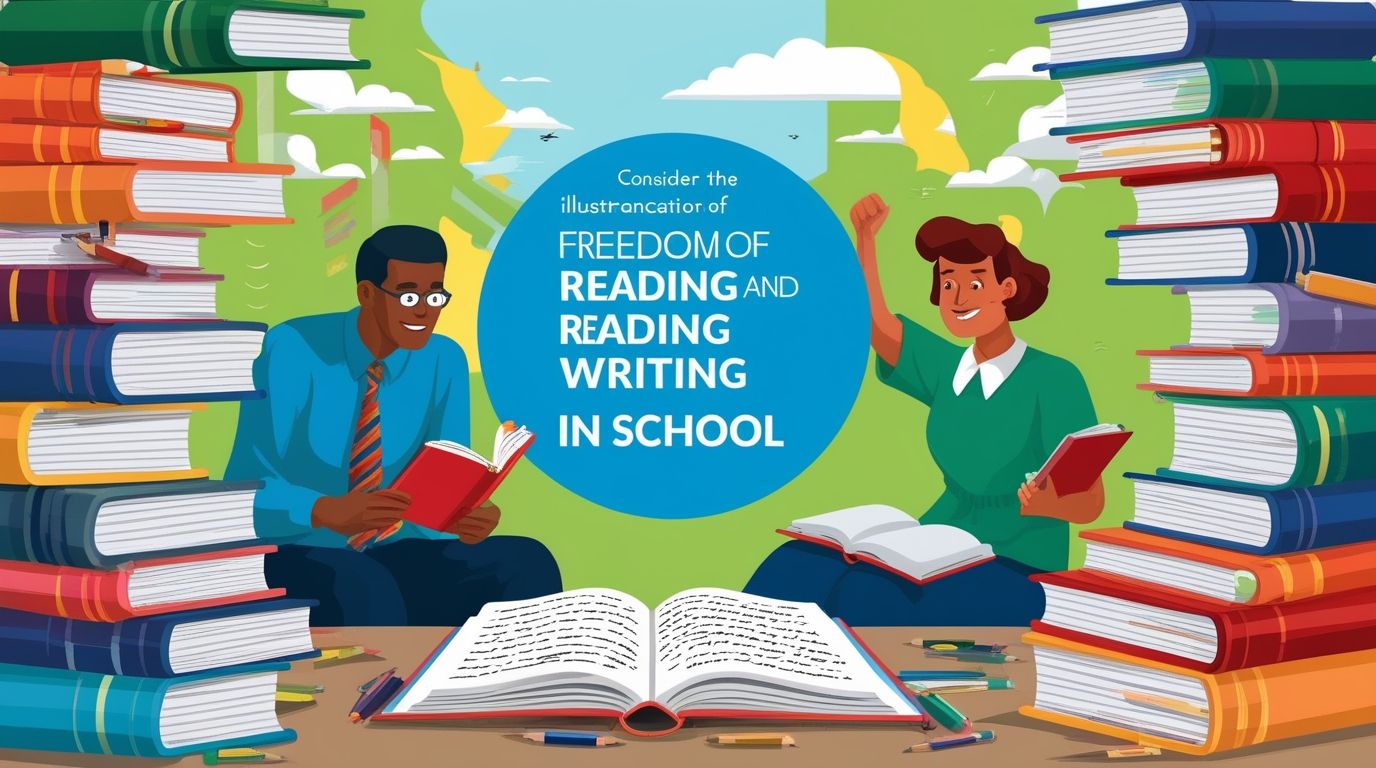
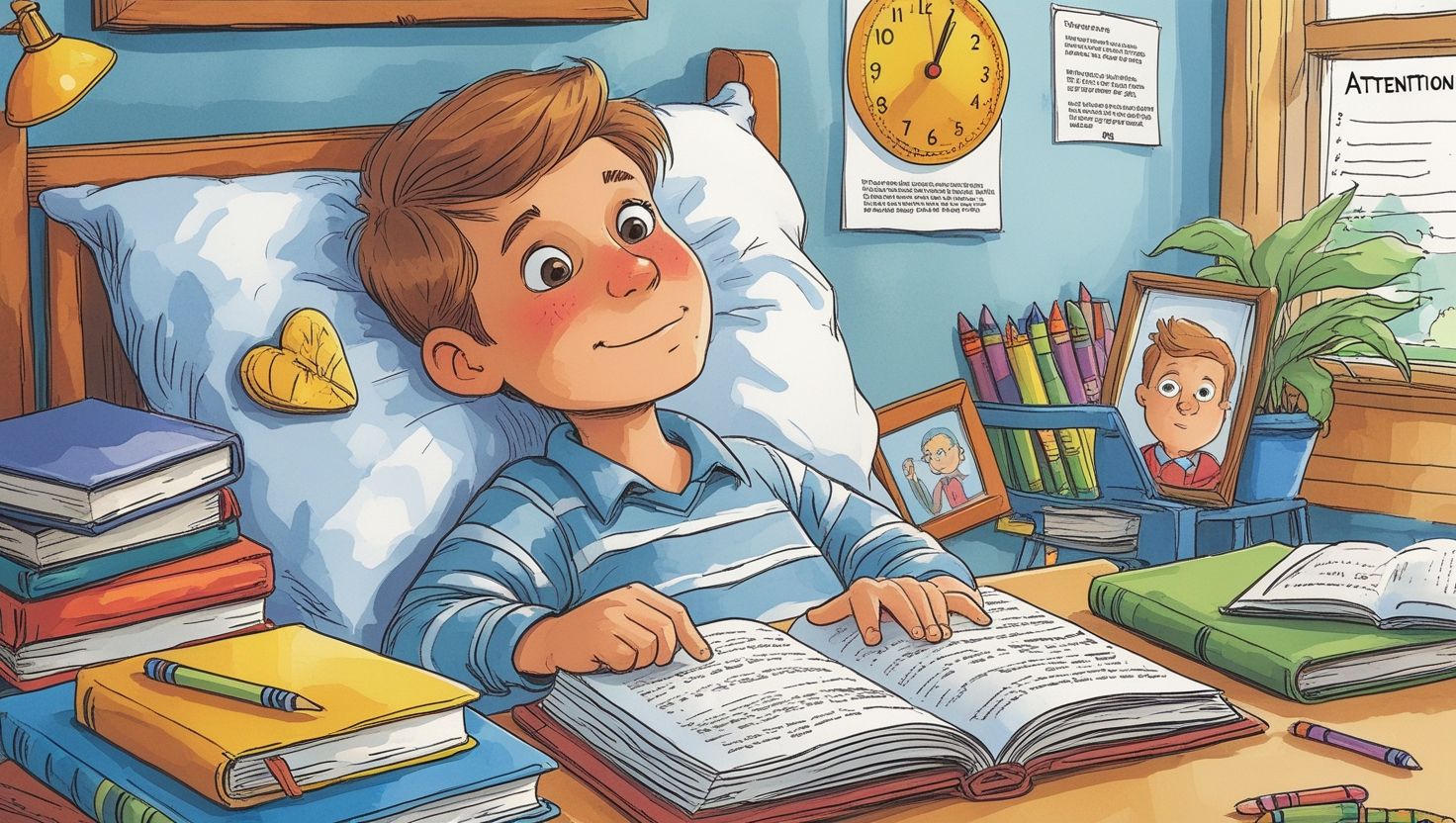
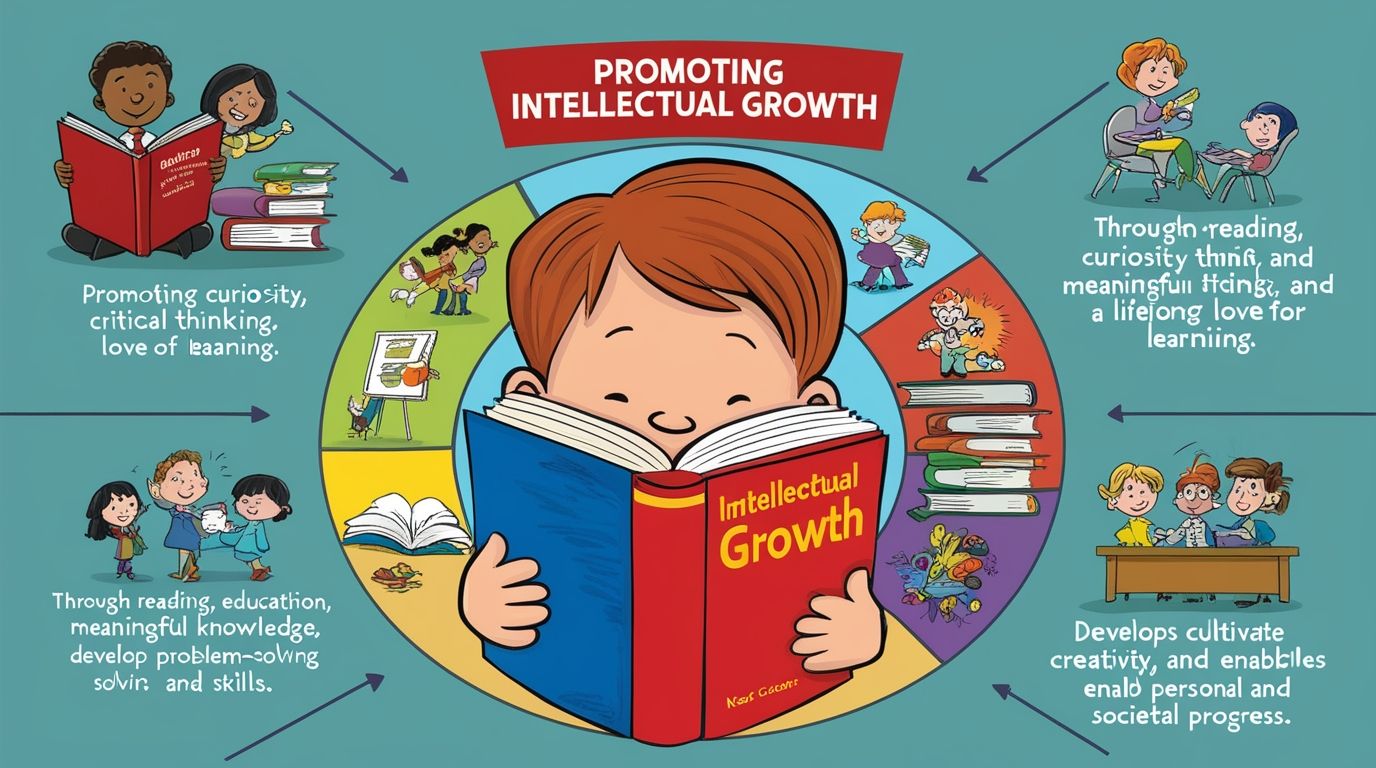
Reading remains one of the most powerful learning opportunities during vacations because it expands vocabulary, strengthens comprehension, and stimulates imagination. Students should explore a variety of books, including biographies, science, literature, history, and inspirational stories that broaden perspectives beyond classroom textbooks. Reading newspapers, magazines, and educational articles also develops awareness of current affairs and global issues. Parents can establish family reading hours, encouraging meaningful discussions about ideas and lessons learned from different texts. Keeping a reading journal further improves reflection, writing skills, and critical analysis. Digital libraries and audiobooks make quality resources accessible regardless of location. Selecting books according to personal interests ensures sustained motivation while introducing new concepts gradually. Consistent reading cultivates empathy, creativity, communication skills, and lifelong curiosity. Every page becomes an invitation to discover fresh ideas, inspiring learners to think independently and pursue continuous intellectual growth throughout life.
4. Learning Through Travel and Cultural Exploration
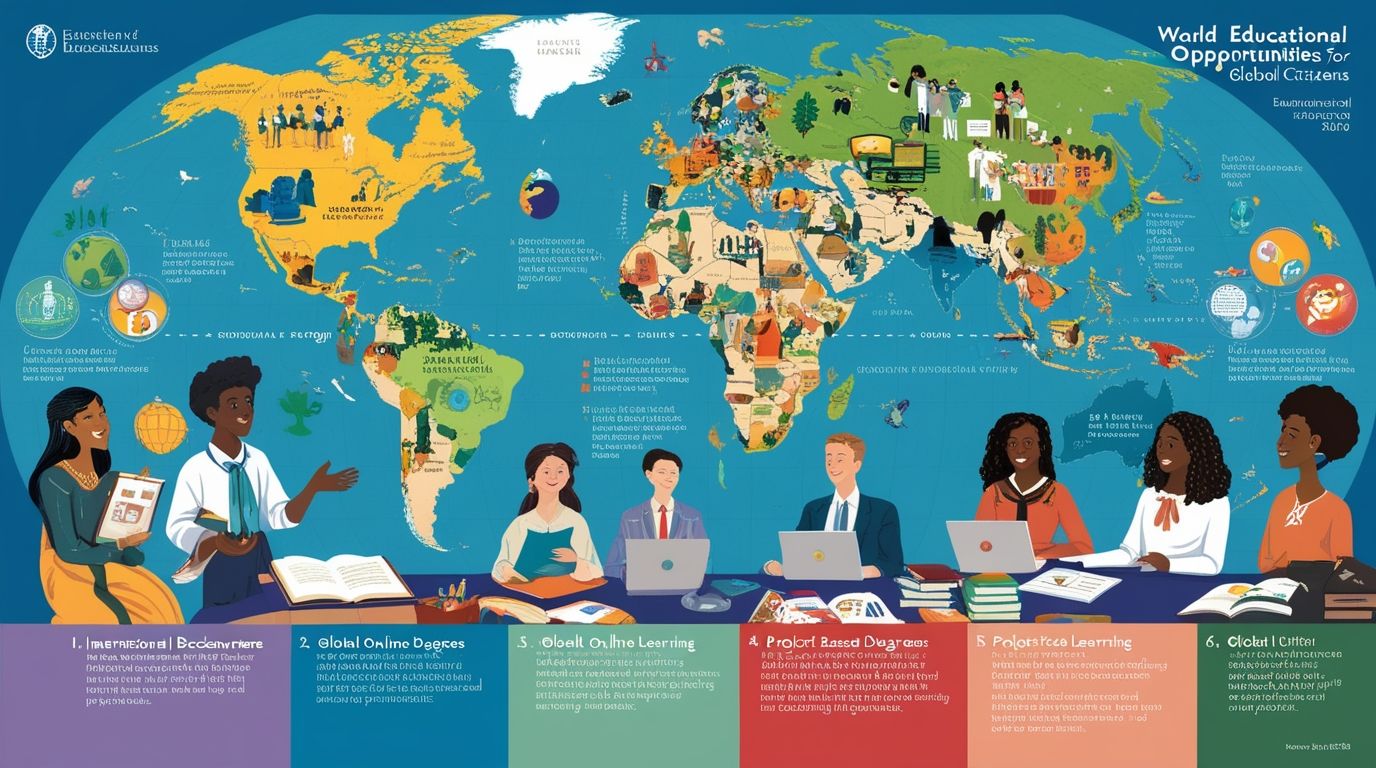
Travel offers unforgettable experiential learning by exposing individuals to diverse cultures, traditions, environments, and historical landmarks. Visiting museums, heritage sites, national parks, farms, industries, or scientific centers transforms theoretical knowledge into memorable real-life experiences. Students observe geography, history, biology, economics, and social studies beyond textbooks while developing respect for cultural diversity and environmental conservation. Interacting with local communities strengthens communication, adaptability, and social awareness. Families can encourage children to maintain travel journals, capture photographs, and document observations to reinforce learning. Even short local visits provide valuable educational experiences when accompanied by thoughtful discussions and reflective activities. Exploring local markets introduces concepts of entrepreneurship and financial literacy, while nature walks enhance observation and scientific thinking. Every journey teaches resilience, curiosity, and appreciation for different lifestyles. Through purposeful travel, vacations become classrooms without walls where every destination inspires meaningful education and personal development.
5. Developing Practical Skills for Future Success
Vacations provide the perfect environment for building essential life skills that contribute to future academic, professional, and personal success. Students can learn cooking, gardening, first aid, financial literacy, public speaking, computer programming, graphic design, photography, or handicrafts according to their interests. These practical experiences strengthen problem-solving, creativity, confidence, and independence while encouraging productive use of free time. Parents and mentors should involve children in household responsibilities, budgeting exercises, and community activities that cultivate responsibility and teamwork. Participating in online courses and educational workshops further expands knowledge in emerging fields such as artificial intelligence, robotics, environmental sustainability, and entrepreneurship. Developing practical competencies enhances adaptability in an ever-changing world and prepares learners for future challenges. By investing vacation time in meaningful skill development, students return to school with renewed confidence, broader perspectives, improved abilities, and stronger motivation to pursue lifelong learning with determination and enthusiasm.
6. Exploring Nature: The Greatest Outdoor Classroom
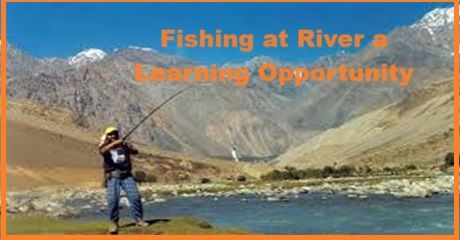
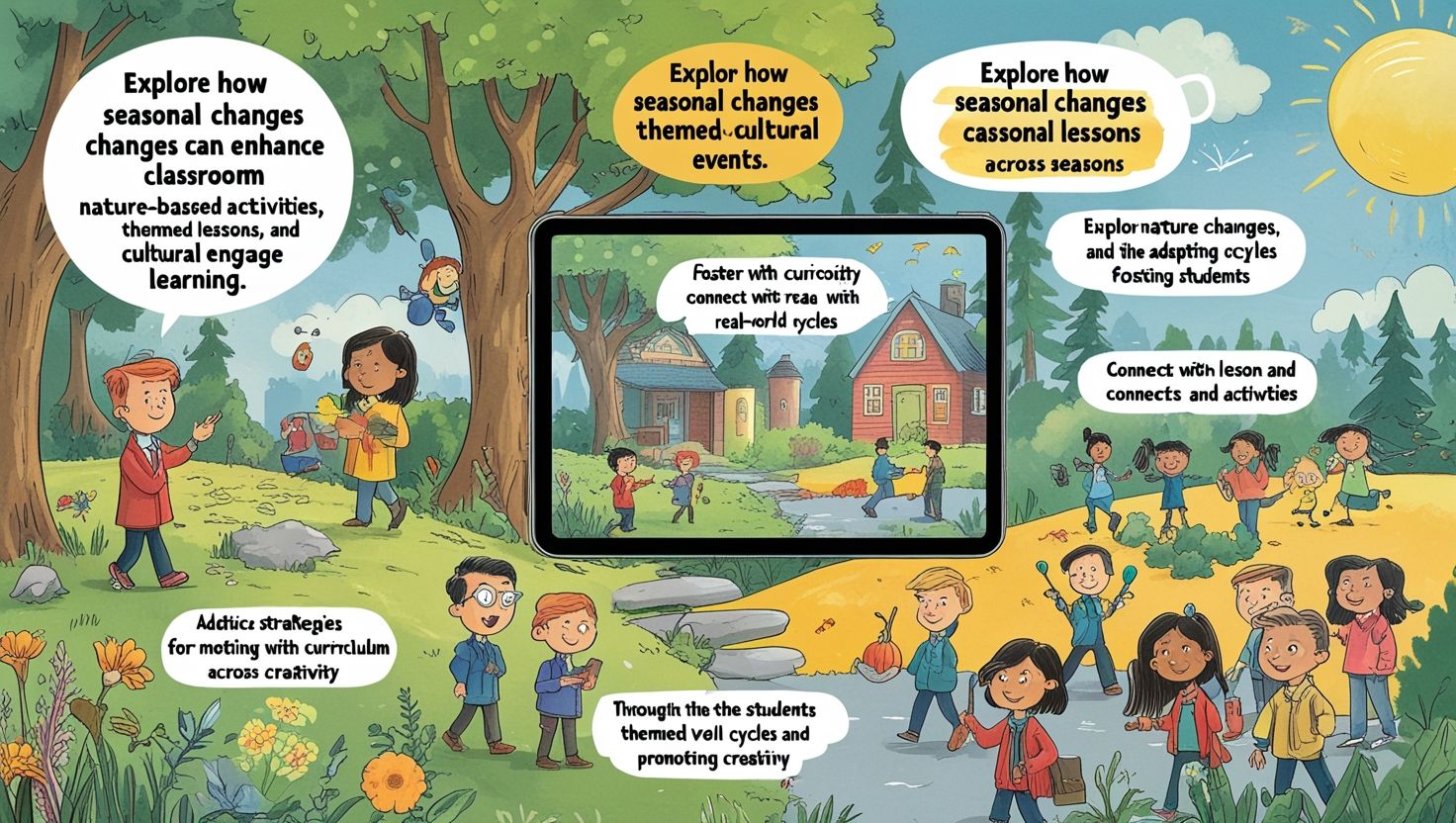
Nature is one of the richest sources of experiential learning, offering countless opportunities to observe, investigate, and appreciate the wonders of the environment. Vacations provide the ideal time for students to explore forests, mountains, rivers, parks, gardens, and wildlife habitats while developing scientific curiosity and environmental responsibility. Activities such as bird watching, tree identification, gardening, hiking, and nature photography encourage observation, patience, and critical thinking. Learners can maintain a nature journal to record weather patterns, plant growth, insects, and ecological changes, strengthening research and documentation skills. Parents and teachers should encourage discussions about biodiversity, climate change, conservation, and sustainable living to build environmental awareness. Spending time outdoors also improves physical fitness, emotional well-being, and mental relaxation. Nature teaches resilience, balance, and interconnectedness, inspiring students to become responsible citizens committed to protecting the planet for future generations with dedication and compassion.
7. Strengthening Digital Literacy Through Responsible Technology
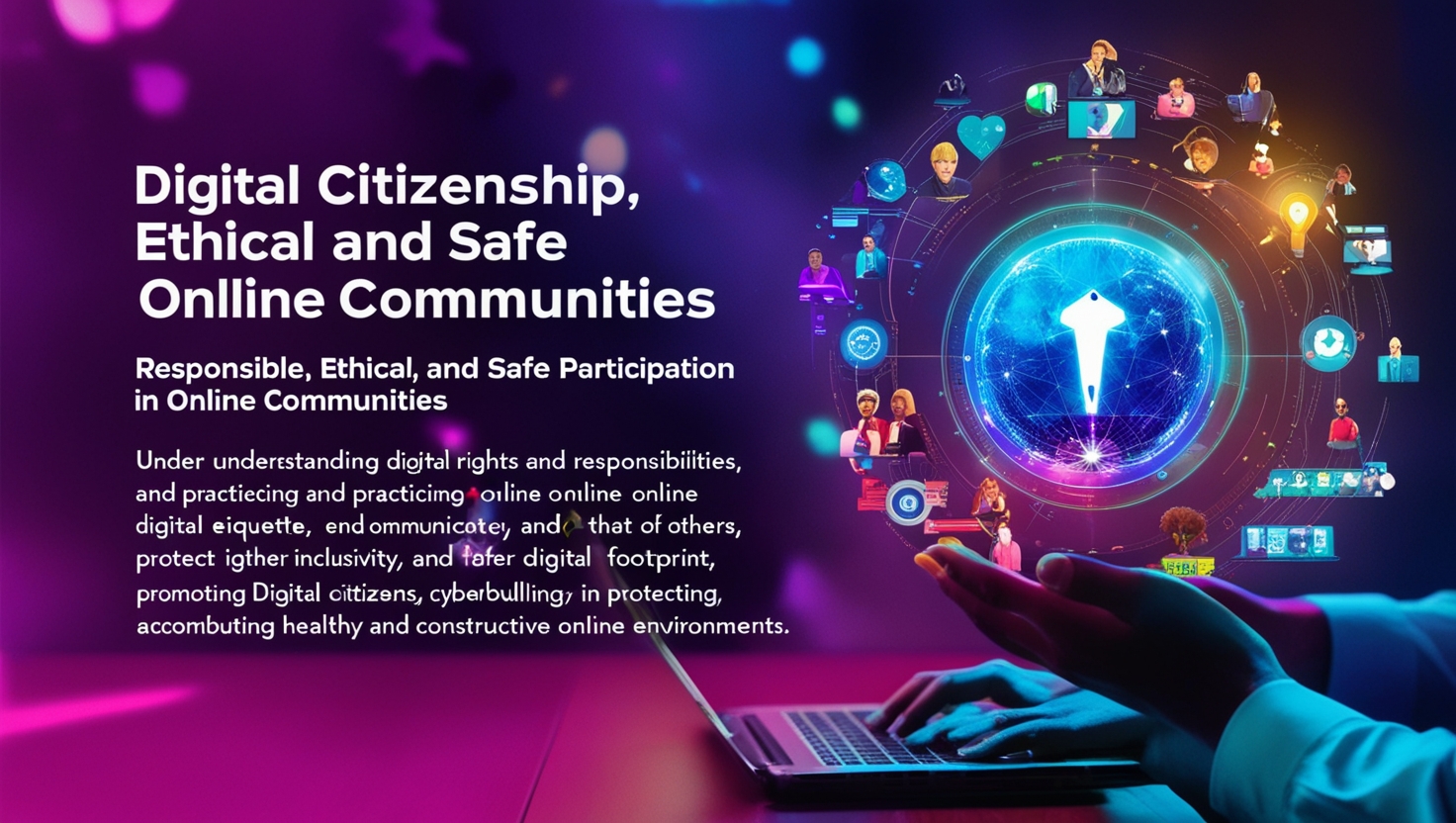
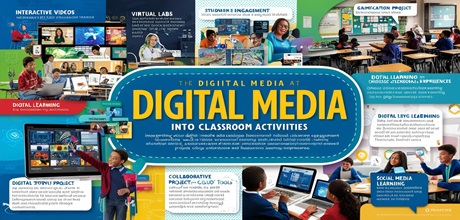
Technology has transformed education, making vacations an excellent opportunity to strengthen digital literacy through meaningful and responsible use of online resources. Students can enroll in online courses, watch educational documentaries, learn coding, practice graphic design, improve typing skills, or explore virtual museums from around the world. Educational platforms provide interactive lessons that make learning enjoyable while promoting independent study habits. However, balanced screen time is essential to prevent digital fatigue and encourage healthy lifestyles. Parents should guide learners in evaluating reliable information, protecting online privacy, and practicing ethical digital citizenship. Developing skills in artificial intelligence, data analysis, presentation design, and productivity software prepares students for future academic and professional success. Responsible technology use transforms vacations into periods of innovation and creativity, enabling learners to acquire modern competencies while maintaining discipline, curiosity, and a lifelong passion for continuous improvement through informed digital engagement.
8. Community Service: Learning Through Helping Others
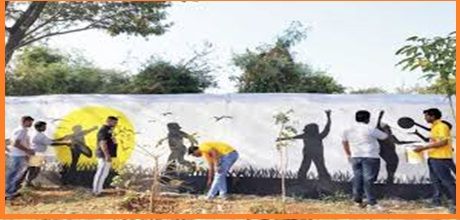
Vacations offer valuable opportunities for community service, allowing students to develop empathy, leadership, and social responsibility while contributing positively to society. Volunteering at local schools, libraries, hospitals, environmental campaigns, or charitable organizations provides meaningful experiences that build compassion and teamwork. Students may organize literacy programs, cleanliness drives, tree plantation campaigns, food distribution initiatives, or awareness sessions on health and environmental protection. These activities strengthen communication, collaboration, and problem-solving abilities while fostering respect for diverse communities. Community engagement teaches learners that education extends beyond academic achievement and includes serving humanity with kindness and integrity. Reflecting on volunteer experiences through journals or presentations reinforces personal growth and inspires future civic participation. By dedicating vacation time to helping others, learners discover the joy of meaningful contribution while developing essential character values that shape responsible, confident, and compassionate citizens for an inclusive and sustainable society.
9. Nurturing Creativity Through Arts and Innovation
Vacations provide the freedom to discover and enhance creativity, enabling students to express their ideas through artistic and innovative activities. Painting, drawing, music, dance, creative writing, drama, photography, and handicrafts stimulate imagination while improving concentration and emotional expression. Learners can also explore science projects, robotics, model building, or design thinking challenges that combine creativity with practical problem-solving. Parents and teachers should celebrate originality rather than perfection, encouraging experimentation and curiosity without fear of mistakes. Participating in art exhibitions, competitions, or local cultural events further enhances confidence and communication skills. Maintaining a creative portfolio helps students document progress and reflect on personal achievements. Creative activities reduce stress, strengthen emotional well-being, and encourage innovative thinking essential for future success. By embracing artistic expression during vacations, learners cultivate confidence, resilience, and originality while transforming imagination into meaningful ideas that inspire lifelong learning and innovation.
10. Building Healthy Habits for Lifelong Success
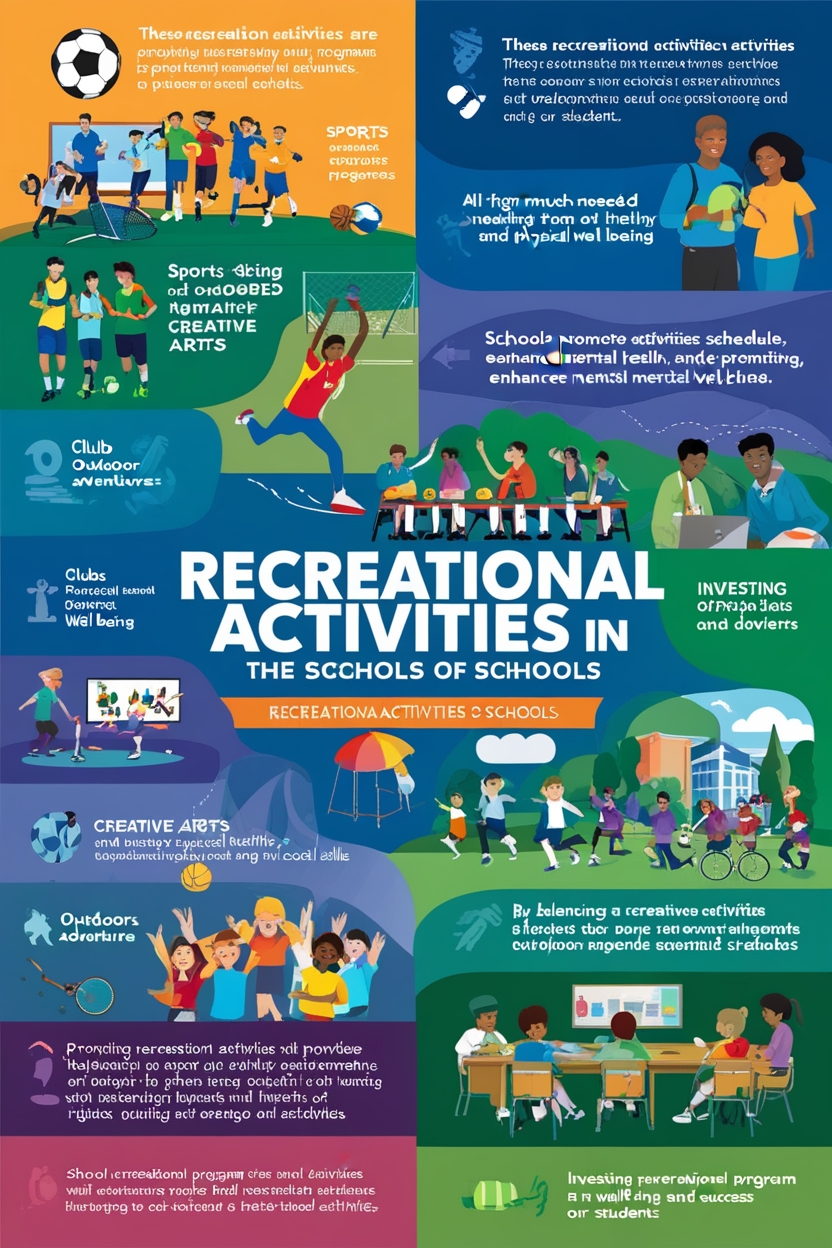
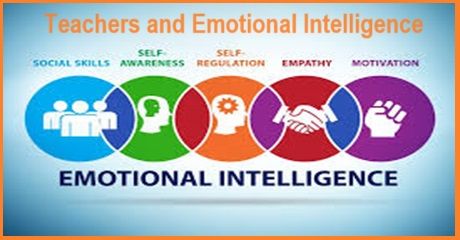
A truly productive vacation includes developing healthy habits that support physical, emotional, and intellectual well-being. Students should establish balanced routines involving regular exercise, nutritious meals, sufficient sleep, reading, and recreational activities. Participating in sports, yoga, cycling, swimming, or outdoor games improves fitness while enhancing teamwork, discipline, and resilience. Mindfulness practices such as meditation and reflective journaling help manage stress, improve concentration, and strengthen emotional intelligence. Families can promote healthy discussions, shared meals, and technology-free time to encourage meaningful relationships and positive communication. Maintaining these habits throughout vacations creates a strong foundation for academic achievement and personal happiness. Good health enables learners to perform better, think more clearly, and remain motivated in every aspect of life. By prioritizing physical wellness alongside intellectual growth, vacations become opportunities to build balanced lifestyles that support lifelong learning, confidence, productivity, and overall well-being.
11. Setting Personal Learning Goals and Measuring Progress
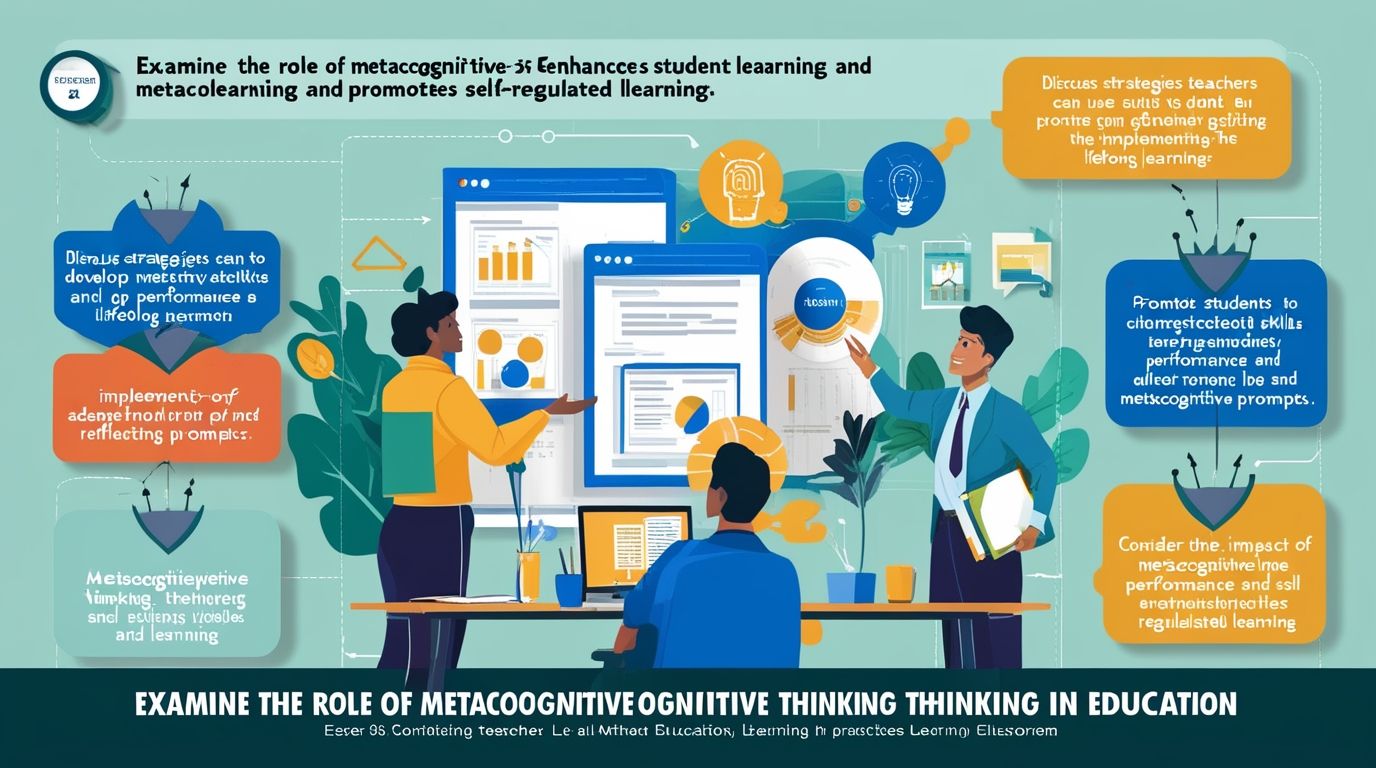
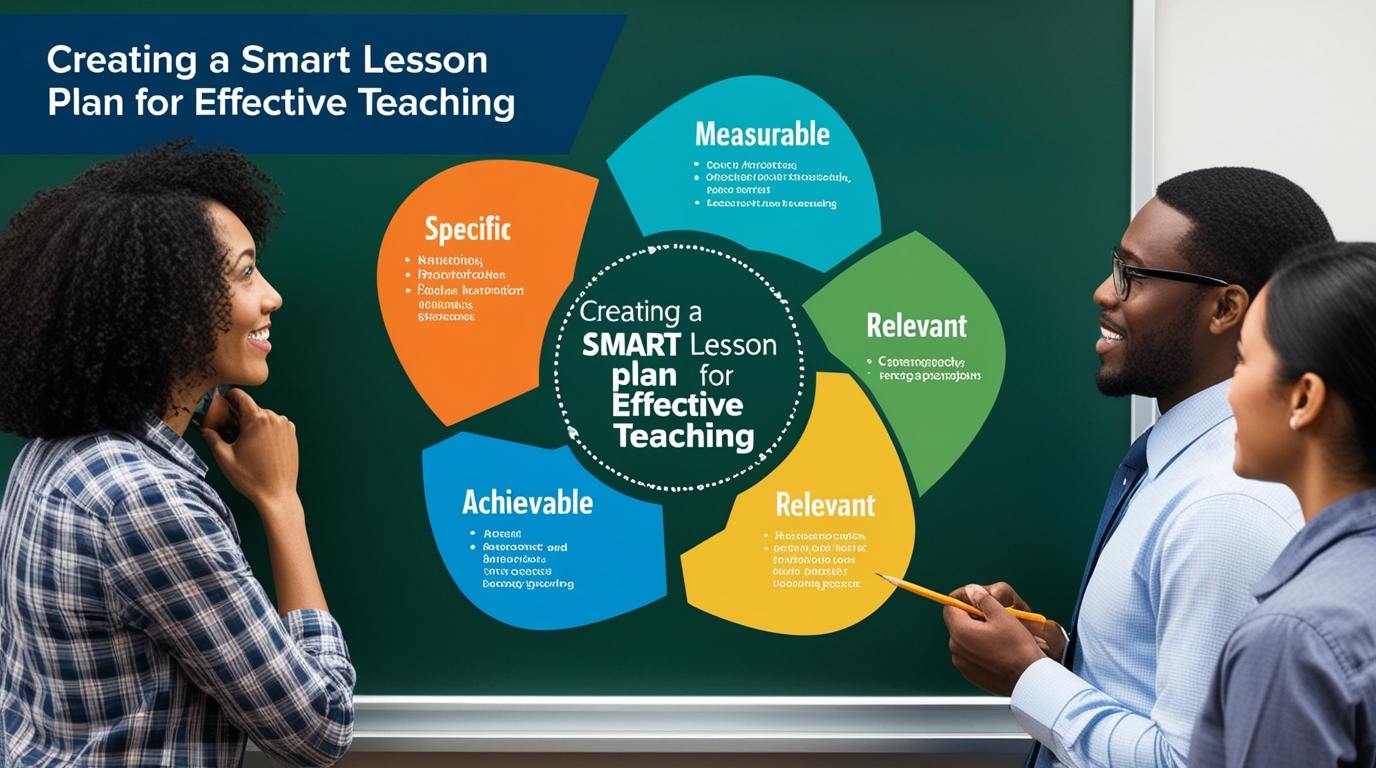
Every successful vacation begins with clearly defined learning goals that provide direction, motivation, and a sense of accomplishment. Students should identify specific objectives based on their interests, academic needs, and future aspirations, ensuring each goal is realistic and measurable. Creating a personal learning journal or digital portfolio allows learners to document daily activities, record achievements, reflect on challenges, and evaluate progress regularly. Small milestones encourage consistency and build confidence, making continuous improvement more enjoyable than overwhelming. Parents and teachers can support learners by providing constructive feedback, celebrating achievements, and encouraging perseverance when difficulties arise. Self-assessment strengthens responsibility, independence, and critical thinking while helping students recognize their strengths and areas requiring further development. Tracking progress transforms vacations into purposeful educational experiences where every completed activity contributes to personal growth, stronger motivation, improved confidence, and a lifelong commitment to continuous learning and self-improvement with enthusiasm and determination.
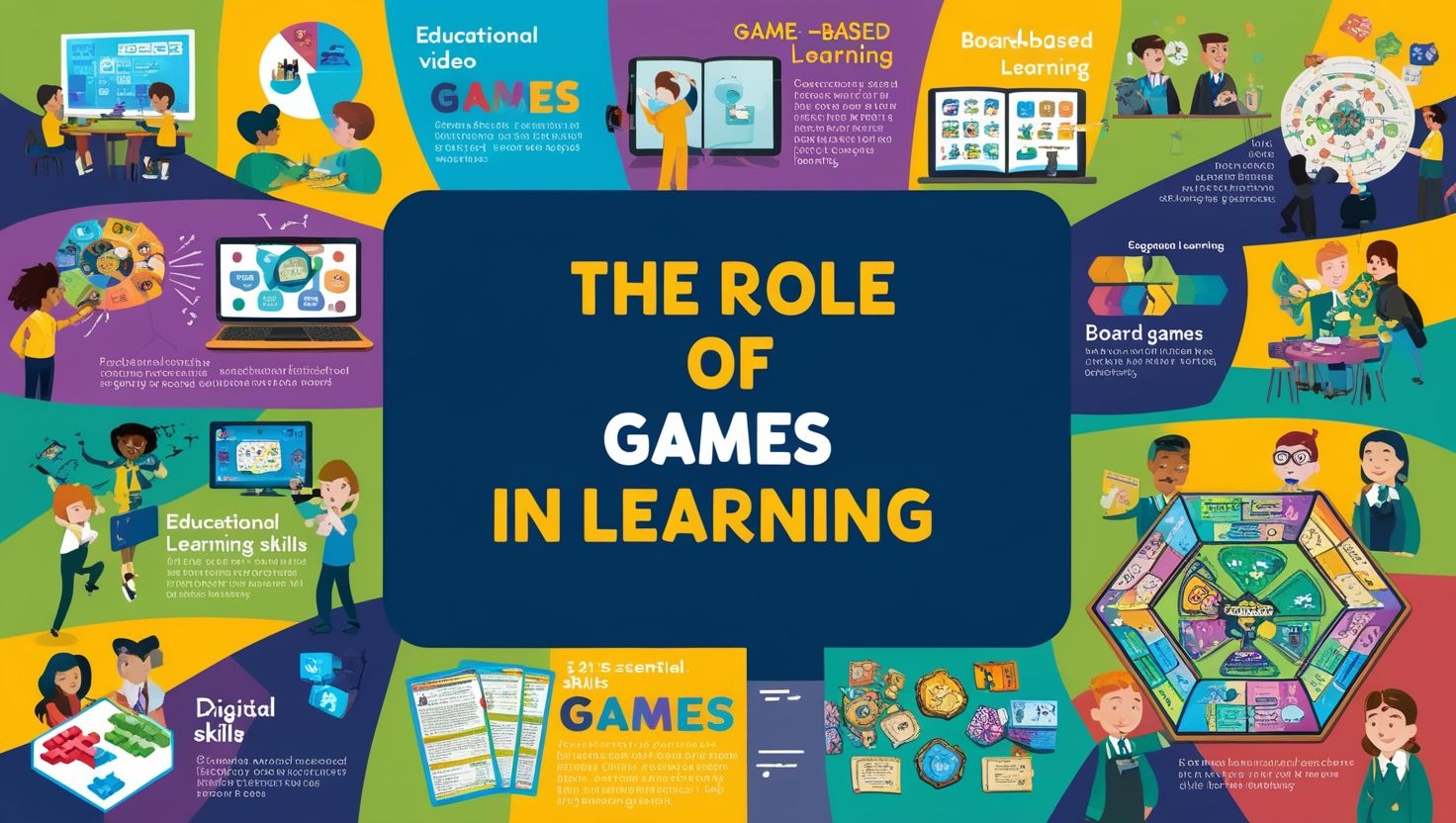
12. The Vital Role of Parents and Teachers in Vacation Learning
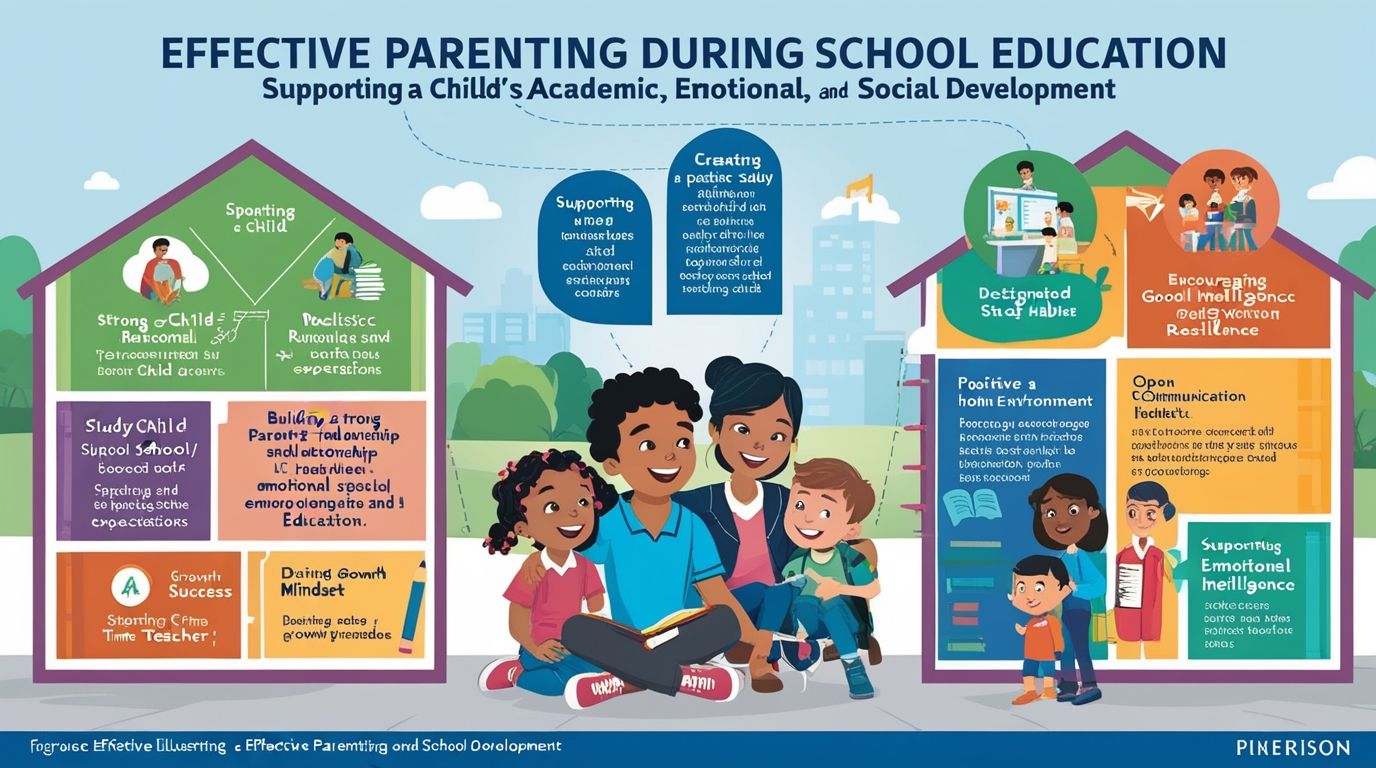
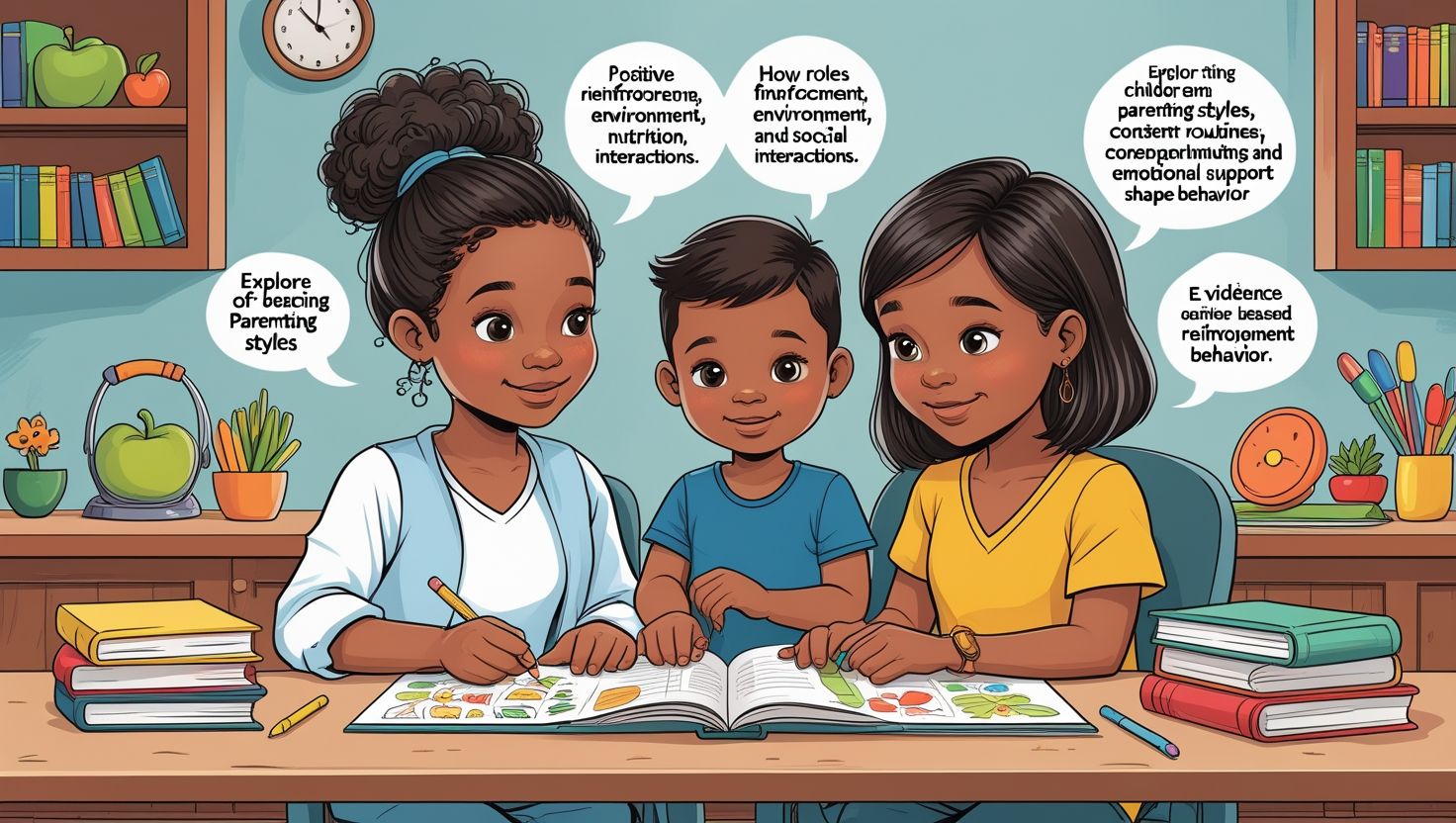
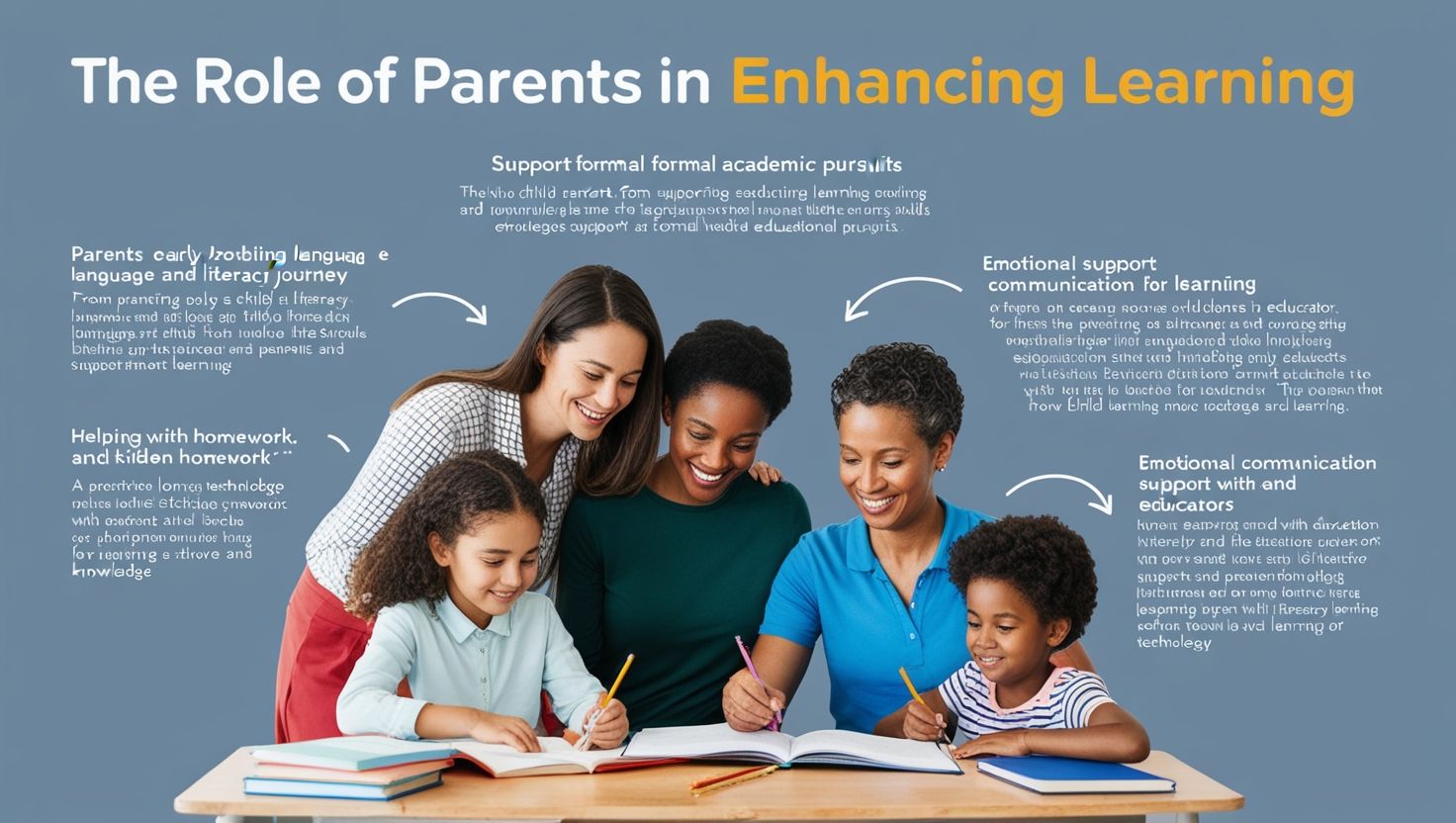
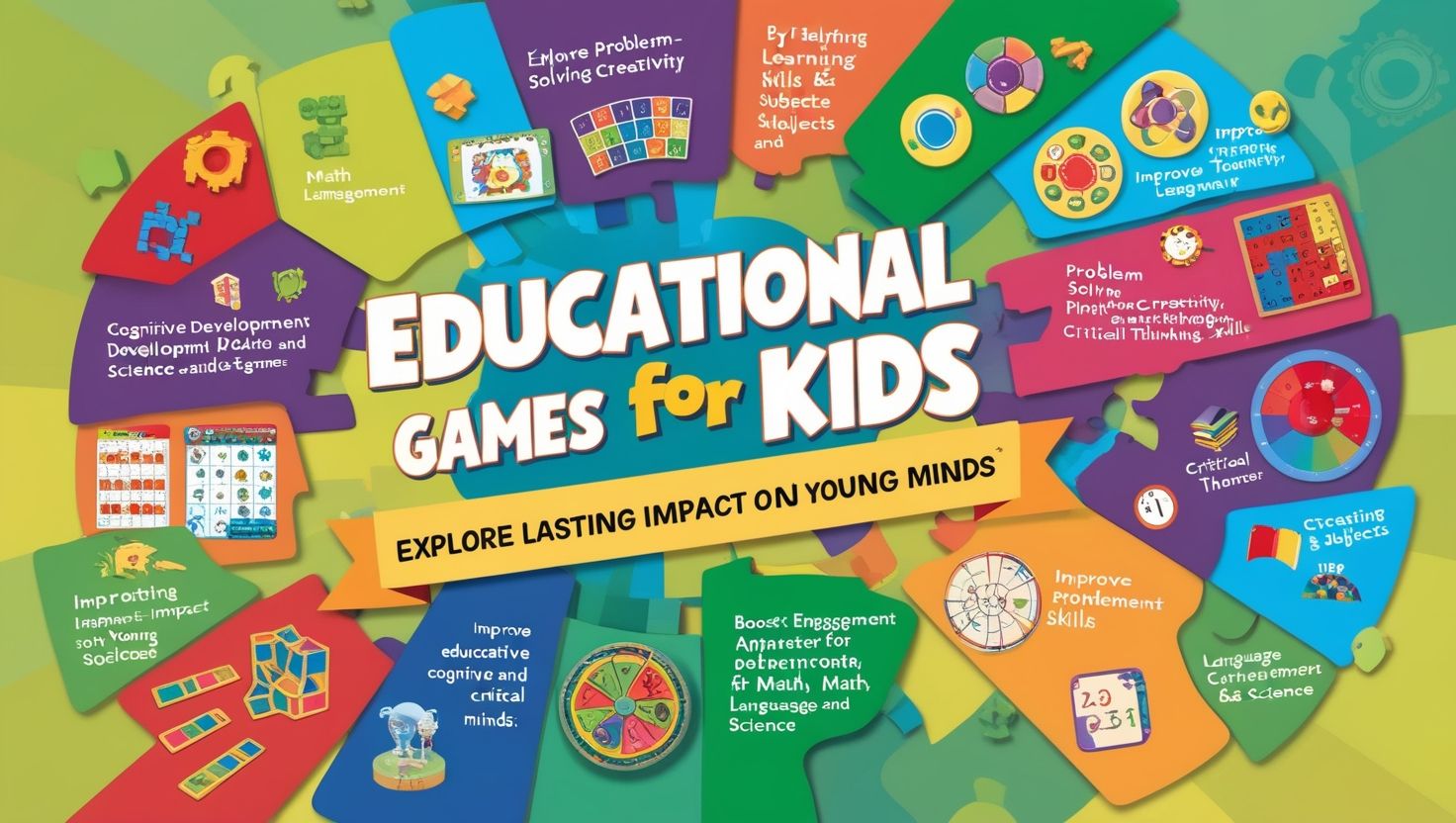
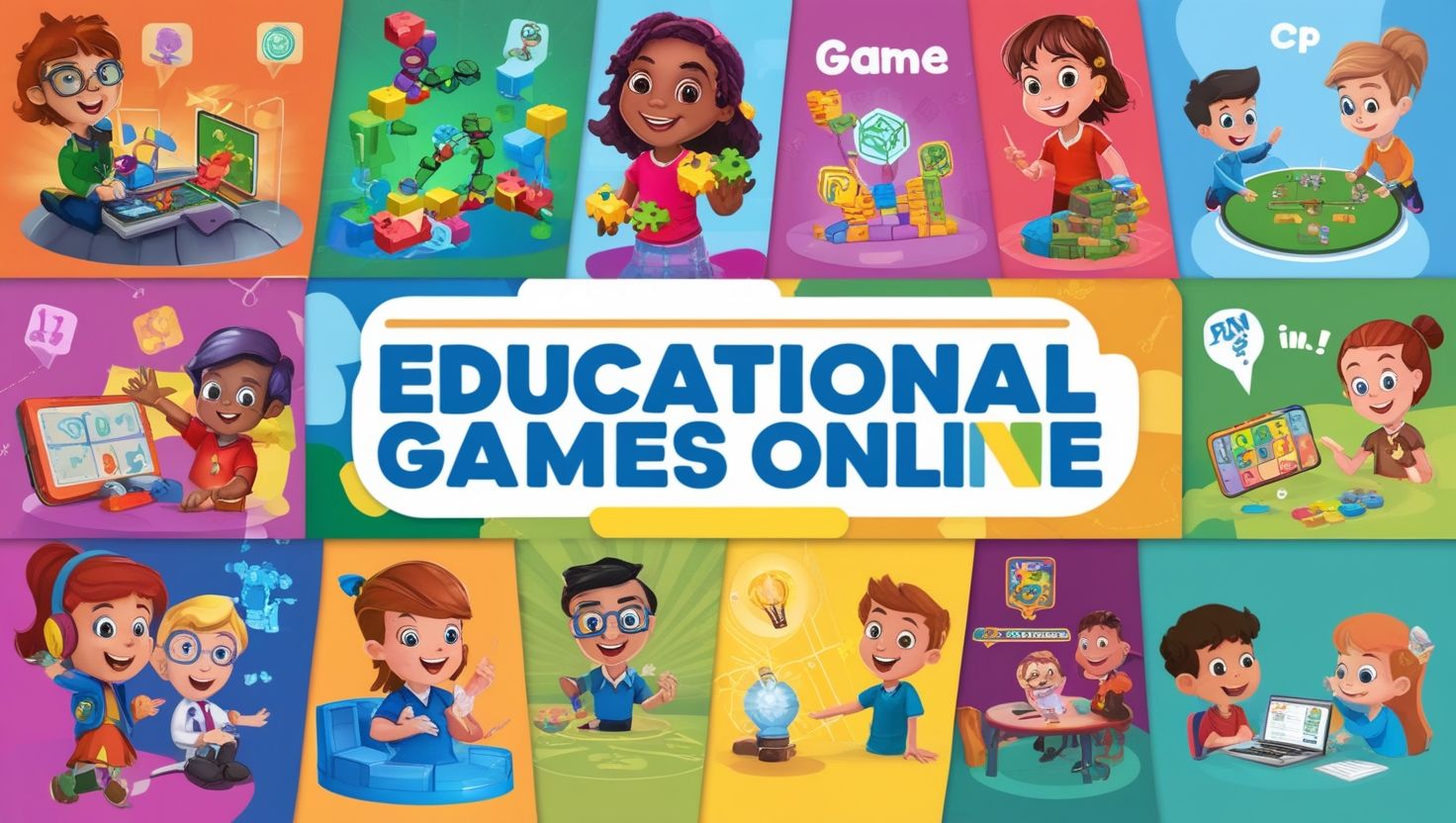
The combined efforts of parents and teachers play a significant role in transforming vacations into enriching educational experiences. Rather than assigning excessive academic work, adults should inspire curiosity by providing guidance, encouragement, and meaningful opportunities for exploration. Parents can organize family discussions, educational games, storytelling sessions, and practical household activities that promote responsibility and collaboration. Teachers may recommend age-appropriate reading lists, project-based assignments, educational websites, and reflective journals that encourage independent thinking without creating unnecessary pressure. Positive reinforcement helps learners develop confidence while maintaining enthusiasm for discovery and experimentation. Open communication between schools and families ensures that vacation learning complements classroom education and addresses individual interests. When adults model curiosity, integrity, and lifelong learning, children naturally adopt similar attitudes. Supportive guidance enables students to return to school refreshed, motivated, knowledgeable, and prepared to embrace new academic challenges with confidence and resilience.
13. Achieving the Perfect Balance Between Recreation and Education
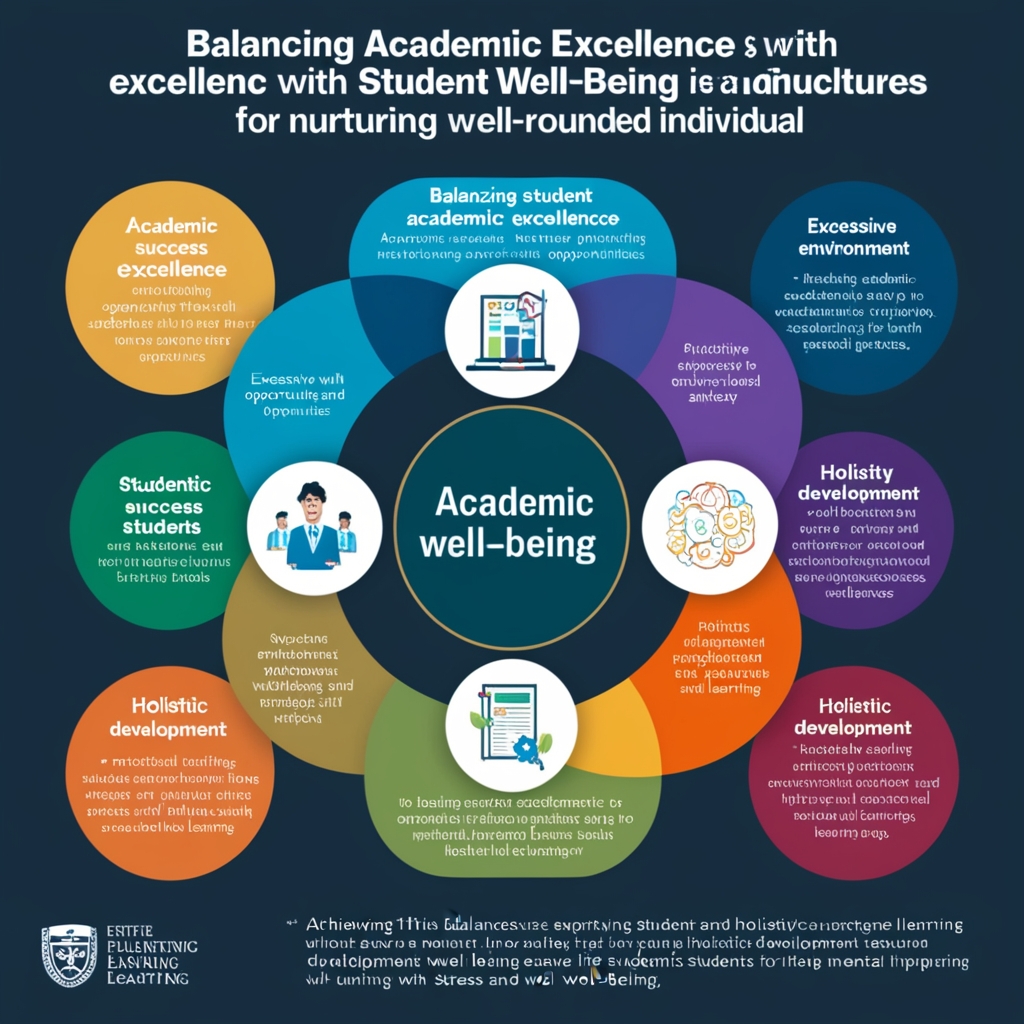
The true purpose of vacations is to achieve a healthy balance between relaxation and learning, ensuring students return to school refreshed, motivated, and intellectually stimulated. Excessive academic pressure may reduce enjoyment, while complete inactivity can lead to lost opportunities for personal growth. Therefore, families should create flexible schedules that combine educational activities with recreation, hobbies, travel, sports, and quality family time. Playing games, watching educational documentaries, participating in cultural festivals, or enjoying outdoor adventures can all contribute to meaningful learning while preserving the excitement of holidays. Adequate rest, laughter, and social interaction are equally important because emotional well-being enhances concentration and creativity. A balanced vacation nurtures physical health, mental wellness, and intellectual curiosity simultaneously. By integrating enjoyment with purposeful activities, learners develop positive attitudes toward education and discover that meaningful learning can occur naturally in every joyful experience throughout life with lasting confidence.
14. Conclusion:
Vacations are far more than periods of rest; they are valuable opportunities to cultivate knowledge, skills, character, and lifelong learning. When students intentionally engage in reading, travel, nature exploration, creative expression, digital learning, community service, and practical skill development, every holiday becomes a meaningful educational journey. Thoughtful planning, realistic goals, supportive parents, inspiring teachers, and balanced routines ensure that learning remains enjoyable rather than burdensome. These experiences nurture curiosity, resilience, creativity, responsibility, and confidence while preparing learners for future academic and professional success. Most importantly, vacations teach that education is not limited to classrooms but continues through every experience, conversation, challenge, and discovery encountered in daily life. By utilizing vacations wisely, students return to school refreshed, inspired, and better equipped to contribute positively to society, demonstrating that every holiday can become a stepping stone toward excellence, innovation, responsible citizenship, and a brighter future.