Introduction
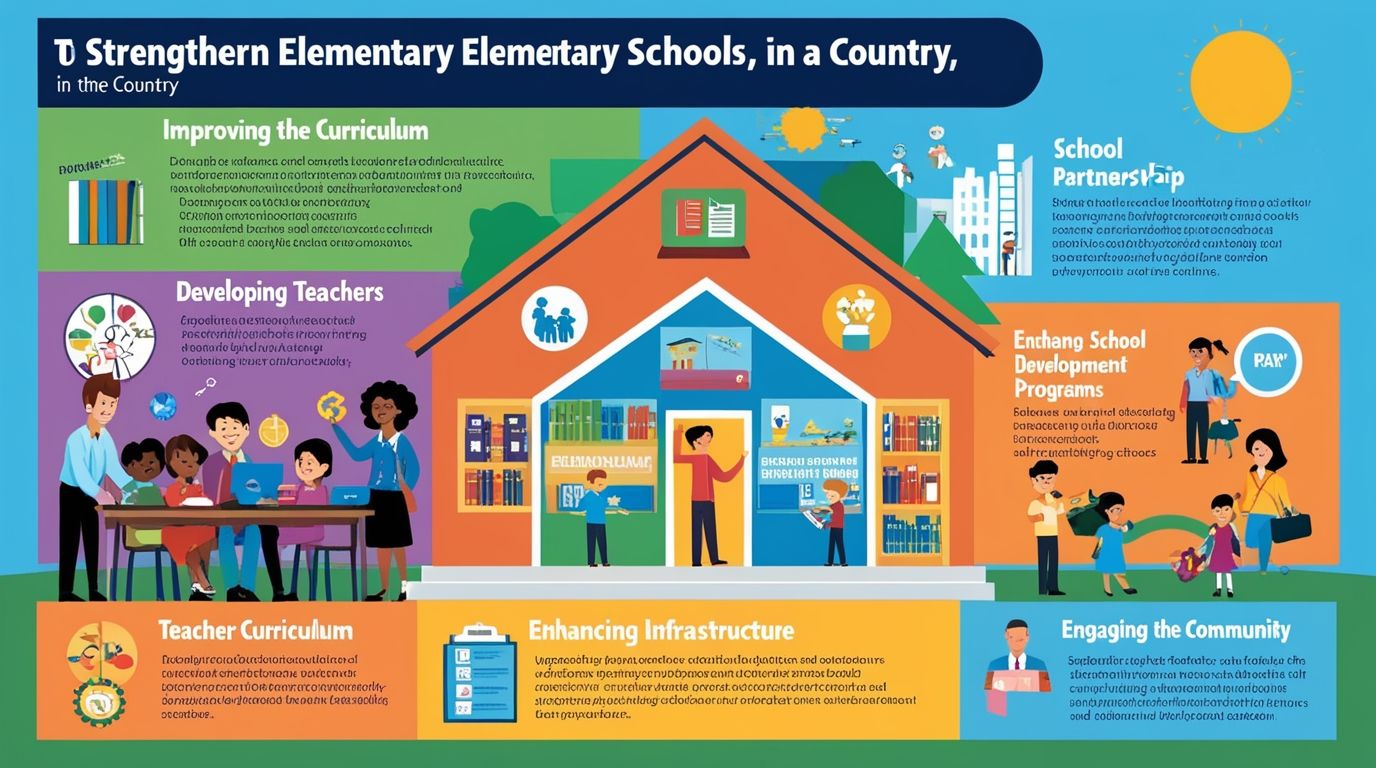
Teaching Administration Supporting Teachers, Every strong school has a team that keeps the machine running. Teachers spark curiosity in the classroom, but teaching administration builds the structure that lets them do it well. Administrators set schedules, guide curriculum, manage budgets, support staff, and protect student safety. When they do these jobs well, teachers teach better and students learn more.
This guide explains what teaching administration means, why it matters, what school administrators do each day, and how you can build a career in the field. Whether you are a teacher considering leadership, a student exploring career options, or a parent who wants to understand how schools work, you will find practical answers here.
What Is Teaching Administration?
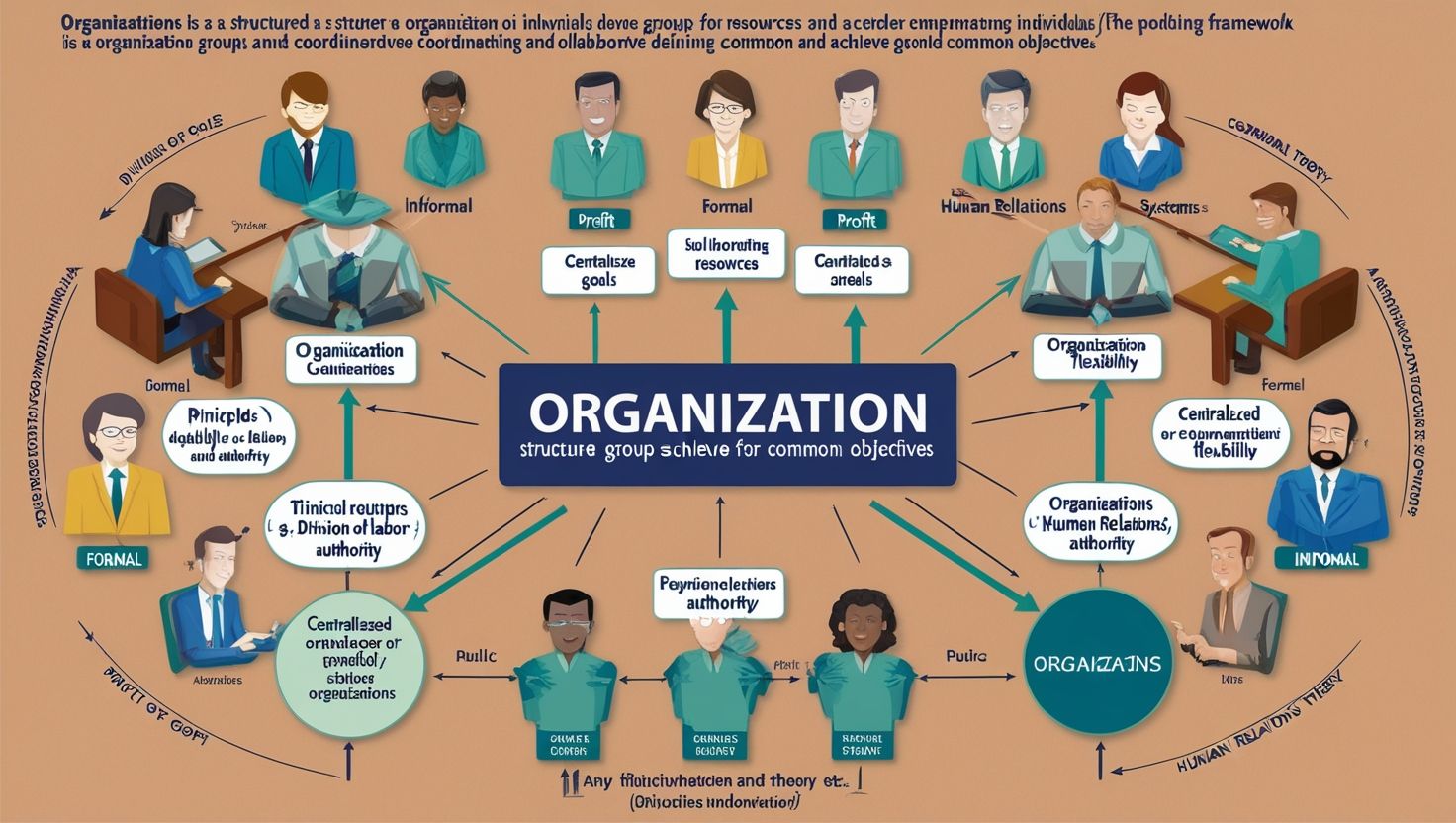
Teaching administration is the management and leadership of the people, programs, and resources that make up an educational institution. It covers everything that supports instruction without being instruction itself: planning, staffing, finance, policy, communication, and evaluation.
People often use teaching administration, school administration, and educational administration interchangeably. All three describe the work of leading a school or education system. Some distinctions exist. School administration usually refers to the leadership of a single school, such as a principal or vice principal. Educational administration covers a wider scope, including district offices, ministries of education, and university leadership. Teaching administration places the emphasis on how leaders support teaching and learning.
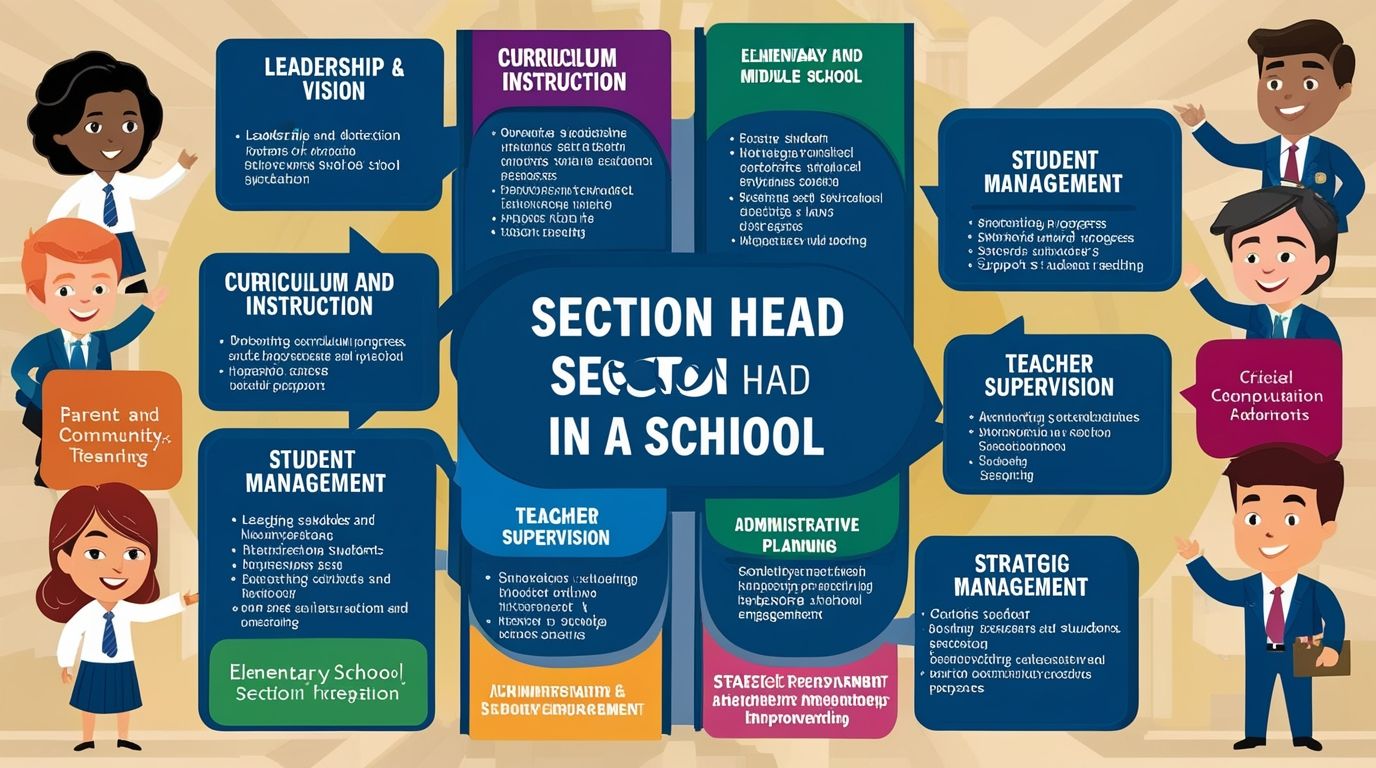
Typical roles in this field include:
- Principals and head teachers
- Vice principals and deputy heads
- Academic coordinators and department heads
- District or regional education officers
- Curriculum directors
- Registrars and admissions officers
- School business managers
Each role carries a different scope, but all share one goal: creating conditions where quality teaching thrives.
Why Teaching Administration Matters
Research consistently shows that leadership shapes school success. Leithwood and colleagues (2004) found that school leadership ranks second only to classroom instruction among the in-school factors that influence student learning. A principal rarely teaches every student, yet a principal’s decisions reach every classroom.
Effective teaching administration delivers several benefits.
It improves student achievement. Administrators who focus on instructional leadership set clear academic goals, observe lessons, and give teachers useful feedback. Students benefit from consistent standards across grades and subjects.
It retains good teachers. Teachers leave schools mainly because of poor working conditions and weak support, not only because of pay. Administrators who listen, share decisions, and recognize effort keep talented educators in the profession.
It builds a safe and positive culture. Students learn best when they feel safe. Administrators set behavior expectations, respond to bullying, and create routines that make school predictable and welcoming.
It uses resources wisely. Schools rarely have unlimited money, time, or space. Skilled administrators match limited resources to the most important needs.
It connects the school to its community. Parents, local employers, and public agencies all have a stake in education. Administrators build the relationships that bring families and communities into the school’s mission.
Core Responsibilities of School Administrators
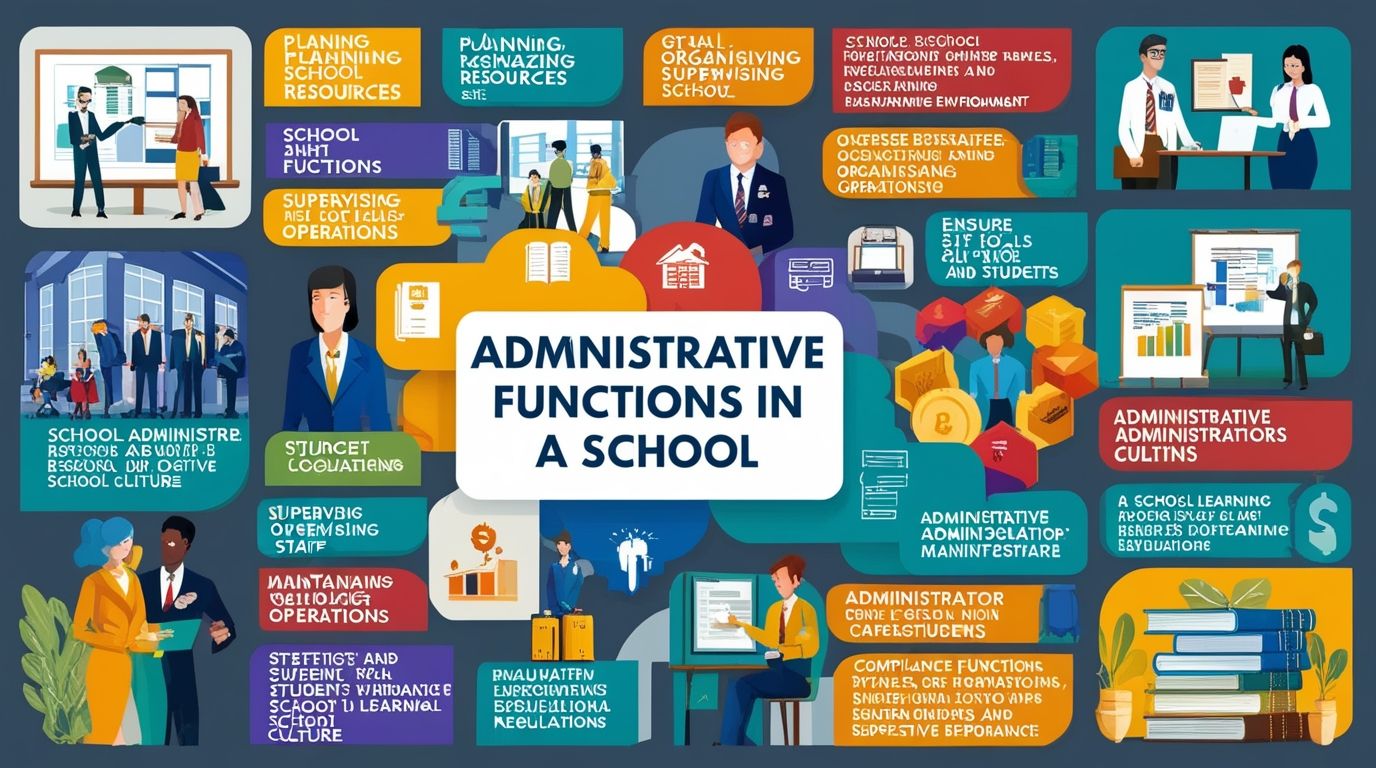
The daily work of school administrators varies by school size, location, and level. Most share the responsibilities below.
Curriculum and Instruction Management
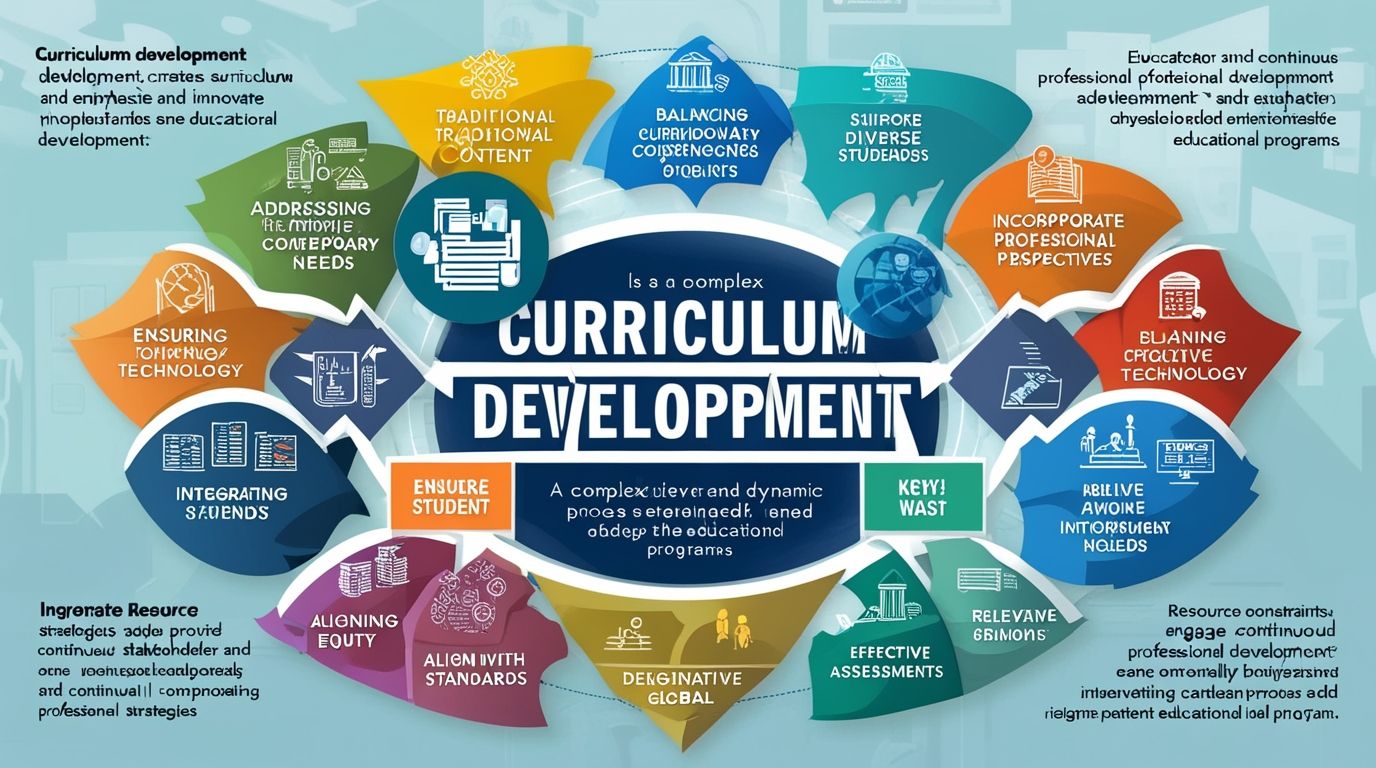
Curriculum management sits at the heart of teaching administration. Administrators make sure the school teaches what national or state standards require and what students need. They review textbooks, approve new courses, and align lessons with assessments.
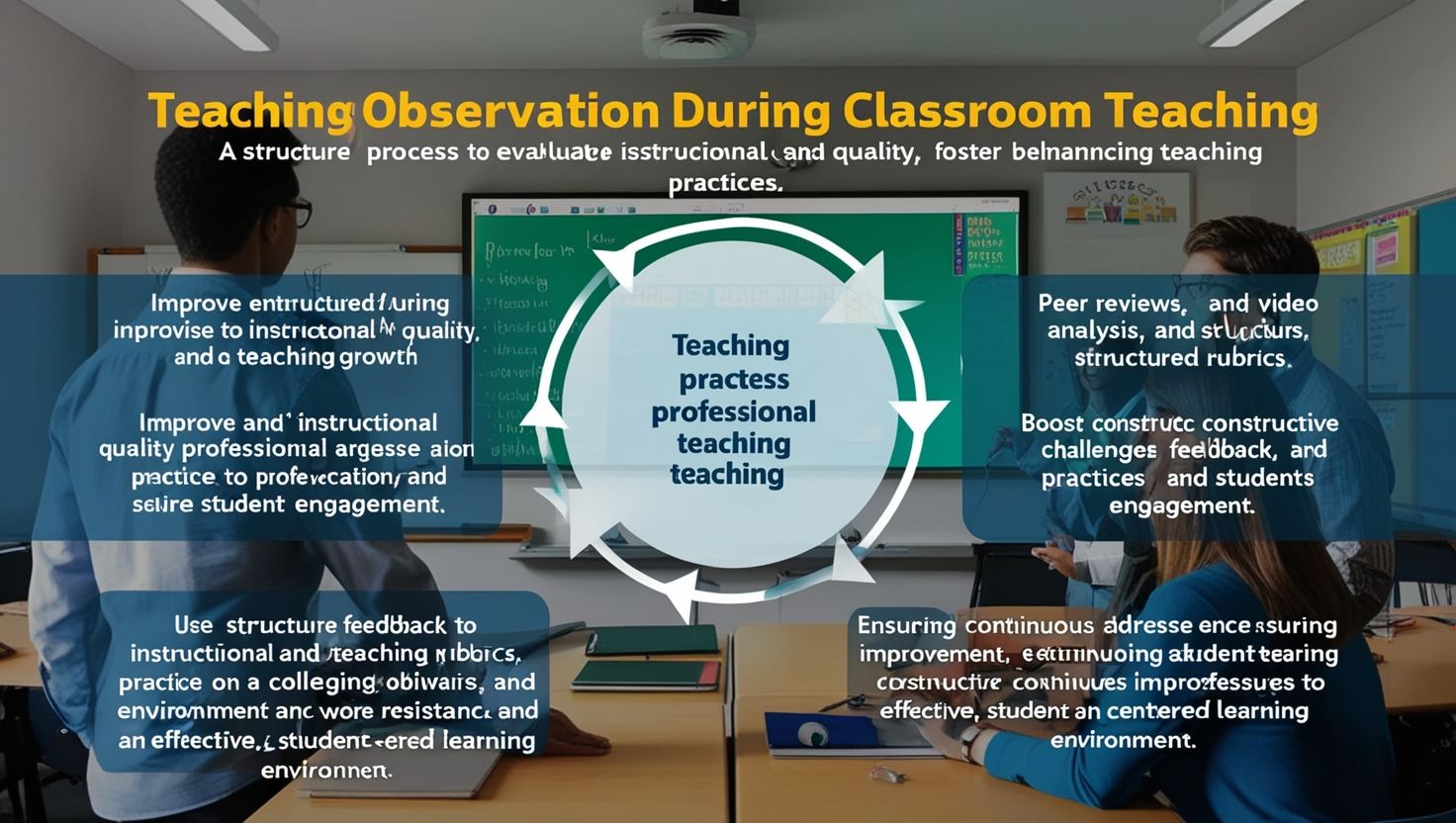
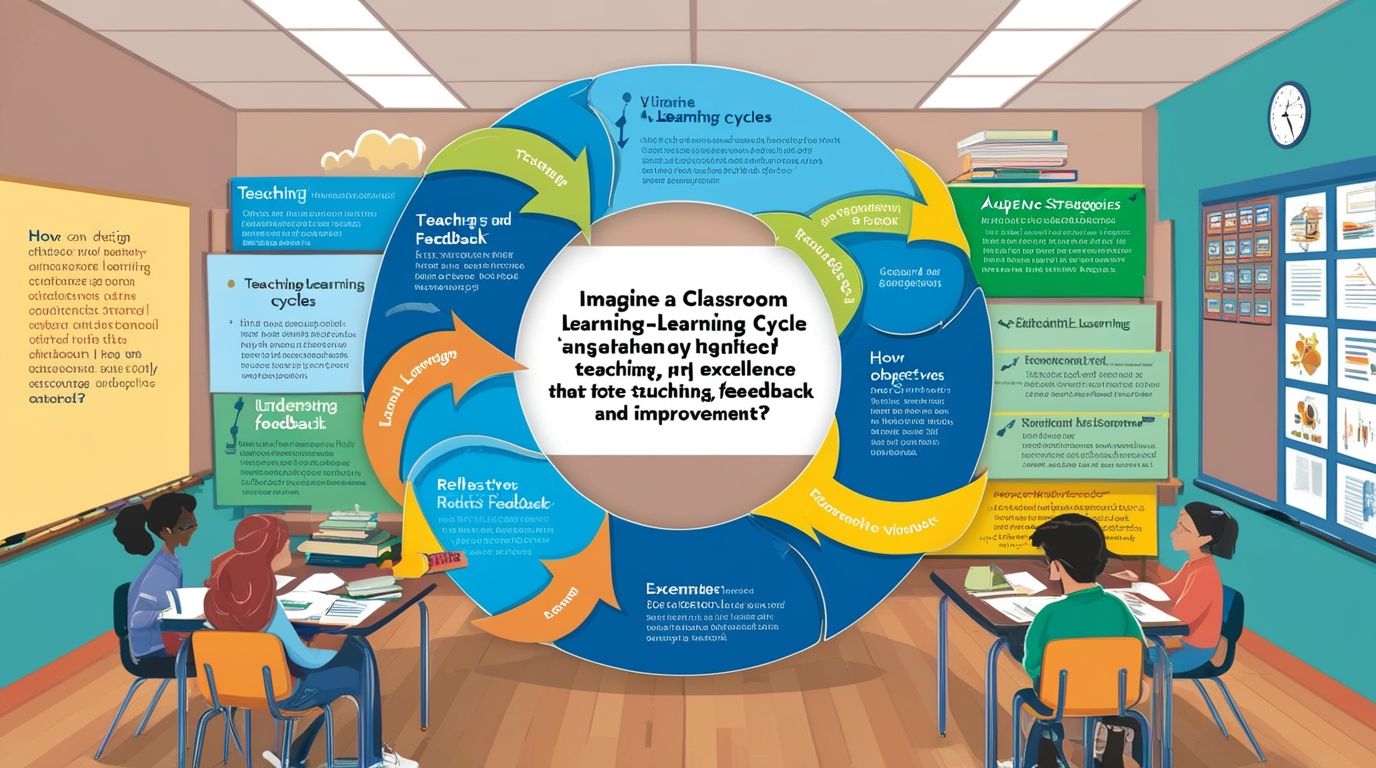
Strong instructional leaders visit classrooms often. They watch how teachers explain ideas, how students respond, and where learning stalls. They then meet with teachers to share observations and set goals. This cycle of observation and feedback improves teaching faster than any single workshop.
Staff Recruitment, Supervision, and Development
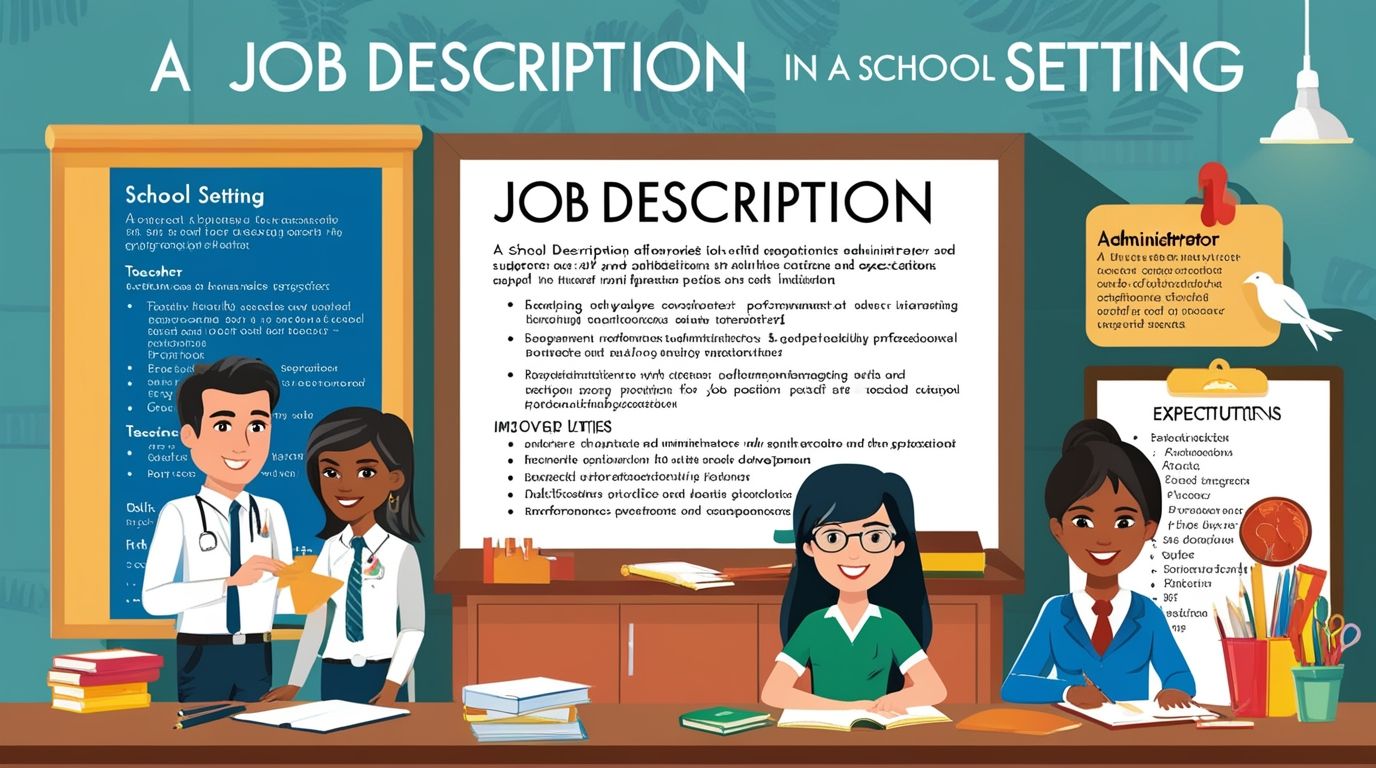
People make a school. Administrators hire teachers, assign their duties, and evaluate their performance. They write job descriptions, interview candidates, and onboard new staff.
Teacher development deserves special attention. Good administrators offer coaching, mentoring, peer observation, and training that match each teacher’s needs. A new teacher needs help with classroom routines. A veteran teacher may want leadership opportunities or training in new technology. Administrators who tailor support get better results than those who offer the same training to everyone.
Budget and Financial Management
Every school runs on a budget. Administrators plan spending, track expenses, purchase supplies, and report to governing boards or education authorities. They decide how to divide money among salaries, books, technology, maintenance, and student activities.
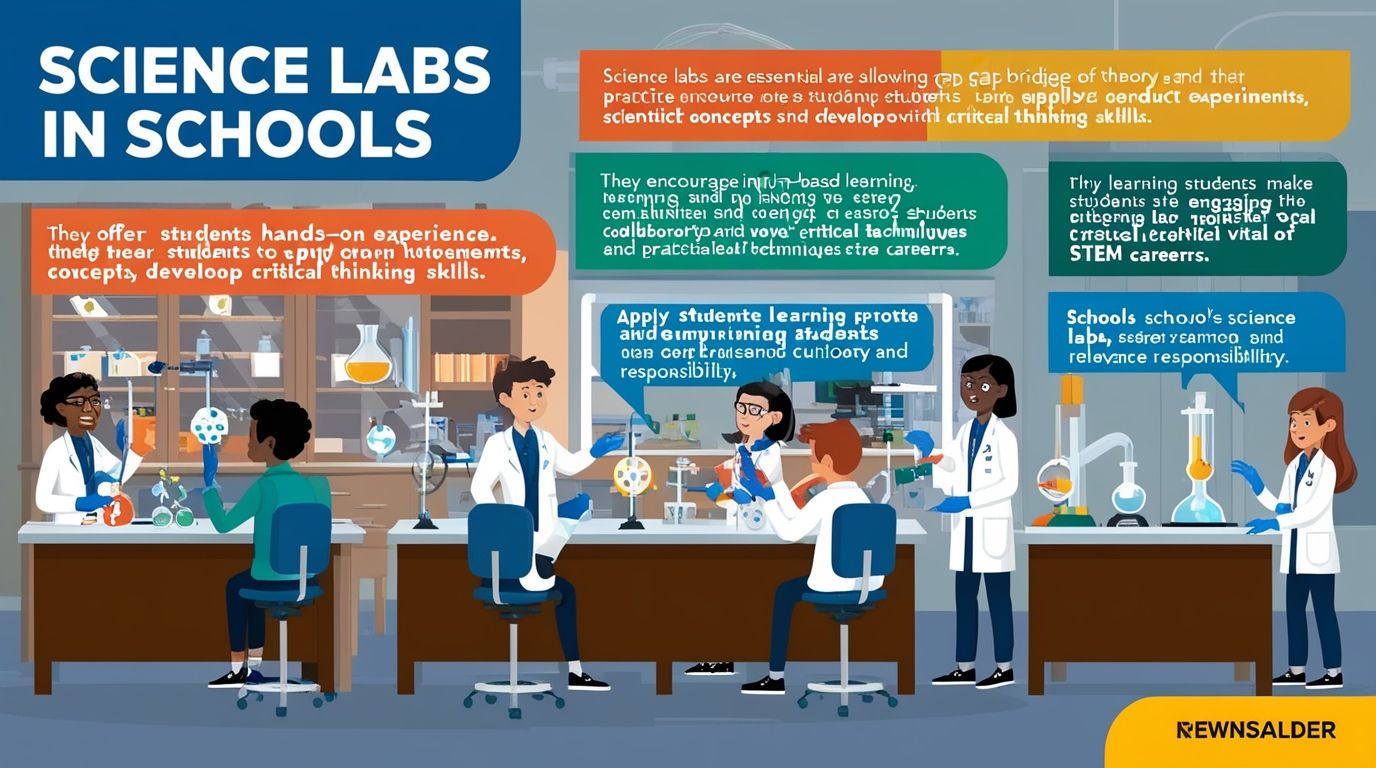
Financial skill does not require an accounting degree, but it does require discipline. Administrators who plan carefully avoid mid-year shortages and can invest in priorities such as reading programs or science labs.

Student Discipline, Welfare, and Support
Administrators build and enforce behavior policies. They handle serious incidents, meet with families, and coordinate with counselors, social workers, and health professionals. Modern school administration also gives weight to student wellbeing. Administrators track attendance, identify students who struggle, and connect them with support before problems grow.
Policy, Compliance, and Record Keeping
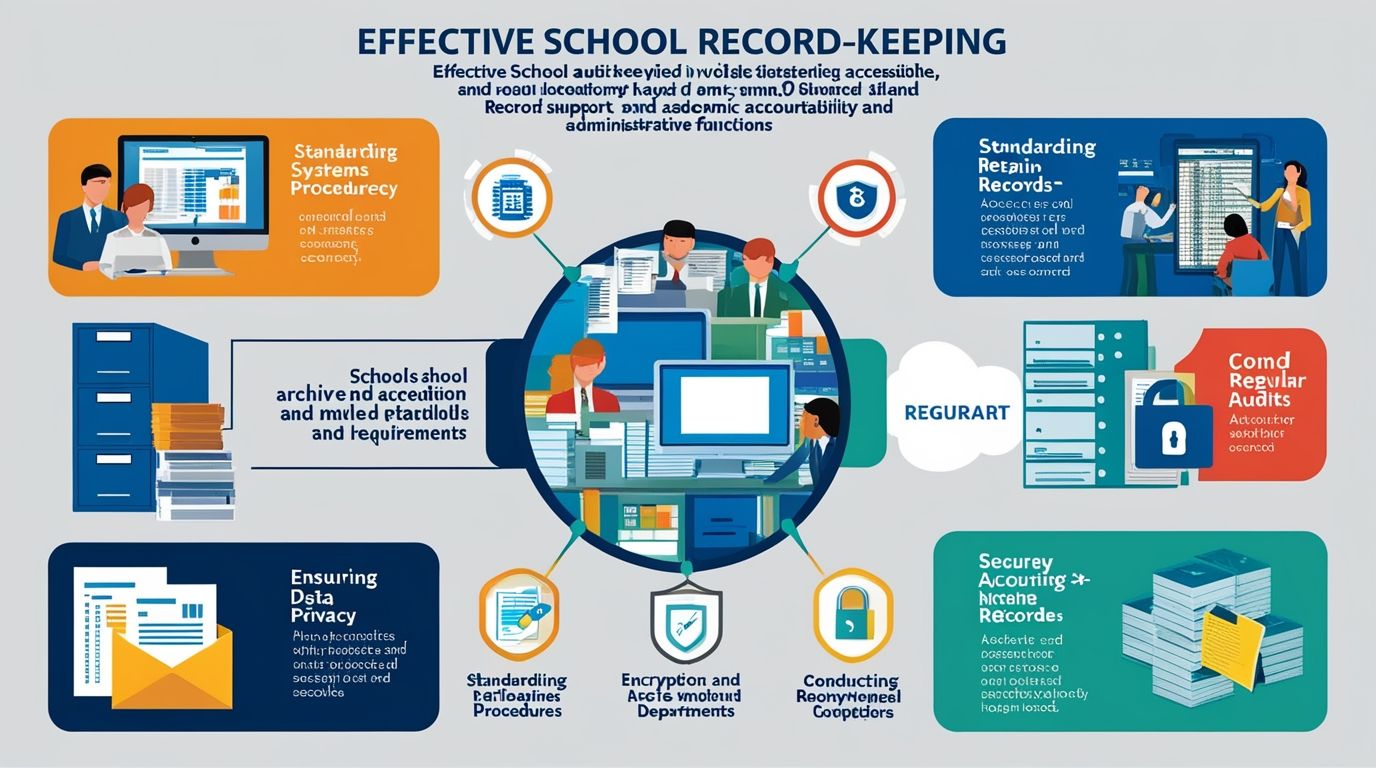
Schools operate within laws and regulations. Administrators interpret education policy, maintain accurate student records, manage examinations, and prepare reports for authorities. They protect student privacy, ensure fair admissions, and meet safety standards for buildings and transport.
Communication and Community Engagement
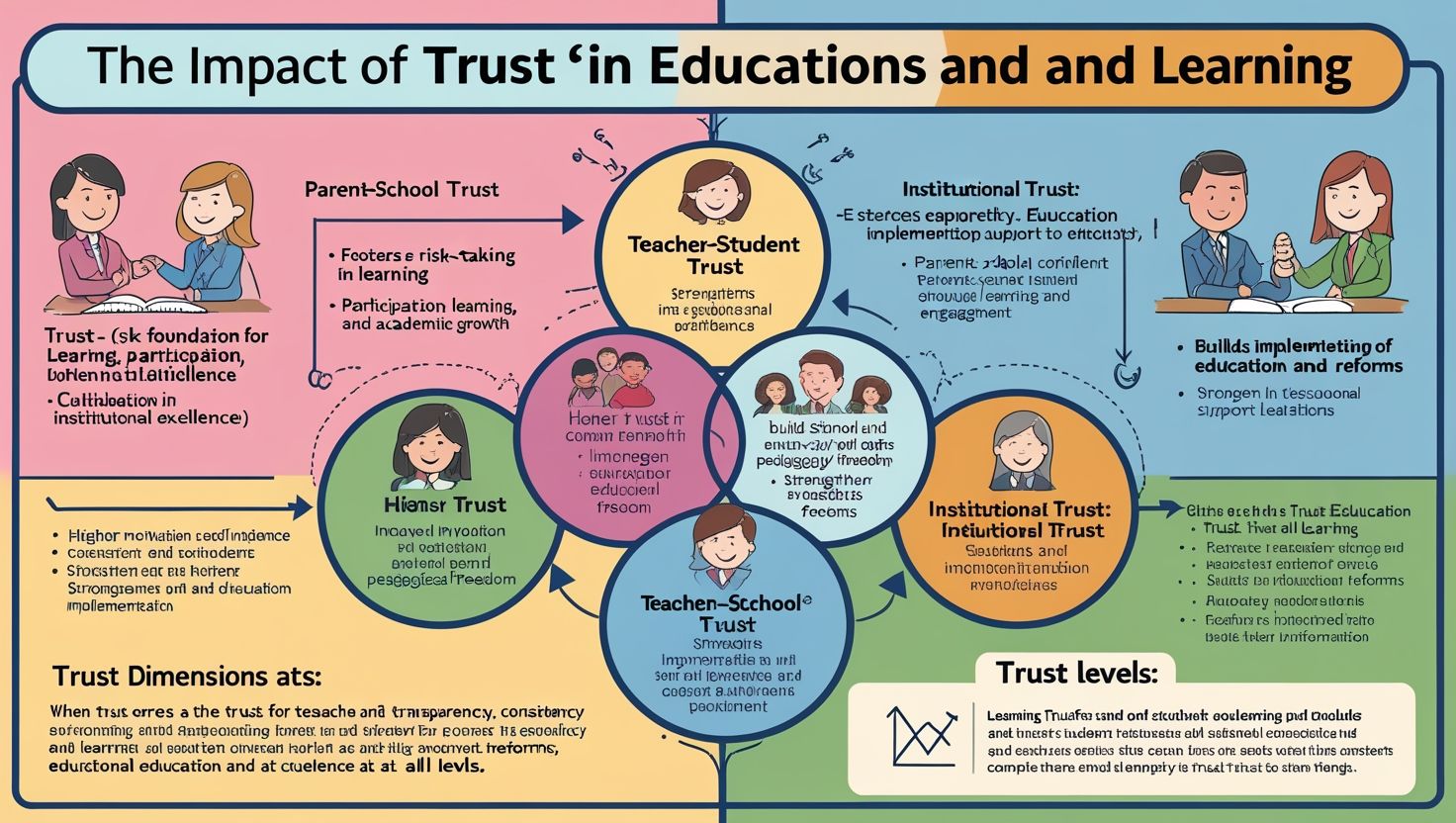
Administrators speak for the school. They write newsletters, run parent meetings, respond to concerns, and work with local partners. Clear and honest communication builds trust. When a crisis arises, whether a storm, an accident, or a rumor, the community looks to administrators for calm and accurate information.
Scheduling and Daily Operations
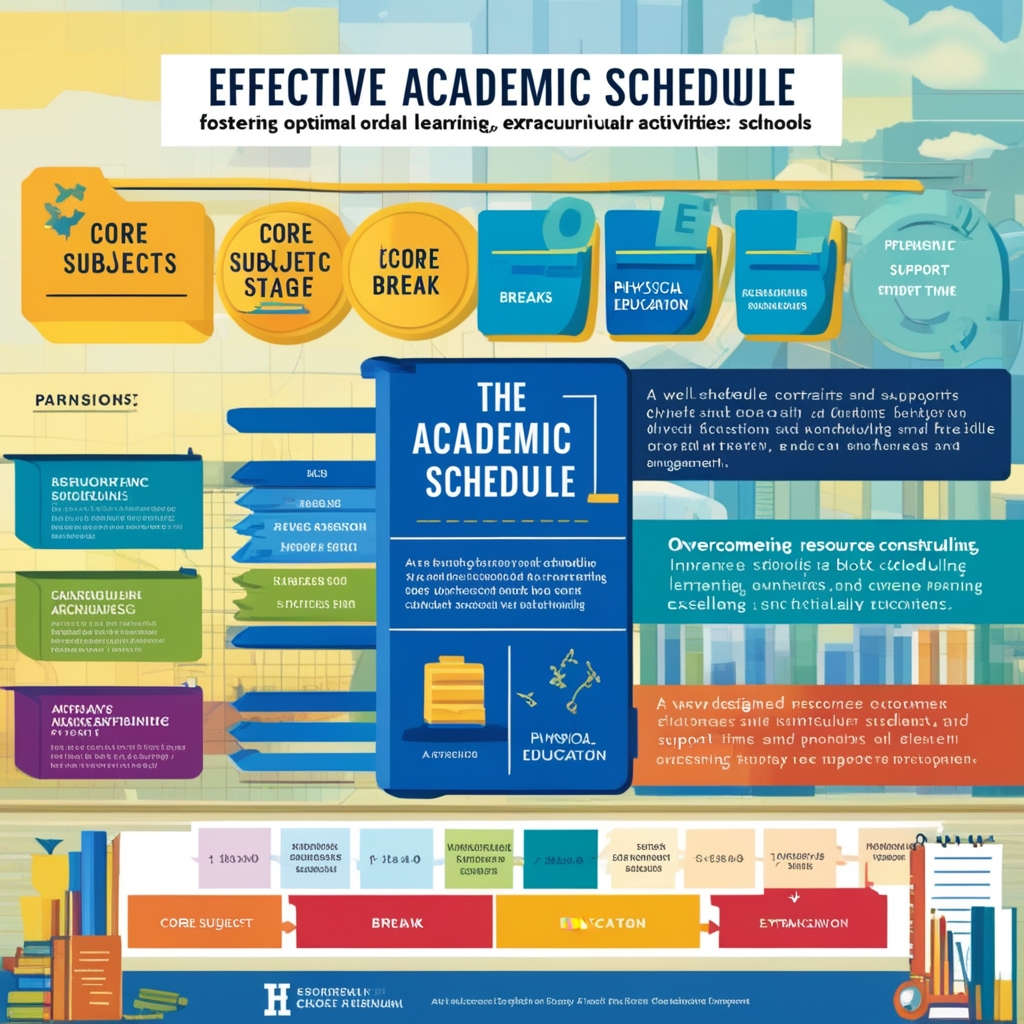
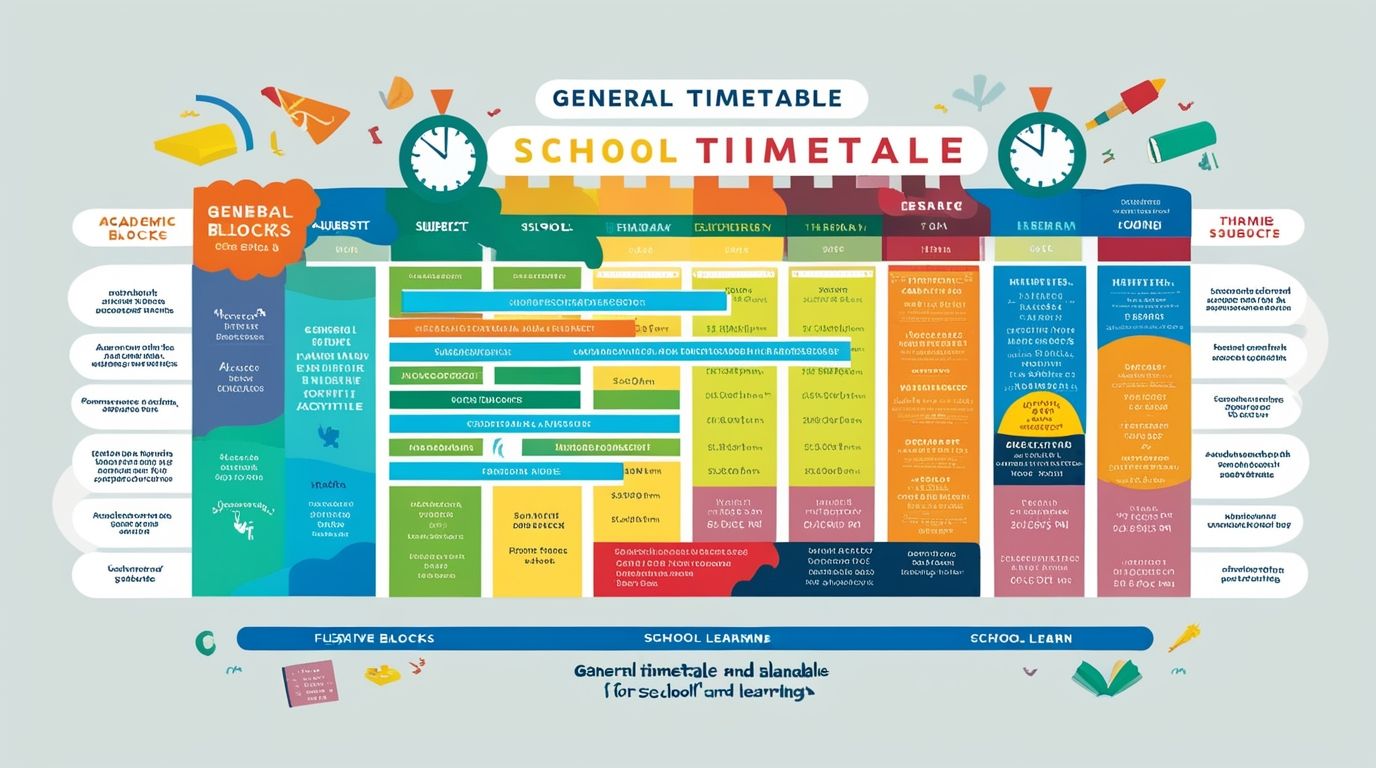
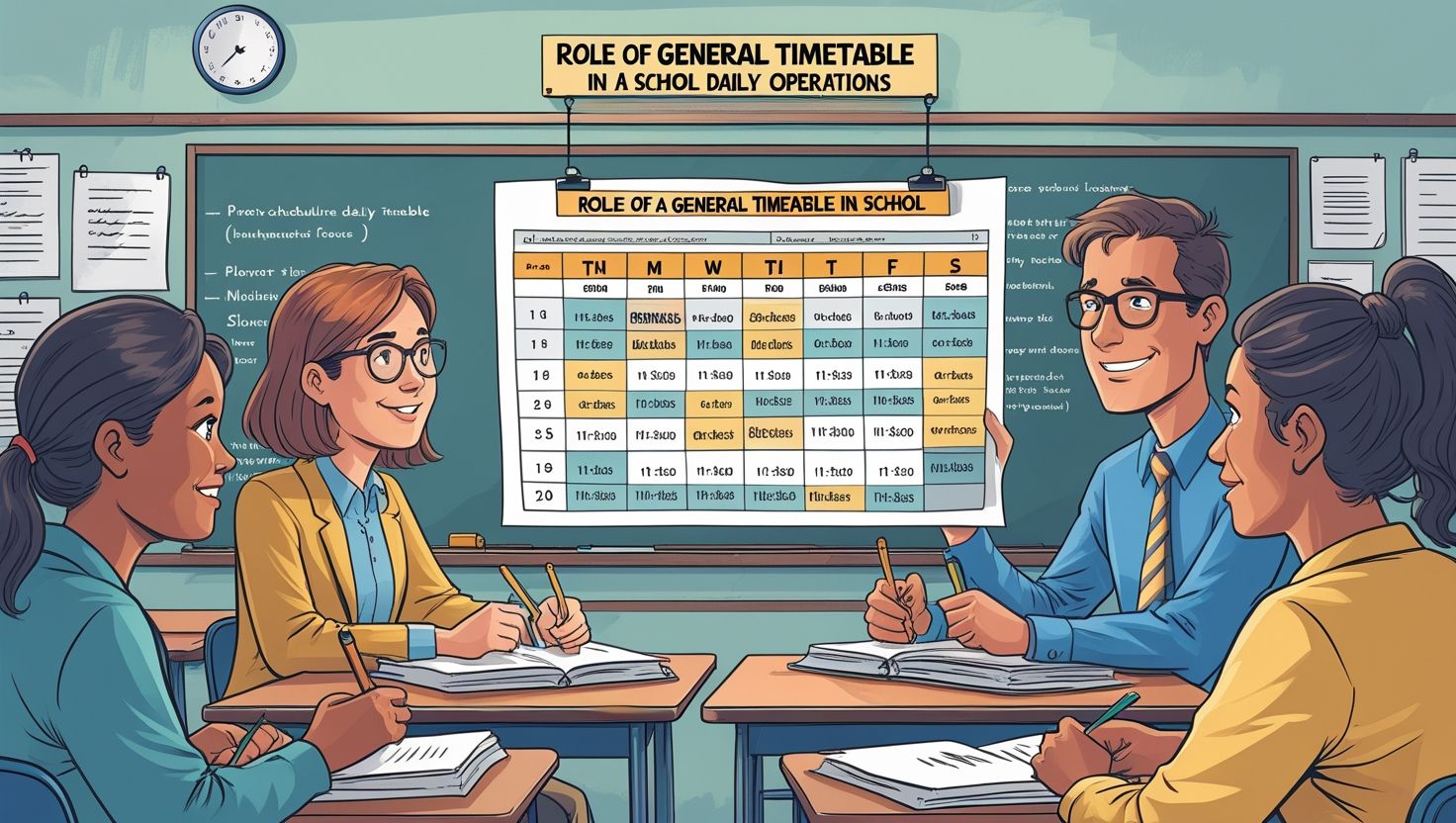
Someone must build the timetable, assign rooms, arrange substitute teachers, supervise exams, and plan assemblies and events. These tasks look small, but they shape how every student and teacher experiences the day. A well-built schedule protects teaching time and reduces stress.
Essential Skills for Teaching Administrators
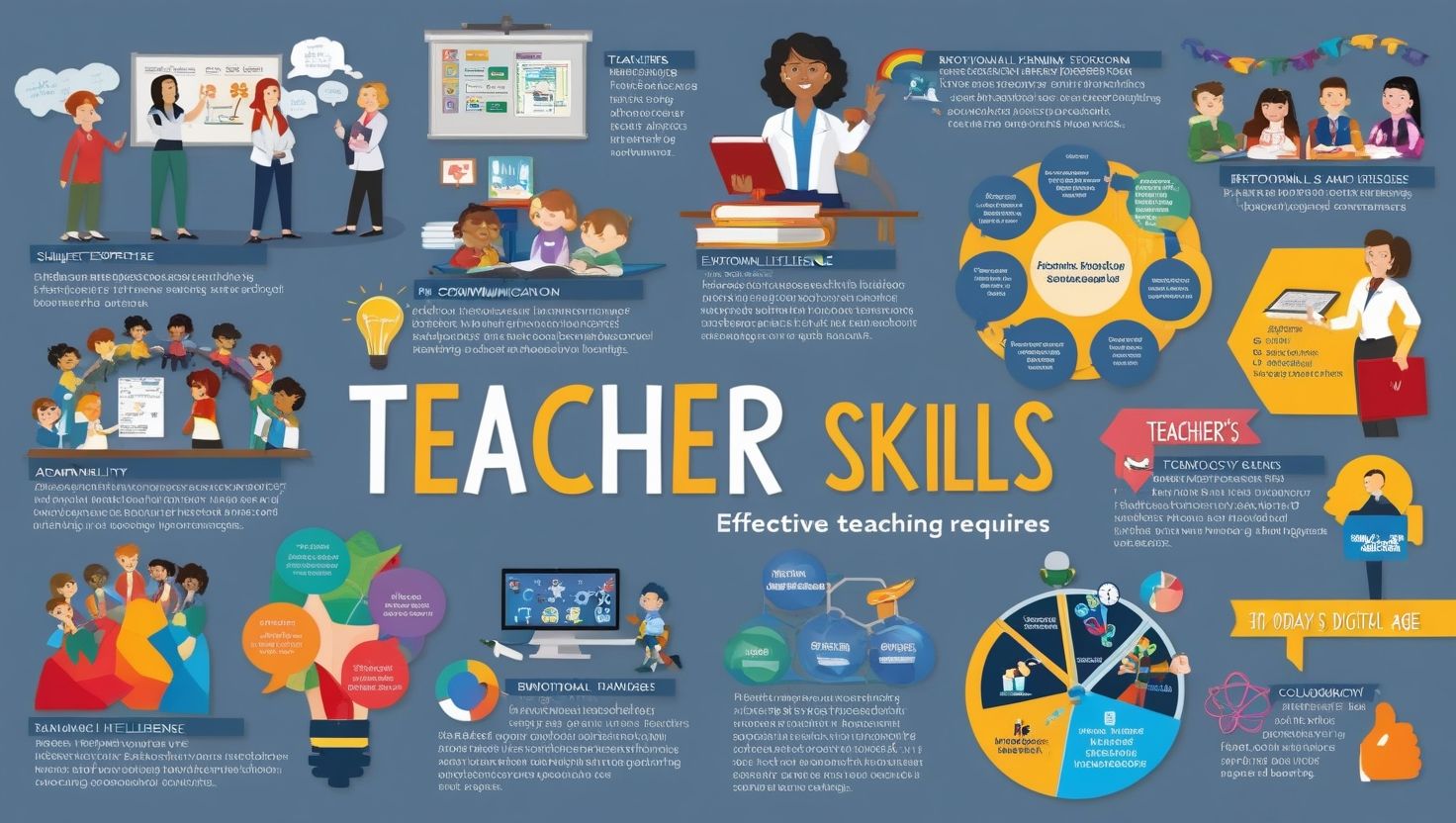
Successful educational leadership requires a mix of people skills, thinking skills, and technical skills.
Communication. Administrators speak with students, teachers, parents, and officials every day. They need to listen carefully, explain decisions clearly, and write with precision.
Vision and planning. Strong leaders know where they want the school to go in three to five years. They set goals, break them into steps, and measure progress.
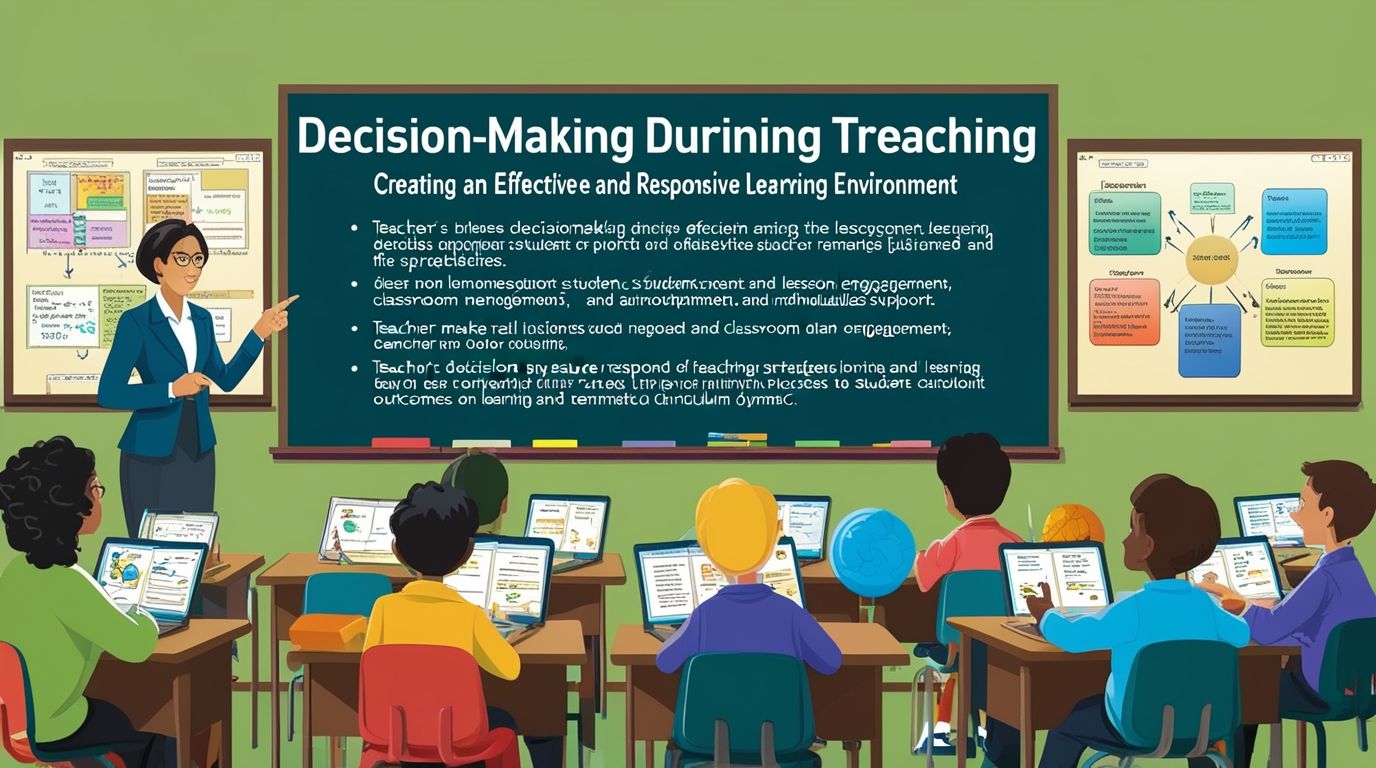
Decision-making. Administrators often decide quickly with incomplete information. They gather facts, weigh the effect on students first, and accept responsibility for the outcome.
Emotional intelligence. Schools are emotional places. Leaders who recognize stress, show empathy, and stay calm under pressure build loyal teams.
Data literacy. Test scores, attendance records, and survey results tell a story. Administrators who read data well spot trends early and target help where it matters.
Technology skills. Student information systems, learning platforms, and digital communication tools now sit at the center of school operations. Administrators who understand technology lead change with confidence.
Conflict resolution. Disagreements between staff, students, or parents come with the job. Skilled mediators listen to each side, find common ground, and protect relationships.
Ethics and integrity. Administrators hold public trust. Fair treatment, honest reporting, and respect for confidentiality define good leadership.
How to Build a Career in Teaching Administration
Most administrators start as teachers. Classroom experience gives them credibility and a firsthand understanding of what teachers and students need.
Step 1: Gain Teaching Experience
Most education systems expect several years of classroom teaching before you move into leadership. Use this time to learn your craft, volunteer for committees, and mentor new colleagues.
Step 2: Take On Informal Leadership
Lead a department, coordinate a grade level, run a school event, or chair a curriculum review team. These roles show your ability to organize people and projects.
Step 3: Earn the Right Qualifications
Requirements differ by country and region. Many systems ask for a master’s degree in educational leadership, educational administration, or a related field. Some offer certification programs for aspiring principals. Check the rules of your local education authority before you choose a program.
Step 4: Seek Entry-Level Administrative Roles
Positions such as assistant principal, academic coordinator, or deputy head let you practice administration with support from an experienced leader.
Step 5: Keep Learning
Education changes constantly. Read research, join professional associations, attend conferences, and build a network of peers. The best administrators never stop learning.
Career paths can lead from assistant principal to principal, then to district or regional leadership, curriculum director, or policy roles in government and nonprofit organizations.
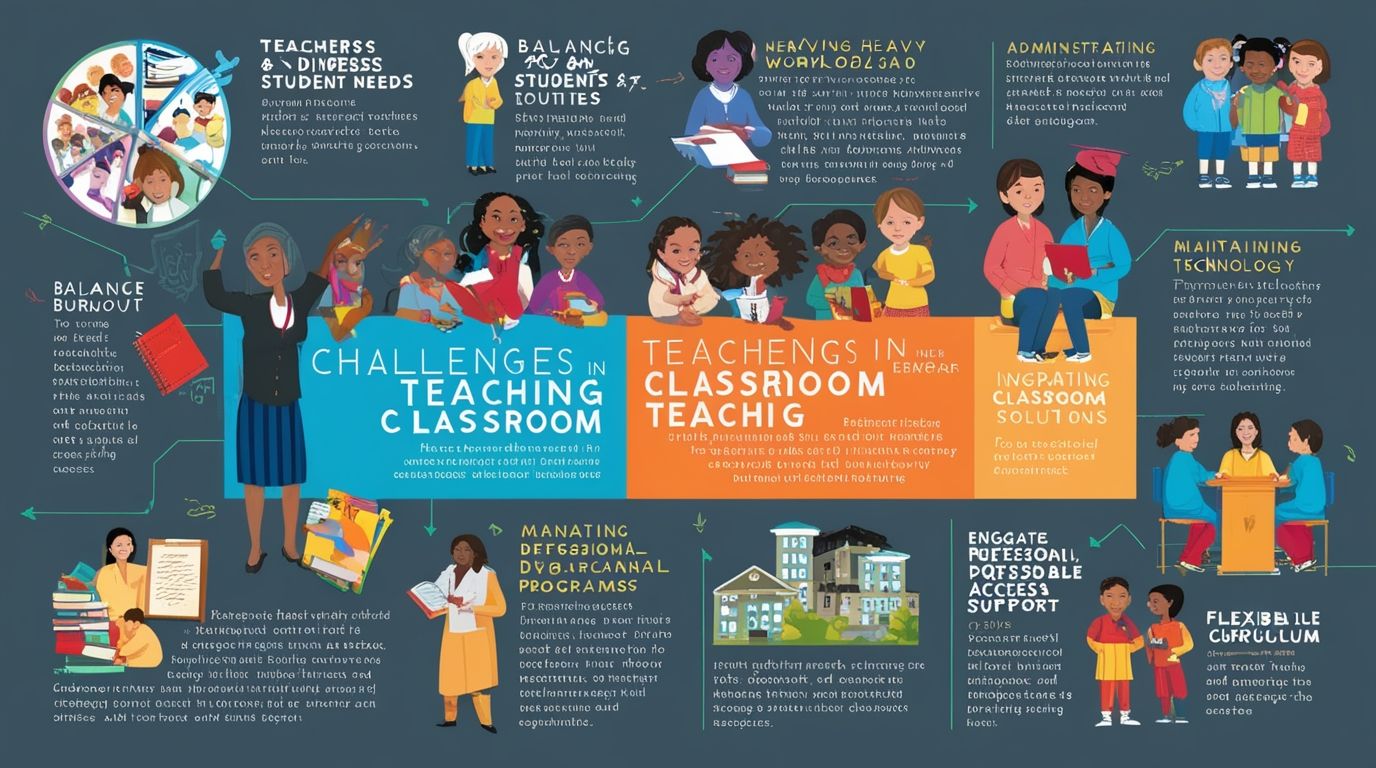
Common Challenges in Teaching Administration
Leadership brings real difficulties. Knowing them in advance helps you prepare.
Limited funding. Many schools do more with less each year. Administrators must prioritize, seek grants, and build partnerships.
Teacher shortages and burnout. Recruiting and retaining qualified teachers challenges schools worldwide, especially in rural and remote areas. Administrators fight burnout by managing workloads, offering flexibility, and showing appreciation.
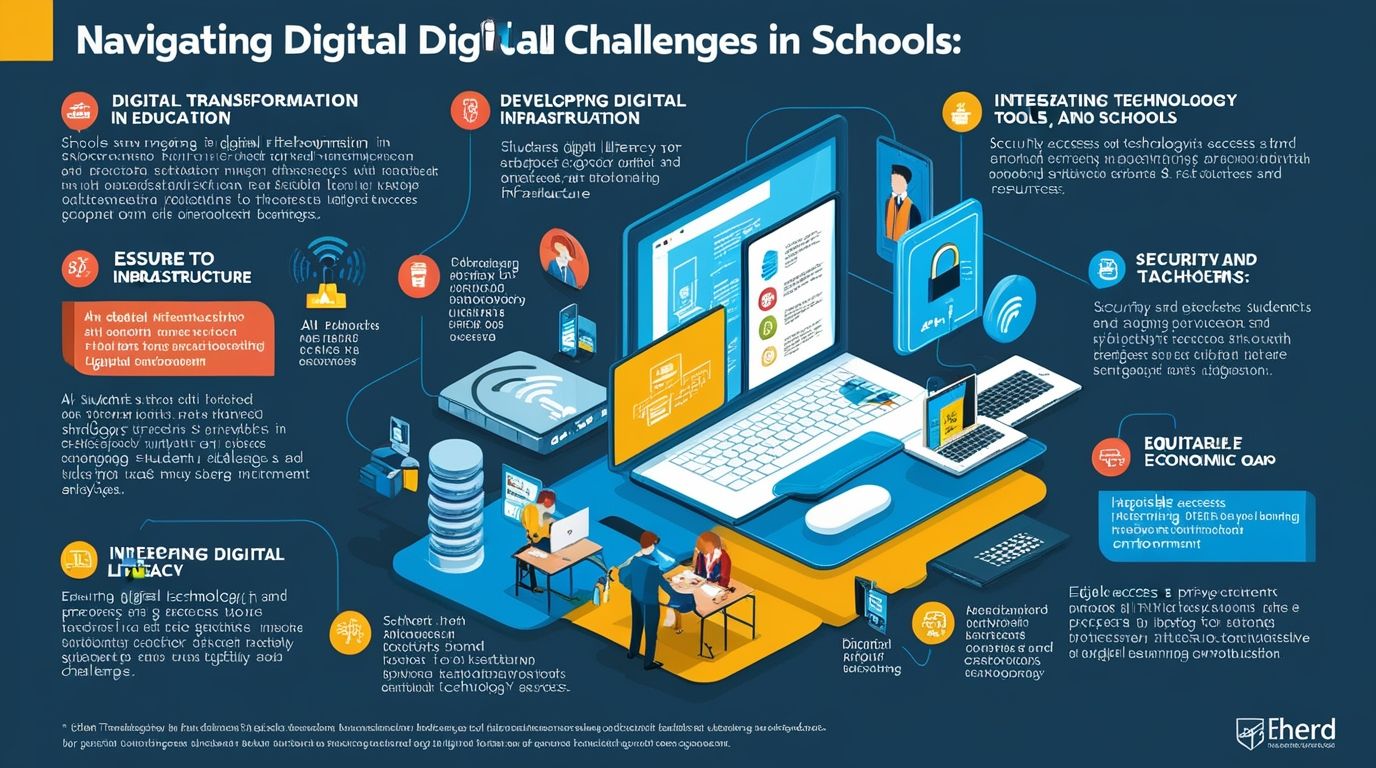
Rapid technological change. New tools arrive faster than schools can adopt them. Administrators must choose wisely, train staff, and protect student data.
Diverse student needs. Classrooms include students with different languages, abilities, and backgrounds. Administrators ensure inclusive practices and appropriate support services.
Accountability pressure. Governments, boards, and parents expect measurable results. Administrators balance test scores with broader goals such as creativity, character, and wellbeing.
Time management. Meetings, emails, emergencies, and paperwork compete for attention. Leaders who delegate and protect time for instructional leadership stay effective.
Best Practices for Effective School Leadership
The following habits separate strong administrators from average ones.
- Stay visible. Walk the halls, visit classrooms, and greet students and staff each day. Presence builds trust.
- Focus on learning first. Judge every major decision by one question: will this help students learn?
- Share leadership. Invite teachers into decisions about curriculum, schedules, and policy. People support what they help create.
- Set clear expectations. Write down goals, rules, and procedures. Review them with staff and students each year.
- Use data, but do not worship it. Numbers guide decisions. They never replace professional judgment and knowledge of your students.
- Invest in professional growth. Fund coaching, training, and collaboration time. Teachers who grow help students grow.
- Communicate often. Share news, successes, and challenges with families and staff. Silence invites rumors.
- Care for yourself. Leaders who ignore their own health cannot sustain the work. Rest, exercise, and seek support from peers.
The Future of Teaching Administration
Several trends will shape school administration in the coming decade.
Technology and artificial intelligence. Schools already use digital tools for attendance, grading, and communication. AI tools will assist with scheduling, data analysis, and personalized learning. Administrators will need to set clear policies for responsible use.
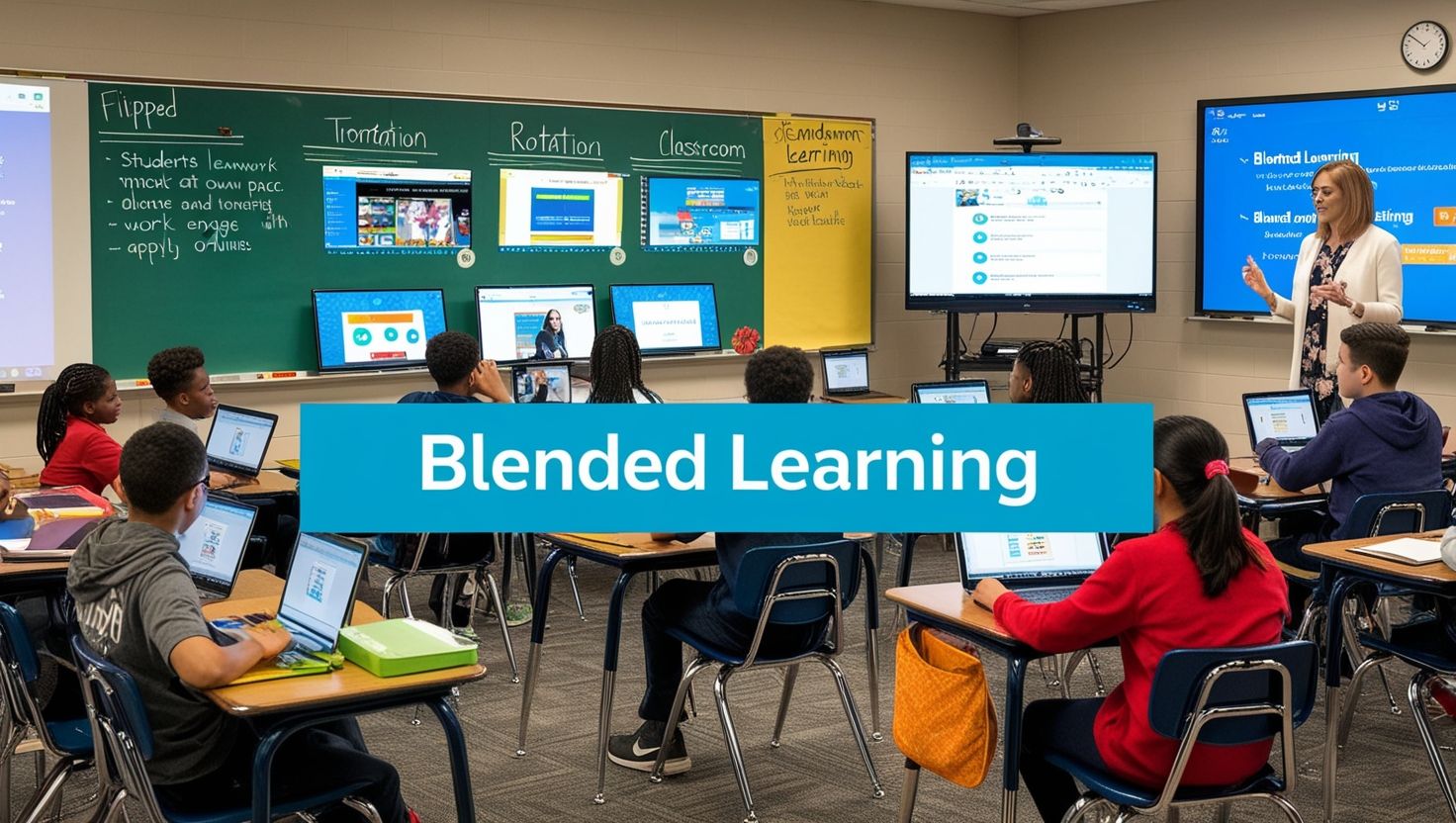
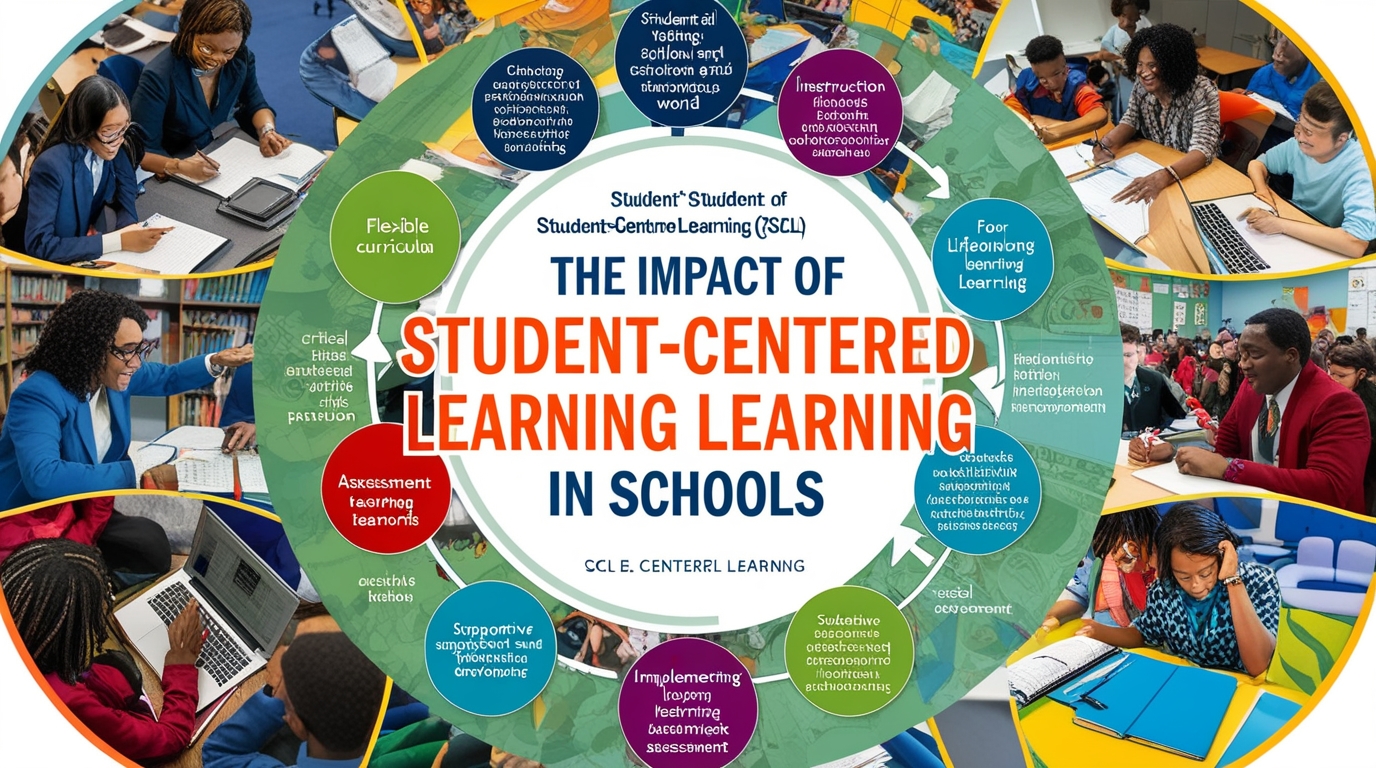
Personalized and flexible learning. Blended and online options continue to grow. Administrators will redesign schedules, spaces, and staffing to support learning that happens anywhere.
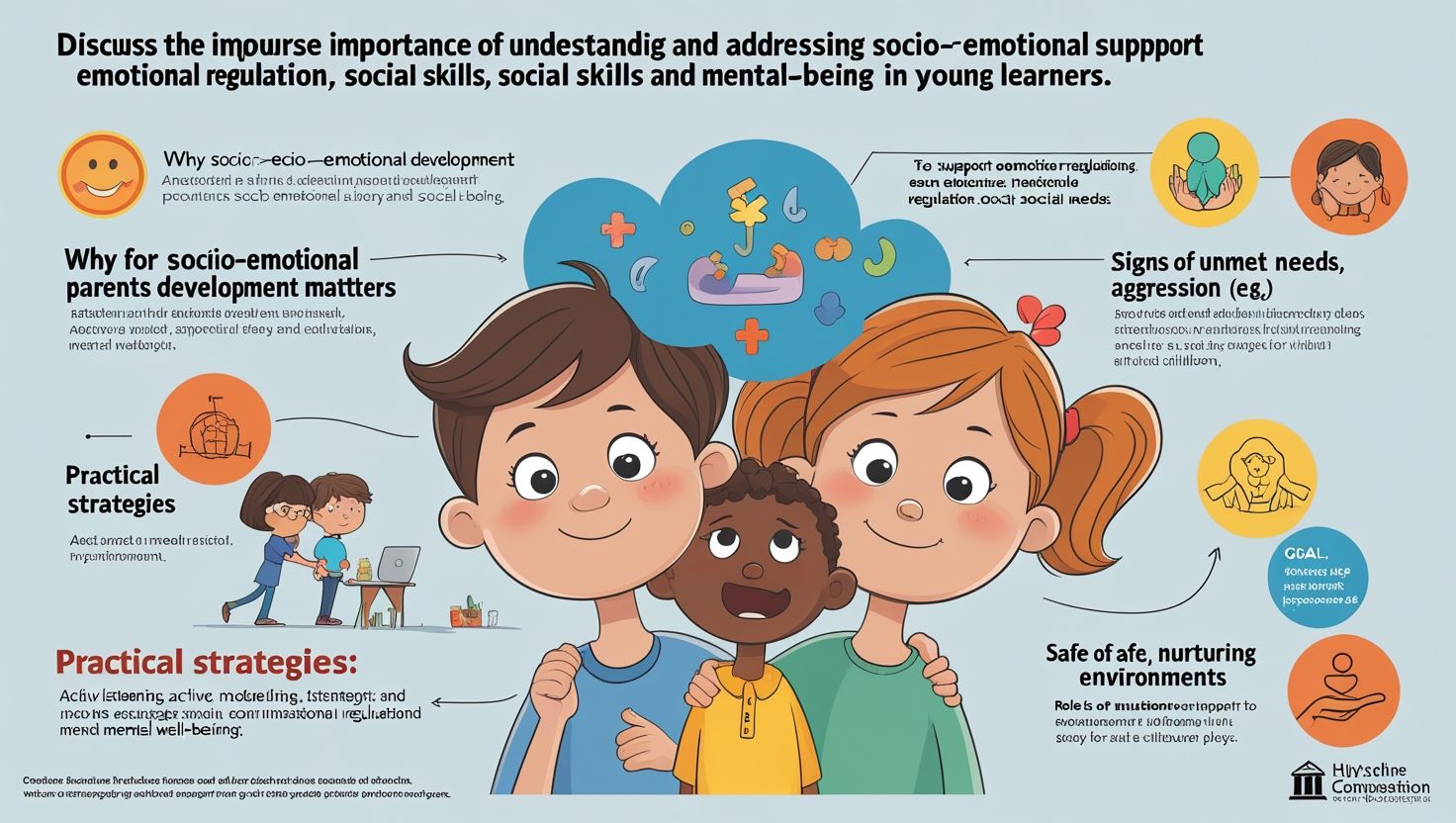
Focus on wellbeing. Schools now treat mental health and social-emotional learning as core responsibilities. Administrators will expand counseling, build supportive cultures, and train staff in this area.
Data-informed decisions. Better systems will give leaders faster and clearer information. Administrators who combine data with human insight will lead the most effective schools.
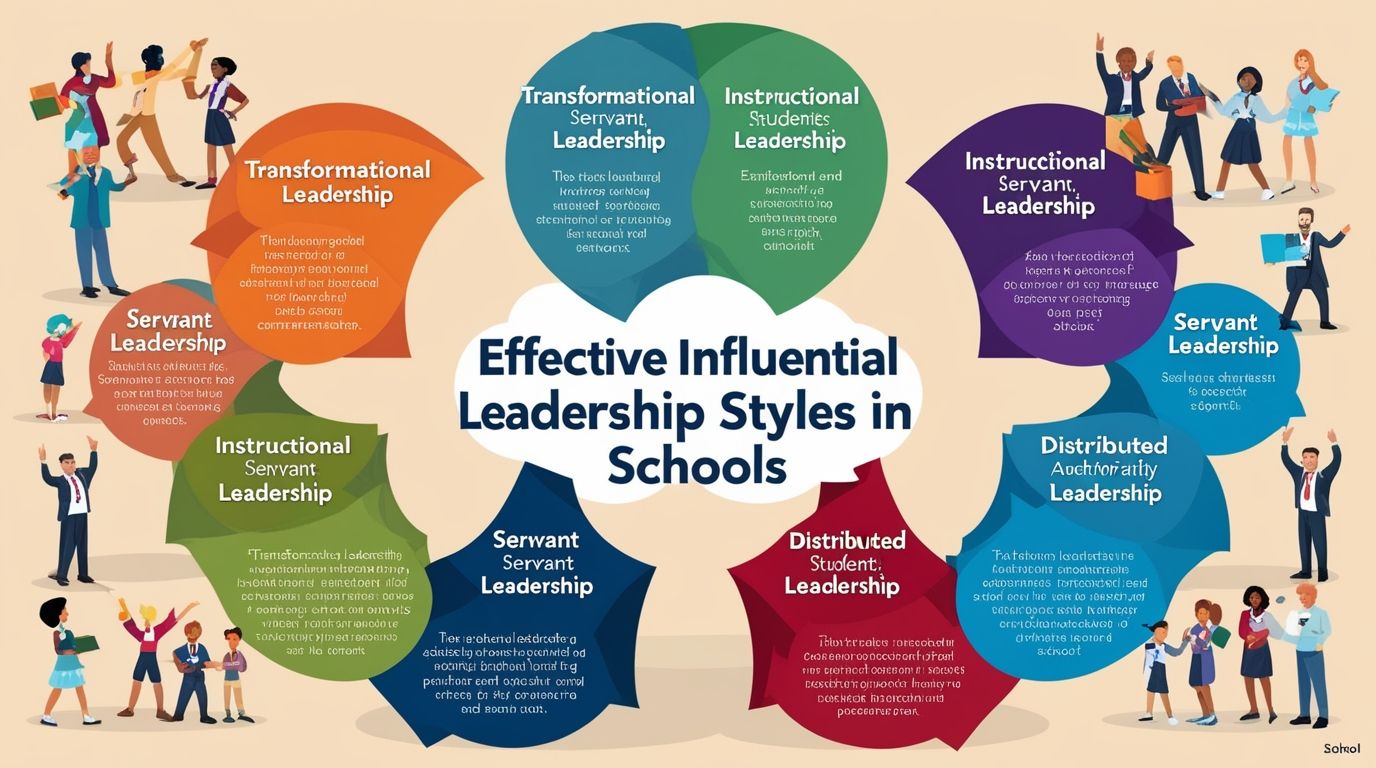
Shared and distributed leadership. The idea that one principal does everything is fading. Teams of teacher leaders, coordinators, and administrators will share responsibility.
Conclusion
Teaching administration shapes the quality of every school. Administrators do not stand in front of the class each day, yet their work touches every lesson. They set direction, support teachers, manage resources, protect students, and connect the school with its community.
If you want to enter this field, start by growing as a teacher, take on leadership tasks, earn the right qualifications, and keep learning. If you already lead a school, return often to the central question: how does this decision help students learn? Leaders who keep that question in view build schools where teachers flourish and students succeed.
Frequently Asked Questions
1. What does a teaching administrator do?
A teaching administrator manages the daily operations and long-term direction of a school or education program. Duties include supervising staff, guiding curriculum, managing budgets, enforcing policy, supporting student welfare, and communicating with families. The exact tasks depend on the role, such as principal, vice principal, or curriculum director.
2. What qualifications do you need for school administration?
Most school administrators begin as classroom teachers and hold a teaching license. Many education systems also require a master’s degree or certificate in educational leadership or administration. Requirements vary by country and region, so check with your local education authority.
3. How is teaching administration different from teaching?
Teachers work directly with students to deliver lessons and assess learning. Administrators work mostly with adults and systems. They hire and support teachers, manage resources, and shape the policies and culture that guide the whole school. Both roles aim to improve student learning.
References
- Leithwood, K., Louis, K. S., Anderson, S., & Wahlstrom, K. (2004). How leadership influences student learning: Review of research. The Wallace Foundation / University of Minnesota & University of Toronto.
- Bush, T. (2011). Theories of educational leadership and management (4th ed.). SAGE Publications.